Panama has emerged as a premier medical destination and logistics epicenter within Latin America. Characterized by a dual-tier healthcare system, divided between the public CSS (Caja de Seguro Social) and MINSA (Ministerio de Salud), and a rapidly expanding private sector featuring internationally accredited medical institutions, Panama requires medical hardware that complies with rigorous safety profiles. Specialized trauma centers and neurosurgical departments in facilities like Hospital Punta Pacífica, Hospital Paitilla, and the public Complejo Hospitalario Metropolitano demand high-precision implant portfolios.
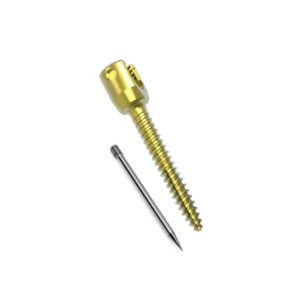
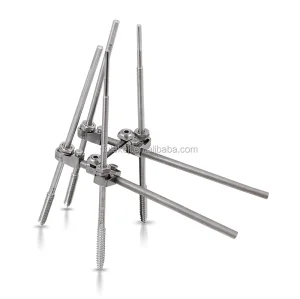
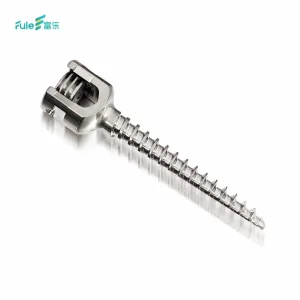
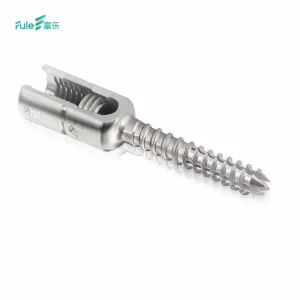
The regional demand for spine systems is heavily influenced by dynamic demographic shifts. An aging population, combined with high rates of orthopedic trauma from metropolitan development and transit traffic, has stimulated the call for versatile, high-fatigue-strength titanium constructs. The CCS 5.0 System, with its 5.0mm rod configurations, provides the exact balance of rigidity and biomechanical load-sharing required for challenging spinal stabilization procedures in cases of degenerative disc disease (DDD), spondylolisthesis, and complex spinal fractures.
Furthermore, Panama's geographical status as the "Hub of the Americas" and the presence of the Colón Free Zone (Zona Libre de Colón) establish it as a core transit point for neighboring Central and South American economies. Reliable exporters of medical devices must not only meet clinical requirements but also demonstrate robust distribution capabilities, ensuring seamless regulatory custom clearances and continuous logistical supply to both regional distributors and clinical networks.
Internationally, spinal surgery has shifted toward low-profile, highly customizable constructs that prioritize tissue preservation and surgical speed. The global market value for spinal fusion devices continues to rise, motivated by advancements in implant material engineering and minimally invasive surgical (MIS) techniques. Modern spinal instrumentation demands materials that mitigate stress-shielding, prevent corrosion, and support excellent post-operative diagnostics.
Modern operating theatres across Latin America demand systems that are highly adaptable to distinct clinical presentations and hospital workflows.
In Panama's metropolitan public hospitals, traffic and structural trauma represent significant emergency room burdens. The CCS 5.0 System offers swift assembly mechanics with pre-assembled components and reliable reduction instruments. This reduces surgical time, mitigating anesthetic risks and intraoperative blood loss.
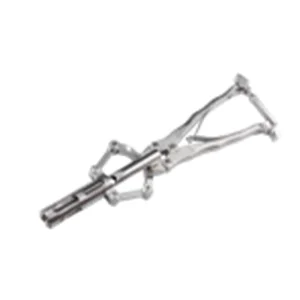
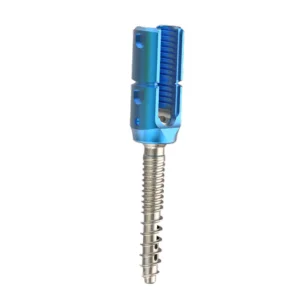
With growing life expectancy in Panama City and Chiriquí provinces, surgeons encounter compromised bone density in osteoporotic patients. Integrating our 5.5/6.0 expandable systems with bone cement interfaces ensures immediate pedicle fixation and prevents post-surgical screw pullout or toggle.
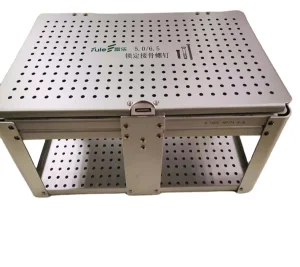
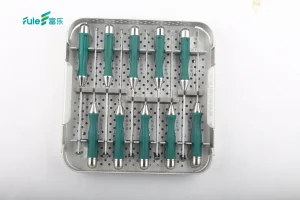
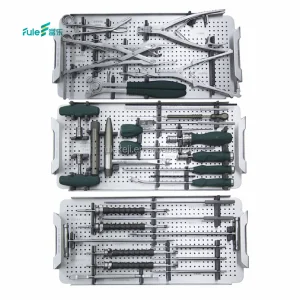
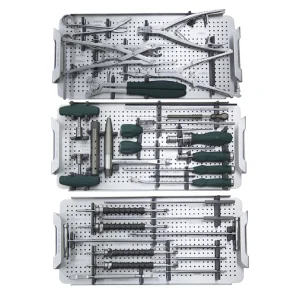
Different hospitals utilize distinct sterilization and tray deployment frameworks. Exporters must offer customized anodized aluminum screw boxes and modular instrumentation layouts that simplify autoclave sterilization, optimize instrument tracking, and ensure operational readiness.
Developing state-of-the-art orthopaedic implants backed by certified quality control, extensive R&D, and global regulatory compliance.

Certificate Registration No: 04724Q10000818 — Fully Validated and Certified for International Export Markets
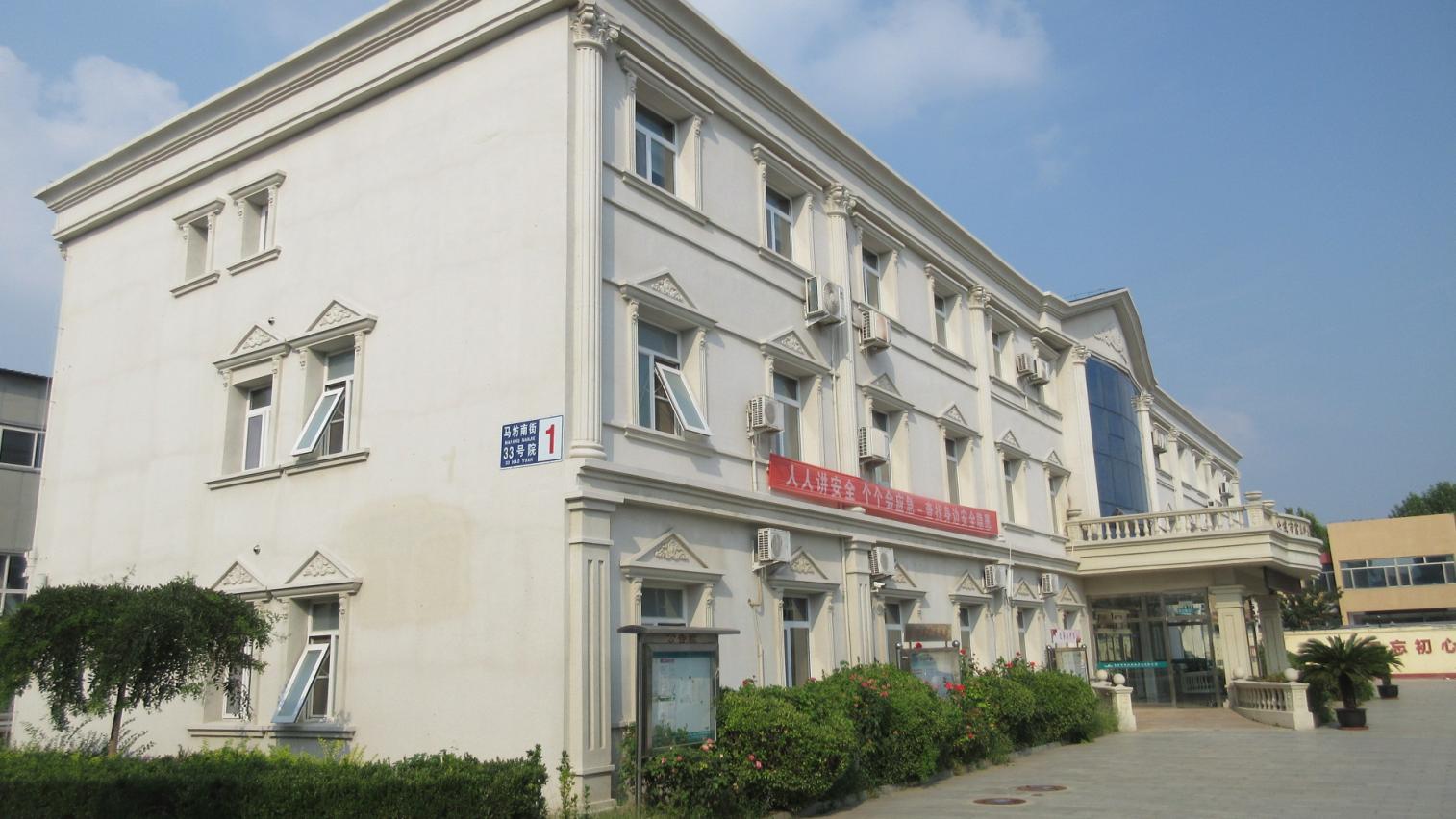
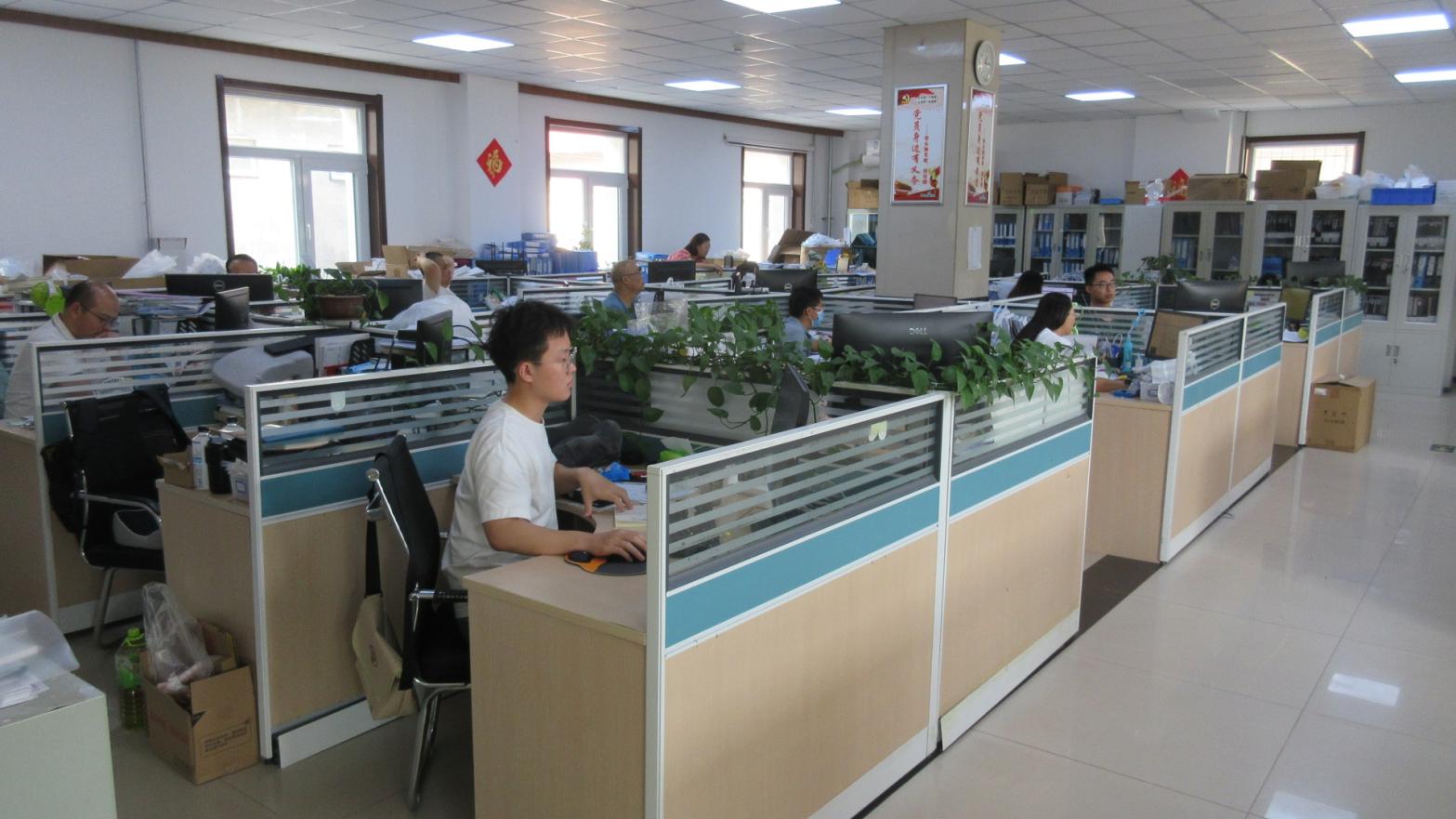
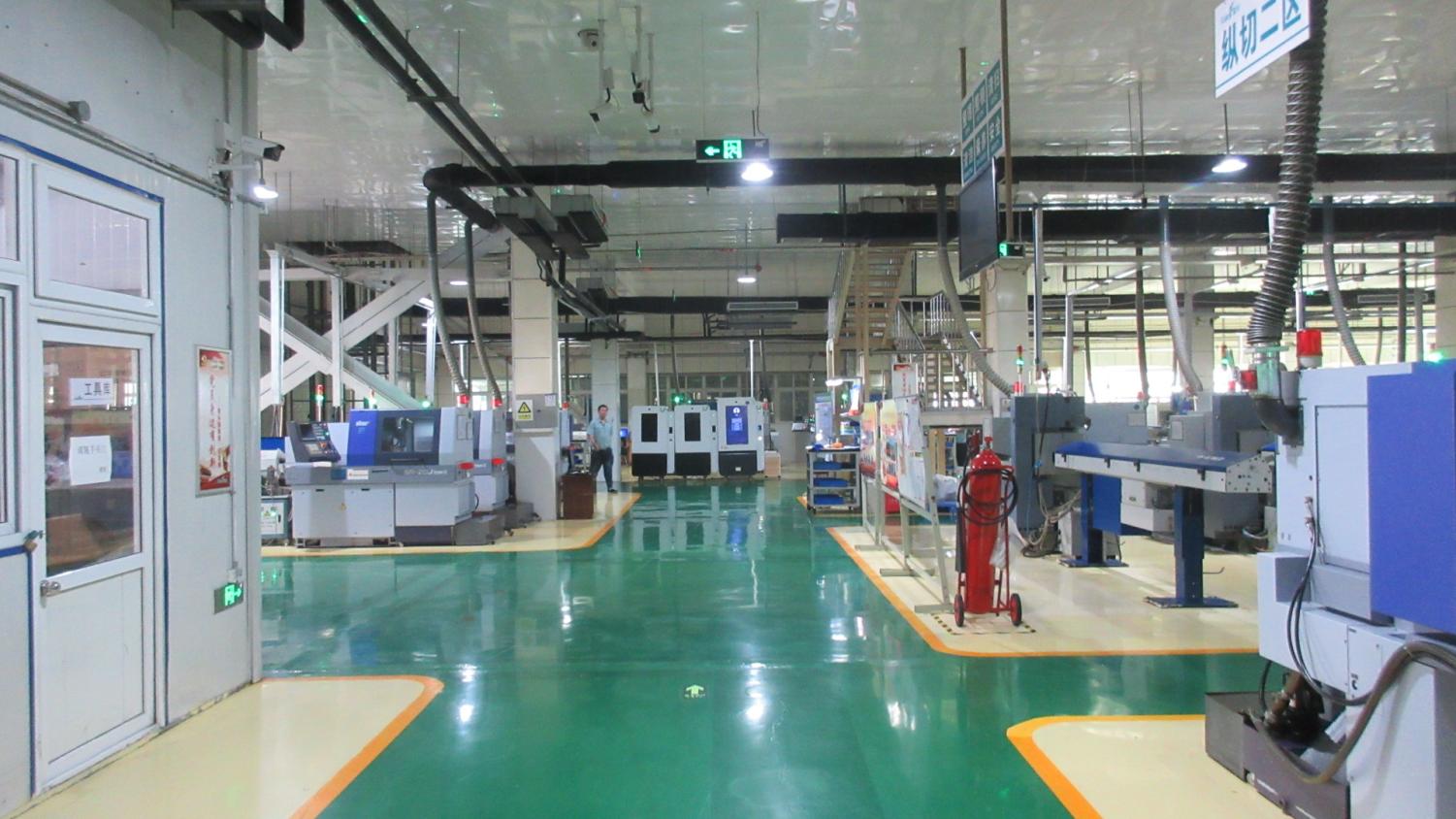
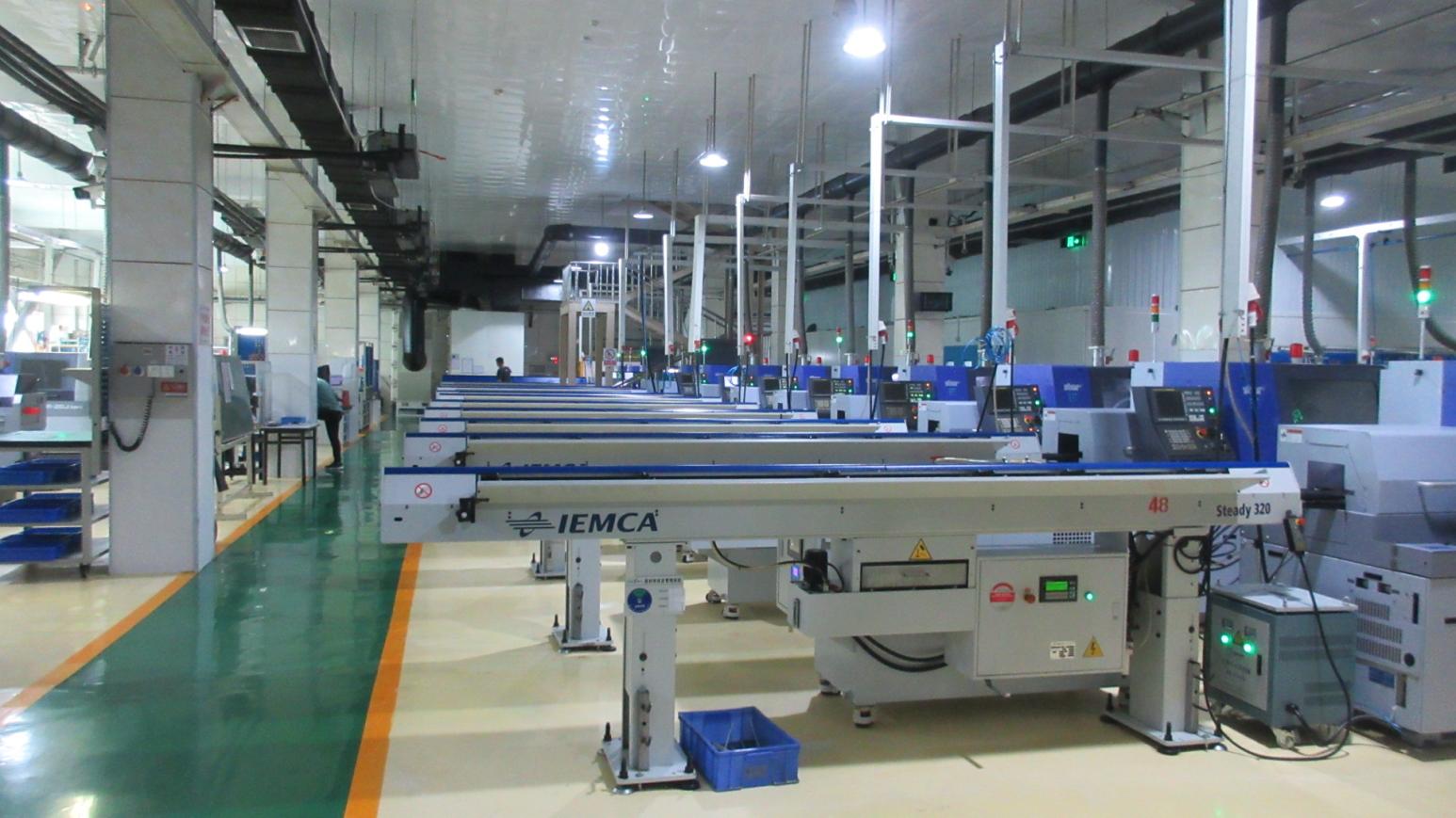
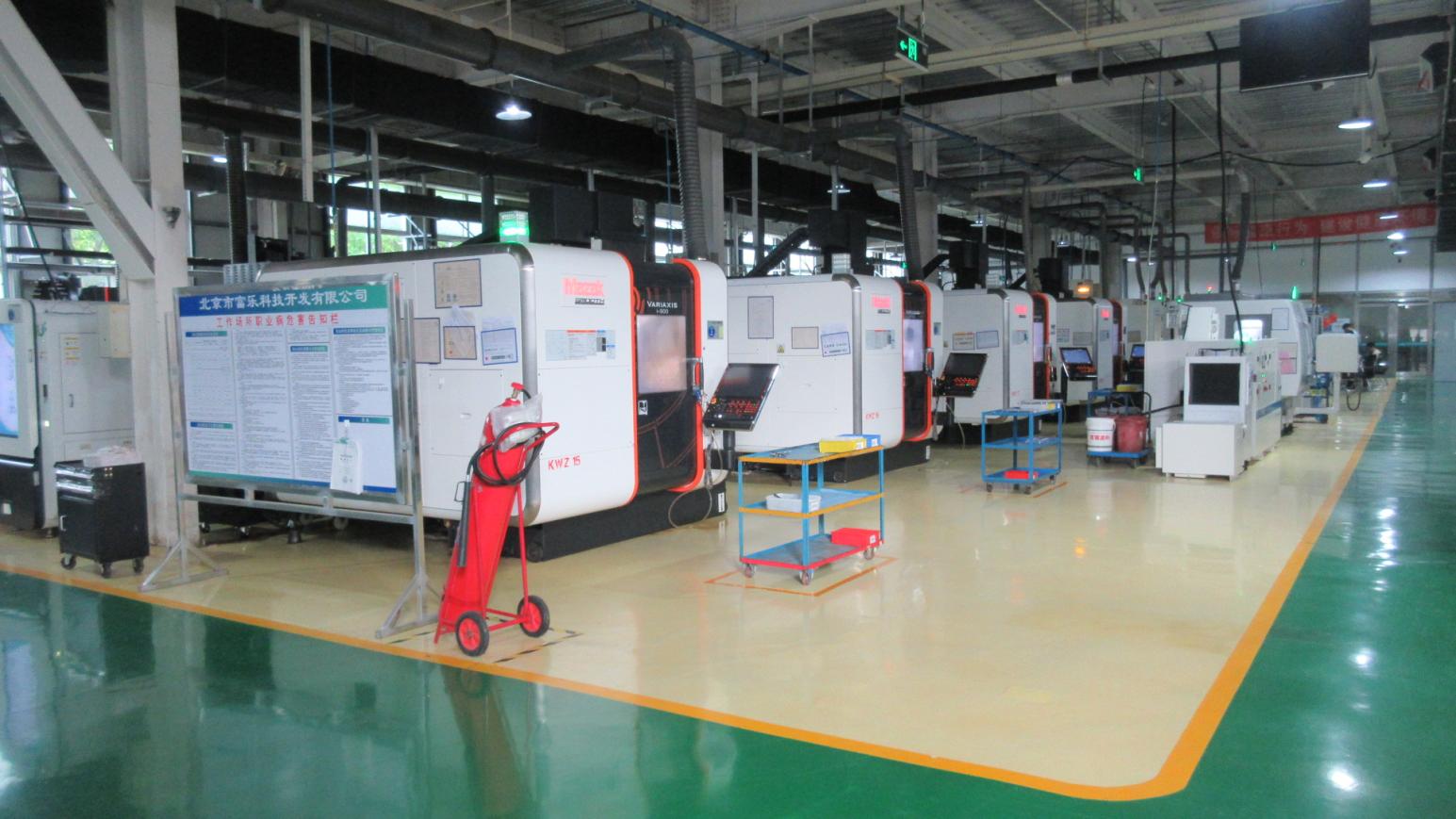
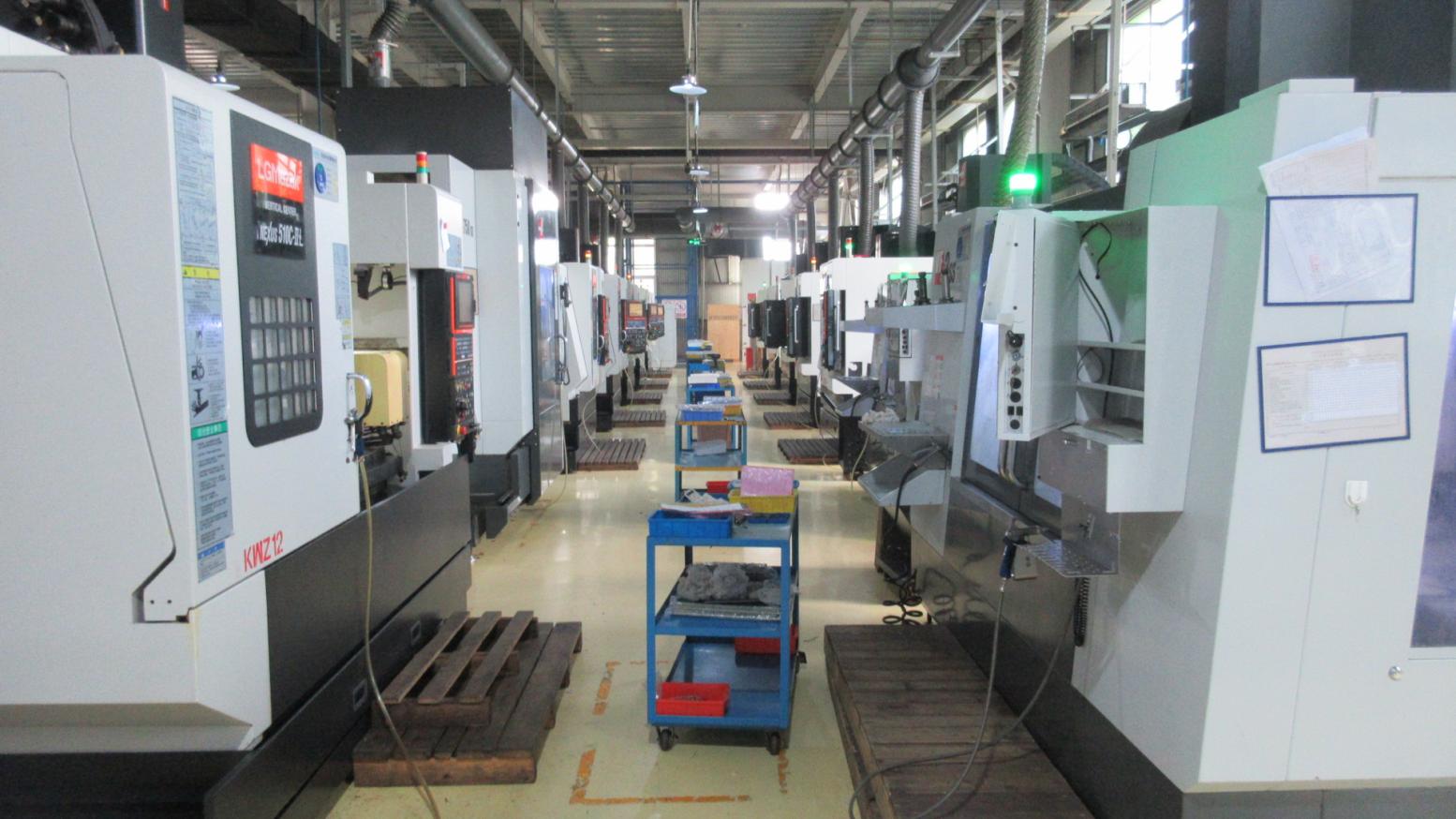
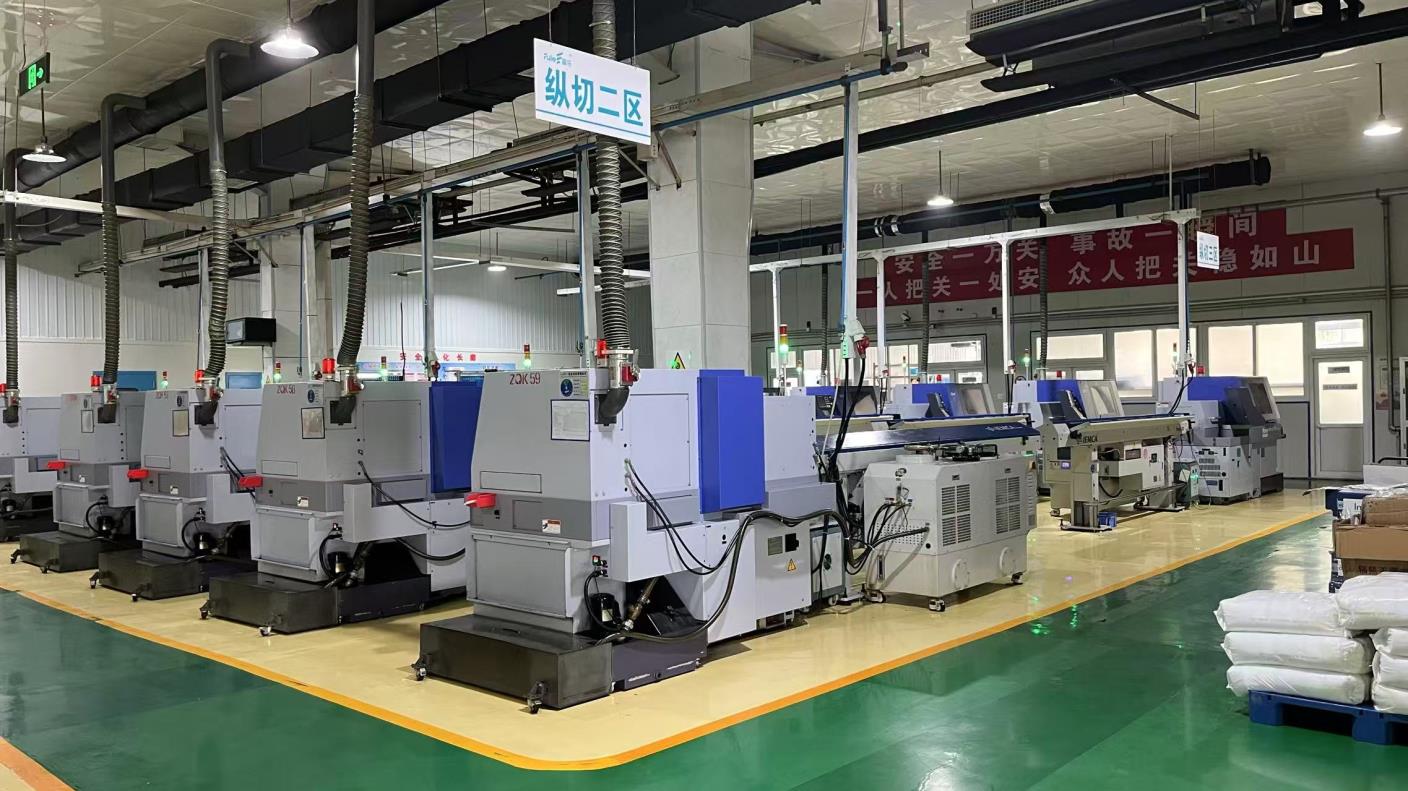
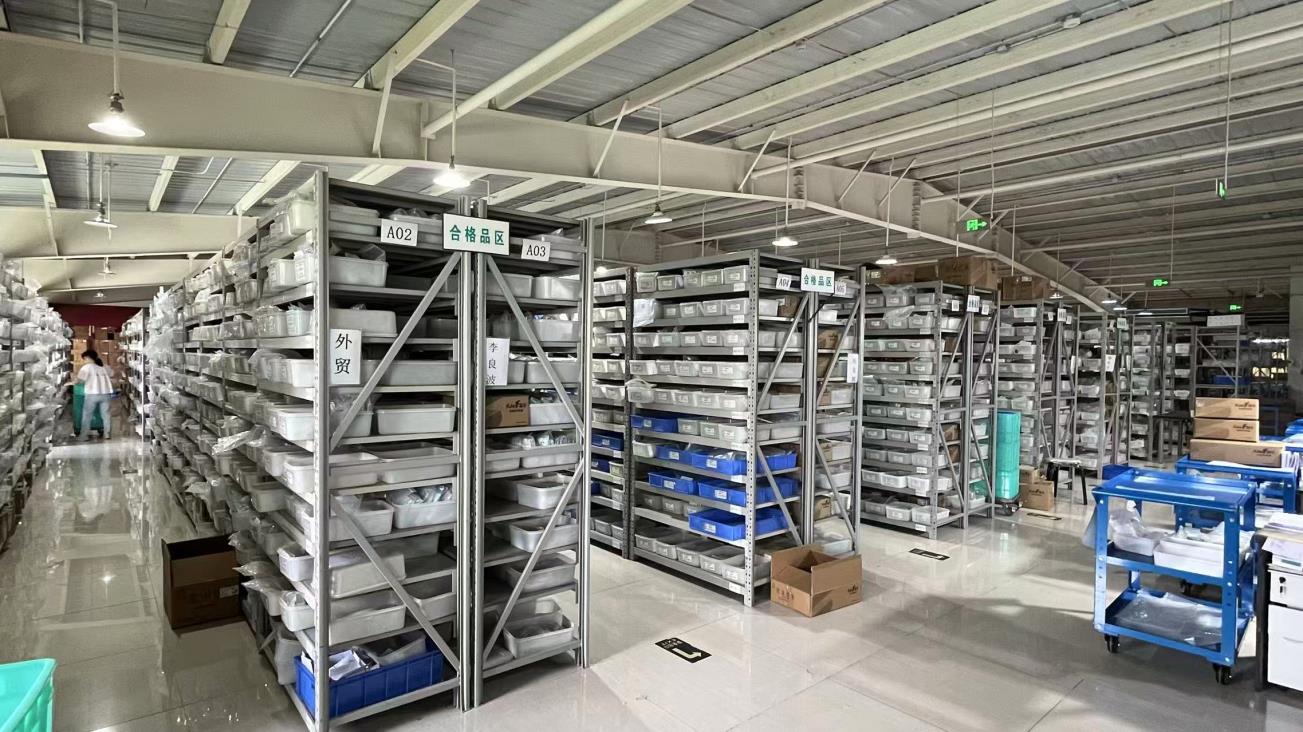
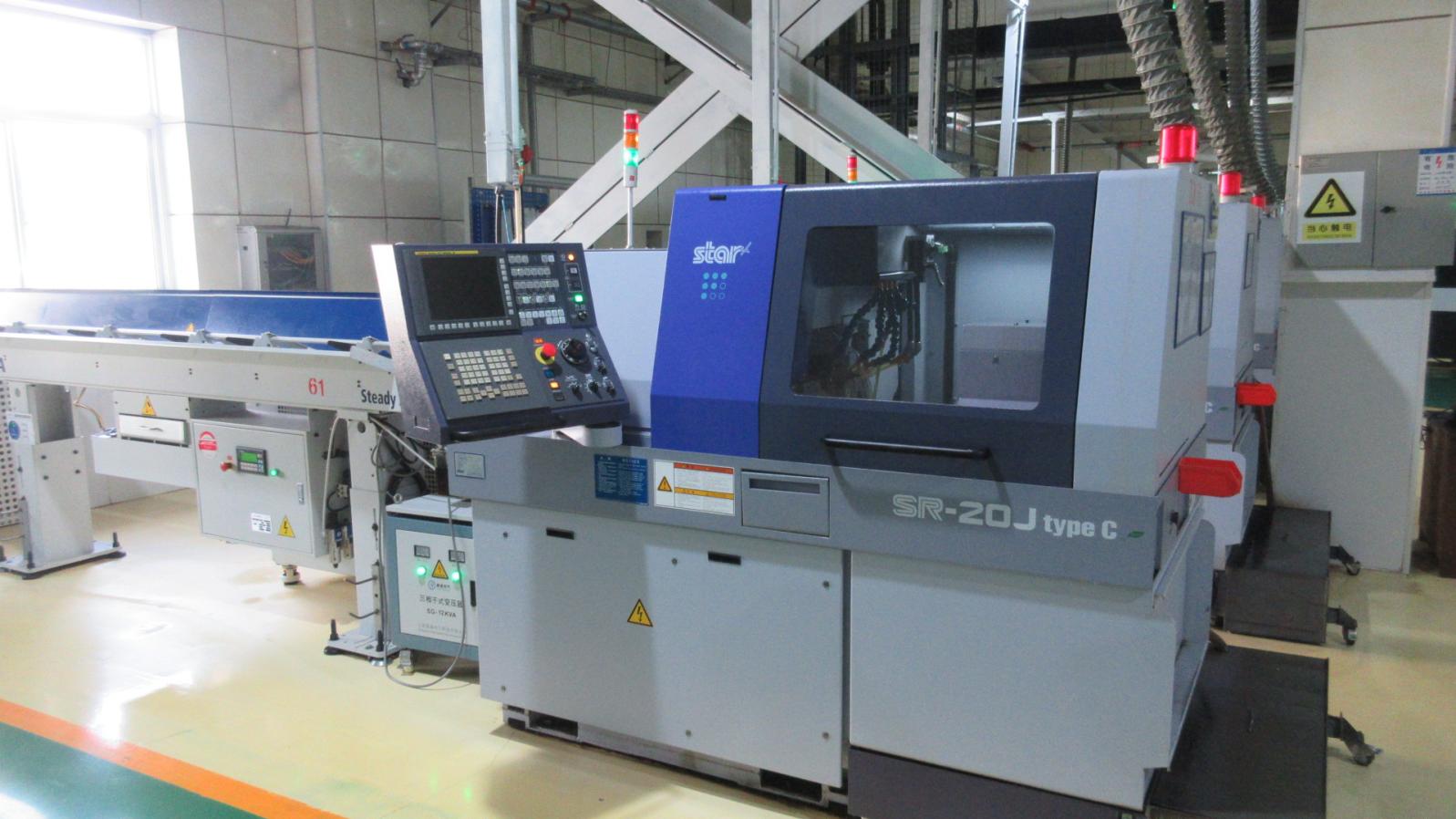
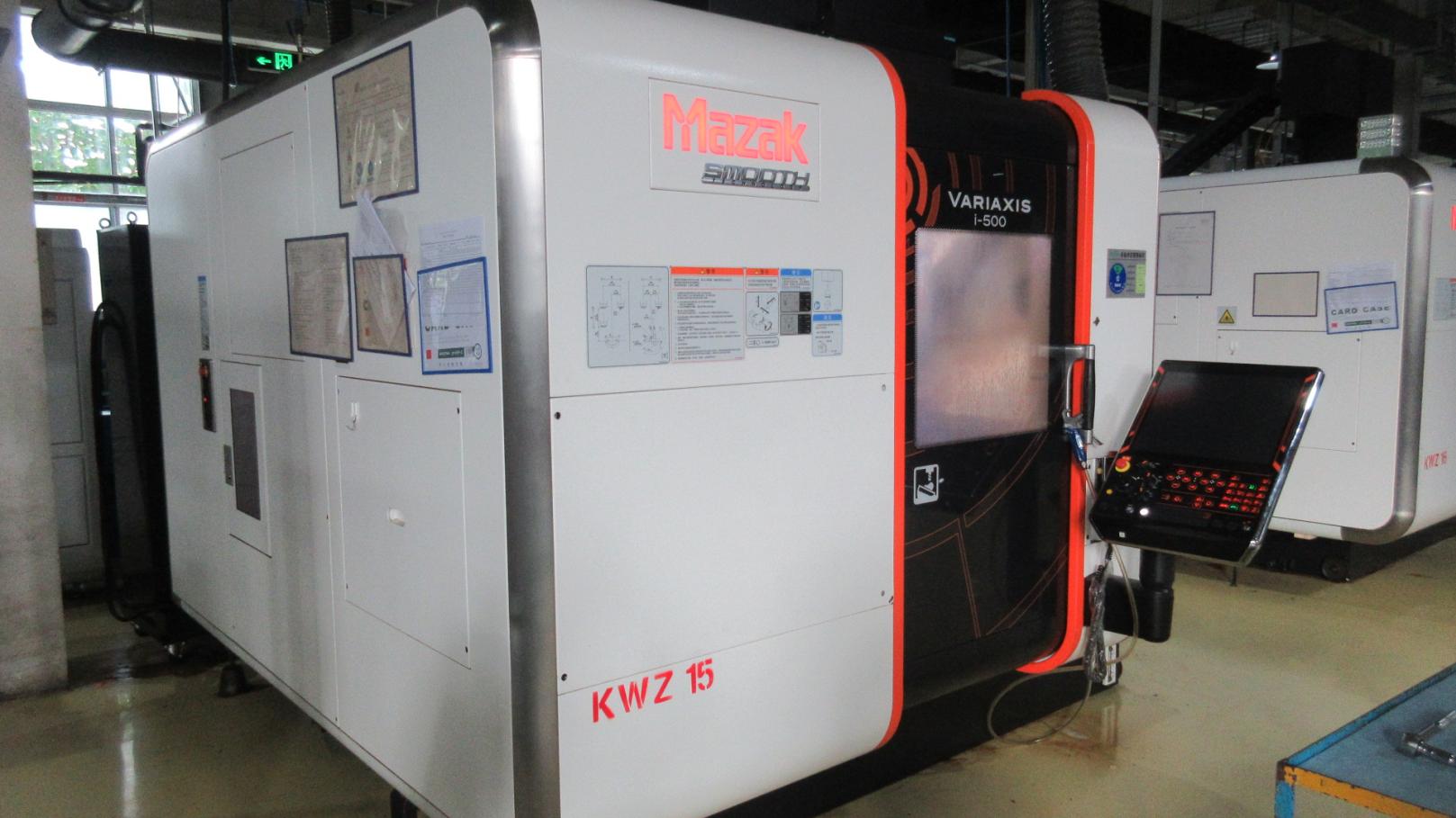
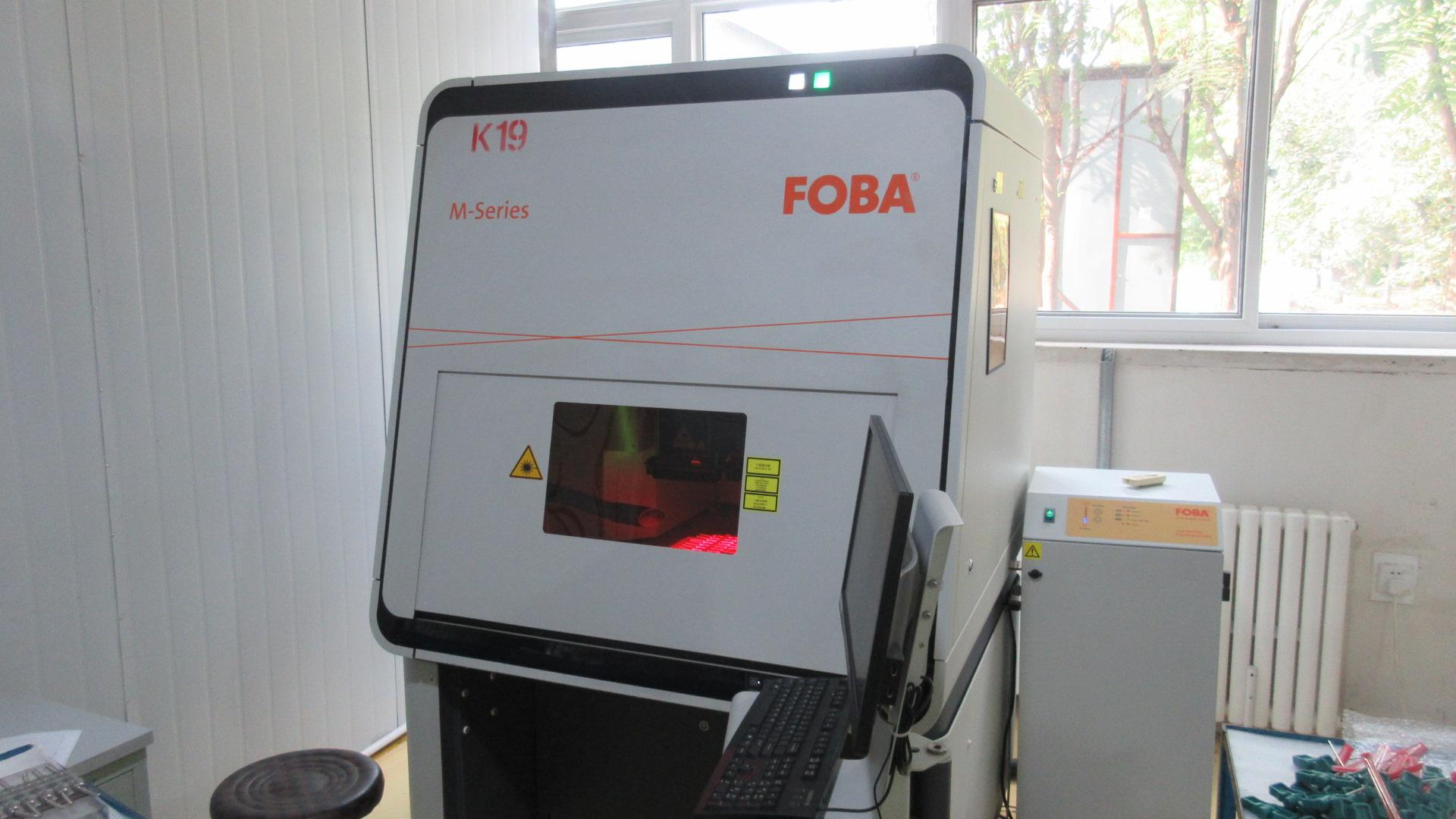
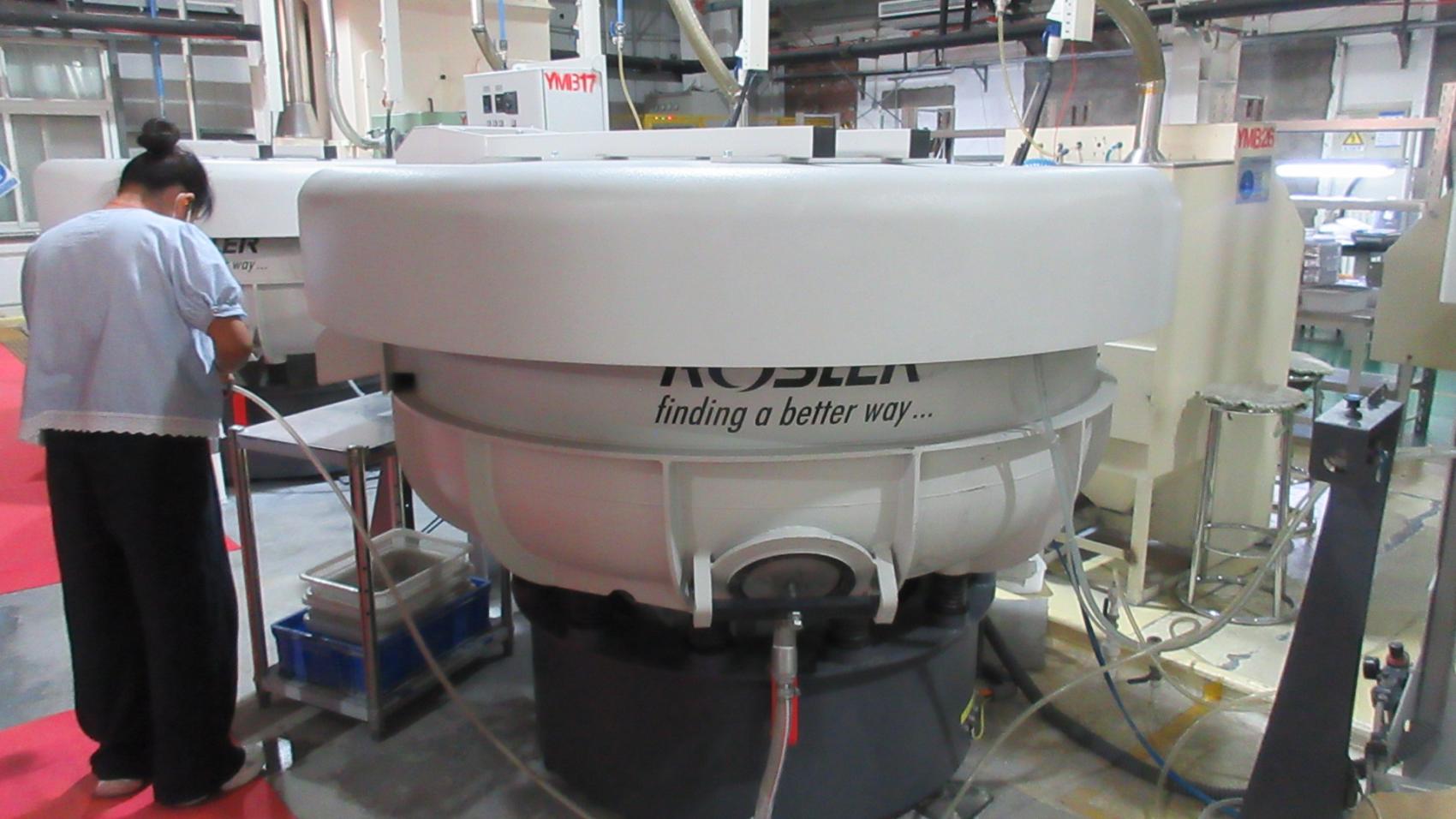
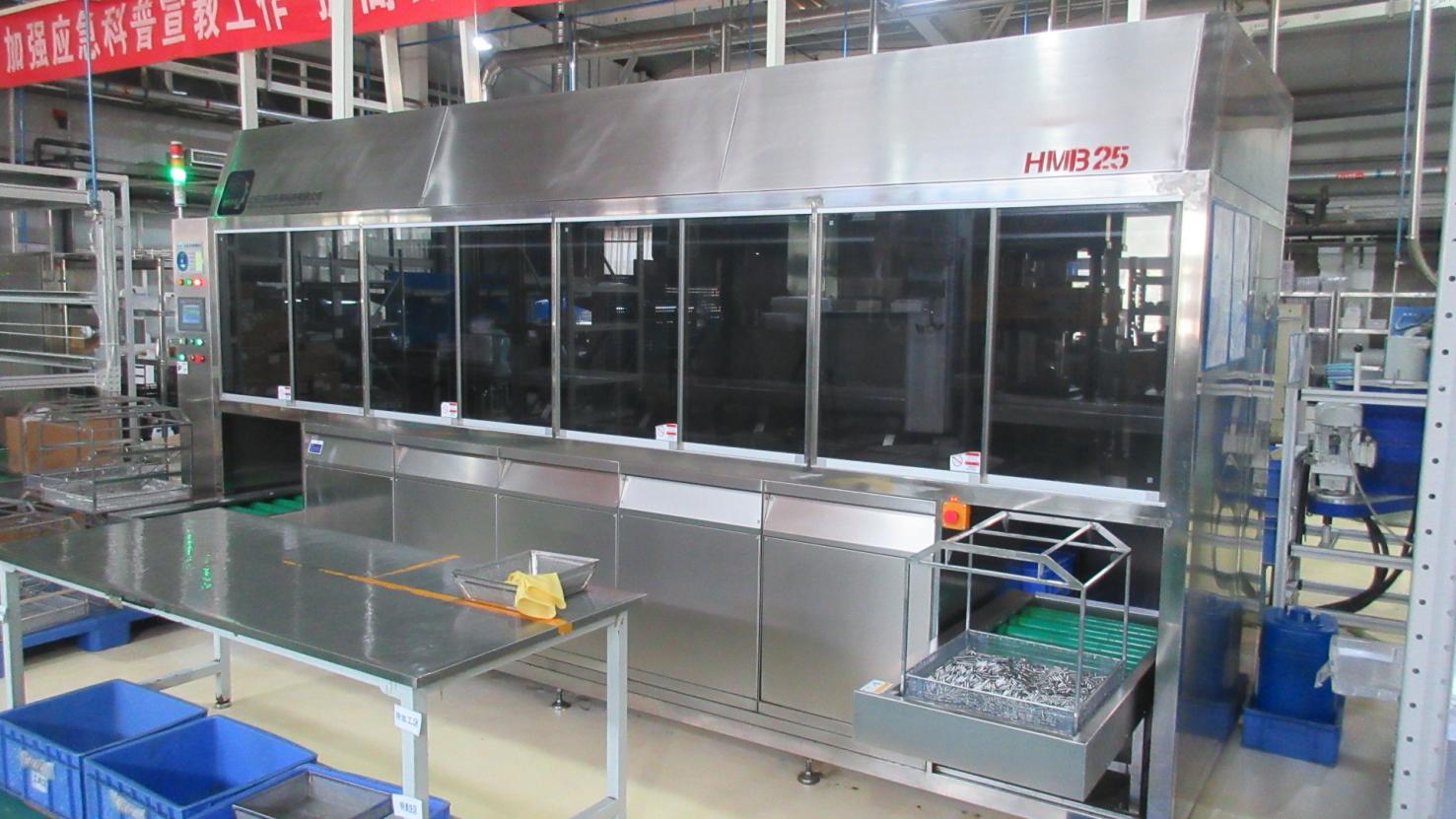
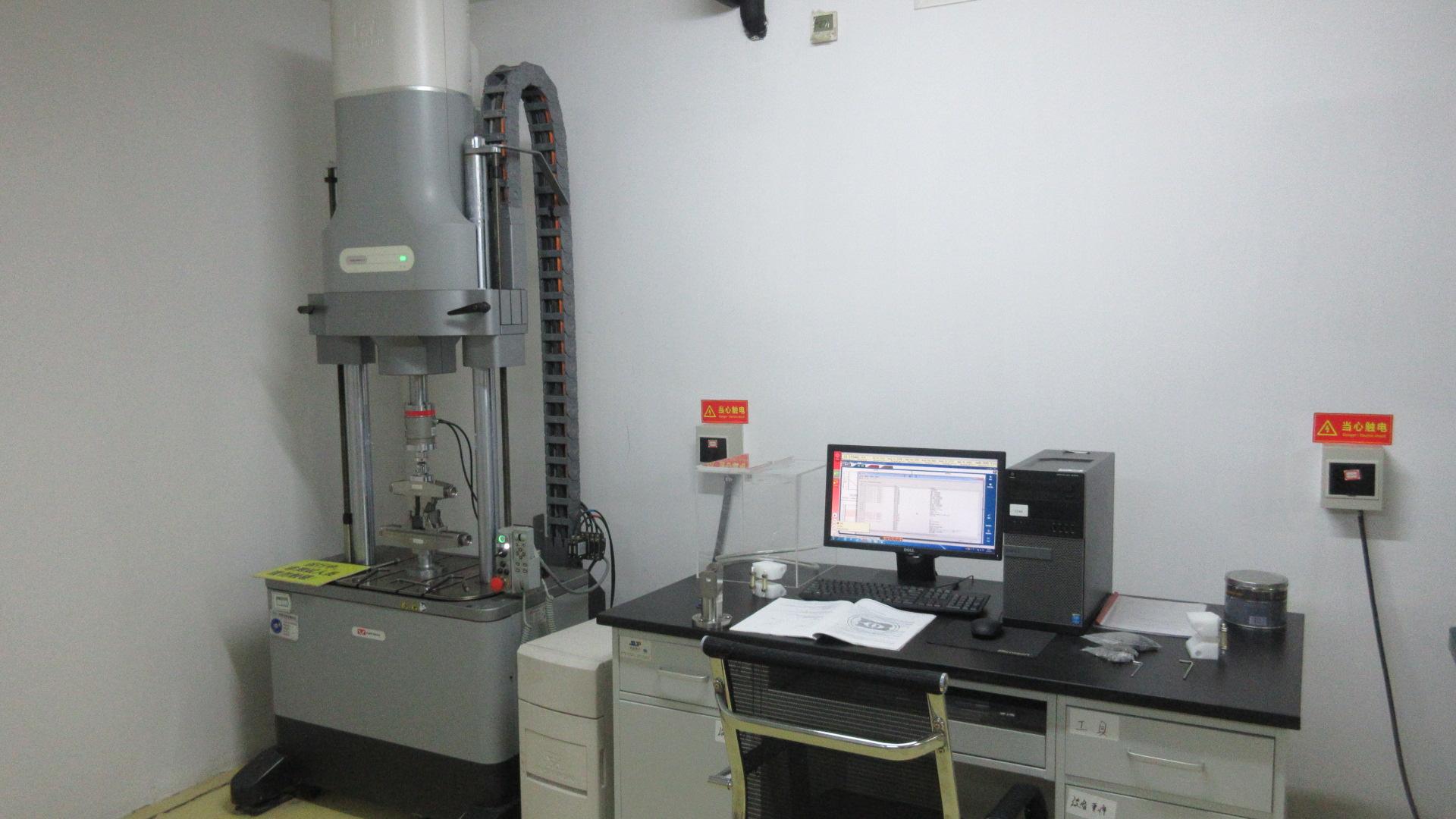
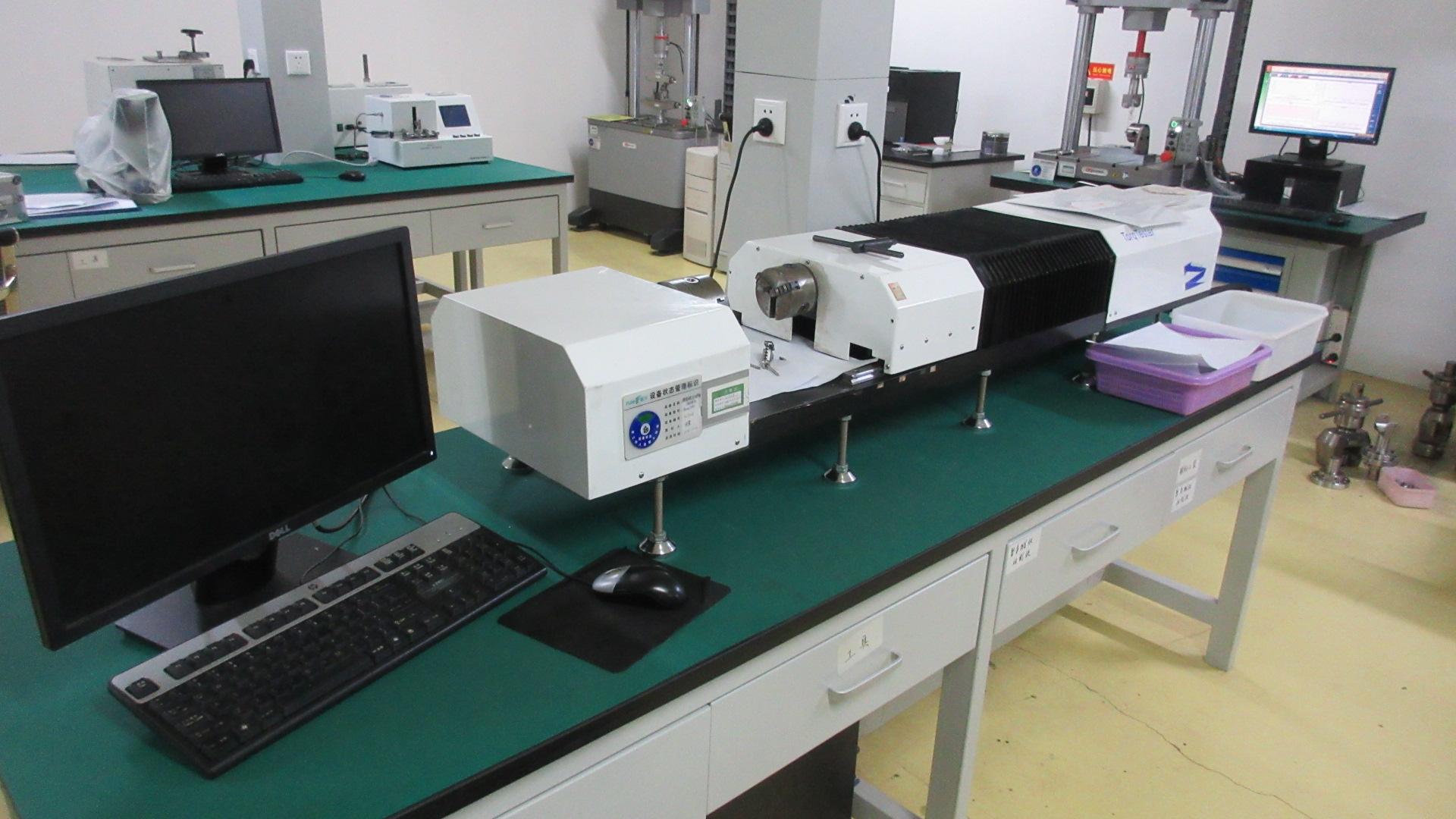
Our extensive Class III orthopedic portfolio meets regulatory and clinical requirements, delivering complete systems for trauma fixation and spinal reconstruction.
The success of posterior spinal instrumentation relies on mechanical stability and load transfer dynamics. In the CCS 5.0 system, the 5.0mm diameter rod construct is engineered to support early mobilization. This design is particularly suitable for pediatric spinal deformities, small-stature adult lumbar fixations, and cervical-thoracic junction crossings where larger 5.5mm or 6.0mm systems may present excessive bulk.
Stress distribution along the posterior spine column requires a balanced stiffness profile. An overly rigid implant can shield the vertebrae from physiologic loads, leading to osteopenia and implant loosening. Conversely, insufficient construct stiffness can cause hardware fatigue or nonunion. Engineering testing indicates that Grade 5 Ti-6Al-4V ELI exhibits a tensile yield strength of approximately 860 MPa, providing structural integrity while allowing dynamic load sharing across the fusion mass.
| Property Parameter | Titanium Grade 5 (Ti-6Al-4V ELI) | Stainless Steel (316LVM) | Biomechanical Impact |
|---|---|---|---|
| Elastic Modulus (GPa) | 110 - 114 | 190 - 200 | Less stress shielding; promotes natural bone remodeling and fusion. |
| Tensile Strength (MPa) | 860 (Min) | 860 (Min) | Resists high flexion/torsion forces during recovery. |
| MR Image Artifacts | Minimal | Significant | Improves post-operative CT & MRI diagnostic imaging quality. |
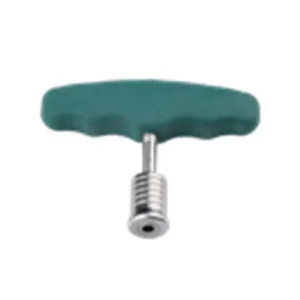
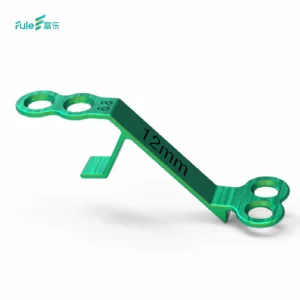
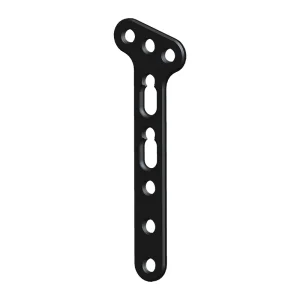
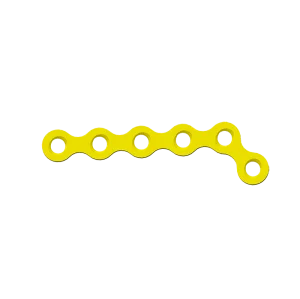
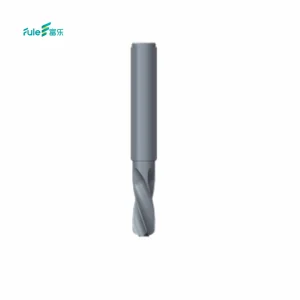
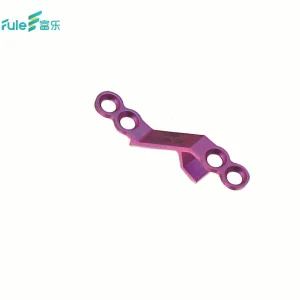
The CCS 5.0 and associated cervical laminoplasty systems include dedicated, ergonomically balanced instrumentation. Precision-calibrated torque wrenches ensure screws are locked securely without over-tightening. In addition, the low-profile mini plates utilized in posterior cervical laminoplasty preserve muscular attachments and reduce post-operative neck stiffness, aligning with modern outpatient spine surgery requirements.
For Panama-based medical distributors and institutional purchasing managers at CSS or MINSA, procurement security is a primary concern. The medical device supply chain requires consistent traceability, sterile packaging integrity, and prompt delivery. As an established exporter, we align our logistics with the requirements of Panama’s DNFD (Dirección Nacional de Farmacias y Drogas), providing necessary documentation including Certificates of Free Sale (CFS), CE Certificates, and ISO 13485 declarations.
Our custom packaging designs and sterilization-ready container configurations minimize transit handling risks, ensuring that components arrive sterile and undamaged. By leveraging the logistics infrastructure of the Colón Free Zone, we support rapid distribution throughout the Caribbean and broader Central American regions, maintaining consistent inventory levels for emergency trauma demands.
We offer end-to-end support for regional medical distributors and purchasing managers in Central America, including:
Clear, compliant answers to key technical, quality control, and international export questions for spinal implants in Central America.
We provide a comprehensive regulatory document pack for the Panama Ministry of Health (MINSA). This includes our ISO 13485 certification, CE Certificates of Conformity (Class III Medical Devices), Certificate of Free Sale (CFS) apostilled for Panama, complete biomechanical safety evaluation summaries, and material testing certifications (complying with ASTM F136 titanium standards).
The CCS 5.0 system rod construct provides a lower profile than the standard 5.5mm rod, reducing overall system bulk. This is beneficial in thoracic-cervical junctions and patients with smaller anatomy. Biomechanical fatigue testing demonstrates that our high-grade Ti-6Al-4V ELI titanium alloy maintains the structural integrity required to support spinal fusion while allowing a lower implant profile.
Backed by our 20-engineer R&D division, we offer custom manufacturing services including design adjustments, customized thread configurations, specialized cervical plates, and laser etching. We also provide customized anodized aluminum surgical cases and tool trays to meet specific hospital sterilizer and layout requirements.
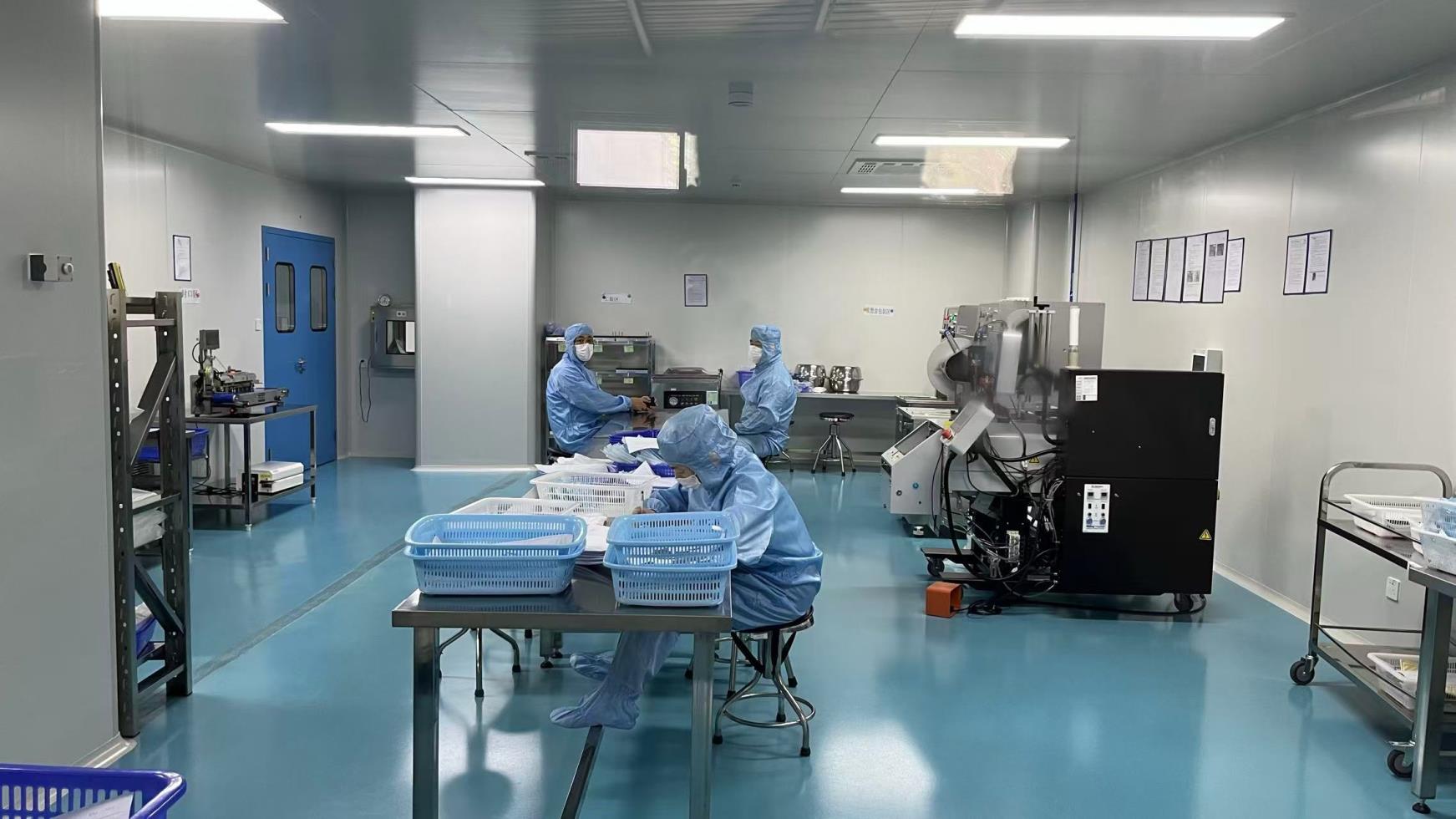
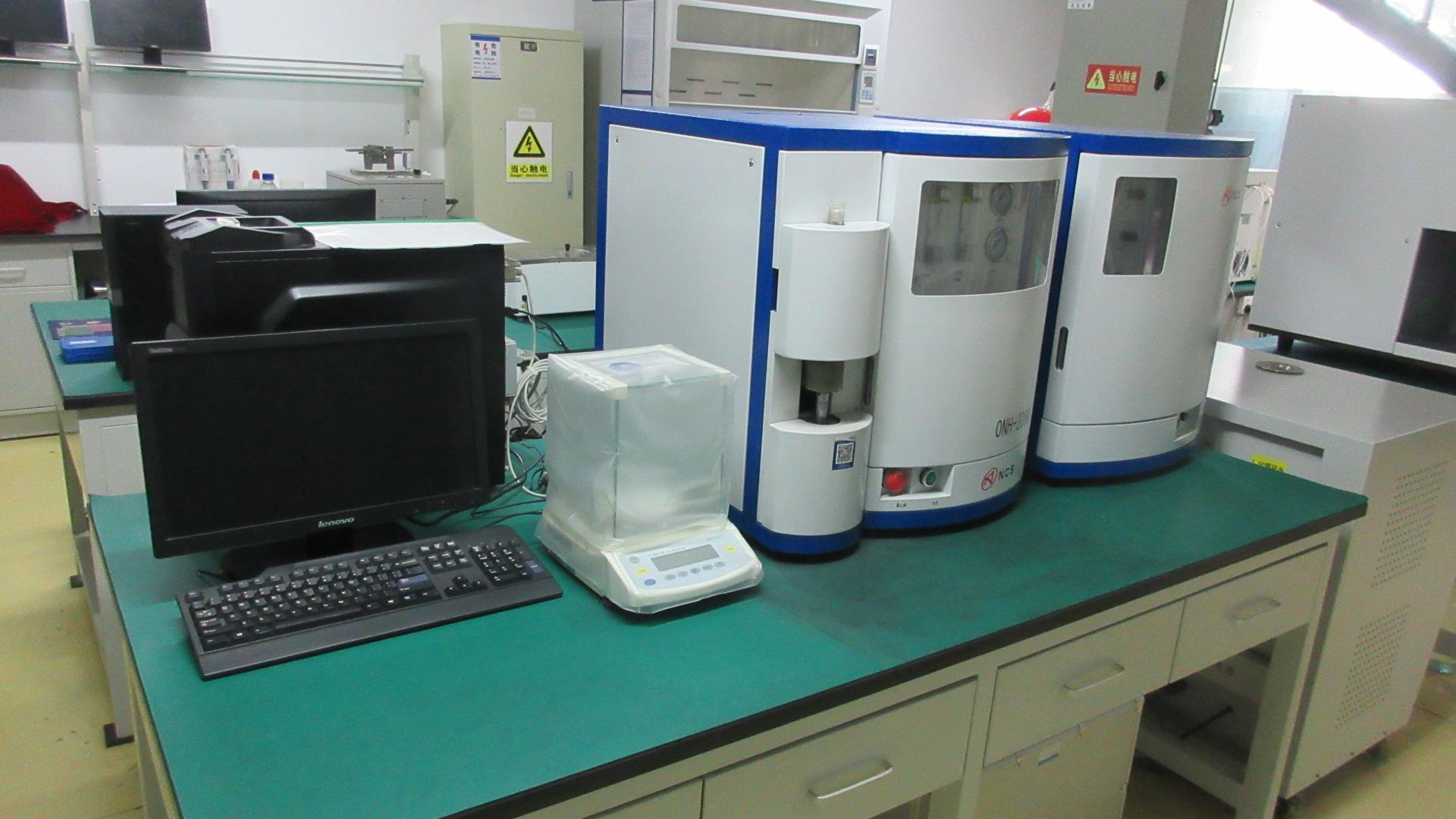
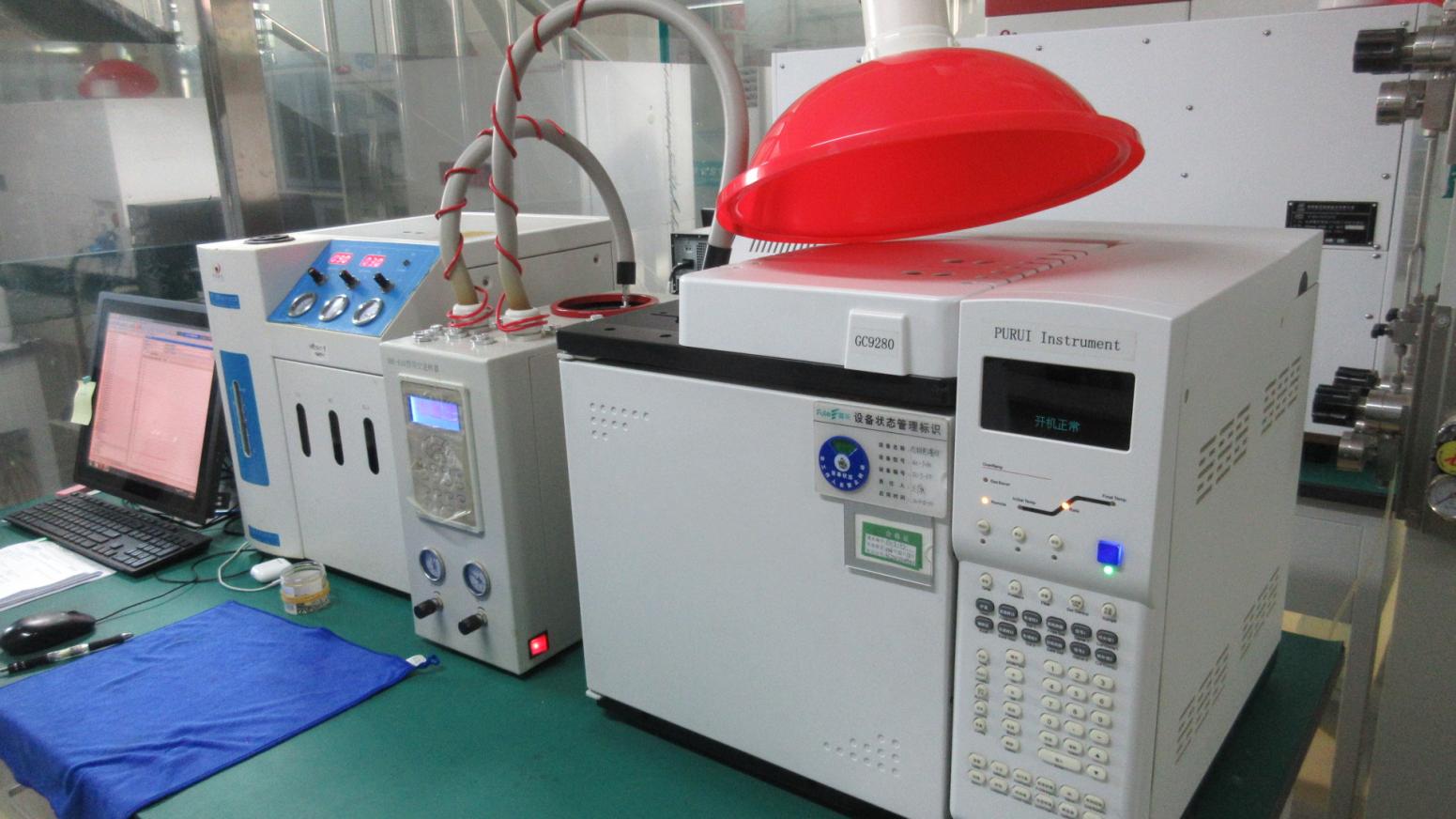
Our quality management system incorporates 100% inspection for all finished implants. We trace all raw material batches back to the mill source, conducting metallurgical verification on arrival. Throughout manufacturing, 15 QA/QC inspectors utilize advanced optical measurement systems and CNC-integrated inspections to confirm that dimensions meet specified tolerances before packaging in our Class 100,000 cleanroom.
With 30 years of export experience, we manage container shipping, customs documentation, and regional transport. We regularly ship to the Colon Free Zone (ZLC) and direct port terminals in Panama City (Manzanillo, Balboa). Our logistical support helps minimize transit delays and ensure reliable delivery schedules.
Connect with our export directors to secure competitive pricing, register product profiles under local MINSA guidelines, and receive high-quality titanium spinal solutions tailored for Panama and broader Latin American markets.
 Beren Science & Technology