Bangkok is the undisputed medical epicenter of Southeast Asia, housing world-class medical facilities such as Bumrungrad International Hospital, Siriraj Hospital, and Bangkok International Hospital. As Thailand navigates a rapidly aging demographic alongside its status as a premier medical tourism destination, public and private healthcare institutes are experiencing a surge in spinal surgeries. Cervical Spondylotic Myelopathy (CSM) and Ossification of the Posterior Longitudinal Ligament (OPLL) have emerged as highly prevalent spinal cord compression pathologies requiring precise surgical intervention.
For spine surgeons in Bangkok, the primary therapeutic goal is successful spinal canal decompression while maintaining optimal neck mobility and postoperative sagittal balance. Posterior cervical laminoplasty has gained immense traction over laminectomy due to its lower risk of post-operative kyphotic deformity and C5 nerve root palsy. Local distributors and procurement managers face the challenge of securing high-grade, biocompatible implants that comply with strict regulatory frameworks (Thailand FDA) while keeping operational and procurement costs sustainable.
The global spinal implant market is transitioning from complex fusion-dominated techniques to motion-preservation procedures. As global supply chain vulnerabilities continue to affect hospital margins in Bangkok, local medical device importers are bypassing expensive Western middlemen.
By establishing direct supply corridors with certified high-precision manufacturers, Thai distributors achieve up to 40% cost reduction without compromising clinical safety profiles. ISO 13485 certification acts as the primary baseline for verifying manufacturer capability.
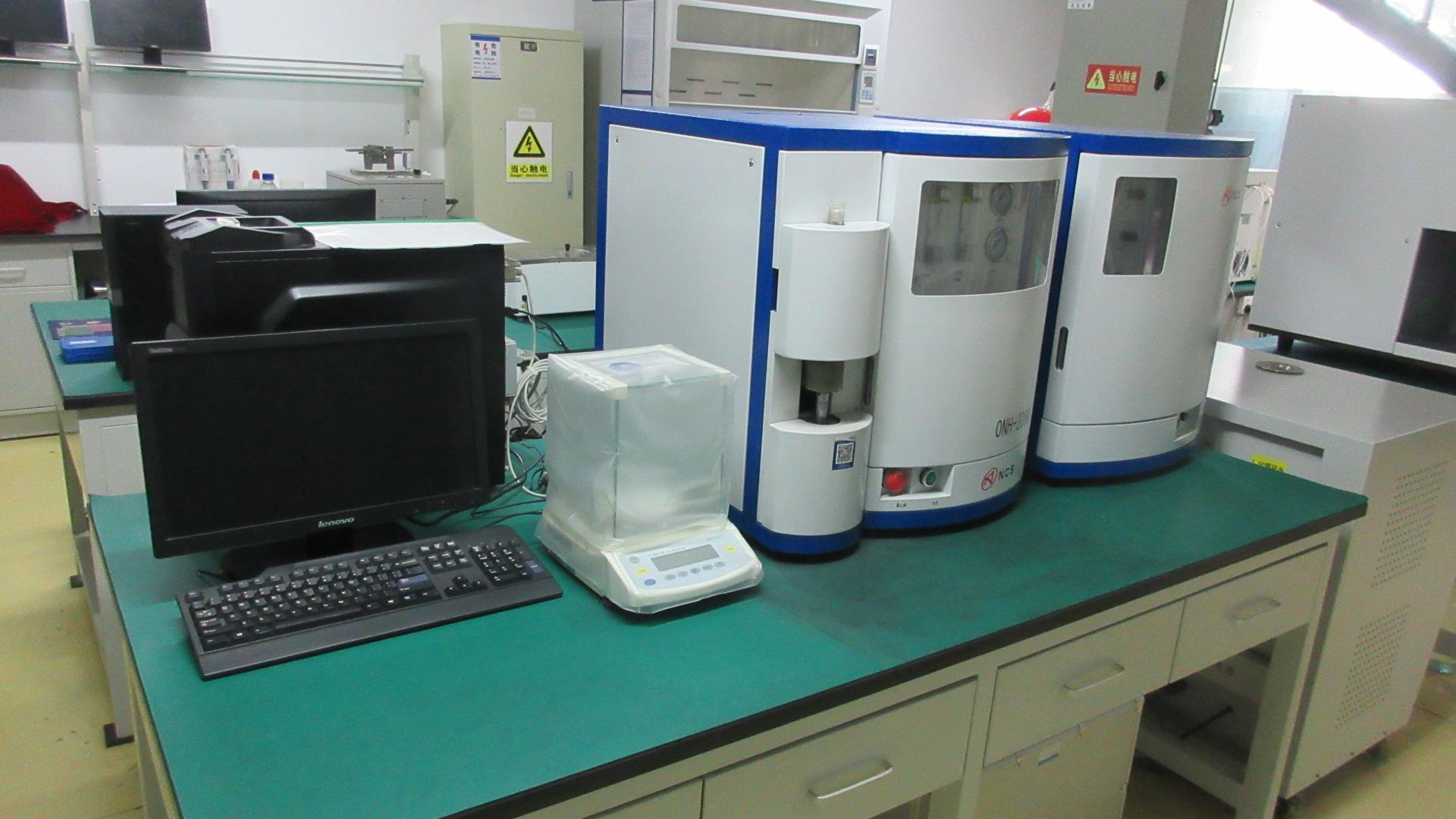
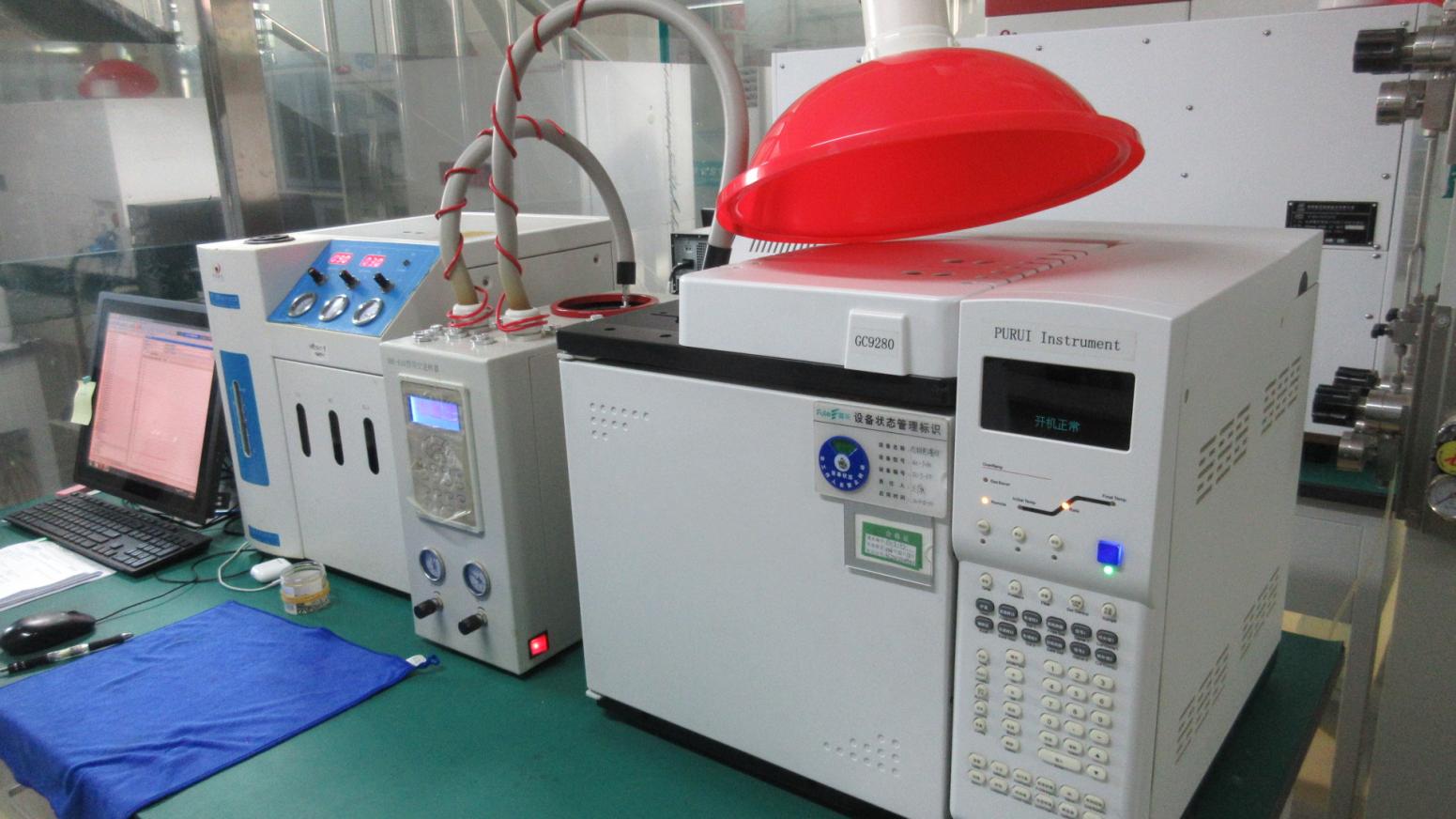
Our raw materials originate exclusively from audited, certified biomedical titanium suppliers. Each batch undergoes rigorous mechanical stress, grain size, and chemical composition analysis (ASTM F136 compliant).
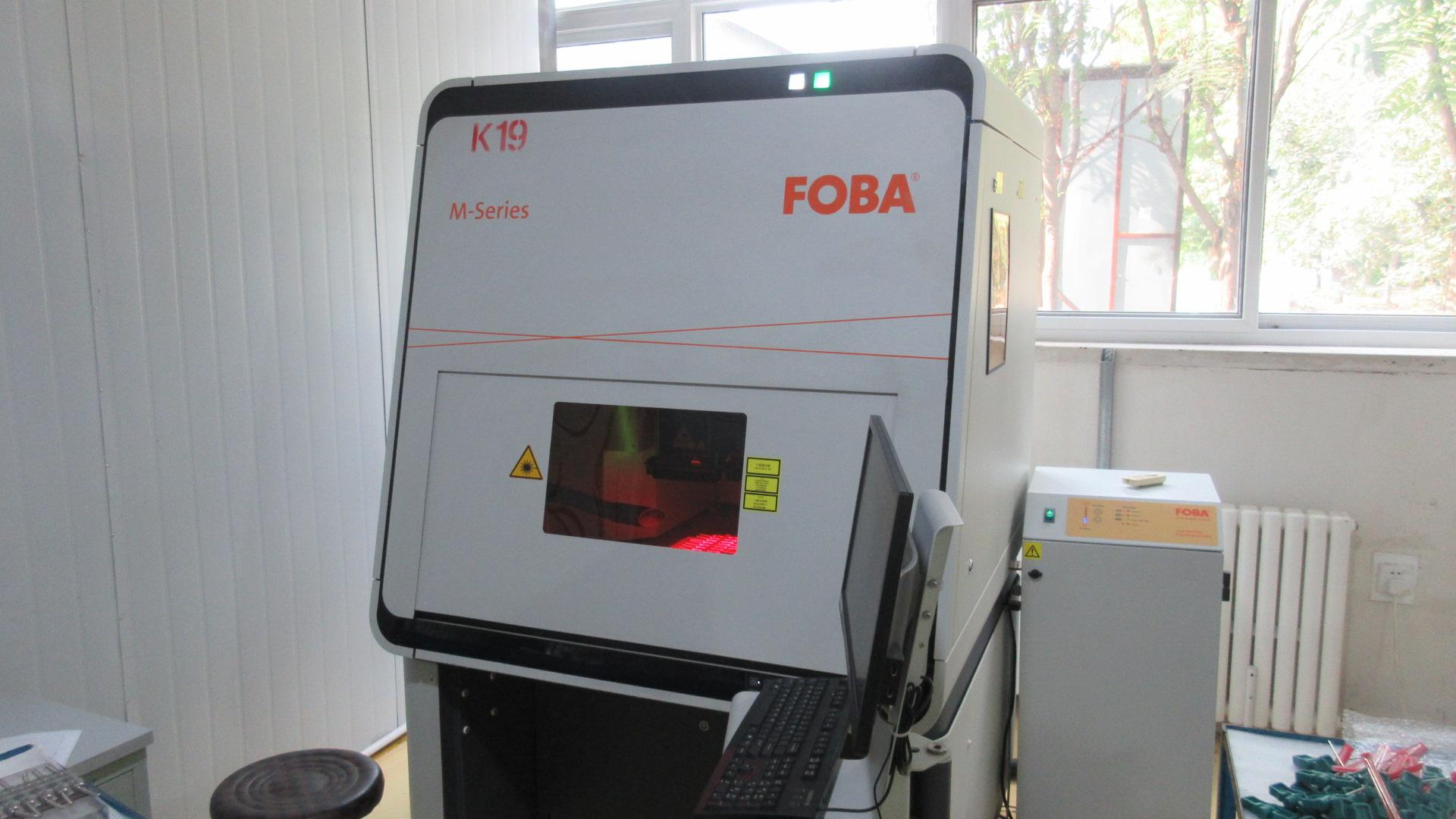
We implement 100% full-process traceability. Every plate and screw is laser-etched with a unique UDI code tracking it from the raw bar stock, through CNC milling, anodizing, sterilization, packaging, and final dispatch.
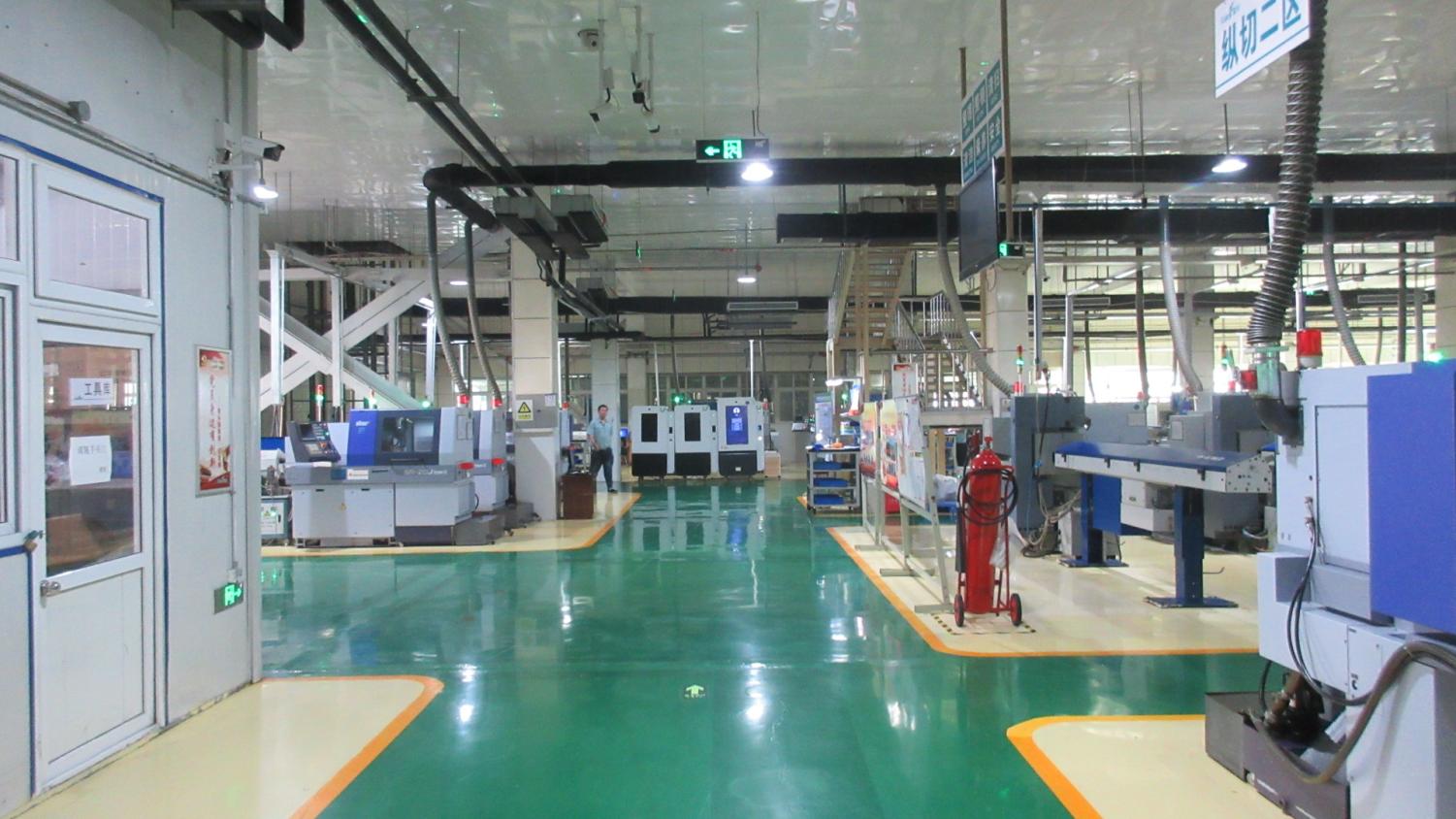
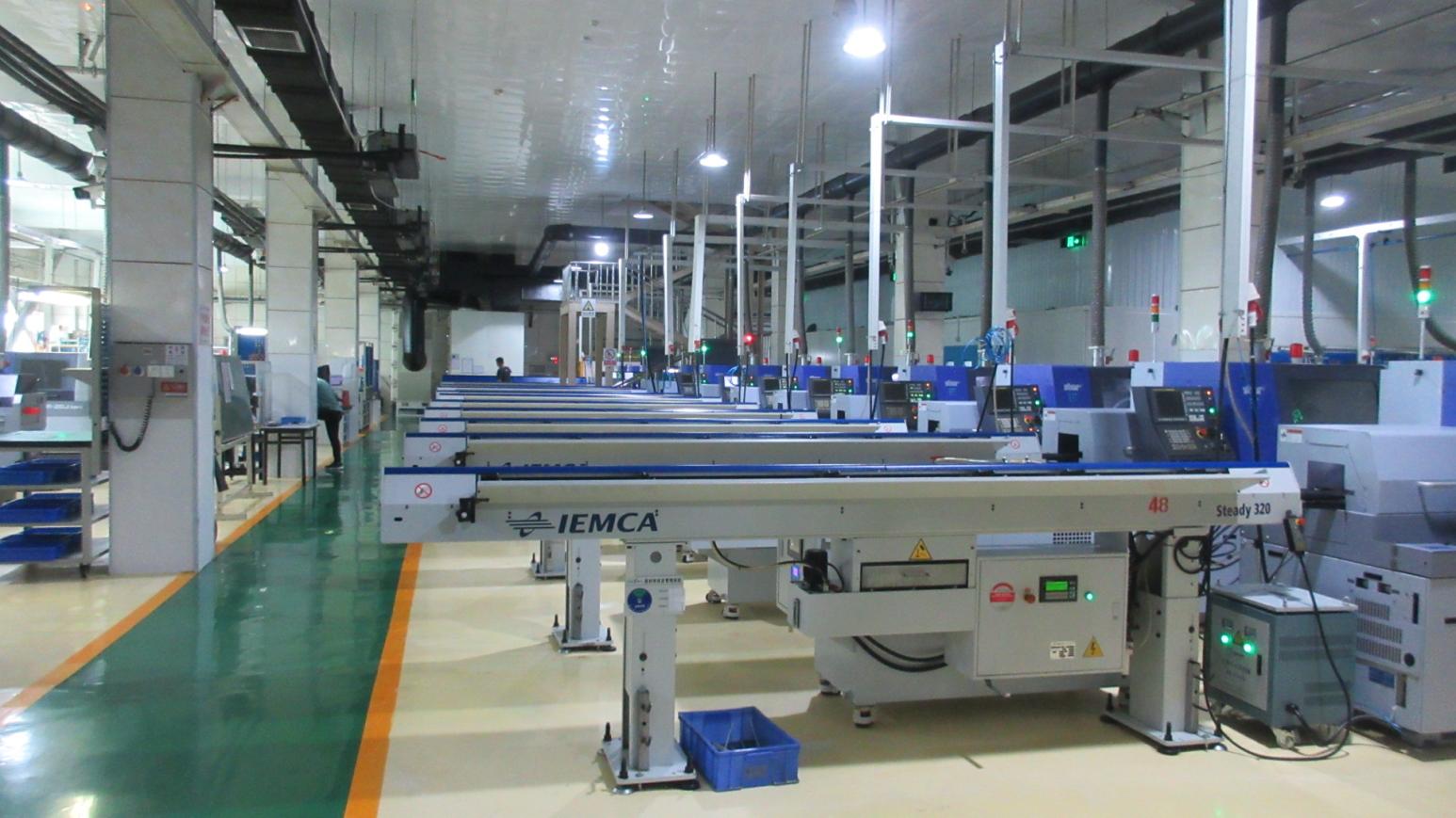
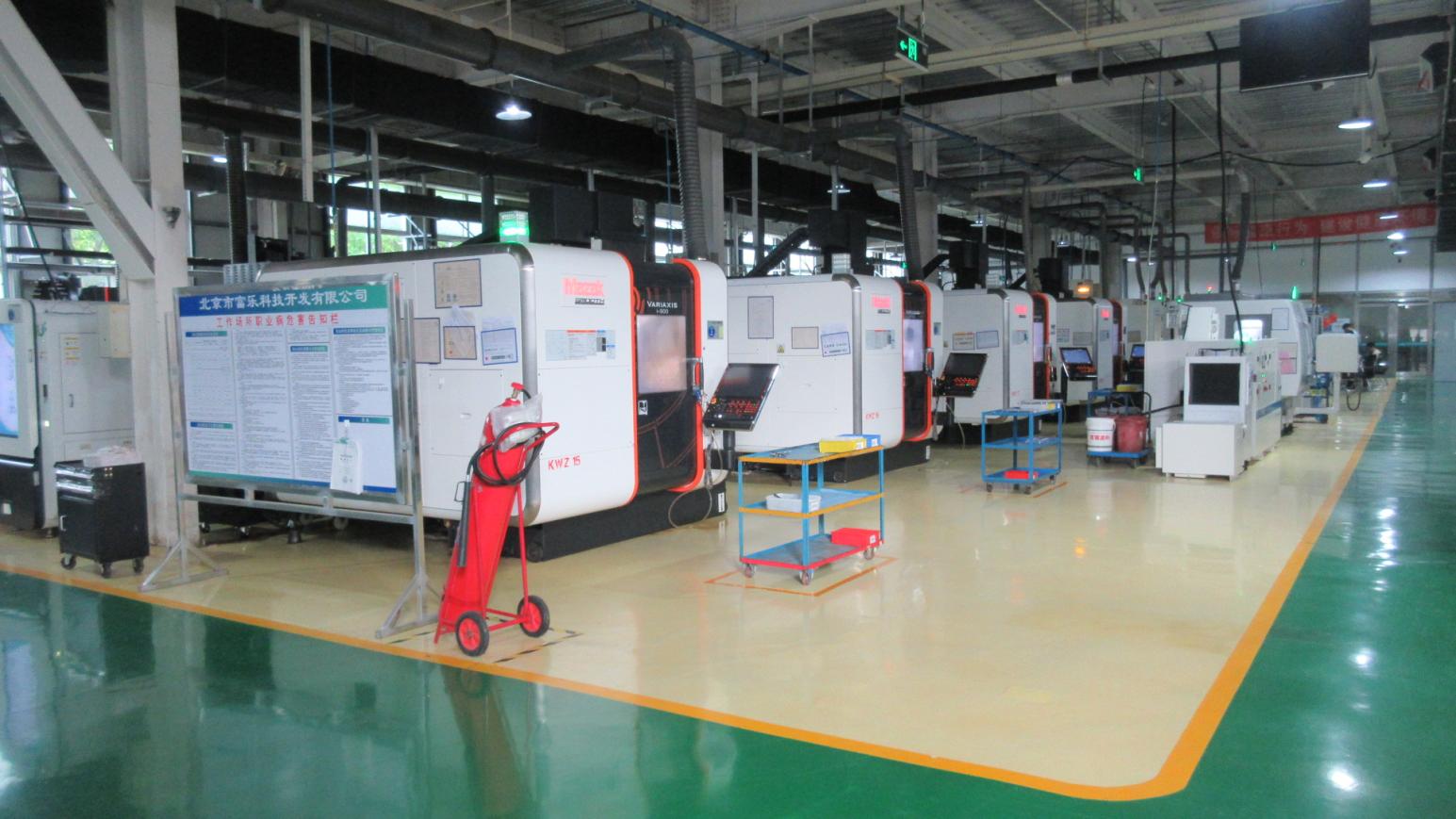
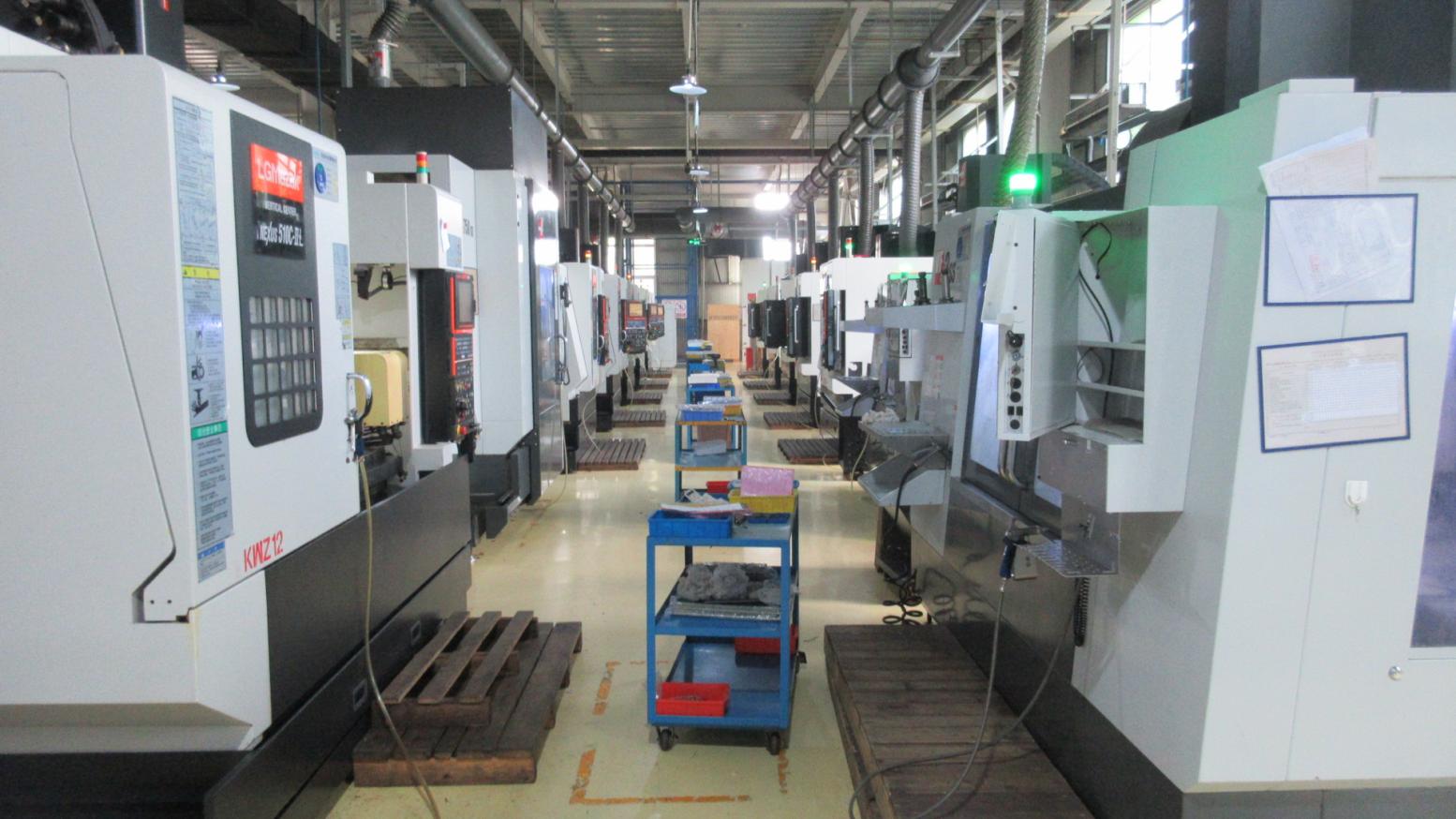
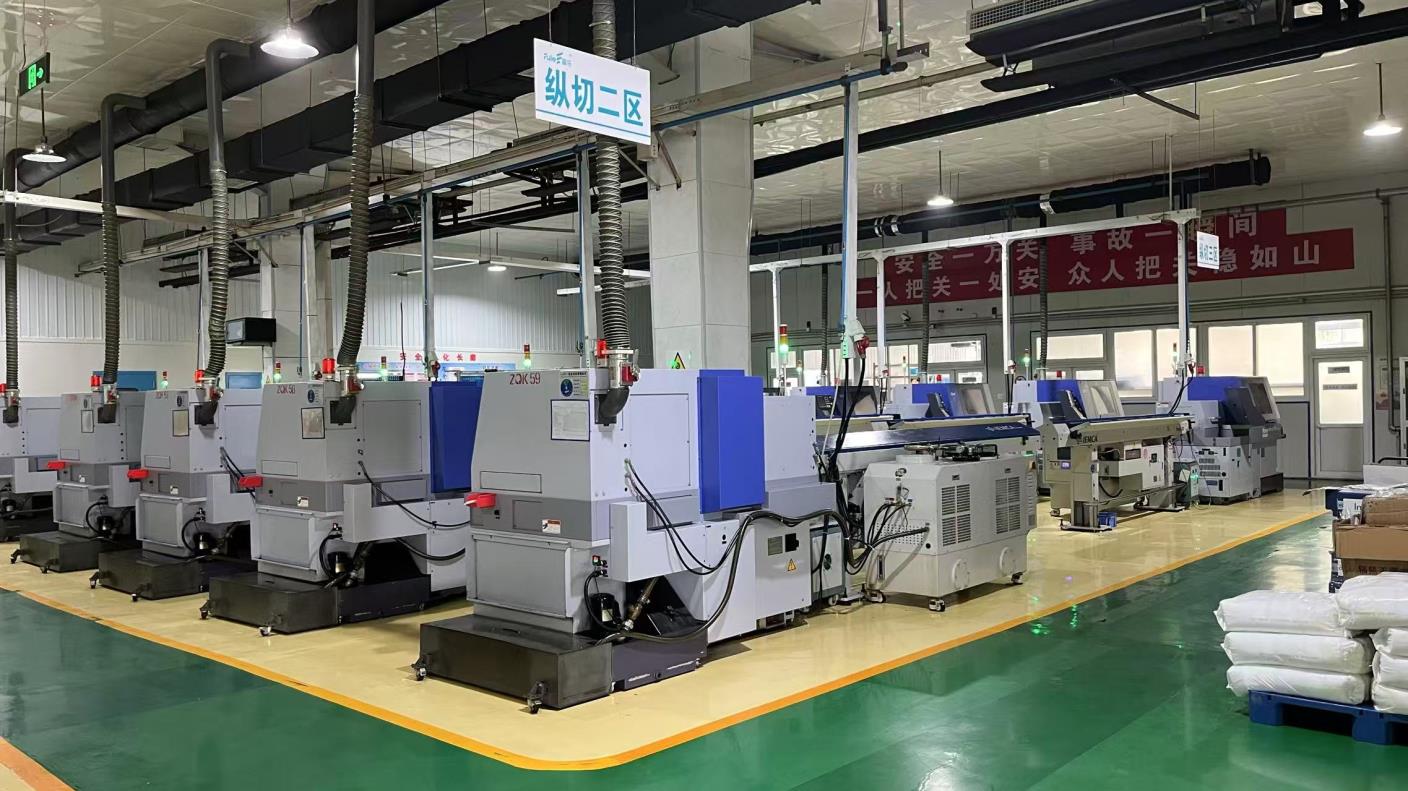
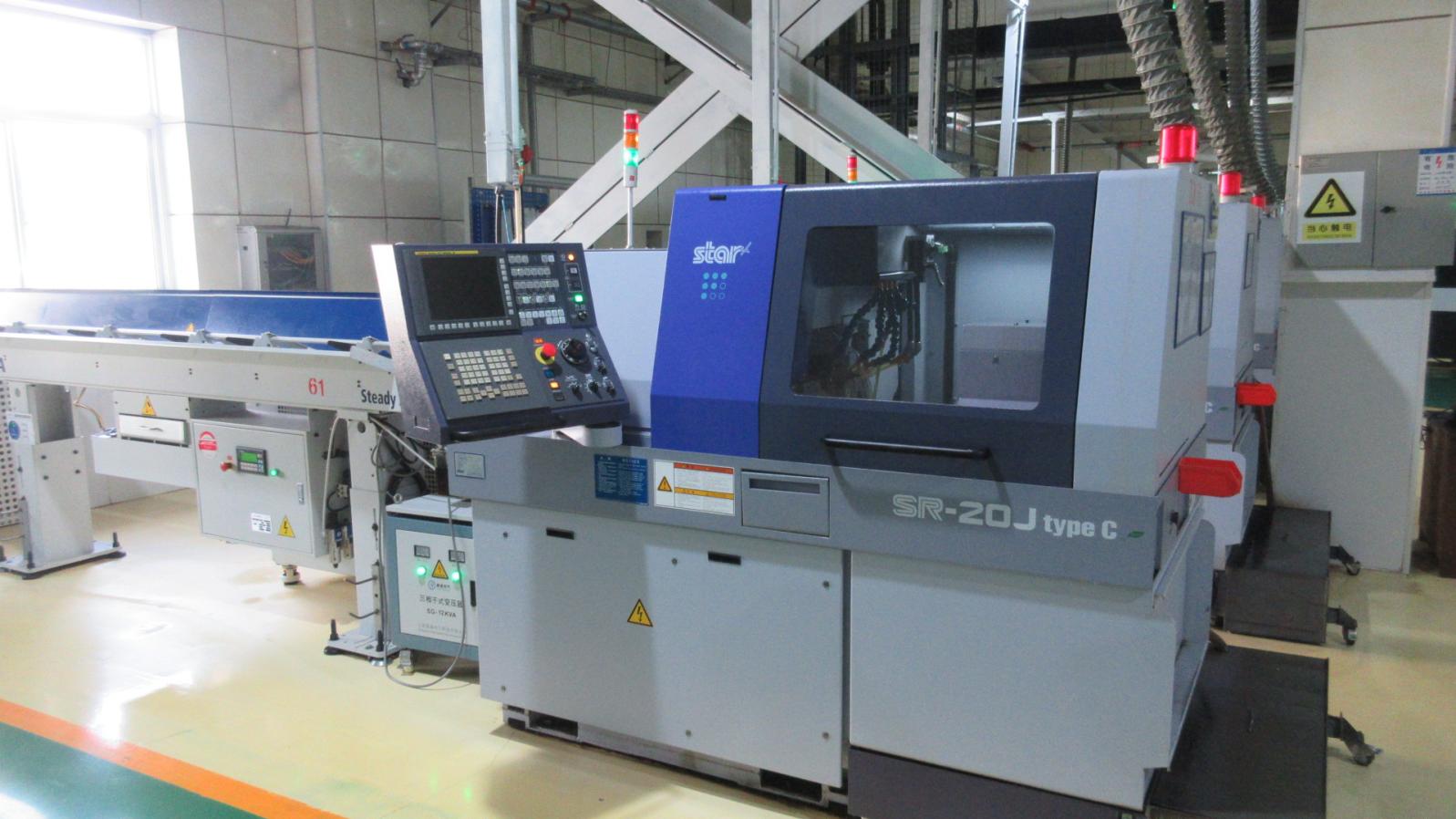
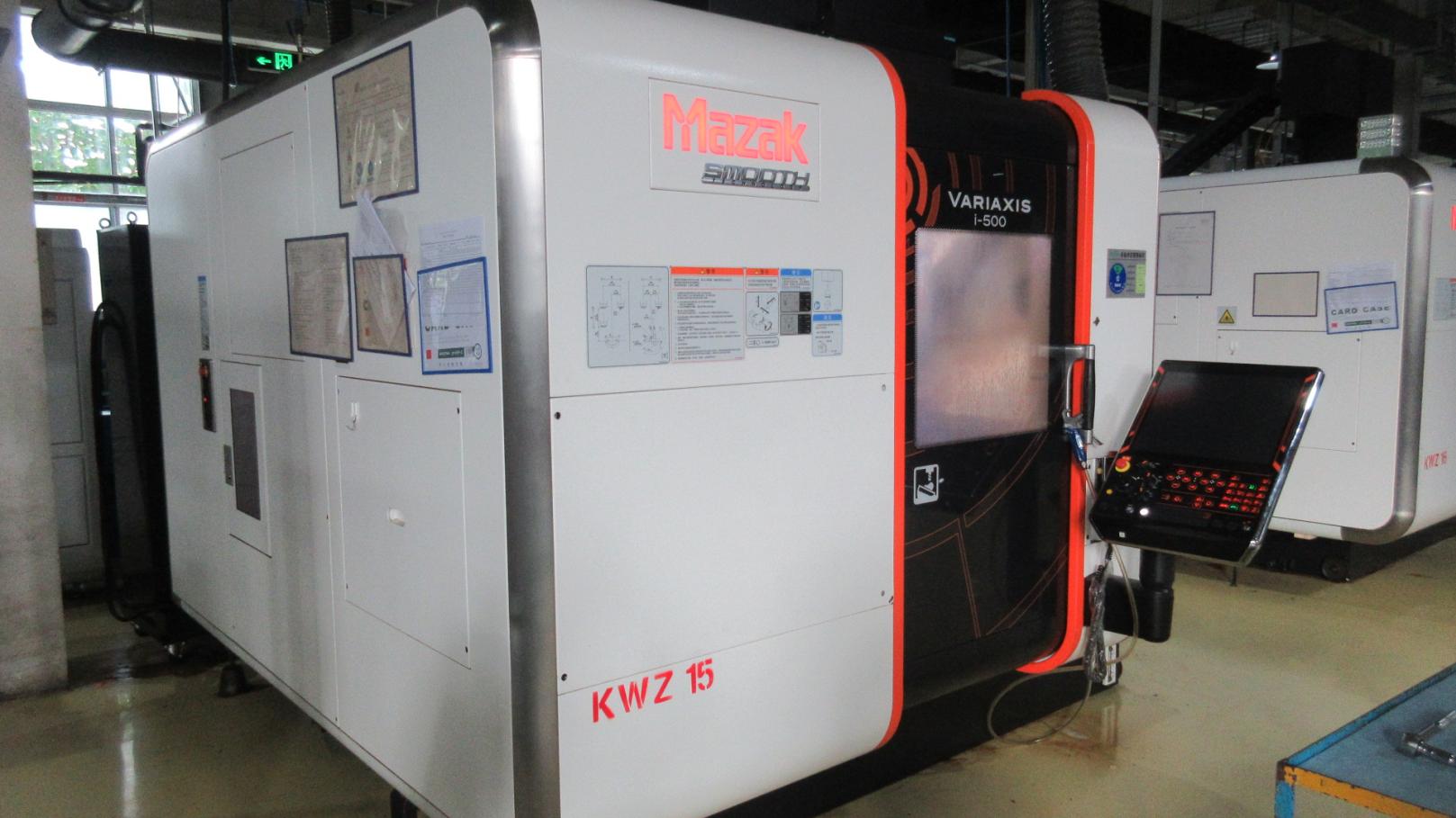
Operating a state-of-the-art 10,000 m² manufacturing plant, our infrastructure leverages 102 advanced high-speed Swiss longitudinal lathes, 5-axis CNC machining centers, and automated optical measurement systems. This heavy capital investment ensures we meet the sub-micron tolerances required for spinal implants. By integrating production lines under a single roof, we eliminate intermediate handling errors and drastically reduce production cycle times compared to European or American facilities.
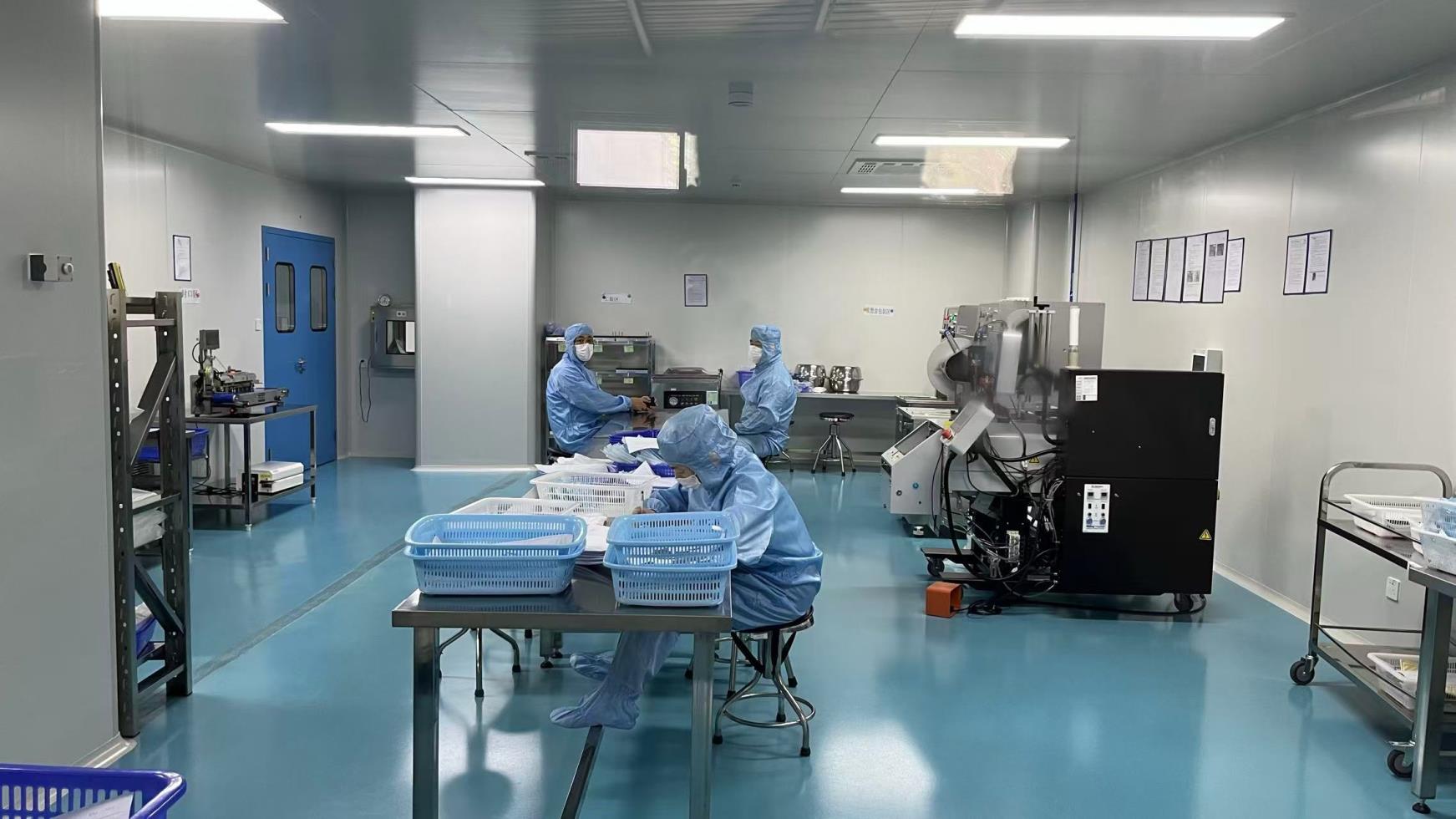
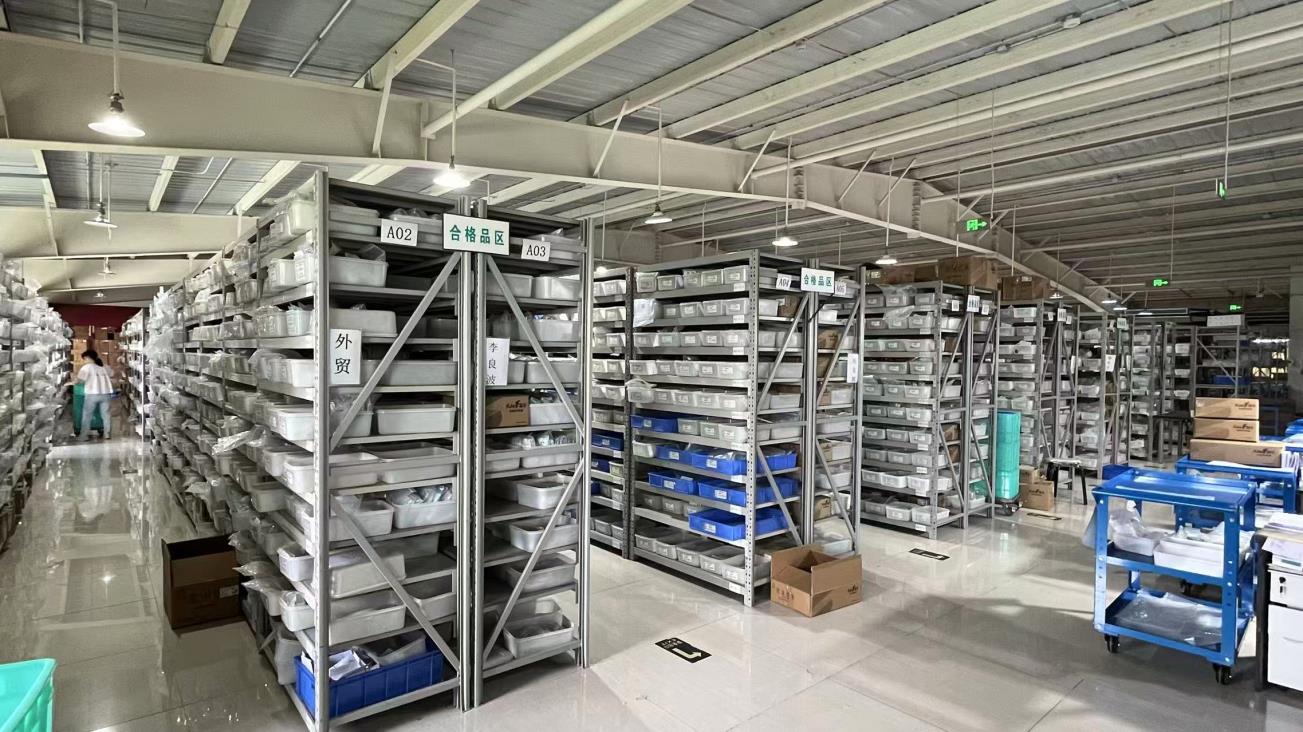
Quality control is not a sampling process; it is embedded in our DNA. We deploy 15 dedicated QA/QC inspectors managing every step. An advanced Class 10,000/100 cleanliness cleanroom handles the final washing and packaging protocols, ensuring all products exported to Bangkok are bio-burden controlled and ready for operating theater sterilizers.
In primary public teaching hospitals such as Siriraj and Chulalongkorn Memorial Hospital, surgeons frequently treat elderly patients presenting with severe multilevel cervical stenosis and associated comorbidities. In these clinical scenarios, Minimally Invasive (MIS) posterior access is favored to reduce intraoperative blood loss and operative time.
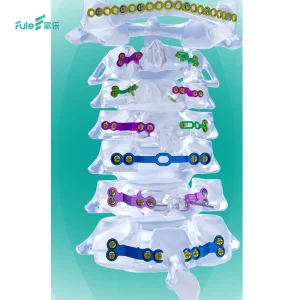
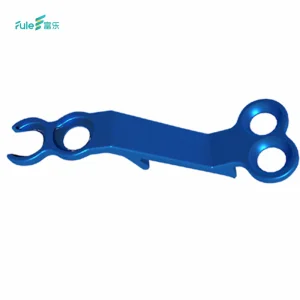
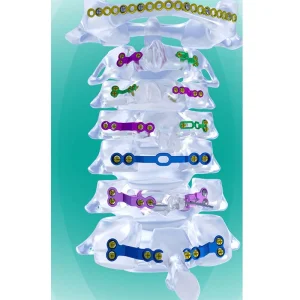
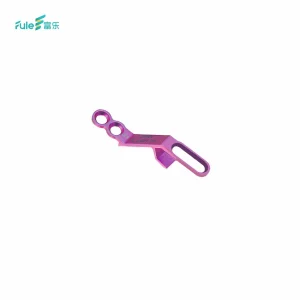
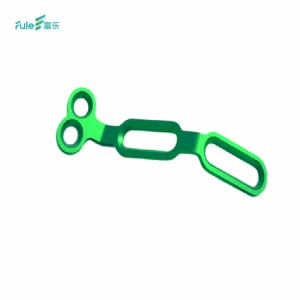
Our Posterior Cervical Laminoplasty system features anatomical plate contours that align perfectly with the lamina and lateral mass anatomy of Asian patients, reducing the need for aggressive intraoperative plate bending. This reduces local stress concentrations, preventing postoperative hardware failure.
For private hospital chains targeting medical tourists from the Middle East, Australia, and neighboring ASEAN nations, postoperative aesthetic recovery, quick rehabilitation, and structural stability are critical KPIs. High-purity anodized titanium mini-plates prevent implant migration, allowing patients to begin physical therapy earlier, shortening hospital stays, and maximizing clinical outcomes.
For medical device distributors in Bangkok (acting as procurement partners to public and private hospital purchasing networks), dealing with import clearance is often a complex bottleneck. As an exporter with three decades of global trade experience:
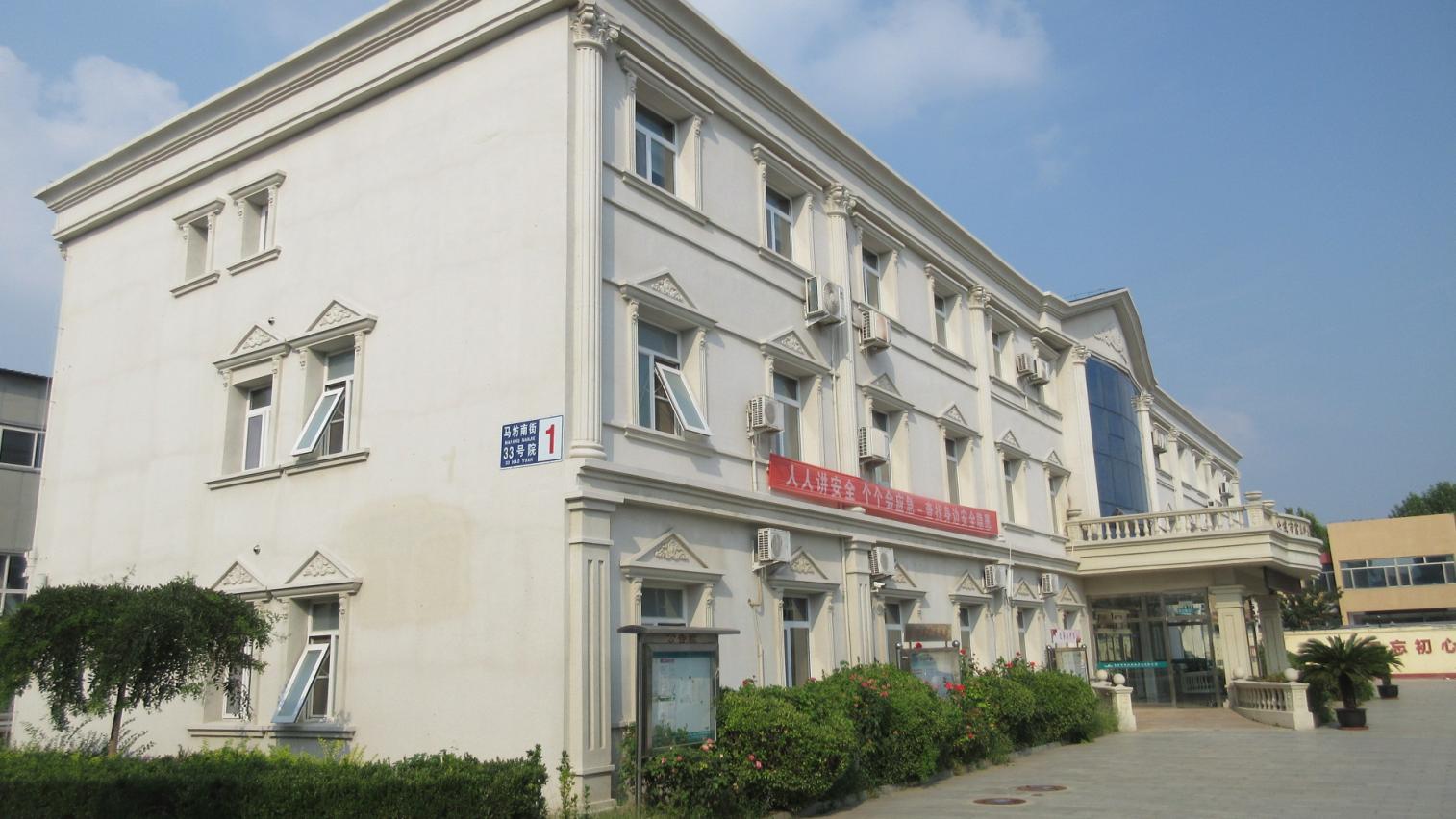
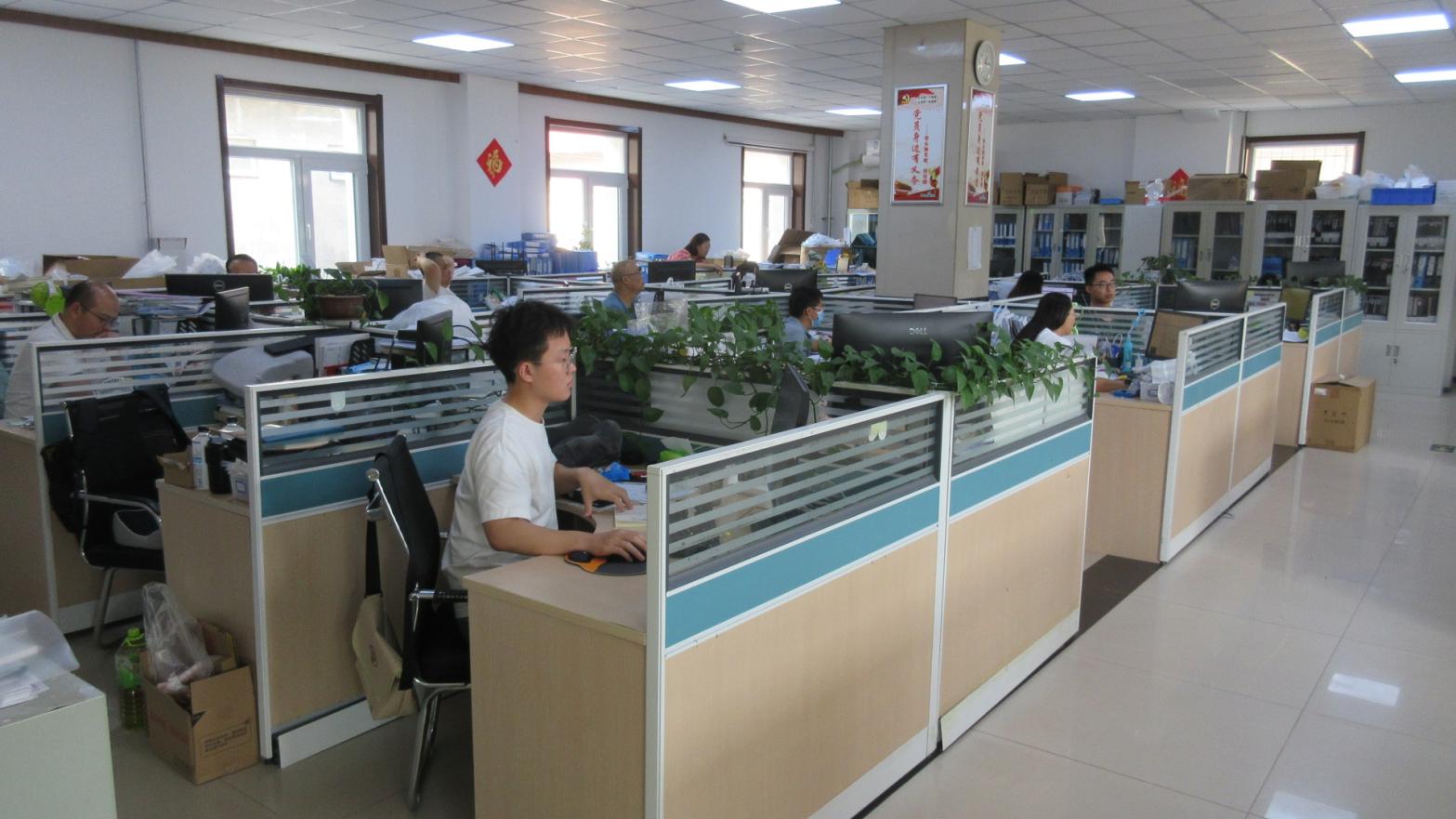
An inside look at our 10,000 ㎡ ISO 13485 certified manufacturing workshops, high-precision testing labs, and Class 10,000 cleanrooms where medical-grade titanium is transformed into implants.
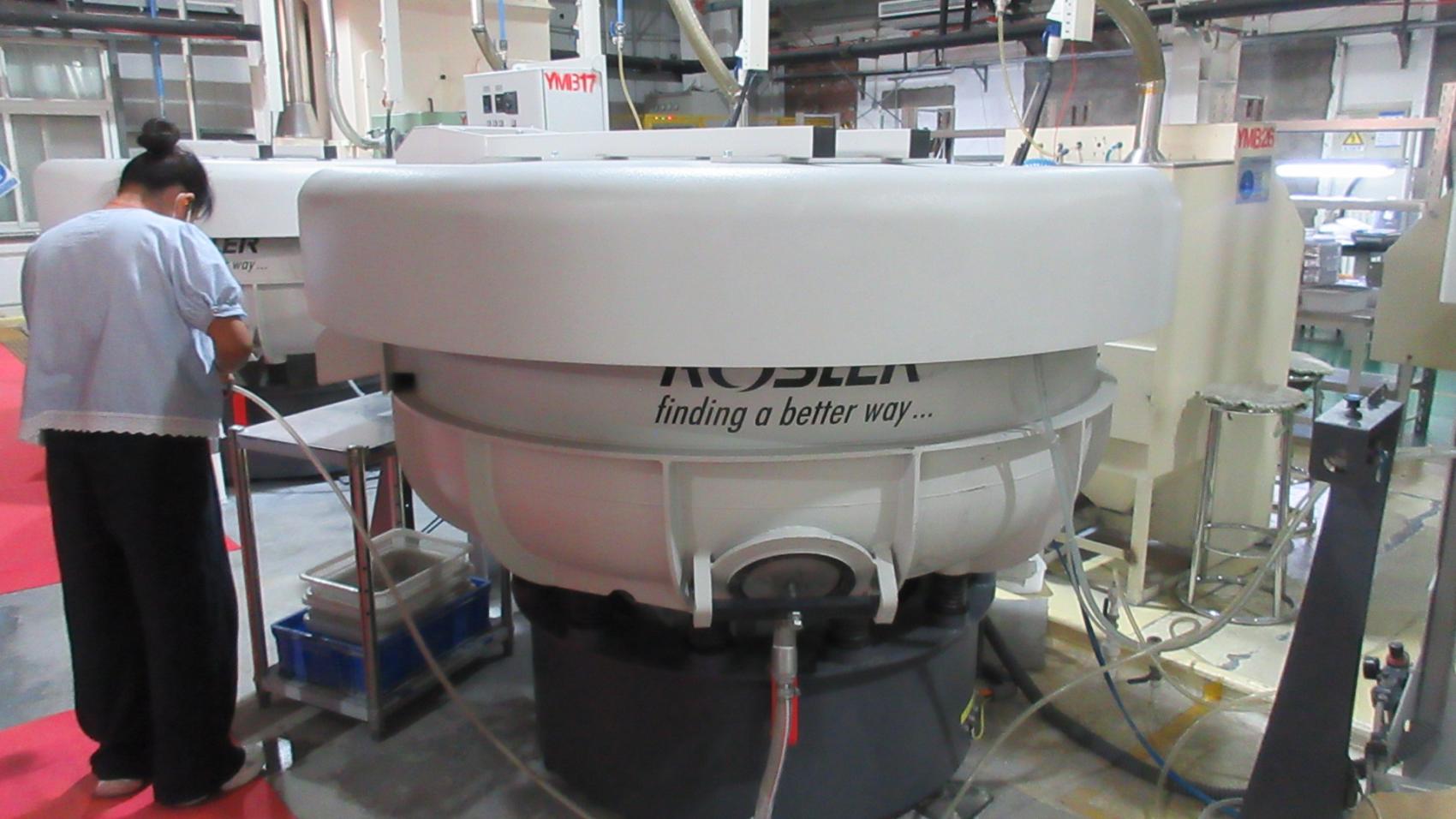
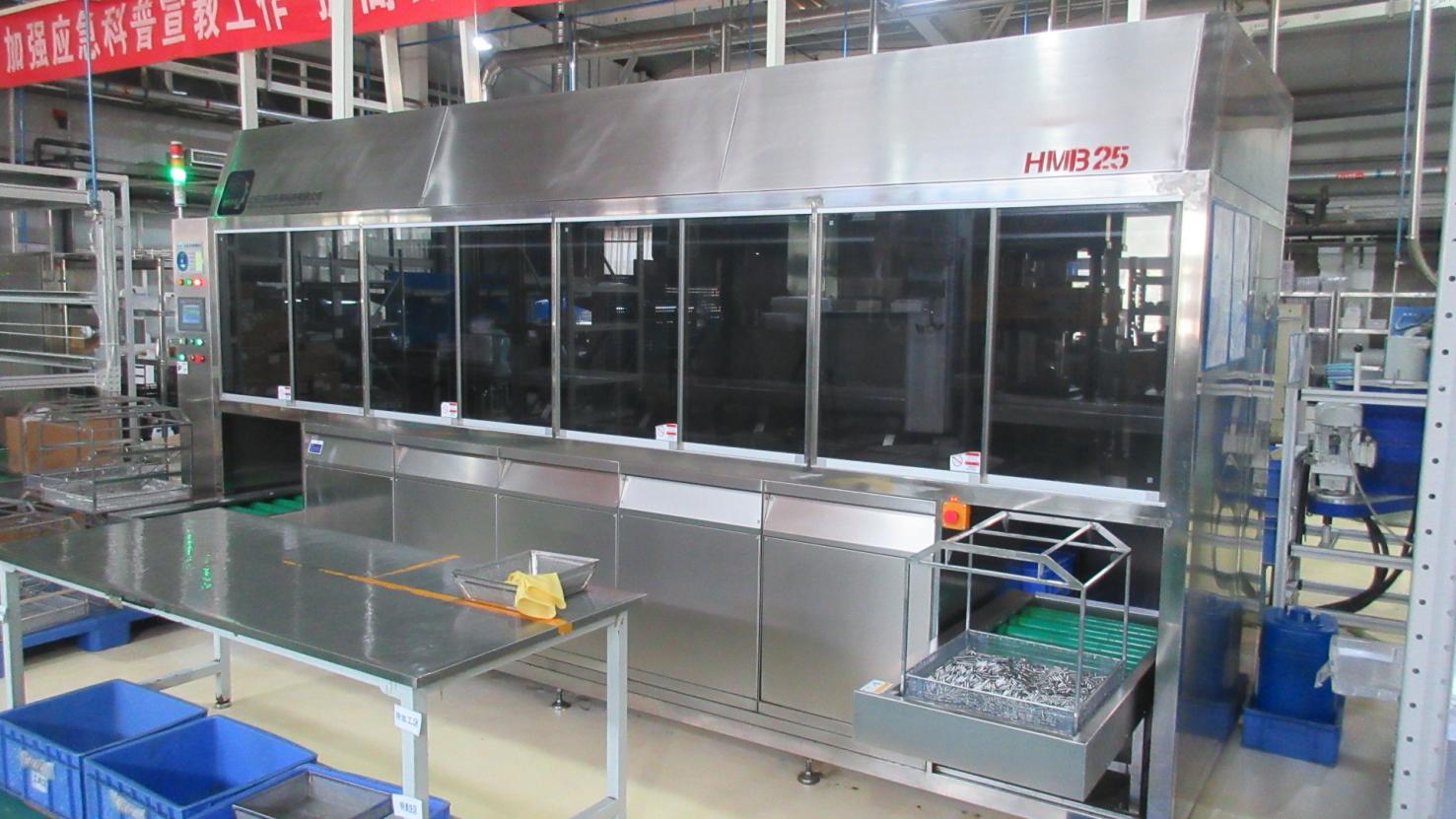
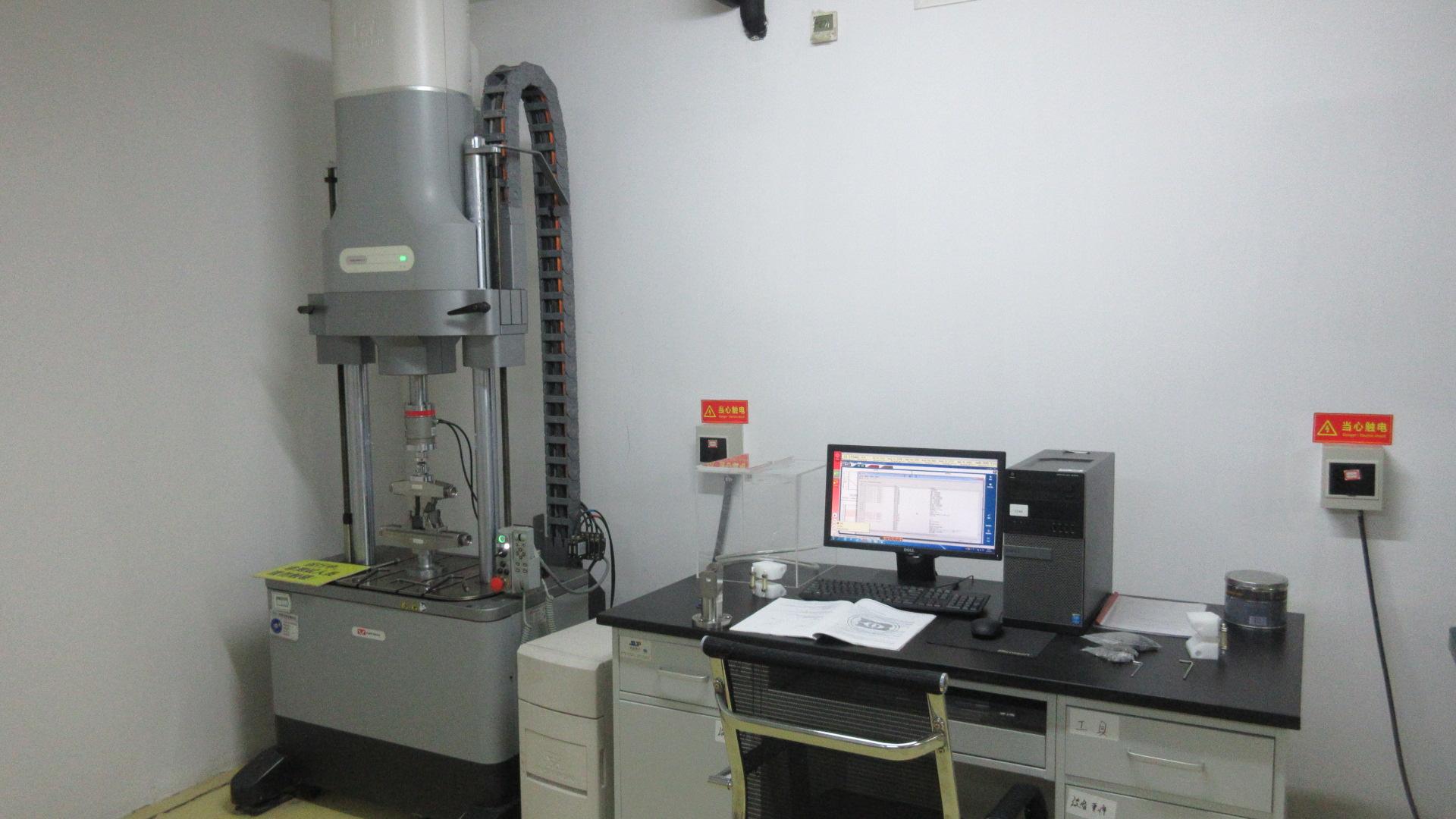
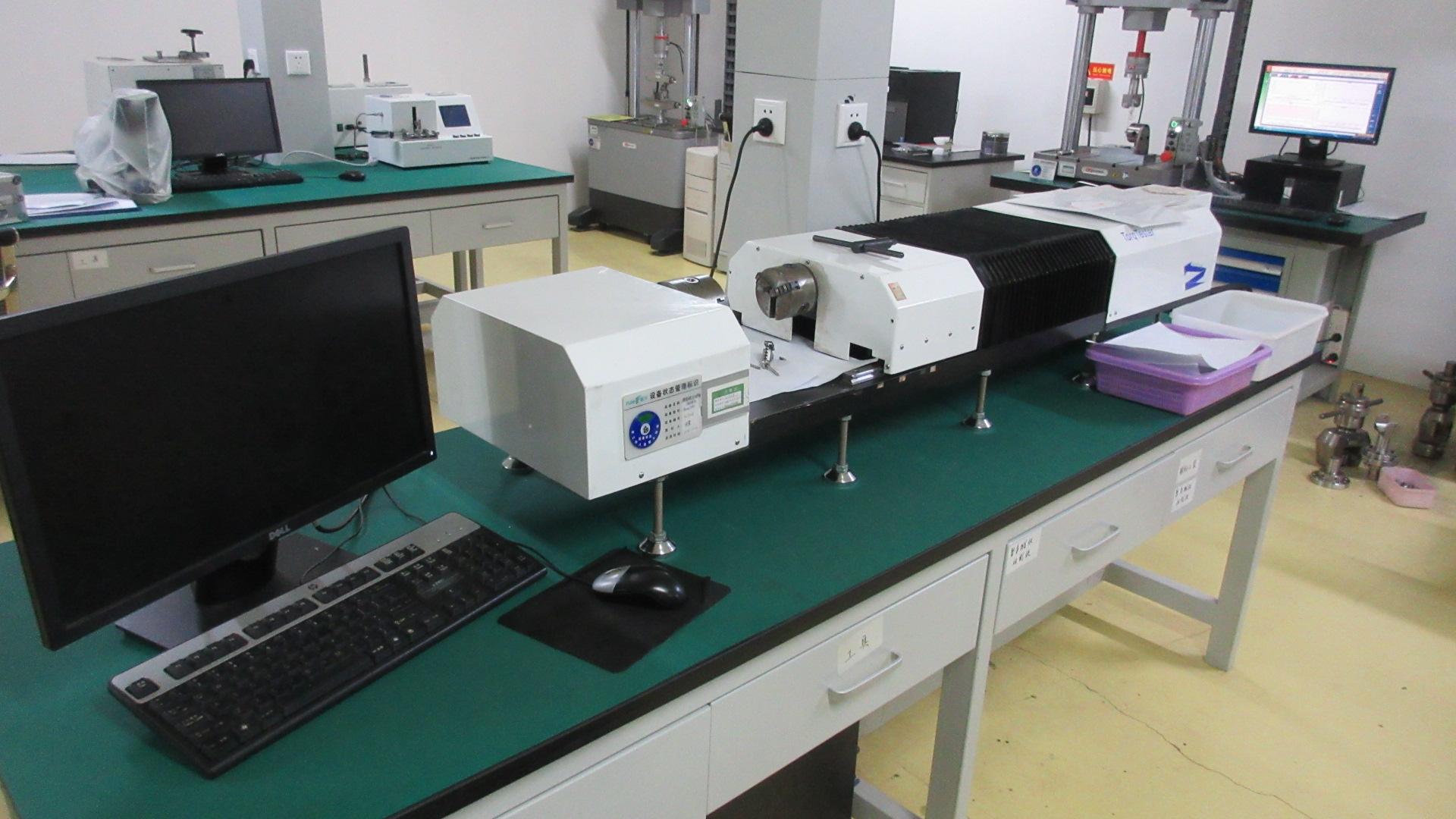
Establish a high-margin, ISO-compliant supply chain for your cervical and trauma implants. Elevate clinical performance in Bangkok hospitals today.
Send Inquiry Now Beren Science & Technology