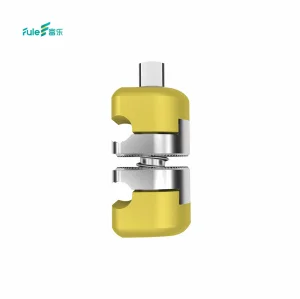
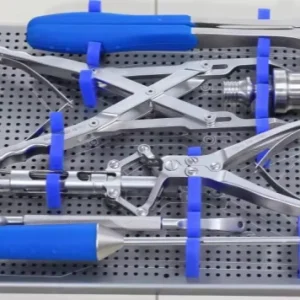
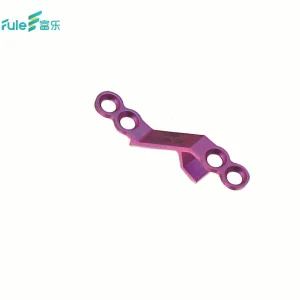
Engineered to meet the stringent biomechanical standards of Doha's leading orthopedic centers and trauma units.
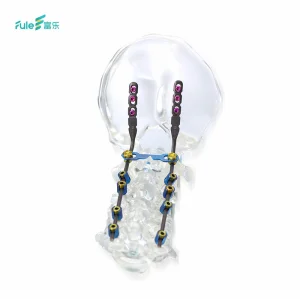
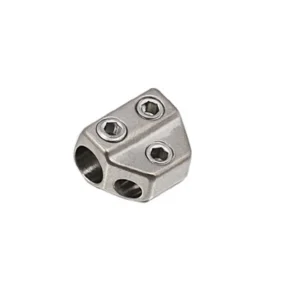
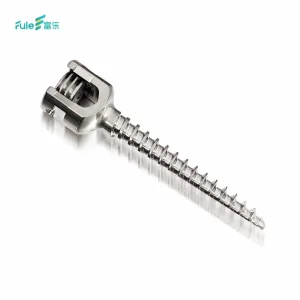
Doha's healthcare ecosystem, led by the **Hamad Medical Corporation (HMC)** and private clinical complexes like Sidra Medicine and Al Ahli Hospital, is experiencing an unprecedented surge in demand for premium orthopedic and spine surgery technologies. The driving forces include the rapid expansion of specialized surgical facilities, Qatar National Health Strategy goals, and a rising focus on addressable spinal conditions such as scoliosis, cervical spondylotic myelopathy, and high-velocity trauma injuries.
As Cervical Fixation Systems (CFS) play a vital role in restoring spinal stability, international procurement officers, biomedical distributors, and clinical directors in Doha are shifting focus towards manufacturers that balance **regulatory compliance (CE Mark, ISO 13485)**, surgical flexibility, and optimized materials like medical-grade titanium alloy (Ti-6Al-4V ELI).
Hospitals in Doha require medical equipment that minimizes revision surgeries, ensures swift patient recovery, and is backed by direct technical support during intraoperative setups. High-quality Class III implants with extensive documentation are critical for institutional approval boards.
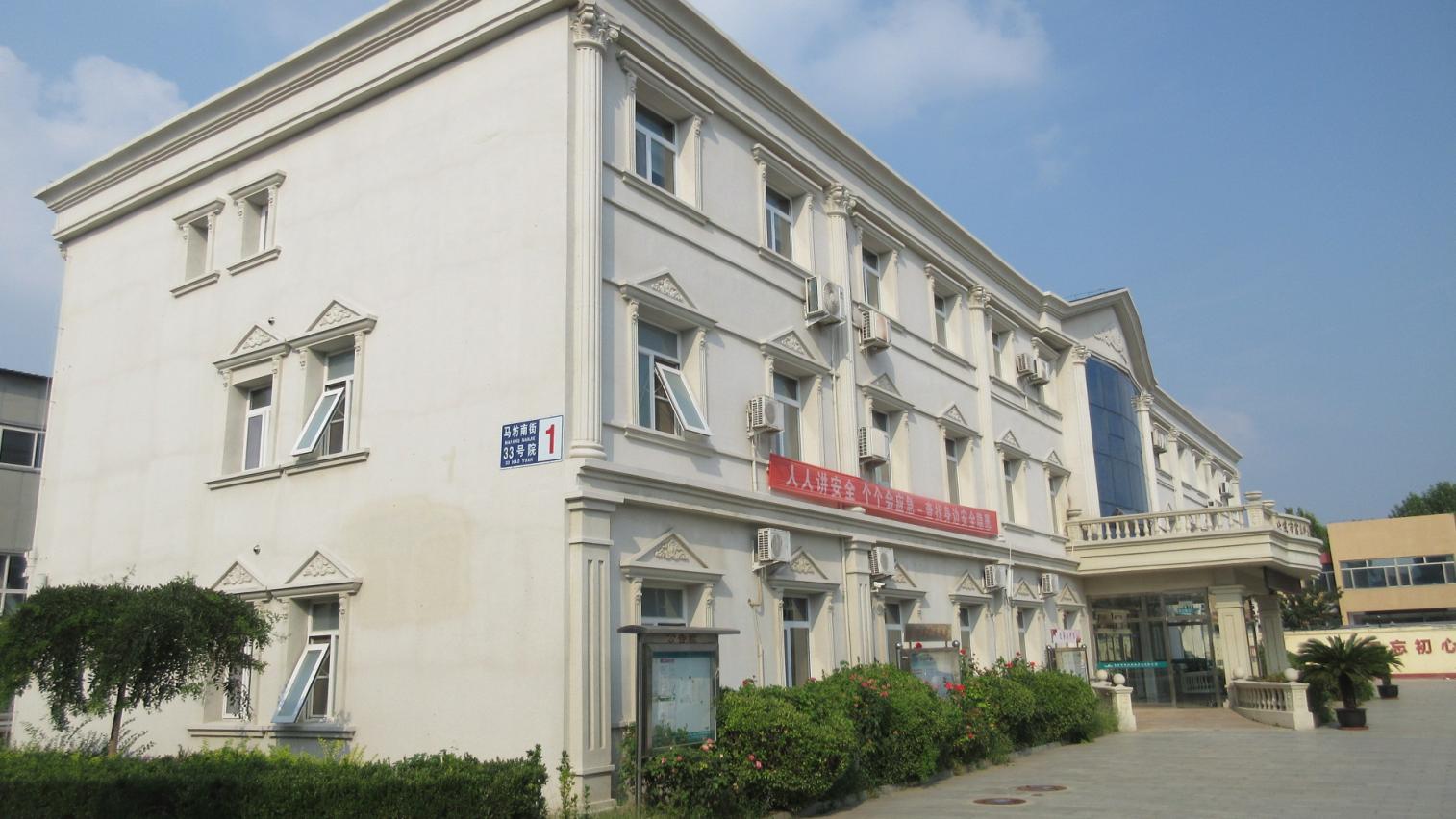
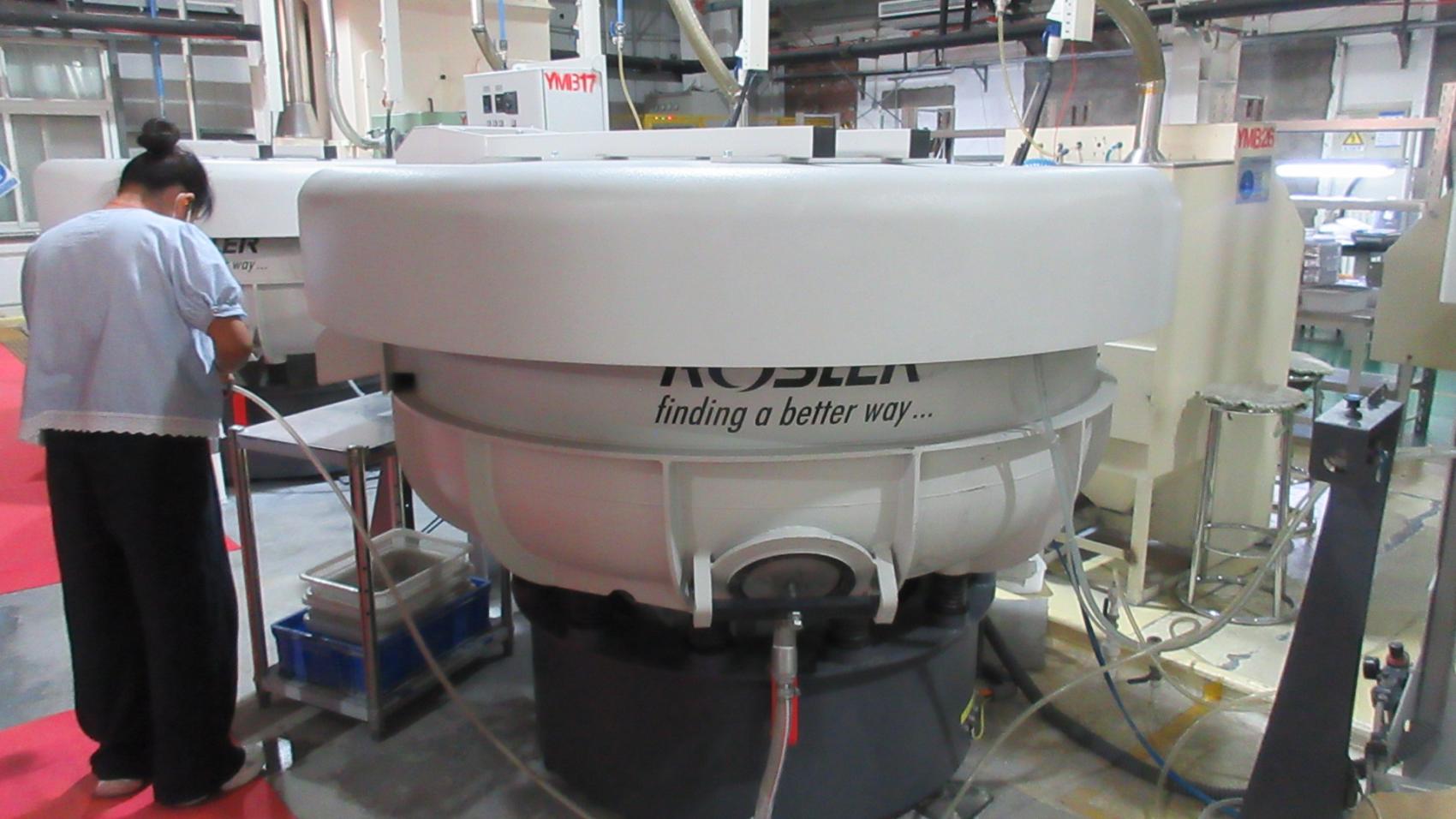
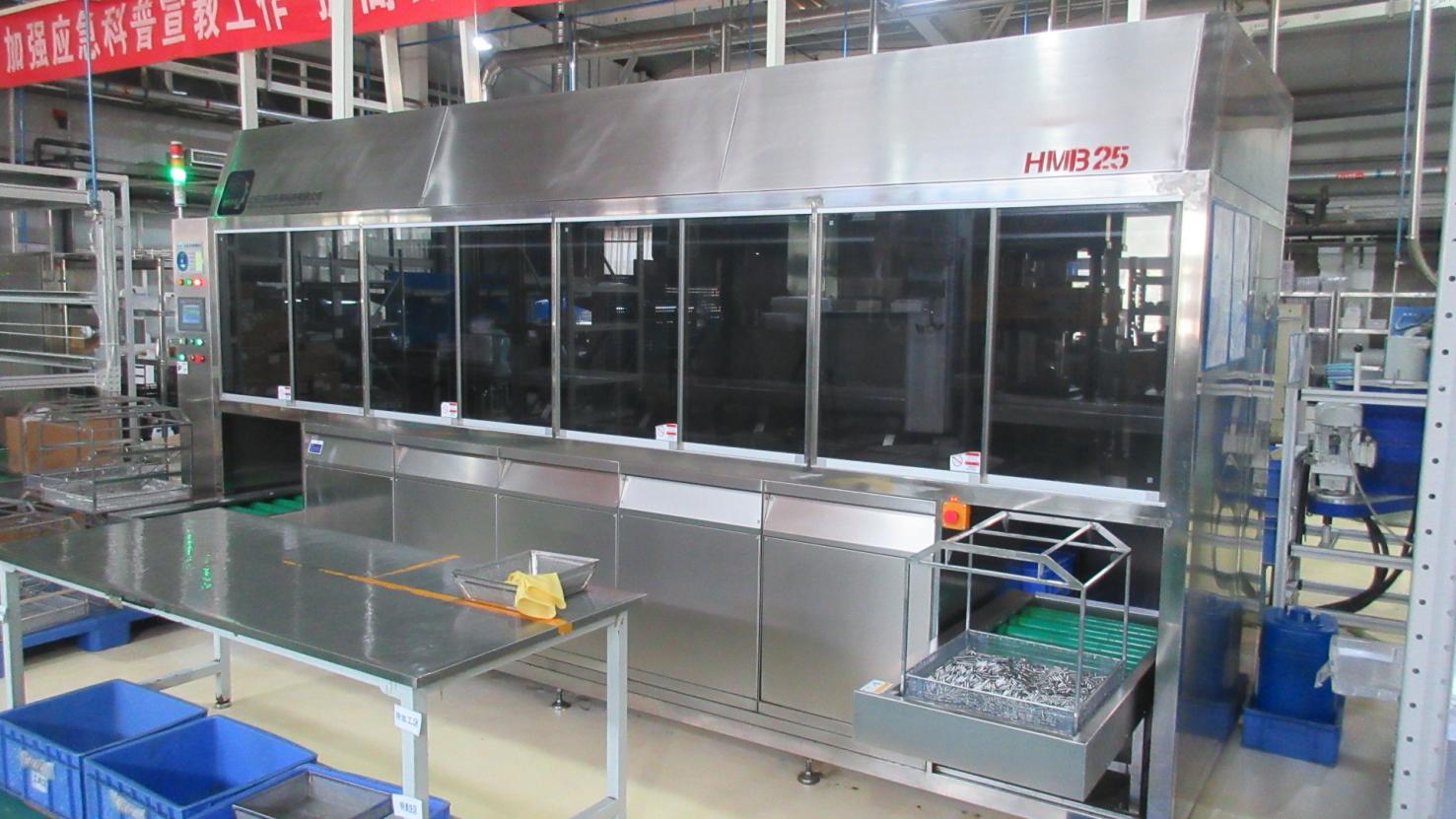
A look into our world-class medical manufacturing capacity, showcasing our decades of orthopedic and spinal research.
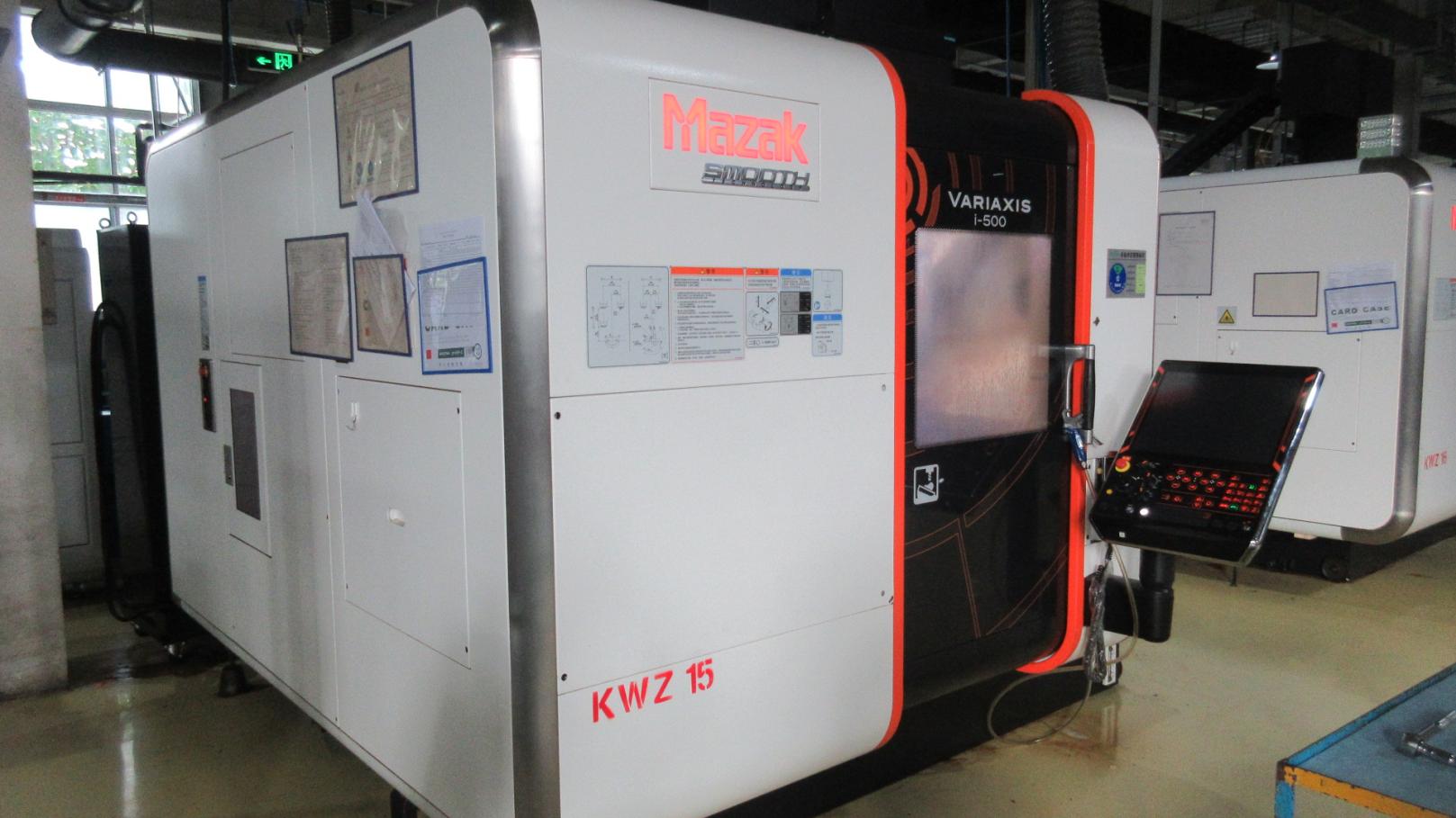
Our manufacturing workflow is strictly aligned with the standard for medical devices design and manufacture. We utilize state-of-the-art multi-axis precision machining centers to produce highly complicated spine implants that match the exacting anatomies of patients globally.

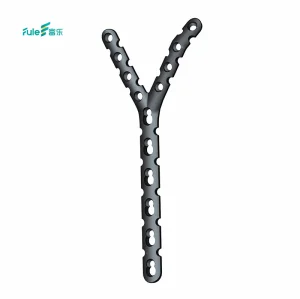
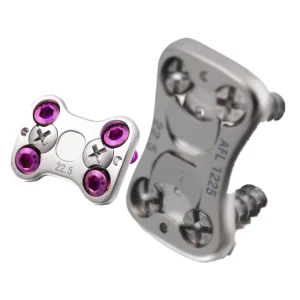
Spinal surgeries are highly demanding procedures that require absolute precision. CFS (Cervical Fixation Systems) are designed to provide rigidity, load sharing, and decompression support in the cervical and upper thoracic regions. Here are the core technical pathways incorporated into our implants:
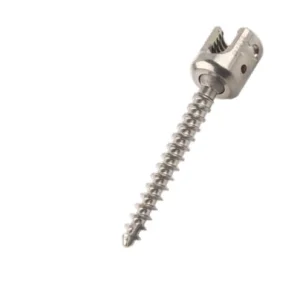
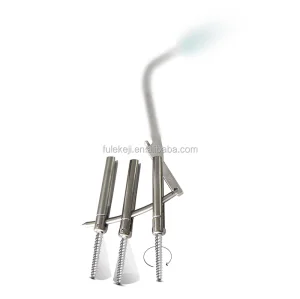
Designed with optimized pitch threads that maximize pull-out resistance while minimizing bone preparation time in the operating room.
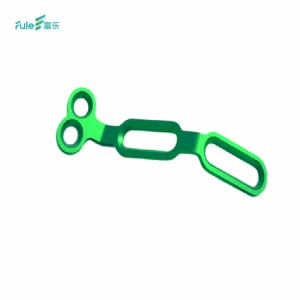
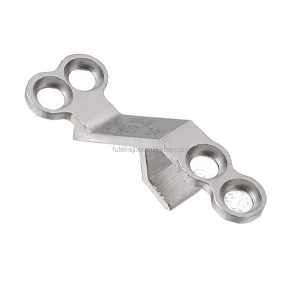
Active locking mechanisms built into anterior plate systems prevent screw back-out, protecting adjacent soft tissues and the esophagus.
Minimizes the need for intraoperative plate bending, preserving the structural integrity of the titanium alloy and reducing fatigue failures.
Our spine implants are exclusively manufactured using Extra Low Interstitial (ELI) grade titanium. Compared to standard commercial titanium, Ti-6Al-4V ELI provides significantly higher fatigue limits, exceptional corrosion resistance in human body fluids, and improved compatibility with MRI and CT scanning techniques, facilitating clearer post-operative diagnostics for spine specialists in Doha.
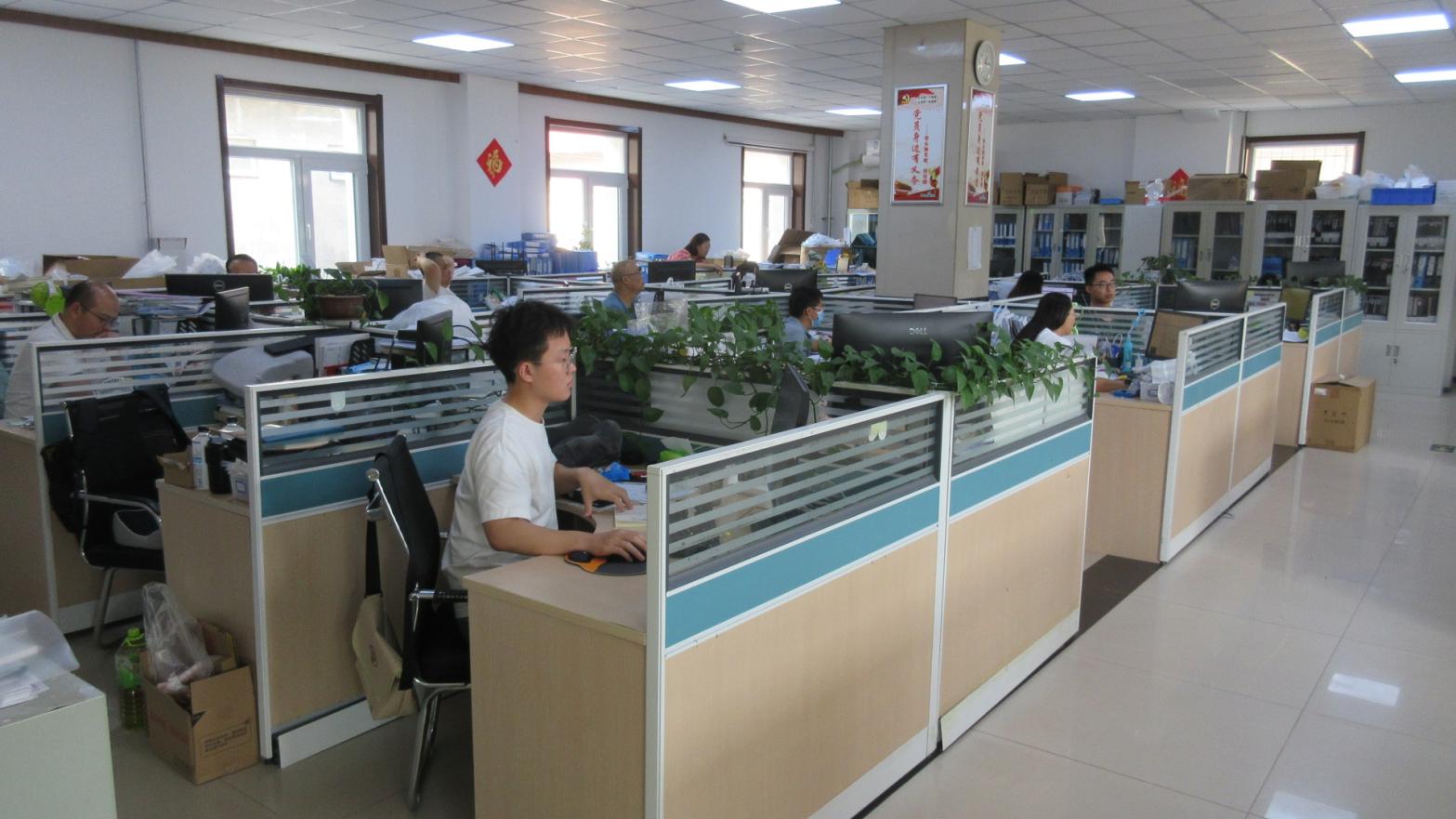
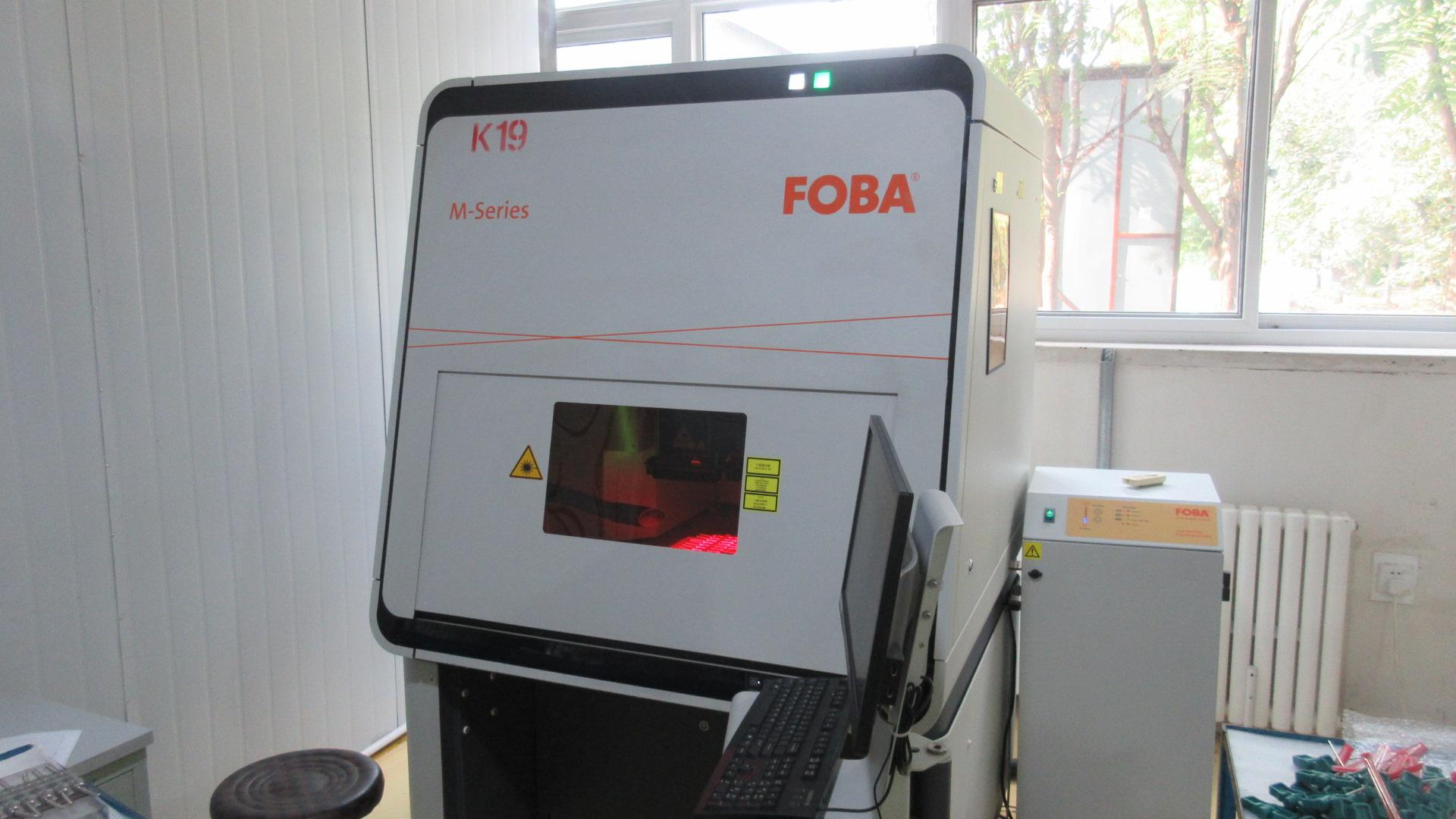
Transparency and quality guaranteed. We document our cleanroom operations and mechanical validation processes.
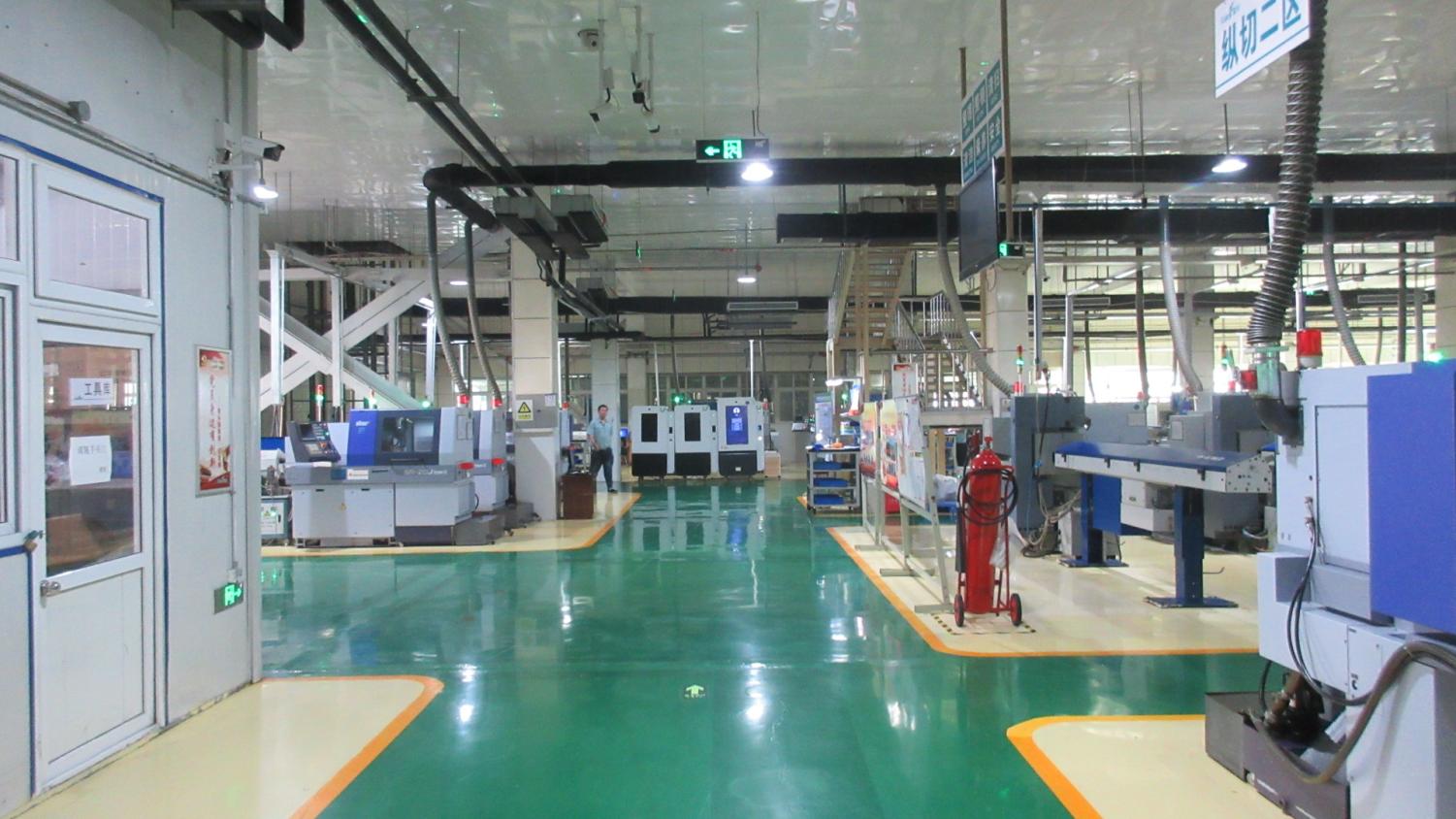
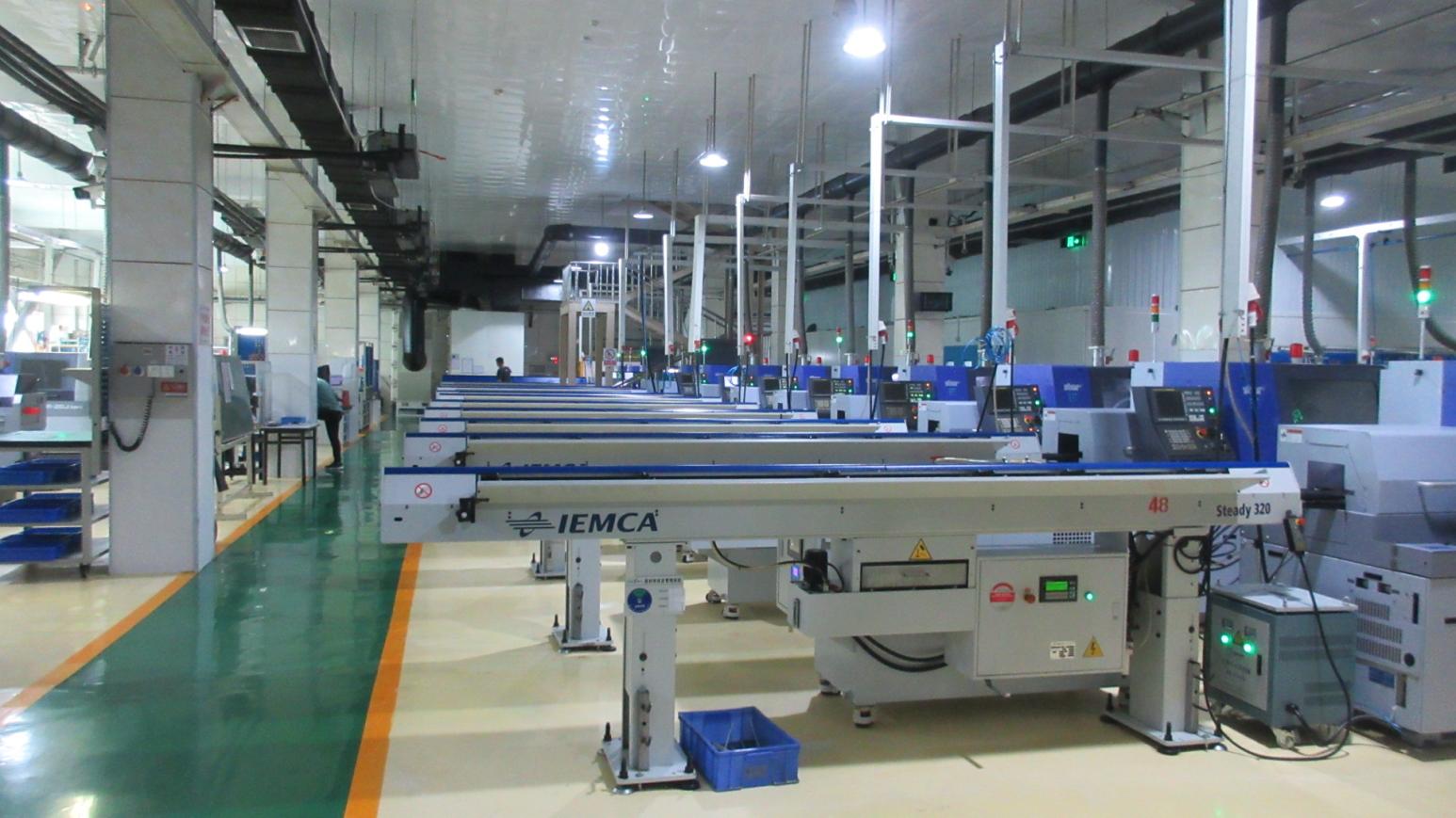
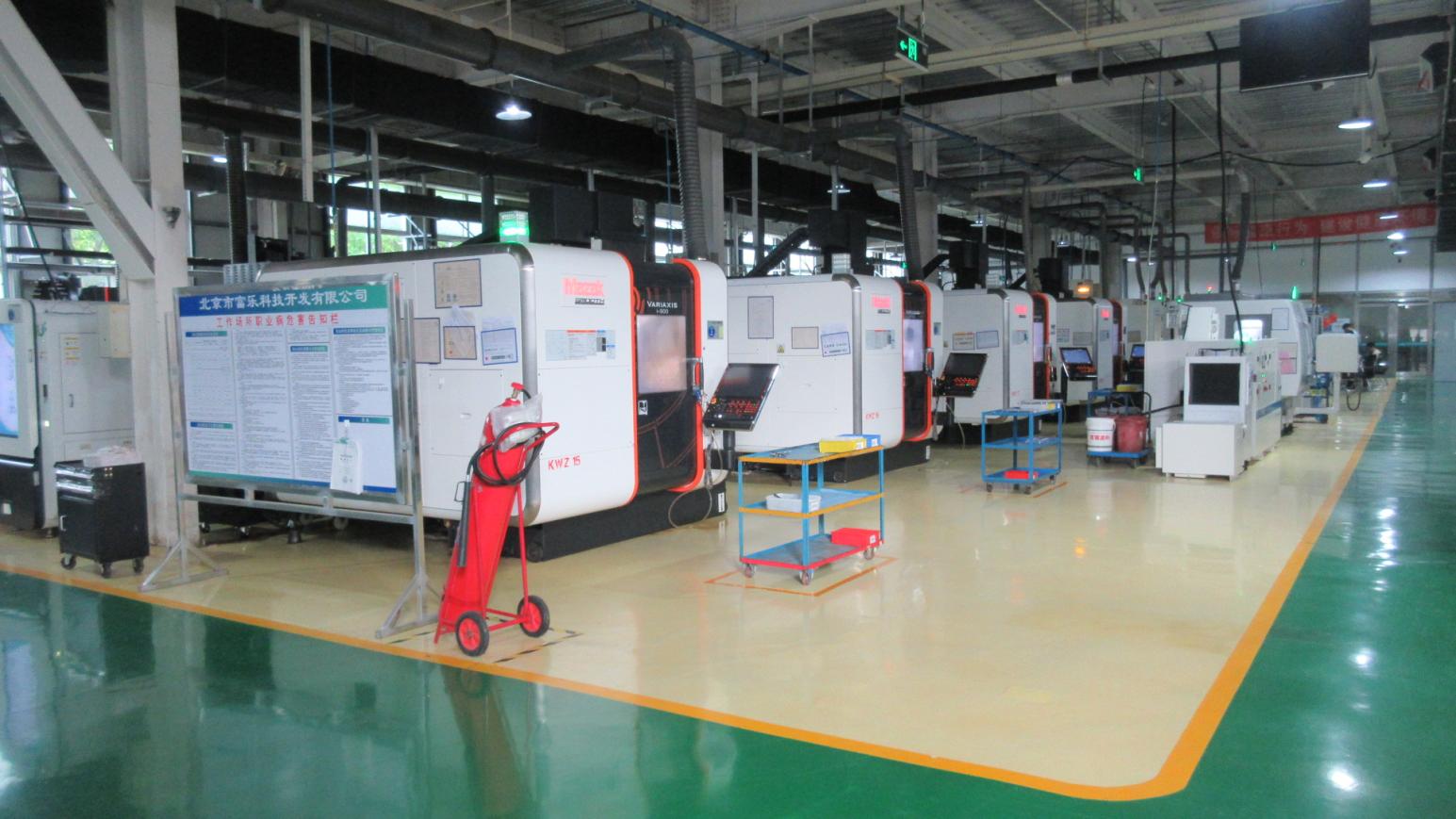
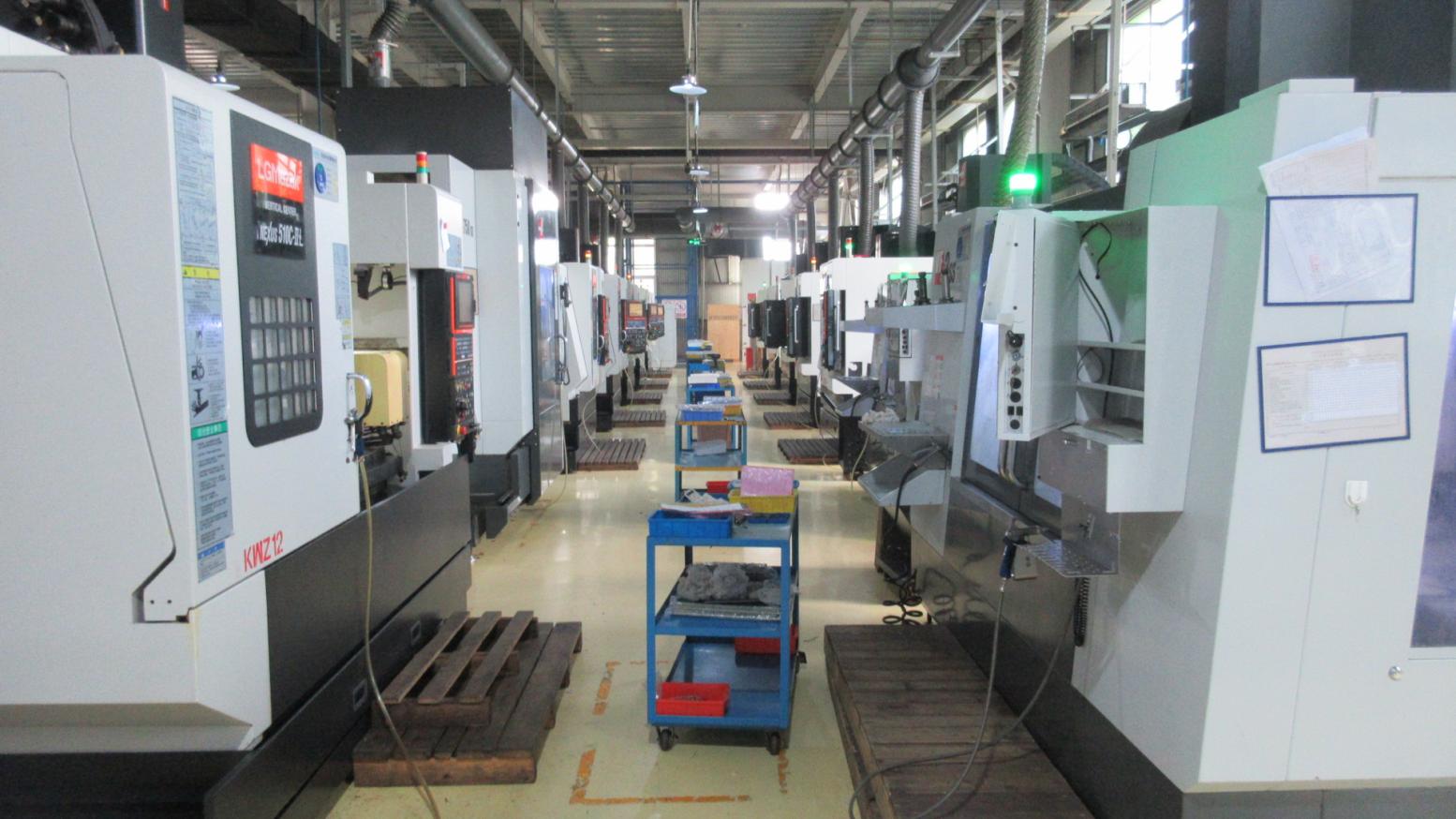
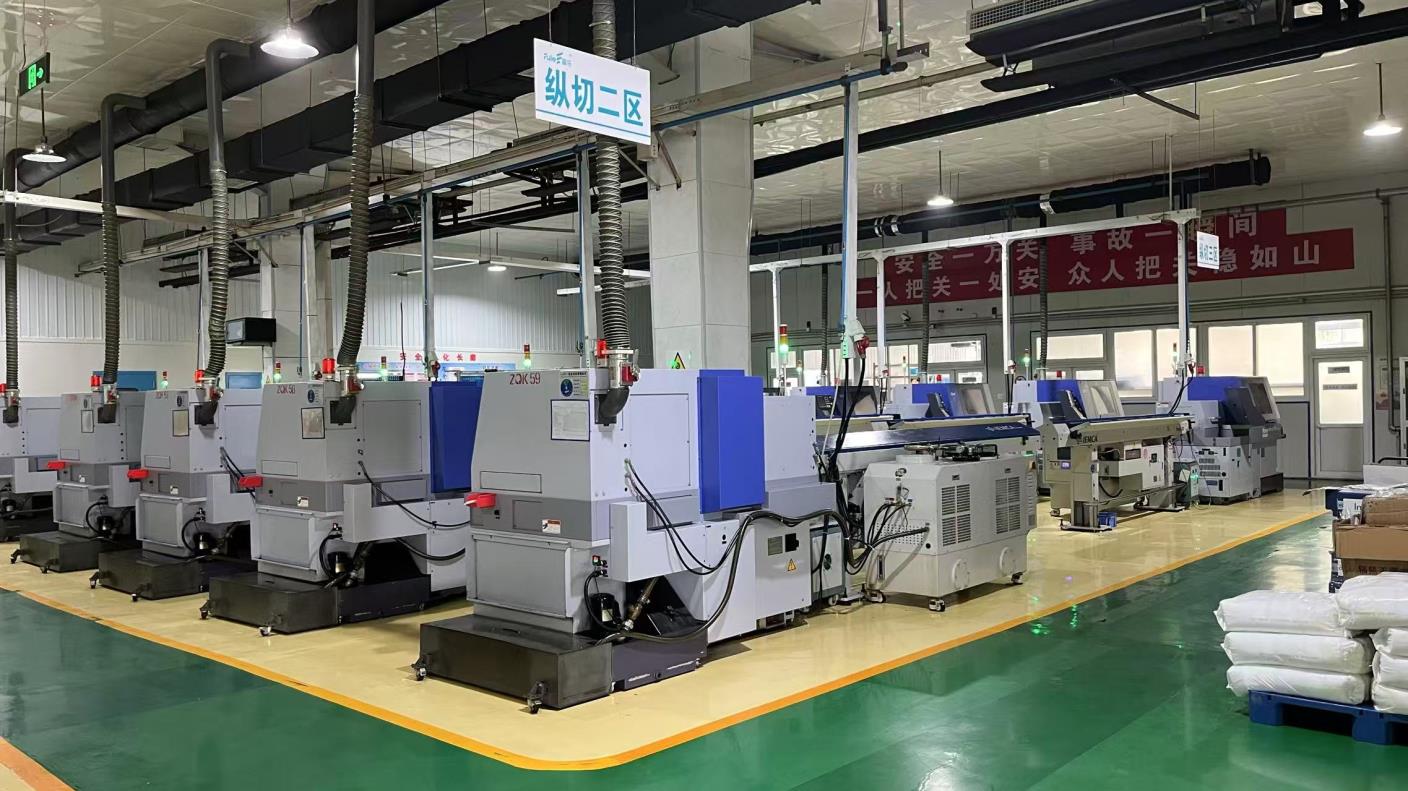
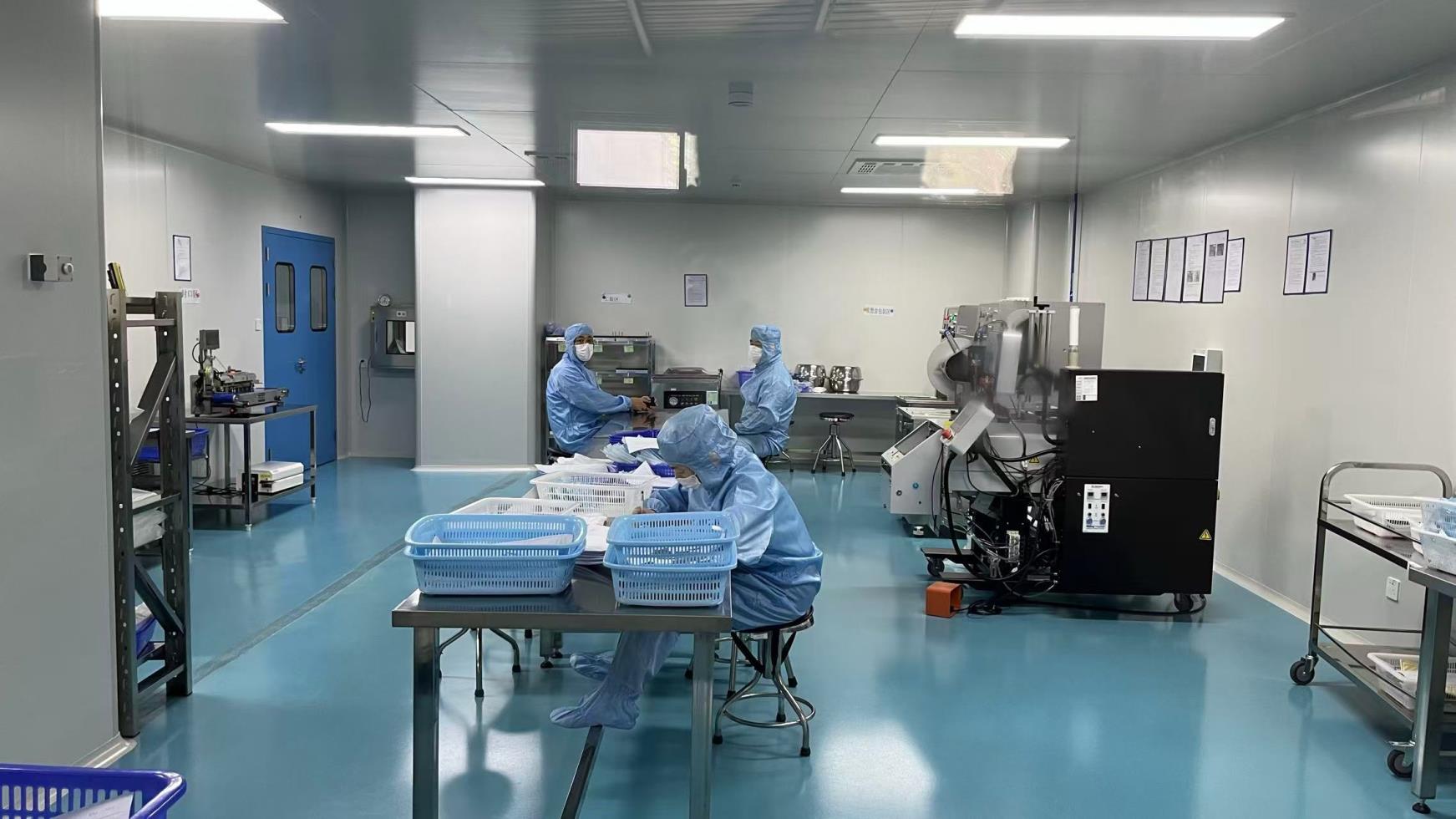
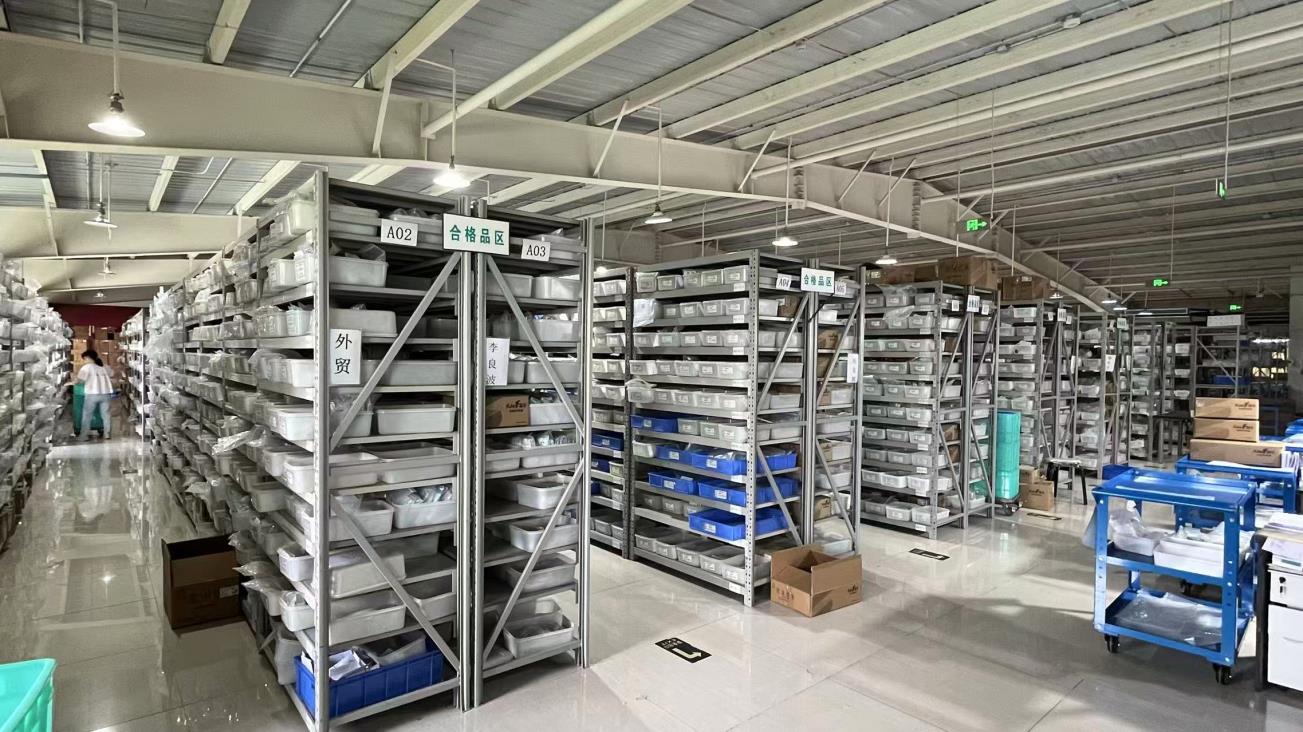
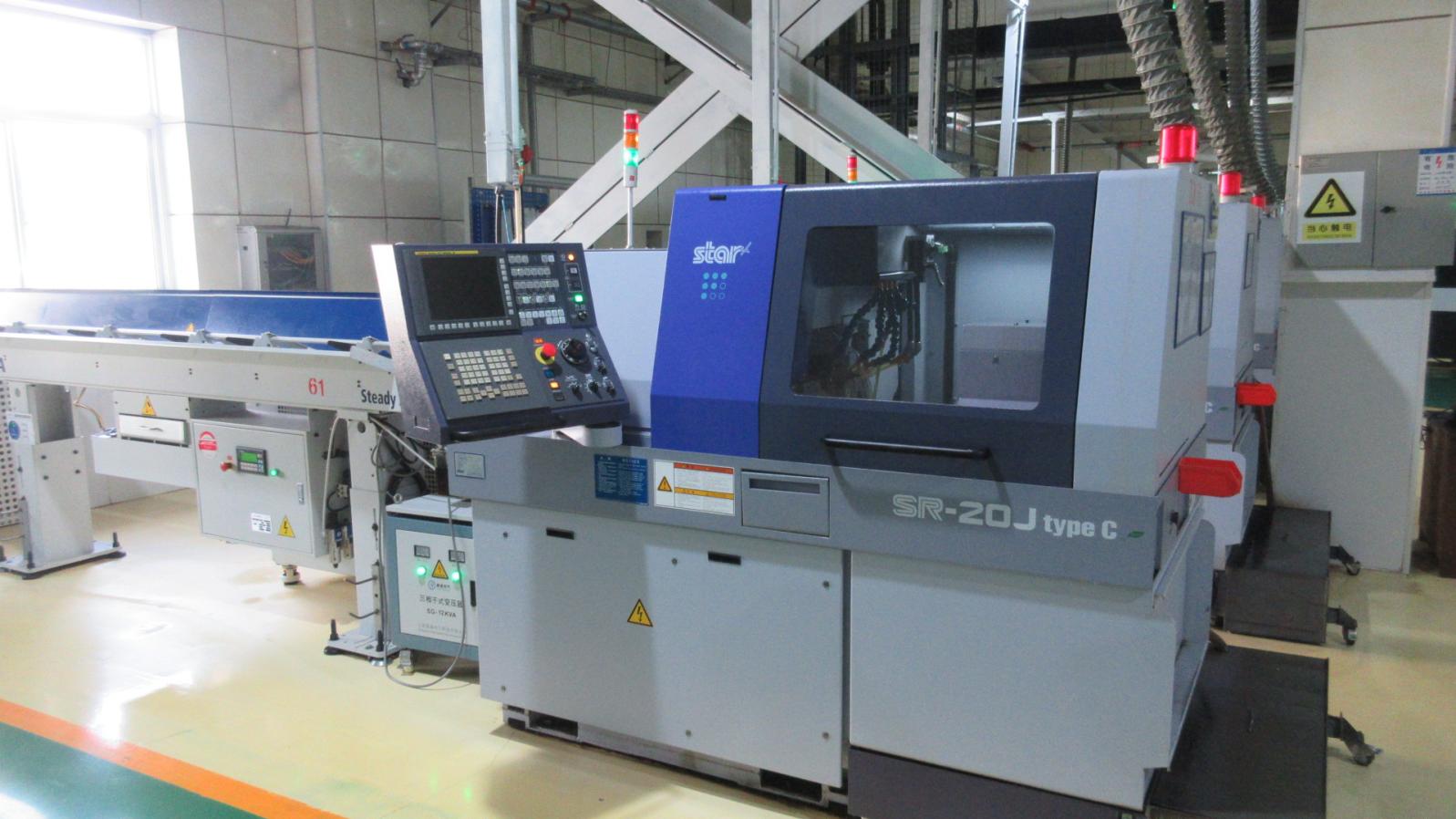
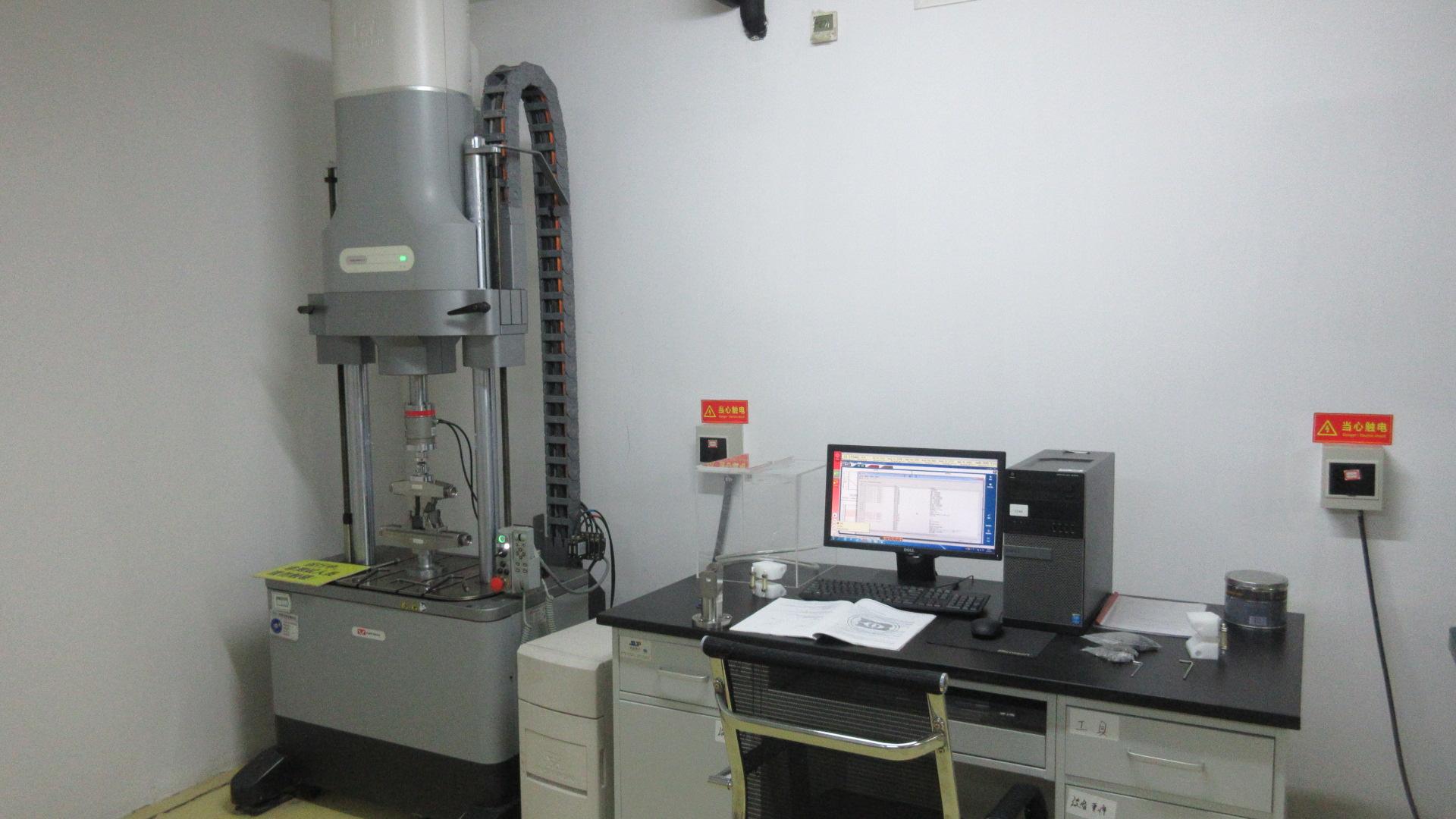
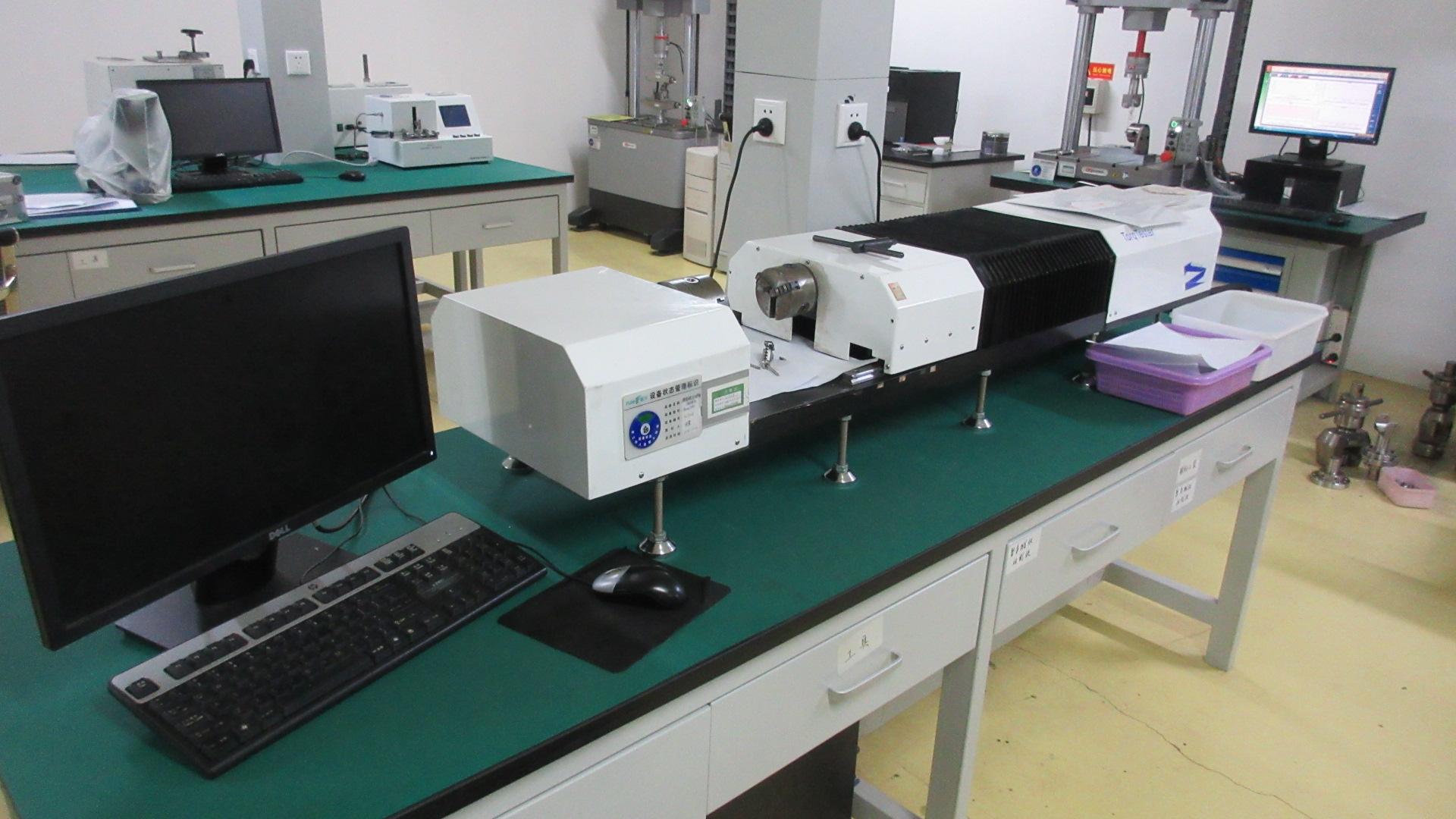
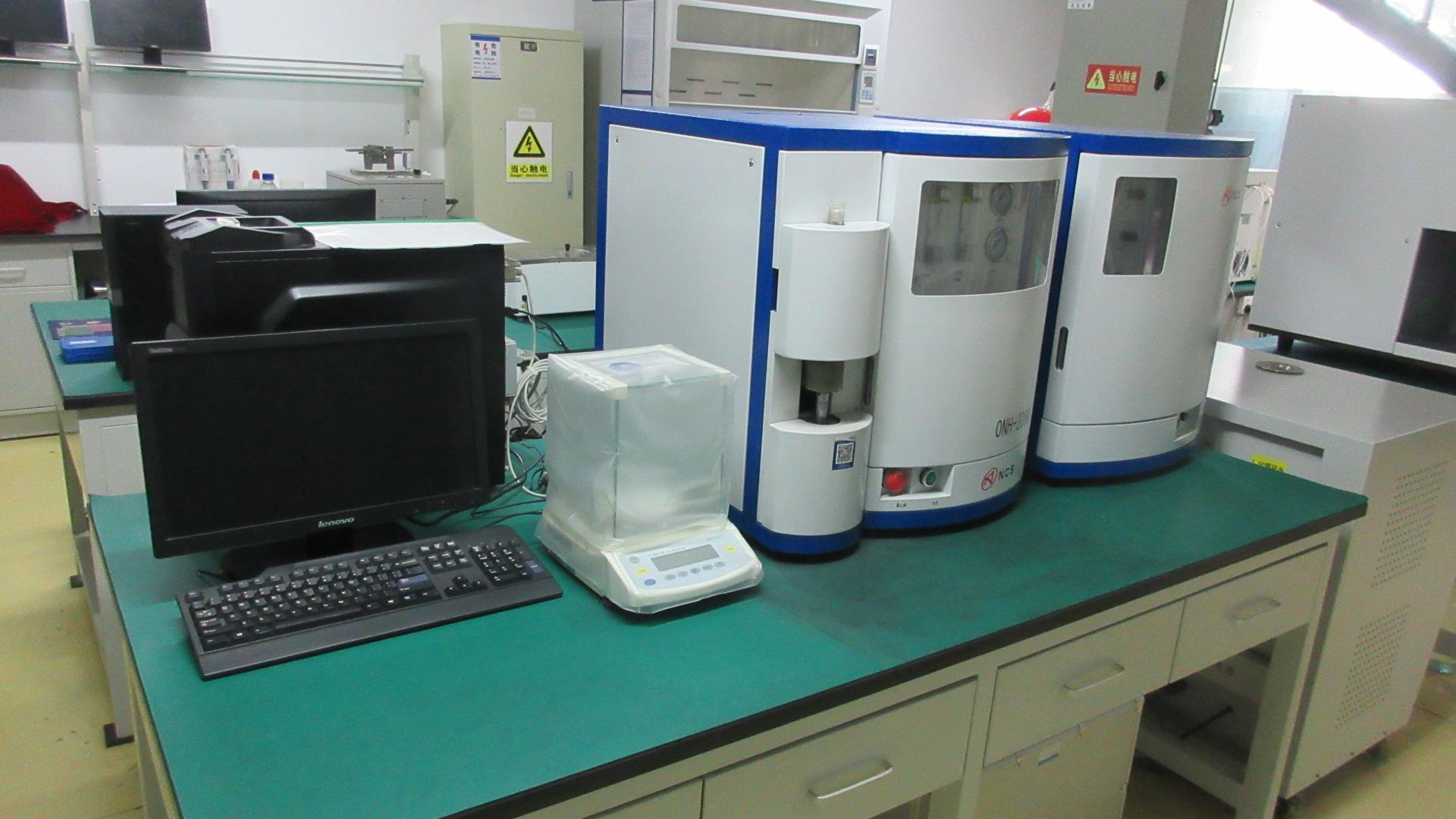
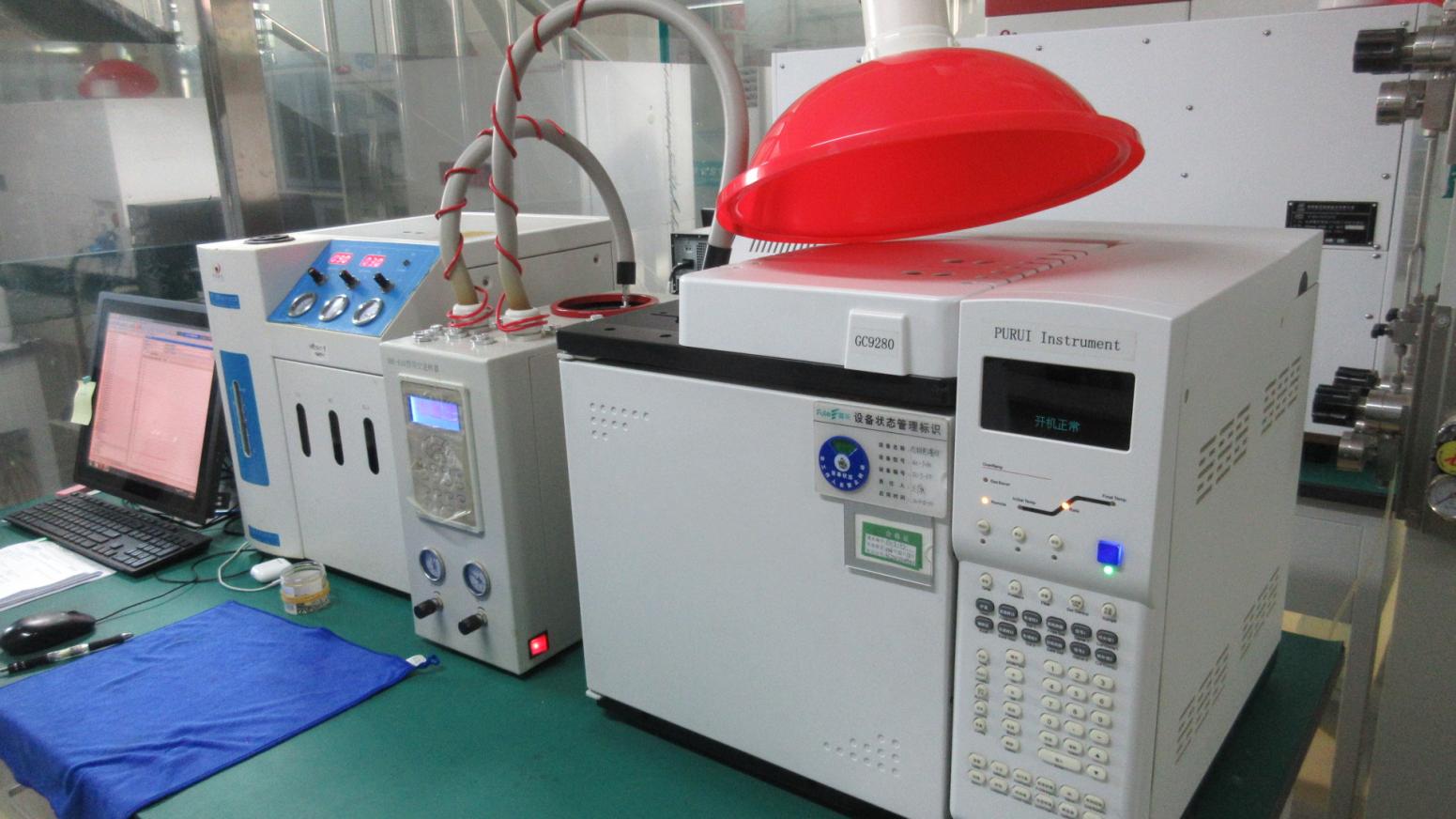
Our commitment goes beyond traditional manufacturing. As Doha transitions into a smart healthcare hub, spinal systems are moving towards digitisation and patient-specific optimizations. We are currently implementing three primary strategic initiatives to support this progression:
Through 3D scanning and computer-aided biomodeling, we can now design and manufacture custom titanium plate setups and spinal cages to address rare spine deformities and complex reconstructive surgeries. This service is highly valuable for specialized pediatric surgical departments, like those at Sidra Medicine in Doha.
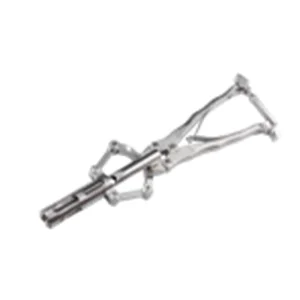
Modern surgeons aim to reduce postoperative pain and hospitalization periods. Our VSS I Spinal MIS Implantation system employs targeted muscle-splitting approaches and specialized dilatators, ensuring minimal soft tissue damage during stabilization.
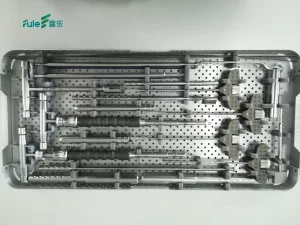
With clinical demands for inventory management and sterile control, our upcoming surgical container sets are prepared for automated tracking integration, allowing hospital staff to instantly query autoclave status and cycle counts using global standard identification tags.
Select the system that best matches your hospital's surgical portfolio.
Entering the Qatari medical device landscape requires rigorous compliance with the **Ministry of Public Health (MoPH)**. In Doha, hospital tender committees and biomedical compliance agents demand that implantable devices bear clear validation frameworks:
Our dedicated regulatory department works closely with local Doha sponsors and distributors to expedite the registration process, providing comprehensive documentation packages, sterilization validation reports, and technical sheets.
Answers to critical questions regarding the procurement, customization, and importation of spinal stabilization systems in Doha, Qatar.
Get in touch with our engineering and regulatory compliance teams to request samples, certification dossiers, and price quotations for your Doha hospital tenders.
Send Inquiry Now Beren Science & Technology