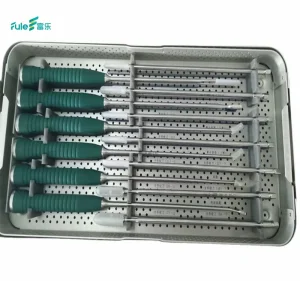
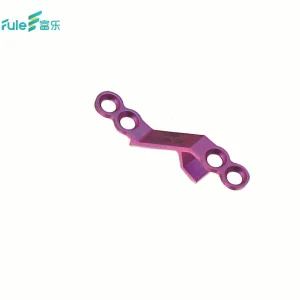
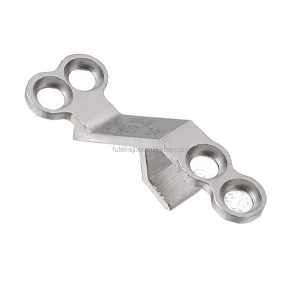
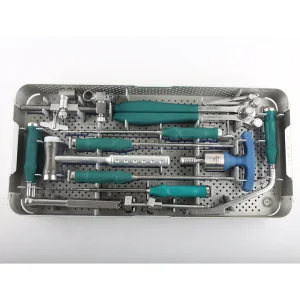
High-precision orthopedic instruments and implant sets designed to facilitate rigid fixation, optimal mechanical stability, and streamlined surgical interventions.
Romania's healthcare sector is undergoing a rapid modernization phase, propelled by structural changes in both the public emergency county hospital network (Spitale Județene de Urgență) and private clinical setups. As part of this transition, the clinical demand for high-reliability traumatology implants—particularly clavicle locking plate systems—has surged. Clavicle fractures comprise up to 4% of all adult fractures, frequently resulting from high-velocity industrial incidents, road traffic accidents, and active sport injuries common in regions such as Bucharest, Cluj-Napoca, Timișoara, and Iași.
In the past, conservative management of clavicle fractures was standard; however, modern Romanian orthopedic practice has shifted definitively toward open reduction and internal fixation (ORIF). This shift minimizes the risk of malunion and nonunion, which can exceed 15% in displaced midshaft fractures. Consequently, hospitals require advanced anatomical locking systems that can accommodate the specific complex S-curve of the clavicle, reduce the need for intraoperative plate contouring, and prevent post-operative implant fatigue.
To address the requirements of the Romanian National Health Insurance House (CNAS) reimbursement frameworks, medical distributors must source implants that combine premium structural safety with cost-efficiency. This is where high-volume manufacturers certified under ISO 13485 play a key role, filling the supply chain gap between costly Western European brands and budget-focused health budgets without compromising clinical outcomes.
Orthopedic trauma surgery demands uninterrupted material access. Disruptions in the global raw material supply chain—specifically in implant-grade Ti-6Al-4V ELI (ASTM F136) titanium alloy—have driven medical institutions to reassess their dependency on fragmented suppliers. Modern manufacturing demands fully integrated production lines, characterized by multi-axis CNC machines and automated optical inspection systems that secure component uniformity.
By consolidating manufacturing from billet processing to cleanroom packaging, raw material traceability is preserved under tight validation protocols. For distributors in the European Union, this provides predictable lead times and reliable lot documentation, safeguarding against sudden clinical shortages.
In alignment with the European Union Medical Device Regulation (EU MDR 2017/745), importing implants into Romania requires comprehensive clinical evaluation reports (CER), post-market surveillance (PMS) strategies, and explicit biological safety profiling. Our product pipeline is backed by continuous R&D investments, utilizing graduate engineers specializing in biomechanical modeling, finite element analysis (FEA), and pull-out strength testing.
Whether supplying standard reconstruction plates or complex polyaxial locking systems, each batch undergoes strict mechanical fatigue validation. This provides Romanian orthopedic surgeons with the assurance that every screw and plate matches the biomechanical endurance limits defined by international clinical standards.
Optimizing surgical precision and anatomical adaptation across varied patient pathologies.
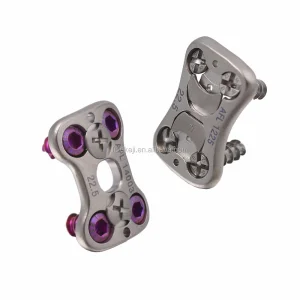
Midshaft fractures account for nearly 80% of all clavicle injuries. Our biomechanically optimized, pre-contoured superior clavicle plates reduce the need for manual bending, lowering structural stress zones within the metal and preserving the critical locking dynamics between screw heads and the plate.
Treating Neer Type II distal fractures presents a distinct challenge due to short bone fragments. Superior distal plates feature multiple divergent locking screw options at the lateral end, providing high pull-out resistance and securing stable construct hold in osteoporotic or comminuted bone.
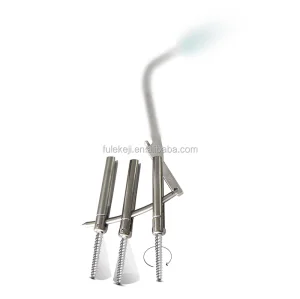
With the growth of outpatient surgical programs in Romanian private hospitals, there is a strong focus on Minimally Invasive Plate Osteosynthesis (MIPO). Specially designed target guides allow subcutaneous tunneling of the plate, minimizing soft tissue disruption and preserving local blood supply for accelerated healing.
Actual production validations, cleanroom packaging, and precision orthopedic systems engineered in our ISO-regulated facilities.
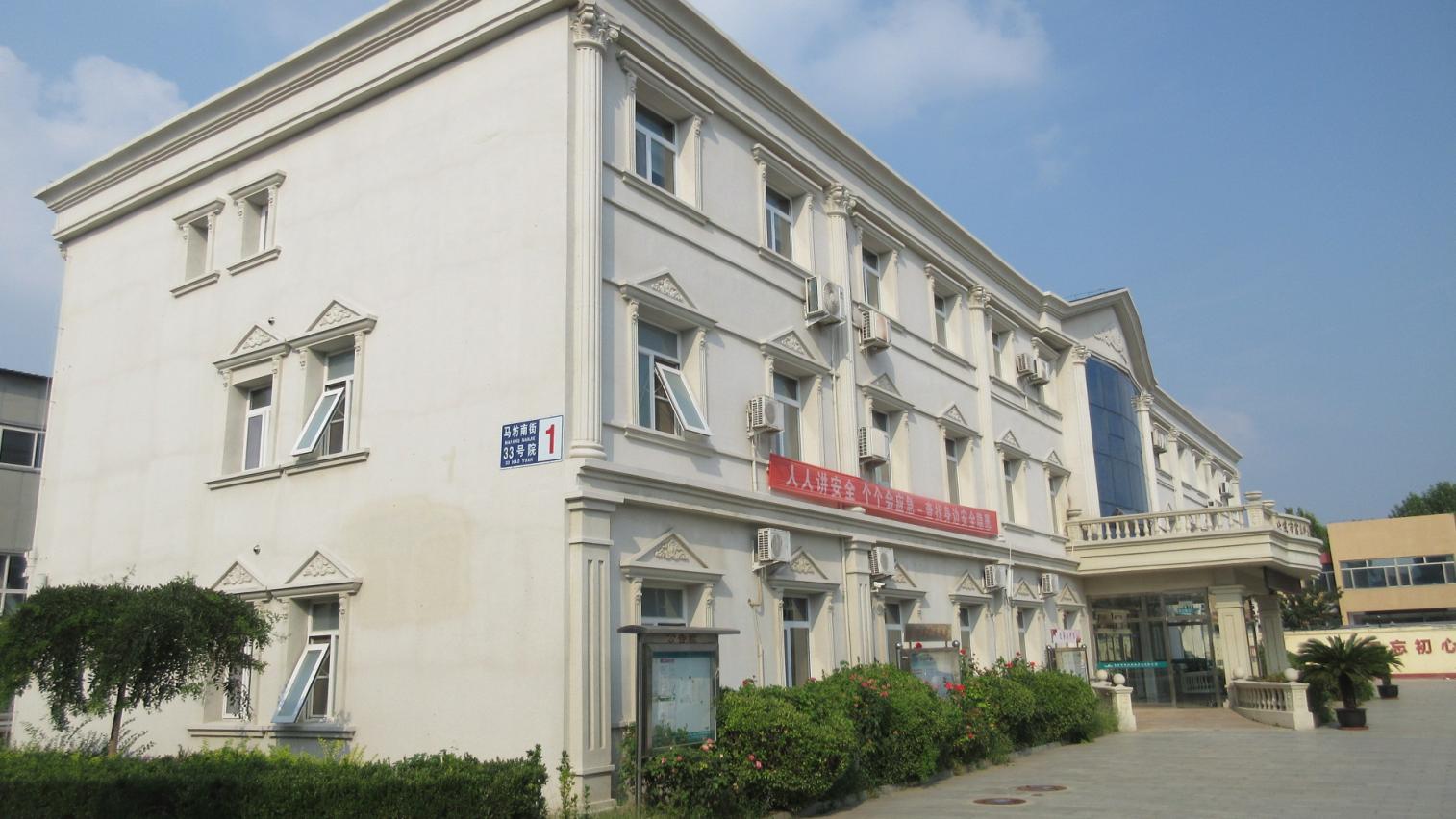
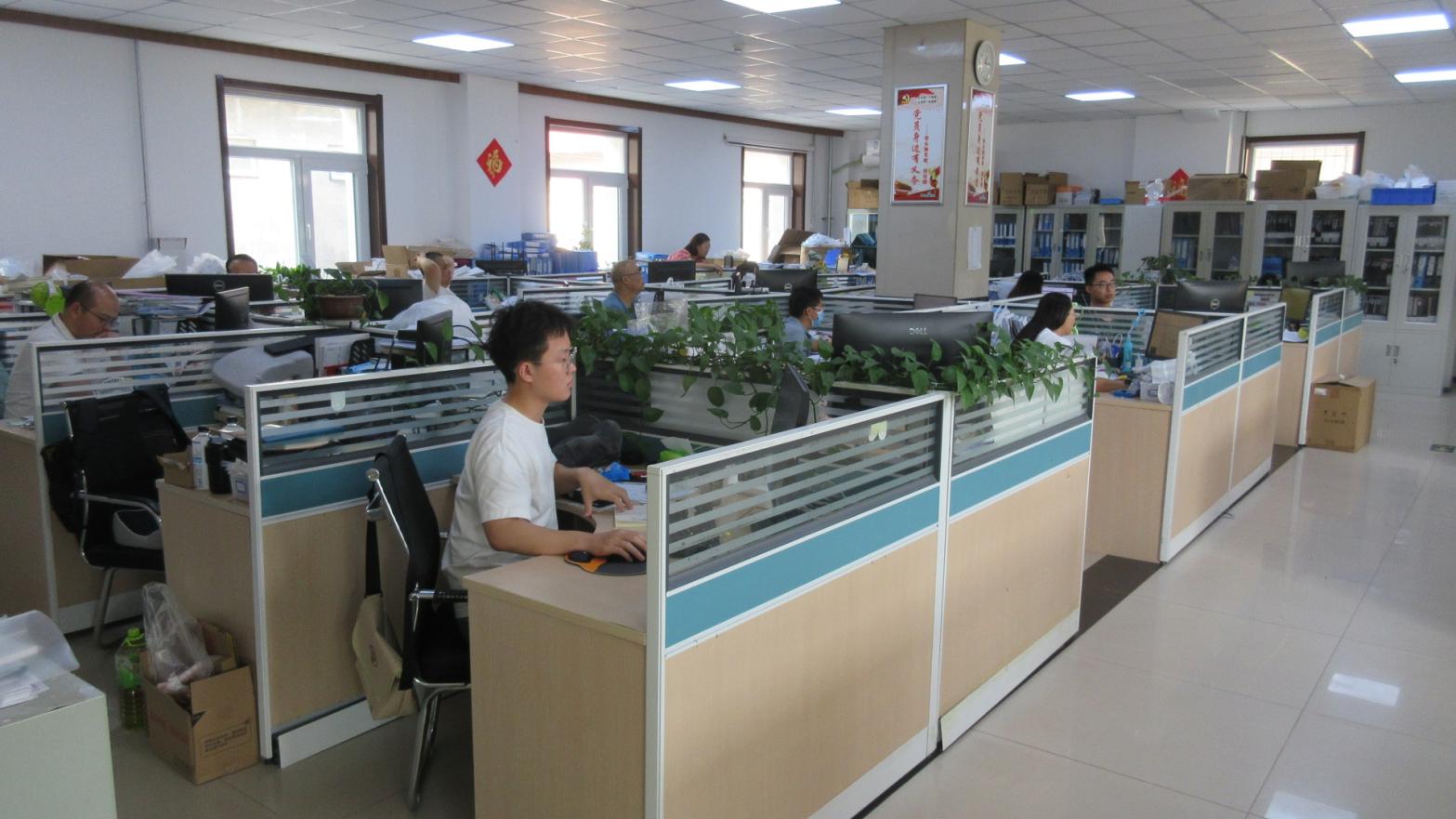
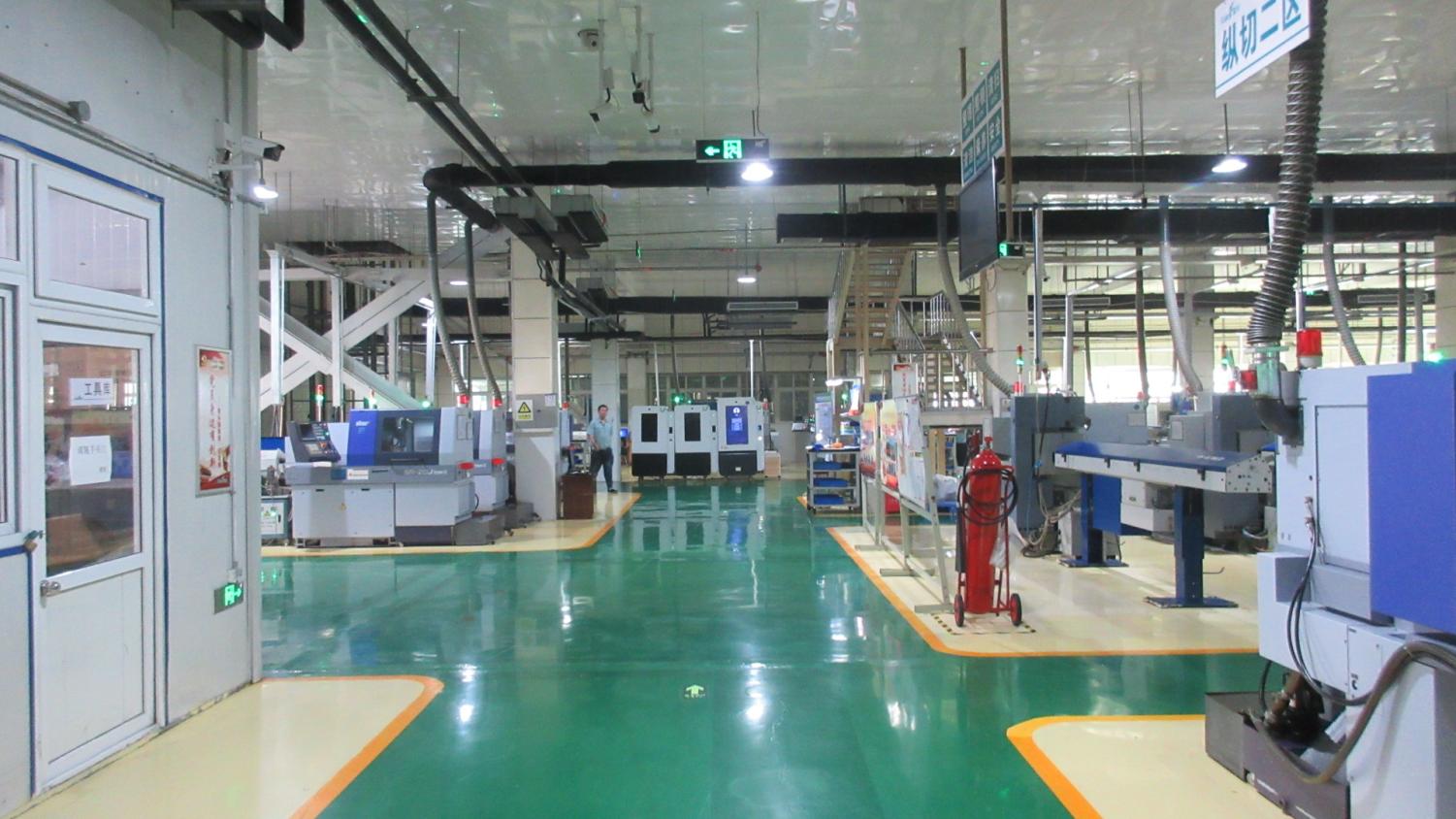
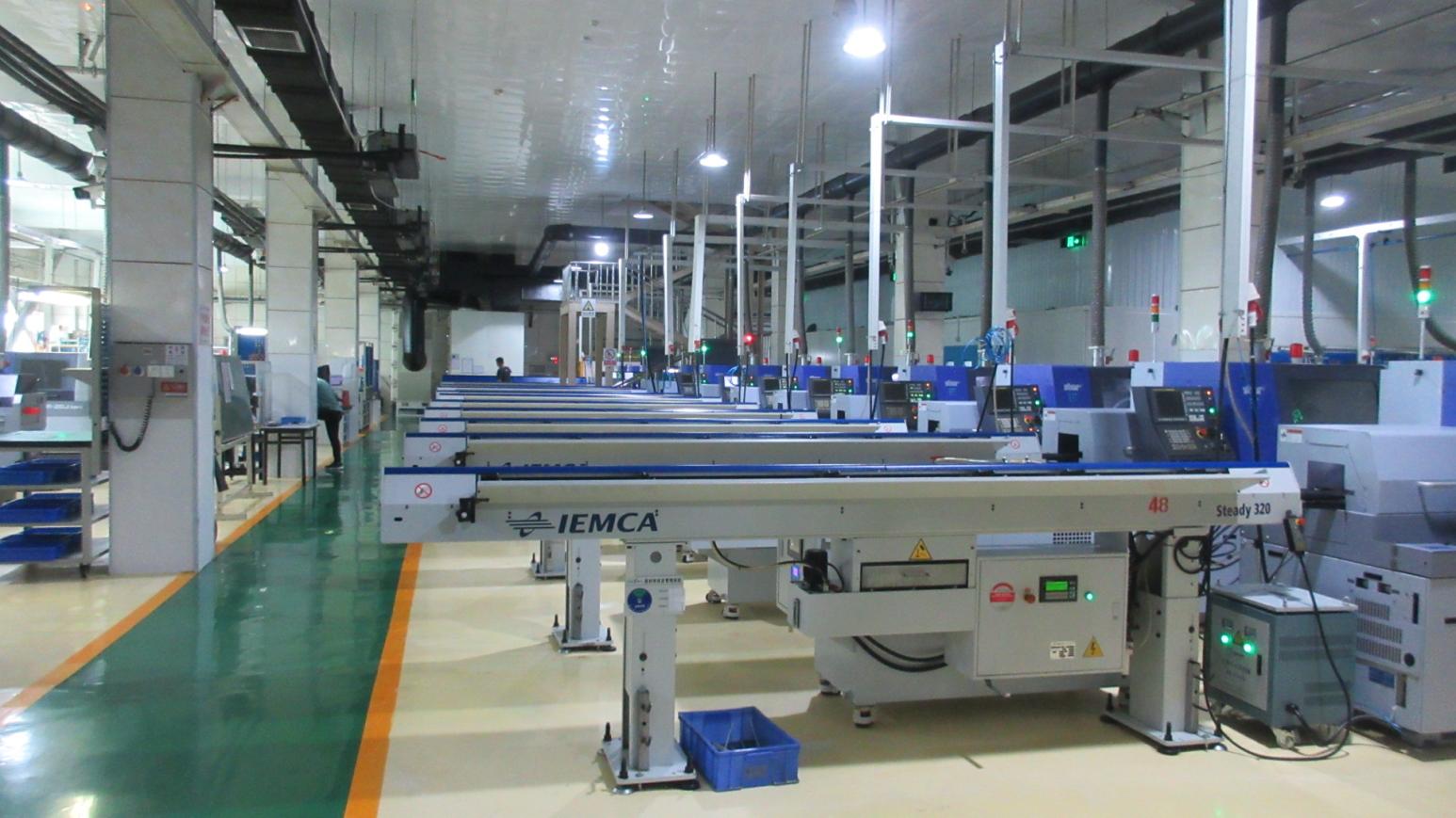
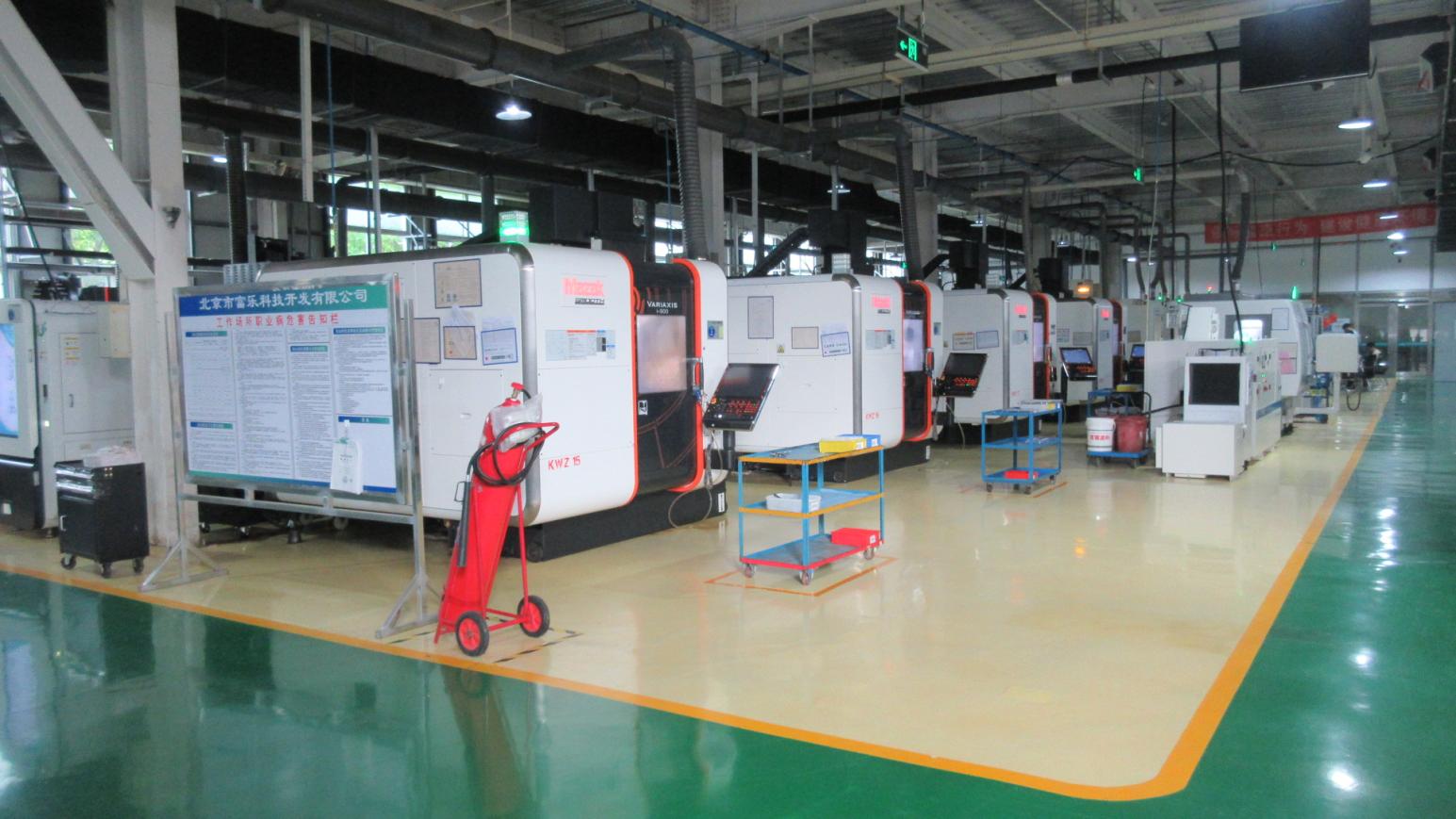
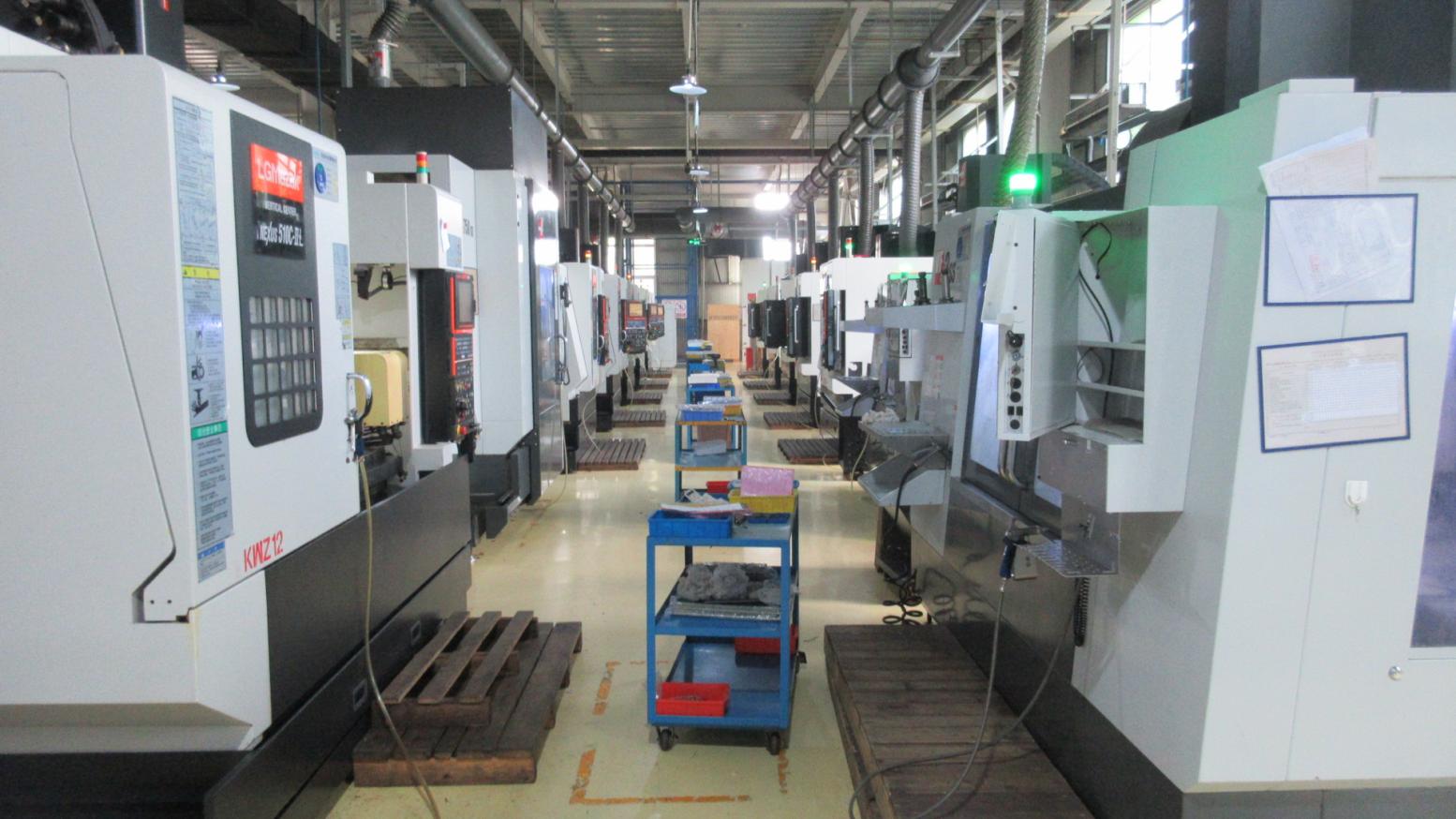
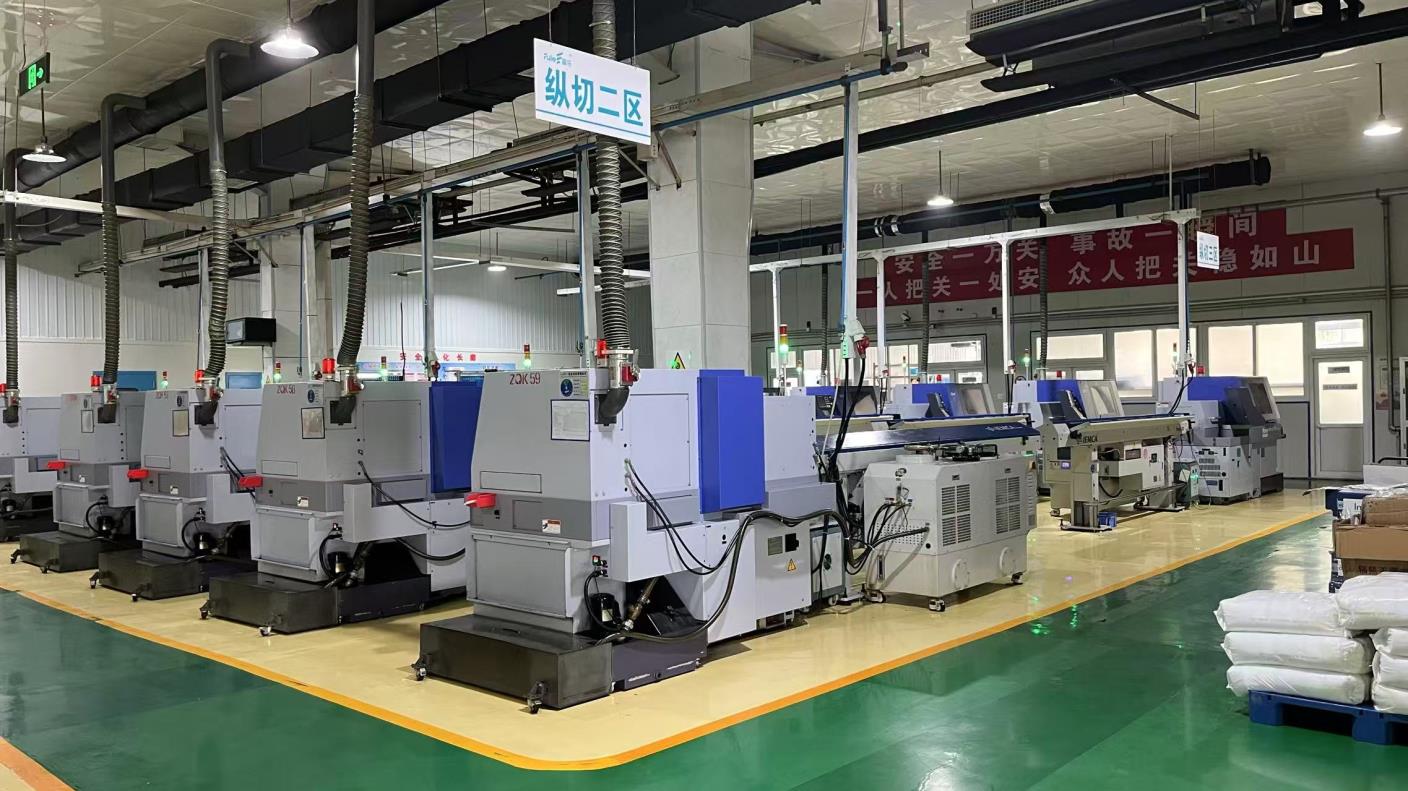
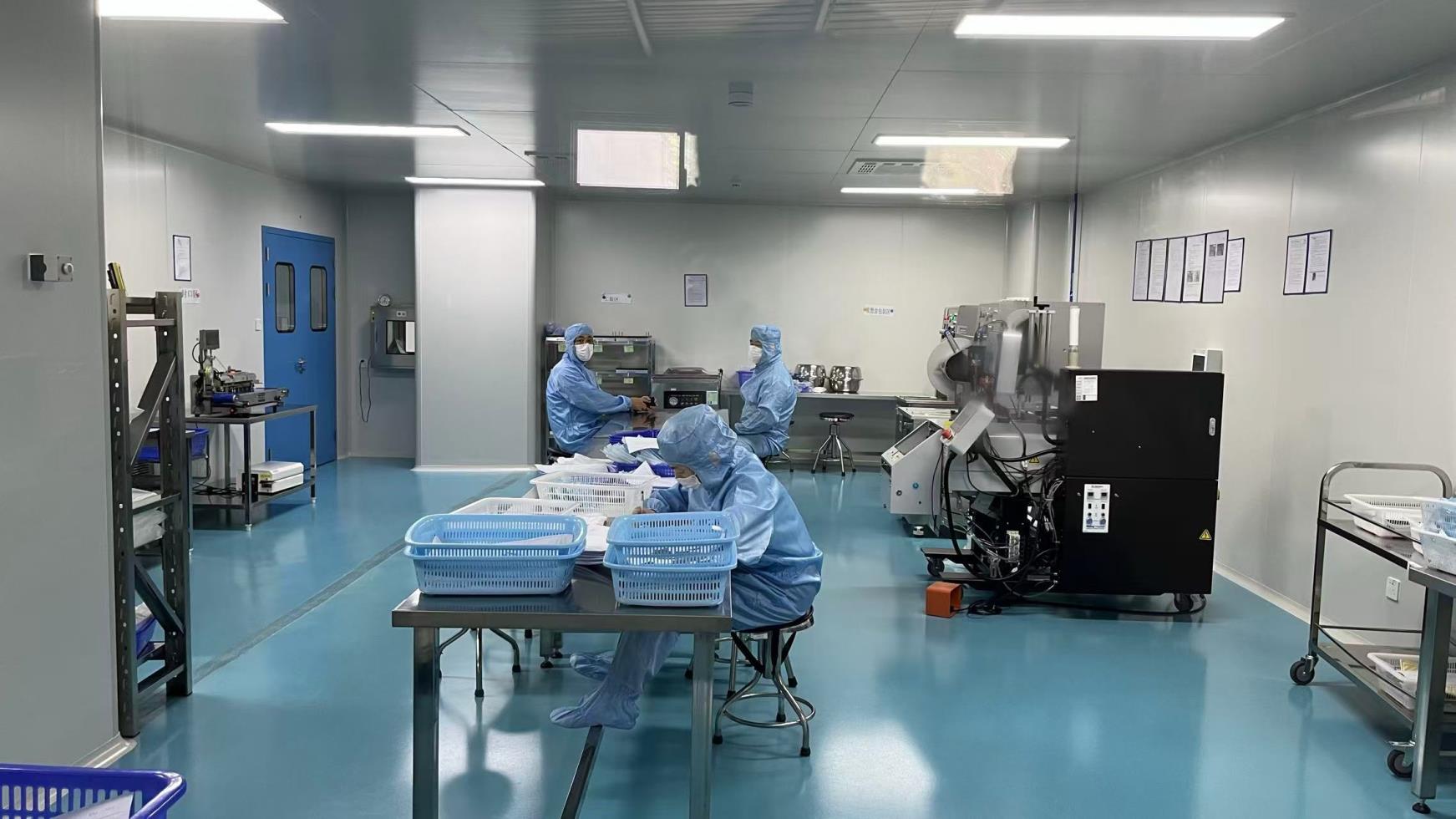
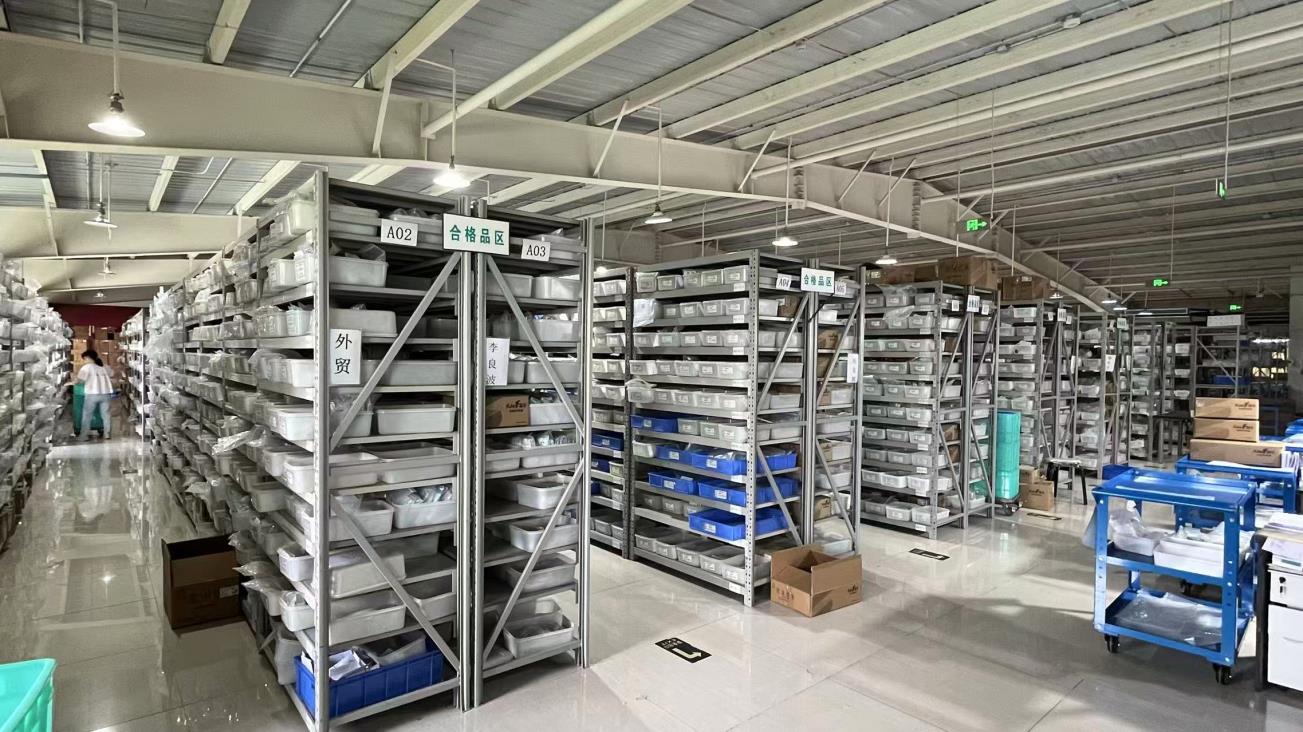
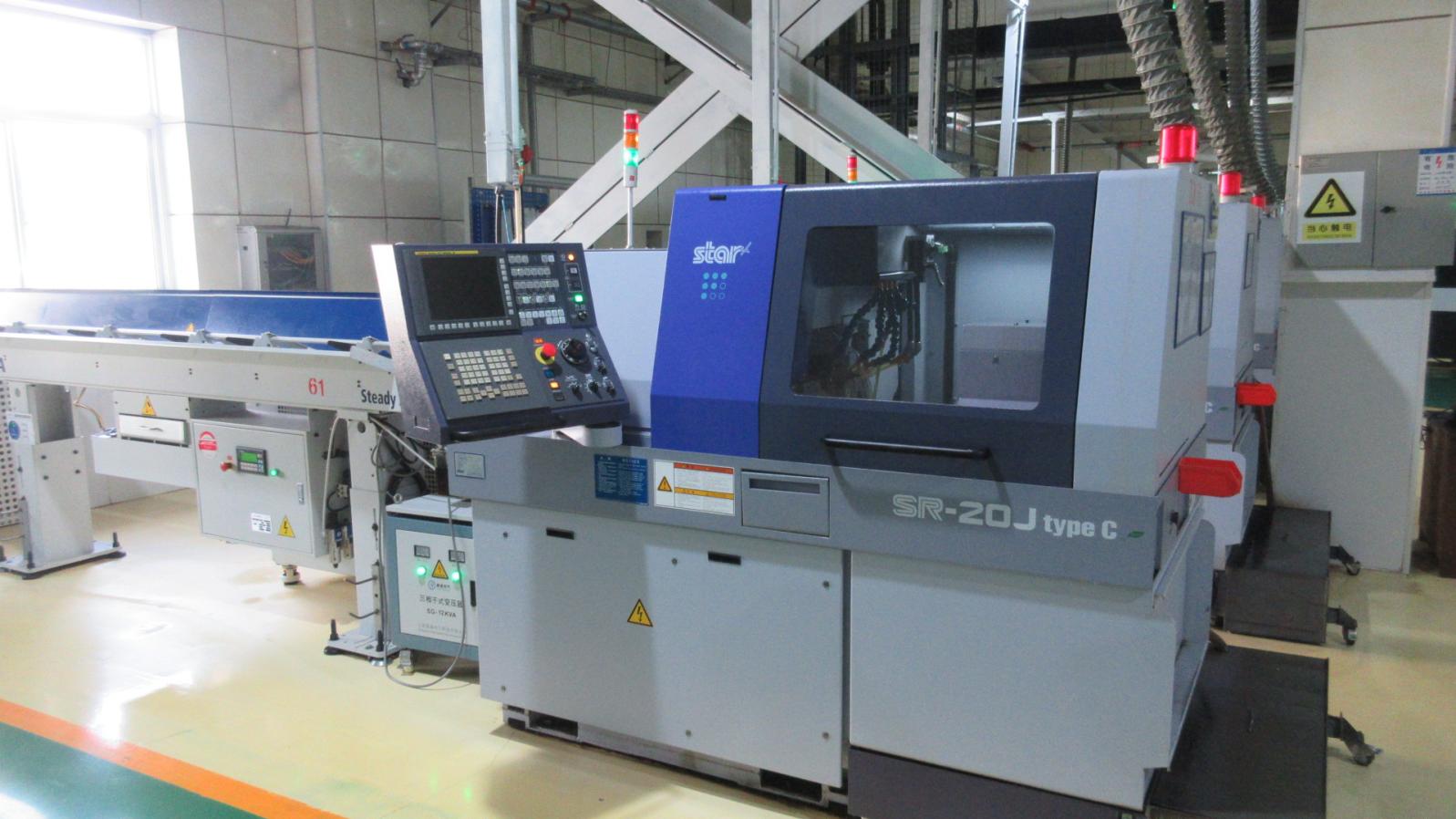
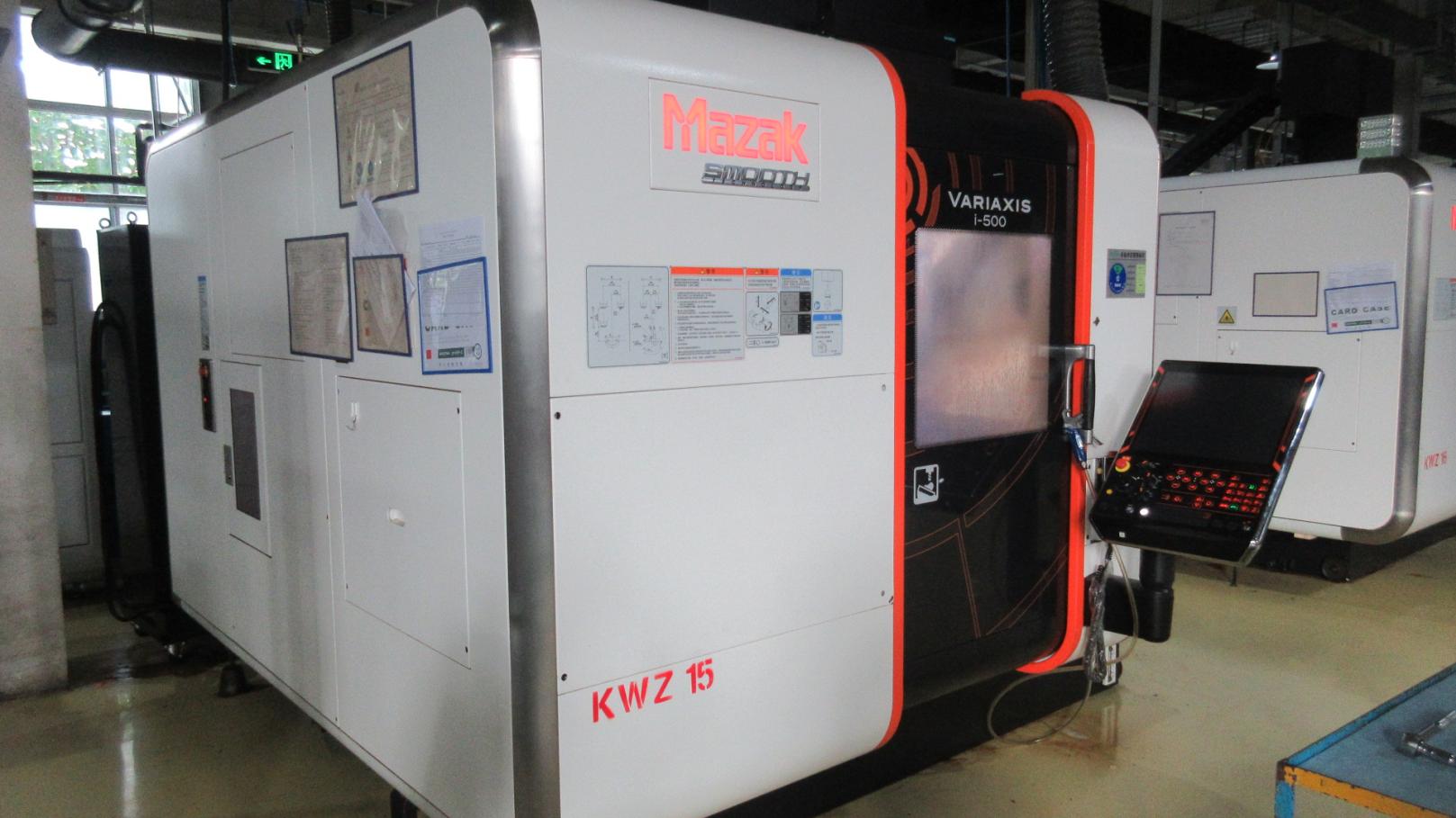
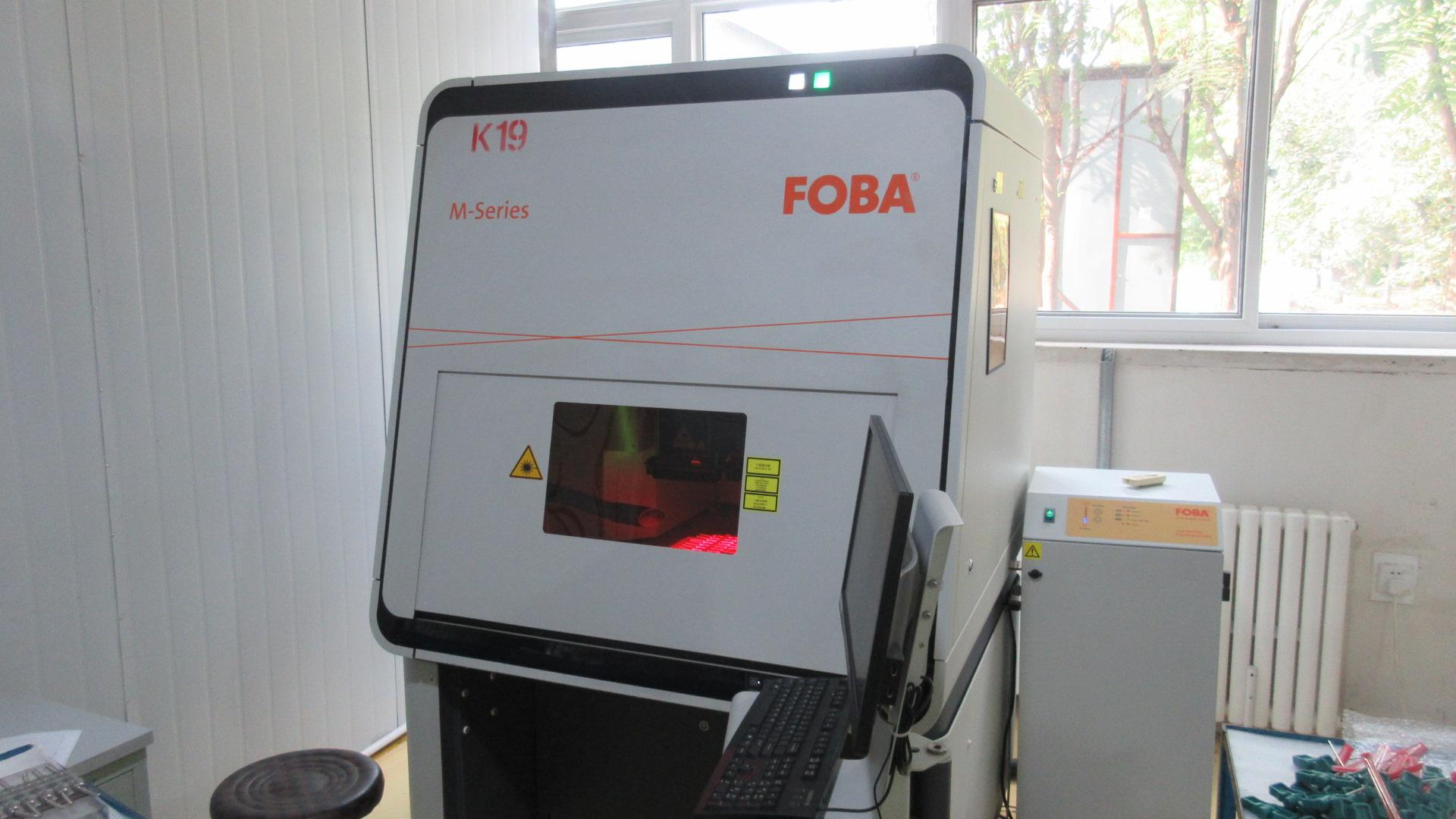
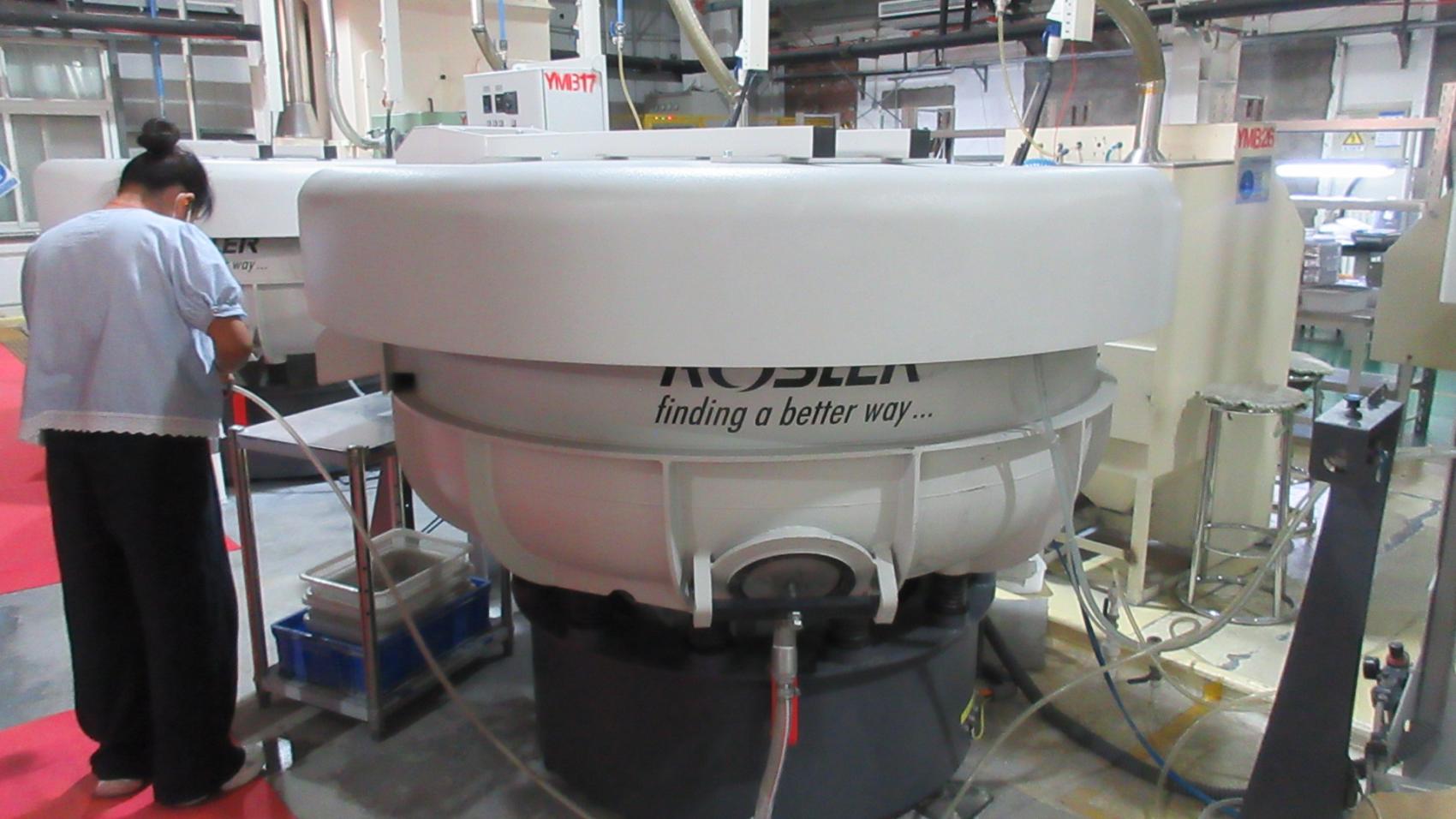
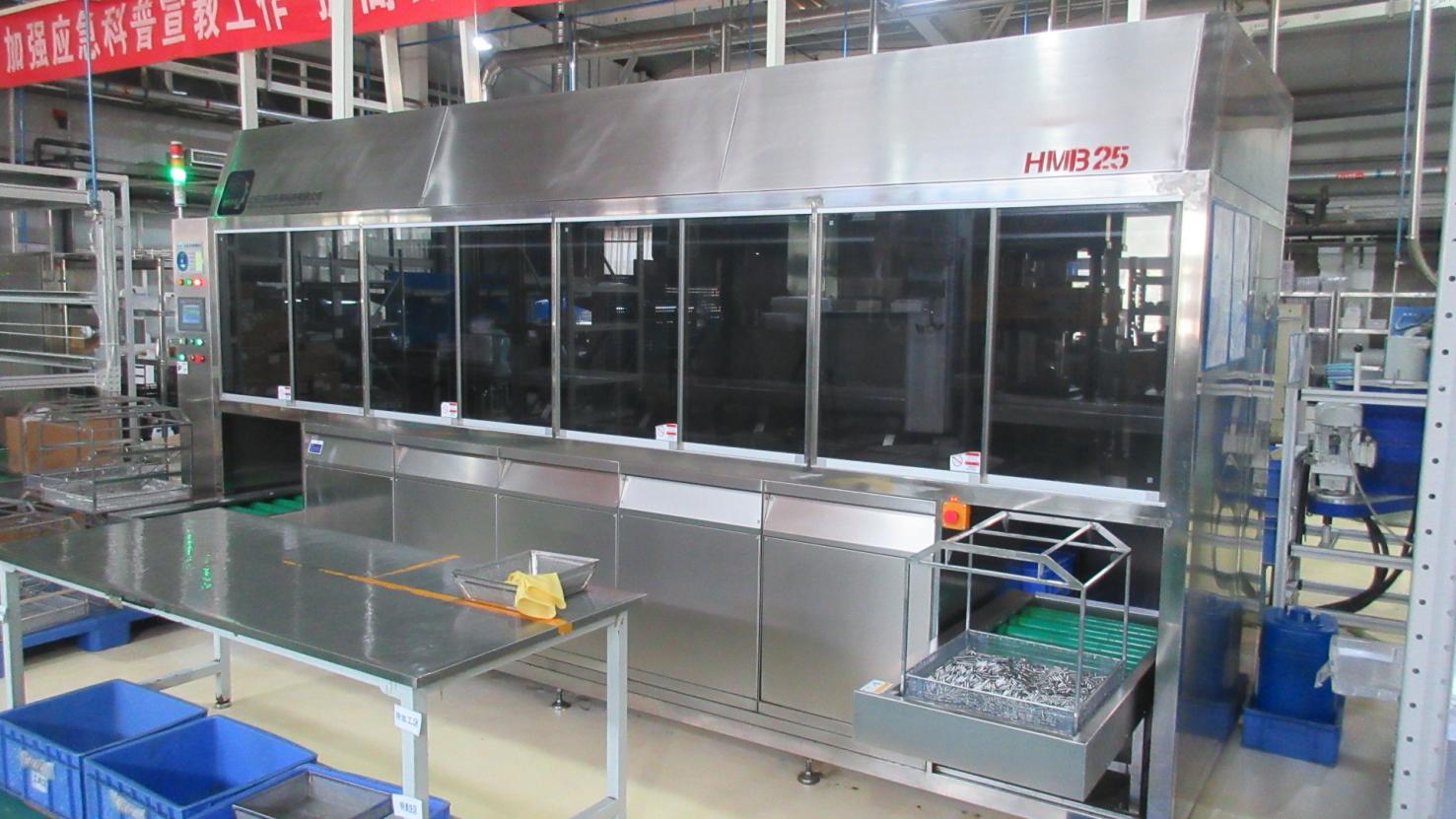
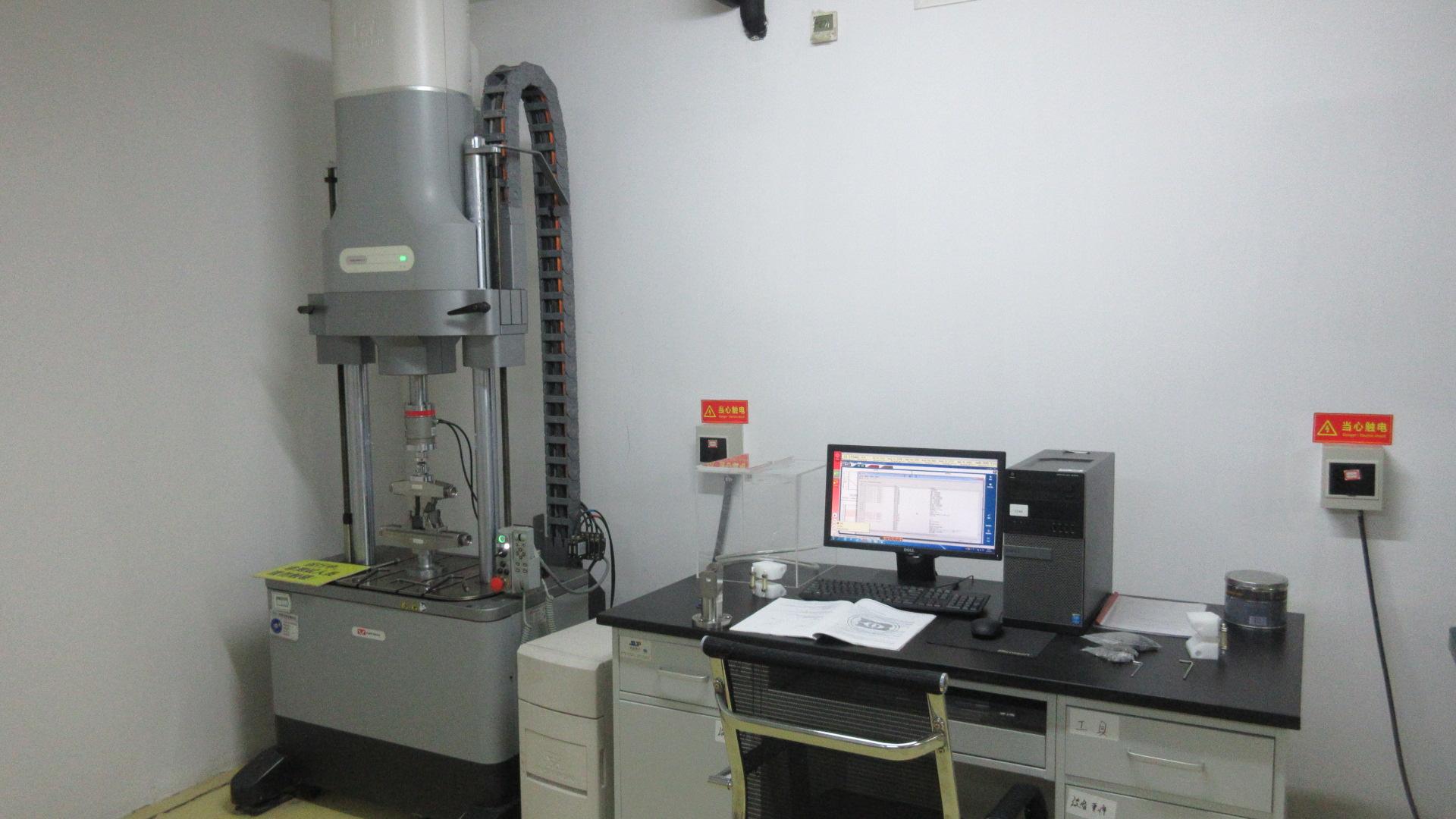
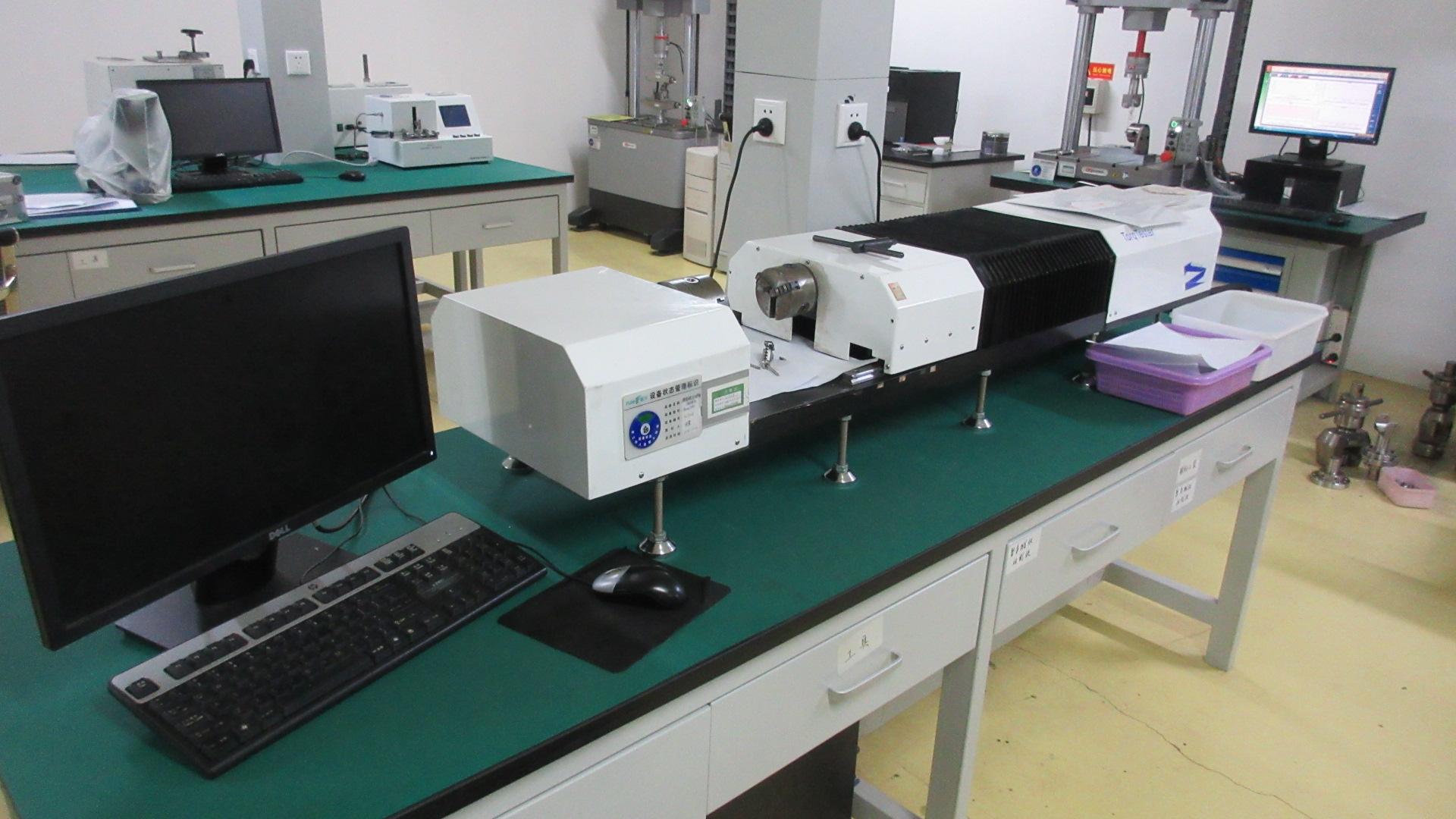
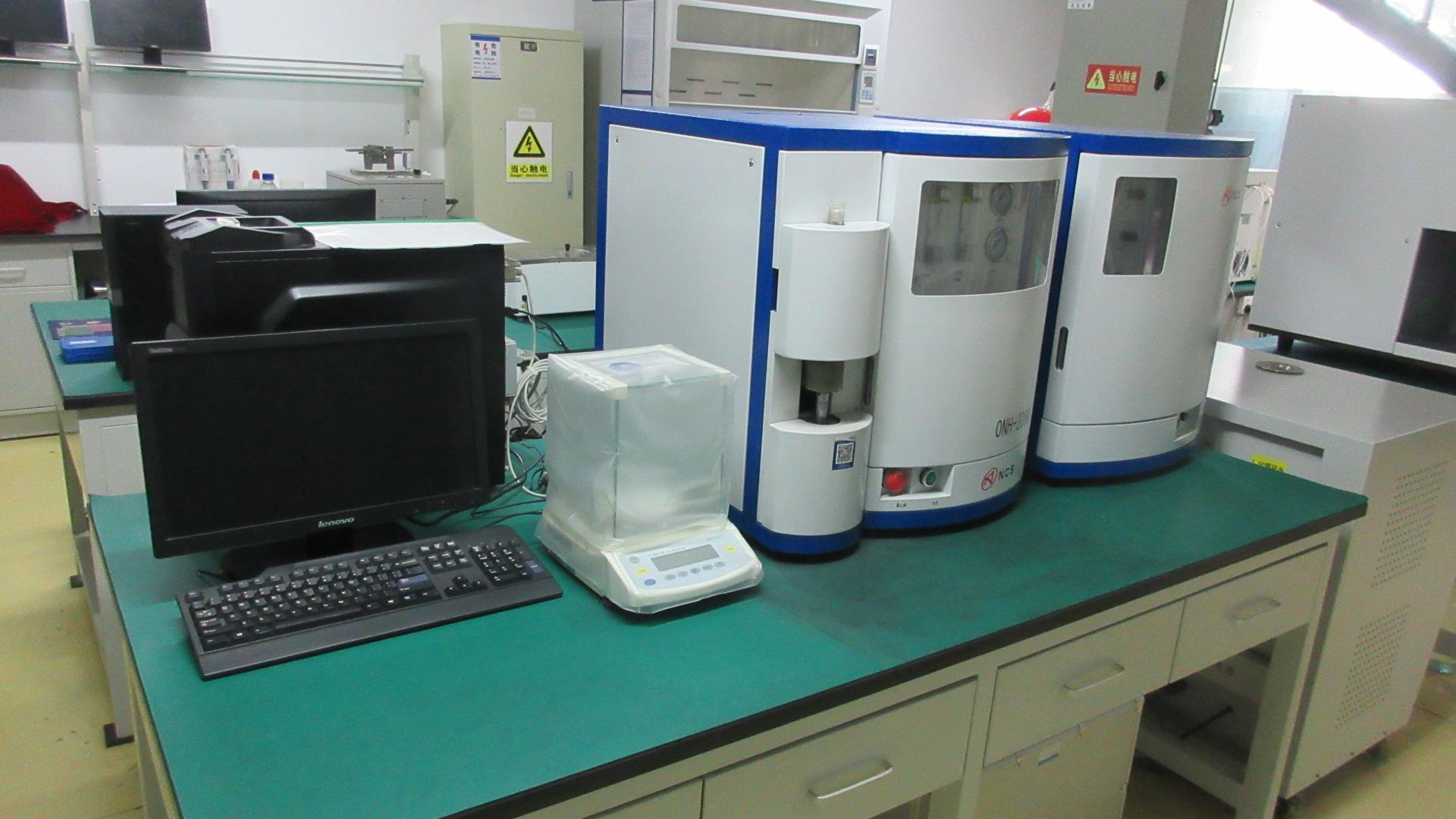
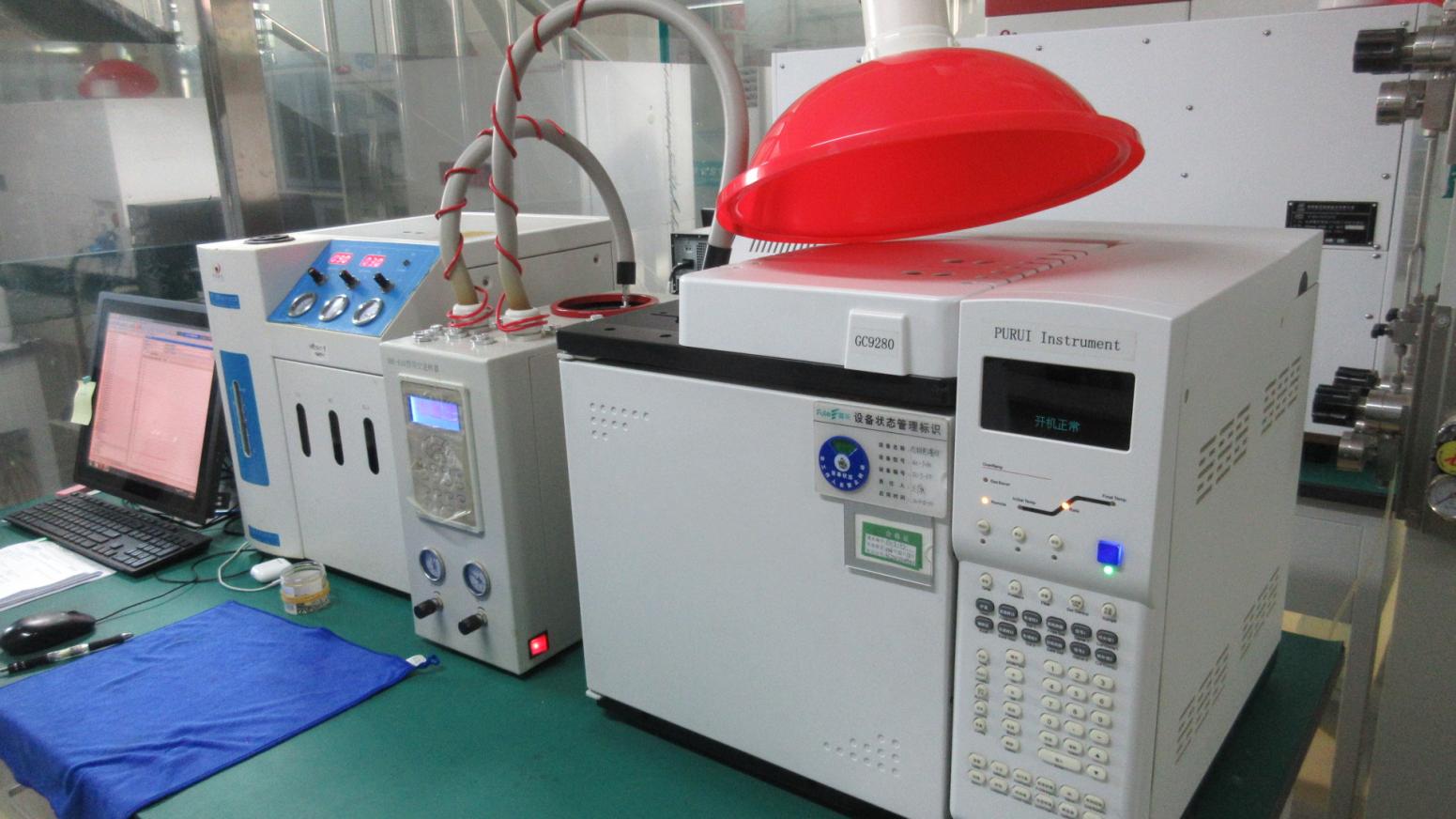
Verified regulatory data, manufacturing capacities, and processing metrics demonstrating export authority.

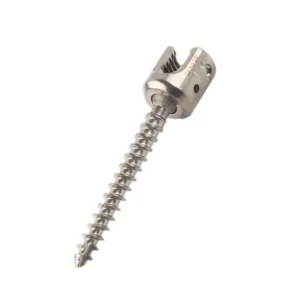
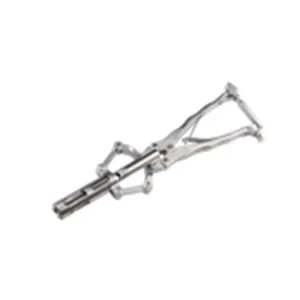
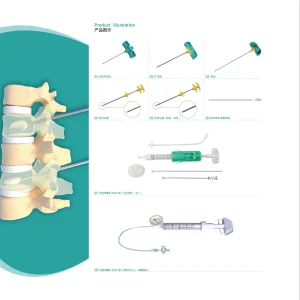
Select from our range of CE-approved spine surgery implants, self-tapping stabilization screws, and external fixation trauma kits.
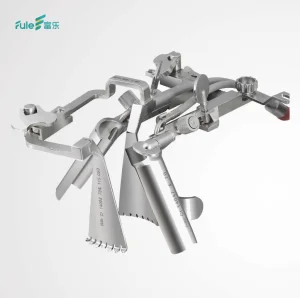
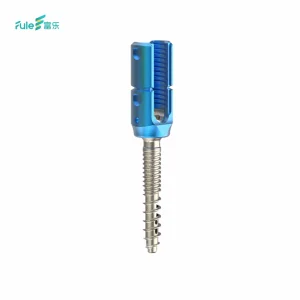
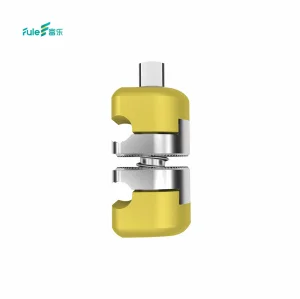
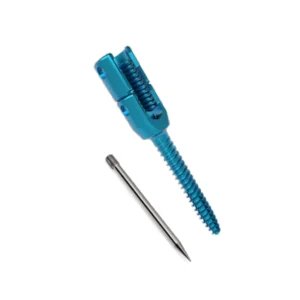
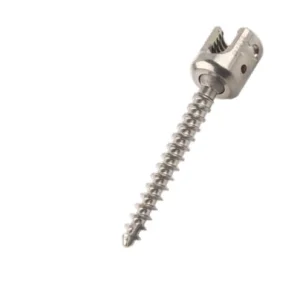
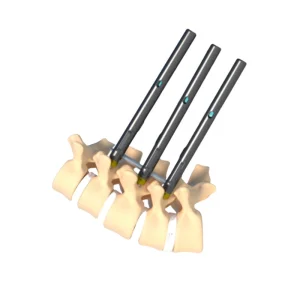
Key technical answers for procurement directors, distribution partners, and orthopedic clinical leads in Romania.
Partner with an established manufacturer with over 30 years of export experience. Get detailed regulatory documentation, clinical data packages, and wholesale pricing structures tailored for Romanian healthcare tenders.
Send Inquiry Now Beren Science & Technology