Engineered for Kuala Lumpur's leading clinical medical centers, combining Class III biocompatible materials with micro-engineered stabilization structures.
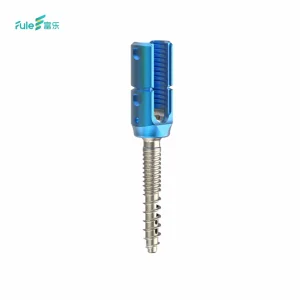
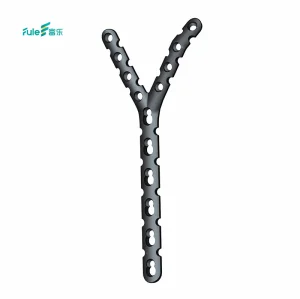
Kuala Lumpur and the wider Klang Valley serve as the epicenter of Malaysia’s advanced medical infrastructure. Driven by an aging population, increasing spinal pathologies, and the Malaysia Healthcare Travel Council (MHTC) initiatives positioning the city as a regional hub for medical tourism, local tertiary hospitals require reliable surgical implants. Institutions such as Prince Court Medical Centre, Gleneagles Kuala Lumpur, Pantai Hospital, and top-tier public teaching hospitals like UMMC and HUKM demand spinal stabilization constructs that guarantee superior biomechanical stability and swift recovery cycles.
For B2B distributors and procurement executives supplying these elite hospitals, sourcing Class III spinal hardware presents significant regulatory hurdles. The Medical Device Authority (MDA) of Malaysia enforces strict compliance standards under the Medical Device Act 2012 (Act 737). In this landscape, COX systems stand out, offering clinical performance verified under globally recognized quality standards (ISO 13485, CE Class III).
Our comprehensive technical dossier, validation protocols, and CE certificates streamline the registration process with Malaysia's Medical Device Authority (MDA).
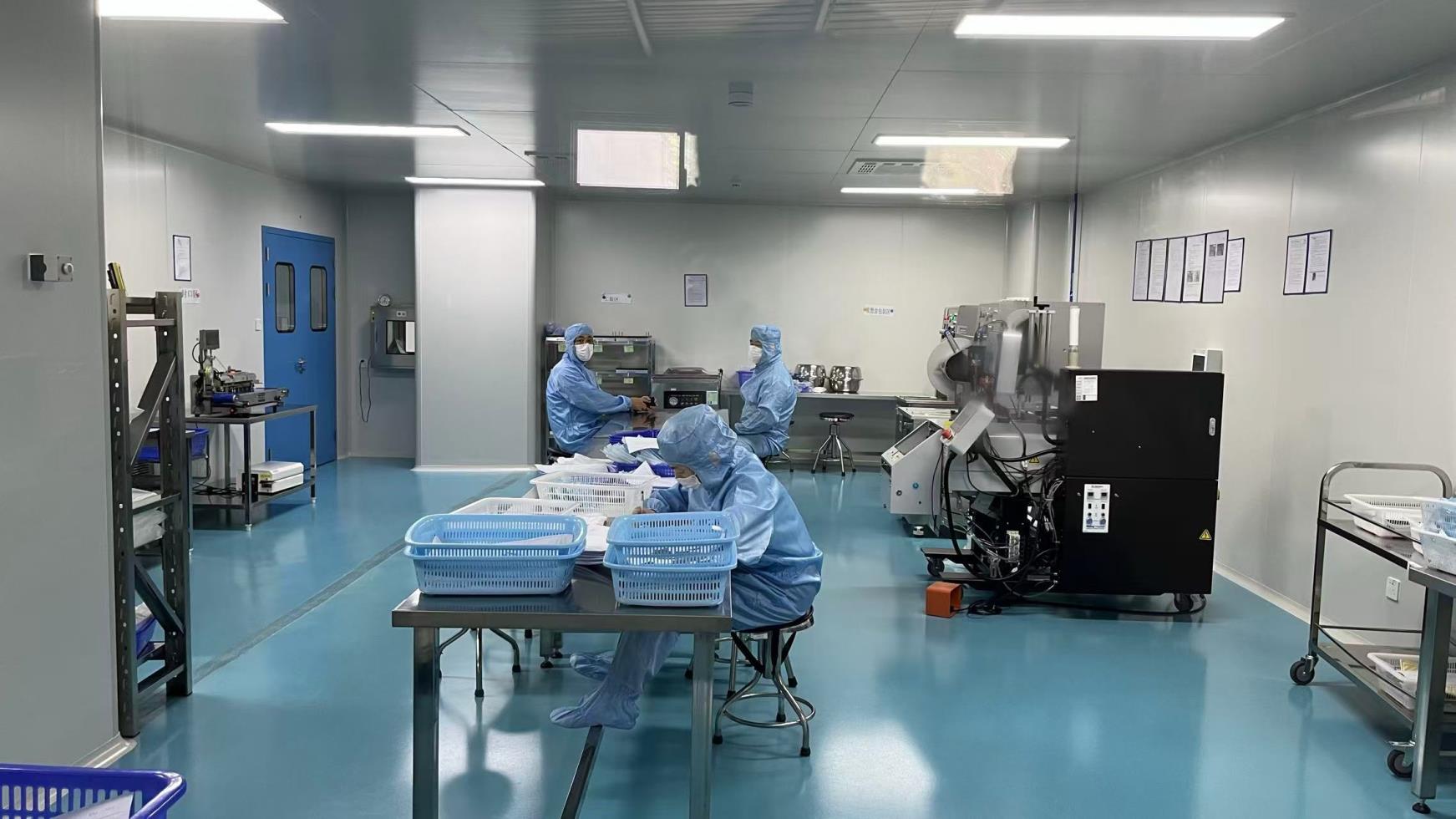
All implants undergo meticulous raw material validation and 100% finished-product dimensional inspection to ensure zero-defect surgical outcomes.
Customization services including CNC custom machining and specialized surface treatments tailored to the anatomical needs of Asian patients.
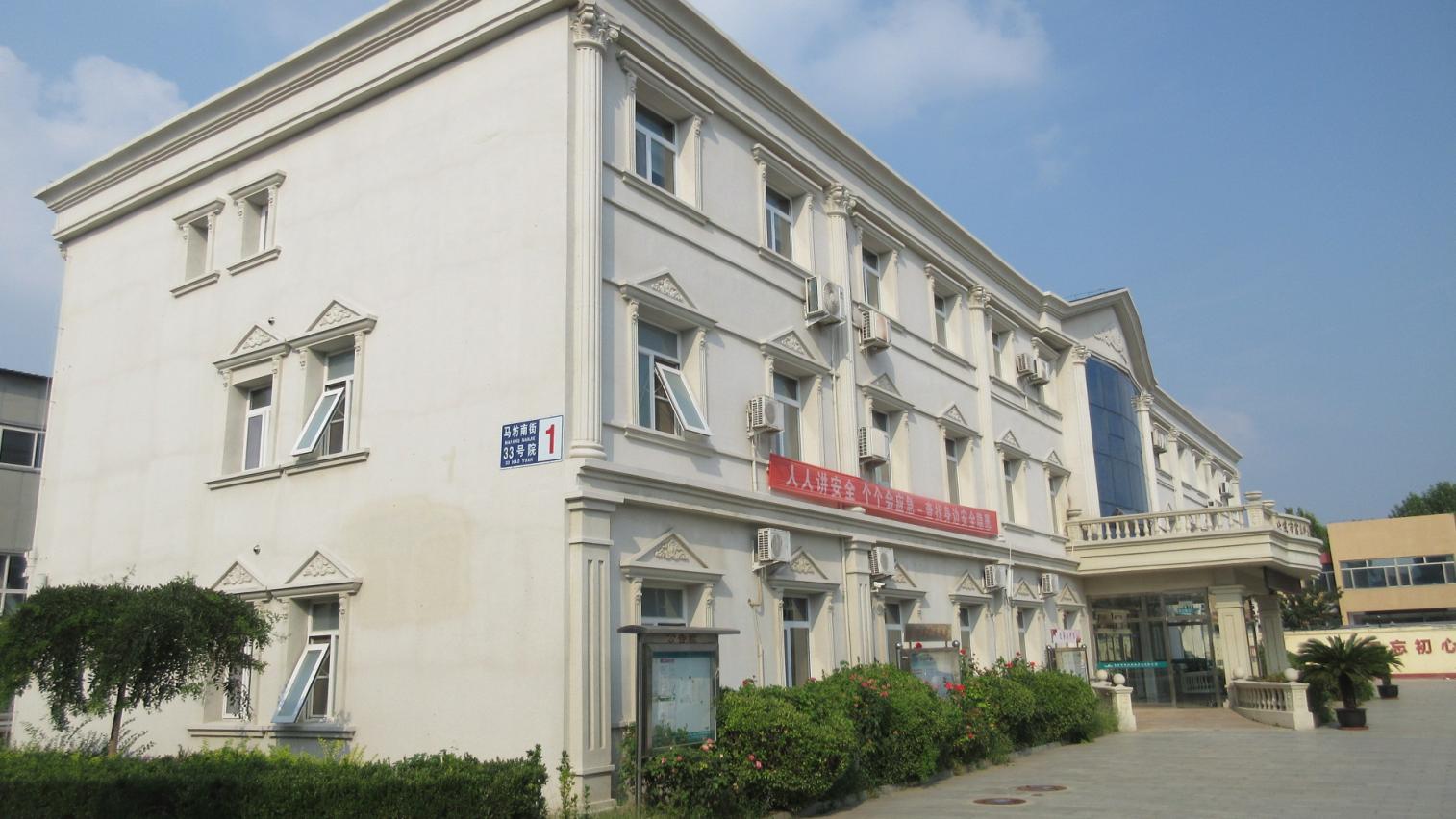
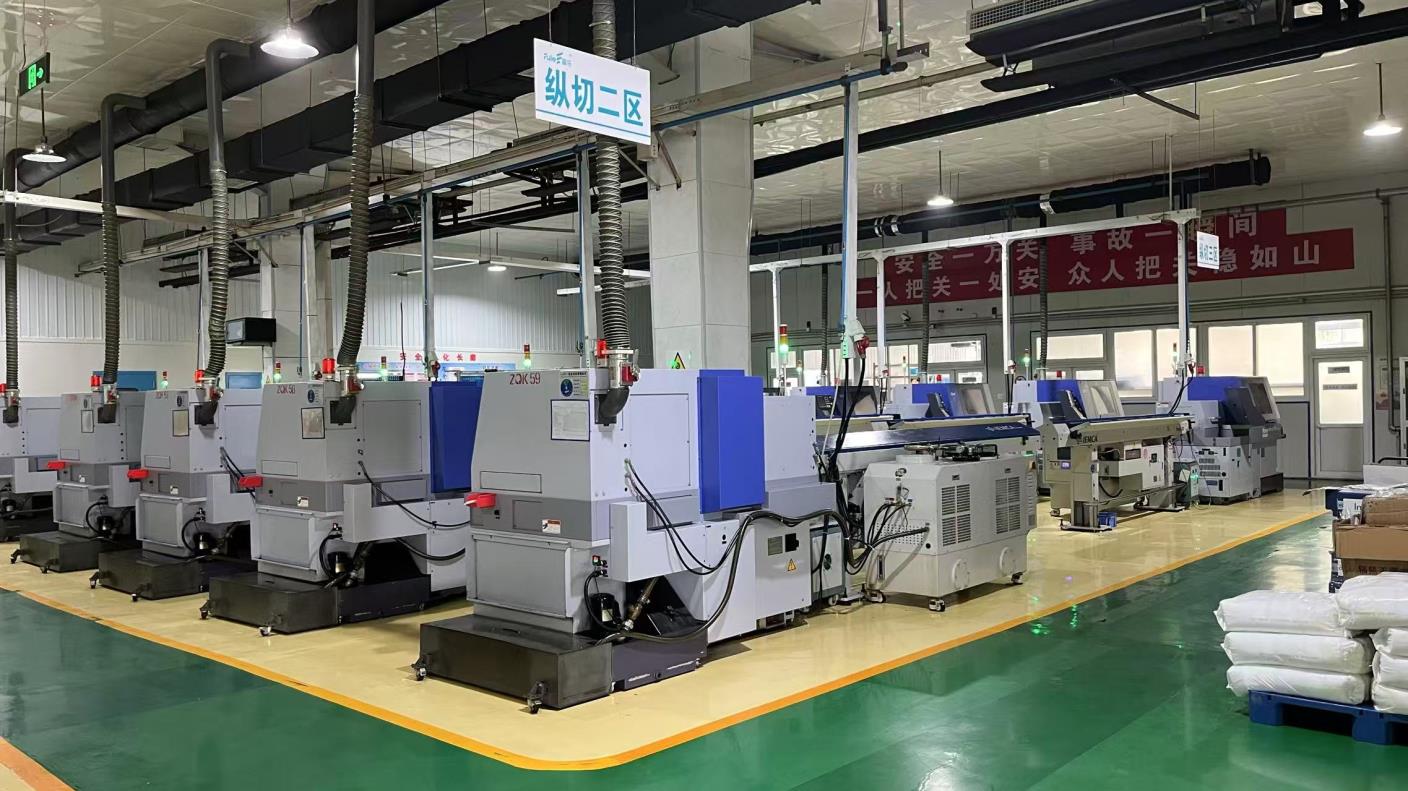
Operating a 10,000 square meter ISO-compliant facility with over 30 years of medical device engineering and export experience.
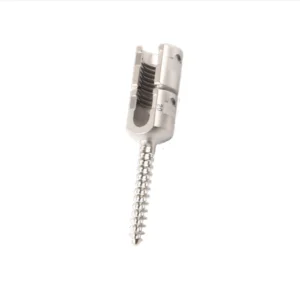
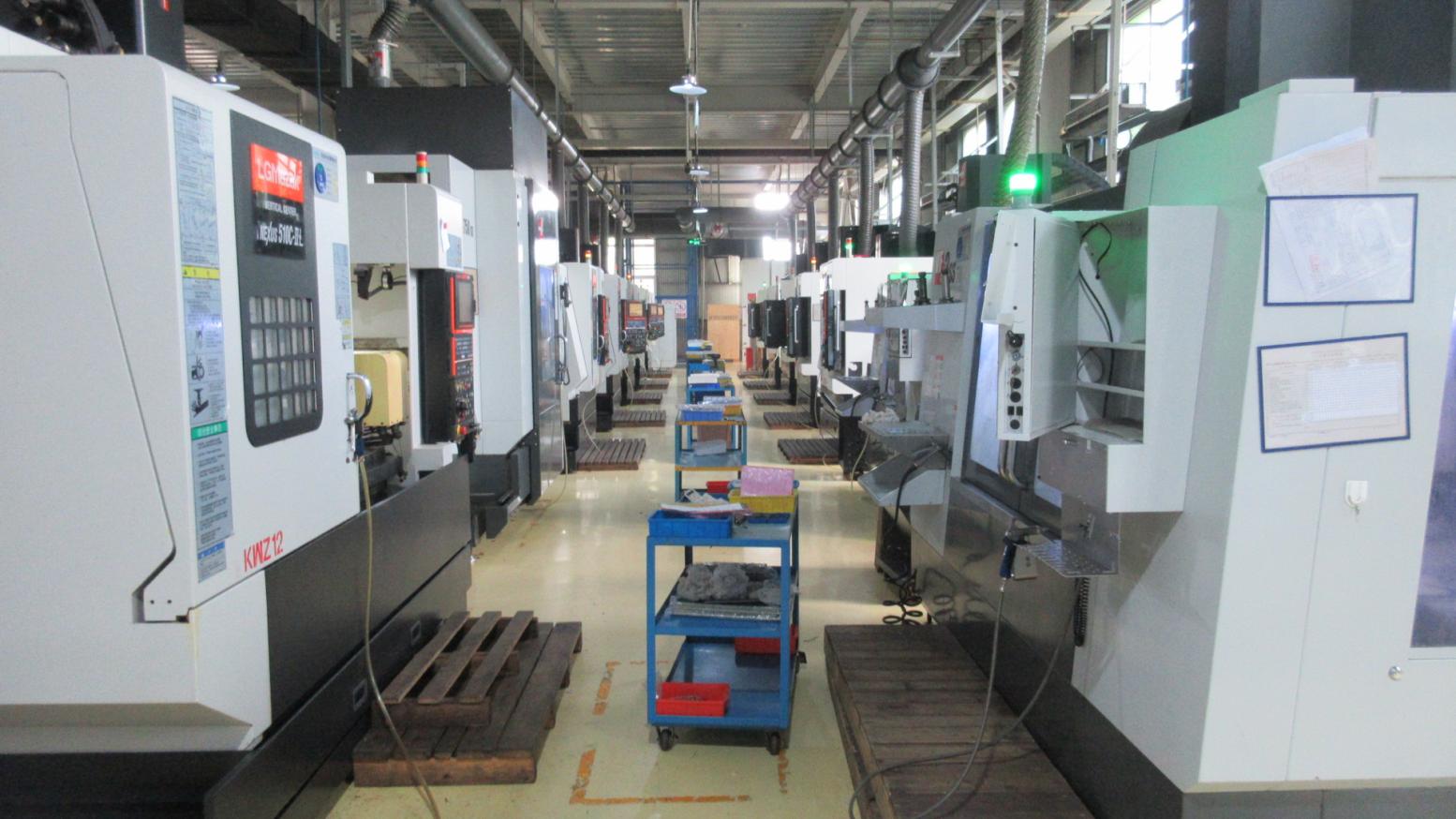
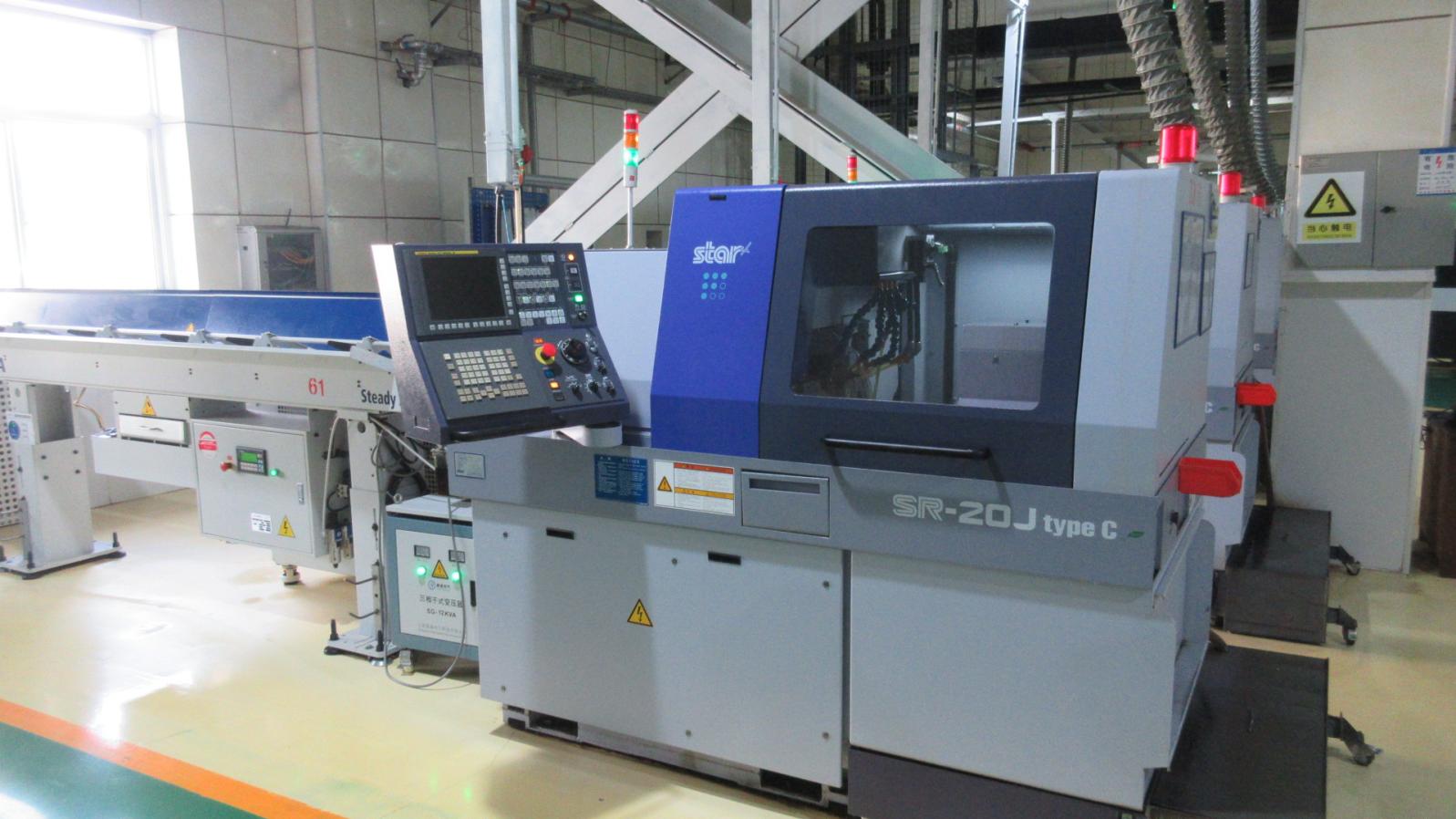
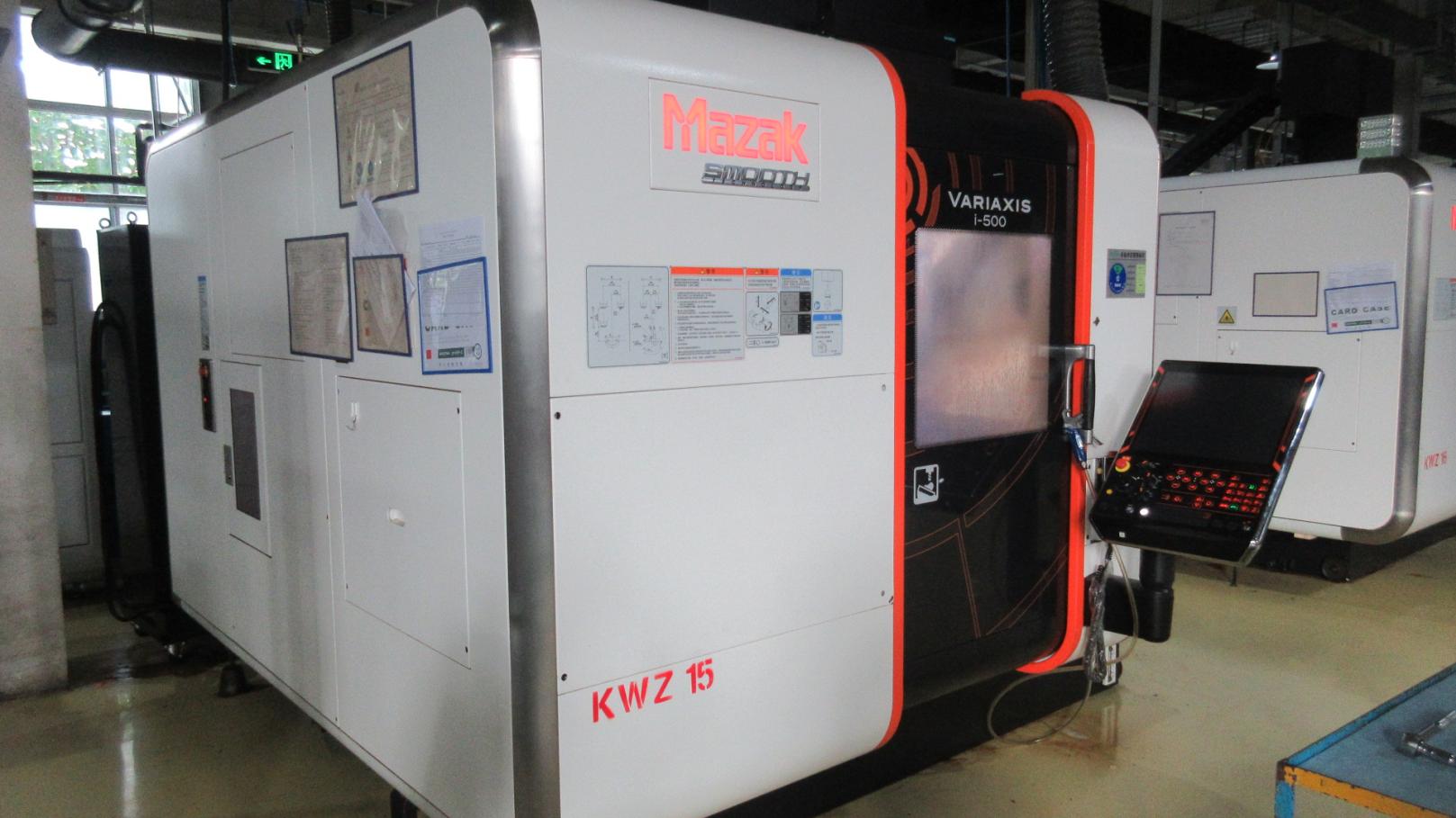
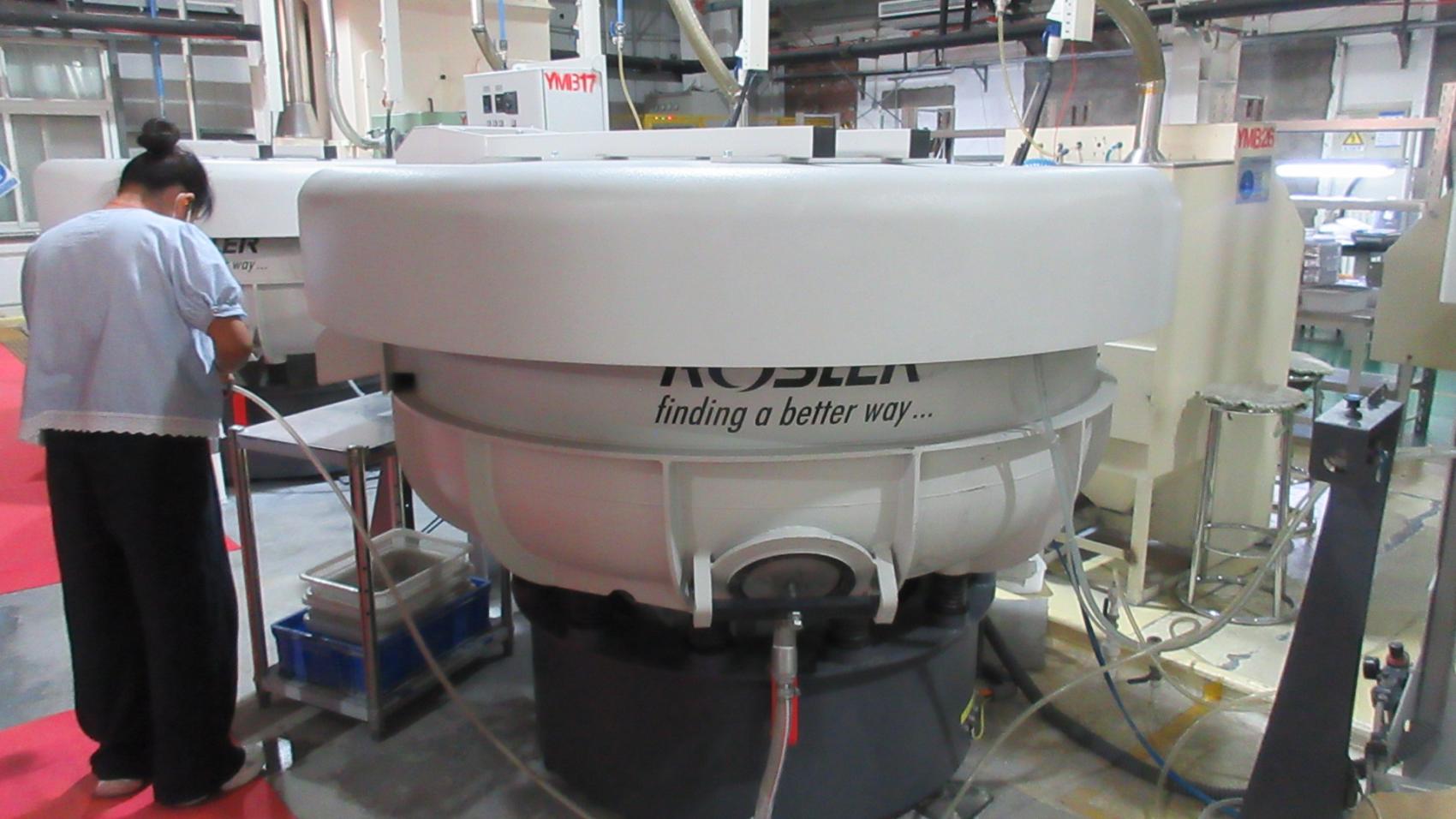
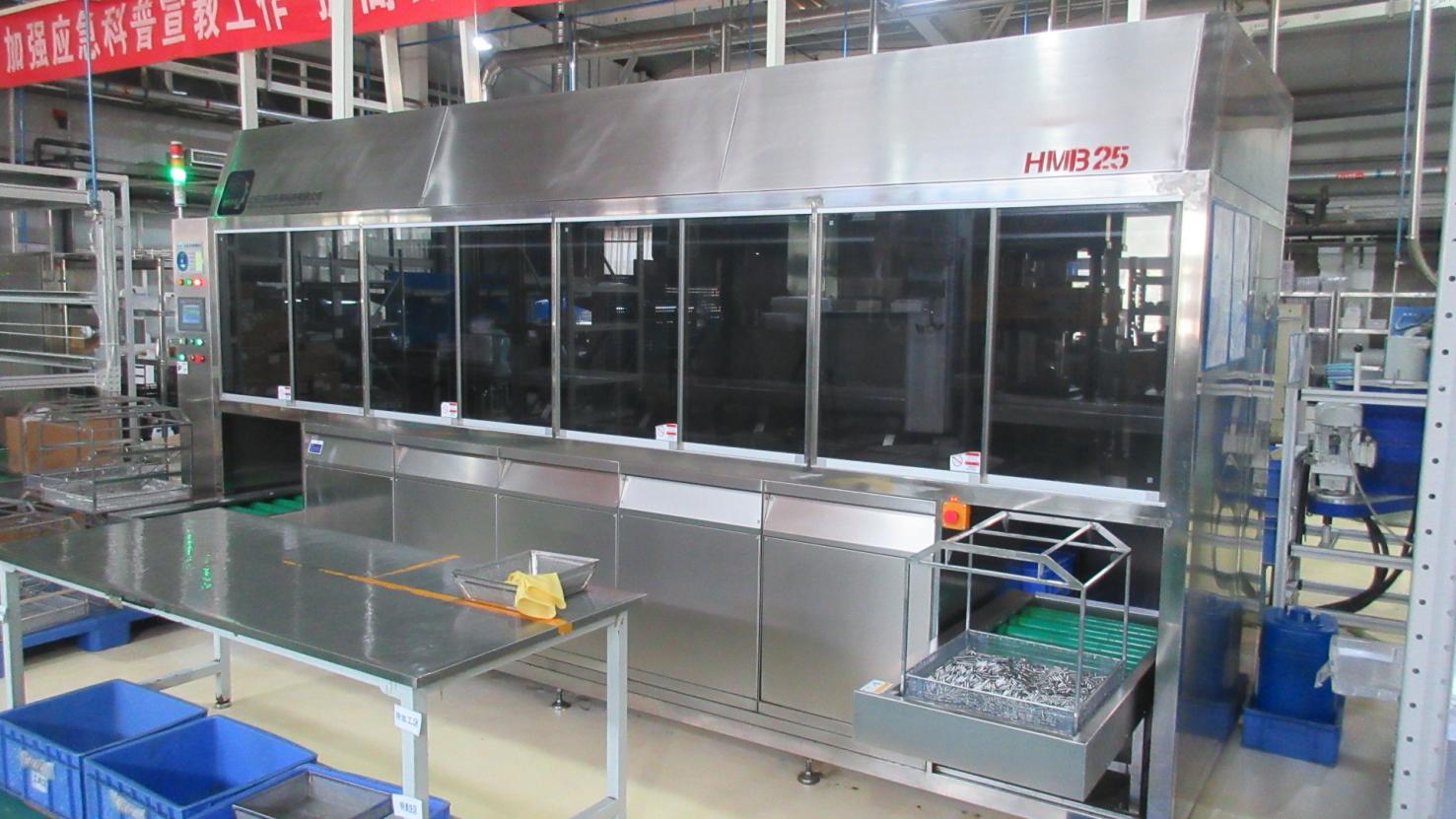
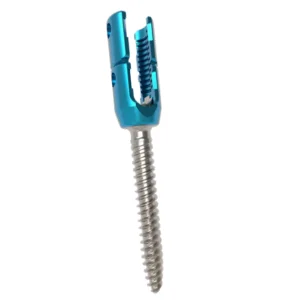
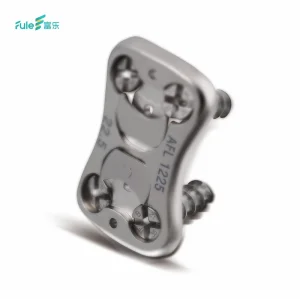
Our manufacturing complex integrates state-of-the-art precision machinery from Japan and Germany, including advanced Swiss-type longitudinal CNC turning centers and multi-axis milling systems. This ensures that every spinal pedicle screw, bone cement screw, and cervical locking plate is produced to tolerances within ±5 microns. Raw materials—exclusively medical-grade Titanium Alloy (Ti-6Al-4V ELI conforming to ASTM F136) and premium PEEK polymer—are sourced from audited global suppliers, featuring complete traceability back to the original melt batch.
By leveraging China's optimized industrial supply chain ecosystem, we offer B2B partners in Kuala Lumpur a decisive competitive edge. We deliver clinical-grade orthopedic systems at a fraction of the cost of Western legacy brands, without compromising on quality or mechanical performance. This pricing flexibility allows local distributors to win highly competitive government tenders and provide cost-effective options to private healthcare groups.
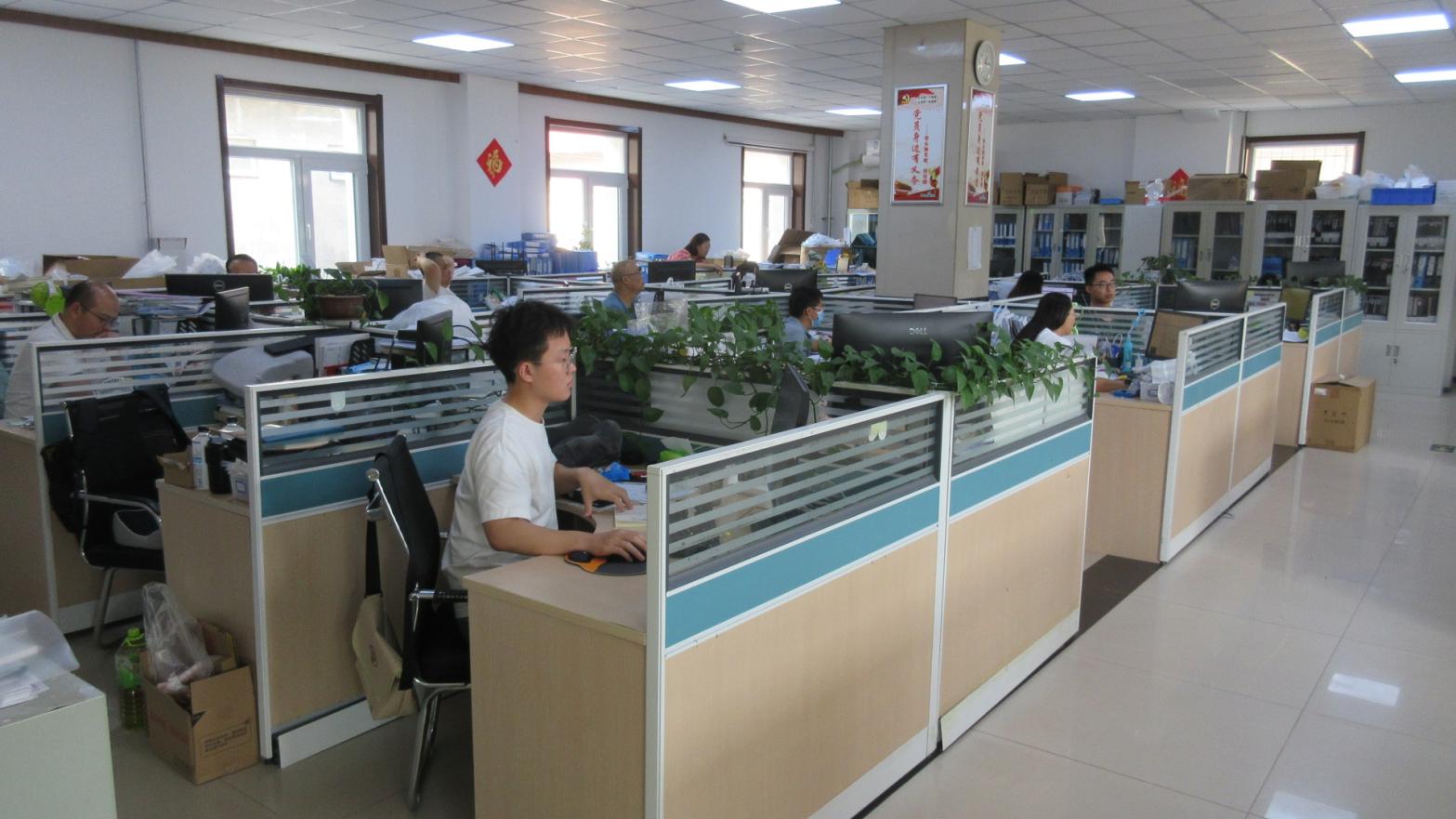
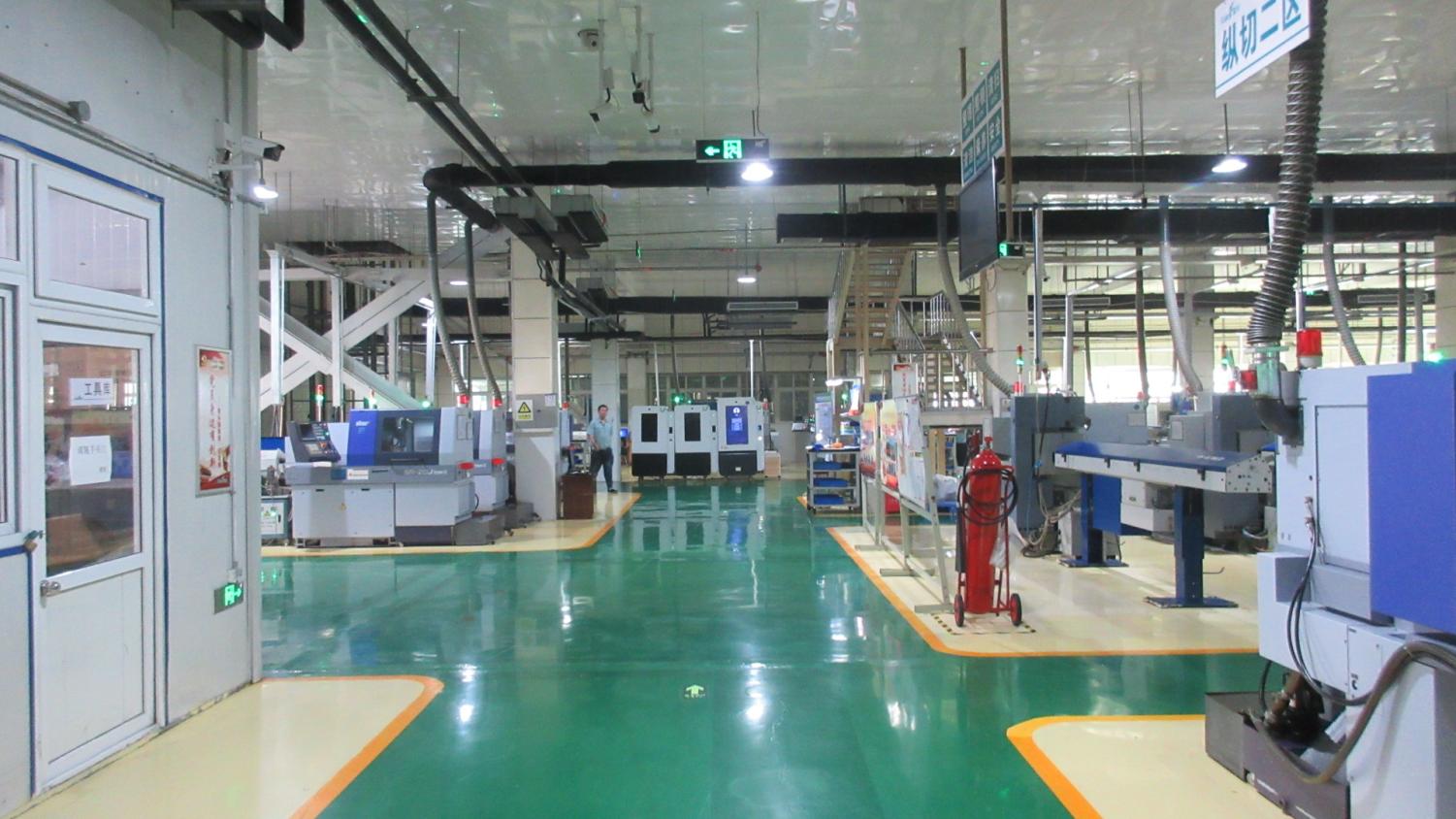
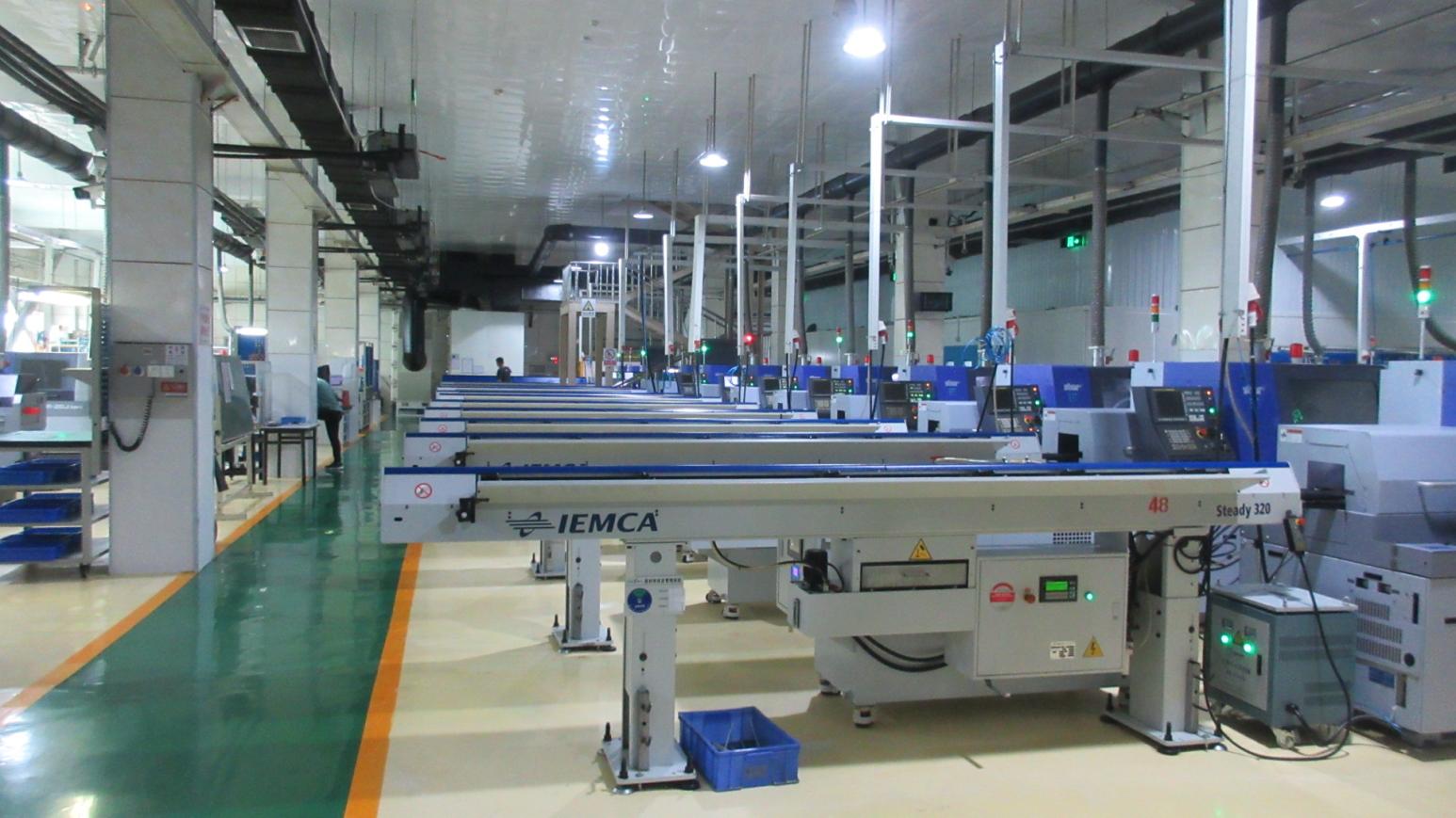
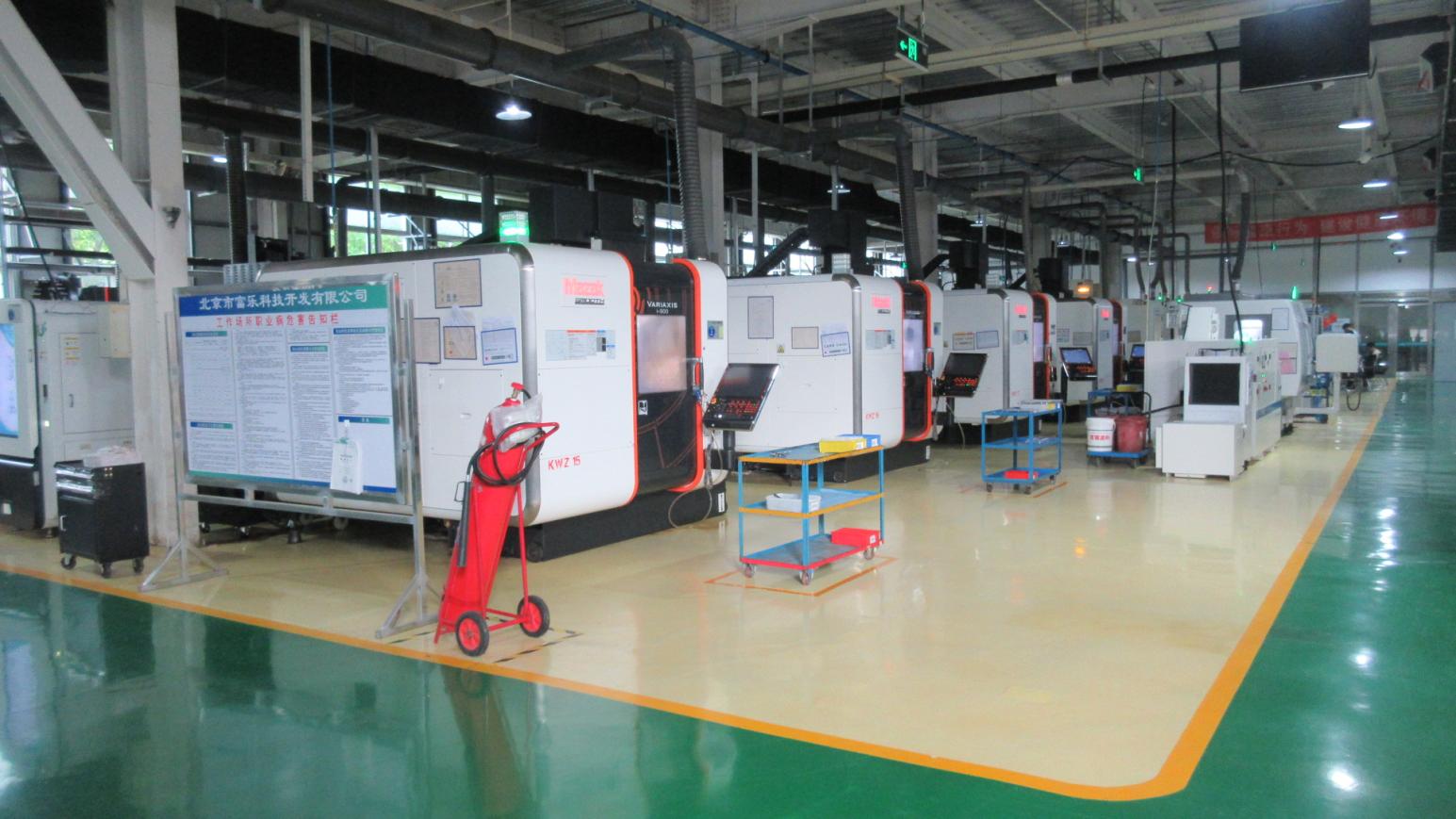
Key metrics validating our orthopedic implants production and compliance standards.
| Operational Parameter | Factory Capability & Verification Standards |
|---|---|
| Quality Control System | 100% component inspection; traceability of raw materials from melt batch to surgical delivery. |
| R&D Infrastructure | 20 dedicated R&D engineers (15 holding post-graduate degrees in biomechanical engineering). |
| Customization Options | ODM / OEM sample processing, custom CAD/CAM designs, custom surface anodization. |
| Quality Control Personnel | 15 dedicated QA/QC inspectors managing a multi-stage cleanroom inspection protocol. |
| Global Certification | ISO 13485 certification audited by Notified Bodies, Class III CE documentation. |
| Target Markets | Domestic Market (40%), Eastern Europe (15%), Southeast Asia/Malaysia (10%), Rest of World (35%). |
Orthopedic surgeons across Kuala Lumpur prioritize biomechanical stability, reduced profile height (to minimize soft tissue irritation), and ergonomic instrumentation during procedures. COX system designs address these specific needs:
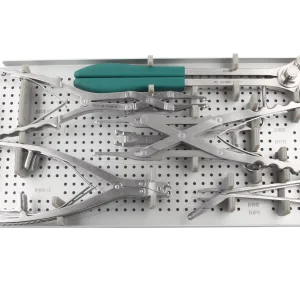
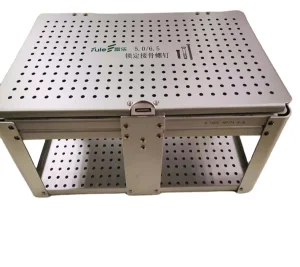
These implants are designed to integrate seamlessly with standard orthopedic trays, minimizing the learning curve for surgical staff and reducing overall operating room time.
A curated selection of our CE-certified spinal implants and orthopedic trauma solutions engineered for regional surgical centers.
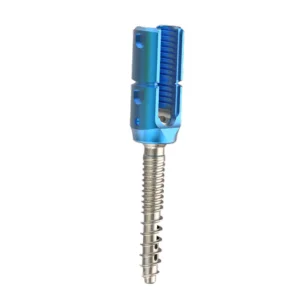
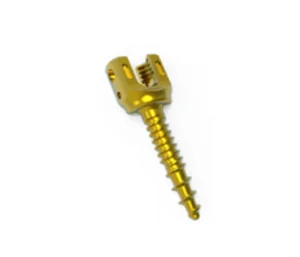
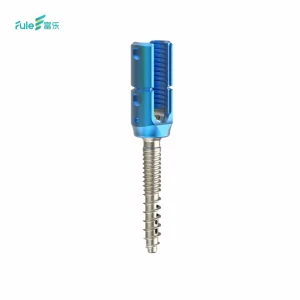
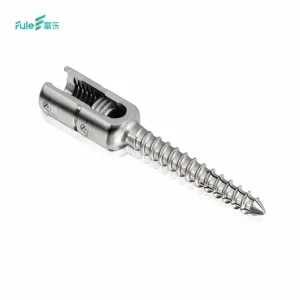
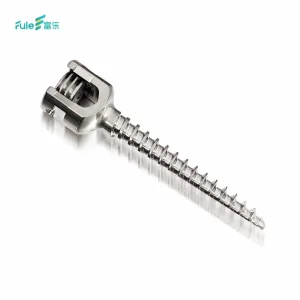
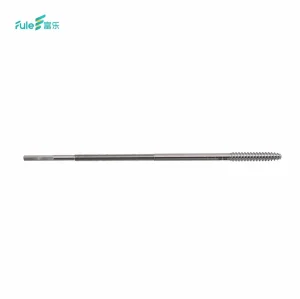
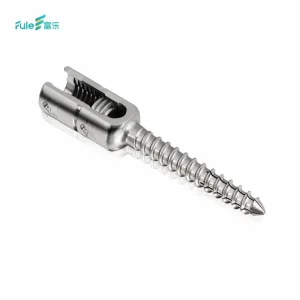
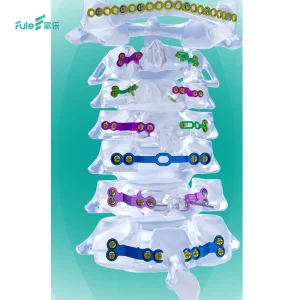
Extending surgical flexibility from pediatric spine care to anterior cervical plate stabilization.
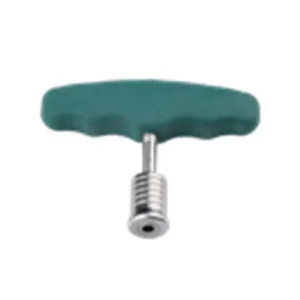
Crucial regulatory, engineering, and logistics answers for medical device distributors in Malaysia.
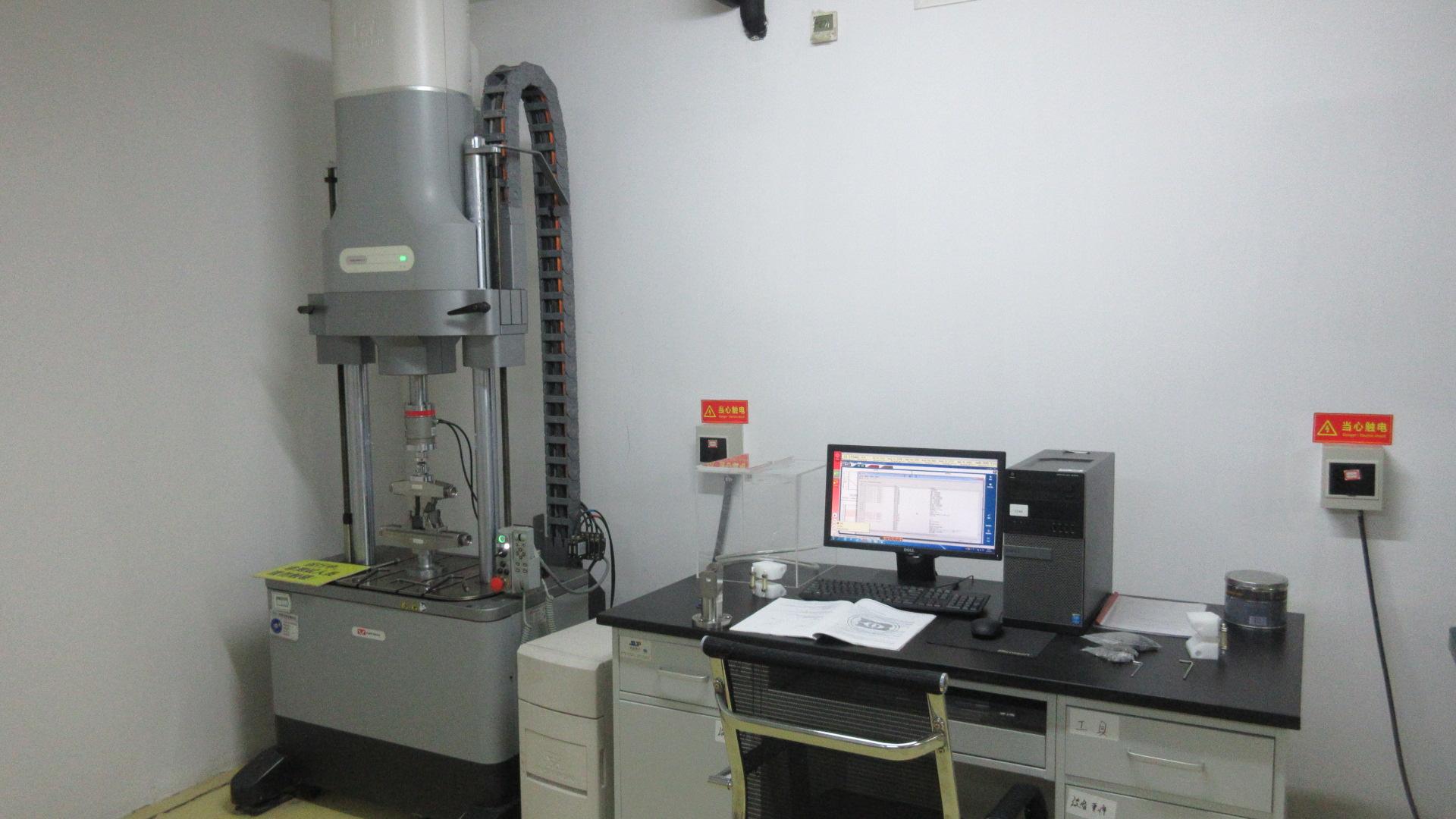
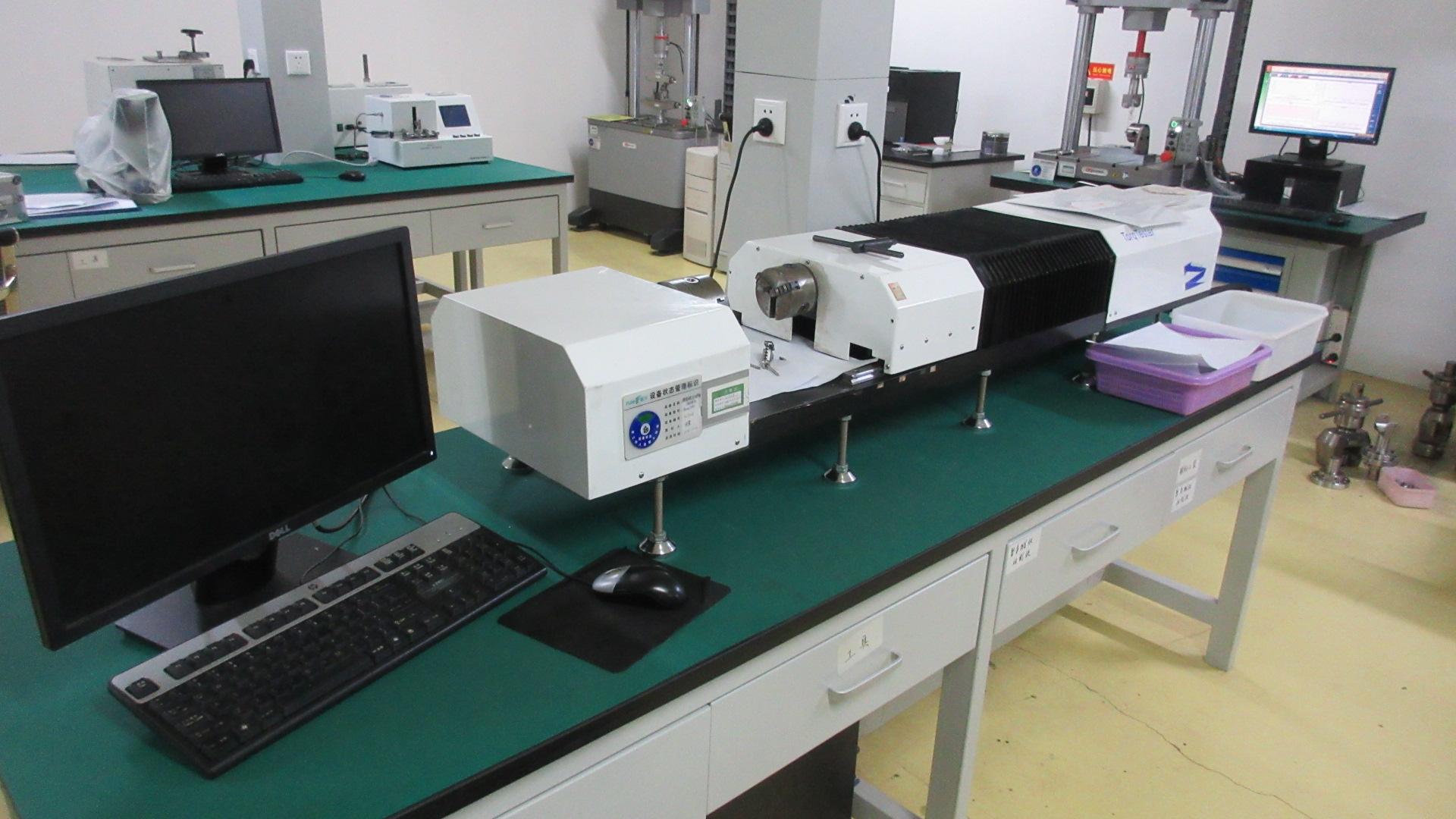
Our orthopedic implants and instrumentation systems are fully certified under ISO 13485 and maintain comprehensive CE Class III documentation. We provide B2B distributors in Malaysia with complete technical dossiers—including biocompatibility reports, mechanical fatigue test data (conforming to ASTM F1717 / ASTM F1798), and sterilization validation reports—to facilitate registration under Malaysia’s Medical Device Act 2012 (Act 737).
We use premium medical-grade Titanium Alloy (Ti-6Al-4V ELI) conforming to the ASTM F136 standard. This specific formulation is selected for its superior biocompatibility, high fatigue strength, and lower elastic modulus compared to standard surgical steel, reducing stress shielding and optimizing long-term bone healing.
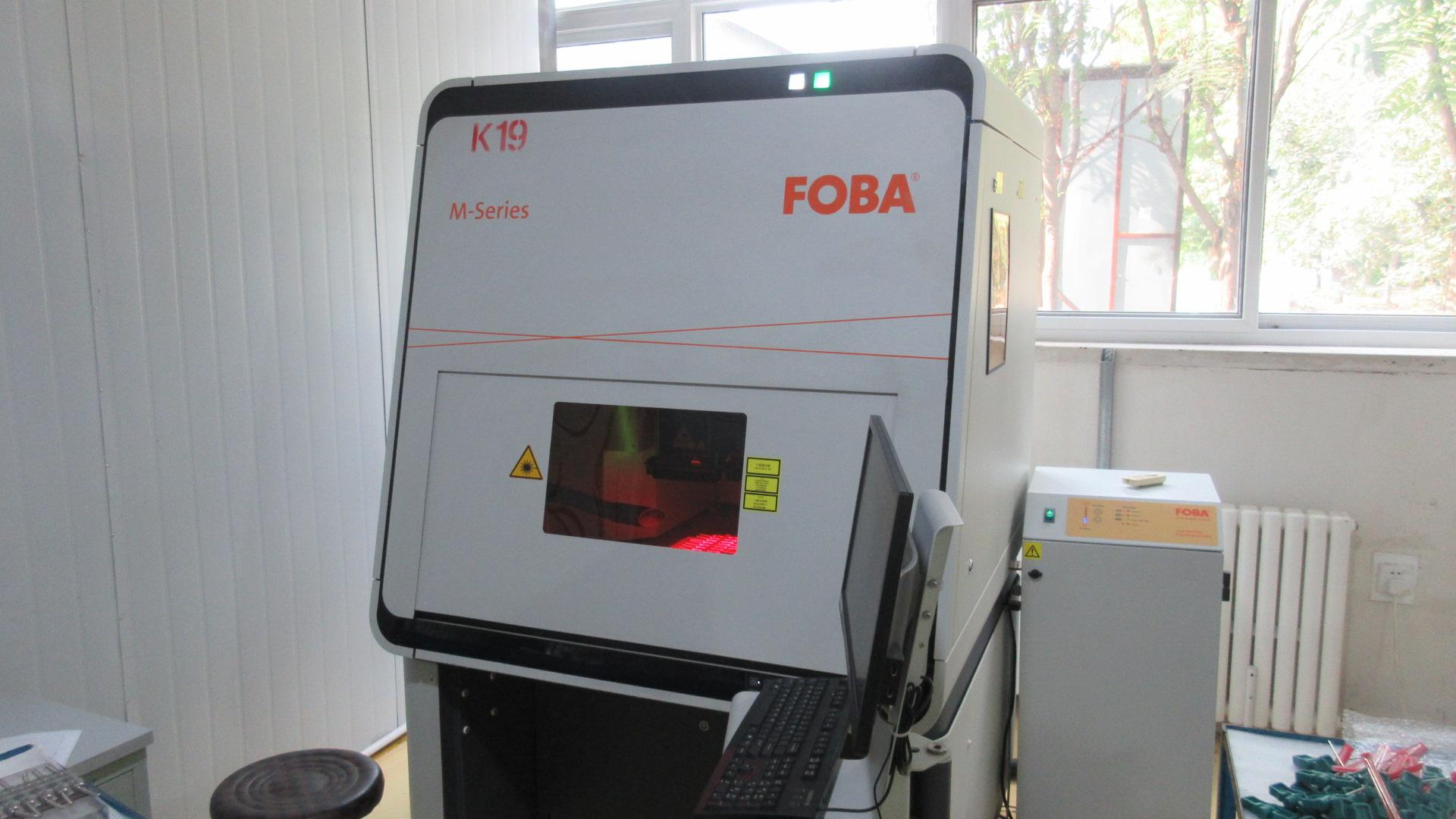
Yes. Supported by a 20-engineer R&D department and 102 precision CNC machines, we offer extensive customization options. This includes adjustments to thread pitches for local patient profiles, custom length/diameter variations, custom laser marking for branding, and customized sterile/non-sterile packaging configurations.
For standard orthopedic systems, manufacturing and packaging require approximately 15 to 30 days depending on order volume. Shipping is routed through port terminals in Shenzhen or Shanghai directly to Port Klang, Malaysia, with transit times ranging from 7 to 12 days. Air freight options are available for urgent clinical requirements.
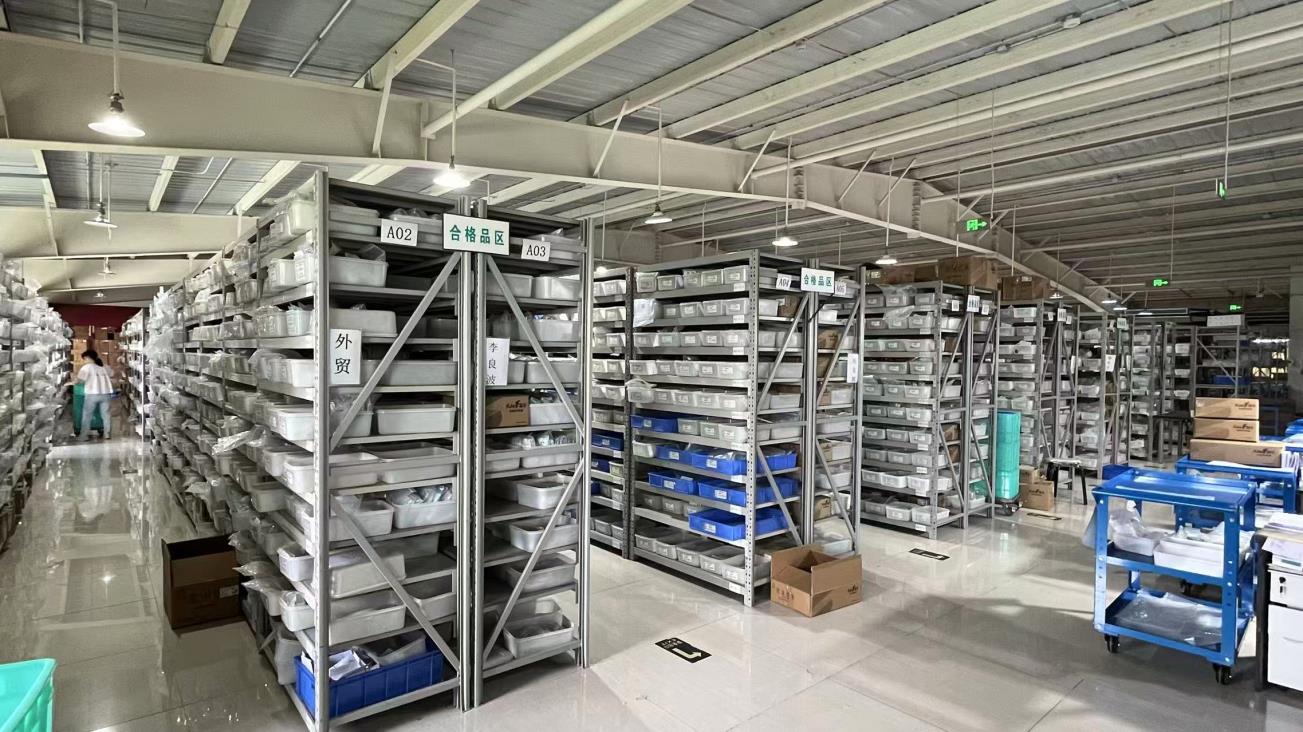
We operate under a strict quality management system overseen by 15 dedicated QA/QC inspectors. Raw materials are verified upon arrival via chemical and mechanical testing. Inter-process inspection is performed on all production lines, followed by a final inspection of all finished products. This process includes coordinate measuring machine (CMM) testing to verify thread pitch and tolerances.
 Beren Science & Technology