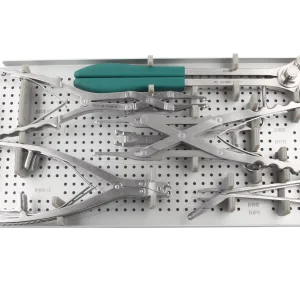
Advanced orthopedics solutions trusted by Bangkok spine surgeons, certified to strict CE, ISO13485 and local TFDA requirements.
Clinical Demands, Material Engineering Standards, and Regulatory Frameworks Shaping ASEAN Healthcare Sourcing
Thailand is widely recognized as the premier medical tourism and clinical hub of Southeast Asia, managing millions of complex surgical cases annually. The clinical demand for orthopedic and spinal reconstruction implants is driven by two accelerating trends: an rapidly aging local demographic susceptible to degenerative disc disorders (DDD) and spinal stenosis, and the recovery of international medical travelers seeking cost-effective, high-reliability complex spinal fusion surgeries in Bangkok, Chiang Mai, and Phuket.
Local healthcare facilities—spanning prominent private networks like Bangkok Dusit Medical Services (BDMS) and Bumrungrad International to key public university clinics like Siriraj and King Chulalongkorn Memorial Hospital—are undergoing rapid modernization. In order to optimize patient outcomes, Thai neurosurgeons and orthopedic teams require advanced implant systems. This includes high-grade Class III spinal fixation assemblies, minimally invasive surgery (MIS) kits, and low-profile cervical plating systems. Crucially, these implants must deliver high performance while aligning with the reimbursement guidelines set by the Comptroller General’s Department for the Civil Servant Medical Benefit Scheme (CSMBS) and the Universal Coverage Scheme.
Procurement professionals, hospital directors, and specialized medical device distributors in the ASEAN region operate under a zero-tolerance margin for quality failures. Clinical failure in spinal implants—whether due to pedicle screw cross-threading, plate fatigue, or poor biocompatibility—not only threatens patient safety but also leads to severe litigation risks and significant financial liability.
Therefore, modern procurement processes emphasize the following criteria:
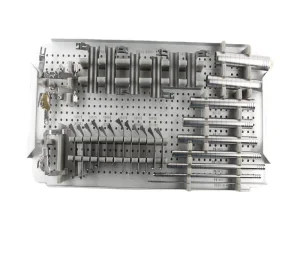
Our comprehensive orthopedic portfolio is designed to address a wide range of clinical indications:
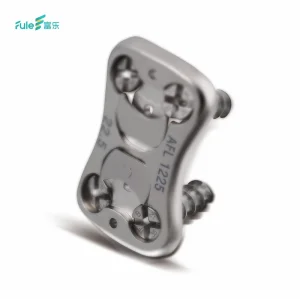
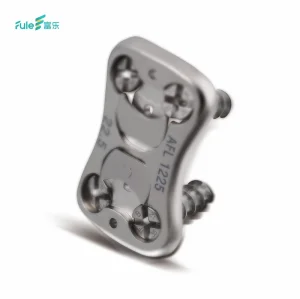
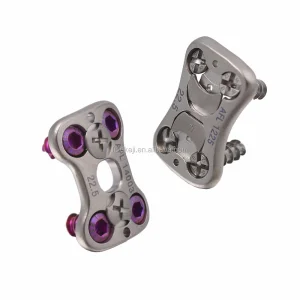
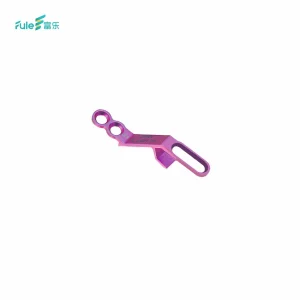
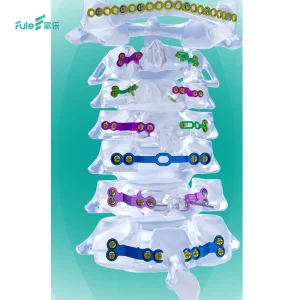
Cervical Interbody and Stabilization Challenges: For patients suffering from degenerative cervical spondylosis or herniated discs, the low-profile Anterior Cervical Plate (4-Hole and Variable Angle configurations) provides immediate anterior column biomechanical stability. The variable angle screw option allows for load-sharing capabilities, facilitating faster fusion rates and minimizing the occurrence of adjacent segment disease (ASD).
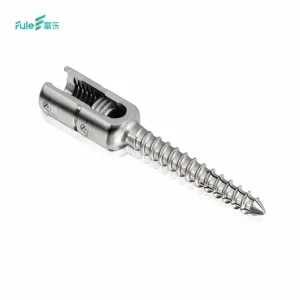
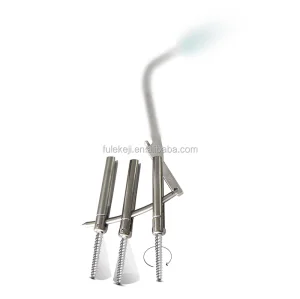
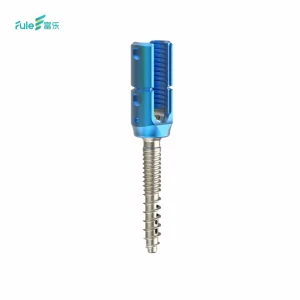
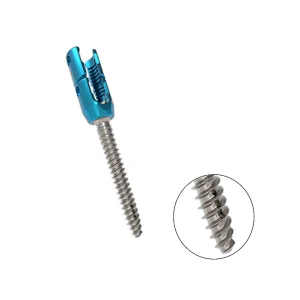
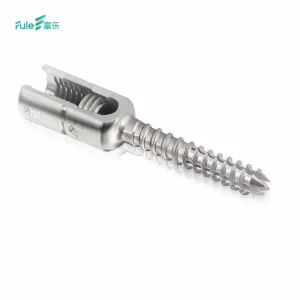
Thoracolumbar Decompression and Fusion: In cases of unstable thoracolumbar burst fractures or severe lumbar spondylolisthesis, the Usmart Titanium Spinal Screw-Rod System and COX 6.0 constructs provide robust posterior fixation. By utilizing advanced pedicle screw design features—such as dual-lead threads and self-tapping tips—surgeons can secure excellent purchase even in osteoporotic bone, reducing the risk of construct failure or pullout.
The future of orthopedic implants lies at the intersection of metallurgy, surface modification, and digital workflow integration. As a leading manufacturer, our technology roadmap focuses on three primary pillars:
Surface Modifications & Bio-Activation: Transitioning from sandblasted acid-etched (SLA) surfaces to advanced biomimetic coatings, including Hydroxyapatite (HA) deposition and porous titanium designs. These modifications accelerate direct osteointegration, forming a secure structural bond between the patient's bone and the implant.
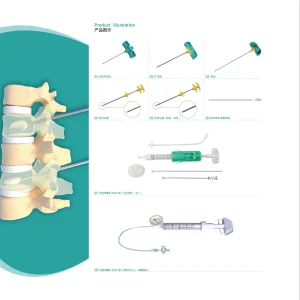
Minimally Invasive Surgery (MIS) Evolution: Standardizing percutaneous pedicle screw placement and expanding access to posterior lumbar interbody fusion (PLIF/TLIF) surgical systems. These techniques significantly reduce soft-tissue trauma, minimize intraoperative blood loss, and shorten post-operative hospital stays.
Additive Manufacturing (3D Printing): Utilizing electron beam melting (EBM) and direct metal laser sintering (DMLS) technologies to produce custom-designed titanium mesh cages. This helps optimize load distribution and match the specific anatomical requirements of individual patients.
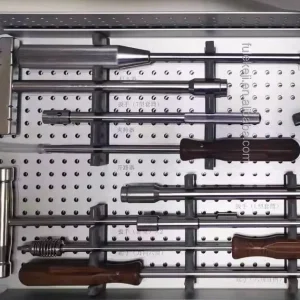
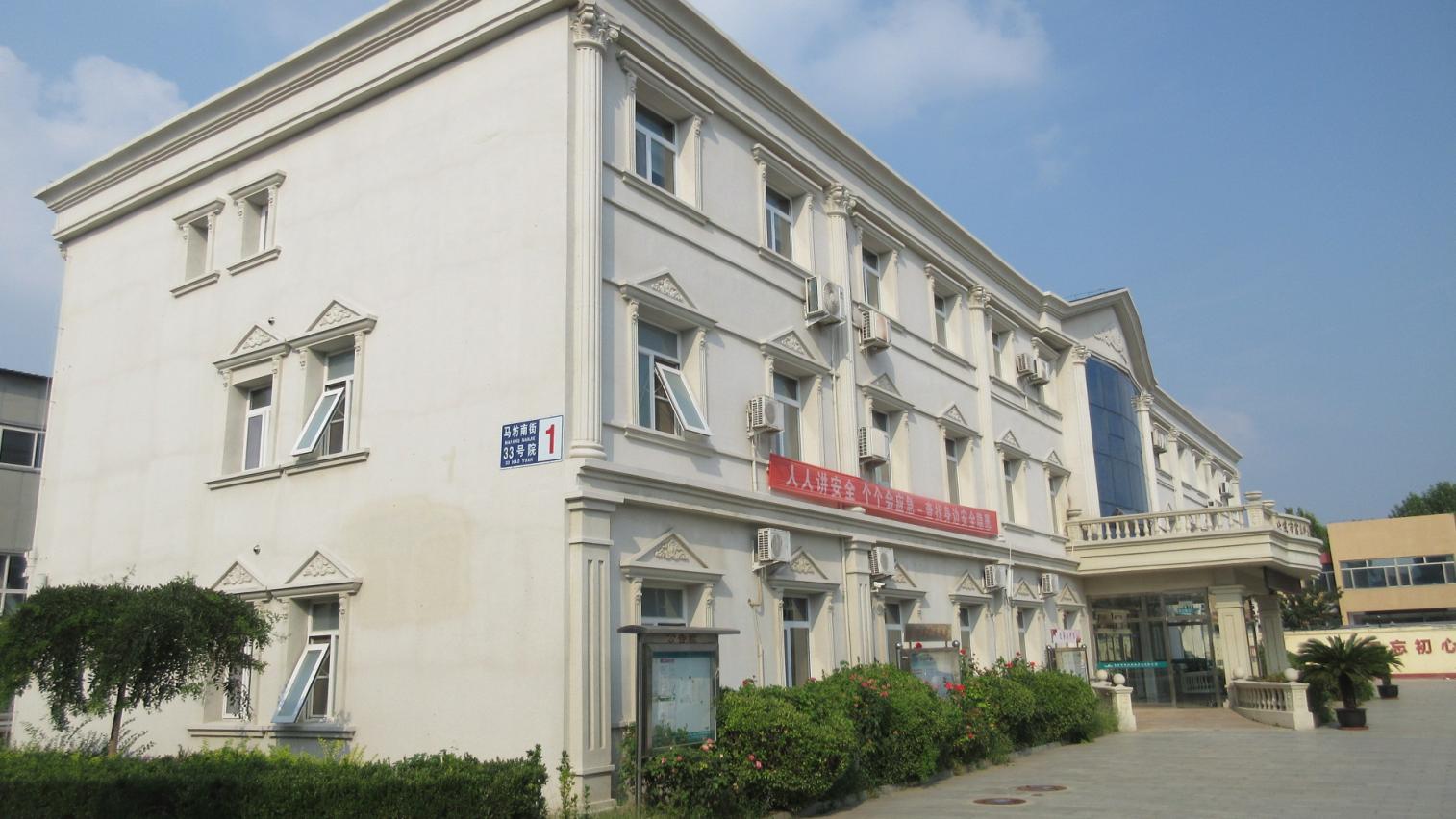
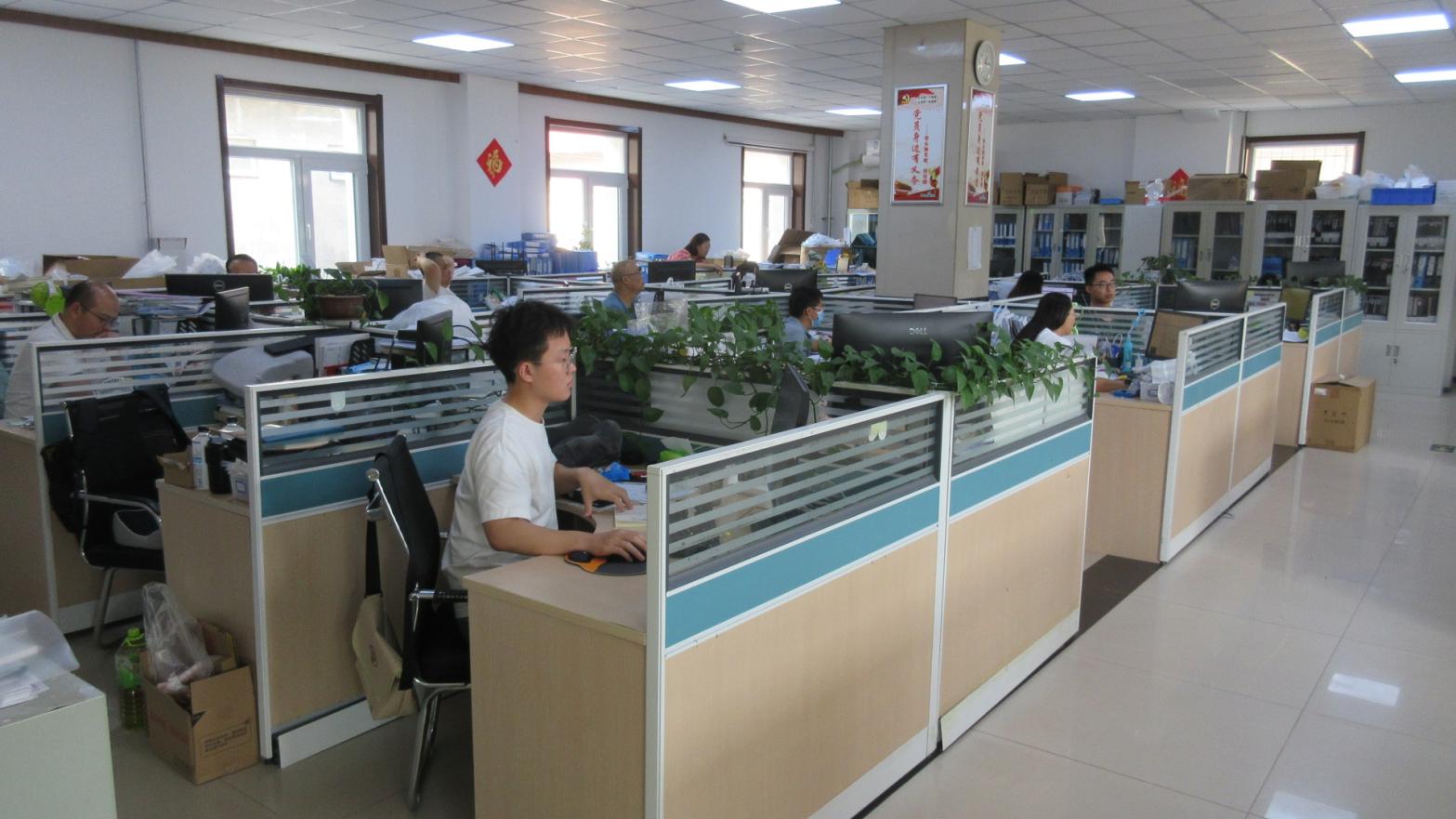
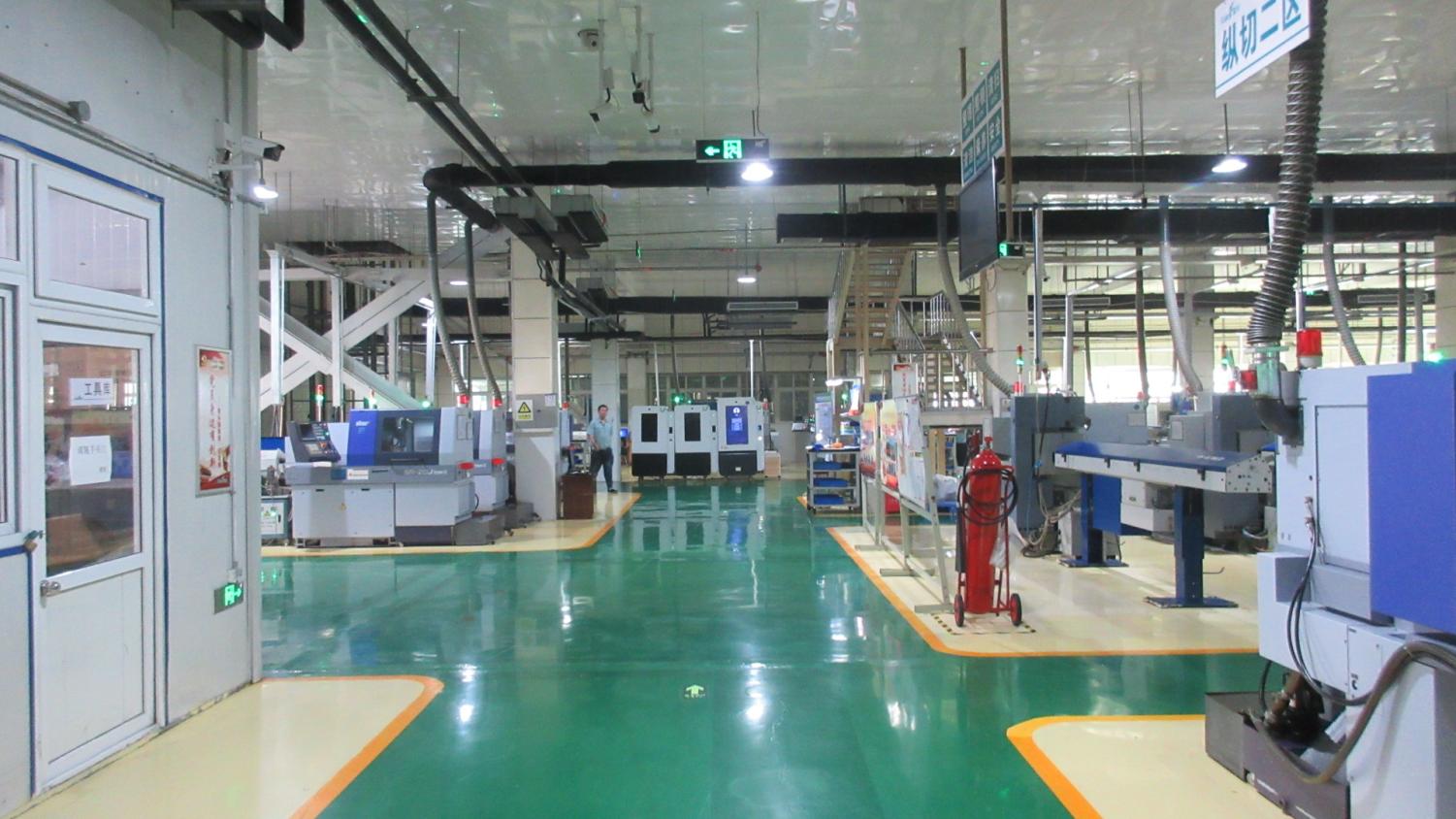
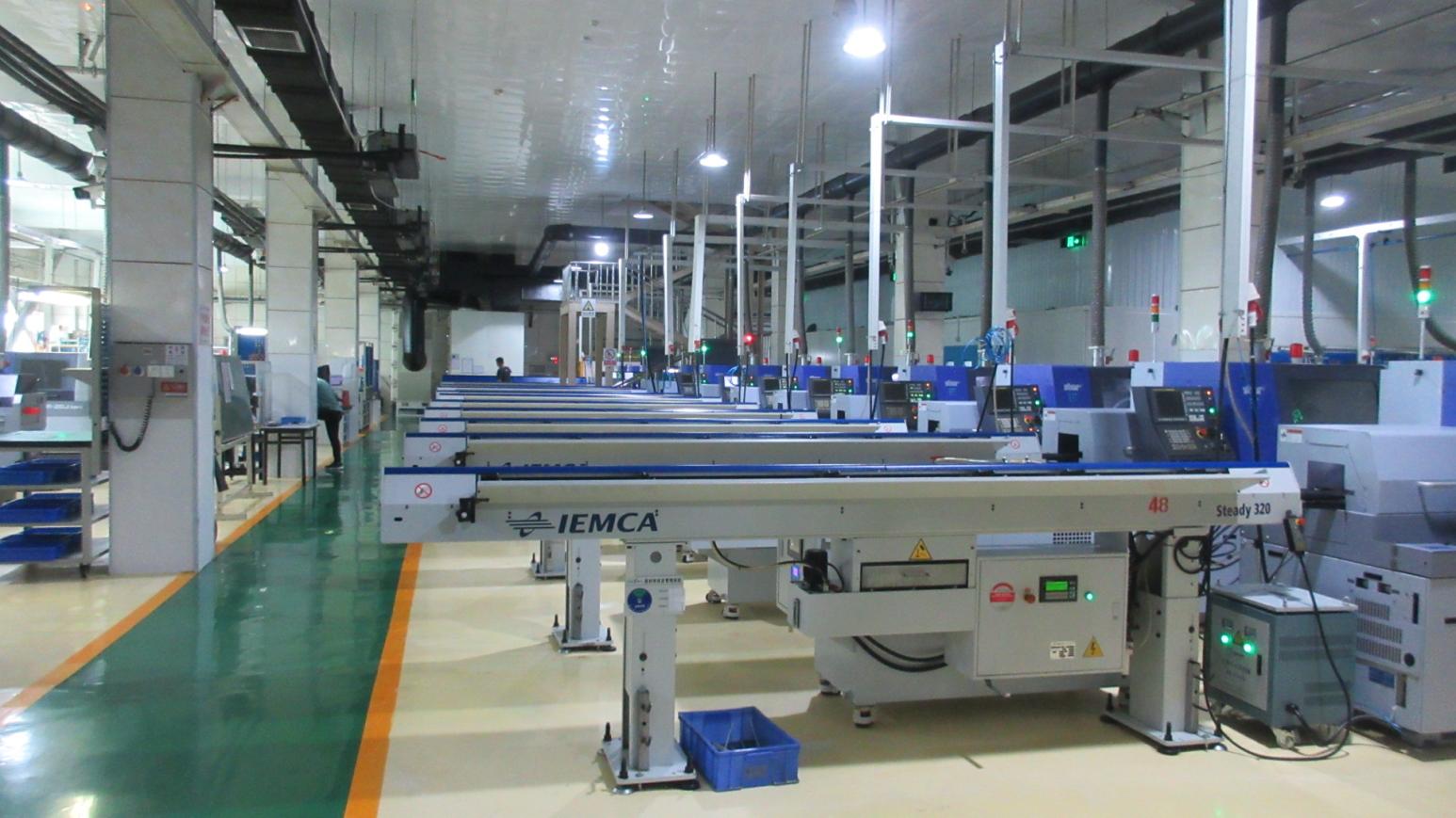
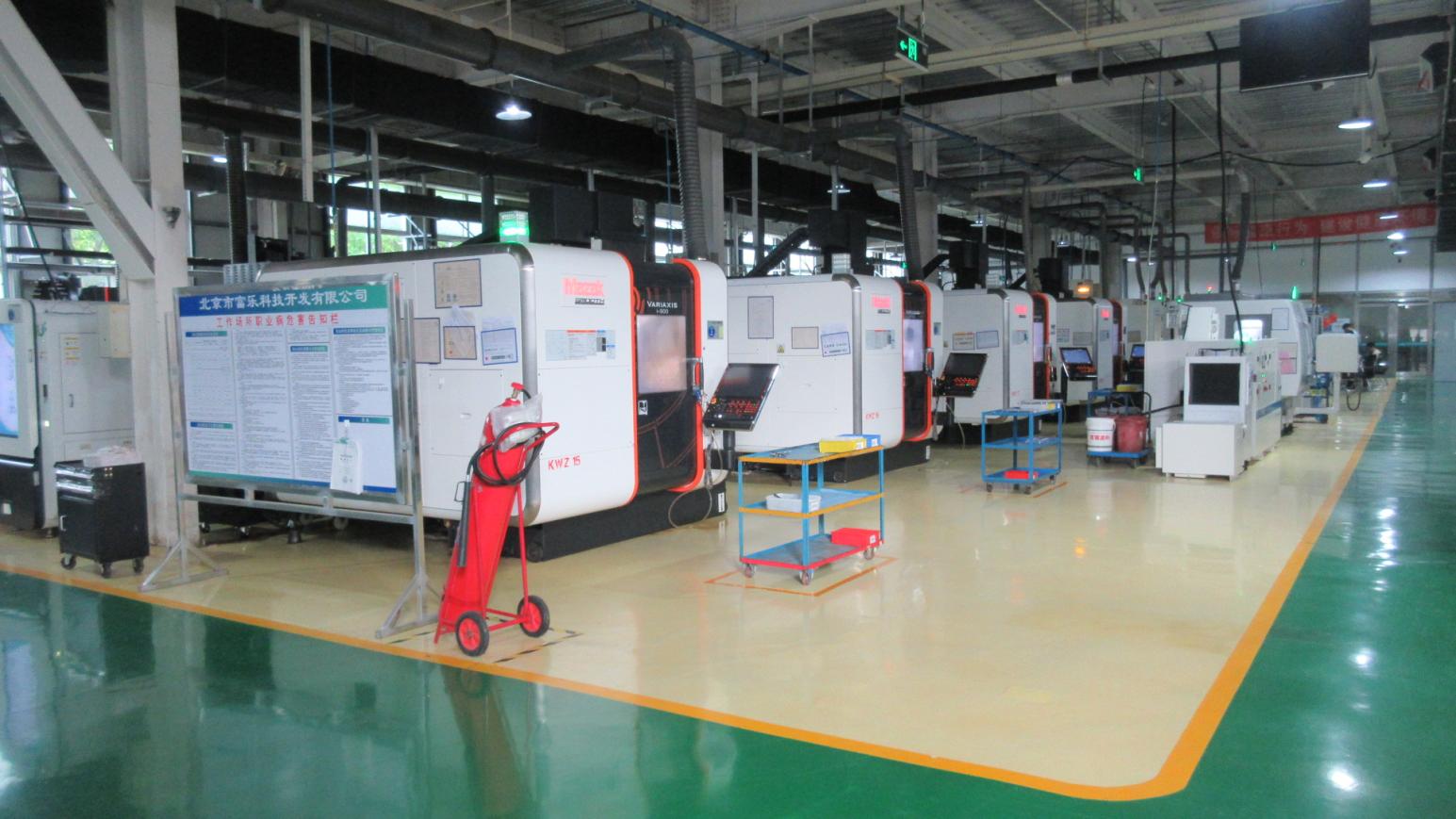
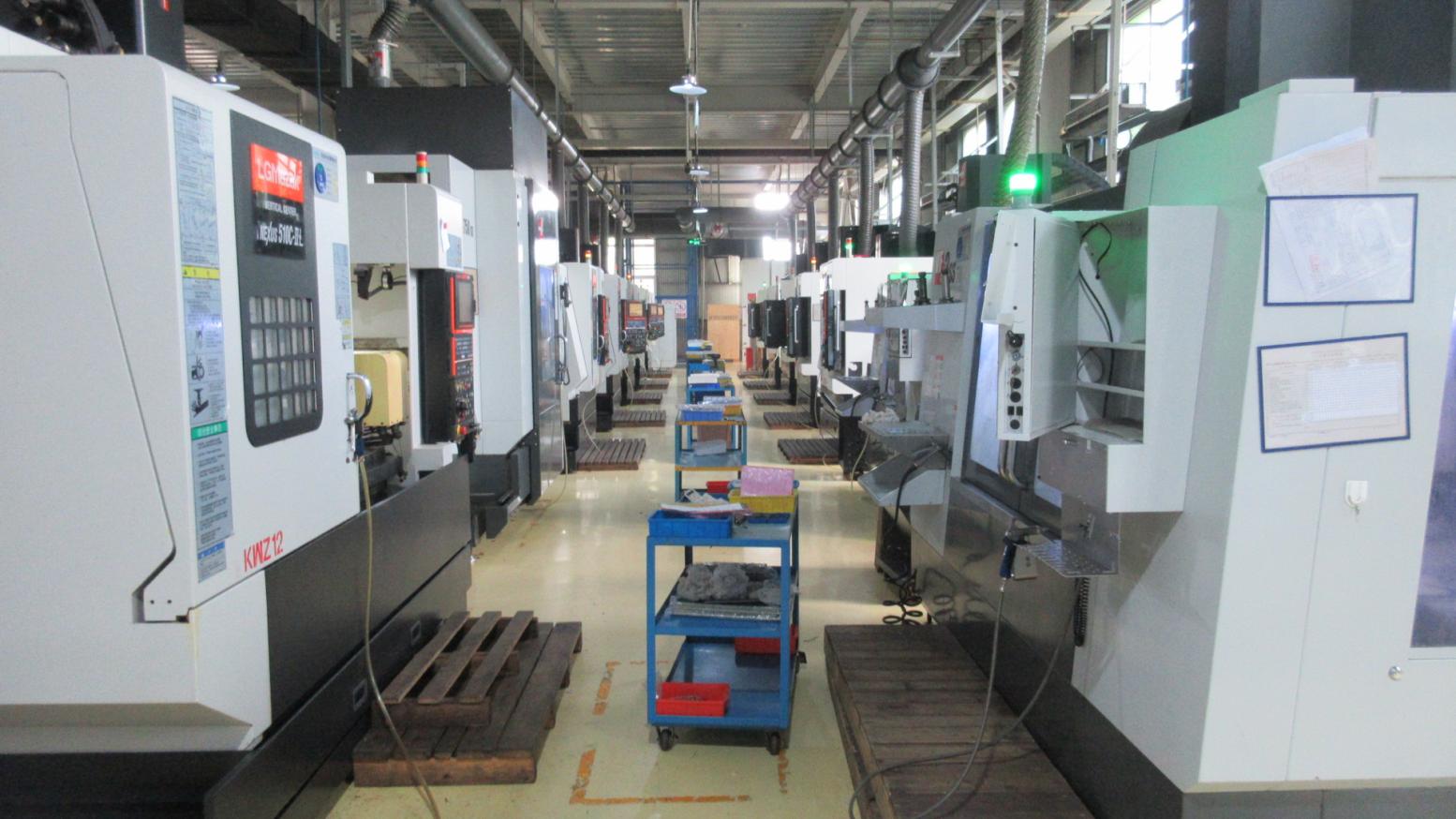
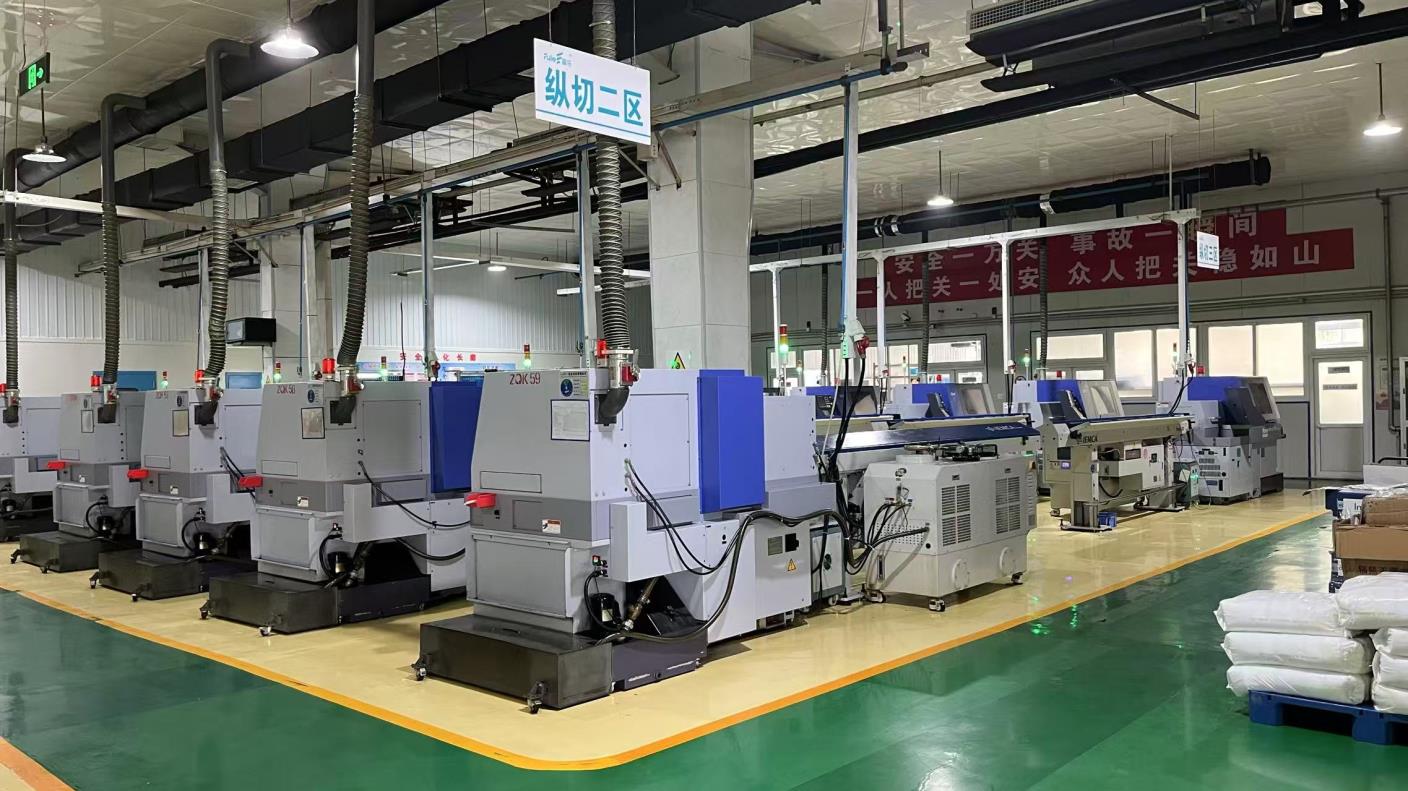
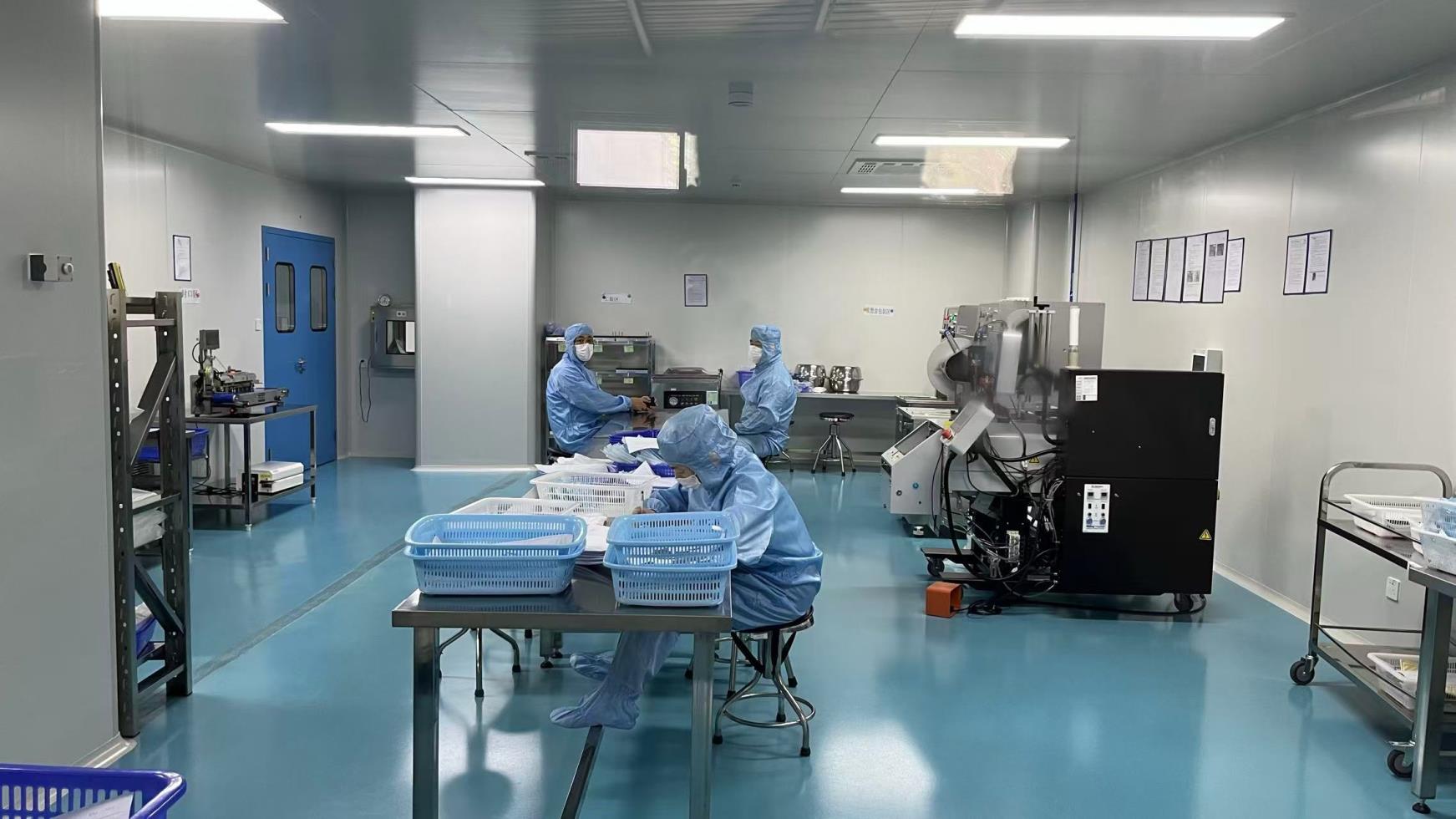
10,000 square meters of class-100,000 cleanrooms and advanced German CNC processing lines ensuring structural perfection of every medical instrument and implant.
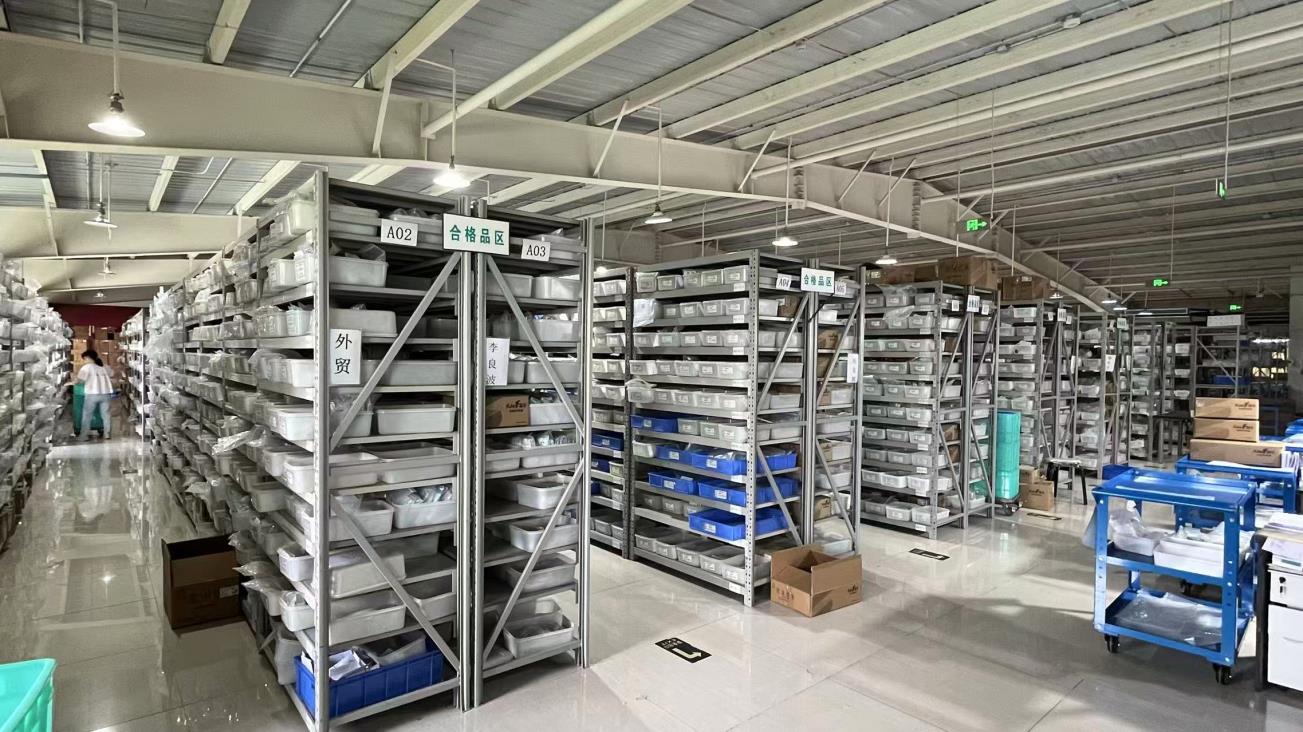
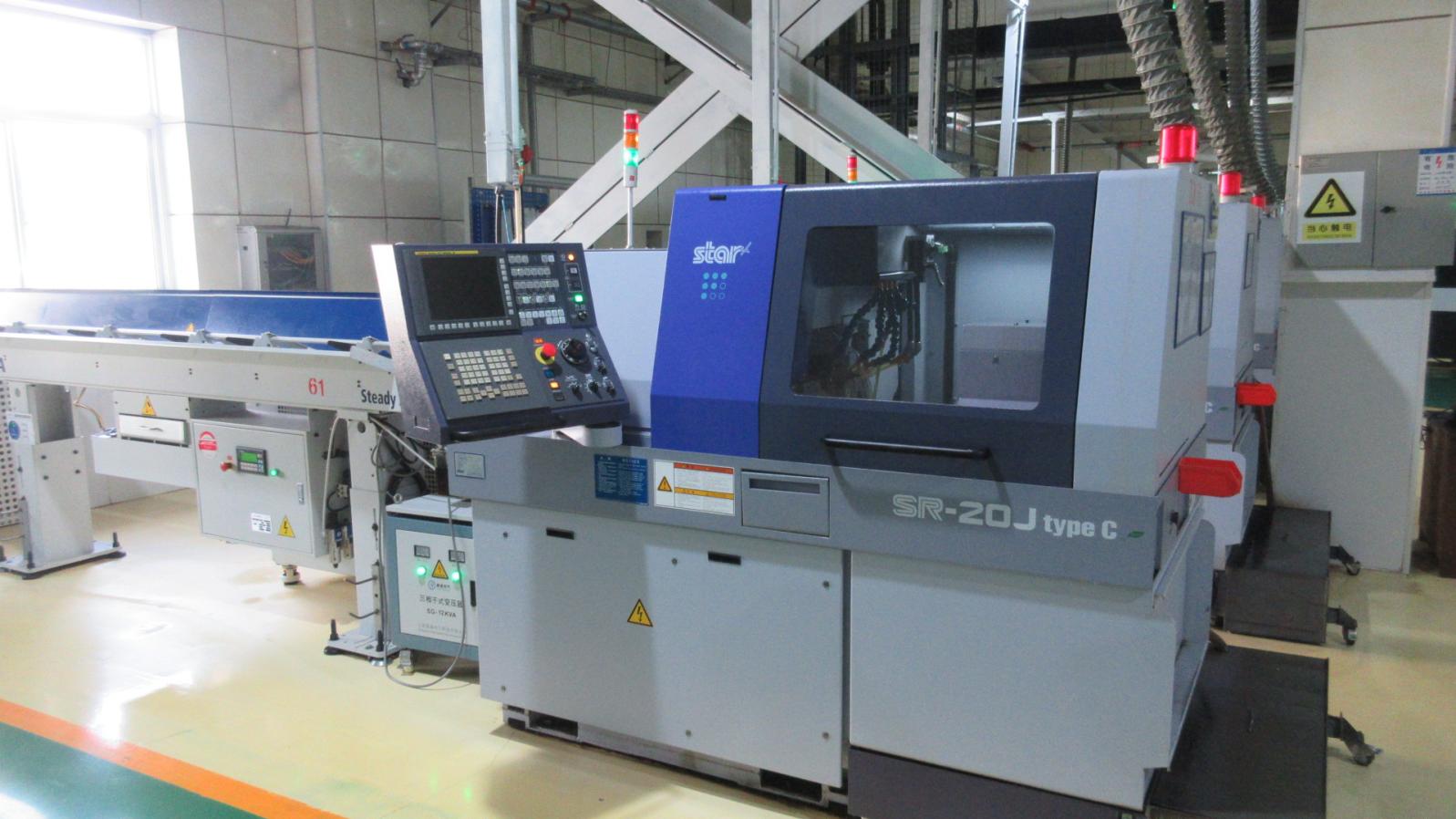
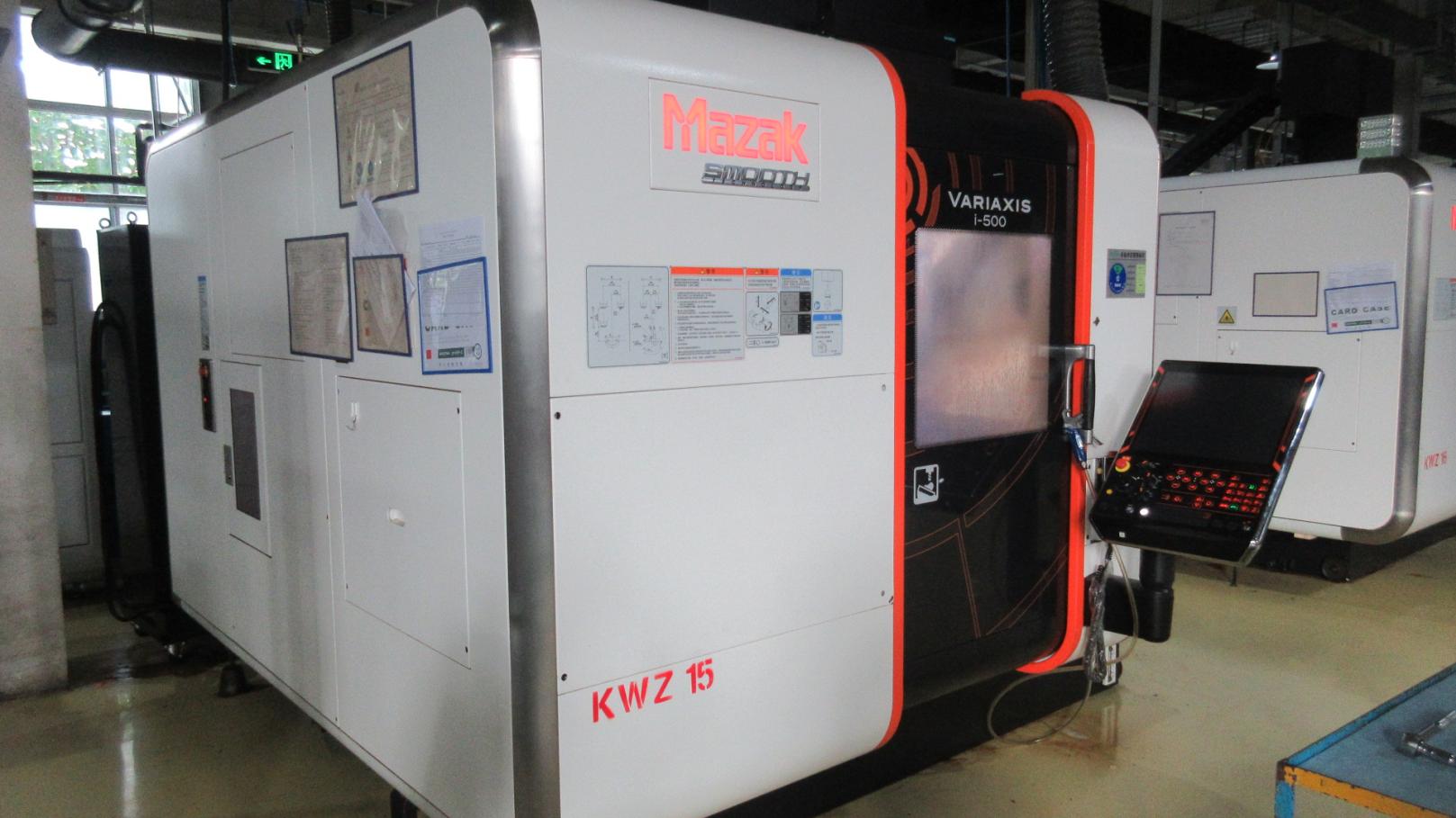
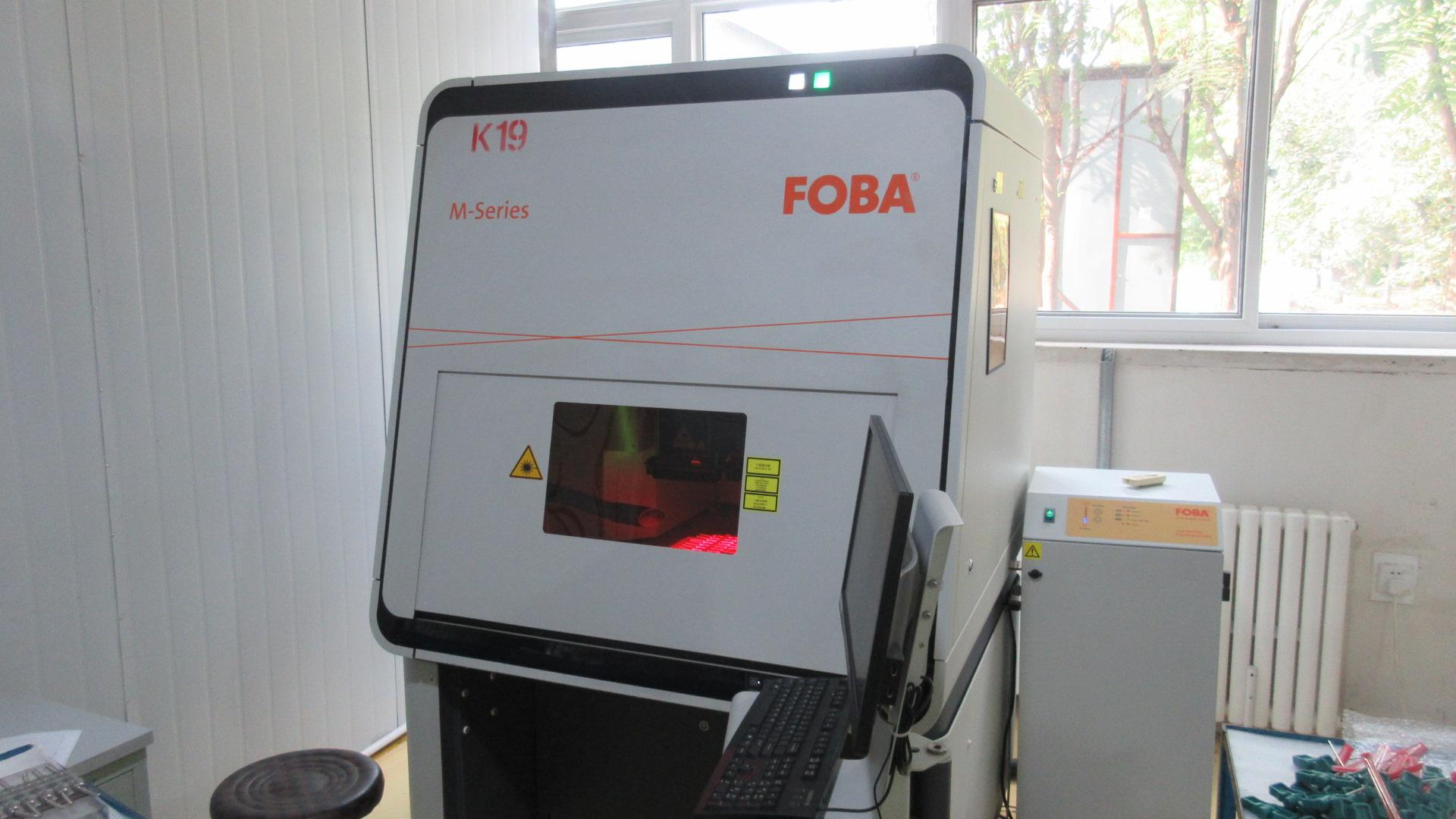
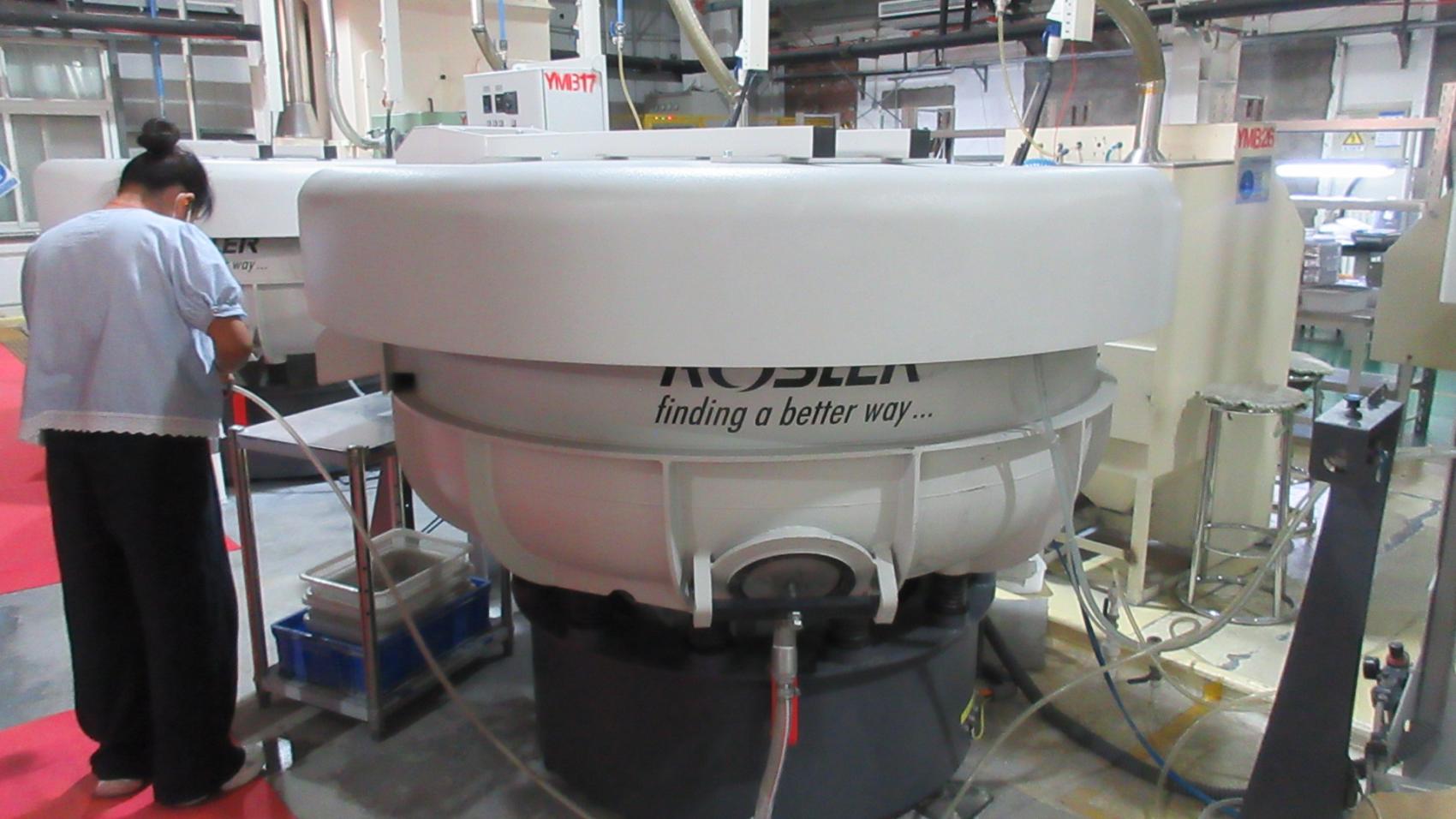
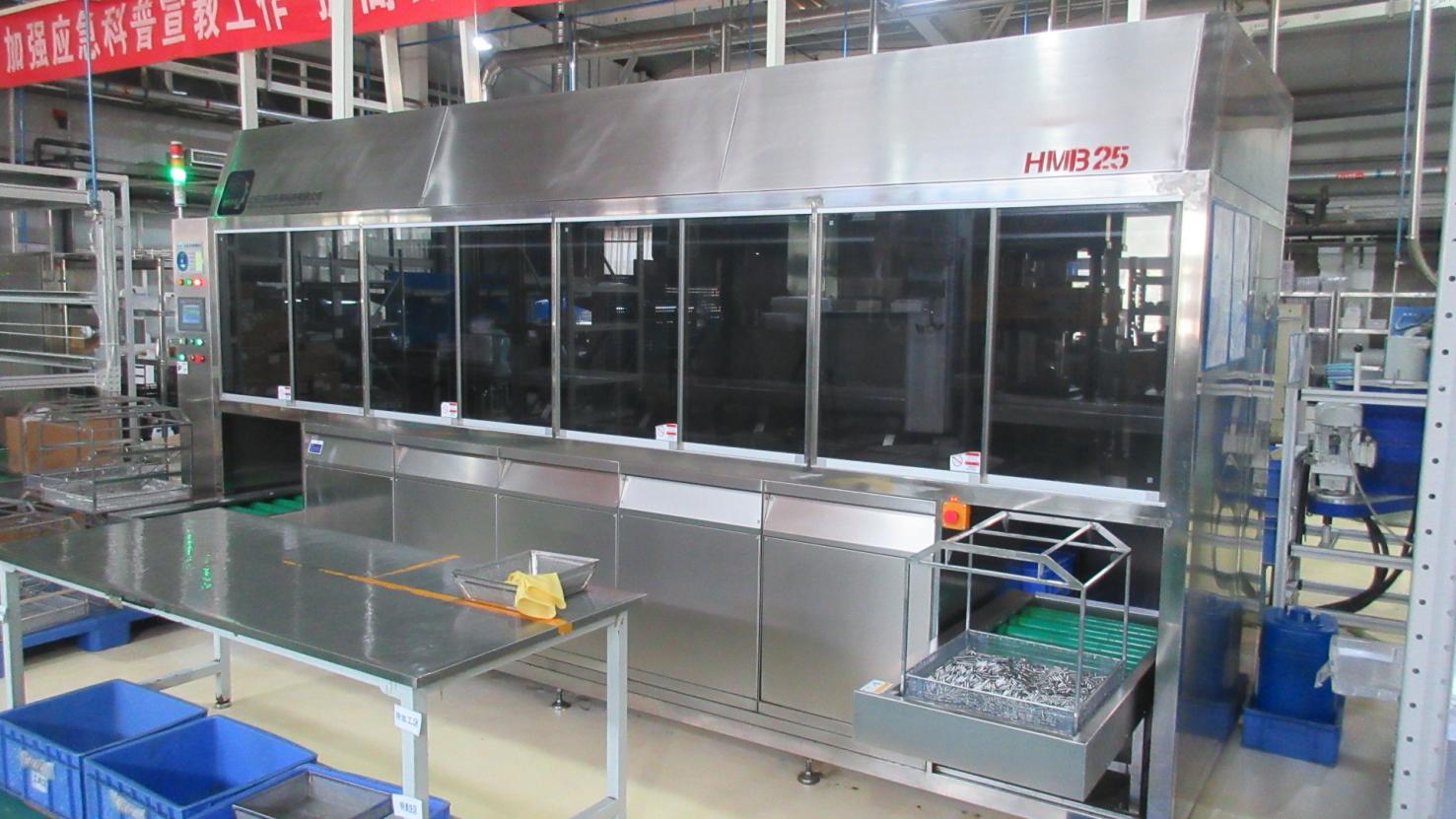
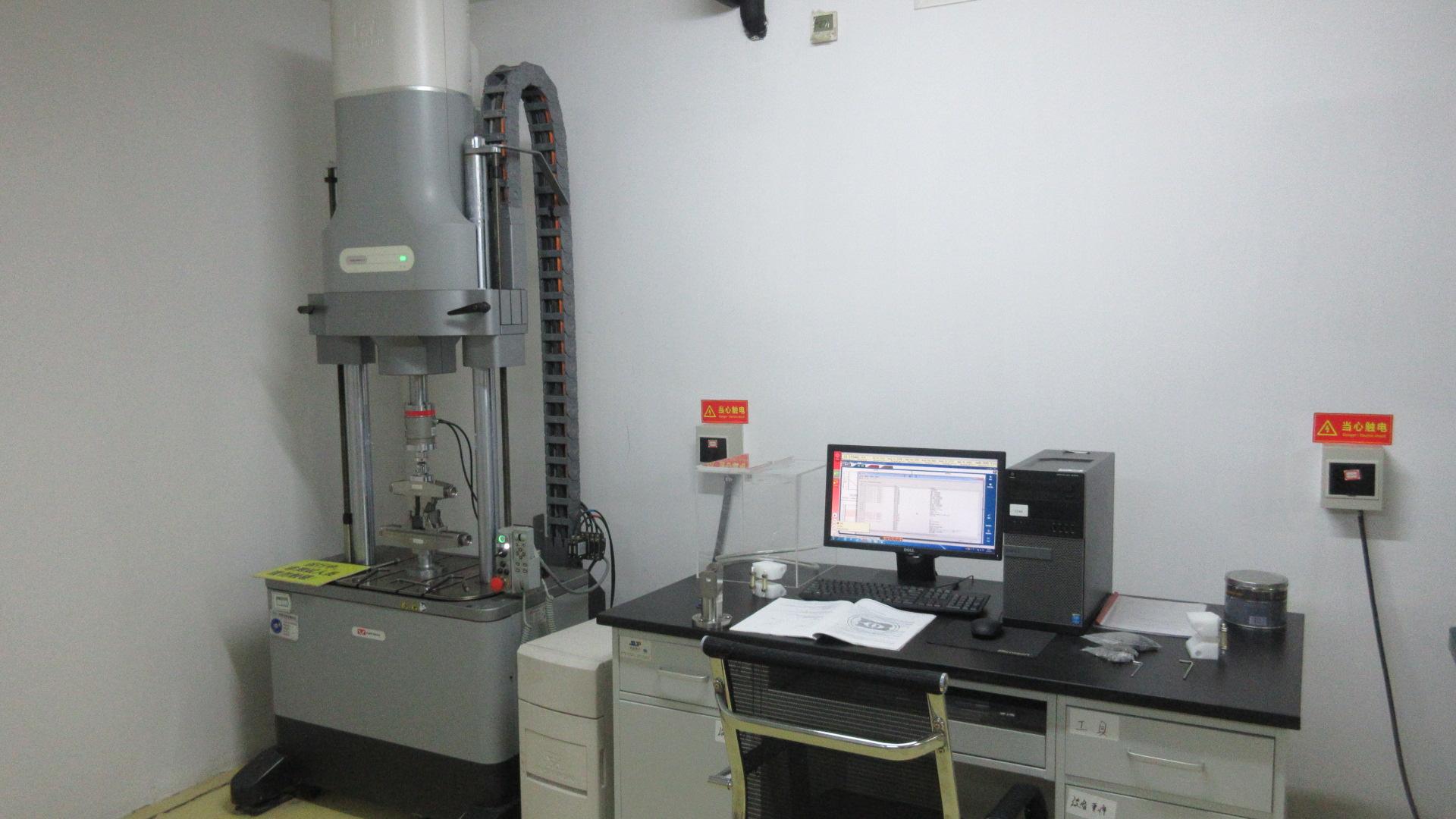
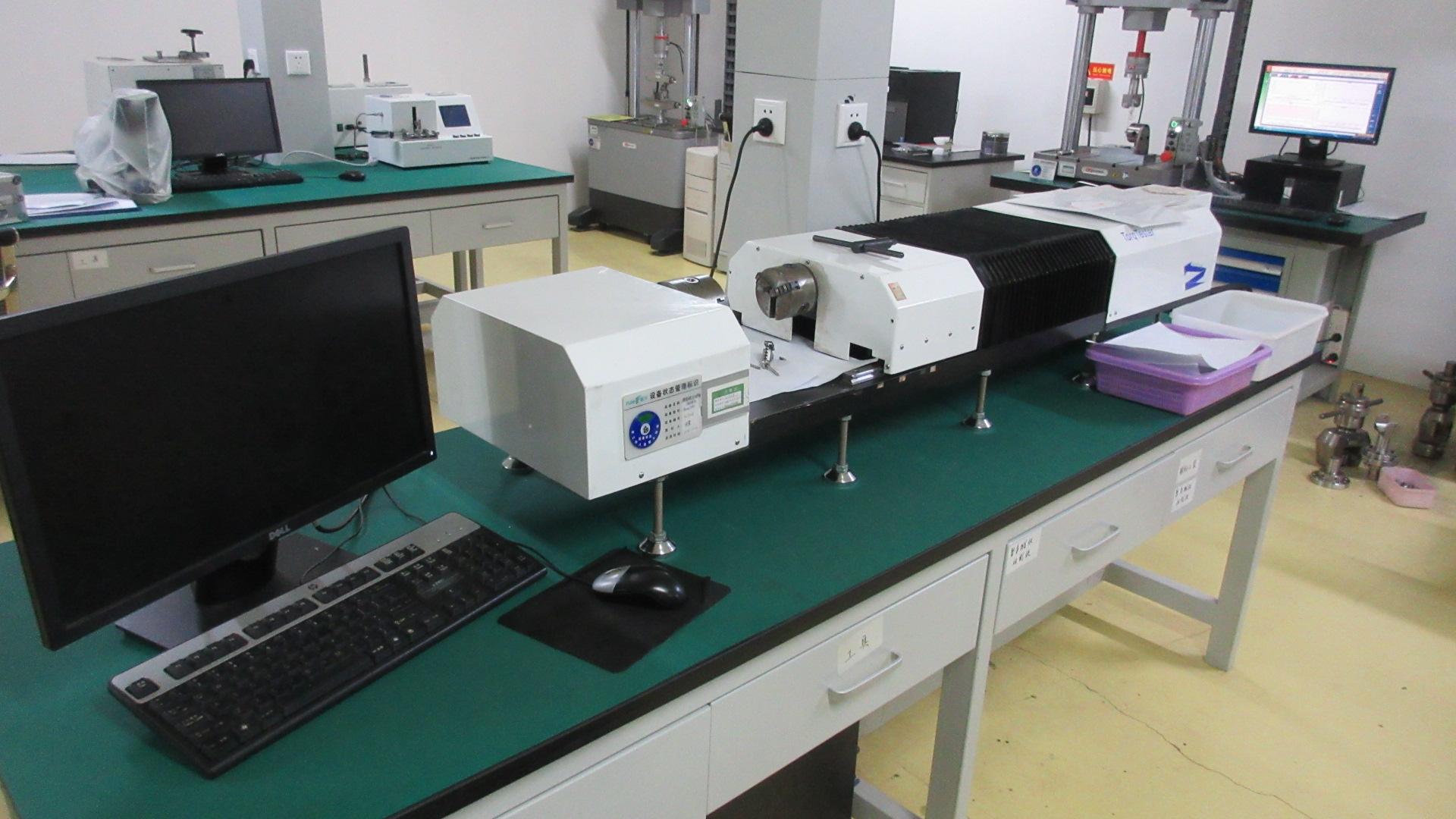
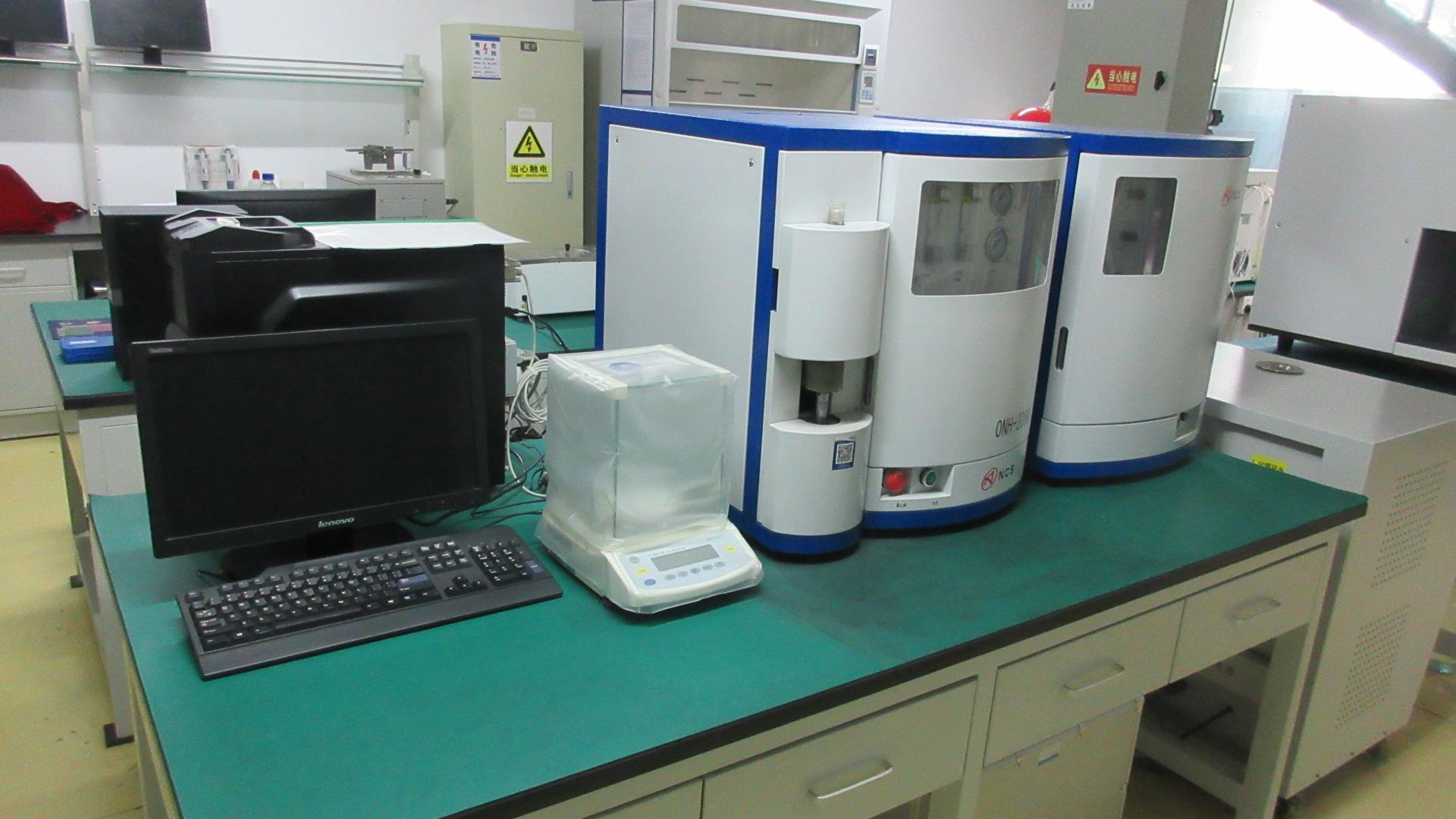
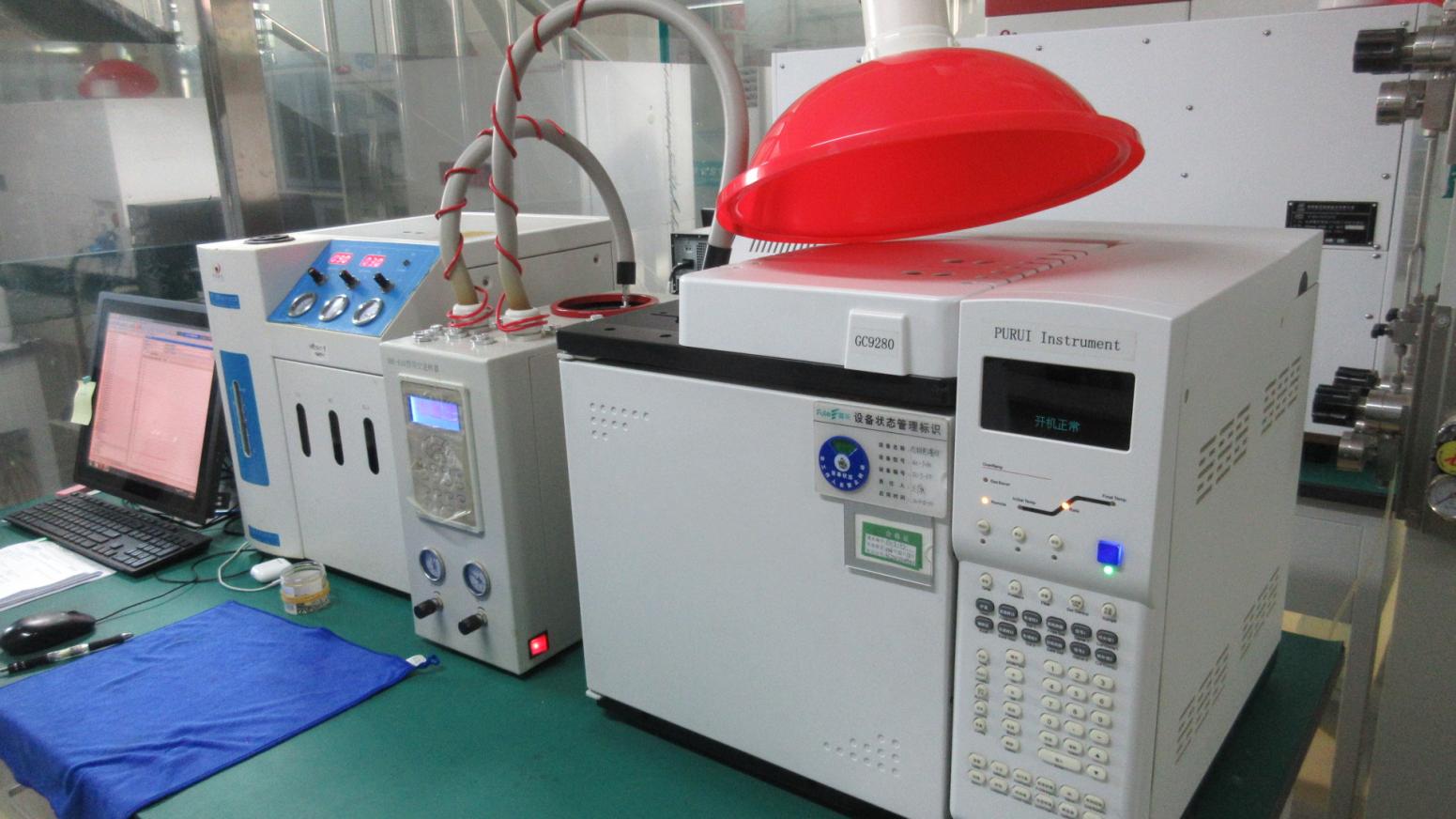
Explore our complete therapeutic and surgical catalog designed for cervical, thoracic, and lumbar indications.
Clear, direct clinical and regulatory information for procurement heads and orthopedic distributors.
Get in touch with our commercial sales engineers today. Request technical datasheets, certified test certificates, and custom bulk pricing tailored for the Thai orthopedic market.
 Beren Science & Technology