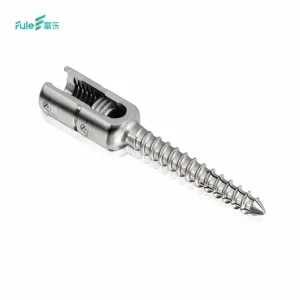
Designed for clinical superiority and biomechanical longevity, serving modern orthopedic clinics across Germany.
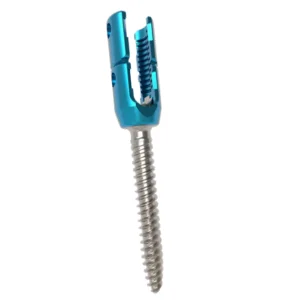
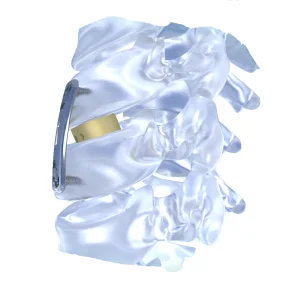
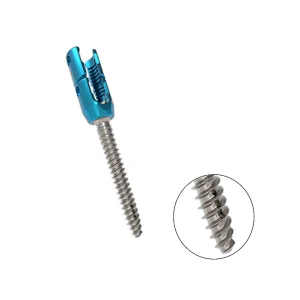
The German orthopedic and spinal surgery landscape demands unmatched mechanical reliability, compliance with strict regulatory regimes, and clinical evidence demonstrating long-term patient recovery benefit. As a premier Dynamic System Manufacturer & Exporter in the Germany market, our products fulfill these complex requirements through advanced biomechanical design and verified material standards.
Modern clinical practice in Germany has shifted progressively toward motion preservation. While traditional rigid spinal fusion has been the gold standard, its vulnerability to *Adjacent Segment Disease (ASD)* has led German medical authorities and surgical societies (such as the *Deutsche Wirbelsäulengesellschaft - DWG*) to advocate for dynamic stabilization frameworks. Our portfolio directly addresses this clinical demand by balancing support and flexibility.
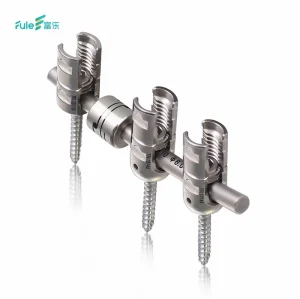
Spinal dynamics rely on controlled physiological movement. Rigid fixation can trigger stress shielding, accelerating the degeneration of adjacent levels. In contrast, our Class III titanium dynamic systems offer several therapeutic benefits:
Entering and maintaining presence in the German medical sector requires strict adherence to the **European Medical Device Regulation (MDR 2017/745)**. This regulation has elevated clinical evaluation requirements, post-market surveillance (PMS), and technical documentation rules.
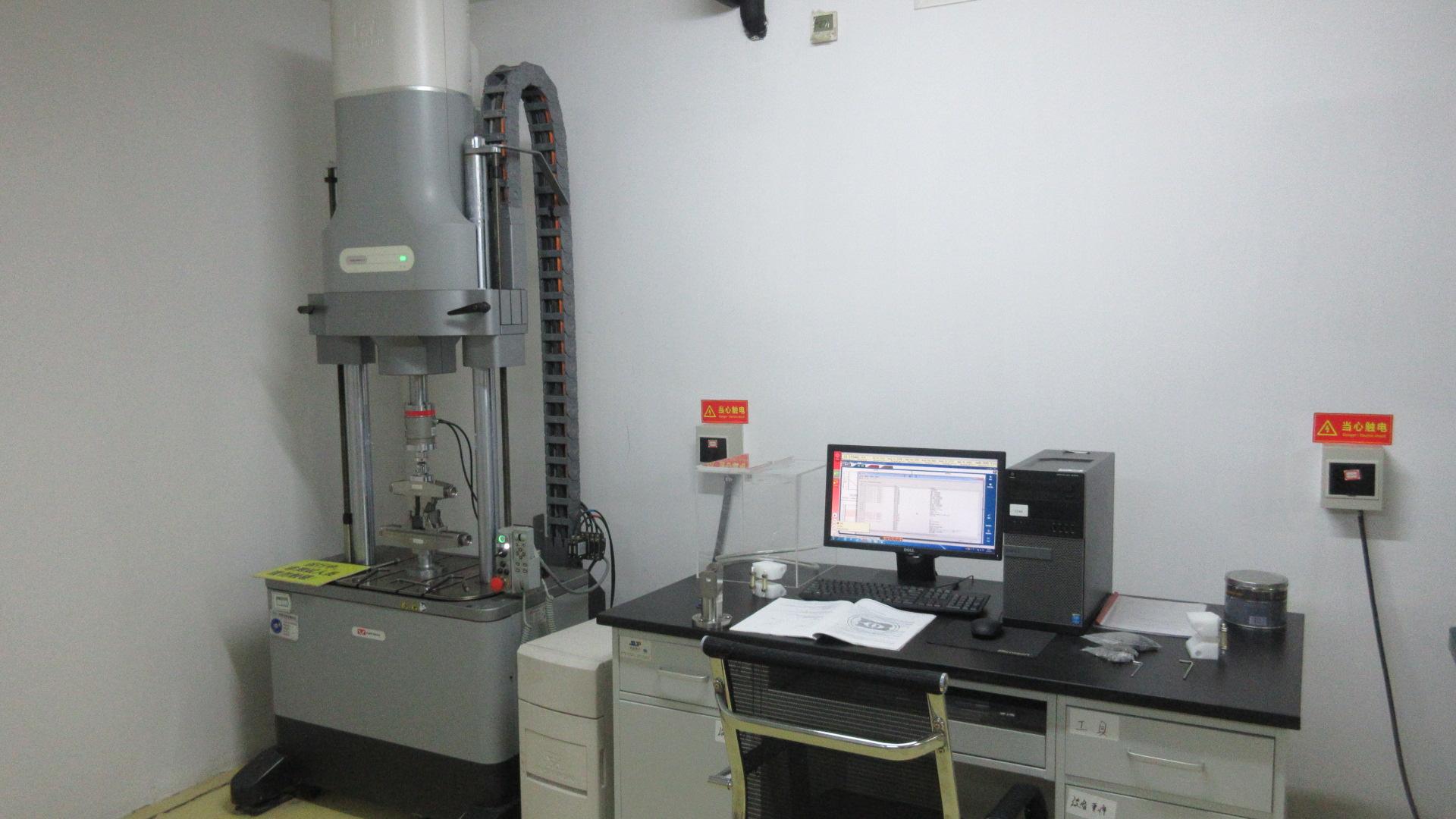
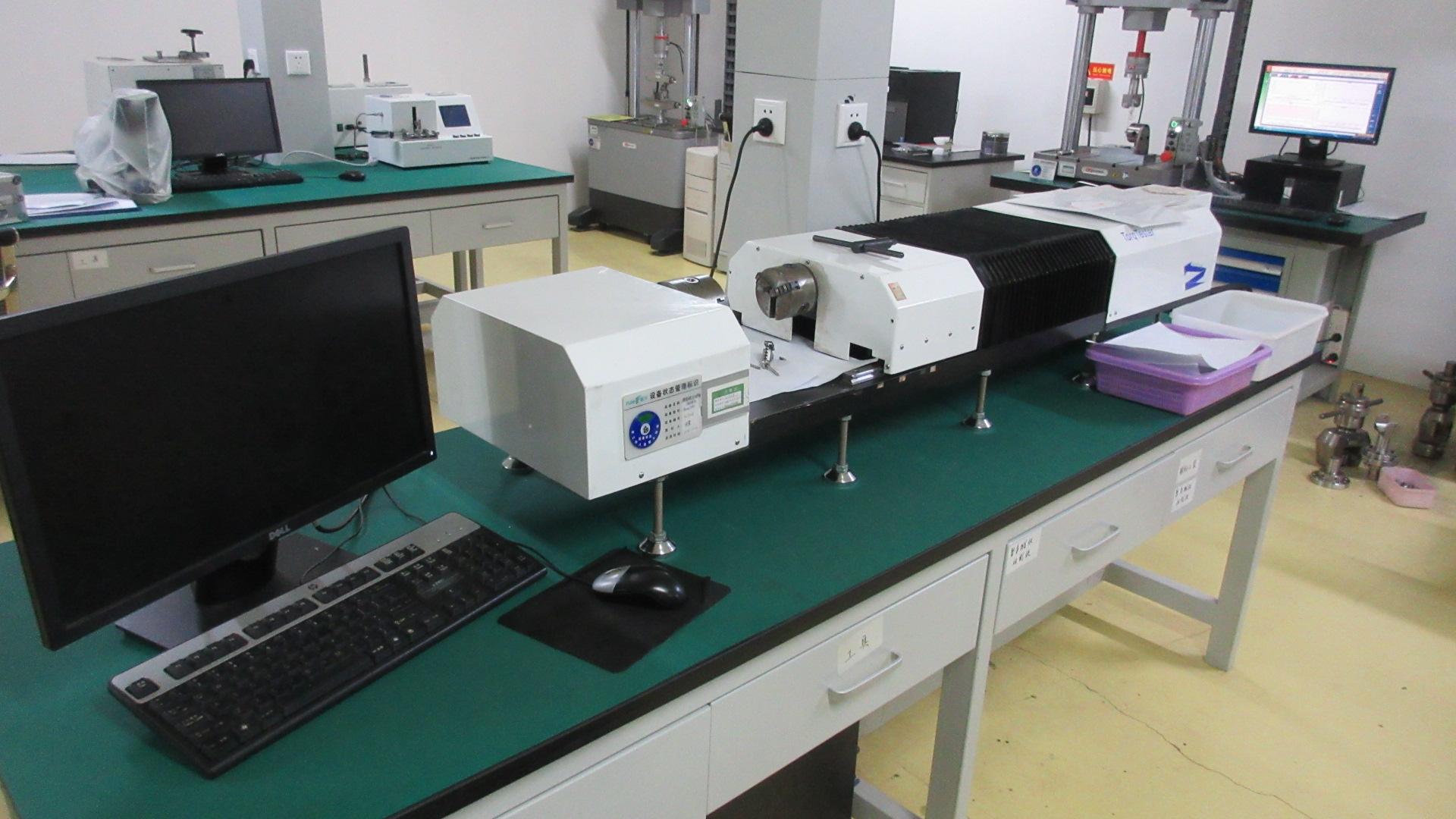
All our manufacturing facilities apply rigorous testing according to **ASTM F1717** and **ASTM F543** for spinal implants, ensuring that our dynamic constructs can withstand 5 million load cycles under simulated physiological stresses. With certified ISO 13485 protocols, we offer complete traceability from raw material titanium ingots down to final implant sterile packaging.
Optimized mechanical load pathways and anatomical geometry tailored for direct hospital procurement.
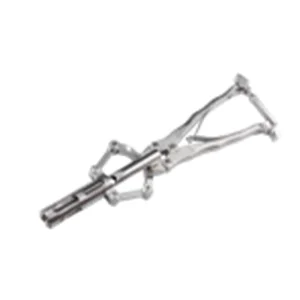
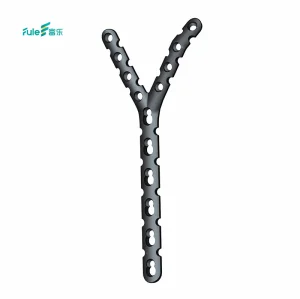
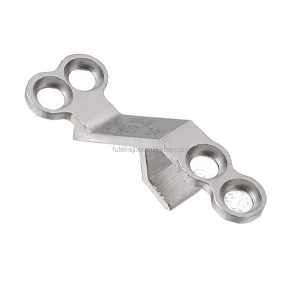
Consolidated data verifying our production capabilities, global distribution networks, and quality control systems.
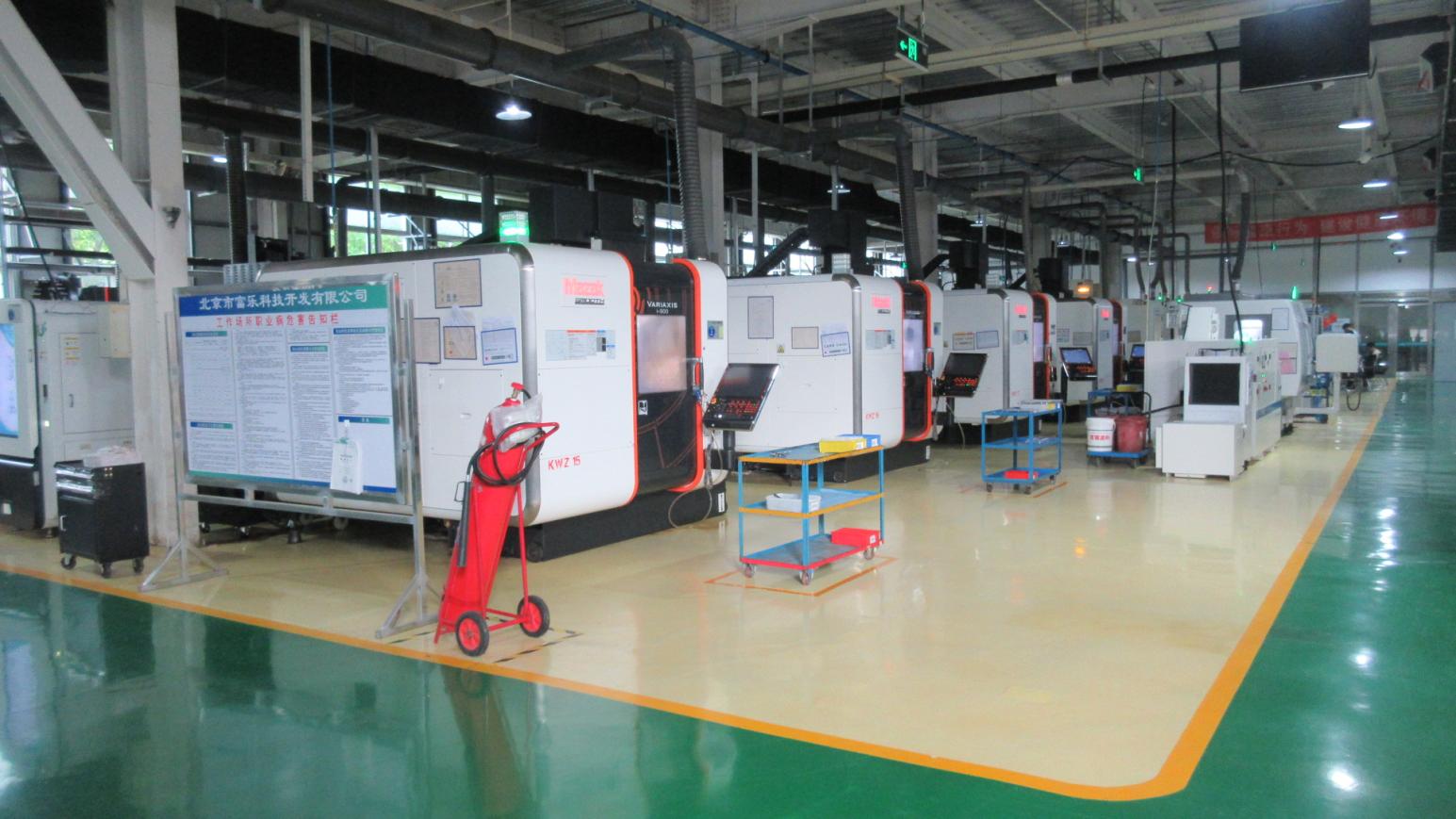
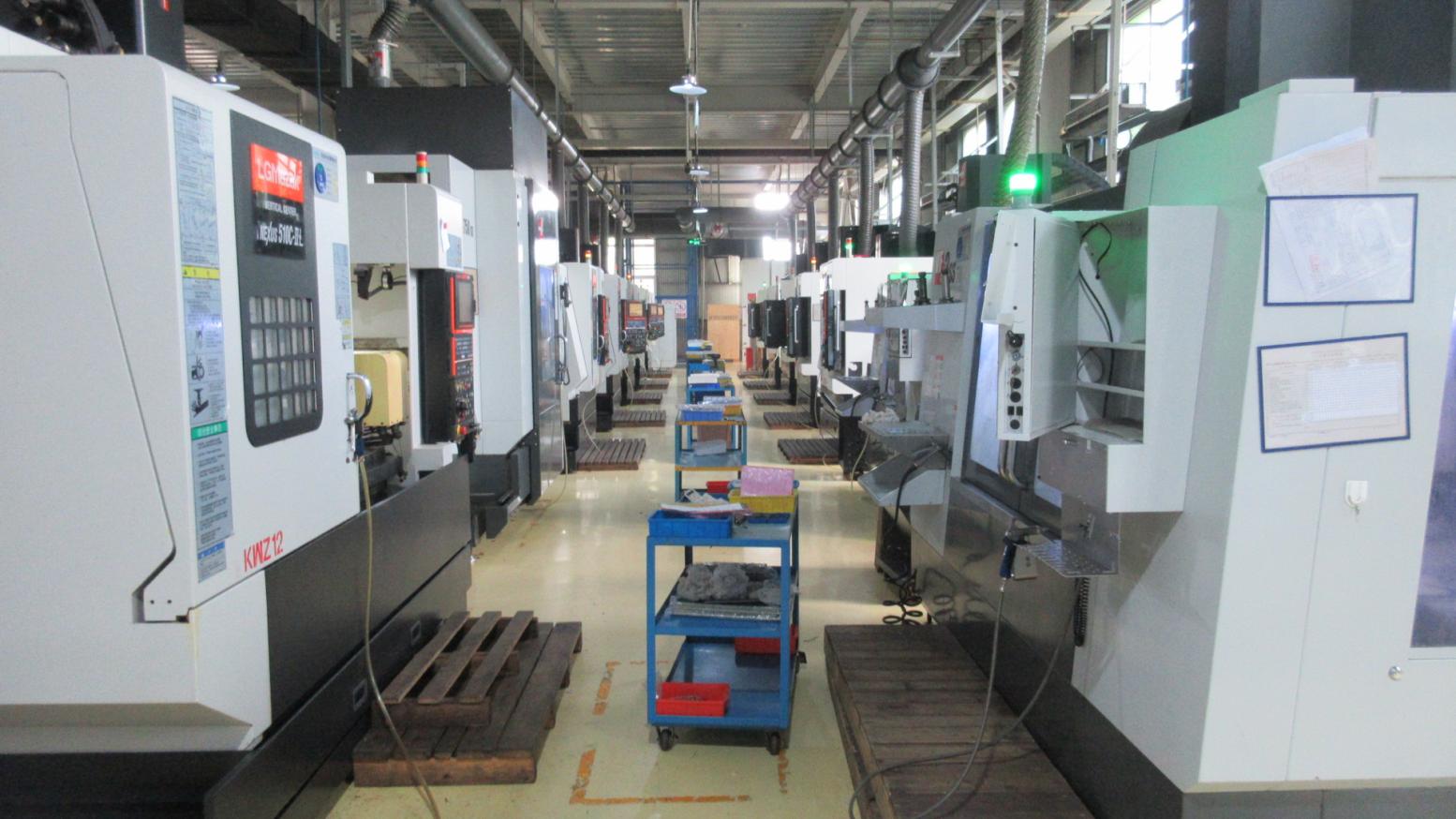
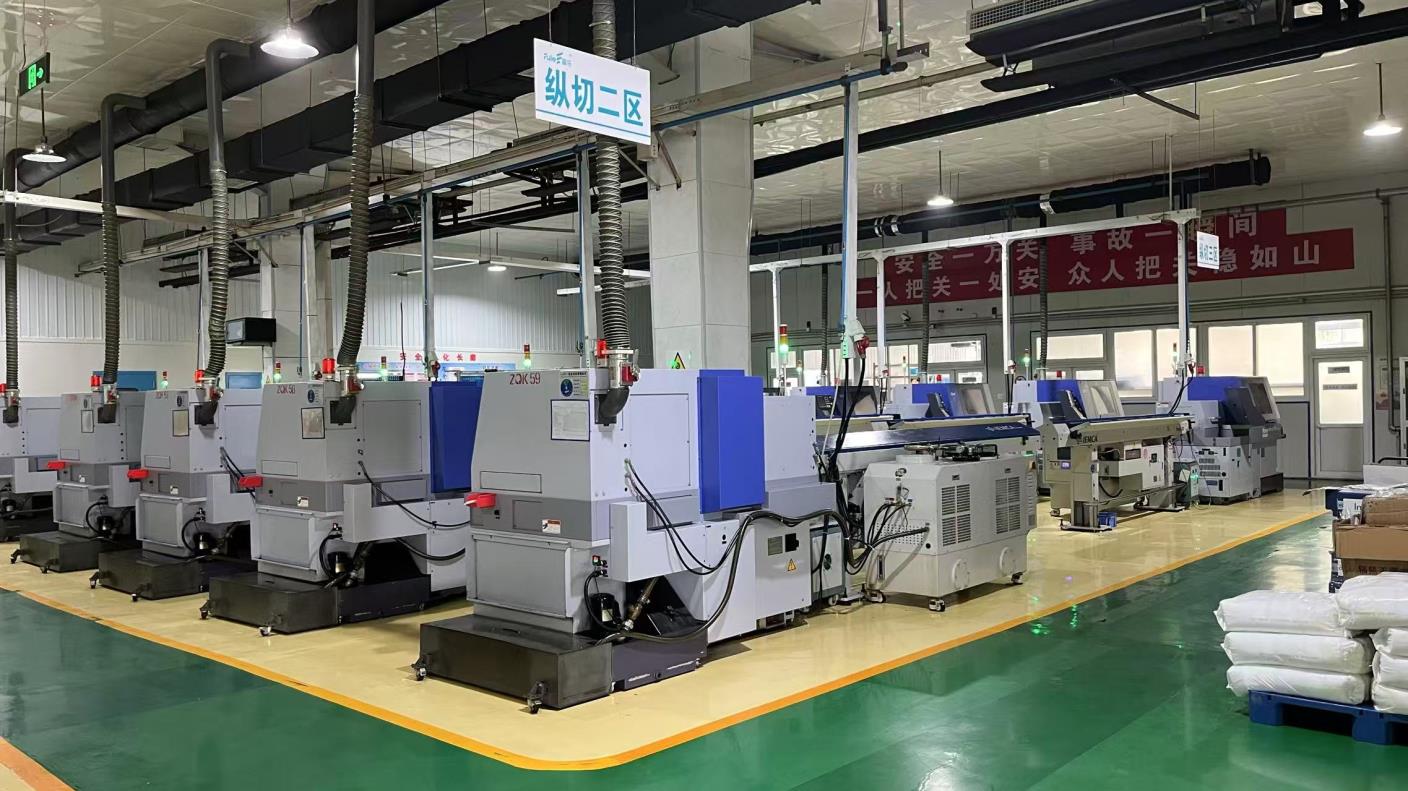
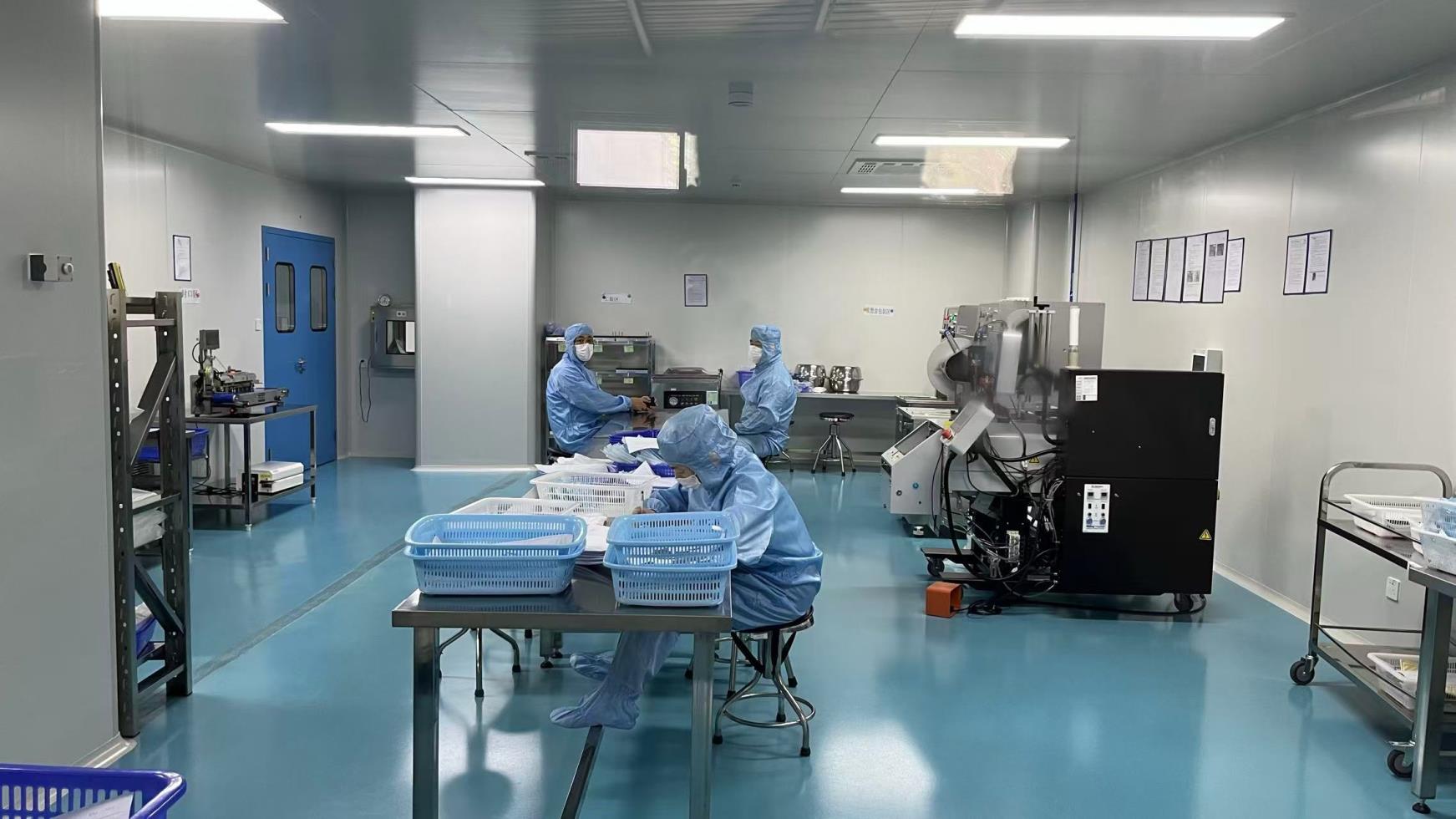
Our state-of-the-art cleanroom manufacturing and ISO 13485 quality systems are fully audited, delivering reliable dynamic stabilization hardware directly to the German market and international orthopedic distributors.
Send Inquiry NowSpinal stabilization procedures in German clinics—ranging from major university hospitals in Berlin and Munich to private orthopedic centers in Hamburg—must meet very high quality standards. Clinicians demand systems that decrease operative time, facilitate minimally invasive surgery (MIS) approaches, and reduce the risk of implant revision.
The demographic profile of Germany shows a growing proportion of older patients requiring complex spinal intervention. Osteoporotic bone presents severe challenges for traditional pedicle screw anchorage. To counter this, our **bone cement-injectable fenestrated screws** allow targeted PMMA cement injection directly through the screw core, immediately stabilizing the construct within compromised cancellous bone.
Modern spinal surgeries utilize complex composite constructs. PEEK (Polyetheretherketone) is chosen for its radiolucency and elastic modulus similar to human bone, which aids in radiographic evaluation. However, the implant-bone interface is optimized through specialized rough surfaces. Our cervical and lumbar interbody cages feature specialized geometries that support primary implant stability while offering the necessary space for autologous bone graft placement.
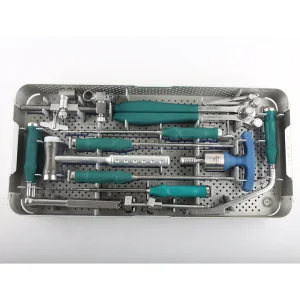
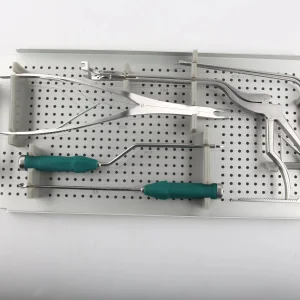
Fully compliant surgical instrument sets, stabilization rods, and pelvic reconstruction systems.
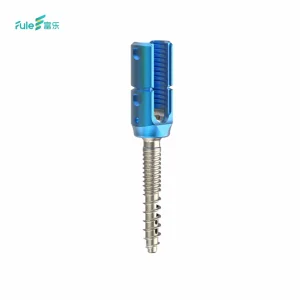
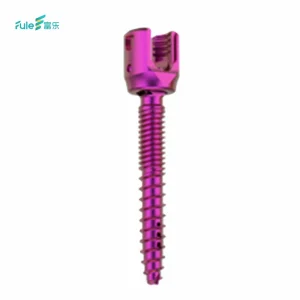
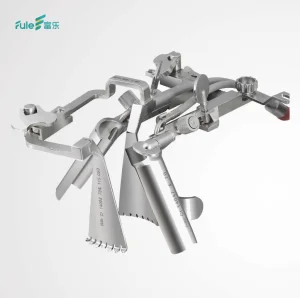
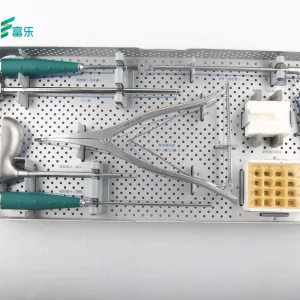
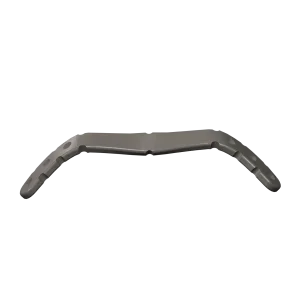
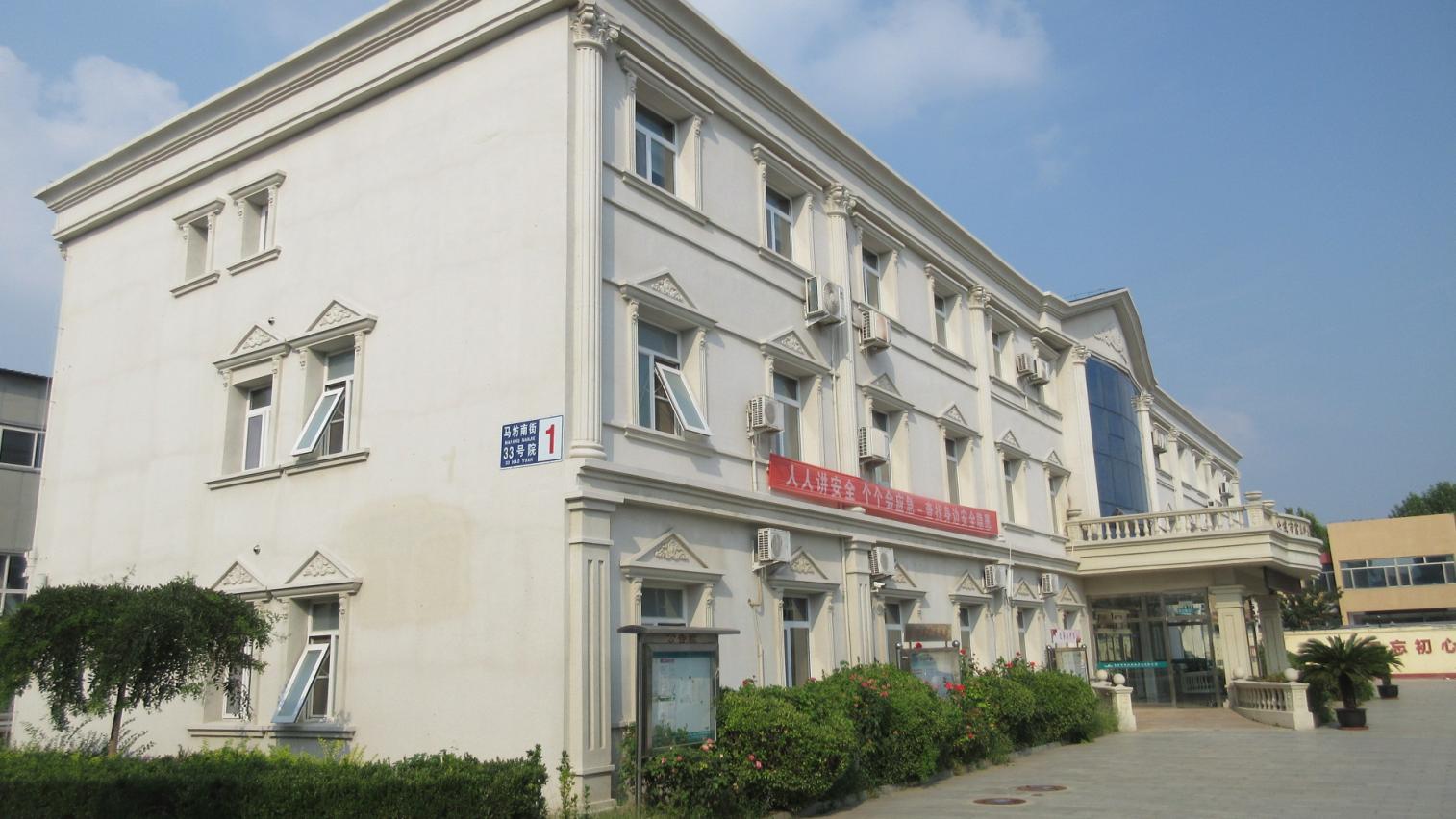
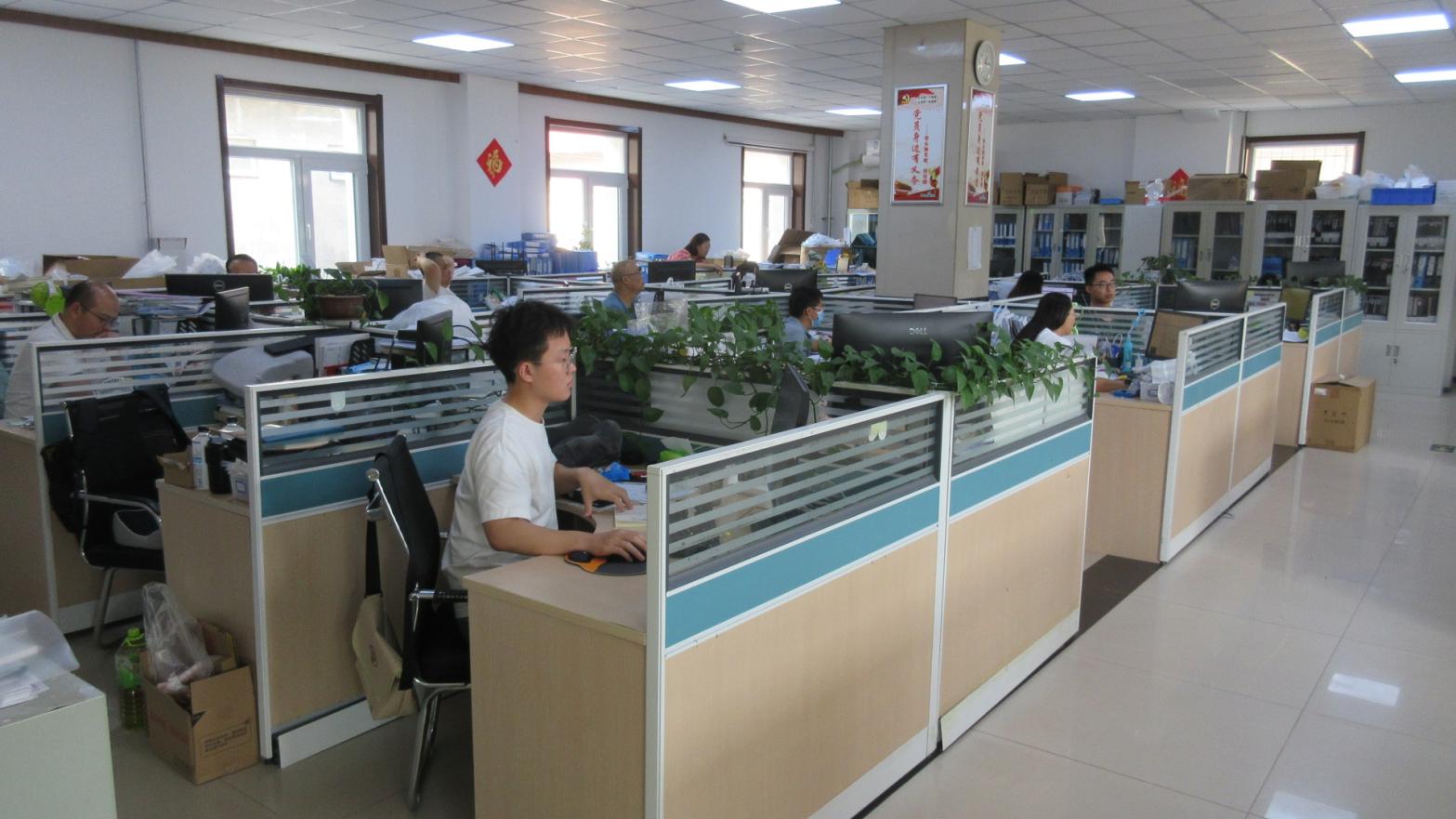
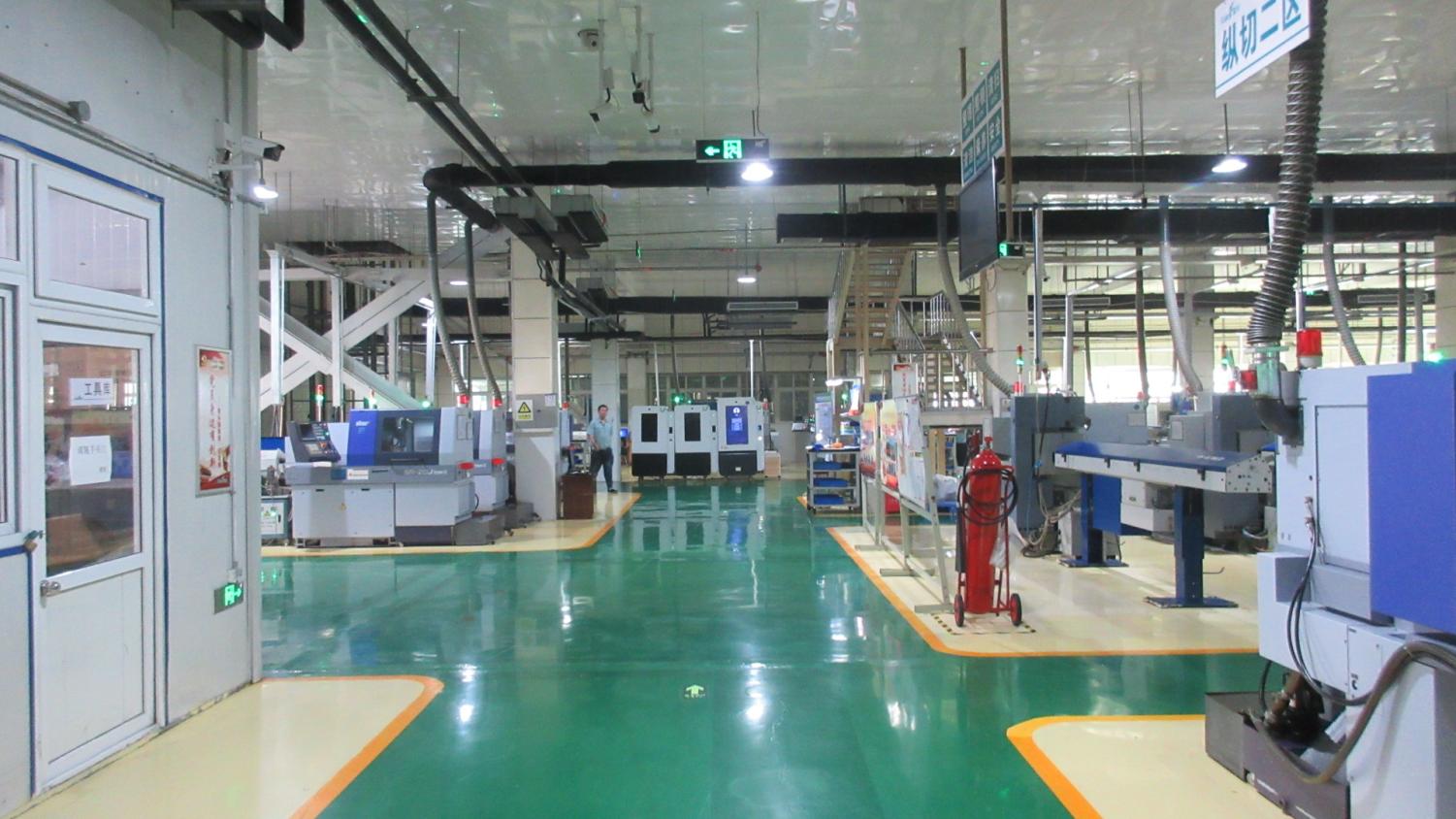
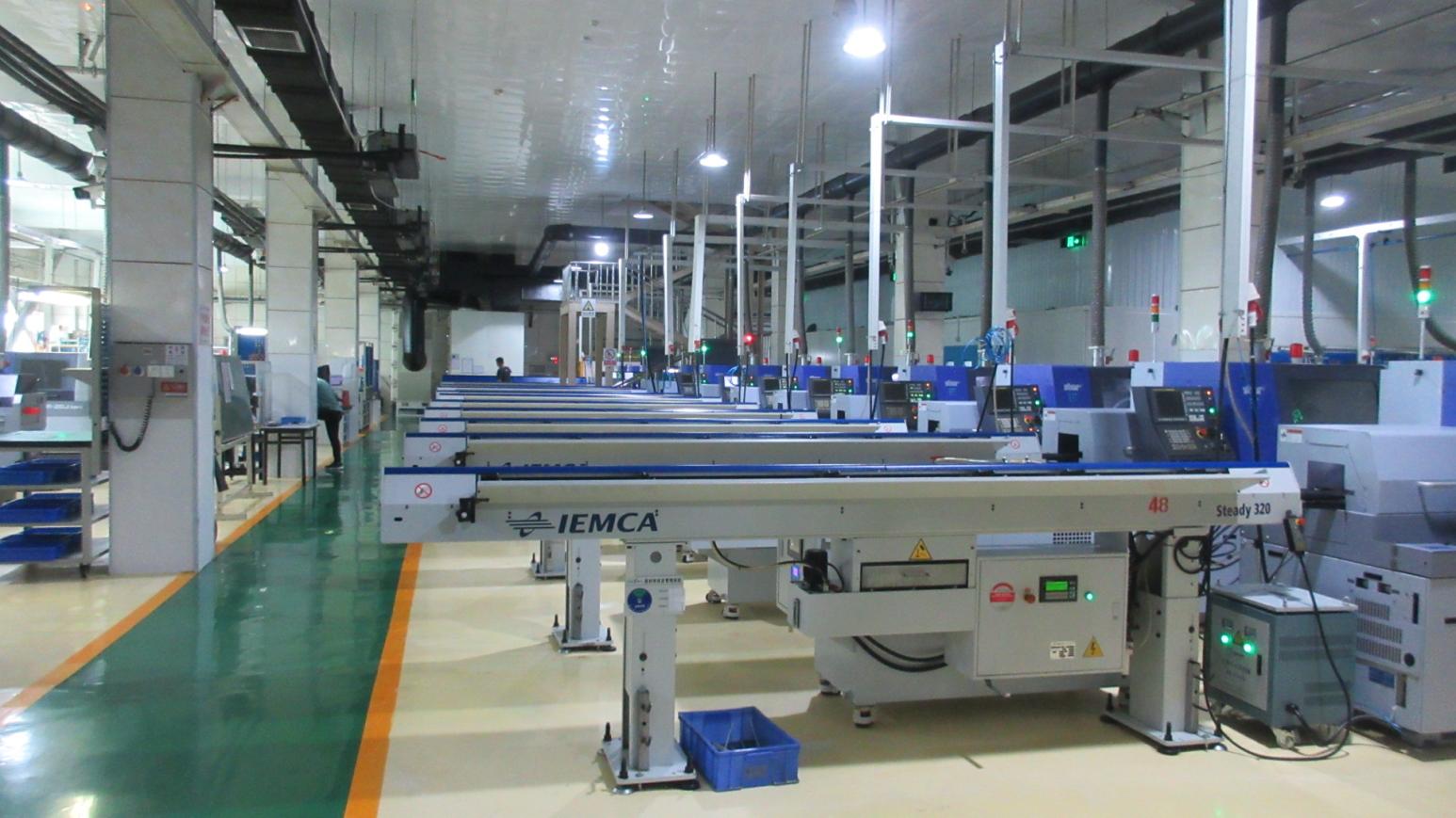
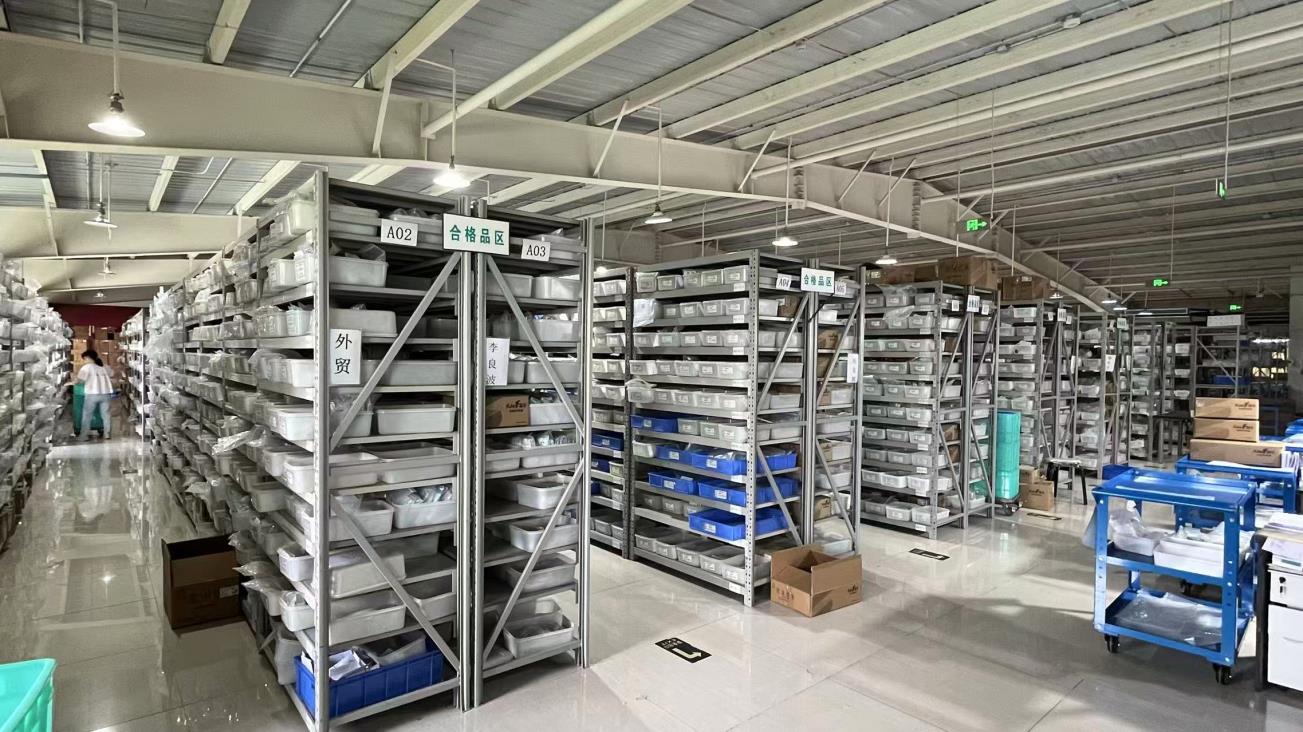
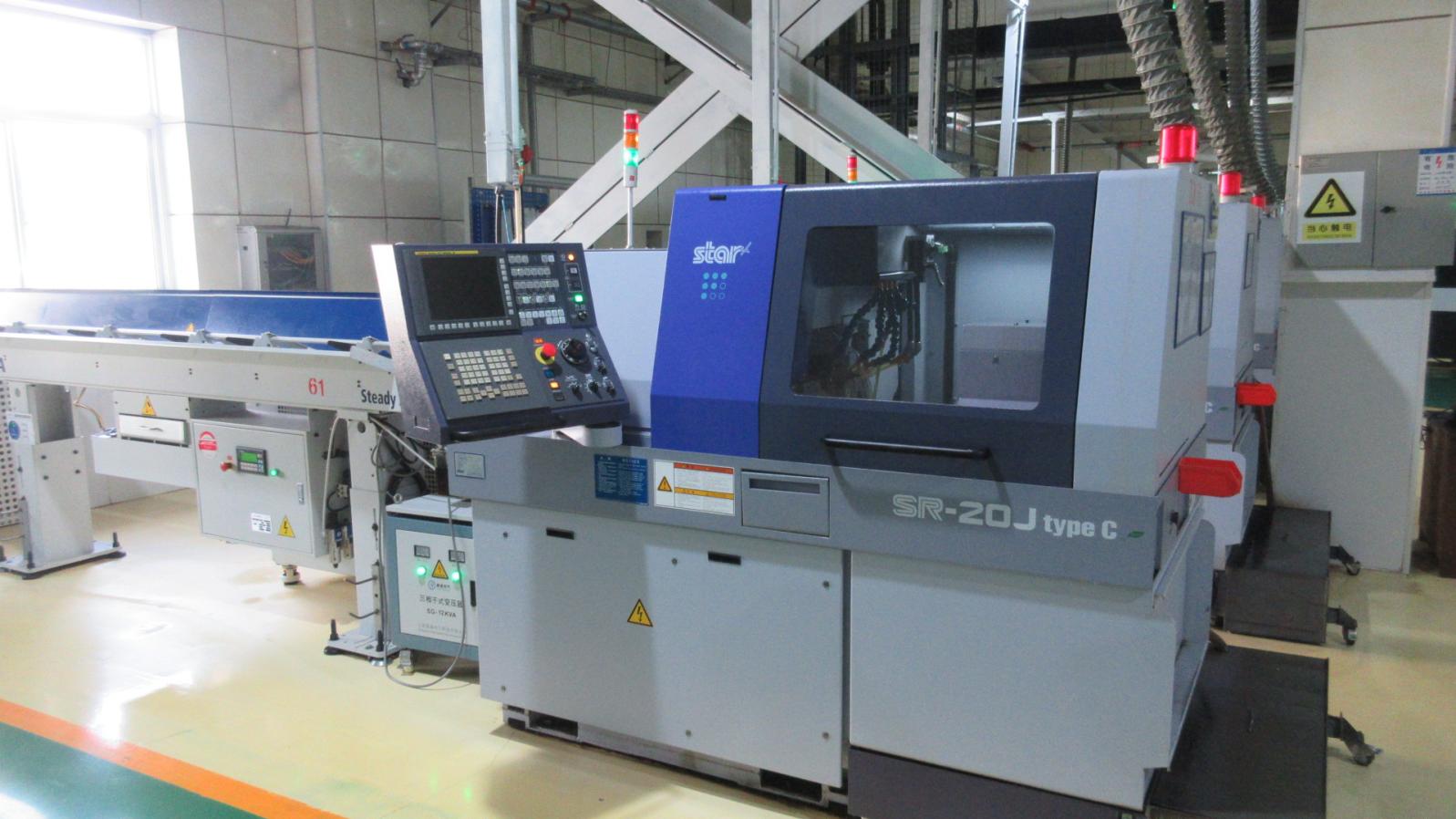
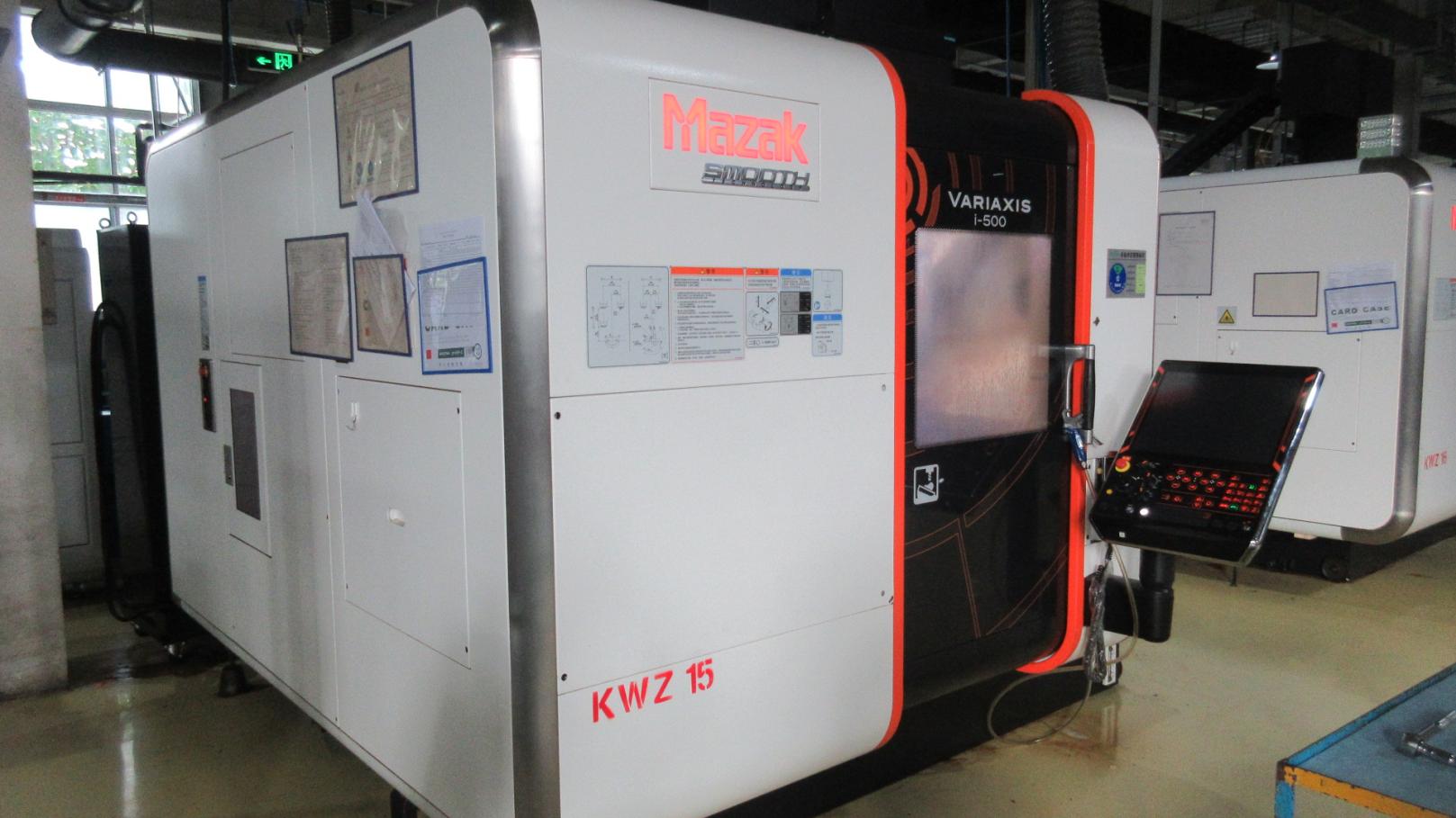
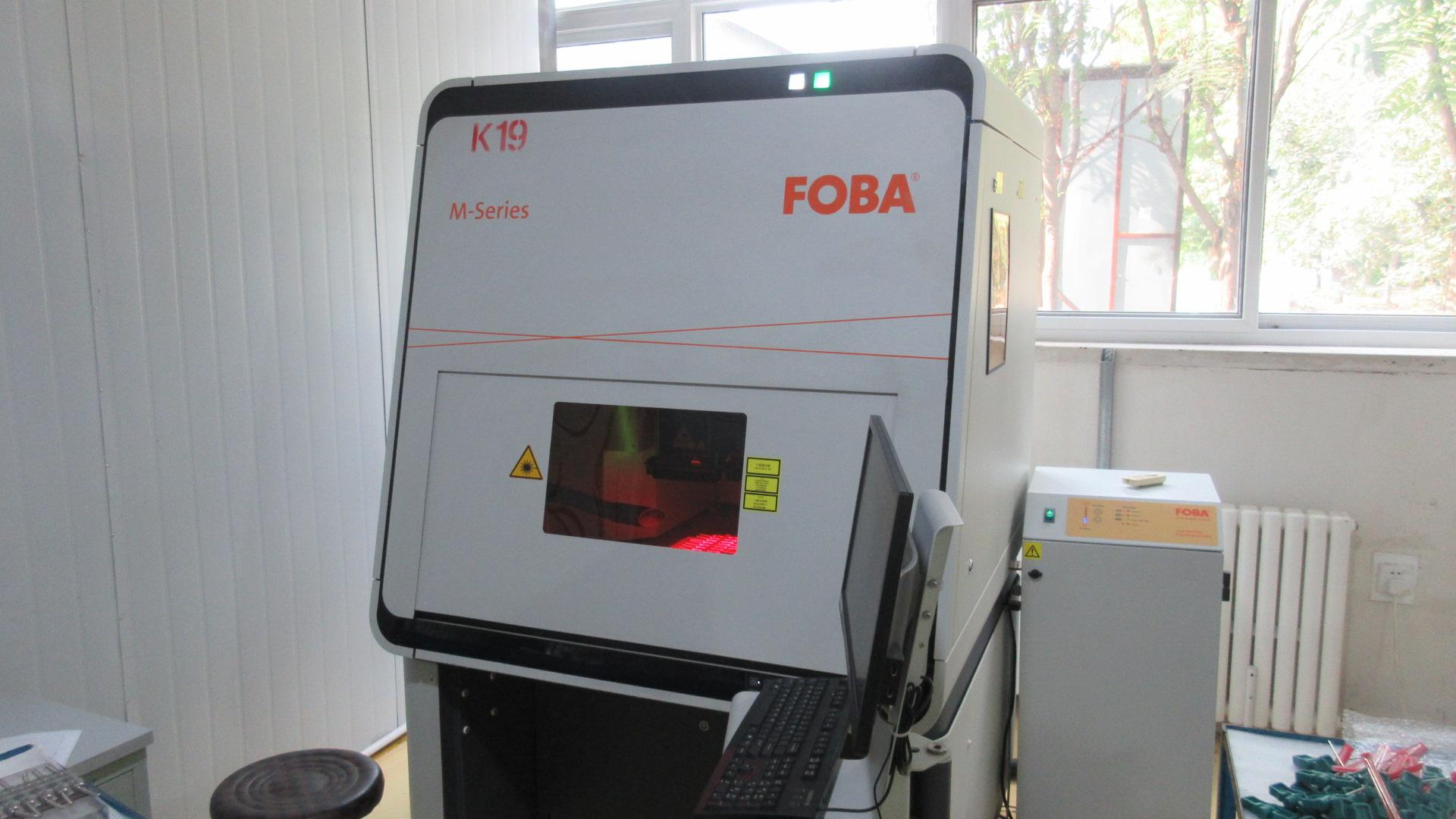
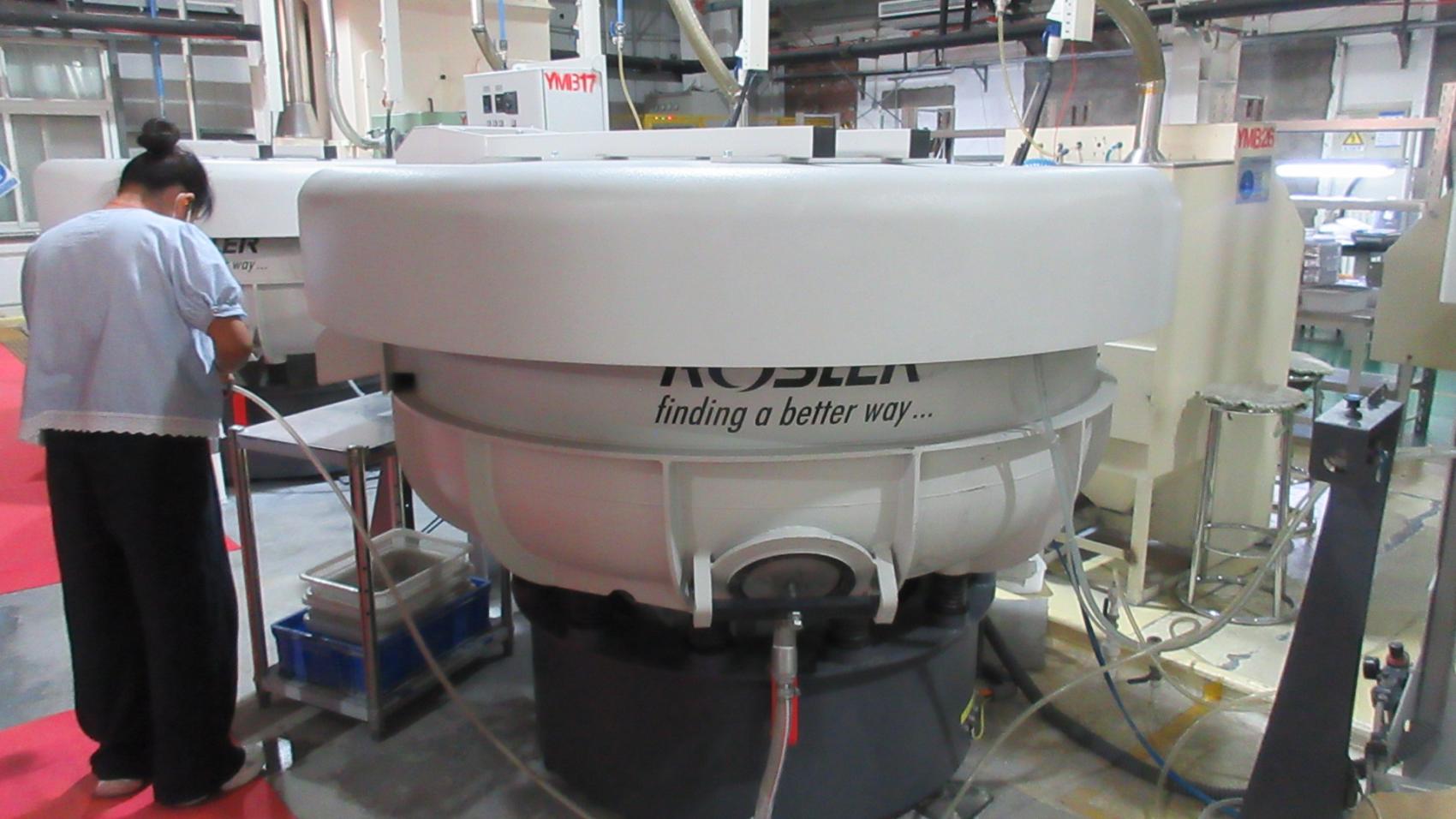
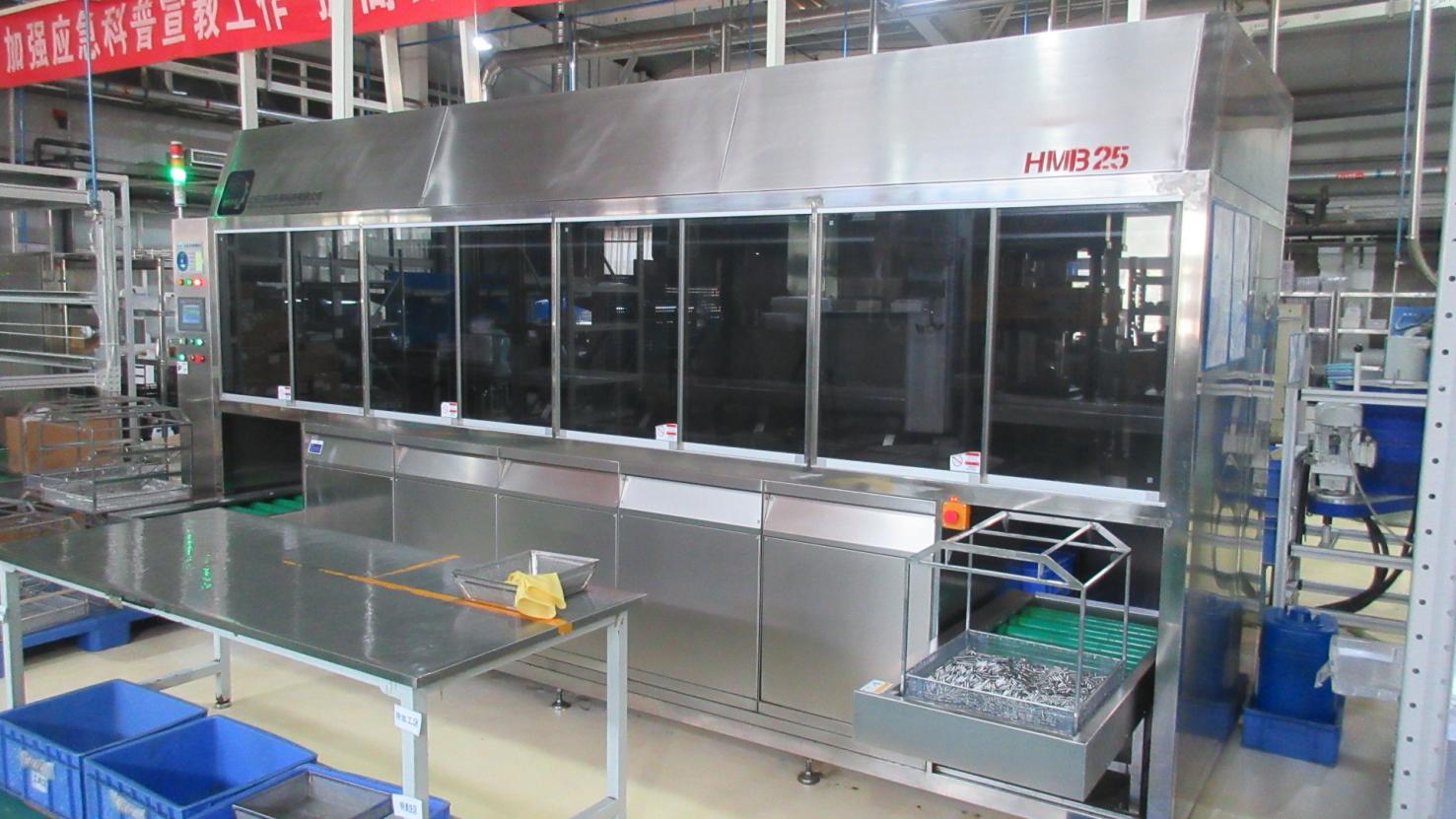
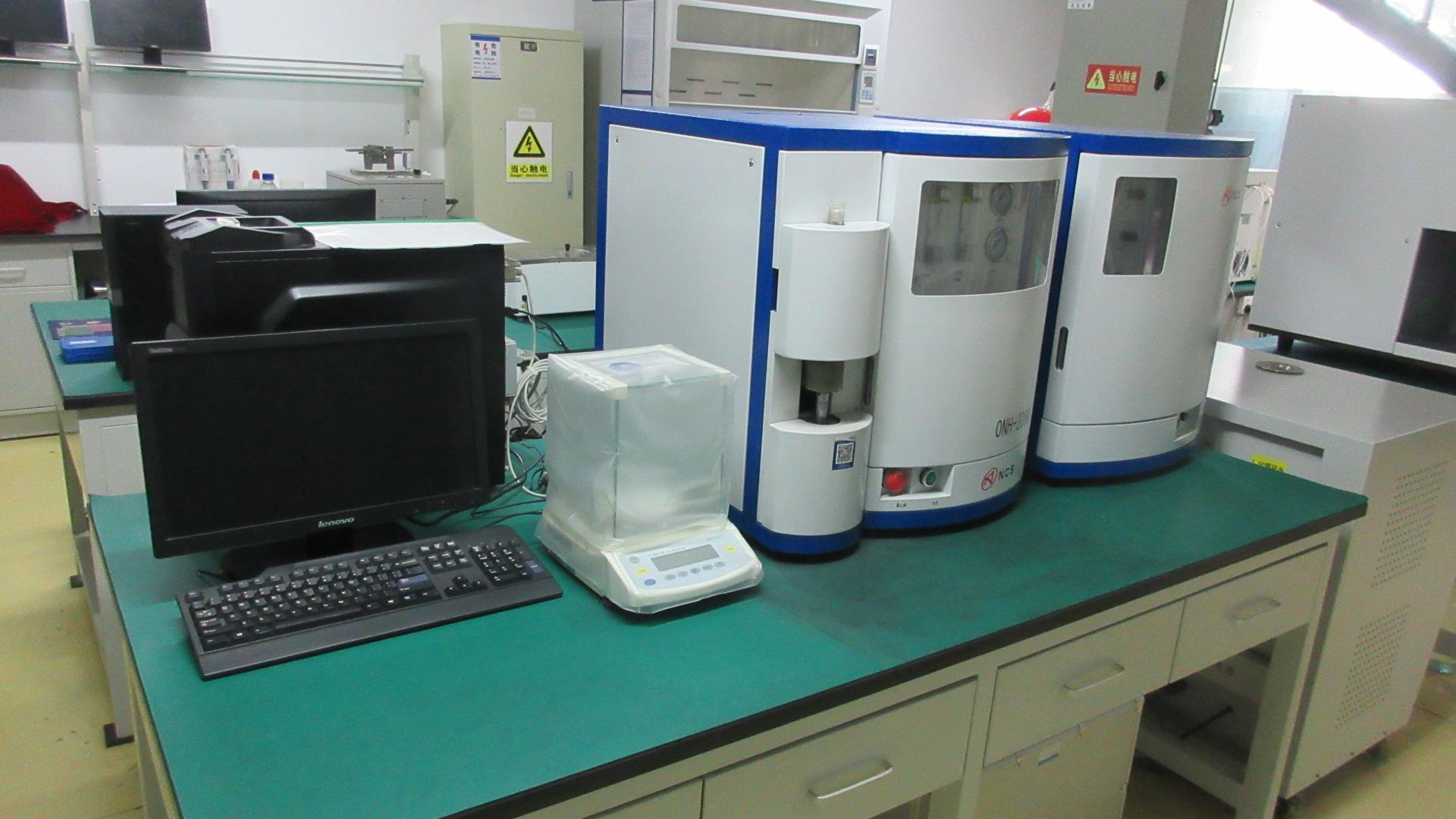
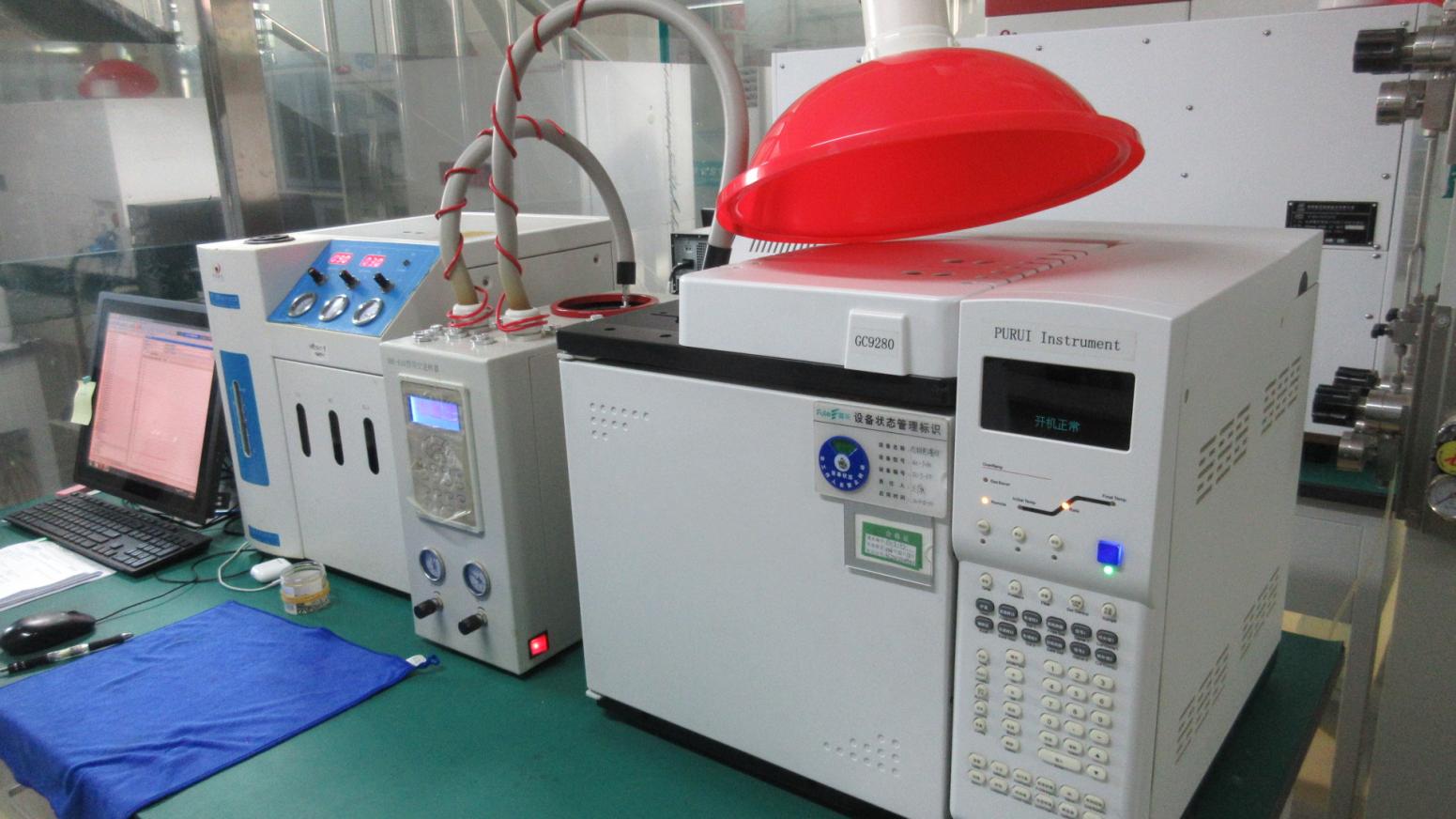
A look into our audited manufacturing processes, testing chambers, cleanrooms, and sterile packaging systems.
Orthopedic surgery continues to advance rapidly. To support next-generation clinical workflows, our R&D team (led by graduate engineers) focuses on key development initiatives targeted for 2025–2030:
Developing direct additive-manufactured titanium implants that replicate trabecular bone geometry, promoting rapid osseointegration and lowering fusion failure rates.
Researching bio-compatible polymers that gradually transfer structural load back to the healing spine over a 24-month postoperative window.
Transparent documentation of our manufacturing, supply chain controls, and engineering resources.
| Quality Metric | System Standard | Verification Method |
|---|---|---|
| Raw Material Traceability | Grade 5 Titanium (Ti-6Al-4V ELI) | Chemical composition analysis and mill certificate tracking. |
| ISO 13485 Certification | Medical Devices Quality Management | Annual third-party audits and compliance checks. |
| Dimensional Verification | Micrometer Precision Control | Full component checks with automated optical coordinate measuring machines. |
| Cleanroom Particle Count | Class 10,000 (ISO Class 7 equivalent) | Continuous airborne particle counting and environmental control. |
Technical and regulatory insights for hospital procurement managers and distributors.
Get in touch with our technical sales division to request compliance records, mechanical testing reports, or dynamic system pricing tailored for Germany and the European Union.
 Beren Science & Technology