Discover our premier selection of CE-certified orthopedic trauma hardware, engineered for high mechanical stability, minimal invasiveness, and optimal anatomical adaptation in public tenders across Belgrade, Vojvodina, and Niš.
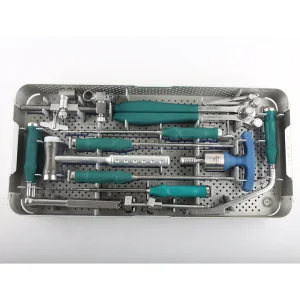
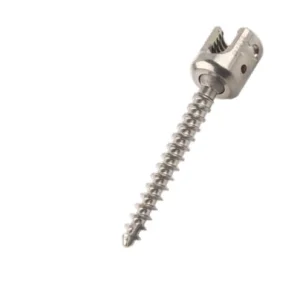
The Serbian medical device market is undergoing a rapid evolution driven by modernization initiatives led by the Ministry of Health (Ministarstvo zdravlja Republike Srbije) and the National Health Insurance Fund (RFZO). High-energy trauma arising from industrial growth, motor vehicle collisions, and complex geriatric fragility fractures presents persistent challenges to trauma departments. Clinical centers, including the University Clinical Center of Serbia (UKCS) in Belgrade, the Clinical Center of Vojvodina in Novi Sad, and the Clinical Center of Niš, require reliable external fixator devices and spinal fixation implants that reconcile cutting-edge biomedical engineering with fiscal efficiency.
Historically, public hospital procurements in the Balkans relied heavily on localized tenders that prioritized simple, legacy stainless steel fixators. However, modern orthopedic guidelines emphasize early mobilization and high patient comfort. This shifts procurement trends toward lightweight, radiolucent external fixation frames made of medical-grade titanium alloys (Ti-6Al-4V ELI) and carbon fiber composites. Serbian clinical centers look for modern external fixator systems that enable rapid, minimally invasive stabilization of long bone fractures, pelvis disruptions, and complex open periarticular injuries.
To successfully navigate the Serbian market, international exporters must secure registration with the Medicines and Medical Devices Agency of Serbia (ALIMS). Conformity assessment according to EU Regulations—specifically transitioning from Medical Device Directive (MDD) to the Medical Device Regulation (MDR EU 2017/745)—is now a critical prerequisite. Suppliers who possess robust CE marking and ISO 13485:2016 certifications are well-positioned to secure long-term contracts with regional healthcare networks and private medical chambers in Belgrade and across the wider Western Balkan region.
External fixation remains a cornerstone of orthopedic trauma management, particularly when temporary or definitive bridging is required for severe open fractures with soft-tissue compromise (Gustilo-Anderson Grade II/III). Our advanced external fixator configurations are developed with specific mechanical objectives: maintaining rigid fragment stability, avoiding neurovascular structures during pin placement, and facilitating wound access.
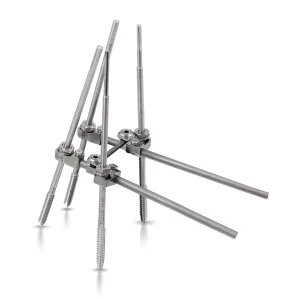
Equipped with snap-on features that allow quick construction of modular configurations. The mechanical grip resists high torsional and bending forces, preventing loss of alignment in comminuted diaphyseal fractures.
Schanz pins feature deep cortical threads and self-tapping flutes. This minimizes heat generation during insertion and ensures high pull-out strength in osteoporotic or cortical bone structures.
Our hybrid fixator frames accommodate tensioned Kirschner wires and standard Schanz screws on the same construct, facilitating optimal articular reduction in periarticular fractures.
To achieve high structural safety, all dynamic load-bearing components are manufactured from premium implantable titanium alloy (Ti-6Al-4V) in compliance with ASTM F136 and ISO 5832-3 standards. This selection ensures a high strength-to-weight ratio, high biocompatibility, and full MRI safety compatibility under strict clinical parameters.
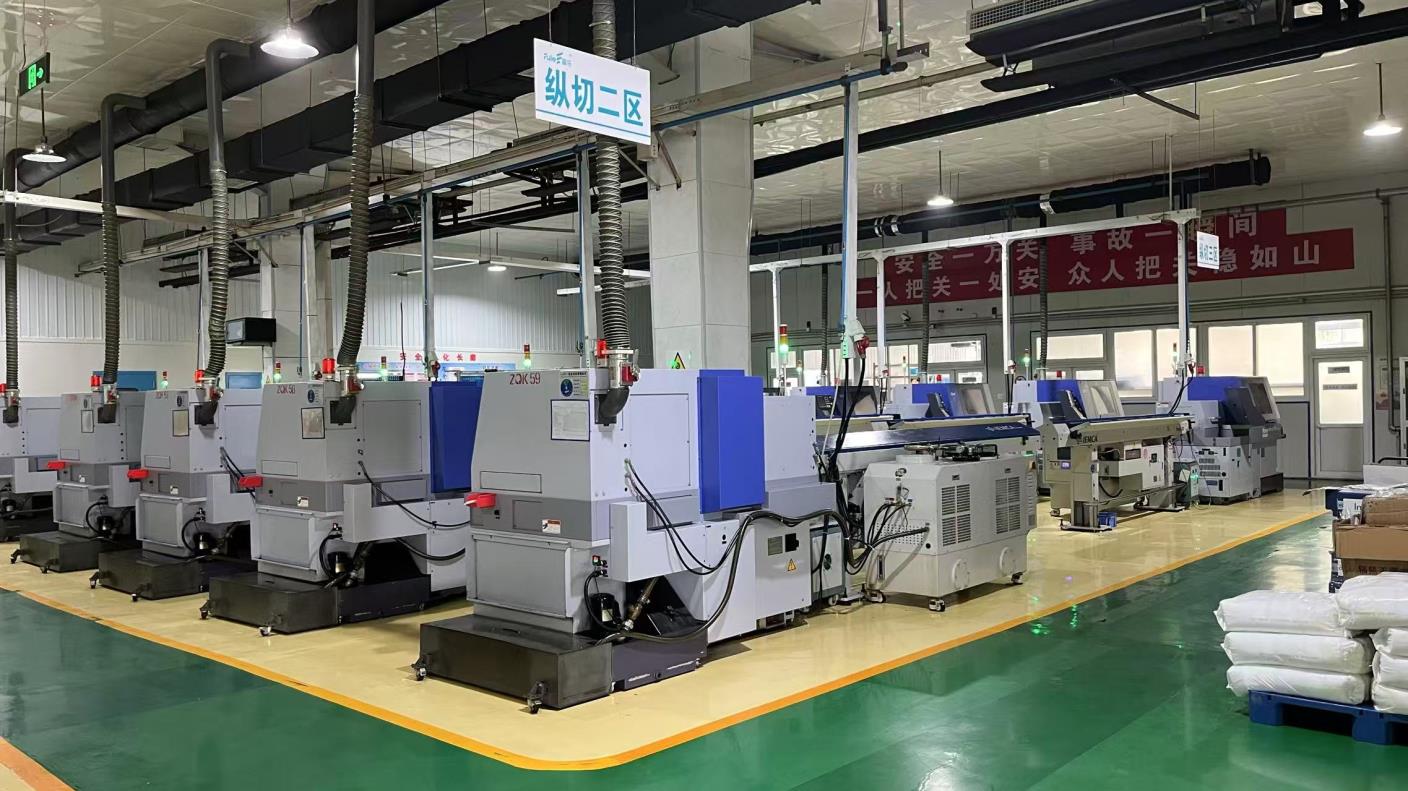
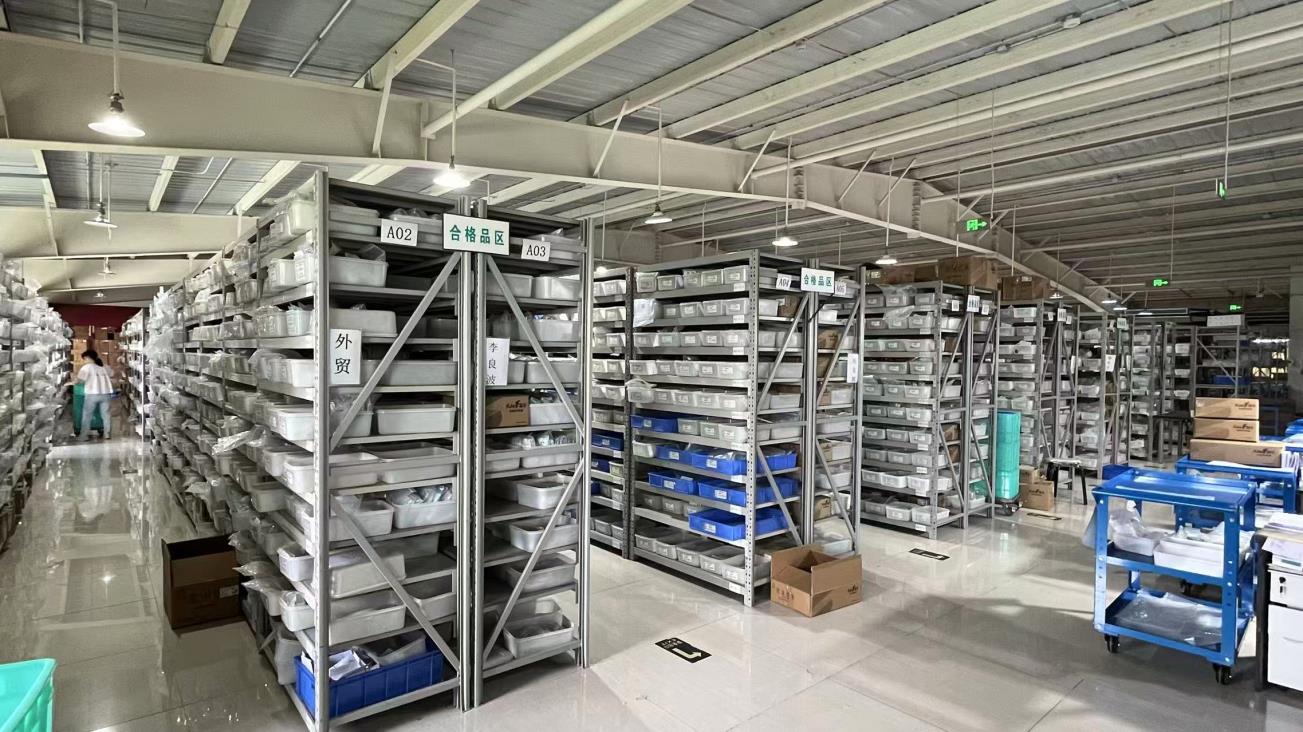
Our medical device manufacturing facility functions as an integrated supply partner for hospital systems in Belgrade, Niš, and Eastern Europe. With 30 years of manufacturing experience, we implement stringent traceability and advanced quality control protocols at every stage of production.
| Manufacturing Plant Profile & Quality Compliance Data | |
|---|---|
| Company Registration Date | 1996-06-28 (Over 27 years of medical manufacturing excellence) |
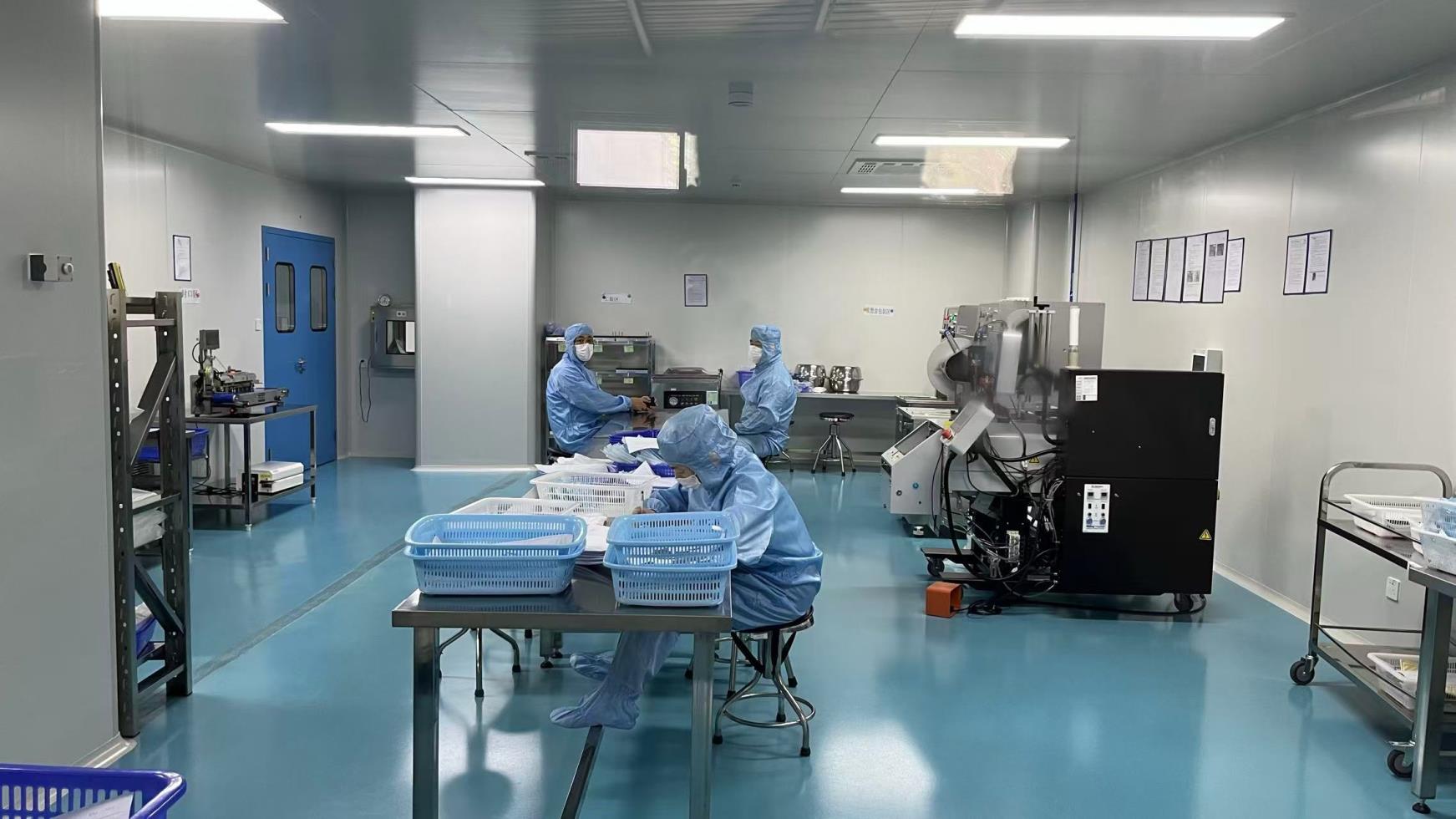
| Total Facility Floor Space | 10,000 Square Meters (Including ISO Class 7 cleanrooms for sterile packaging) |
| Global Exporting Experience | 30 Years of distributing to over 45 countries in Europe, Asia, and Latin America |
| Quality Management Standard | ISO 13485:2016 Certification (Registration Number: 04724Q10000818) |
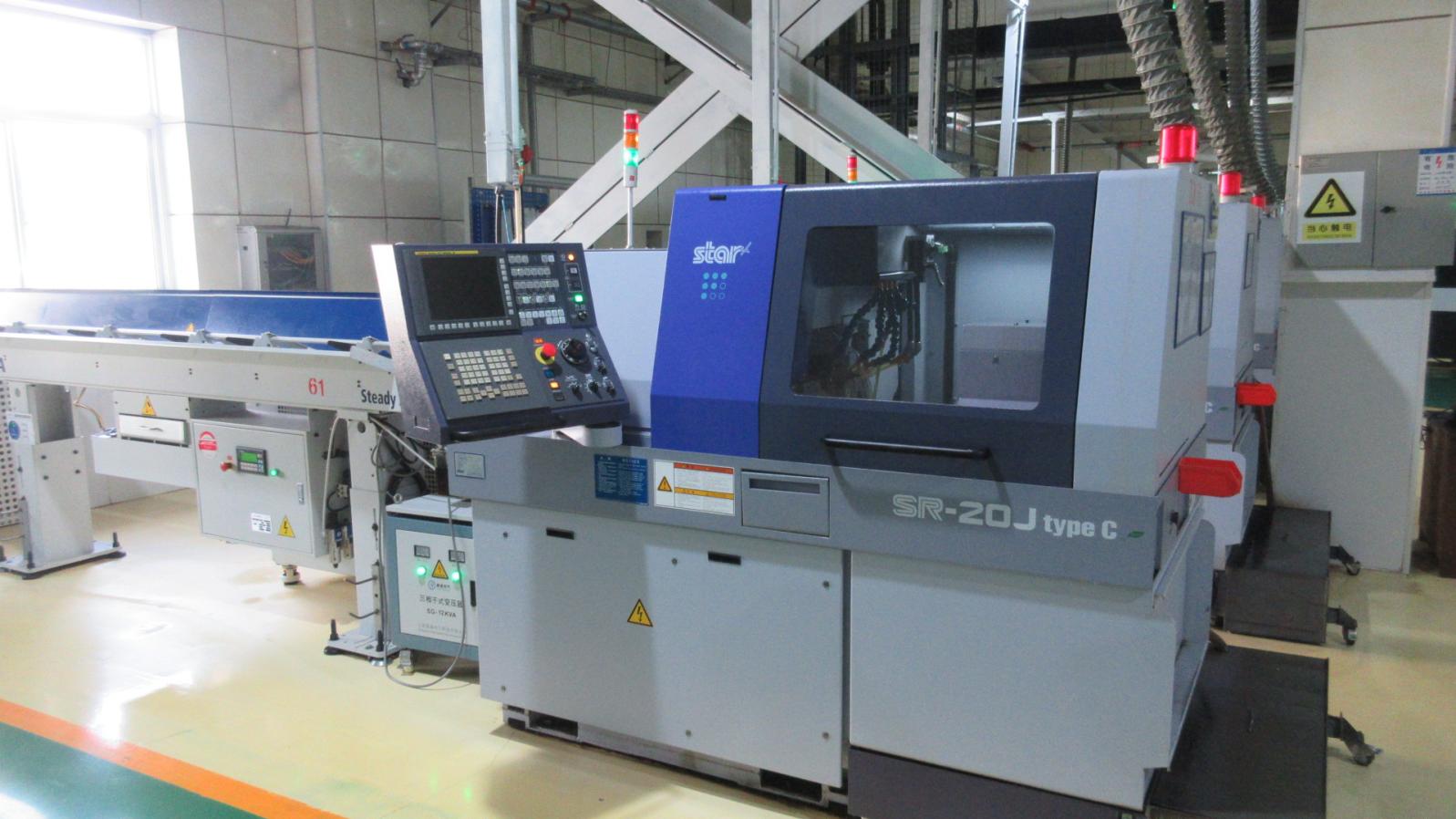
| Machinery Arsenal | 102 Swiss-type CNC precision automatic lathes, multi-axis milling centers, and EDM machinery |
| Total Annual Output | 511,000 Units (External fixator assemblies, pediatric spine systems, intramedullary nails) |
| Quality Assurance Team | 15 dedicated QA/QC inspectors executing 100% optical and dimensional verification |
| R&D Department Strength | 20 Senior R&D engineers (15 holds postgraduate degrees in Biomedical Engineering) |
| Customization Options | Custom implant length fabrication, surgical instrumentation design, OEM packaging |
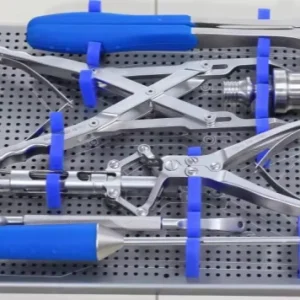
An inside look at our advanced manufacturing, packaging, inspection, and orthopedic application components. All components undergo strict quality control to guarantee clinical precision.
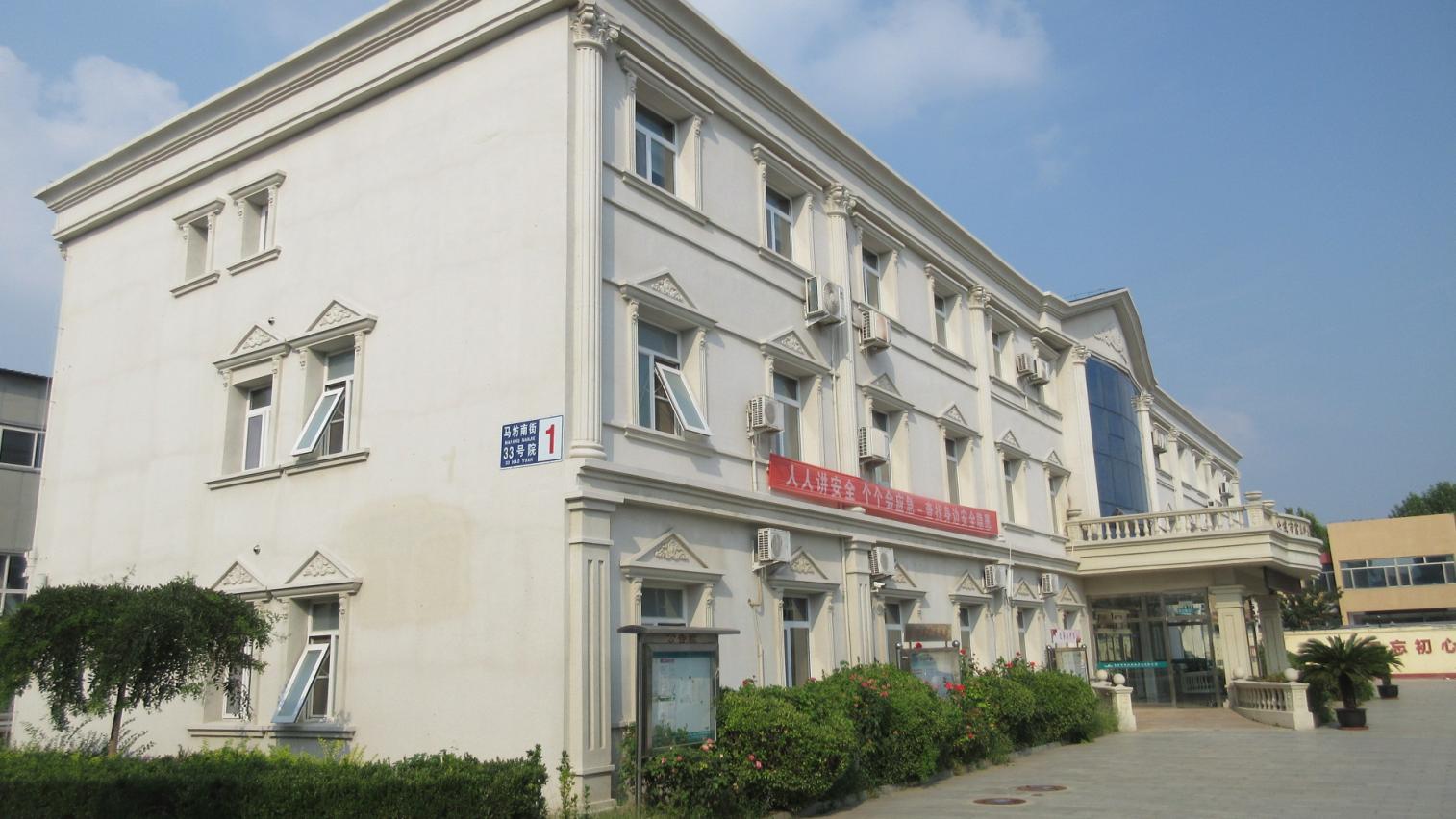
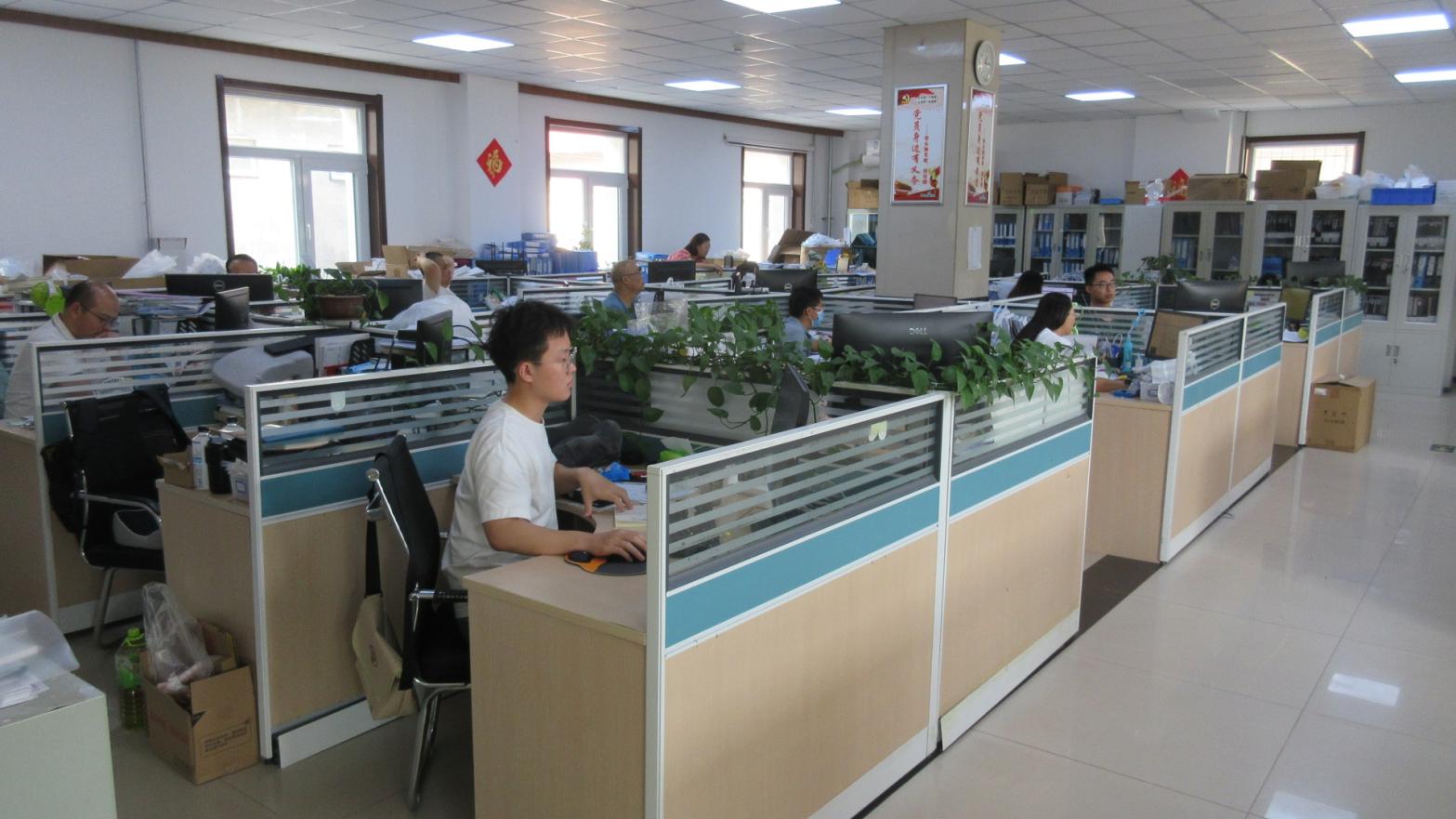
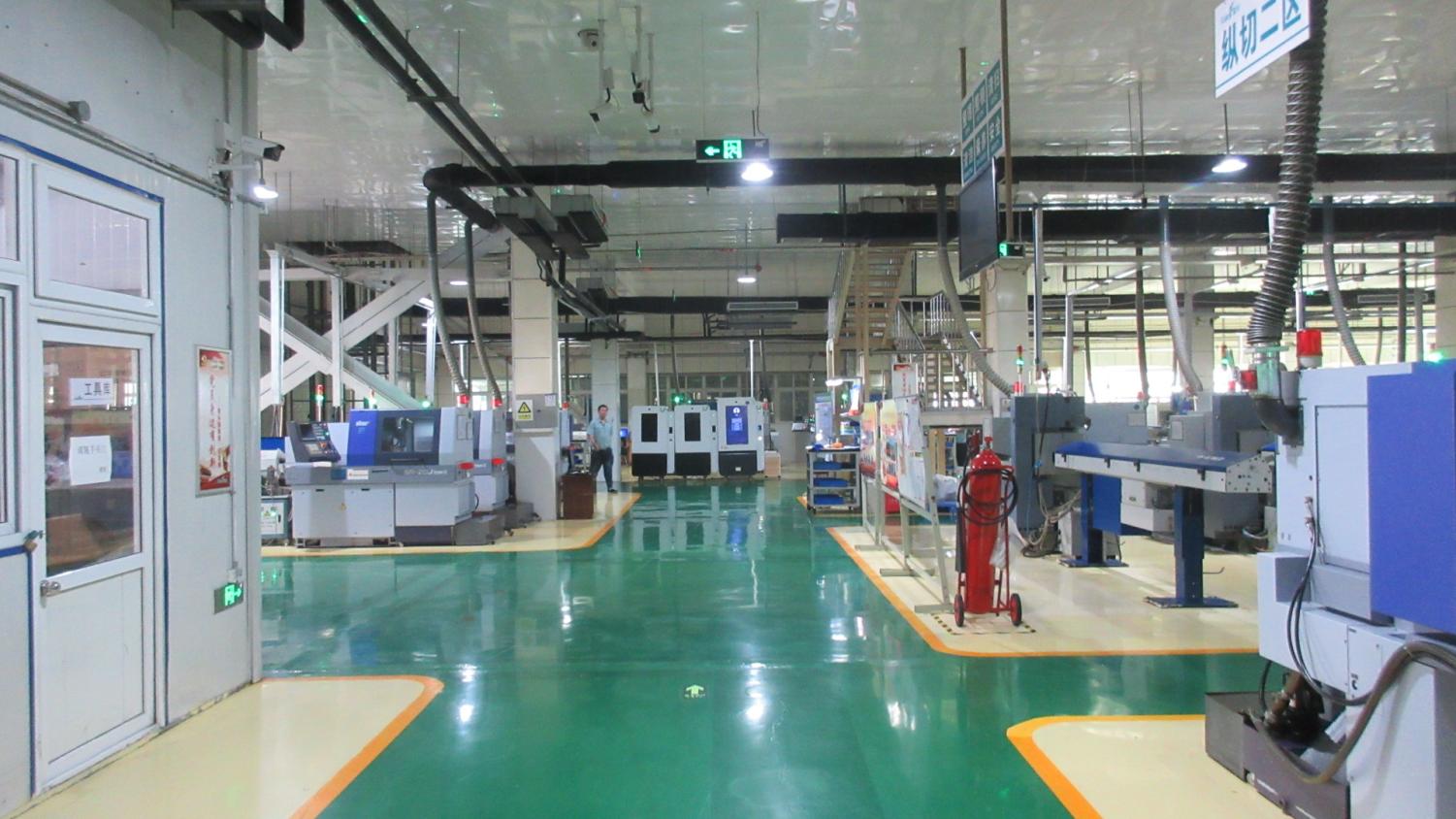
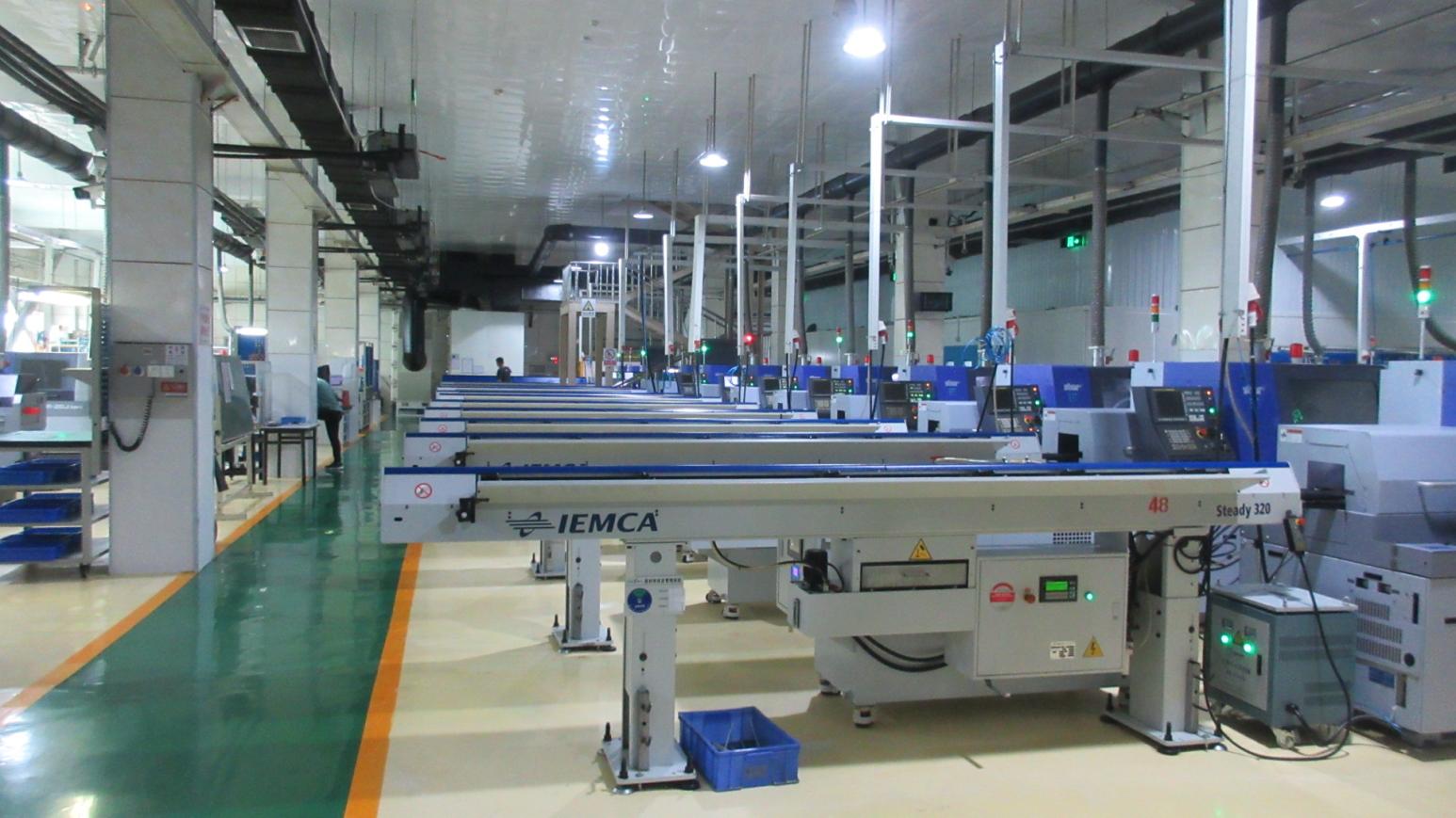
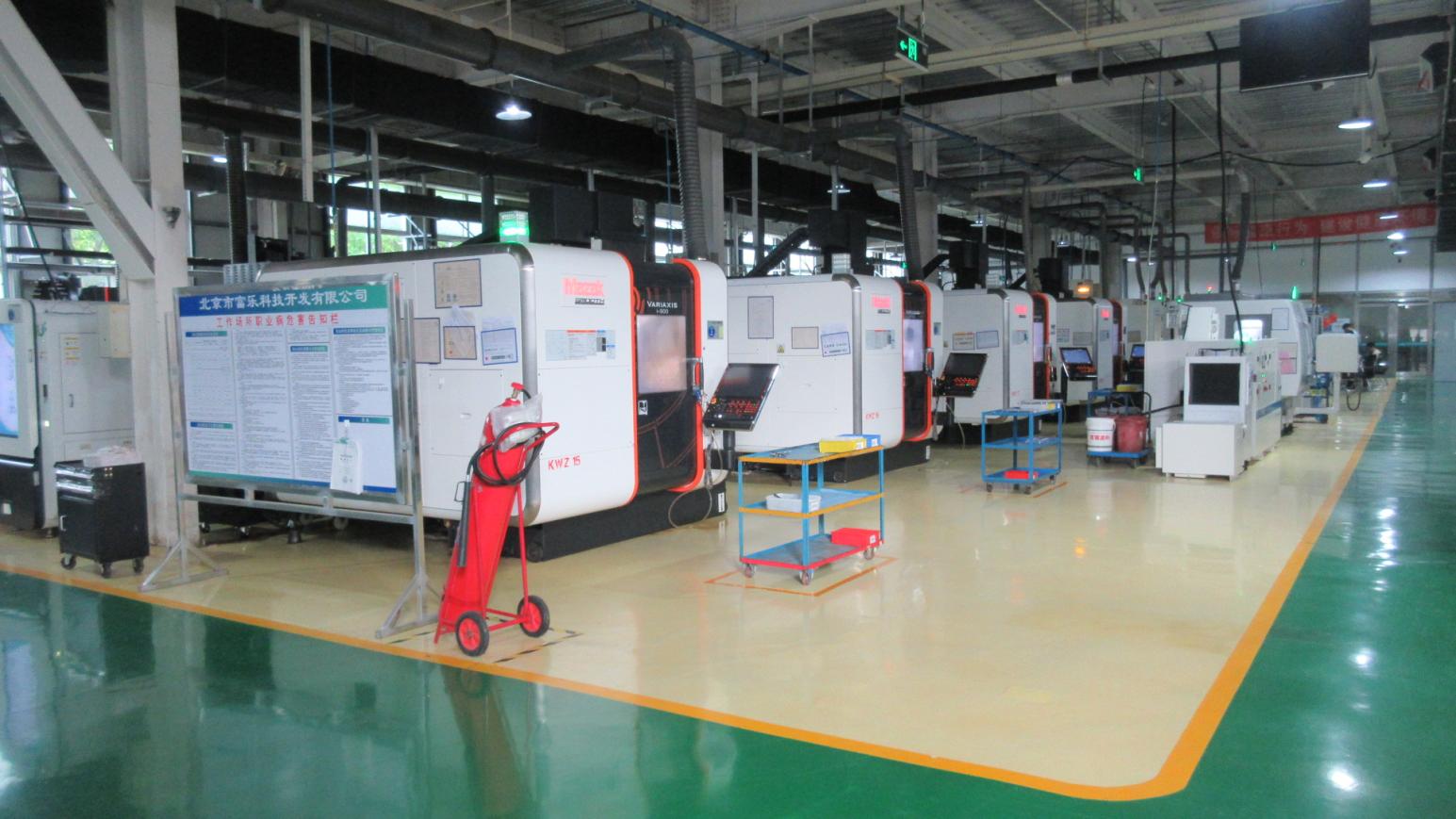
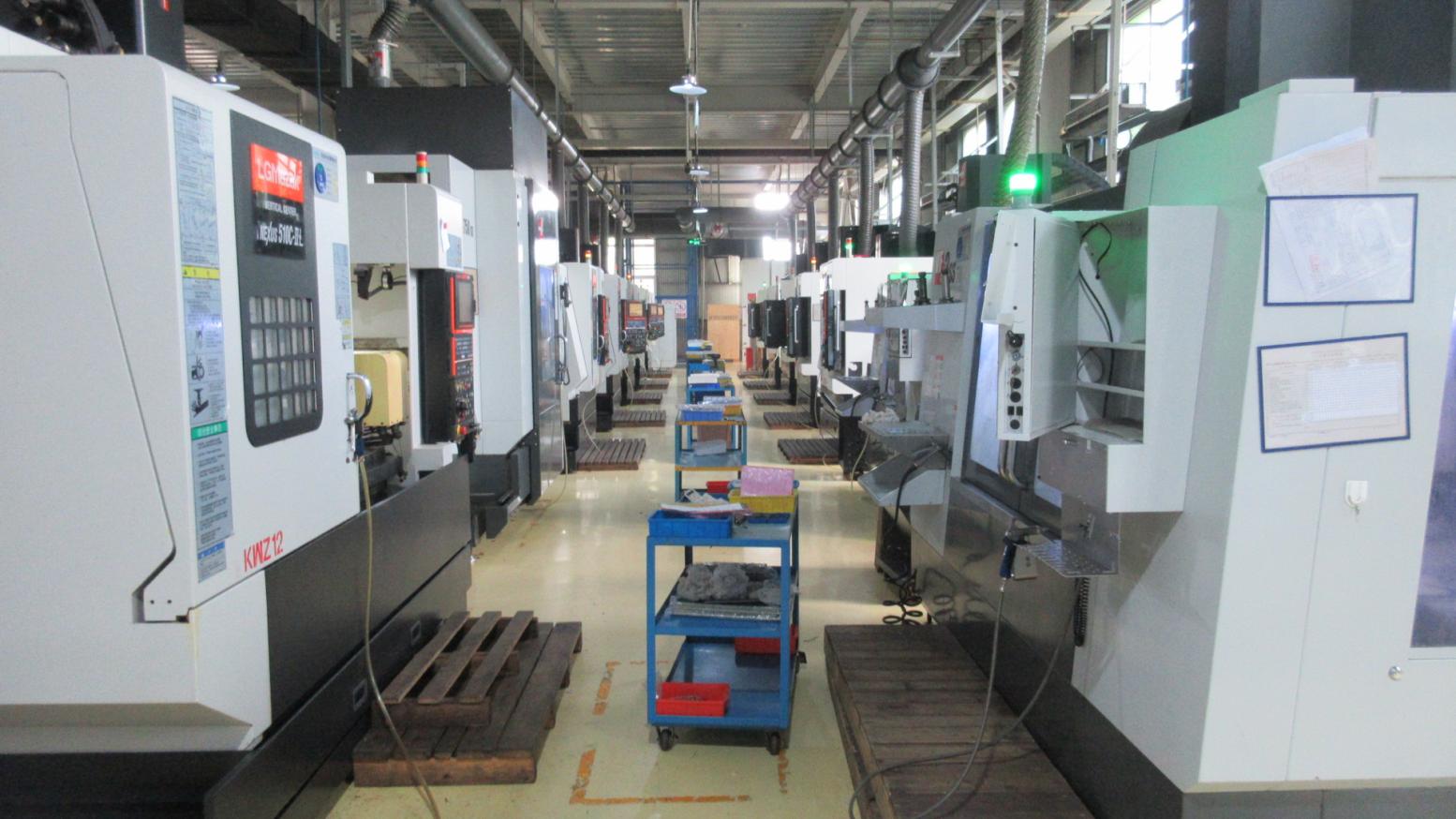
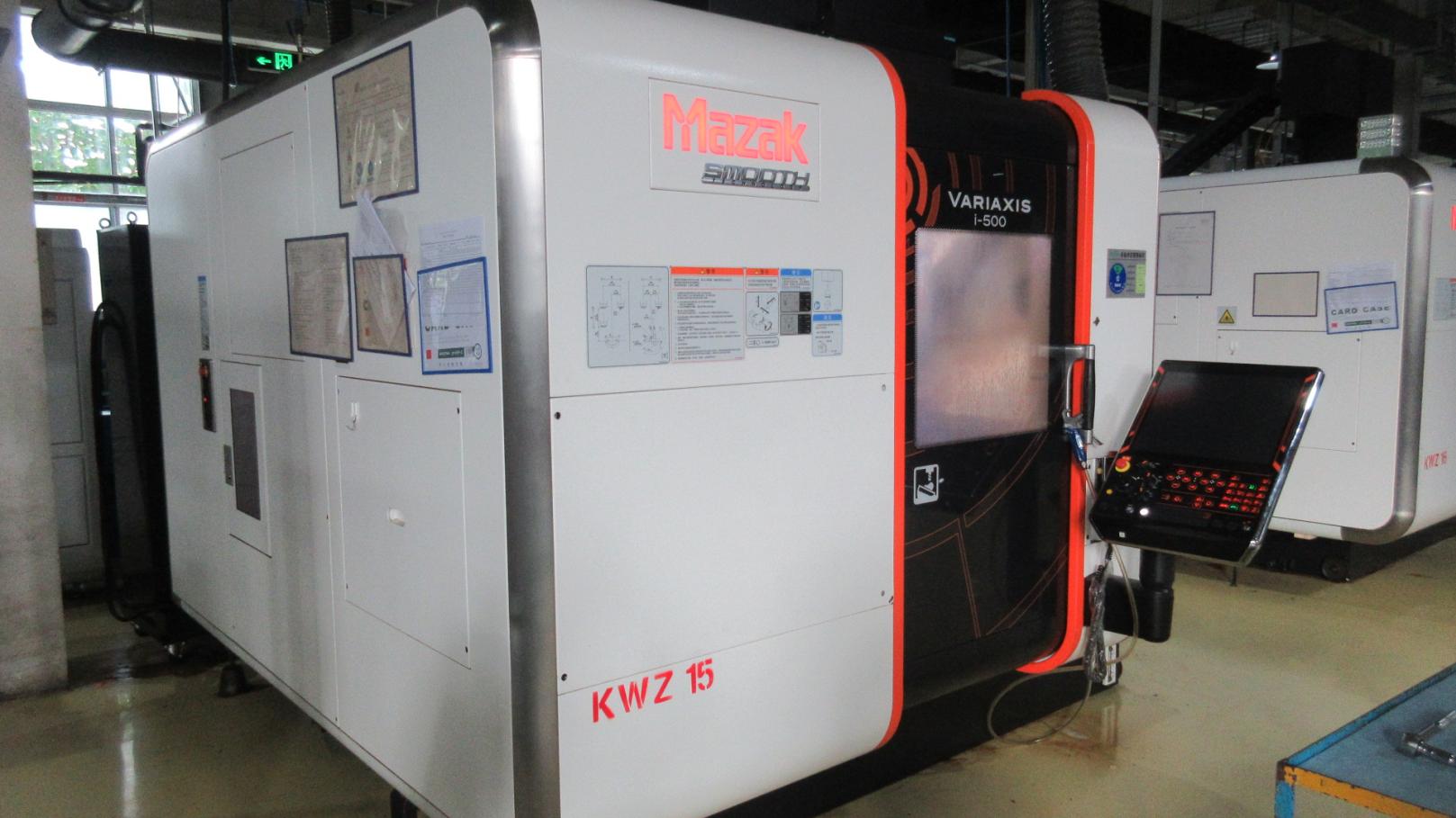
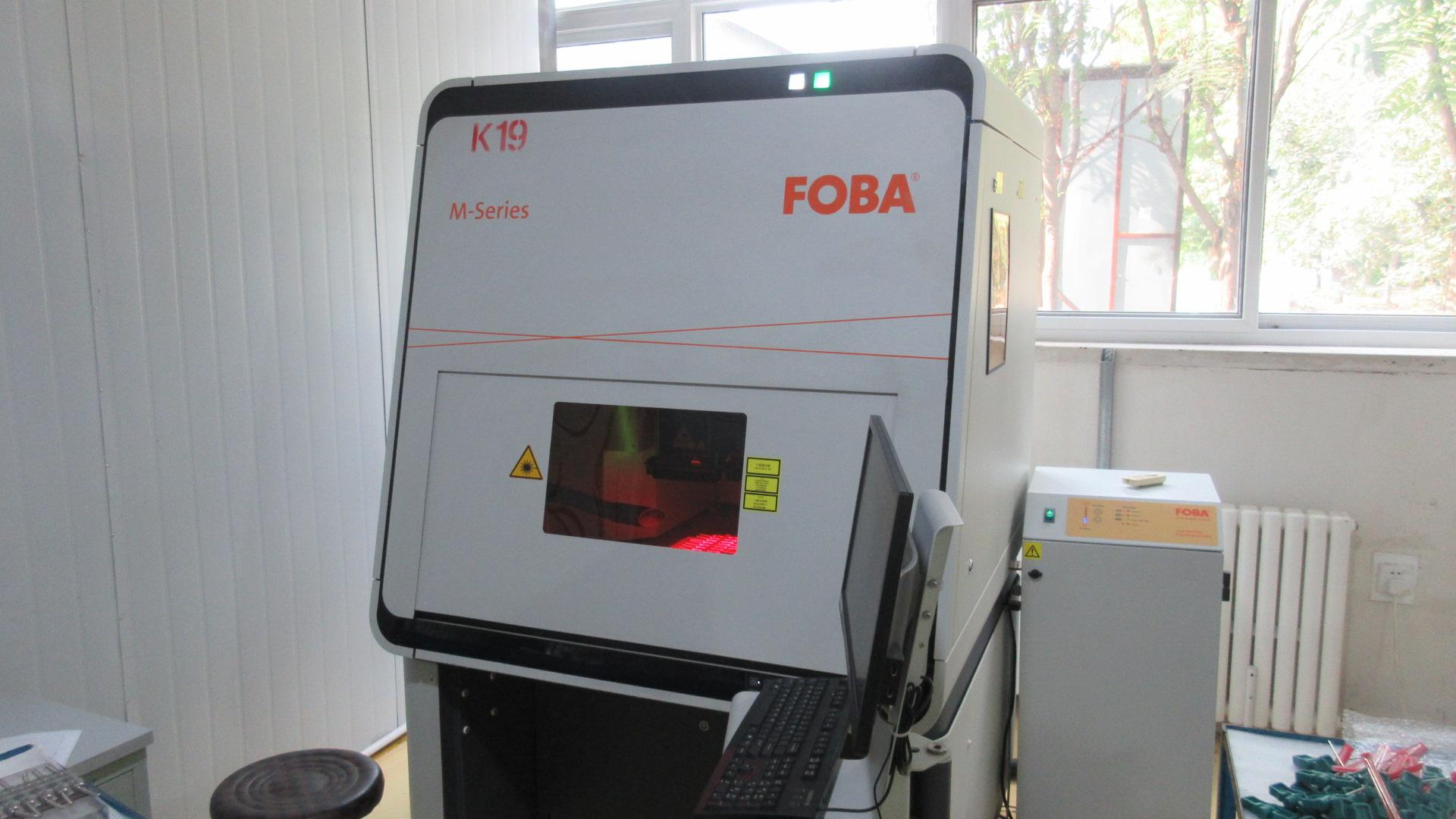
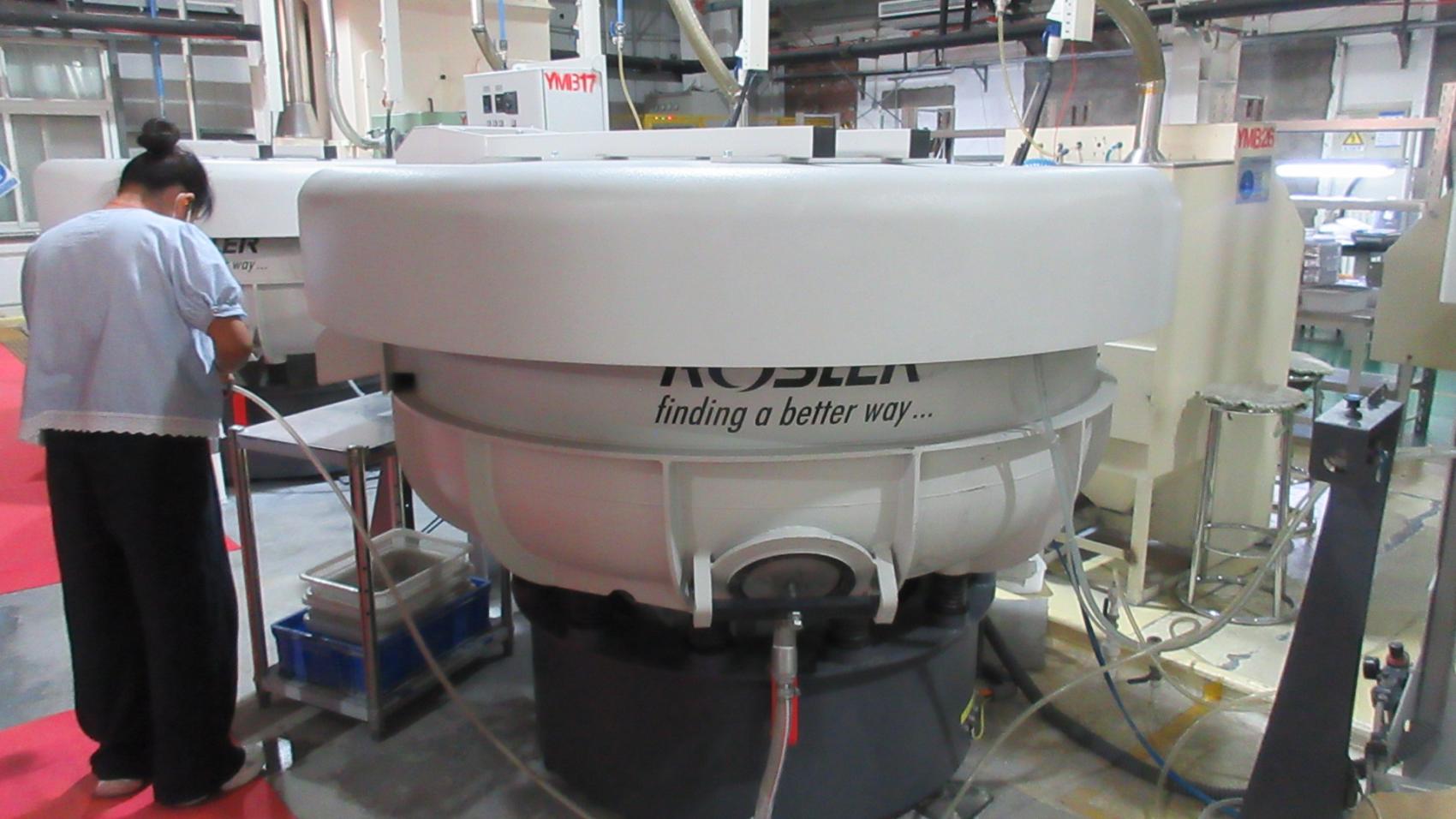
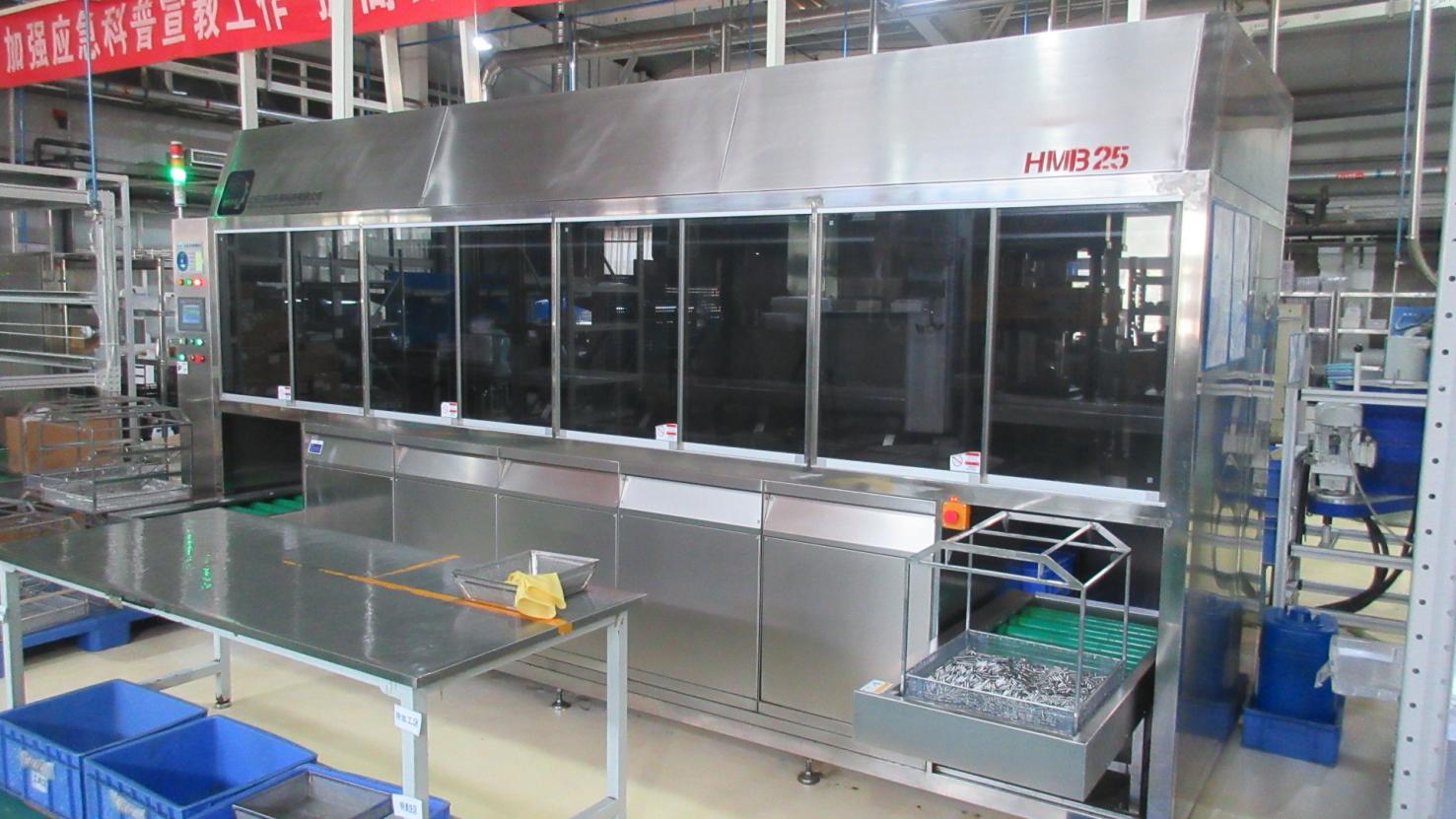
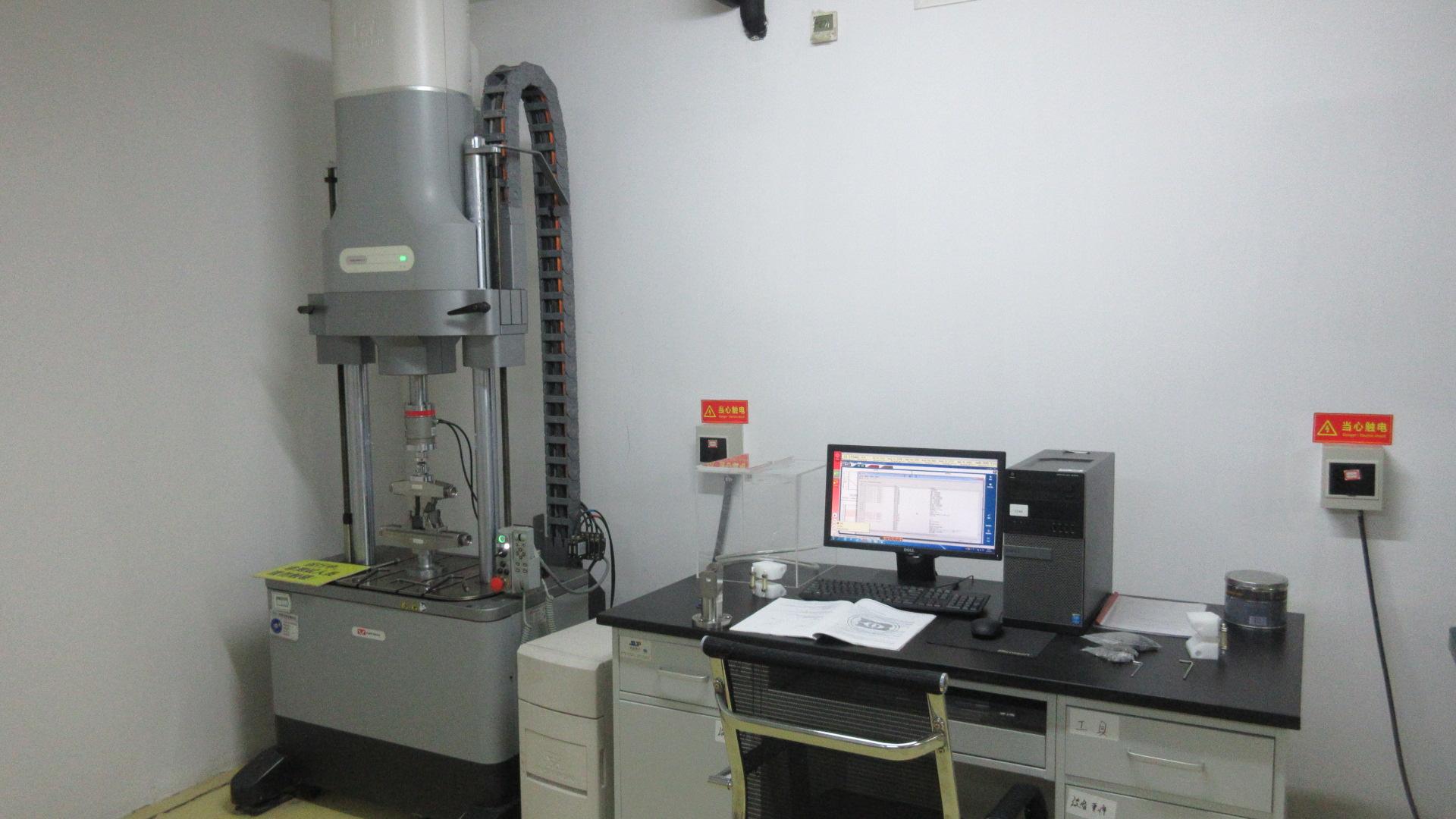
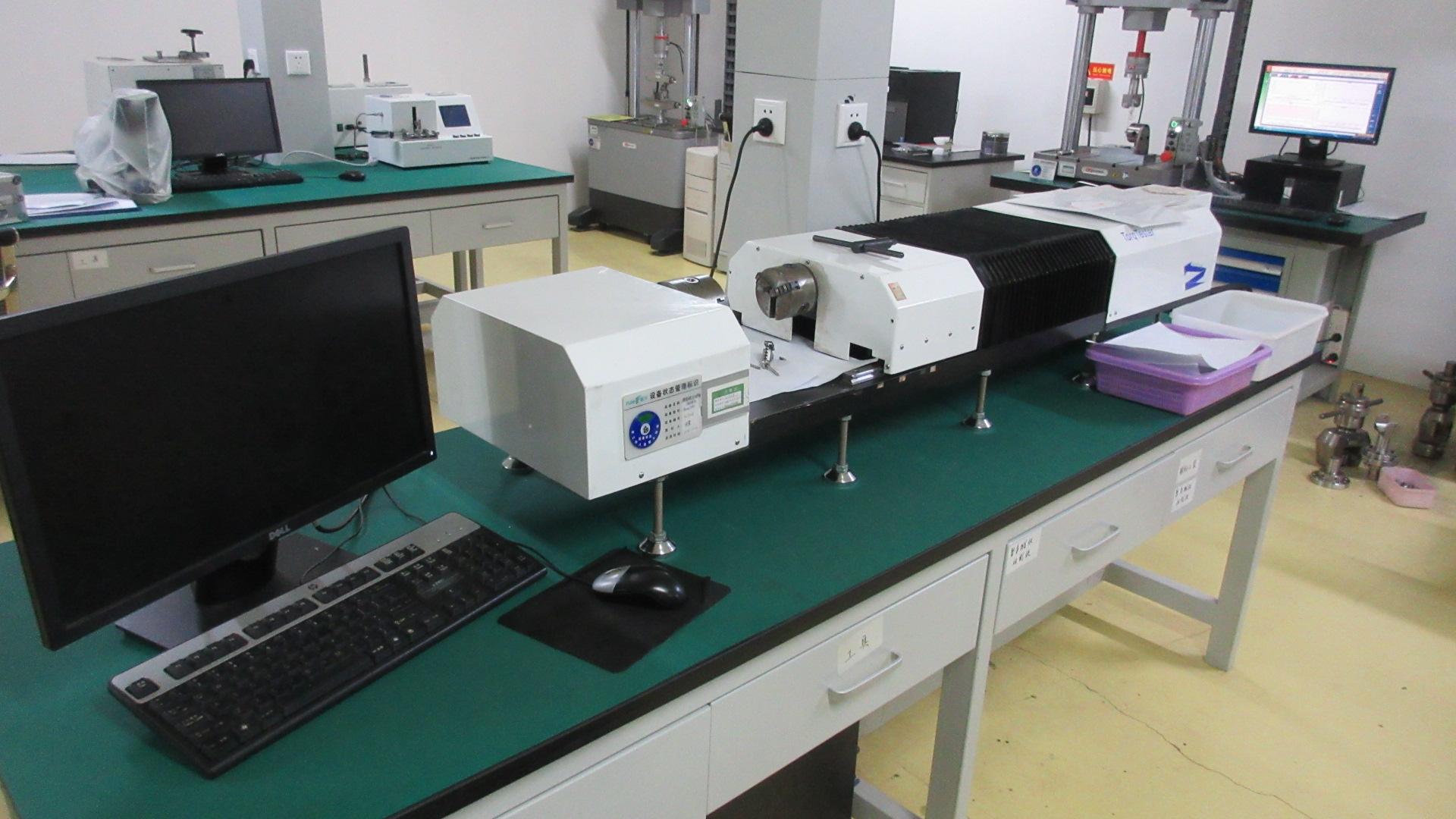
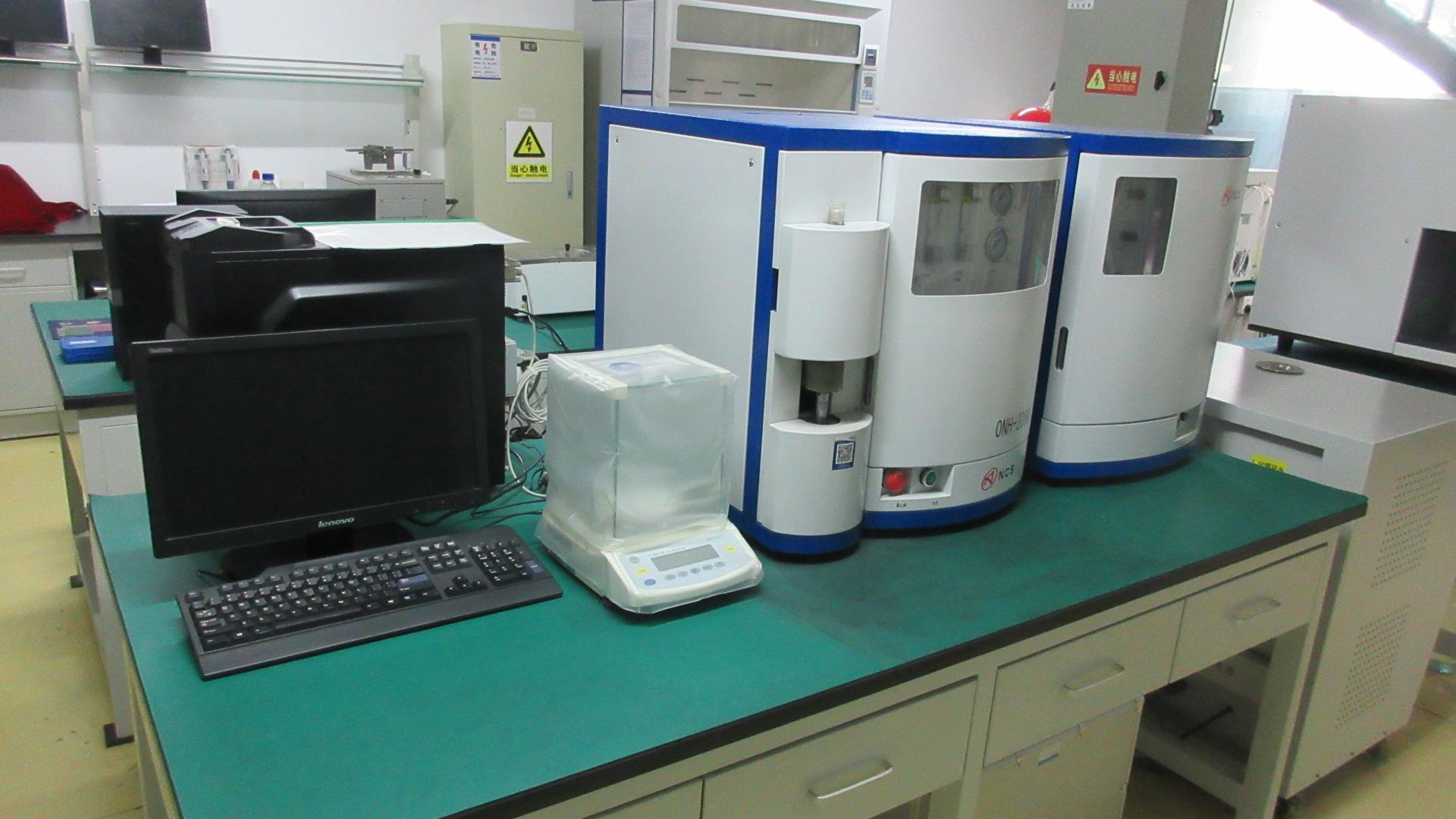
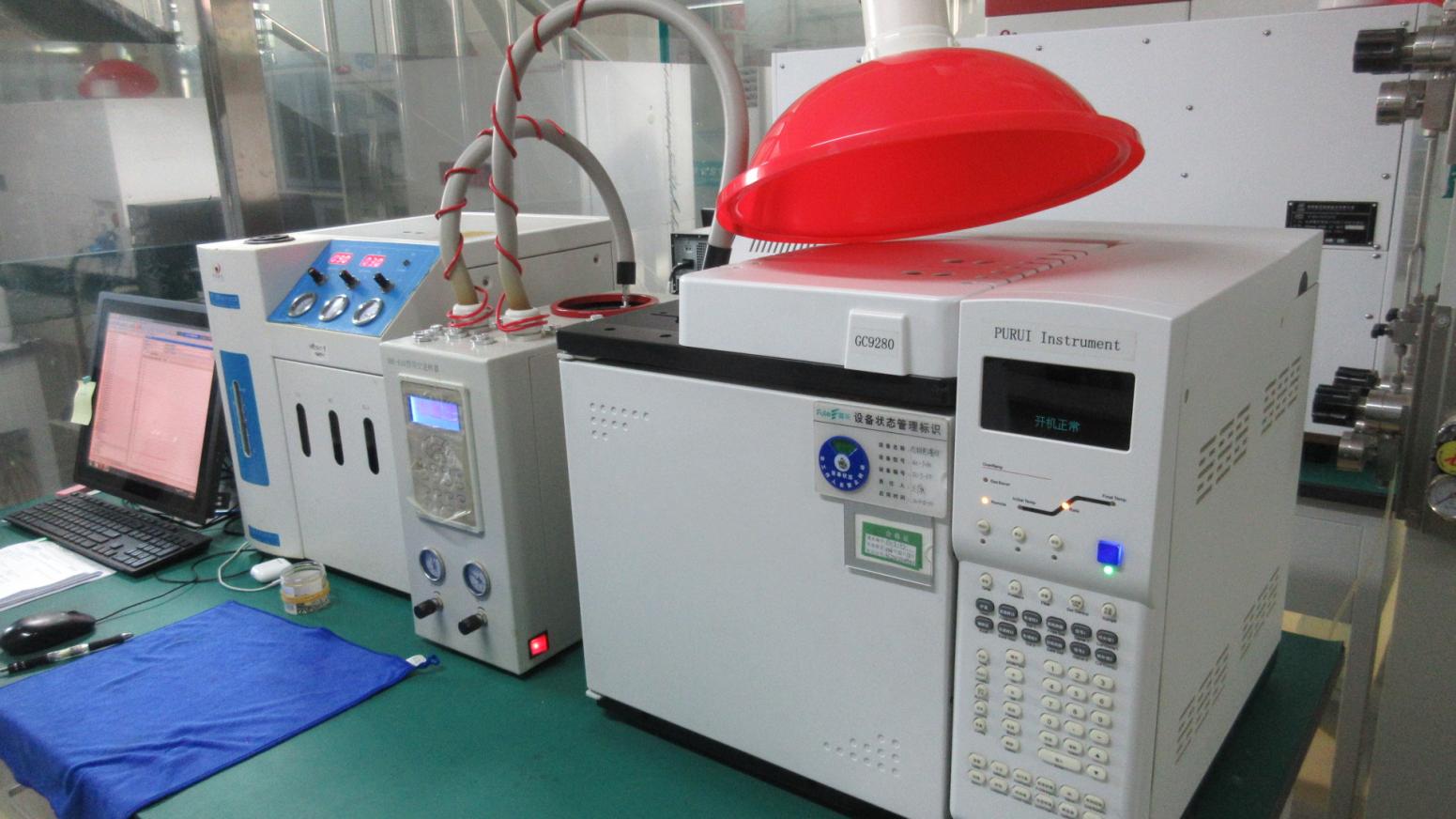
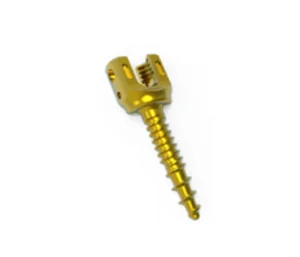
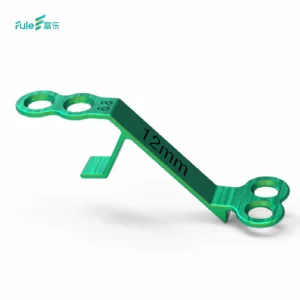
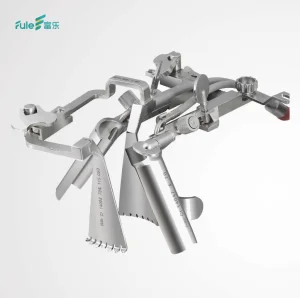
View our extensive collection of spine instrumentation systems, cervical plates, and trauma implant components. All products are designed in accordance with global CE and ISO standards.
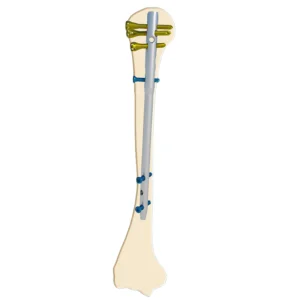
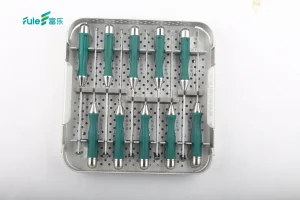
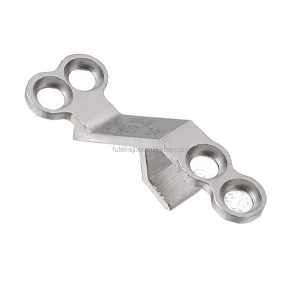
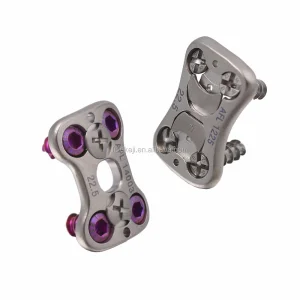
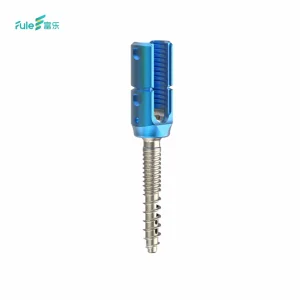
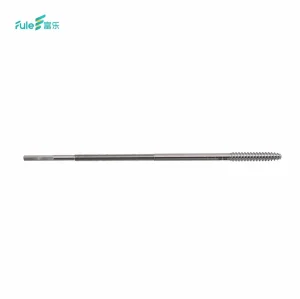
As a forward-looking manufacturer, our research pipeline is designed to address clinical challenges in fixation stability, infection prevention, and bone-implant integration. We continuously refine our technological framework to align with European and international clinical trends:
To improve osseointegration and reduce the risk of pin-tract infections—a common issue in long-term external fixation—we utilize Type II anodization on titanium components. This electrochemical treatment creates a dense, stable oxide layer that increases wear resistance and reduces metal ion release. Additionally, we are developing localized hydroxyapatite (HA) coating applications for Schanz pins to enhance bone-to-pin contact, ensuring long-term mechanical stability in complex limb reconstruction procedures.
Modern intraoperative monitoring relies heavily on clear fluoroscopic visualization. Traditional steel and solid titanium frames can block crucial views under C-arm imaging. Our research team has integrated high-strength carbon-fiber-reinforced polymer (CFRP) rods into our external fixator systems. These components offer high mechanical stiffness while remaining fully radiolucent, allowing surgeons to verify fracture alignment and joint reduction in real time without interference.
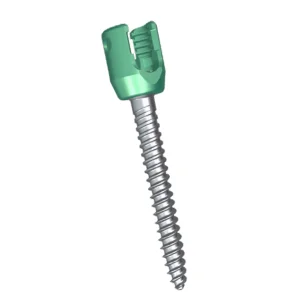
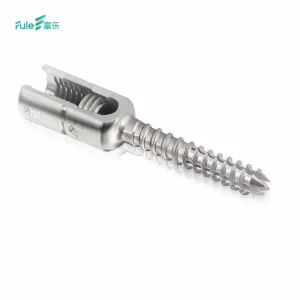
For spinal reconstruction, particularly our posterior lumbar and pediatric spinal screw systems, we use a dual-lead thread profile. This design reduces insertion time while enhancing bone purchase in the vertebral pedicle. Our low-profile screw heads are engineered to minimize soft-tissue irritation, reducing post-operative pain and offering anatomical solutions for pediatric patients.
Exporting class-critical medical devices to the Republic of Serbia requires a detailed understanding of the regional regulatory landscape. We provide comprehensive administrative and technical documentation to assist local distributors with the registration process at the Medicines and Medical Devices Agency of Serbia (ALIMS):
Partner with an established medical device exporter to access high-quality, ISO-certified orthopedic implants. Get in touch with our commercial sales engineers today to receive technical data sheets, price lists, and compliance files.
 Beren Science & Technology