Explore our premium selection of orthopedic fixation devices engineered for complex trauma recovery, skeletal deformity correction, and spinal stabilization. Featuring high-grade titanium and aluminum alloy materials registered for clinical operations.
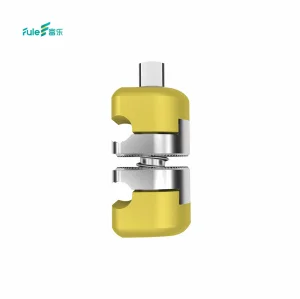
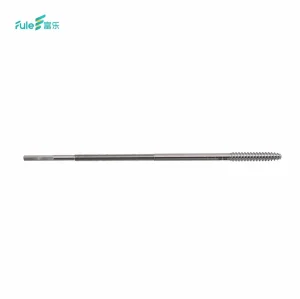
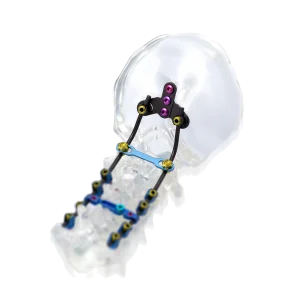
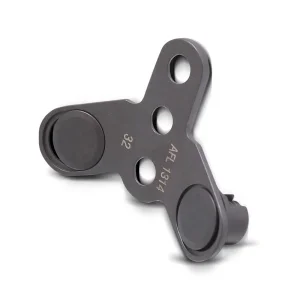
Azerbaijan’s healthcare infrastructure is undergoing a rapid modern transition, driven by the State Agency on Mandatory Health Insurance (İkiş) and the Management Union of Medical Territorial Units (TƏBİB). As the country expands its clinical facilities in metropolitan Baku and undertakes extensive regional reconstruction projects in the East Zangezur and Karabakh economic zones, the demand for advanced surgical equipment—specifically external fixator devices and spinal traumatic implants—has reached unprecedented levels. Historically reliant on imports from Eastern Europe, Azerbaijani medical distributors and regional hospitals are actively seeking direct partnerships with Tier-1 manufacturers to bypass intermediary margins and guarantee a stable supply chain.
In particular, military medicine, industrial accident response units (supporting the oil, gas, and heavy manufacturing sectors), and pediatric orthopedics centers require robust external fixation systems. These systems are essential for stabilization, bone transport, and long-bone reconstruction after high-energy trauma. The focus is shifting toward biological compatibility, radiolucency, and modular layouts that allow surgeons to customize constructs in the operating room.
Navigating the importing and clinical deployment pathways for medical devices in Azerbaijan requires compliance with the Analytical Expertise Center (AEM) of the Ministry of Health of the Republic of Azerbaijan. Implants such as transpedicular spinal screws, cervical plates, and external fixators fall under Class IIb and Class III categories, demanding comprehensive documentation: Certificate of Free Sale, ISO 13485 certifications, and detailed biocompatibility evaluation reports (ISO 10993).
Our manufacturing and quality assurance frameworks are designed to meet these rigorous standards. By offering comprehensive technical files and localized validation data, we streamline the registration process for Azerbaijani distributors, ensuring seamless passage through customs and direct compatibility with state tender protocols.
Fully certified quality management systems tailored for international orthopedics criteria.
Ti-6Al-4V ELI (Grade 5) titanium alloy materials verified under strict international standards.
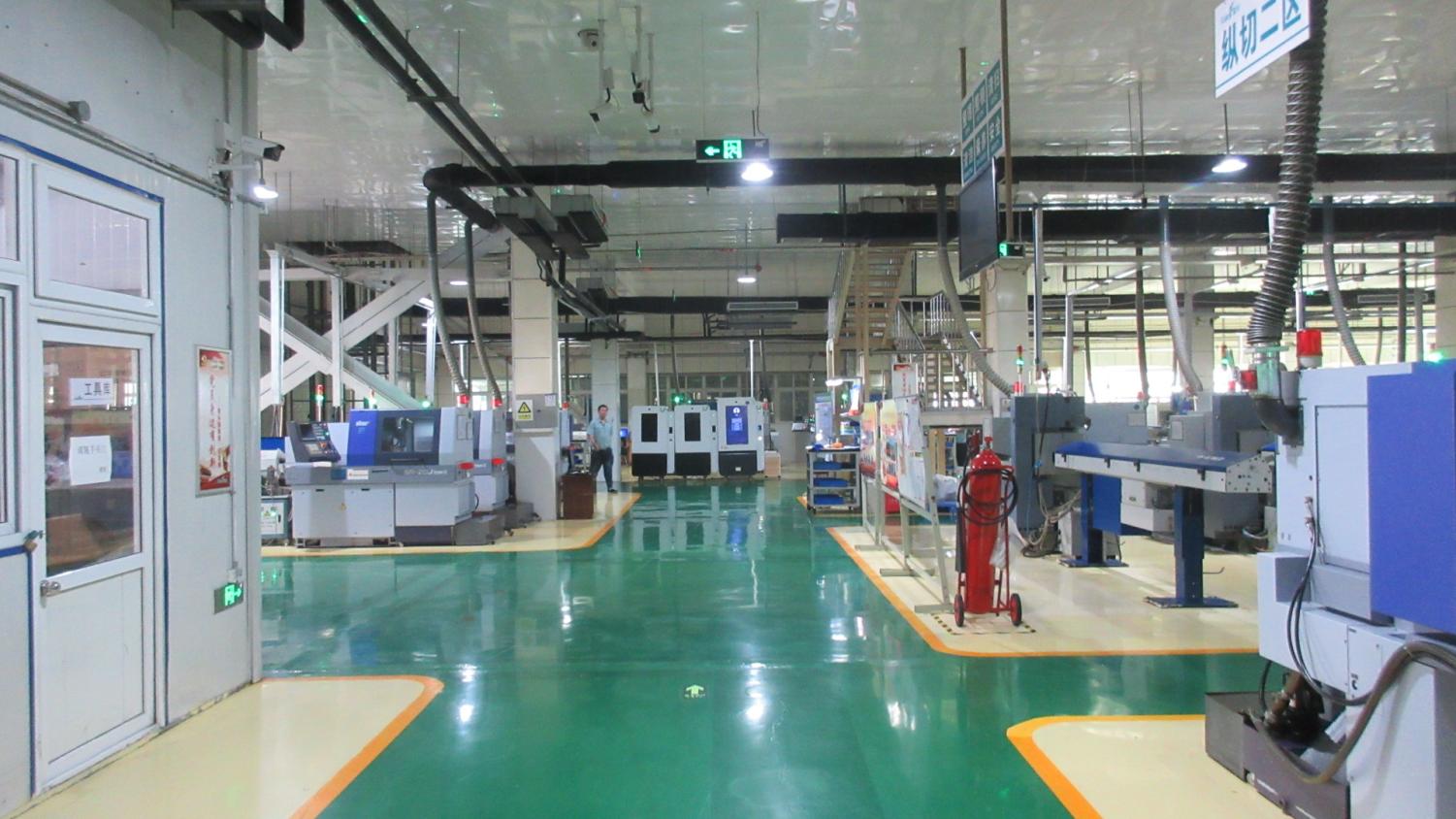
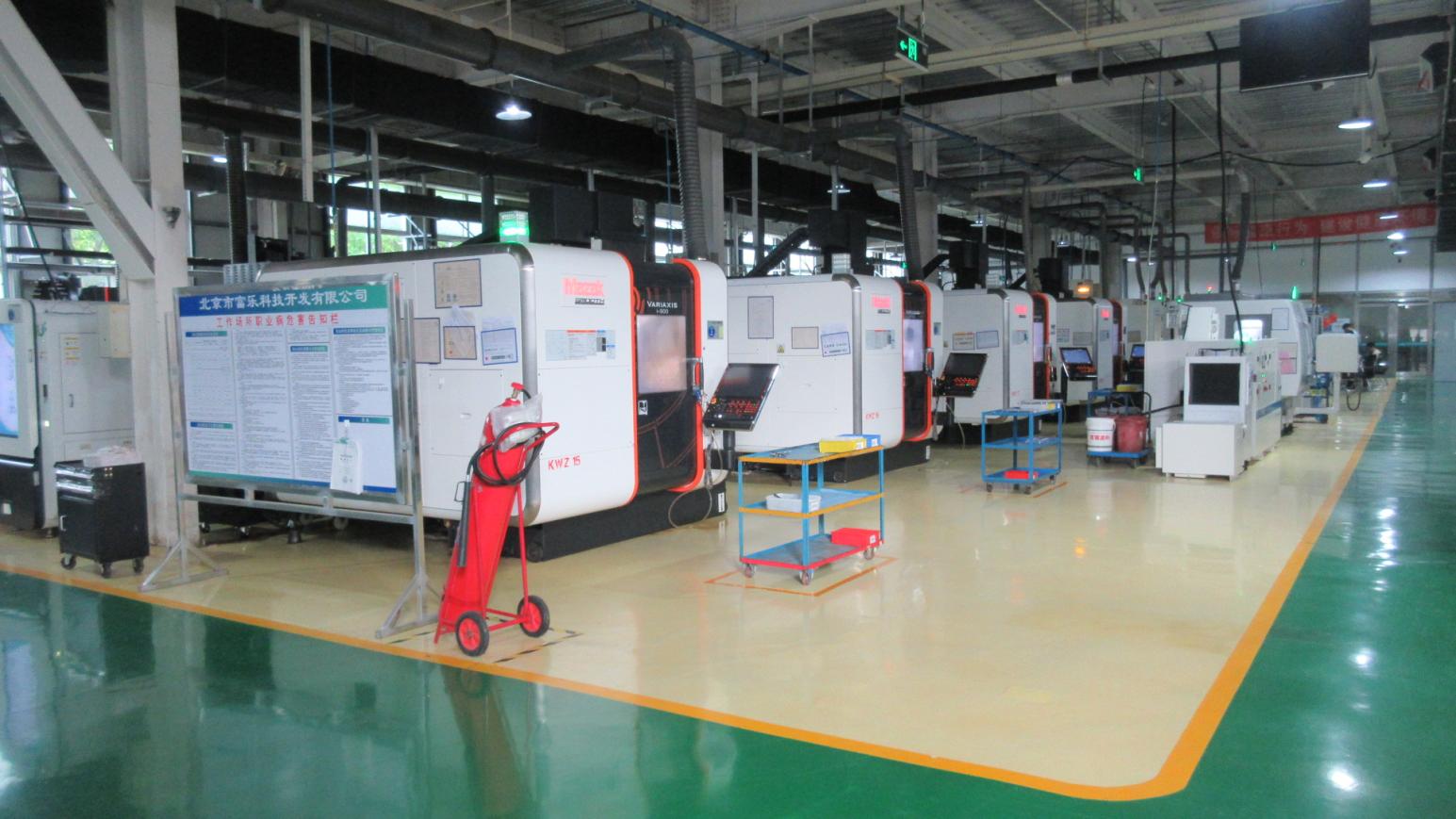
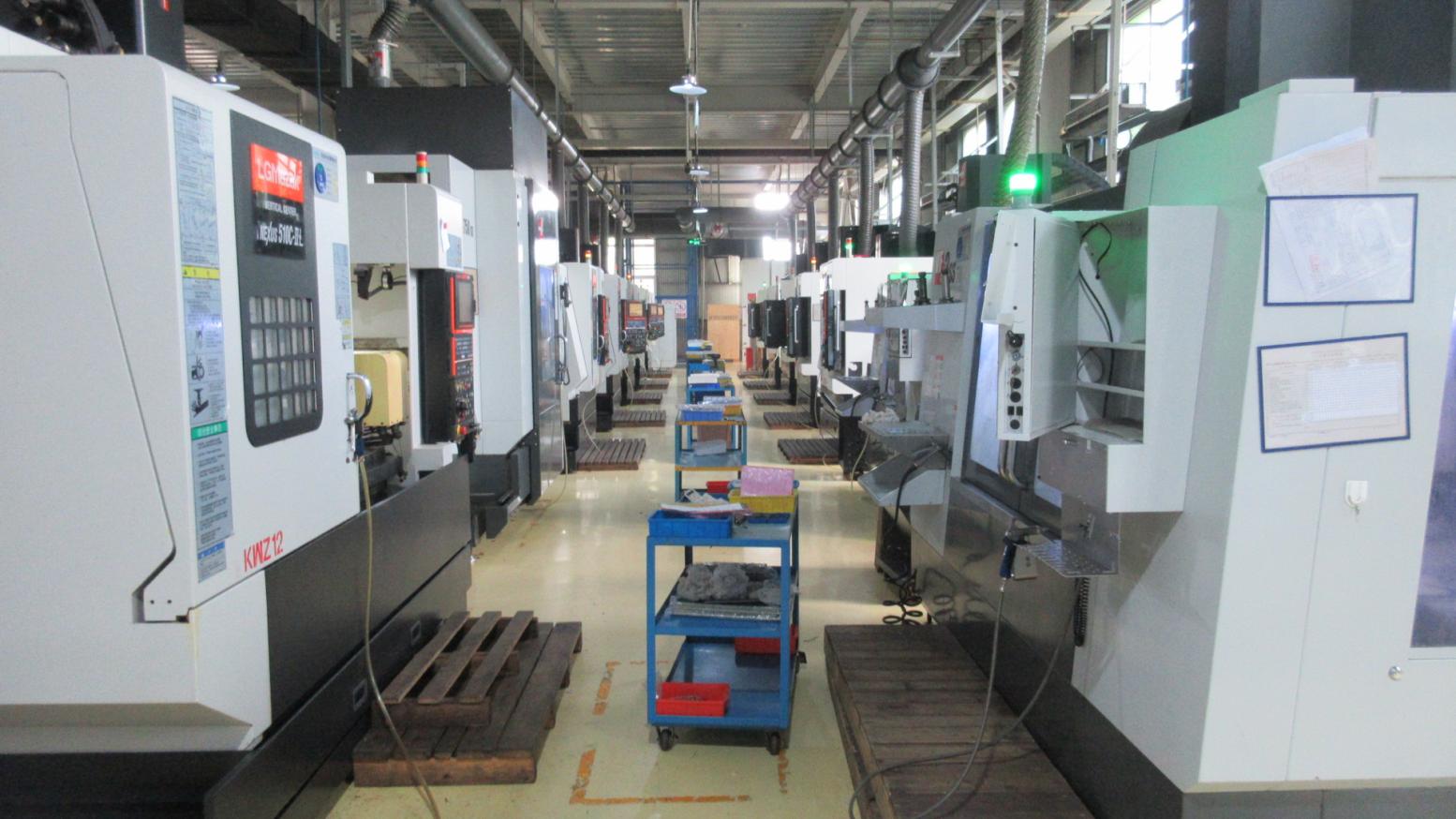
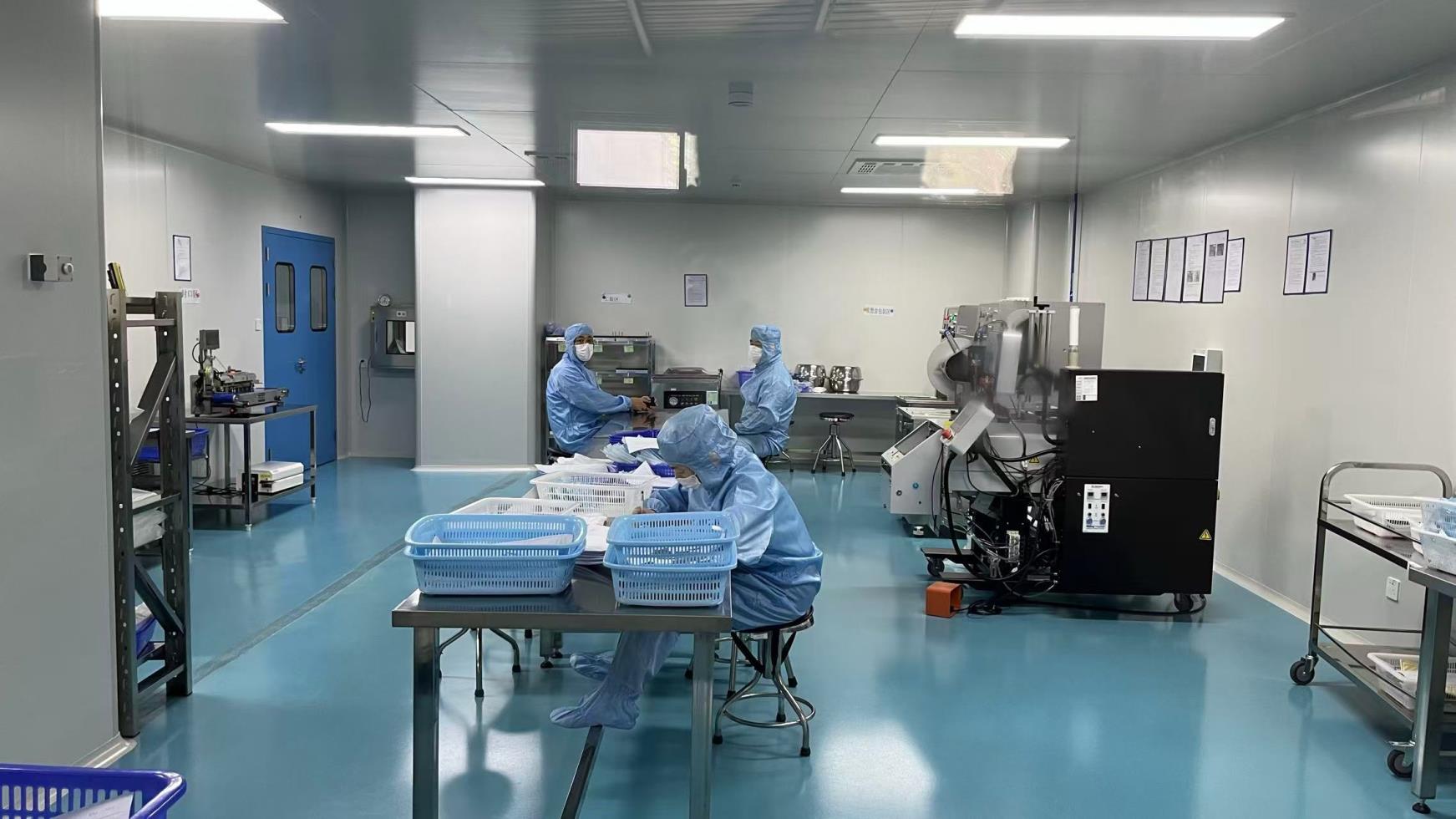
Leveraging over 30 years of specialized manufacturing experience, our state-of-the-art facility integrates advanced production and rigorous inspection protocols.
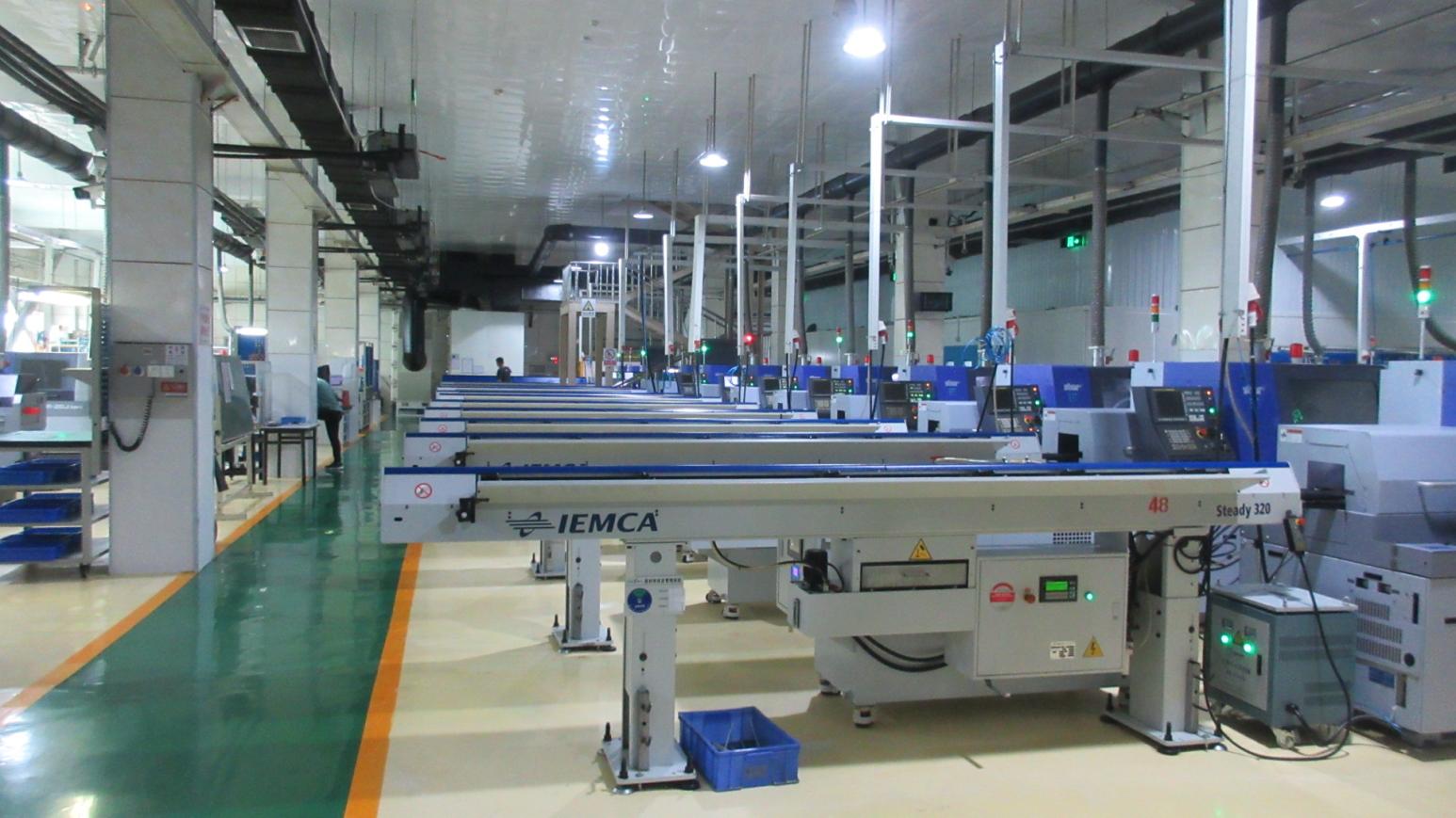
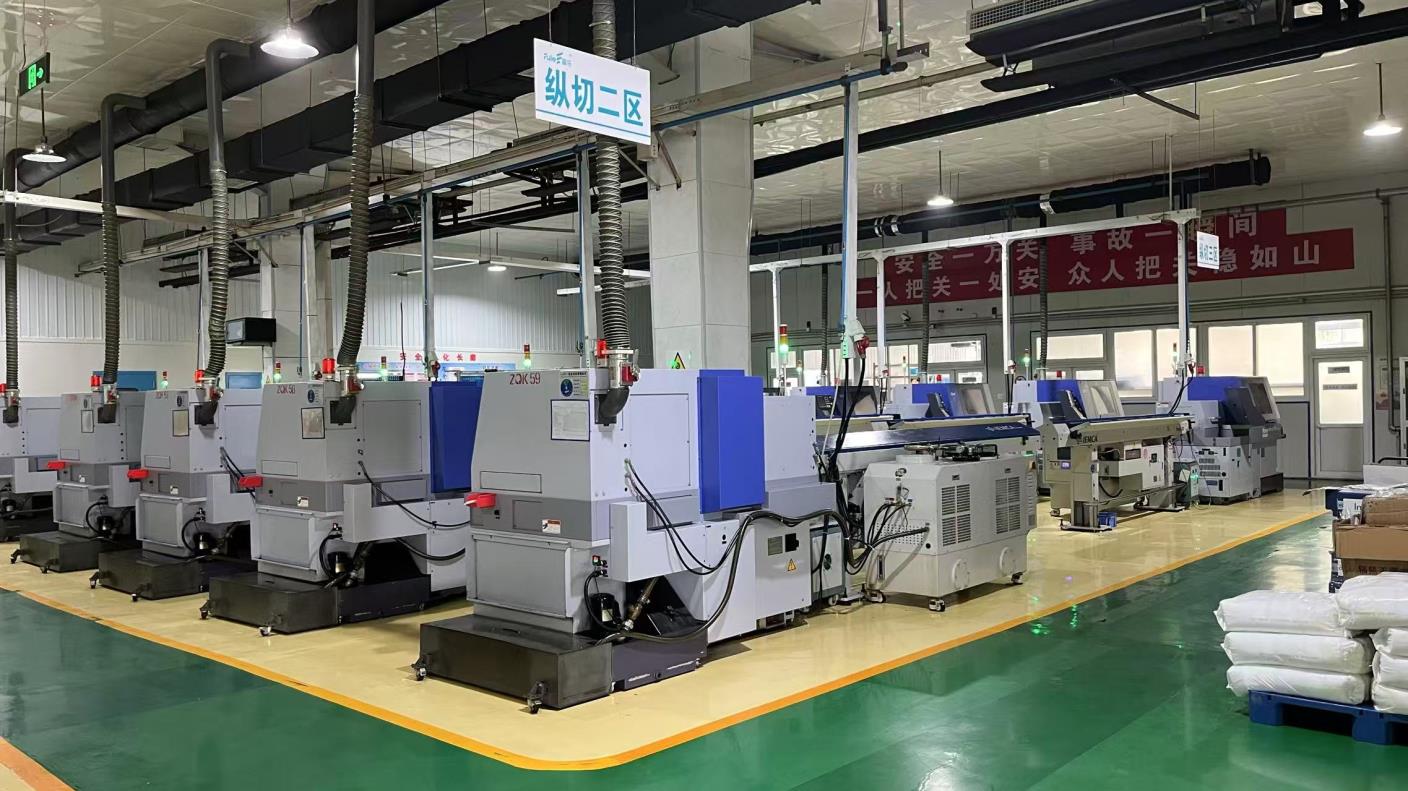
Combining raw material traceability, advanced Swiss-type CNC machining, and economies of scale to deliver cost-effective and highly reliable implants globally.
Every titanium bar, rod, and sheet utilized in our production process is sourced from verified medical-grade suppliers. We provide full chemical analysis and mechanical property certificates to ensure maximum fatigue limit resistance under load.
Equipped with 102 state-of-the-art multi-axis production machines, we achieve dimensional tolerances within microns. This precision guarantees that components such as clamp pins, rods, and locking rings fit together flawlessly during surgery.
With a production line output capacity of over 511,000 units annually, we support high-volume hospital contracts and national tenders while providing rapid customization based on surgical feedback.
How external fixator devices and spinal systems deliver optimized biomechanical stability in complex surgical scenarios.
Modern orthopedic external fixation devices play a critical role in limb salvage protocols. In surgical departments throughout Baku, Sumqayit, and Ganja, orthopedic surgeons deal with diverse trauma cases—ranging from high-velocity industrial machinery injuries to motor vehicle accidents. Implementing an external fixator frame provides temporary or definitive stabilization without disrupting the localized periosteal blood supply, reducing the incidence of osteomyelitis in open fractures.
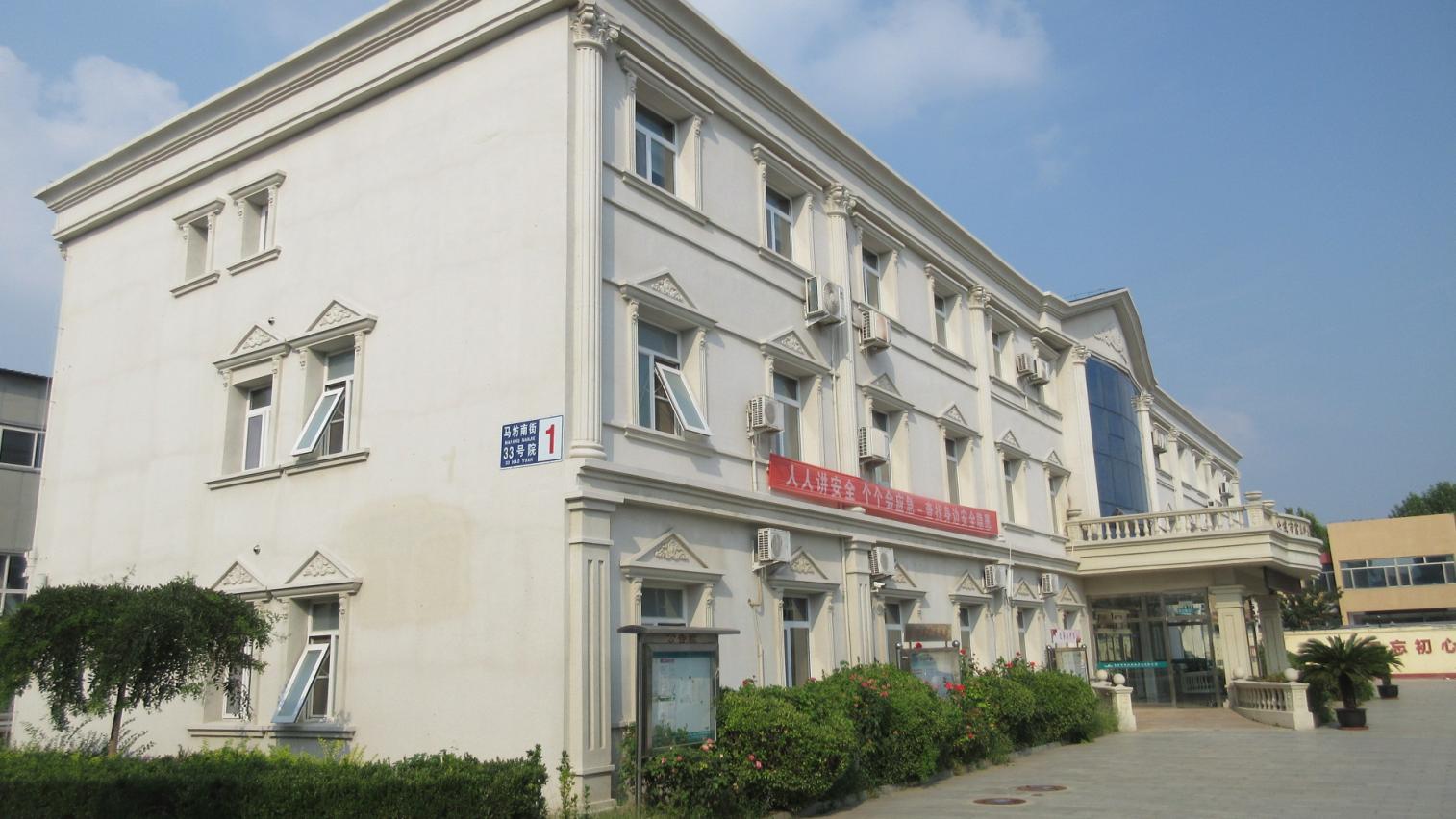
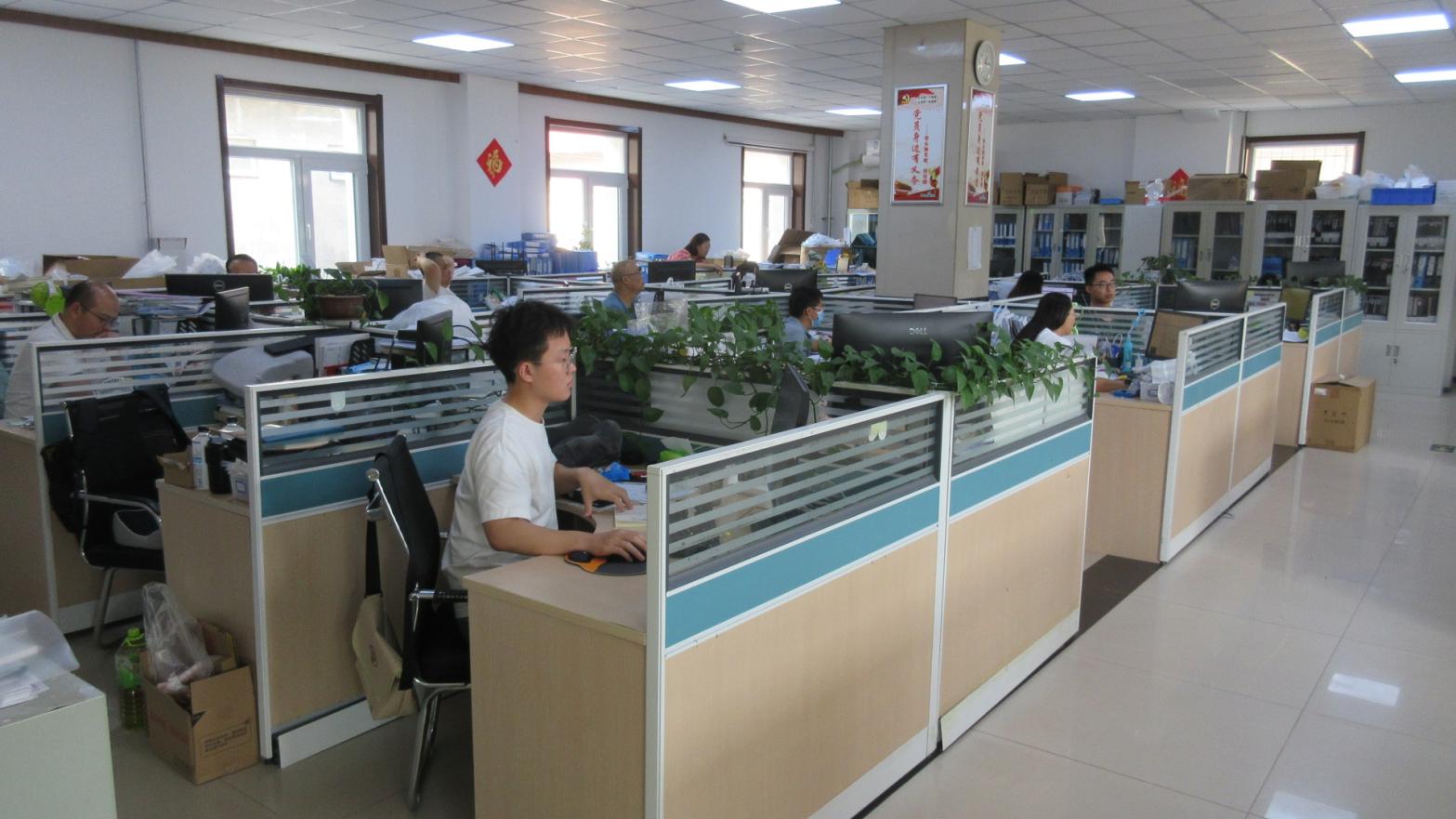
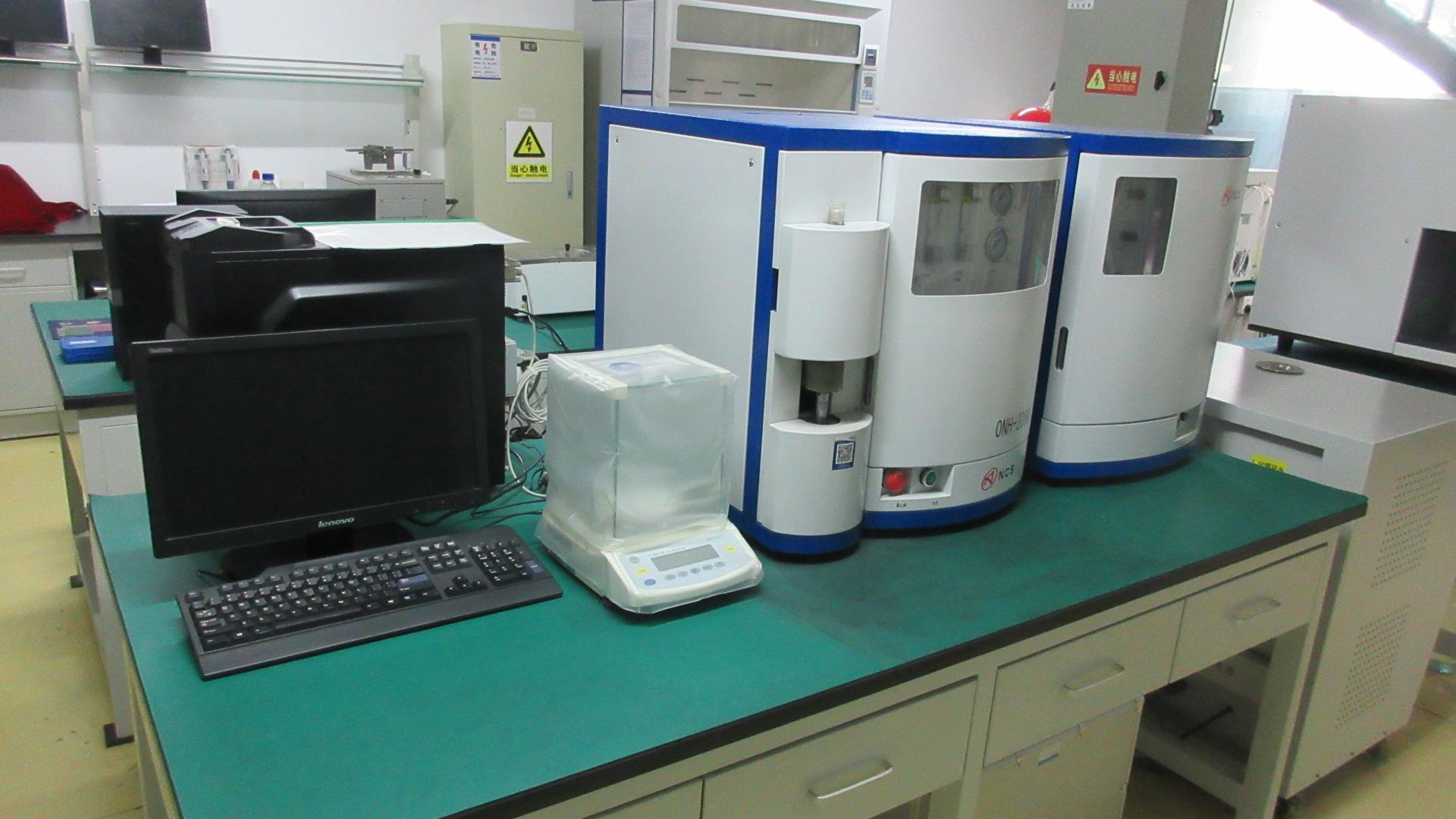
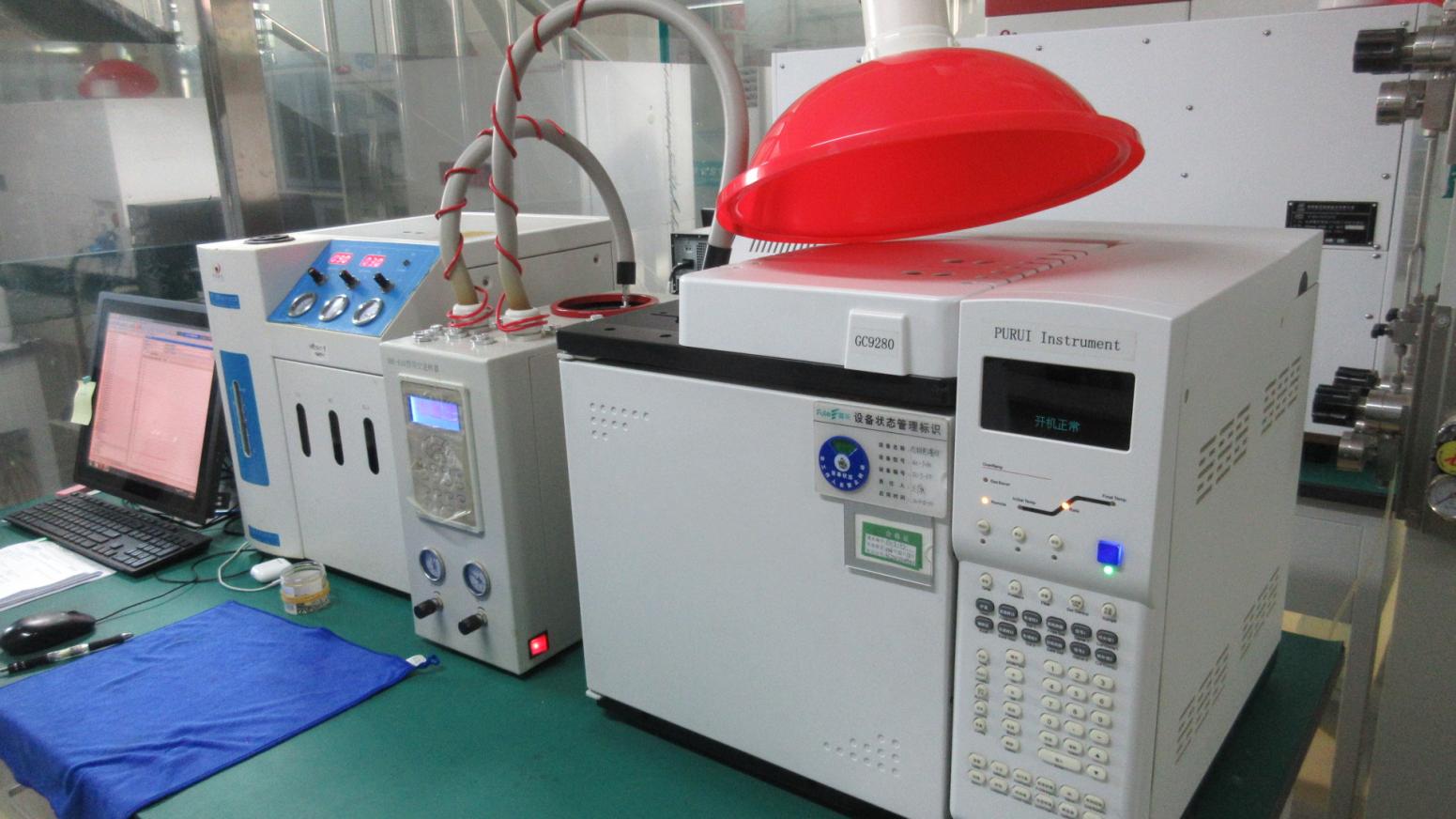
A comprehensive view of our CNC manufacturing floor, cleanroom packaging, raw material inspection labs, and surgical planning setups.
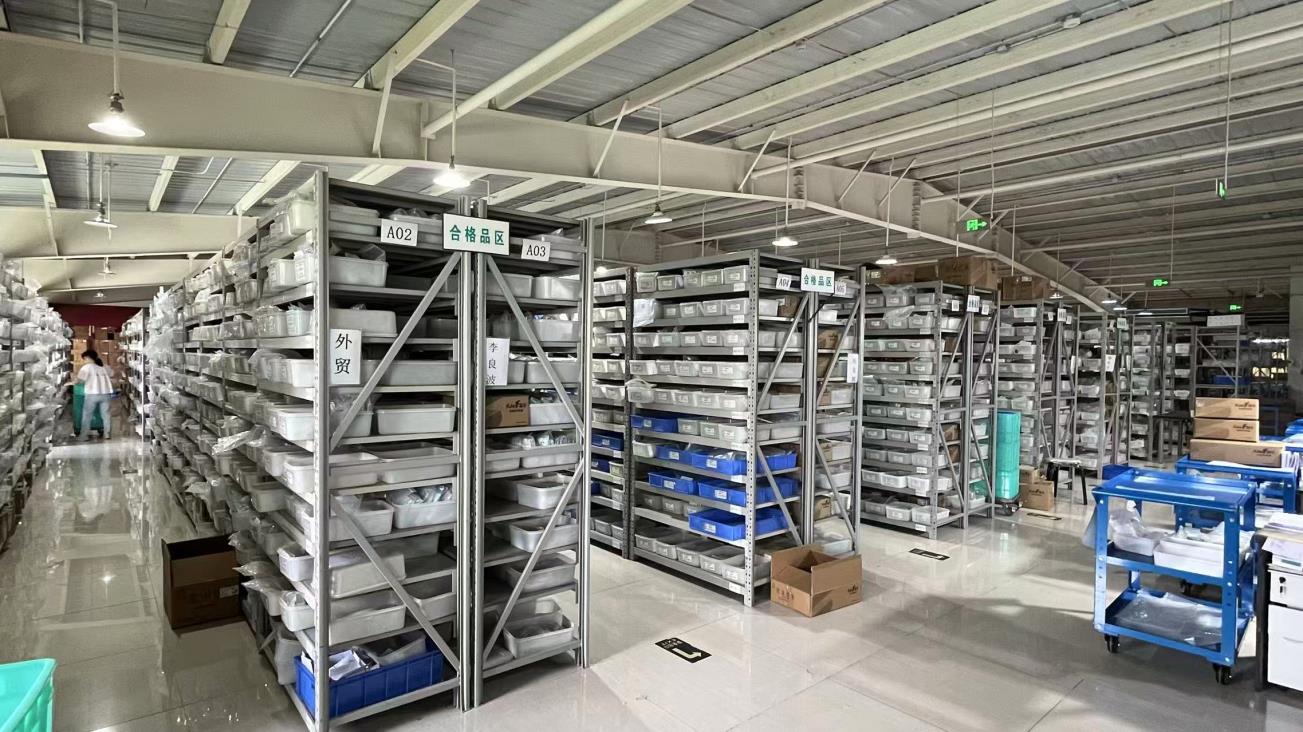
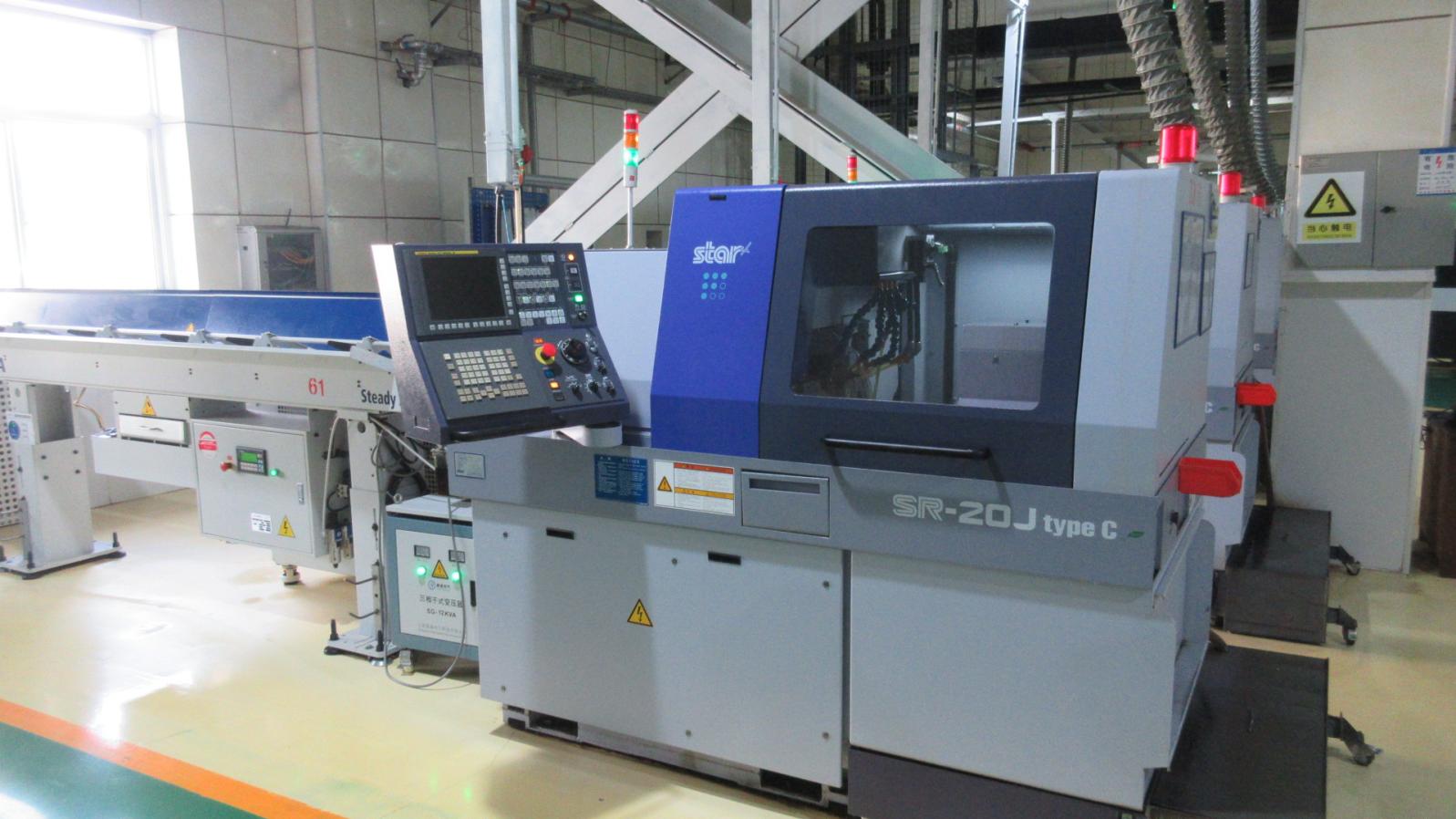
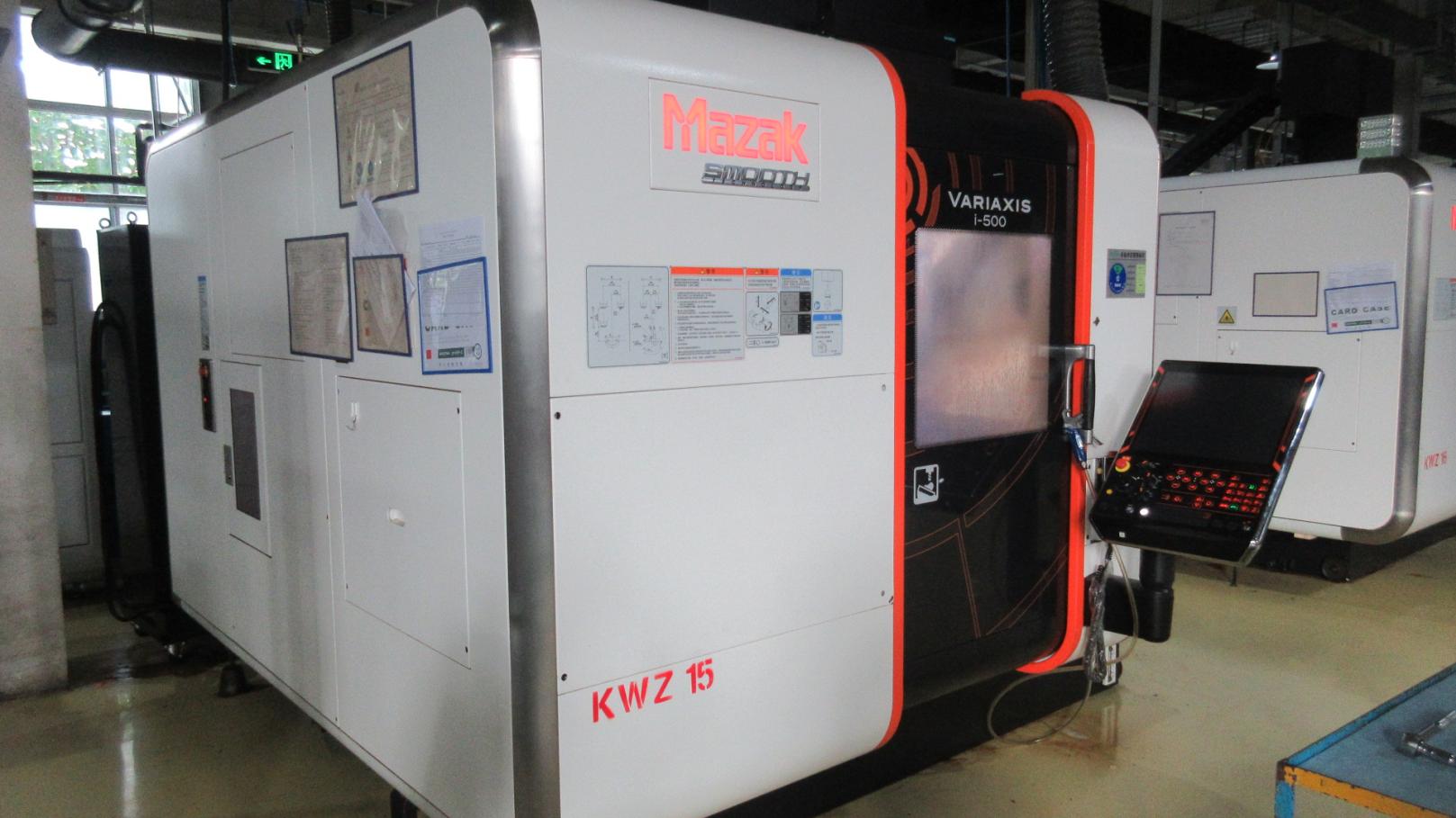
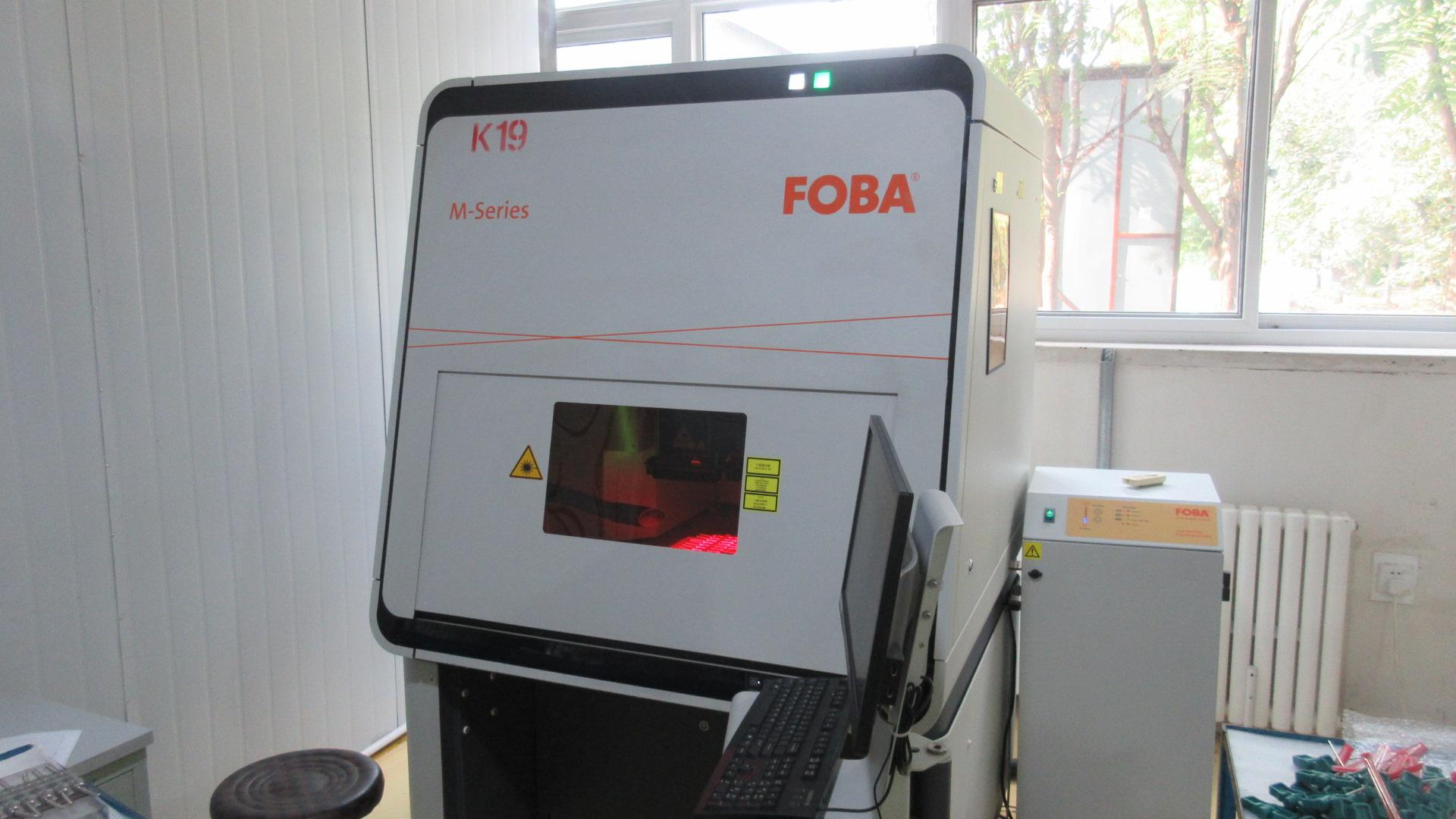
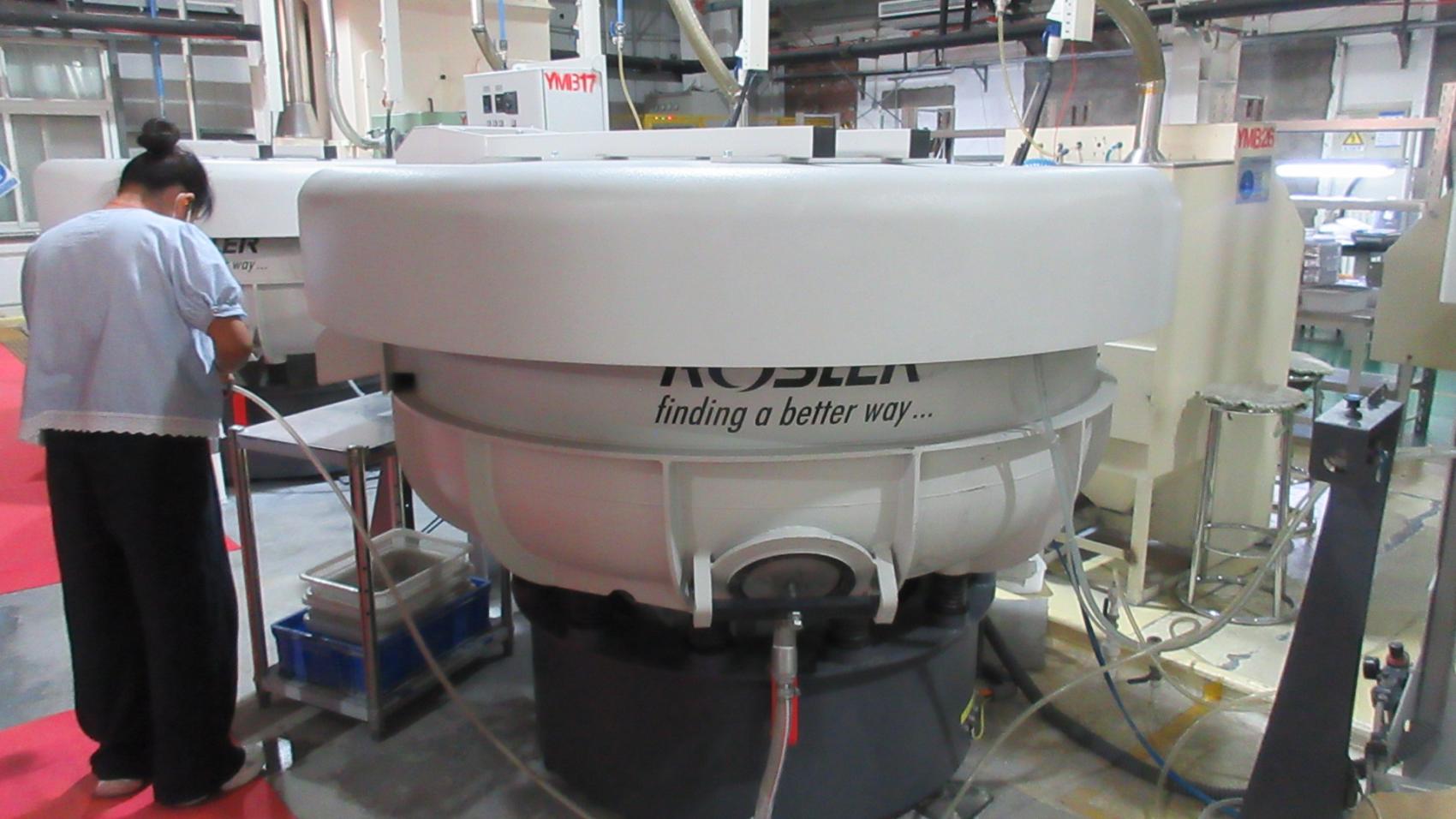
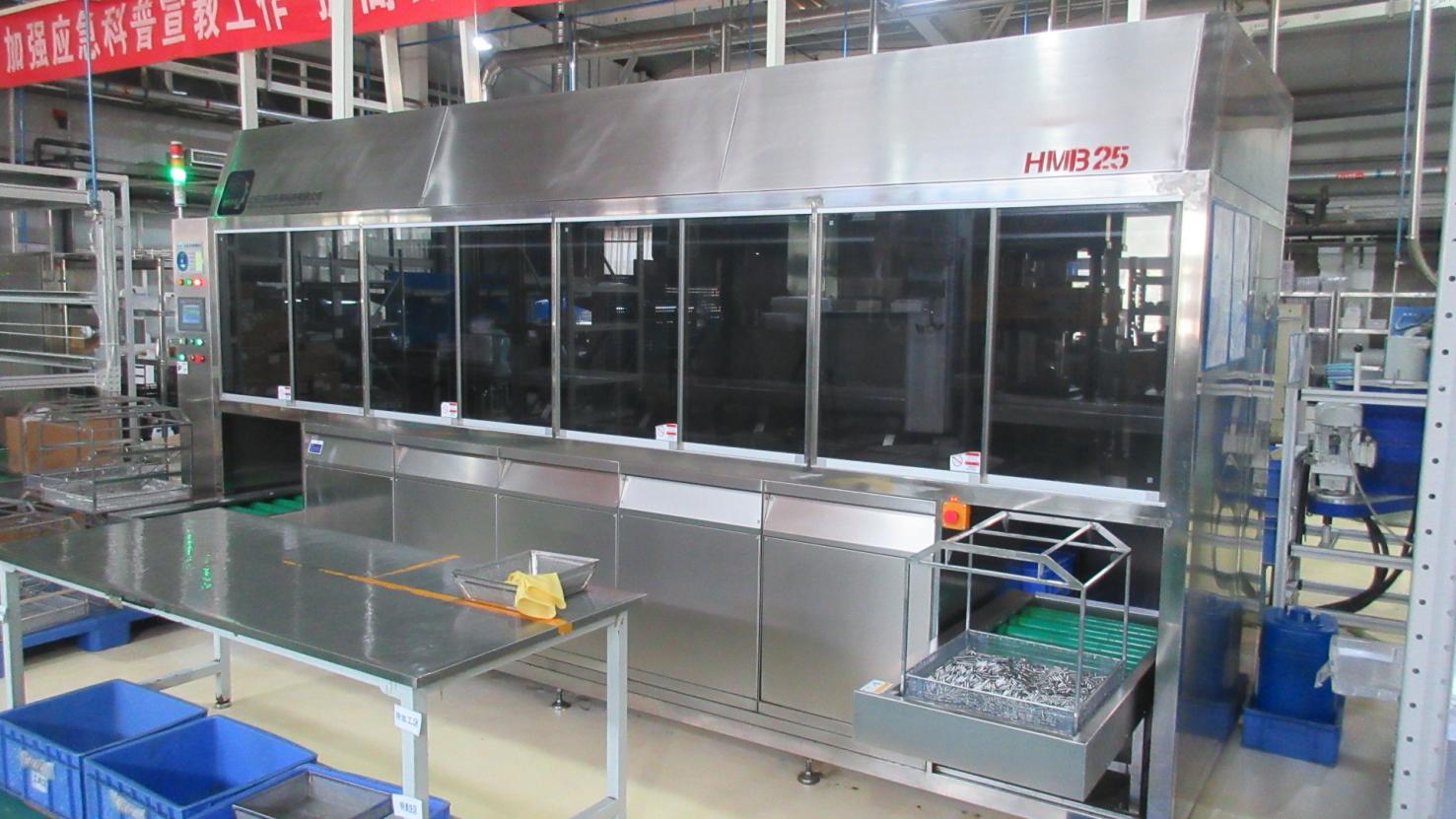
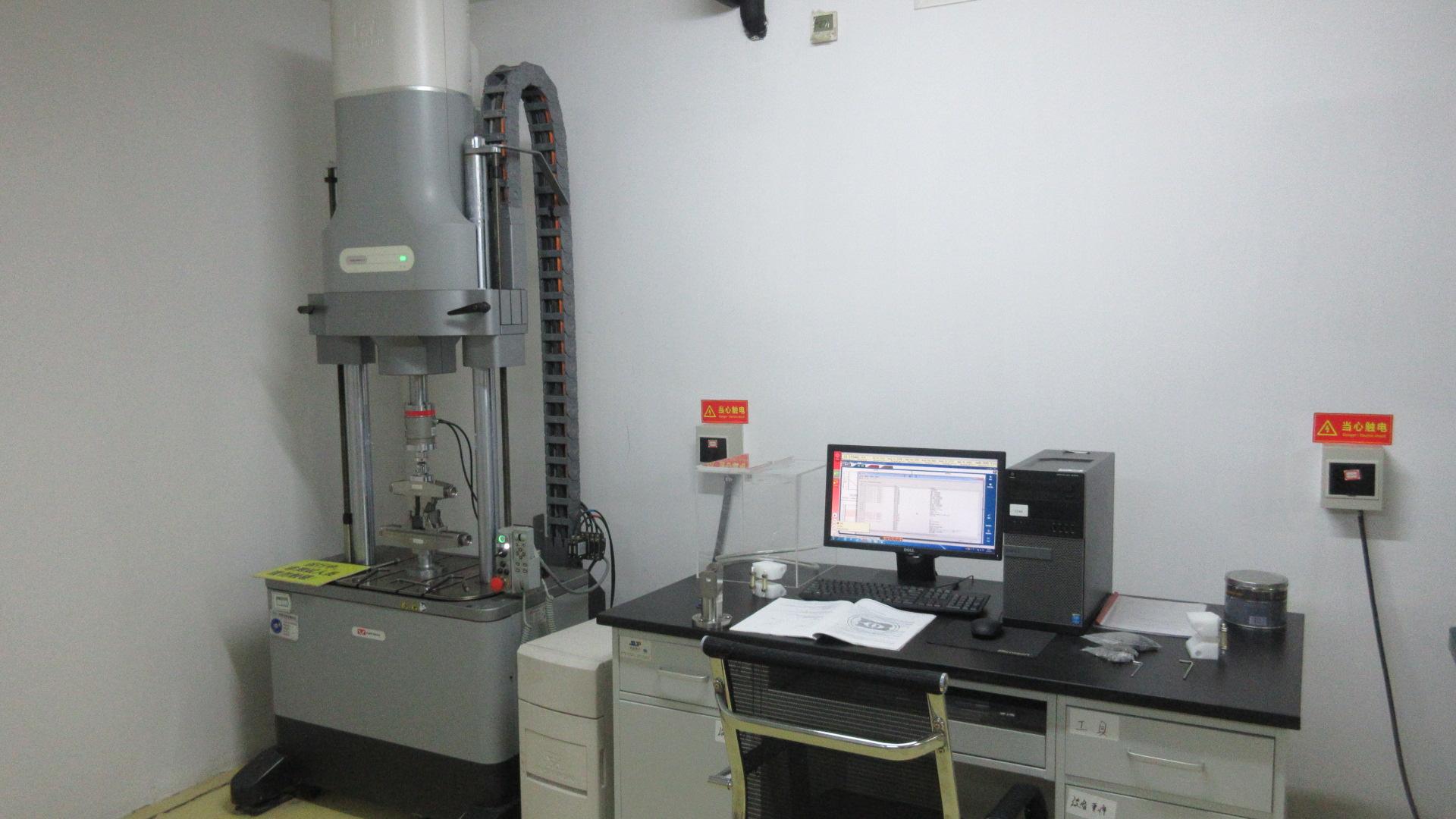
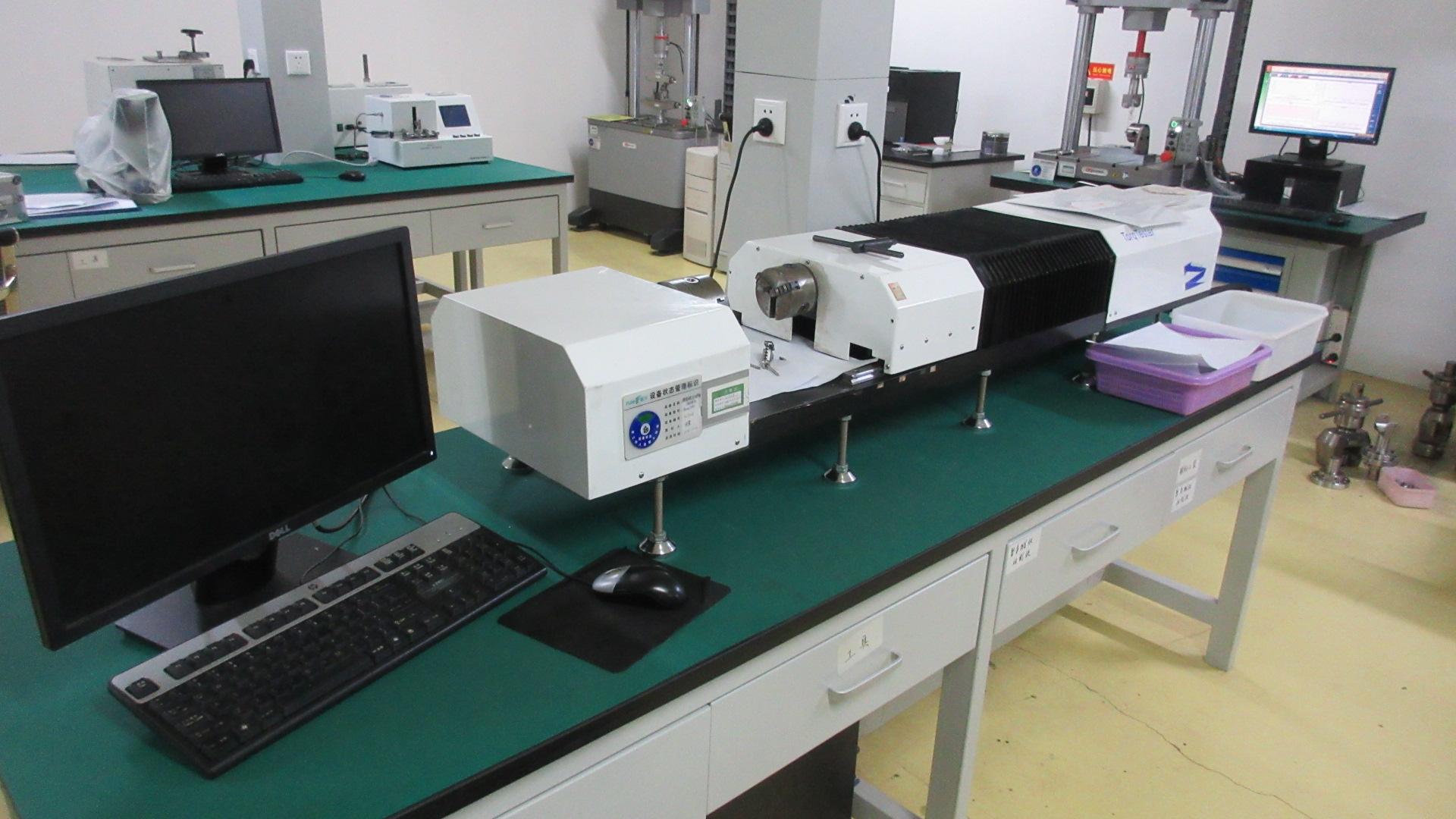
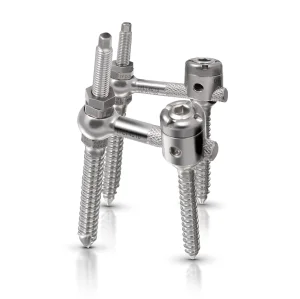
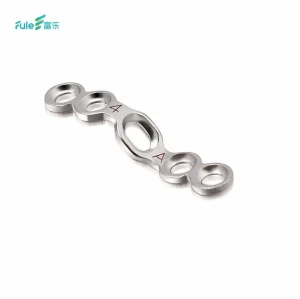
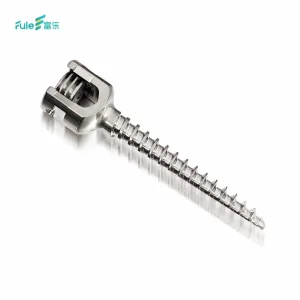
Browse our complete catalog of certified implants, posterior spinal systems, laminoplasty instruments, and custom pediatric pedicle screws.
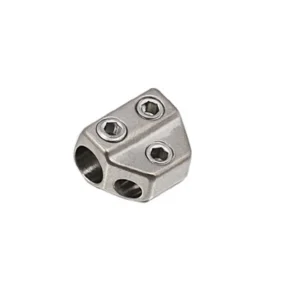
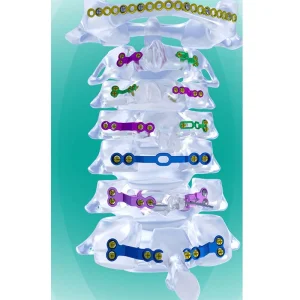
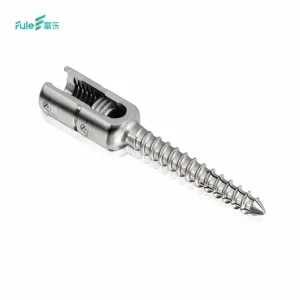
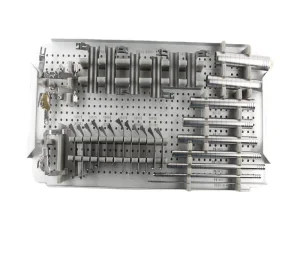
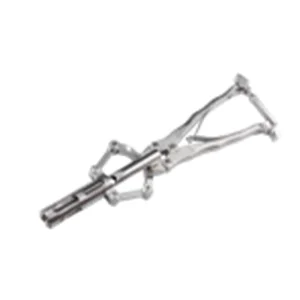
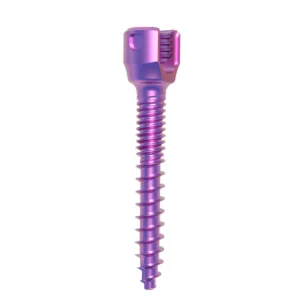
Exploring the next generation of smart materials, surface engineering, and digital planning platforms in modern traumatology.
The field of external fixation is rapidly evolving from basic mechanical stabilization structures to highly sophisticated biological-mechanical systems. These advanced systems actively promote bone regeneration and soft-tissue healing. As global demand increases, manufacturers are incorporating advanced technologies to improve patient outcomes and simplify surgical workflows.
Modern rings and rods are increasingly constructed from carbon-fiber-reinforced composites, which feature complete radiolucency. This allows surgeons to monitor bone healing using intraoperative X-rays without interference from metallic shadows.
Pin tract infection remains a challenge in long-term external fixation. Coating pins with bioactive hydroxyapatite enhances osteointegration at the bone-pin interface, reducing loosening and infection rates.
Additionally, the integration of digital hexapod software systems allows surgeons to enter radiographic measurements and receive precise daily strut adjustment schedules. This ensures highly accurate, three-dimensional correction of complex skeletal deformities.
Critical information for procurement officers, medical distributors, and surgical directors in Azerbaijan and global markets.
Optimize your procurement costs, secure regulatory clearance support, and access customizable, high-compliance trauma fixation systems tailored for clinical excellence.
Send Inquiry Now Beren Science & Technology