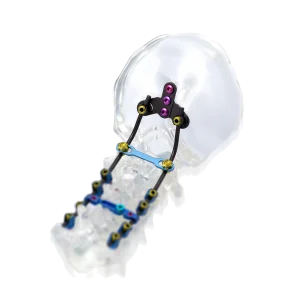
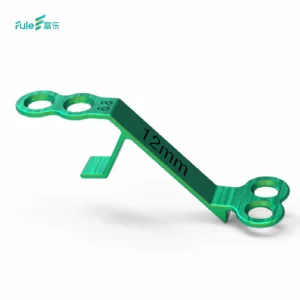
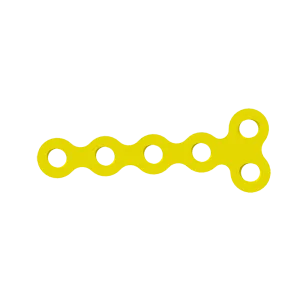
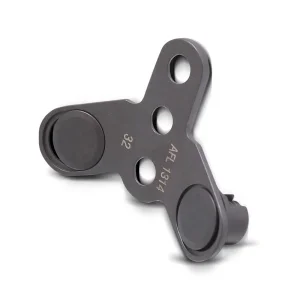
The medical device landscape in Egypt is undergoing a monumental shift, driven by the rollout of the Universal Health Insurance System (UHIS) and a rapidly growing population exceeding 110 million. Among the surgical specialties, orthopedic and spinal implant surgeries have shown the most exponential growth. This is due to a high prevalence of traffic accidents, orthopedic trauma, degenerative bone disorders, and an aging demographic requiring femoral joint reconstructions and cervical stabilization.
As a leading Femoral Exporter serving Egypt, we understand that hospitals in Cairo, Alexandria, Giza, and Dakahlia require a combination of surgical reliability, strict biosecurity, and economic viability. Government-backed procurements via the Unified Procurement Authority (UPA) mandate that surgical products demonstrate clinical safety, cost efficiency, and consistent delivery pipelines.
Implants constructed with Medical Grade 5 Titanium Alloy (Ti-6Al-4V ELI) ensure optimal biocompatibility and osseointegration, meeting the demanding clinical requirements of Egyptian surgeons.
With global supply chains facing uncertainty, direct factory partnerships ensure predictable delivery of femoral and spinal systems to Egyptian logistics hubs without clinical delay.
Seamless regulatory support for import registrations with the Egyptian Drug Authority (EDA), leveraging comprehensive technical dossiers, CE certificates, and ISO 13485 declarations.
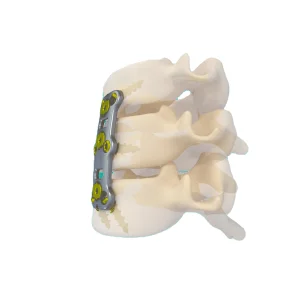
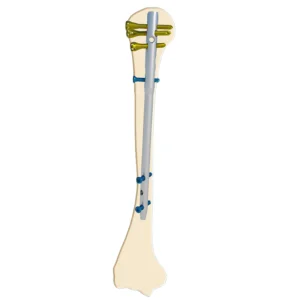
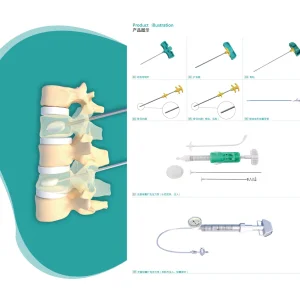
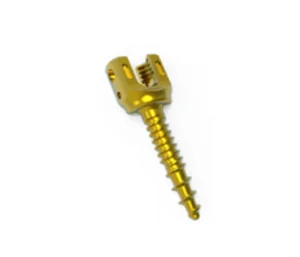
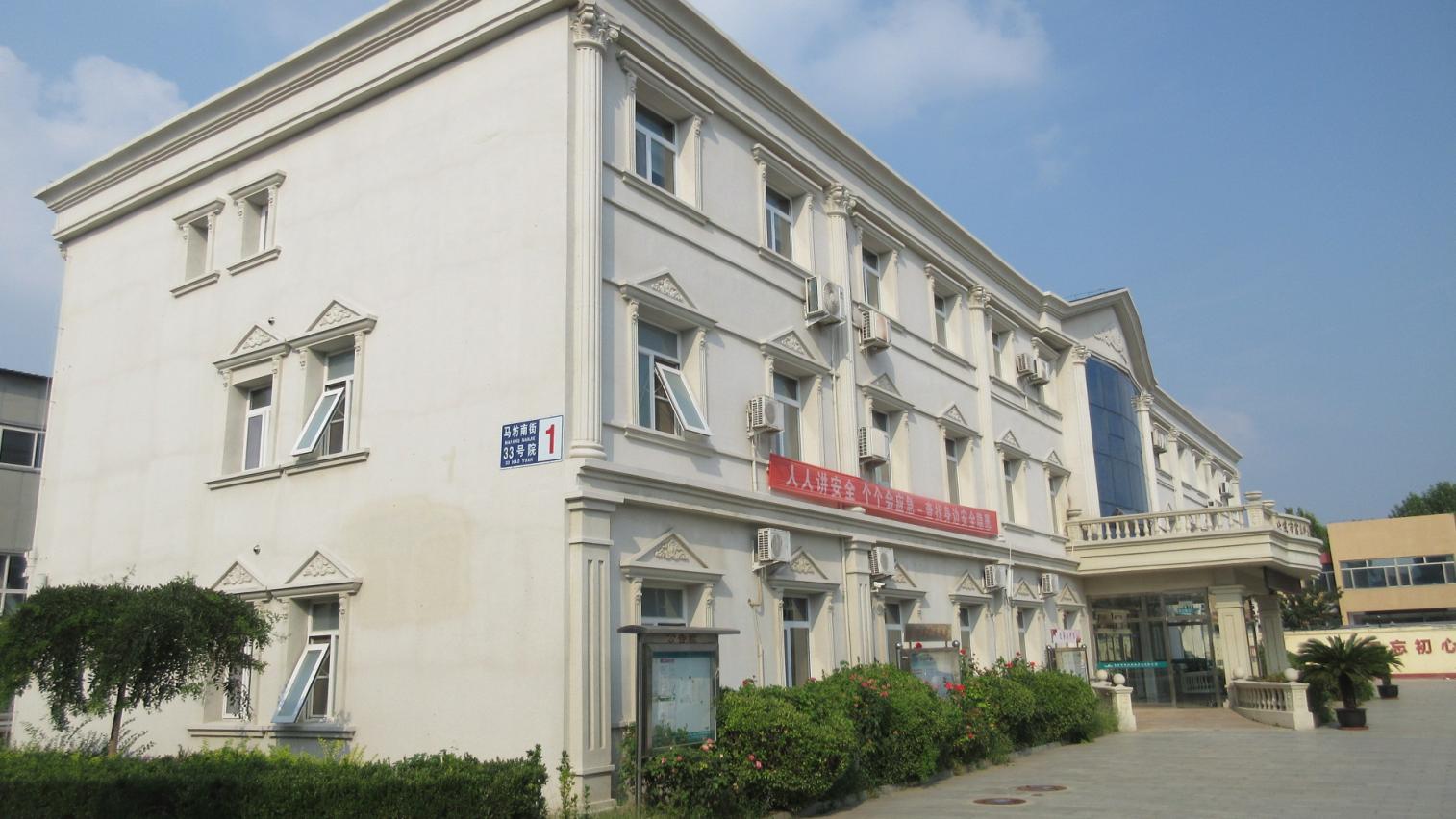
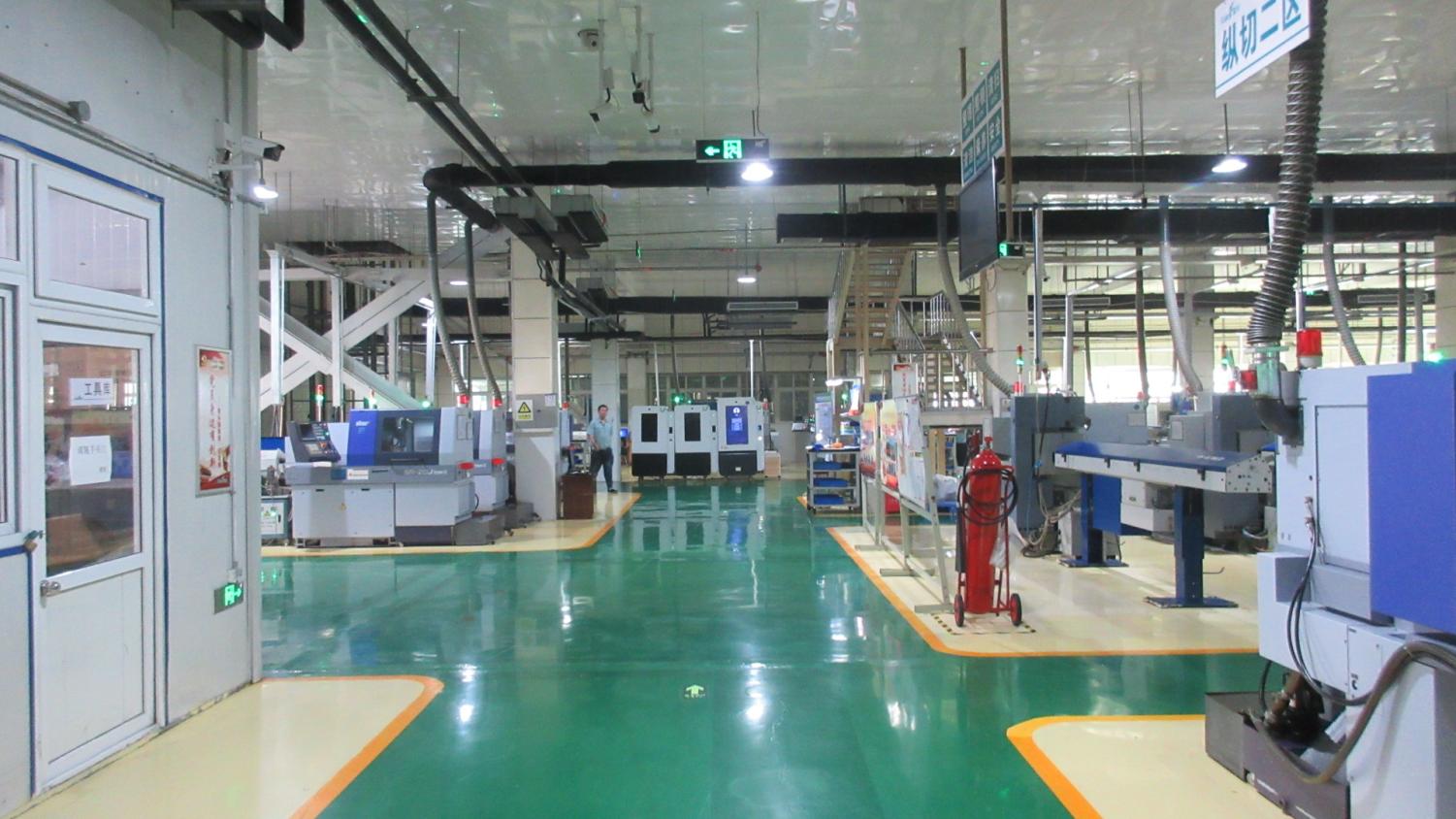
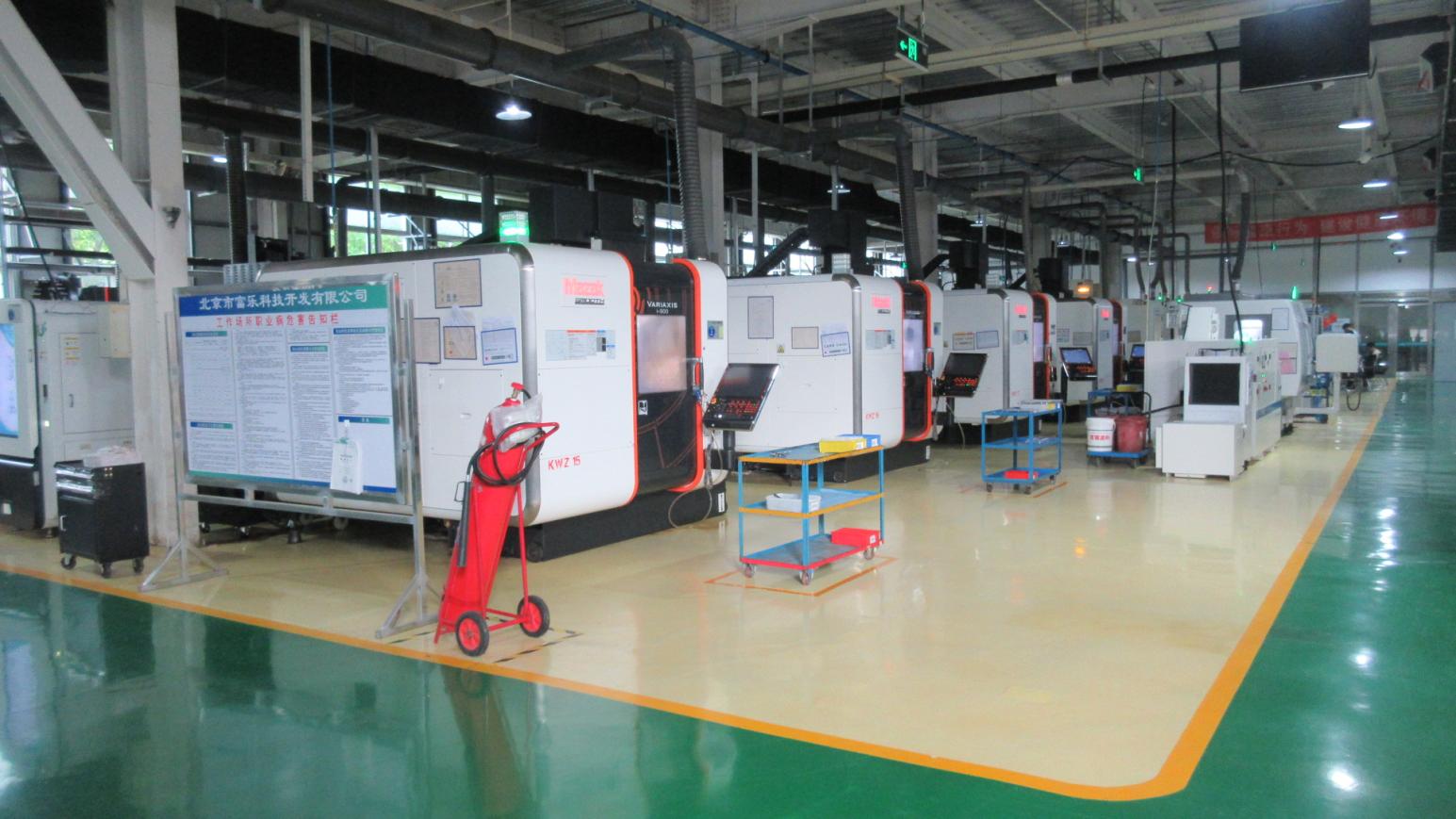
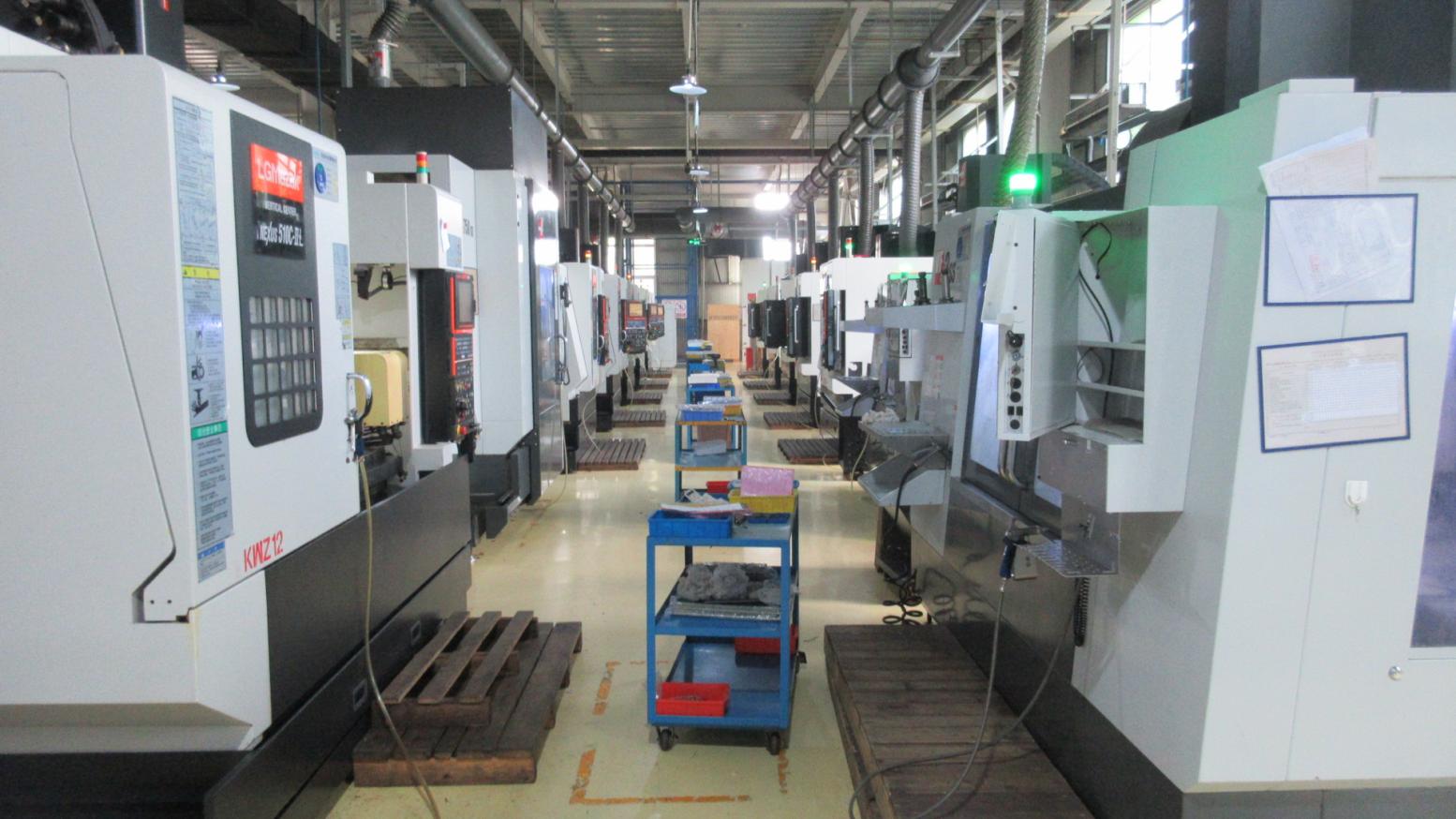
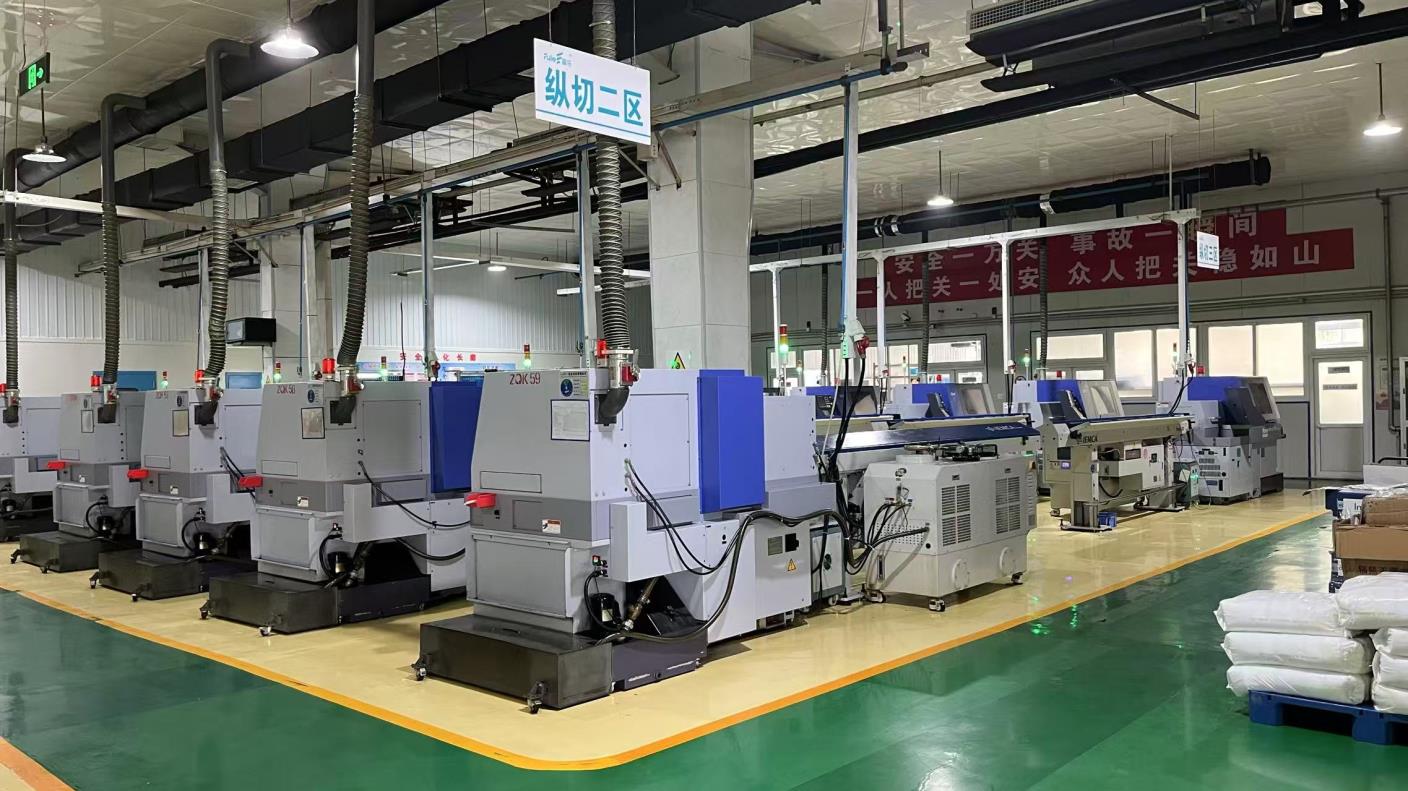
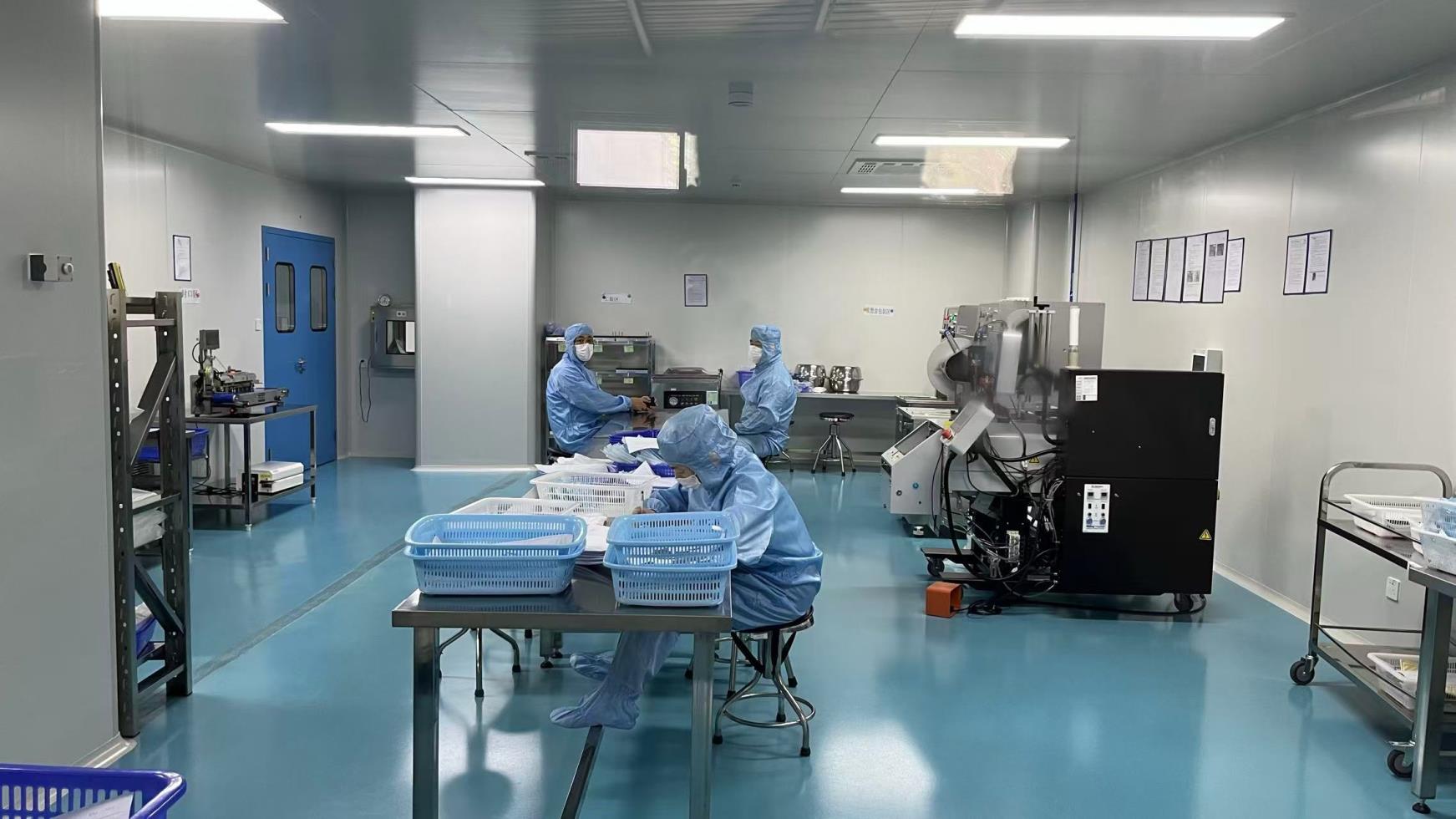
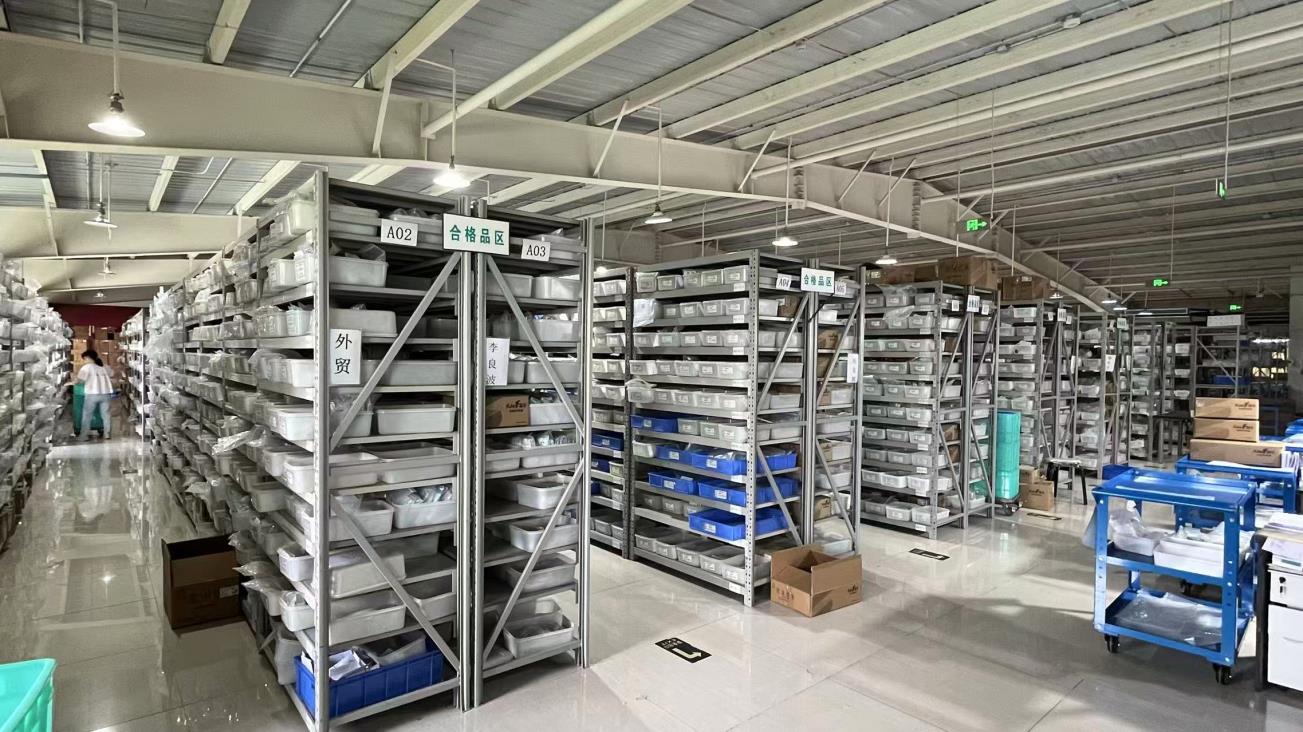
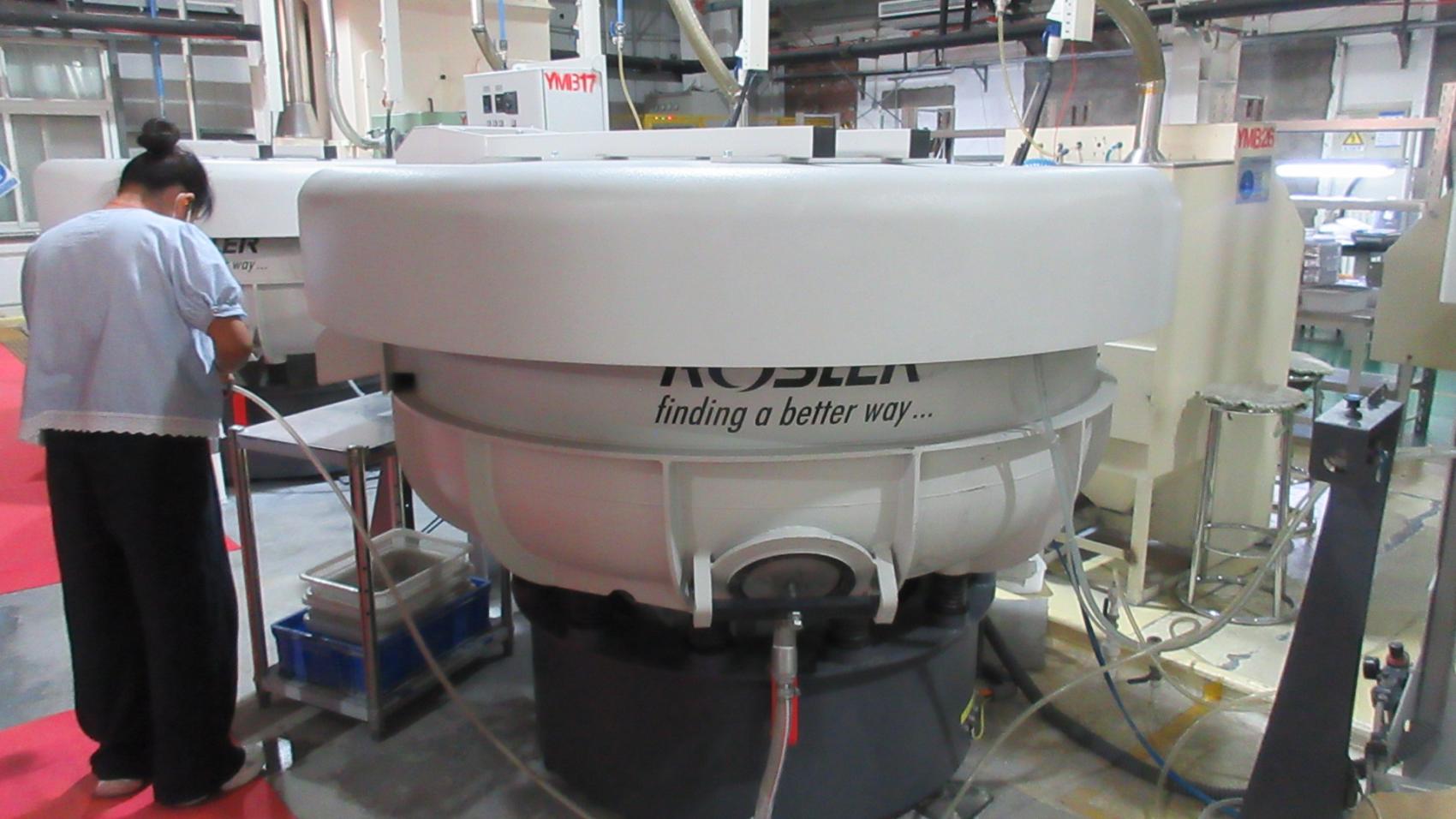
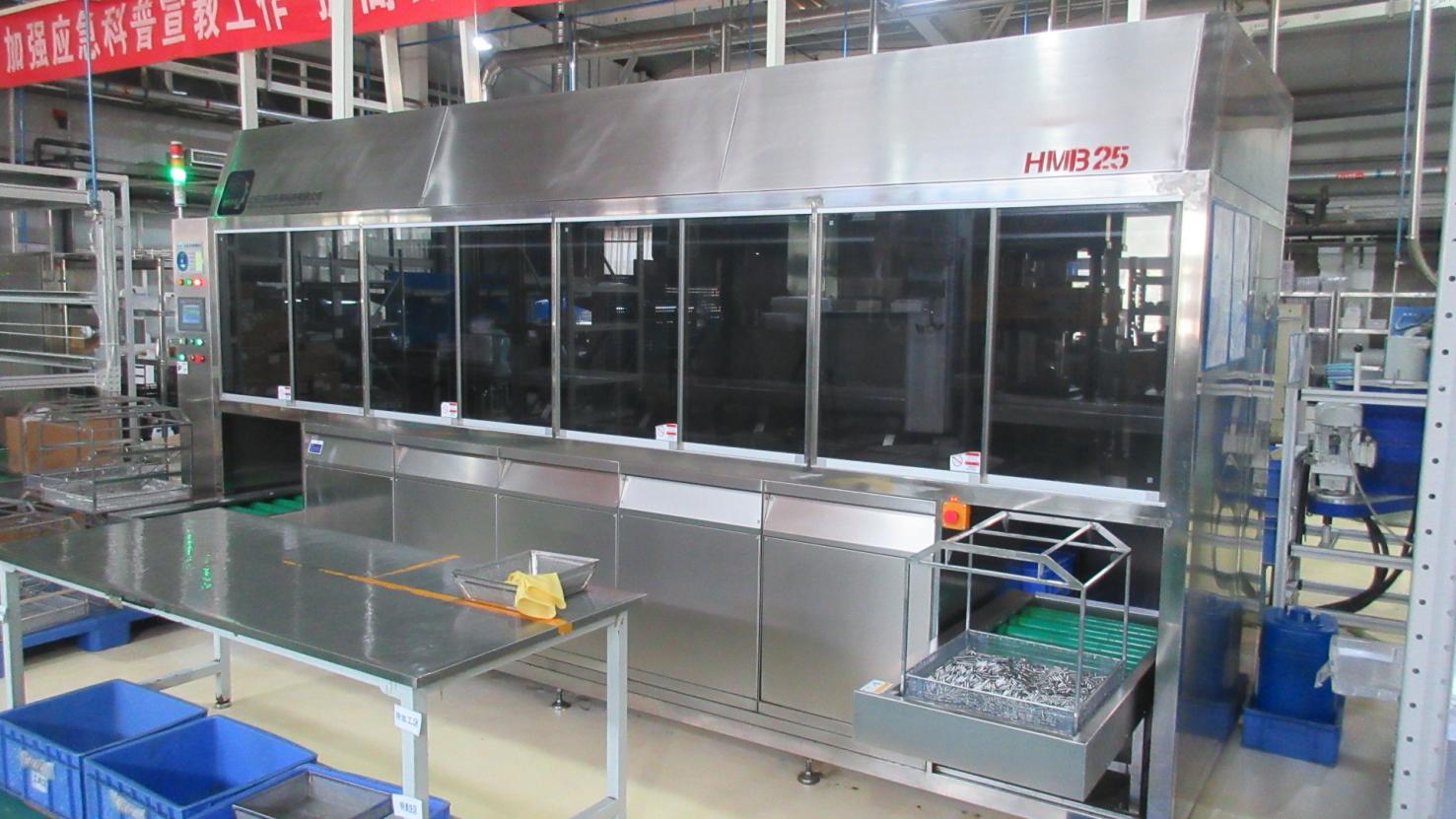
Established in 1996, our Chinese manufacturing plant boasts nearly 30 years of design and production expertise in orthopedic trauma and spinal systems. Spanning a 10,000-square-meter facility, we integrate cleanrooms matching Class 100,000 standards to ensure every implant is free of particulate contaminants.
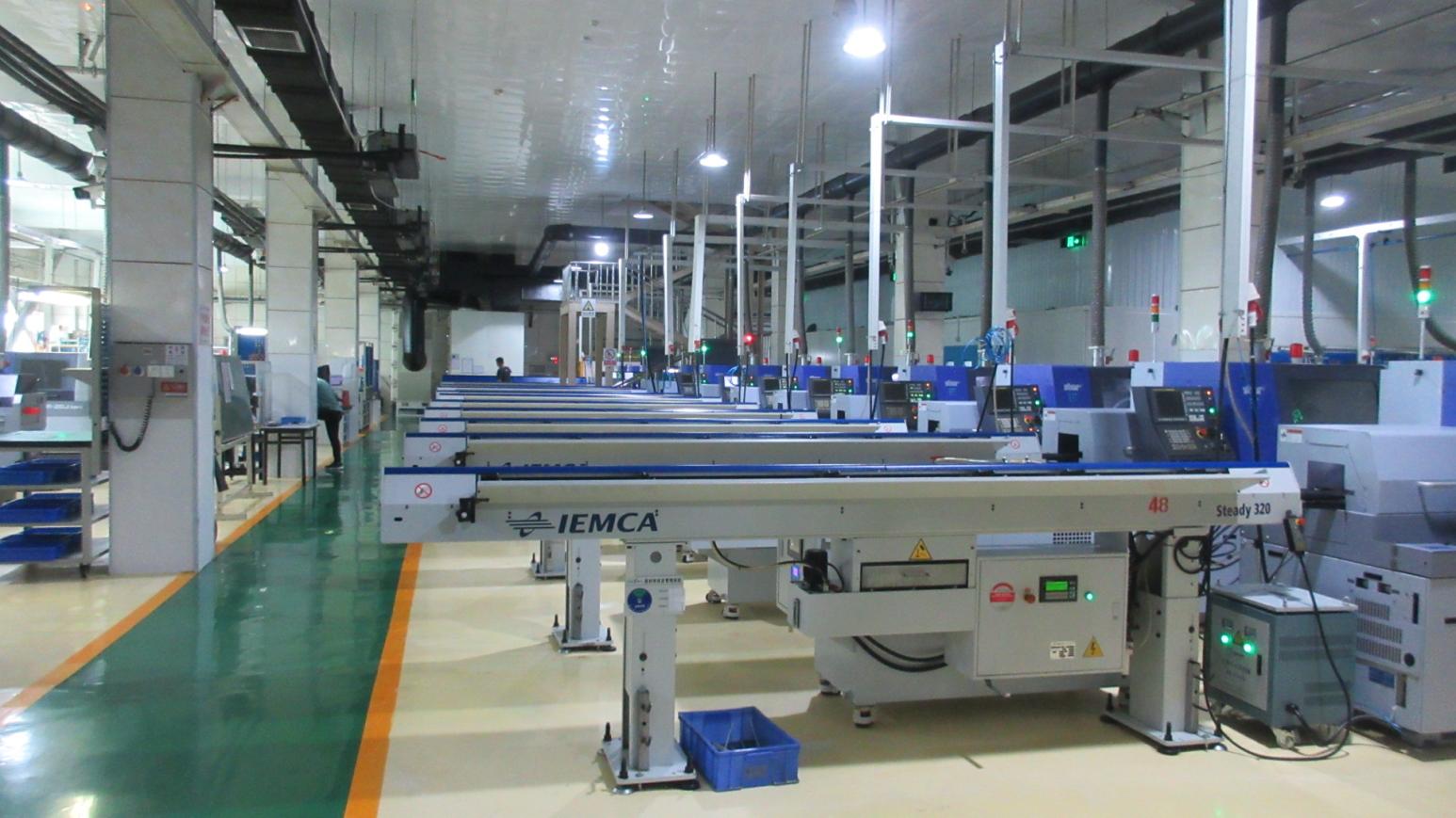
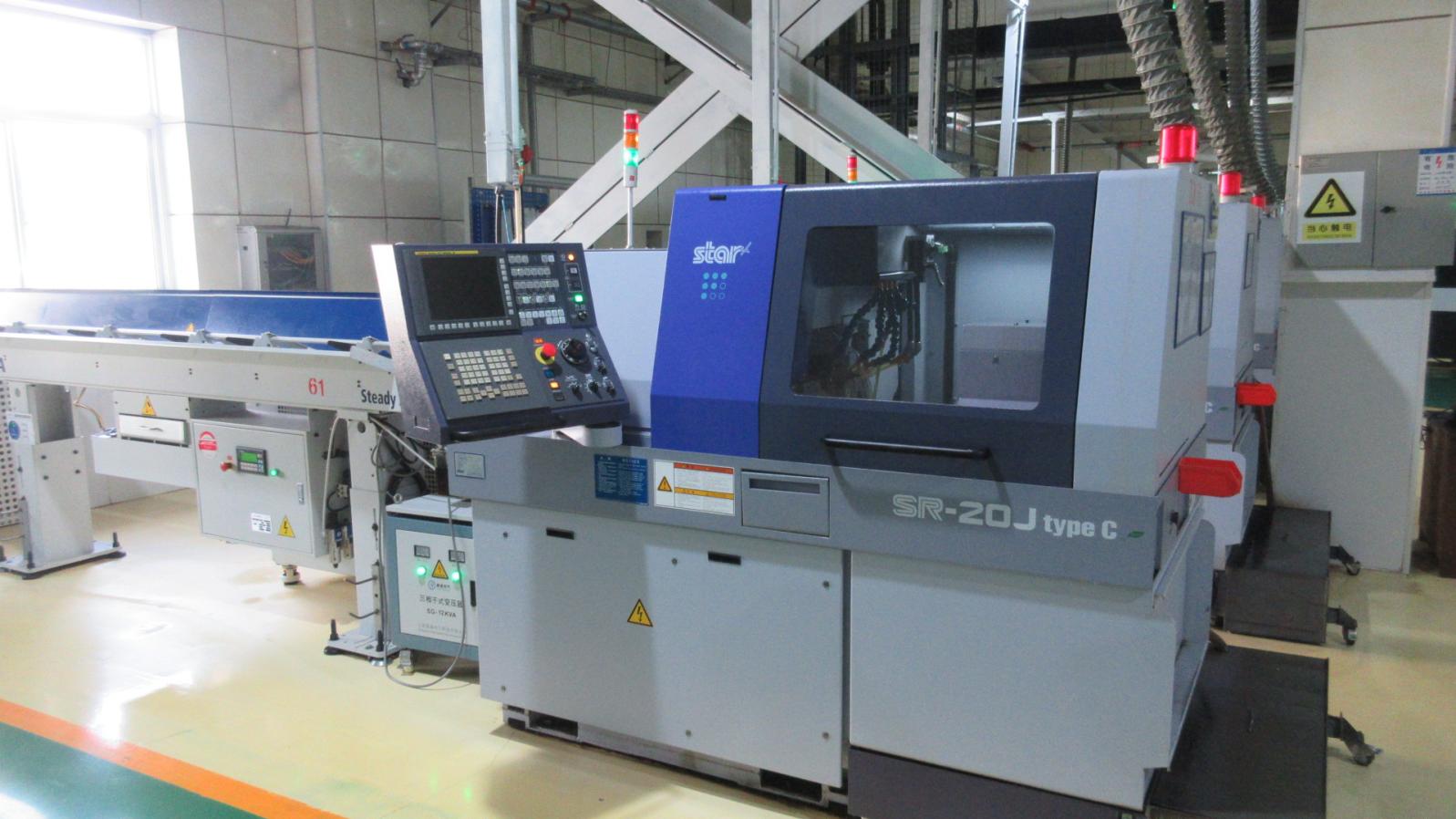
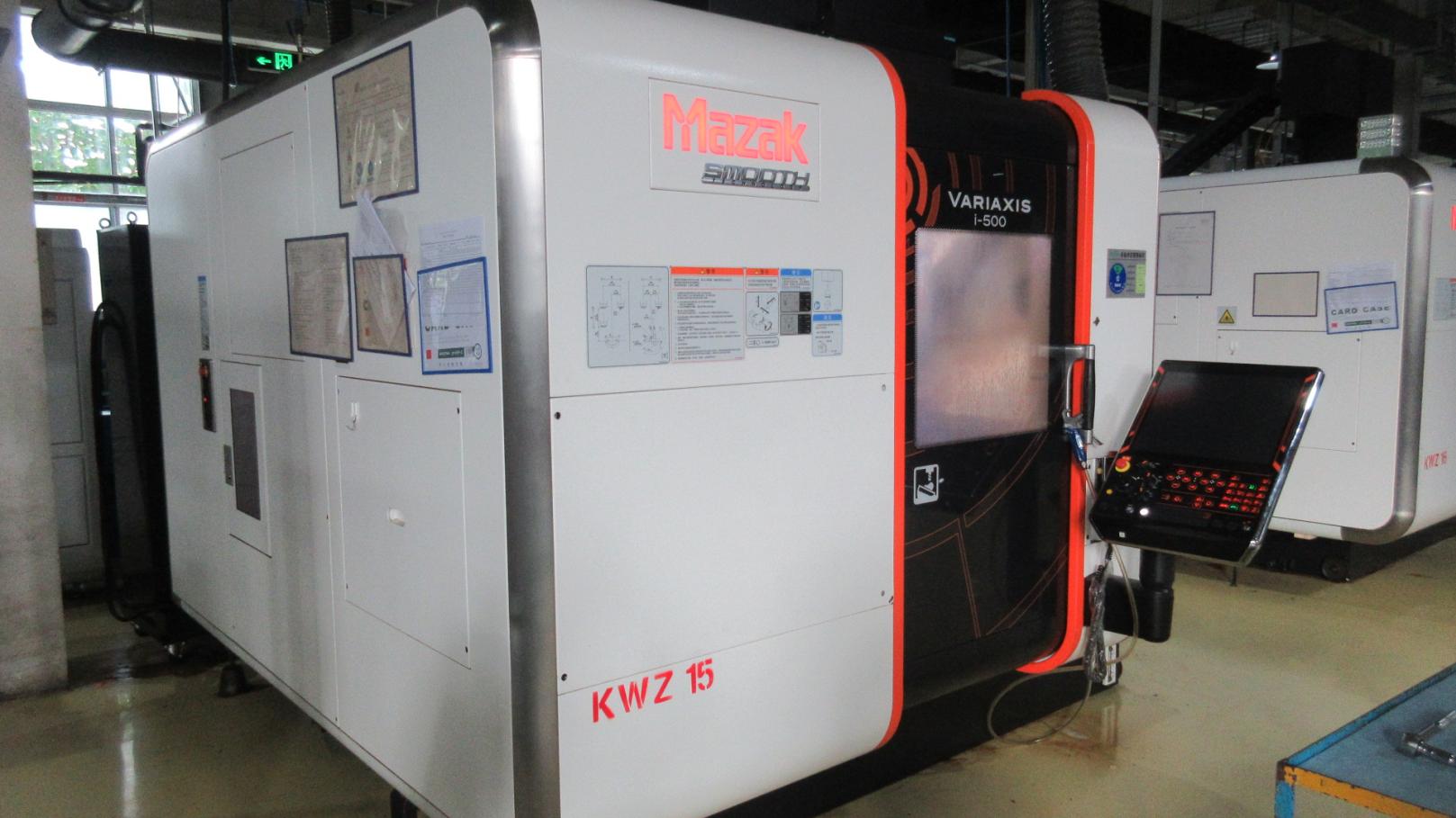
Equipped with 102 state-of-the-art CNC production machines imported from Germany and Switzerland, our production capabilities deliver exceptional precision. This guarantees tolerances down to the micrometer—vital for spinal screw thread-matching and femoral component alignment. We provide customizable manufacturing pathways, including raw material sourcing and custom-dimension implant processing.
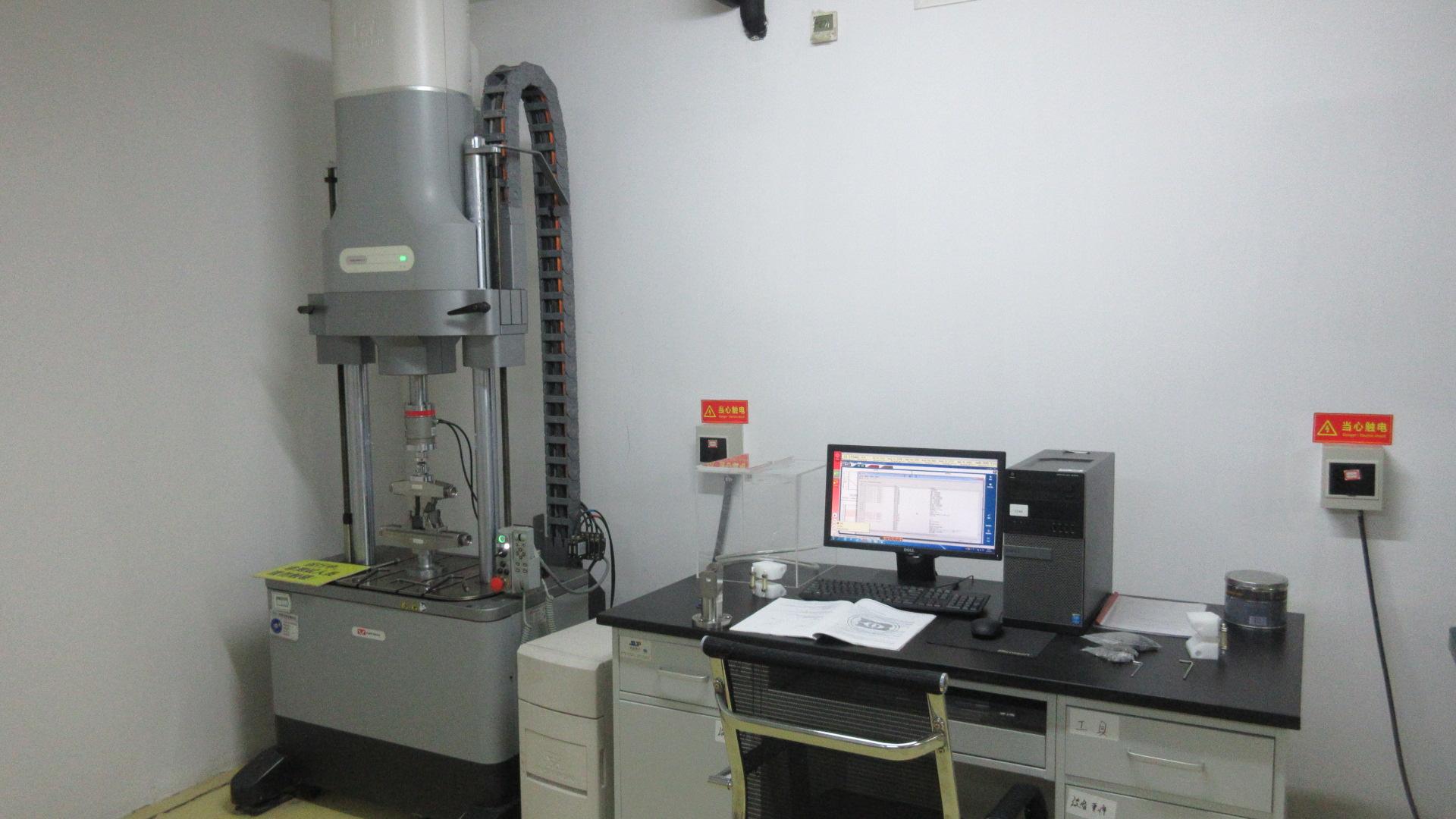
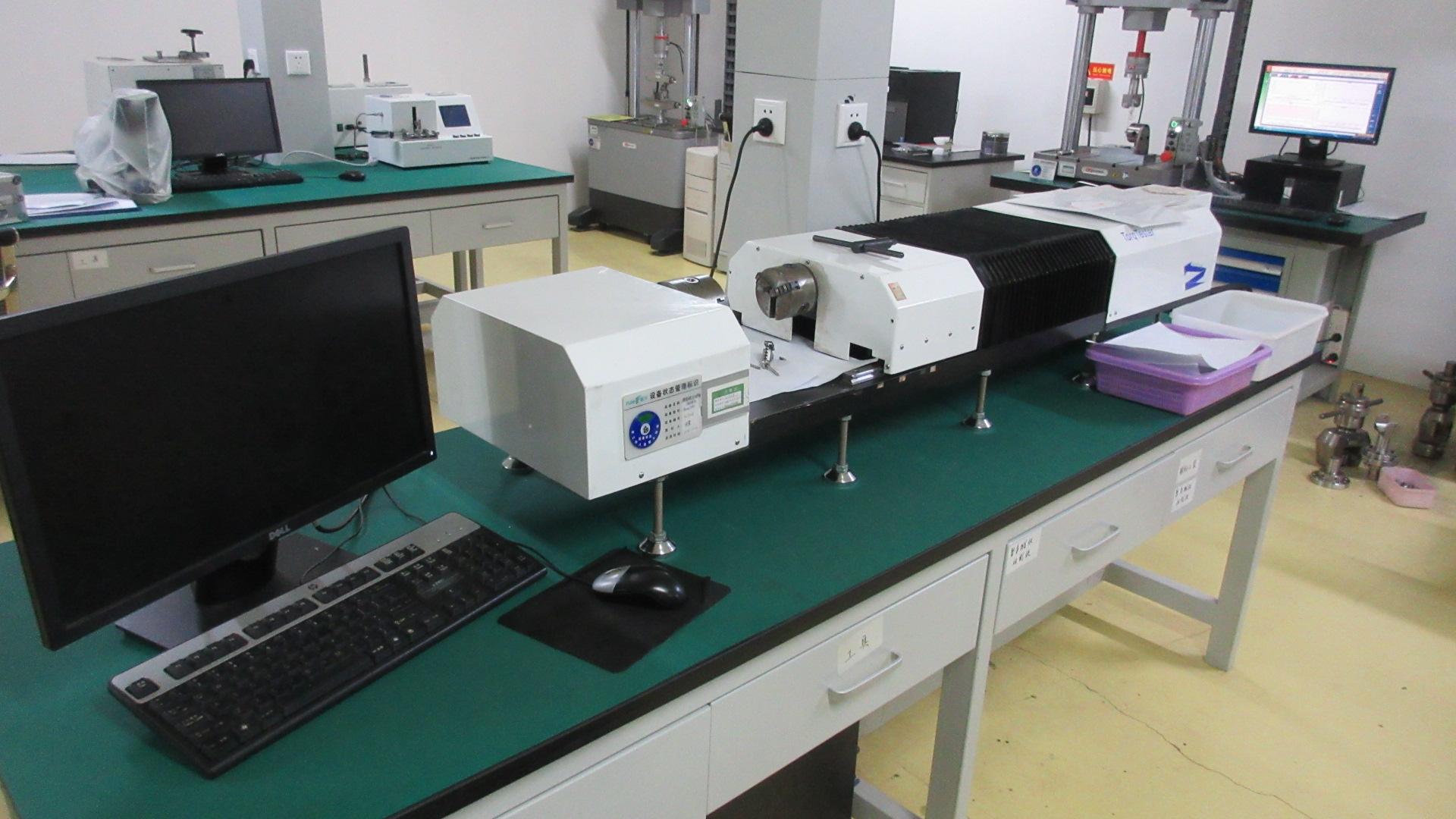
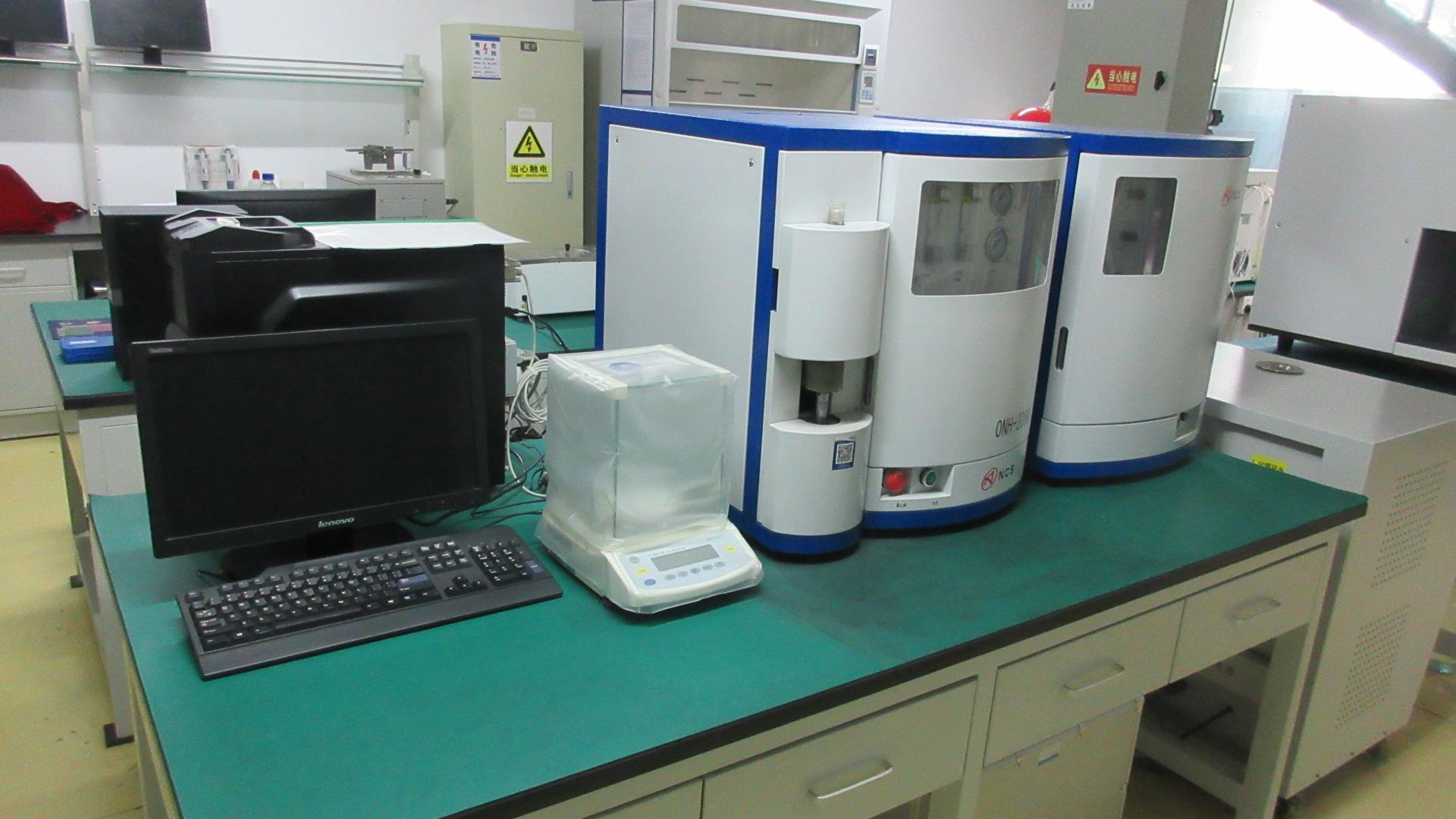
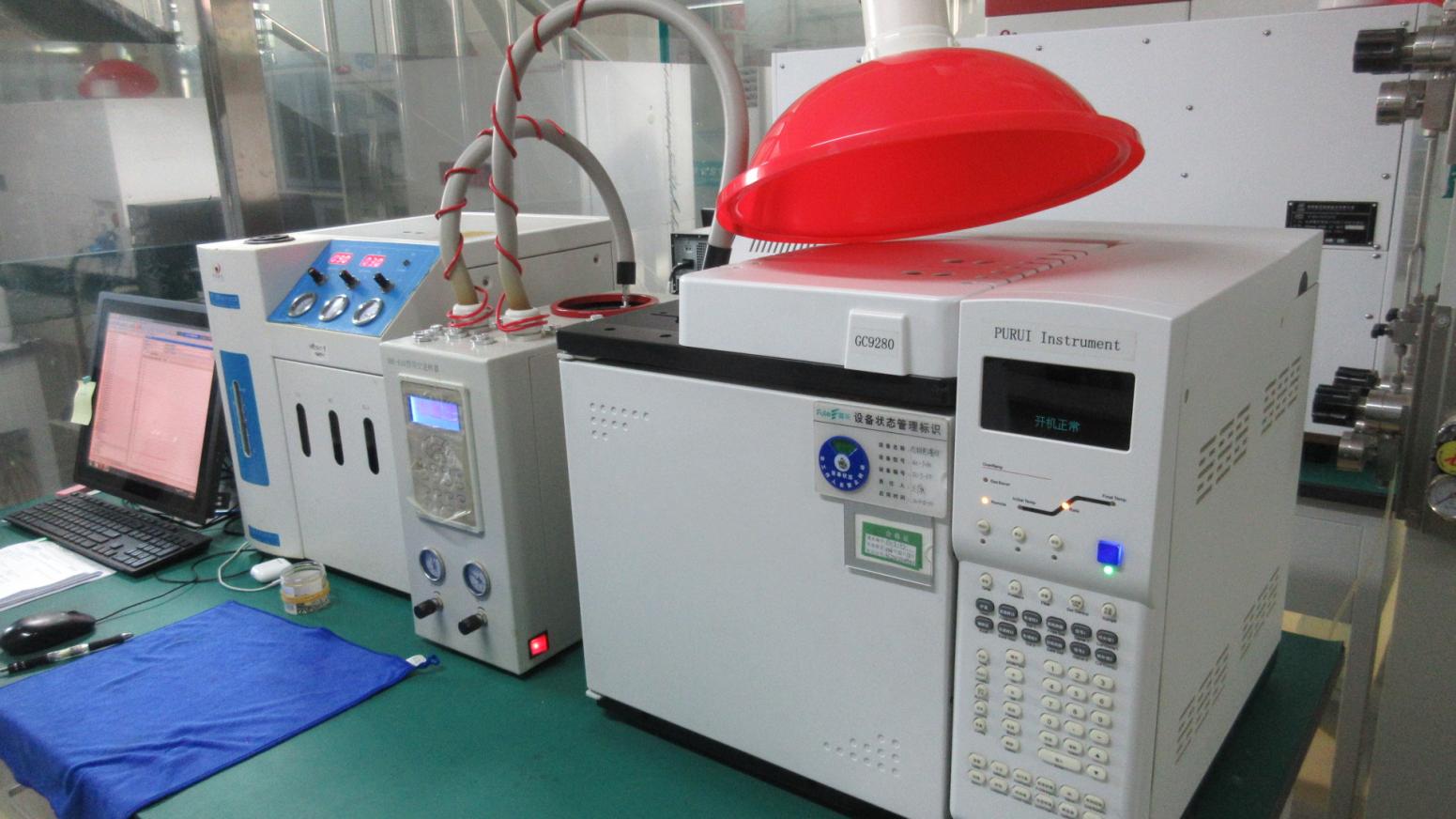
All titanium raw materials are verified through spectroscopic and metallurgical testing. We retain traceability records for over 10 years, ensuring every surgical batch matches its certificate of compliance.
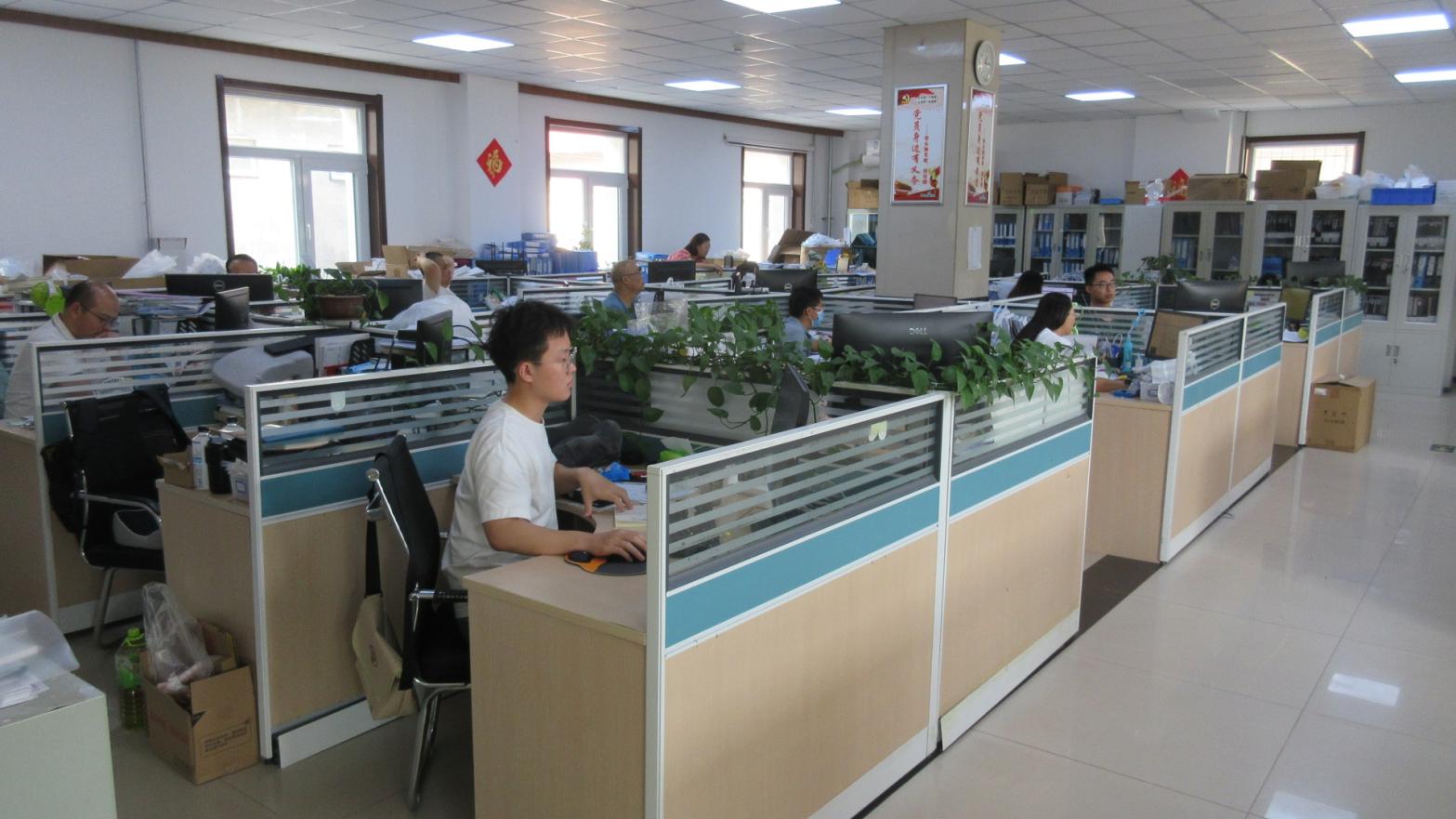
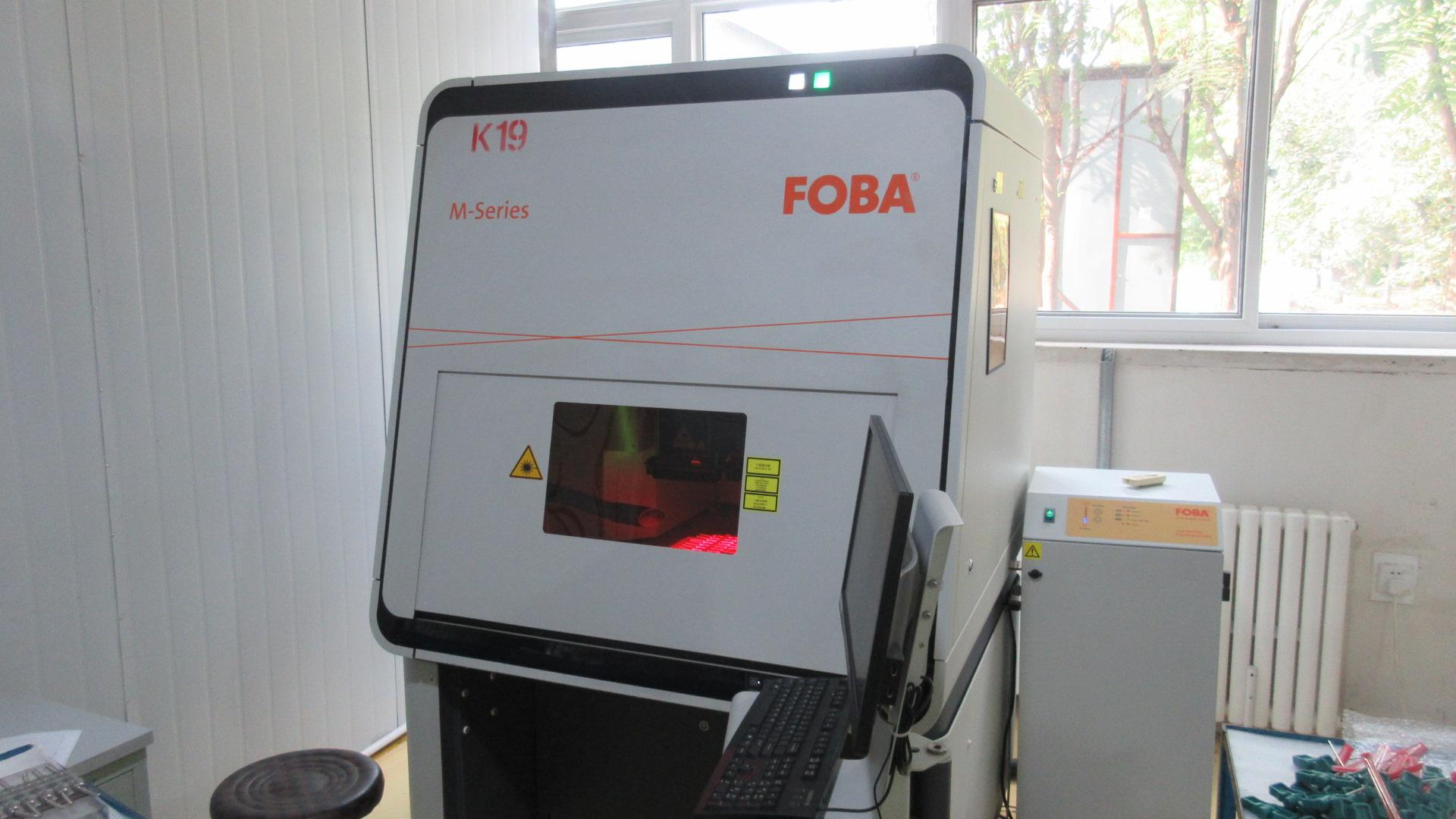
Quality checks are integrated at every stage, led by a dedicated 15-inspector QC team. Every spinal screw and femoral component undergoes 100% visual and dimensional verification before sterilization.
Certified under ISO 13485 (Certificate: 04724Q10000818), our products adhere to strict medical manufacturing protocols, simplifying registration with the Egyptian Drug Authority (EDA).
For global medical distributors and Egyptian B2B importers, navigating procurement involves complex logistics and strict compliance. We ease this transition by providing:
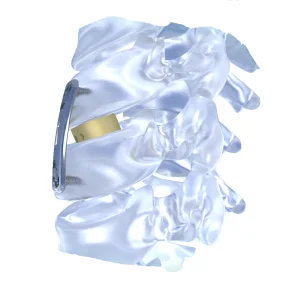
In Egyptian clinical trials and academic studies, Polyetheretherketone (PEEK) has emerged as a premium alternative to titanium for cervical interbody fusion due to its bone-like elasticity. Our product portfolio offers both advanced grade PEEK and titanium alloy hybrid options, allowing neurosurgeons to choose the optimal fusion environment for the patient.
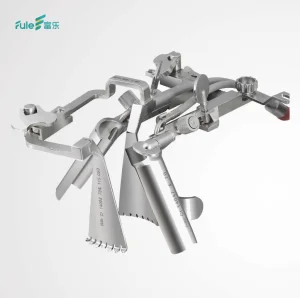
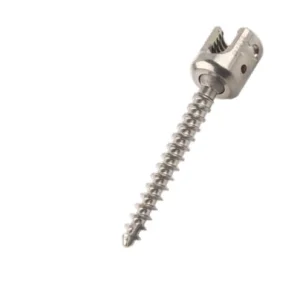
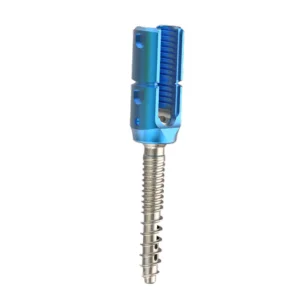
There is a growing demand in private clinics in Cairo and Alexandria for minimally invasive implants that require smaller incisions and reduce post-operative recovery times. By designing lower-profile plates, smaller pedicle screw heads, and specialized instrumentation sets, we assist hospitals in upgrading their clinical outcomes.
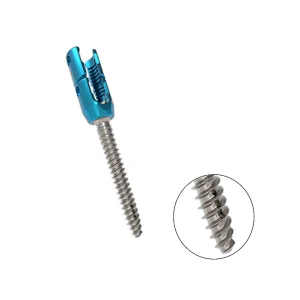
From the historic Kasr Al-Ainy Hospital to Alexandria University Hospitals, high-volume teaching institutions require durable, cost-efficient, and easy-to-use screw-rod systems. Our instruments are engineered to withstand multiple sterilization cycles, matching the heavy demands of public surgery clinics.
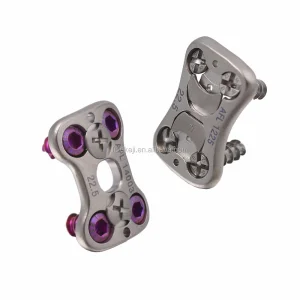
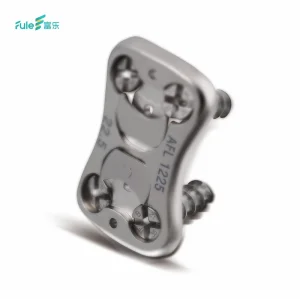
Modern private healthcare providers demand premium-grade biomaterials with flawless cosmetic and anatomical performance. Our low-profile cervical plates and high-grade titanium locking plate implants are designed for elite surgical suites looking for zero-failure performance.
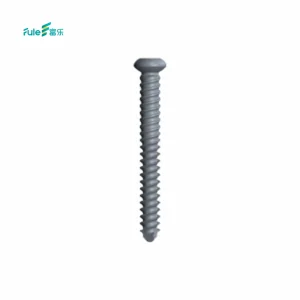
Trauma surgical suites across the Suez Canal and Delta regions rely on versatile locking systems for bone reconstruction. Our multi-dimensional intramedullary nail combinations offer surgeons intraoperative flexibility, simplifying the treatment of complex shaft fractures.
Implants must be registered with the Egyptian Drug Authority (EDA). As your manufacturing partner, we provide all required dossiers, including ISO 13485 certificates, CE declarations, material biocompatibility test results, and Free Sale Certificates (CFS). These are typically legalized at the Egyptian Embassy in Beijing before shipment.
We source medical-grade titanium alloy (typically Ti-6Al-4V ELI conforming to ASTM F136 standards) and medical-grade PEEK (supplied by premium biomaterial suppliers). This ensures high biocompatibility, excellent corrosion resistance, and optimized fatigue strength under physical loads.
Yes. Supported by 20 experienced R&D engineers, we provide custom modifications based on sample processing, graphic design, and custom orthopedic requirements. We work closely with Egyptian hospital chains to design instrumentation sets matching their surgeons' preferences.
We implement a strict multi-layer quality management system. This includes inspecting raw materials, performing mid-process measurements using high-precision CNC machinery, conducting final sizing, and carrying out post-sterilization audits. Our 15 quality inspectors ensure that every part shipped meets ISO standards.
Contact our global OEM and distribution export managers to request physical samples, detailed technical files, or assistance with Egyptian Drug Authority (EDA) import compliance.
 Beren Science & Technology