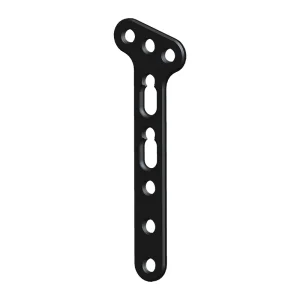
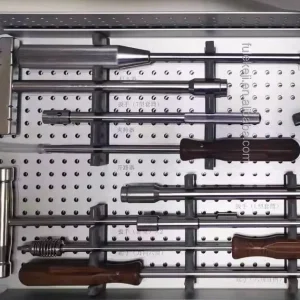
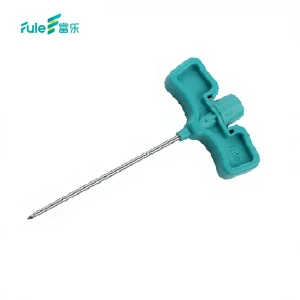
Advanced titanium locking plates optimized for the Southern California clinical market, providing superior rigid fixation and angular stability for complex trauma cases.
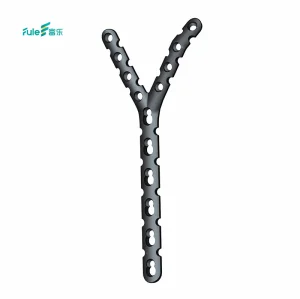
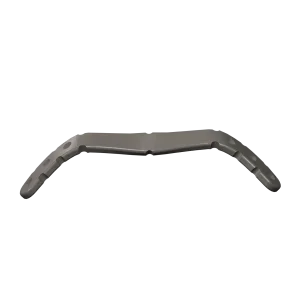
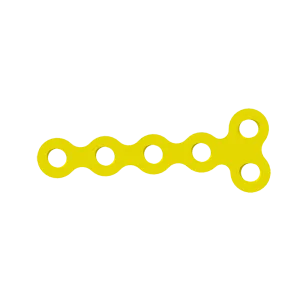
The Greater Los Angeles metropolitan area is home to one of the world's most advanced healthcare and trauma treatment networks. Anchored by prestigious Level I trauma centers, academic research hospitals, and leading outpatient orthopedic clinics, the demand for high-performance, biocompatible osteosynthesis implants has never been higher. Humeral fractures—ranging from complex proximal humerus fractures in geriatric osteoporotic patients to high-impact distal humeral shaft fractures in younger demographics—require anatomical plate profiles that minimize soft tissue irritation while promoting early mobilization.
As a premier international manufacturer and supplier, our factory provides direct supply chain integration for hospital networks and medical device distributors across SoCal. By offering class-leading titanium locking plates and specialized instrumentation kits, we reduce the total cost of care while guaranteeing strict adherence to FDA and CE regulatory standards.
Ensuring absolute surgical precision with ergonomically designed instrument sets, high-integrity extraction tools, and micro-engineered decompression technologies.
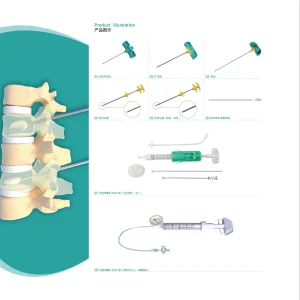
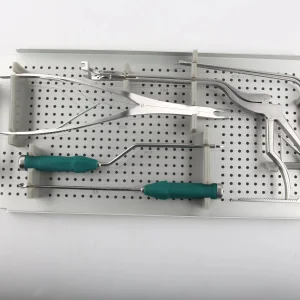
Addressing the complex force vectors of the upper extremity through cutting-edge materials science and geometric engineering.
By adjusting the plate thickness and choosing titanium alloys with a modulus of elasticity closer to cortical bone, our humeral plates reduce the risk of localized bone resorption and device failure.
Our humeral locking plates integrate variable-angle screw technology (allowing up to 15 degrees of trajectory deviance) so surgeons can avoid structural voids and engage bone of maximum density.
Advanced Type II electrochemical anodization increases corrosion fatigue strength, significantly reduces cold welding of screws, and inhibits bacteria colonization at the implant interface.
The future of trauma implants lies in the intersection of patient-specific modeling and direct metal 3D printing (Selective Laser Melting - SLM). Our manufacturing pipeline is progressively adopting custom design inputs from high-resolution CT scans to create patient-matched humeral plates for complex non-union and oncology reconstructive cases.
Additionally, our R&D facility is currently evaluating smart implant technology featuring nano-sensors to monitor bone healing progress and detect sub-clinical biomechanical degradation prior to structural plate failure, transforming conventional bone synthesis into a data-driven clinical process.
Years of Global Export Experience
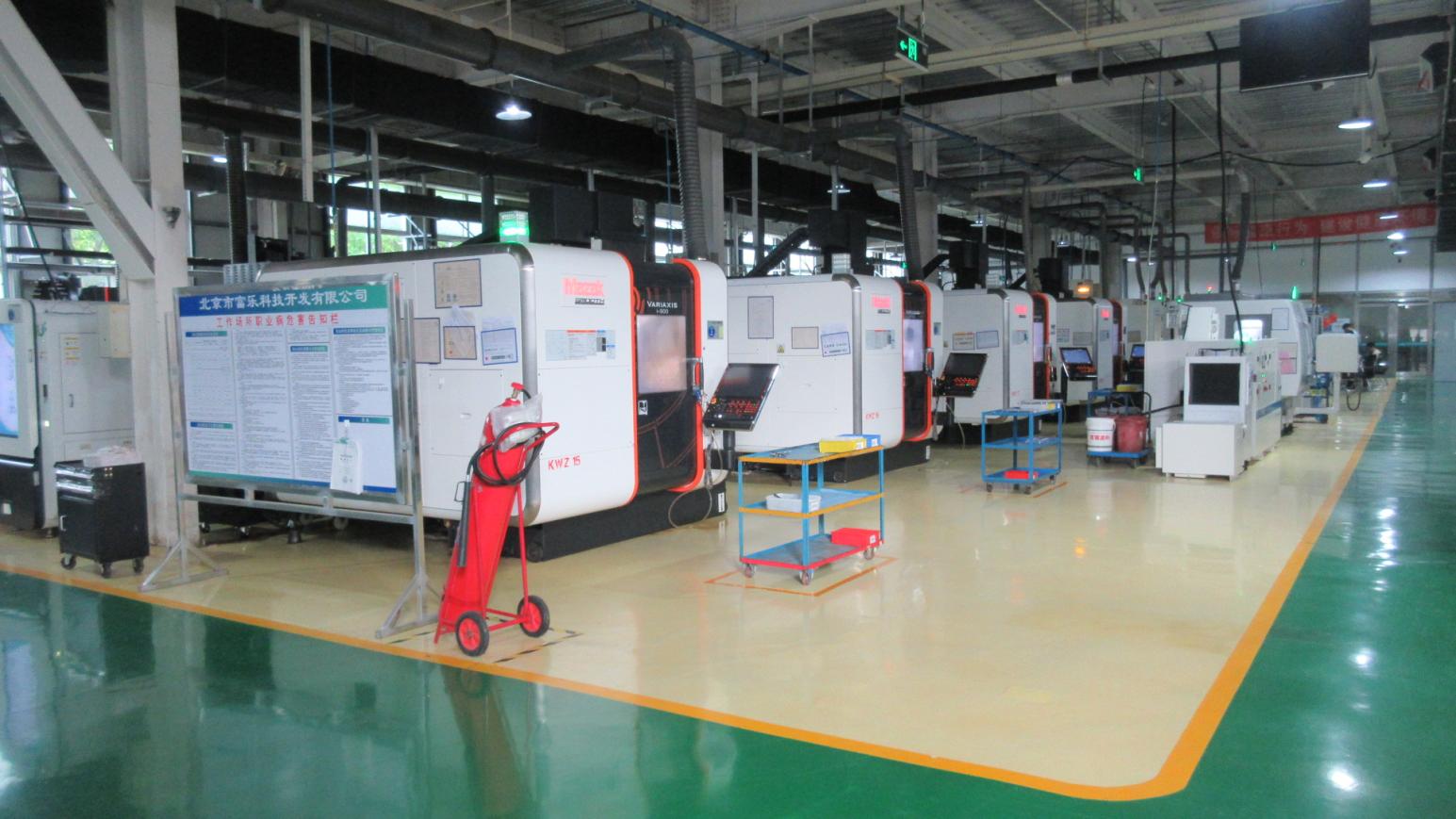
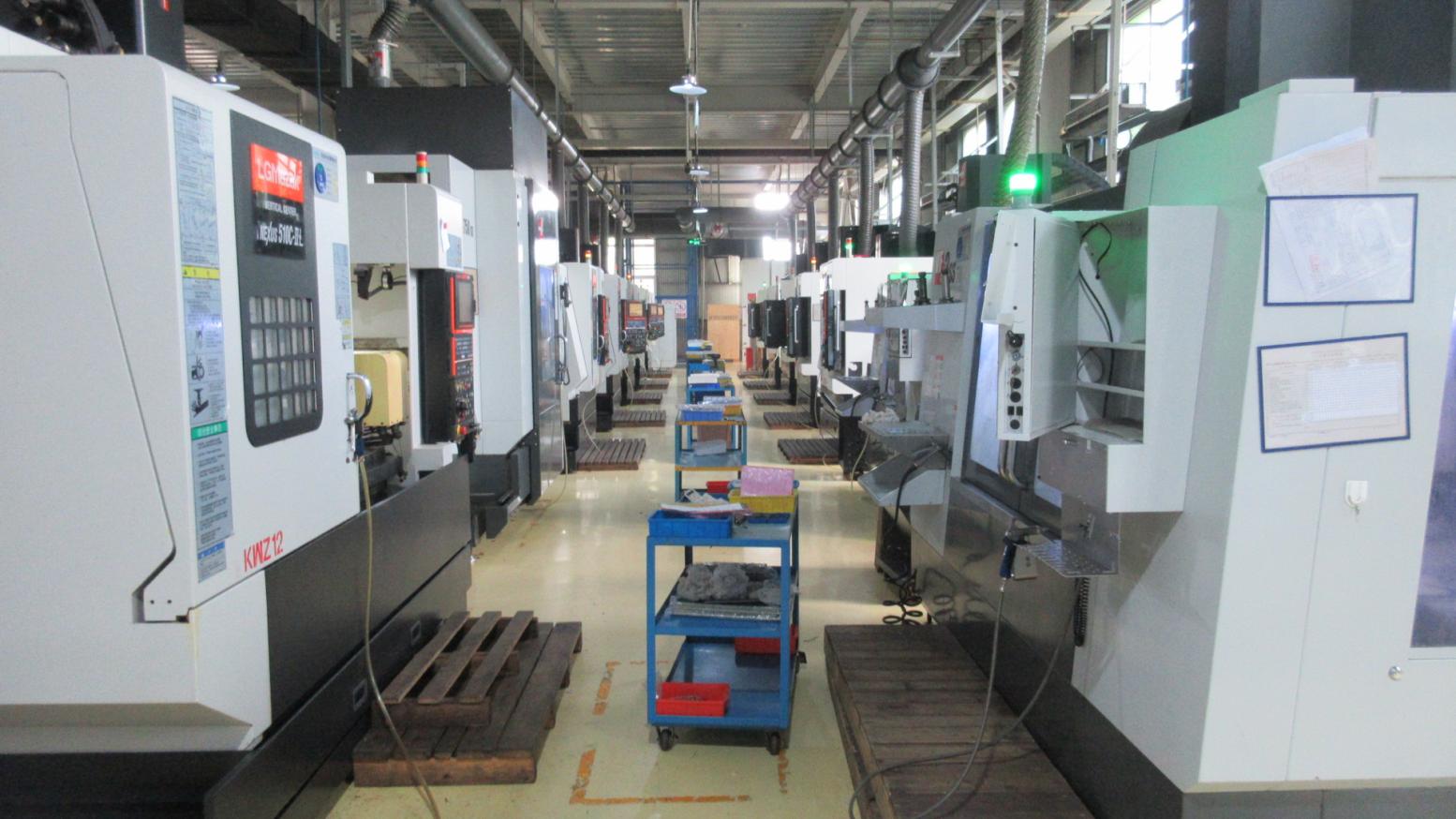
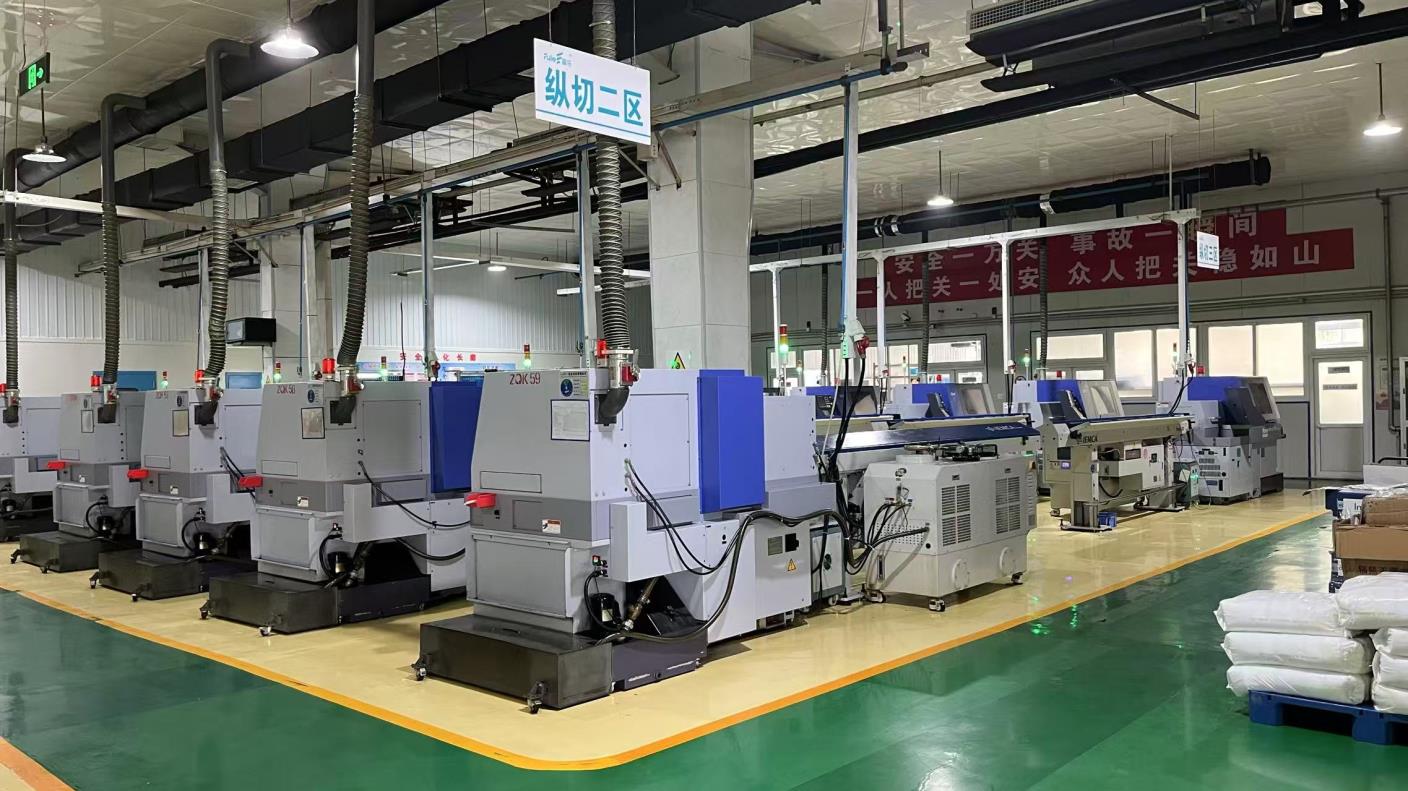
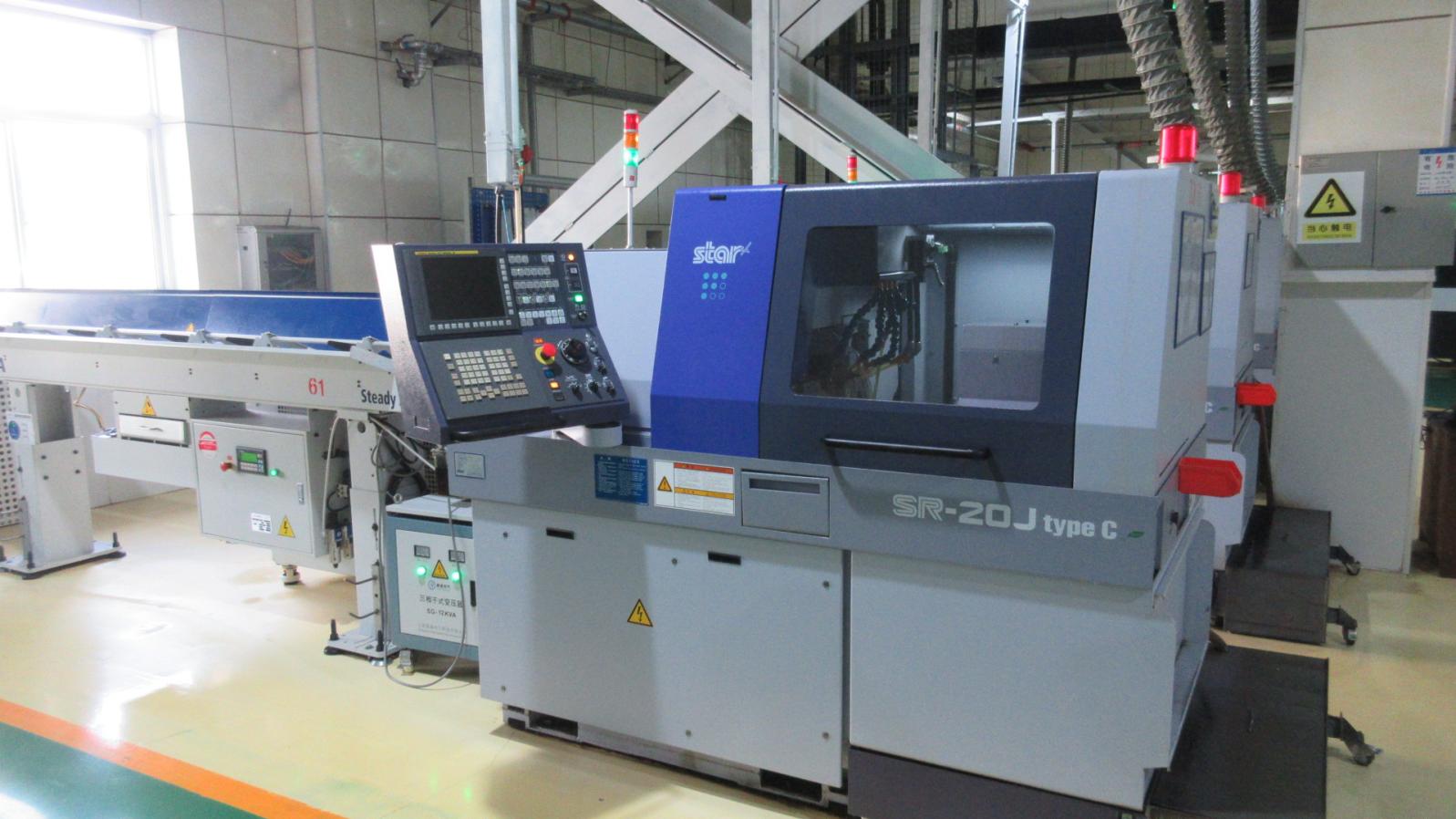
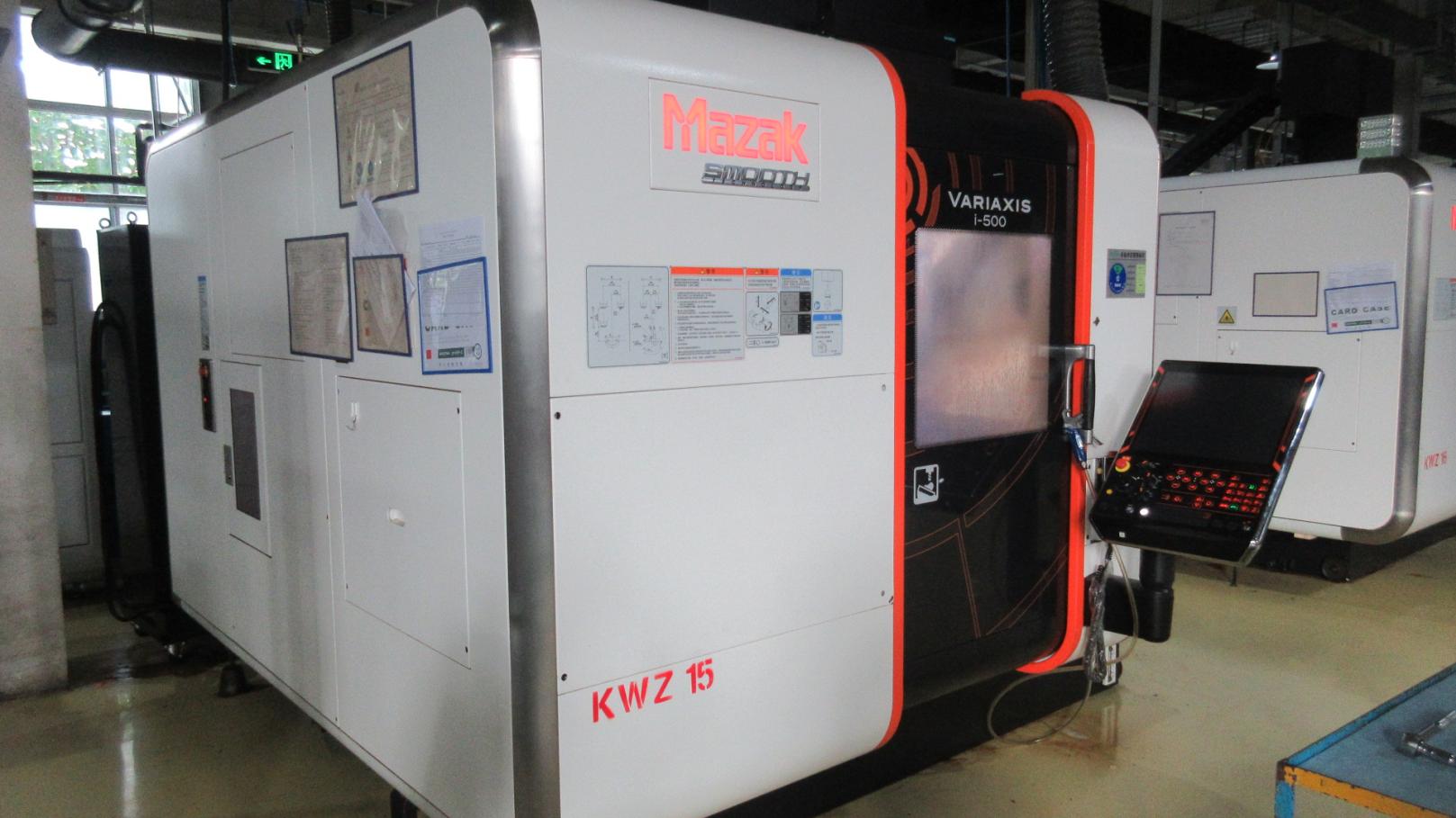
Advanced CNC & Machine Tools
Annual Unit Production Capacity
Quality Management System Certified
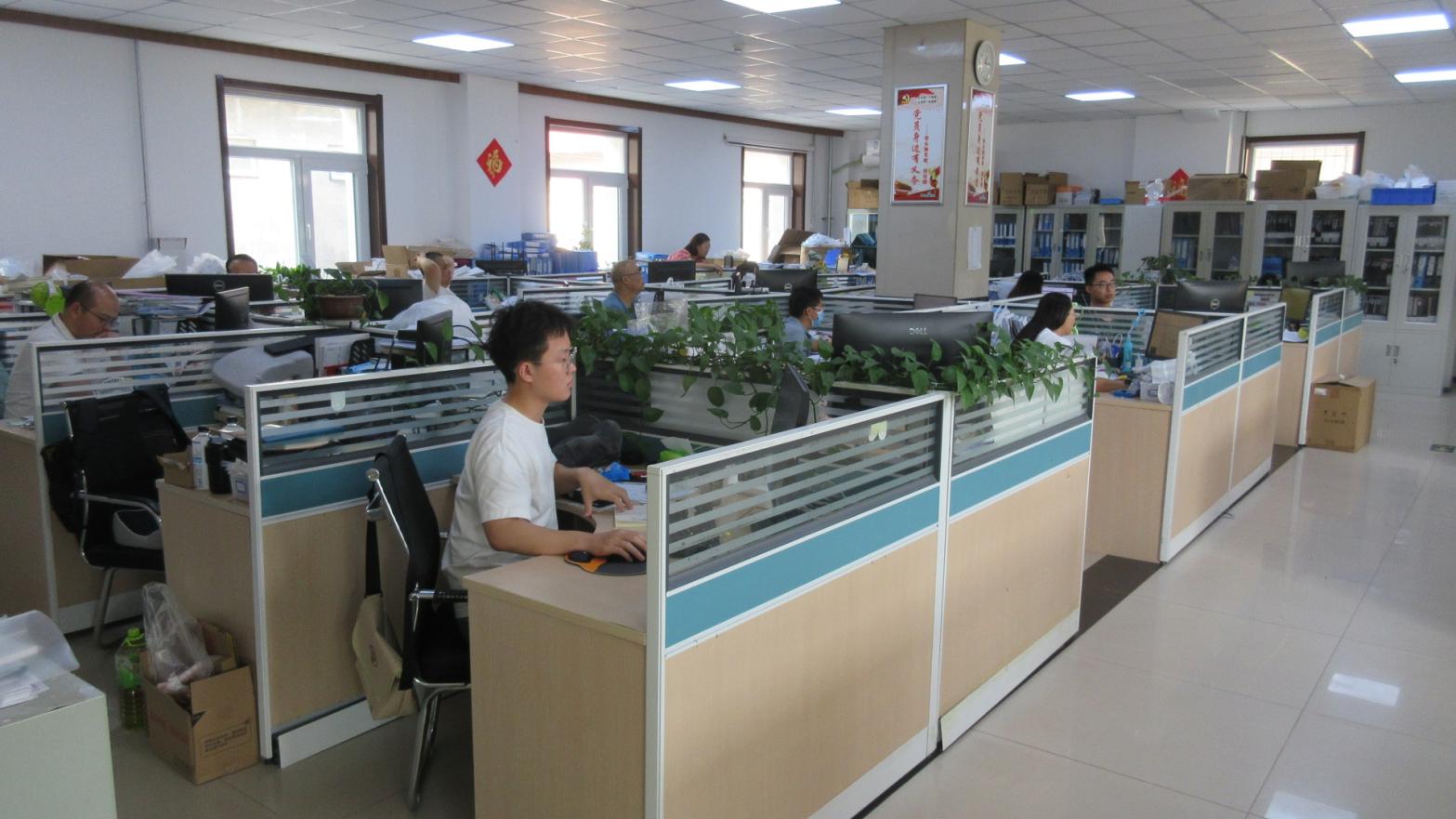
Established in 1996, our factory spans over 10,000 square meters of production and R&D floor space. Over three decades of persistent medical device development has positioned us as a reliable partner for multinational brand supply chains, regional medical device distributors, and private label importers.
We operate in full compliance with the ISO 13485 Quality Management standard for medical devices. Raw material tracing is 100% verified, ensuring that every titanium implant can be traced back to its initial melt batch.
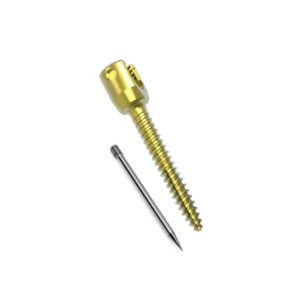
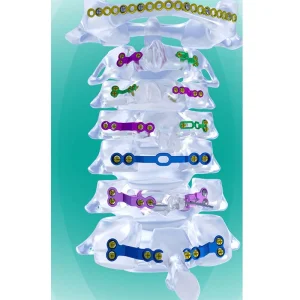
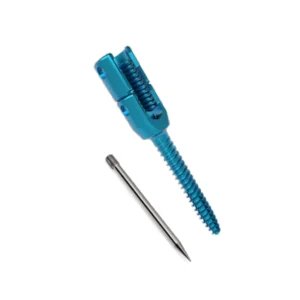
High-integrity spinal screw-rod systems, expandable pedicle fixation, and cervical decompression cages designed to support structural stability in orthopedic oncology and degenerative disorders.
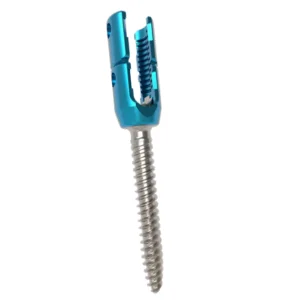
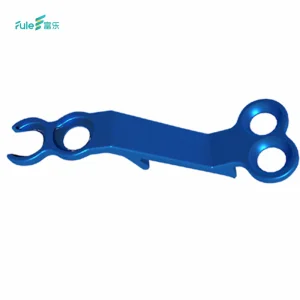
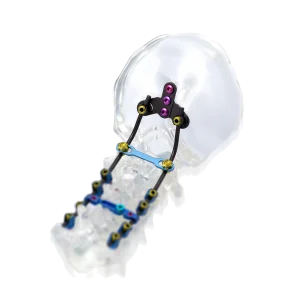
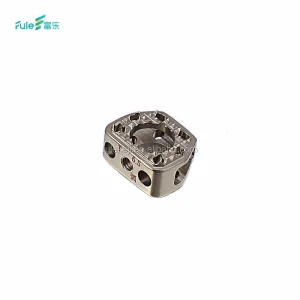
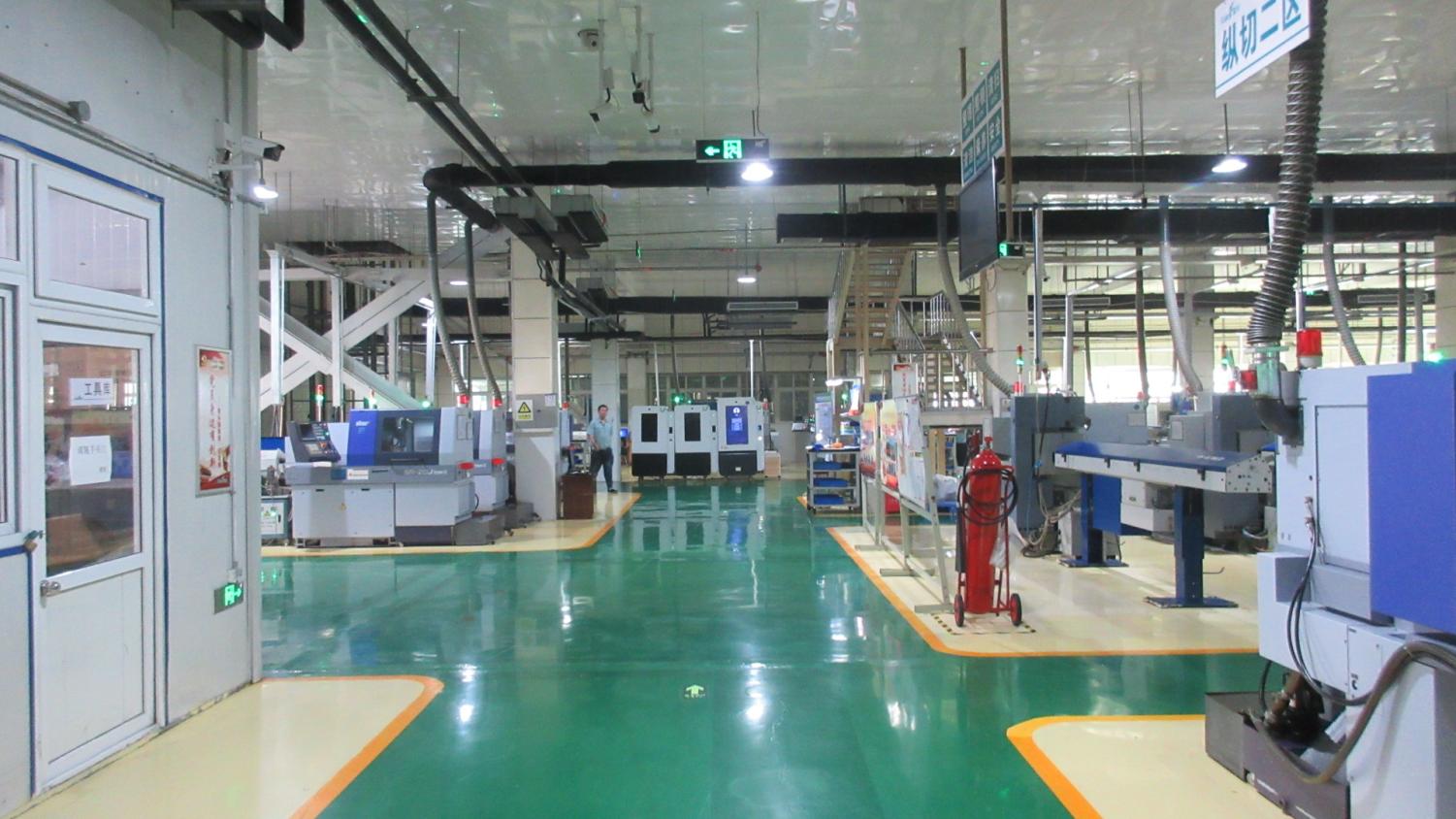
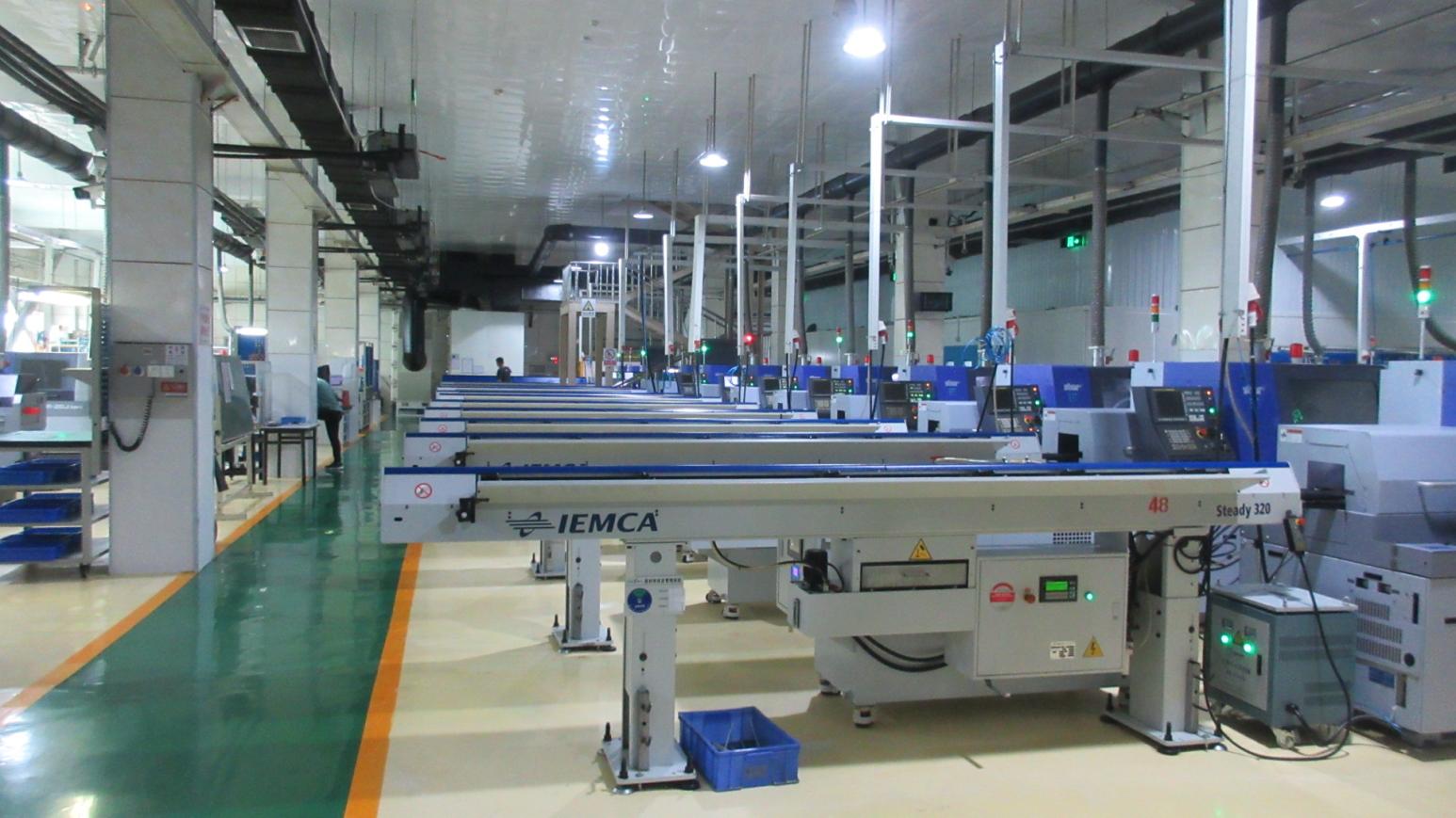
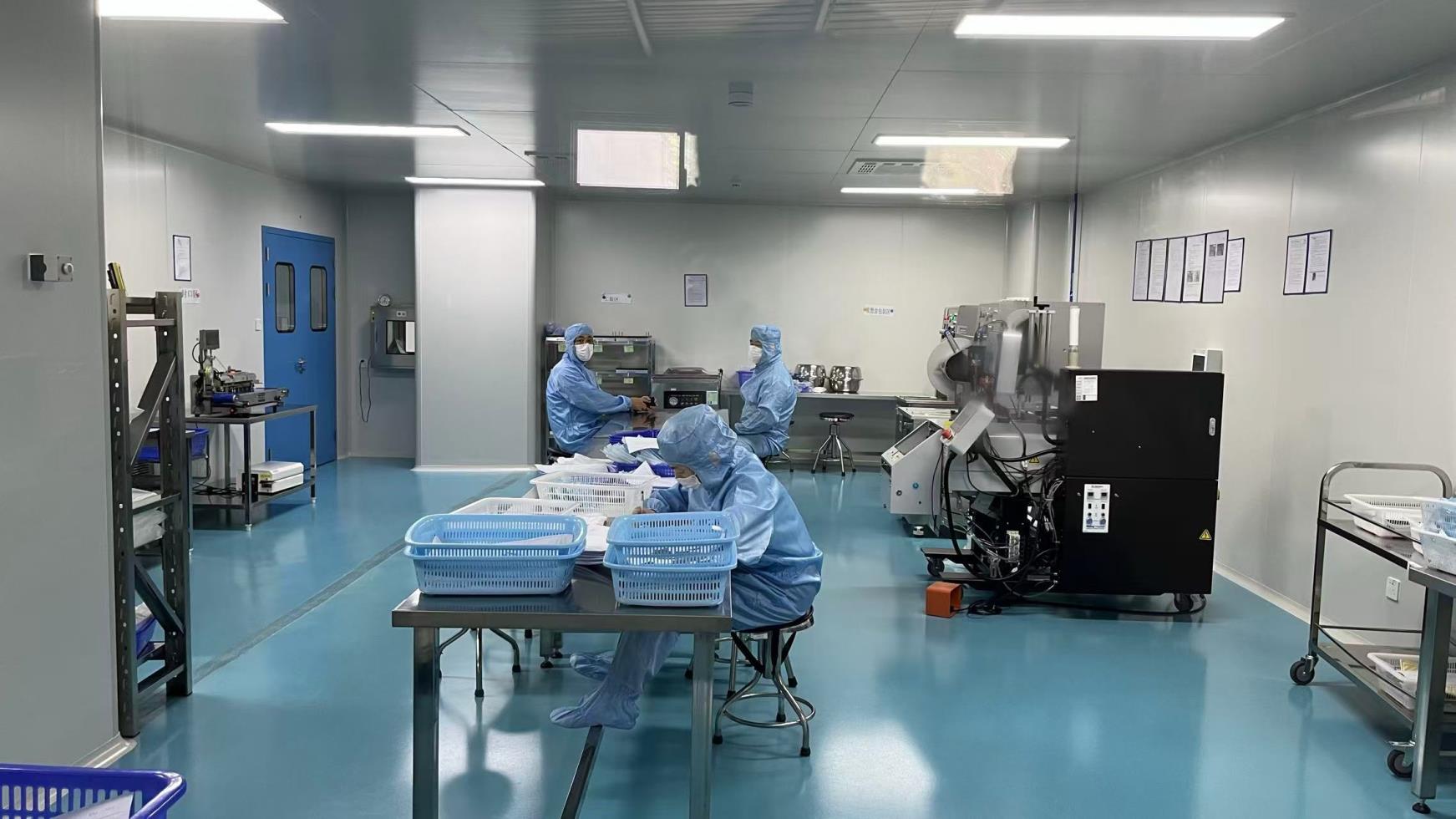
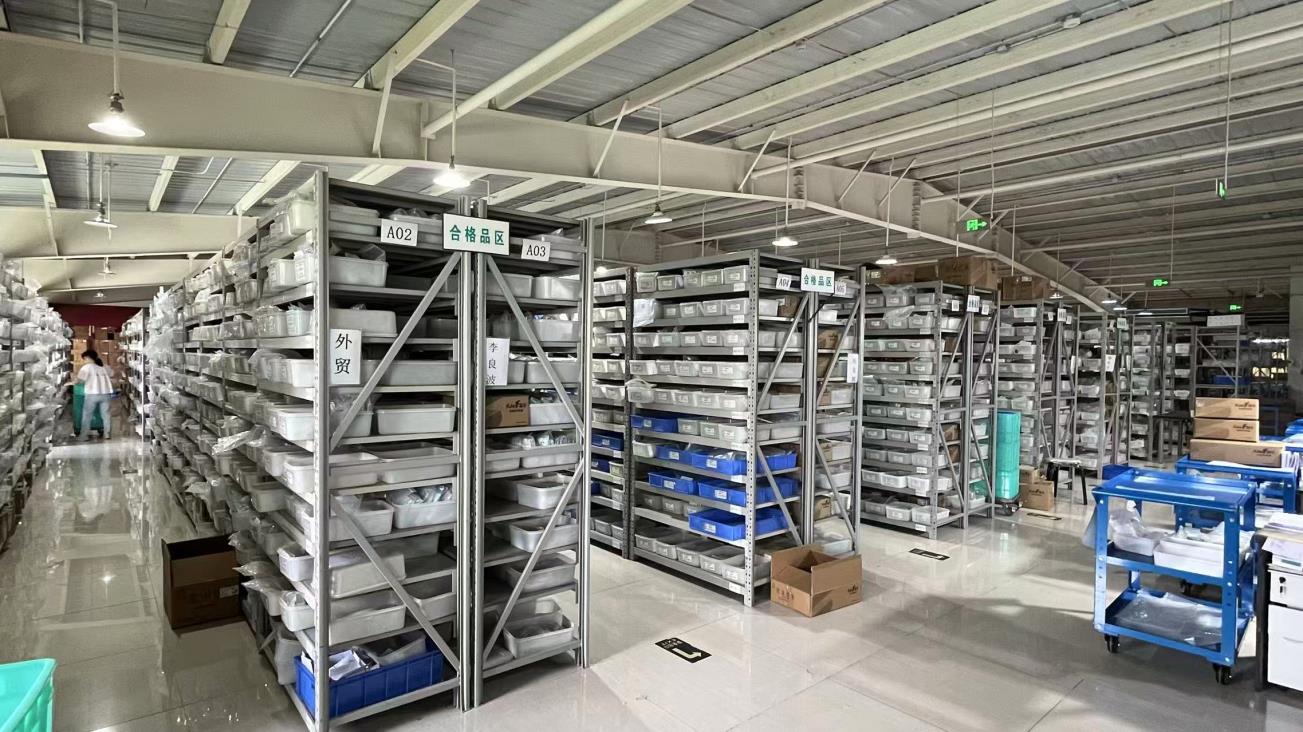
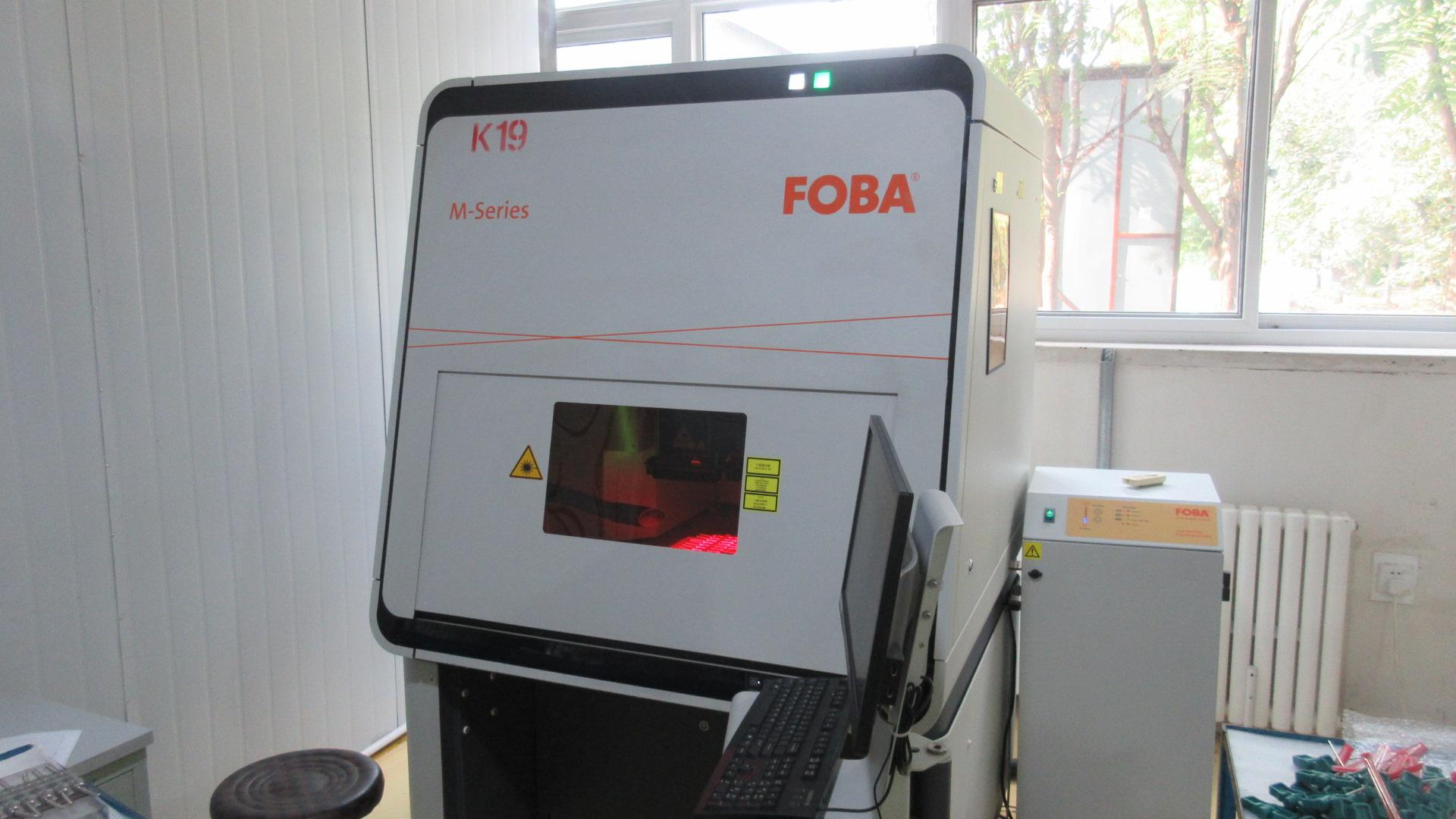
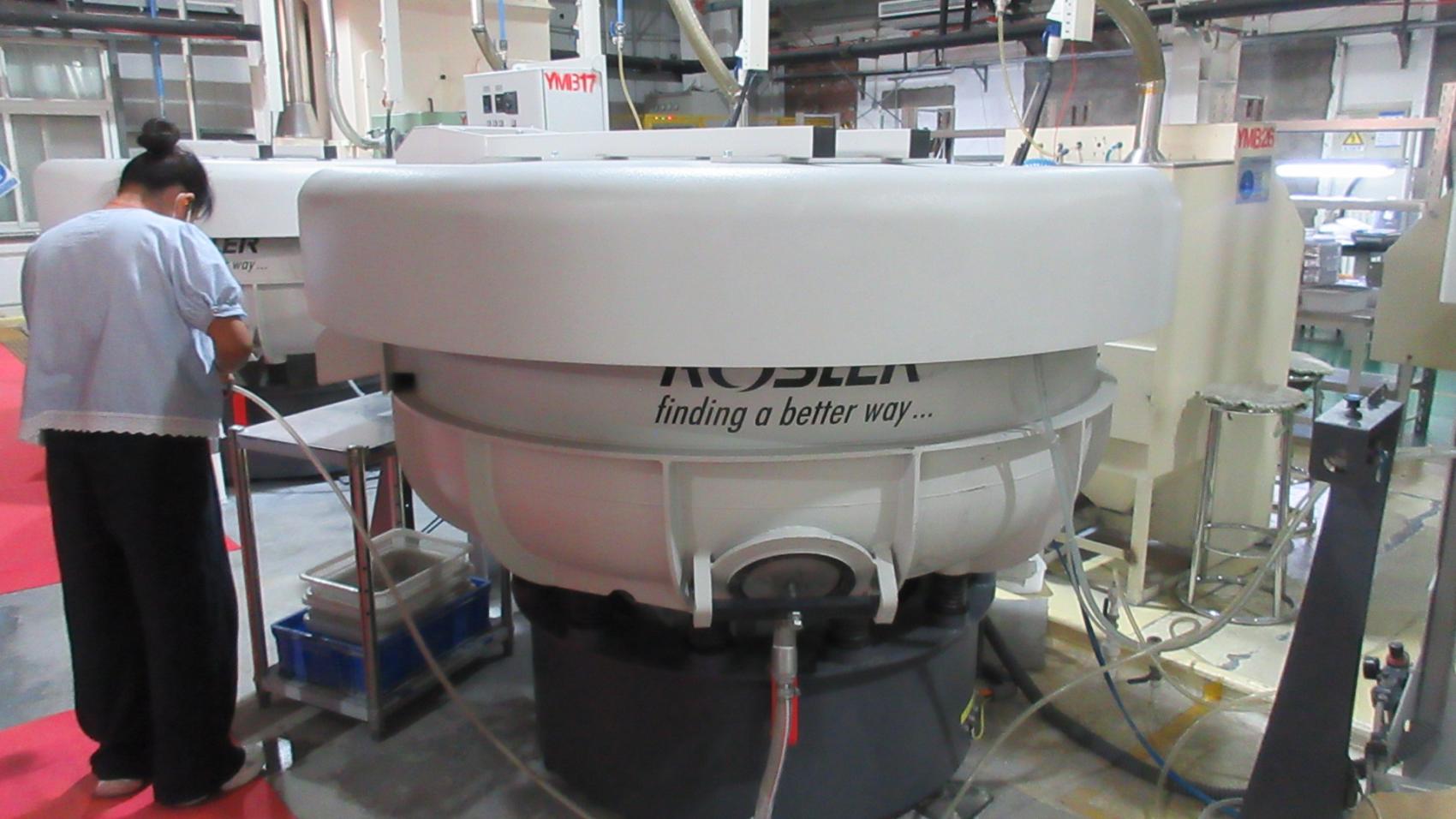
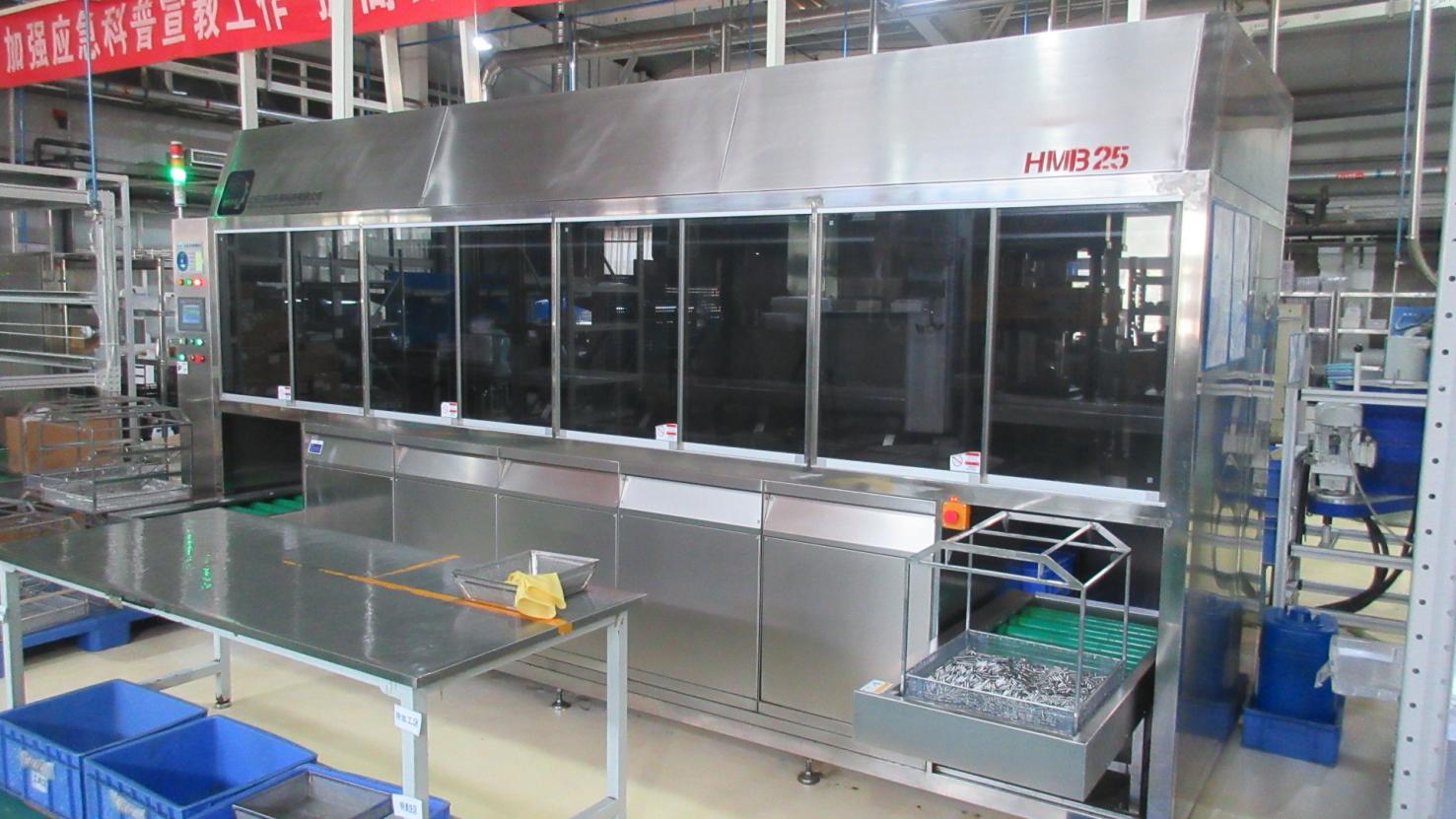
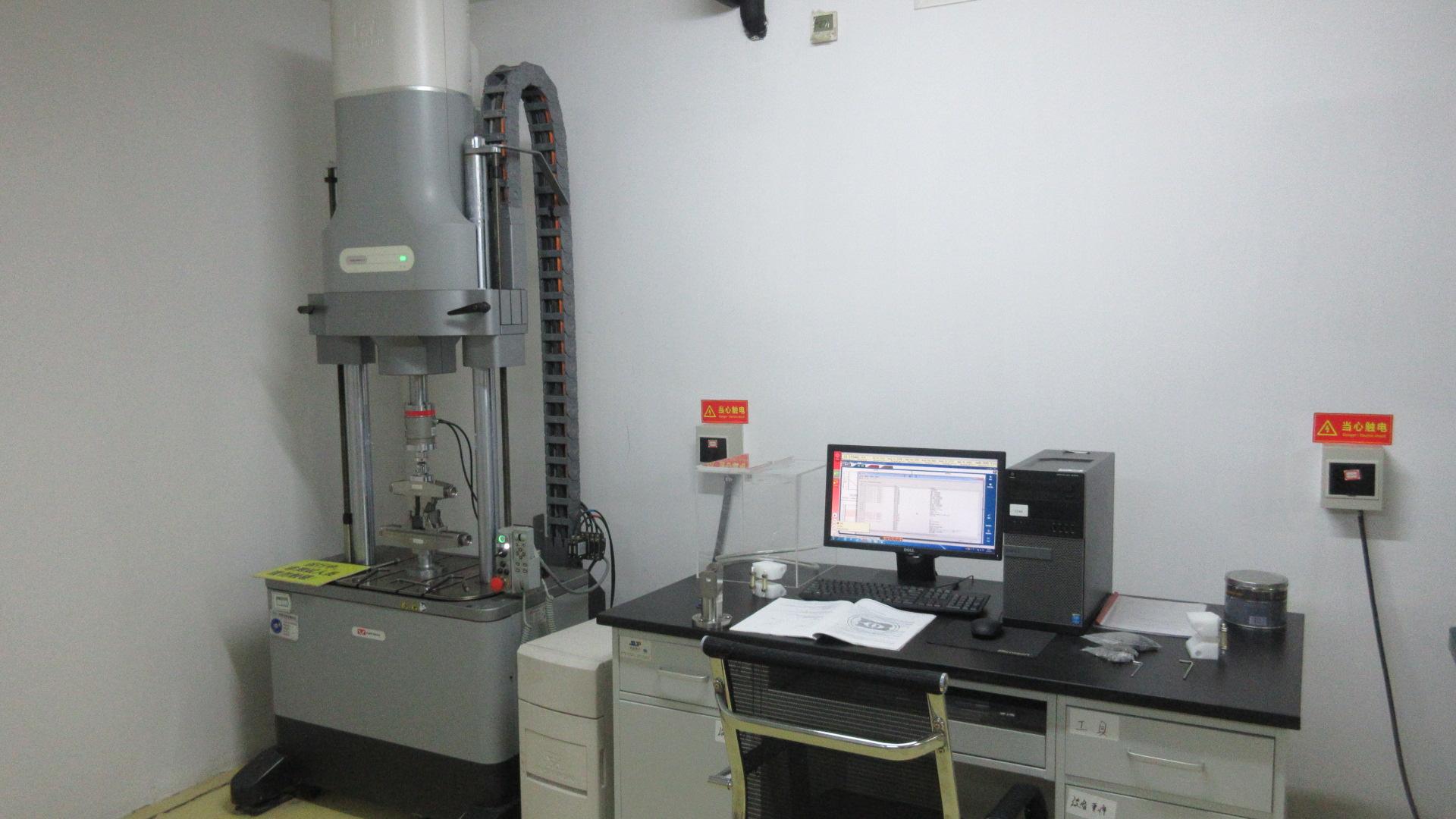
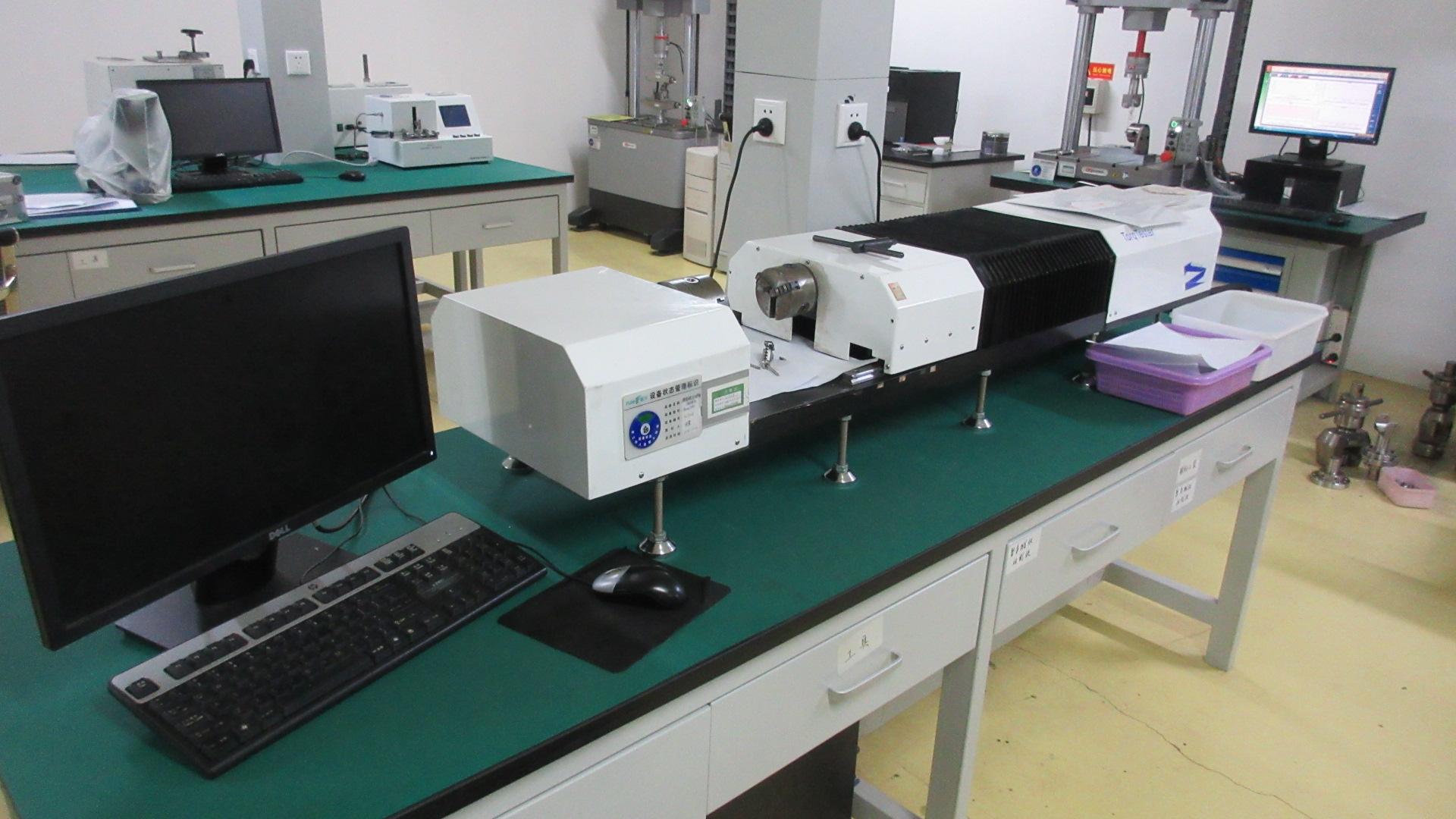
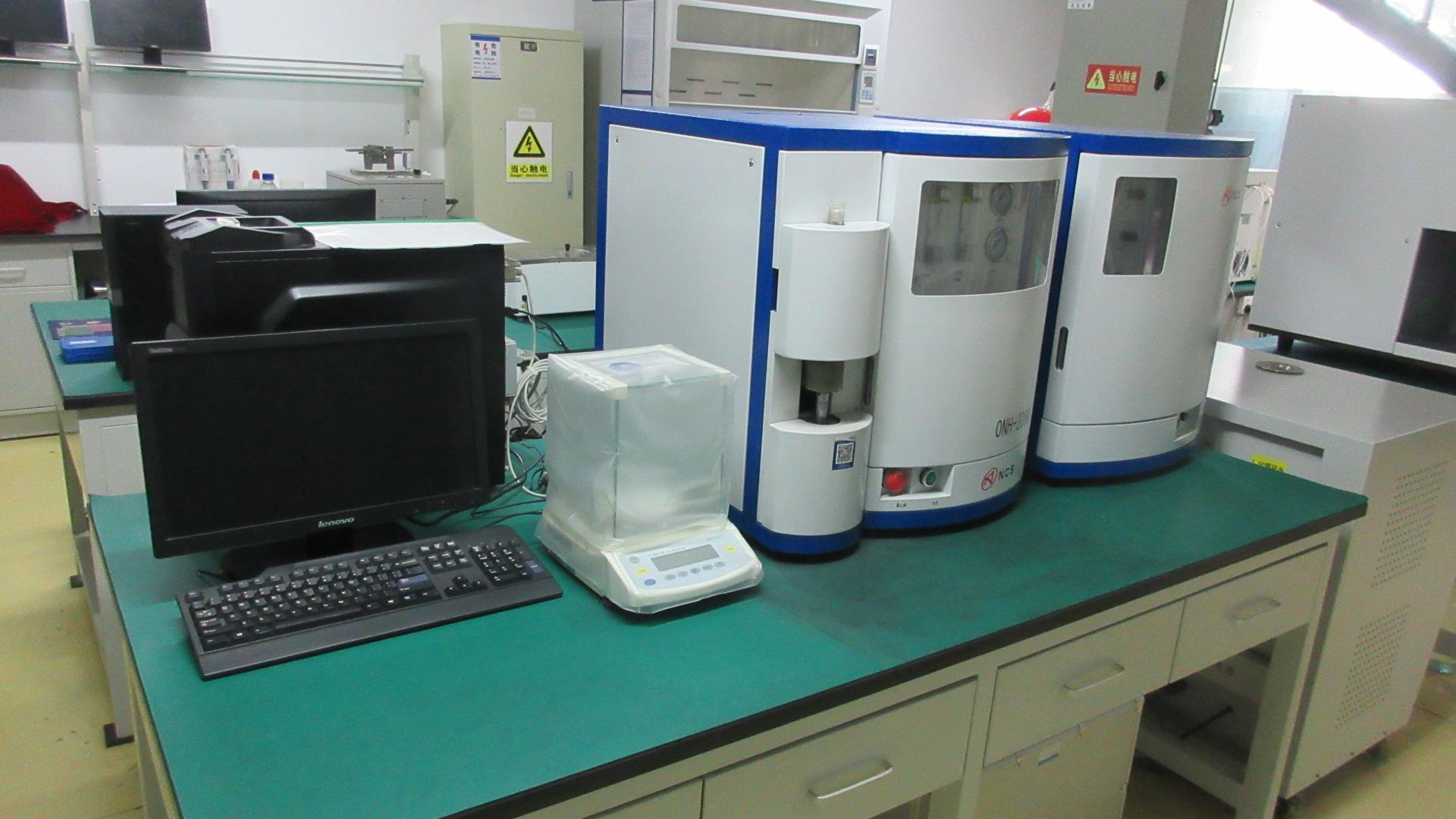
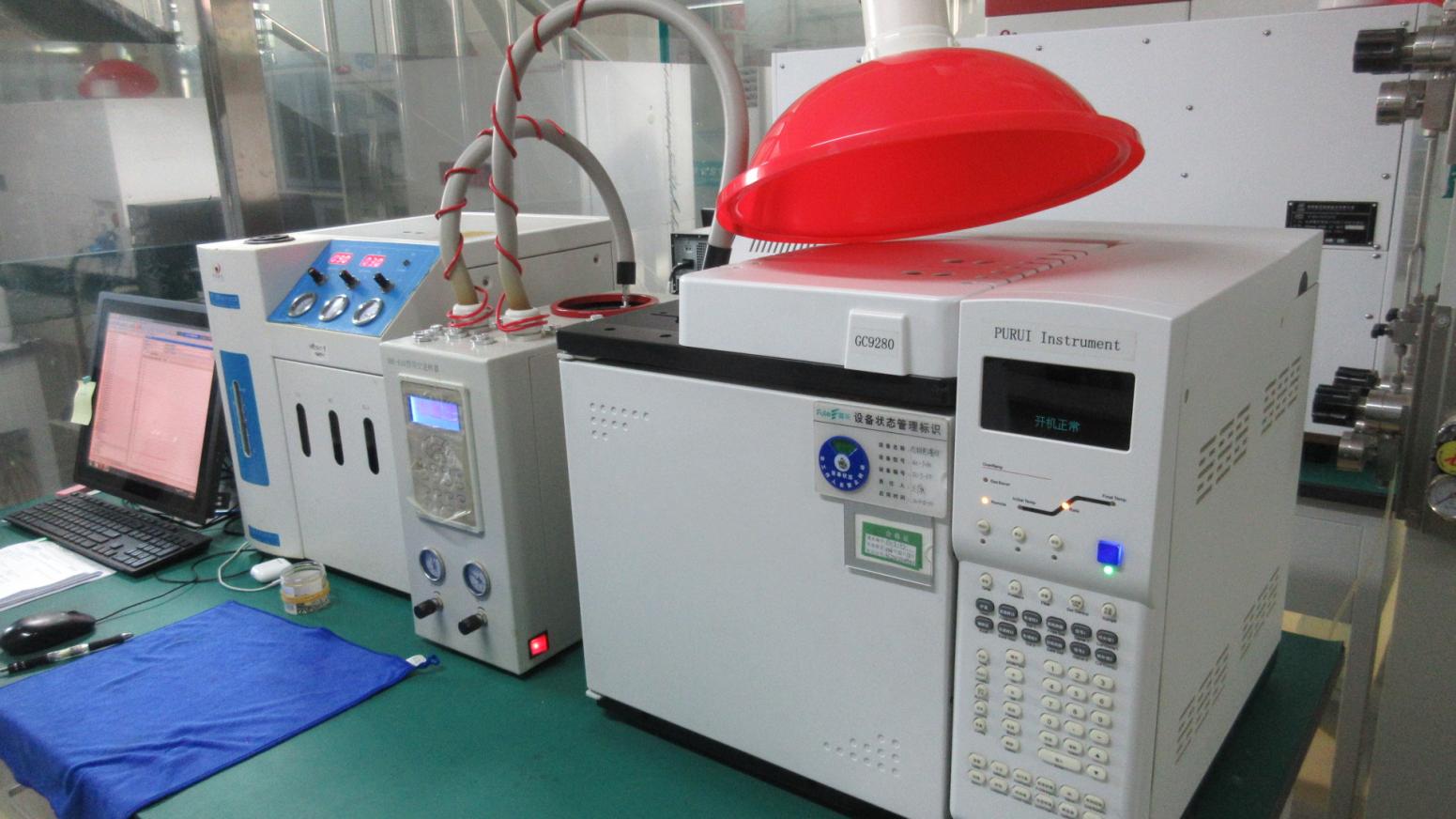
A closer look inside our state-of-the-art facility featuring CNC mills, cleanroom packaging, and material testing laboratories.
Operating in the highly regulated US medical device marketplace demands absolute transparency and rigorous verification of all engineering metrics. Our titanium humeral bone plates and spinal screws are developed to satisfy both the European Union Medical Device Regulation (MDR 2017/745) Class III and the US FDA regulatory pathways.
Whether integrating with local group purchasing organizations (GPOs) in Los Angeles or distributing through regional surgical supply channels, our documentation package guarantees a seamless transition into clinical practice.
 Certified ISO 13485 Manufacturing Quality System
Addressing the technical, material, and regulatory inquiries of medical device procurement managers and trauma directors.
We utilize medical-grade Titanium Alloy (Ti-6Al-4V ELI) conforming to ASTM F136 specifications. This material is selected for its high strength-to-weight ratio, excellent fatigue resistance, and superior biocompatibility compared to standard surgical stainless steels.
Yes. The plate design incorporates combi-holes, which allow surgeons to choose between conventional dynamic compression screws (for plate-to-bone compression) and stable-angle locking screws (for osteoporotic bone or comminuted fractures).
For standard inventory items, shipment can occur within 5-7 business days via major air freight providers (DHL, FedEx). For customized OEM or bulk contract orders, production lead times generally range between 30 to 45 days, depending on manufacturing queue allocation.
Every single implant is laser-marked with a unique batch and lot number. From raw bar stock acquisition to final cleanroom inspection and autoclave packaging, every manufacturing process parameter is recorded under our ISO 13485 certified quality management system.
Yes. We offer fully customized instrument sets, including customized screw insertion guides, bone plate benders, and extraction tools. We can accommodate specific grip designs, coating variations (such as DLC - Diamond-like Carbon coating), and custom sterilizer tray configurations.
Our implant systems are designed according to international AO standards, ensuring compatibility with standard surgical drills, guides, and generic drivers used globally. Screw thread pitches and diameter profiles conform to conventional orthosurgical matrices.
 Beren Science & Technology