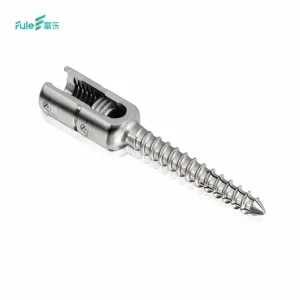
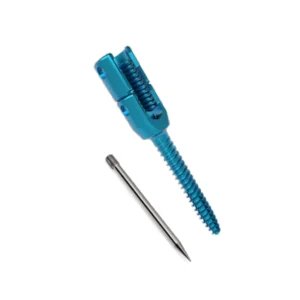
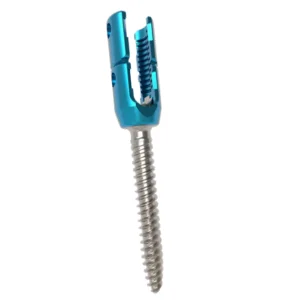
Precision-crafted class III implantable systems and instruments engineered to streamline surgical procedures and maximize patient safety.
Toronto stands as one of North America's premier clinical hubs, home to top-tier academic health science networks, including the University Health Network (UHN), St. Michael's Hospital (Unity Health Toronto), and Sunnybrook Health Sciences Centre—Canada's largest level-1 trauma facility. The concentration of complex spine and trauma procedures performed in the Greater Toronto Area (GTA) places an extraordinary demand on device reliability, precise sterile-pack configurations, and responsive instrumentation supply chains.
Procurement departments and clinical lead evaluators across Ontario operate under rigorous fiscal constraints, mandated by the Ministry of Health, while striving for superior patient outcomes. This environment requires a paradigm shift away from traditional high-markup localized distributors toward direct, highly certified manufacturer partnerships. By working directly with factories that control the entire raw material and CNC Swiss-machining production process, Toronto healthcare providers and regional suppliers secure high-grade titanium implants without paying middleman premiums.
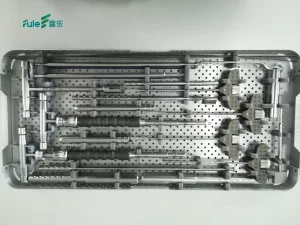
Modern hospital networks in Toronto are increasingly demanding customized instrument configurations to match regional surgical preferences. Standard, off-the-shelf trauma sets often include redundant instruments, driving up reprocessing and sterilization costs. Our design teams collaborate directly with clinical stakeholders to build optimized, streamlined trauma sets that align with local orthopedic guidelines.
How clinical feedback and materials science drive the evolution of spinal, fracture, and interventional devices.
Utilization of medical-grade Titanium Alloy (Ti-6Al-4V ELI) and implantable Polyether ether ketone (PEEK) for cervical cages, maximizing osseointegration while maintaining modulus values similar to human cortical bone.
Reducing soft-tissue disruption via low-profile instrumentation, expandable polyaxial pedicle screws, and specialized interventional access materials.
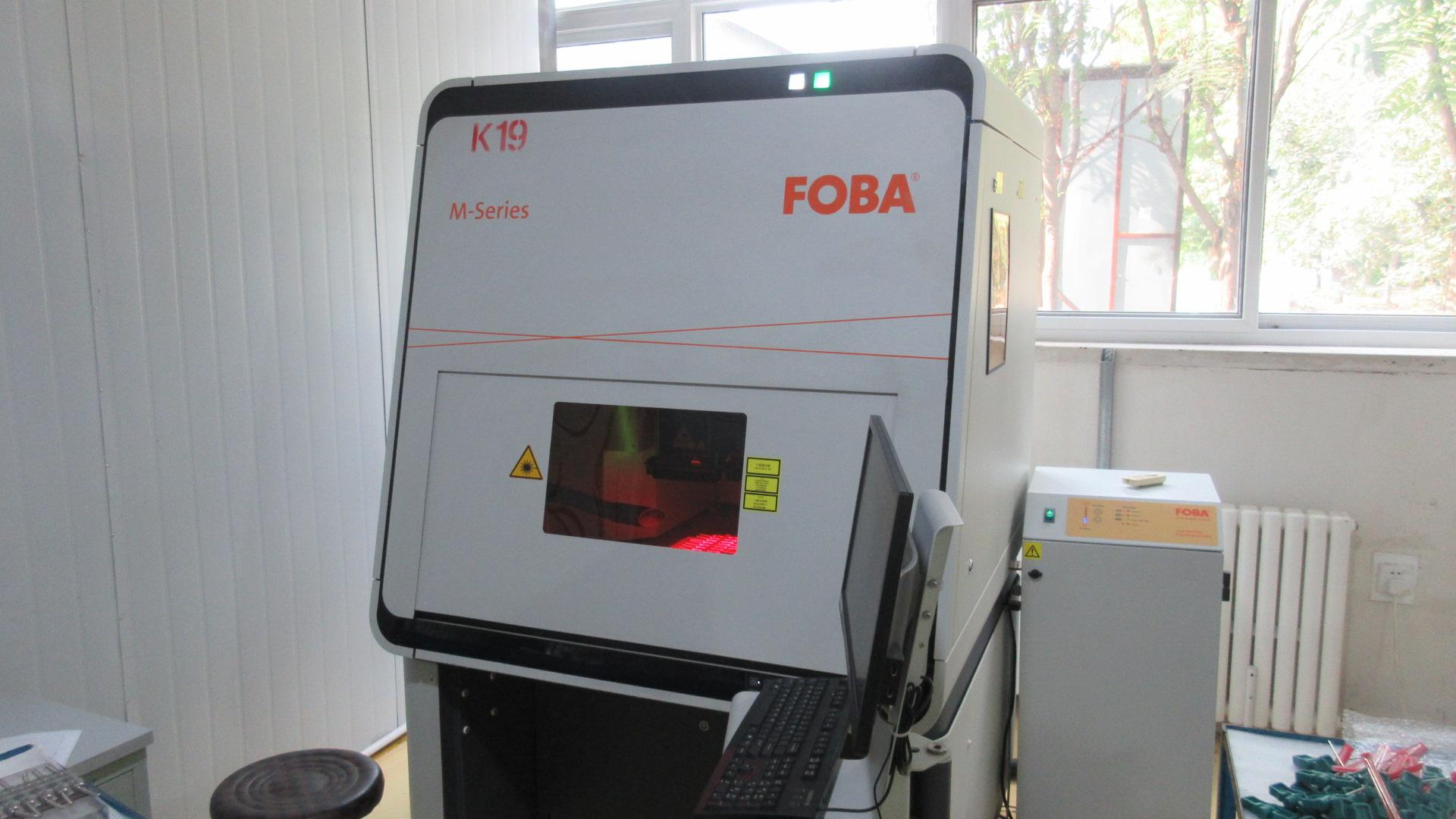
Comprehensive laser-marked UDI (Unique Device Identification) systems on implants and surgical screwdrivers, ensuring traceability from forging to patient implantation.
Anodic oxidation and acid-etched microroughness to promote fast bone-to-implant contact (BIC), shortening healing timelines in acute trauma protocols.
| Product Category | Primary Material Base | Certifications Required | Key Surgical Benefits |
|---|---|---|---|
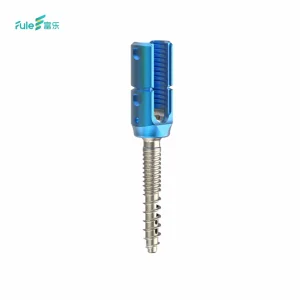
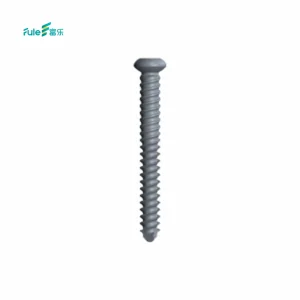
| Pedicle Screw Systems | Titanium Alloy Grade 5 (Ti-6Al-4V ELI) | CE, ISO 13485, Class III | Self-tapping threads, polyaxial angles up to 60°, high pull-out strength |
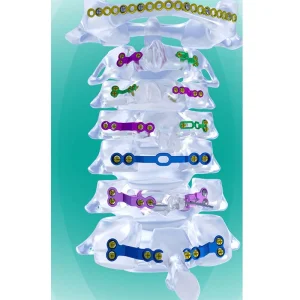
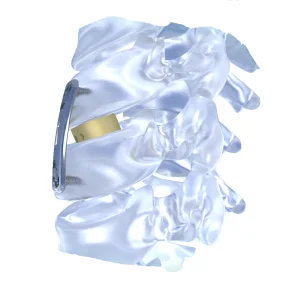
| Interbody Fusion Cages | Medical PEEK / Ti-Alloy Combinations | CE, ISO 13485, Class III | Excellent radiolucency, anatomical lordotic profiles, high stability |
| Intramedullary Nails (EHN) | Titanium Alloy / Stainless Steel 316LVM | CE, Class IIb / III | Dynamic distal locking, targeting instrument compatibility |
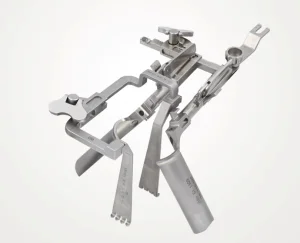
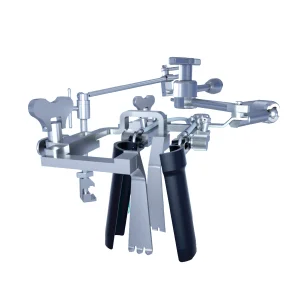
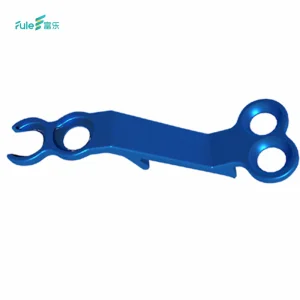
| Minimally Invasive Instruments | Custom Martensitic Stainless Steel | Class I / Class IIa | Reflection-free matte finish, ergonomics, high cycle autoclavability |
Engineered to deliver high rigidity and optimal load distribution under physiological stress.
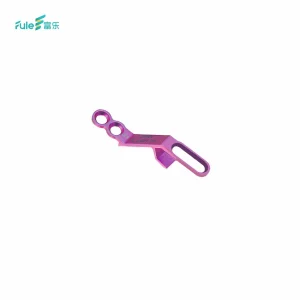
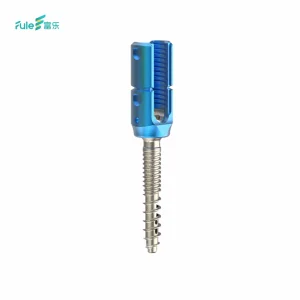
Providing standardized quality with customized procurement strategies for diverse medical settings.
Healthcare supply chains face dynamic challenges. Group Purchasing Organizations (GPOs) and large clinical networks seek manufacturers that do more than supply implants; they require partners who offer comprehensive logistics support, customized instrument modularity, and risk-management compliance. Our operations provide turnkey solutions across three core pillars:
We design, test, and manufacture both the implants (class III) and the instruments (class I/II) together. This eliminates spatial mismatch, reduces surgical slippage, and guarantees seamless screw-to-driver fit during high-pressure emergency operations.
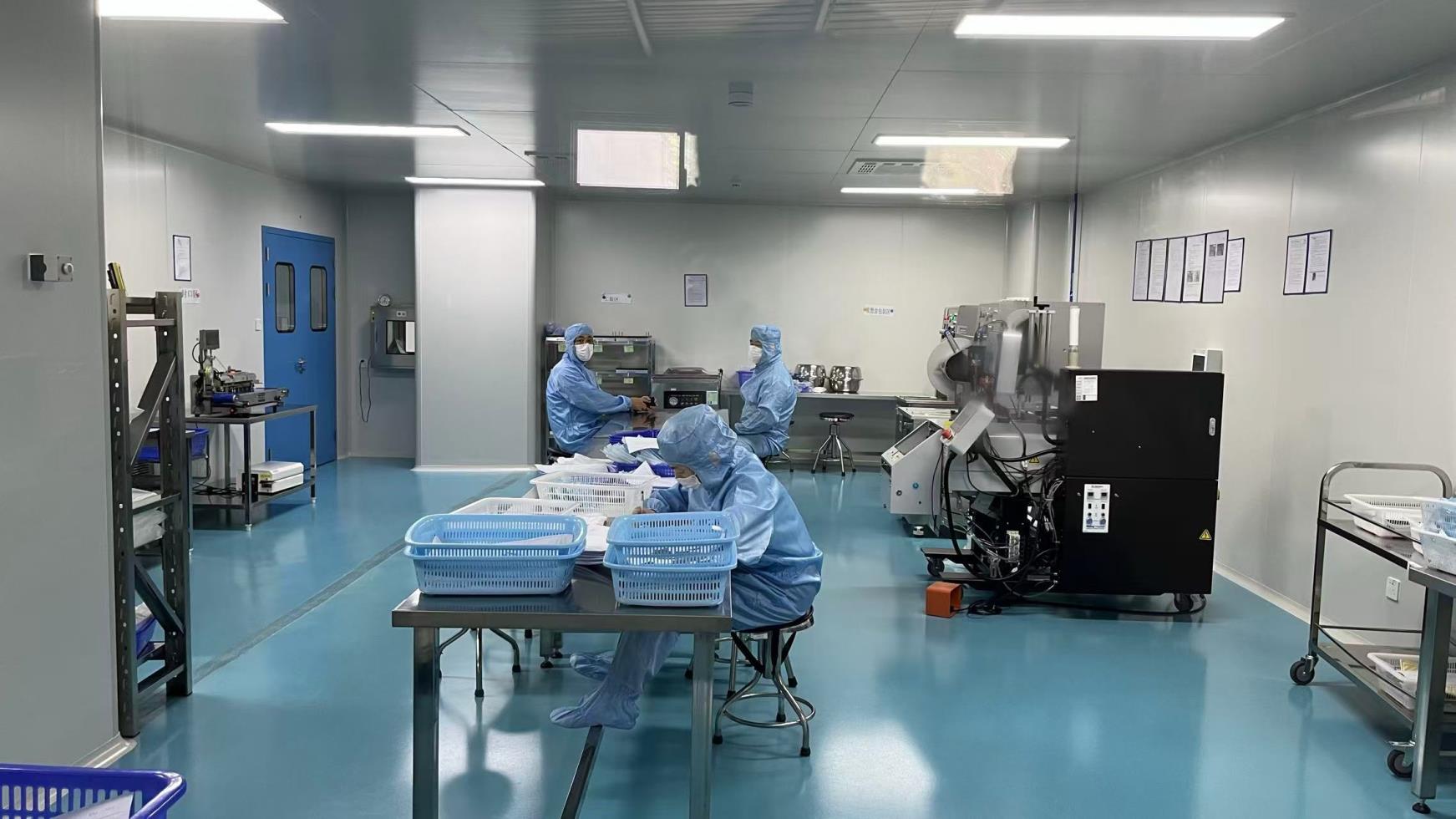
To assist hospitals in optimizing CSSD (Central Sterile Services Department) cycle times, we offer ready-for-surgery sterile barrier packaging under ISO class 5 (class 100) environments, complete with chemical indicators and irradiation verification.
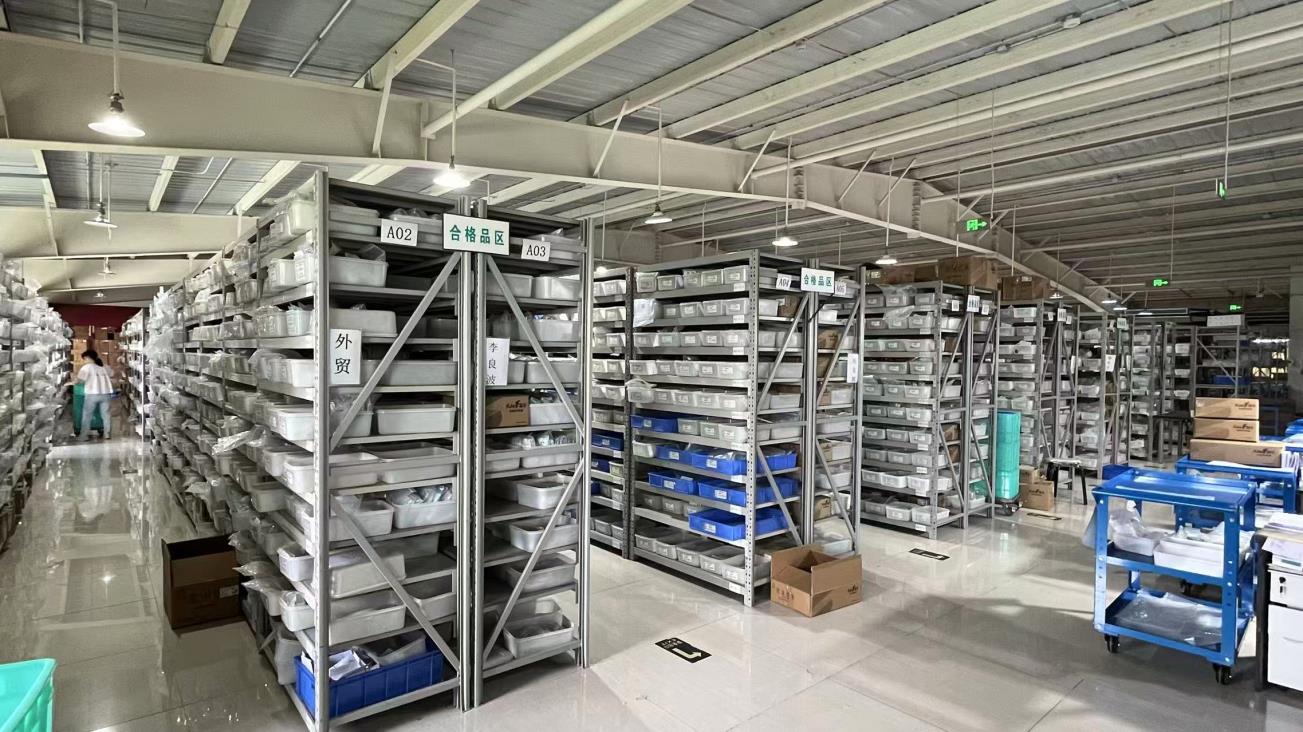
We offer customized logistics configurations for distributors, providing stocking strategies that protect against shortages during emergency trauma surges, backed by rapid sea and air transit connections.
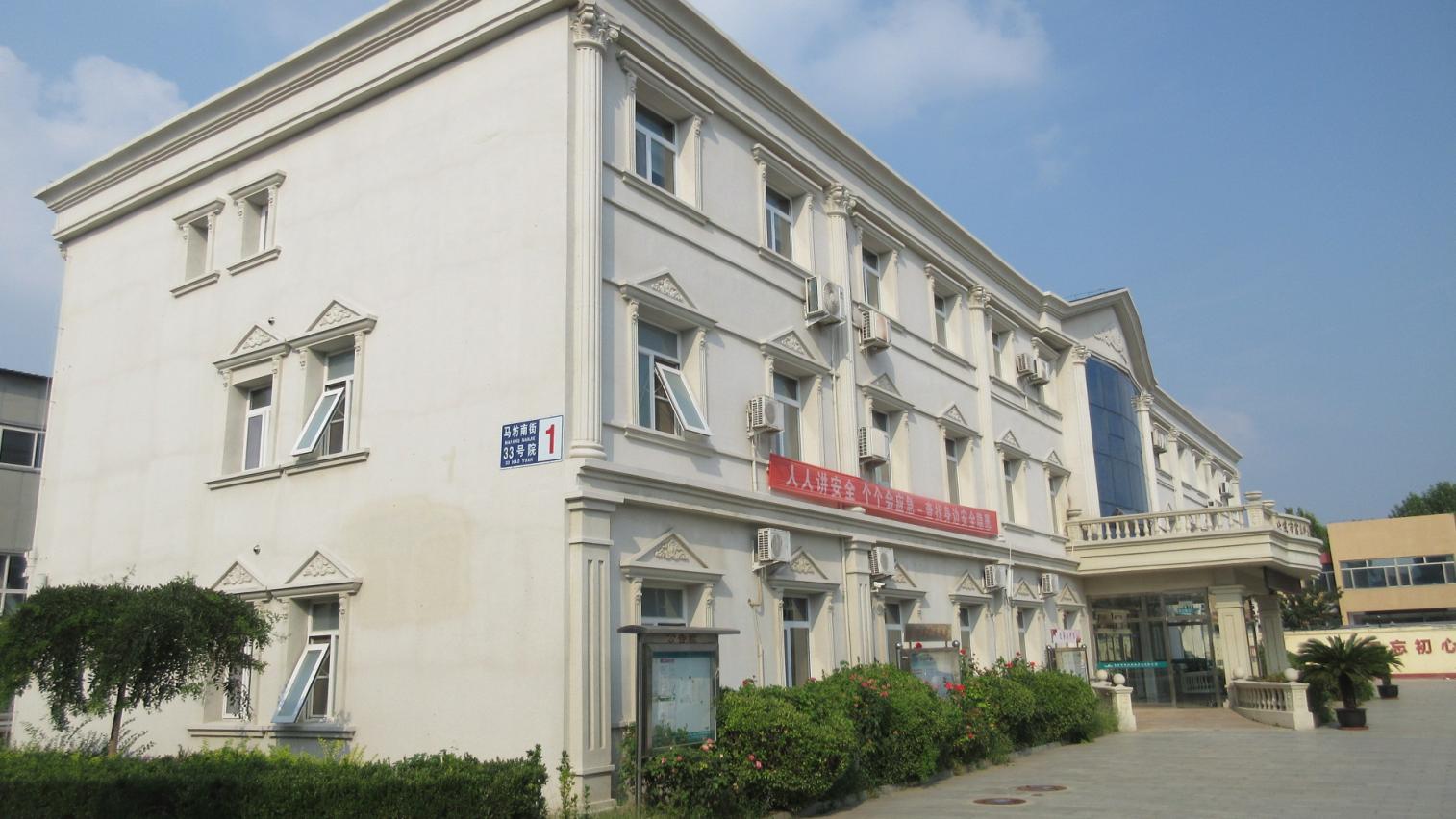
Established in 1996, our facilities leverage advanced production lines and automated precision manufacturing to supply global markets.
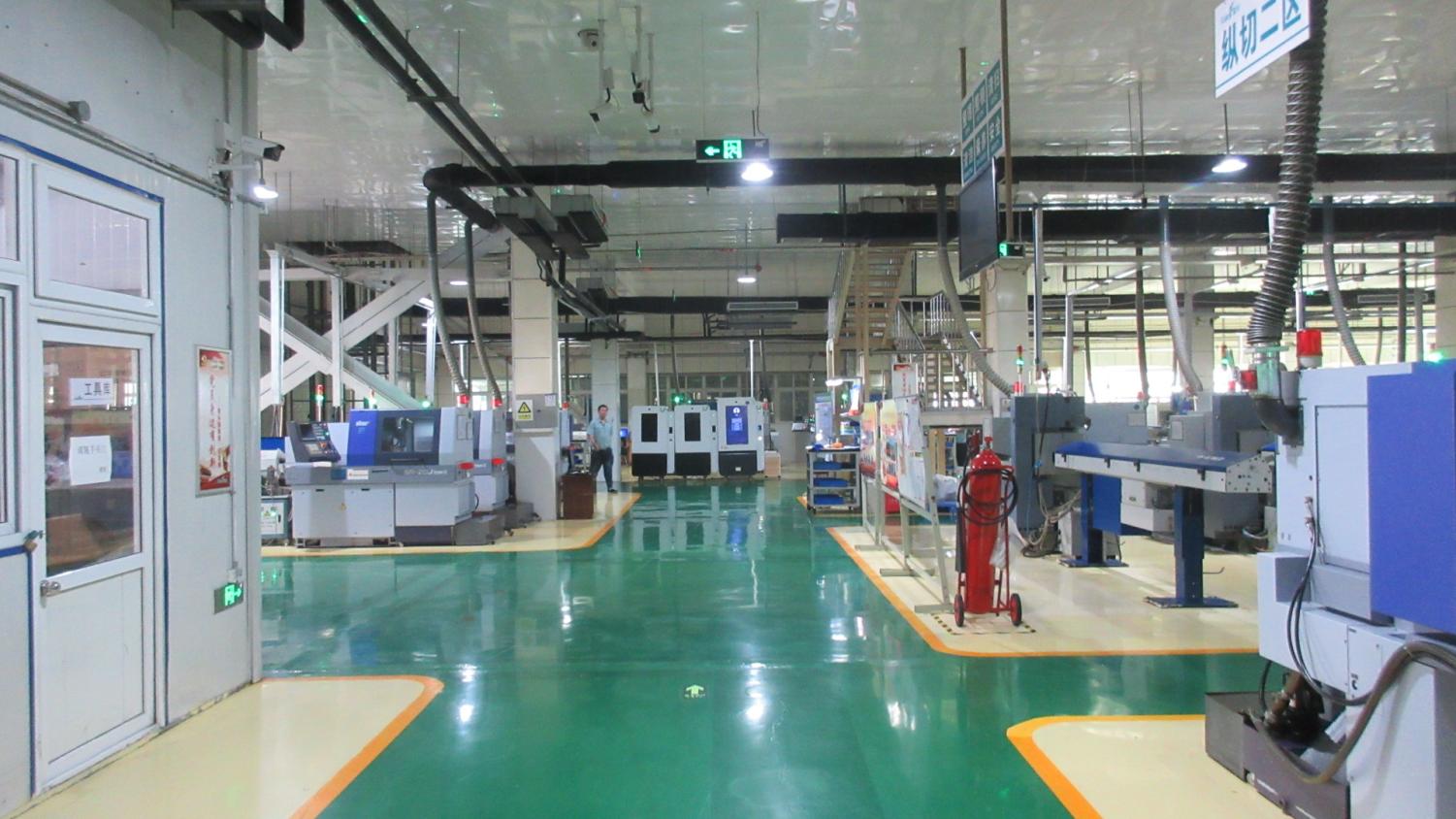
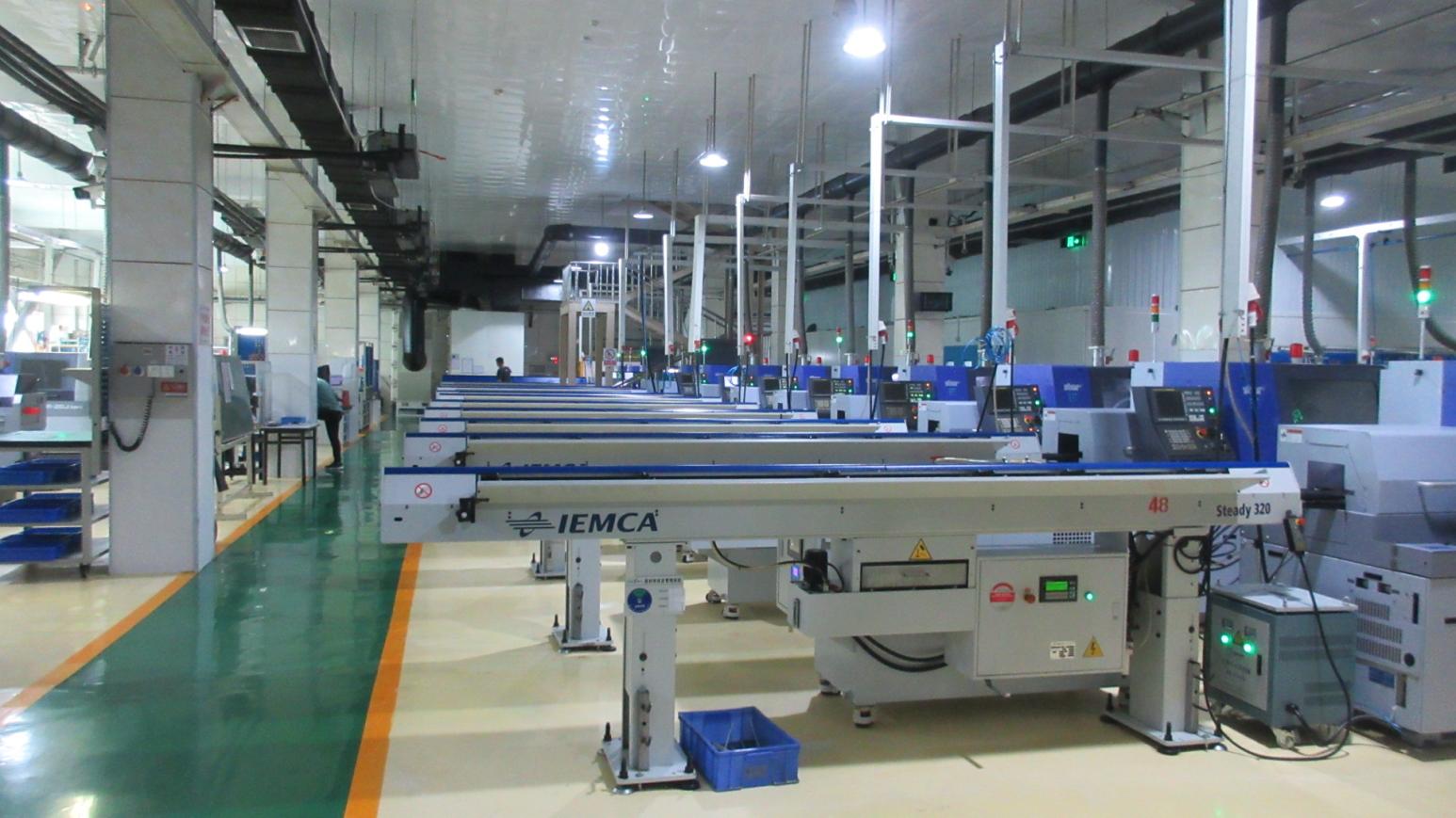
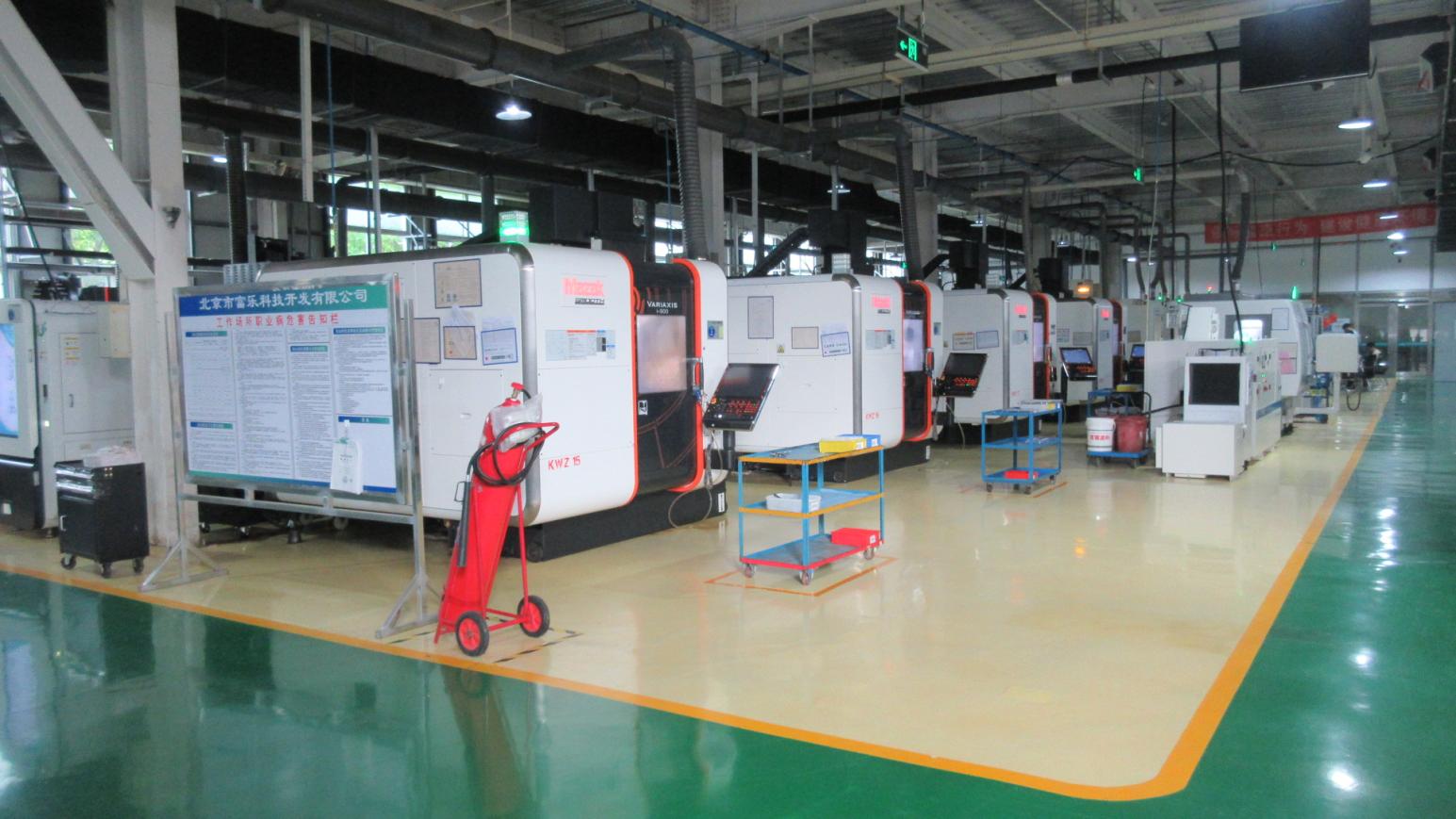
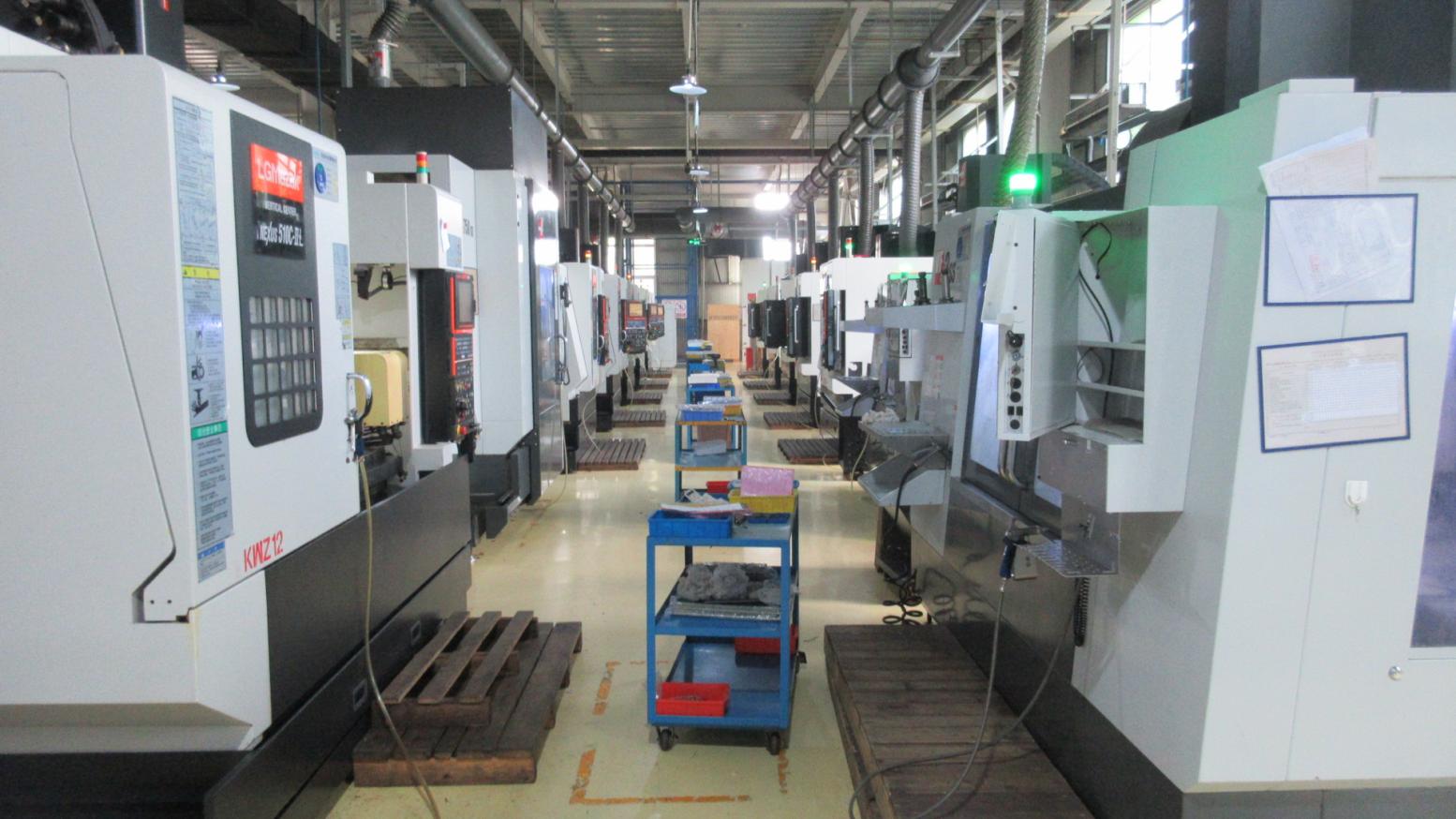
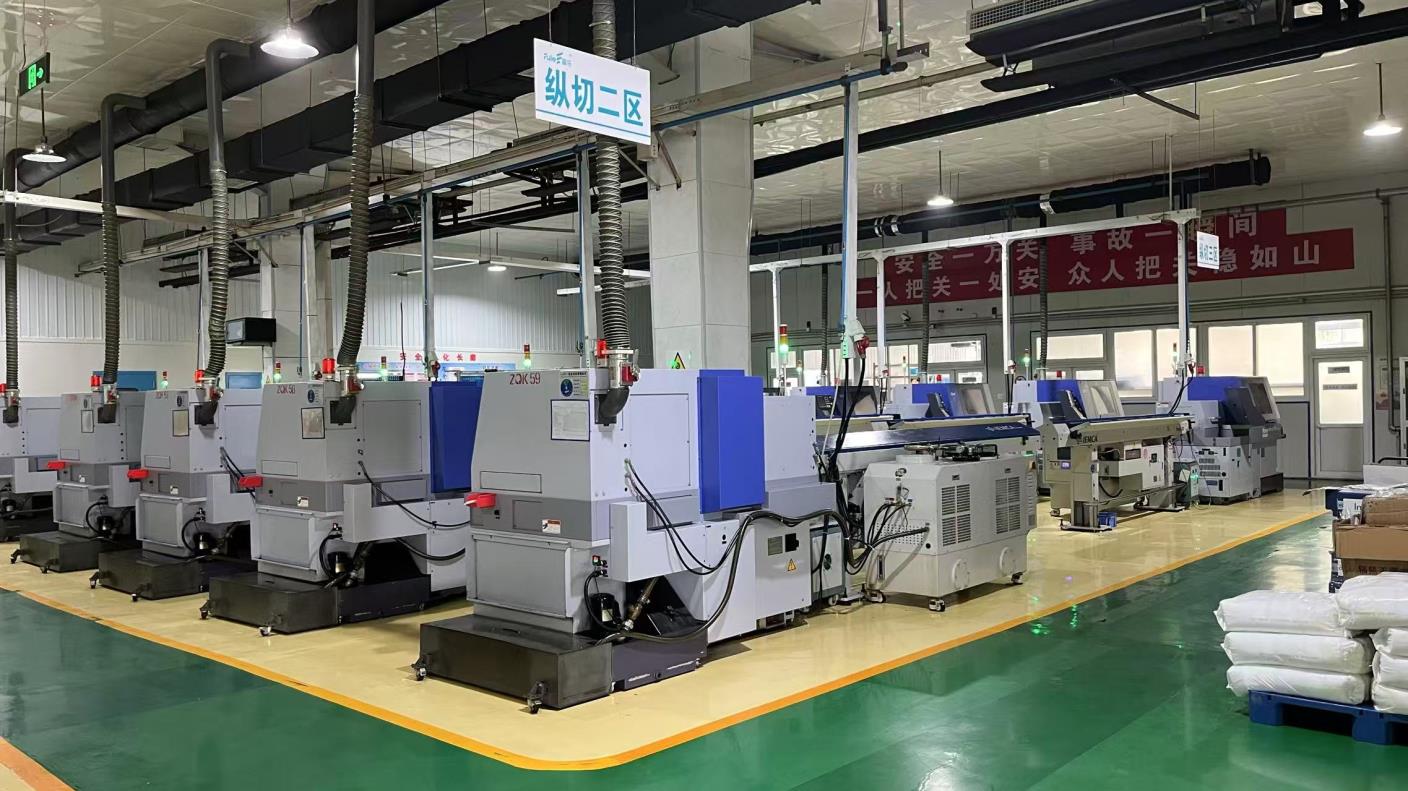
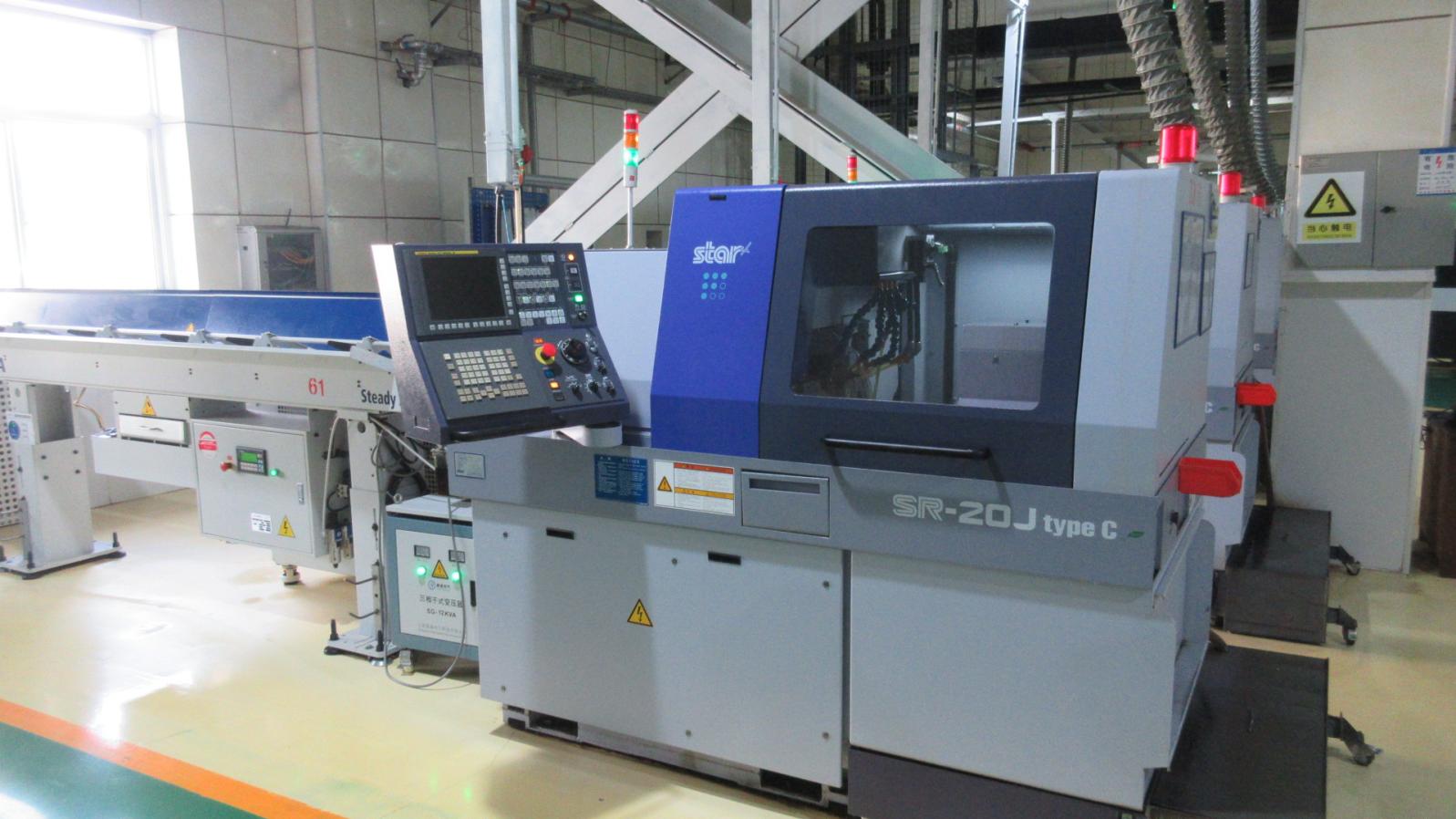
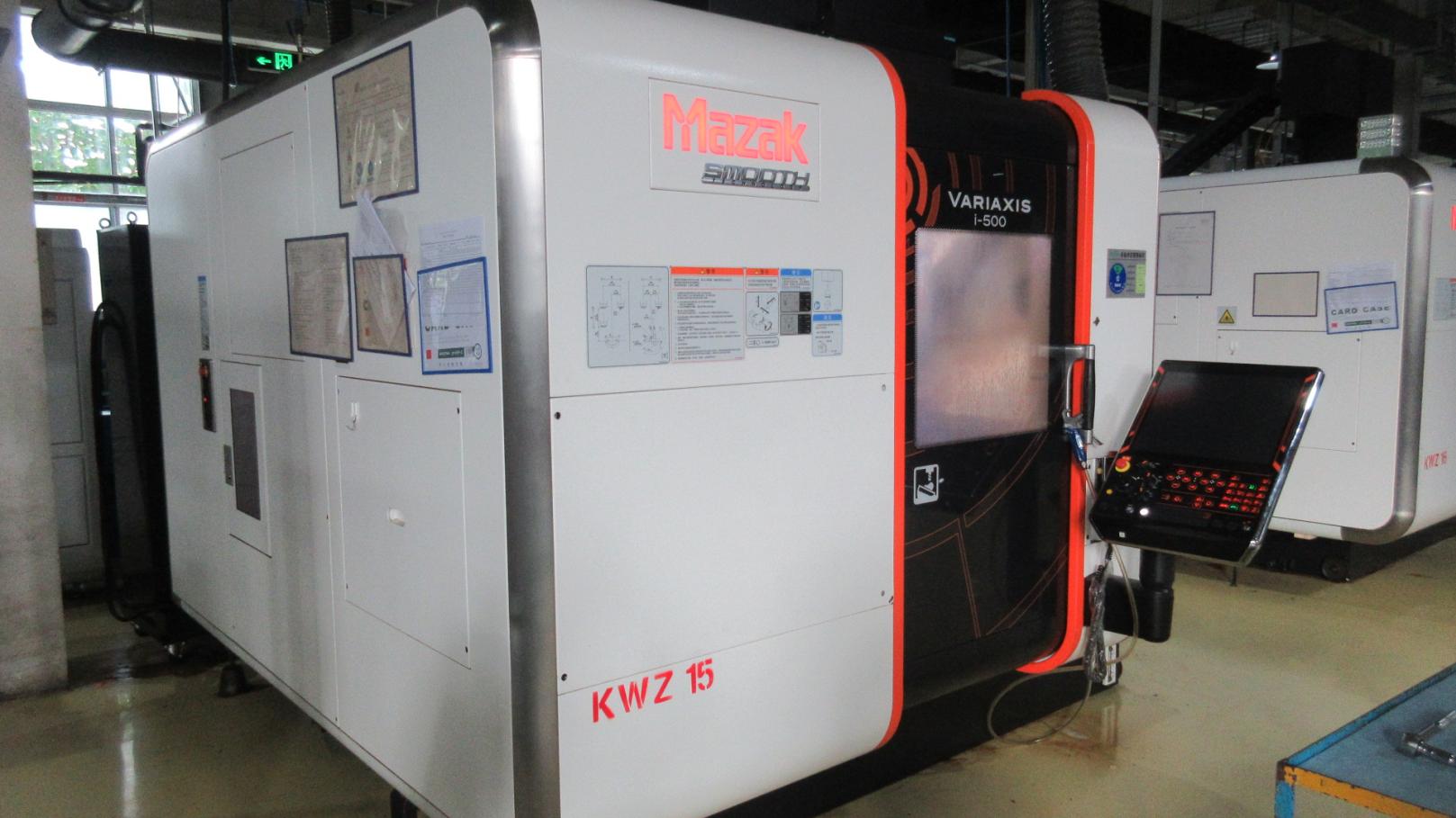
Our facility runs 102 state-of-the-art production machines, including Swiss-type longitudinal CNC lathes, 5-axis machining centers, and automated wire EDM systems. Our product inspection method uses a 100% inspection protocol, backed by 15 dedicated QA/QC inspectors monitoring every step, from raw titanium bar testing to final mechanical stress validation.
Furthermore, our dedicated R&D department features 20 senior engineers (including 15 with graduate-level engineering degrees and 5 junior college technical leads) focusing on custom sample processing, graphical modifications, and bespoke instrument modifications. This capability allows us to launch over 20 new products annually, ensuring that our catalog matches the latest innovations in clinical orthopedics.
"With supply chain partner networks exceeding 70 firms globally and 30 years of manufacturing experience, we specialize in high-mix, low-volume (HMLV) customization alongside mass-volume OEM manufacturing. This allows us to supply both boutique distributors and national healthcare buyers."

Certificate Number: 04724Q10000818
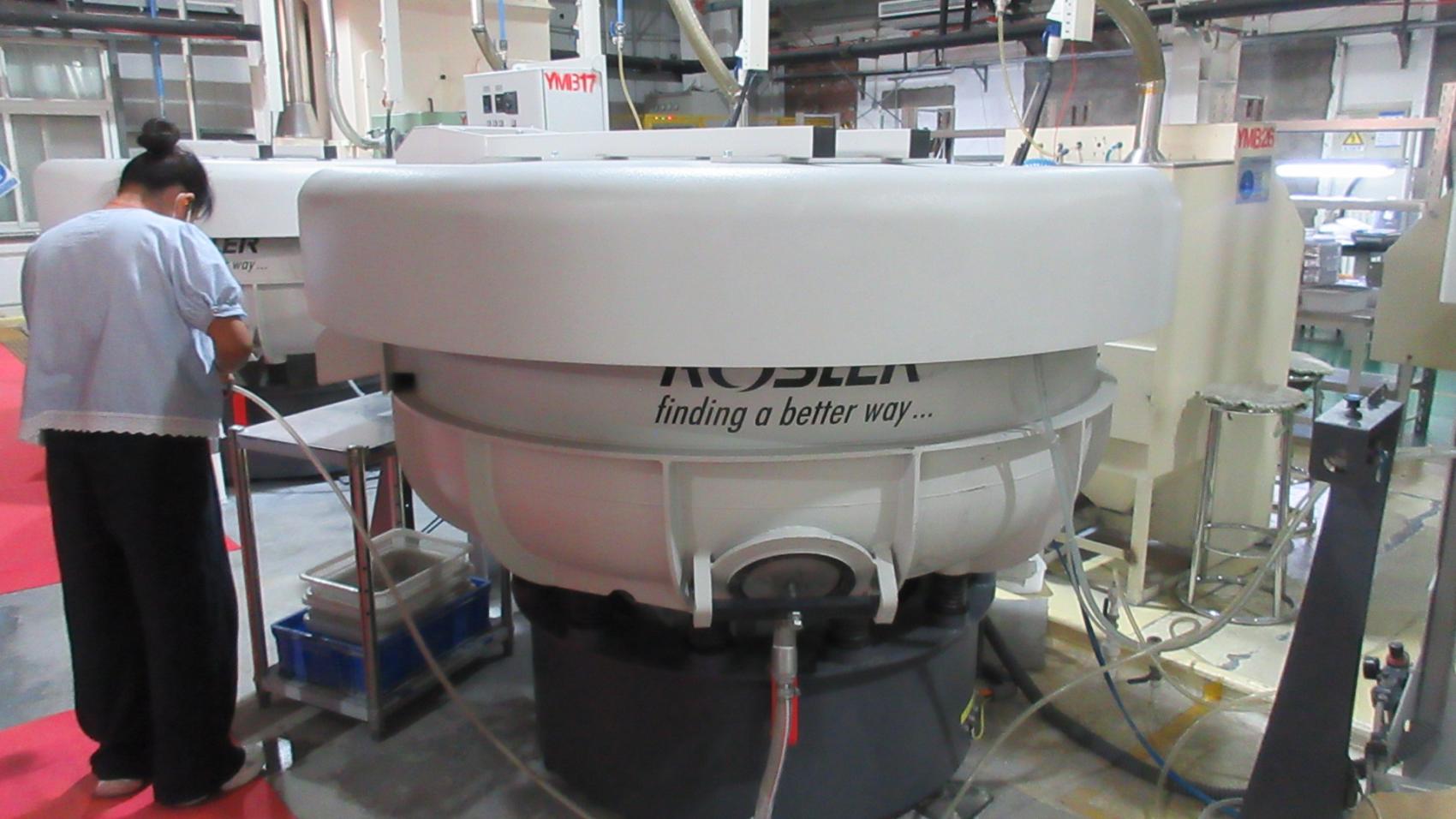
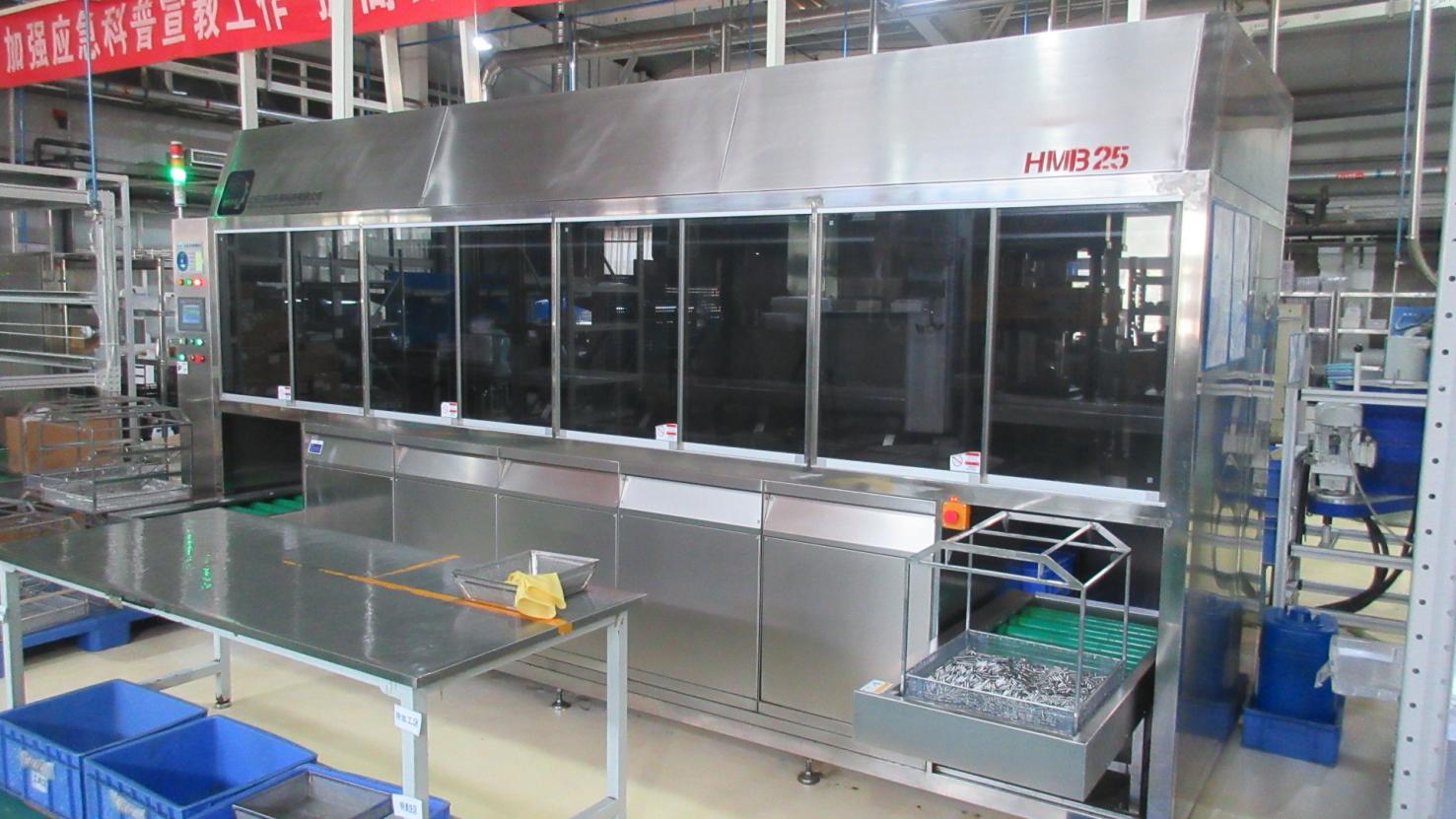
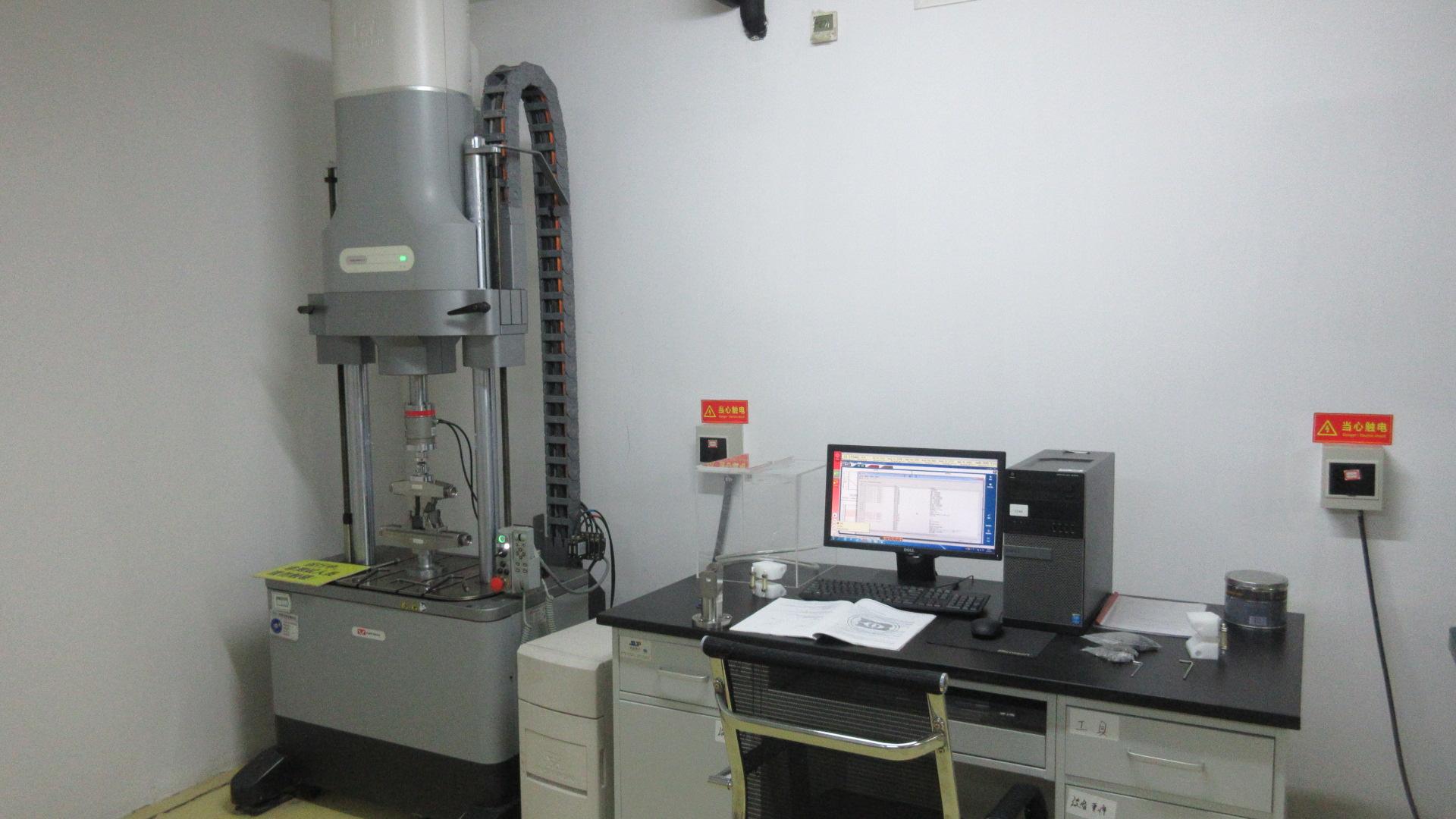
Below is an inside view of our raw material verification, CNC milling, polishing, cleaning, and testing facilities:
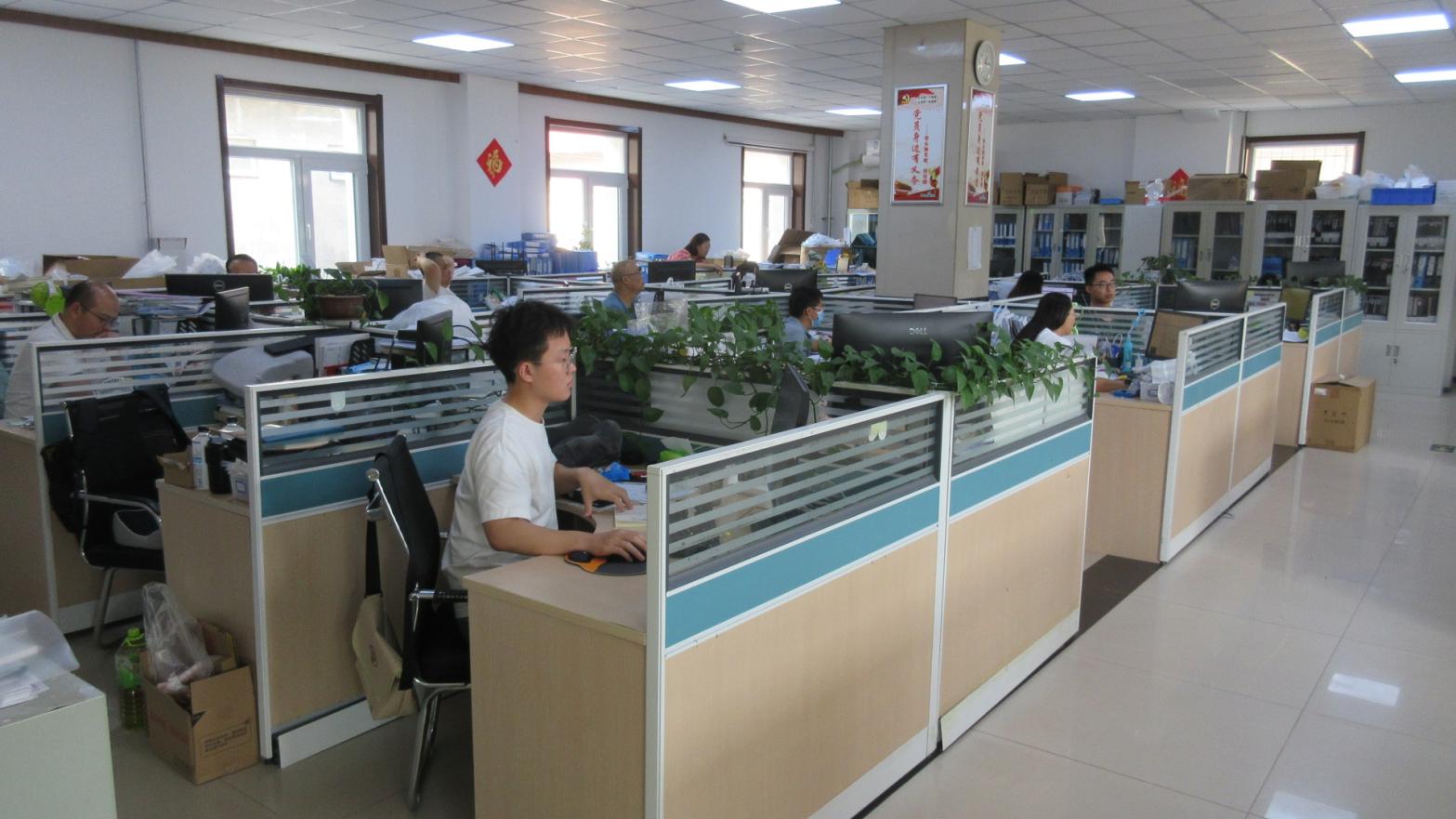
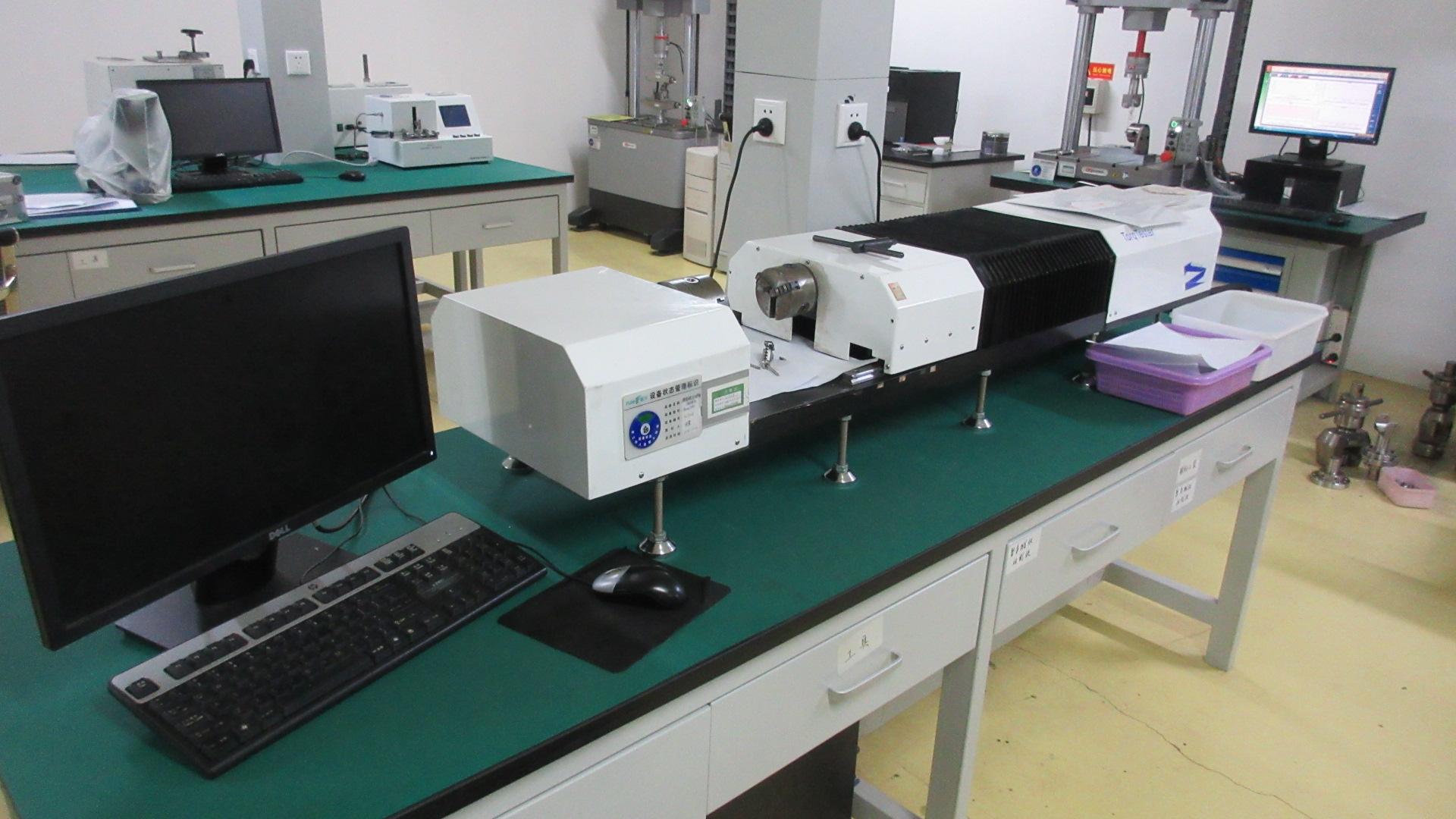
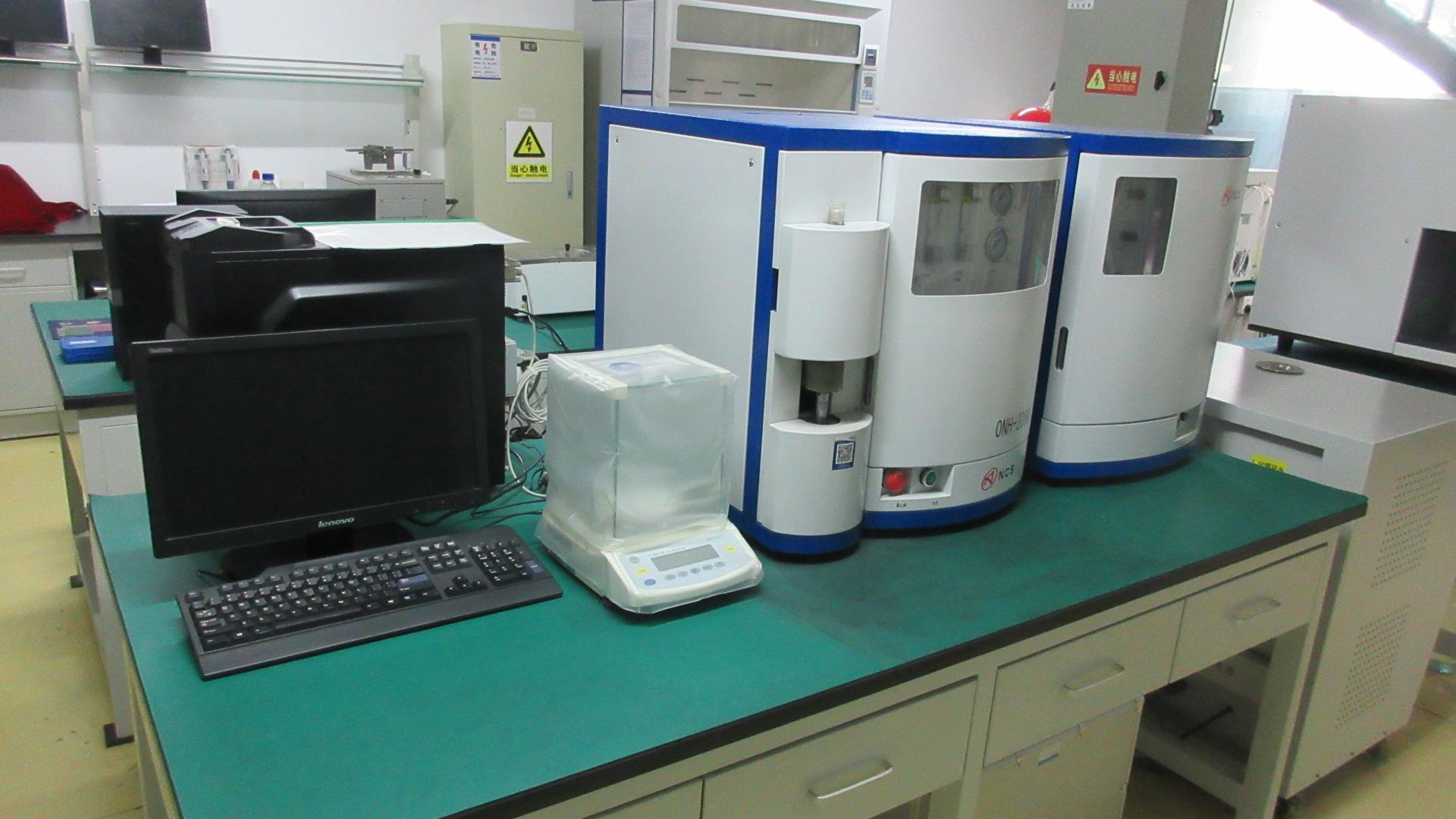
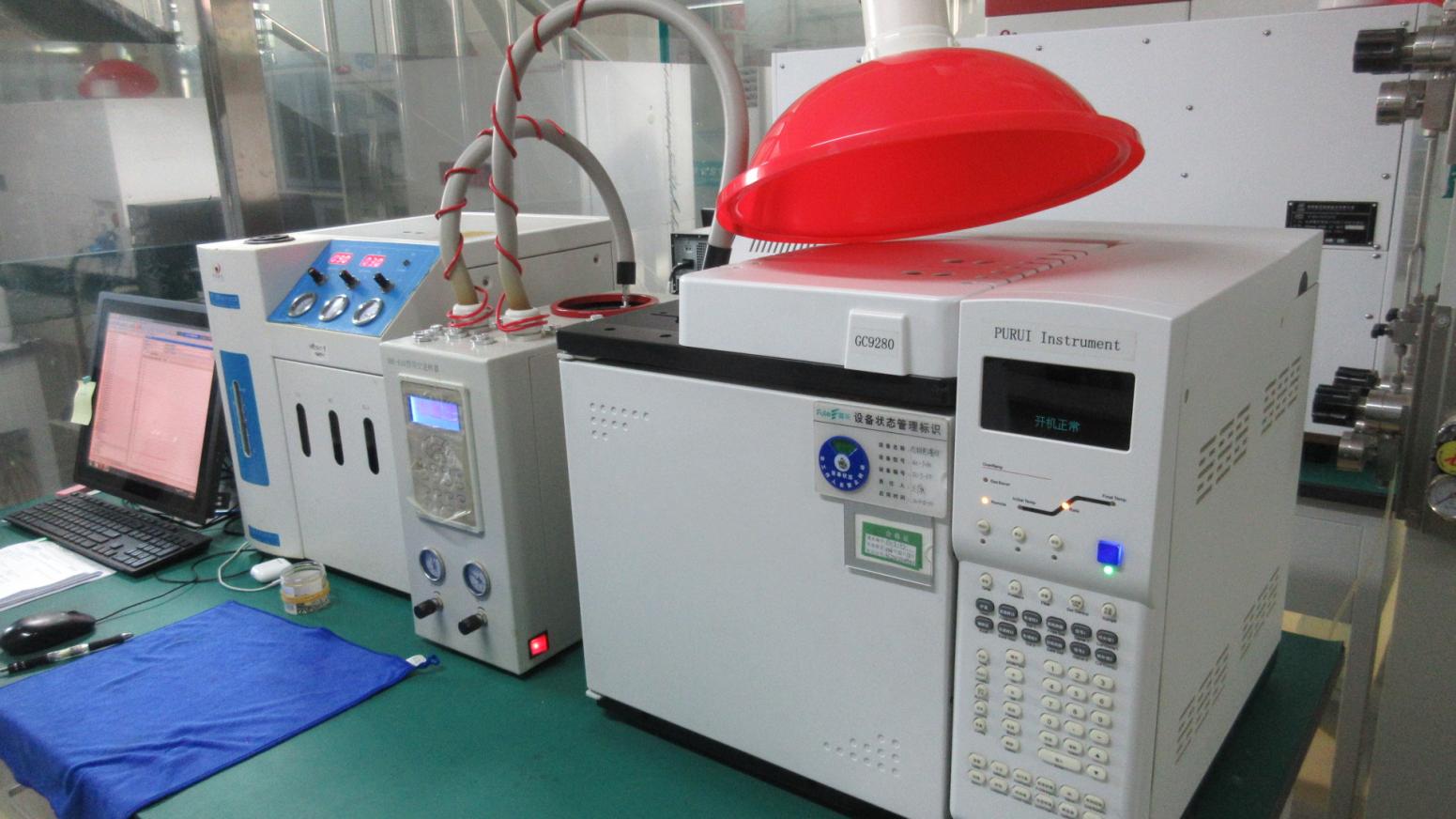
Navigating the regulatory requirements of Health Canada and local hospital networks requires deep quality control compliance. Implantable medical hardware must meet strict biocompatibility standards, and manufacturing partners must provide comprehensive documentation to support the device's lifecycle.
We provide full technical documentation folders (STED format), validation reports for cleanroom packaging, sterilization validation certificates (gamma/EO), and mechanical performance test summaries (conforming to ASTM F543 for bone screws and ASTM F1717 for spinal implant constructs). Our localization support team coordinates directly with regulatory agents in Ontario to facilitate smooth clearance and direct hospital delivery.
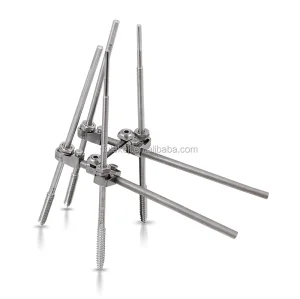
CE-certified titanium implants and minimally invasive surgical instrument sets designed for long-term clinical performance.
Best practices for procurement officers evaluating offshore orthopedic device manufacturers.
Sourcing implantable systems internationally requires a structured supplier validation process. Procurement departments must focus on maintaining quality standards while working to control overall acquisition costs. The following checklist details the documentation and operational requirements necessary to verify offshore partners:
Always request mechanical stress test certs and ultrasonic flaw detection profiles for titanium bar stock. Trustworthy vendors supply material traceability sheets linked to specific product lots, confirming conformance to ASTM standards (e.g., ASTM F136 for implantable titanium).
Analyze the vendor's machinery list. High-grade pedicle screws and intramedullary nails require Swiss CNC multi-axis automatic tooling to maintain sub-micron dimensional tolerances. Check if the supplier runs cleanroom facilities certified under ISO 14644 (Class 7 or Class 8).
Ensure the manufacturer holds current ISO 13485 certification and CE mark registration certificates. A robust quality management system must include raw material auditing, optical measurement inspections, and final mechanical verification testing.
Ensure your partner's annual production capacity aligns with your purchasing needs. Operating 102 precision machines with a capacity of 511,000 units annually helps shield distributors from supply chain bottlenecks during peak purchasing cycles.
 Beren Science & Technology