Joint External Fixator Supplier & Suppliers for the Japan Market

Premium Orthopedic Trauma & Reconstruction Solutions: PMDA-Aligned Quality, High-Precision Manufacturing, and Reliable Global Supply

Japanese Traumatology Landscape: Demand for Advanced Joint External Fixation

The orthopedic market in Japan is defined by two major intersecting forces: a rapidly aging demographic and an absolute demand for uncompromising clinical quality. With more than 29% of the Japanese population aged 65 and older, local clinical settings face a rising volume of osteoporotic fractures, complex joint trauma, and peri-articular reconstructions. Traditional internal fixation often presents heightened risks of implant failure and infection in elderly patients with fragile bone matrices. Consequently, joint external fixator systems have emerged as an indispensable, minimally invasive therapeutic solution for joint stabilization, deformity correction, and limb salvage.

For international suppliers aiming to establish a footprint in Japan, navigating the rigorous PMDA (Pharmaceuticals and Medical Devices Agency) regulatory environment is paramount. Japanese clinical professionals mandate implants that exhibit extreme structural stiffness, low weight (utilizing medical-grade titanium and carbon fiber), and meticulous surface finishes. Under the Pharmaceutical and Medical Device Act (PMD Act), manufacturers must prove absolute traceability of raw materials and adhere to ISO 13485:2016 quality management standards, making premium factory partnerships essential.

Key Drivers in Japan's Clinical Sector:

  • Geriatric Traumatology: Rapid stabilization of complex fractures in osteoporotic bone tissue to prevent prolonged bed rest.
  • Highly Rigorous Quality Standards: Low-tolerance manufacturing ensuring seamless intraoperative assembly and reliable mechanical load distribution.
  • Hybrid Fixation Trends: Increasing preference for dynamic joint fixators that permit early, controlled mobilization of wrists, elbows, and ankles.

Market Requirements

Supplying medical devices to Japan requires complete alignment with local clinical protocols, sterilization guidelines, and packaging standards.

Regulatory Authority
PMDA / MHLW Japan
Material Specifications
ISO 5832-3 / ASTM F136 Titanium, Medical Carbon Fiber
Manufacturing Compliance
ISO 13485 & MHLW Ministerial Ordinance No. 169
Request Japan Compliance Guide

Precision Manufacturing & Global Supply Chain Synergy

How our specialized manufacturing facility integrates modern technology with cost-efficiencies to serve global medical distributors.

Advanced CNC Machining

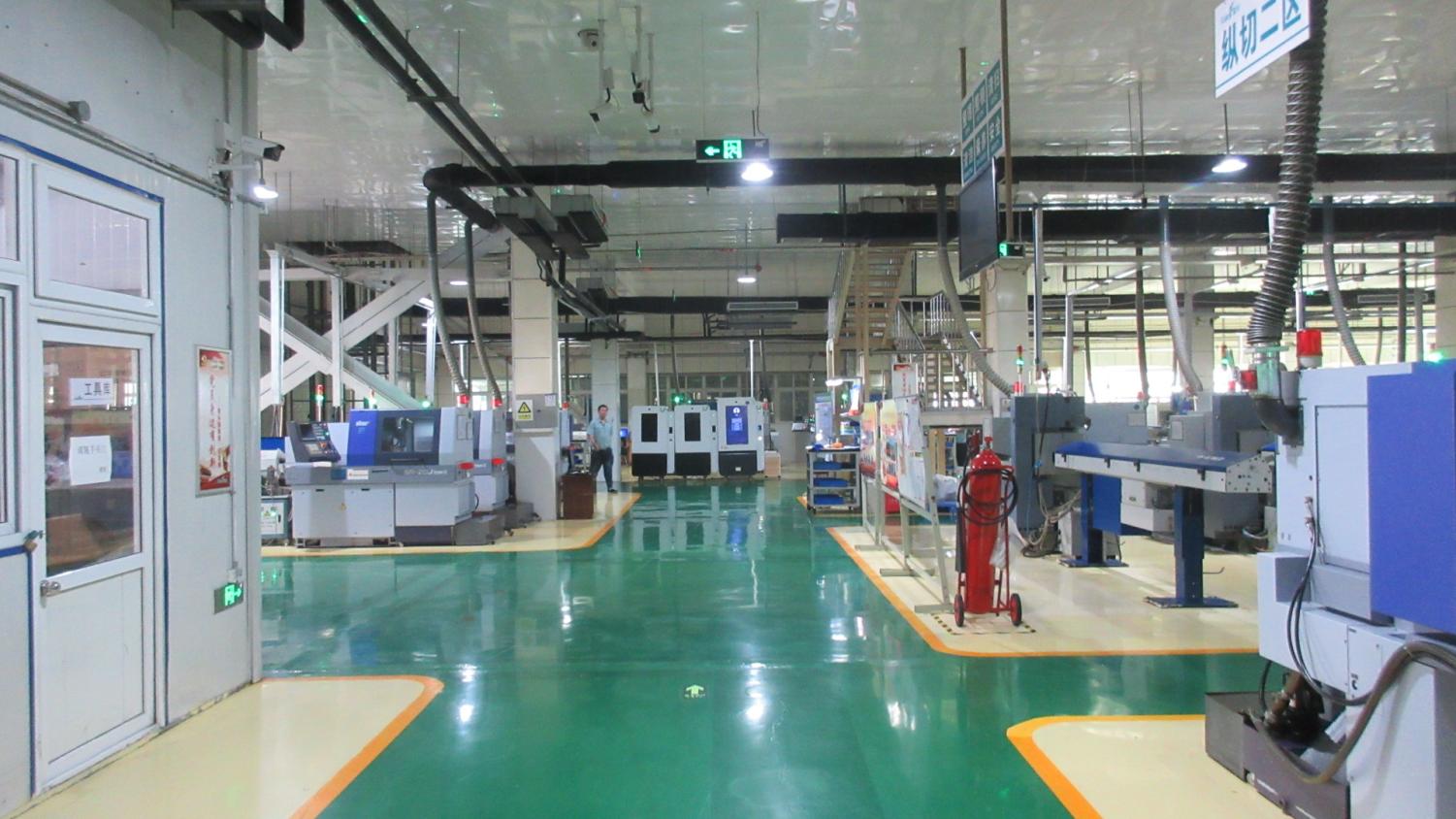
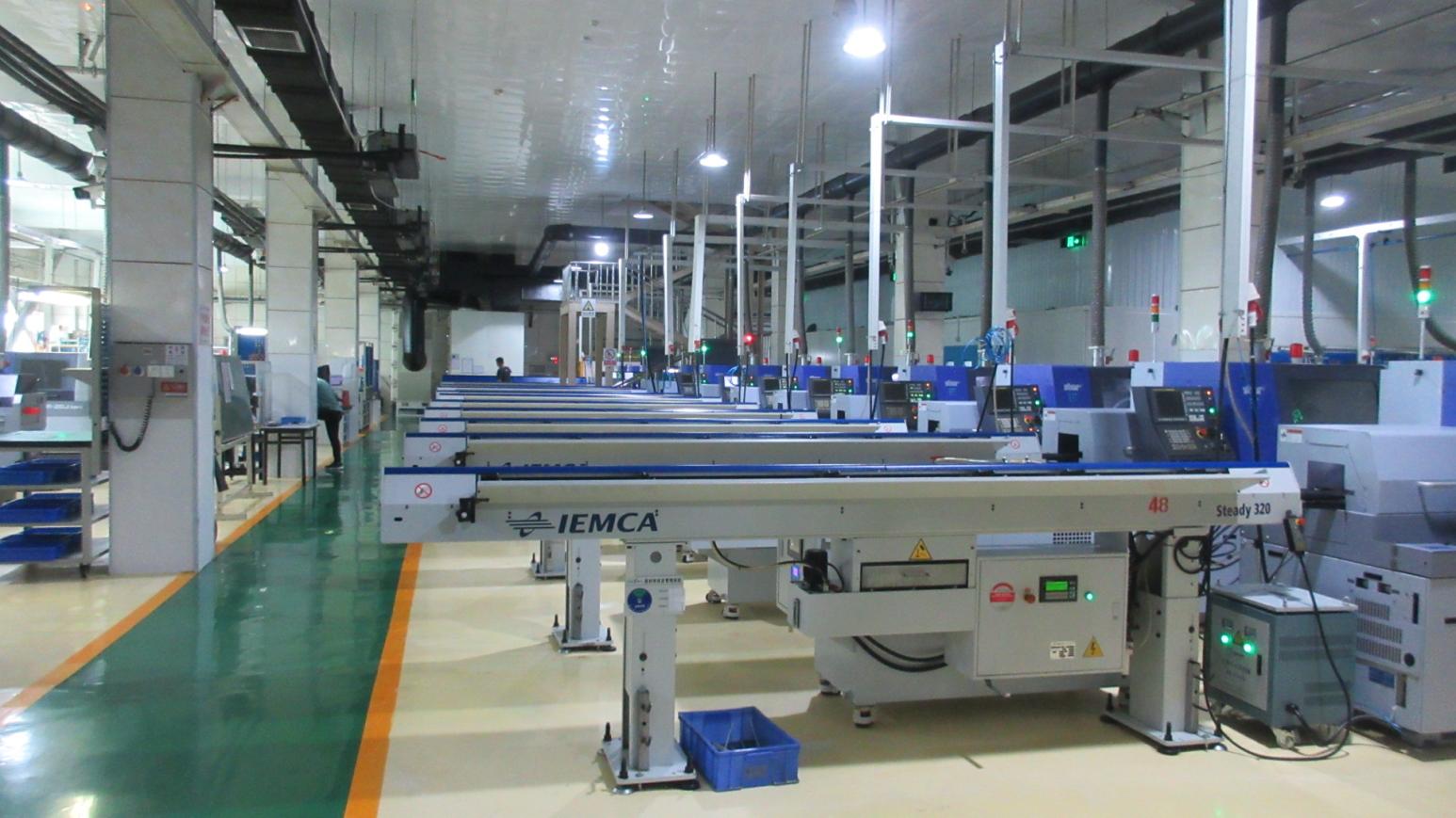
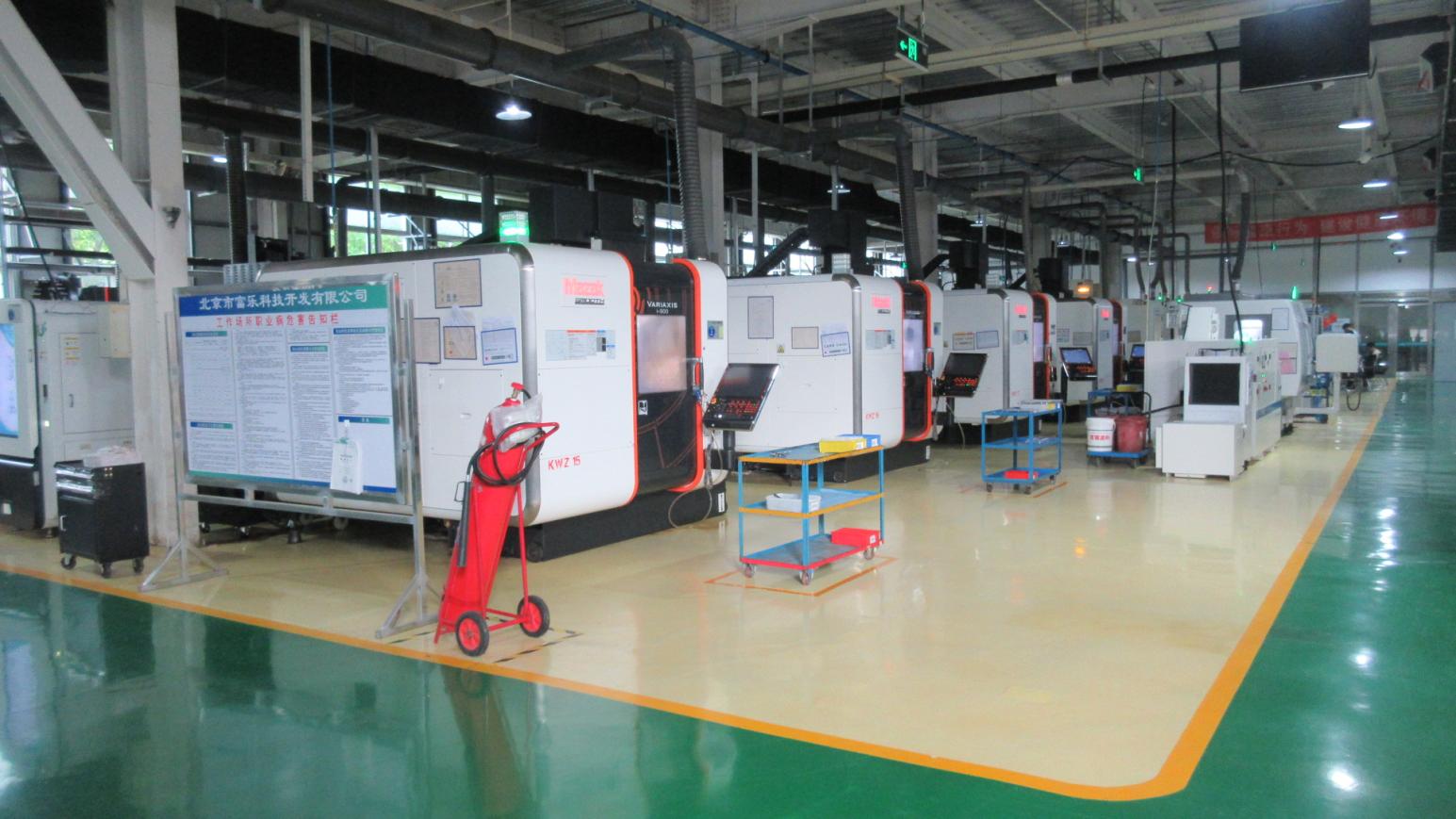
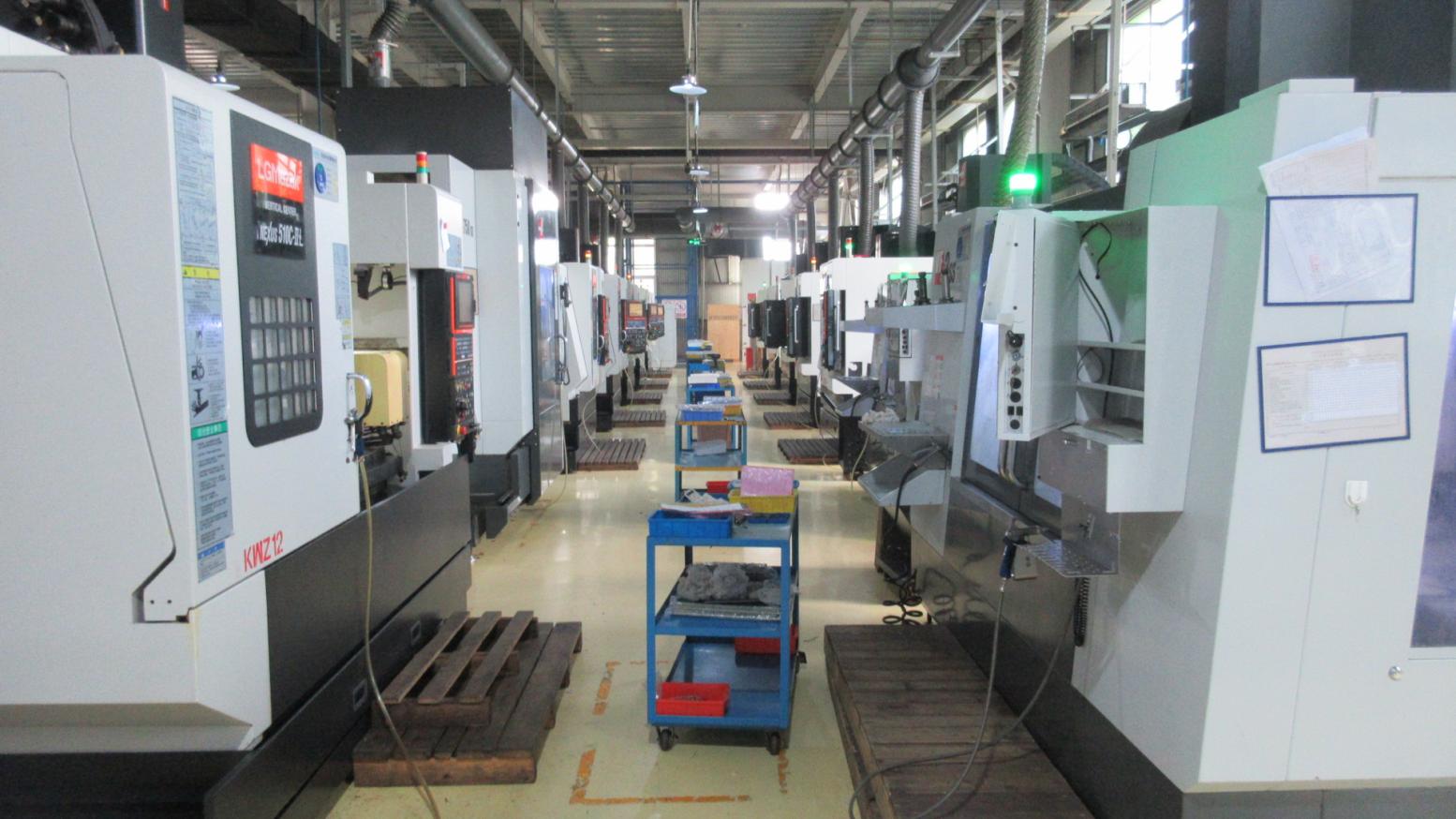
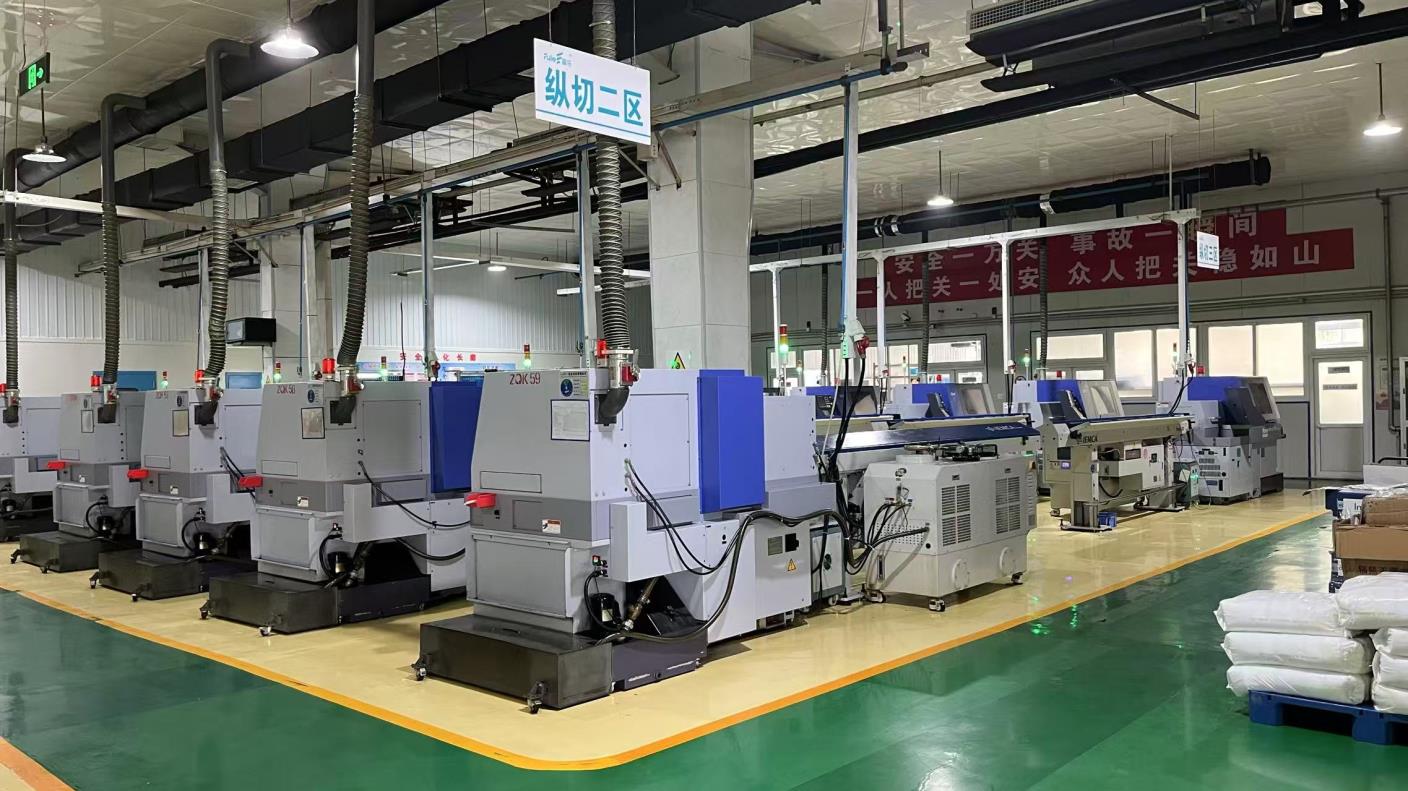
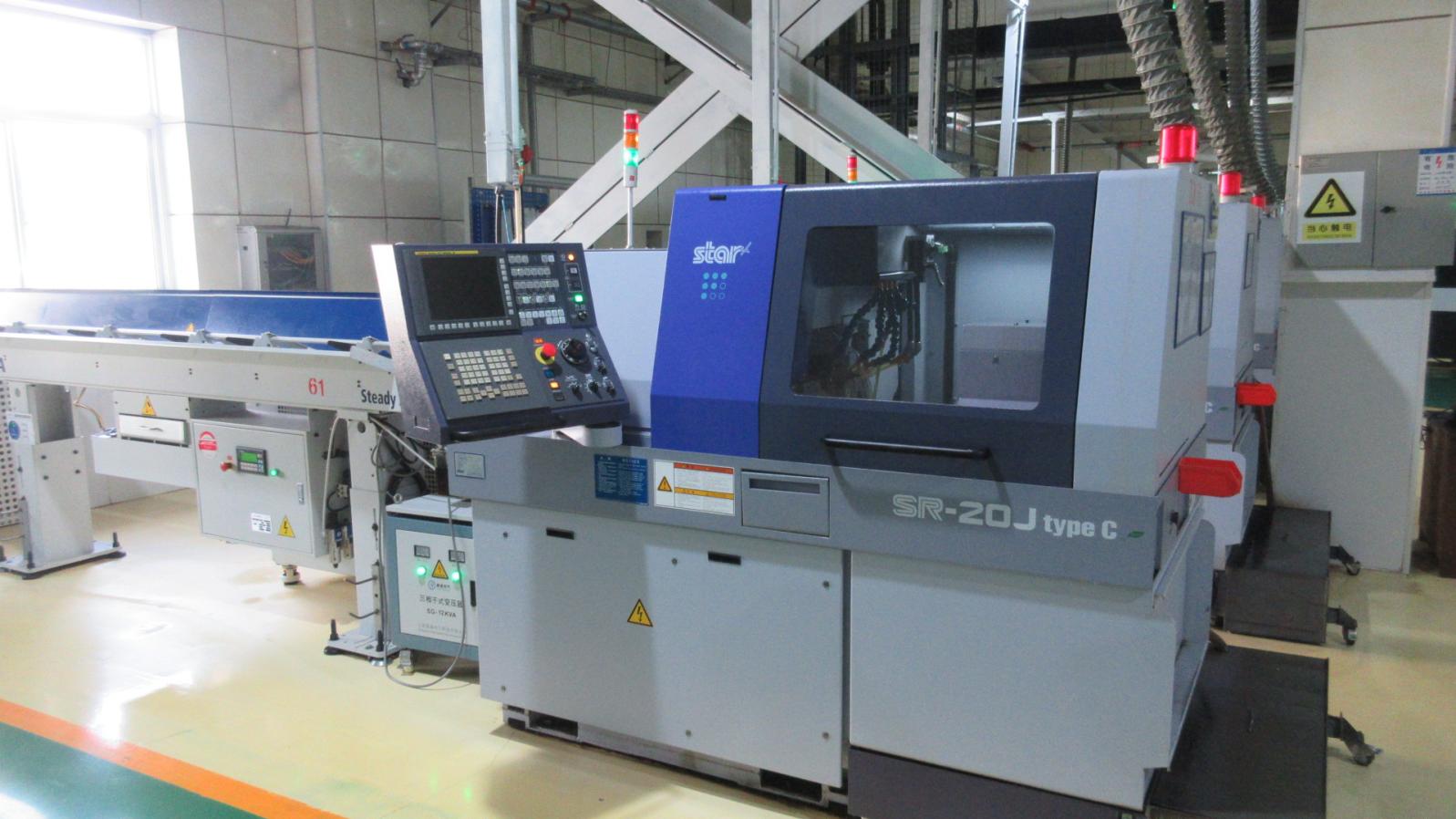
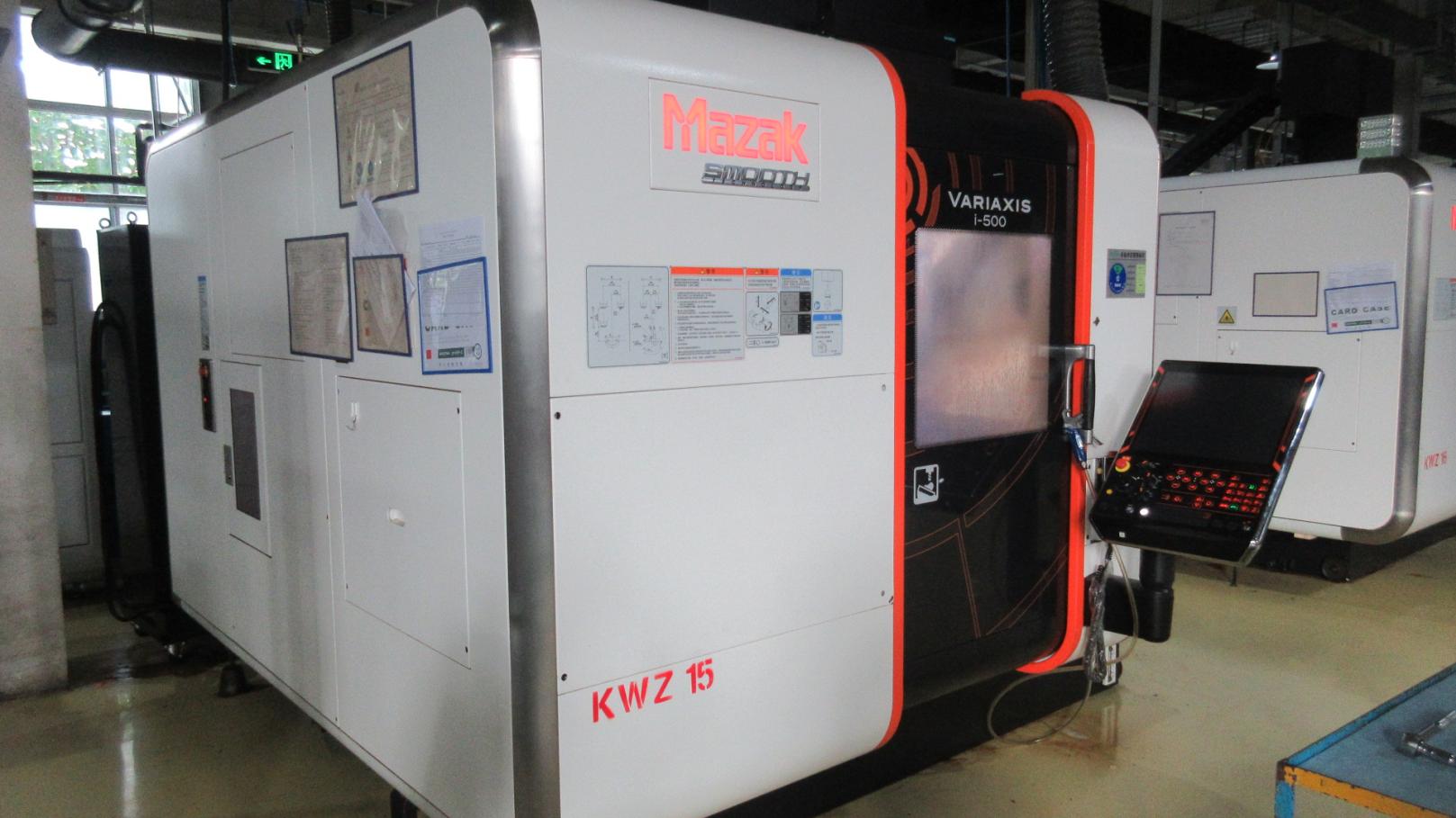
Our facility operates 102 state-of-the-art production machines, featuring multi-axis Swiss CNC turning centers and automated wire EDM systems. This enables us to maintain structural tolerances within 5 microns, a critical requirement for orthopedic pin-to-rod clamps and joint articulation mechanisms where mechanical slippage cannot be tolerated.

Advanced Material Science

By using premium titanium alloys (Ti-6Al-4V ELI conforming to ASTM F136) and medical-grade carbon fiber composites, we manufacture external fixators that deliver an exceptional strength-to-weight ratio. These materials provide high radiolucency, allowing orthopedic surgeons to monitor bone healing under X-ray without removal of the stabilization frame.

Quality Control & Traceability

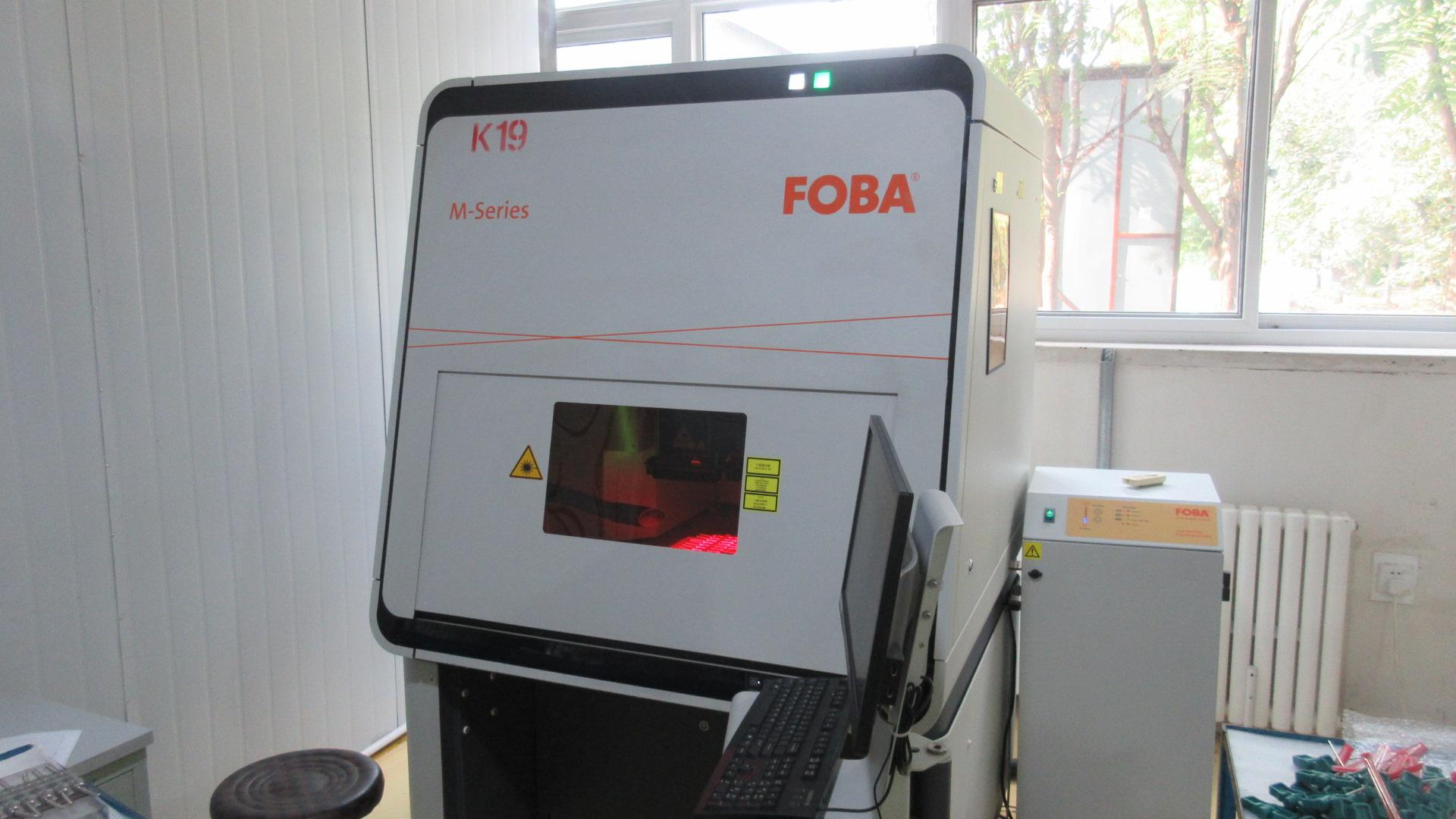
Managed by 15 dedicated QA/QC inspectors, our quality loop includes 100% inspection across all production stages. Each component is laser-etched with a unique tracking code linked to raw material heat certificates, guaranteeing traceability from melt to clinical use.

Manufacturer Profile & Audit Summary
ISO 13485 Certified ISO 13485 Certified
Company Registration Date 1996-06-28 (Over 27 Years of Manufacturing Excellence)
Facility Floor Space 10,000 ㎡ Modern Manufacturing Base
Years Exporting / Industry Experience 30 Years of Medical Device R&D and Global Supply
Annual Production Output 511,000 Units (High-Capacity Scalability)
R&D Engineering Department 20 Engineers (15 Graduate, 5 Junior College) | 20+ New Products Launched Annually
Key Quality Standards Full raw material traceability, 100% finished product inspection
102
Advanced Production Machines
15
Full-Time QA/QC Inspectors
70+
Global Supply Chain Partners
30 Yrs
Orthopedic Industry Expertise

Clinical Applications & Macro Procurement Solutions

Meeting the specialized clinical demands of surgical teams and bulk procurement requirements of global medical distributors.

Targeted Clinical Applications in Japanese Traumatology

Our external fixator systems are engineered to address the specific anatomical challenges encountered in acute orthopedic trauma, joint arthrodesis, and bone segment transport. In high-density urban trauma units across Tokyo, Osaka, and Fukuoka, clinical teams utilize external frames for temporary and definitive stabilization of peri-articular fractures where soft-tissue management is critical.

  • High-Stiffness Ankle & Wrist Fixation: Engineered for rapid, stable reduction in complex peri-articular fractures. Carbon fiber rods allow unobstructed postoperative radiography.
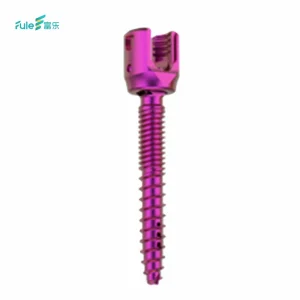
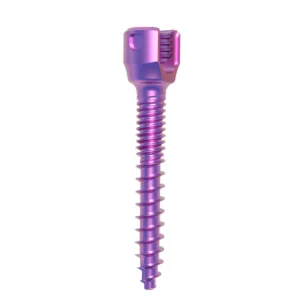
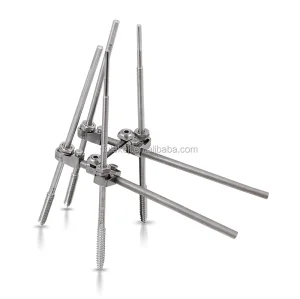
  • Schanz Screws with Optimized Thread Profiles: Designed to optimize purchase in osteoporotic bone, reducing the risk of pin loosening and subsequent pin-tract infections.
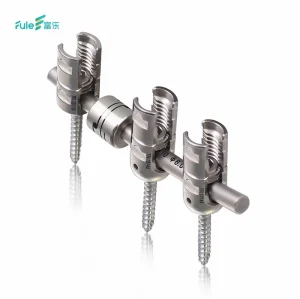
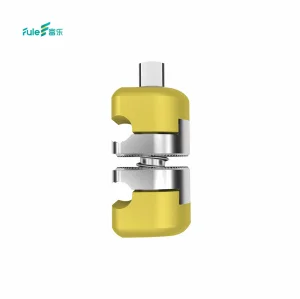
  • Adjustable Multi-Pin Clamps: Provides clinical flexibility to place pins away from the zone of injury, accommodating varied anatomical contours.

Strategic Procurement Support for International Wholesalers

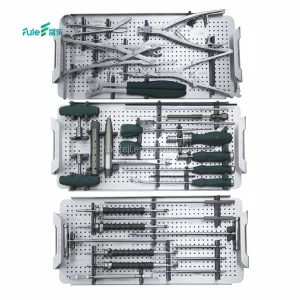
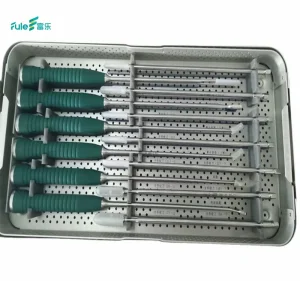
For international buyers and medical device distributors, sourcing from our manufacturing facility offers a secure path to high margin structures and product reliability. We support a range of custom manufacturing options, including sample processing, technical drawing processing, and custom instrument kit assembly. This allows distributors to offer clinicians custom instruments and tailored implants that align with local anatomical preferences.

Procurement & Customization Support

We offer end-to-end support for medical device importers, including complete technical documentation, raw material certificates, and sterilization compatibility validation reports.

OEM/ODM Support: Full customization of clamp profiles and bar configurations.
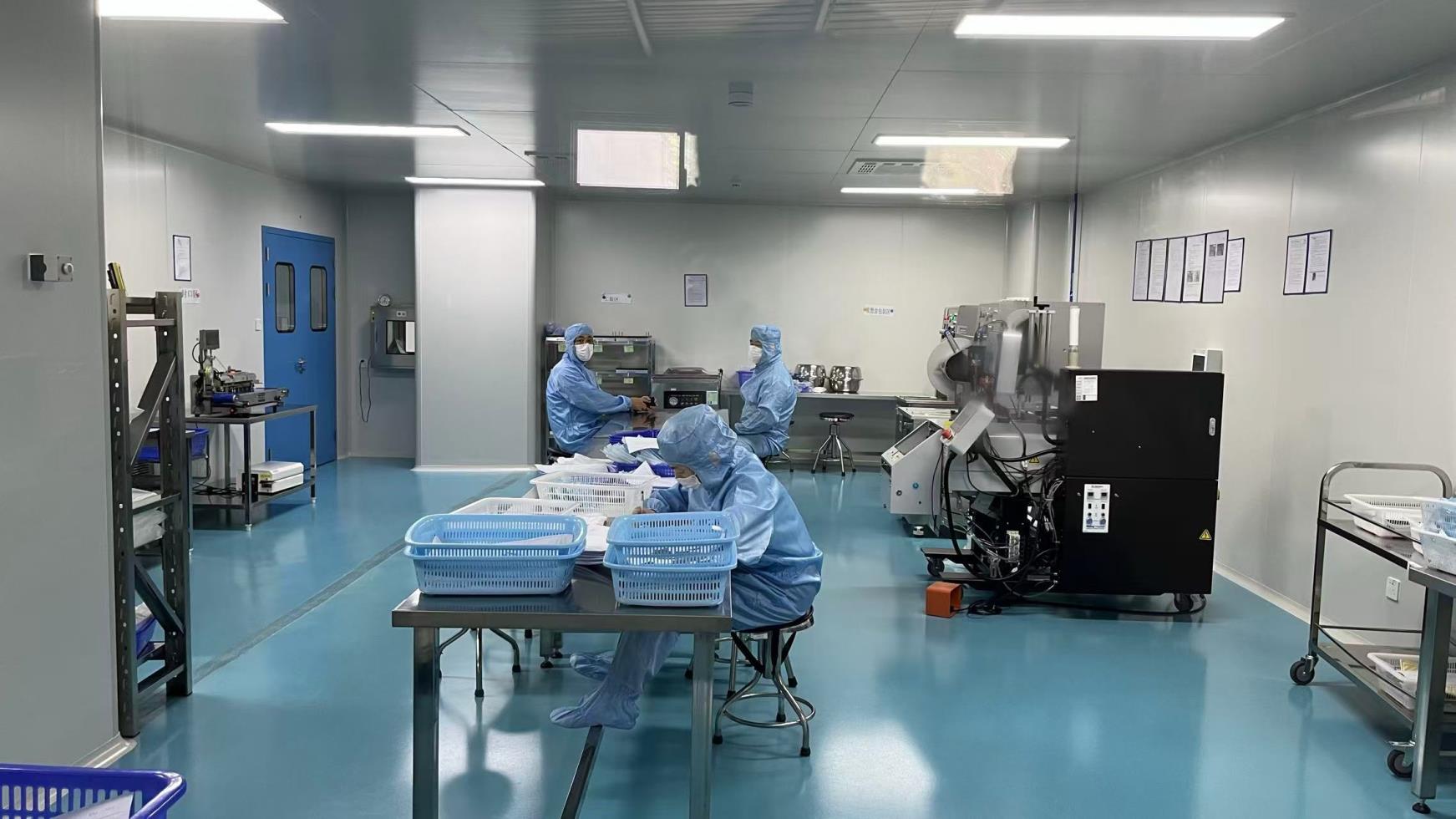
Optimized Packaging: Cleanroom packaging ready for ethylene oxide (EO) or autoclave sterilization.
Logistics Compliance: Experienced handling of import documentation for Japan and the Asia-Pacific region.
Download Supply Chain Overview

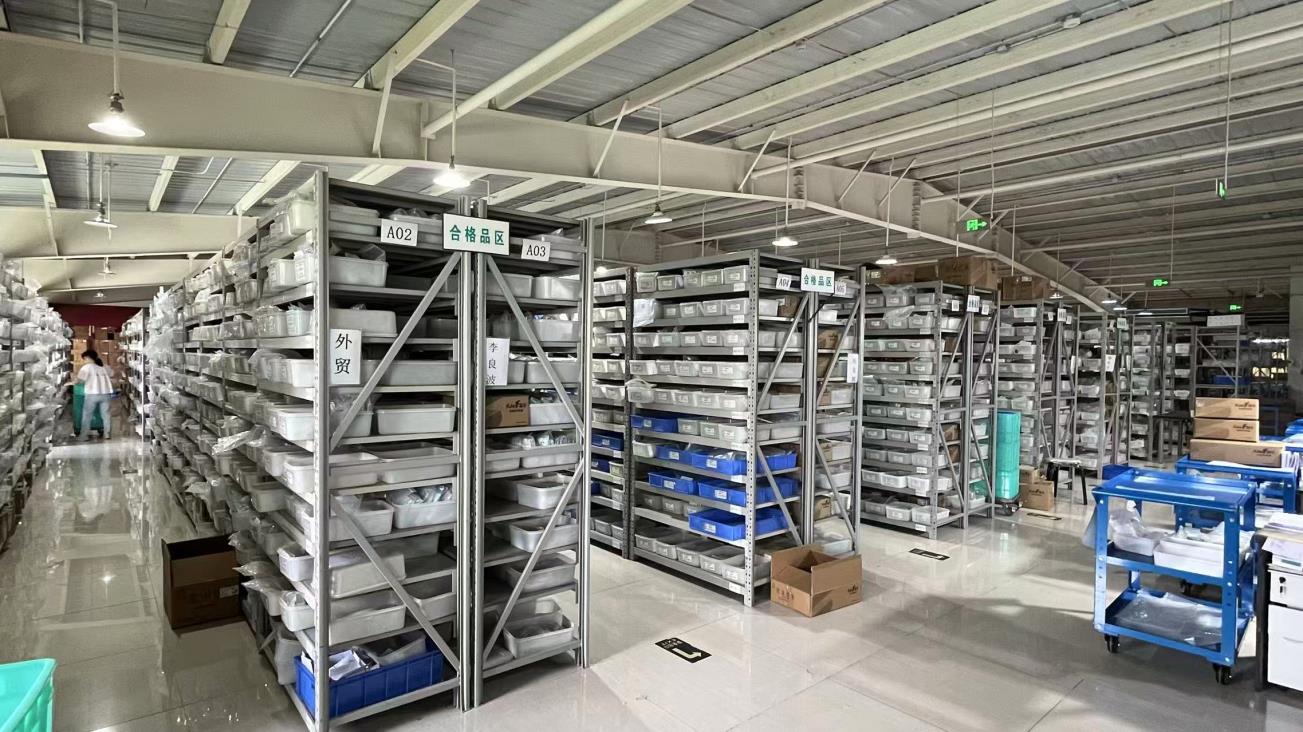
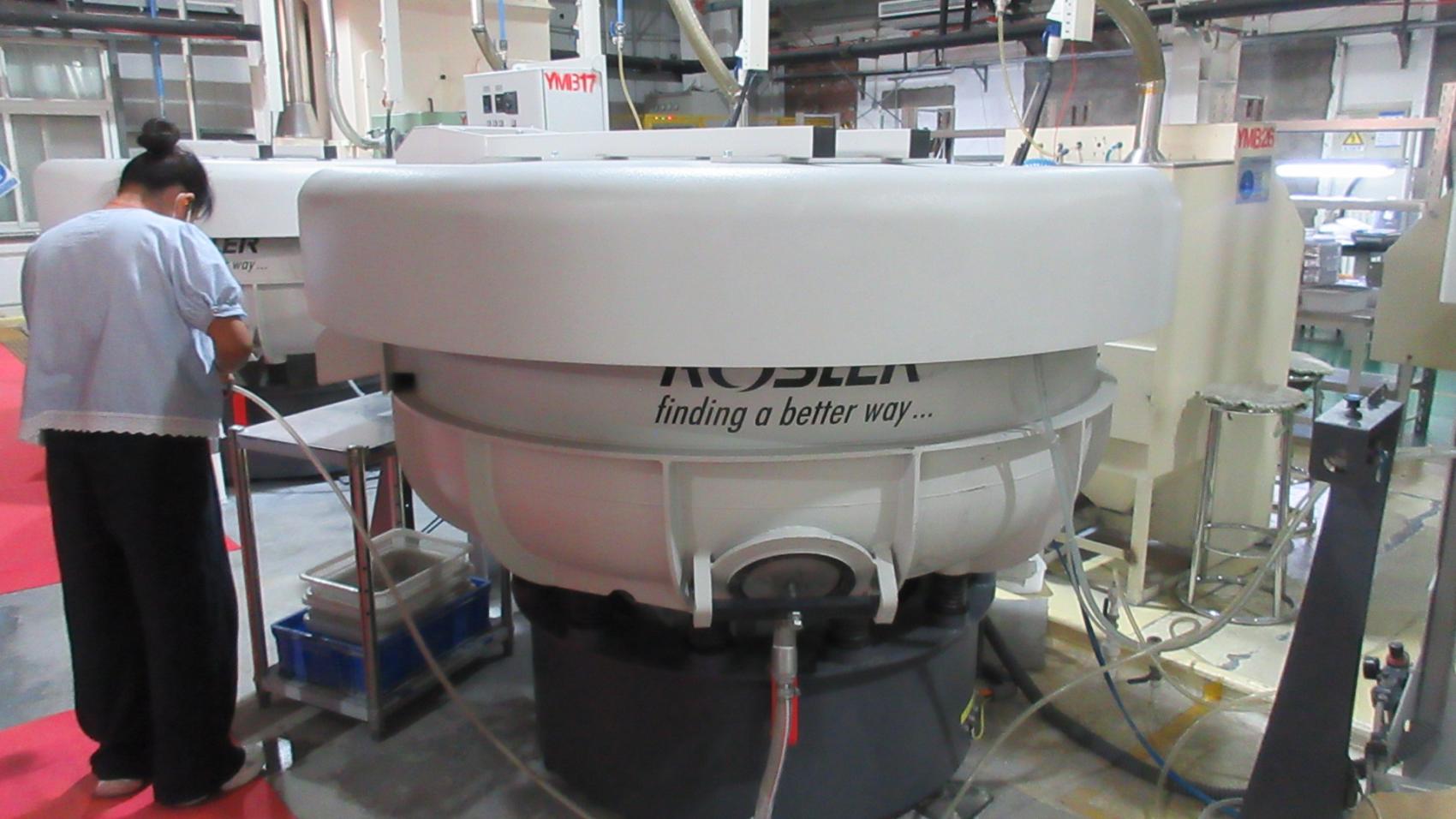
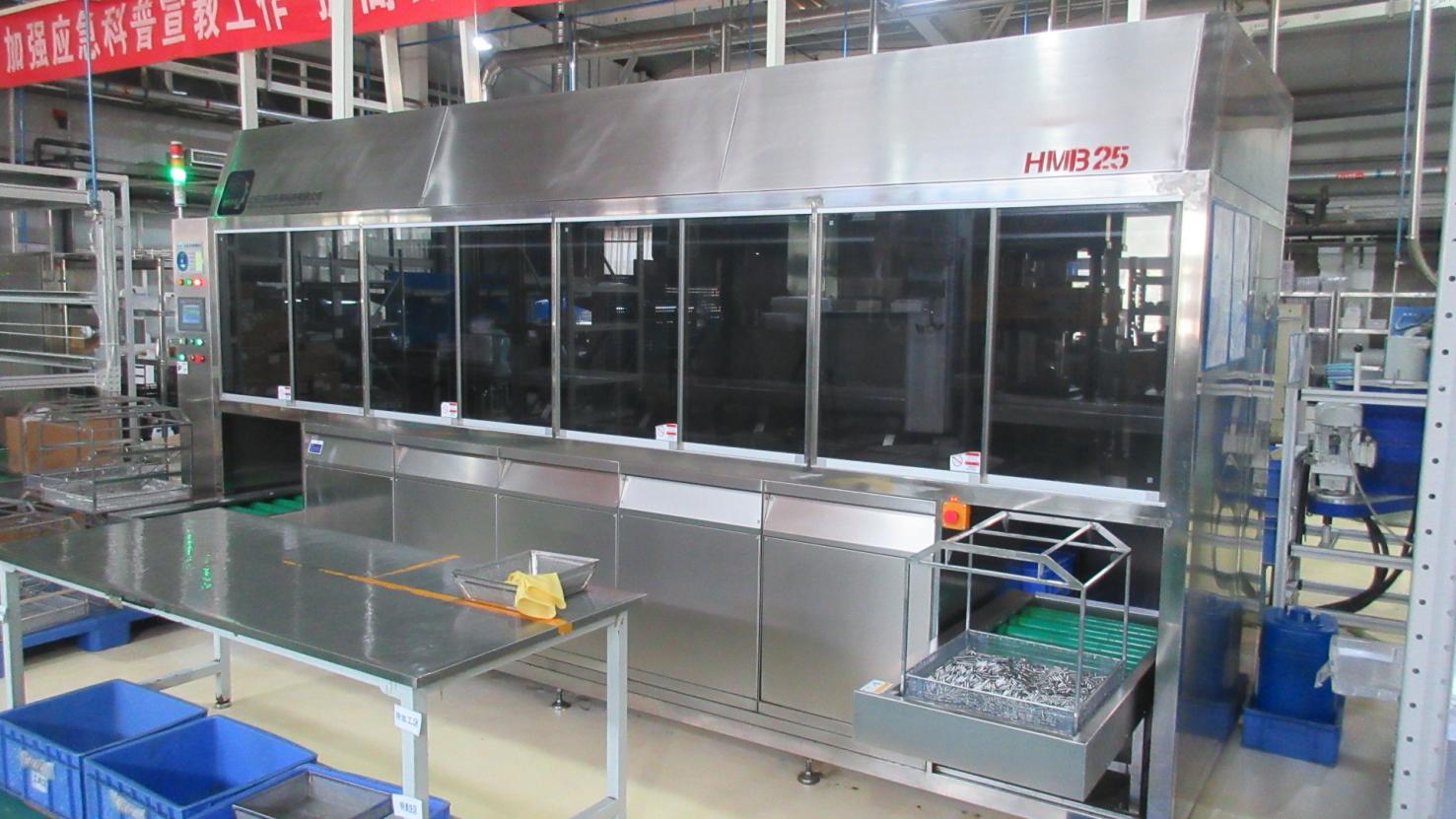
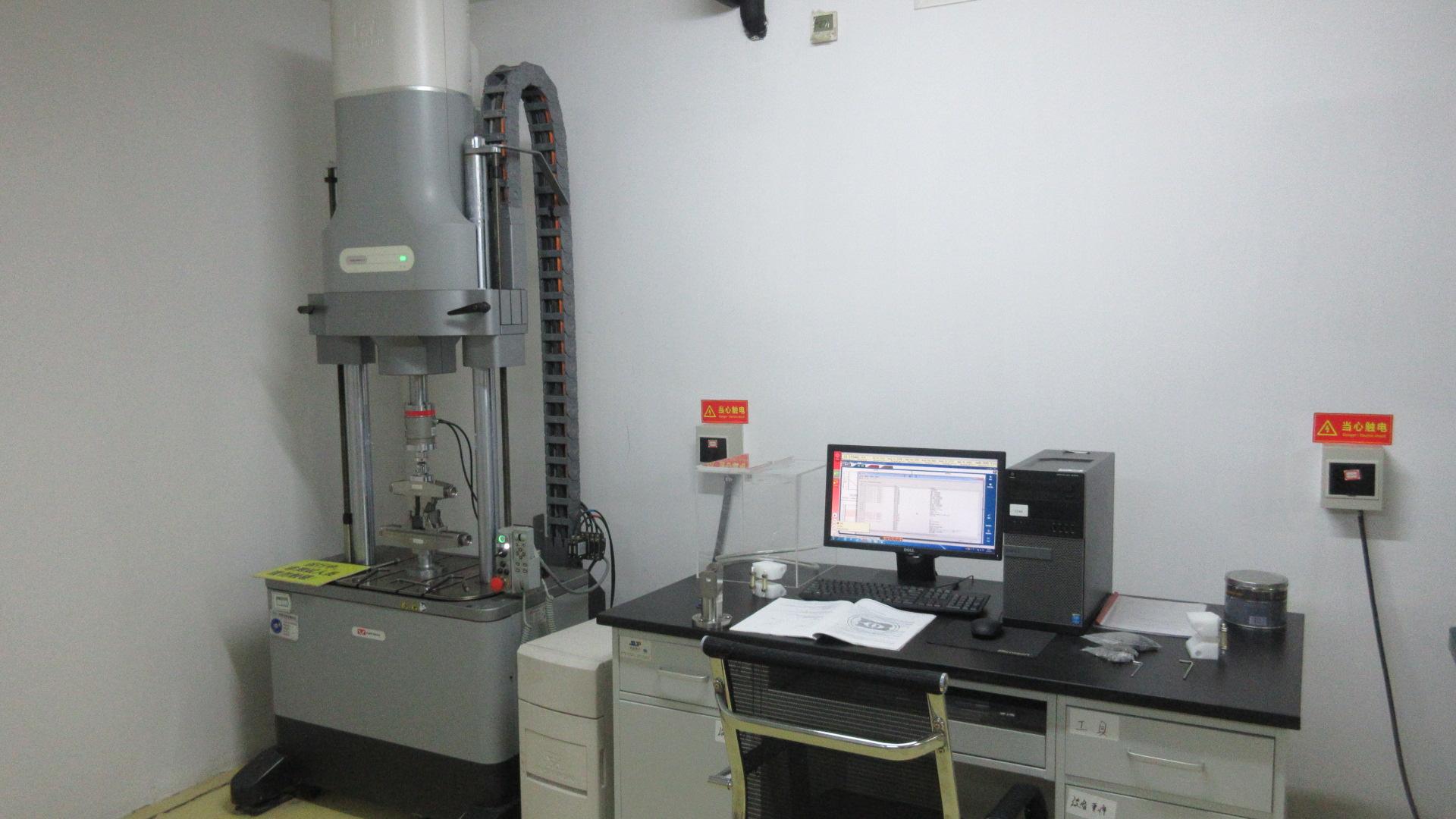
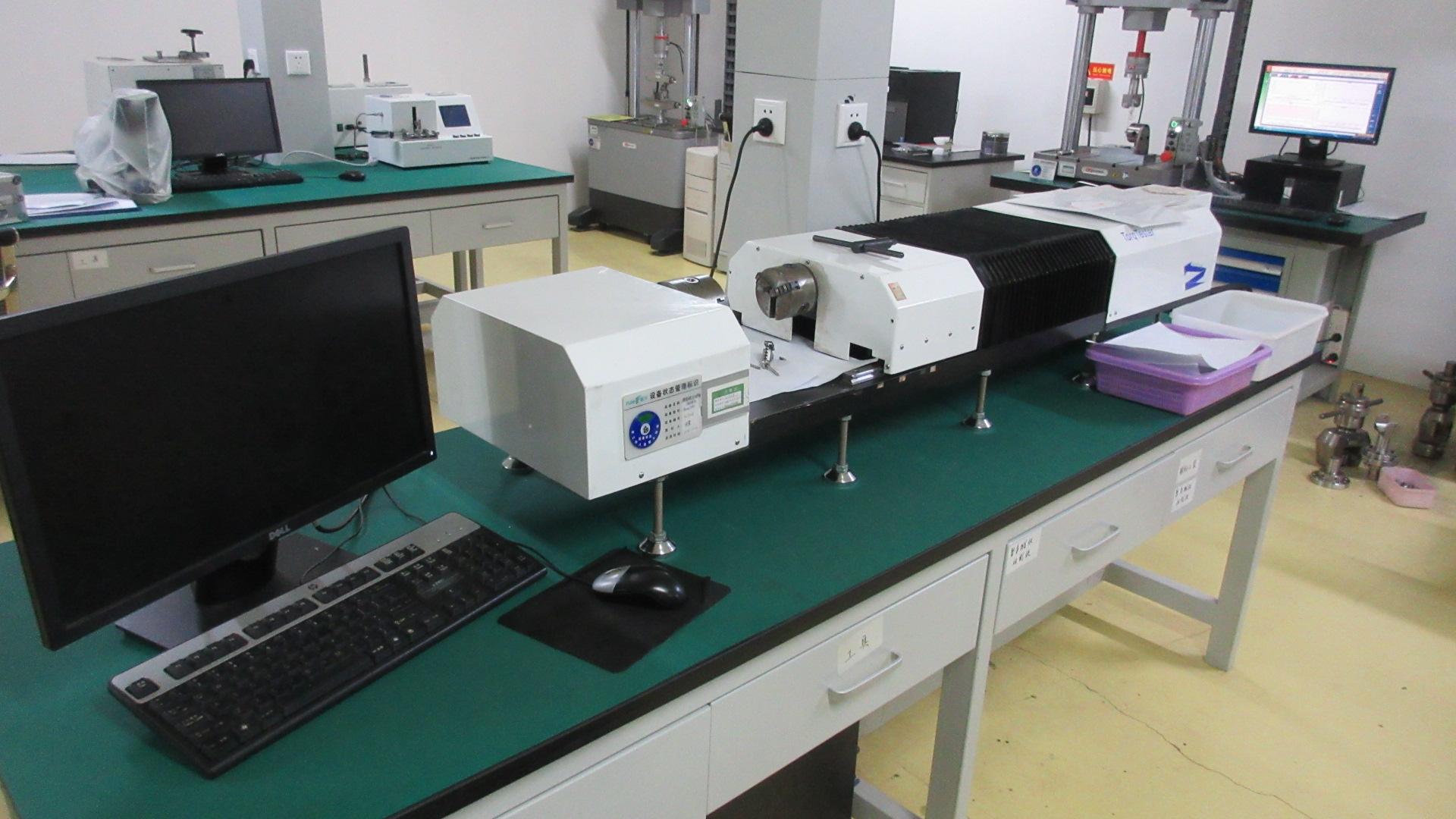
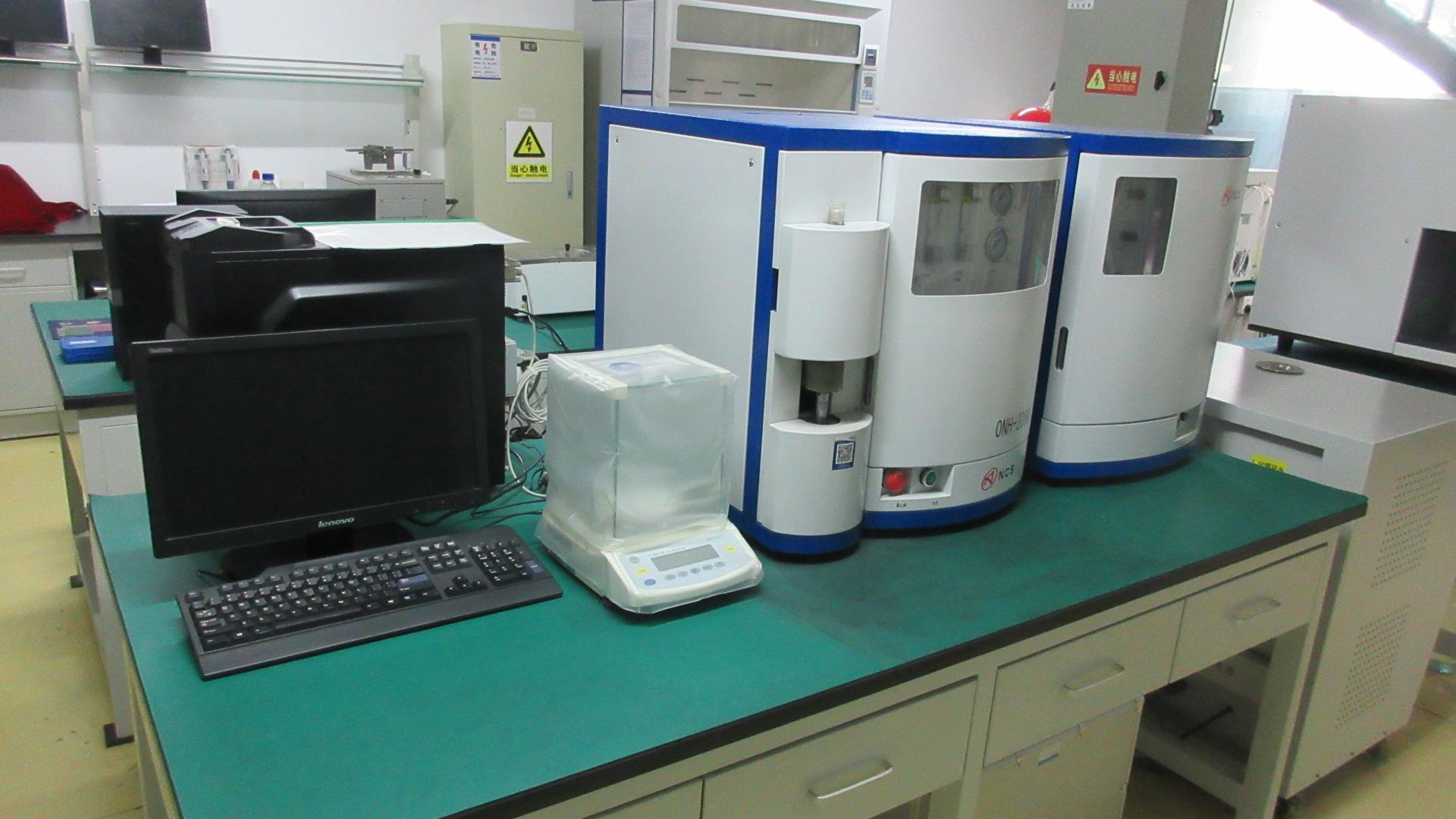
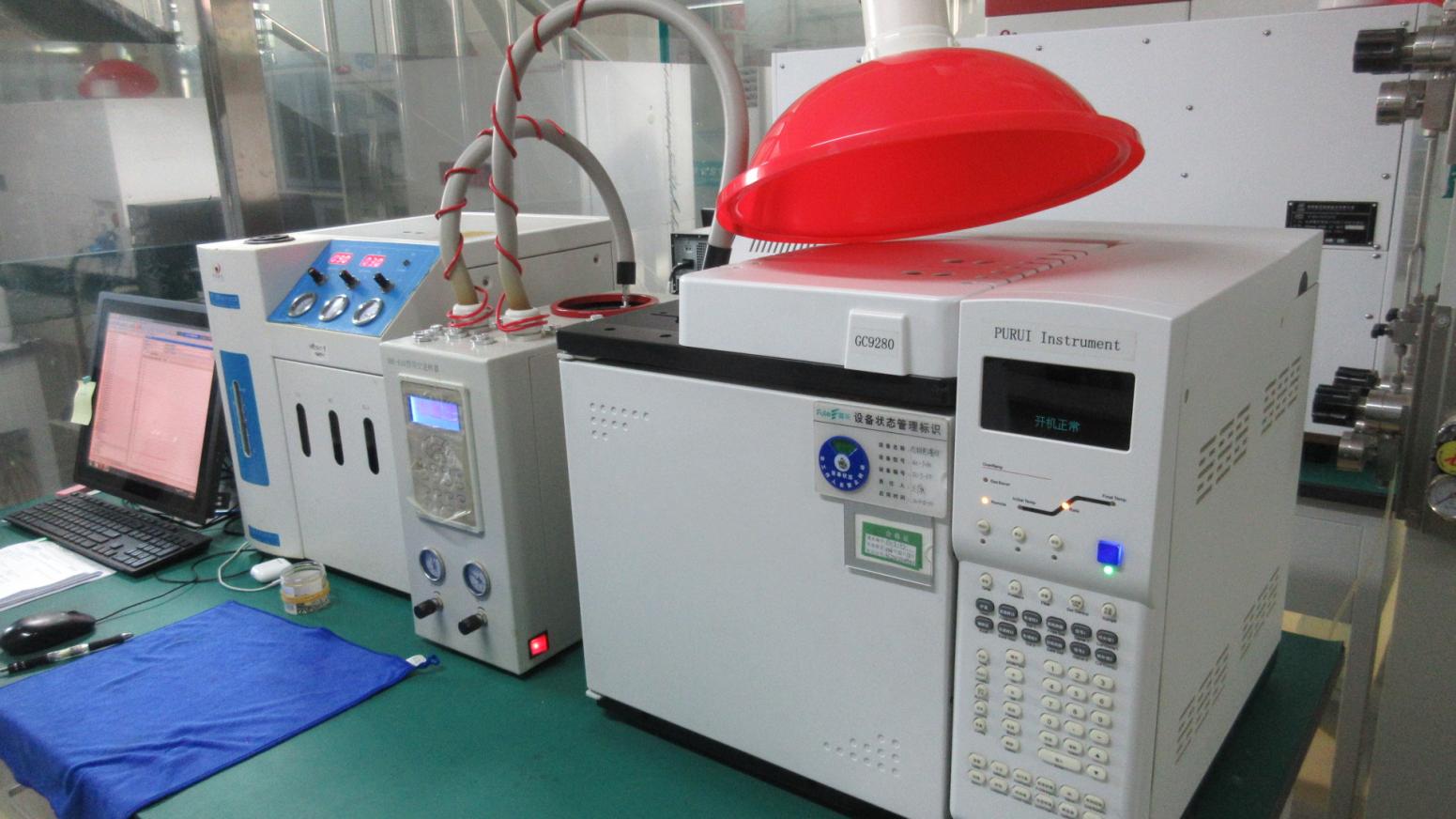
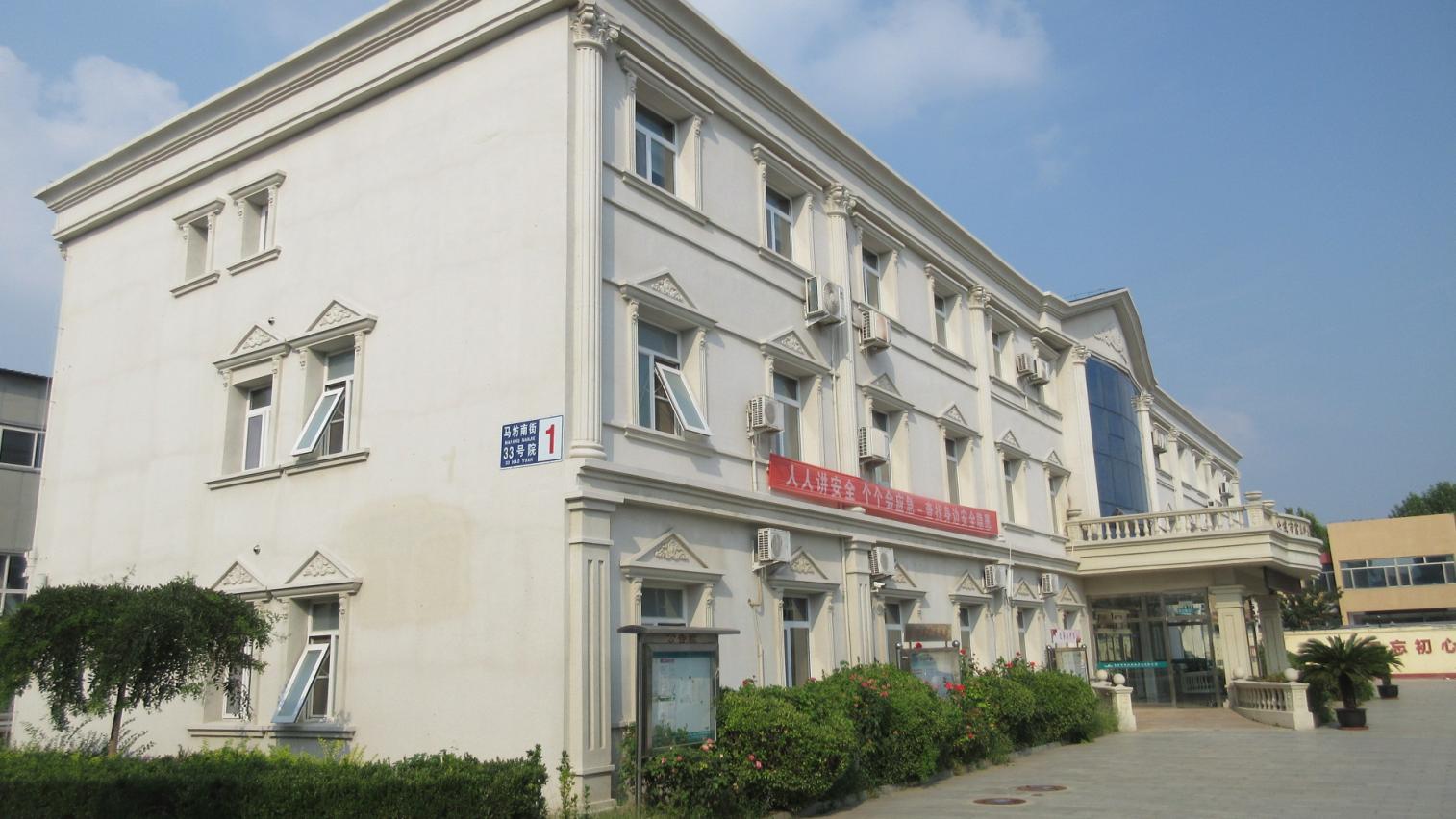
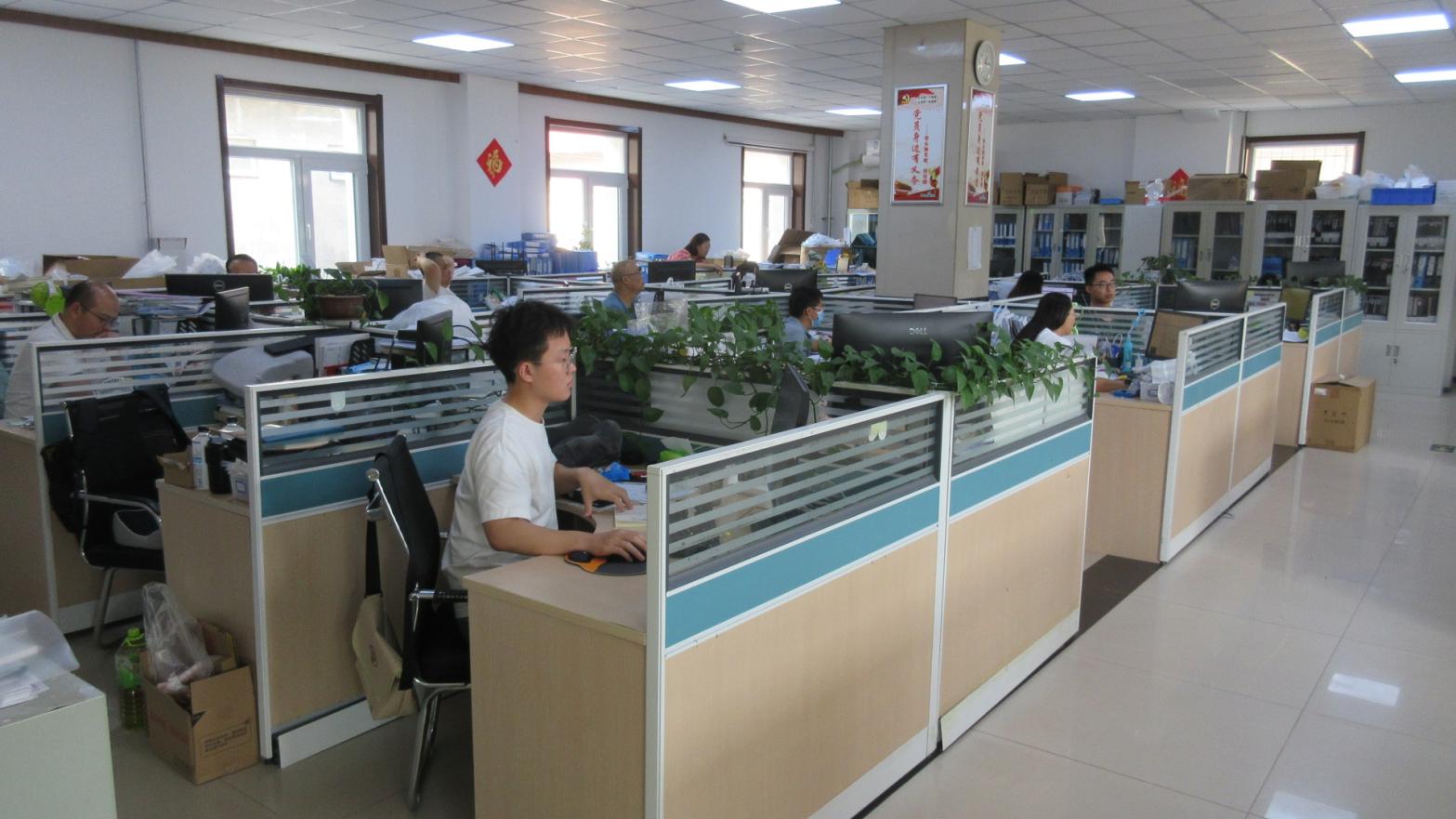
An inside look at our 10,000 ㎡ ISO 13485 certified production environment, showing raw material preparation, multi-axis machining, and cleanroom quality control.
Frequently Asked Questions

Technical details, regulatory paths, and purchasing logistics for sourcing orthopedic implants for the Japanese market.

What are the Japanese regulatory pathways for importing external fixators?
To market orthopedic external fixators in Japan, devices must undergo classification and obtain approval from the Ministry of Health, Labour and Welfare (MHLW) through the PMDA. This requires aligning with the Quality Management System (QMS) Ministerial Ordinance No. 169 (which incorporates ISO 13485 requirements). Our technical team provides comprehensive technical documentation, raw material certificates, and biological evaluation reports under ISO 10993 to support local Marketing Authorization Holders (MAH) during submission.
How is raw material quality and traceability verified?
All our structural pins, clamps, and rods are manufactured using certified materials like medical-grade titanium (ASTM F136 / ISO 5832-3) and premium carbon fiber. We maintain a strict material management protocol: each raw batch undergoes mechanical and chemical testing upon receipt. Every finished item is laser-etched with a batch serial number, providing full traceability from the raw material melt to the sterile packaging line.
What custom processing and OEM/ODM options are available?
We provide comprehensive customization support, including manufacturing based on samples or technical drawings, and custom instrument kits. With an engineering team of 20 R&D professionals and 102 precision manufacturing machines, we can modify clamp geometries, pin diameters, and rod lengths to match the custom preferences of orthopedic trauma centers.
How do you ensure structural stability and load-bearing capacity?
Each external fixator configuration undergoes mechanical performance testing, including static axial load testing, torsional stability testing, and dynamic fatigue testing on specialized verification rigs. This ensures that the clamping mechanisms hold secure under clinical loading without bone-pin interface loosening.
What are the typical lead times and logistics arrangements for Japan?
For standard catalog items, production and shipping preparation takes 30 to 45 days. For custom OEM/ODM designs, development and first-article validation takes 60 to 90 days. We coordinate shipments via reliable air and sea channels (DHL, FedEx, or standard ocean freight) with export documents prepared to ensure smooth clearance at Japanese customs.

Partner with a Certified Orthopedic Implant Manufacturer

Bring high-precision external fixation technology to your trauma clinics and distribution channels. Get tailored configurations, complete compliance support, and reliable manufacturing capacity.

Send Inquiry Now