Clinically certified internal fixation components optimized for early weight-bearing protocols in femoral, humeral, and reconstruction procedures across Melbourne healthcare hubs.
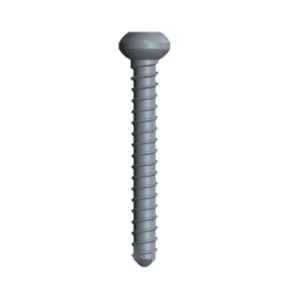
Advanced interlocking dynamic configuration engineered for proximal humeral shaft fractures.
View Specifications →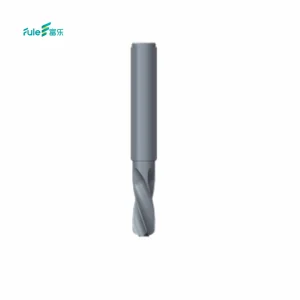
High fatigue strength titanium alloy (Ti-6Al-4V ELI) with an anti-rotation helical blade profile.
View Specifications →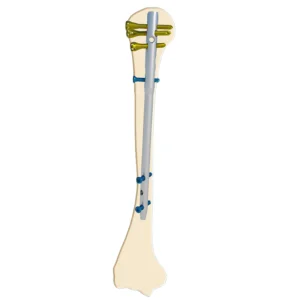
Multi-planar distal screw configurations providing superior rotational stability in osteoporotic bone.
View Specifications →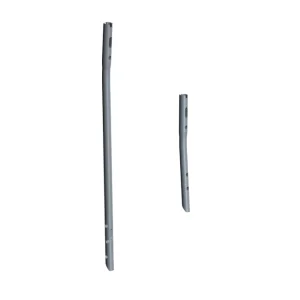
Cost-efficient, CE-certified implants optimized for proximal femoral fracture lines.
View Specifications →Melbourne stands as one of the southern hemisphere's most vital hubs for advanced medical science, emergency trauma medicine, and clinical research. Key trauma institutions—such as the Alfred Hospital (one of Australasia's busiest trauma centers), the Royal Melbourne Hospital, and St. Vincent's Hospital—require highly responsive medical device supply pipelines capable of providing state-of-the-art internal fixation devices.
The aging demographic of Victoria, combined with a rising incidence of high-velocity sports-related trauma and motor vehicle accidents, demands intramedullary nail systems that exhibit superior biomechanical stability. The primary surgical objective is centered around early patient mobilization, the mitigation of non-union complications, and the reduction of surgical operating times.
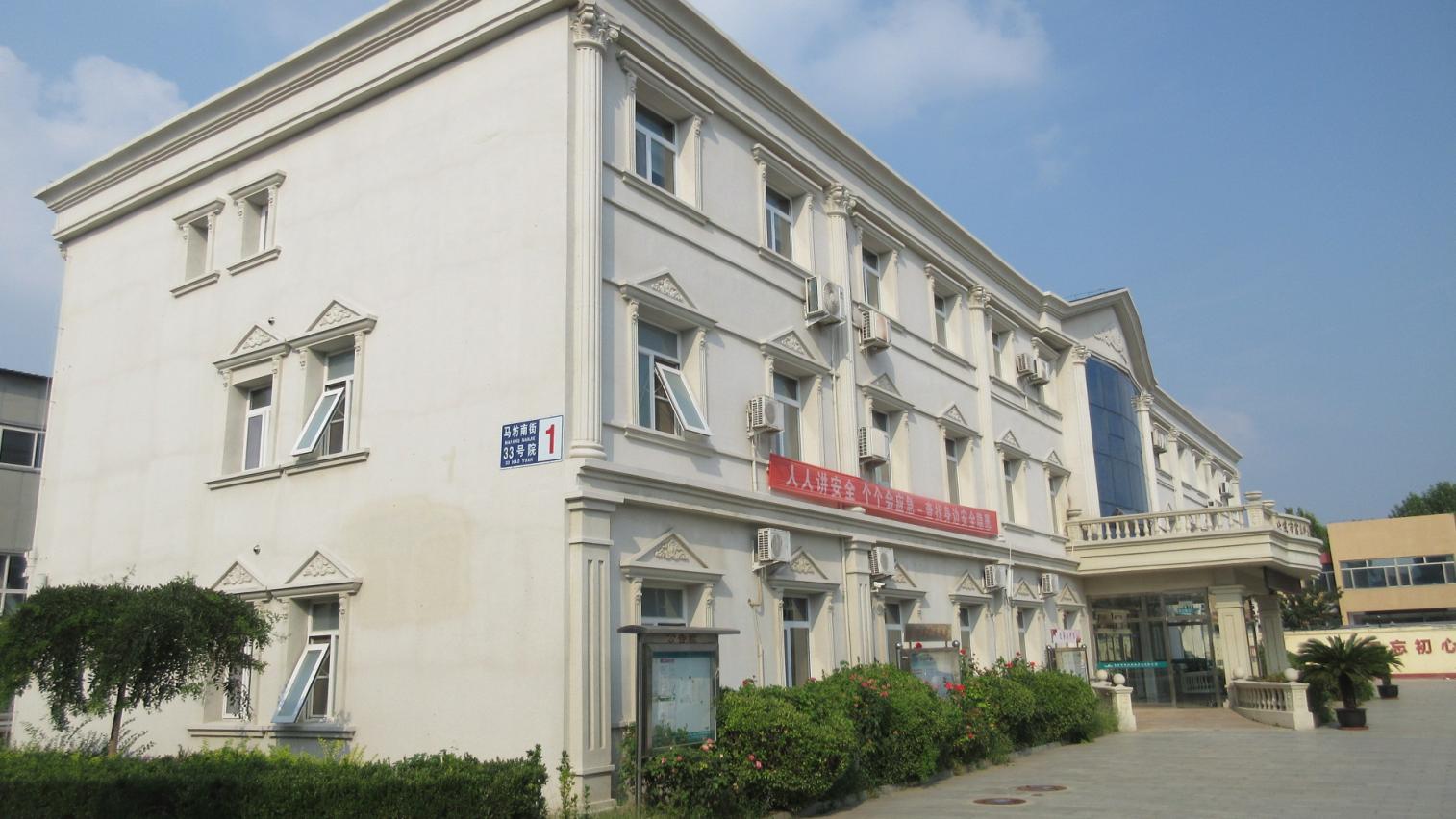
For medical devices distributed within the Australian market, conformity assessment procedures overseen by the Therapeutic Goods Administration (TGA) represent the baseline barrier to entry. Our manufacturing plant operates under a rigorous ISO 13485 Quality Management System (QMS), assuring full physical and chemical traceability of all orthopedic raw materials from smelt to sterile packaging.
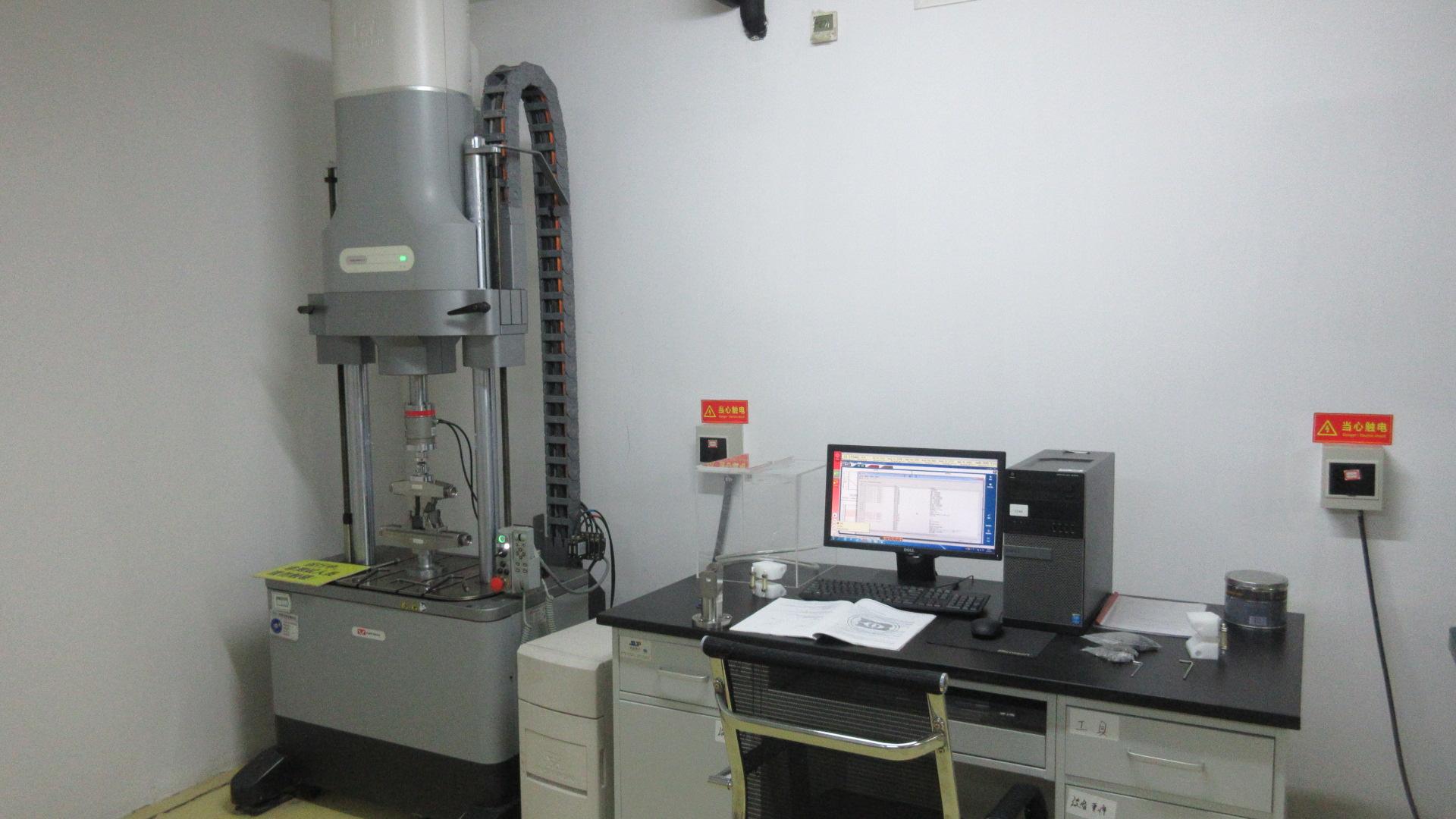
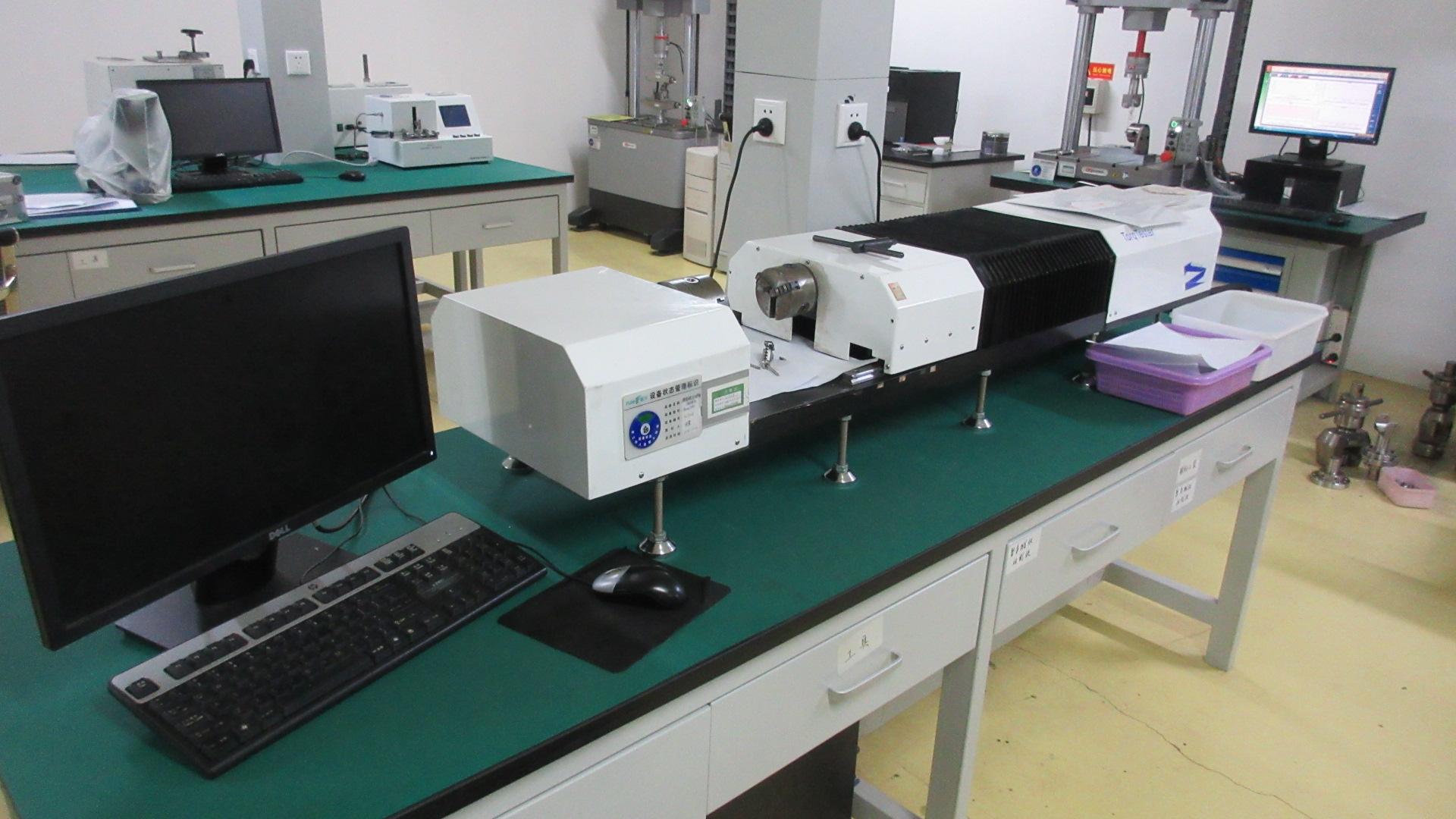
Every batch of intramedullary fixation systems undergoes exhaustive fatigue testing, tensile testing, and dimensional tolerance checks utilizing coordinate measuring machines (CMM). Our implants correspond to Class III (high risk) classifications, conforming to MDR 2017/745 and Australian Therapeutic Goods Regulations.
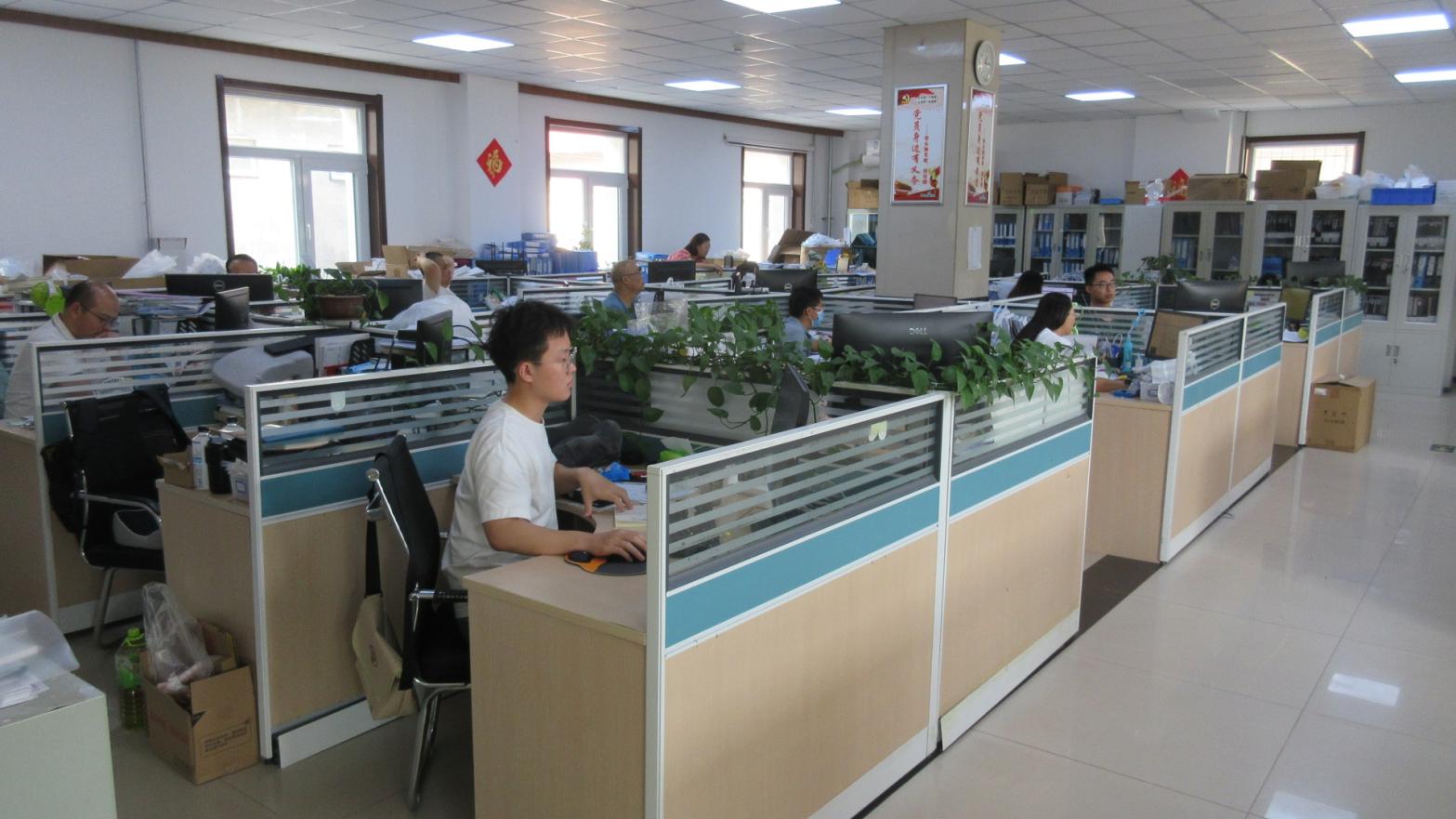
Integrated orthopedic implant assemblies designed for complete spinal trauma reconstruction, pediatric spinal deformities, and posterior cervical stabilization.
Low-profile anterior plates designed to prevent tissue irritation post-laminoplasty.
View Specifications →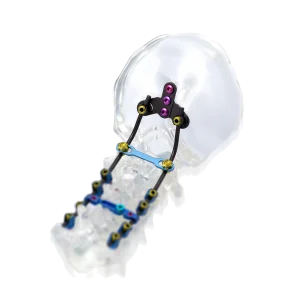
Durable titanium construction with multi-axial pedicle alignment capacities.
View Specifications →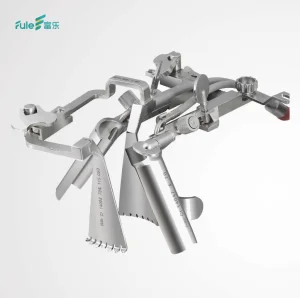
Comprehensive sterile-ready instrumentation tray featuring robust handles and taps.
View Specifications →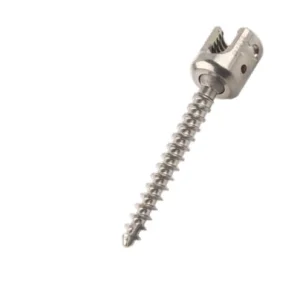
Precision-engineered pedicle configurations accommodating anatomical pediatric dimensions.
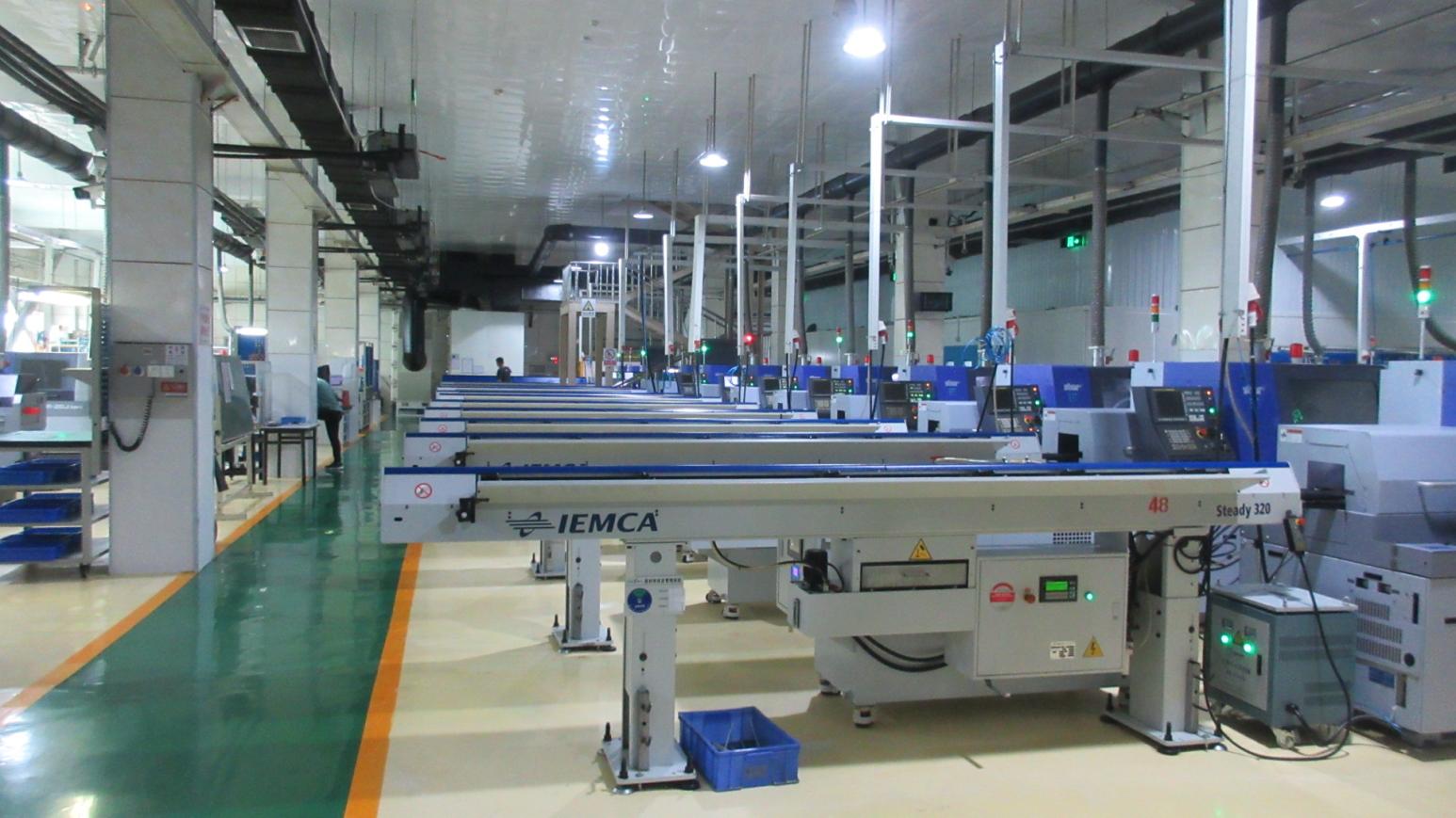
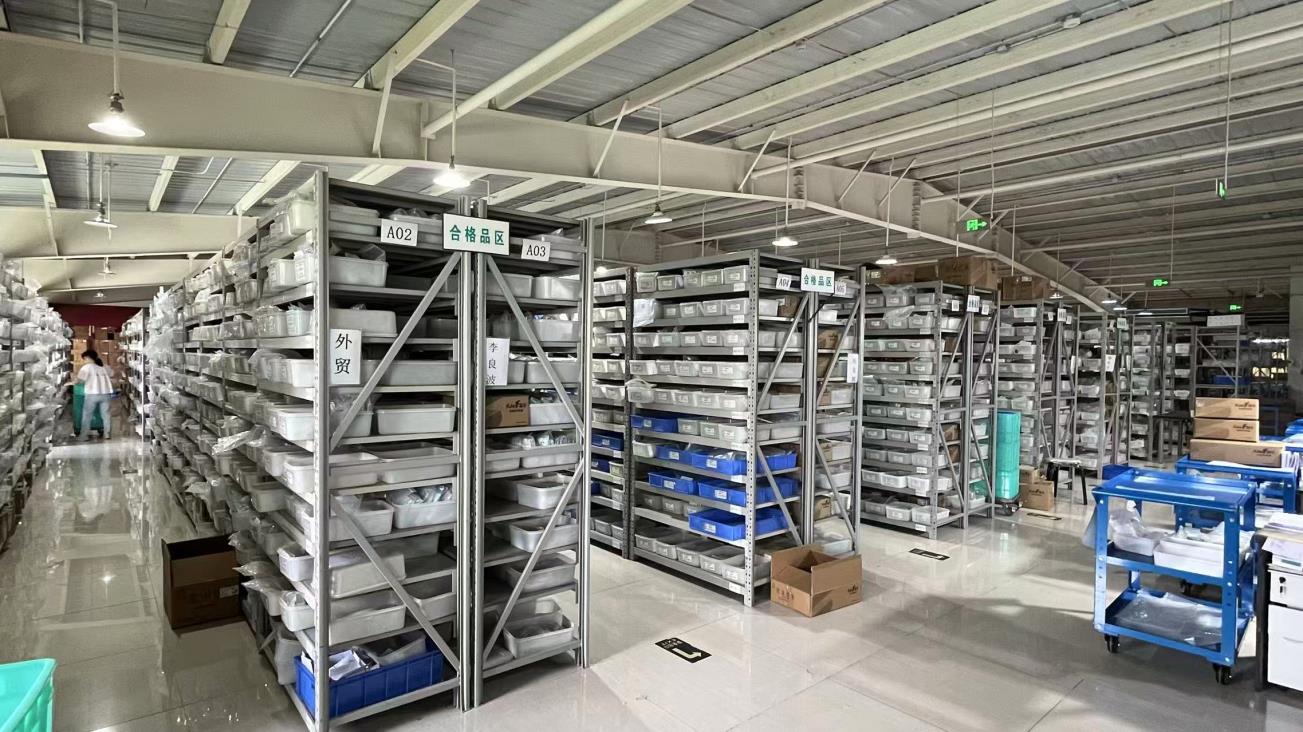
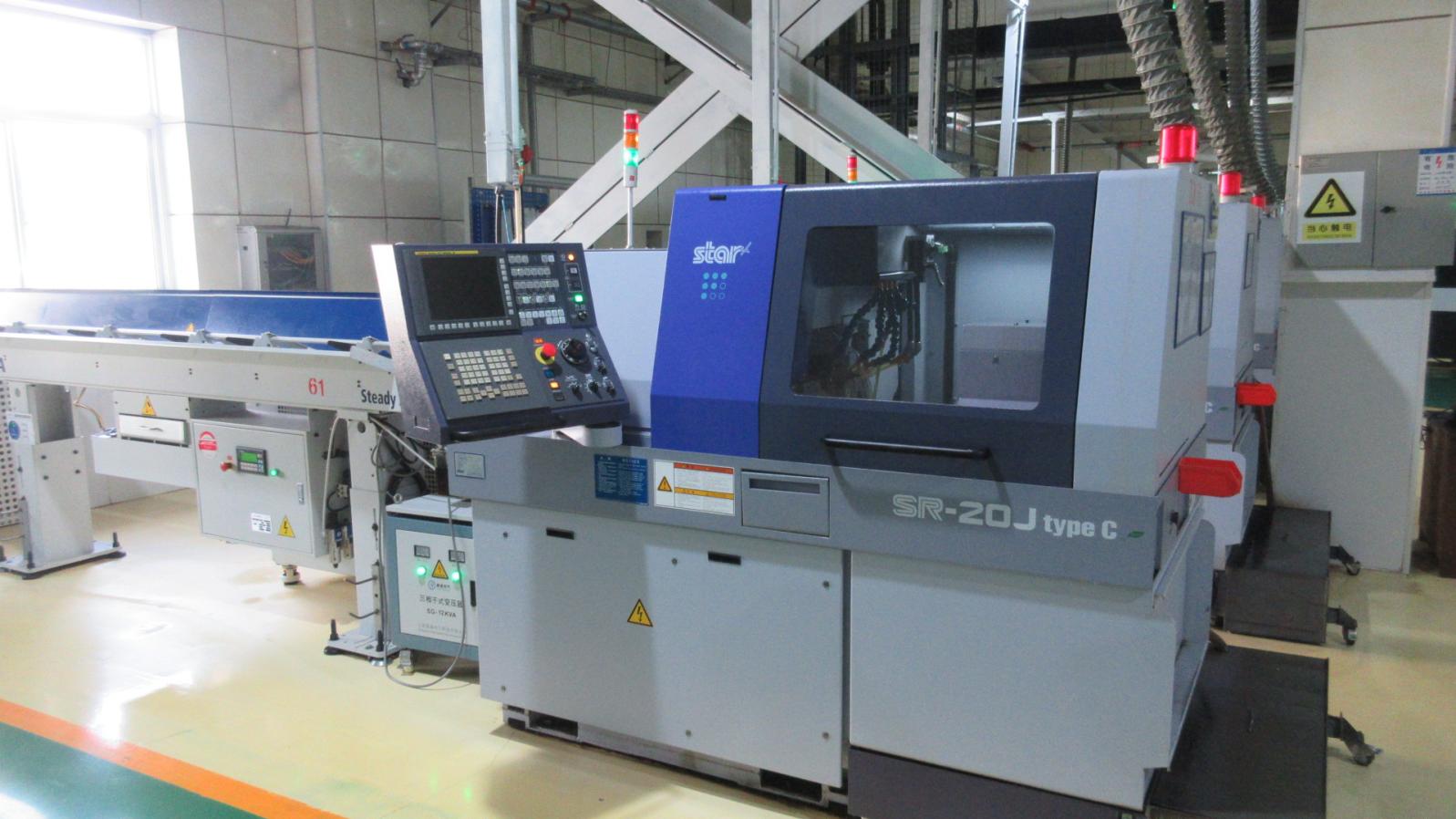
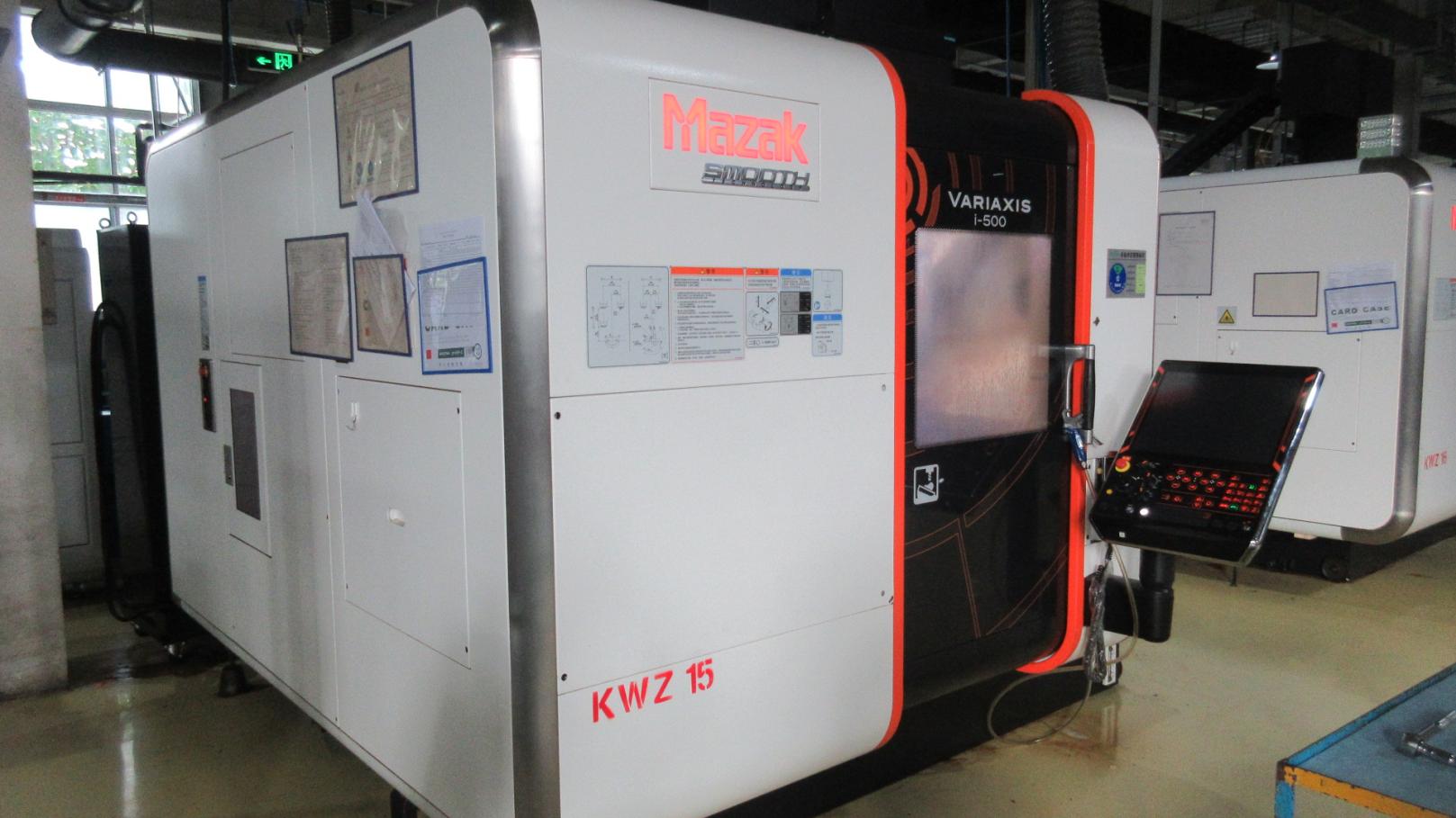
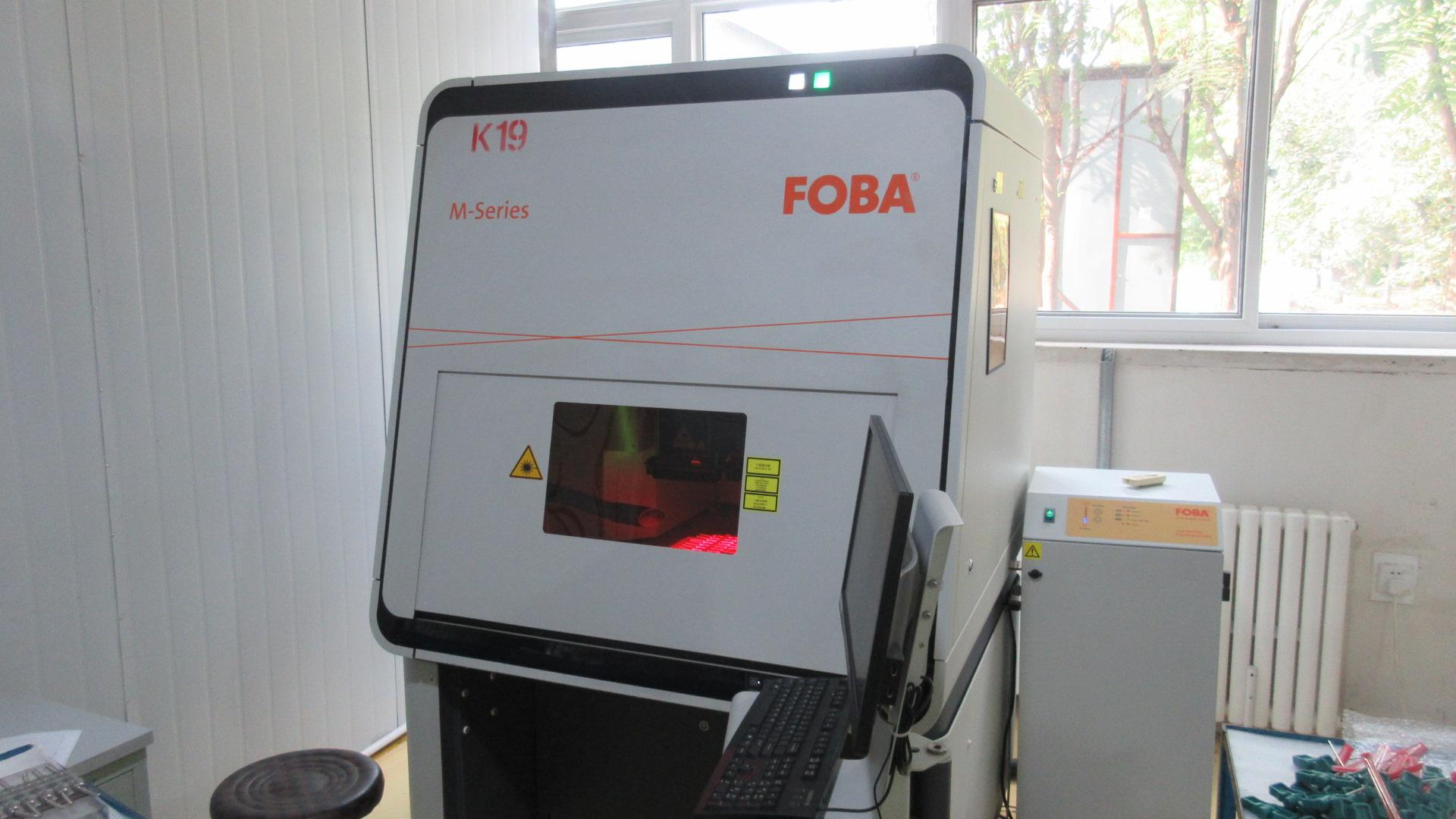
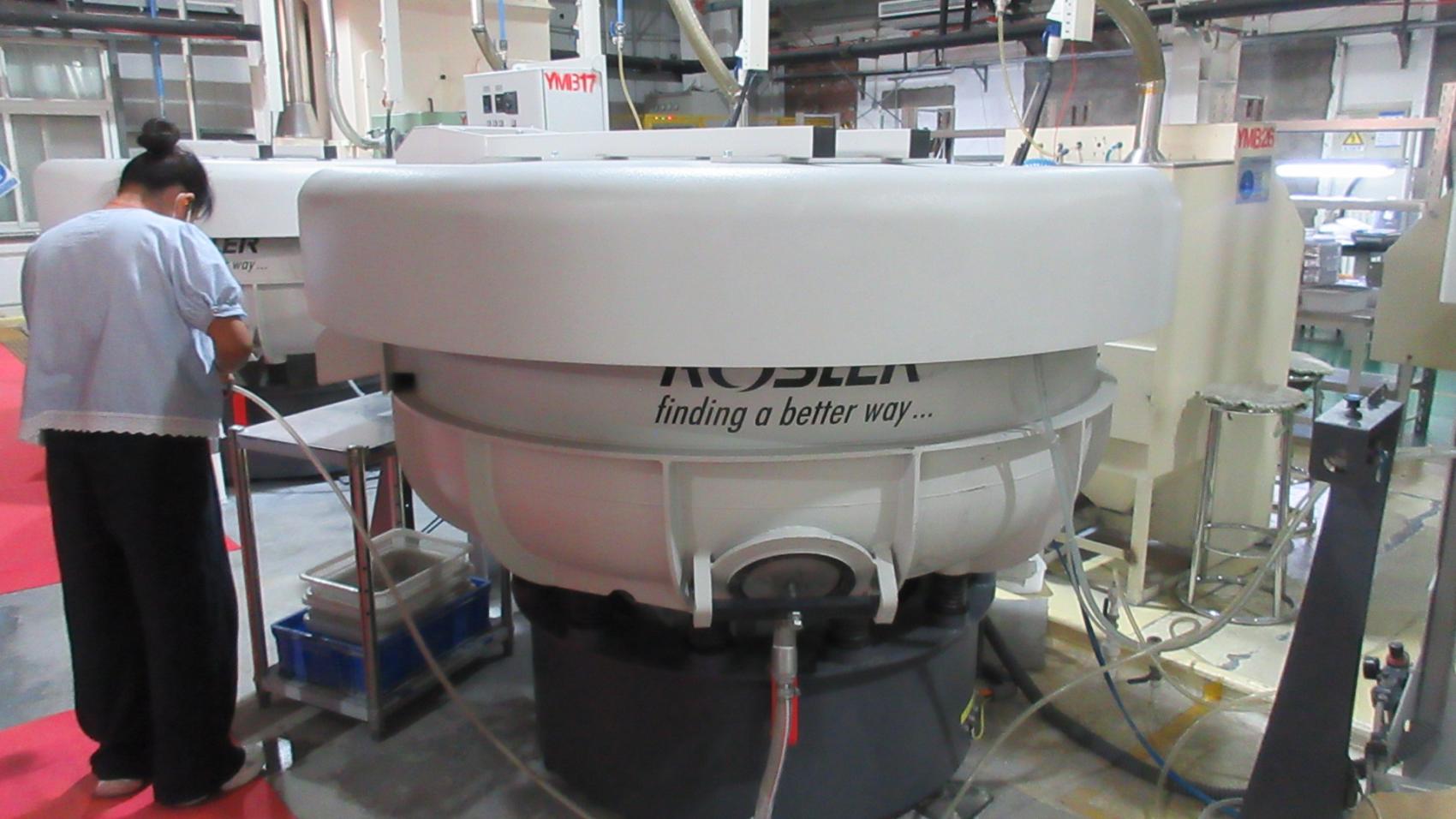
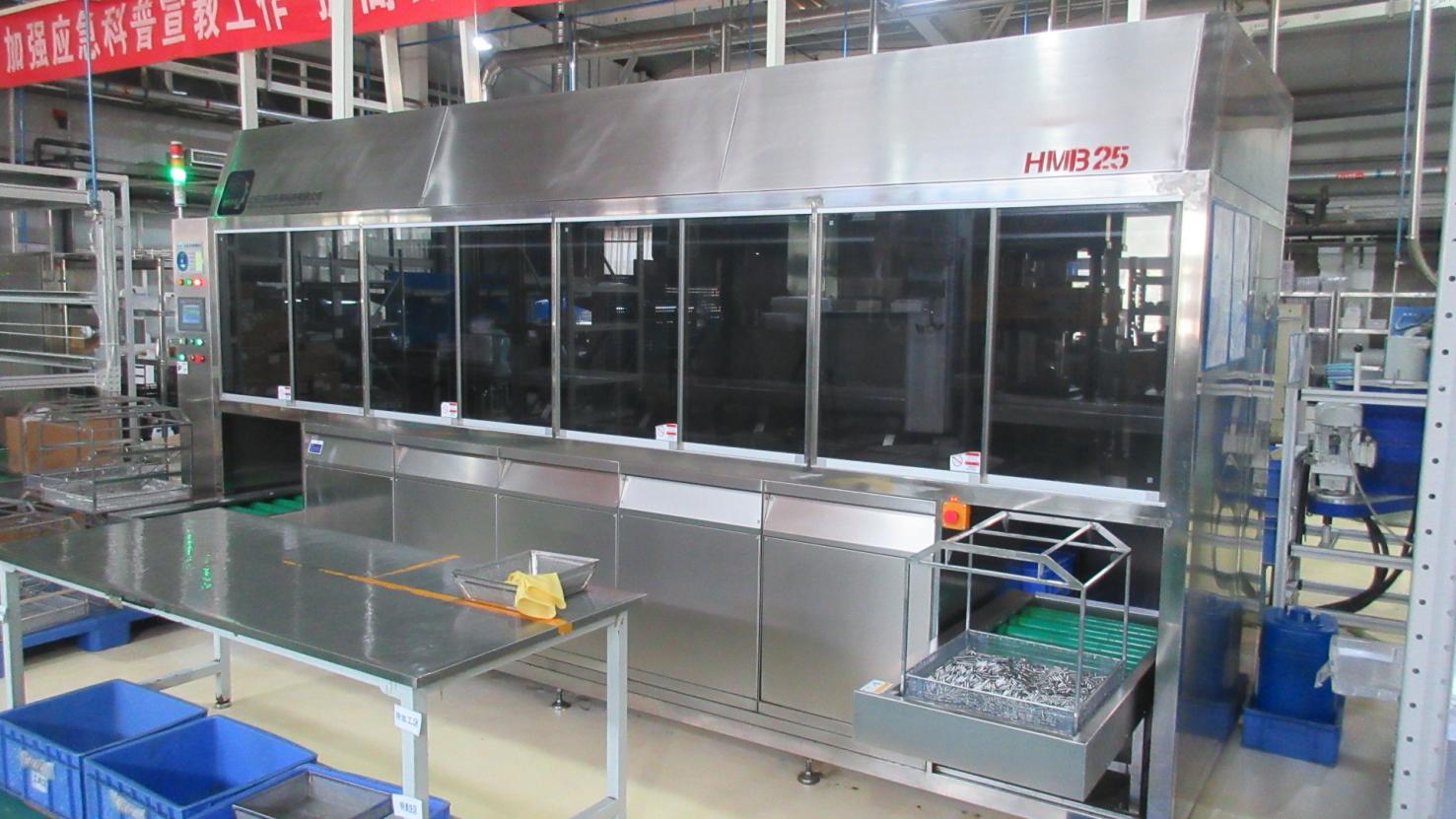
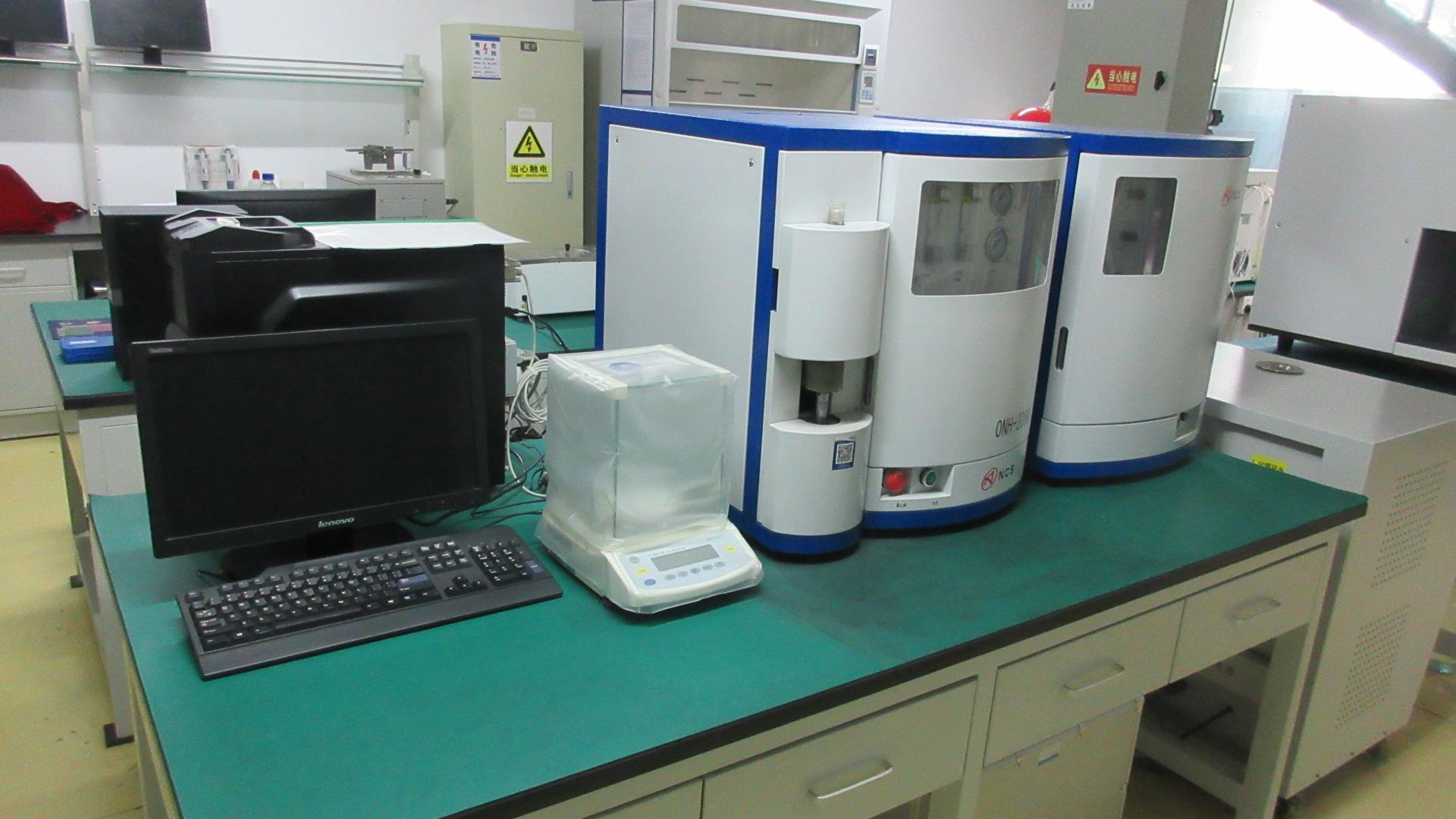
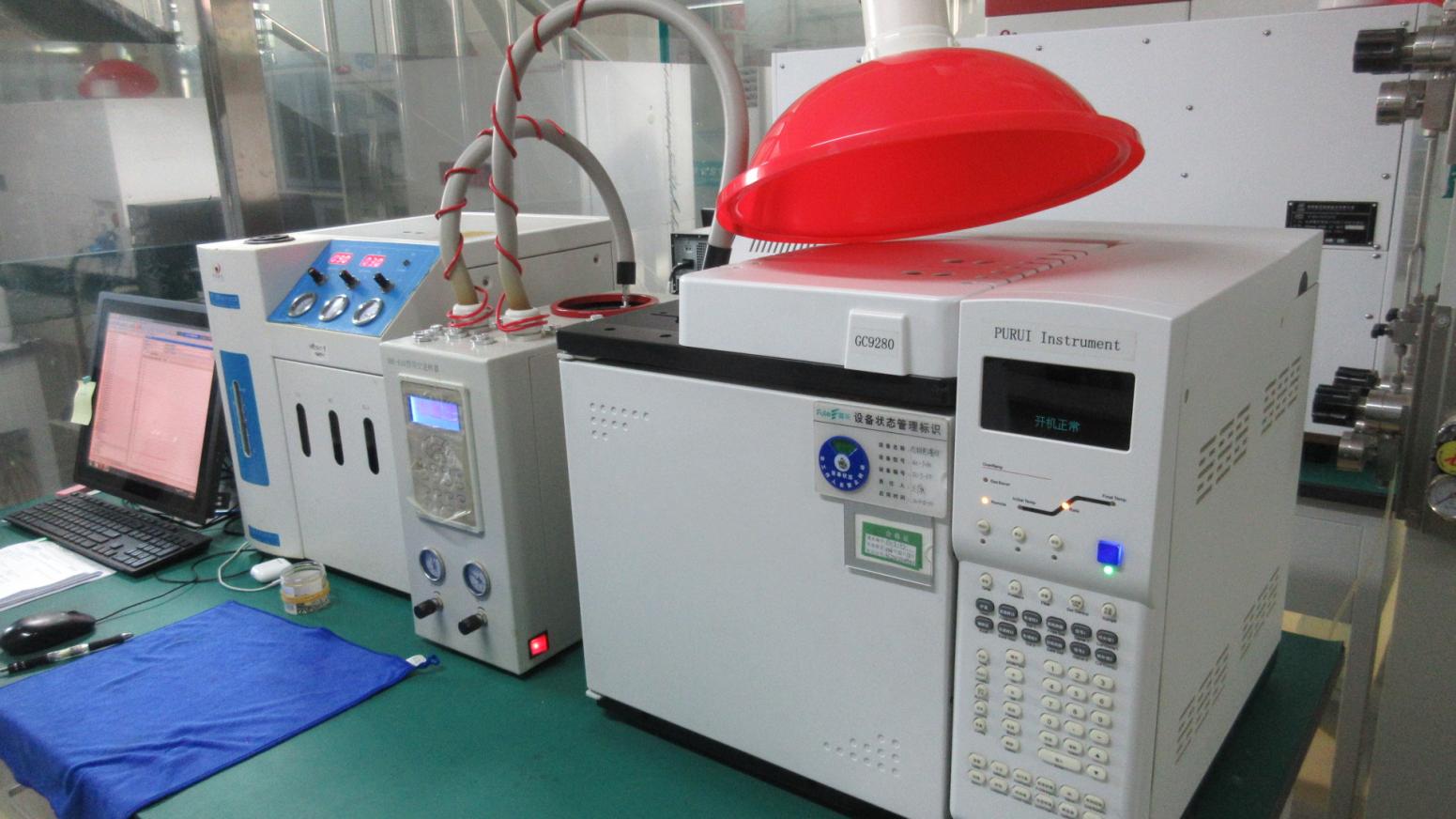
View Specifications →Integrating high-precision CNC machinery, Class 100 sterile packaging, and automated milling to support rapid international supply contracts.
 ISO 13485 (No. 04724Q10000818)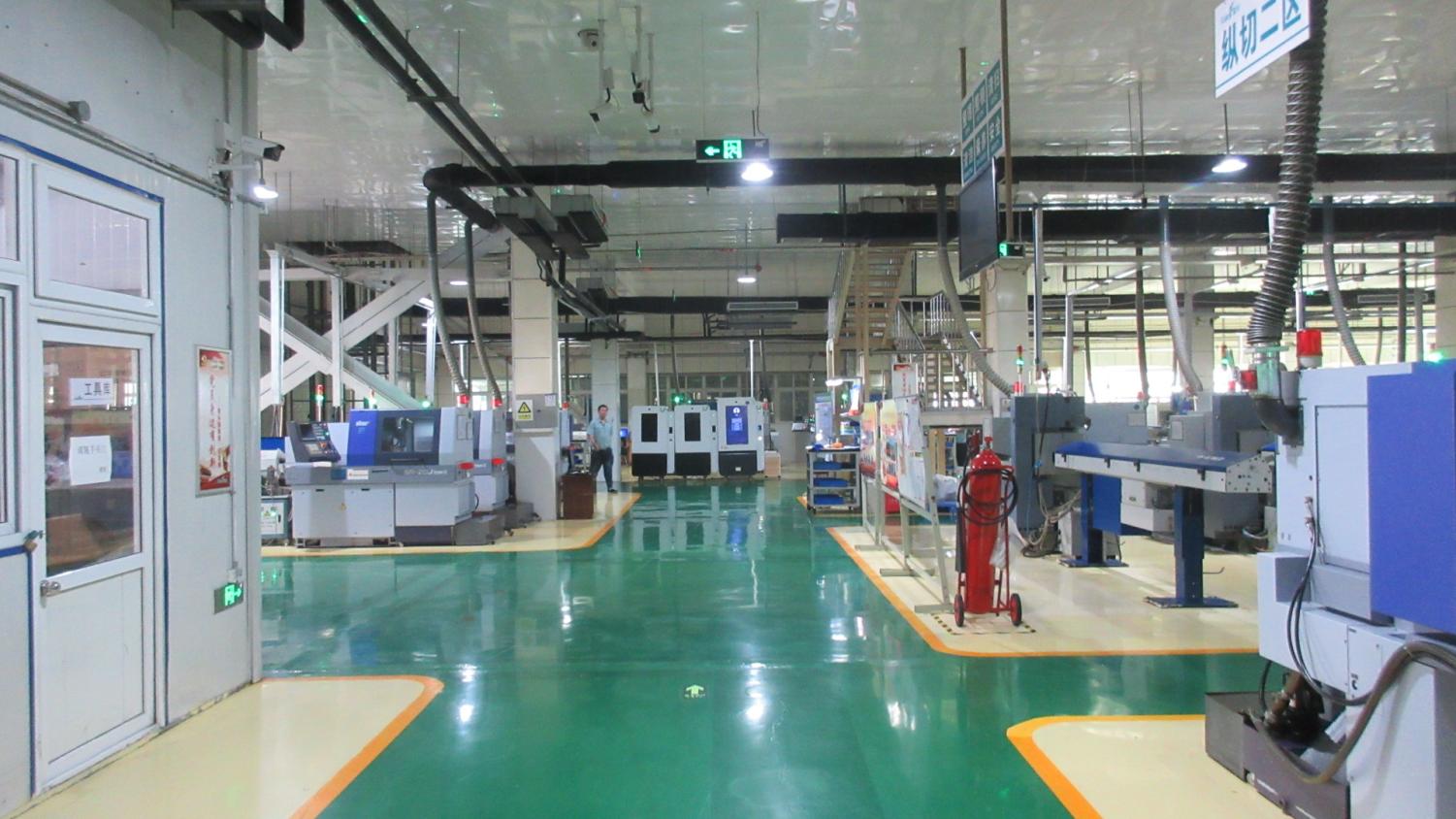
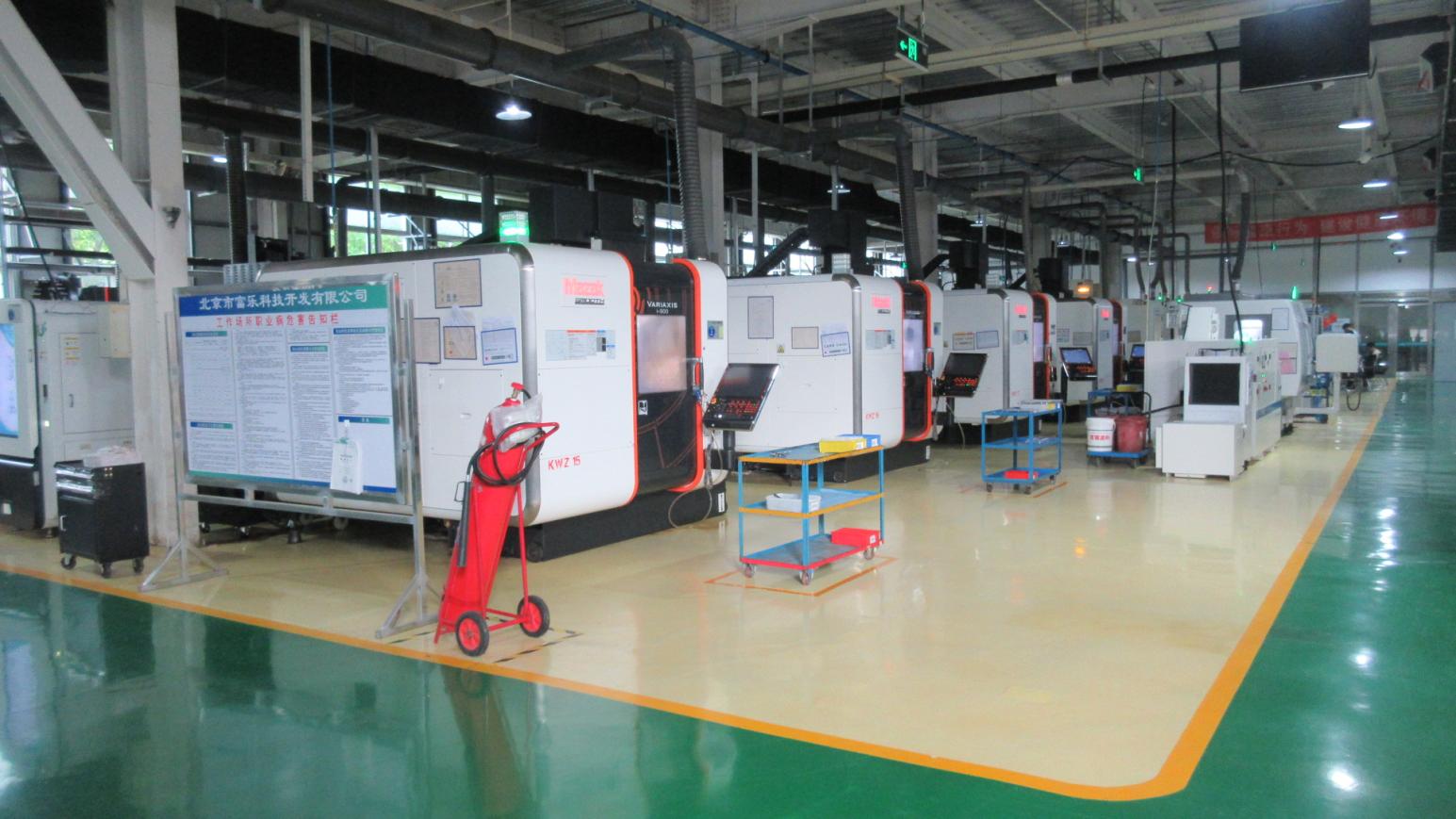
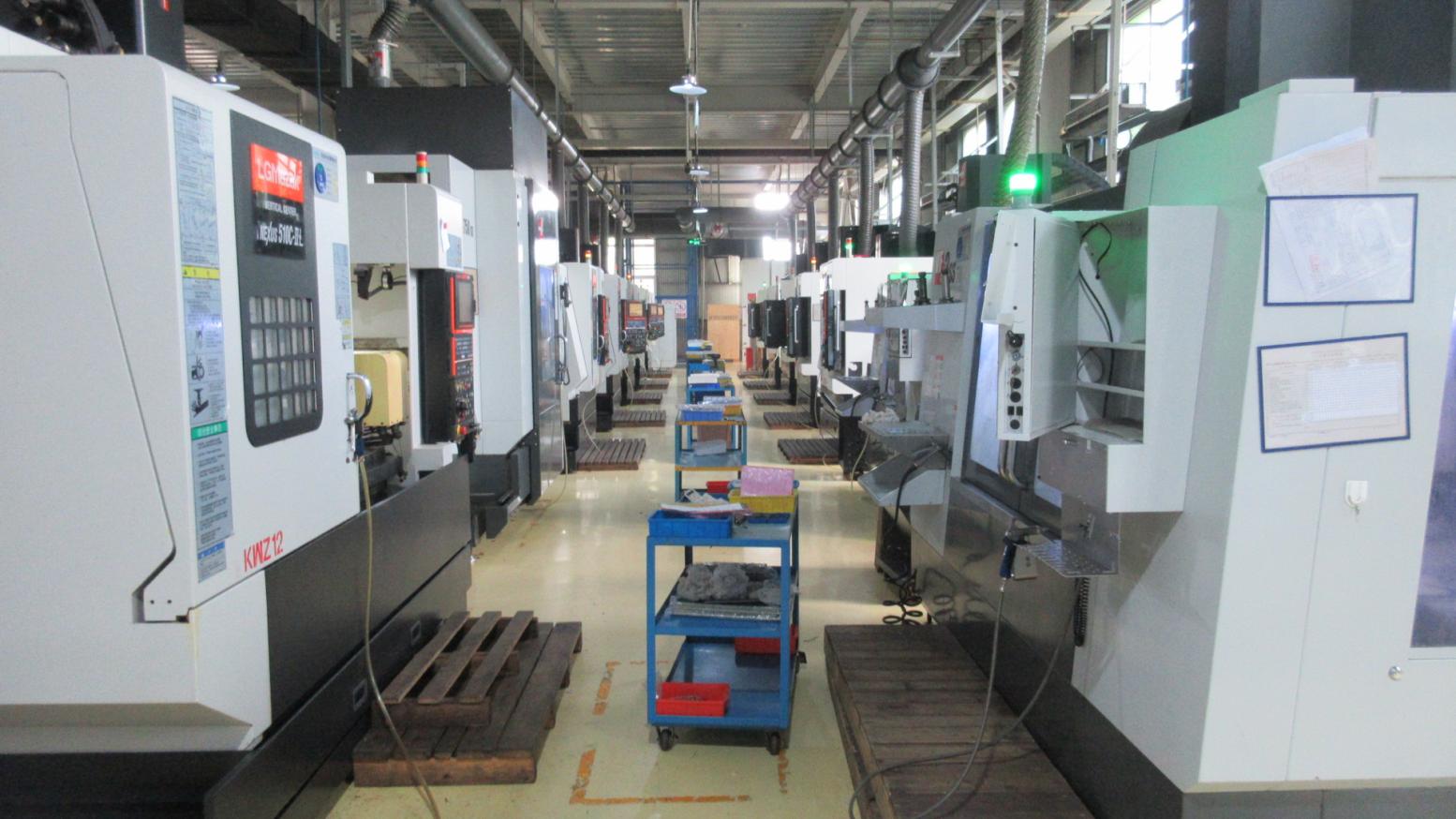
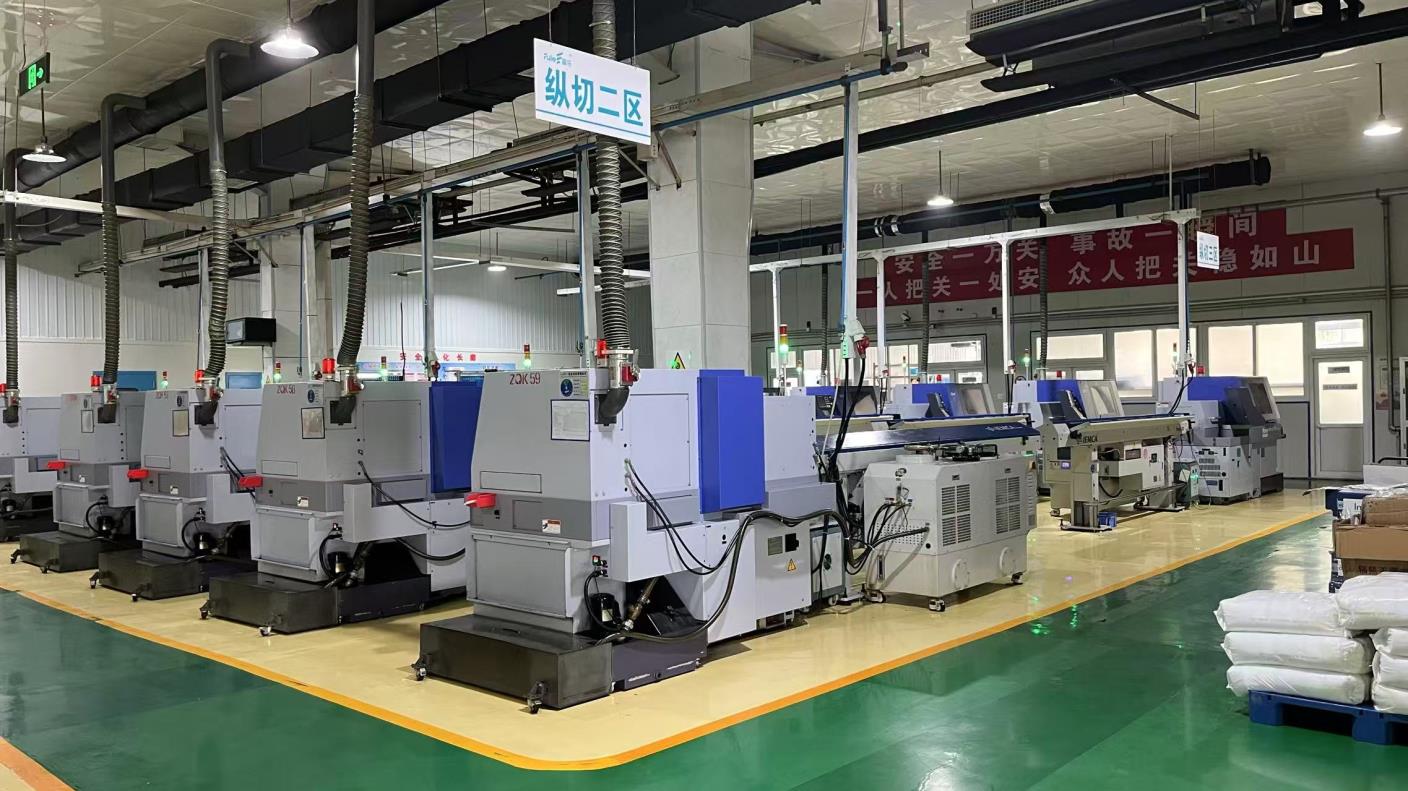
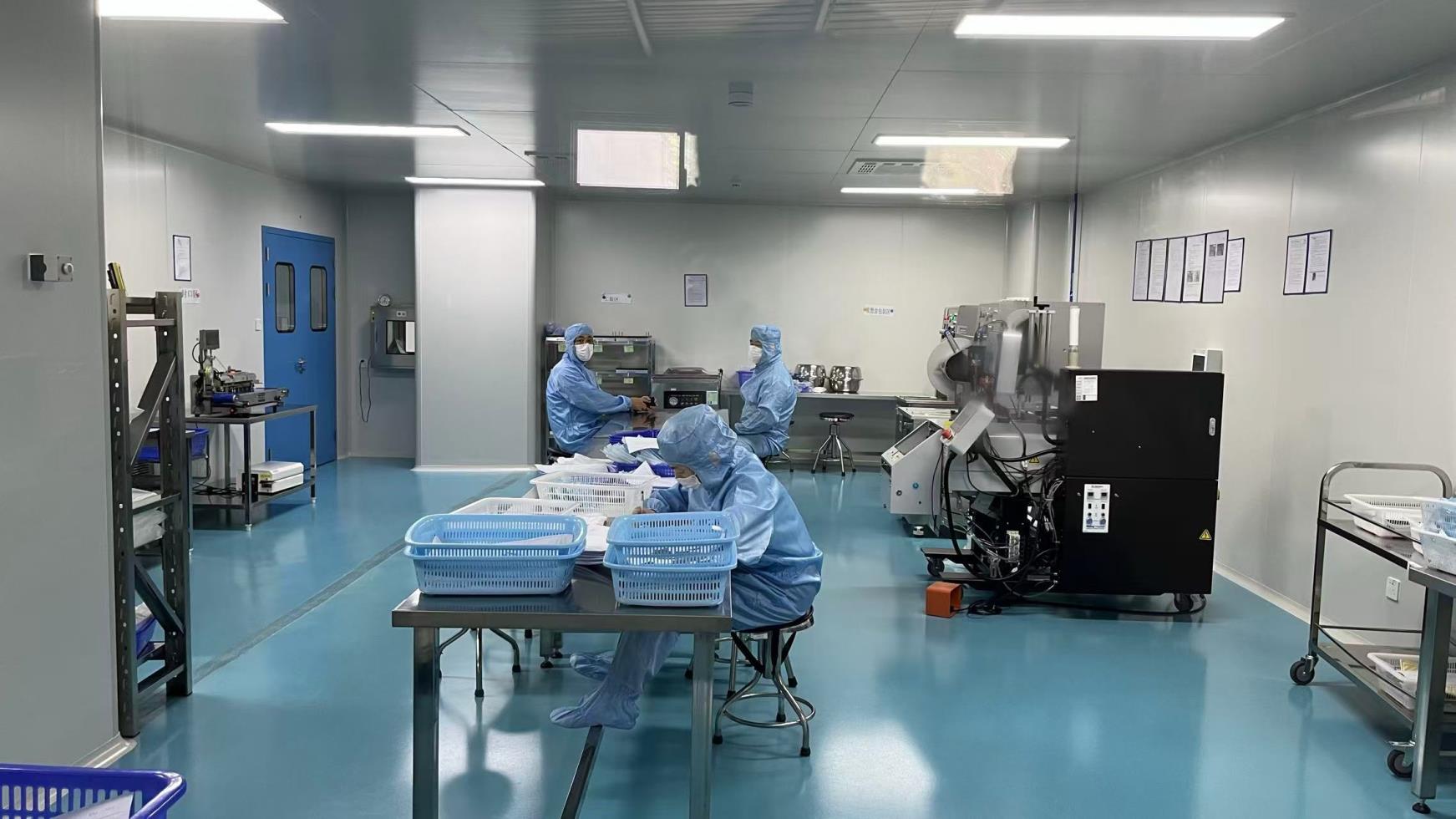
How Chinese manufacturing efficiencies intersect with Melbourne clinical quality expectations to lower cost-per-procedure metrics.
By employing 5-axis German-made machining centers, we keep geometrical tolerances below 5 microns. This ensures that locking screws, intramedullary nails, and aiming arms guide flawlessly during real-time fluoroscopy guided surgeries.
We bypass intermediary distribution networks by shipping custom OEM orthopedic orders directly to Victoria. This enables Melbourne medical purchasing officers to reduce high unit costs of standard trauma configurations.
Using high fatigue strength alpha-beta titanium alloys (Ti-6Al-4V ELI), our designs balance flexural stiffness and elasticity, mimicking bone biomechanics and avoiding stress-shielding bone resorption.
Our global shipping configurations are supported by top tier couriers including DHL, FedEx, and specialized air cargo services directly to Melbourne Airport (MEL), facilitating quick replenishment of critical surgical grids.
The global clinical landscape is shifting toward personalized bone healing. Future innovations are converging on active biosurfaces, biodegradable magnesium-alloy elements, and integrated biosensors. These elements track real-time loading patterns directly from the implant to clinical applications on mobile platforms.
We are consistently upgrading our production lines to support customized 3D-printed orthopedic titanium components. This accommodates anatomical requirements for complex skeletal reconstructions, severe non-union trauma, and pediatric correction protocols.
From raw medical-grade stock to high-performance surface finishes, explore our continuous production control processes.
Complete structural stabilization solutions supporting complex reconstructive protocols, multi-fragment trauma, and spinal pathologies for the Melbourne market.
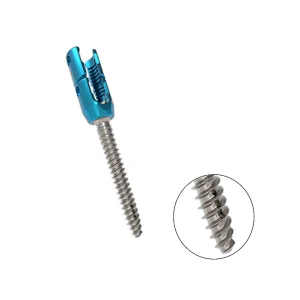
Fenestrated design permitting bone cement delivery to secure weak vertebral structures.
View Specifications →
Anodized aluminum storage system maintaining organizational sterile profiles.
View Specifications →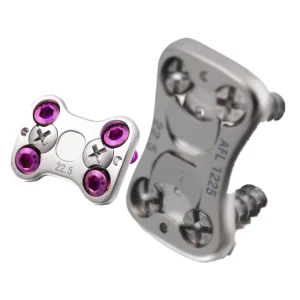
Secure anterior cervical interbody graft locking plates preventing migration.
View Specifications →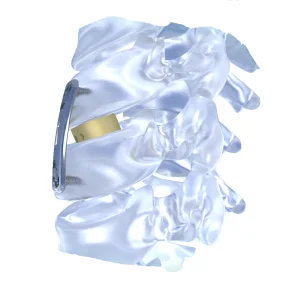
Biocompatible PEEK and titanium constructions mirroring trabecular bone elasticity.
View Specifications →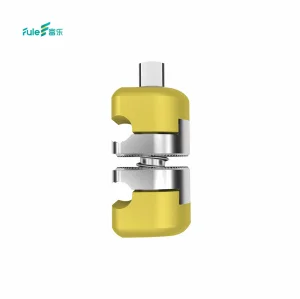
Modular rods and pin clamps configured for high-energy long bone polytrauma.
View Specifications →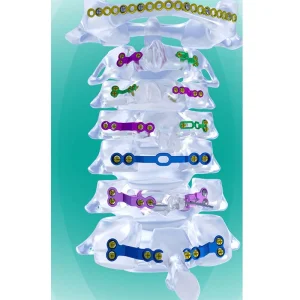
Miniature plate profiles providing long-term stabilization post spinal canal decompression.
View Specifications →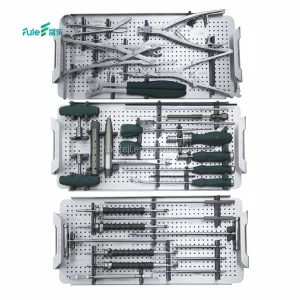
High strength monoaxial and polyaxial pedicle screws matching spinal anatomy.
View Specifications →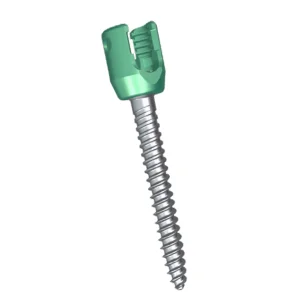
Low-profile screw heads designed to minimize soft-tissue impingement post-fixation.
View Specifications →Common inquiries from orthopedic distributors, clinical trial researchers, and healthcare procurement directors in Melbourne.
 Beren Science & Technology