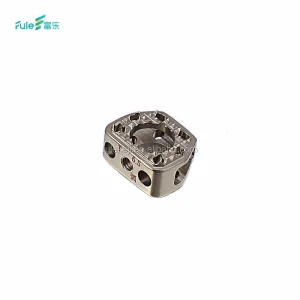
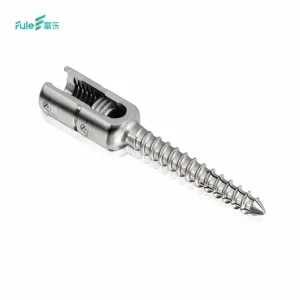
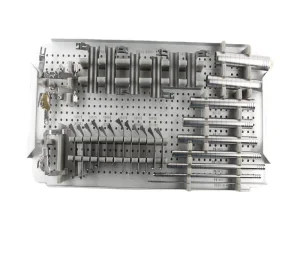
Advanced minimally invasive surgery (MIS) and trauma systems optimized for local surgical procedures.
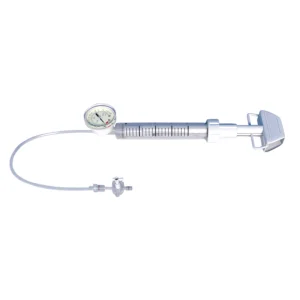
The Philippines is experiencing a structural evolution in its healthcare delivery system. Bolstered by the Universal Health Care (UHC) Act, public and private medical centers are systematically upgrading their clinical capabilities to handle complex orthopedic and spinal interventions. Regions such as Metro Manila, Metro Cebu, and Metro Davao are registering a higher demand for top-grade spinal fixation systems due to an increase in age-related degenerative disc diseases, spinal stenosis, and orthopedic trauma from vehicular incidents.
Historically, Philippine public health institutes like the Philippine General Hospital (PGH) and private giants like St. Luke's Medical Center have encountered supply chain bottlenecks when sourcing Class III medical implants. Strict compliance regulations enforced by the Philippine Food and Drug Administration (PFDA) require that all implantable components conform to rigorous biosecurity and mechanical testing standards. Sourcing directly from certified exporters guarantees that orthopedic centers can access certified equipment without compromising patient outcomes or regulatory requirements.
For Philippine medical device distributors, maintaining an uninterrupted supply chain of Class III orthopedic hardware requires partnering with global exporters who offer regulatory documentation, consistent quality control, and scalable manufacturing. The geography of the Philippines presents unique logistics requirements across its major island groups: Luzon, Visayas, and Mindanao.
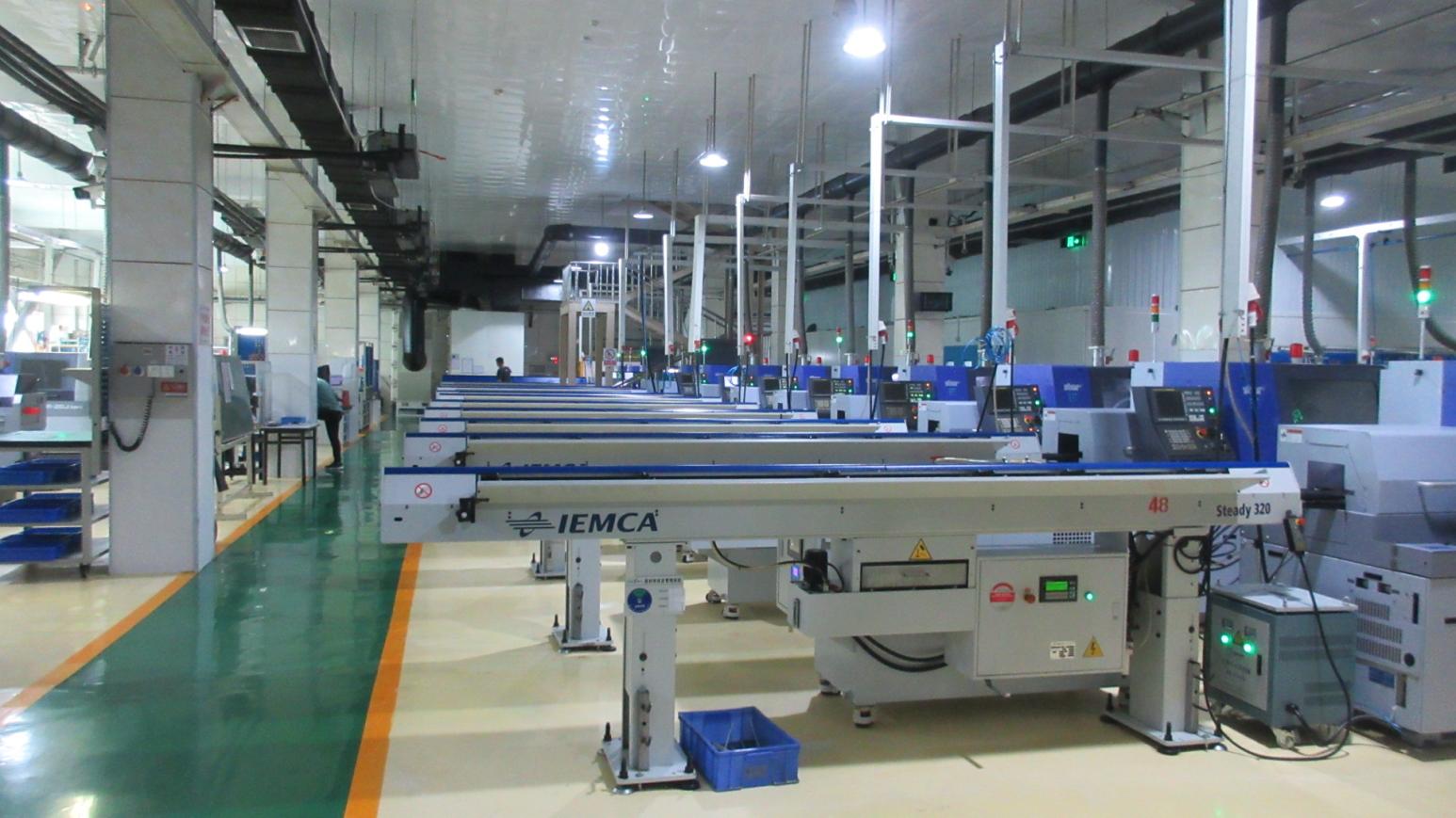
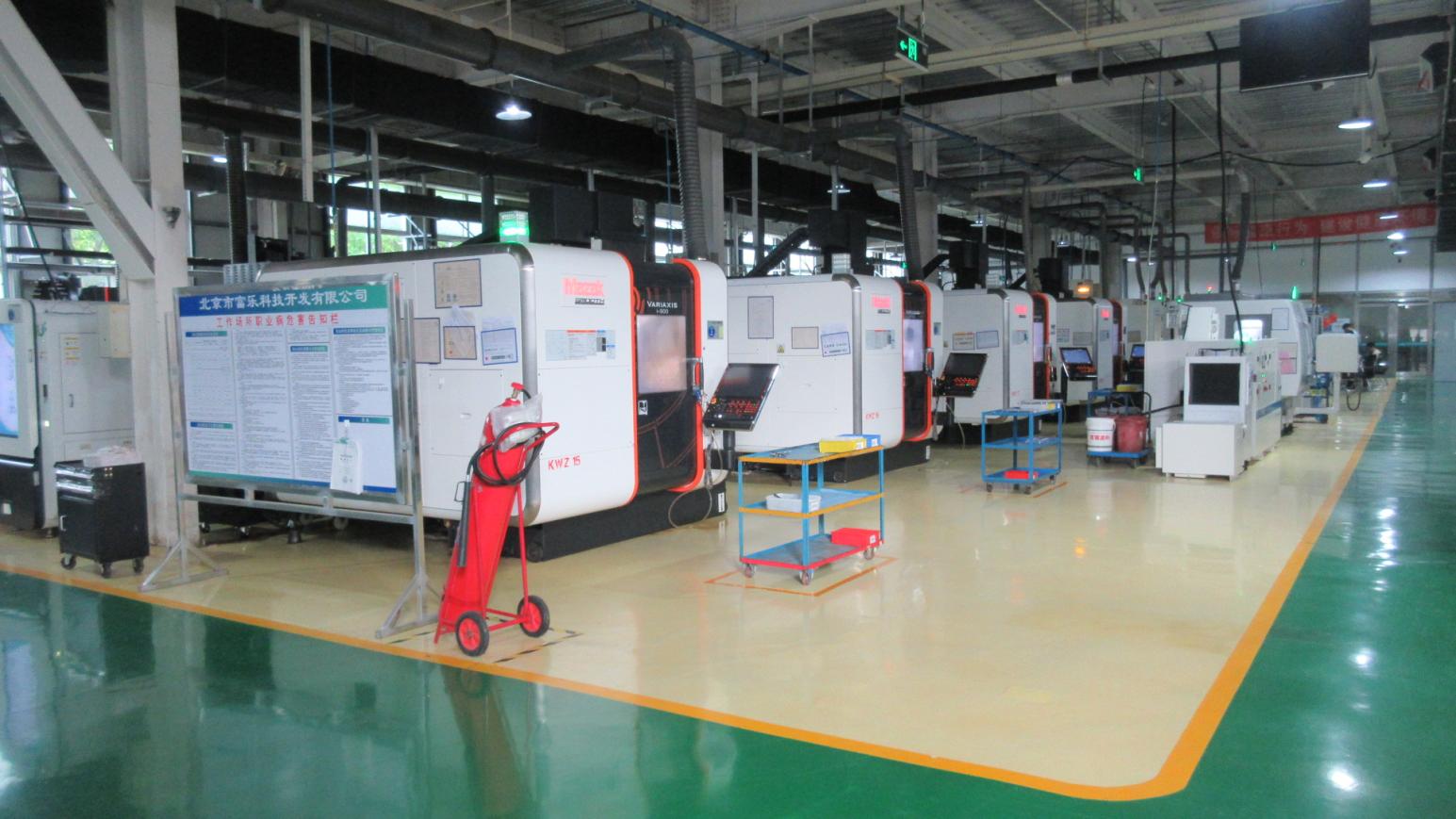
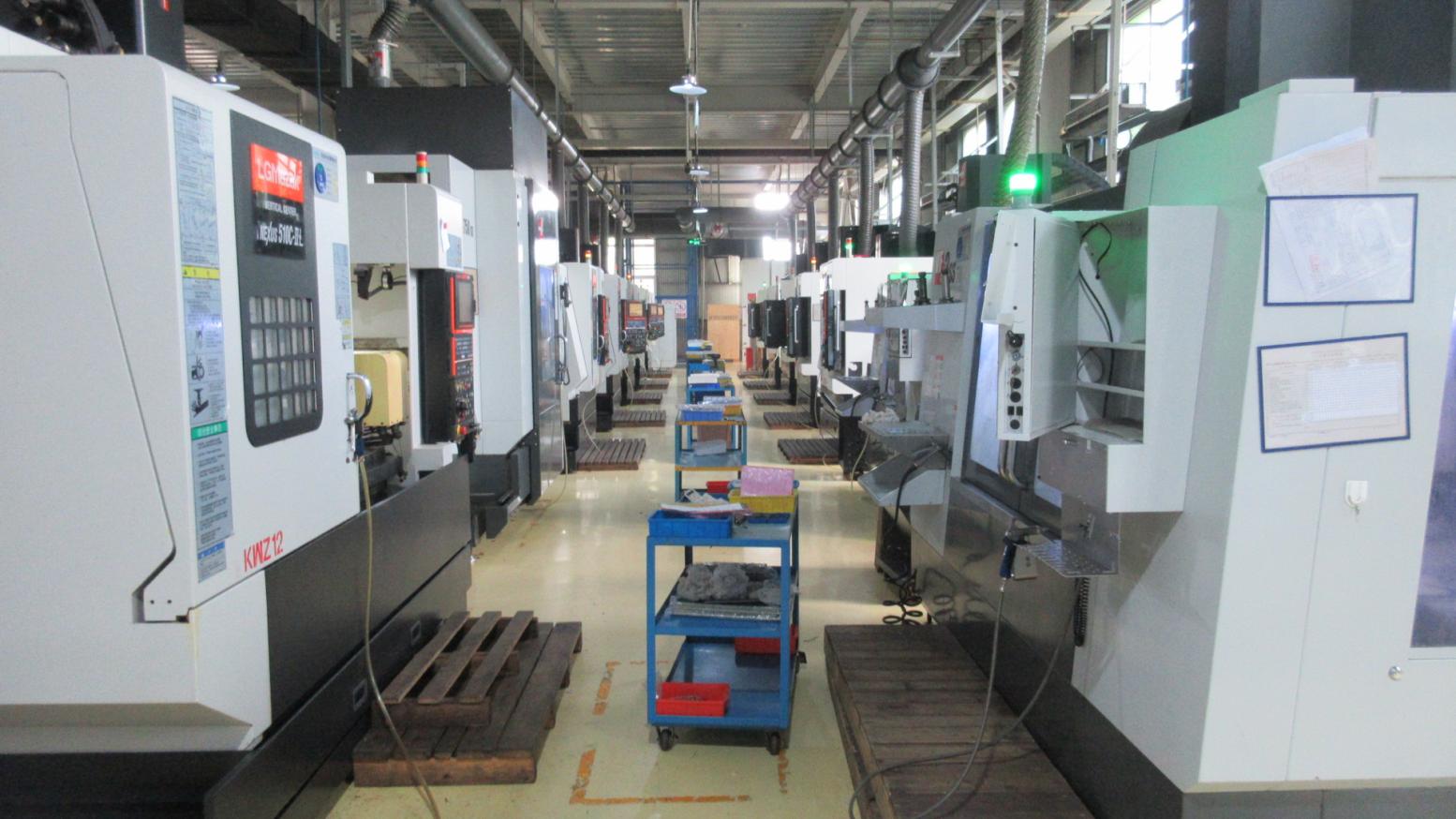
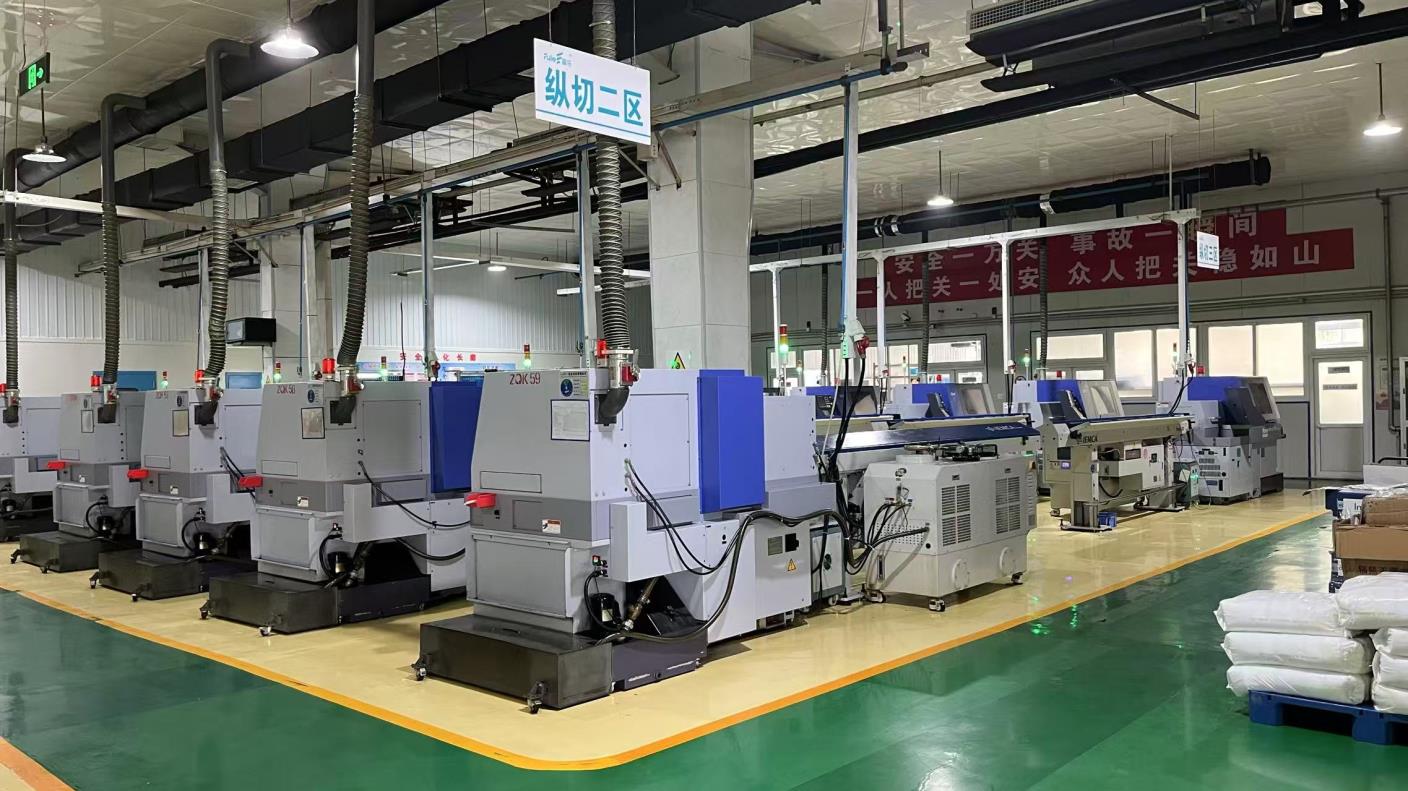
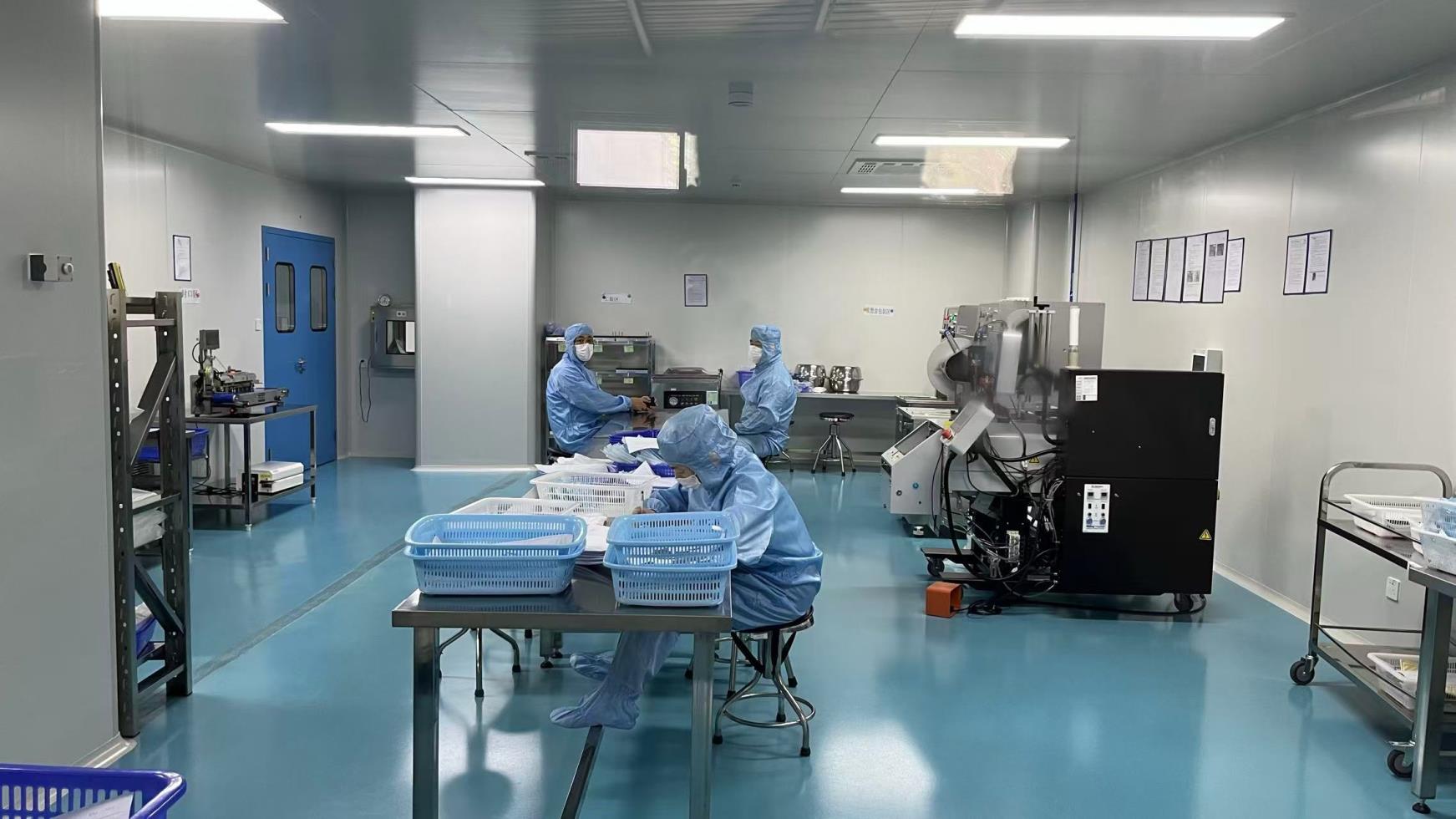
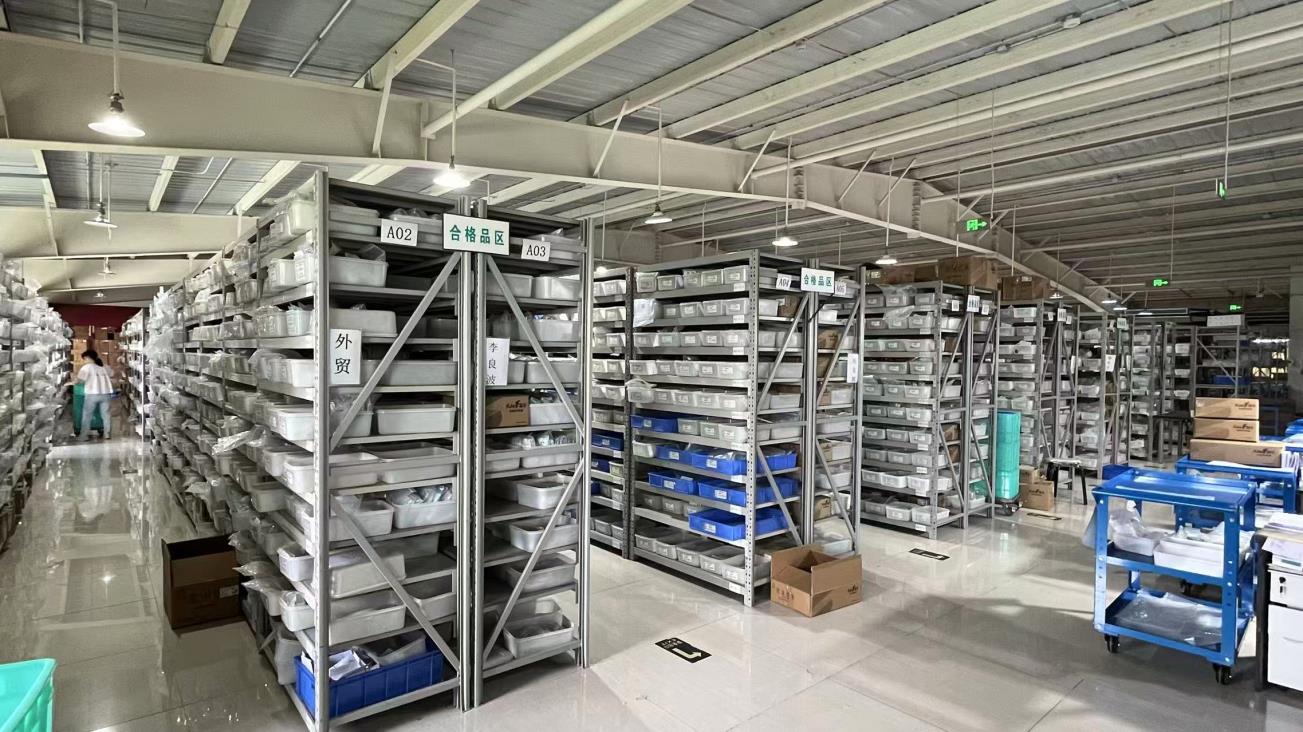
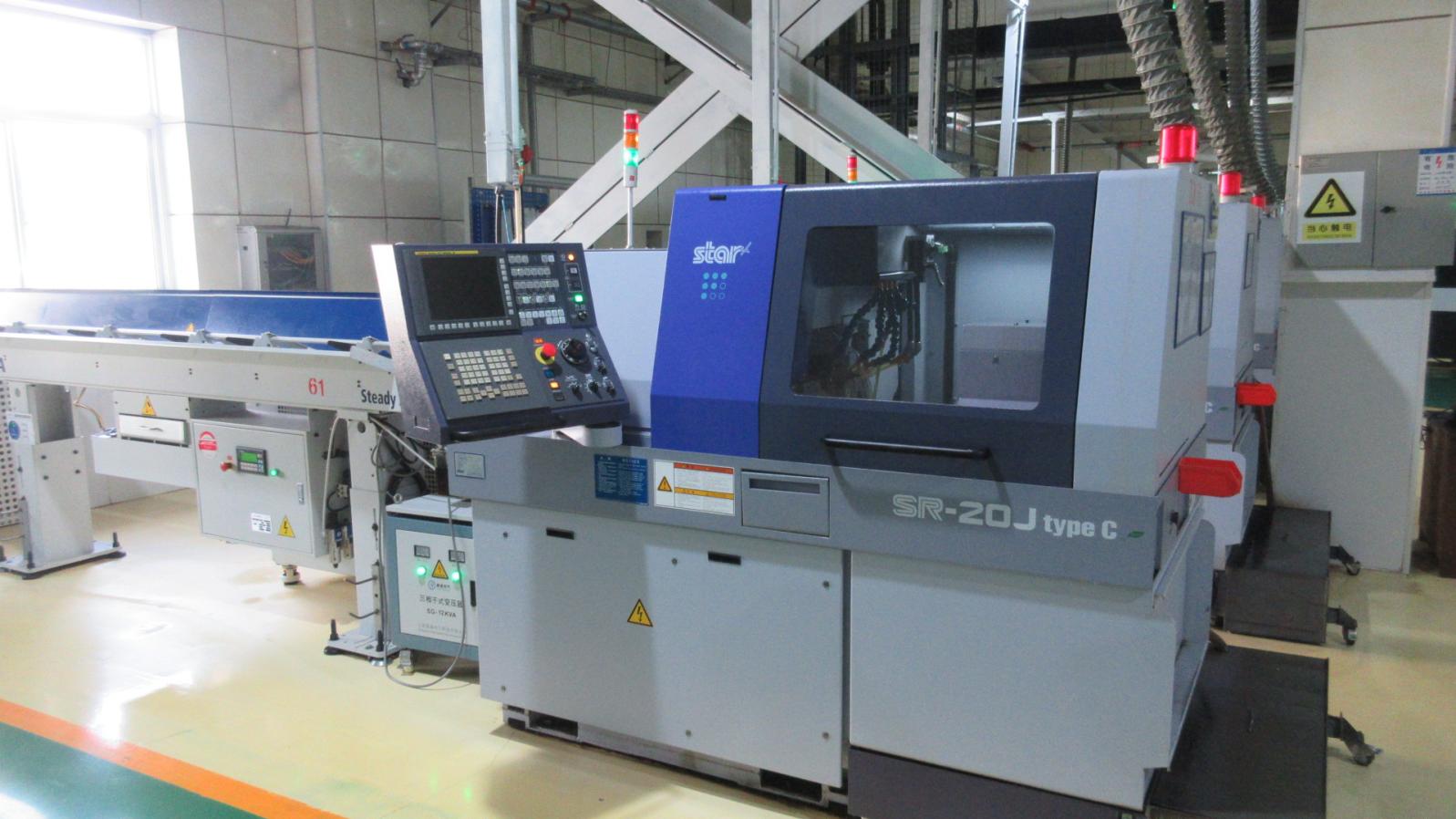
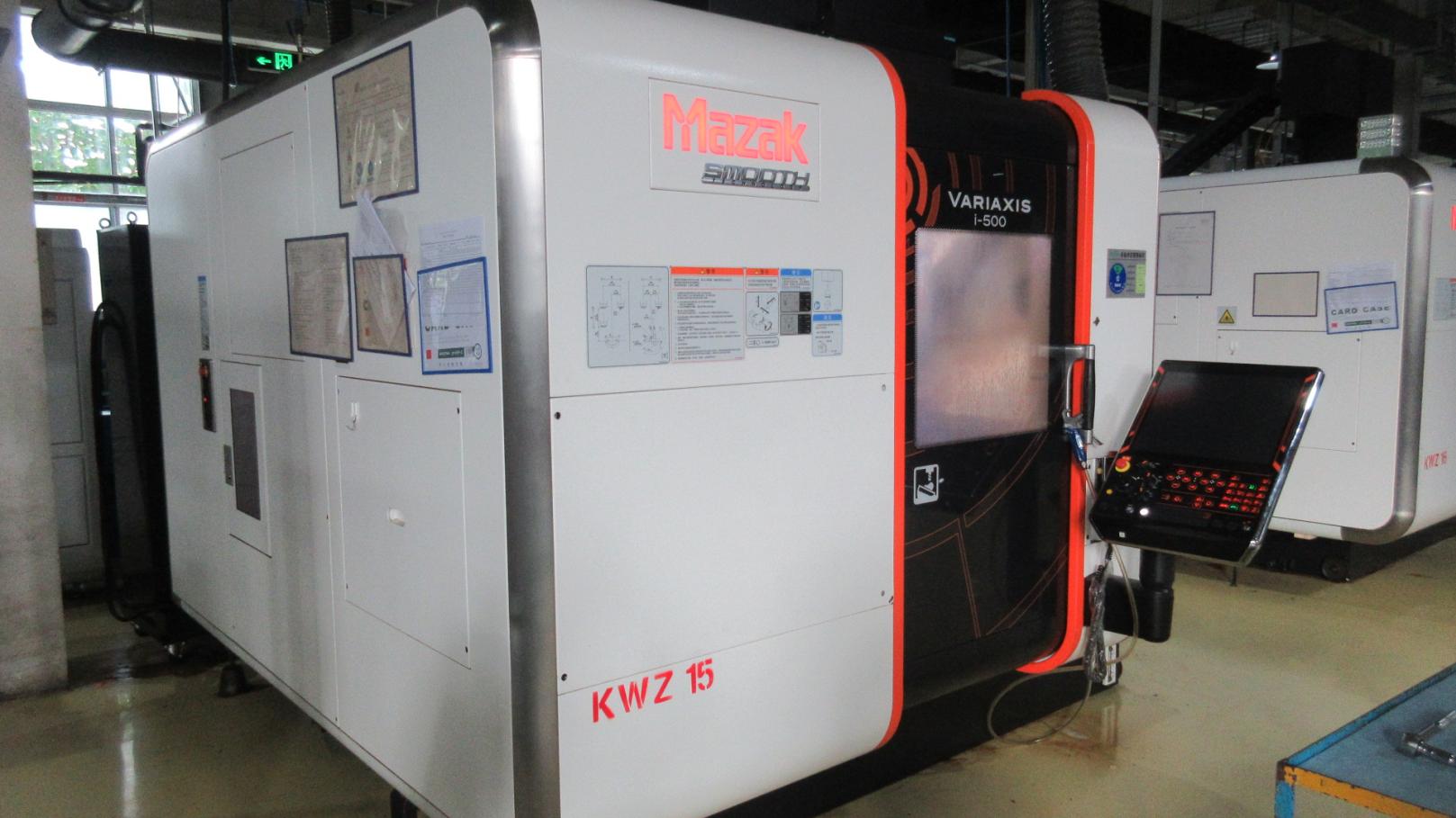
By establishing streamlined export routes to major container ports in Manila and Cebu, our supply chain ensures that clinics receive their orders on time. Our manufacturing capacity, supported by 102 production machines and a rigorous 15-inspector QA/QC protocol, provides the reliability needed by local distributors to bidding for government procurement projects and private hospital supply contracts.
Verifiable technical specifications confirming our competence as a global orthopedic system exporter.
 ISO13485 (Cert No: 04724Q10000818)
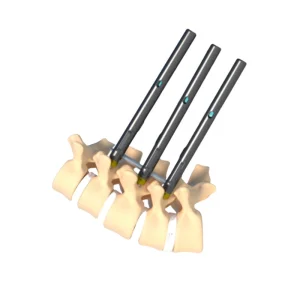
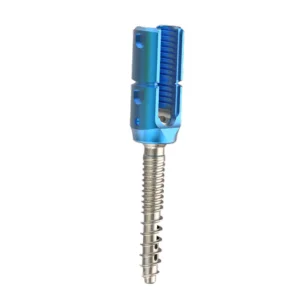
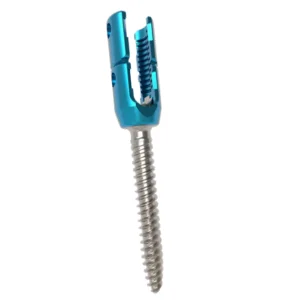
The global orthopedic surgery domain is transitioning away from open, highly invasive osteosynthesis procedures. Modern clinical workflows prioritize Minimally Invasive Spine Surgery (MISS) systems. Devices such as the Miko II utilize low-profile, polyaxial reduction pedicle screws that minimize muscle dissection and tissue damage during posterior instrumentation. For the patient, this translates to reduced postoperative pain, minimal blood loss, and shorter hospital stays.
Concurrently, biomaterial engineering is moving toward high-performance polymers and advanced titanium alloys. Medical titanium (specifically Ti-6Al-4V ELI) remains the industry standard for pediatric and adult spinal fixation systems due to its high strength-to-weight ratio and biocompatibility. In spinal fusion applications, PEEK (Polyetheretherketone) interbody cages are preferred because their modulus of elasticity closely matches that of human cortical bone, reducing the risk of implant subsidence.
Our R&D roadmap focuses on these industry shifts. By deploying 5 axis precision CNC machining centers, we produce implant surfaces with micro-roughness properties that support osseointegration. This ensures that surgeons in Manila and Cebu have access to modern implant designs that align with international standards.
Ensuring compliance with local surgical requirements, including pediatrics and trauma care.
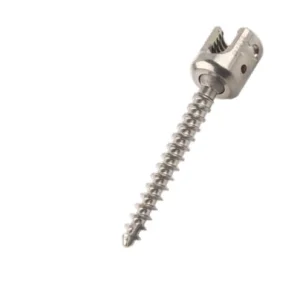
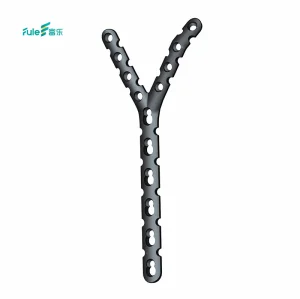
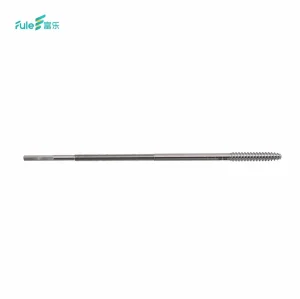
Our implant solutions are designed to address the specific clinical challenges encountered by orthopedic surgeons in the Philippines:
Our research and development program is focused on integrating digital technologies and bio-active surface treatments into our implant systems. Over the next three years, our R&D team plans to introduce three key technological improvements:
First, we are developing 3D-printed porous titanium cages. Utilizing Electron Beam Melting (EBM) technology, these implants feature a trabecular structure that mimics natural human cancellous bone. This structure facilitates bone ingrowth directly through the implant body, leading to faster arthrodesis compared to solid titanium or standard PEEK structures.
Second, we are expanding compatibility with modern surgical systems. Our pedicle screw and instrument sets are being adapted to interface with image-guided navigation and surgical robotics platforms, improving screw placement accuracy and safety for complex procedures.
Exporting Class III medical devices to the Philippines requires addressing logistics challenges related to shipping, customs clearance, and cold-chain compliance. To ensure product integrity and reliable delivery, we utilize a structured supply chain process:
An inside look at our 10,000 square meter facility, precision CNC machining, and quality assurance workflows.
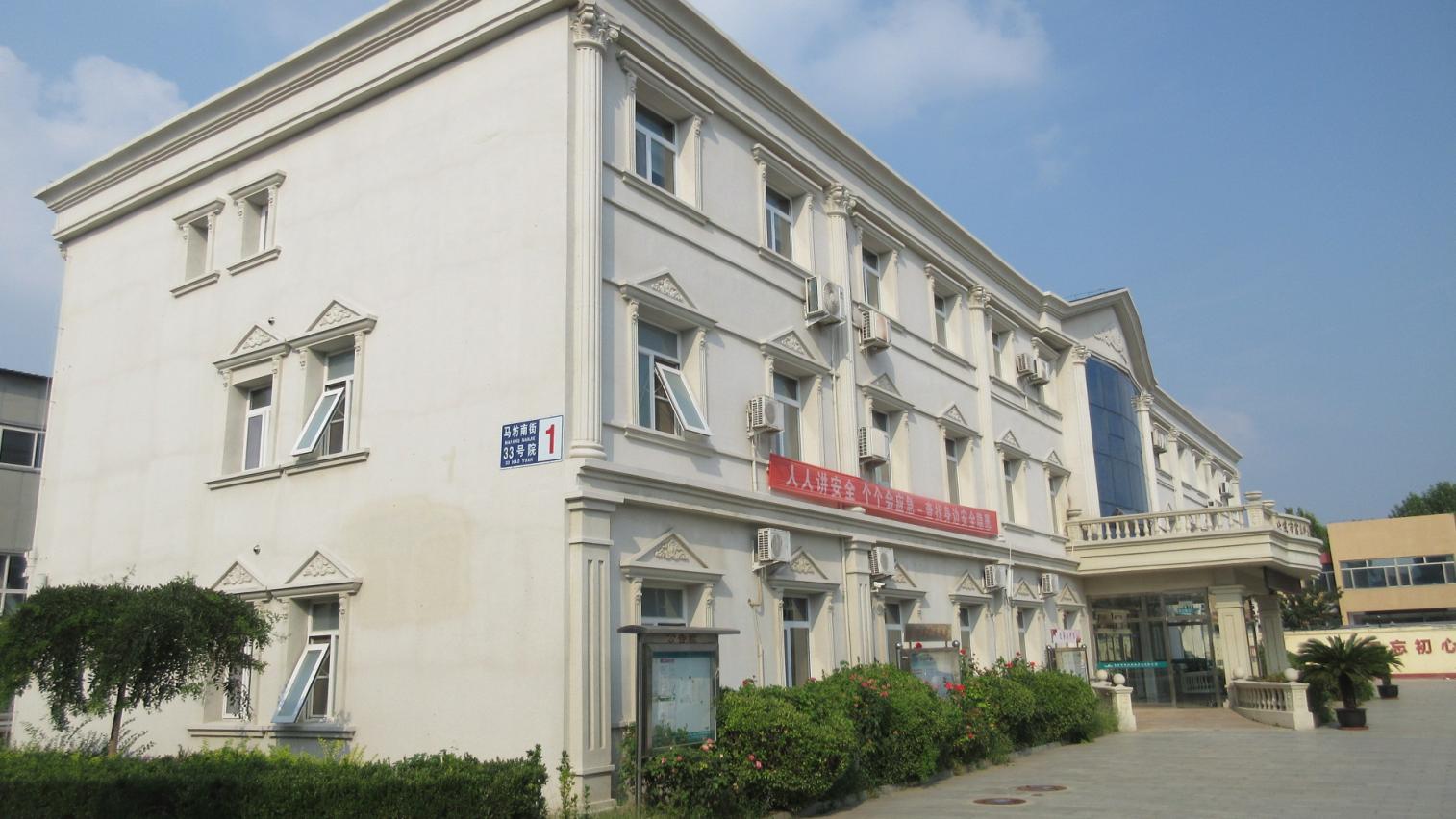
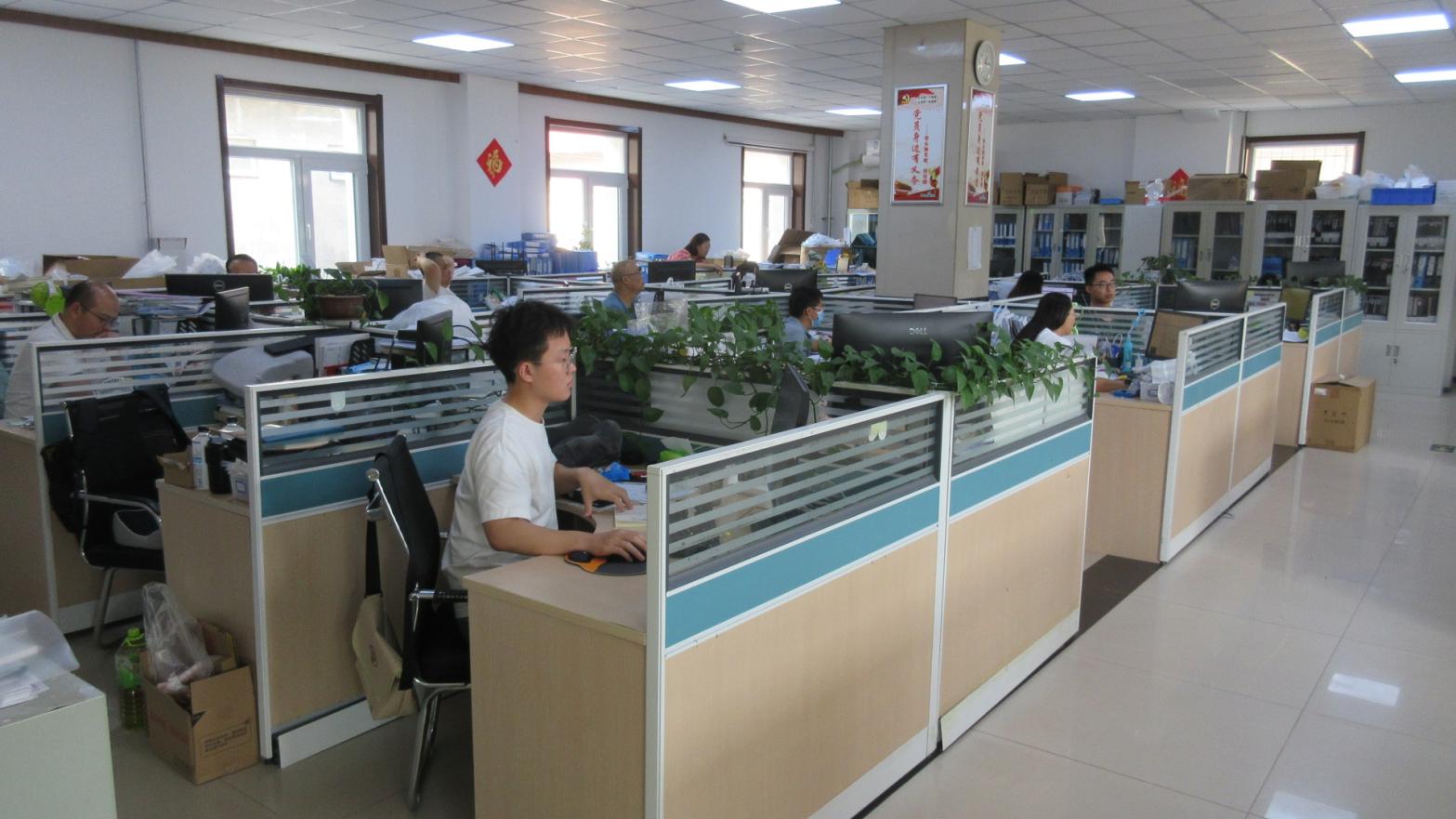
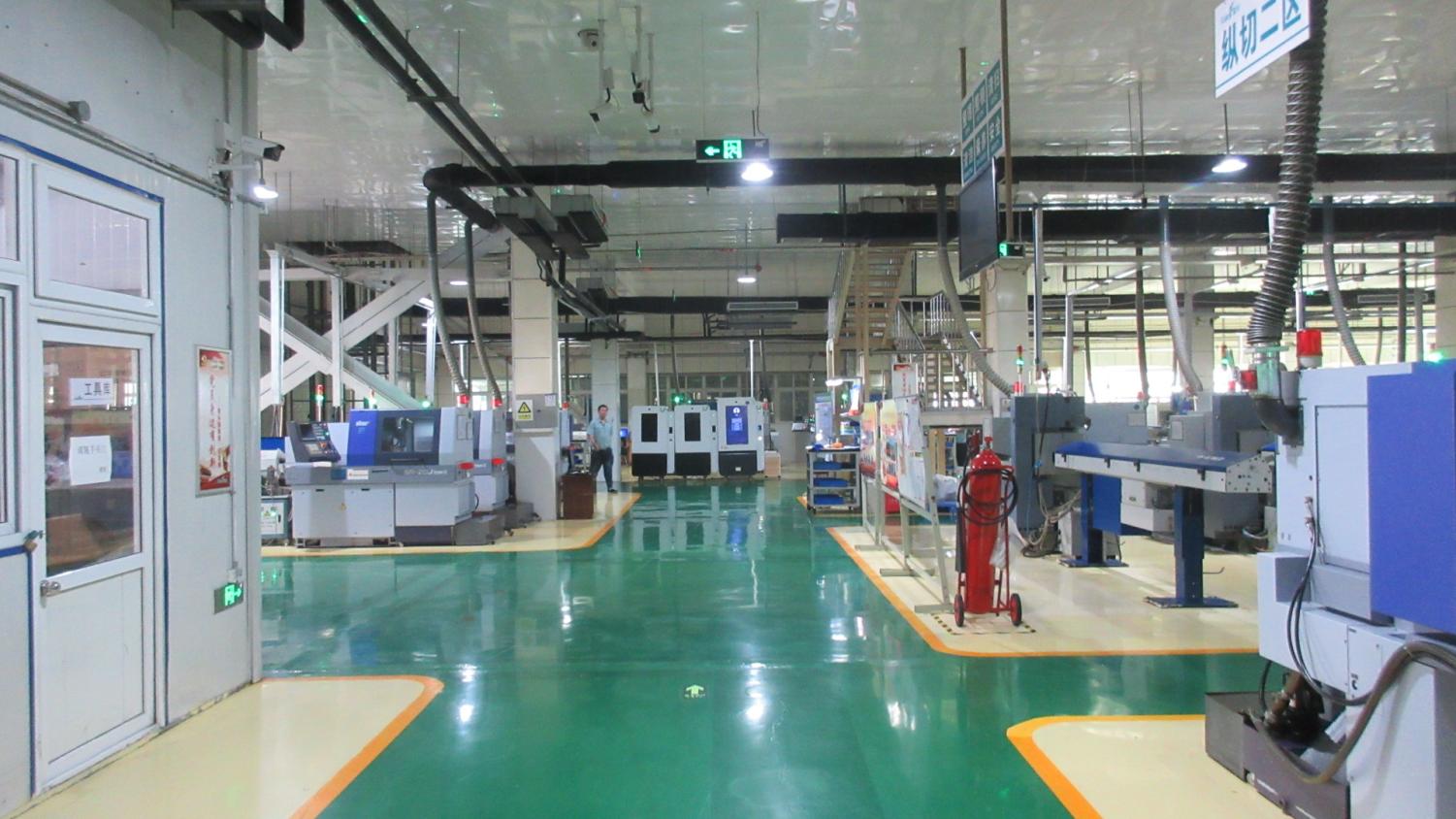
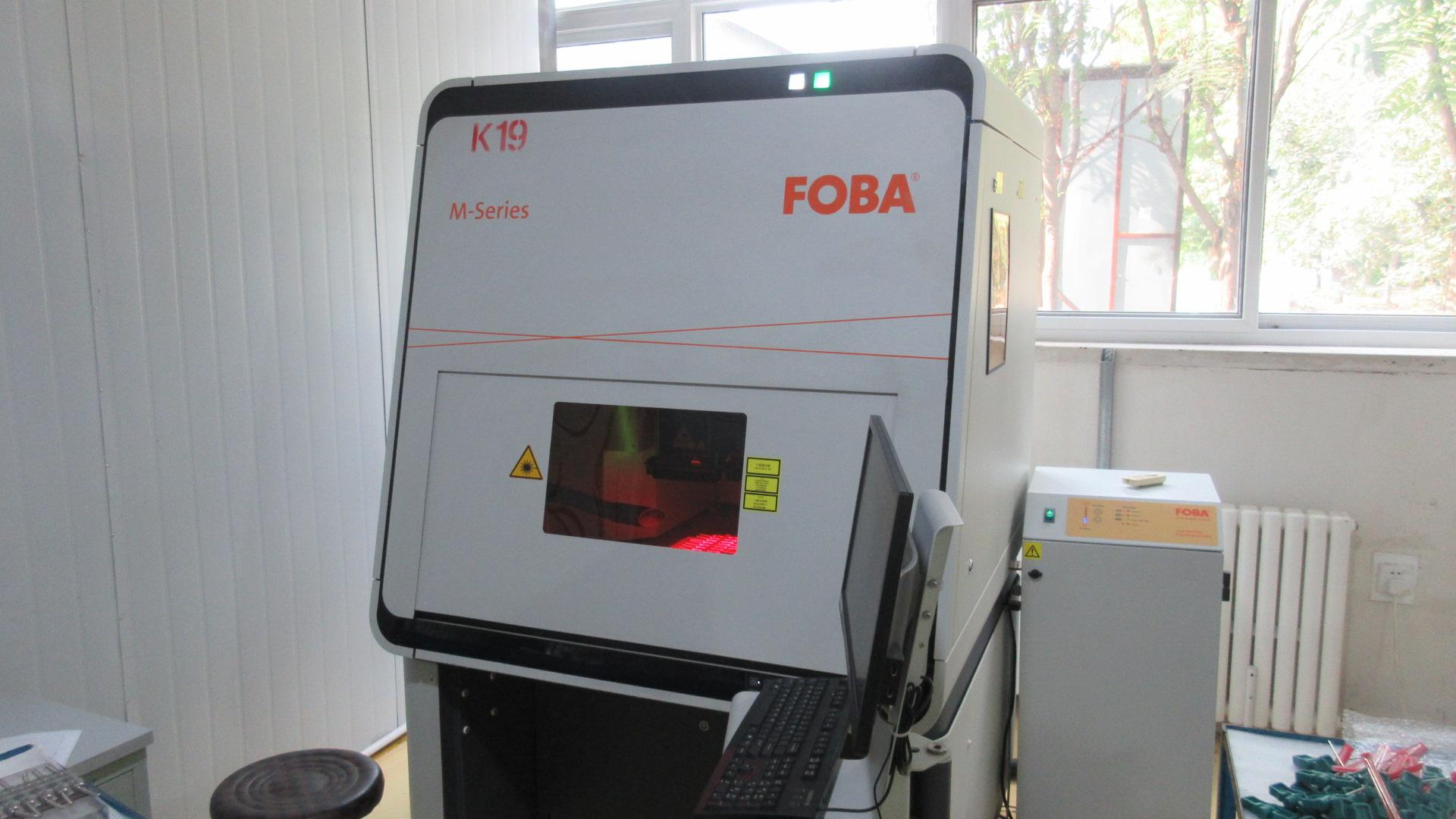
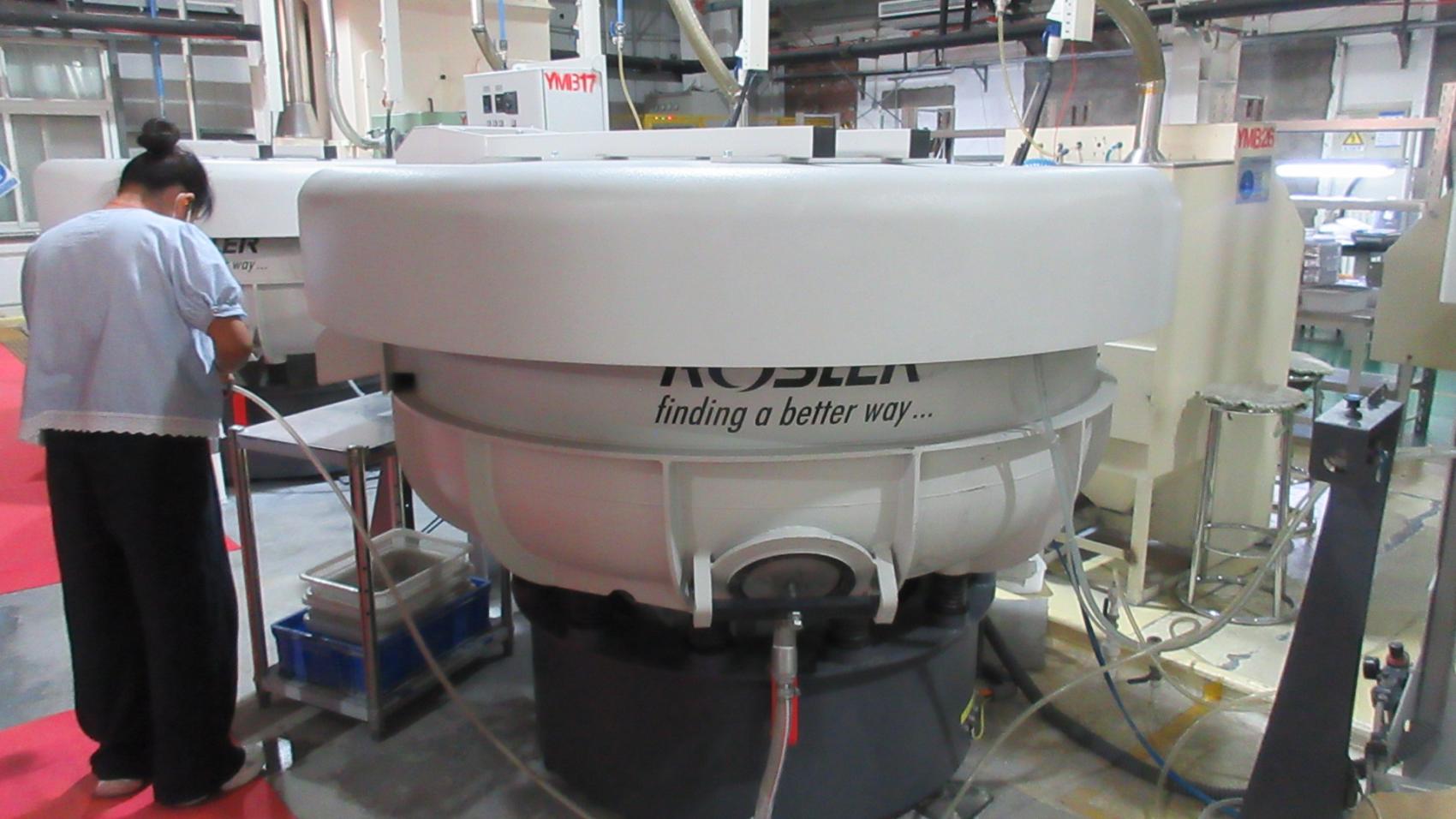
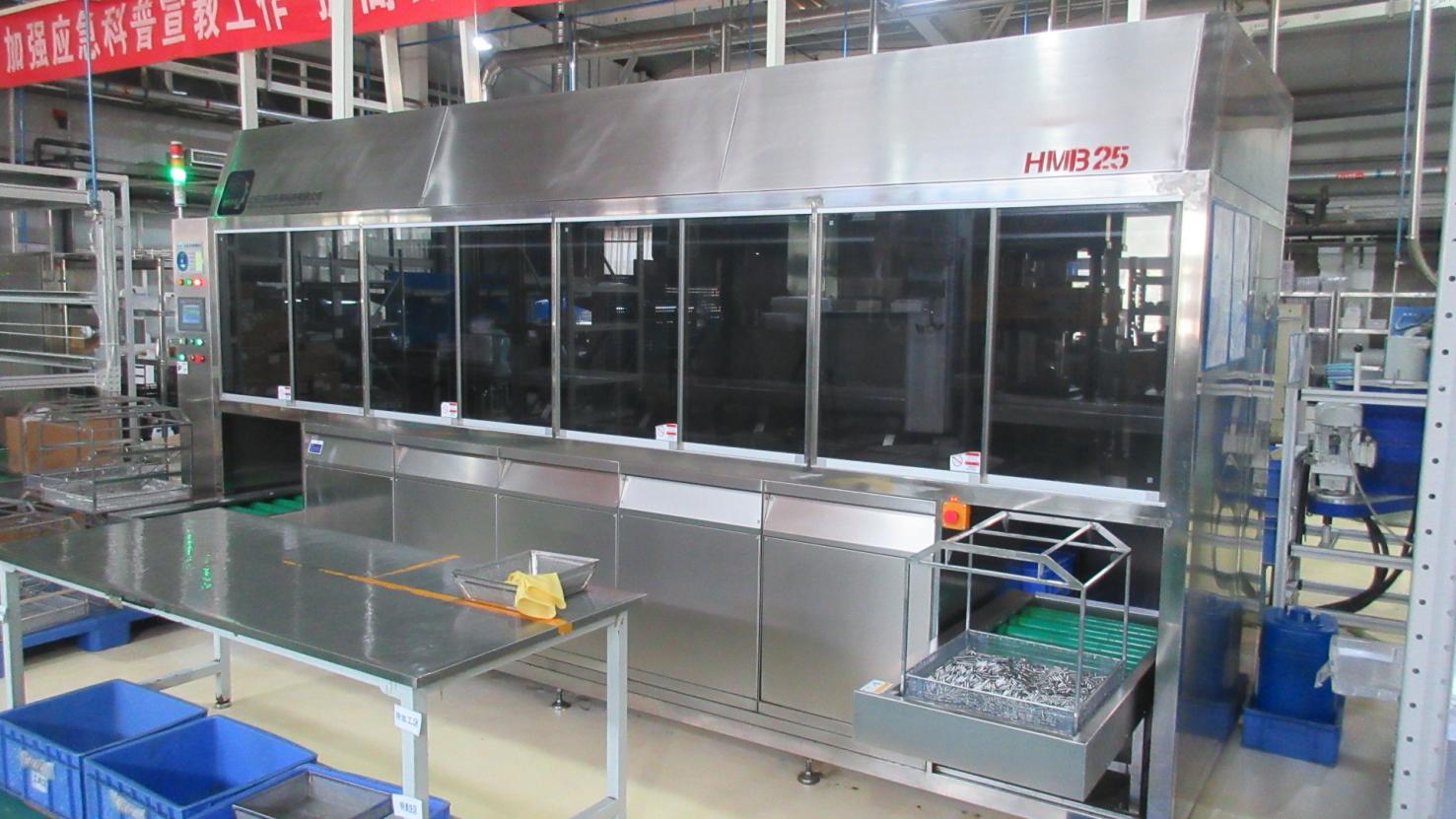
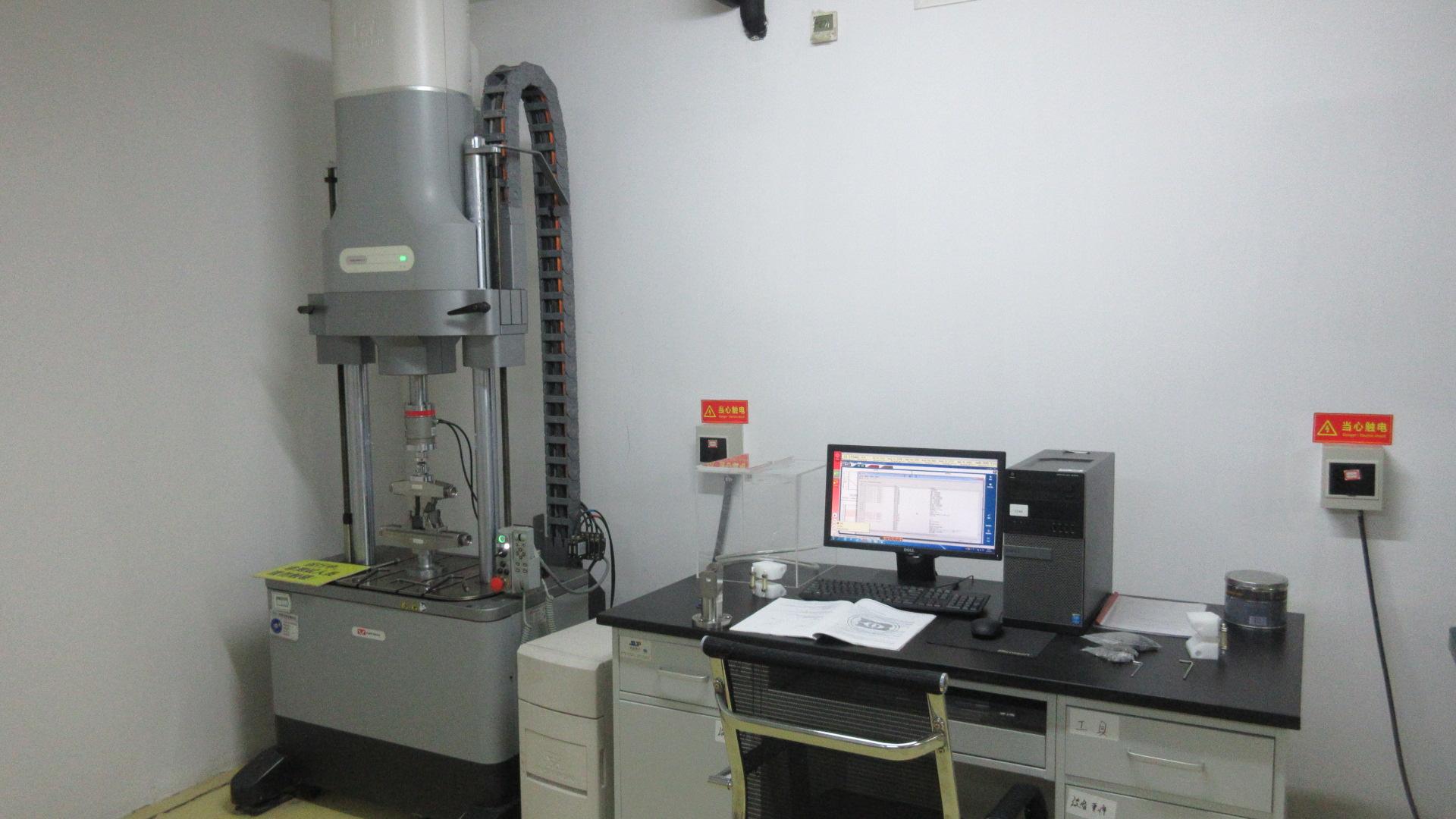
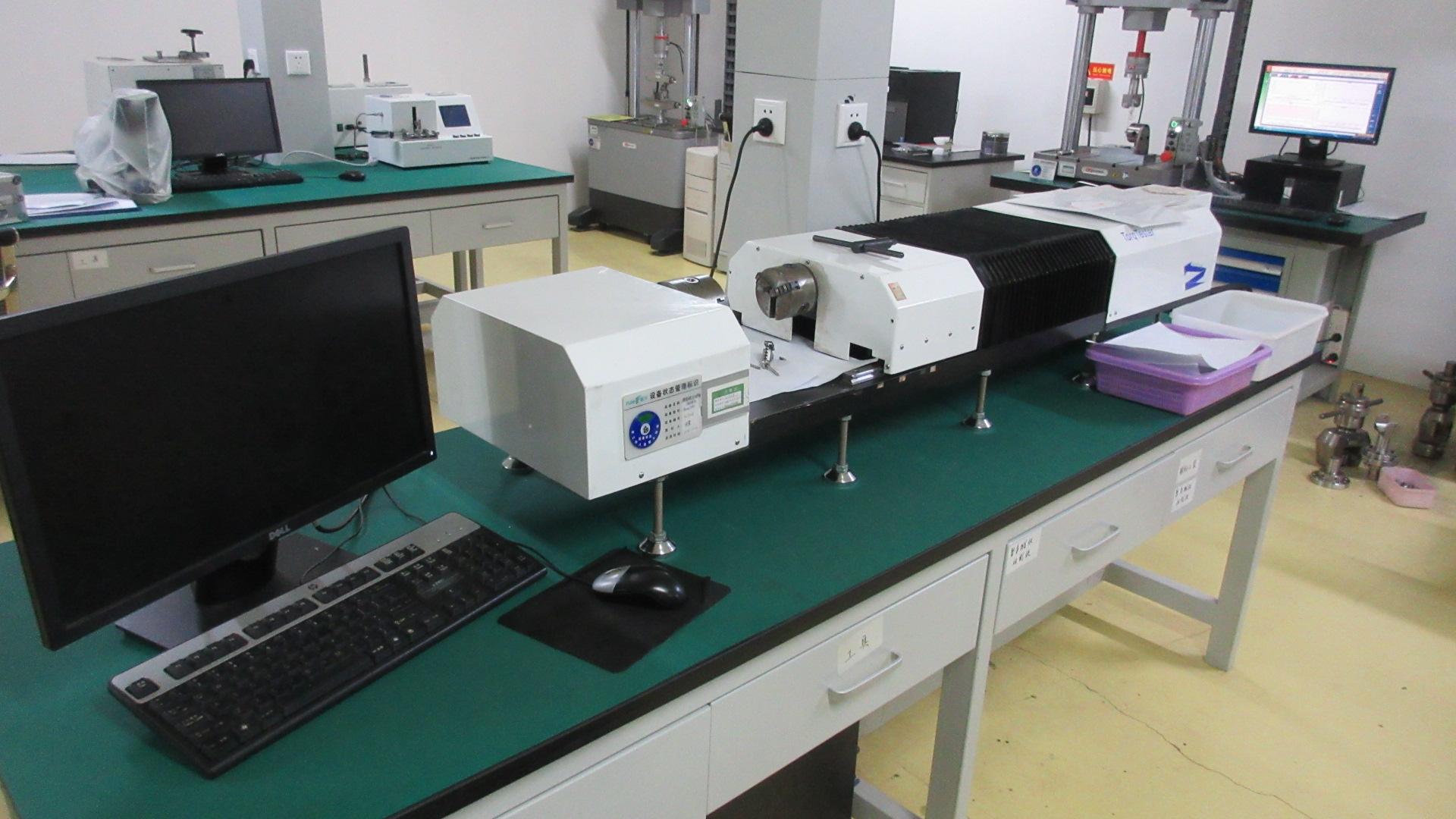
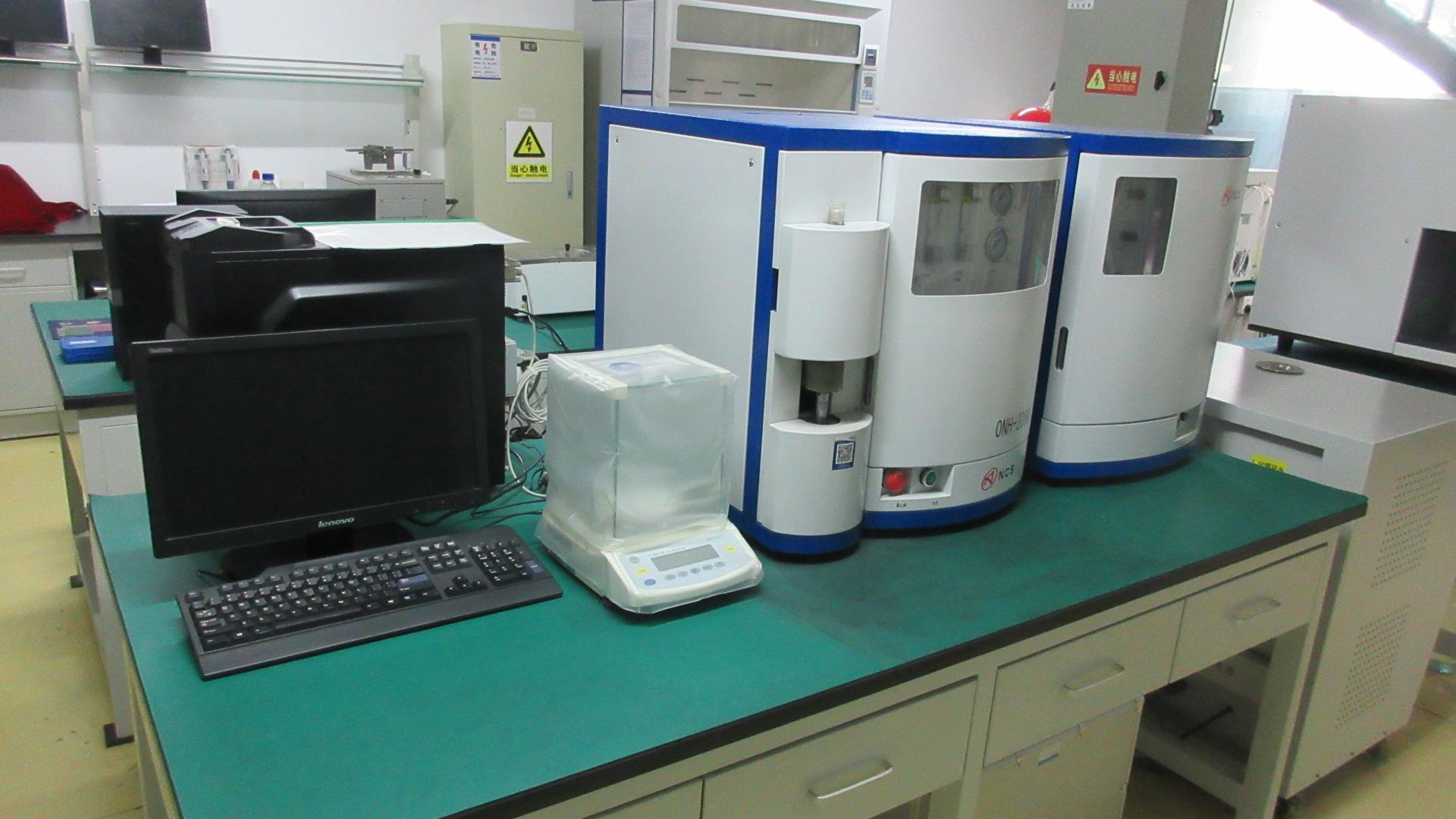
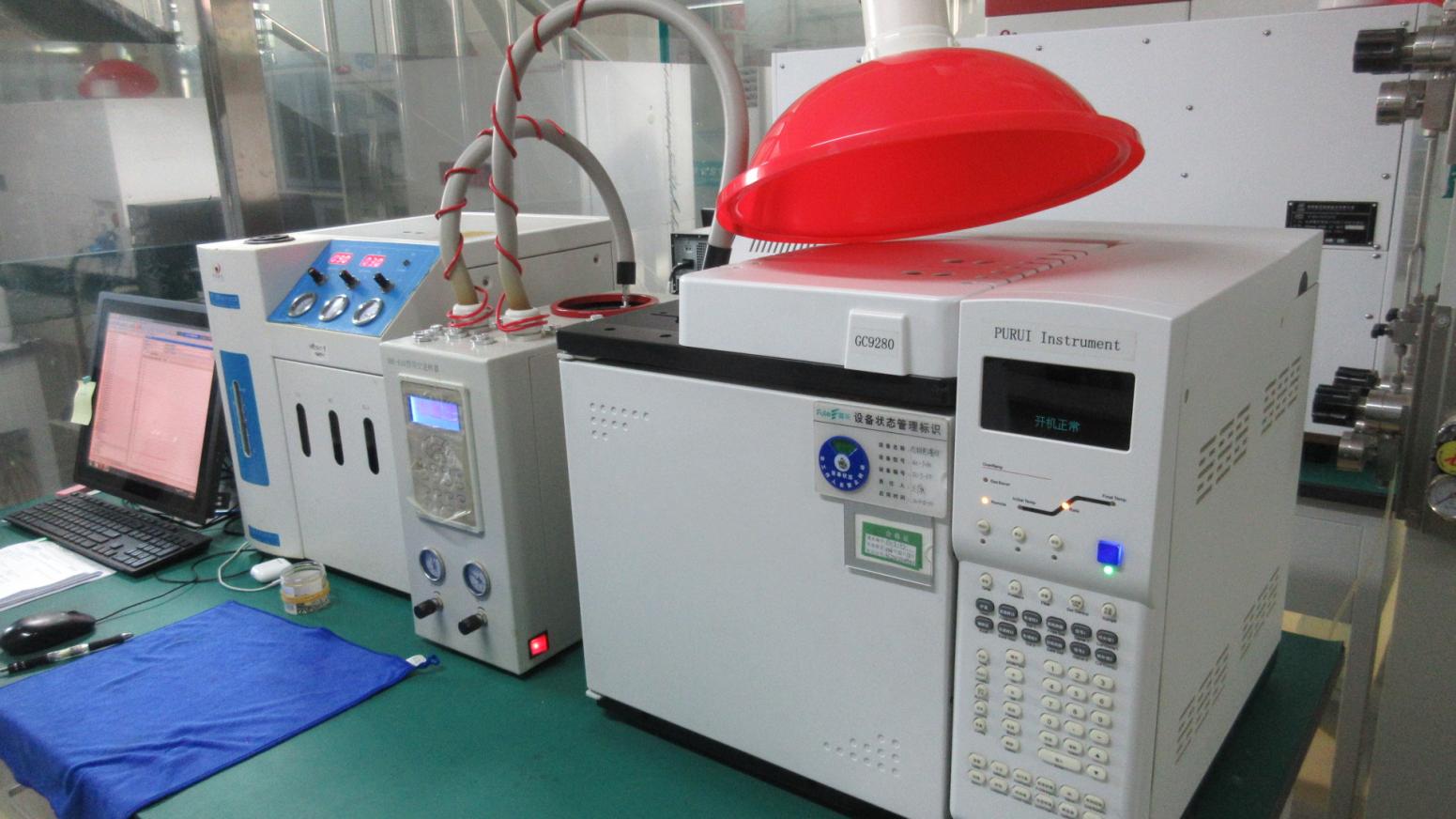
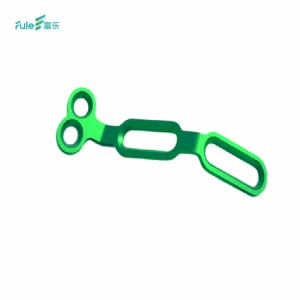
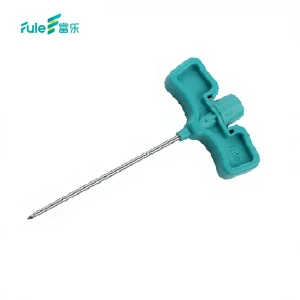
Our complete catalog of CE-certified orthopedic systems, spinal fusion cages, and surgical instruments available for export to the Philippines.
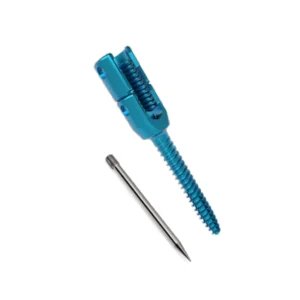
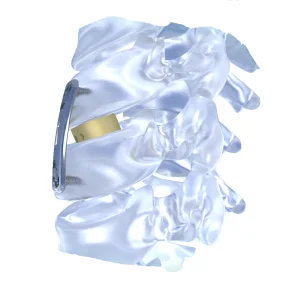
Key information regarding our manufacturing standards, international regulatory approvals, and supply capabilities for the Philippine market.
Secure high-quality Class III implants for your hospital network or distribution business in the Philippines.
 Beren Science & Technology