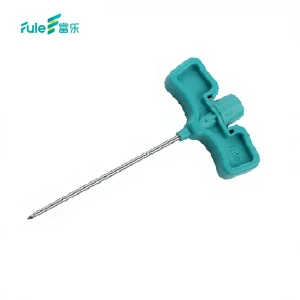
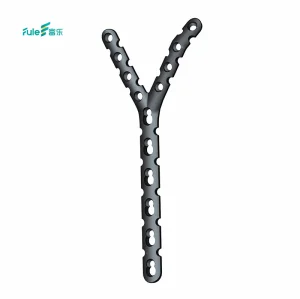
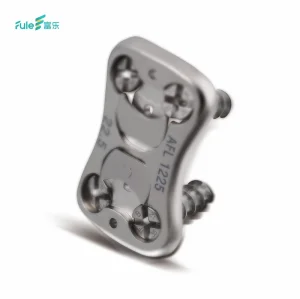
Premium medical devices engineered to meet the demanding requirements of Boston's leading academic medical centers and surgical research institutions.
Boston, Massachusetts, is globally recognized as the epicenter of medical innovation, housing elite academic medical systems, including the Longwood Medical Area networks, Massachusetts General Hospital (MGH), and Boston Medical Center. This concentrated ecosystem creates a highly demanding environment for orthopedic and neurosurgical implants. Clinicians here require implants that not only achieve optimal biological fixation but also fit seamlessly into modern robotic-assisted workflows and minimally invasive surgical (MIS) frameworks.
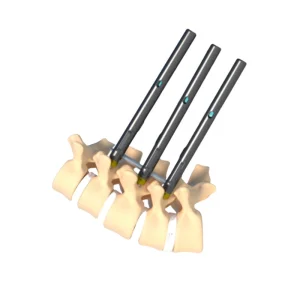
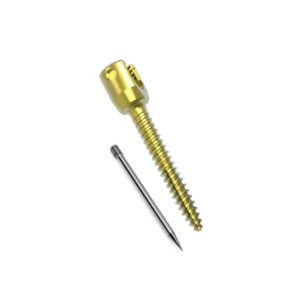
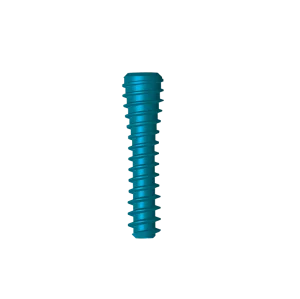
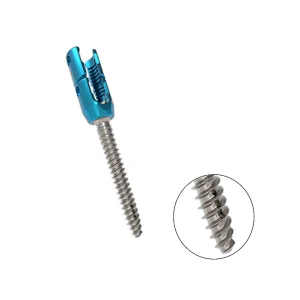
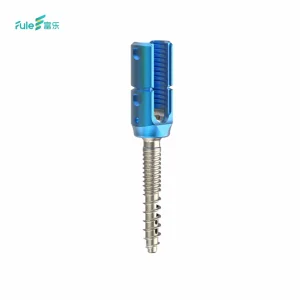
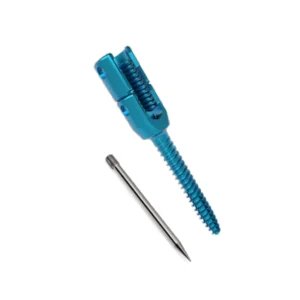
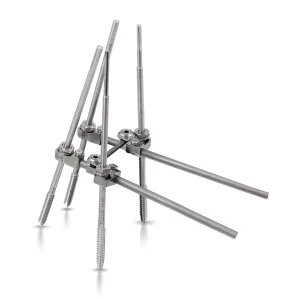
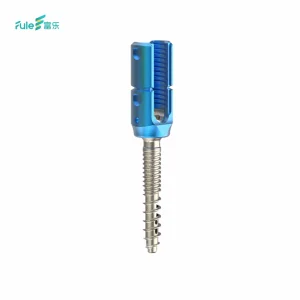
As a leading global manufacturer, our Miko II system and comprehensive range of Class III titanium screw-rod assemblies are engineered precisely to satisfy this sophisticated demand. Our solutions align with the strict protocols of the Massachusetts Department of Public Health and the procurement standards of regional Integrated Delivery Networks (IDNs). By combining precision CNC manufacturing with rigorous FDA compliance pathways, we enable Boston-area clinical buyers to achieve cost-efficiency without compromising the clinical efficacy and long-term osseointegration that their patient demographic demands.
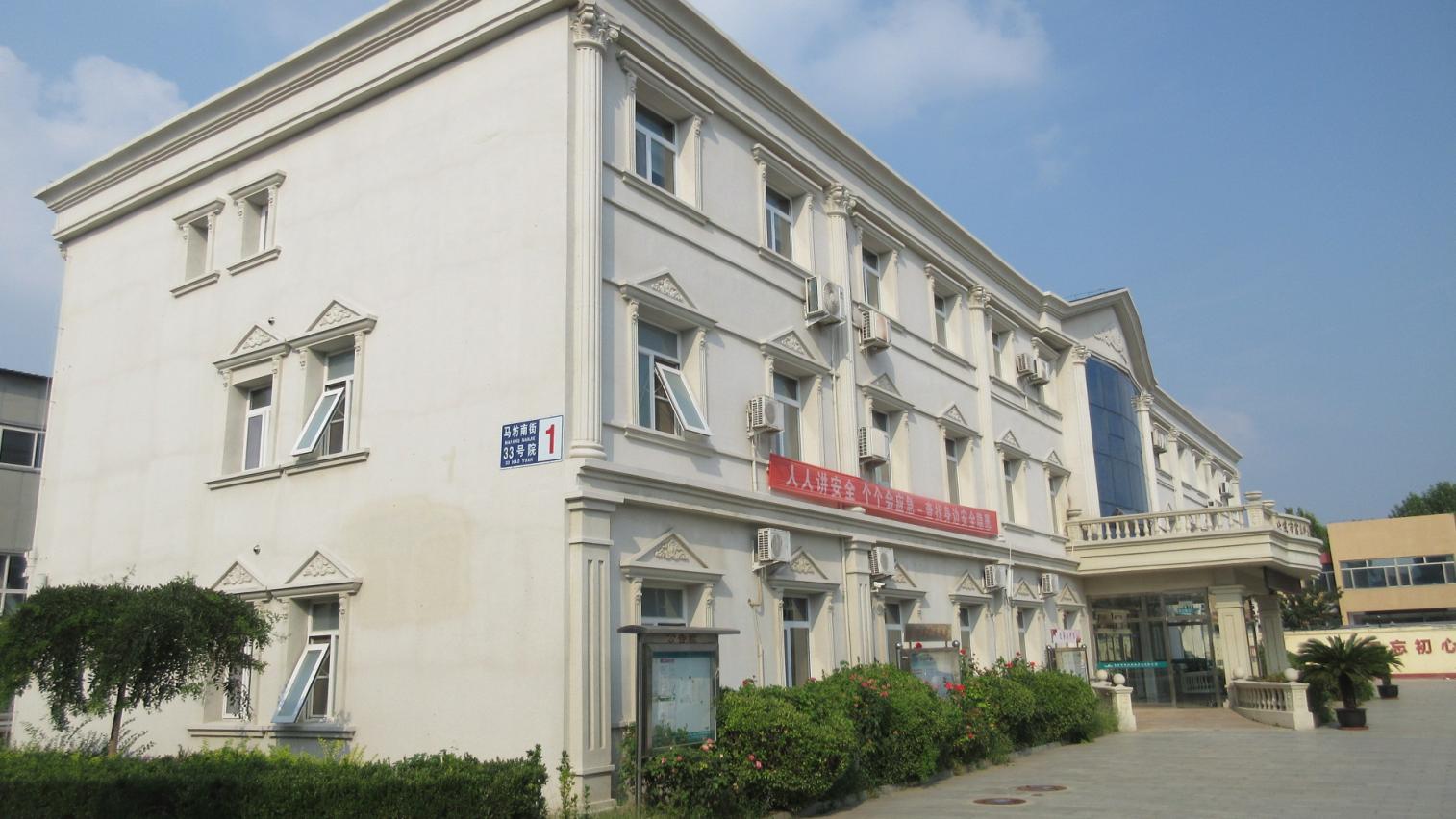
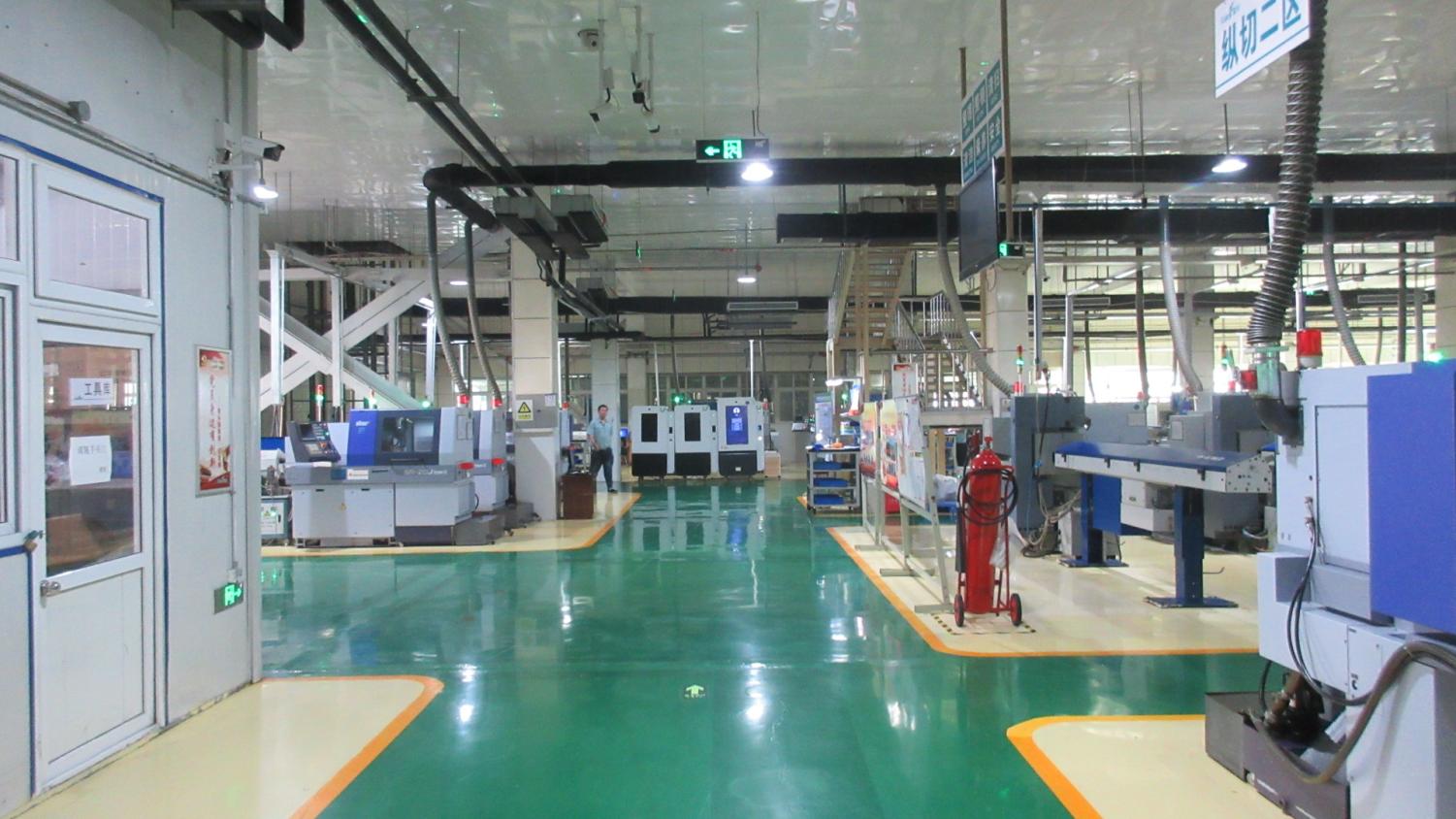
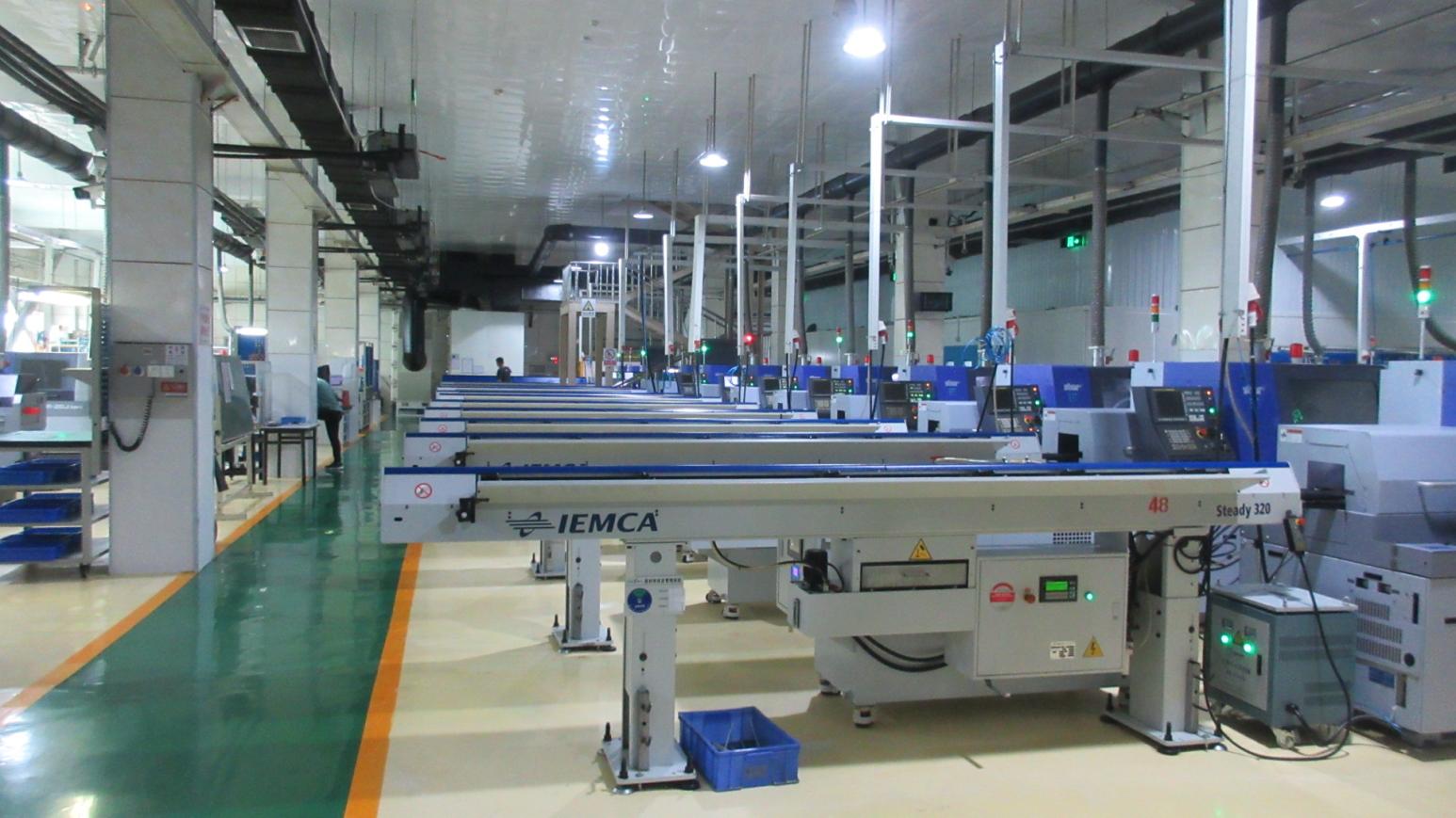
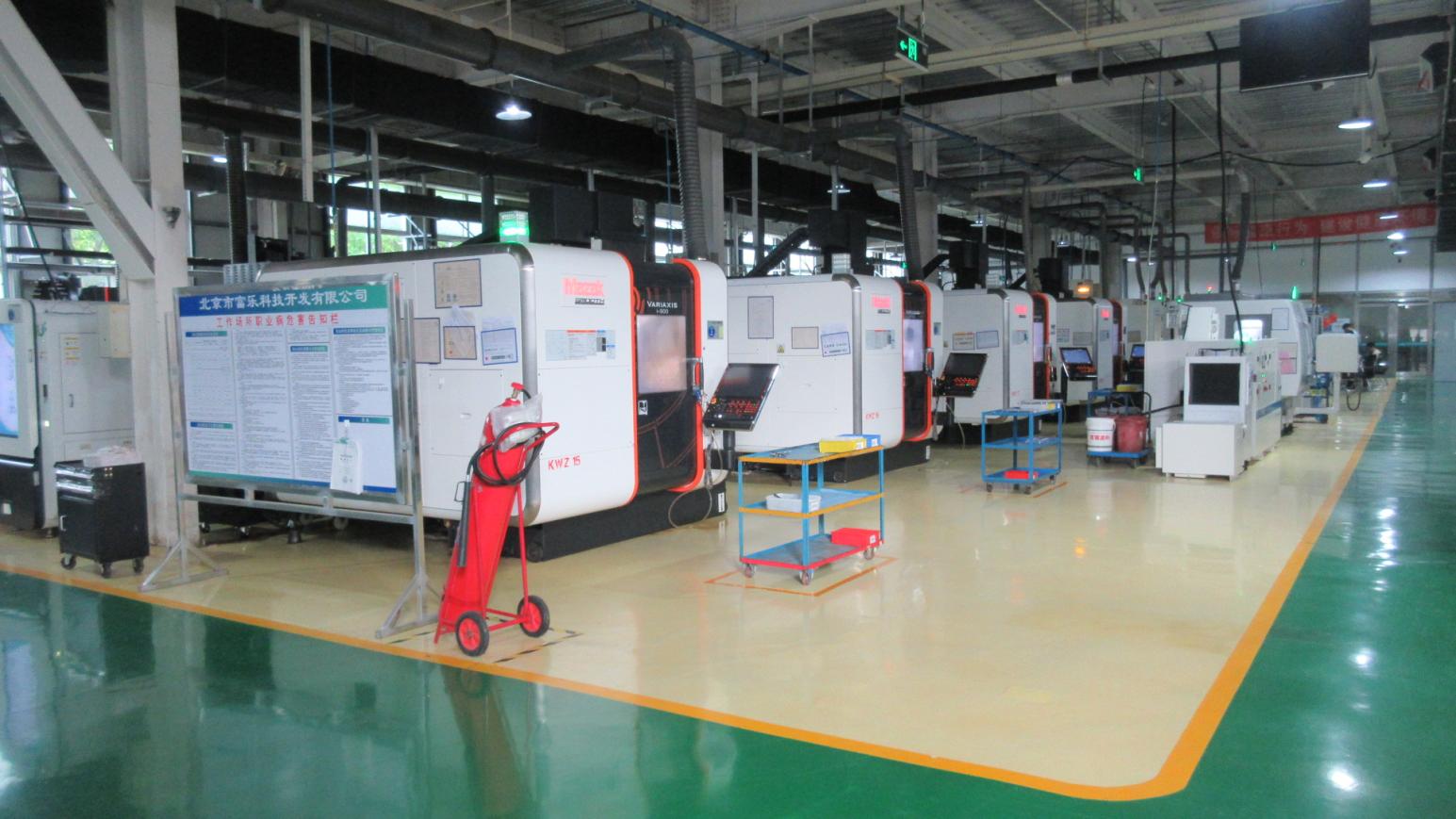
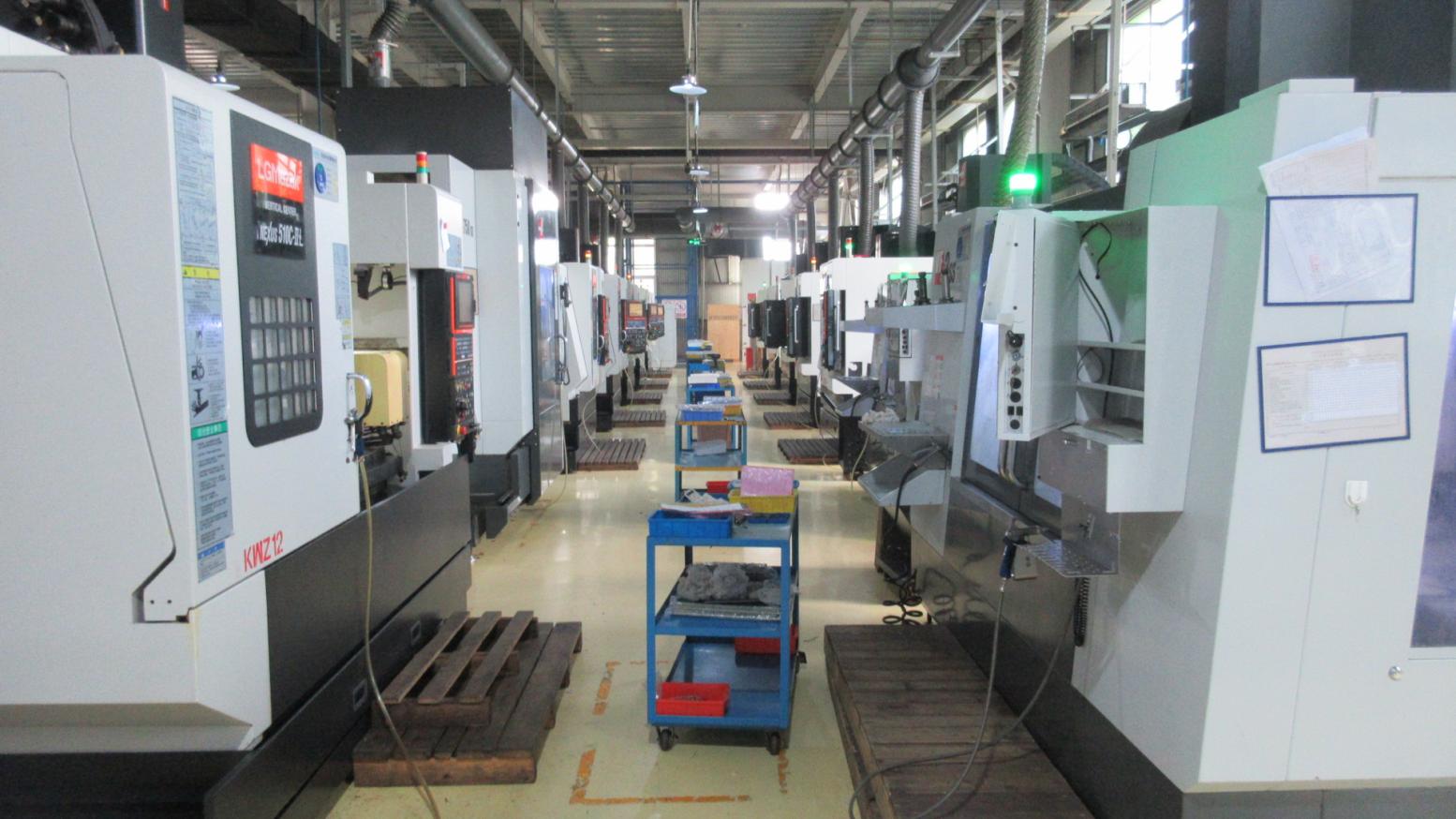
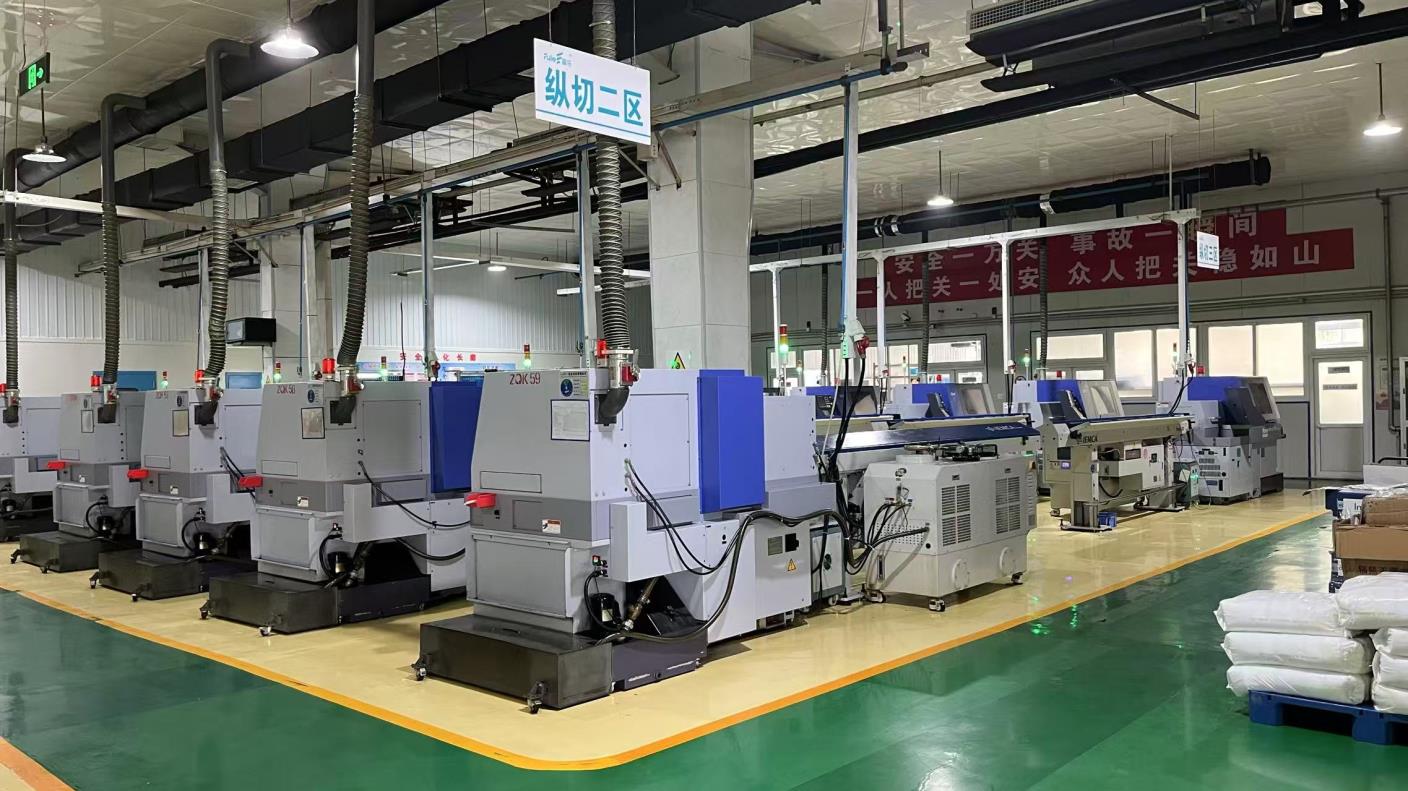
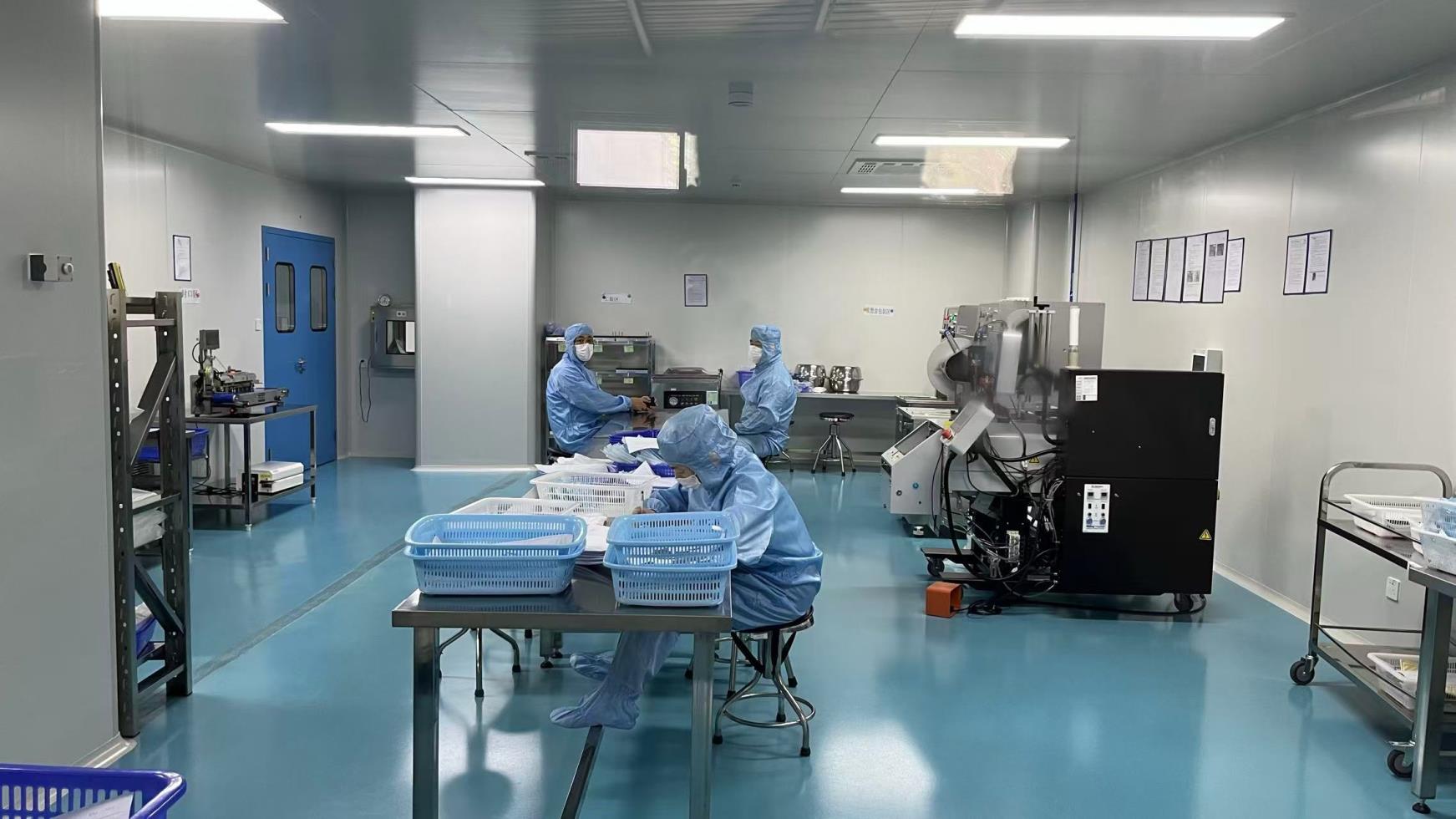
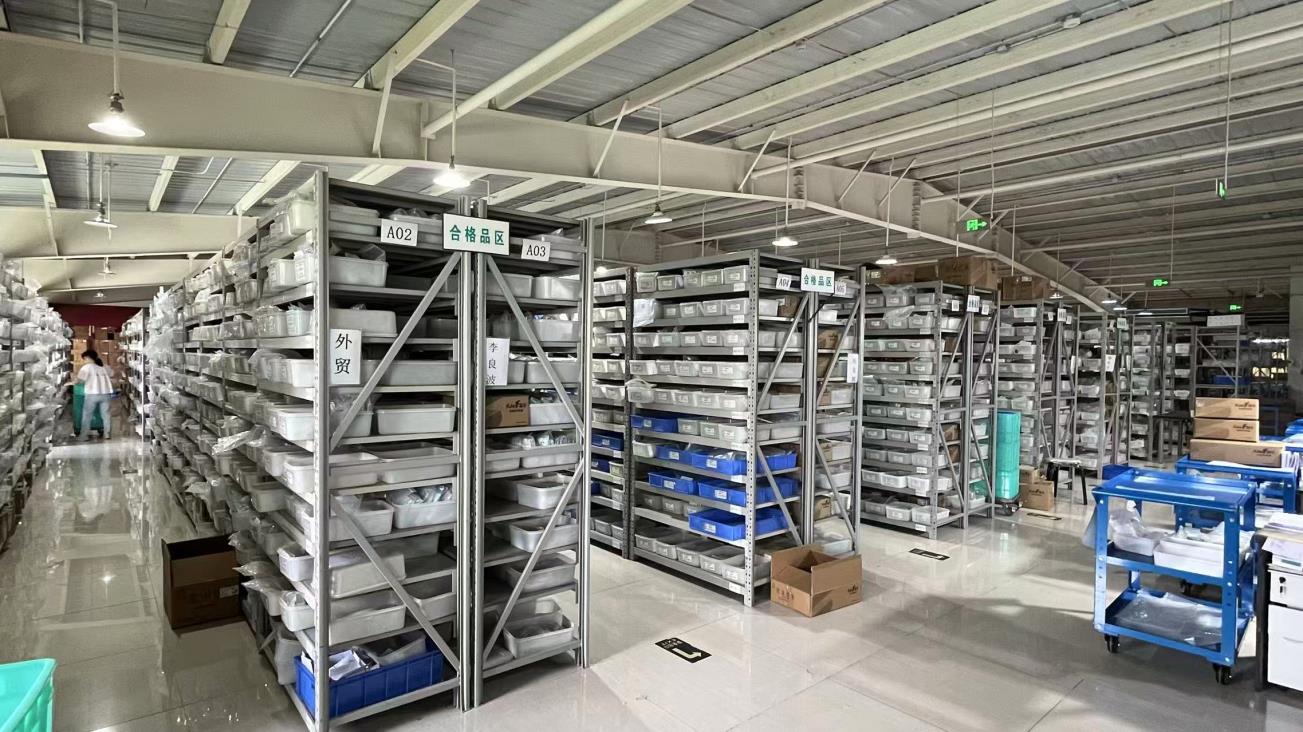
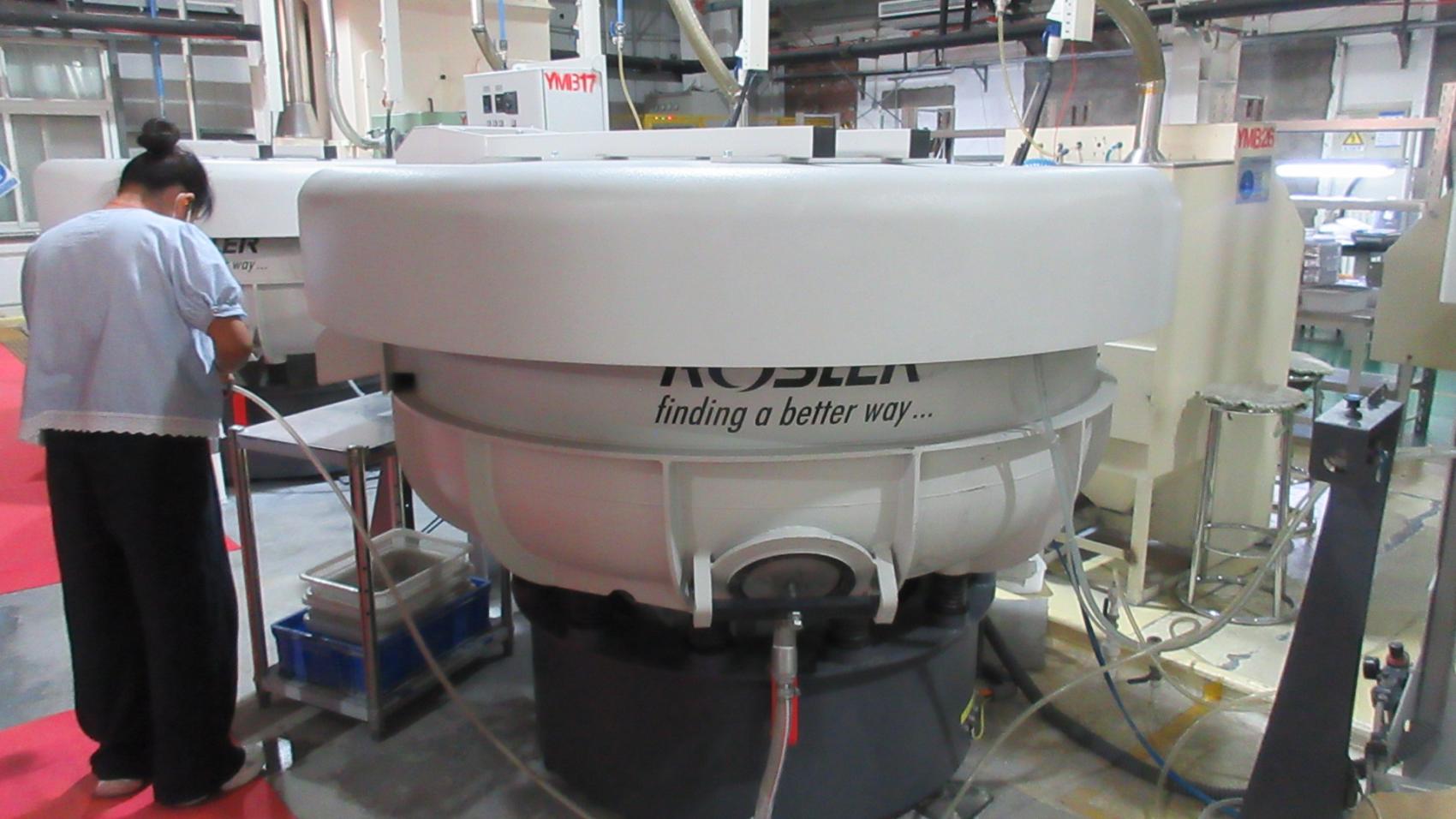
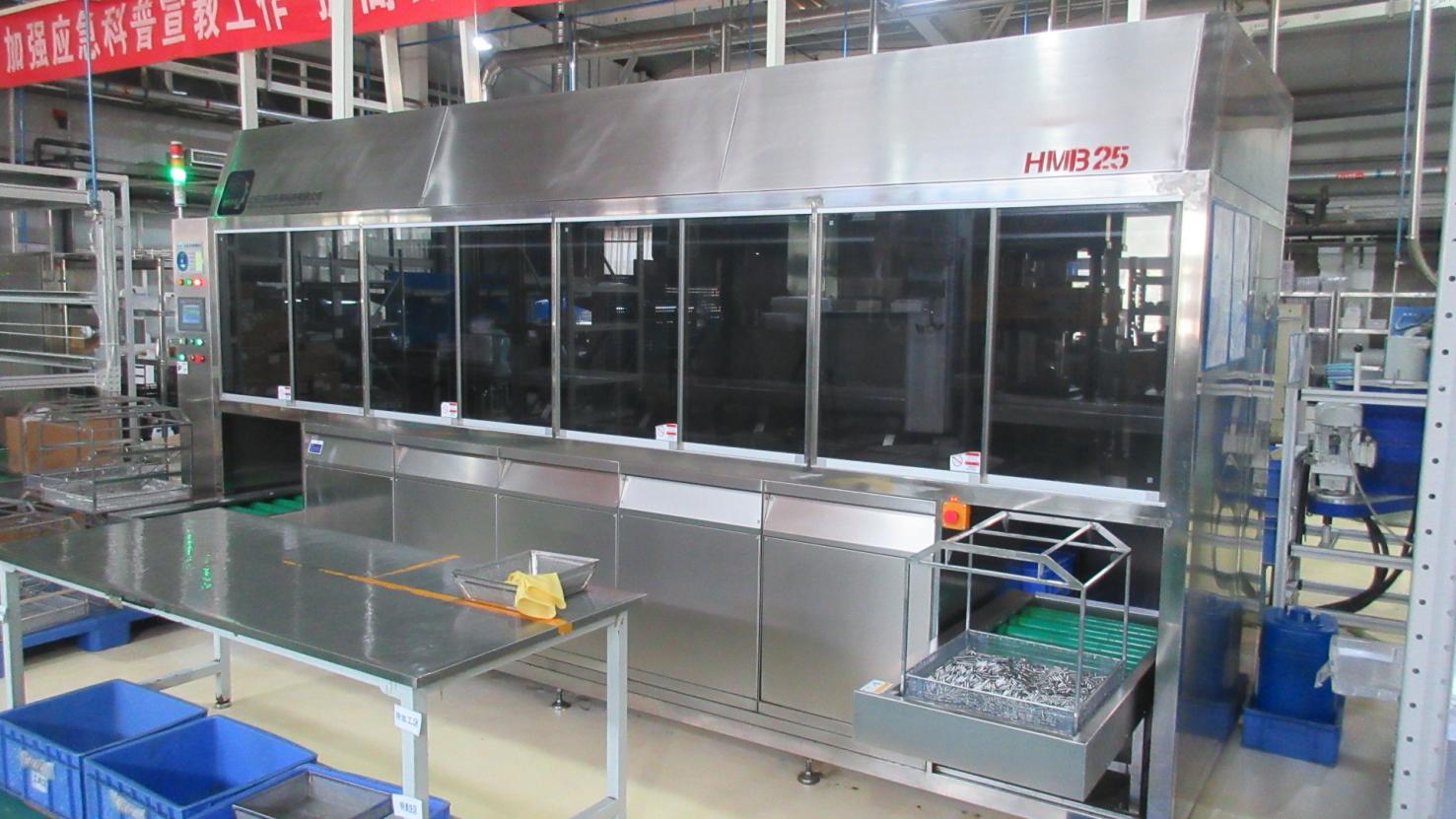
Take a look inside our 10,000 square meter medical manufacturing facility, featuring advanced cleanrooms and precision robotics to deliver zero-defect orthopedic systems.
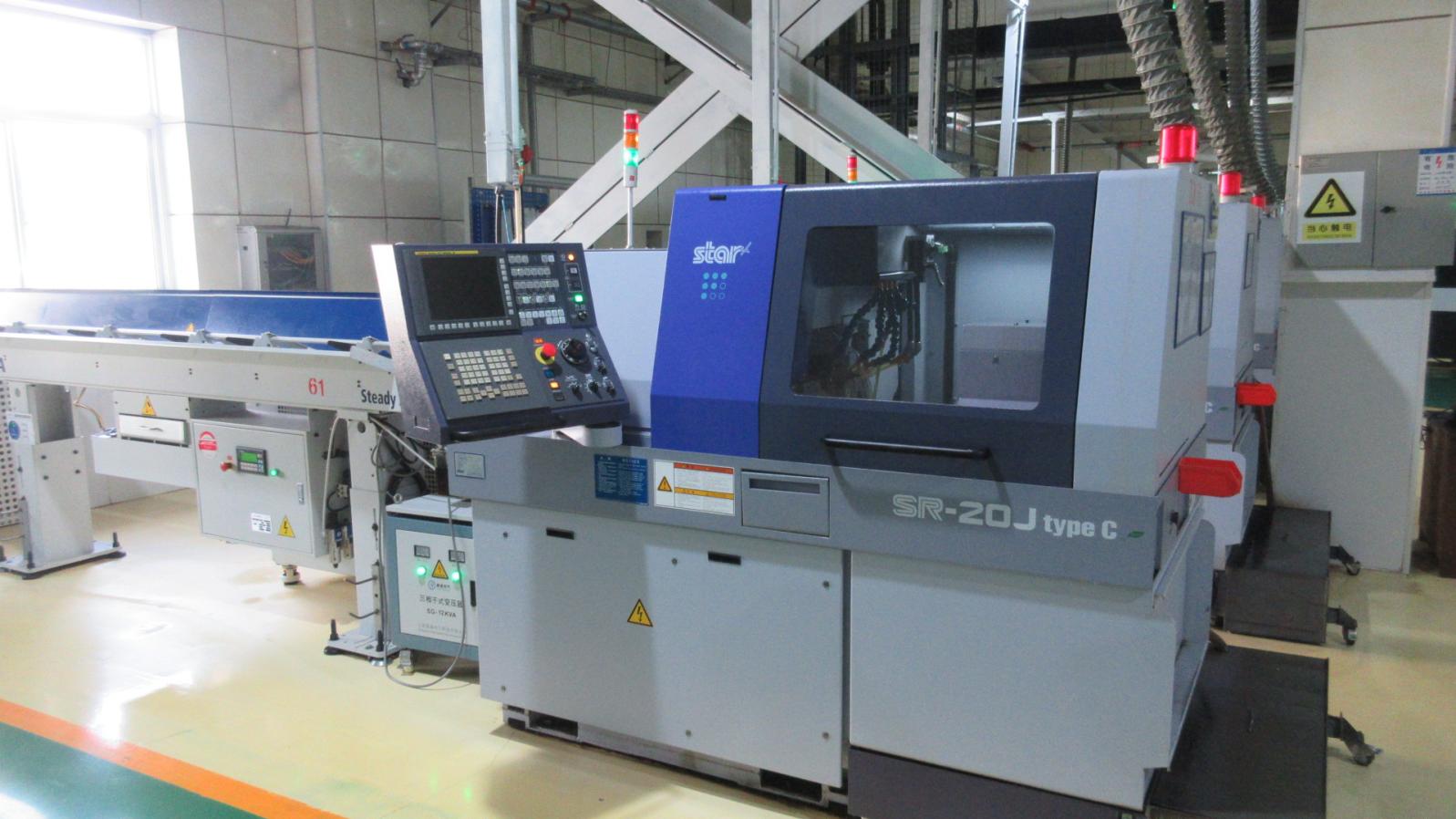
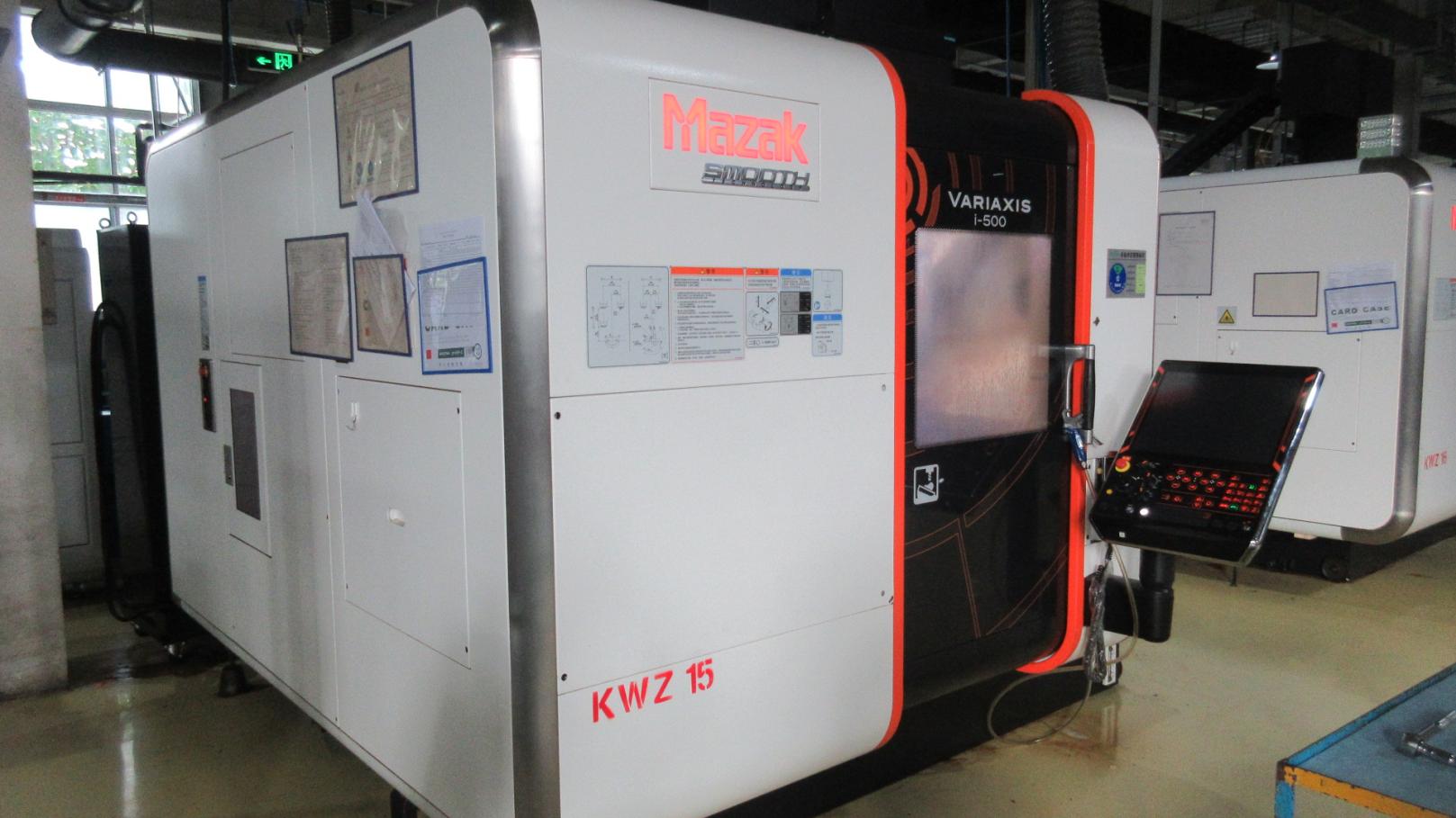
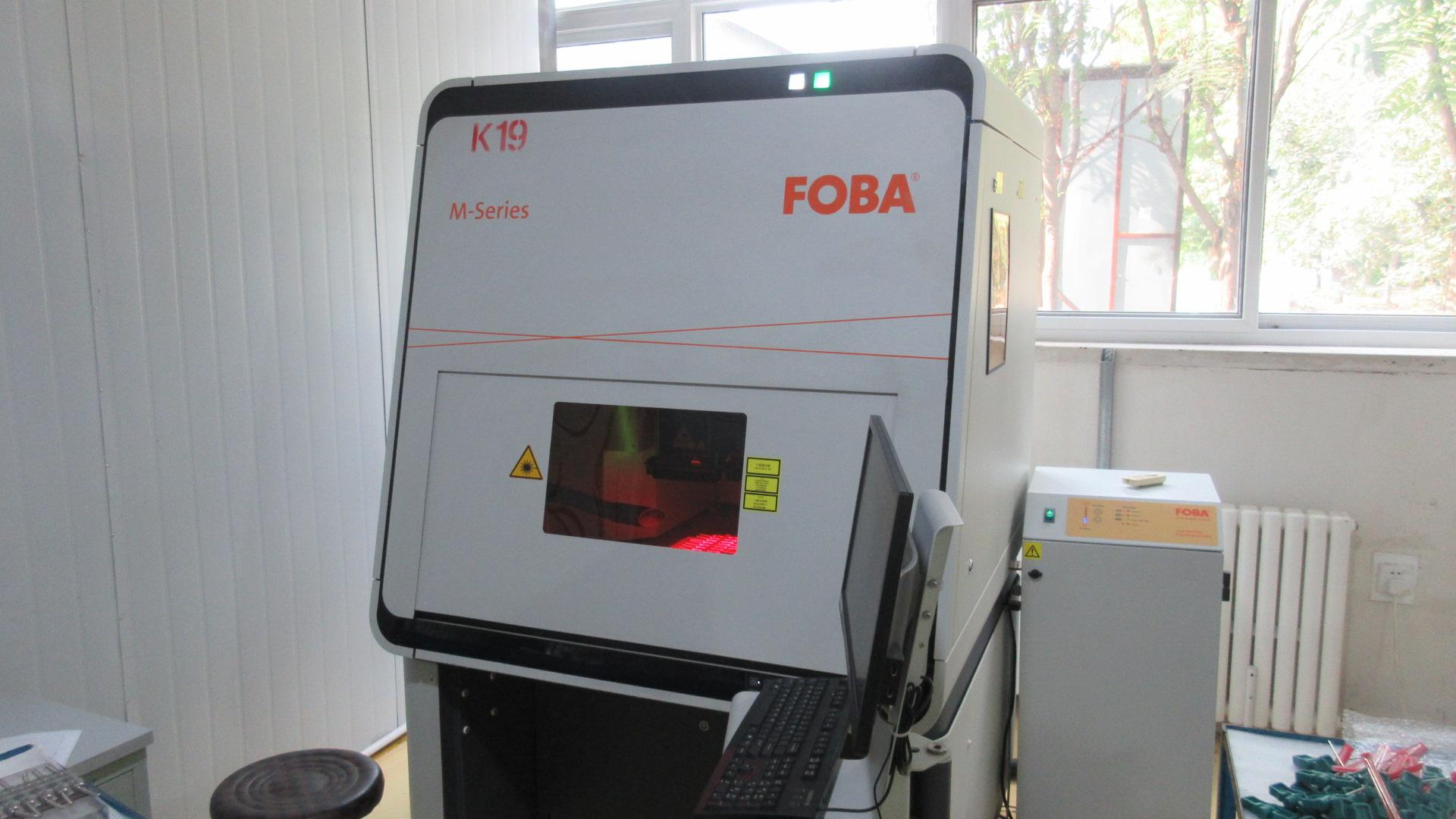
Our smart factory in China leverages cutting-edge CNC technologies, including Swiss-type automatic lathes and high-speed milling machines, to ensure dimensional tolerances within ±5 microns. With 102 state-of-the-art production machines operating under strict ERP control, we boast an annual output capacity of over 511,000 orthopedic implants and surgical instruments. This high-capacity output ensures Boston distributors and global sourcing agents face zero product shortages during critical periods.
We believe in absolute transparency. Every piece of raw titanium alloy undergoes mechanical and spectroscopic verification. We offer full material certificate traceability (ISO 13485, CE certification) from raw ingot to finished sterilized blister pack.
We deploy 15 dedicated QA/QC inspectors managing multi-point inline optical measurements and cleanroom air particle counters. 100% of our Class III spine and trauma range undergoes final surface inspections, ultrasonic washing, and rigorous EO (Ethylene Oxide) sterilization testing.
| Parameters | Compliance Specification |
|---|---|
| Quality Control Standard | 100% Inspection of All Products (QA/QC inspectors: 15) |
| Traceability Protocol | Raw Materials Certified & Trackable (Mill Test Reports) |
| Regulatory Approvals | CE Mark, ISO 13485:2016 Certified (04724Q10000818) |
| R&D Strength | 20 Engineers (15 Graduate Level, 5 Junior College) |
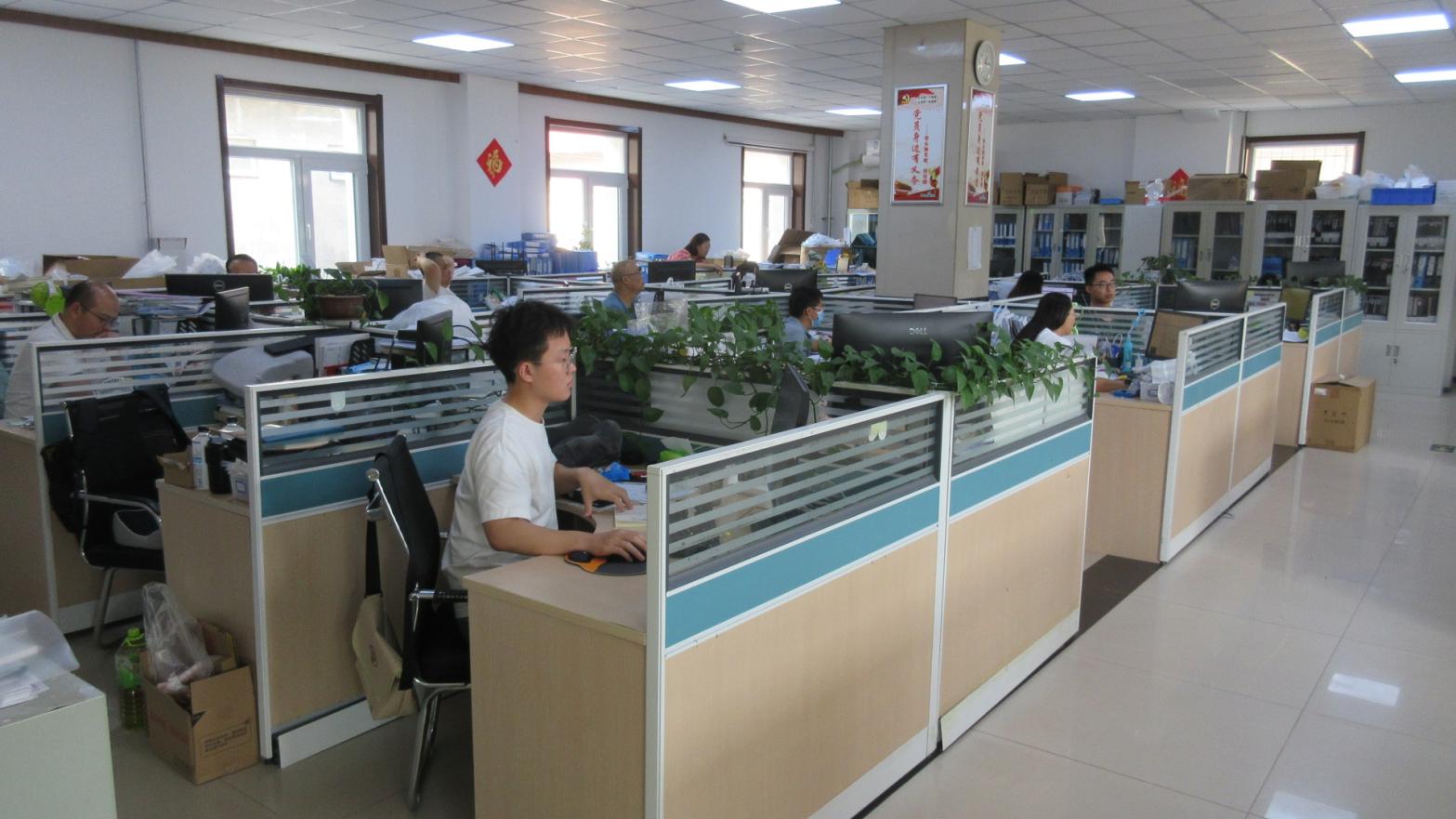
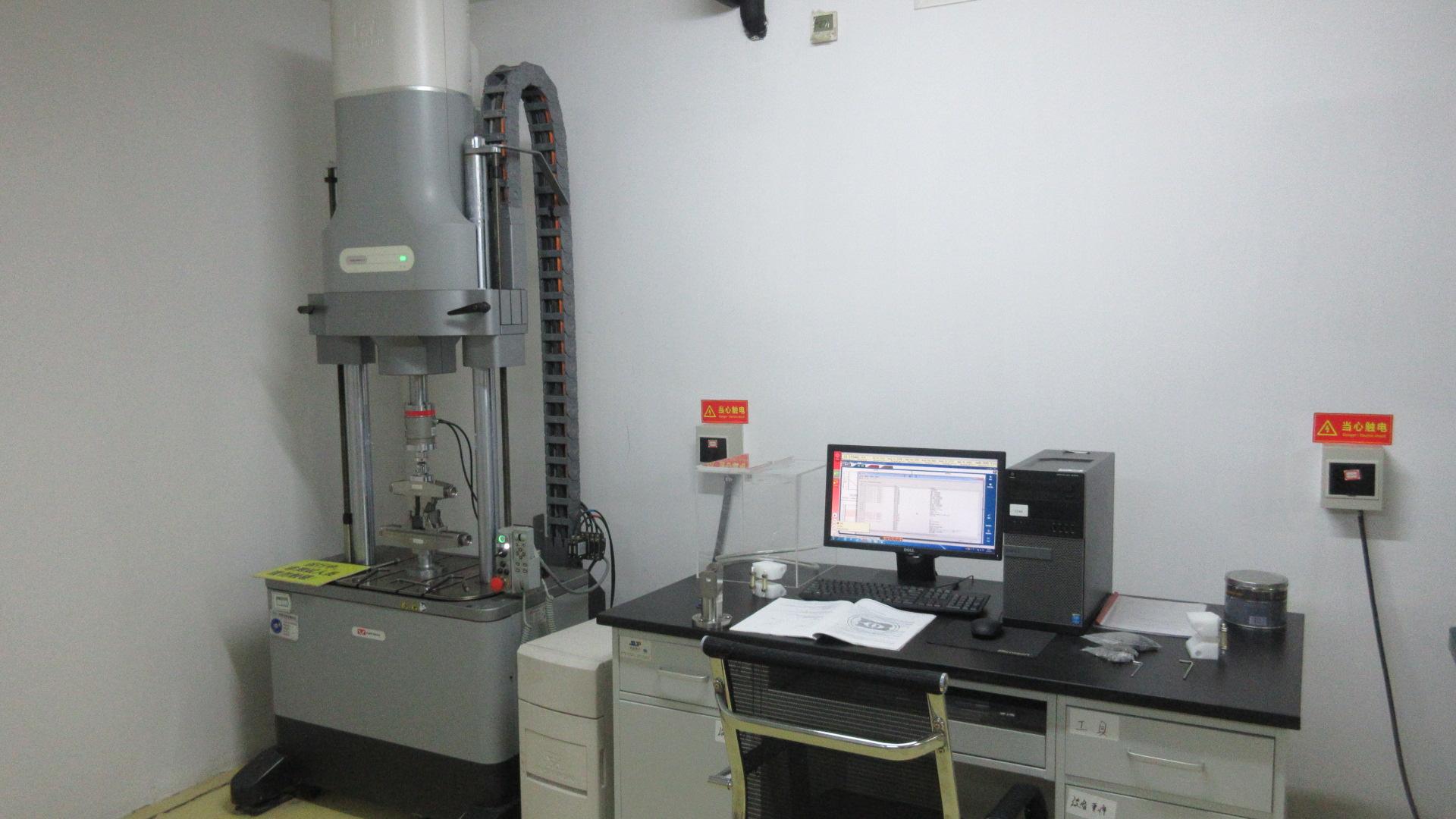
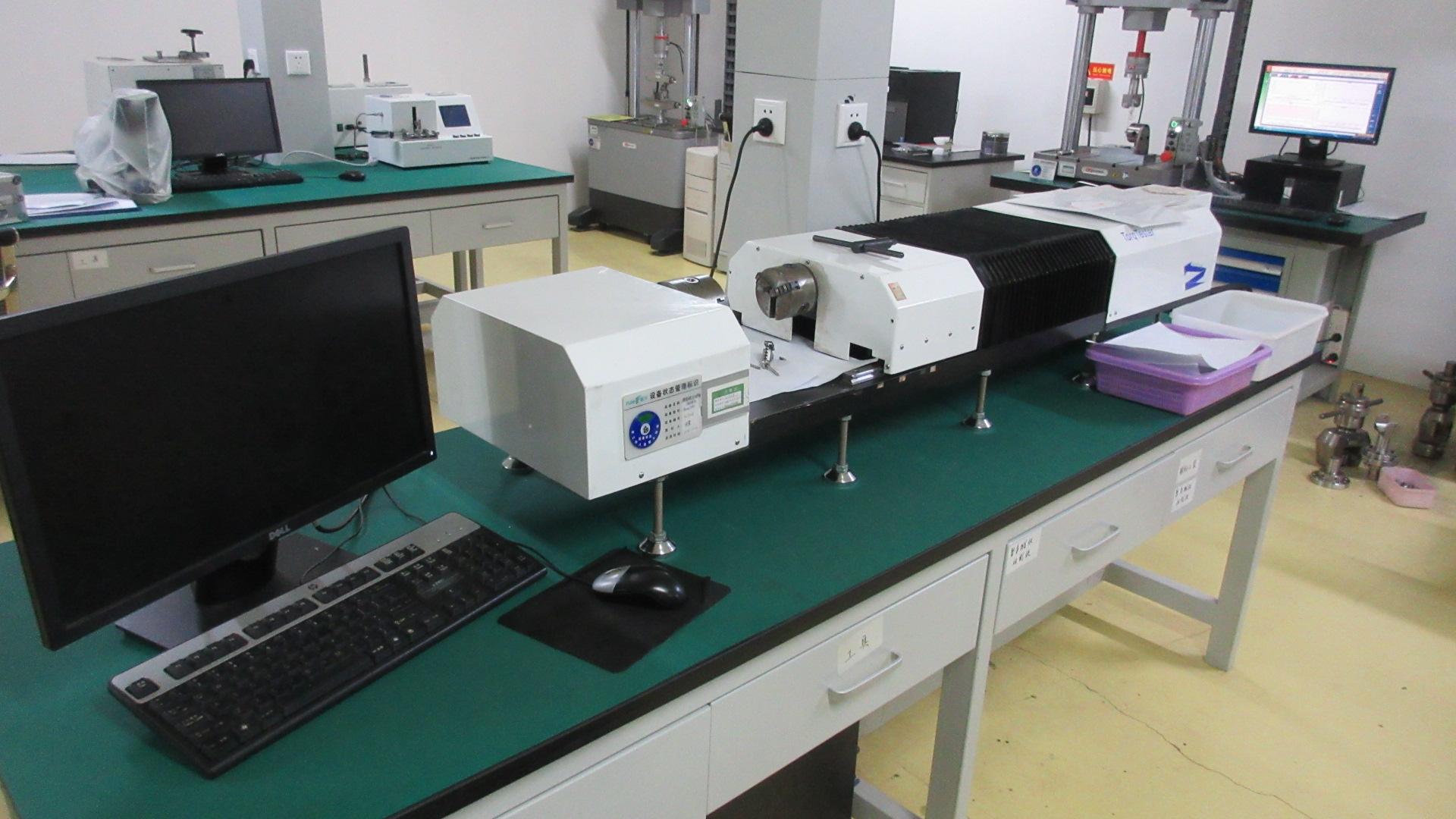
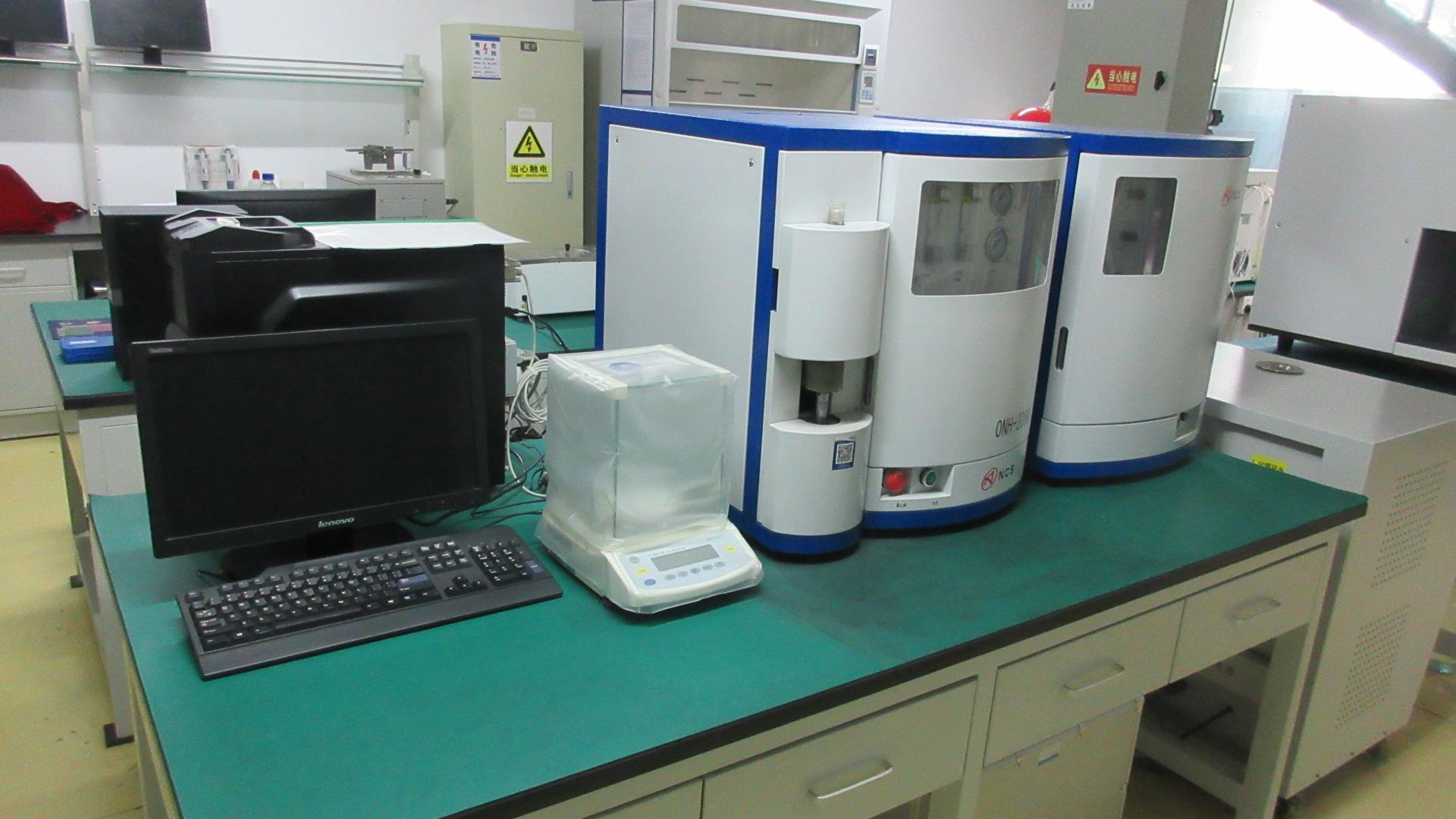
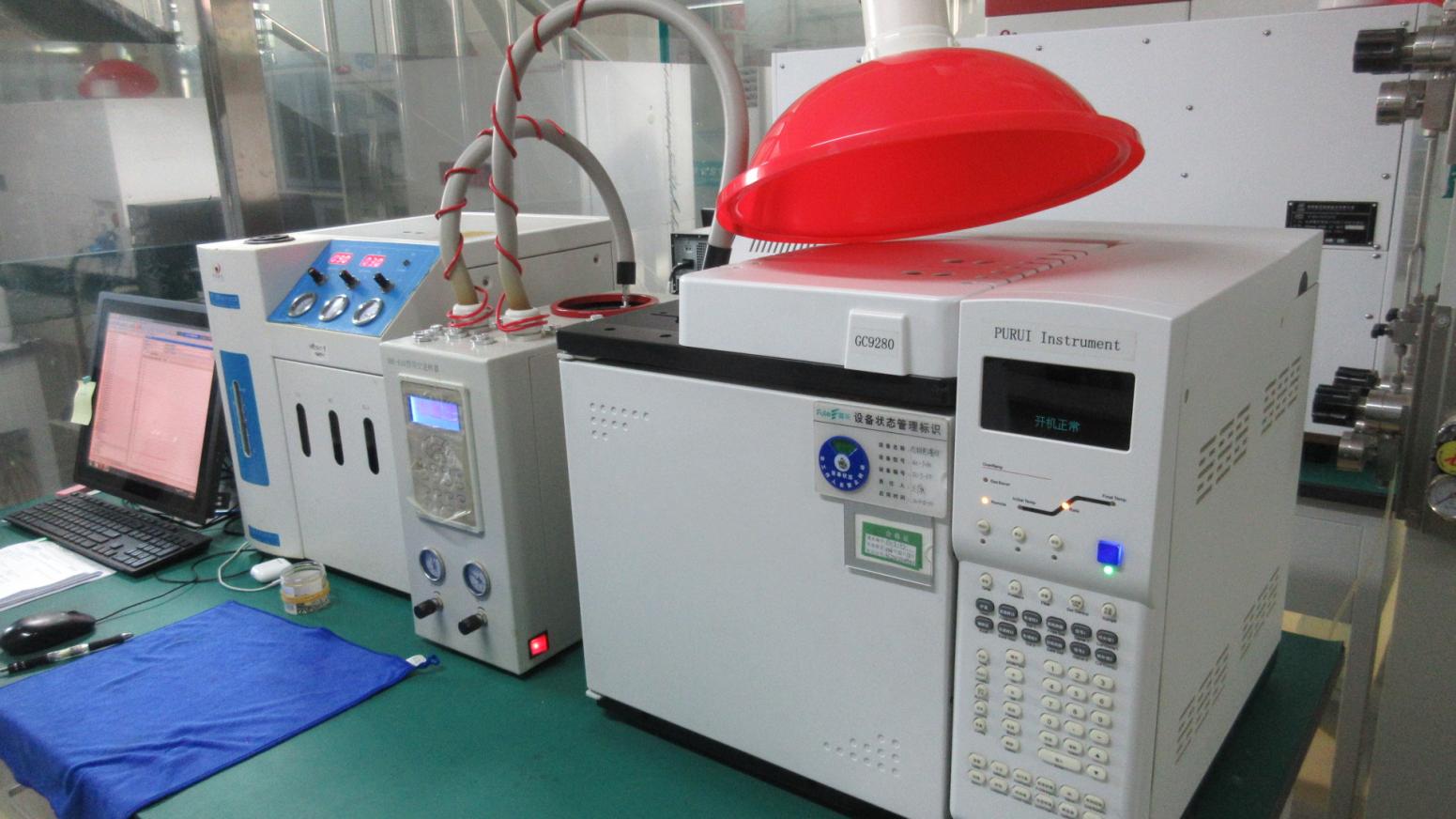
Our research team (comprising 20 specialized bio-engineers) focuses on the intersection of materials science and micro-mechanics. The Miko II platform technical roadmap targets two main areas: smart biosensors and surface modification. Working alongside global testing laboratories, we are testing bioactive surface treatments (including plasma-sprayed hydroxyapatite and Type III anodization) to enhance osteoblast migration and cell adhesion in osteoporotic bone environments. This represents a significant technology upgrade for elderly patients undergoing posterior spinal fusion in New England.
Our upcoming 3D-printed porous titanium cage systems feature interconnected scaffold structures designed to mimic human trabecular bone, lowering the modulus of elasticity to prevent stress-shielding. Furthermore, we are designing our surgical screw-rod systems for seamless integration with navigation platforms, ensuring that instrumentation coordinates translate accurately to popular digital and visual tracking systems in modern operating suites.
As US healthcare providers face changing reimbursement models and shifting payer parameters, value-based healthcare has become essential. Value Analysis Committees (VAC) at local Boston hospitals must balance cost reduction with high clinical outcomes. Our direct factory partnership structure offers a dual benefit: hospitals get direct access to FDA-grade Class III spinal fixation systems at competitive pricing, skipping intermediate broker fees, while clinical departments receive top-quality instrumentation with a comprehensive 5-year warranty.
Operating a premium implant line in the New England region requires quick, reliable local support. We facilitate prompt customs clearance and regional distribution through our shipping partners, including DHL and FedEx, delivering customized systems directly to Boston distributors. For regional surgical groups, we provide full technical documentation folders (Design History Files), surgical planning templates, and video guides. This documentation supports local operating room personnel during pre-operative preparation and intra-operative instrument handling.
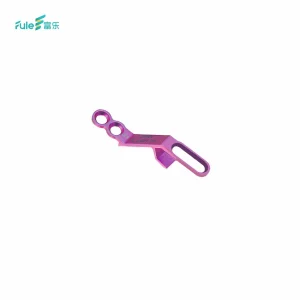
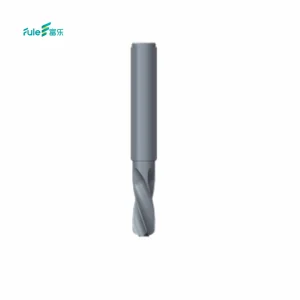
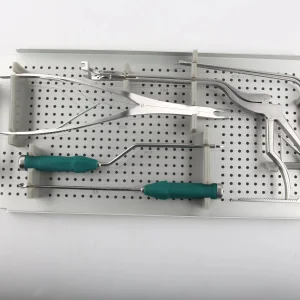
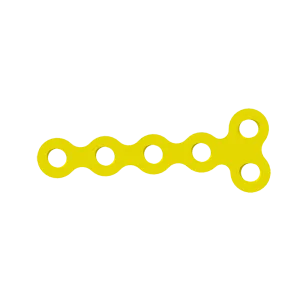
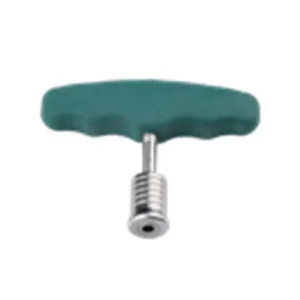
Our complete range of CE and ISO-certified implants, trauma plates, and custom screw-rod assemblies optimized for Boston clinical specifications.
Find detailed answers to common inquiries from healthcare procurement managers, surgeons, and medical device distributors in Boston.
Whether you are a medical device distributor, hospital procurement officer, or medical startup looking for OEM/ODM capabilities, our team is ready to support your supply chain requirements.
Send Inquiry Now Beren Science & Technology