Premium class-certified clinical solutions designed to match the stringent biomechanical standards of South Korean medical institutions.
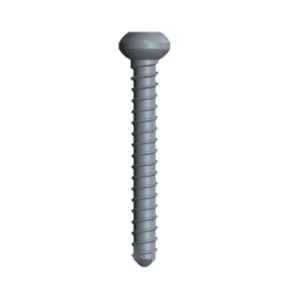
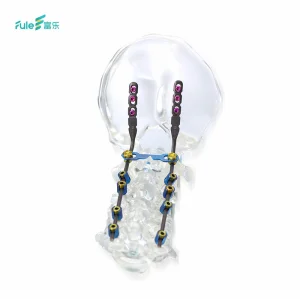
By 2025, South Korea is projected to officially become a super-aged society, with over 20% of its population aged 65 or older. This demographic shift has created unprecedented demand for spine stabilization, joint reconstruction, and osteoporotic fracture treatment. Modern clinics in Seoul, Busan, and Daegu are experiencing massive increases in patient volumes for spine fusion surgeries, spinal stenosis treatments, and complex trauma interventions.
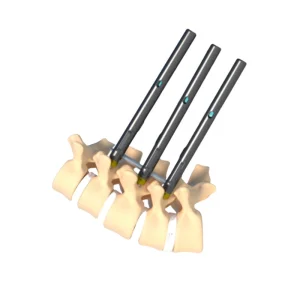
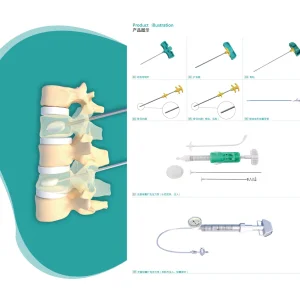
Korean hospitals demand orthopedic implants that offer both exceptional bio-compatibility and absolute mechanical stability. In spine surgery, minimally invasive systems (MISS) are preferred to ensure rapid post-operative recovery, shorter hospital stays, and reduced tissue trauma. Manufacturers must deliver state-of-the-art titanium alloys (such as Grade 5 ELI titanium) that integrate seamlessly with advanced intraoperative navigation systems and robotic-assisted spine surgery platforms.
Furthermore, South Korea’s highly regulated healthcare environment, overseen by the Ministry of Food and Drug Safety (MFDS, formerly KFDA), places immense pressure on medical device importers and distributors. Successfully navigating these regulatory pathways requires manufacturers to offer comprehensive technological documentation, rigorous biocompatibility certifications, and validation processes that guarantee zero clinical failure rates.
A look at our advanced manufacturing capabilities, quality control processes, and global trade parameters.
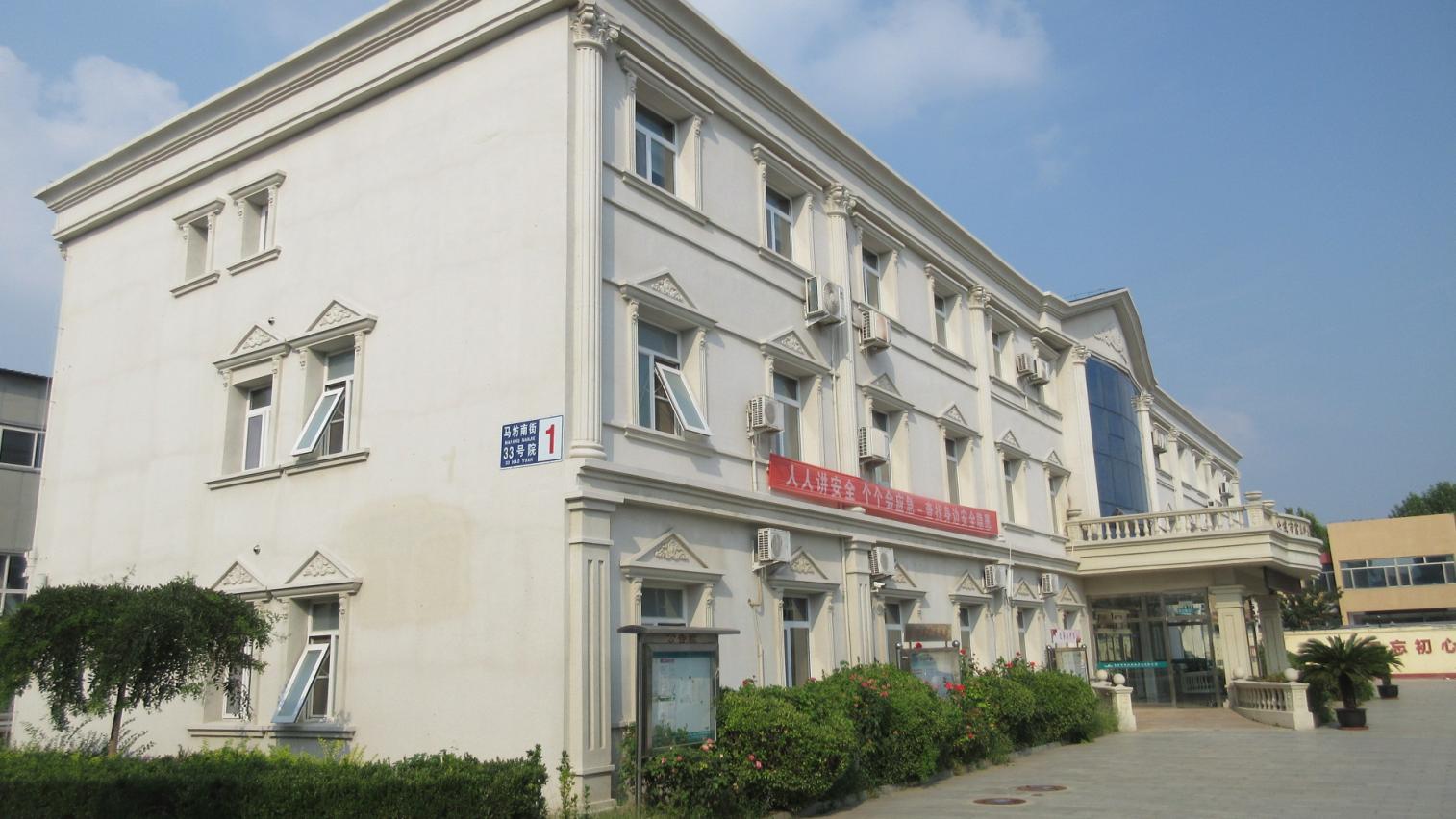
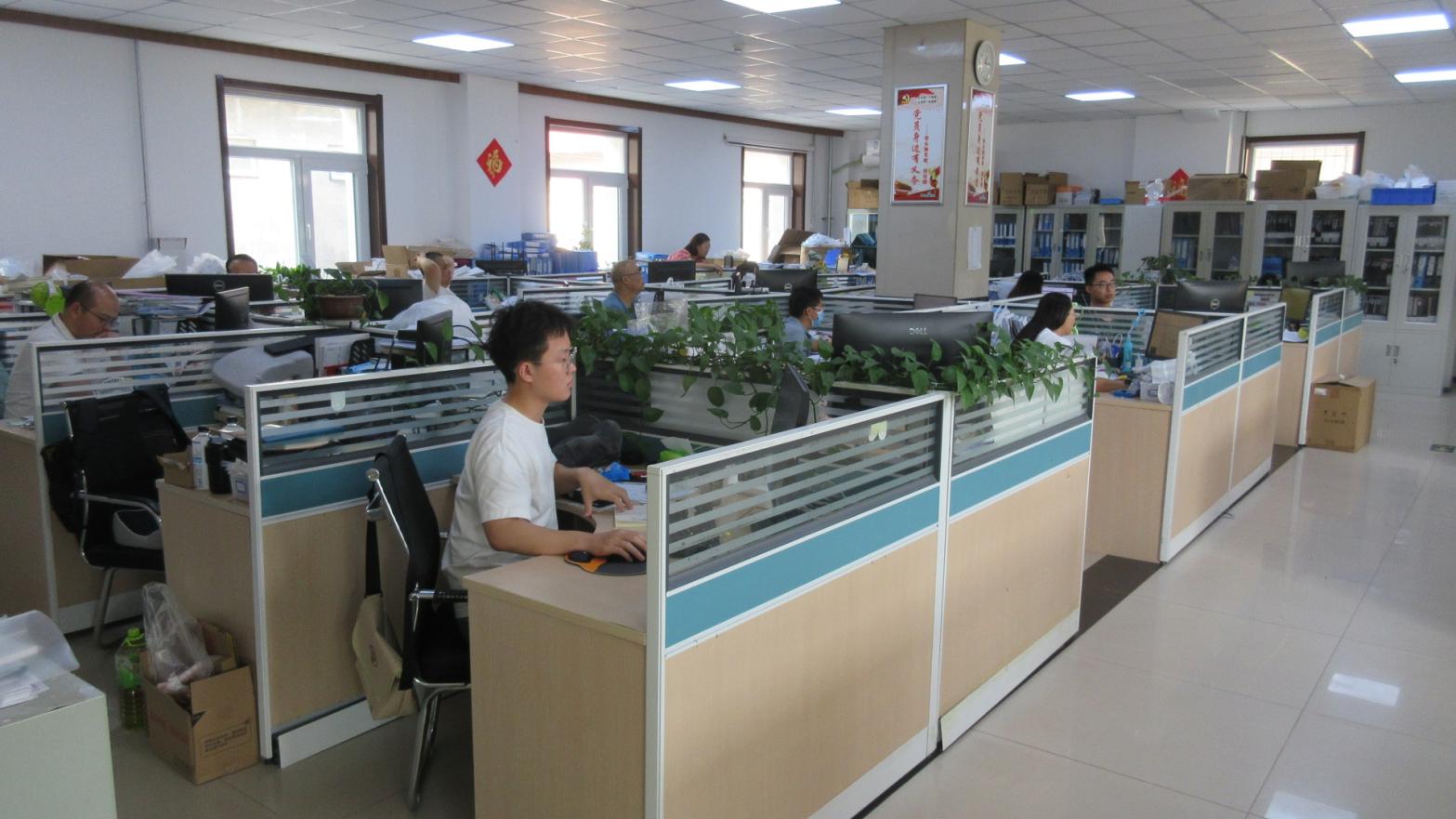
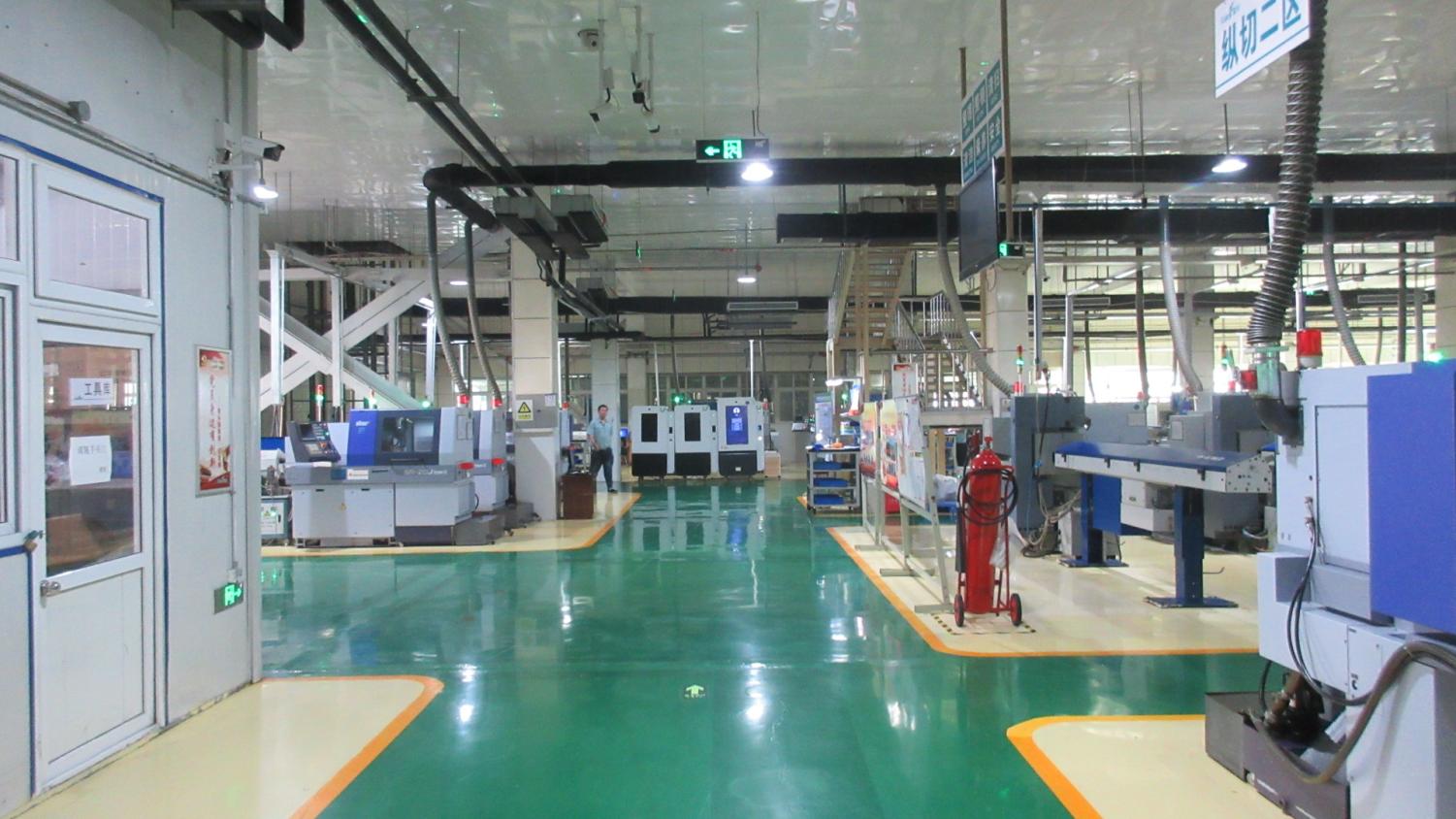
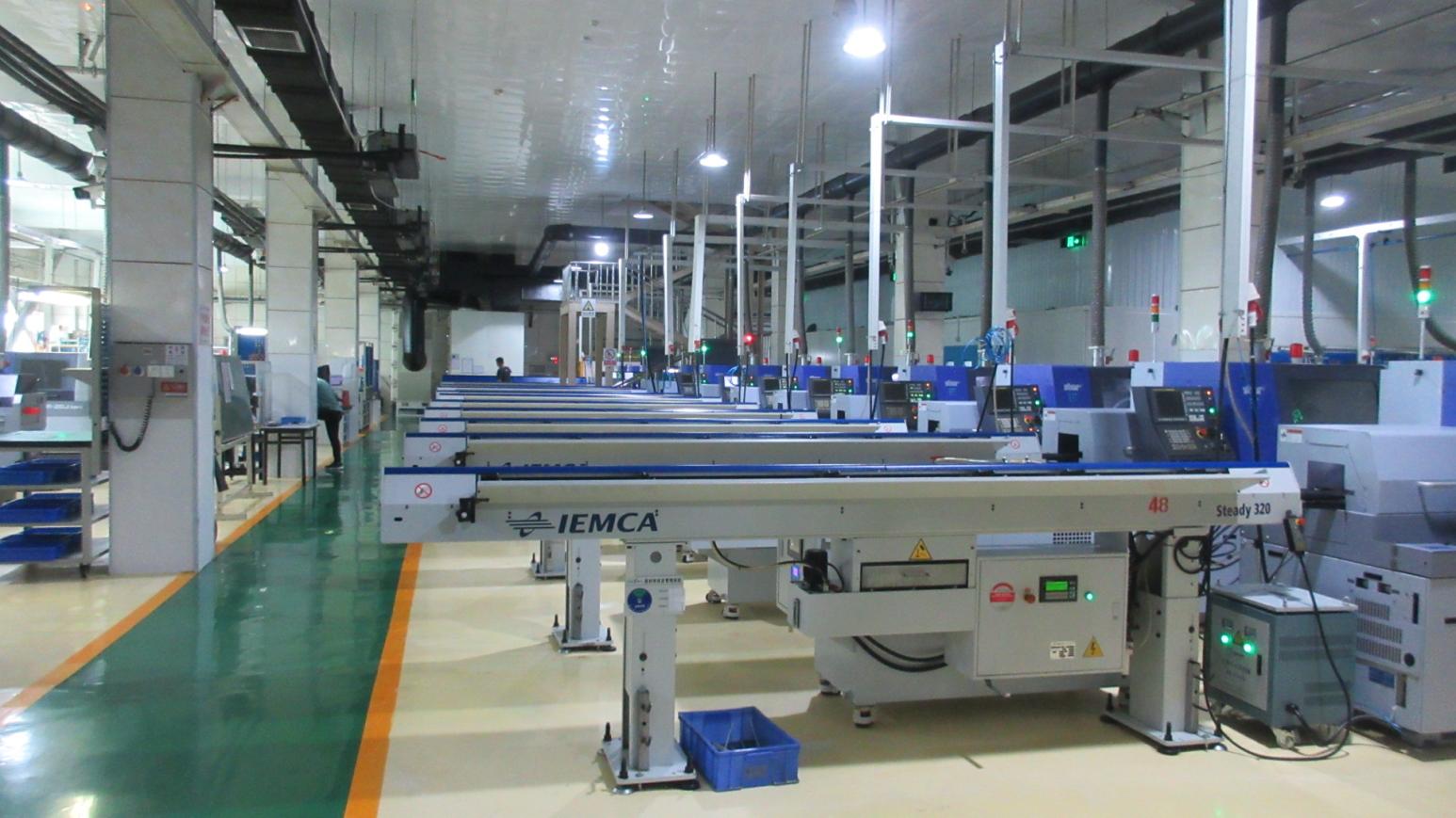
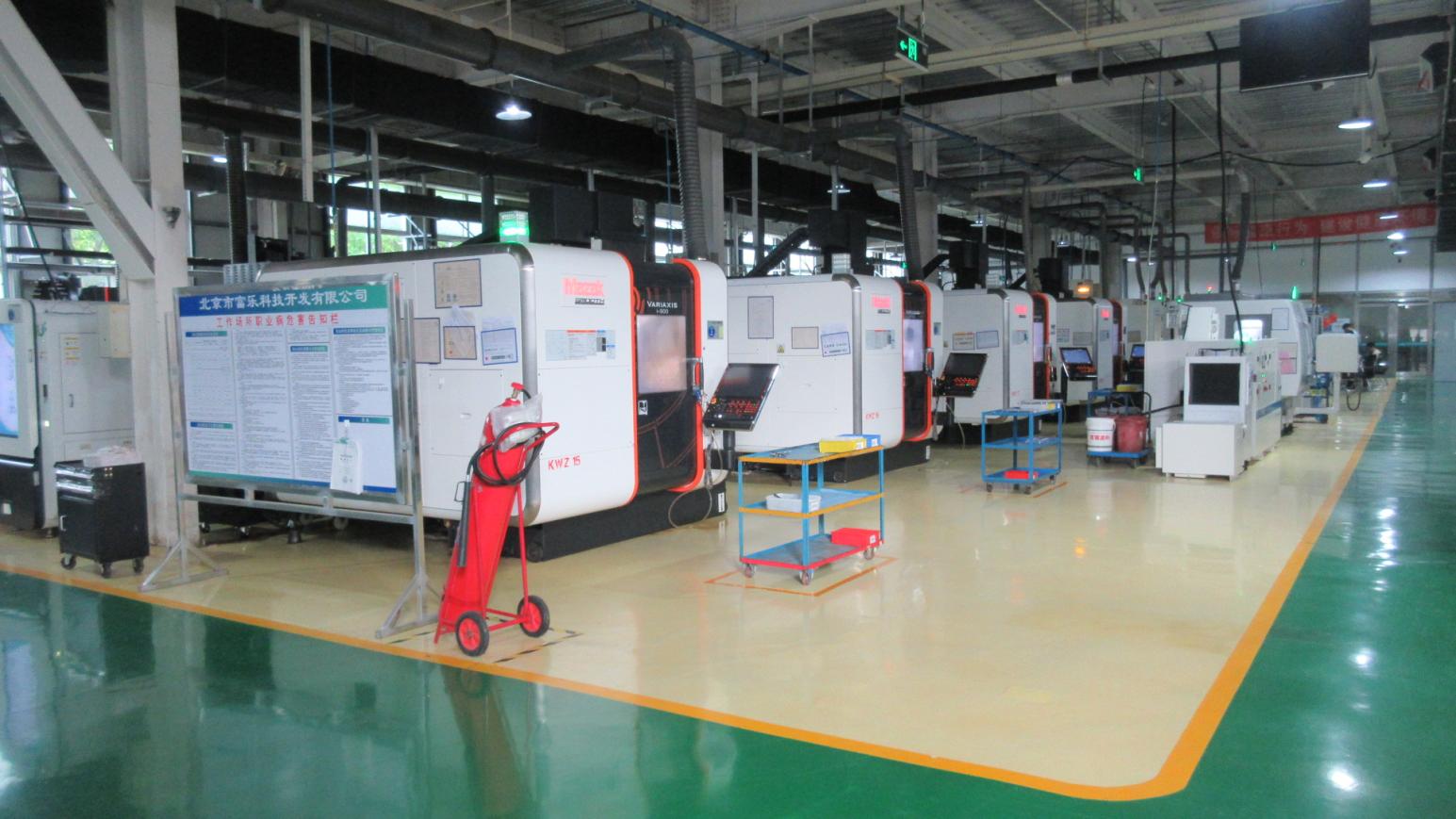
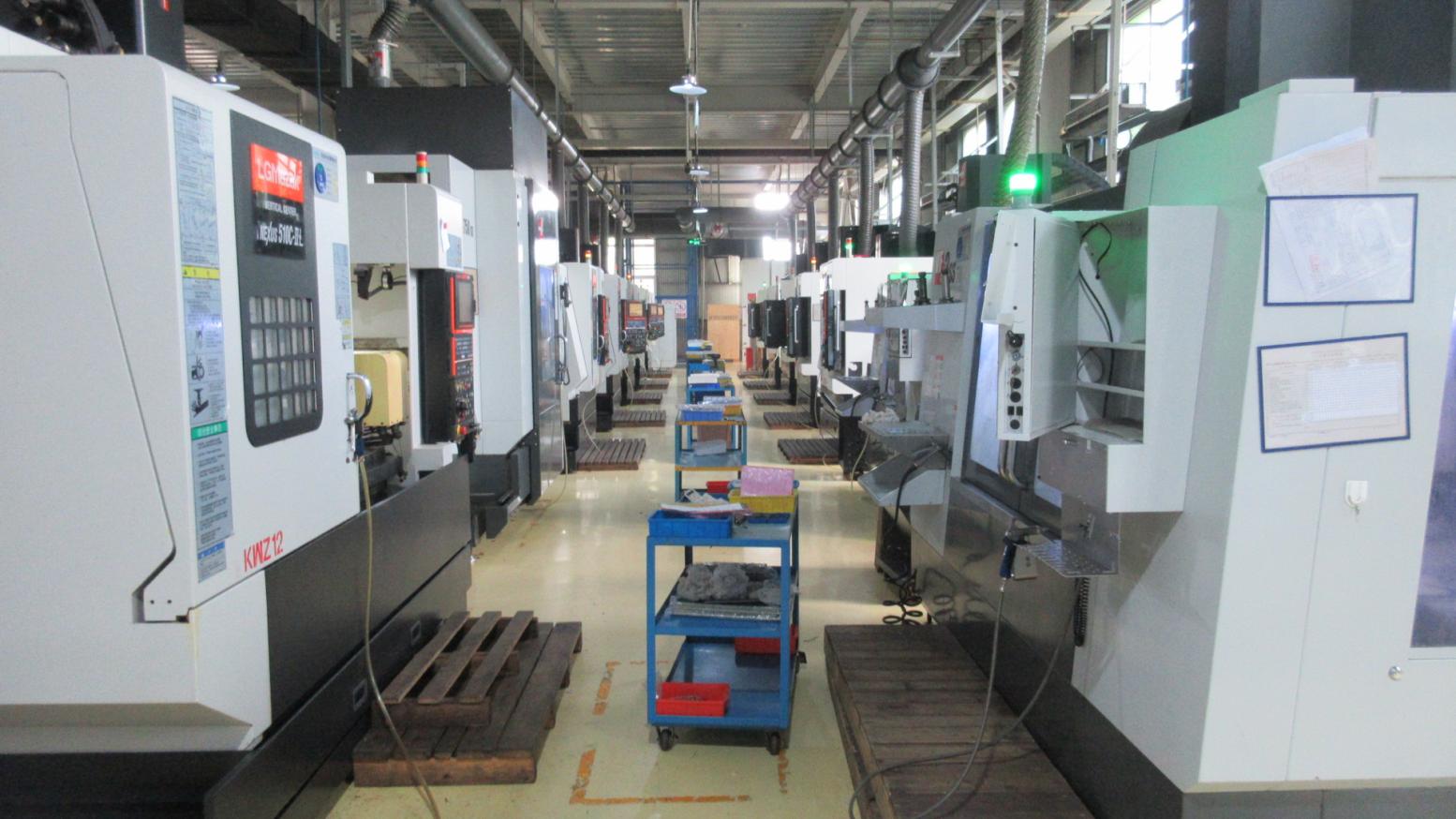
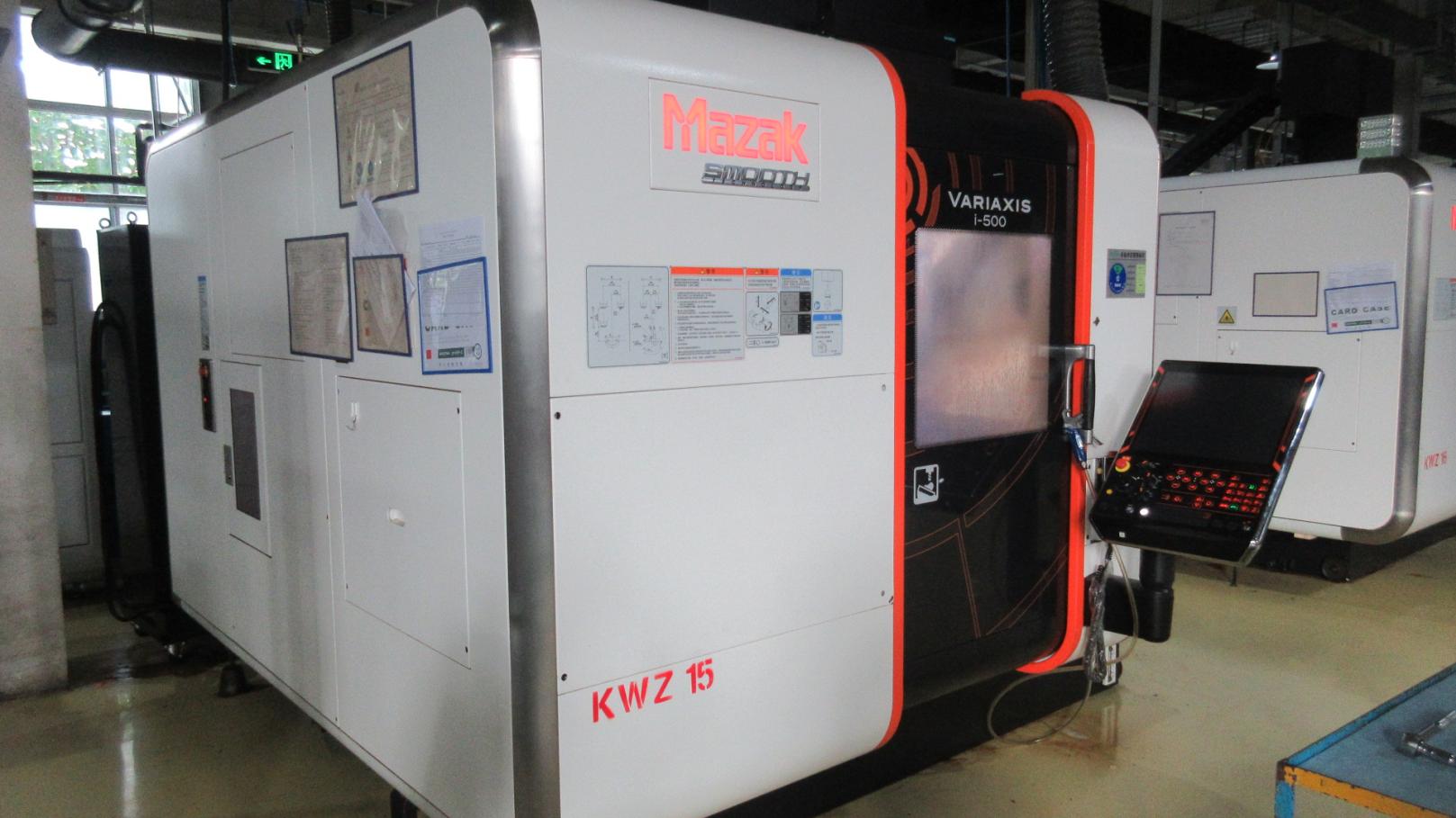
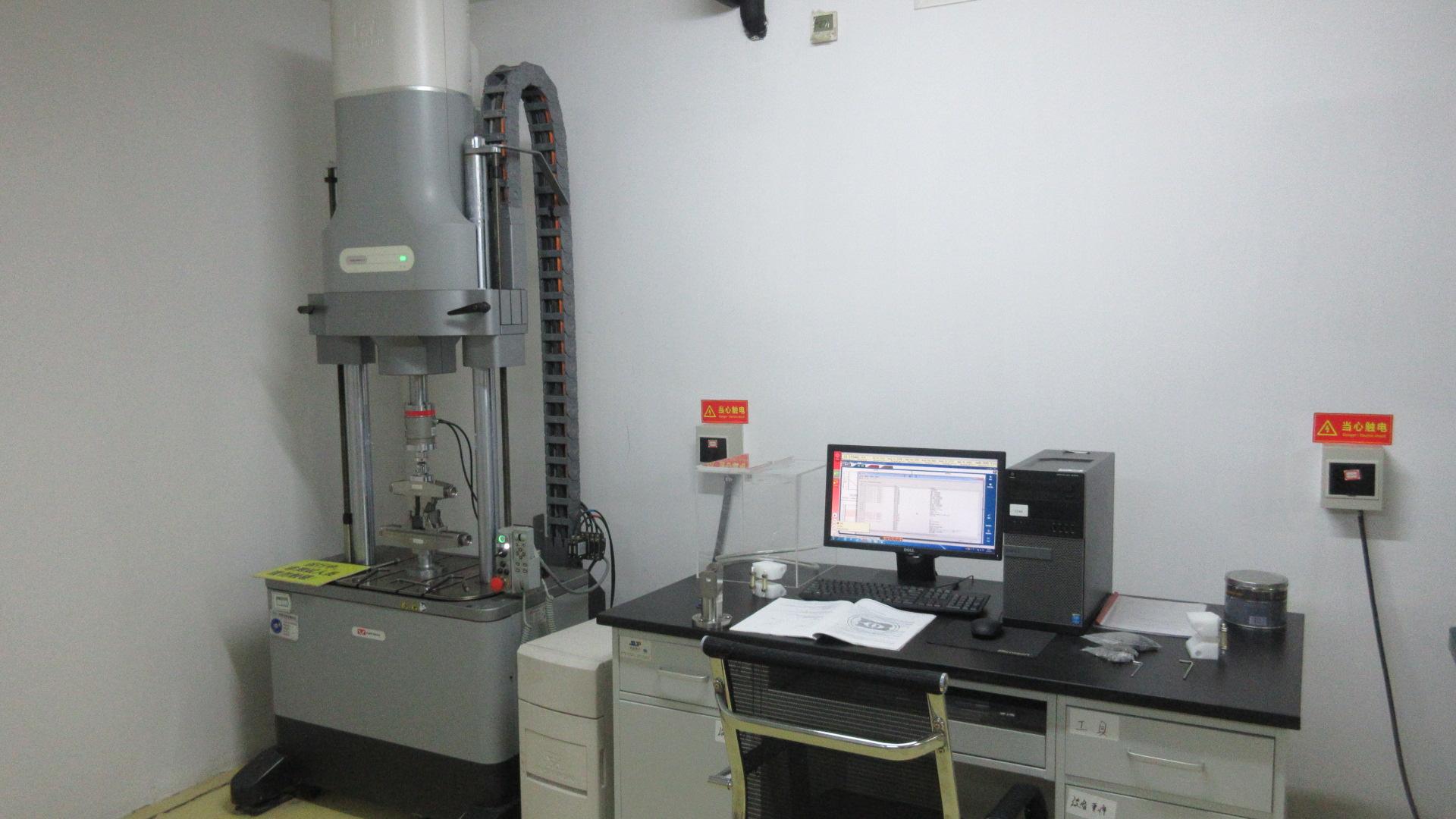
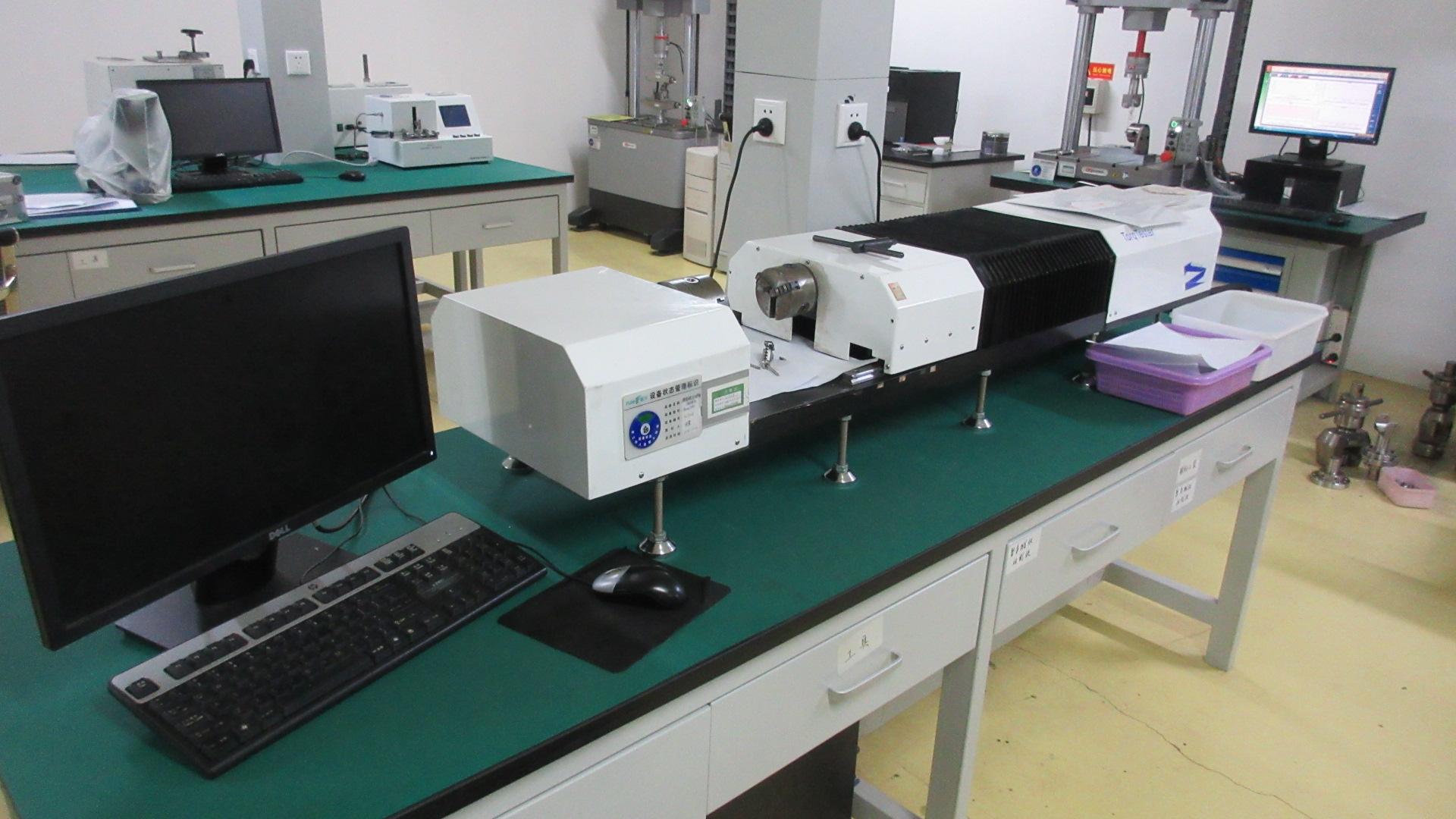
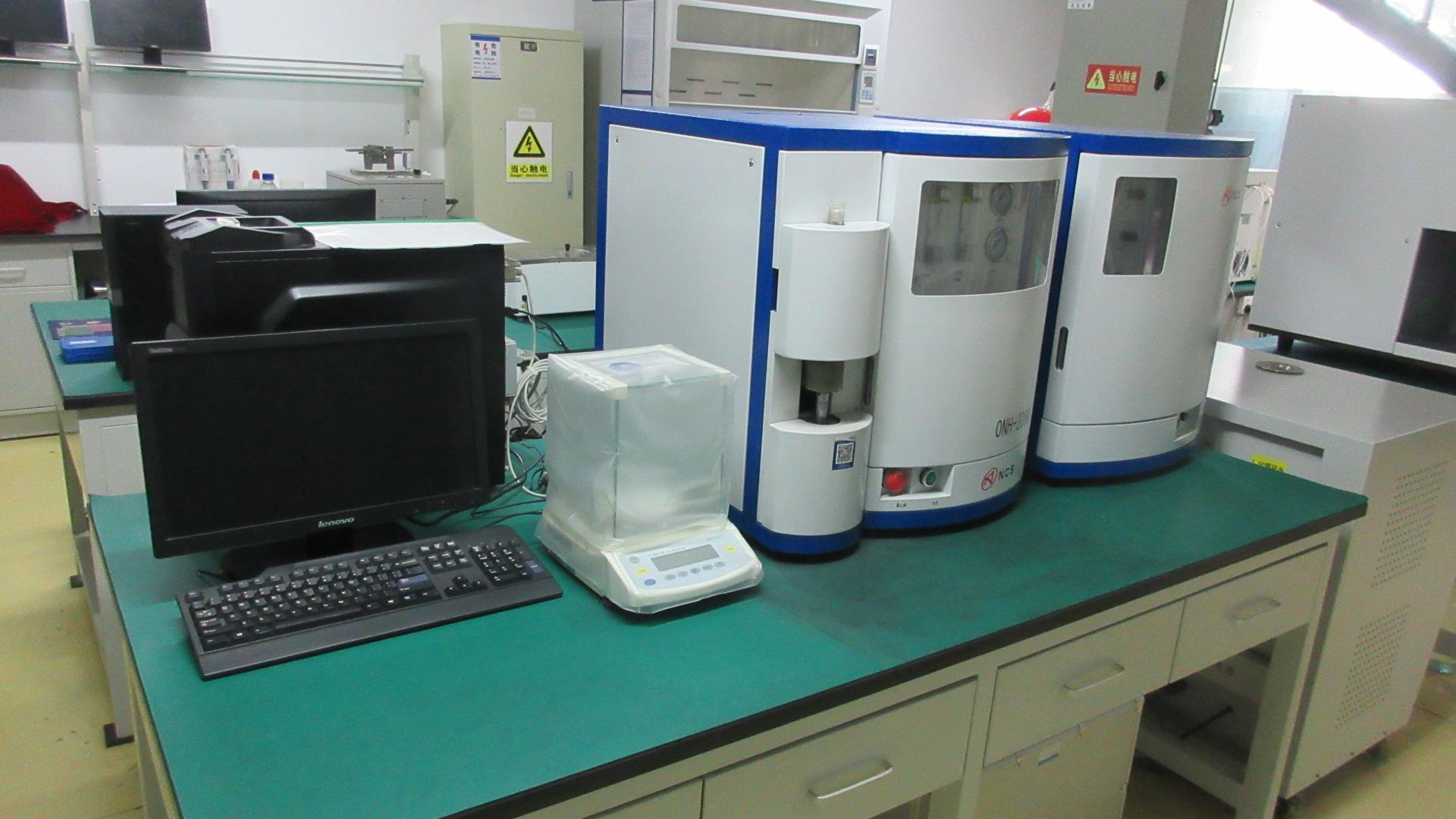
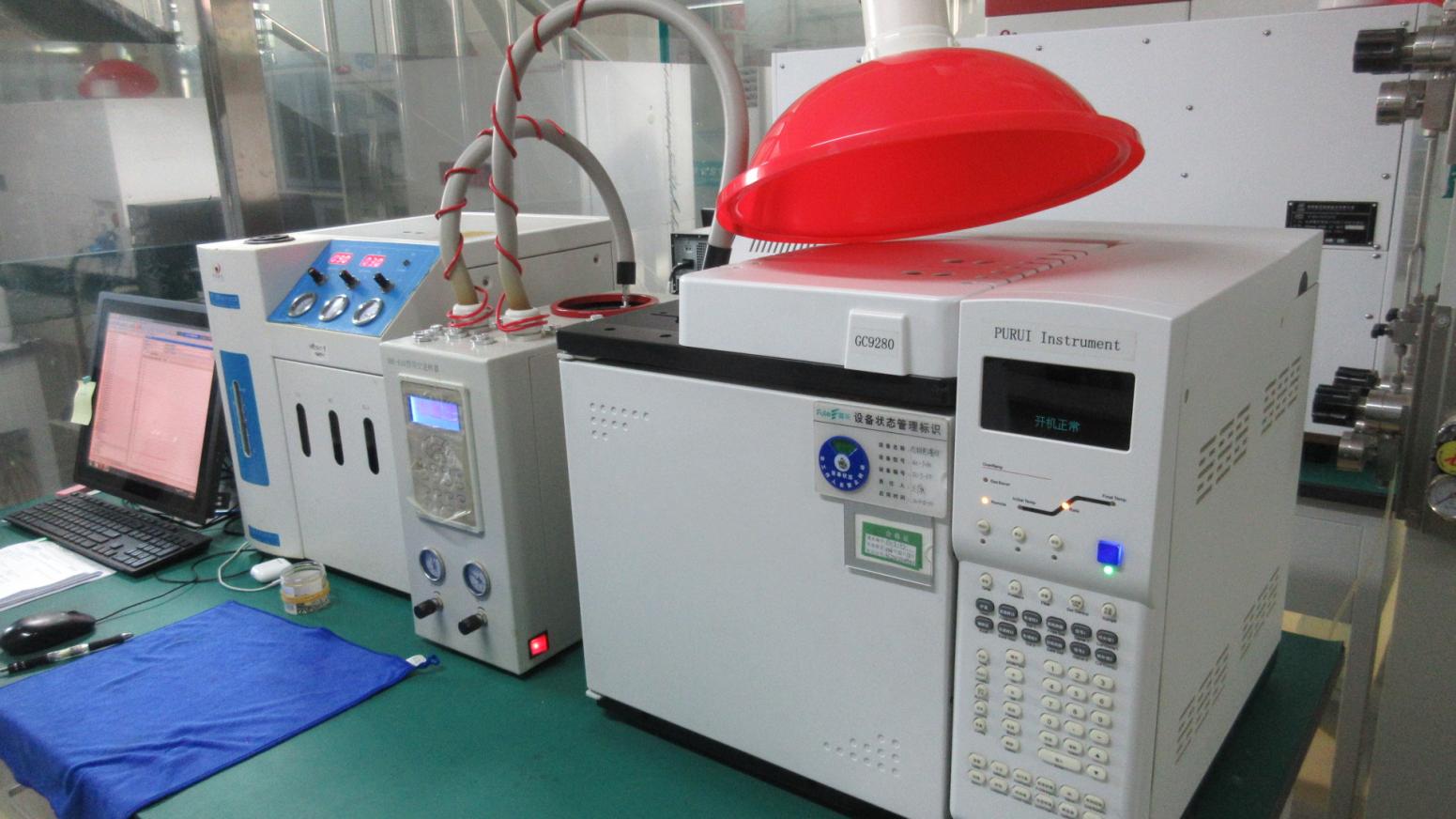
Our manufacturing facility leverages Industry 4.0 automation, combining high-speed multi-axis CNC machine centers with computer-aided inspection systems to secure precision tolerances down to the micrometer level. This extreme precision ensures that screw threads, plates, and locking mechanisms lock perfectly during surgery, preventing construct failure and saving valuable time in the operating room.
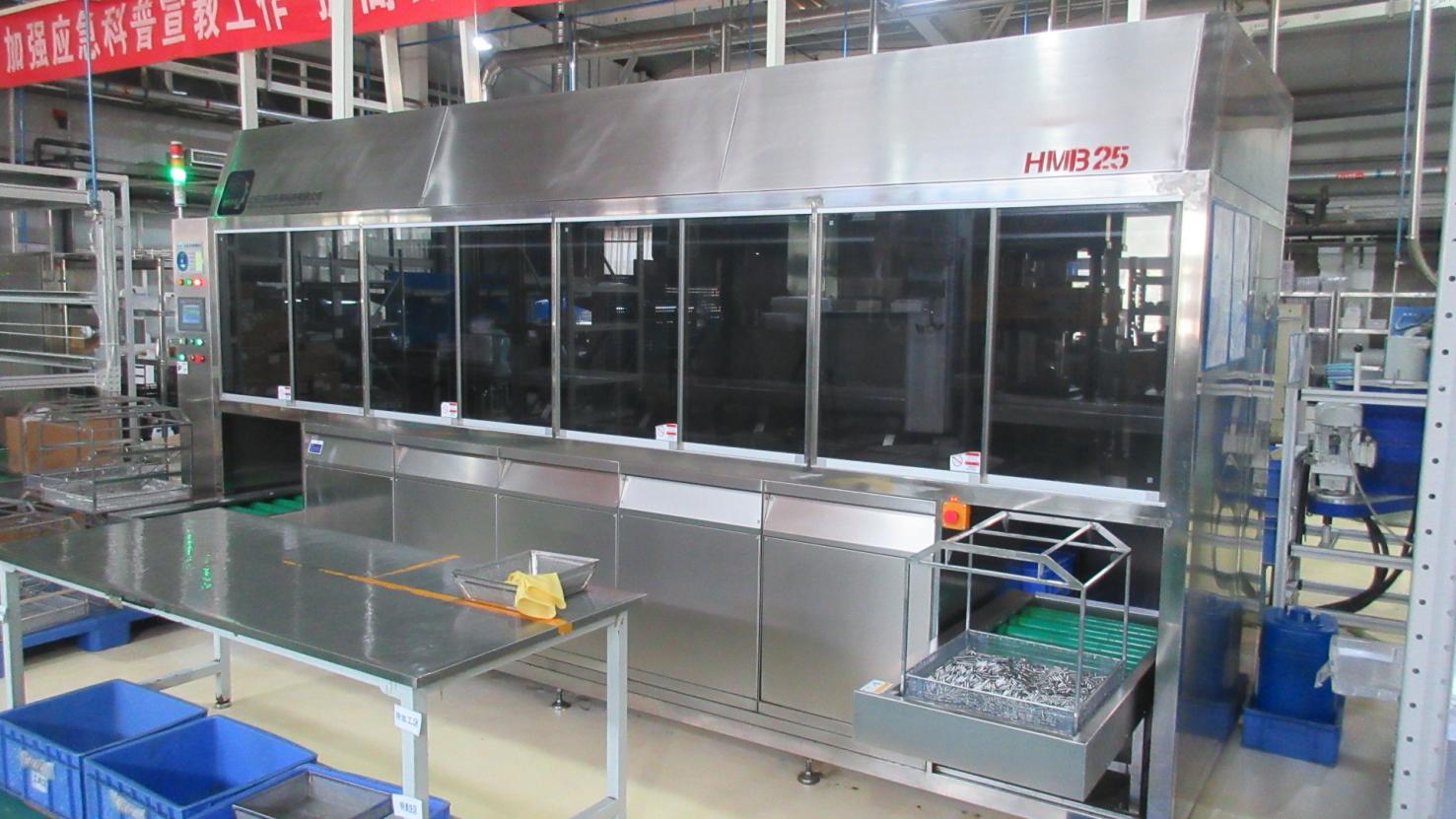
For South Korean importers, partnering with our vertically integrated factory minimizes supply chain risks. We control every stage of production: raw material sourcing (complying strictly with ASTM F136 titanium standards), precision machining, ultrasonic cleaning, class-10,000 cleanroom packaging, and sterilization. This eliminates reliance on third-party processors, guaranteeing stable lead times, robust pricing models, and complete traceability from the initial raw ingot to the final sterile implant package.
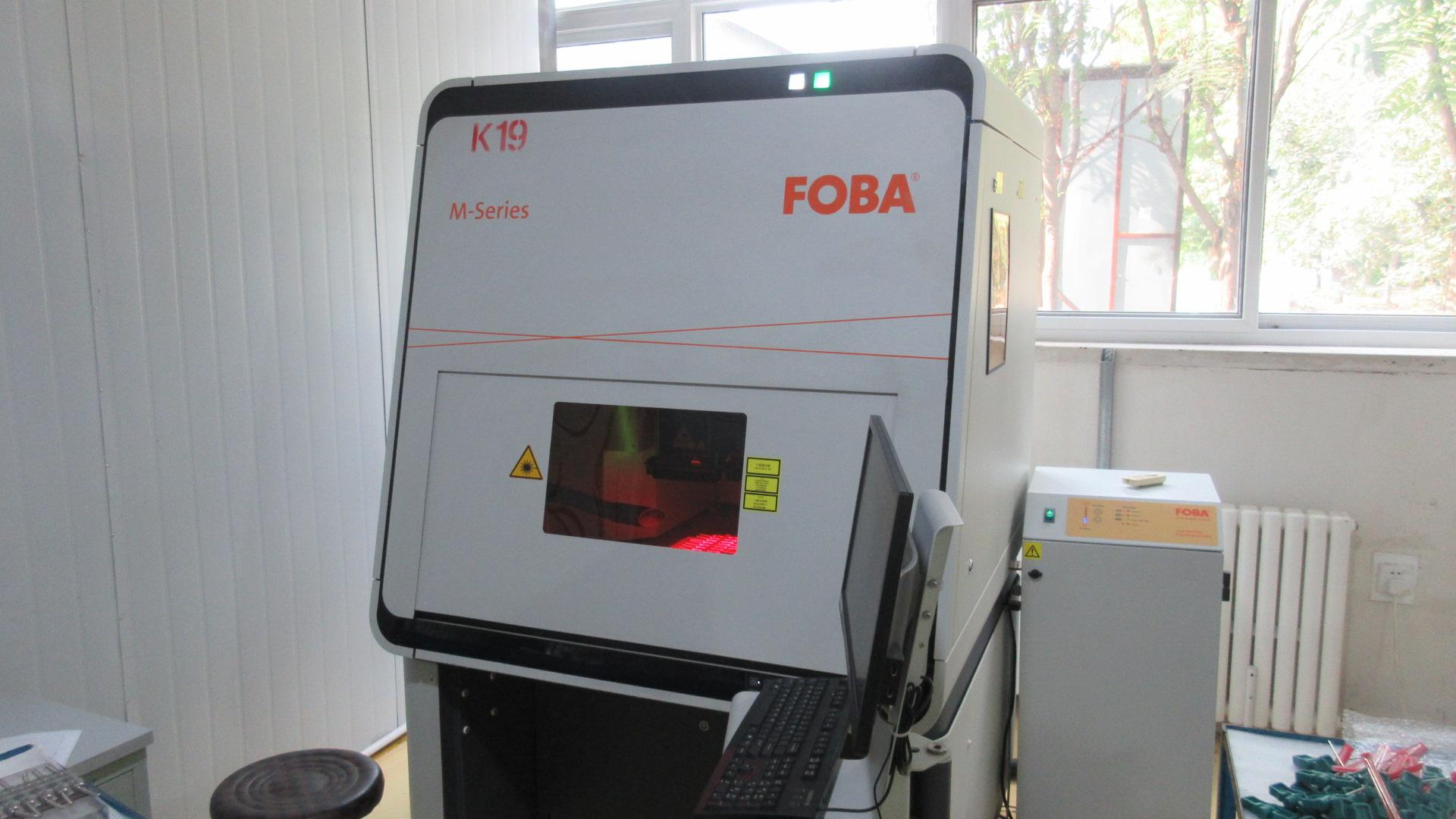
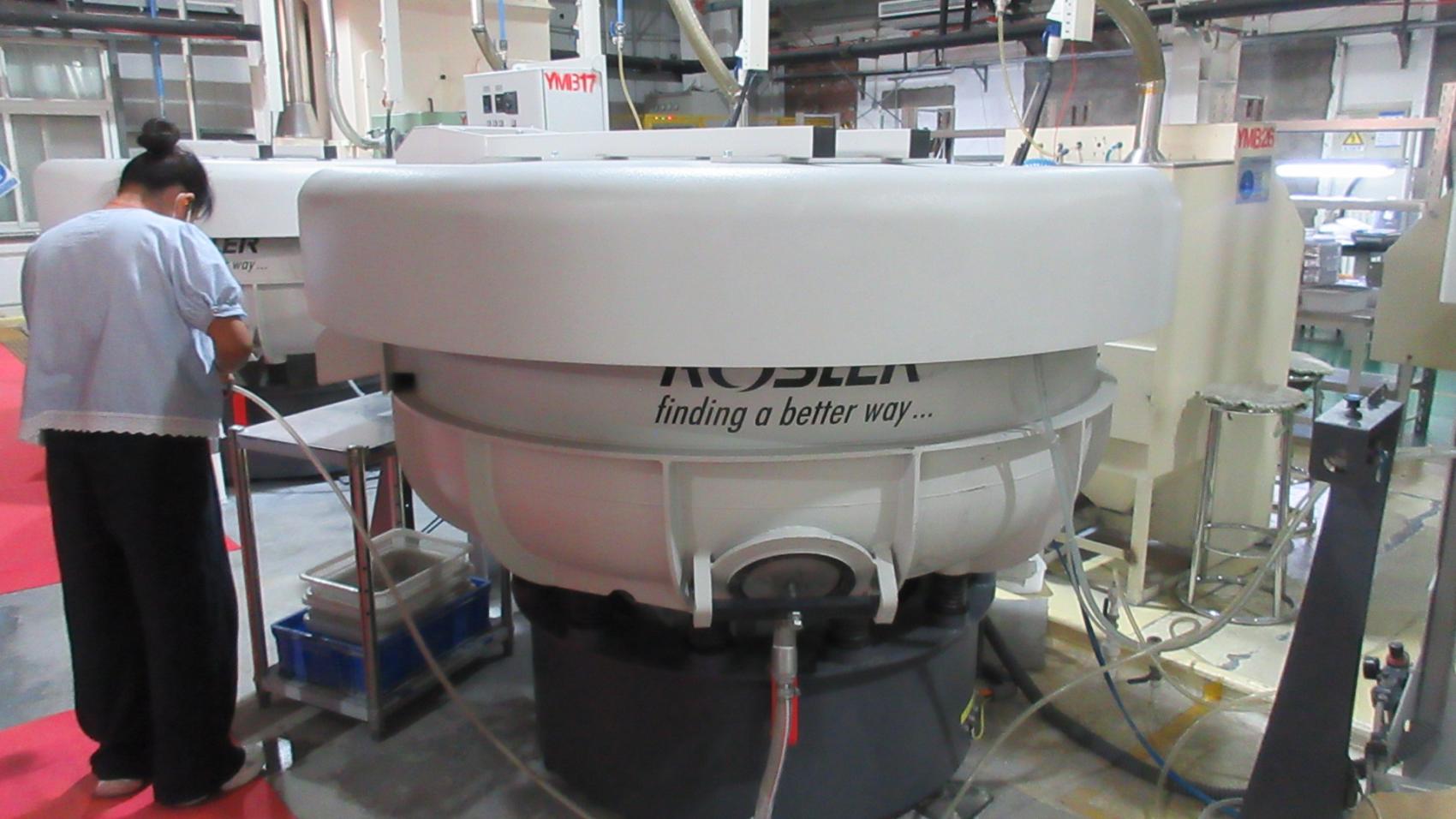
A visual breakdown of our state-of-the-art testing equipment, cleanroom facilities, and advanced production lines.
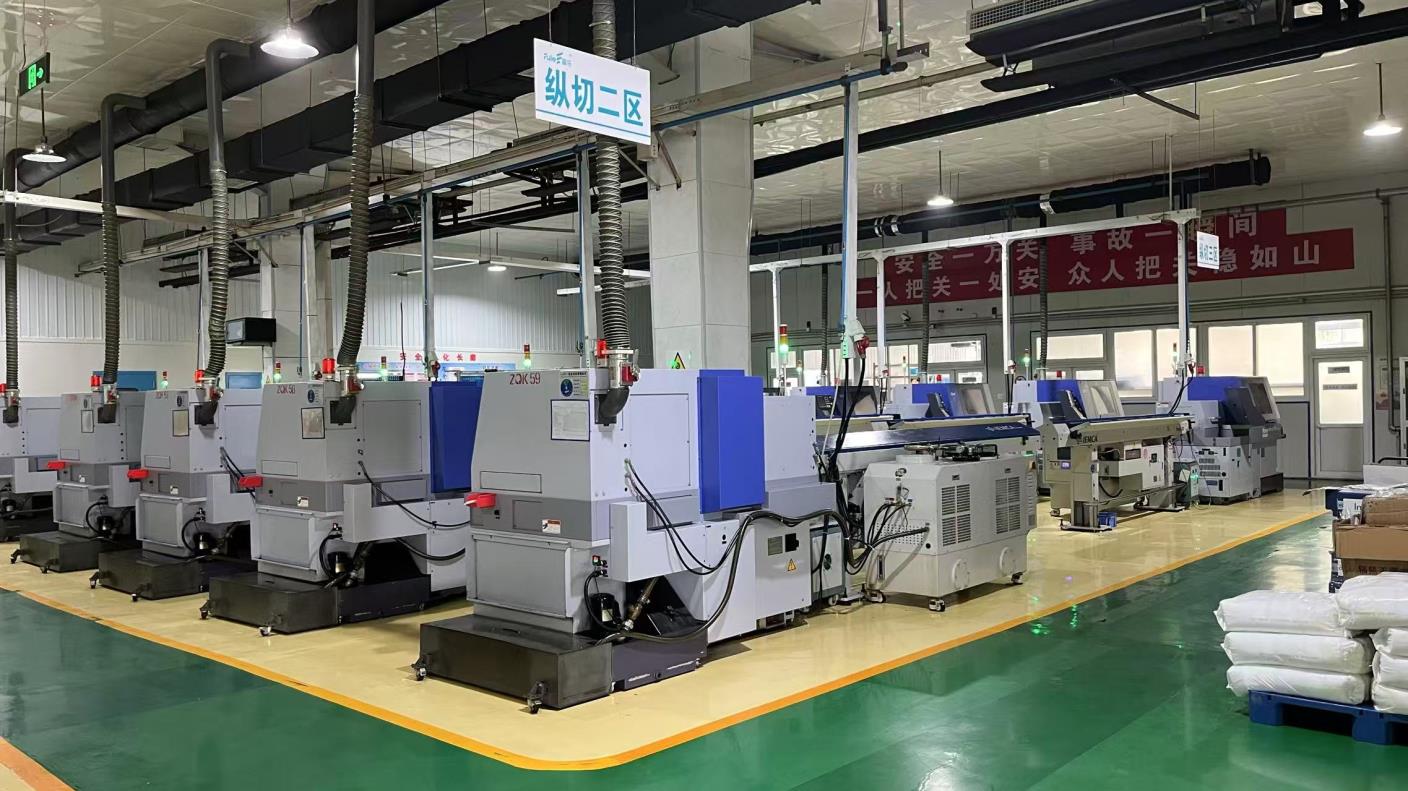
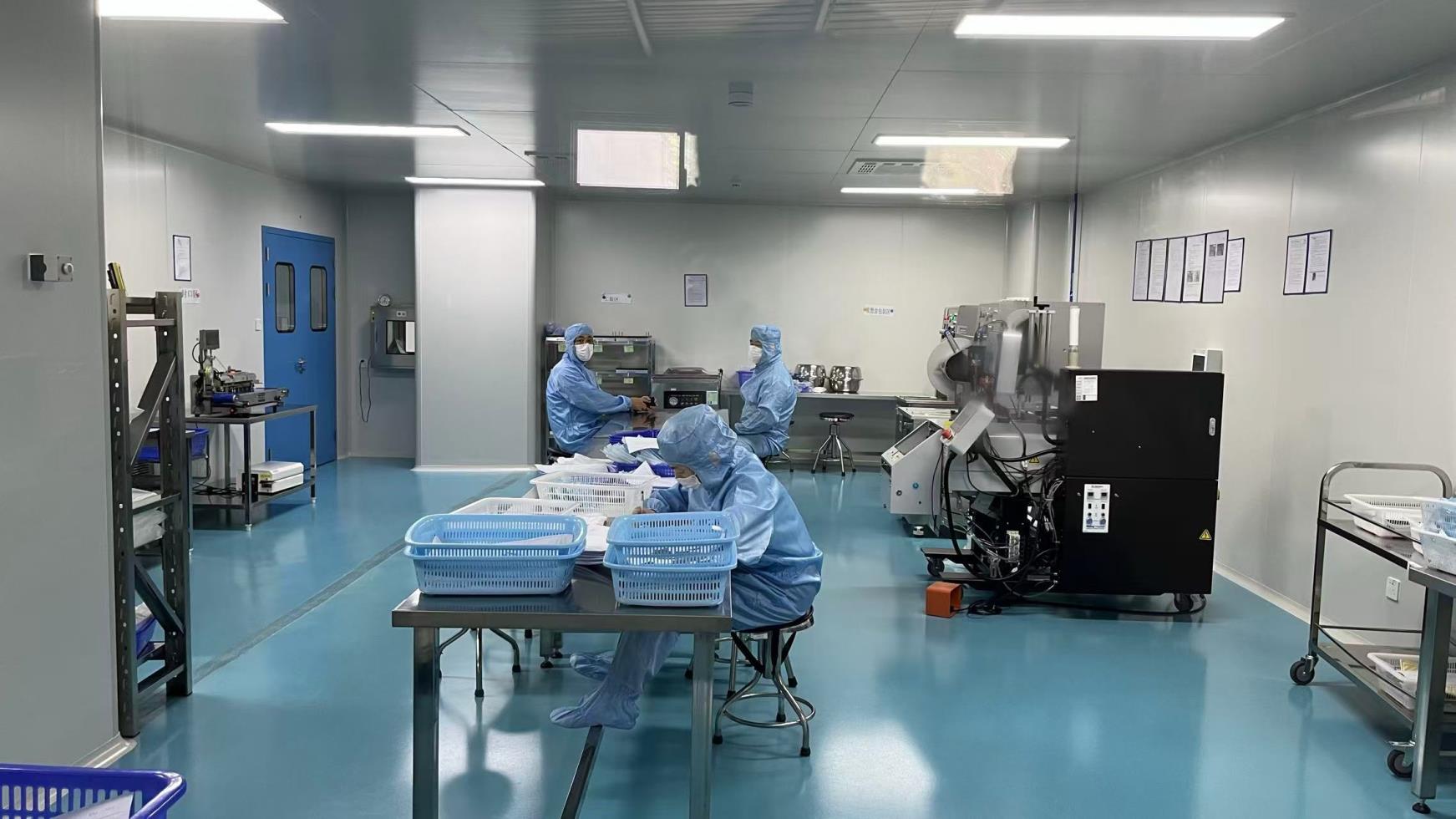
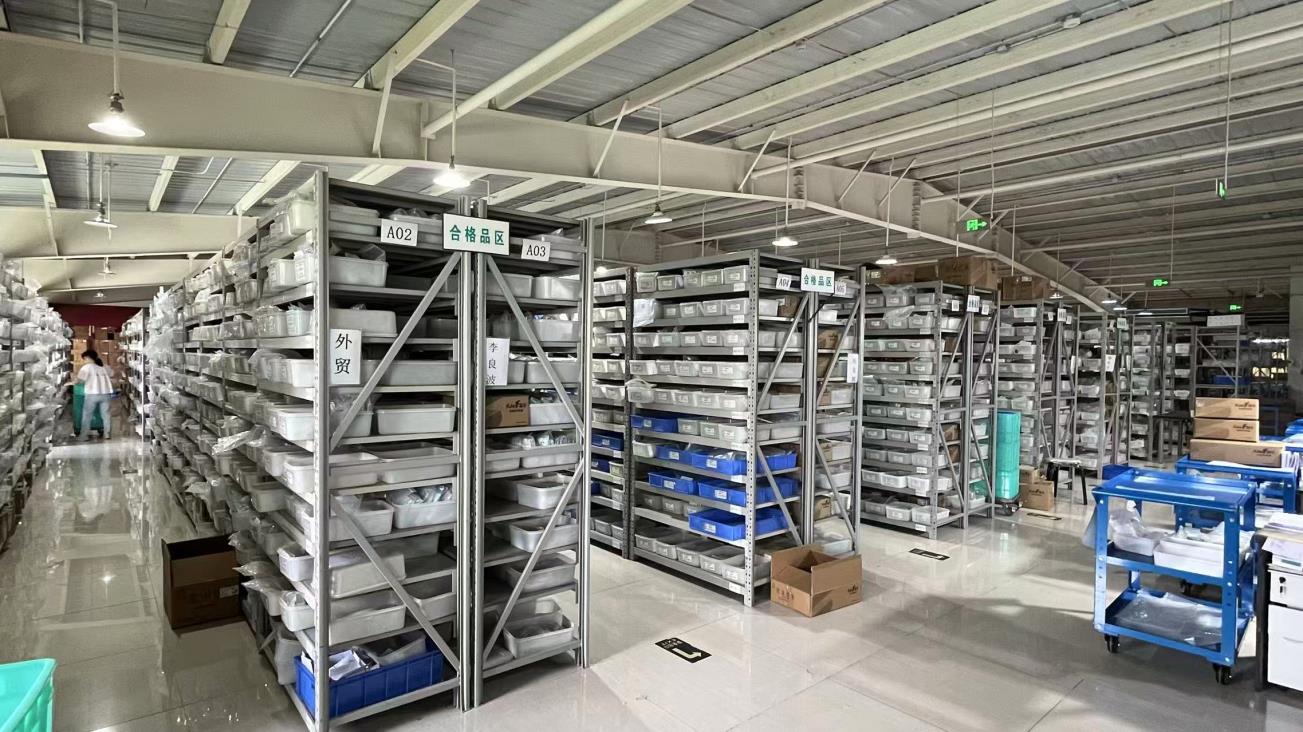
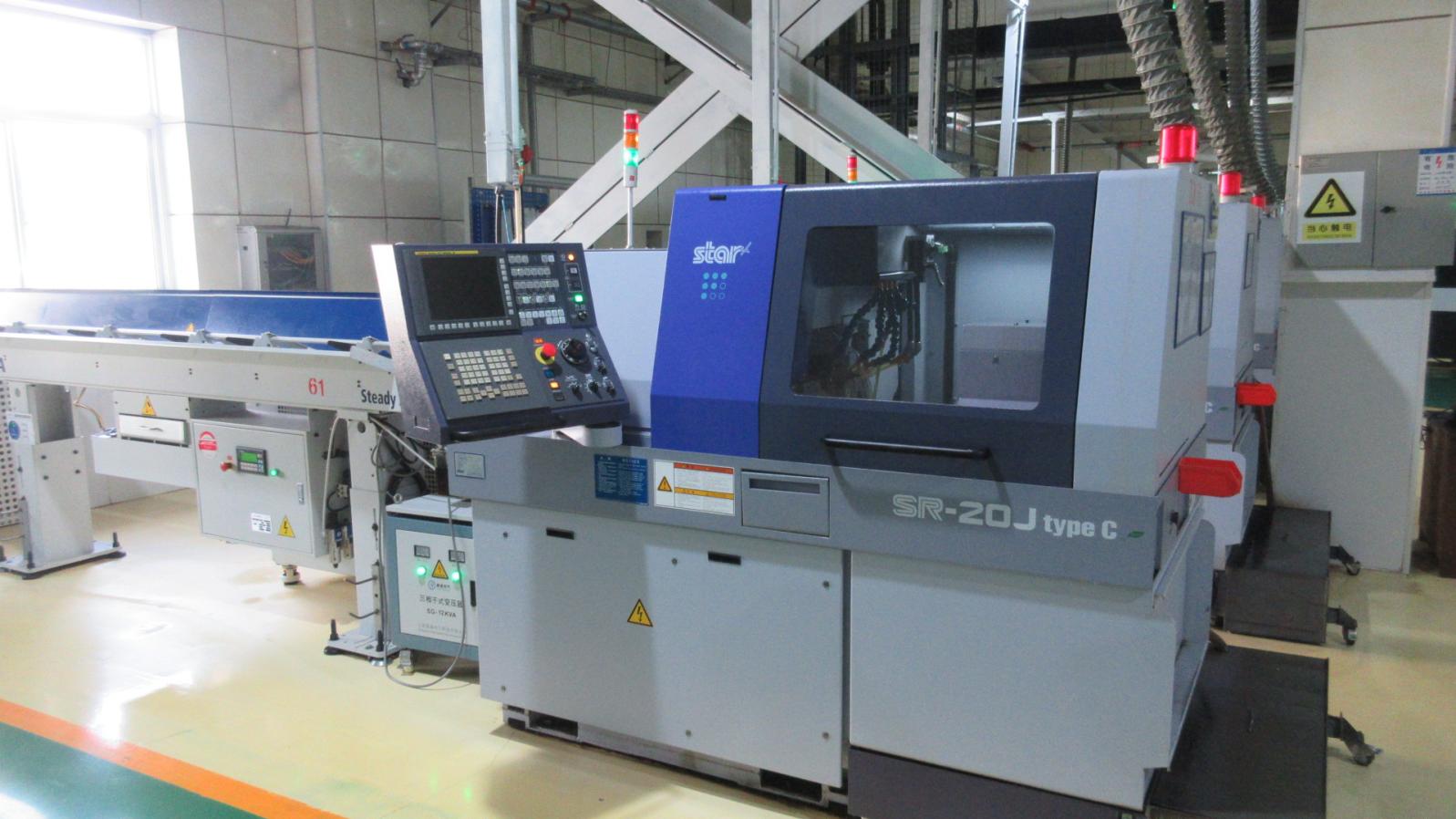
Miko II surgical systems are actively utilized across key medical corridors in South Korea, including tertiary university hospitals and specialized orthopedic clinics in Seoul's Gangnam district and Gyeonggi-do province. The implants are highly regarded for their low physical profile, minimizing soft-tissue disruption—an essential factor for the preferred minimally invasive surgeries in Korea.
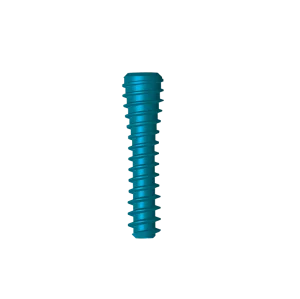
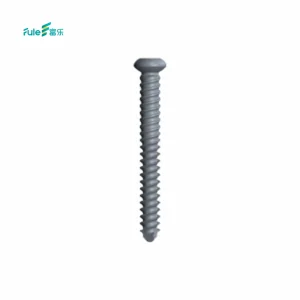
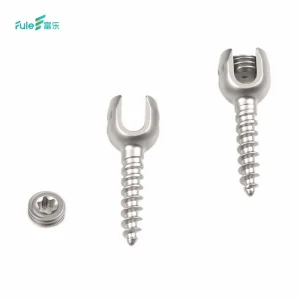
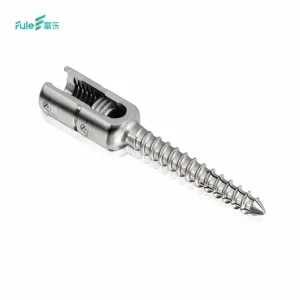
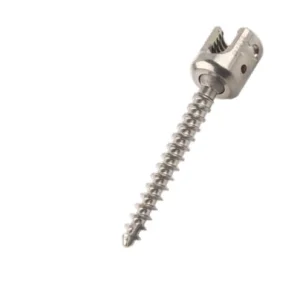
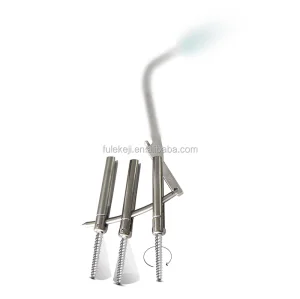
Our spine screw systems are designed with high self-tapping thread designs that optimize purchase in bone, providing solid anchorage even in osteoporotic patients. The compatibility with standard Korean surgical instrumentation sets ensures that surgical staff can transition to using the Miko II product lines with minimal training, easing integration into existing operating room setups.
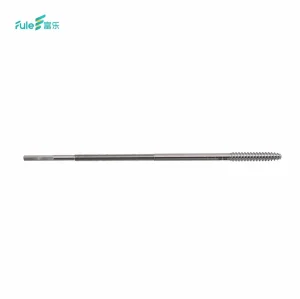
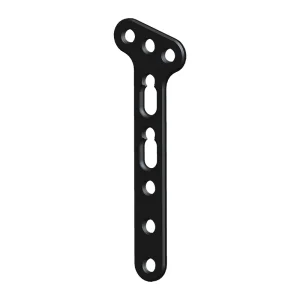
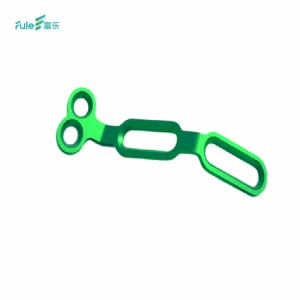
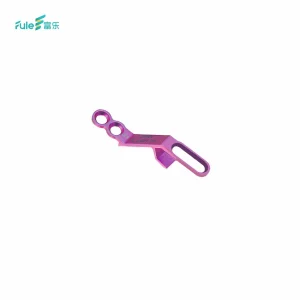
Providing essential trauma plates and structural spine implants designed to stabilize complex fractures and spinal deformities.
Find technical answers on regulatory compliance, production lead times, and customization details for importing to South Korea.
Require detailed KFDA/MFDS registration assistance or raw material certificates?
Contact Our Regulatory Liaison NowClass III certified implants engineered for long-term clinical safety and biomechanical reliability.
 Beren Science & Technology