Explore our top four surgical instrument solutions tailored for Paris orthopedic centers, featuring robust warranty policies and state-of-the-art materials.
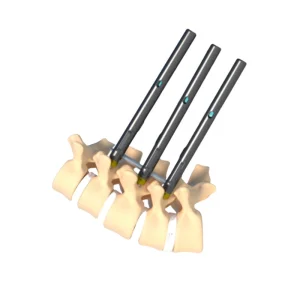
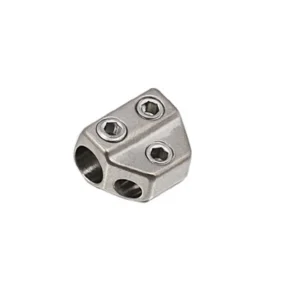
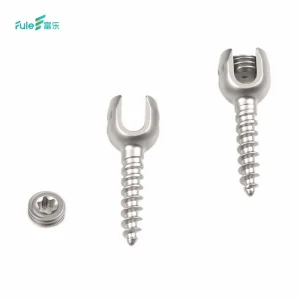
The Paris metropolitan area, anchored by world-renowned academic medical centers like the Assistance Publique – Hôpitaux de Paris (AP-HP), sits at the absolute forefront of European spinal innovation. The clinical demand within Île-de-France is defined by two converging forces: an aging population requiring complex osteoporotic stabilization interventions and an aggressive clinical drive toward Minimally Invasive Spine Surgery (MISS).
As a leading supplier and exporter of the Miko II and associated titanium spine systems, we meet this high-standard clinical environment by supplying Class III medical devices designed to shorten operating times and lower surgical complication rates. Parisian spine specialists expect instruments that integrate seamlessly with digital radiography, intraoperative CT scanning, and navigation systems. Our pedicle screw and fixation configurations are engineered precisely for these high-fidelity environments.
Surgical procurement processes within French public hospital buying groups (e.g., UniHA, Resah) necessitate strict alignment with local healthcare policies:
Our engineering approach bridges the gap between raw metallurgy and clinical mechanics, establishing a reliable baseline for long-term patient outcomes.
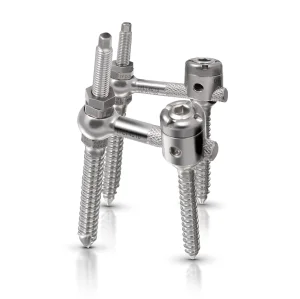
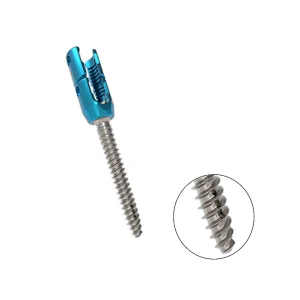
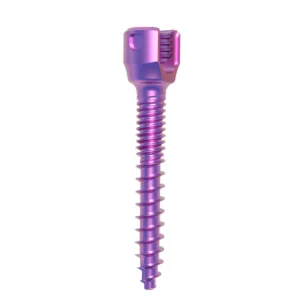
Our polyaxial screws feature a wide-angle articulation mechanism, facilitating easy rod approximation even in severe scoliotic and traumatic deformities, minimizing mechanical stress on the construct interface.
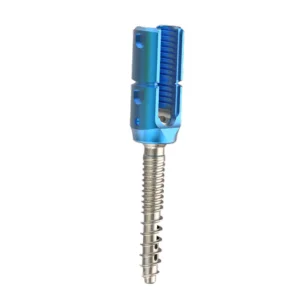
Specially engineered for osteoporotic patients in the Île-de-France region, our bone cement pedicle screws allow targeted polymethyl methacrylate (PMMA) injection through the screw body, improving pull-out strength in compromised trabecular bone.
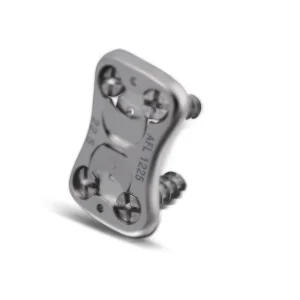
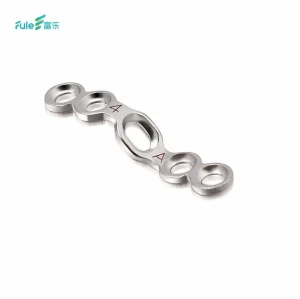
By optimizing implant volume, the Miko II and related spinal fixation plates reduce hardware irritation to adjacent muscle tissues, supporting early postoperative mobility protocols.
Engineered for patient-specific anatomical requirements, these systems guarantee stability and growth-accommodating performance.
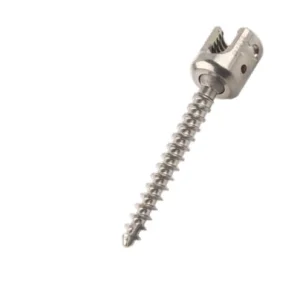
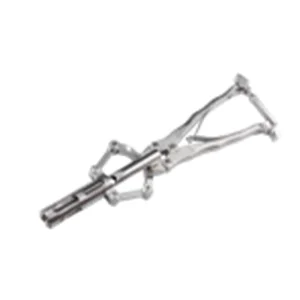
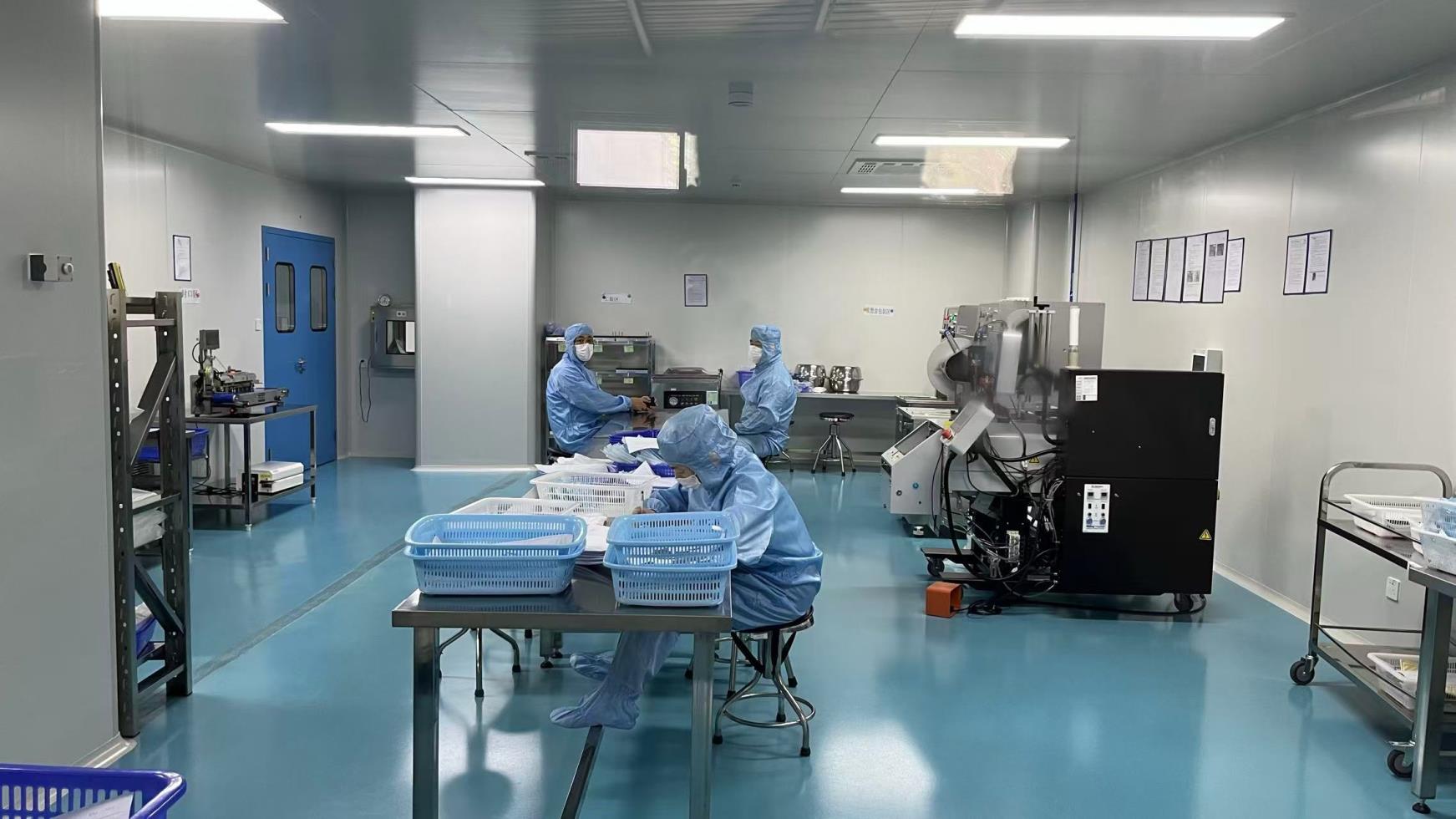
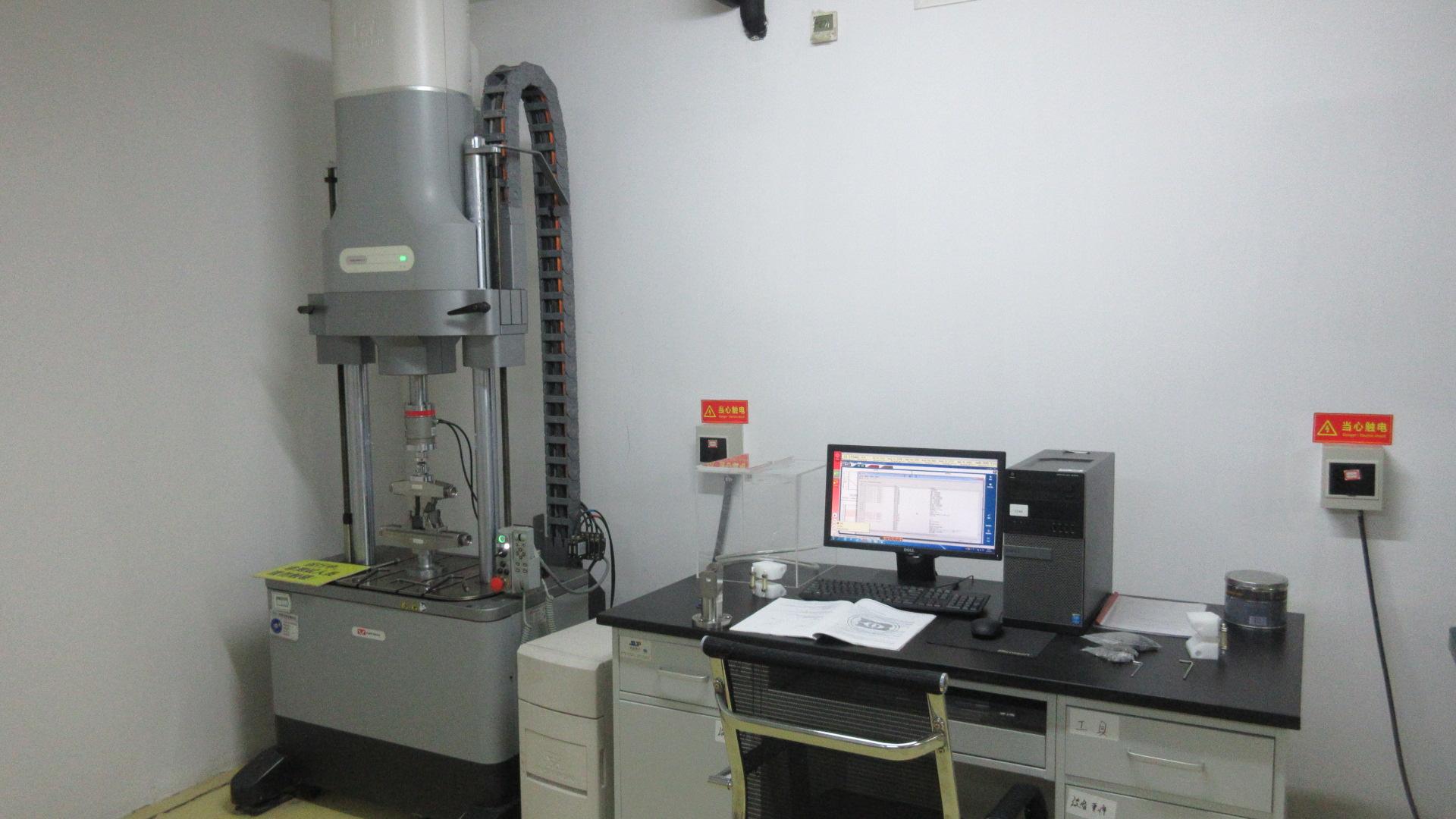
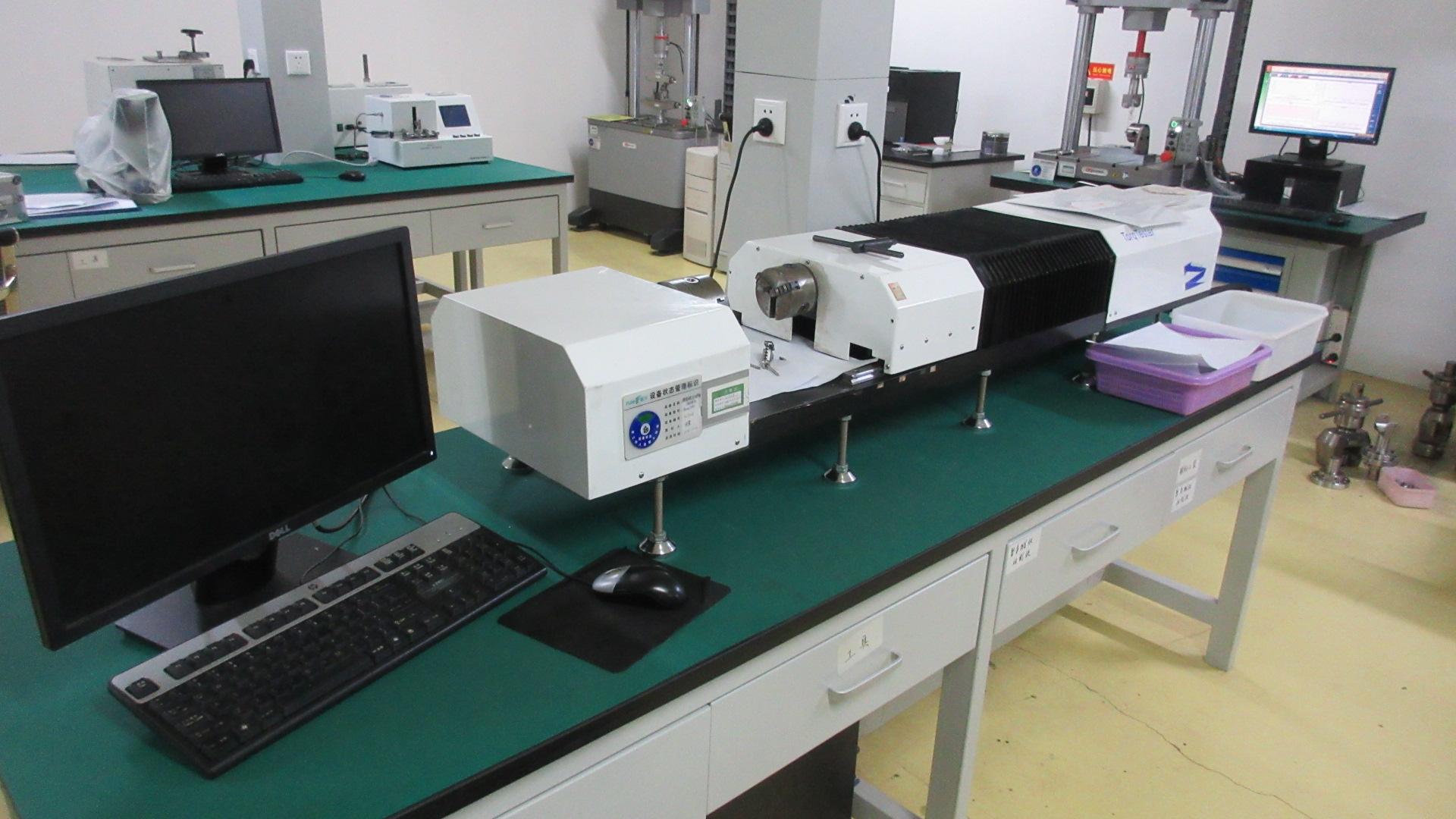
Our commitment to exporting surgical solutions is backed by mature quality management frameworks. We ensure all medical devices meet or exceed ISO 13485 standards. Our products go through 100% inspection processes, overseen by a dedicated team of quality assurance specialists.
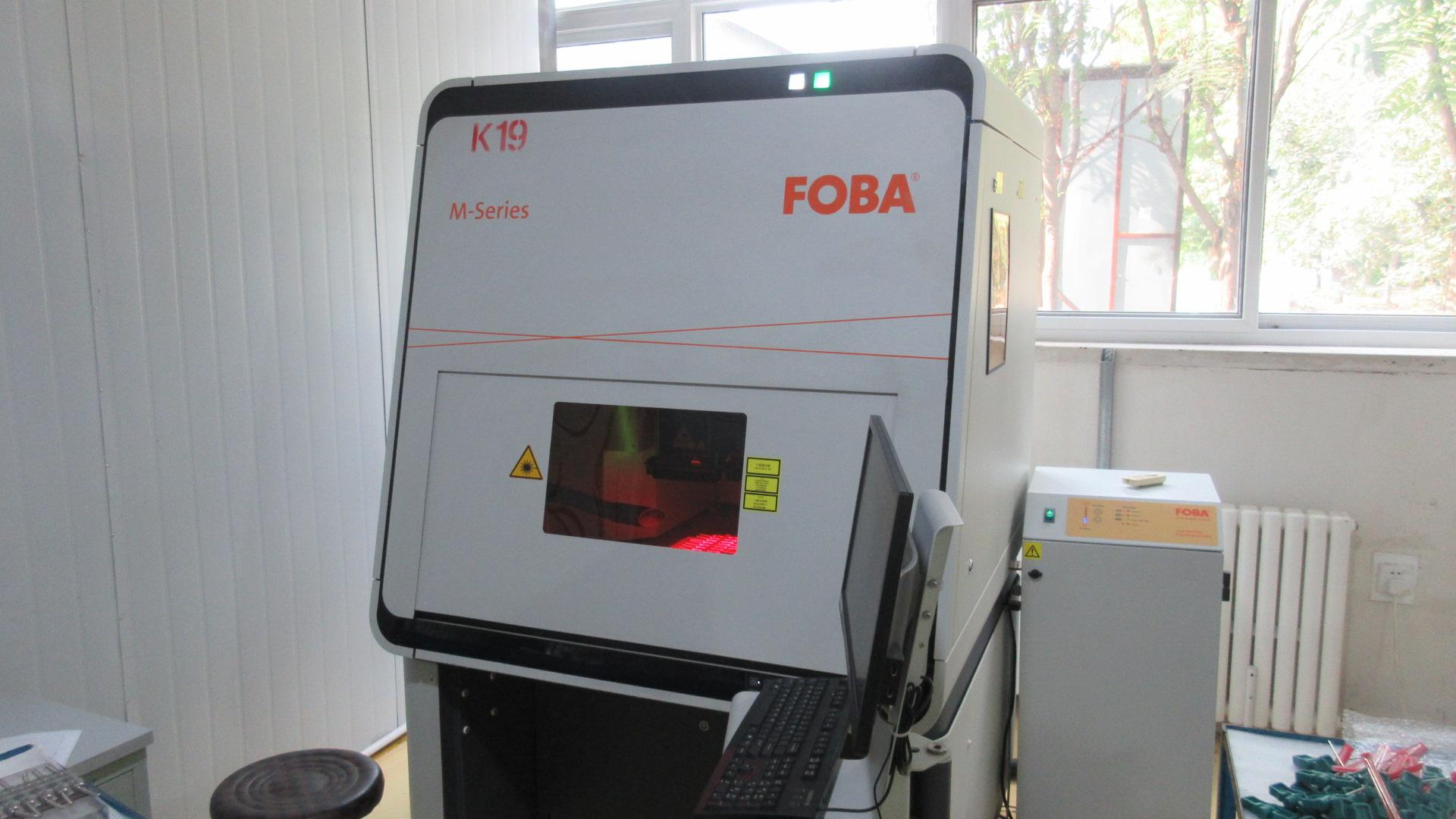
For the Paris and greater European markets, raw material traceability is vital. Every single titanium implant, rod, or instrument kit is etched with unique tracking identifiers, allowing hospitals to follow the device journey from the initial metallurgical batch through manufacturing, sterilization, and final delivery.

Validated tracking of orthopedic screw, plate, and surgical instrument manufacturing processes.
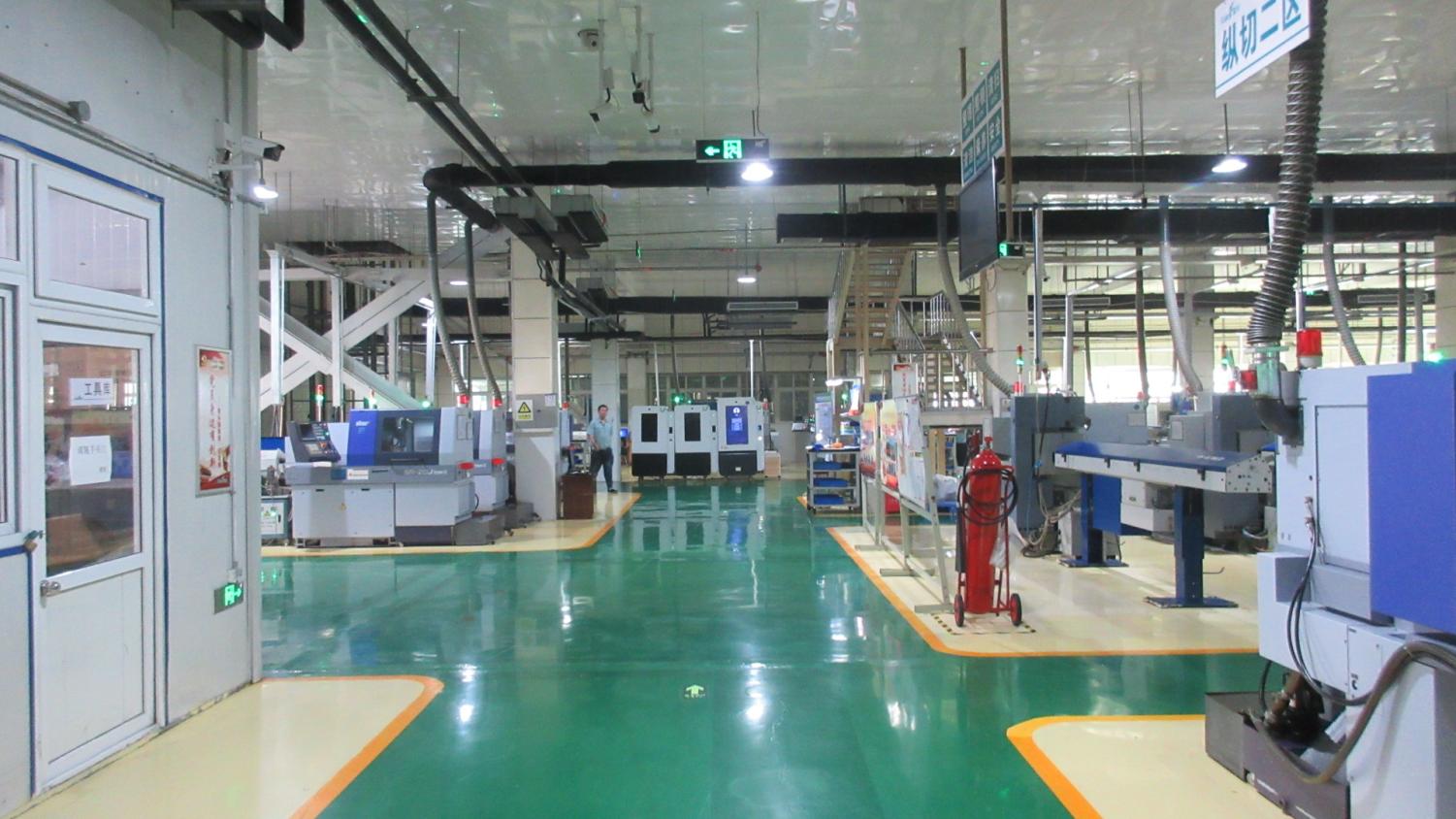
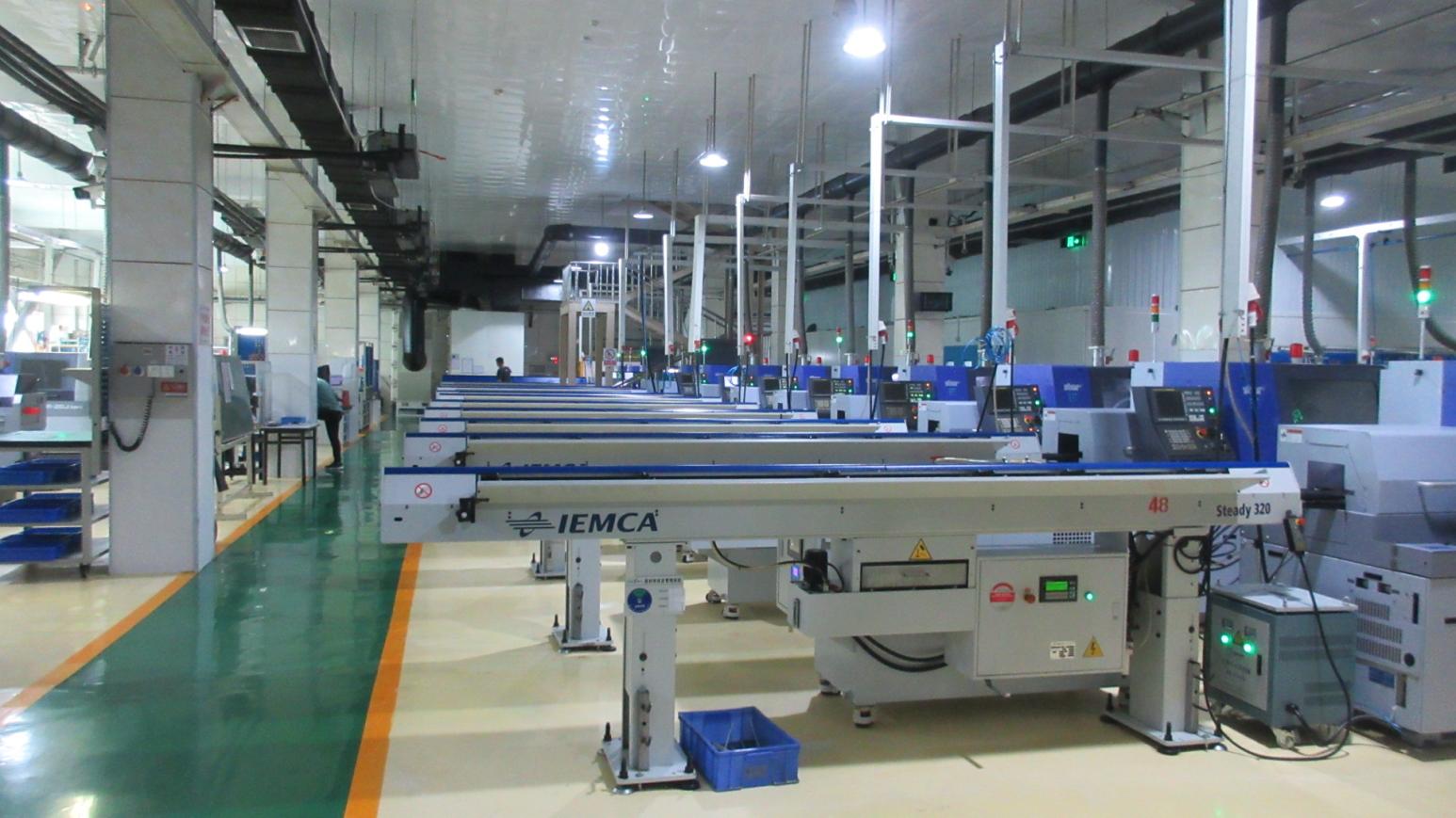
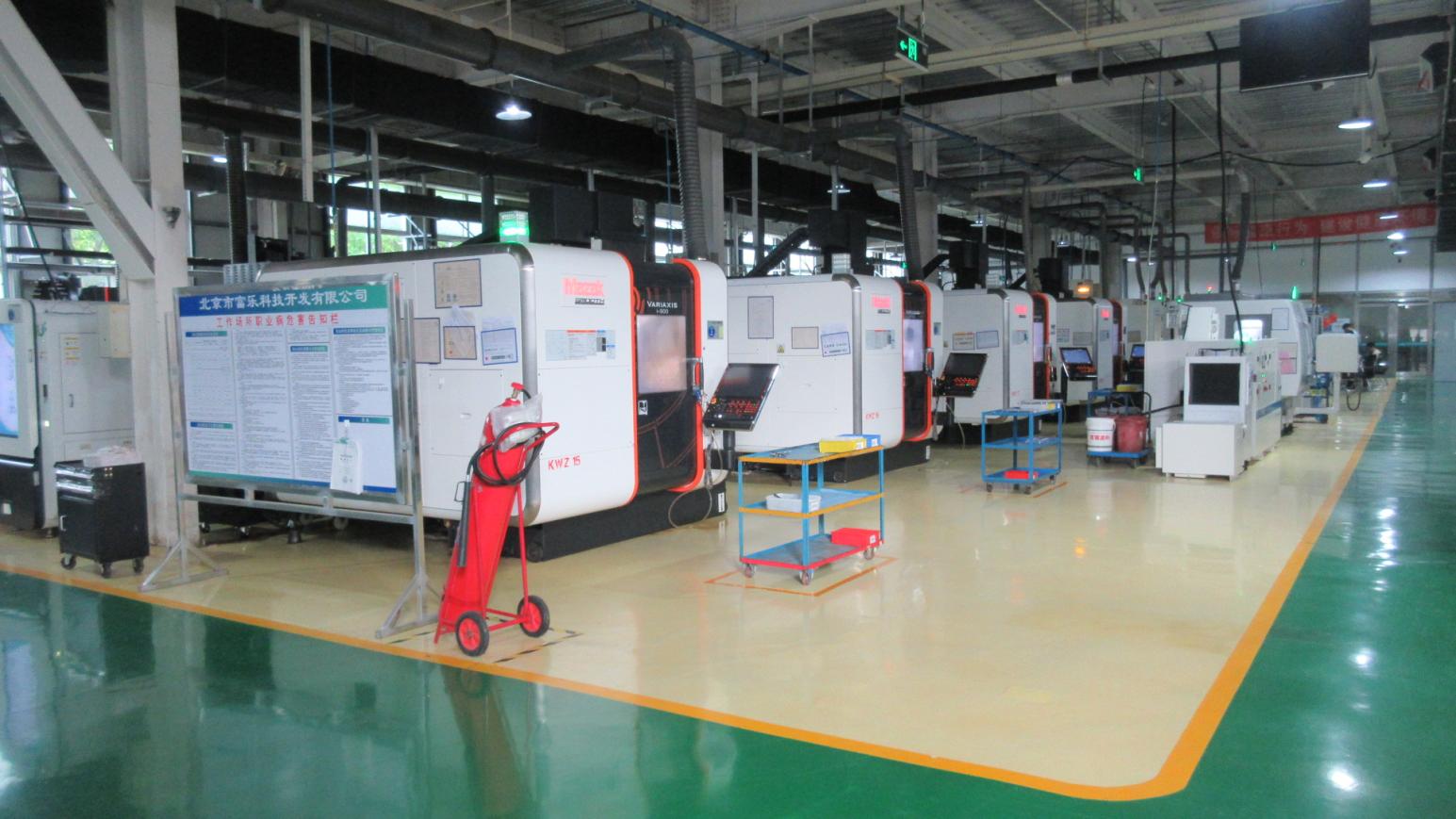
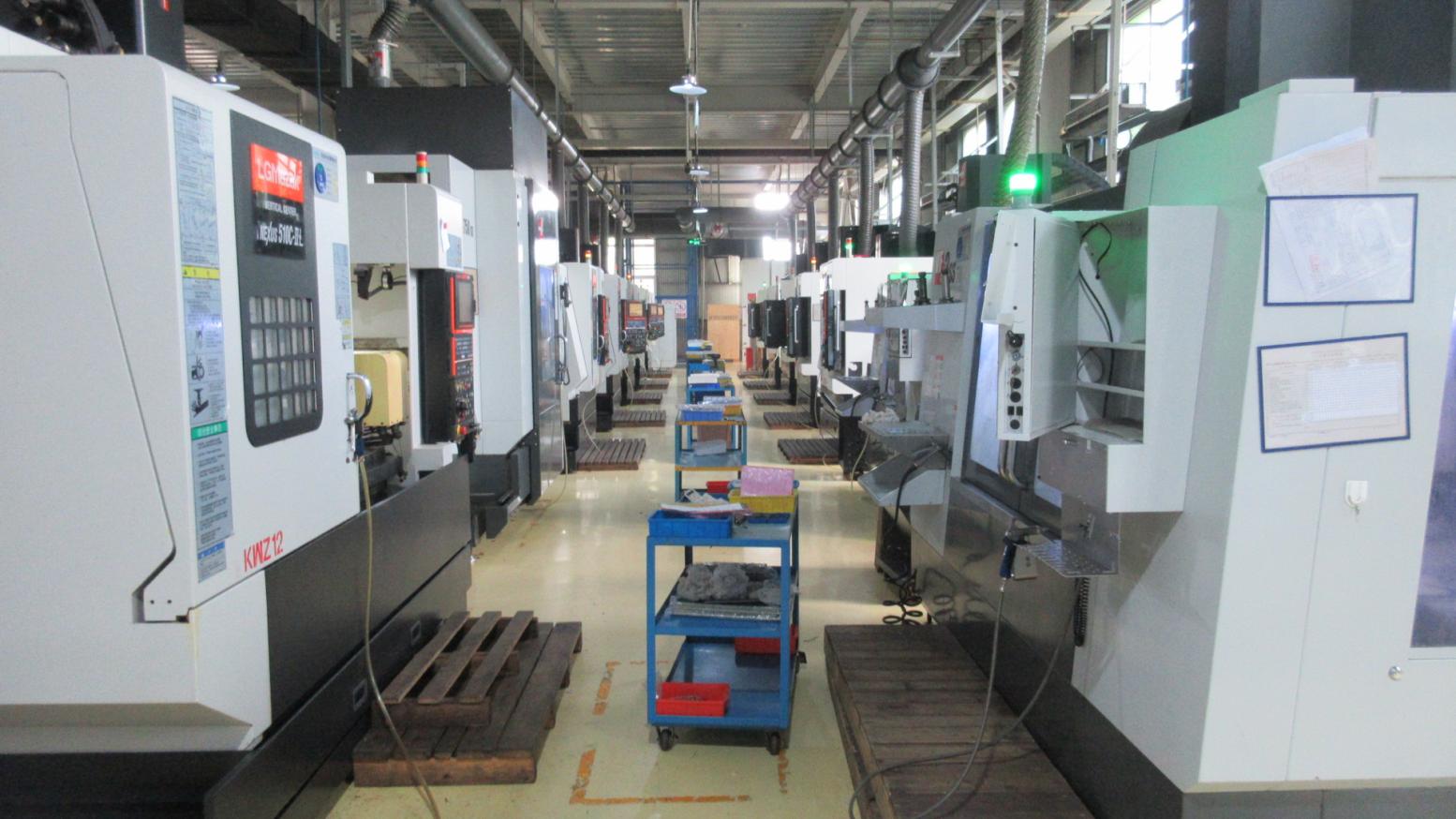
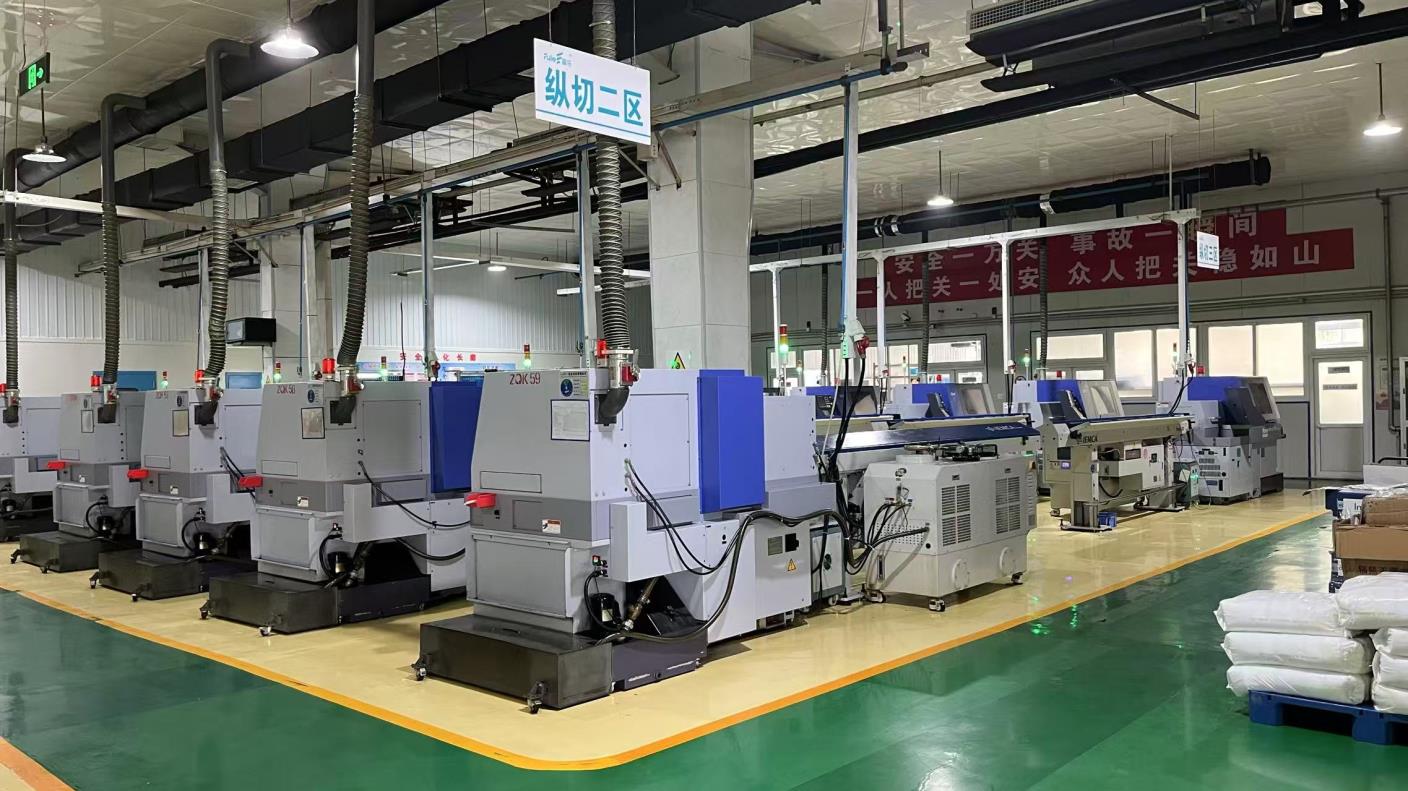
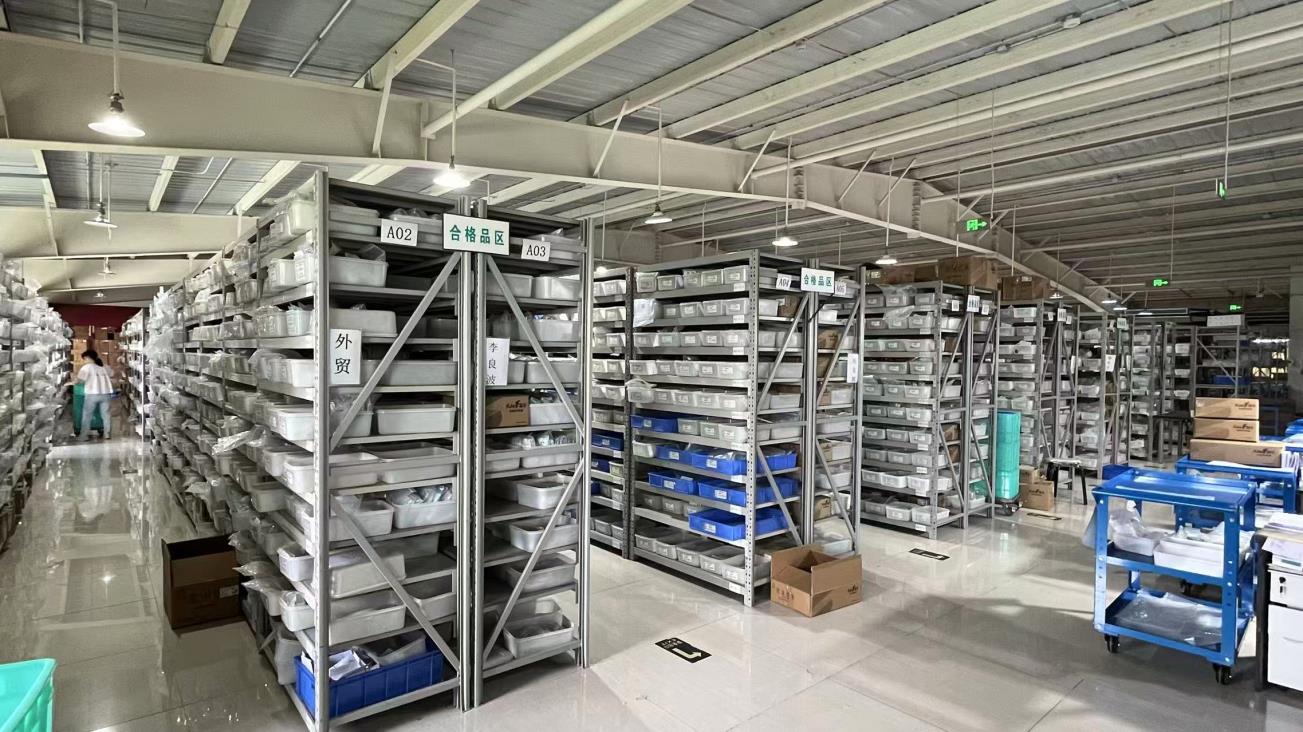
Providing high-output infrastructure to ensure constant availability for orthopedic distributors and purchasing consortia in Paris and globally.
Advancing spinal biomechanics through materials science and digital integration.
We are actively researching the integration of micro-sensors into our pedicle screws to allow post-surgical monitoring of fusion stress and bone healing progress. This provides surgeons in Paris and European academic centers with data to customize post-operative rehab programs.
Our upcoming generation of spinal cages and fixation components utilizes advanced laser sintering (3D printing) to produce porous titanium surfaces. This biomimetic structure encourages early bone cell migration, improving long-term stability.
Our primary line of CE and ISO compliant stabilization implants, designed for modern spinal, cervical, and trauma surgical procedures.
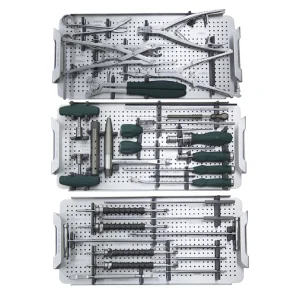
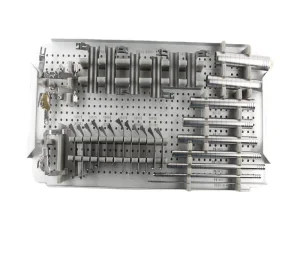
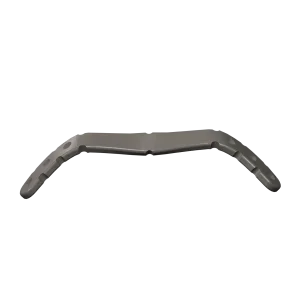
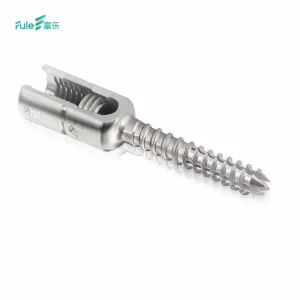
Detailed manufacturing, design drawings, and quality control steps for our spinal and trauma reconstruction systems.
Essential information regarding materials, shipping, and clinical deployment for surgeons, procurement managers, and medical distributors.
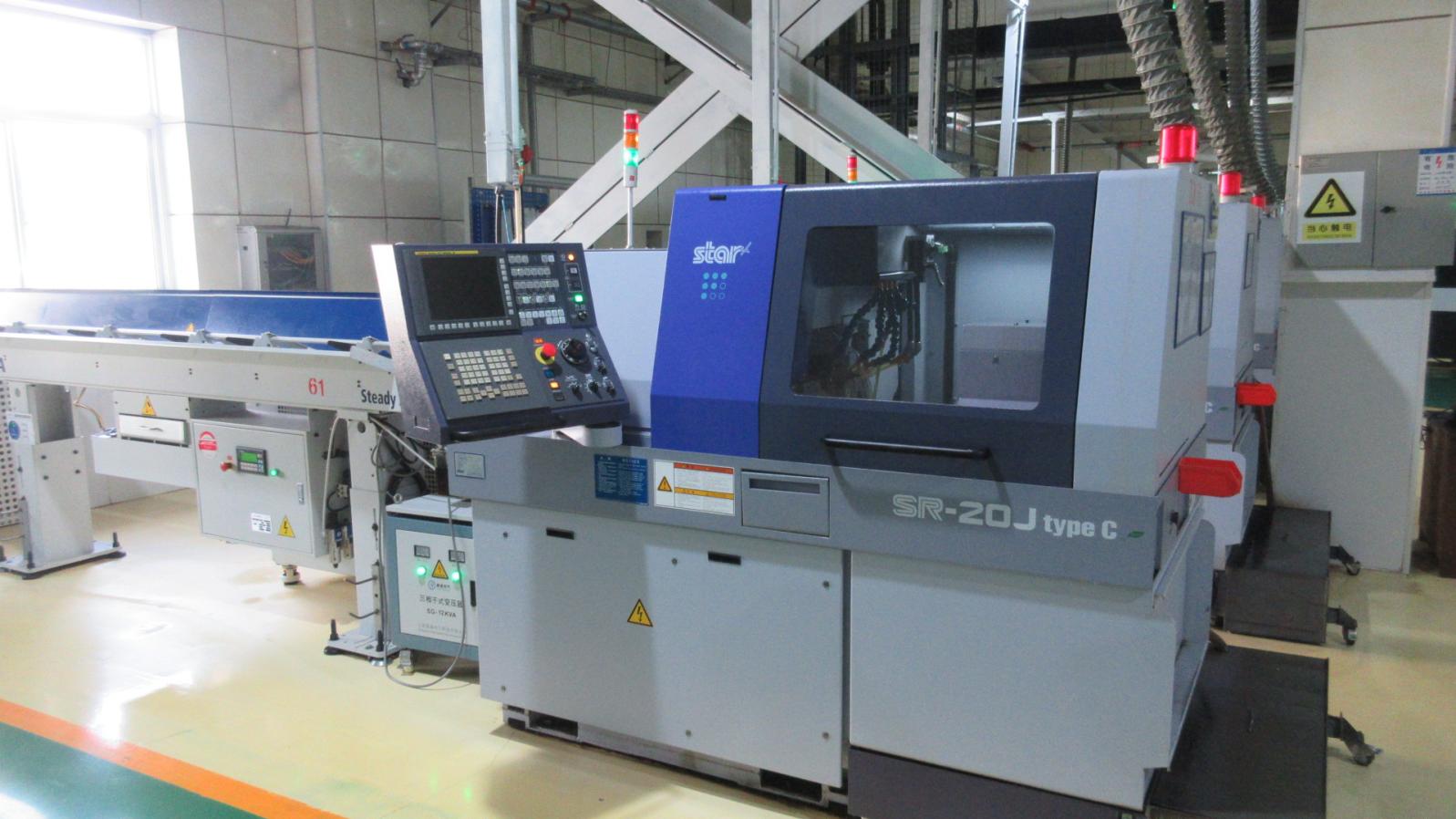
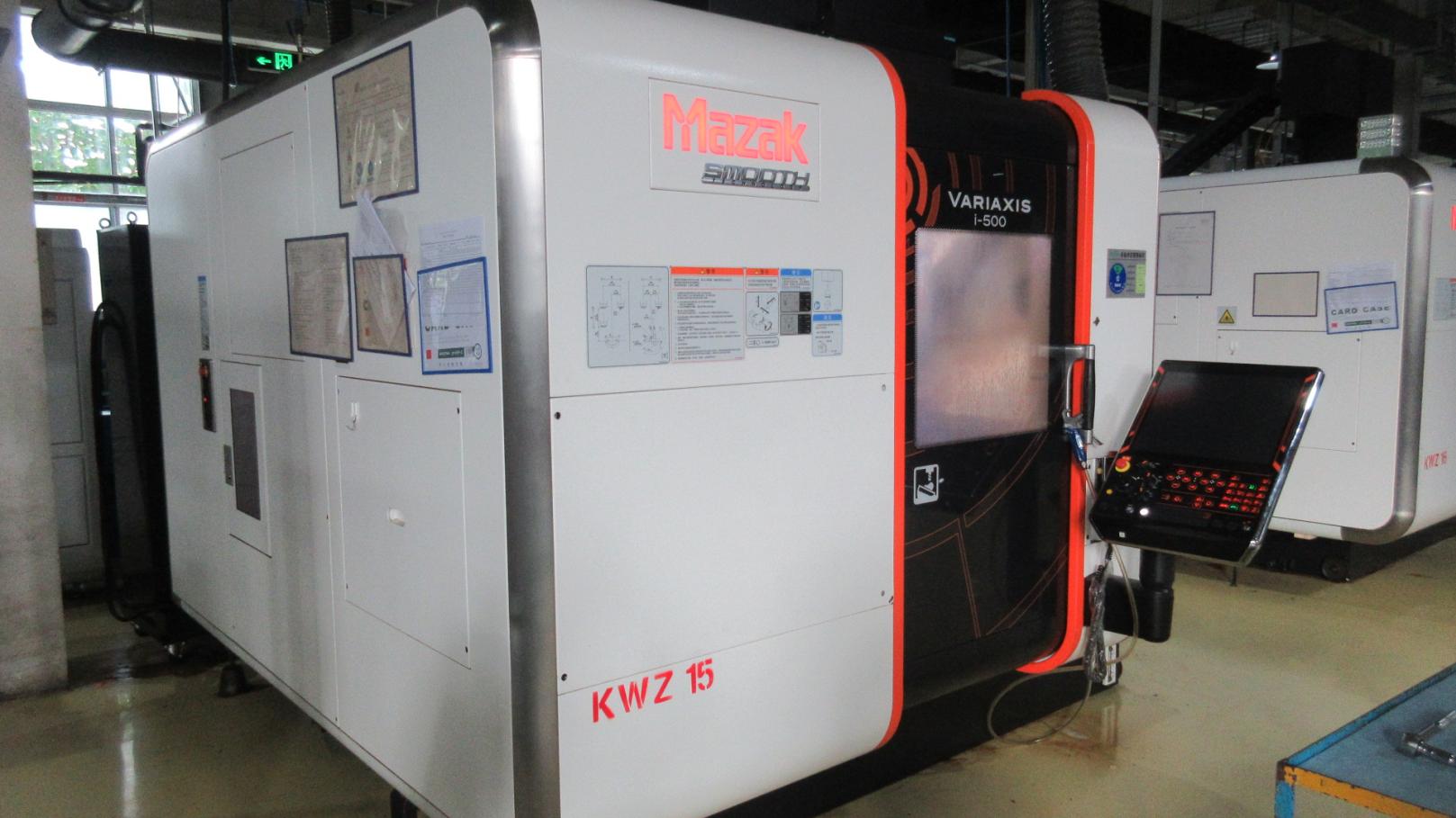
Verified operational capabilities and resources powering our orthopedic manufacturing line.
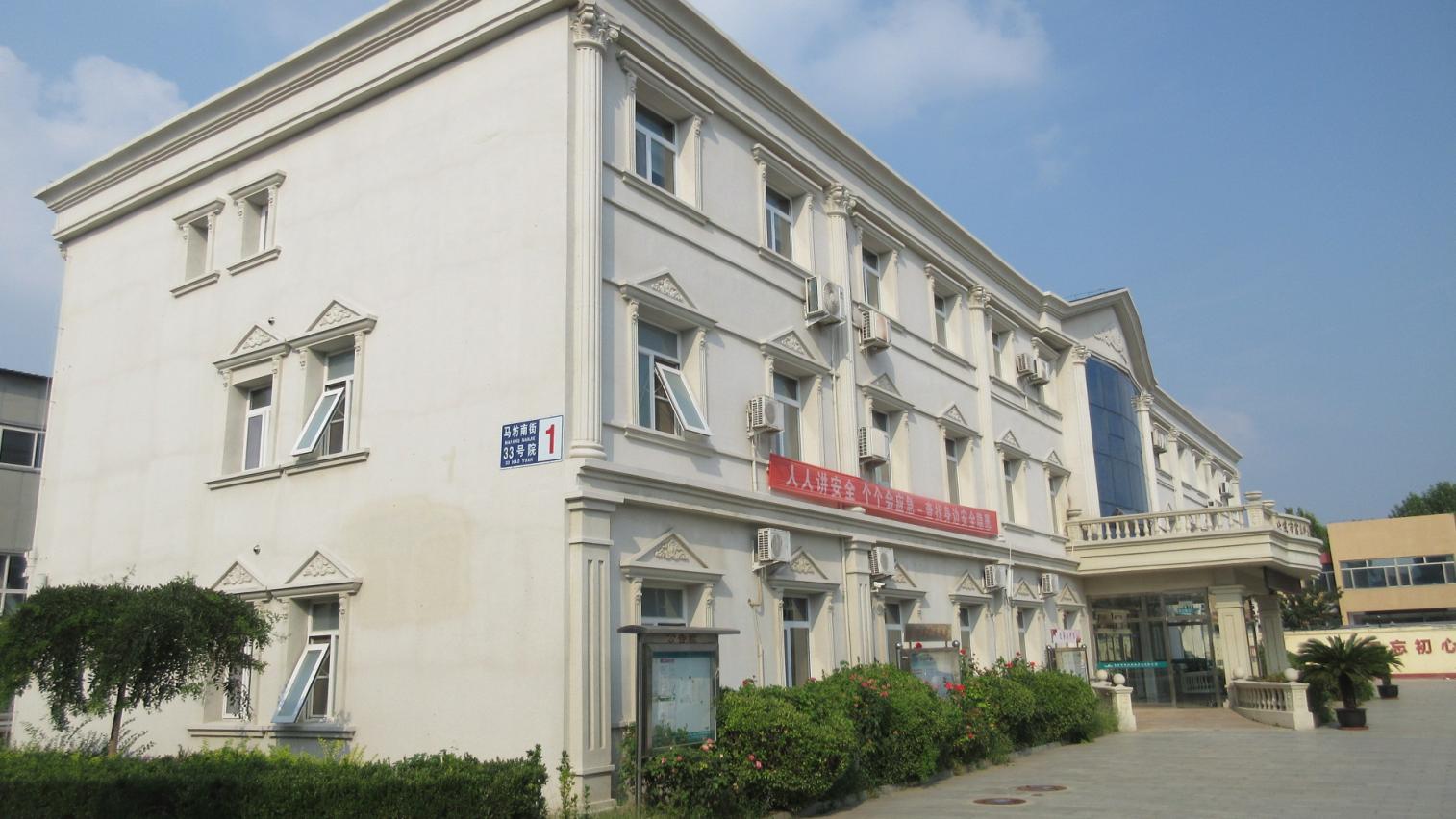
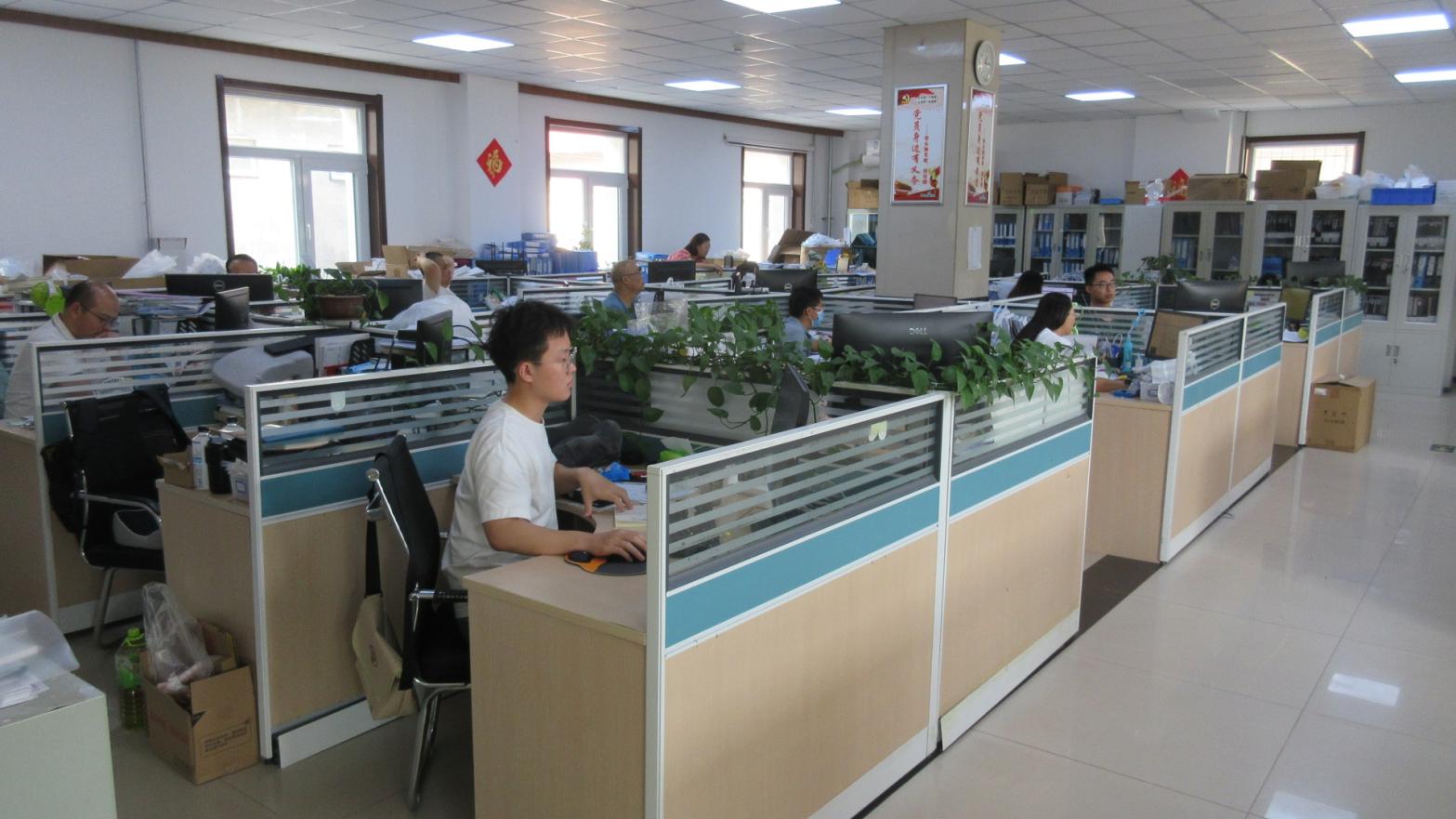
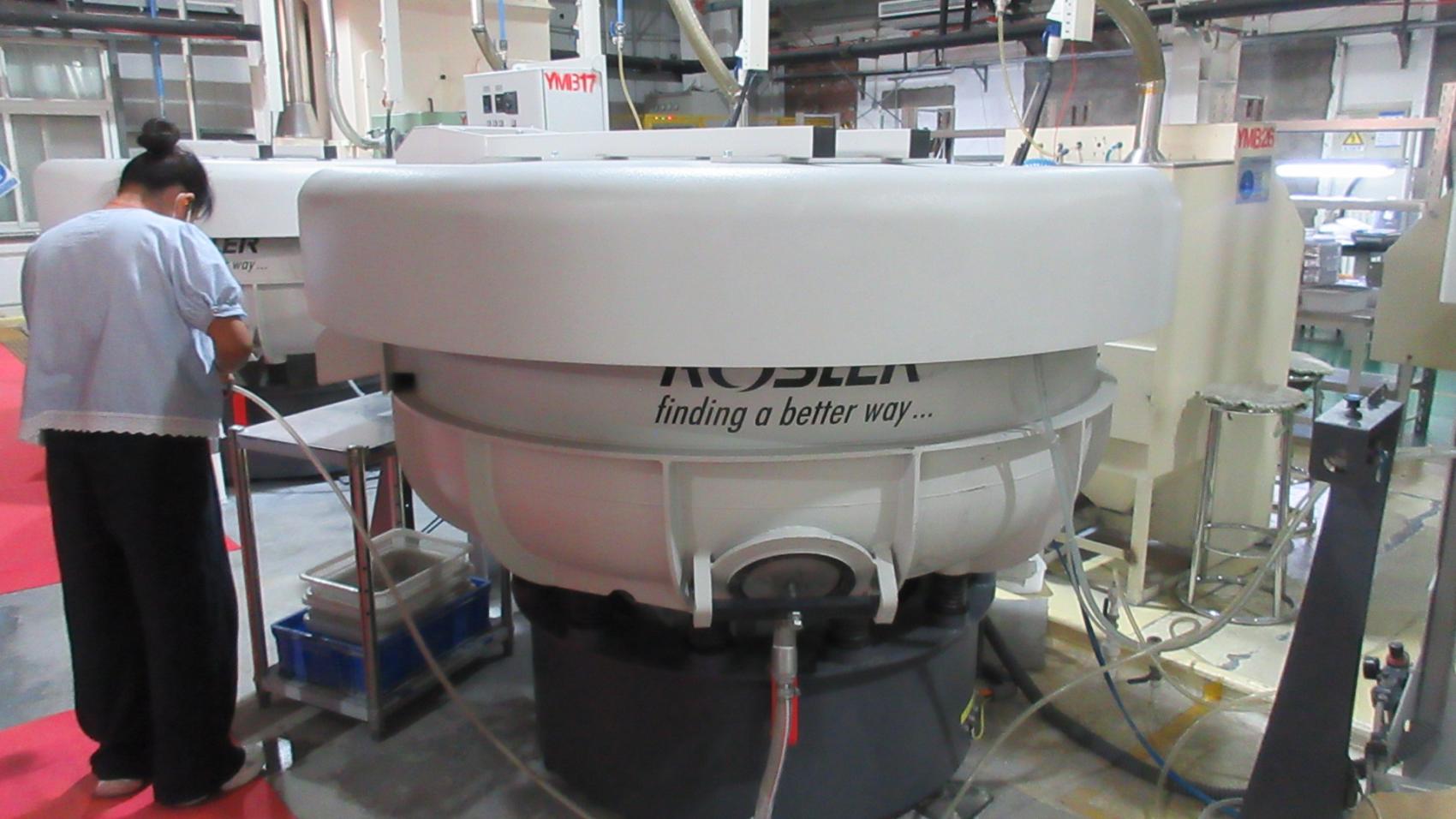
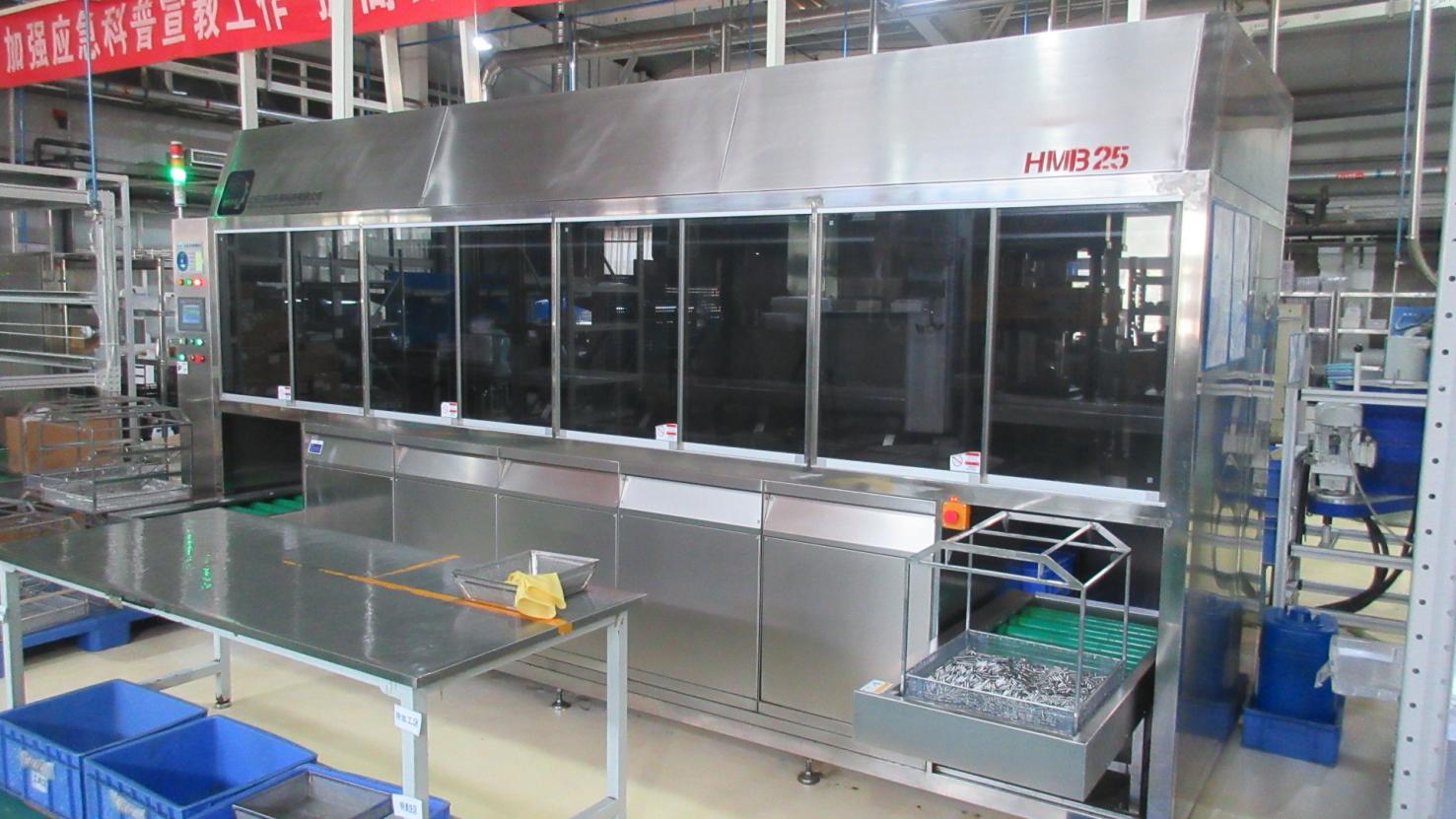
Established in 1996, we have developed a robust manufacturing facility with over 102 precision machines and a production capacity of 511,000 units annually. Our production lines conform to ISO 13485 standards, backed by a quality control team of 15 QA/QC inspectors executing 100% inspections.
Our research and development team consists of 20 engineers (including 15 graduate specialists). We continuous release new innovations, including 20 new products launched in the past year alone. This active development pipeline ensures our orthopedic fixation lines incorporate the latest biomechanical designs.
 Beren Science & Technology