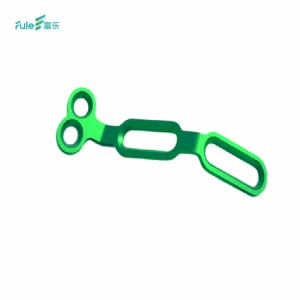
Occipitocervical Thoracic Posterior Spinal System for Luxembourg

Precision-Engineered Class III Orthopedic Implants, Structural Decompression Systems & Surgical Solutions Certified for Luxembourg's Premier Clinical Infrastructures

Premium Spinal & Orthopedic Systems

Advanced biomechanical structural implants utilizing ISO-certified titanium alloy and interventional materials tailored to specialized clinical practices in Europe.
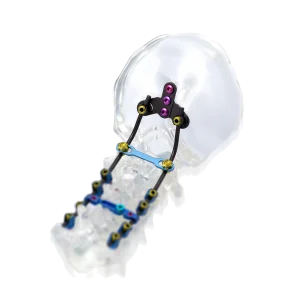
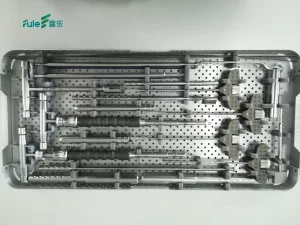
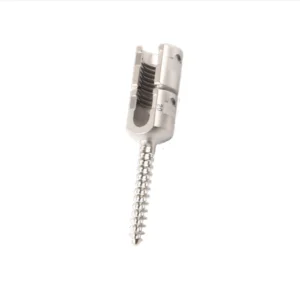
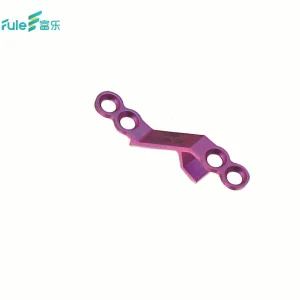
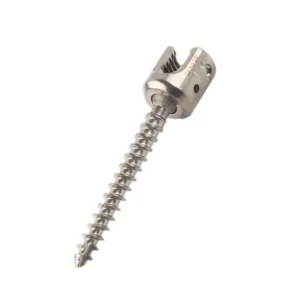
Beijing Fule Occipitocervical Thoracic Posterior Spinal Screw-Rod System Model CFS

Beijing Fule Occipitocervical Thoracic Posterior Spinal Screw-Rod System Model CFS Made of Durable Titanium and Titanium Alloy

Learn More & Request Spec Sheet →
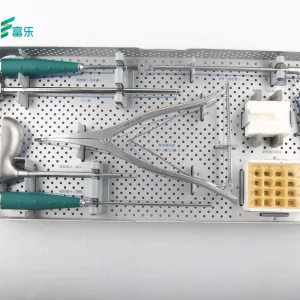
FULE MIS Minimally Invasive Spine Surgery Materials

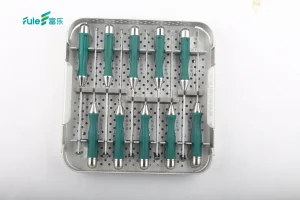
FULE MIS Minimally Invasive Spine Instability Orthopedic Surgery Stainless Steel High Quality Interventional Materials Class I

Learn More & Request Spec Sheet →
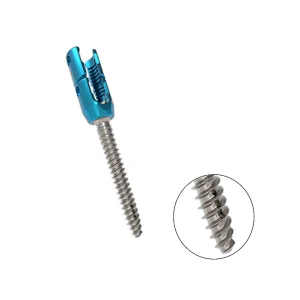
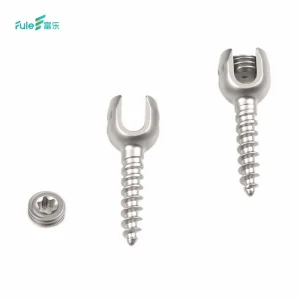
High Quality 5.0 Titanium Sliding Screw

High Quality 5.0 Titanium Sliding Screw Pediatric Orthopedic Surgery Spinal Screw-Rod System Implants CE Certified

Learn More & Request Spec Sheet →
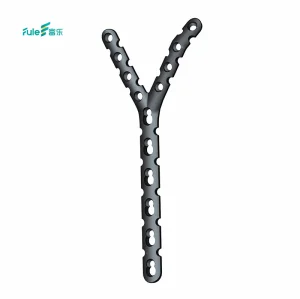
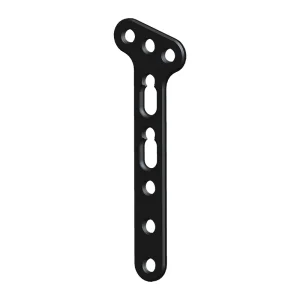
Fule Orthopedic Titanium Humeral Locking Plate

Fule Orthopedic Surgical Implants Titanium Humeral Locking Plate CE Certified Class III for Proximal Distal T-Oblique Metaphysis

Learn More & Request Spec Sheet →

The Clinical Imperative of Occipitocervical-Thoracic (OCT) Stability

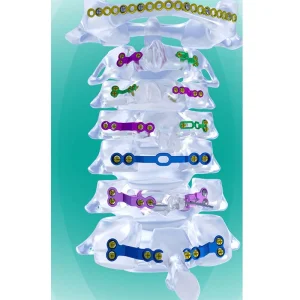
The occipitocervical-thoracic posterior spinal system represents one of the most critical structural solutions within modern reconstructive spinal surgery. Targeting the complex anatomical architecture spanning the craniocervical junction down to the rigid thoracic cage, this system provides absolute rigid stabilization for unstable fractures, severe spinal trauma, primary or metastatic neoplastic lesions, and degenerative diseases like rheumatoid arthritis causing spinal canal stenosis.

Given the highly mobile nature of the subaxial cervical spine and the contrasting biomechanical rigidity of the thoracic spine, structural failure, micro-motion, and screw pull-out are significant clinical risks. The introduction of optimized titanium and titanium-alloy systems, such as the Beijing Fule CFS System, provides a balance of fatigue resistance, biocompatibility, and radiographic compatibility necessary to ensure immediate primary fixation and promote solid osseointegration.

For orthopedic surgeons and clinical distributors in Luxembourg, accessing implants that meet strict biomechanical and regulatory parameters is paramount to achieving successful patient outcomes. Our systems feature precision-engineered polyaxial screws, low-profile occipital plates, and transitional diameter rods designed to handle the variable shear stress across the cervicothoracic transition zone.

Luxembourg & Global Market Landscape

Luxembourg's highly structured healthcare framework, monitored under the Caisse Nationale de Santé (CNS), demands the highest standards of safety, traceability, and clinical evidence. Medical institutions such as the Centre Hospitalier de Luxembourg (CHL) expect CE-certified (MDR compliant) orthopedic implants that minimize revision rates and optimize operation theatre workflow efficiency.

  • EU MDR Compliance: Class III implants fully conforming to modern EU surgical directives.
  • Transitional Systems: 3.5mm to 5.5mm dual-diameter rods that eliminate the stress concentration at the junction.
  • Low Revision Probability: Advanced locking mechanism minimizes setscrew backing-out.

Biomechanical Engineering & Technical Blueprint

A deep-dive technical look at the mechanical architecture of Beijing Fule's posterior spinal systems.

Polyaxial Screw Ergonomics

Provides up to 45 degrees of angulation in all directions, permitting flexible screw insertion while keeping contouring demands to a minimum.

Occipital Fixation Plates

Low-profile, anatomically contoured plates that sit flush with the occipital bone. Features bilateral screw pockets to secure attachment to the thickest sections of the skull.

Transitional Dual-Diameter Rods

Combines a 3.5mm cervical rod dynamically fused to a 5.5mm thoracic rod, bypassing structural vulnerability at the cervicothoracic transition zone without requiring extra couplers.

Locking Cap Design

Features a negative angle buttress thread design that prevents cross-threading and outward splaying of the screw head under high torque.

Material Science: Ti-6Al-4V ELI (Extra Low Interstitial)

The entire Occipitocervical Thoracic Posterior Spinal System is fabricated from medical-grade Titanium Alloy (Ti-6Al-4V ELI) conforming to ASTM F136 standards. This alloy is the gold standard for implantable devices because of its high strength-to-weight ratio, superior fatigue resistance, and low elastic modulus compared to stainless steel. The reduced modulus minimizes stress shielding of the adjacent bony anatomy, promoting natural bone healing. Furthermore, the titanium surface undergoes controlled Type II anodization to optimize wear characteristics and reduce particulate debris generation.

Dynamic Stress & Fatigue Verification Standards

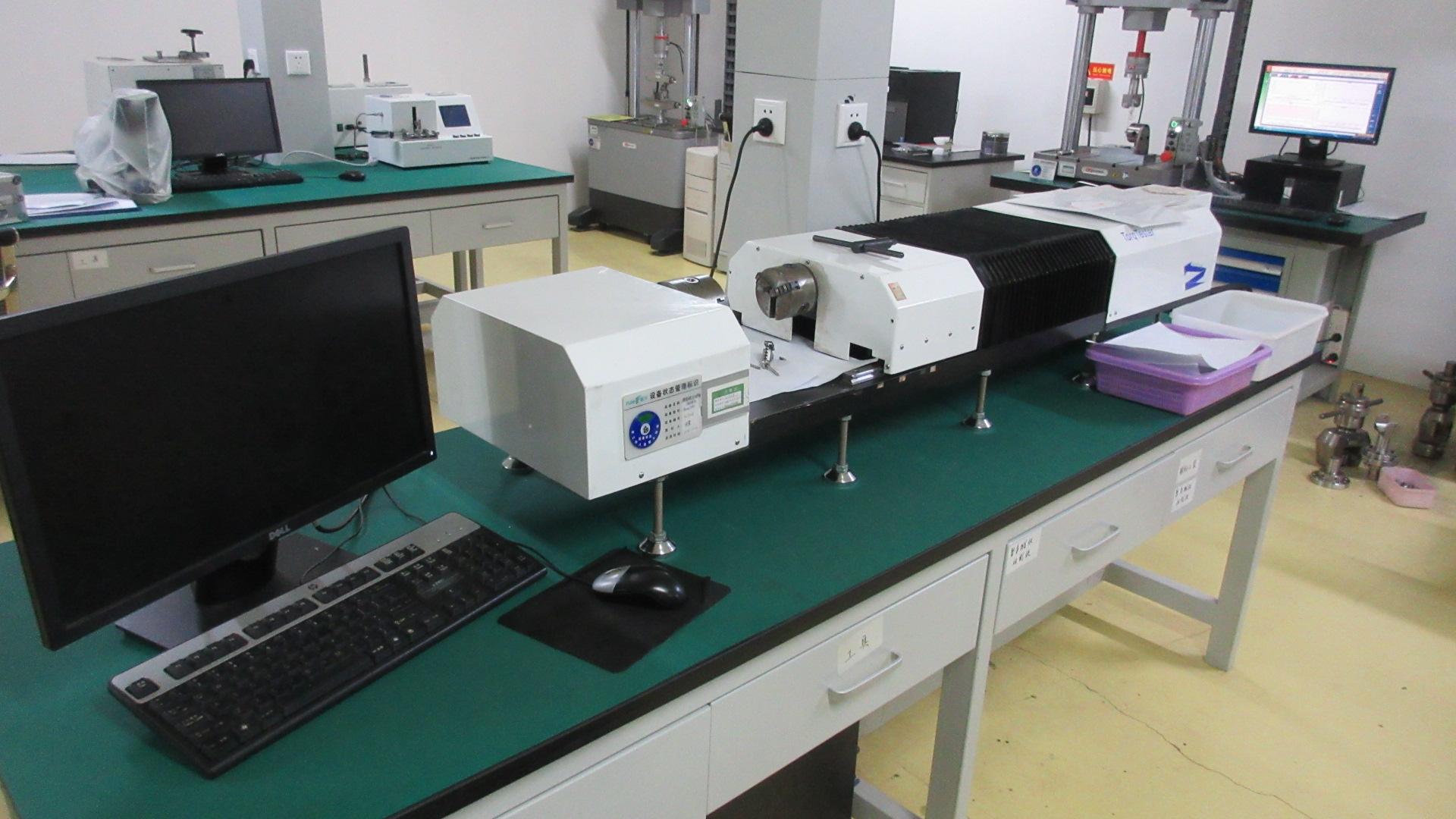
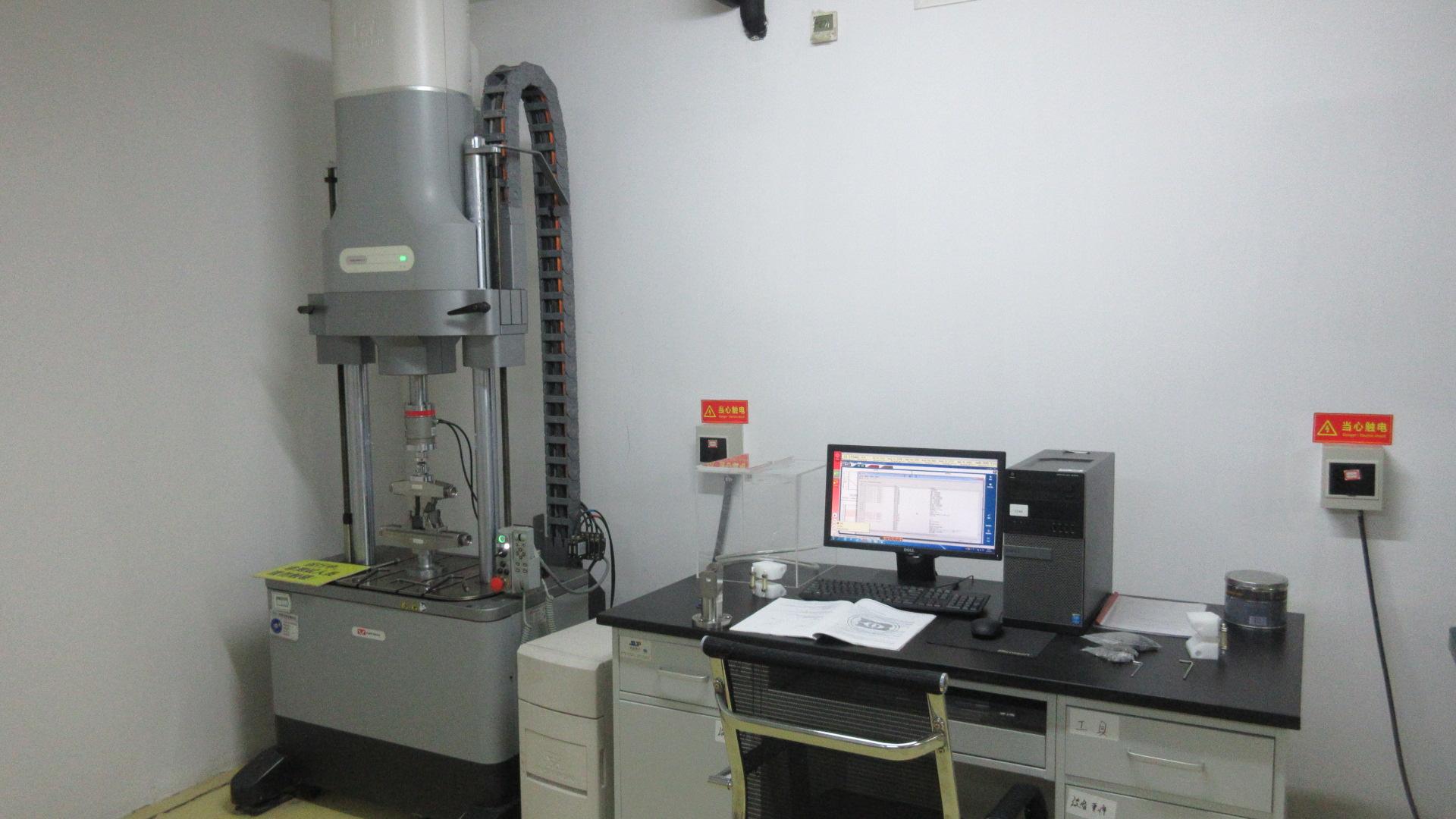
To assure clinical safety in high-stress environments such as the craniocervical junction, our spinal implants undergo rigid testing sequences matching ASTM F1717 (Standard Test Methods for Spinal Implant Constructs in a Vertebrectomie Model). The sub-assembly constructs are subjected to static compression, static torsion, and dynamic fatigue testing (surviving 5 million cycles under cyclic loads of up to 450N). This guarantees that the screw-rod interface does not suffer slip failure or catastrophic shear collapse under normal biomechanical cycles of the human neck and upper back.

Authorized Manufacturing Capabilities & Quality Assurance

A trusted global supplier of Class III orthopedic medical devices since 1996.

1996
Established Year
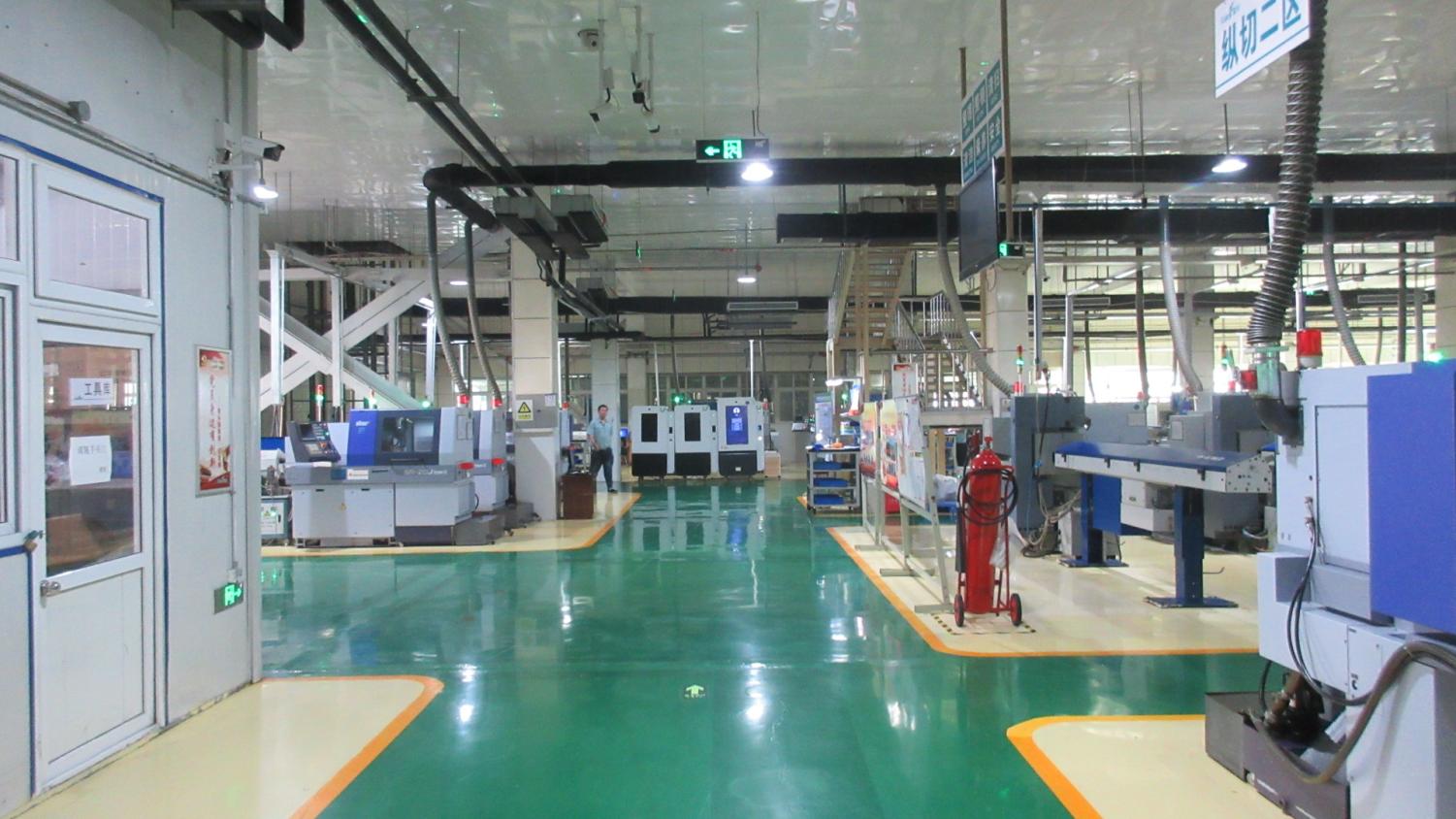
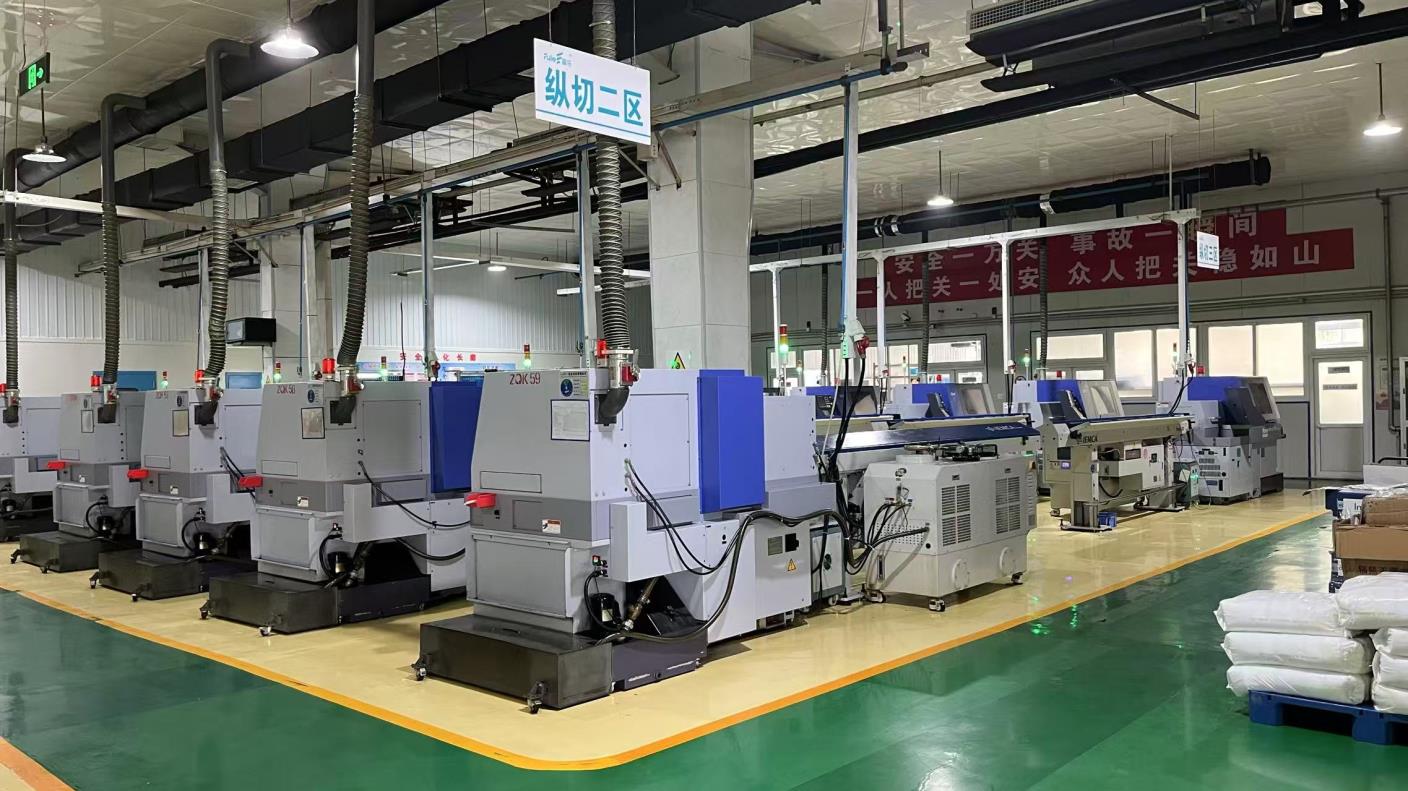
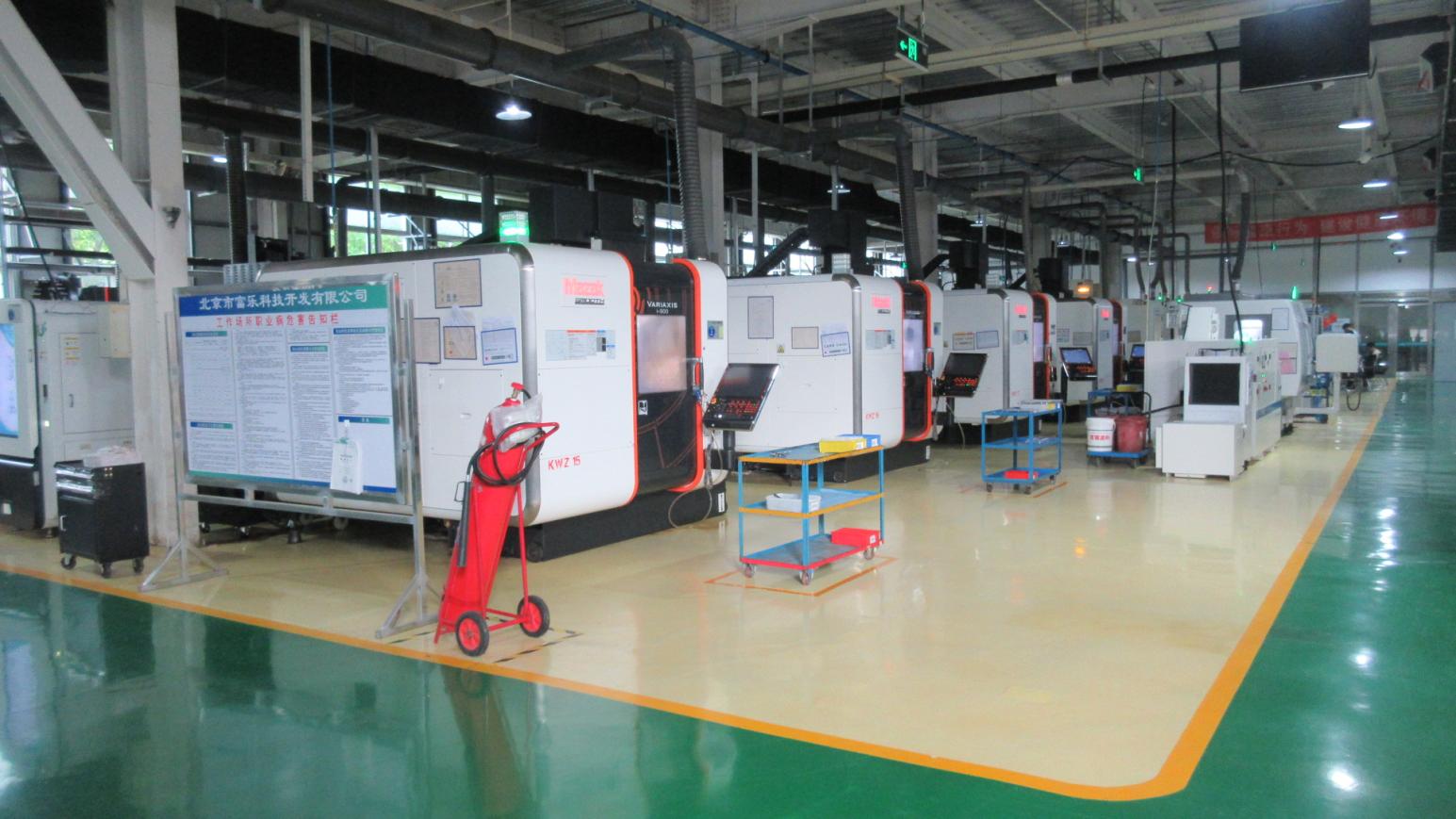
10,000㎡
Production Area
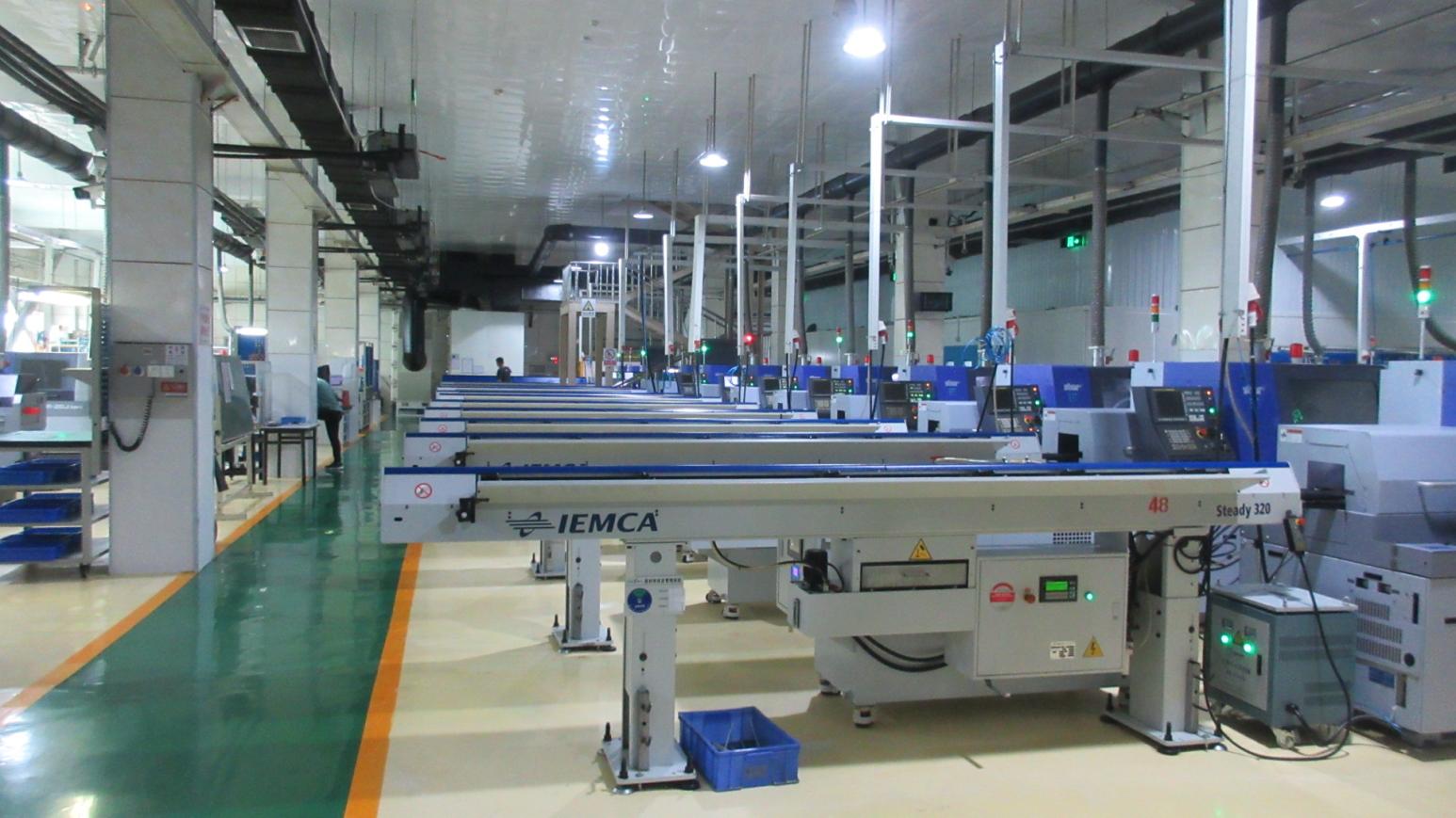
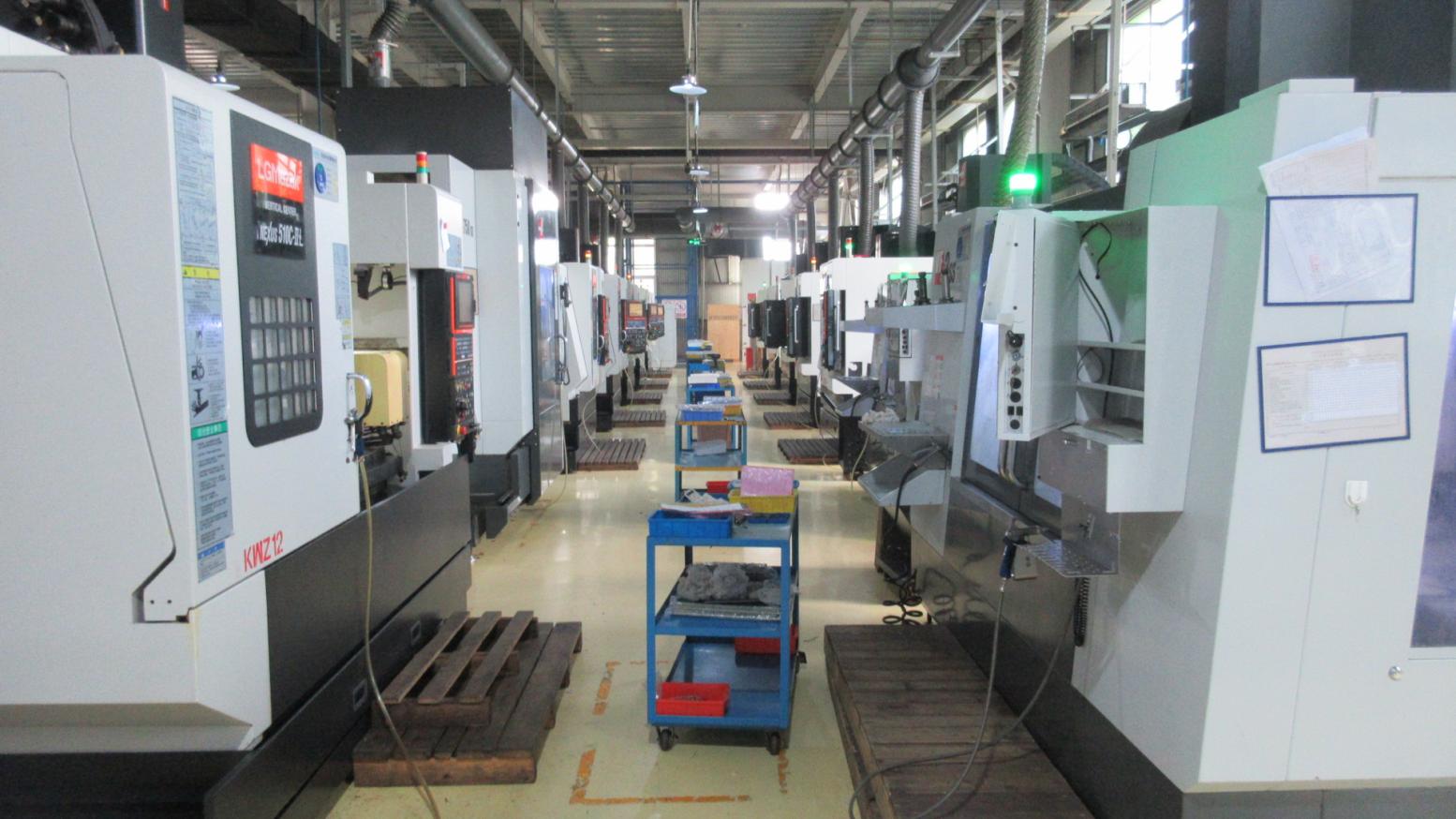
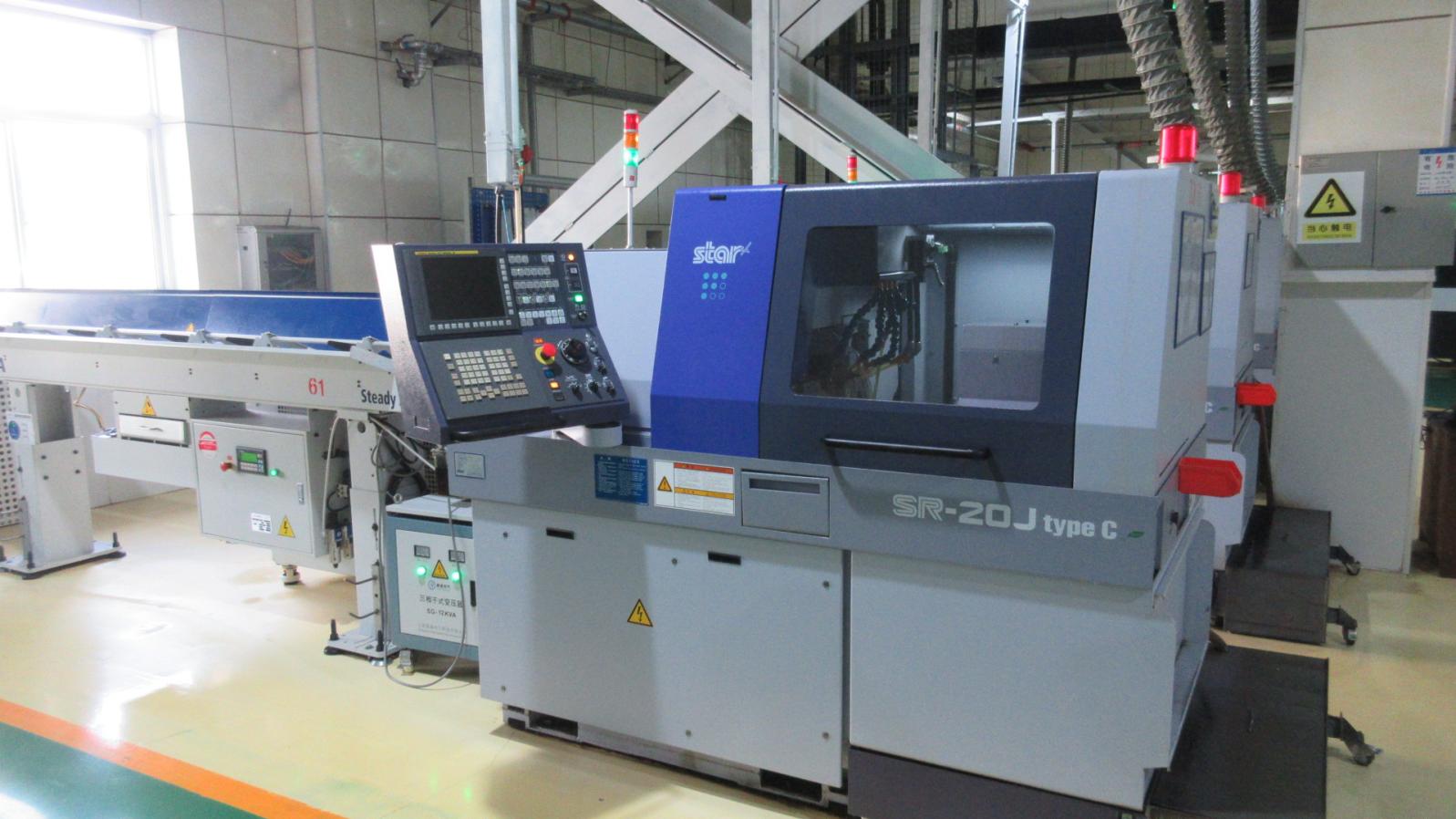
102
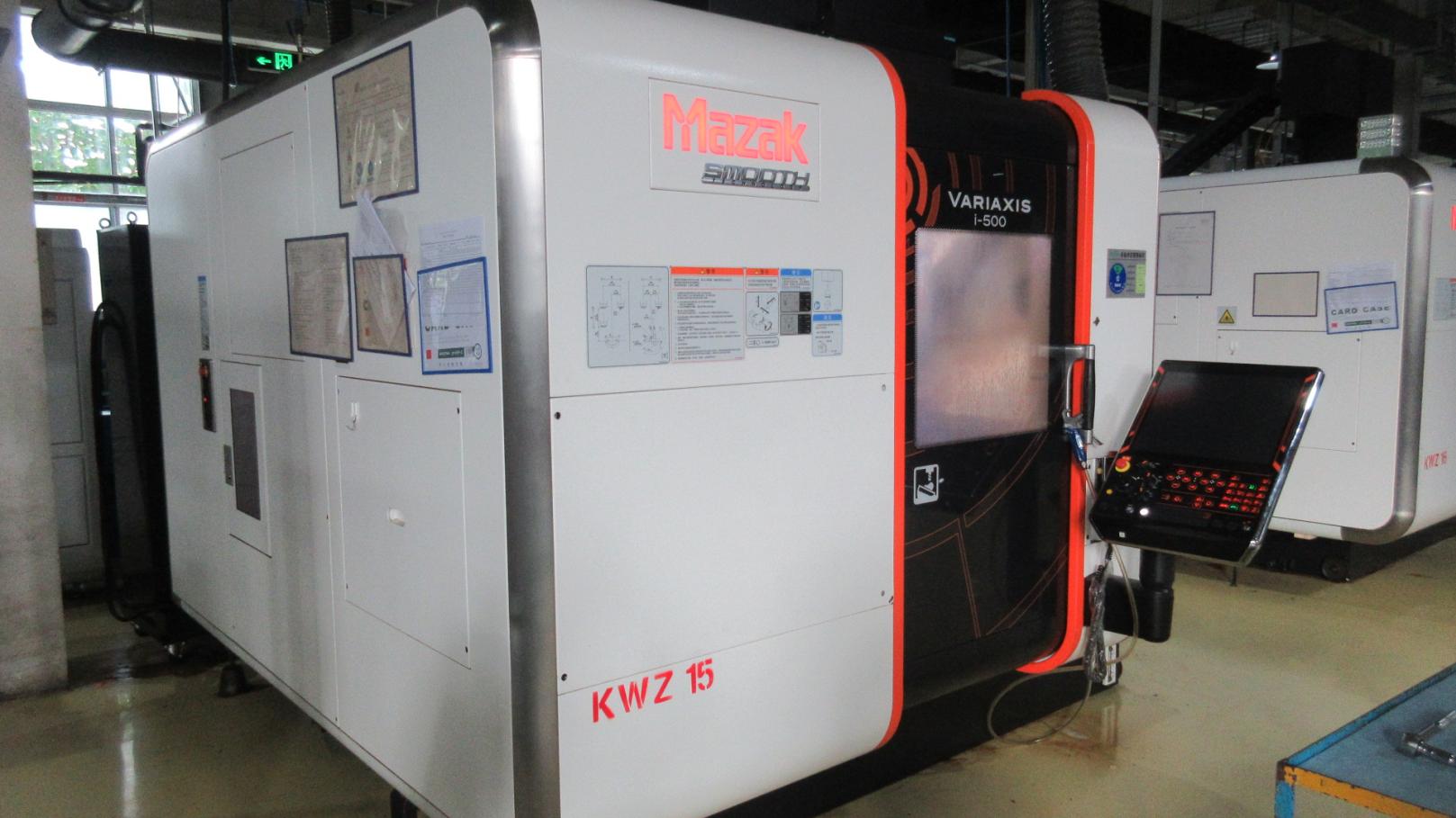
CNC Production Machines
511,000
Annual Output Units

Strict Quality Control & Traceability

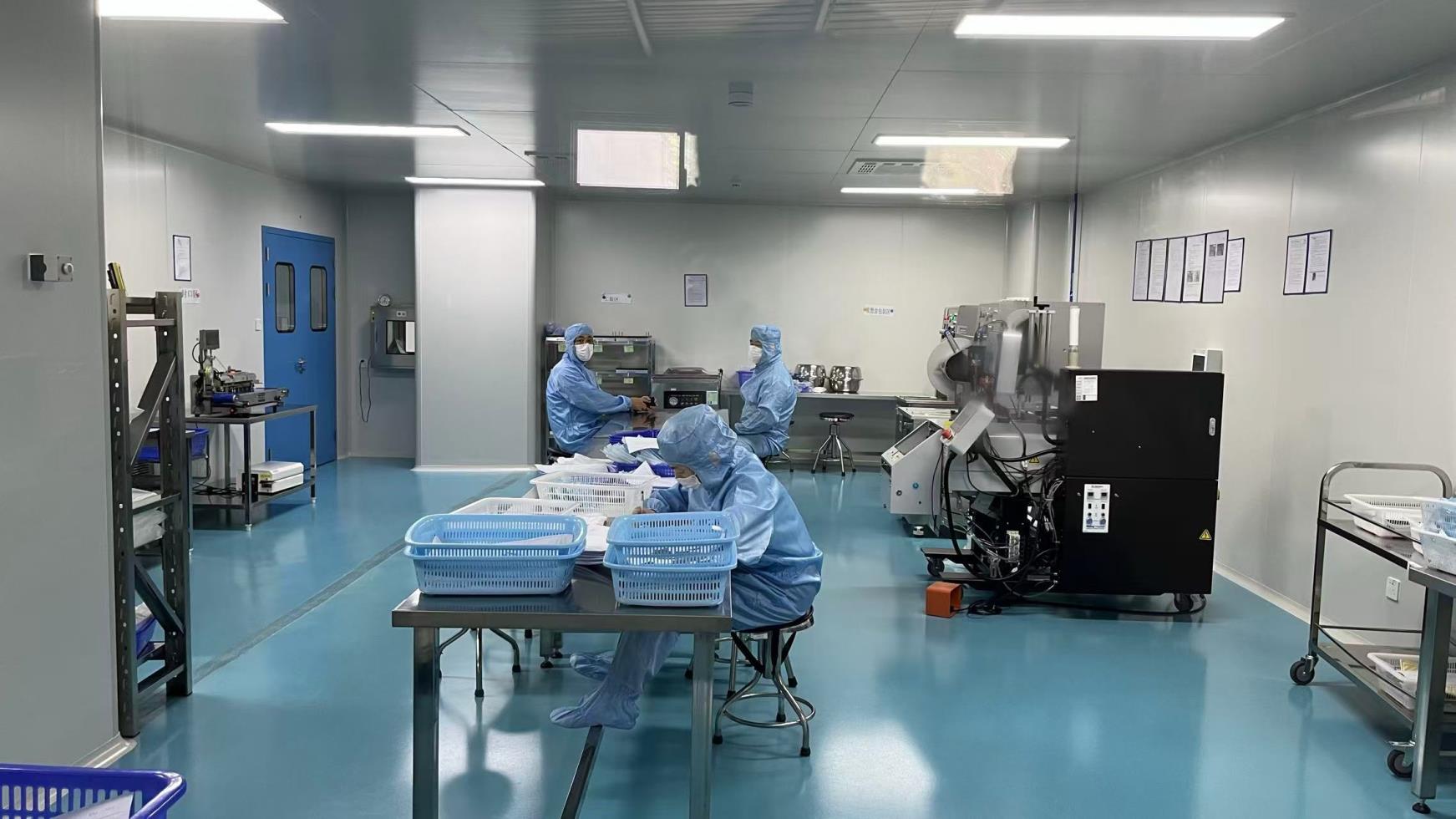
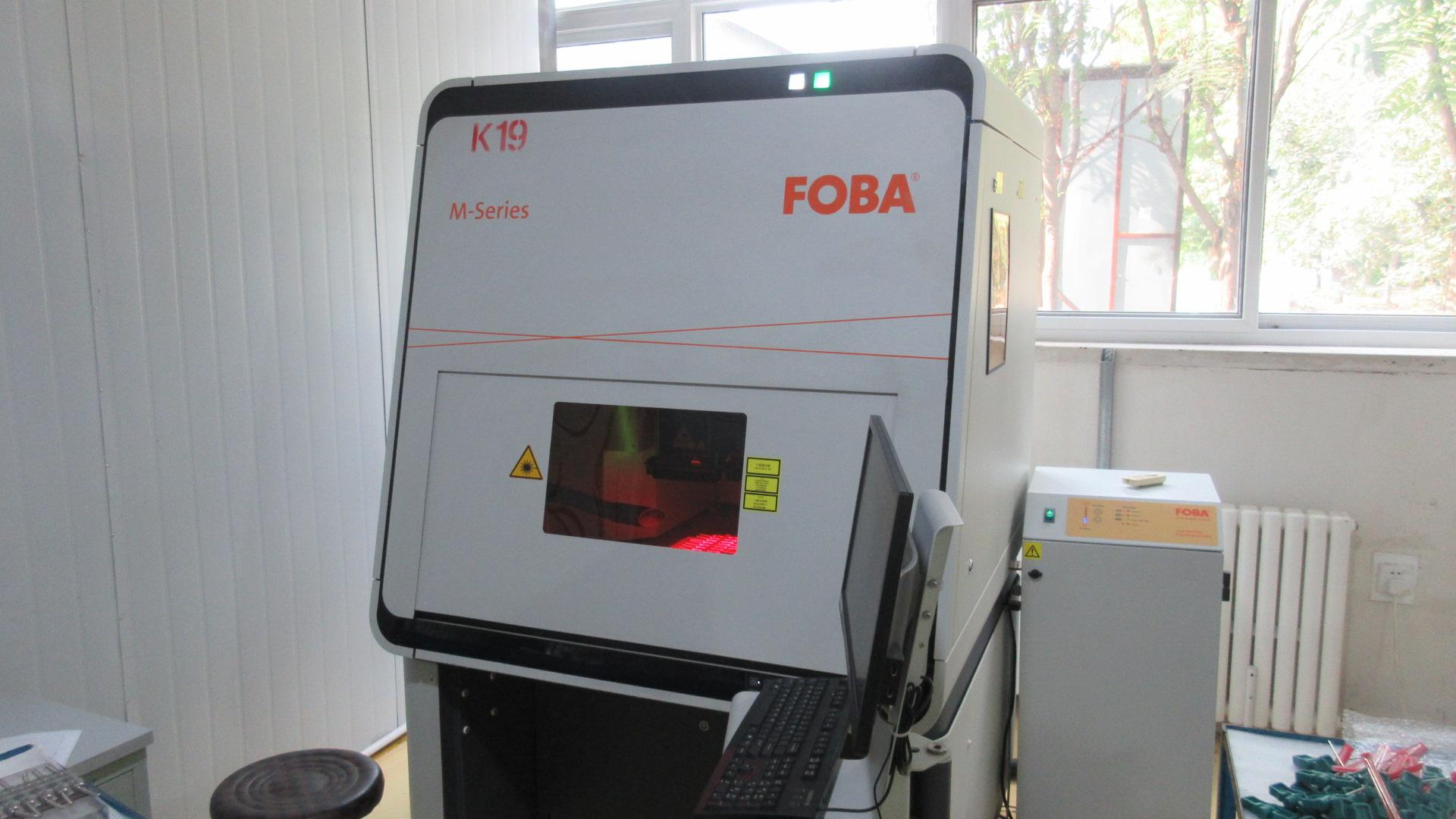
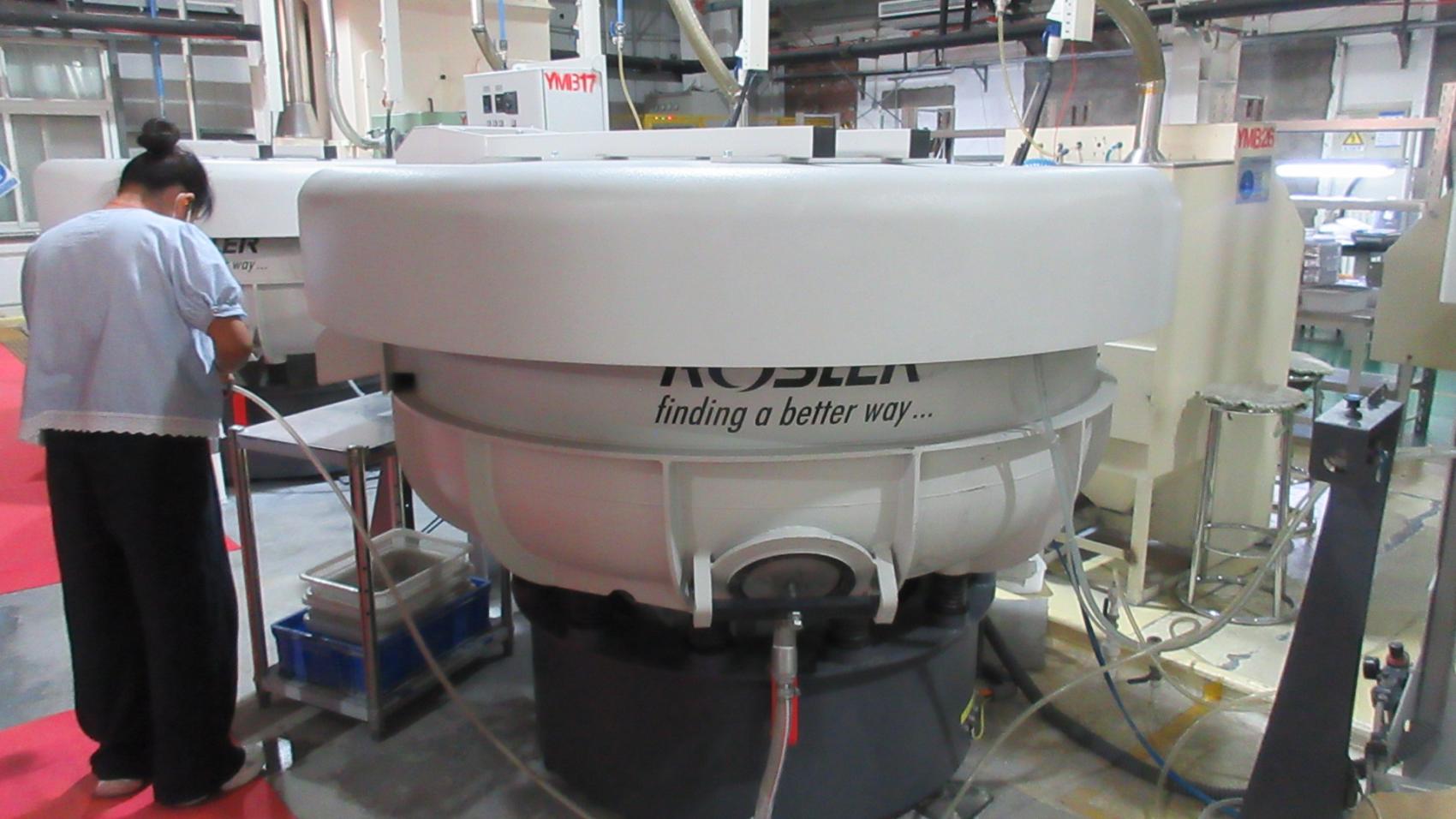
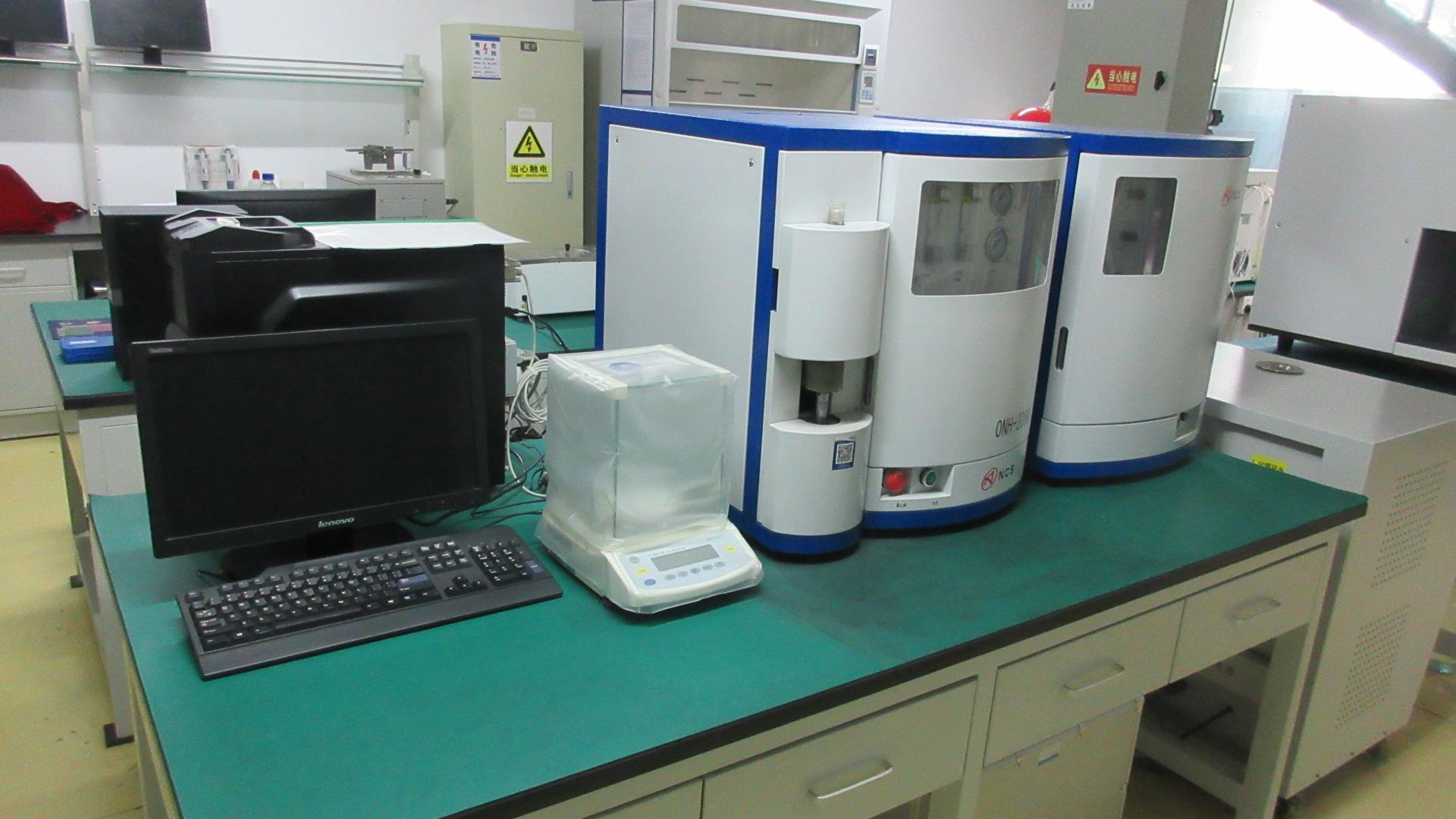
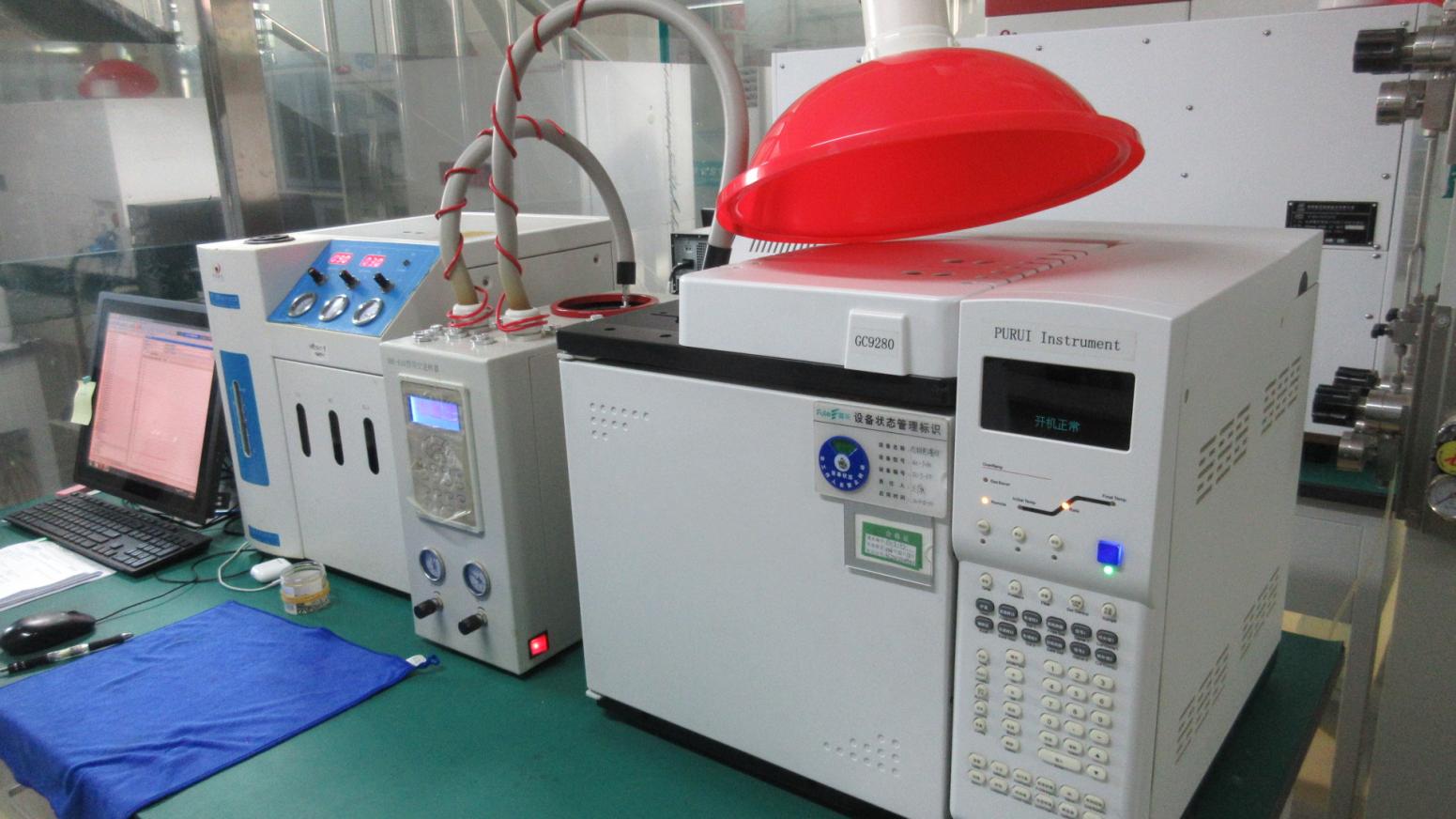
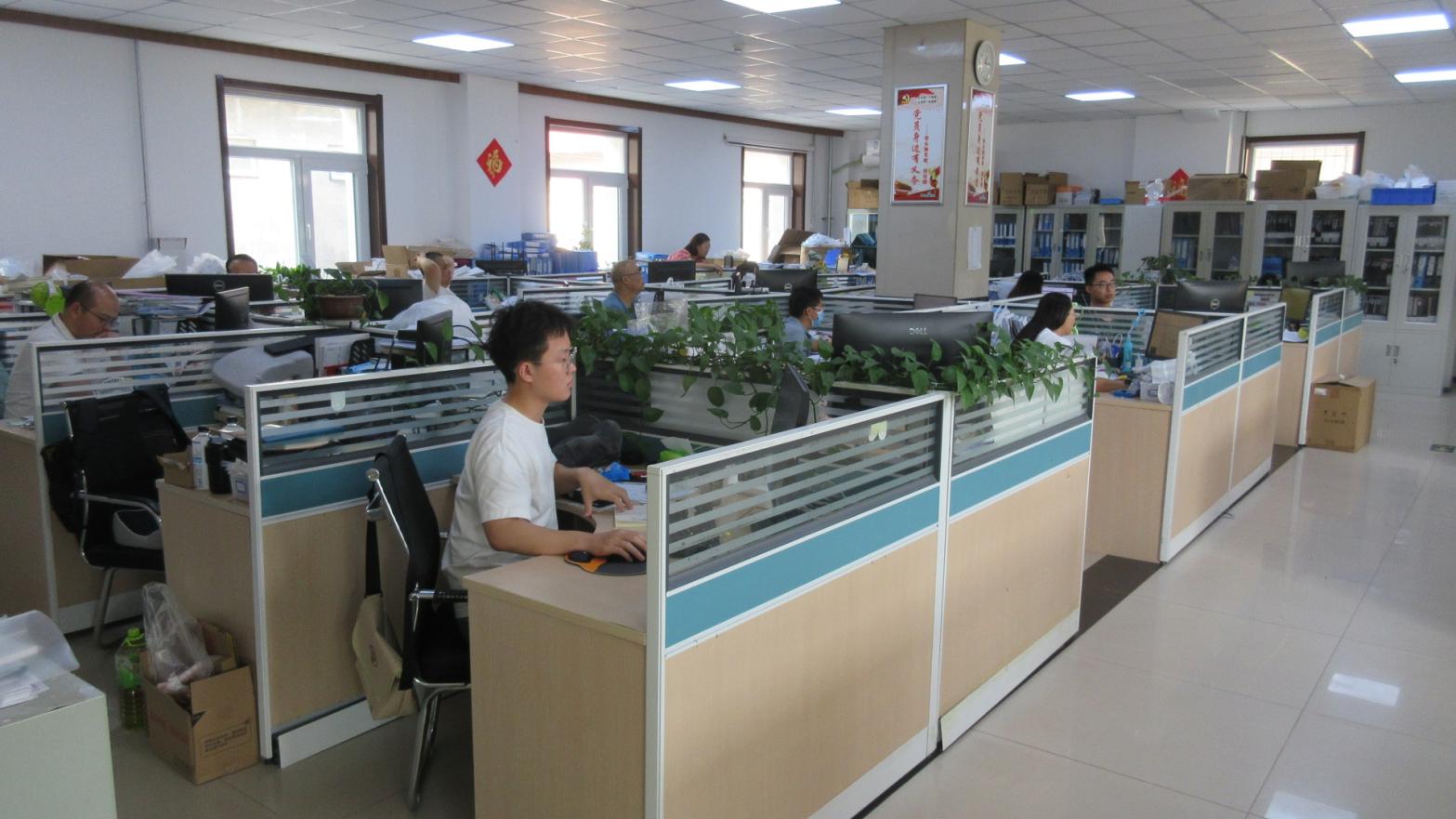
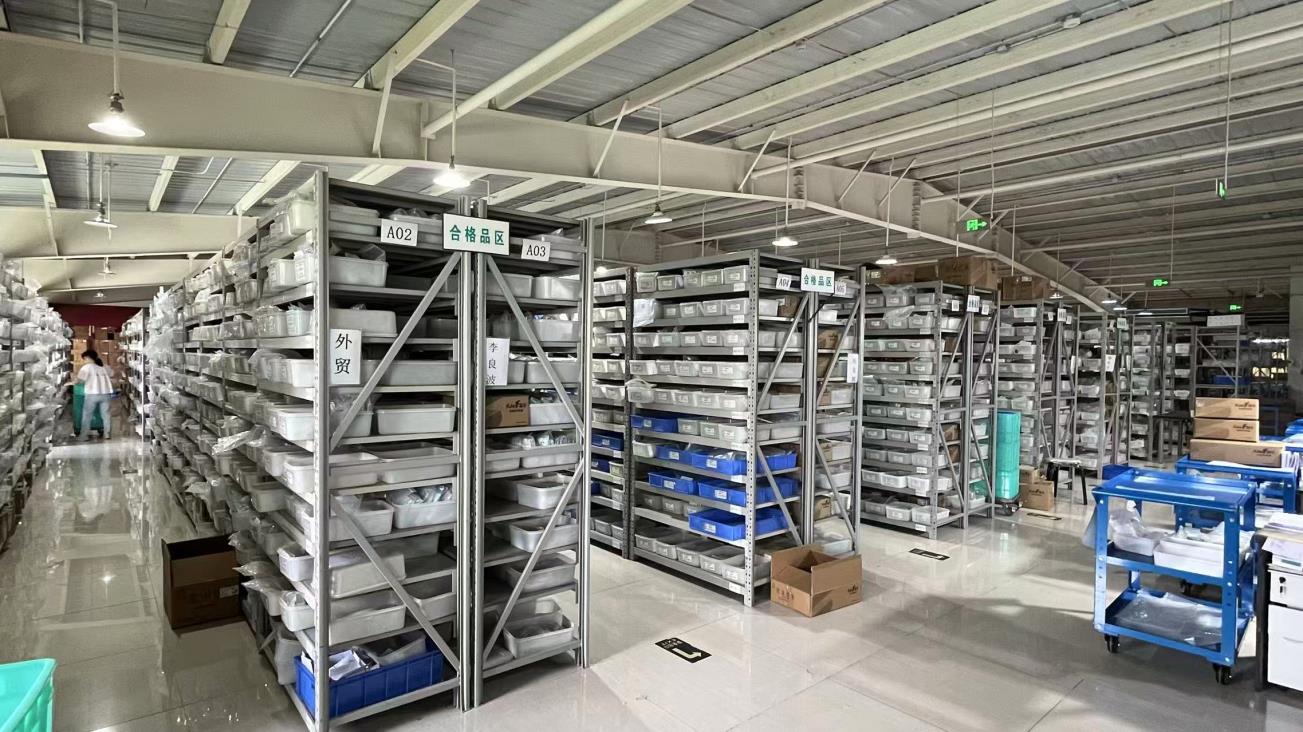
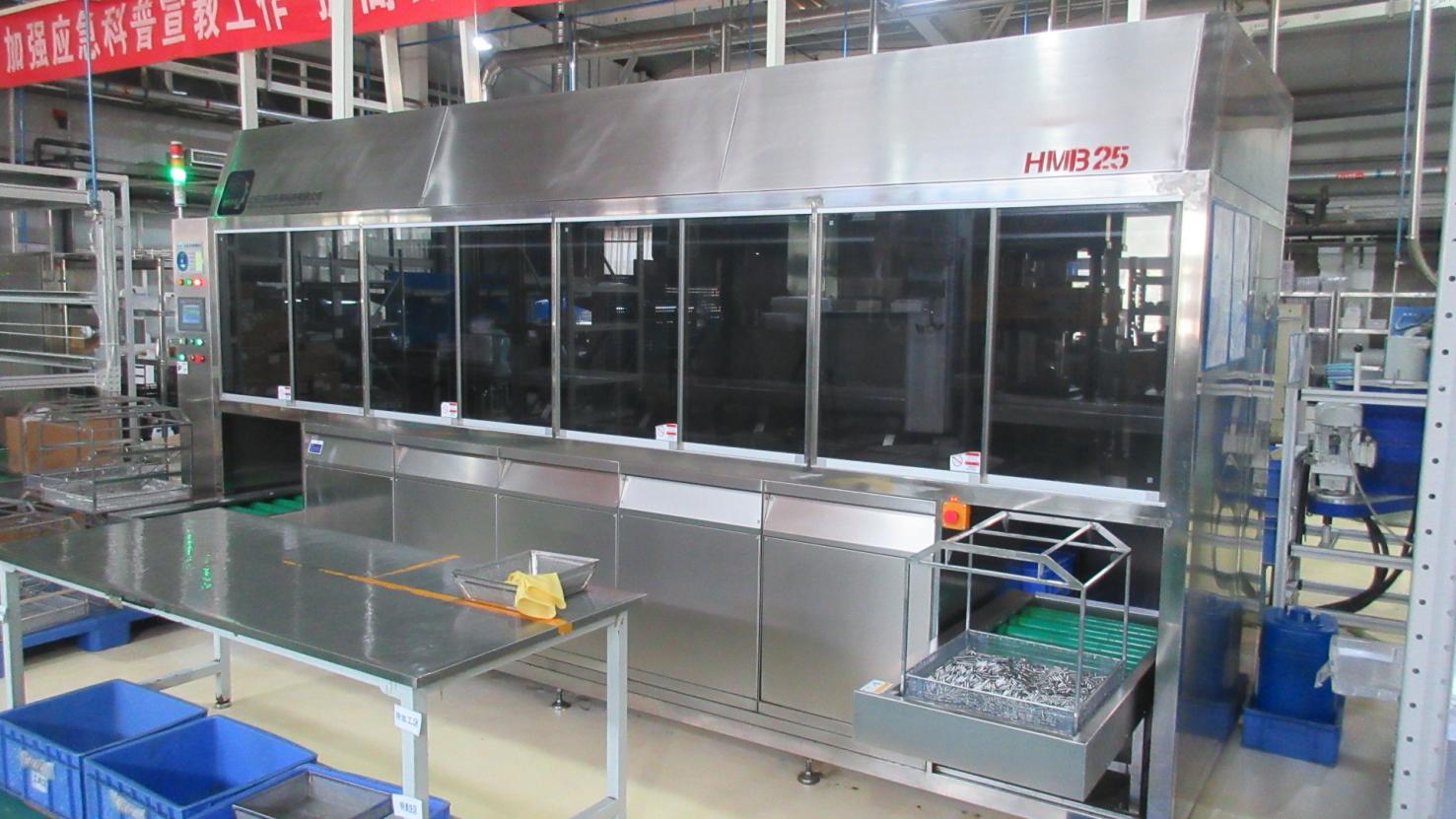
Every single implant produced at our manufacturing plant goes through a detailed 100% inspection process. Backed by 15 dedicated QA/QC inspectors, raw materials are tracked from the ingot stage down to the specific batch delivered to your operating room in Luxembourg. All production lines are fully controlled under the ISO 13485:2016 quality management framework to satisfy global surgical standards.
  • Raw Material Traceability: Complete chemical composition and metallurgical analysis report available with each batch.
  • Cleanroom Packaging: Implants processed in Class 10,000 (ISO Class 7) cleanrooms to minimize endotoxin load.
  • Advanced R&D: 20 R&D engineers continuously design and iterate on spinal fixation systems to meet changing surgeon expectations.

Local Clinical Scenarios & Surgical Workflows

Optimizing operating room efficiency and patient recovery times across European trauma clinics.
Cervicothoracic Transition Zone Reconstruction System

Cervicothoracic Reconstruction After Trauma

High-energy traffic accidents or falls frequently result in unstable fractures across the cervicothoracic junction (C7-T1). The transitional anatomy presents a unique surgical challenge where the alignment must be restored without limiting mobility at adjacent healthy segments. Using the Beijing Fule CFS system allows surgeons in Luxembourg to bridge these complex zones by combining cervical polyaxial screws with larger thoracic pedicle screws, achieving reliable posterior column load sharing.

Neoplastic Cervicothoracic Instability

Metastatic lesions in the cervical spine can destroy anterior and posterior spinal structures, leading to progressive spinal deformity and neurological deficits. Rigid multi-level posterior stabilization utilizing our Occipitocervical Thoracic Spinal System provides immediate postoperative stabilization. This allows patients to undergo adjuvant radiation therapy or early mobilization, helping to preserve quality of life.
Typical Surgical Step-by-Step Protocol

  1. Patient Positioning: The patient is positioned prone on a Jackson spinal table. The head is held in place using a Mayfield skull clamp to maintain alignment.
  2. Surgical Exposure: A standard posterior midline incision is made from the external occipital protuberance to the target lower thoracic level. Soft tissue is reflected laterally to expose the bony anatomy.
  3. Occipital Plate Fixation: The midline of the occipital plate is aligned with the external occipital crest. Occipital screws are carefully inserted through the plate template using drill guides.
  4. Cervical & Thoracic Screw Placement: Polyaxial pedicle screws are placed at the subaxial cervical levels and transition to larger pedicle screws at the thoracic levels.
  5. Rod Contouring and Insertion: A dual-diameter titanium rod is shaped to fit the patient's anatomy and placed into the screw heads. Set screws are provisionally tightened.
  6. Final Locking & Cross-linking: Adjustments are made to lock in the proper alignment, and a torque-limiting wrench is used to apply the final tightening to all set screws. Crosslinks are added to improve torsional stability.

Comprehensive Structural Solutions

Visual representation of technical applications and product interfaces across various spinal procedures.
Extended Product Portfolio

A full range of orthopedic hardware, bone fixation plates, lumbar interbody cages, and spinal stabilization options.
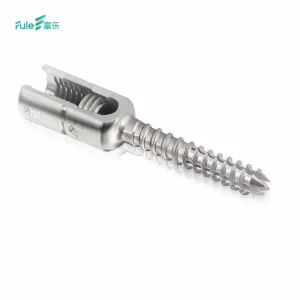
Fule Spinal Pedicle Screw Class III

FULE Orthopedic Surgery Implants Interventional Materials Spinal Pedicle Screw-Class III CE Certified Right Hand Thread 5-Year

Learn More & Request Spec Sheet →
High Quality CE Marked Titanium Pedicle Screw

High Quality CE Marked Titanium Expansive Pedicle Screw Monoaxial Polyaixal Self-tapping

Learn More & Request Spec Sheet →
Broken Screws Removal Instruments Set

Hot-selling Broken Screws Removal Instruments Set From Beijing Fule

Learn More & Request Spec Sheet →
China Manufacture Titanium Orthopedic Bone Plate

China Manufacture Fule Titanium Orthopedic Bone Plate Proximal Distal T-Oblique Olencranon for Bone Fracture Fixation

Learn More & Request Spec Sheet →
DHL Titanium Customized Medical Screw COX II

DHL Titanium Fedex Customized Medical Screw COX II Bone Cement Pedicle Screw 6.0 System for the Treatment of Osteoporosis

Learn More & Request Spec Sheet →
CE Marked Fule Lumbar Interbody Fusion Cage

CE Marked Fule Brand High Quality Class I Medical Instruments Posterior Lumbar Interbody Fusion Cage Spine Surgery 1 Year

Learn More & Request Spec Sheet →
High Quality Orthopedic Cervical Laminoplasty System

High Quality Fule Orthopedic Implants Cervical Laminoplasty System Posterior Plate Mini OEM Titanium Class III CE Certified More

Learn More & Request Spec Sheet →
High Quality CCS 5.0 Titanium Pedicle Screw

High Quality Competitive Price CCS 5.0 Titanium Pedicle Screw Self-tapping Spinal Fixation

Learn More & Request Spec Sheet →
Cervical Plate Screw System Laminoplasty Plate

CE Marked Orthopedic Implant Instrument Competitive Price Cervical Plate Screw System Laminoplasty Plate for Hospital Use

Learn More & Request Spec Sheet →
Anterior Spinal Screw-Rod System Titanium

5.5 Anterior Spinal Screw-Rod System CD Monoaxial Pedicle Screw Titanium

Learn More & Request Spec Sheet →
Posterior Cervical Laminoplasty Surgical System

High Quality Posterior Cervical Laminoplasty Surgical System for Enhanced Spinal Decompression

Learn More & Request Spec Sheet →
Titanium Medical Implants for Cervical Laminoplasty

High Quality Titanium Medical Implant Products for Posterior Cervical Laminoplasty Surgery

Learn More & Request Spec Sheet →

Clinical & Logistics FAQ

Addressing the core clinical concerns and procurement standards for importing spinal systems into Luxembourg.

1. What certificates do the Beijing Fule Occipitocervical-Thoracic systems hold for distribution in Europe?
Our spinal implants, orthopedic plates, and interventional tools are manufactured under an ISO 13485:2016 audited quality control management system. Key implant families hold Class III CE certification under the EU Medical Device Regulations (MDR), making them suitable for use across hospitals in the European Union, including Luxembourg.
2. How does the CFS system solve the biomechanical vulnerability of the cervicothoracic junction?
The junction between the mobile cervical spine and the rigid thoracic cage experiences high shear forces. Our system addresses this transition by utilizing dual-diameter rods (typically transitioning from 3.5mm down to 5.5mm), which eliminates the need for separate couplers and reduces stress concentration at the junction, minimizing the risk of implant failure.
3. What raw materials are used in the spinal implants?
We use exclusively biocompatible Grade 5 Titanium alloy (Ti-6Al-4V ELI) satisfying ASTM F136 specifications. This material offers low weight, excellent fatigue limit characteristics, and produces minimal artifacts during postoperative MRI scans.
4. What is the standard packaging and sterility status upon delivery?
Implants are shipped either sterile (gamma-irradiated double blister packing) or non-sterile (requiring steam autoclave sterilization within the hospital's central sterile services department before use). All packaging processes are carried out inside cleanroom facilities certified to ISO Class 7 standards.
5. Can we request custom instrument designs for our hospital?
Yes. Beijing Fule offers robust OEM/ODM production capability. Backed by 20 experienced R&D engineers, we can customize drill guides, plate benders, or broken screw removal instruments based on technical blueprints and specific clinical feedback.