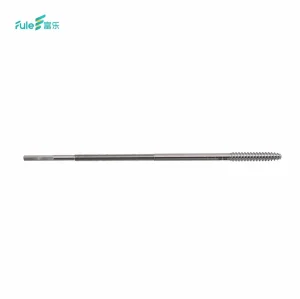
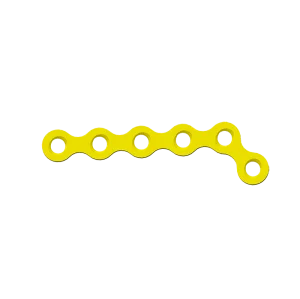
Premium selection of cranial, cervical, and thoracic spinal fixation components designed for severe structural instability.
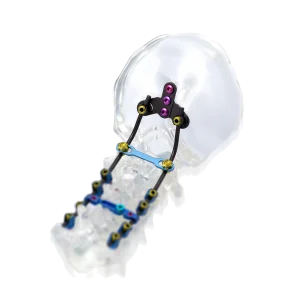
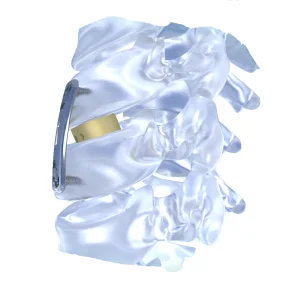
The occipitocervical junction represents one of the most anatomically complex and biomechanically critical zones of the human musculoskeletal system. Providing stable mechanical fixation from the occipital bone across the cervical spine, extending down to the upper thoracic vertebrae requires high precision, anatomical adaptability, and materials capable of enduring cyclic fatigue. The Occipitocervical Thoracic Posterior Spinal System is primarily indicated for patients suffering from severe structural instability at the craniocervical junction caused by degenerative disease, severe inflammatory disorders like rheumatoid arthritis, congenital malformations, neoplastic compression, or high-energy trauma.
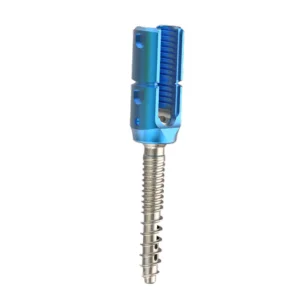
Modern surgical techniques rely heavily on the rigidity of posterior instrumentation. Polyaxial screws, locking plates, and transition rods must perform as a cohesive unit. Historically, wiring techniques were insufficient in providing rotational stability, necessitating prolonged post-operative external immobilization. Our medical-grade titanium and titanium-alloy posterior screw-rod systems, such as the Model CFS, bypass this need by establishing instant rigid fixation. This allows earlier rehabilitation, lower infection rates, and improved overall fusion statistics.
Poland's healthcare landscape, funded largely through the National Health Fund (NFZ - Narodowy Fundusz Zdrowia) along with a rapidly growing private medical sector, prioritizes cost-effective, high-performing medical devices. Orthopedic clinics in medical hubs like Warsaw, Kraków, Poznań, and Wrocław are reporting a notable shift toward minimally invasive, high-reliability posterior cervical-thoracic fusion techniques. Due to an aging population and increasing instances of complex polytrauma from vehicular and occupational accidents, the demand for spinal implants has reached unprecedented levels.
Polish medical device distributors face a double challenge: maintaining absolute compliance with stringent EU MDR (Medical Device Regulation) frameworks while keeping unit procurement costs manageable. Traditional European and North American implant manufacturers often operate under high markup business models, forcing Polish procurement departments to seek qualified manufacturers from alternative high-efficiency manufacturing centers. This is where advanced Chinese manufacturers, who strictly adhere to ISO 13485 quality control parameters, provide a compelling value proposition.
The global spinal fusion market is transitioning towards materials that mimic the mechanical characteristics of natural bone. While Titanium alloy remains the gold standard for posterior screw-rod systems due to its high tensile strength and fatigue resistance, interbody implants utilize PEEK (Polyetheretherketone) or hybrid PEEK-titanium cages. The design philosophy behind occipitocervical-thoracic systems emphasizes lower profile plate designs. The goal is to minimize soft-tissue irritation, particularly over the thin subcutaneous tissue of the suboccipital region, while offering robust, multi-angle polyaxial screw trajectories to navigate narrow cervical pedicles safely.
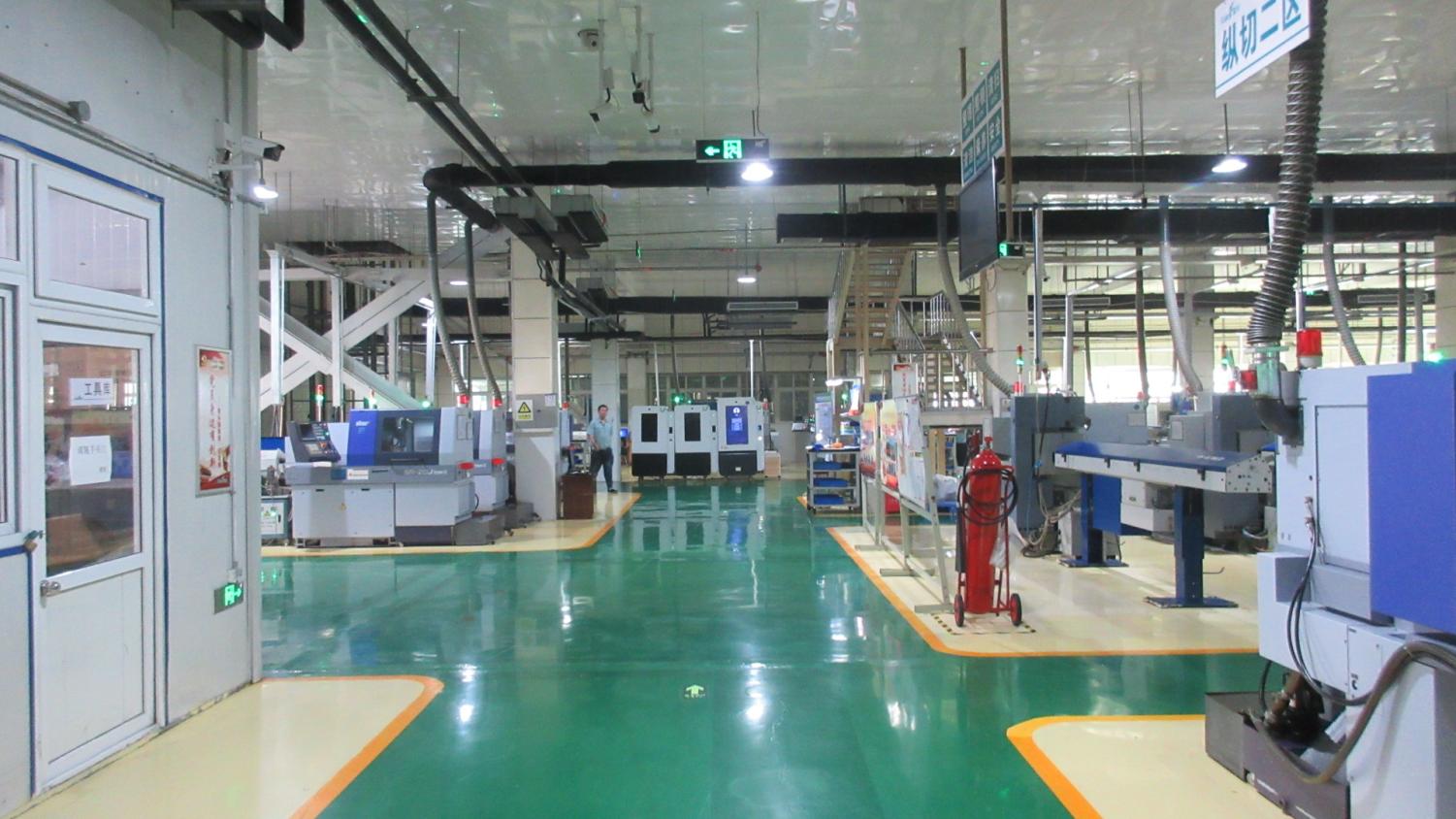
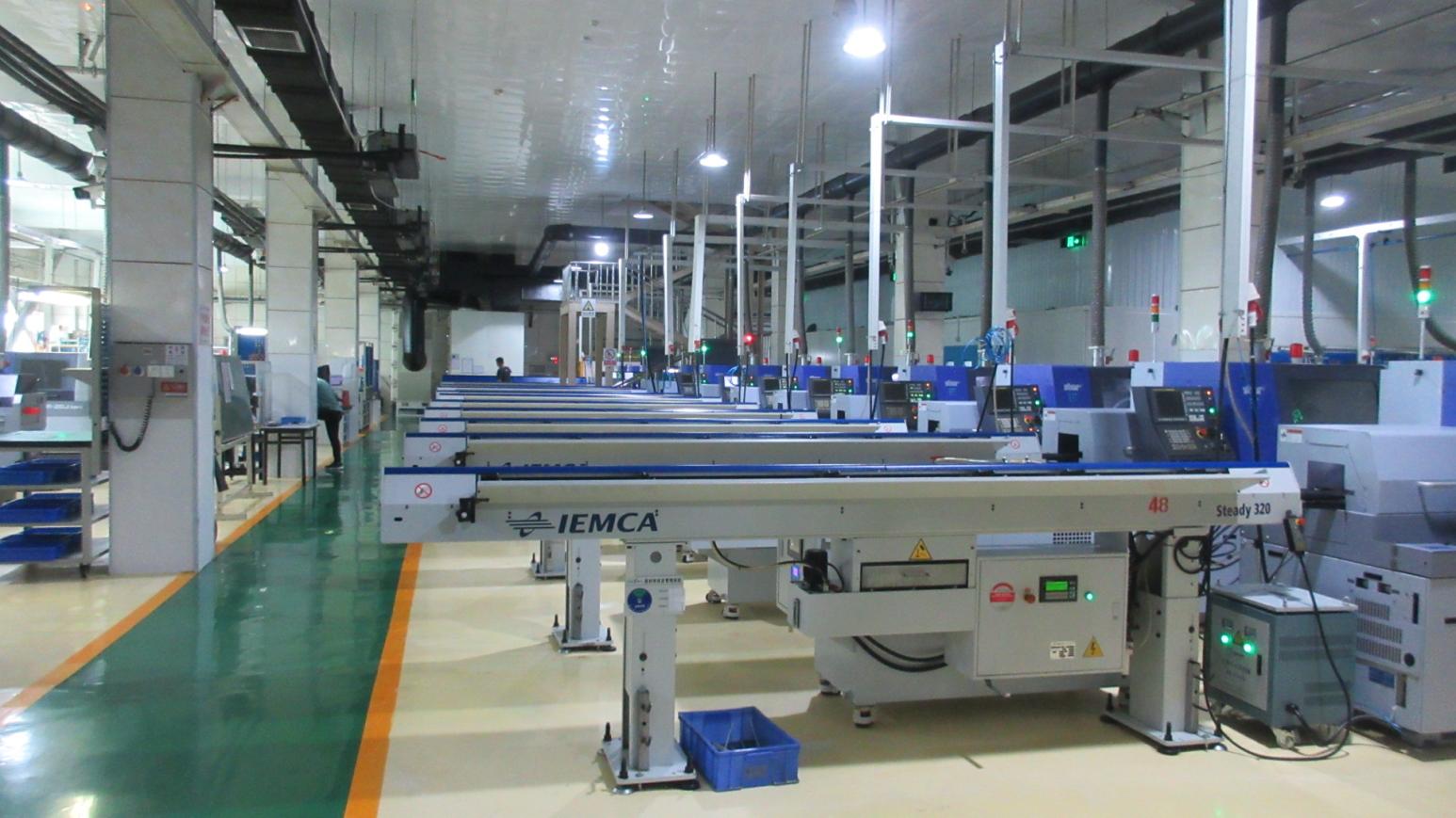
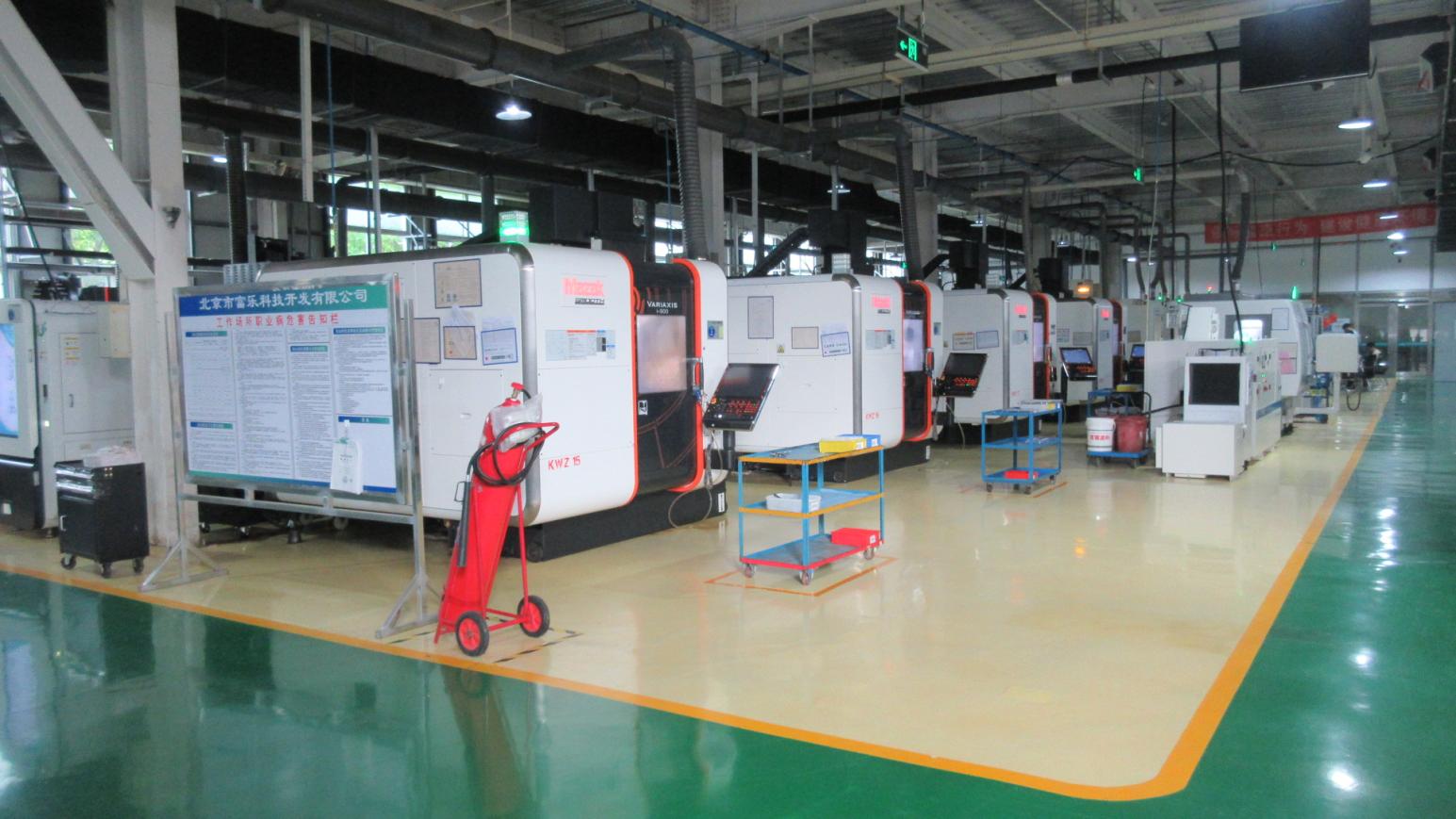
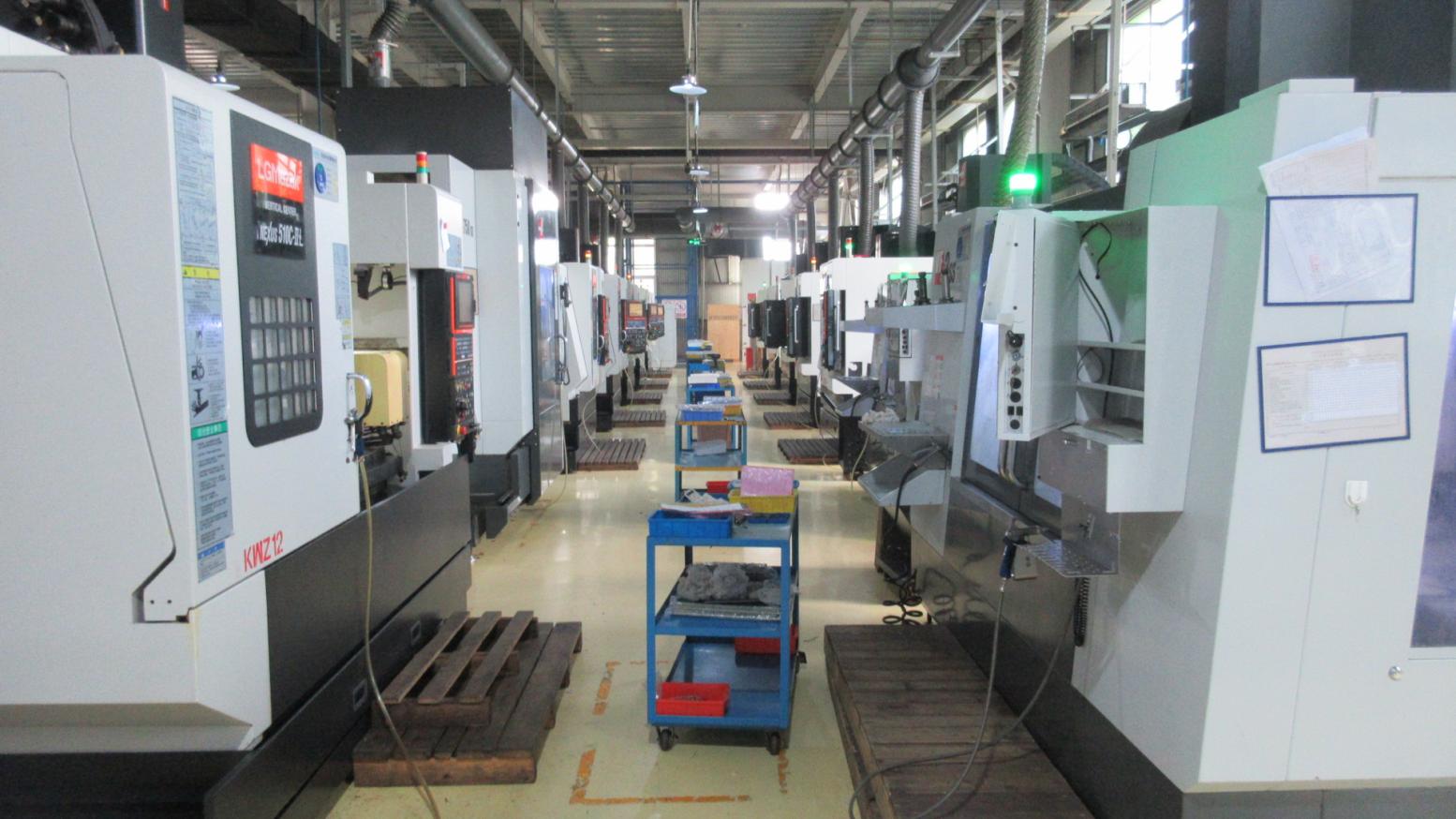
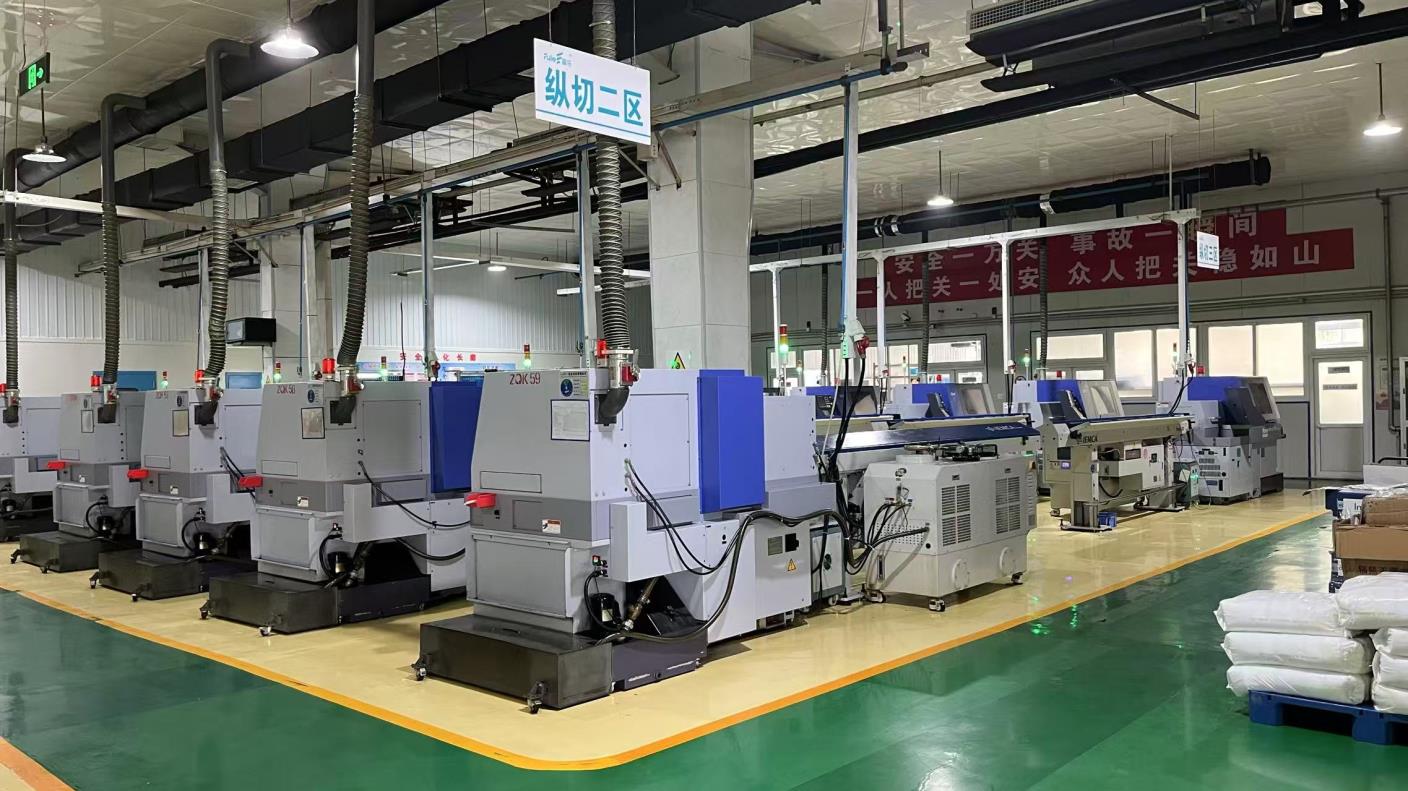
China's advanced orthopedic implant manufacturing relies on massive industrial clusters, cutting-edge Swiss CNC milling equipment, and standardized quality-assurance methodologies. With over 30 years of manufacturing experience, our factories deploy automated high-speed machining centers that operate under strict environmental controls, guaranteeing micro-precision tolerances of ±0.01 mm for screw threads and rod-coupling interfaces.
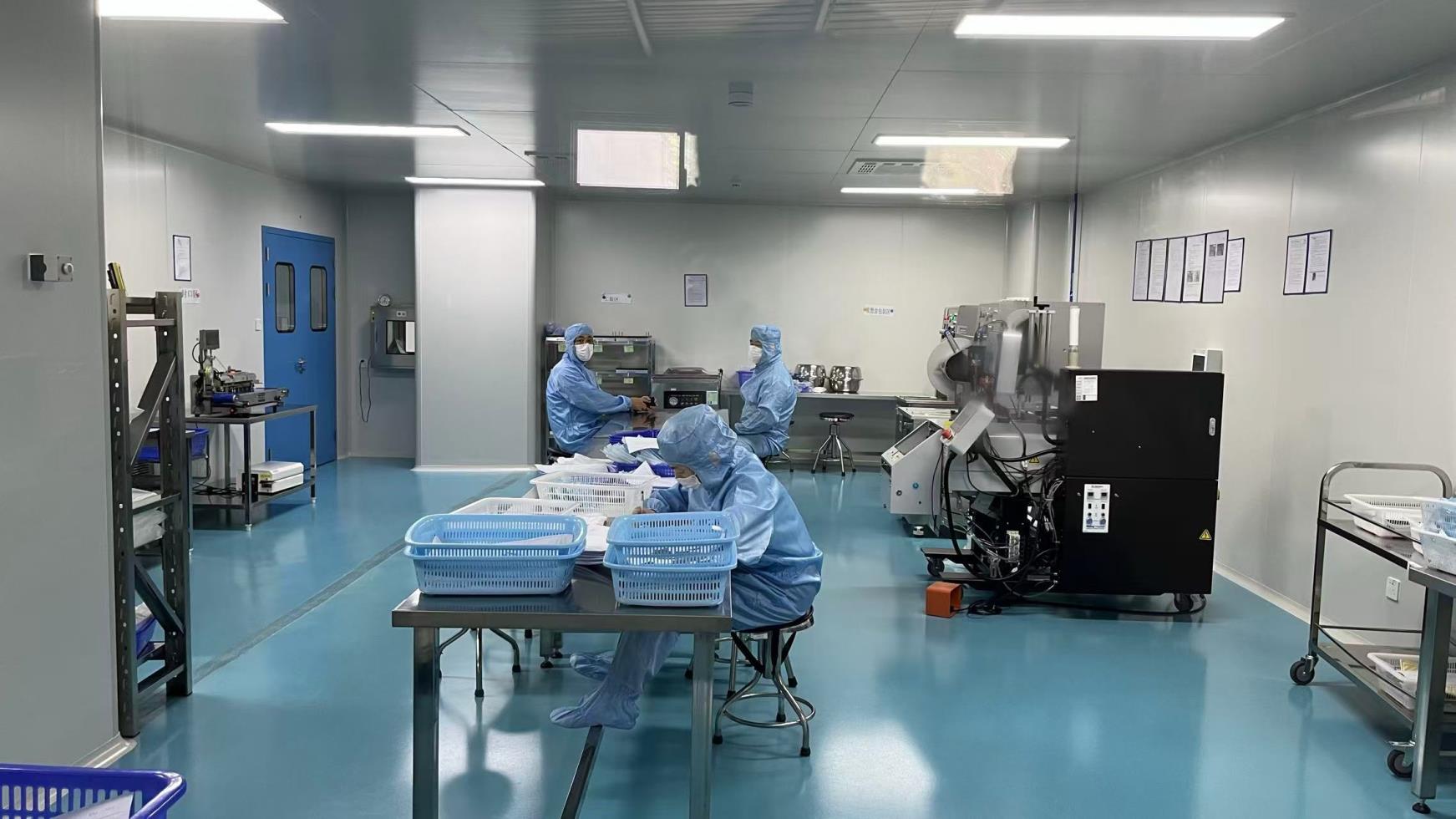
This structural advantage allows Chinese exporters to deliver complex spinal systems at a lower cost without sacrificing regulatory integrity. The consolidation of raw material sourcing, surface treatment (anodization, acid etching), cleanroom packaging, and sterilization validation under a single facility structure minimizes middleman markups and transit delays, directly benefiting Polish hospitals and patients.
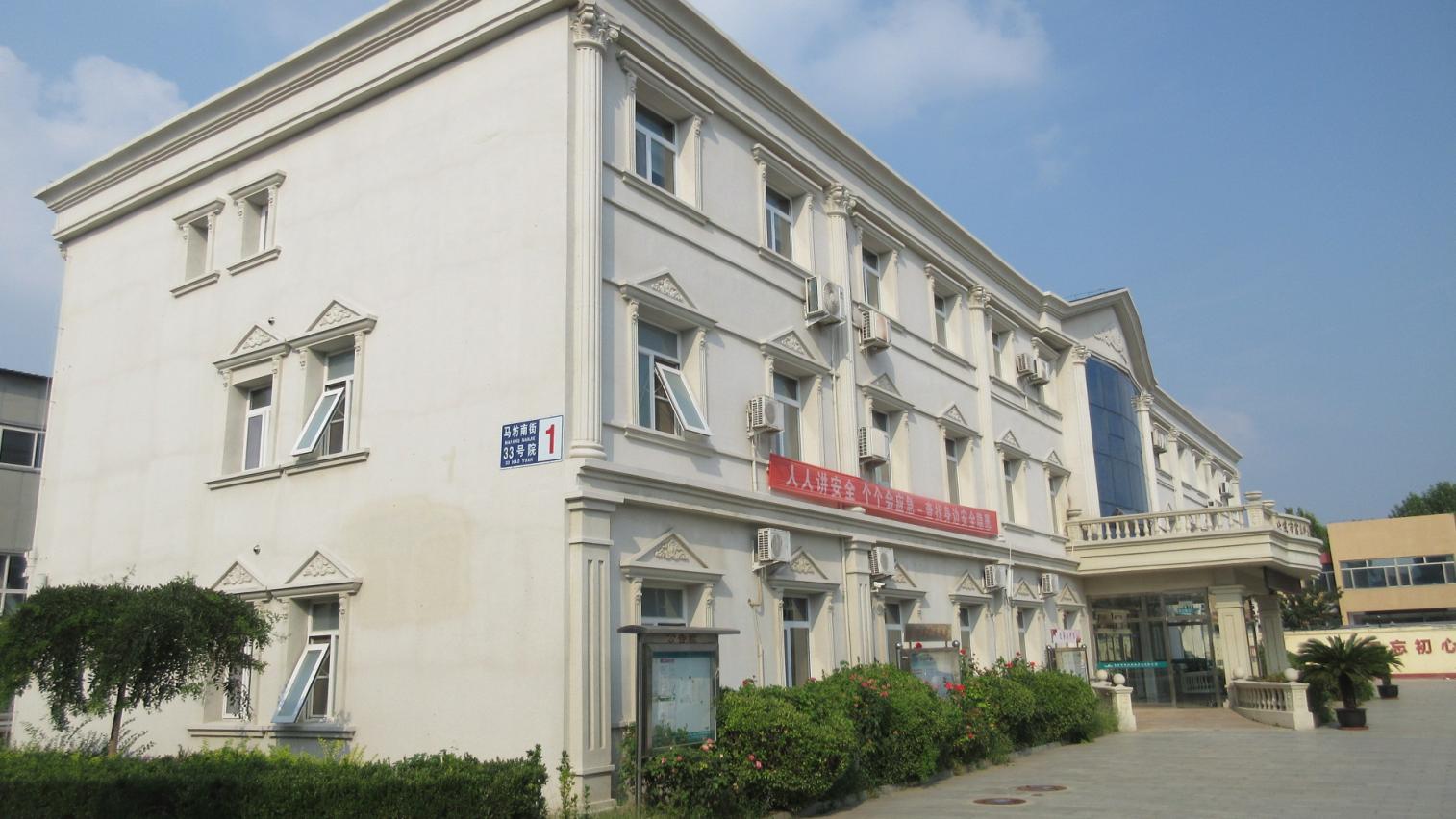
When Polish buyers and international procurement organizations secure contracts for posterior cervical systems, they evaluate a distinct set of operational criteria:
Our commitment to orthopedic engineering excellence is backed by decades of industrial history and rigorous quality management protocols.
| Operational Parameter | Certified Value / Specification | Polish & European Compliance Relevance |
|---|---|---|
| Registration & Experience | Founded in 1996 | 30 Years Exporting Experience | Ensures deep knowledge of international medical trade rules and logistics. |
| Quality Certifications | ISO13485 (Certificate No. 04724Q10000818) | Meets standard quality requirements for medical device manufacturing. |
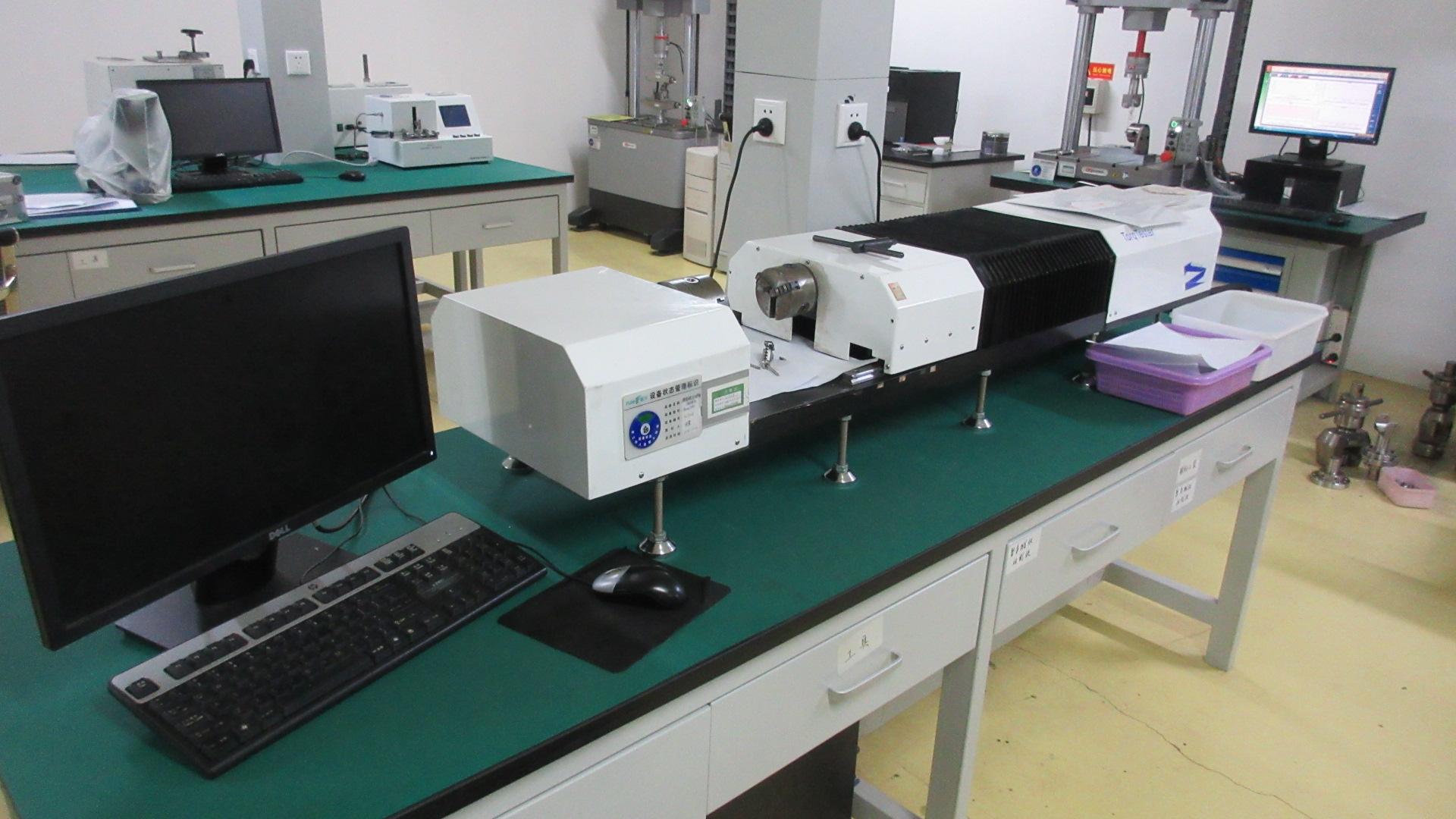
| Production Machinery | 102 High-Precision CNC and Testing Machines | Enables micro-precise machining for secure screw and rod fitment. |
| Quality Control Staff | 15 QA/QC dedicated inspectors | 100% Traceability | Ensures every individual implant meets critical surgical specifications. |
| R&D Capabilities | 20 Engineers (15 Graduate level) | 20 New products yearly | Enables OEM customization based on Polish surgeons' anatomical preferences. |
| Supply Chain Coverage | Eastern Europe (15%), Southeast Asia (10%), Domestic (40%) | Familiar with Eastern and Central European customs and distribution practices. |
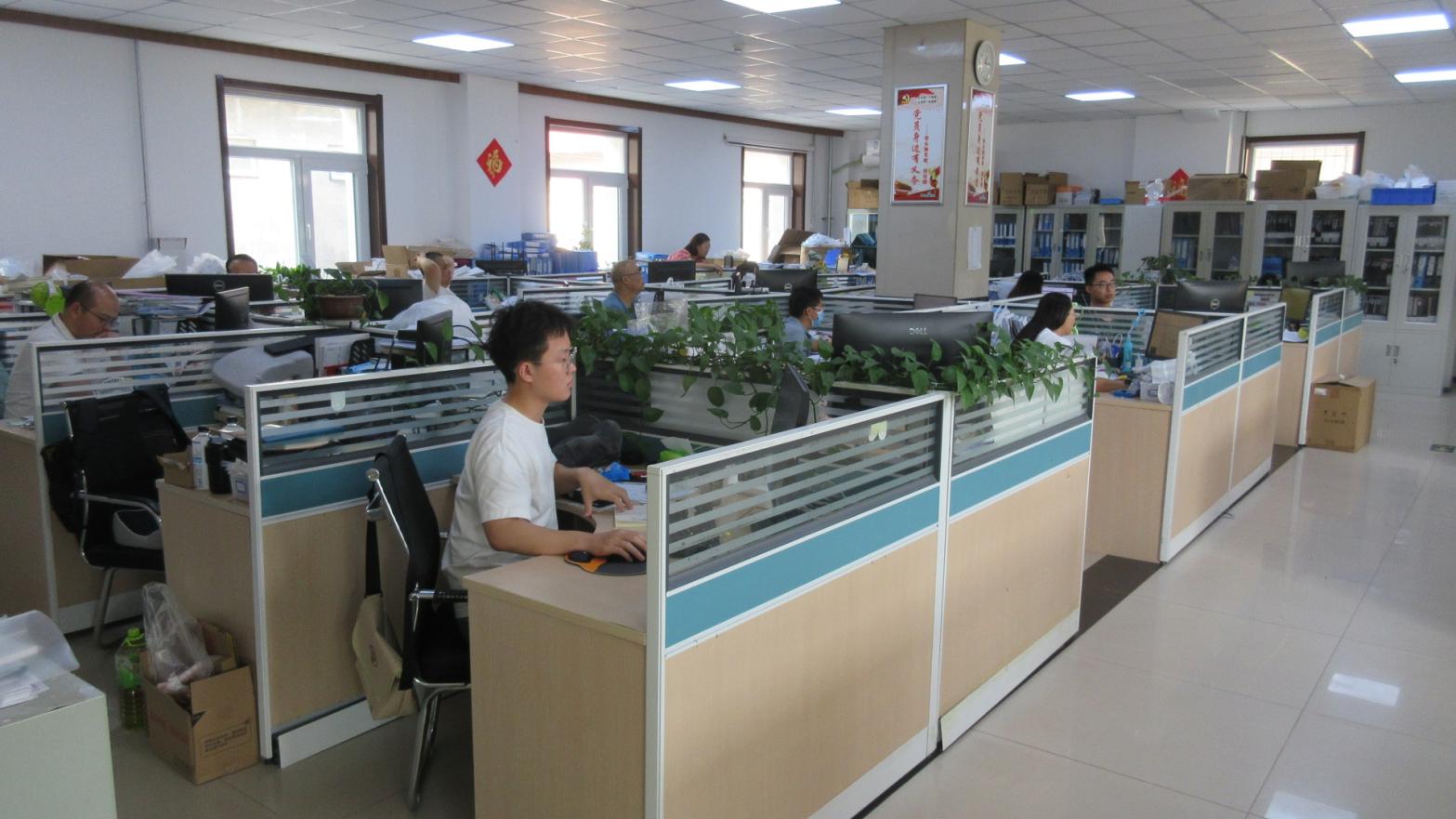
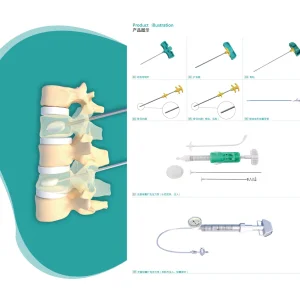
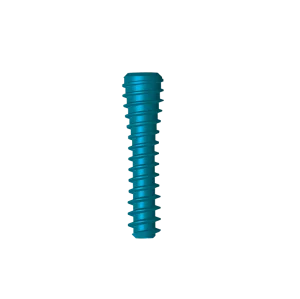
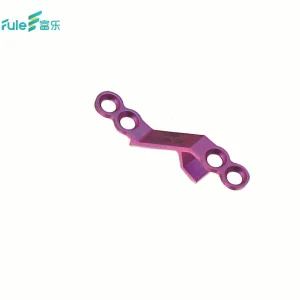
A broad portfolio of implants and accessories designed to cover the entire vertebral repair pathway, optimized for the Polish market.
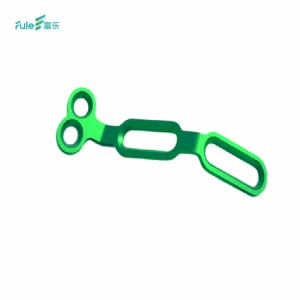
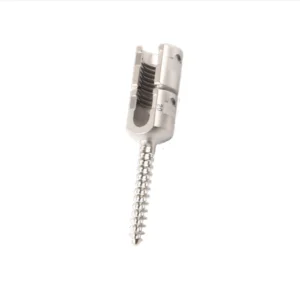
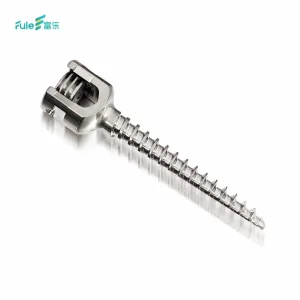
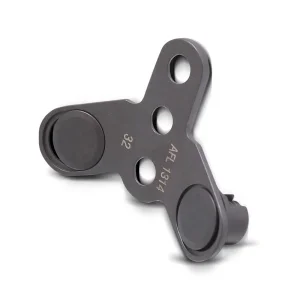
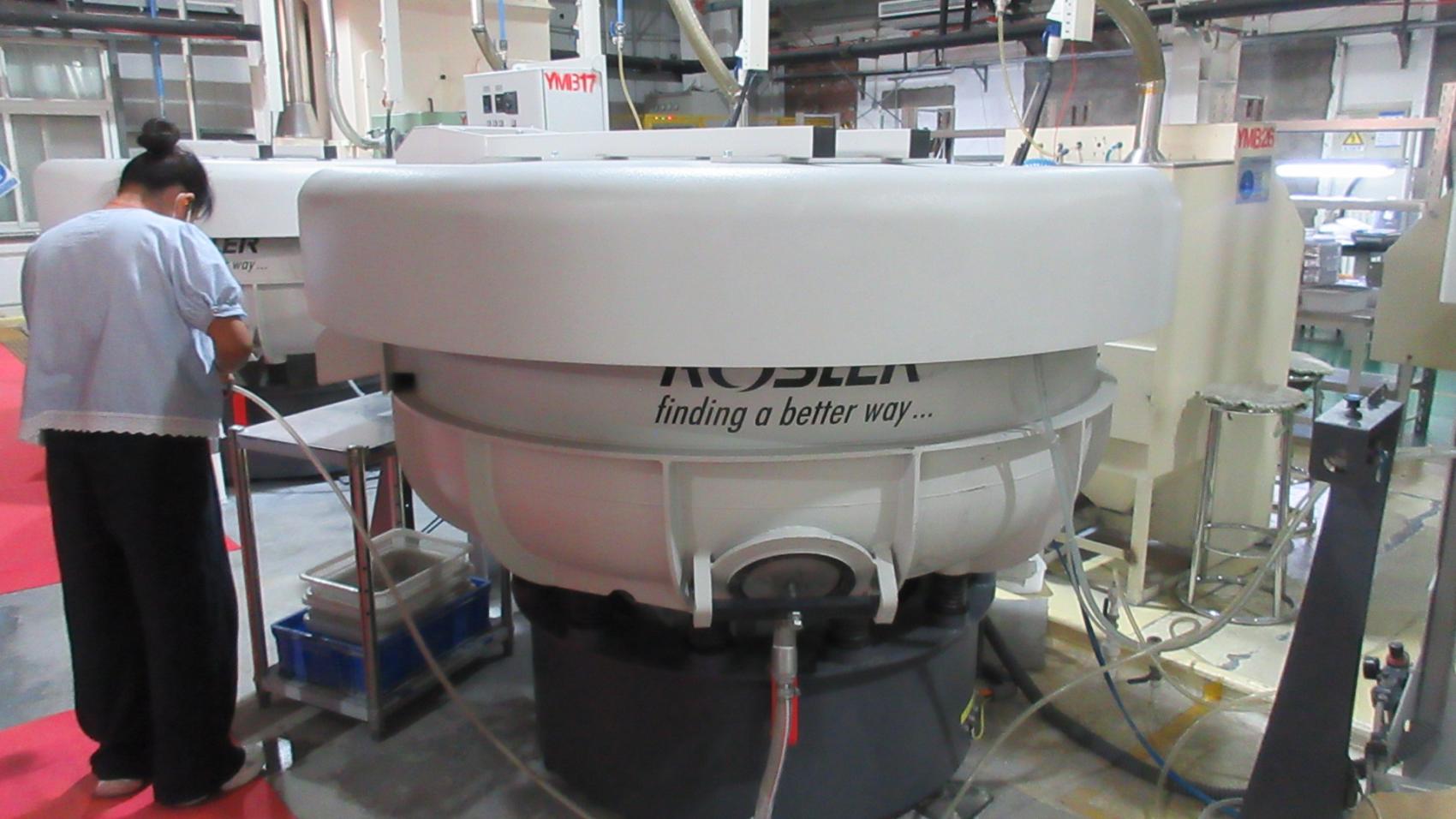
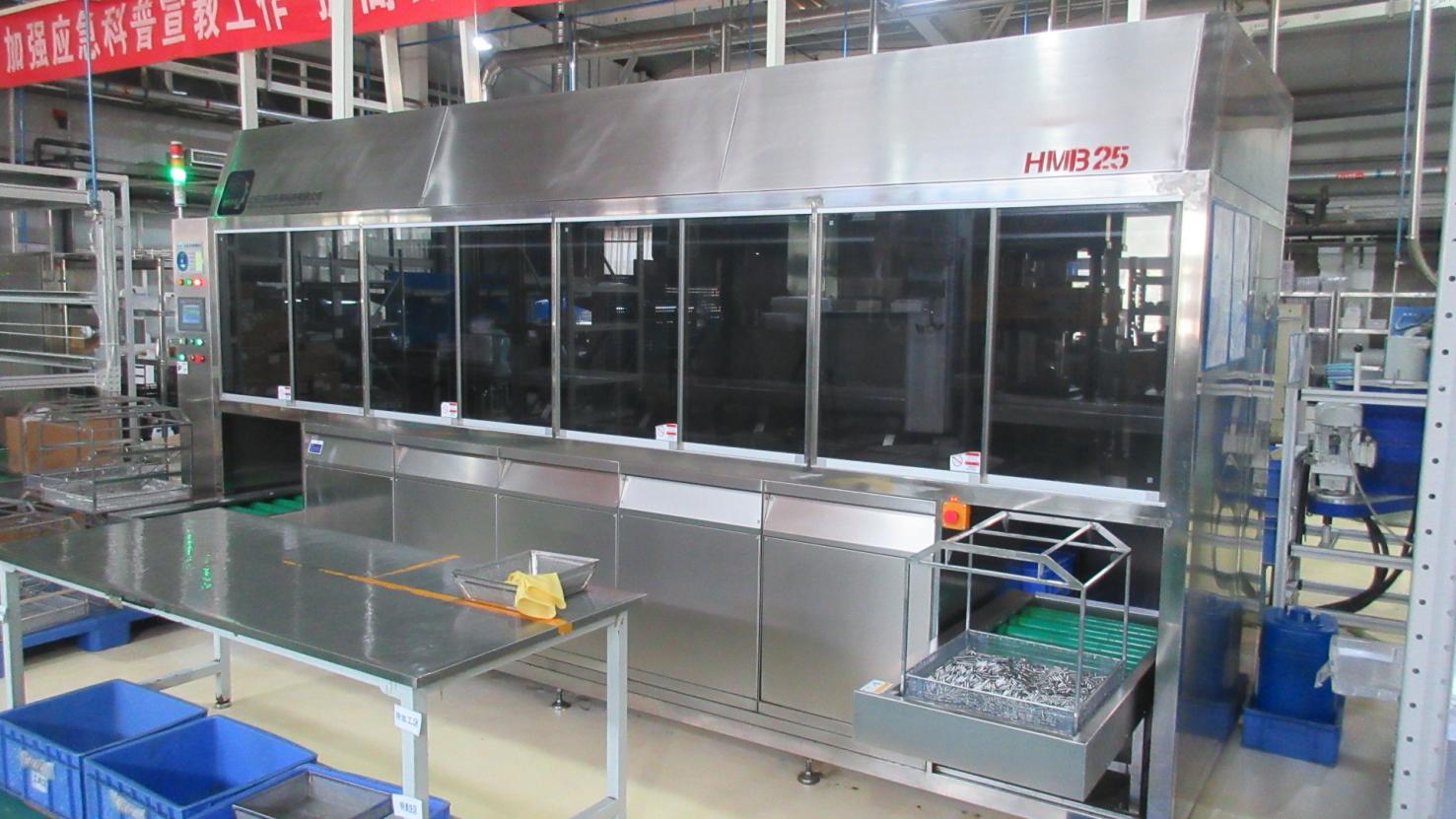
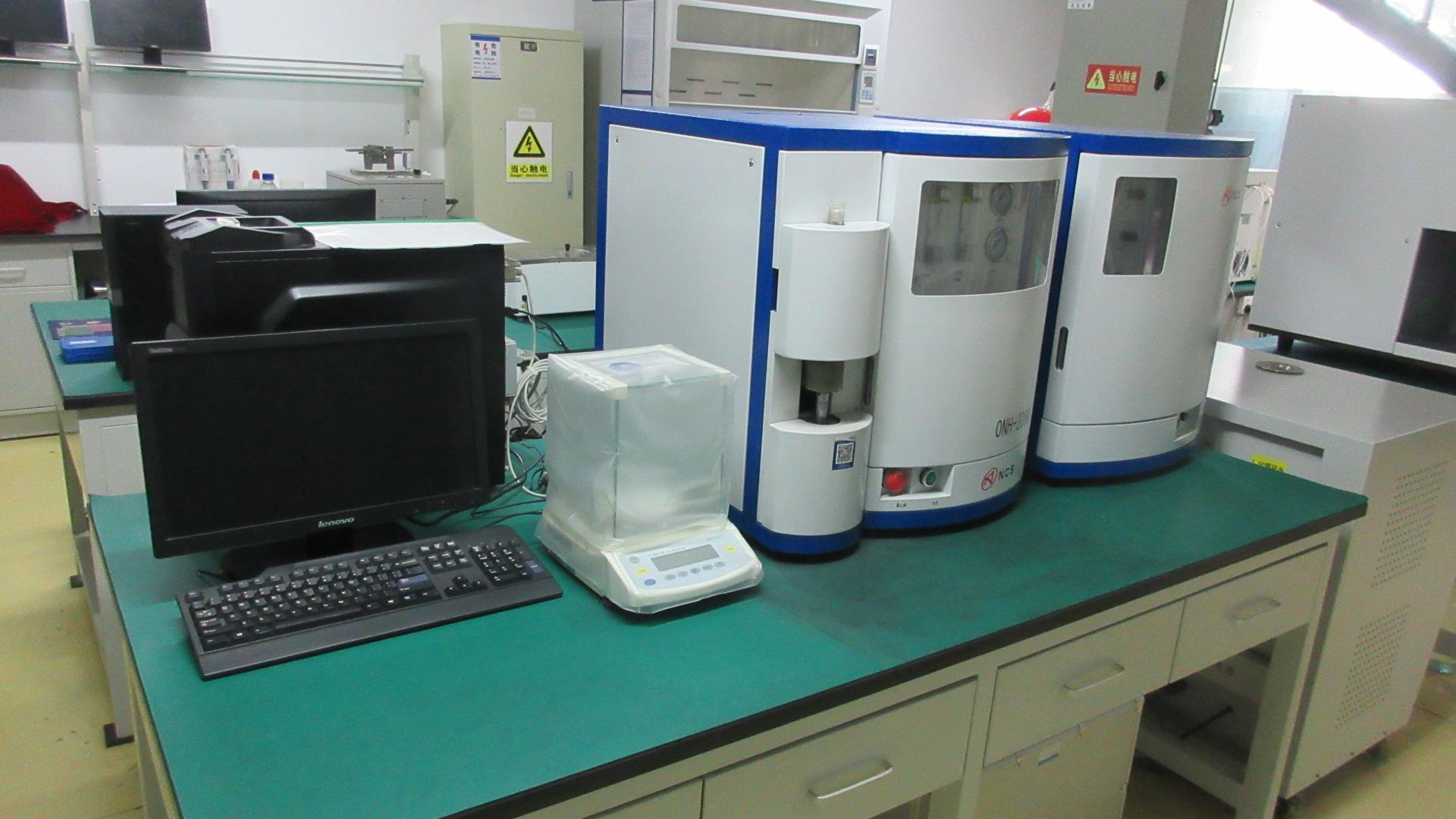
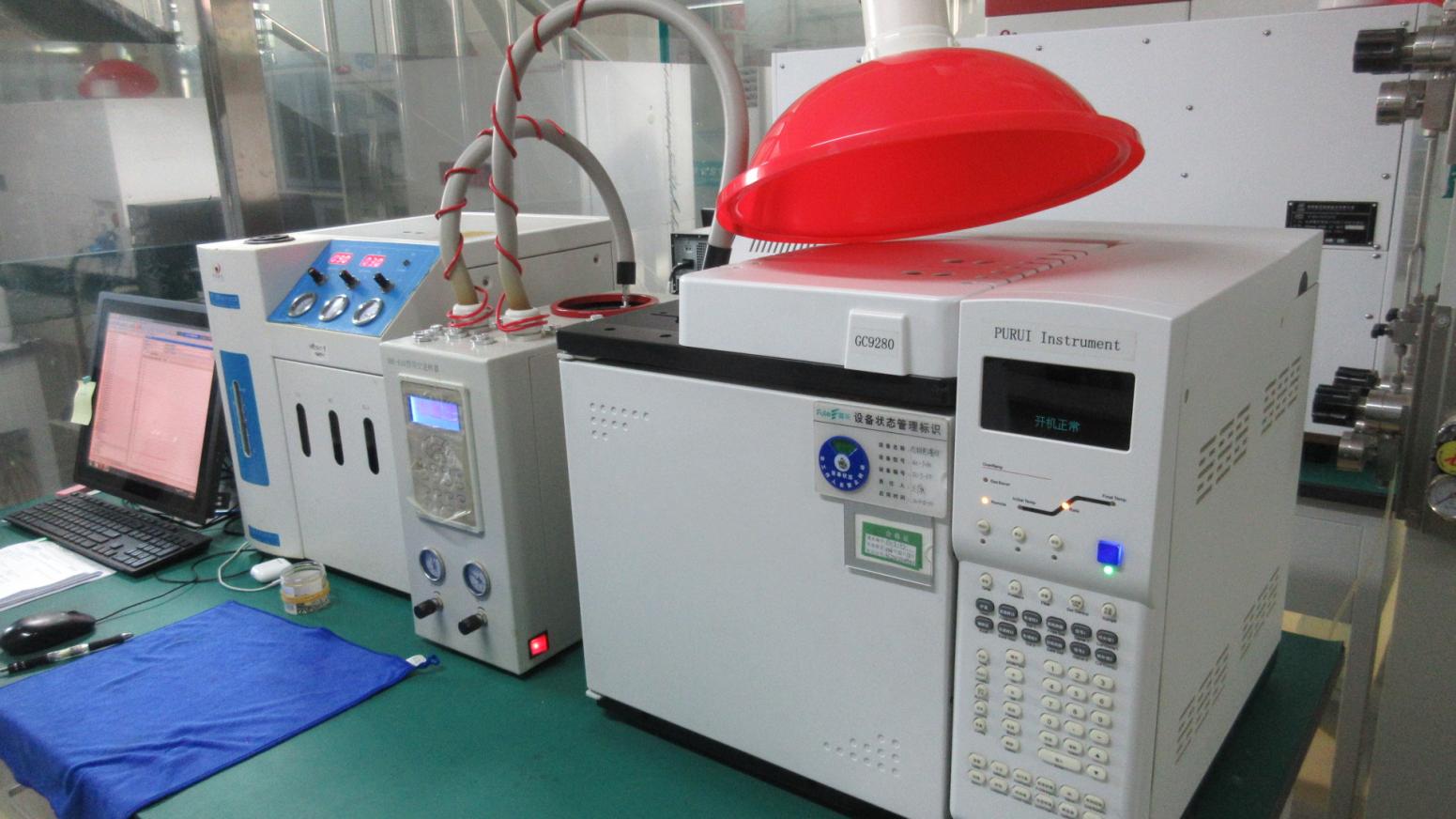
A visual overview of our manufacturing processes, including CNC milling and cleanroom assembly.
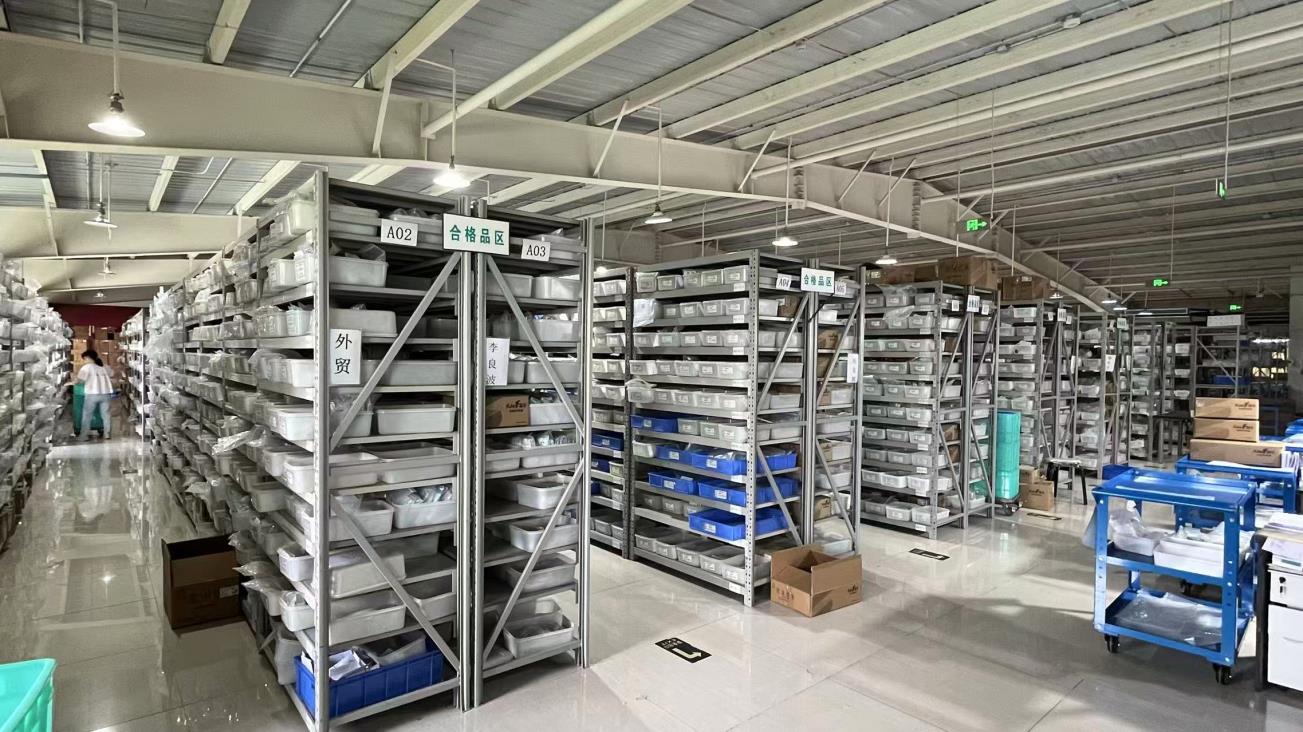
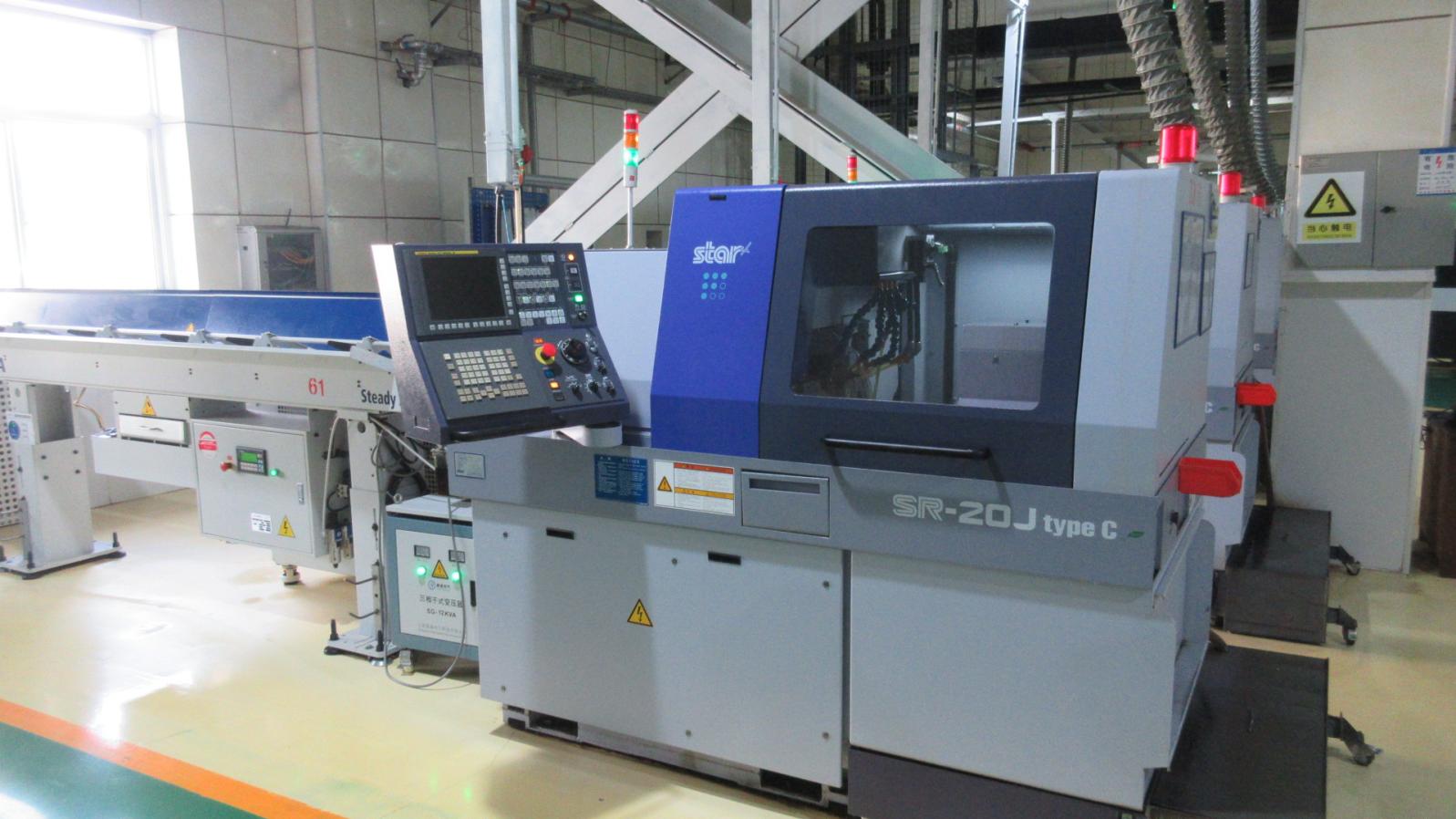
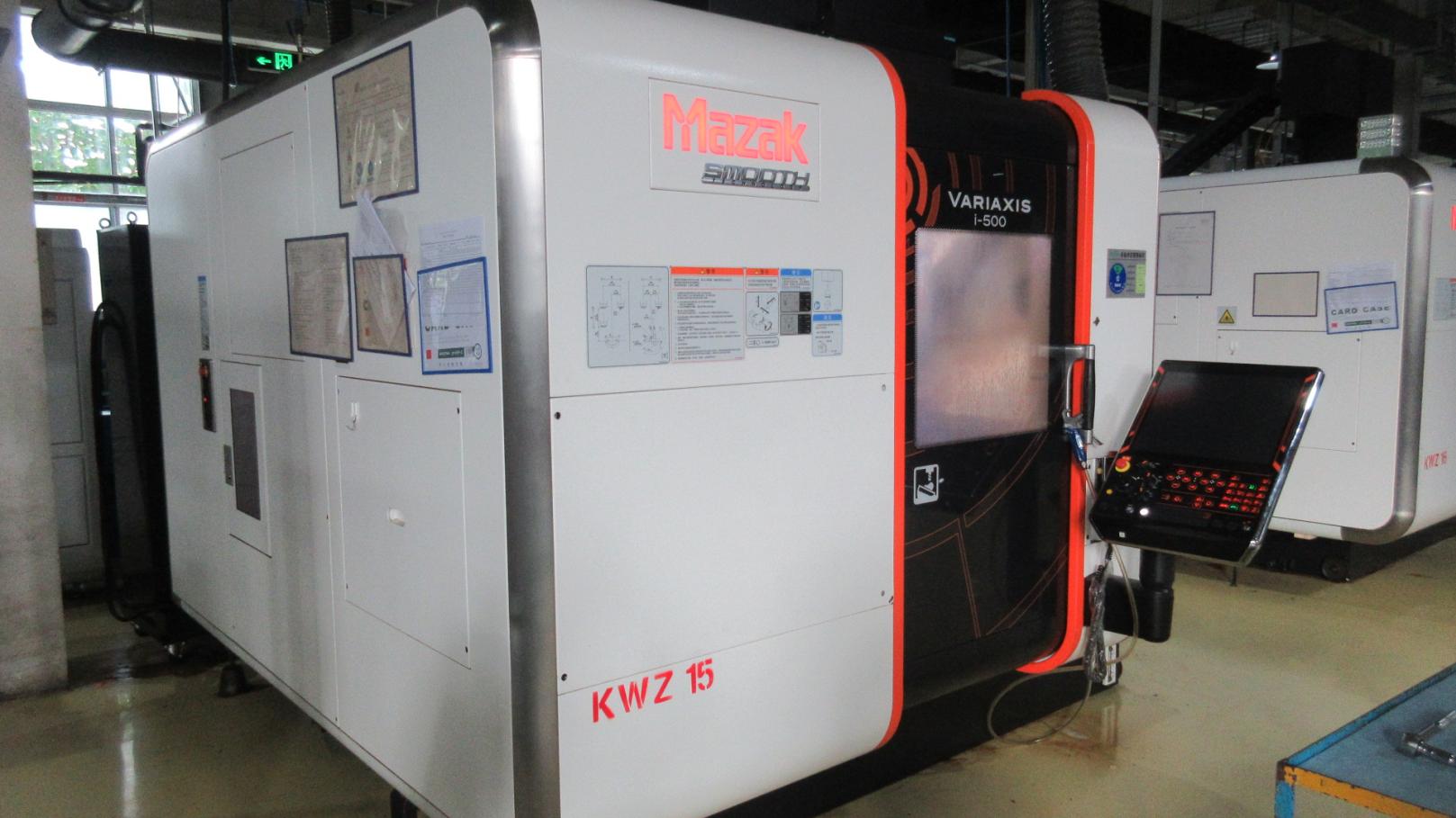
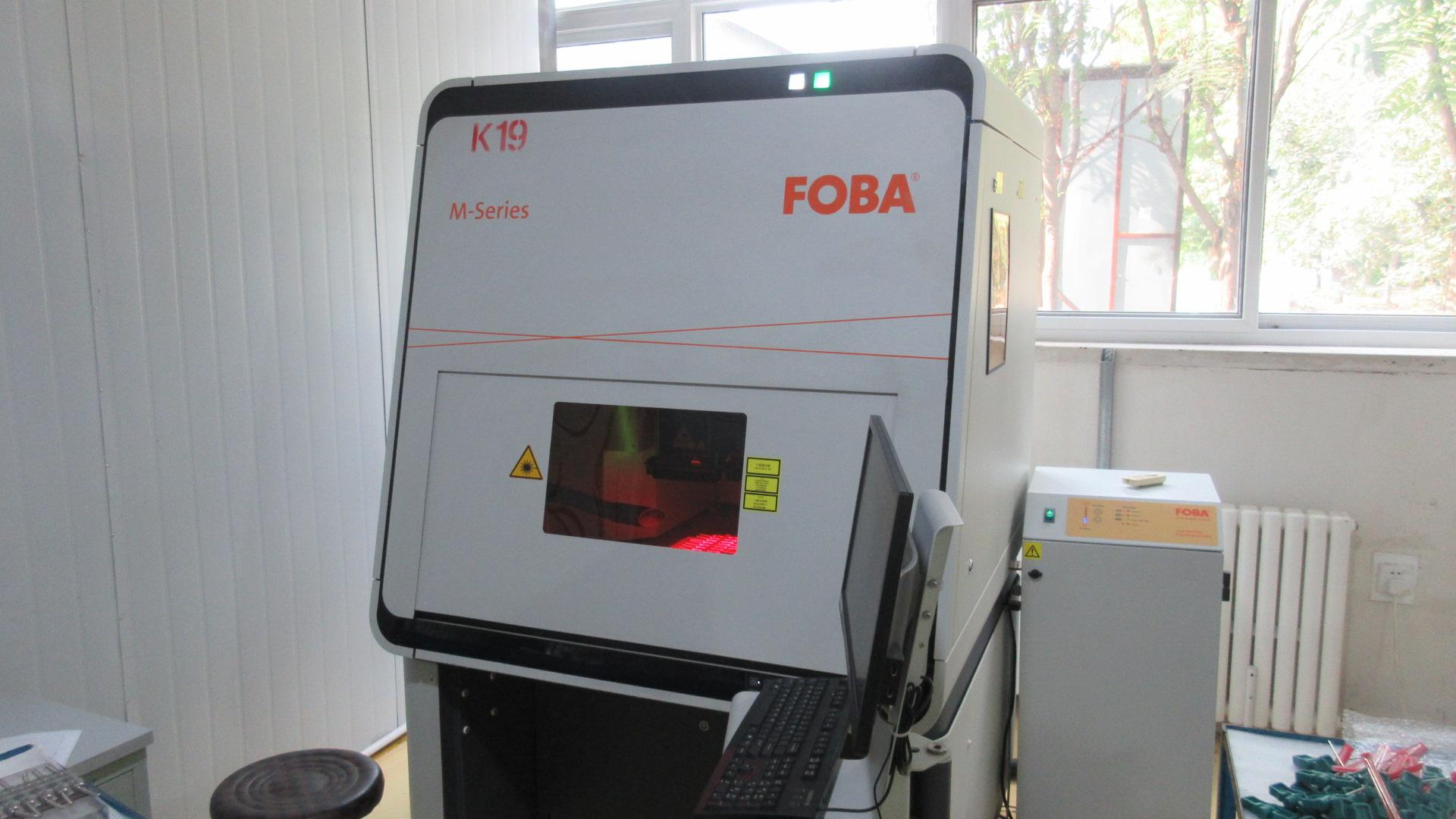
Designing a system that spans the occipitocervical junction to the thoracic vertebrae requires addressing complex load profiles. The occipito-atlantoaxial complex (C0-C1-C2) accounts for nearly 50% of the cervical spine's total rotation and flexion/extension. A posterior fixation system must provide rigid stabilization without causing mechanical overload at adjacent, non-instrumented spinal segments.
The Occipitocervical Thoracic Posterior Spinal System achieves this through modular occipital plates that match the contour of the suboccipital bone, combined with polyaxial pedicle screws. These screws offer up to 40 degrees of angulation, allowing surgeons to insert them safely into the narrow, angled pedicles of the cervical and upper thoracic spine. Rods with diameter transitions (from 3.0mm cervical portions to 5.5mm thoracic portions) ensure adequate stiffness across the cervicothoracic junction—a common site of mechanical failure in long-construct spinal fusions.
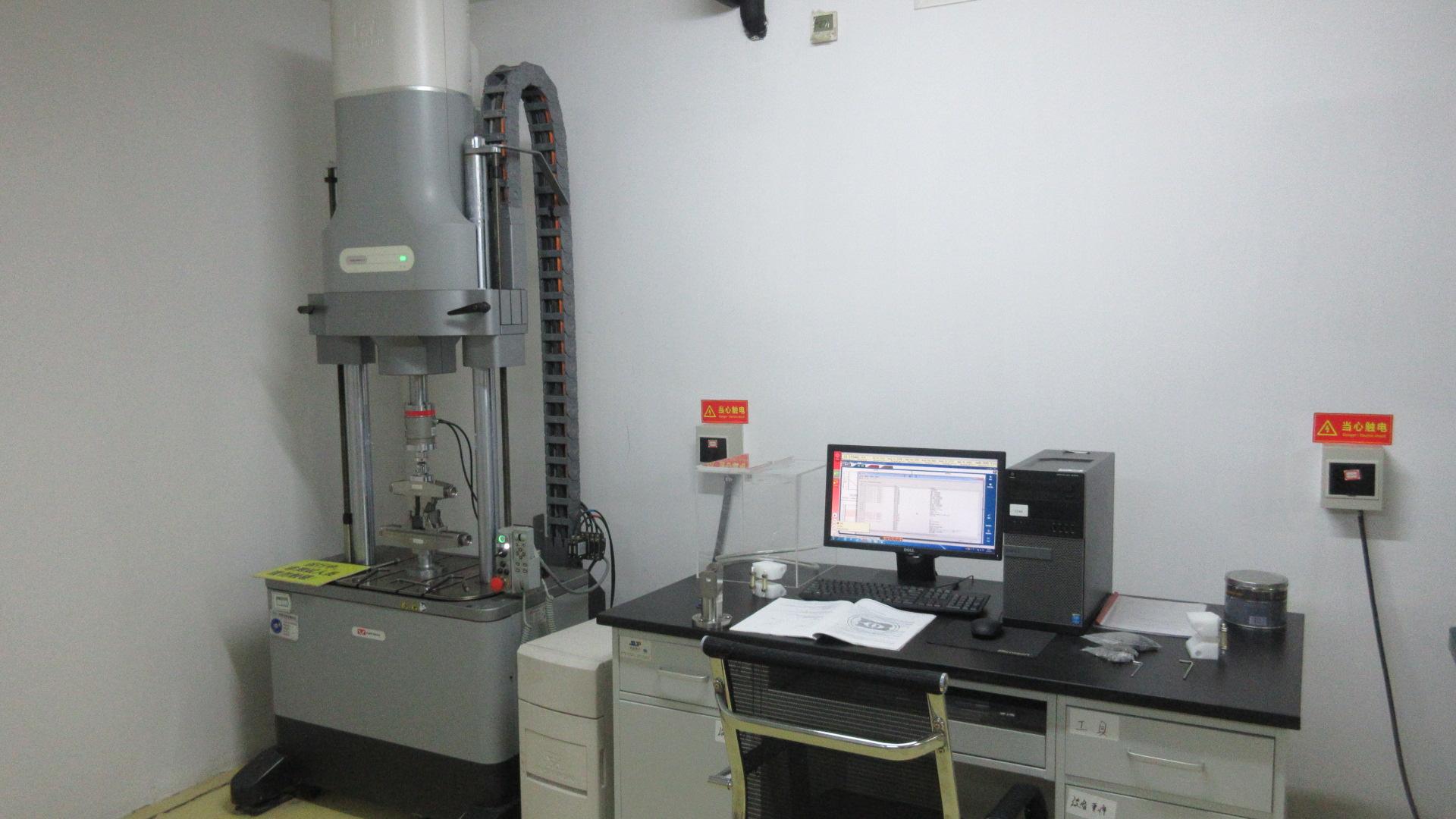
Consistent clinical outcomes rely on raw material integrity and manufacturing precision. Under our ISO 13485 quality system, all titanium alloys (Ti-6Al-4V ELI) undergo strict incoming material validation, including chemical composition and tensile strength analysis. Every production run is documented with a unique batch number, ensuring traceability from raw bar stock to the sterilized implant in the operating room. Post-machining treatments, such as anodization, form a protective oxide layer that increases biocompatibility and reduces wear-debris generation.
Answers to common regulatory, logistical, and technical questions regarding the import of spinal implant systems into Poland.
 Beren Science & Technology