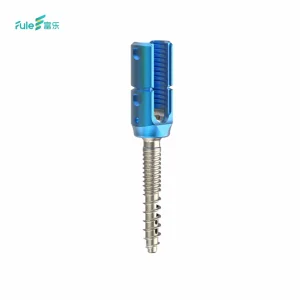
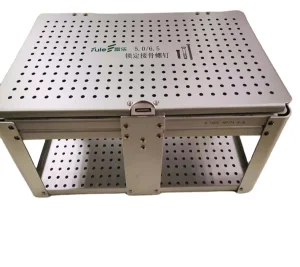
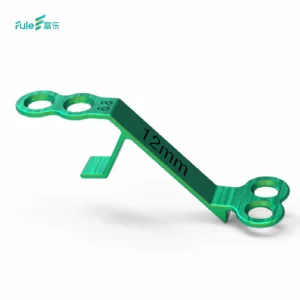
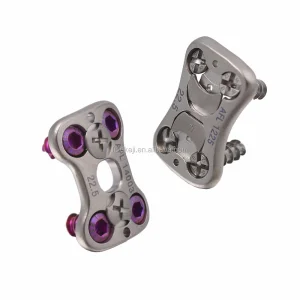
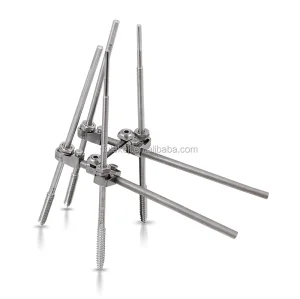
Engineered with high-grade biocompatible titanium alloy to deliver maximum biomechanical stability for Spanish clinical centers.
Clinical challenges, regulatory pathways, and procurement dynamics in the Iberian Peninsula.
The Spanish market for spinal implants and posterior fixation devices is undergoing a structural transition. Driven by one of Europe's most rapidly aging populations—with over 20% of Spain's demographic currently aged 65 or older—the clinical prevalence of degenerative spine conditions, complex cervical myelopathies, and occipitocervical instability has escalated. Major metropolitan healthcare networks in Madrid, Barcelona, Valencia, and Seville are facing growing demands to optimize patient outcomes while managing systemic healthcare expenditures.
Under the Spanish National Health System (Sistema Nacional de Salud - SNS), orthopedic procurement is heavily decentralized across 17 autonomous communities (Comunidades Autónomas). Each regional healthcare board operates dynamic public tenders (licitaciones públicas) that prioritize devices with documented clinical safety, high biocompatibility, and strict regulatory compliance. For suppliers and medical device exporters targeting Spain, demonstrating compatibility with local surgical protocols and compliance with the Agencia Española de Medicamentos y Productos Sanitarios (AEMPS) guidelines is paramount.
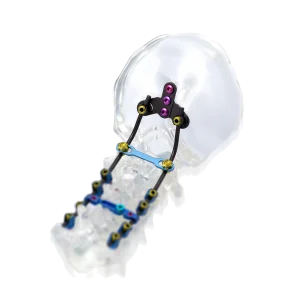
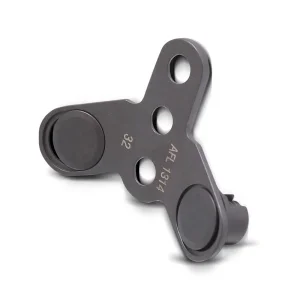
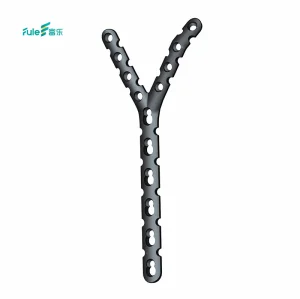
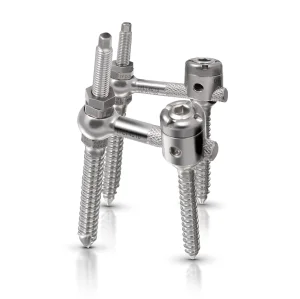
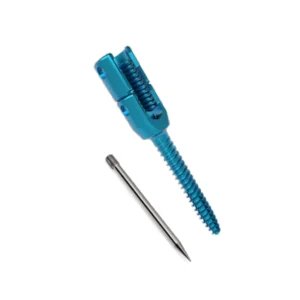
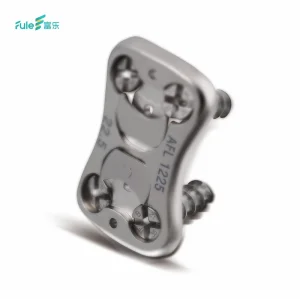
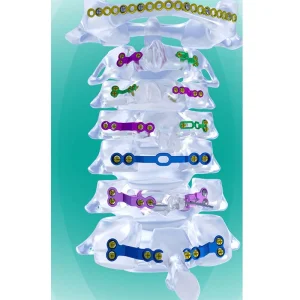
The craniocervical junction presents extreme anatomical complexity. Stabilization across the occipito-atlanto-axial complex requires implants capable of accommodating complex multi-planar forces. Our Occipitocervical Thoracic Posterior Spinal System is engineered to address these challenges. By incorporating low-profile occipital plates, polyaxial screws with wide angulation ranges, and smooth transitioning rods, our system reduces localized mechanical stress.
Backed by 30 years of global medical manufacturing experience and rigorous clinical supply chain management.
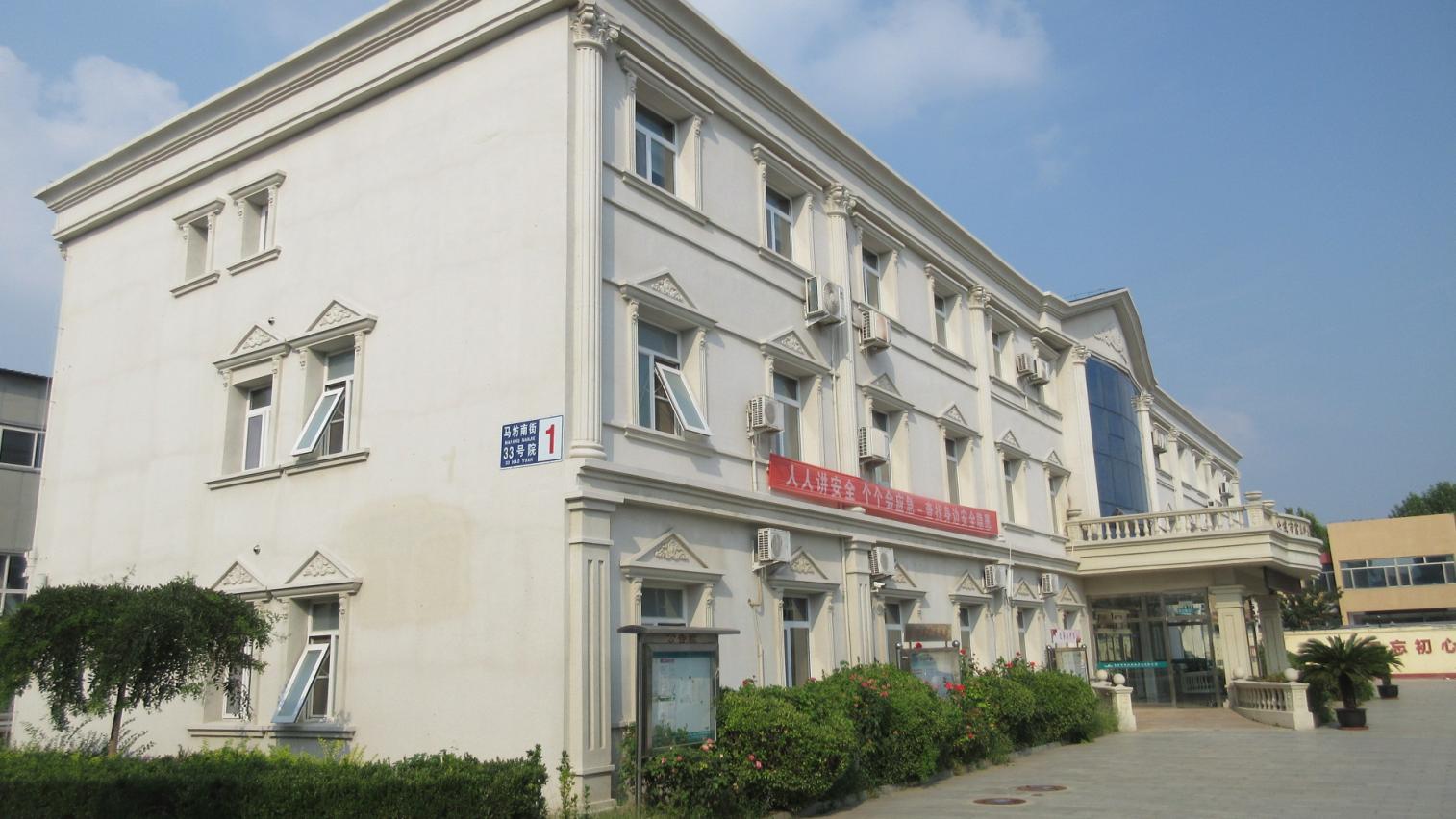
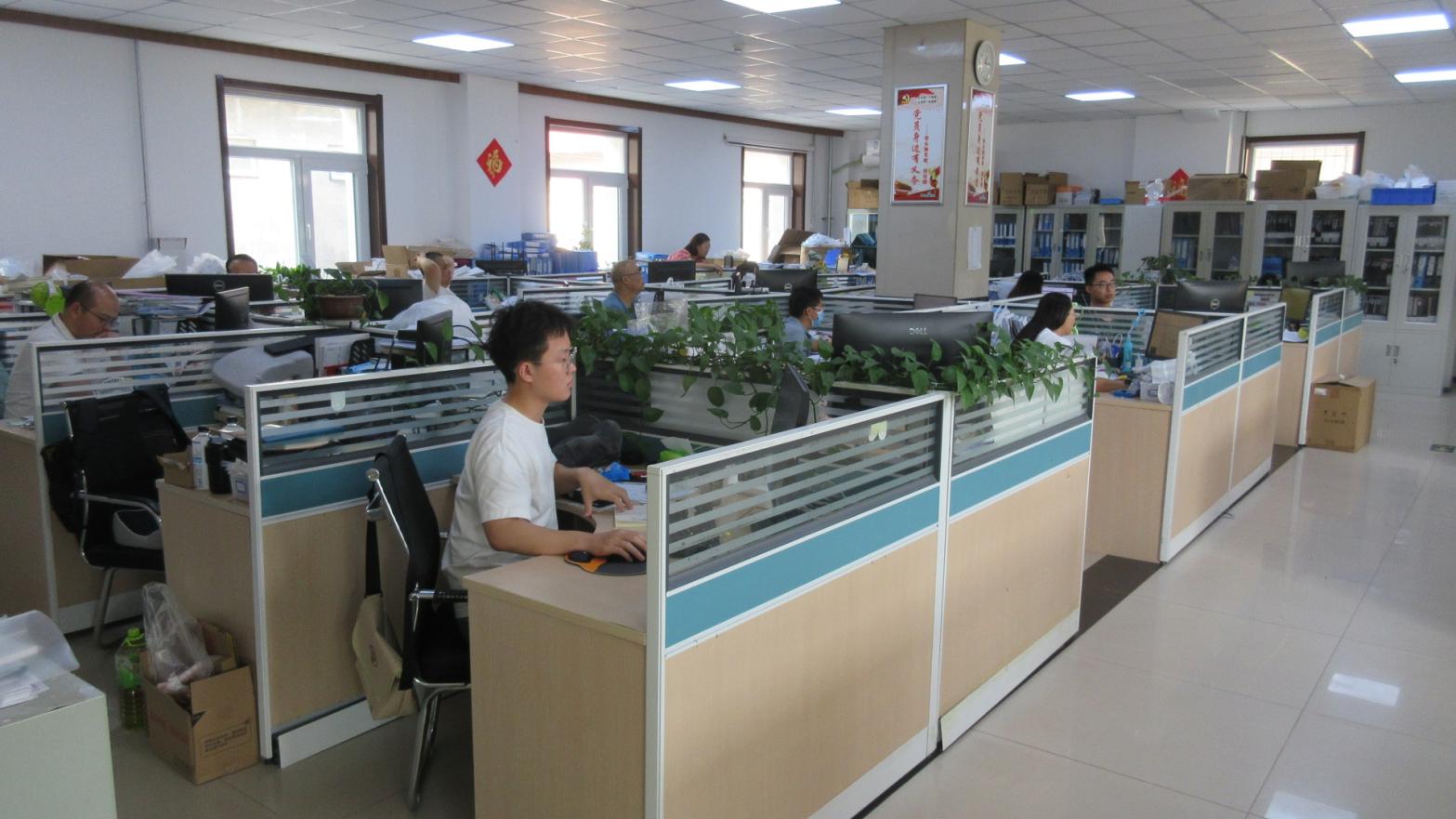
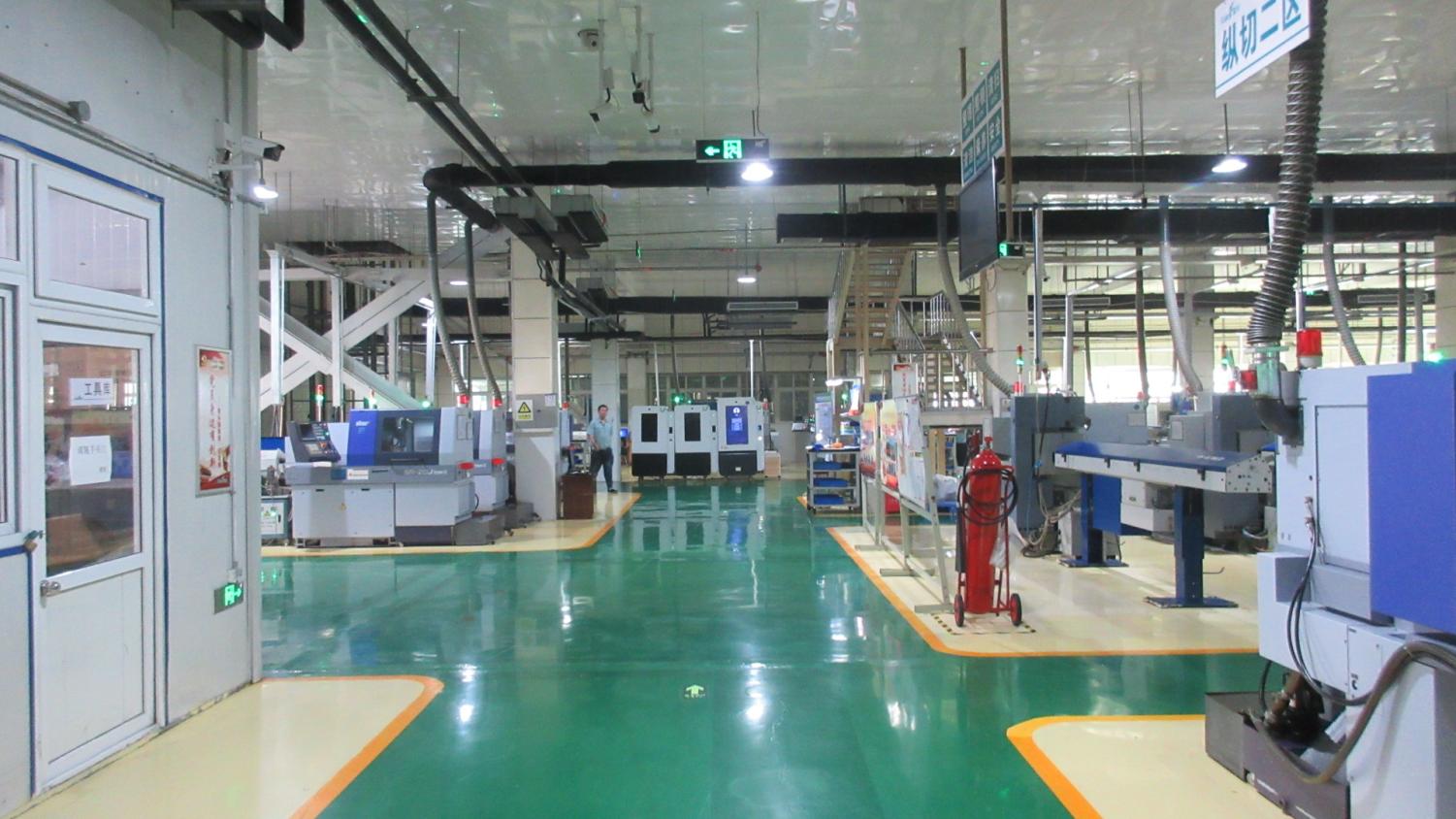
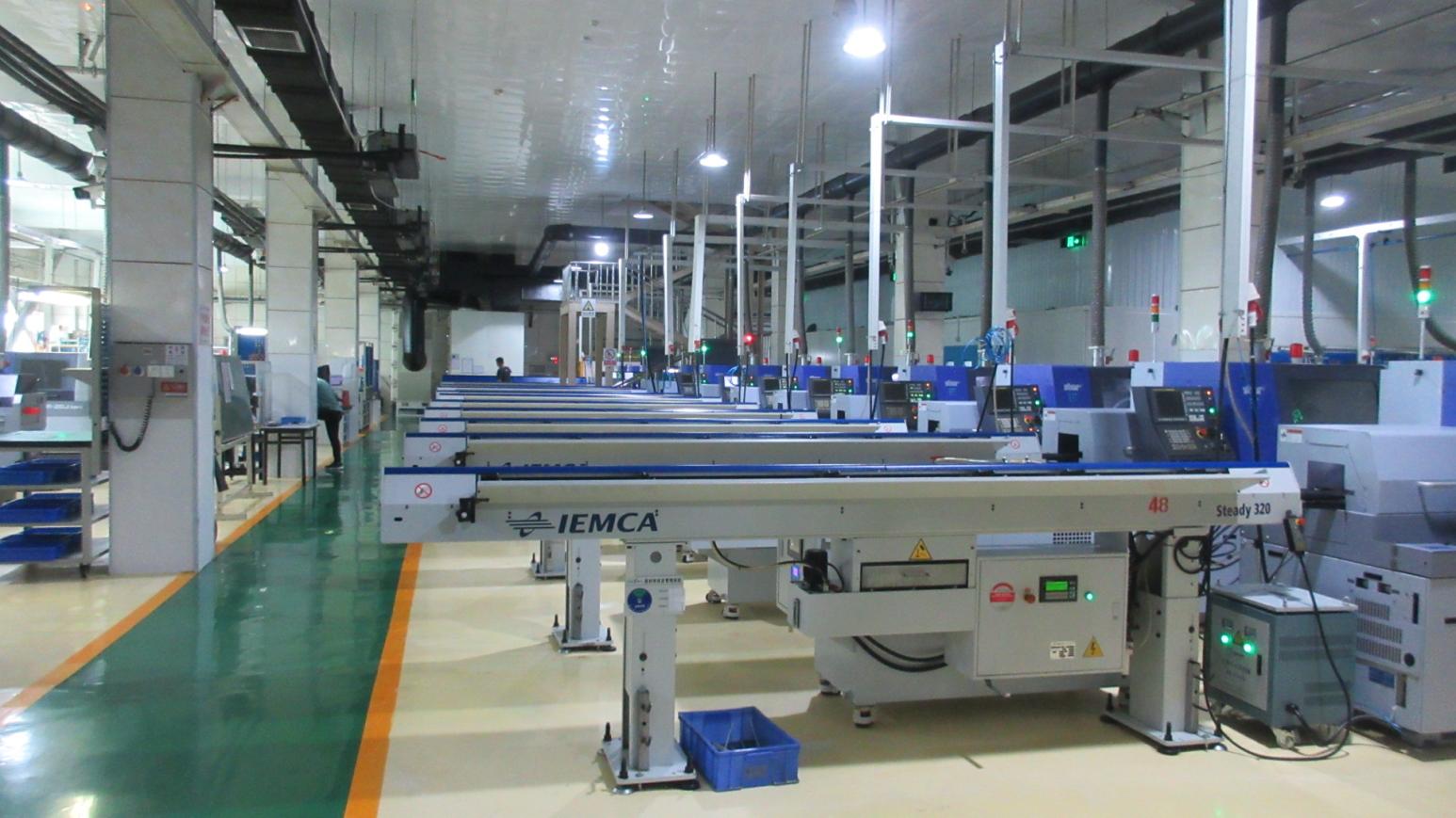
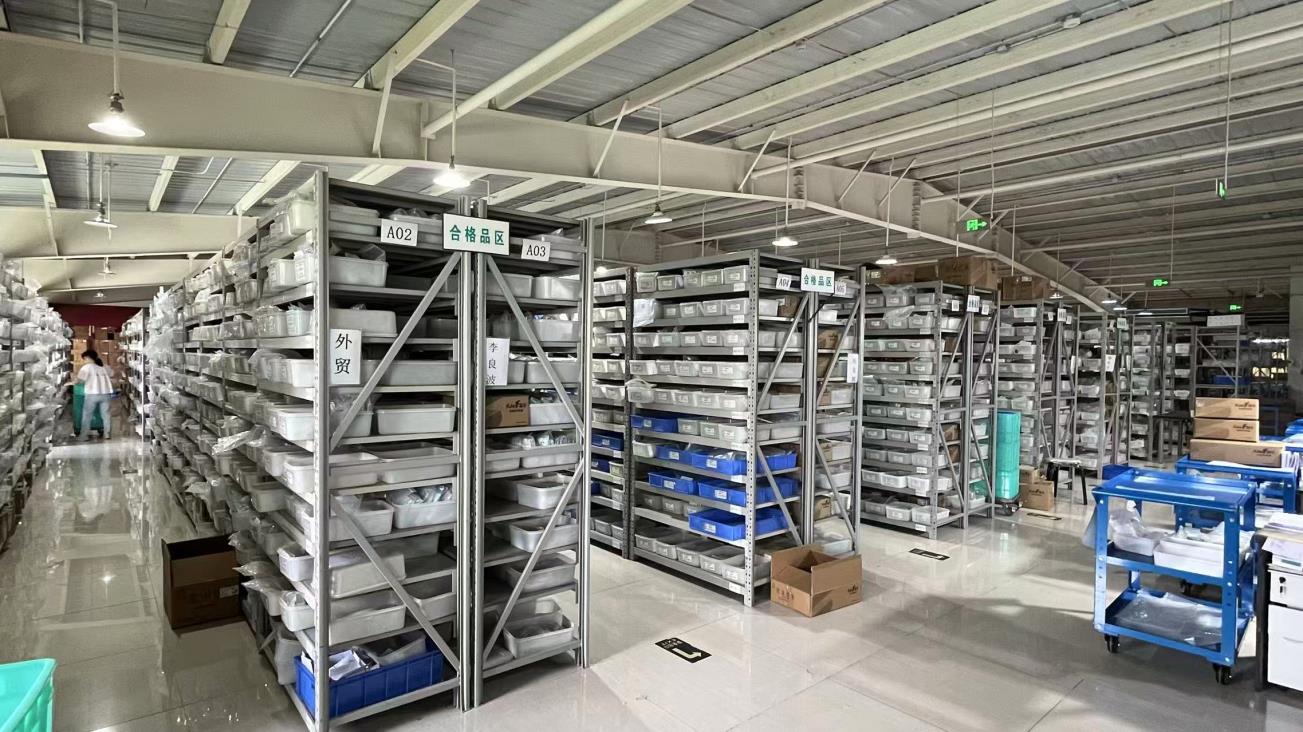
Detailed structural breakdown of our production facility, quality control mechanisms, and customization options.
| Overview |
Registration Date: 1996-06-28
Floor Space (㎡): 10,000
Languages: English, Spanish-friendly documentation
|
| Certifications |

ISO13485: Certificate No. 04724Q10000818 (Class III CE Compliance for Orthopedic Implants)
|
| Quality Control System |
Raw Material Traceability: Yes, certified mill test reports
Inspection Method: 100% full inspection of all finished lots
QA/QC Inspectors: 15 specialized medical engineers
|
| Production Performance |
Active Production Lines: 1 Dedicated High-Precision Line
Total Annual Output: 511,000 Units
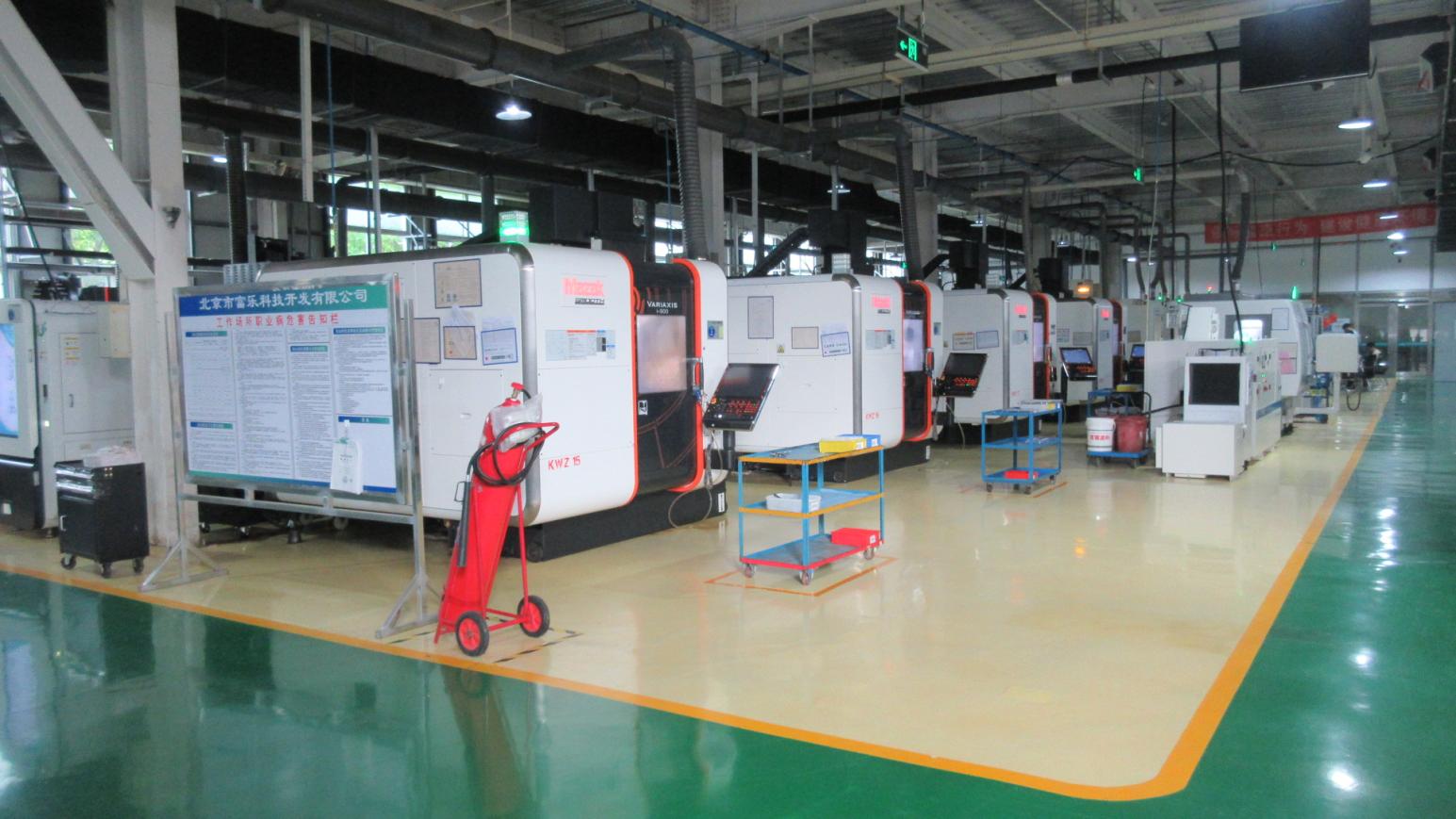
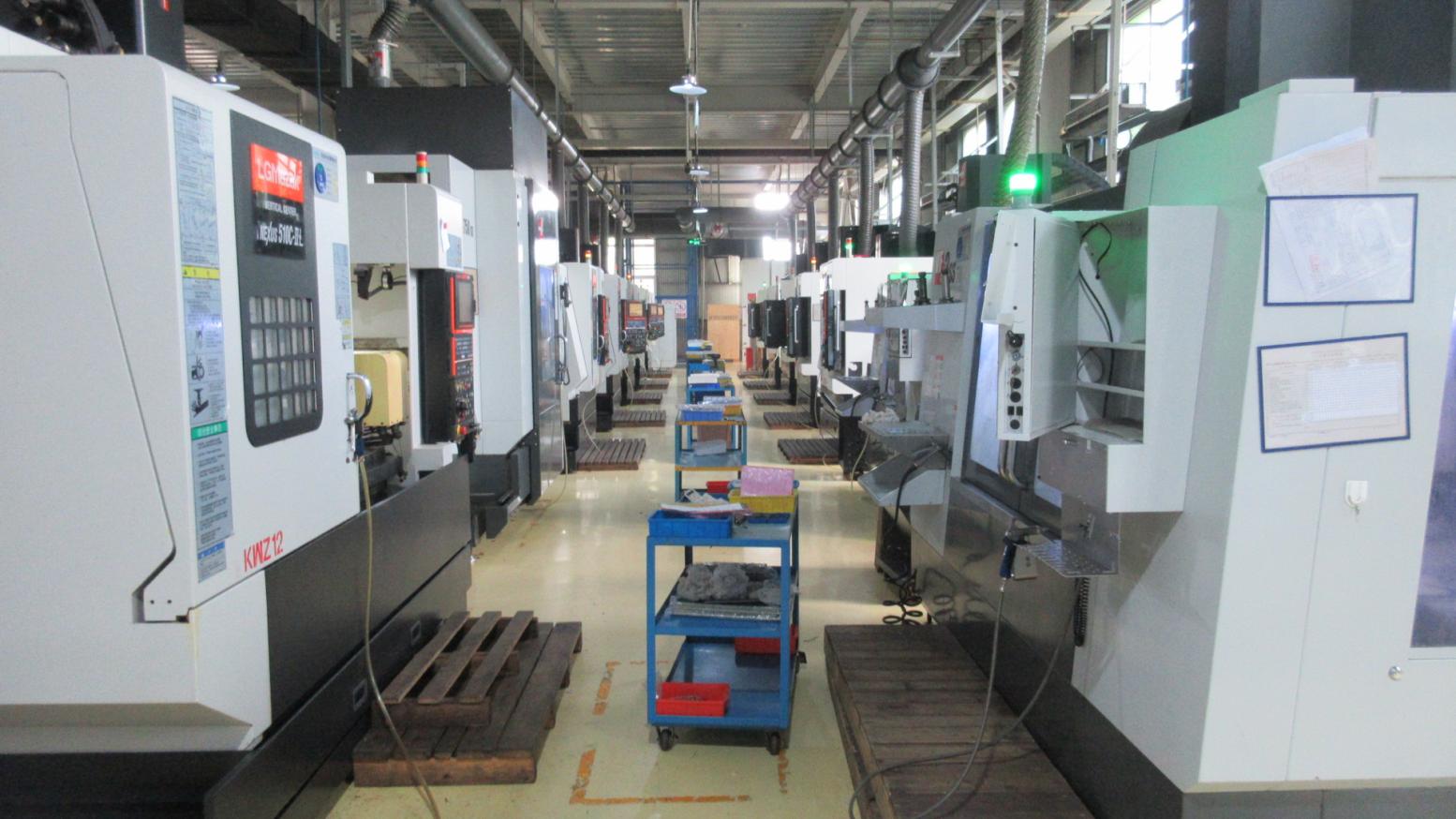
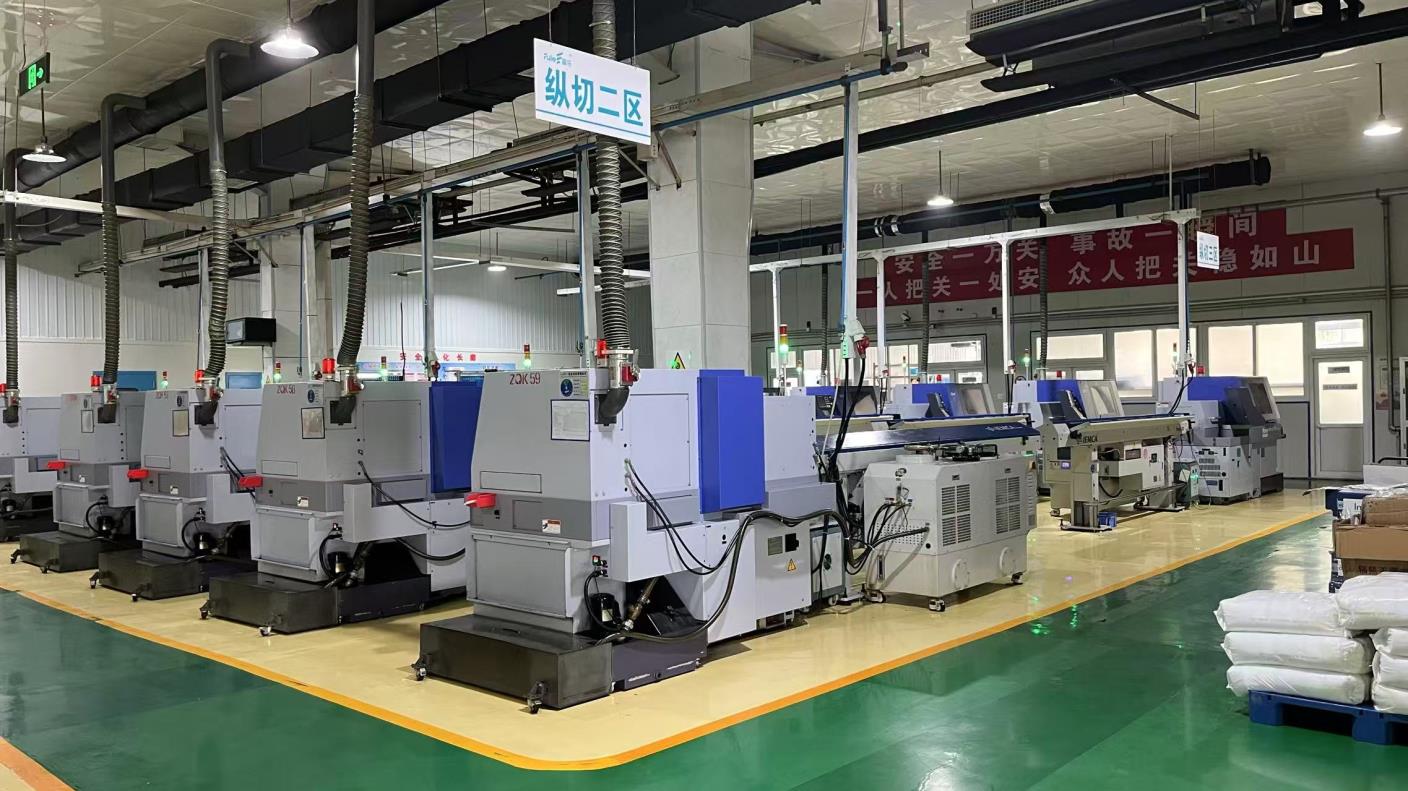
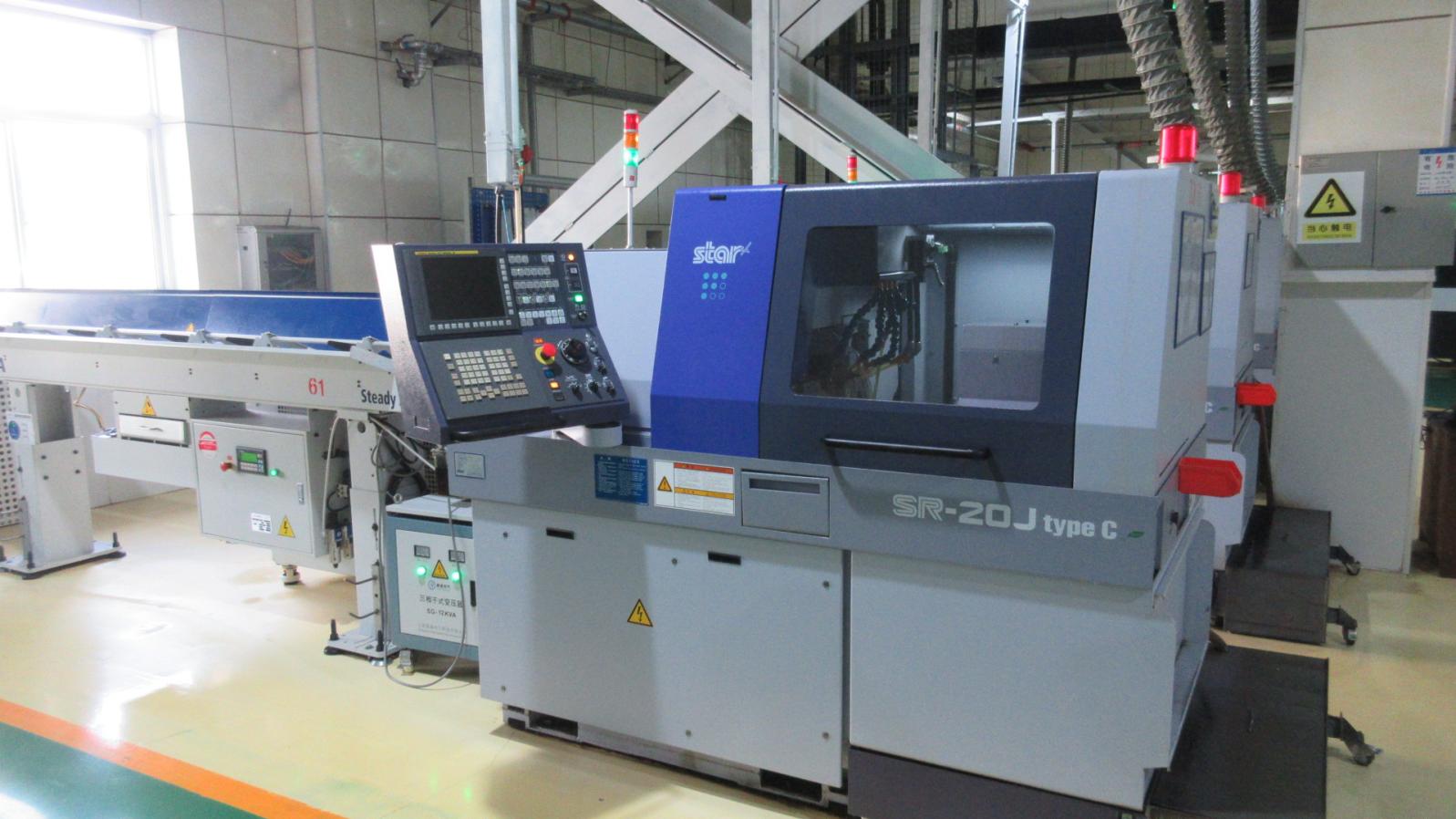
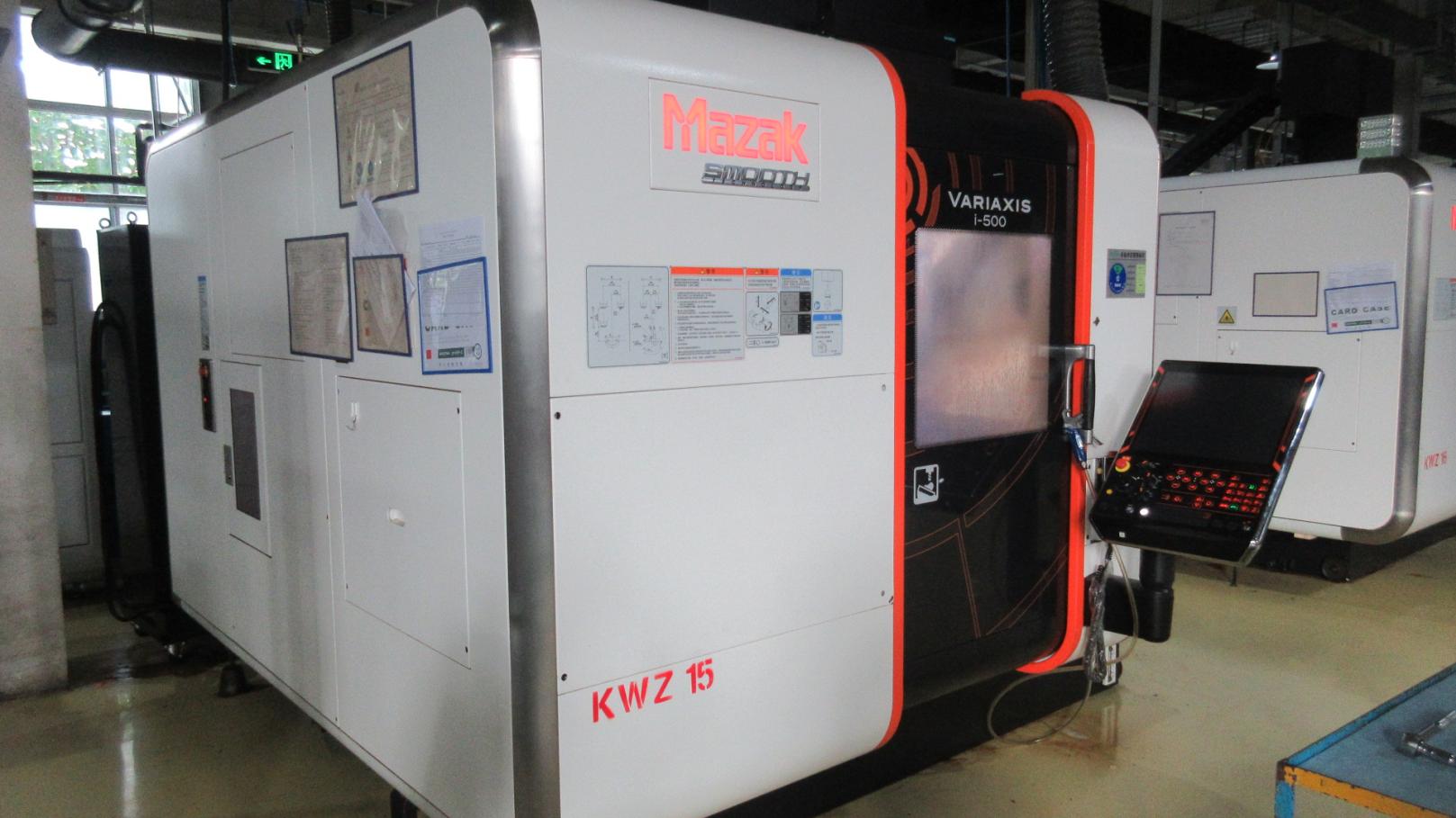
Manufacturing Fleet: 102 precision CNC and milling centers
|
| R&D & Customization |
R&D Engineers: 20 professionals
Team Education: 15 Graduate, 5 Junior College
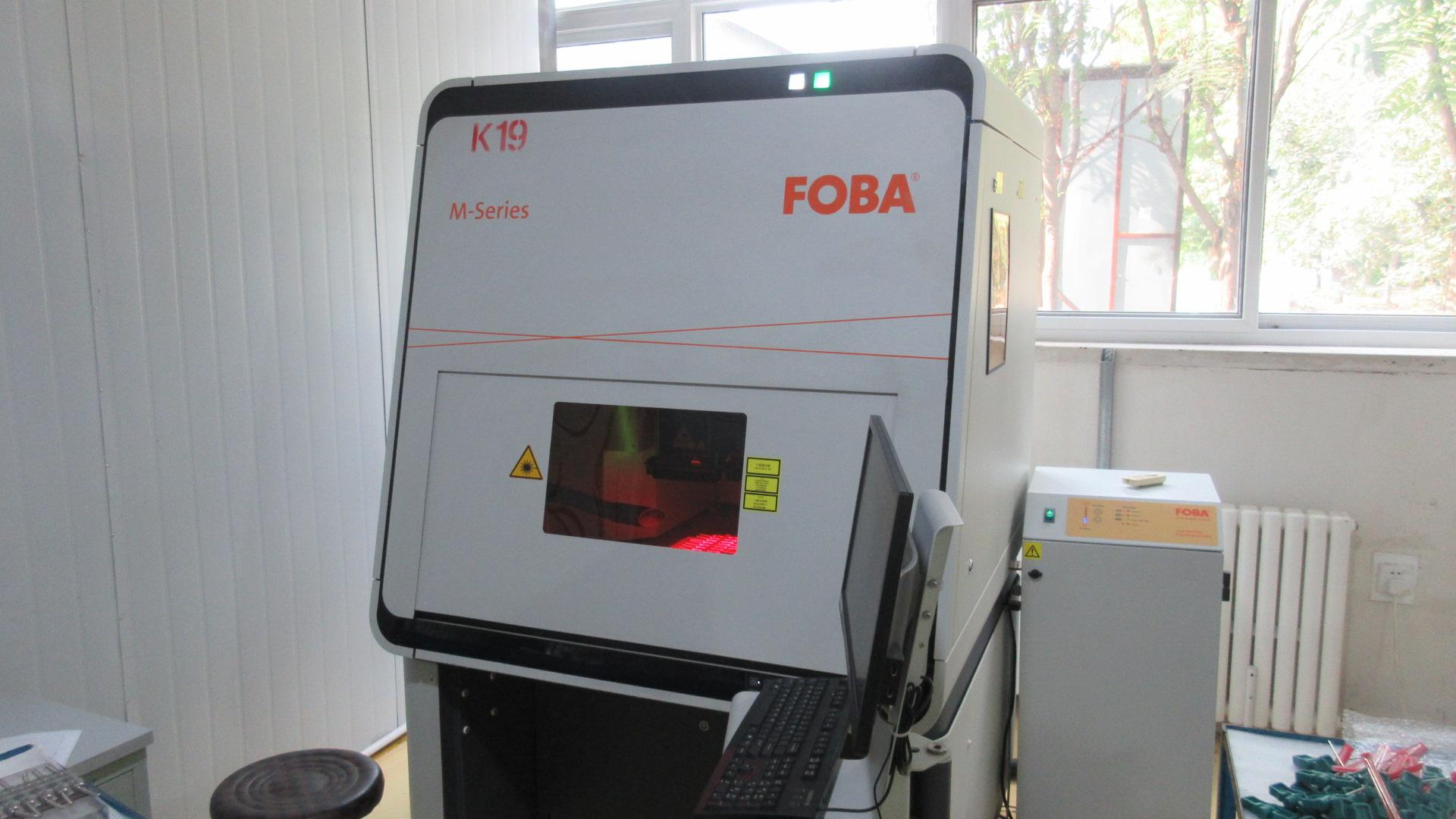
Customization Methods: Sample processing, graphic customization, OEM/ODM
|
Balancing regulatory compliance, cost efficiency, and clinical reliability.
Global supply chain management in the medical technology sector requires transparency, speed, and strict adherence to quality. In Spain, health insurance providers and private medical conglomerates (such as Quirónsalud and HM Hospitales) demand consistent implant supplies without sacrificing patient safety. Partnering with a specialized Chinese exporter offers concrete strategic benefits:
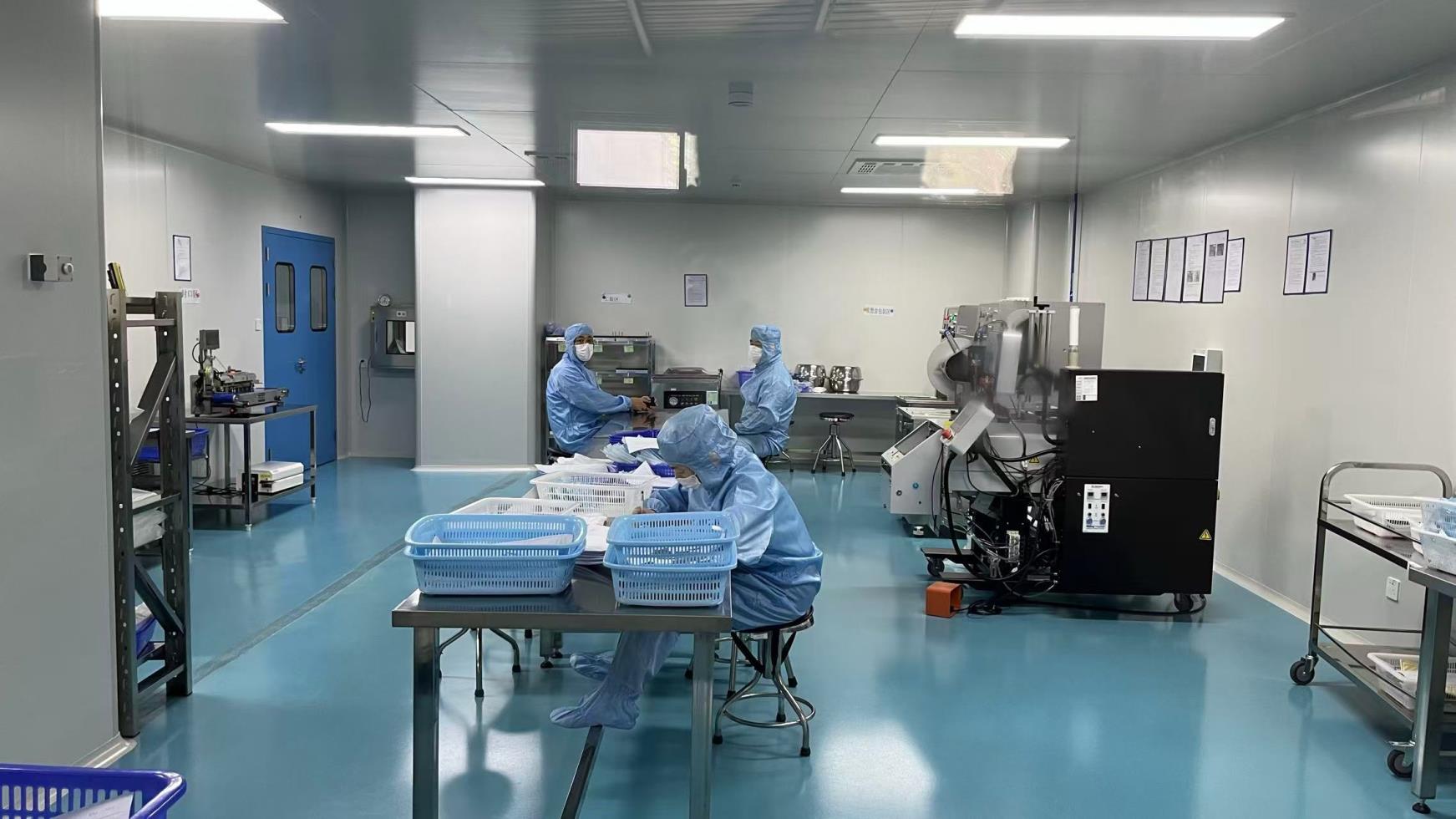
The regulatory transition from MDD to MDR within the EU has placed significant compliance demands on manufacturers. Our Occipitocervical Thoracic Posterior Spinal Systems are produced under cleanrooms matching ISO Class 7 (Class 10,000) standards. We maintain robust clinical data files and technical dossiers, supporting our Spanish distributors in navigating local registry filings with AEMPS.
With an array of 102 state-of-the-art multi-axis CNC Swiss lathe machines and vertical machining centers, we achieve tight dimensional tolerances (down to ±0.005mm). This level of precision is necessary for posterior cervical screws and rods, where slight micro-deviations can affect thread engagement or system stability.
By consolidating our supply chains and leveraging manufacturing efficiencies in China, we offer high-grade titanium implants at competitive cost structures. This helps Spanish distributors submit competitive bids in regional hospital tenders while maintaining healthy operating margins.
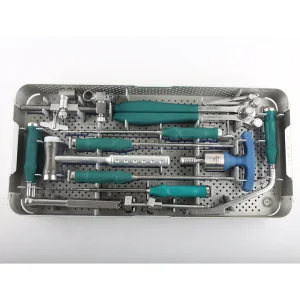
Integrated surgical kits, pedicle screws, and trauma fixation plates matching European healthcare standards.
Completing the operational portfolio for trauma, decompression, and extremity reconstruction.
Expert technical insights regarding clinical standards, sterilization protocols, and global distribution logistics.
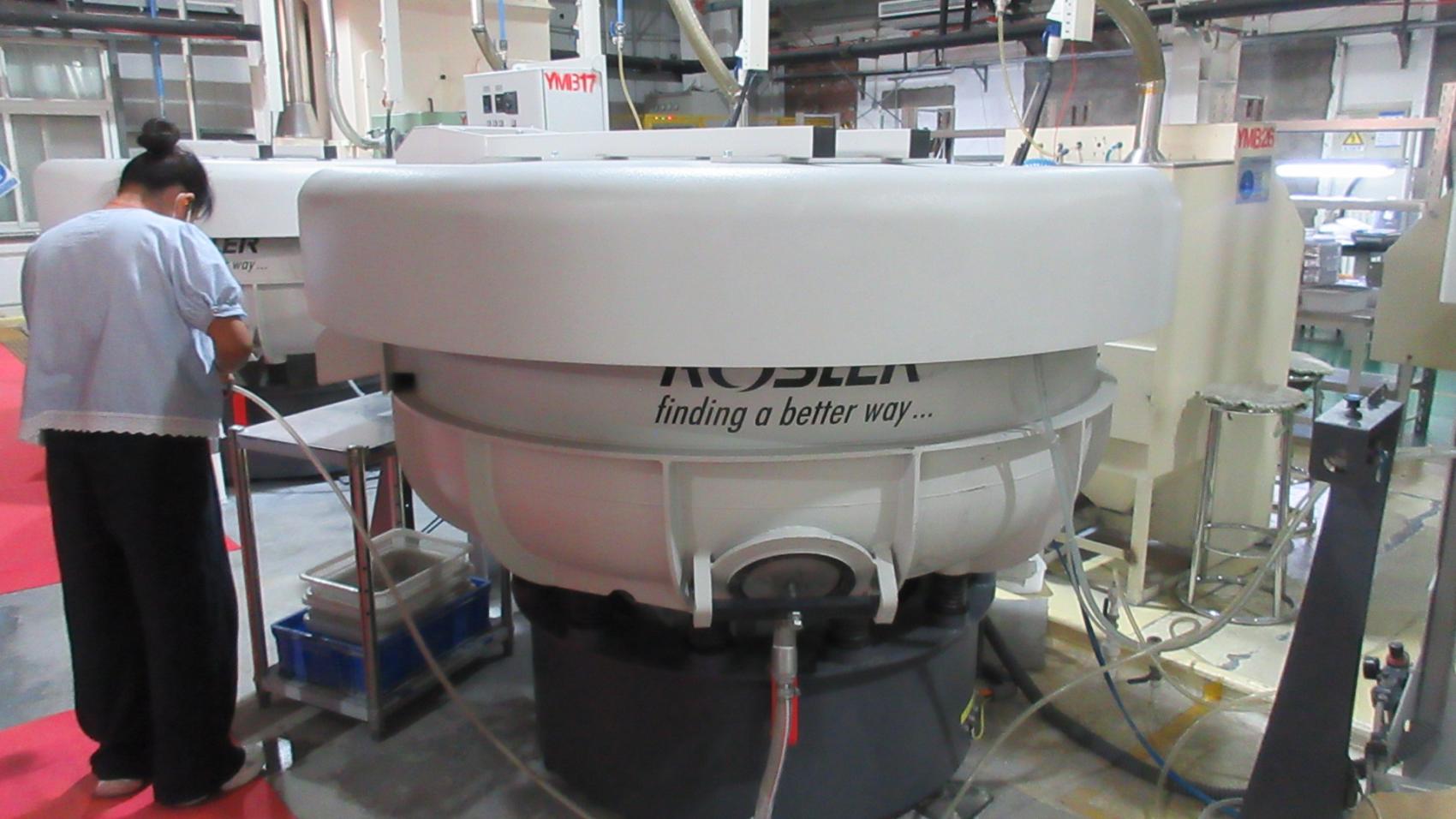
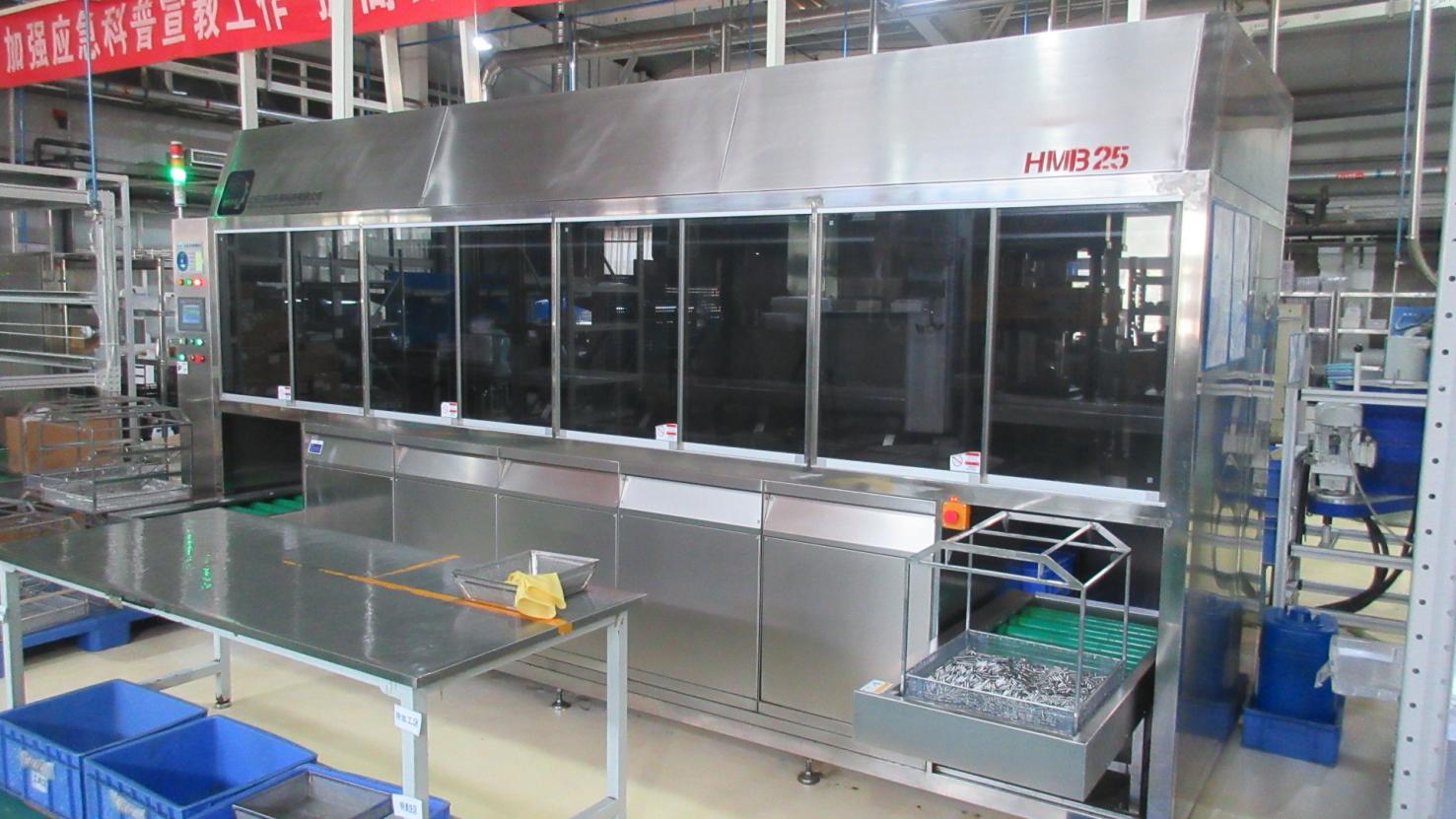
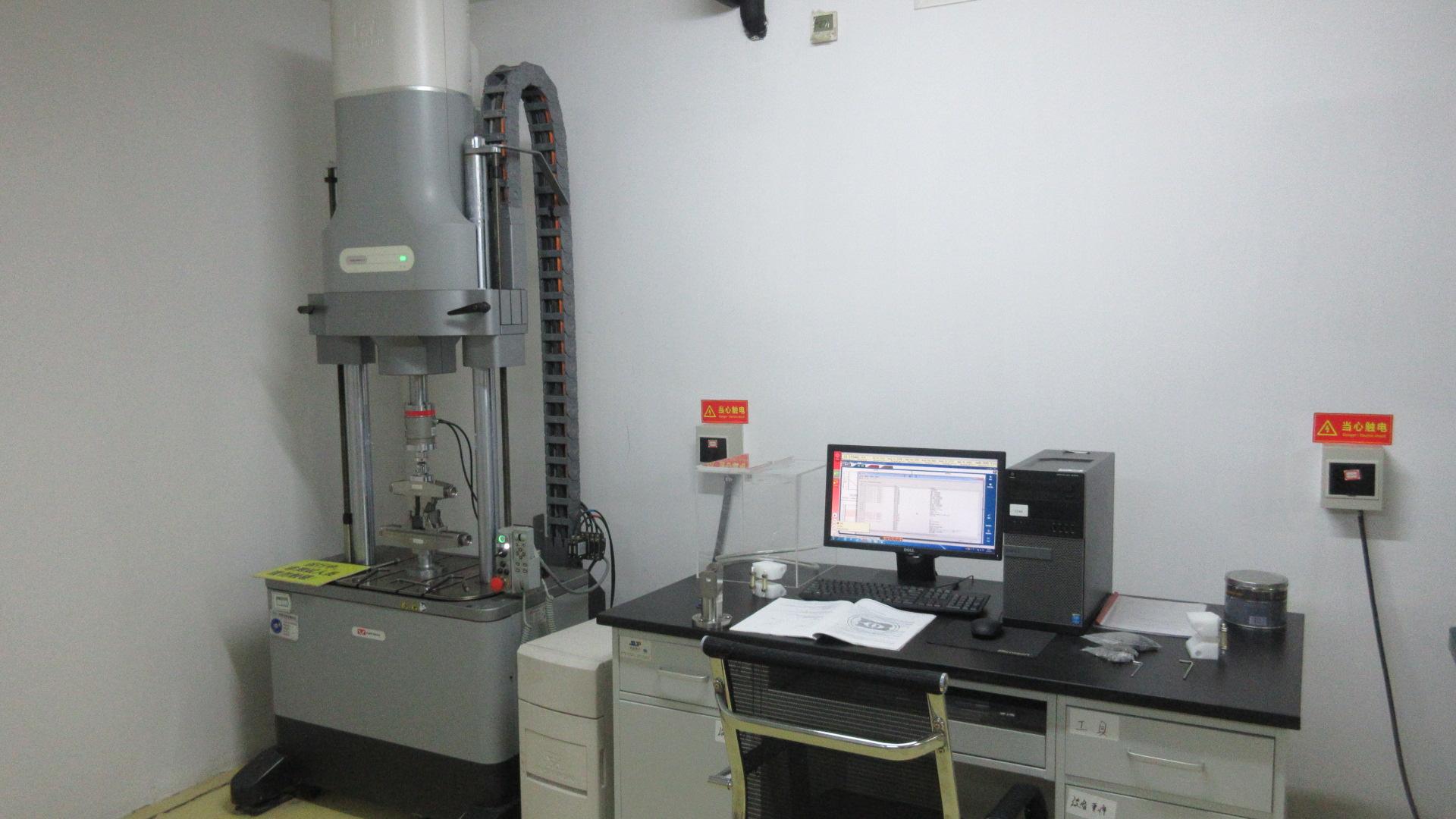
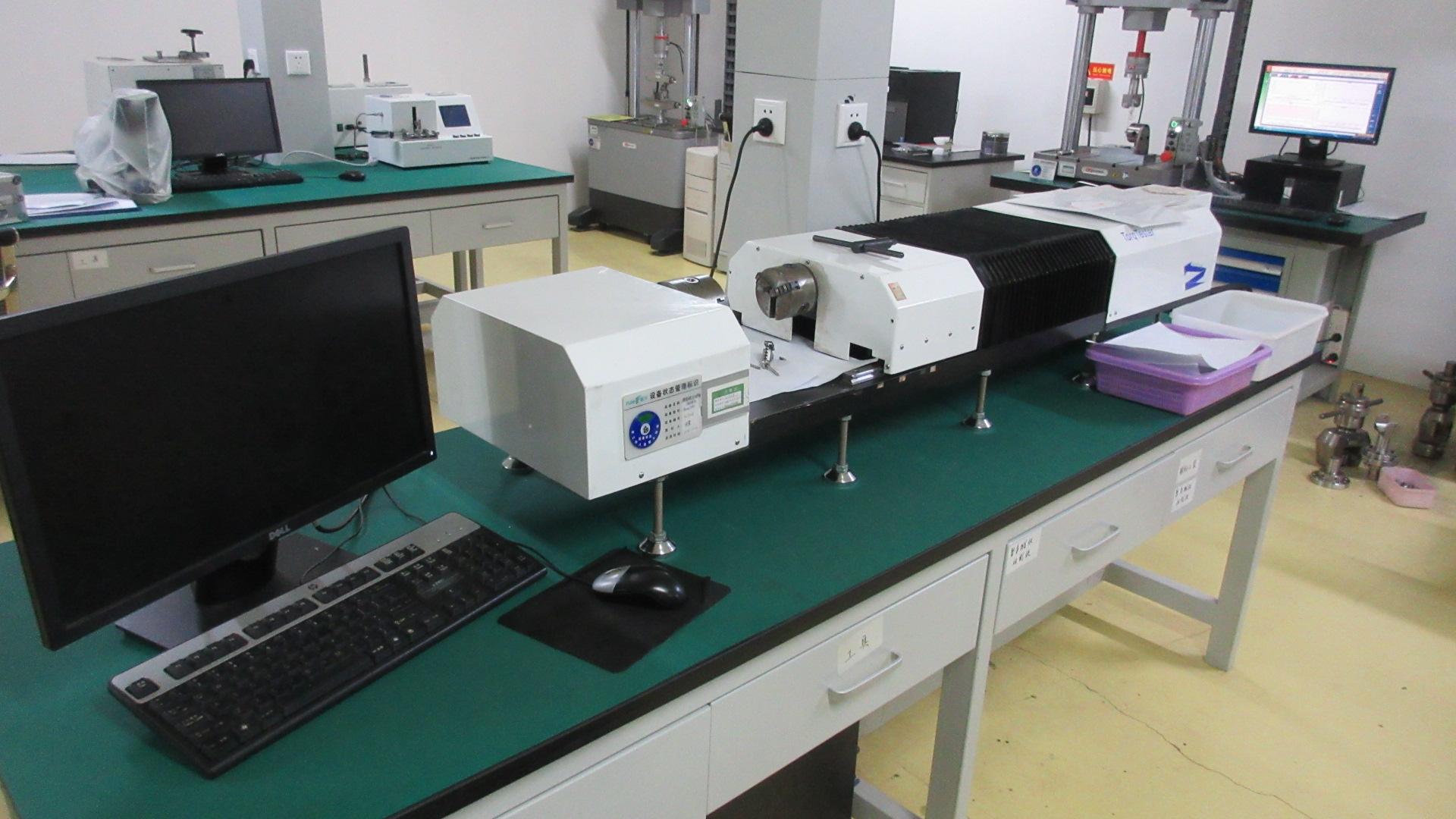
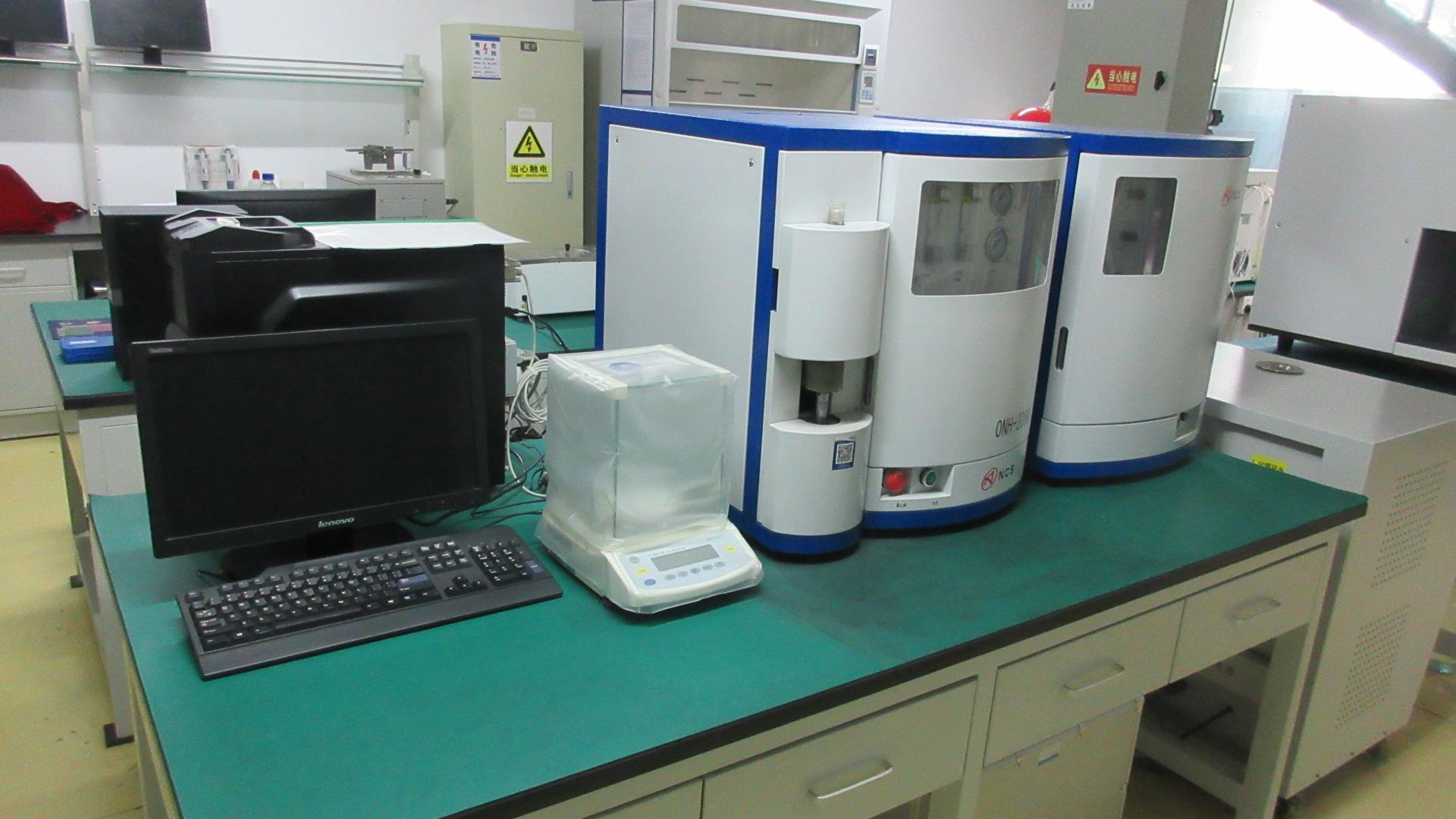
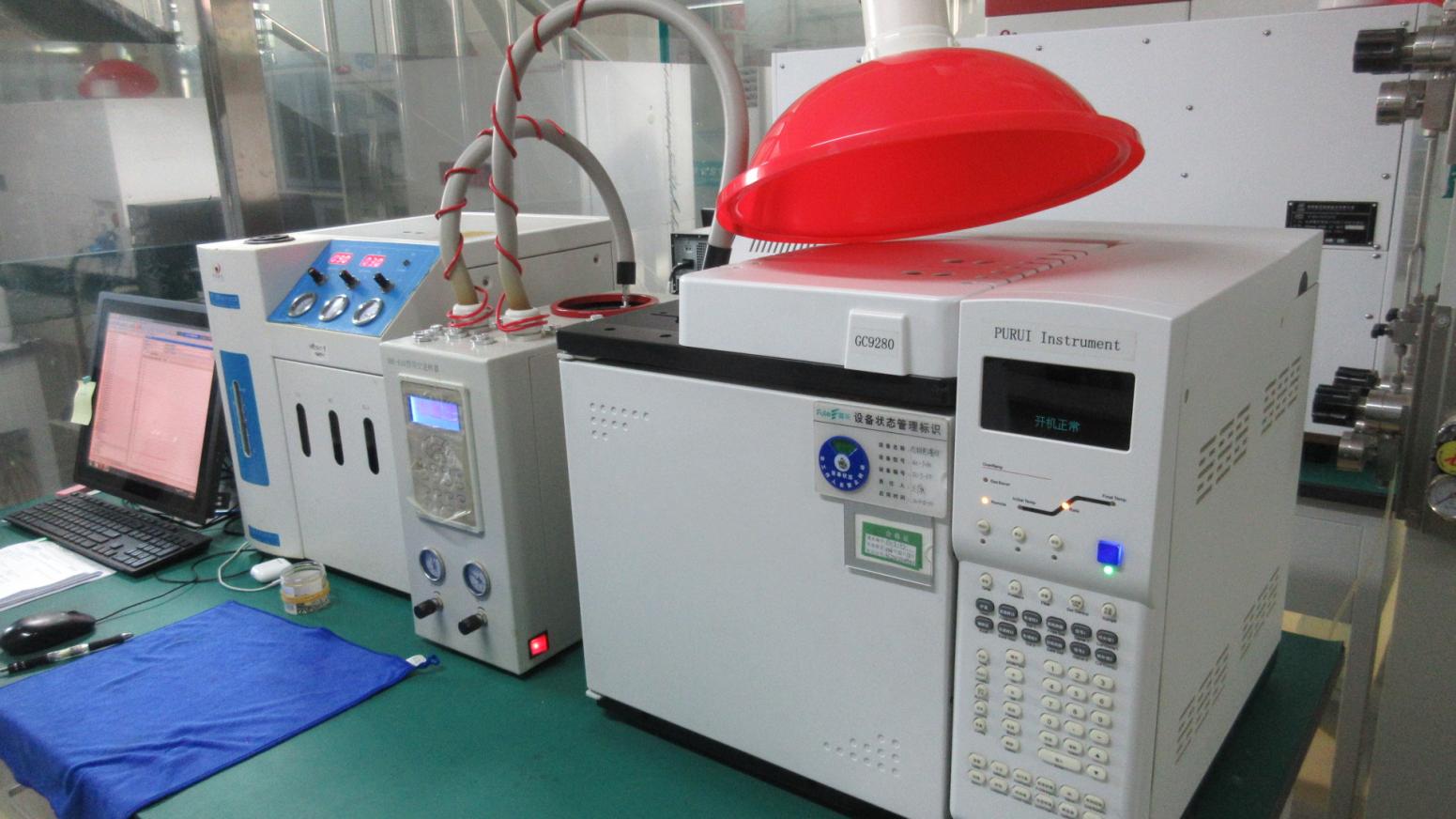
A look inside our manufacturing processes, cleanroom packing, and mechanical test laboratories.
Contact our medical engineers to request clinical samples, technical specifications, and detailed distribution quotes for the Spanish market.
Send Inquiry Now Beren Science & Technology