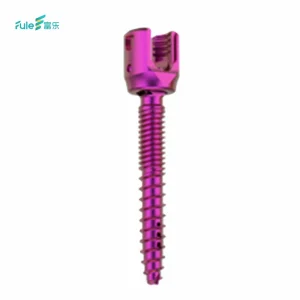
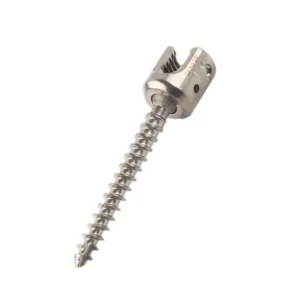
Engineered to meet the biomechanical demands of posterior stabilization procedures. Discover our flagship systems optimized for the Costa Rican clinical supply chain.
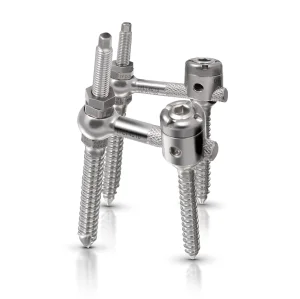
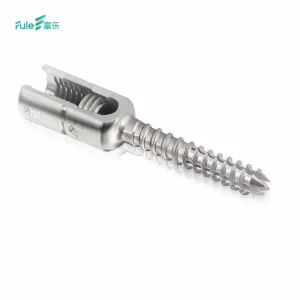
Posterior spinal fixation systems represent the cornerstone of orthopedic and neurosurgical interventions for spinal instability, deformity, trauma, and degenerative pathologies. Globally, the demand for these systems is driven by aging populations, rising incidences of spinal disorders, and advancements in clinical procedures. Biomaterial engineering has evolved from early stainless steel constructs to extra-low interstitial (ELI) Grade 5 Titanium alloys (Ti-6Al-4V) and polyetheretherketone (PEEK) polymers, offering superior fatigue limits, biocompatibility, and imaging compatibility.
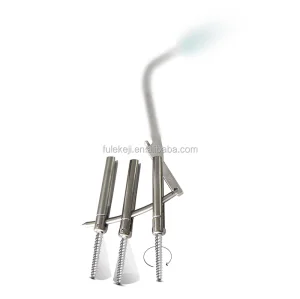
As clinical teams shift toward outpatient spine surgery, implant systems must be compatible with minimally invasive surgery (MIS) workflows. Modern posterior stabilization systems require precise cannulated pedicle screws, flexible rod configurations, and robust locking mechanism integrations. These designs reduce adjacent segment disease risks, shorten operating times, and optimize patient rehabilitation profiles globally.
Biocompatibility: Utilization of ASTM F136 compliant Titanium alloy to prevent adverse local tissue reactions (ALTR).
Load-Sharing Optimization: Low-profile rod structures designed to align with anatomical sagittal curves, avoiding excessive implant rigidity.
Surgical Flexibility: Transition systems allowing extension to upper thoracic or sacral boundaries without compromising construct integrity.
Costa Rica is a key hub for global medical technology manufacturing in Latin America. The country's Free Trade Zones (such as Coyol Free Zone and Cartago) host multinational orthopedic device exporters, demonstrating high standards of engineering and sterile packaging expertise. However, domestic healthcare systems require import strategies that balance performance with cost-efficiency.
The Caja Costarricense de Seguro Social (CCSS) manages the country's public healthcare. Tenders require long-term device life cycles, high clinical safety metrics, and complete system warranties. Systems like the Usmart 5.5mm provide standard configurations suited for regional trauma center requirements.
Private clinical groups (including CIMA Hospital, Clínica Bíblica, and Hospital Metropolitano) drive the adoption of Minimally Invasive Surgery (MIS) spine systems. These clinics cater to medical tourism and domestic patients seeking lower recovery times and reduced post-op stays.
All imported implantable systems must register with the Ministry of Health (Ministerio de Salud de Costa Rica). Documentation needs clear manufacturing provenance, ISO 13485 certification, biocompatibility data, and clinical studies showing safety profiles.
Our posterior spinal system components conform to key international standards to ensure mechanical reliability:
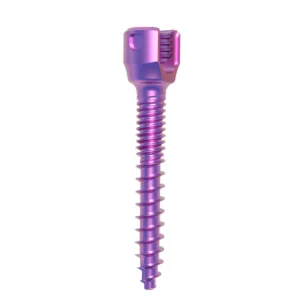
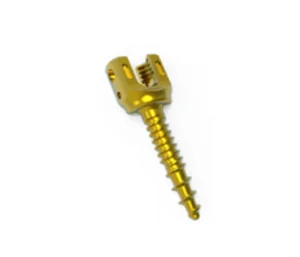
Designing modern posterior spinal hardware requires managing the interface between rigid metal implants and dynamic bone structures. Standard pedicle screws in our systems feature dual-lead thread designs that optimize purchase in both cancellous and cortical bone layers. Self-tapping, self-drilling screw tips reduce the risk of pedicle wall breach during insertion.
For complex anatomical corrections, our polyaxial screws provide up to 60° of angular range, allowing simple rod engagement without applying excess torque to the vertebral bodies. Rods are finished with high-precision surface polishing to limit friction and wear debris inside the surgical site.
Select from our comprehensive list of implants, instrumentation kits, and interbody devices designed for posterior stabilization procedures.
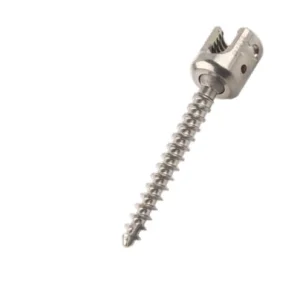
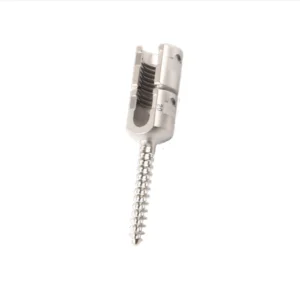
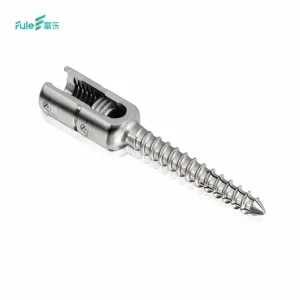
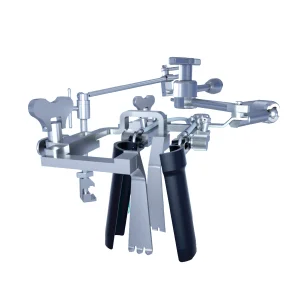
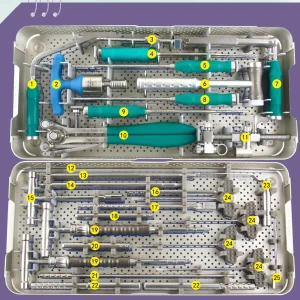
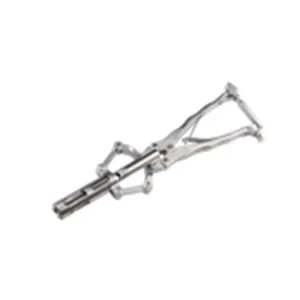
Navigating the supply chain for implantable spinal systems requires strict adherence to regulatory standards. In Costa Rica, local distributors and health networks must manage cold storage, continuous traceability, and sudden instrument requirements for emergency trauma surgeries.
Our operation provides complete support for regional distributors. This includes dossier compilation for Ministerio de Salud registrations, biocompatibility test results, and mechanical validation records. We maintain buffer stocks and modular instrumentation sets to meet the urgent needs of CCSS and private healthcare facilities.
Compliance Documents Provided:
Each pedicle screw and rod is etched with unique laser barcodes, allowing complete traceability from raw material processing through manufacturing steps to final patient implantation.
Our reusable orthopedic instrumentation sets are designed for repeat sterilization. Made from high-grade surgical stainless steel, they provide consistent mechanical performance through many autoclave cycles.
We leverage 30 years of medical export experience and precise quality controls to deliver regulatory-approved spinal solutions globally.
| Operations & Infrastructure | |
|---|---|
| Company Established: | 1996-06-28 (Over 27 years manufacturing history) |
| Annual Production: | 511,000 Units Capacity |
| Primary Materials: | Grade 5 Ti-6Al-4V ELI, PEEK Polymer, Medical Grade SS |
| Key Certifications: | ISO 13485:2016, CE Mark Registration |
| QA Protocols: | 100% inspection of final products, material batch tracing |
| Commercial & R&D Parameters | |
|---|---|
| Main Export Markets: | Domestic Market (40%), Eastern Europe (15%), Southeast Asia (10%) |
| Customization: | Sample processing, graphic customization, OEM capabilities |
| R&D Staff: | 20 Engineers (15 Graduate, 5 Junior College) |
| New Innovations: | 20+ new medical device models launched annually |
| Supply Chain: | 70+ validated raw material and process partners |
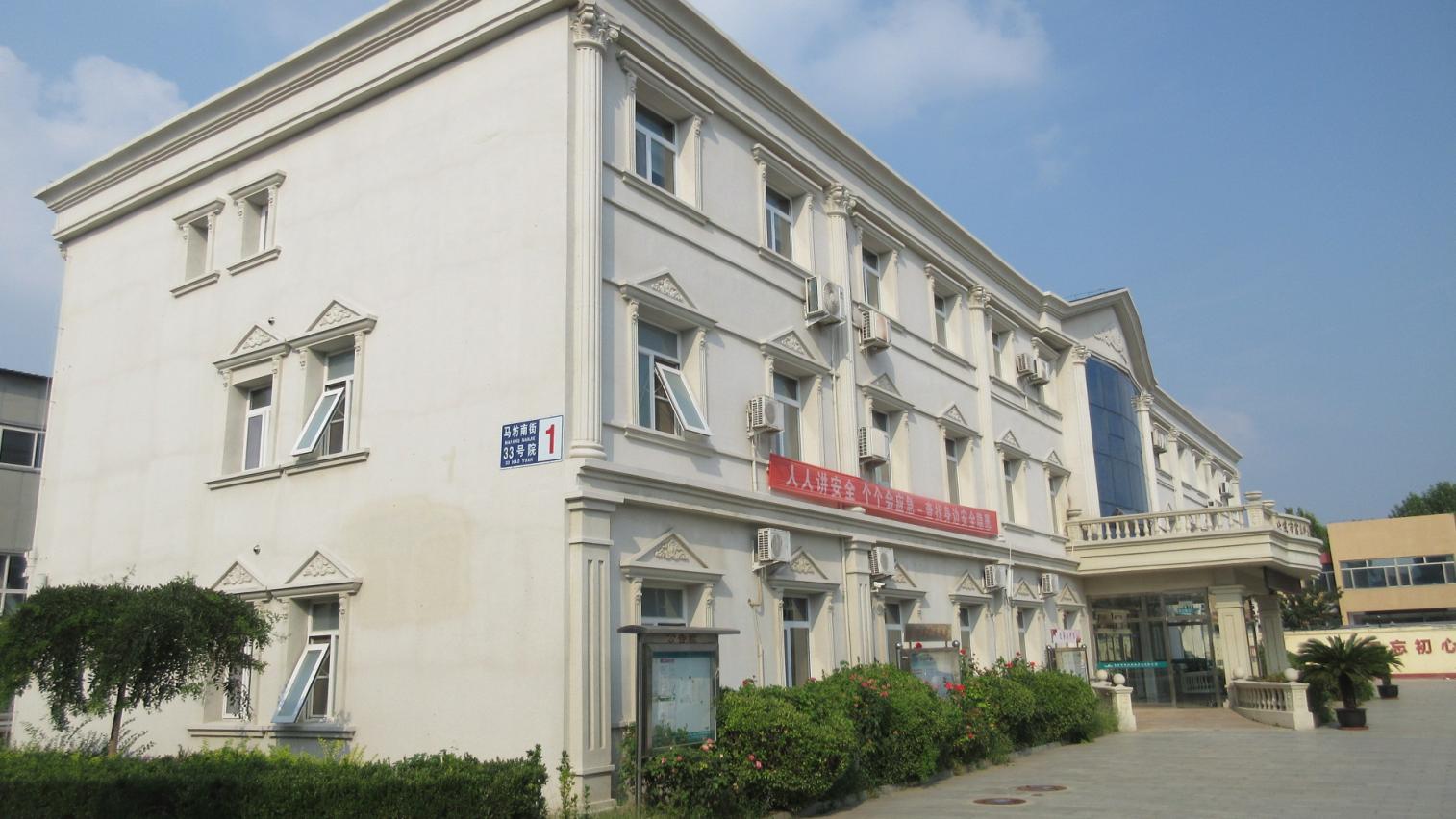
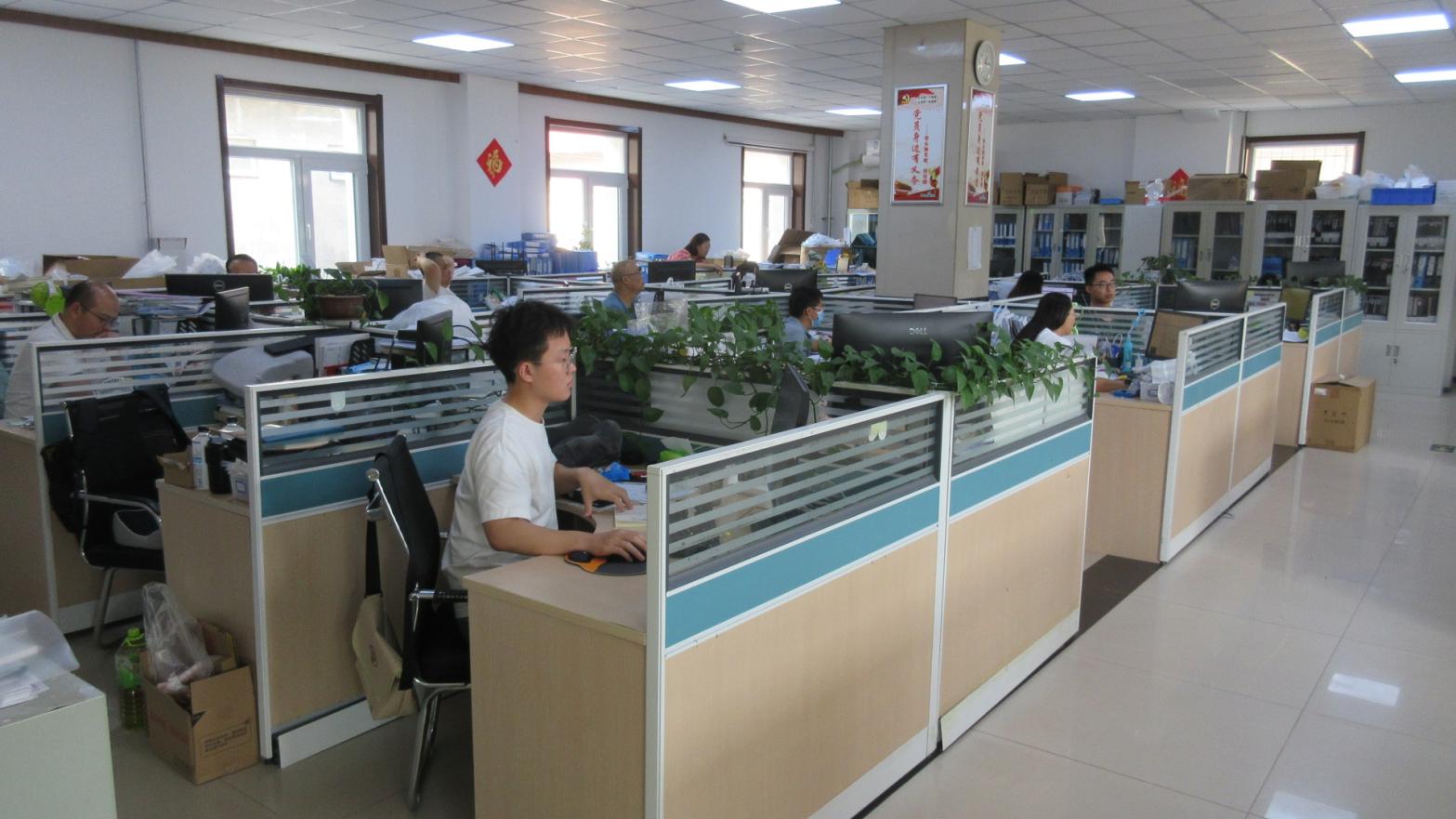
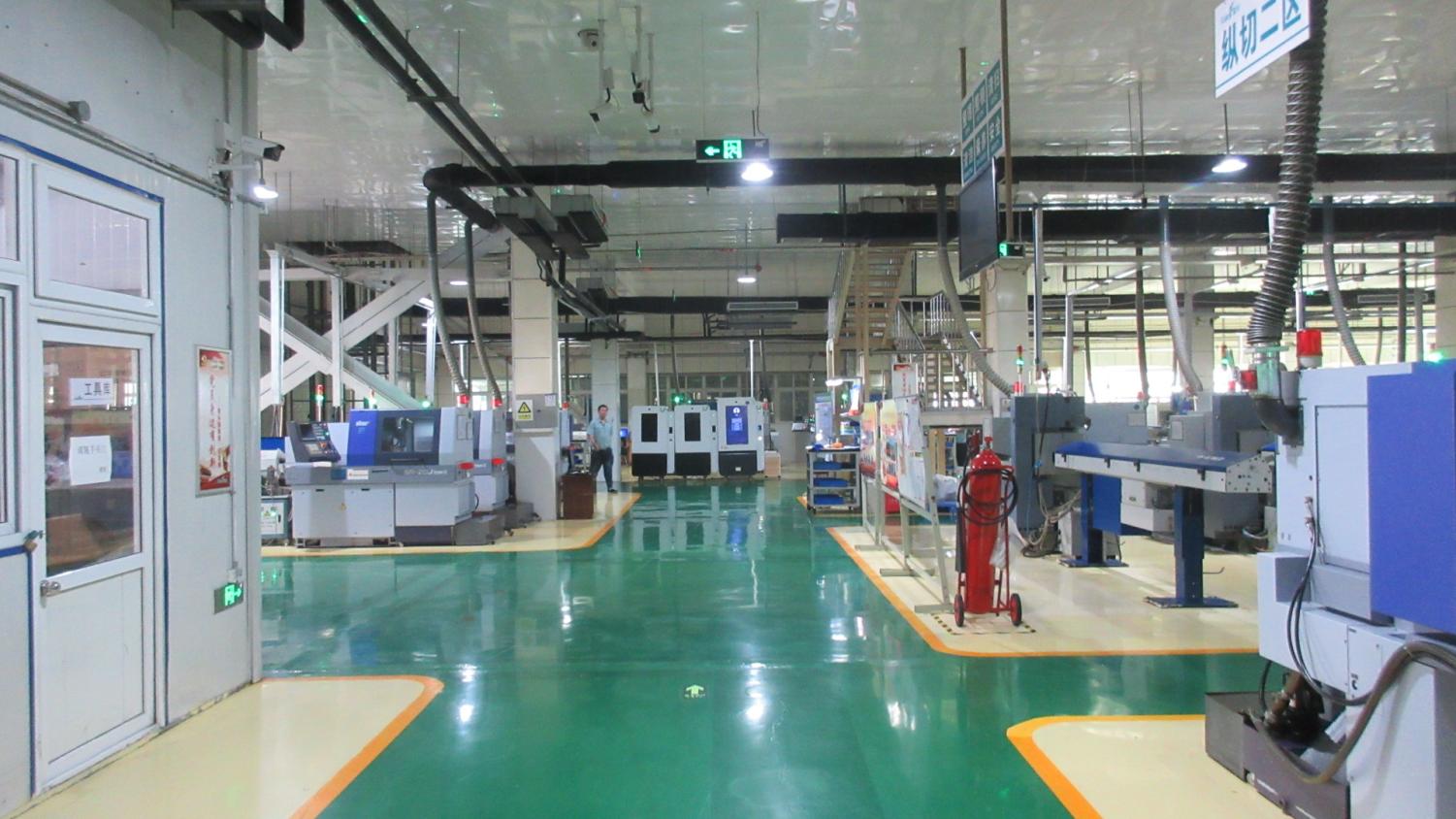
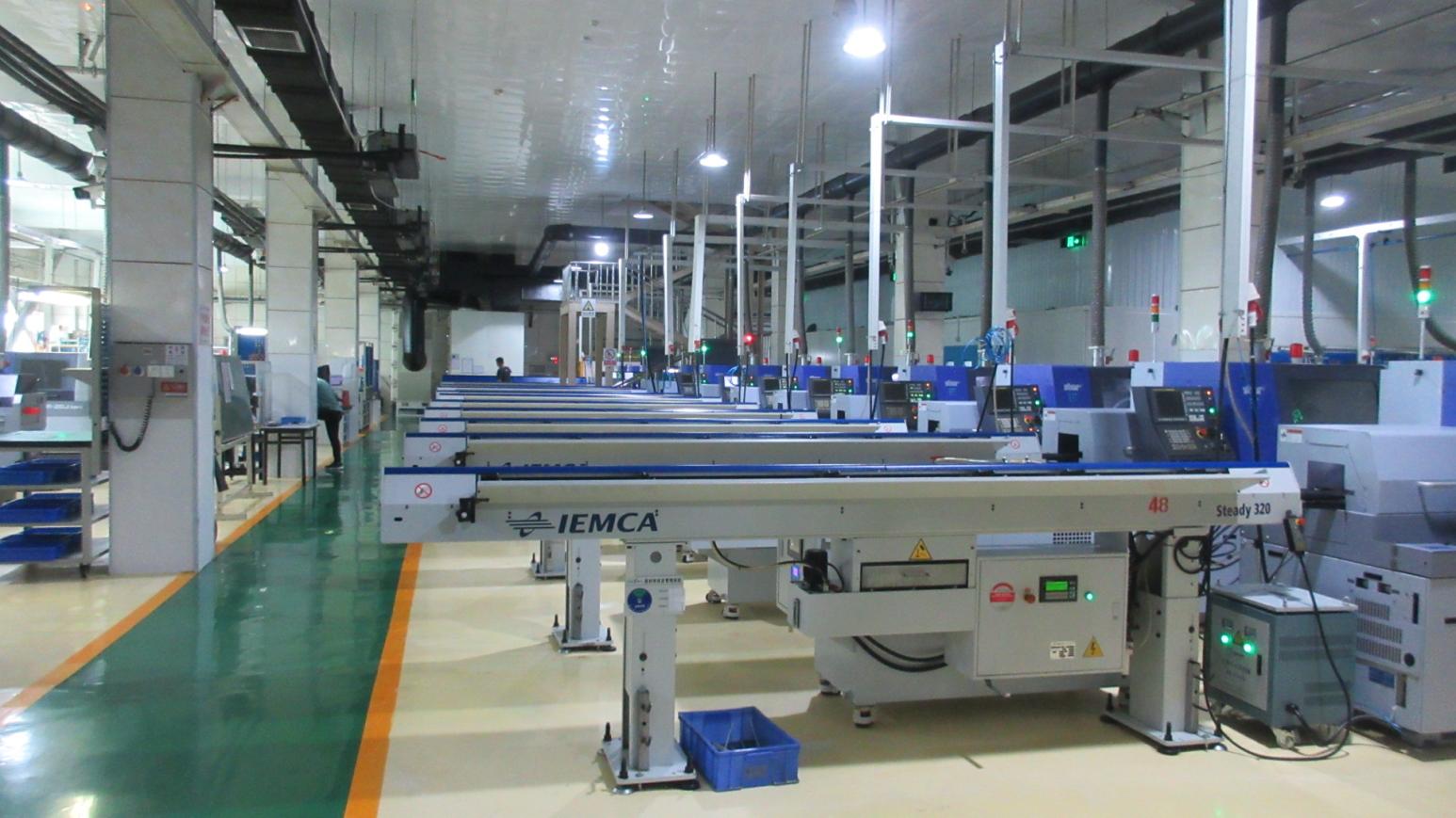
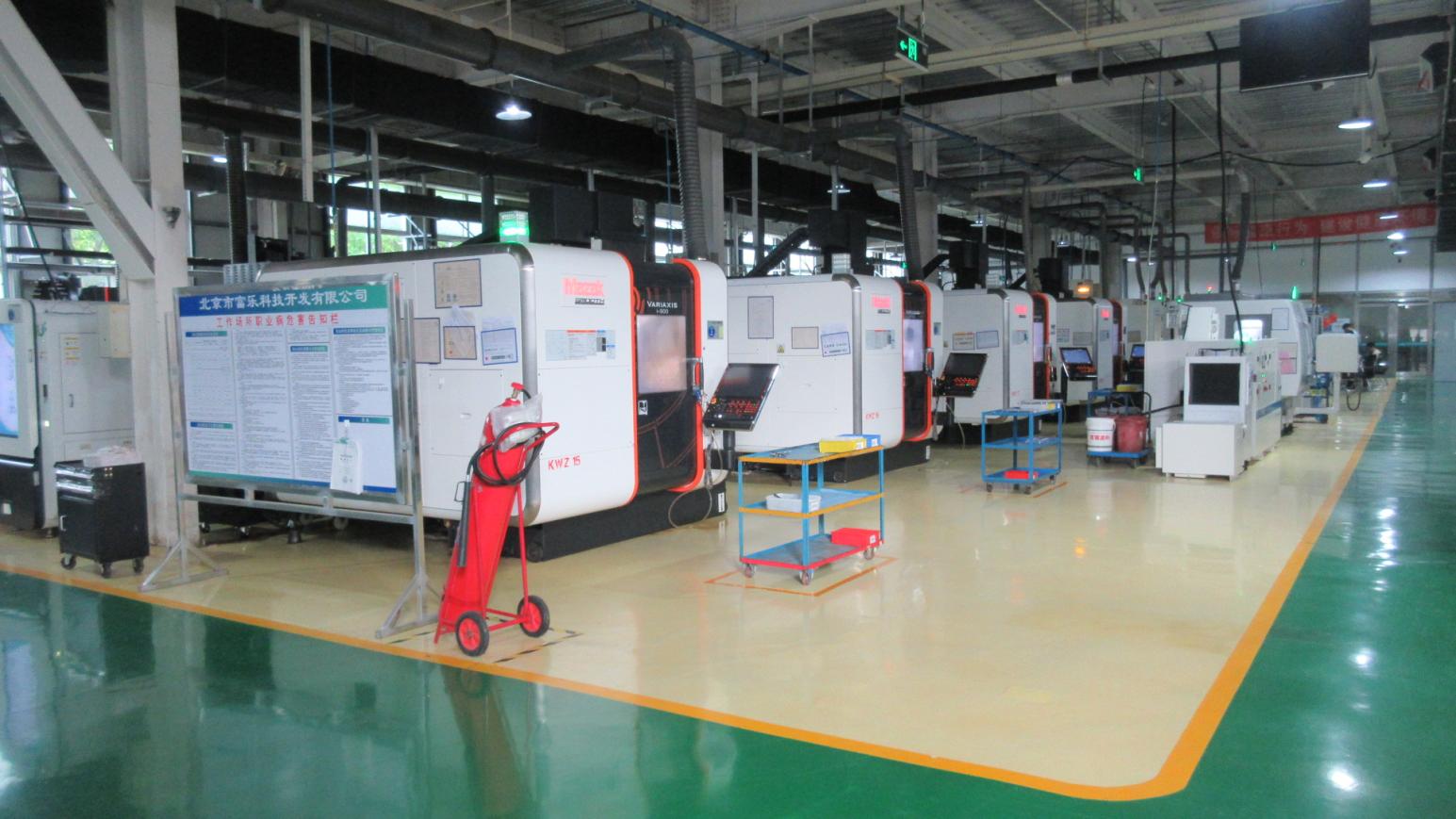
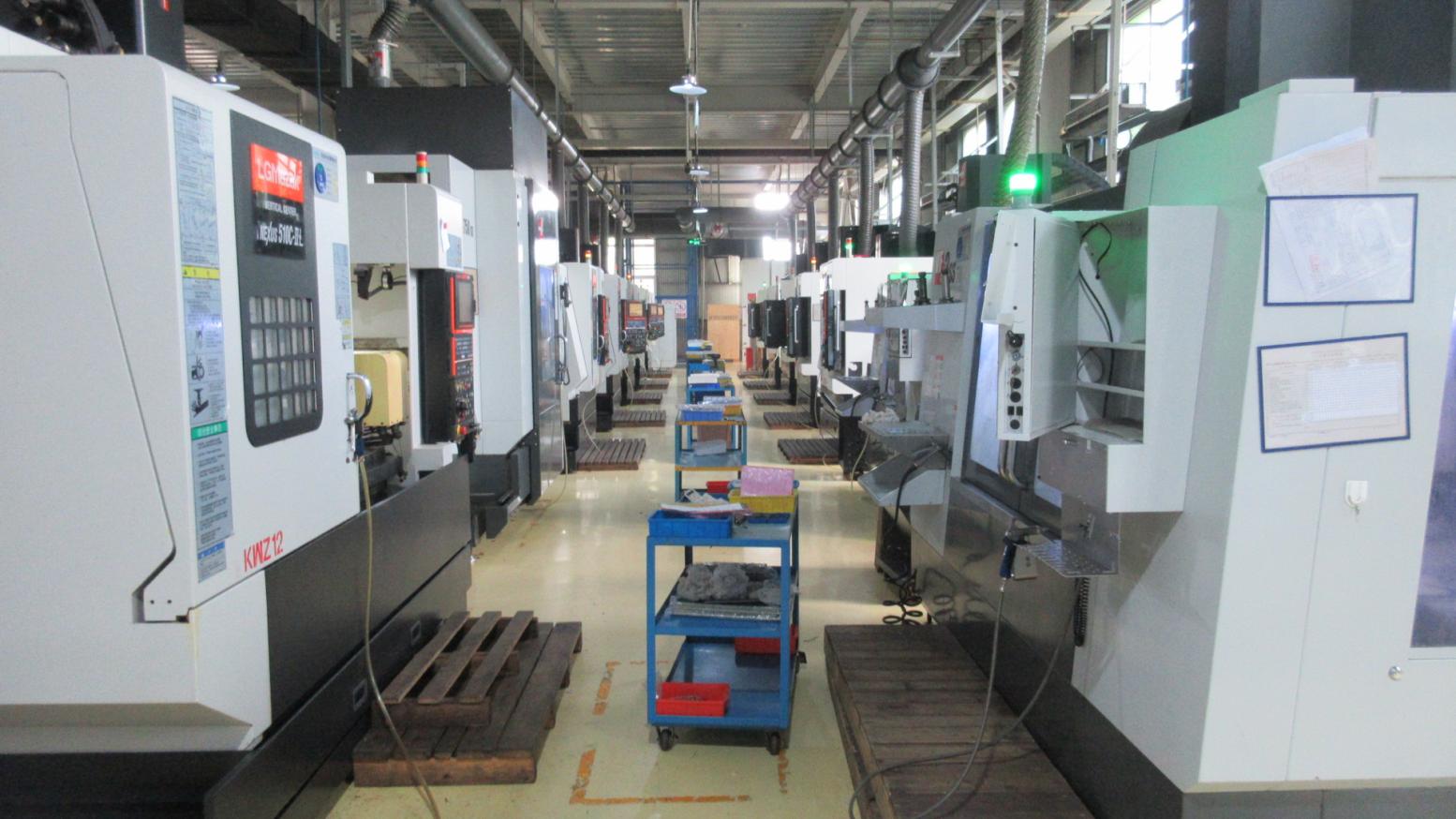
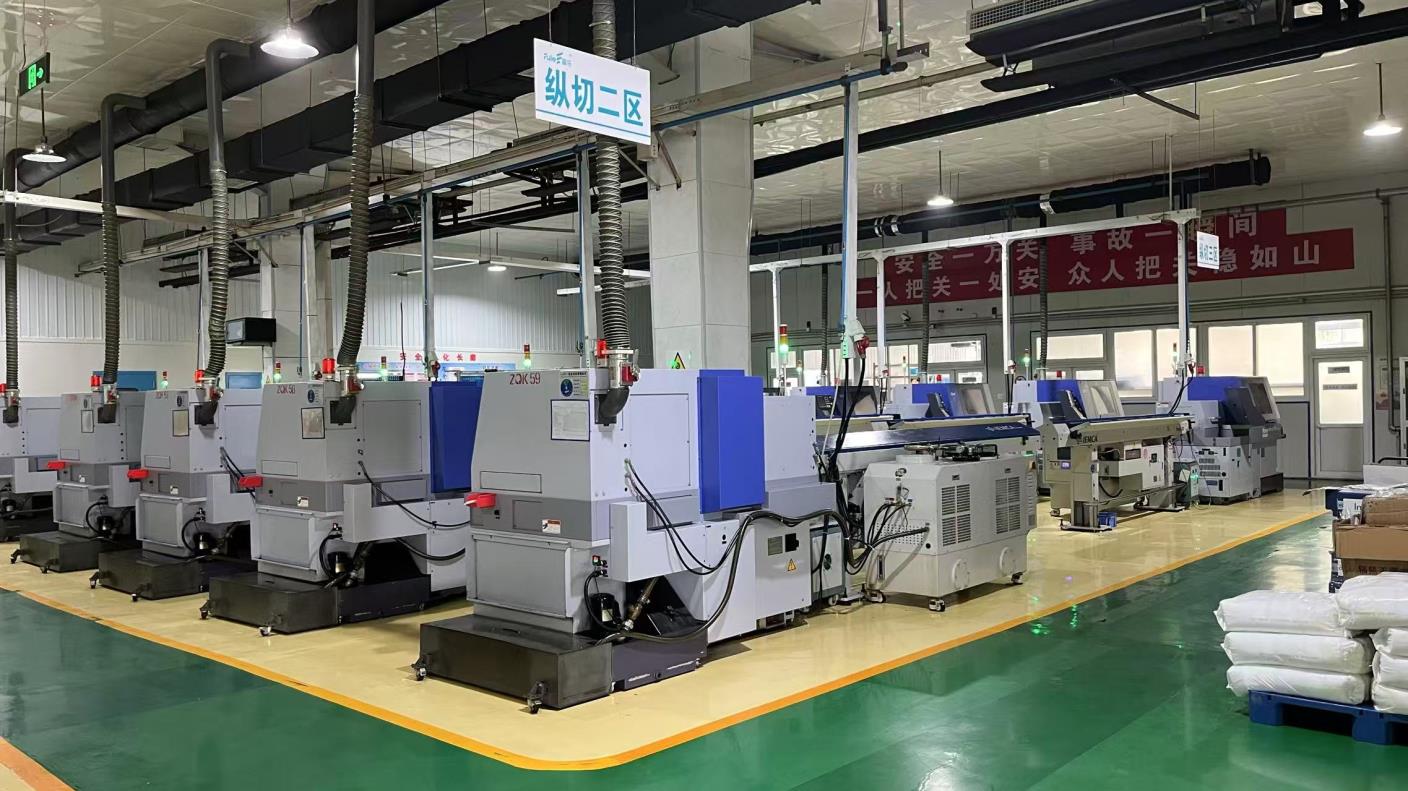
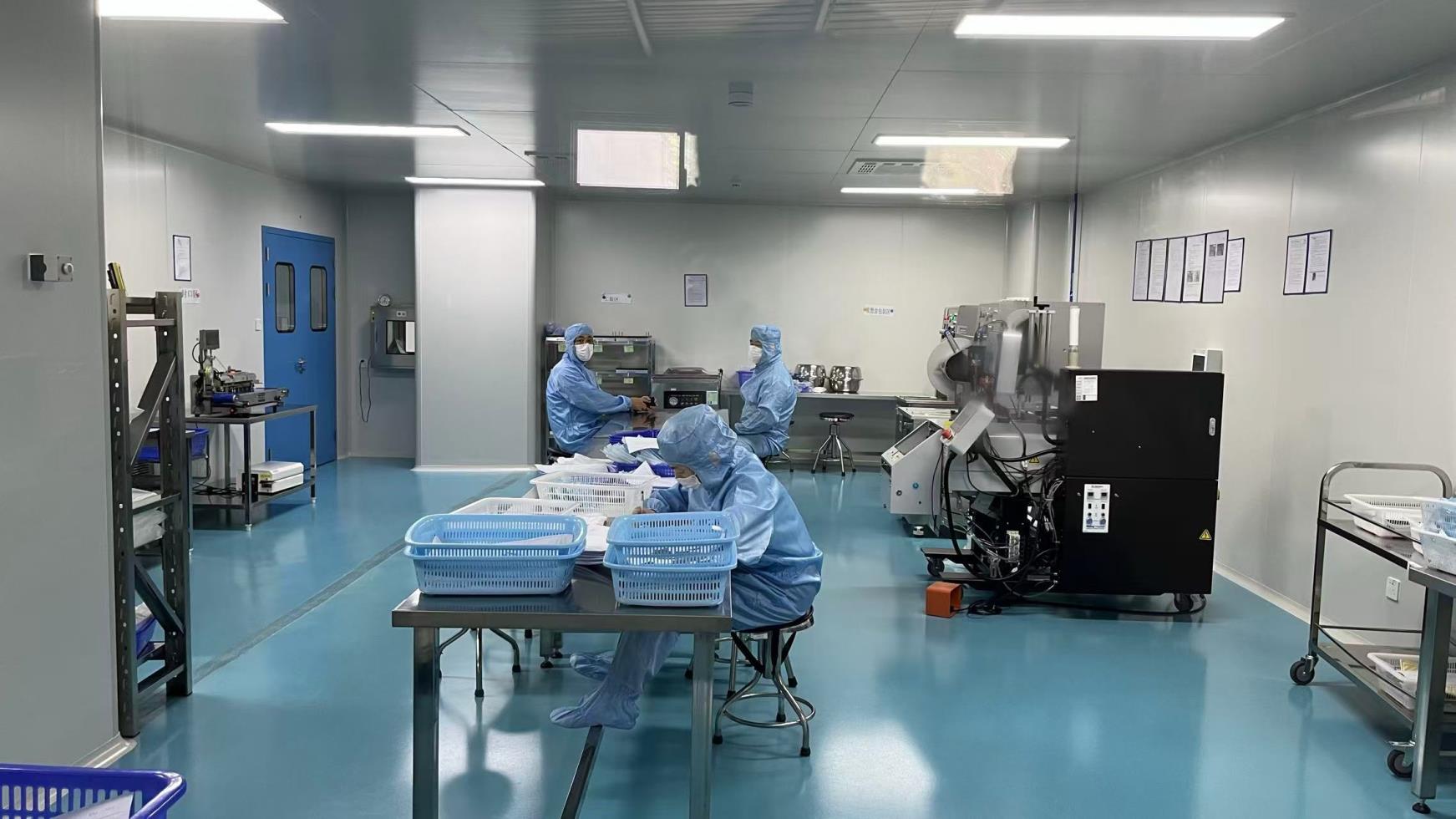
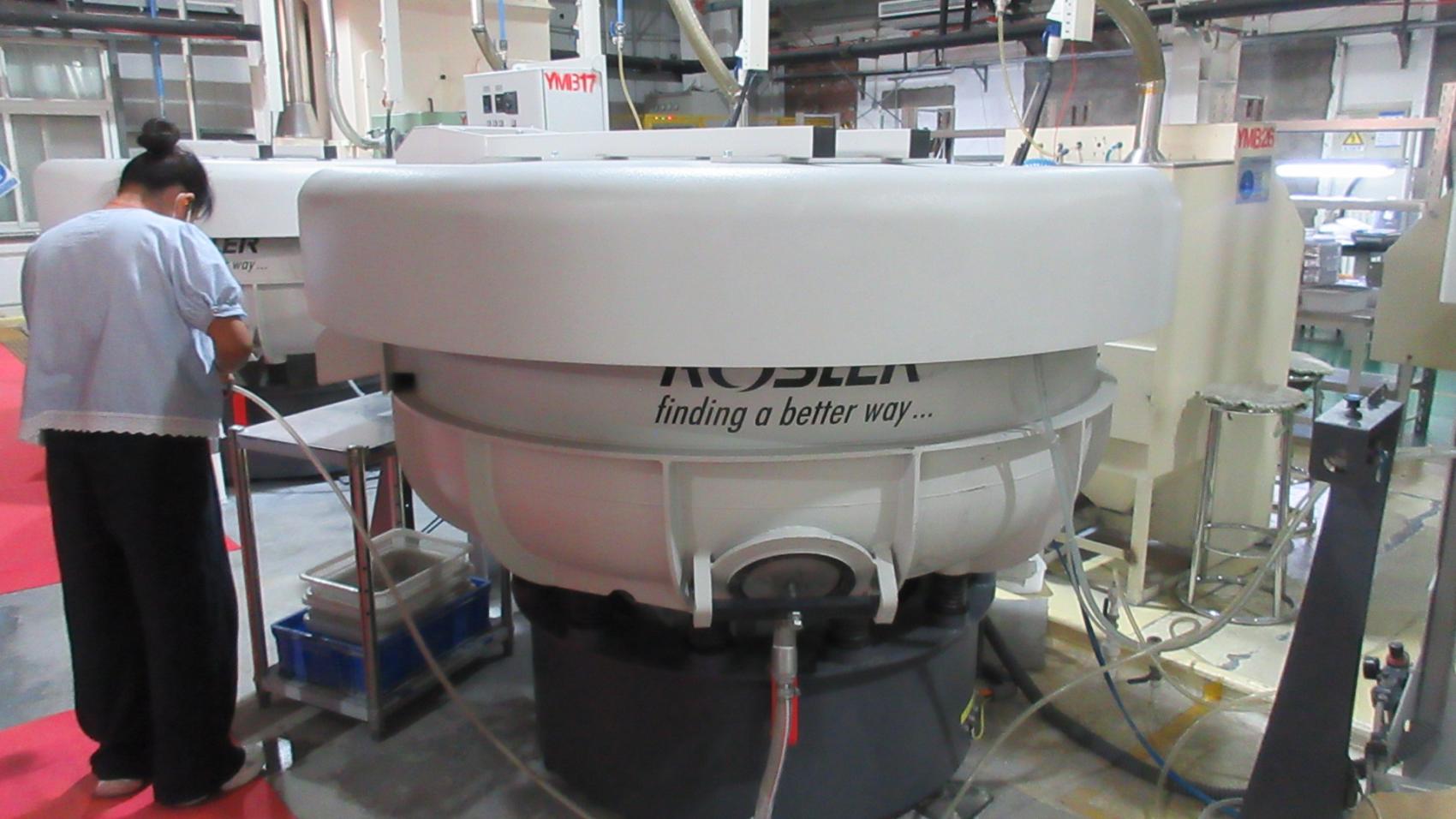
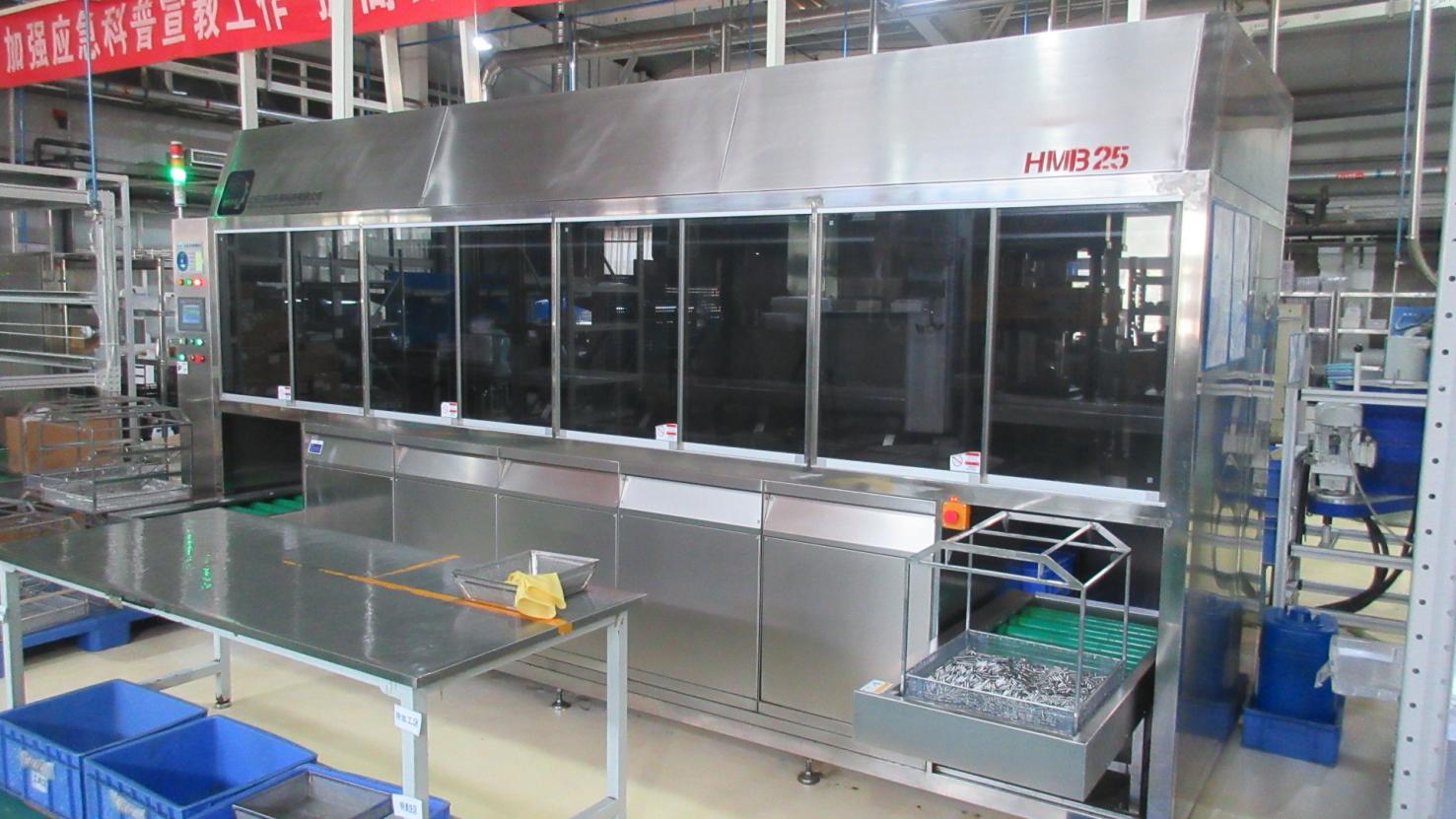
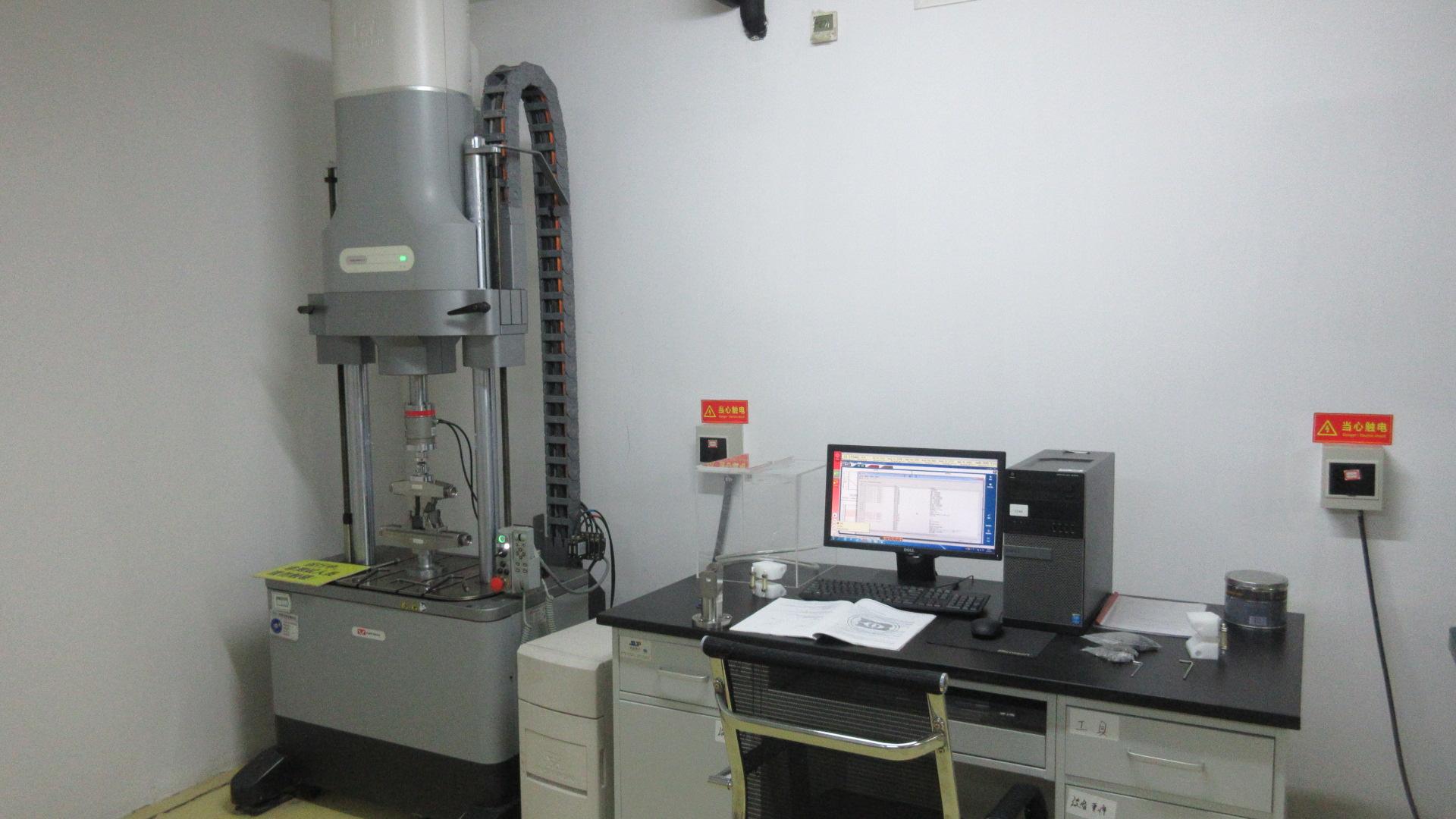
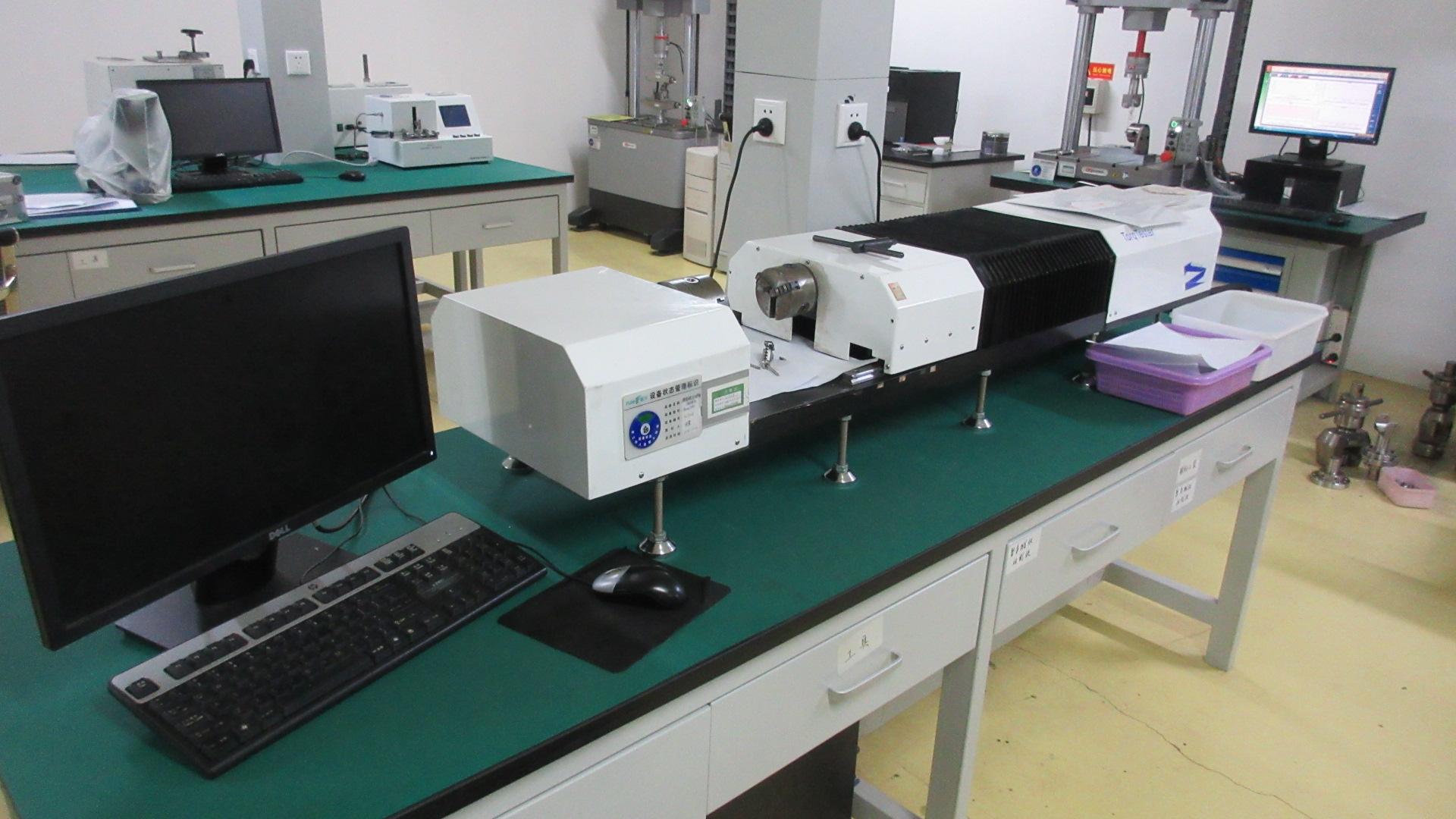
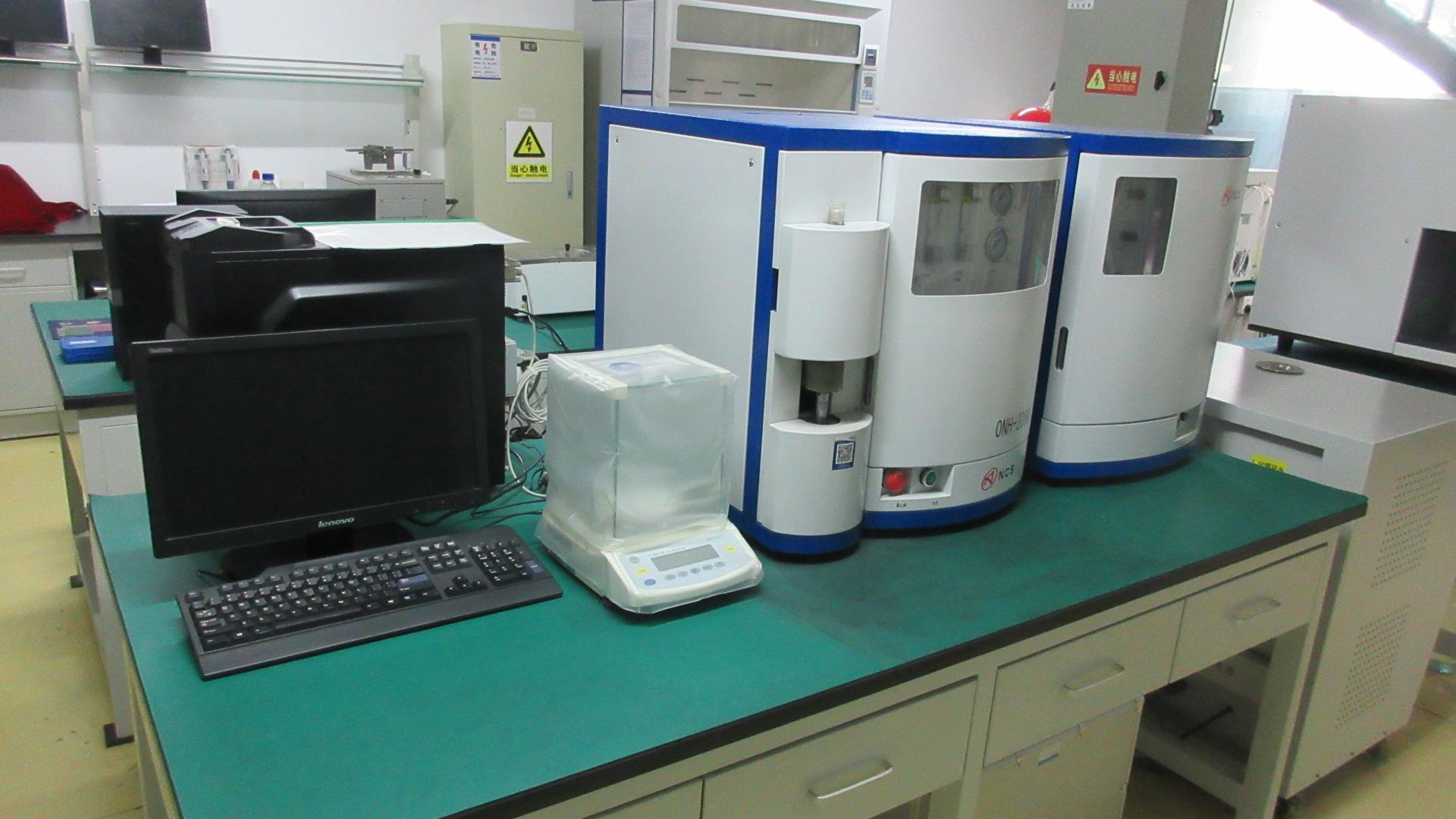
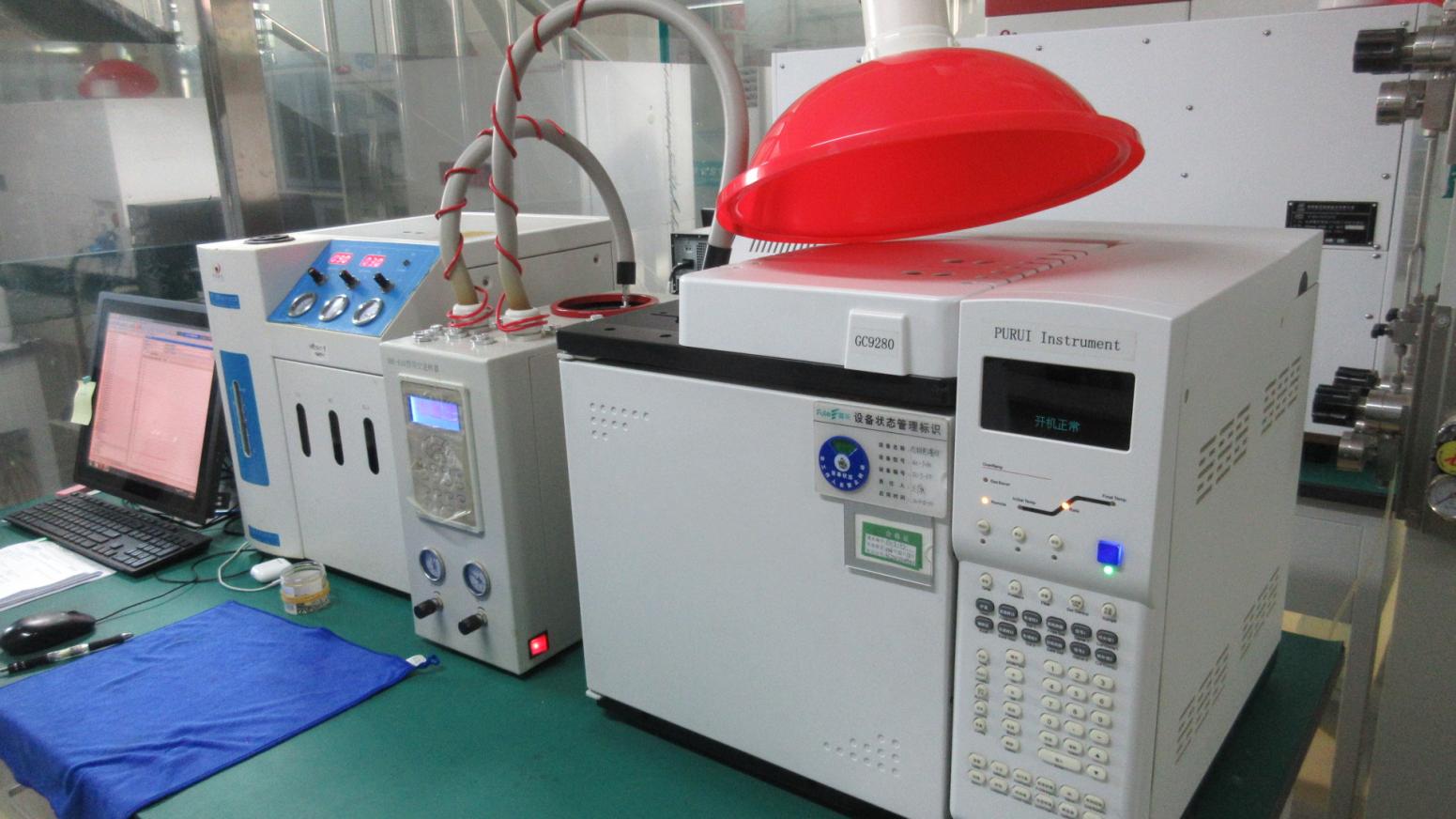
A closer look at our cleanrooms, machining equipment, testing labs, and packaging lines:
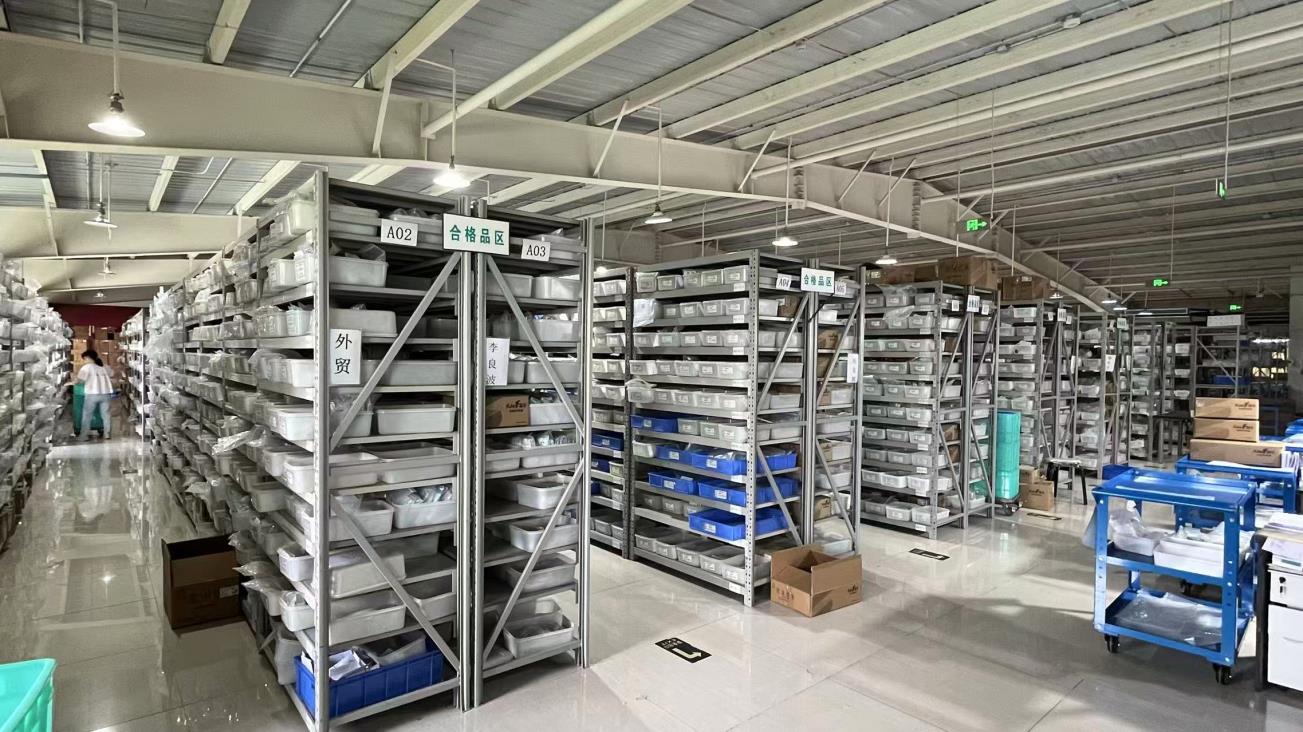
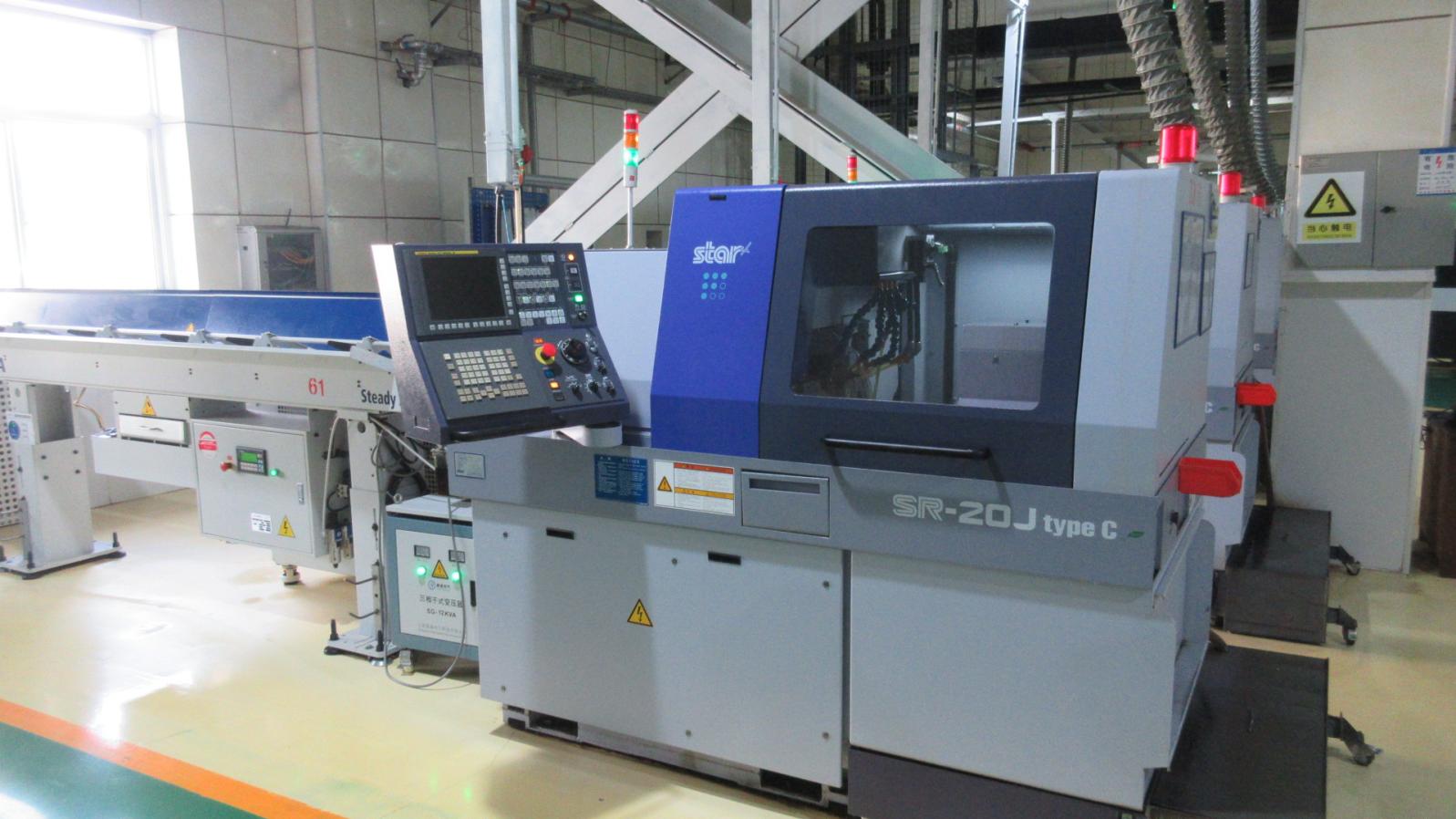
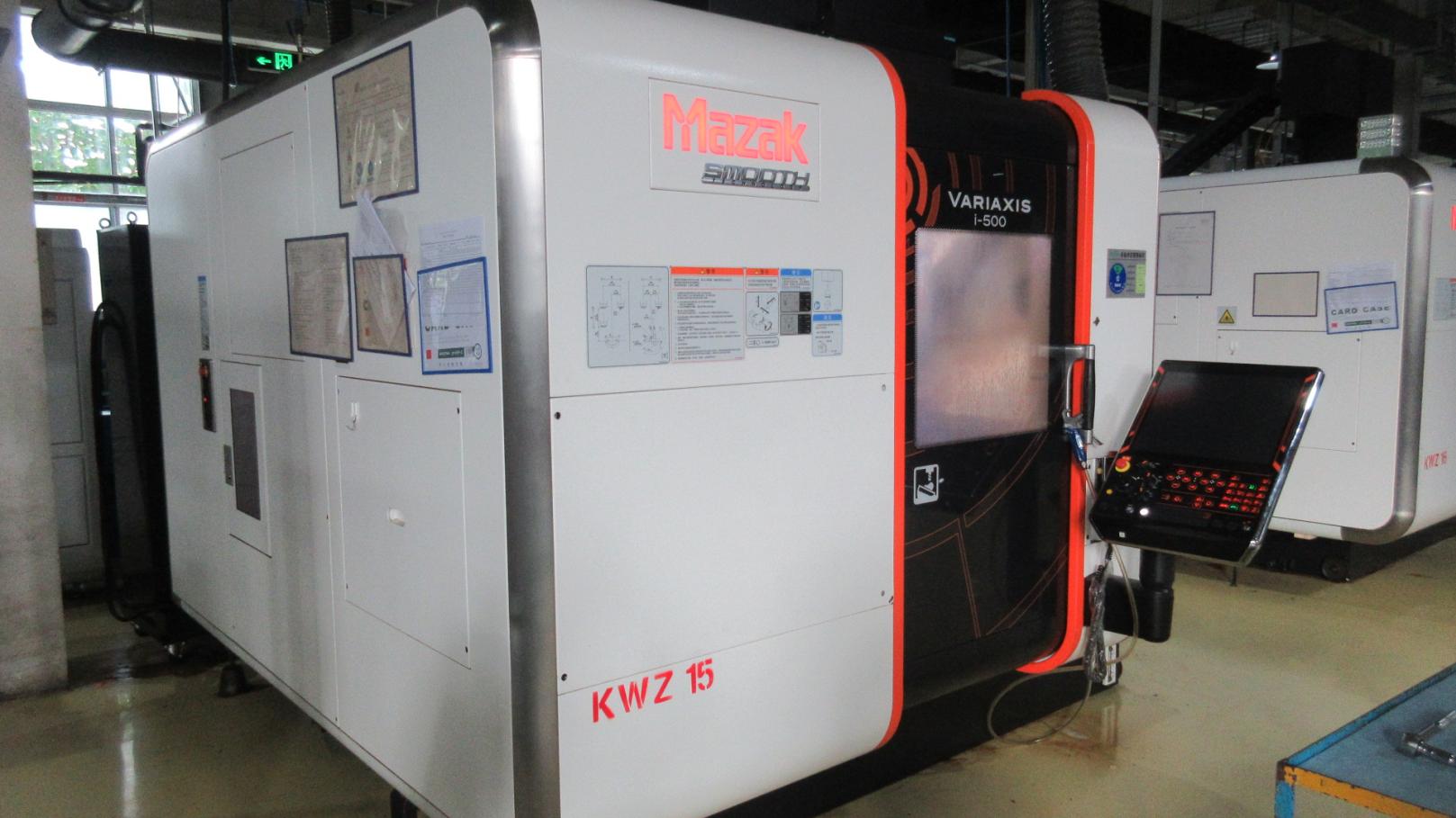
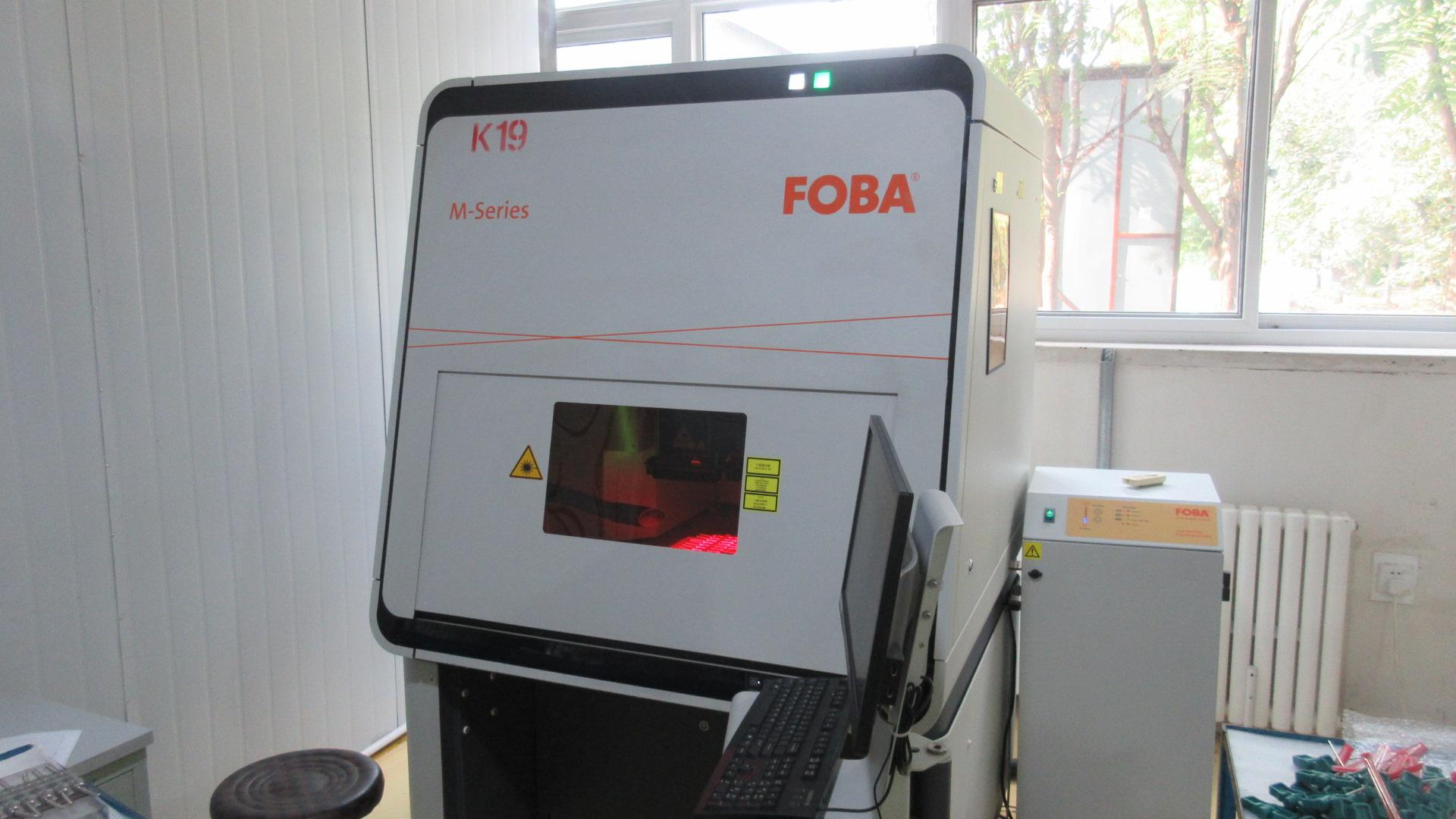
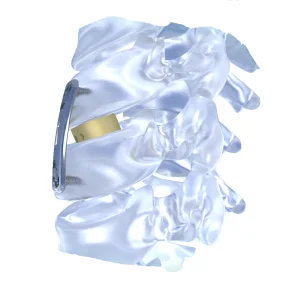
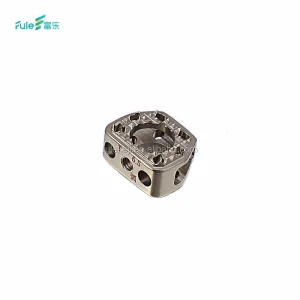
The design of posterior spinal systems is moving toward digital integration and patient-specific implant shapes. As 3D titanium printing technology improves, factories can produce customized cages and plates that match a patient's spinal anatomy.
We are currently updating our product designs to integrate with intraoperative surgical navigation and robotic platforms. Navigation-ready screw heads feature passive tracking markers, allowing surgeons to locate anatomy and place screws with high accuracy, reducing fluoroscopic radiation exposure for the surgical team.
Surface treatments are also evolving. We are researching sub-micron surface texturing and bioactive calcium phosphate coatings. These technologies aim to speed up osseointegration around pedicle screws and interbody cages, which helps improve stability in patients with poor bone quality or osteoporosis.
Our R&D team works with biomechanical testing labs to validate new low-modulus titanium alloys. These materials aim to match the flexibility of human bone, reducing stress-shielding and improving fusion rates.
Key answers regarding product specifications, certifications, and delivery options for Costa Rica's surgical suppliers.
 Beren Science & Technology