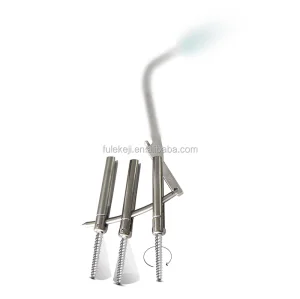
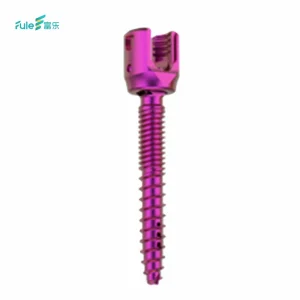
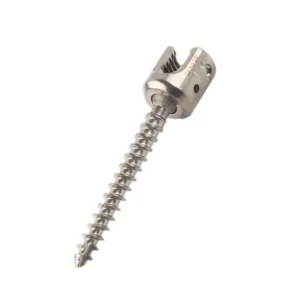
Advanced spine fixation components featuring high-performance titanium constructs for stabilization and rigid deformity correction.
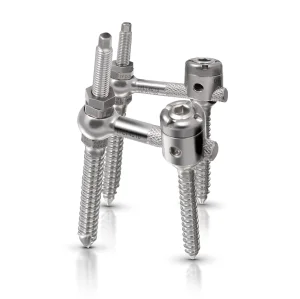
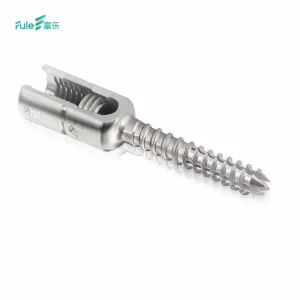
An in-depth look at macro-environmental demands, surgical patterns, and regulatory parameters in North America.
The United States orthopedic spine market represents the world's largest consumer of posterior spinal fixation hardware. As demographic trends shift toward an aging population active later in life, and as clinical diagnoses of lumbar degenerative disc disease, spondylolisthesis, and adult spinal deformity increase, the demand for highly reliable implant assemblies remains critical. Furthermore, the rapid transition of spine surgical cases to Ambulatory Surgery Centers (ASCs) across the US has altered procurement dynamics, forcing a pivot toward high-quality, cost-efficient implants that do not compromise mechanical integrity or patient safety.
Modern US neurosurgeons and orthopedic spine specialists are demanding posterior spinal hardware that supports both open instrumentation techniques and percutaneous, minimally invasive approaches. Minimally invasive surgery (MIS) systems, such as our percutaneous pedicle screw options, significantly reduce paraspinal muscle dissection, limit blood loss, and shorten post-operative recovery windows. This aligns directly with the value-based healthcare reimbursement metrics utilized by US private payors and Medicare (CMS).
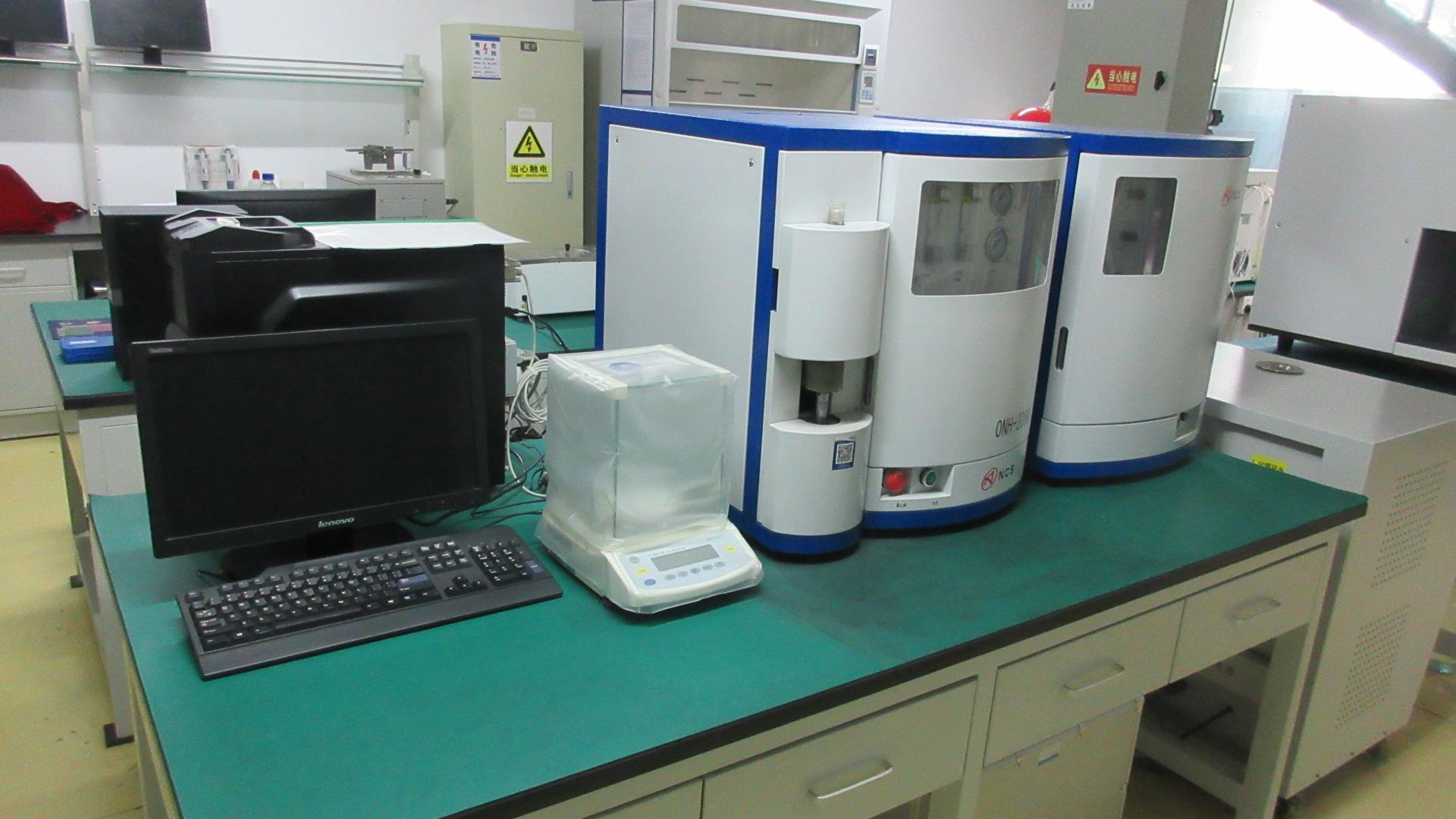
Fule posterior spinal systems utilize medical-grade titanium alloys (Ti-6Al-4V ELI conforming to ASTM F136) and advanced medical PEEK polymers. These materials offer the optimal balance of biocompatibility, fatigue limit resistance, and modulus of elasticity near to that of human cortical bone. Each component is subject to strict metallurgical validation, ensuring that elements like aluminum and vanadium are balanced precisely to mitigate stress shielding and avoid mechanical failures under cyclic physiological loads.
A statistical overview of our manufacturing output, global quality controls, and customized orthopedic R&D.
| Production & QA Capability Details | Compliance Details & Operational Standards |
|---|---|
| Quality Control Protocol | 100% inspection conducted across all lines by 15 dedicated QA/QC inspectors |
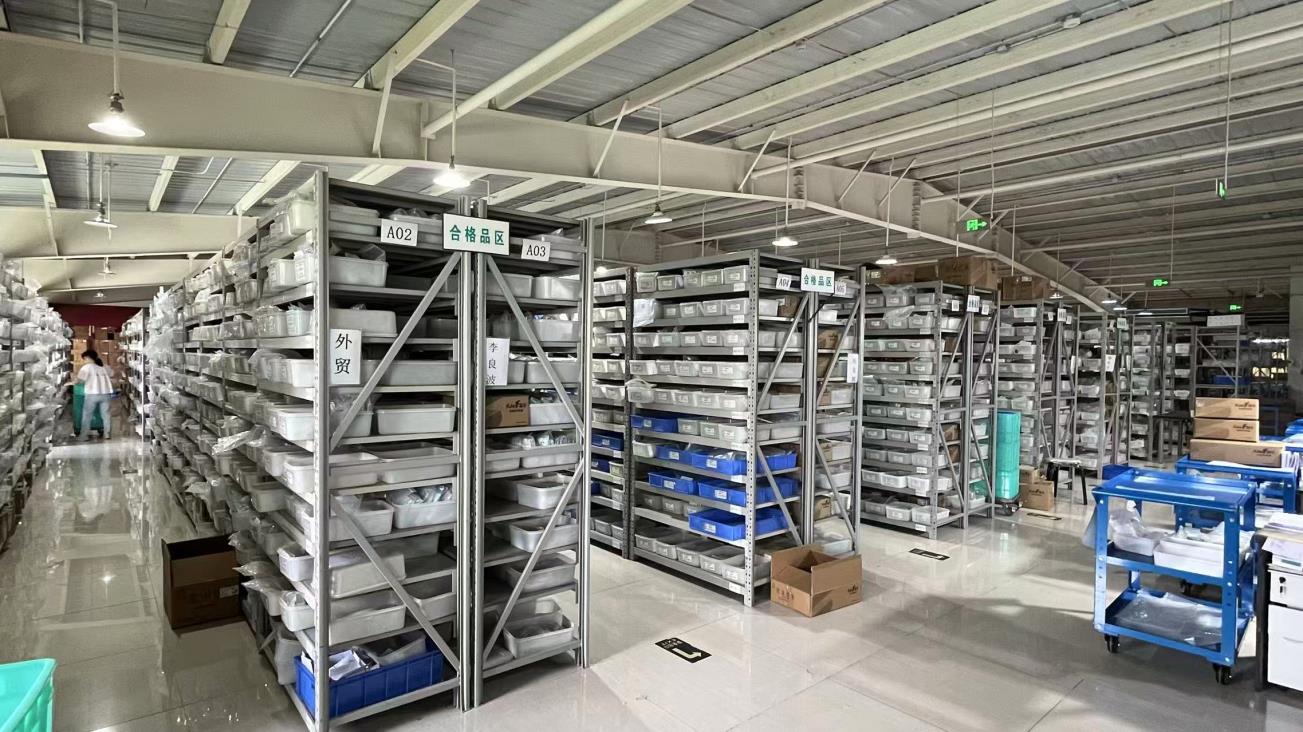
| Traceability System | Complete documentation of raw materials from ingot delivery to finished product packing |
| Certifications Held | ISO 13485 (Certificate No. 04724Q10000818), CE Compliant Systems |
| R&D Organization | 20 R&D engineers (15 holding graduate degrees, 5 junior college specialists) |
| OEM/ODM Customization | Full support for customized blueprints, sample processing, and custom instrument kits |
| Core Supply Partners | 70+ reliable upstream and downstream supply chain alliances globally |
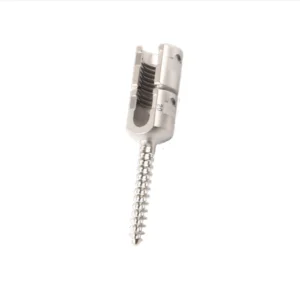
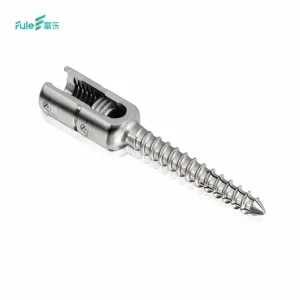
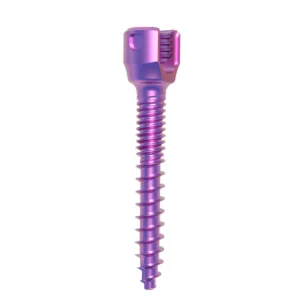
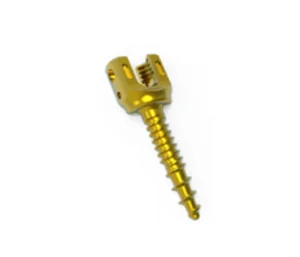
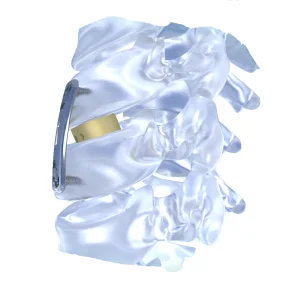
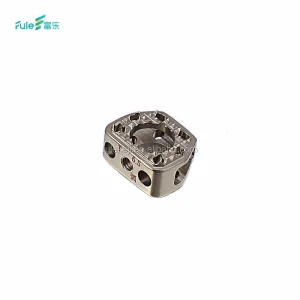
Our implant portfolio features highly integrated engineering details customized for complex spinal interventions, ensuring high pull-out resistance, easy rod reduction, and long-term biological fusion.

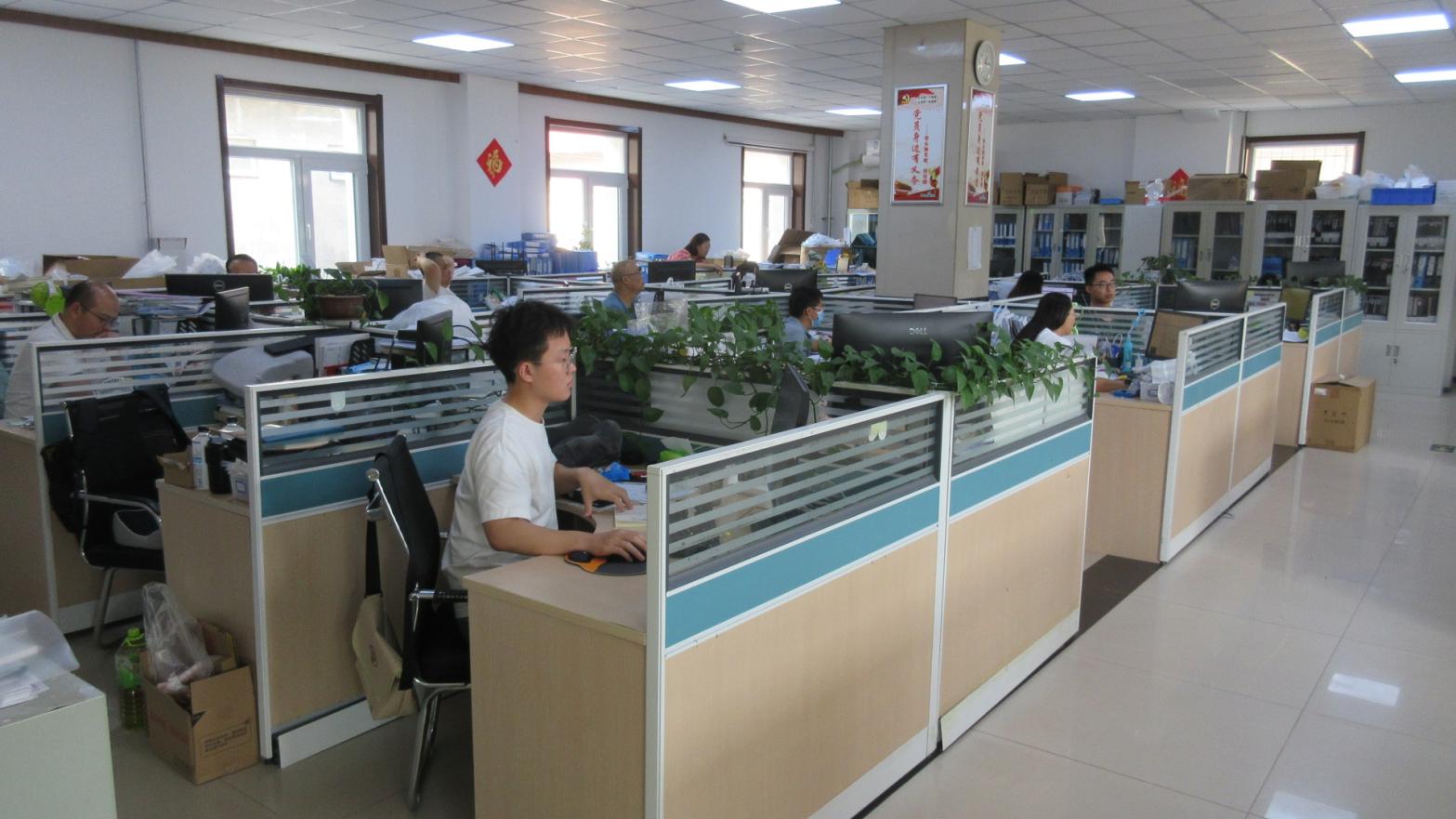
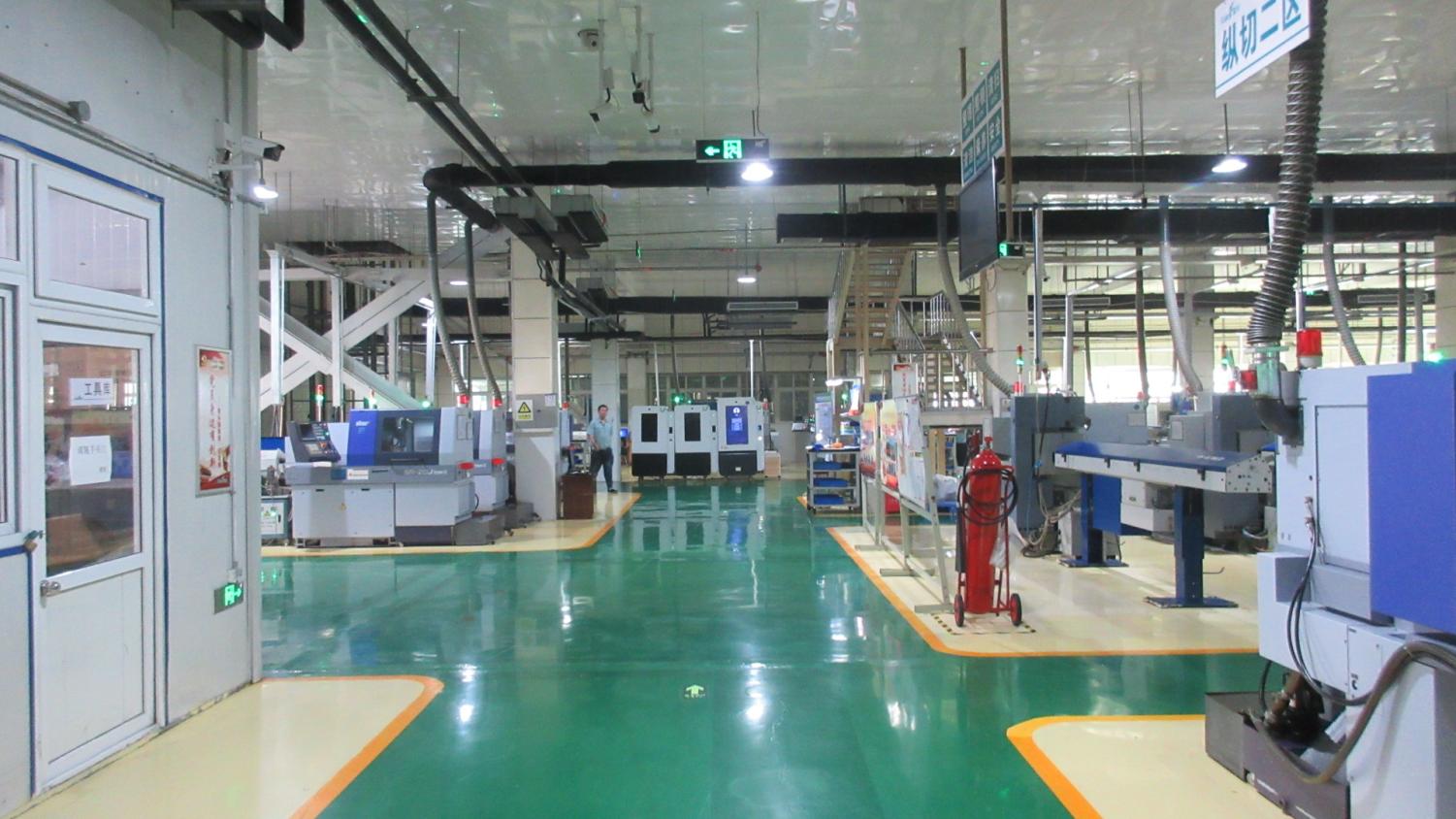
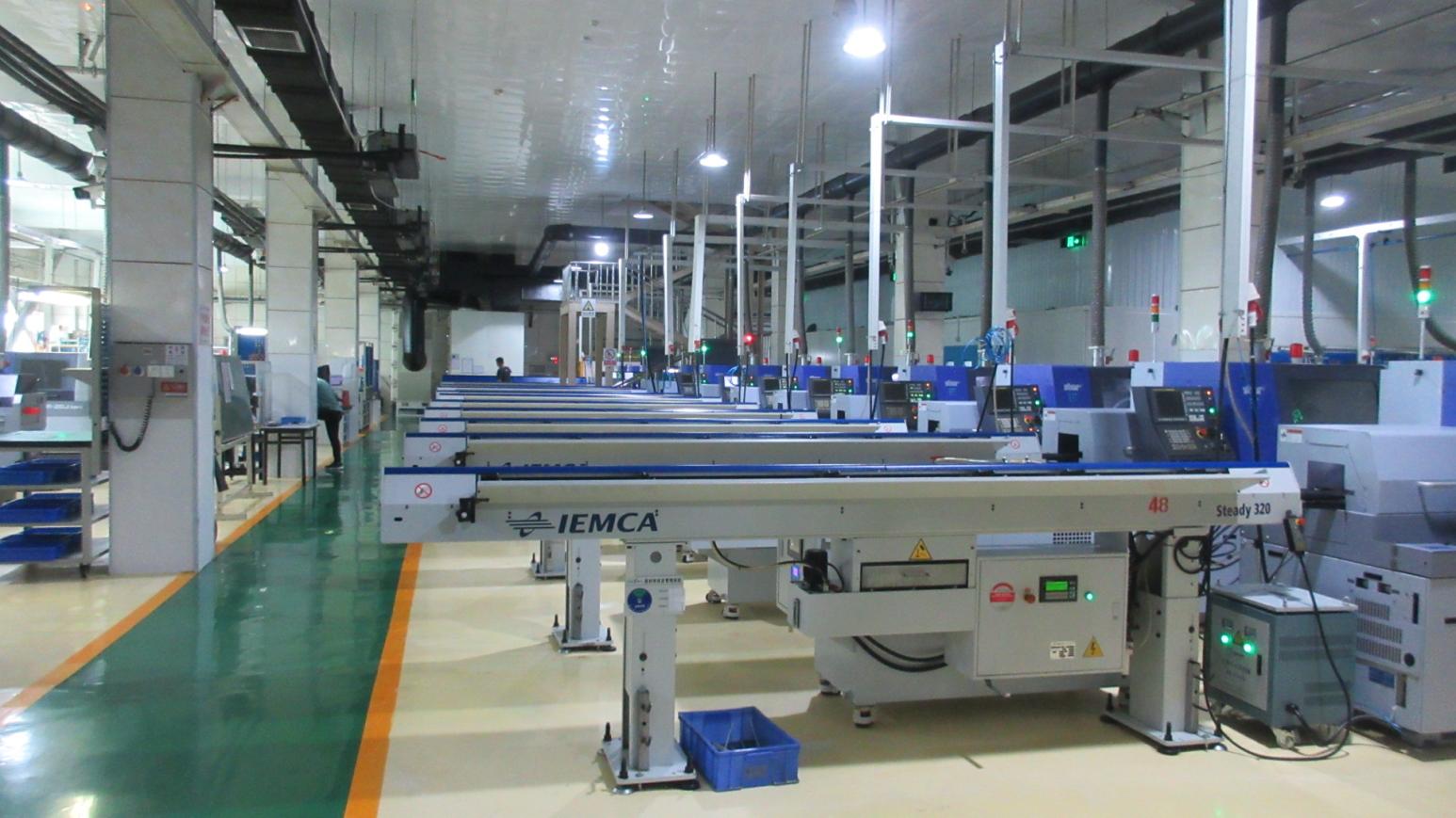
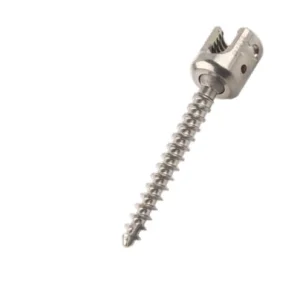
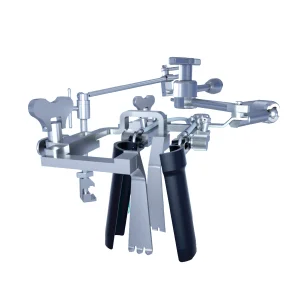
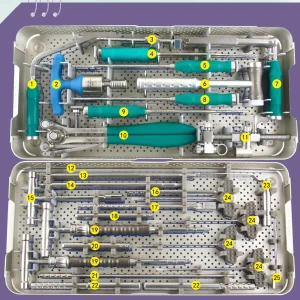
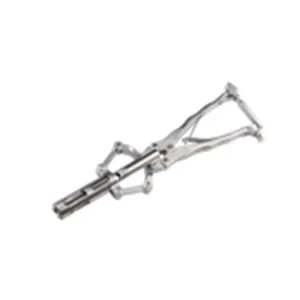
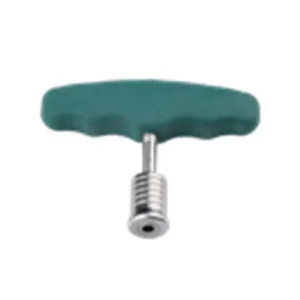
An extensive array of pediatric spinal systems, sliding rods, ALIF cages, and minimally invasive instrumentation.
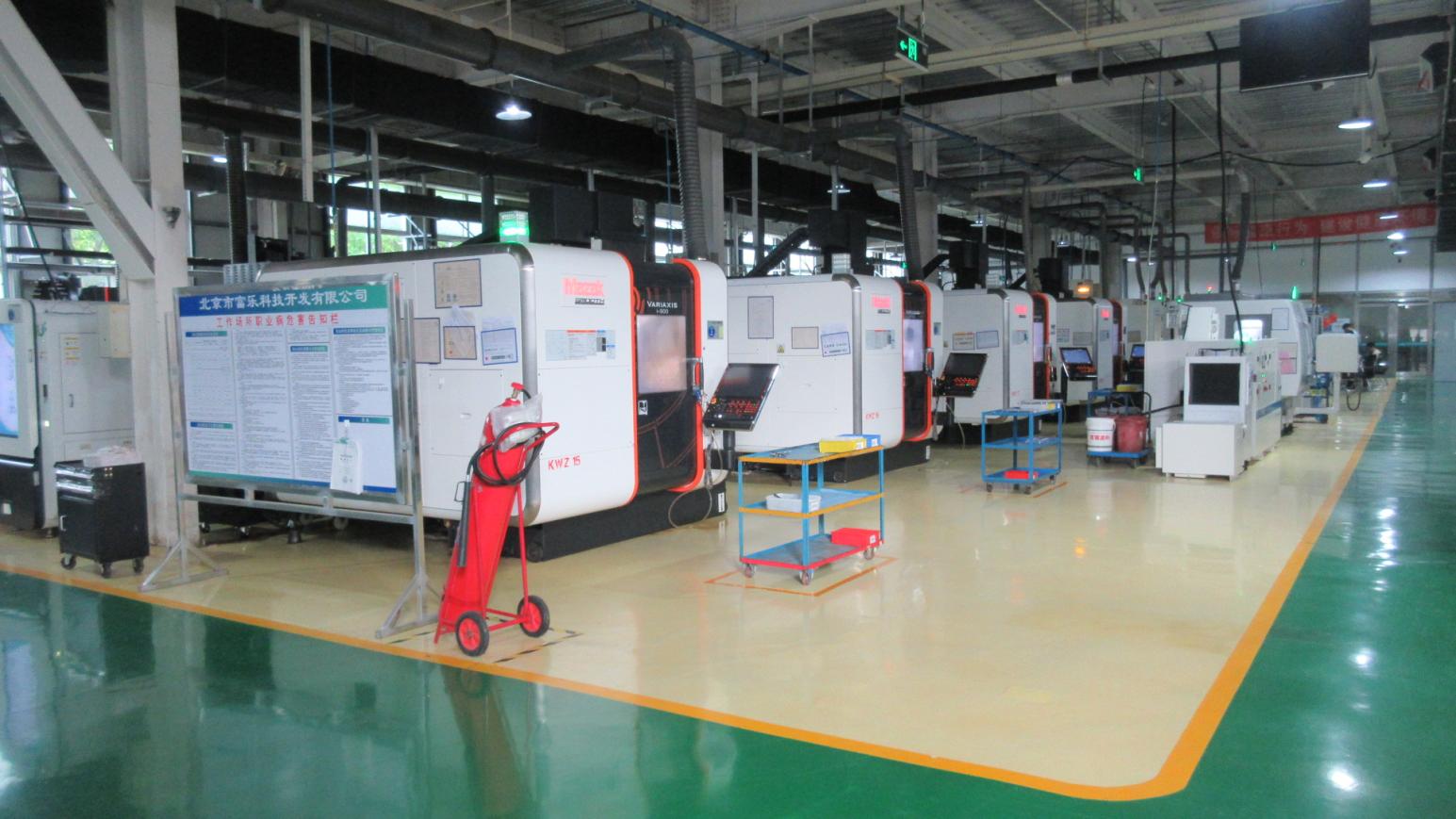
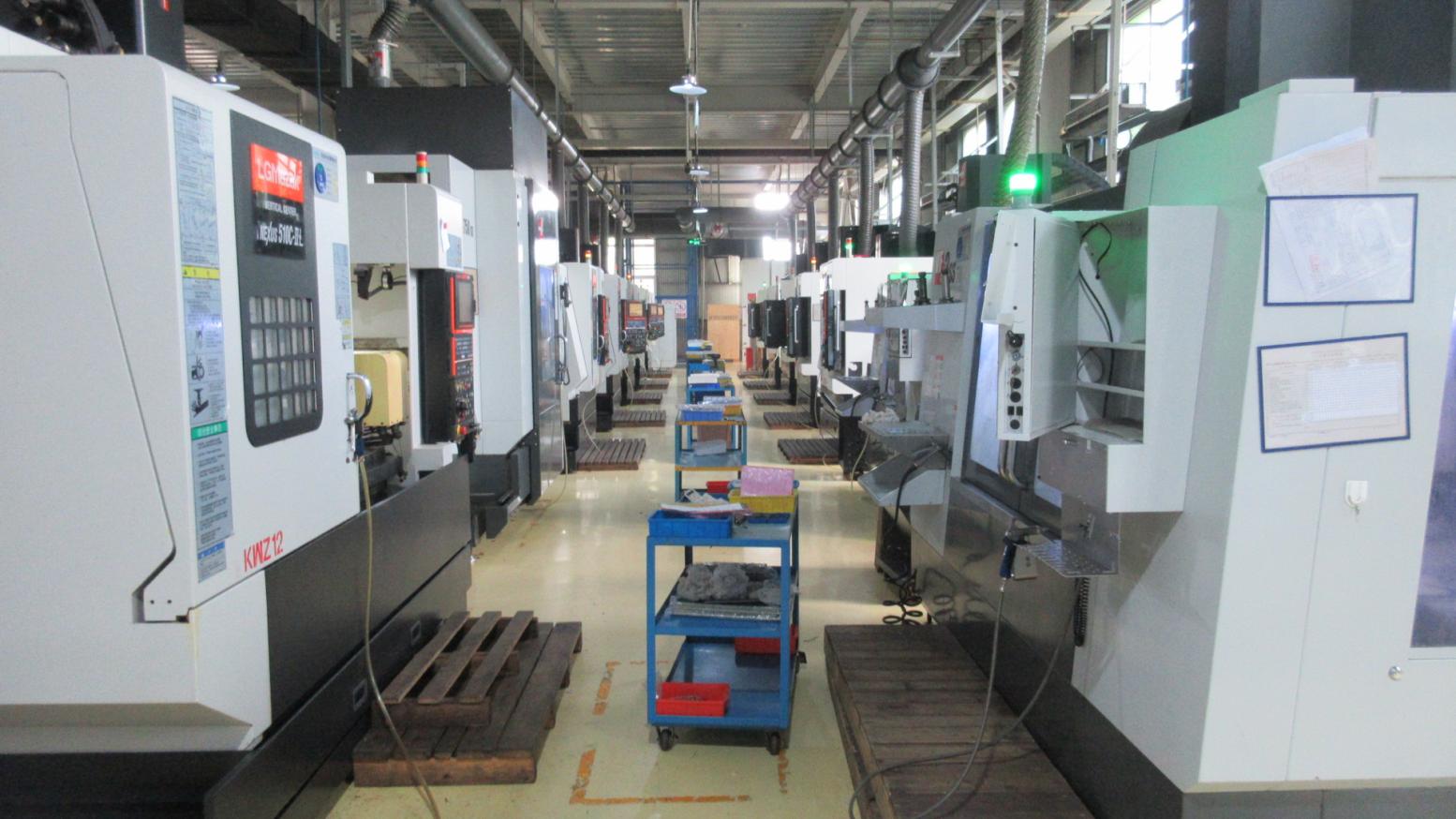
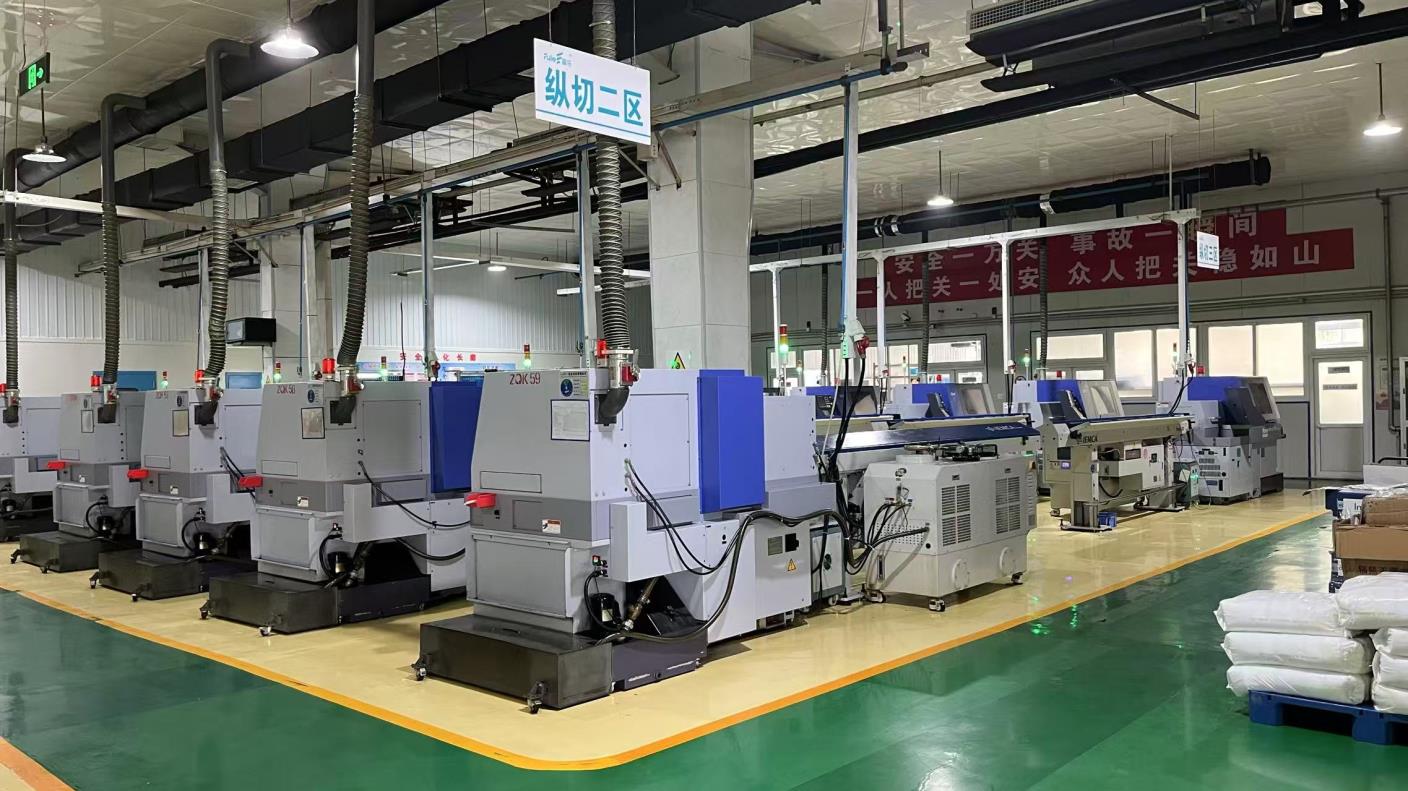
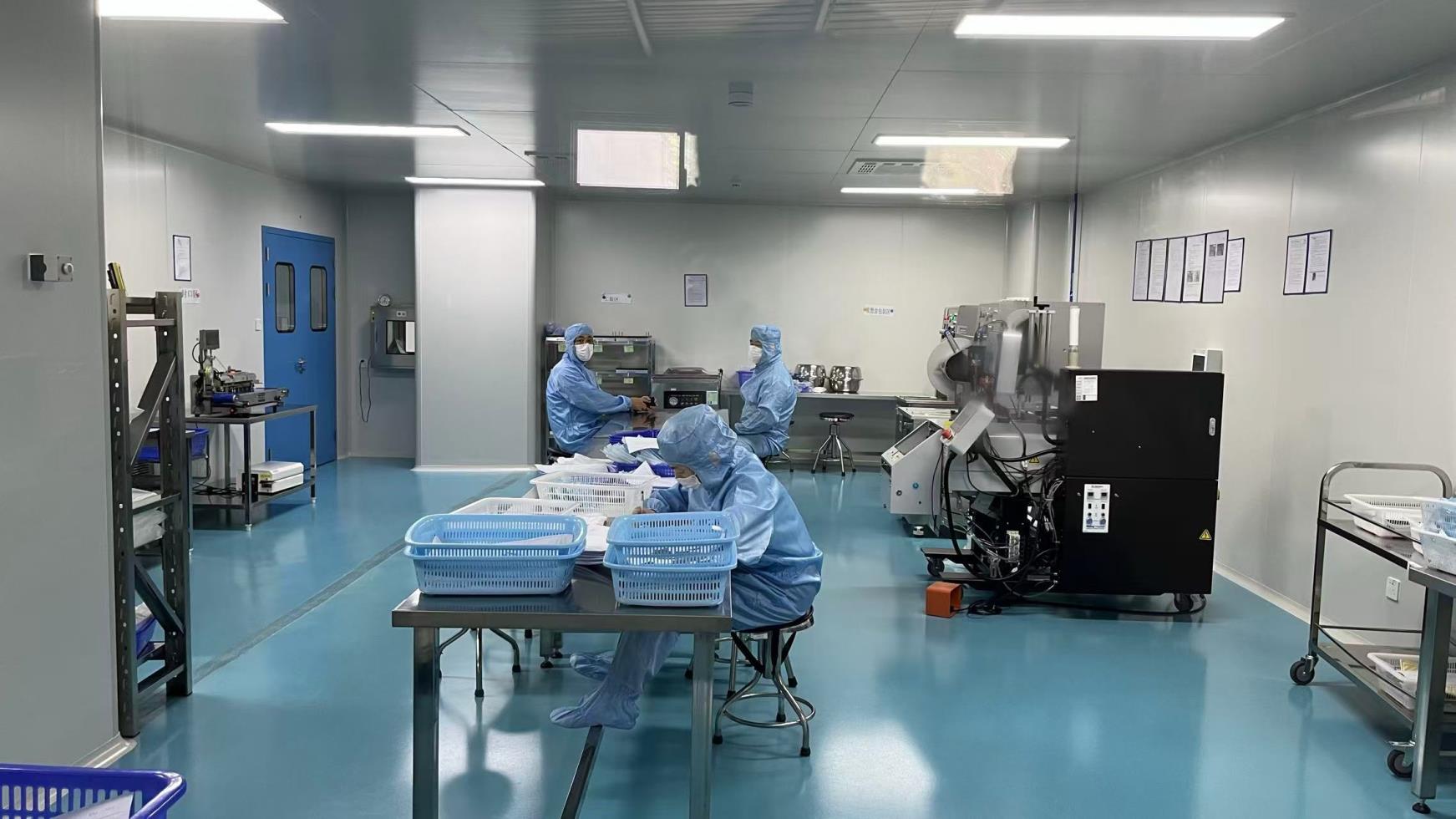
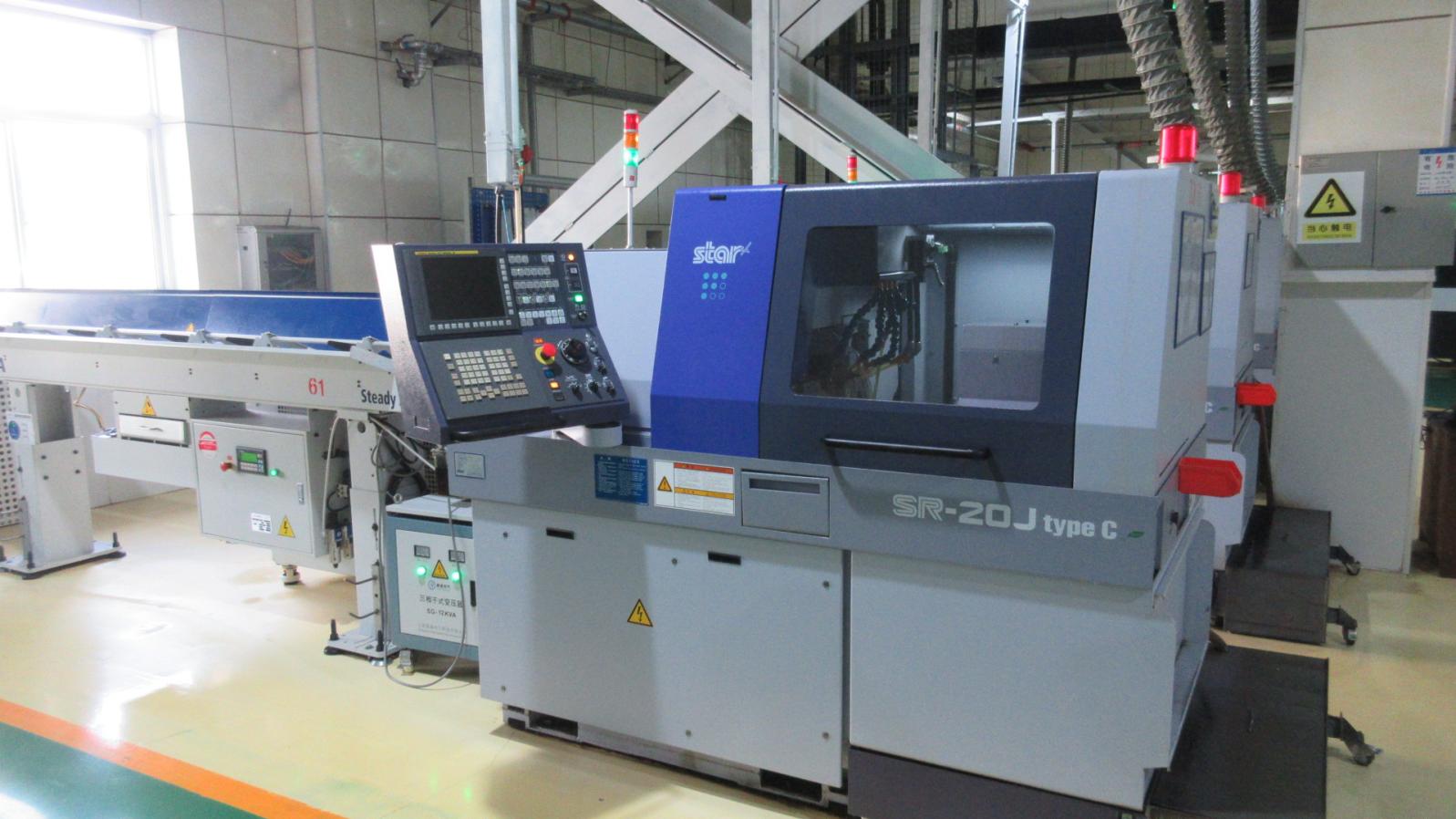
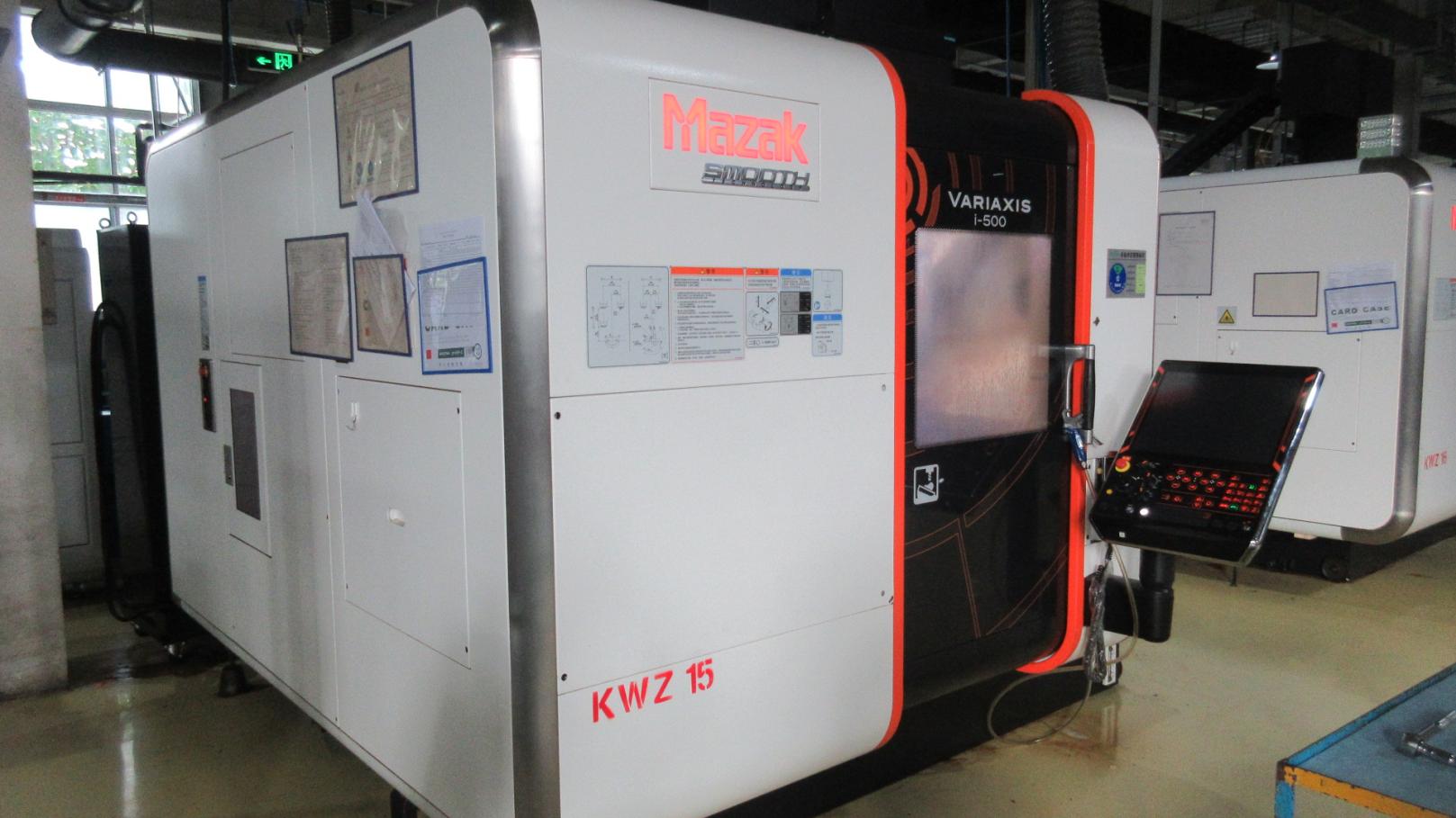
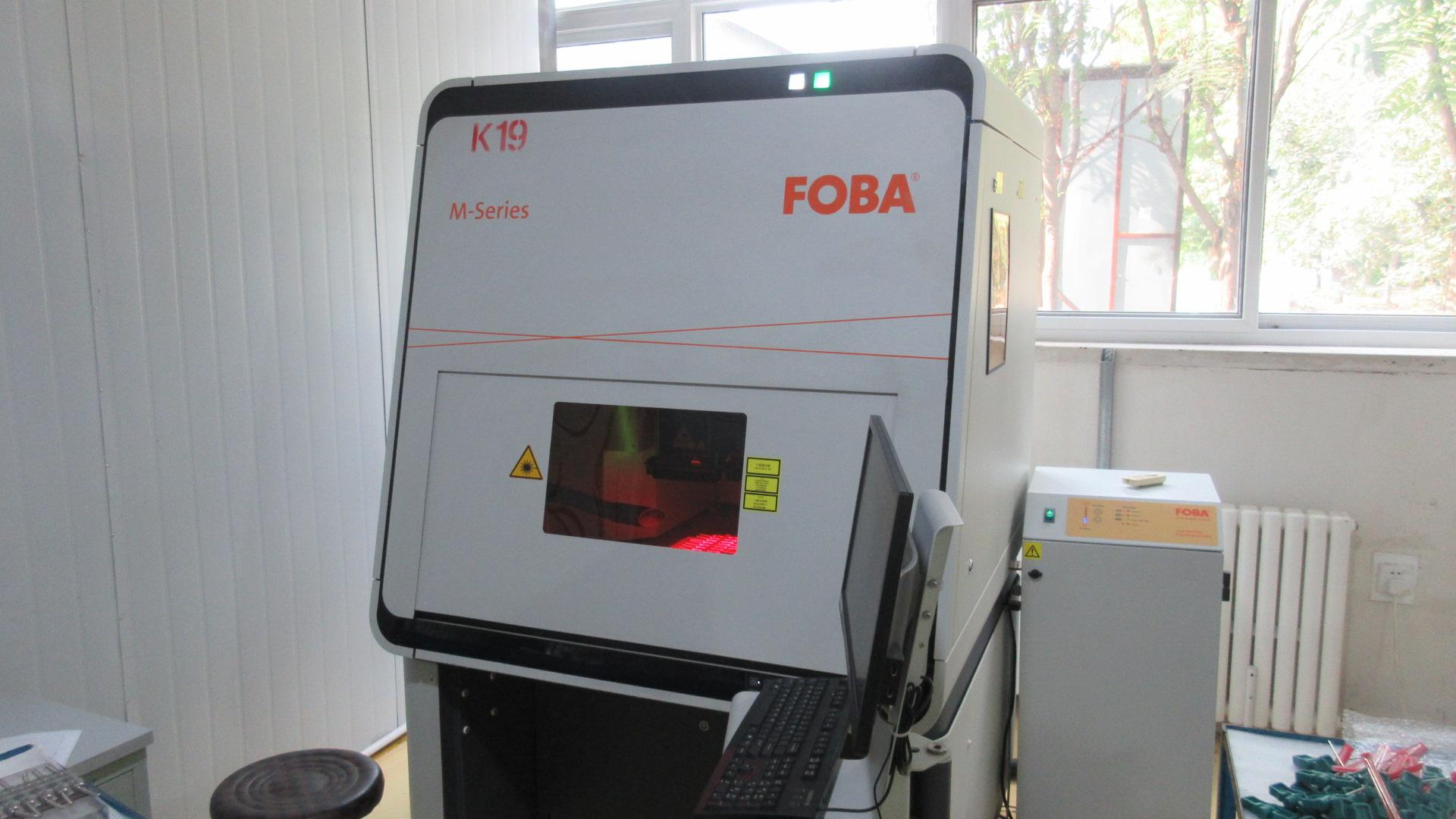
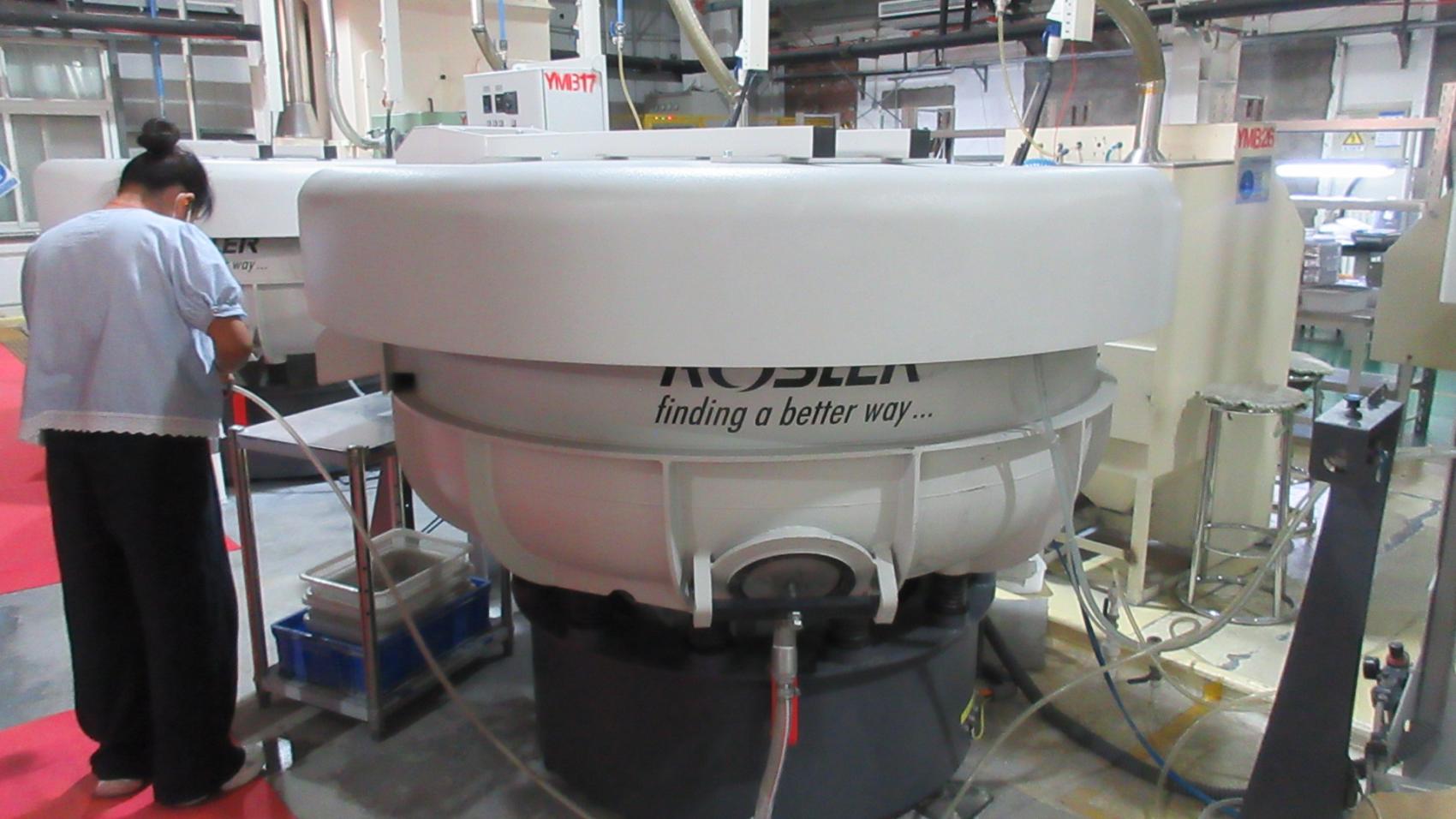
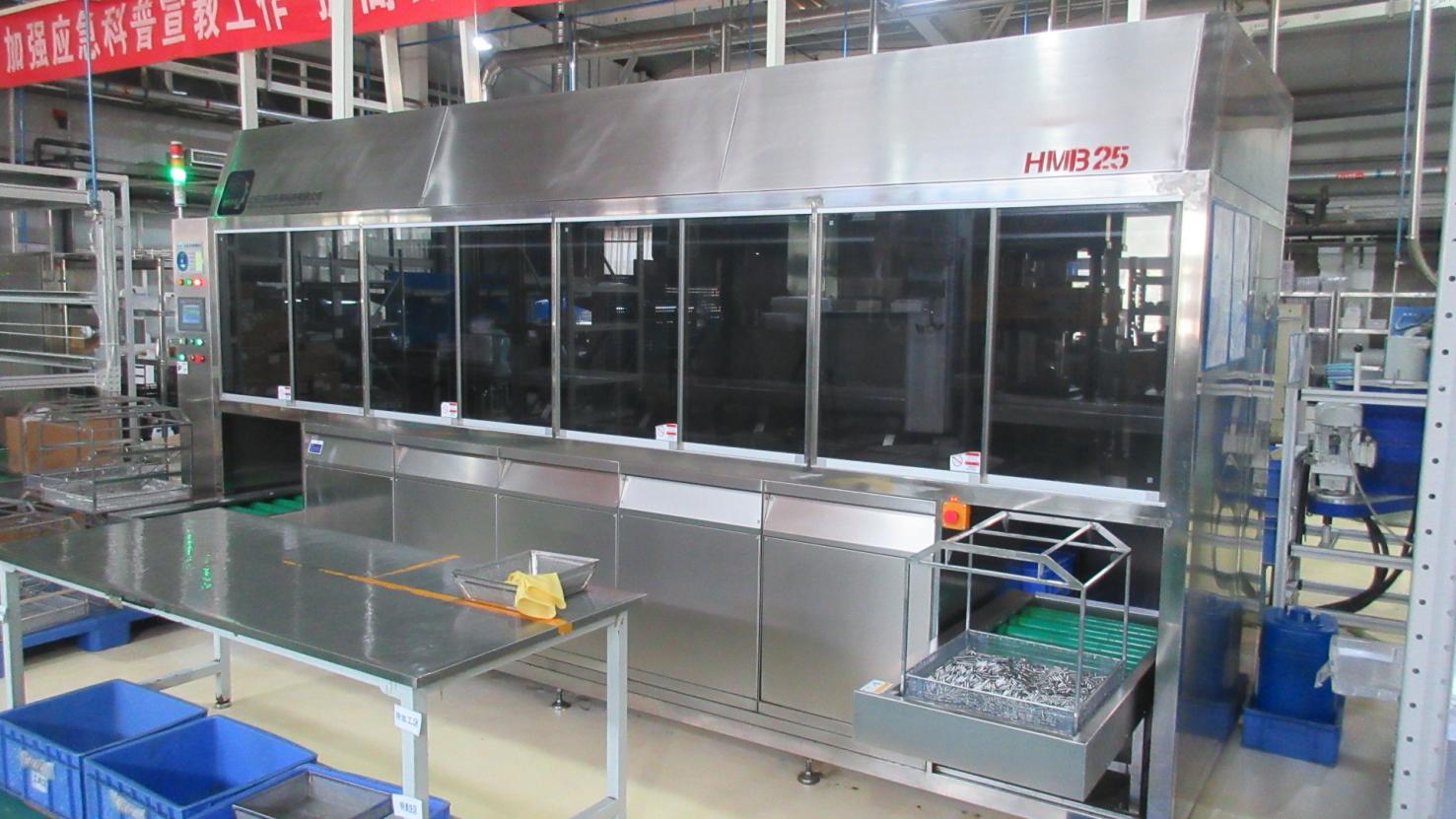
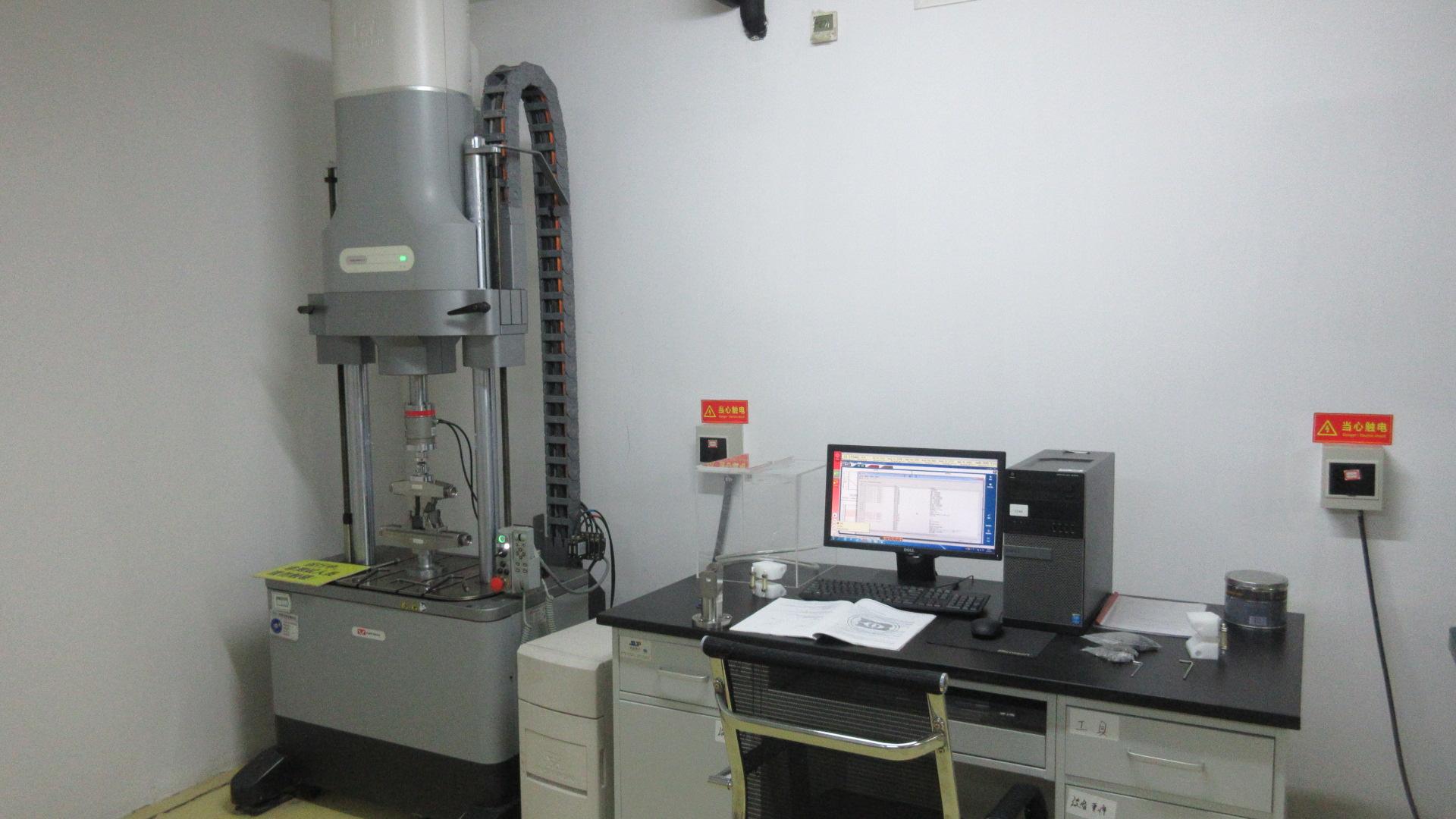
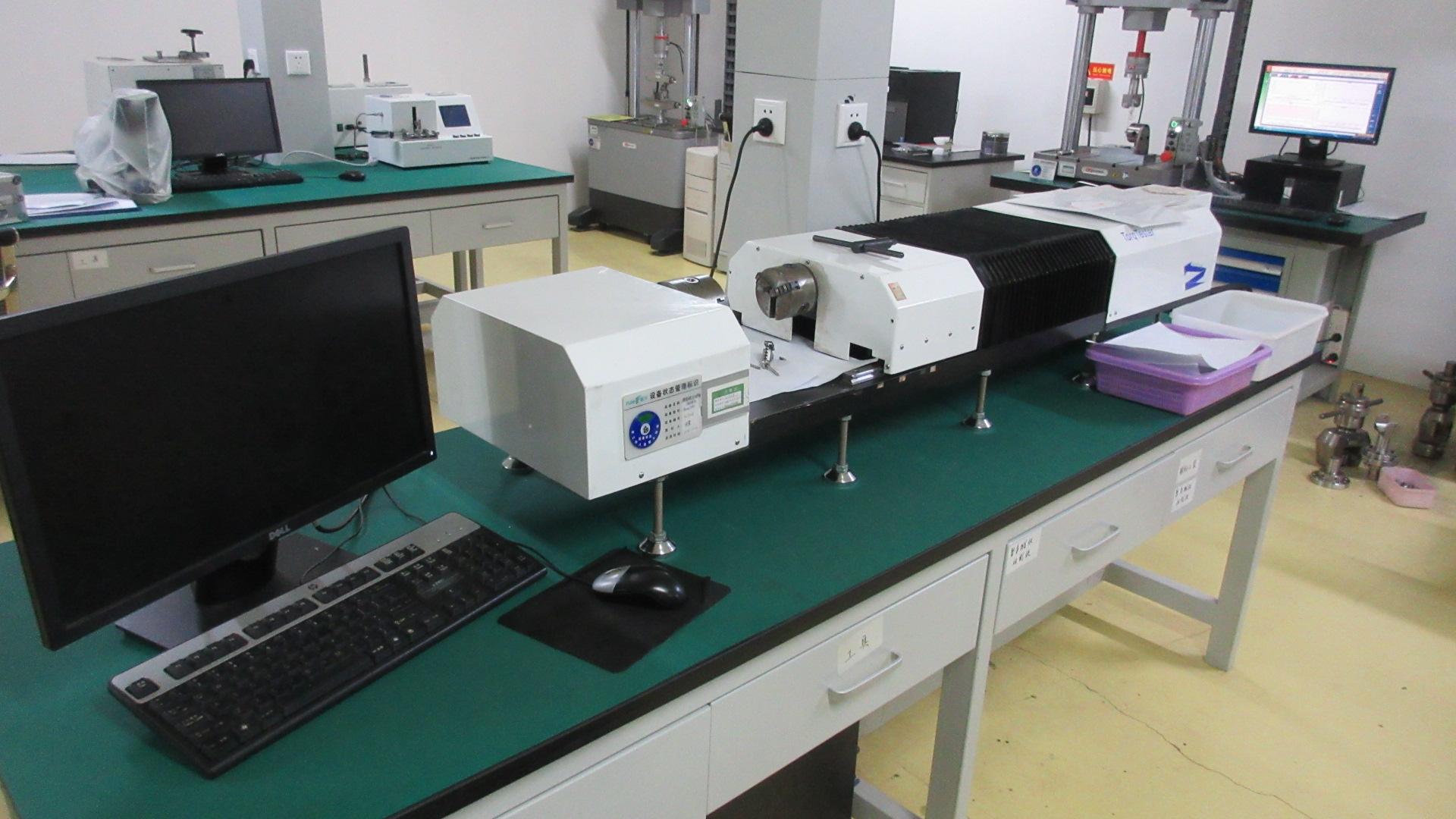
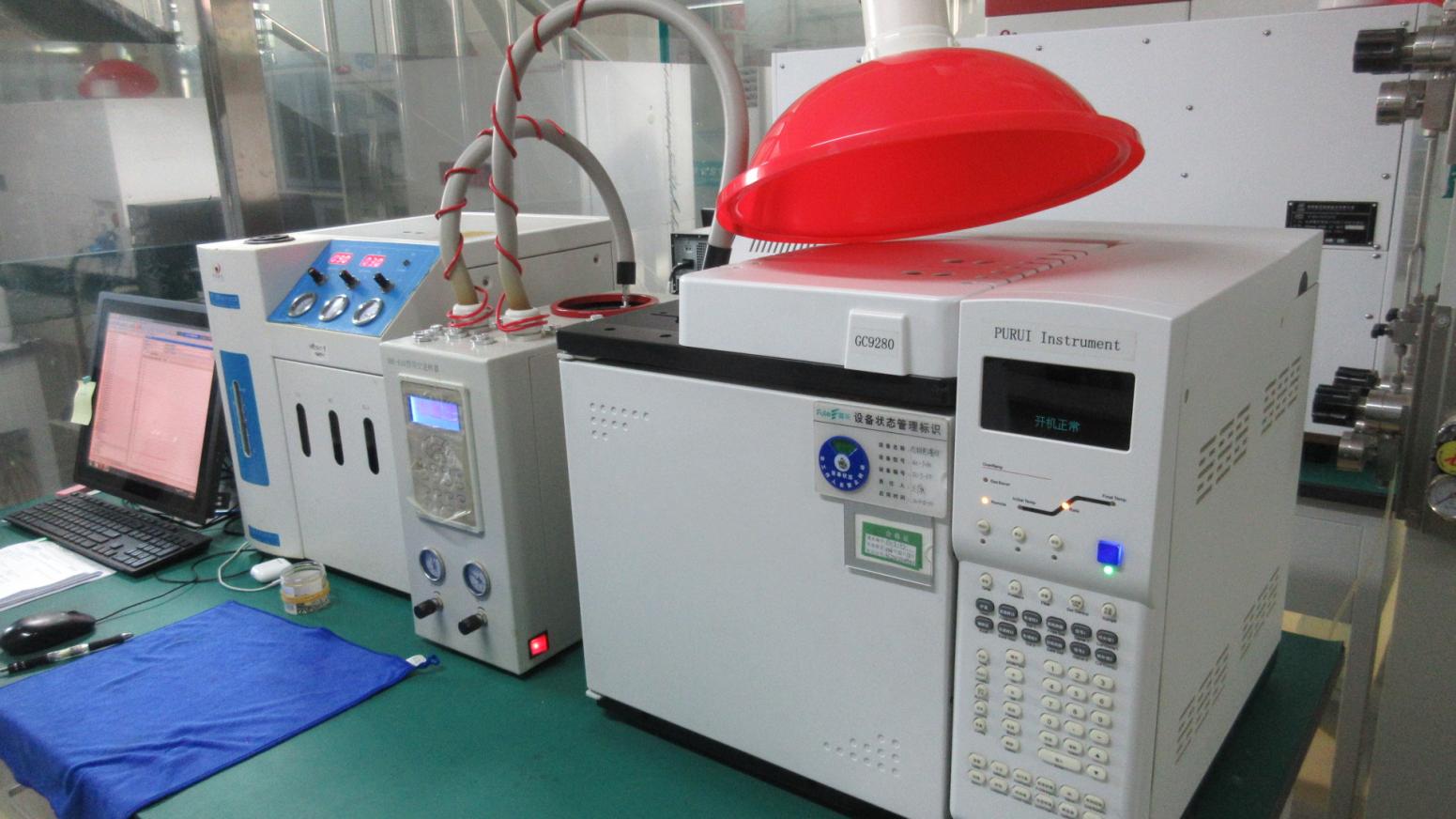
Real-world documentation of raw material storage, processing departments, cleaning chambers, and structural inspection.

How we address the future of spinal reconstruction through progressive hardware advancements and robotic integration.
As computerized navigation systems and robotic surgical systems become standard in US operating rooms, posterior spinal systems must adapt. Our latest R&D cycle includes the integration of navigated tool pathways and high-tolerance registration anchors. This allows automated robotic arms and tracking cameras to identify implant position and guide screw trajectories with sub-millimeter precision.
In addition to traditional smooth titanium, modern orthopedic design focuses on surface modification techniques. Our future roadmap prioritizes 3D-printed porous titanium and plasma-sprayed coatings on interbody components, encouraging rapid mechanical interlocking between host bone and implant surface. This helps minimize micro-motion and reduce rates of pseudoarthrosis.
To successfully serve US wholesalers, clinical networks, and medical OEM clients, logistics reliability is key. Fule maintains strong relationships with global carriers (DHL, Fedex) to guarantee fast shipping. In addition, our OEM capability allows us to produce customized surgical instrument trays designed to fit perfectly into standard US hospital sterilization autoclaves.
Addressing the technical, regulatory, and logistics queries of US hospital procurement groups and distributors.
For standardized configurations, shipping via air freight (DHL/FedEx) takes approximately 7-14 business days. For customized OEM components or private-label instrument sets, lead times typically range from 45 to 60 days to allow for Swiss CNC retooling, quality inspection, and sterile barrier packaging verification.
Our biomechanical testing lab uses dynamic load protocols that conform to the ASTM F1717 standard. This testing simulates a vertebrectomy model to verify fatigue limits, static compression-bending, and torsion performance. Materials are sourced with mill run certificates, ensuring compliance with ASTM F136 specifications.
Yes, we provide extensive custom manufacturing (OEM/ODM). This includes laser-marking catalog numbers, batch identifiers, custom colors (to visually identify screw diameters like 5.5mm, 6.5mm, or 7.5mm), and custom tray design to match your brand requirements.
Our facility operates under ISO 13485 (Registration Number 04724Q10000818). The final packaging and cleaning are conducted in a certified Class 100,000 (ISO Class 8 equivalent) cleanroom. We run comprehensive bio-burden testing and particulate inspections prior to final sealing to ensure safety and sterility.
 Beren Science & Technology