Premium grade titanium-alloy implants configured for clinical excellence and anatomical stability in modern orthopedic practices.
Analyzing clinical paradigms, market growth, and regulatory shifts in Southern Vietnam's leading healthcare hub.
Ho Chi Minh City (HCMC) stands as the principal engine of clinical and medical device growth in Vietnam. Driven by demographic transitions, an aging population, and a rising incidence of degenerative spinal disorders and trauma cases, the demand for sophisticated, reliable medical implants has grown exponentially. According to recent demographic reports, the urban population of HCMC is experiencing a significant shift toward geriatric ages, accelerating the incidence of spinal stenosis, spondylolisthesis, and degenerative disc diseases.
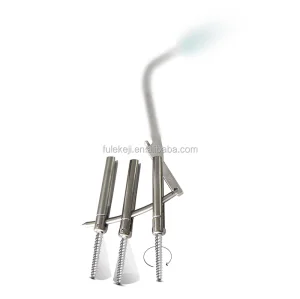
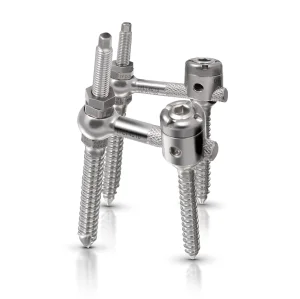
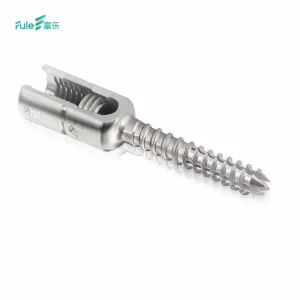
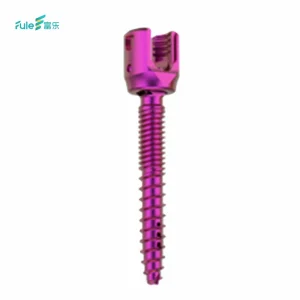
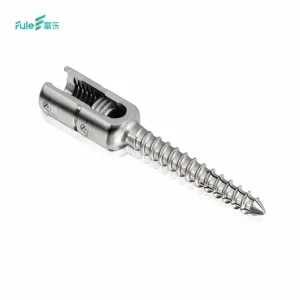
Key public and private healthcare centers in HCMC, such as the Ho Chi Minh City Hospital of Traumatology and Orthopedics, Cho Ray Hospital, and People’s Hospital 115, are rapidly upgrading their neurosurgical and spine departments. The integration of minimally invasive spine surgery (MISS) is a primary objective for these institutions, requiring posterior spinal fixation systems that are not only biocompatible but structurally optimized for anatomical variations. Fule Medical's advanced pedicle screw systems, including the Usmart 5.5 and CCS Pediatric lines, align perfectly with the precision demands of surgeons operating in these highly technical settings.
Moreover, the regulatory framework managed by the Vietnam Ministry of Health (MOH) under Decree 98/2021/ND-CP enforces strict requirements on Class C and Class D medical devices (which include implantable spinal hardware). Local distributors and healthcare procurers in HCMC demand rigorous certification profiles, including CE marks, ISO 13485 status, and verifiable raw material traceability. Partnering with a manufacturer like Fule Medical, possessing over three decades of ISO-certified orthopedic fabrication, ensures local hospitals can reliably secure compliant, high-performance spinal solutions without administrative bottlenecks.
Empirical evidence of our manufacturing precision, design expertise, and supply chain readiness.
| Operational Core Metric | Certified Value / Capacity Details | Strategic Advantage for HCMC Distributors |
|---|---|---|
| Establishment & Track Record | Founded in 1996 (28+ Years Industry Excellence) | Proved longevity, brand stability, and long-term product line support. |
| Manufacturing Footprint | 10,000 m² State-of-the-Art Factory Space | Scalable capacity to serve large public hospital procurement tenders. |
| Quality Certification Status | ISO 13485 and CE Certified Processes | Immediate compliance alignment with Vietnam MOH Class III/IV regulations. |
| Annual Output Capacity | 511,000 Units per Annum (102 Specialized Machines) | Guaranteed inventory consistency and protection against supply chain shocks. |
| R&D and Engineering Depth | 20 Specialized Engineers (15 Postgraduate Level) | Capacity for customized OEM adjustments based on Vietnamese clinical feedback. |
| Quality Control Rigor | 15 dedicated QA/QC Inspectors & 100% Inspection Protocols | Ultra-low defect rate, protecting clinical safety and reducing hospital liability. |
All implants are machined using medical-grade Titanium Alloy (Ti-6Al-4V ELI) conforming to ASTM F136 specifications, providing unparalleled biocompatibility and fatigue resistance.
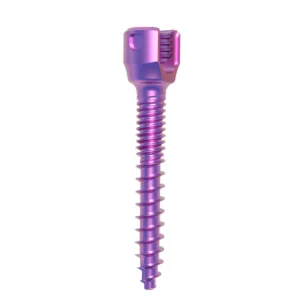
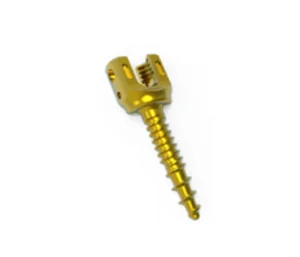
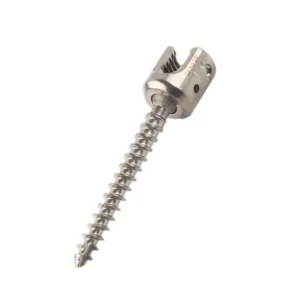
Configured with variable thread pitches and low-profile polyaxial designs to accommodate dense or osteoporotic bone beds, enabling safer sacral and thoracic fixation.
We provide a comprehensive 5-year quality assurance warranty on all spinal screw-rod hardware, cementing our commitment to orthopedic reliability and corporate integrity.
Harnessing state-of-the-art metallurgy, engineering tolerances, and design mechanics to minimize adjacent segment disease.
The global spinal implant market is transitioning rapidly towards systems that balance biomechanical load-sharing with minimal tissue disruption. Modern surgical techniques dictate that posterior spinal systems must offer exceptional grip strength in the pedicle while minimizing stress shielding—a major contributor to postoperative screw loosening and implant failure. Fule Medical addresses this paradigm by utilizing premium Titanium-Alloy (Ti-6Al-4V ELI) materials. This specific alloy combines a high strength-to-weight ratio with superior fatigue life, ensuring that under cyclical physiological loads, the construct remains stable throughout the fusion process.
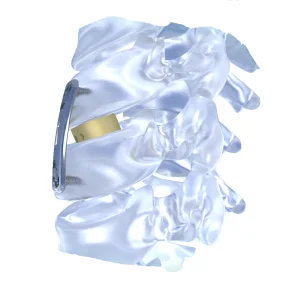
Furthermore, our research and development initiatives focus heavily on micro-surface configurations. By applying precise texturing and self-tapping thread geometries to our monoaxial and polyaxial pedicle screws, we optimize initial mechanical purchase and encourage long-term bone integration. In parallel, our interbody fusion cages are manufactured using Polyetheretherketone (PEEK-OPTIMA®) and advanced titanium coatings. PEEK provides an elastic modulus that closely mimics human cortical bone, reducing the risk of cage subsidence and facilitating radiolucent monitoring of the fusion progress.
This commitment to international medical standards enables Fule Medical to serve demanding clinical markets not just in Southeast Asia, but also in Eastern Europe and South America. Through collaborative research with global orthopedic specialists, our R&D team implements continuous optimization loops, validating every implant construct against rigorous mechanical test suites, including ASTM F1717 and ASTM F2193 static and fatigue protocols.
Translating structural specifications into customized surgical solutions for local patient demographics.
Spinal disorders in southern Vietnam frequently stem from two distinct clinical patient groups: active, young-to-middle-aged individuals suffering from high-energy trauma (predominantly related to motorcycle accidents), and elderly patients dealing with osteoporotic spinal instability. These polar-opposite clinical scenarios require versatile spinal systems capable of addressing diverse bone qualities and anatomical challenges.
An inside look at our specialized CNC machinery, cleanroom packaging, and dynamic stress testing laboratories.
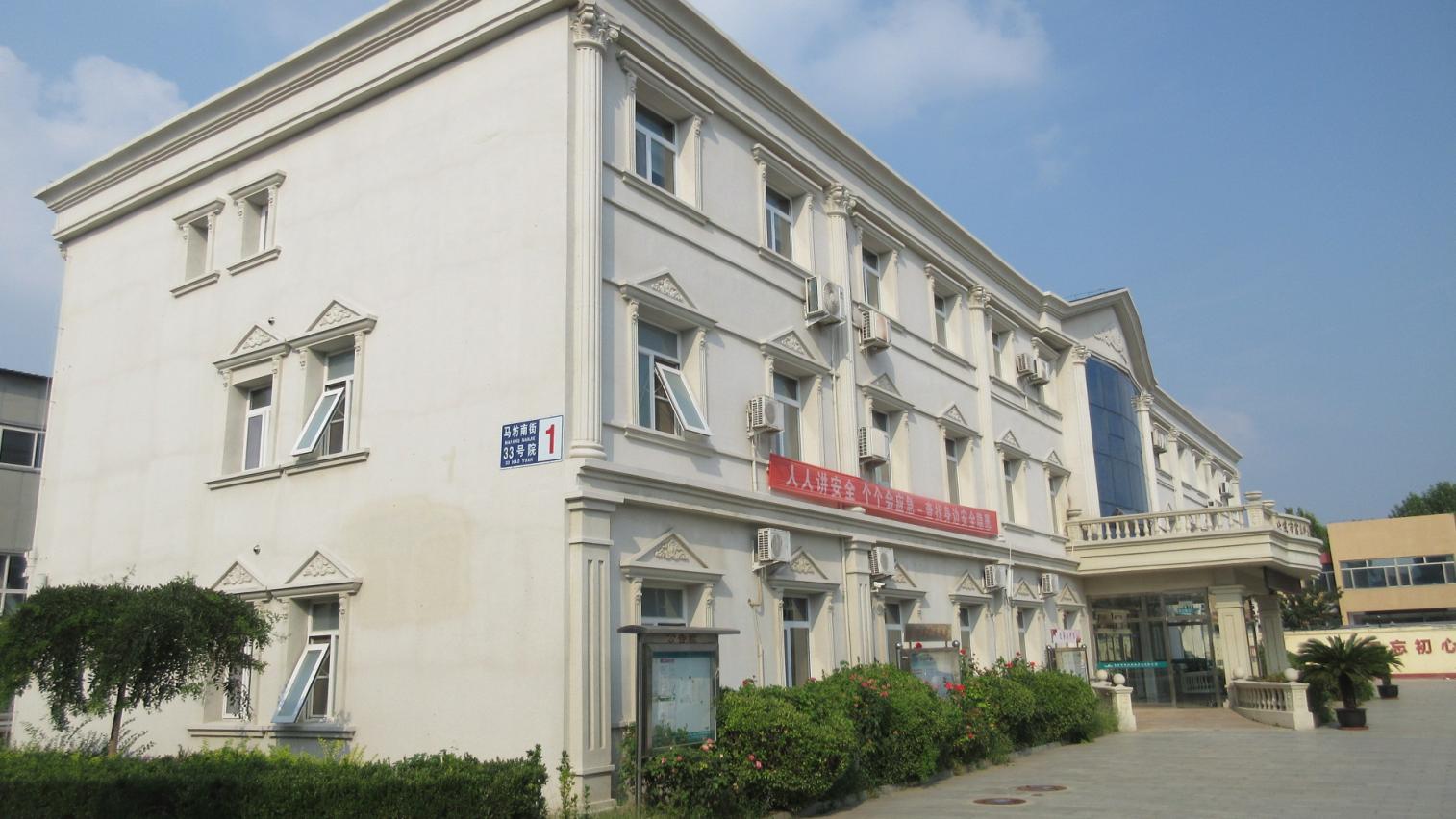
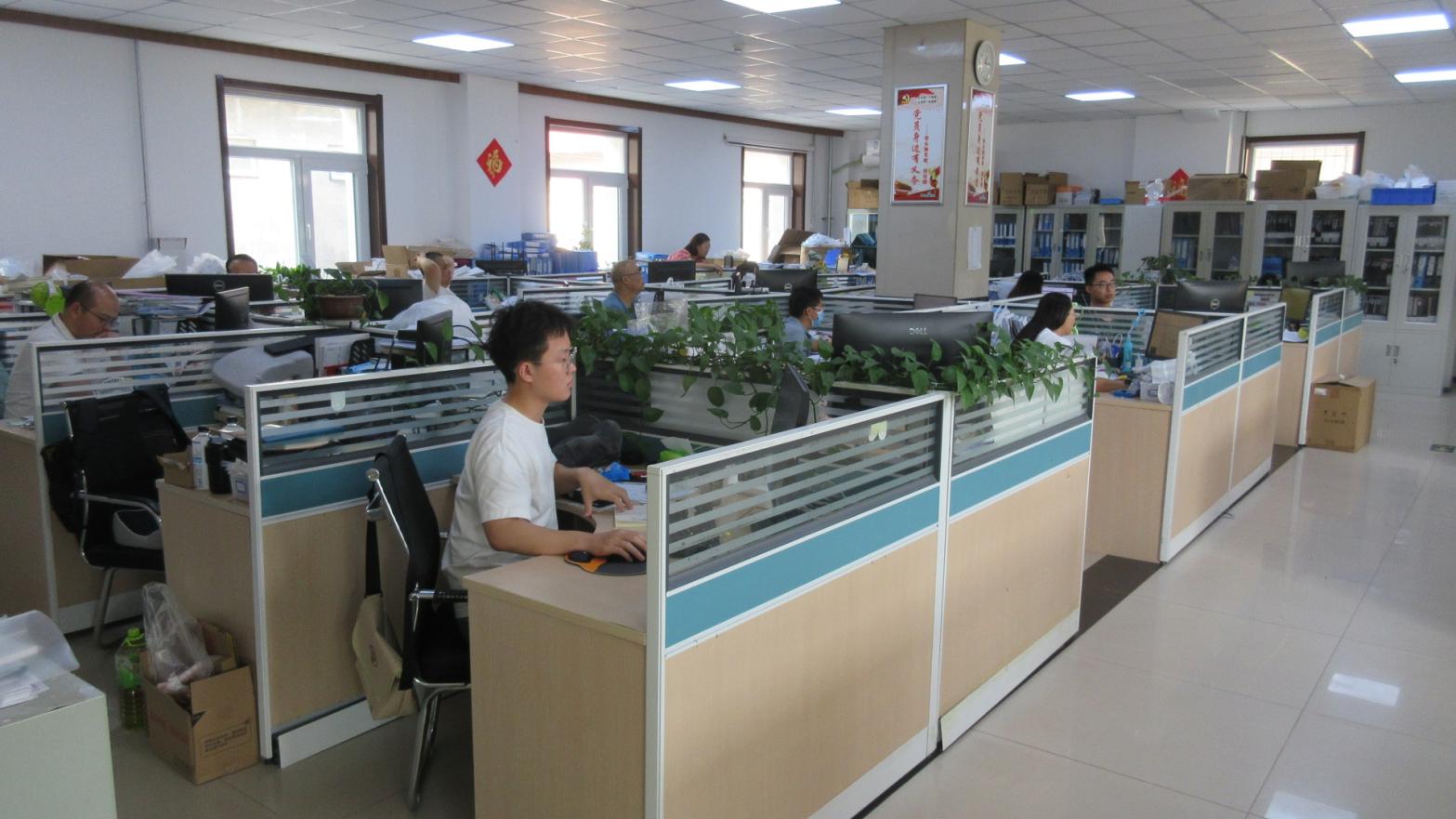
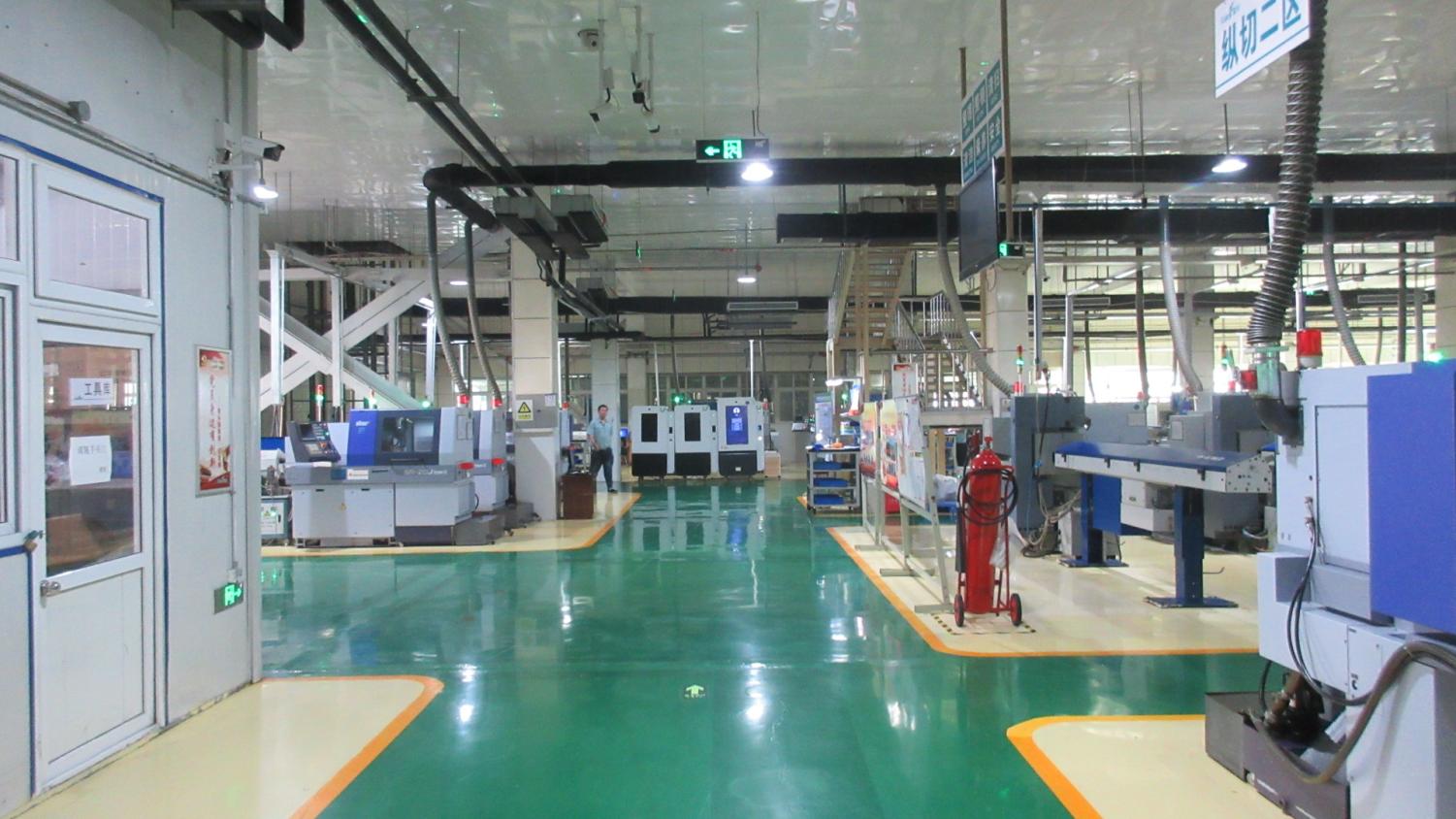
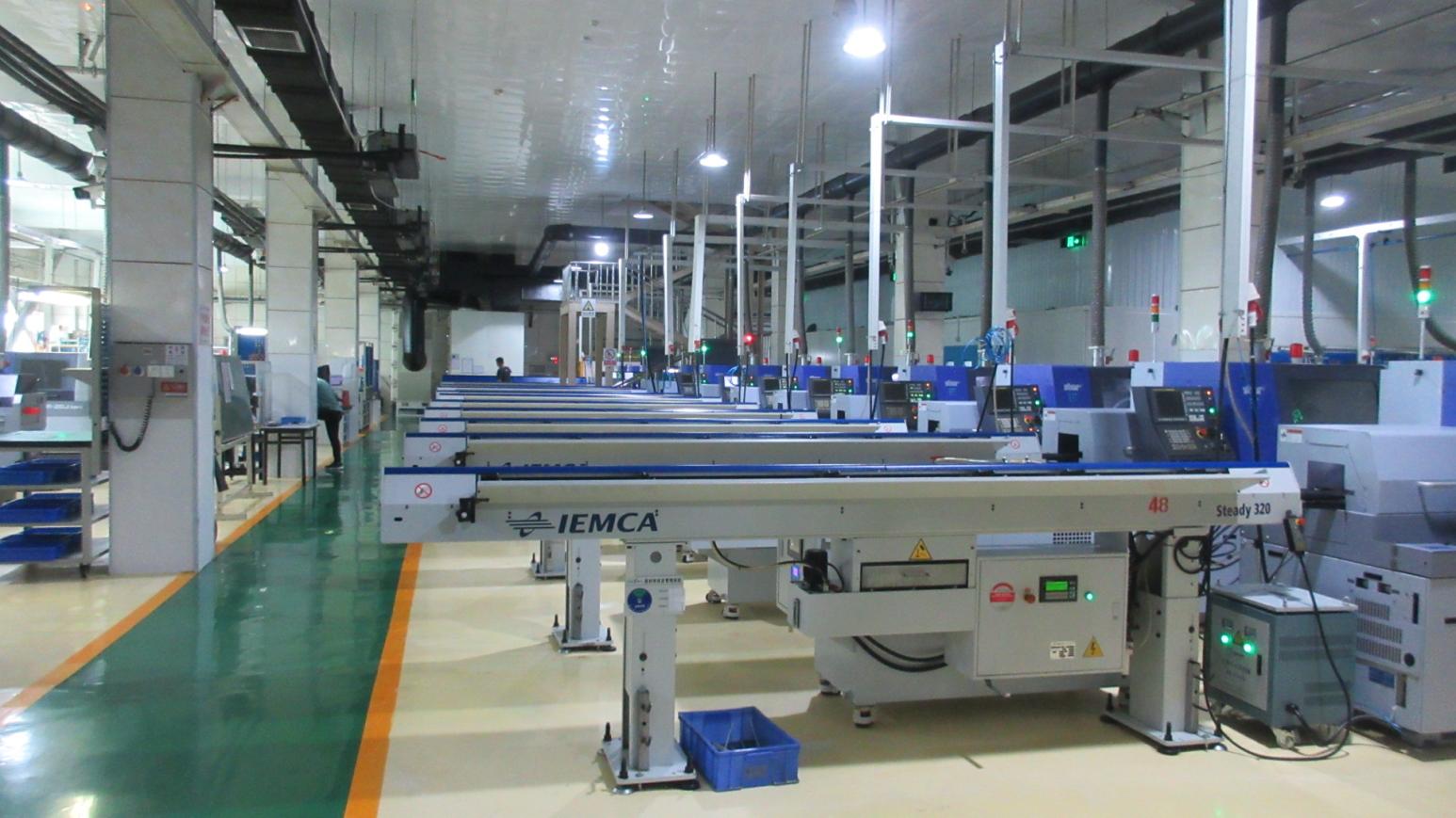
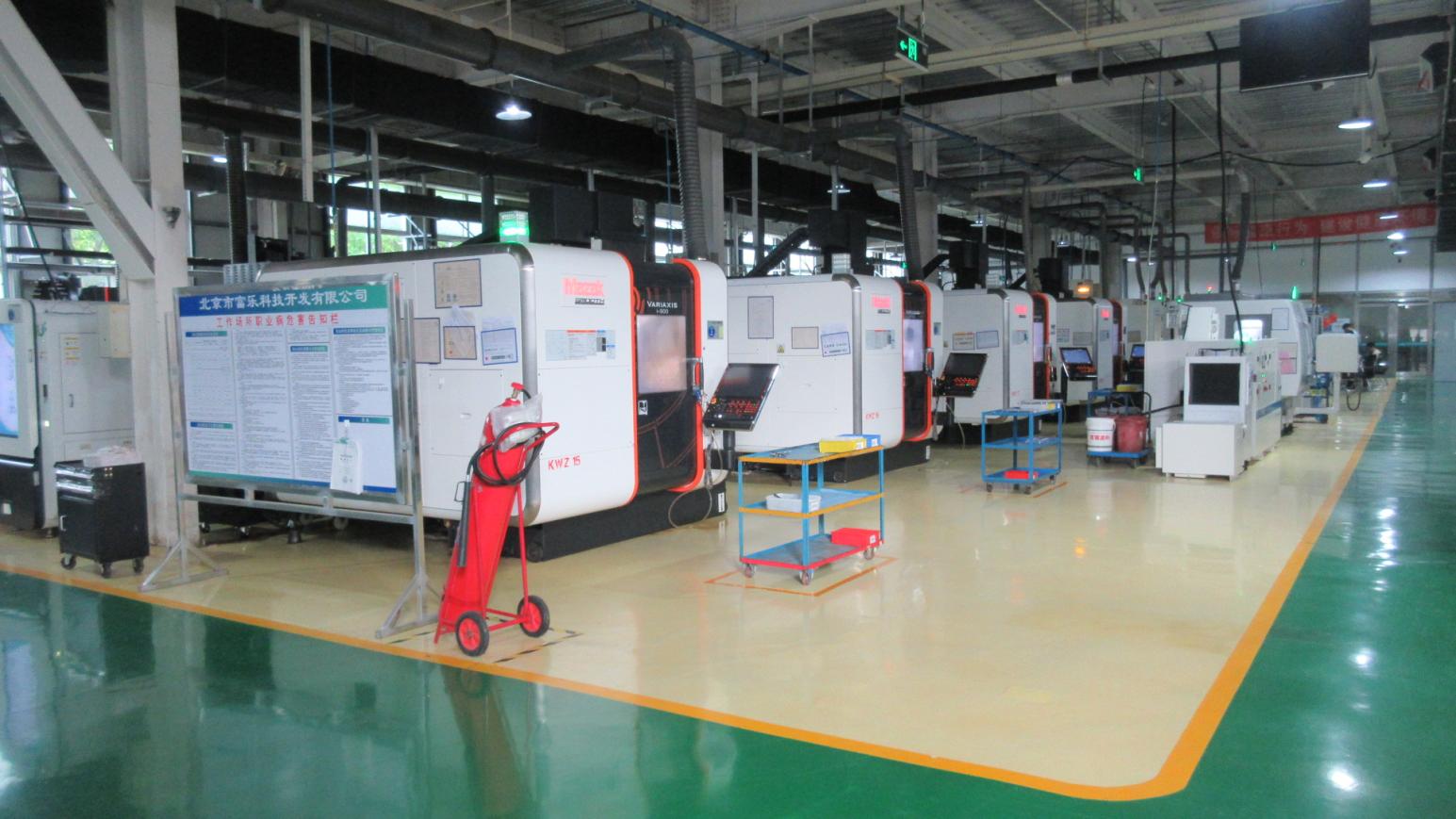
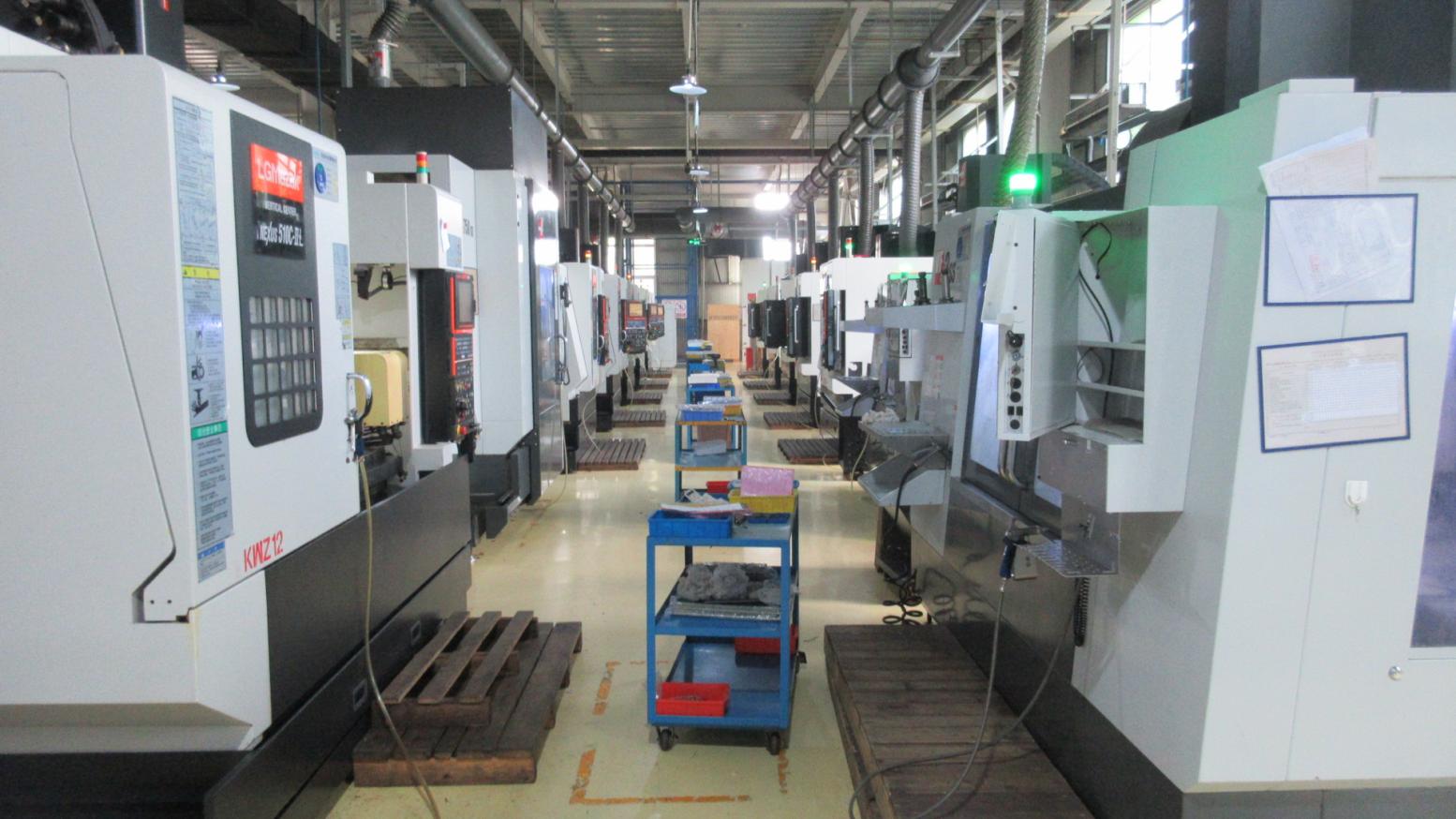
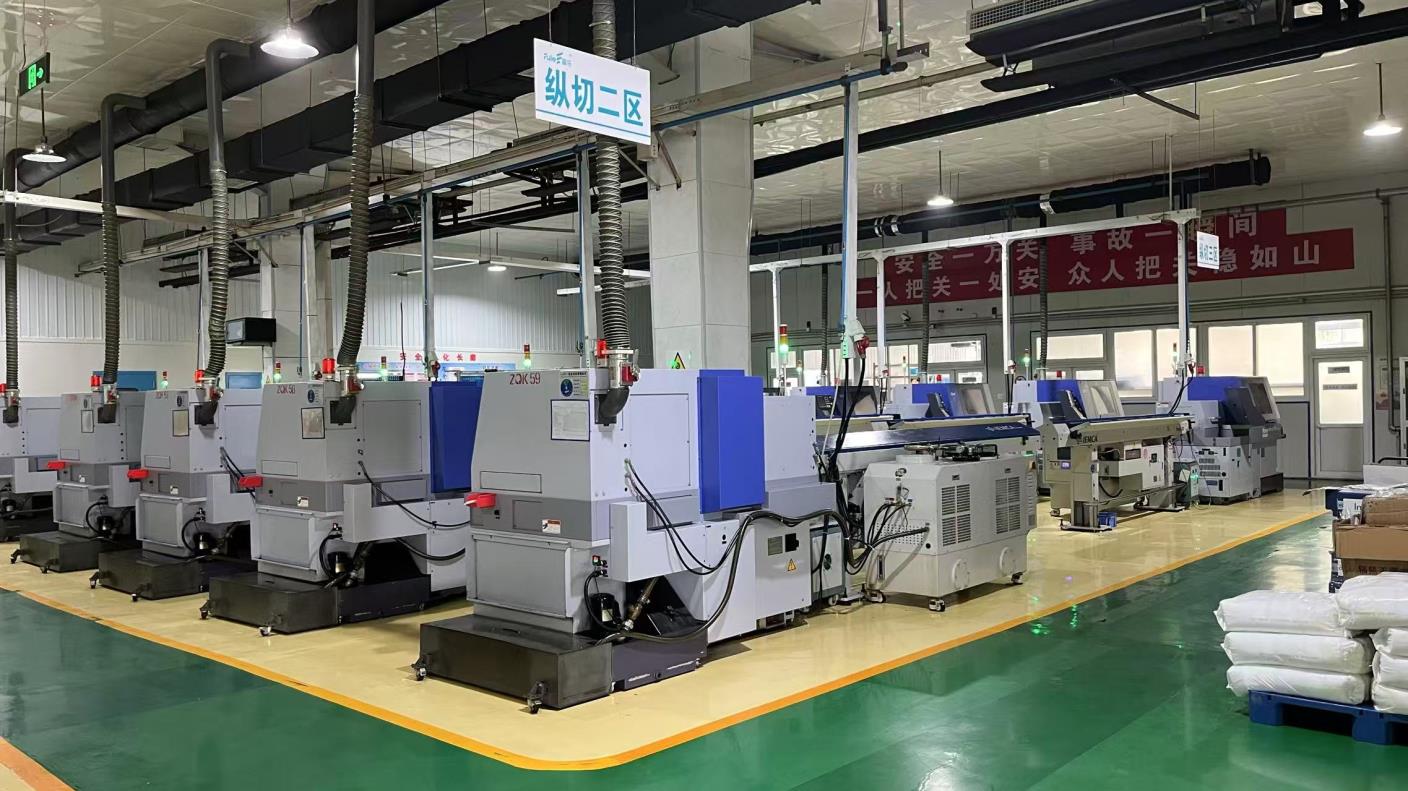
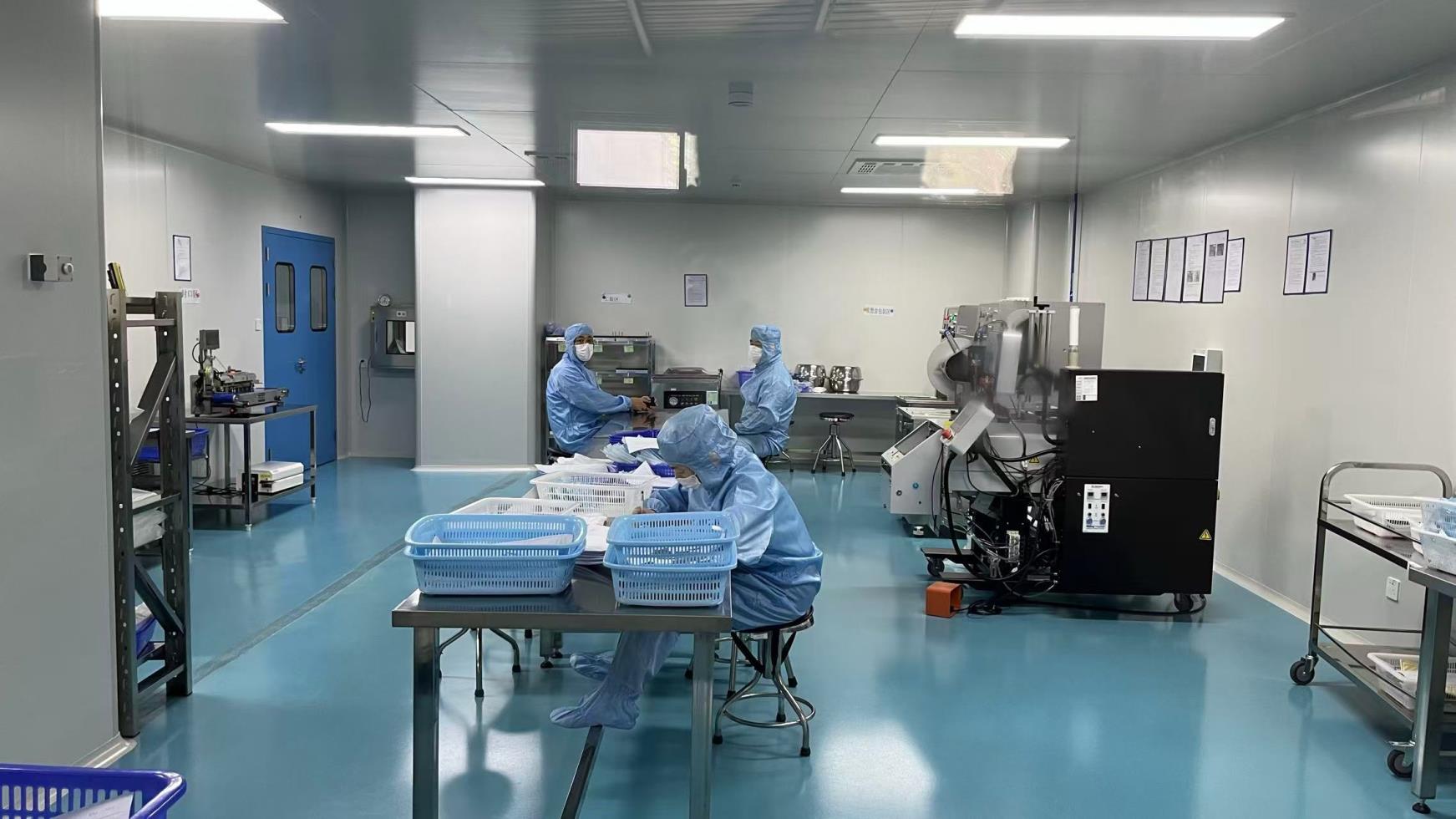
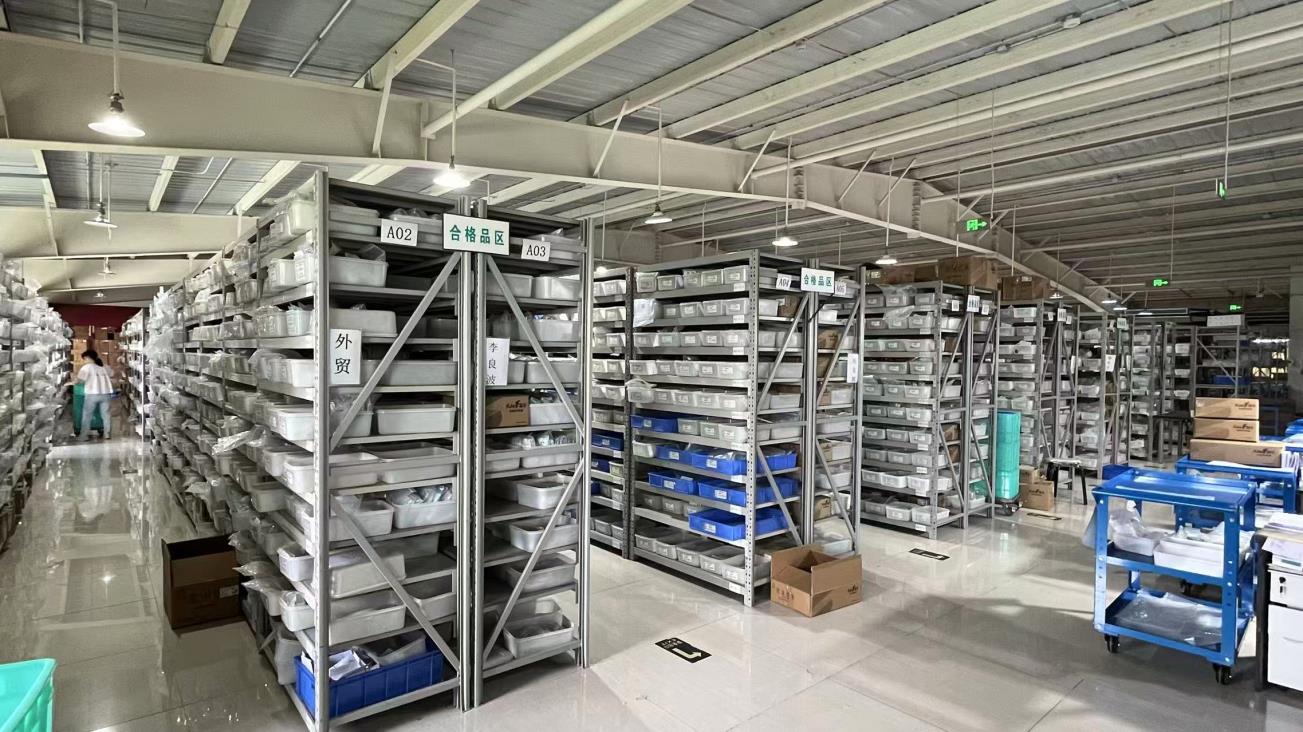
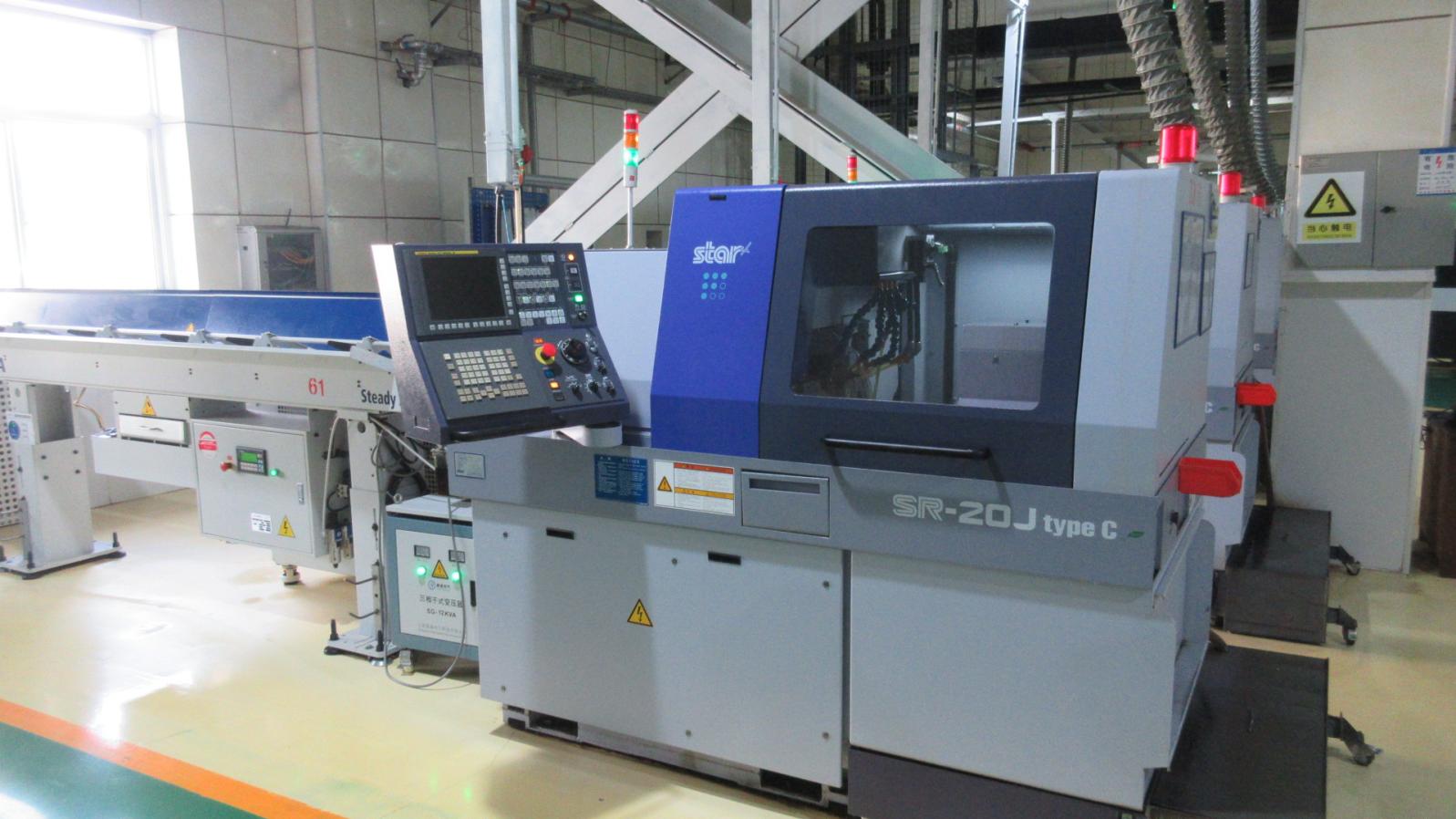
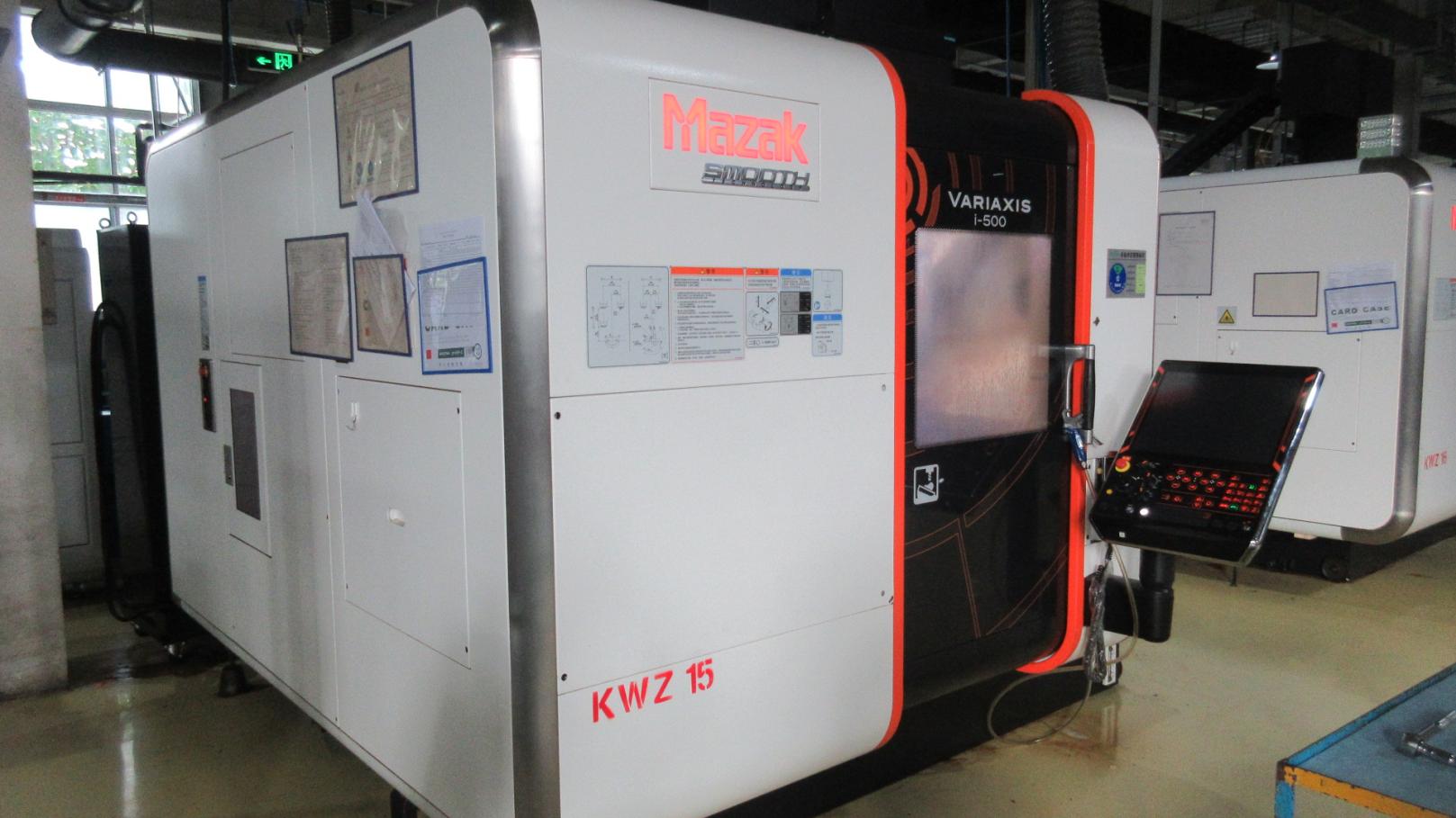
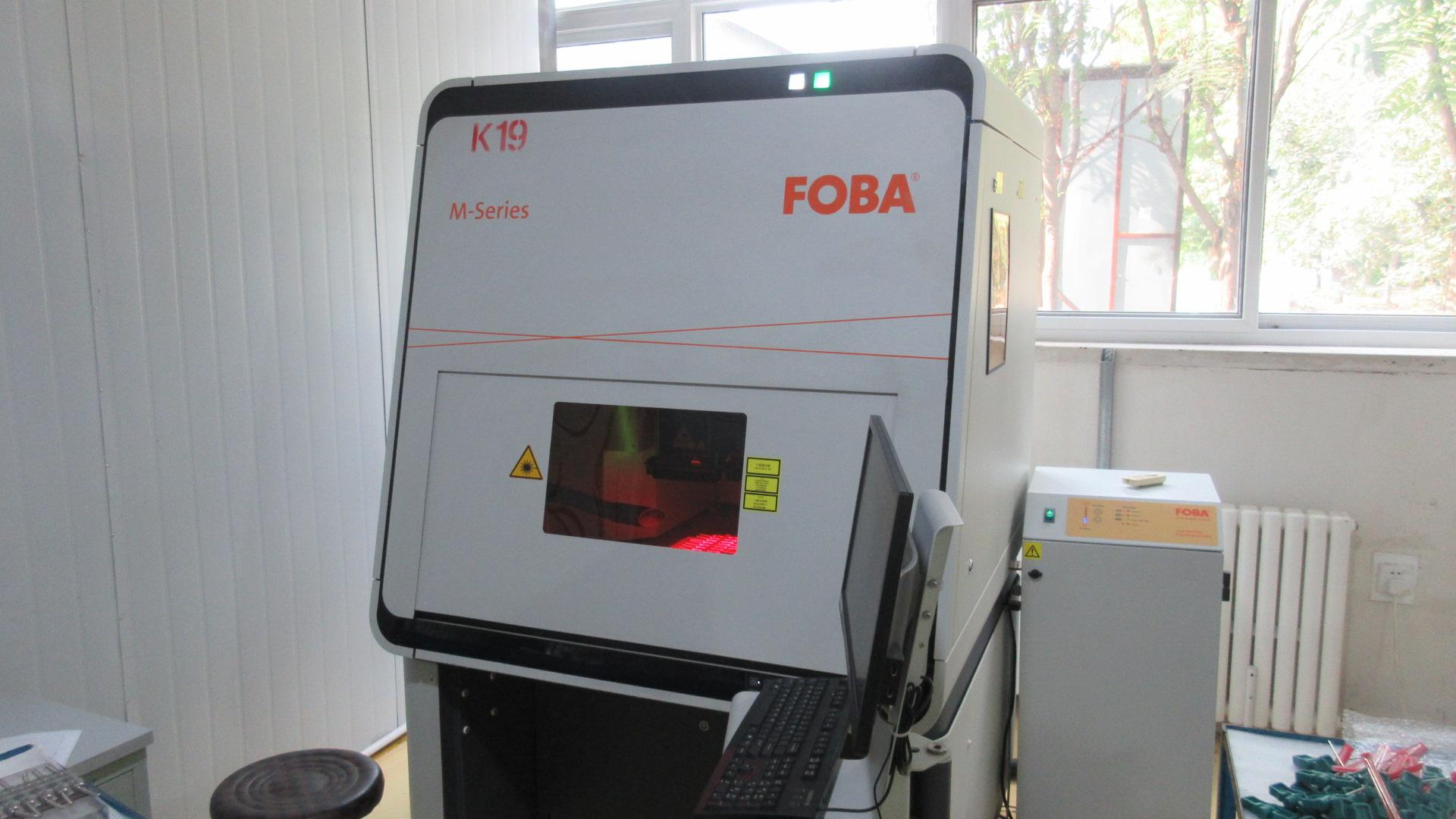
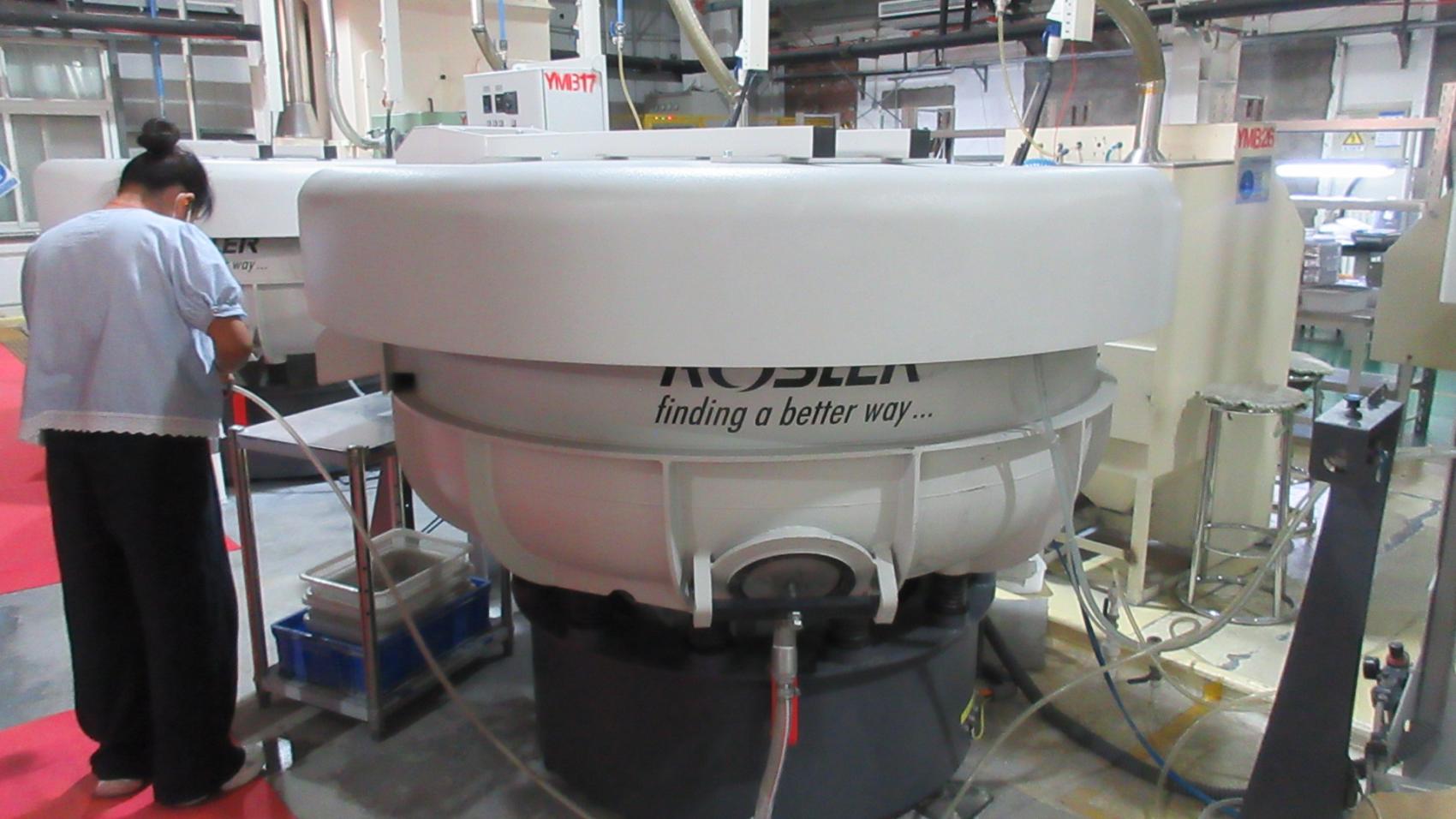
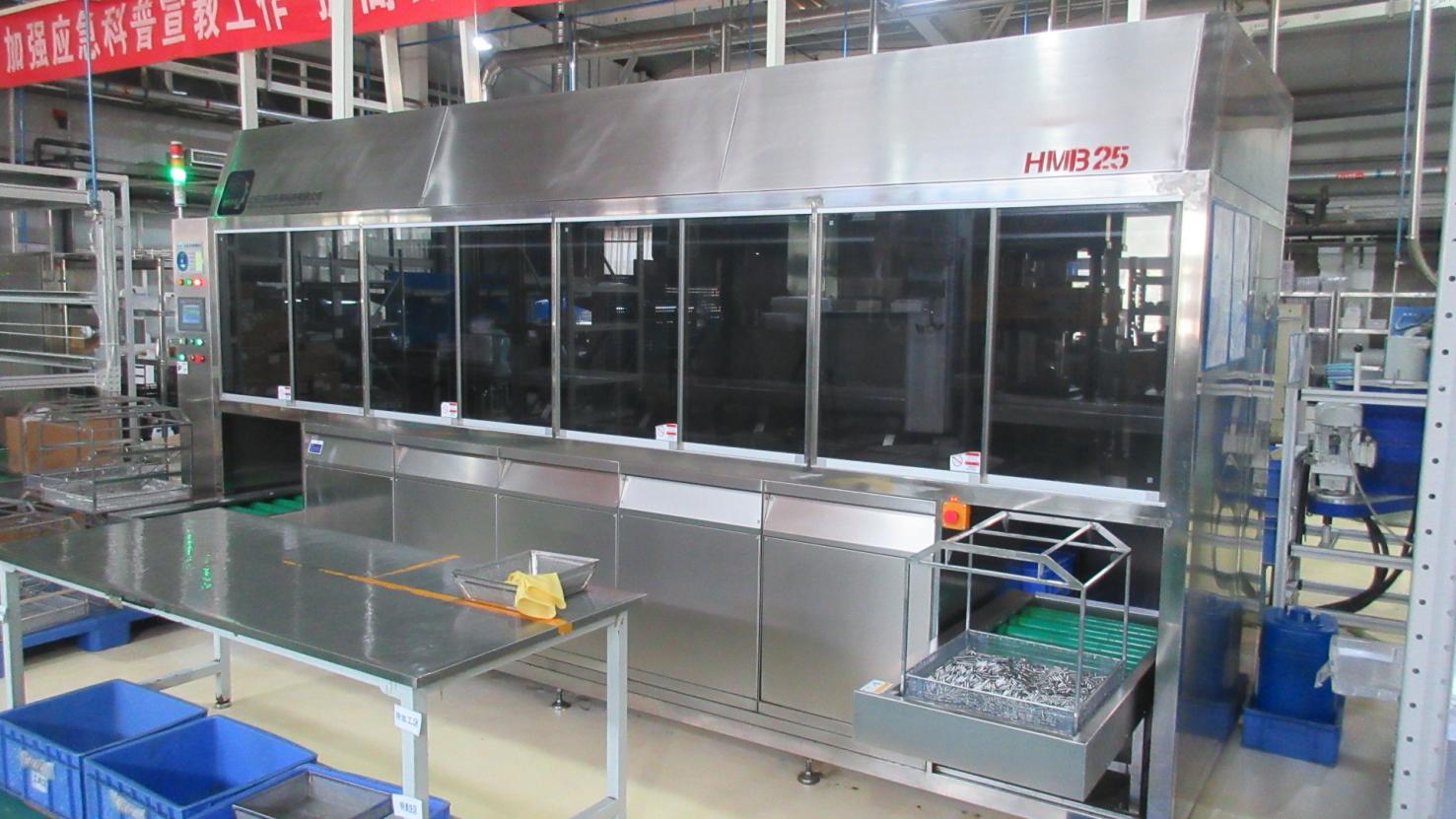
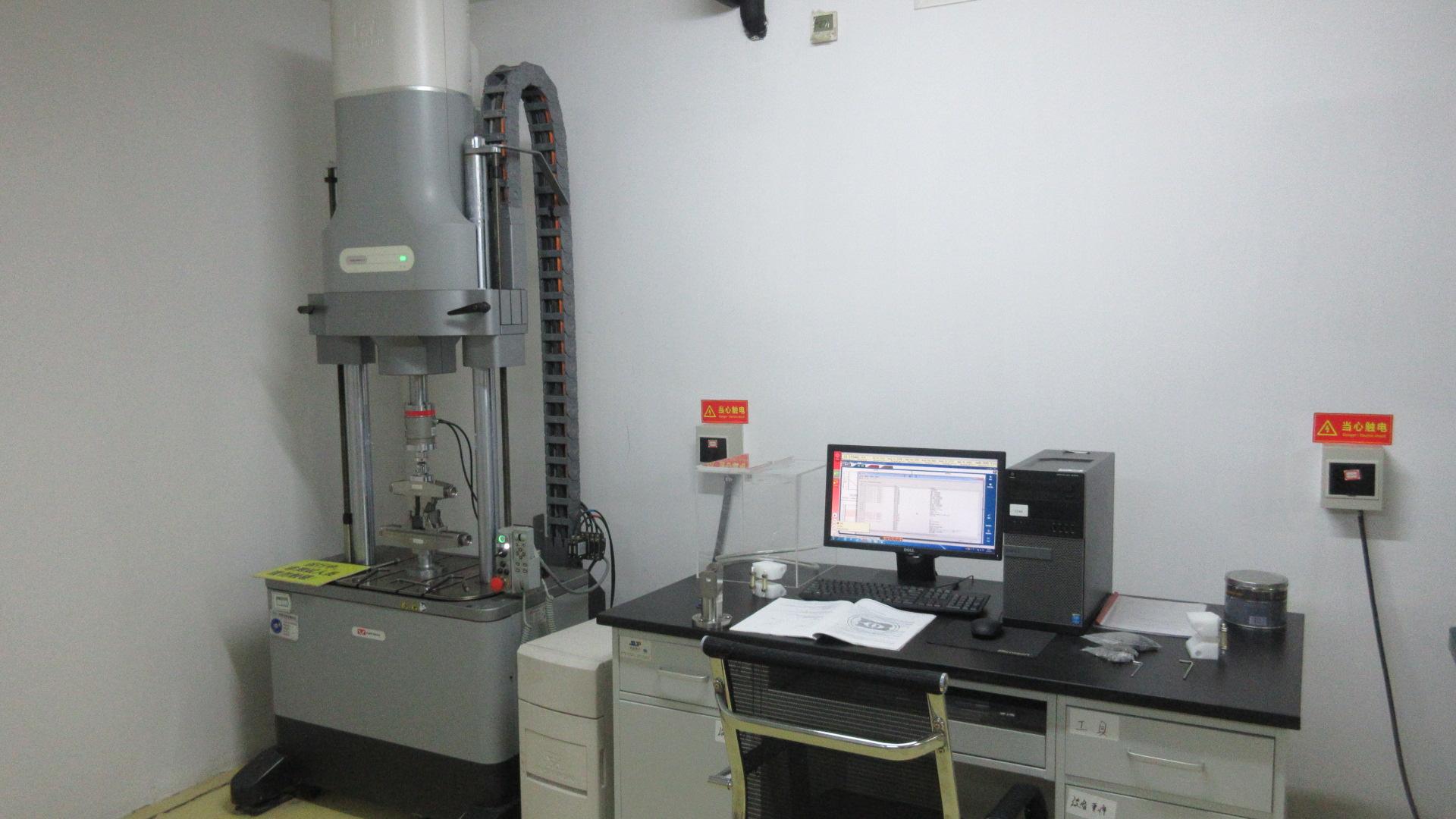
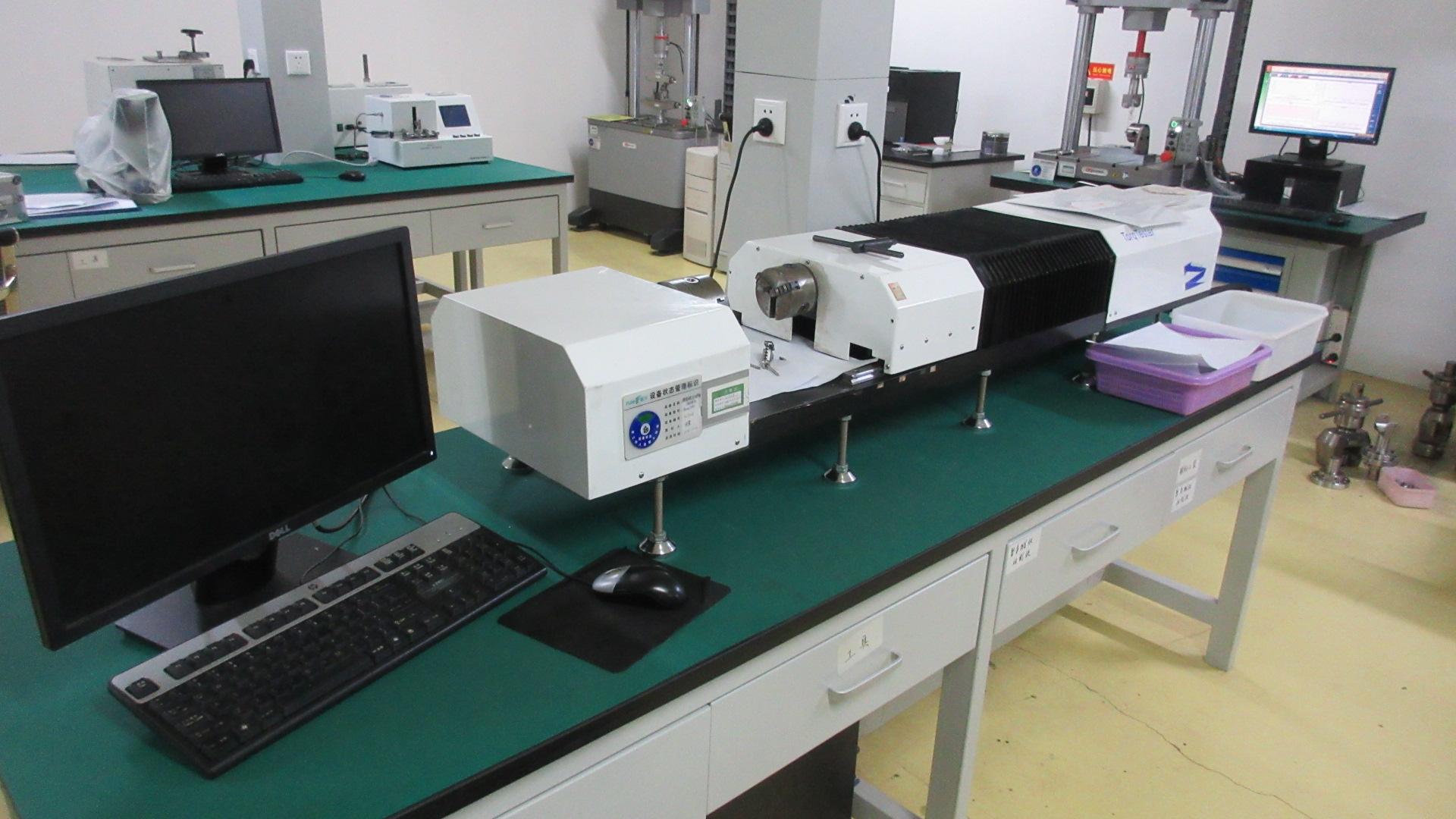
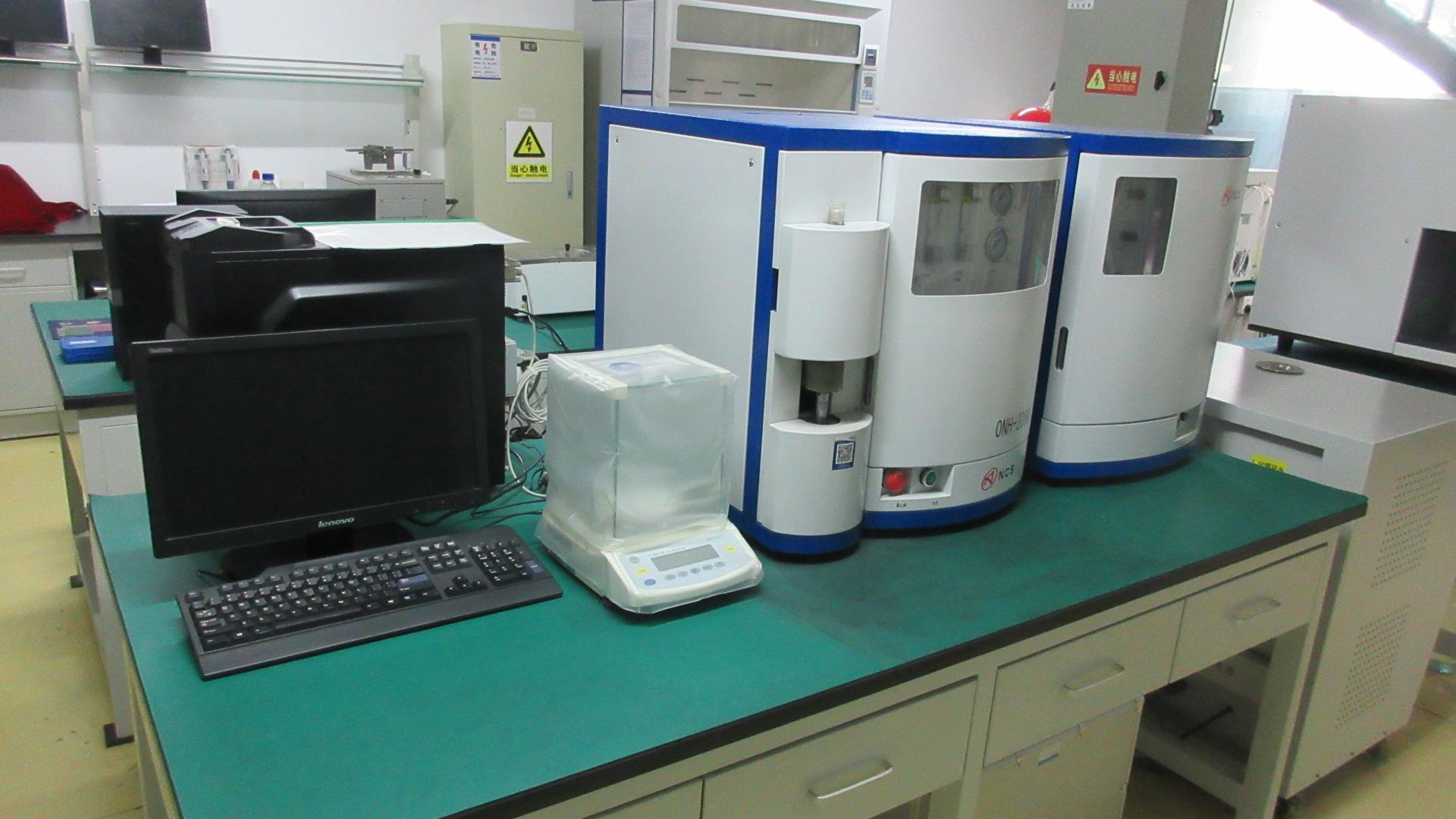
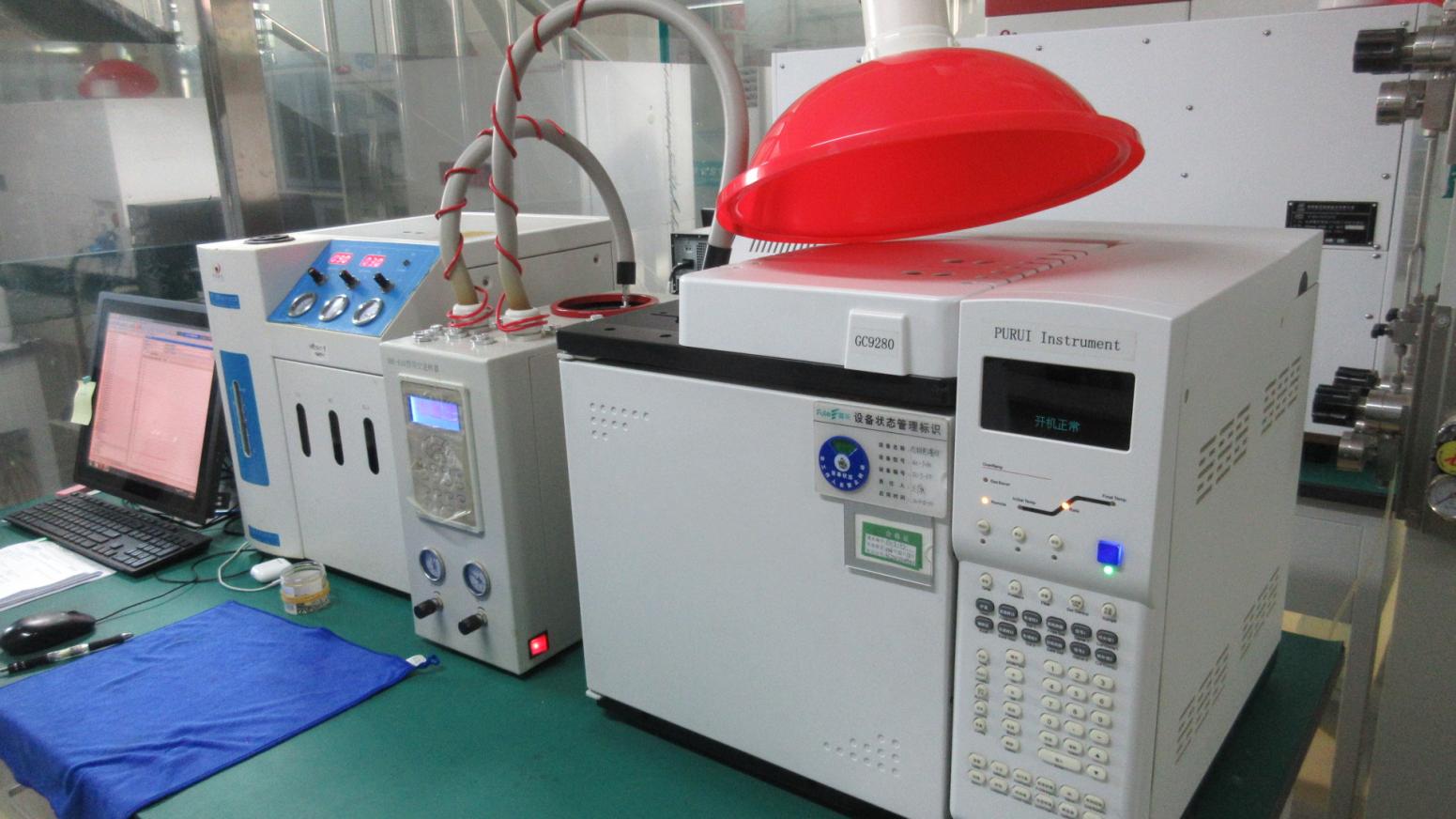
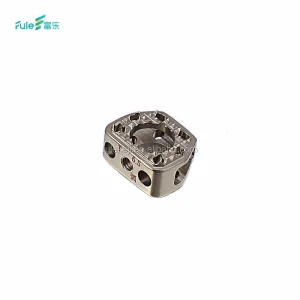
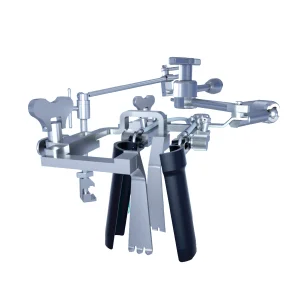
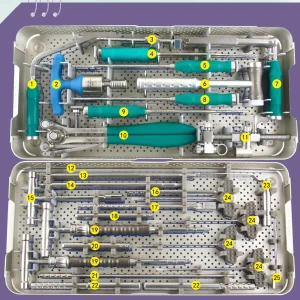
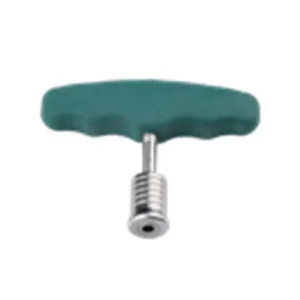
Explore the full range of spine surgery implants, pediatric systems, cervical/lumbar cages, and minimally invasive instrument sets.
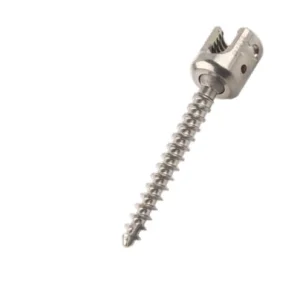
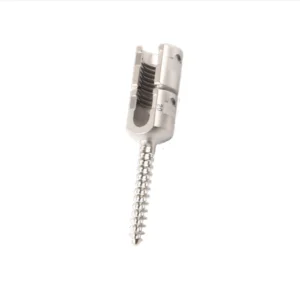
Ensuring compliance, documentation readiness, and responsive supply pipelines for Vietnamese partners.
Doing business in the Vietnamese medical device landscape requires more than just high-quality implants. Compliance with the Vietnam Ministry of Health (MOH) is the foundation of successful hospital distribution. With the enforcement of Decree 98/2021/ND-CP, the classification, registration, and declaration of medical devices have become highly digitized and tightly regulated. Under these policies, Class C and Class D surgical implants must have valid Certificate of Free Sale (CFS), ISO 13485 certification, and clear, traceable sterilization documentation.
Fule Medical works closely with local importing agencies in Ho Chi Minh City, providing comprehensive technical dossiers, clinical evaluation reports, and manufacturing process declarations. We supply fully compliant product labeling, containing clear descriptions of sterilization dates, batch numbers, and material details. This level of support ensures that our products pass national customs inspections and department evaluations without delay.
To support HCMC’s high-volume orthopedic centers, Fule Medical has optimized its logistics chain. By using reliable global carriers like DHL and FedEx, we ensure prompt shipping of emergency implant requests and replenishment orders, minimizing downtime for surgeons and patients alike.
Anticipating the technological integration of digital navigation, customized bio-printing, and biocompatible surface modifications.
Fule Medical's R&D department is focused on aligning our implant designs with the future of digital and robotic spine surgery. As hospitals in Ho Chi Minh City begin integrating surgical navigation systems (such as O-arm and robotic guidance), implants must adapt to these digital environments. Fule's technical roadmap includes the development of navigation-compatible instrument sets, enabling surgeons to register, trajectory-plan, and place pedicle screws with sub-millimeter precision under real-time guidance.
Additionally, research is ongoing in the field of 3D-printed porous structures. Utilizing Selective Laser Melting (SLM) technology, we are developing a new generation of trabecular titanium interbody fusion cages. These implants mimic the cellular architecture of natural cancellous bone, facilitating vascularization and accelerating bone ingrowth, which is particularly beneficial for complex multi-level spinal reconstructions.
Finally, we are researching advanced osteoinductive coatings. By applying ultra-thin layers of hydroxyapatite (HA) or silicon-doped titanium oxide to pedicle screw threads, we aim to accelerate early osseointegration in osteopenic bone, offering a safer solution for elderly patients undergoing posterior spinal stabilization.
Essential regulatory, technical, and commercial answers for orthopedic procurement managers in HCMC.
Acquire reliable, CE-marked posterior spinal systems and instrument sets directly from our state-of-the-art production facility. Contact our export division today for technical datasheets, quotation packages, and compliance records.
Send Inquiry Now Beren Science & Technology