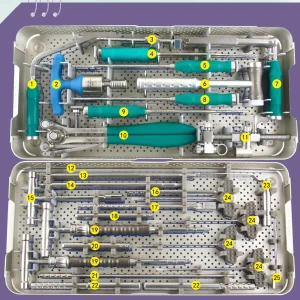
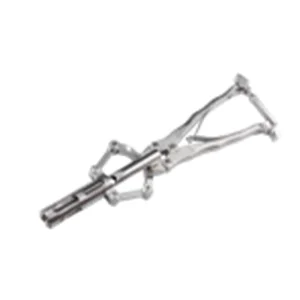
Advanced spine fixation assemblies and anatomical structural implants designed to restore stability and promote osseointegration.
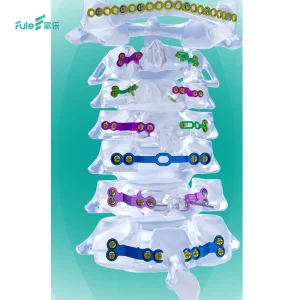
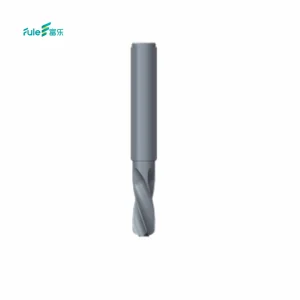
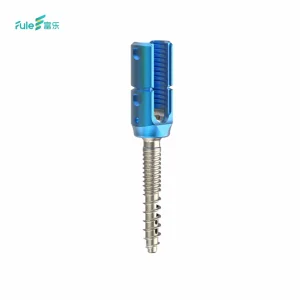
Whitepaper analysis of spinal plate systems within New Zealand's evolving healthcare environment.
The clinical landscape of spinal surgery in New Zealand is undergoing structural changes, driven by an aging demographic, increased public healthcare accessibility demands under Health New Zealand (Te Whatu Ora), and a robust private hospital ecosystem managed by providers like Southern Cross Healthcare. As degenerate disc diseases, spinal canal stenosis, and high-velocity trauma cases escalate, there is a corresponding surge in the demand for reliable anterior cervical plate systems and thoracolumbar fixation platforms.
Medical procurement in NZ prioritizes implants that offer exceptional biocompatibility, rapid osseointegration, and strict adherence to global safety metrics. To satisfy local clinical audits, spinal plates must display fatigue resistance under complex multi-axial mechanical stresses, preventing problems like micro-motion and implant migration post-stabilization.
On a global scale, the spinal implant industry is shifting from pure stabilization to functional dynamic fusion. Modern spinal plate systems leverage specialized medical-grade titanium alloys (typically Ti-6Al-4V ELI, conforming to ASTM F136). This ensures a low elastic modulus resembling human cortical bone, reducing the risks of stress shielding and subsequent adjacent segment pathology (ASD).
Additionally, advanced surface modifications—such as acid-etching or anodic oxidation—are utilized to create micro-rough topologies. These configurations facilitate cell adhesion, accelerating bone deposition. New Zealand orthopaedic hubs demand implant options with low-profile configurations, minimizing soft tissue irritation, dysphagia, and related post-operative complications.
By employing ultra-low profile spinal plates fabricated from Grade 5 ELI titanium, our systems exhibit a closer mechanical profile to human bone than traditional stainless steel. This promotes physiological loading on the bone graft, enhancing fusion rates according to Wolff's Law.
Harnessing automated manufacturing setups, strict quality control protocols, and rapid global logistics.
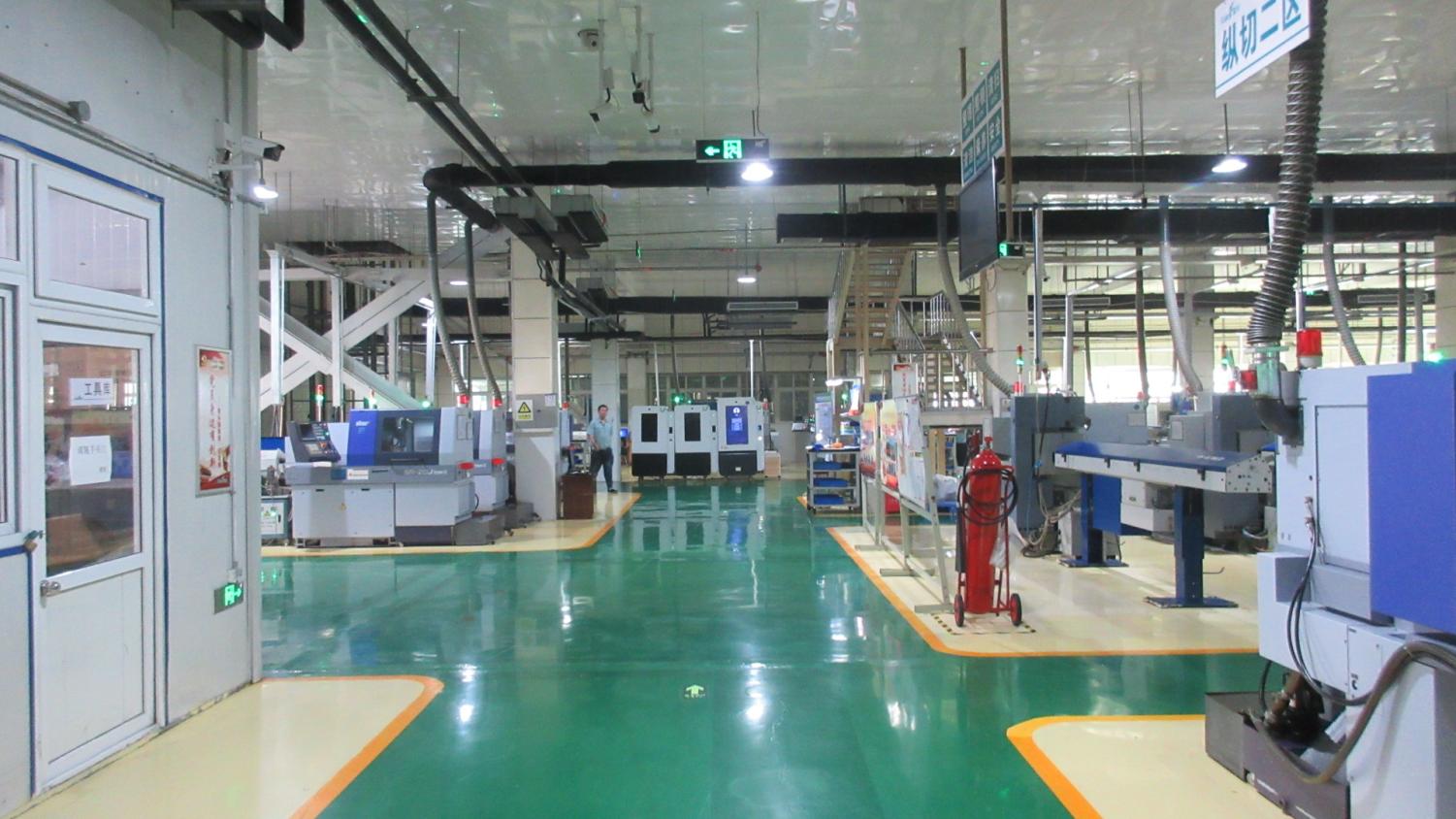
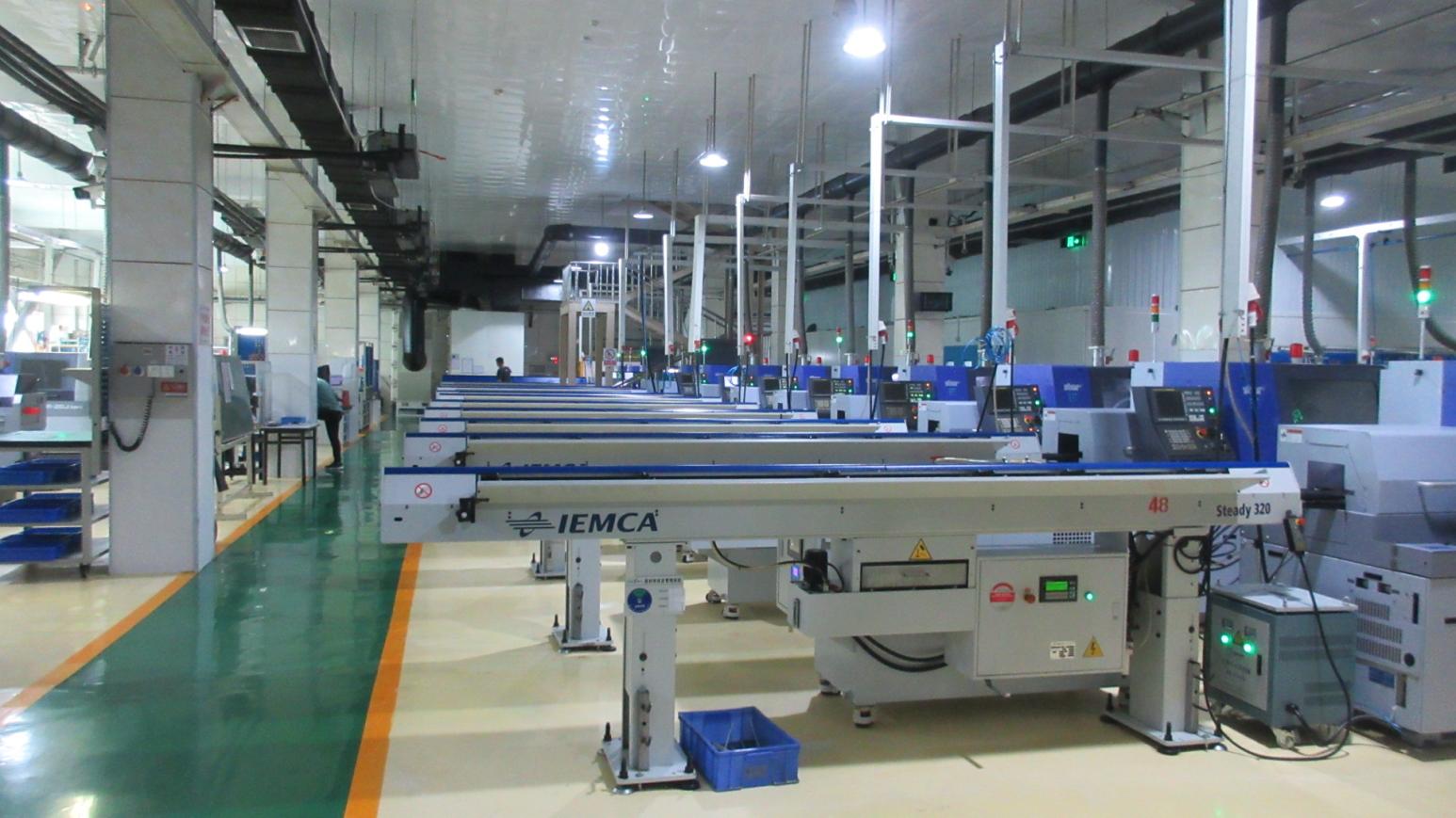
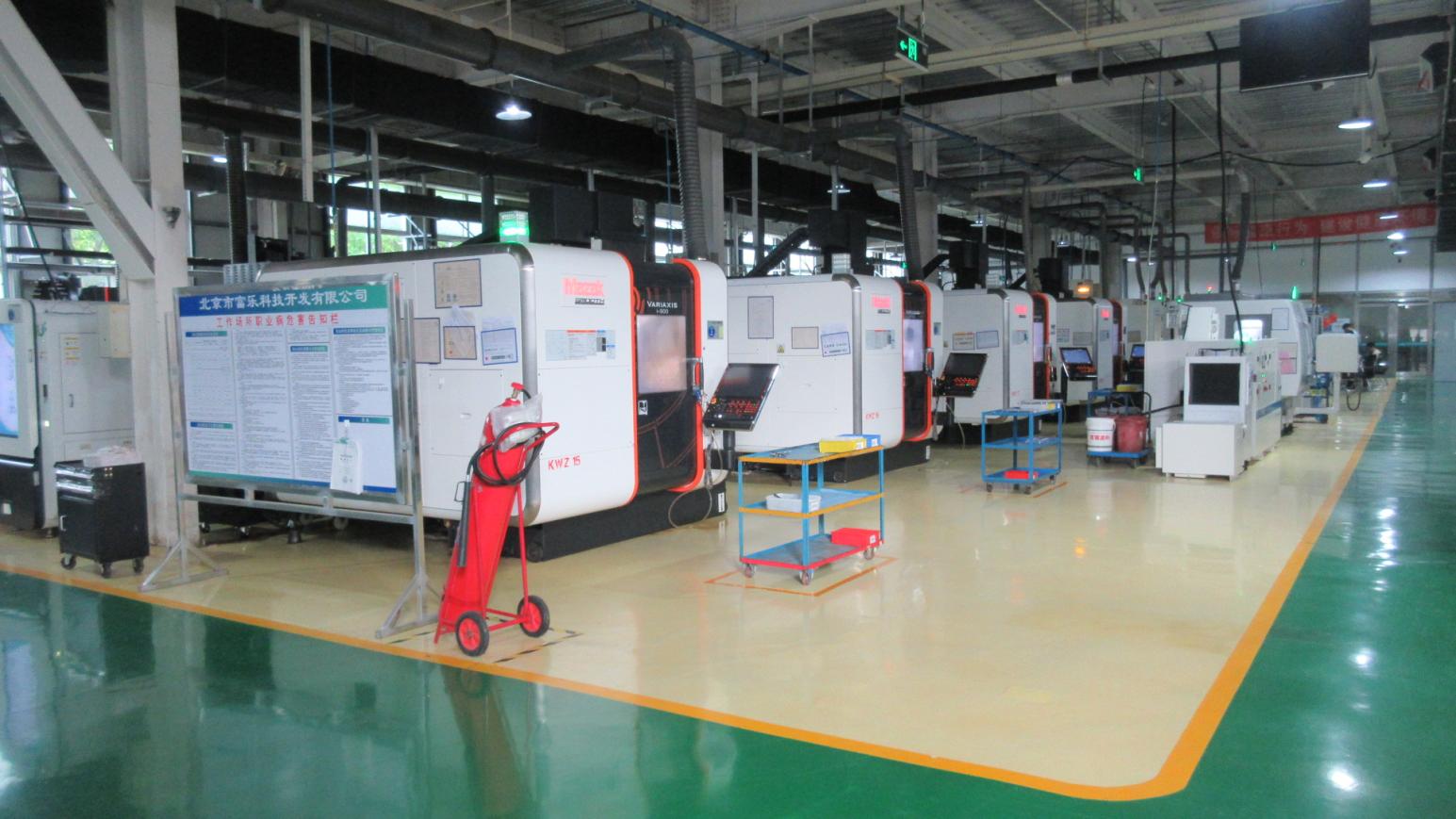
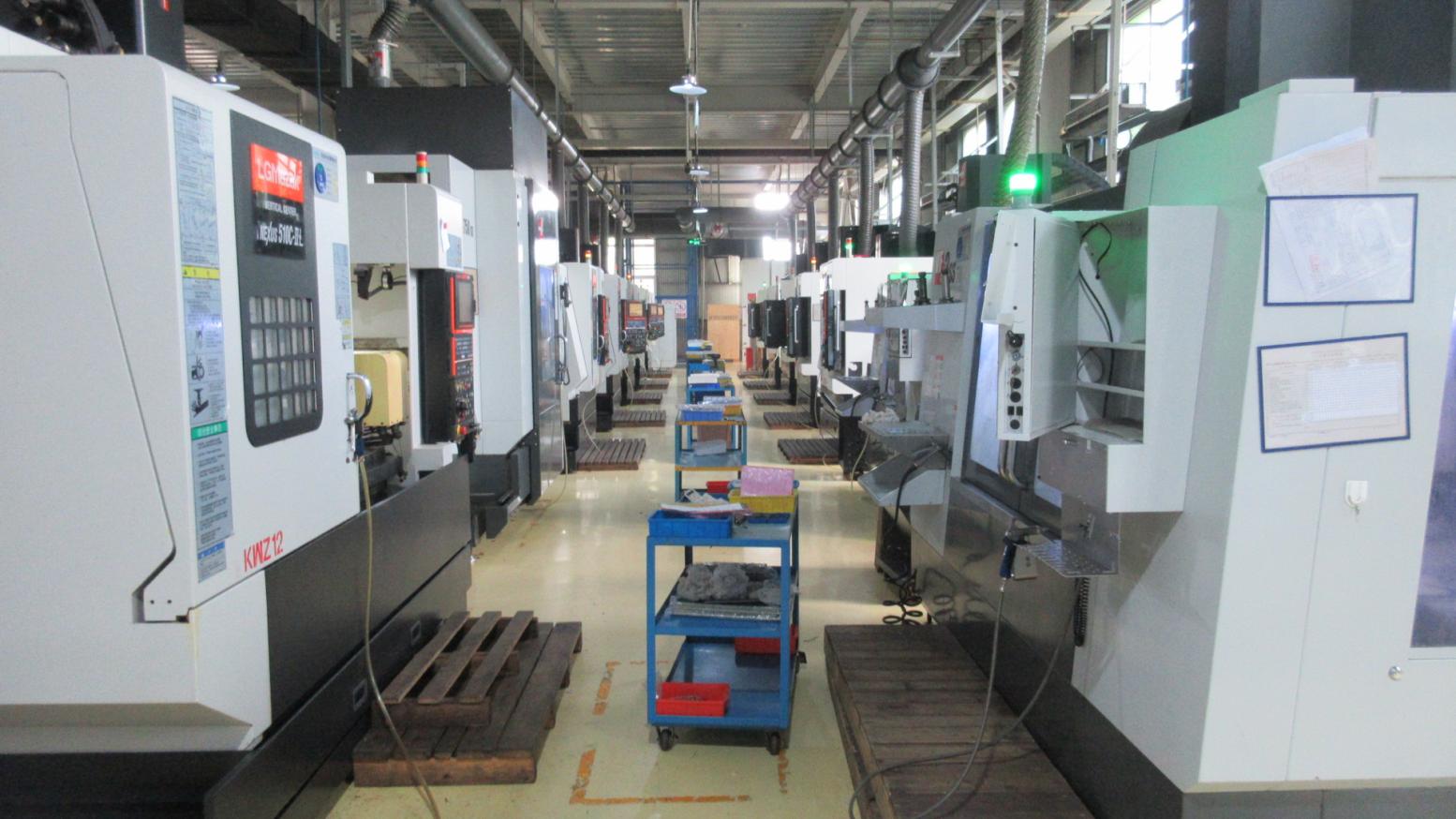
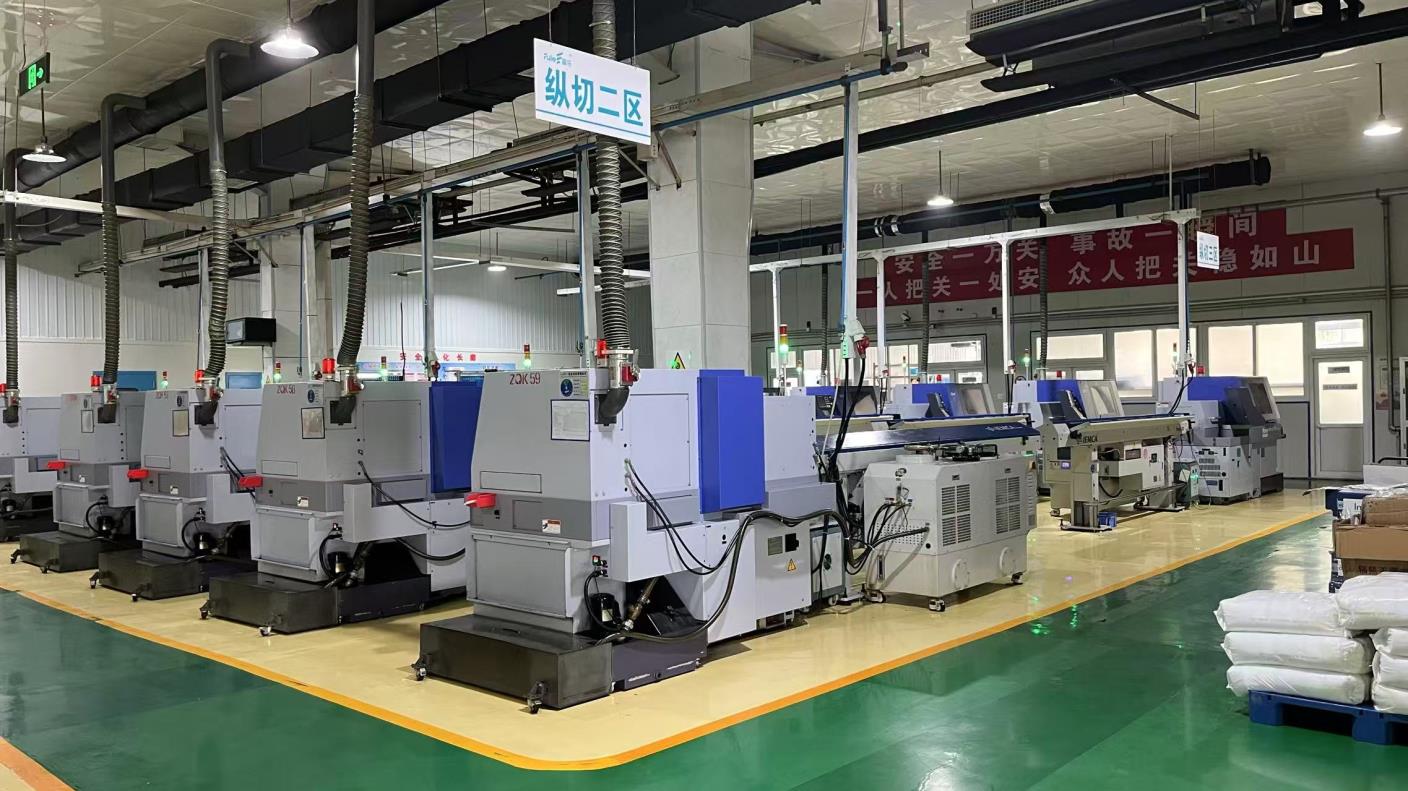
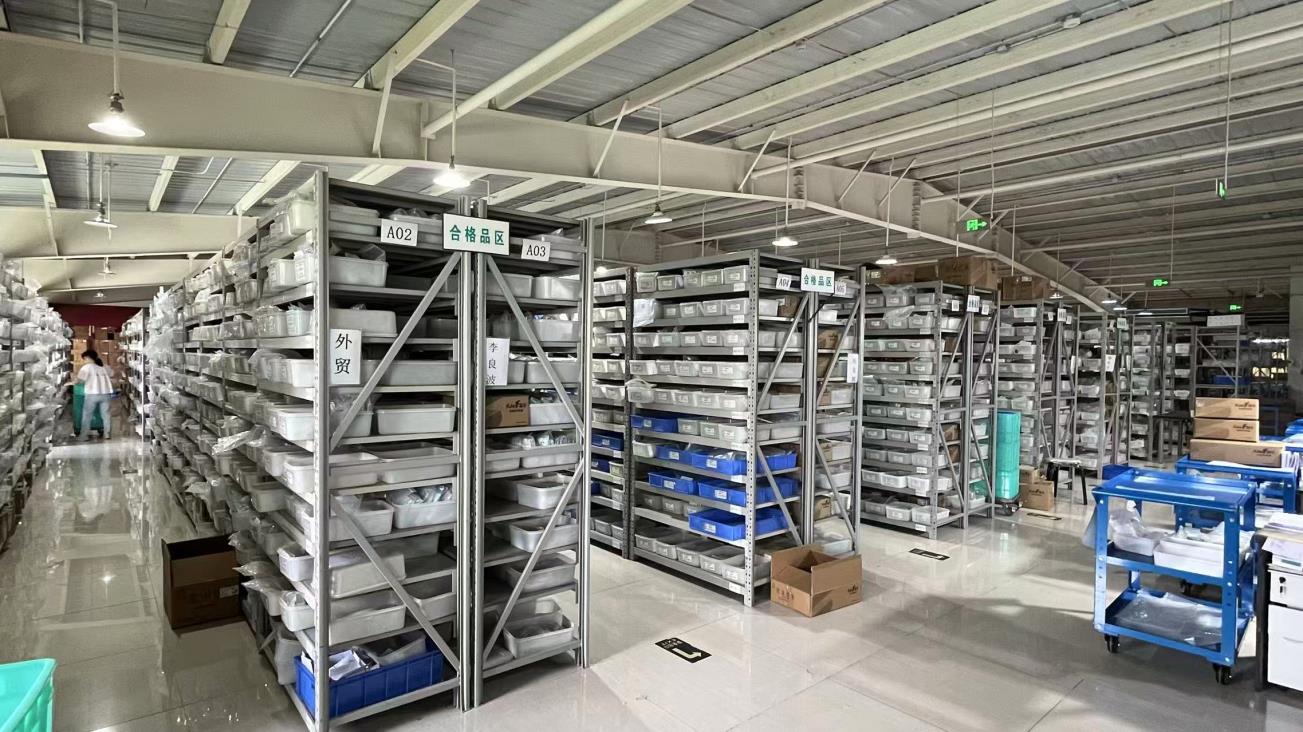
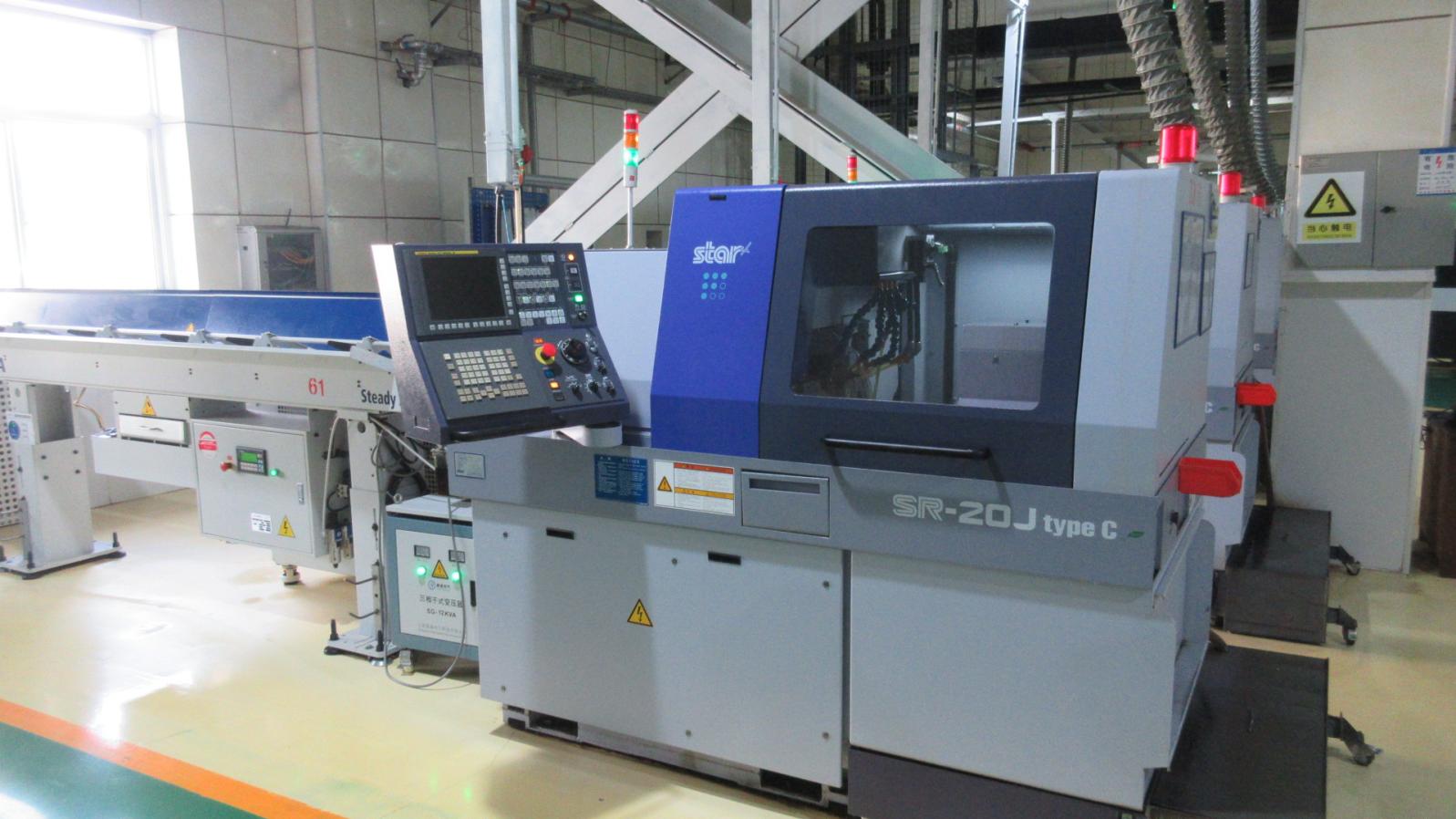
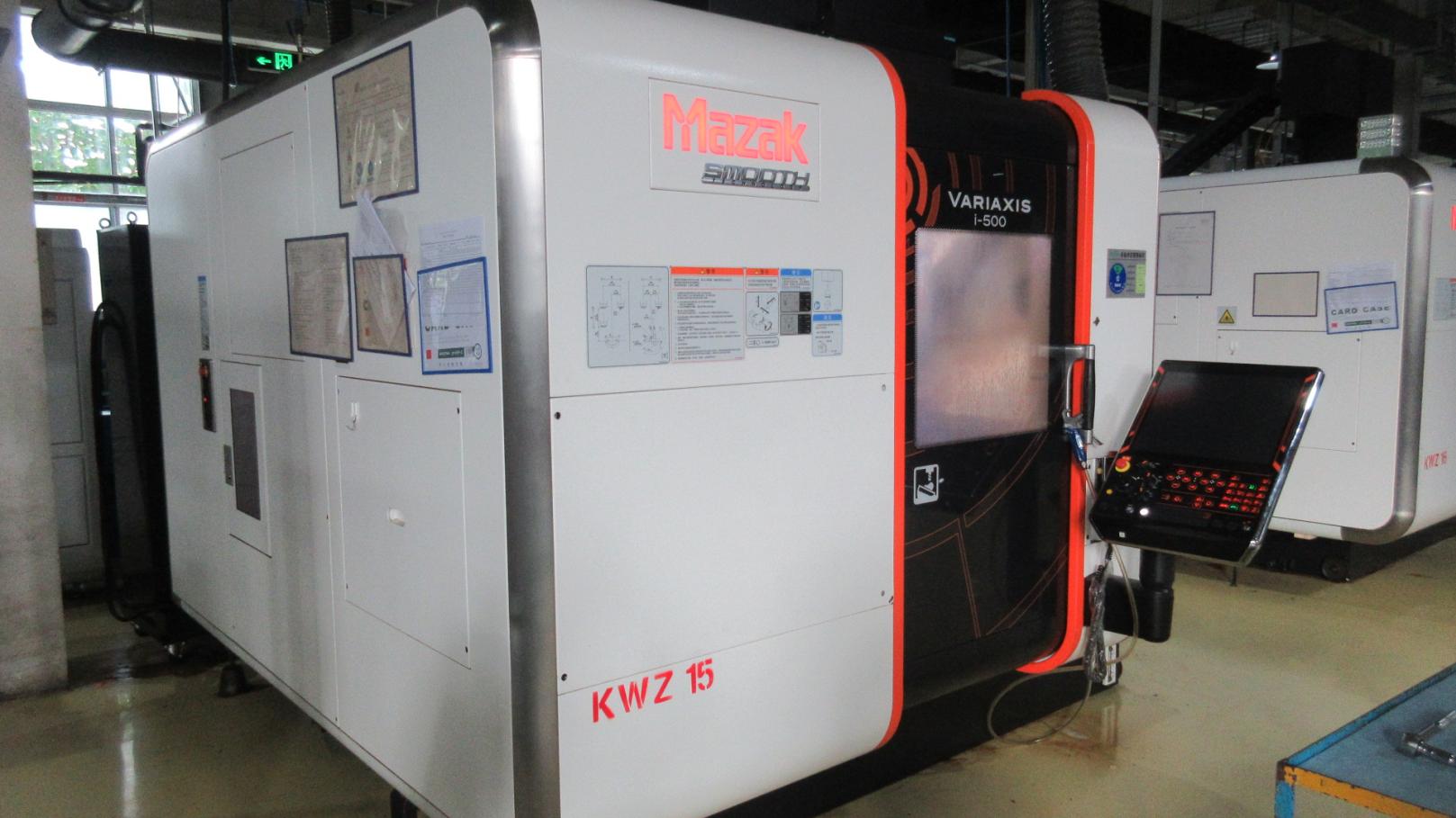
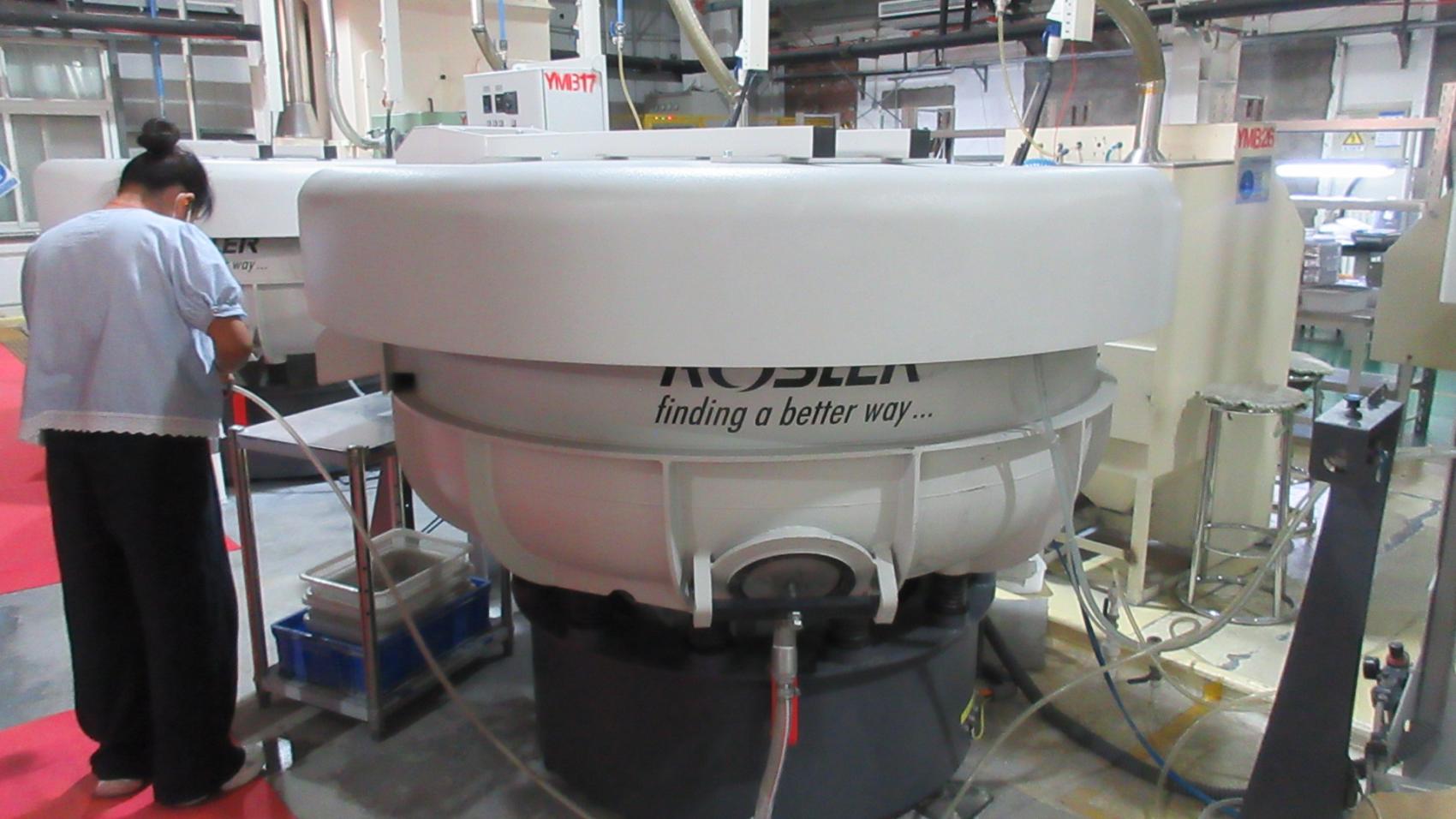
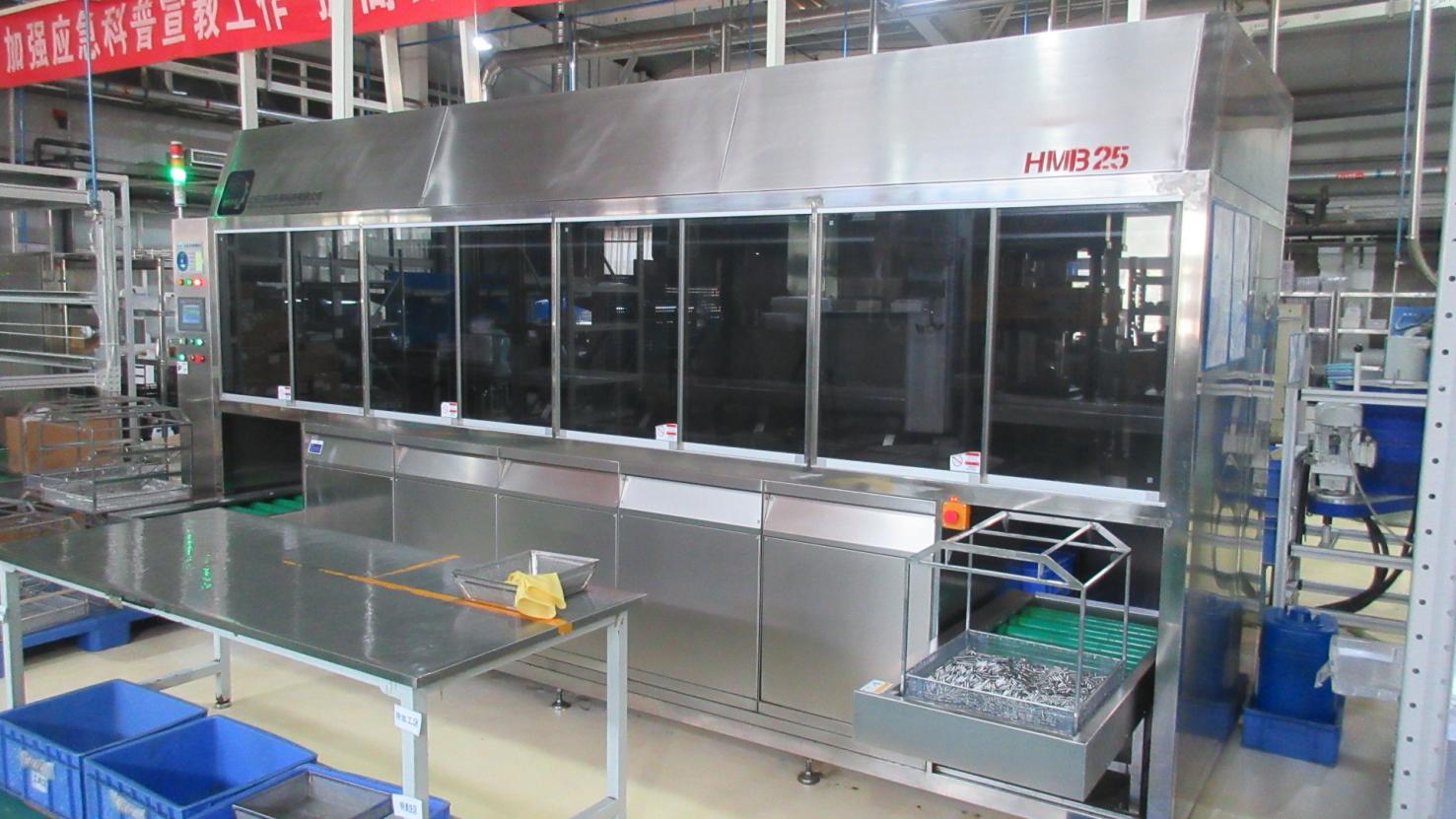
Operating out of our 10,000 square meter ISO 13485 facility, we deploy 102 state-of-the-art production machines, including multi-axis Citizen Swiss CNC lathes and automated titanium anodizing lines. With an annual production capacity of 511,000 finished implantable components, we ensure scale-level efficiencies that translate into competitive pricing for global hospitals and wholesale distribution partners.
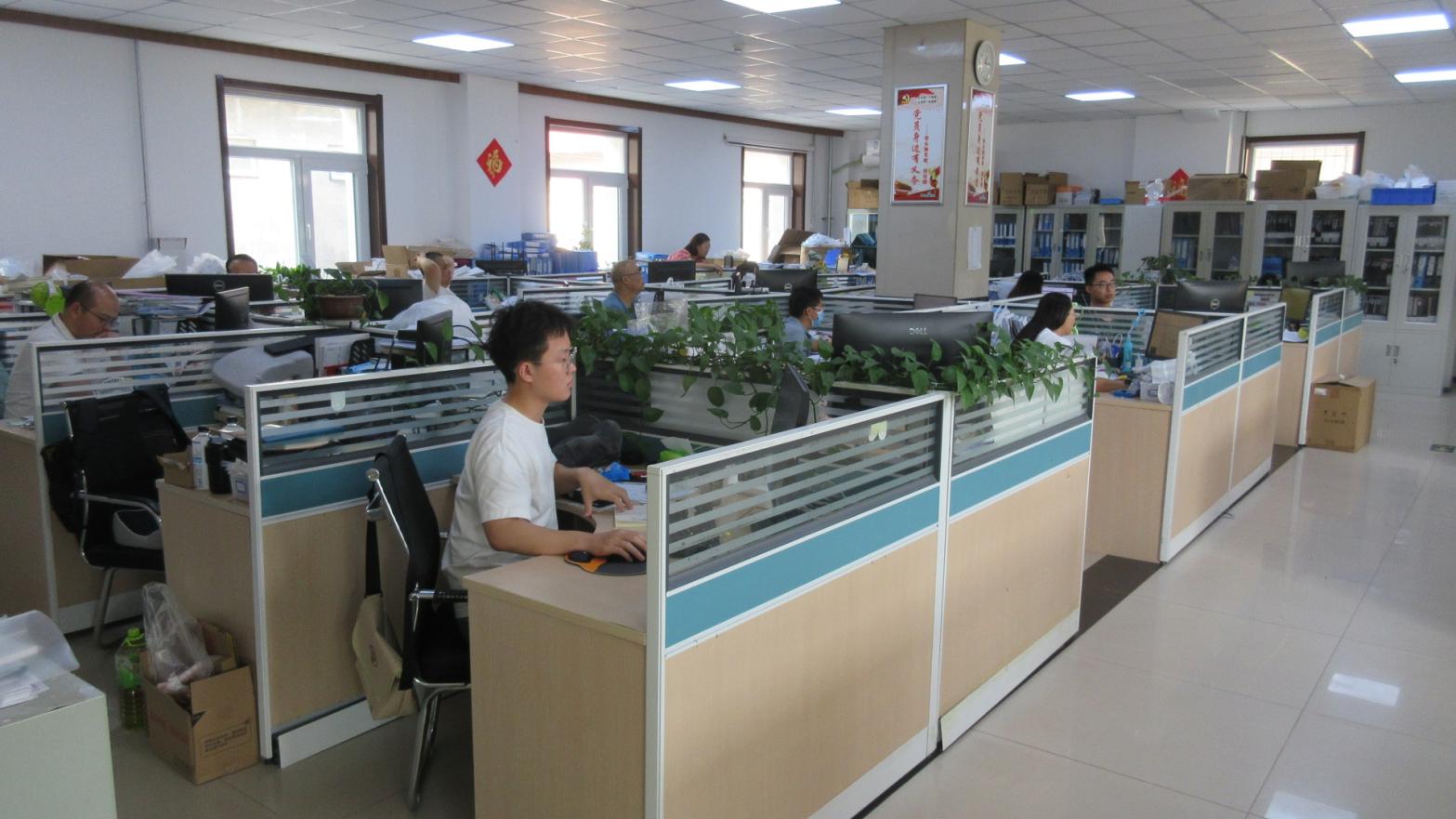
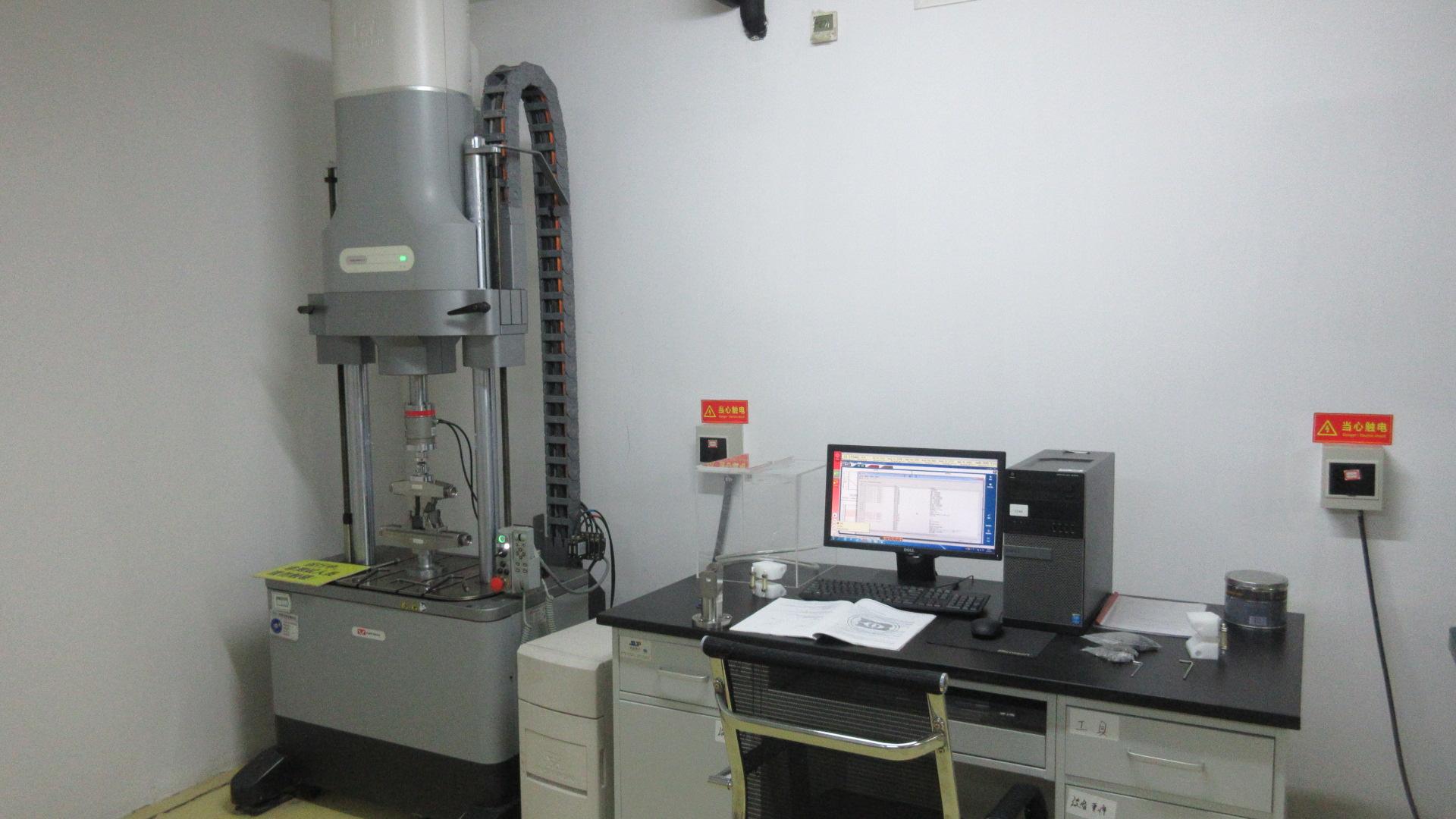
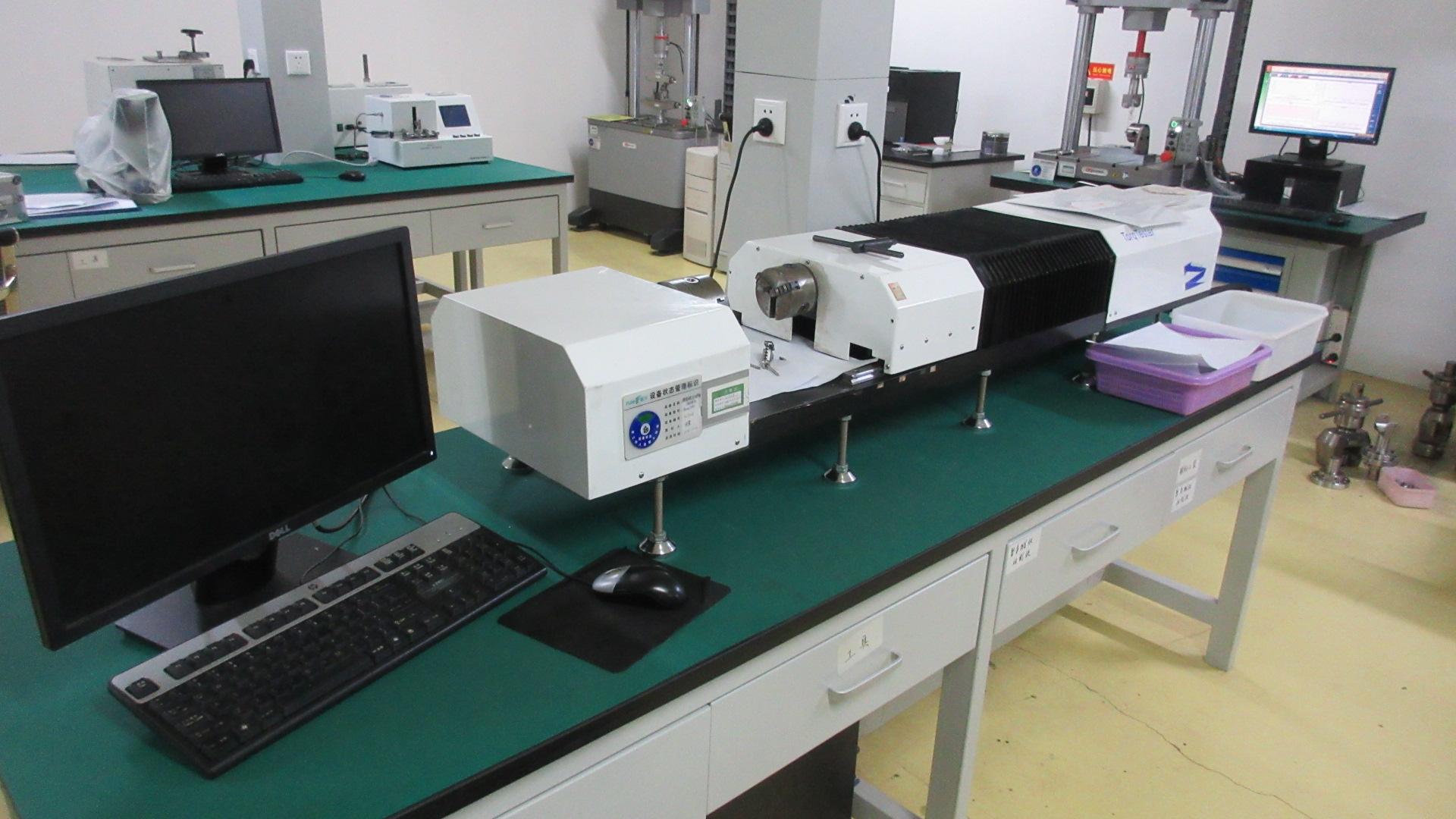
Quality assurance is fully documented: 15 dedicated QA/QC inspectors manage incoming raw material sourcing (comprehensive batch traceability back to the titanium ingot), in-process dimensional tolerance monitoring down to ±5 microns, and post-production fatigue testing. Our operations bypass intermediary markups, providing medical distributors in Auckland, Wellington, and Christchurch with high-quality implants at a sustainable cost structure.
Inquire for OEM/ODM Specs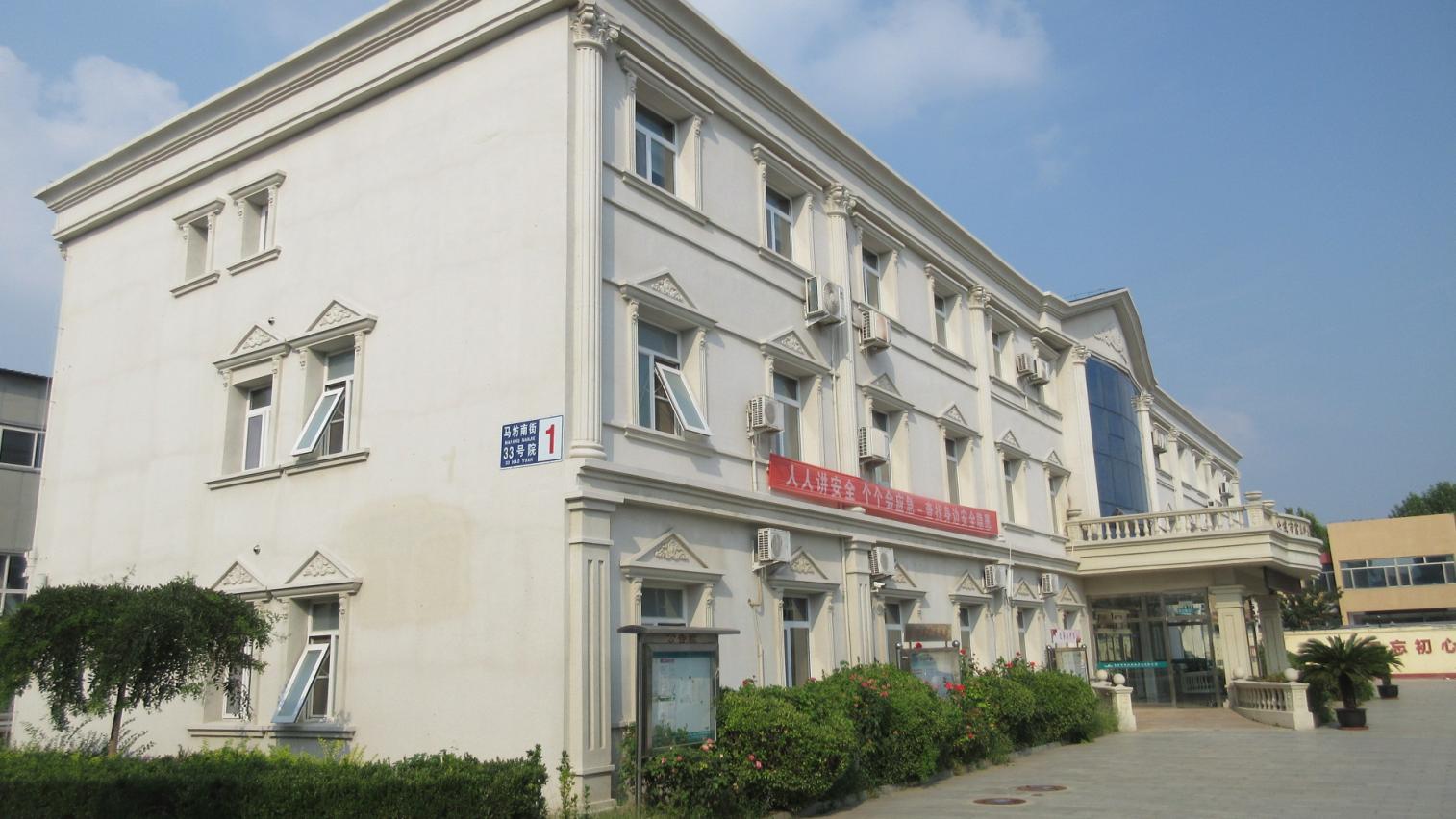
The operational application profiles for spinal plate systems are adapted to meet New Zealand's specific clinical requirements:
| Clinical Application Environment | Primary Pathology Addressed | Designated Fixation Solution | Required Clinical Outcome |
|---|---|---|---|
| Auckland Regional Orthopaedic Centers | Multilevel Cervical Spondylosis | Low-Profile Anterior Cervical Plate (ACP) | Prevention of graft extrusion & preservation of lordosis |
| Christchurch Trauma Units | High-Impact Thoracolumbar Fractures | Anterior Thoracolumbar Plate & Pedicle Screws | Immediate mechanical stabilization & biomechanical decompression |
| Wellington Deformity Clinics | Degenerative Adult Scoliosis | Multi-segment Pedicle Screw & Rod Systems | Coronal and sagittal realignment over multi-level segments |
| Private Outpatient Day-Surgery (NZ) | Single-Level Disc Herniation | Zero-Profile ALIF Cage with Integrated Screw Fixation | Minimally invasive entry, minimized dysphagia risk, fast discharge |
Global procurement teams in the orthopaedic sector are moving away from traditional, highly marked-up domestic distributors toward transparent, ISO-certified manufacturing partners. A key criteria for selection is regulatory agility: suppliers must provide comprehensive documentation packs, including sterilization validation data, material test certificates (MTC), biocompatibility assays (ISO 10993), and fatigue analysis data.
By streamlining shipping via established global logistics partners like DHL, FedEx, or air cargo networks, our supply chain ensures that order deliveries from our manufacturing hub to New Zealand ports take between 5 to 7 business days, matching localized warehouse replenishment schedules.
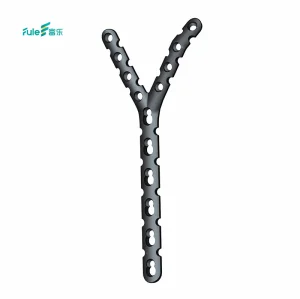
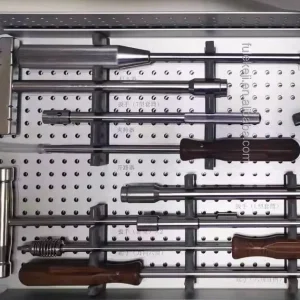
Explore our wider range of Class III CE-certified implants and specialized toolsets, engineered for robust trauma recovery and spinal realignment.
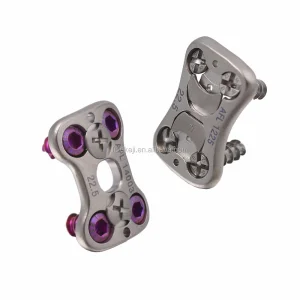
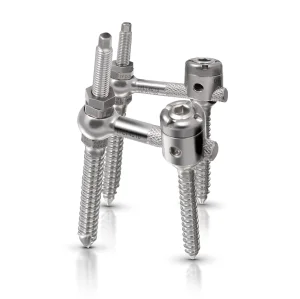
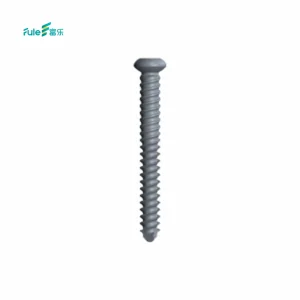
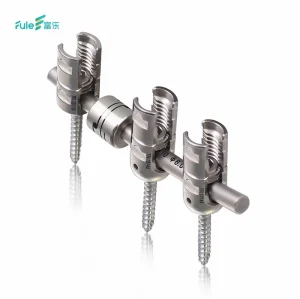
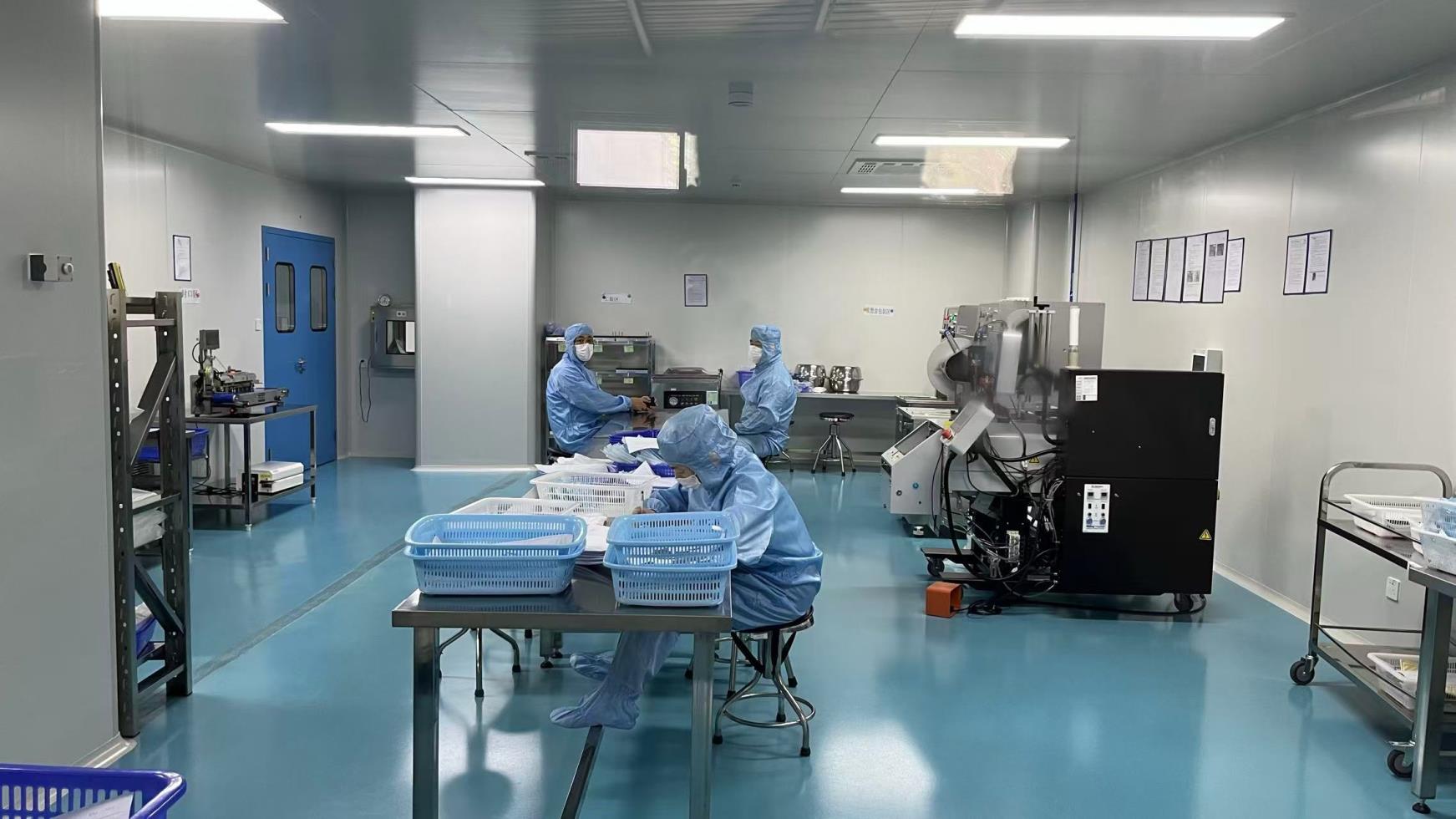
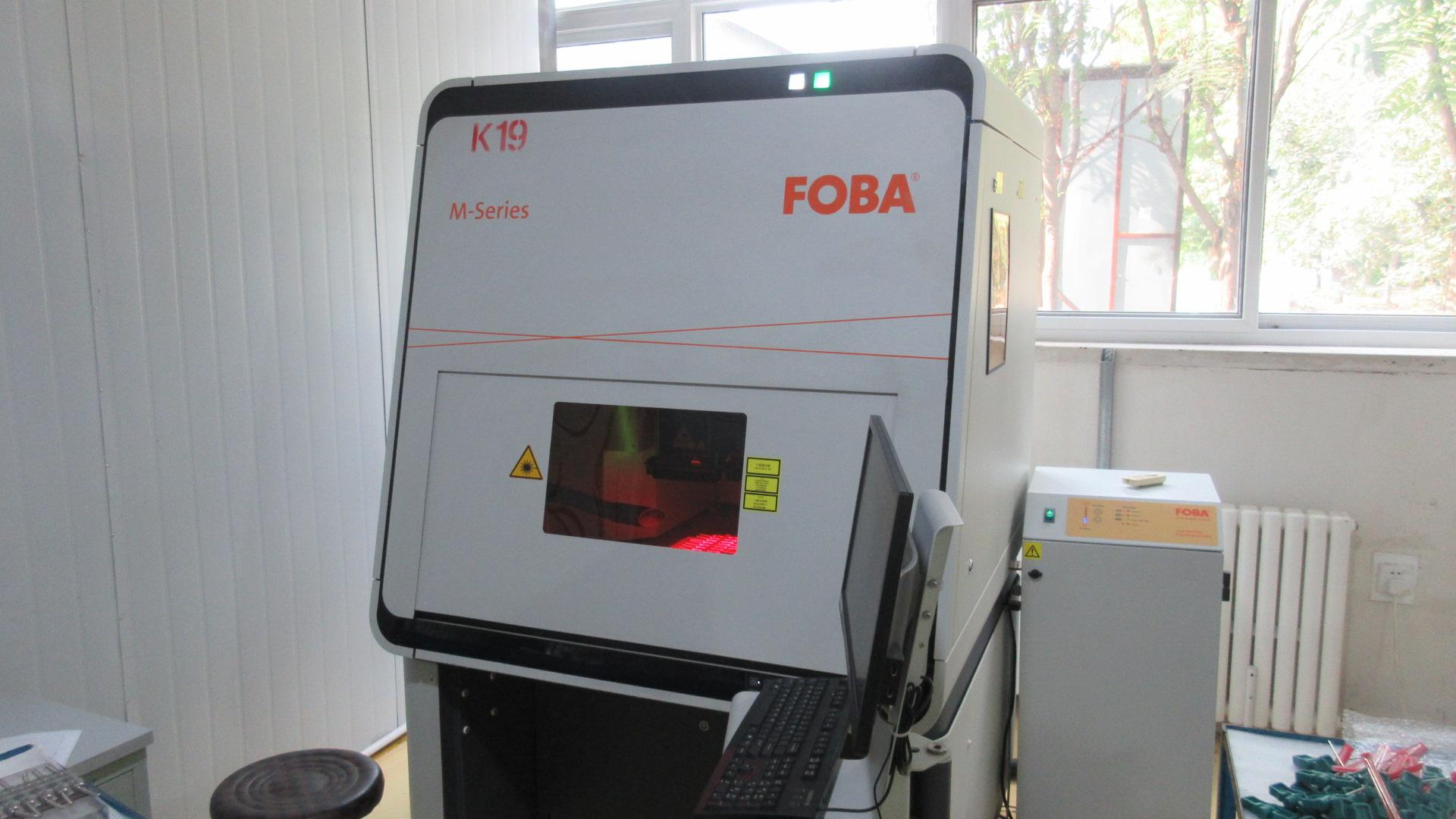
Our operations prioritize documented compliance, tracing raw materials and validating processes to guarantee consistent implant performance.
The spinal fusion sector is transitioning toward custom, patient-specific configurations and smart implants. Future iterations of spinal plates are expected to incorporate nano-textured surfaces designed to inhibit bacterial colonization while actively promoting vascularization. 3D printing (additive manufacturing using electron beam melting) allows for porous structures that match the stiffness profile of trabecular bone, potentially shifting treatment strategies for complex spinal corrections.
Furthermore, standardizing digital surgical planning allows clinics in New Zealand to pre-select implant geometries and screw trajectories before entering the operating room. This approach reduces overall surgical duration, minimizes anesthesia exposure, and optimizes the use of hospital resources.
Collaborating with global academic research divisions, our engineering teams are developing dynamic anterior cervical locking mechanisms that permit controlled load sharing while maintaining sagittal alignment, reducing the risk of adjacent-segment degeneration.
Addressing regulatory, logistics, and technical inquiries for New Zealand orthopaedic professionals.
Our implants carry Class III CE certification and ISO 13485 quality credentials. We provide complete technical documentation dossiers, including biocompatibility and mechanical testing reports, to support local sponsors in finalizing Medsafe WAND database registration in New Zealand.
We use implant-grade Titanium Alloy (Ti-6Al-4V ELI) conforming to ASTM F136 standards. Every shipment is accompanied by a Material Test Certificate (MTC) verifying chemical composition and physical properties for compliance.
For items currently in stock, processing and transit via air cargo networks to New Zealand takes approximately 5 to 7 business days. Custom OEM/ODM manufacturing schedules are calculated based on production run requirements.
We perform 100% inspection across our manufacturing lines. A team of 15 QA/QC inspectors coordinates raw material audits, intermediate CNC tolerance verification, and final post-sterilization audits to maintain quality standards.
Whether you require detailed specifications, raw material validation sheets, or custom OEM sizing parameters for the New Zealand healthcare sector, our specialists are ready to assist.
Send Inquiry Now Beren Science & Technology