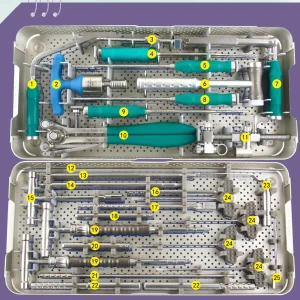
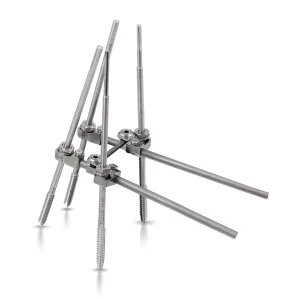
Advanced instrumentation engineered for degenerative, isthmic, and traumatic spondylolisthesis corrections across medical facilities in Ethiopia.
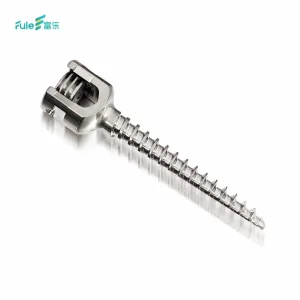
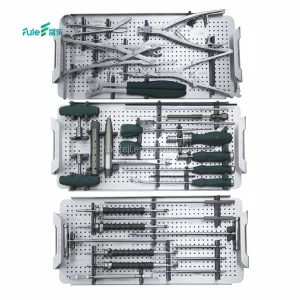
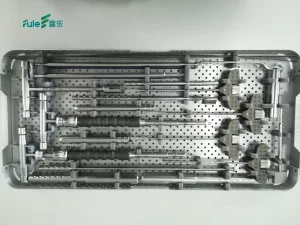
Ethiopia's healthcare sector, centered key nodes like Addis Ababa, Harar, and Awasa, is undergoing a rapid modernization. As specialized trauma centers and neurosurgical departments expand at institutions like Black Lion Hospital (Tikur Anbessa) and ALERT Center, the clinical demand for certified, high-tolerance Spondylolisthesis Systems is at an all-time high.
Historically, public health systems in East Africa have faced logistical bottlenecks in procurement. By establishing factory-direct pipelines, we ensure that premium Grade-5 medical titanium implants are made readily accessible to public procurement agencies, private distributors, and hospital groups. This reduces operational overhead and guarantees that clinical staff work with equipment optimized for local physiological variations and trauma patterns.
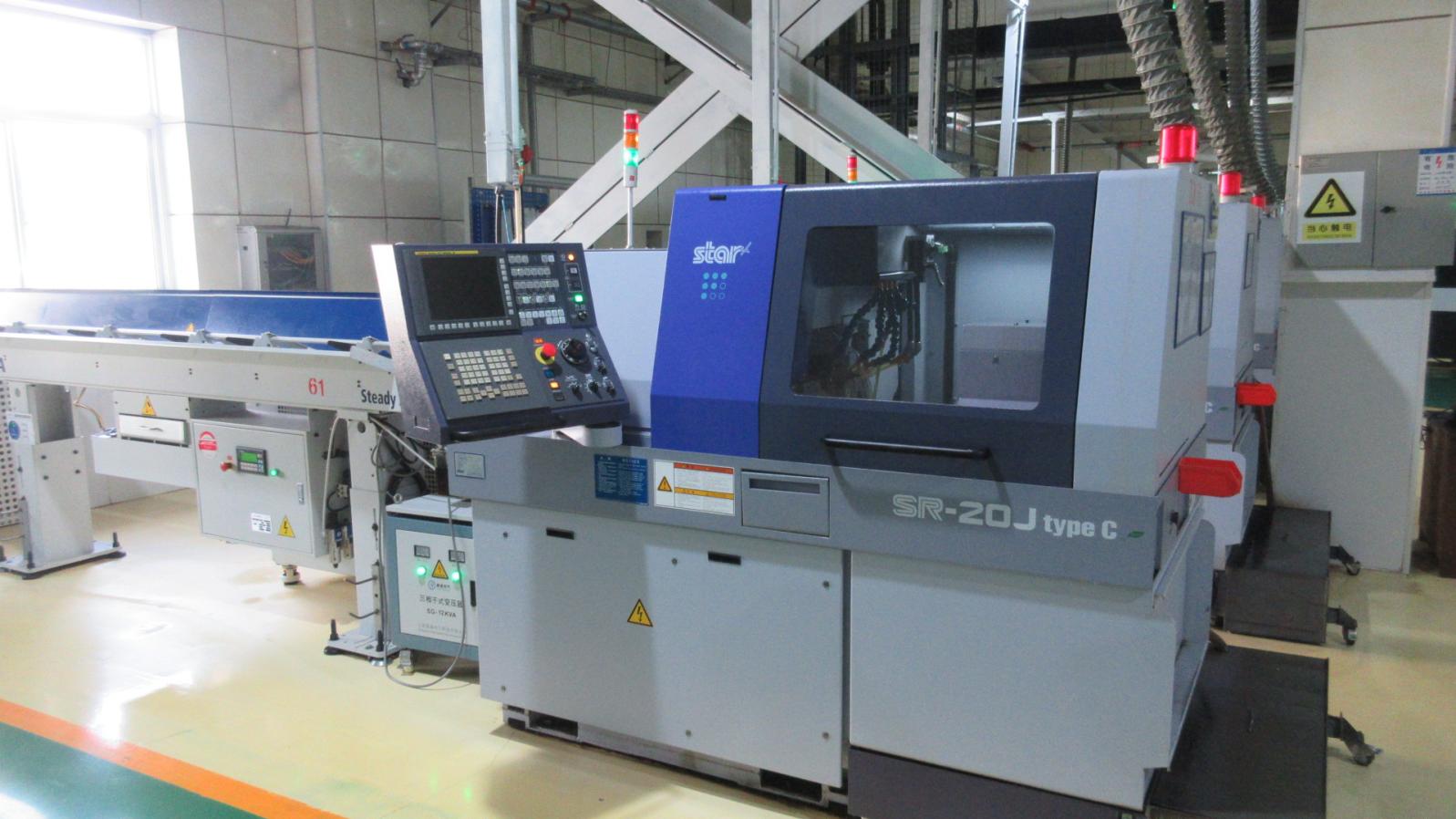
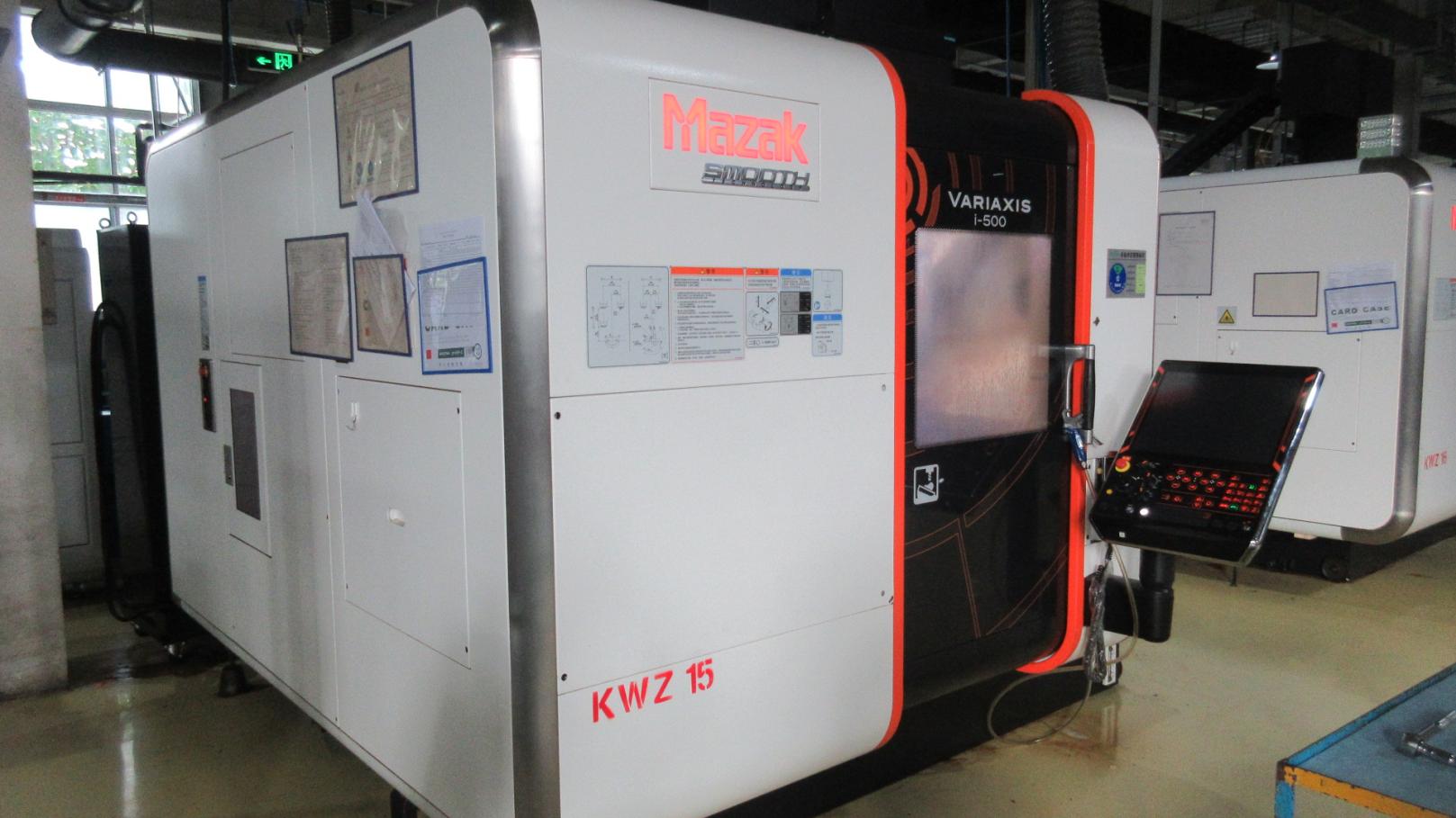
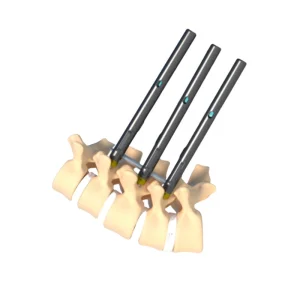
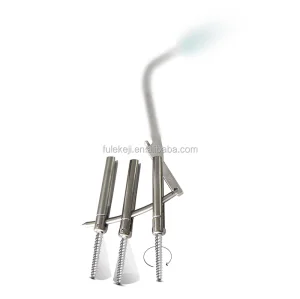
In global spinal orthopedics, the shift toward Minimally Invasive Surgery (MIS) has fundamentally redefined patient recovery timelines. Lytic or degenerative spondylolisthesis corrections that once required long hospital stays can now be addressed through micro-incision posterior instrumentation. Our factory relies on state-of-the-art precision machinery to match this global paradigm shift.
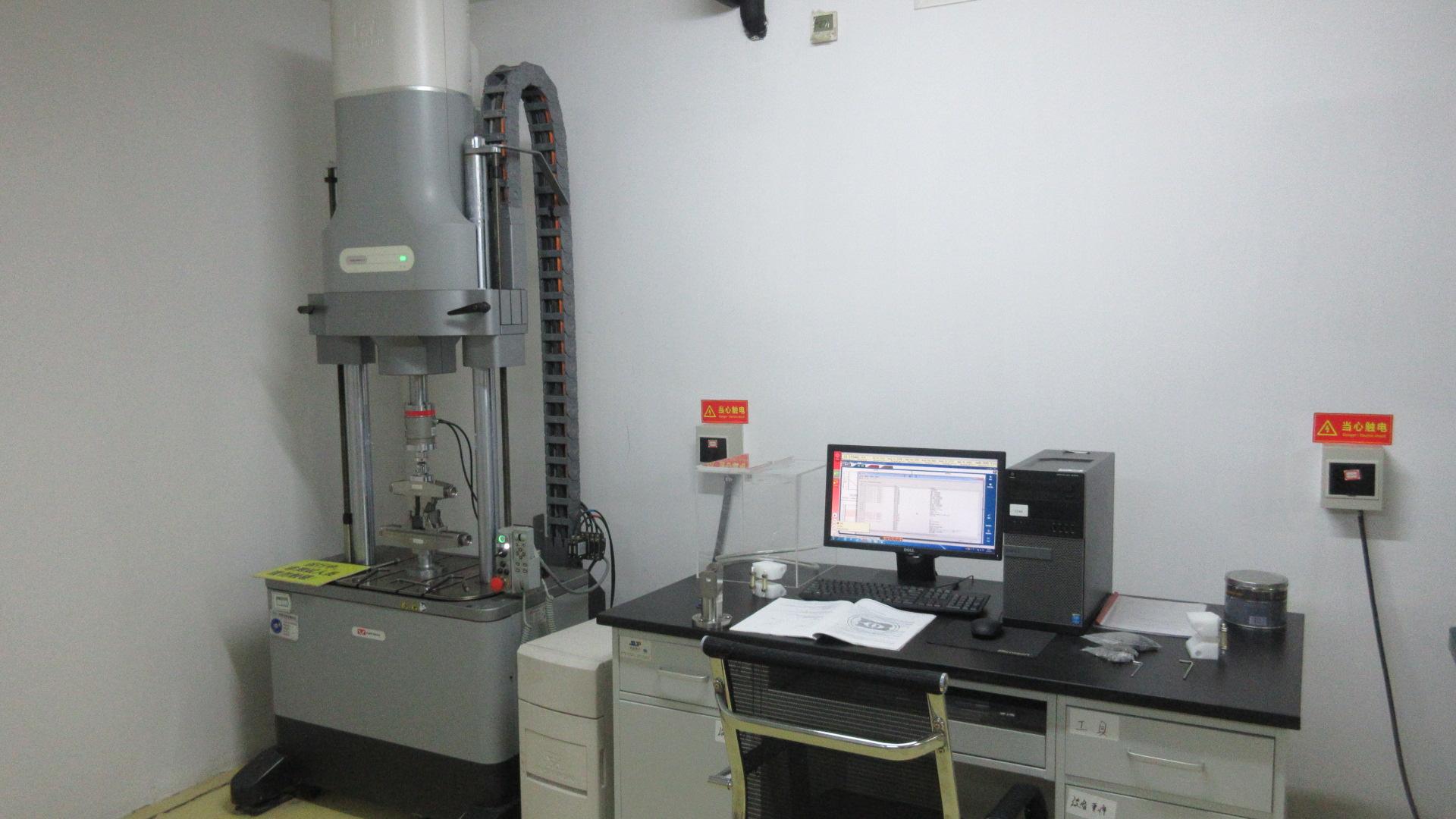
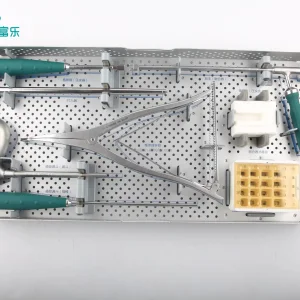
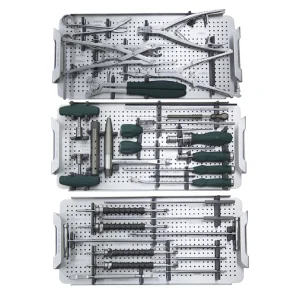
From titanium pedicle screw thread profiles to low-friction rod placement instruments, each component undergoes thorough mechanical stress testing. Our materials resist deformation under long-term cyclic loading, safeguarding against post-operative revision surgeries and improving the long-term clinical prognosis for patients in both urban centers and regional Ethiopian health clinics.
| Mechanical Parameter | Standard Specification | Clinical Performance Outcome |
|---|---|---|
| Material Grade | Ti-6Al-4V ELI (Grade 5) | Optimum Biocompatibility & Corrosion Resistance |
| Thread Design | Double-lead Self-Tapping | Faster insertion & enhanced pull-out resistance |
| Rod Flexion Profile | Pre-bent/Customizable | Maintains natural lumbar lordosis curvatures |
| Static Load Rating | Exceeds ASTM F1717 norms | Reduces risk of hardware fatigue/fracture |
Combining 30 years of surgical instrument engineering with traceably sourced raw materials to power domestic and international distribution networks.
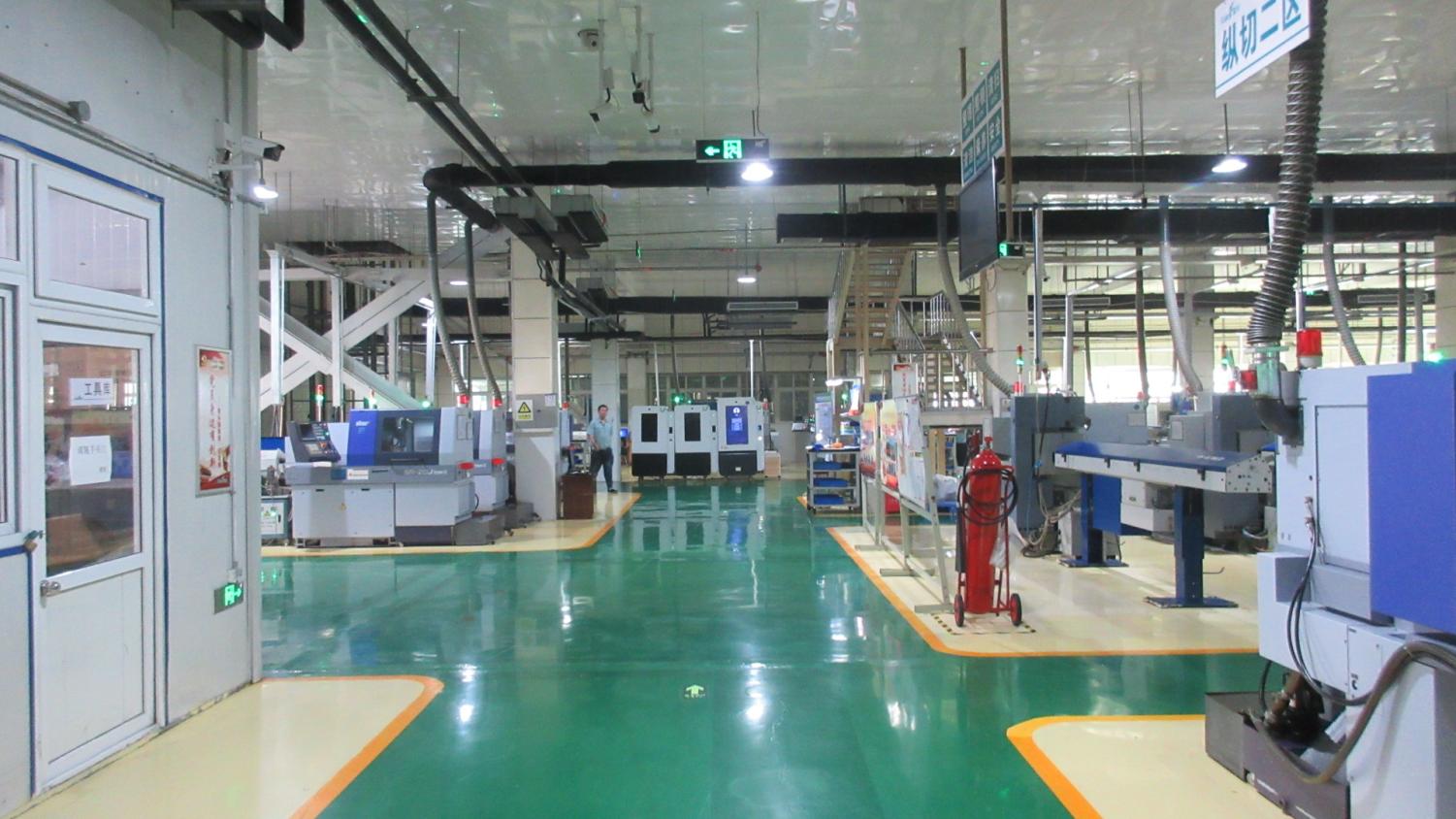
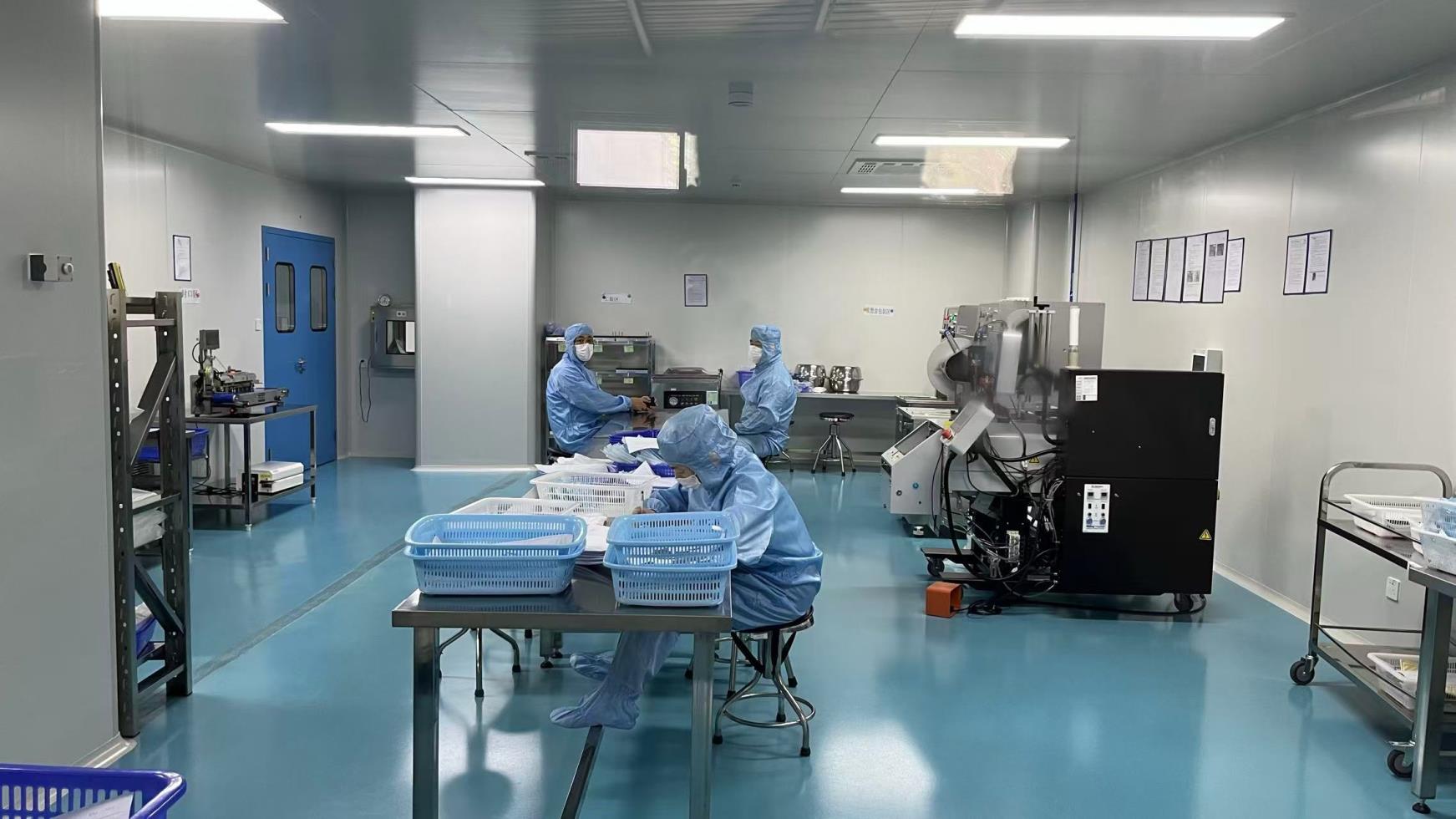
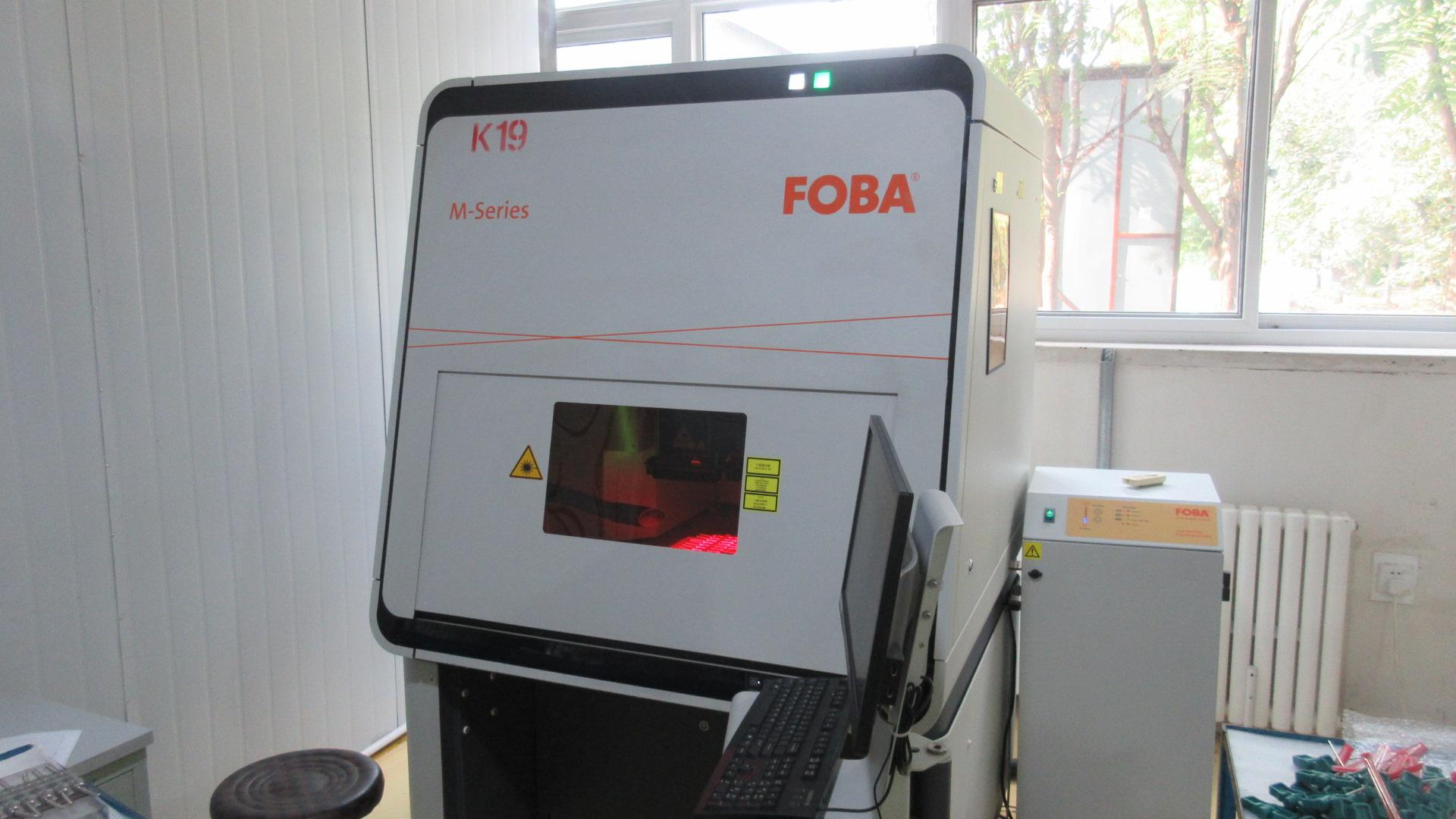
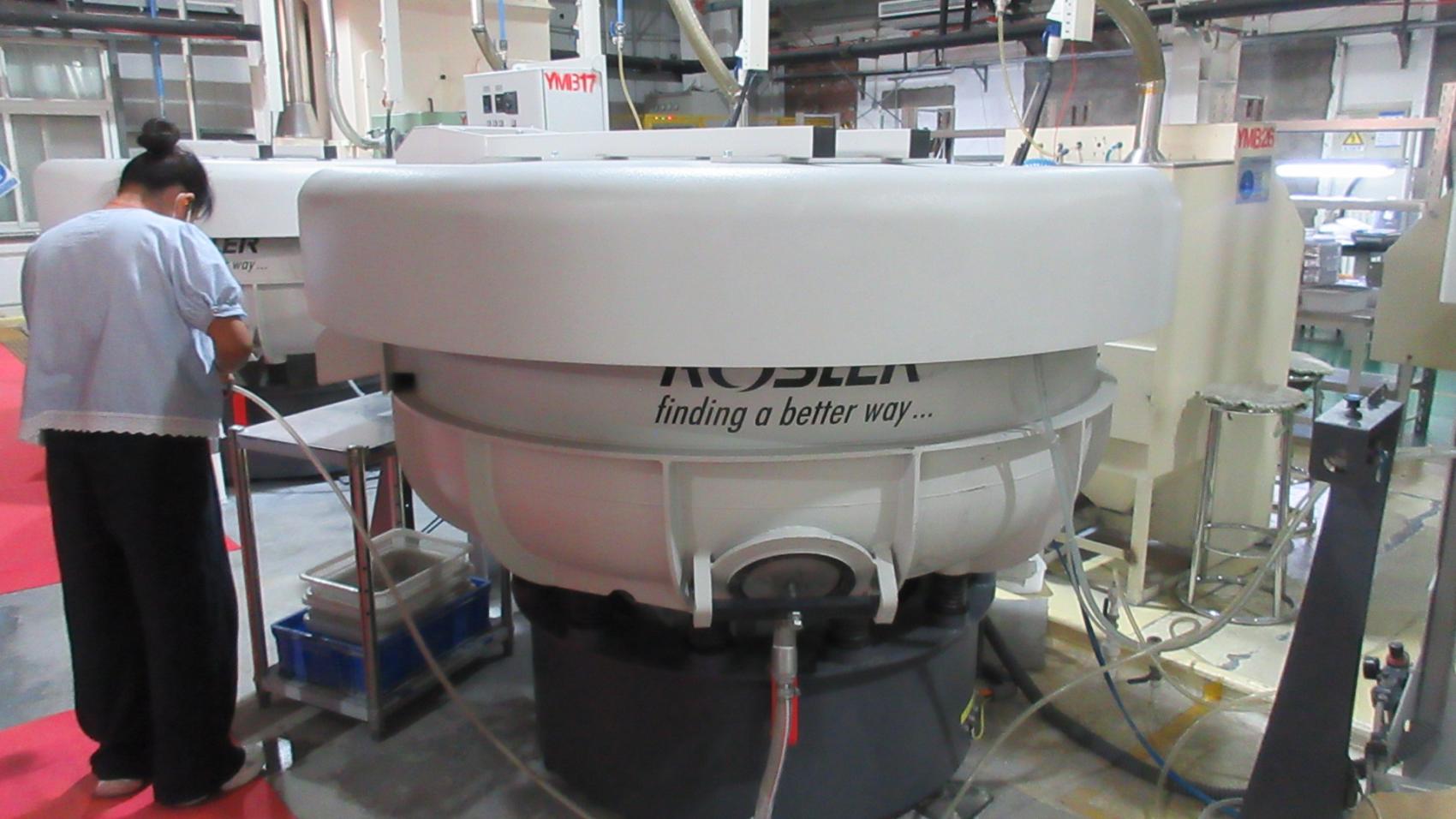
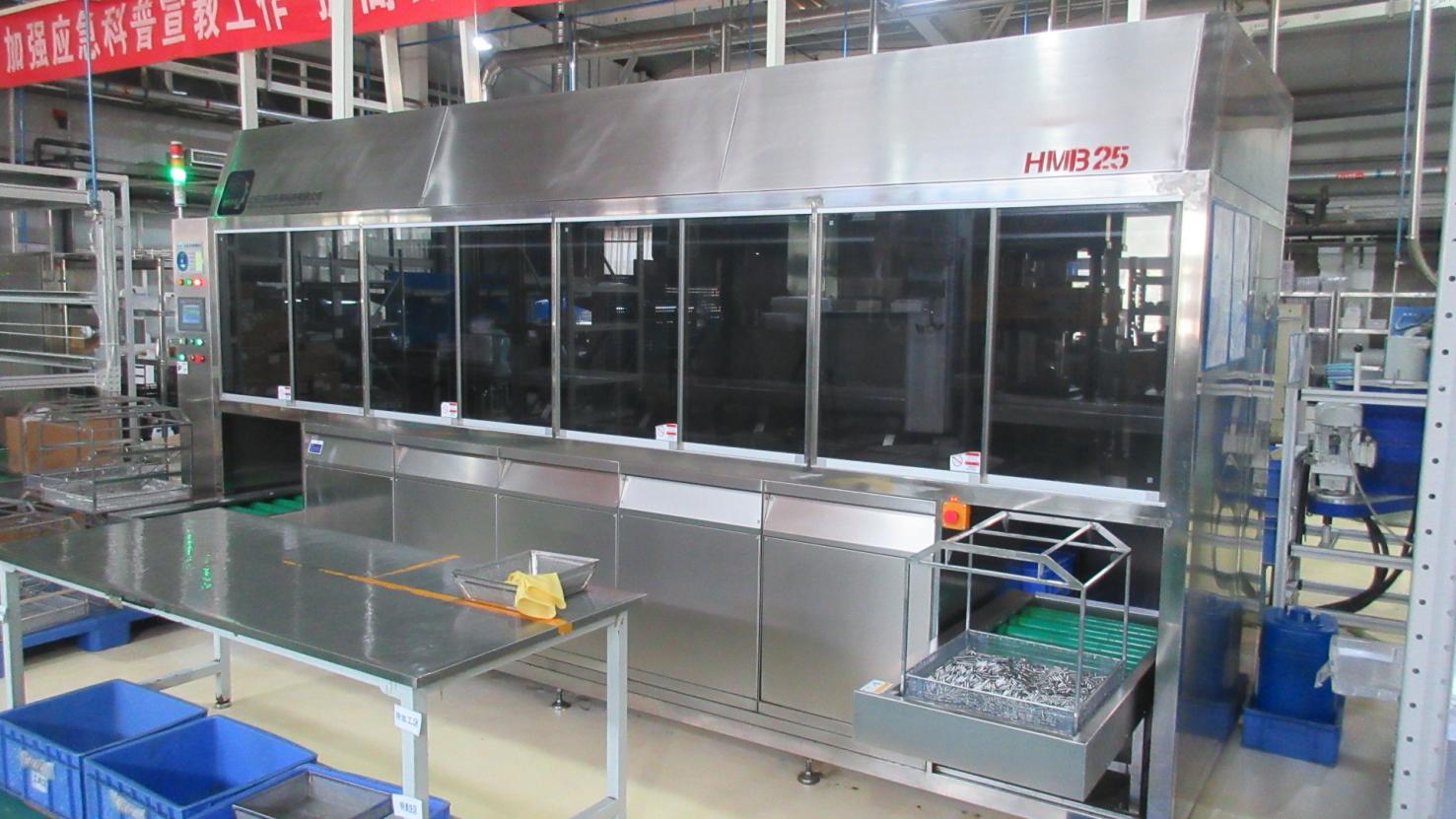
Our facility operates under strict ISO13485:2016 certification guidelines. Our specialized production lines utilize Swiss-made CNC longitudinal turning centers to output implants with sub-micron dimensional accuracy.
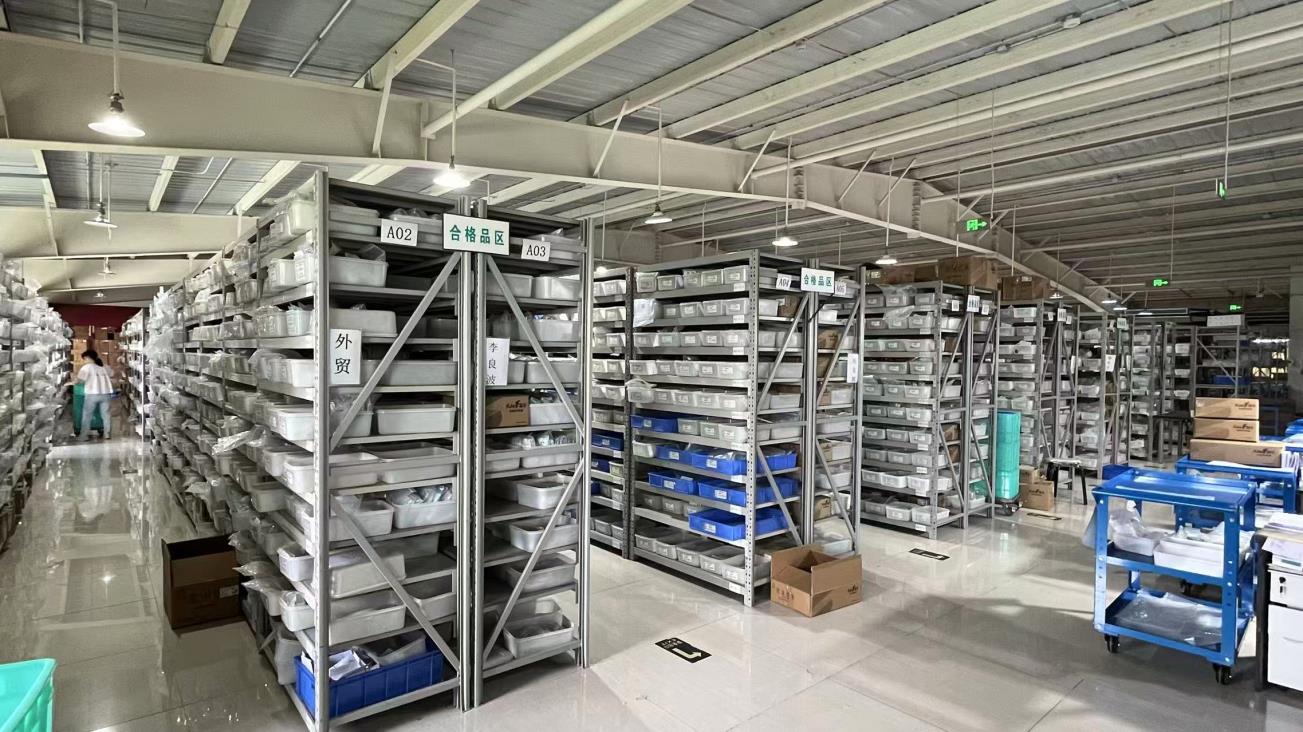
To fulfill national regulatory standards in Ethiopia (EFDA), we provide complete material traceability reports. Every lot of raw titanium alloy is mapped to its original melt source, accompanied by chemical analysis and tensile test certification. Our team of 15 QA/QC inspectors conducts 100% optical and mechanical inspections on load-bearing components before final cleanroom packaging.
Shipping high-risk medical hardware requires meticulous logistics coordination. We manage delivery routes into Ethiopia, capitalizing on sea freight routes via Djibouti Port followed by secure road transit to Addis Ababa Dry Port (Modjo), or rapid air freight directly to Bole International Airport.
We prepare comprehensive documentation packs, including Certificate of Conformity (CoC), CE certifications, sterilization validation protocols, and localized product labeling, guaranteeing rapid Customs clearance and seamless EFDA registration.
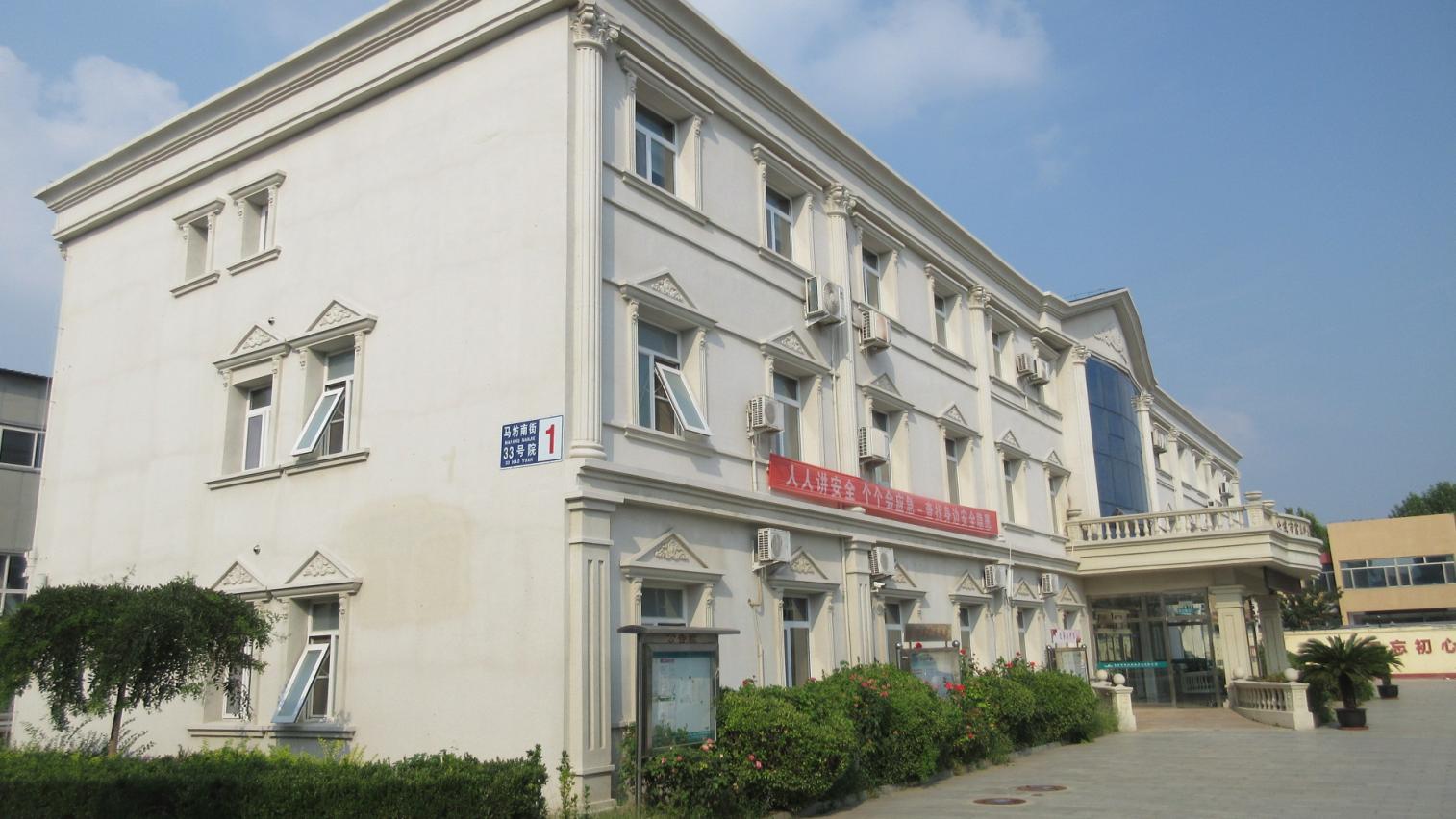
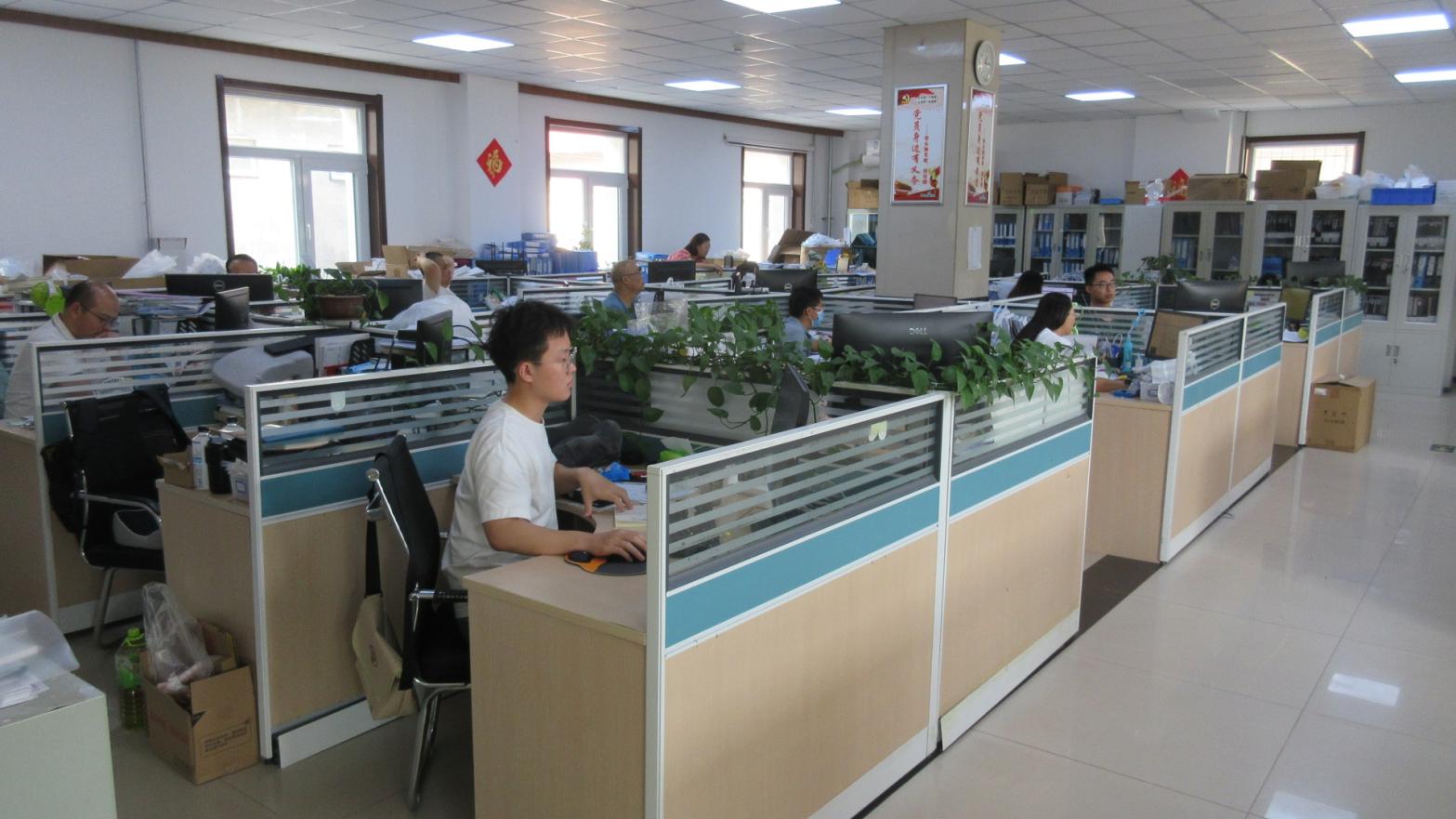
A transparent look at our advanced manufacturing lines, cleanroom validation chambers, and mechanical verification labs.
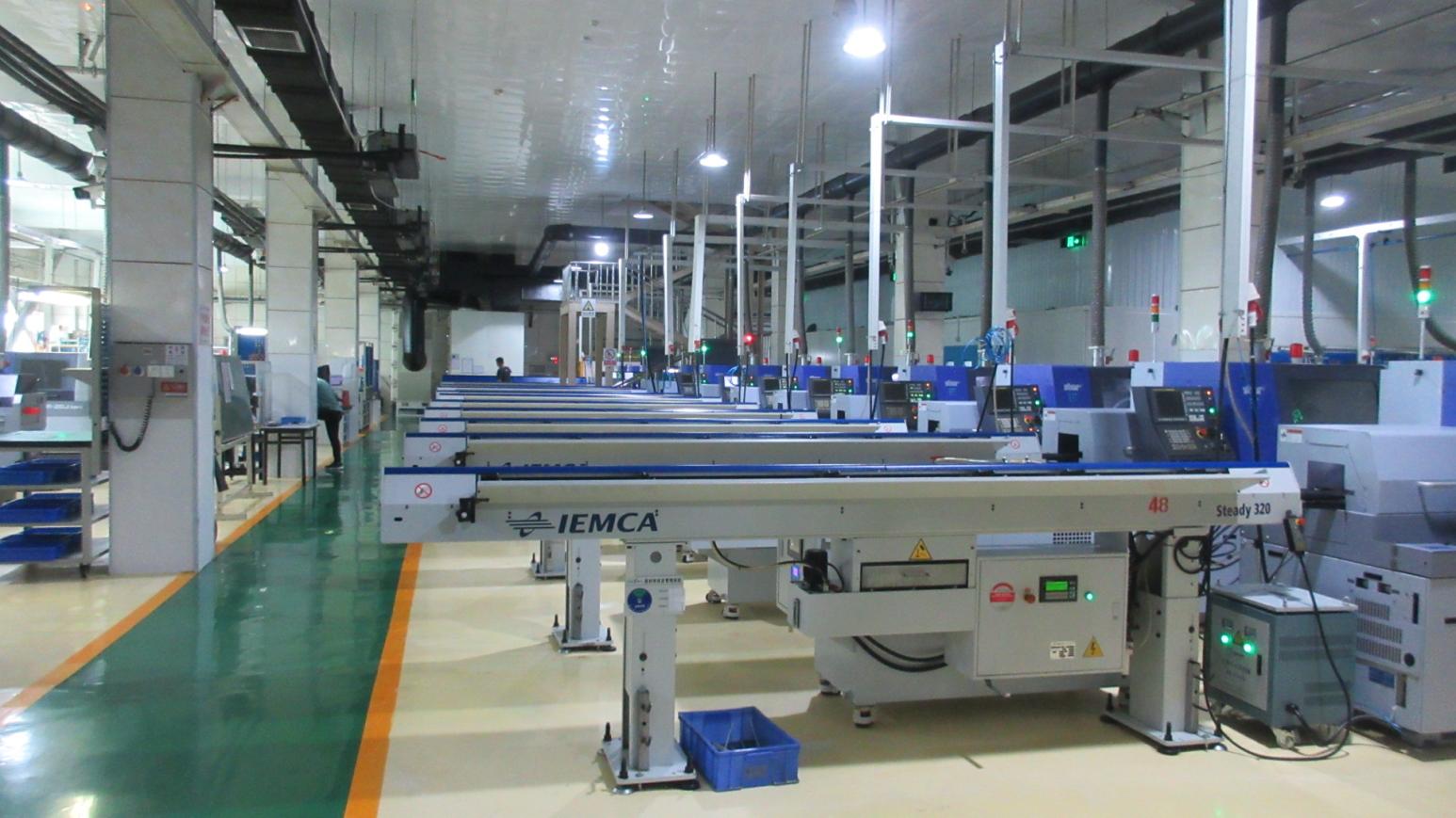
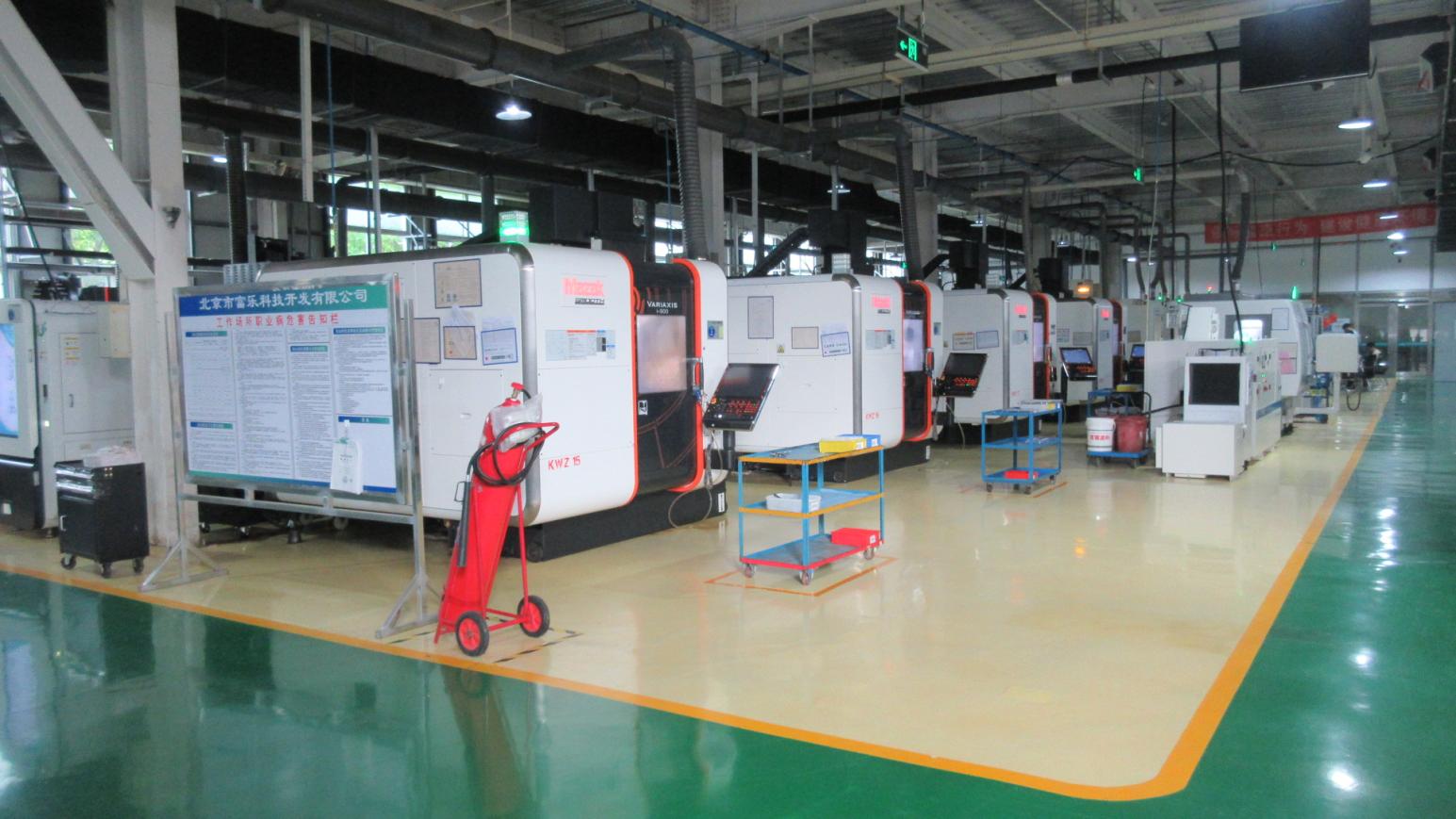
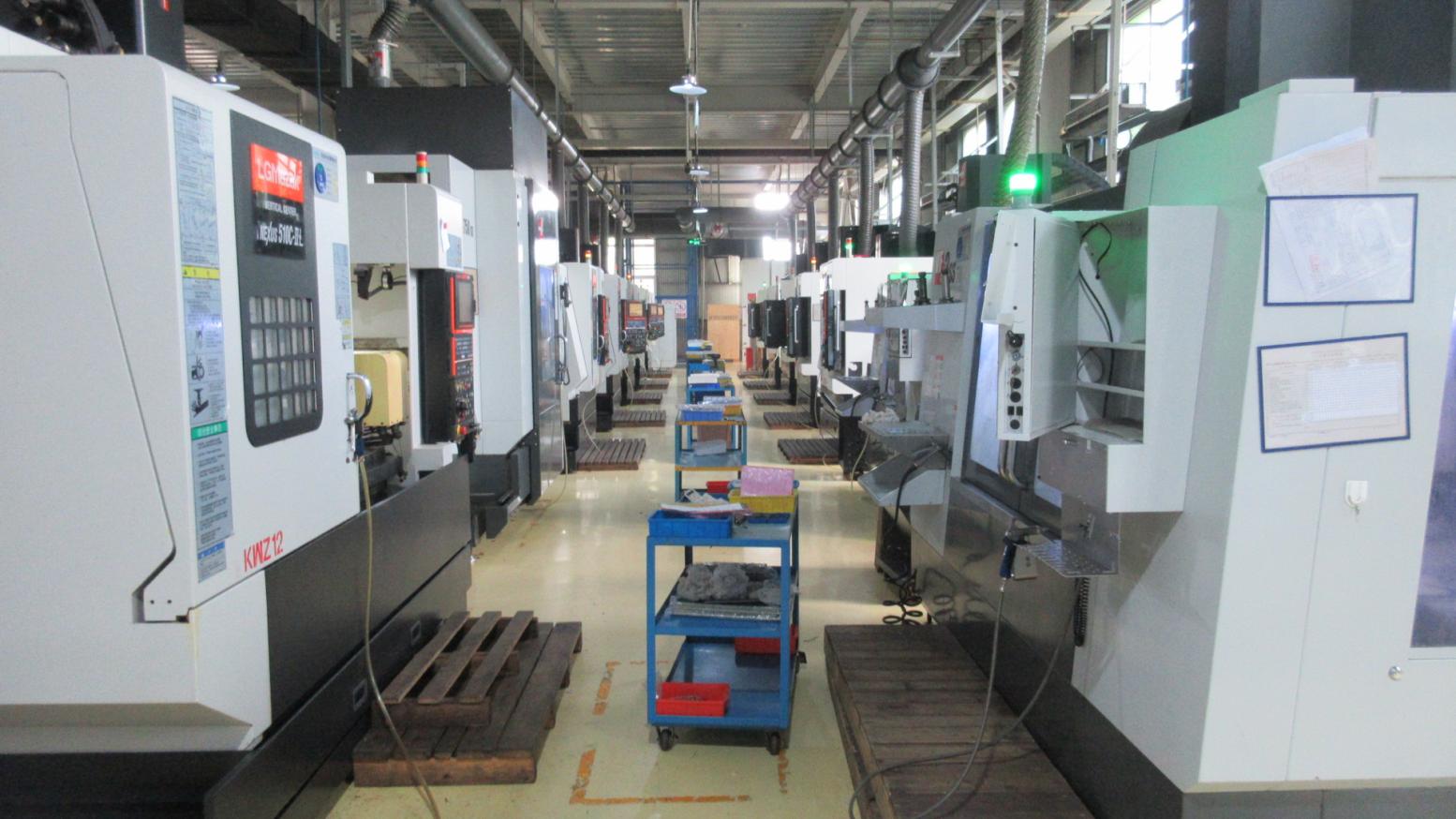
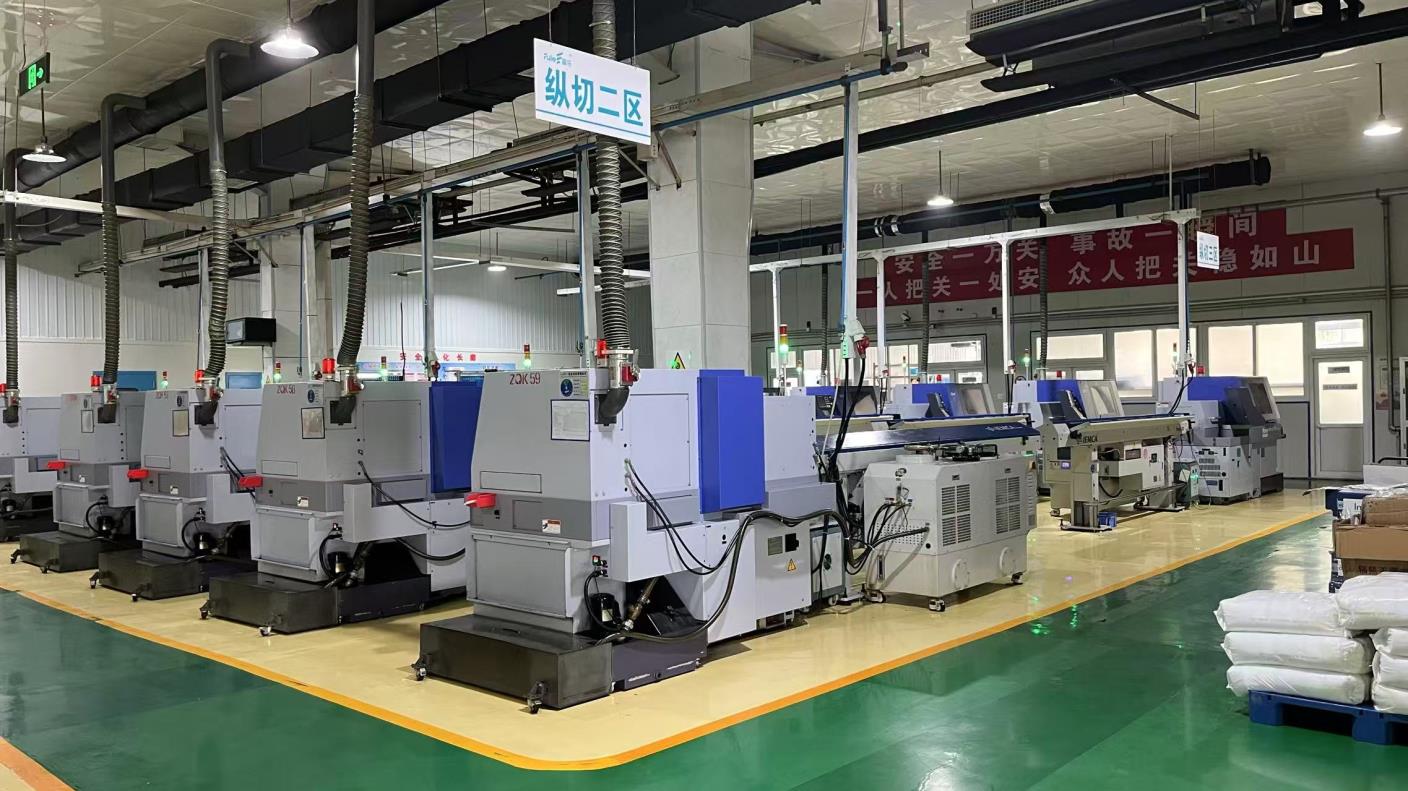
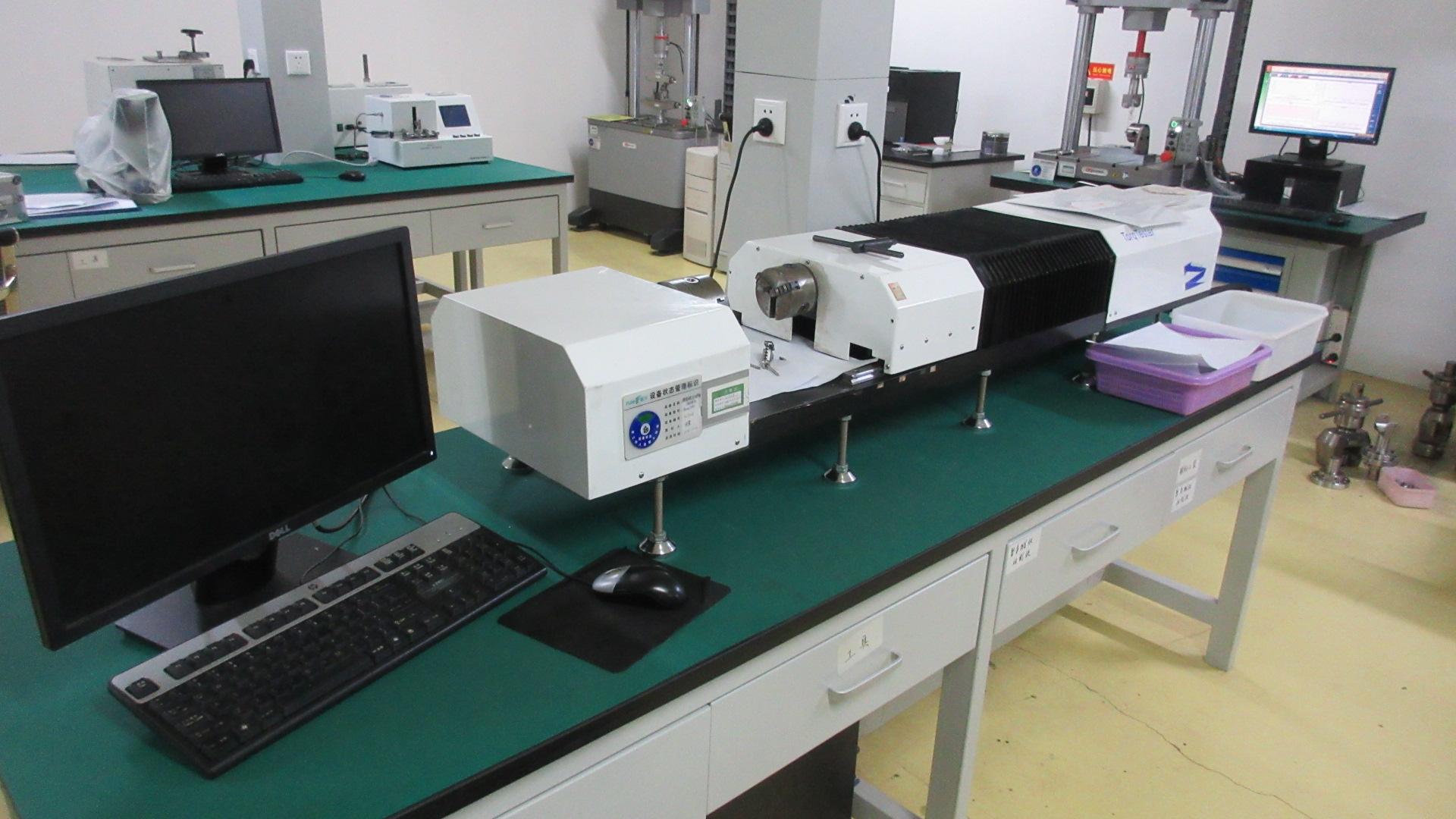
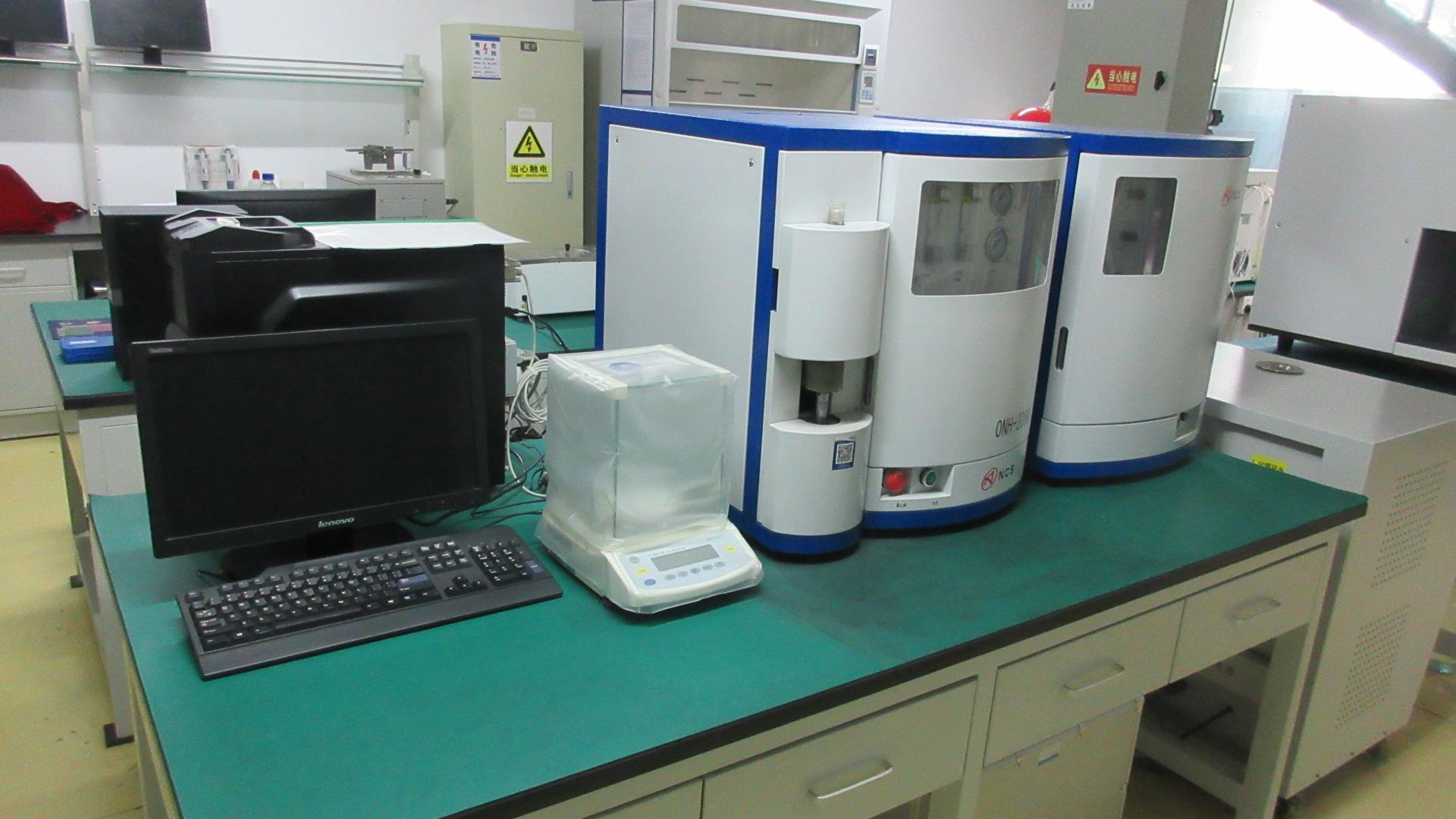
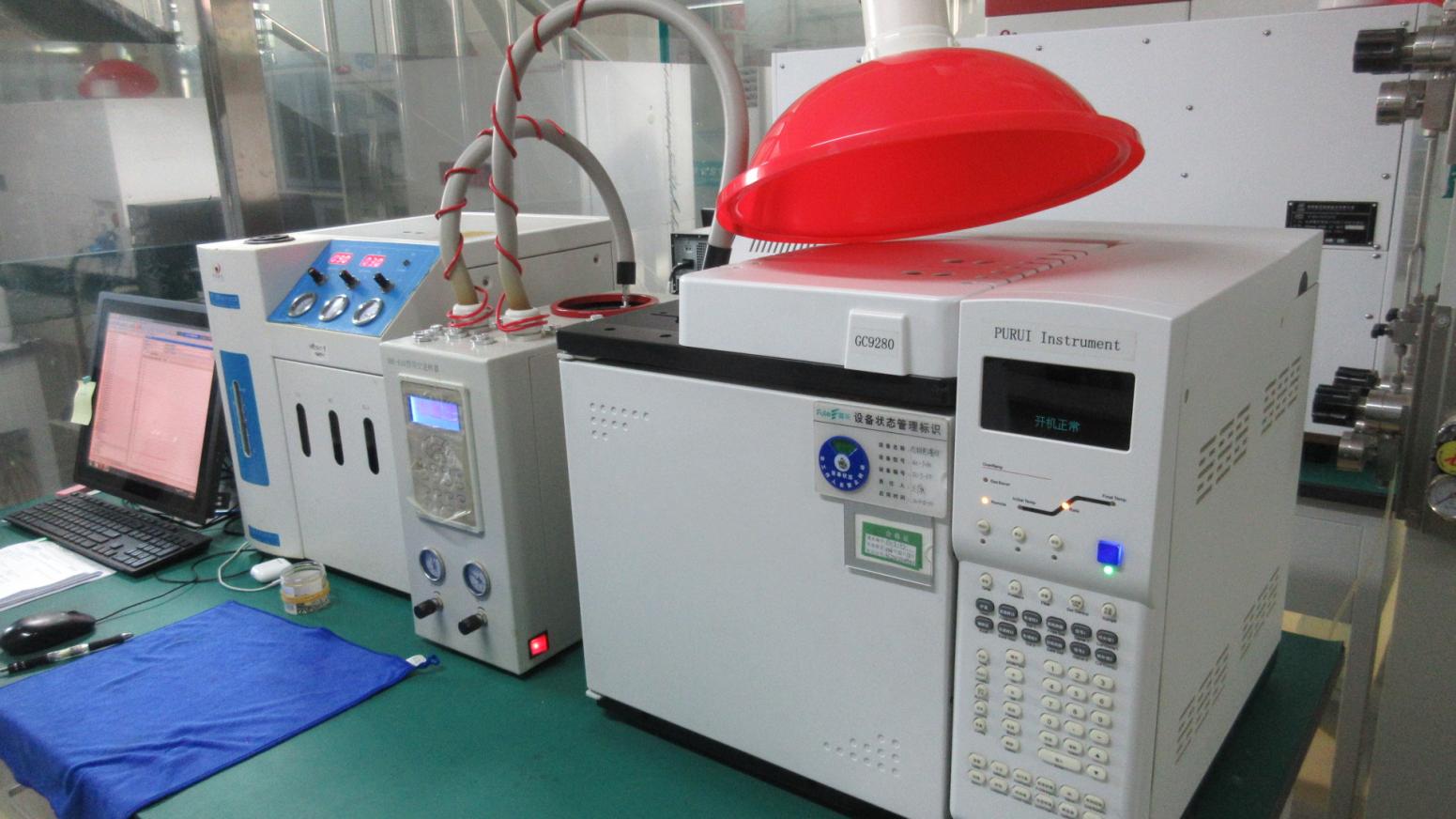
Spondylolisthesis—whether resulting from congenital pars interarticularis defects (isthmic) or long-term structural slippage (degenerative)—poses significant physical impairment to patients. In agricultural regions of Ethiopia, physical labor often exacerbates underlying spine instabilities, leading to early functional decline.
Our systems target:
Implant failure remains a primary risk in complex spinal reconstructions. Our engineers design systems that offer high friction resistance at the screw-rod interface. A low-profile head design minimizes post-operative soft-tissue irritation, a critical factor in patient comfort and long-term functional recovery.
Our lumbar fusion cages (PLIF/TLIF) feature large hollow chambers optimized for bone graft packing. This design, combined with aggressive anatomical teeth patterns, helps limit post-operative cage migration and supports robust interbody fusion.
Comprehensive orthopedic trauma, laminoplasty, and minimally invasive fixation systems, fully compliant for clinical importation into Ethiopia.
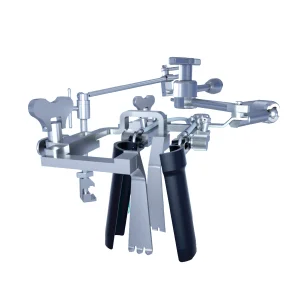
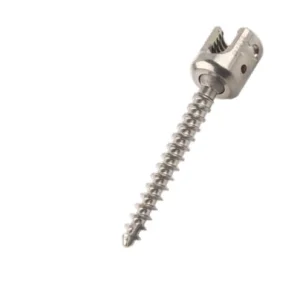
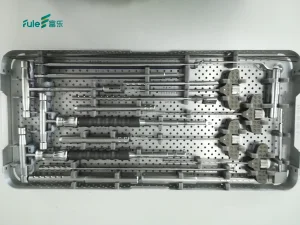
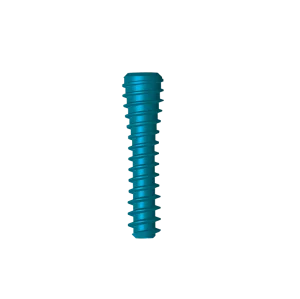
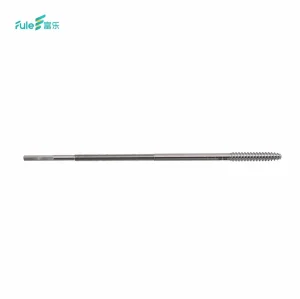
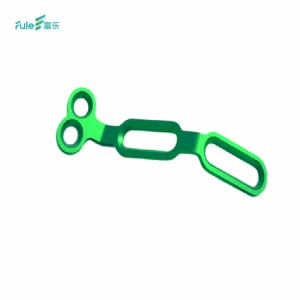
Aligning product development with emerging trends in digital healthcare, navigated spine surgery, and biomechanical engineering.
In collaboration with research centers, we are developing advanced anodic oxidation techniques to improve the osteointegration of our titanium pedicle screws and cages. Modifying surface topography at the nanoscale helps stimulate bone growth and accelerate mechanical stability after placement.
This development is particularly beneficial for degenerative spondylolisthesis patients with osteopenic bone conditions, helping to lower the risk of screw loosening.
Modern operating rooms increasingly rely on intraoperative navigation and robotic guidance. Our future product pipeline includes navigation-ready instrument sets that are compatible with leading optical and electromagnetic tracking systems.
This helps surgeons place pedicle screws with high accuracy, reducing radiation exposure from fluoroscopy for both patients and surgical personnel.
Detailed answers regarding raw materials, certification, logistics, and surgical support in Ethiopia and East Africa.
 Beren Science & Technology