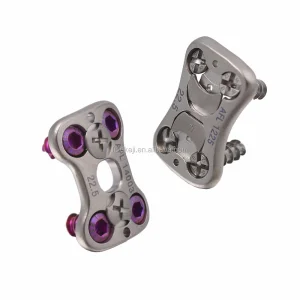
Advanced surgical instruments and implants curated for Belgian university hospitals and surgical hubs, aligning with strict European medical regulations.
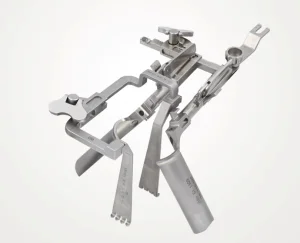
A clinical white paper analysis on restoring segment stability and dynamic sagittal alignment.
Spondylolisthesis occurs when a vertebral body slips anteriorly or posteriorly relative to the adjacent vertebra below. In Belgium and throughout Europe, the clinical burden of degenerative and isthmic spondylolisthesis has driven significant advancements in spinal instrumentation. Successful management hinges on the restoration of sagittal alignment, decompression of compressed neural elements, and reliable arthrodesis.
Rigid posterior fixation utilizing pedicle screw systems remains the gold standard. By securing the slipped segment, these systems reduce micro-motion, redistribute loading stresses, and foster a solid osteoconductive environment for interbody fusion. This is particularly crucial in the aging Belgian demographic, where osteoporosis-induced bone density loss poses a threat to implant purchase.
The biomechanical environment of the lumbar spine demands that an implant system manage both tension and compression loads. A high-quality Spondylolisthesis System utilizes advanced titanium alloy (Ti-6Al-4V ELI) and PEEK configurations to balance stiffness. Rigid fixation must not lead to excessive stress shielding, which can cause proximal junctional kyphosis (PJK) or screw loosening.
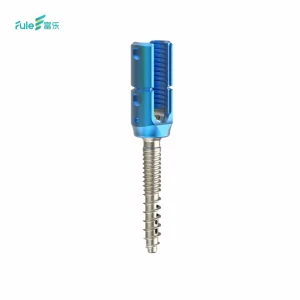
Innovative expandable pedicle screw designs expand the interface area within the trabecular bone, providing superior pullout resistance in osteoporotic bone tissue. This bio-mechanical integrity is vital for maintaining the reduction of high-grade slips (Meyerding Grade III and above) where shear force is dominant.
Bridging global manufacturing excellence with European regional hospital procurement and regulatory standards.
Entering the Belgian market requires strict adherence to the new European Union Medical Device Regulation (EU MDR 2017/745). This system replaces the old MDD framework, mandating rigorous clinical evaluation reports, post-market clinical follow-up (PMCF), and high traceability via UDI (Unique Device Identification). As global exporters, our systems are certified under Class III categories, facilitating smooth approval through Belgium's Federal Agency for Medicines and Health Products (FAMHP / FAGG).
Belgium serves as the logistics gateway to Europe. With critical airports like Liège Airport specializing in pharmaceutical and temperature-controlled medical logistics, orthopaedic implant exporters can achieve overnight delivery of customized spinal instrument sets directly to hospital sterilisation departments. This just-in-time delivery model matches the operational efficiency demanded by major Belgian networks such as UZ Leuven and CHU de Liège.
A statistical breakdown of our manufacturing framework, quality controls, and export legacy.
| Production Dimension | Metric & System Capability | QA Verification Protocols |
|---|---|---|
| Traceability of Raw Materials | 100% Traceability with mill test certifications | Ensures biocompatible titanium alloy purity (ASTM F136 compliant). |
| ISO Standards Compliance | ISO13485 (Certificate No. 04724Q10000818) | Standardized processes governing orthopaedic device manufacturing. |
| Inspection Methods | 100% Comprehensive line-by-line inspection | Zero-defect policy; dimensional calibration verified under optical comparators. |
| R&D Engineers | 20 Specialists (15 Graduates, 5 Junior College) | Continuous optimization of pedicle screws and TLIF/PLIF structural designs. |
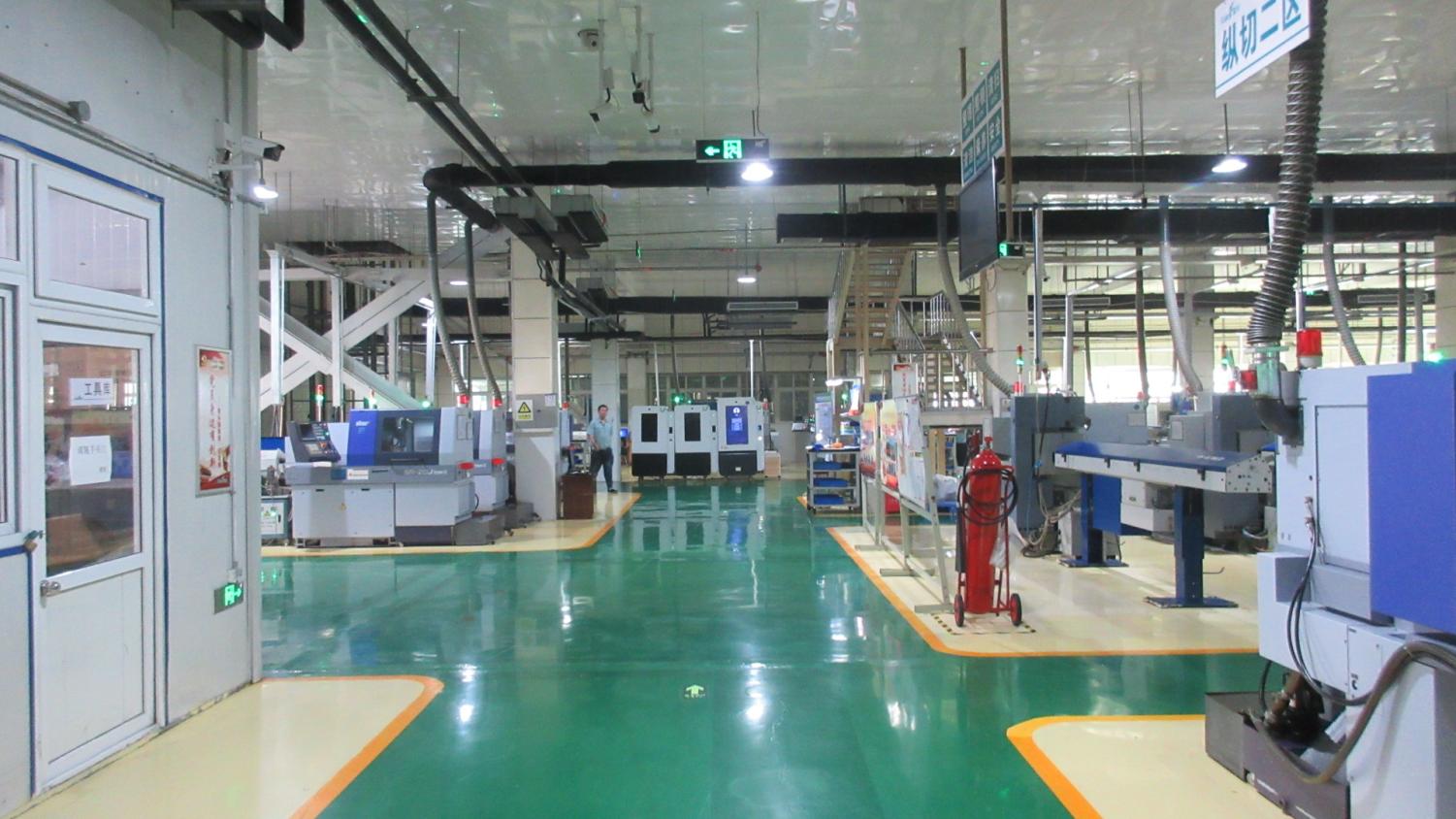
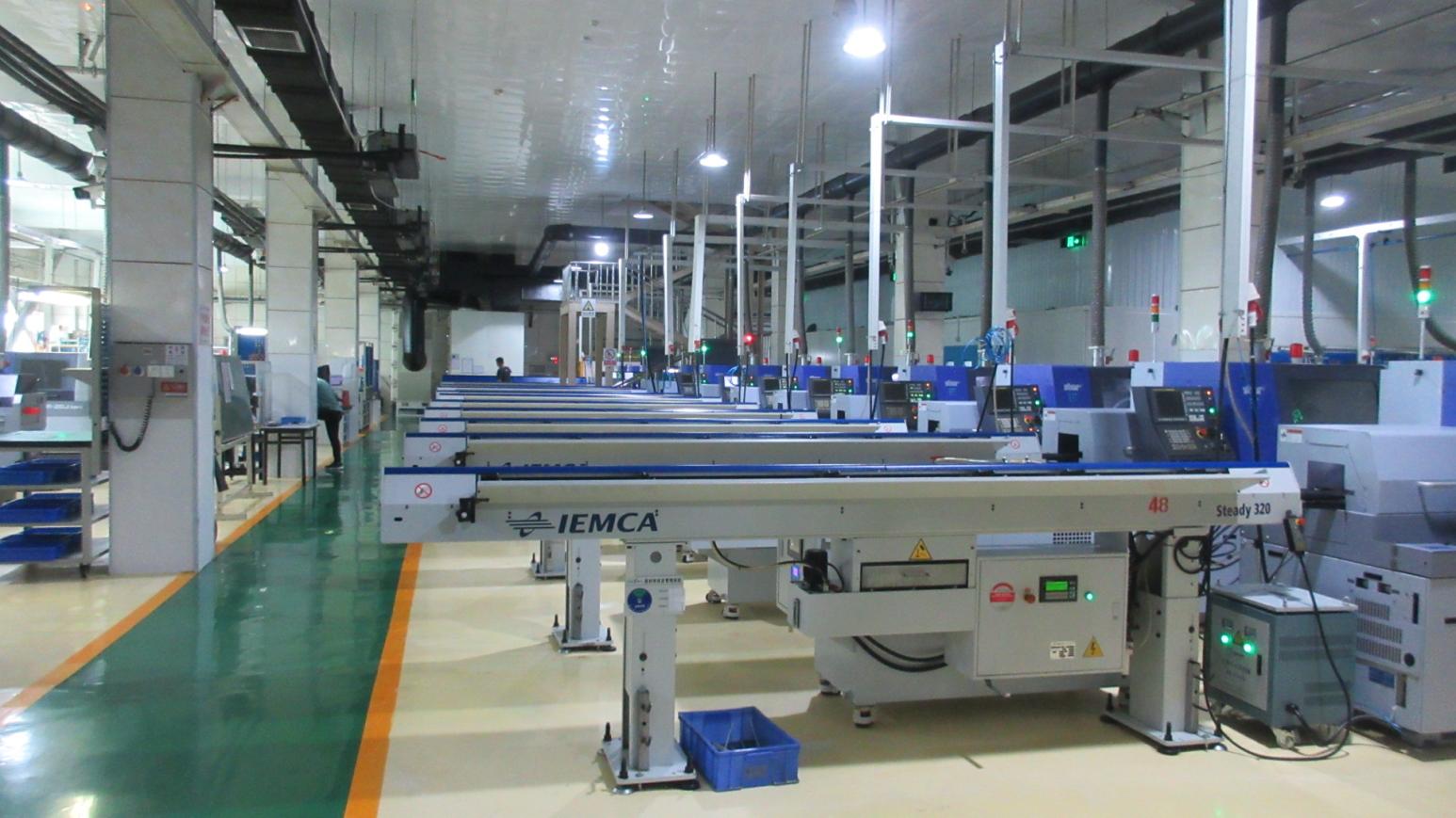
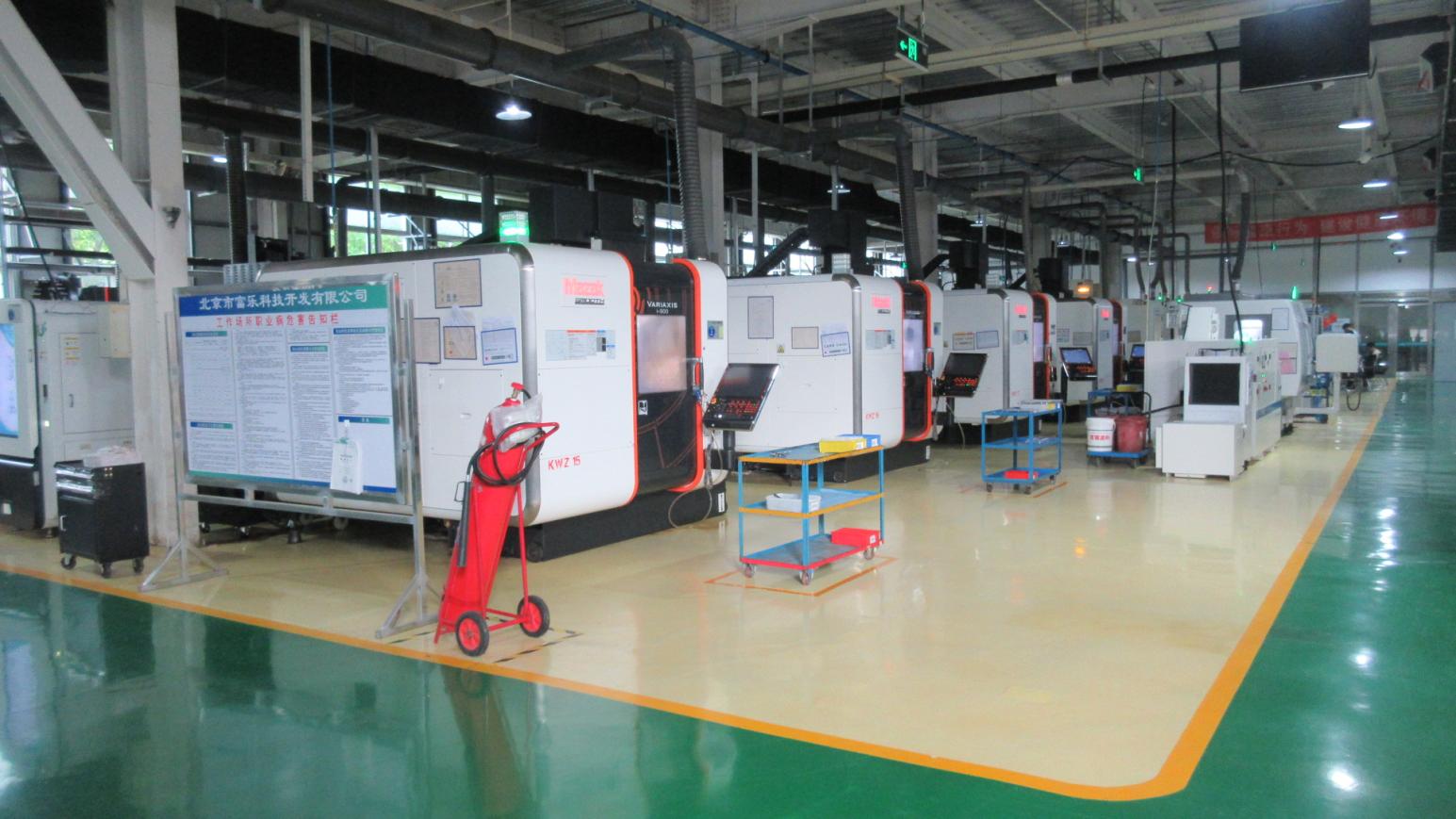
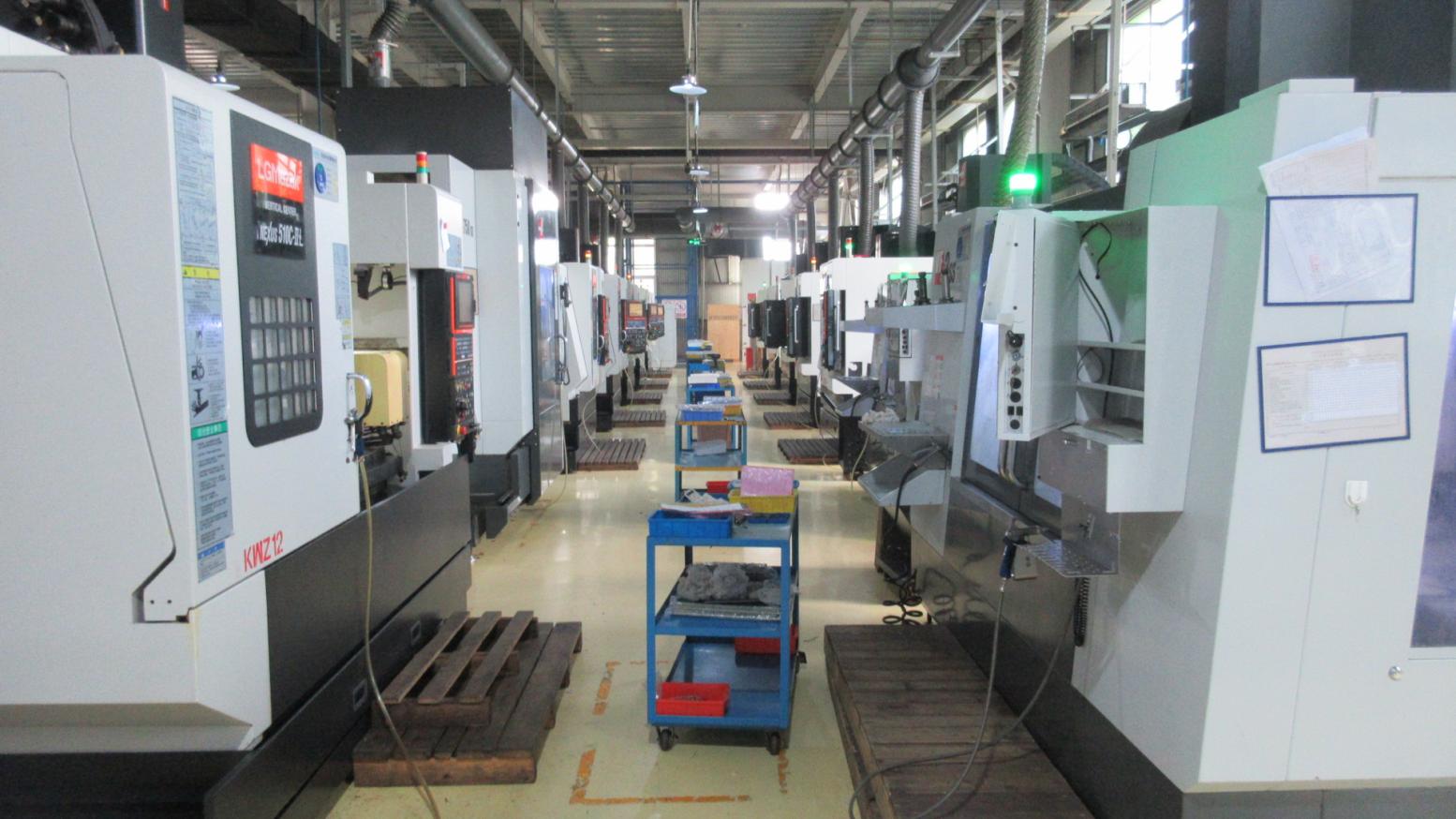
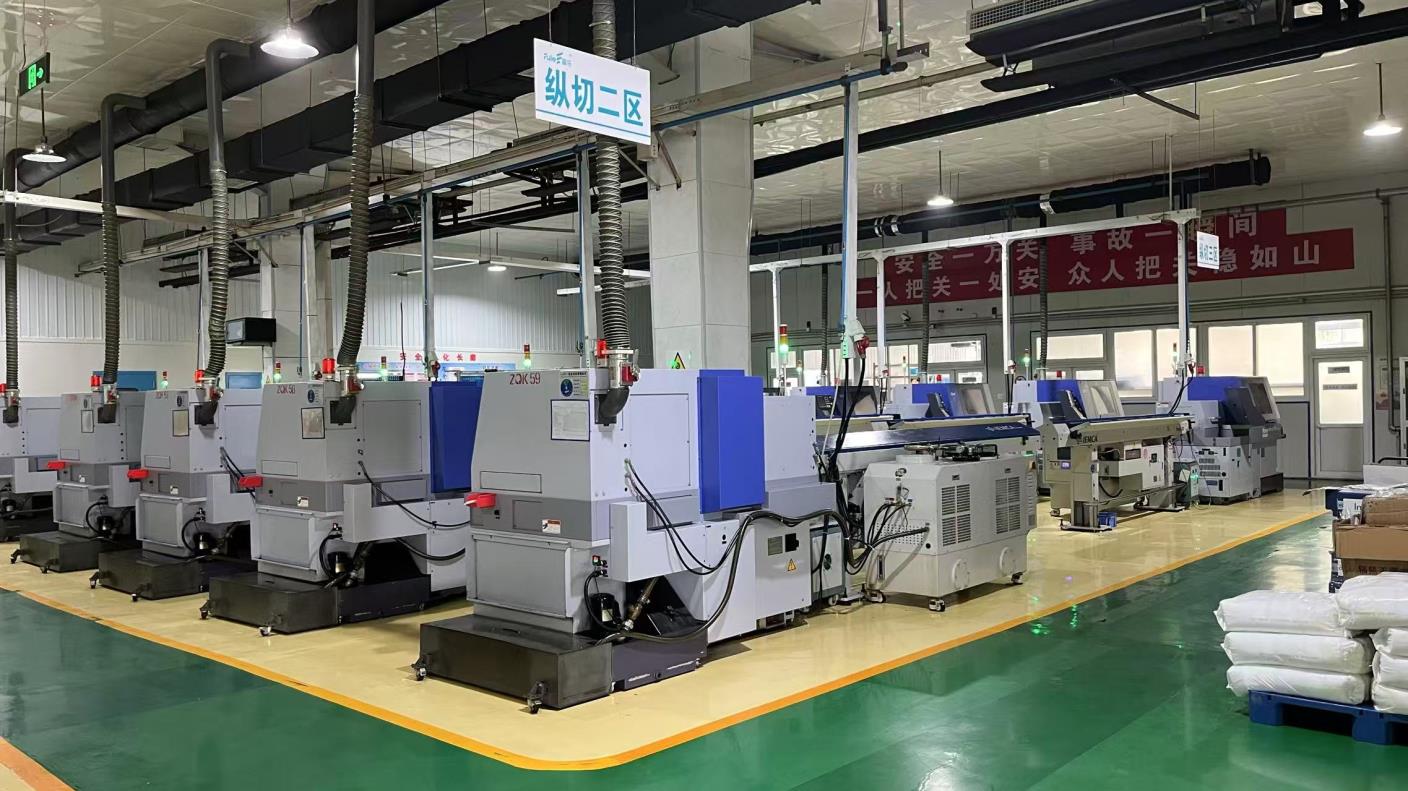
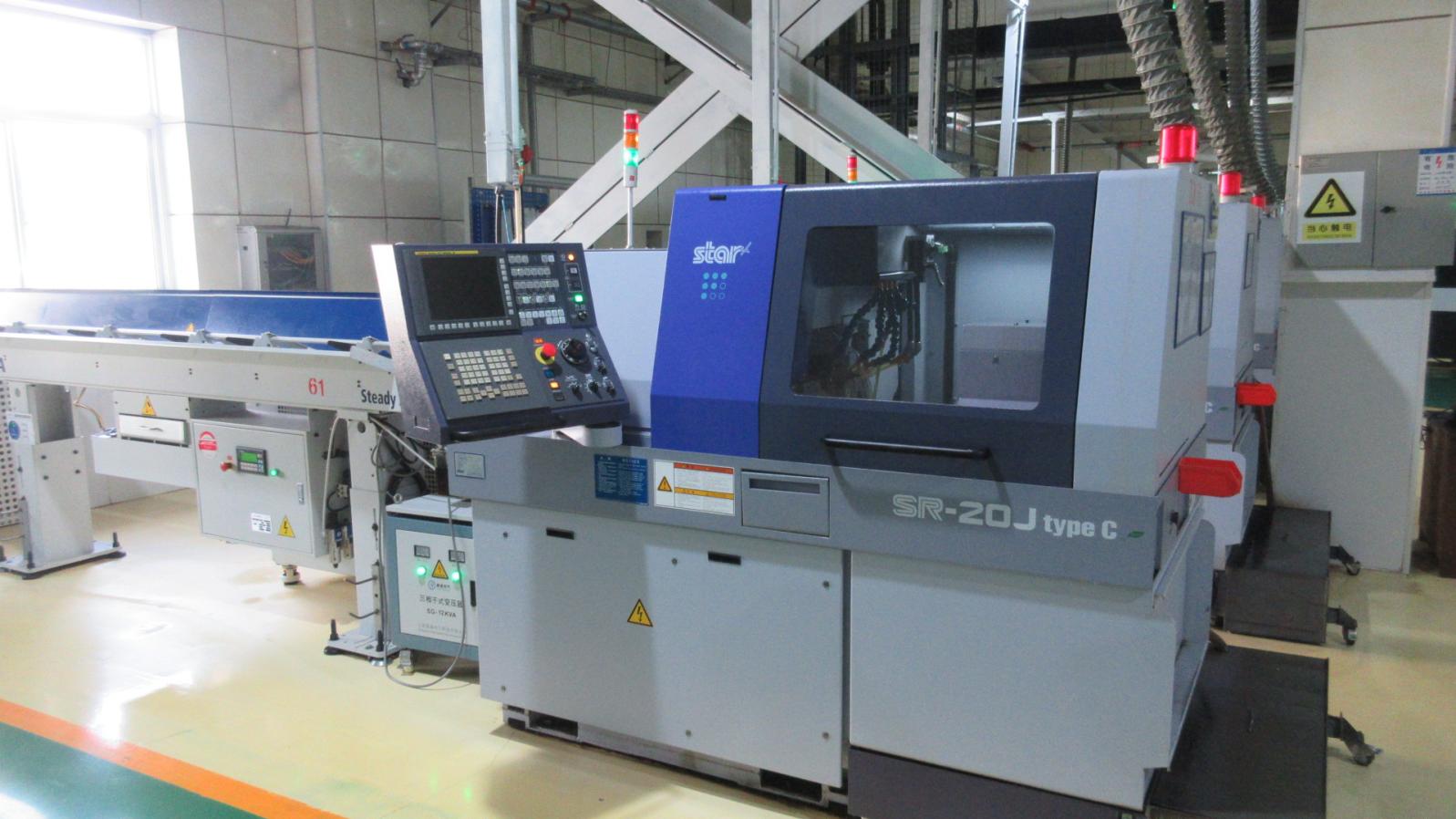
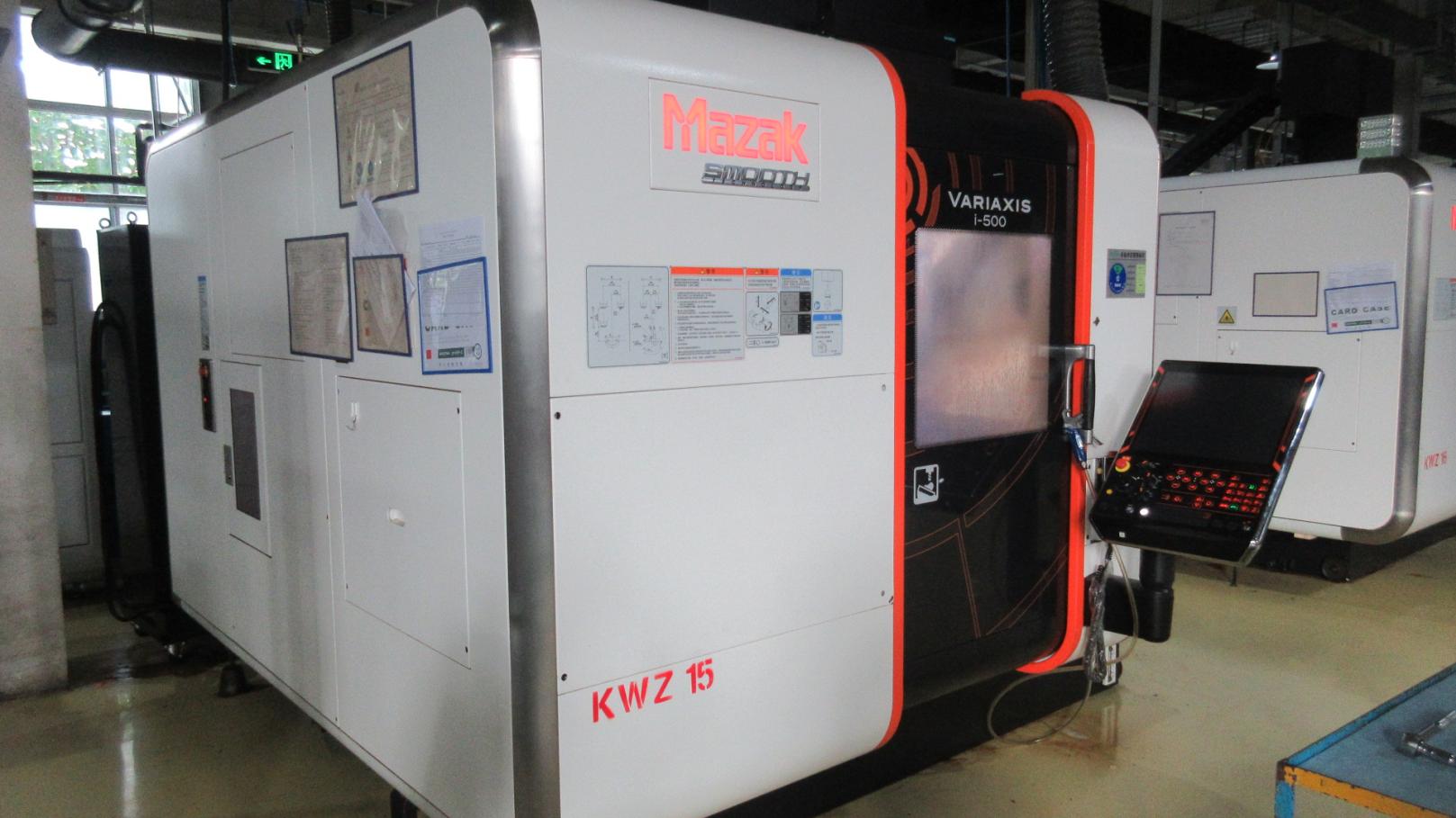
| Machine Resources | 102 CNC Precision machining centers | Swiss-type longitudinal lathes ensuring sub-micron tolerances. |
How advanced material science and digital technology are revolutionizing spondylolisthesis stabilization.
The interface between the bone and the implant determines long-term fusion success. Next-generation systems incorporate micro- and nano-structured titanium surfaces, mimicking natural bone topography to accelerate osteointegration. Hydroxyapatite (HA) coating is increasingly integrated into pedicle screws, reducing the risk of screw loosening in elderly patients with low bone mineral density.
Additionally, PEEK interbody fusion cages are being upgraded with thin-film porous titanium coatings. This combines the radiolucency and anatomical elastic modulus of PEEK with the superior bone-anchoring properties of titanium, giving Belgian spinal surgeons the best of both worlds.
Precision placement of pedicle screws is vital to avoid neurological injury. Modern spondylolisthesis systems are designed to interface seamlessly with surgical navigation systems (such as O-arm and stealth station setups) and robotic-assisted spine surgery platforms. This integration reduces radiation exposure for both the surgical team and the patient, while increasing screw placement accuracy to over 98%.
Future development phases focus on patient-specific 3D-printed titanium implants tailored to the patient’s exact spinal anatomy, addressing unique scoliosis-spondylolisthesis combination deformities.
Direct export systems matching strict European medical procurement guidelines. Global logistics supported by CE & ISO certifications.
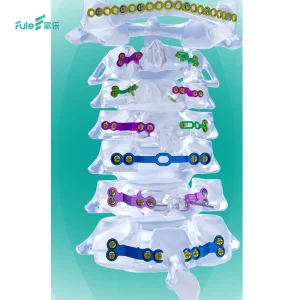
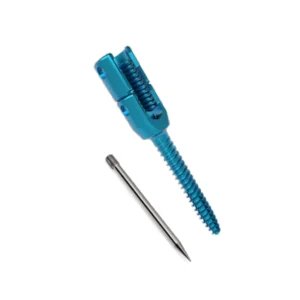
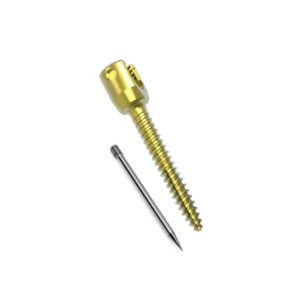
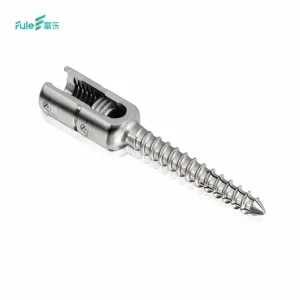
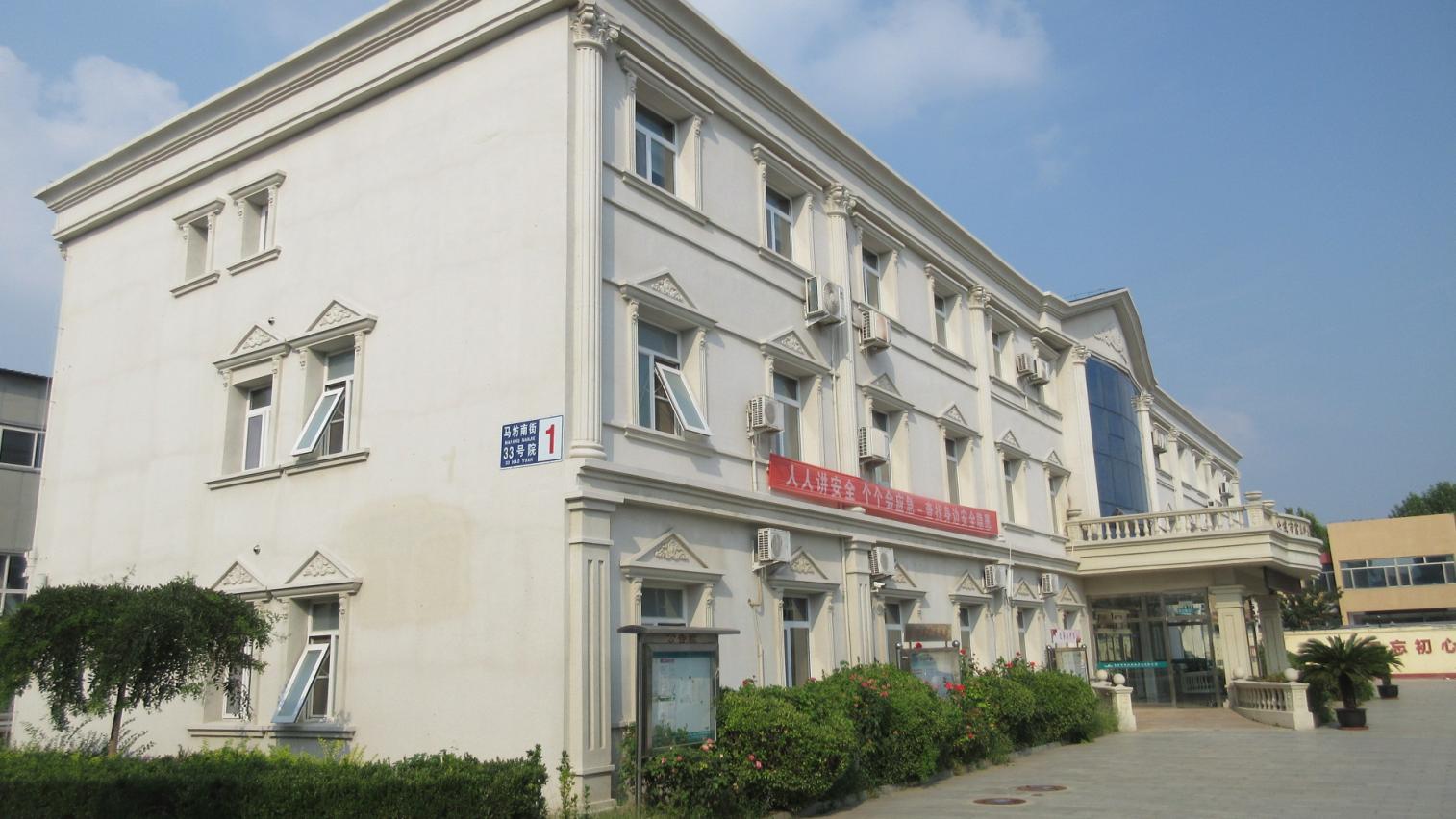
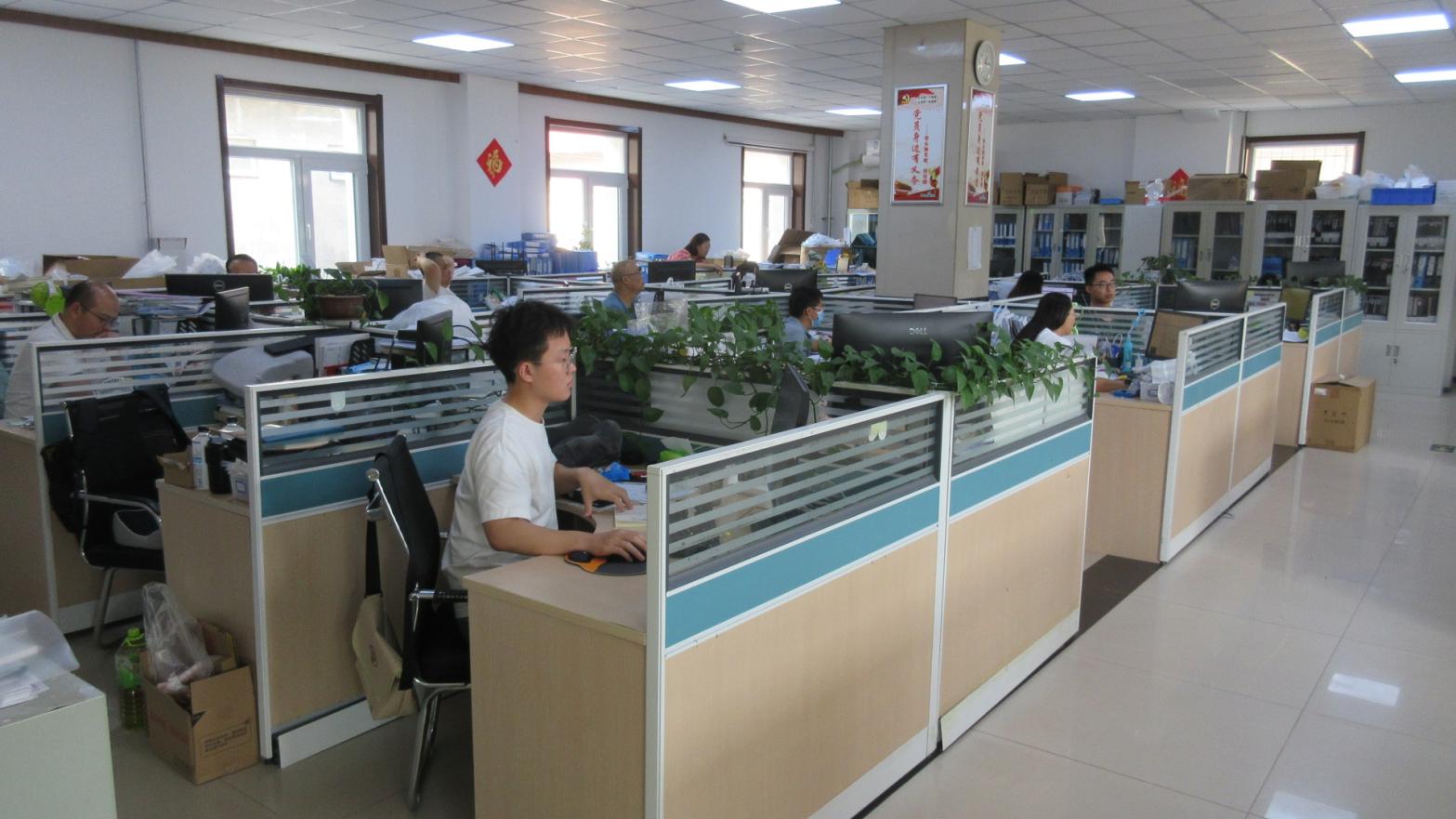
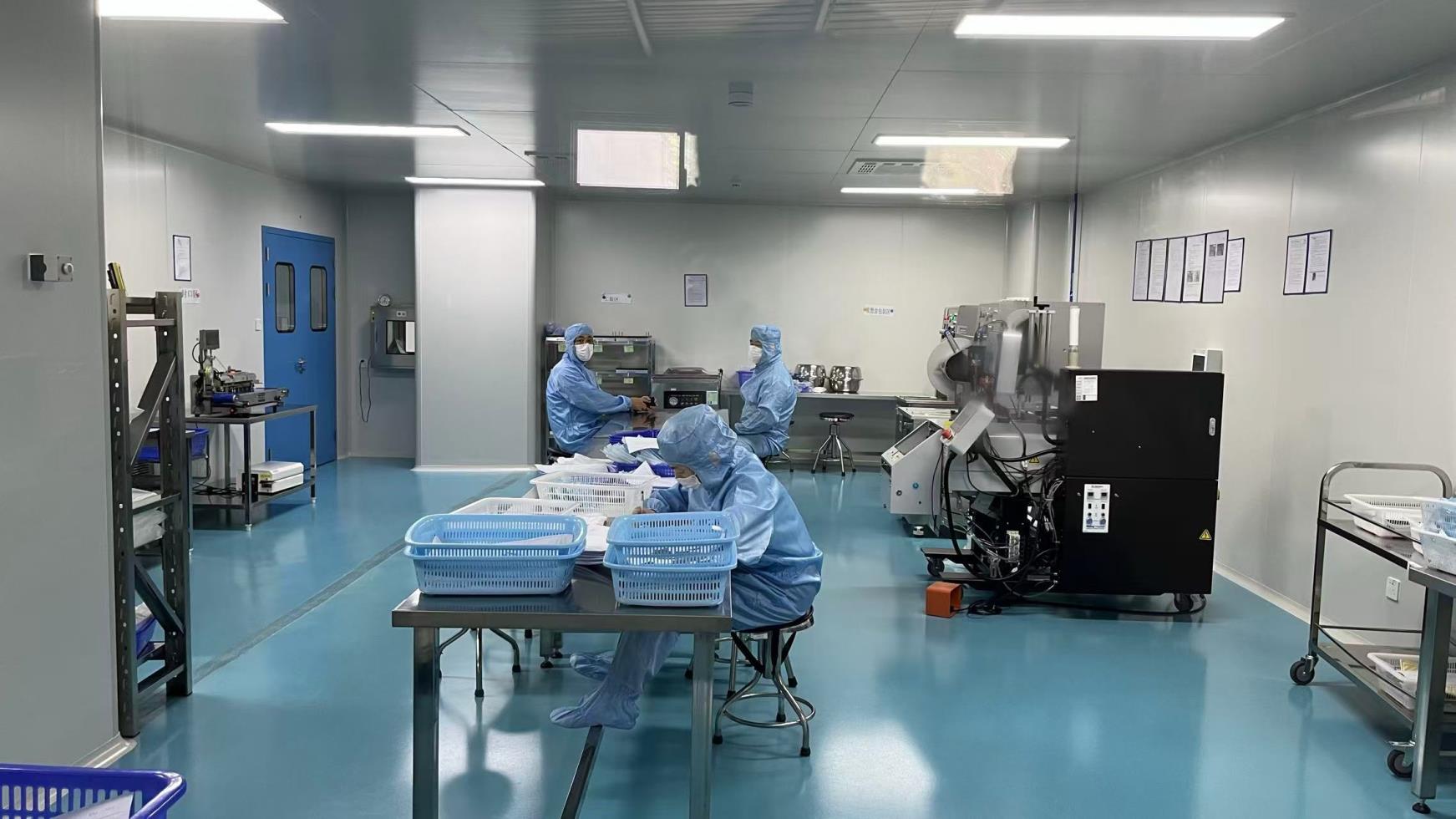
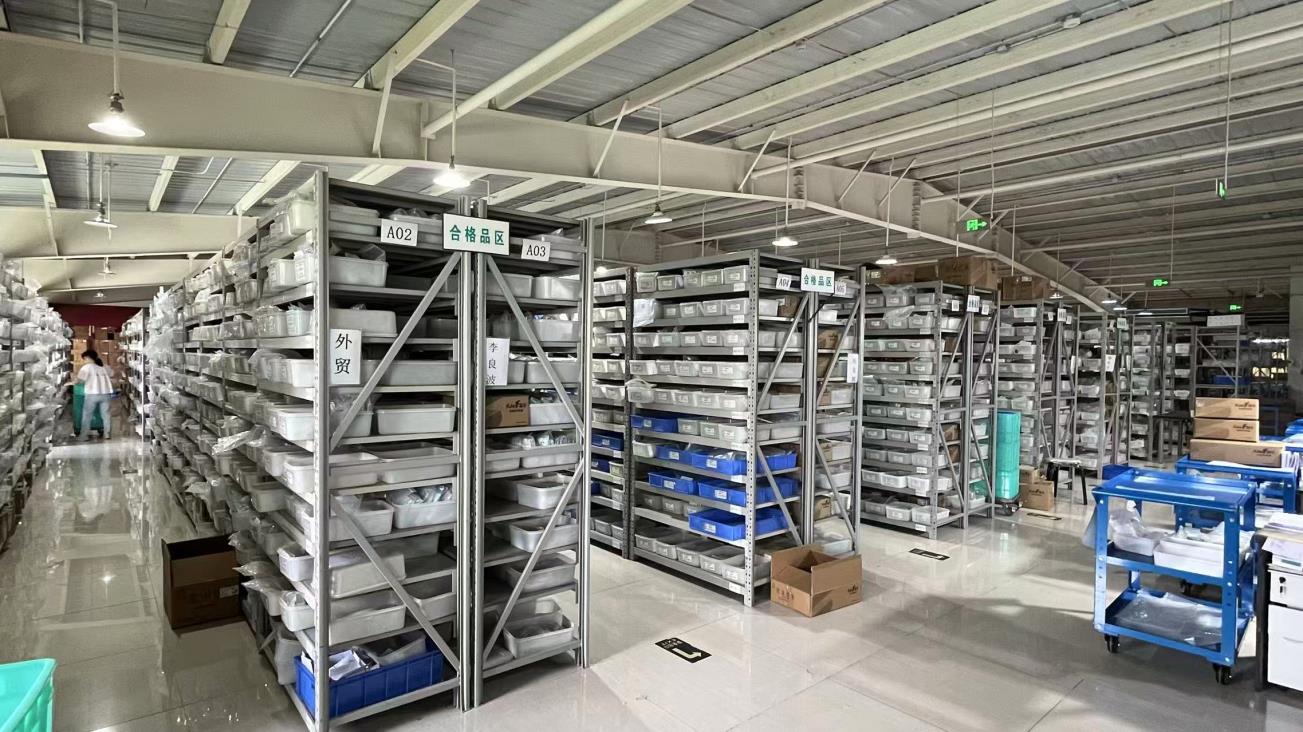
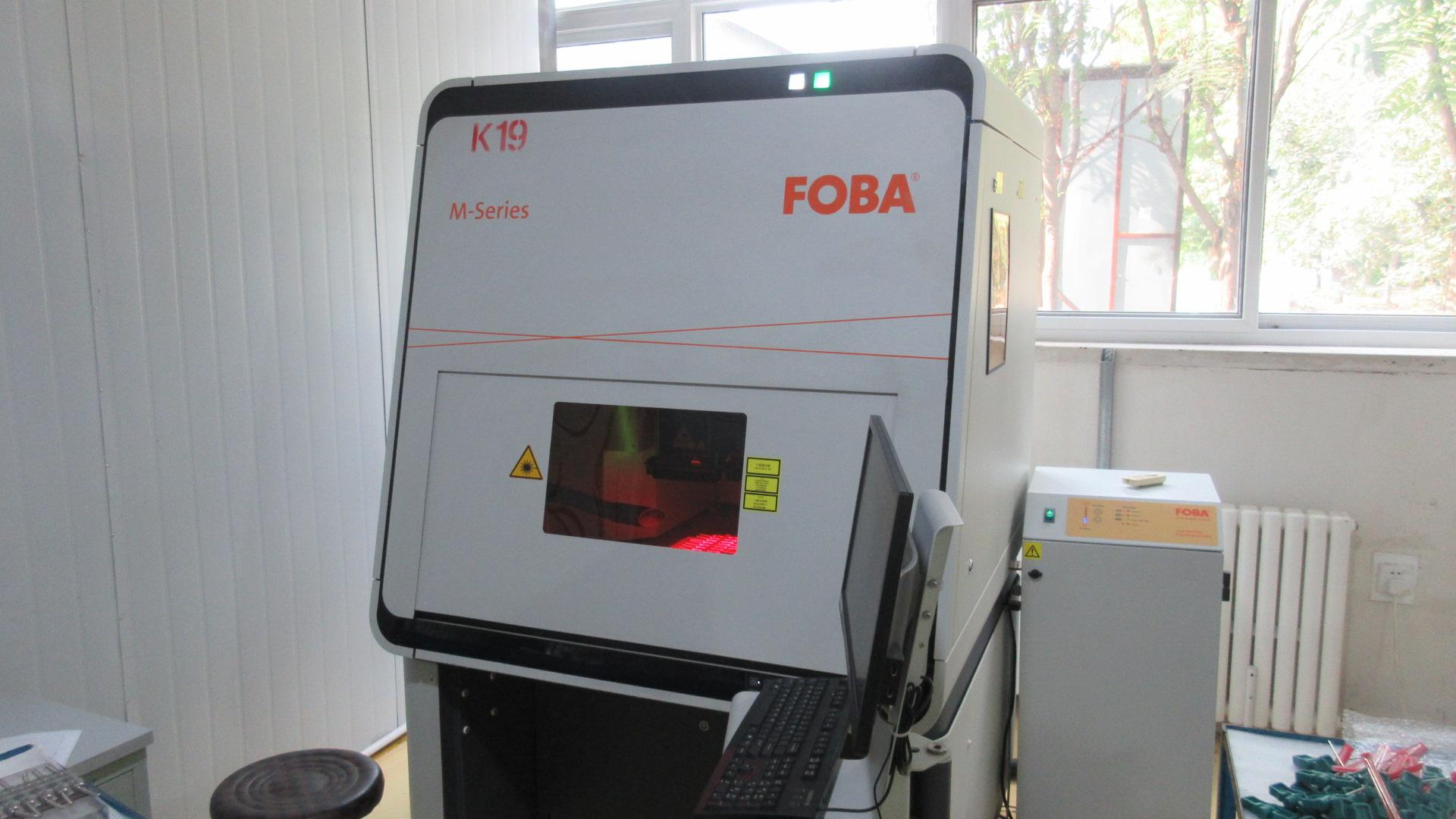
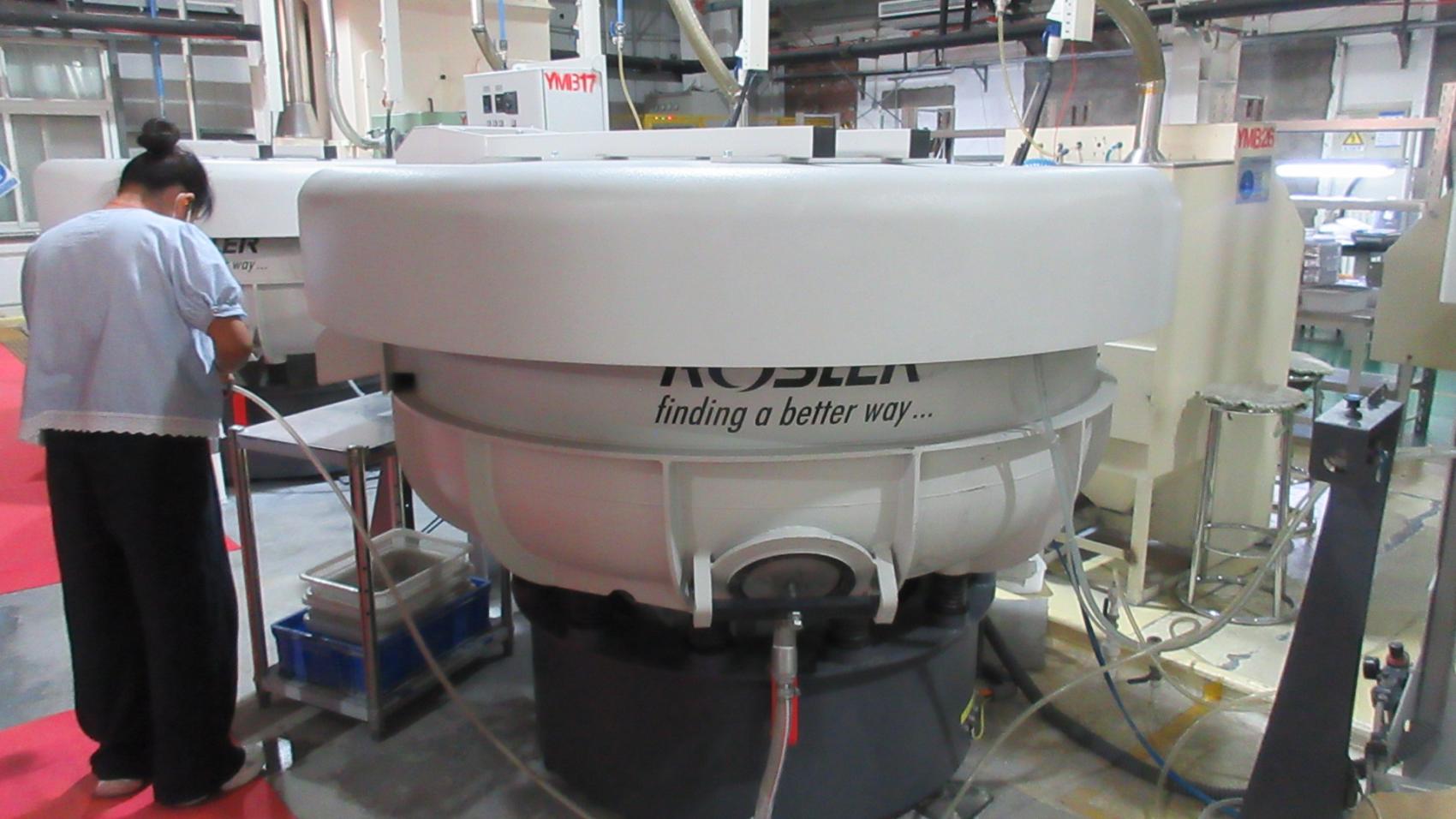
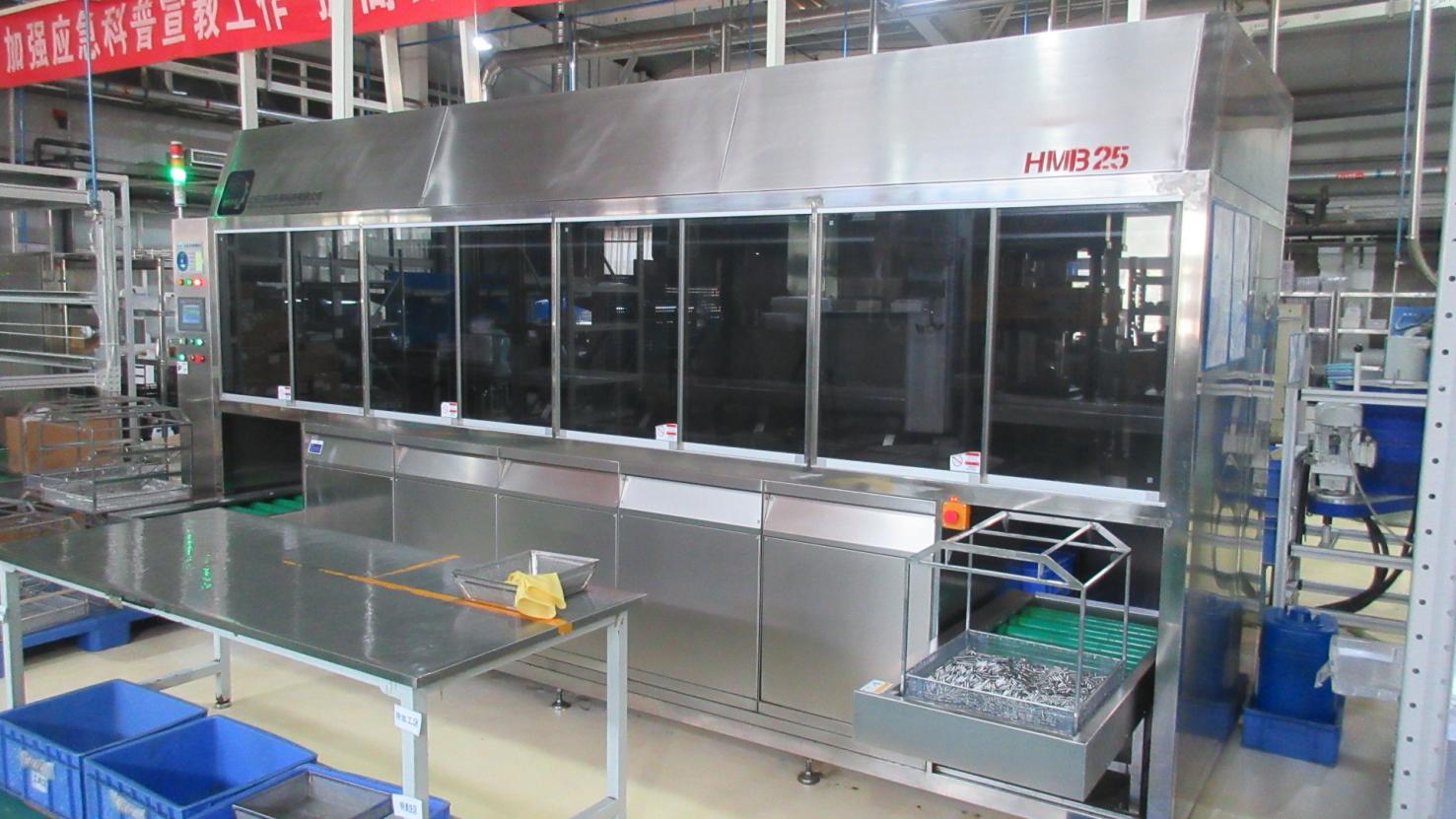
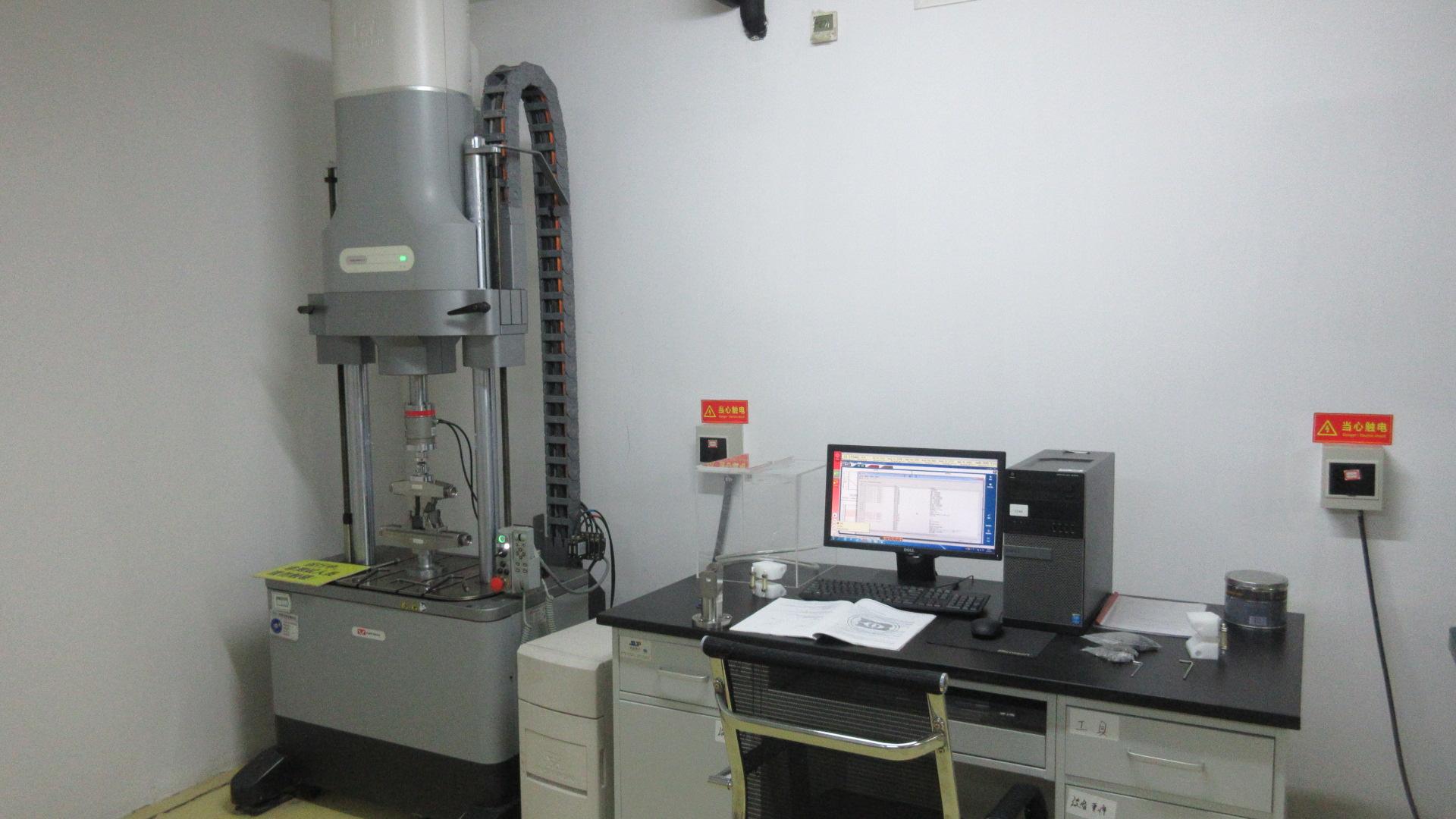
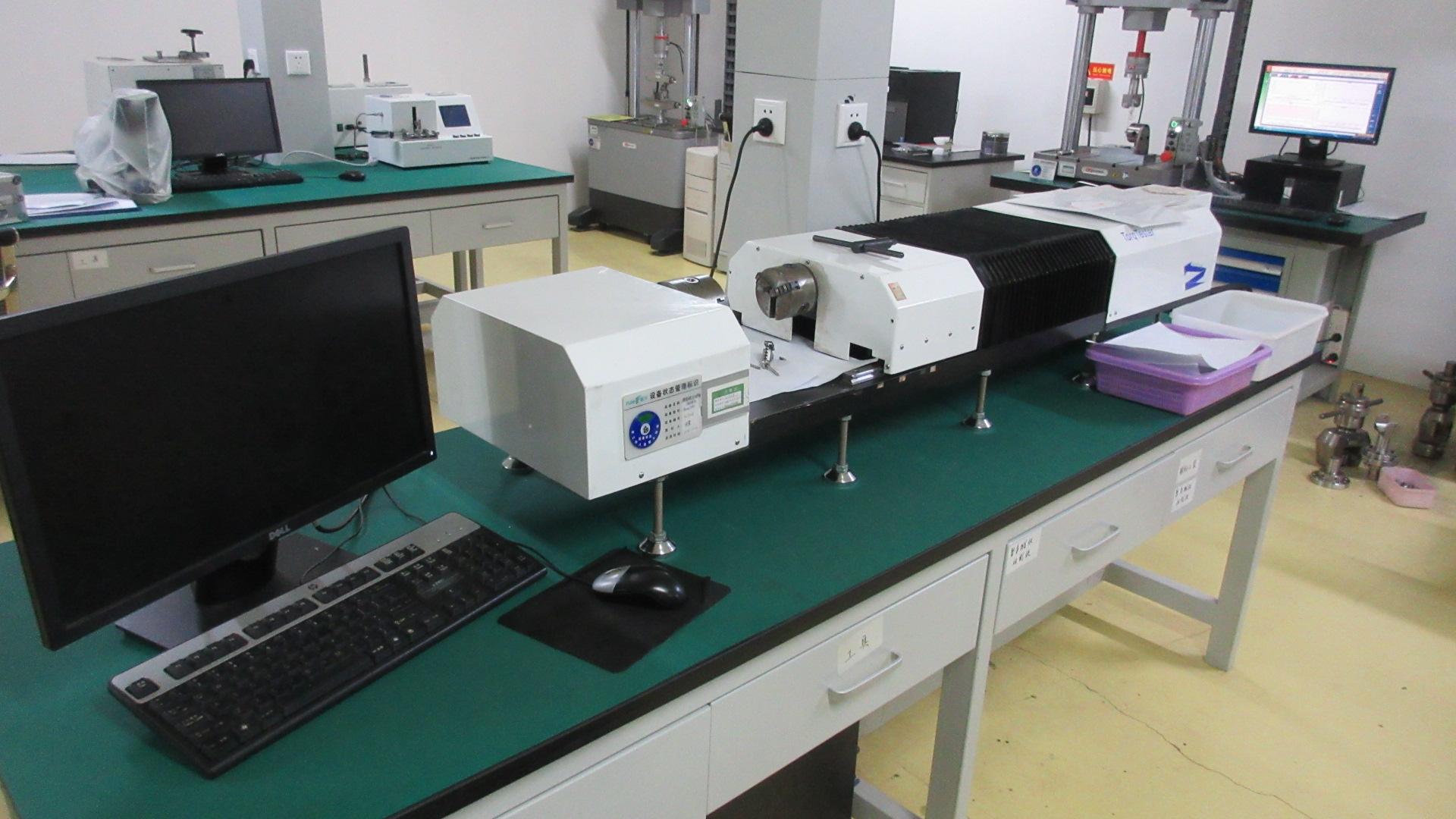
Inside our ISO 13485 certified facilities, utilizing precision testing technologies to guarantee surgical implant safety.
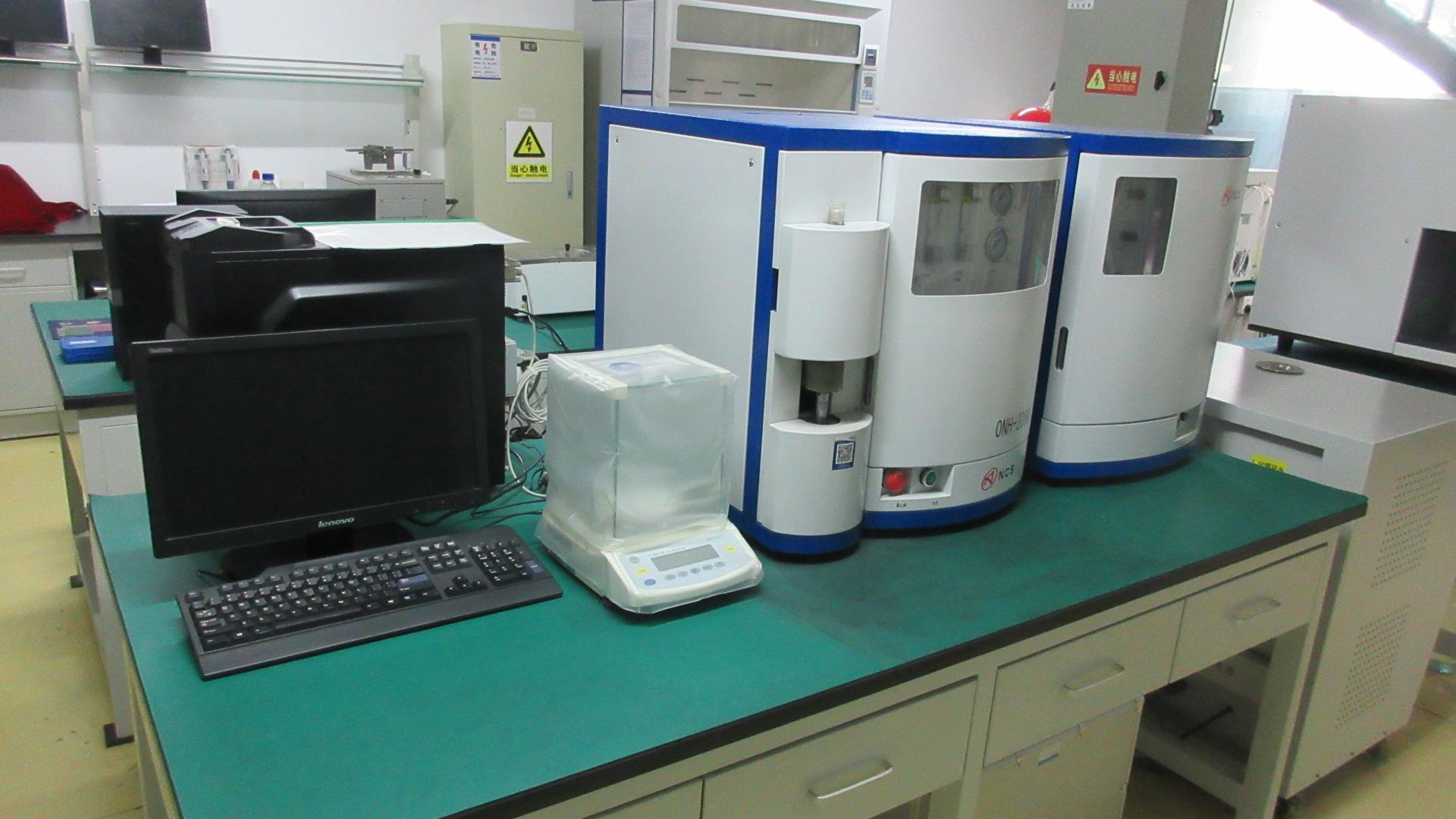
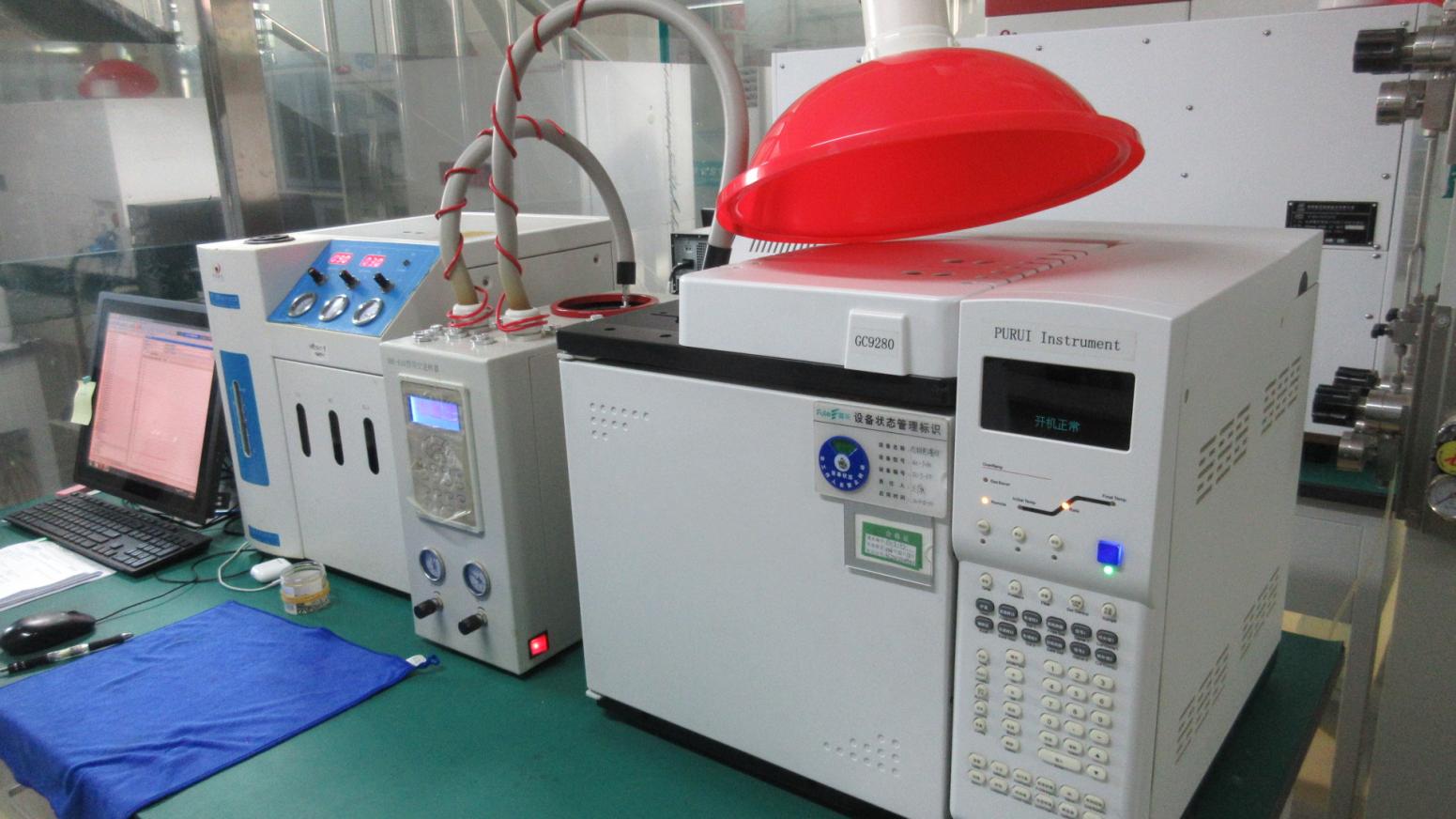
How we customize delivery, support, and training for specialized orthopedic institutions.
Spinal care in Belgium is divided into major regional networks. In the Flemish region, leading academic medical institutions demand highly structured orthopaedic supply contracts with strict volume commitments and dynamic price indexing. In contrast, the Wallonian health networks focus on comprehensive implant-and-instrument packages that reduce the hospital's sterilization and handling costs. We tailor our commercial models for these distinct groups, offering both direct wholesale and distributor-based frameworks.
Recognizing the strong influence of established Belgian medical device distributors, we provide flexible OEM and ODM services. From labeling and custom-designed sterilization trays matching hospital autoclave footprints to custom pedicle screw dimensions tailored to specific surgical studies, our engineering and R&D team works closely with local partners to deliver ready-to-market solutions.
Addressing essential questions about certification, shipping logistics, and product specifications for our European buyers.
Yes. All our Class III spinal implants, including the COX and Usmart pedicle screw systems, are certified in compliance with CE and ISO13485 regulations. We provide complete Technical Documentation and Clinical Evaluation Reports (CER) to assist local importers with registering our products with the FAMHP in Belgium.
For standard instrument sets and inventory replenishment, shipping times range between 5 and 7 working days via major air express services to Brussels or Liège Airports. For customized OEM/ODM batches, lead times vary from 4 to 6 weeks depending on design complexity.
Our pedicle screws are machined from biocompatible medical-grade Titanium Alloy (Ti-6Al-4V ELI) conforming to ASTM F136 standards. Interbody fusion cages are available in pure implantable PEEK (Optima grade) and Titanium Alloy options, depending on the surgeon's preference and bone quality requirements.
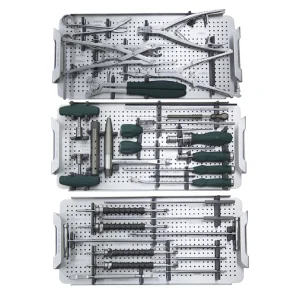
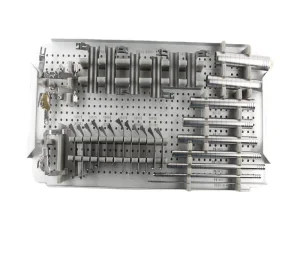
Yes. We supply modular, anodized aluminum or stainless steel sterilization trays configured specifically for our MIS TLIF and posterior cervical systems. The layouts can be customized to match the sterilizer dimensions used in Belgian operating theaters.
We provide detailed surgical technique manuals, video guides, and CAD animations outlining step-by-step implant placement. In addition, we coordinate with local Belgian distributors to host workshop sessions and support clinical inquiries during initial procedures.
 Beren Science & Technology