Tibia & Fibula Implants Manufacturer & Factory Serving the Brazil Market

Premium ISO 13485 & ANVISA-ready Osteosynthesis Systems for Brazil Trauma Centers, SUS Tenders, and Private Orthopedic Distributors

Send Inquiry Now

Understanding the Brazilian Orthopedic & Trauma Market Landscape

Brazil's medical device industry represents one of the largest healthcare markets in Latin America. Driven by a combination of public sector investments through the SUS (Sistema Único de Saúde) and an expanding network of private healthcare providers (such as Unimed, Bradesco Saúde, and Amil), the demand for high-quality orthopedic implants has skyrocketed. Lower extremity trauma—specifically fractures involving the tibia and fibula—constitutes a massive percentage of trauma admissions due to motorcycle accidents, pedestrian impacts, and an aging demographic.

For global manufacturers targeting Brazil, navigating this dual-market structure is crucial:

  • The Public System (SUS): Characterized by high-volume tenders, requiring highly competitive pricing models, robust regulatory compliance, and consistent supply chains. Implants must be durable, highly standardized, and backed by comprehensive surgical instrument support.
  • The Private System (Suplementar): Emphasizes clinical innovation, anatomical pre-contouring, minimally invasive configurations, and high-performance titanium alloys. Here, surgeons prioritize reduced operating times and patient post-op mobility.

Anatomical Fit Requirements for the Brazilian Demographic

Clinical studies indicate that patient morphology in Brazil requires implants that accommodate diverse bone densities and geometries. Our pre-contoured tibial plates and multi-dimensional intramedullary locking nails are engineered to fit these anatomical variances out of the box, reducing intraoperative bending and manual adjustment times.

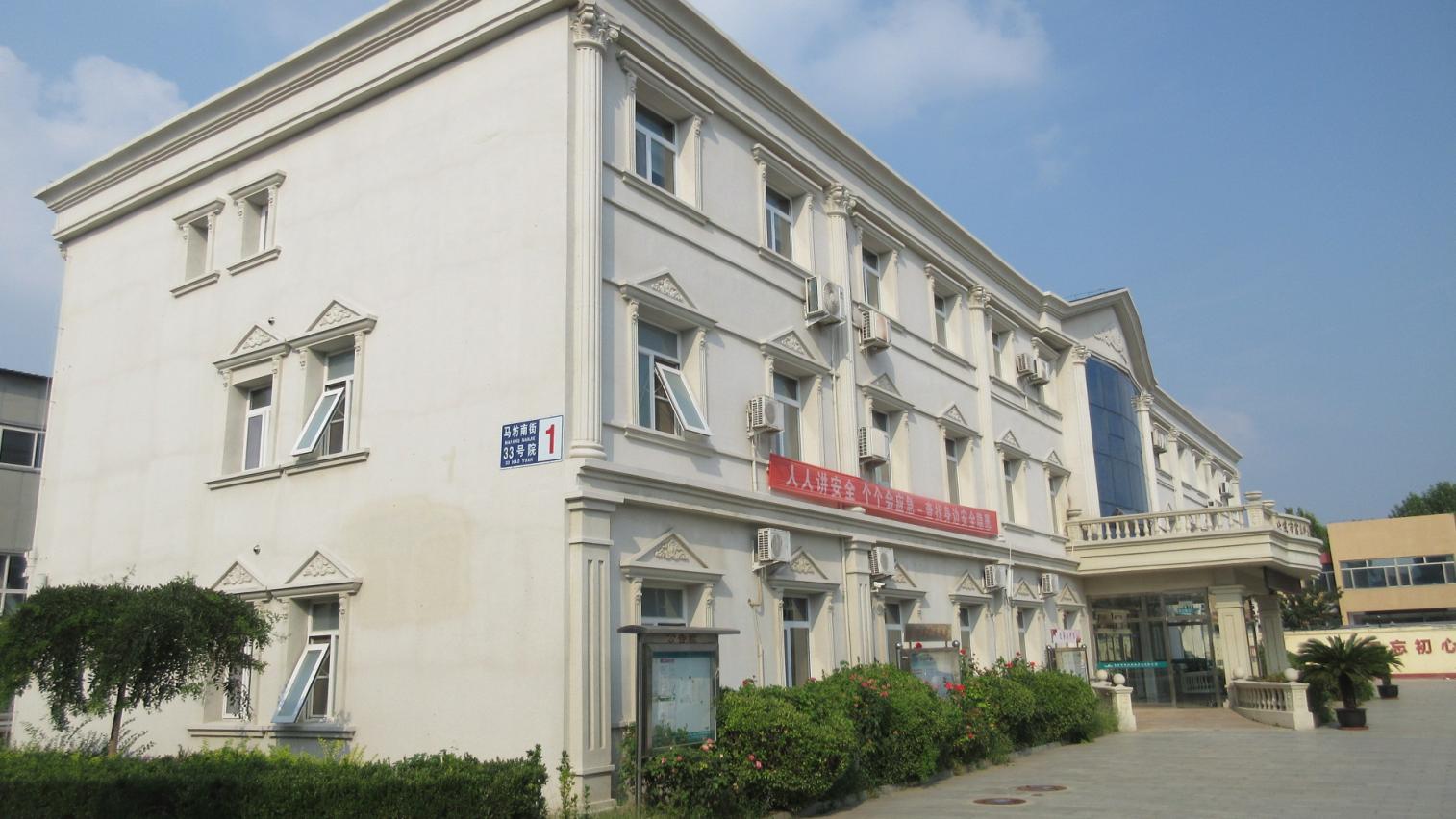
Factory Verification & Export Metrics

Company Established
June 28, 1996
Production Space
10,000 ㎡
Export Experience
30 Years
Total Annual Output
511,000 Units
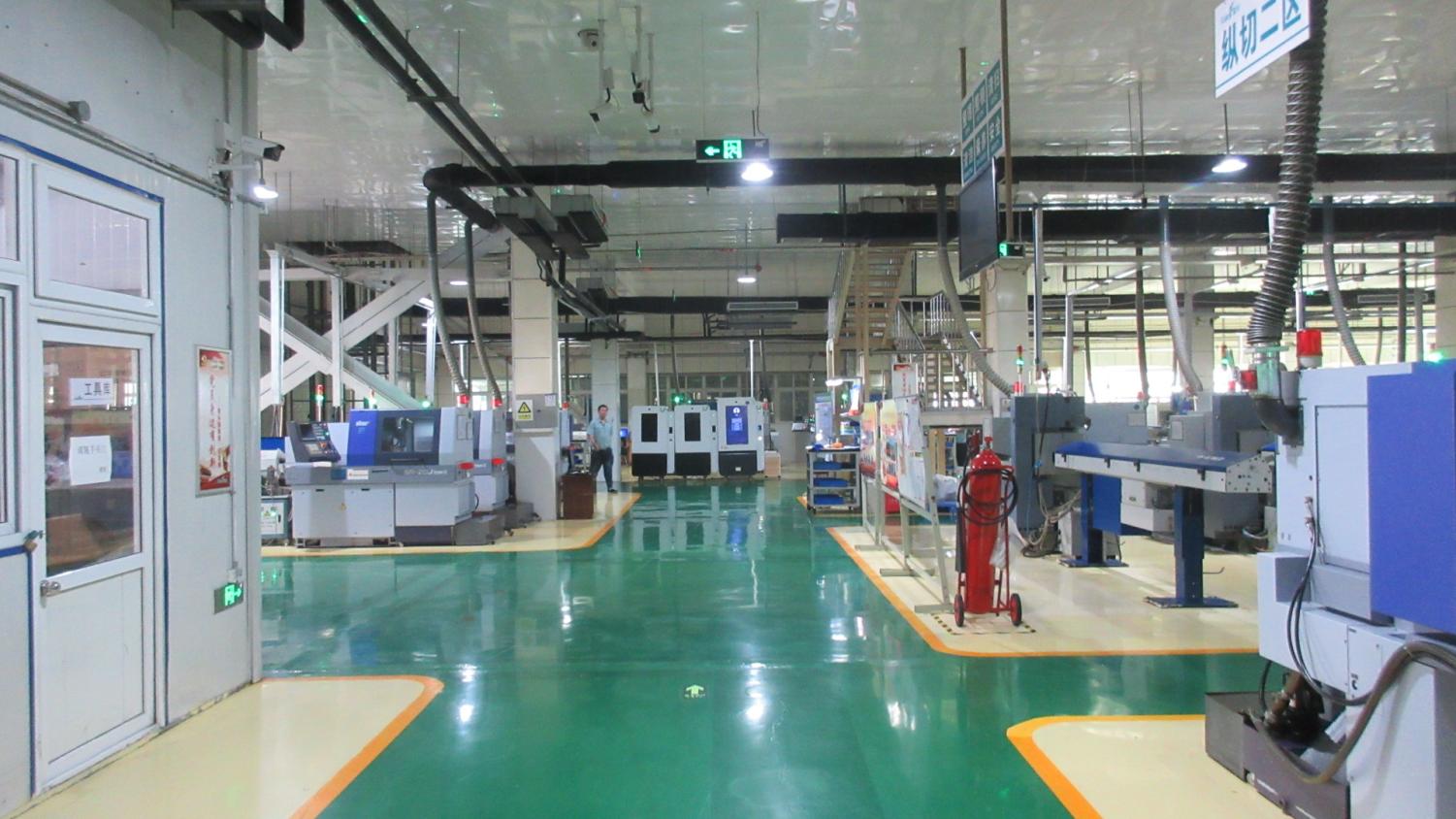
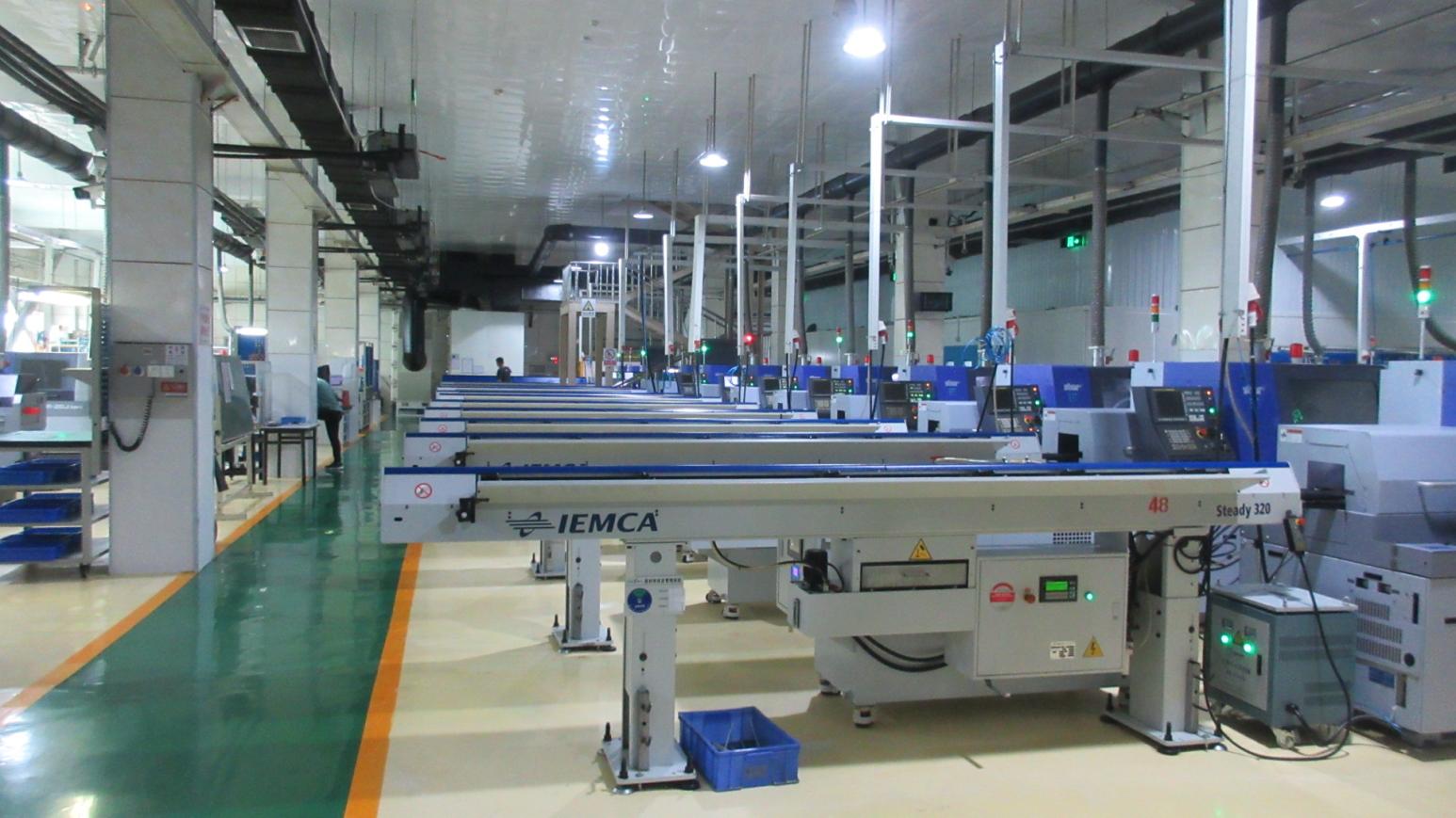
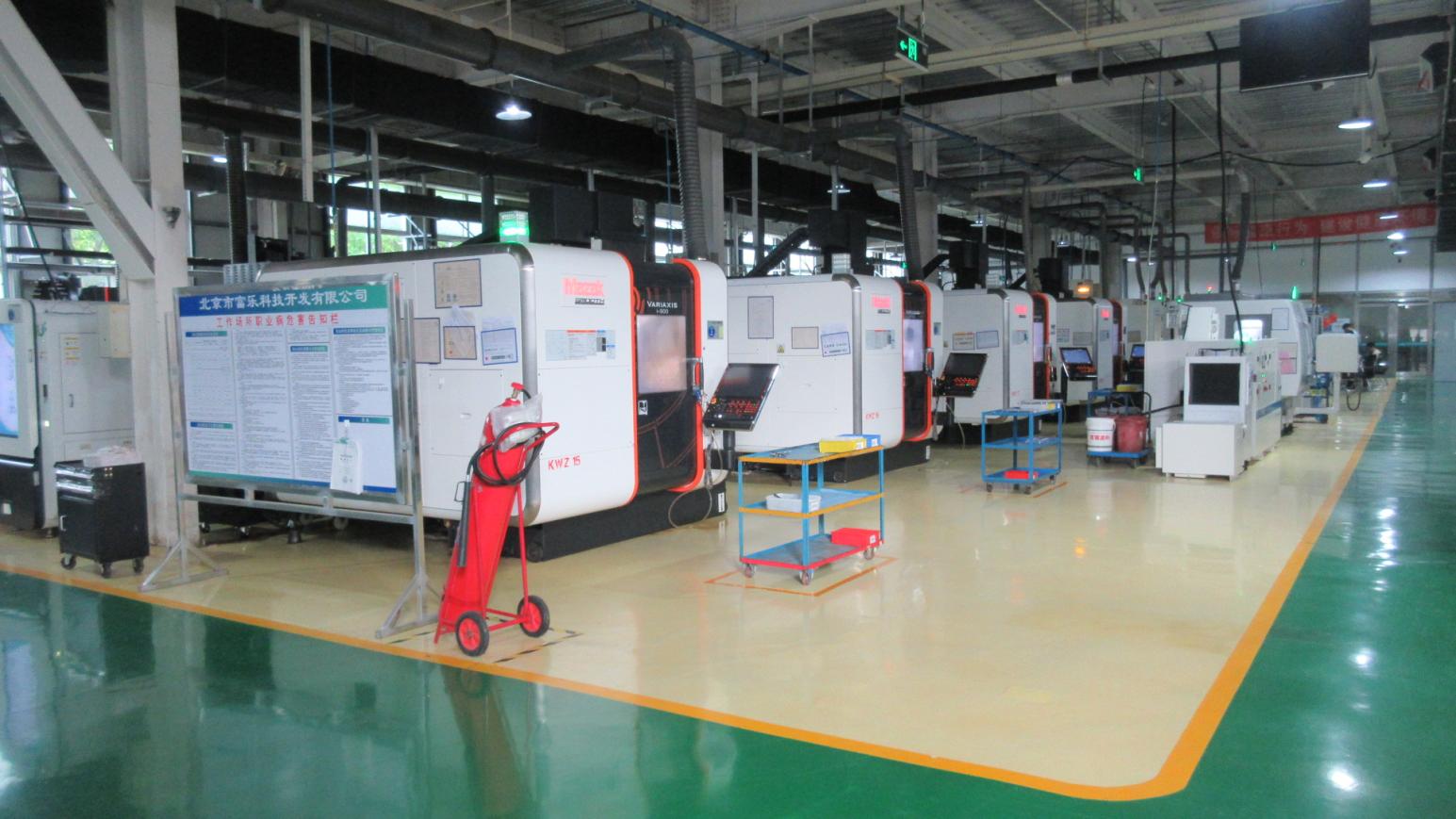
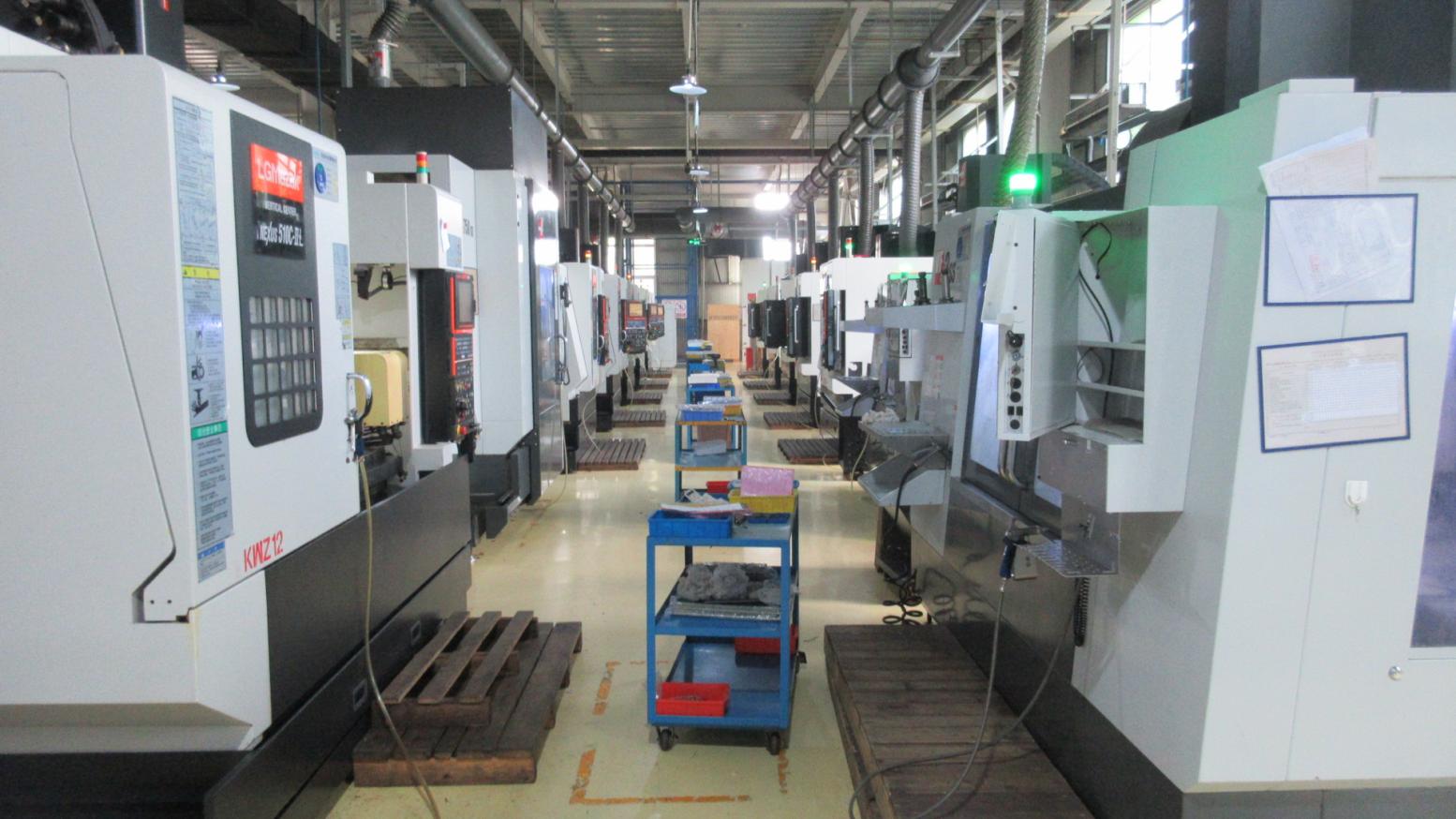
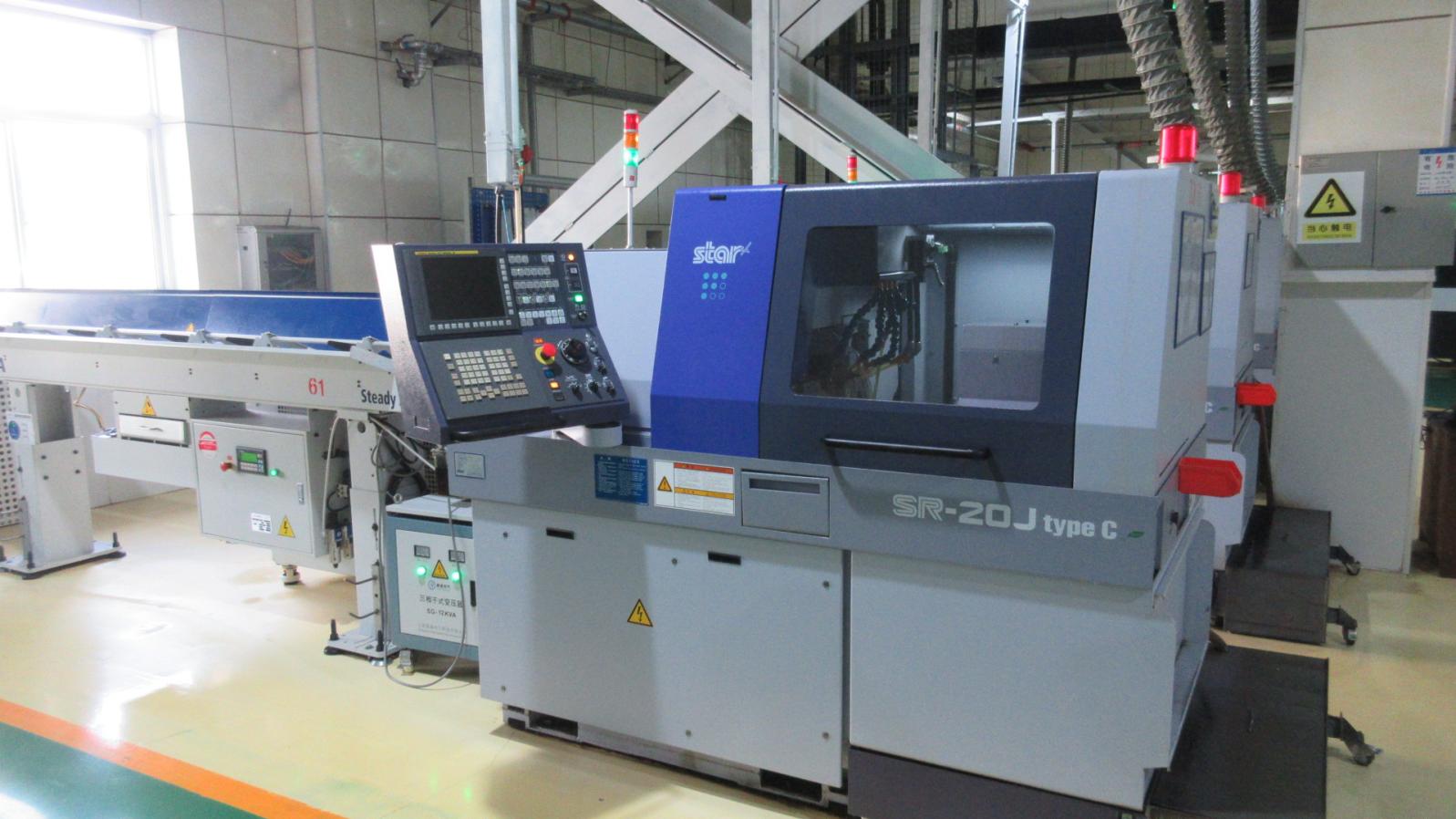
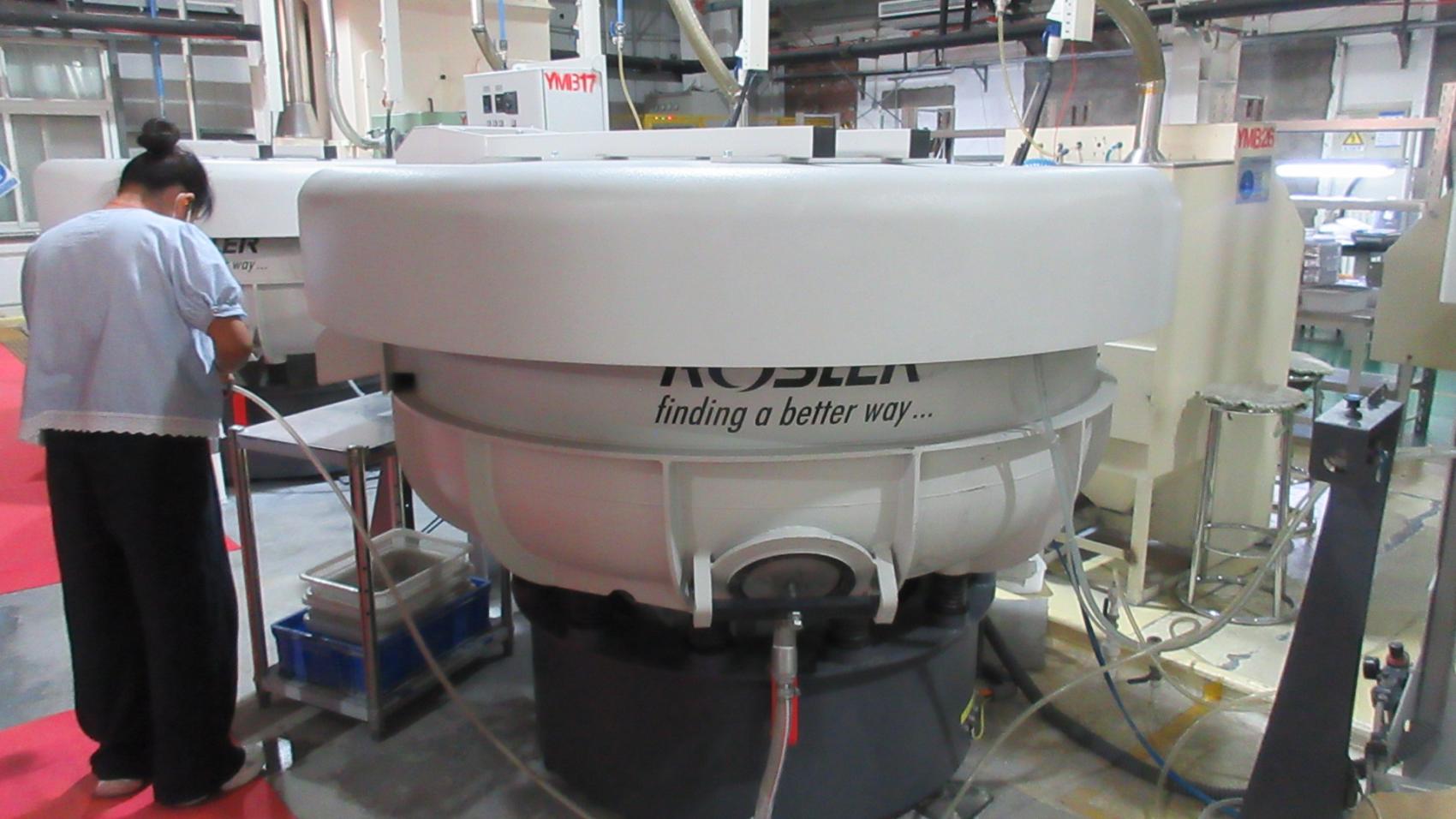
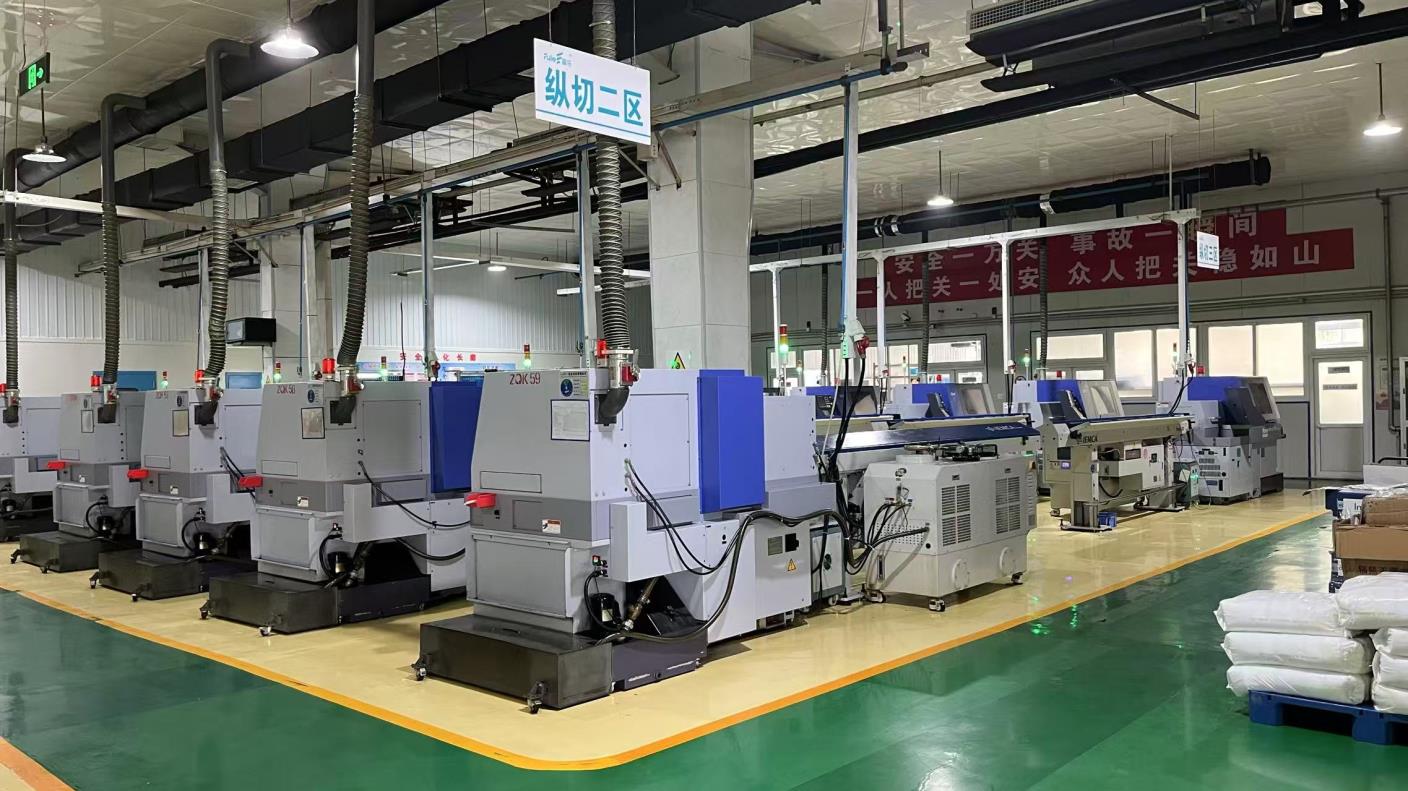
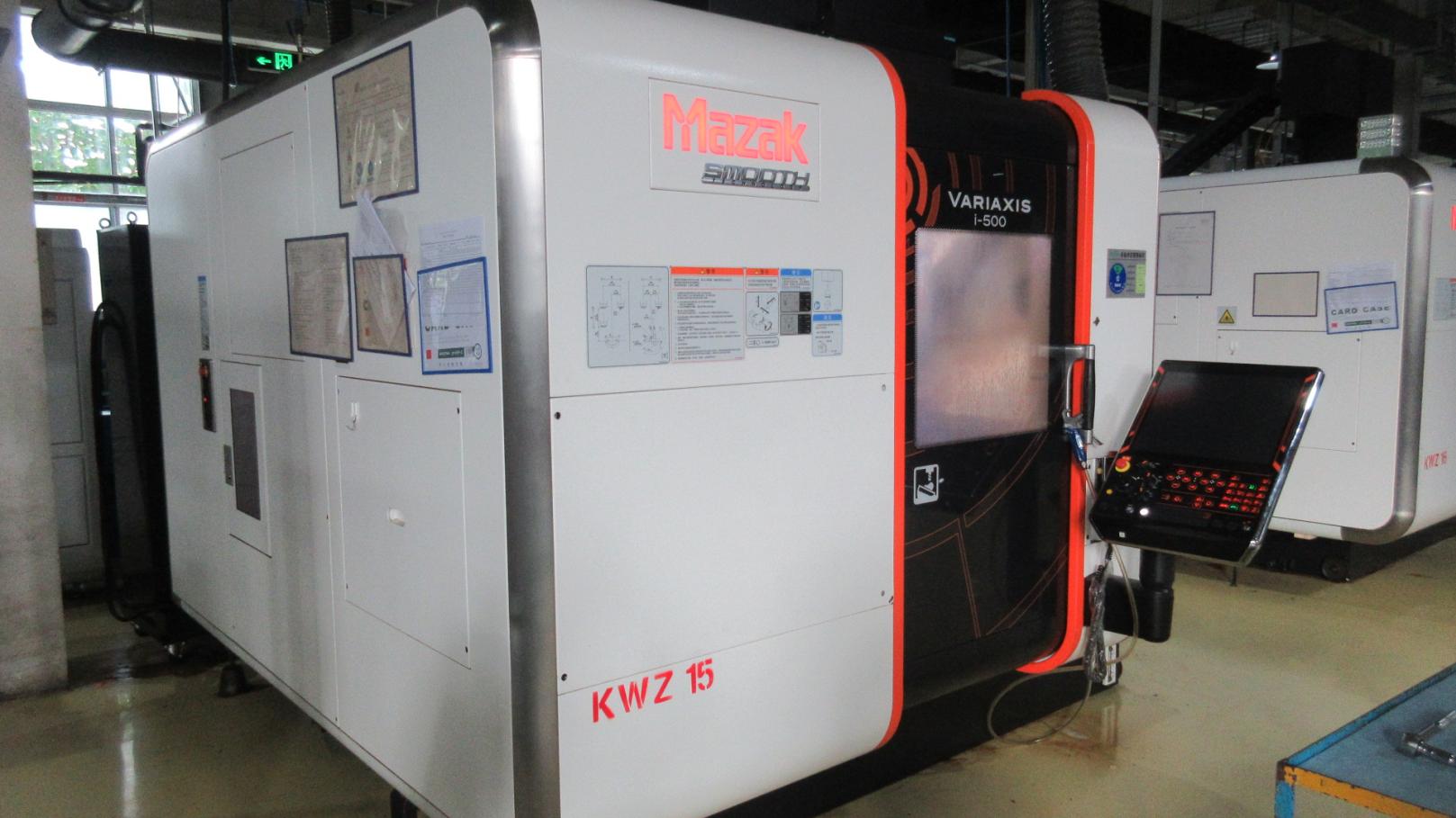
Advanced CNC Machinery
102 Production Lines
Dedicated QC Inspectors
15 Specialists
R&D Engineers
20 Experts (15 Post-Grad)
ANVISA Registration Pathway
ISO 13485 & BGMP Ready

Technical Specifications & Material Engineering

How our manufacturing processes ensure mechanical safety and biological compatibility under international ASTM and ISO testing protocols.

Lower limb long bones, specifically the tibia, bear the entire weight of the human body and are subjected to complex torsional, bending, and compressive loads. Our Tibia and Fibula locking compression plates (LCP) and intramedullary nails are manufactured using advanced biocompatible alloys to guarantee optimal load-sharing, preventing stress shielding and ensuring rigid osteosynthesis.

Material Classifications: Titanium Grade 5 vs. 316L Stainless Steel

Depending on local tender requirements in Brazil, we manufacture implants in two primary materials:

  1. Titanium Alloy (Ti-6Al-4V ELI / ASTM F136): Offers superior biocompatibility, excellent fatigue strength, and a lower modulus of elasticity closer to cortical bone. The anodized finish minimizes tissue adhesion and risk of infection.
  2. Medical Grade Stainless Steel (316L / ASTM F138): Excellent mechanical strength and cost-efficiency. Highly demanded in large-scale public SUS tenders where pricing constraints are paramount.

Mechanical Validation & Quality Parameters

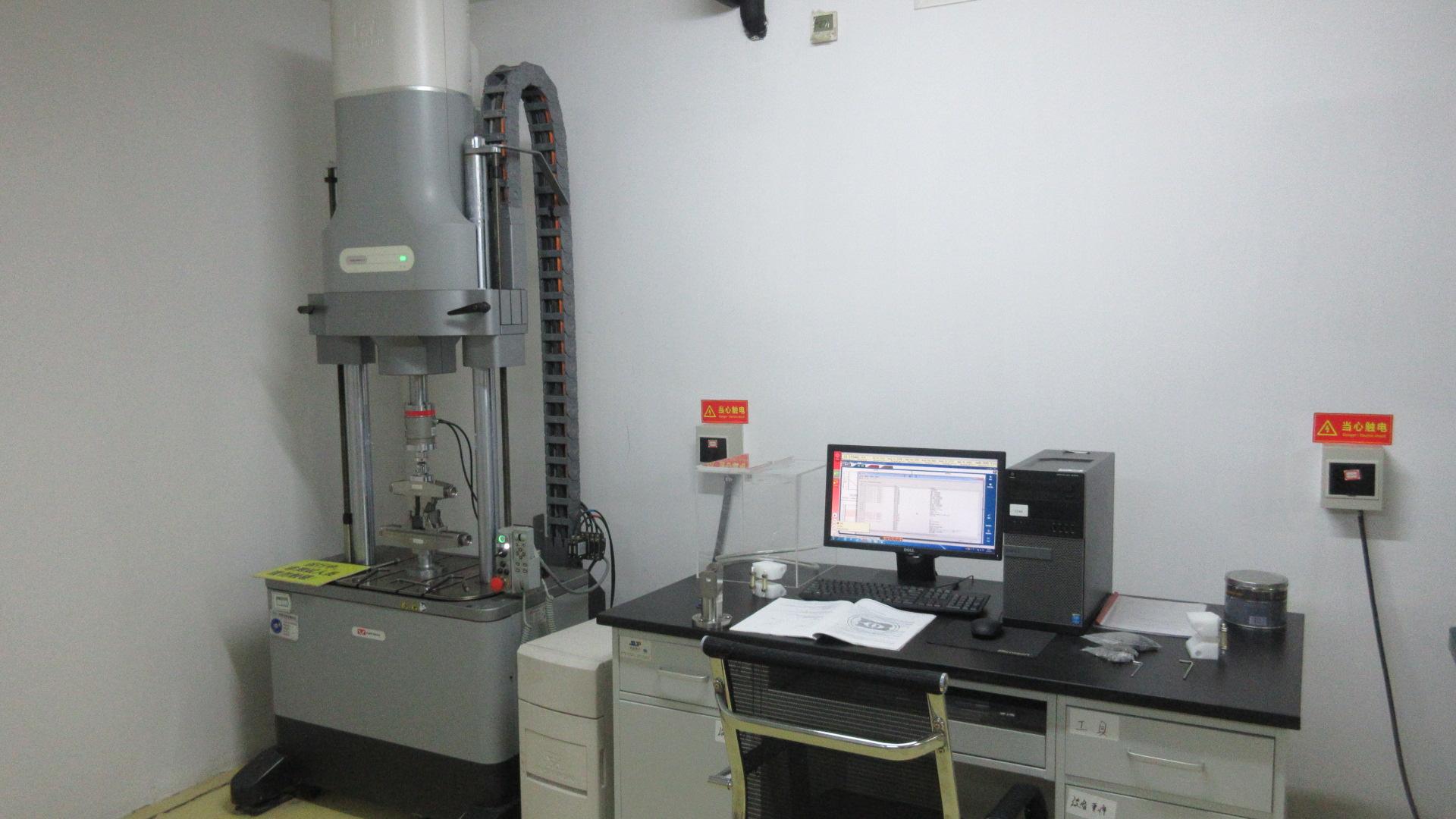
Every production batch undergoes strict dynamic fatigue and bending resistance testing conforming to ASTM F382 (for bone plates) and ASTM F1264 (for intramedullary nails). Our QA/QC department ensures that all implants feature:
  • Low-Profile Design: To minimize soft-tissue irritation over the medial tibial border where skin cover is minimal.
  • Dynamic Locking Holes: Allowing combined compression and locking configurations, giving surgeons total flexibility.
  • K-wire Holes & Pre-contouring: Tailored to fit the anterior-medial and lateral curves of the distal and proximal tibia.

Clinical Validation & Quality Control Protocols

Why hospital systems and medical device distributors in Brazil trust our manufacturing capabilities.

100% Traceability

All raw materials (Titanium and Steel rods) are sourced from certified aerospace-grade suppliers. We provide full material chemistry reports, heat numbers, and traceability certificates with every shipment to Brazil.

ISO 13485 & BGMP Alignment

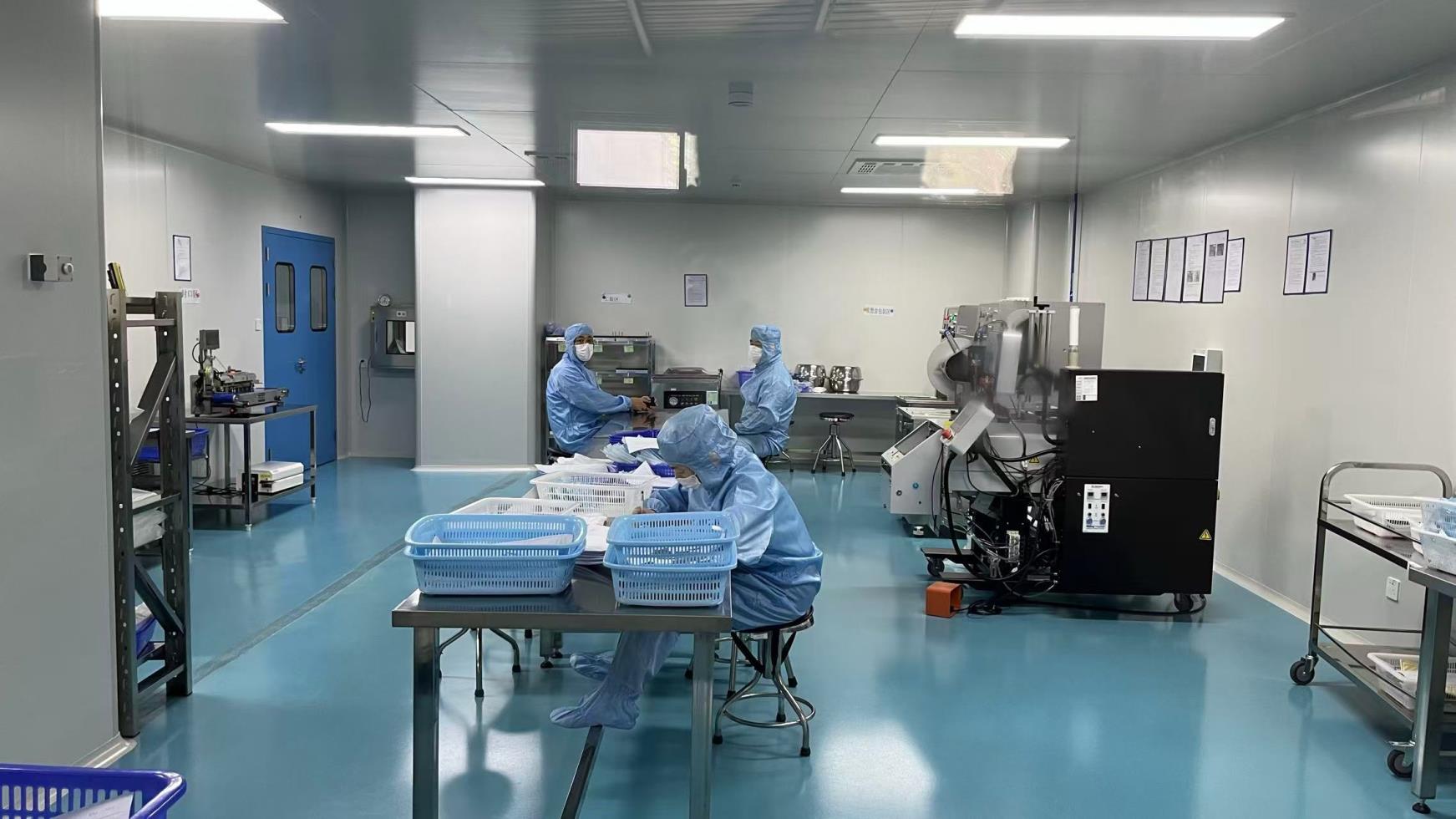
Our factory quality management system is certified under ISO 13485. Our documentation, cleanroom operations (Class 100,000), and sterilization validations align perfectly with Brazil's ANVISA RDC 665/2022 standards.

20-Engineer R&D Team

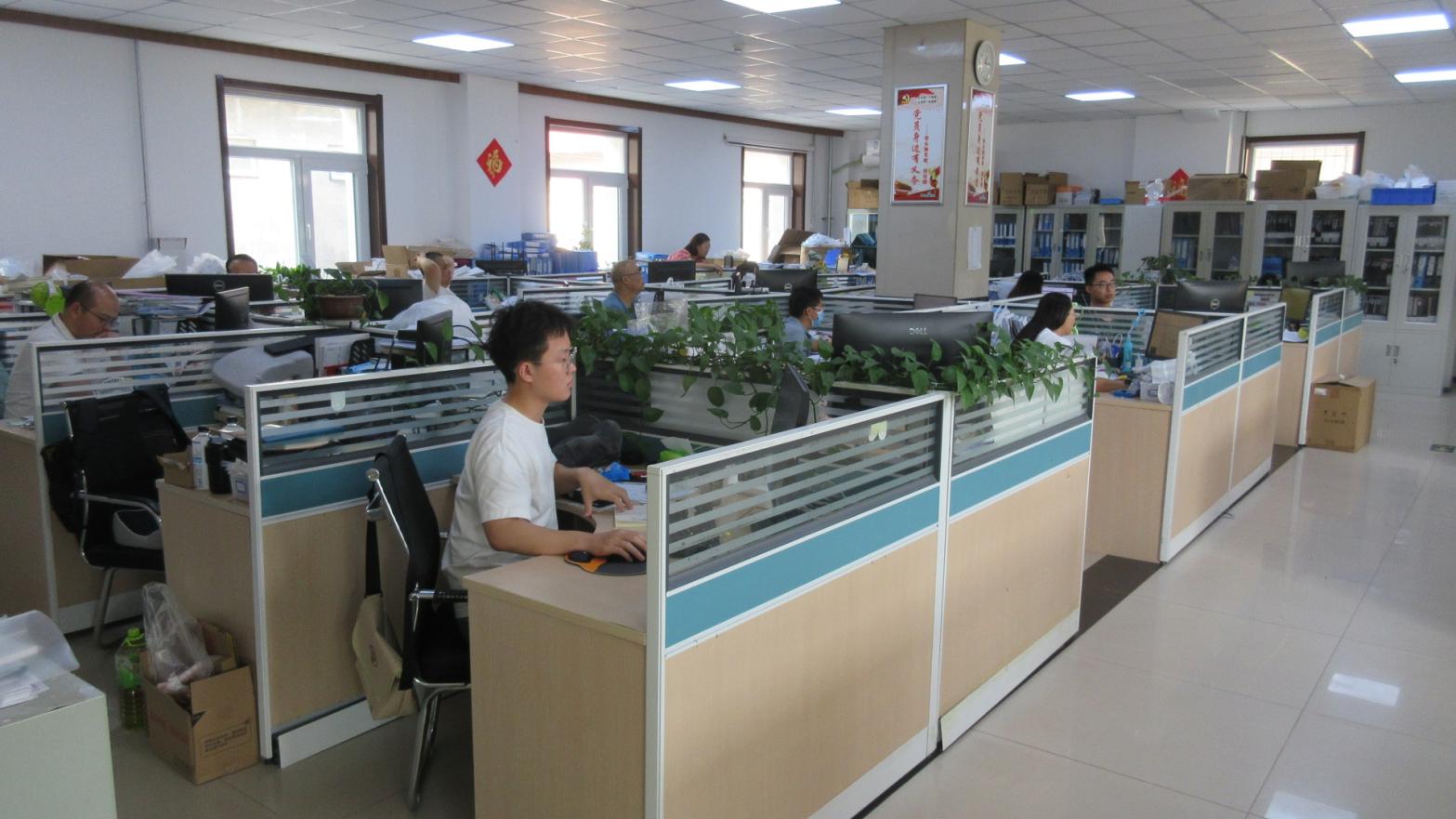
With 20 dedicated orthopedic R&D engineers, we specialize in OEM/ODM solutions. We customize distal tibia, proximal tibia, and fibula plates based on local surgeon preferences and clinical feedback from Brazilian hospitals.

Comprehensive Quality Inspection Methodologies

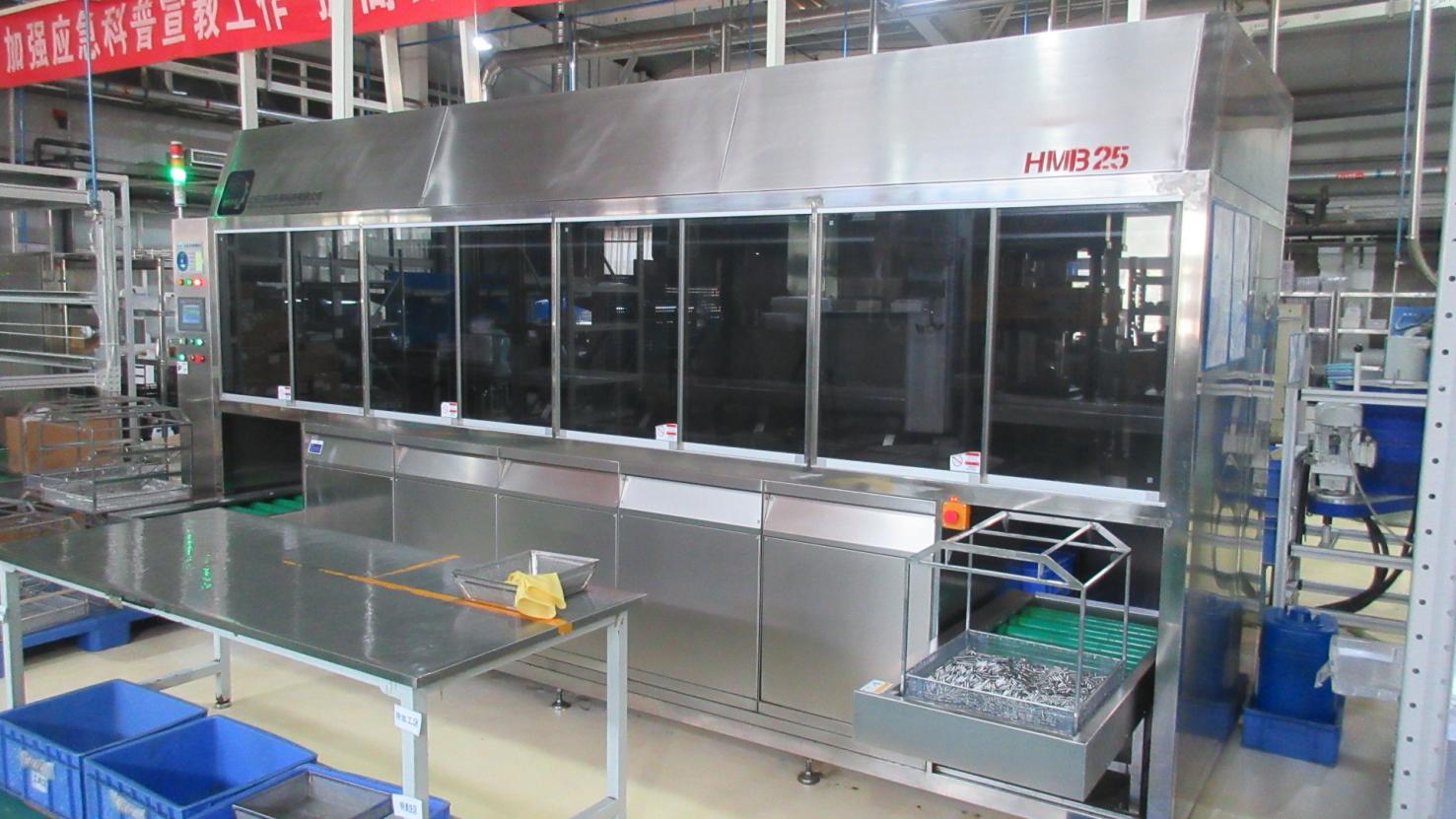
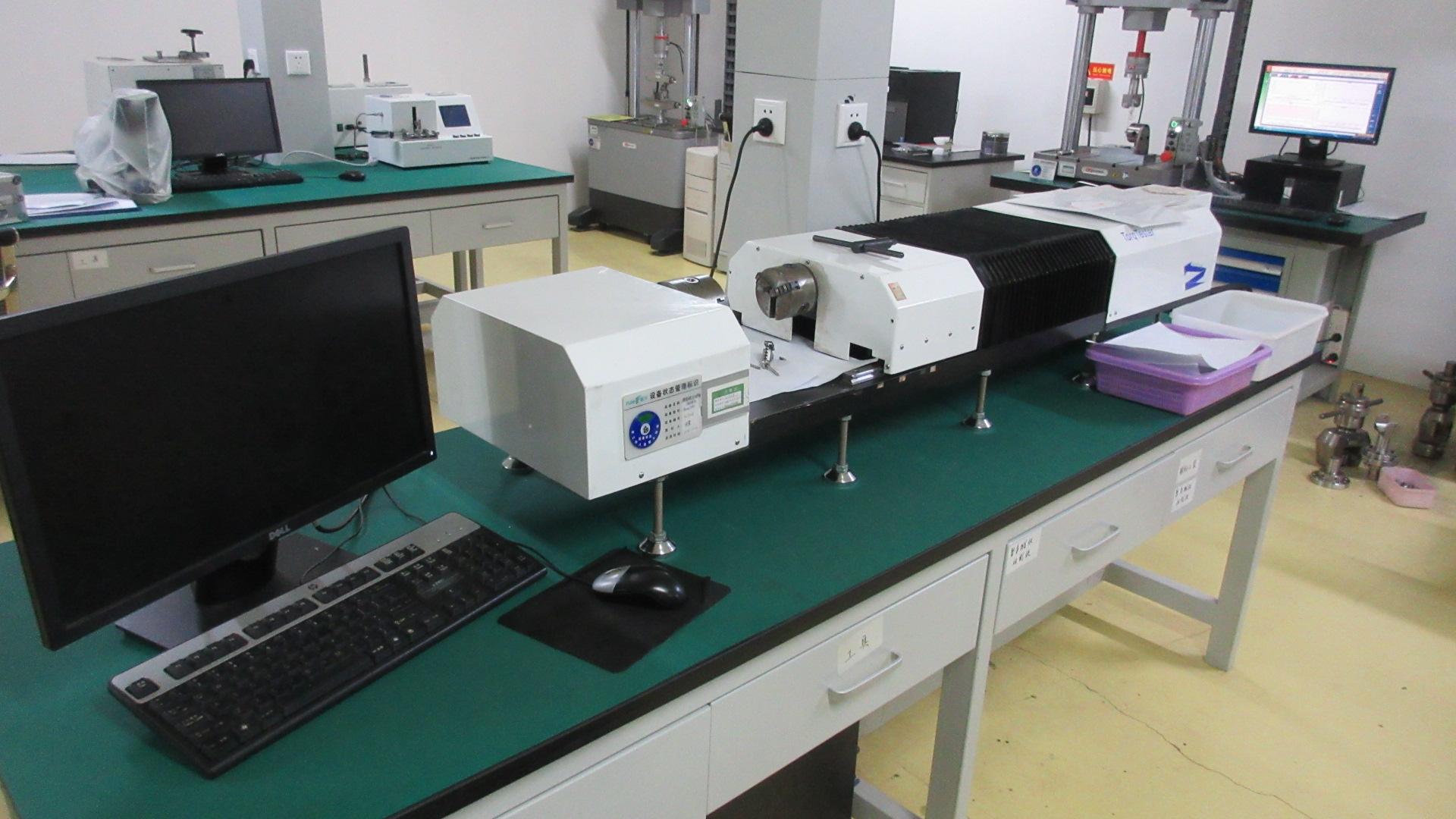
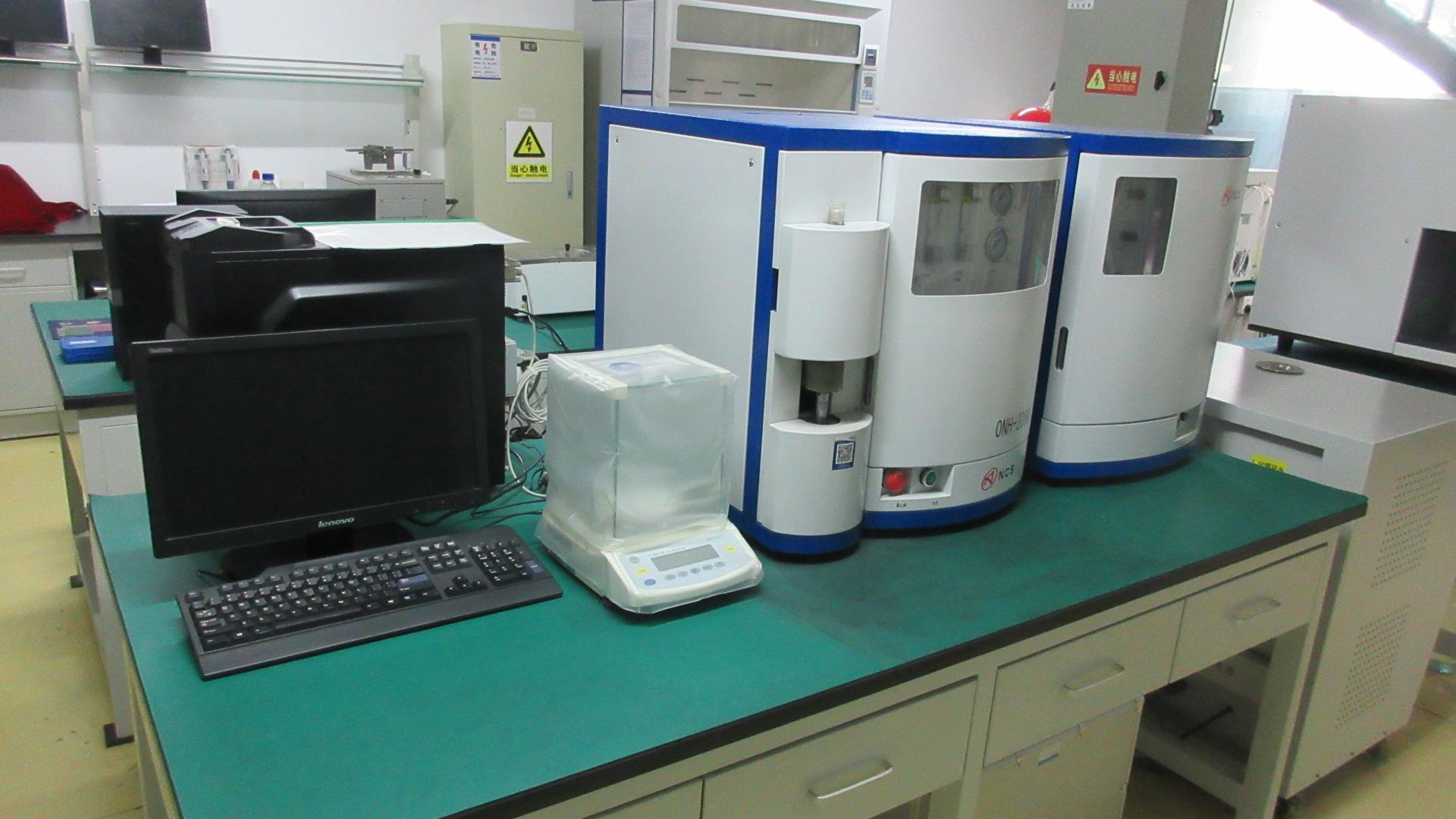
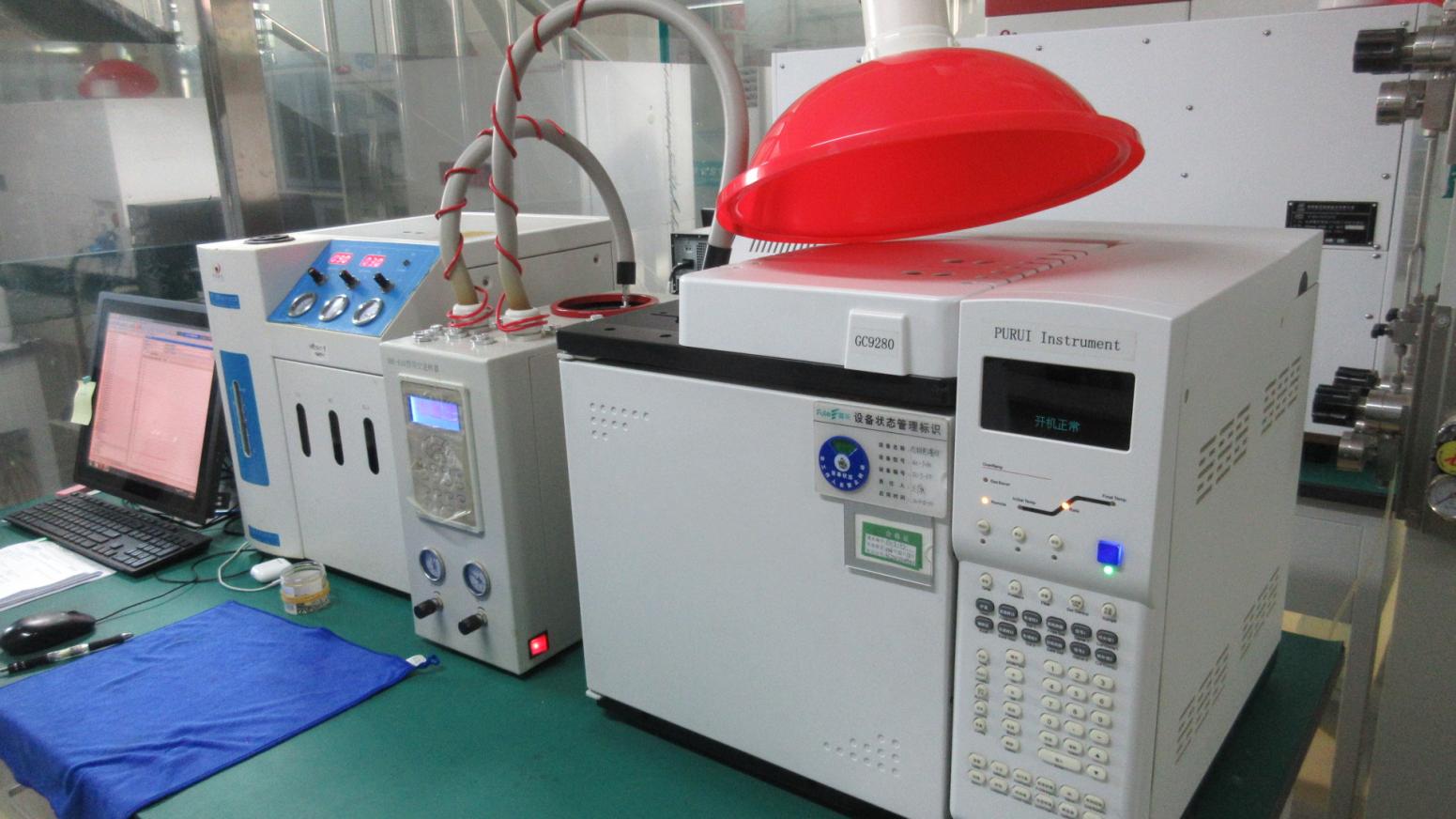
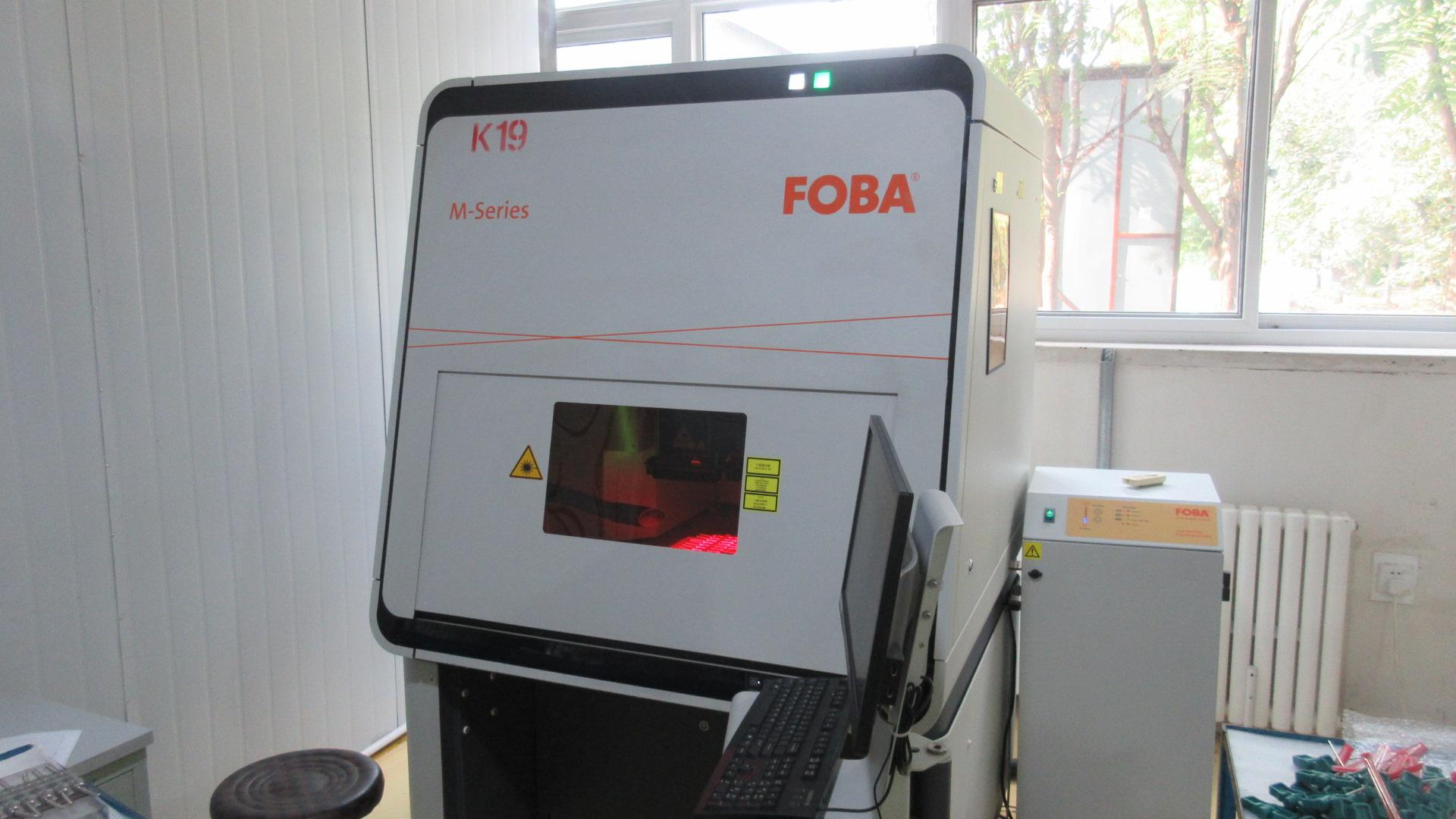
Unlike manufacturers that perform random sampling, we enforce a strict 100% inspection policy for critical dimension parameters. Using advanced coordinate measuring machines (CMM), multi-sensor optical inspection systems, and automated thread-testing machinery, we ensure that every locking screw mates perfectly with its corresponding plate thread.

This precision dramatically reduces the risk of cold welding, screw stripping, or cross-threading during critical phases of trauma surgery in the operating room.
Navigating ANVISA Regulations, Customs, and Local Logistics

Importing medical devices into Brazil requires navigating strict regulatory checkpoints managed by ANVISA (Agência Nacional de Vigilância Sanitária). Without the correct documentation, shipments risk being detained at major customs entry points like Porto de Santos or Aeroporto Internacional de Guarulhos (GRU).

As an experienced manufacturing partner, we assist Brazilian distributors and importers through:

  • Technical Dossier Provision: Providing detailed manufacturing drawings, chemical composition certifications, biocompatibility tests (ISO 10993), and clinical evaluation summaries required for the ANVISA *Registro* process.
  • BGMP Audits: Assisting local *Detentor de Registro* (Registration Holders) in proving that the manufacturing facilities conform to Good Manufacturing Practices.
  • Customized Packaging & Labeling: Supplying labels with Portuguese instructions for use (IFU), sterilization details, batch numbers, and barcode systems compatible with Brazilian hospital inventory management.

ANVISA RDC 185/2001 Compliance Statement

Our orthopedic trauma implants (Class III devices) are manufactured under strict adherence to international quality systems. We supply all raw data and performance records to expedite registrations under RDC 185/2001, saving Brazilian importers significant time and consulting fees.
Complete Surgical Solutions: Implant & Instrument Integration

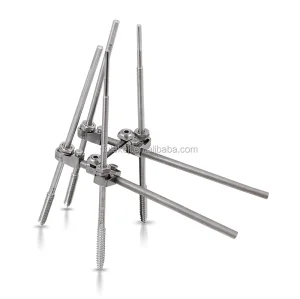
Ensuring successful clinical outcomes requires more than just an implant. We design complete systems featuring optimized instruments and auxiliary spine/extremity configurations.

In the operating theater, surgeon convenience directly translates to patient safety. Issues such as stripped screw heads, poorly calibrated depth gauges, or misaligned drill guides can extend anesthesia times and increase post-operative infection risks.

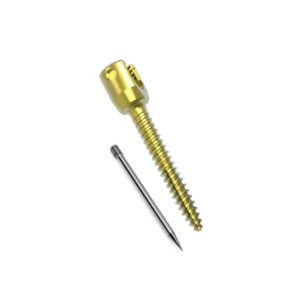
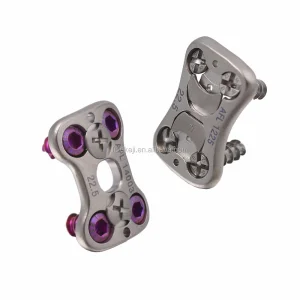
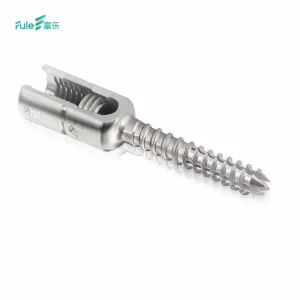
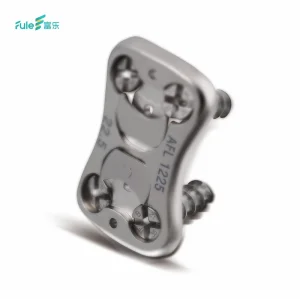
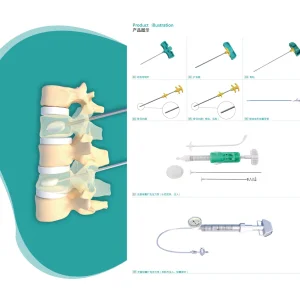
To address these challenges, we supply complete orthopedic trauma and spine packages. Our product portfolio spans beyond standard tibia/fibula locking systems to include advanced cervical plates, minimally invasive spinal fixation kits, and pediatric screw-rod systems. By partnering with us, Brazilian distributors can consolidate their sourcing pipelines and gain access to highly competitive hospital tender packages.

Whether serving public trauma centers in Rio de Janeiro or premium private hospitals in São Paulo, our integrated product lines ensure:

  • Universal Tool Interfaces: Star-drive and hexagonal screw recesses to reduce tool wear.
  • Ergonomic Instrument Handles: Silicone-molded handles providing firm grip under wet surgical conditions.
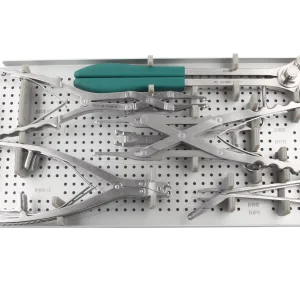
  • High-Dignity Sterilization Trays: Made from high-grade anodized aluminum and PPSU materials capable of enduring thousands of autoclave cycles.

Technological Roadmap & Future Outlook

Integrating next-generation manufacturing technology to stay ahead in the highly competitive South American medical device market.

As orthopedics shifts toward personalized medicine and active biosurfaces, our R&D facility is actively pursuing and implementing several technological innovations:

  • Biodegradable Magnesium Implants: Developing temporary fixation pins and screws for fibular fractures that naturally degrade in the body, eliminating the need for a secondary implant removal surgery.
  • 3D-Printed Titanium Scaffolds: Incorporating trabecular structures on tibial distal plates to promote faster bone ingrowth and integration in osteoporotic patients.
  • Advanced PEEK Materials: Researching carbon-fiber-reinforced PEEK implants for lower limb applications to offer radiolucent options for better postoperative monitoring.

By establishing deep partnerships with university labs and major orthopedic surgery clinics across Brazil, we ensure our technological roadmap remains aligned with real-world clinical demands. We invite long-term strategic partners to join us in co-developing customized regional variants that meet specific local surgeon preferences and surgical habits.

Sustainable Manufacturing Initiatives

Our factory has committed to green energy and zero-waste CNC coolant recycling systems, ensuring that our orthopedic products are not only safe for patients but manufactured with a minimal carbon footprint.

Frequently Asked Questions (FAQ)

Answering regulatory, logistical, and commercial inquiries for orthopedic distributors operating in Brazil.

How do you assist with the ANVISA registration process in Brazil?
We provide a complete technical file package, including raw material certificates (ASTM F136/F138), ISO 13485 certificates, biocompatibility reports (ISO 10993), sterilization validation data, and mechanical fatigue test results (ASTM F382/F1264) in English to help your local regulatory consultant register products smoothly under RDC 185/2001.
What is the minimum order quantity (MOQ) for custom-manufactured tibia/fibula plates?
For standard orthopedic trauma plate profiles already in production, the MOQ starts at 100 units per type. For customized OEM/ODM profiles or custom anatomical shapes, the MOQ is generally 500 units per design, depending on tool recalibrations and testing requirements.
Can you manufacture implants in medical-grade 316L stainless steel for SUS bids?
Yes. We produce a wide range of trauma plates and intramedullary locking nails in certified 316L medical-grade stainless steel (ASTM F138). These implants offer excellent mechanical strength and present an highly competitive cost-benefit profile for high-volume public sector tenders.
How do you guarantee cleanroom safety and sterilization protocols?
Our cleanrooms are built and operated to ISO Class 7 (Class 10,000) cleanroom specifications. We use medical-grade packaging materials from certified suppliers, and our sterilization processes (Gamma or EO gas) are fully validated to achieve a minimum Sterility Assurance Level (SAL) of 10^-6.
What is the typical transit and customs clearance time to Brazilian ports?
Air freight shipments to Guarulhos (GRU) or Viracopos (VCP) airports take 5-7 days, followed by 5-14 days for local customs clearance depending on the importer’s RADAR limit status. Ocean shipments to Porto de Santos typically take 35-45 days in transit.
Do you supply surgical instrumentation kits alongside the implants?
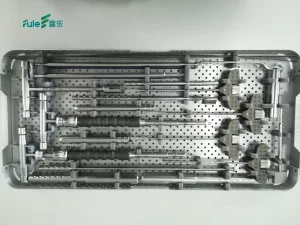
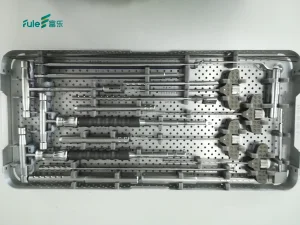
Absolutely. We design and manufacture comprehensive surgical instrument boxes (drill bits, taps, screwdriver shafts, quick-coupling handles, drill guides, bending irons, and targeters) customized for each plate and intramedullary nail system. These instruments are made of premium autoclavable surgical-grade stainless steel and aluminum.
How do you verify the raw materials of your implants?
We use spectral analysis on every batch of titanium and stainless steel bars received. Prior to machining, our lab confirms compliance with chemical composition bounds for Ti-6Al-4V ELI (ASTM F136) and 316L (ASTM F138). We archive all mill certificates for up to 15 years to guarantee 100% material traceability.
Can you provide customized packaging designs for our local brand in Brazil?
Yes, we provide full OEM brand services. We can design customized box art, labels, and instruction pamphlets (IFU) featuring your brand logo and registration details, formatted in Brazilian Portuguese according to ANVISA labeling specifications.
Expand Your Orthopedic Portfolio in Brazil
Partner with an established 30-year manufacturer to secure high-performance, cost-efficient trauma and spinal implants compliant with ANVISA regulations.
Send Inquiry Now