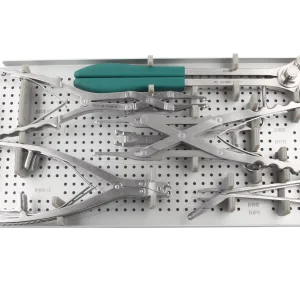
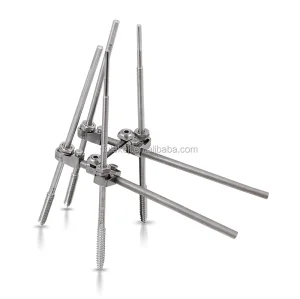
Engineered for high mechanical stability and anatomical compliance. Recommended for immediate deployment in local clinical institutions in Bangladesh.
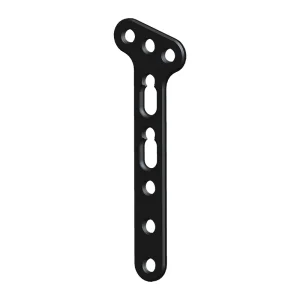
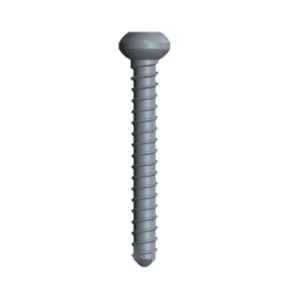
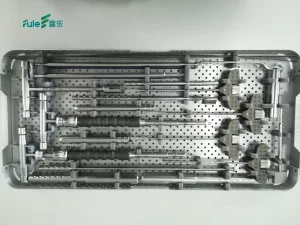
A Comprehensive Industry Report on Ulna & Radius Internal Fixation Systems, Supply Chain Mechanics, and Local Clinical Standards
The healthcare infrastructure in Bangladesh is undergoing rapid modernization. With a growing population exceeding 170 million, metropolitan hubs like Dhaka, Chittagong, and Sylhet are witnessing an escalating demand for specialized trauma care. The incidence of upper extremity fractures, specifically involving the ulna and radius, remains high due to industrial growth, agricultural activities, and traffic density. Forearm fractures necessitate precise anatomical reduction to preserve rotational functions (pronation and supination), placing heavy demands on the quality of orthopedic implants.
Historically, local institutions relied on basic compression plates. However, modern orthopedic procedures at leading institutions such as the National Institute of Traumatology and Orthopaedic Rehabilitation (NITOR) and various Medical College Hospitals now mandate advanced locking compression plates (LCP). These systems reduce screw-to-bone contact, preserving periosteal blood supply and accelerating recovery timelines.
The importation and distribution of orthopedic implants in the Bangladesh market are strictly regulated by the Directorate General of Drug Administration (DGDA). Importers and international manufacturers must comply with rigorous documentation standards, proving raw material biocompatibility, sterile processing validity, and mechanical endurance.
Our manufacturing facilities conform to international criteria, facilitating smooth registration pathways for domestic distributors. By providing comprehensive Technical Files, ISO 13485 certification, and CE dossiers, we ensure that public tenders and private healthcare procurements bypass regulatory obstacles, maintaining a consistent clinical supply chain.
"Clinical efficacy in forearm traumatology relies heavily on plate profile and screw interaction. Utilizing Grade 5 Titanium (Ti-6Al-4V ELI) ensures the optimal balance between high tensile strength and a lower elastic modulus, significantly minimizing stress-shielding risks in radial and ulnar shaft reconstructions."
International healthcare procurement managers require high supply chain transparency. Standardizing on a single manufacturing origin for plates, locking screws, and specialized instrument kits is critical to lowering operational overhead and minimizing in-theater component mismatches.
For the Bangladesh market, customized packaging and localized labeling assistance are vital to ensure seamless navigation through regional customs and hospital management databases. In addition, hospitals require sterile, ready-to-use implant options to offset limited local autoclave capacity. We offer customizable configuration matrices, allowing importers to balance cost-efficiencies with clinical performance.
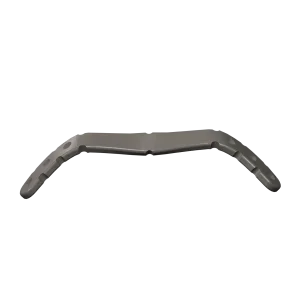
The future of traumatology in South Asia lies in anatomical pre-contouring. Traditional flat plates require extensive intraoperative bending, which can compromise the structural integrity of the metal and increase surgery times. Anatomically pre-shaped plates designed for the radial bow and ulnar border reduce operating times, minimize soft tissue irritation, and optimize anatomical reduction.
Our roadmap includes introducing smart sensor technology within external fixation models and expanding the availability of biodegradable magnesium-alloy components. By aligning our export pipelines with these technological shifts, we ensure that Bangladesh healthcare providers have direct access to cutting-edge orthopedic technologies.
Delivering high-volume, hospital-ready orthopedic hardware backed by 30 years of global medical manufacturing experience.
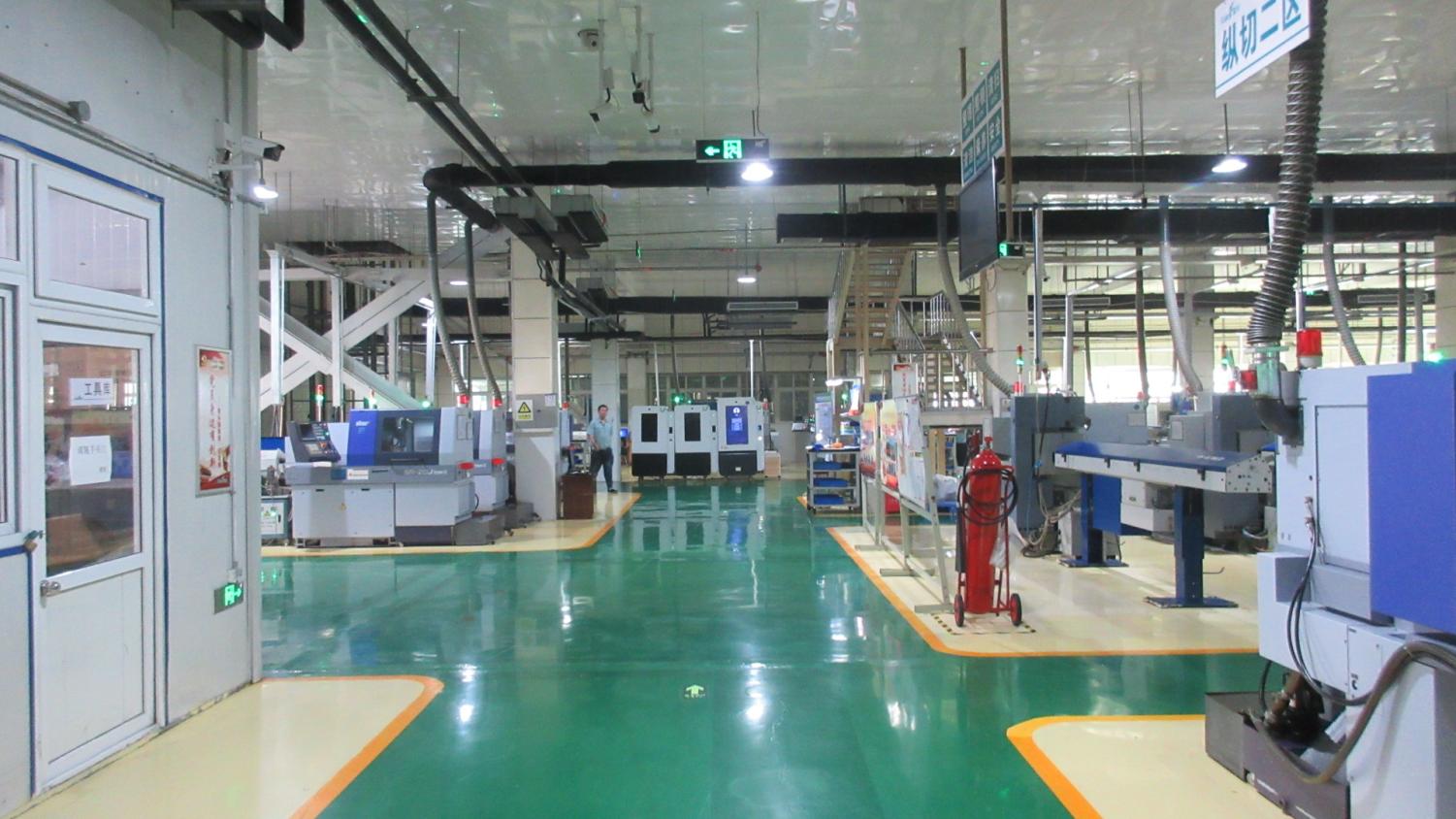
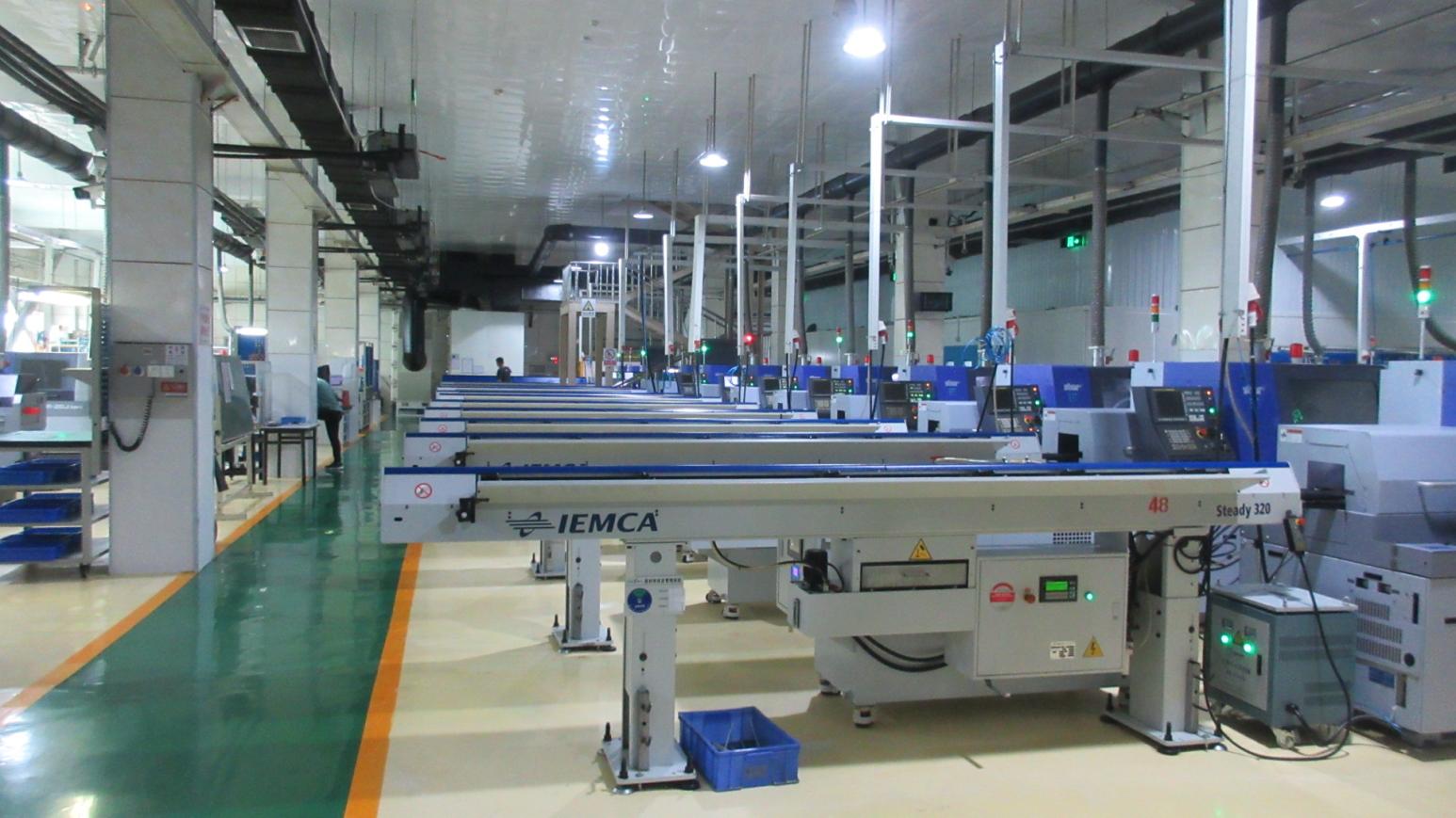
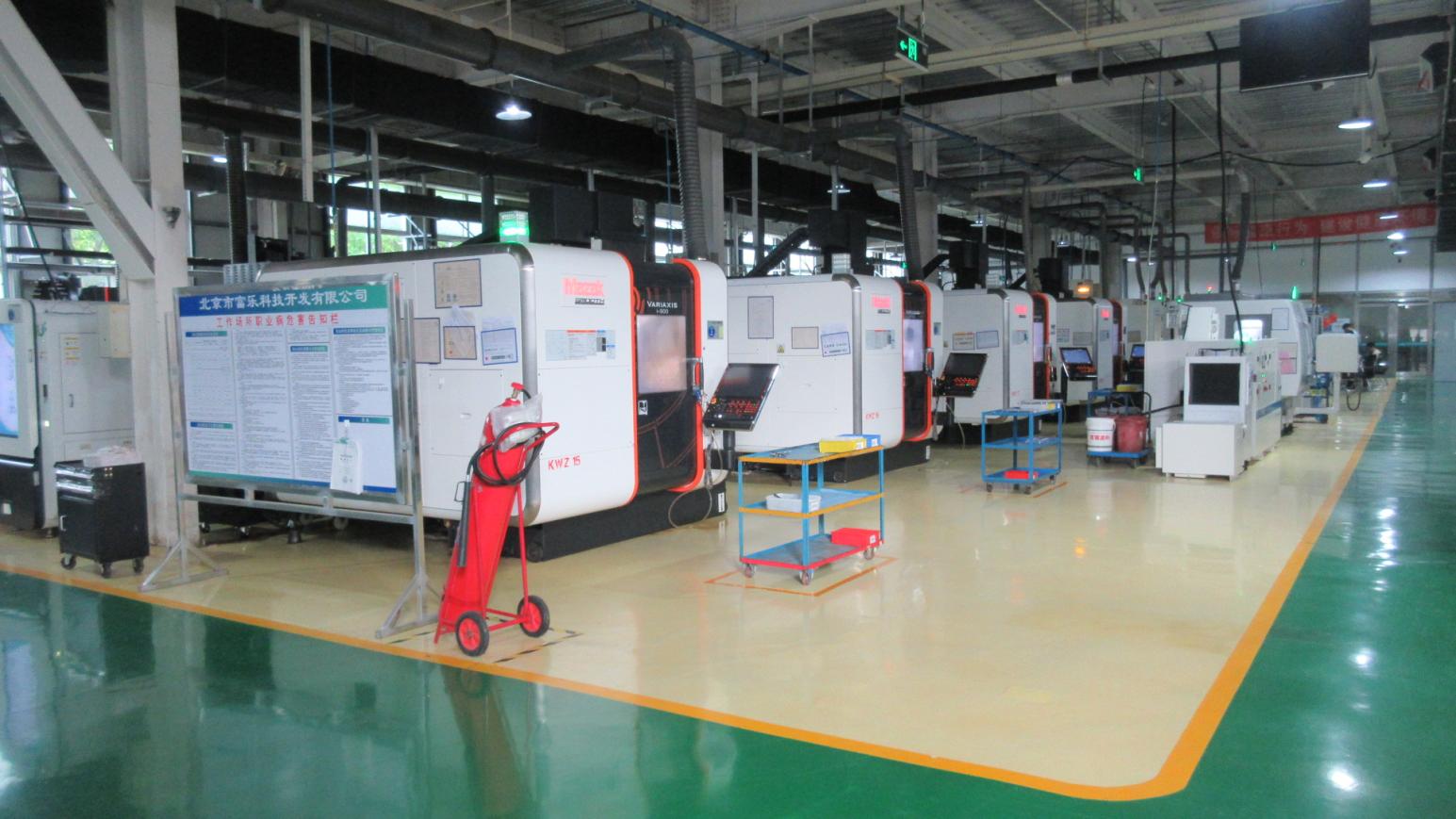
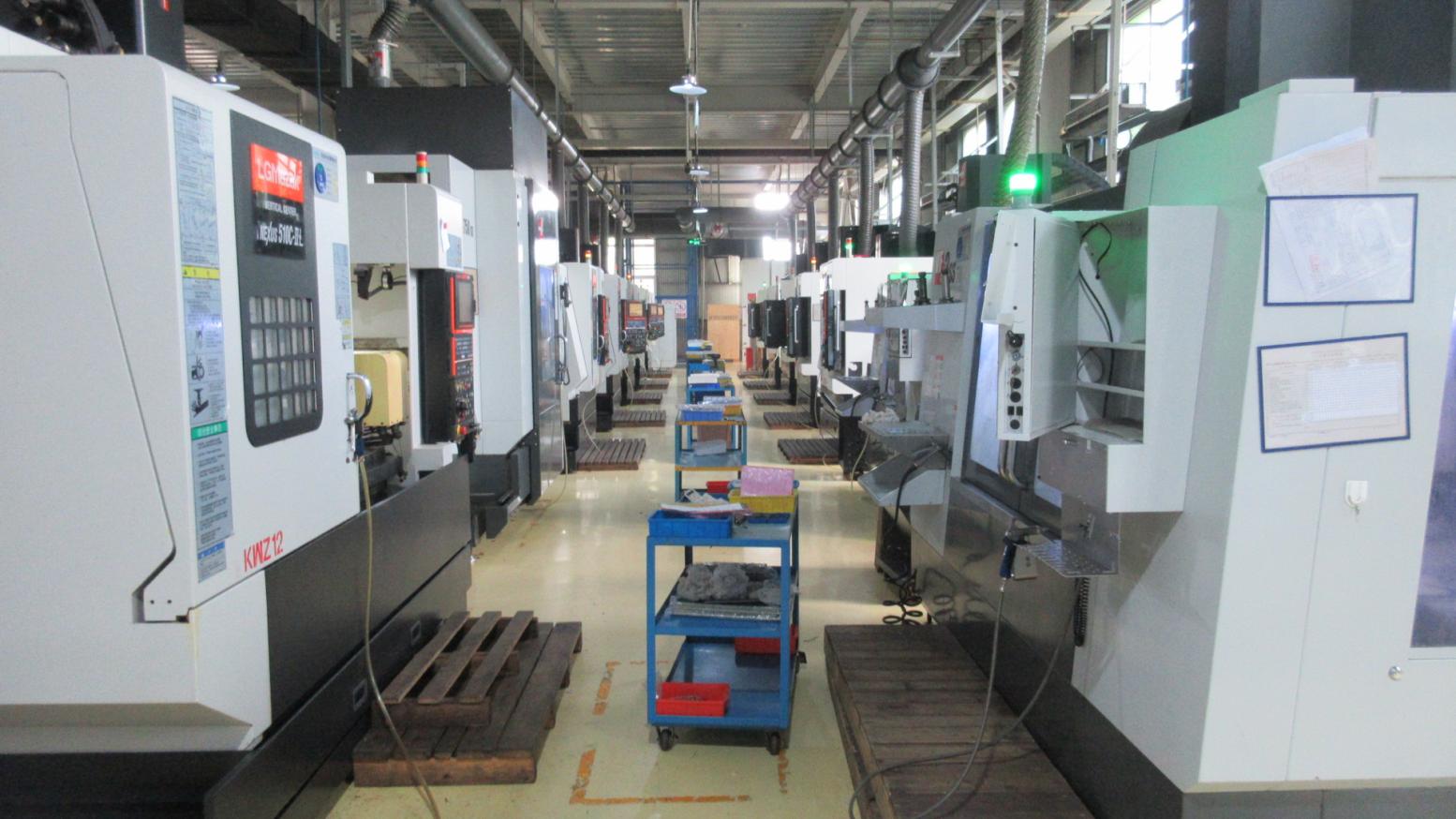
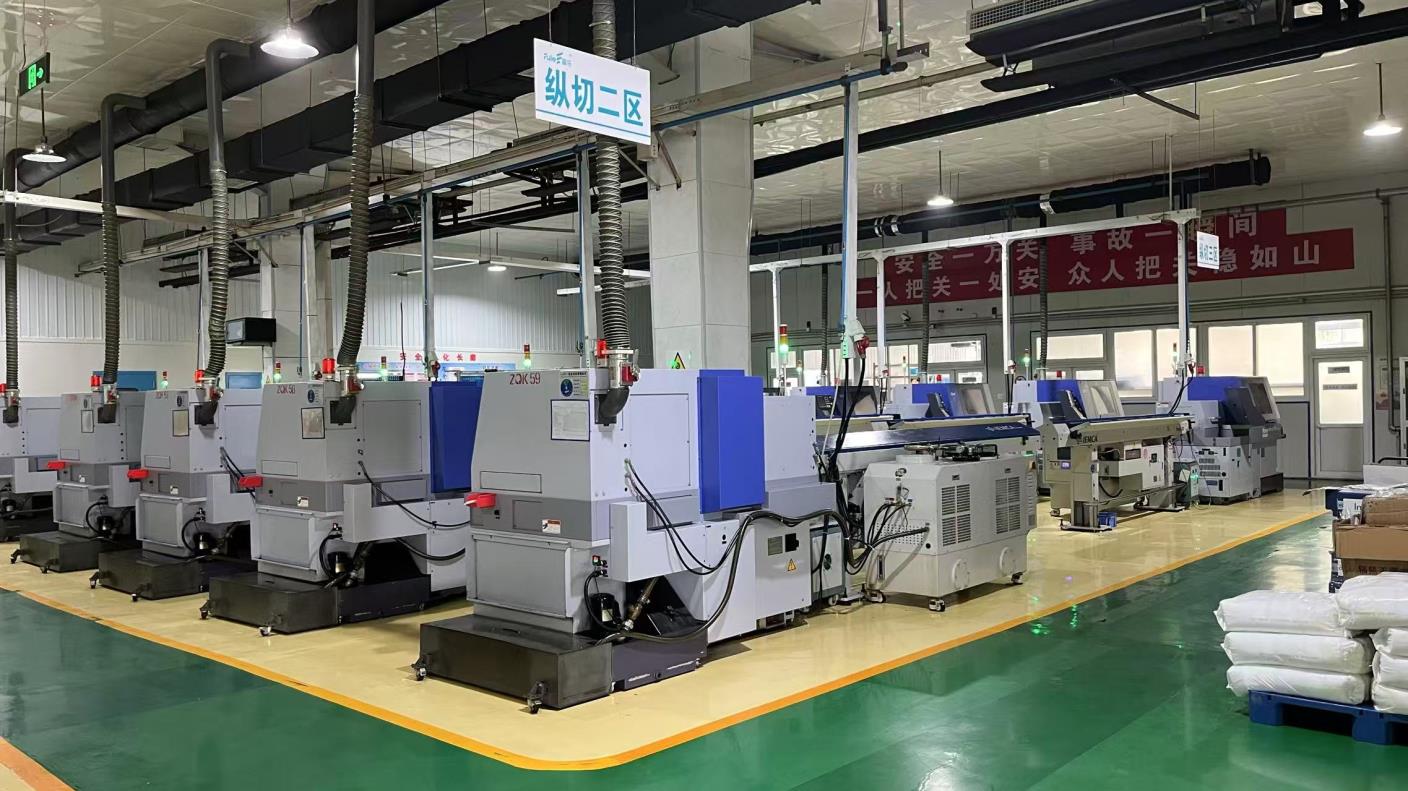
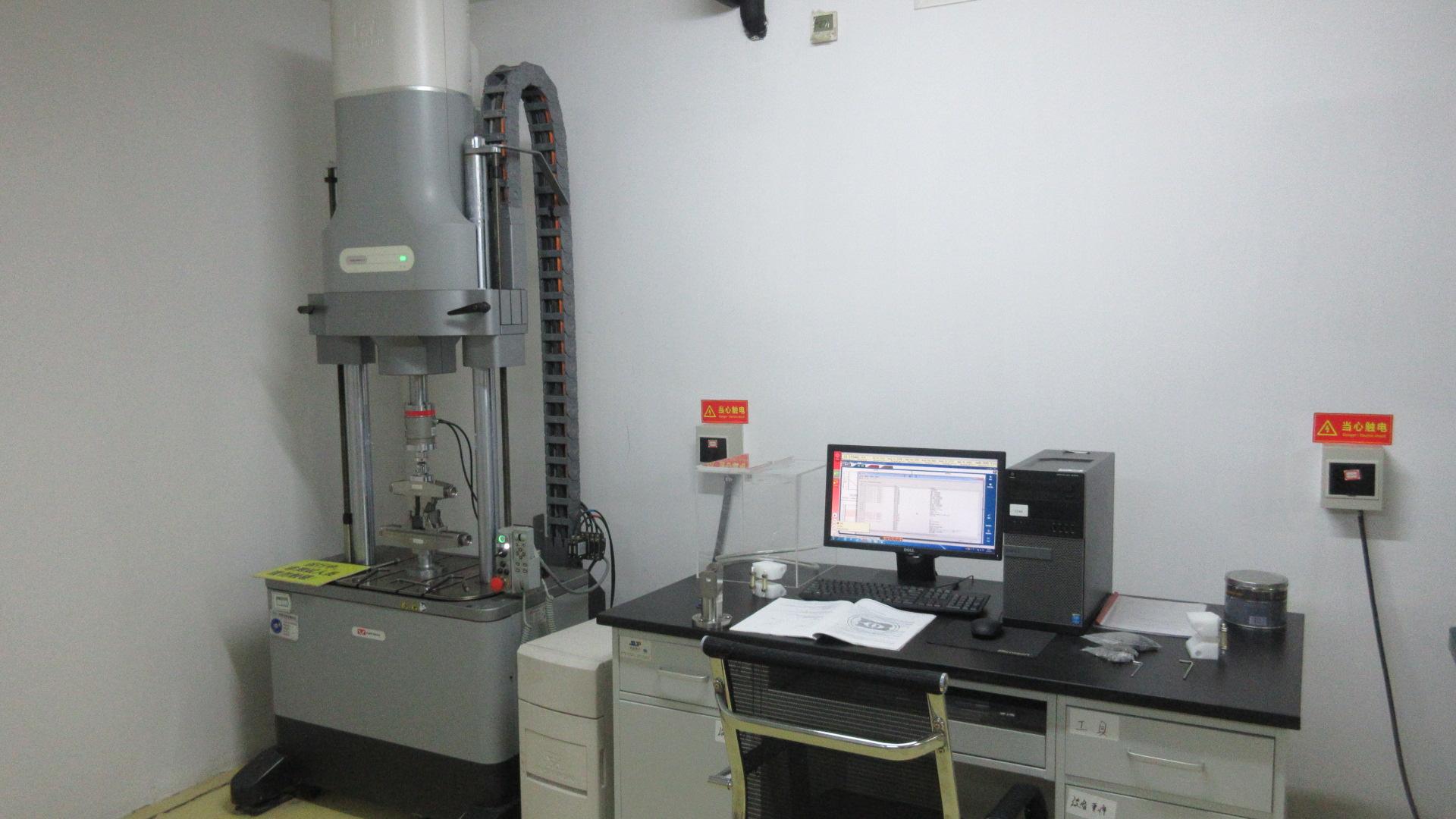
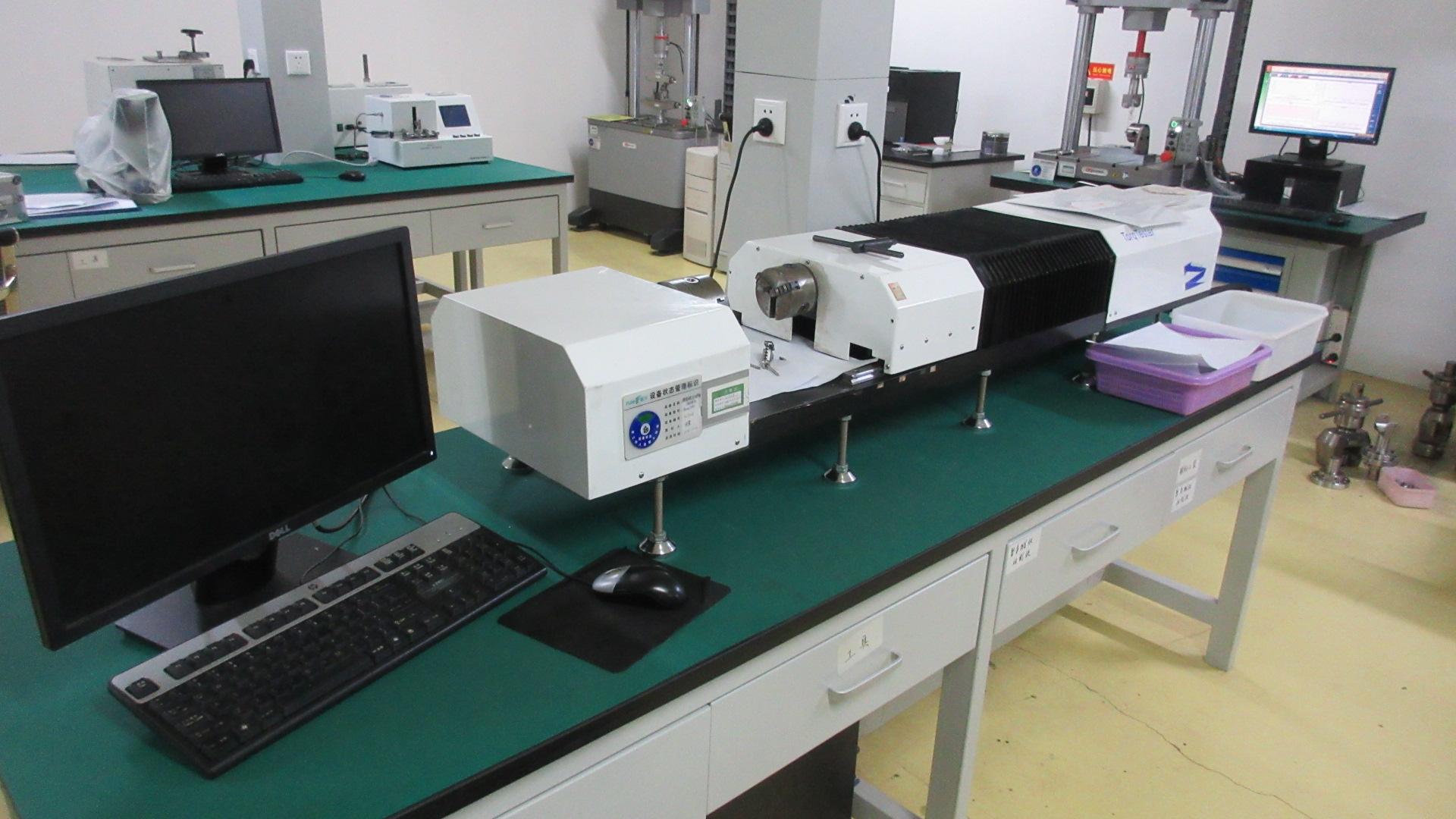
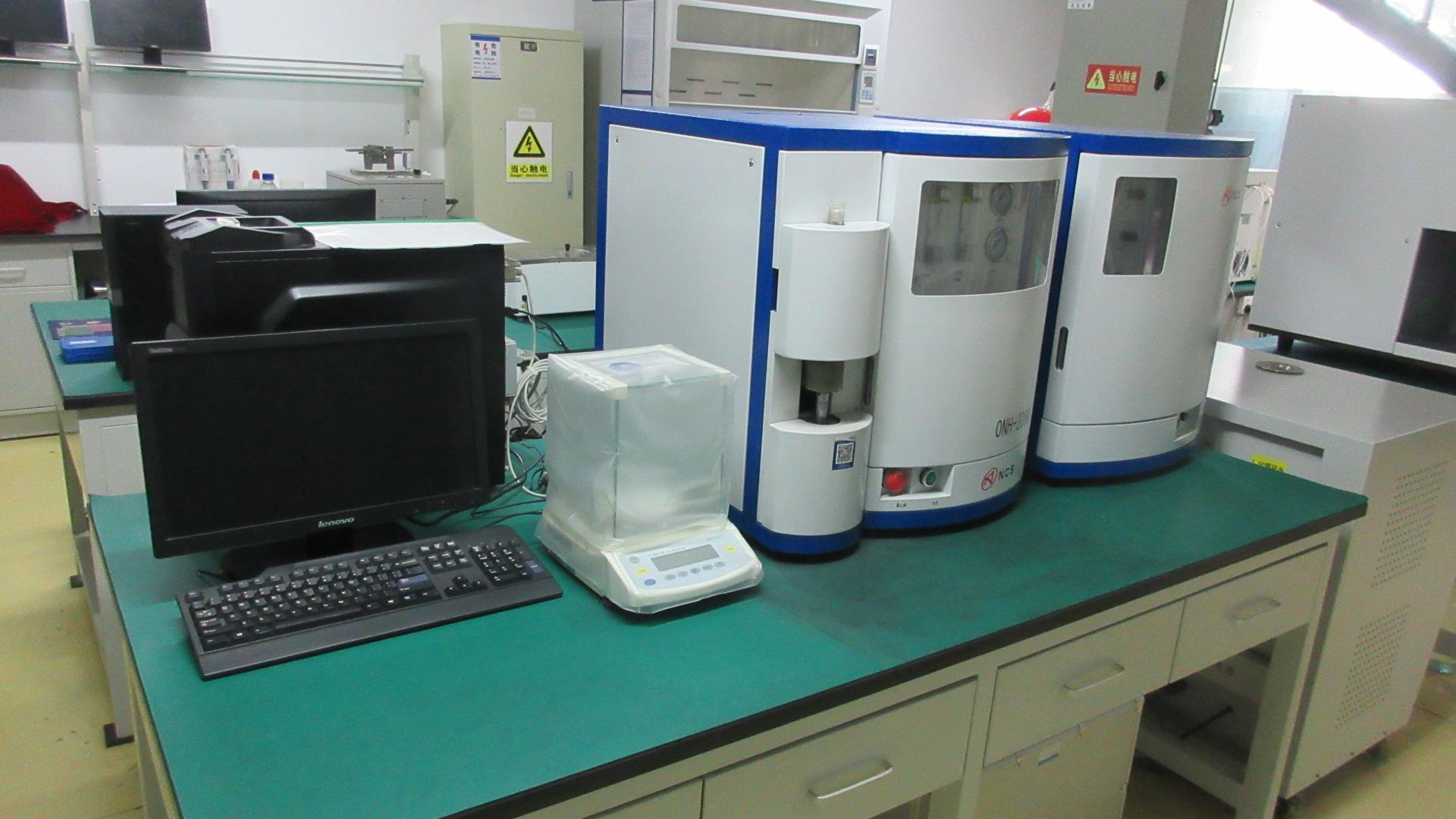
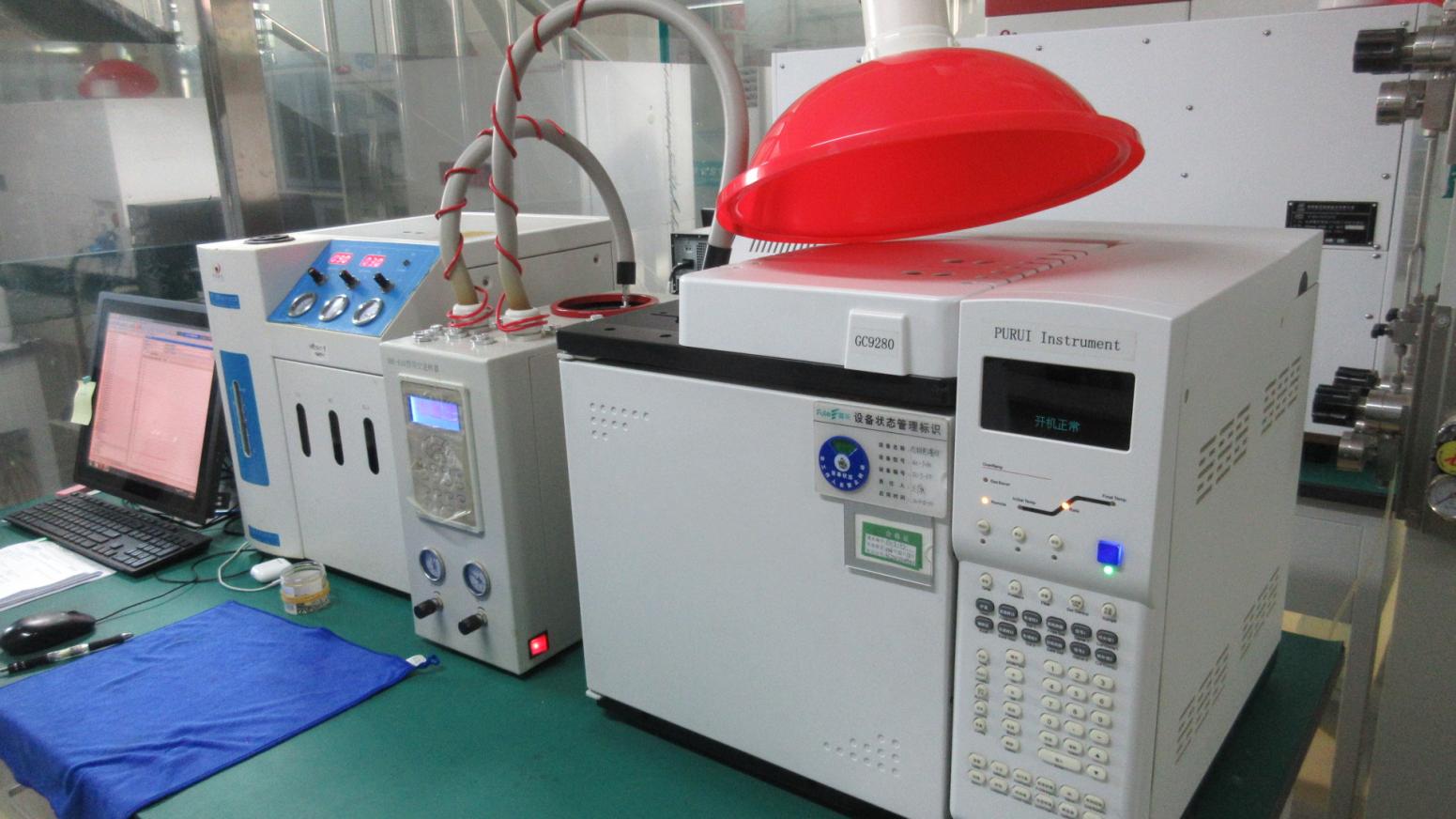
Our production plant features high-precision CNC multi-axis milling machines, swiss-type lathes, and advanced surface modification chambers. Every batch of titanium plates undergoes micro-structural characterization and fatigue testing to ensure conformance with ASTM F136 and ISO 5832-3.
When selecting implants for radius and ulna reconstruction, material purity is paramount. Impurities in the metal can result in local tissue reaction, premature corrosion, or construct failure. We utilize only medical-grade titanium alloys and ultra-pure stainless steels, treating all surfaces with type II anodization or electro-chemical polishing.

ISO 13485 Medical Devices Quality Management System Registered
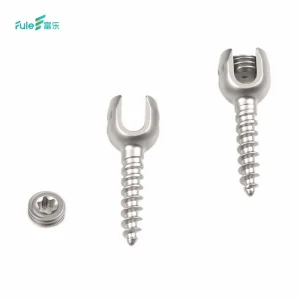
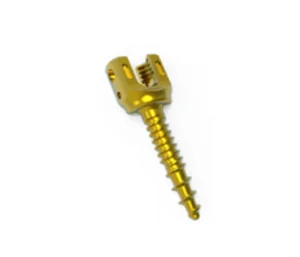
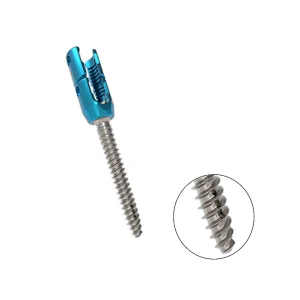
Explore our wider range of implant systems, including locking pedicle screws, spinal rods, cervical plates, and specialized dynamic reconstructive hardware.
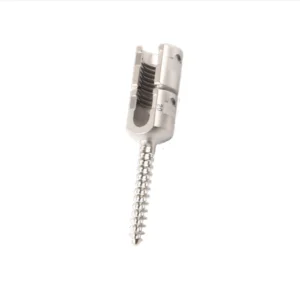
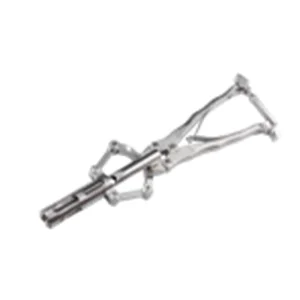
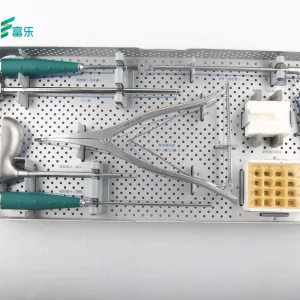
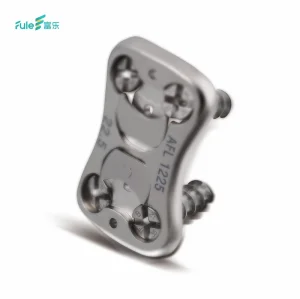
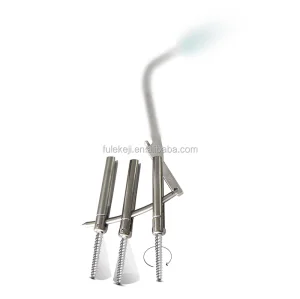
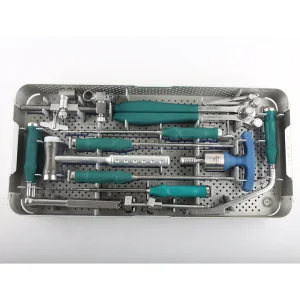
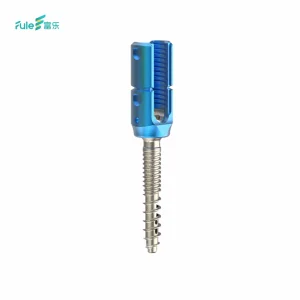
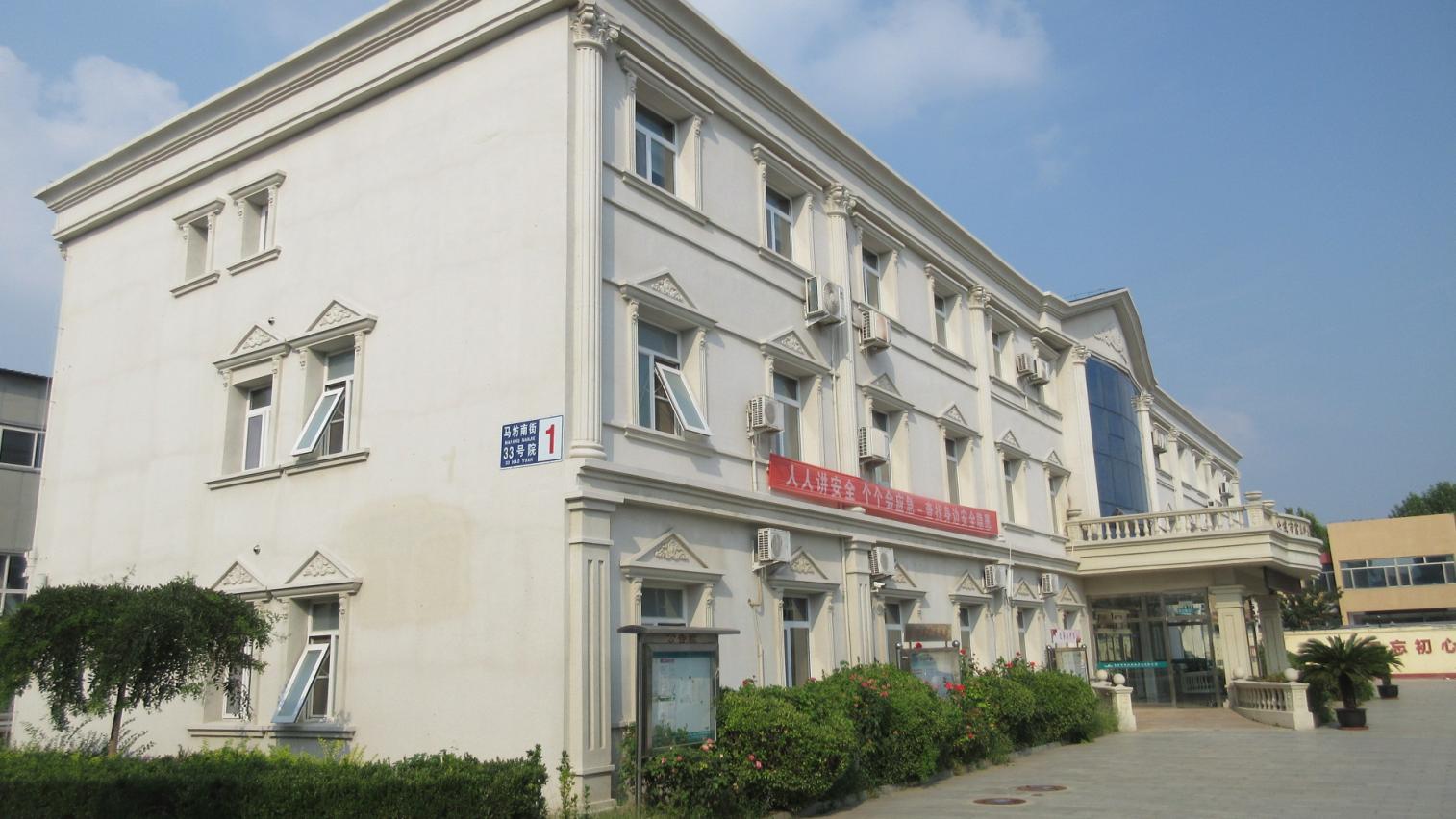
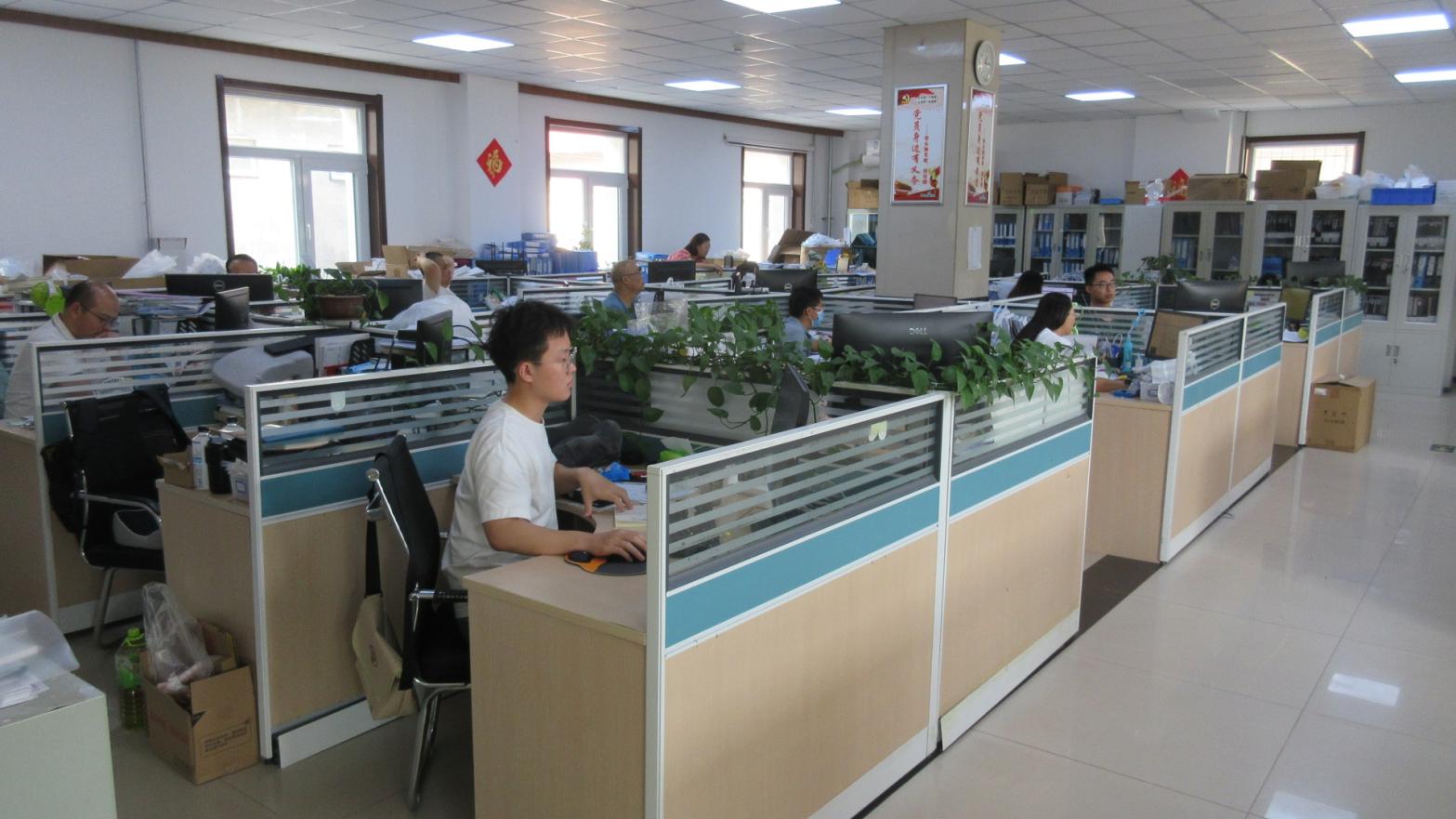
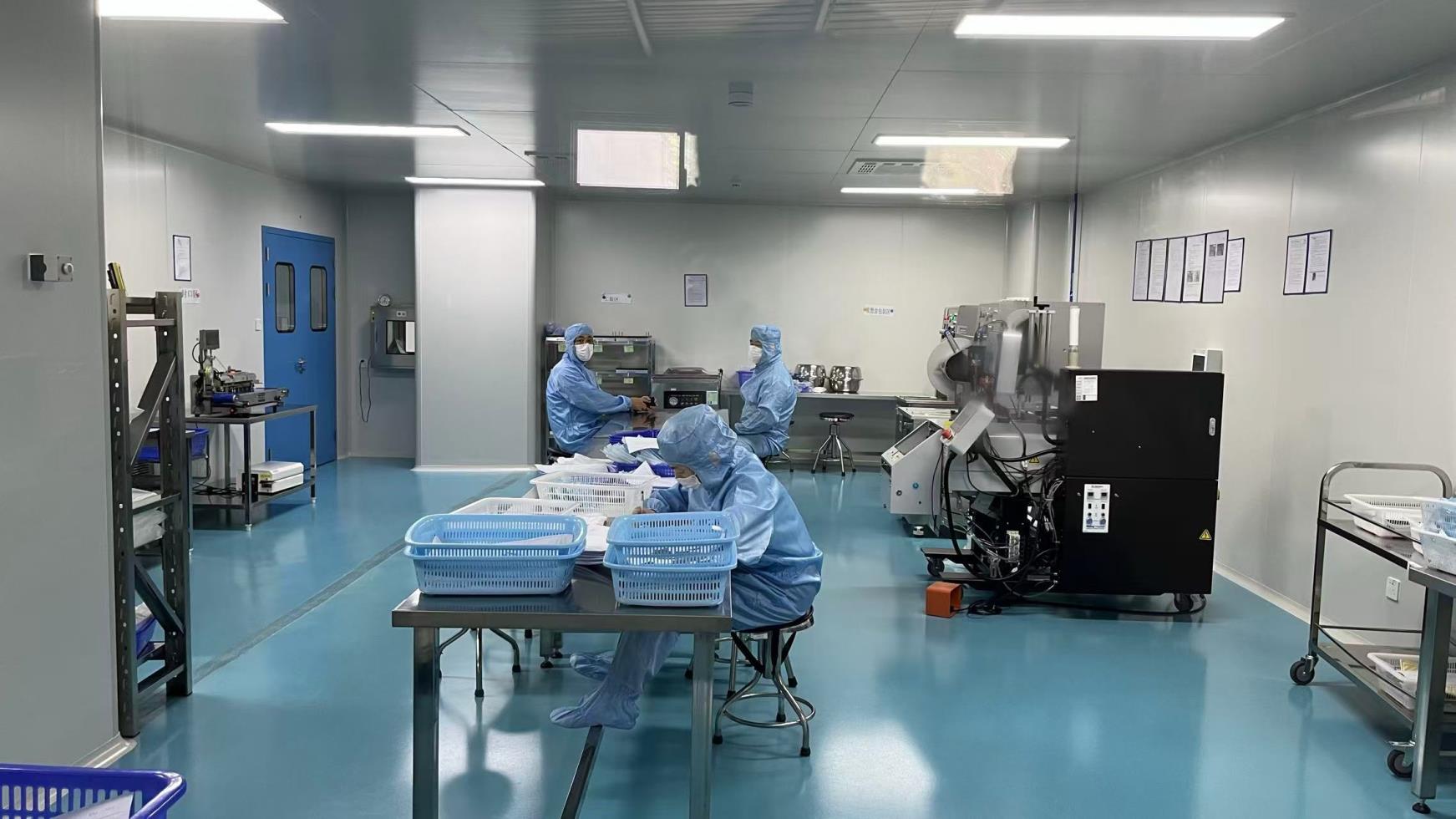
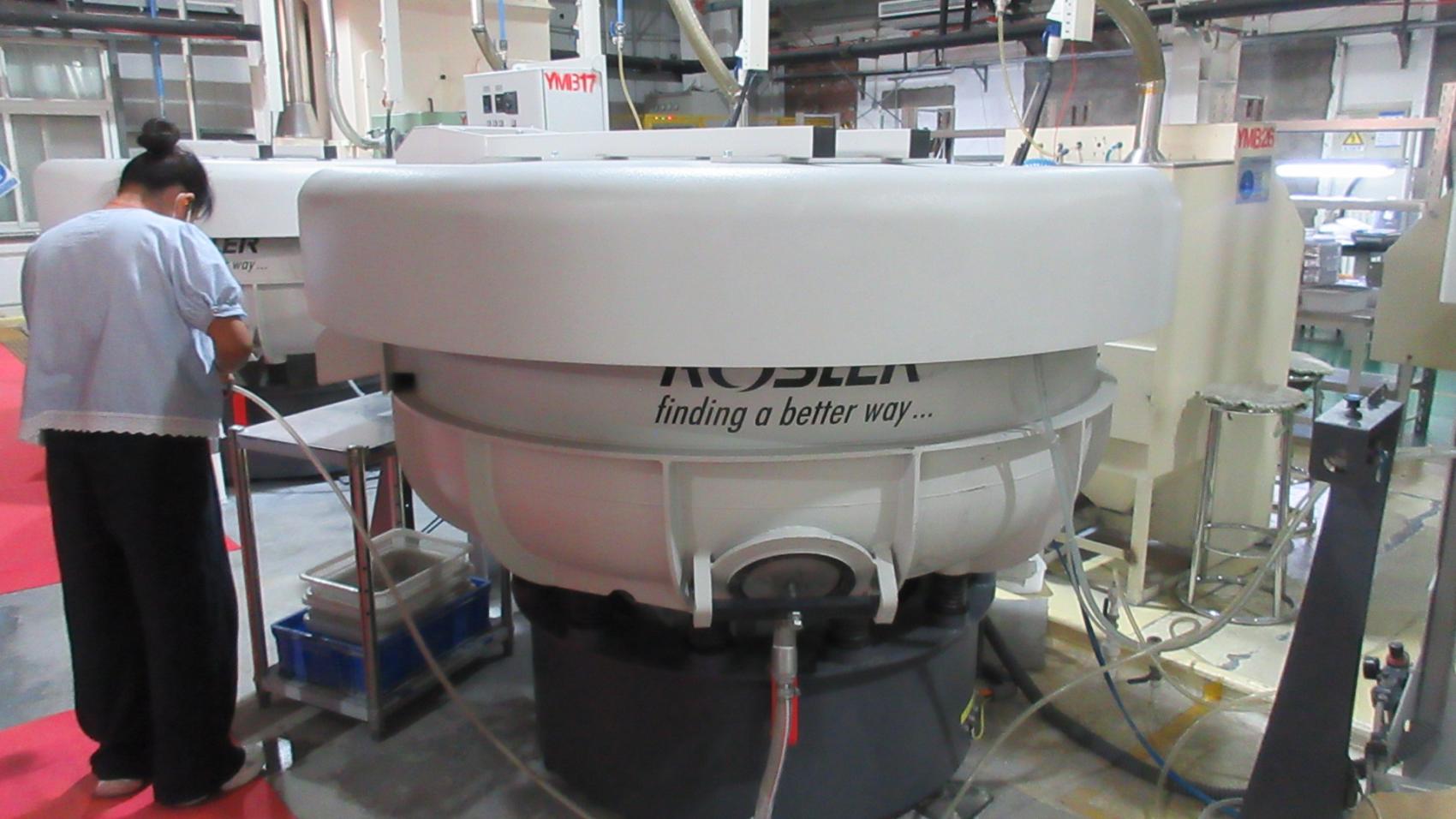
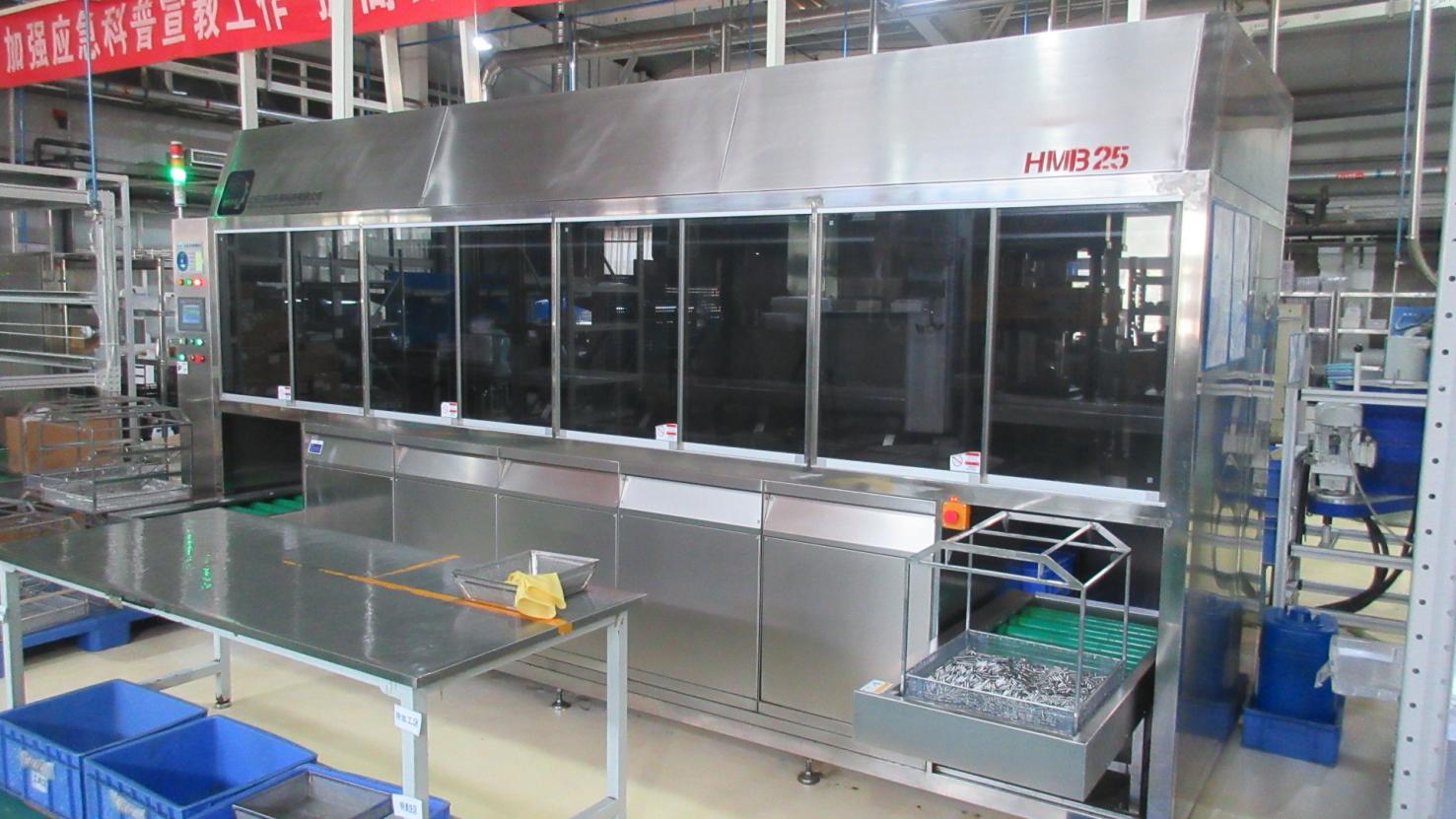
A pictorial walkthrough of our 10,000 square meter Class I, II, and III device production facilities.
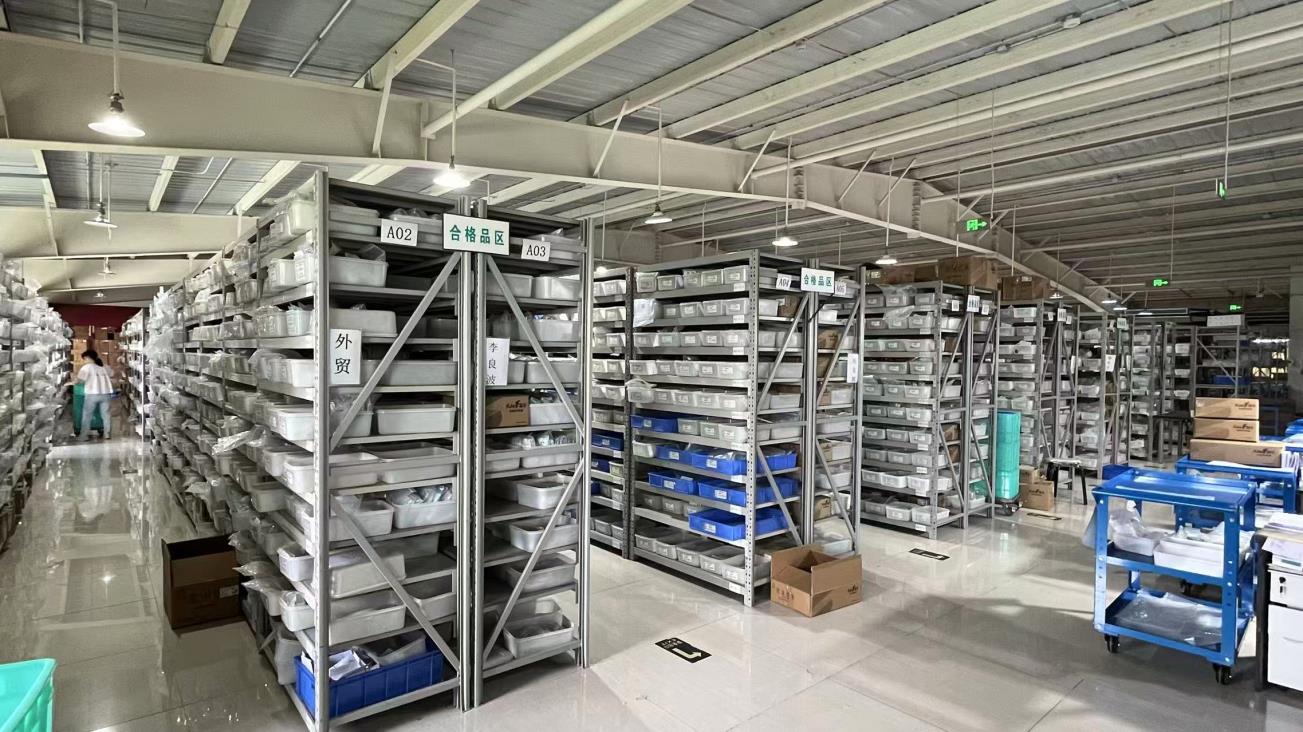
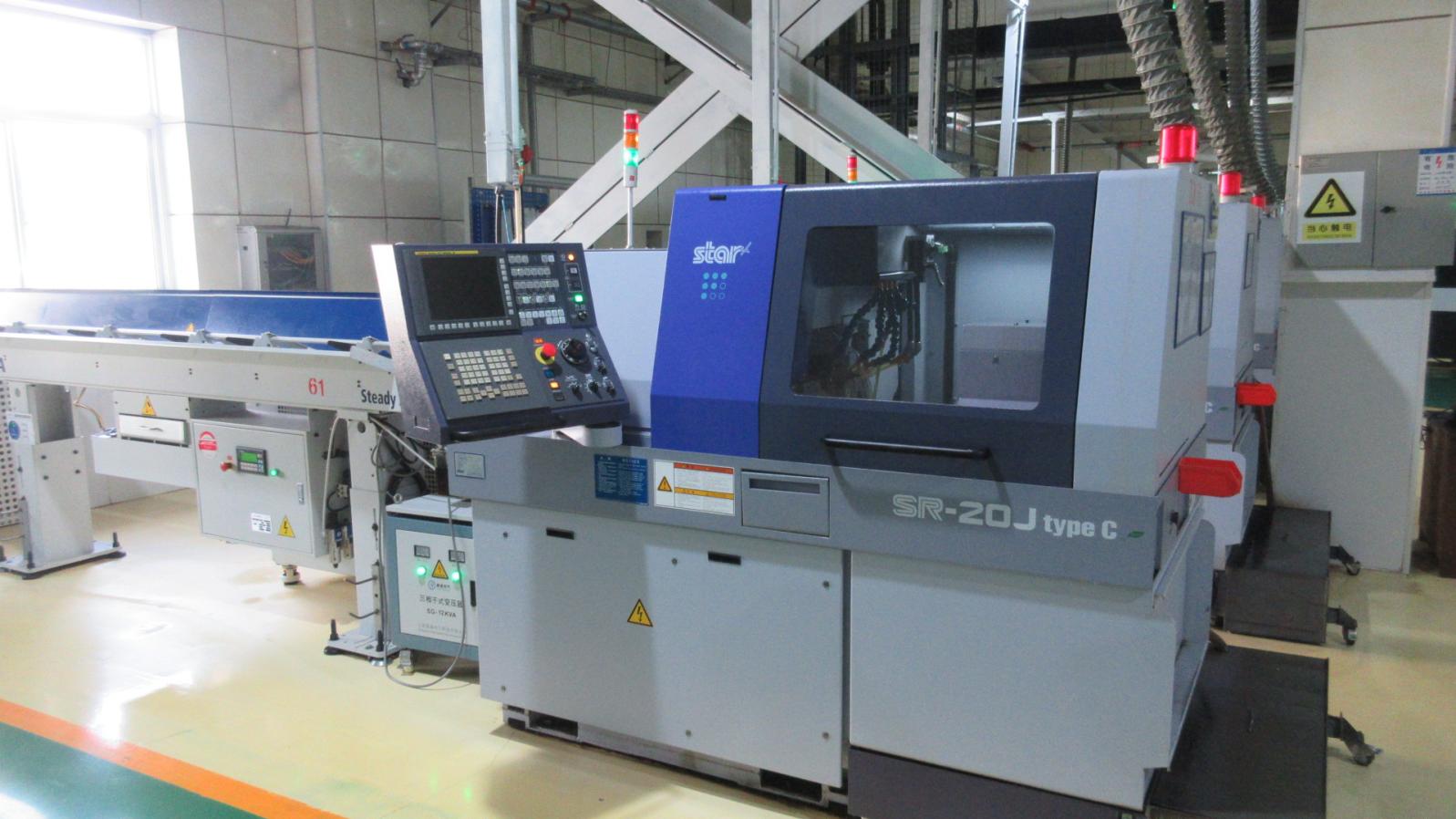
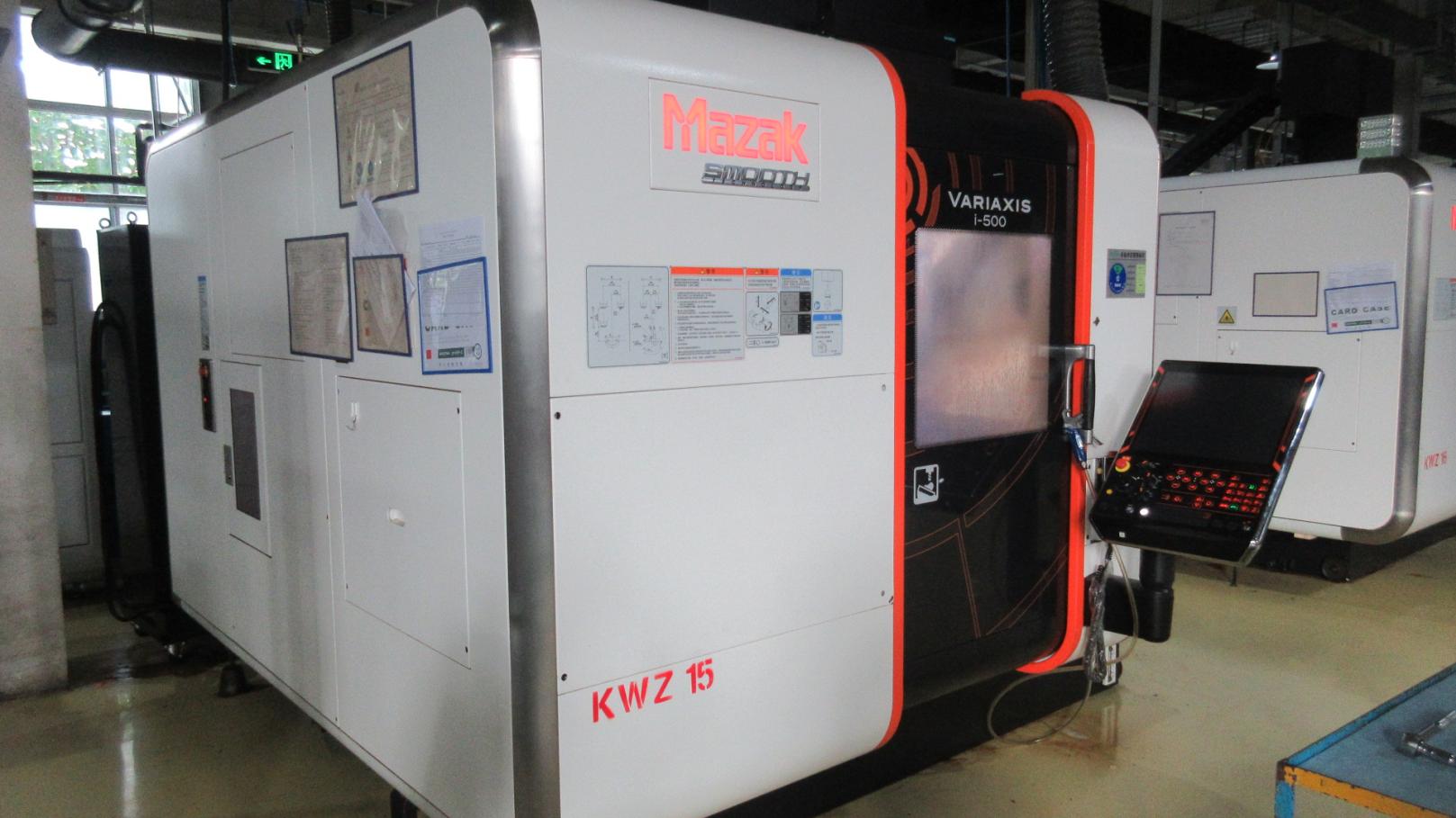
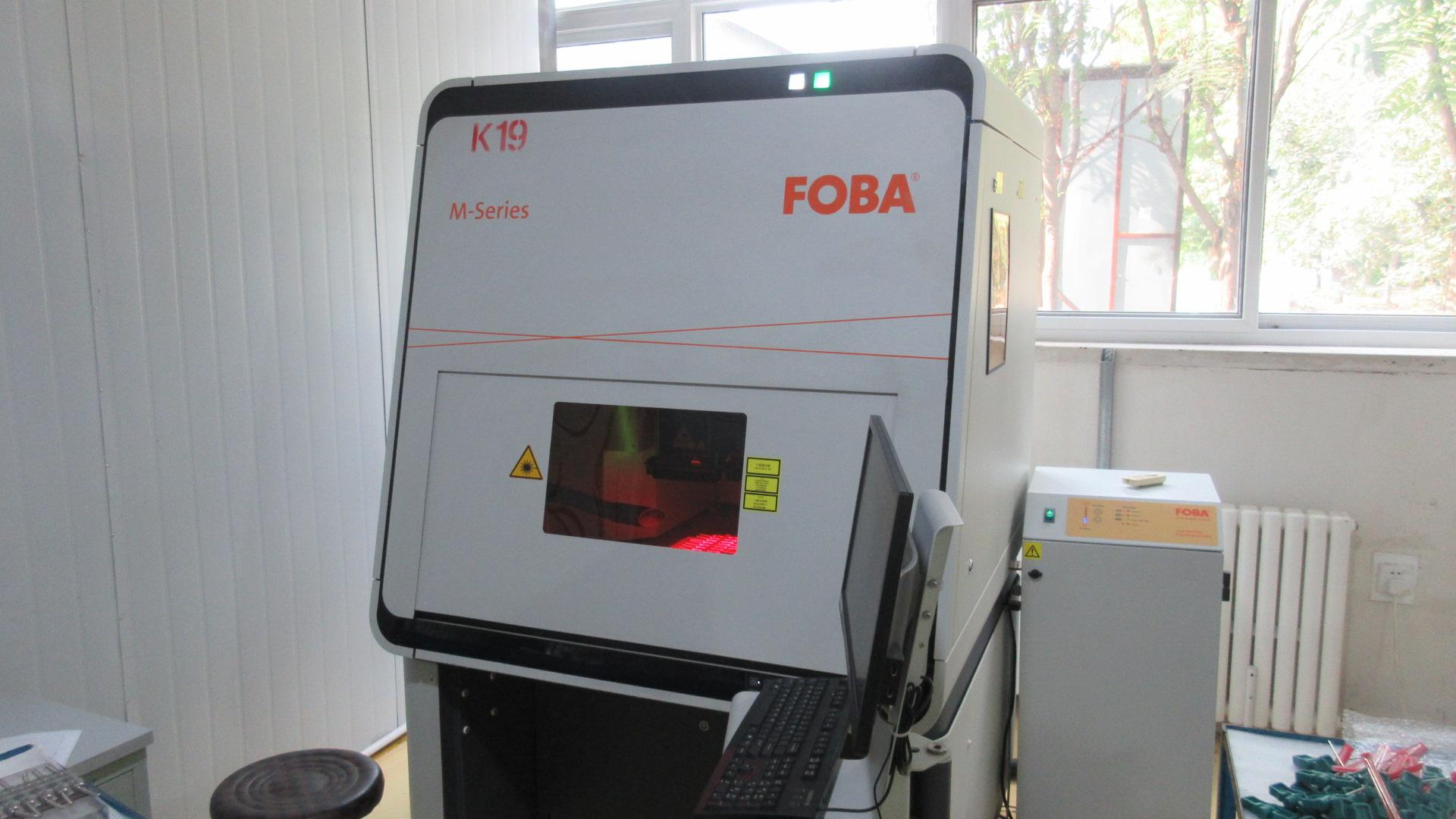
Addressing common queries from orthopedic distributors, procurement officers, and clinical surgeons in Bangladesh.
Receive comprehensive structural drawings, alloy validation reports, and wholesale pricing tables configured for the Bangladesh medical market.
Send Inquiry Now Beren Science & Technology