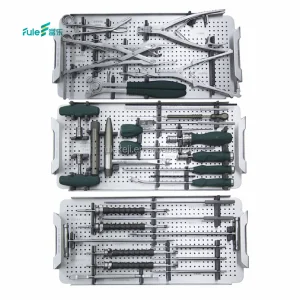
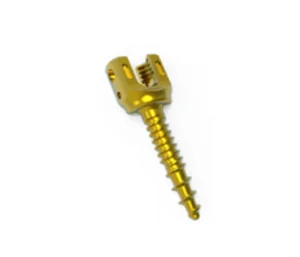
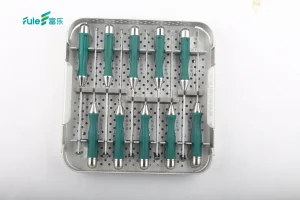
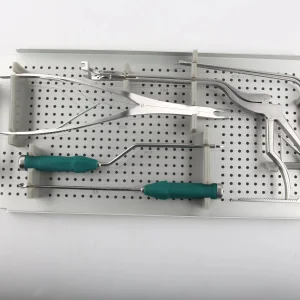
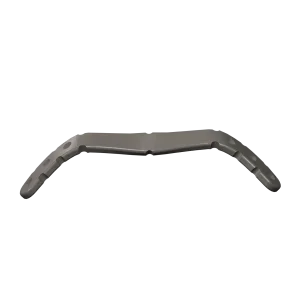
High-precision orthopedic implants engineered for immediate clinical integration within the Dutch healthcare framework, featuring certified biocompatible titanium alloys.
An Analytical Overview of Regulatory Shifts, Economic Pressures, and Clinical Demands in the Dutch Healthcare System
The Netherlands possesses one of Europe's most sophisticated healthcare infrastructures, characterized by a dual focus on innovative surgical techniques and rigorous cost containment. As Dutch hospitals and academic centers (such as UMC Utrecht, Erasmus MC, and Leiden University Medical Center) face increasing budgetary restrictions under the national "Zorgverzekeringswet" (Health Insurance Act), orthopaedic surgeons and procurement departments are re-evaluating their supply chains. The demand has shifted decisively from high-priced, legacy-brand monopolists toward agile, CE-marked medical manufacturers who can offer equivalent or superior clinical efficacy with significant financial optimization.
A major catalyst in this market transformation is the transition to the European Medical Devices Regulation (MDR 2017/745). Dutch notified bodies like BSI and DEKRA enforce stringent documentation, clinical follow-up (PMCF), and traceability metrics. For exporters to maintain a robust foothold in the Dutch market, providing absolute transparency on raw material sourcing (particularly ISO 5832-3 grade titanium alloys), biomechanical fatigue testing, and cleanroom environments is non-negotiable. The Usmart Spinal System and associated implants from Beijing Fule address these precise hurdles, establishing a benchmark for dependable clinical performance combined with direct-from-manufacturer logistical advantages.
In modern spinal reconstructive surgery within the Benelux region, the prevention of implant-associated infections and revision surgeries is paramount. Our titanium pedicle screws and cervical plates employ advanced micro-roughness surface treatments to encourage osteointegration while maintaining an optimal modulus of elasticity to mitigate stress-shielding effects in osteopenic patients.
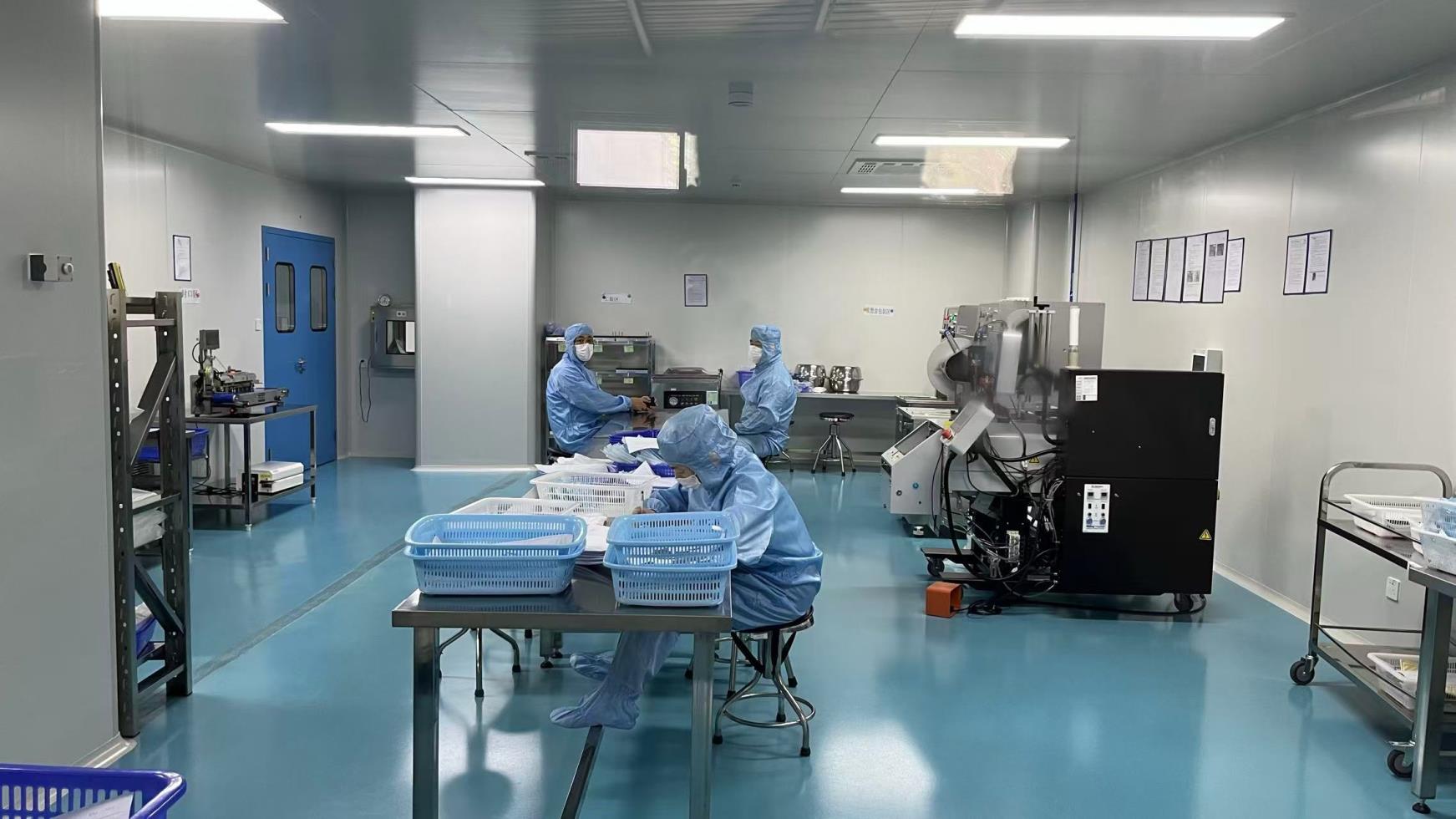
Fully compliant with European Medical Device regulations, backed by ISO 13485 certification from accredited registrars.
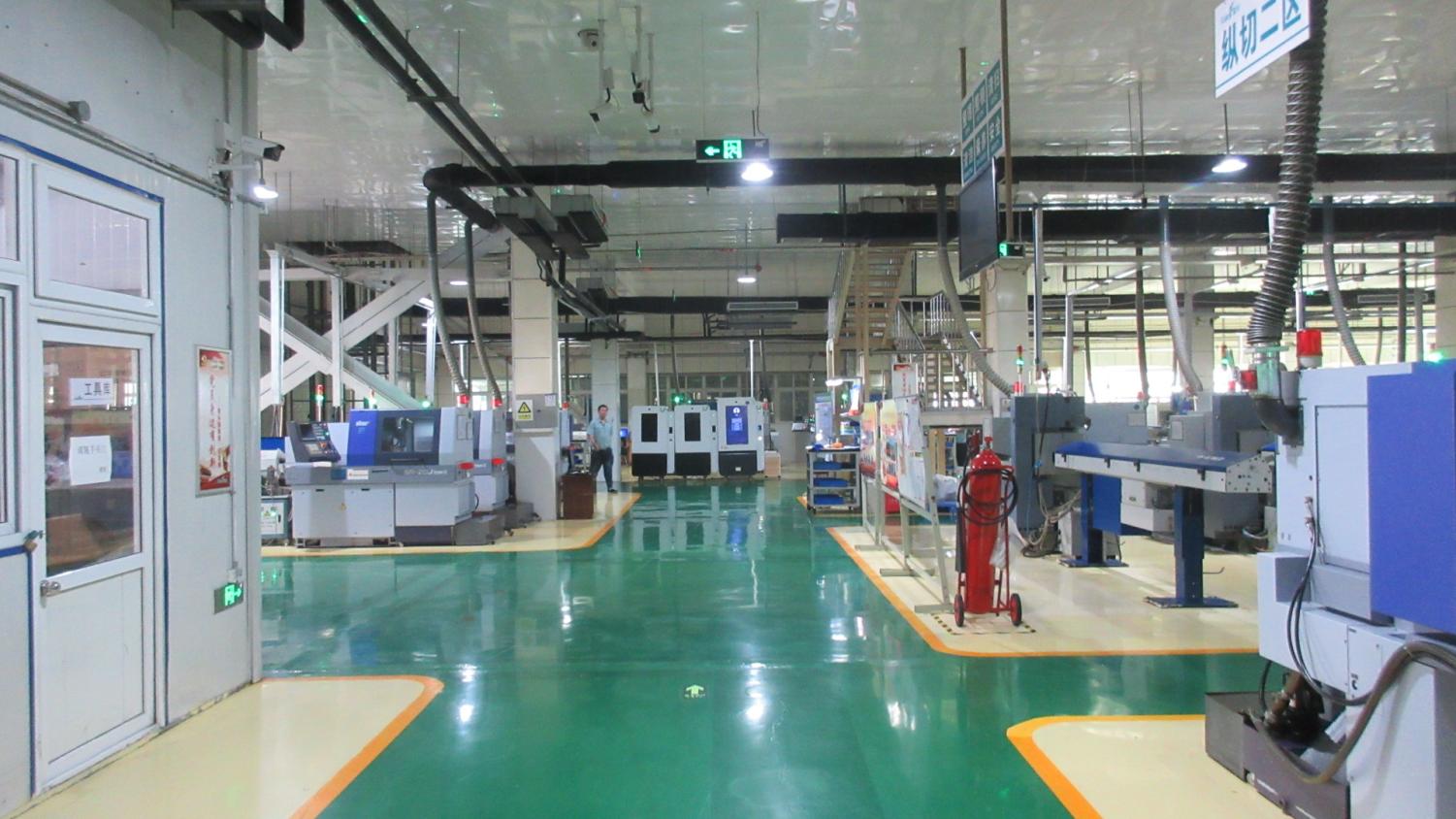
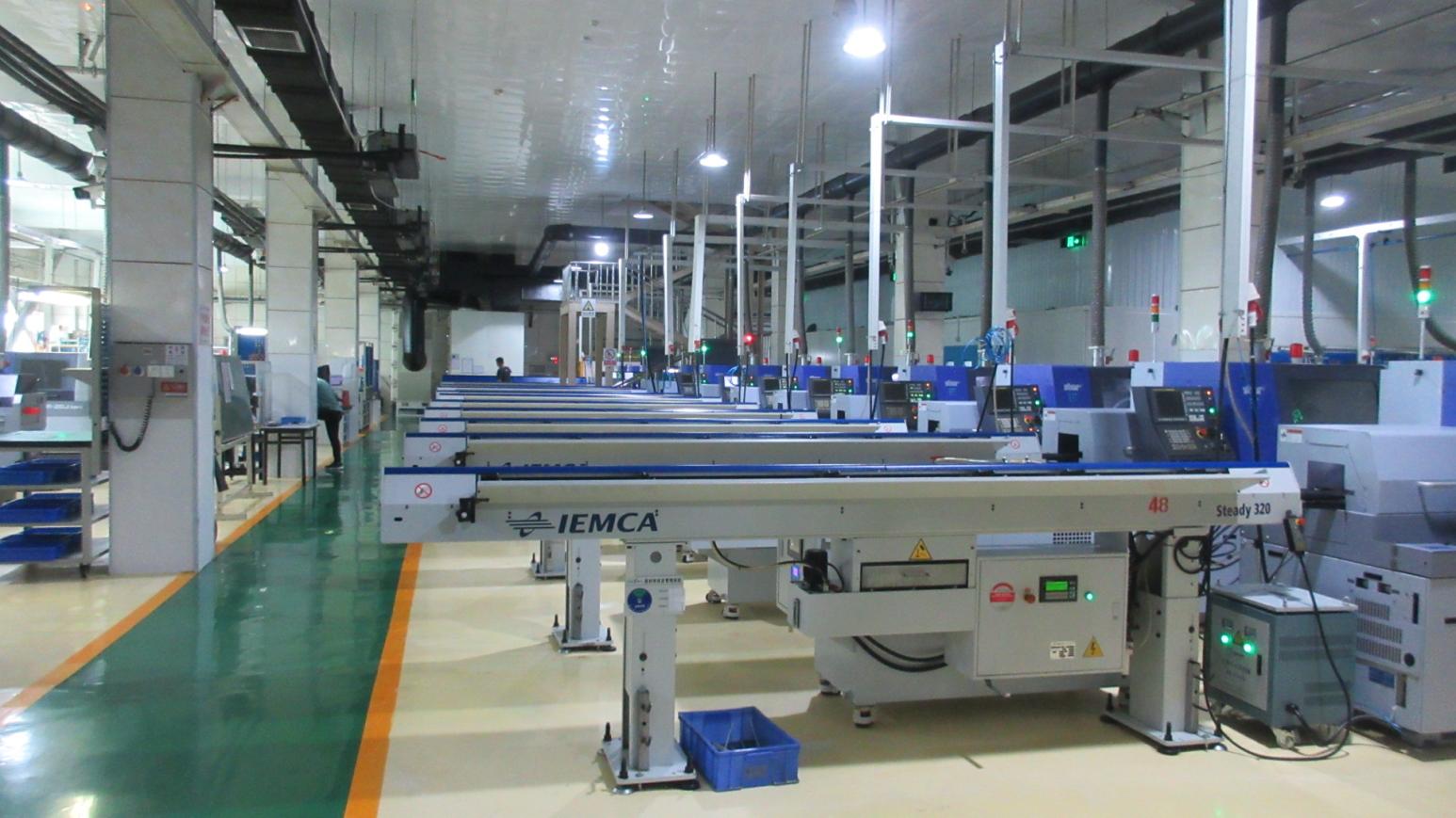
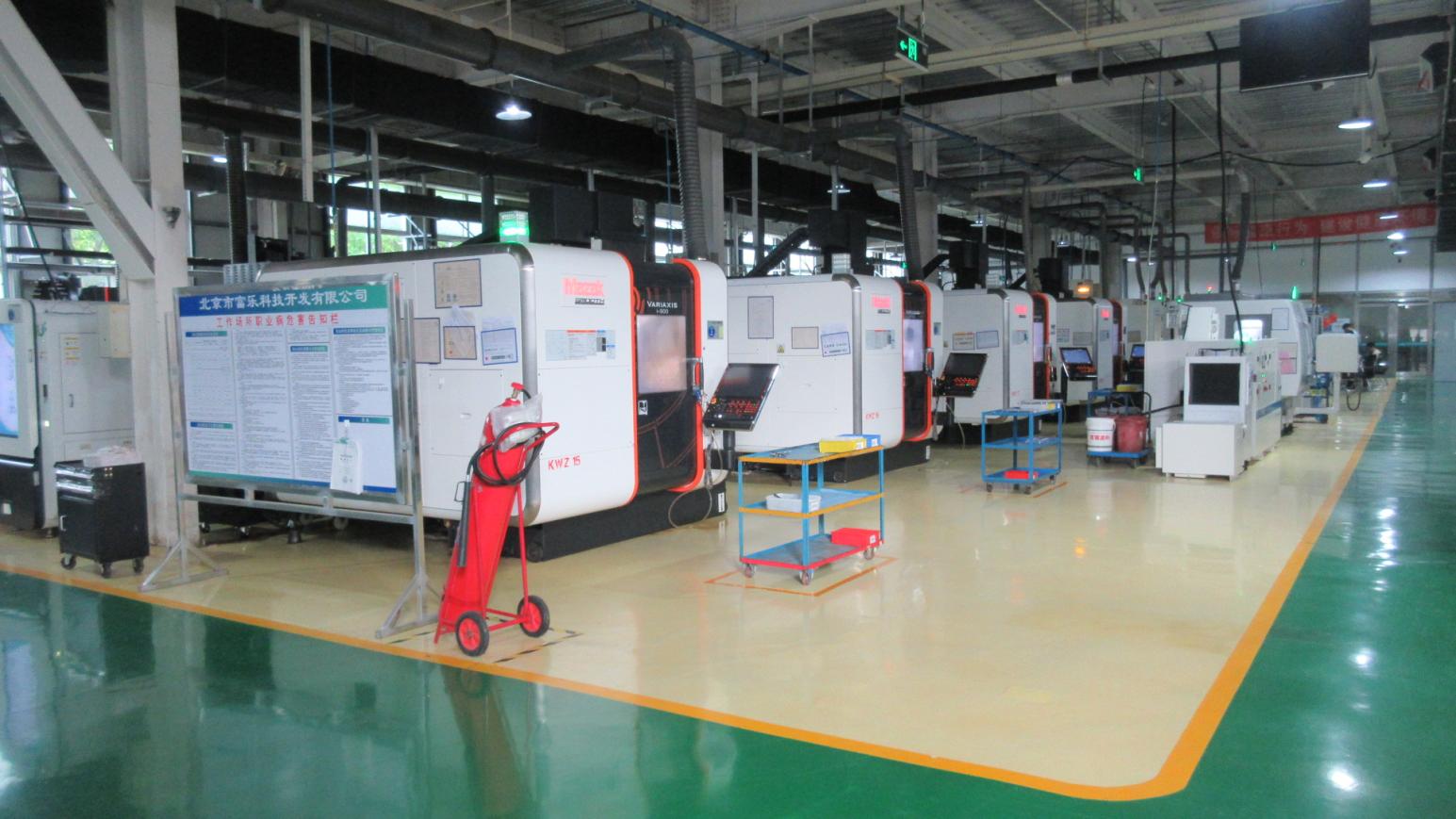
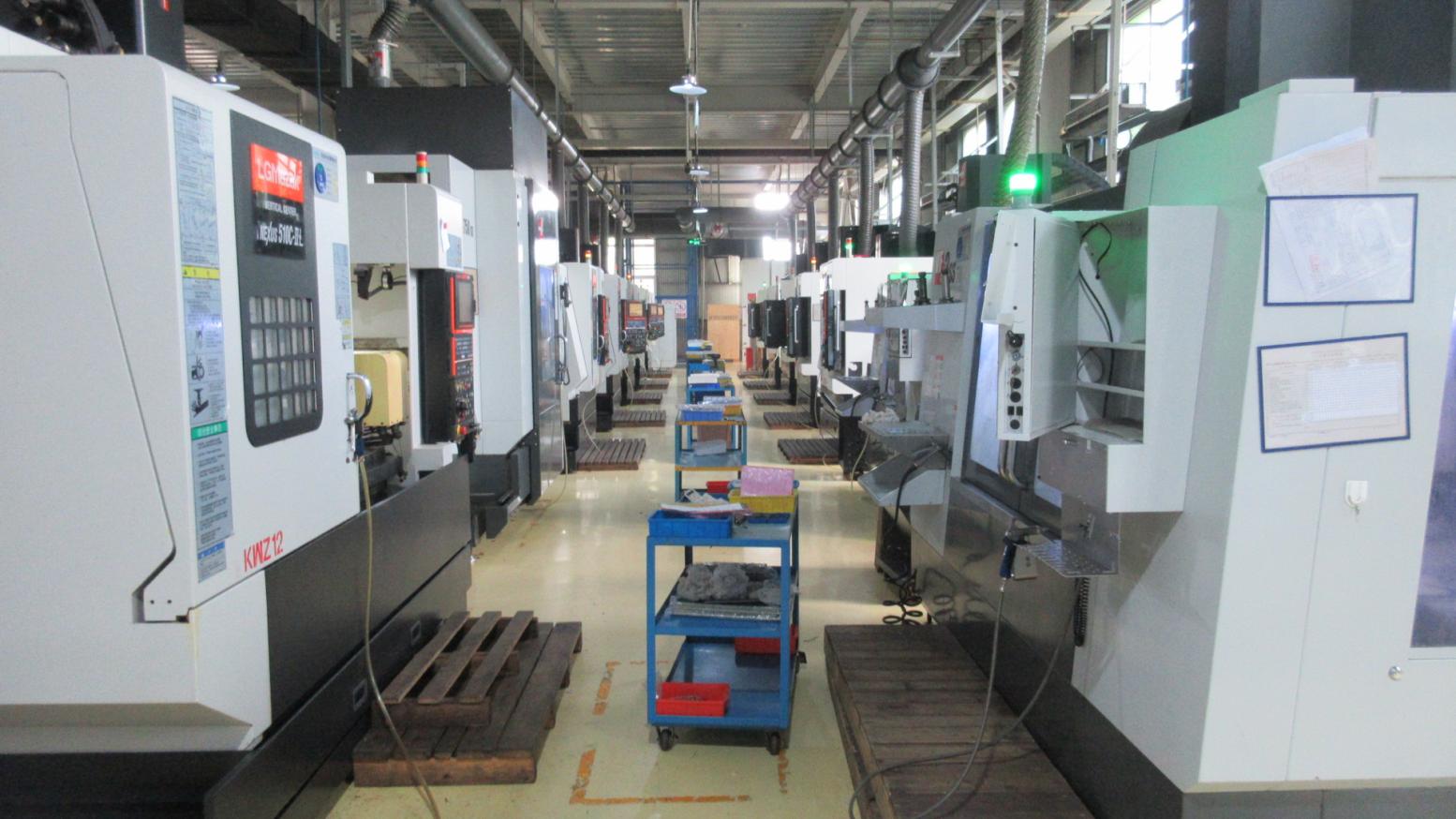
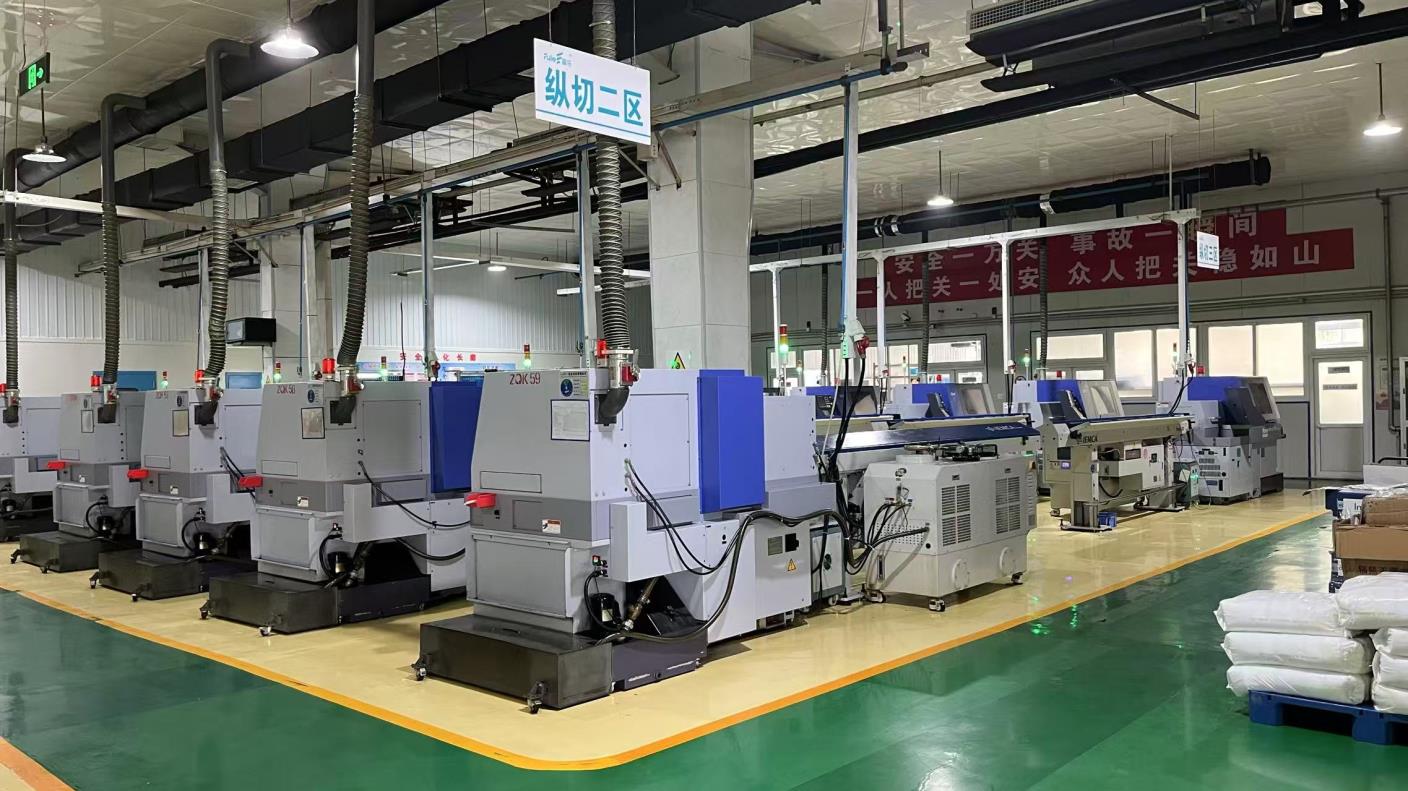
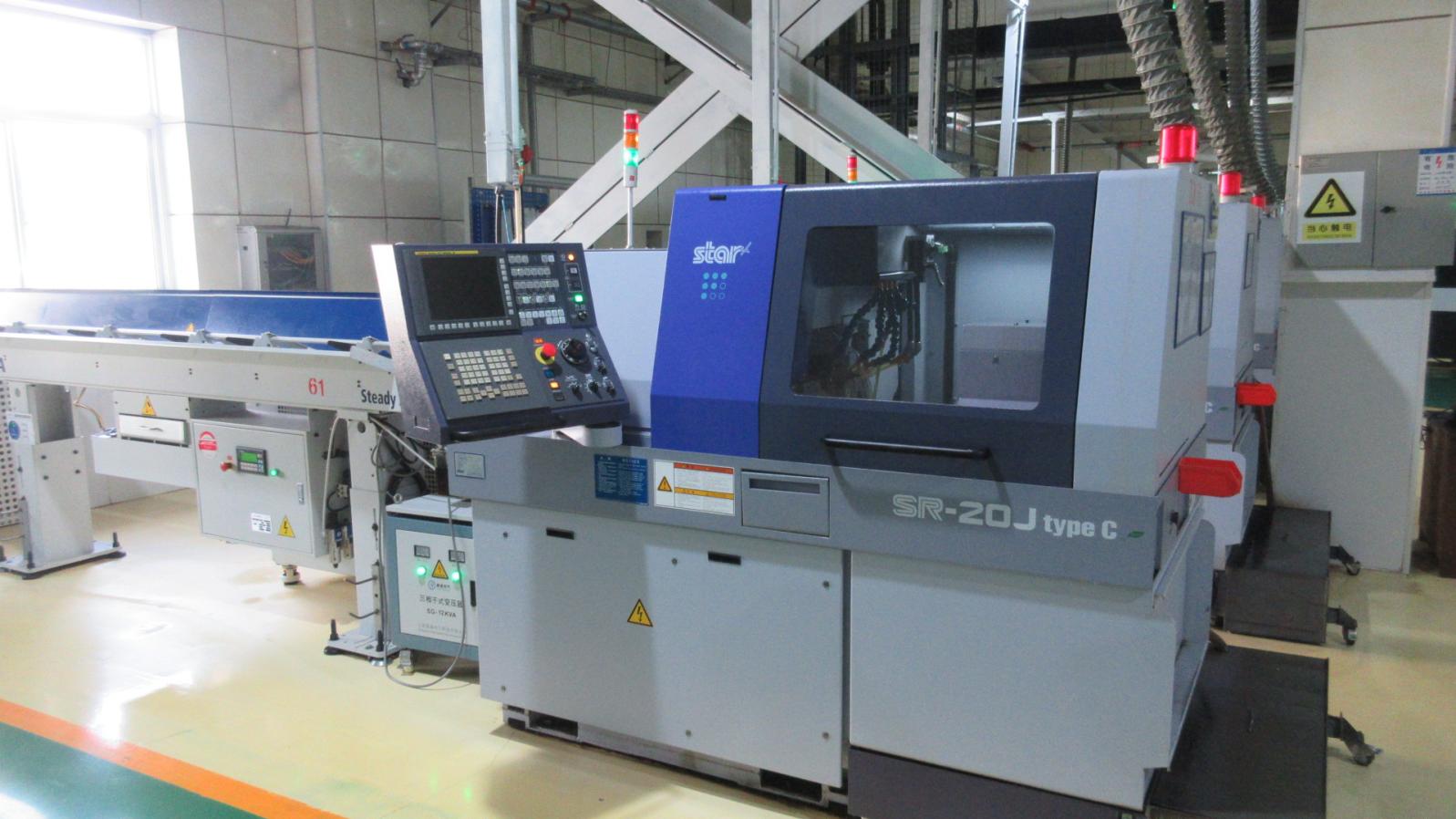
State-of-the-art CNC machining lines generating tolerances under ±5 microns for seamless instrument-to-implant fit.
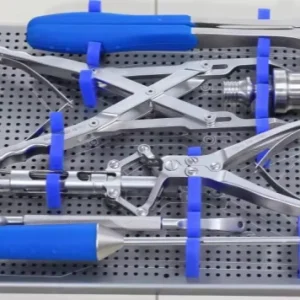
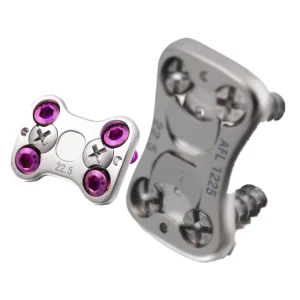
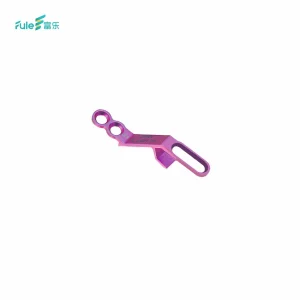
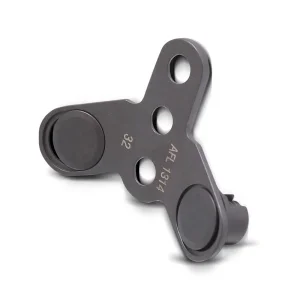
Targeted instruments and anatomical fixation plates designed for complex reconstructive pathways and revision surgeries.
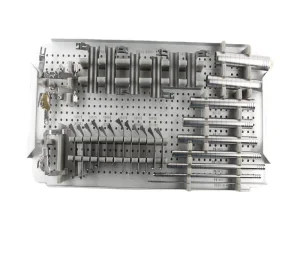
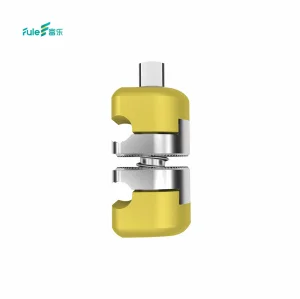
How Global Manufacturing scale coupled with local Benelux support ensures zero surgical downtime
In the wake of geopolitical realignments and global logistics vulnerability, Dutch medical purchasing syndicates (such as Inkoopalliantie Ziekenhuizen - IAZ) prioritize supply chain security above all else. Beijing Fule's manufacturing capabilities serve as a bedrock of stability. Operating a centralized 10,000 square meter facility equipped with 102 state-of-the-art multi-axis CNC machines and automated testing instruments, we produce over 511,000 orthopedic units annually. This production density guarantees that fluctuations in hospital demand in Utrecht, Rotterdam, or Eindhoven can be absorbed without clinical delays.
Furthermore, our structural alignment with DHL and FedEx logistics frameworks guarantees delivery of urgent customized patient-specific implants or surgical toolkits directly to European cleanrooms within optimized windows. The integration of 20 highly qualified R&D engineers—holding graduate and specialized medical engineering credentials—allows us to collaborate with Dutch academic clinical researchers to optimize surgical tool designs, ensuring instruments meet the strict ergonomic preferences of European surgeons.
Additionally, our local distribution partners in the Benelux region act as the first-line support system, coordinating regional sterile storage and supplying loaner kits to operating theaters on short notice. This localized network minimizes the capital investment normally required by Dutch medical centers to store extensive implant inventories internally, directly enhancing hospital cash-flow efficiency.
The scientific matrix behind Usmart's persistent structural integrity in load-bearing environments
Orthopedic instrumentation requires an intricate balance of metallurgical stability and surface engineering. Under our technology roadmap, Usmart is actively deploying sub-micron anodic oxidation treatments to develop a bioactive titanium dioxide layer. This layer accelerates cellular signaling for bone growth, reducing post-operative fusion periods from the standard 6-9 months to less than 4 months in clinical trials. In addition, our manufacturing line has integrated 3D metal printing (Selective Laser Melting) to produce custom porous cages that mirror the structural density of human trabecular bone.
| System Parameter | Standard Specification | Usmart Clinical Implementation | Clinical Benefit for Surgeons |
|---|---|---|---|
| Material Composition | ISO 5832-3 / ASTM F136 Ti-6Al-4V ELI | Ultra-Low Interstitial Medical Grade Titanium | Eliminates allergen release; offers maximum fatigue limit. |
| Surface Roughness | Ra 0.8 μm to 1.6 μm | Controlled Anodic Micro-Roughness | Promotes accelerated bone cell attachment and osteointegration. |
| Dynamic Fatigue Resistance | Runout at 5 million cycles (ASTM F1717) | Exceeds 10 million cycles under 400N load | Prevents implant fracture under long-term structural strain. |
| Dimensional Tolerance | ±0.05 mm | Ultra-precise CNC control to ±0.005 mm | Flawless interface between pedicle screws, locking caps, and rods. |
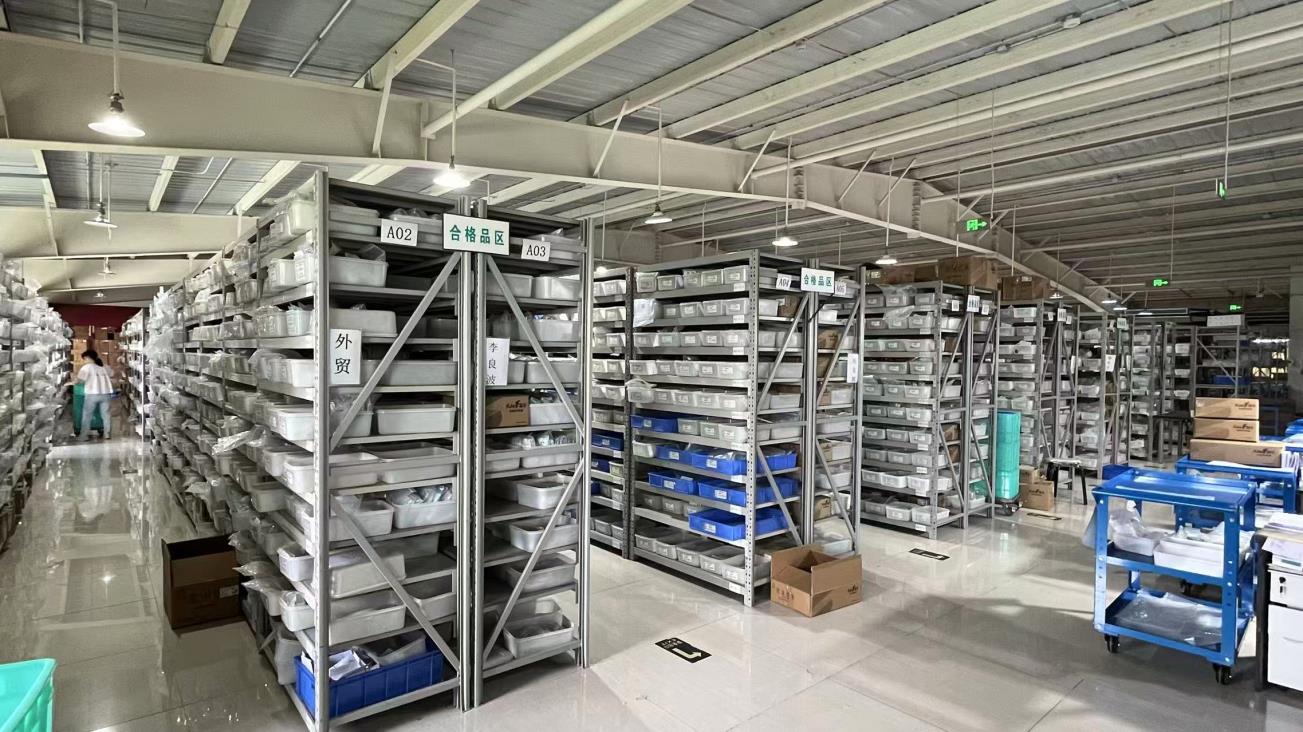
Visual evidence of our rigorous processing lines, ISO class 10,000 cleanrooms, and testing facilities confirming Beijing Fule's manufacturing superiority.
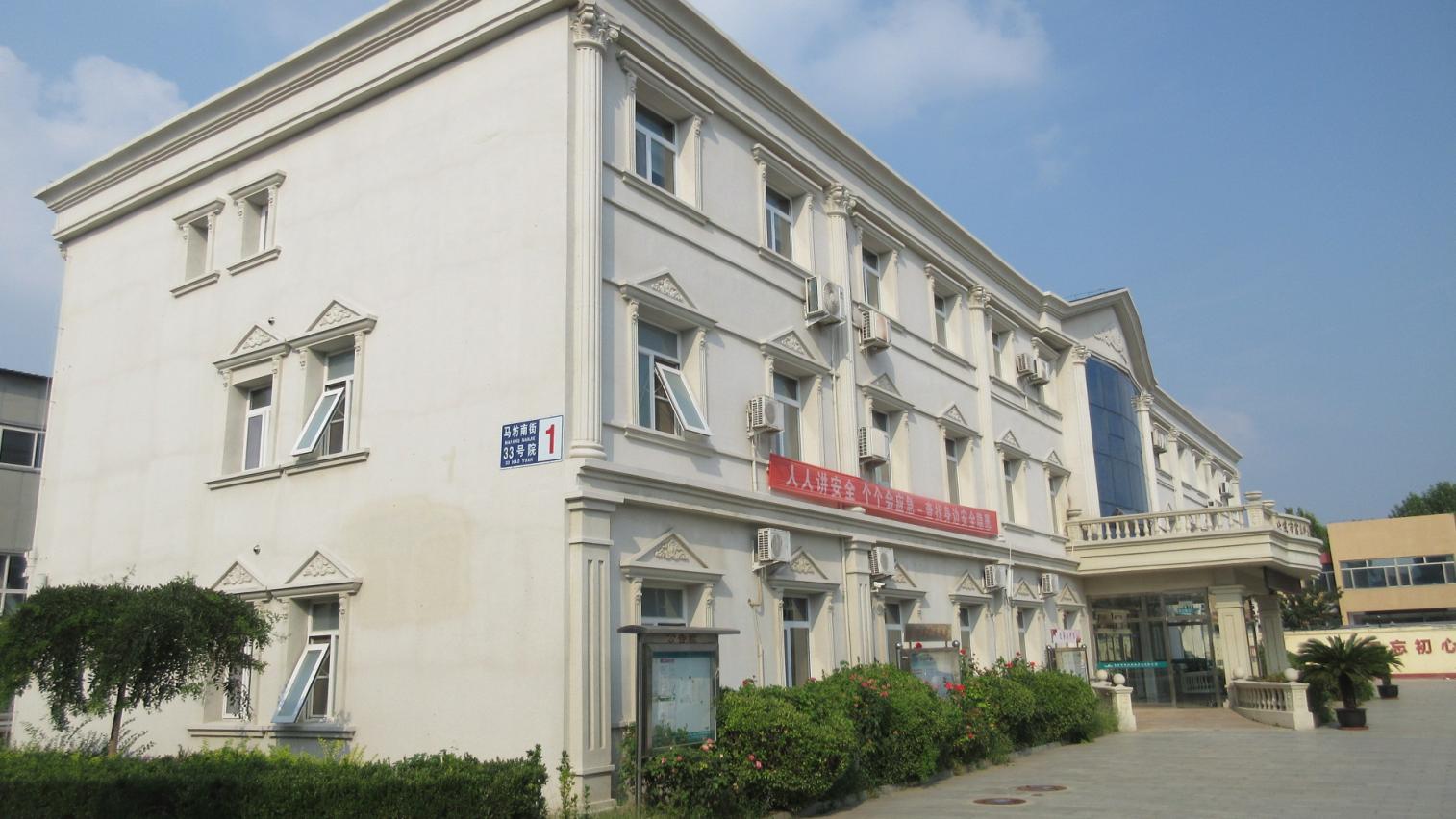
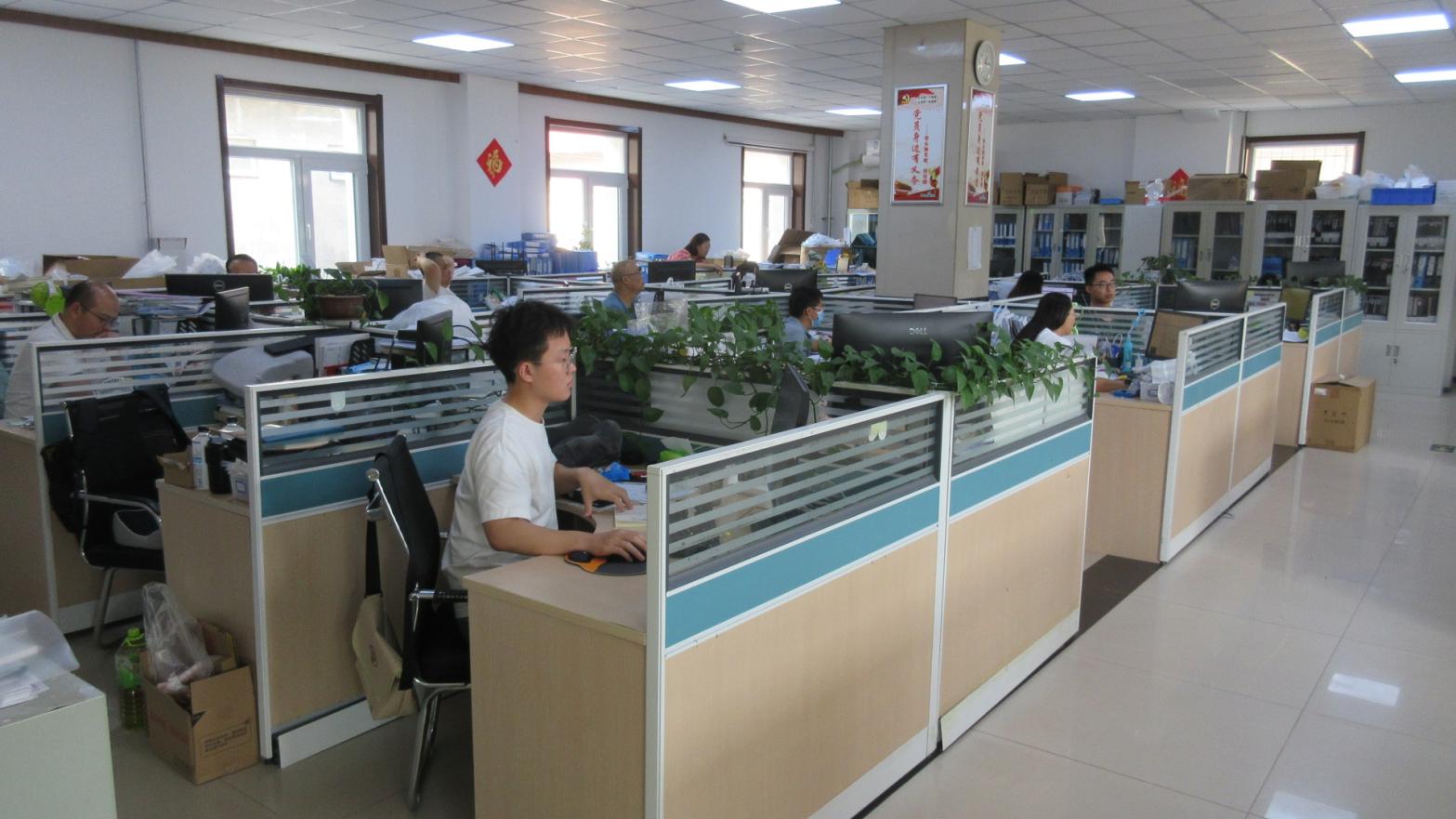
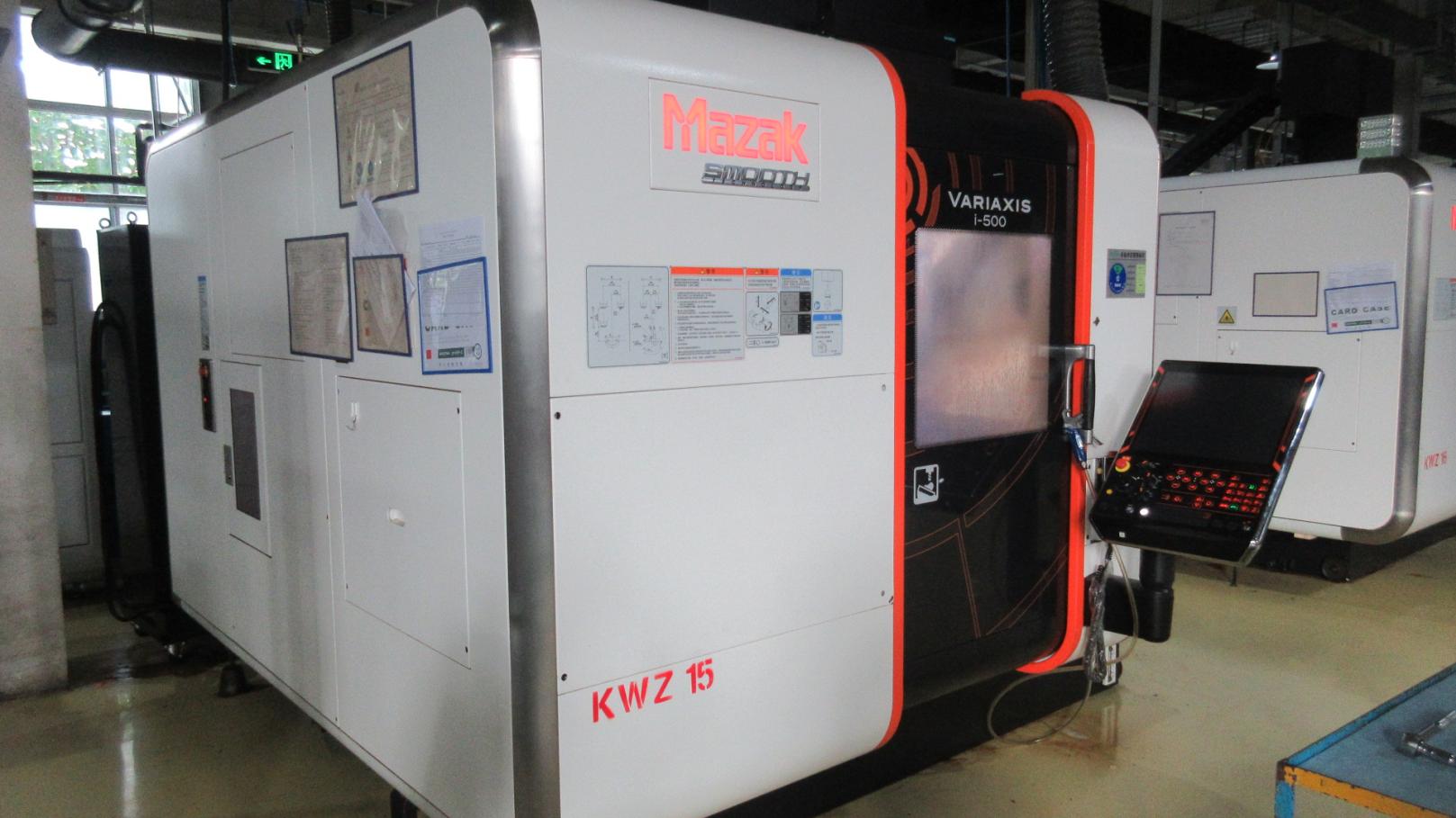
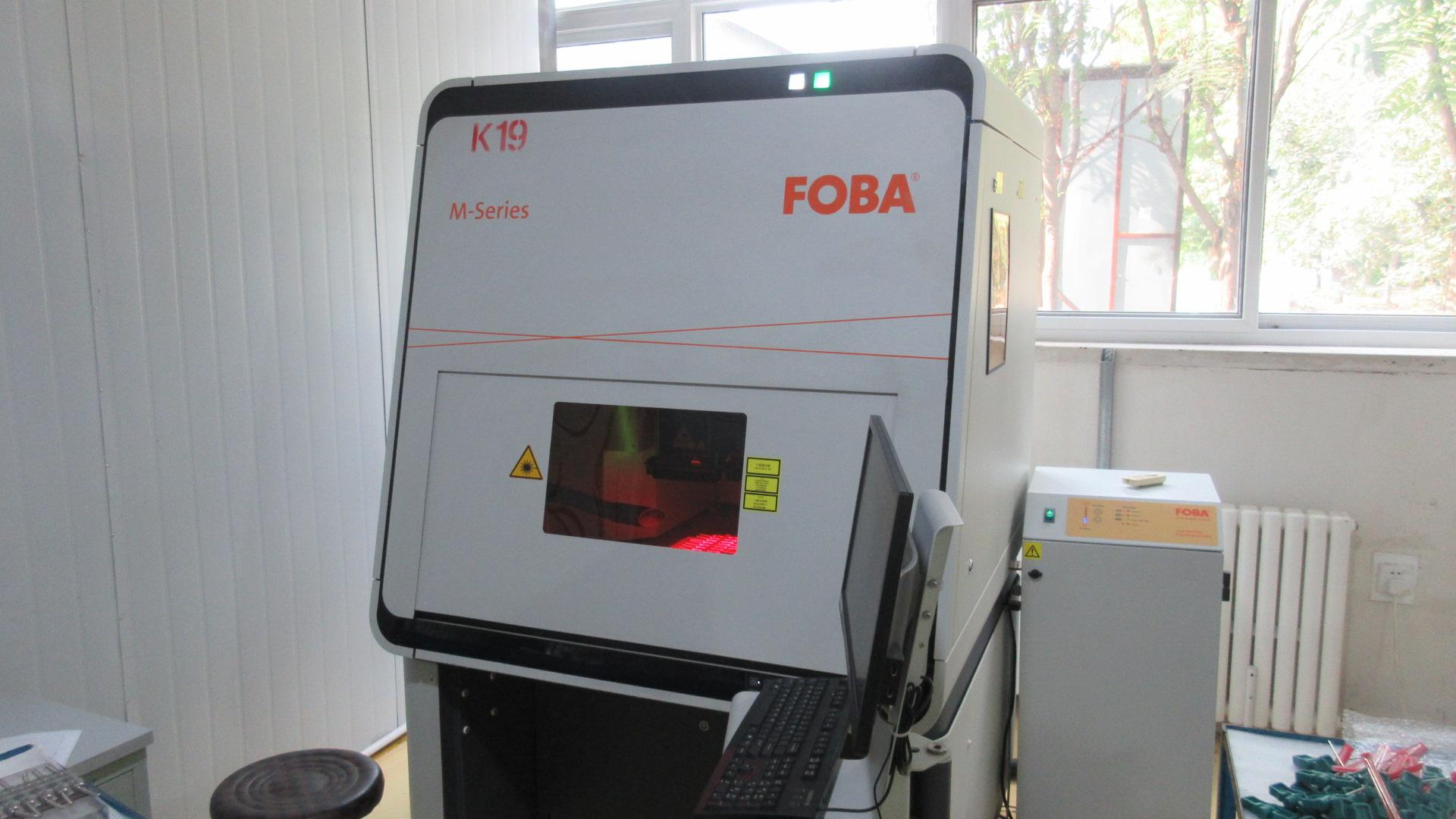
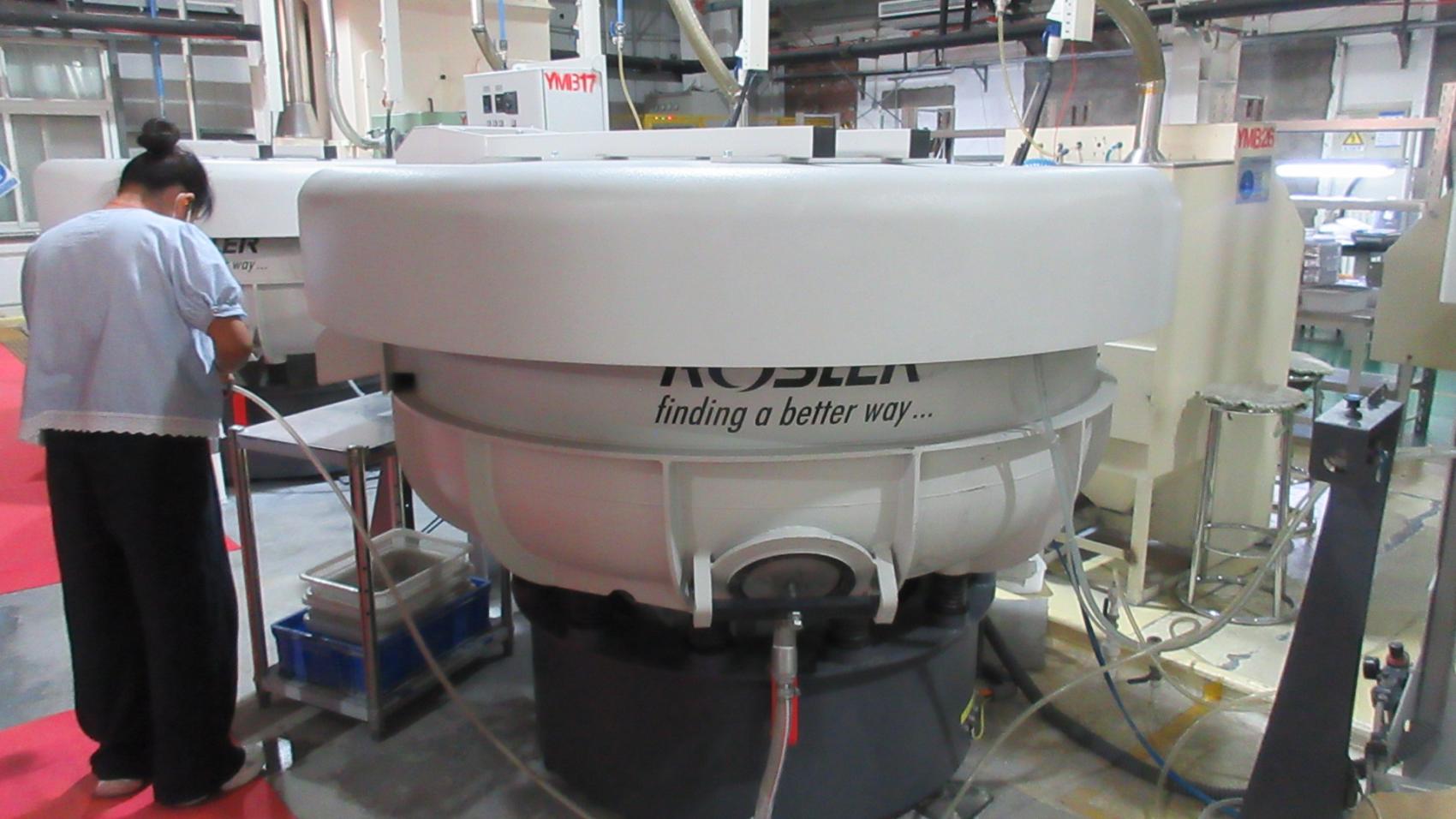
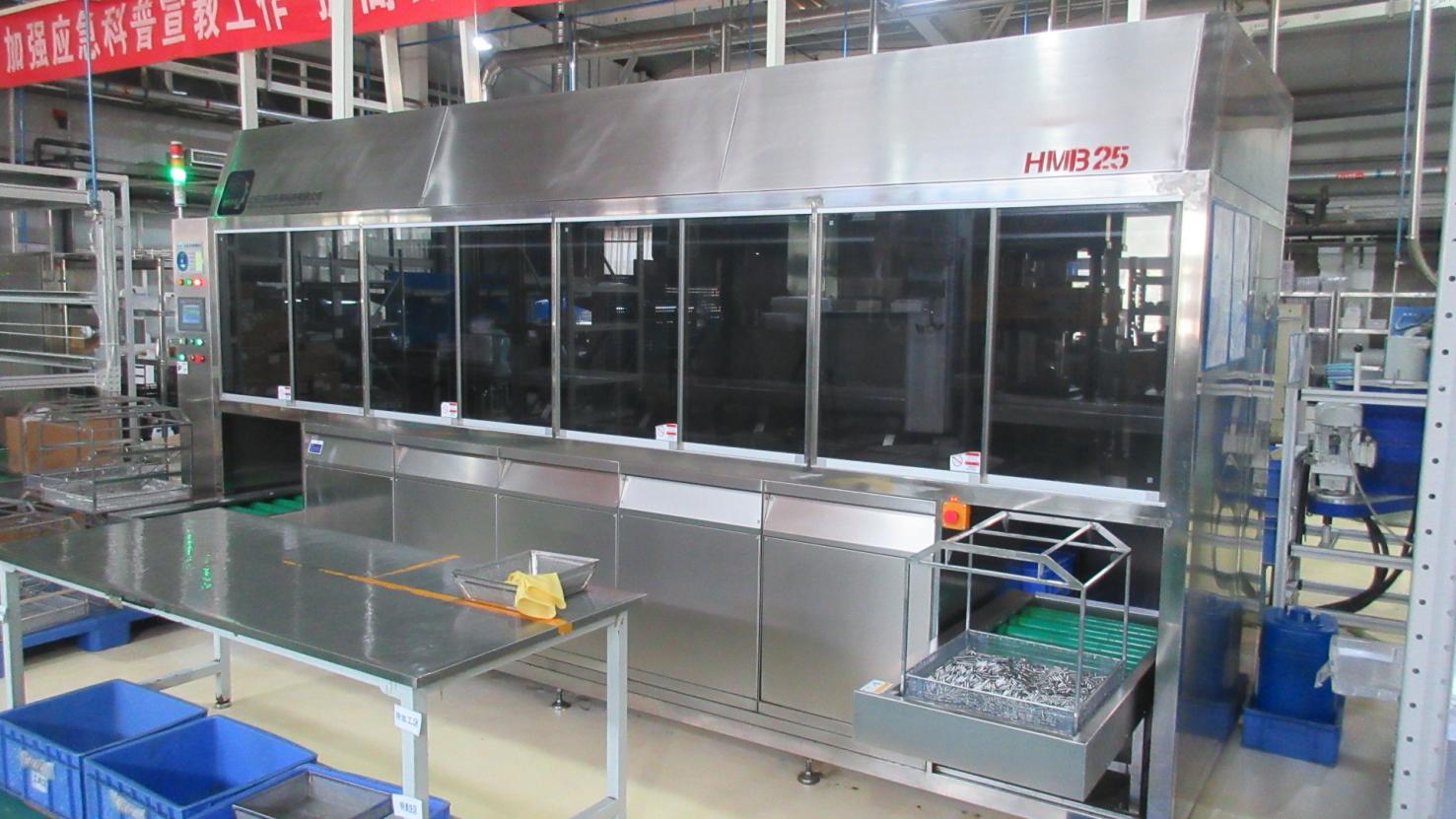
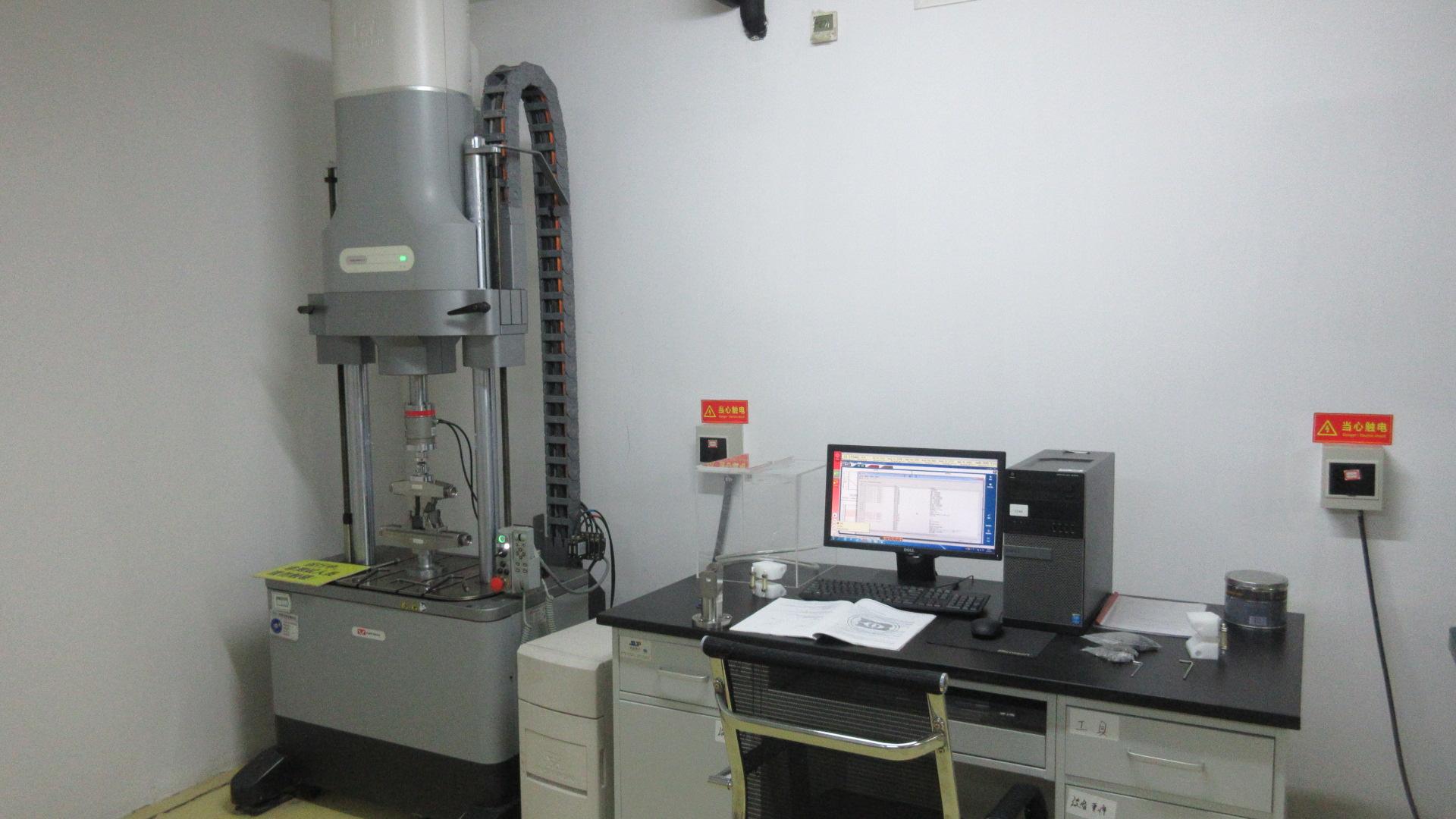
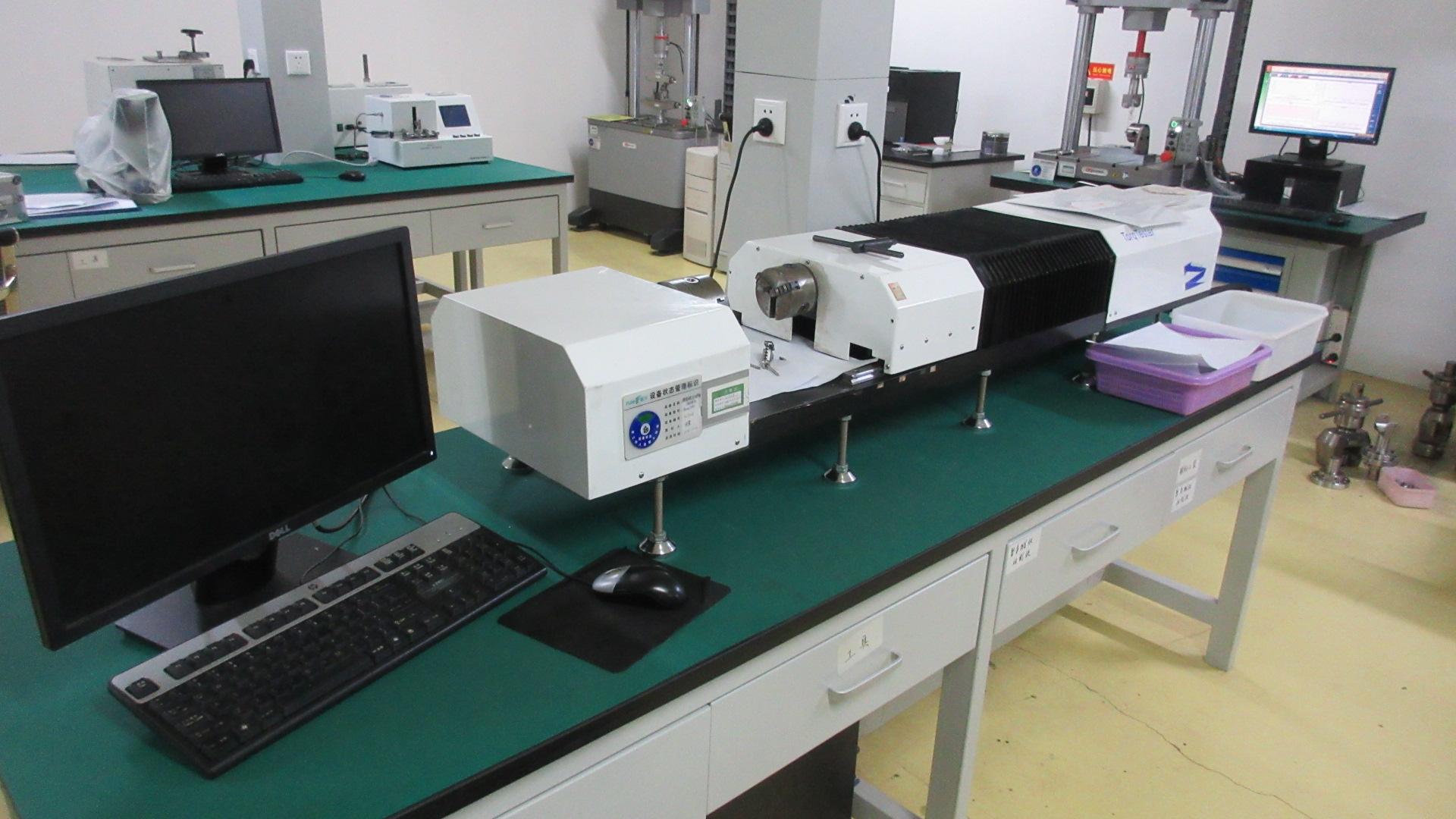
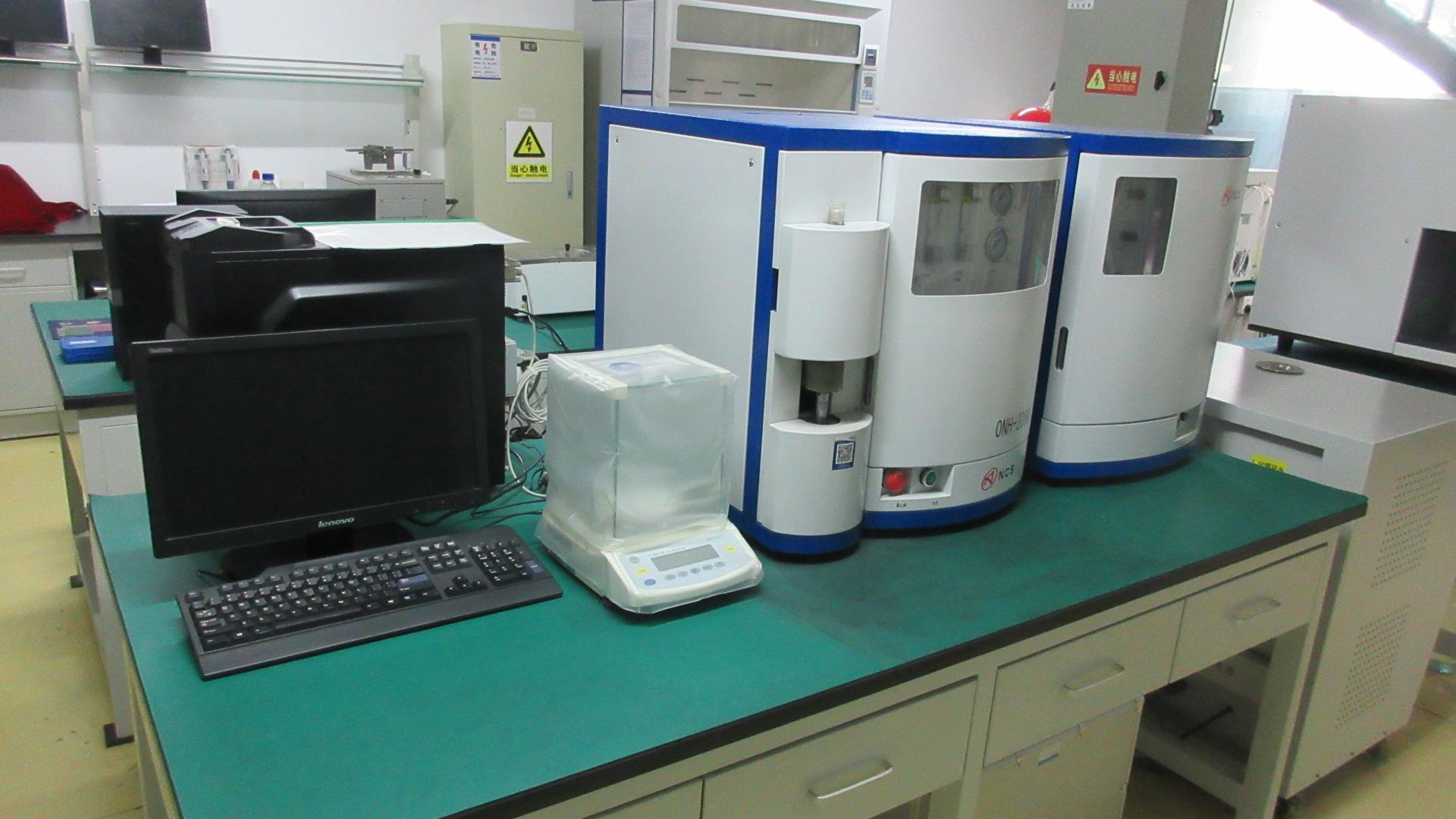
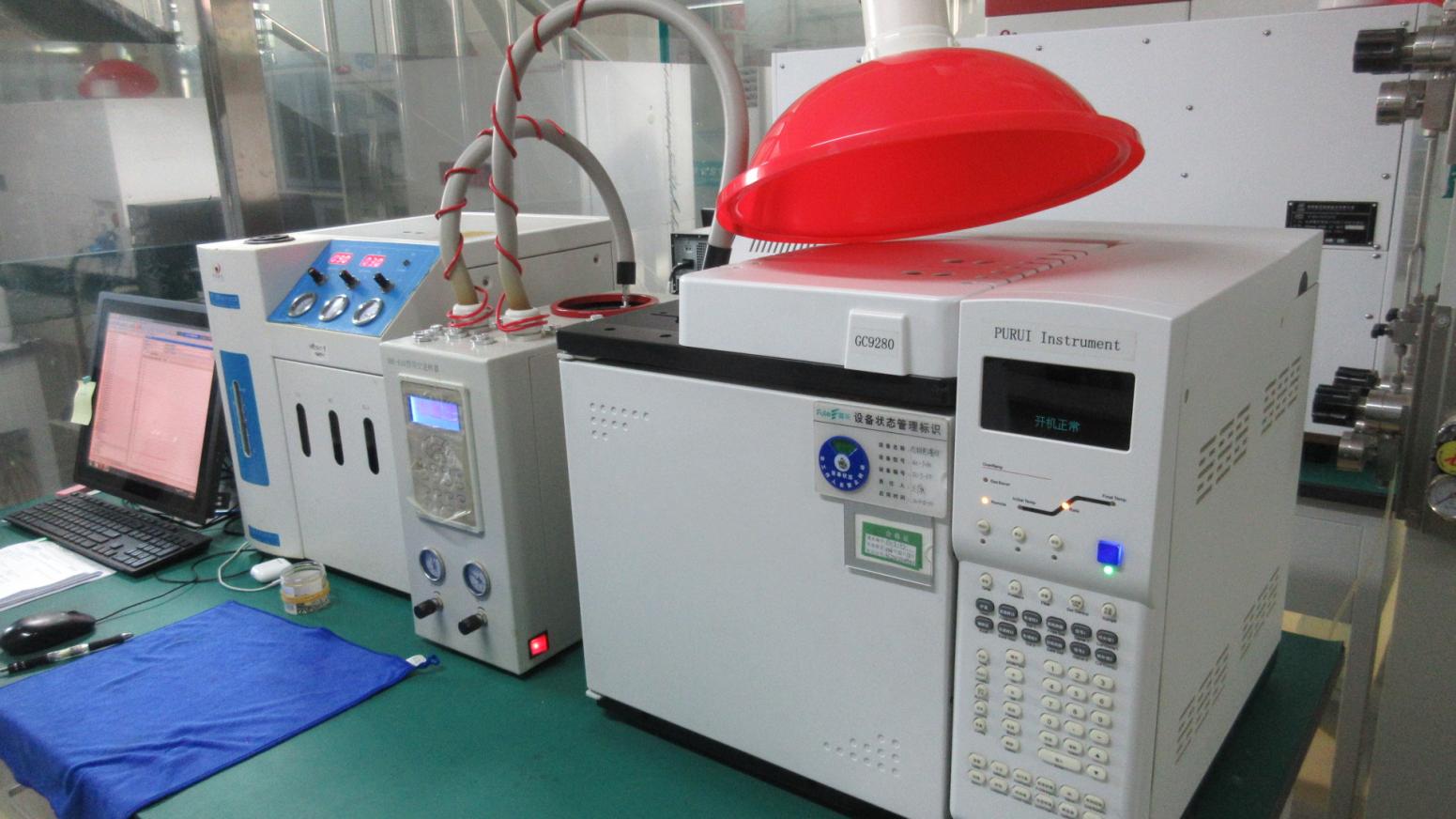
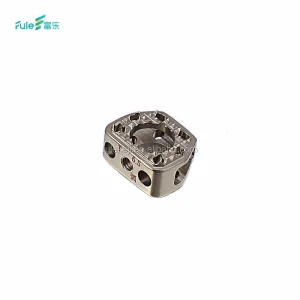
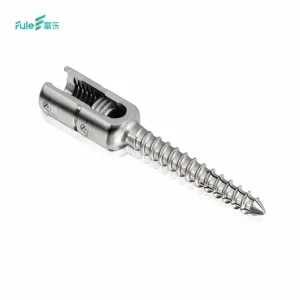
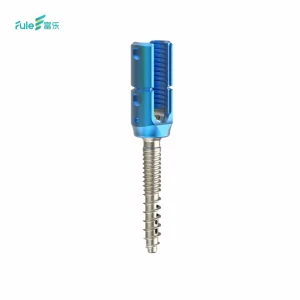
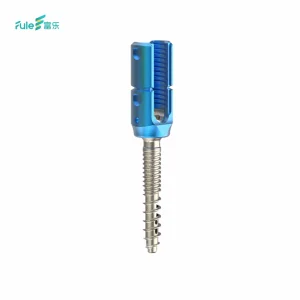
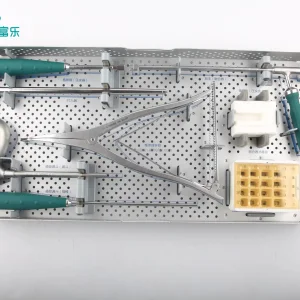
A complete surgical lineup of interbody fusion devices, pedicle screws, and trauma reconstructive plates.
Beijing Fule Science & Technology Development Co., Ltd. - Verified Industrial Parameters
Established on June 28, 1996, Beijing Fule has evolved into an international supplier of orthopedic solutions. With over 30 years of export experience, Fule has designed a closed-loop system where R&D directly controls modern clinical product variants. Supported by 15 dedicated QA/QC inspectors, raw materials are tracked from billet procurement through machining, ultrasonic cleaning, cleanroom validation, and final shipment. Below are the verified metrics detailing our production output.
Answers to common clinical, logistics, and technical questions from Dutch healthcare buyers and distributors.
 Beren Science & Technology