VSS Factories & Exporters in the Uruguay Market

Clinical-Grade Vertebroplasty & Spinal Systems (VSS): High-Precision Implants and MISS Instrumentation Configured for Southern Cone Healthcare Providers

Request White Paper & Catalog

White Paper: Vertebral & Spinal Systems (VSS) Procurement Dynamics in Uruguay

The Latin American medical device market is undergoing structural modernization, driven by demographic transitions and the decentralization of specialized healthcare. Within this region, Uruguay presents a highly sophisticated landscape. Boasting one of South America's highest life expectancy rates, the demand for geriatric orthopedic interventions—specifically targeting Vertebral Compression Fractures (VCFs), degenerative disc diseases, and spinal instabilities—has elevated the commercial significance of premium Vertebral & Spinal Systems (VSS). This document analyzes the procurement paradigms, quality assurance frameworks, and manufacturing optimizations bridging Chinese premium fabrication with Uruguayan surgical excellence.

Key Insight for Import & Regulatory Directors: The Uruguayan Ministry of Public Health (Ministerio de Salud Pública - MSP) enforces stringent equivalence trials and documentation audits. Partnering with a manufacturer offering ISO 13485-certified traceability and raw material mill certificates is non-negotiable for smooth customs clearance and hospital tender qualification.

Uruguay's Industrial and Clinical Landscape for Spine Surgery

Uruguay's healthcare architecture, split between the public sector (ASSE) and private mutual healthcare providers (Mutualistas), relies heavily on imported medical devices. The country's strict fiscal discipline and focus on patient safety mean that purchasing organizations seek high performance-to-price ratios. While premium Western brands historically dominated the clinical sector in Montevideo, Maldonado, and Salto, the structural shift towards cost-containment has paved the way for advanced manufacturers that do not compromise on material integrity.

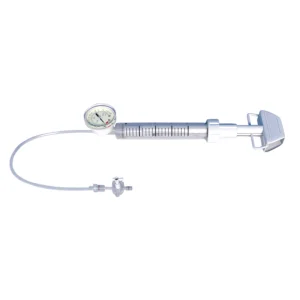
In clinical practice, minimally invasive spine surgery (MISS) is the preferred modality. Traditional open spinal fusion is increasingly replaced by percutaneous pedicle screw fixation and micro-endoscopic decompression. Additionally, the high incidence of osteoporosis in the aging Uruguayan population has led to a major increase in vertebroplasty and kyphoplasty procedures. These clinical demands require reliable access to Class I and Class III implantable materials that can interface seamlessly with existing navigation systems and intraoperative imaging setups.

Global Market Context: The Shift Towards Value-Based Orthopedics

Globally, the spinal implant market is shifting from high-margin proprietary ecosystems to open-source, highly compatible implant architectures. High-quality titanium alloys (Grade 5 / Ti-6Al-4V ELI) and PEEK (Polyetheretherketone) remain the gold standards for osseointegration and biomechanical stability. The global VSS supply chain is undergoing reorganization; distributors in both Latin America and Europe are mitigating supply-chain bottlenecks by establishing direct factory partnerships in manufacturing hubs that possess massive economies of scale.

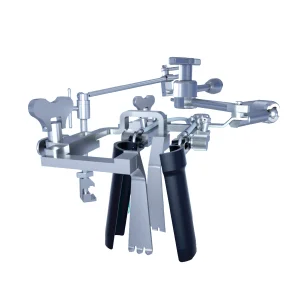
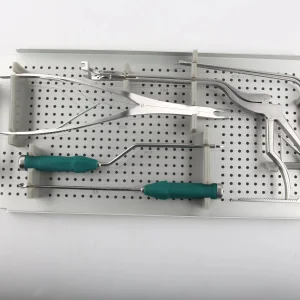
For Uruguayan surgical procurement coordinators, this global shift allows them to bypass intermediate trading houses and secure direct-to-factory supply agreements. The primary criteria for these partnerships include not only CE markings and FDA clearances but also the manufacturer’s capacity to supply custom instrumentation sets (e.g., custom pedicle screw drivers, rod benders, and extraction kits) that reduce operation time and lower the incidence of hardware failure during revision surgeries.

1996
Est. Year & Experience
10,000㎡
Production Floor Space
102+
Advanced CNC Machines
511,000
Annual Unit Output

China Precision Manufacturing: The Competitive Edge in VSS Production

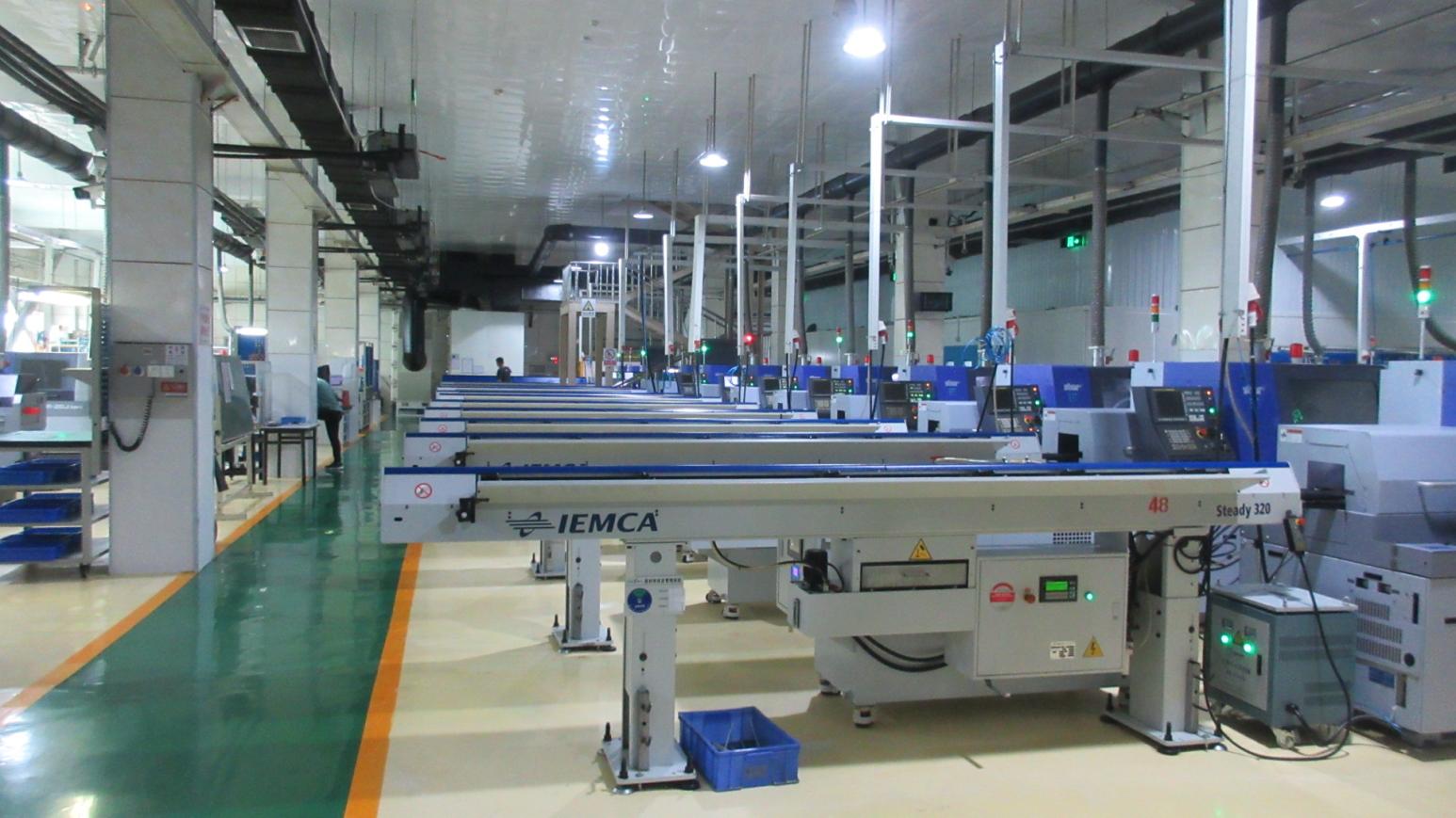
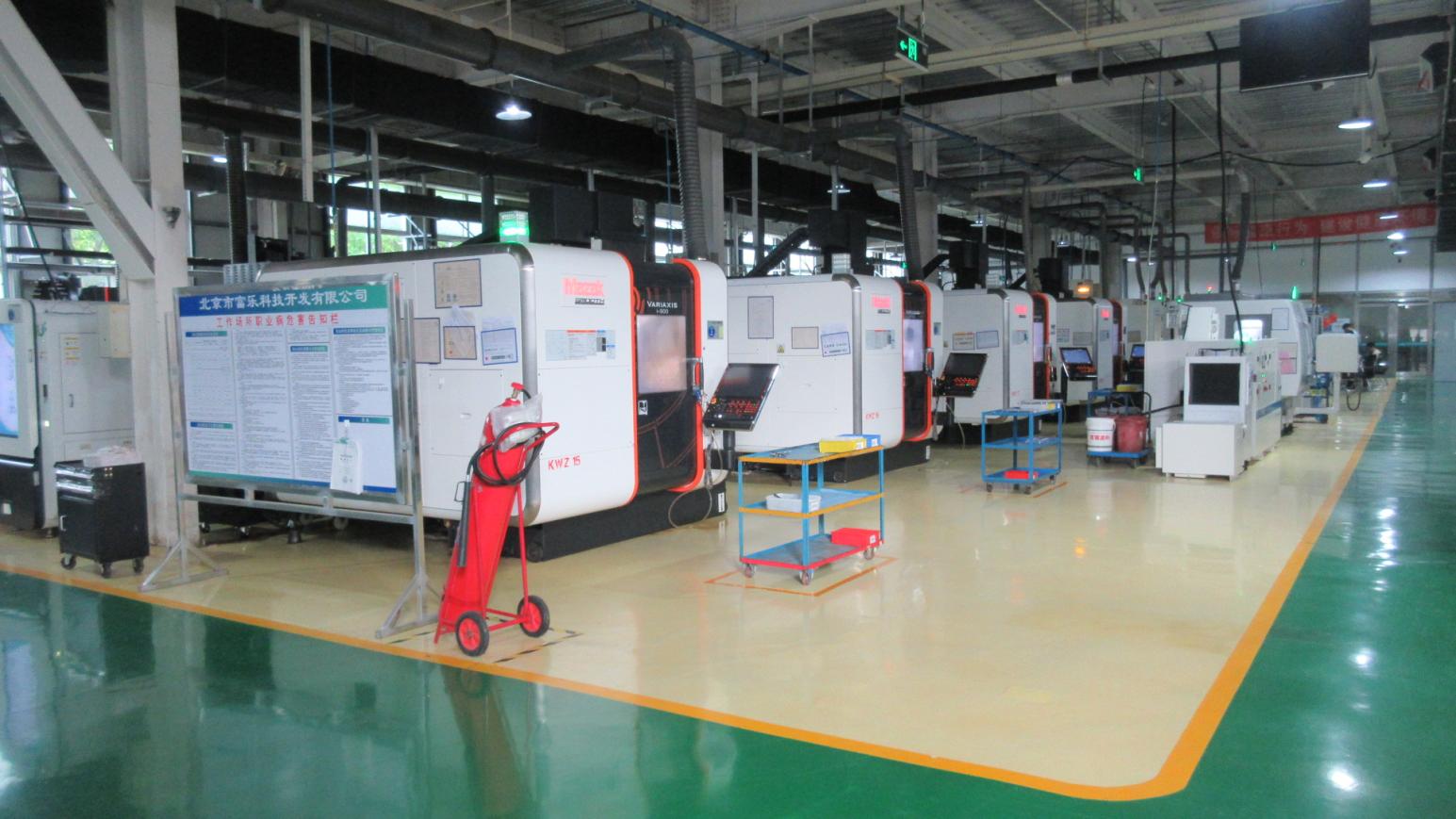
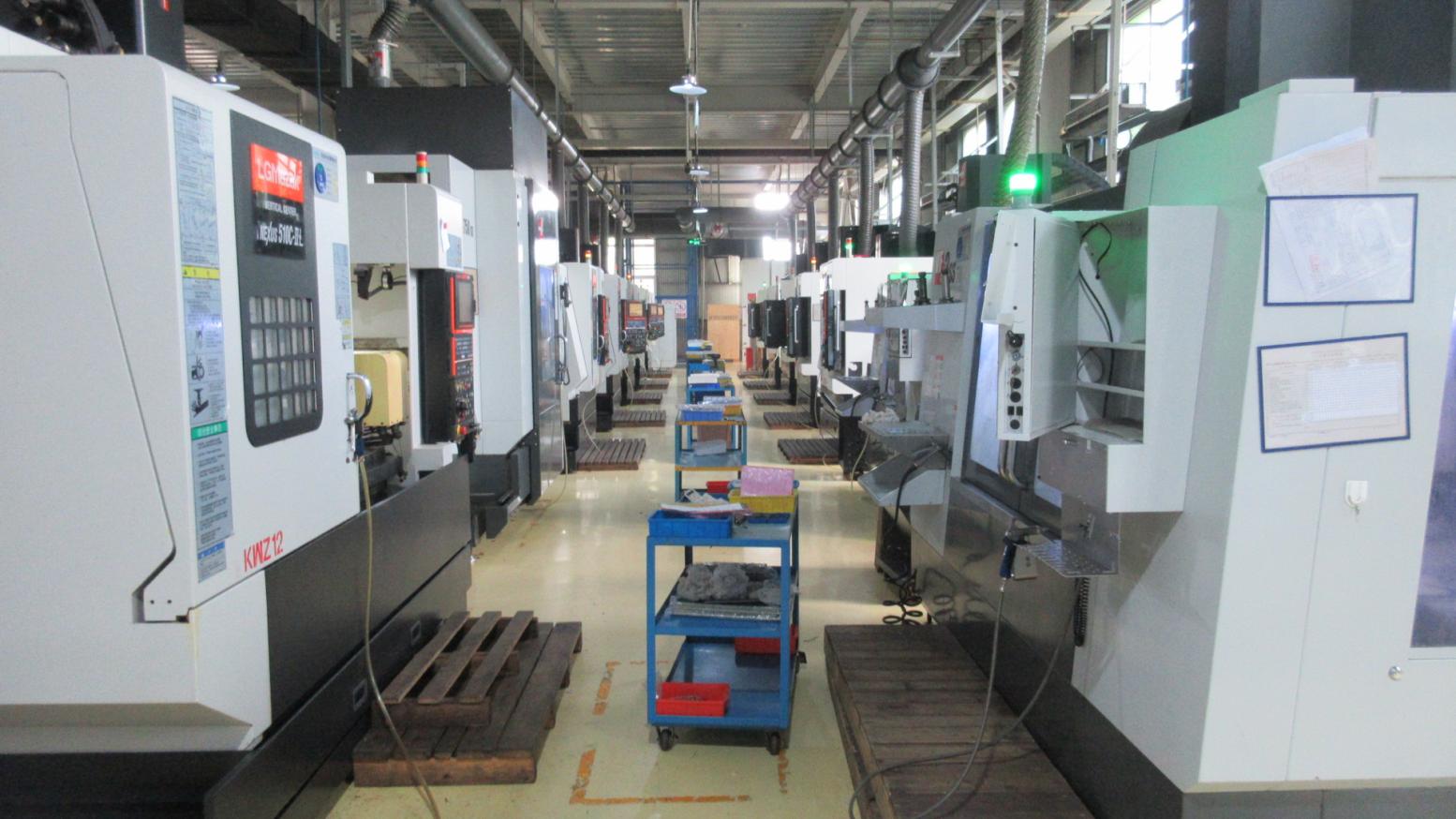
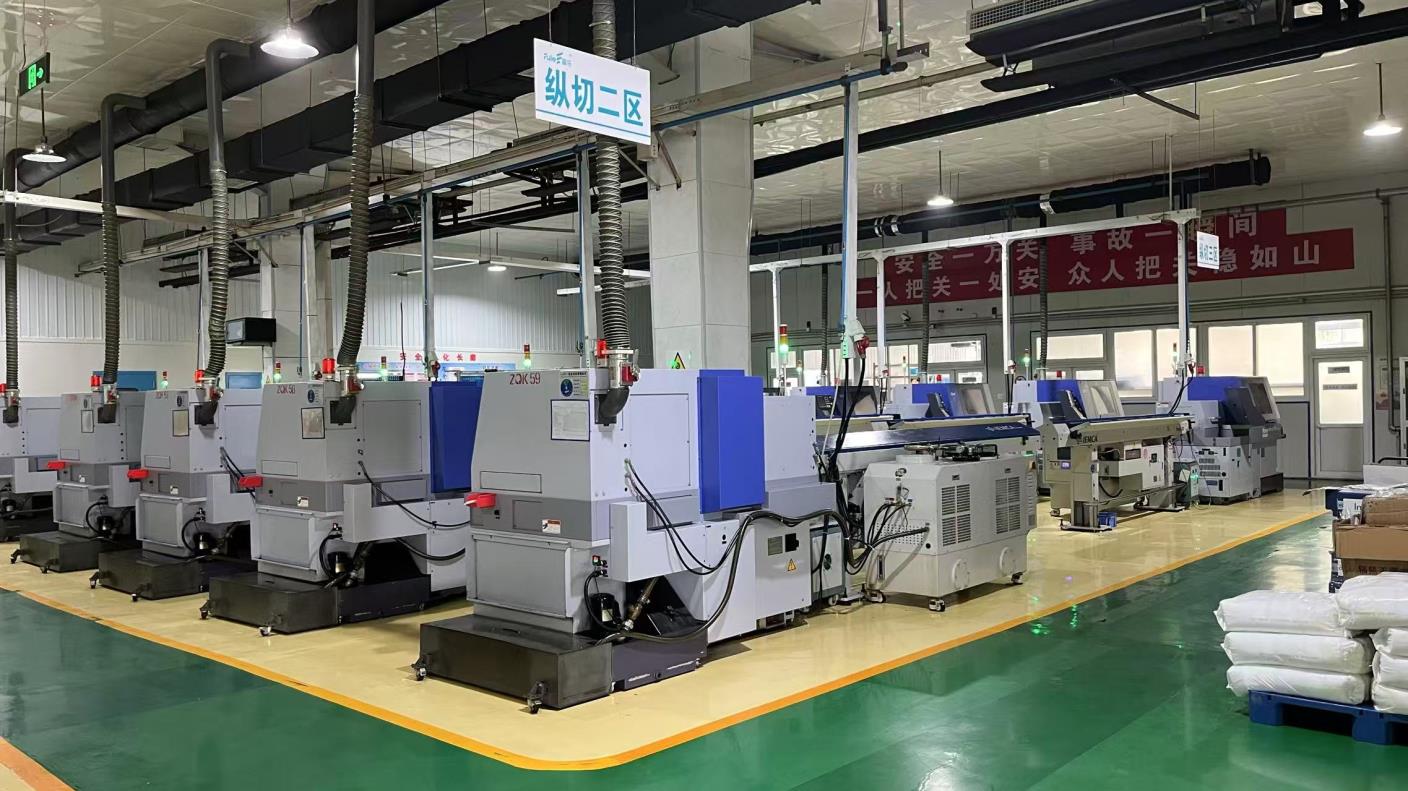
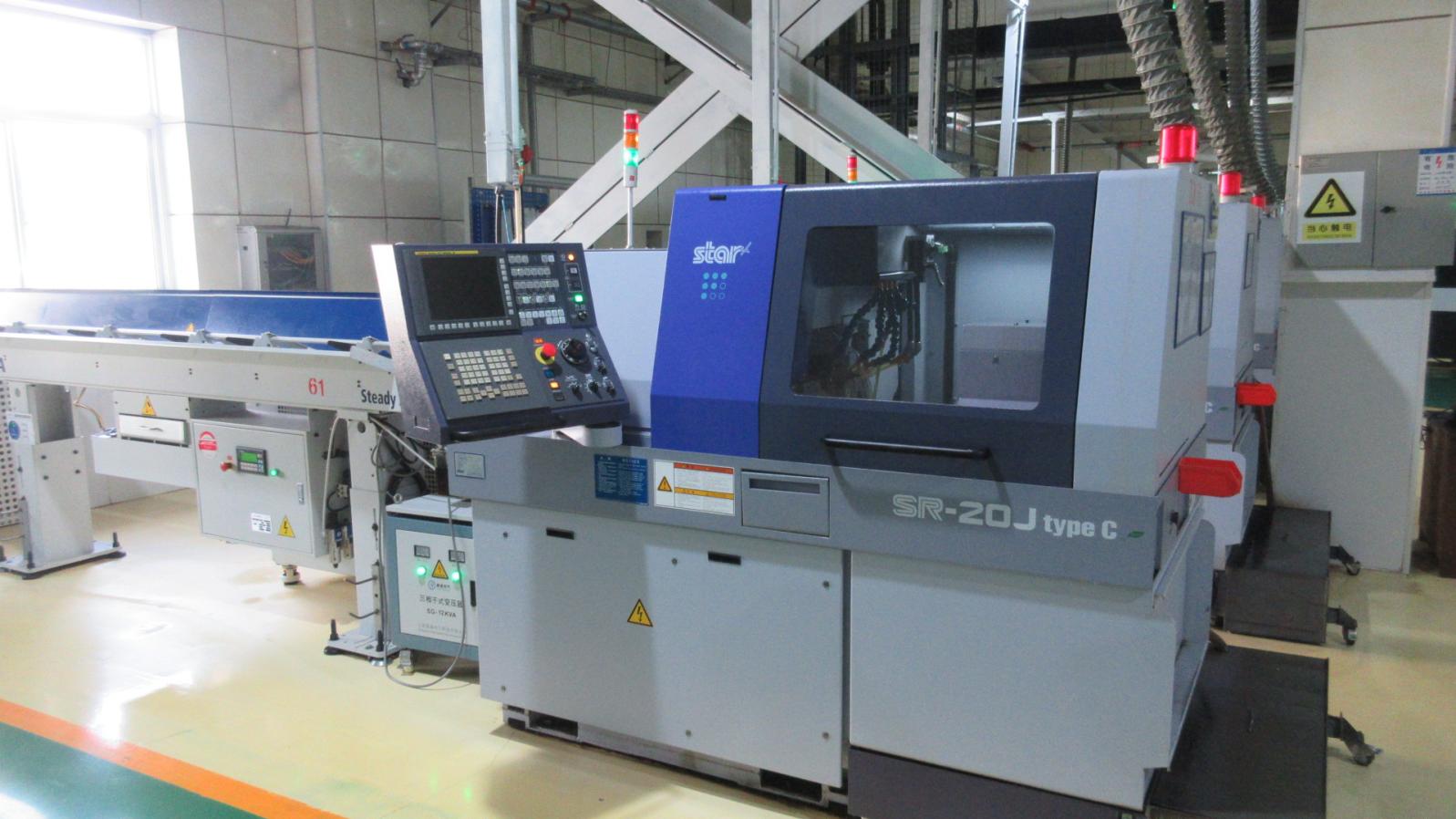
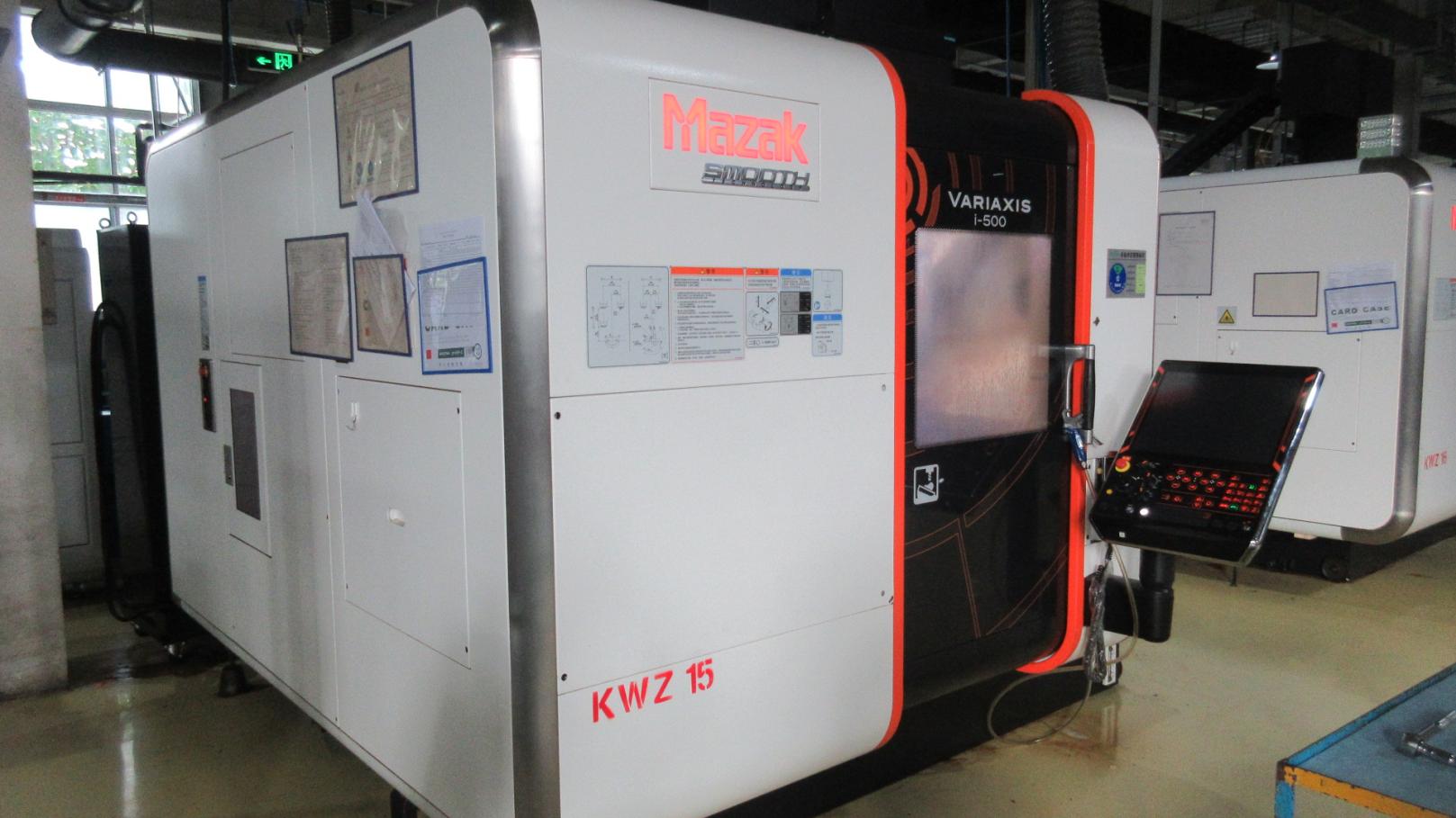
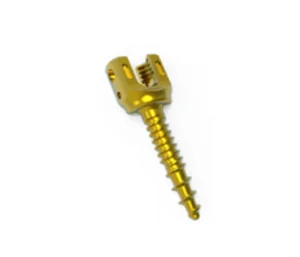
The manufacturing capabilities of modern Chinese medical factories represent a major advance in the global healthcare supply chain. Rather than relying on standard outsourcing models, leading Chinese facilities integrate vertically from raw material sourcing to cleanroom packaging. With over 30 years of export experience, our facility employs advanced Japanese and Swiss CNC multi-axis machines, ensuring structural tolerances down to the micrometer level. This precision is vital for components like the thread pitches of expansive polyaxial pedicle screws and the locking mechanisms of lumbar interbody fusion cages.

Key highlights of our manufacturing infrastructure include:

  • Raw Material Traceability: Every batch of implantable titanium or medical-grade stainless steel undergoes mechanical testing and chemical analysis, accompanied by material certification reports.
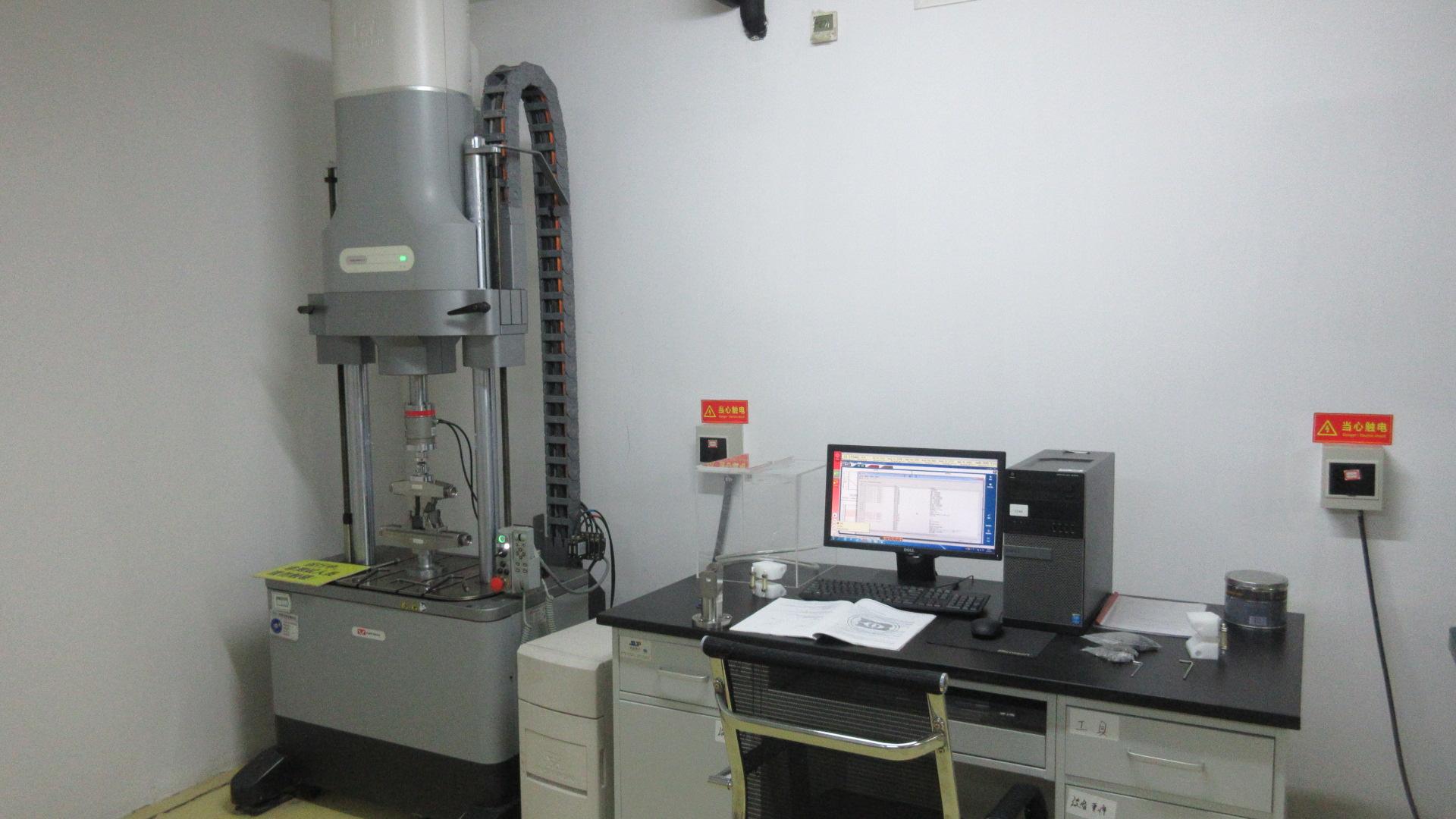
  • Quality Control Audits: A dedicated team of 15 QA/QC inspectors conducts 100% inspections across all lines, supported by state-of-the-art optical comparators, coordinate measuring machines (CMM), and fatigue testing equipment.
  • Agile Customization (OEM/ODM): We provide sample processing and customized graphic layouts to align with specific surgical requirements or proprietary patent structures requested by regional medical groups.

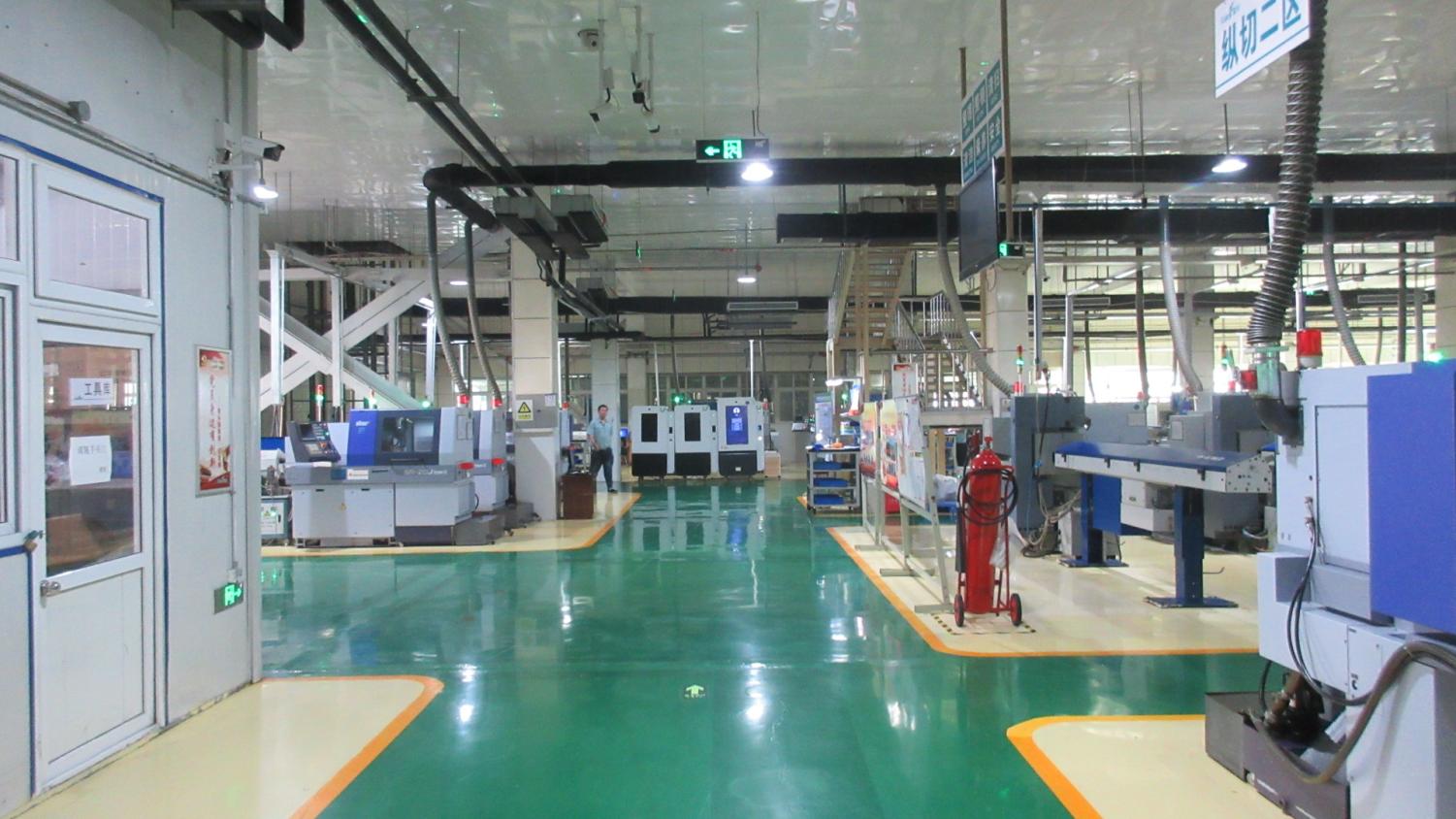
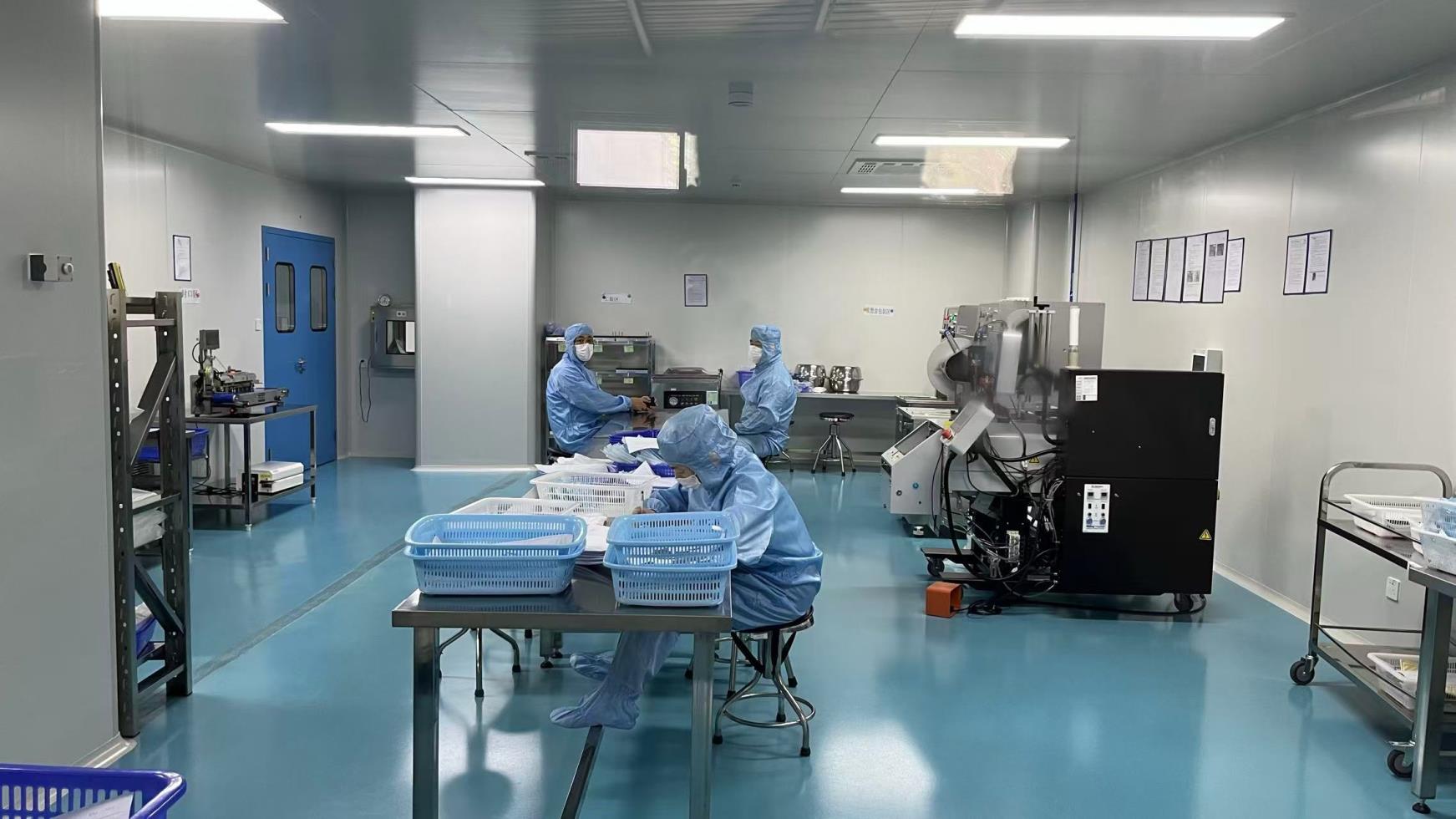
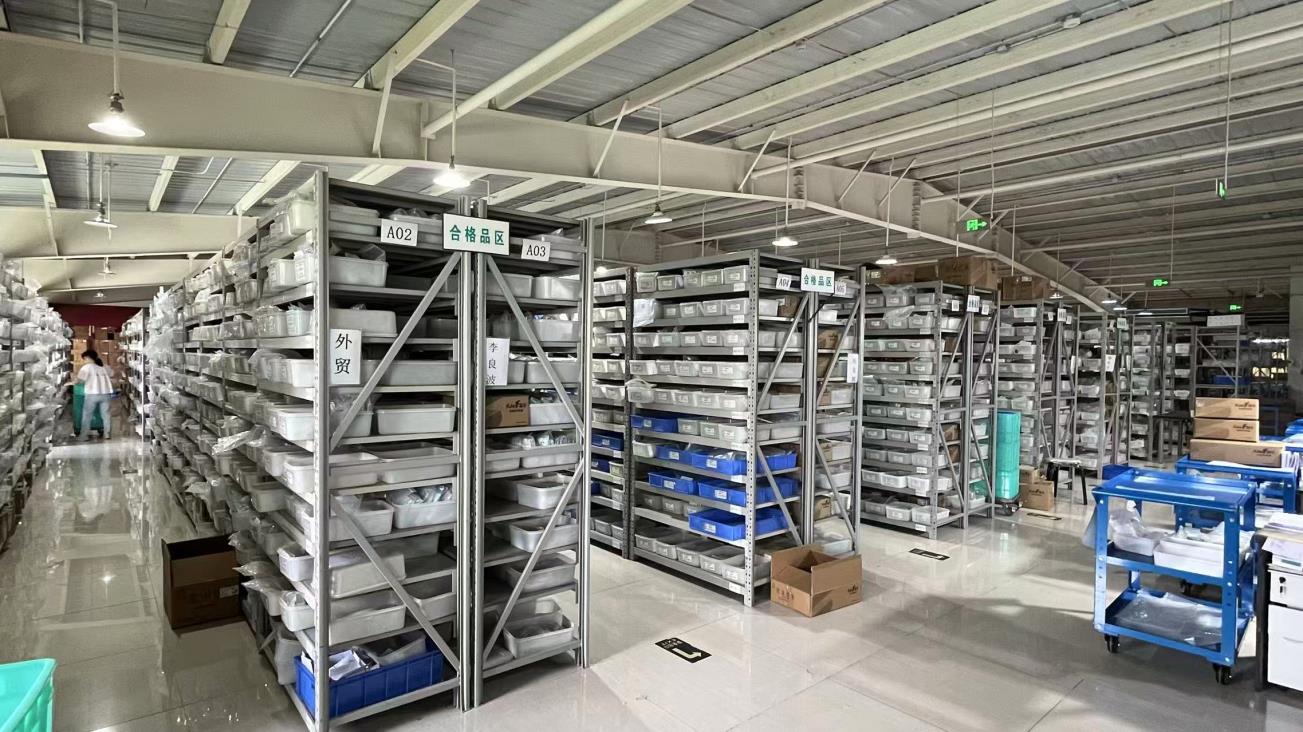
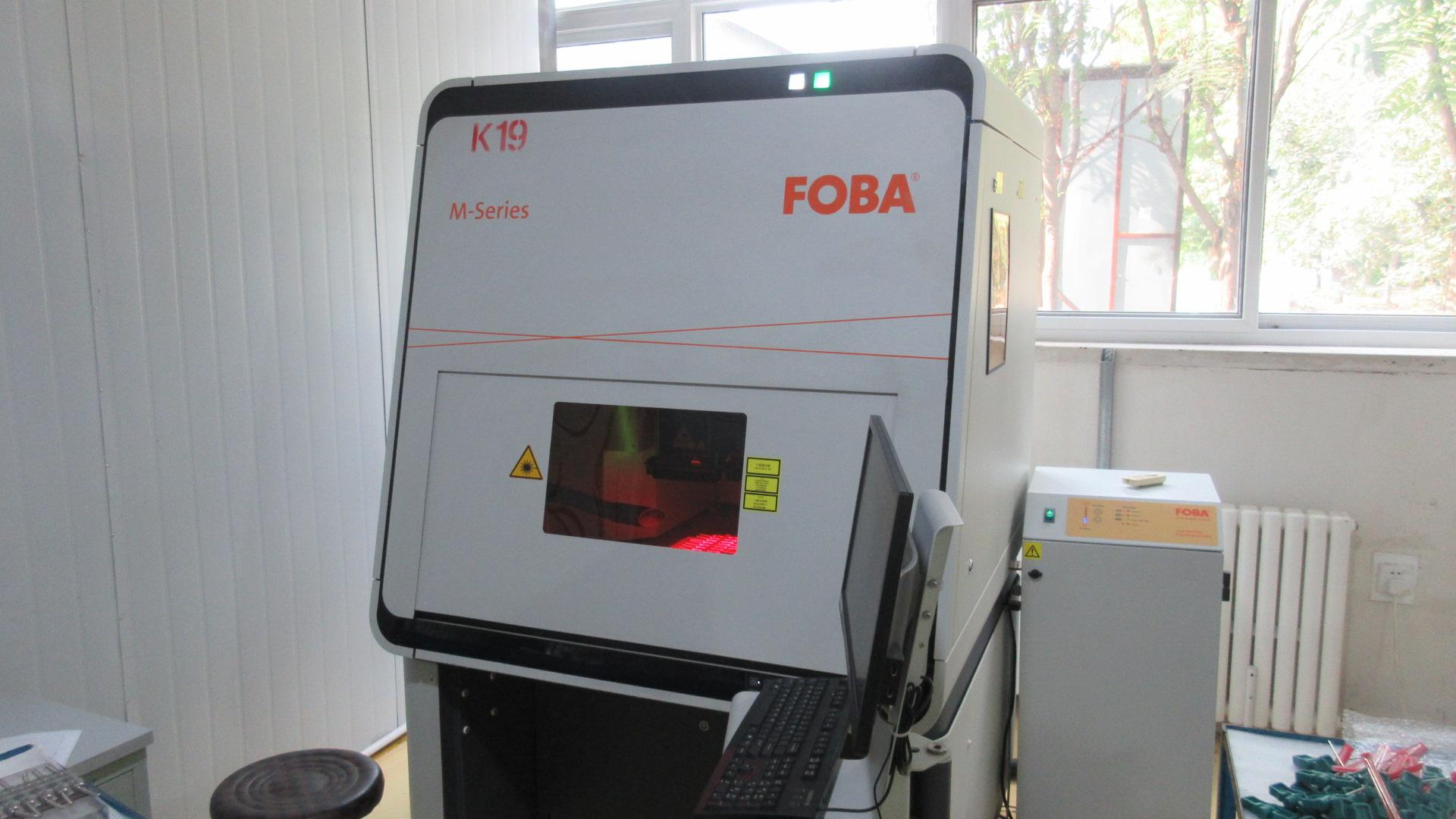
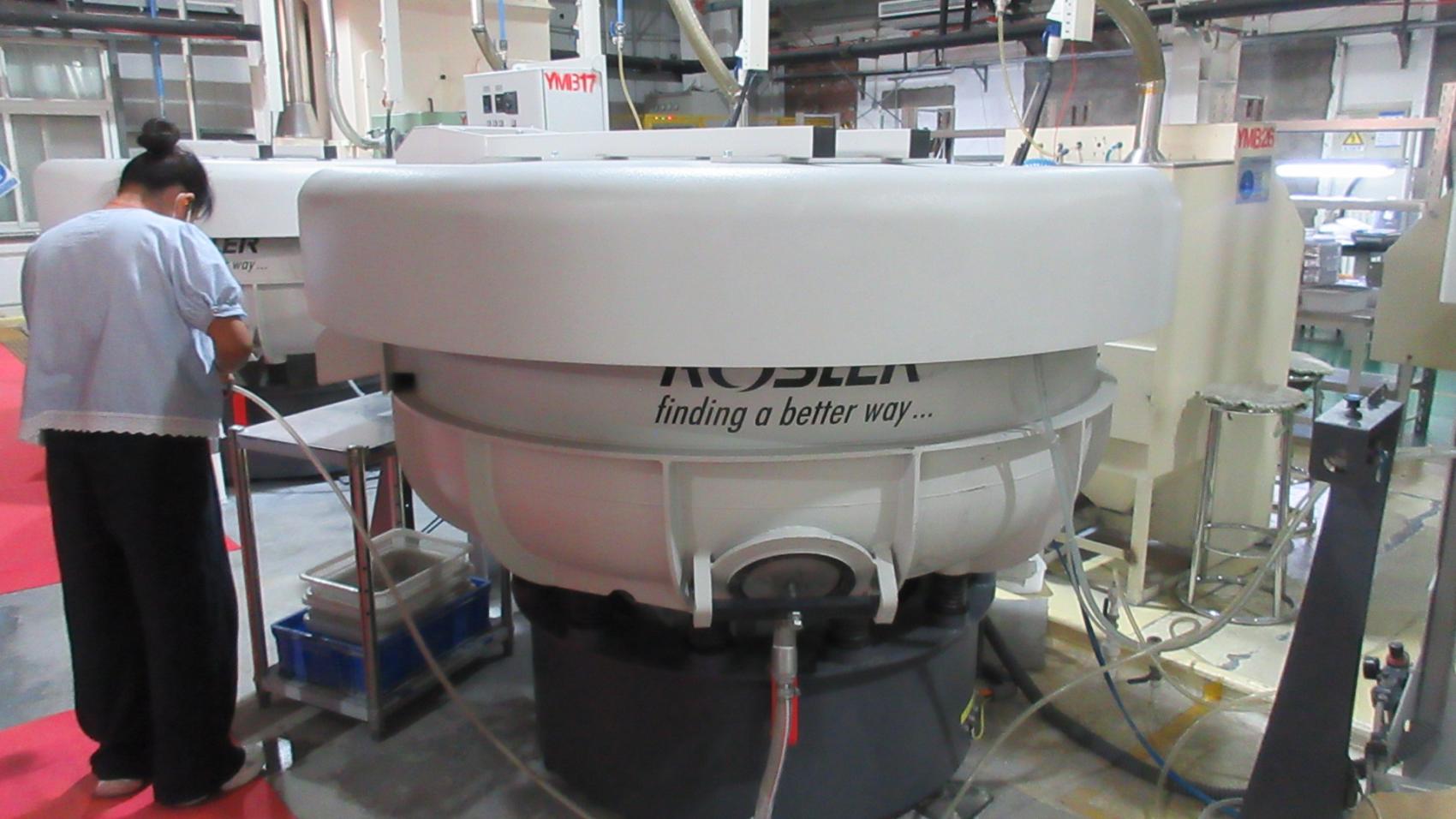
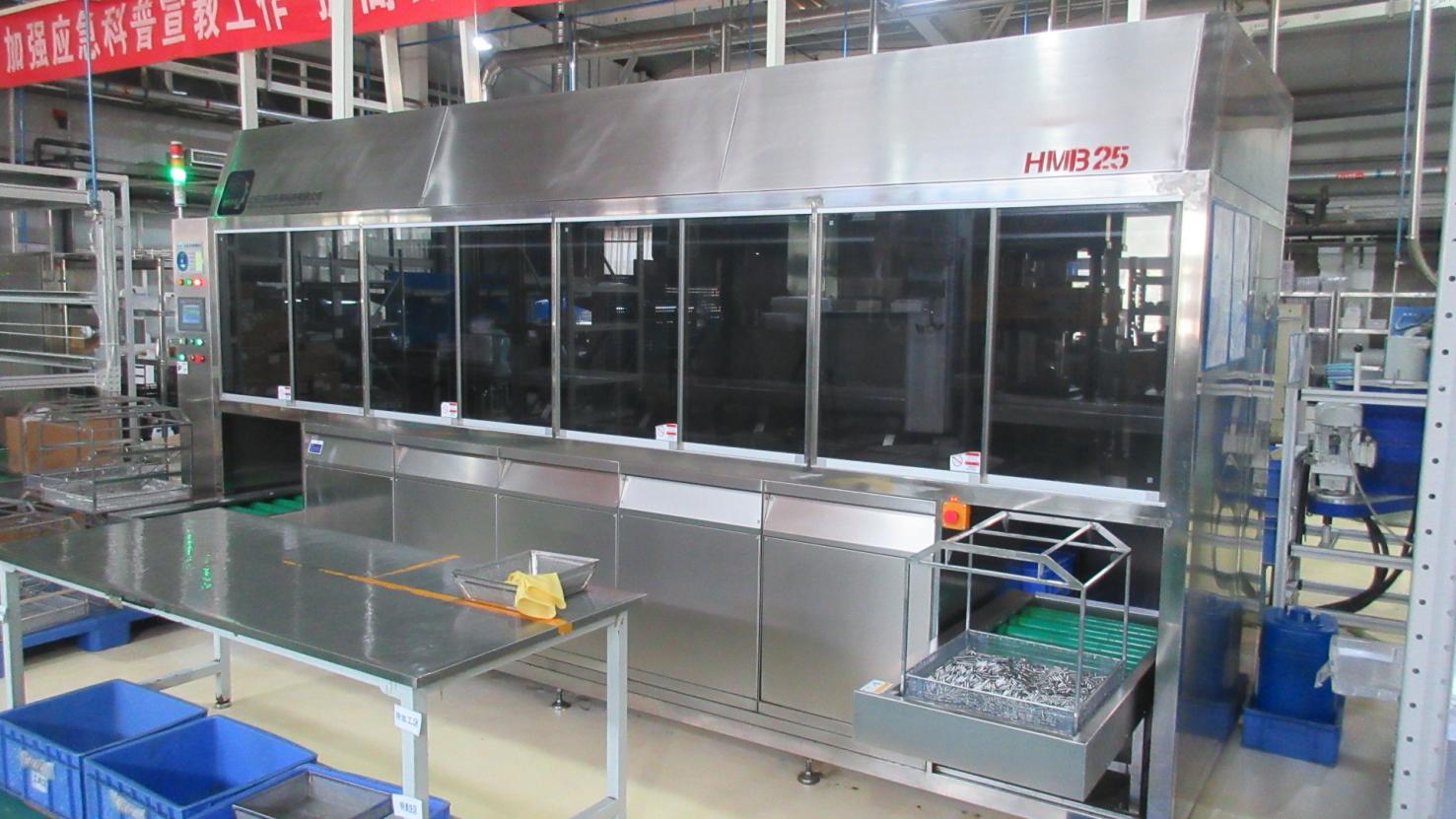
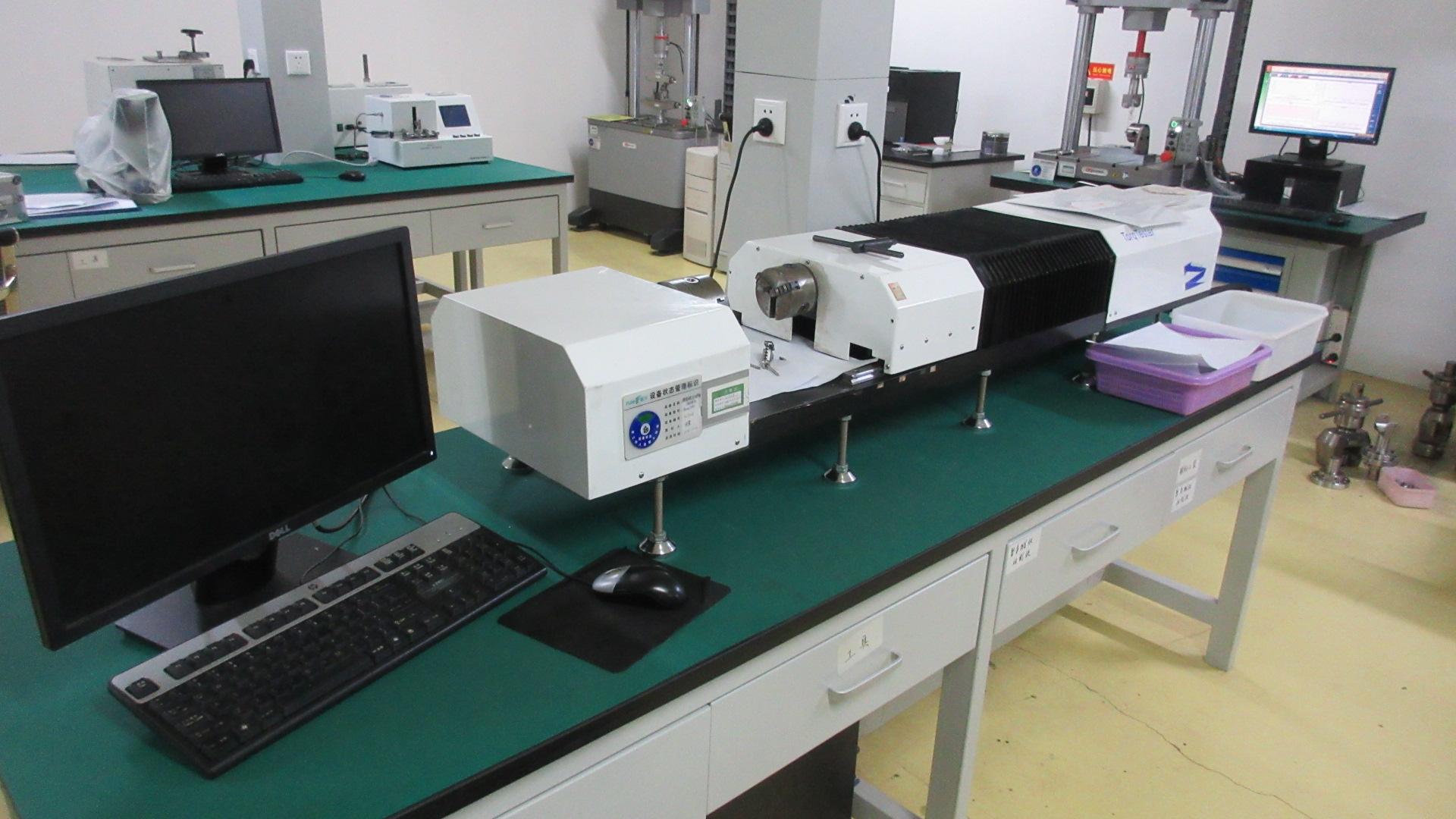
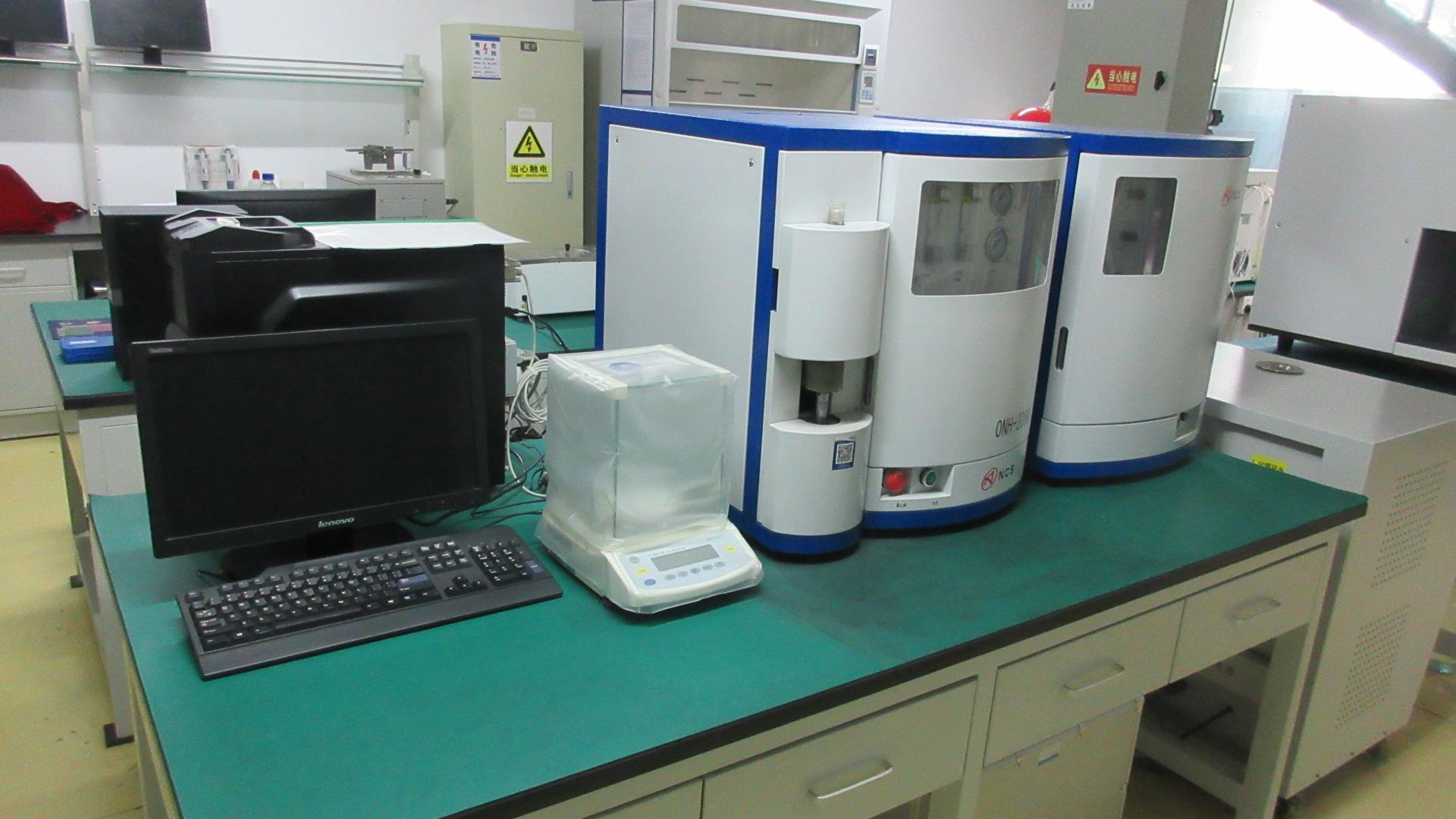
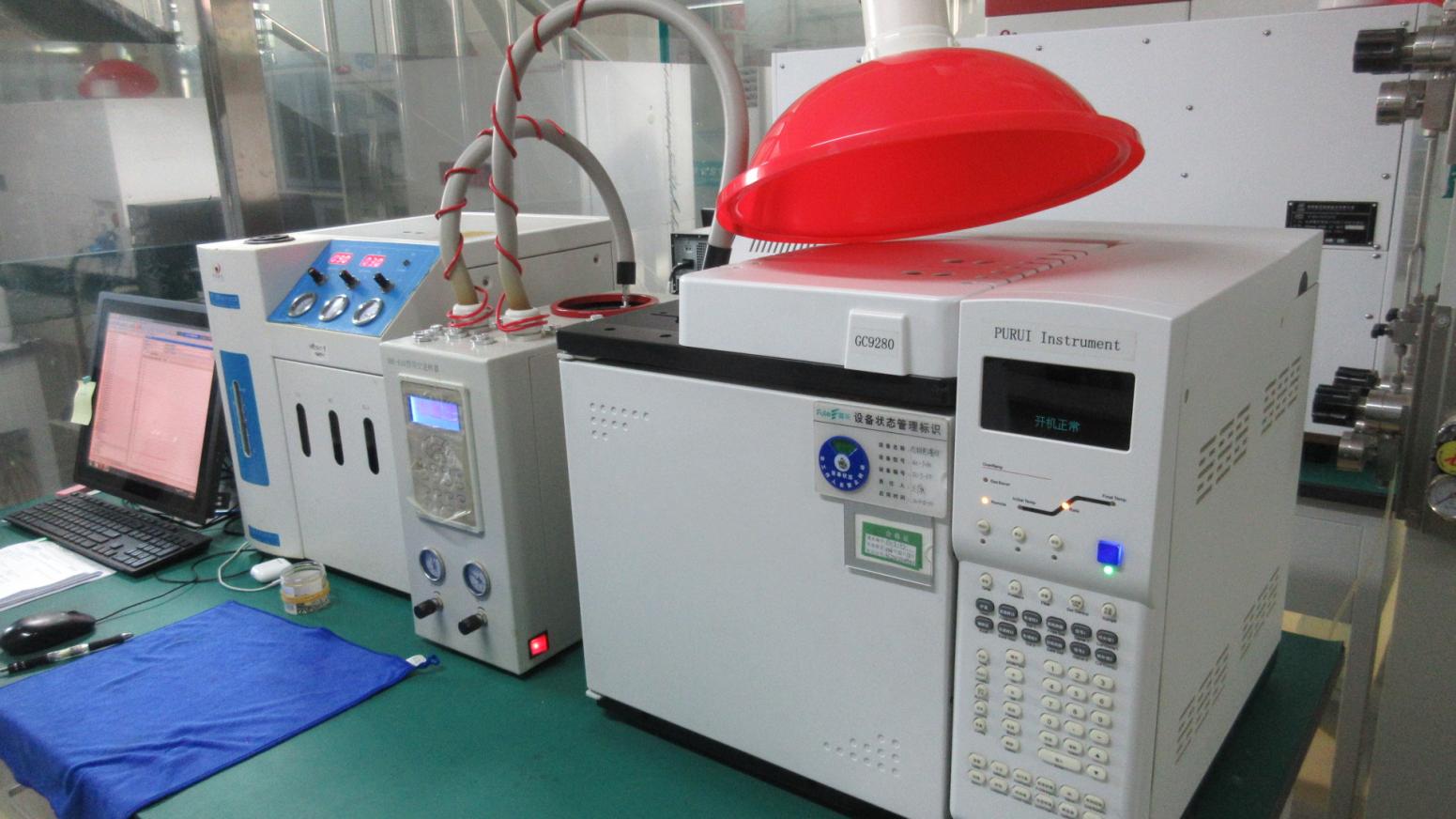
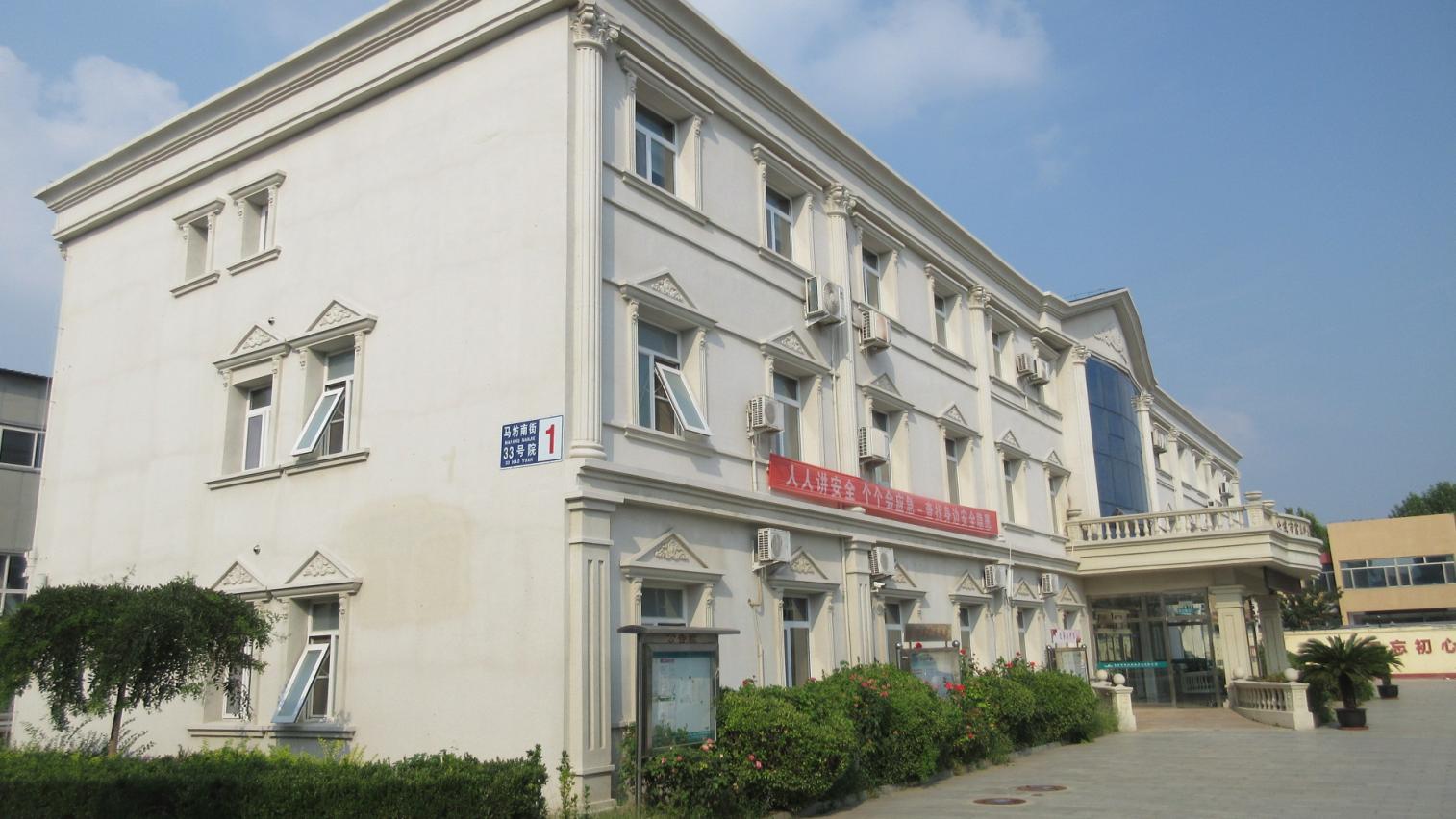
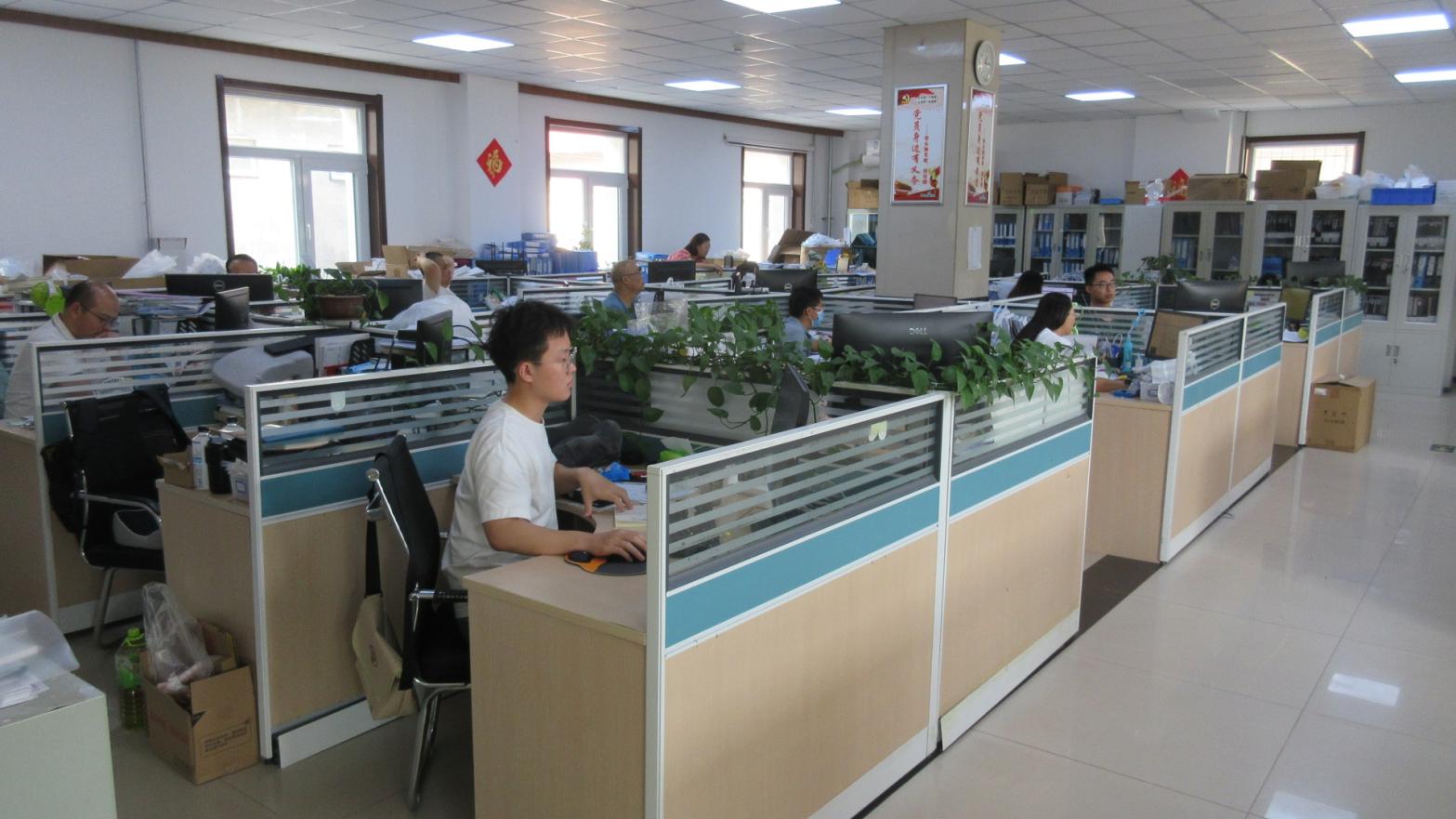
Our Advanced Manufacturing Facility & QA Cleanrooms

Visualizing our ISO 13485 production lines, raw material storage, and advanced CNC machining centers that ensure 100% clinical compliance.
Localized Application Scenarios in Uruguay Healthcare Networks

To successfully integrate foreign medical devices within the Uruguayan healthcare system, one must evaluate specific regional surgical practices. Hospital networks, such as those in Montevideo (e.g., Hospital de Clínicas, Hospital Maciel) and private mutuals (e.g., MUCAM, CASMU), present three primary application scenarios where VSS configurations offer distinct advantages:

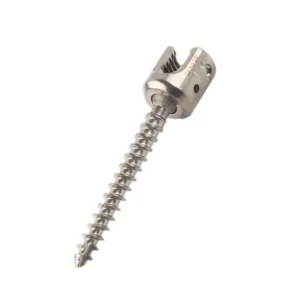
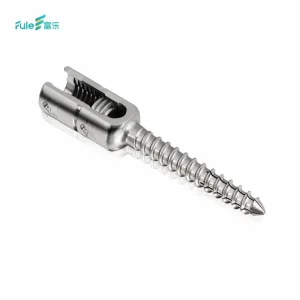
  1. Geriatric Spinal Reconstruction: With a significant proportion of elderly patients, osteoporotic fractures require stable instrumentation. High-strength pedicle screws (such as the CCS 5.0 and Usmart 5.5 mm systems) combined with PMMA cement injection adapt well to poor bone mineral density.
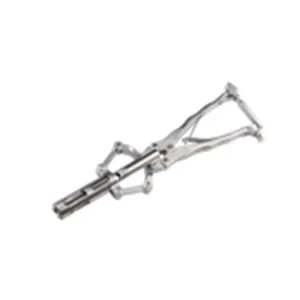
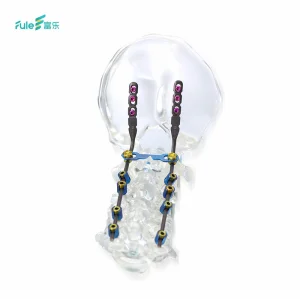
  2. High-Energy Trauma Interventions: Road accidents and industrial injuries require rigid cervical and posterior thoracolumbar fixation. The speed and usability of Fule’s broken screw removal instruments and spinal rod polyaxial screw systems ensure that trauma teams can perform decompression and stabilization without surgical delays.
  3. Minimally Invasive Outpatient Surgeries (MISS): Uruguayan private clinics are increasingly adopting day-surgery models for lumbar spine fusion. Advanced interbody fusion cages (PLIF and OLIF stainless steel/titanium systems) reduce hospital stay times and lower infection risks, reducing the overall cost of patient care.
Biomechanical Compatibility Note: Our posterior cervical fixation systems and pedicle screw assemblies undergo strict axial compression, torsion, and pull-out tests. This verification aligns with ASTM F1717 standards, ensuring that implants withstand physiological loads over a long functional lifespan without hardware loosening.

Comprehensive VSS & Spinal Implants Catalog

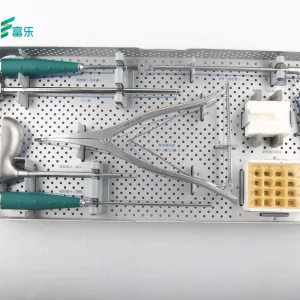
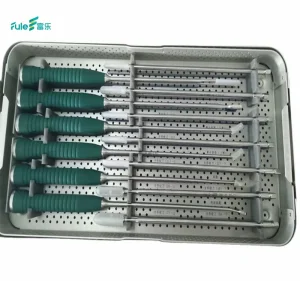
Premium class I and III surgical components, fusion cages, pedicle screw configurations, and instrumentation kits. Select a system to request clinical case reports.
Factory Verification & Quality Standards

Full compliance certificates and structural capabilities registered for international medical export.

ISO13485 Certification Certificate
ISO13485 Certified Facility
Certificate Number: 04724Q10000818

ISO 13485:2016 Compliant Medical Device Fabrication

Our production facilities operate under a rigorous quality management system certified under ISO 13485 standards. This certification covers the entire life cycle of our spinal implant systems, including design, manufacturing, sterile packaging, and distribution tracking. For Uruguayan orthopedic importers, this ensures compliance with local sanitary regulations and facilitates registration procedures with the Ministry of Public Health (MSP).

Capability Category Technical Details
Production Lines 1 High-Capacity Integrated Line
Traceability Support Full raw materials verification & heat tracking
Customization Options Sample processing, graphic layout, OEM design matching
R&D Department 20 Engineers (15 Graduate Level, 5 Junior College)
Main Export Markets Eastern Europe (15%), Southeast Asia (10%), South America (incl. Uruguay)

Frequently Asked Questions (VSS Procurement)

Providing clear, technical answers to the key questions asked by hospital directors and importing agents in Uruguay.

1. What registration documentation do you provide for Uruguayan Ministry of Public Health (MSP) clearance?
We provide a complete regulatory technical file. This includes ISO 13485 certifications, CE conformity declarations, raw material biomechanical test certificates, sterilization validation reports (for pre-sterilized implants), and clinical evaluation documents. All documentation can be apostilled to assist with MSP registration in Uruguay.
2. What alloy grades are used for your spinal pedicle screws and rods?
Our medical implants are manufactured using Grade 5 Titanium Alloy (Ti-6Al-4V ELI) meeting ASTM F136 standards, or medical-grade stainless steel (316LVM) meeting ASTM F138 standards. These biocompatible materials provide high fatigue strength and resistance to corrosion, ensuring compatibility with MRI and CT imaging protocols.
3. Can you customize spine surgery instrument sets for specific hospital preferences in Montevideo?
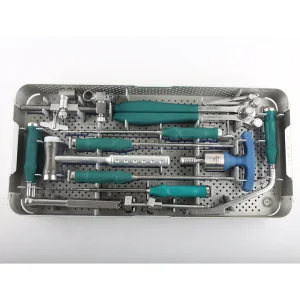
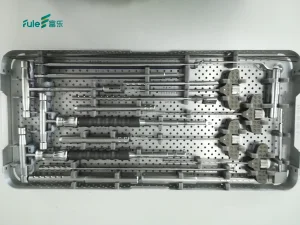
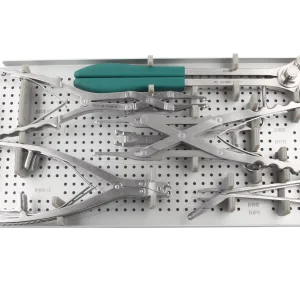
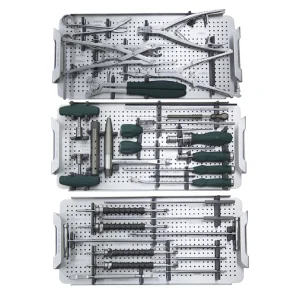
Yes, our R&D department supports customization. We can modify handle grips, laser-etch custom sizing marks, adjust shaft lengths, and configure specialized instrument trays (such as OLIF/PLIF configurations) based on technical drawings or physical samples.
4. What quality control steps are performed before shipment?
We perform 100% inspection across all production lines. Each batch undergoes dimensional validation on coordinate measuring machines, surface roughness testing, thread alignment verification, and mechanical stress tests. Additionally, cleanroom packaging undergoes weekly biological audits to ensure sterility.
5. What is the typical lead time for an export container to Uruguay?
Standard catalog items are generally shipped within 15–30 days from order confirmation. Custom OEM runs depend on the complexity of the design, usually requiring 45–60 days. Shipping times from Chinese ports to the Port of Montevideo average 35 to 45 days, depending on shipping line schedules.
6. Do you offer warranties on surgical instrument sets?
Yes, our spinal instrument sets are backed by a 2-year warranty covering material defects and manufacturing errors under normal reprocessing (autoclaving) protocols. Certain premium implantable lines feature warranties of up to 5 years.
7. Are your interbody fusion cages available in PEEK or Titanium?
We manufacture interbody fusion cages in both medical-grade PEEK (offering an elastic modulus similar to cortical bone for reduced stress shielding) and Titanium (offering high mechanical strength). Both styles include textured surfaces to support bone graft adhesion.
8. How do you support first-time importers in the Southern Cone region?
We provide low minimum order quantities (MOQs) for trial orders to allow for initial clinical evaluations. Additionally, we provide digital media kits, technical specifications in Spanish/English, and direct coordination with local customs brokers to streamline import logistics.

Establish a Direct Factory Partnership

Optimize your medical supply chain, reduce procurement costs, and access high-precision VSS devices that meet international quality standards. Contact our export desk today for a detailed quote or to request a sample kit.

Send Inquiry Now