Premium class surgical sets configured to achieve excellent fusion outcomes in compliance with European biocompatibility regulations.
Austria is renowned for having one of the world's most sophisticated healthcare infrastructures, driven by the Federal Ministry of Social Affairs, Health, Care and Consumer Protection (BMSGKP) and coordinated closely with state-level hospital operators (such as the Wiener Gesundheitsverbund). The orthopedic and spinal surgery sectors within Austria have undergone dynamic structural changes, governed by two overriding factors: an aging demographic experiencing increased instances of degenerative spinal pathologies, and the stringent clinical trial evidence required under the European Union Medical Device Regulation (EU MDR 2017/745).
Implant acquisition in Austrian hospitals is intrinsically linked to the Leistungsorientierte Krankenanstaltenfinanzierung (LKF) system—the nation’s DRG-based hospital financing scheme. For purchasing departments at clinics like AKH Vienna or the University Hospital Graz, procuring Vertebral Stabilization Systems (VSS) requires proof of biomechanical reliability, long-term fusion success, and direct compliance with the Federal Office for Safety in Health Care (BASG). Suppliers must offer extensive traceability documentation and proven clinical safety data to qualify for hospital tenders.
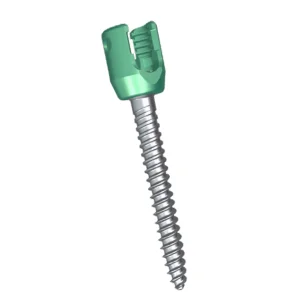
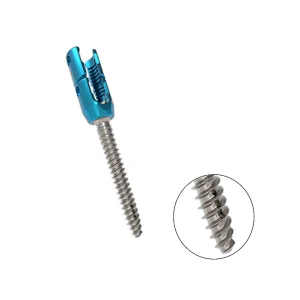
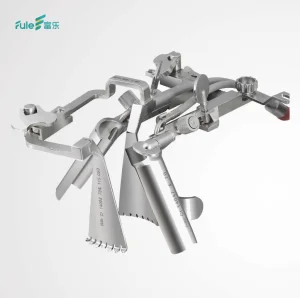
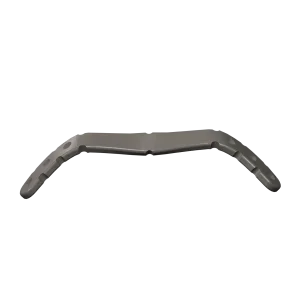
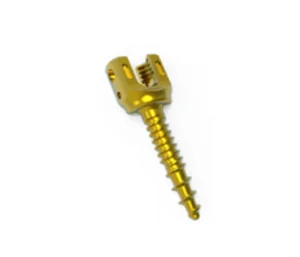
Clinical practice guidelines in Austria heavily prioritize minimally invasive spine surgery (MISS) protocols. The application of polyaxial pedicle screws, cannulated dynamic rods, and titanium cervical plates is standard for treating pathologies ranging from osteoporotic fractures to complex scoliosis correction. As clinical demand shifts toward surgical efficiency, there is a distinct surge in purchasing ready-to-use, biocompatible implant assemblies paired with ergonomic, single-use or sterilized instrumentation kits.
Implants configured specifically to prevent proximal junctional kyphosis (PJK) and maintain sagittal balance in elderly patients.
Comprehensive Class III certification under EU MDR standards with CE certificates from leading European notified bodies.
Integrated supply networks offering direct delivery to central distribution centers across Austria's federal states.
A trusted global manufacturer providing comprehensive orthopedic solutions, backed by thirty years of engineering expertise and international certifications.
Vertebral stabilization technology has transitioned from basic mechanical fixation to biologically active, osteointegrative systems. Modern clinical demands require stabilization hardware to work in perfect biomechanical harmony with patient anatomy. Below is the active technical blueprint utilized across our VSS manufacturing process:
The primary choice of material for pedicle screw assemblies and cervical plates remains Grade 5 Titanium Alloy (Ti-6Al-4V ELI) due to its superior strength-to-weight ratio, fatigue resistance, and low modulus of elasticity relative to cortical bone. In addition, Polyether Ether Ketone (PEEK) is extensively utilized for radiolucent interbody fusion cages, allowing surgeons to monitor fusion progression via radiographic evaluation without artifact interference.
To accelerate primary osseointegration, implants undergo physical vapor deposition (PVD) coating or acid-etching to achieve controlled micro-roughness. Anodic oxidation treatments are systematically applied to increase oxide layer thickness, preventing the migration of metal ions and significantly reducing friction-induced wear at the screw-rod interface.
Our VSS lines support both rigid posterior spinal fusion setups (using 5.5mm or 6.0mm titanium/cobalt-chromium rods) and dynamic stabilization structures designed to alleviate stress concentration at adjacent vertebral levels. This dynamic loading capability minimizes the incidence of Adjacent Segment Disease (ASD)—a critical metric evaluated in Austrian long-term clinical research.
Engineered for high-stress spinal corrections and osteoporotic stabilization applications.
The manufacturing architecture in our Class III certified facilities implements advanced Industry 4.0 paradigms to deliver high-quality spinal stabilization systems at competitive pricing structures. As hospital procurement boards in Austria face constant LKF budget optimizations, sourcing from a vertically integrated, ISO 13485-certified facility in China offers the ideal trade-off between strict clinical compliance and economical procurement.
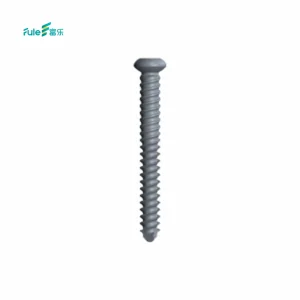
Our production floor operates over 102 state-of-the-art Japanese Citizen and Star CNC multi-axis milling machine units. This enables high-precision carving of complex pedicle screw thread pitches, self-tapping tips, and lock mechanisms with a tolerance within ±0.005mm. The automated process eliminates human variations, ensuring every titanium implant conforms identically to mechanical parameters.
Unlike standard machinery factories, a specialized medical device supplier must establish absolute traceability. Every batch of Grade 5 titanium rods sourced from verified raw suppliers is subjected to spectral analysis and mechanical tensile testing. Our 15 QA/QC inspectors oversee a rigorous inspection system where every single screw, plate, and connector undergoes optical verification, thread testing, and ultrasonic cleaning before entering the sterile packaging facility.
Examine our state-of-the-art design, production, cleanroom, and testing facilities supporting global spine surgery demands.
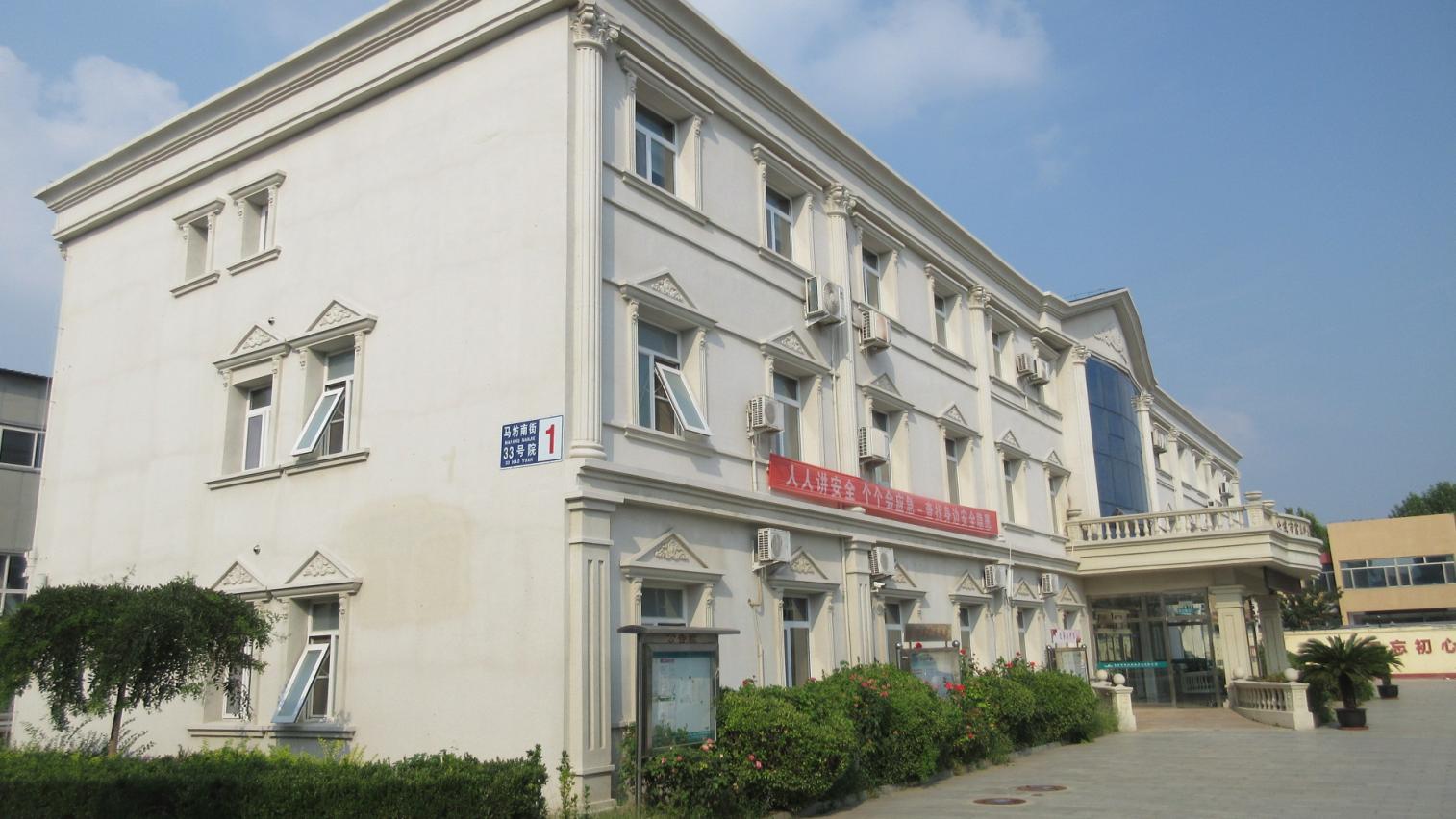
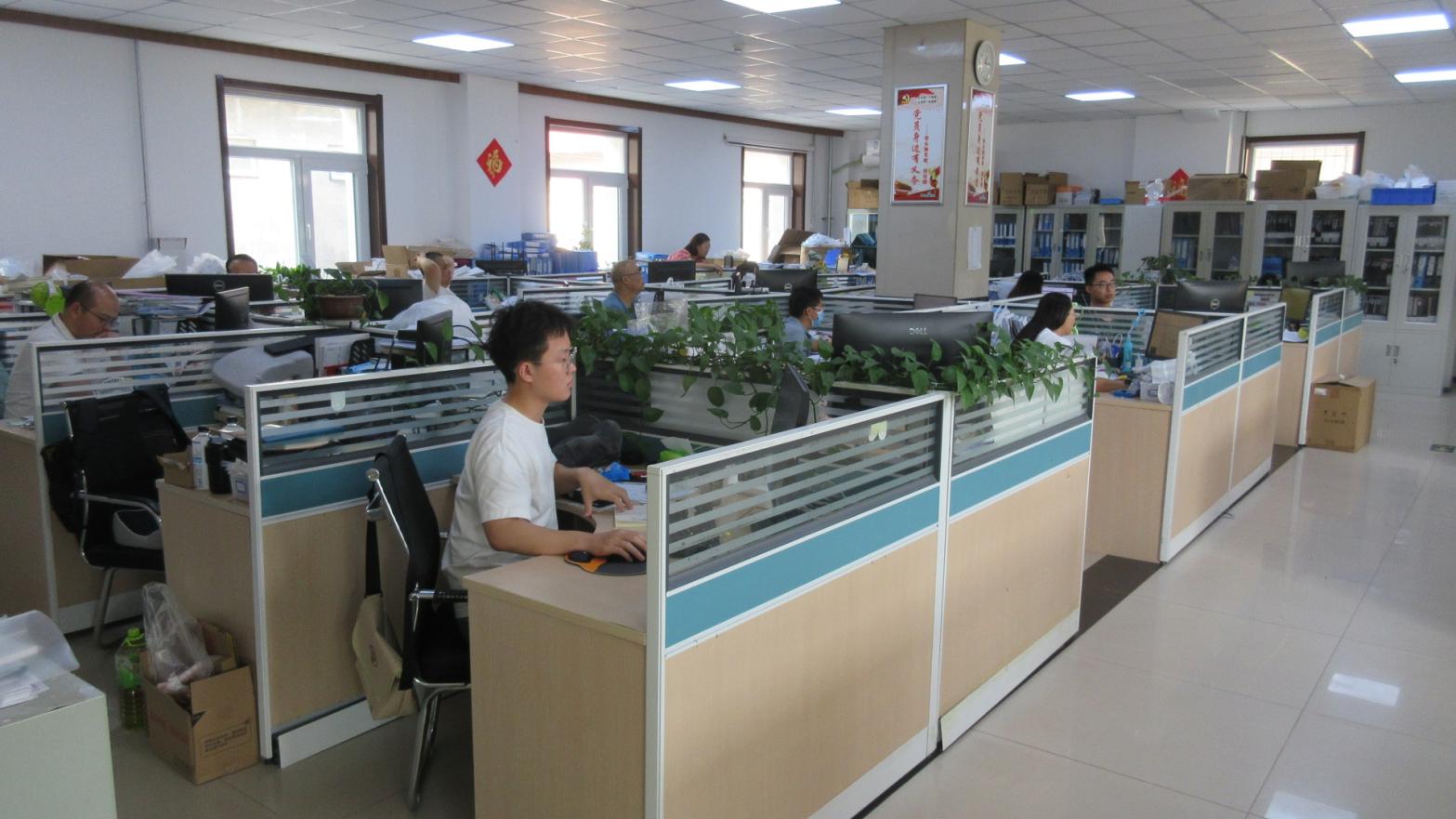
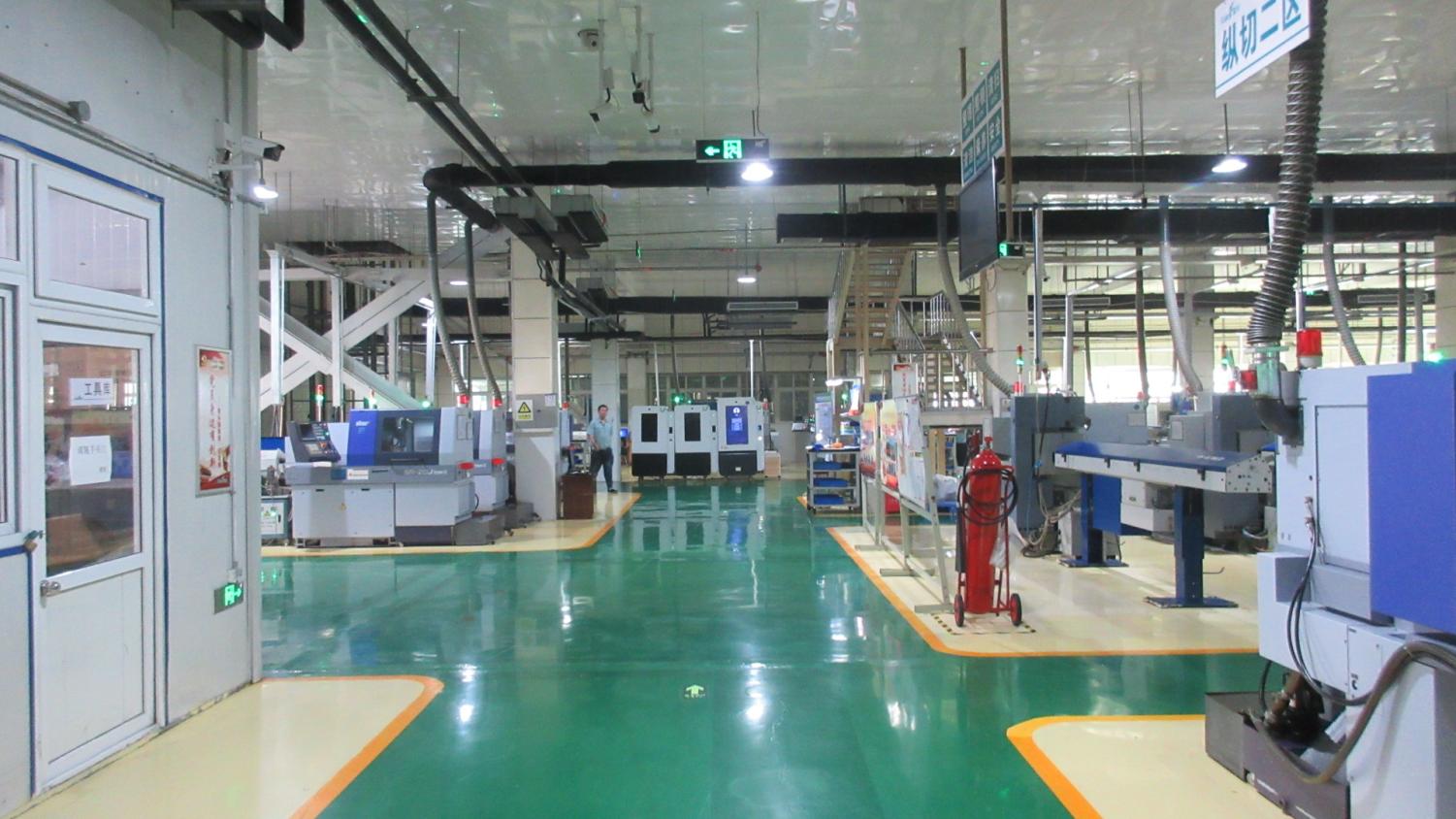
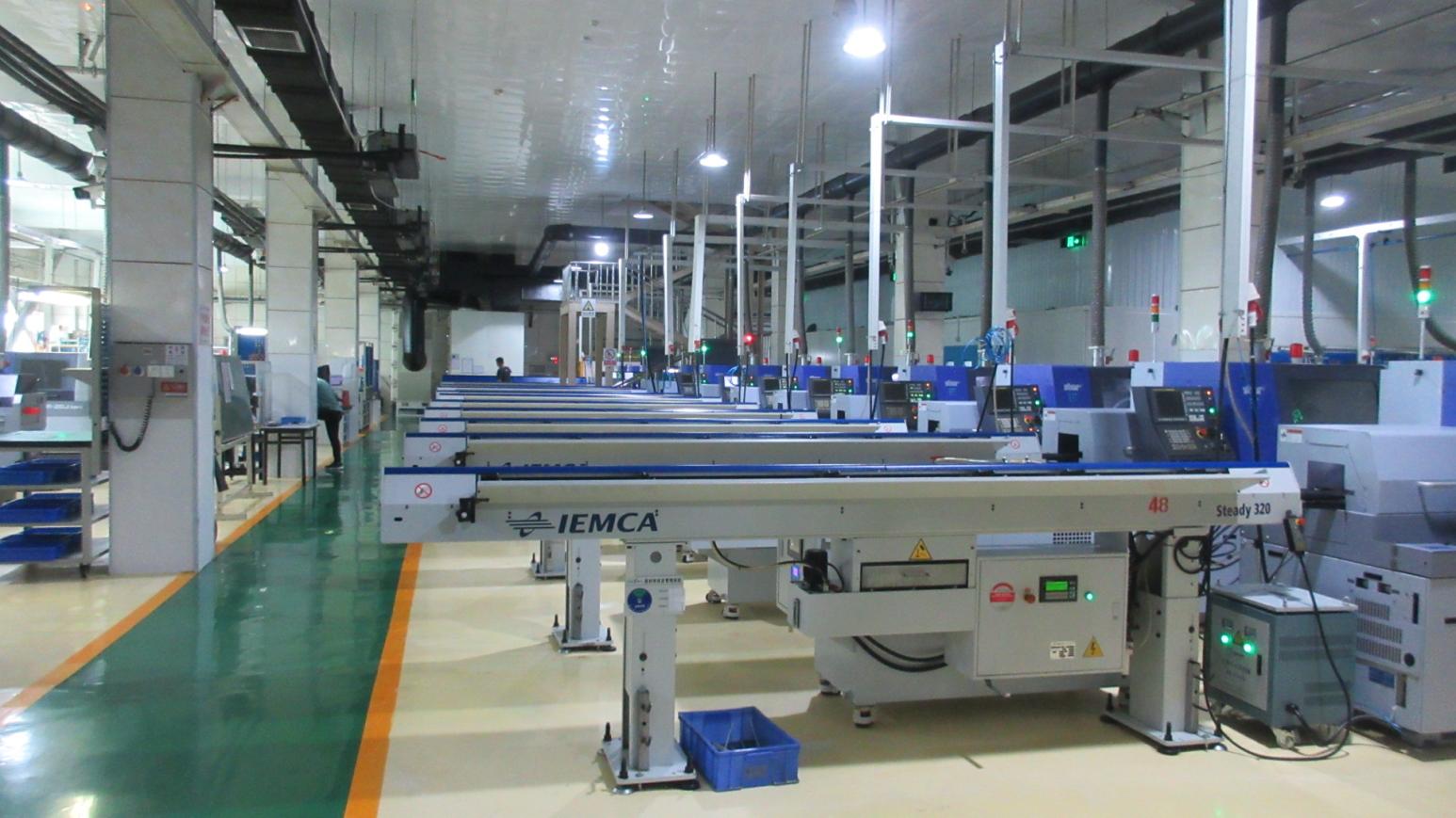
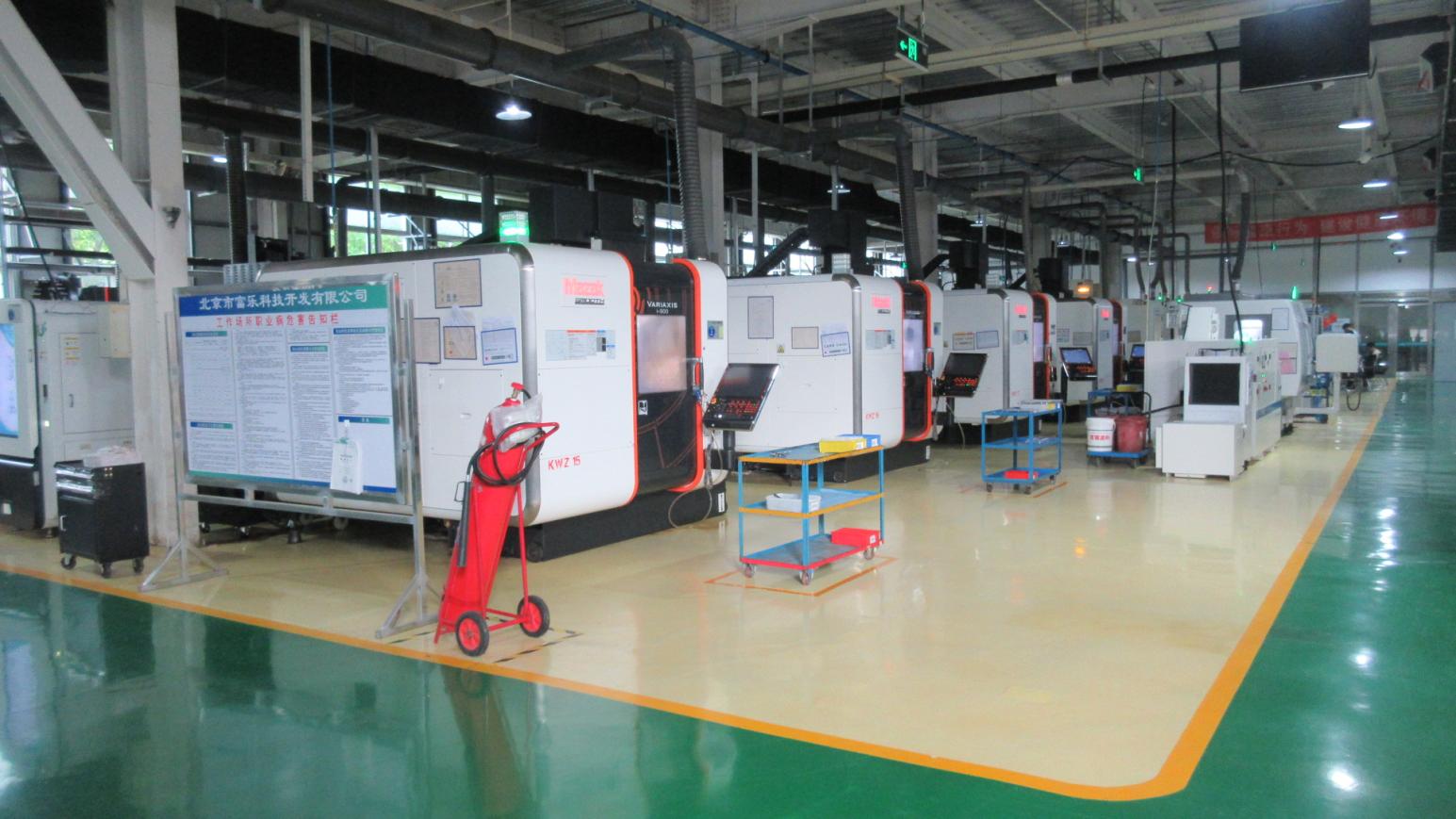
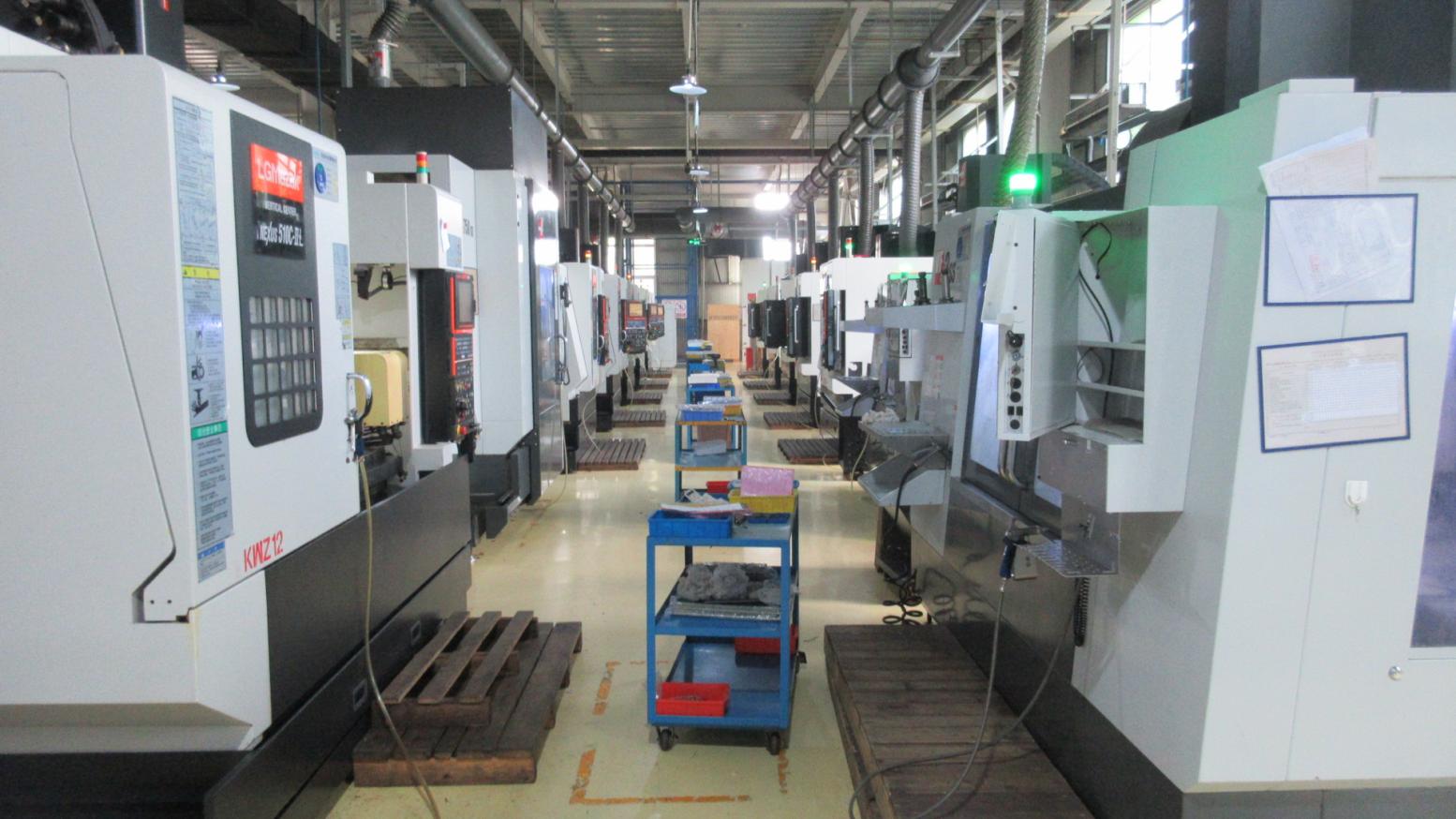
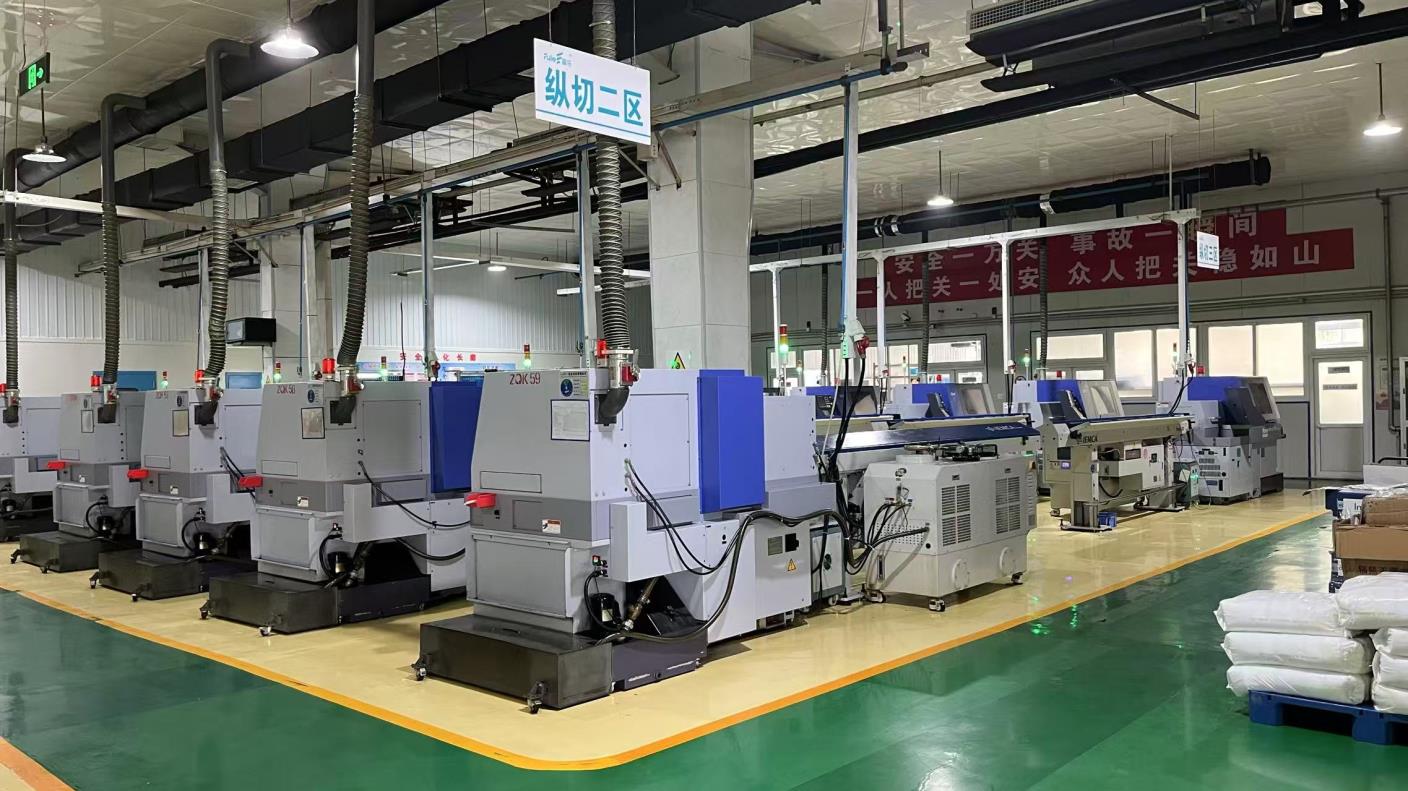
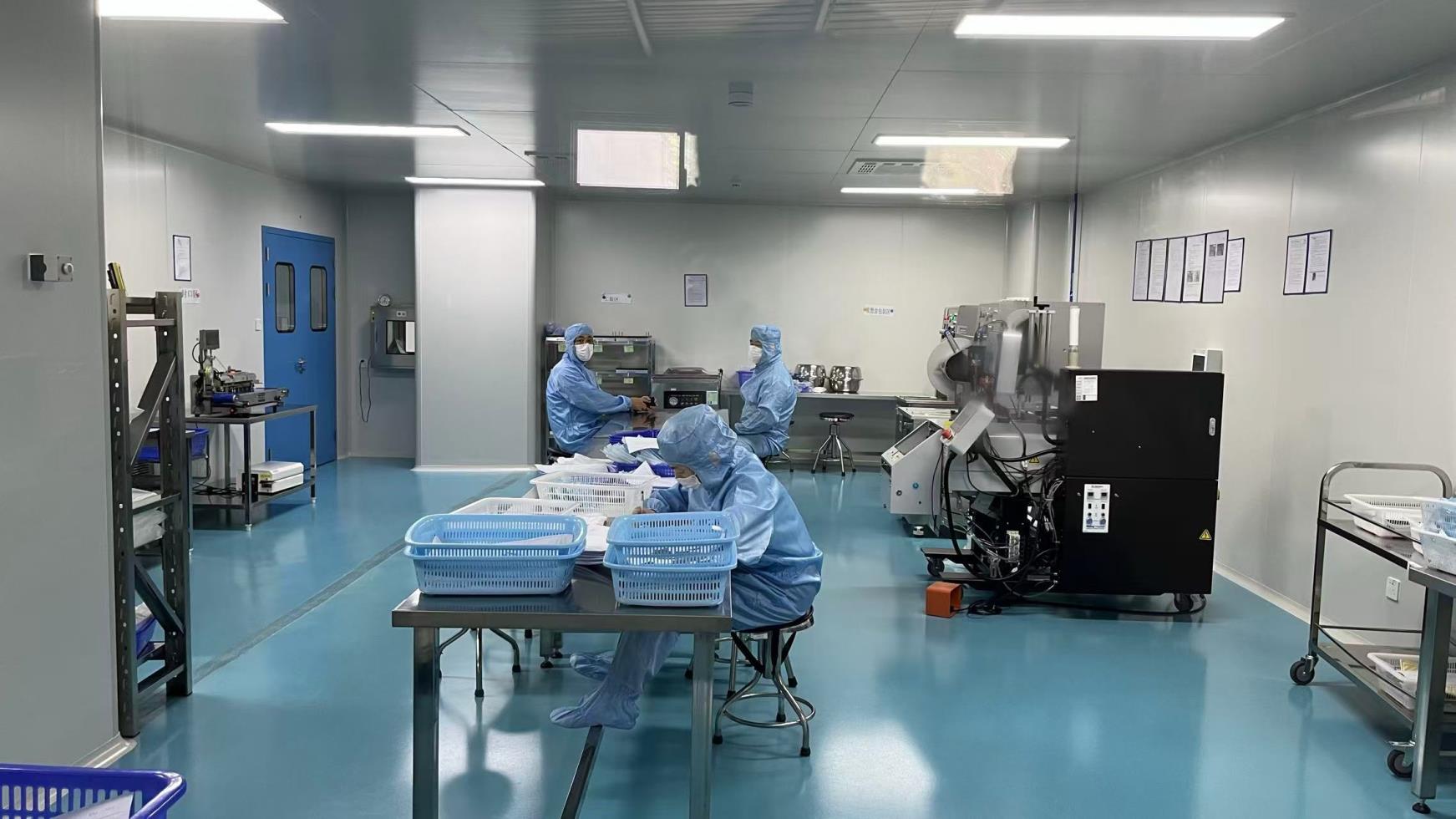
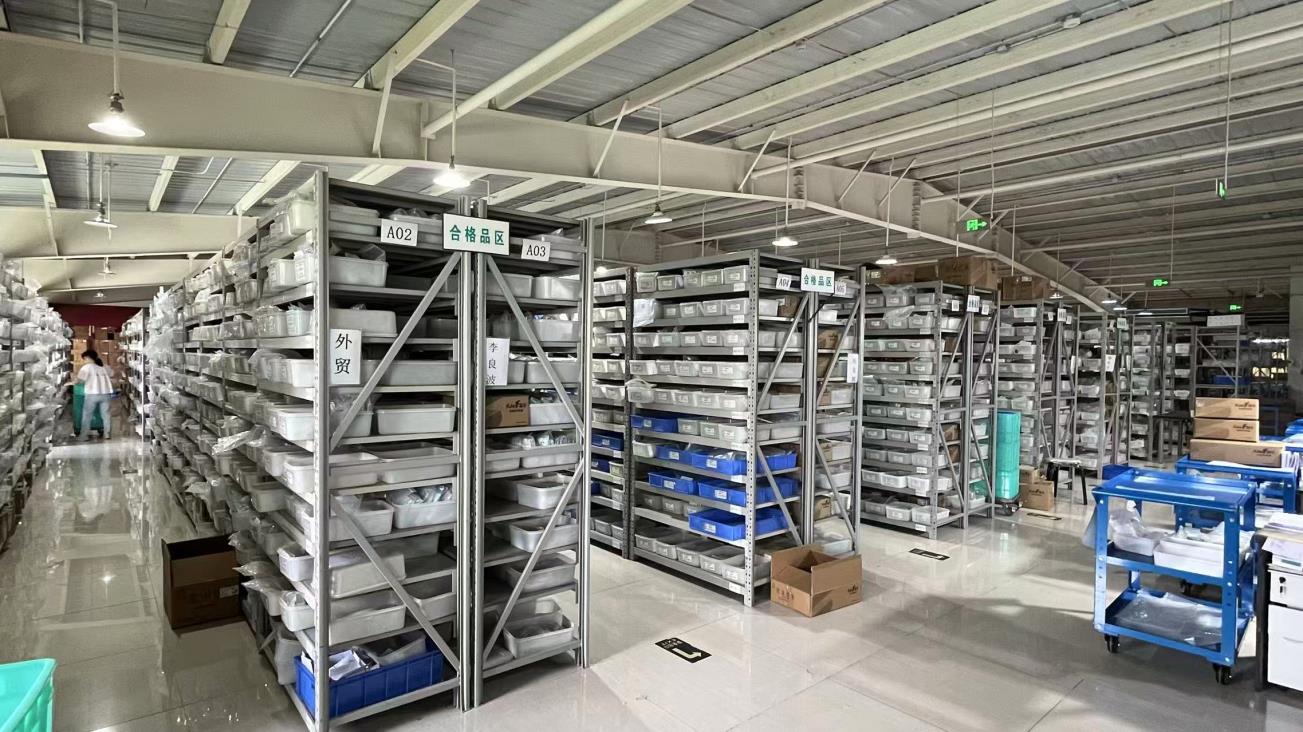
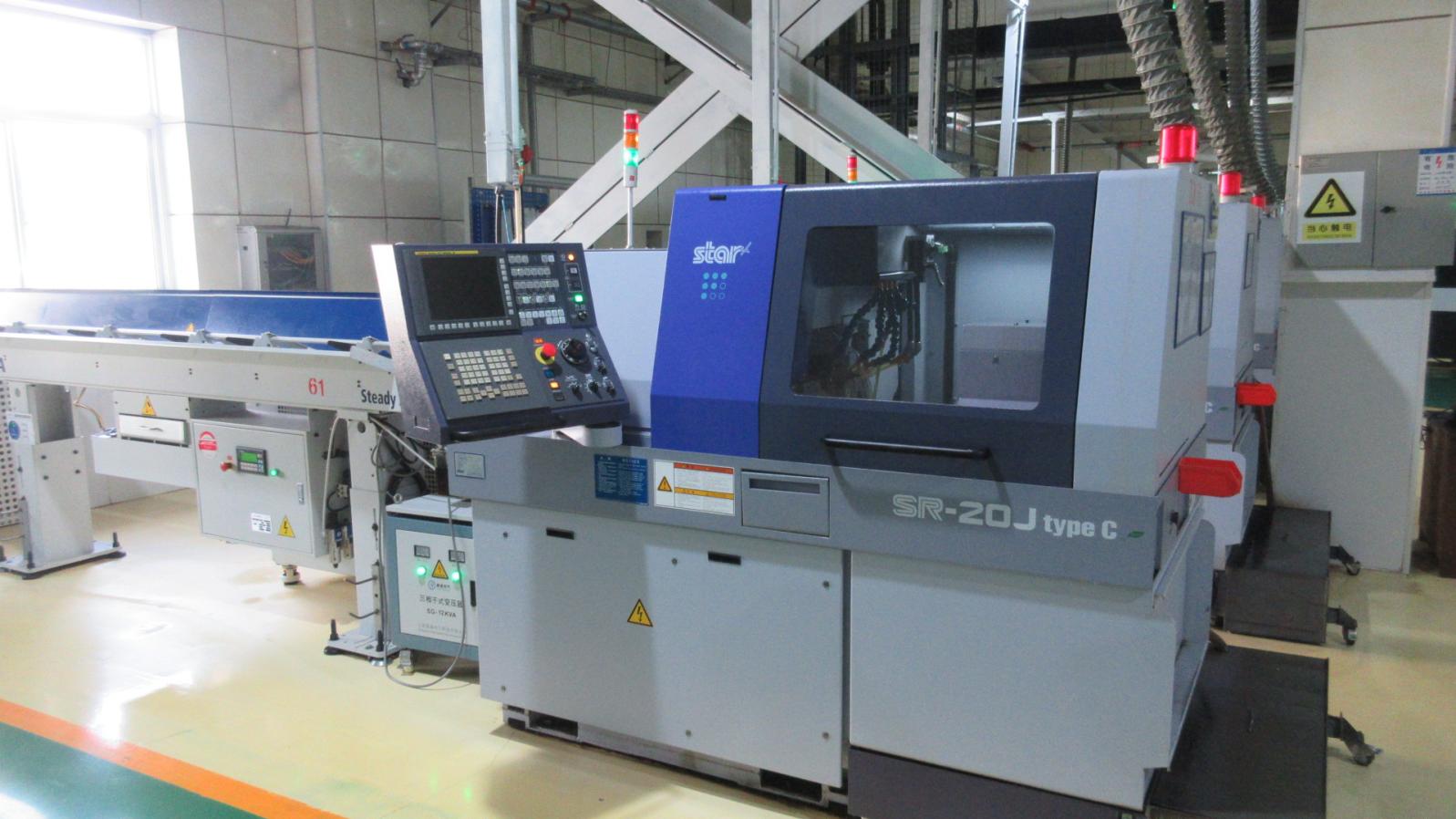
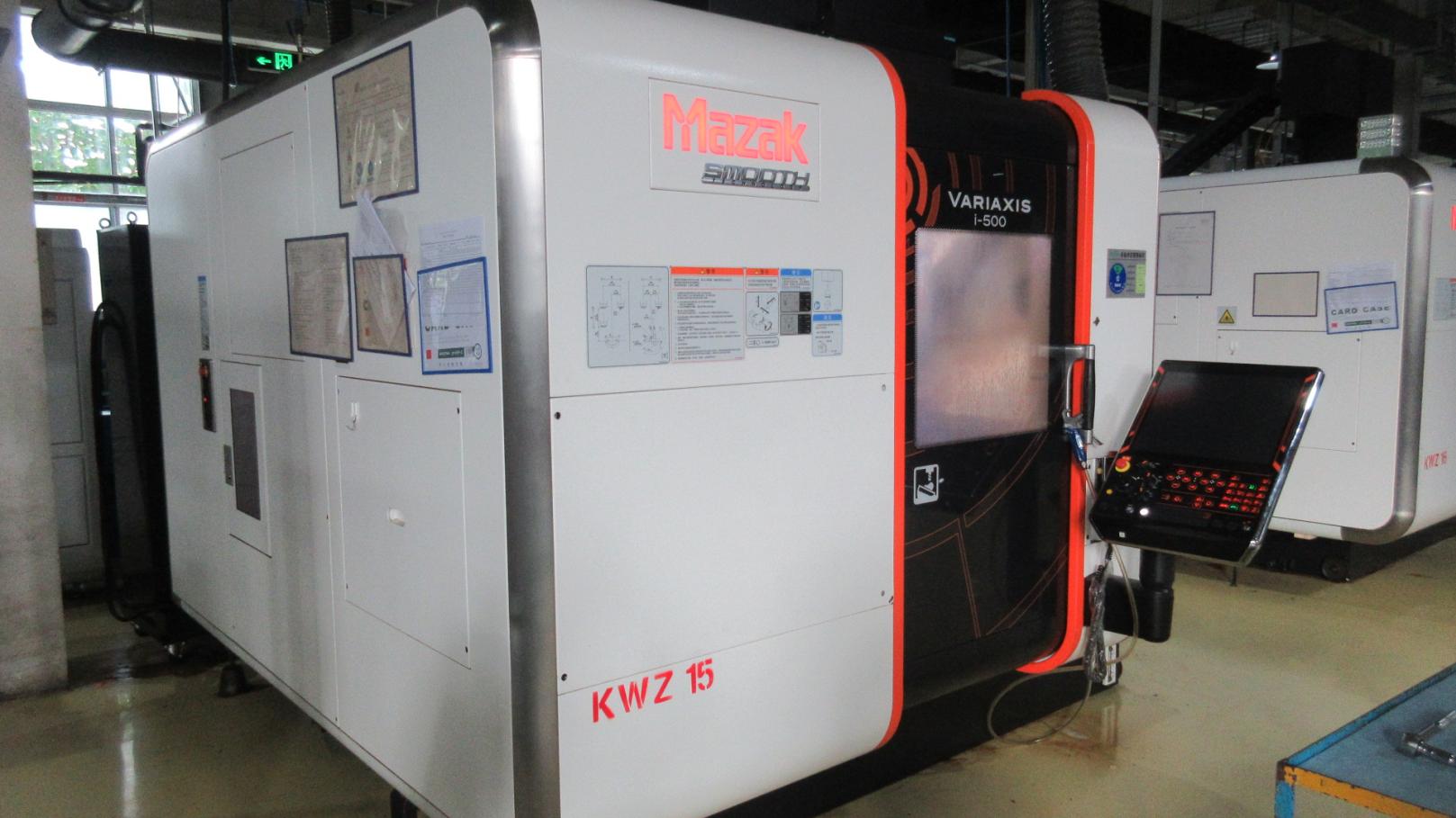
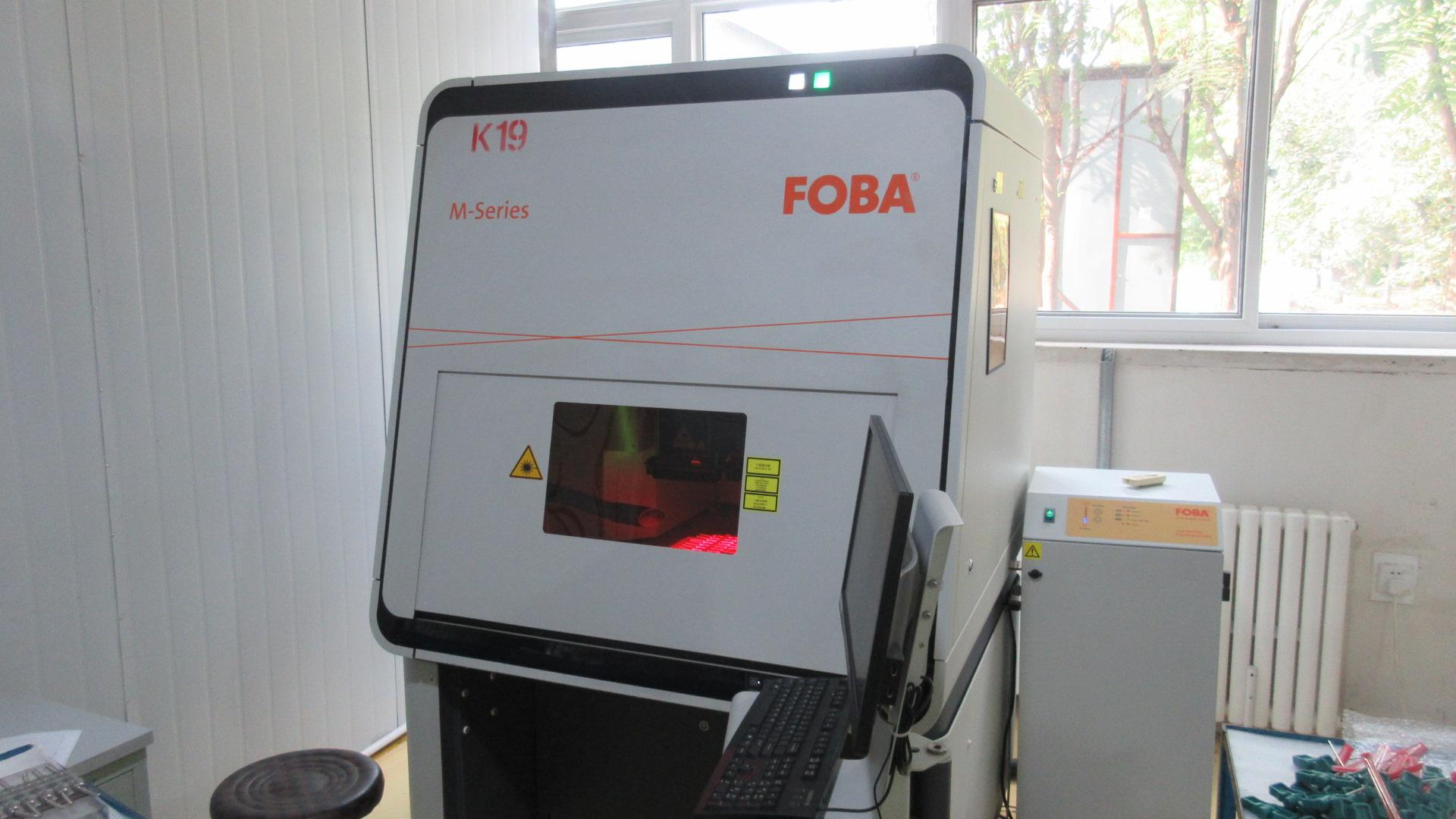
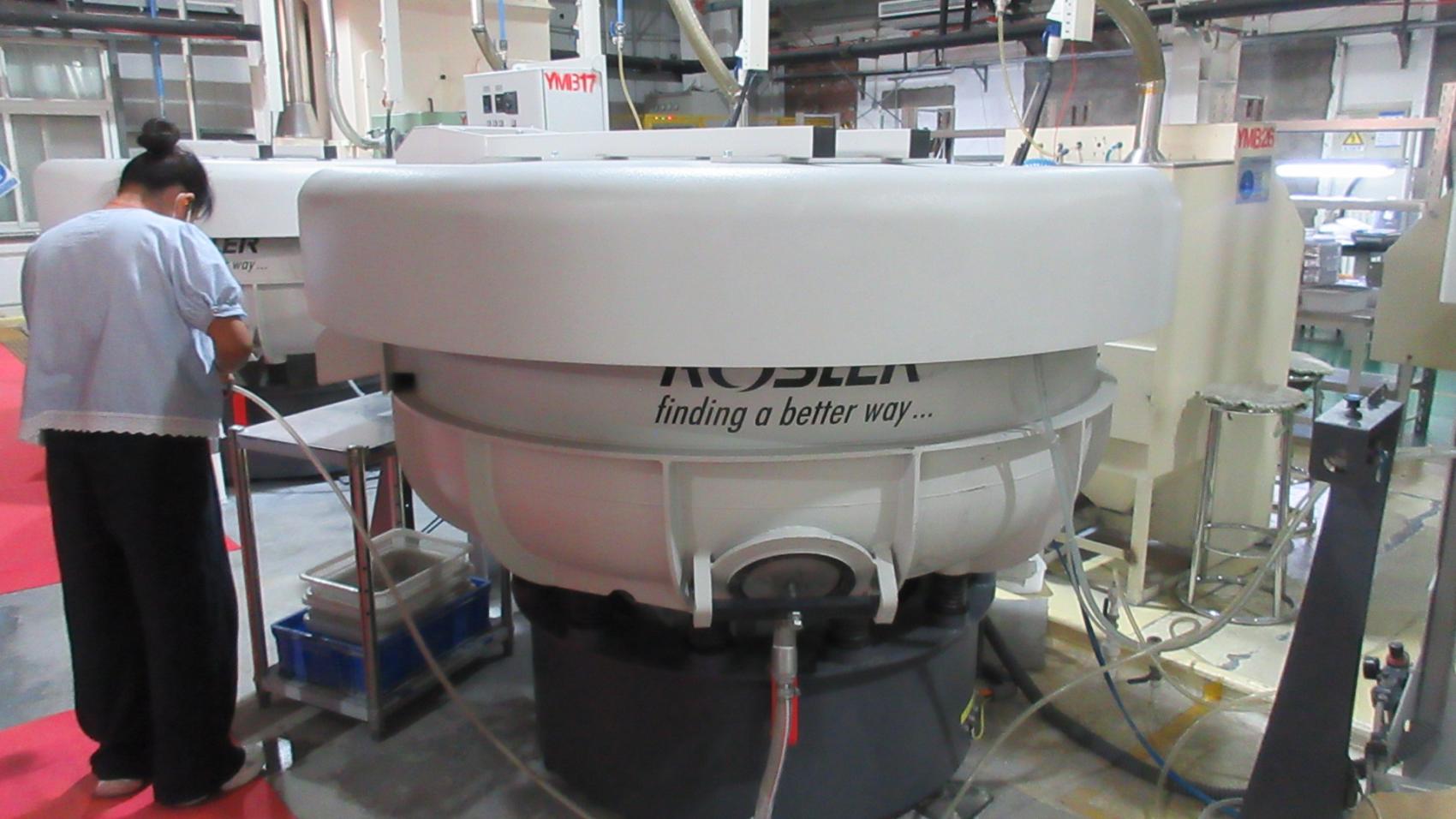
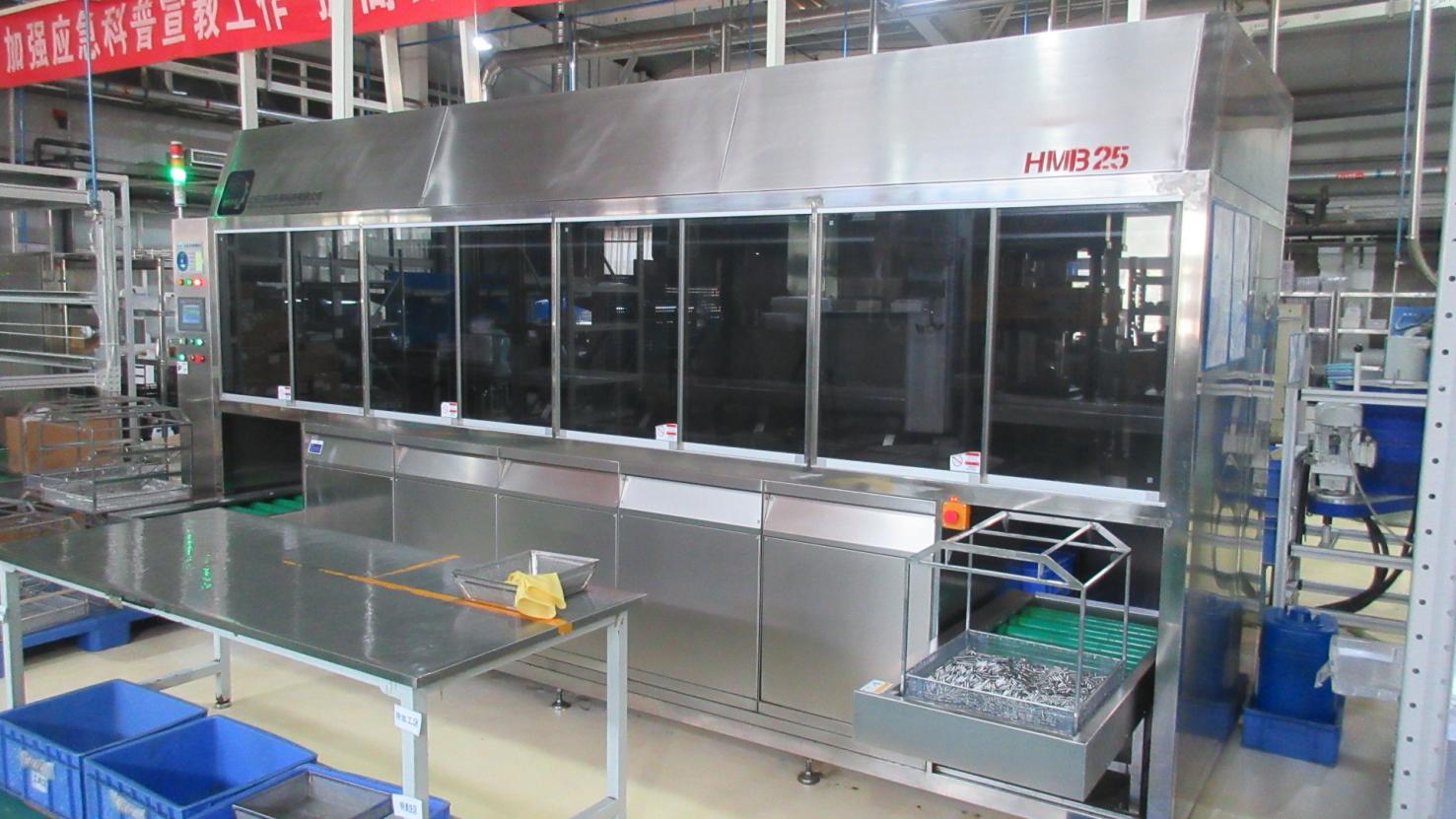
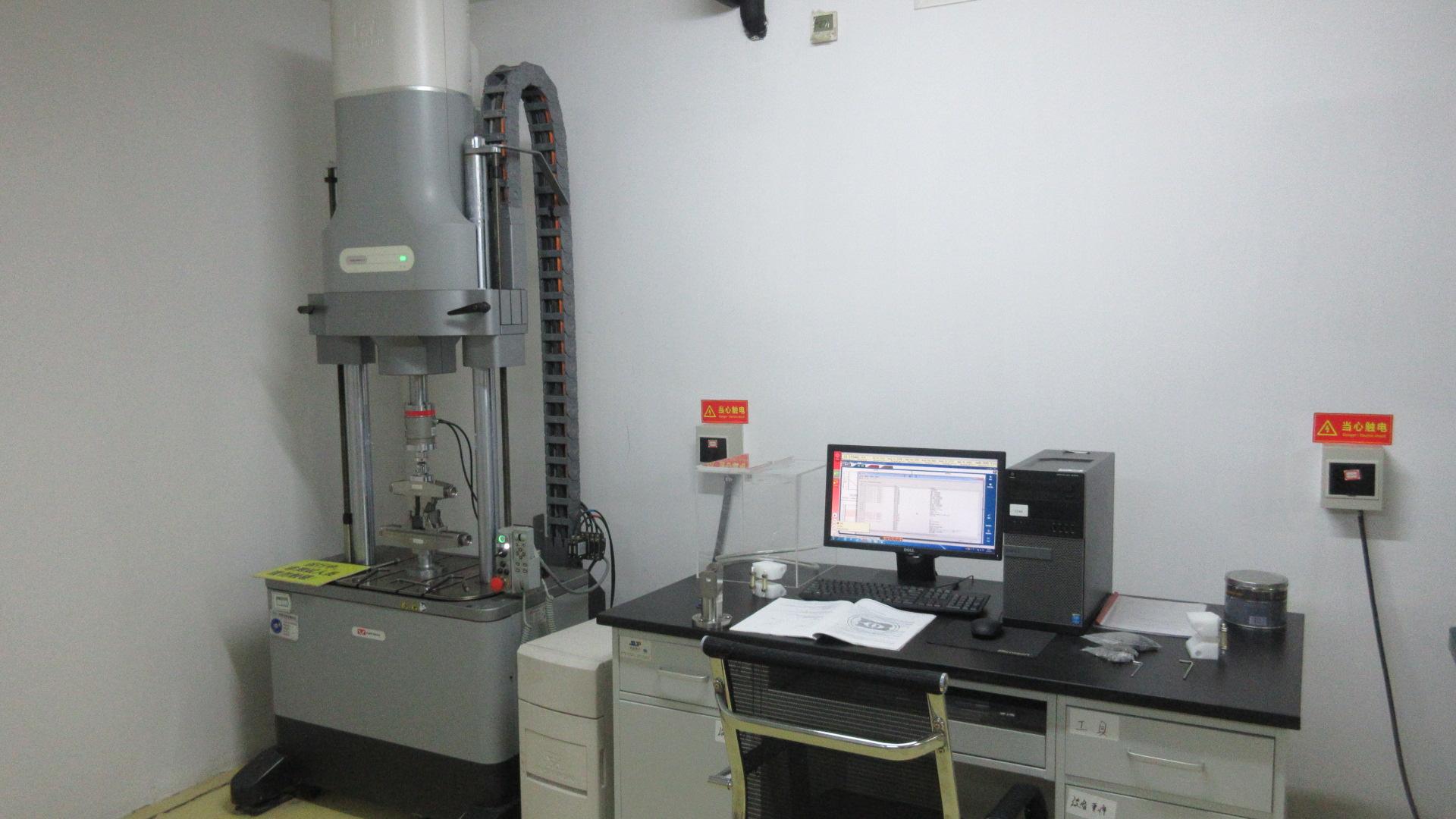
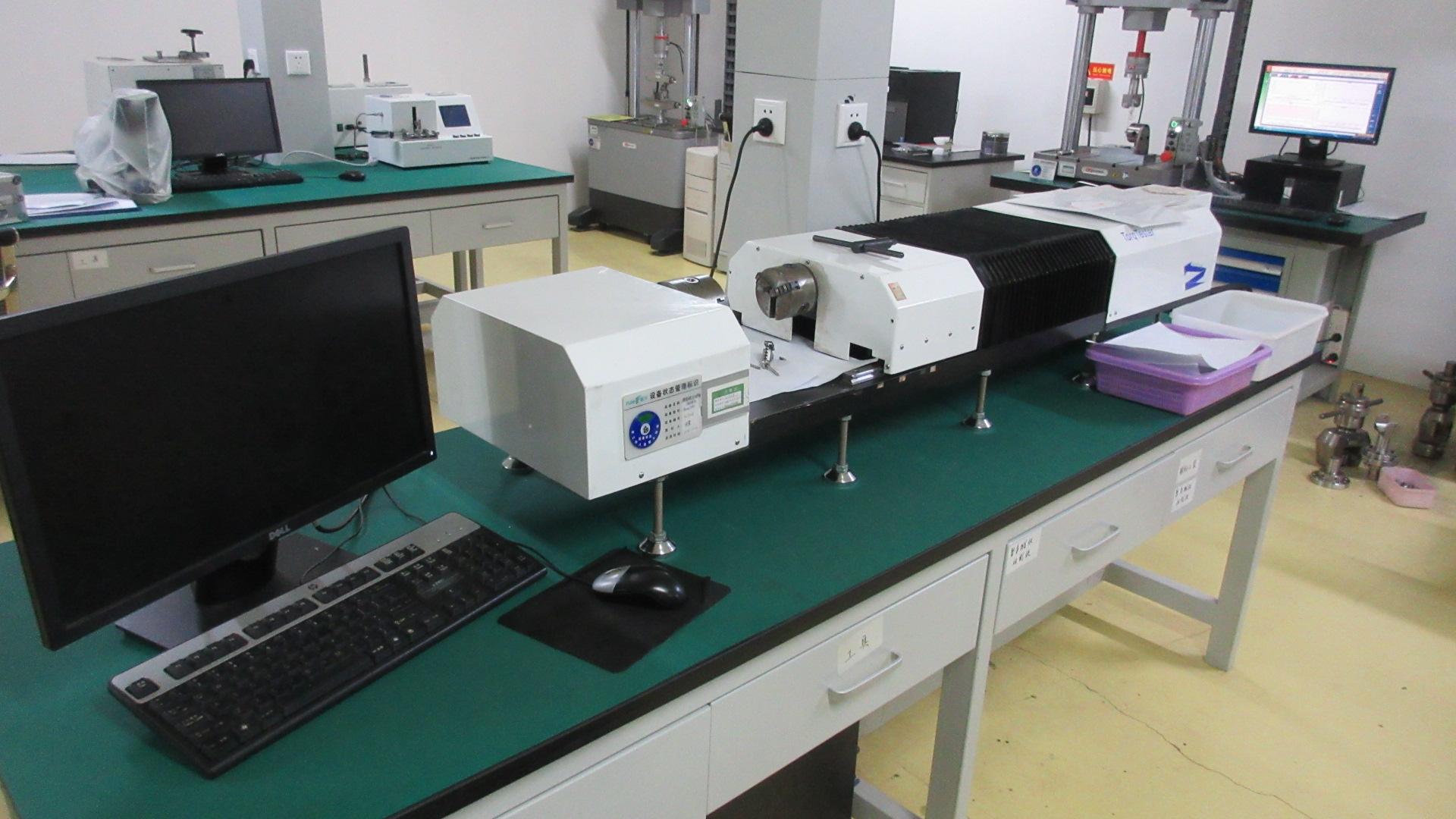
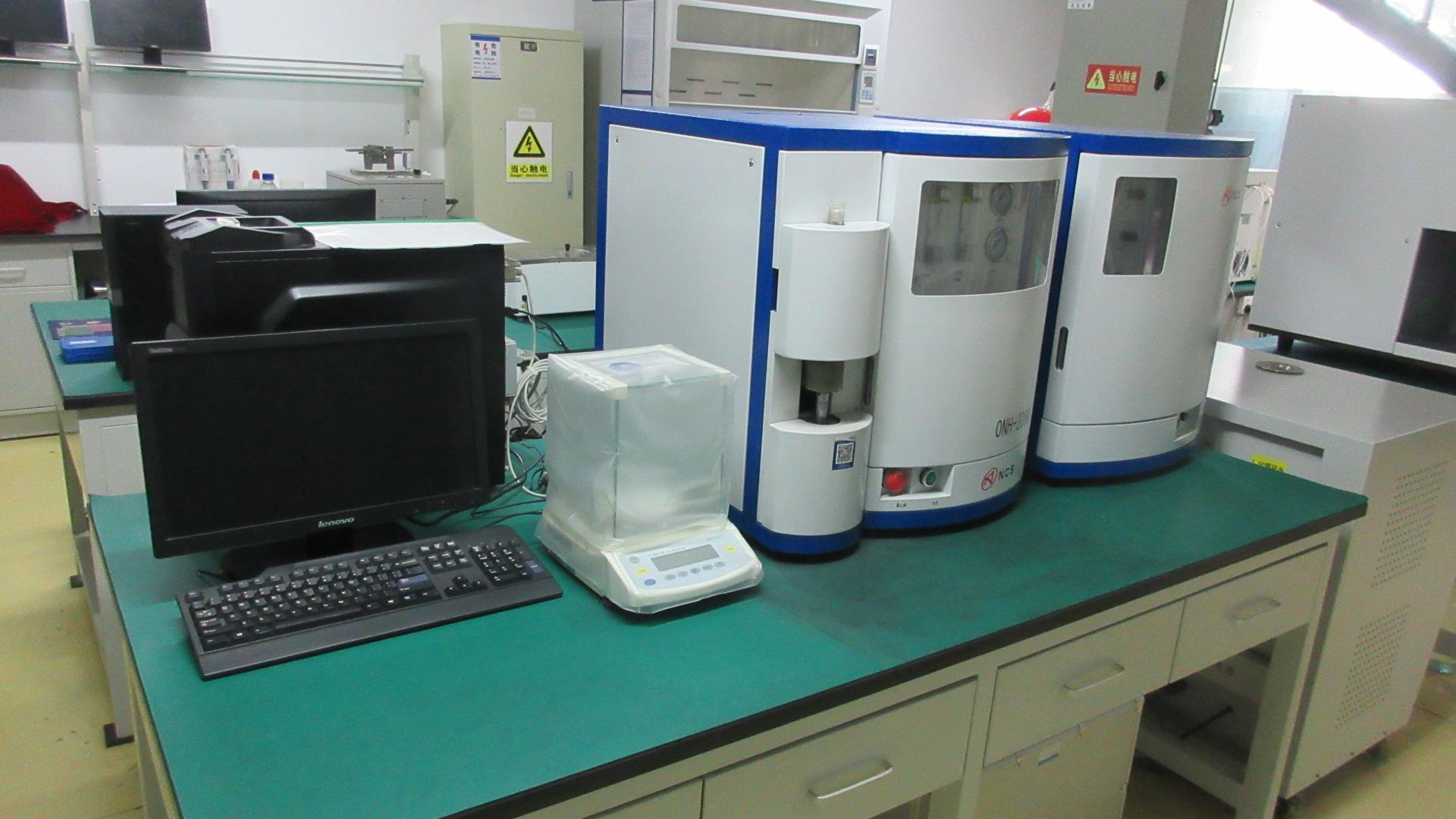
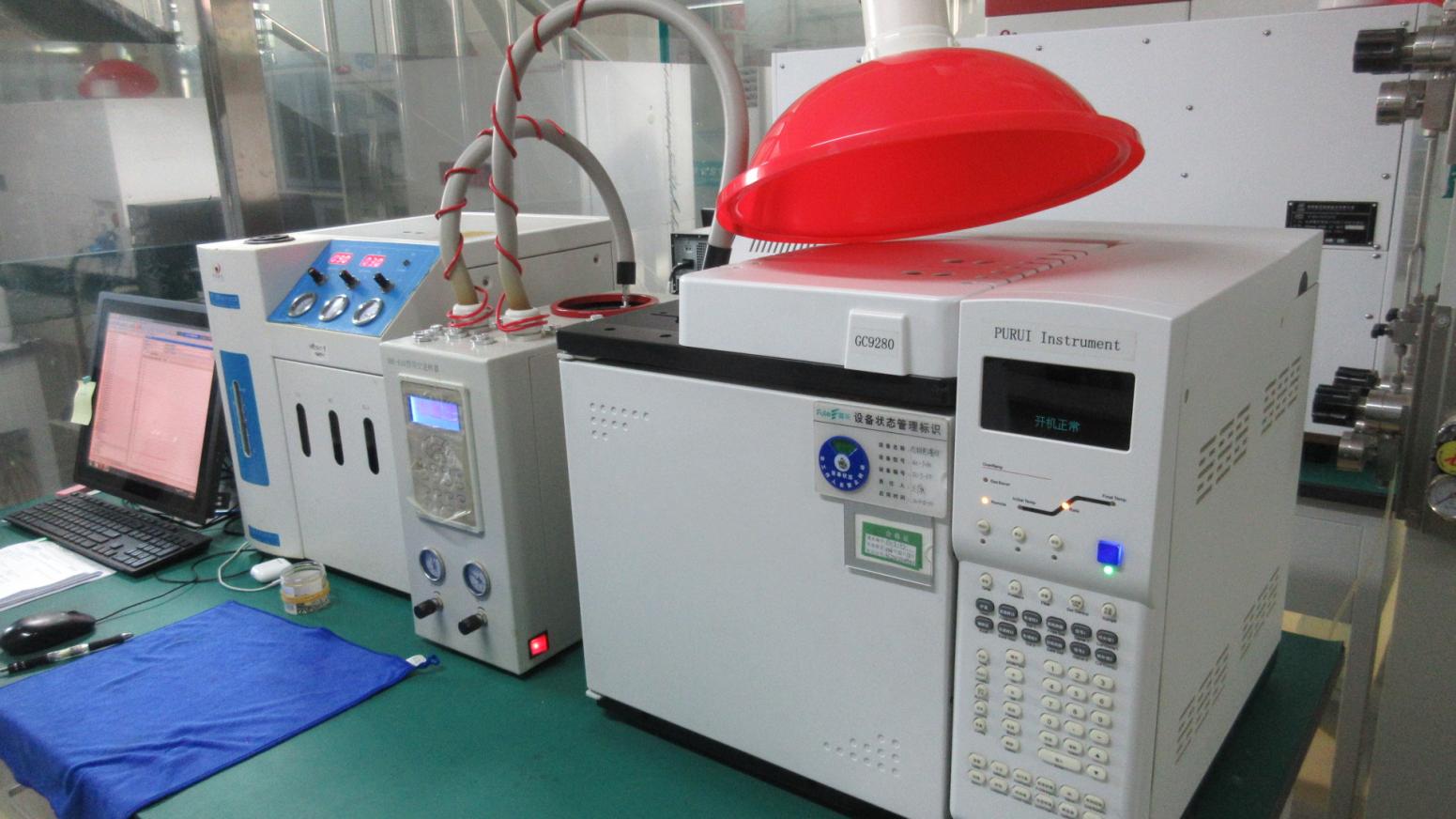
Entering the Austrian medical device market requires a high degree of administrative rigor. Our compliance management process ensures that Austrian hospital groups and independent medical distributors experience seamless integration when procuring our systems.
To comply with EU Regulation 2017/745, all our Class II and Class III spinal devices are registered with EUDAMED. We work closely with our European Authorized Representative (EC REP) to maintain updated Technical Documentation, perform regular Post-Market Clinical Follow-ups (PMCF), and coordinate safety alerts through the Austrian BASG system. This ensures distributors face zero regulatory barriers during domestic import clearance.
Austrian clinics expect flexible options for surgical trays. We offer our VSS products in two delivery options:
1. Sterile Individual Packaging (R-Gamma Sterilized): Perfect for direct shelf stock, enabling quick turnaround inside surgical theaters.
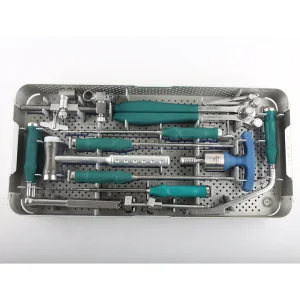
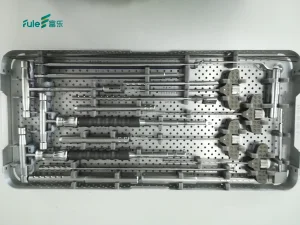
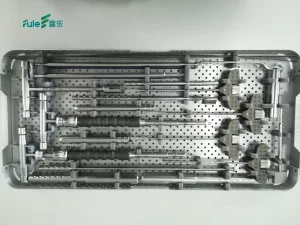
2. Non-Sterile Bulk Assemblies: Shipped in custom orthopedic modular cases designed to integrate with standard hospital autoclave systems used in Austria.
Furthermore, our dedicated support team assists local distributors in compiling localized instructions for use (IFUs) in German, facilitating smooth integration during hospital training phases.
Essential regulatory, technical, and logistic information for B2B buyers and surgical procurement professionals in Austria.
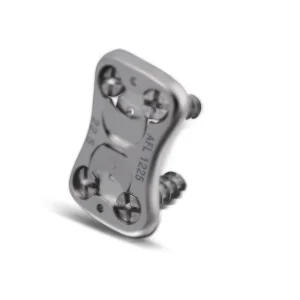
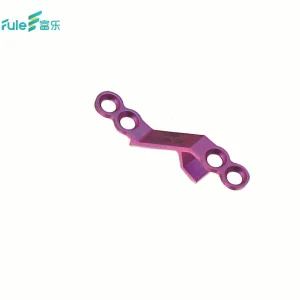
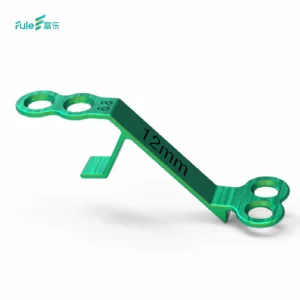
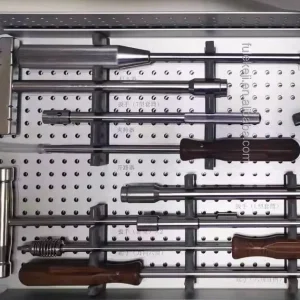
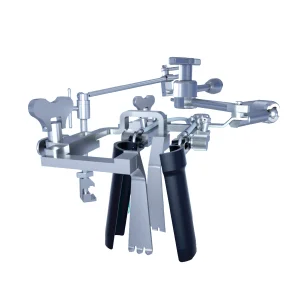
Complete instrumentation kits and specialized plate systems configured for complex anatomical corrections.
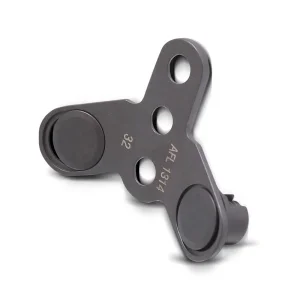
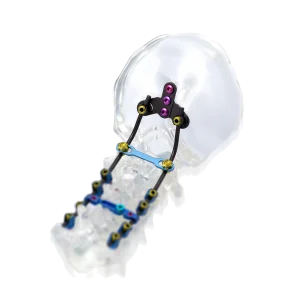
Looking to secure procurement or distributions channels for CE certified Vertebral Stabilization Systems? Receive technical assistance, biocompatibility reports, and customized project quotes from our specialists.
Send Inquiry Now Beren Science & Technology