Precision-engineered, clinically proven surgical solutions conforming to absolute safety protocols.
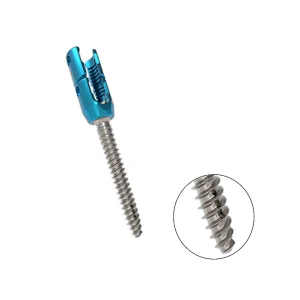
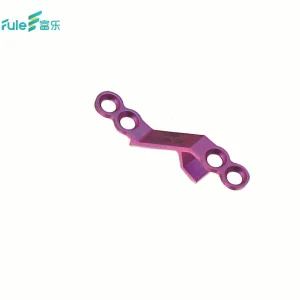
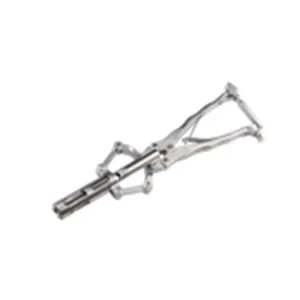
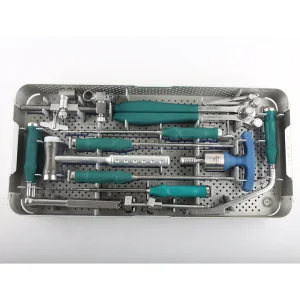
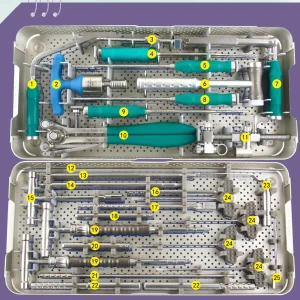
Unlike adult orthopedics, pediatric orthopedic treatment demands dynamic systems that accommodate continuous skeletal development. Implant design must account for skeletal immaturity, growth plate preservation, and varying bone mineral density. Today, pediatric orthopedic surgeons globally require implant profiles that offer structural stability without hindering natural growth processes.
Our research and development team addresses this through miniaturized anatomical plates, growth-friendly telescoping rods, and low-profile pedicle screw systems. By using medical-grade Titanium Alloy (Grade 5, Ti-6Al-4V ELI) and PEEK polymers, we achieve high biocompatibility and optimal mechanical performance tailored to pediatric anatomies.
In the highly regulated medical device sector, healthcare buyers face strict verification procedures. Regulatory compliance is the key criterion; products must meet CE certificates, ISO 13485 quality standards, and MDD/MDR registration guidelines. Distributors need dependable partners to ensure seamless product availability, material traceability, and customizable options (OEM/ODM).
From a procurement perspective, global supply chains must balance cost-efficiency with uncompromising safety. Partnering with a vertically integrated manufacturer like us ensures compliance with Class I, Class II, and Class III standards, backed by comprehensive documentation, structural safety analysis, and batch testing certificates.
Certified production according to ISO 13485 and CE standards. Full raw material traceability from medical-grade ingot to finished device.
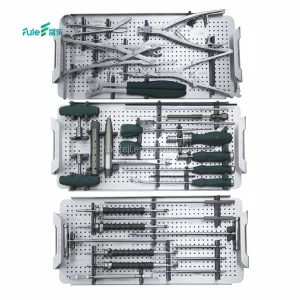
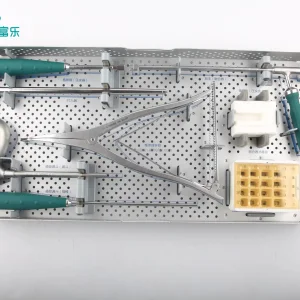
20 expert R&D engineers supporting graphic processing, customized dimensions, sample-based manufacturing, and custom instrument kits.
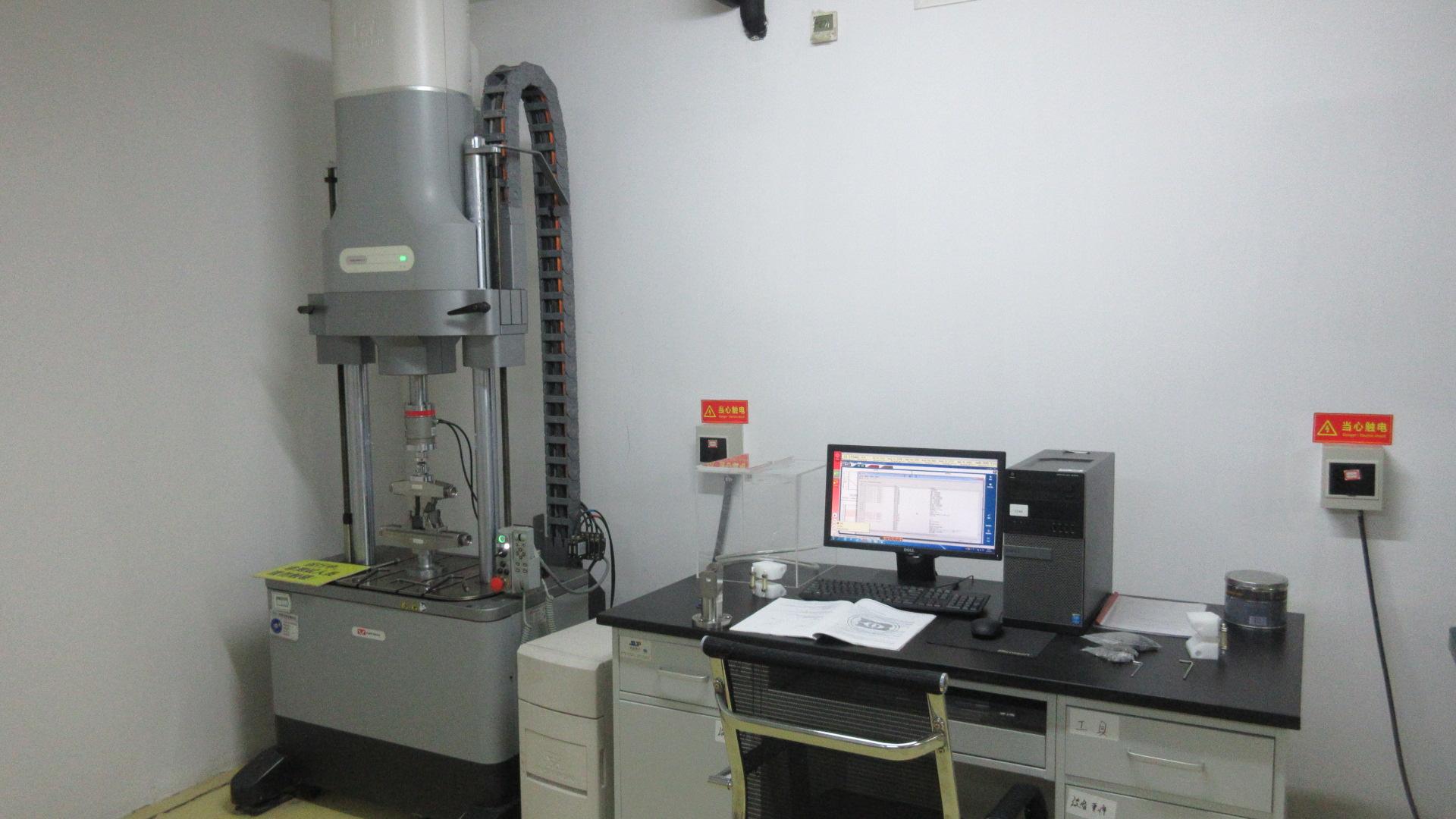
A specialized team of 15 QA/QC inspectors conducts 100% inspections on all production lines, ensuring zero-defect implant performance.
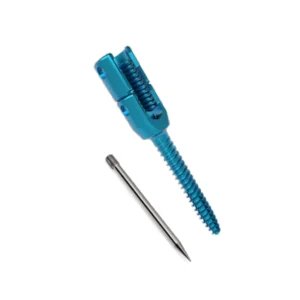
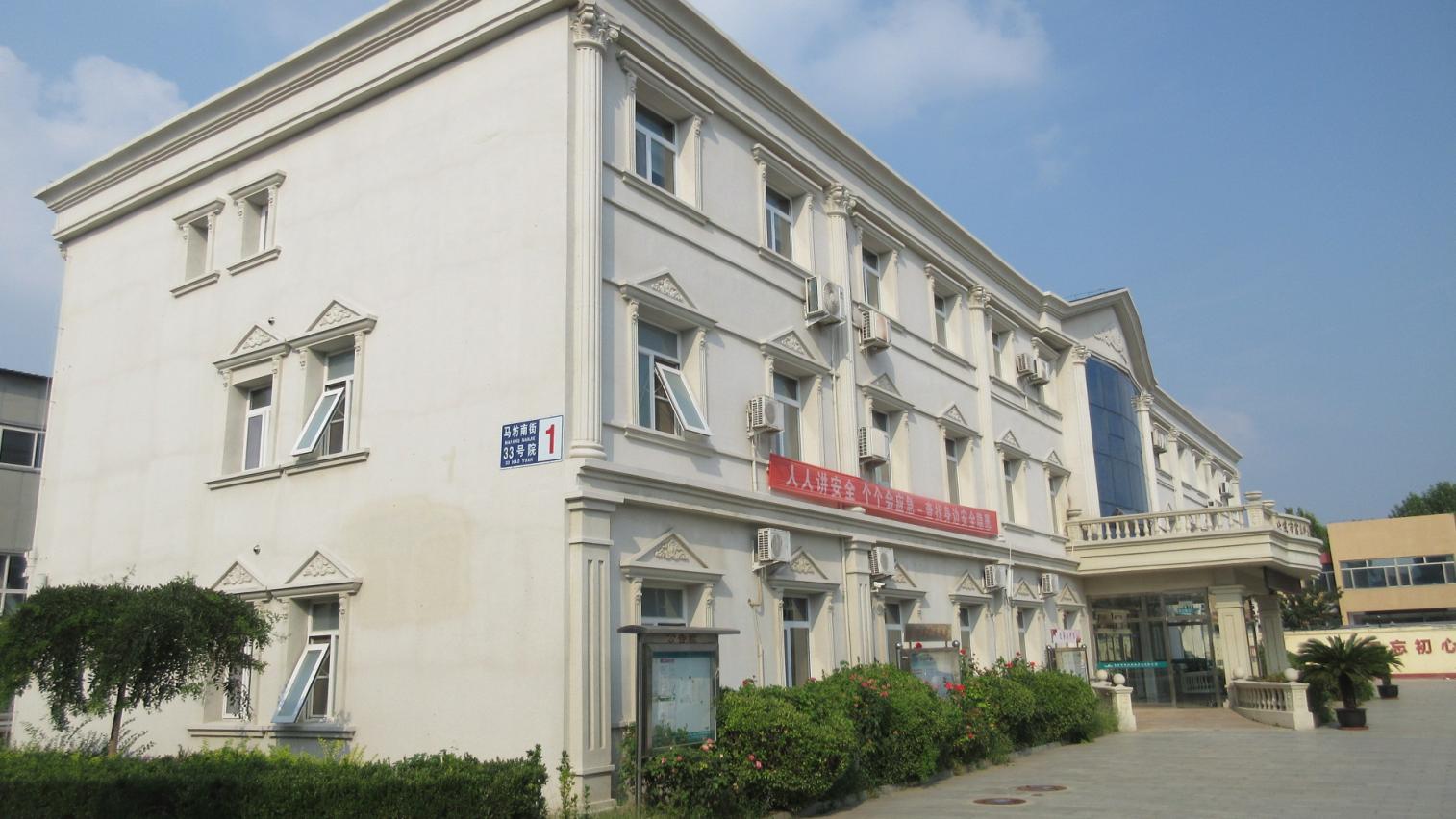
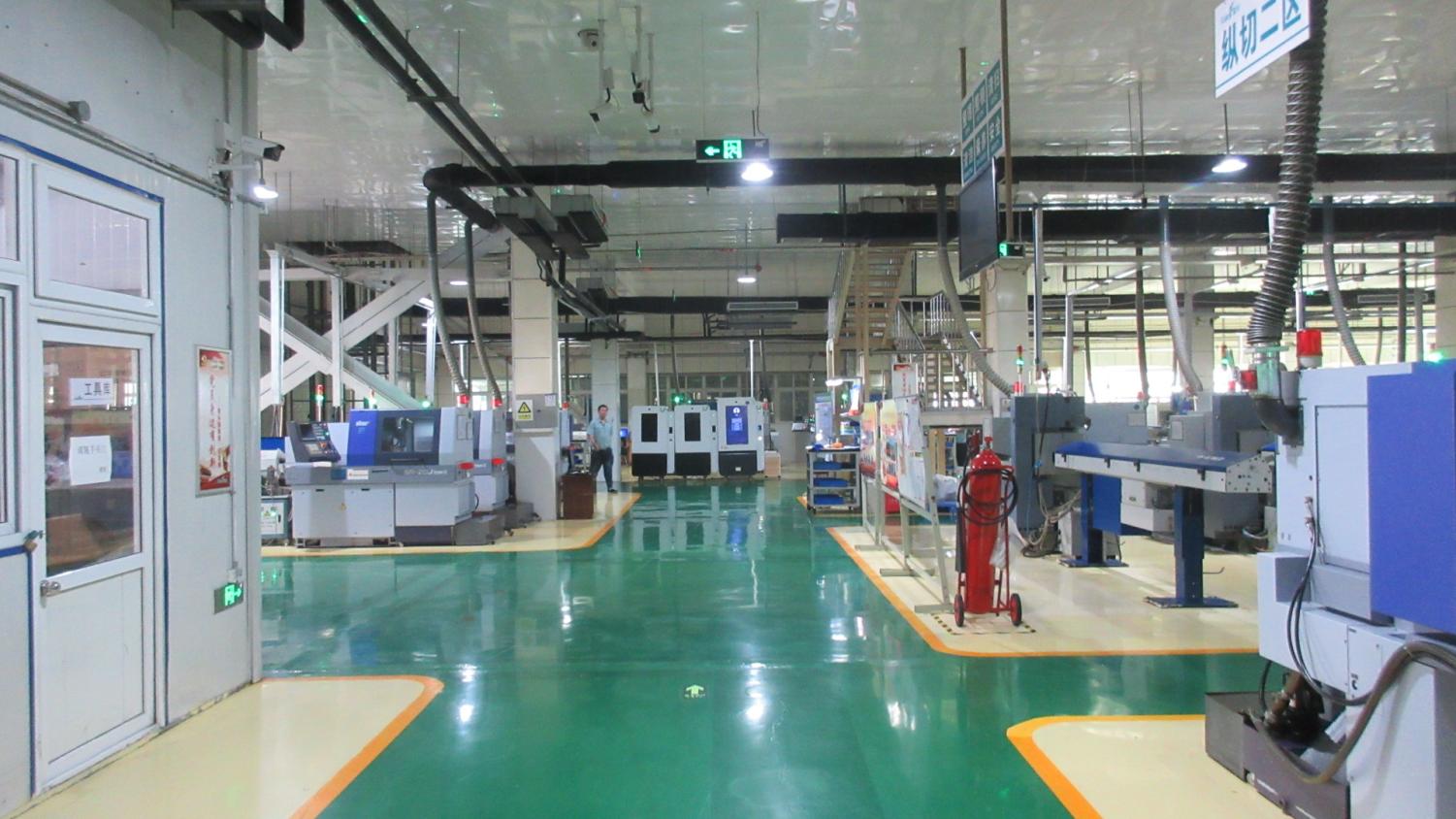
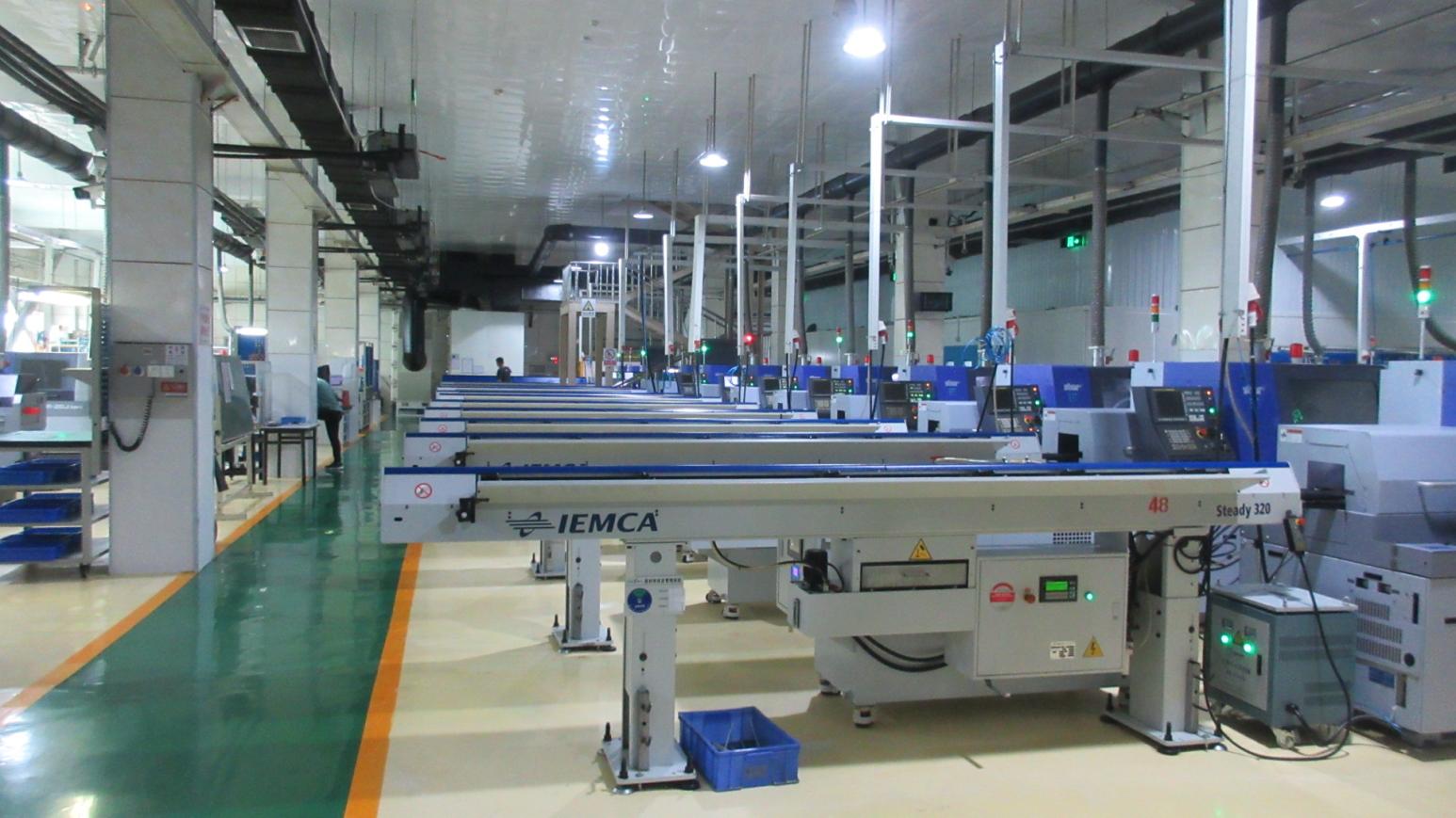
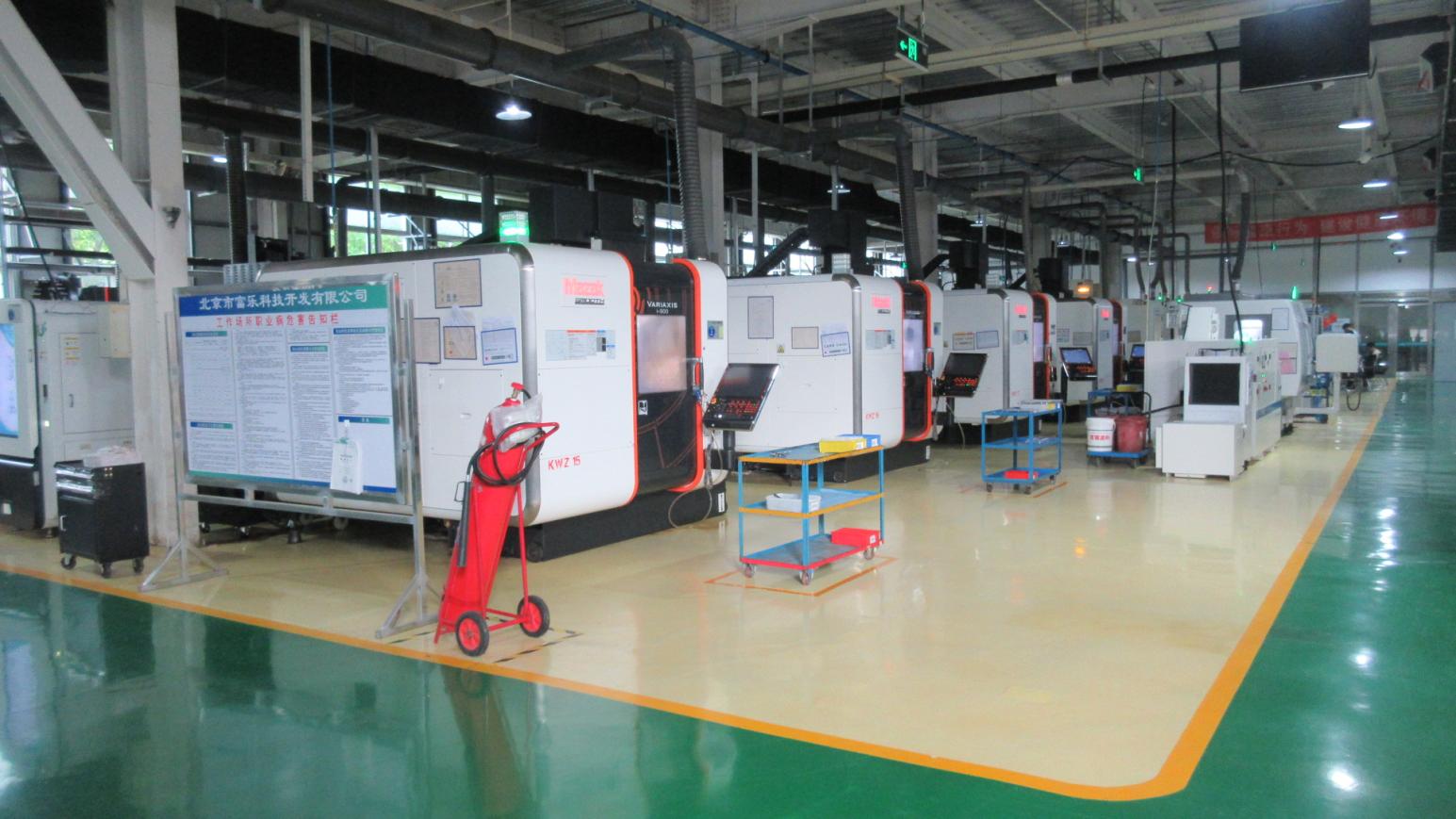
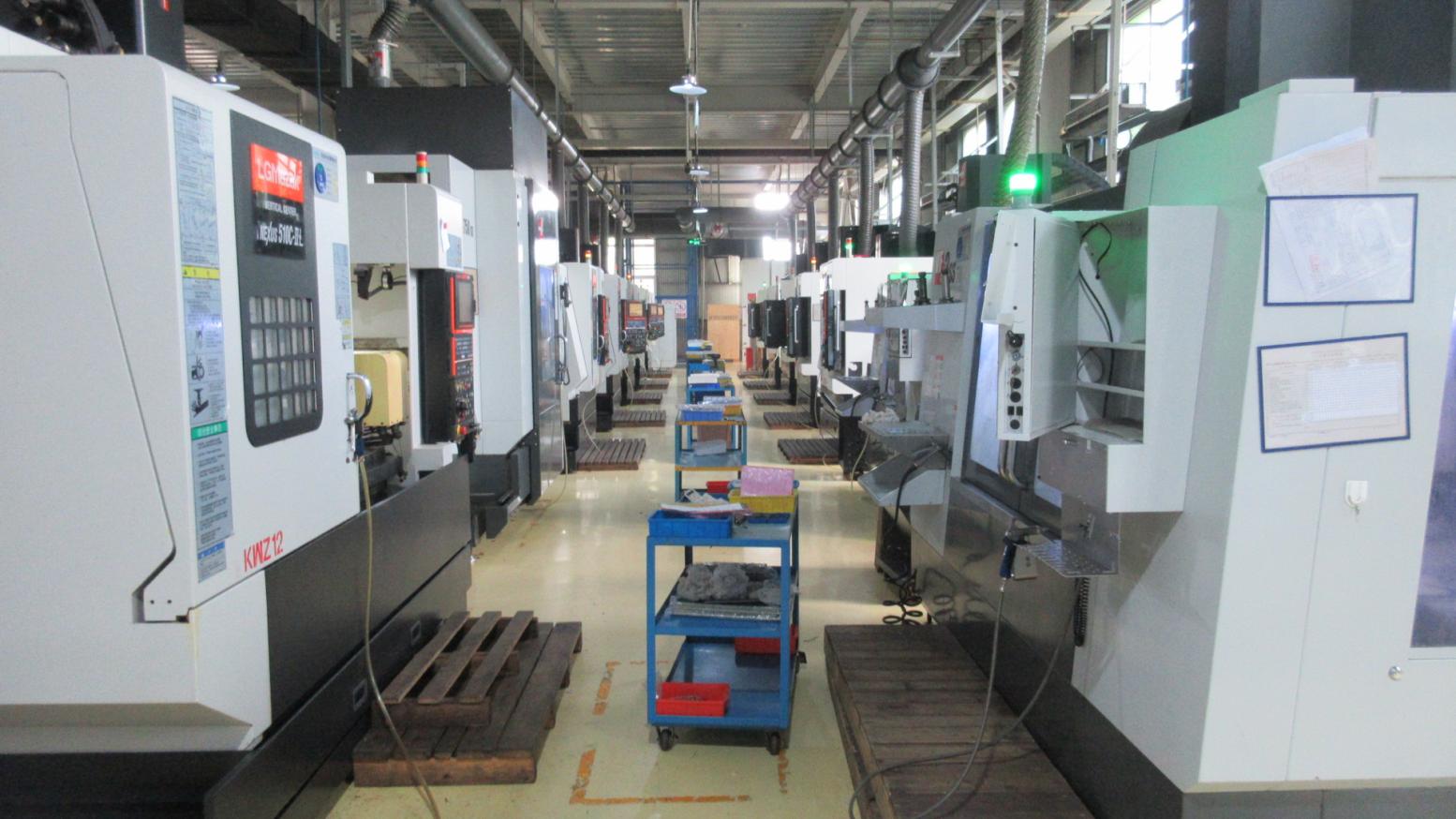
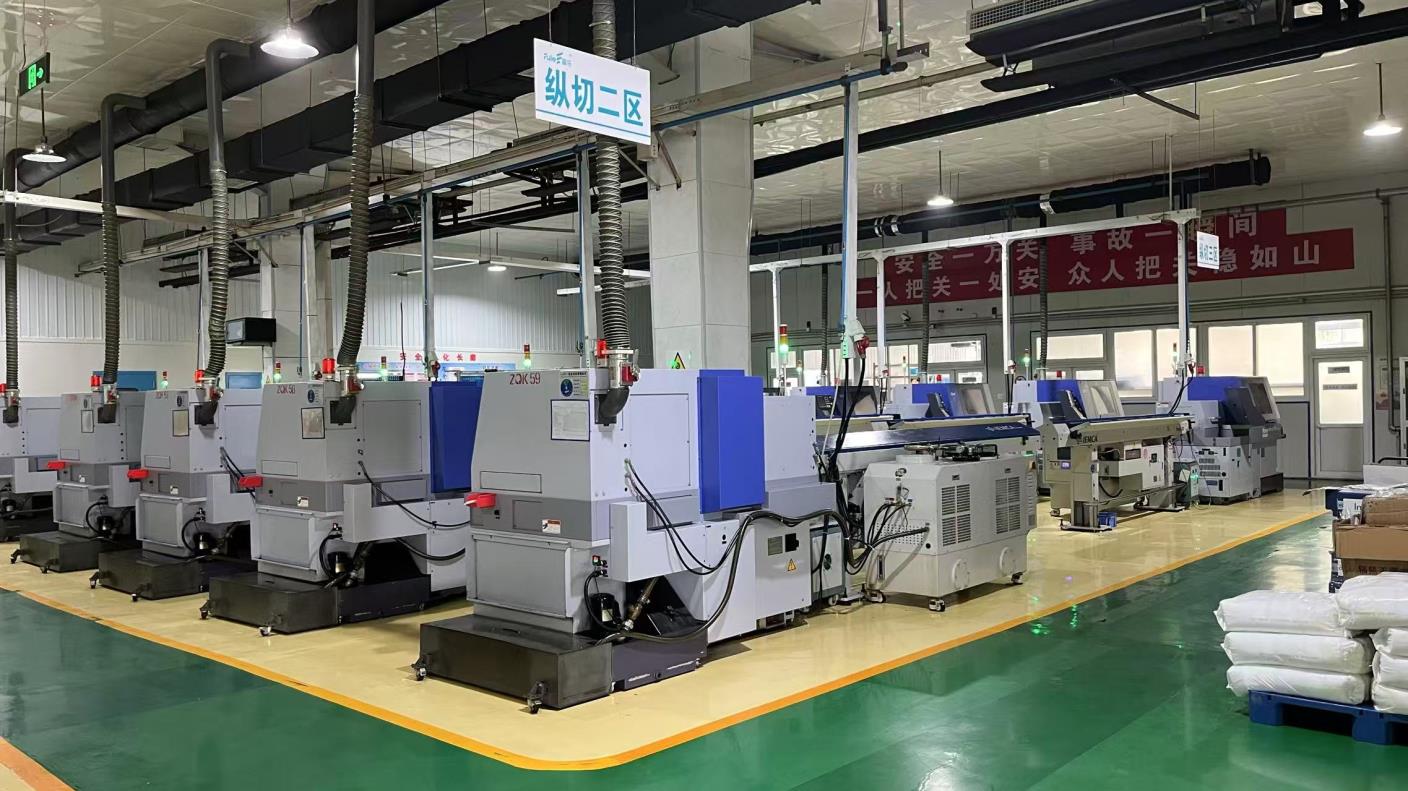
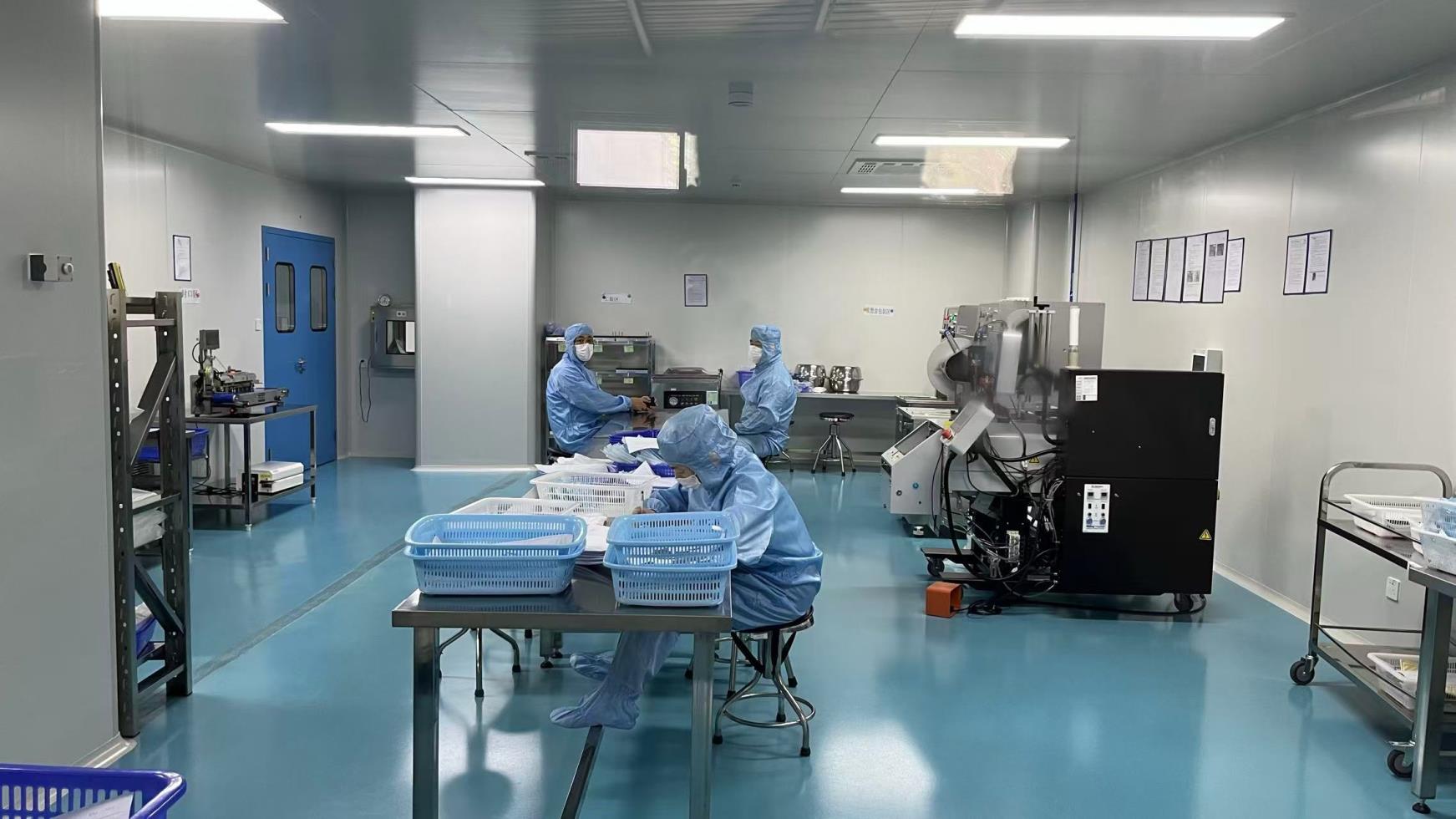
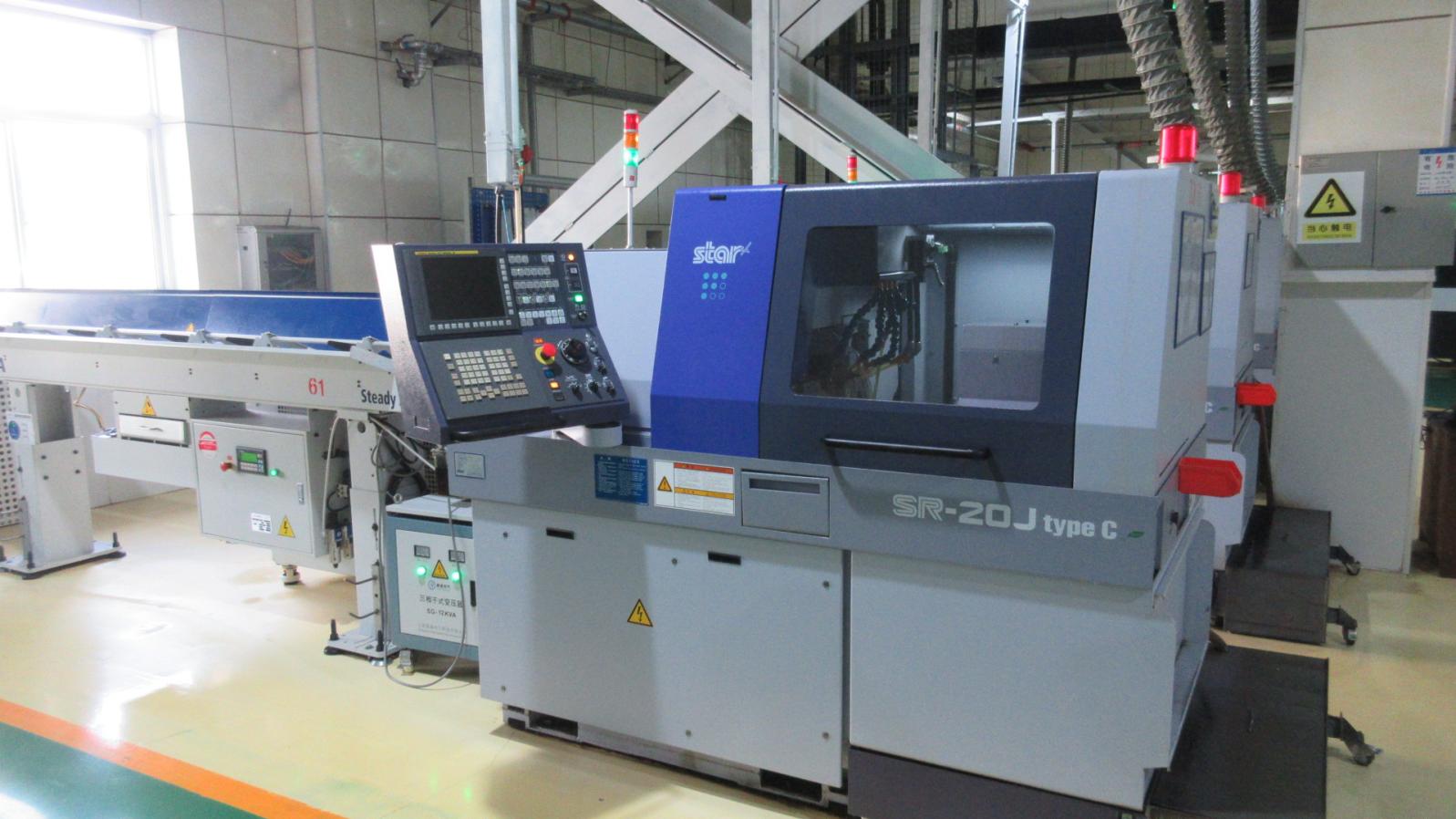
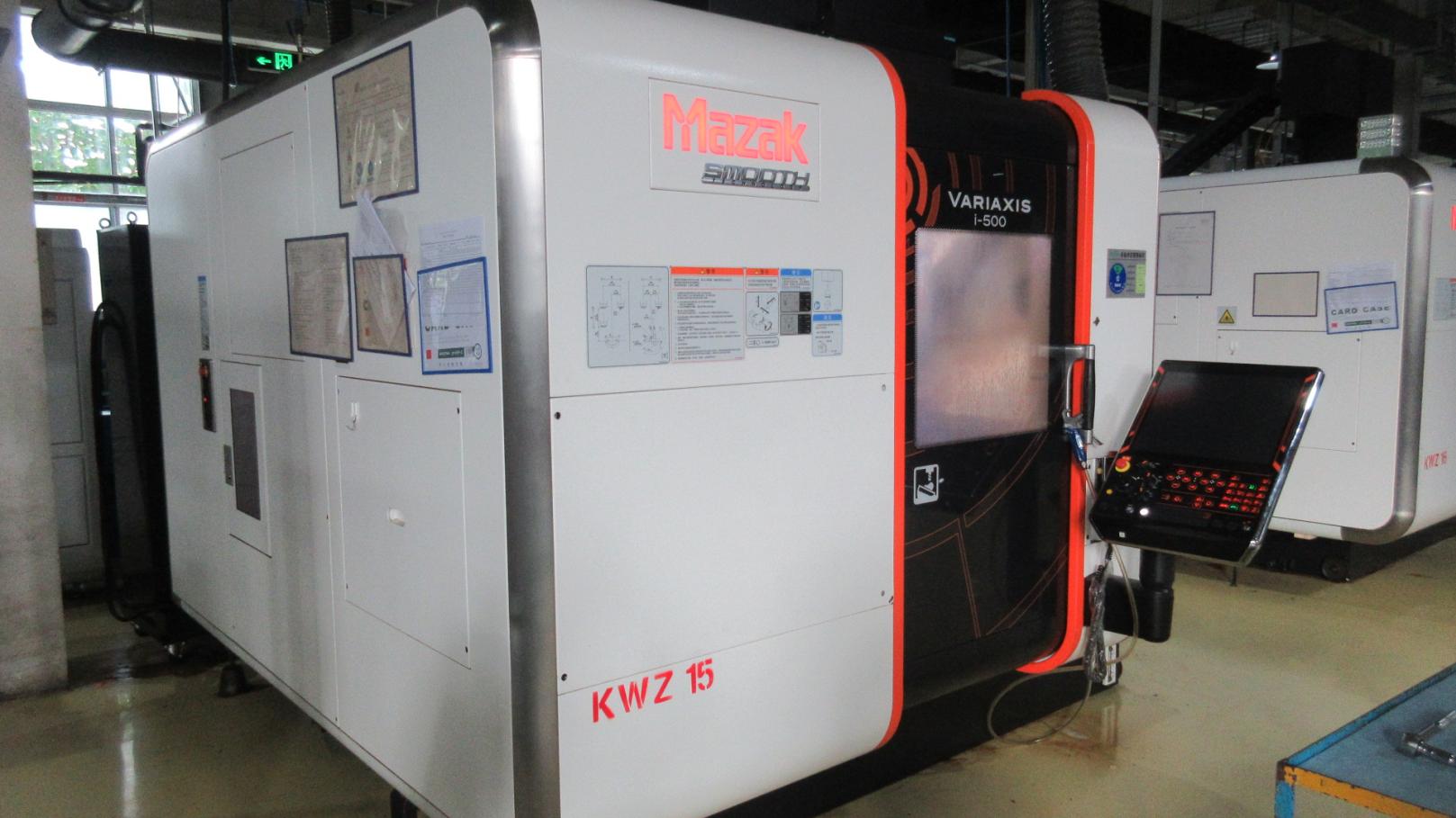
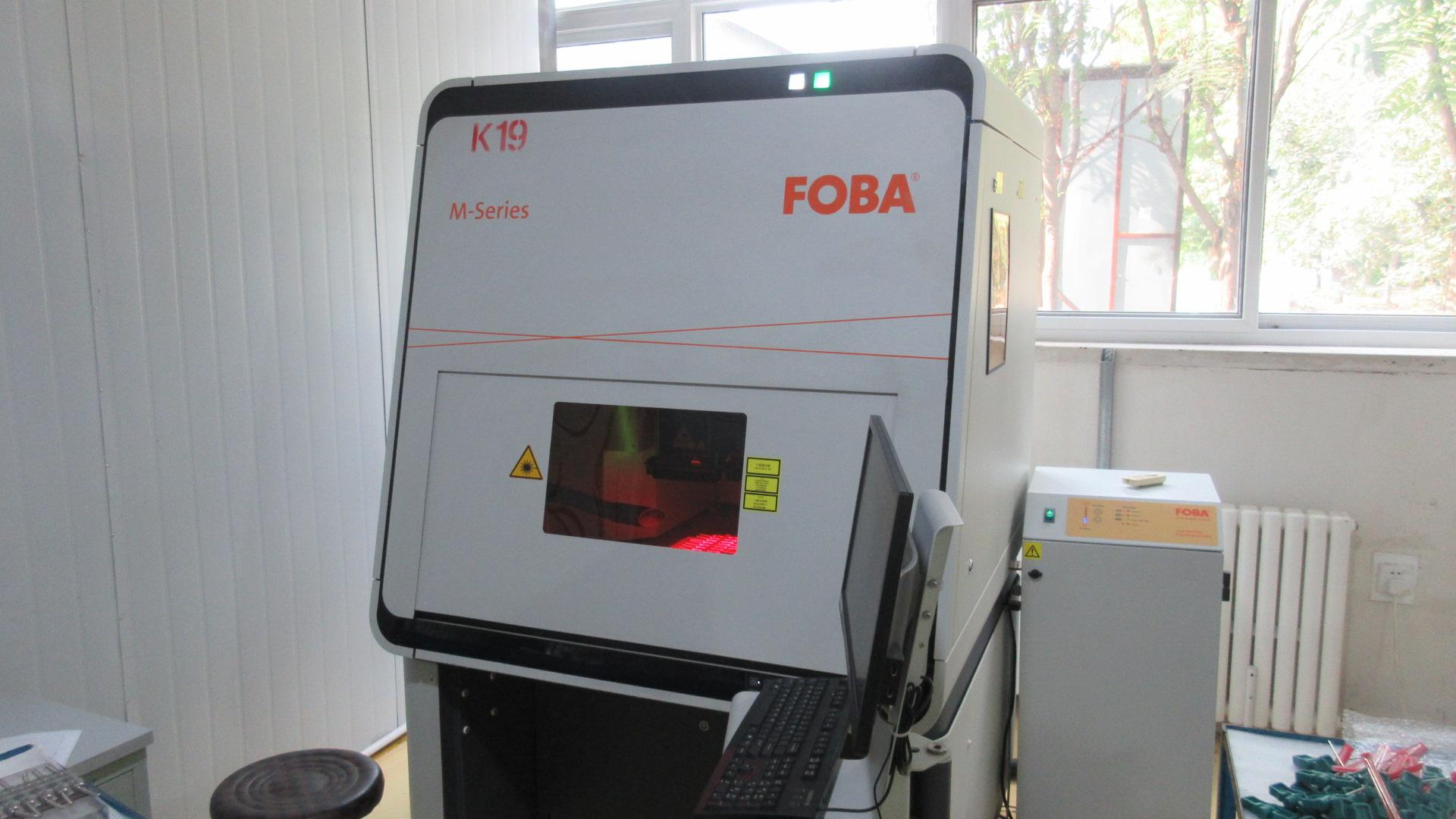
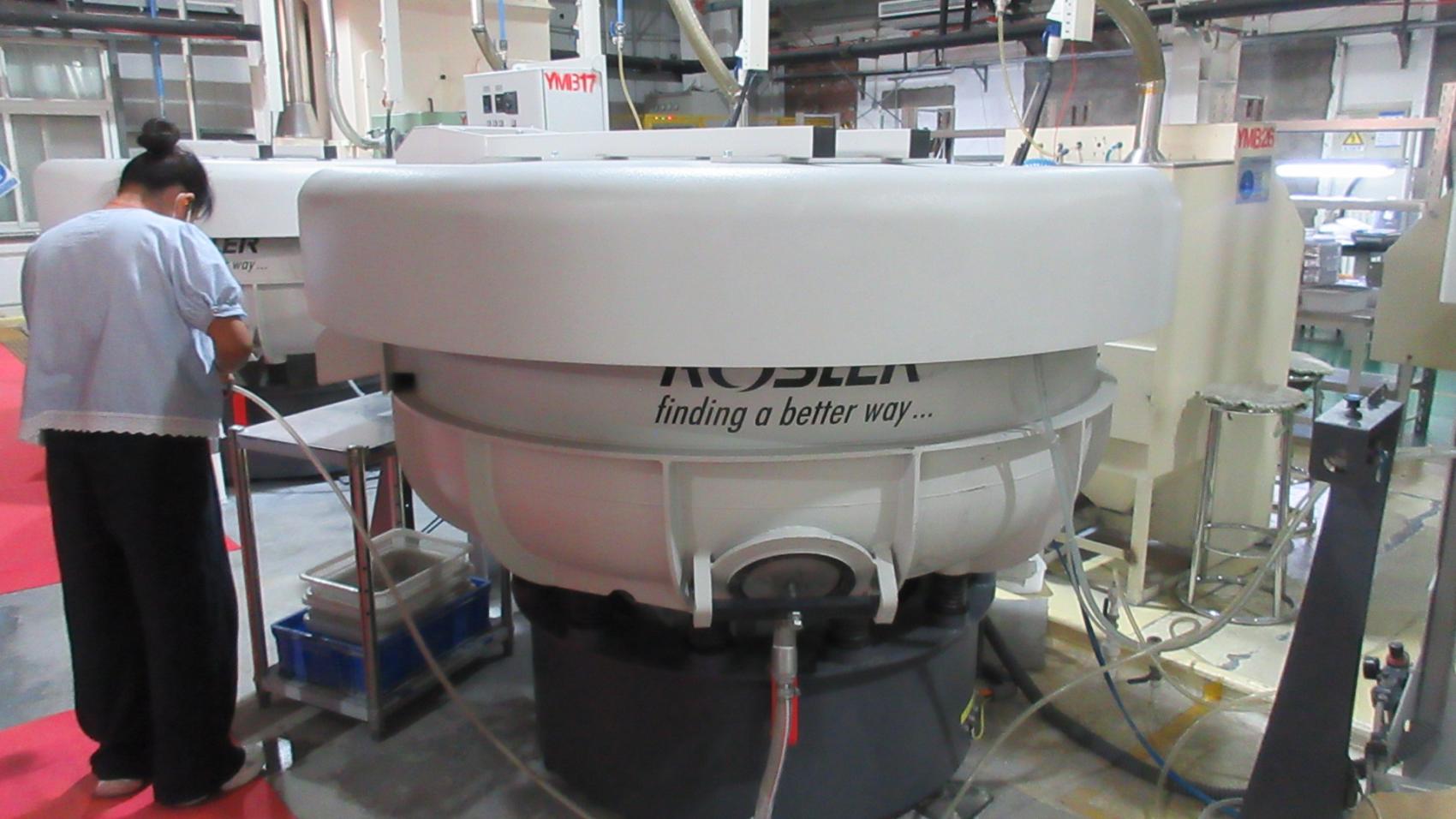
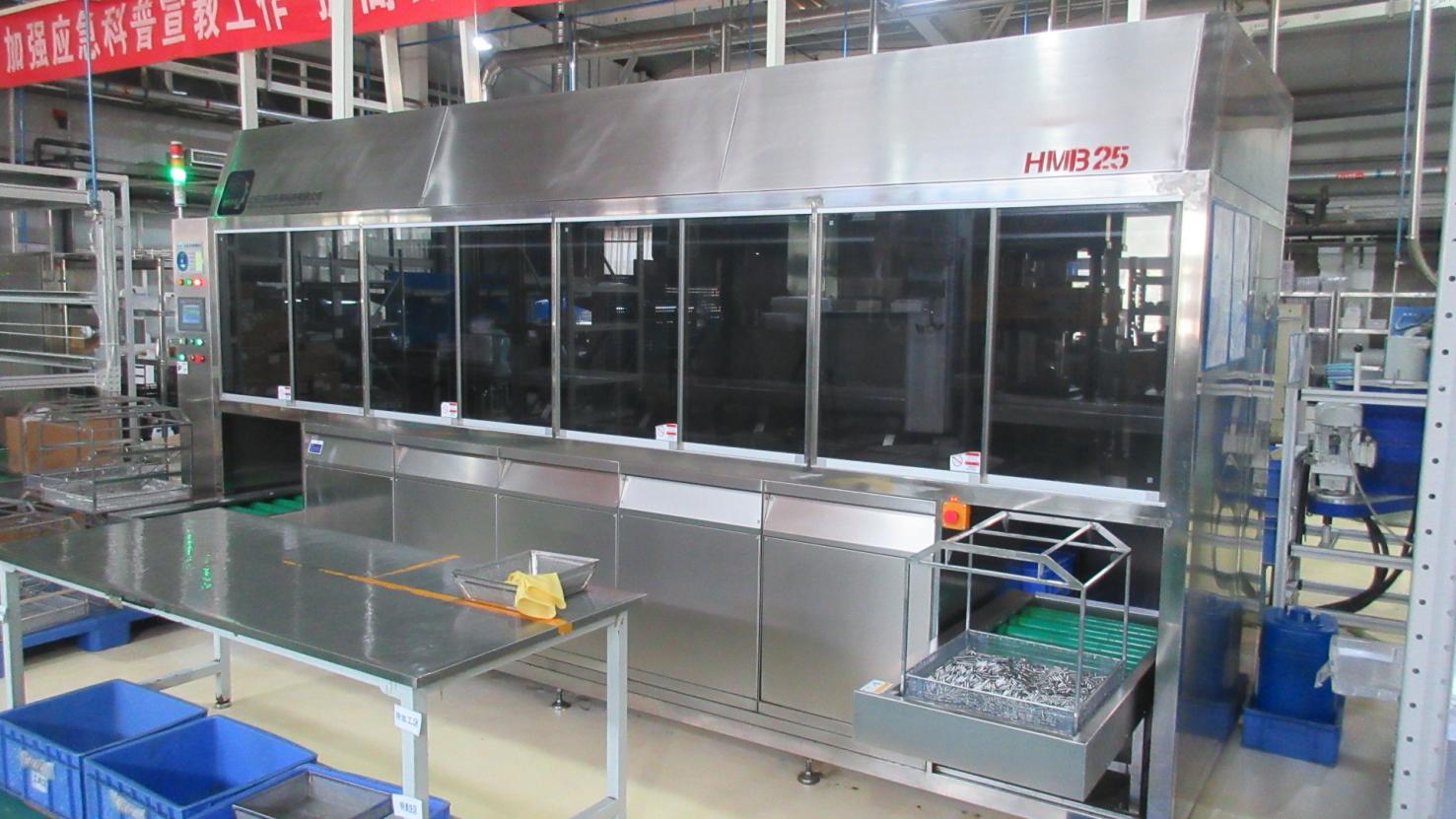
Our manufacturing facility leverages automated precision engineering to deliver high-quality orthopedic implants. Operating out of a 10,000 square meter site, our production line uses 102 state-of-the-art machines, including multi-axis CNC Swiss-type lathes and ultra-clean packaging bays. This infrastructure ensures consistent component sizing and structural integrity, which are vital for critical implants like pedicle screws, intramedullary nails, and spinal fixation rods.
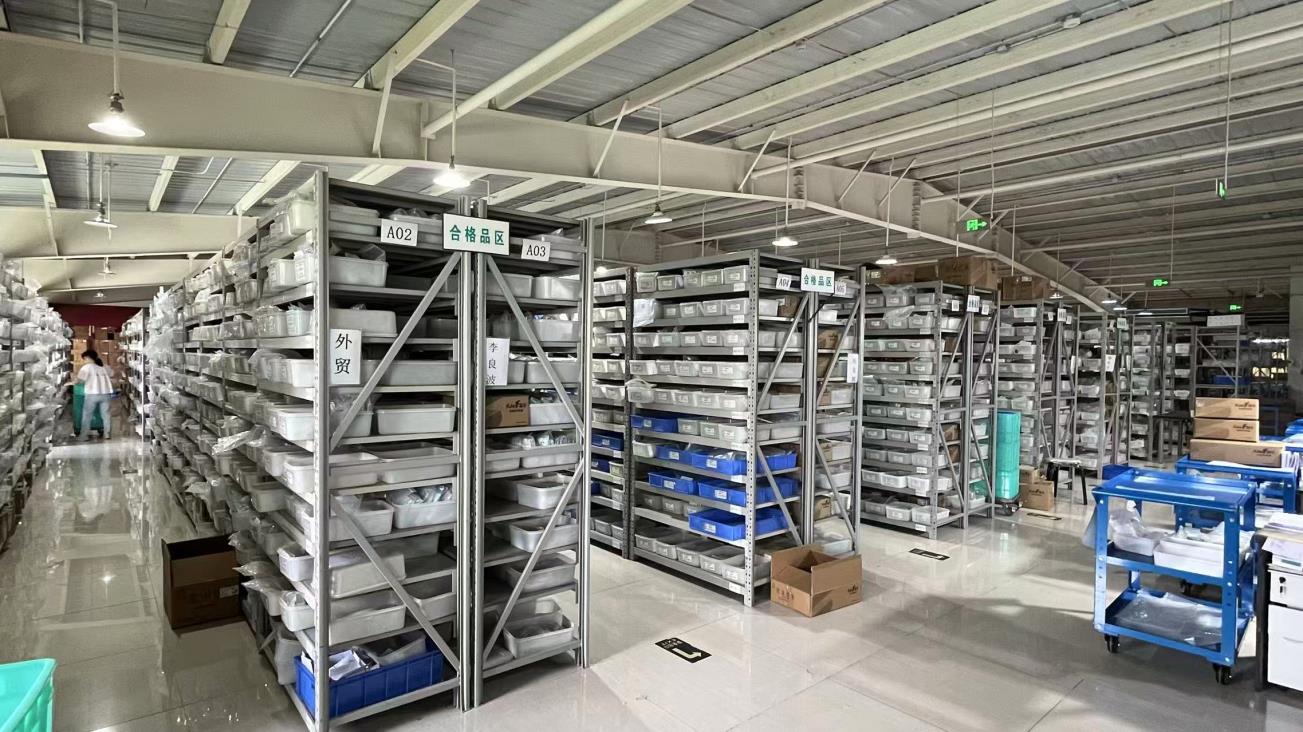
With an annual capacity exceeding 511,000 units, we manage a secure supply chain with over 70 trusted partners. This network ensures stable material pricing and steady delivery timelines, even during market fluctuations.
| Production Metric | Operational Parameter |
|---|---|
| Factory Space | 10,000 ㎡ Cleanroom Facility |
| Production Machinery | 102 CNC Machining Centers |
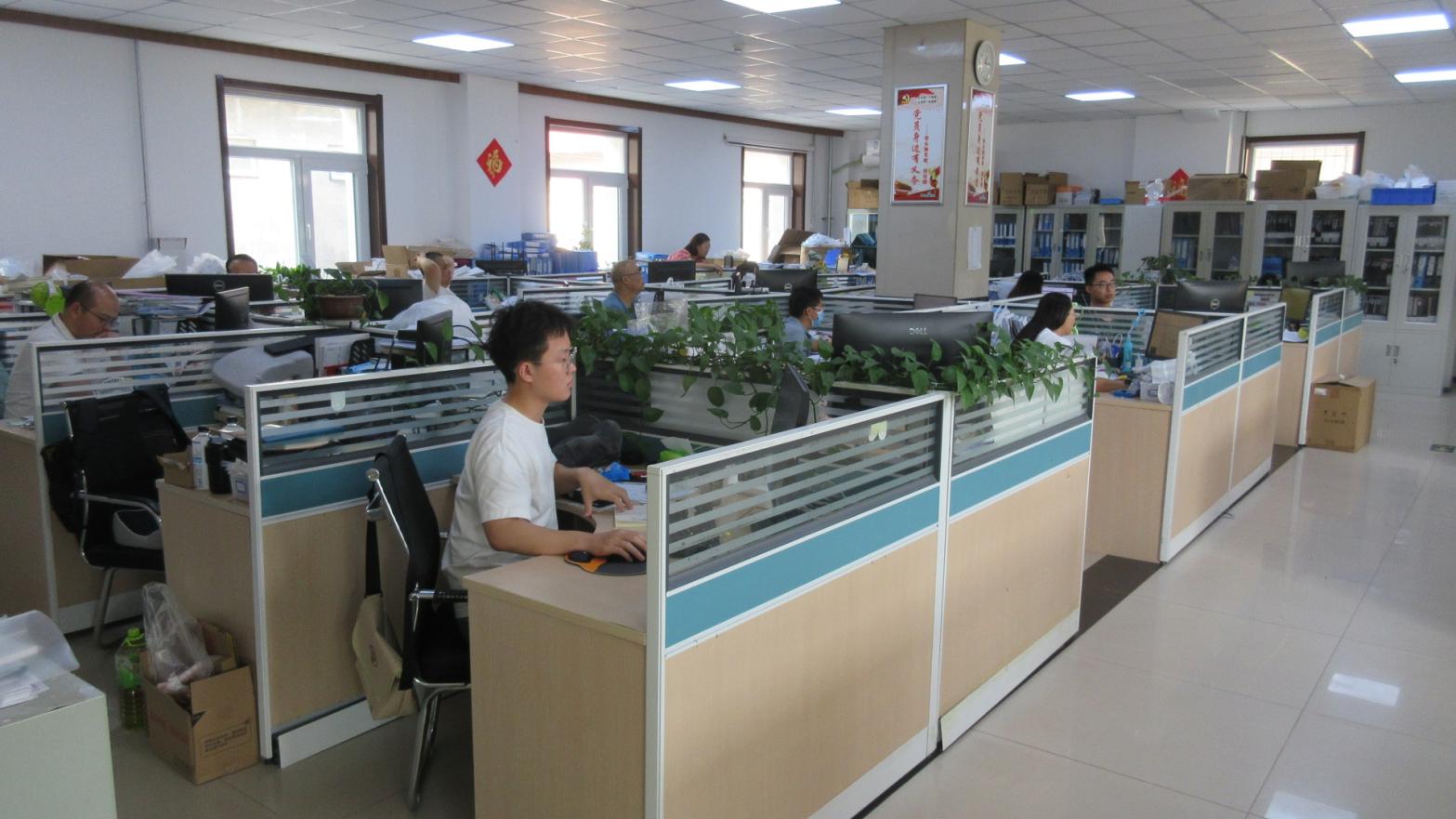
| R&D Engineers | 20 Engineers (15 Graduate, 5 Junior College) |
| Annual Production Capacity | 511,000 Units |
| Quality System | ISO 13485 (Cert No. 04724Q10000818) |
| Main Sourcing Clients | Retailers, Wholesalers, Distributors, Healthcare Networks |
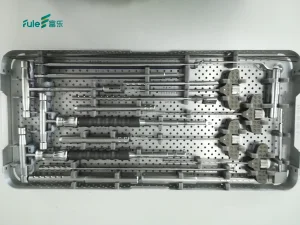
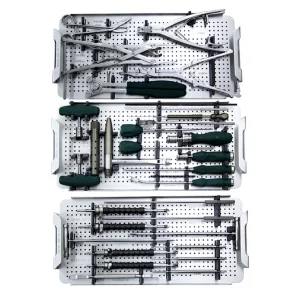
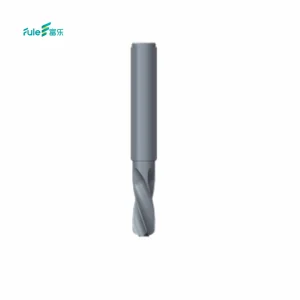
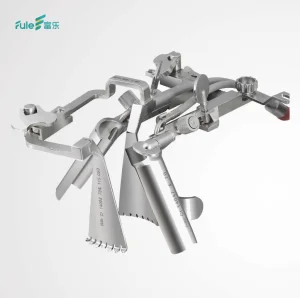
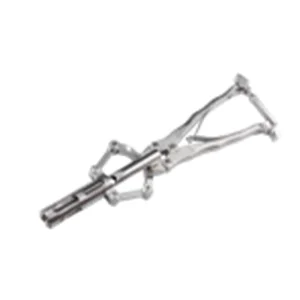
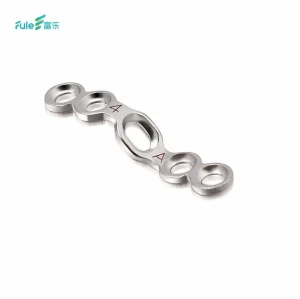
A visual insight into our quality control labs, CNC production units, and structural product details.
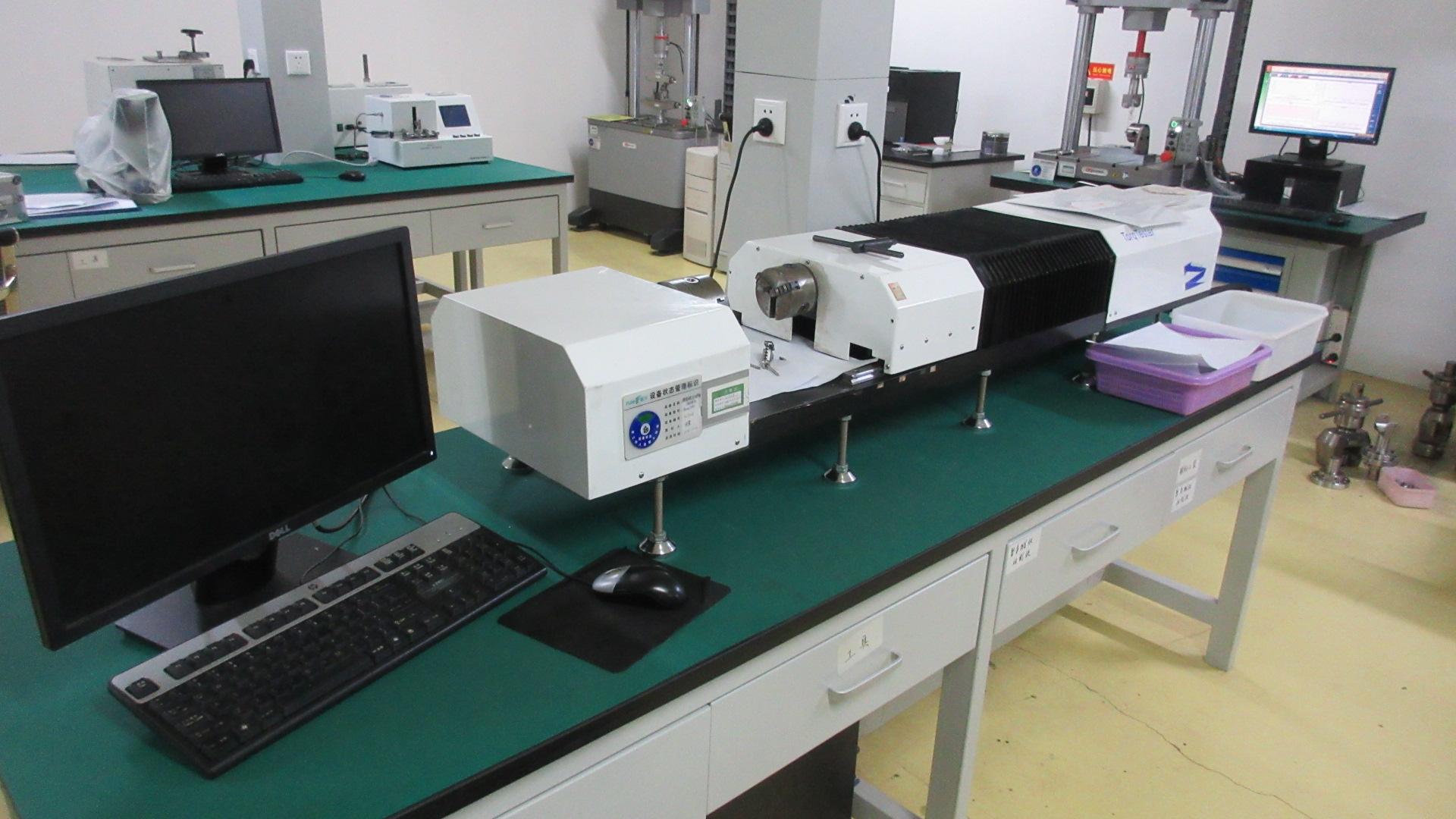
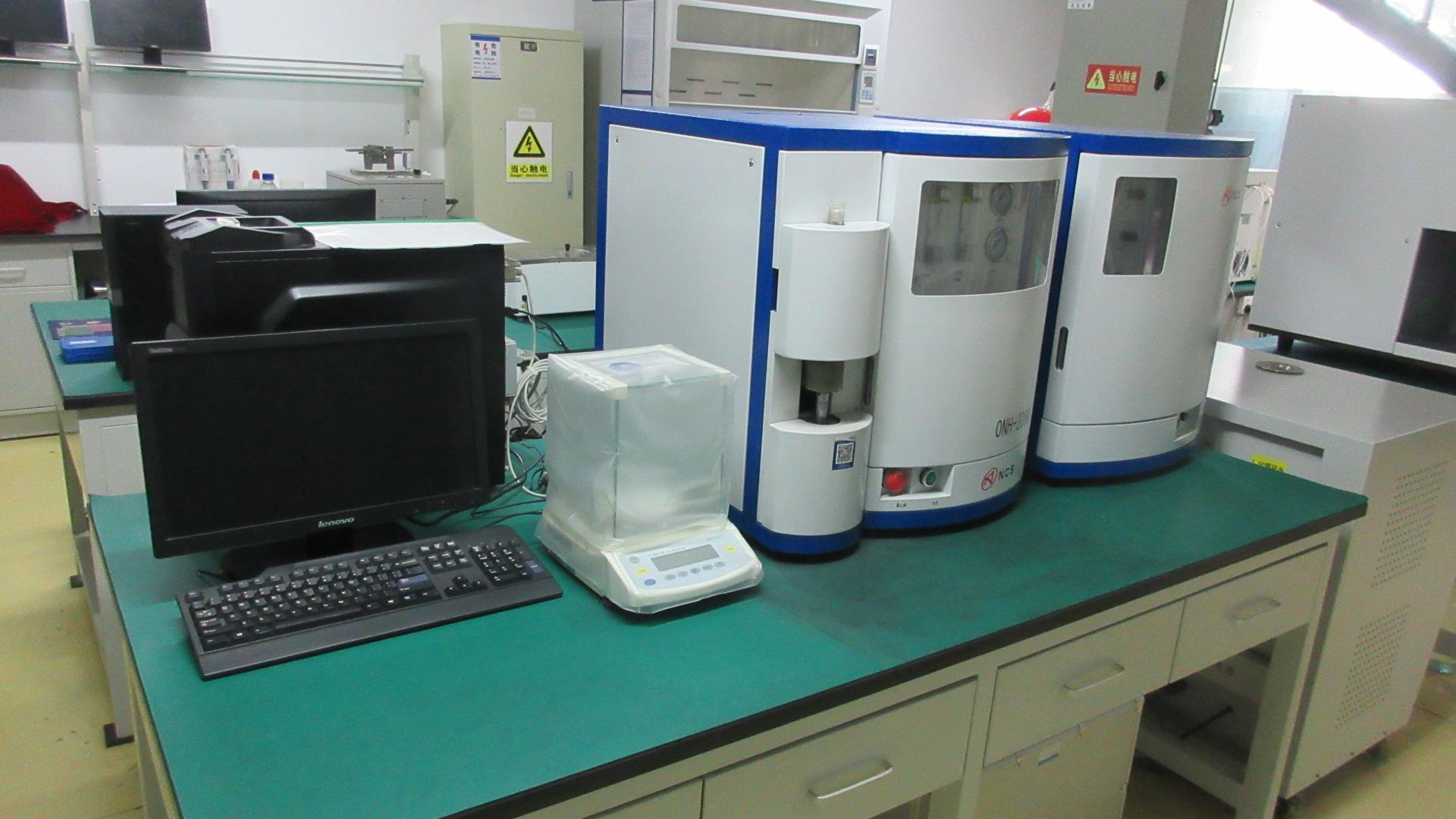
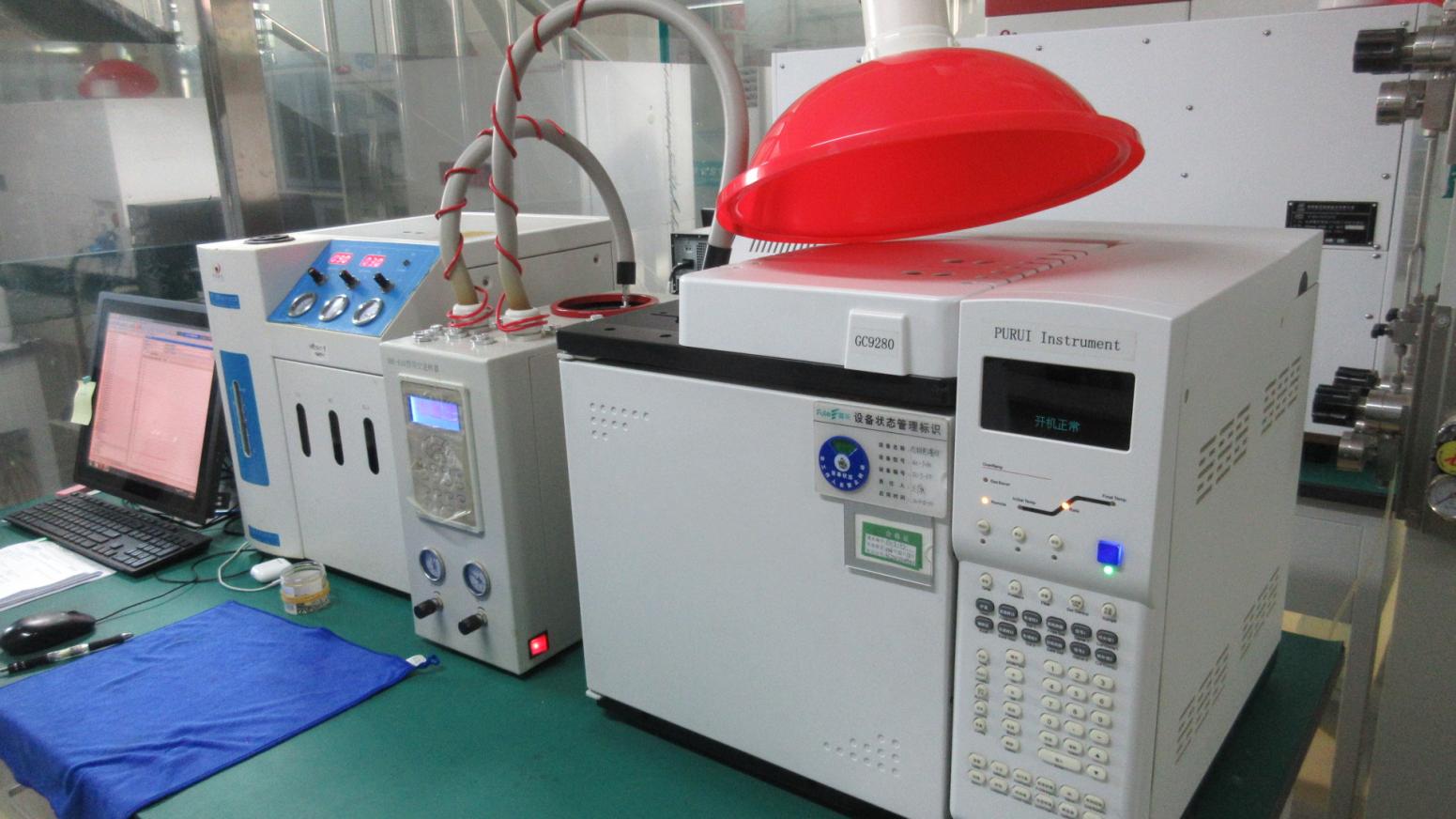
Modern pediatric surgery requires bone fixation implants that integrate well with natural tissues and minimize the risk of infection. By using Ti-6Al-4V titanium alloy, we ensure our implants offer high fatigue strength and a low elastic modulus, which matches the mechanical properties of human bone. This helps reduce stress shielding—a common issue in pediatric recovery where overly rigid metal structures weaken the surrounding bone.
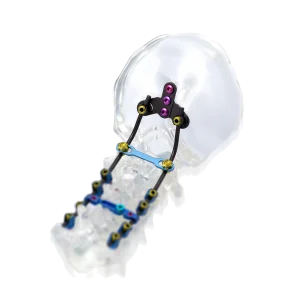
Additionally, our surface treatment technologies, such as anodizing and acid-etching, create a micro-textured surface that promotes osteointegration. This facilitates a faster recovery and reduces the need for revision surgeries. Whether utilizing the Model CFS Occipitocervical Thoracic System or the COX II Bone Cement Pedicle System, surgeons can rely on stable, long-term performance.
Answers to common verification, engineering, and supply questions from global hospital procurement teams.
Explore our high-performance spinal fixation, trauma reconstruction, and intramedullary stabilization products.
 Beren Science & Technology