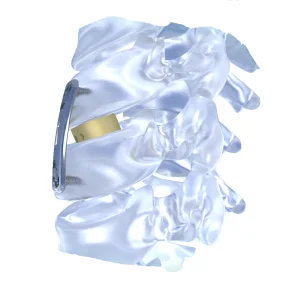
Cervical fusion systems have undergone a profound paradigm shift over the past three decades. Historically, anterior cervical discectomy and fusion (ACDF) relied heavily on autologous bone grafts combined with simple stainless steel plates. While these systems achieved structural stability, they posed risks of donor-site morbidity, implant migration, and long-term degeneration of adjacent segments. Today, the convergence of advanced metallurgy, biocompatible polymers, and micro-precision manufacturing has transformed clinical outcomes.
Modern spinal surgeries balance structural load-bearing with native bone integration. Polyetheretherketone (PEEK), a high-performance thermoplastic, has become a standard for interbody fusion cages. Its primary advantage lies in its modulus of elasticity, which closely mirrors that of human cortical bone. This reduces the risk of stress shielding—a phenomenon where stiffer implants absorb all the load, causing bone density reduction in surrounding vertebrae. PEEK also features radiolucency, allowing surgeons to monitor fusion progress clearly via X-ray and CT imaging without metallic artifact interference.
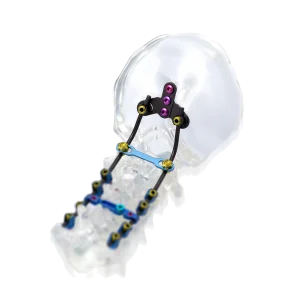
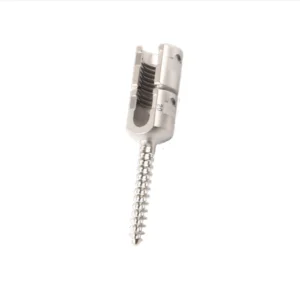
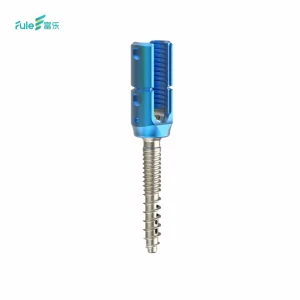
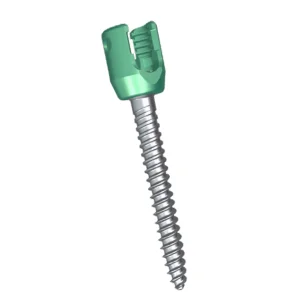
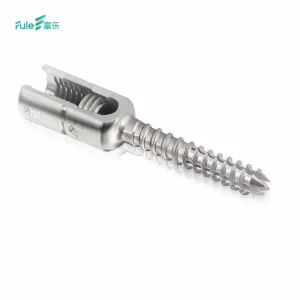
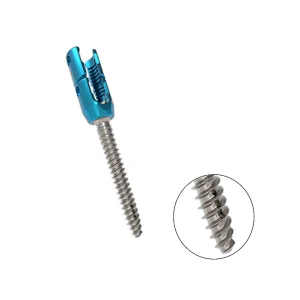
Conversely, medical-grade Titanium Alloys (Ti-6Al-4V ELI) remain the material of choice for anterior plates, pedicle screws, and complex occipitocervical constructs. Titanium provides exceptional fatigue strength, corrosion resistance, and surface properties that facilitate direct osteointegration. Emerging hybrid designs combine these advantages: PEEK cages coated with plasma-sprayed titanium or 3D-printed porous titanium surfaces, creating an environment that supports rapid osseointegration while maintaining biomechanical compliance.
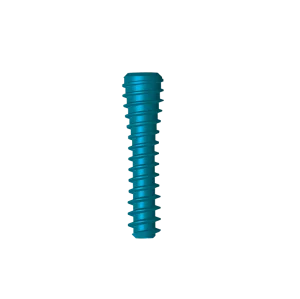
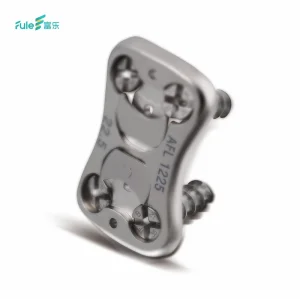
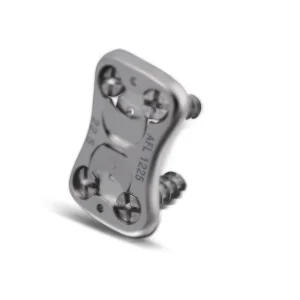
Optimal cervical stability requires dynamic load sharing and secure anchoring. Modern anterior plate systems feature low-profile profiles (typically less than 2.0 mm thick) to minimize postoperative dysphagia. They utilize variable-angle and fixed-angle locking screws to accommodate diverse patient anatomies. The integrated locking mechanism prevents screw backout—a critical safety feature in high-mobility cervical zones.
"The dynamic load-sharing plate design allows micro-settling of the graft. This maintains axial load across the bone interface, promoting faster and stronger fusion according to Wolff's Law."
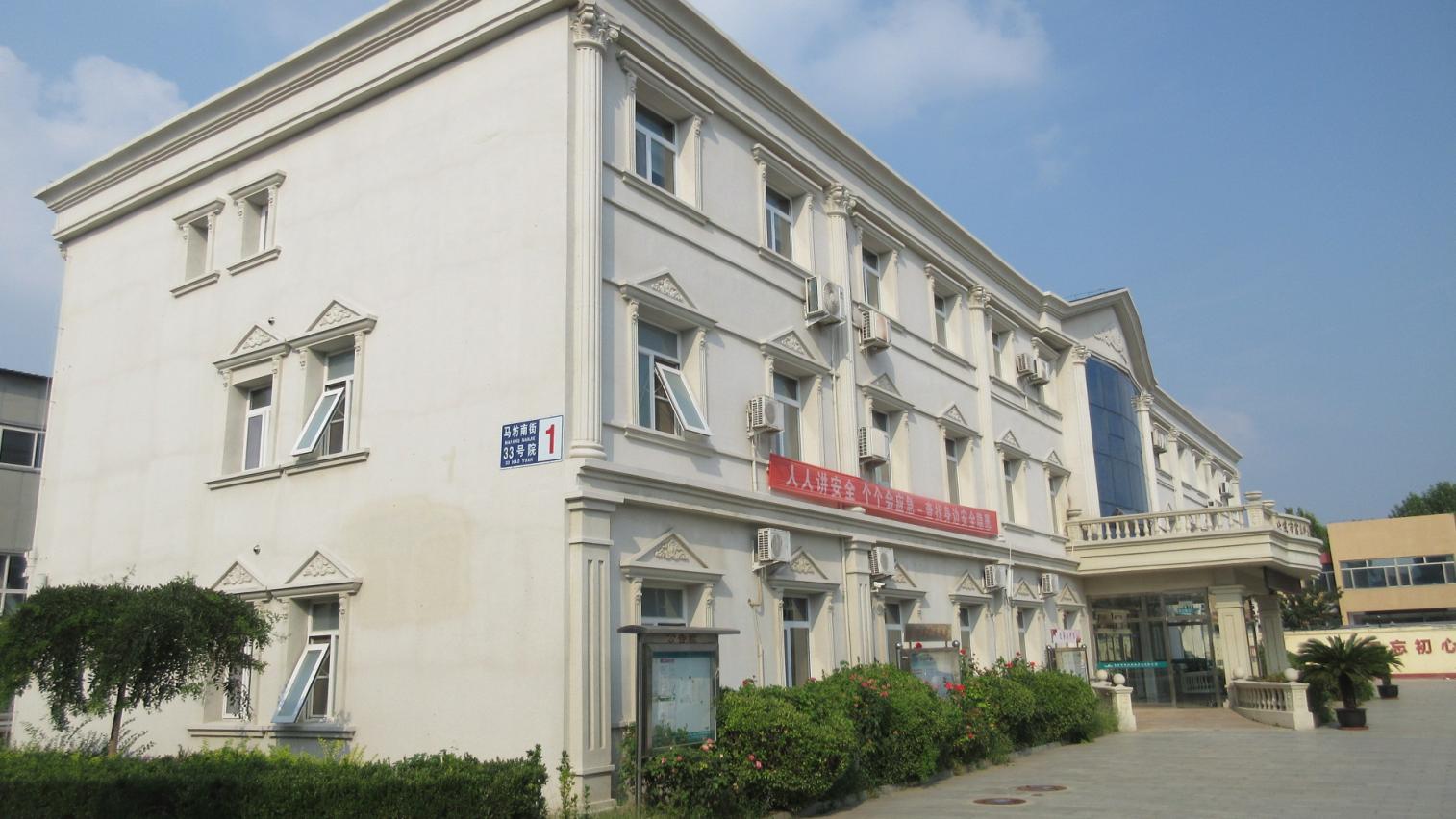
Established in 1996, our facility has dedicated nearly 30 years to manufacturing spinal and orthopedic implants. We support global medical device distributors, hospitals, and OEM partners with high-volume production capacities, advanced quality control setups, and comprehensive engineering capabilities.
Patient safety drives our production process. Every titanium plate, cage, and pedicle screw is fully traceable from the raw material ingot stage to final cleanroom packaging. We perform 100% inspection on dimensional tolerances, surface finishes, and locking mechanics using optical comparators, coordinate measuring machines (CMM), and digital vision systems. Our quality management system conforms to ISO 13485 standards, ensuring compliance with global regulatory expectations.

ISO 13485 Certified Facility
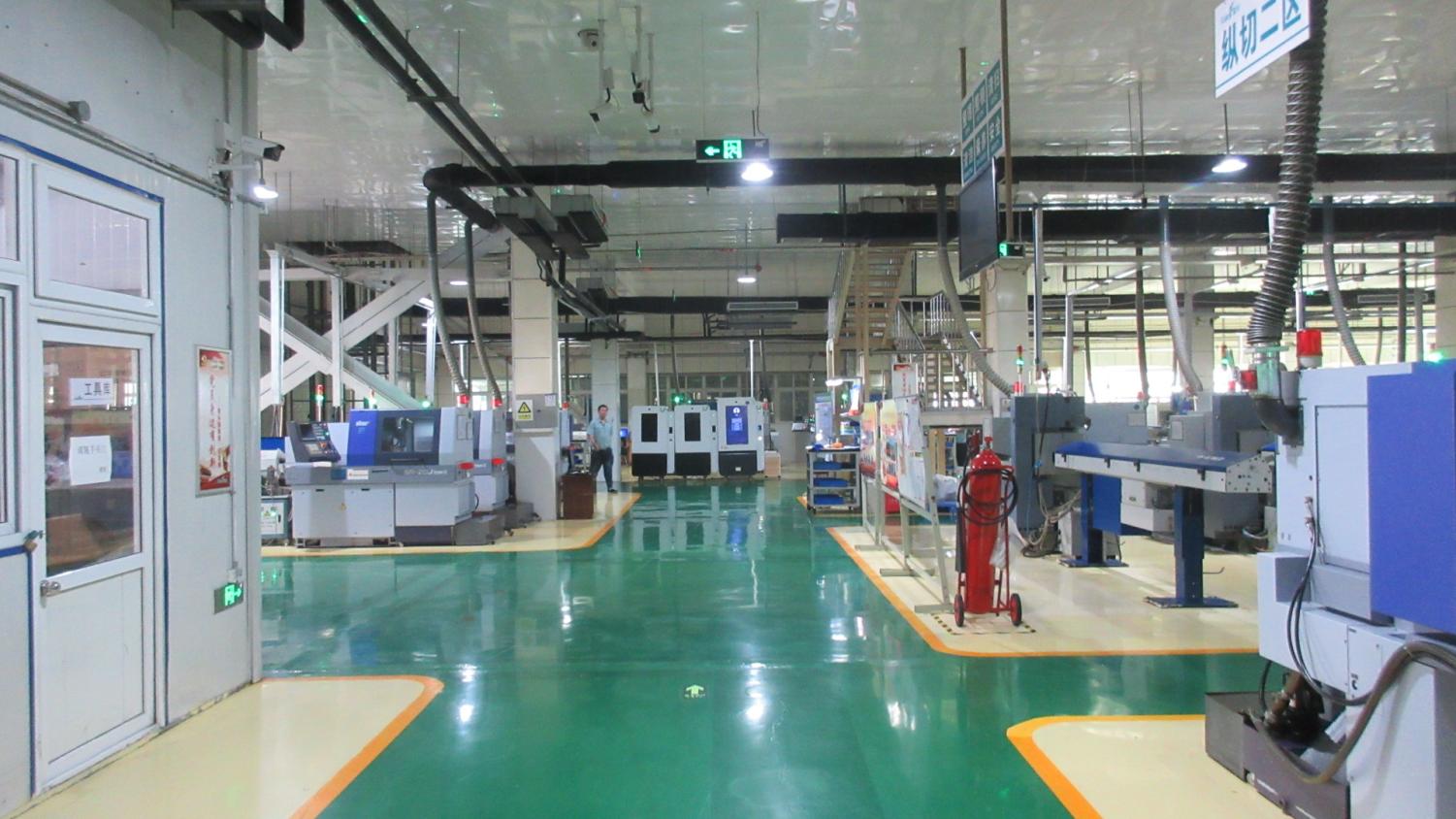
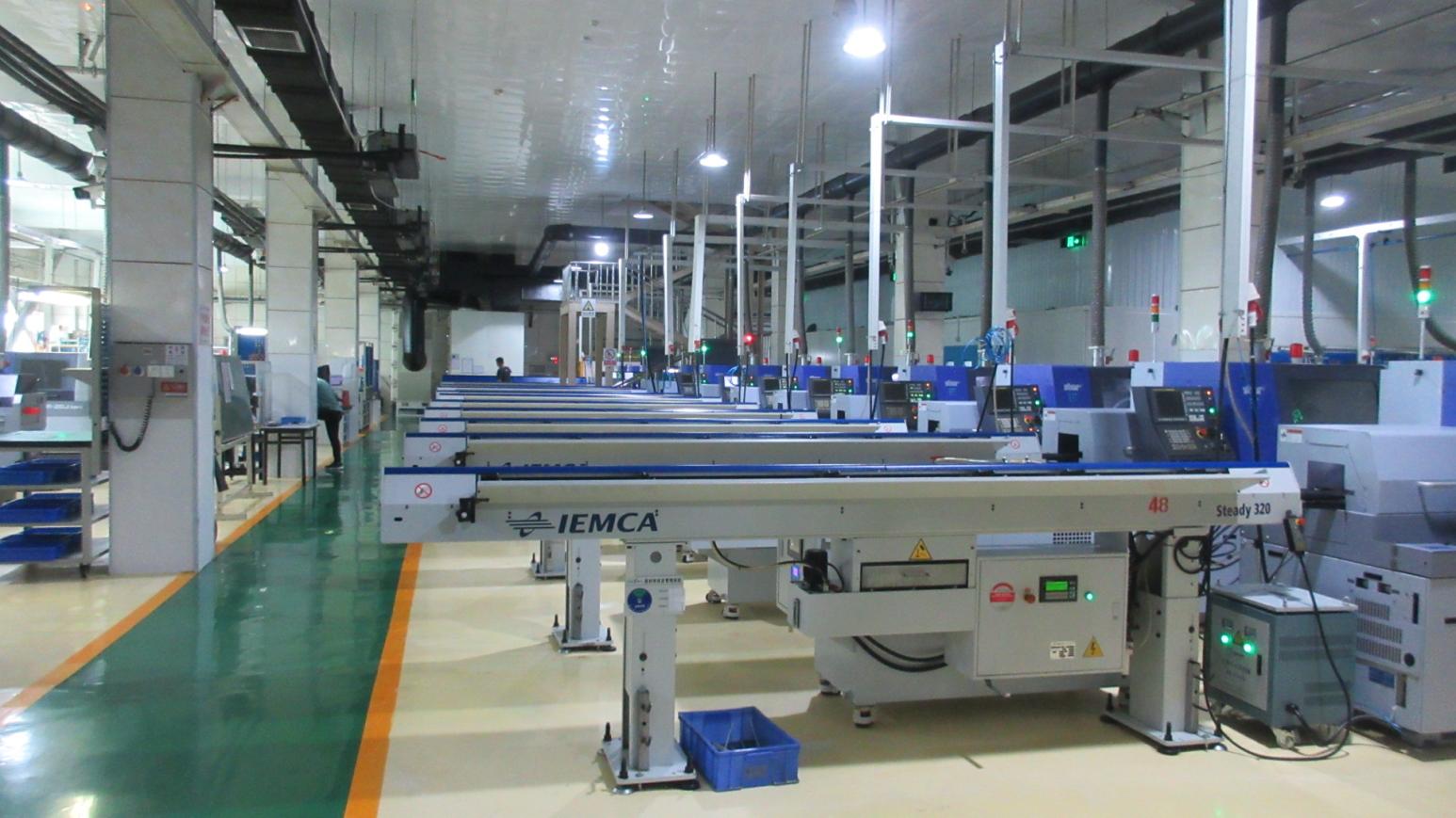
Certificate Code: 04724Q10000818Our manufacturing integration incorporates advanced CNC multi-axis milling, automated longitudinal turning, and precise surface conditioning, allowing us to generate complex implant geometries with micron-level tolerances.
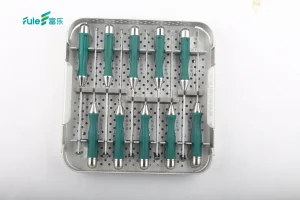
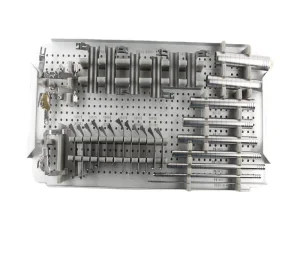
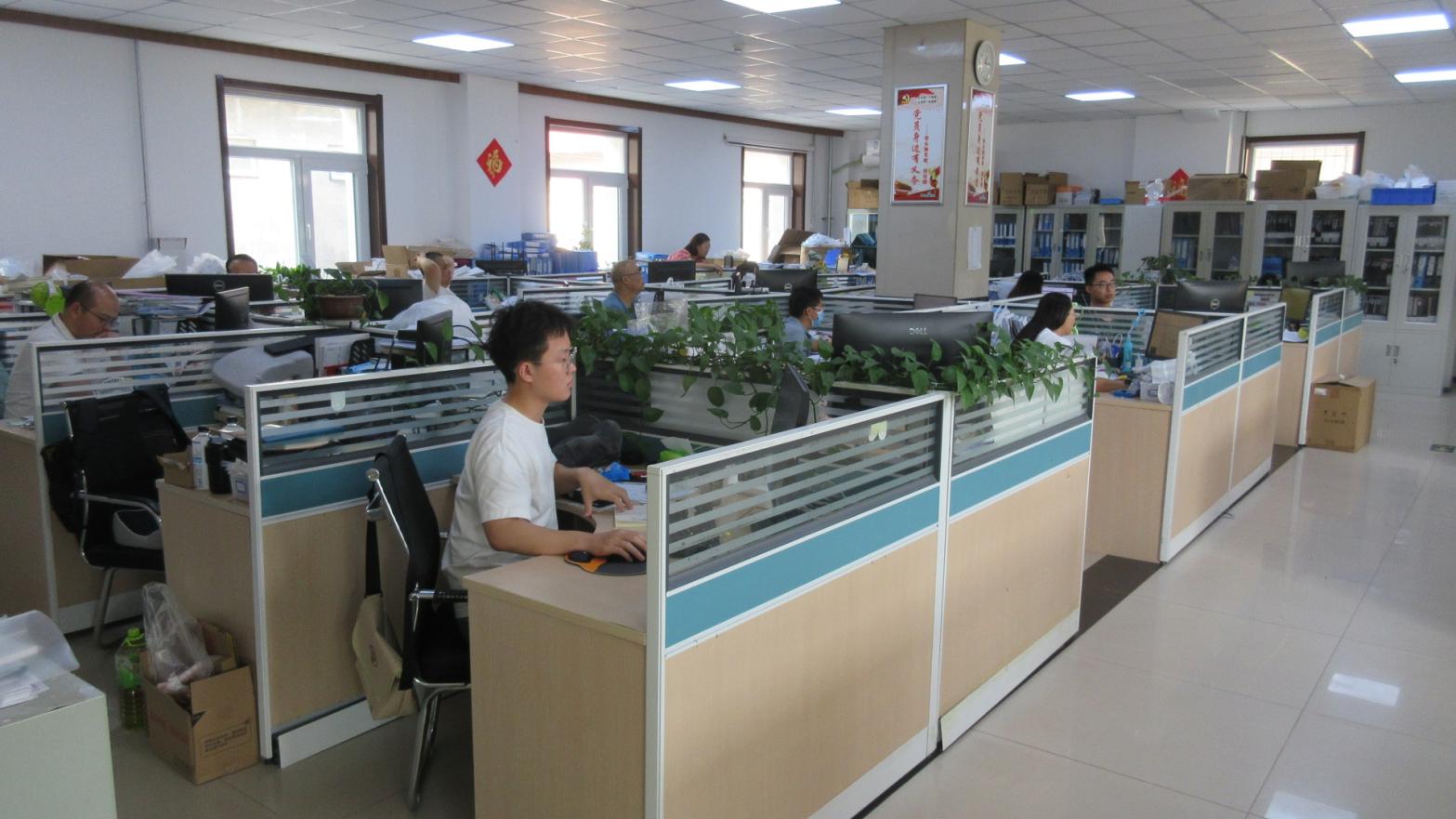
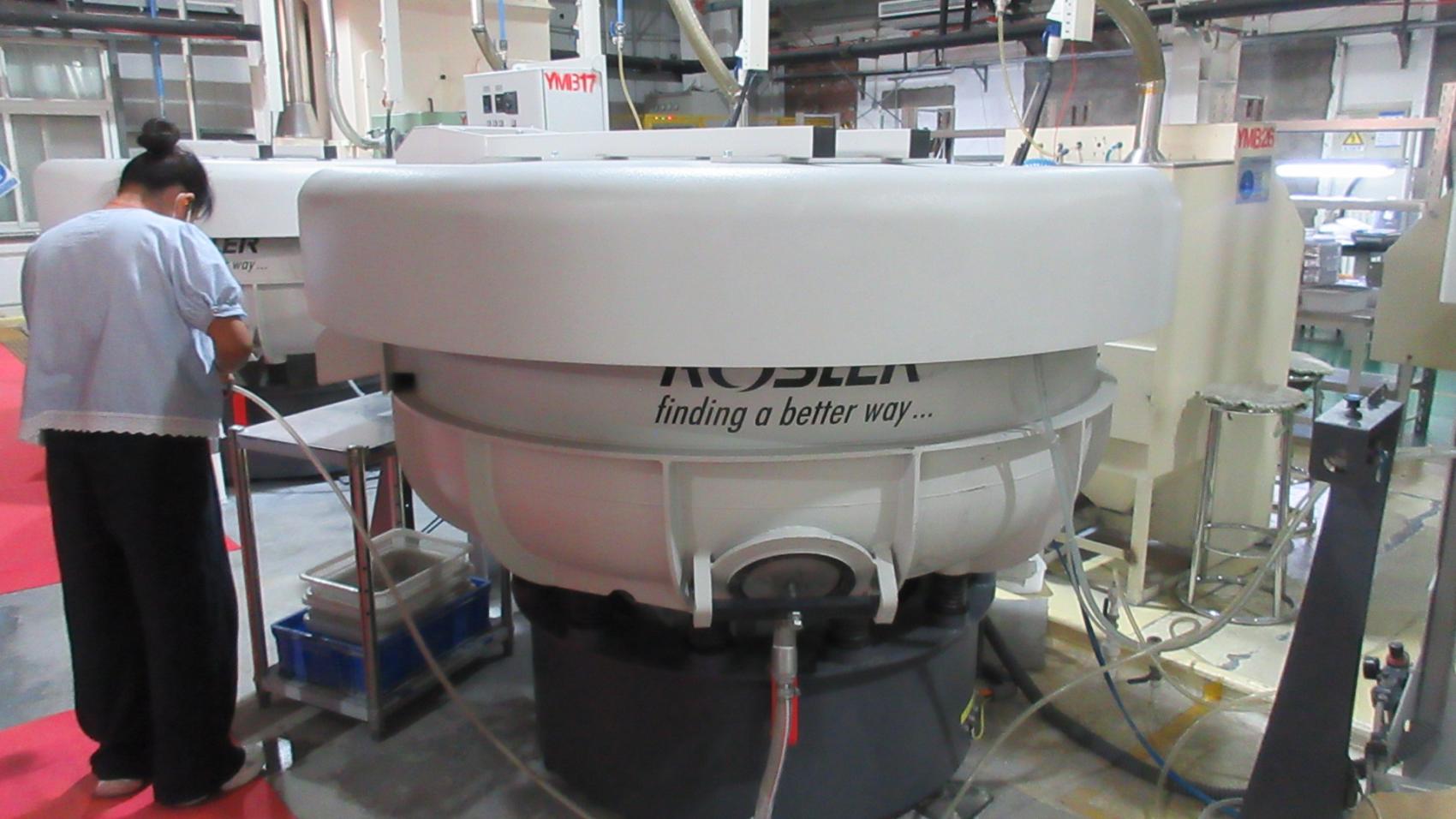
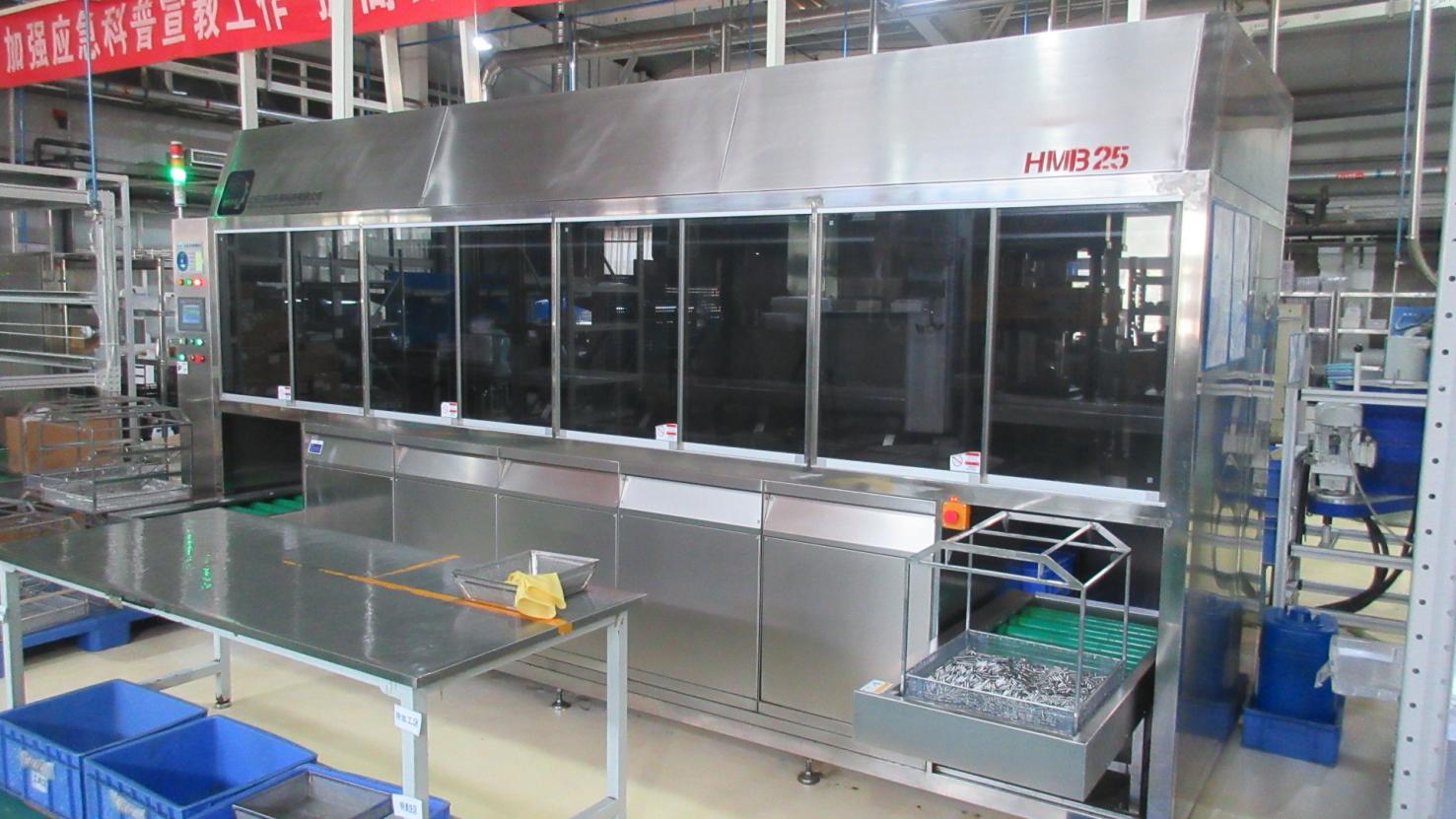
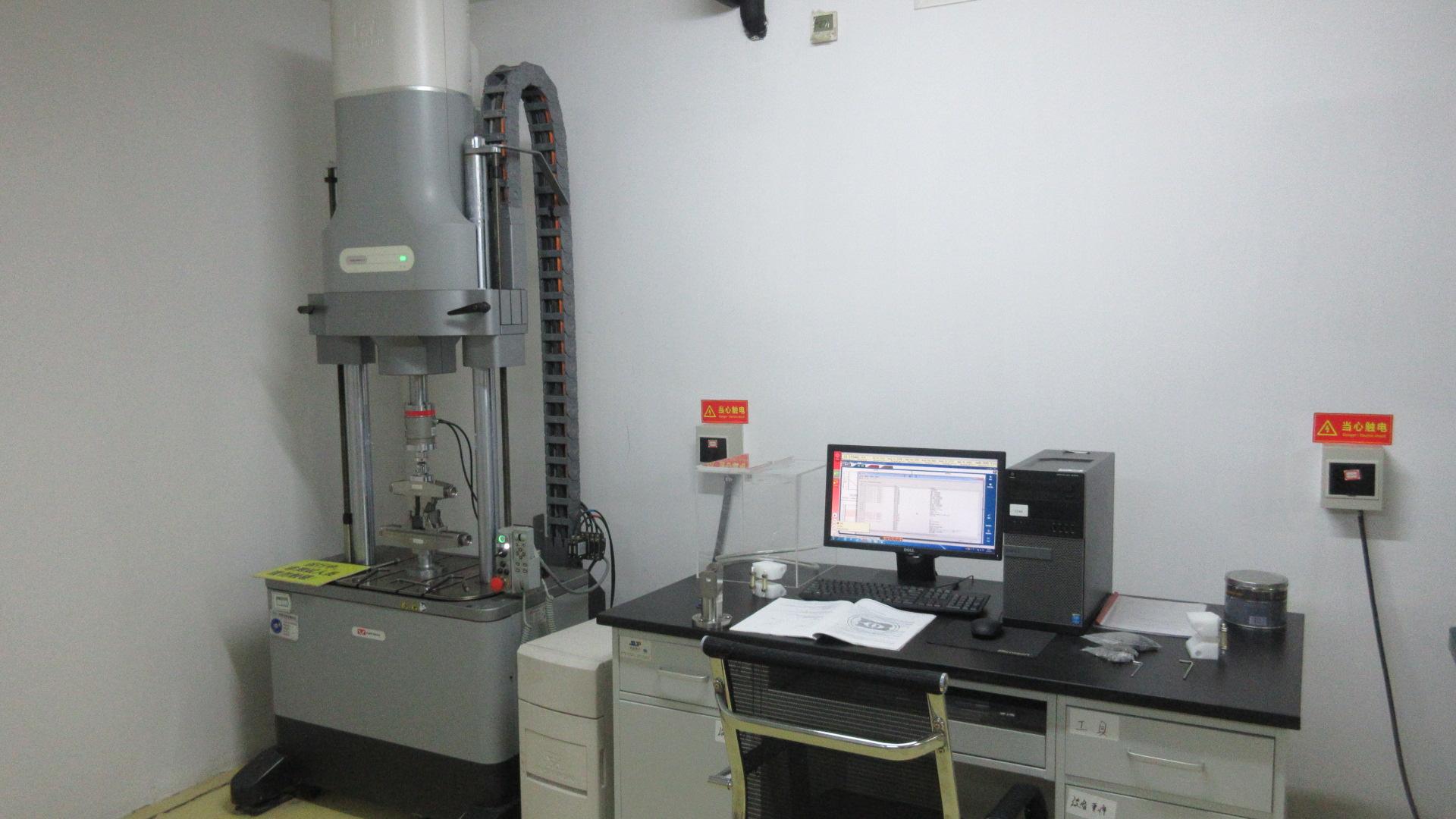
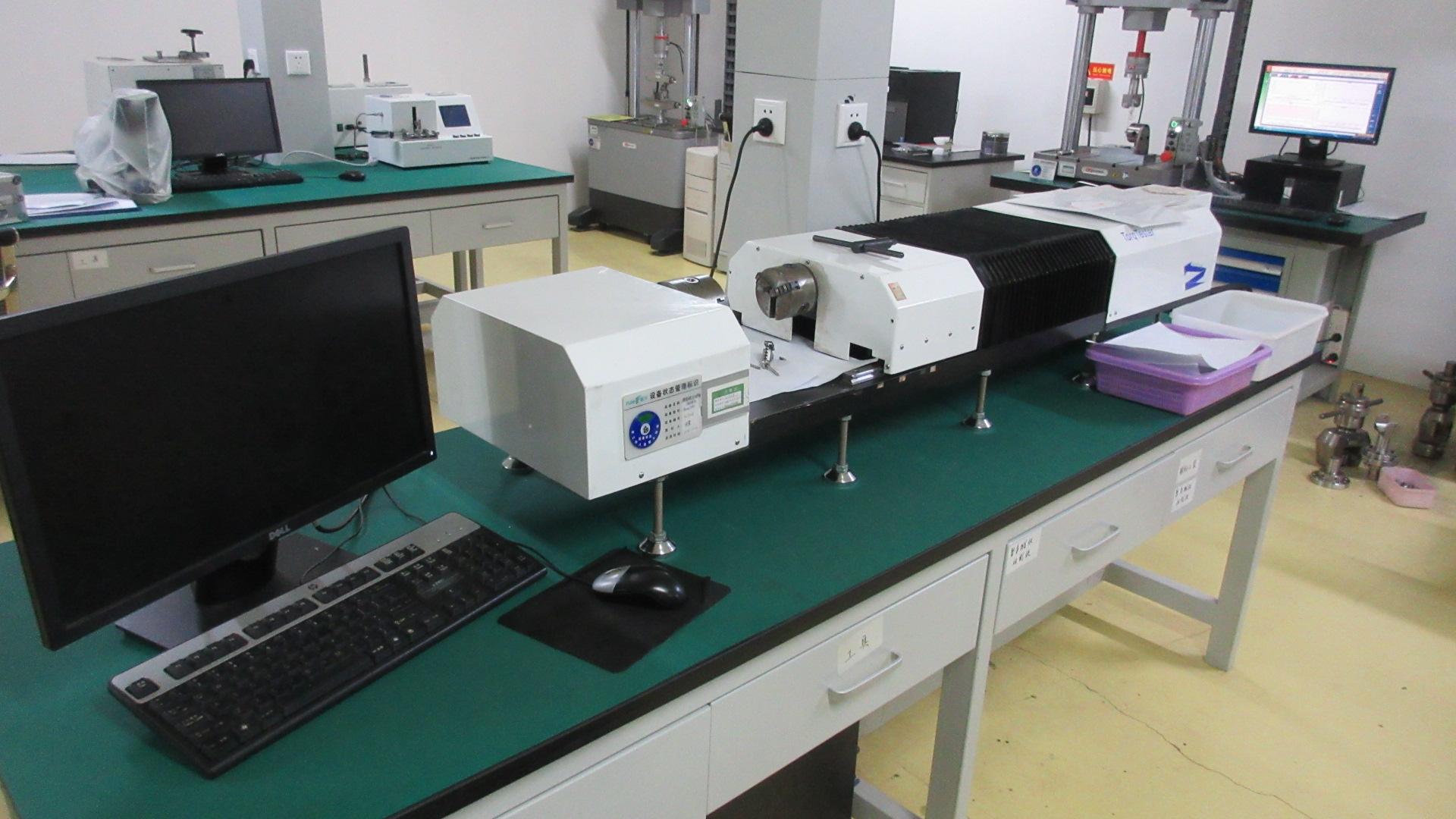
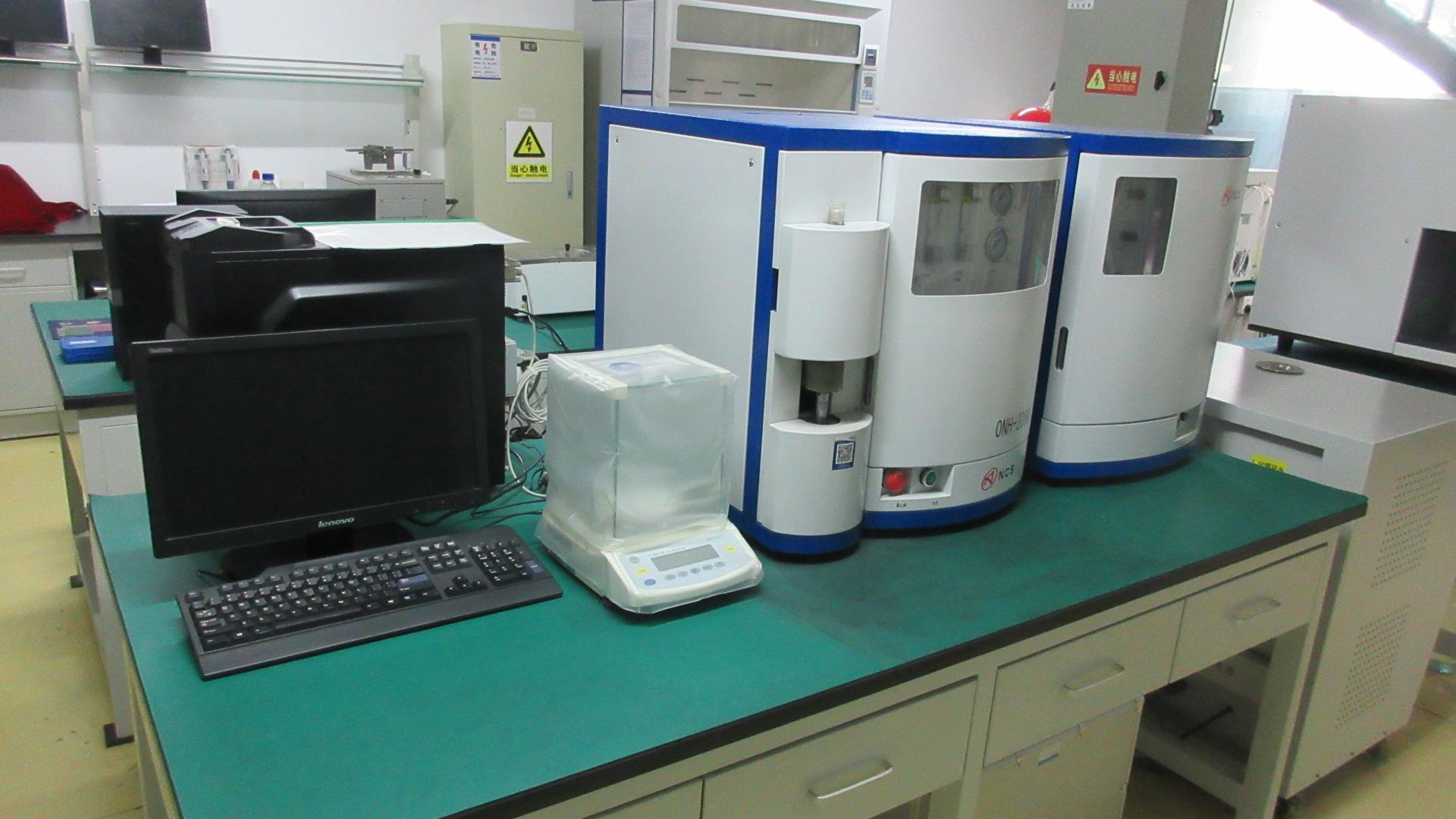
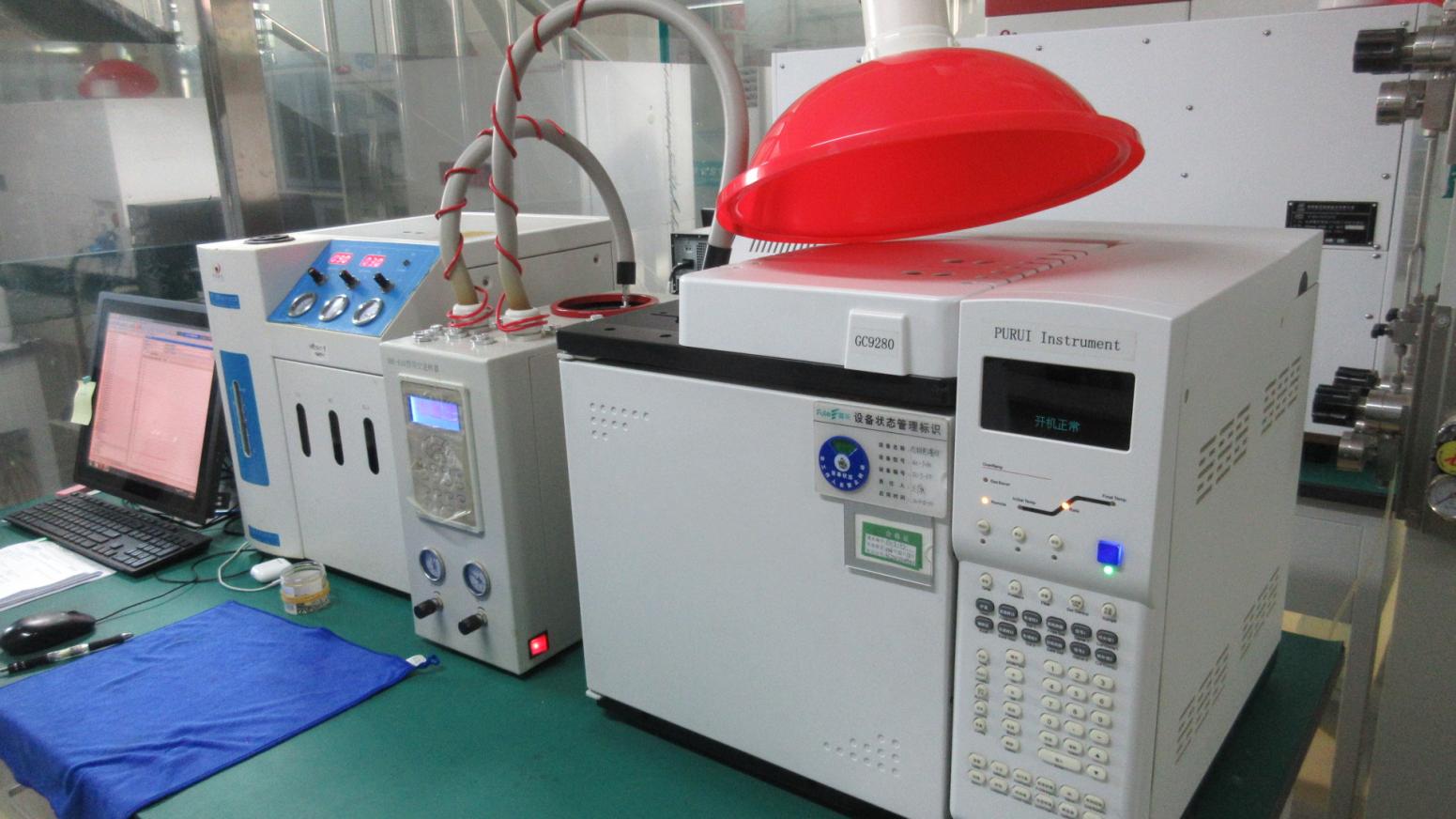
An inside look at our manufacturing facilities, CNC processing centers, cleanrooms, and testing infrastructure.
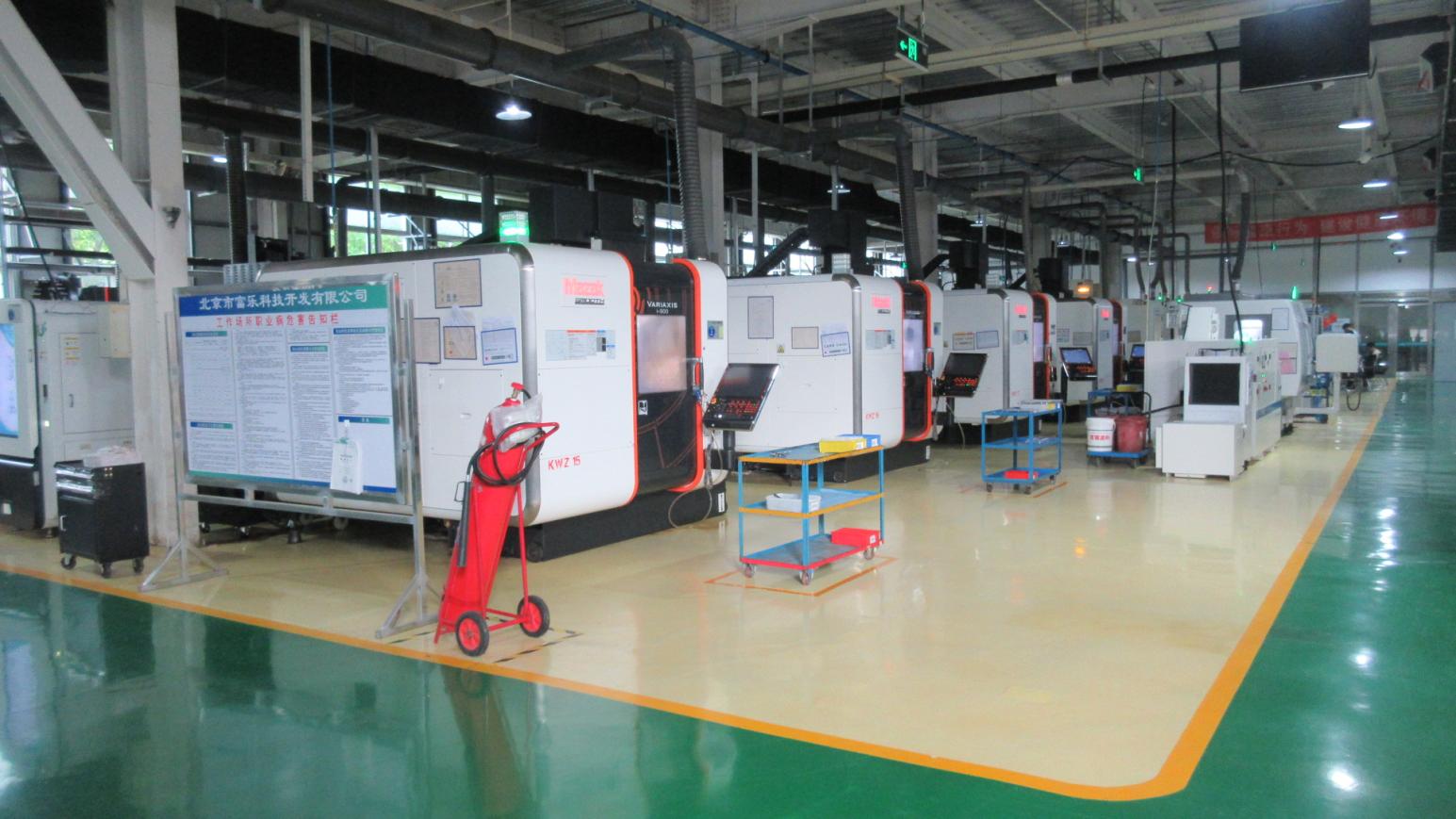
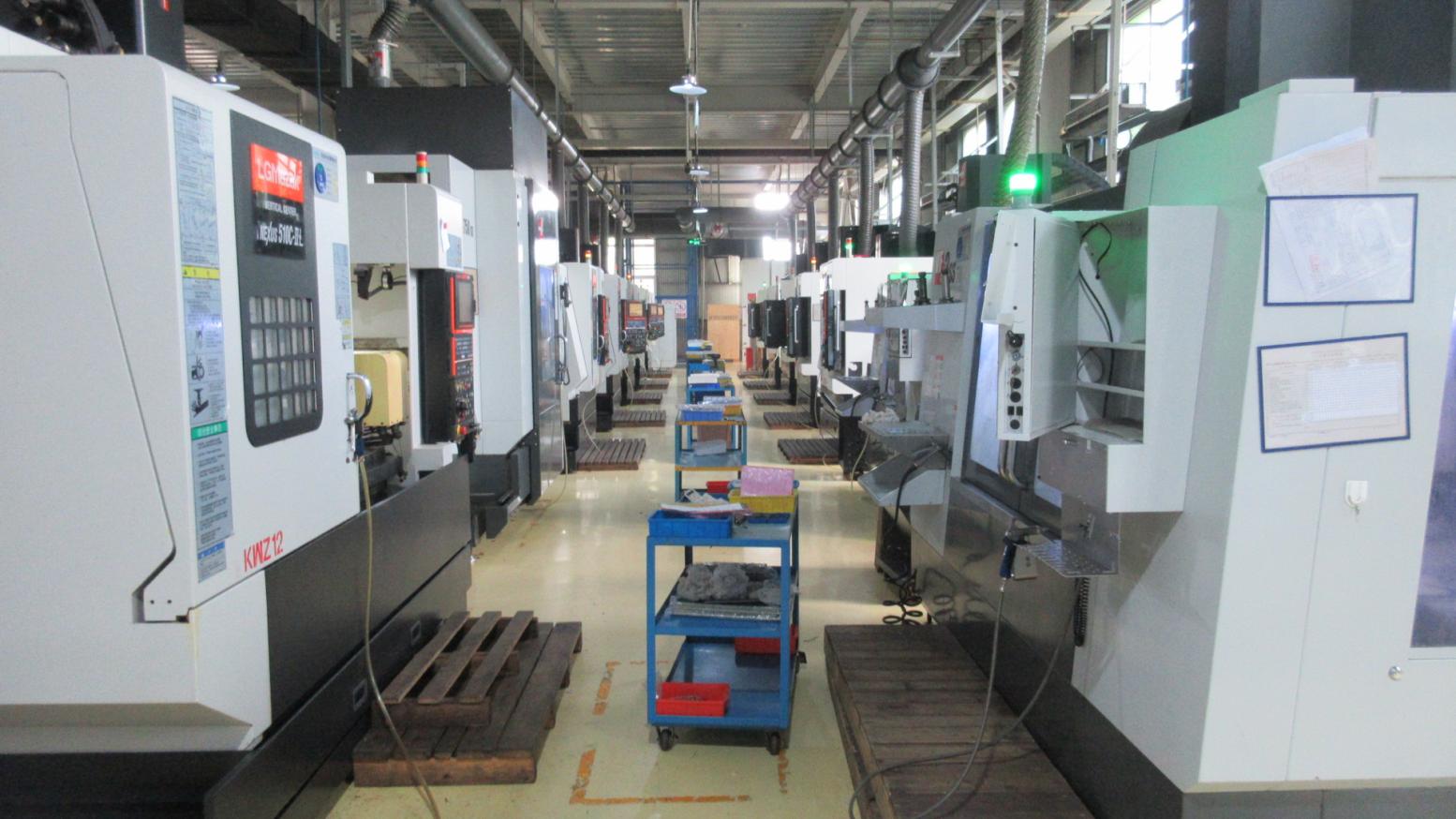
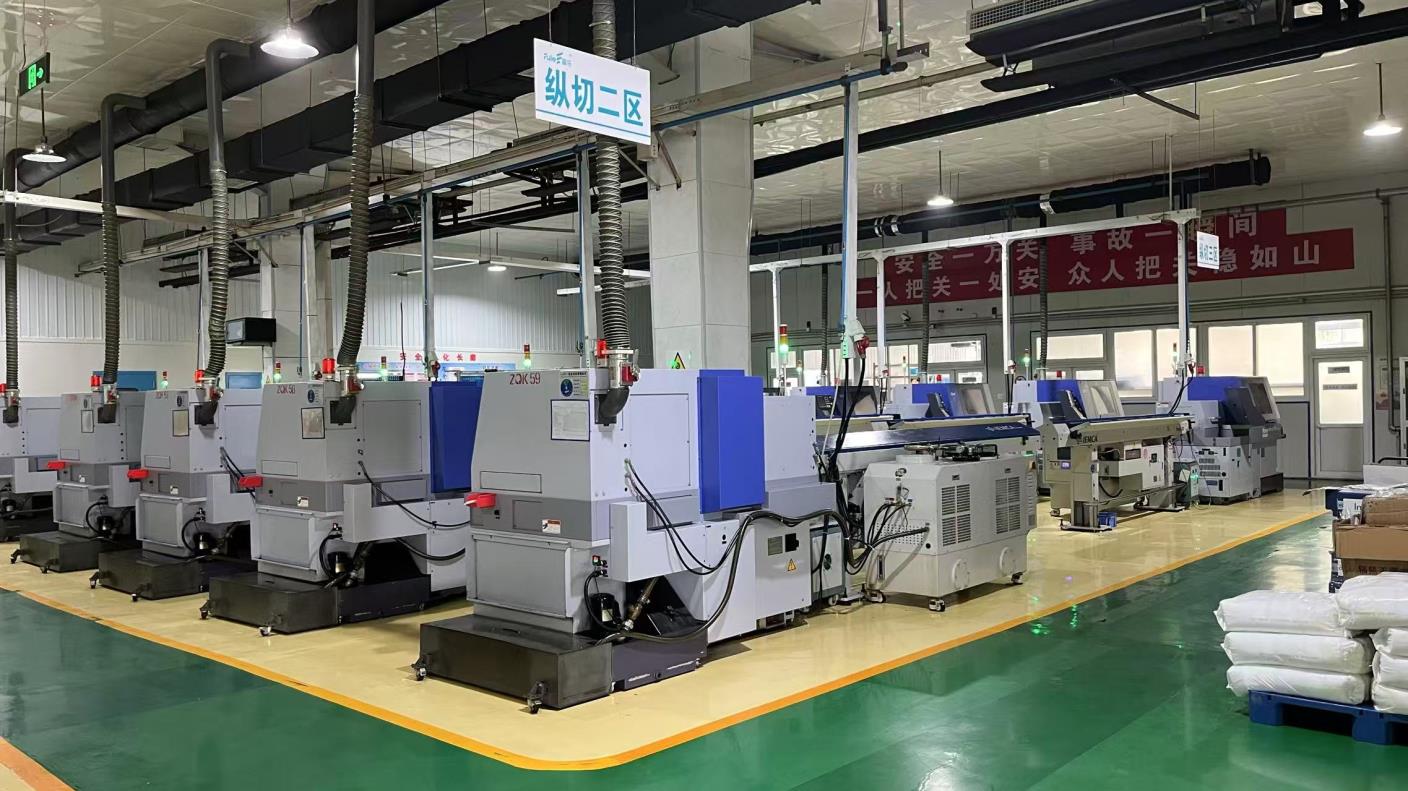
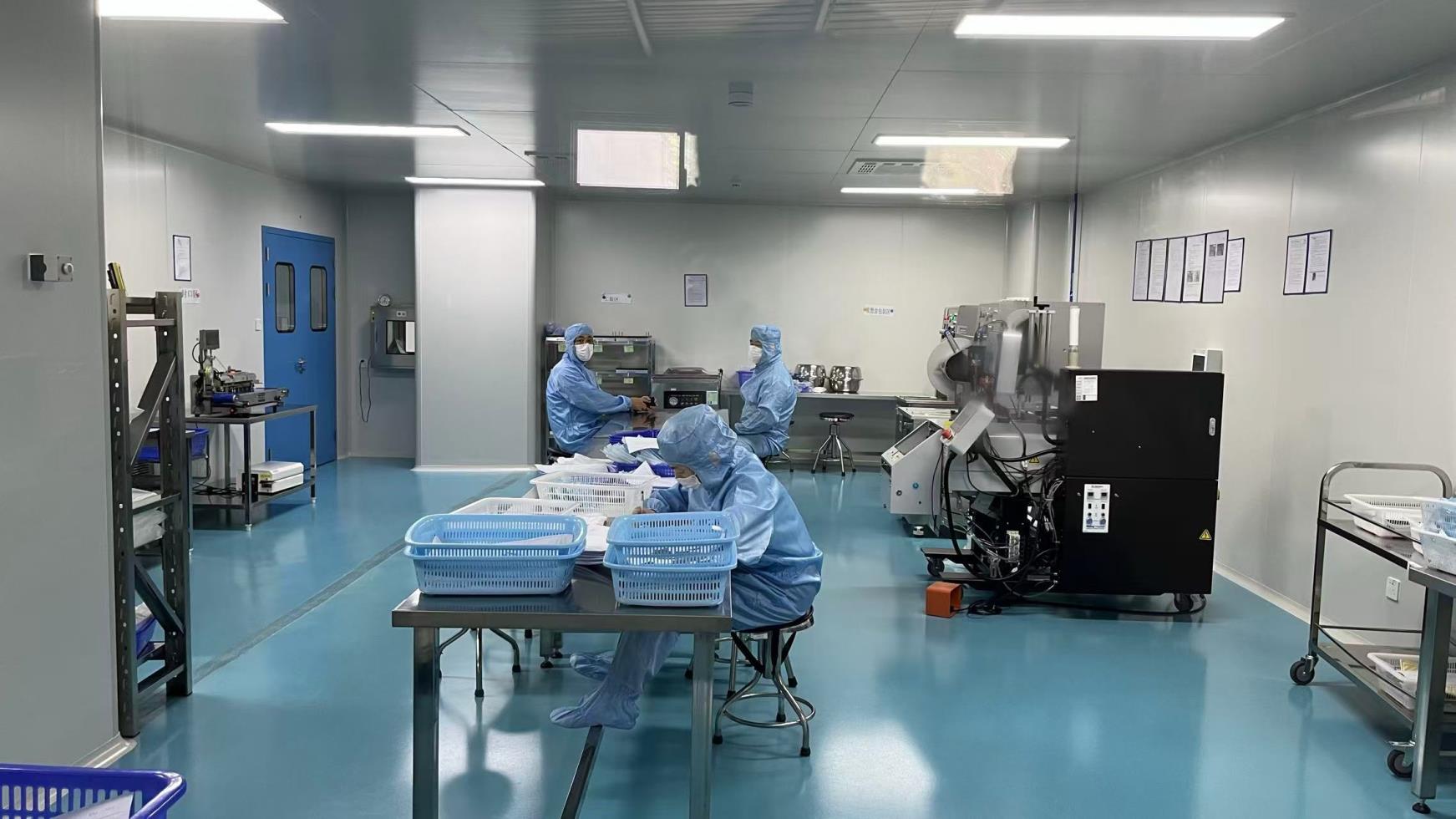
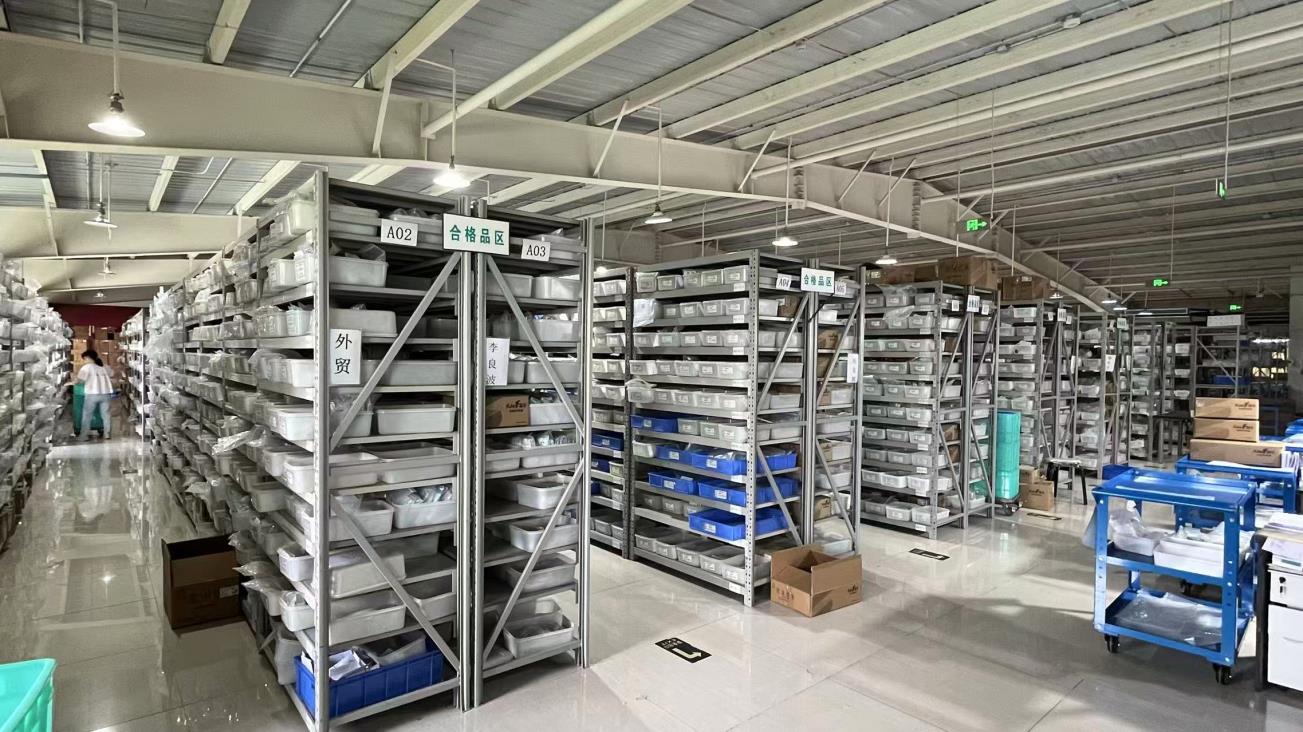
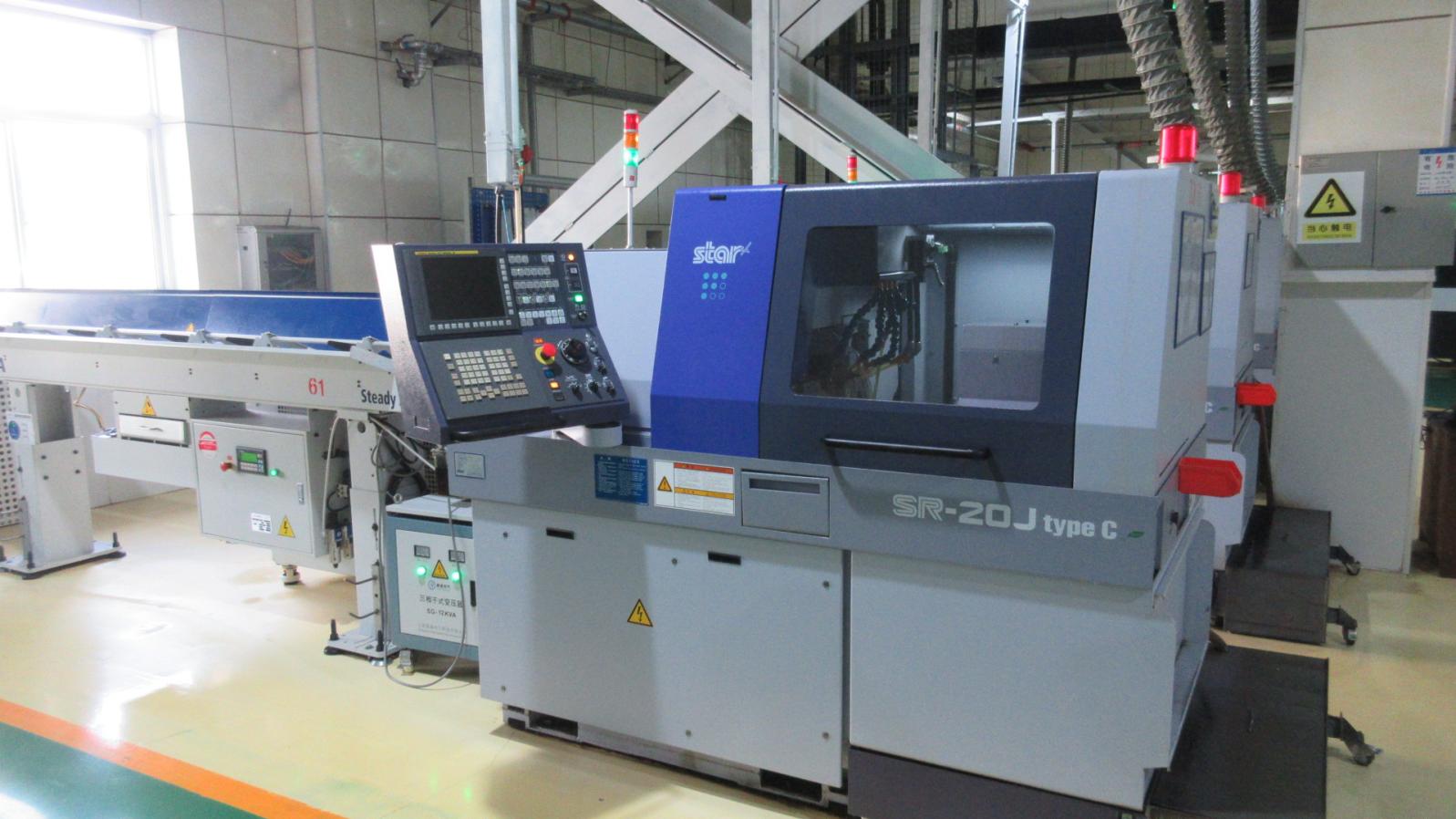
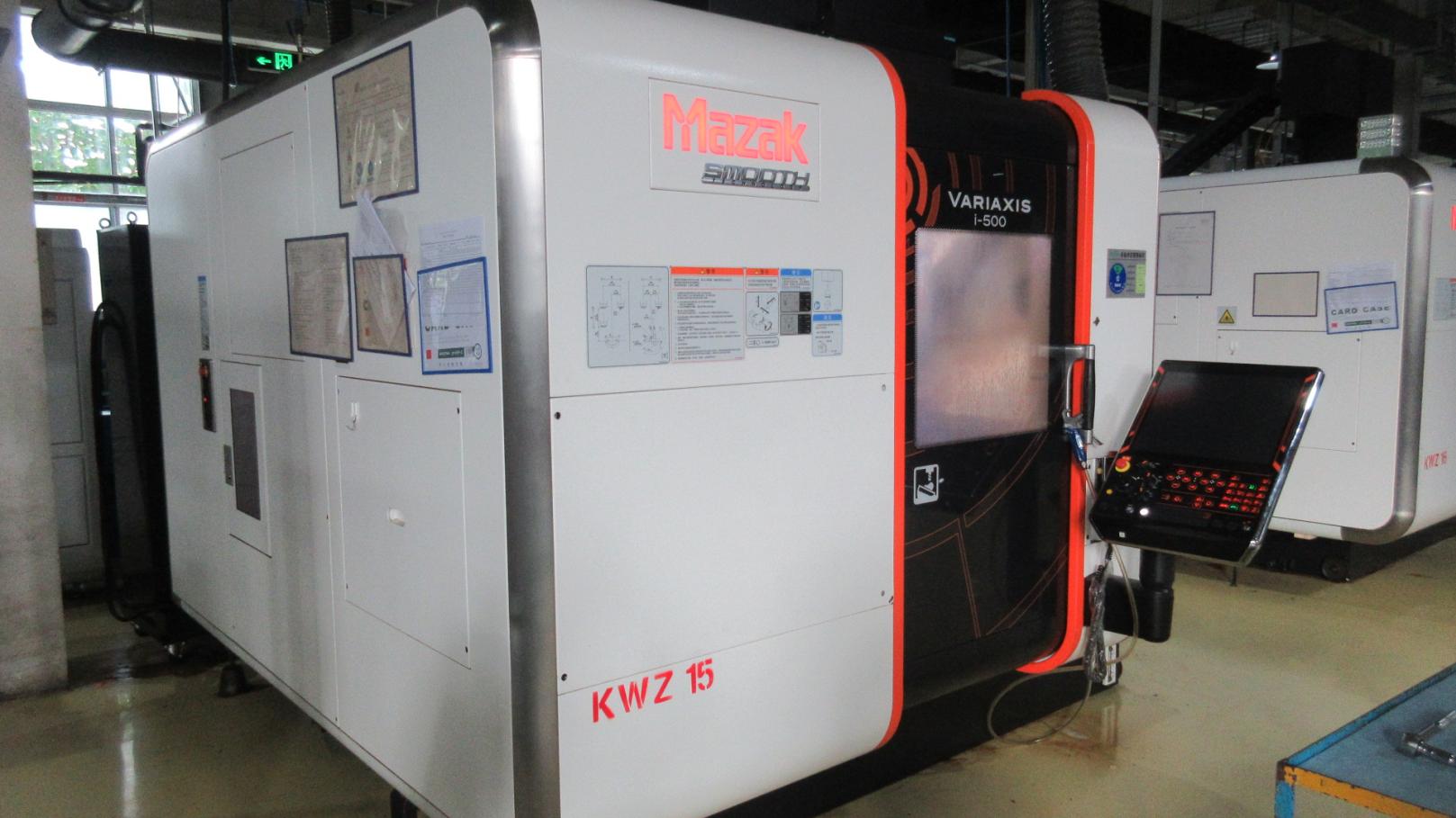
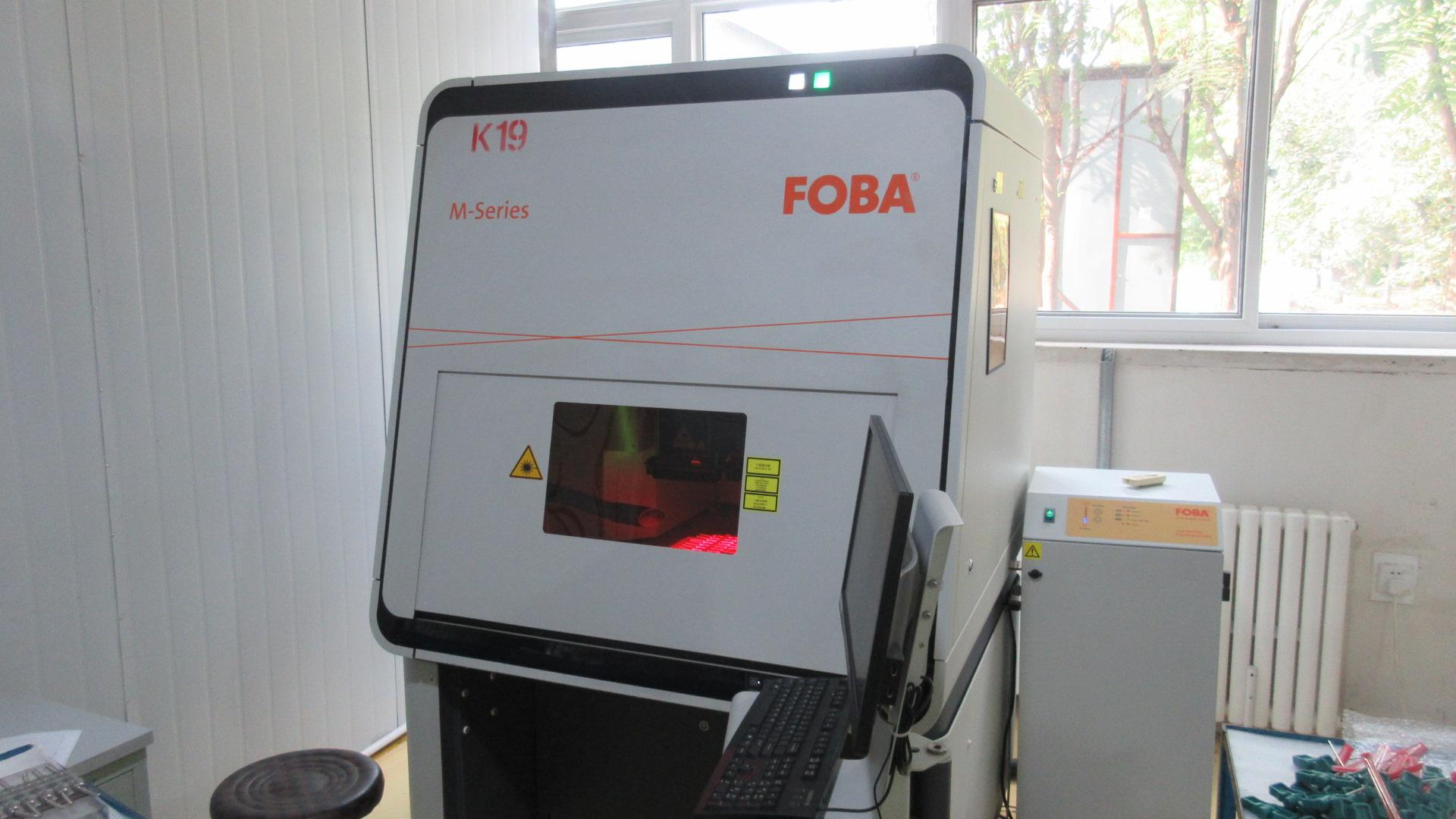
Procuring spinal implant systems involves complex regulatory and logistical considerations. For sourcing managers at hospital groups, medical device distributors, and OEM buyers, verifying supply chain continuity is a core risk-mitigation step.
China's manufacturing infrastructure offers a comprehensive ecosystem from raw material refining to surface post-processing. Partnering with a vertically integrated supplier streamlines operations, reduces lead times, and helps buffer against international market volatility. Our collaborations with 70 supply chain partners ensure steady component availability, even during global shipping disruptions.
Every market has unique clinical preferences regarding plate profiles, screw thread pitches, and cage sizes. Our 20-engineer R&D department offers full design capabilities, supporting customized engineering from graphic files, physical samples, or specific clinical input. We guide concepts from early design stages through mechanical testing to regulatory documentation.
Cervical fusion systems address various clinical scenarios, each demanding distinct mechanical characteristics:
For degenerative cervical myelopathy (DCM), our anterior plate systems feature dynamic load-sharing mechanisms. These let the graft micro-settle under axial pressure, encouraging faster bone growth while maintaining reliable stabilization. Low-profile designs with rounded contours help minimize postoperative tissue irritation, reducing common complications like dysphagia.
Detailed information on technical specifications, regulatory standards, and manufacturing processes for procurement teams and distributors.
 Beren Science & Technology