Advanced titanium instrumentation systems engineered for rigid internal fixation, osteotomy stabilization, and complex spinal reconstruction procedures.
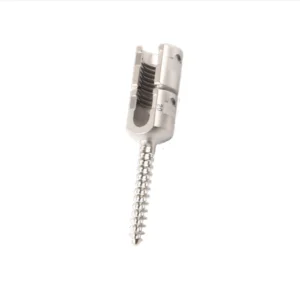
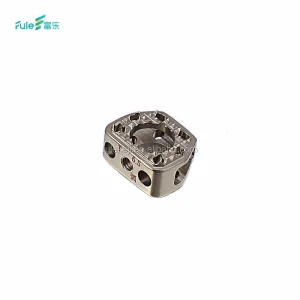
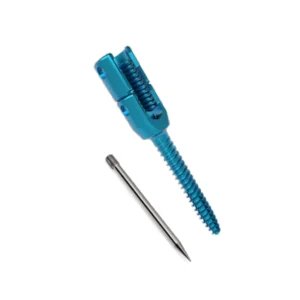
An in-depth review of bone healing optimization, mechanical performance, and criteria for global sourcing strategies.
Modern orthopedic trauma care depends on rigid internal fixation. Compression plate systems are key to achieving primary bone healing by offering structural stability and maintaining anatomical alignment. This comprehensive analysis details the mechanical specifications, material science, and manufacturing standards that define the clinical effectiveness of compression plates exported from China's leading medical device hubs.
Orthopedic implants use biomechanical forces to facilitate osteosynthesis. A compression plate works by applying pressure across a fracture line, which decreases interfragmentary motion and encourages direct bone healing without visible external callus formation.
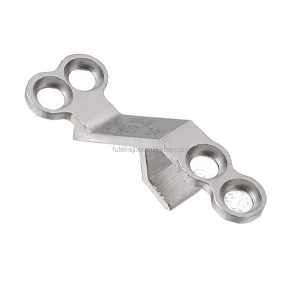
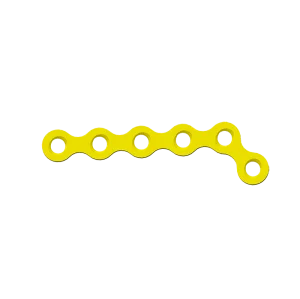
Dynamic Compression Plates (DCP) utilize sloped screw holes (dynamic compression unit principles). When a screw is inserted eccentrically, the screw head slides down the incline, shifting the bone fragment horizontally toward the fracture line. Limited Contact Dynamic Compression Plates (LC-DCP) improve on this design by undercutting the plate's underside. This reduces contact with the periosteum, protecting the local blood supply, and helps limit bone necrosis under the plate.
Locking Compression Plates (LCP) integrate these dynamic compression features with locking screw mechanics. Because the screw heads thread directly into the plate, the plate functions as an internal fixator. This design is highly beneficial for osteoporotic bone, where conventional screw threads are prone to stripping.
Selecting the right medical material is critical to prevent stress shielding. Under Wolff's Law, bone remodels in response to physical stress. If a metal implant is too stiff, it absorbs all the load, causing the underlying bone to lose density. Leading Chinese manufacturers use medical-grade Titanium Alloy (Ti-6Al-4V / ASTM F136), which has a modulus of elasticity closer to cortical bone than stainless steel. This material choice helps reduce stress shielding while maintaining long-term fatigue resistance.
Manufacturing clinical implants requires strict quality controls, high-precision machining, and cleanroom facilities. The profile data below outlines the manufacturing capabilities of China's specialized orthopedic production facilities.
| Production & Quality Criteria | Detailed Factory Parameters & Verification Metrics |
|---|---|
| Certifications Held | ISO13485 (Registration No. 04724Q10000818) - Fully audited quality management for medical devices. |
| Annual Output Capacity | 511,000 Finished Units (Scale elasticity to meet regional distribution surges). |
| R&D Engineering Strength | 20 Full-time Engineers (15 holding Graduate/Master degrees, 5 Junior College specialized in biomechanics). |
| Traceability of Raw Materials | 100% Traceable. Mill certificates provided for every batch of medical titanium/cobalt-chrome. |
| Product Inspection Protocol | 100% Inspection Method (Dimensional tolerance verify via optical comparators, ultrasonic defect detection). |
| Quality Assurance Staff | 15 Dedicated QA/QC inspectors stationed on-line throughout all manufacturing steps. |
| Global Distribution Footprint | Domestic China (40%), Eastern Europe (15%), Southeast Asia (10%), with 70+ supply chain partners. |
An orthopedic plate's performance depends on the quality of its raw materials. Chinese exporters follow ASTM F136 and ISO 5832-3 standards for titanium alloy formulations, ensuring they match mechanical requirements for strength and ductility.
The machining process uses multi-axis CNC milling centers to carve plates with precise edge profiles, reducing soft-tissue irritation. Surface treatment is equally important. Type II anodization forms a thin titanium oxide layer that increases wear resistance, prevents cold welding between screws and plates, and reduces ion release into surrounding tissue. Each plate also undergoes passivation and electropolishing to remove micro-burrs and ensure a smooth, bio-inert finish.
Standard implants may not fit all patient populations. Modern exporters provide tailored OEM/ODM support to adapt sizing to specific anatomical features in different regions:
All custom designs go through finite element analysis (FEA) to simulate axial loading, torsion, and bending limits. This process ensures customized implants meet the same safety standards as mass-produced hardware.
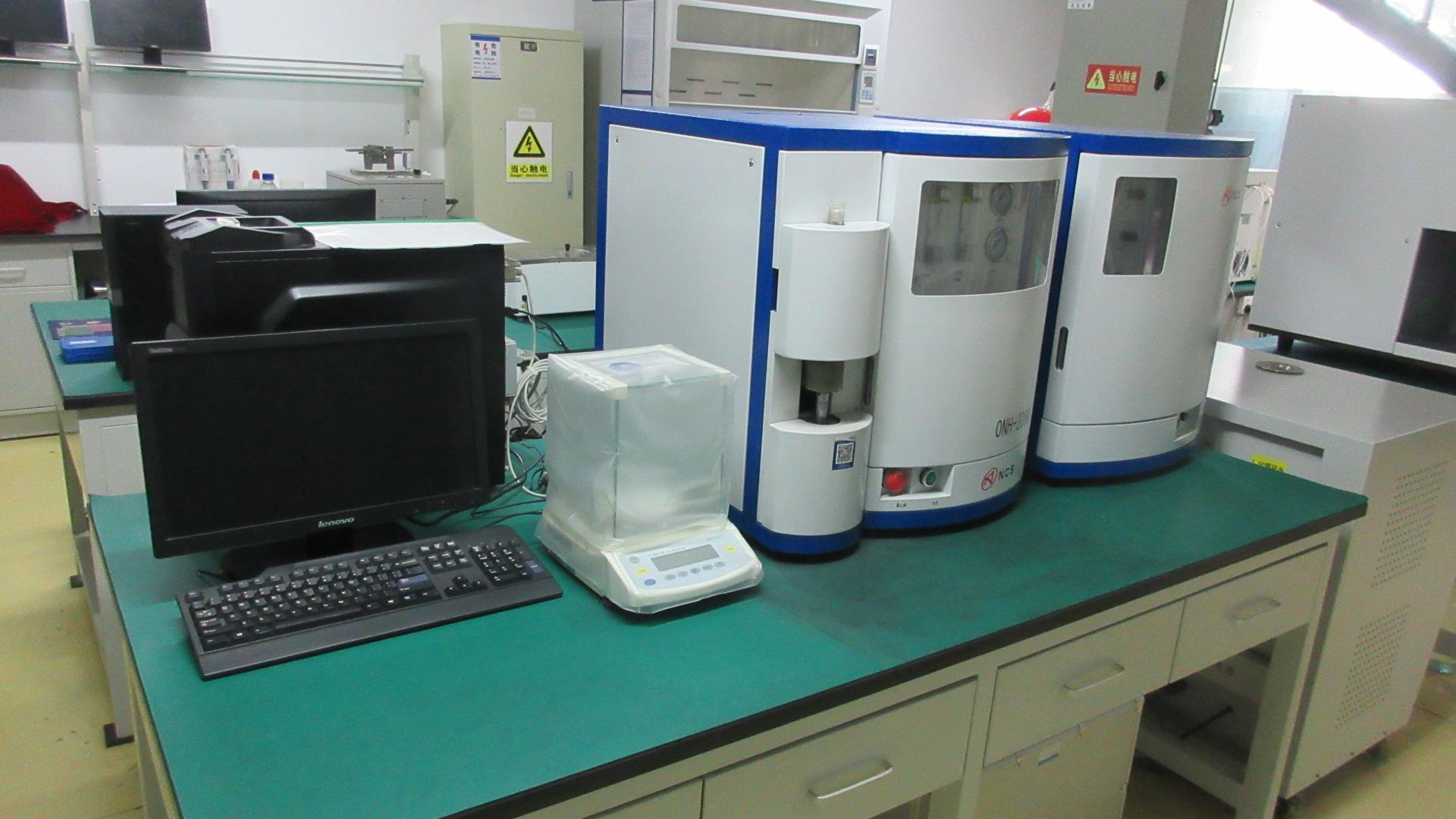
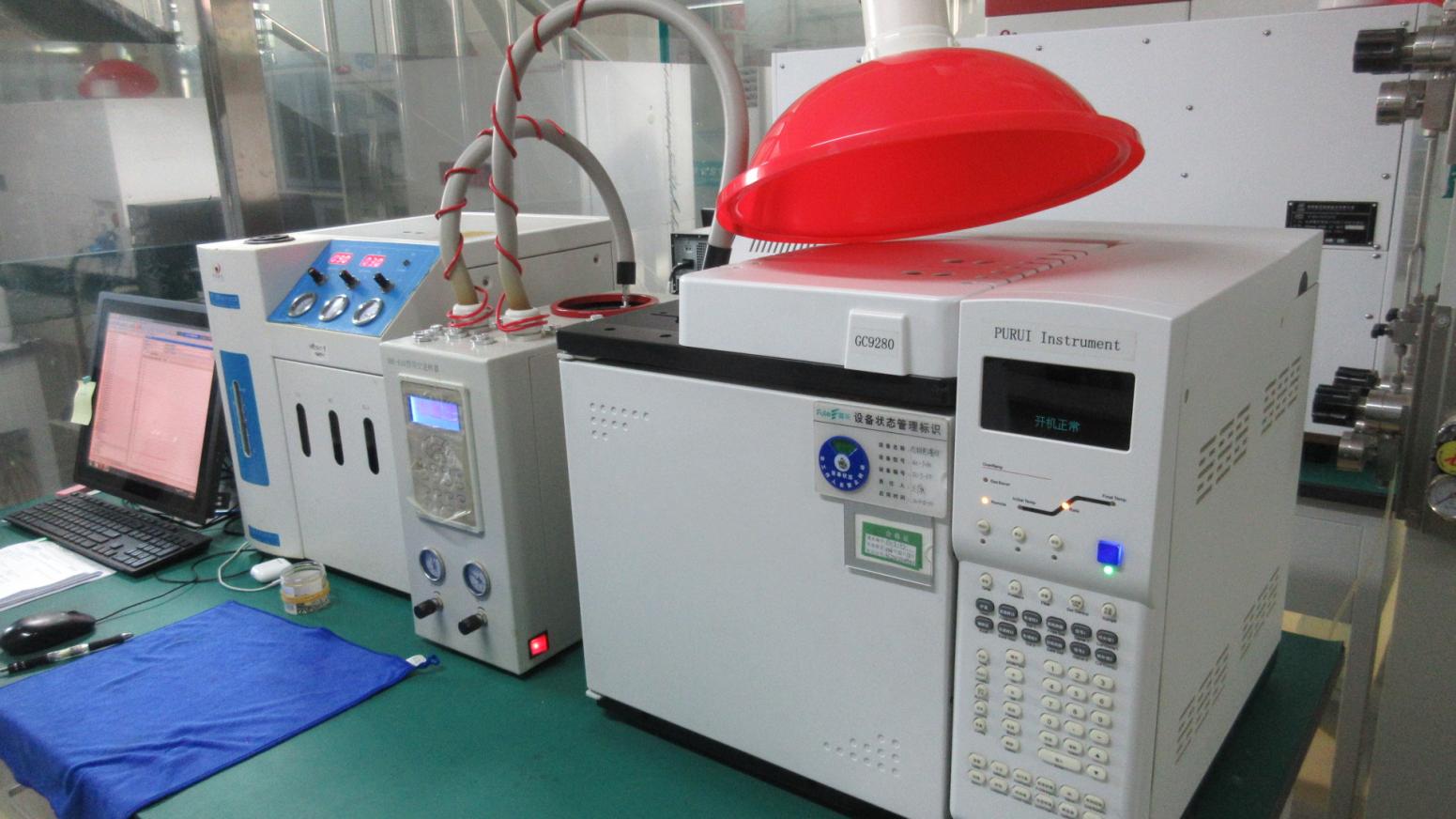
Inside the ISO 13485 certified facilities, where advanced machining, cleaning, and testing systems guarantee mechanical precision.
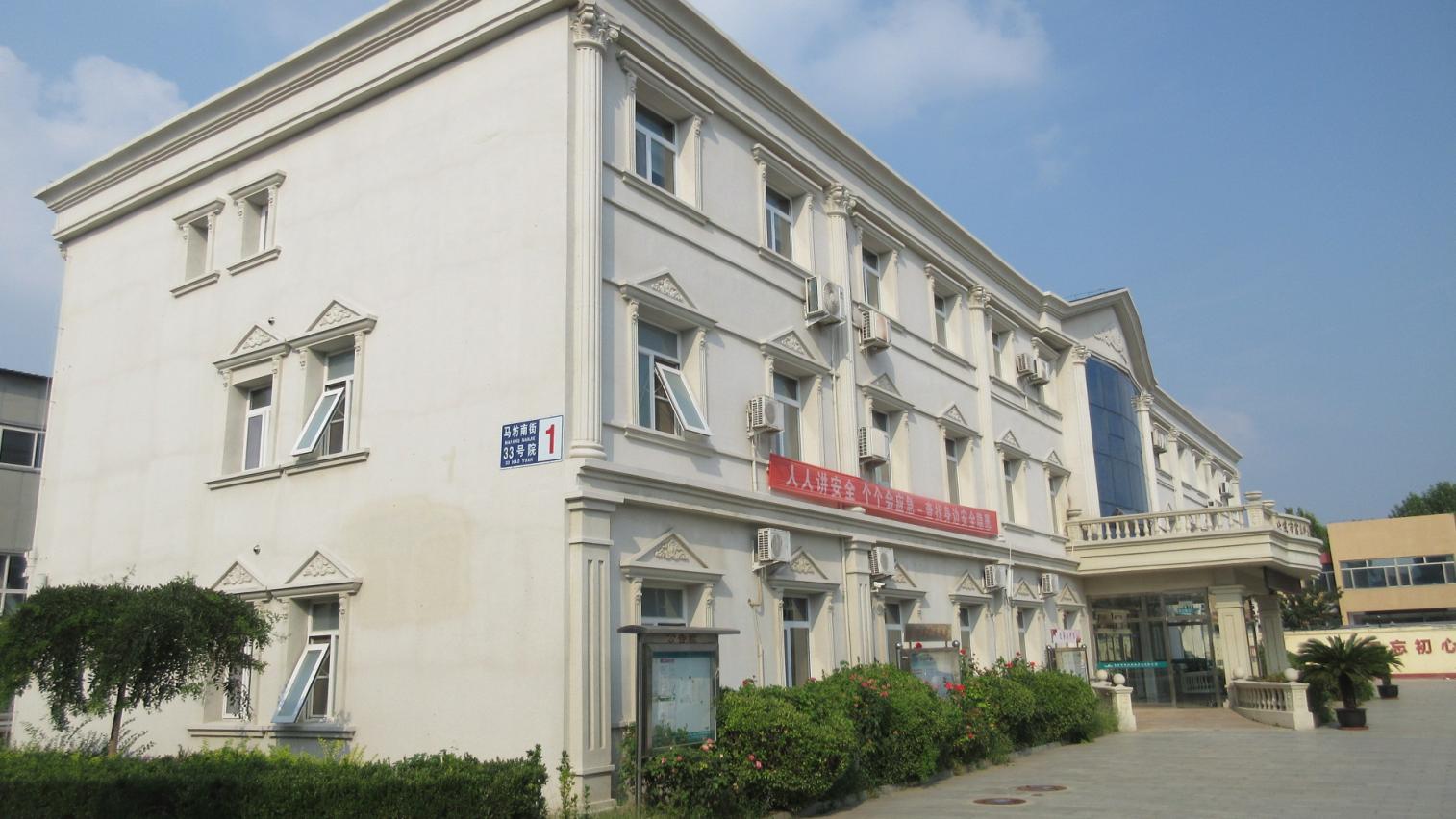
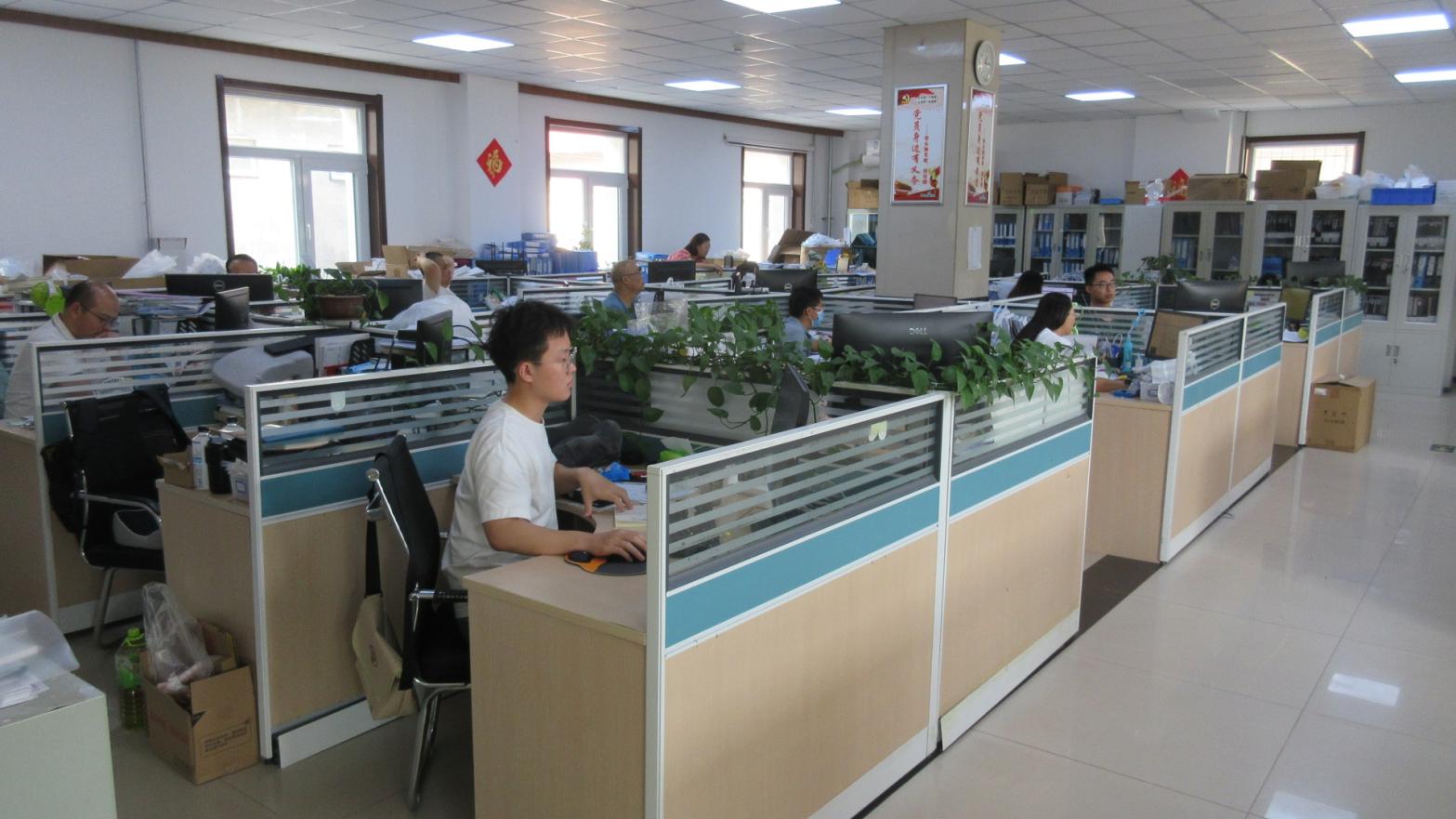
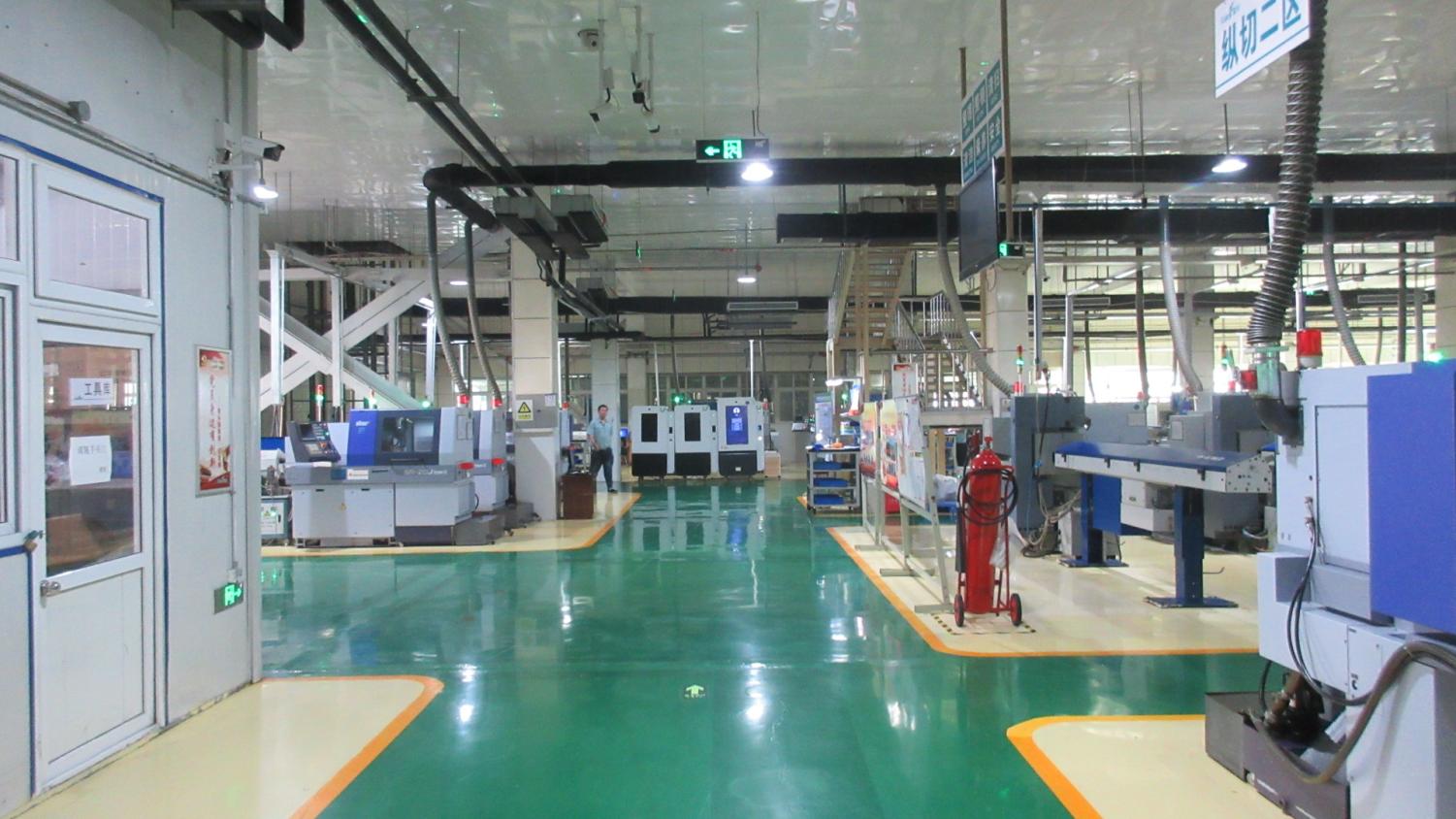
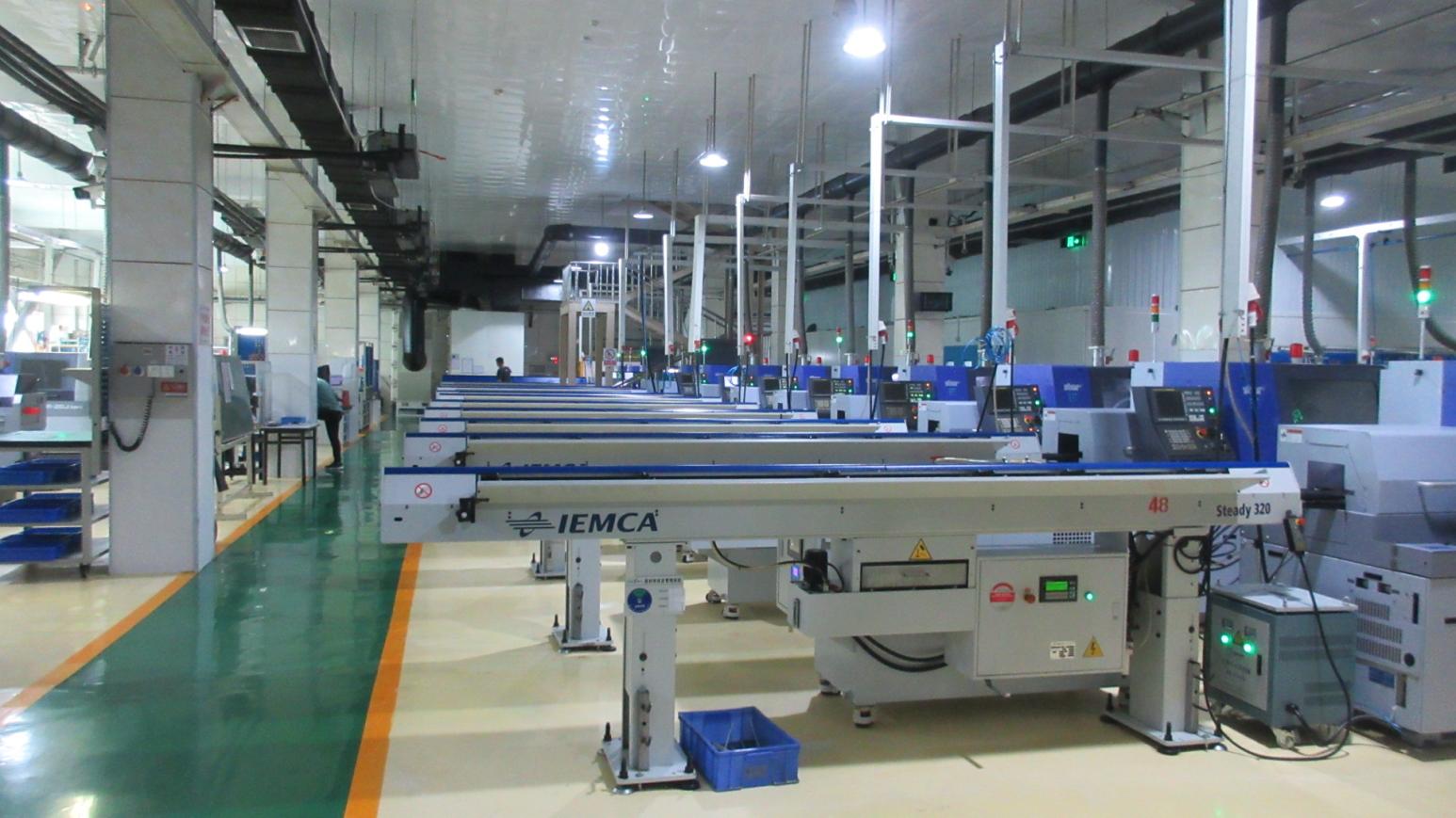
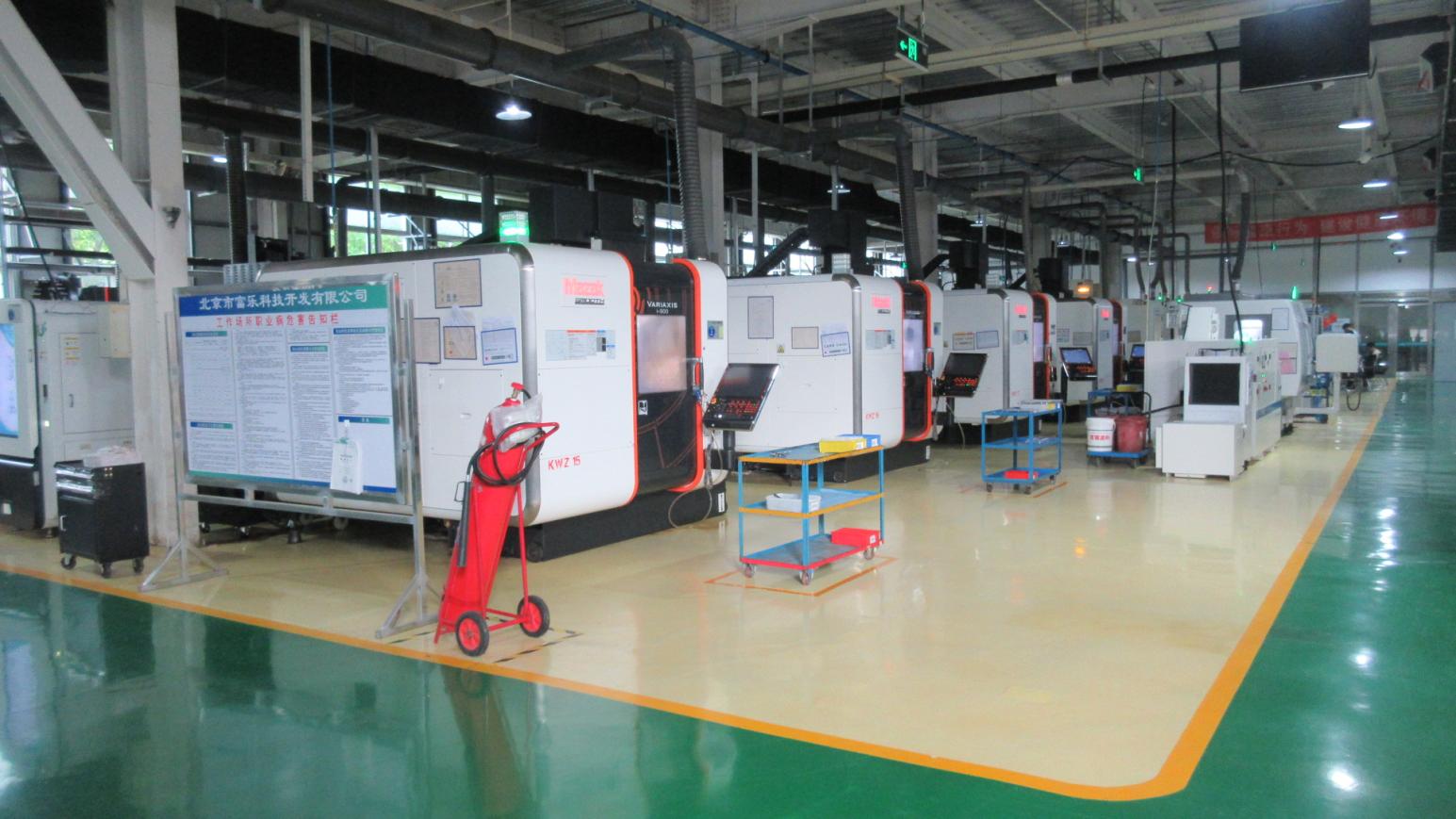
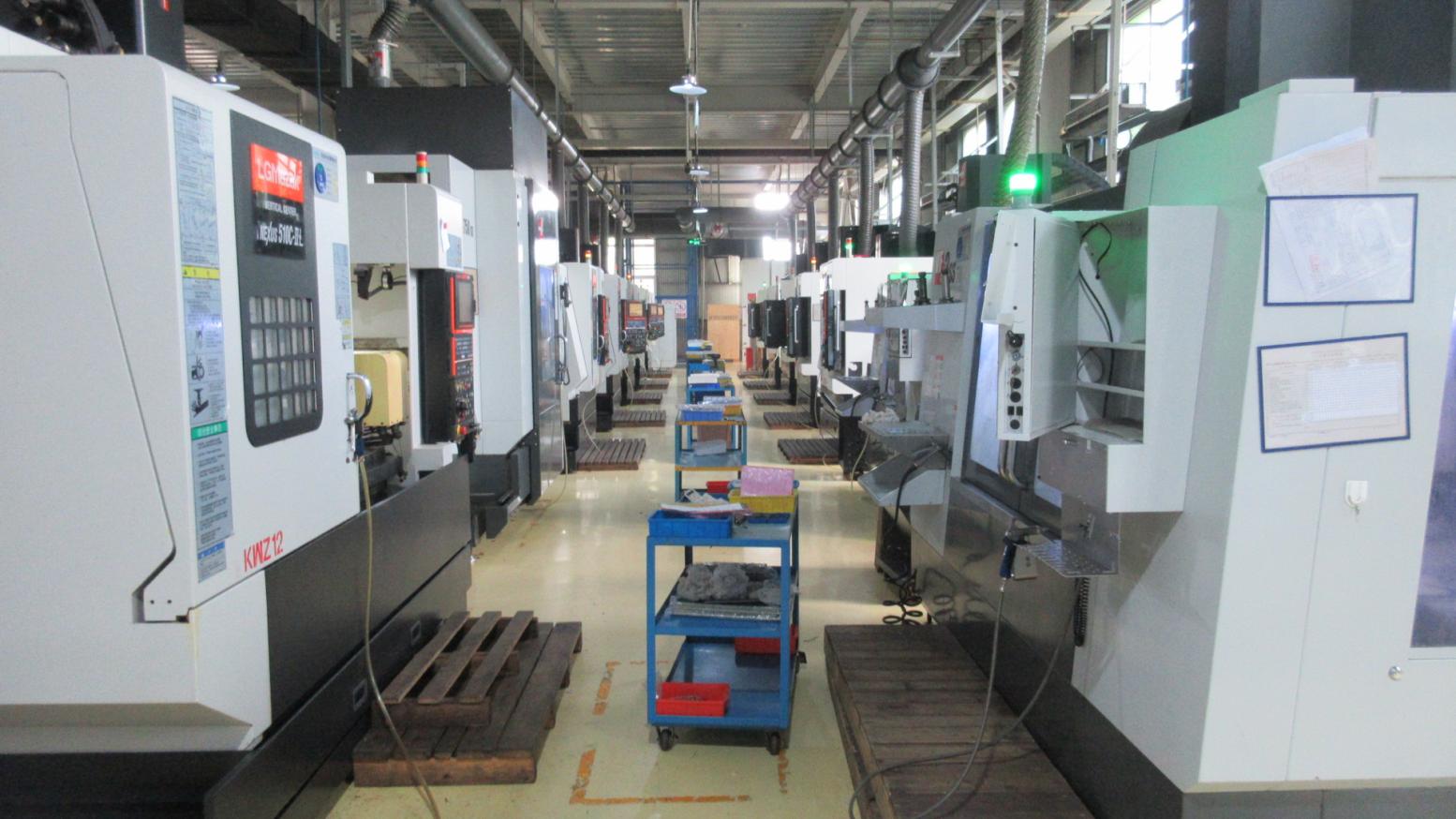
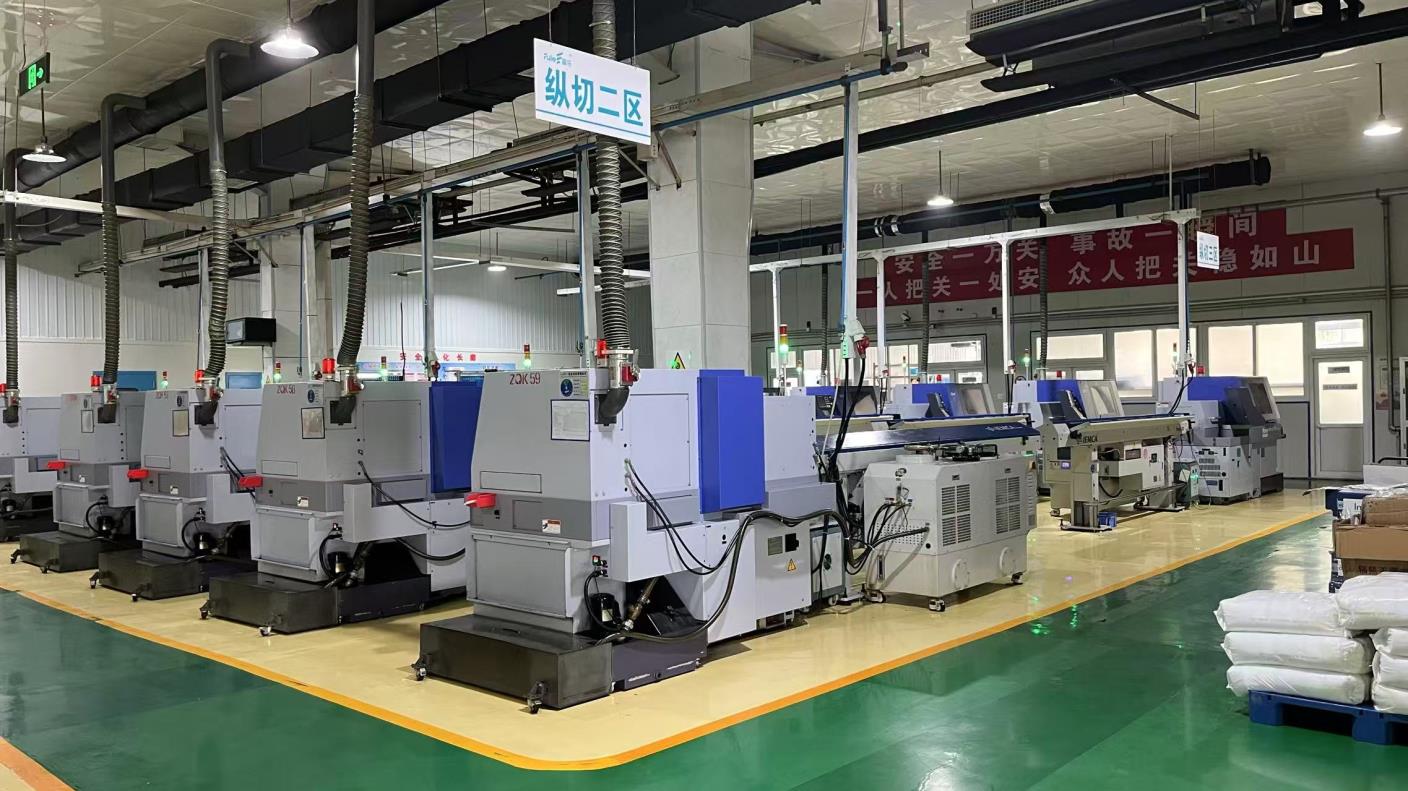
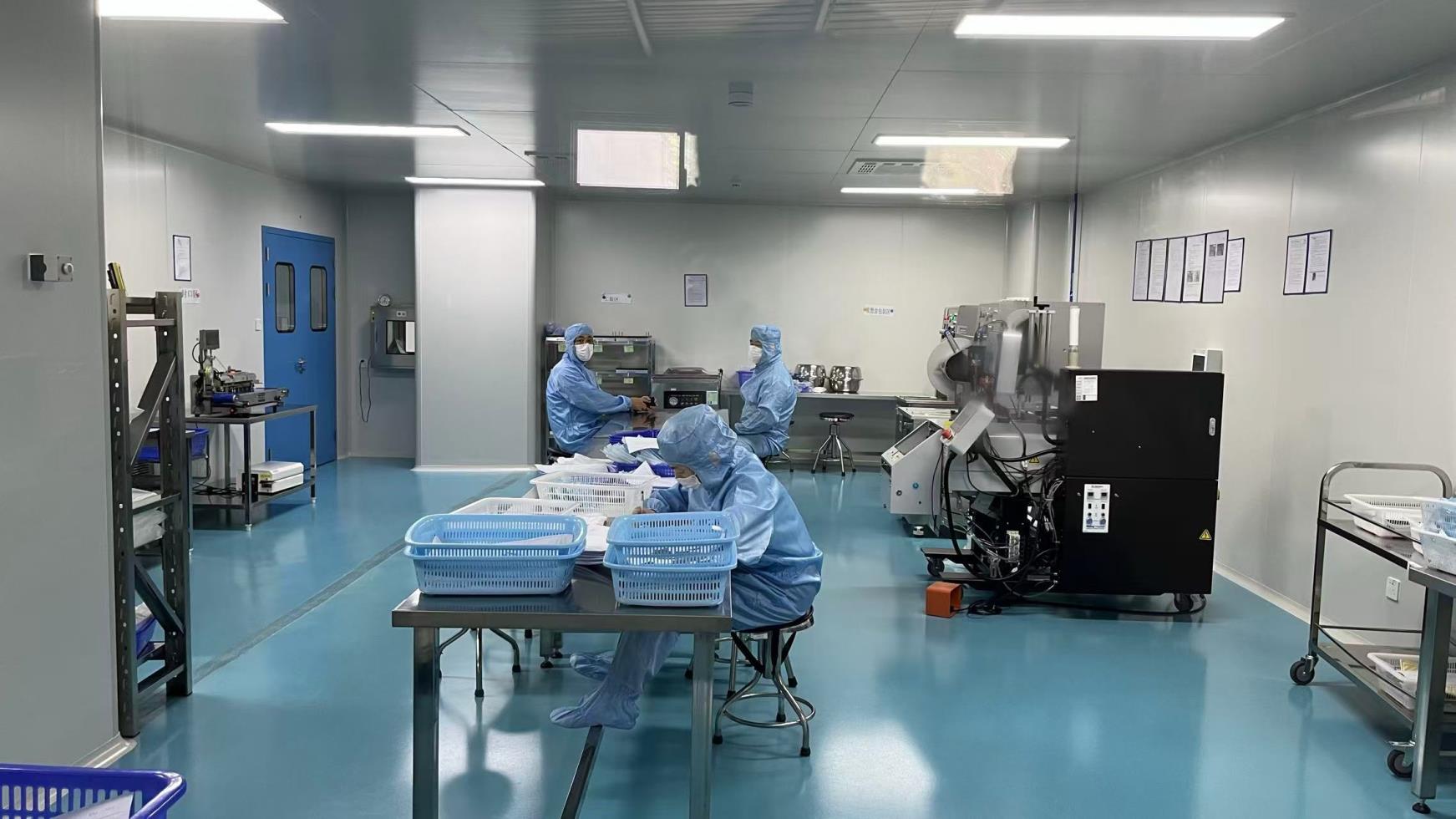
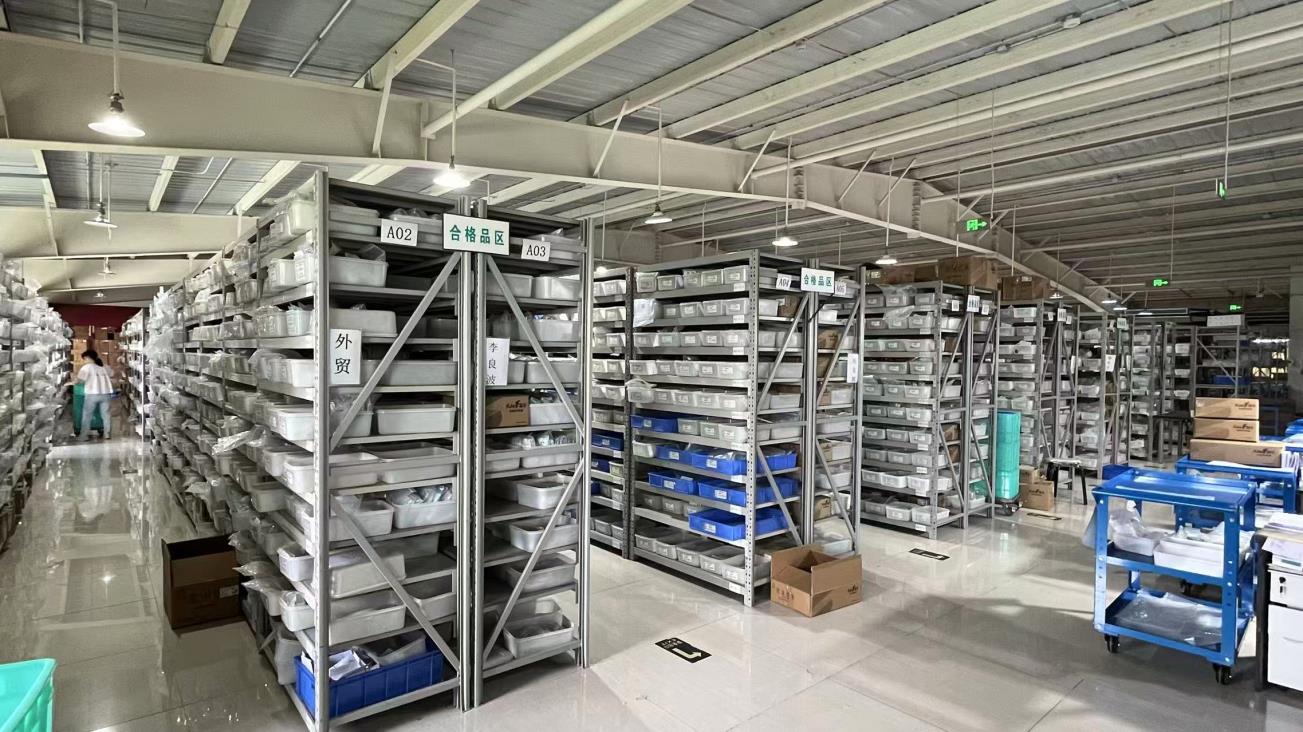
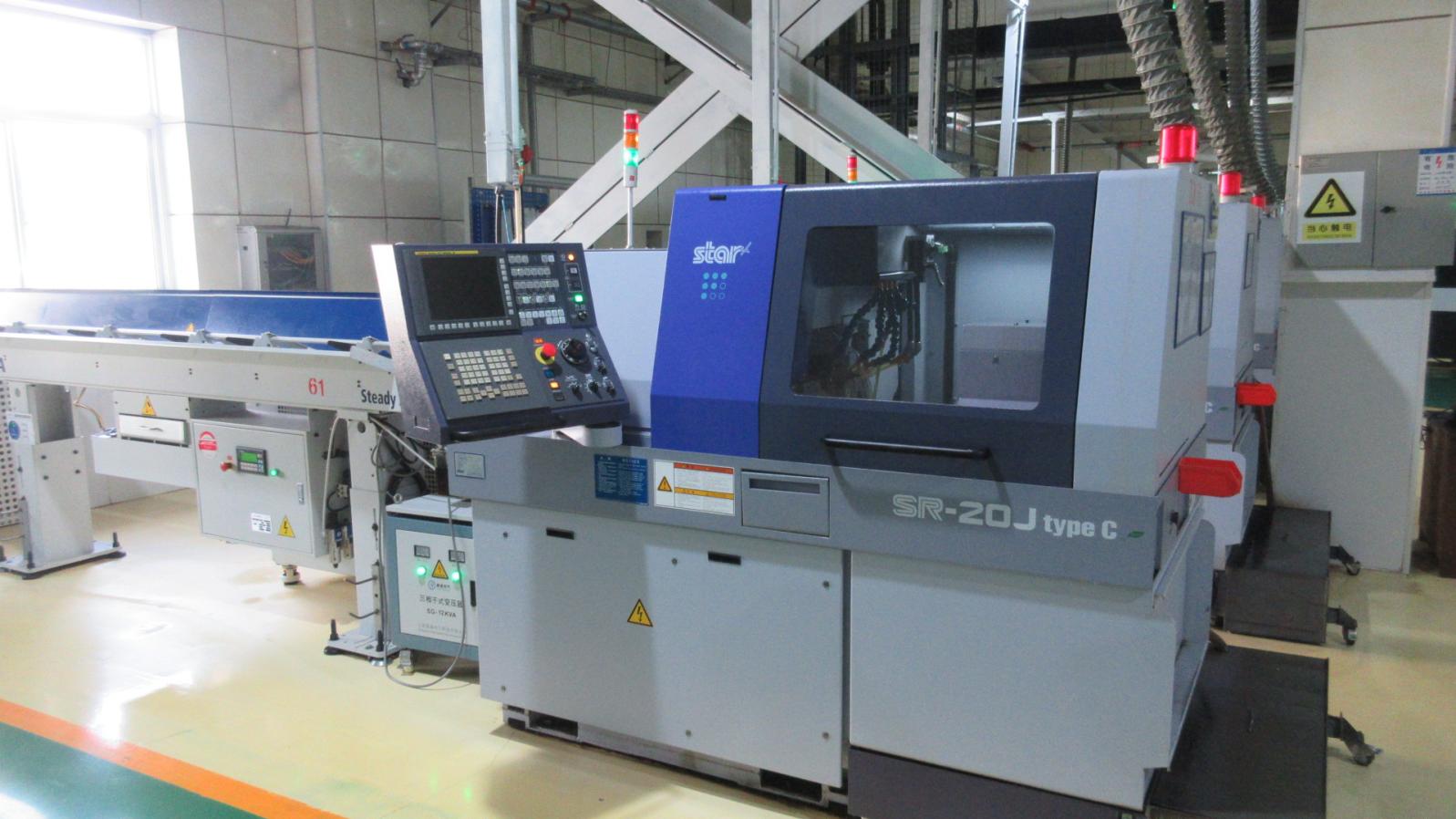
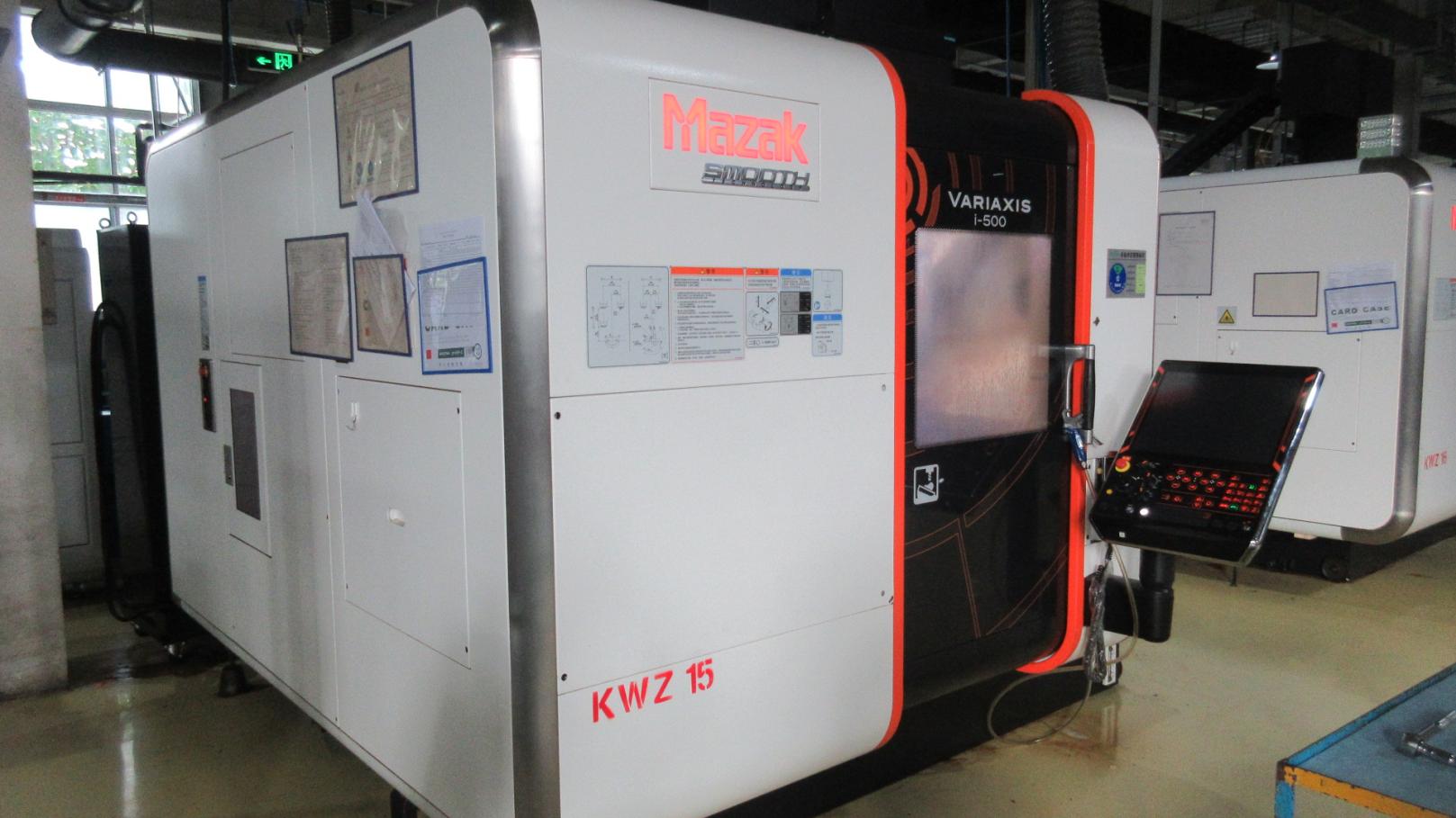
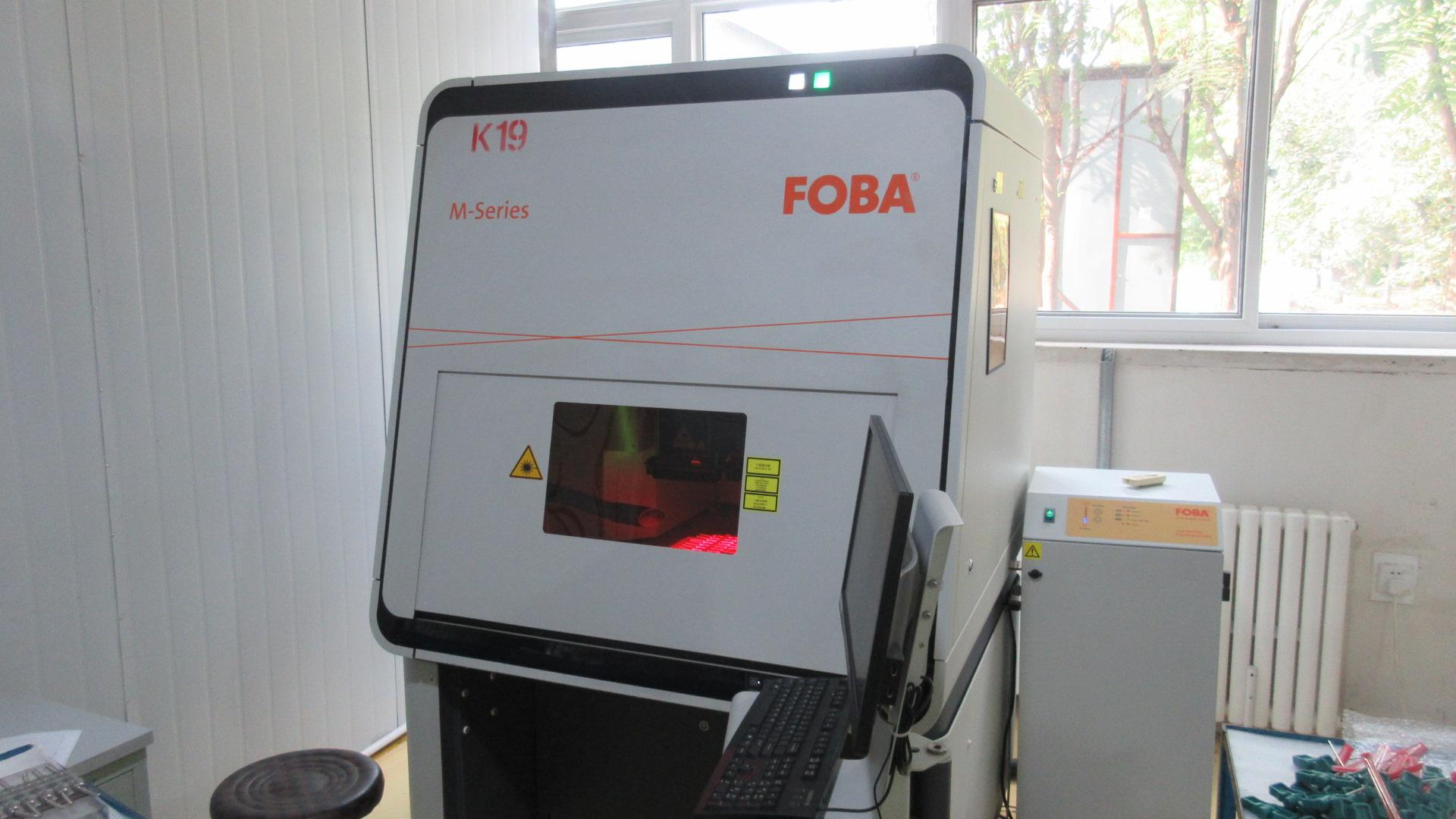
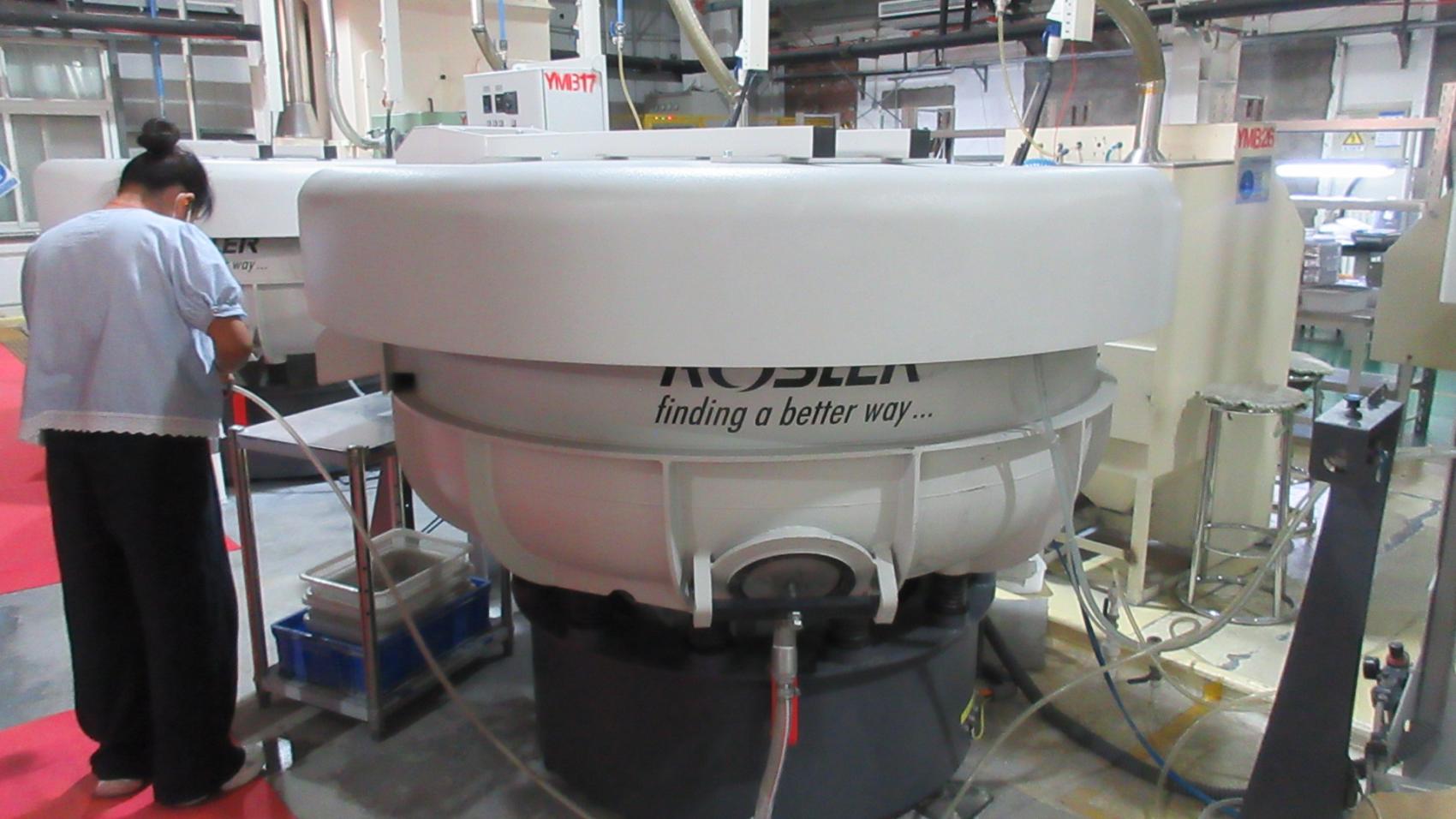
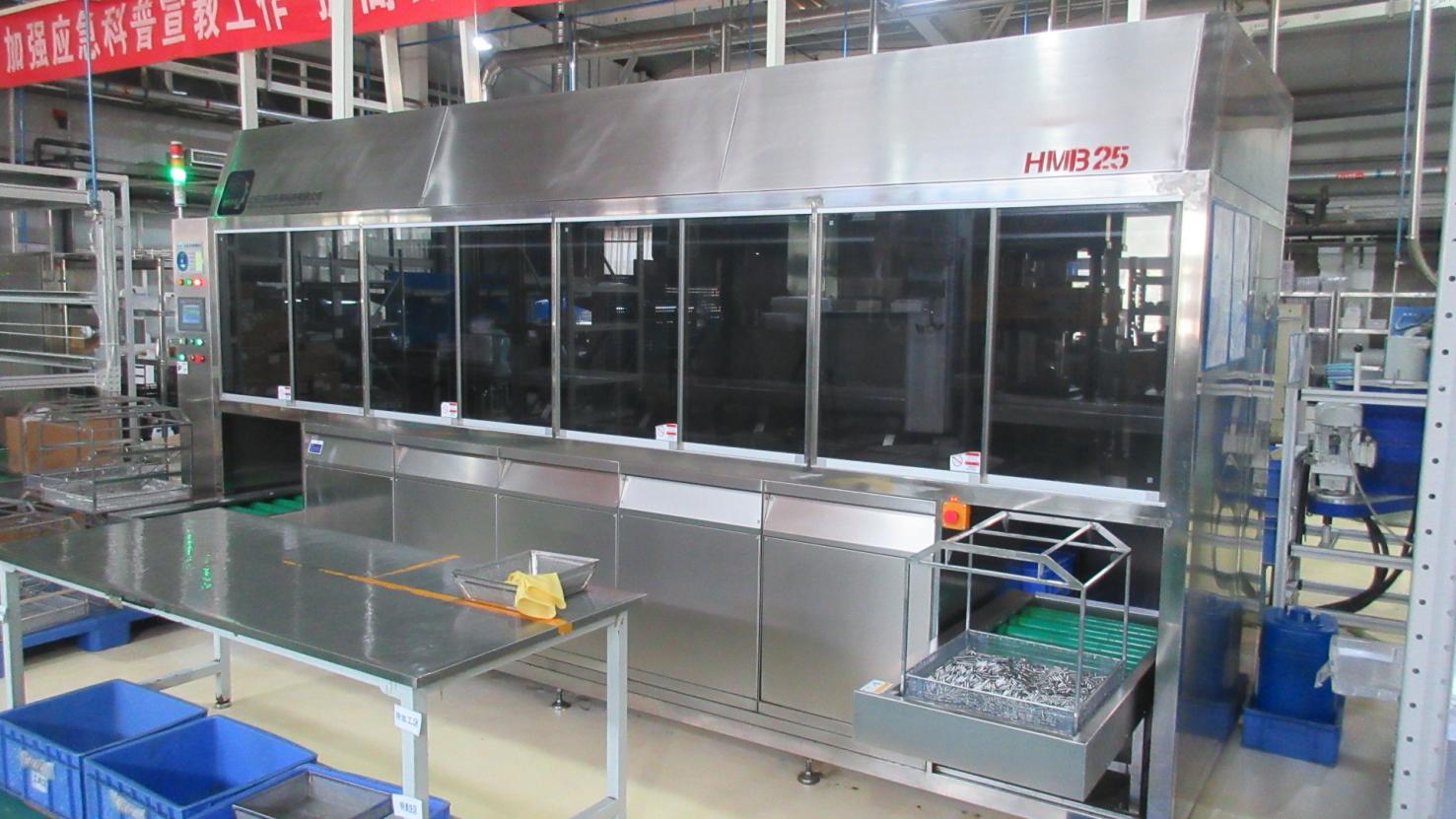
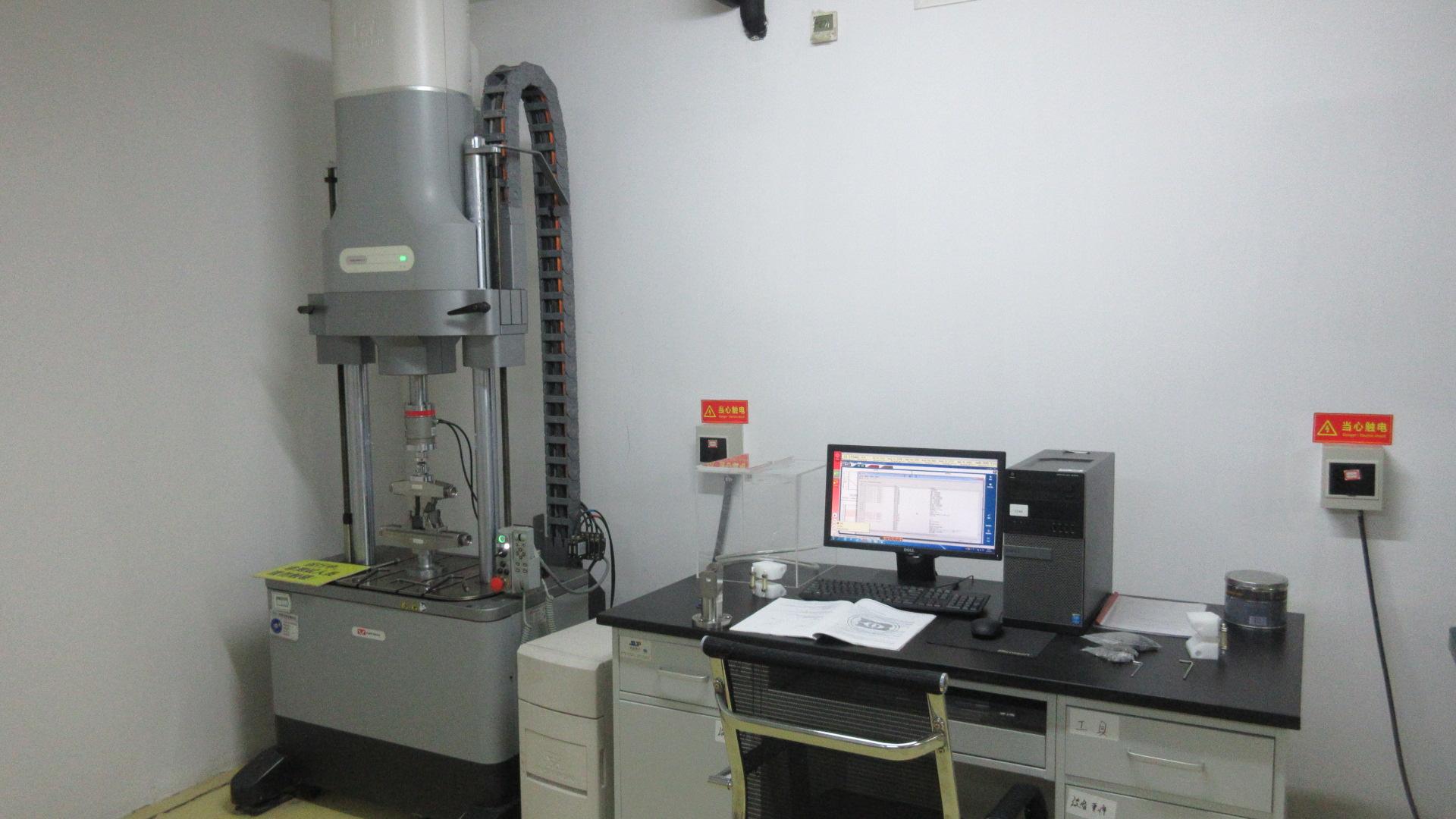
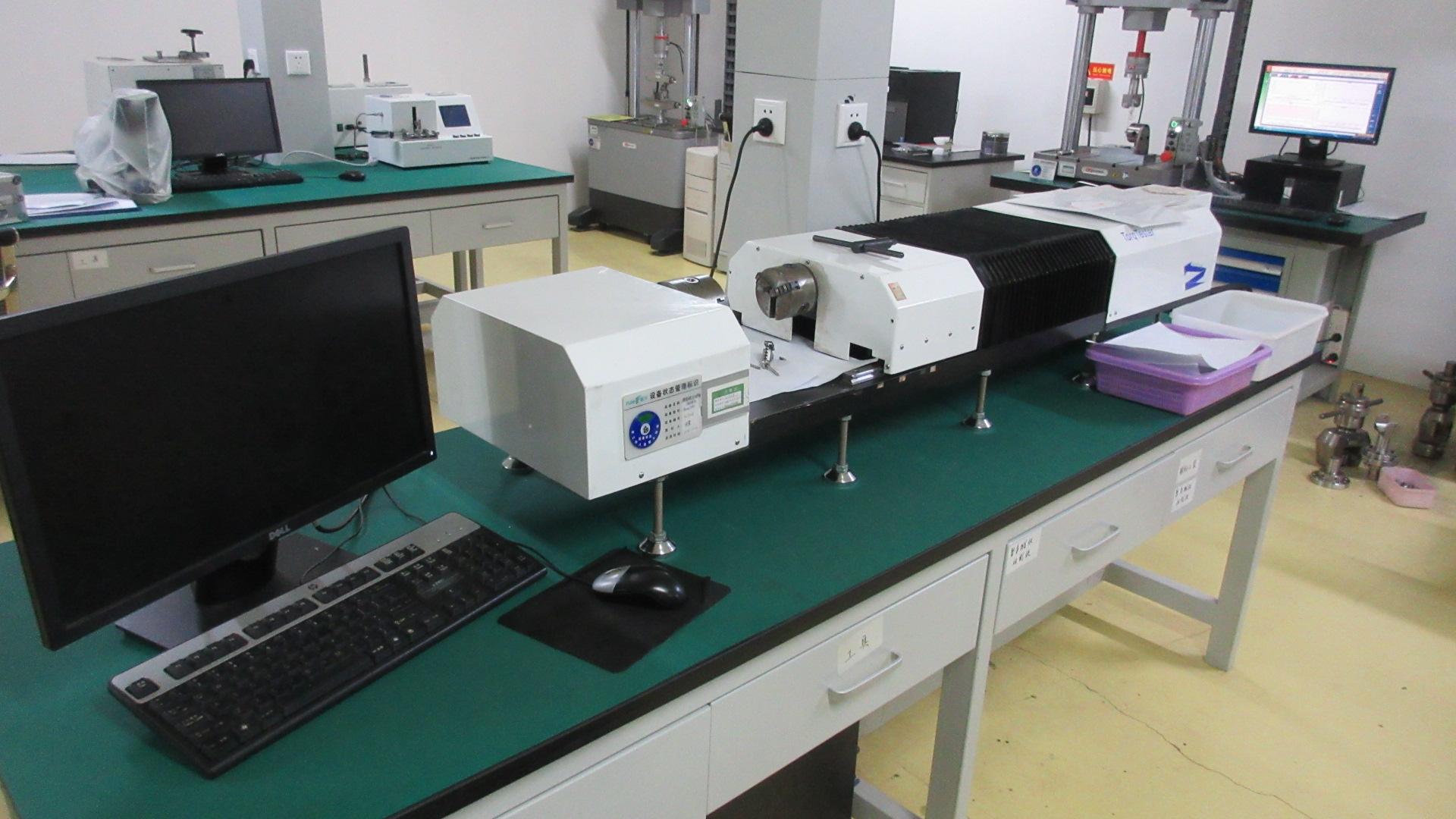
The concentration of high-precision manufacturing, material suppliers, and technical expertise in China helps optimize production costs for orthopedic implants. By grouping raw titanium suppliers, CNC machining, chemical surface treatment, and sterile packaging facilities, factories can streamline lead times. This integration reduces transportation delays and lowers administrative overhead.
These cost efficiencies allow manufacturers to offer competitive pricing without compromising quality control. Furthermore, long-standing partnerships with global logistics providers like DHL and FedEx enable reliable, temperature-monitored, and timely deliveries across international borders.
Exporters must comply with international regulatory frameworks to guarantee patient safety and product effectiveness:
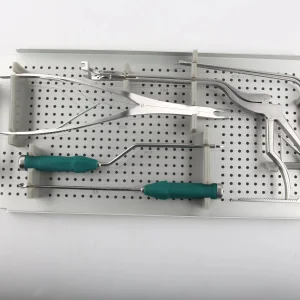
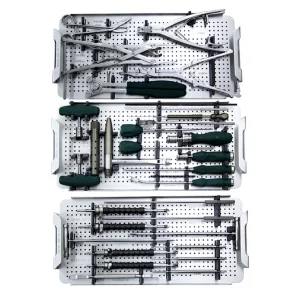
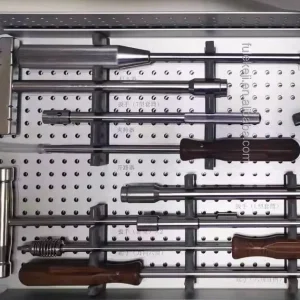
Implant performance is linked to surgical technique and local clinical environments. Top exporters provide support to medical centers through comprehensive surgical reference guides, physical instrument templates, and cleanroom-ready instrument sets.
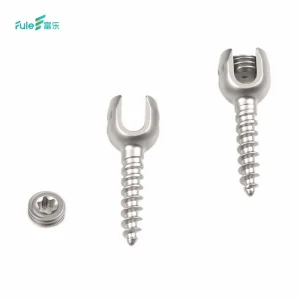
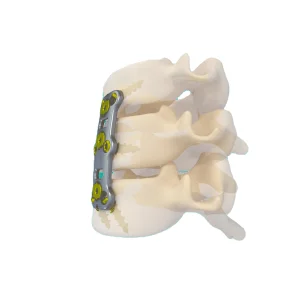
This helps surgical teams confidently handle implant procedures, including spine stabilization (such as ALIF and PLIF cages), long bone fracture fixation, and corrective osteotomies.
Important information on product specifications, regulatory compliance, and ordering processes for global distributors.
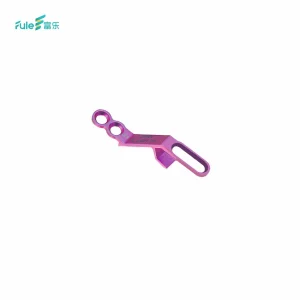
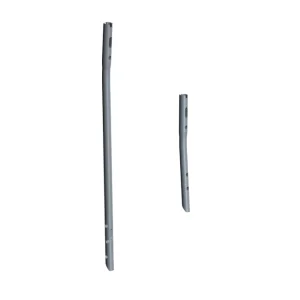
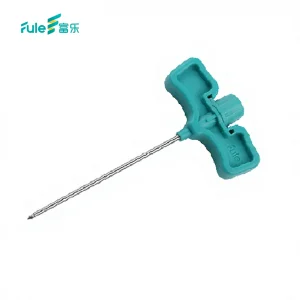
Comprehensive orthopedic implant options designed for complex reconstructions, extremity fractures, and targeted spinal interventions.
 Beren Science & Technology