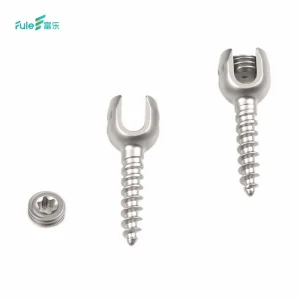
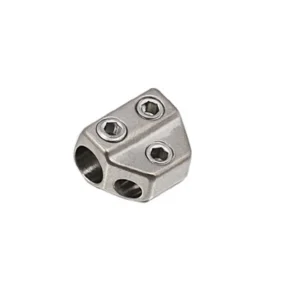
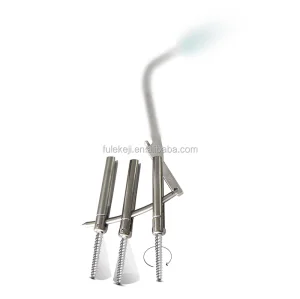
Explore our leading collection of trauma fixation systems, stabilization assemblies, and instrumentation kits engineered for surgical precision.
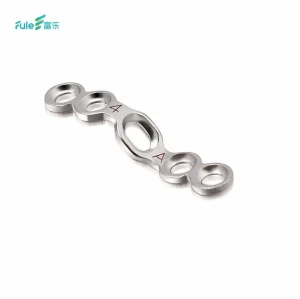
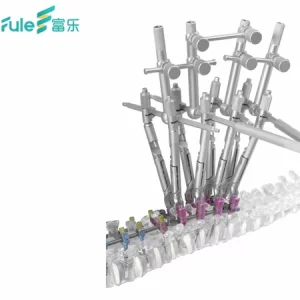
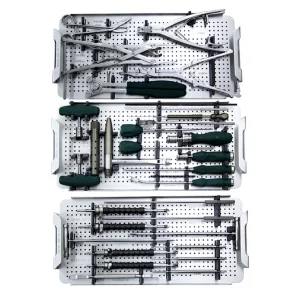
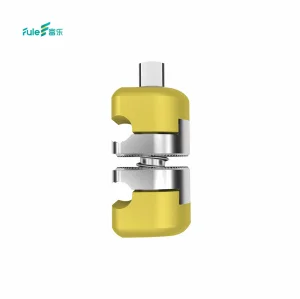
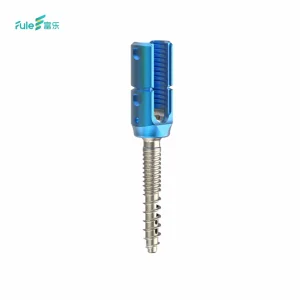
Modern trauma surgery and orthopedic stabilization demand modularity, biomechanical stiffness, and ease of application. In high-velocity traumatic events where soft-tissue management takes priority over definitive internal fixation, external fixator systems like the Hoffman System serve as the gold standard. Utilizing lightweight components, specialized transfixion pins, and robust modular clamps, these systems offer provisional stabilization that accommodates rapid clinical assessment, wound management, and reconstructive strategies.
Hoffman external fixation relies on bridging mechanical forces across the fracture site using percutaneous pins anchored in healthy bone segments. The rigidity and angular stability of this construct depend heavily on:
As clinical teams worldwide confront rising incidences of complex fractures, having access to high-performance, cost-effective, and fully certified Hoffman-style kits becomes paramount. Chinese manufacturing hubs, spearheaded by advanced CNC engineering and strict ISO 13485 quality protocols, have transitioned from basic copyists to critical contributors of global medical device pipelines.
How global distributors, medical institutions, and humanitarian relief organizations assess high-capacity manufacturers in China.
B2B buyers face stringent regional regulations. Standard medical device imports require documented CE markings, ISO 13485 alignment, and local authority registrations. A reliable Chinese manufacturer must maintain clear traceability maps from raw titanium bar stock down to the sterile packaging code, ensuring smooth customs clearance and patient safety verification.
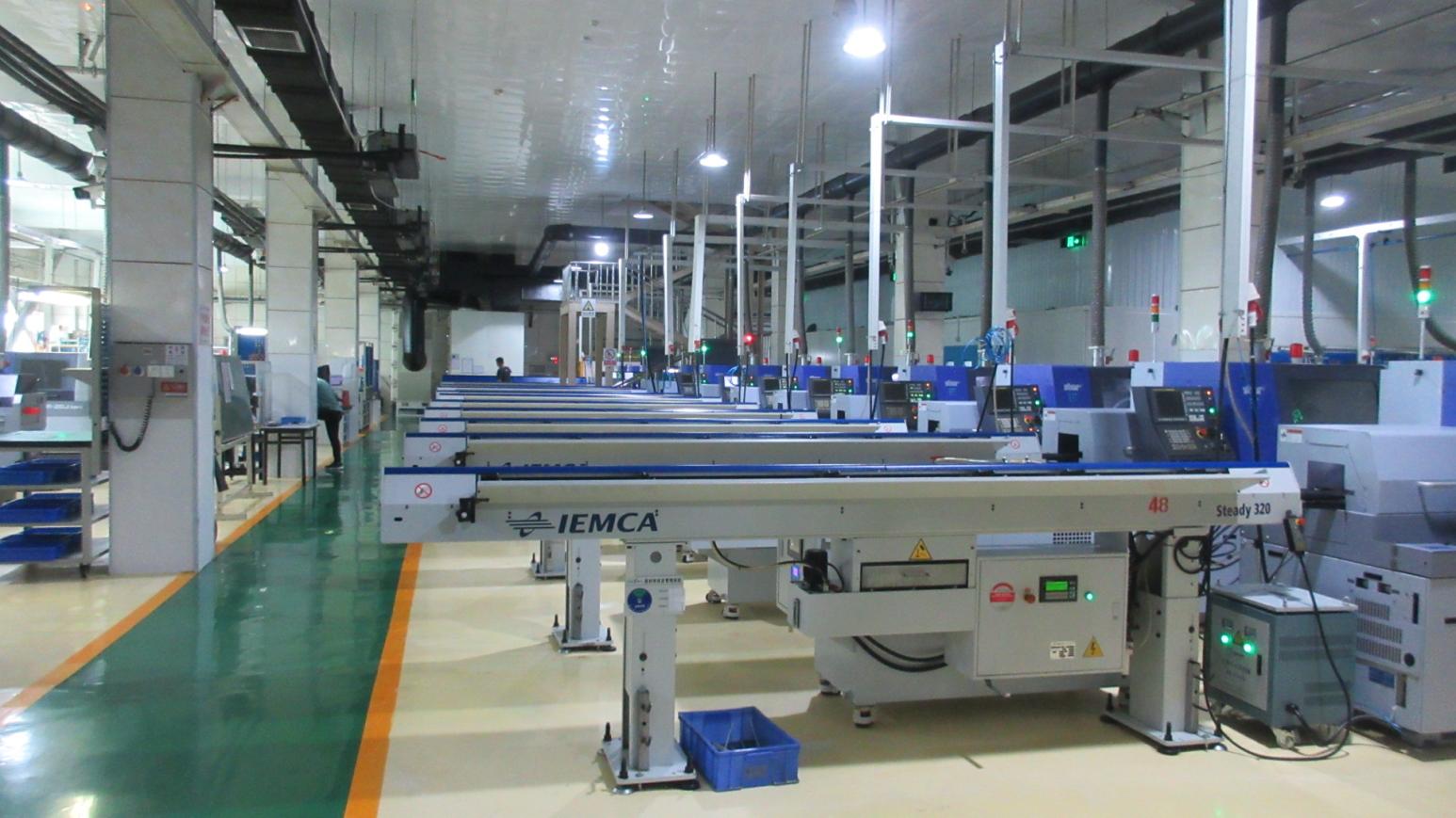
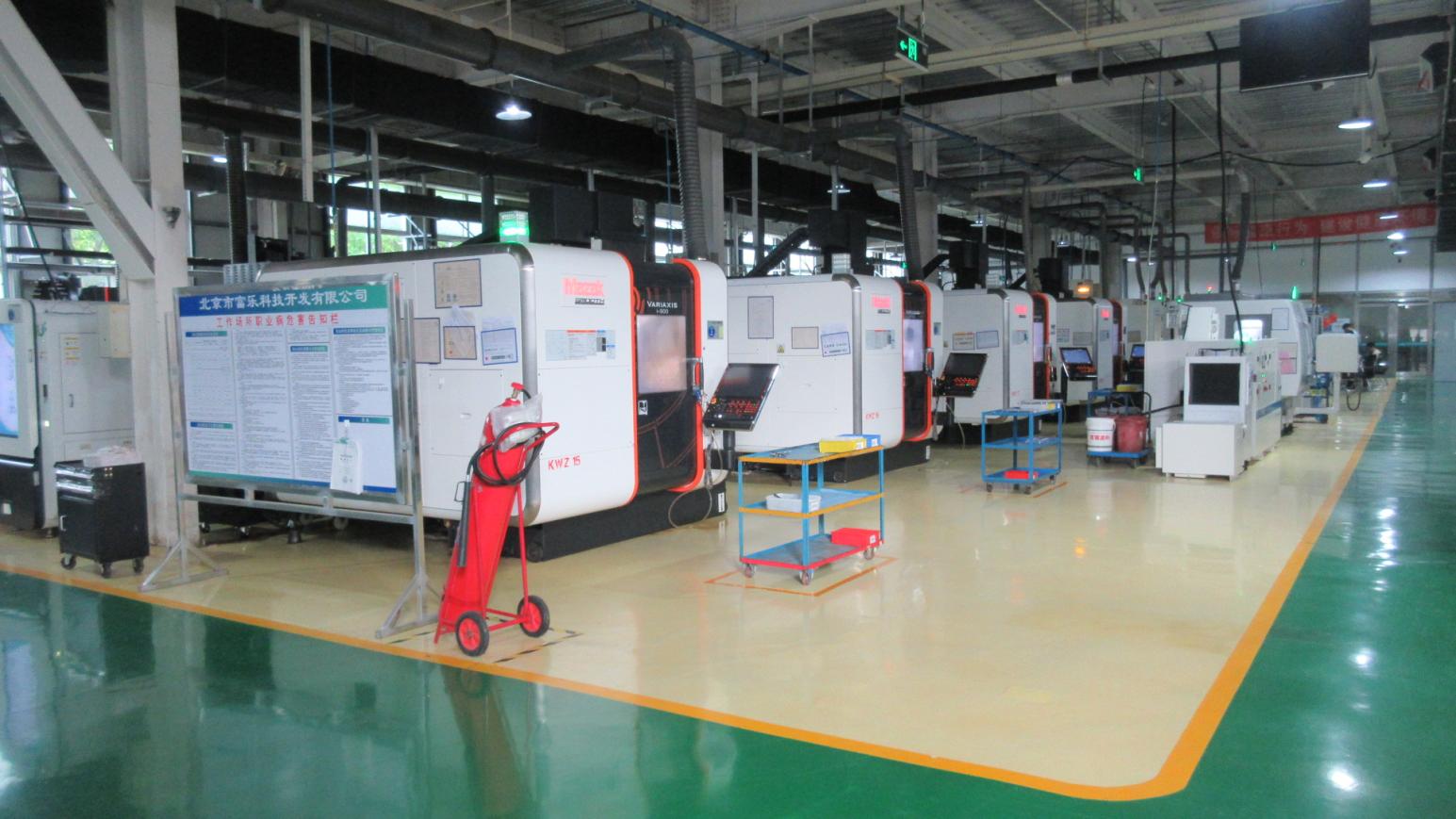
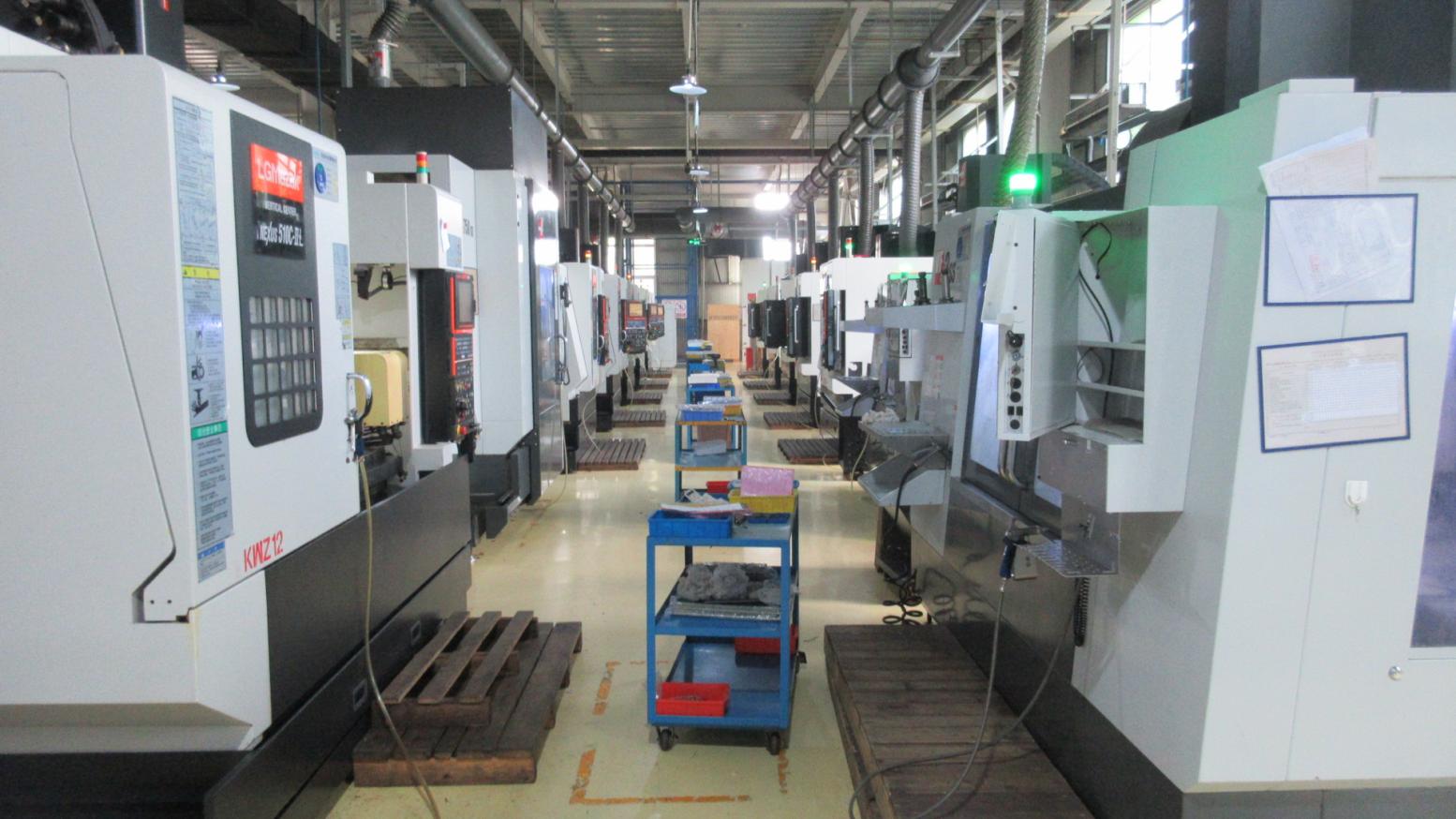
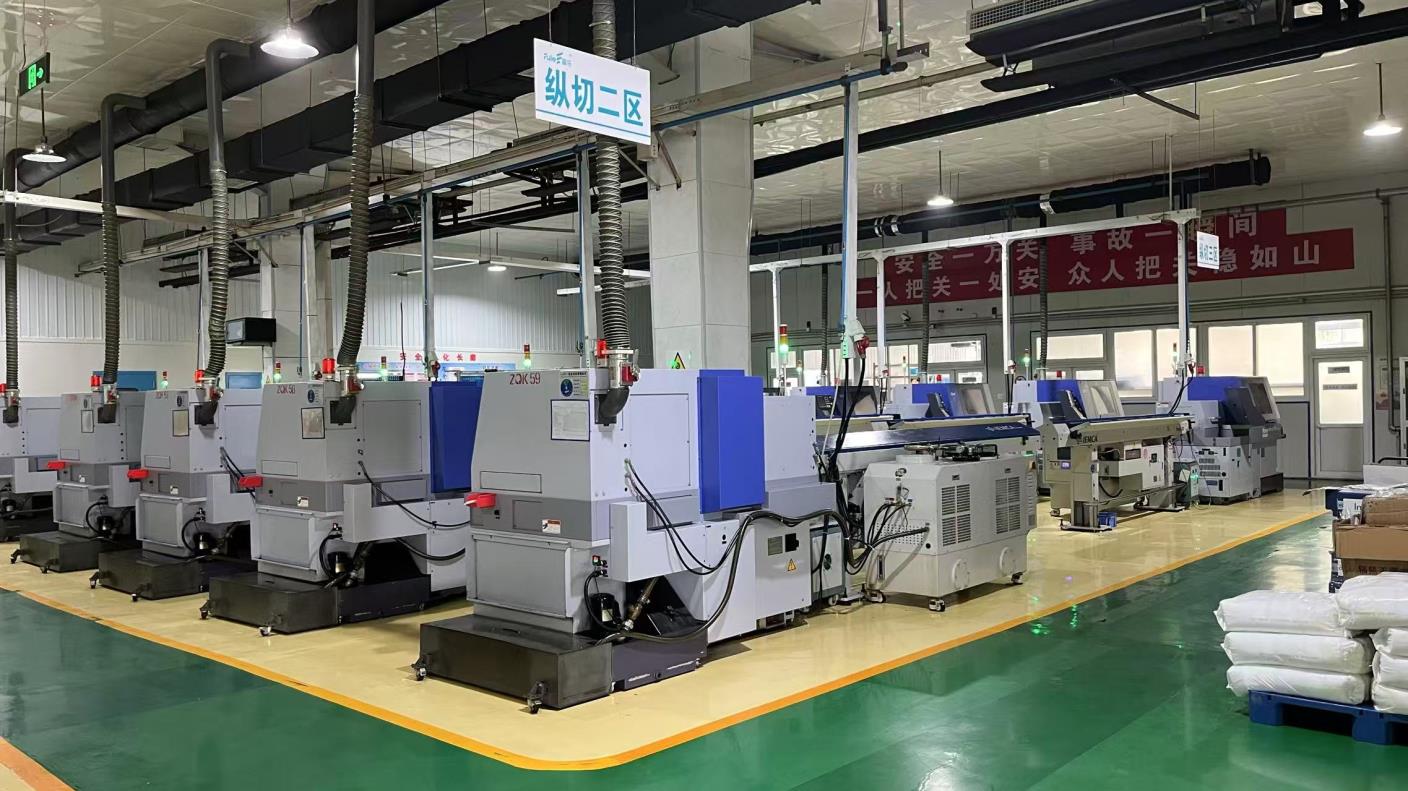
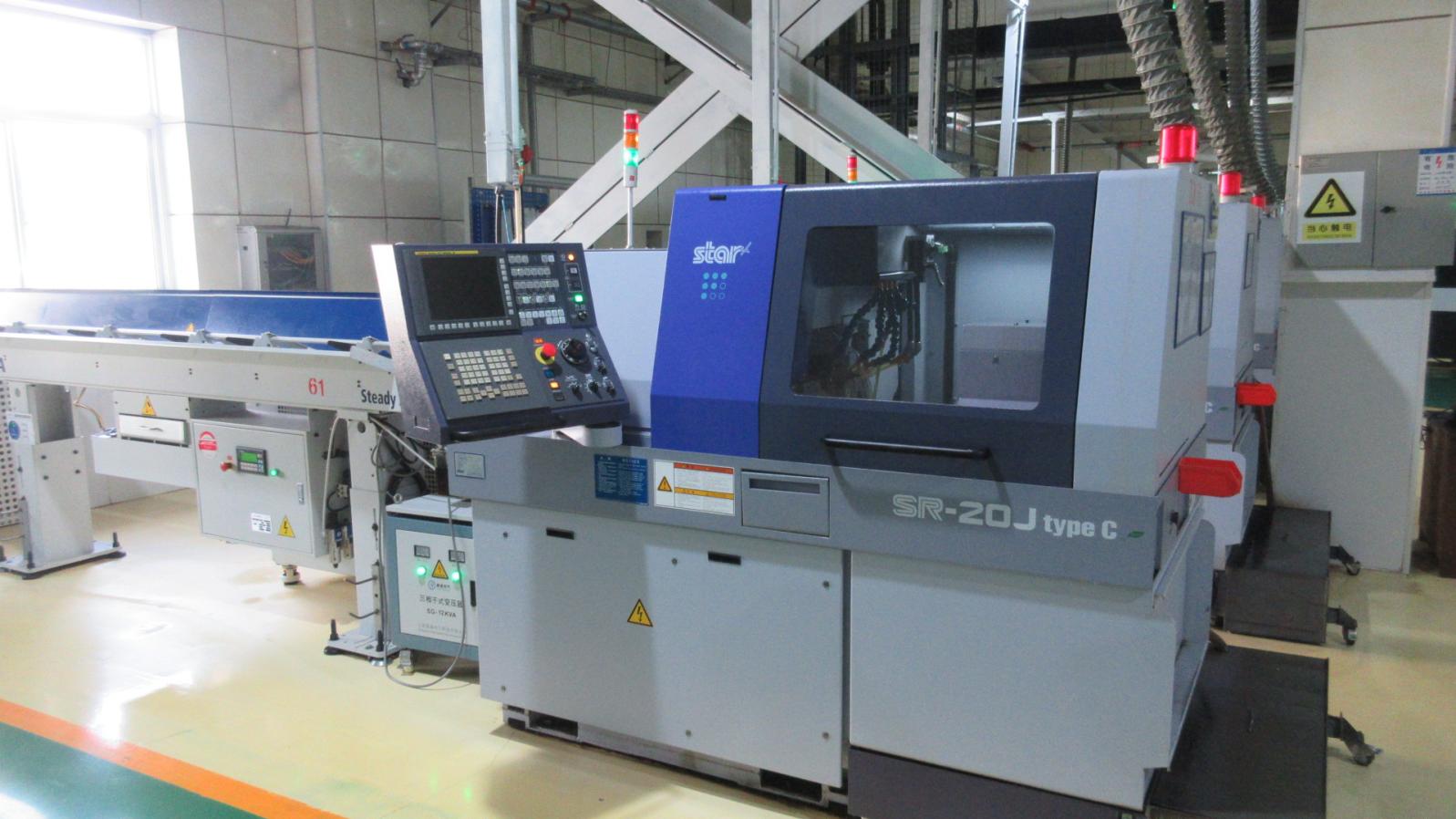
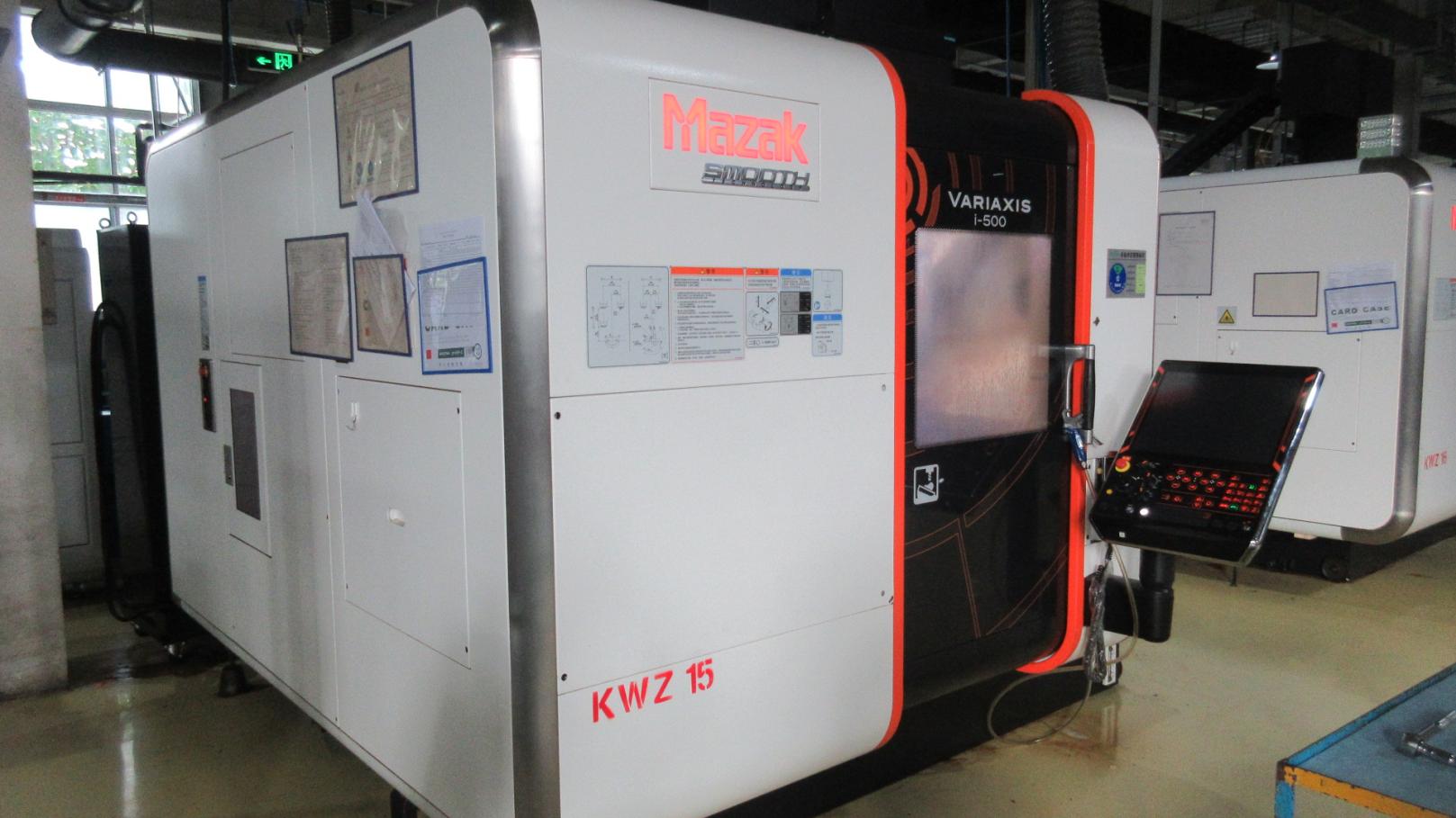
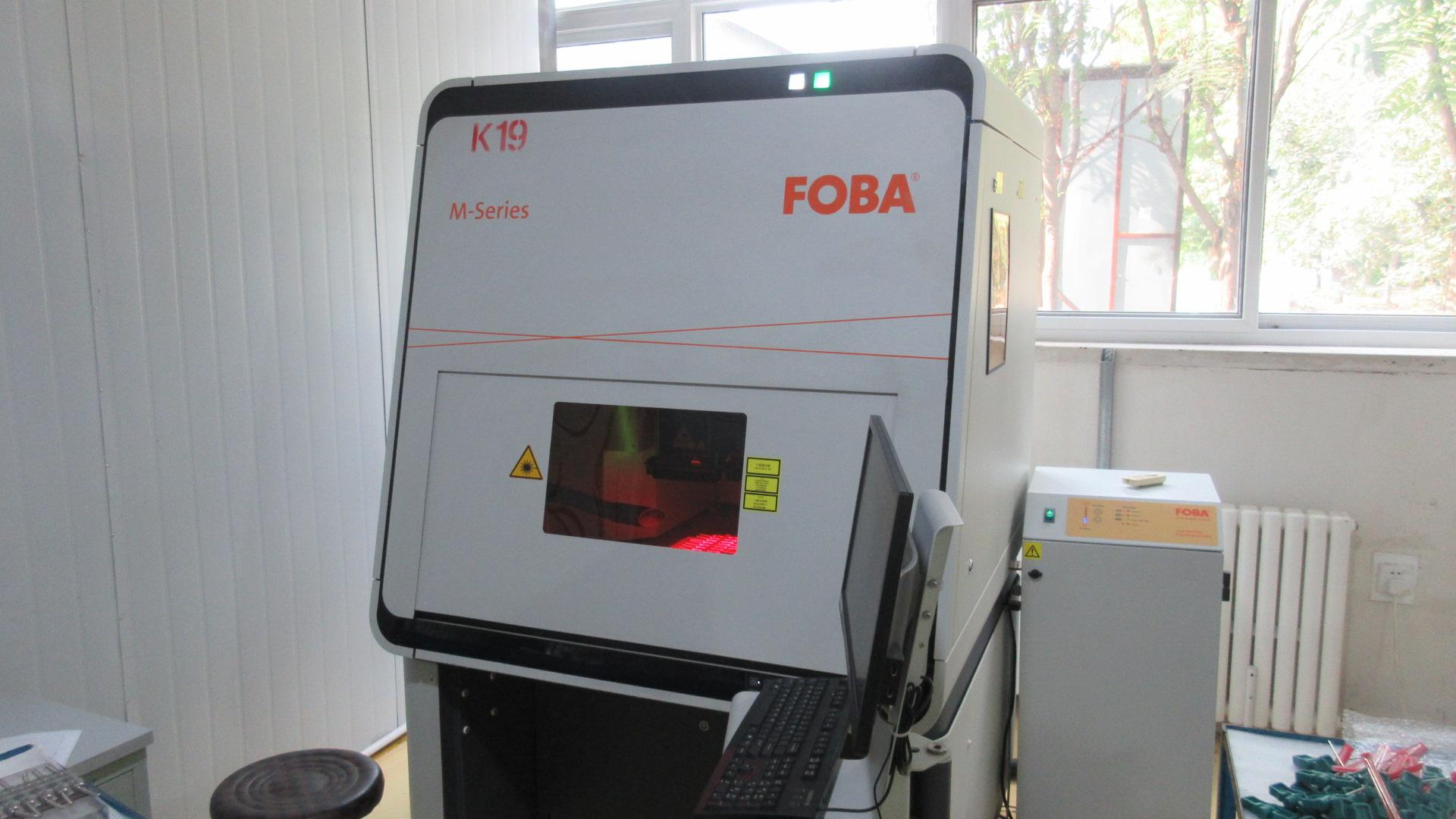
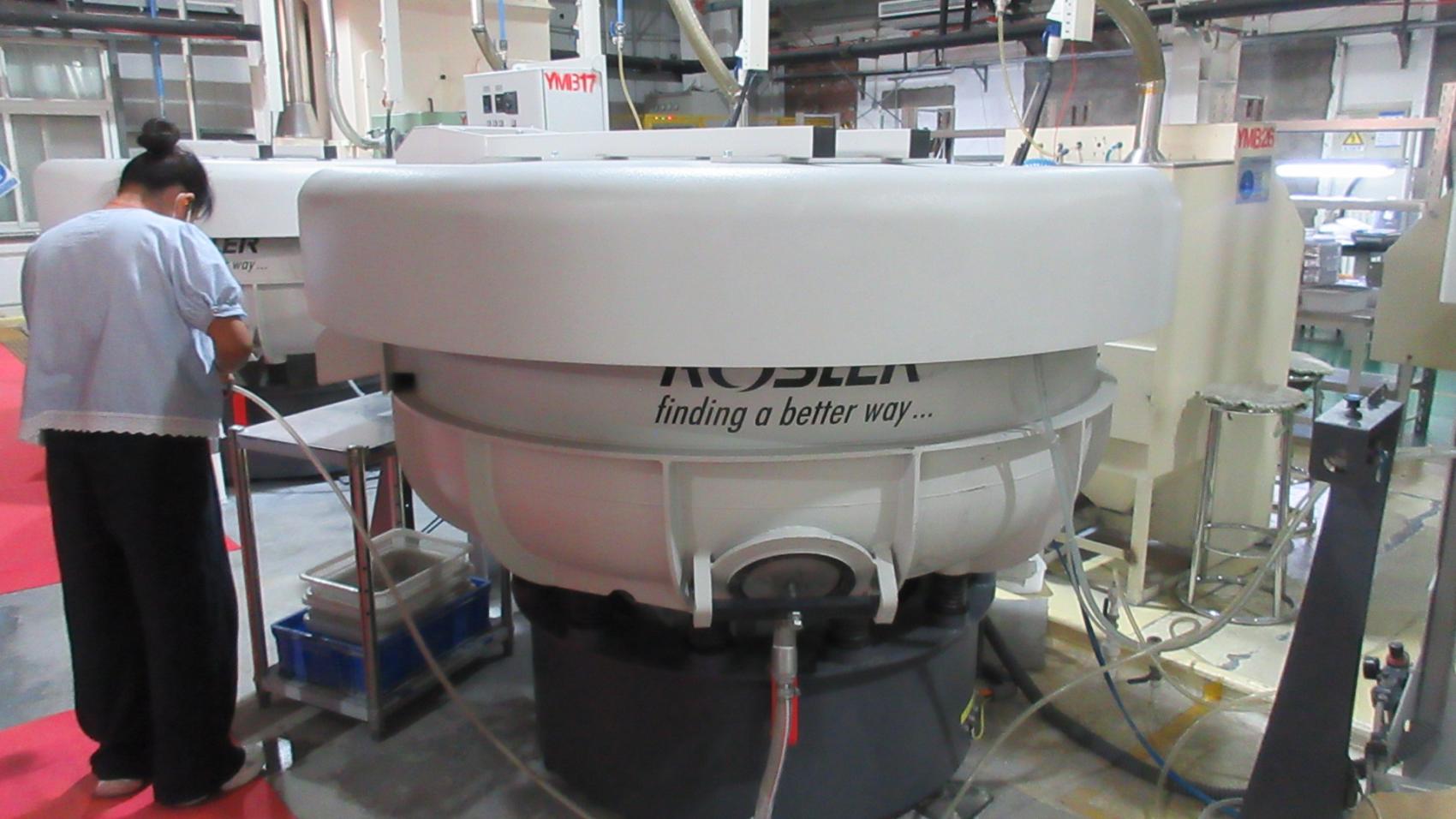
Trauma centers and regional distributors cannot afford stockouts. Robust manufacturers operate multiple dedicated manufacturing lines backed by state-of-the-art CNC centers. Having 102+ precision production machines ensures large-scale contract orders are completed, tested, and shipped on schedule without quality degradation.
Surgical trauma implants require optimal tensile strength and minimal artifacting under imaging (MRI/CT). Exporters must source certified Titanium Alloy (such as Ti-6Al-4V ELI) and medical-grade aluminum alloys to guarantee that components withstand biomechanical fatigue while remaining lightweight enough to prevent patient discomfort during extended fixation periods.
The evolution from mechanical stabilization to intelligent, biological integration in modern fracture management.
Integrating carbon fiber composite rods and micro-textured titanium pins to enhance compatibility, minimize bacterial colonization, and reduce pin-site infections in long-term applications.
Transitioning toward custom-manufactured fixation clamps and guides that utilize patient-specific CT data to construct personalized templates for complex pelvic and periarticular reconstructions.
Developing "smart" external fixators equipped with integrated strain sensors. These modules record mechanical strain data in real-time, giving orthopedic surgeons objective feedback on fracture healing and bone union progress.
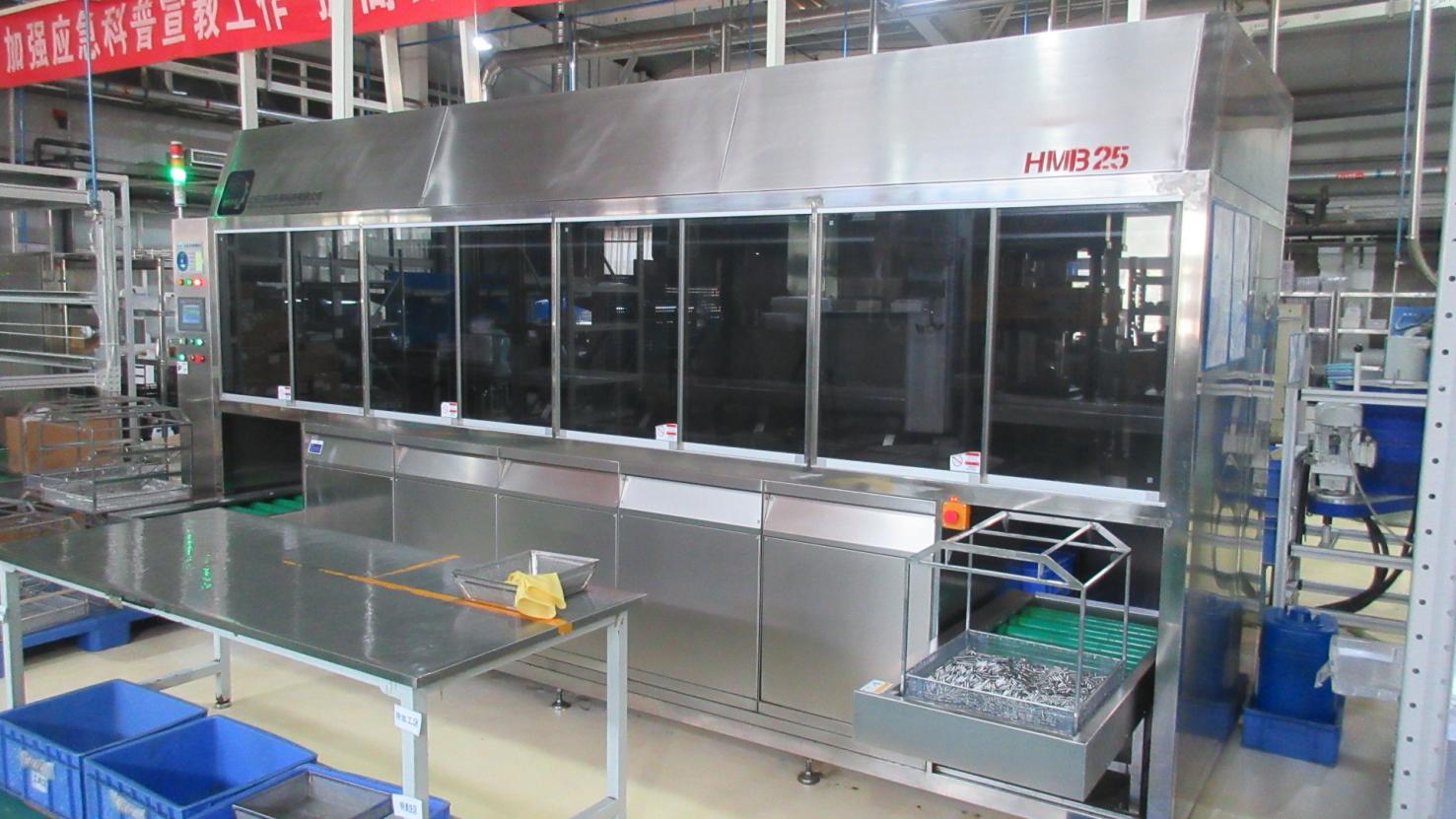
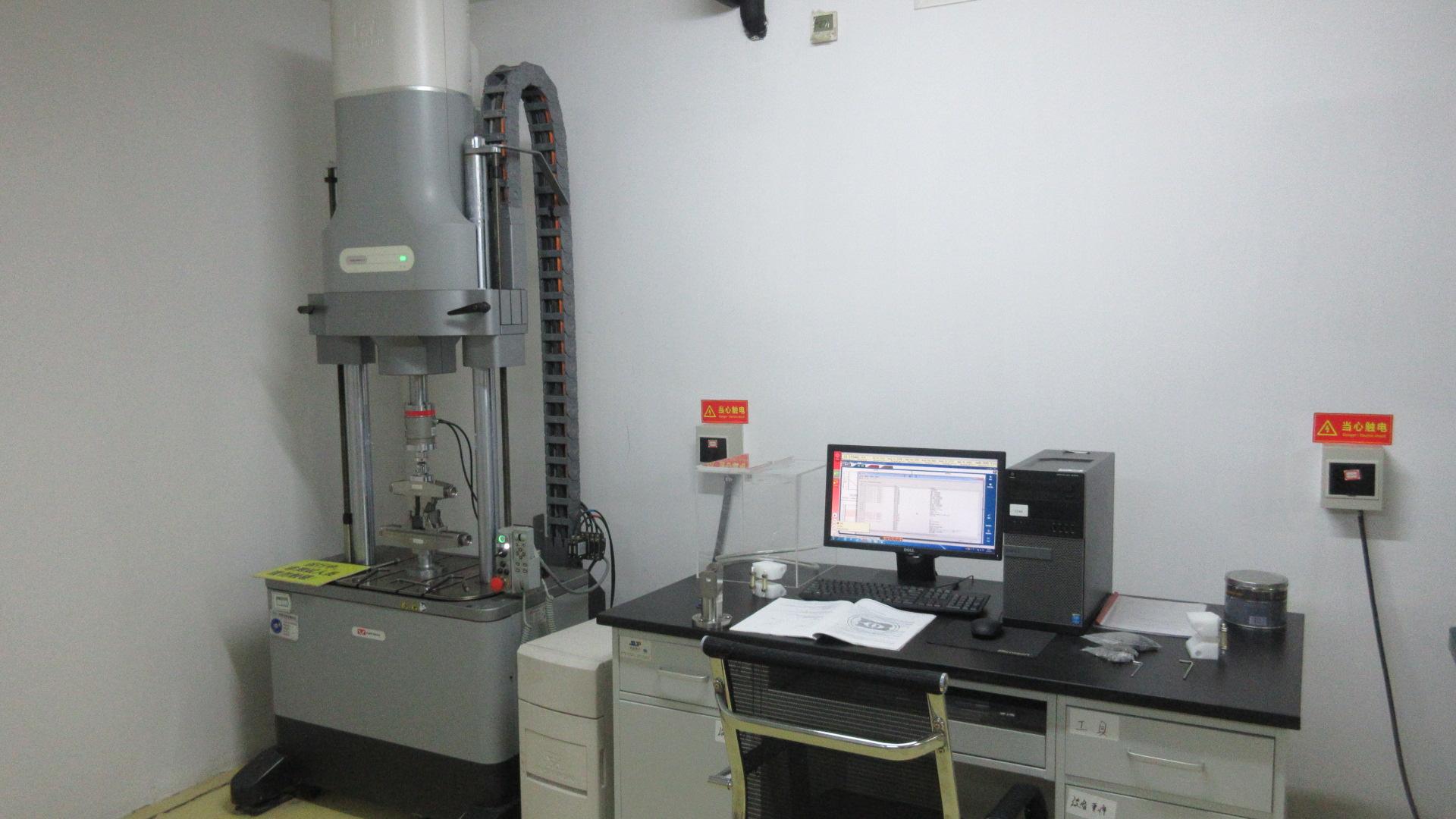
Decades of manufacturing expertise, high-precision machining, and rigorous physical testing protocols.
 ISO 13485 Quality Management (Certificate: 04724Q10000818)
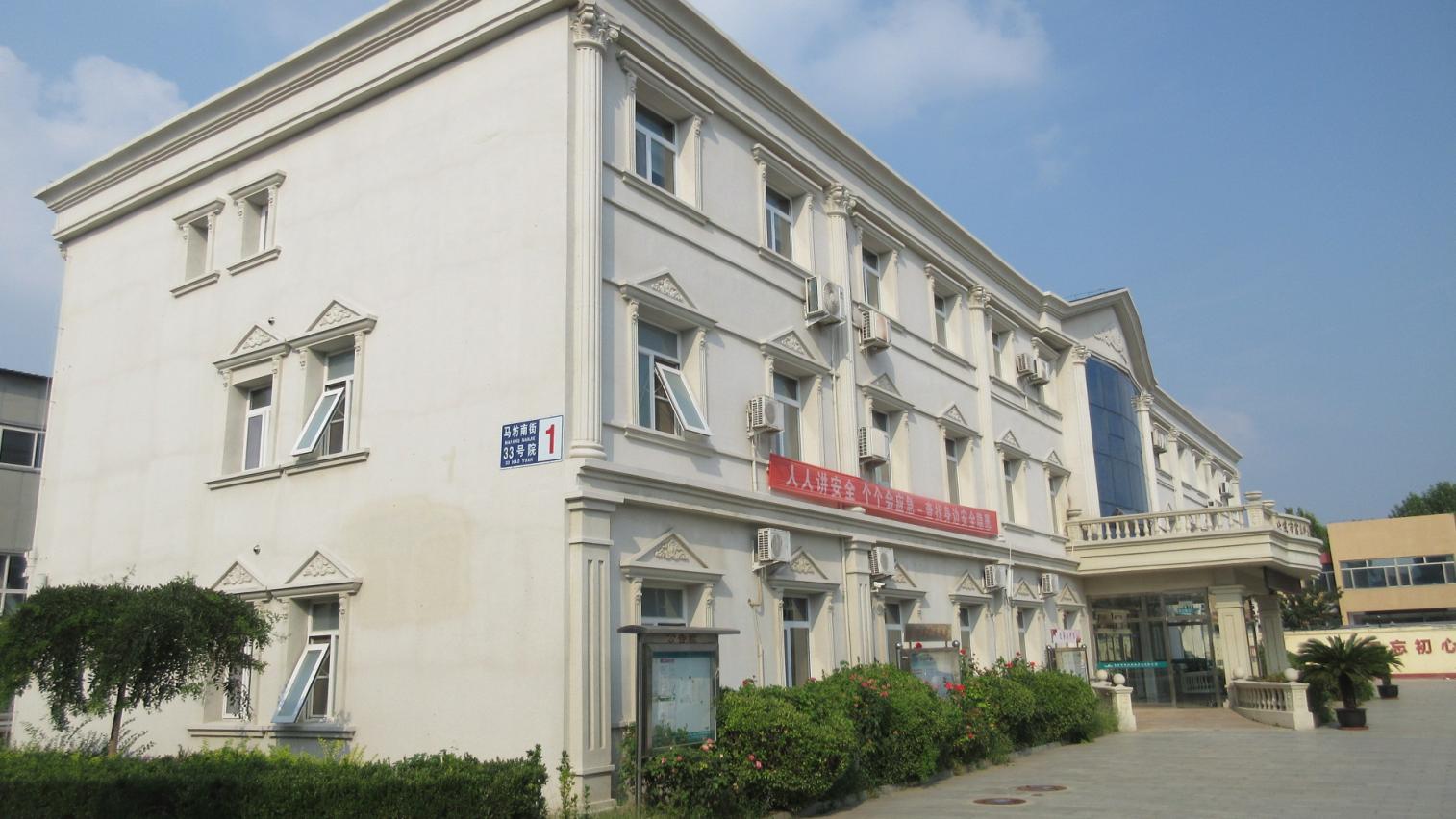
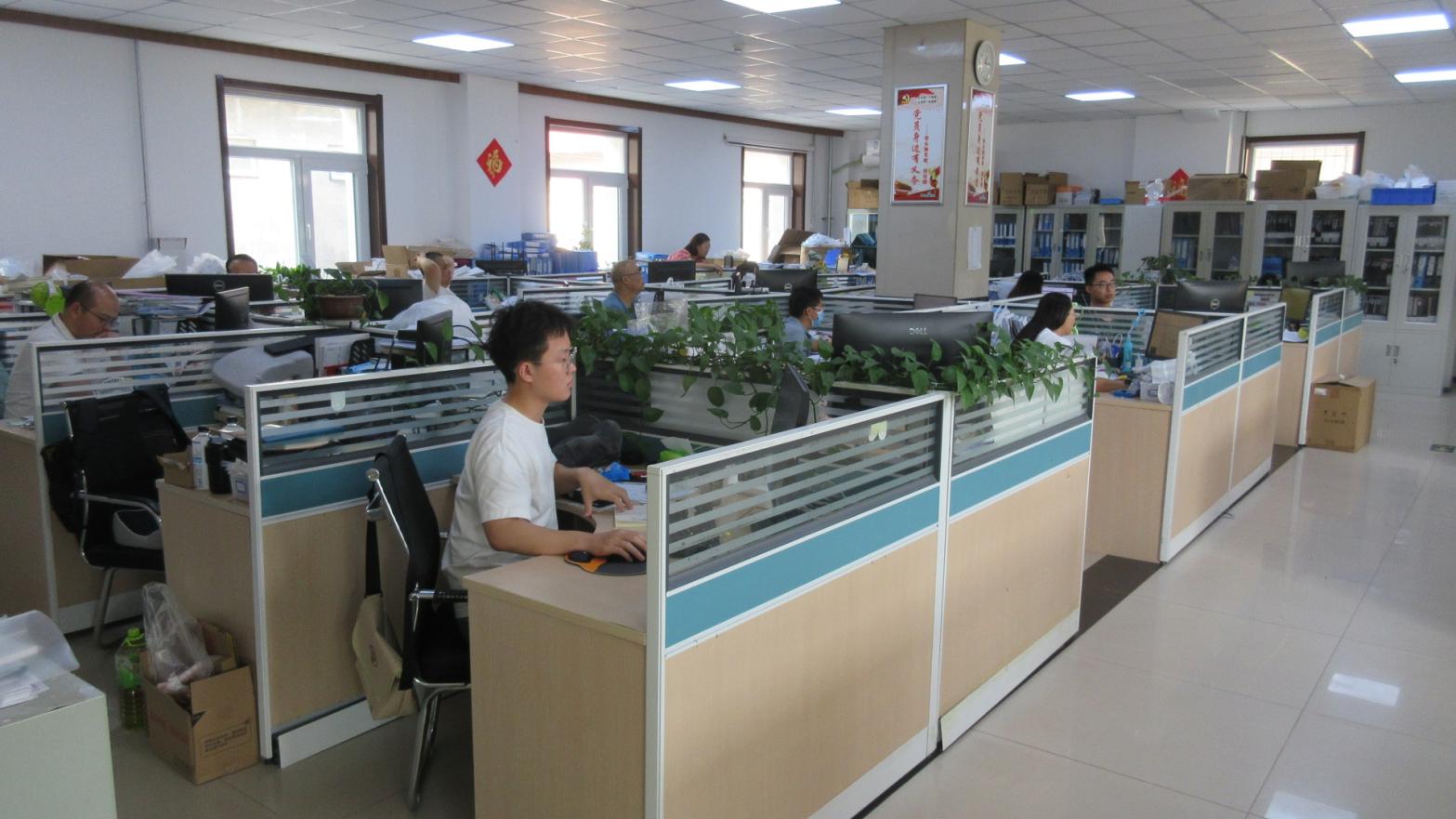
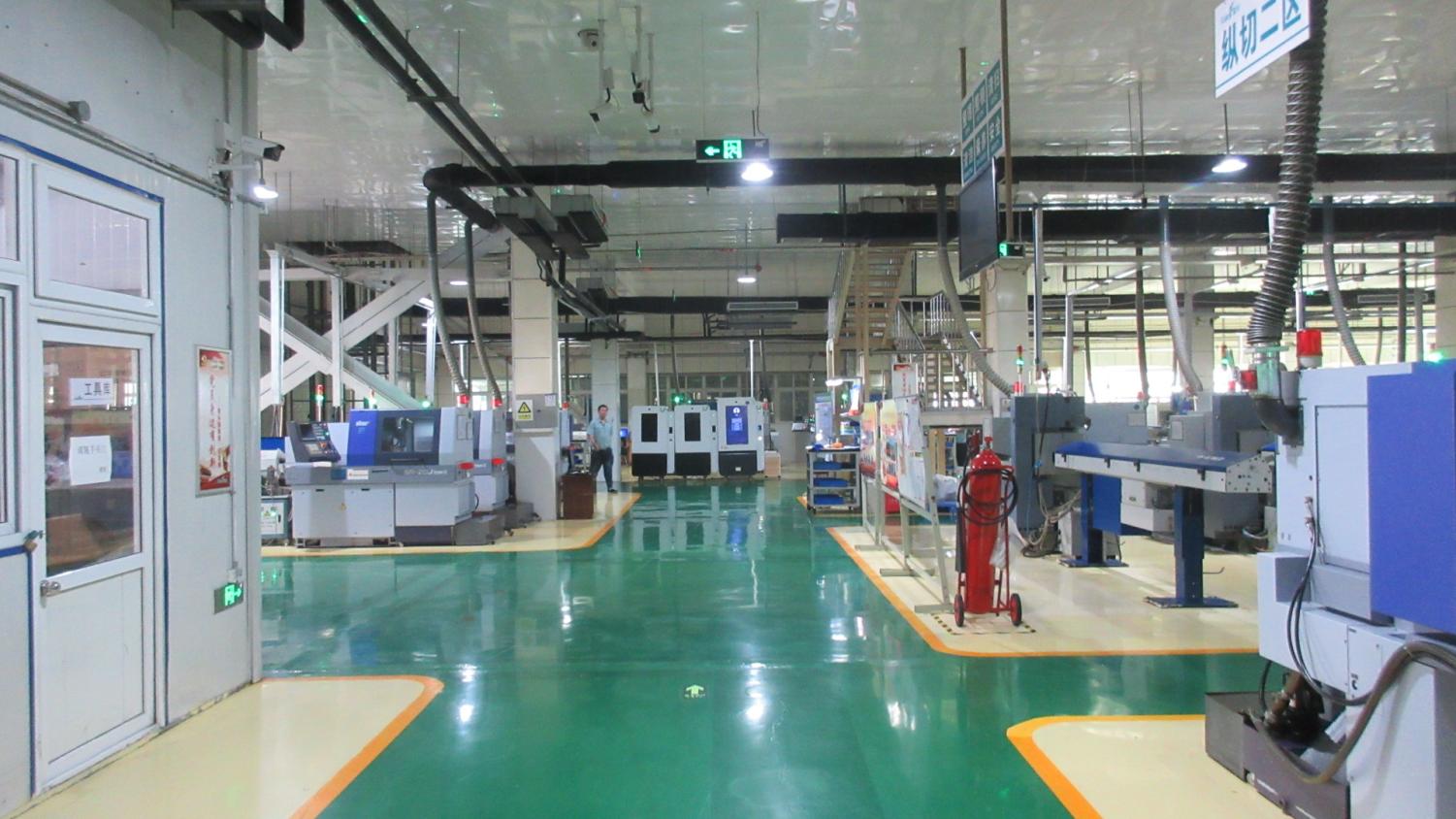
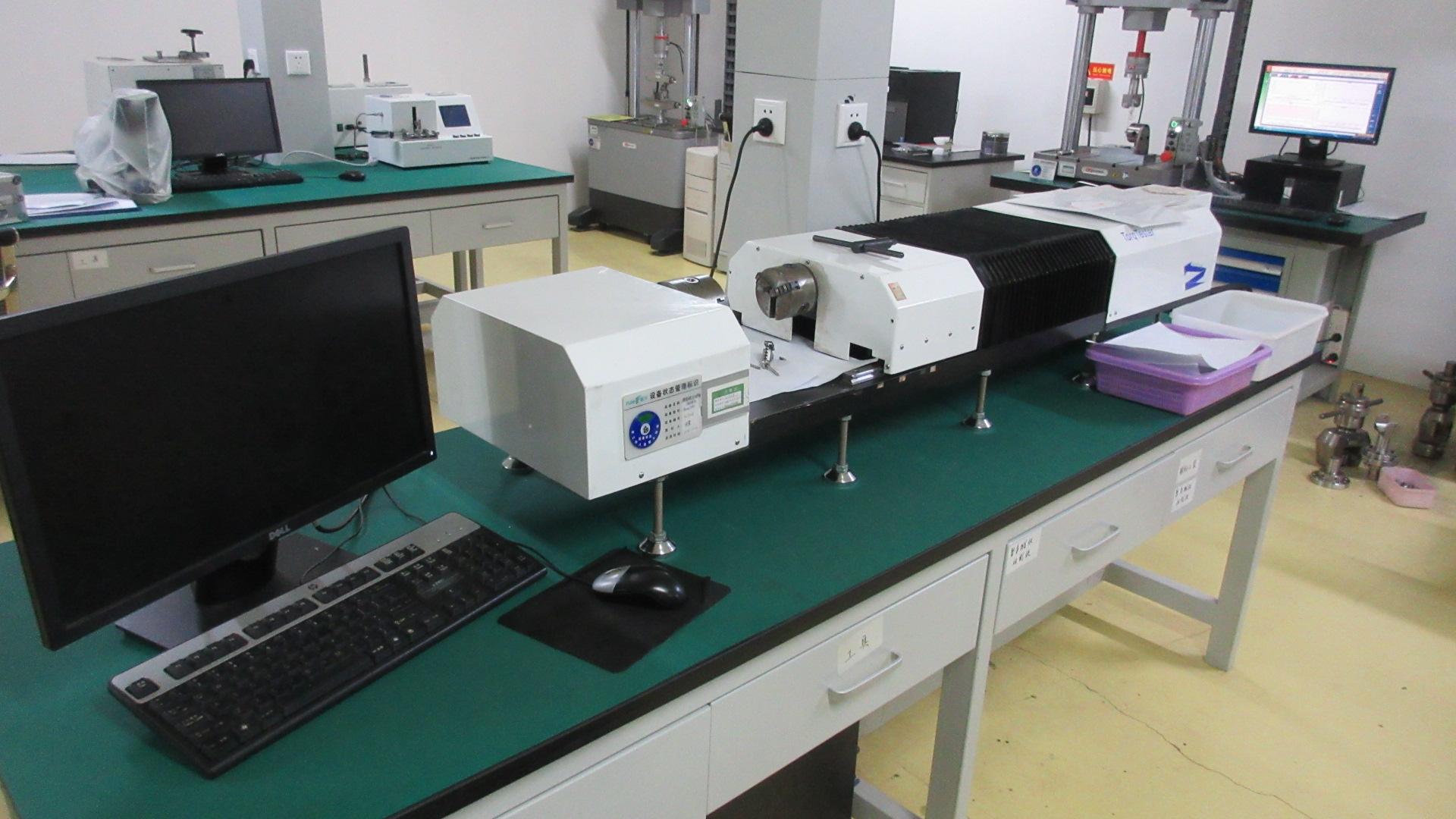
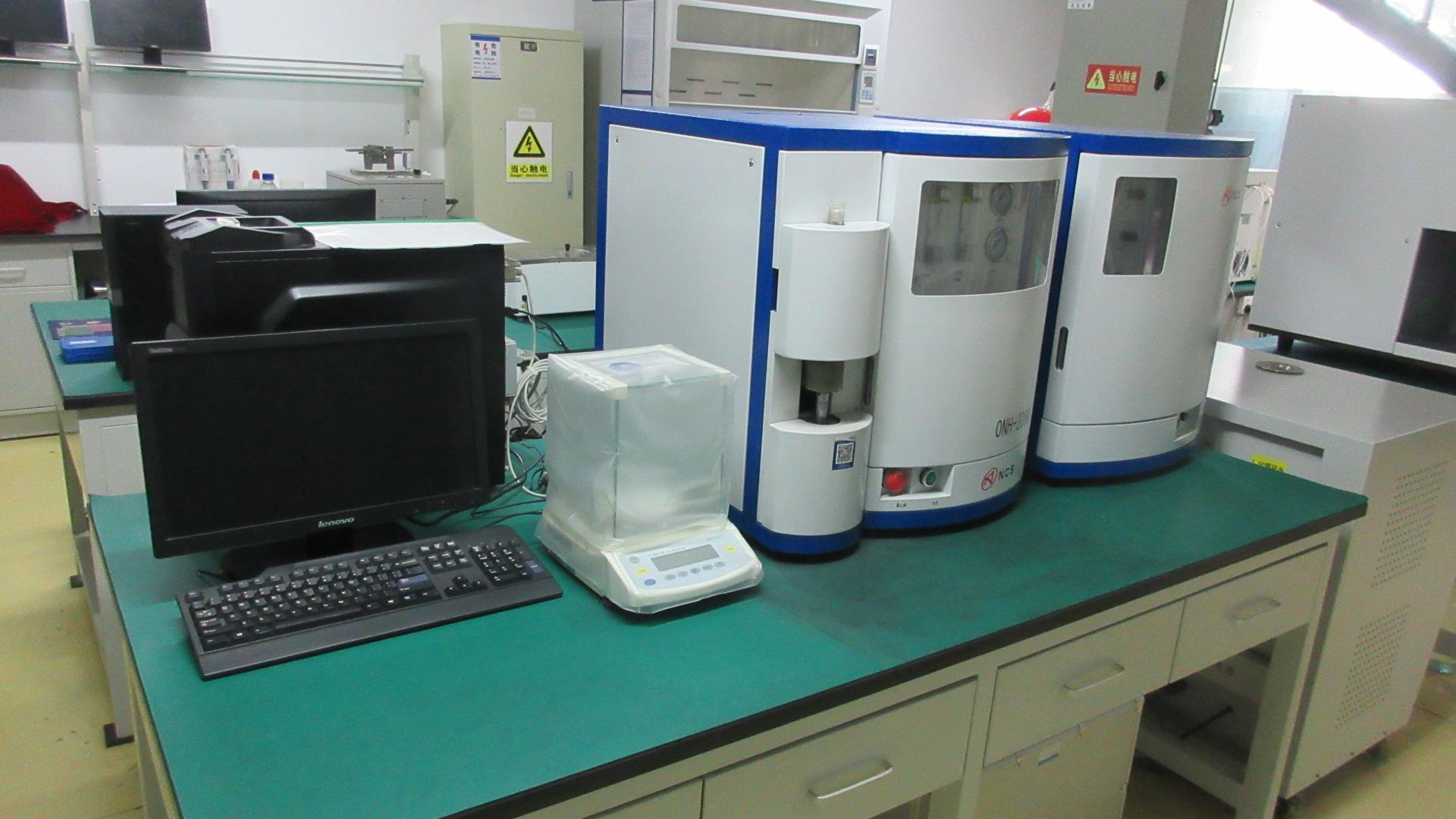
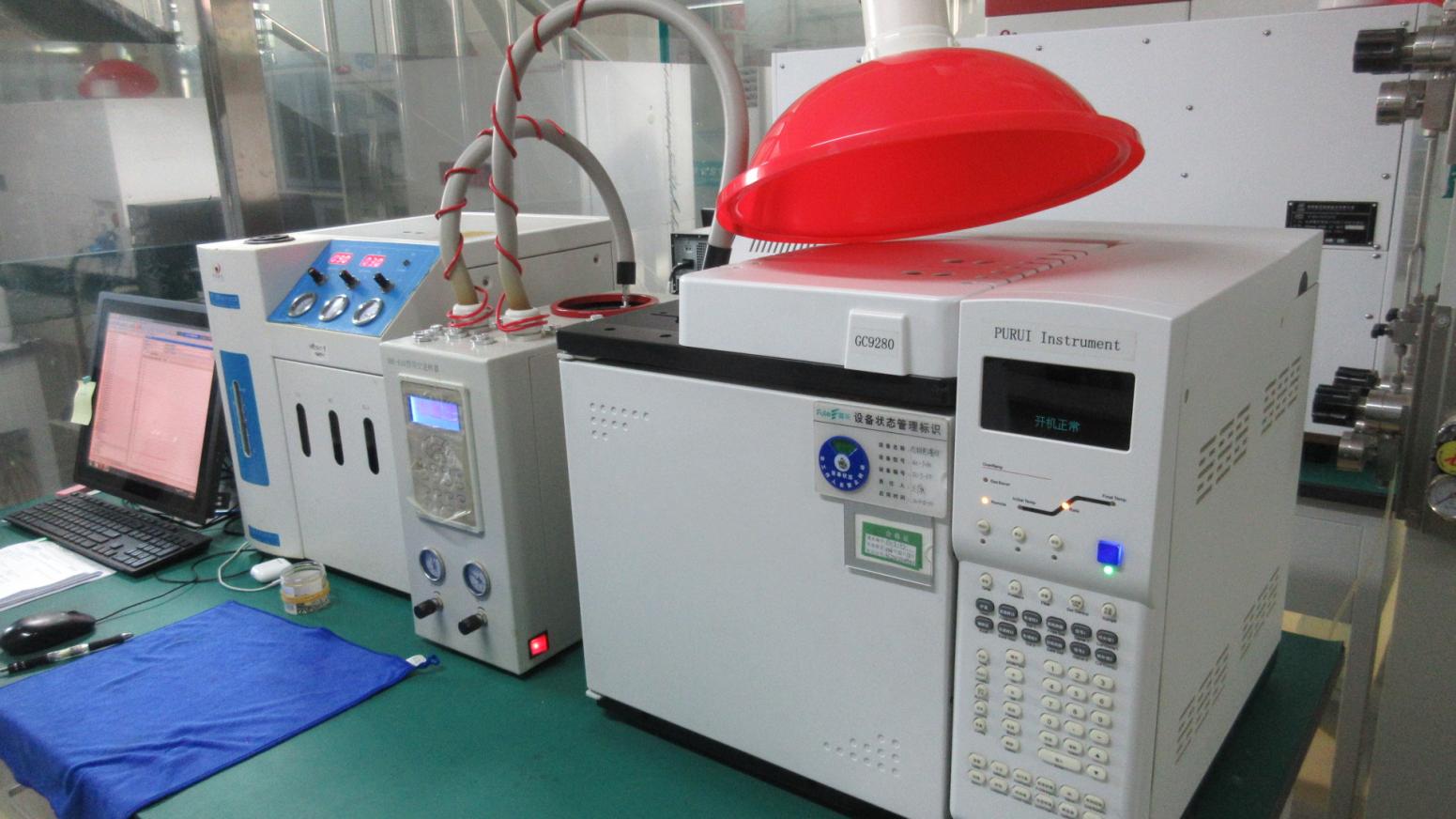
Our global footprint spans critical trauma channels and distribution networks:
Navigating the complex waters of medical device distribution requires deep regulatory intelligence and active localized support models. For regions like Eastern Europe and Southeast Asia, language barriers, local licensing documentation, and compliance testing represent steep entry barriers. Our international sales division addresses this by maintaining specialized compliance personnel who interface directly with foreign regulatory bodies.
Our localized support includes compiling and delivering complete Technical Files (for CE Class IIb and Class III pathways), providing testing reports (biocompatibility according to ISO 10993, mechanical pull-out test data, and fatigue parameters), and organizing tailored logistics pipelines. Through extensive R&D collaboration (supported by 20 dedicated engineers), we also modify thread pitches, instrument interfaces, and clamp configurations to meet regional surgical preferences.
In-depth responses to frequent technical, clinical, and regulatory questions from healthcare procurement professionals.
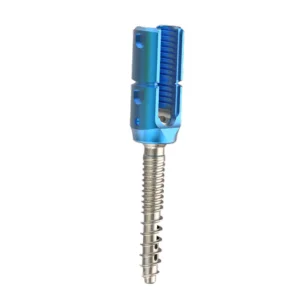
Aluminum components are utilized for the structural framework (such as modular clamps and connect bars) where lightweight handling and radiolucency are desired. Titanium (specifically Grade 5 alloy) is reserved for load-bearing transfixion pins and spinal implants (pedicle screws, rod systems) that interface directly with host bone tissue. Titanium offers superior biocompatibility, bone osseointegration, and excellent fatigue resistance, which are necessary for long-term stabilization.
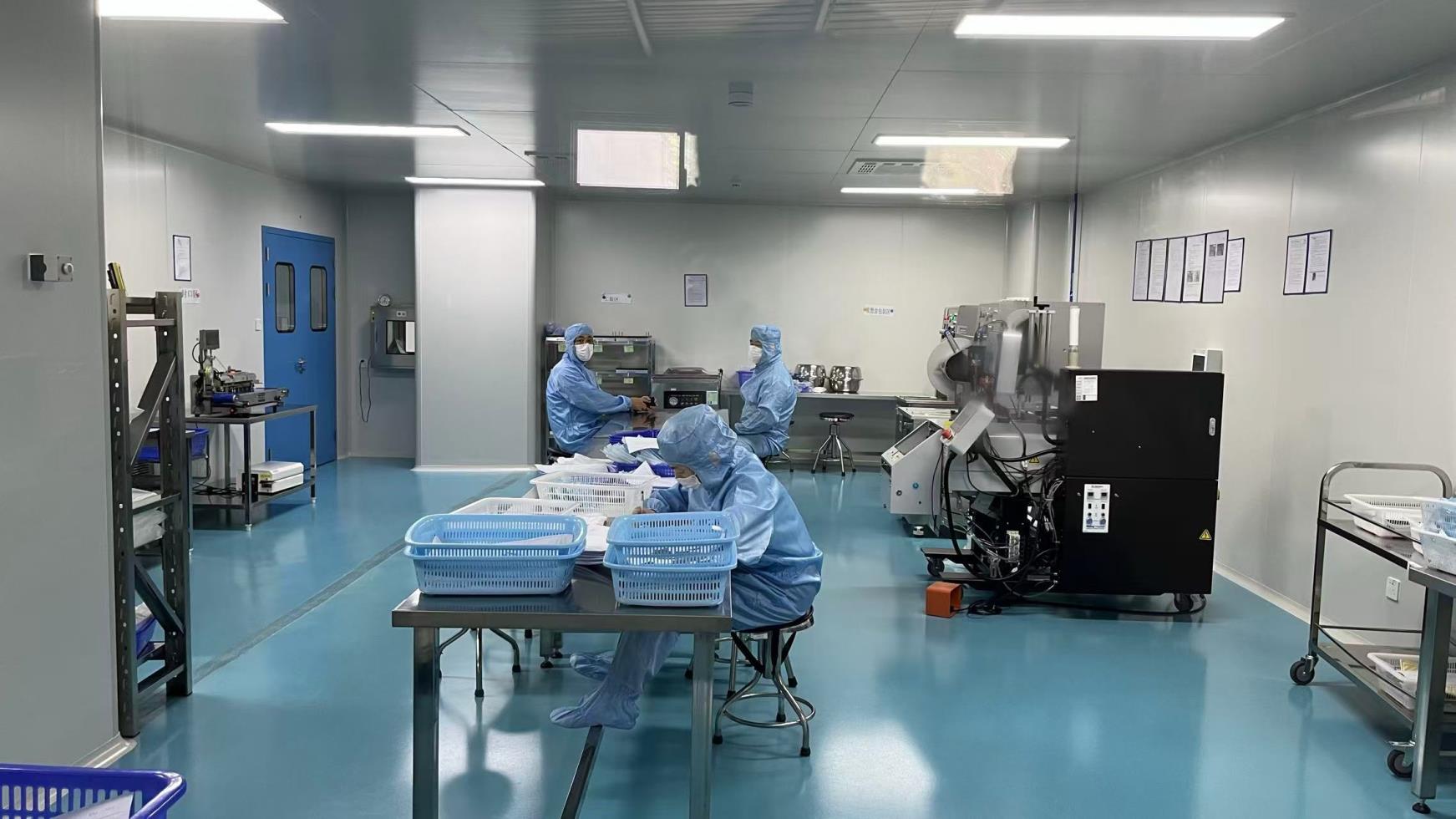
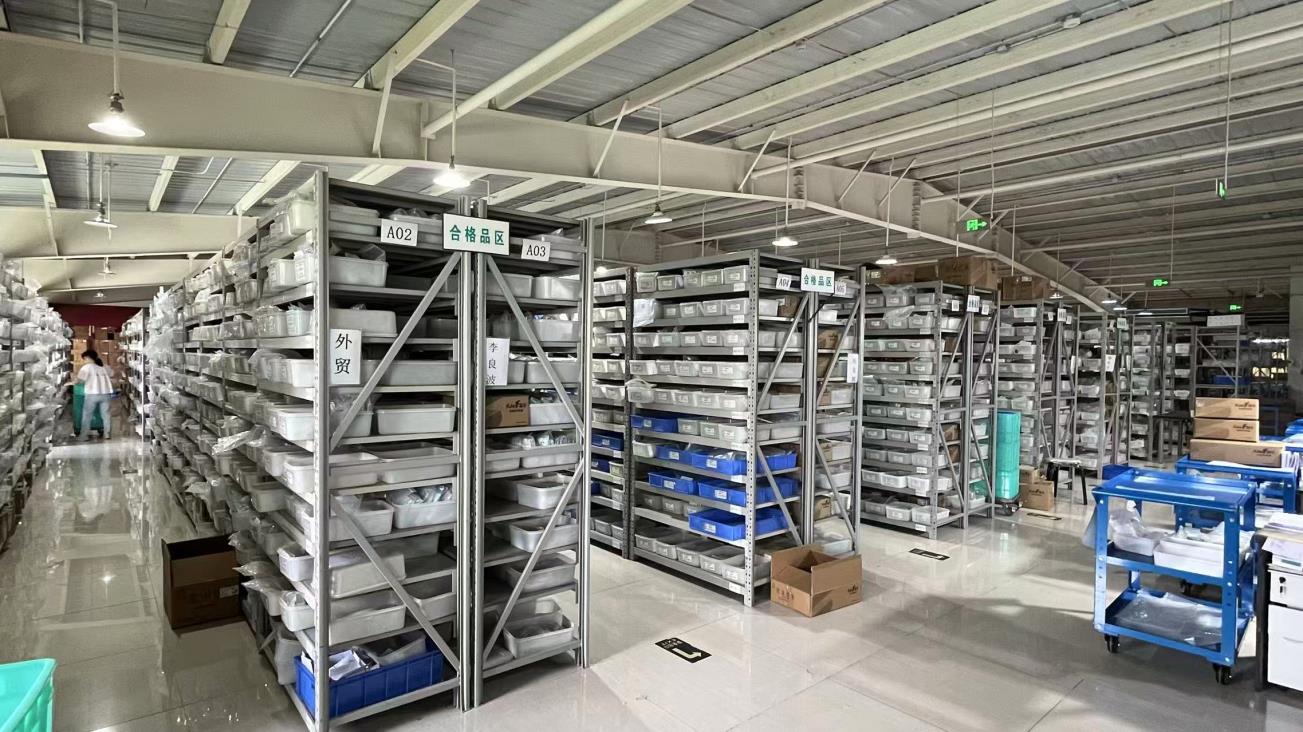
We execute a 100% comprehensive inspection on all production lines overseen by 15 dedicated QA/QC inspectors. Raw materials are fully traceable from input to dispatch. Crucial manufacturing steps, final cleaning, and packaging operations are conducted inside ISO Class 7/8 cleanrooms. This ensures that every spinal fixation implant and external fixator kit complies with particle-count and bioburden limits prior to sterilization.
Yes. Supported by our 20-engineer R&D department and 102 precision machines, we offer options for sample processing, graphical modifications, and custom design generation. This allows distributors to adjust clamp designs, pin sizes, instrument handles, or spinal plate profiles to meet local hospital demands or medical preferences.
We possess ISO 13485 certification (Certificate: 04724Q10000818) and CE markings for our orthopedic implants and surgical instruments. Our documentation packages include detailed Material Test Reports (MTRs), biocompatibility reviews, and clinical validation histories, facilitating smooth approvals during national healthcare tenders.
With an annual capacity exceeding 511,000 units and 102 active CNC machines, typical lead times range between 30 to 45 days depending on the volume and customization needs. For stock configurations of standard Hoffman external fixators and spinal screw-rod kits, rapid dispatch is available.
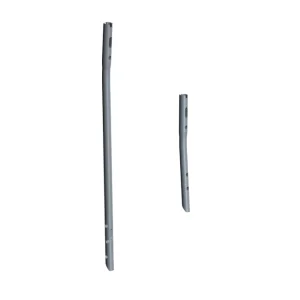
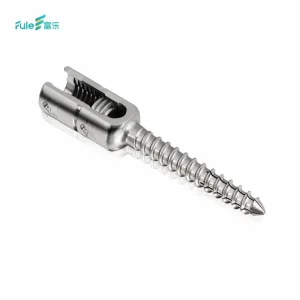
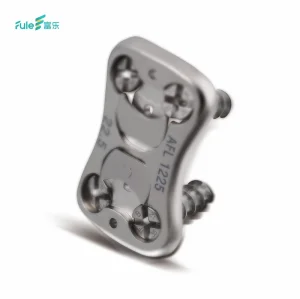
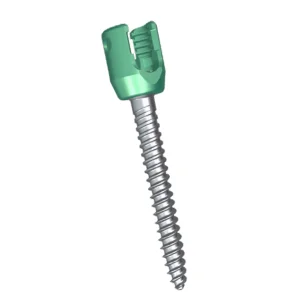
Browse our selection of CE-certified intramedullary nails, pedicle screws, and variable-angle plate systems designed for trauma reconstruction.
 Beren Science & Technology