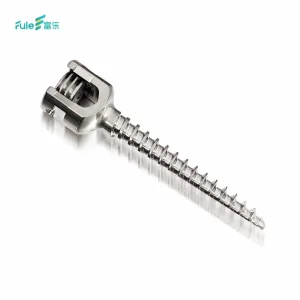
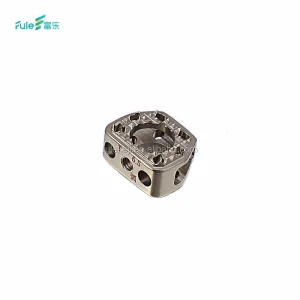
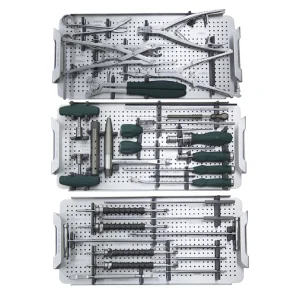
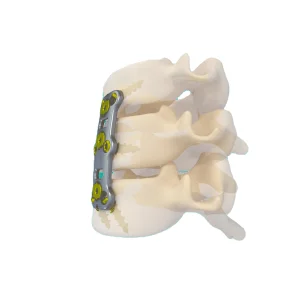
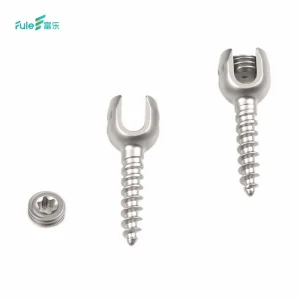
Explore our leading spinal fixation systems, cervical plates, and orthopedic structures engineered for absolute stability and patient safety.
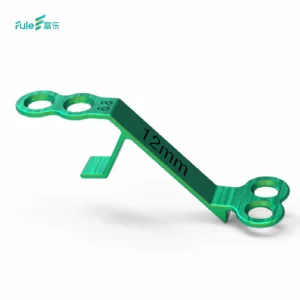
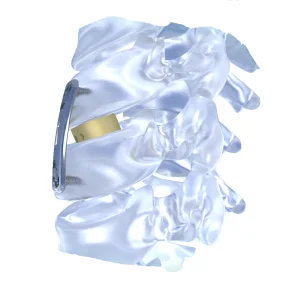
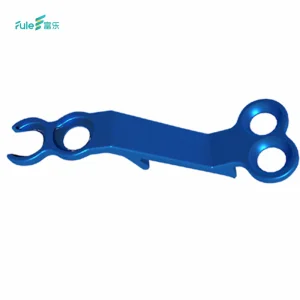
Leveraging 30 years of manufacturing intelligence to provide hospital-grade surgical components globally.
Supervised by 20 highly qualified R&D engineers, with 15 graduate specialists, continuously deploying cutting-edge minimally invasive device models annually.
A rigorous quality protocol managed by 15 dedicated QA/QC inspectors across all production channels, featuring raw material traceability from stock-entry to post-op feedback.
Global supply chain support serving key regions (Domestic 40%, Eastern Europe 15%, Southeast Asia 10%) via top express partners (DHL, FedEx) with complete custom sample processing capabilities.
Minimally invasive orthopedic interventions, particularly knee arthroscopy, demand unmatched technical precision from surgical instruments. Designed to diagnose and treat joint conditions such as meniscus tears, cruciate ligament injuries, and synovial diseases, these medical instruments operate under extreme physical constraints. Selecting a certified manufacturer is crucial for global distributors, wholesalers, and medical institutions to ensure patient safety and structural durability during arthroscopic surgeries.
The global orthopedics market is transitioning rapidly toward micro-invasive, high-definition visualization, and specialized resection tools. High-frequency shaver systems, radiofrequency probes, hand instruments (punches, graspers, scissors), and suturing accessories are now manufactured with advanced materials like biocompatible titanium alloys (Ti6Al4V ELI) and specialty martensitic stainless steel. These materials are chosen for their superior yield strength and resistance to cyclical sterilization processes.
Key technological advancements driving modern production lines include:
Procuring medical-grade arthroscopy tools presents challenges due to varying international regulations, material requirements, and supply chain constraints. Wholesalers and hospitals require supply partners that offer high production capacity, strict compliance certifications, and reliable support.
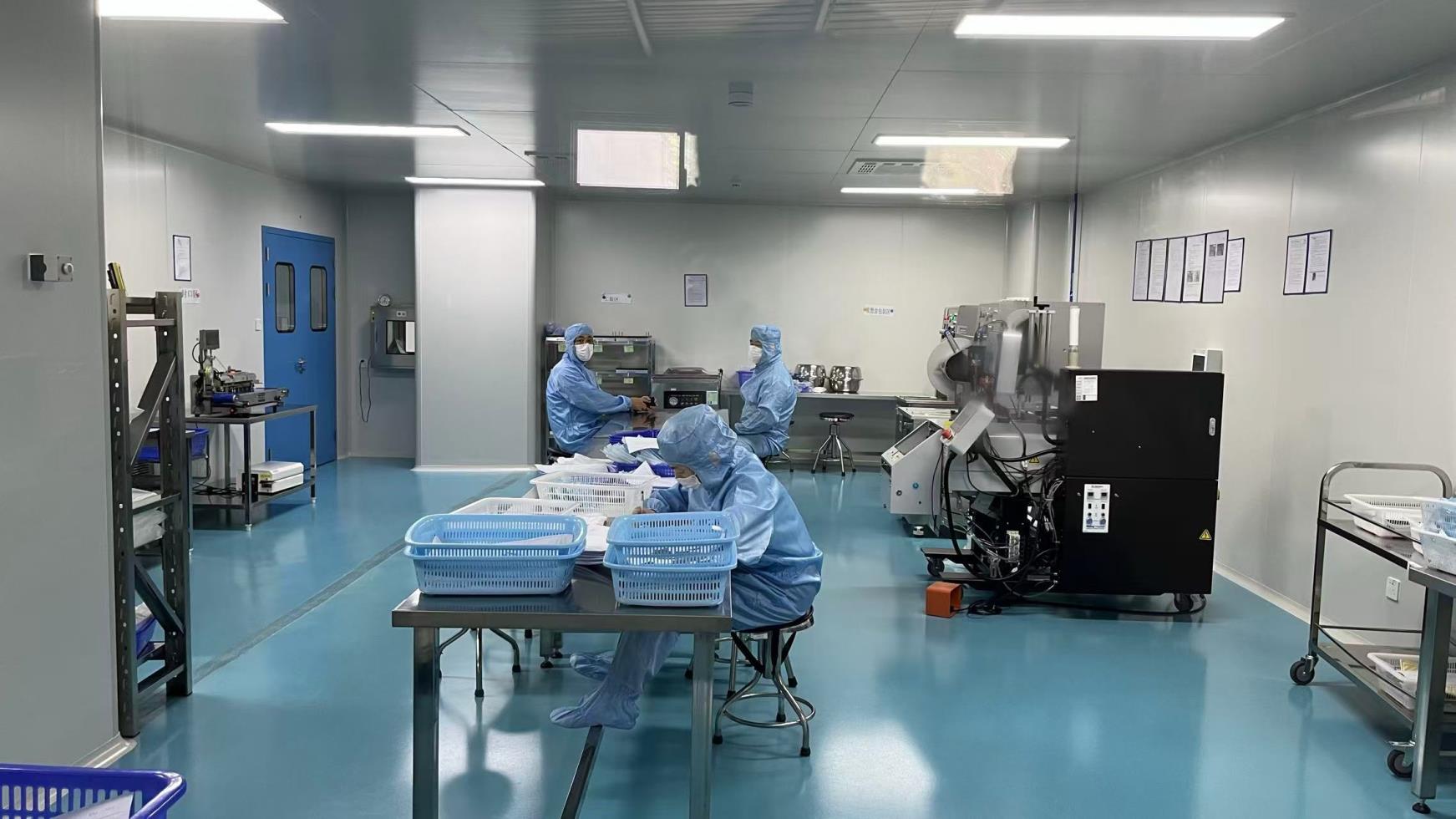
Securing regulatory approvals (CE, FDA, ISO13485) is critical when importing surgical instruments. Our facility maintains comprehensive documentation, including material test reports, biocompatibility credentials, and cleanroom processing logs, ensuring seamless customs clearance and local medical registration.
Customizing instruments to match specific clinical requirements is essential for modern surgical setups. Our R&D department leverages computer-aided design (CAD) and rapid prototyping to produce bespoke hand instruments, specialized shaver blade tips, and custom sterilization trays tailored to client needs.
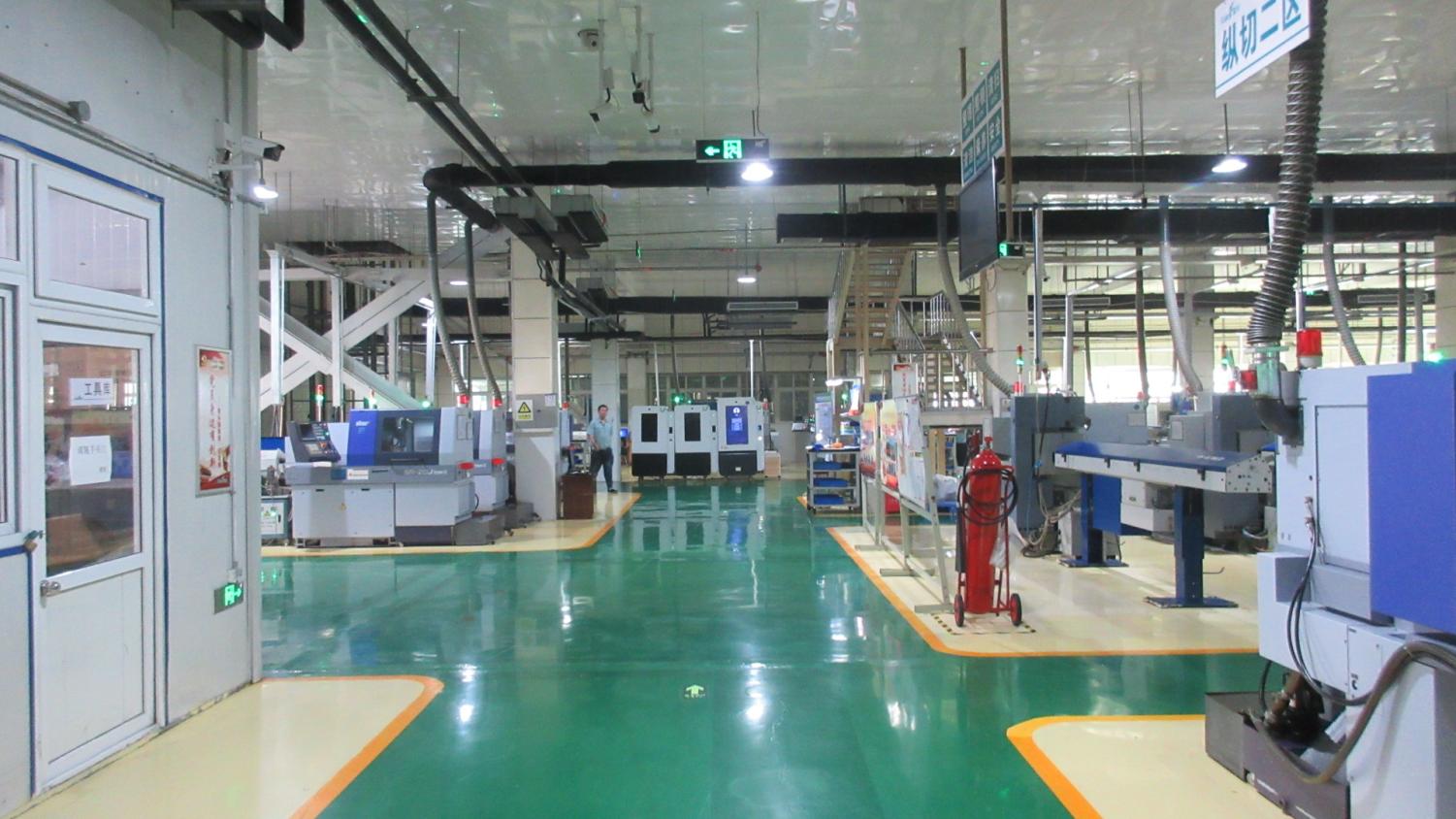
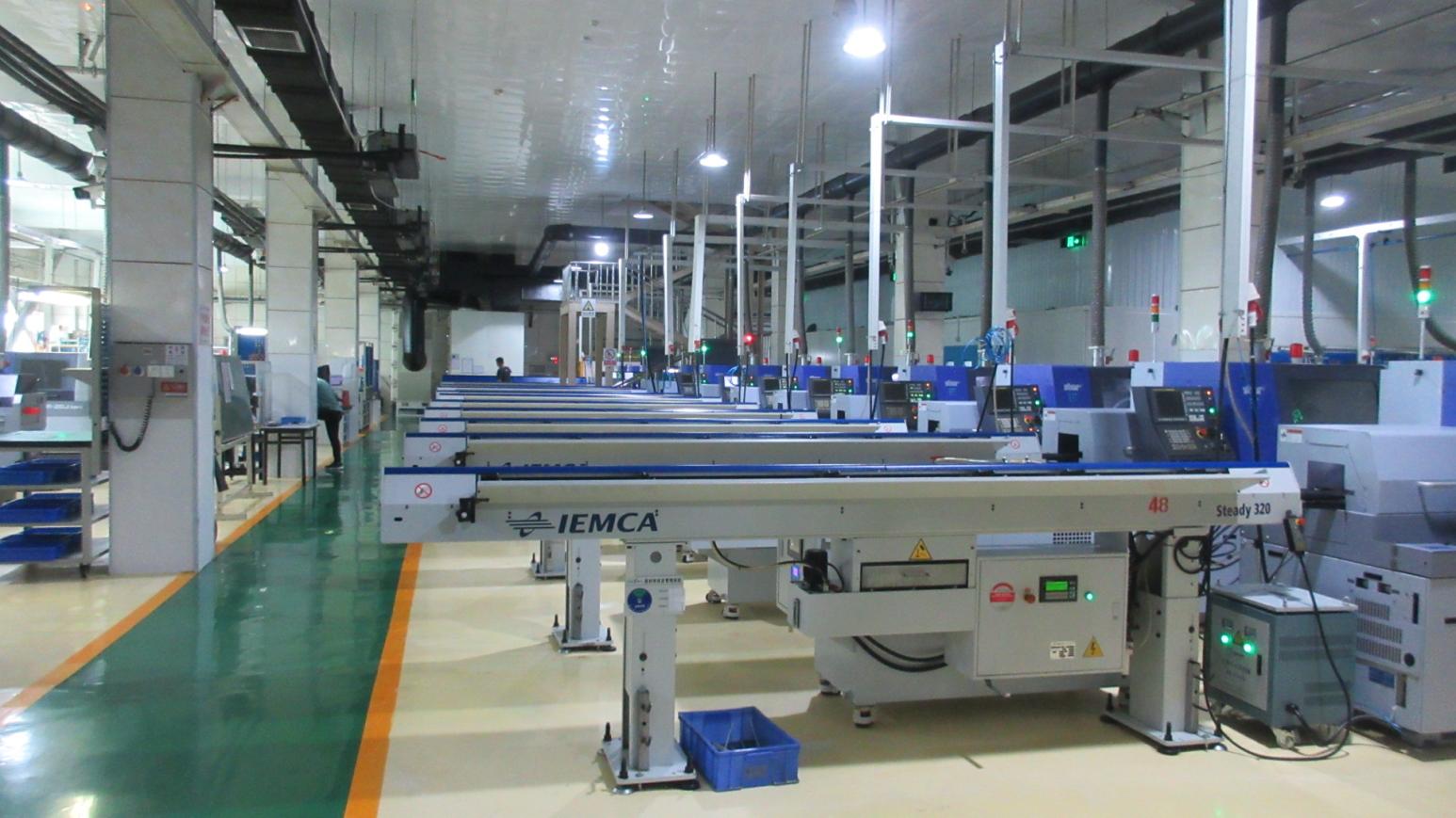
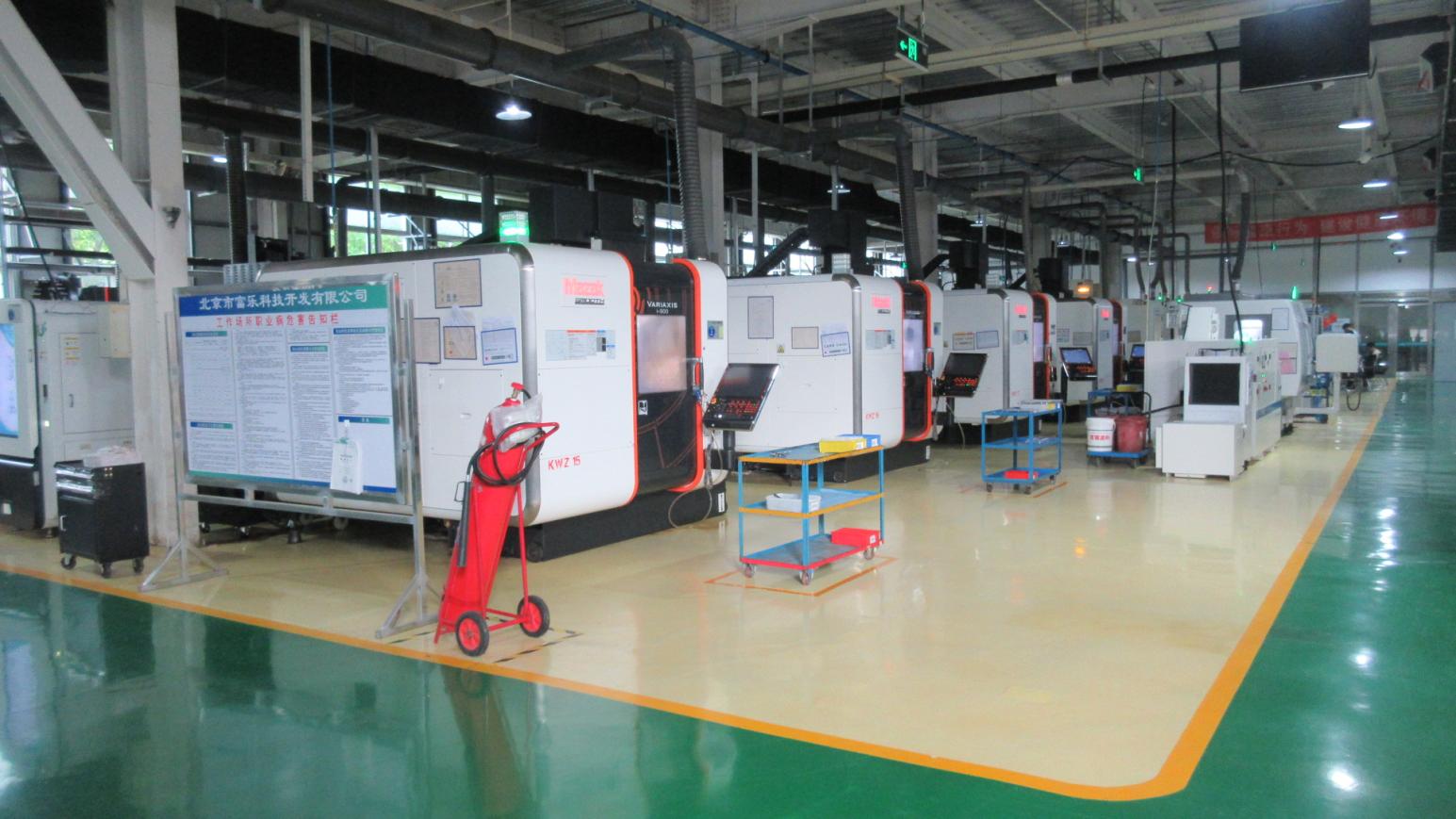
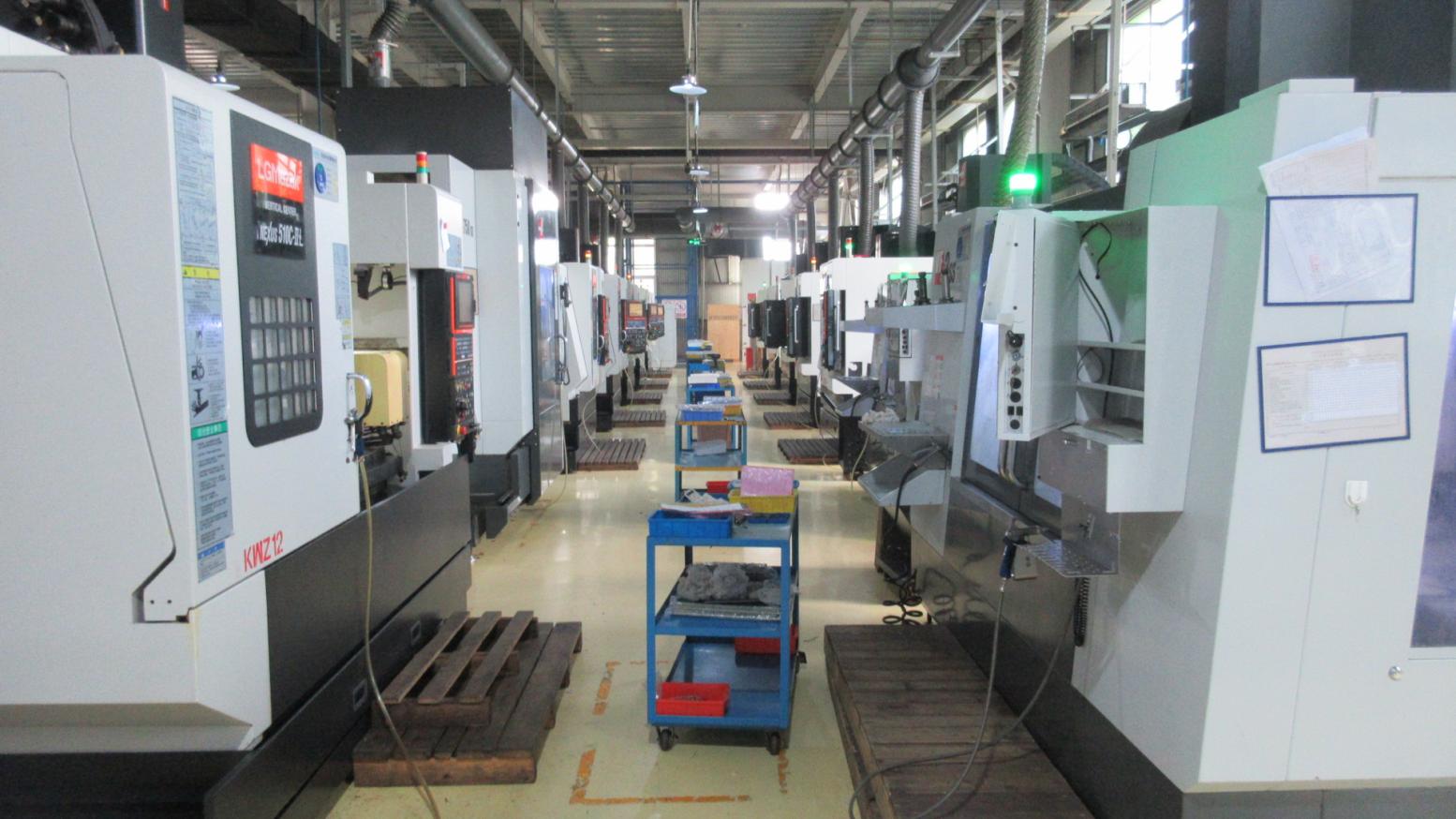
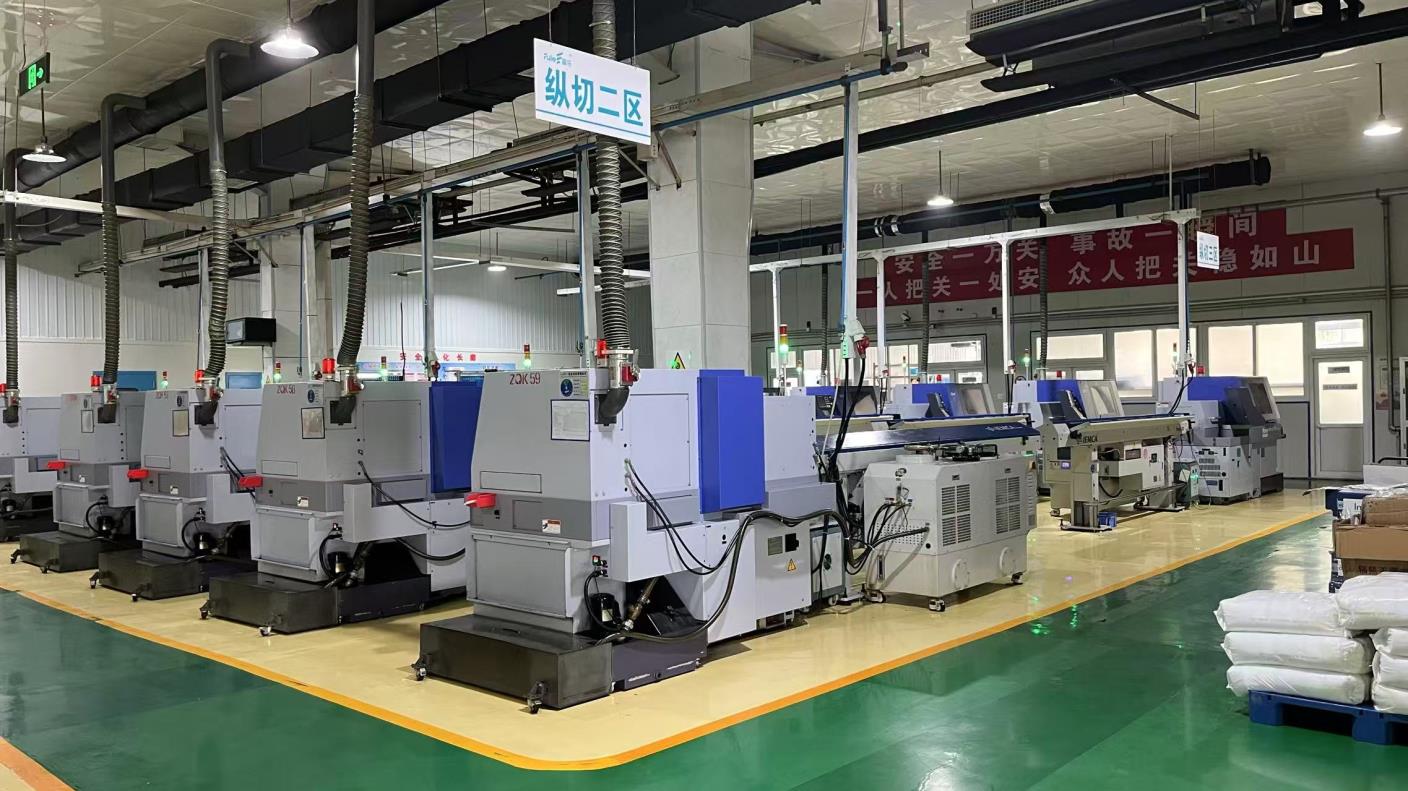
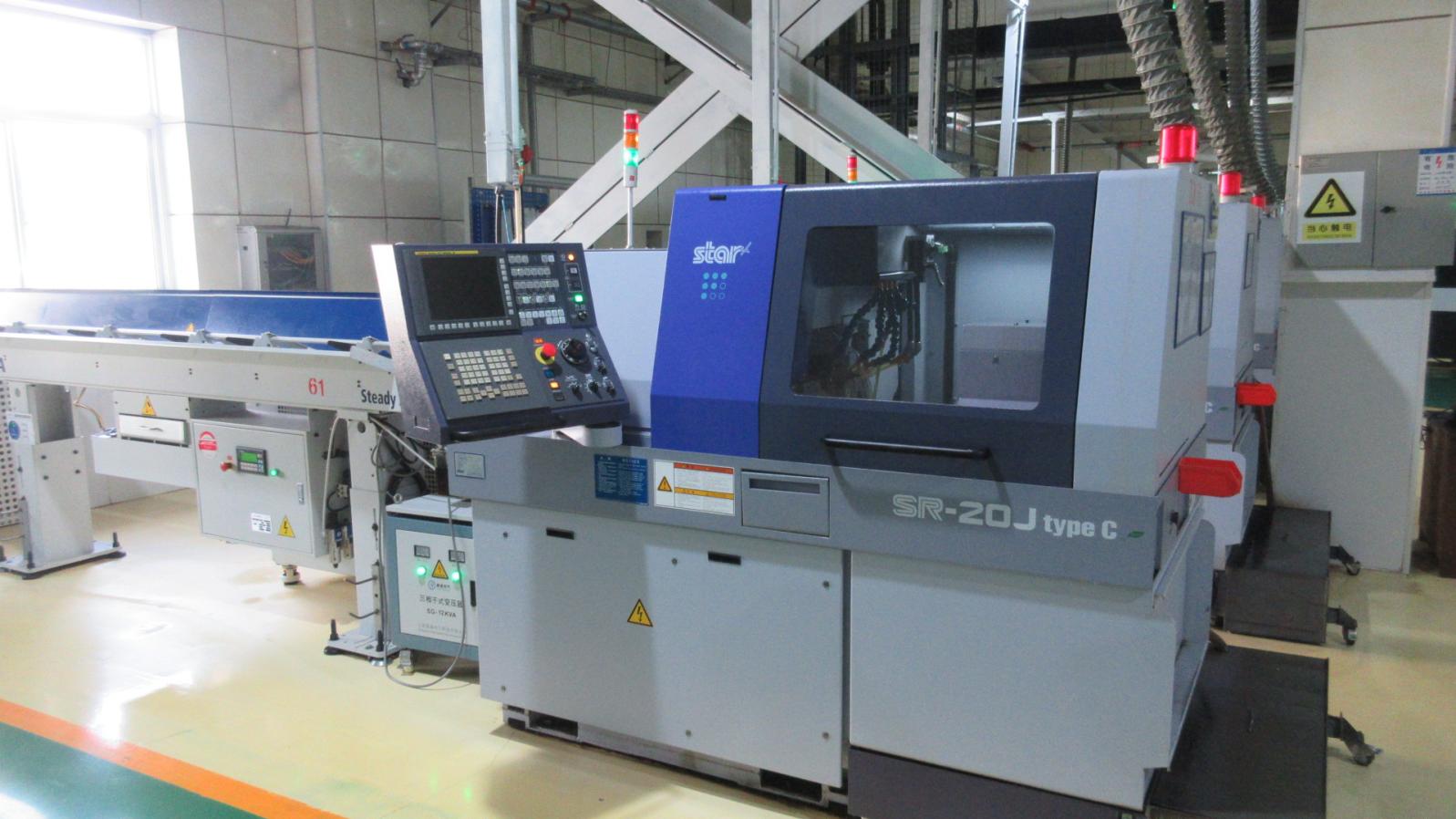
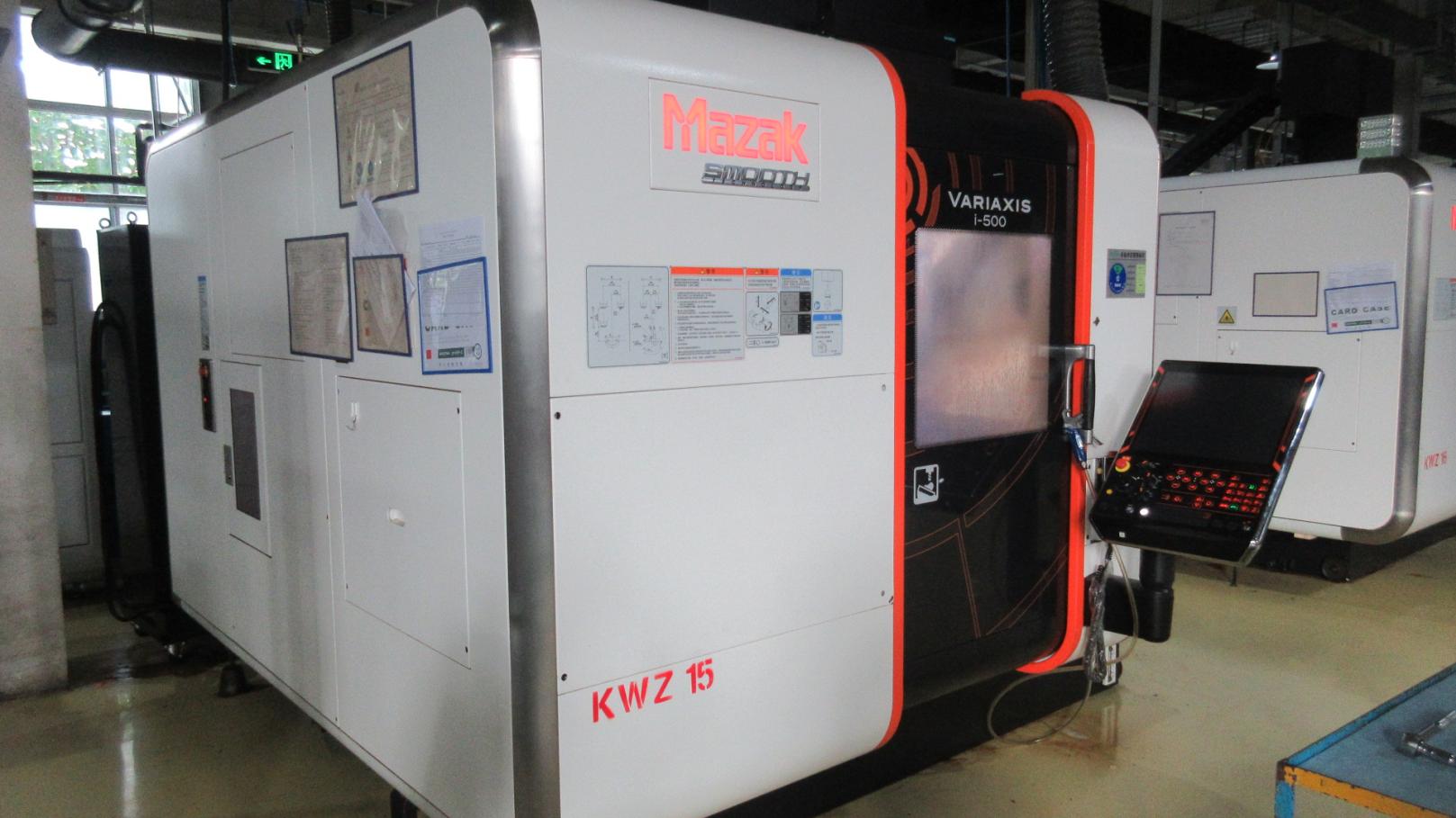
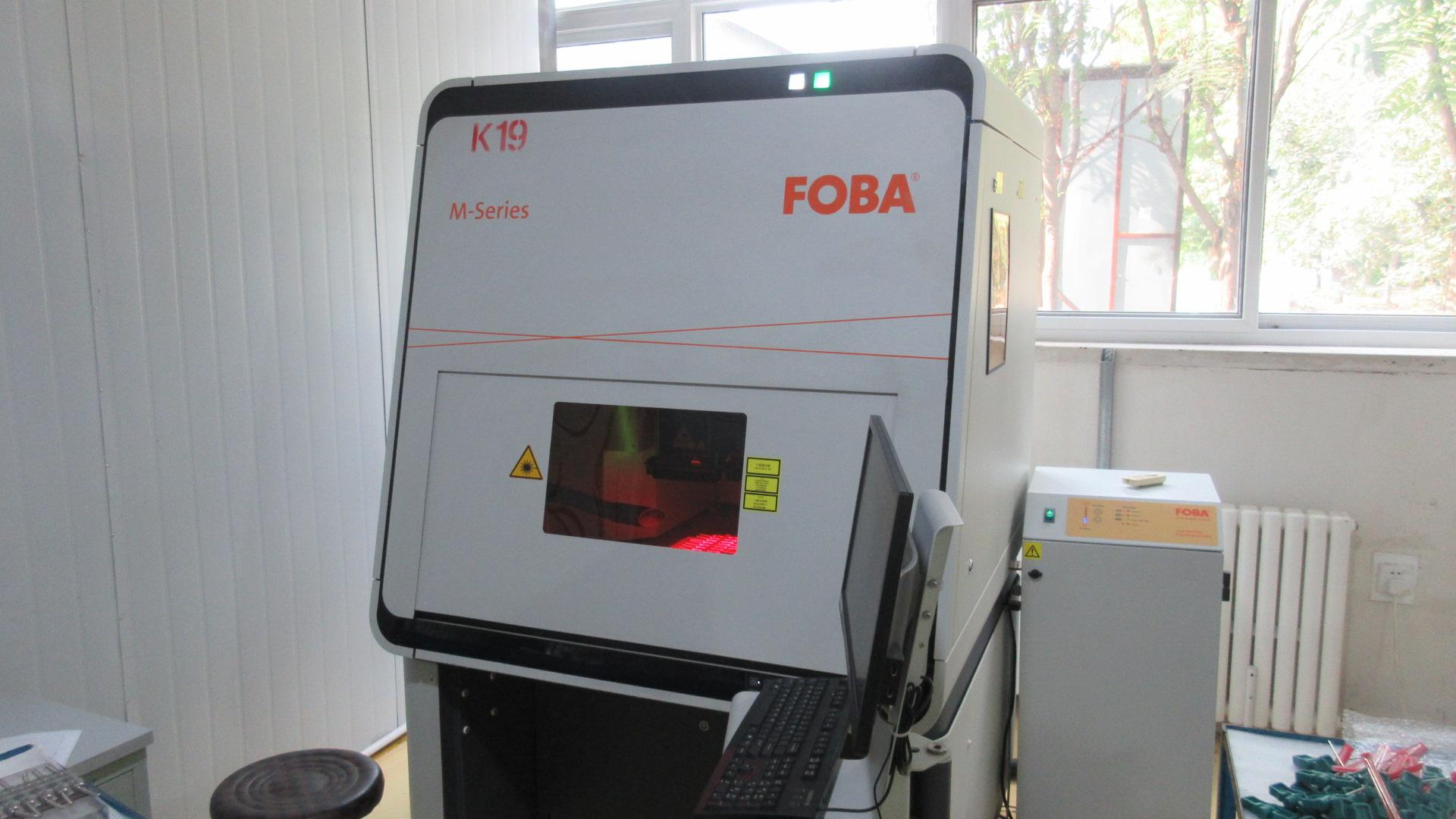
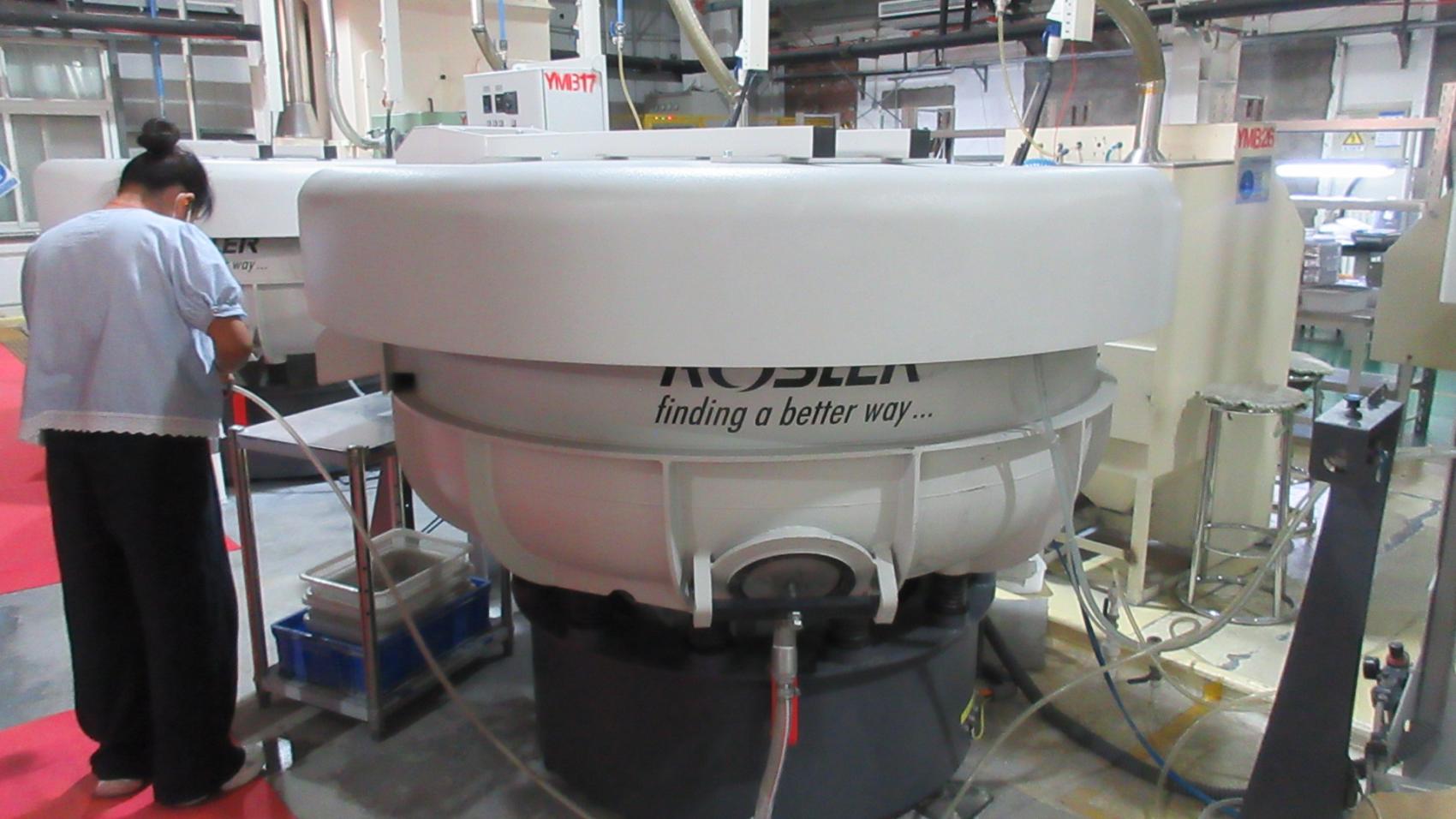
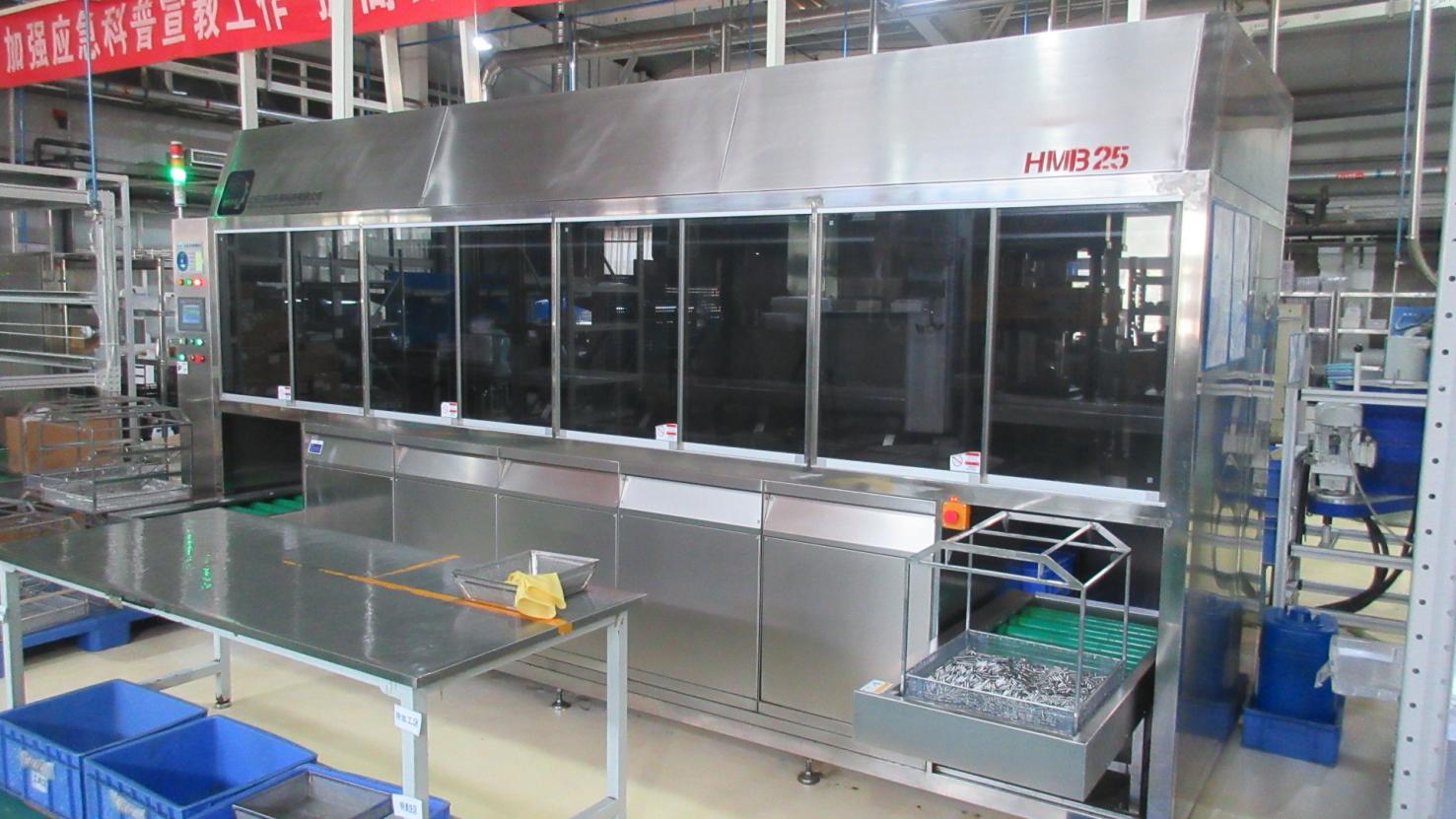
Operating a 10,000-square-meter facility with 102 state-of-the-art production machines, we ensure consistent high-volume output while adhering to strict quality tolerances. Our ISO13485 certified facility supports complete raw material traceability, from initial titanium stock to the finished, packaged instrument.
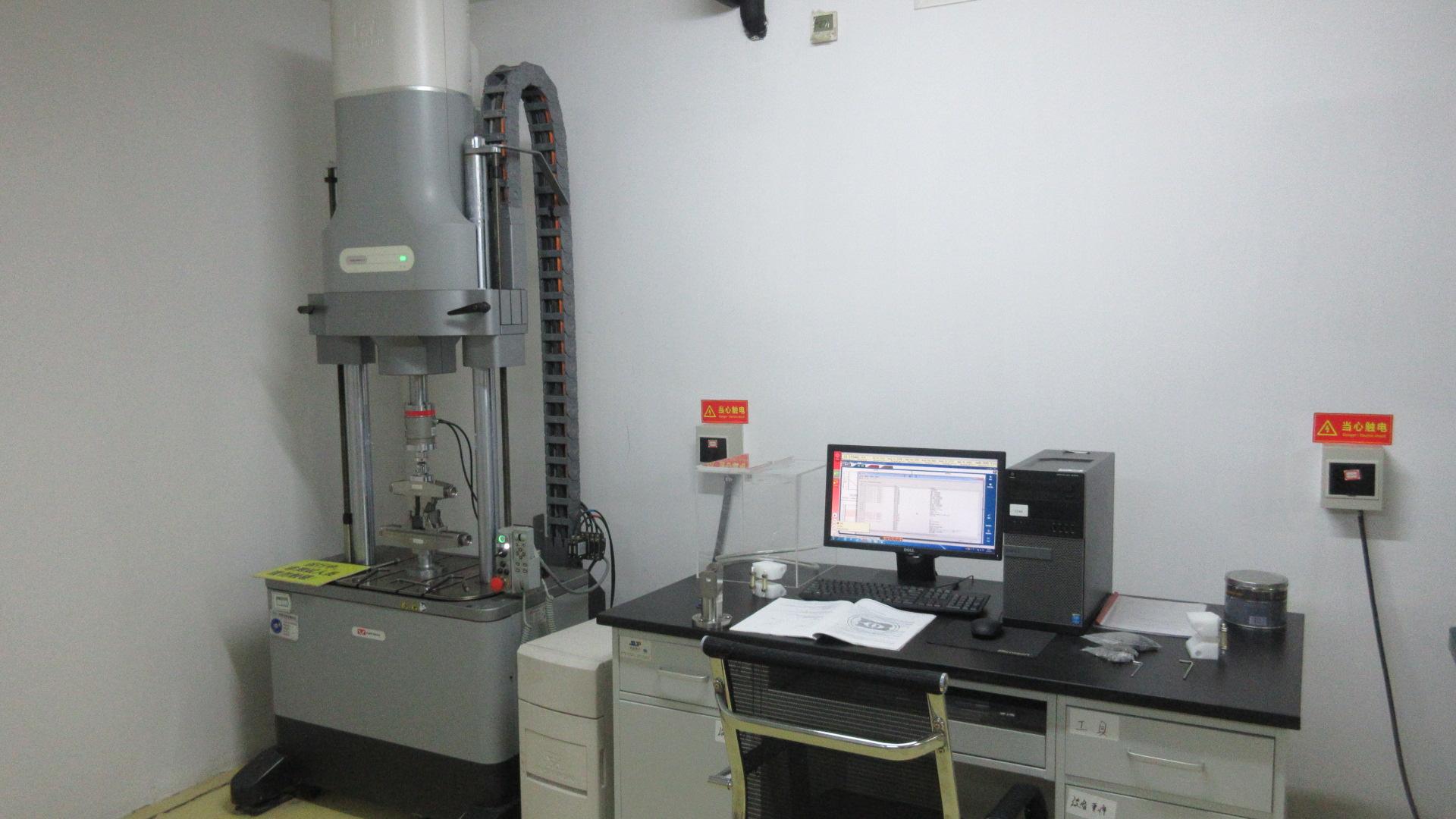
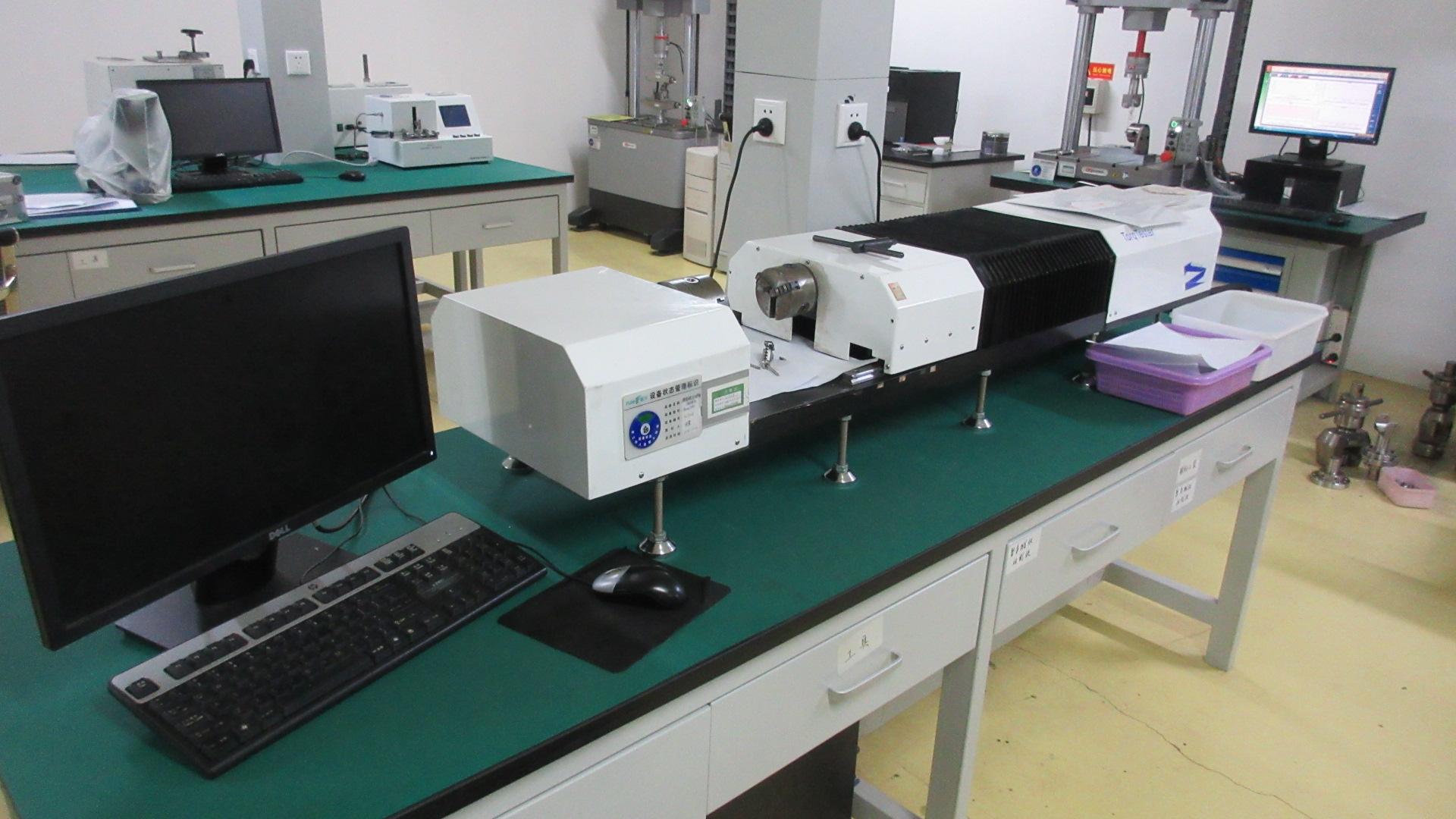
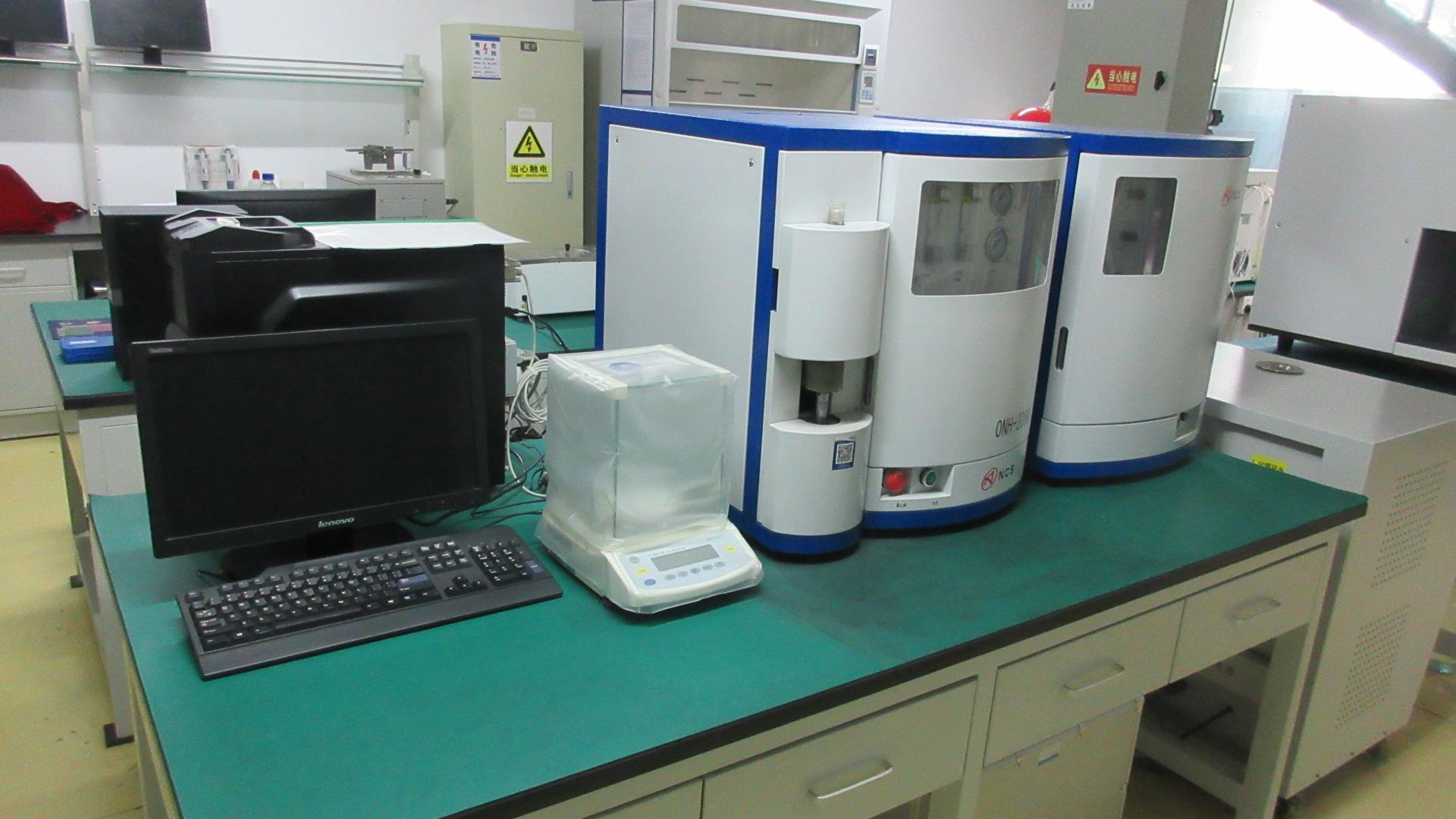
Our quality control protocol incorporates:
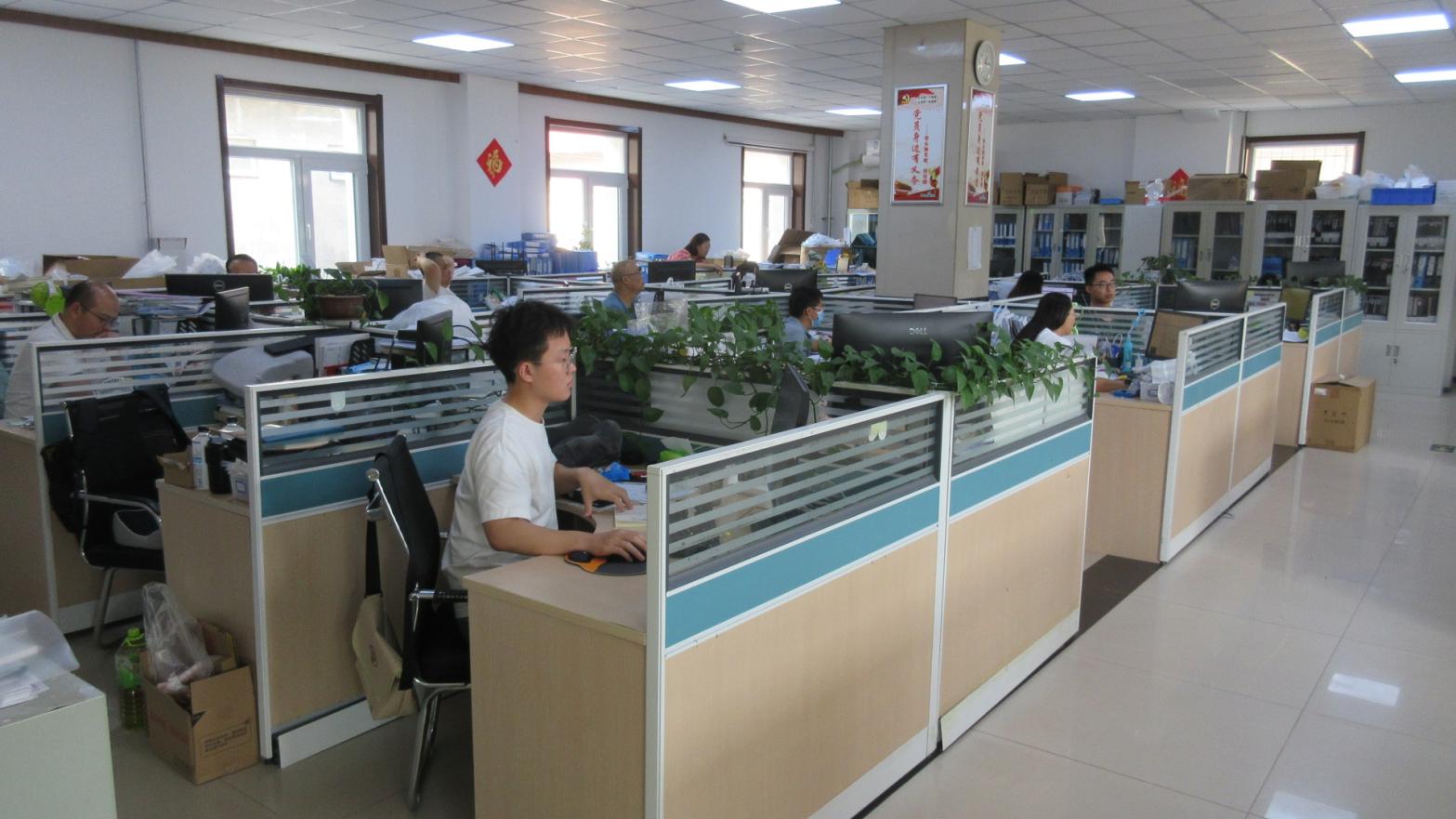
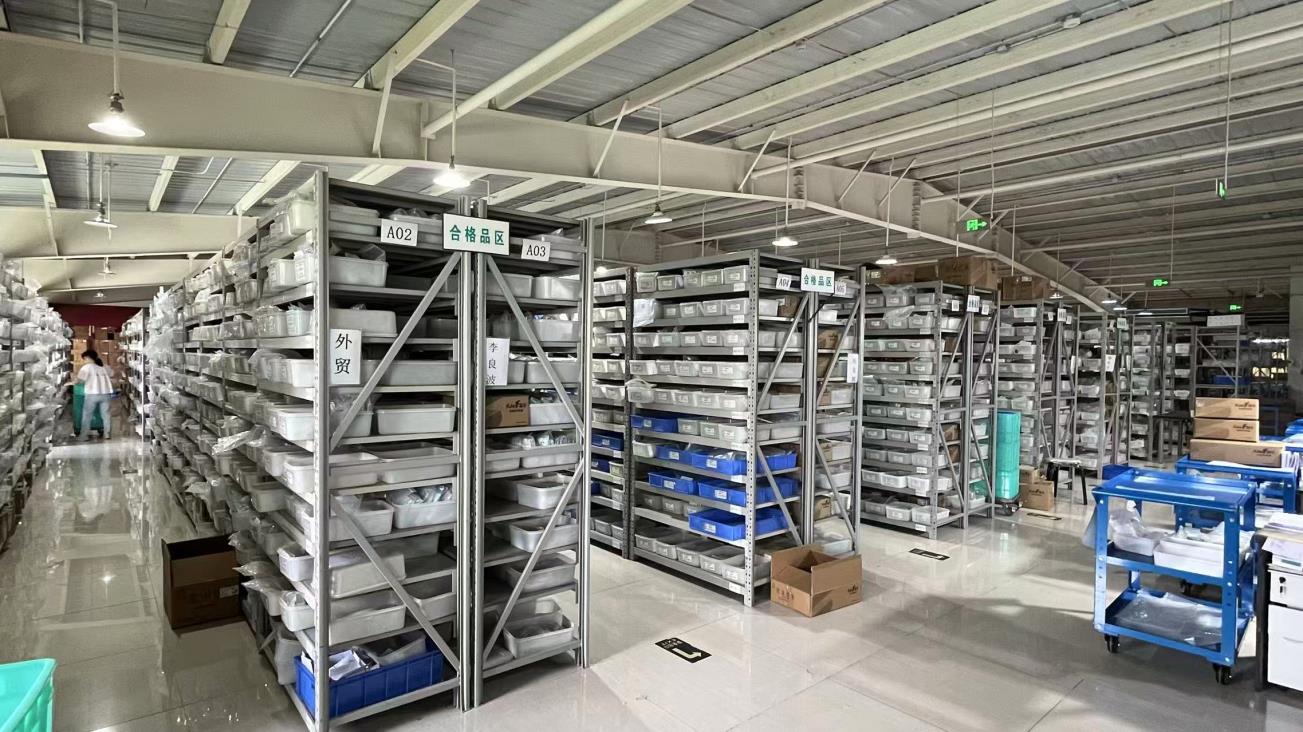
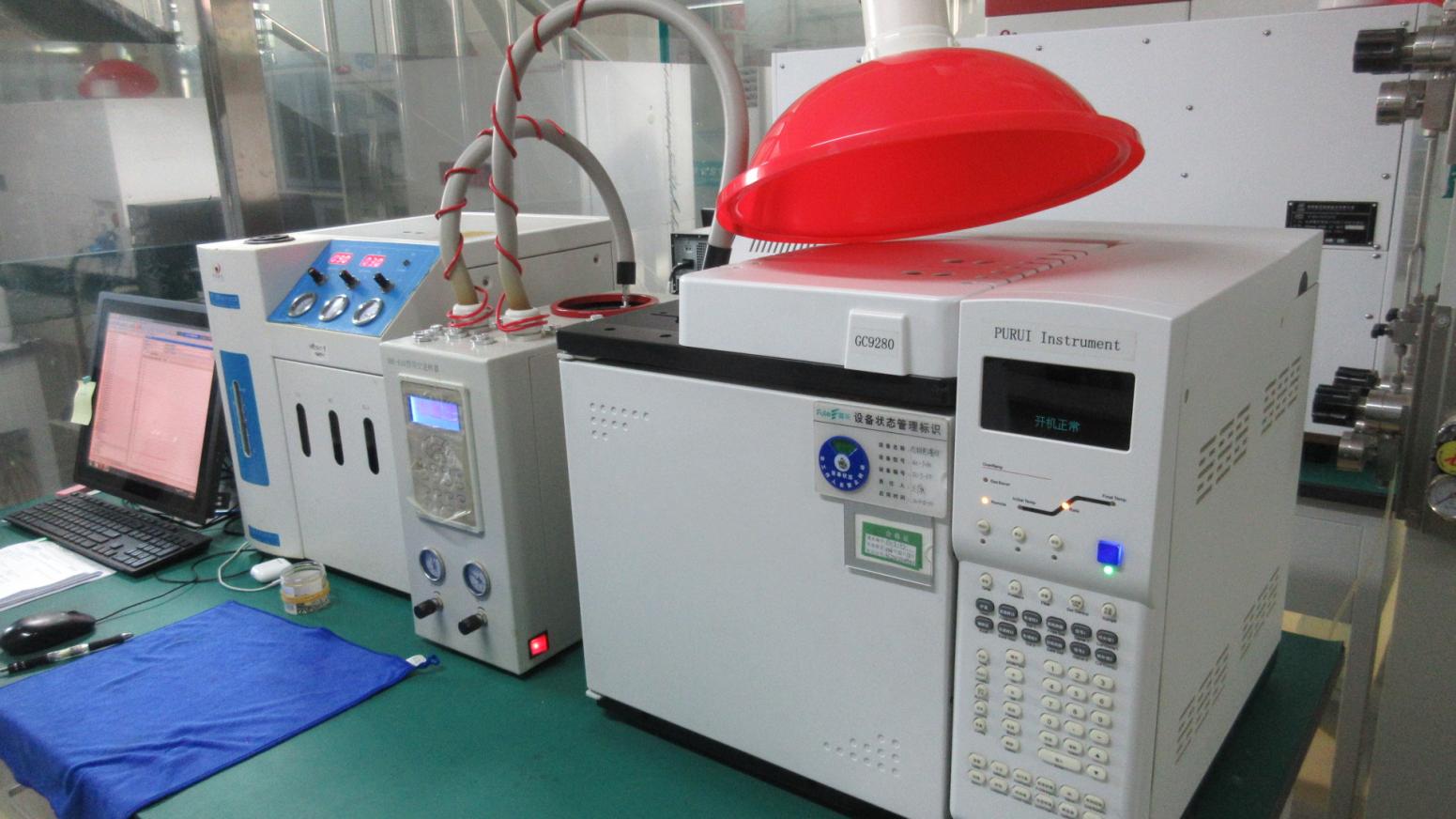
Visual documentation of our processing equipment, material testing, packaging, and shipping stages.

Detailed answers to key queries raised by medical purchasing agents, distributors, and orthopedic specialists.
We use medical-grade Titanium Alloy (Ti6Al4V ELI) conforming to ASTM F136 and high-grade PEEK polymer for fusion cages. These materials ensure optimal biocompatibility, mechanical strength, and corrosion resistance during steam autoclaving and gamma sterilization. All raw materials are verified by third-party metallurgical reports before entering our CNC production lines.
We provide comprehensive OEM/ODM solutions, supporting sample processing, graphic blueprints, and custom-on-demand dimensions. Backed by our 20-engineer R&D team, we can modify handle profiles, shaft lengths, and tip configurations to meet specific surgical techniques. Pre-production samples are supplied with full dimensional and functional inspection reports for client approval.
We employ a multi-layered quality control system managed by 15 QA/QC inspectors. Every production run undergoes automated coordinate-measuring machine (CMM) testing, surface finish inspections, and visual checks under stereomicroscopes. We maintain complete traceability for all raw materials, certifying that every batch conforms to ISO 13485 protocols for clinical use.
Standard items can be prepared for shipping within 7 to 15 business days, while customized OEM production runs generally take 30 to 45 days. We work with international express partners like DHL and FedEx to ensure fast, reliable delivery, complete with customs documentation and sterile transport packaging.
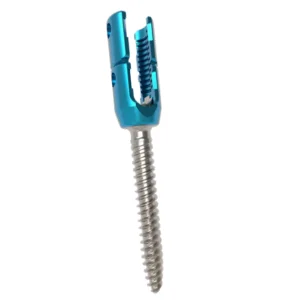
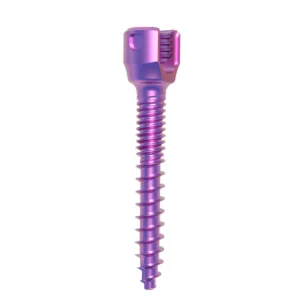
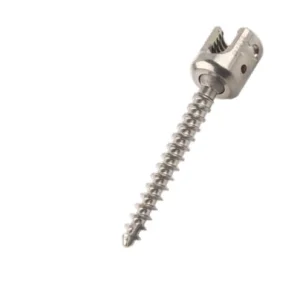
Explore our high-performance pedicle screw systems, lumbar fusion cages, and pediatric spinal implants designed to improve clinical outcomes.
 Beren Science & Technology