Discover our CE/ISO certified spinal implantation and stabilization portfolio engineered for superior surgical outcomes.
Over 30 years of design engineering and clinical supply experience in spinal fusion and reconstruction medical devices.
A comparative analysis of modern Vertebral Body Replacement (VBR) parameters, materials science, and sourcing strategies.
Vertebral Body Replacement (VBR) implants represent one of the most critical structural challenges in spine surgery. When tumor resection, burst fractures, or extreme osteomyelitis compromises the load-bearing integrity of the anterior column, a highly specialized, biomechanically sound spacer is required to bridge the segment. Global medical device distributors and hospital procurement units face severe pressures when sourcing VBR devices. The balance between load distribution, mechanical fatigue limit, and osteointegration speed dictates the clinical success rate and reduces the post-operative implant subsidence risk.
Utilizing certified Grade 5 Titanium (Ti-6Al-4V) for high fatigue strength and biocompatibility. 3D-mesh configuration options to facilitate osseointegration across the vertebral endplate interfaces.
Expandable and static design paths optimized via OEM/ODM. Modular endplates allow customization of lordotic and kyphotic angles (from 0° to 15°) to match specific anatomical curvatures.
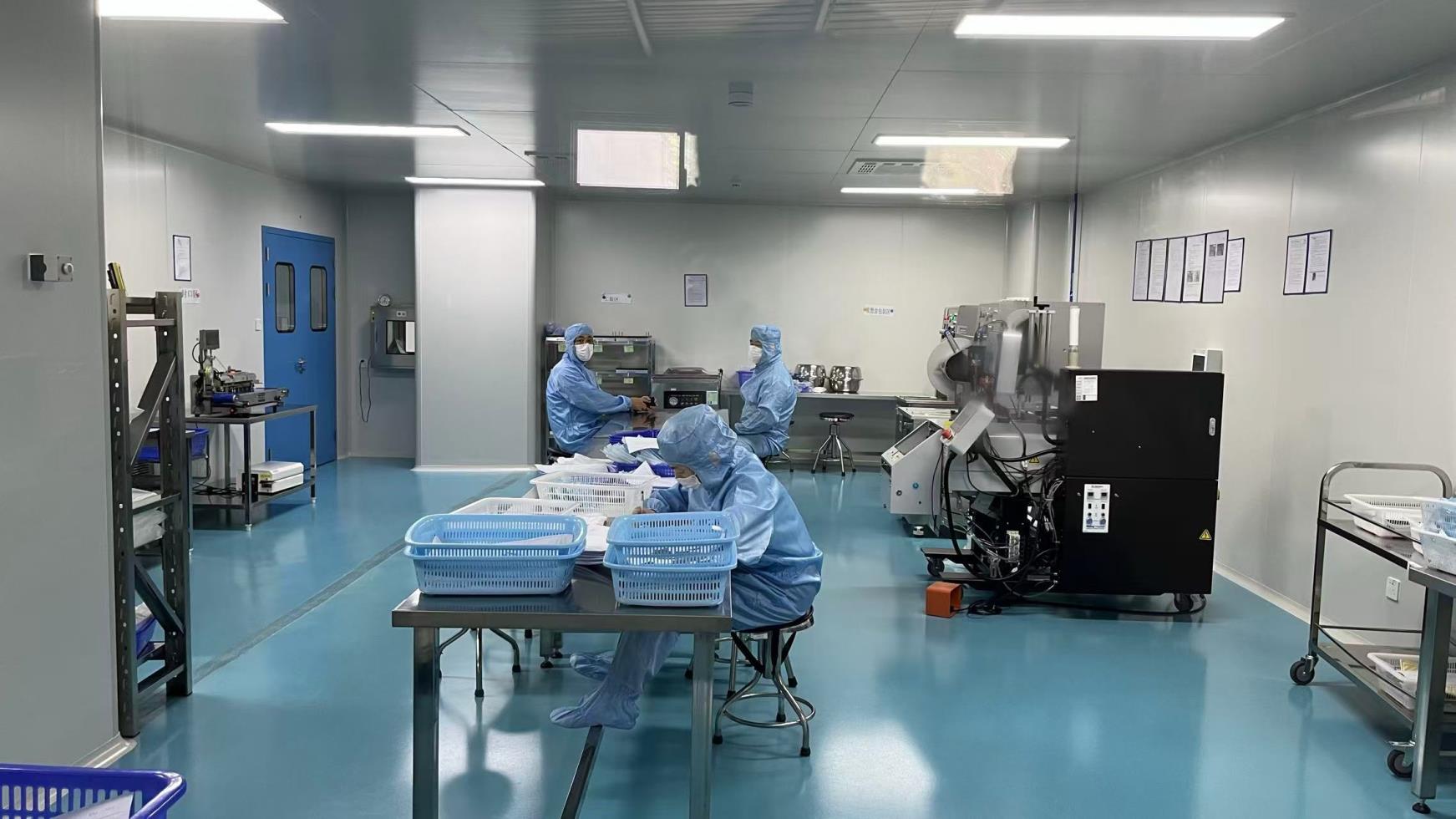
Cleanroom manufactured under ISO Class 7 guidelines, providing pre-sterilized packaging protocols and bulk system instrument configurations tailored for efficient hospital workflows.
Ensuring consistent, high-yield manufacturing from raw bar stocks to final implants.
Our design lab is actively pioneering advanced material combinations. While static titanium mesh cages remain highly reliable, the clinical space is shifting toward adjustable/expandable VBR devices and customized 3D-printed porous implants.
By utilizing advanced laser sintering (SLM/EBM), we generate customized scaffold structures that mimic trabecular bone porosity. This stimulates immediate vascularization, leading to faster biomechanical stability. Furthermore, modular endplate locking mechanisms ensure that surgeons can change components dynamically in the operating room depending on the intraoperative decompression height requirements.
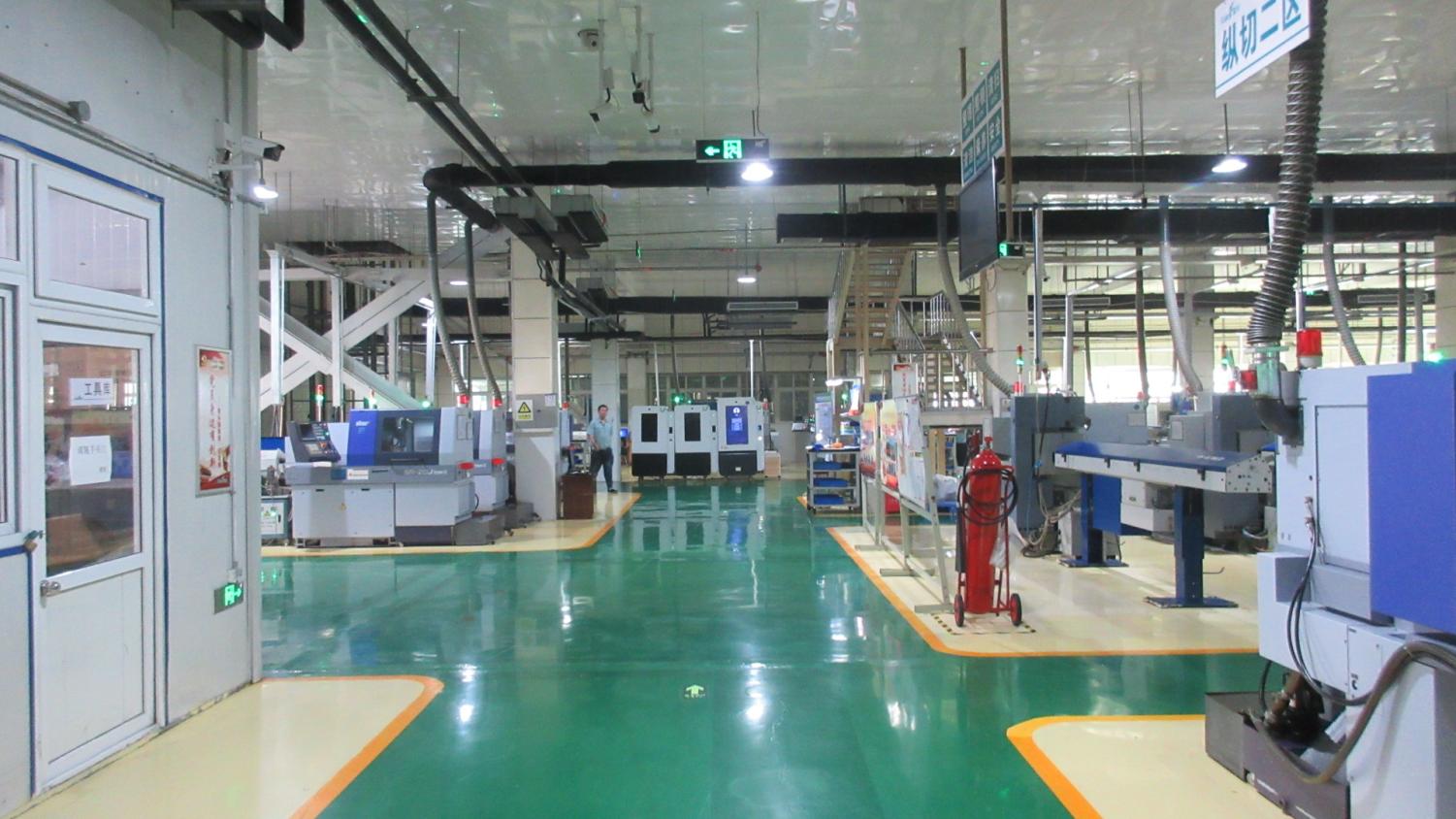
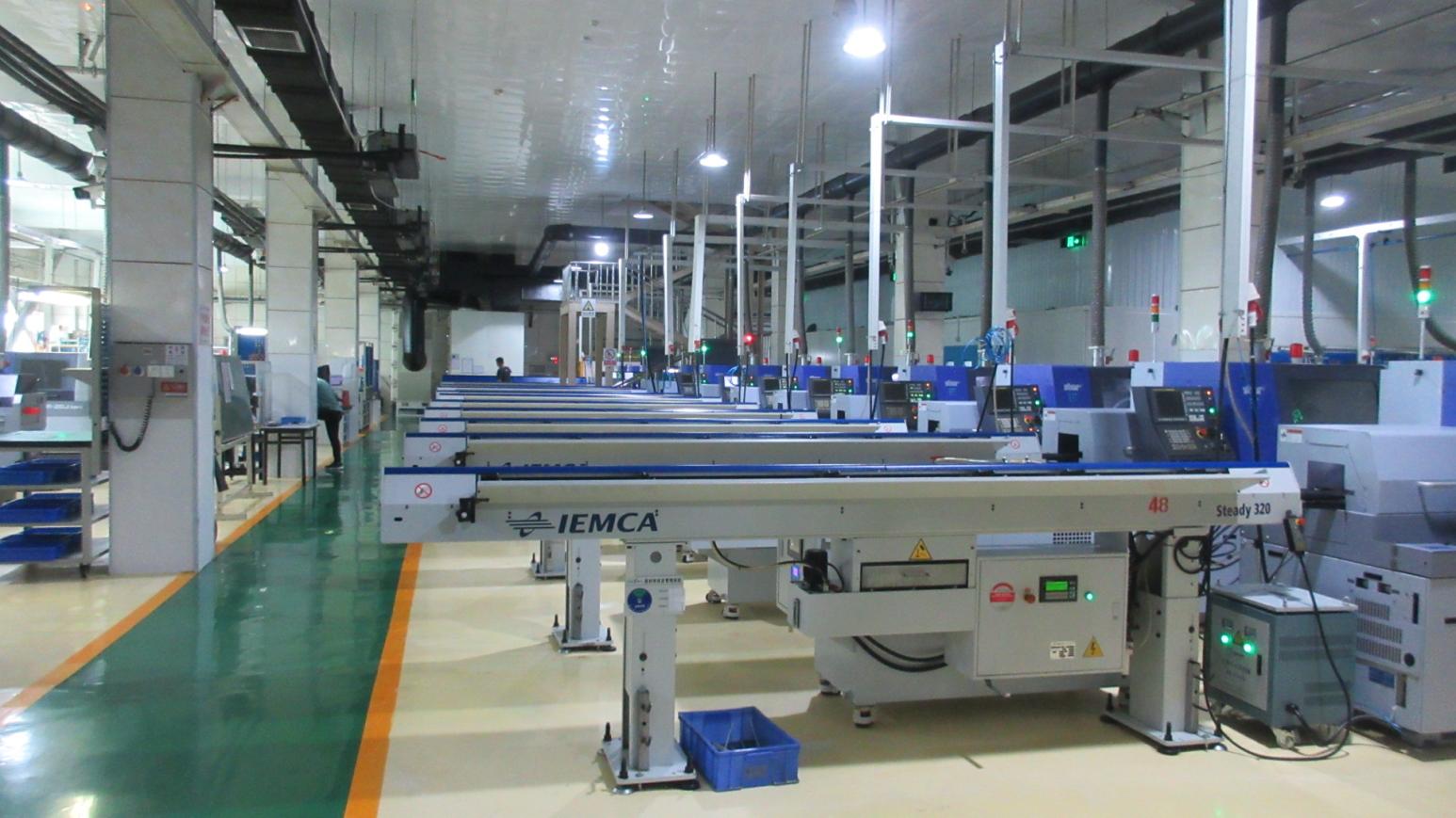
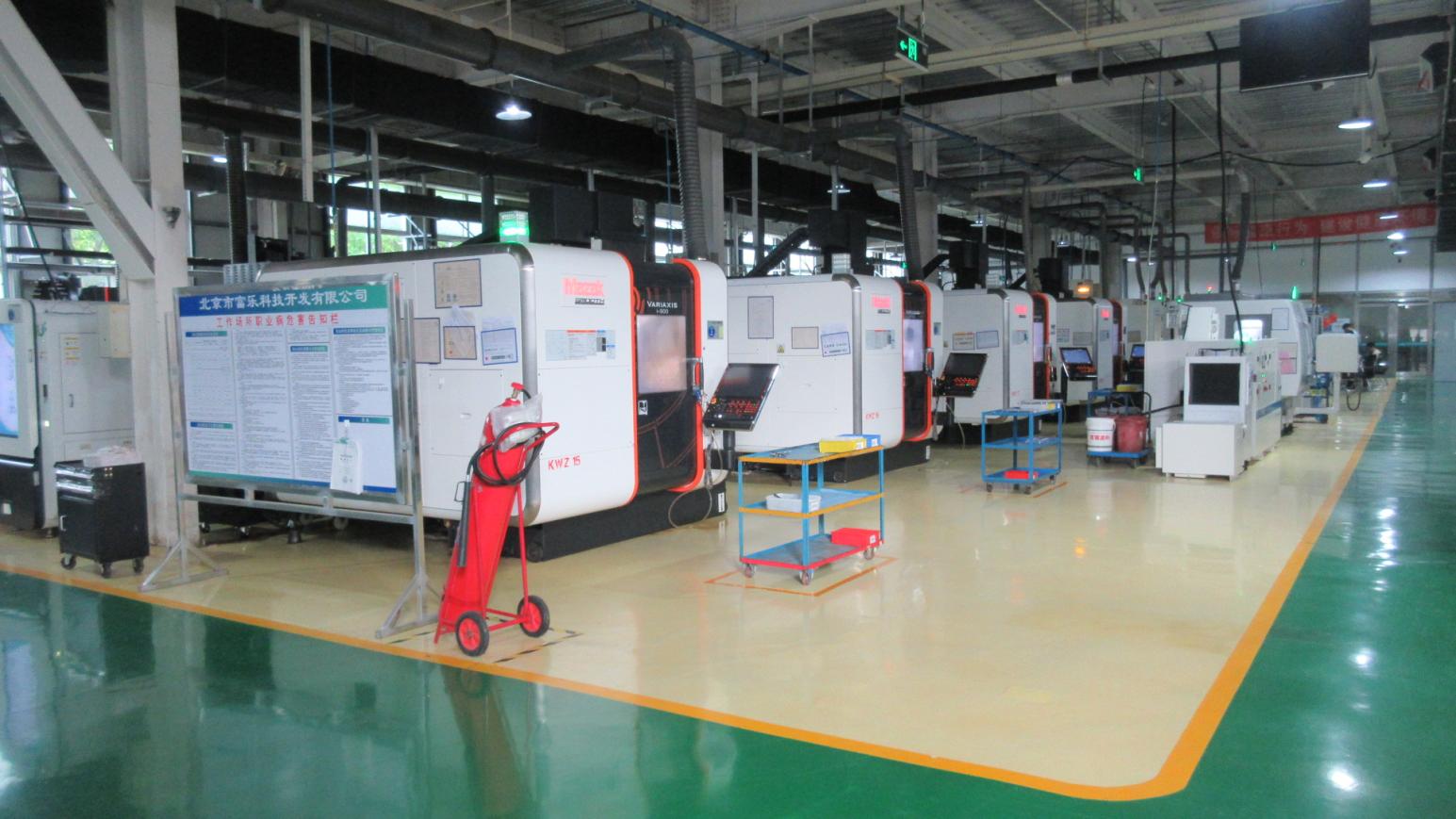
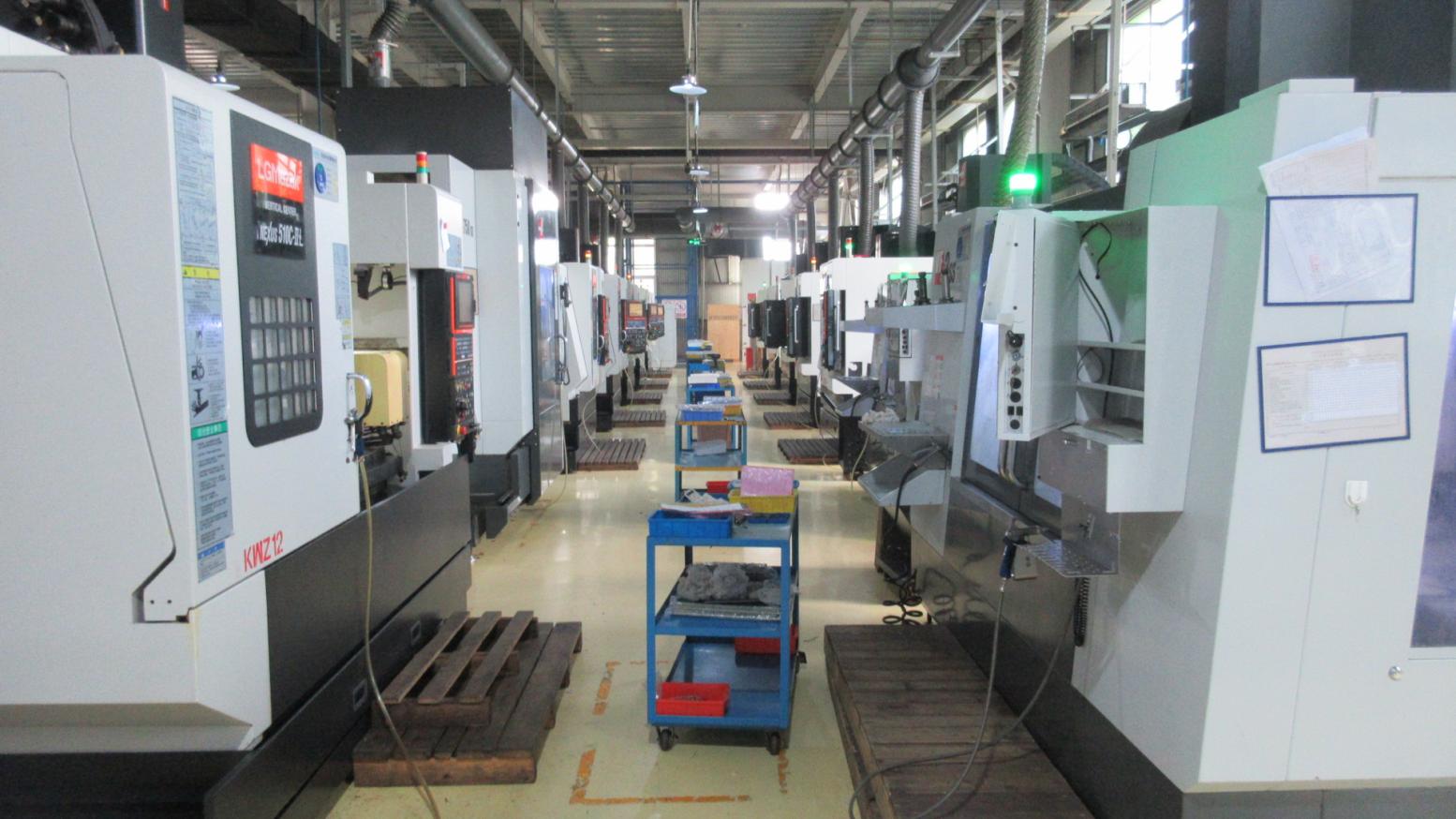
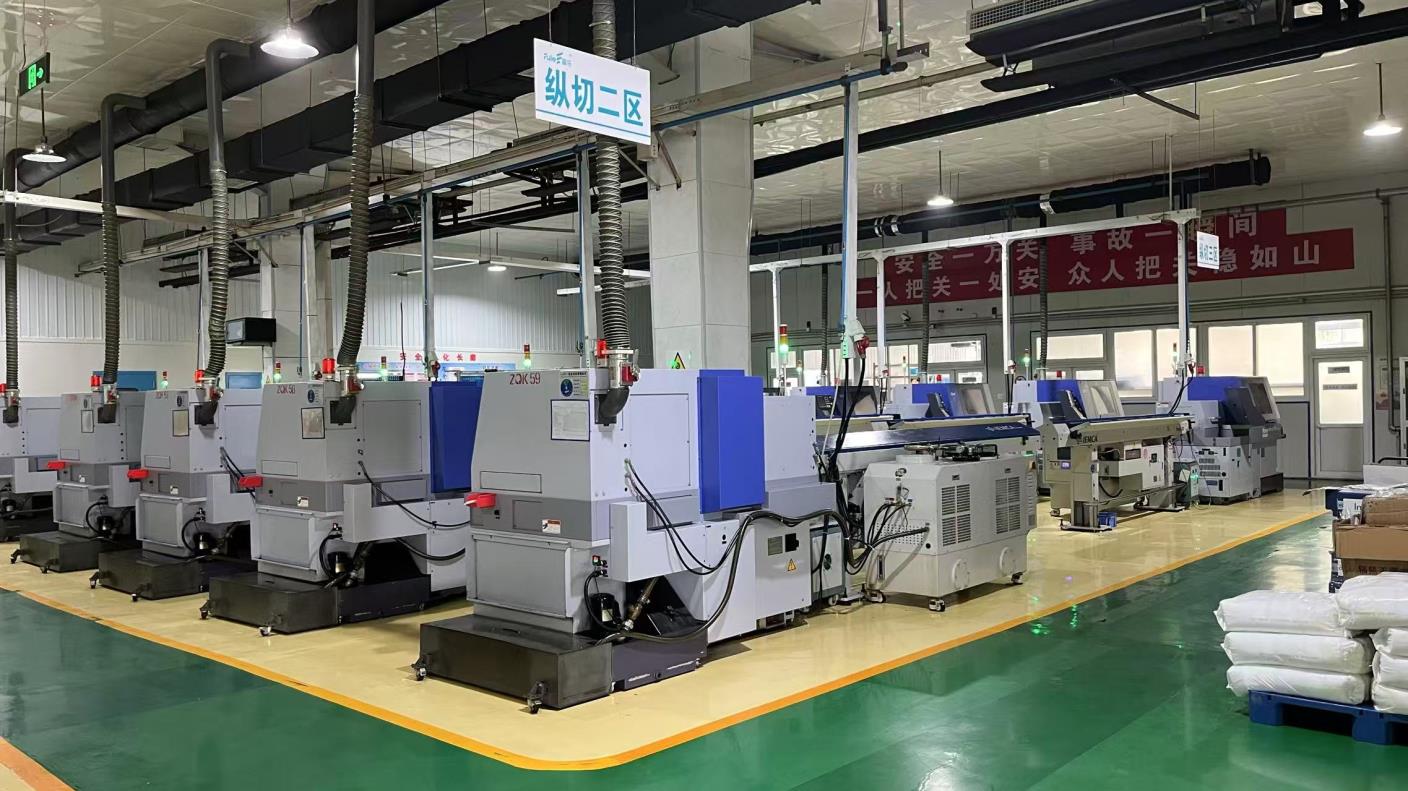
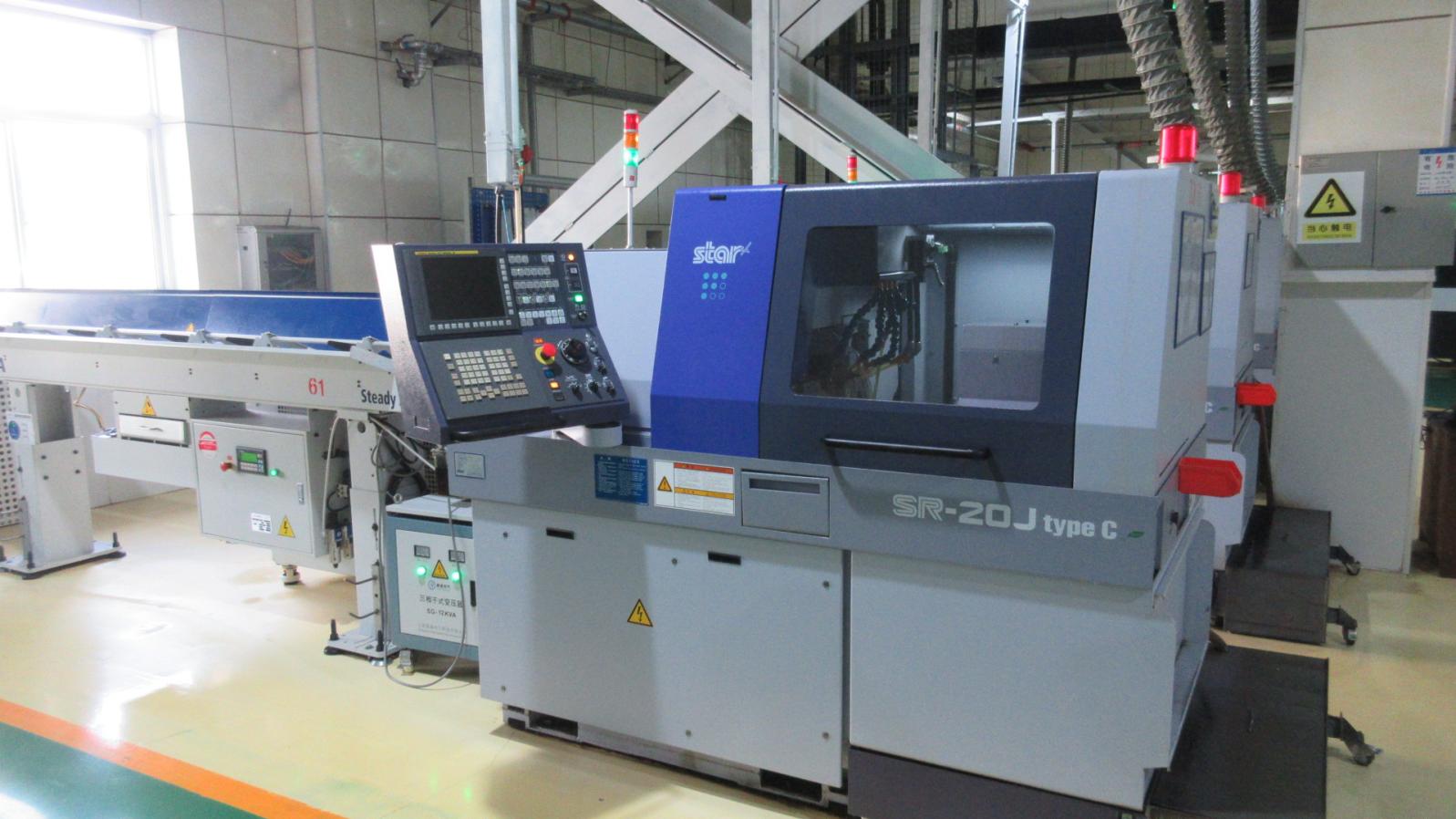
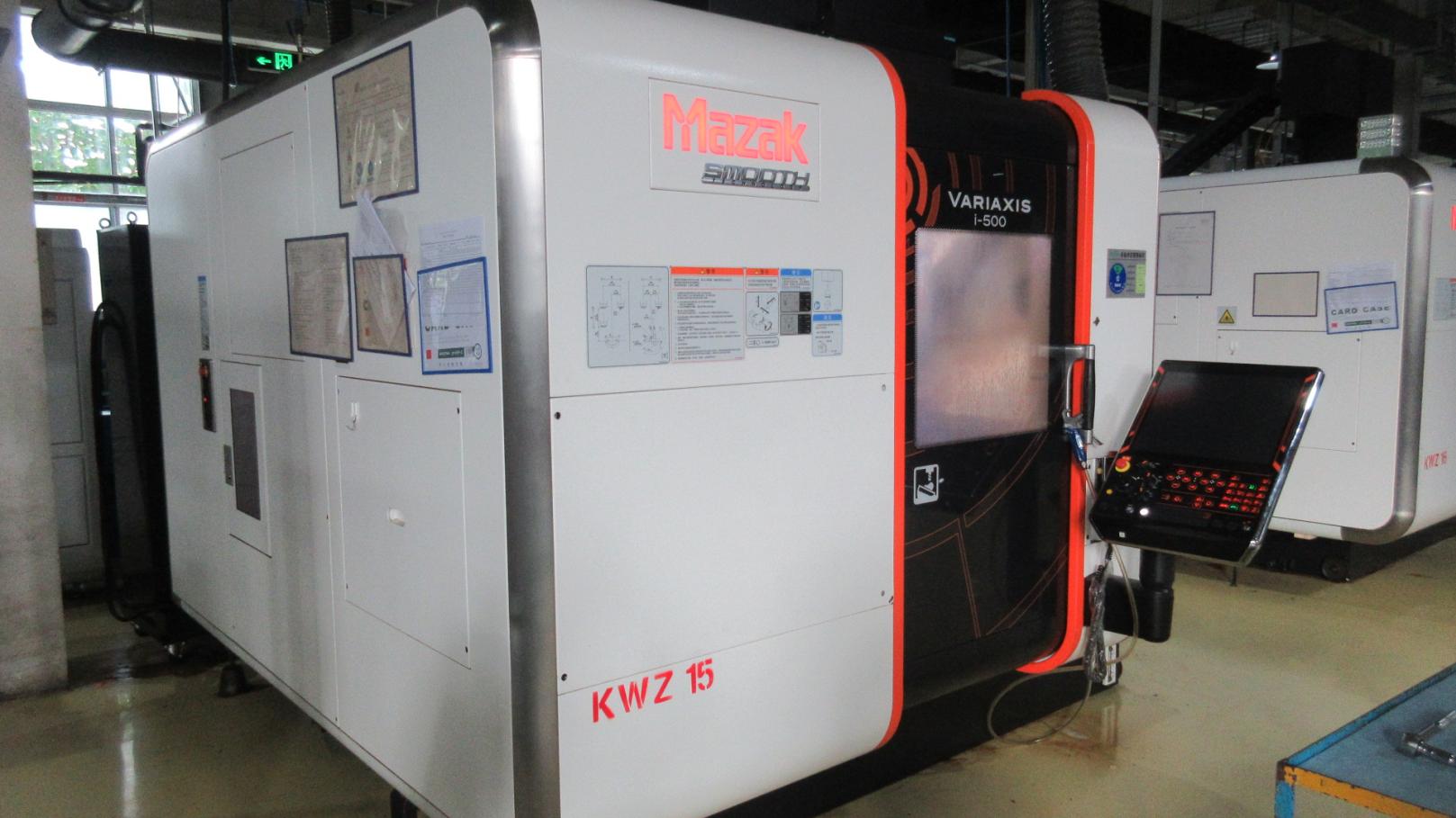
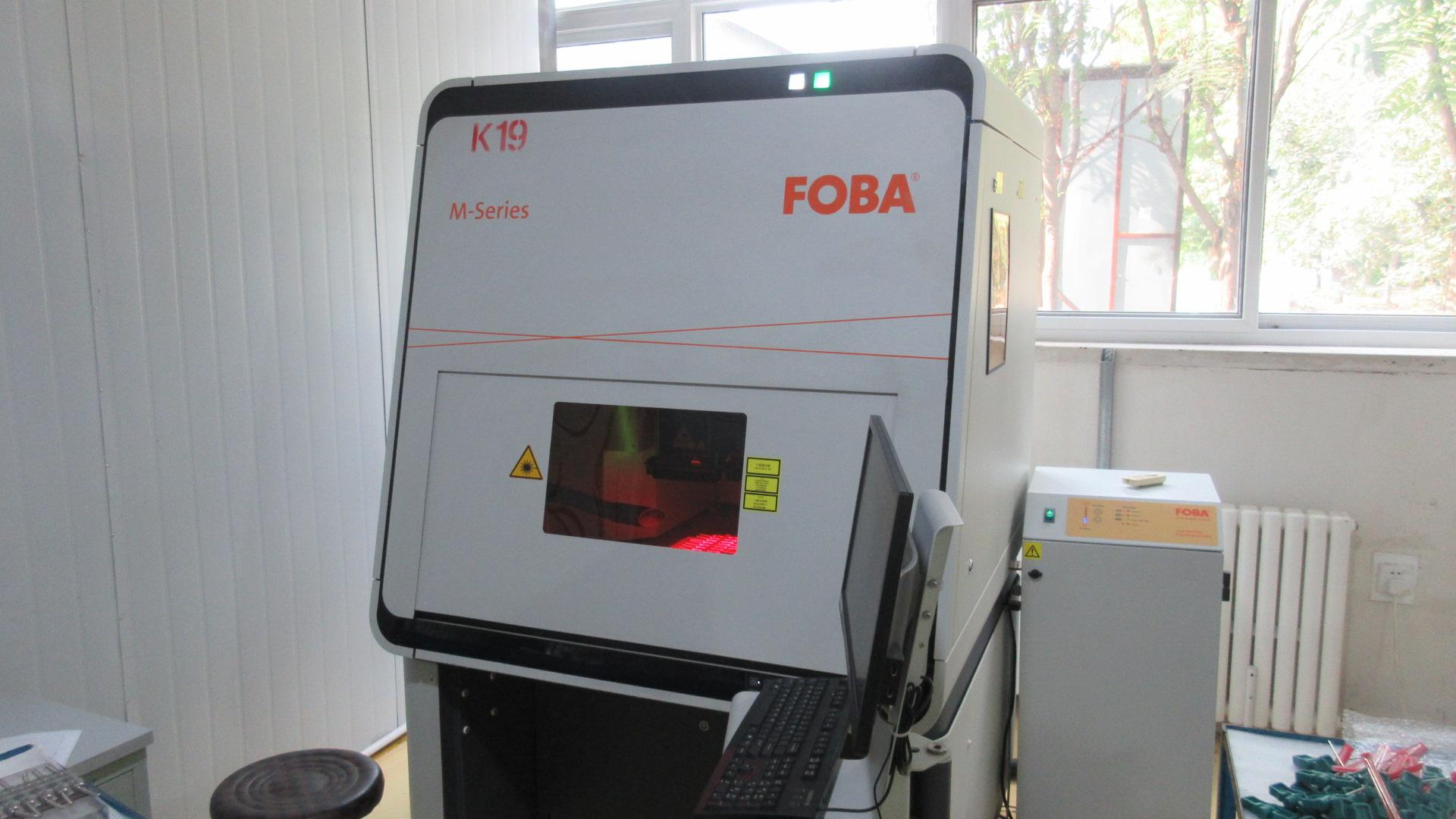
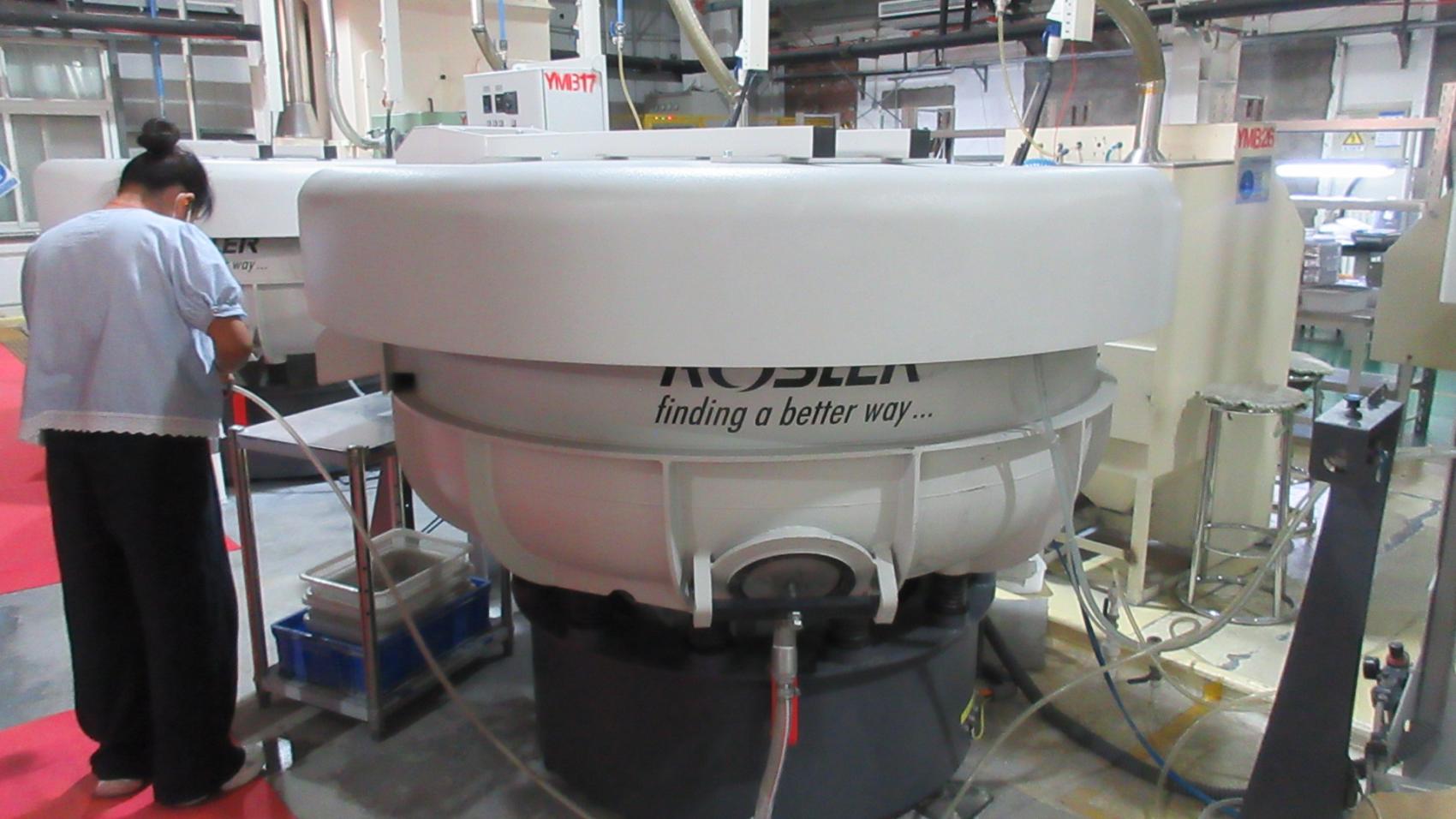
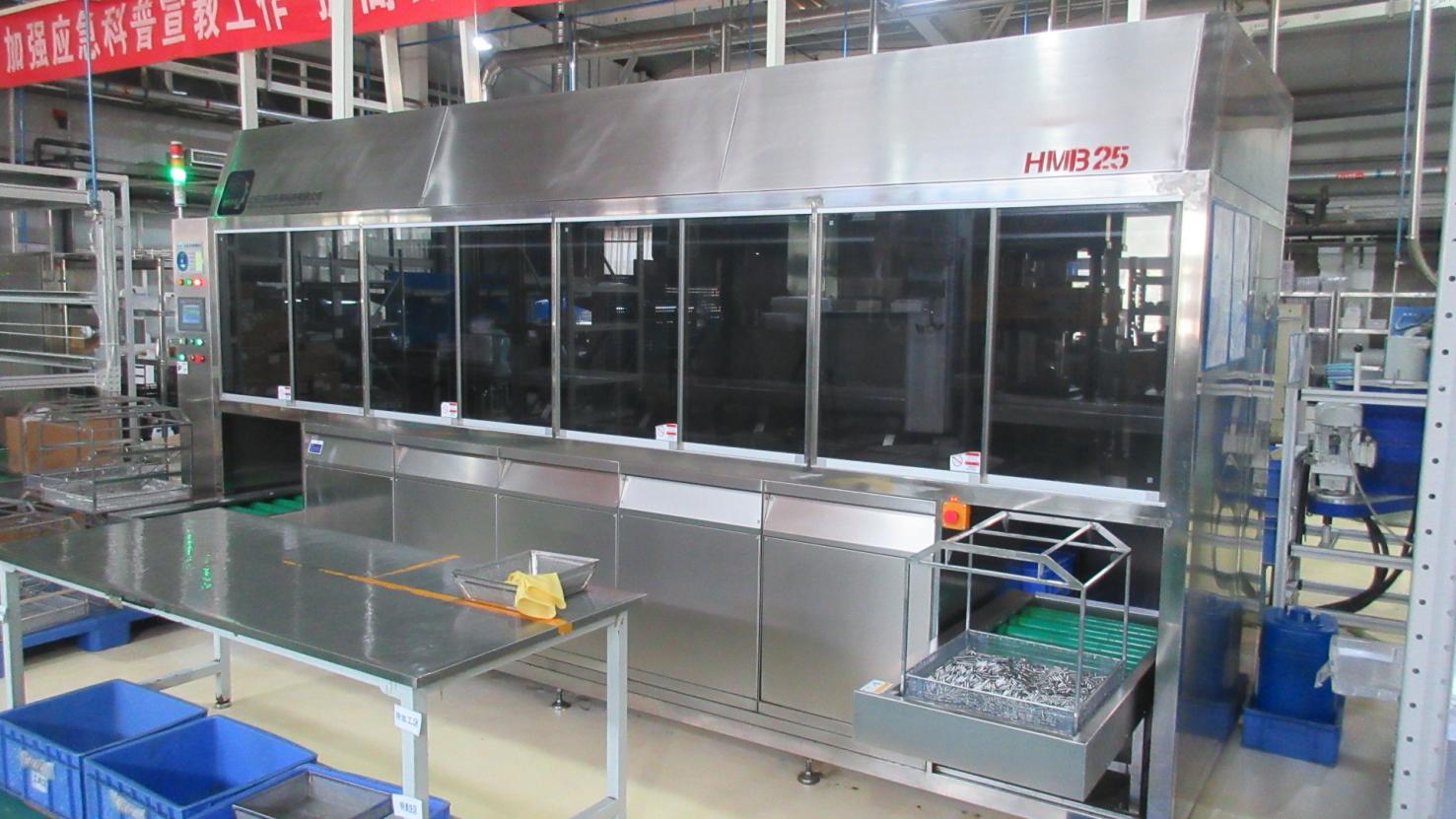
For high-risk Class III medical implants, manufacturing consistency is paramount. With ISO 13485 registration and 100% inline product inspection across all 102 production machines, we ensure complete validation from raw material supply to packaged sterile implants.
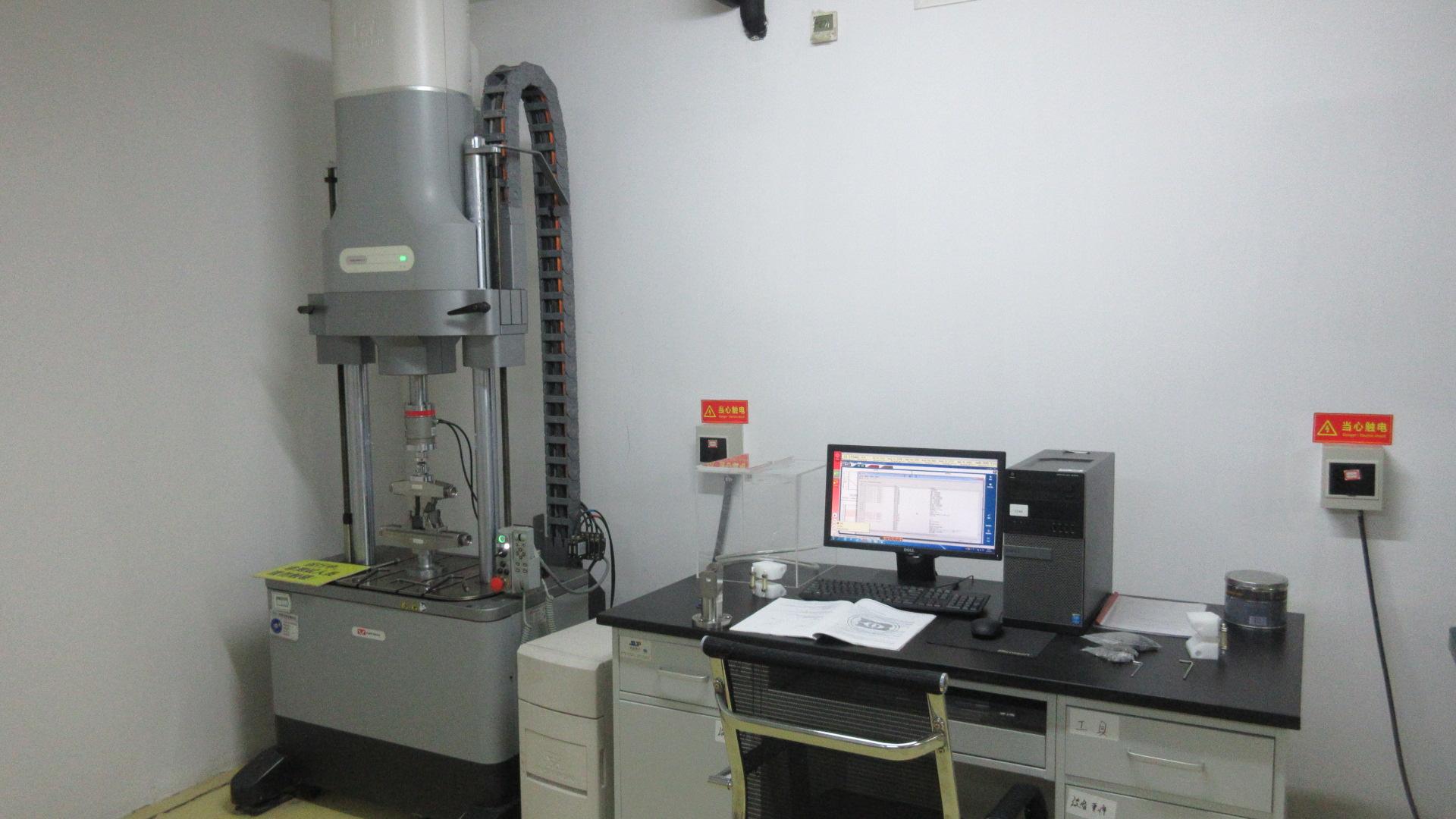
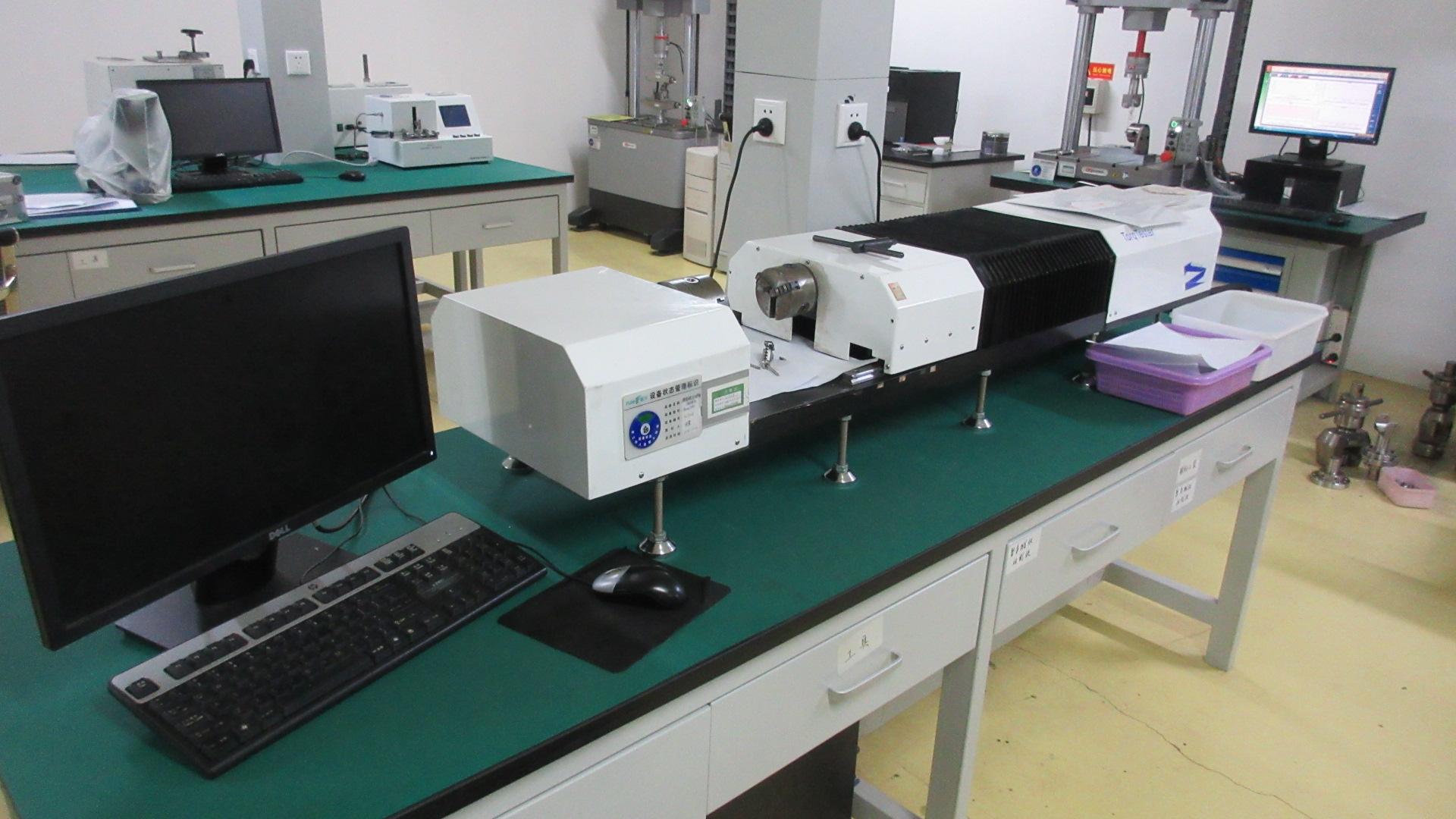
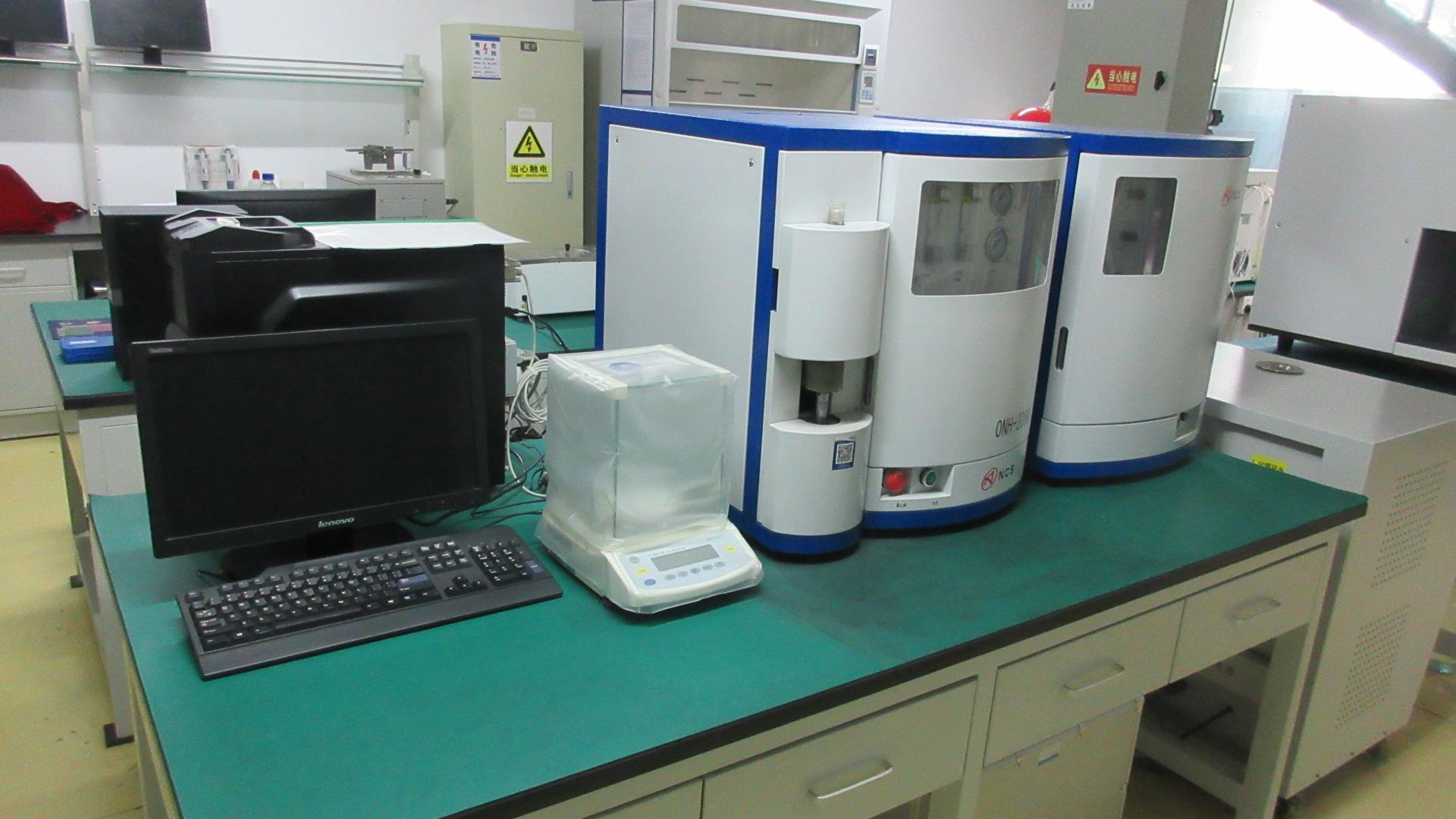
Every batch of titanium is verified with mechanical tension testing, metallurgical microstructural verification, and ultrasonic testing. Our 15 QA/QC inspectors maintain heat-number records, providing full documentation package transparency to satisfy FDA 510(k), CE MDR, and domestic NMPA regulatory submissions.
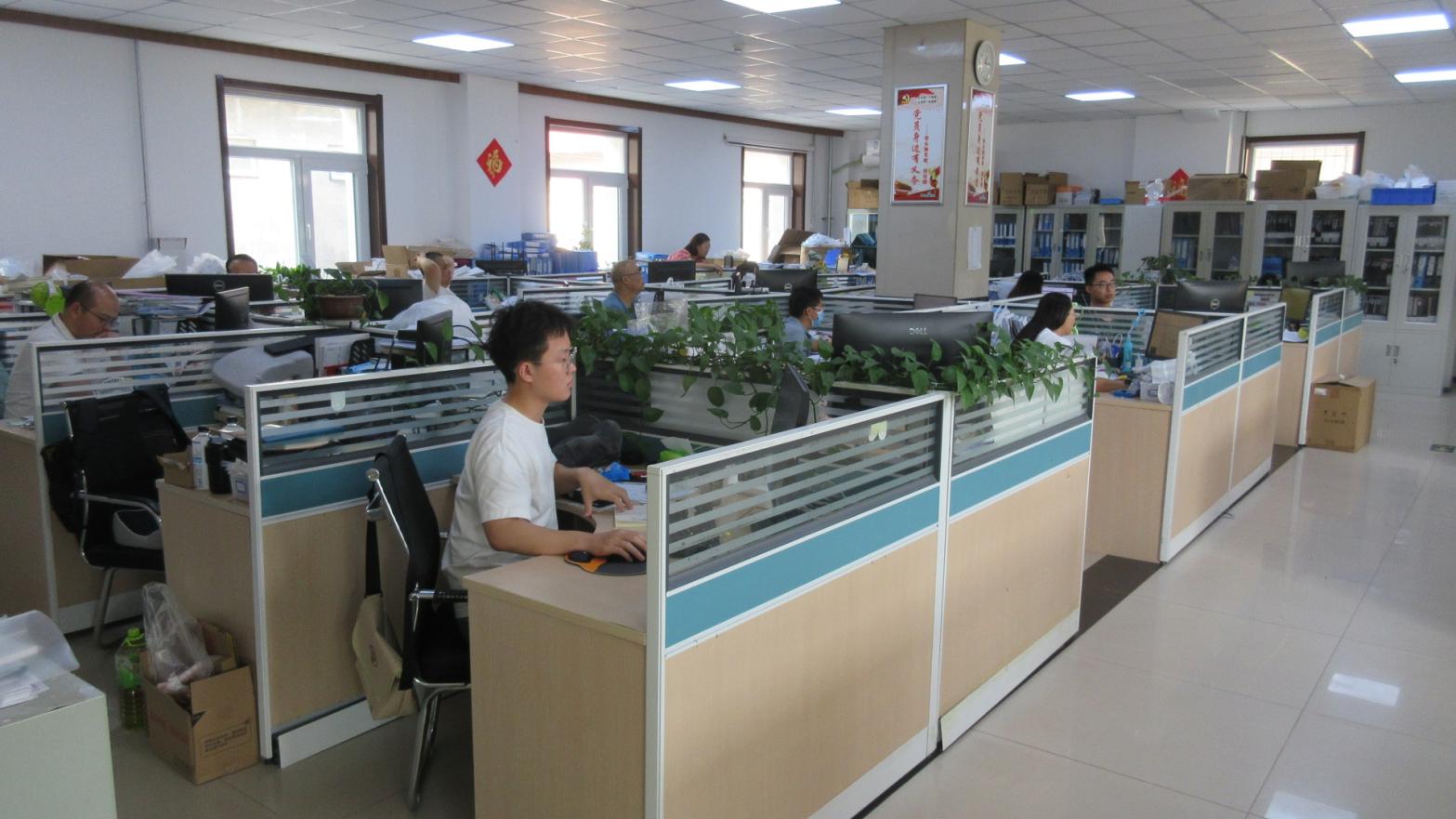
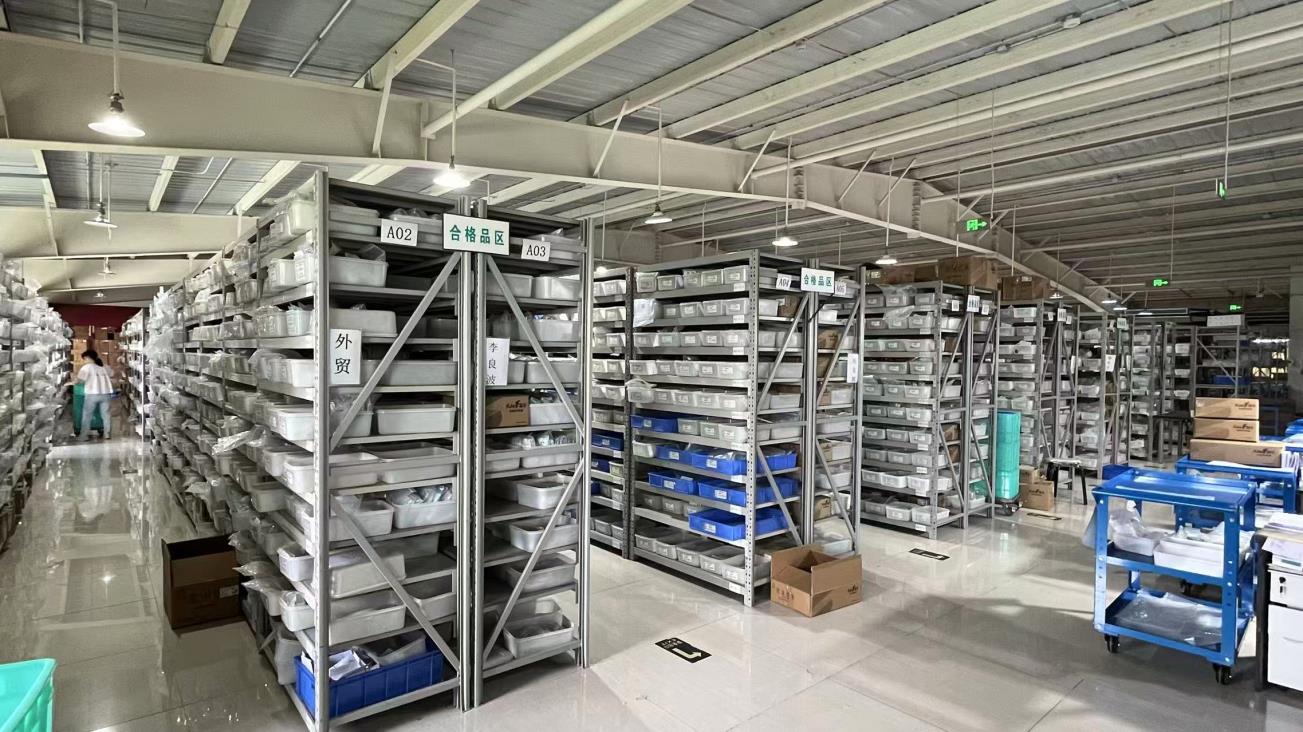
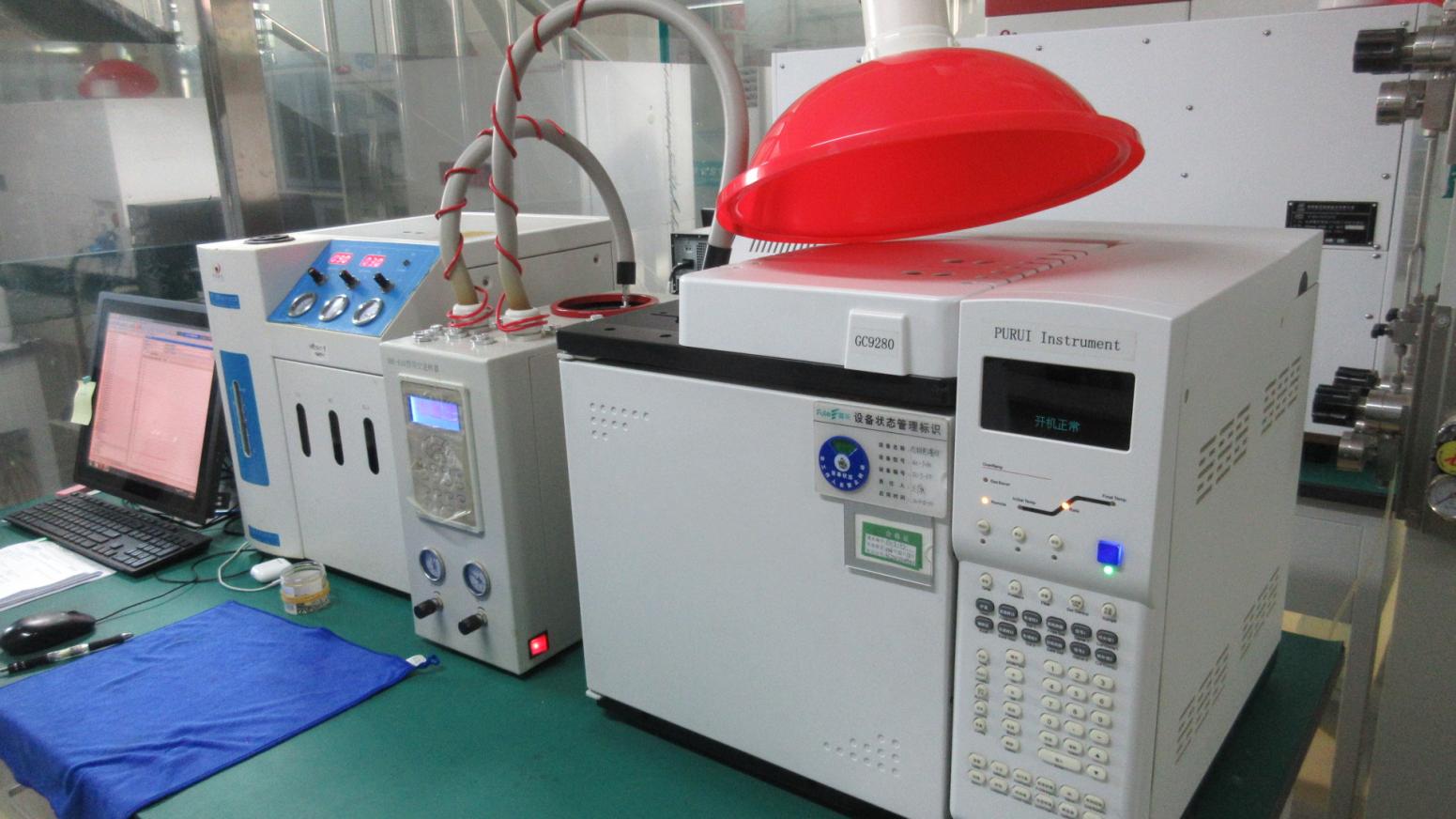
Visualizing our ISO 13485 certified manufacturing environment, production equipment, and strict quality control operations.

Clinical, manufacturing, and regulatory answers for device distributors, surgeons, and procurement managers.
We source medical-grade Titanium Alloys (specifically Ti-6Al-4V ELI conforming to ASTM F136 standards) and pure Titanium (ASTM F67). These are selected for their optimal strength-to-weight ratio, fatigue performance, and rapid osteointegration capabilities. Complete mill test certifications and raw material heat traceability are provided for every production run.
For standard modifications on existing design parameters (e.g., custom lengths or endplate angles), the sample turn-around is typically 2-4 weeks. For new CAD model prototype design, structural analysis, and pilot run fabrication, the roadmap spans 8-12 weeks depending on the complexity and custom tooling requirements.
Subsidence prevention is achieved by optimizing the contact surface area and endplate design. Our modular VBR endplates feature macroscopic tooth profiles and micro-textured finishes to maximize initial friction and grip. The custom CAD modeling ensures a match with the peripheral cortical bone of the adjacent vertebral bodies, distributing load and minimizing bone micro-fractures.
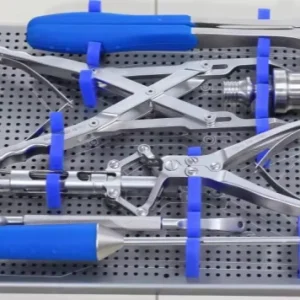
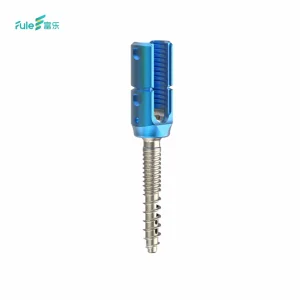
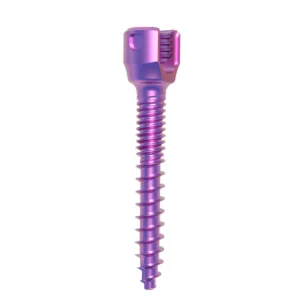
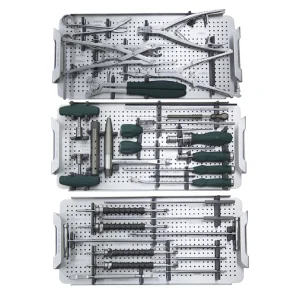
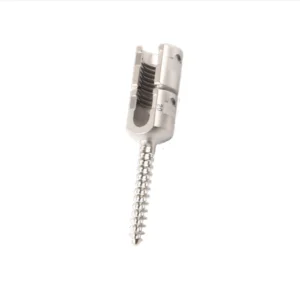
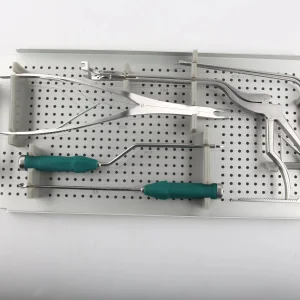
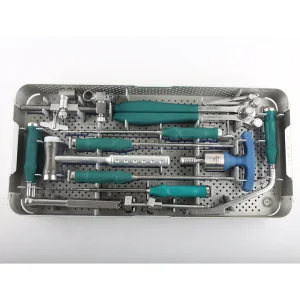
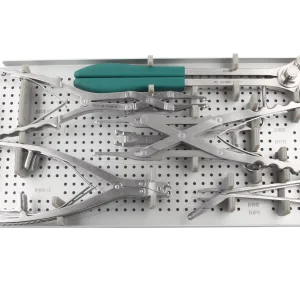
Yes. Many of our flagship spinal systems—including the VSS I Titanium Spinal MIS System and the COX II Pedicle Screw System—carry Class III CE and ISO 13485 certifications. We also provide Class I surgical instrument sets, such as customized broken screw removal kits and derotation tools, to support complete surgical procedures.
Our facility runs under an ISO 13485 quality system. Product quality is managed by 15 dedicated QA/QC inspectors conducting 100% inline inspection. Testing includes CMM dimensional analysis, surface finish roughness profiling, cleaning validation, and mechanical fatigue testing. This ensures every single batch meets sterile packaging standards before shipping.
Explore our CE marked instrument sets, spinal rods, and medical screw systems designed to secure stability.
 Beren Science & Technology