In the highly regulated ecosystem of global healthcare, the integration of advanced rehabilitation devices, biomaterials, and spinal orthopedic implants plays a critical role in restoring patient mobility and post-surgical stabilization. Medical procurement professionals, clinical distributors, and healthcare networks require high-precision manufacturing partners capable of delivering Class III titanium implant systems, minimally invasive surgical plates, and modular fixation instruments. The selection of an implant manufacturer goes beyond basic cost structures; it requires strict adherence to regulatory standards such as ISO 13485, CE marking, and complete material traceability.
Modern orthopedic solutions focus heavily on patient recovery speed and reduced surgical trauma. As clinical procedures trend toward minimally invasive spine surgeries (MIS) and tailored bone fixation systems, factories must adapt. They need to deploy state-of-the-art CNC machining, rigorous cleanroom packaging, and extensive biomechanical testing. This whitepaper analyzes global procurement parameters, technological developments, and highlights the foundational capabilities of leading manufacturing hubs that supply orthopedics and structural rehabilitation hardware worldwide.
Direct access to our certified Class III titanium implants, spinal stabilization screws, and specialized orthopedic instruments.
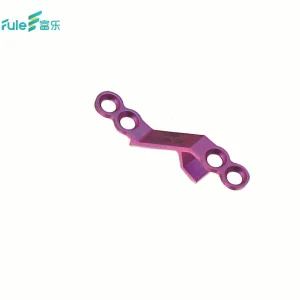
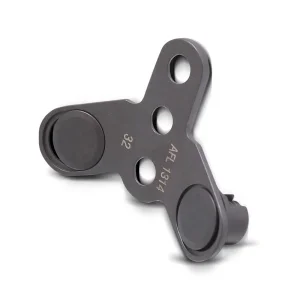
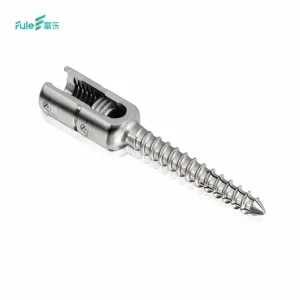
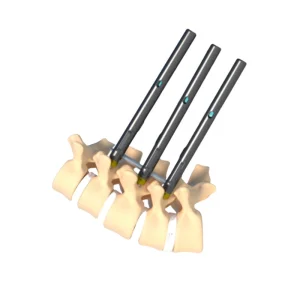
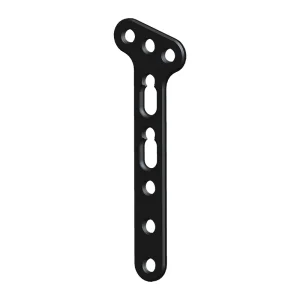
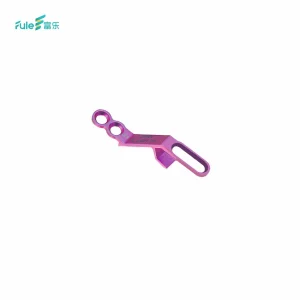
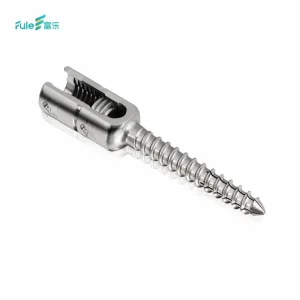
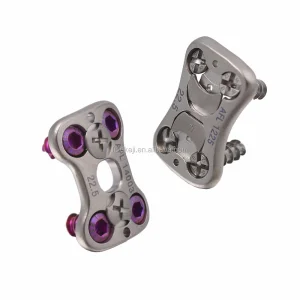
Procuring class-III medical implants, spinal fusion components, and rehabilitation devices requires balancing regulatory compliance, metallurgical purity, and supply chain security. For purchasing managers in international distribution hubs, hospitals, and orthopedic care clinics, the choice of manufacturing facility is guided by several critical requirements:
Full material verification starting from raw titanium alloy ingot batches down to the individual serial numbers etched onto posterior plates and bone screws.
Strict compliance with ISO 11137 (radiation sterilization) and ISO 10993 (biological evaluation) protocols to ensure patient safety.
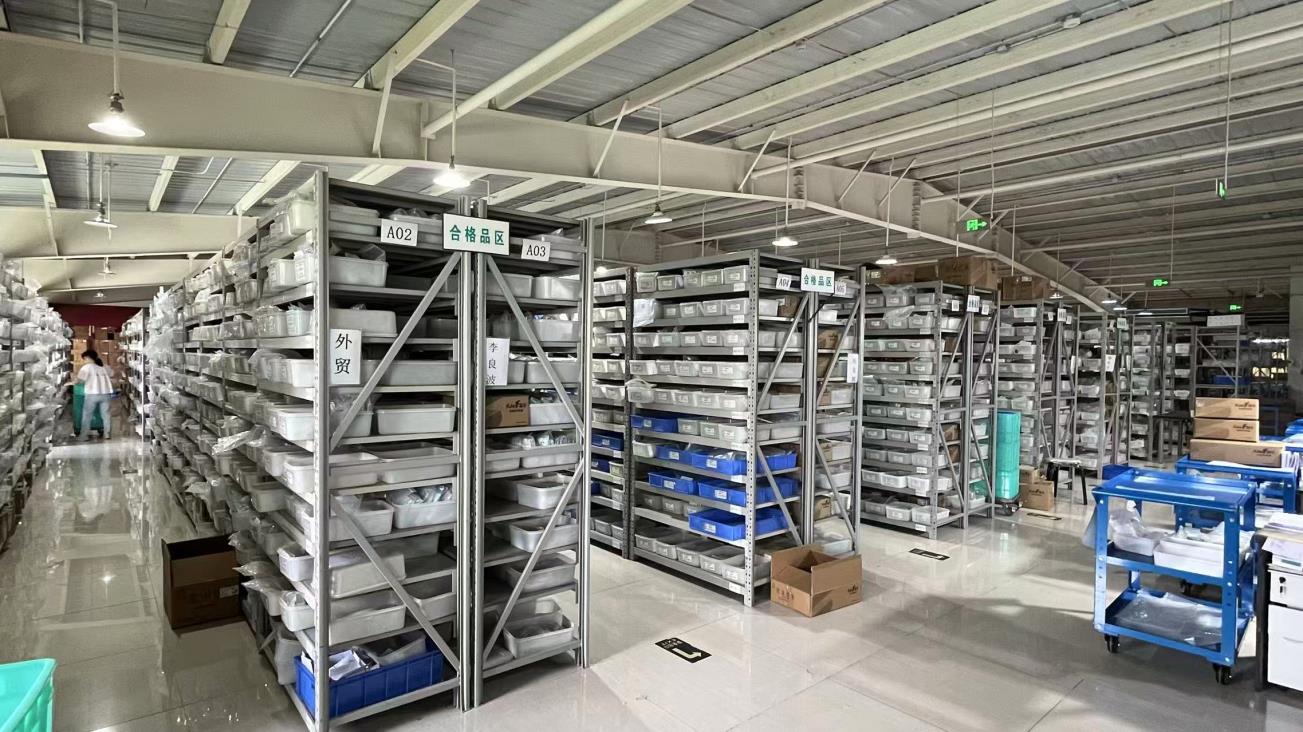
Reliable shipping schedules, continuous inventory replenishment, and high production volume capacity to prevent regional hospital shortages.
| Implant Classification | Predominant Biomaterial Base | Primary Clinical Application | Required Global Certifications |
|---|---|---|---|
| Cervical Laminoplasty Systems | Titanium Alloy (Ti-6Al-4V ELI) | Spinal canal expansion & decompressive reconstruction | ISO 13485, CE Mark, Class III Medical Device Registration |
| Pedicle Screw-Rod Assemblies | Medical Grade 5 Titanium | Lumbar/Thoracic spinal instability fixation & fusion | ASTM F136 compliant, ISO 9001, CE Certification |
| Osteosynthesis Fracture Plates | Commercially Pure Titanium / Stainless Steel 316LVM | Rigid fixation of long bone fractures & osteotomies | EU MDR Compliant, ISO 13485 Traceable |
| Minimally Invasive Interventional Kits | High-carbon Surgical Stainless Steel | MIS instrumentation, soft tissue dissection & retraction | Class I & Class II Device Clearances |
As global populations age and structural spine disorders increase, healthcare systems face rising demand for orthopedic surgeries. Addressing these issues requires more than just high-quality implants. Modern medical device manufacturers must supply complete therapeutic solution packages. This means pairing implants directly with corresponding surgical instruments, driver sets, and custom template guides.
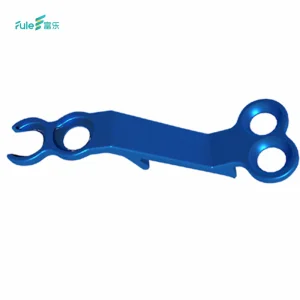
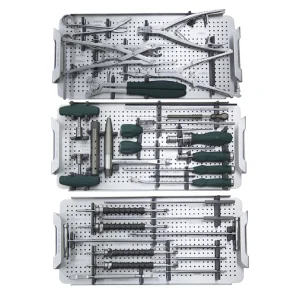
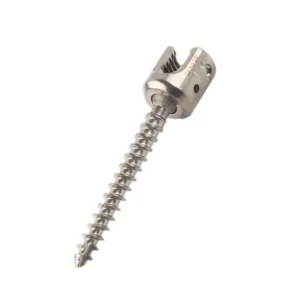
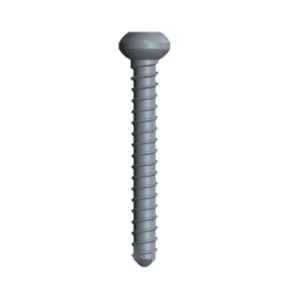
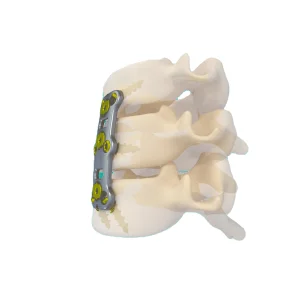
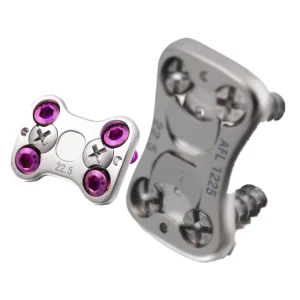
For example, a cervical laminoplasty operation requires exact coordination between the posterior titanium plate, the anchoring bone screws, and the specialized instruments used during the procedure. Providing these components as a unified kit reduces surgical preparation time in the operating room. It also ensures proper compatibility between components and minimizes risk during surgical procedures. By offering pre-sterilized implants and color-coded surgical tool trays, manufacturers help hospitals run their operating rooms more efficiently, reduce error rates, and improve patient safety.
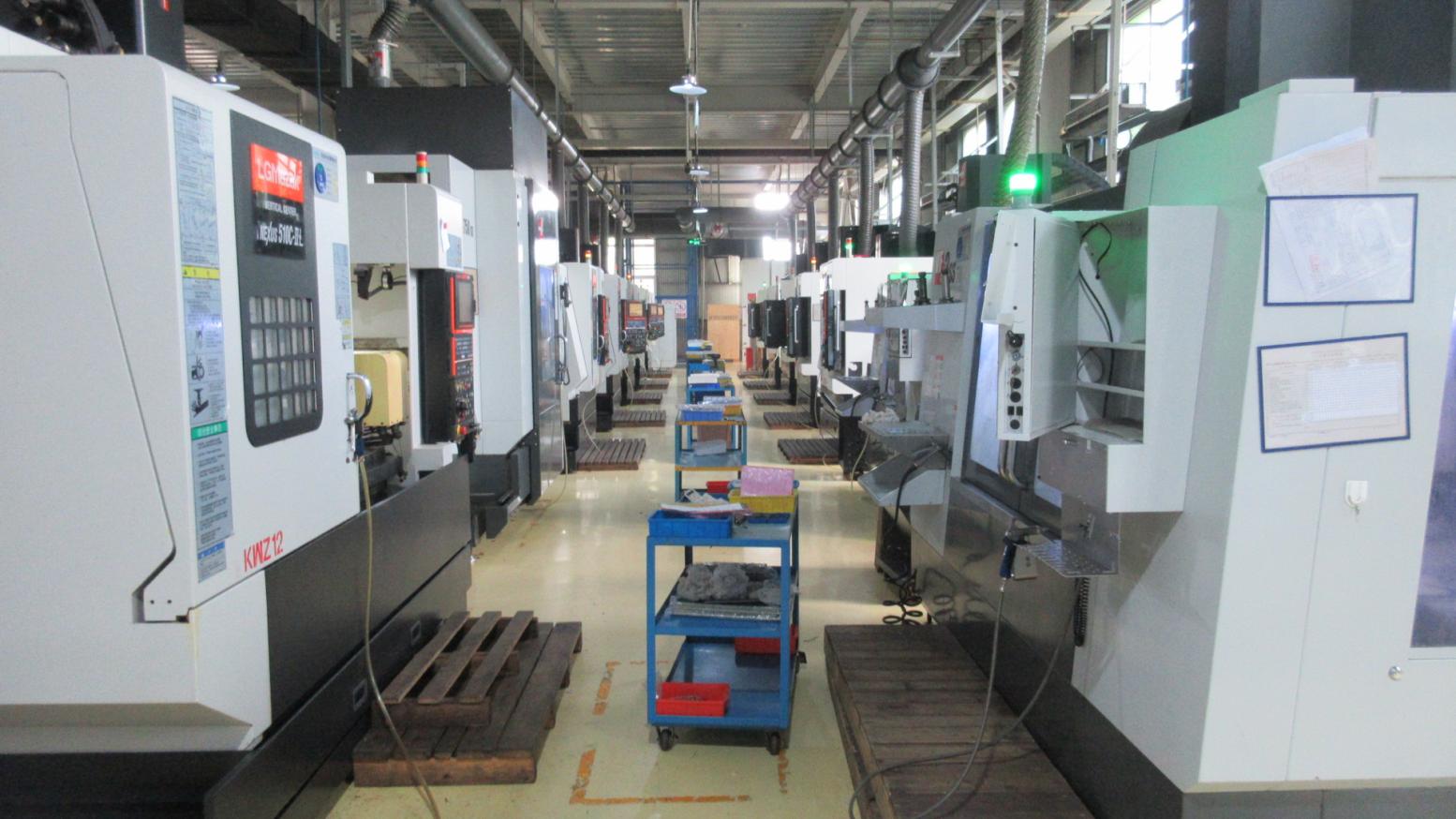
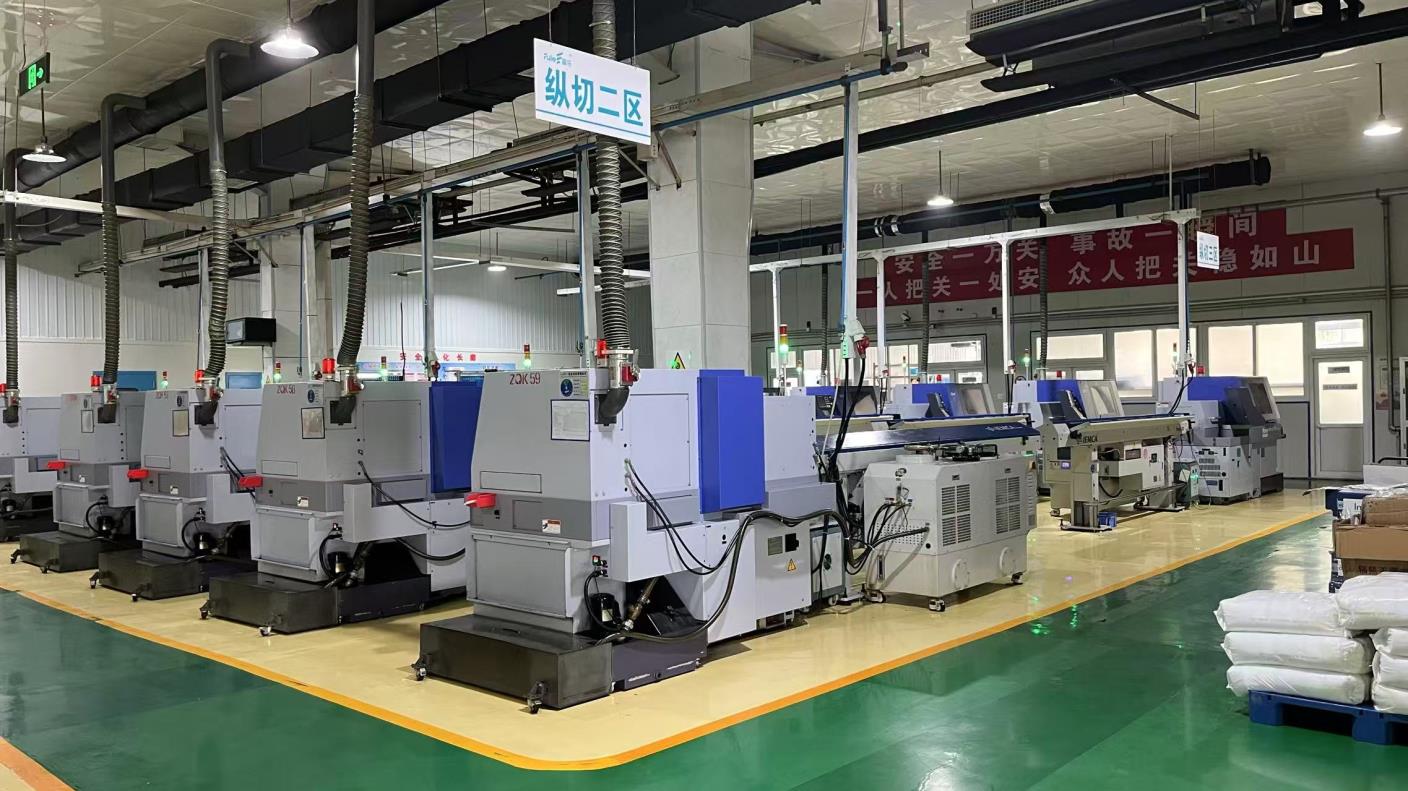
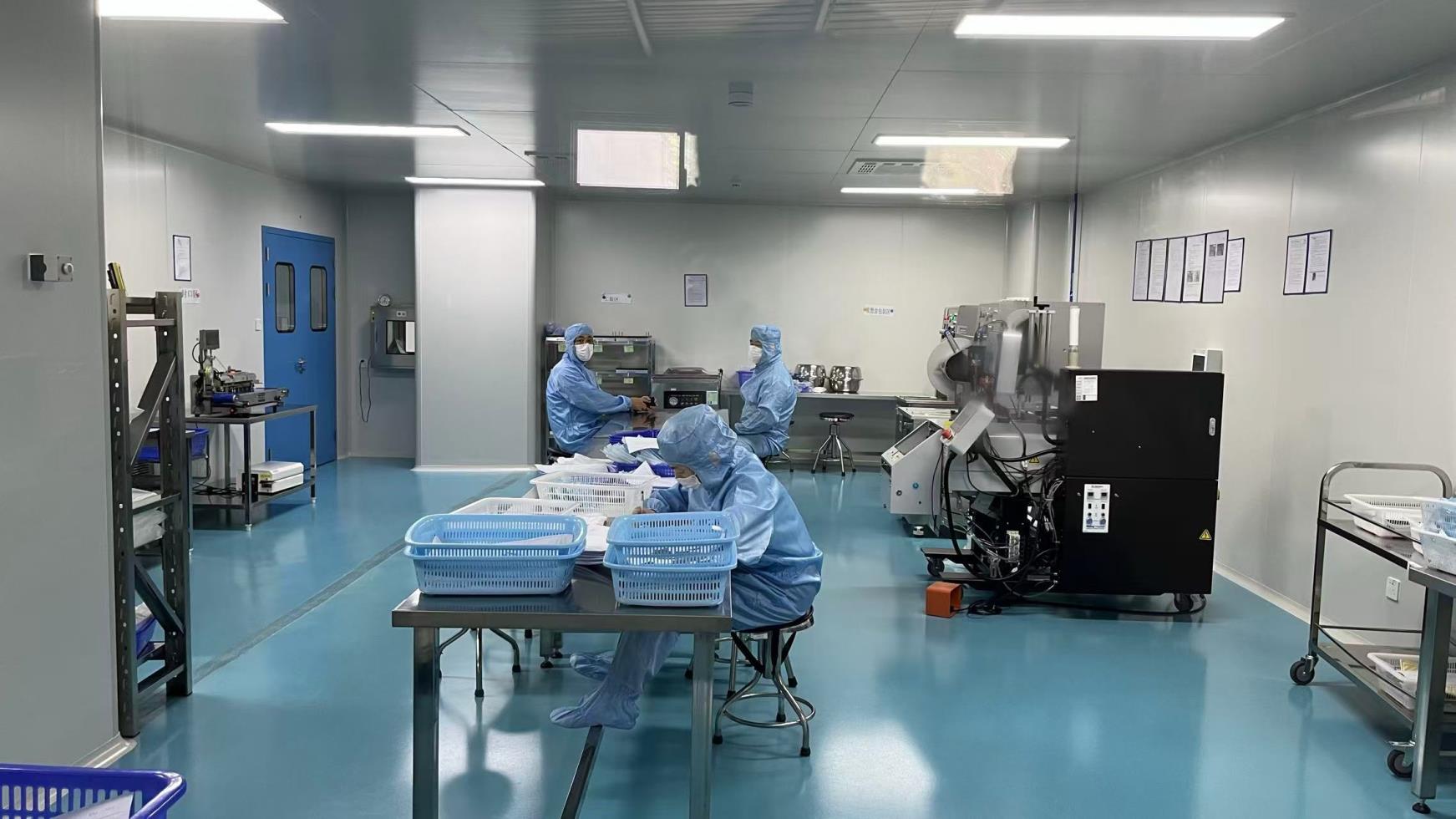
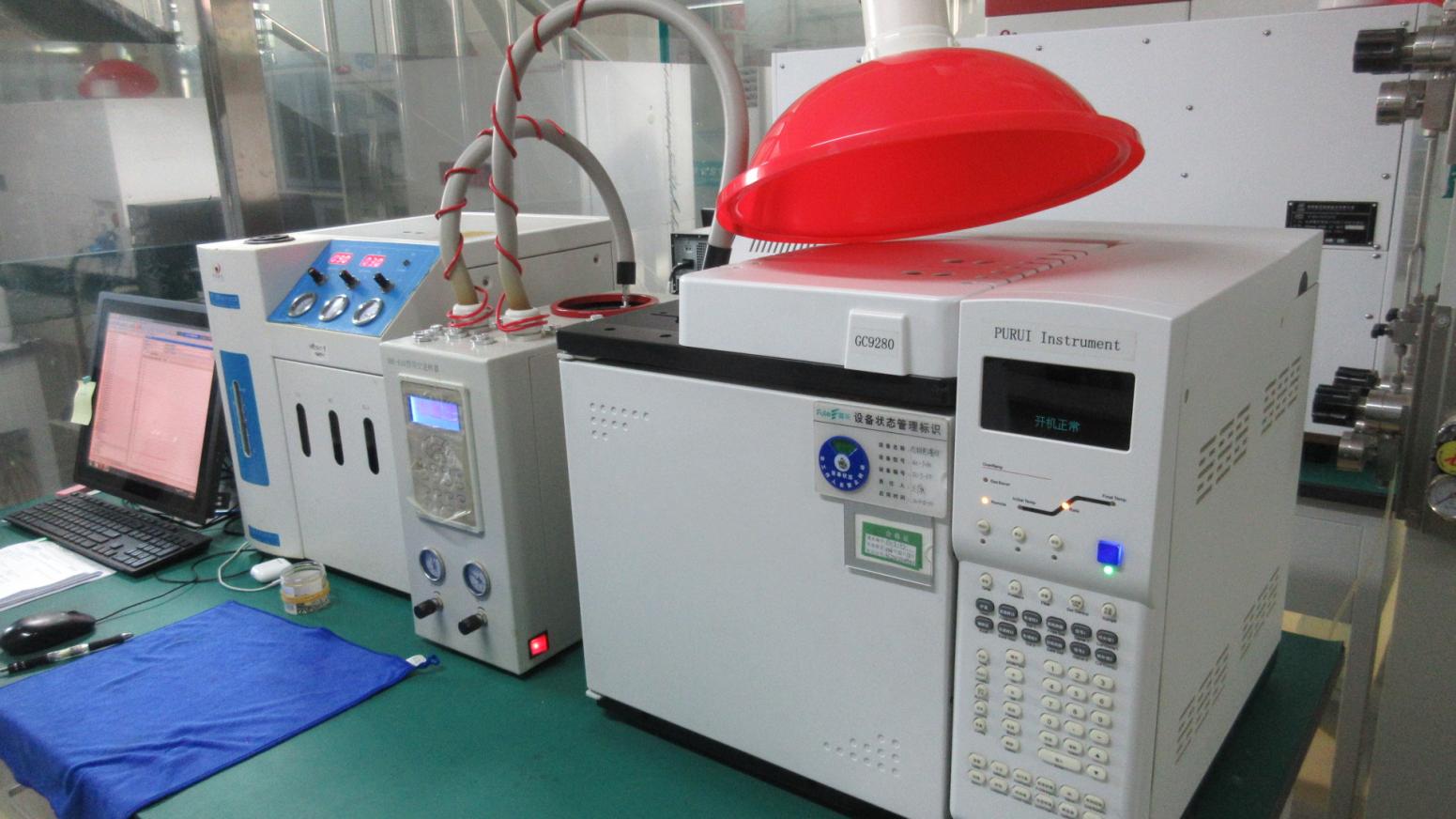
Our manufacturing infrastructure is built on precision, automation, and strict compliance with international medical device standards. The factory floor features advanced CNC machining systems and a fully controlled ISO Class 7 cleanroom environment. Every step of our process—from titanium raw material analysis to final sterile packaging—is carefully managed to ensure the quality and safety of our implants.
To maintain leadership in spinal and orthopedic implants, our engineering department focuses on several key areas of material development:
Explore our production lines, mechanical testing labs, inventory controls, and packaging areas.

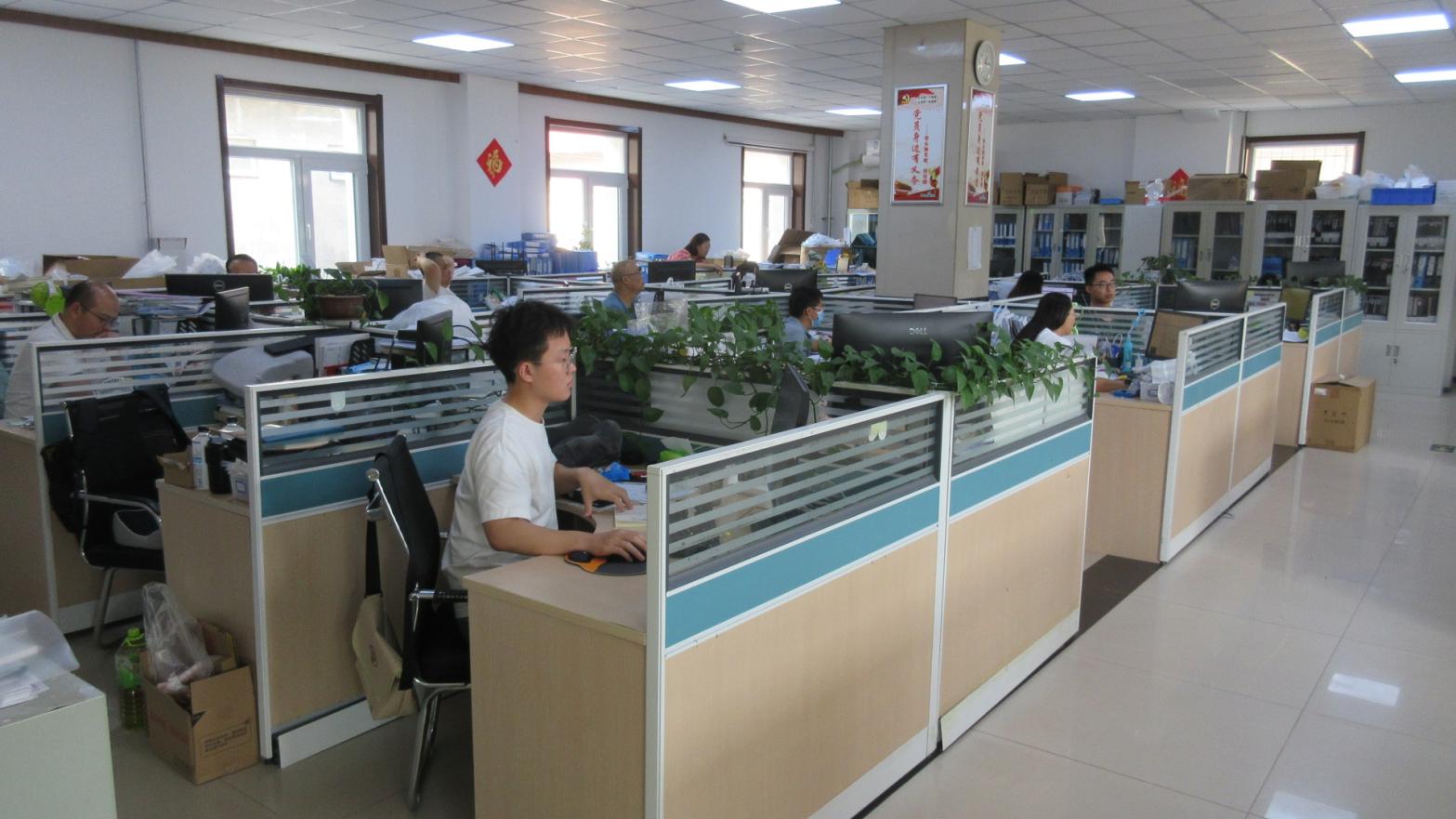
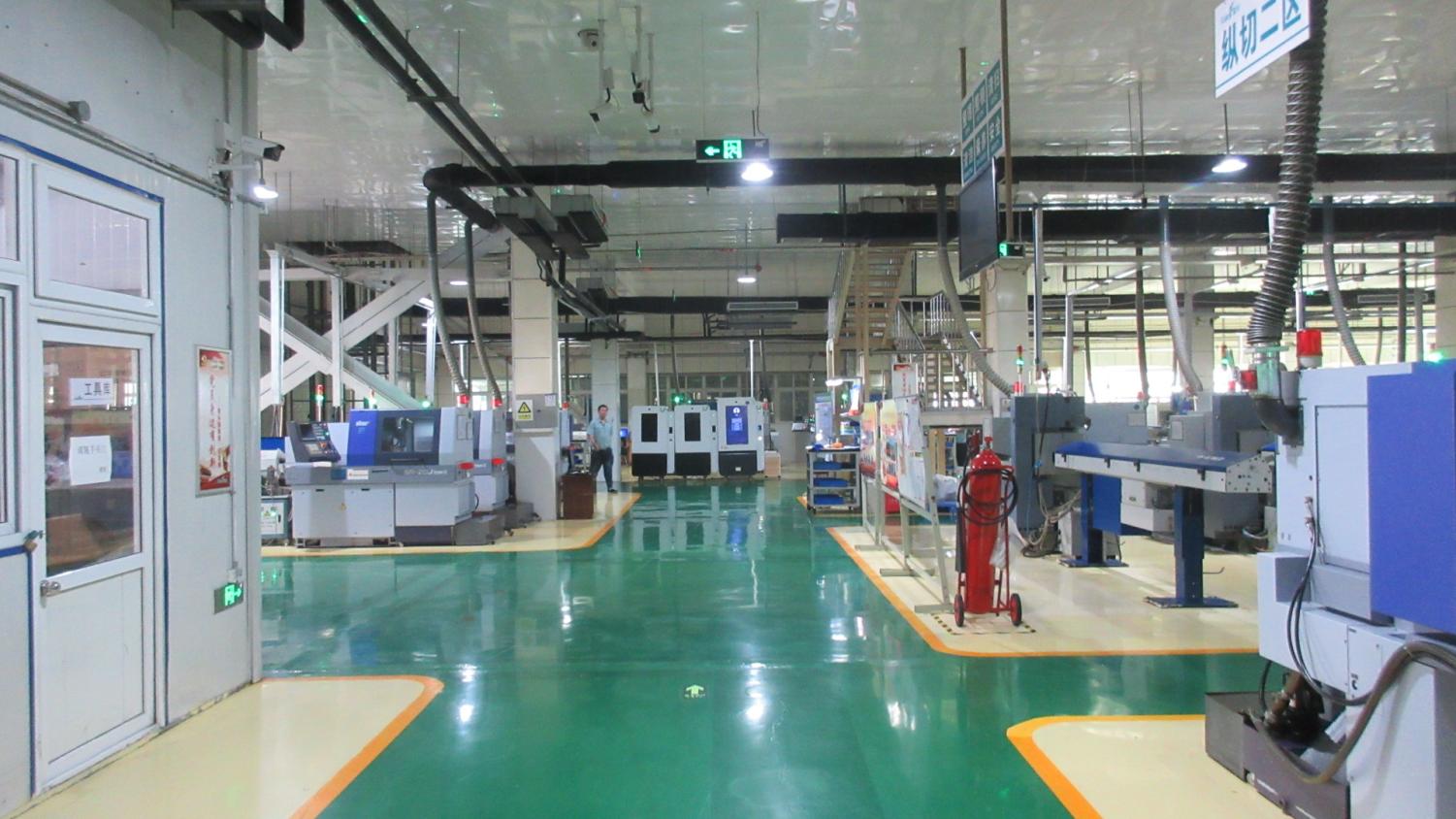
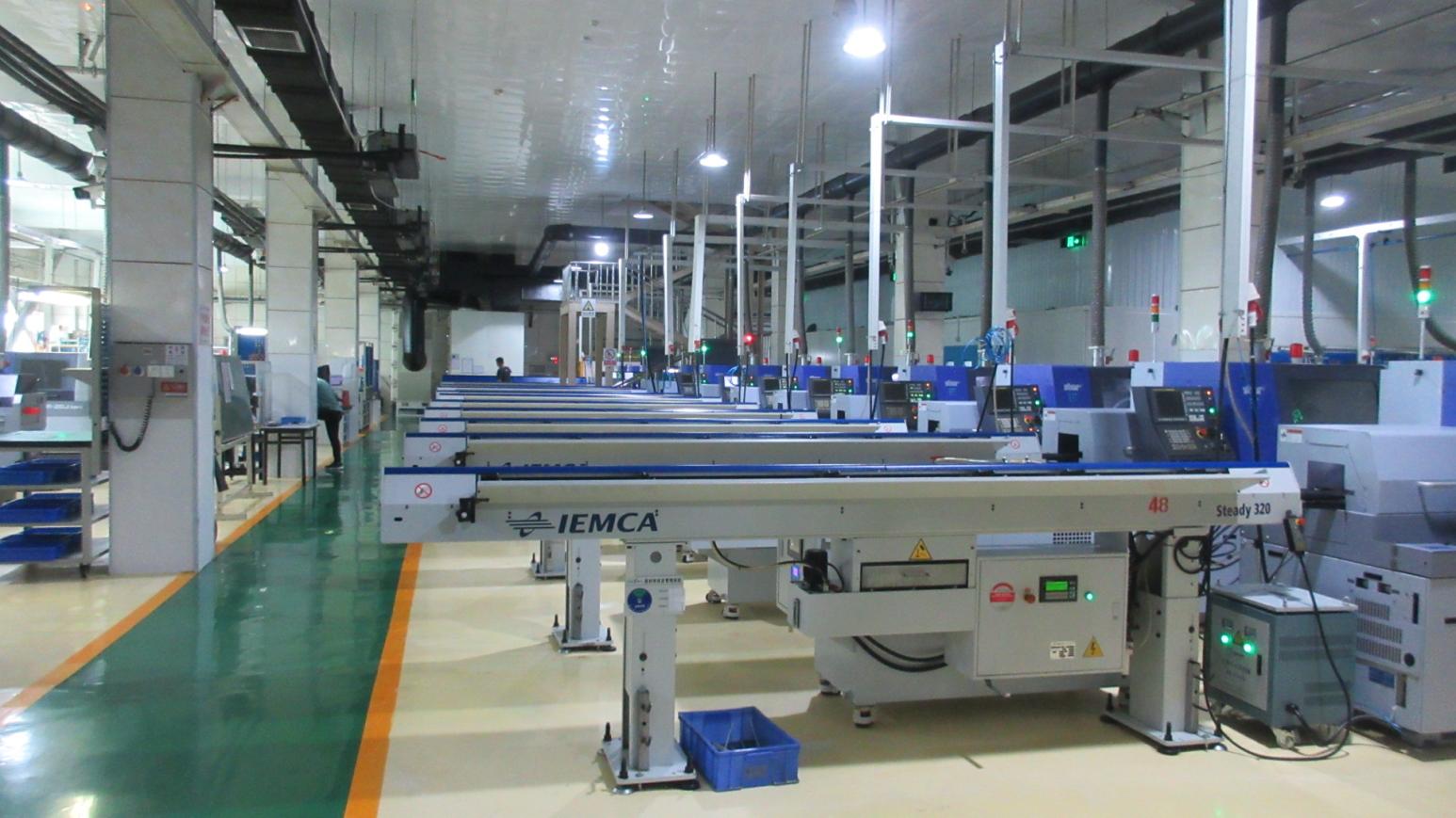
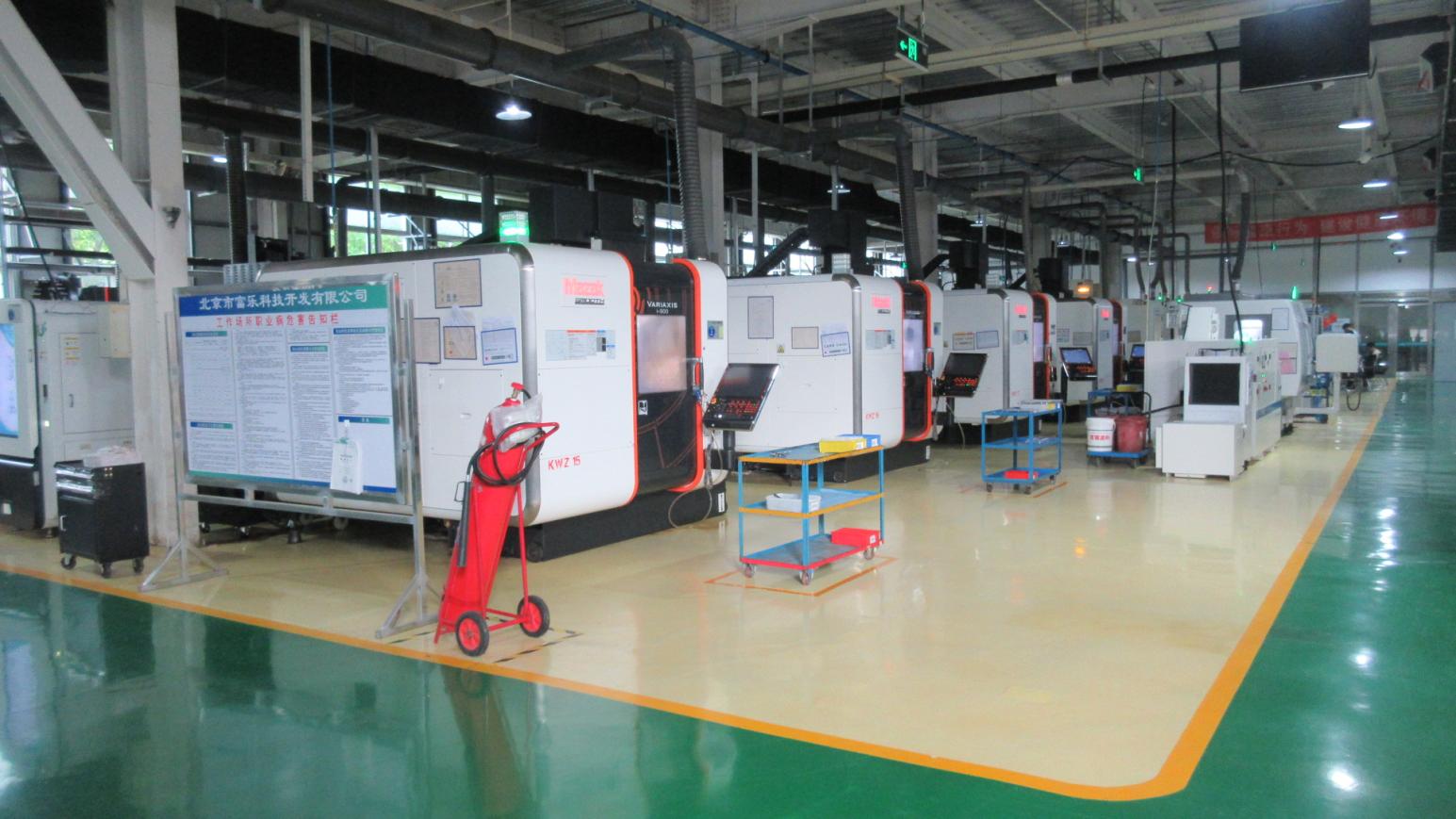
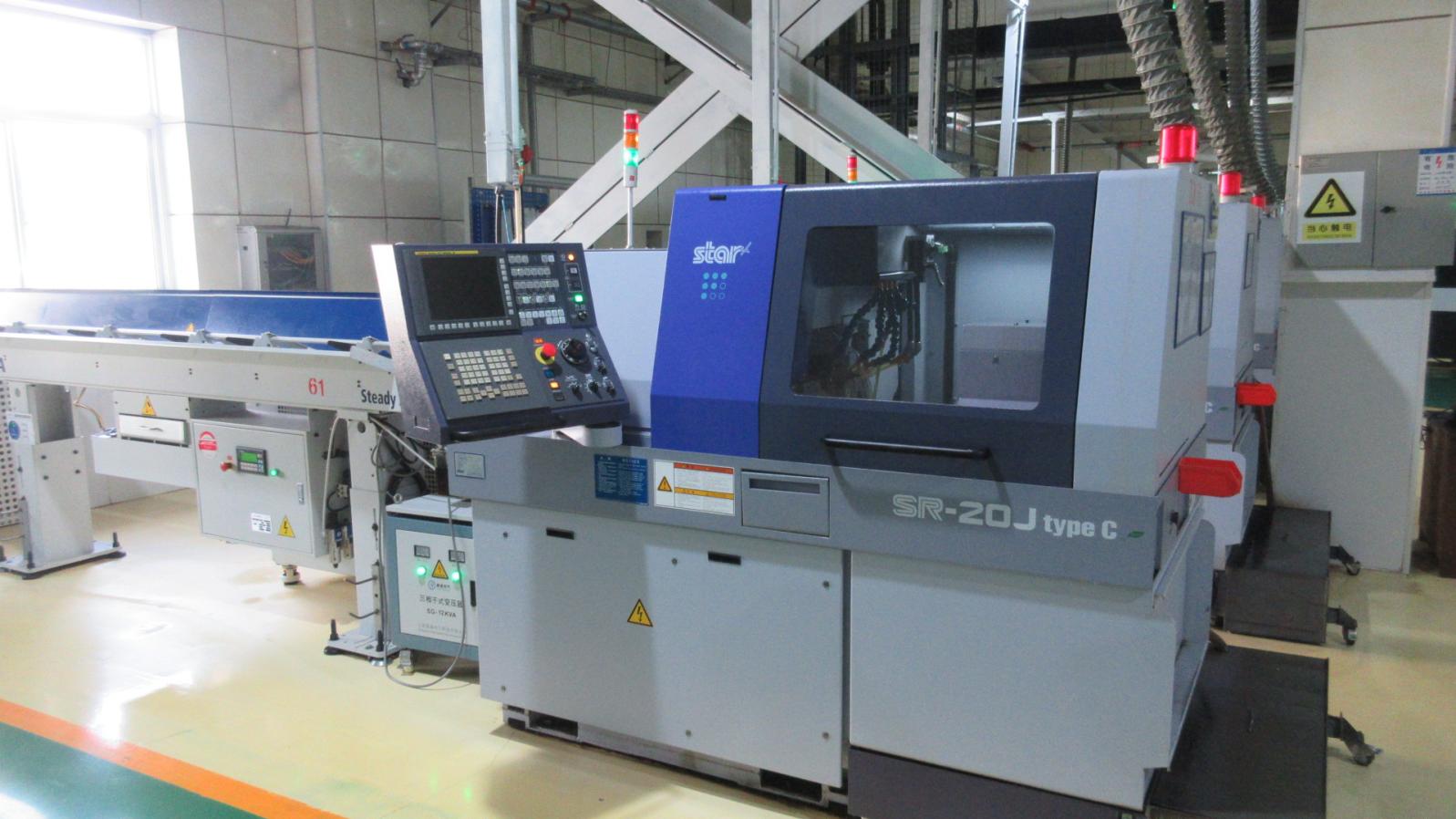
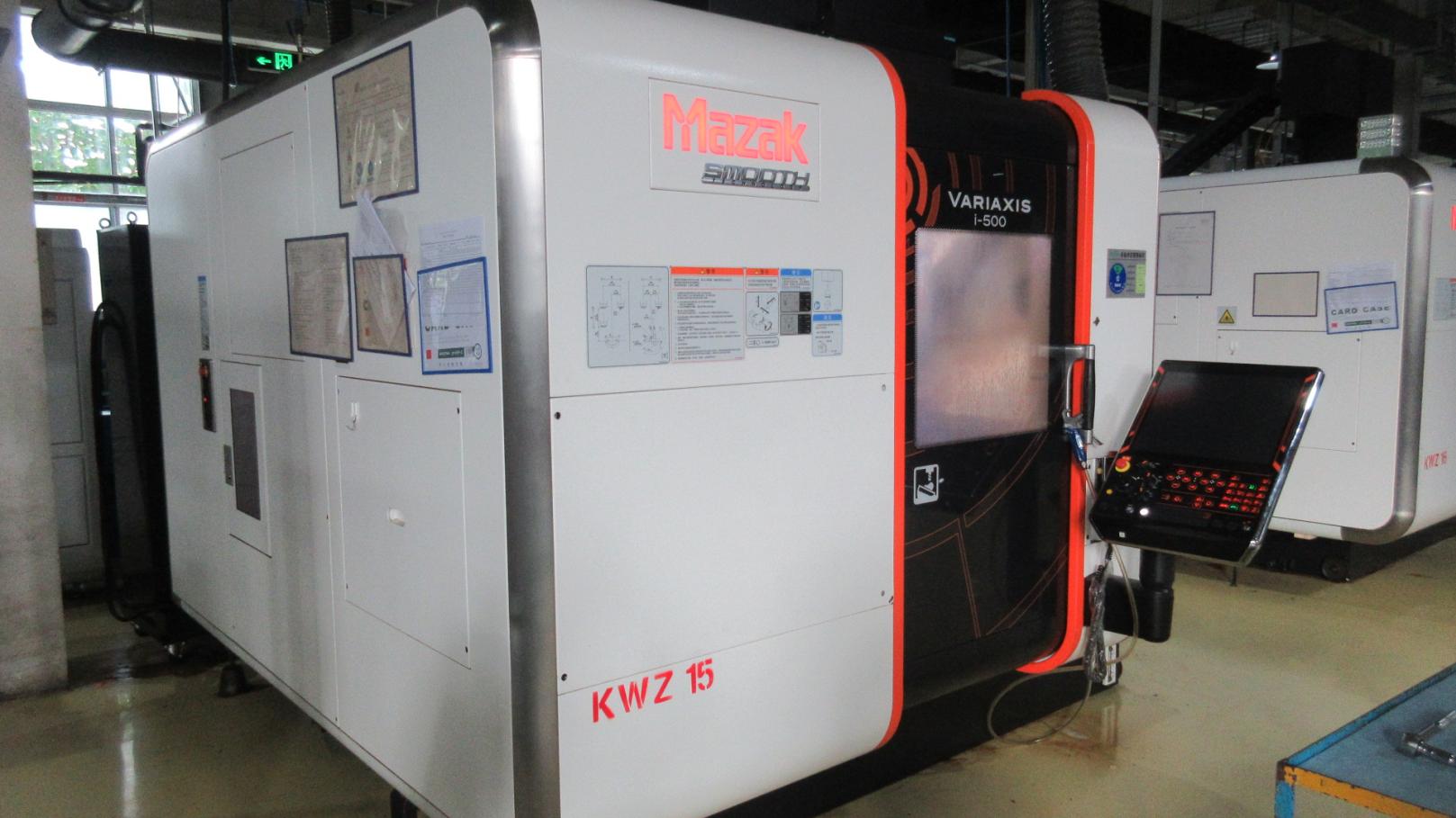
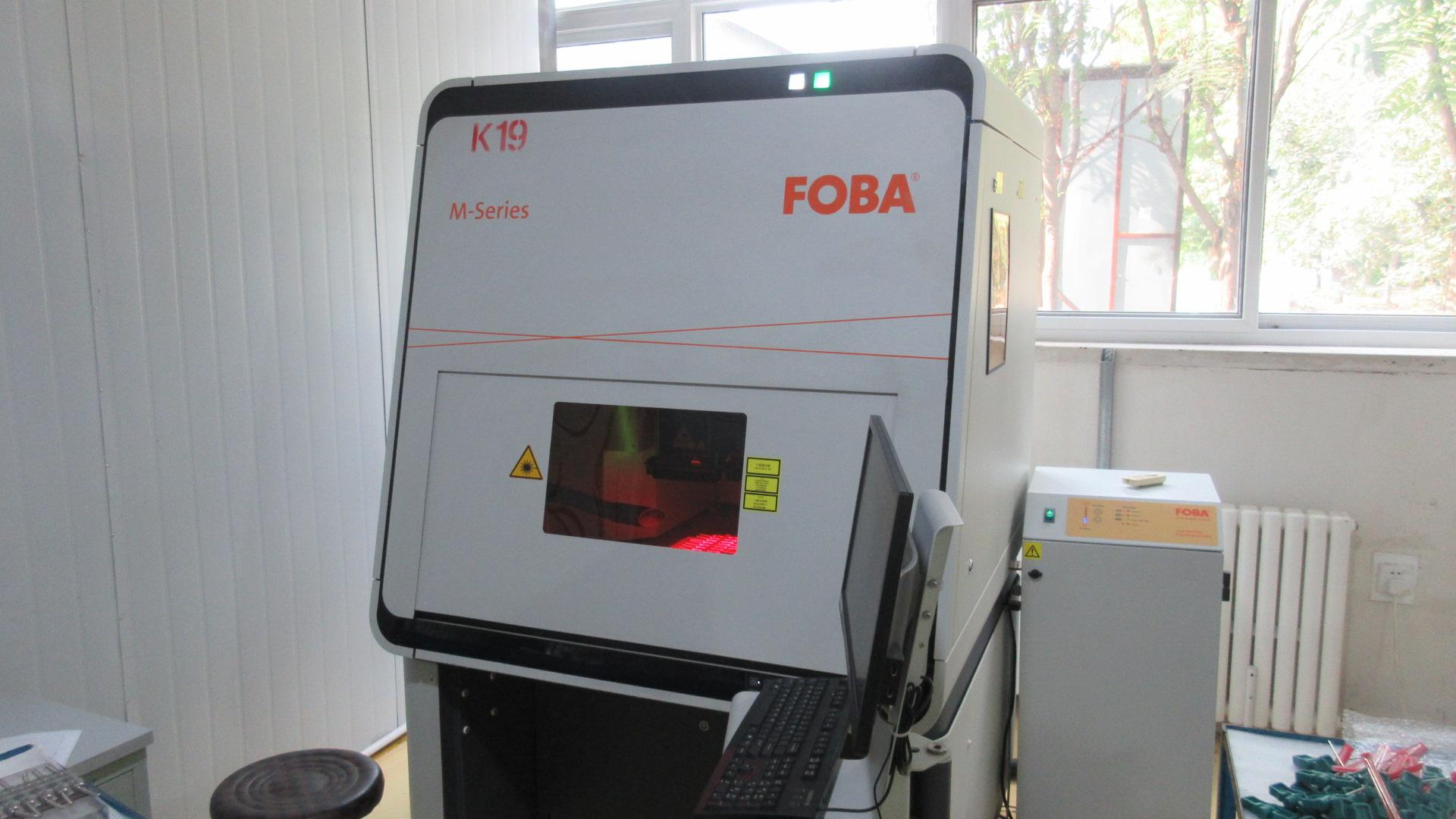
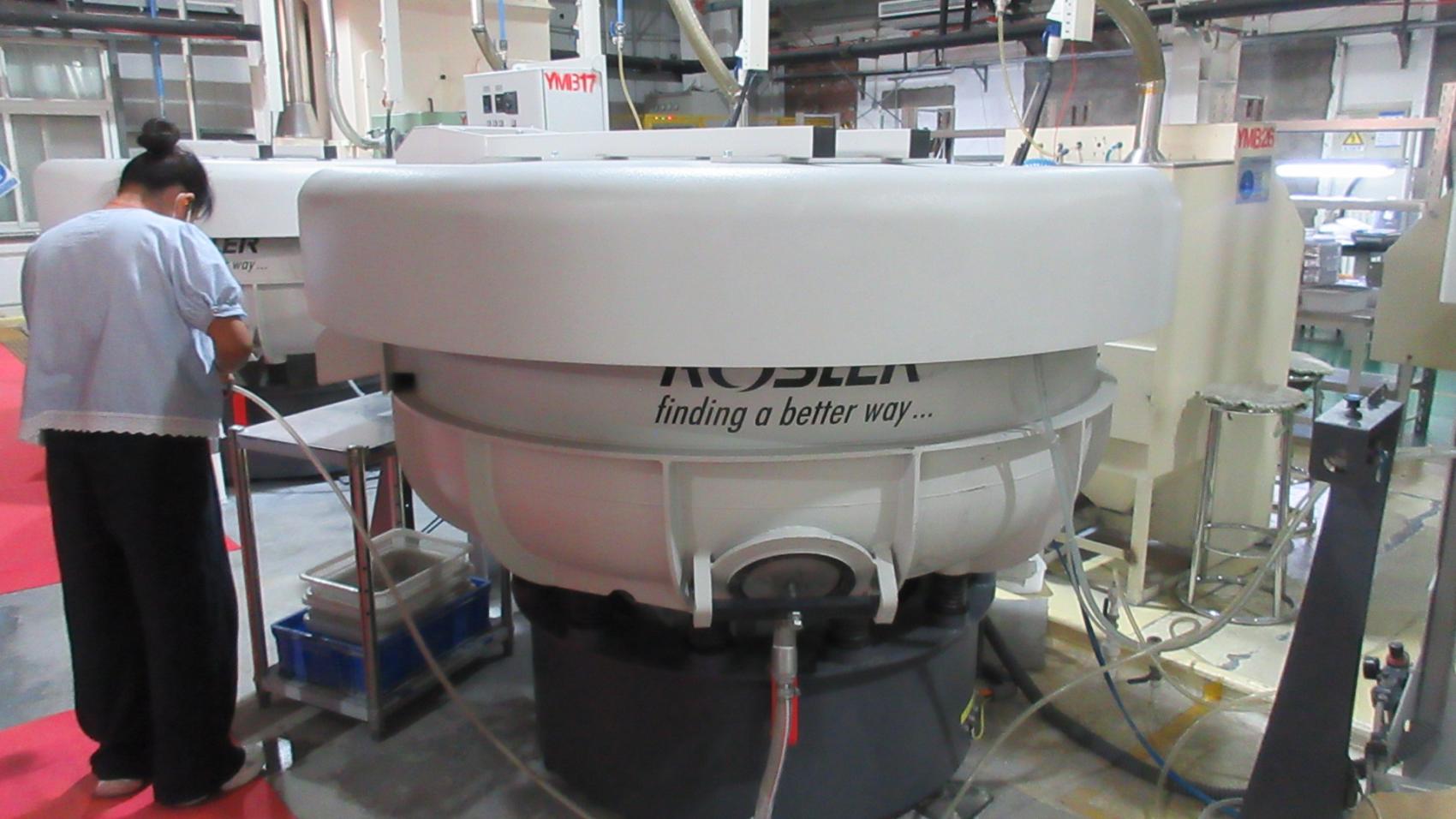
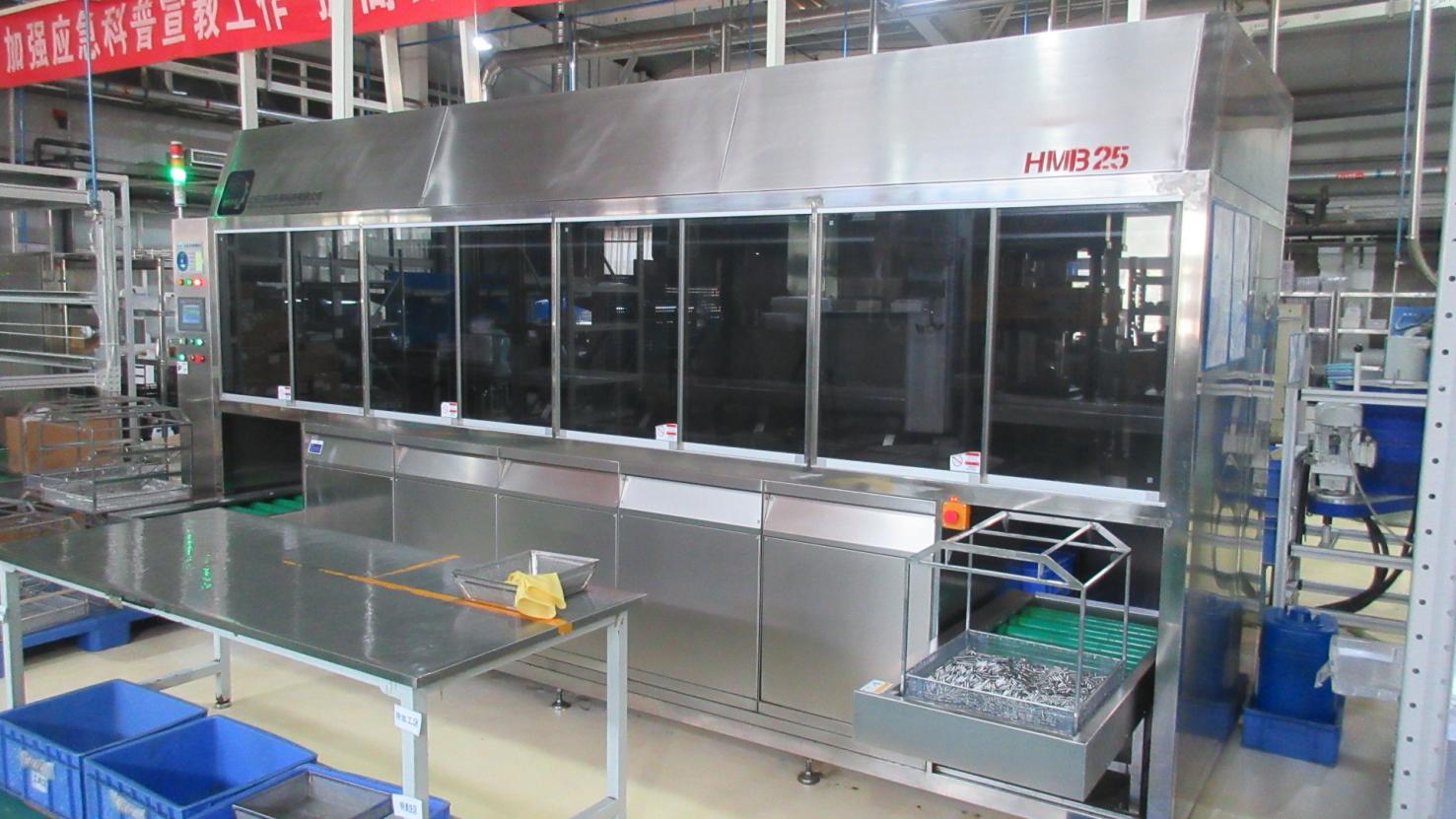
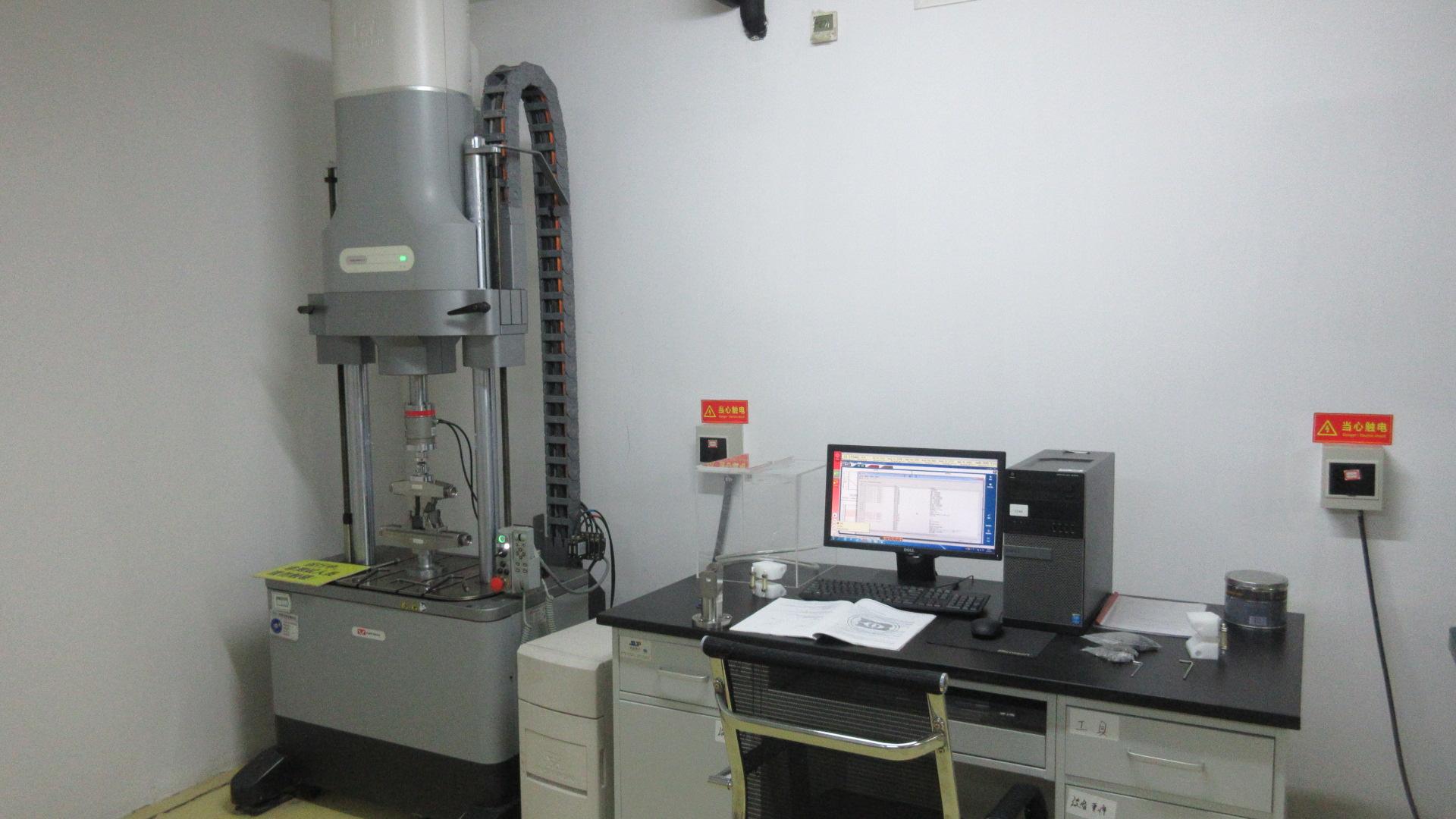
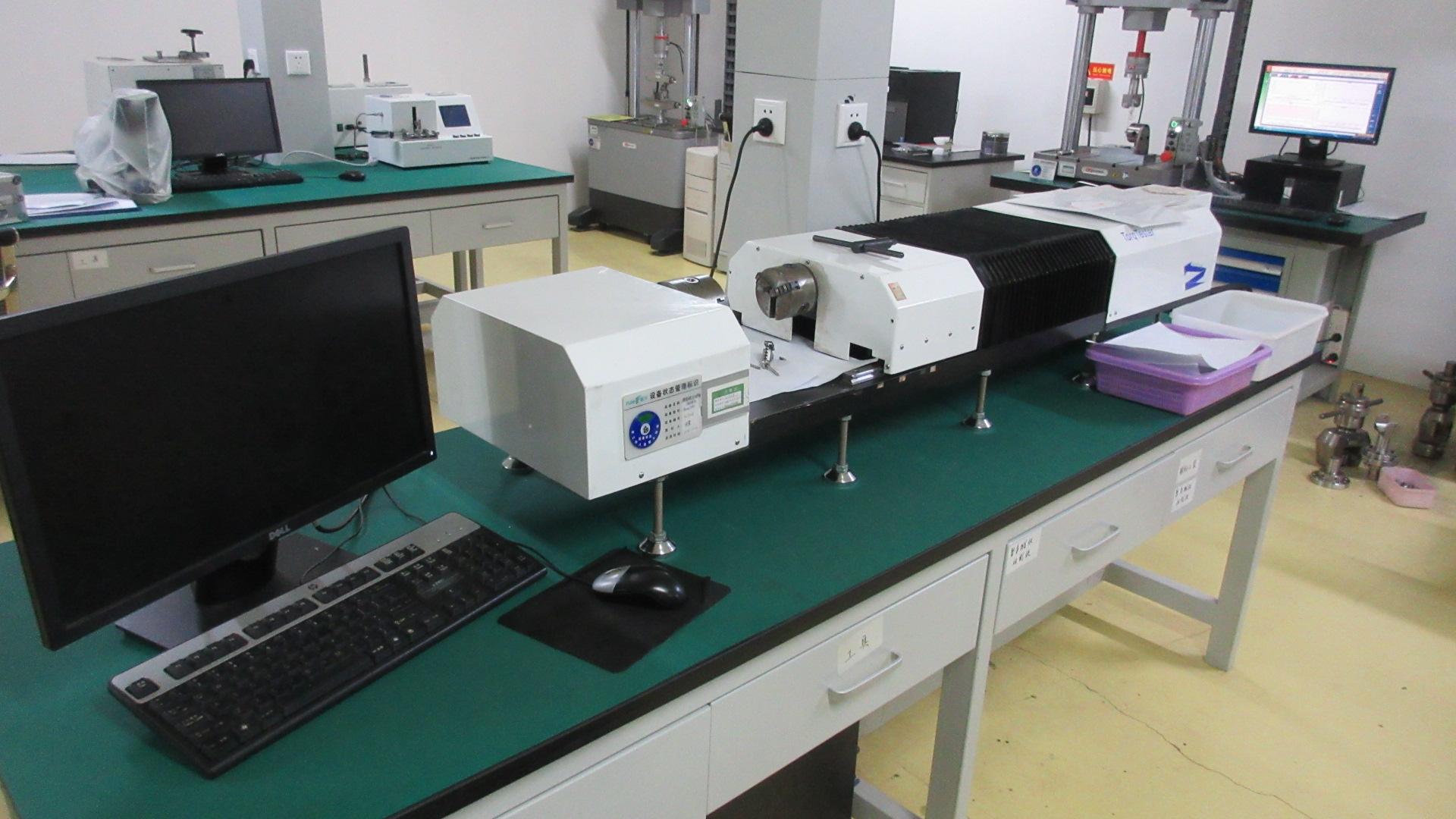
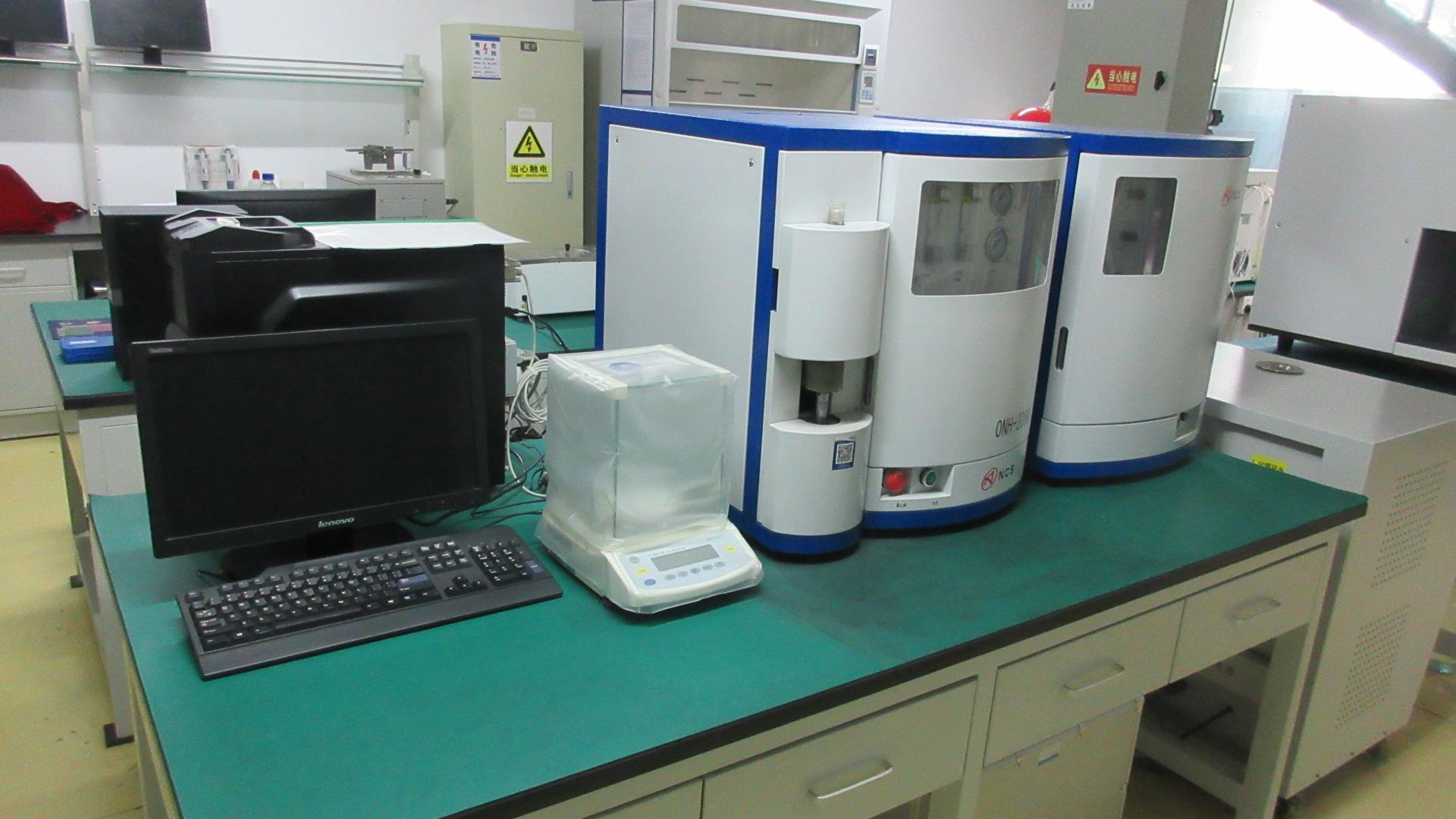
Expanding the distribution of class III titanium implants into international markets requires strict compliance with regional healthcare regulations. Our engineering and compliance departments work together to provide complete documentation to simplify registration processes with health ministries in Europe, Southeast Asia, and the Americas.
From raw material selection to sterile packaging, we follow strict quality protocols. Raw materials are checked for chemical composition and mechanical properties before entering production. Our cleanroom facilities undergo routine microbial monitoring, and finished implants are sterilized using validated methods. This thorough approach ensures our products meet international standards, allowing distributors to source high-quality orthopedic solutions with confidence.
Answers to key technical, regulatory, and logistics questions from clinical procurement managers.
Browse our additional specialized products, designed to meet the demands of advanced orthopedic and spinal surgeries.
 Beren Science & Technology