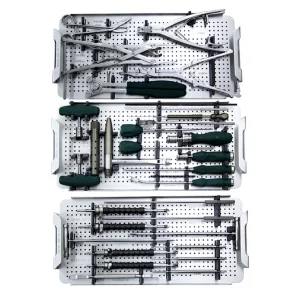
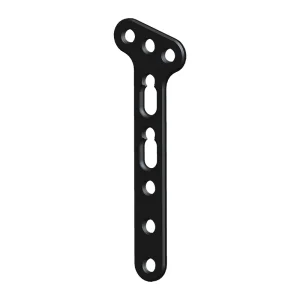
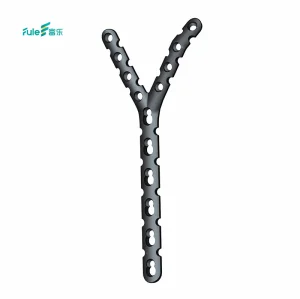
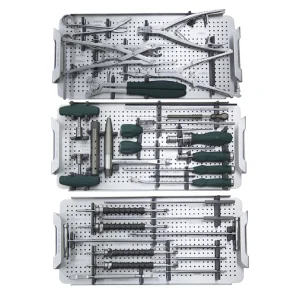
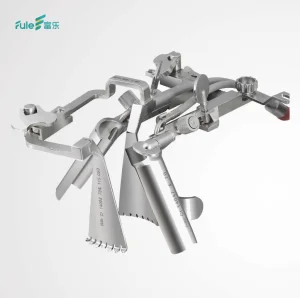
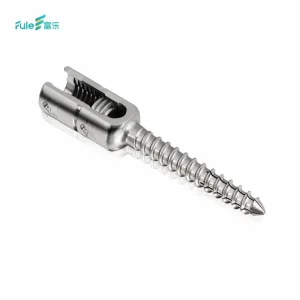
Explore our leading surgical fixation systems engineered from high-grade titanium and biomedical polymers to secure patient outcomes.
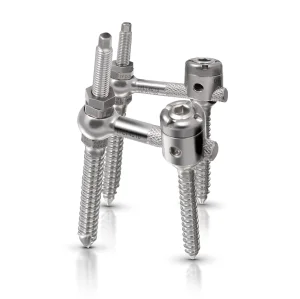
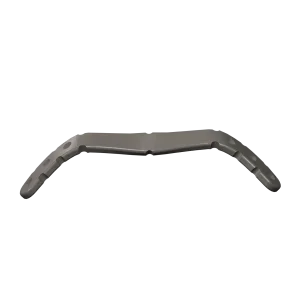
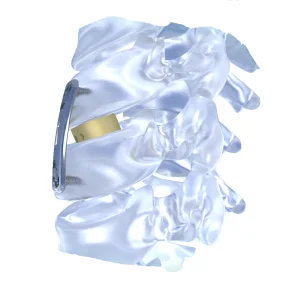
Anterior Cervical Discectomy and Fusion (ACDF) remains the gold standard treatment for multi-level degenerative disc diseases, herniations, instability, and traumatic fractures of the subaxial cervical spine. The success of ACDF procedures is fundamentally tied to primary mechanical stability. Anterior Cervical Plates (ACPs) act as internal splints, optimizing fusion rates, preventing graft displacement, and retaining correct cervical lordosis.
From a macro clinical perspective, the demands placed upon cervical plates have grown increasingly sophisticated. Early generation implants suffered from high profiles, causing soft tissue irritation, chronic postoperative dysphagia, and hardware migration. Modern cervical plate design has shifted towards ultra-low profile configurations, integrated locking mechanisms, and bio-favorable elasticity profiles that mimic human skeletal anatomy.
As a leading Anterior Cervical Plate factory and exporter, we address these challenges by manufacturing systems that combine extreme low profile thickness (typically <2.0mm) with high pull-out resistance. Our dynamic and rigid plating configurations provide surgical teams with the precise biomechanical environment needed to promote rapid osteogenesis while minimizing localized stress shielding.
The orthopedics implant sector is heavily influenced by strict regulatory standards and rising expectations for device life spans. In the global context, the supply chain for cervical plating systems has shifted towards high-capacity hubs capable of delivering consistent raw-material grade titanium, advanced precision manufacturing, and cleanroom packaging.
Our facility represents the intersection of these industrial developments. Operating over 10,000 square meters of production space with 102 state-of-the-art production machines, we support standard and bespoke orthopedic lines for worldwide distribution. With 40% of our production supplying domestic medical networks, and 25% exported across high-demand regions like Eastern Europe and Southeast Asia, our manufacturing workflows are optimized to meet diverse regional requirements.
"By integrating advanced multi-axis CNC machines and maintaining raw material traceability, we ensure that every anterior cervical plate leaving our cleanroom adheres to the highest level of mechanical and chemical reliability."
Distributing orthopedic implants globally requires strict adherence to international and local regulatory standards. Our operations conform to Class III medical device standards, backed by certified ISO 13485 quality management systems.
We manage every tier of regulatory compliance to streamline market access for wholesalers, distributors, and hospital procurement systems:
| Compliance Pillar | Standard / Protocol | Clinical / Practical Significance |
|---|---|---|
| Material Certification | ASTM F136 / ISO 5832-3 (Ti-6Al-4V ELI) | Ensures maximum biocompatibility, high fatigue limit, and minimal artifacting on MRI scans. |
| Quality System Control | ISO 13485:2016 | Guarantees complete batch traceability and strict corrective/preventive action protocols. |
| Surgical Approvals | CE Mark & Class III Medical Device Registration | Permits legal import and clinical use in major European, Latin American, and Asian countries. |
| Traceability | Individual Laser-Etched UDI (Unique Device Identifier) | Allows rapid tracking from raw material batches to the operating theater. |
Additionally, we supply comprehensive clinical literature, surgical manuals, and clean documentation to ensure straightforward regulatory registration.
Different medical systems and patient demographics present unique clinical needs. Our anterior cervical plates are engineered for a variety of indications:
Our R&D division, consisting of 20 specialist engineers (including 15 postgraduate specialists), focuses on expanding implant technology to meet future clinical needs.
Our current development plan highlights several key technical benchmarks:
A closer look at our ISO-certified facilities, testing laboratories, cleanrooms, and engineering capabilities.
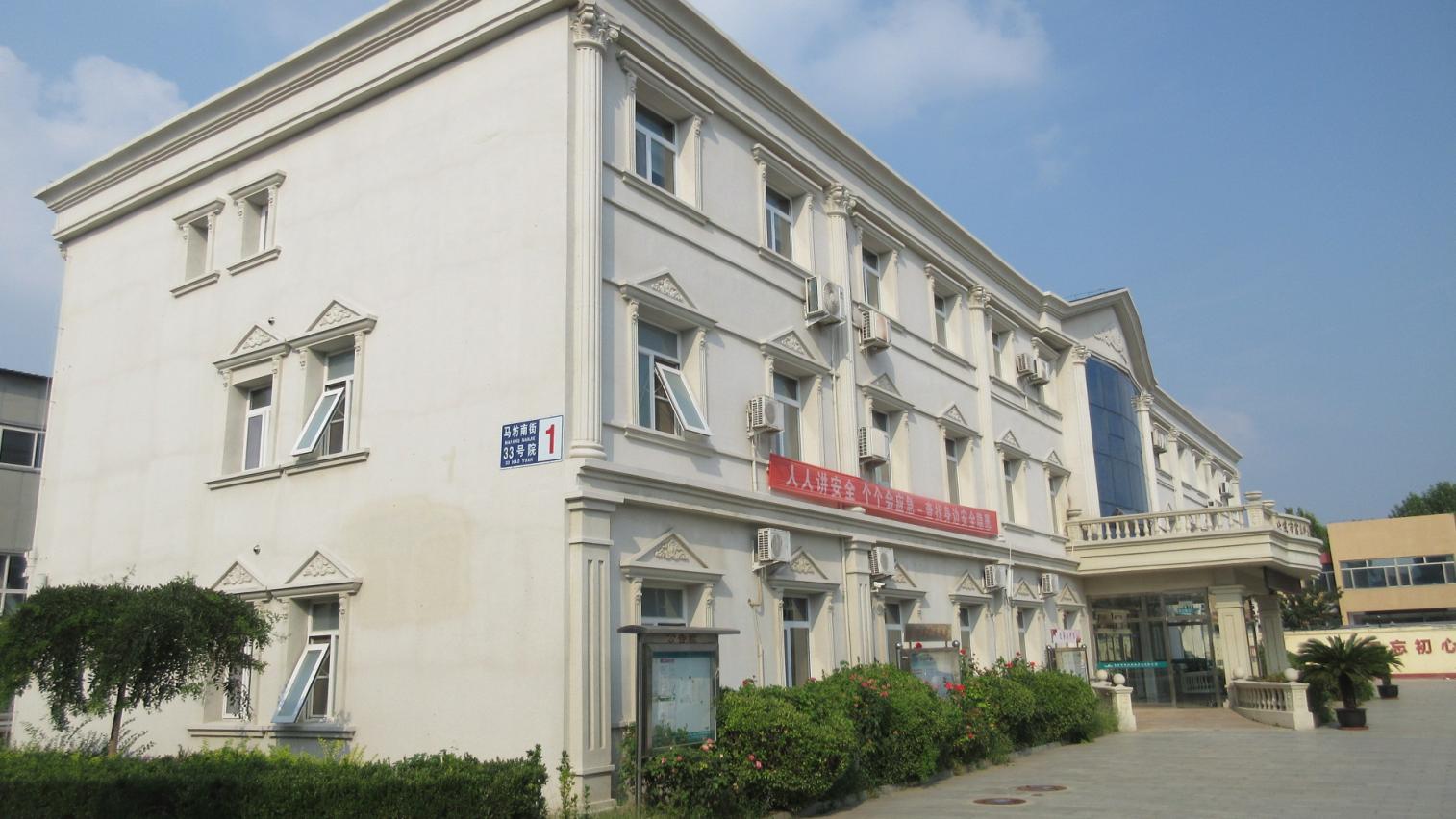
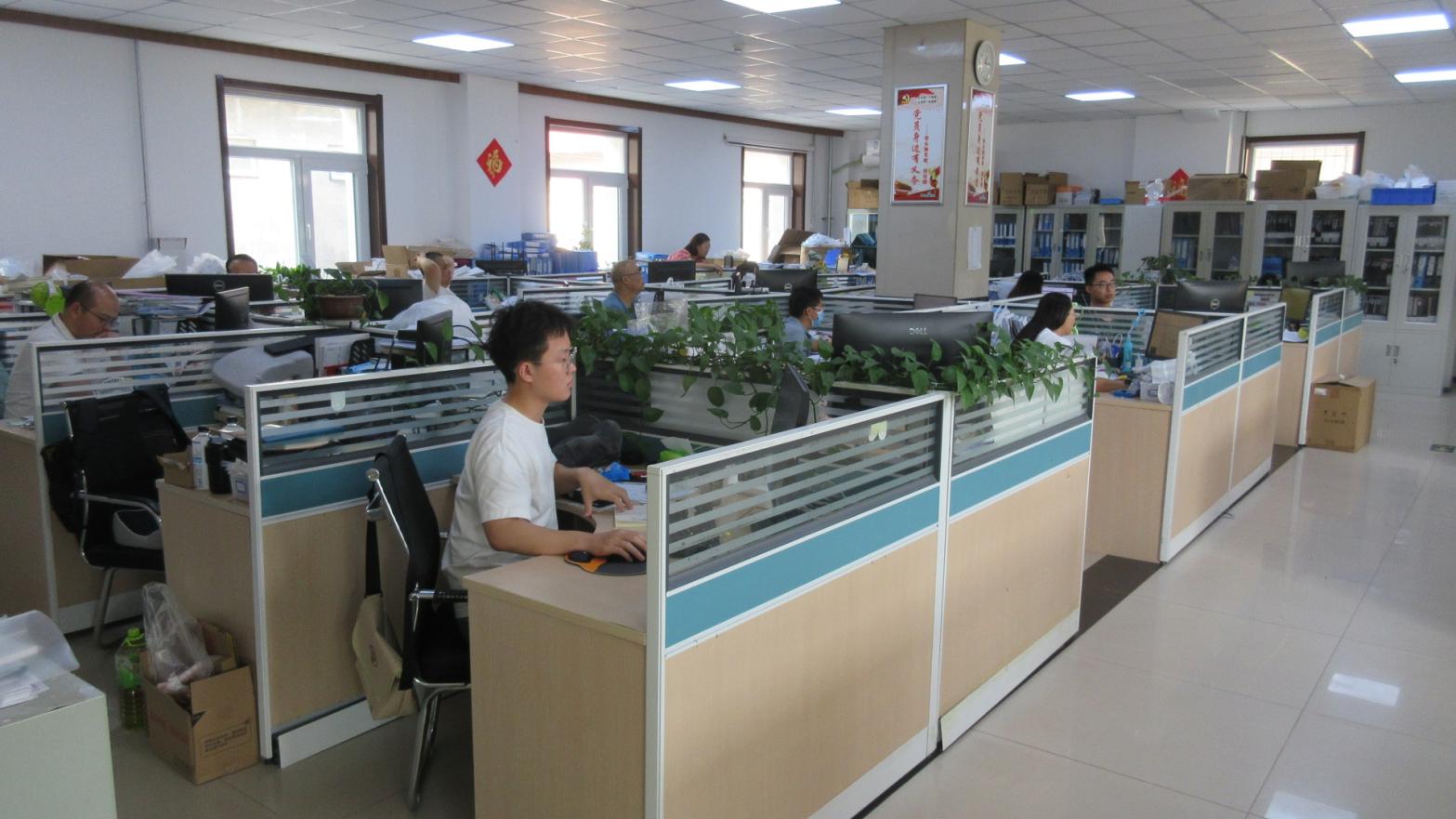
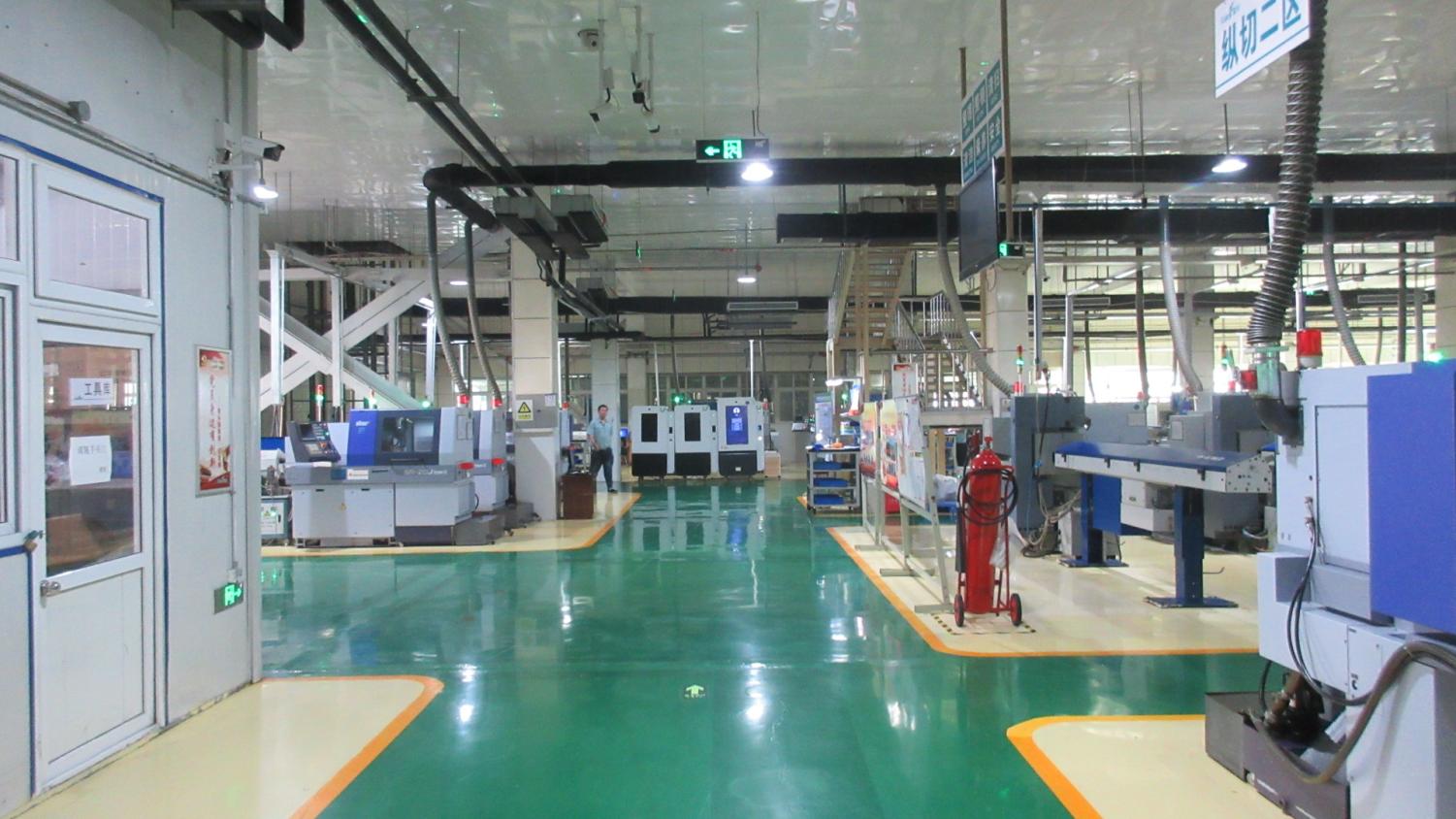
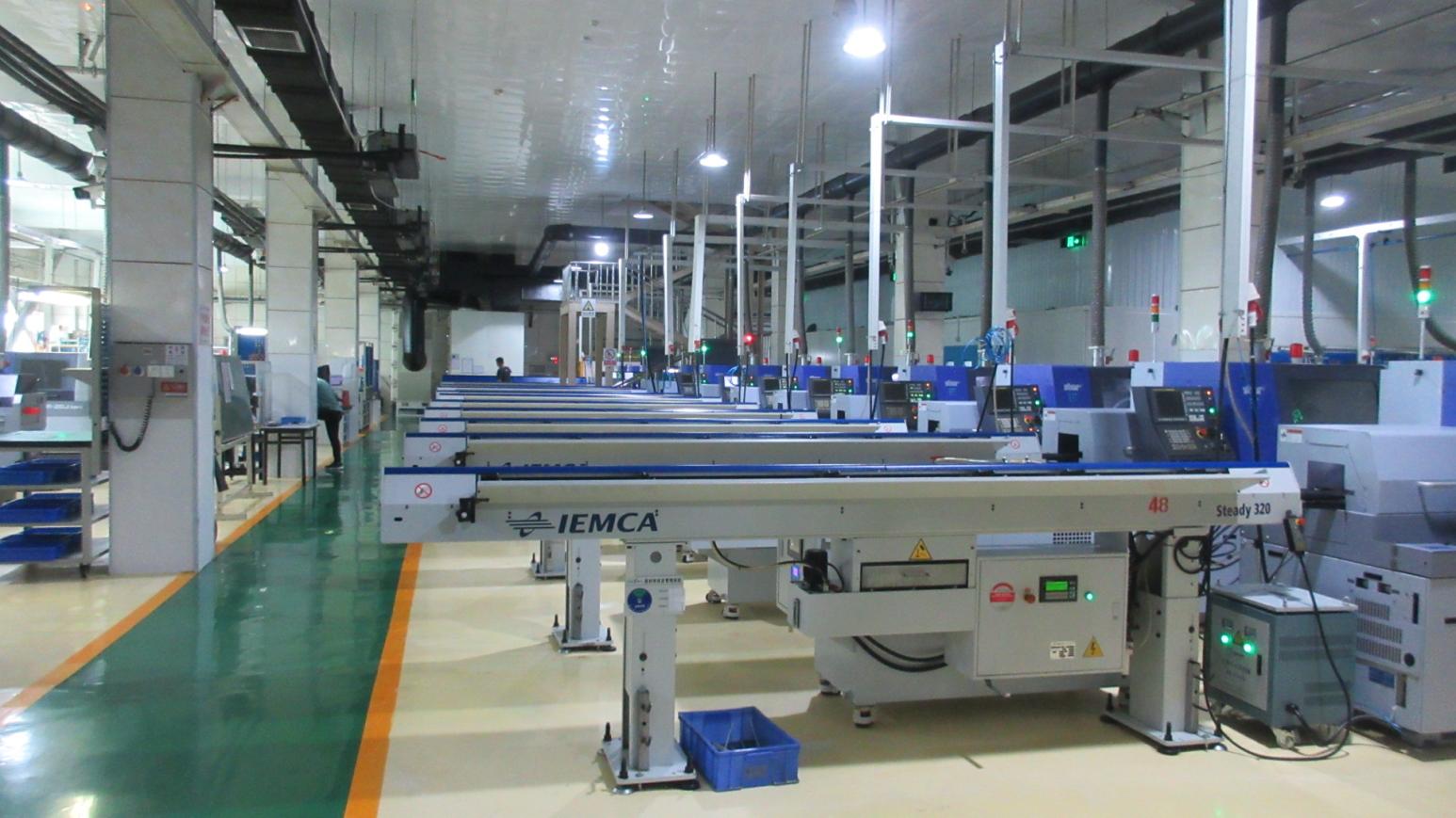
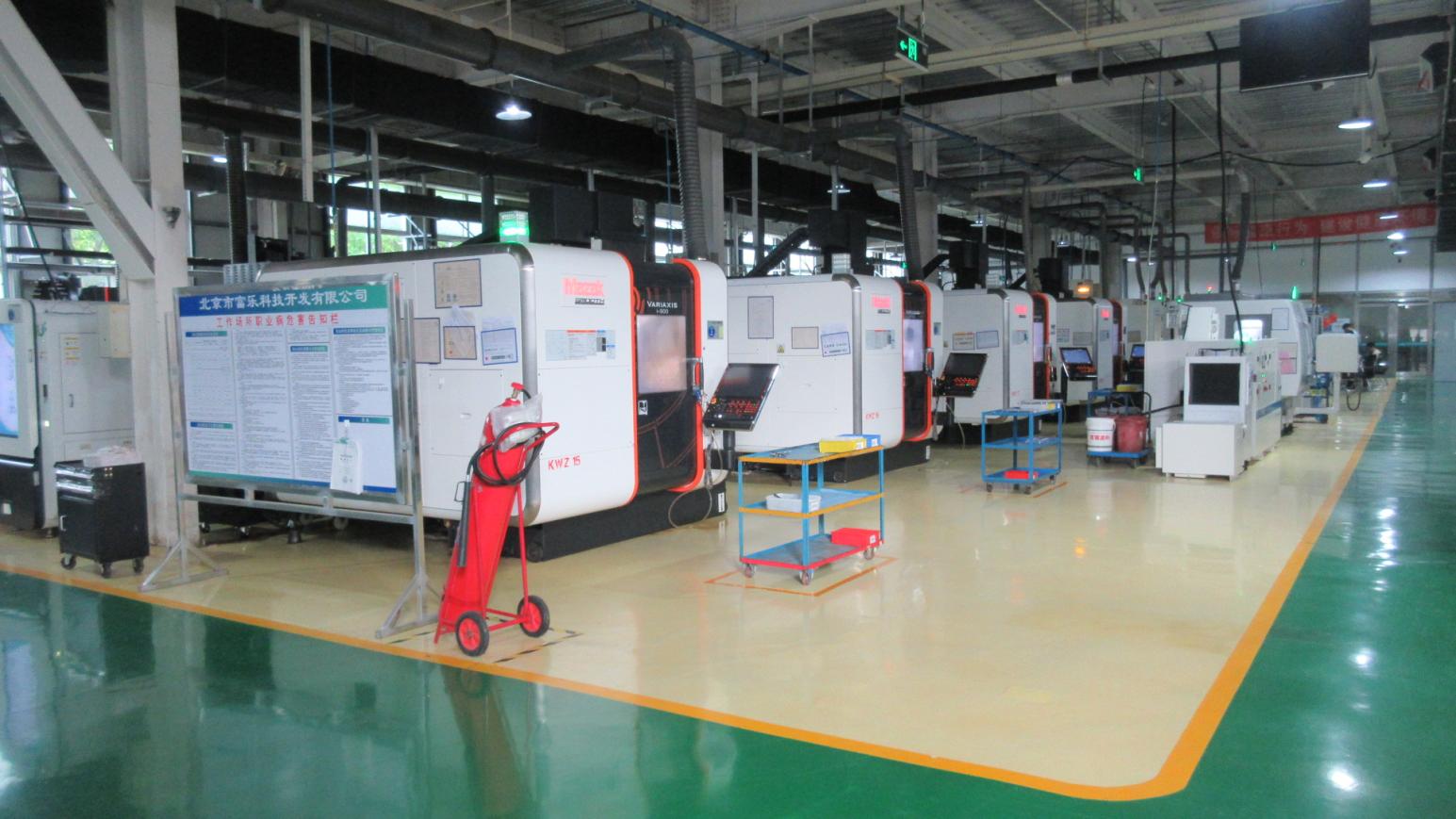
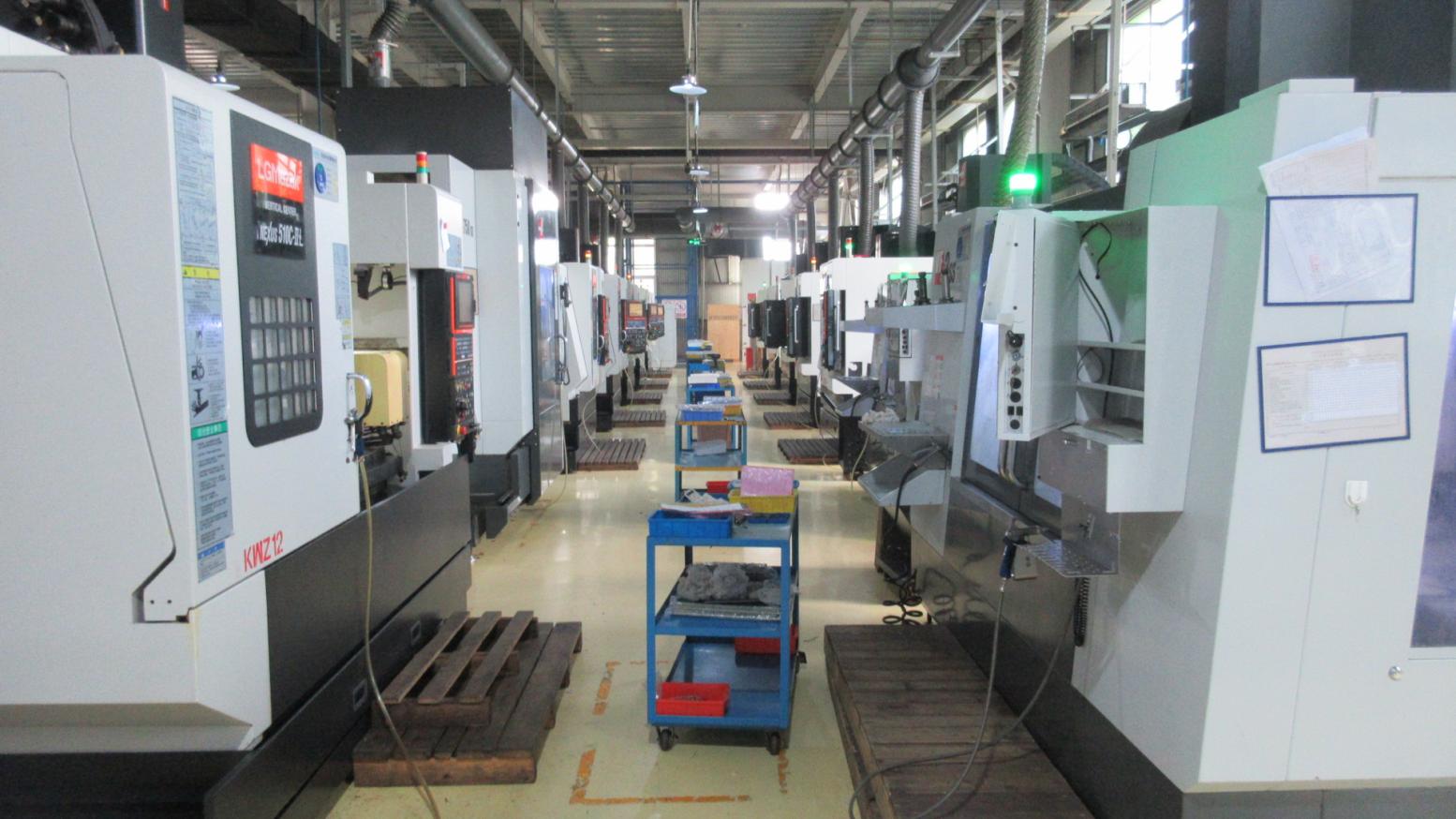
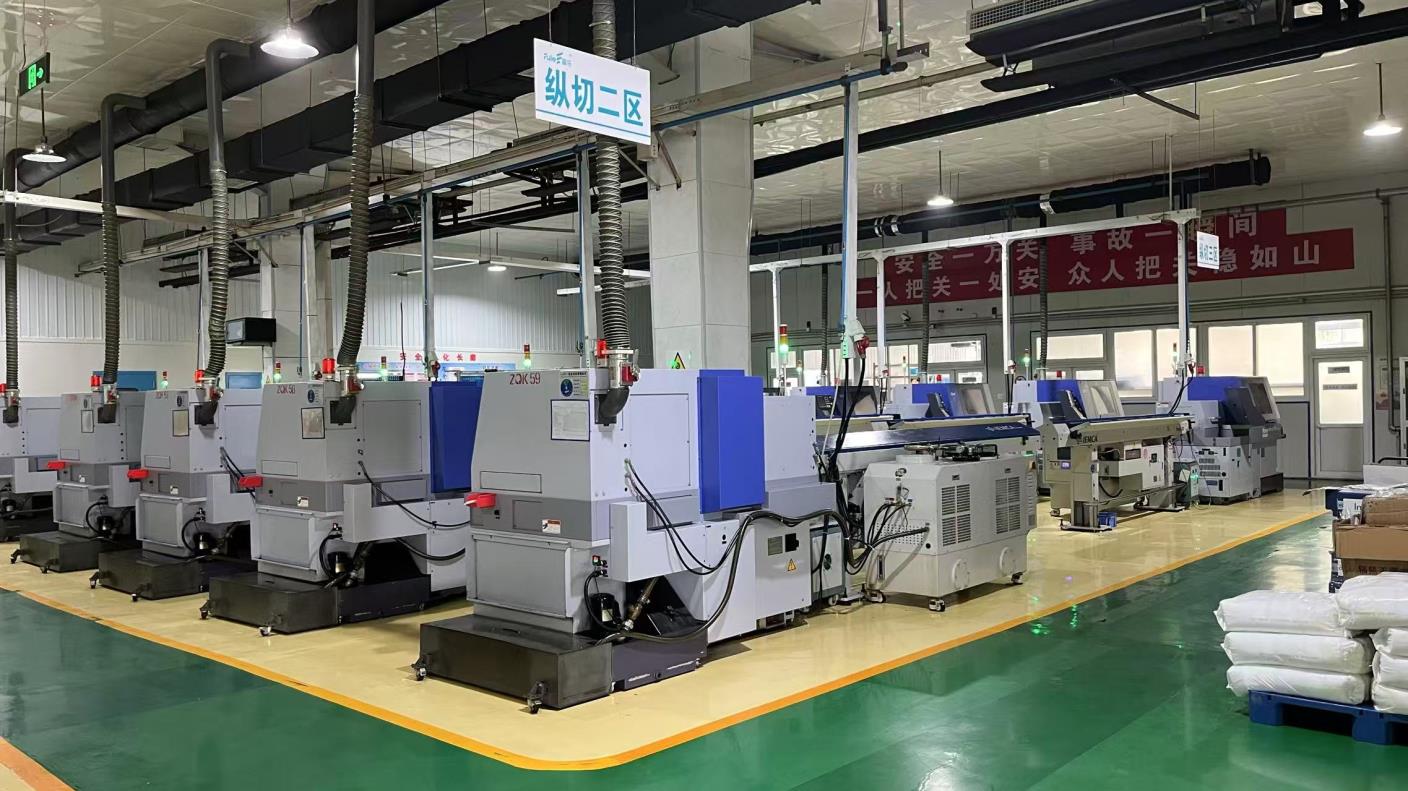
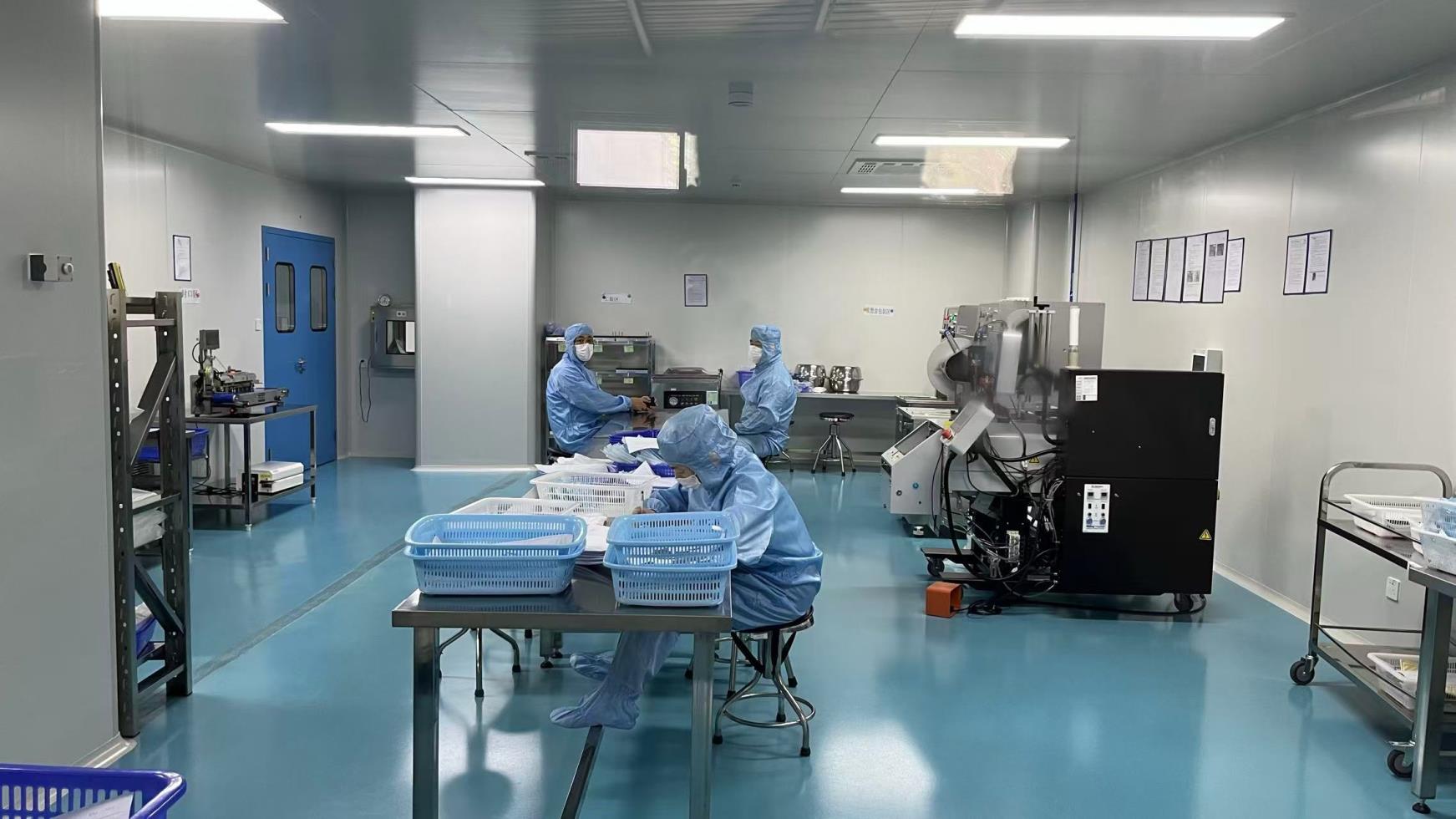
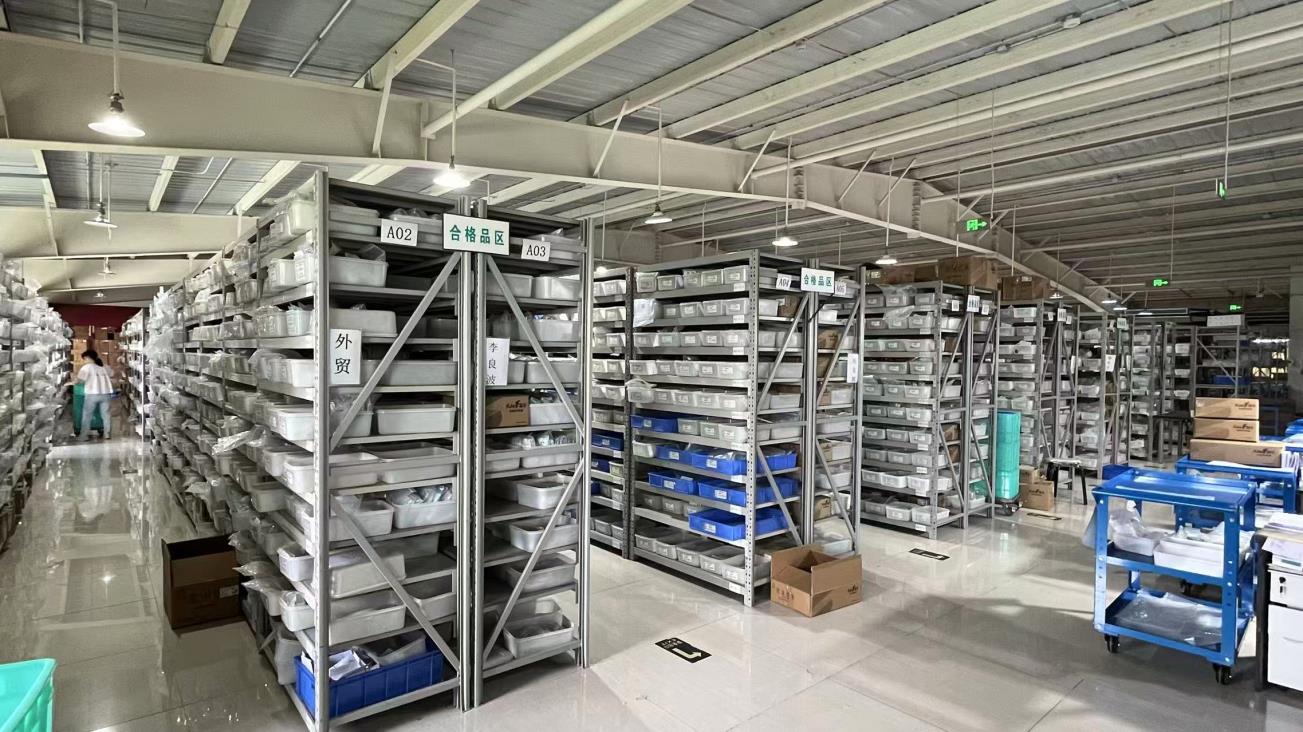
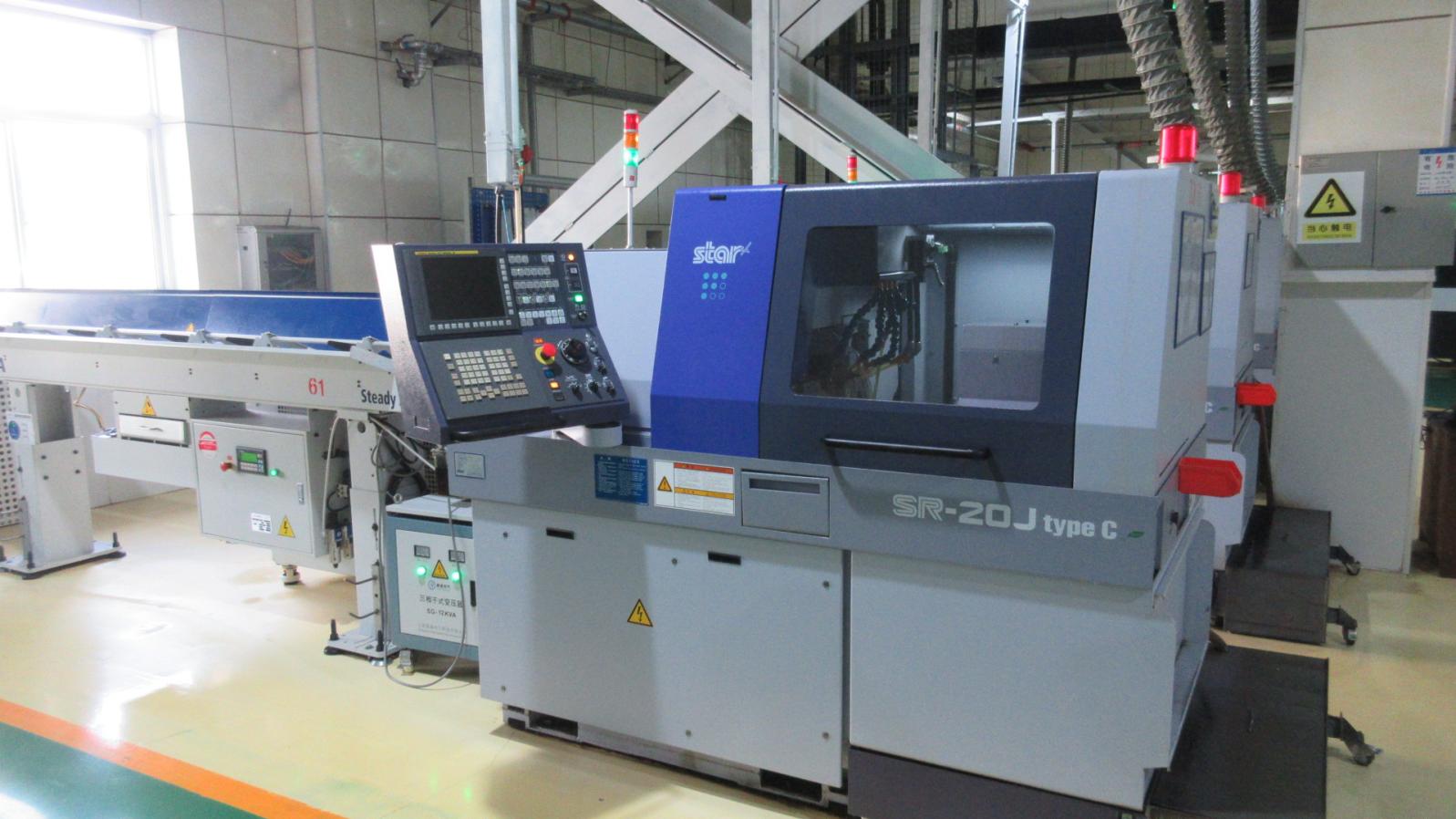
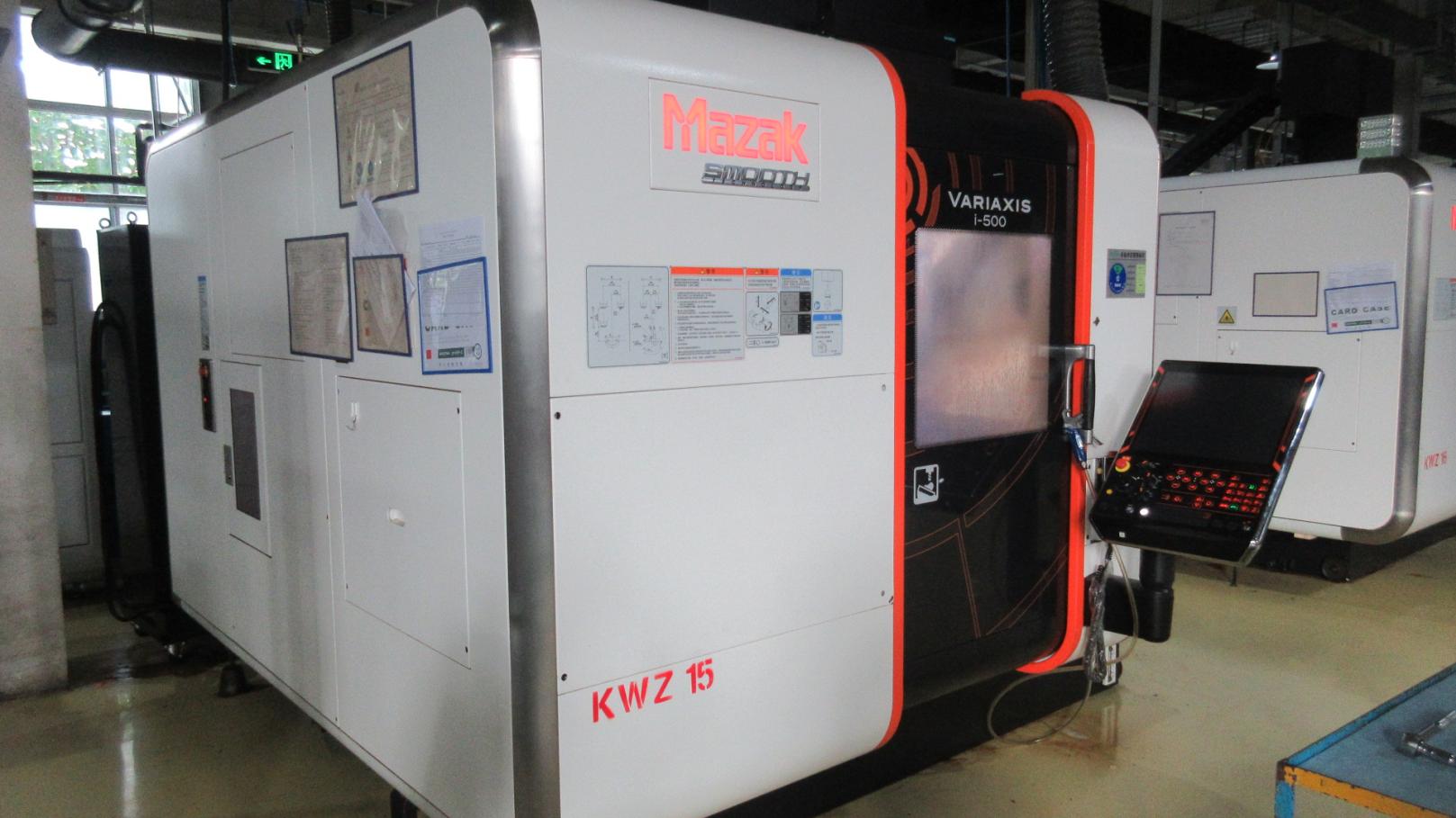
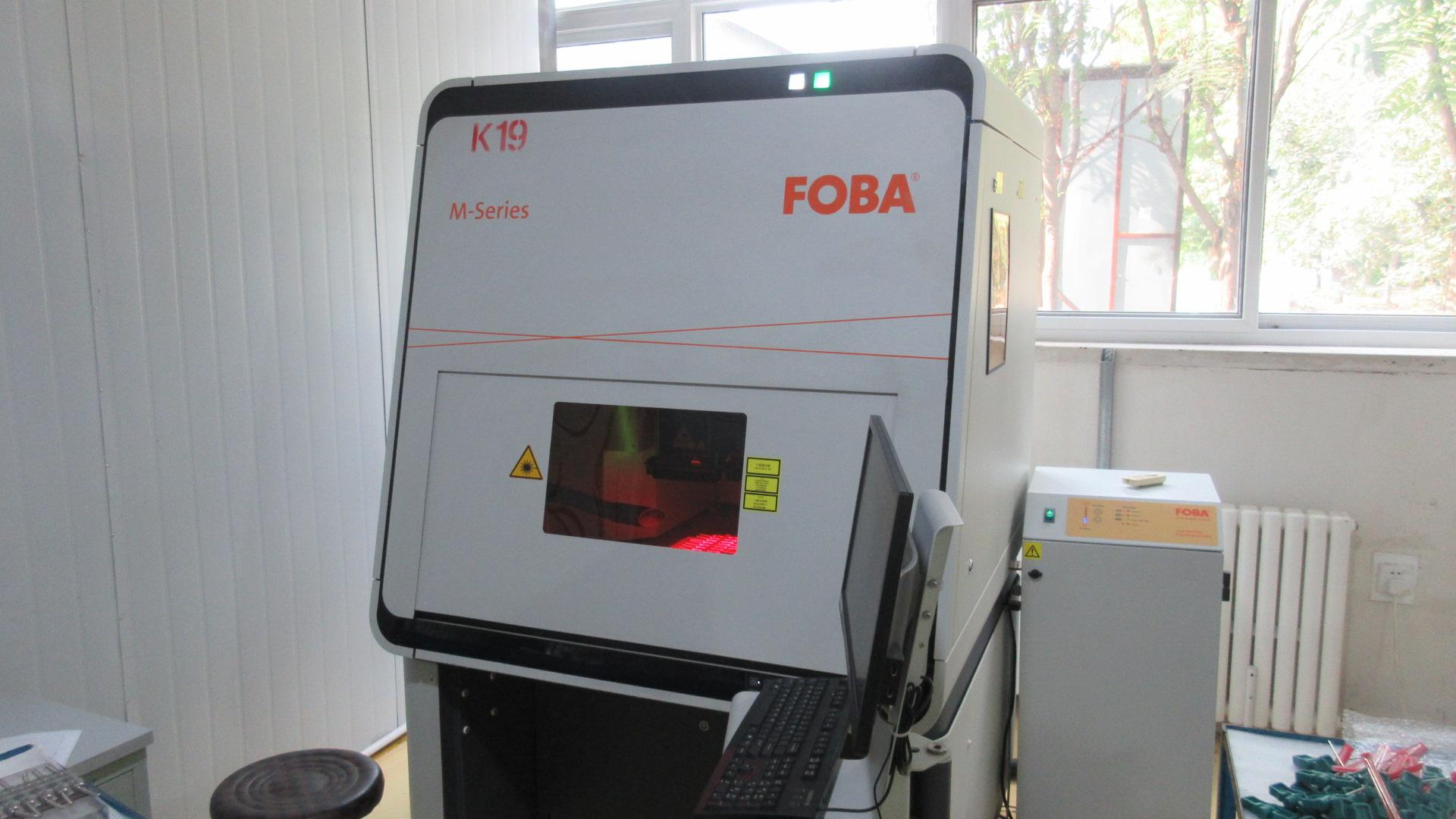
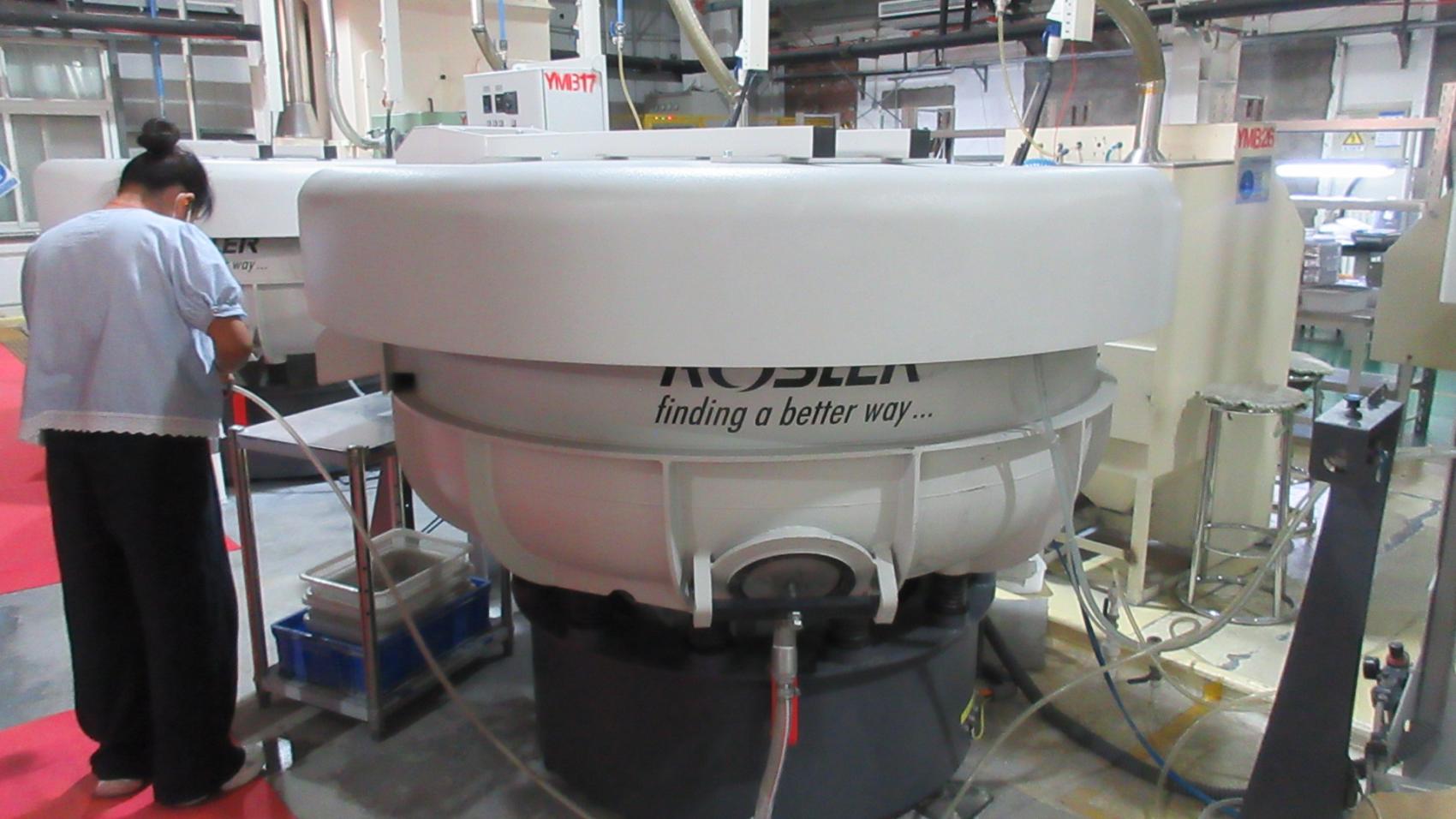
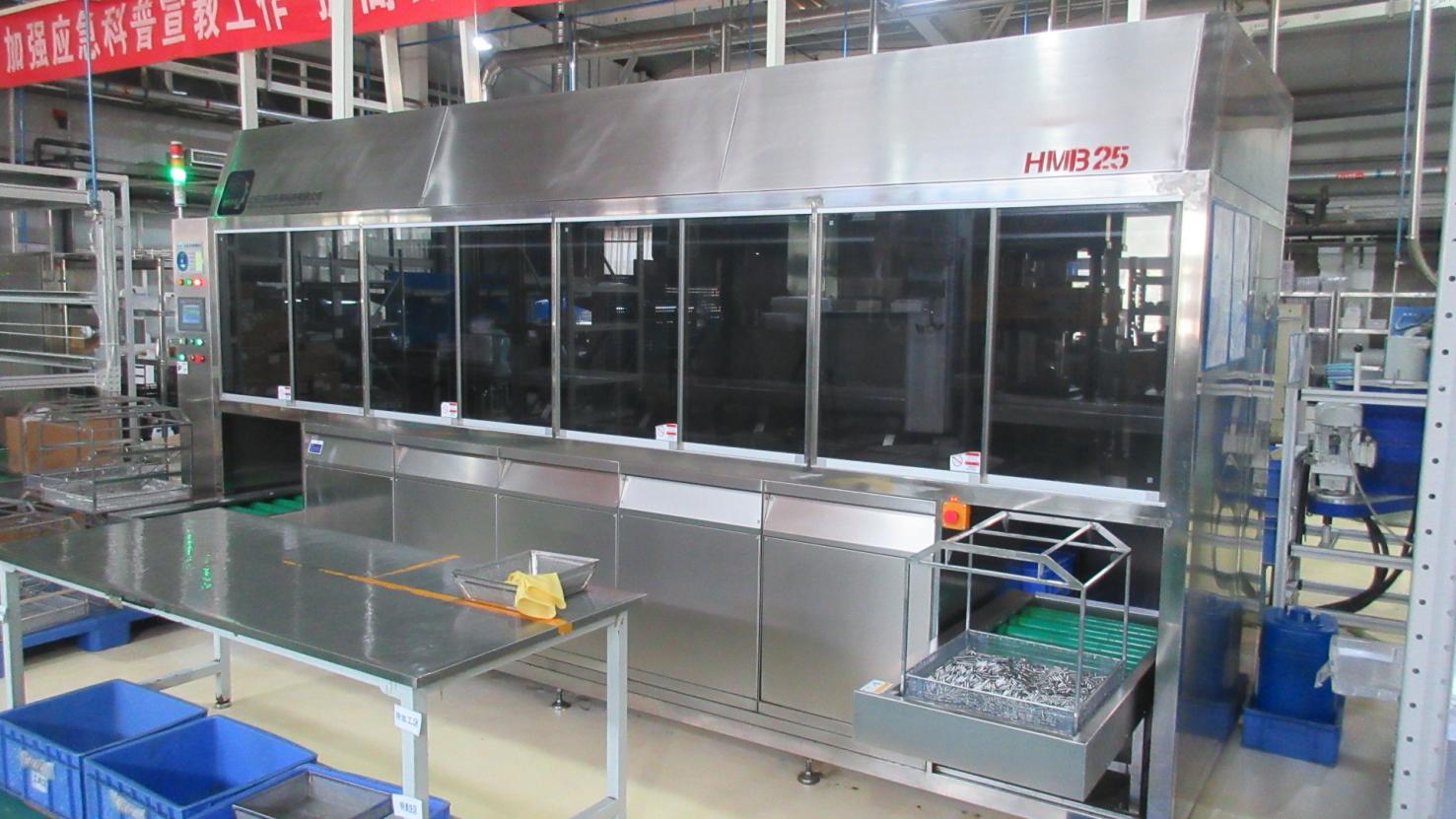
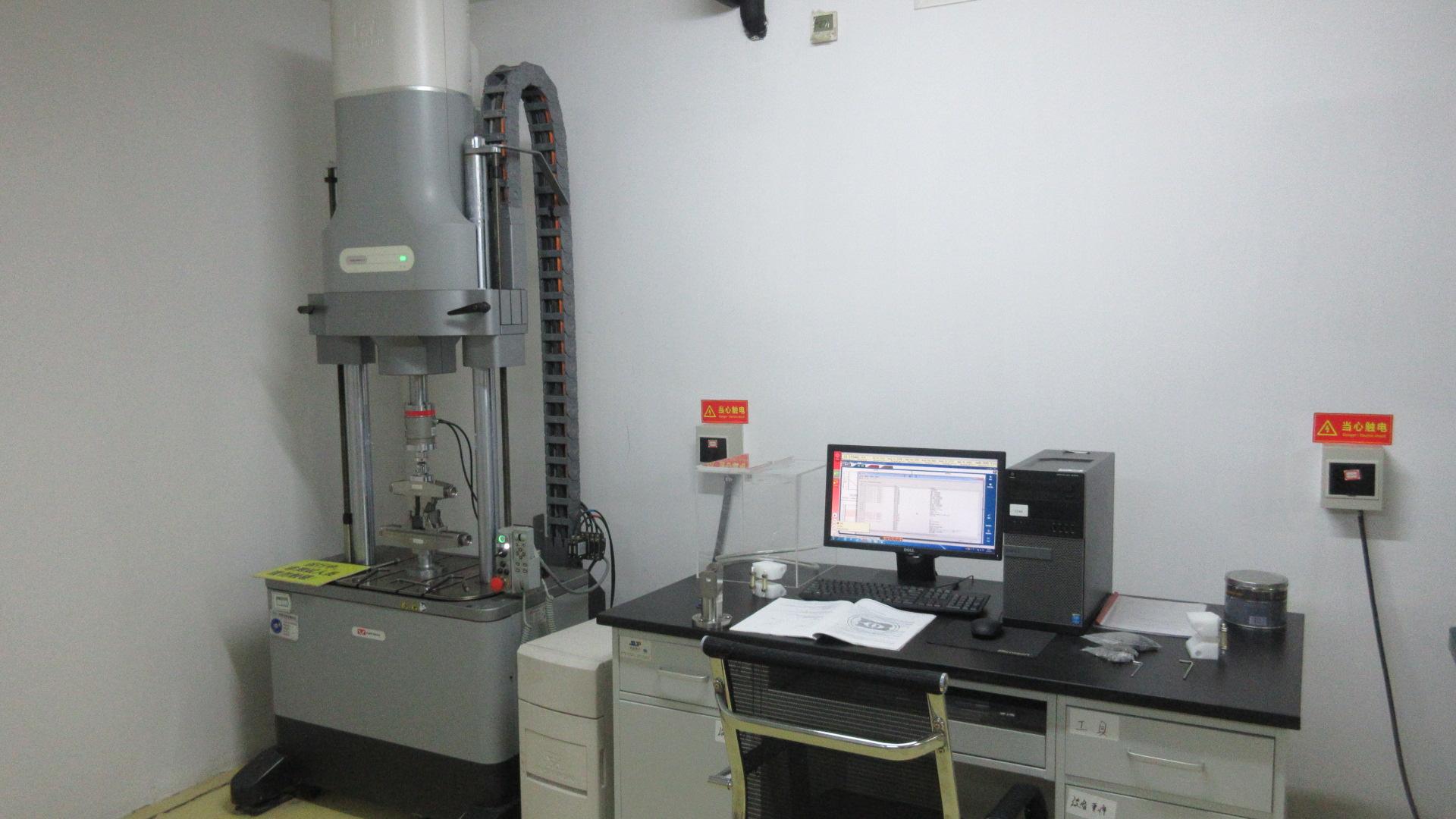
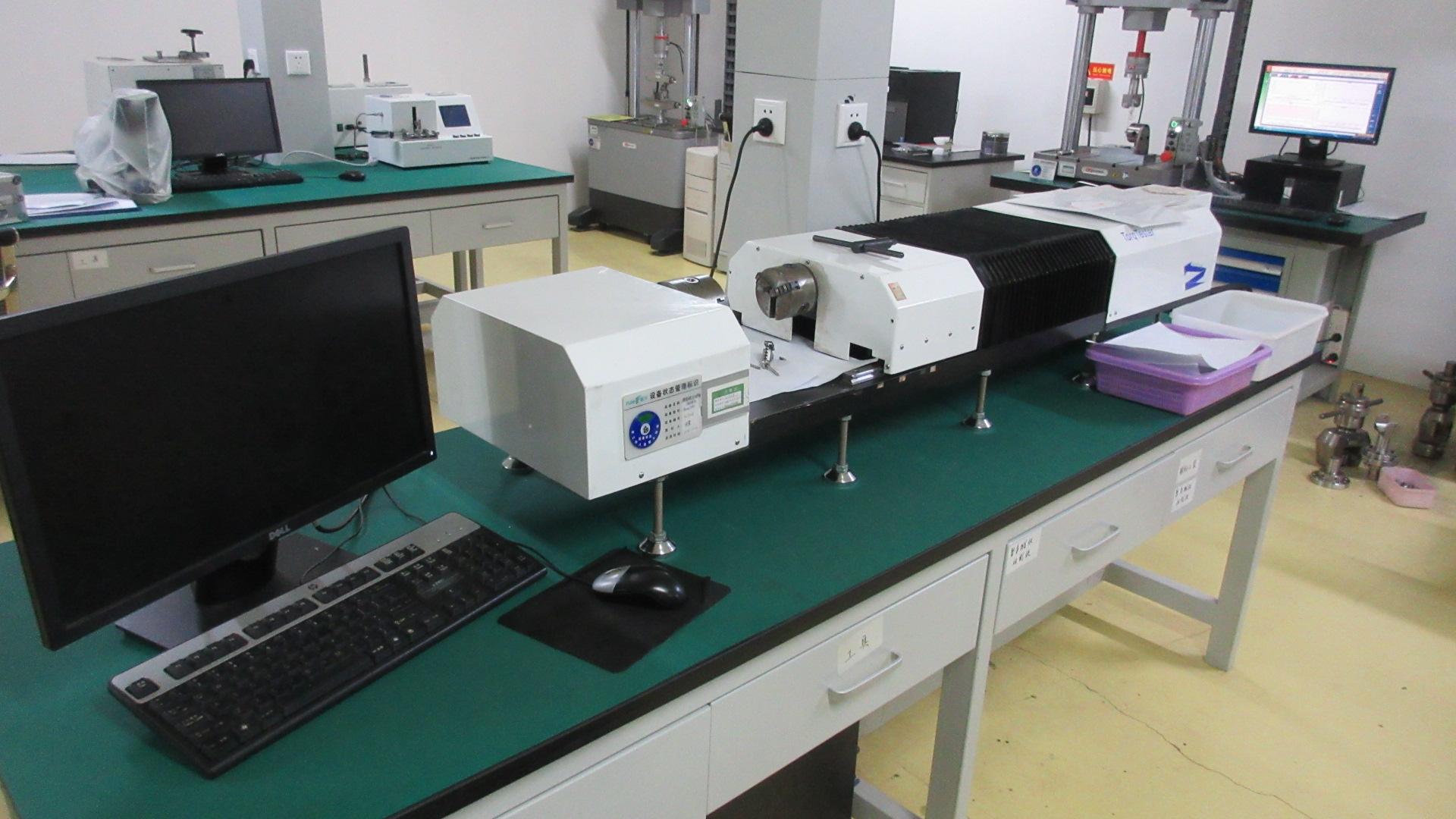
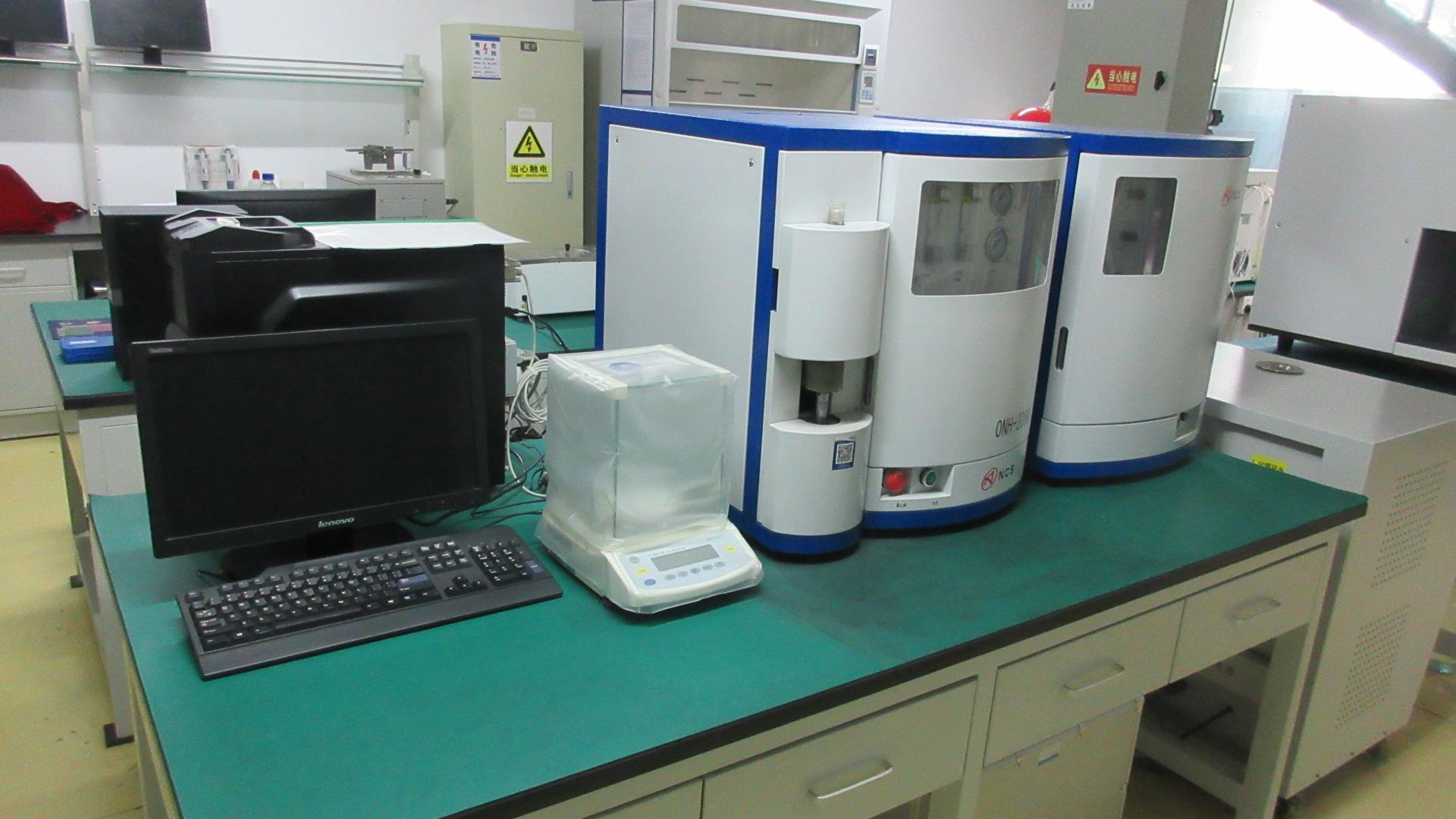
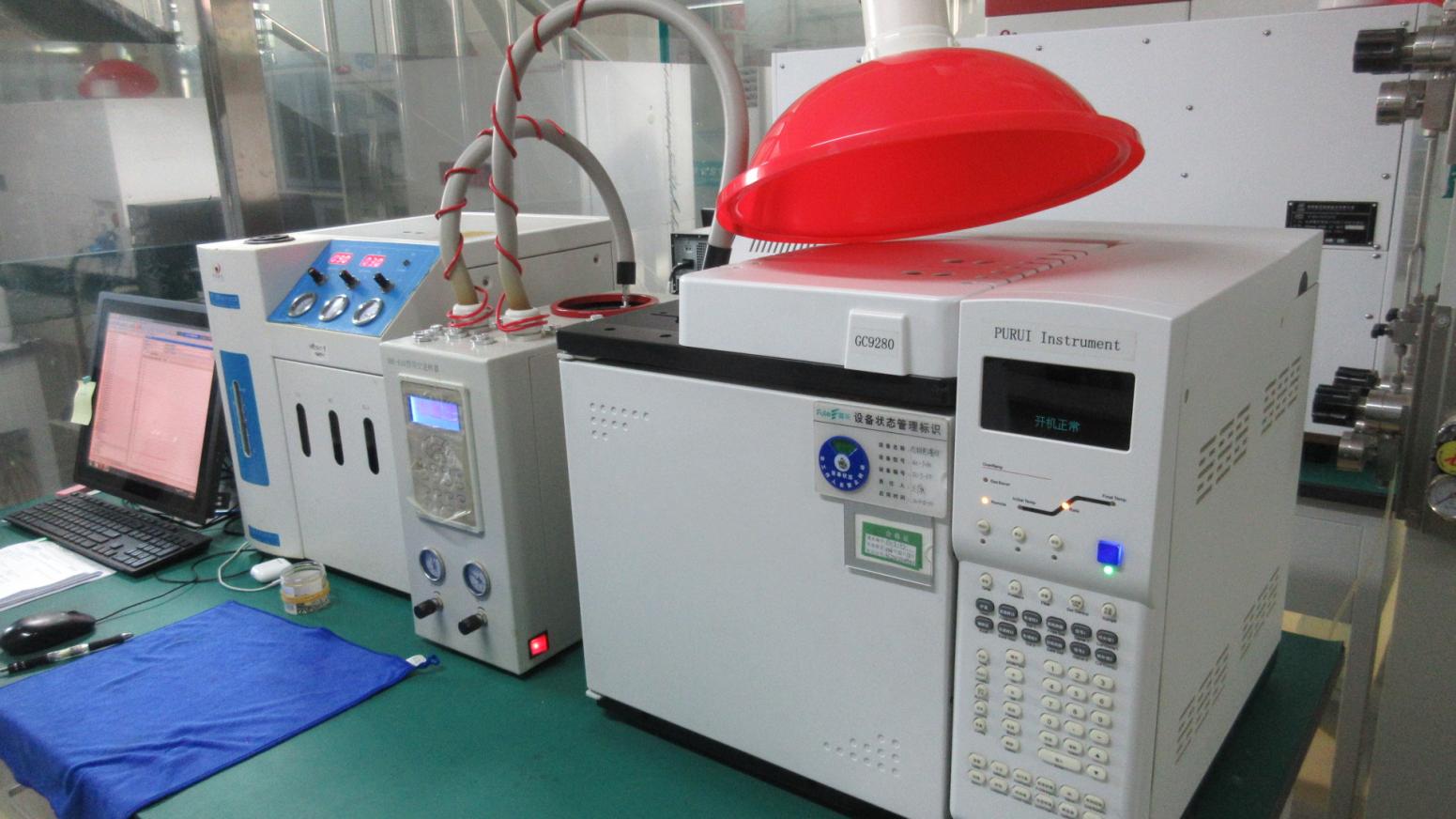
Factory Verification Summary: Established in 1996, our facilities include a 10,000 square meter ISO 13485 compliant manufacturing footprint. With 102 state-of-the-art production machines, 15 dedicated QA/QC inspectors, and 20 R&D engineers, we guarantee full product validation and material traceability across all surgical implants.
Our complete range of cervical, lumbar, and traumatic orthopedic systems designed for clinical durability.
 Beren Science & Technology