High-performance implants, plate systems, and surgical tools built to satisfy international Class III clinical standards.
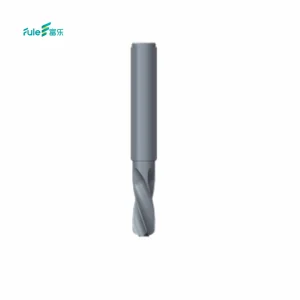
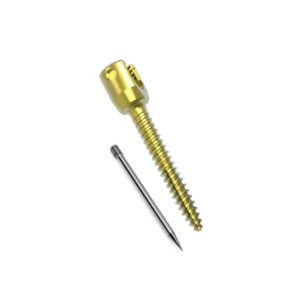
Thirty years of expertise delivering high-quality, traceable surgical solutions to the global medical market.
Cervical laminoplasty is a critical spinal decompression procedure used to treat cervical spondylotic myelopathy (CSM) and ossification of the posterior longitudinal ligament (OPLL). By reconstructing the spinal canal without fusing the motion segments, laminoplasty preserves cervical mobility, reduces incidence of adjacent segment pathology, and minimizes post-operative donor-site morbidity compared to anterior cervical discectomy and fusion (ACDF).
The global market for cervical spinal implants is expanding rapidly, fueled by aging demographics and the growing demand for motion-preserving surgical solutions. As clinical outcomes consistently demonstrate the efficacy of posterior cervical laminoplasty, demand for specialized mini-plate systems, hinges, and low-profile fixation systems has accelerated. Major hospitals, orthopedic centers, and medical distributors are shifting from traditional generic plates to anatomically optimized, biomechanically stable titanium laminoplasty systems.
This shift has intensified competition among suppliers to offer implants that match the precise anatomical contours of the cervical spine. Innovation is centered around low-profile plates that reduce tissue irritation, specialized screw designs that secure the lamina without damaging spinal structures, and instruments that facilitate minimally invasive access.
China's medical manufacturing industry has evolved into a global cluster of expertise for orthopedic devices, offering significant supply chain benefits:
Every titanium plate and screw utilizes certified Ti-6Al-4V ELI (Grade 5) titanium alloy, verified with heat treatment batch tracking and raw material certificates.
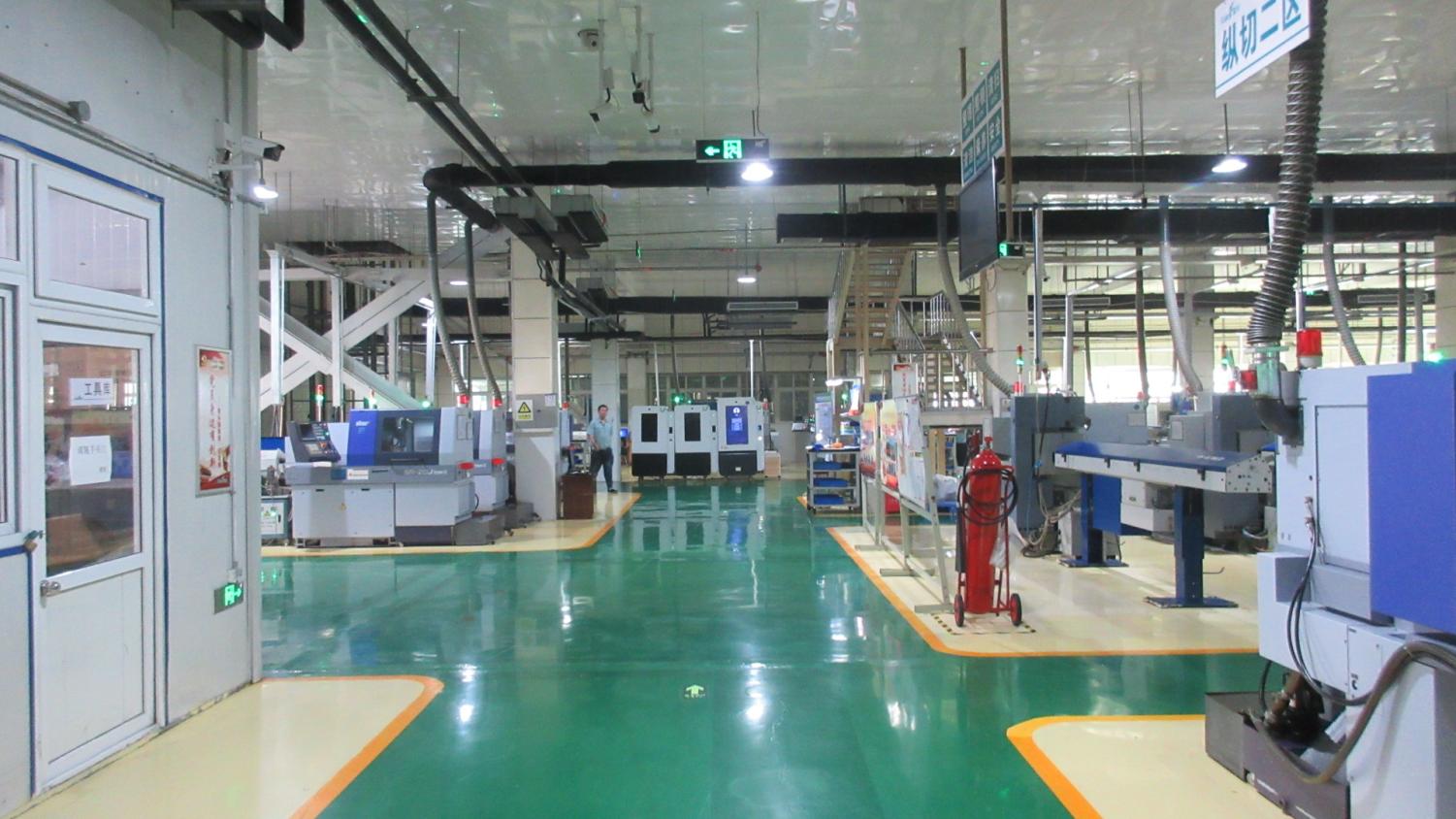
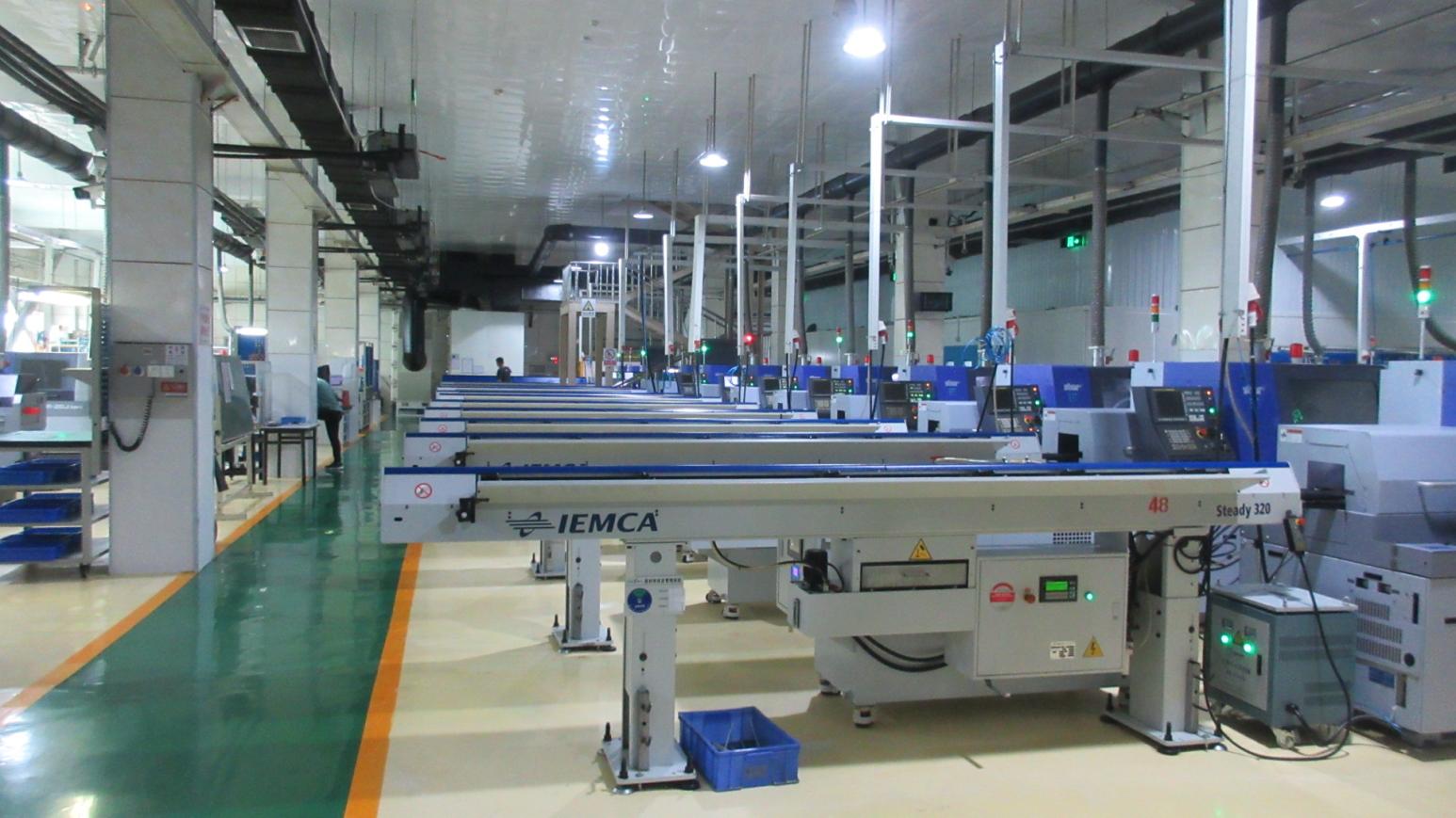
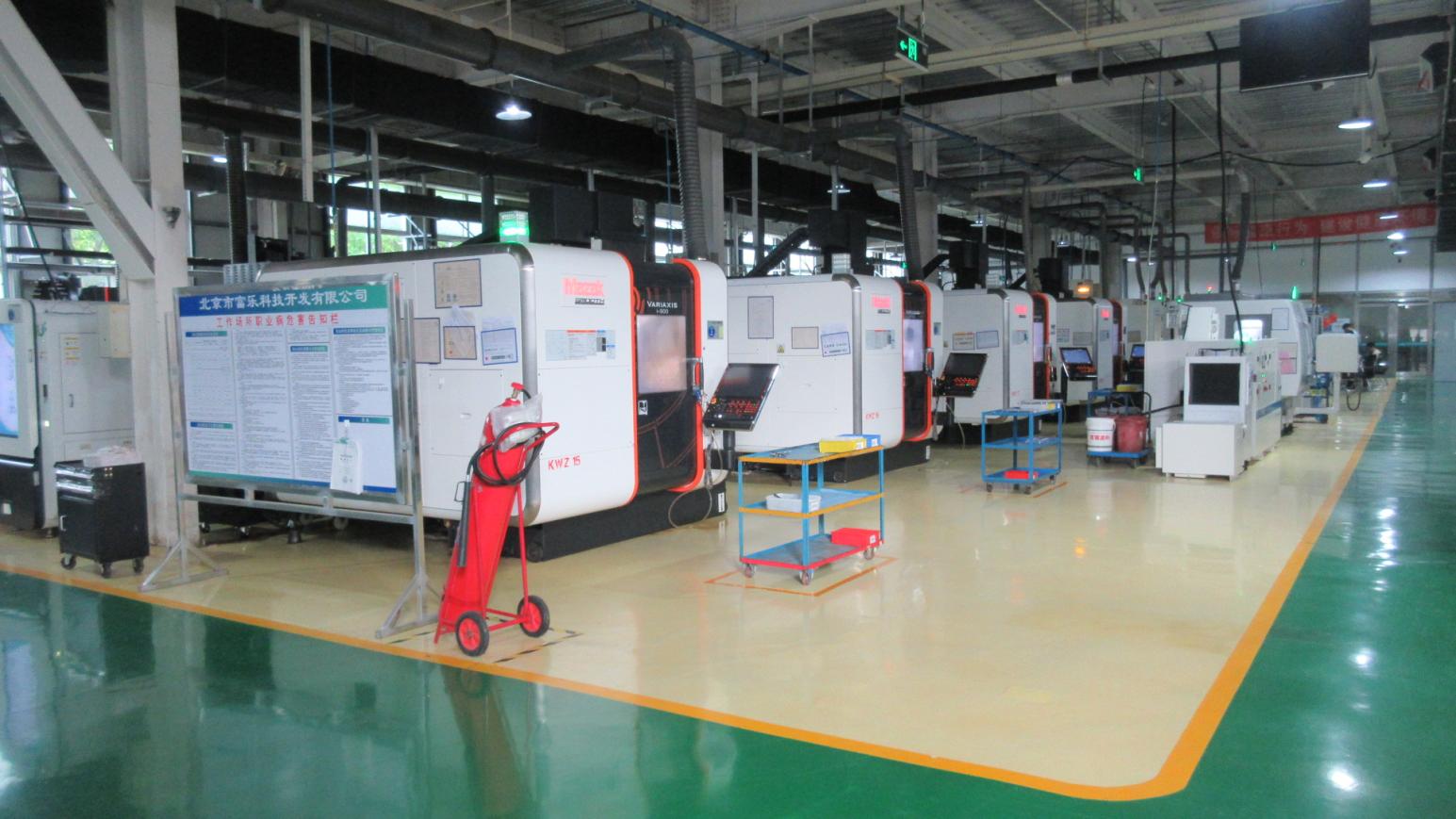
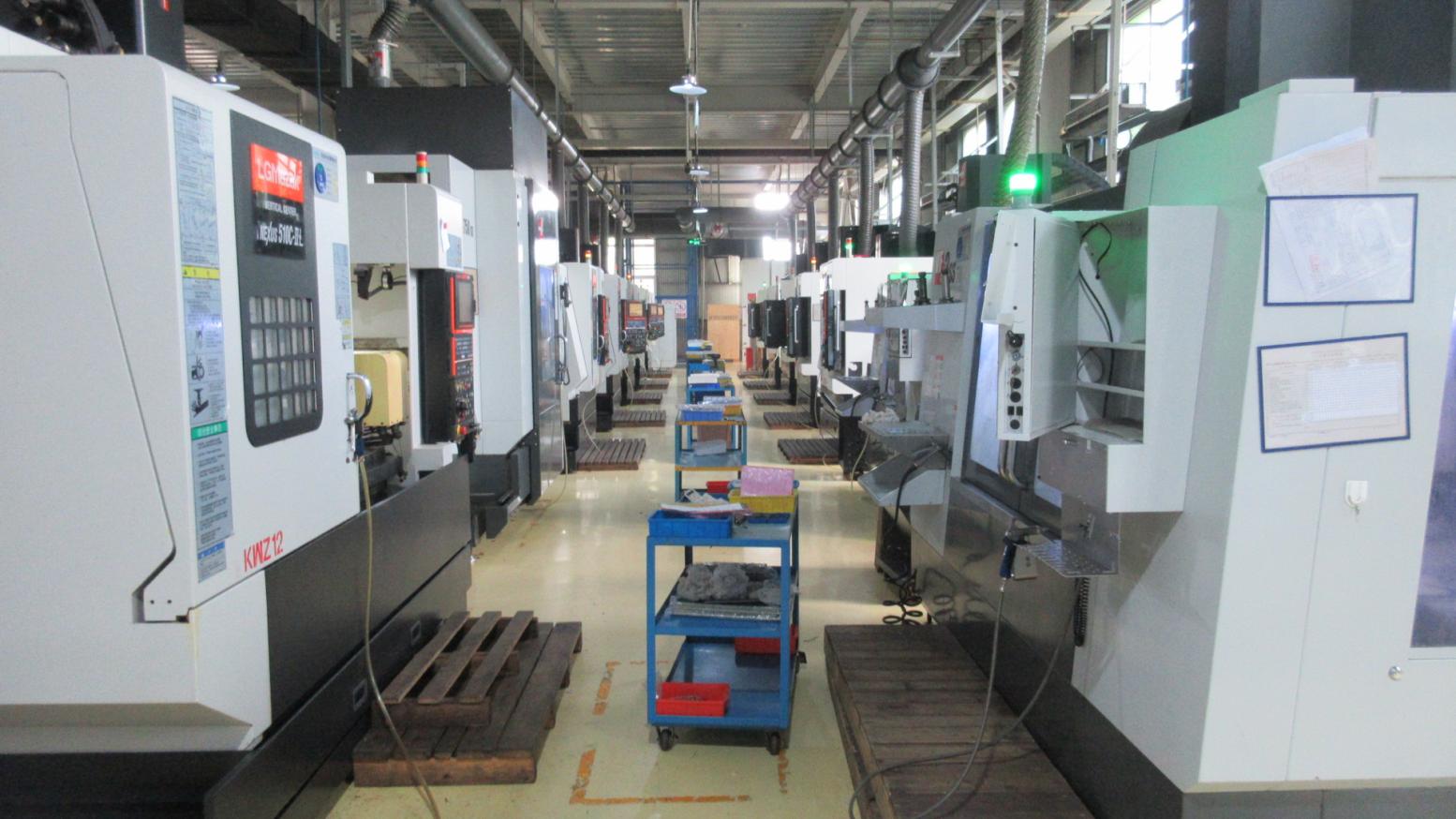
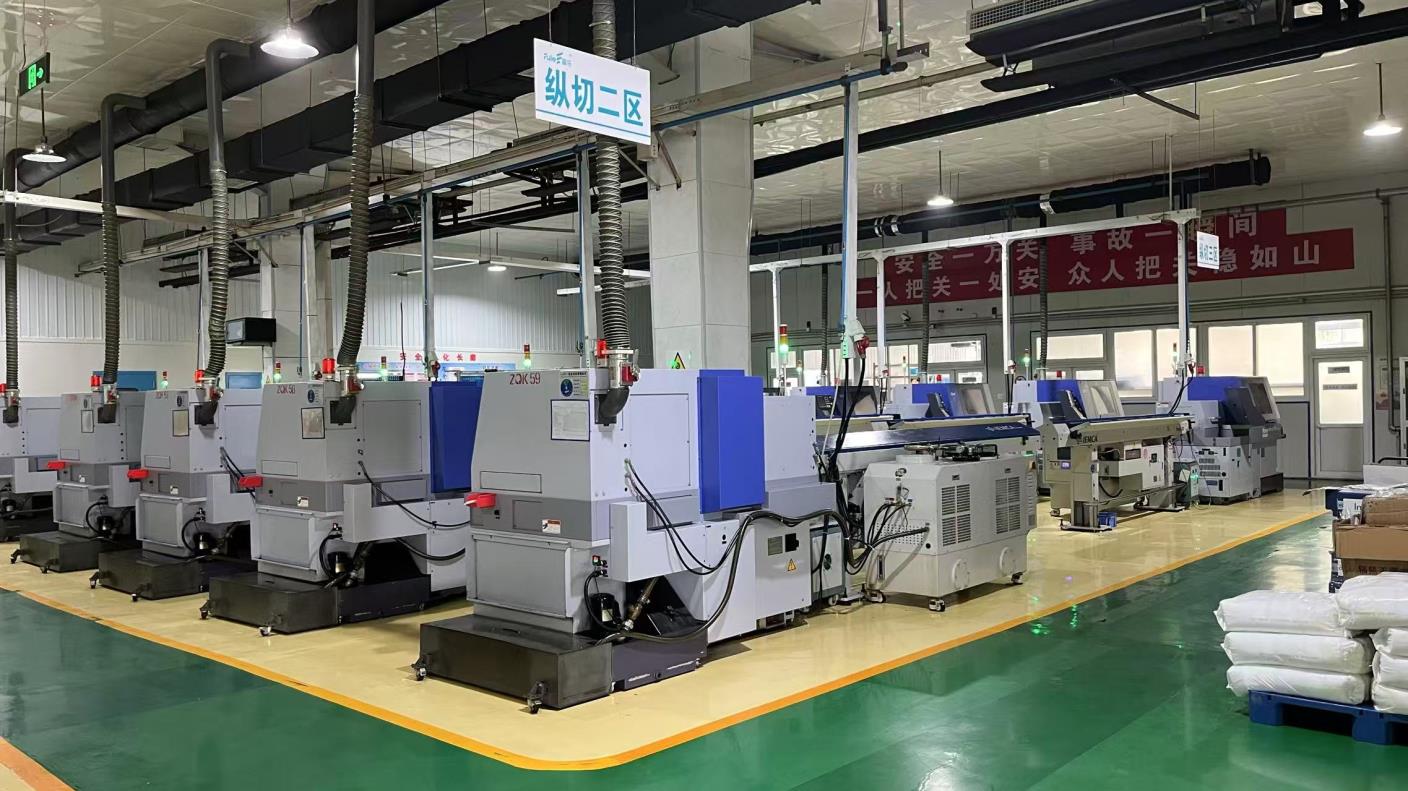
Utilizing Swiss-type CNC longitudinal turning lathes, multi-axis machining centers, and automated surface treatment setups to ensure dimensional deviations stay within ±0.01mm.
Our dedicated team of 15 QA/QC inspectors conducts optical projection measurements, roughness testing, and mechanical fatigue analysis on every batch.
"By consolidating manufacturing processes within a highly efficient ecosystem, we deliver Class III medical-grade orthopedic implants with strict regulatory compliance at a competitive total cost of ownership."
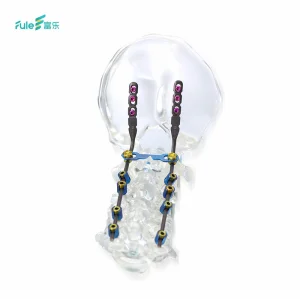
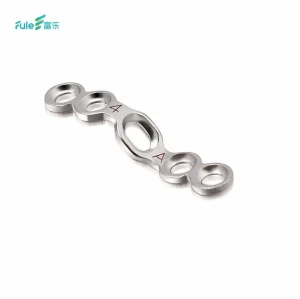
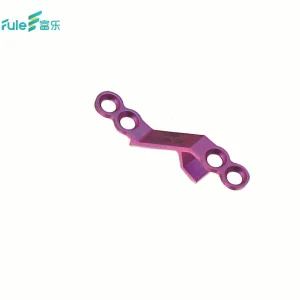
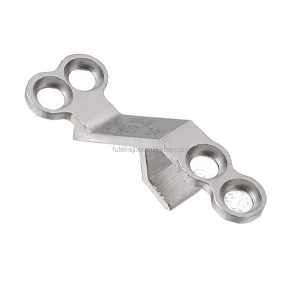
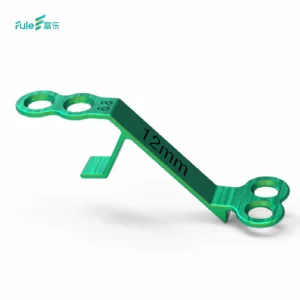
Cervical laminoplasty systems are tailored to accommodate various surgical techniques, including the open-door (Hirabayashi) and double-door (Kurokawa) methods. The plate designs feature specific geometries to bridge the created laminoplasty hinge and stabilize the lamina in its expanded position:
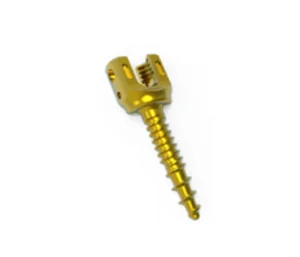
As orthopedic distribution networks evolve, medical device suppliers require flexible manufacturing solutions. Our 20-engineer R&D department provides customized manufacturing solutions including customized on-demand shapes, sample processing, and custom anodizing colors (blue, gold, green, purple) for fast identification during surgery.
| Implant Specification | Material Grade | Coating / Surface Treatment | Primary Application | Certifications |
|---|---|---|---|---|
| Cervical Laminoplasty Plate System | Titanium Alloy (Ti-6Al-4V ELI) | Anodic Oxidation (Type II) | Posterior Spine Decompression | CE, ISO 13485 |
| Posterior Cervical Fixation Rods (3.0mm/3.5mm) | Grade 5 Medical Titanium | Electro-polished / Color Anodized | Multi-level Cervical Fusion | CE, ISO 13485 |
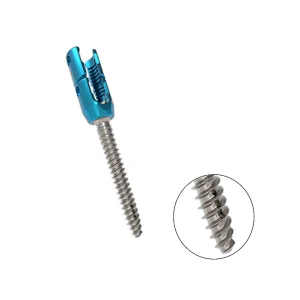
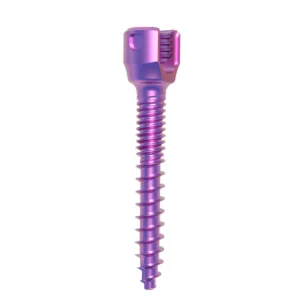
| Polyaxial & Monoaxial Pedicle Screws | Ti-6Al-4V ELI | Precision Thread-rolled | Spinal Stabilization | CE, ISO 13485 |
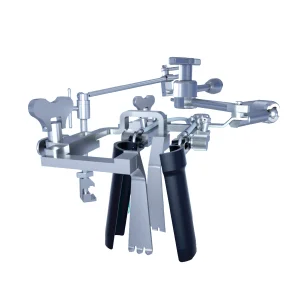
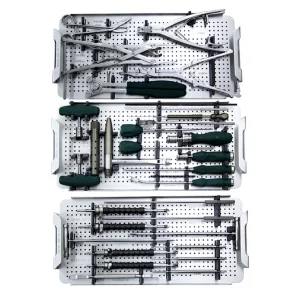
| Minimally Invasive Instrument Sets | High-Grade Stainless Steel / PEEK | Passivated, Matte Anti-glare | Spinal Micro-Surgeries | Class I / Class III CE |
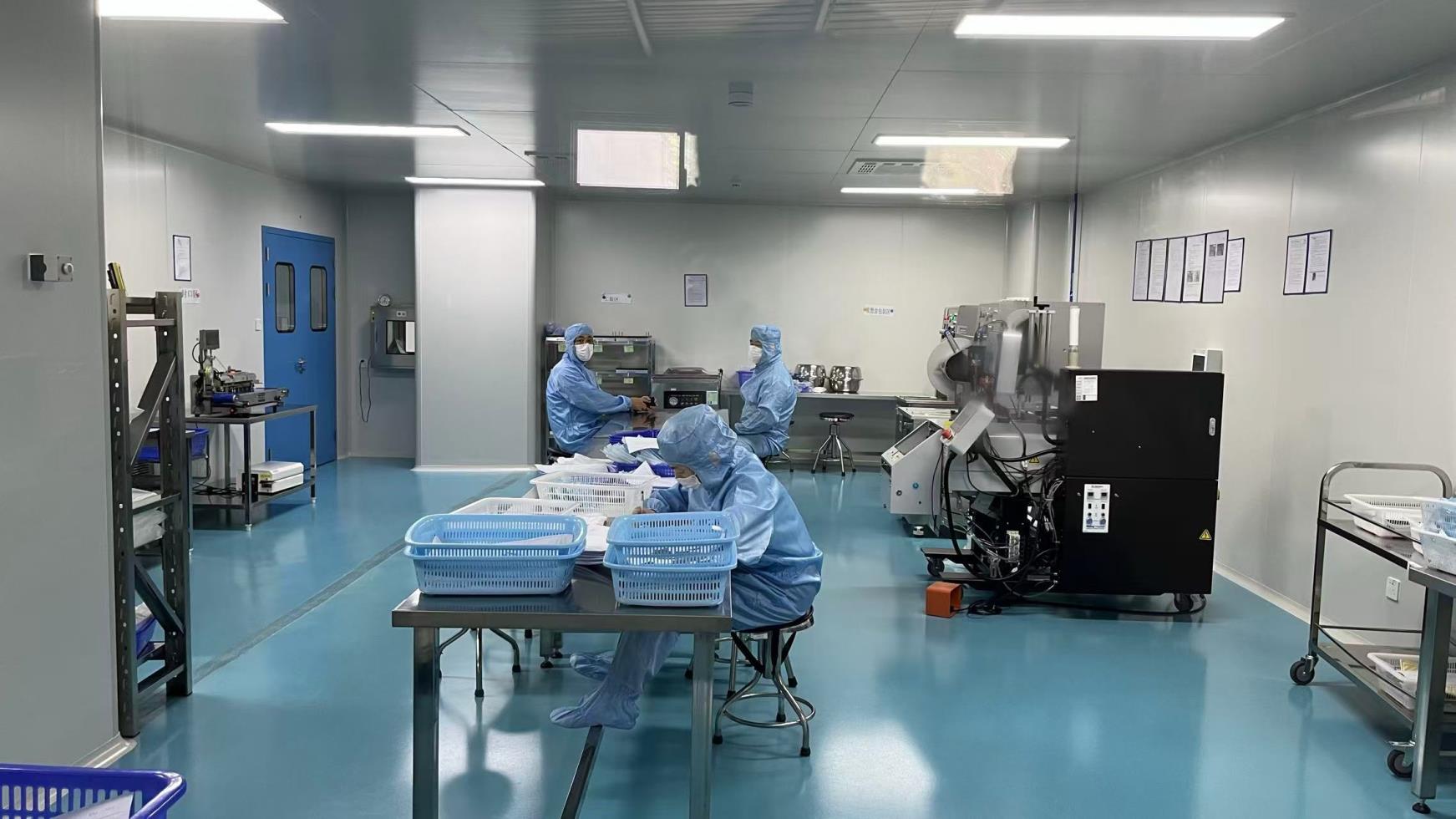
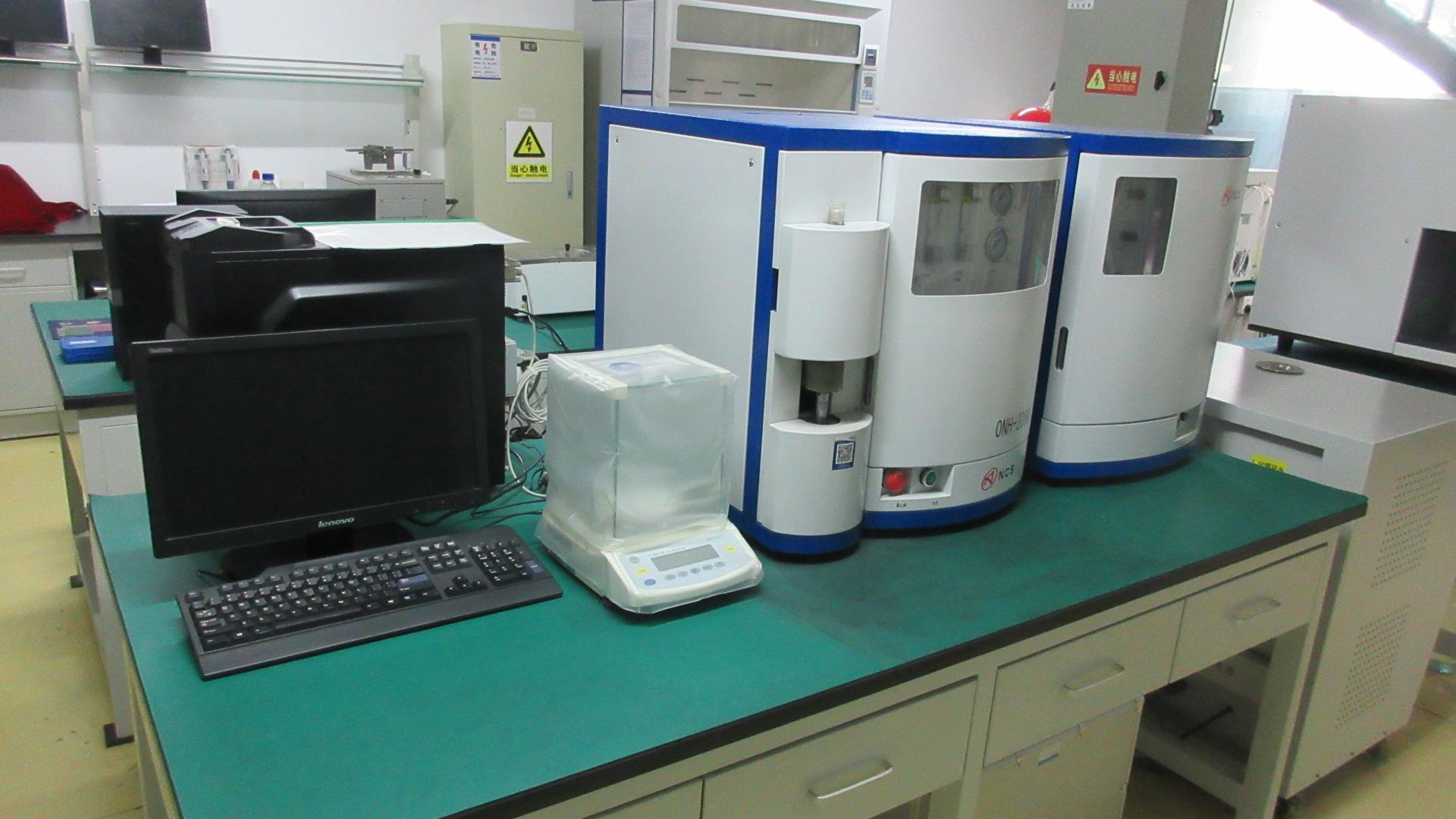
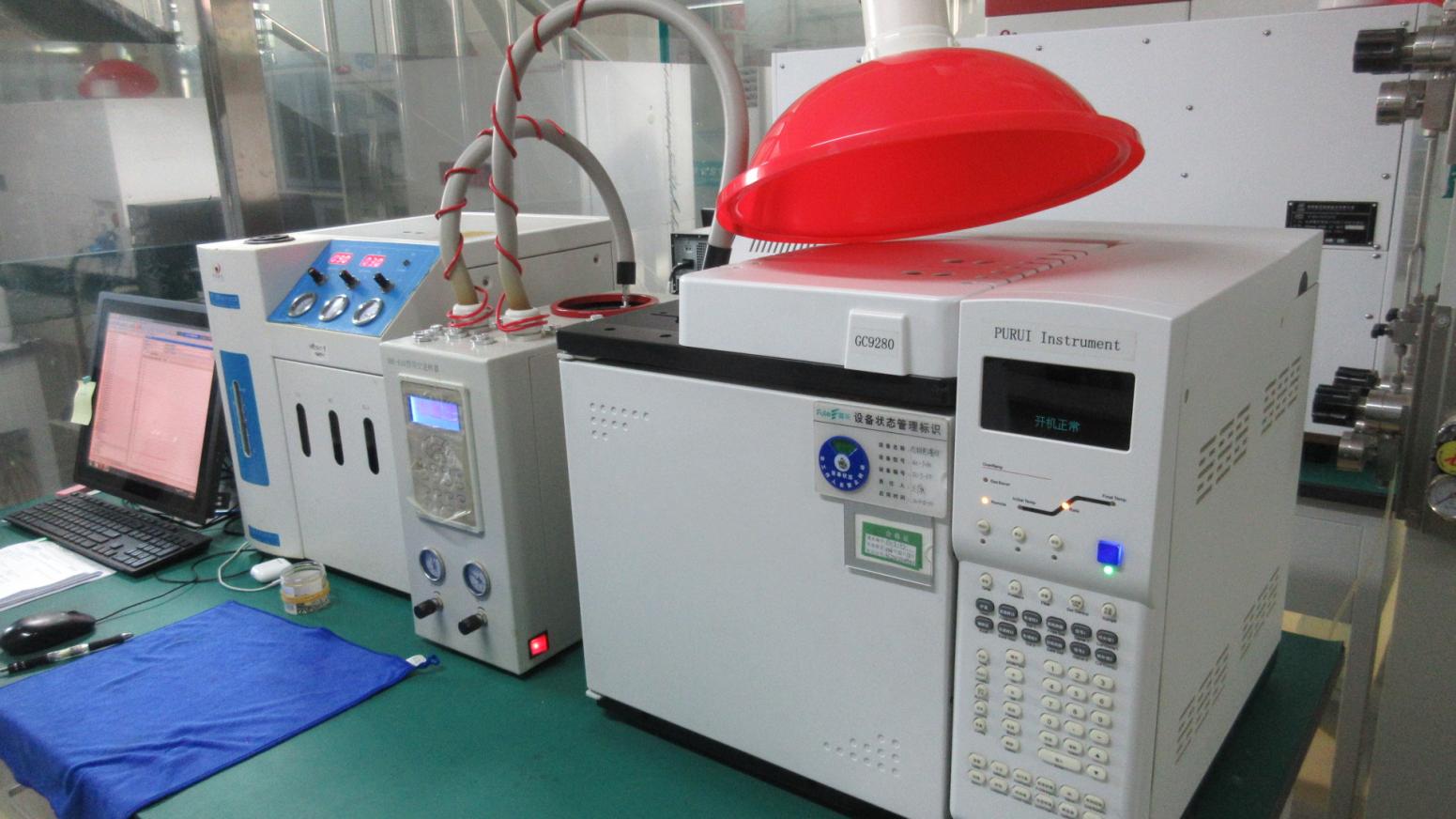
Inside our ISO 13485 certified production environment and cleanrooms, where raw medical titanium is shaped into life-saving implants.
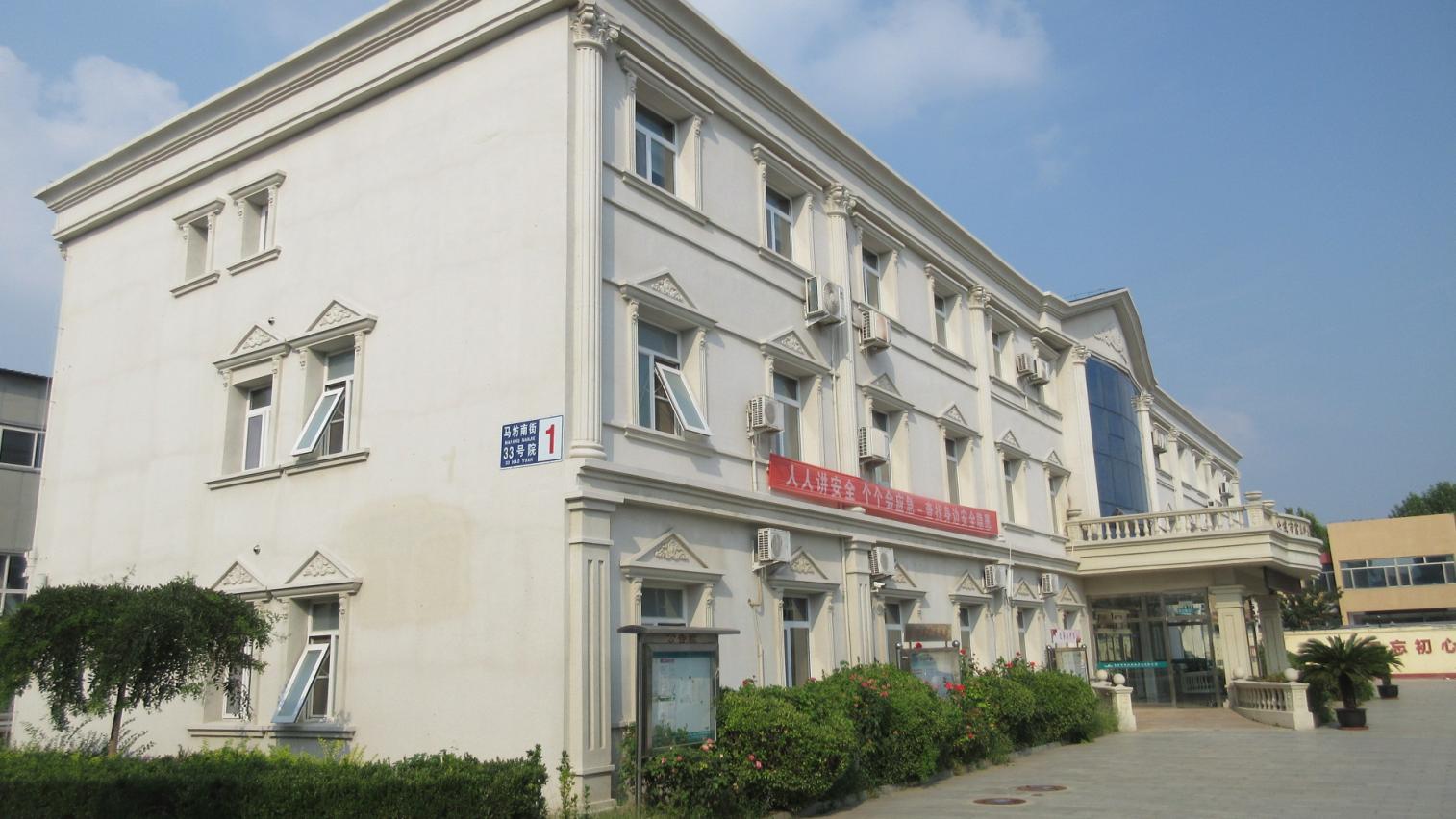
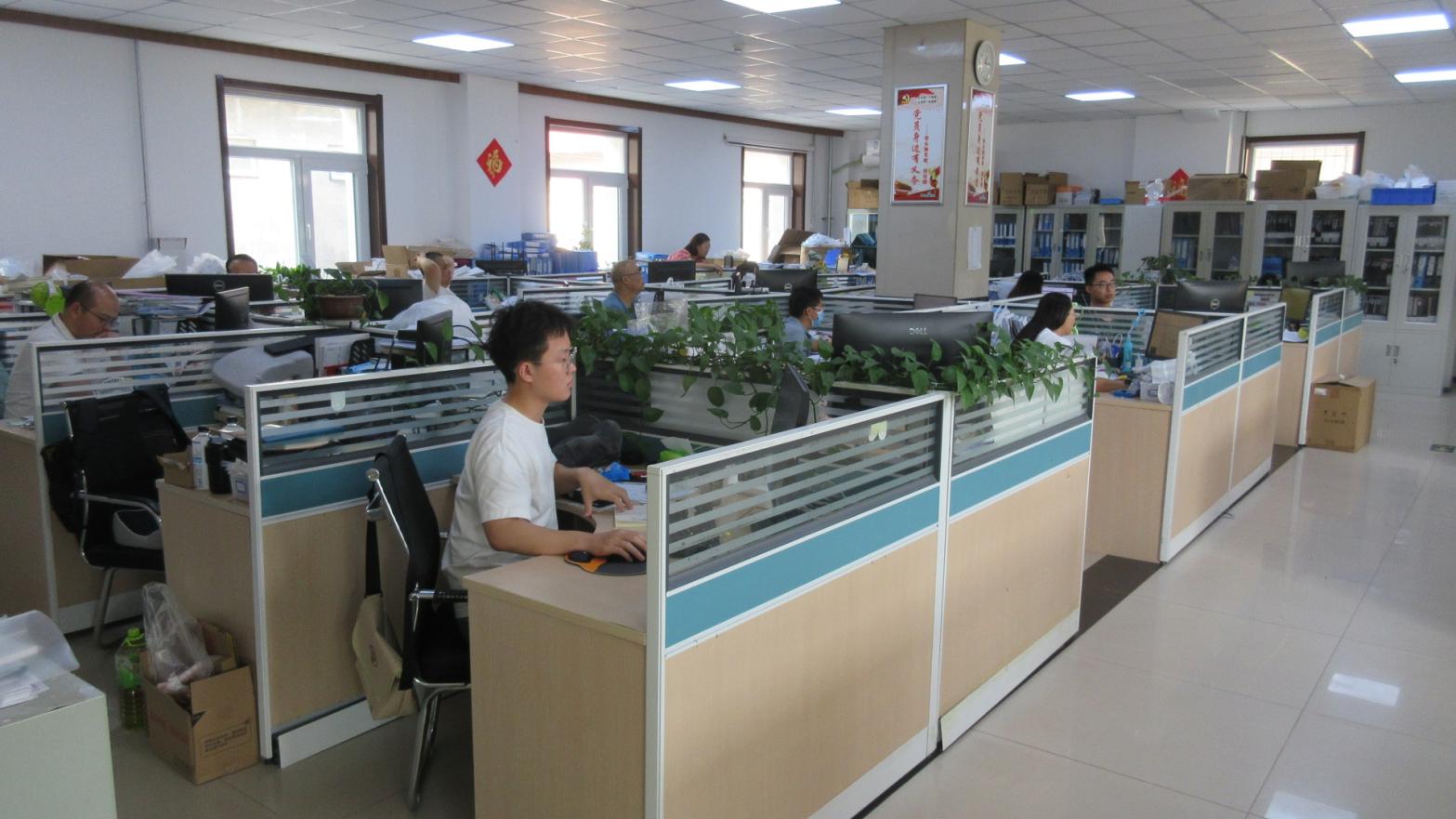
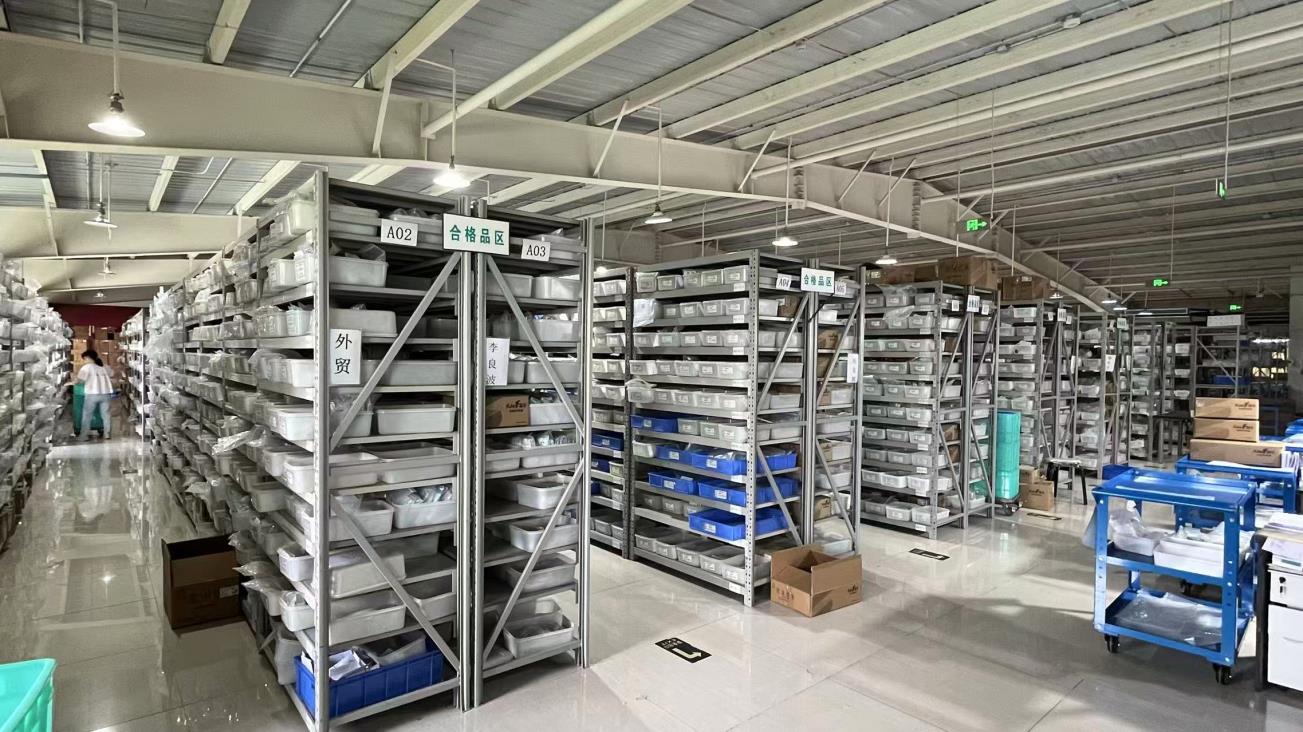
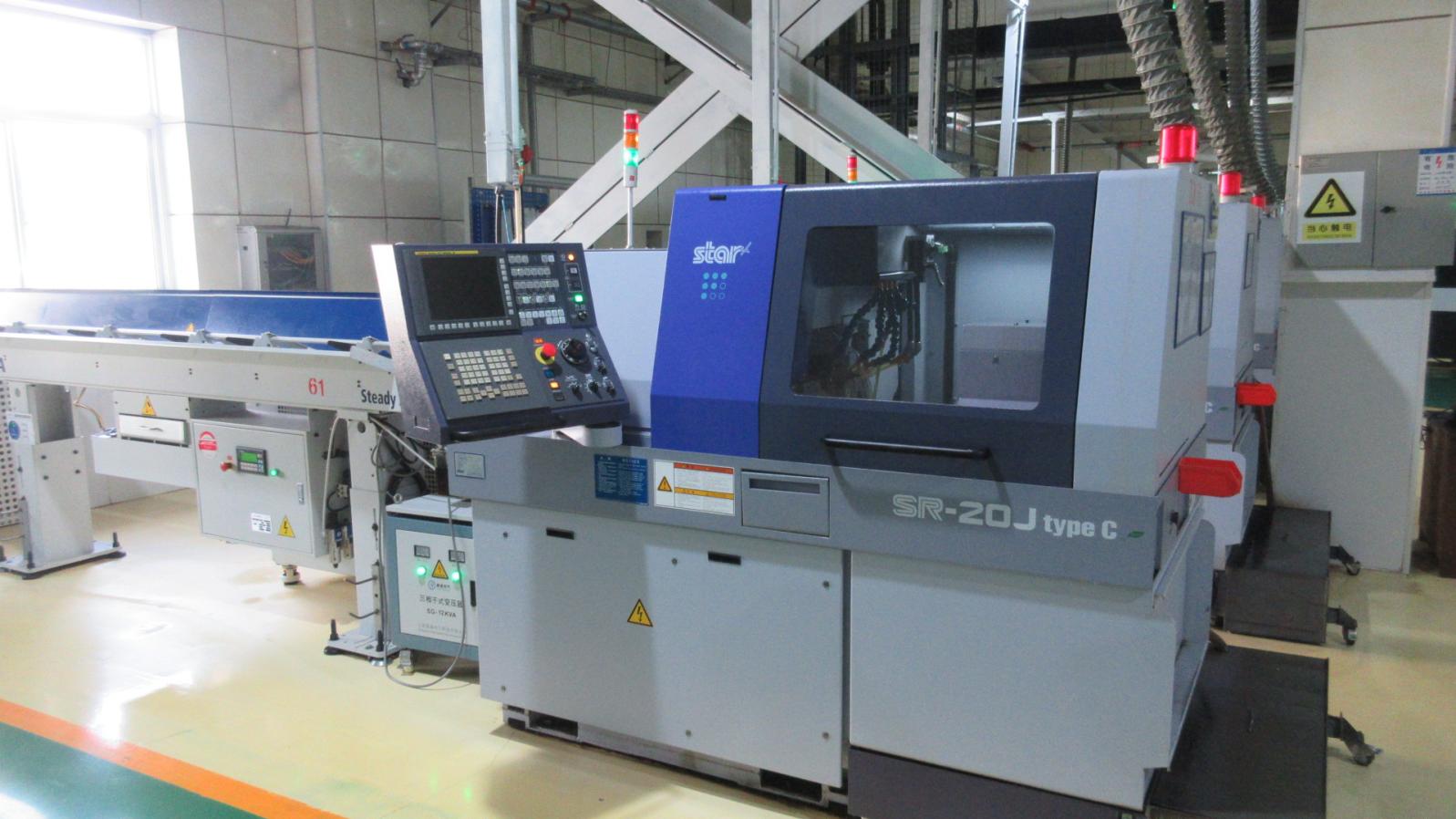
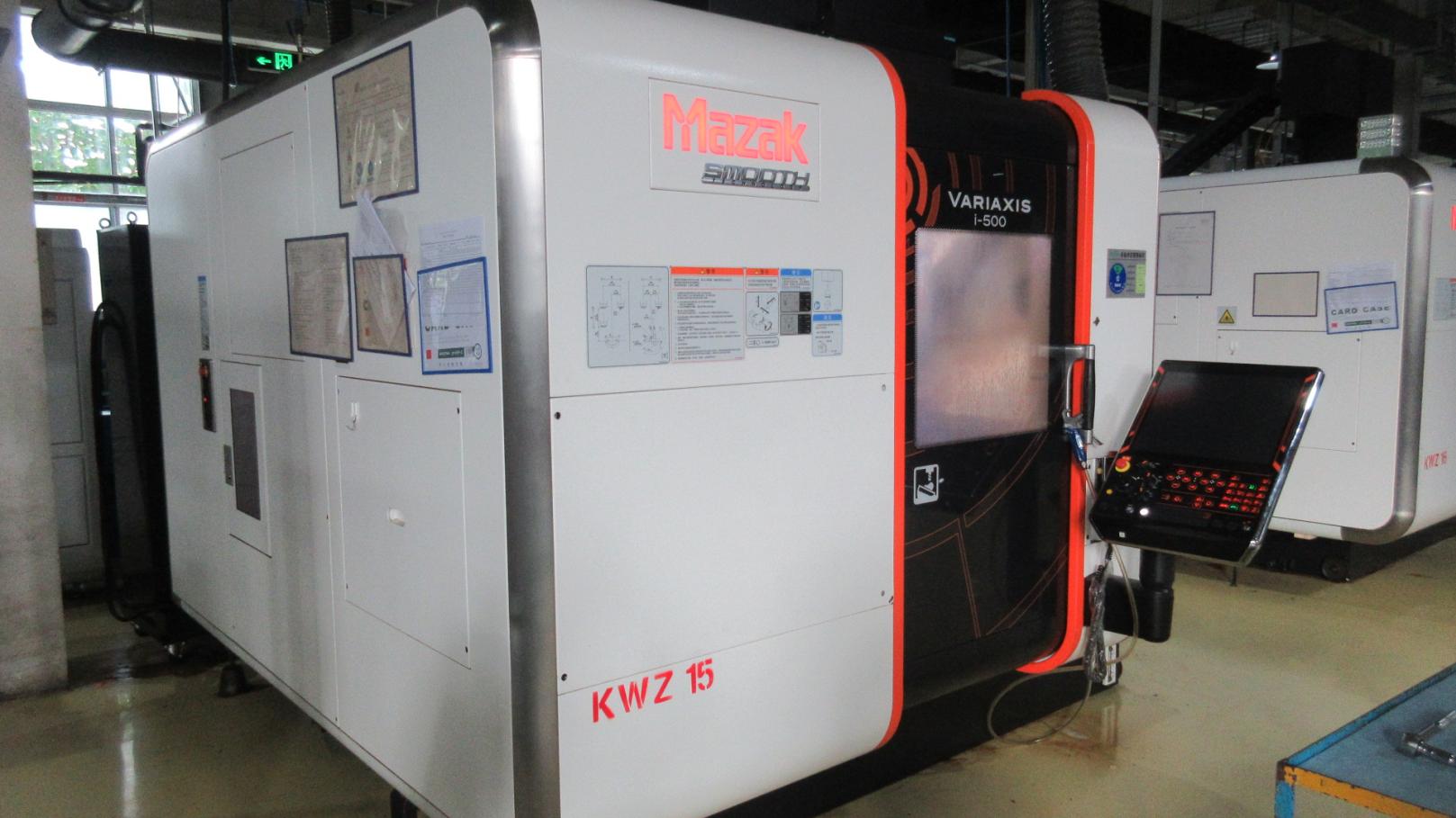
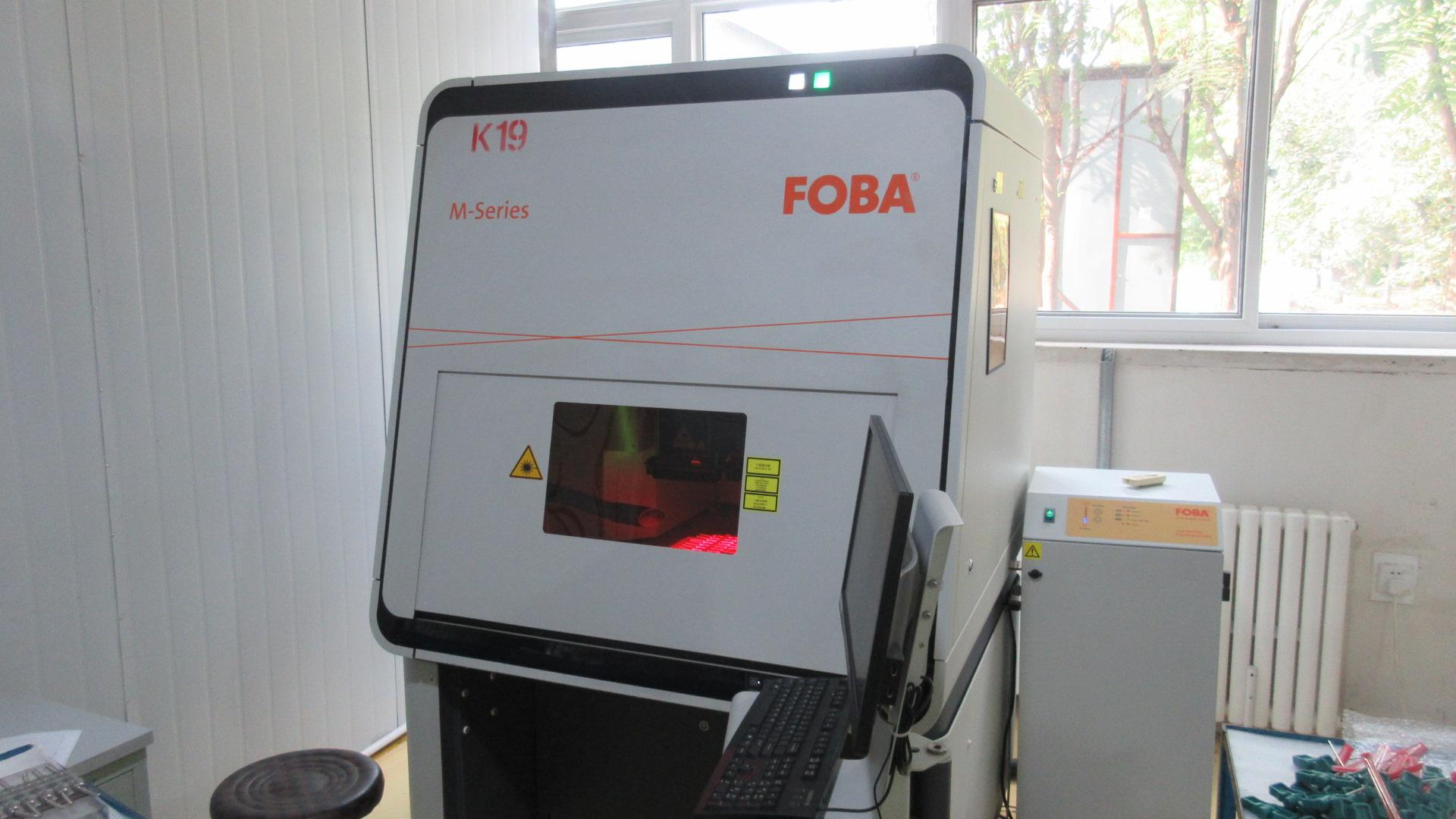
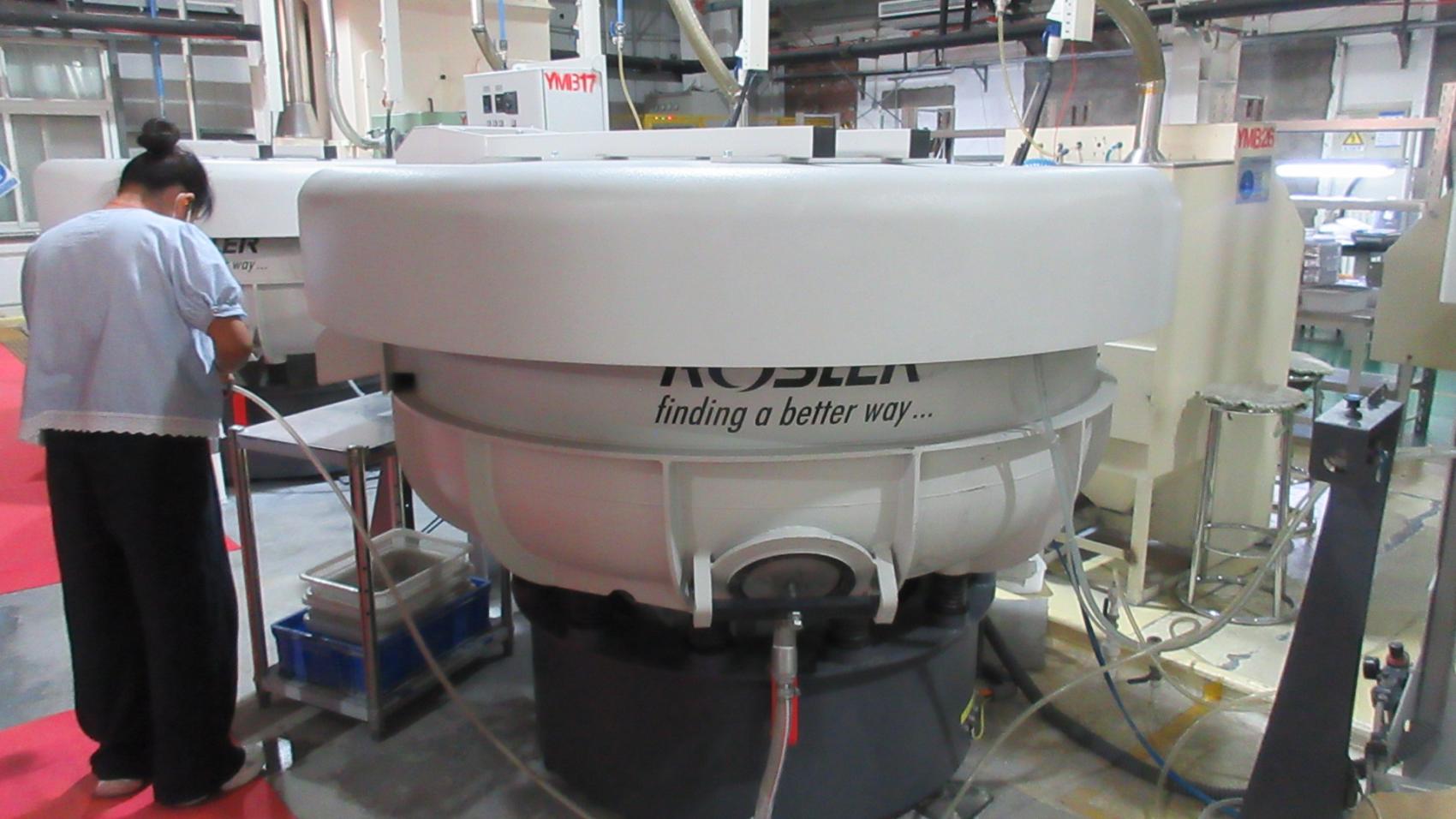
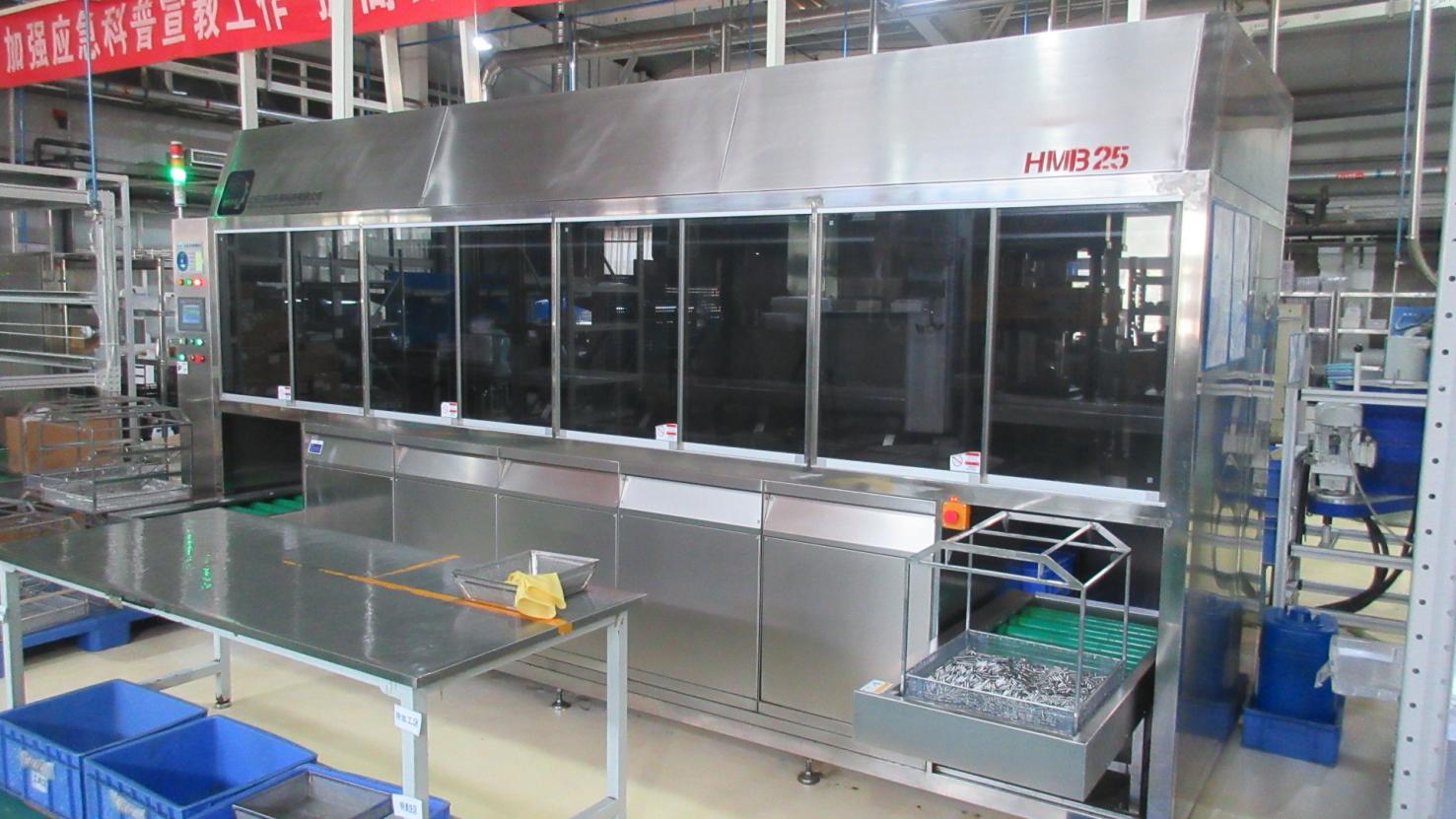
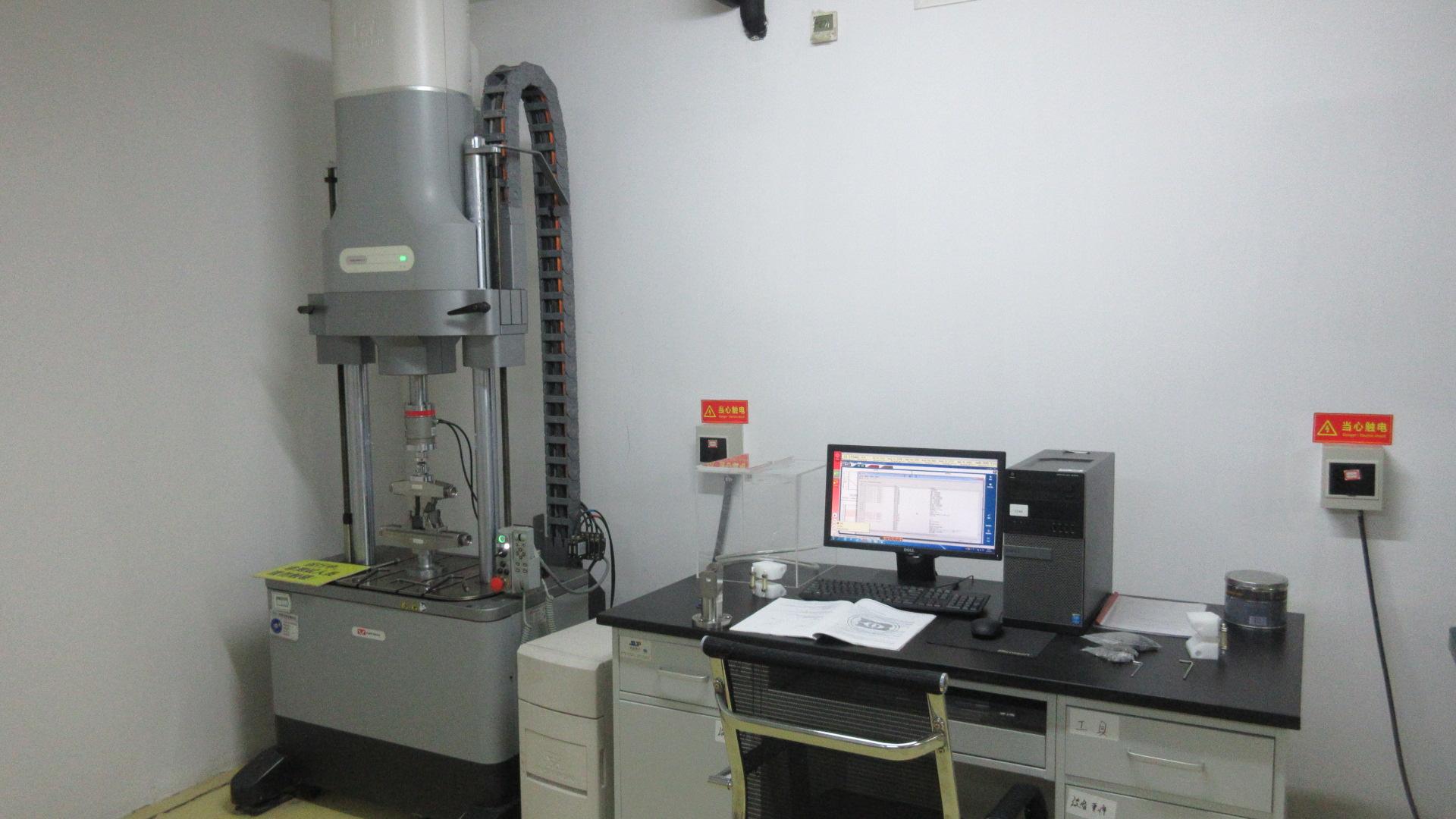
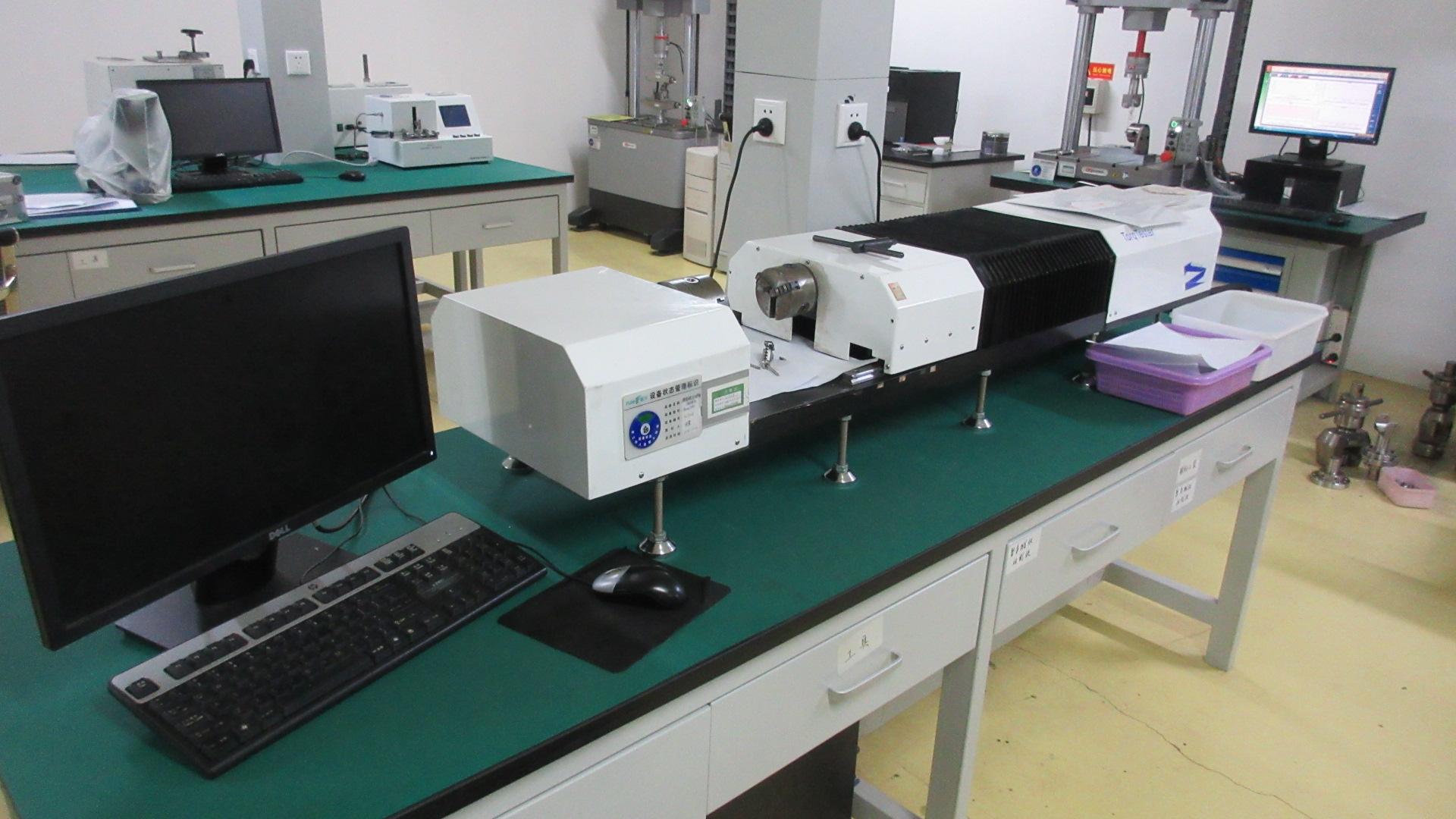
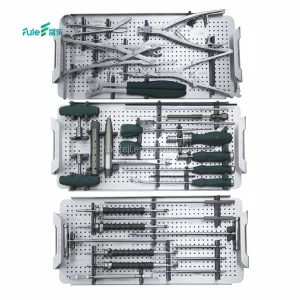
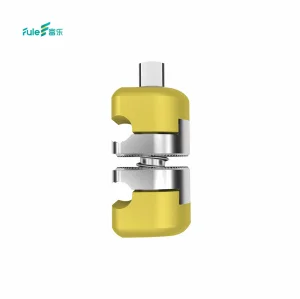
Extensive range of cervical plates, polyaxial pedicle screws, and trauma fixation instruments designed for surgical precision.
Essential details regarding materials, production capabilities, regulations, and custom design processes.
We use high-grade titanium alloy (typically Ti-6Al-4V ELI conforming to ASTM F136 standards). This material offers superior biocompatibility, fatigue strength, and mechanical properties, ensuring long-term stability and compatibility with post-operative MRI imaging.
Yes, our factory processes comply with ISO 13485 quality management systems (Certificate Number: 04724Q10000818). Our posterior spine systems, mini-plates, pedicle screws, and orthopedic instrument sets carry CE registrations under Class III/Class I medical device regulations.
Yes, we provide full customization options, including sample-based machining, blueprint processing, and customized color-anodization. Our engineering team of 20 R&D specialists designs custom medical plates, fixation instruments, and screws to meet specific clinical preferences.
Equipped with 102 state-of-the-art production machines across 10,000 square meters of floor space, our facility produces an annual output of 511,000 units. This scale ensures consistent supply availability for international hospital groups and medical device distributors.
We execute a 100% inspection protocol across all production lines. Every single implant is subjected to optical inspection, surface quality analysis, and laser-marked Unique Device Identification (UDI) to ensure complete traceability from raw titanium bars to final packaging.
We ship globally through premium air express networks, including DHL and FedEx, to ensure safe transit of medical instruments and implants. With 30 years of export experience, our team assists in expediting customs clearance and manages complex distribution logistics worldwide.
 Beren Science & Technology