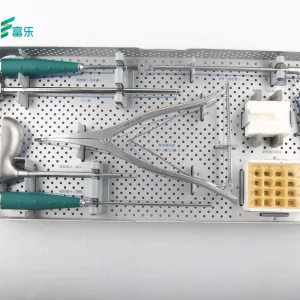
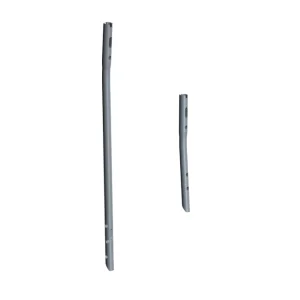
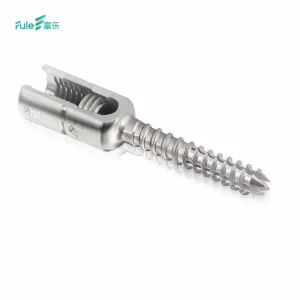
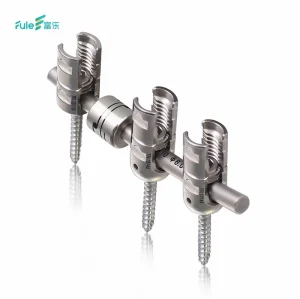
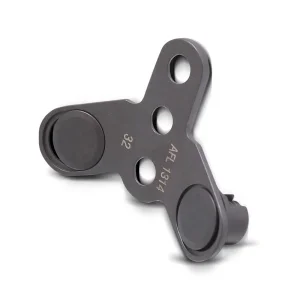
Explore our certified orthopedic surgical hardware designed for high tensile load-sharing, structural biomechanical preservation, and rapid osteointegration.
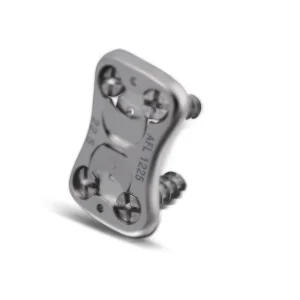
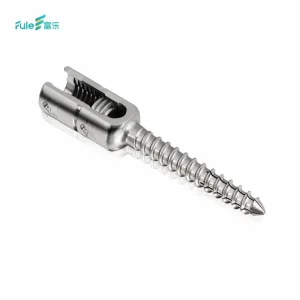
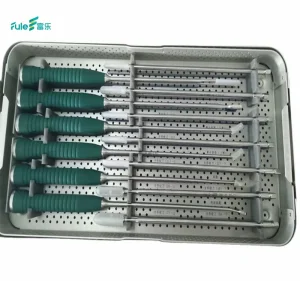
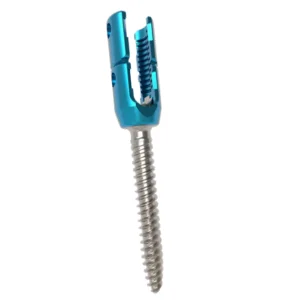
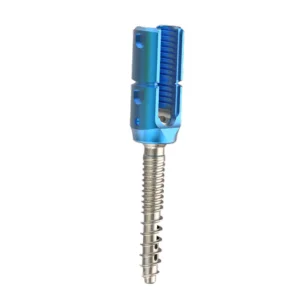
Scientific exploration into non-rigid stabilization, motion preservation, and adjacent segment load dynamics.
For decades, rigid spinal arthrodesis (fusion) was the gold standard for treating lumbar degenerative disc disease, segmental instability, and spondylolisthesis. However, clinical long-term data revealed a persistent drawback: **Adjacent Segment Degeneration (ASD)**. By fusing motion segments, biomechanical stress is transferred to the adjacent mobile levels, accelerating wear and tear on the surrounding intervertebral discs and facet joints.
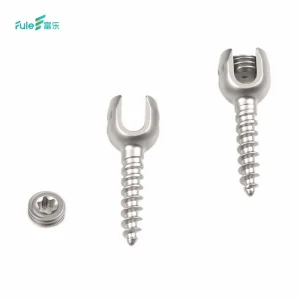
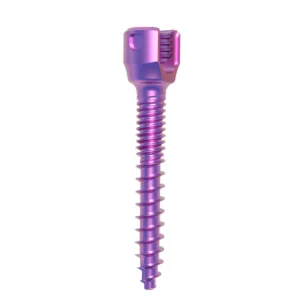
**Dynamic Stabilization Systems (DSS)** resolve this limitation. Using flexible polymeric cords, spacer mechanisms, or specialized polyaxial dynamic pedicle screws, DSS replicates the spine's natural kinematics. The system allows controlled micro-motion in flexion, extension, and lateral bending while providing sufficient posterior constraint to prevent pathological translation. This modern load-sharing paradigm significantly reduces strain at adjacent levels, minimizing secondary surgeries and enhancing patient mobility.
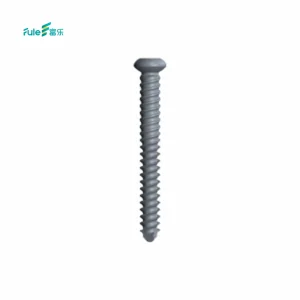
Developing premium spinal implants demands rigorous material validation. Our pedicle screws are machined from biocompatible medical-grade **Titanium Alloy (Ti-6Al-4V ELI)**, providing high fatigue strength, excellent corrosion resistance, and artifact-reduced MRI scanning. Our lumbar fusion cages utilize advanced carbon-fiber PEEK matrices that mimic the elasticity modulus of human cortical bone, reducing the risks of cage subsidence and stress shielding.
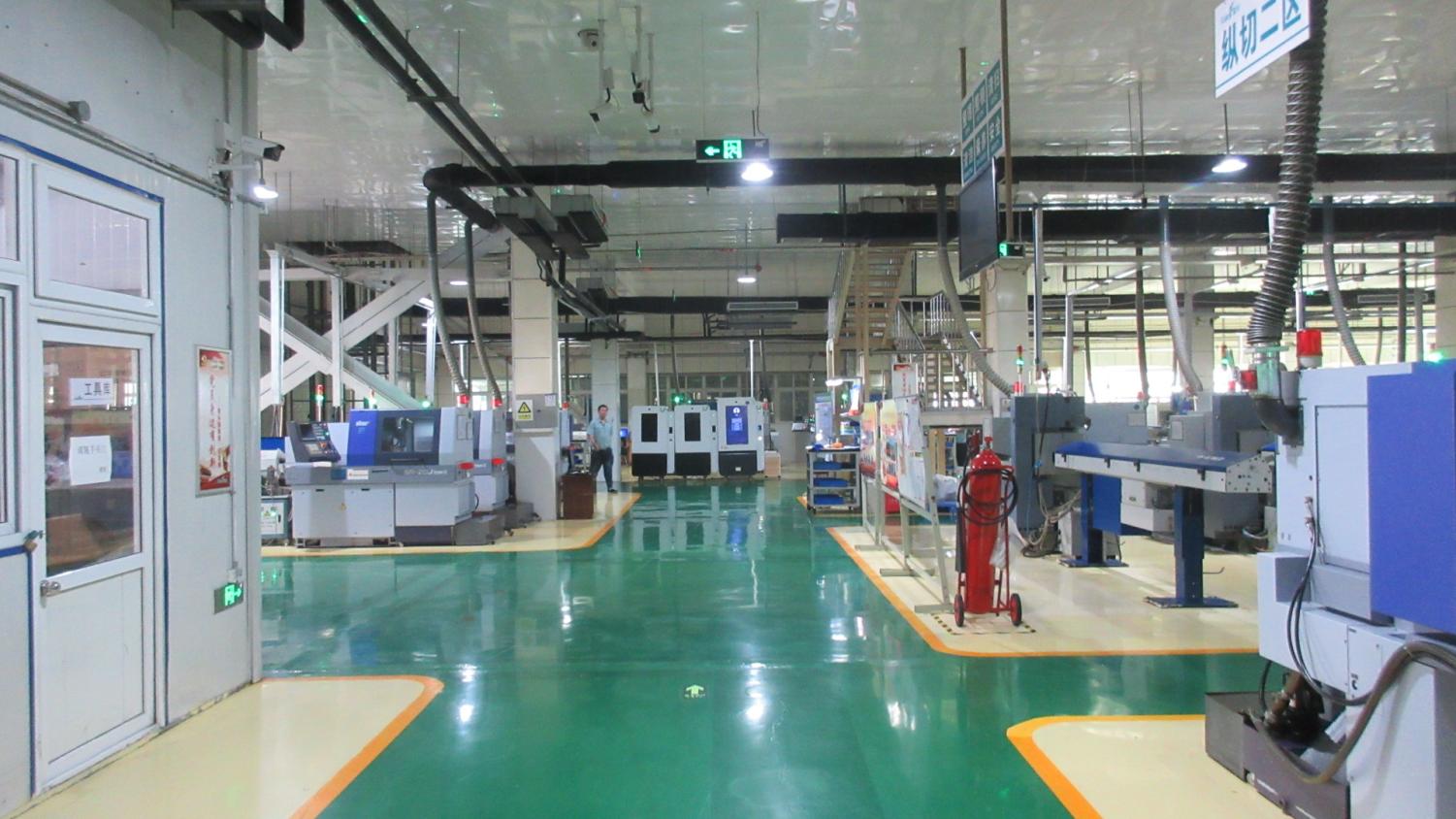
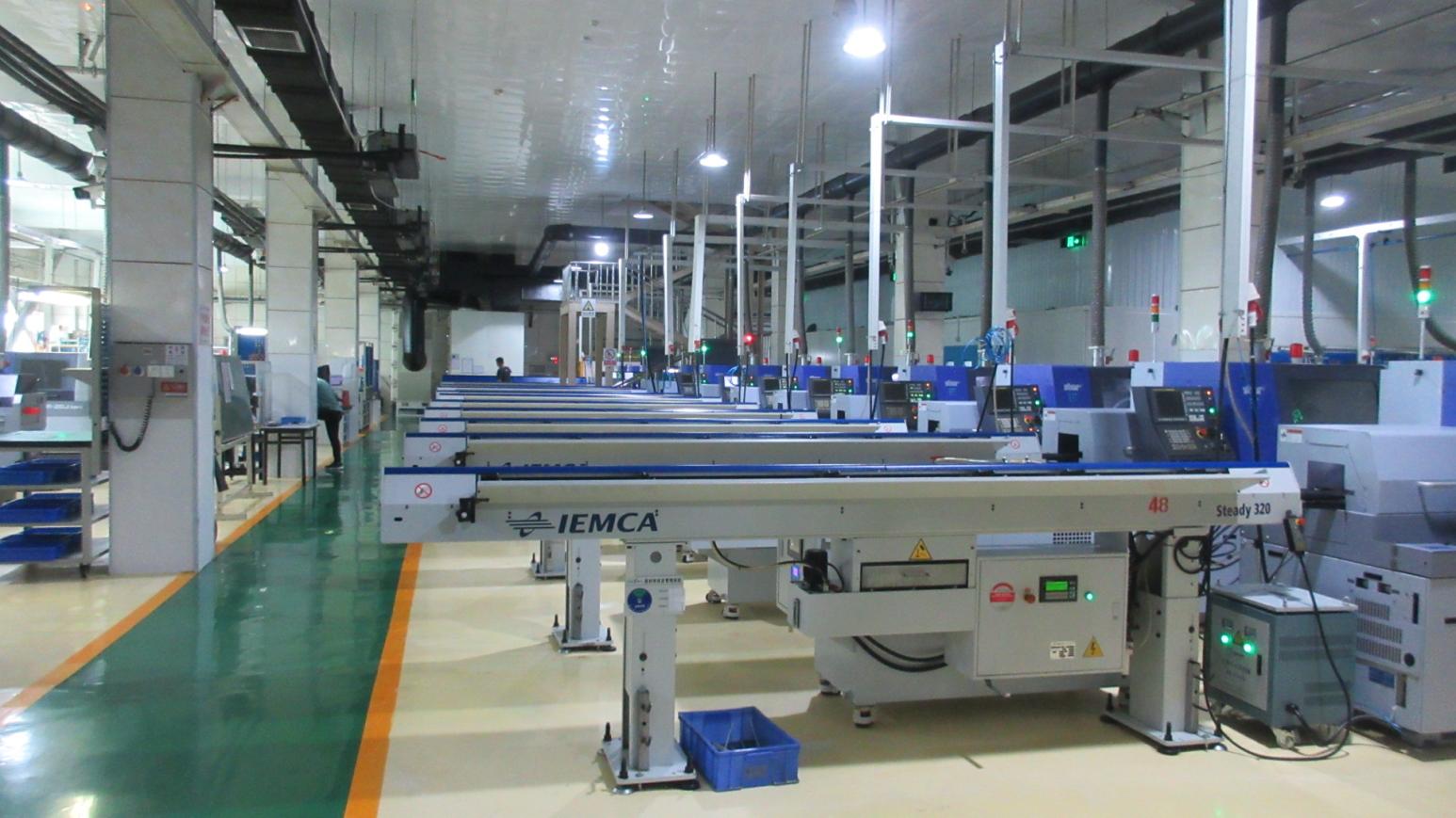
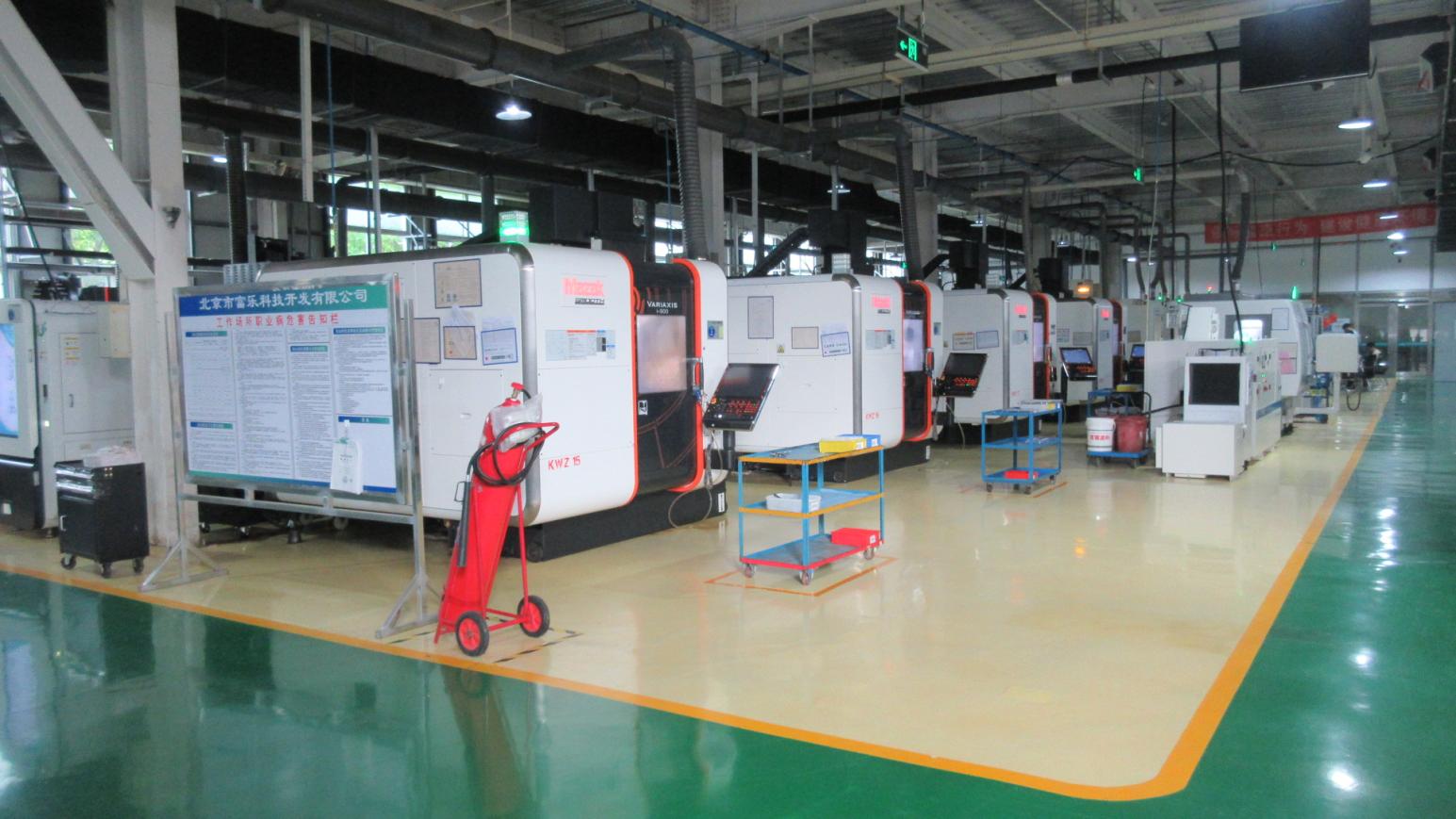
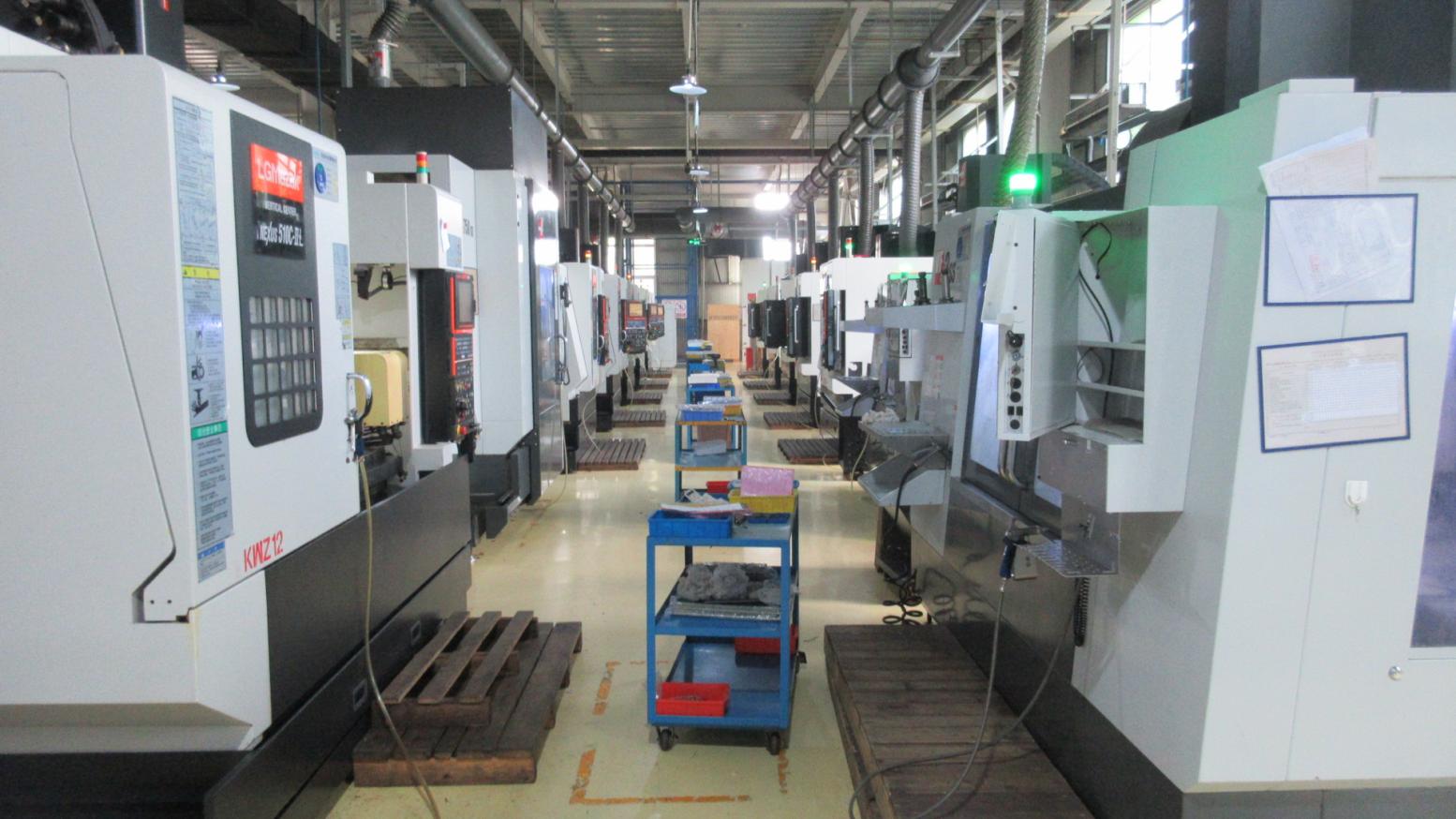
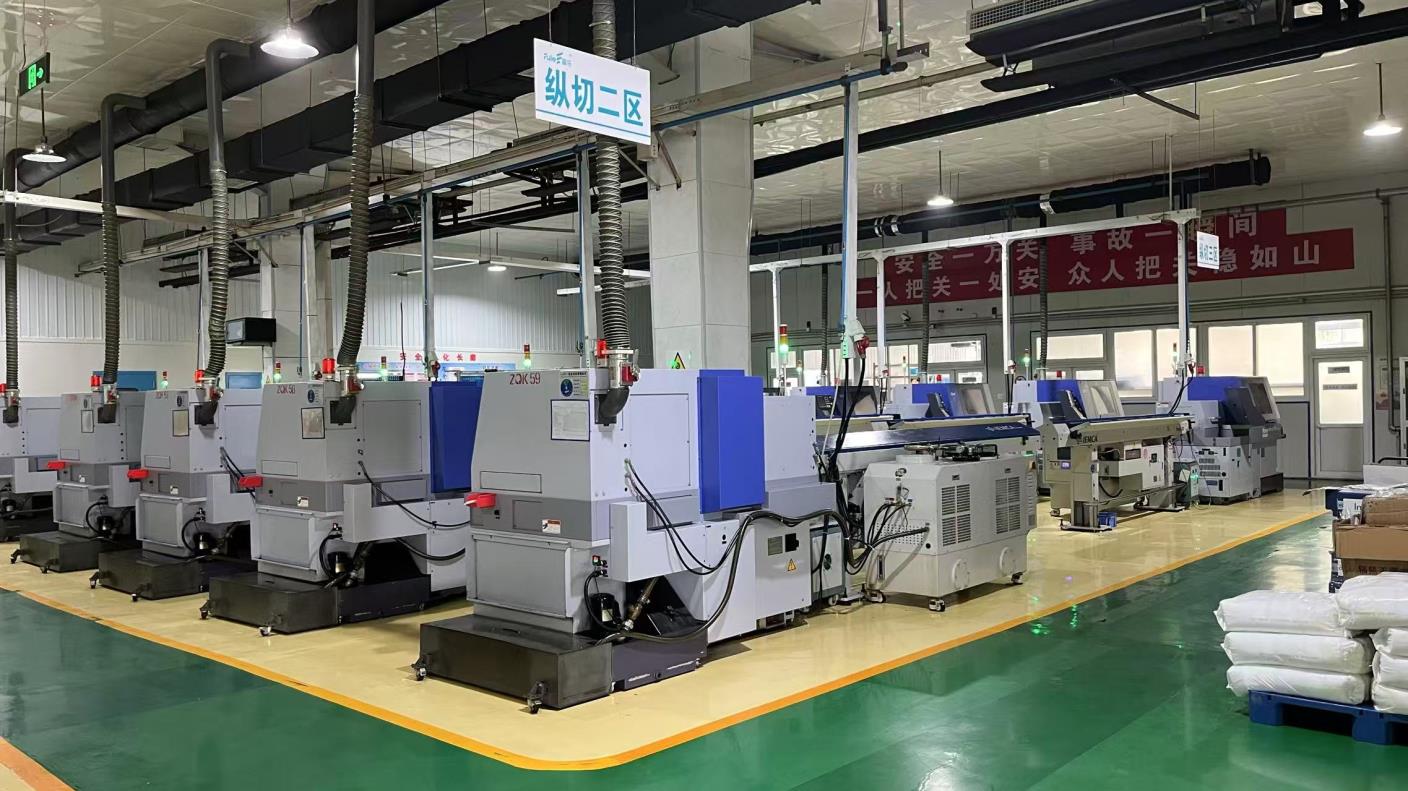
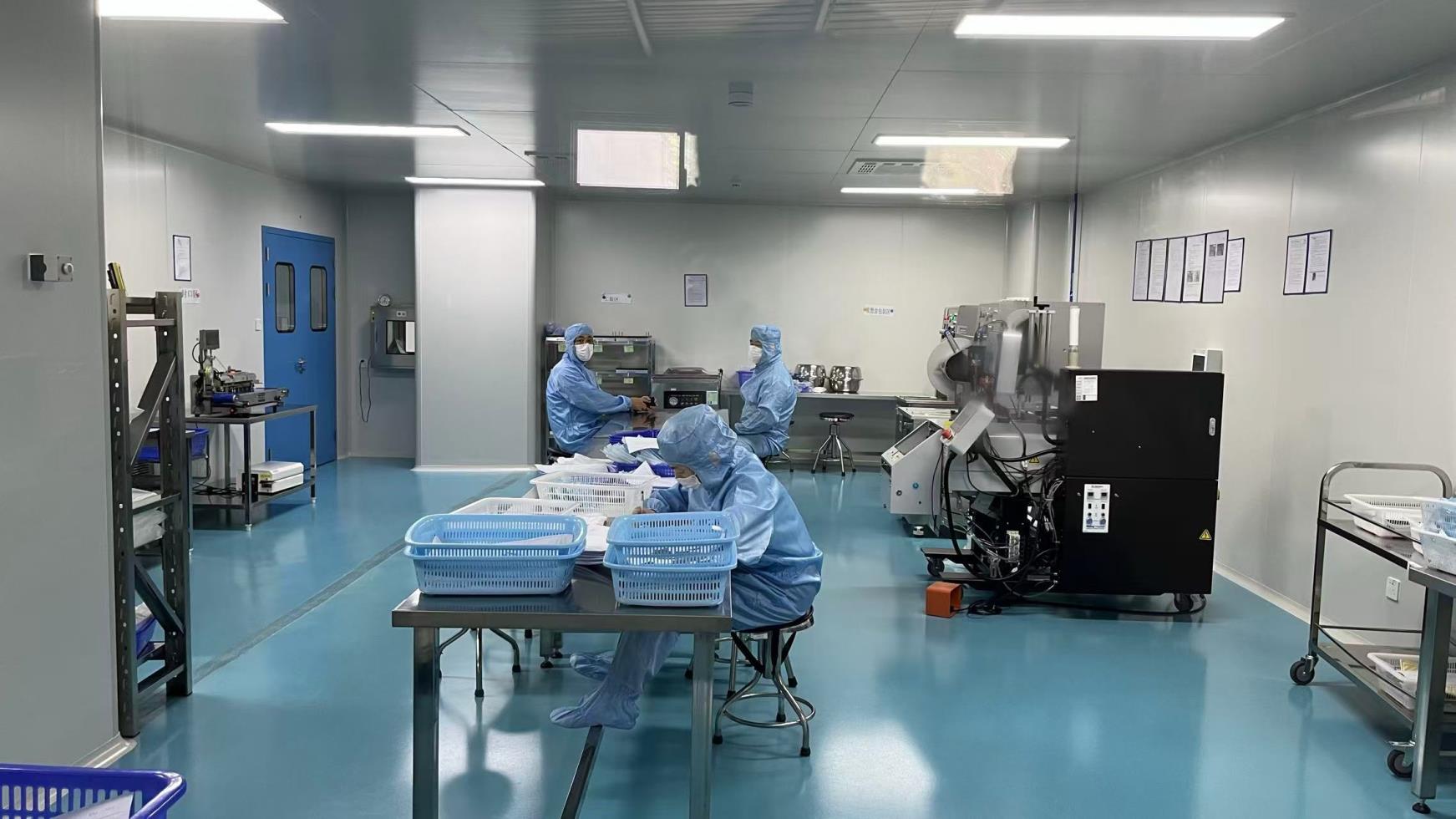
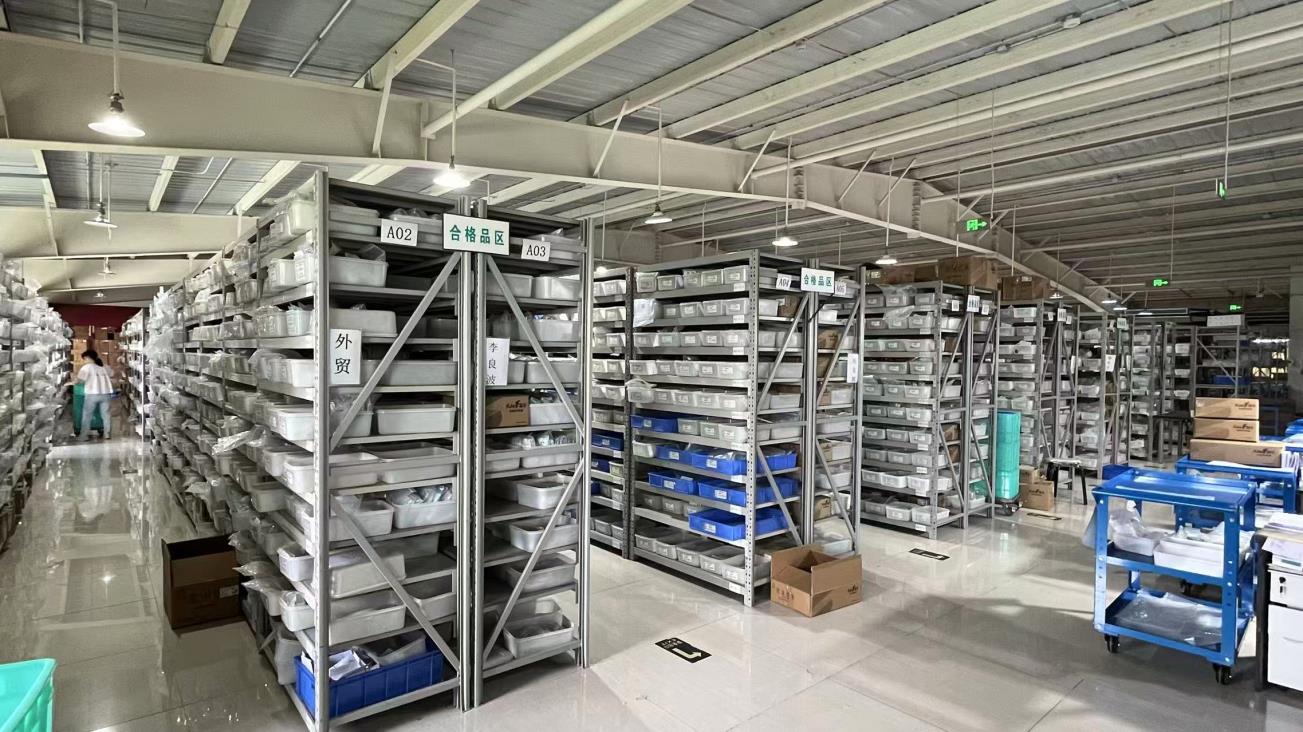
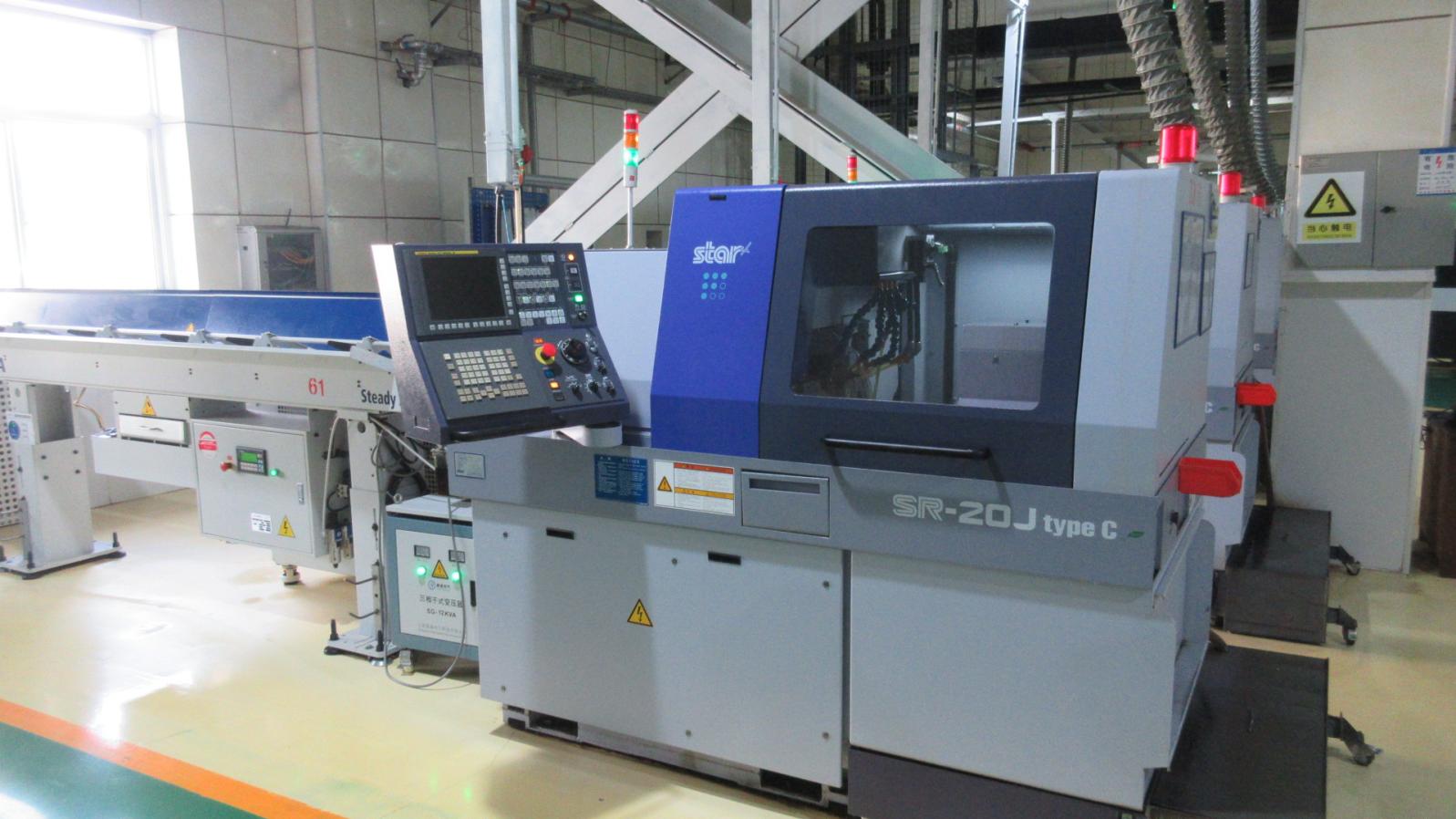
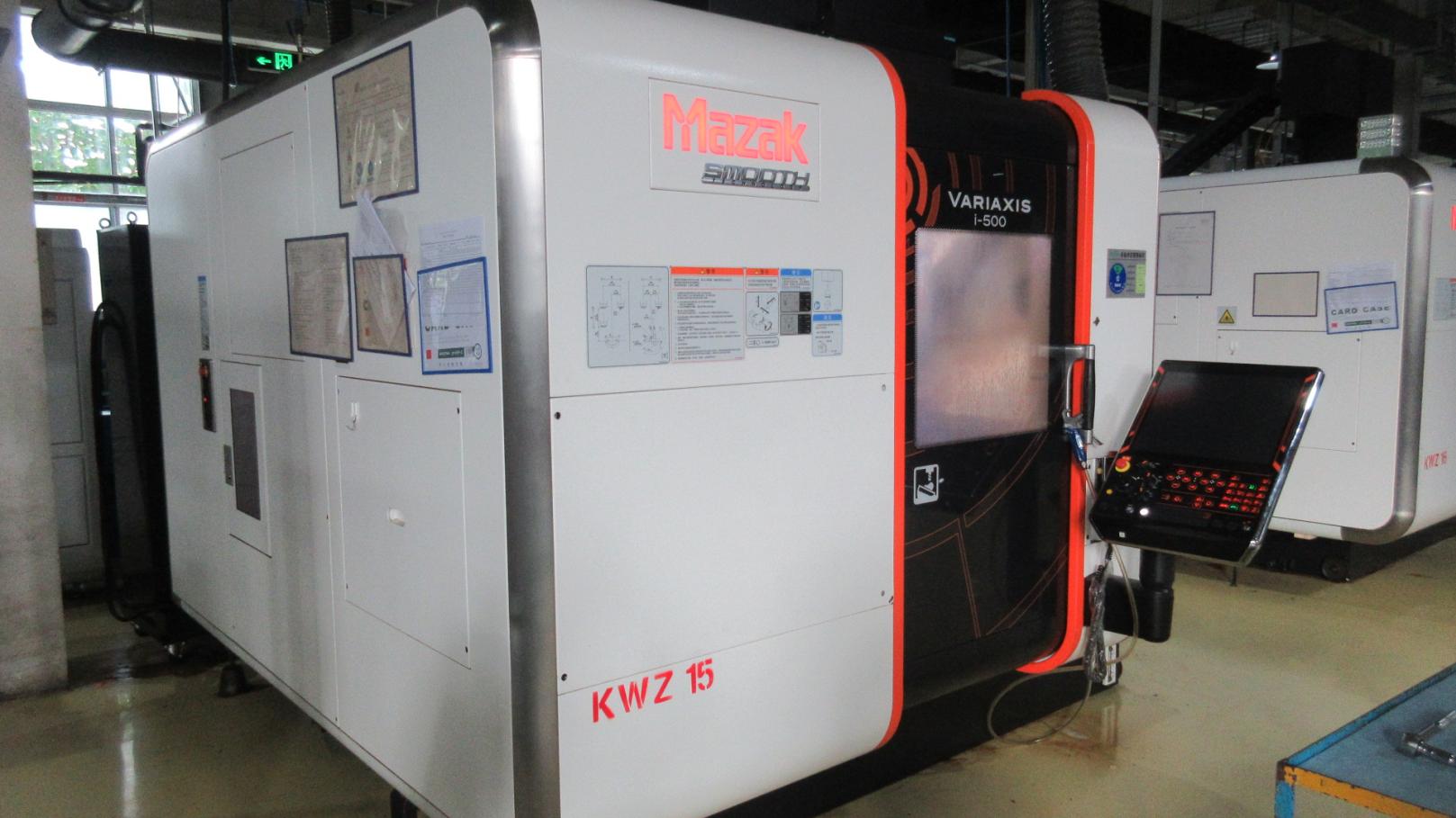
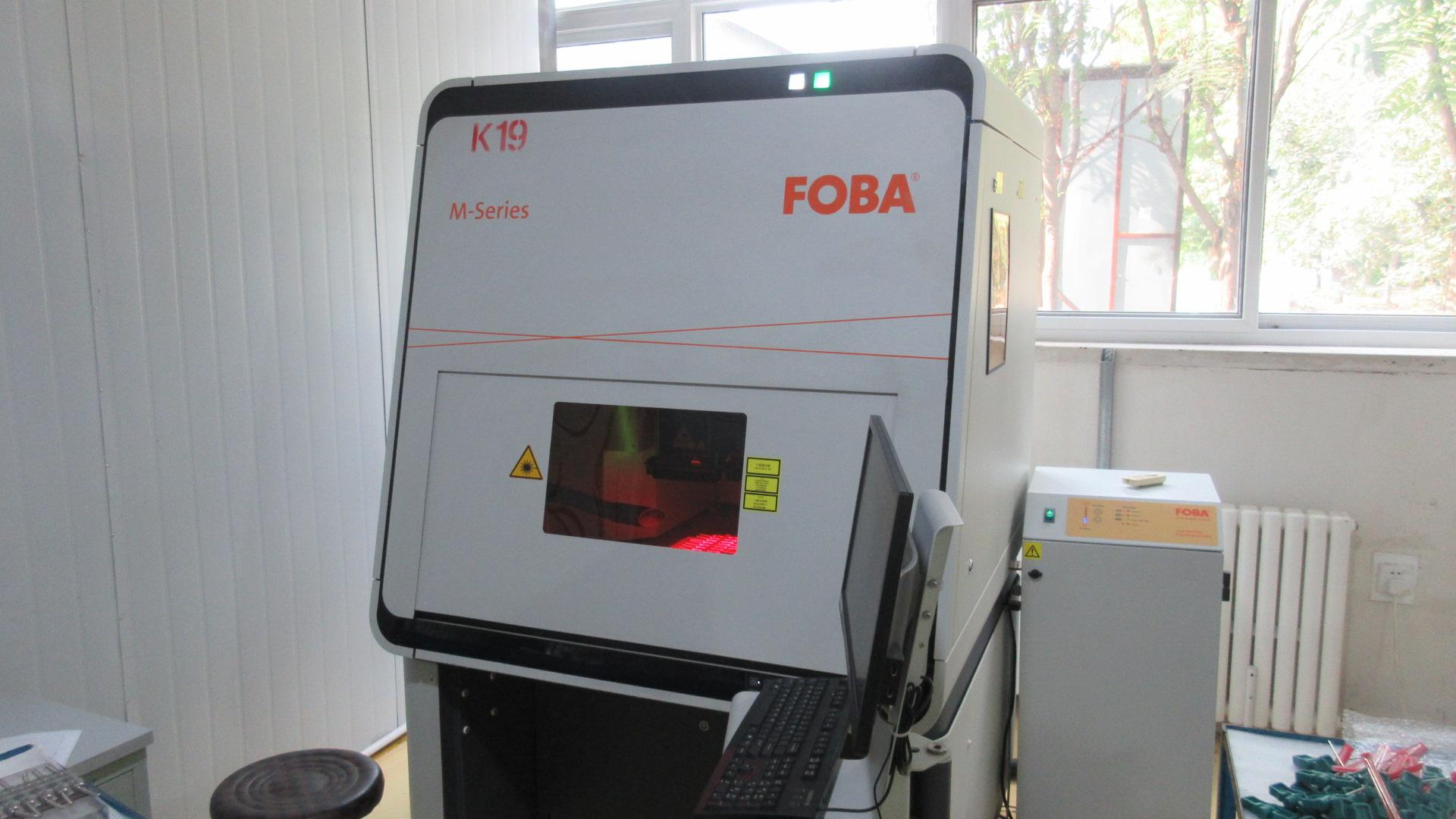
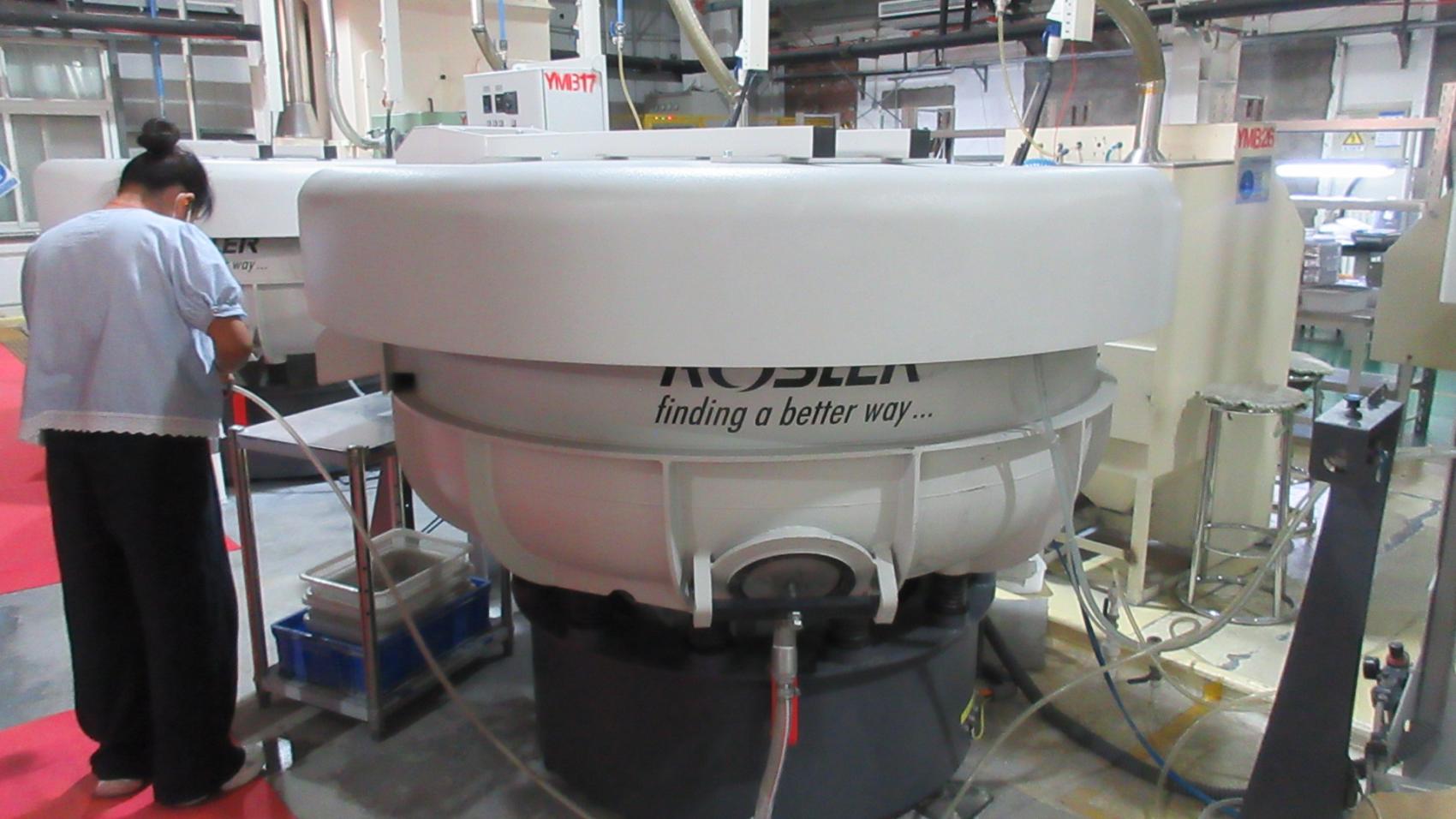
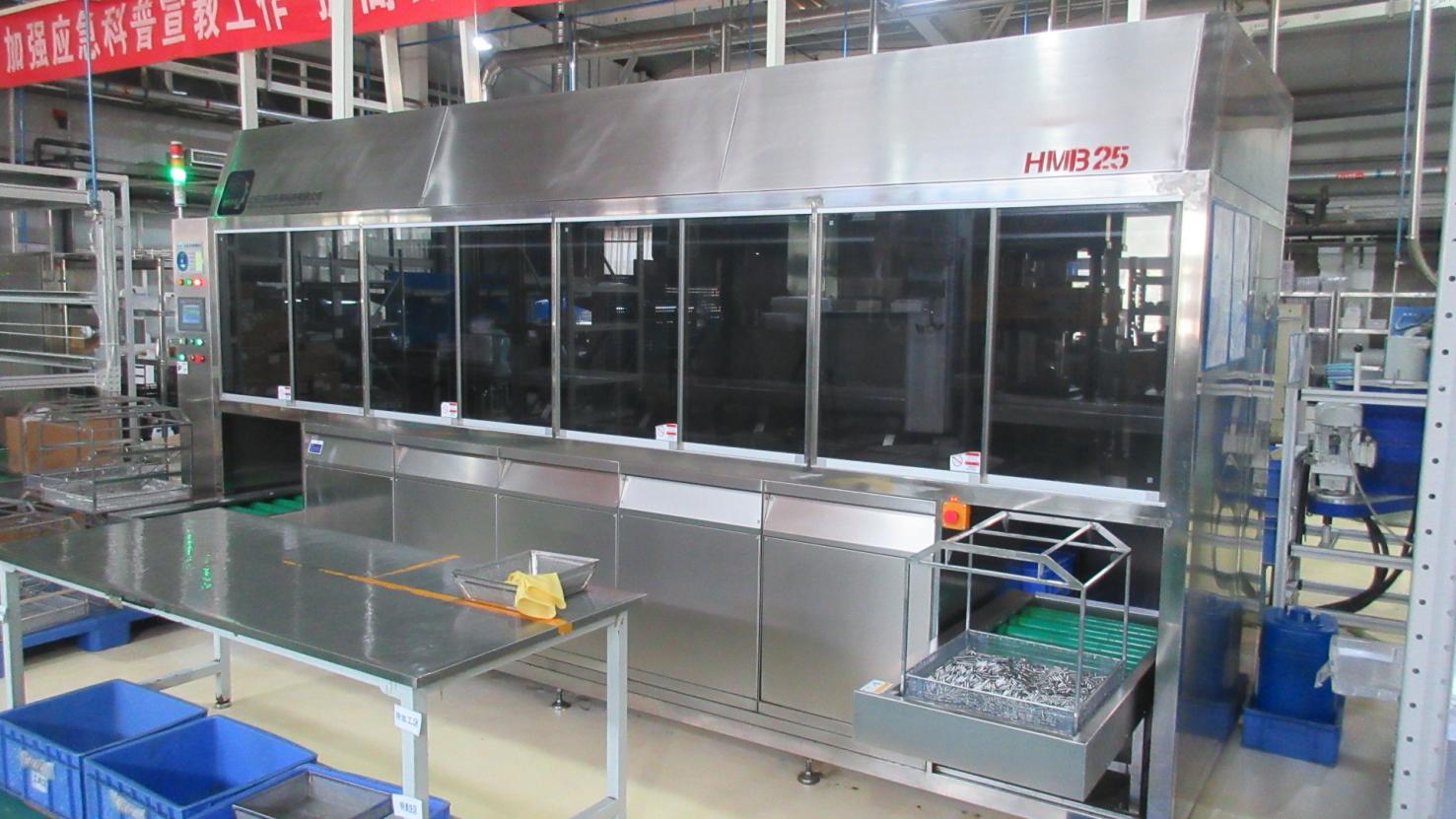
Our manufacturing plants leverage automated CNC Swiss-type lathes operating in temperature-controlled facilities. Products undergo a series of precision validation steps, including non-destructive testing (NDT), automated coordinate measurement (CMM), and multi-stage ultrasonic cleaning. We operate certified Class 10,000 (ISO Class 7) cleanrooms for final packaging, ensuring every implant is free of particulate matter and pyrogens before sterilization.
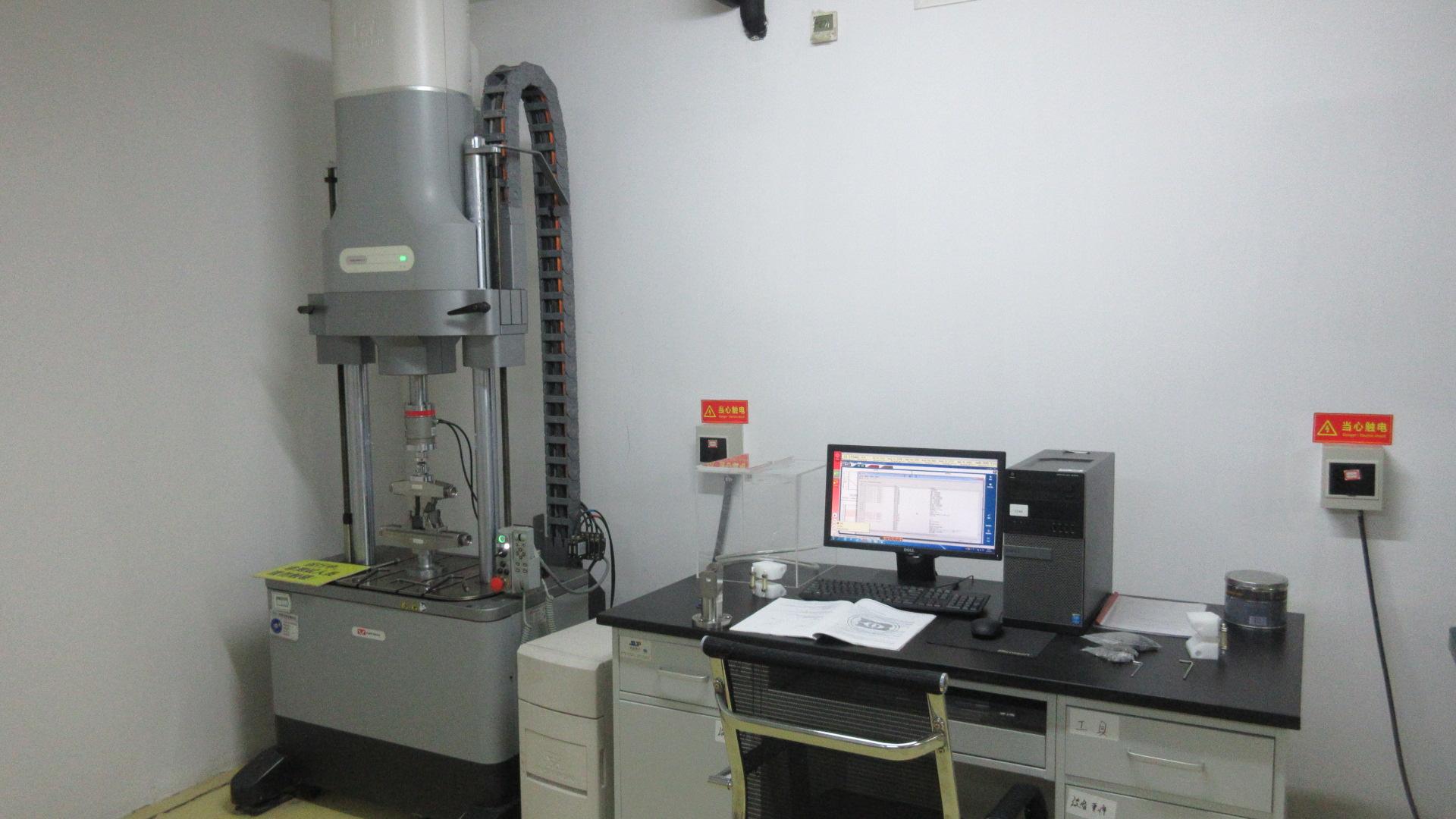
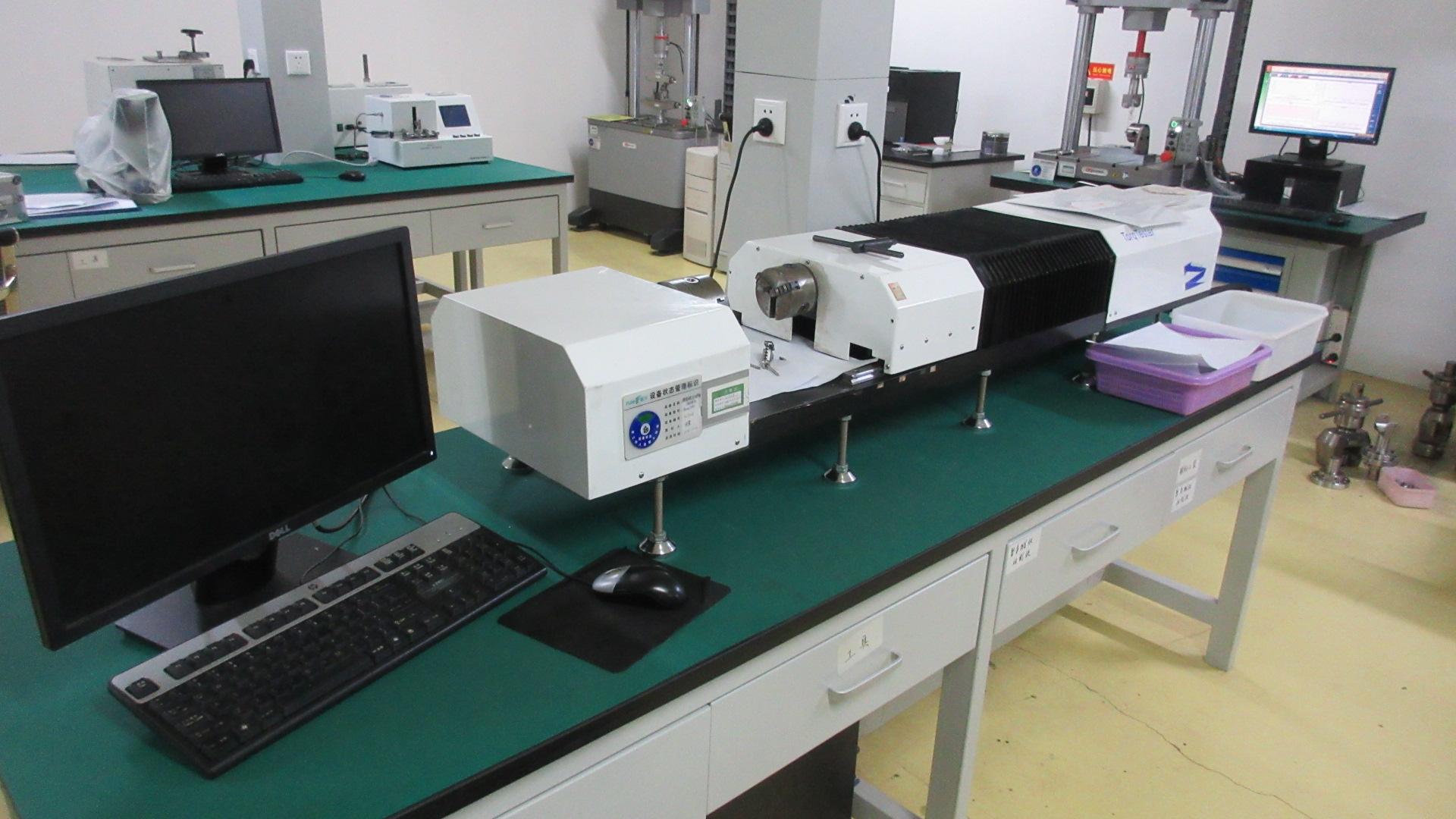
Compliance is crucial in orthopedic implant manufacturing. We maintain rigorous compliance across global regulatory frameworks. Our production workflows strictly adhere to **ISO 13485** Quality Management Systems for medical devices. We offer a comprehensive documentation package, including Device Master Records (DMR), comprehensive Biocompatibility Testing Reports (according to ISO 10993 guidelines), and mechanical verification test data (ASTM F1717 / ASTM F2077 protocols).
By maintaining high traceability from raw bar stock to finished sterile-packaged implants, we ensure complete transparency. Each batch receives a unique tracking identifier, offering distributors and hospitals assurance regarding structural integrity and material purity.
Overview of our production capacities, regulatory alignment, and technological R&D structures.
Analyzing clinical requirements across dynamic stabilization applications, regulatory systems, and manufacturing supply chains.
Clinical applications of Dynamic Stabilization Systems vary by region, dictated by local surgical preferences, healthcare insurance frameworks, and demographic trends.
* **North American & Western European Outpatient Systems**: Over the past decade, there has been a steady transition of spine surgeries to Ambulatory Surgical Centers (ASCs). ASCs favor Minimally Invasive Surgery (MIS) and dynamic pedicle screw systems that reduce operative duration, hospital stays, and patient recovery times.
* **Developing Markets & Dynamic Systems**: In rapidly growing healthcare systems (such as Southeast Asia, parts of Eastern Europe, and Latin America), dynamic systems present a cost-efficient alternative to total disc replacement (TDR). They deliver improved kinetic preservation over standard rigid multi-level fusion constructs without the high costs associated with artificial disc arthroplasty.
The next era of spine stabilization technology bridges mechanics and digital health. Our R&D division is focused on three main pillars:
1. **Integrated Diagnostic Sensors**: Real-time measurement of in-vivo strain, load distribution, and spinal alignment using micro-sensor arrays embedded within the dynamic spacer core. This helps clinicians monitor osteointegration and postoperative loading patterns wirelessly.
2. **Surface Modifications for Fast Integration**: Utilizing advanced physical vapor deposition (PVD) to coat titanium surfaces with porous hydroxyapatite (HA) or titanium plasma spray (TPS). This technique enhances bone-to-implant contact and speeds up early screw stabilization.
3. **Next-Generation Viscoelastic Materials**: Engineering advanced polyurethane elastomers with improved fatigue limits, ensuring reliable motion-retention properties for over 10 million cycles under physiological loading.
Operating within China's medical device manufacturing hubs provides our global partners with a significant competitive advantage. We leverage a robust industrial ecosystem, featuring highly integrated raw material suppliers, specialized surface treatment operations, and reliable logistics networks.
Our vertical integration allows us to optimize raw material sourcing (such as medical-grade titanium bars conforming to ASTM F136). Consequently, we minimize production lead times and offer competitive pricing on bulk shipments without compromising quality controls.
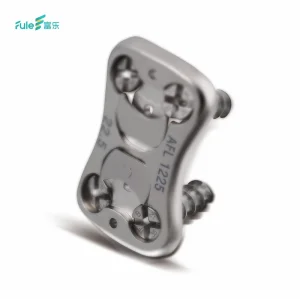
Continuing our product range with high-quality cervical plate assemblies, humeral intramedullary systems, and dynamic pedicle screw constructs.
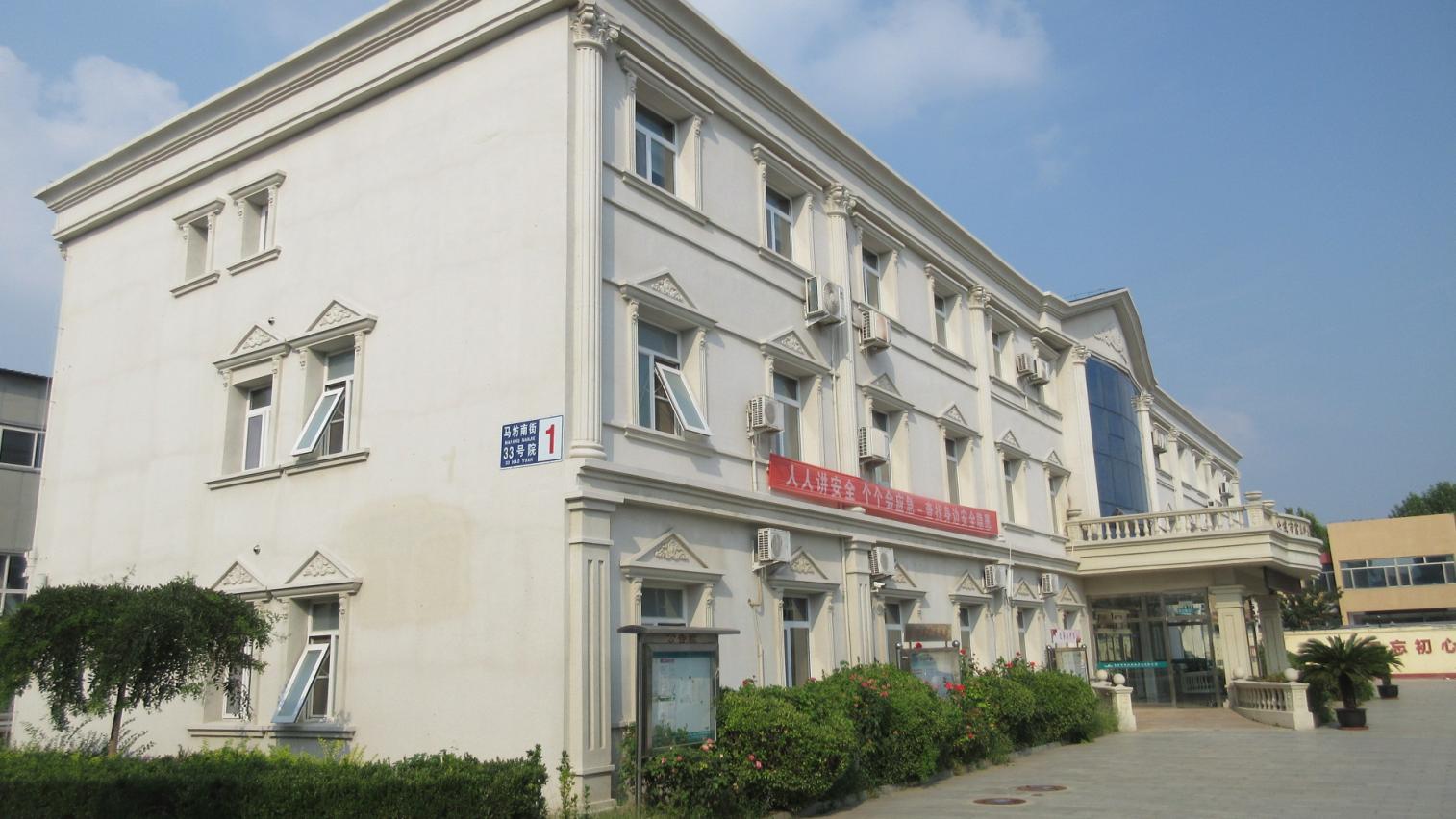
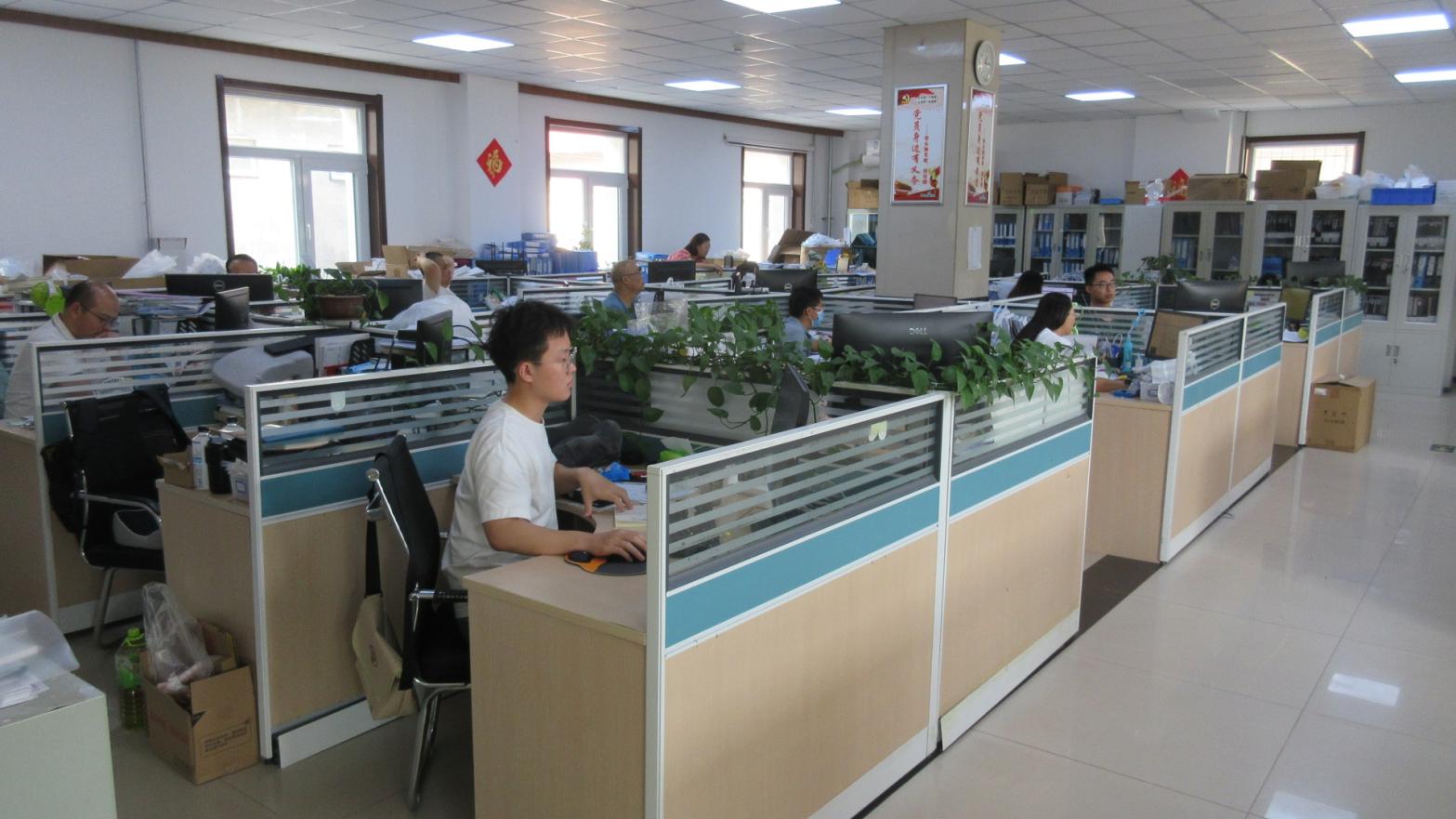
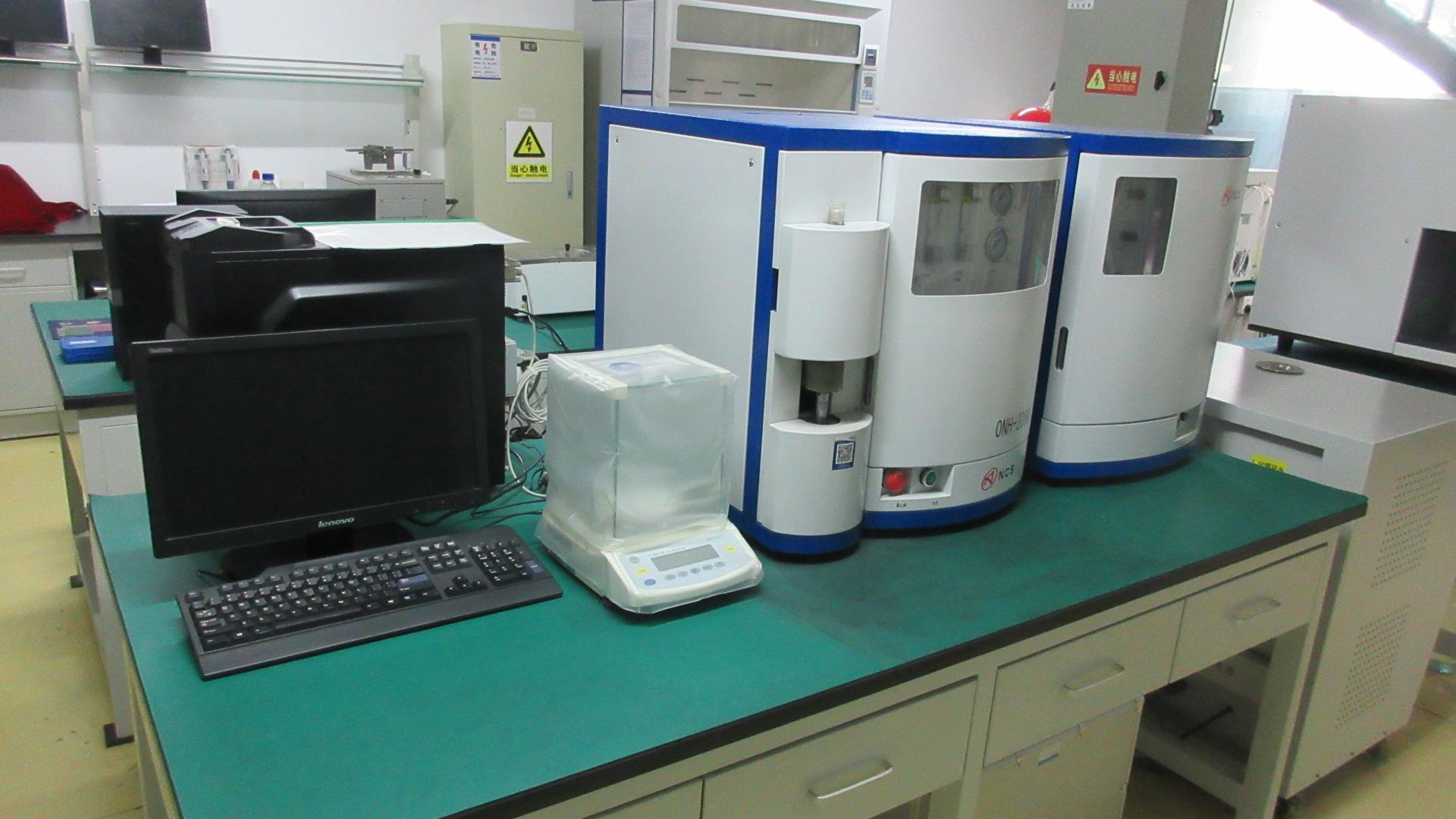
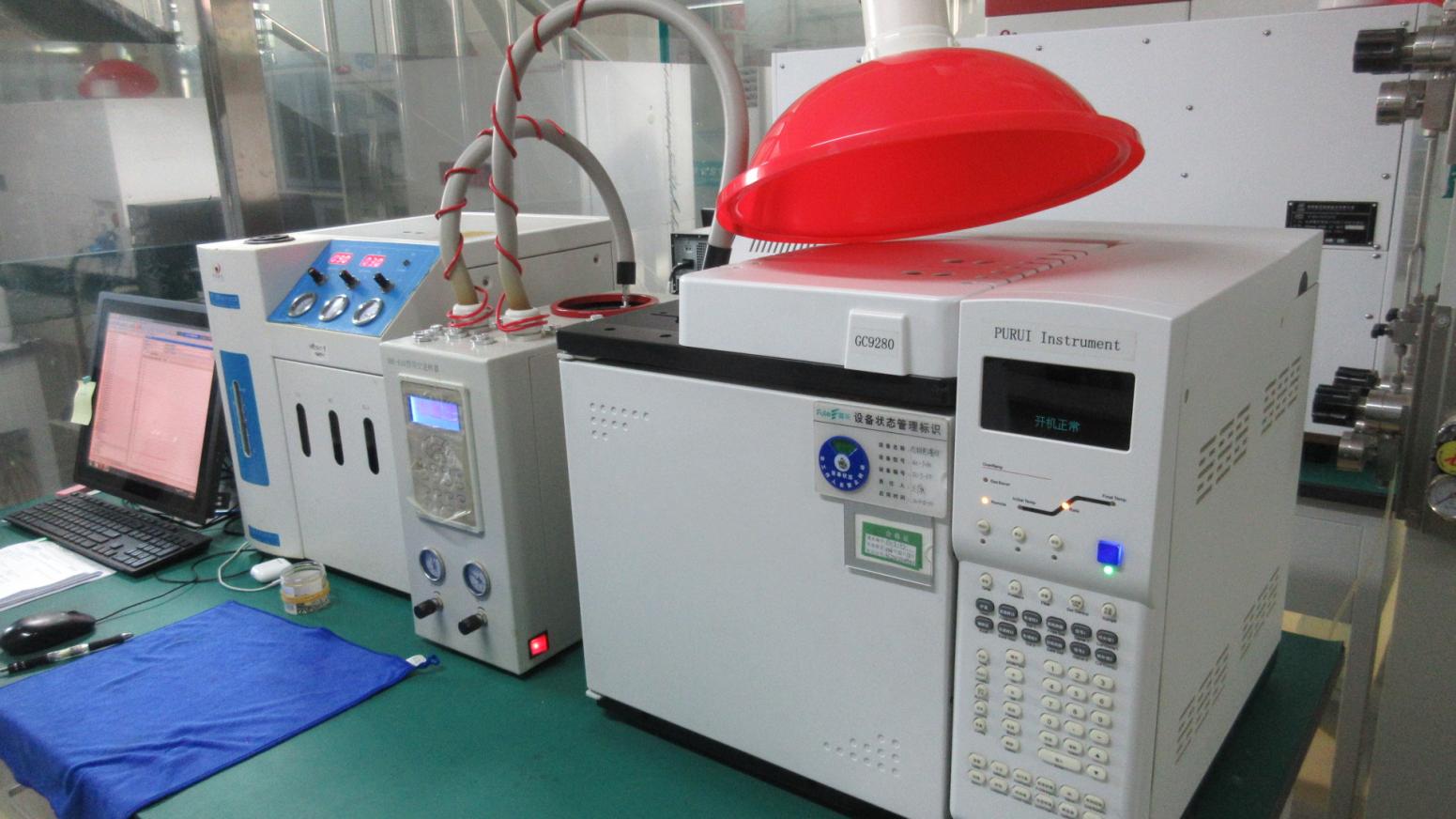
Visualizing our precision manufacturing floors, dynamic load-bearing test setups, and sterile packing facilities.
Providing direct answers to technical, mechanical, and global distribution inquiries.
 Beren Science & Technology