Explore our leading Class II and Class III orthopedic hardware engineered for spine reconstructive therapies and trauma interventions.
An in-depth review of technological evolutions, mechanical dynamics, and material safety indices in modern osteosynthesis.
The global orthopedic trauma fixation market is experiencing a profound transition driven by two primary forces: an aging demographic susceptible to osteoporotic fractures and the rise in active lifestyle traumas. As clinical protocols demand faster recovery cycles and lower complication rates, the engineering behind internal fixation devices—specifically plates, intramedullary nails, and cannulated screws—has shifted from traditional rigid stabilization to biologically optimized fixation systems.
The industry benchmark is governed by Grade 5 Titanium (Ti-6Al-4V ELI) and PEEK. These materials match bone elasticity profiles more closely than stainless steel, reducing stress shielding and encouraging physiological remodelling.
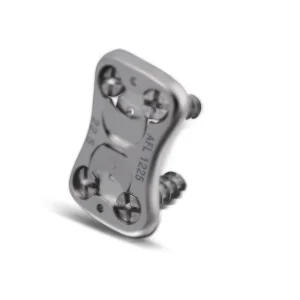
Contemporary locking compression plates utilize combi-holes, enabling surgeons to apply both static compression and dynamic angular stability, supporting secondary bone healing via micro-callus formation.
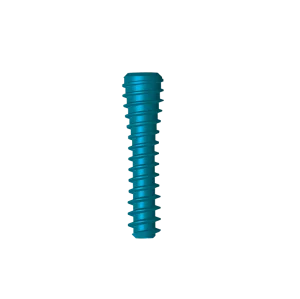
Medical institutions and purchasing managers require systems that minimize revision surgery rates. Biomechanical research highlights that screw thread integrity, surface roughness, and anodization properties dictate the pull-out strength and long-term stabilization of implants. To fulfill these requirements, manufacturers must enforce micrometer-level precision during the machining processes.
Rigorous operational metrics, transparent R&D standards, and quality statistics confirming our capabilities as an OEM supplier.
How concentrated industrial ecosystems, specialized tooling, and quality controls optimize lead times and unit cost structures.
The manufacturing of orthopedic implants requires high precision and strict regulatory compliance. China's medical device manufacturing sector has transitioned from simple contract manufacturing to a mature ecosystem centered on advanced Swiss-type sliding head lathes, five-axis milling centers, and integrated cleanroom packaging operations.
1. Specialized Material Supply Ecosystems: By locating production near primary high-purity medical titanium suppliers, Chinese factories minimize long transport intervals and expedite raw material verification. This enables rapid procurement of implant-grade titanium rods conforming to ASTM F136 specifications.
2. Vertical Integration: From initial CAD modeling and finite element analysis (FEA) to CNC machining, chemical anodization, and sterile barrier packaging, the entire production sequence is executed under one roof. This minimizes handling risks and ensures consistent batch-to-batch quality.
A transparent look at our production floor, CNC tooling centers, packaging zones, and testing labs.
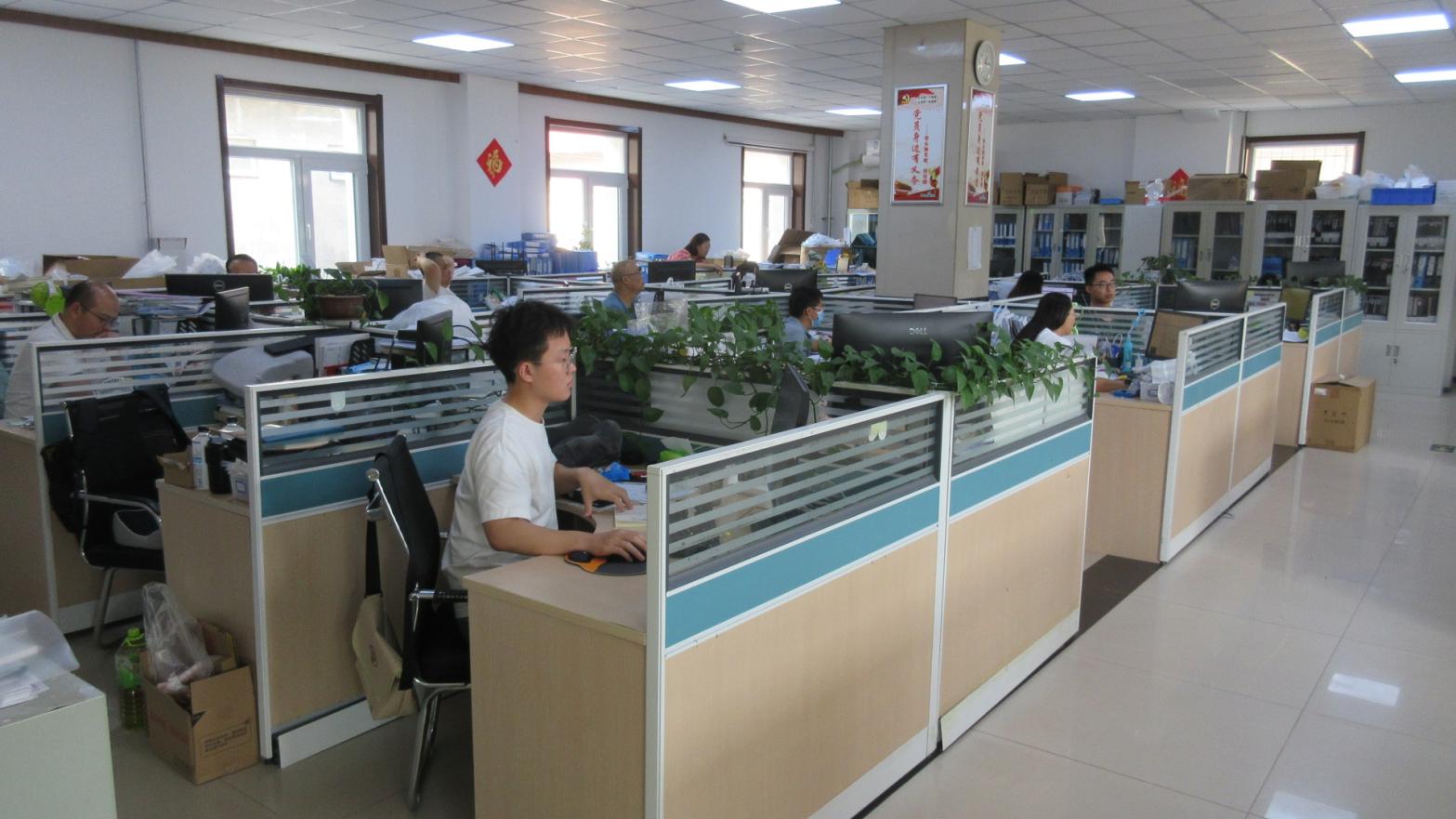
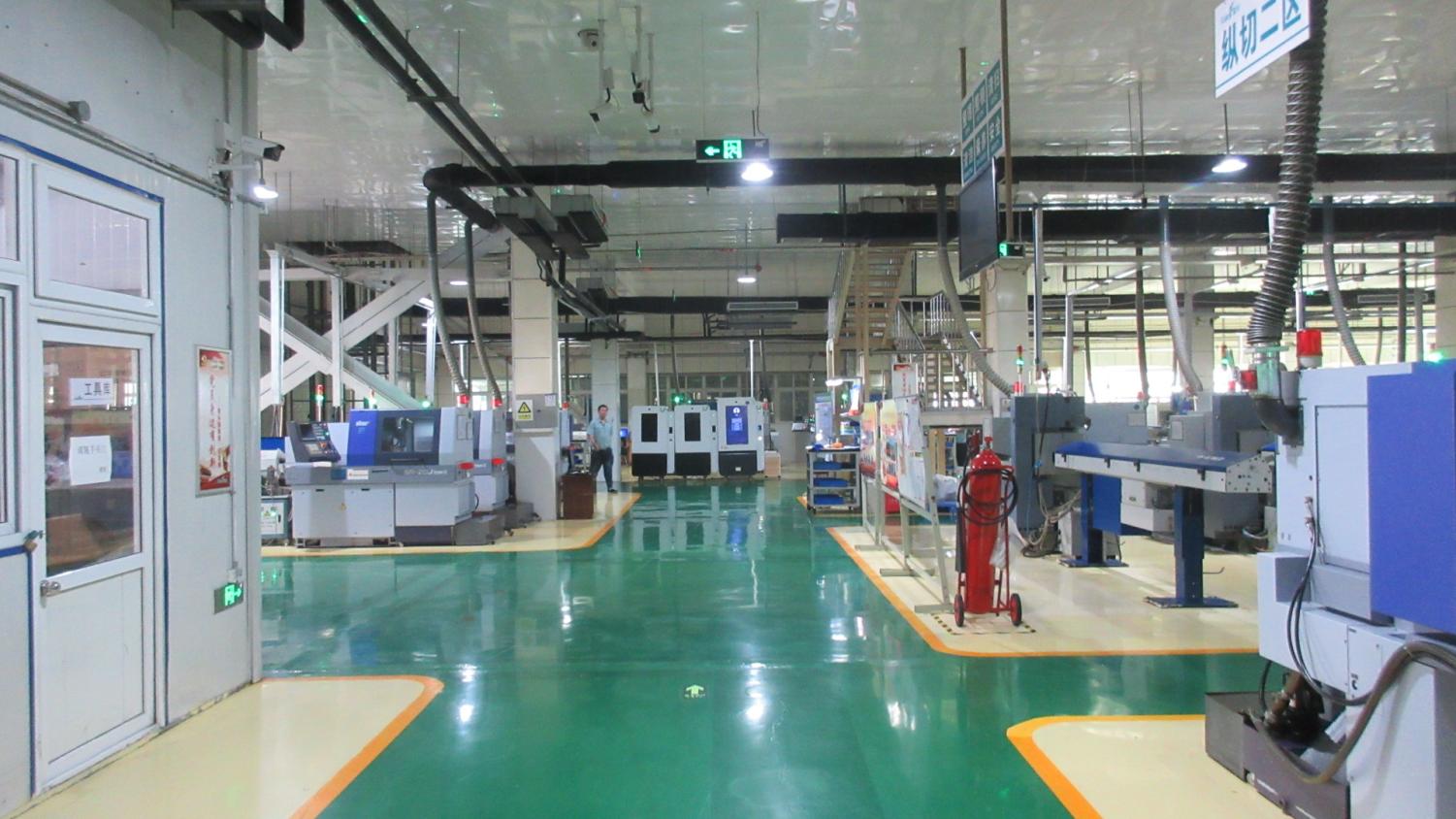
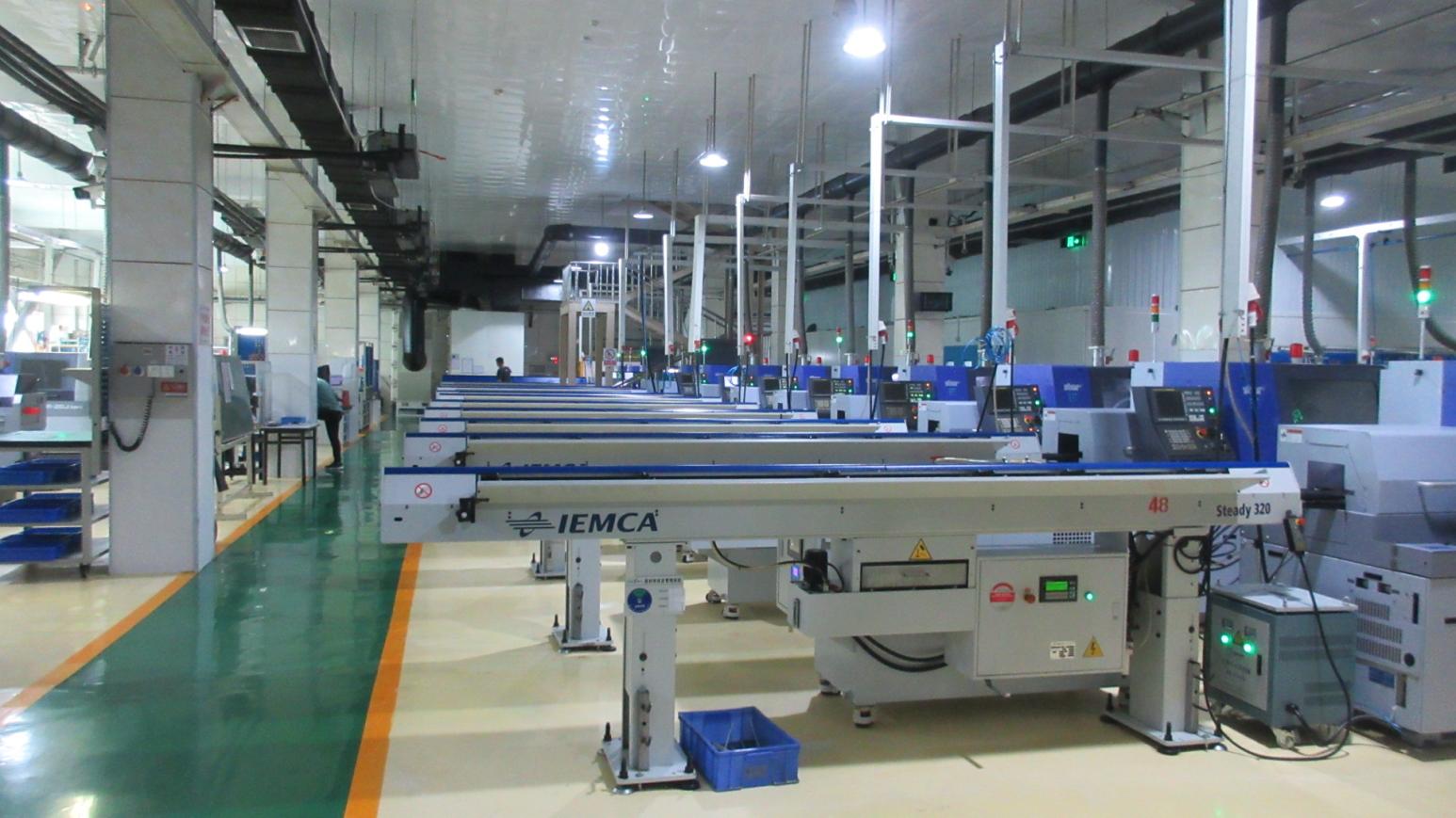
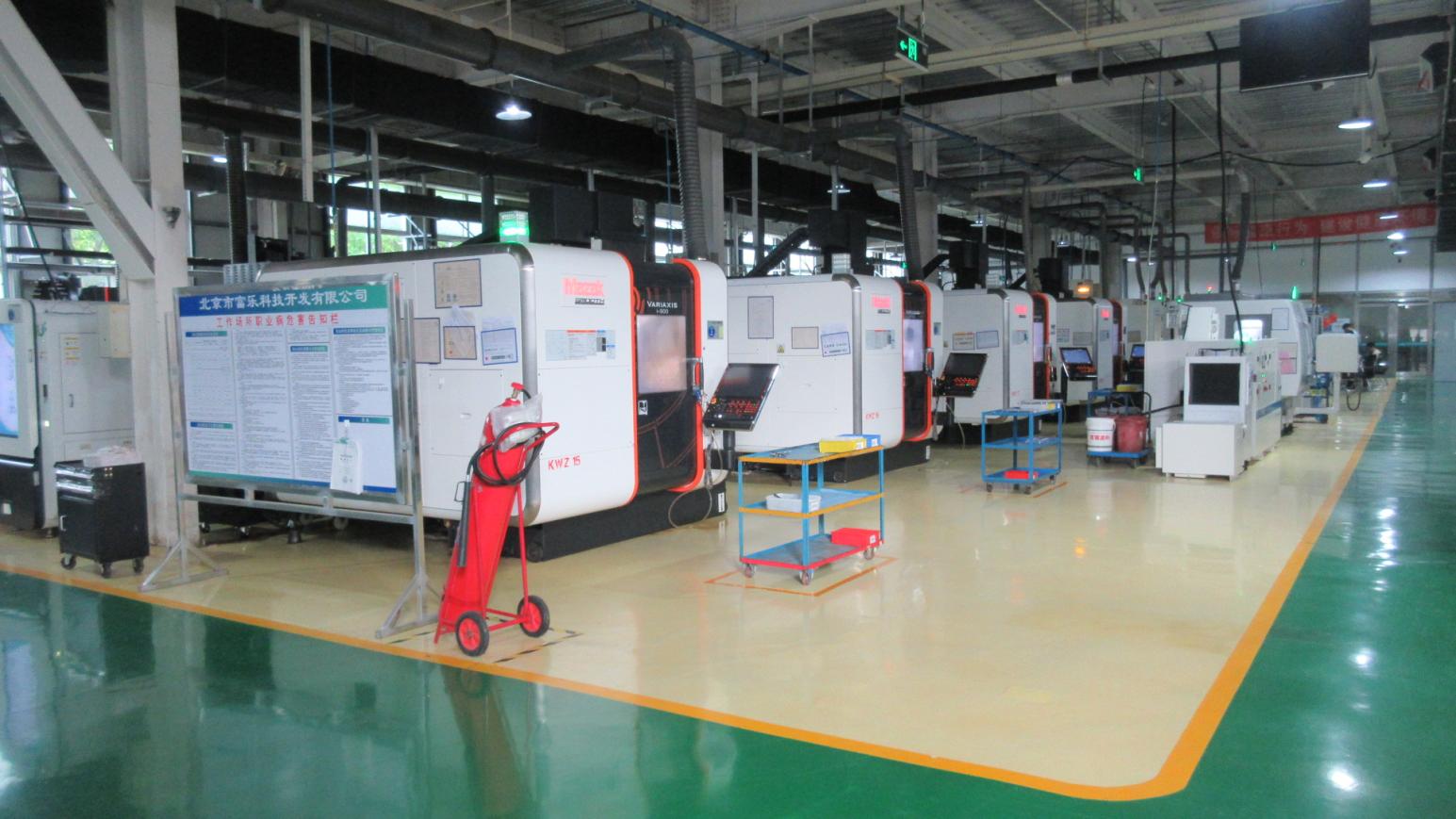
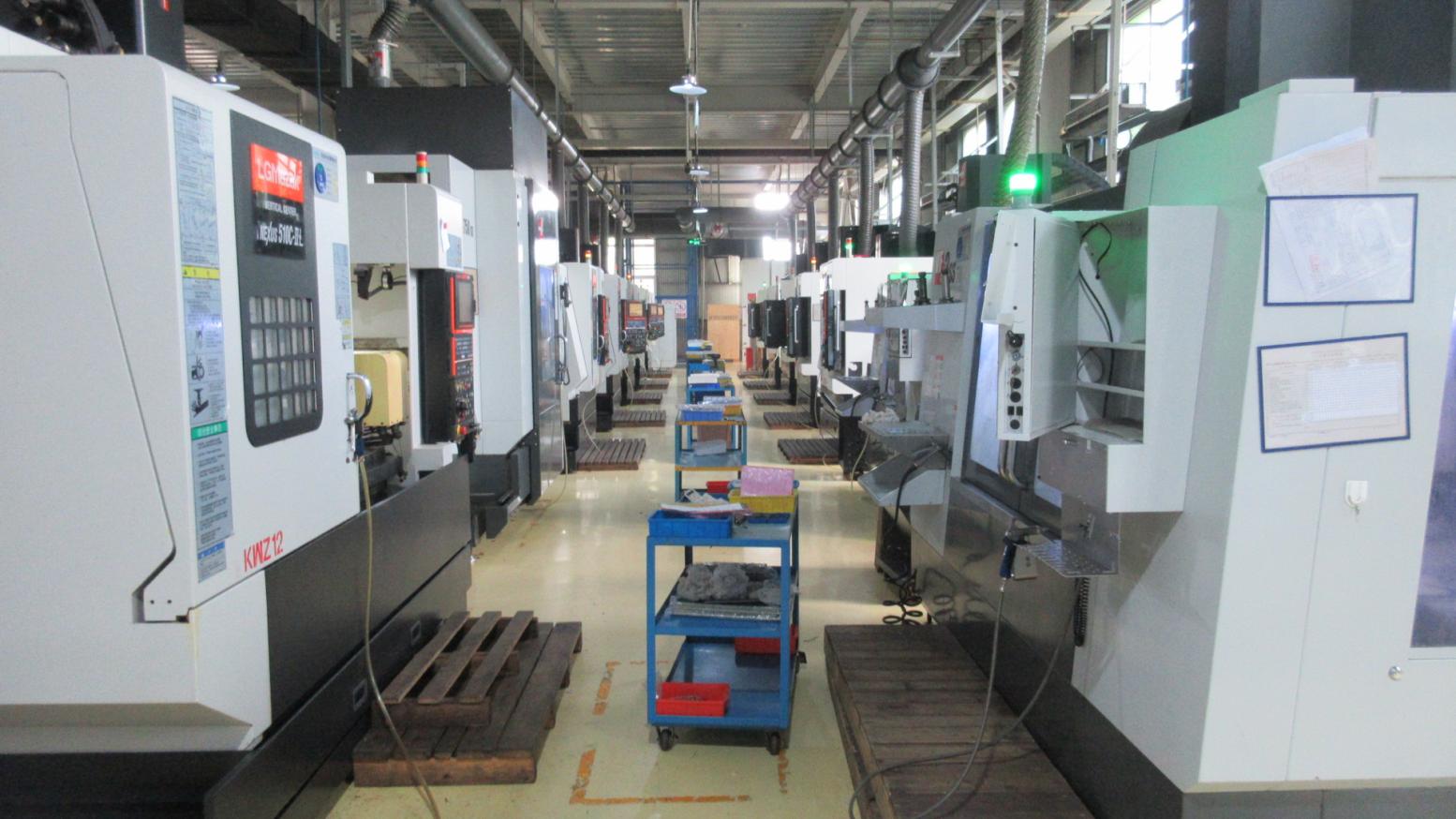
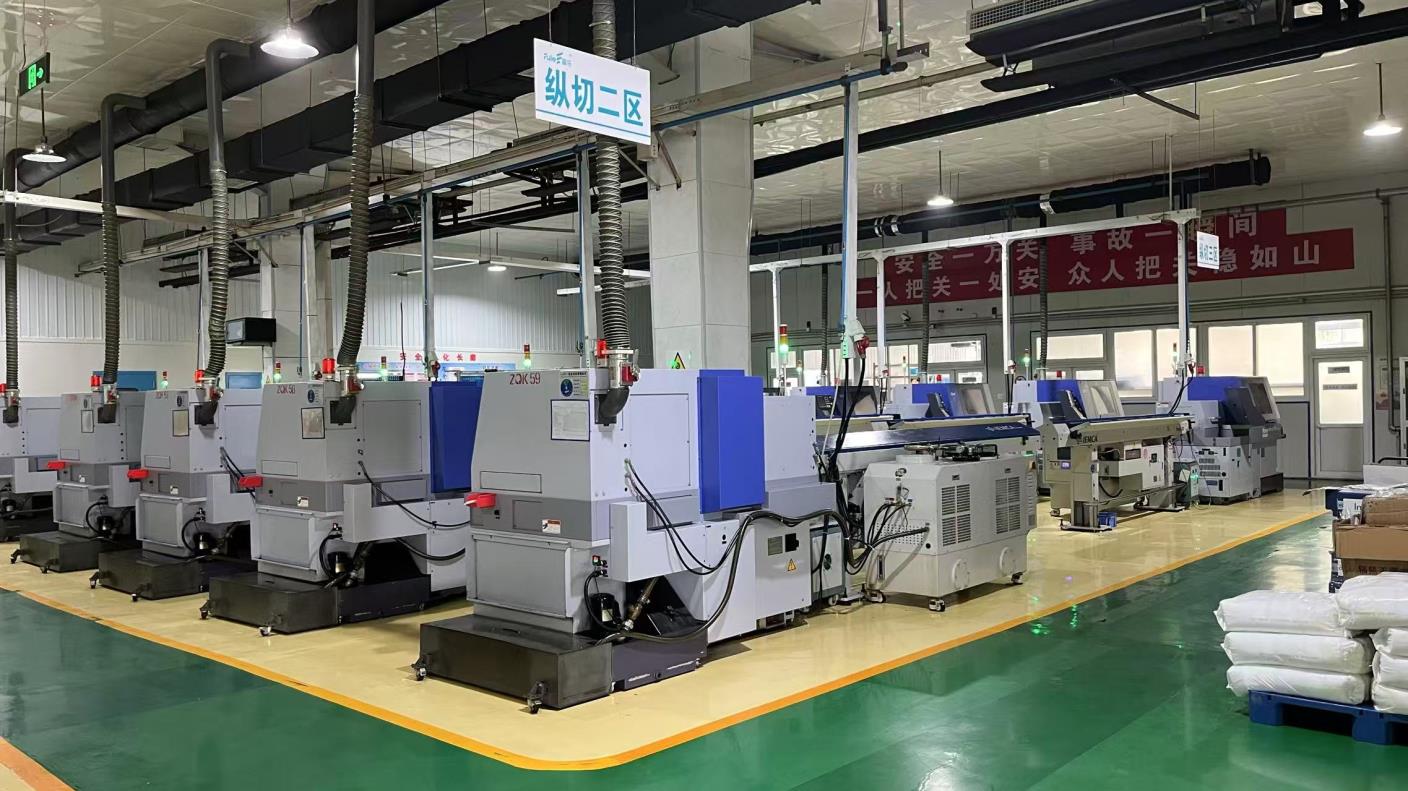
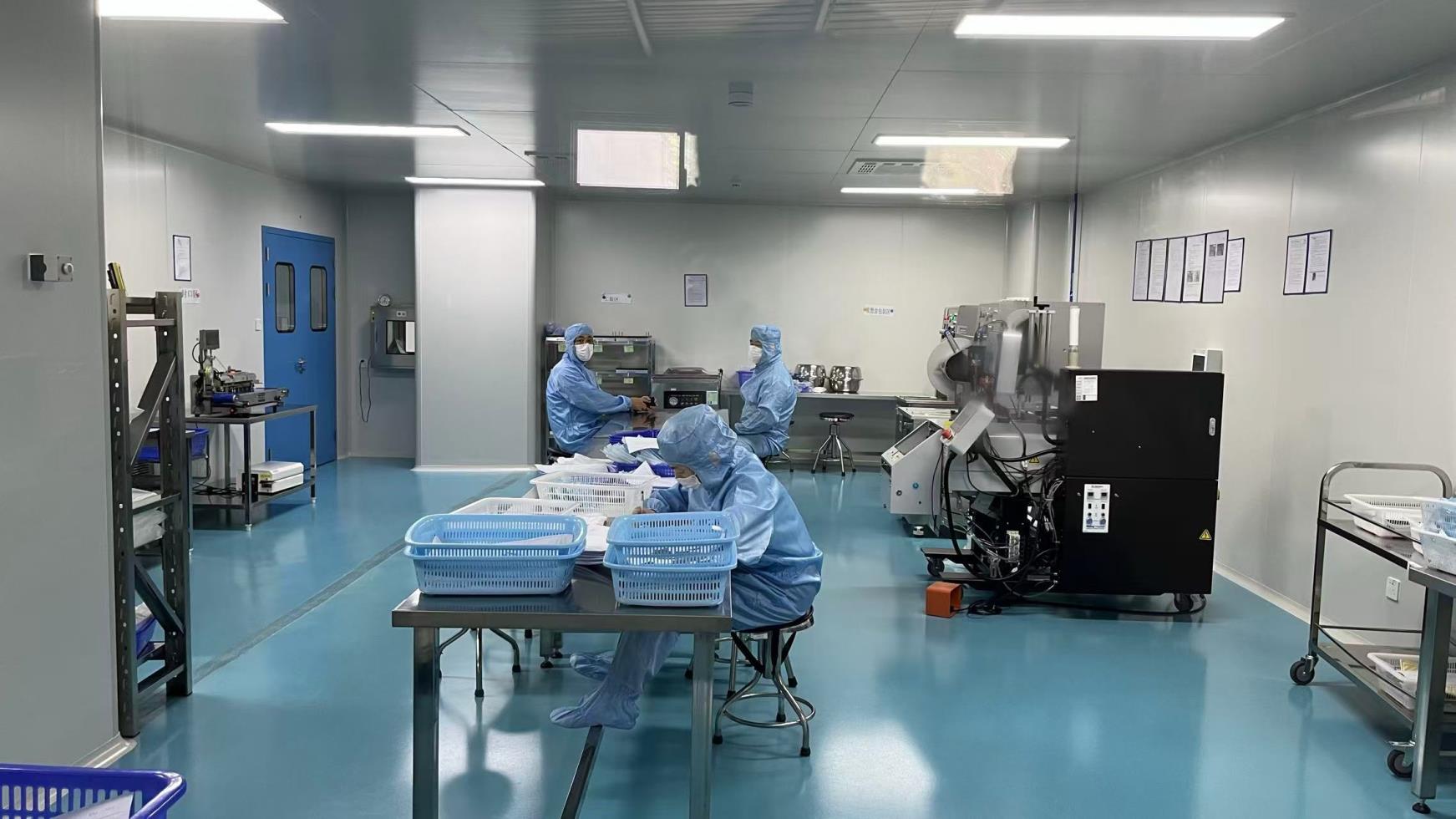
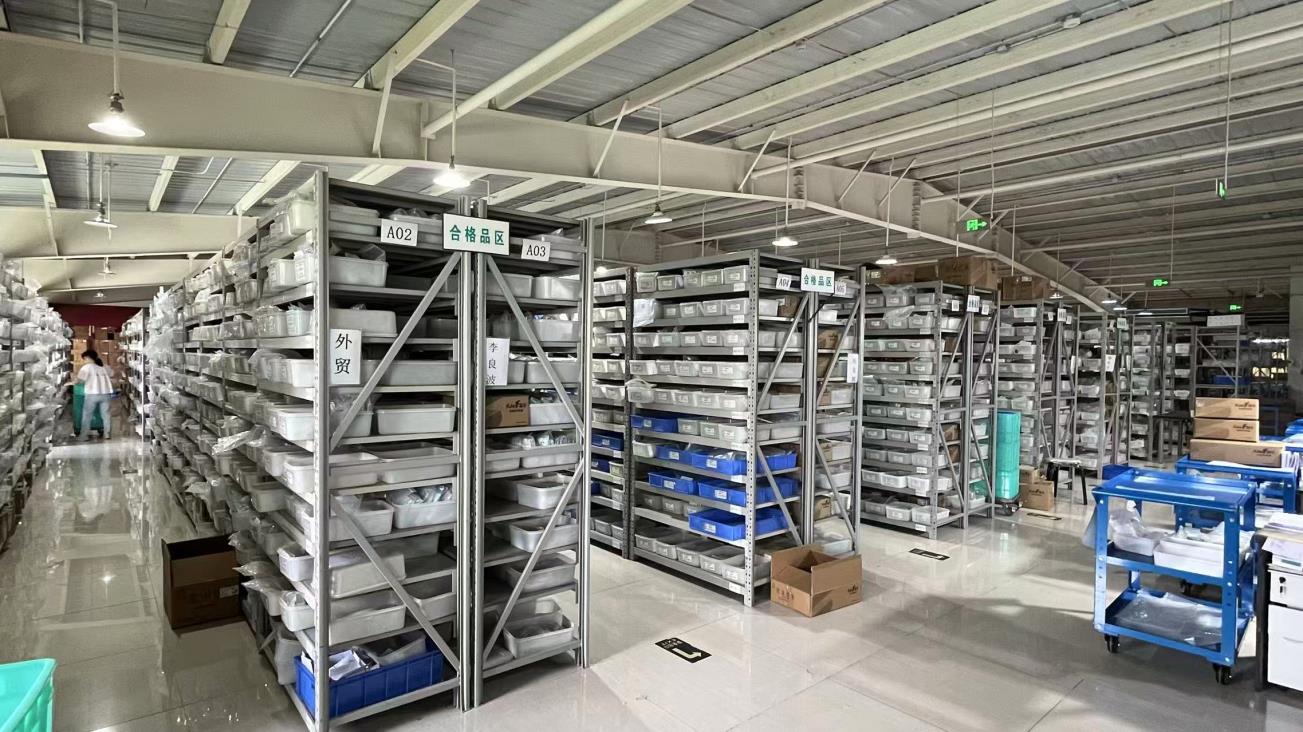
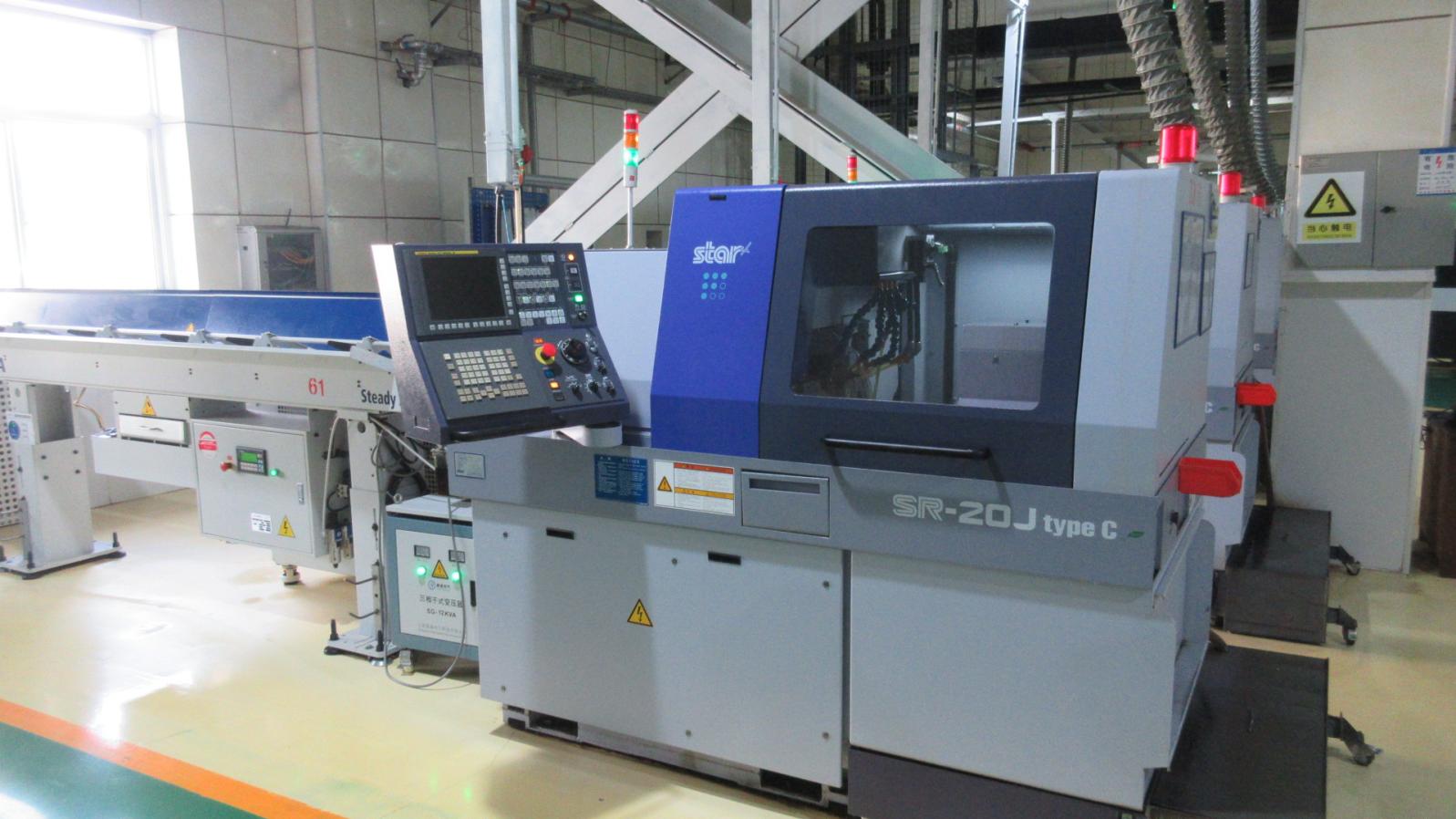
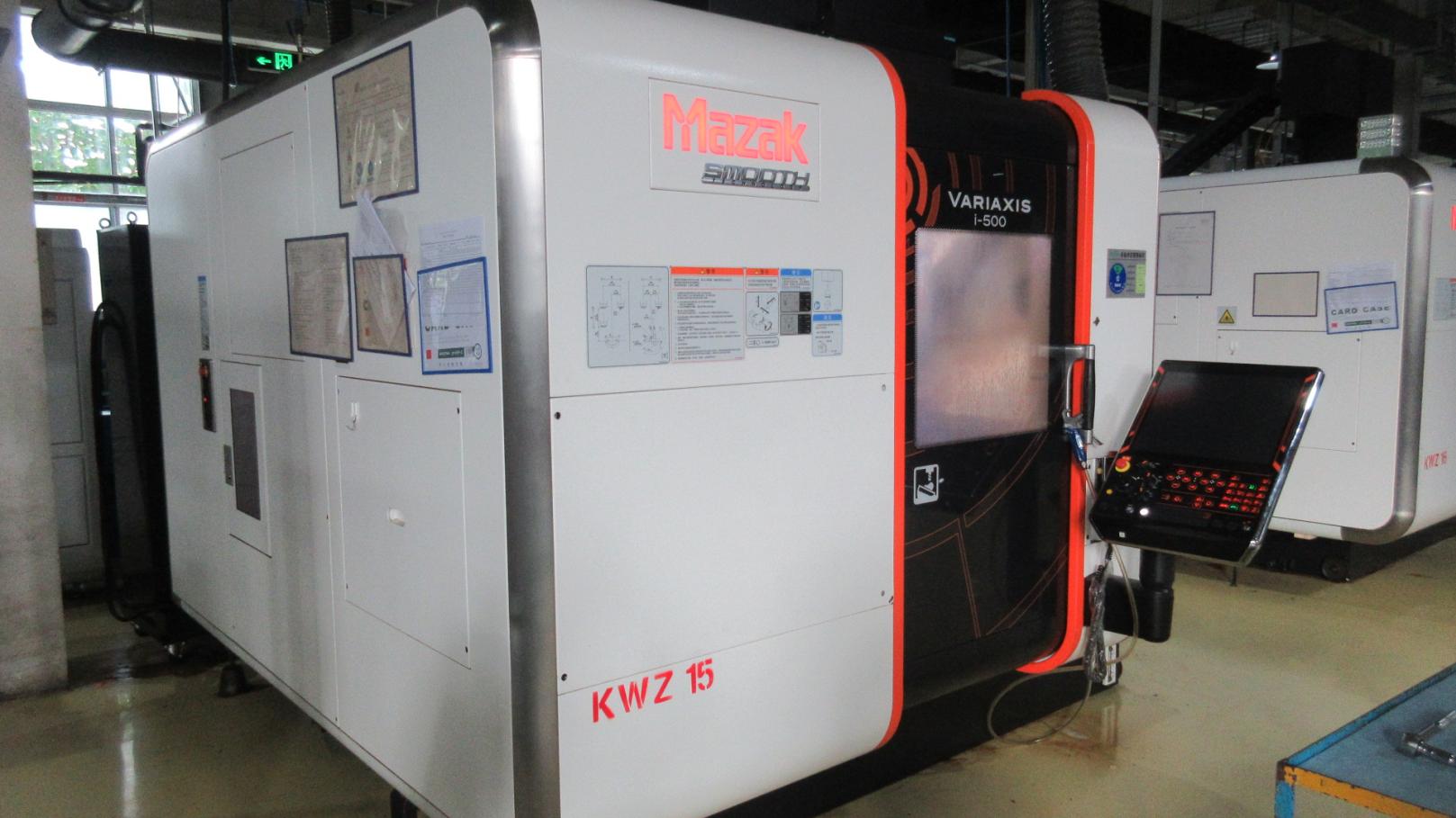
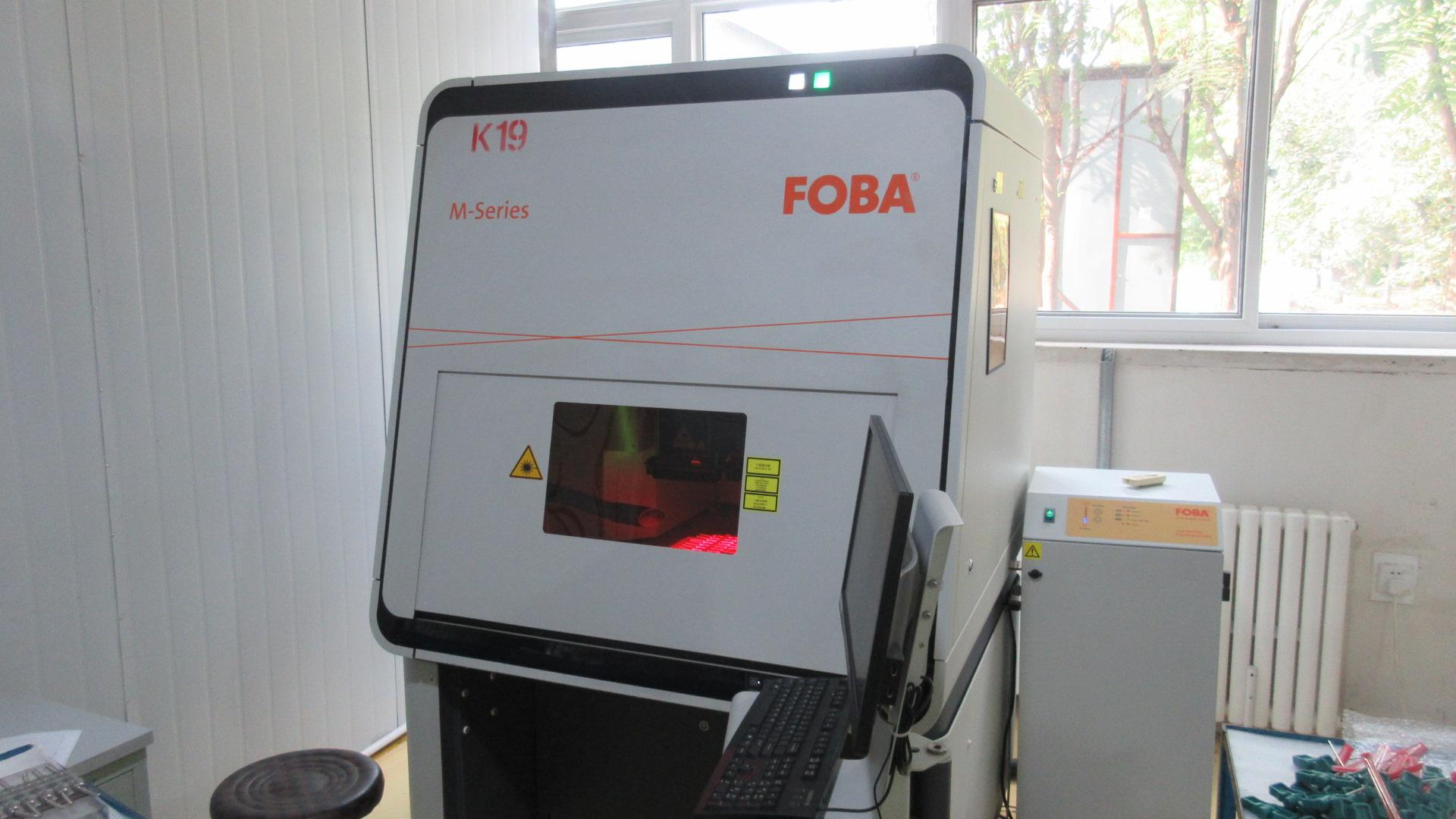
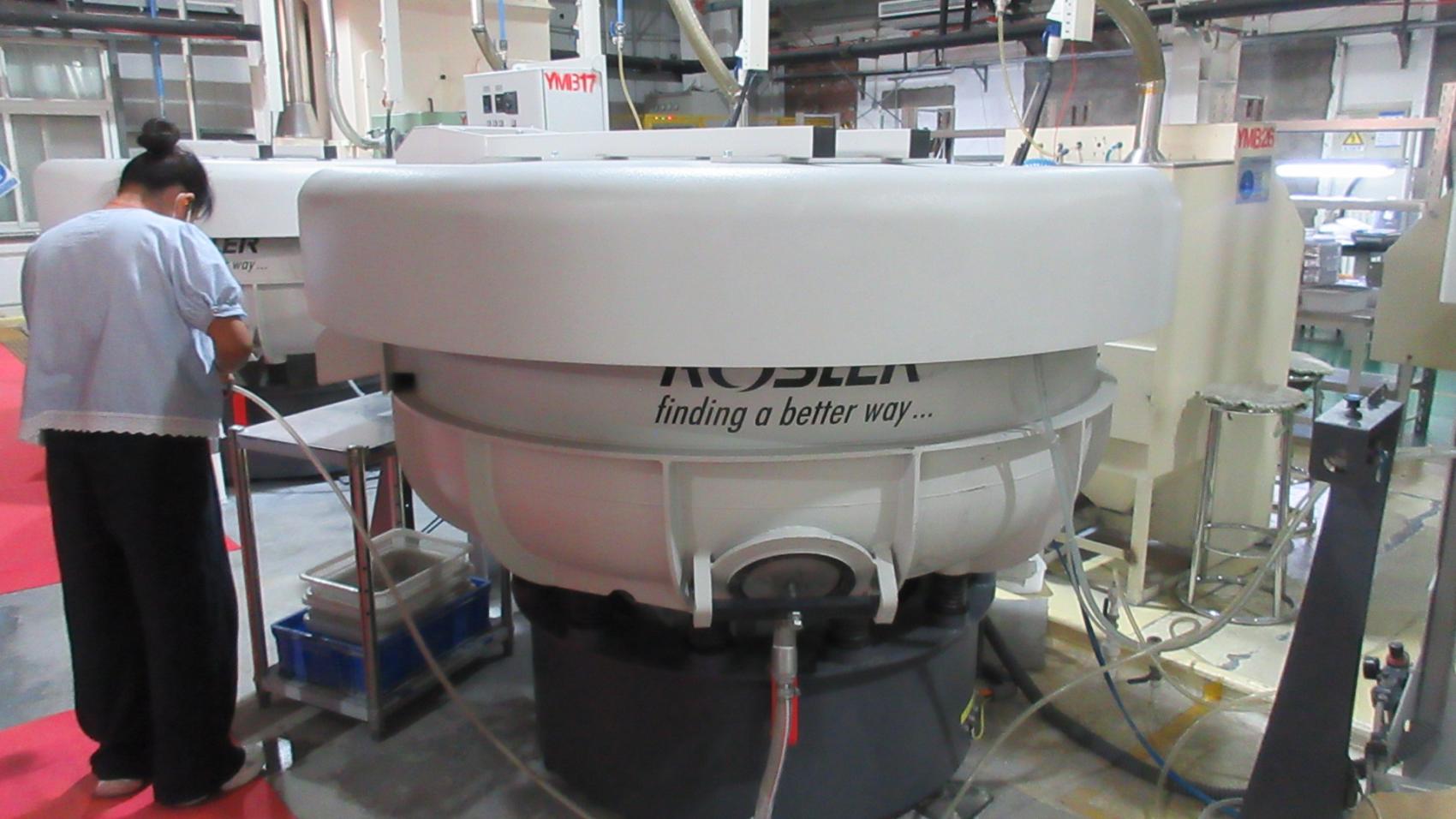
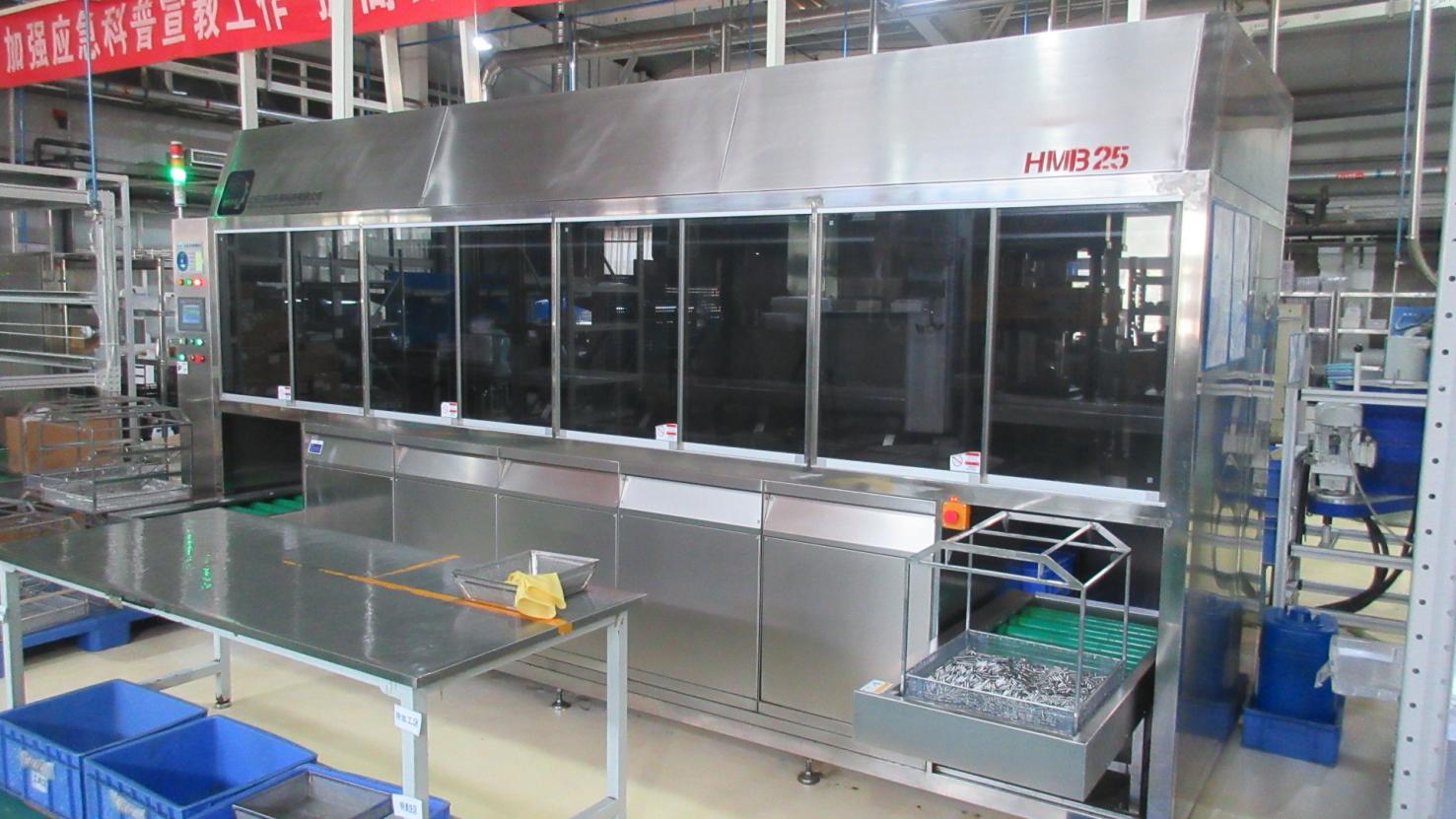
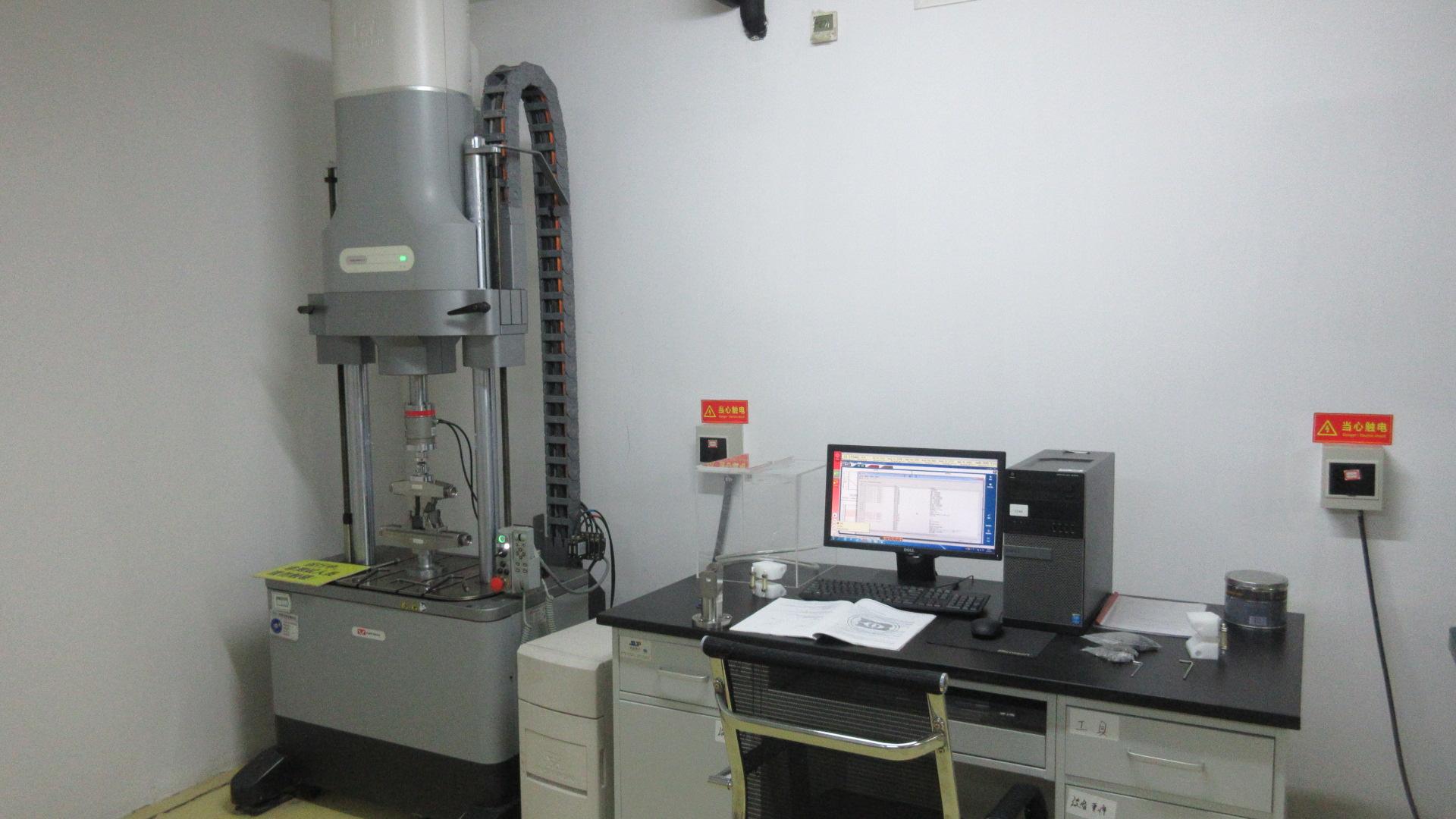
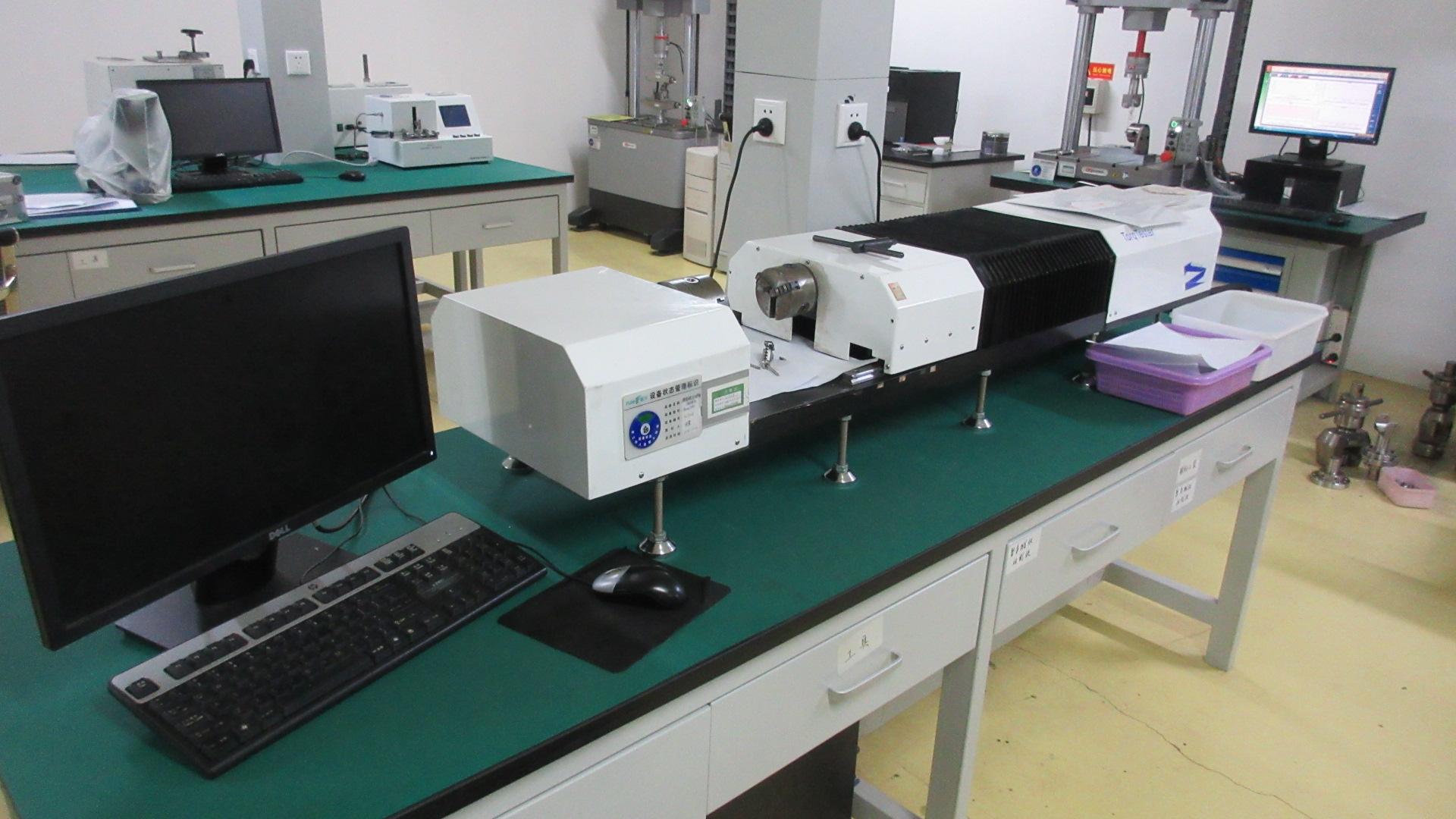
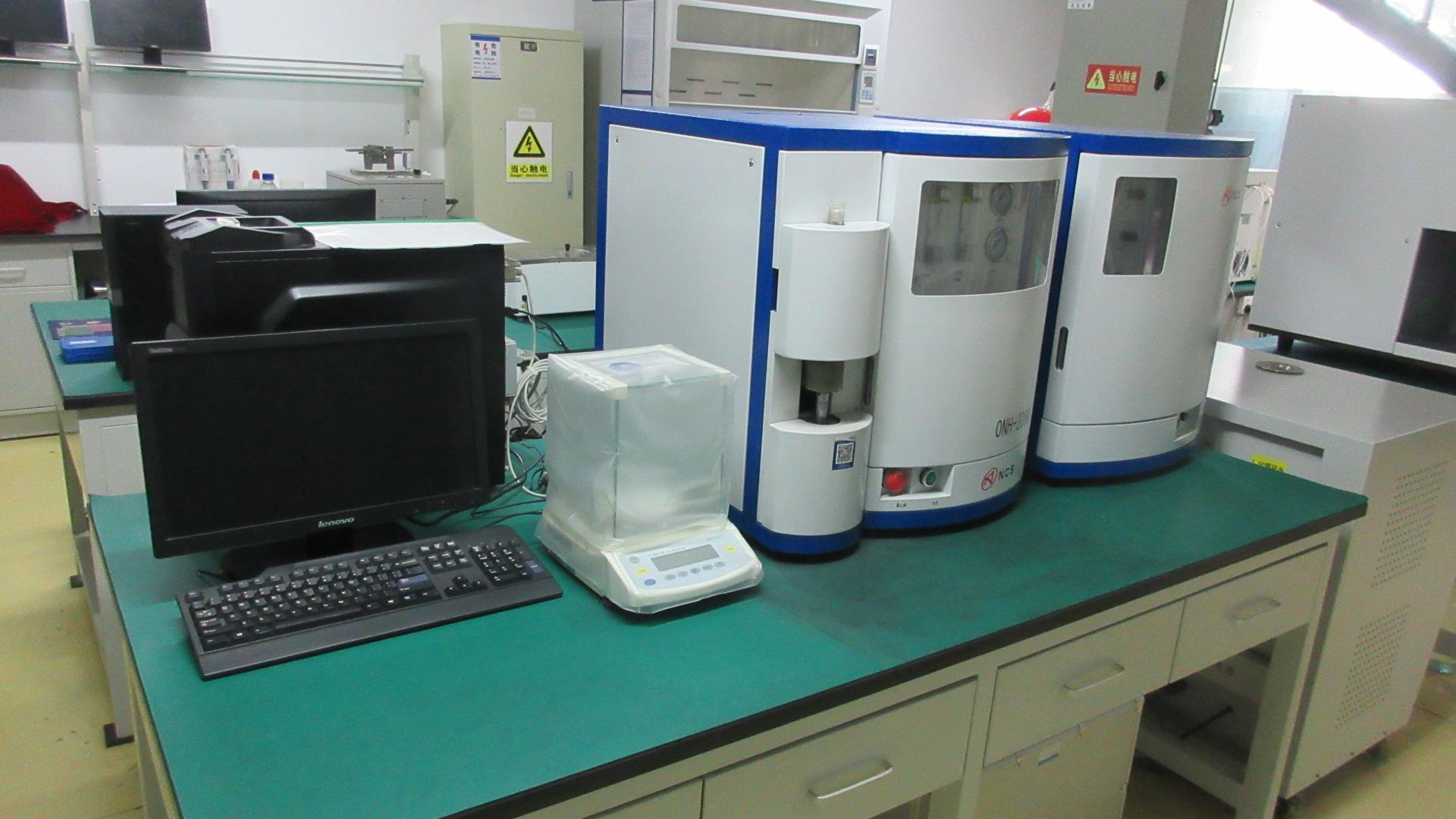
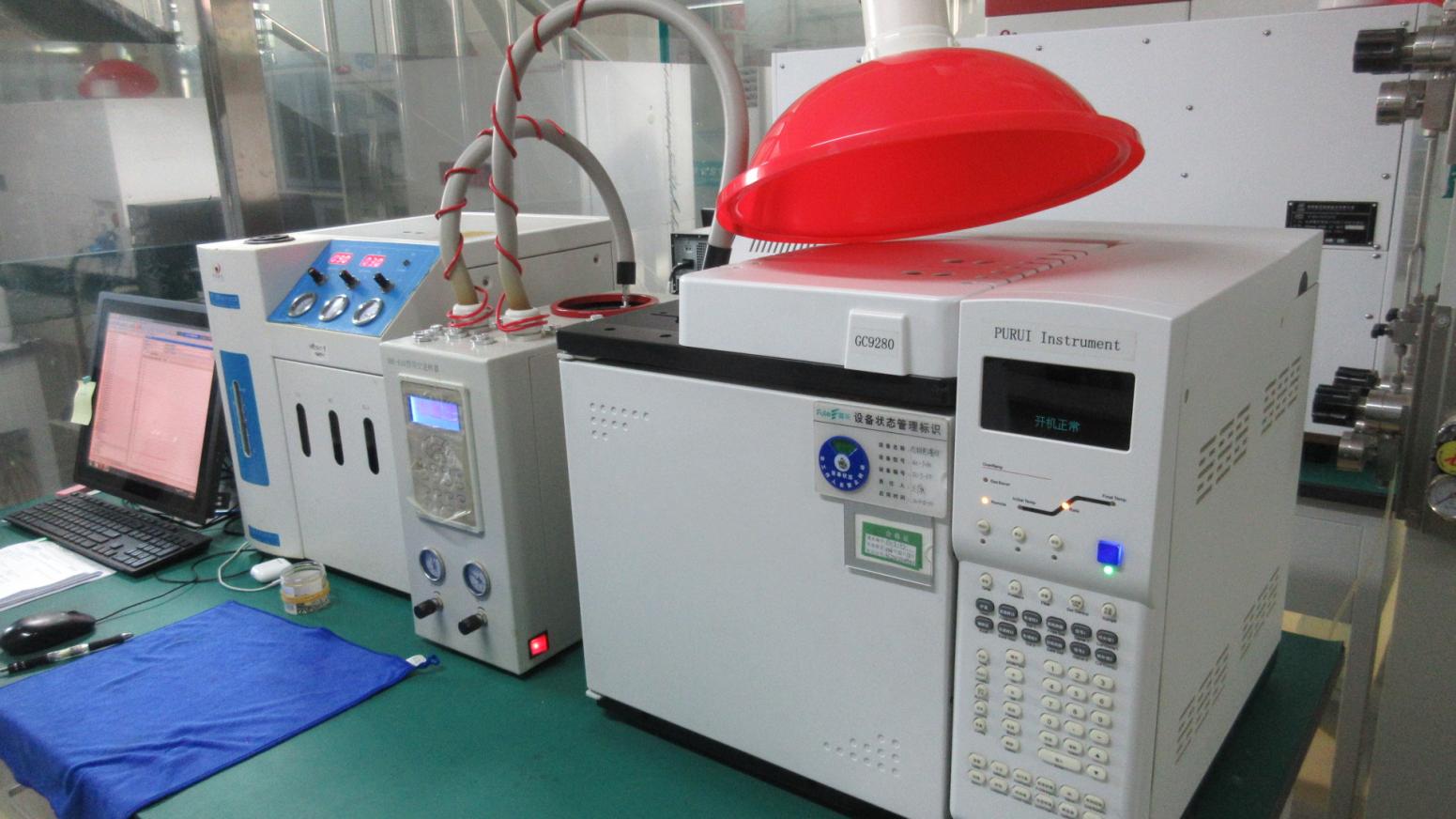
Aligning anatomical requirements with precise engineering to meet the needs of surgical teams worldwide.
Orthopedic implants operate in demanding mechanical environments. Fixation hardware must resist cyclic loading and stress corrosion cracking. Different physiological systems require targeted design strategies:
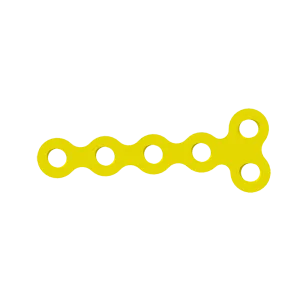
1. Foot & Hand Reconstructive Surgeries: Surgeries involving phalangeal and metatarsal fractures require low-profile hardware to minimize soft tissue irritation. Micro-locking plate profiles must be thin while retaining structural stiffness. Variable-angle locking and cannulated compression screws allow precise placement in limited anatomical spaces.
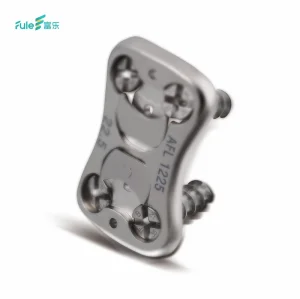
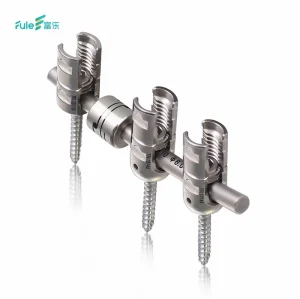
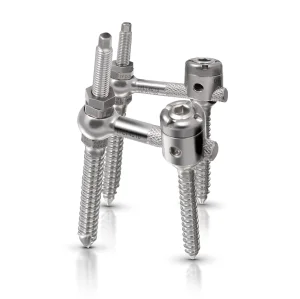
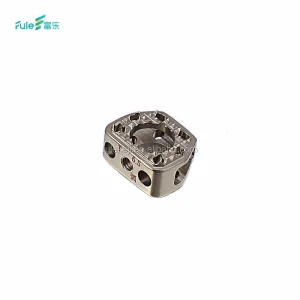
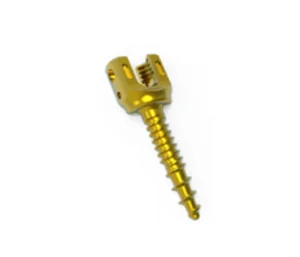
2. Spinal Stabilization (Cervical, Thoracic & Lumbar): The spinal column requires high fatigue life under multidirectional bending and torsional forces. Anterior cervical plate designs must include secure screw-locking mechanisms to prevent backup. Pedicle screw-rod constructs must allow smooth assembly in the operating room while maintaining rigid alignment.
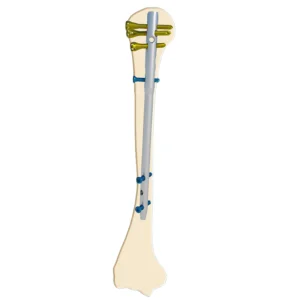
3. Long-Bone Trauma Management: Femoral and humeral fractures require intramedullary nailing to achieve load-sharing stabilization. Interlocking nails, such as proximal femoral nails (PFNA), must feature optimal helical blade angles to prevent cut-out in osteoporotic bone.
Key quality criteria for distributors, hospital purchasing managers, and developers of new implants.
Purchasing managers evaluating orthopedic contract manufacturers should focus on the following key operational parameters:
Verification of ISO 13485 certification, raw material heat codes, chemical assay reports, and cleanroom environmental logs.
Ensuring complete document matching from raw bar stock to the finished implant, verifying biocompatibility and mechanical performance.
Working with factories that can provide CE dossiers, Class II/III validation records, and biocompatibility study results to simplify local registration.
The sector is shifting toward additive manufacturing (3D printing of trabecular titanium scaffolds) and bioactive surface coatings. Technologies such as plasma-sprayed hydroxyapatite and anodic colors increase osseointegration rates and help identify parts during surgeries. Standardizing these processes within high-volume production lines is critical to meeting changing clinical expectations.
Addressing common technical, quality, and logistics questions from distributors and purchasing departments.
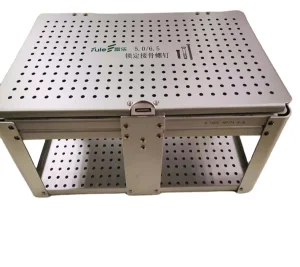
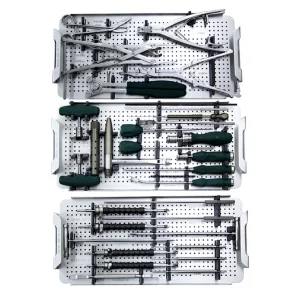
Browse our selection of stabilization systems and instrumentation sets for global medical distribution.
 Beren Science & Technology