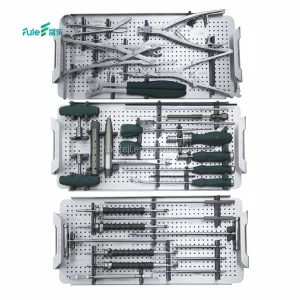
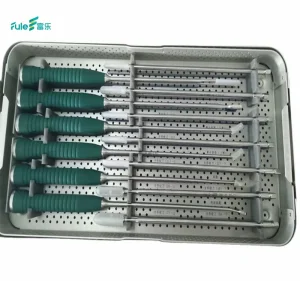
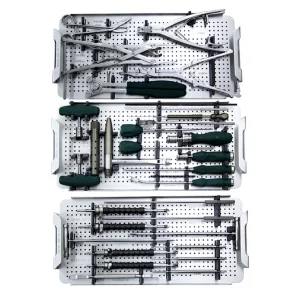
Engineered to medical-grade tolerances, ensuring precision, biocompatibility, and clinical reliability.
The global healthcare ecosystem is experiencing an unprecedented transition toward minimally invasive diagnostic and therapeutic interventions. Within the domain of musculoskeletal oncology, degenerative spinal disorders, and complex bone traumas, the integration of high-precision surgical biopsy tools and implantable stabilization systems is paramount. Structural intervention in bones requires not only the acquisition of high-quality histopathological tissue samples but also the immediate reconstruction and fixation of the targeted skeletal site.
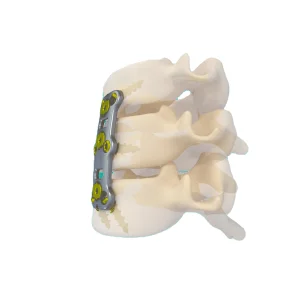
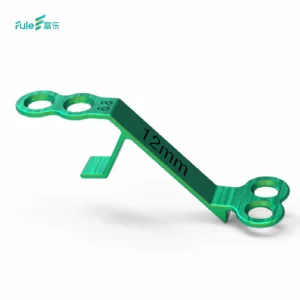
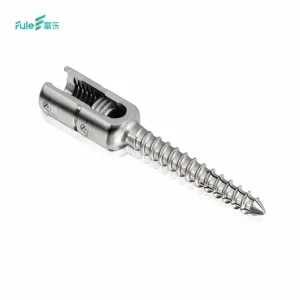
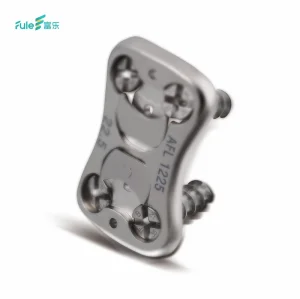
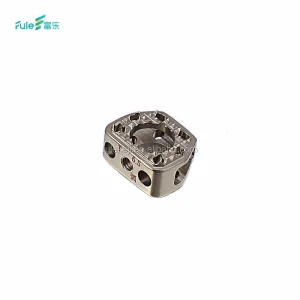
From a clinical standpoint, bone biopsy procedures are highly delicate interventions requiring precise localization, clean core tissue collection, and minimal disruption of neighboring tissues. Traditional surgical techniques are increasingly replaced by needle core biopsies and trephine methodologies that access deep intraosseous or spinal lesions. Once a biopsy is performed or a diagnostic evaluation is concluded, orthopedic surgeons rely on complex titanium and alloy implantable structures—such as anterior cervical plates, pedicle screw-rod systems, and interbody fusion cages—to restore structural load-bearing capacity and support bone healing.
Understanding how metallurgical advances and ergonomic design shape modern clinical instrumentation.
Modern biopsy devices are integrated with electromagnetic or optical tracking sensors, allowing real-time navigation. This guarantees that diagnostic extraction occurs precisely at the center of the osteolytic lesion, reducing diagnostic errors and secondary procedures.
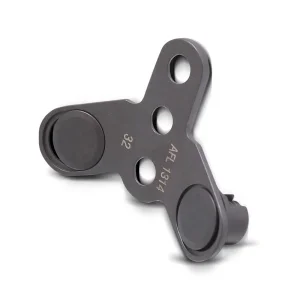
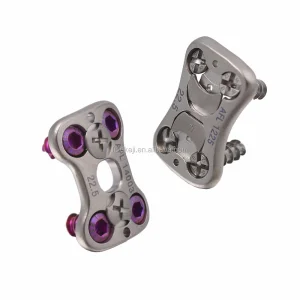
To reduce risk of rejection and maximize bone integration, surgical implants undergo advanced surface modifications like plasma-sprayed hydroxyapatite, acid etching, and anodic oxidation. This is critical for Class III implantable devices like our Anterior Cervical Plate systems.
Downsizing entry pathways while maintaining structural rigidity of the biopsy cannula or interbody implant is a major engineering goal. Advanced metal molding and Swiss CNC lathe micro-machining allow for smaller outer diameters without loss of structural integrity.
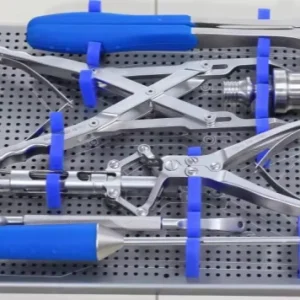
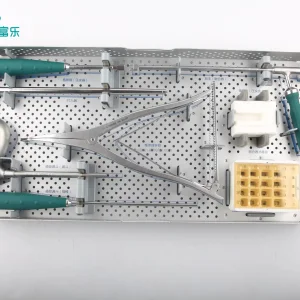
As hospitals transition toward outpatient spinal surgeries and rapid-recovery protocols, the demand for single-use surgical instrument kits has grown. Sterile, pre-packaged, single-use biopsy and spinal insertion kits eliminate autoclave validation times, control cross-contamination, and optimize hospital workflow efficiency. Our manufacturing capacity answers this trend by offering both sterile and non-sterile implant and instrument kits designed for streamlined Operating Room (OR) workflows.
B2B medical device purchasers face rigorous compliance requirements when sourcing surgical biopsy tools and implantable hardware. In highly regulated regions like North America, Europe, and Southeast Asia, products must satisfy strict standards to guarantee clinical safety and performance. Sourcing agents prioritize suppliers with robust certification portfolios, including ISO 13485, CE marks, and ISO 9001. A comprehensive quality management system (QMS) ensures that every surgical plate, screw, or biopsy cannula conforms to validated designs.
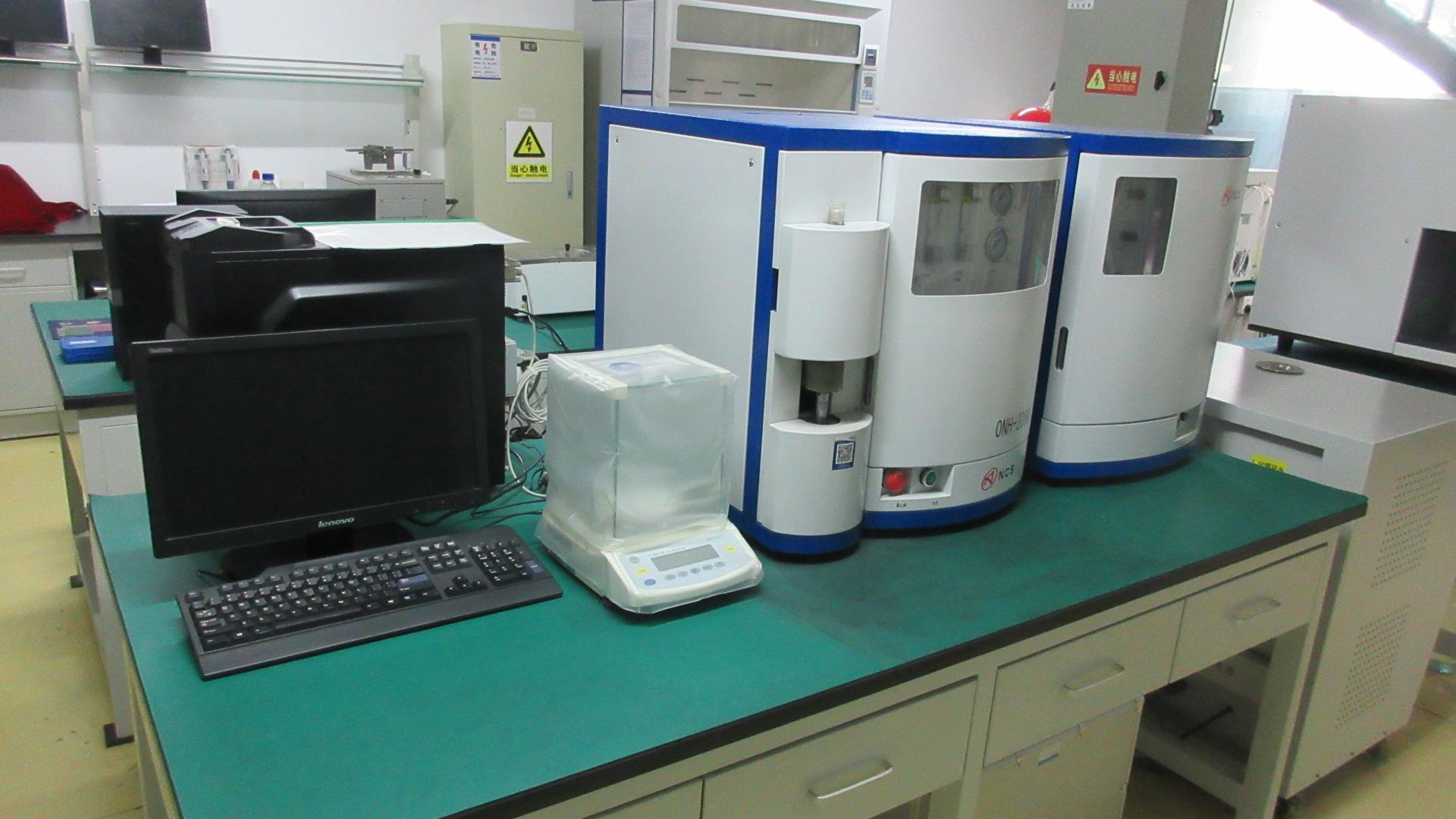
The primary concern for global hospital groups and orthopedic wholesalers is raw material traceability. Medical grade titanium alloys (typically Ti-6Al-4V ELI conforming to ASTM F136 standards) and medical-grade stainless steels must be documented from raw ingot to finished implant. Chemical composition assays, tensile strength testing, and microstructure analyses must accompany every production batch. Our supply chain features partnerships with 70 verified material suppliers, ensuring raw material traceability and consistent quality across all components.
China's medical manufacturing infrastructure has evolved from high-volume production to advanced automation and precision engineering. By implementing Industry 4.0 paradigms, our facilities combine automated CNC machining, robotic polishing, and digital quality monitoring. This integration minimizes human error, increases yield, and ensures consistent quality.
With 102 state-of-the-art production machines, we scale up production to meet high-volume demands without compromising on precision tolerances. Our specialized manufacturing lines manage complex geometries, micro-machining of pedicle screw threads, and precise tolerancing of interbody cages. This process ensures that components interlock correctly in the operating room.
Additionally, our supply network features active partnerships with 70 key suppliers. This robust network ensures steady access to premium metals, surface treatment facilities, and advanced sterile packaging systems. Our logistics framework ensures secure global shipping via DHL, Fedex, and specialized air cargo channels, keeping lead times minimal and supply chains resilient.

Detailed overview of our manufacturing capabilities, quality systems, and global trade structure.
Our dedicated engineering team drives continuous product development. With 20 full-time R&D engineers (including 15 graduate-level specialists and 5 junior college specialists), we transform clinical concepts into high-precision surgical instruments.
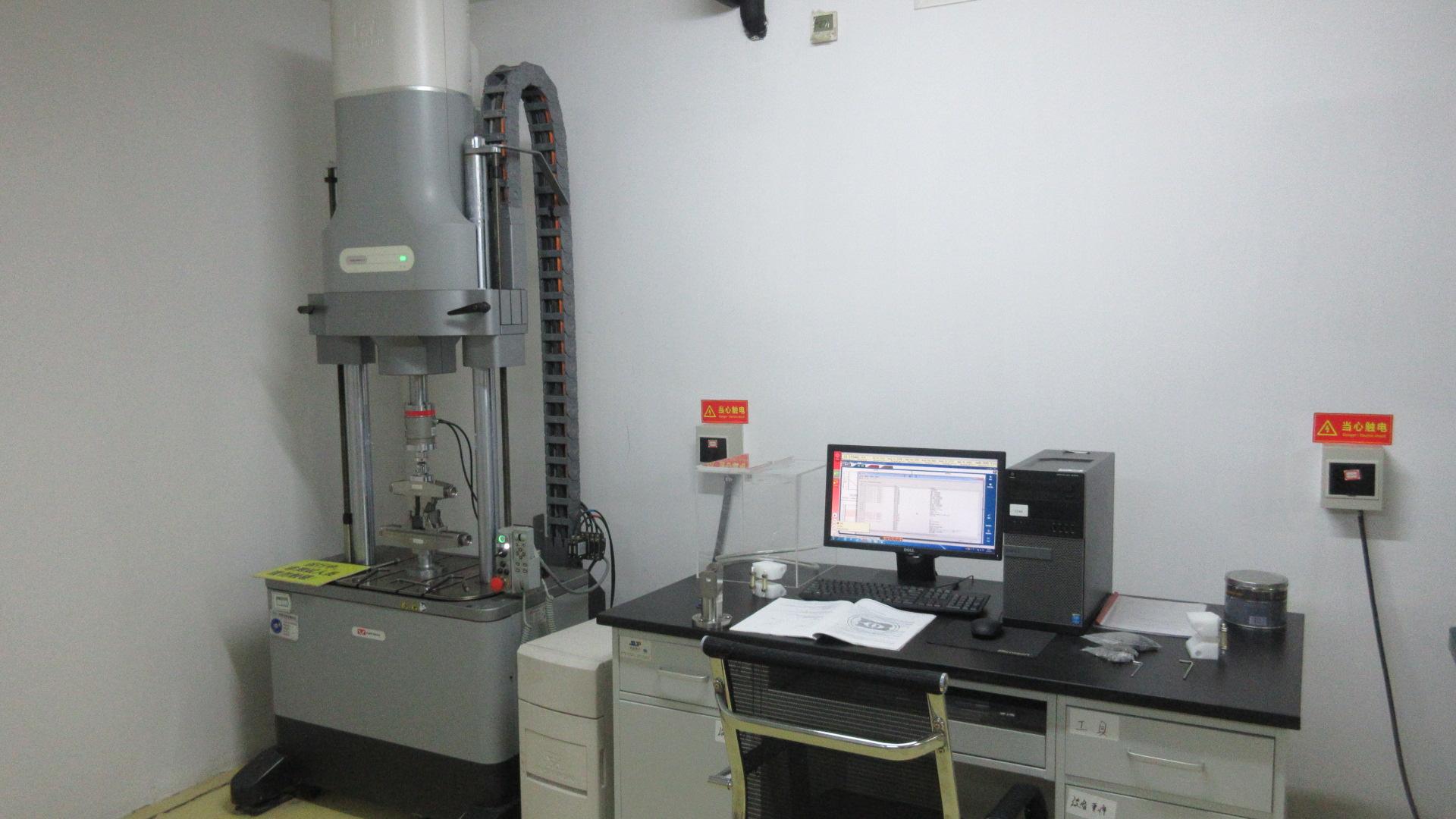
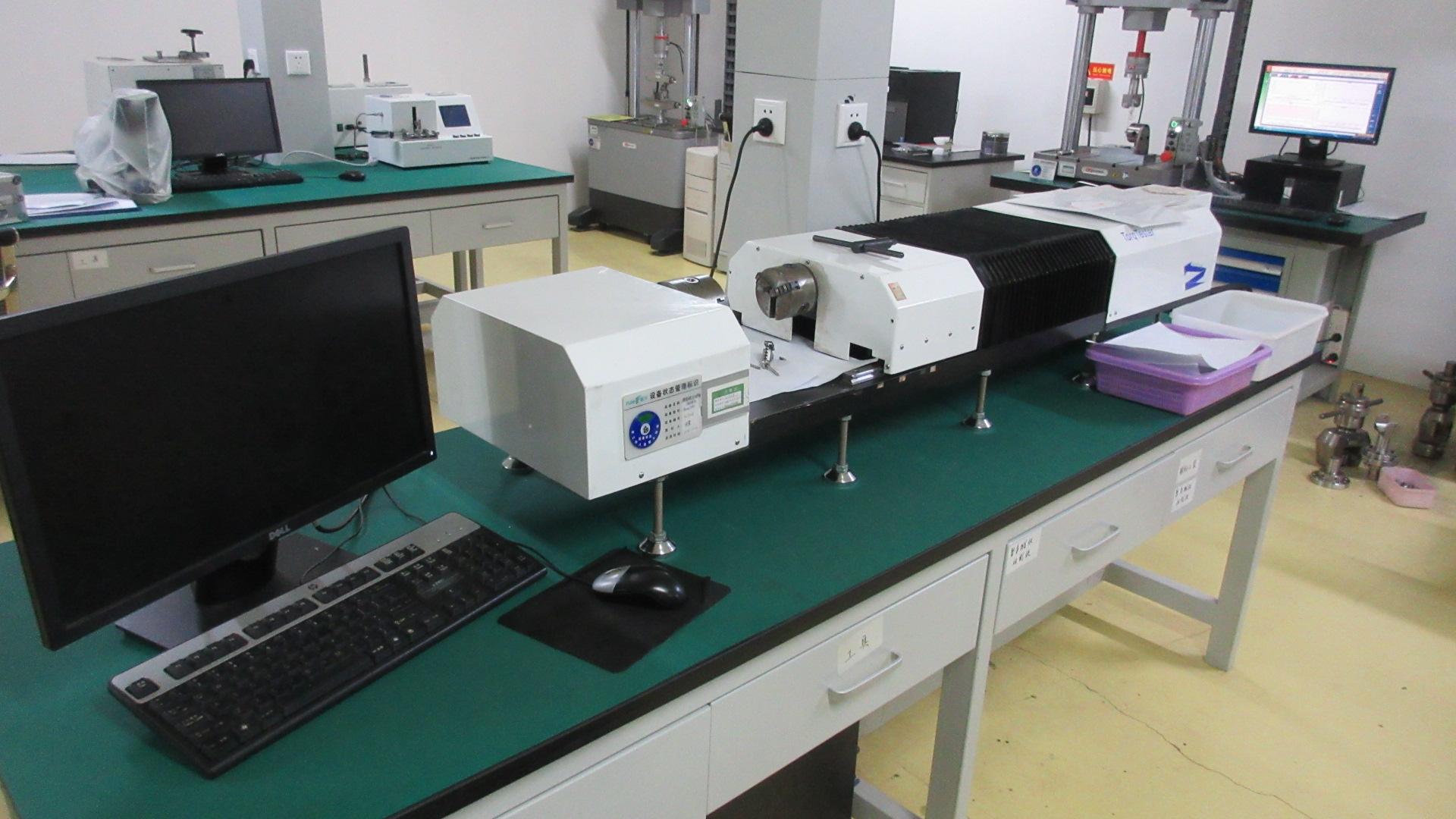
Visualizing our cleanrooms, precision tooling, testing systems, and high-quality implant systems.

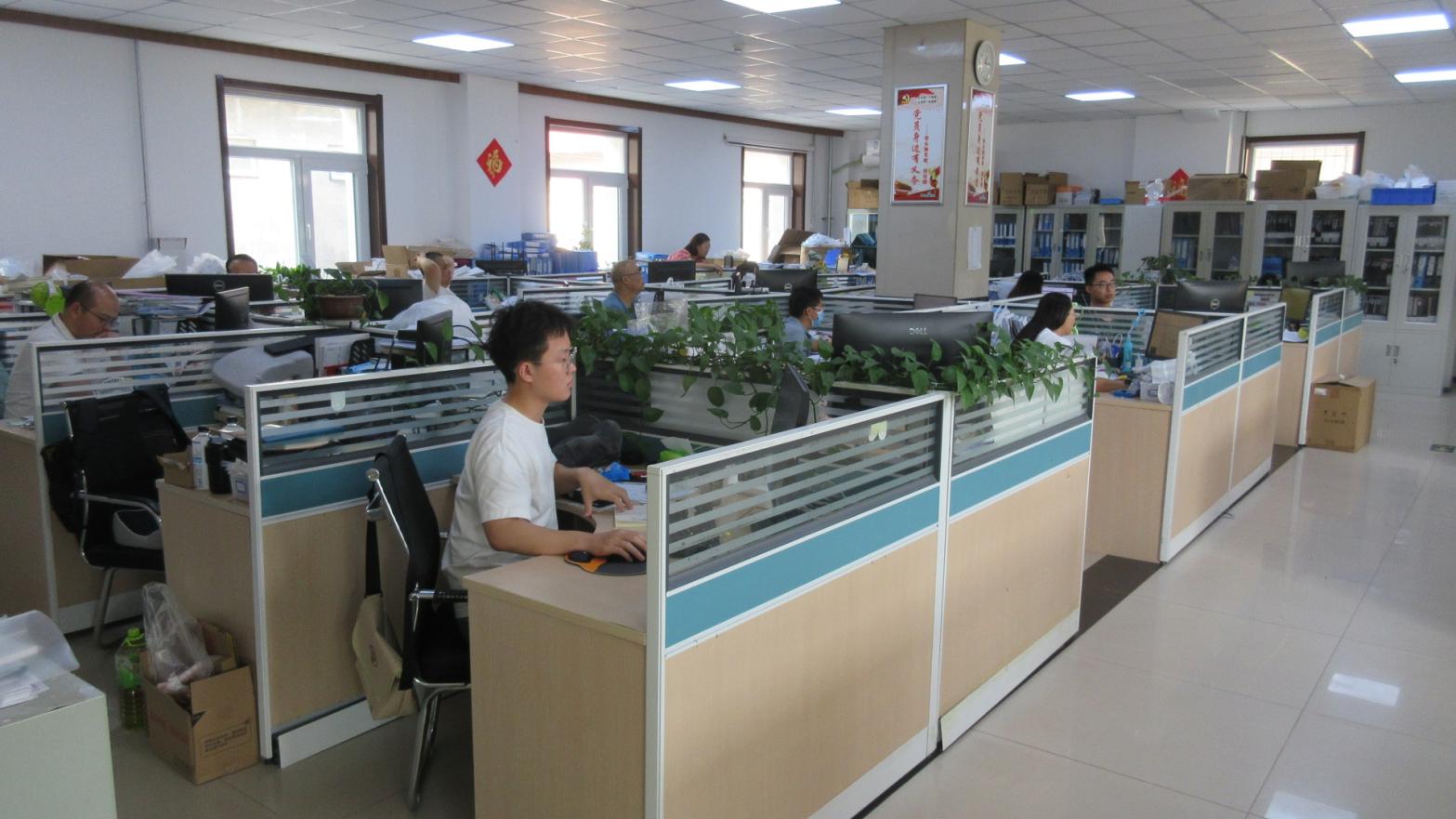
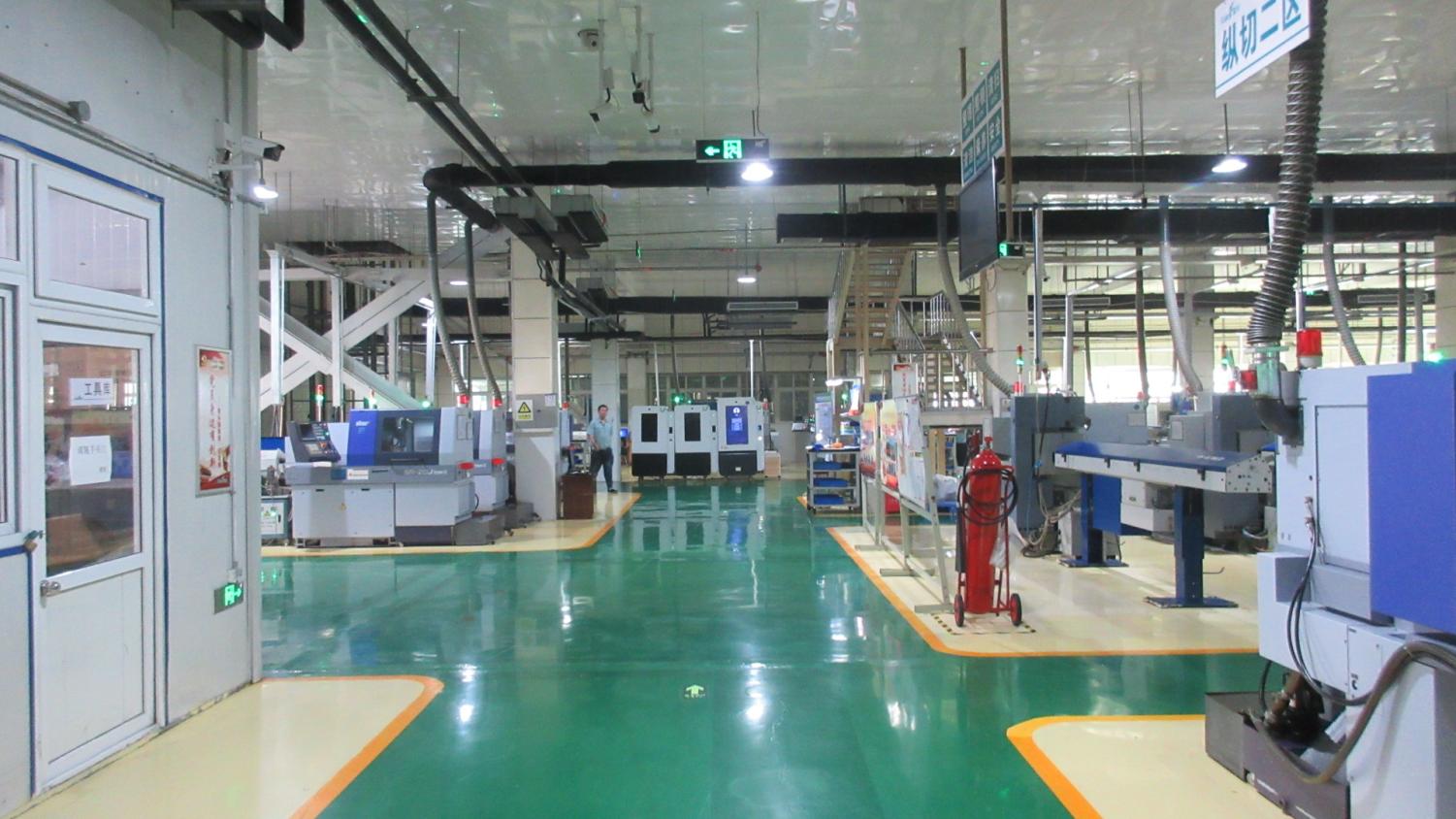
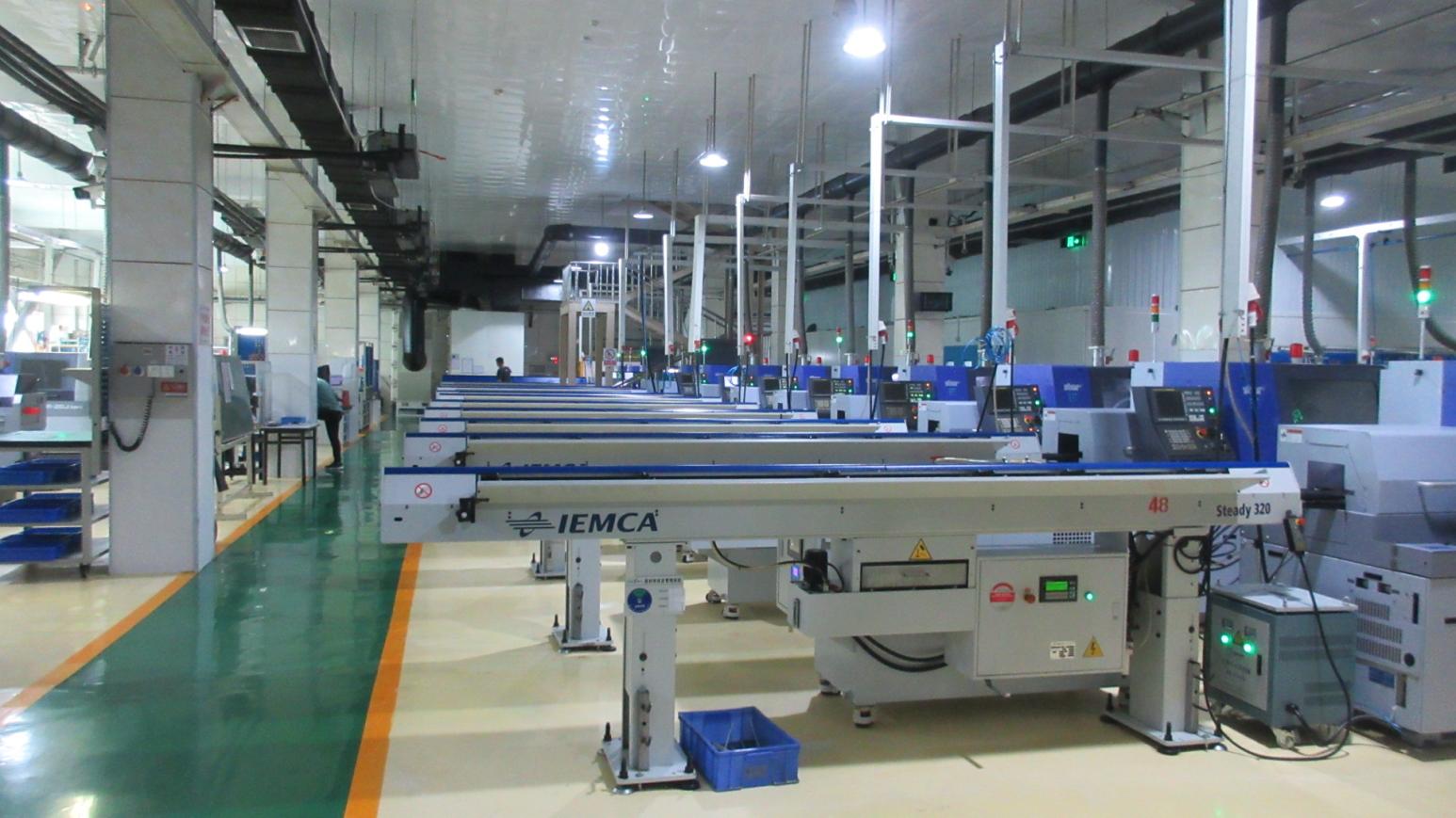
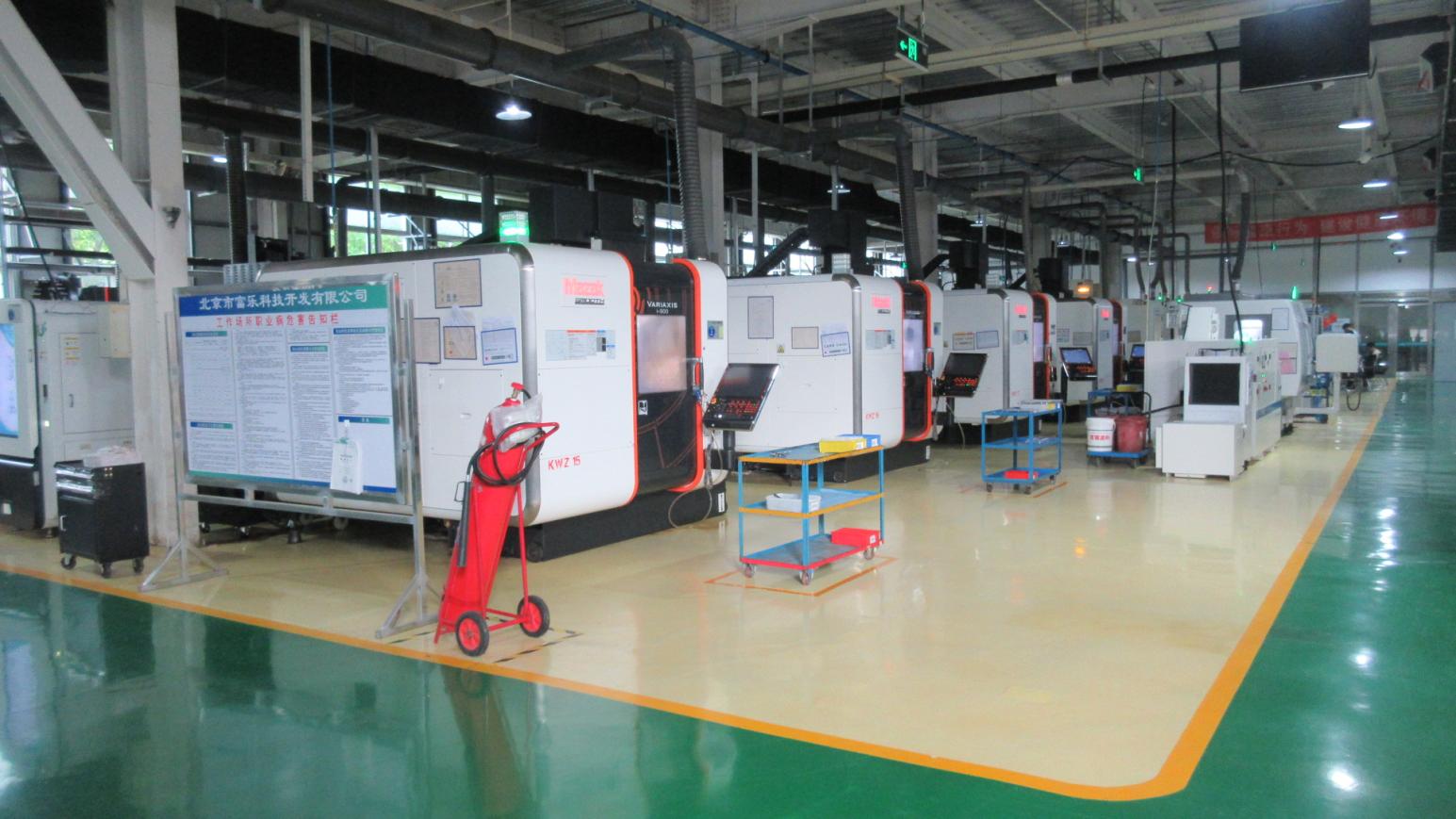
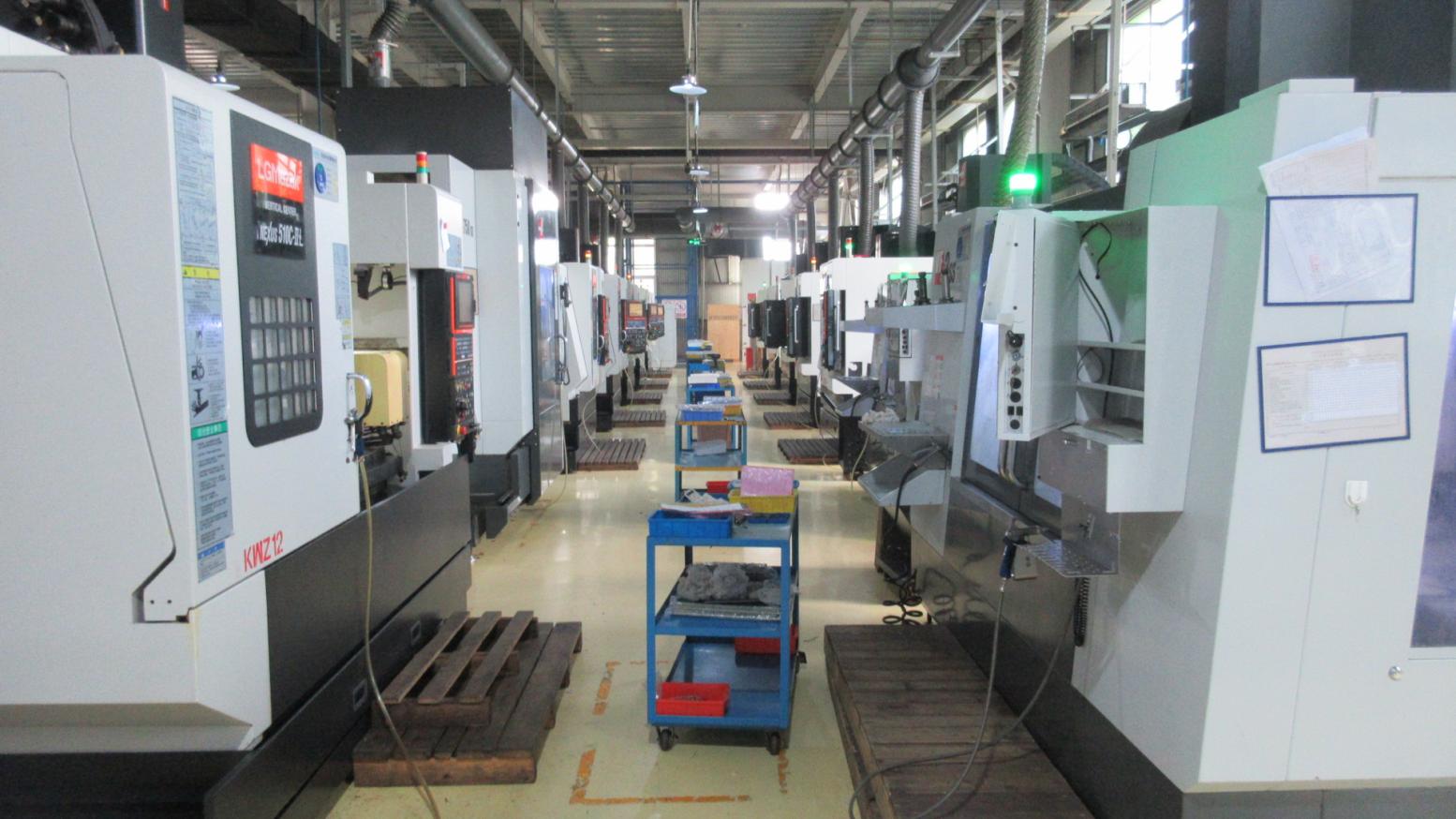
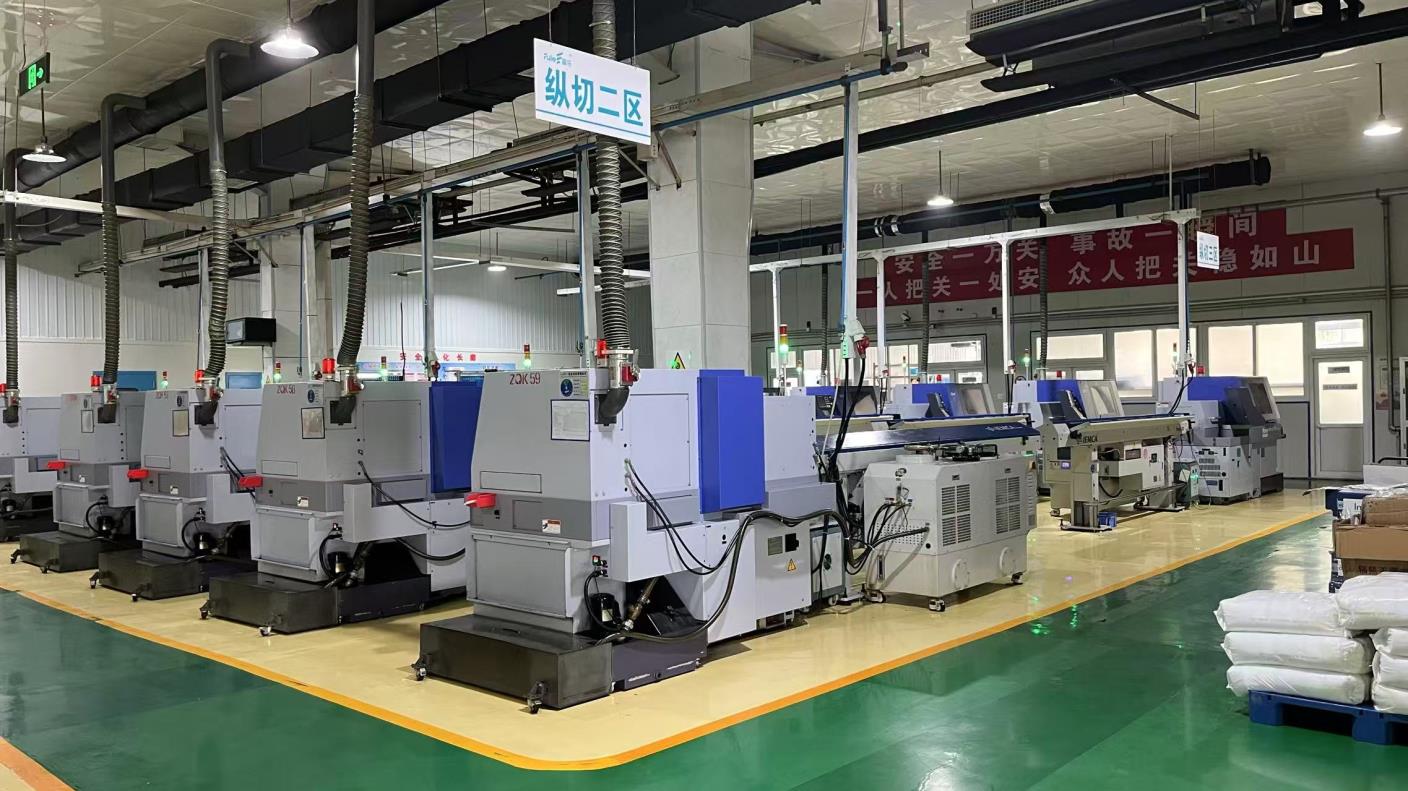
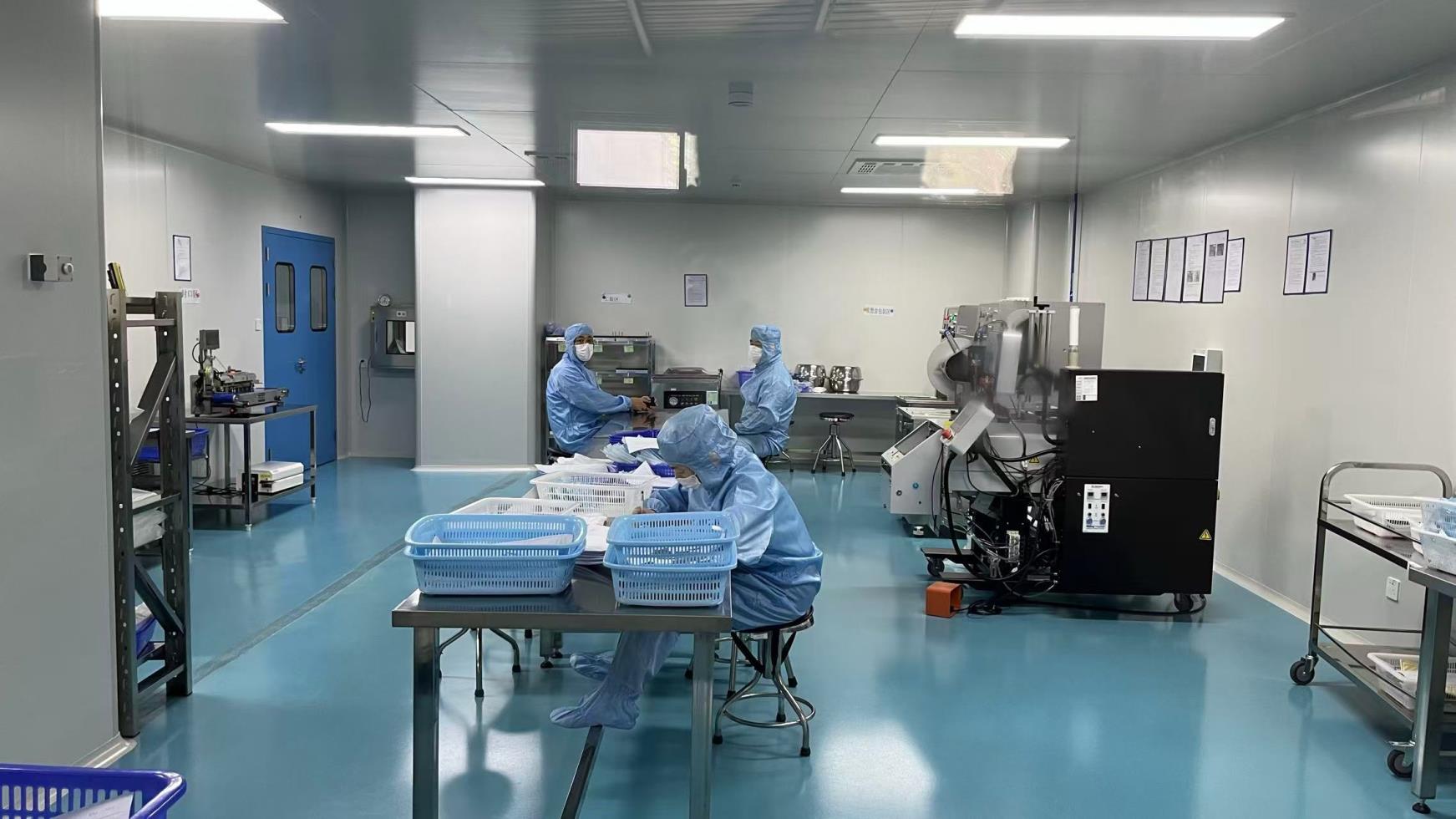
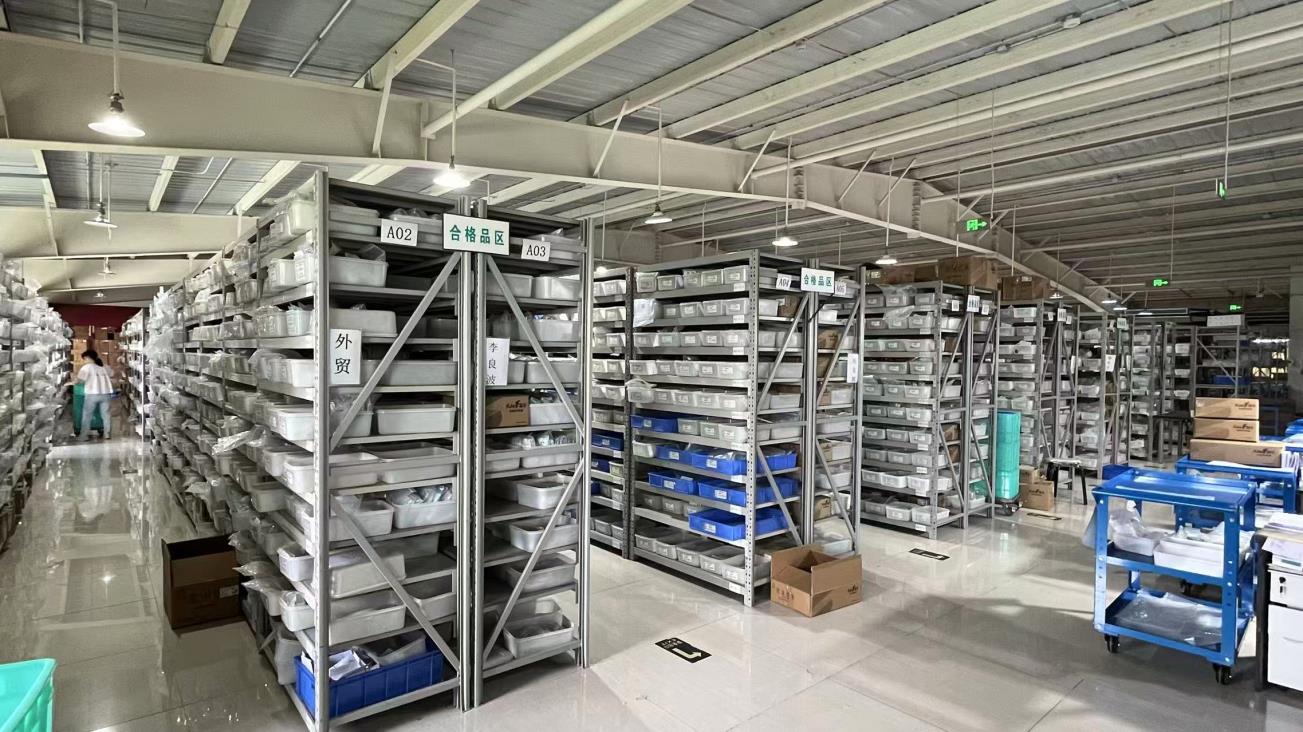
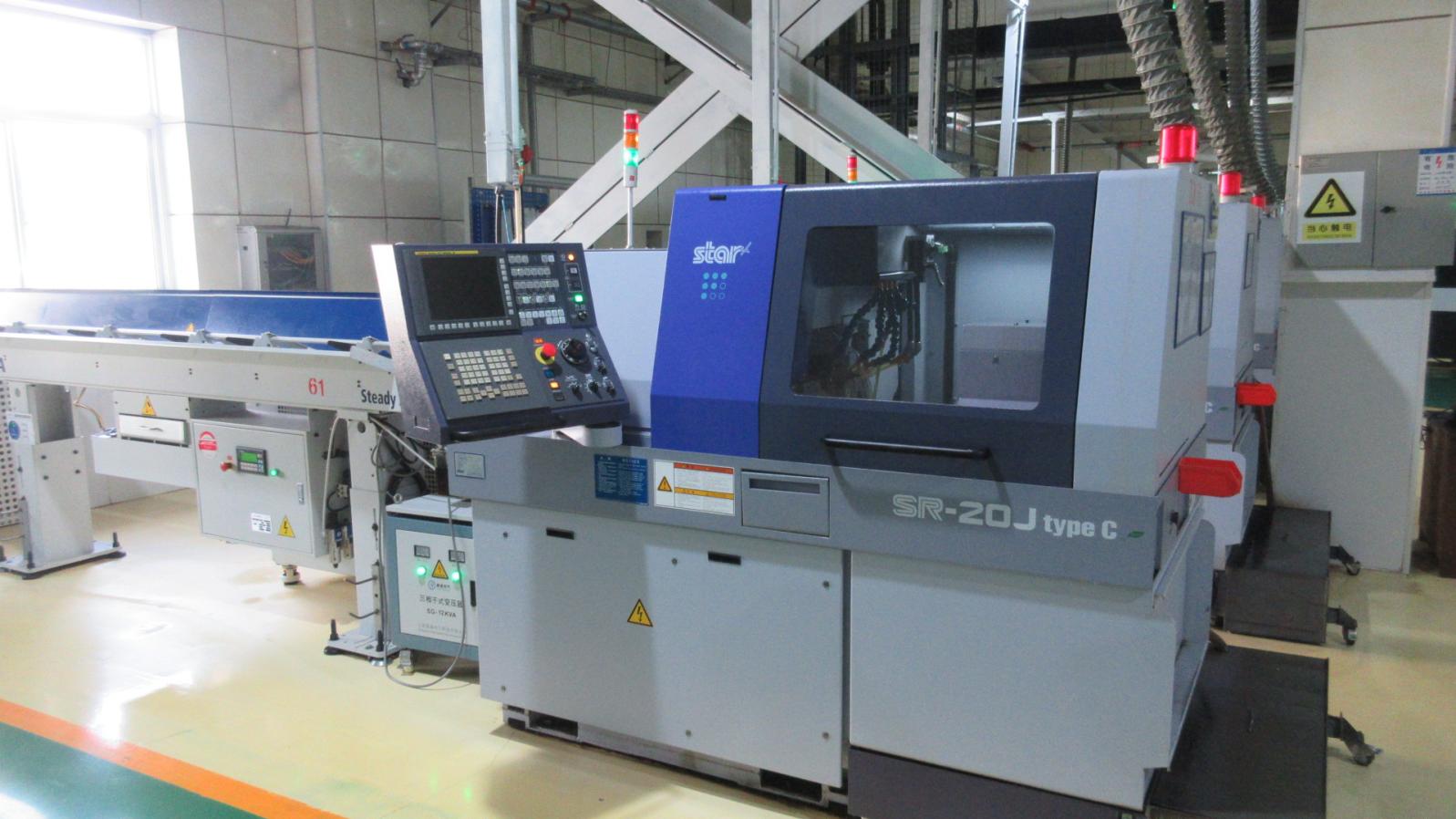
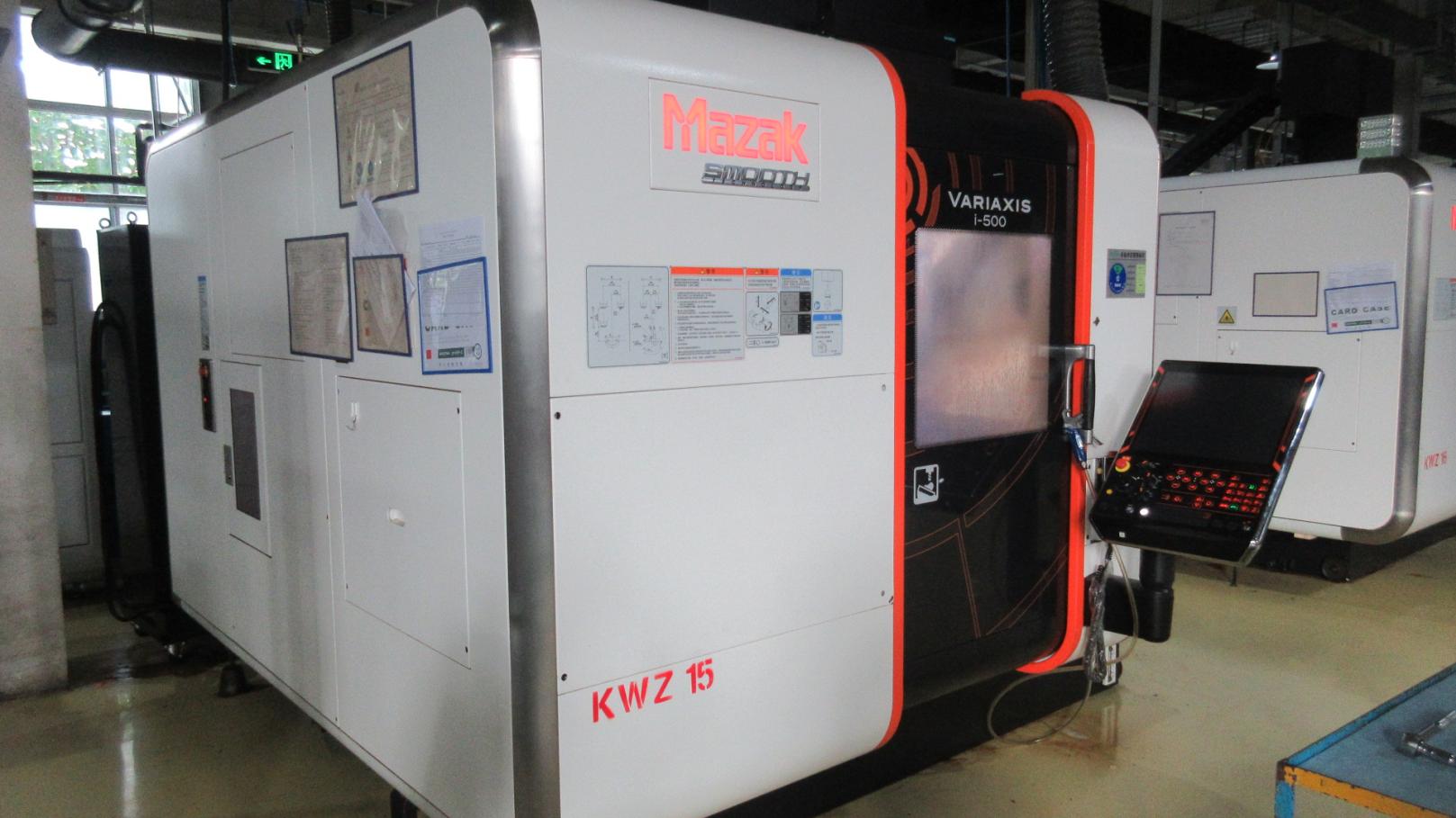
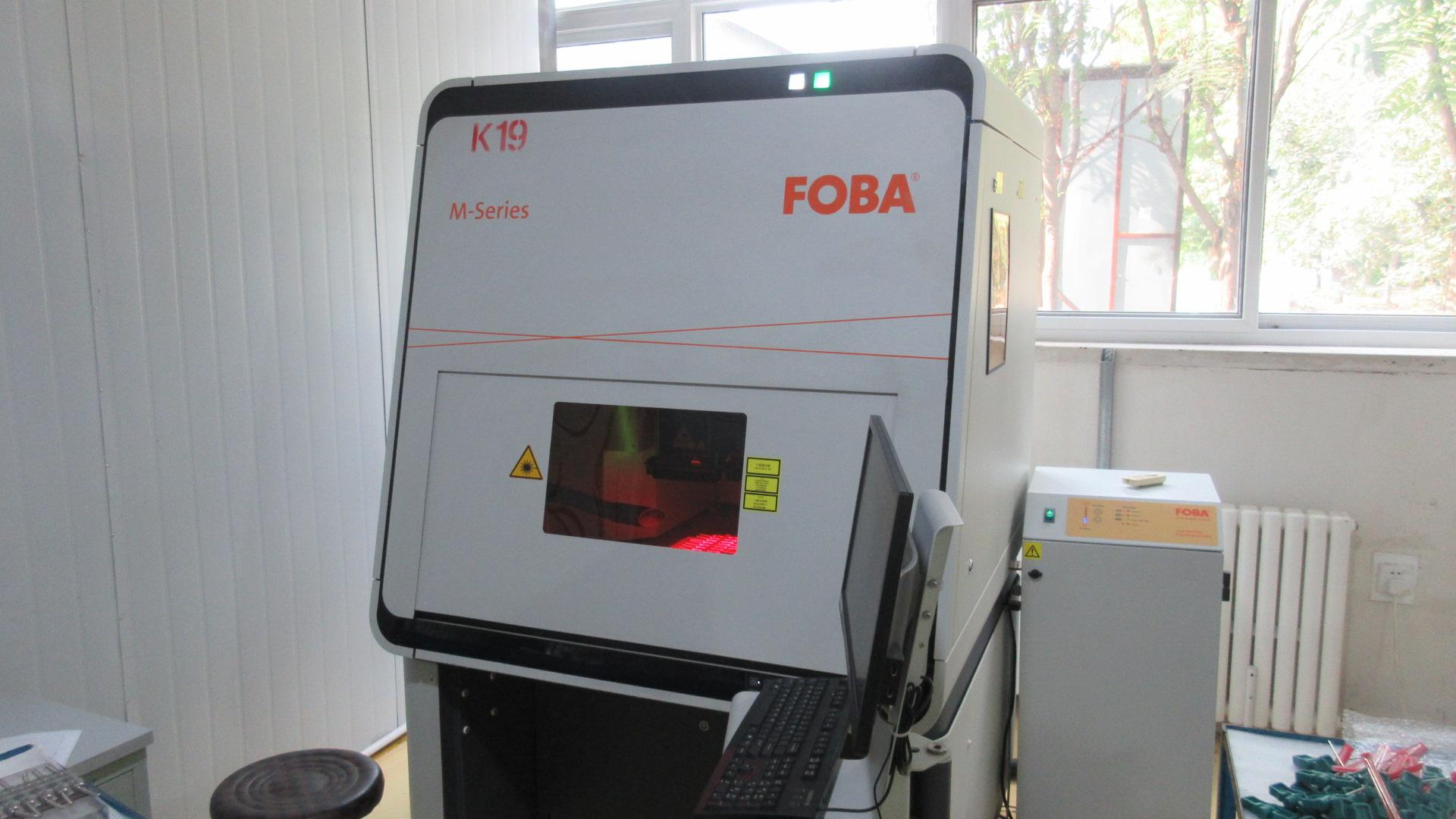
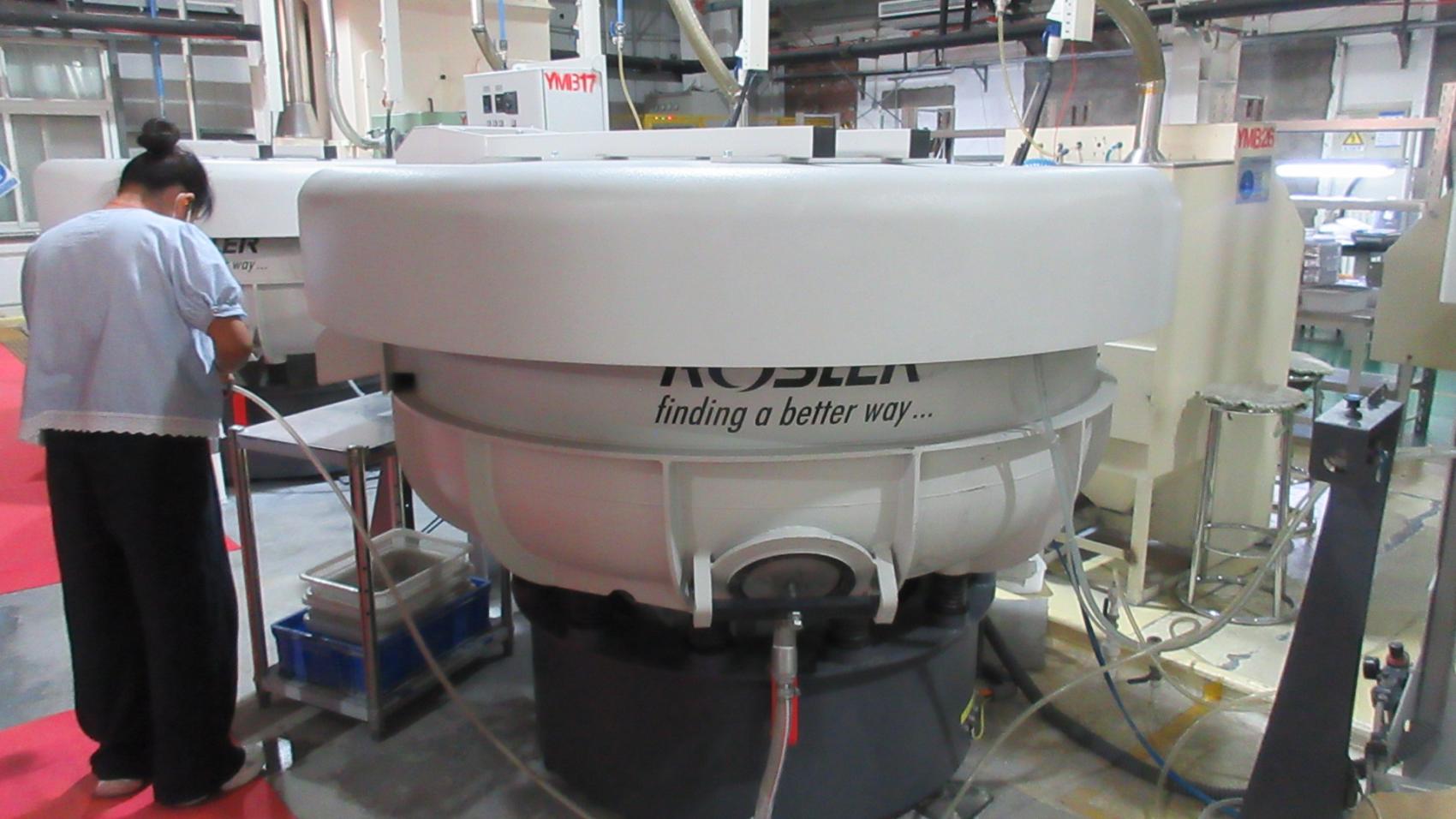
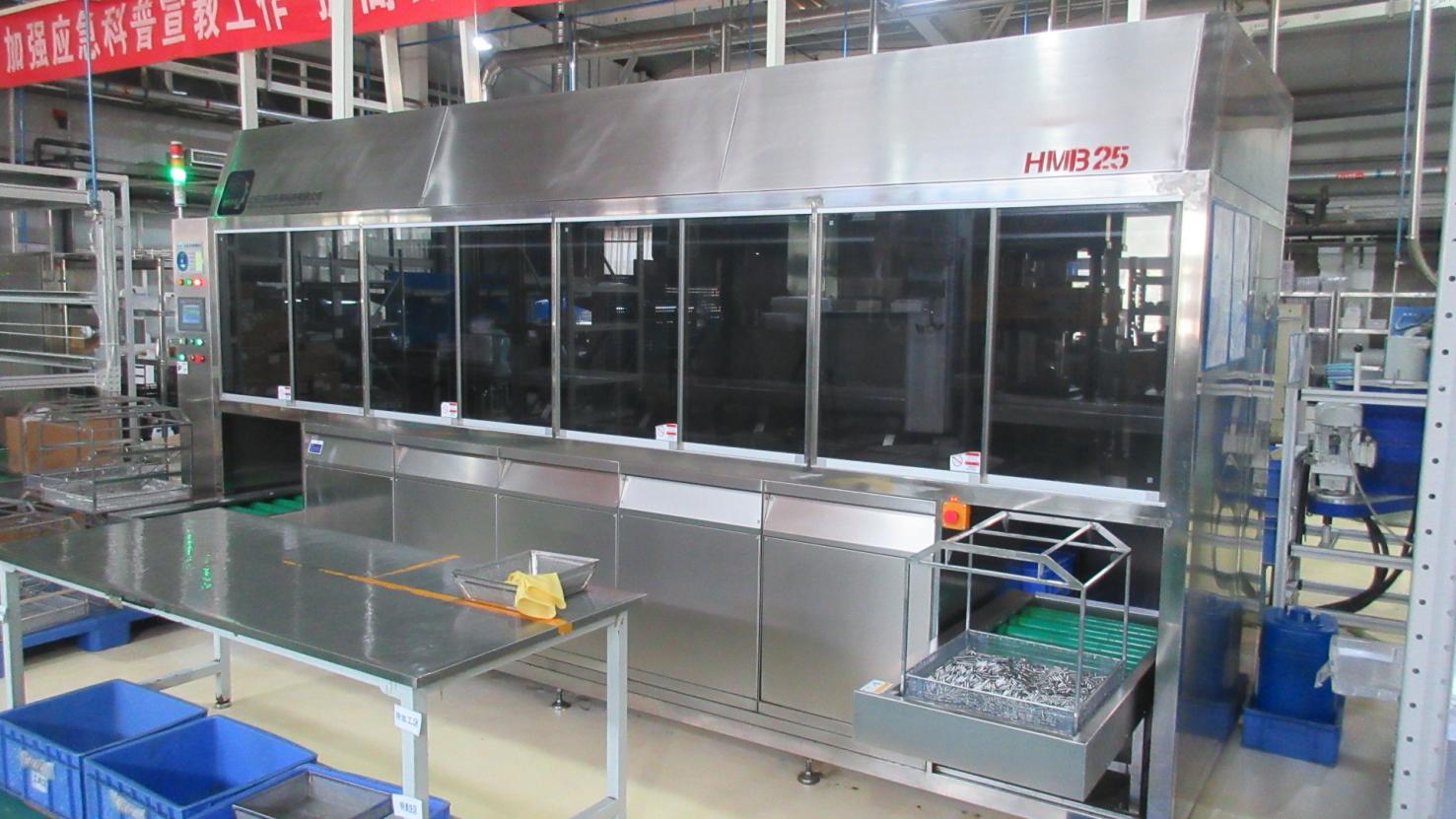
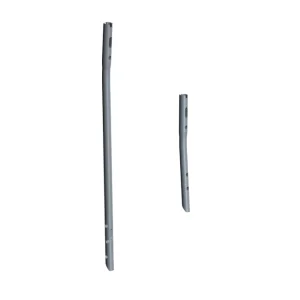
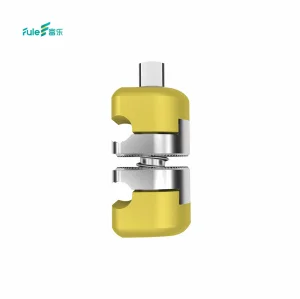
Surgical biopsy tools and implant systems are deployed across various medical settings, each with unique performance demands. In trauma centers, speed and utility are critical. Surgeons require pre-sterilized, easy-to-use systems like the PFNA Intramedullary Nails or Hoffman External Fixation Kits to treat complex fractures and stabilize bones immediately. Reliable instrumentation reduces surgical times and supports patient recovery.
In specialized spine centers, the emphasis is on precision and anatomical compatibility. Cervical and lumbar fusion cages (including OLIF and ALIF cages) must fit the disc space securely to prevent migration. Using variable-angle pedicle screws and cervical plates allows surgeons to adjust fixation to the patient's anatomy, accommodating age, bone quality, and disease stage.
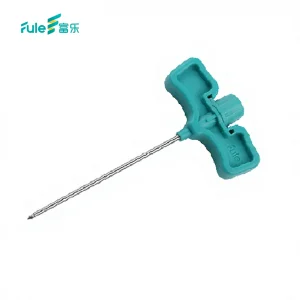
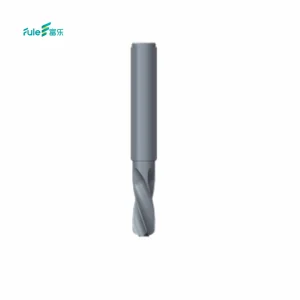
In oncology clinics, high-precision biopsy tools are crucial for obtaining clean bone marrow samples. Pathologists require intact core tissues for accurate diagnosis. High-grade stainless steel needles with razor-sharp edges extract tissue cleanly, minimizing damage and pain for the patient. Sourcing high-quality tools is key to ensuring consistent clinical performance.
Addressing core technical questions, compliance inquiries, and procurement logistics.
Our implantable systems are manufactured from premium medical-grade Titanium Alloy (Ti-6Al-4V ELI) conforming to ASTM F136 standards and high-grade biocompatible PEEK for interbody fusion cages. Instrument kits are made from medical-grade AISI 304, 316L, and 630 stainless steel to ensure rust resistance and fatigue strength.
We maintain full raw material traceability from ingot receipt to final sterilization. Every production run is linked to its material mill sheet, raw batch chemistry, and physical test reports. Finished products are laser-etched with unique tracking IDs to enable trace-back capability.
Yes, we provide extensive custom OEM/ODM services, including sample, graphic, and custom-on-demand processing. Supported by a team of 20 R&D engineers, we can adapt configurations and thread designs to fit specific clinical or market needs.
Our facility is ISO 13485 certified (Quality Management for Medical Devices) and operates under a validated QMS. Key products carry CE marks, making them suitable for import and clinical use in the EU, Southeast Asia, and other regions.
We perform 100% inspection on all critical dimensions and tolerances. Backed by 15 certified QA inspectors, we utilize CMM, optical profiling, dynamic fatigue testing, and bioburden monitoring to ensure that no defective products leave the facility.
Standard catalog items ship quickly, leveraging our annual output of 511,000 units. For custom OEM orders, timelines vary based on batch size and design complexity, generally ranging from 4 to 8 weeks, including full documentation.
Complete surgical lines from anterior cervical plates to interbody cages and external fixators.
 Beren Science & Technology