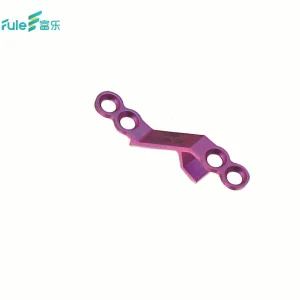
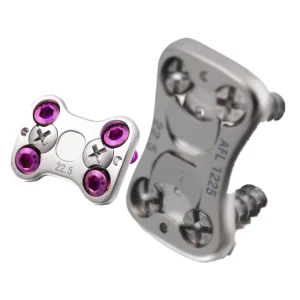
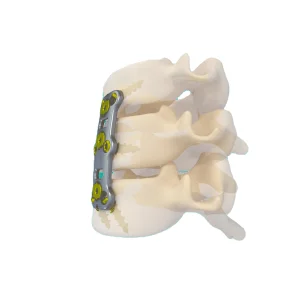
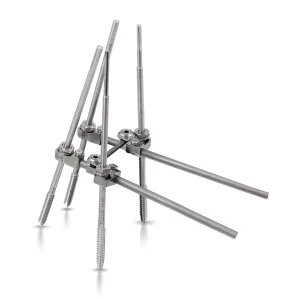
Engineered for minimal displacement, high stability, and optimal osteosynthesis. Developed to meet strict ISO 13485 standards for trauma and spinal reconstruction.
Seoul is a prominent R&D center for bio-healthcare in the Asia-Pacific region, driving advancements in medical grade design, clinical studies, and biomechanical validation. Known for its world-class hospitals (such as Seoul National University Hospital and Severance Hospital) and medical technology clusters (like the Hongneung Bio-Medical Cluster and Guro Digital Complex), Seoul bridges clinical requirements with practical engineering. Over the past decade, Seoul's orthopedic manufacturers have increasingly turned to digital surgical guides and customized implant profiles to address the needs of an aging population.
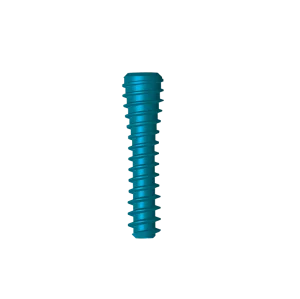
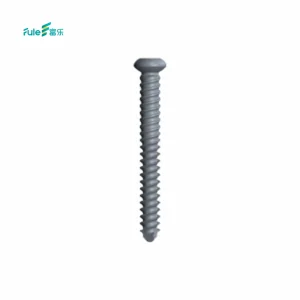
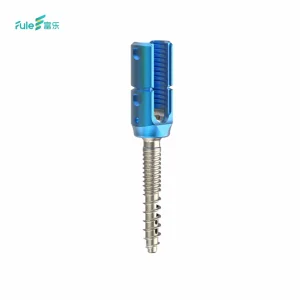
A key focus in this region is the development of advanced cannulated screw systems. Cannulated screws feature a hollow core designed to be inserted over a guide wire. This approach offers surgeons high precision, minimal tissue disruption, and shorter operation times. However, maintaining consistent local manufacturing scaling can be challenging. Consequently, a hybrid model has emerged: engineering design, regulatory validation, and clinical trials are conducted in Seoul, while large-scale smart production is outsourced to specialized, high-volume factories in China.
Information Gain Insight: The efficacy of a cannulated screw lies in its thread design and surface finish. While Seoul's R&D centers focus on bio-active HA (Hydroxyapatite) coatings, Chinese advanced manufacturing corridors provide the high-precision CNC machining needed to produce self-tapping flutes with thread pitches engineered for specific bone densities.
During internal fixation procedures for femoral neck fractures, scaphoid nonunion, or ankle arthrodesis, placing a solid screw without guidance carries a risk of misalignment. Cannulated systems resolve this by allowing precise placement of a guide wire under fluoroscopic control. Once the position is verified, a cannulated drill bit creates the path, and the screw is guided directly into place.
This technique reduces the risk of articular surface penetration and secondary bone displacement. To optimize this process, manufacturers use advanced materials such as Titanium Alloy Ti-6Al-4V ELI (Extra Low Interstitial) per ASTM F136. This material provides high fatigue strength, biocompatibility, and a modulus of elasticity that minimizes stress shielding.
Precise placement under fluoroscopy minimizes intraoperative adjustments and protects nearby soft tissues.
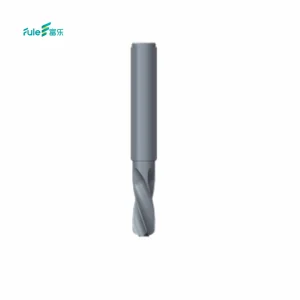
Cannulated drill bit tracks over the guide wire, keeping the path aligned with anatomical structures.
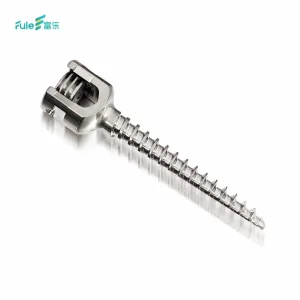
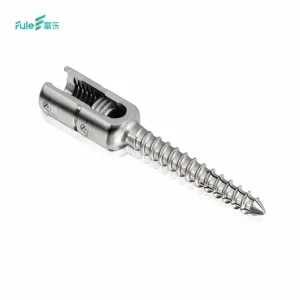
Self-drilling, self-tapping screw creates strong bone purchase and uniform fracture compression.
While Seoul designs and tests medical implants, Chinese smart factories supply the high-precision components. China's Industry 4.0 medical facilities employ automated Swiss-type sliding-head CNC lathes that work within tolerances of less than 5 microns. These production lines operate continuously under automated quality control systems, utilizing optical sorting and automated thread-checking systems.
This division of labor combines Seoul's clinical design with China's manufacturing capacity, offering significant advantages:
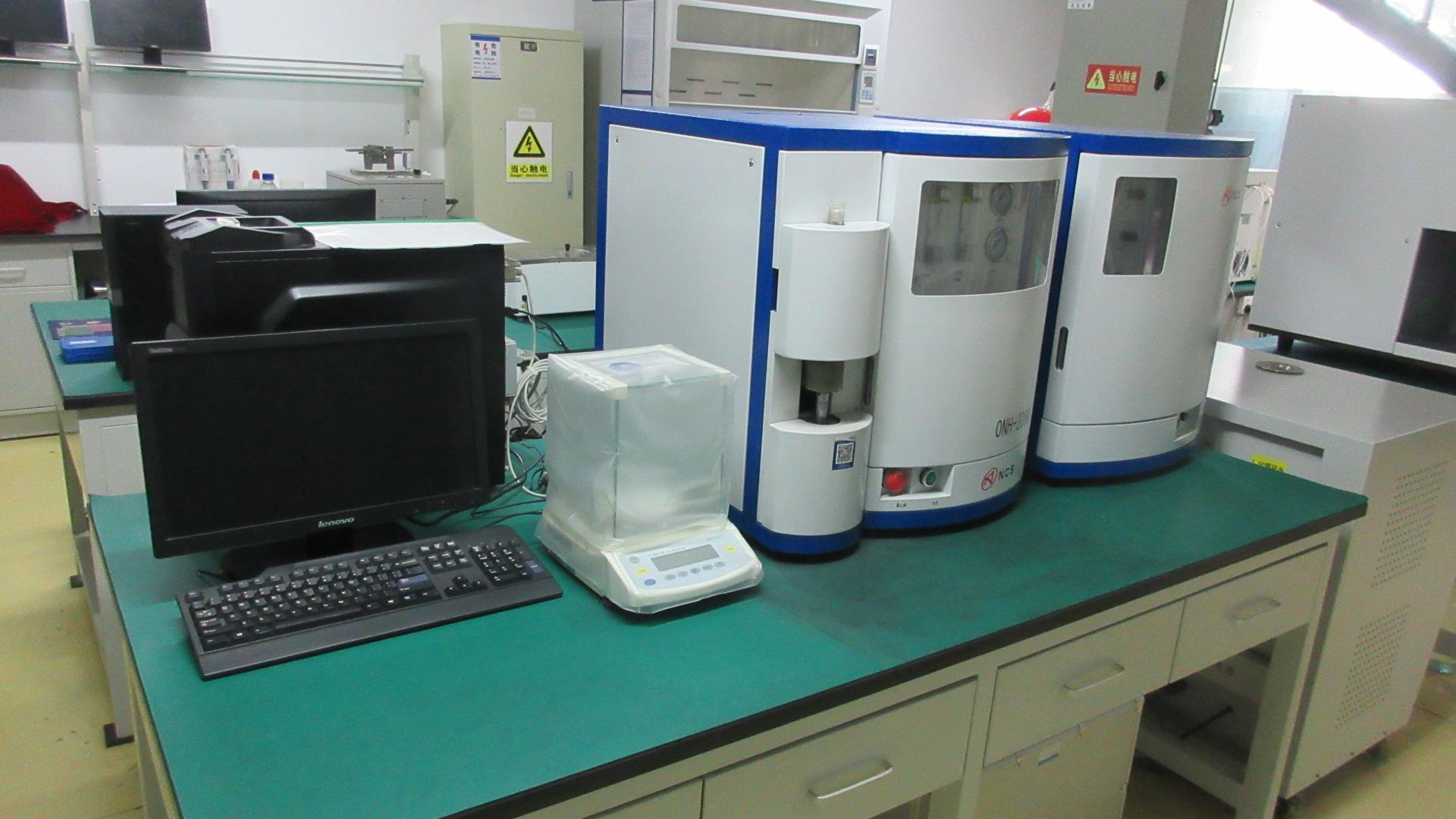
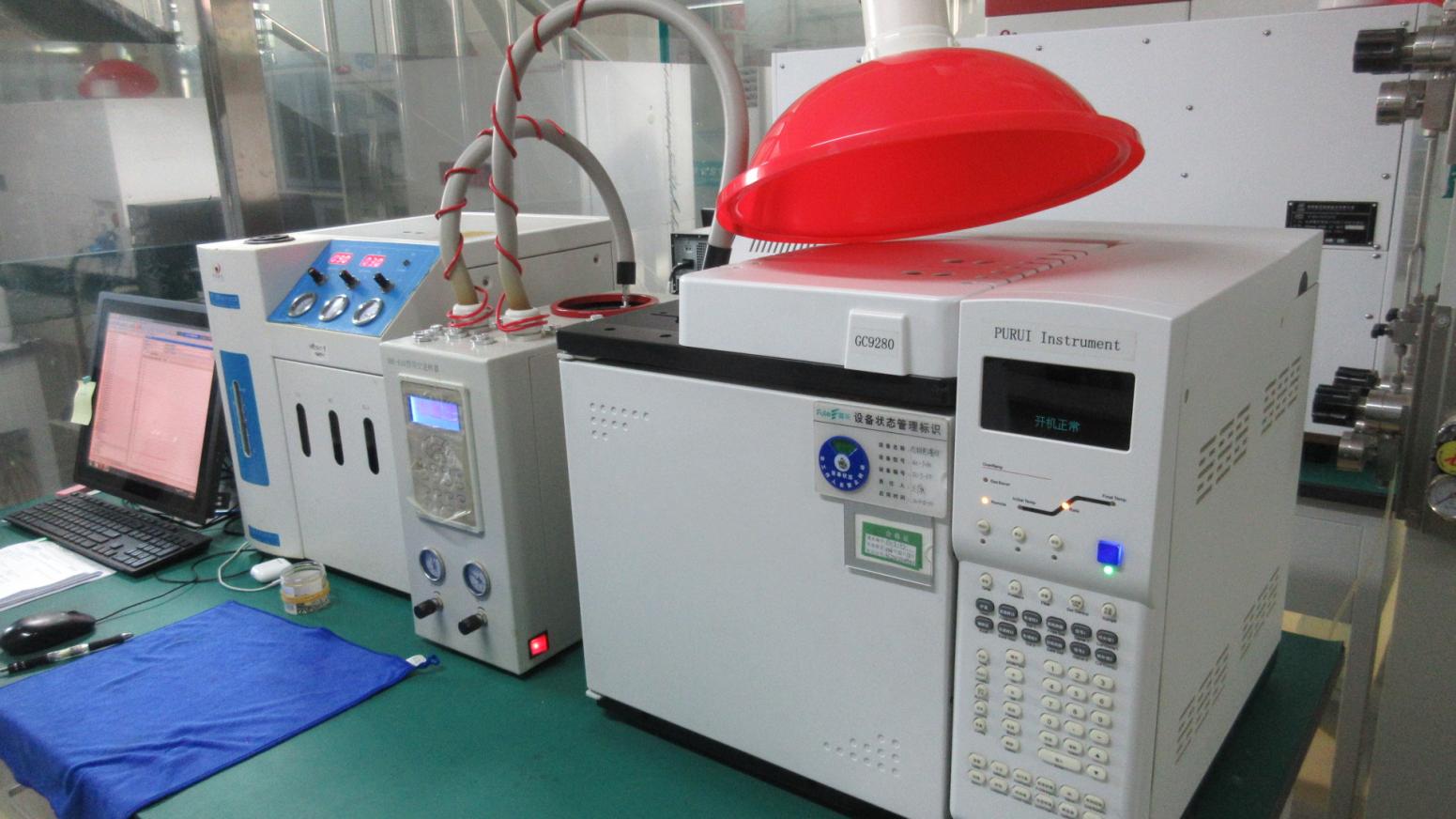
High-grade raw materials undergo mechanical testing, metallographic analysis, and chemical analysis prior to manufacturing. The images below illustrate our production standards, which are validated for quality and safety.
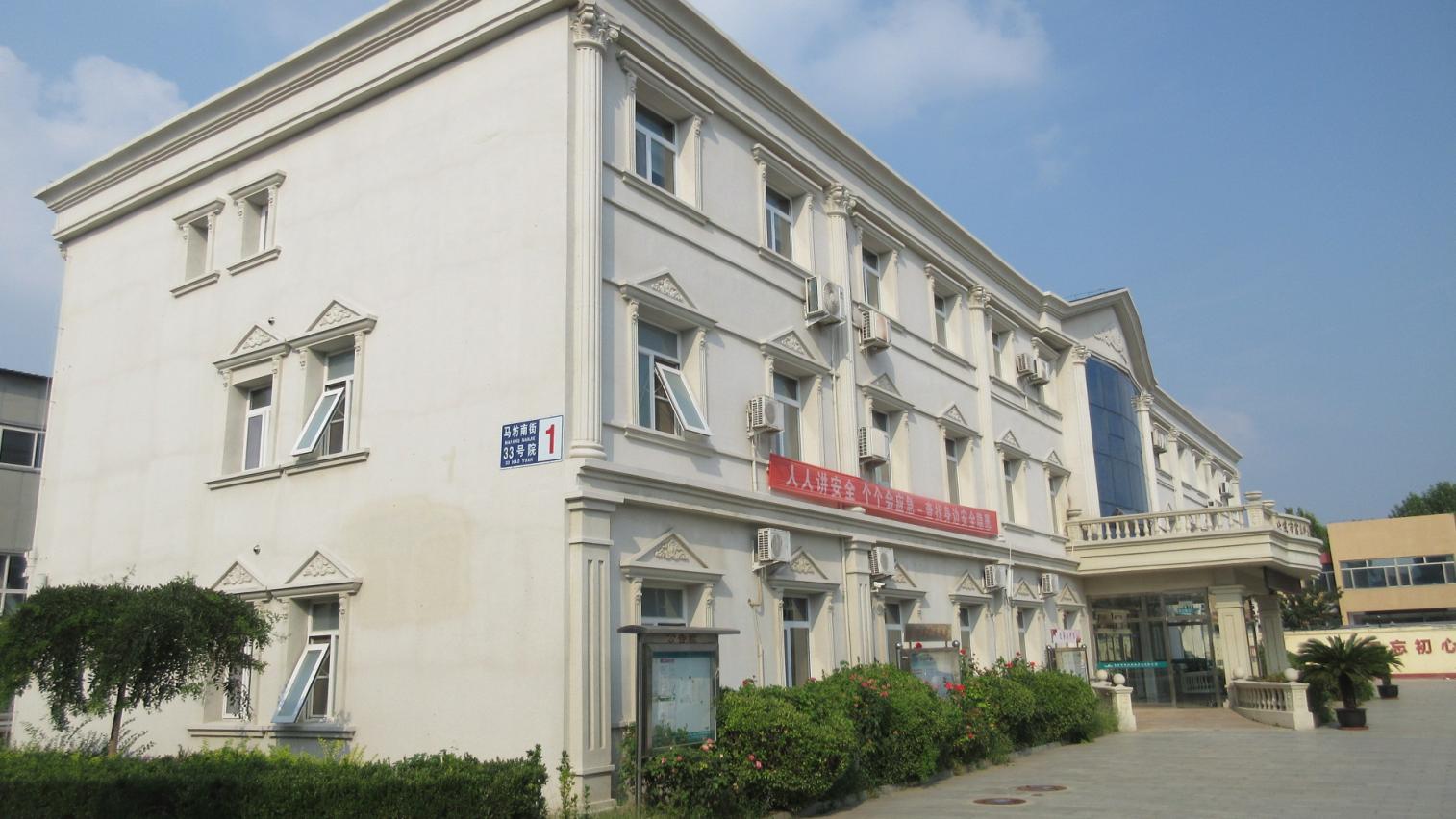
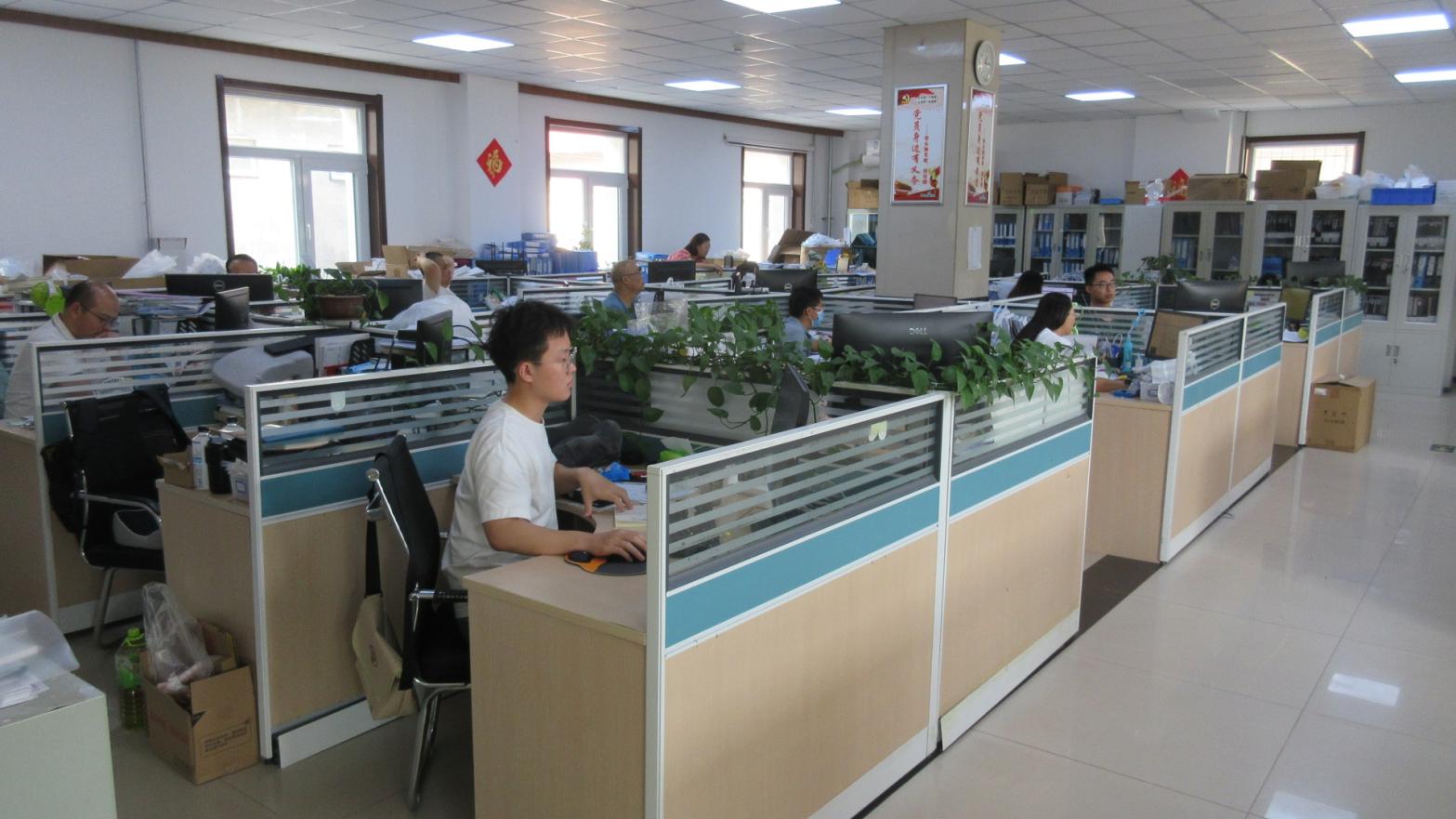
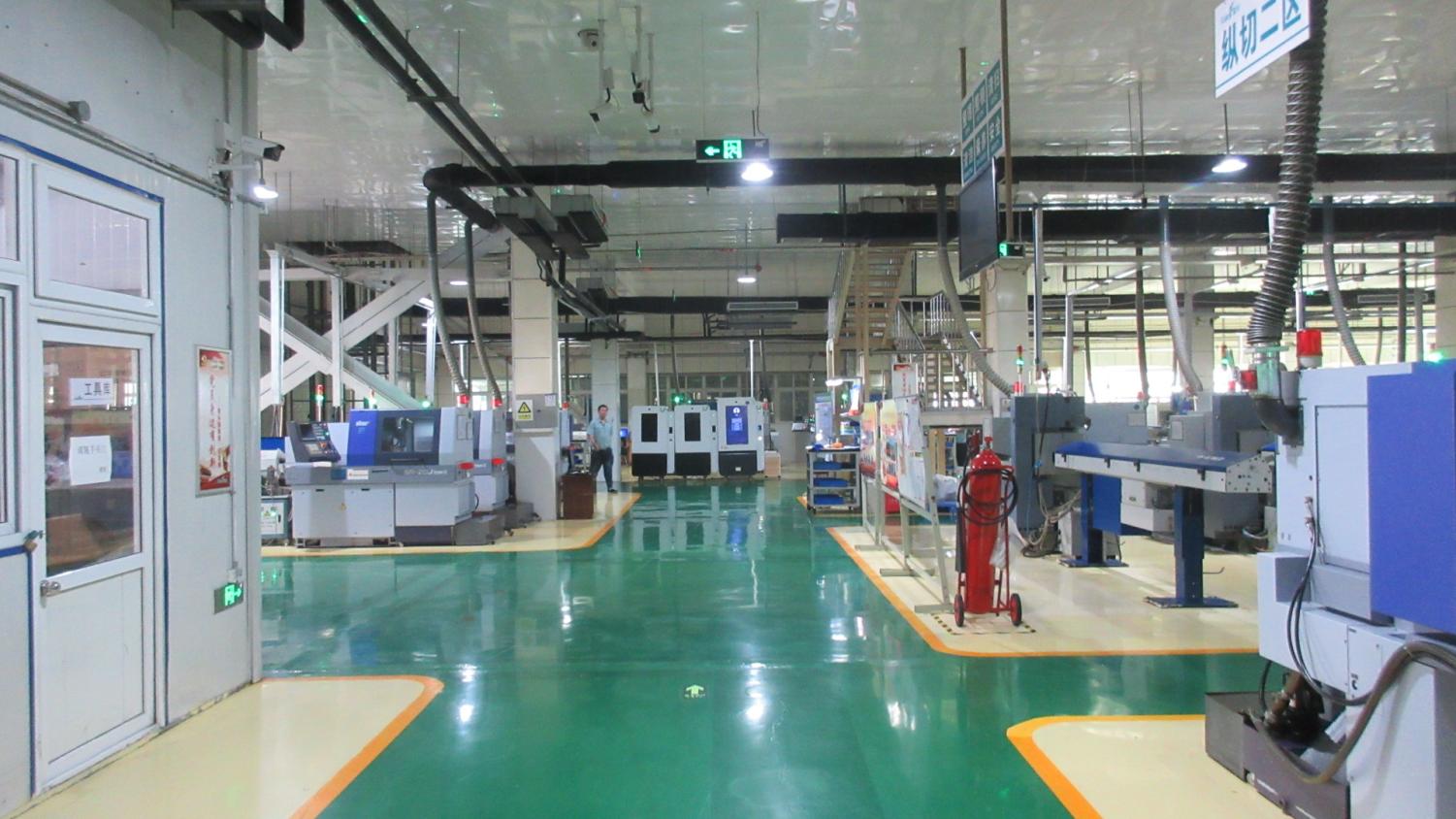
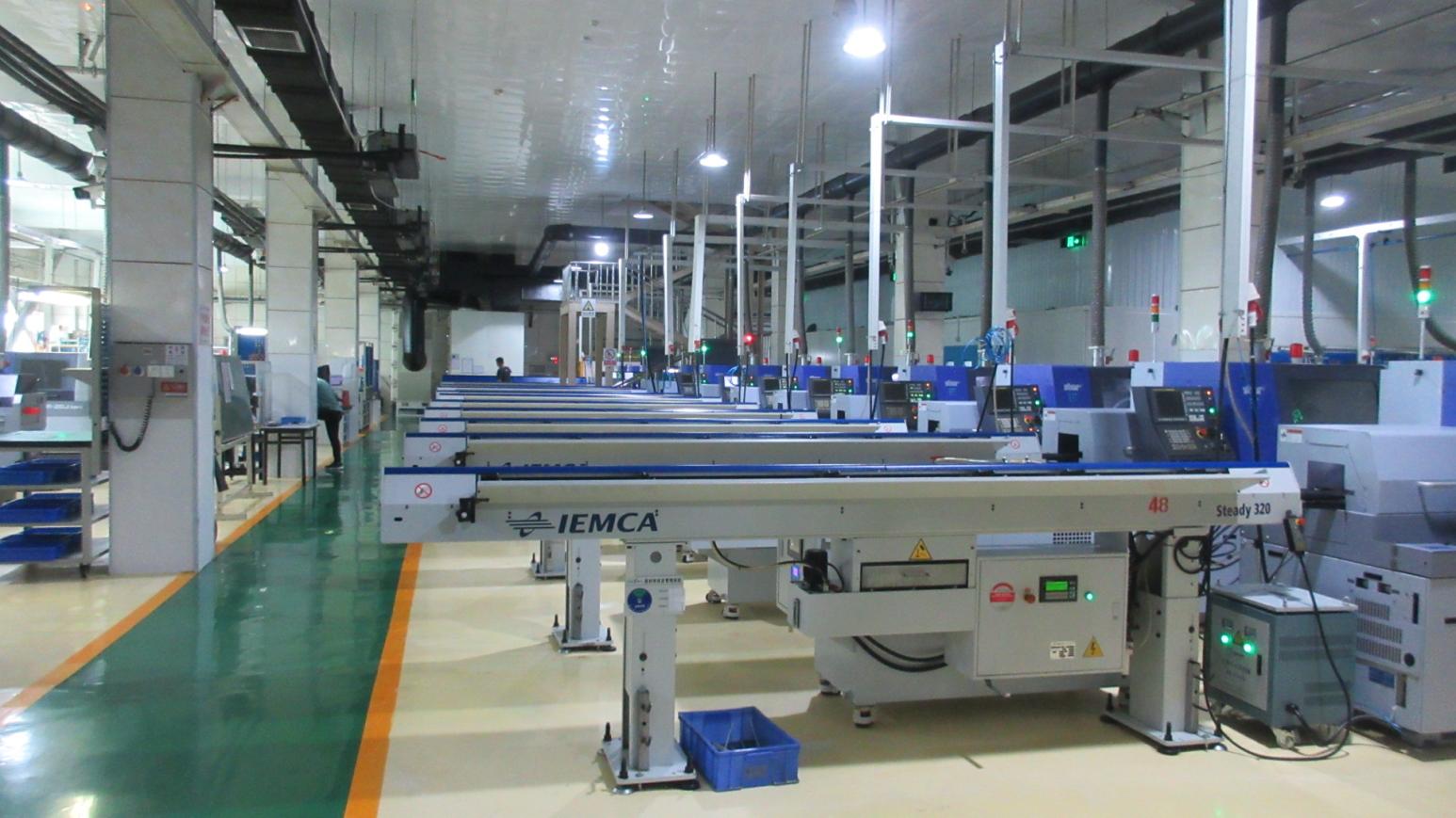
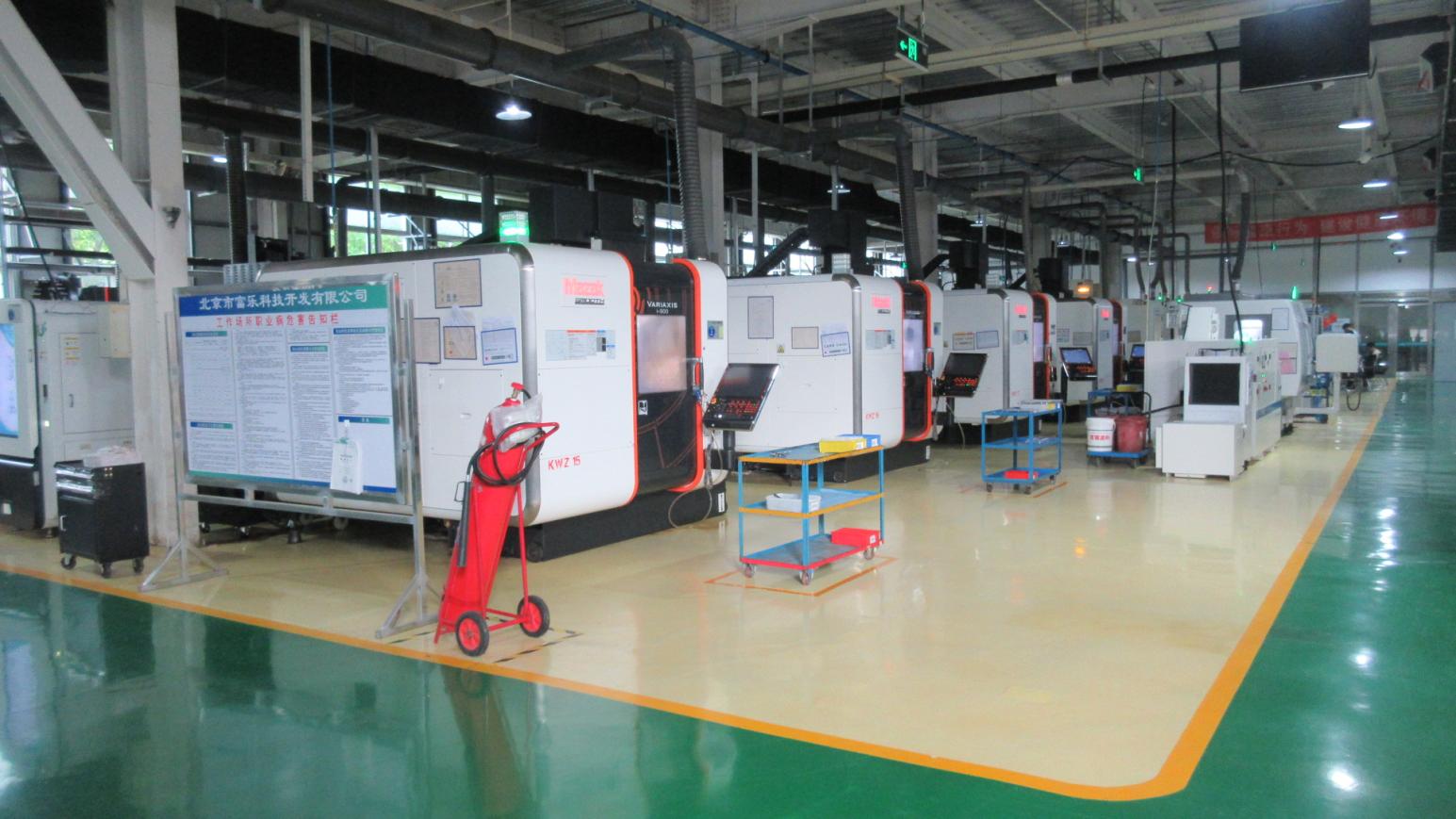
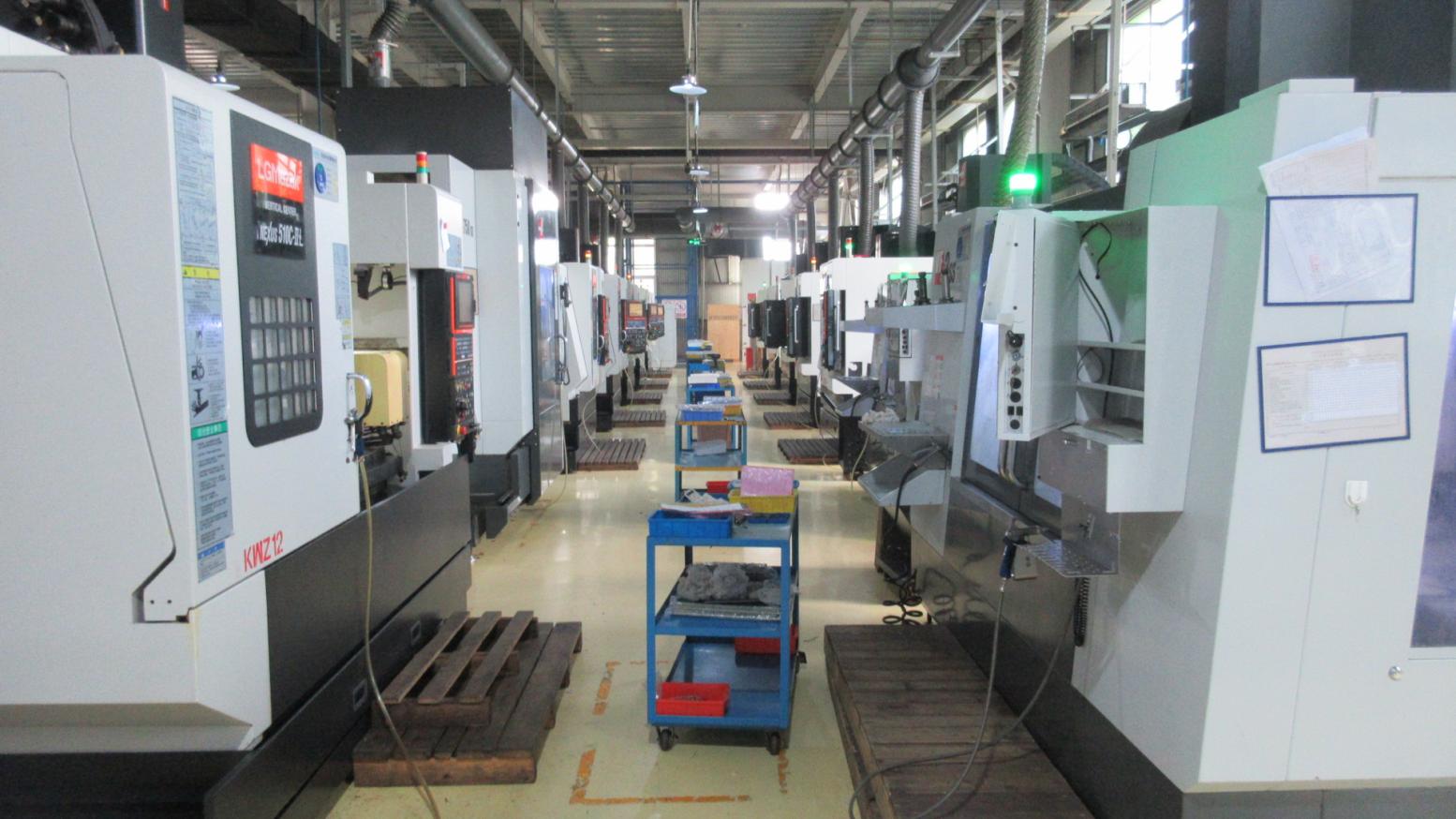
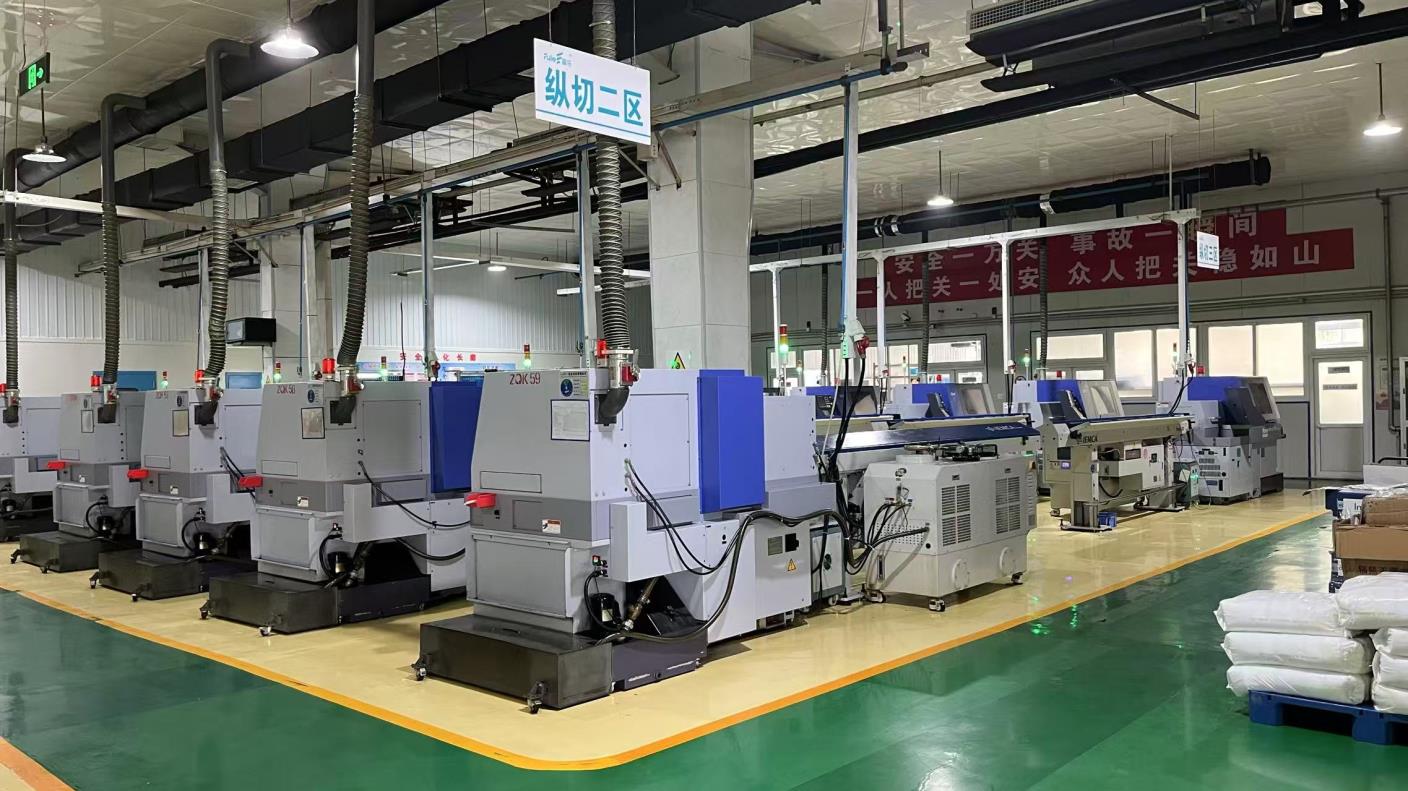
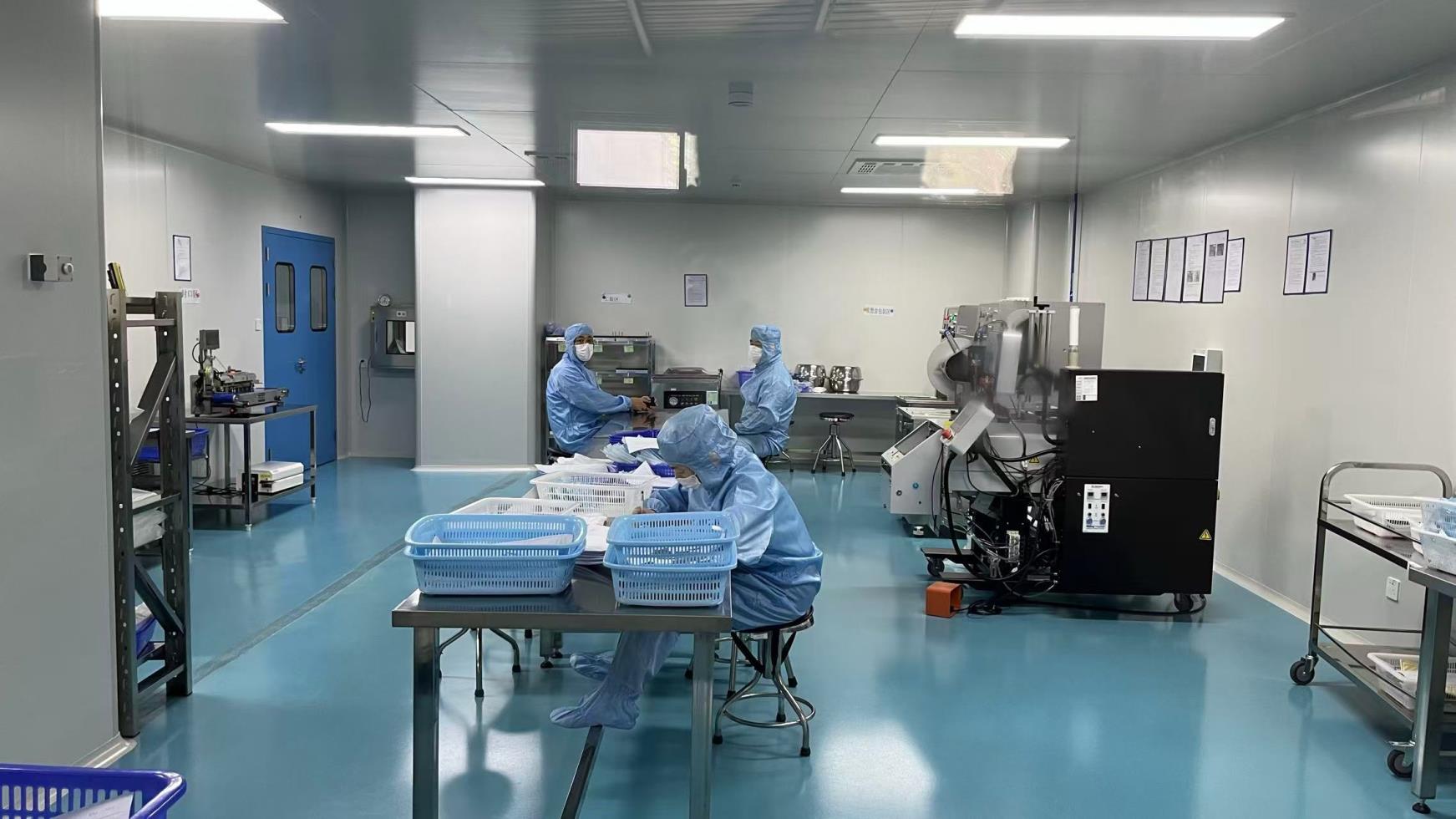
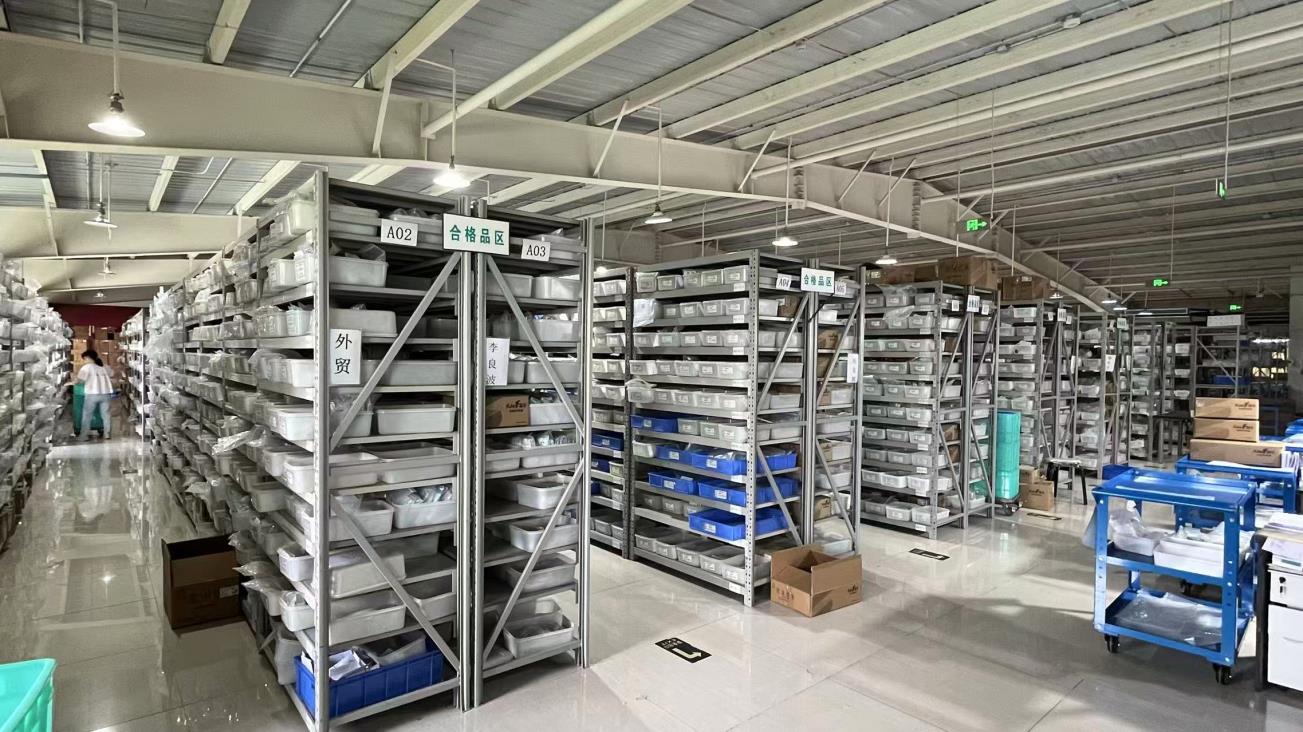
A closer look at our medical-grade manufacturing process, finishing steps, and assembly operations.
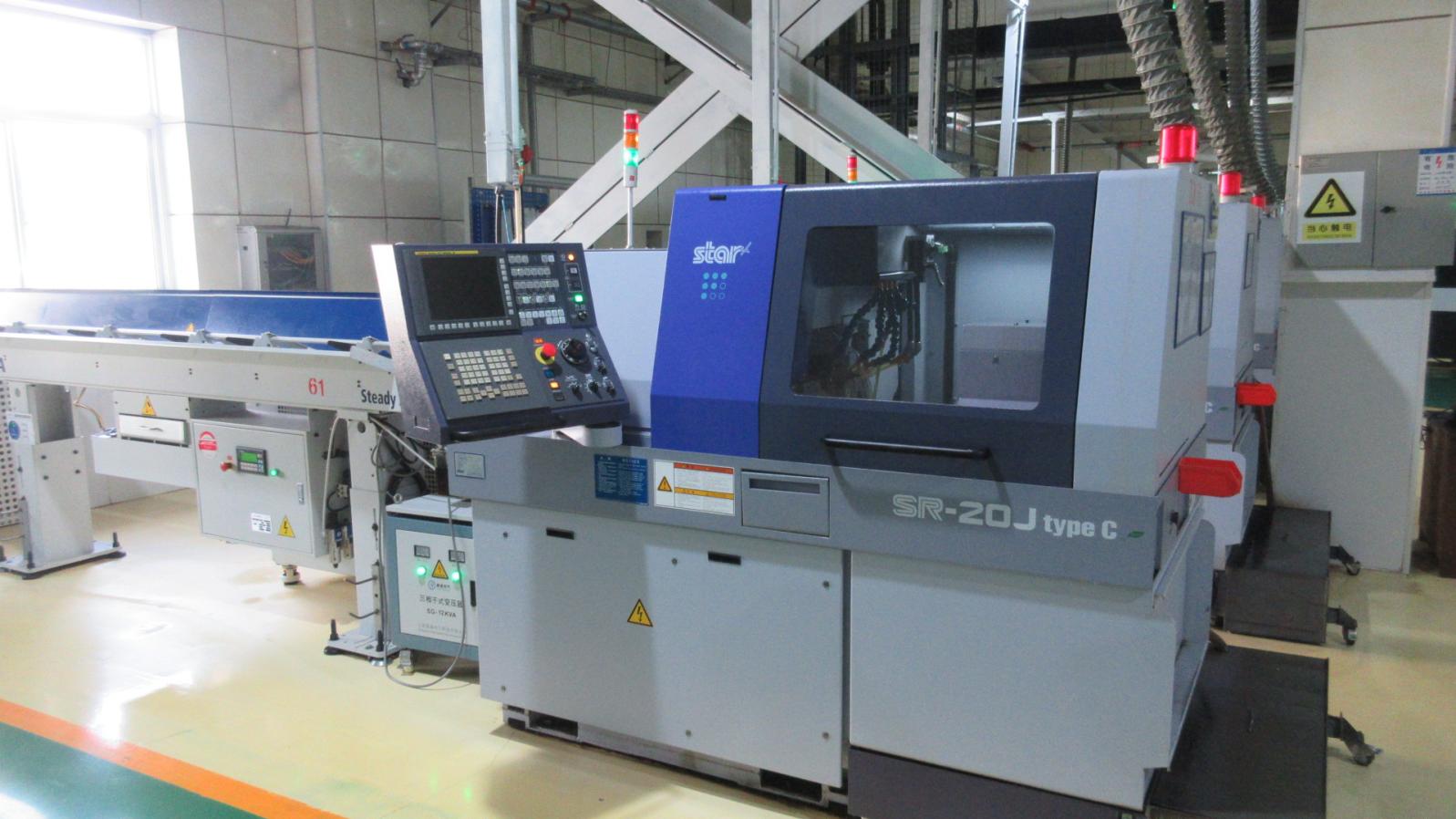
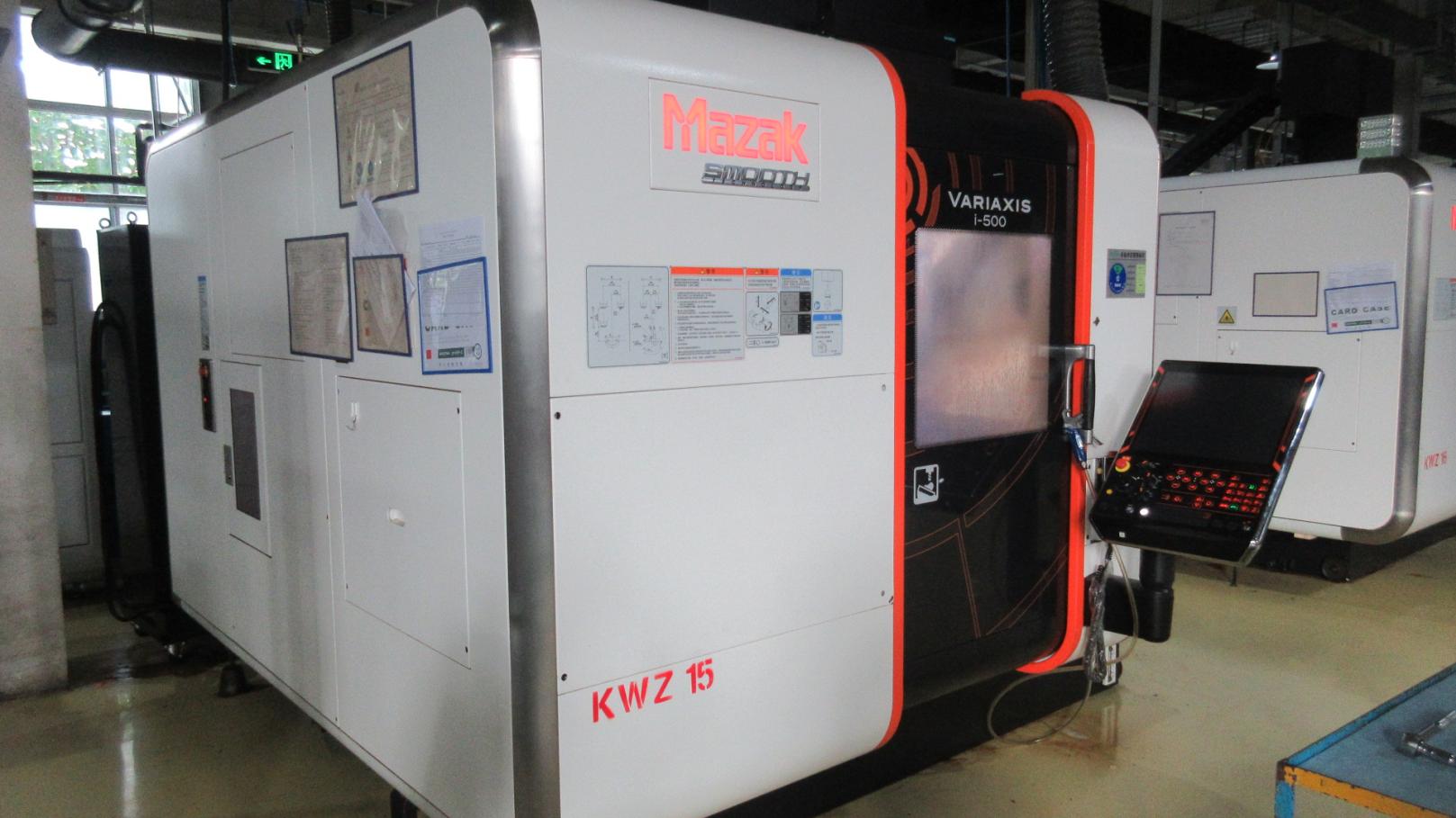
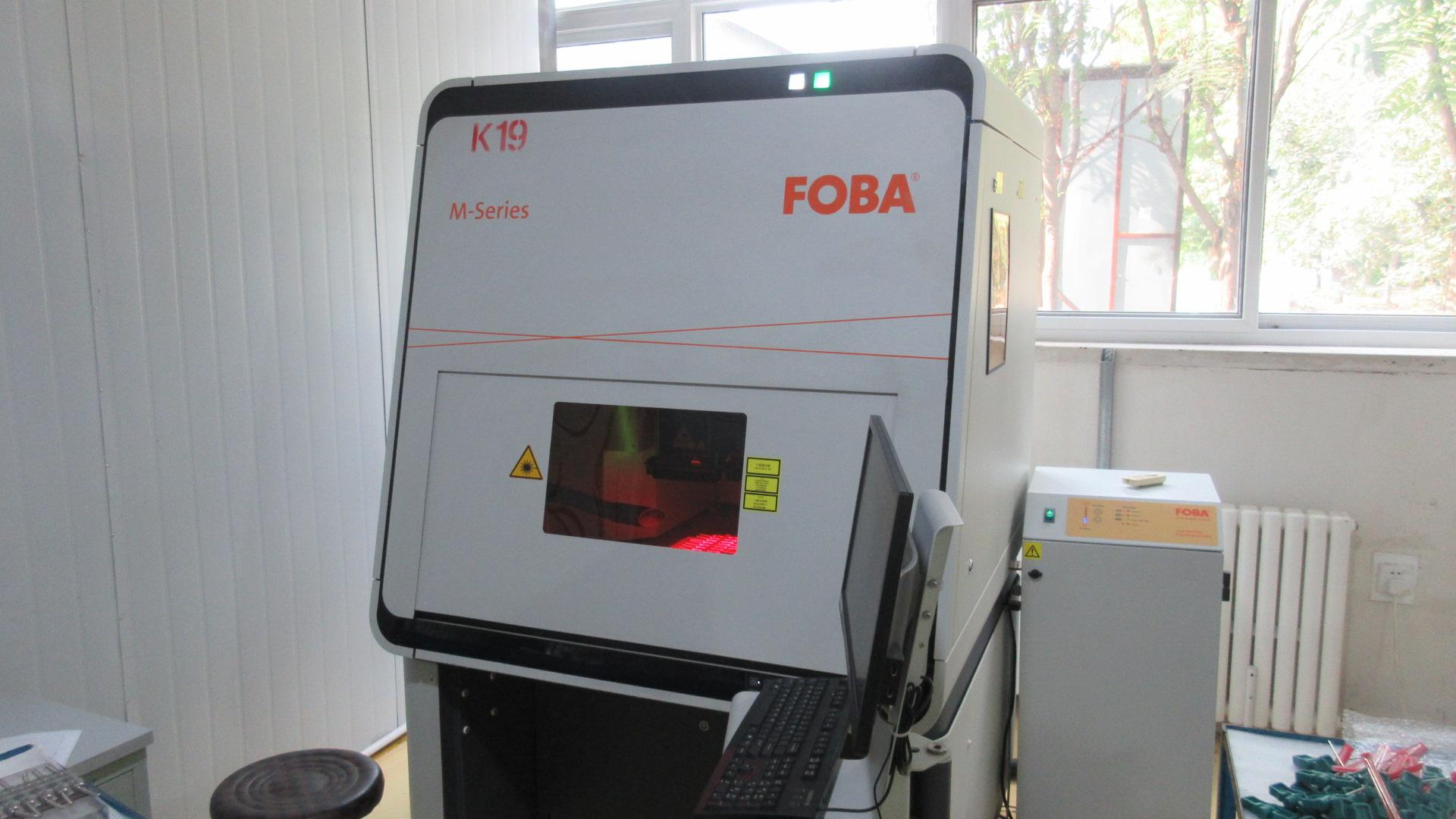
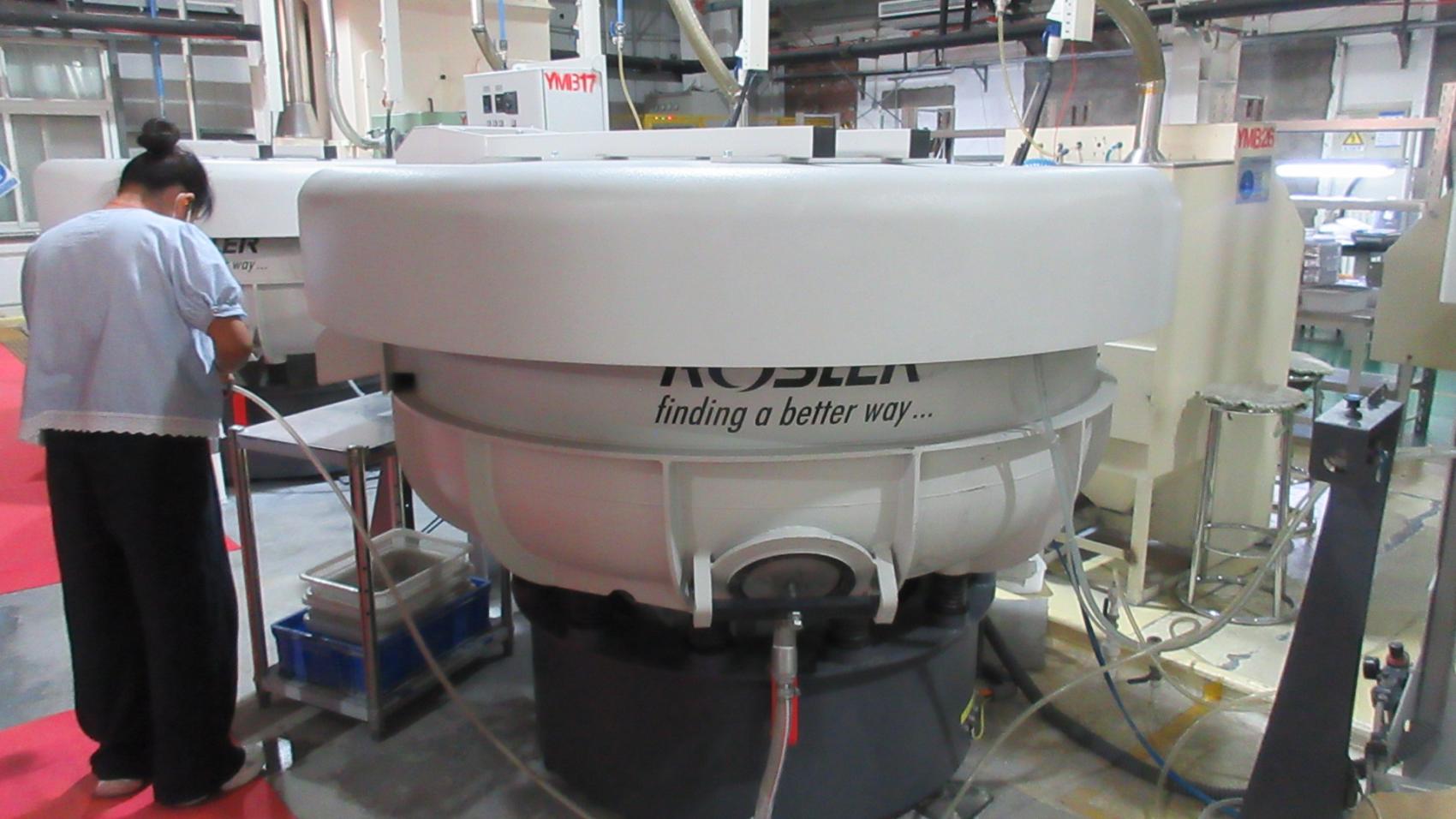
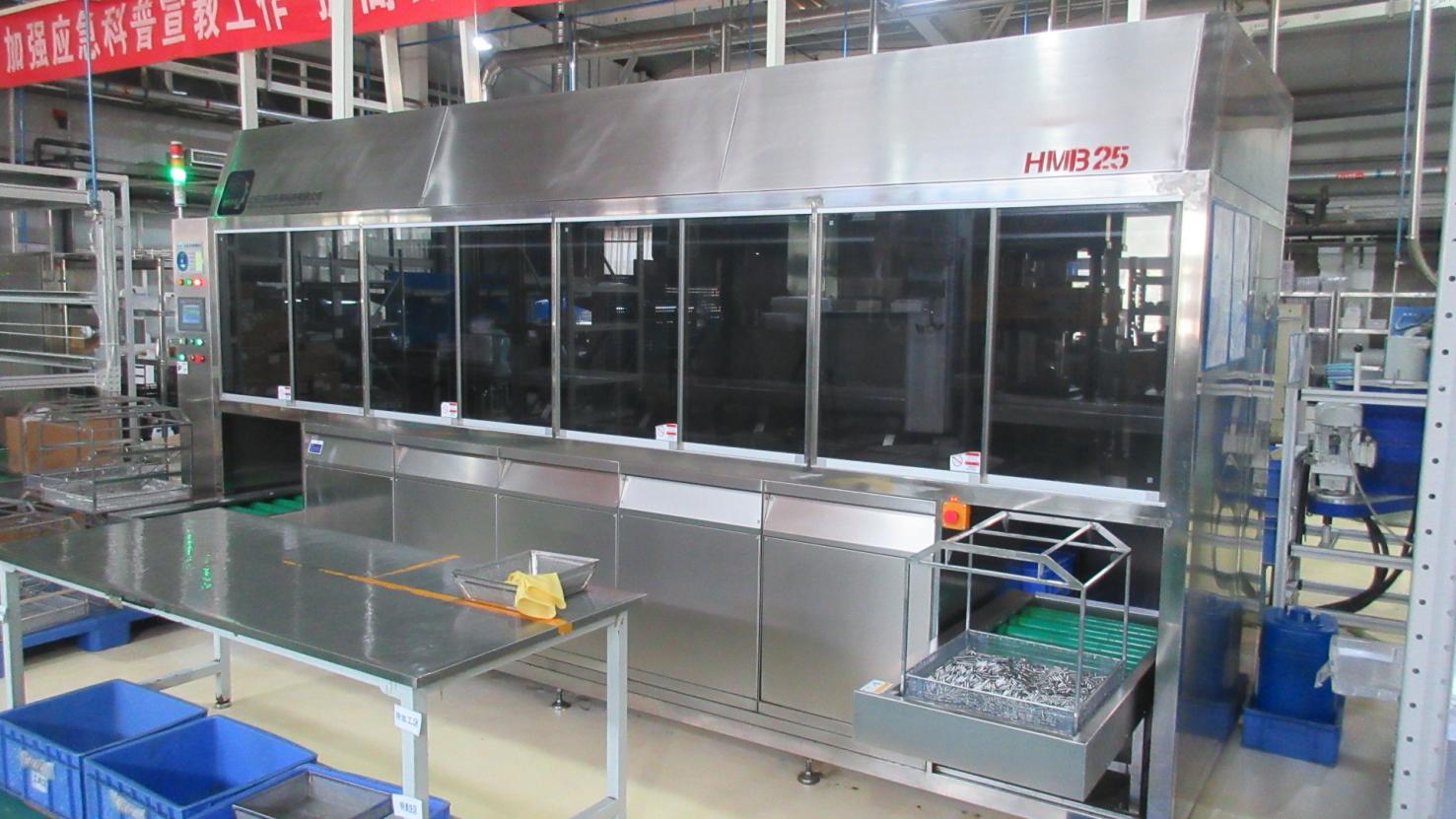
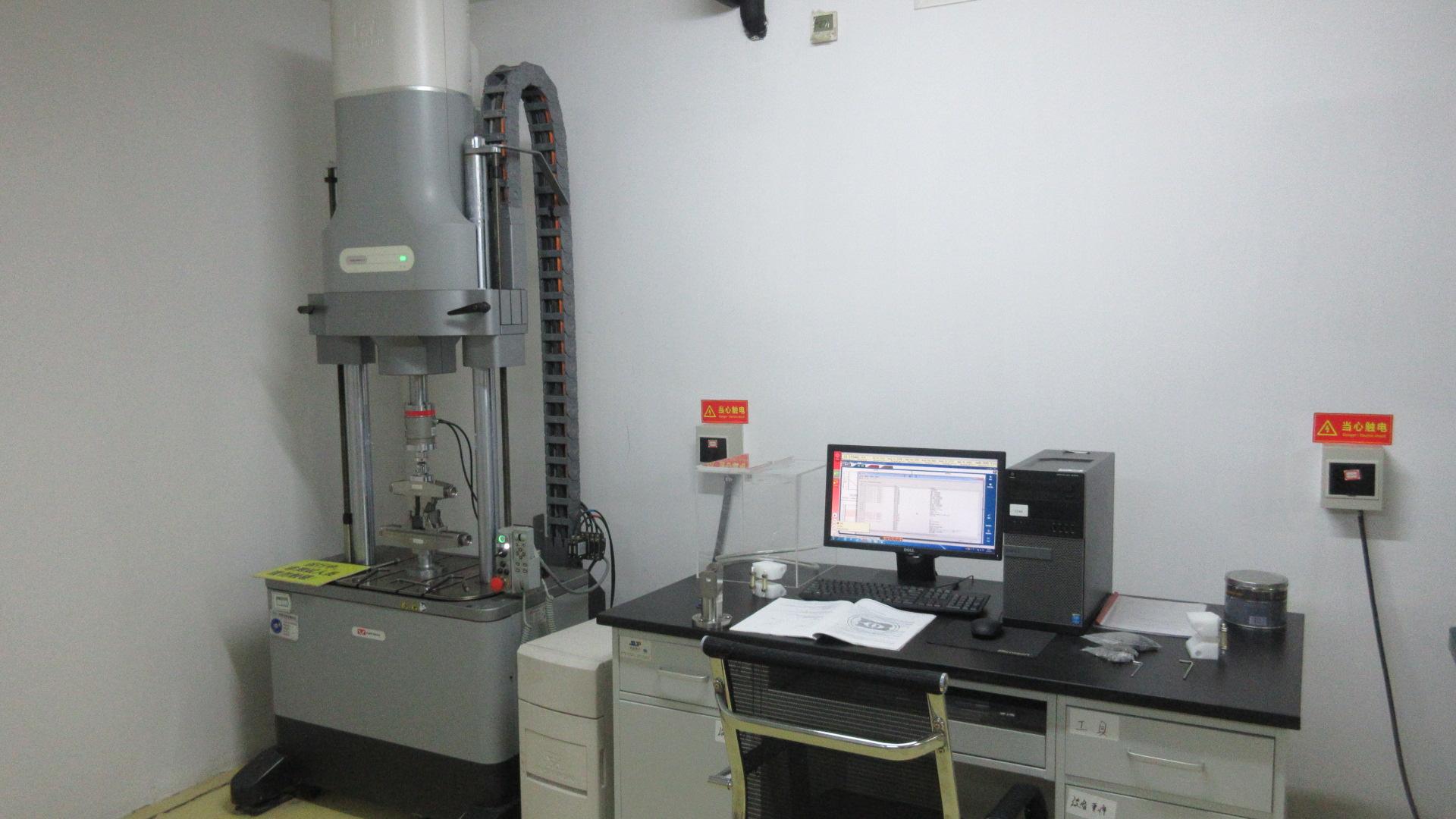
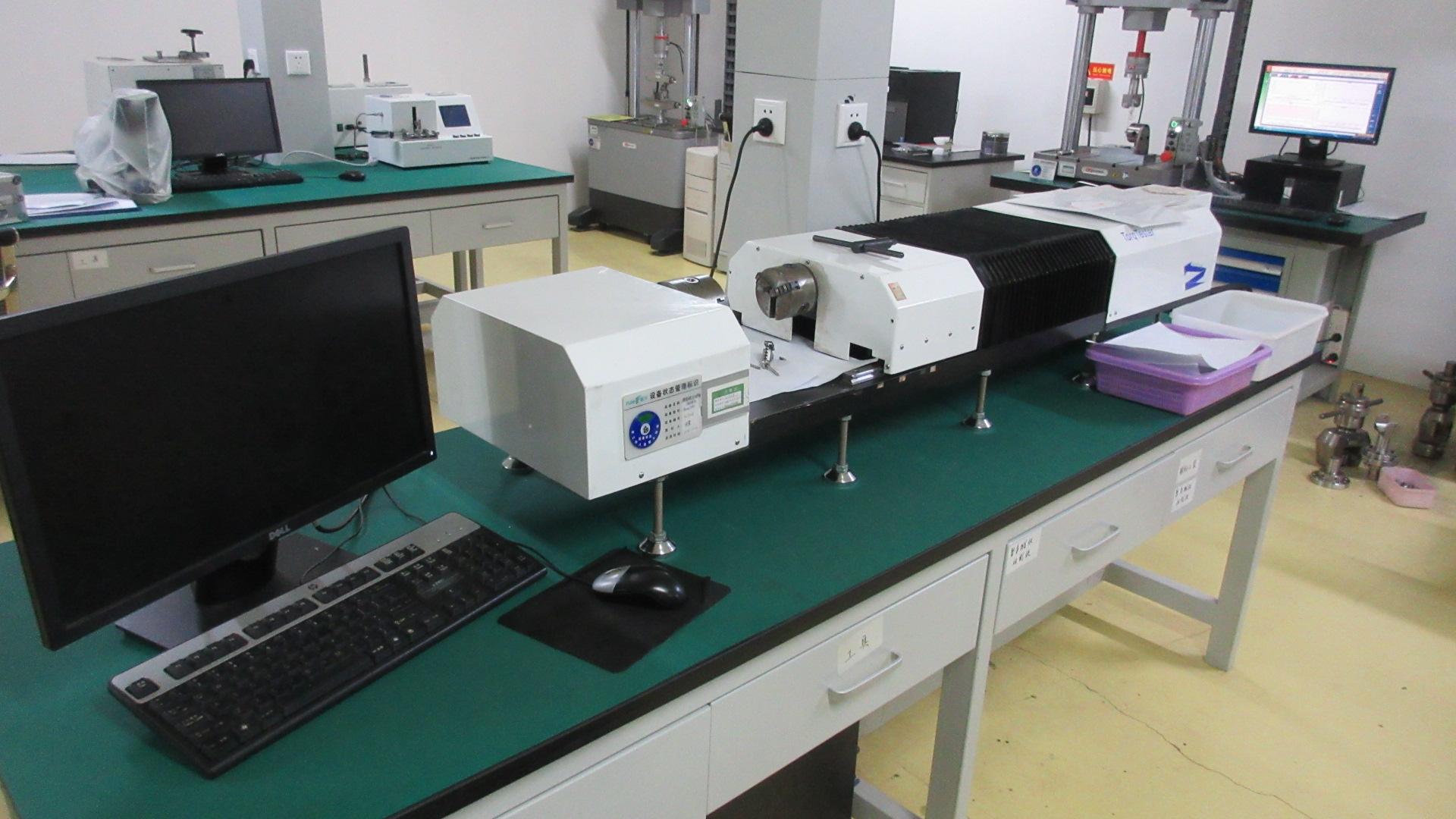
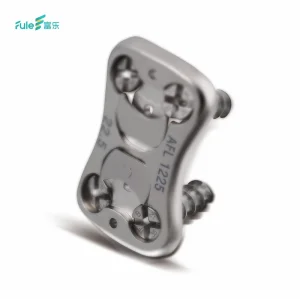
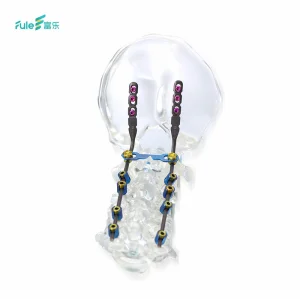
Clinically tested implants designed for spine fixation, cervical trauma, and complex internal fracture repair.
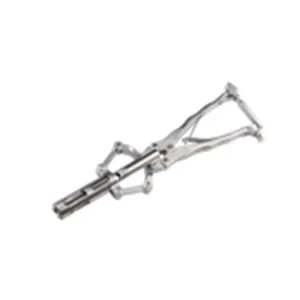
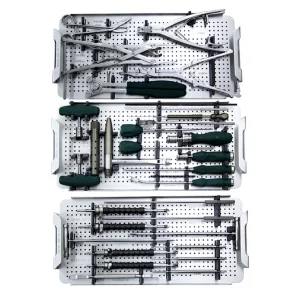
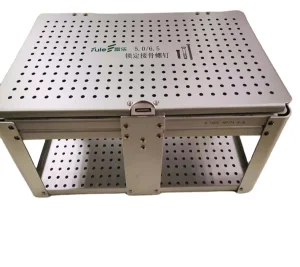
Complete surgical solutions, including instruments, trauma plate variations, and intramedullary nails.
Essential details on material grades, clinical standards, and custom manufacturing processes.
Contact our engineering support team to discuss technical specifications, material certificates, OEM options, and volume pricing.
Send Inquiry Now Beren Science & Technology