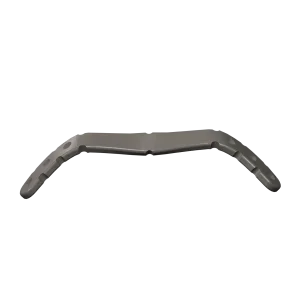
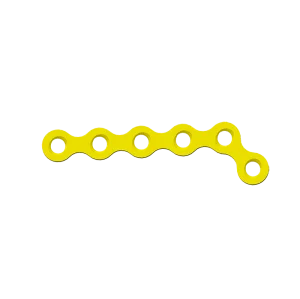
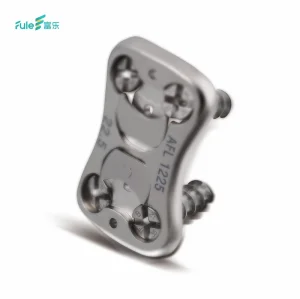
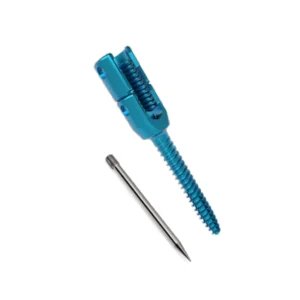
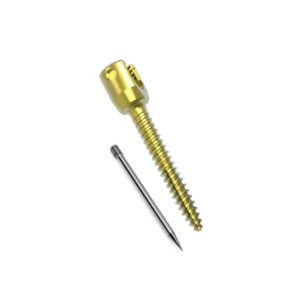
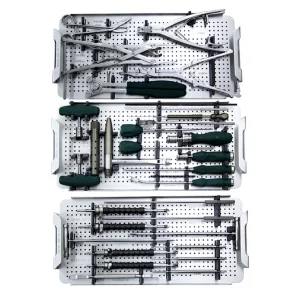
Engineered trauma components designed to meet the immediate clinical requirements of Sri Lankan public hospitals and private orthopedic practices.
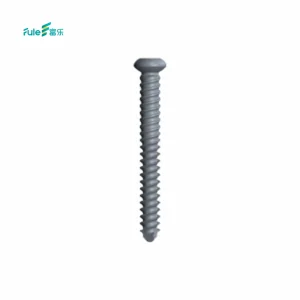
The healthcare infrastructure in Sri Lanka is undergoing a major clinical shift. With public institutions like the National Hospital of Sri Lanka (NHSL) and regional base hospitals upgrading their trauma centers, the demand for highly reliable orthopedic implants—specifically Cannulated Screw Systems—has grown exponentially. Road traffic accidents and age-related osteoporotic fractures are the leading causes of extremity traumas in the local population.
For Sri Lankan healthcare procurement teams and distributors, obtaining CE-marked and ISO 13485 compliant orthopedic hardware at competitive pricing is essential. Regulatory approvals under the National Medicines Regulatory Authority (NMRA) of Sri Lanka place extreme emphasis on the traceability of raw materials, clinical safety data, and sterile packaging compliance.
| Implant Requirements | Standard Specs | Clinical Compliance |
|---|---|---|
| Material Composition | Ti-6Al-4V ELI (Grade 5) | ASTM F136 / ISO 5832-3 |
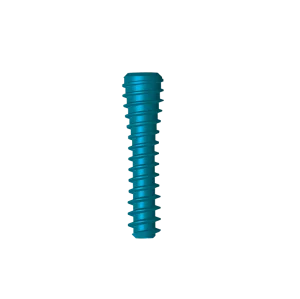
| Cannulation Diameter | 1.2mm to 3.2mm | Accepts standard K-wires |
| Thread Form | Self-tapping, reverse cutting | Optimized bone purchase |
| Regulatory Marks | CE Class III, ISO 13485 | NMRA Registerable |
Globally, the orthopedic implant sector is transitioning towards minimally invasive surgical (MIS) techniques. Cannulated screws play a vital role in this evolution, allowing surgeons to insert guide wires percutaneously under fluoroscopic control before final screw insertion. This minimizes soft tissue disruption, reduces infection rates, and shortens postoperative recovery phases.
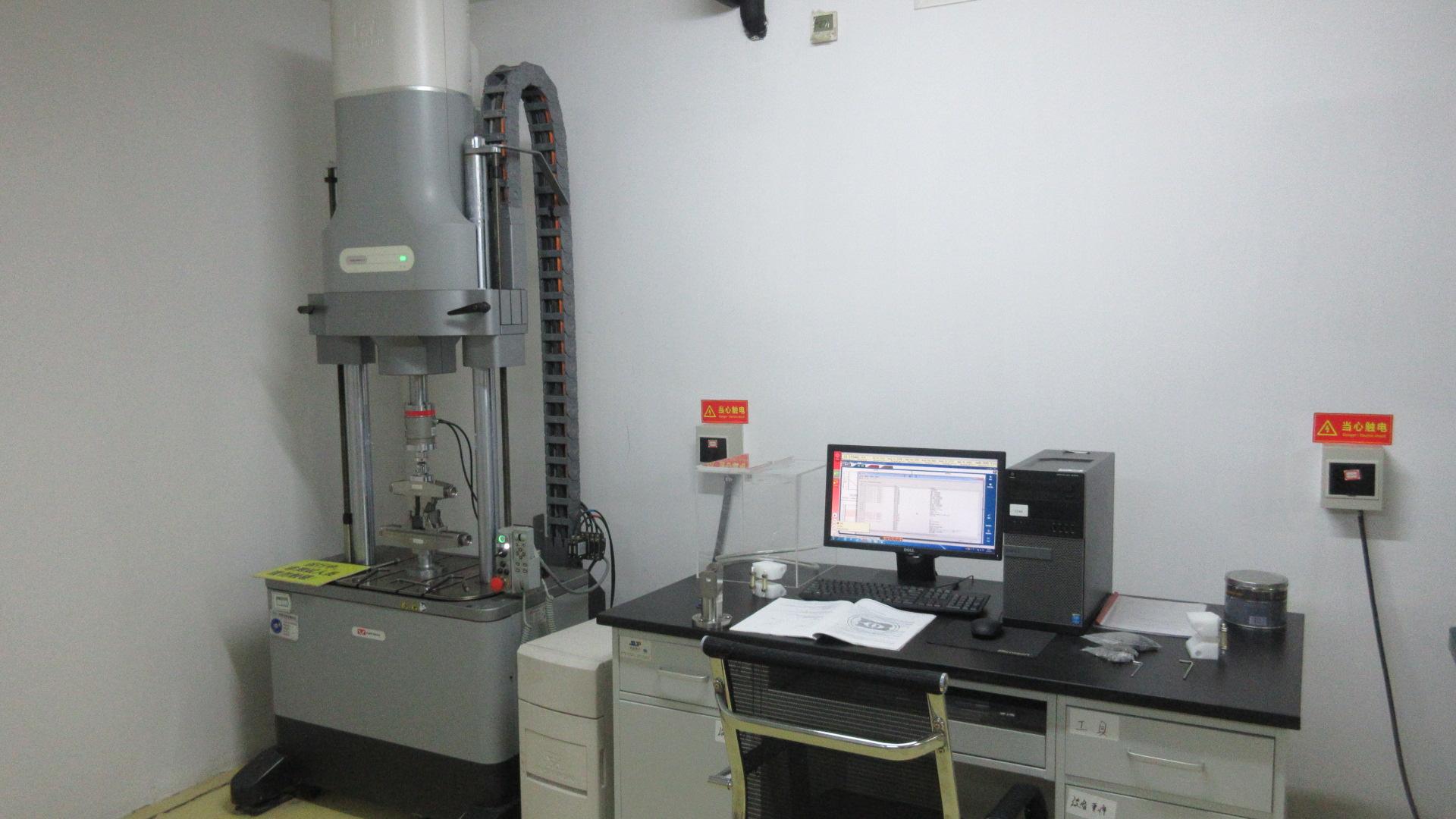
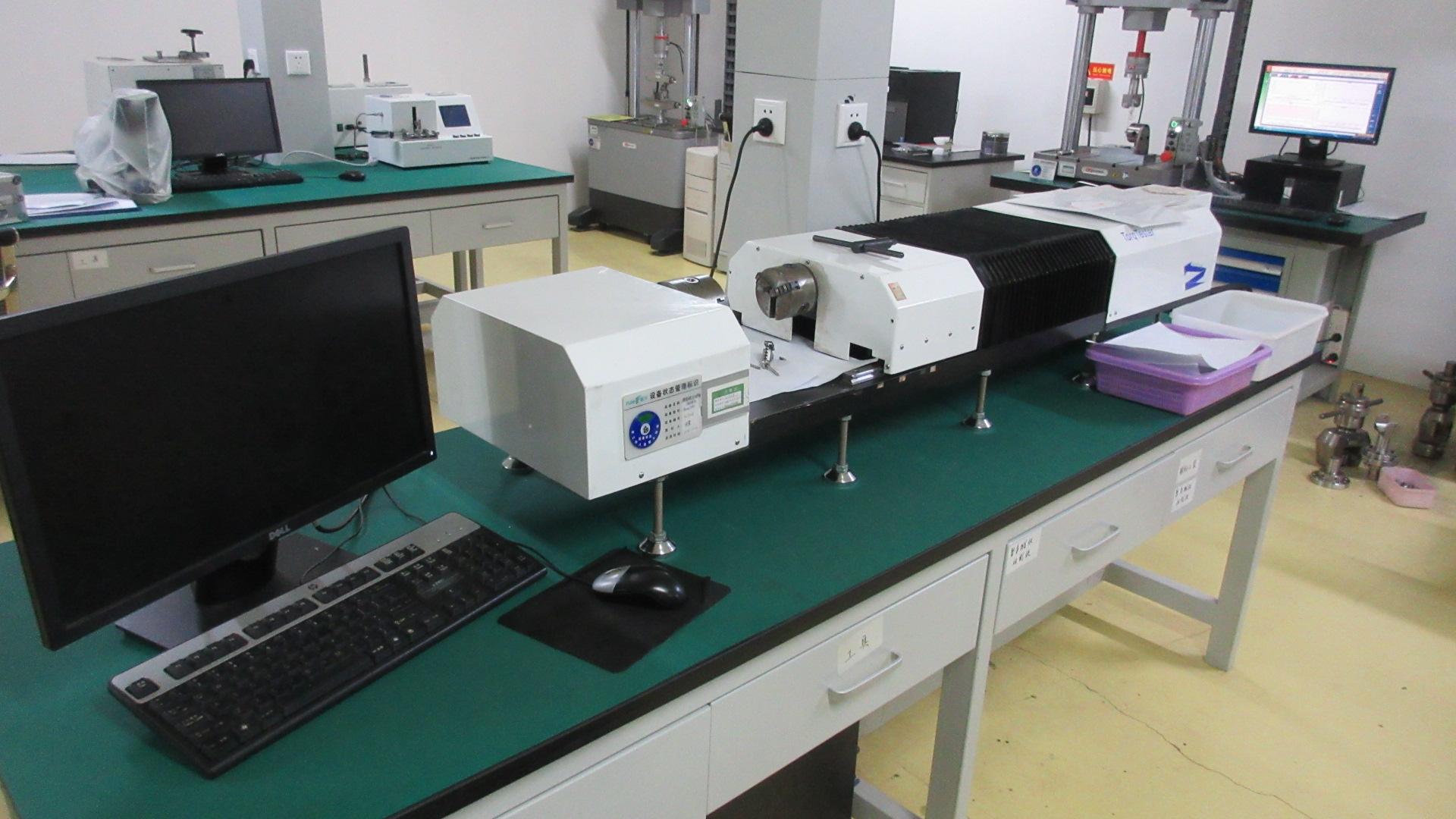
Advanced manufacturers utilize medical-grade titanium alloy (Ti-6Al-4V ELI) and PEEK composites to optimize biocompatibility and mechanical strength. Standardizations across global trauma associations mandate strict dimensional tolerances and fatigue testing protocols to eliminate intraoperative screw breakage or post-implantation collapse.
Why hospital systems and bulk importers choose Chinese advanced medical manufacturing hubs to optimize clinical supplies.
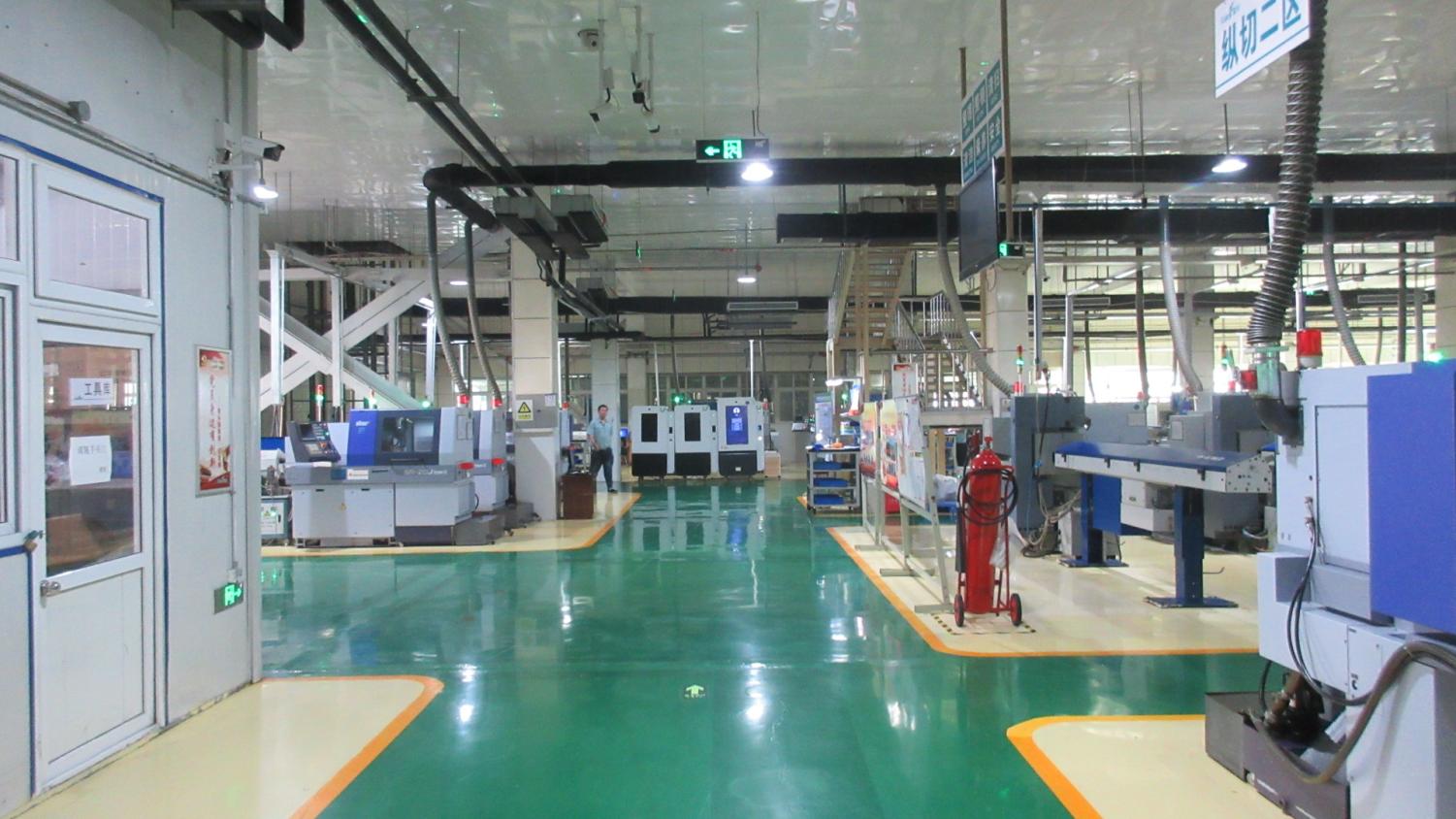
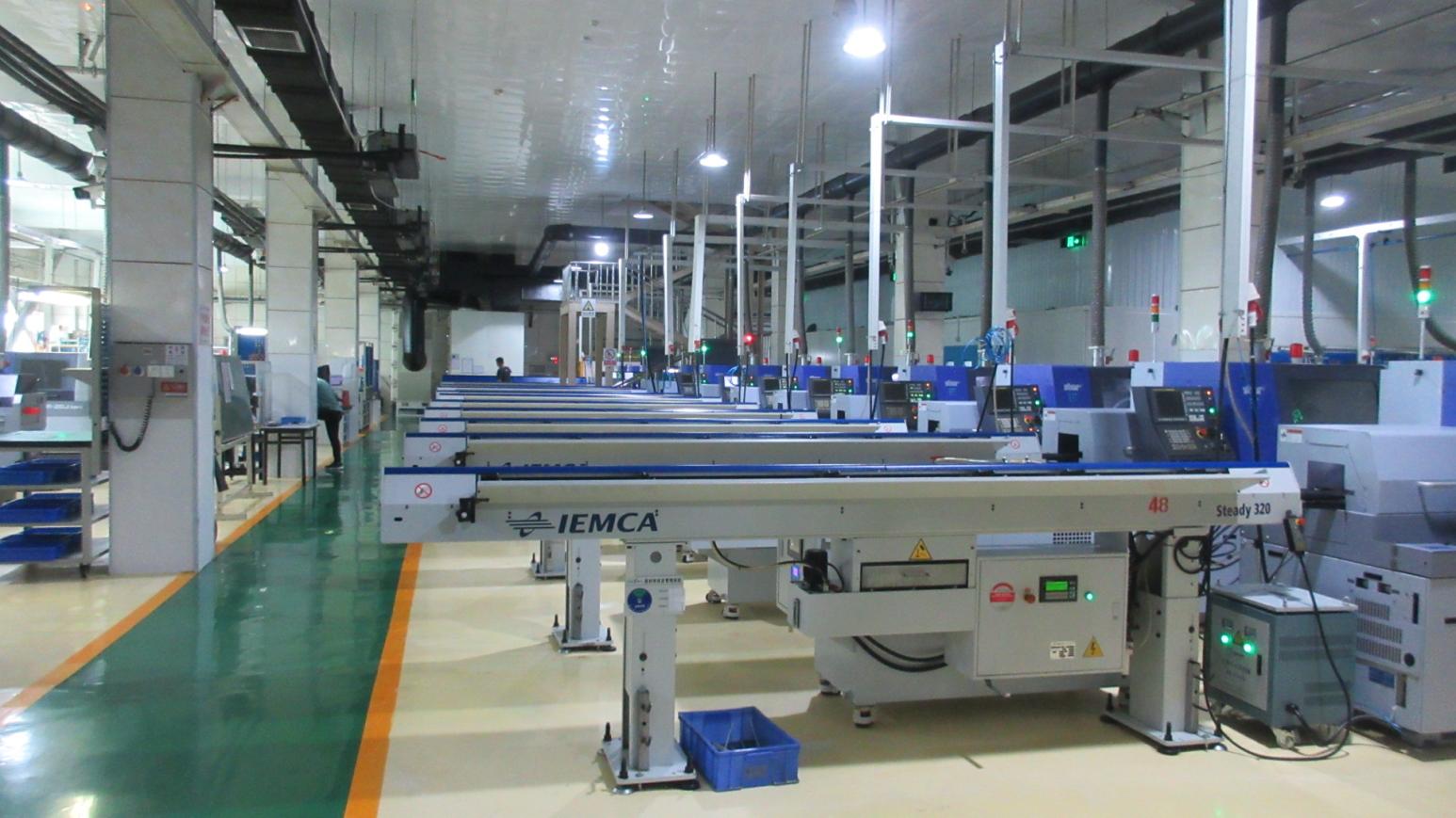
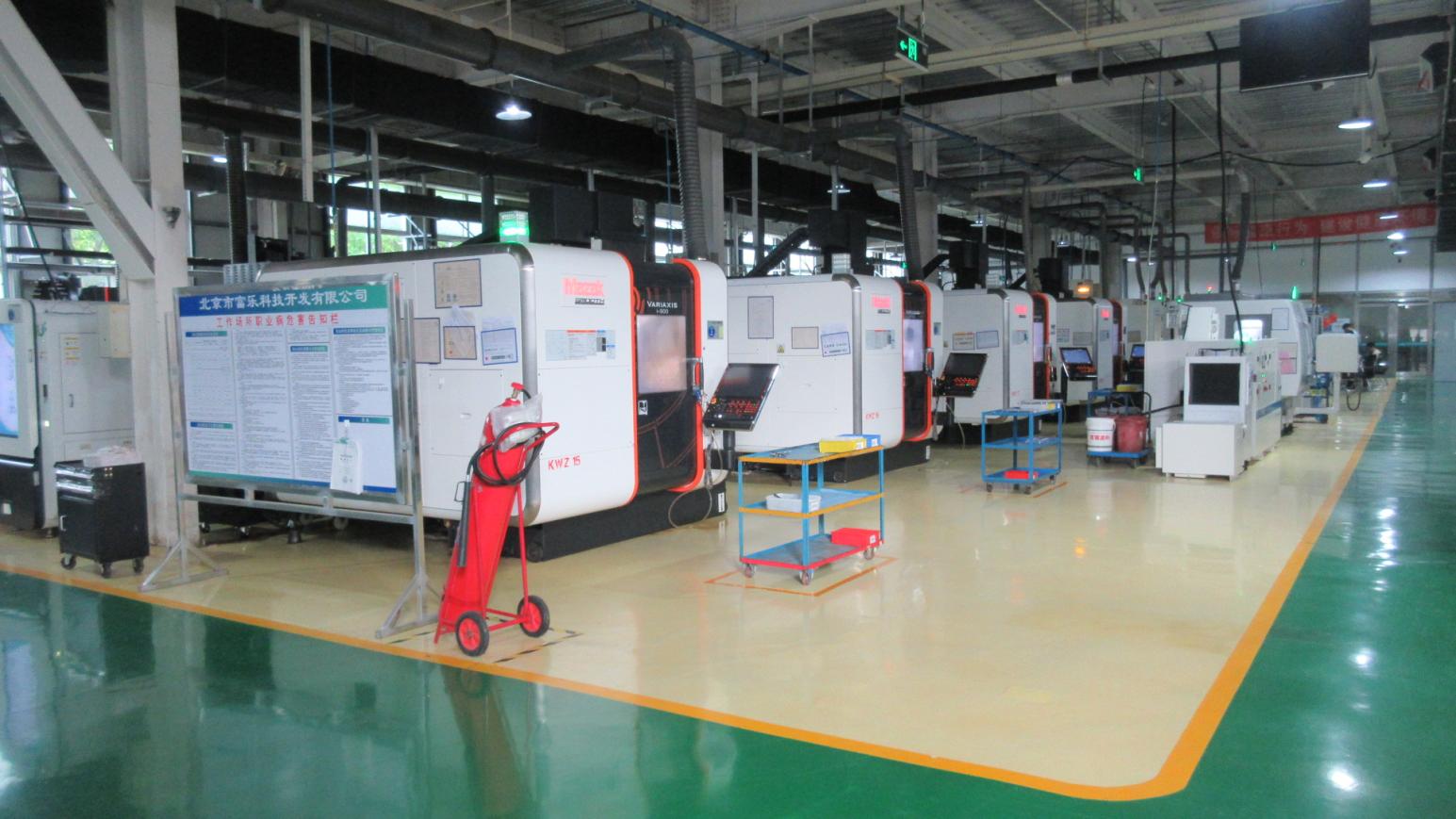
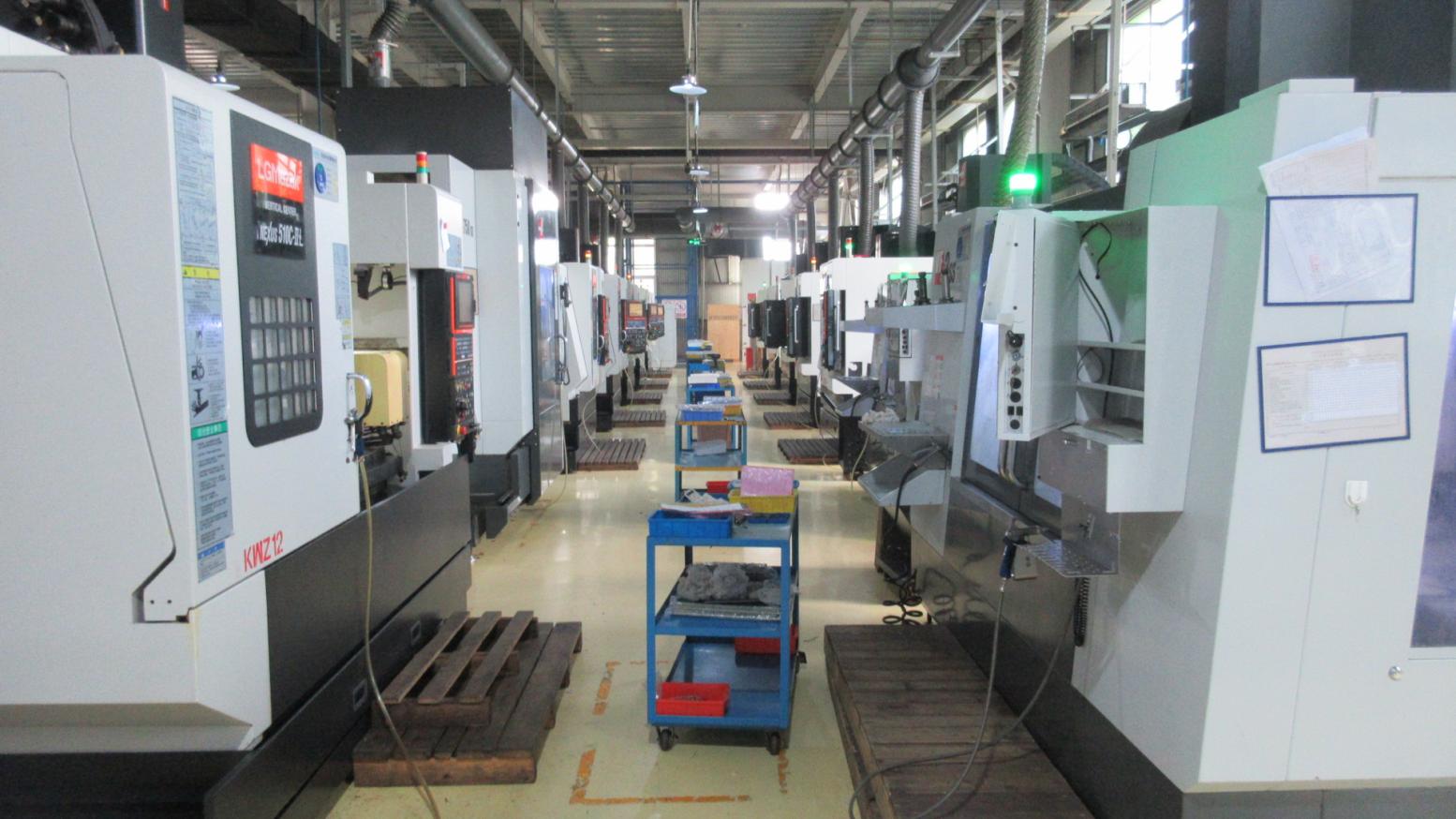
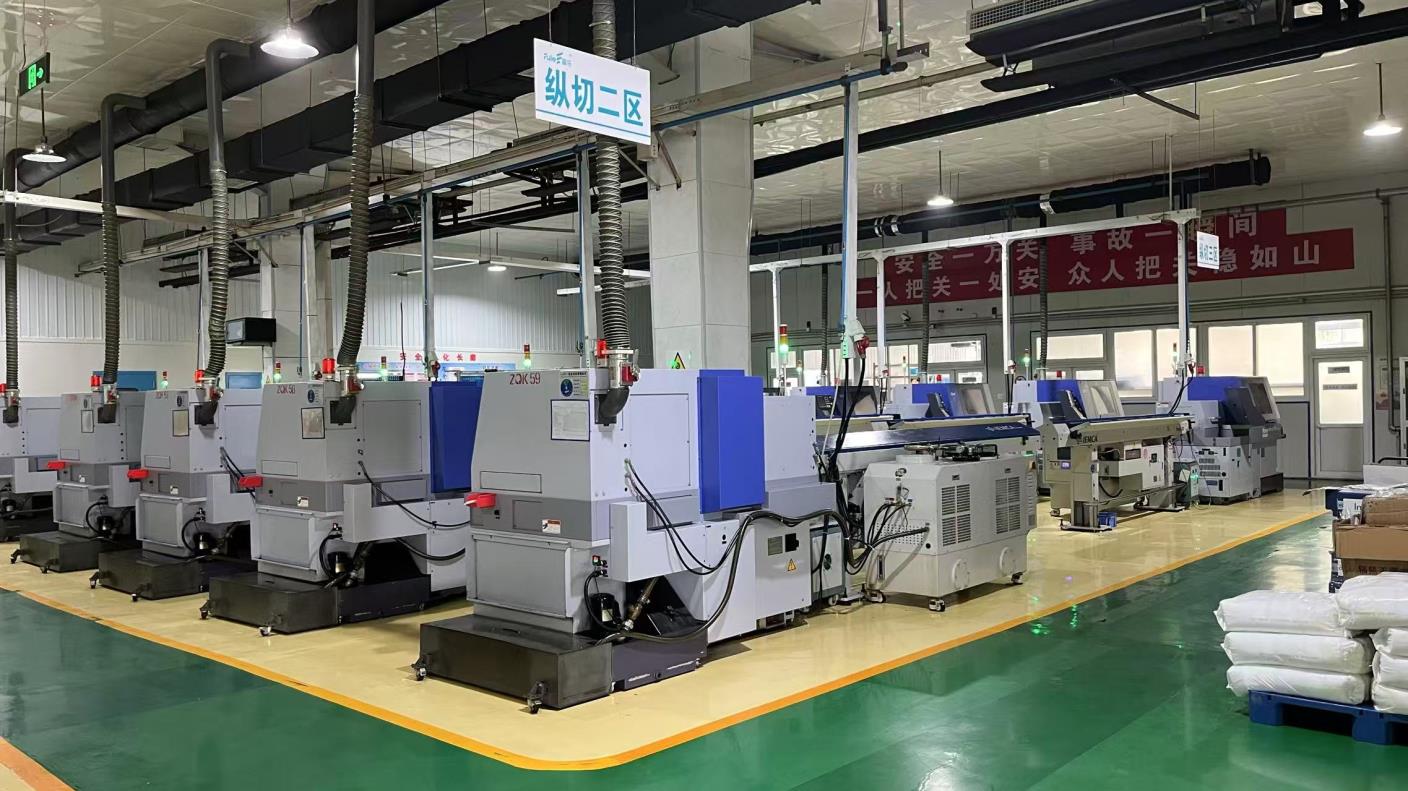
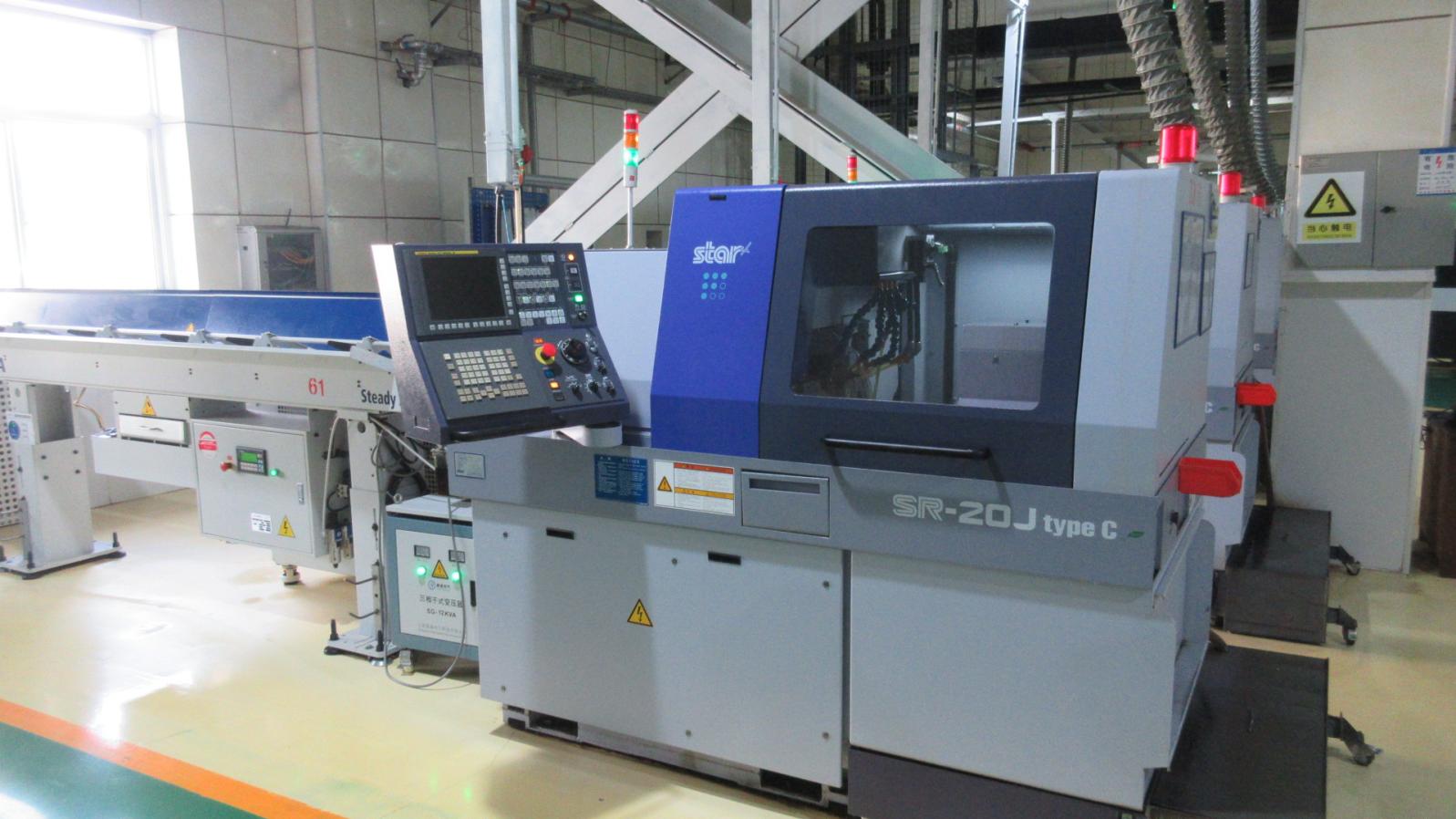
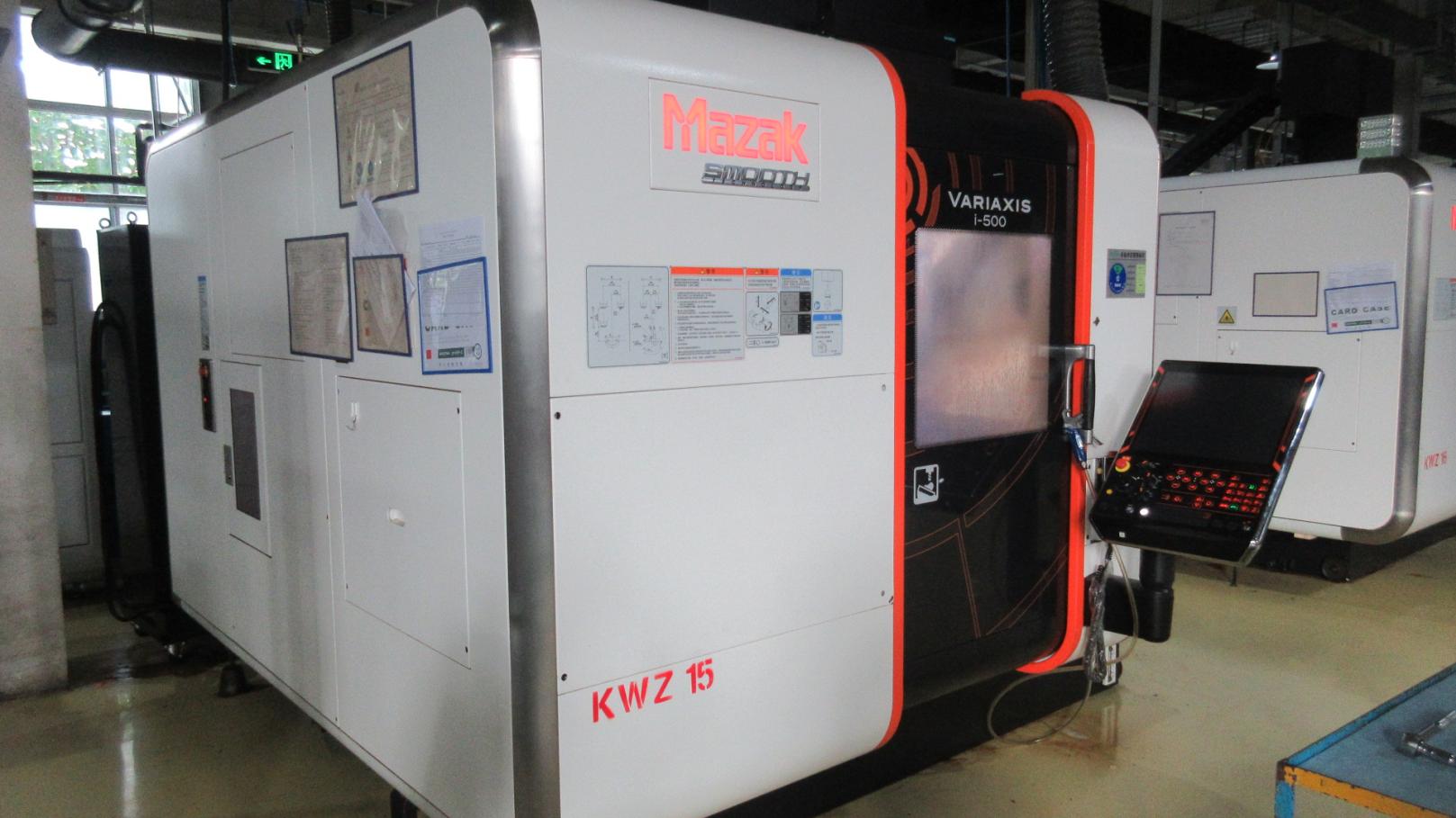
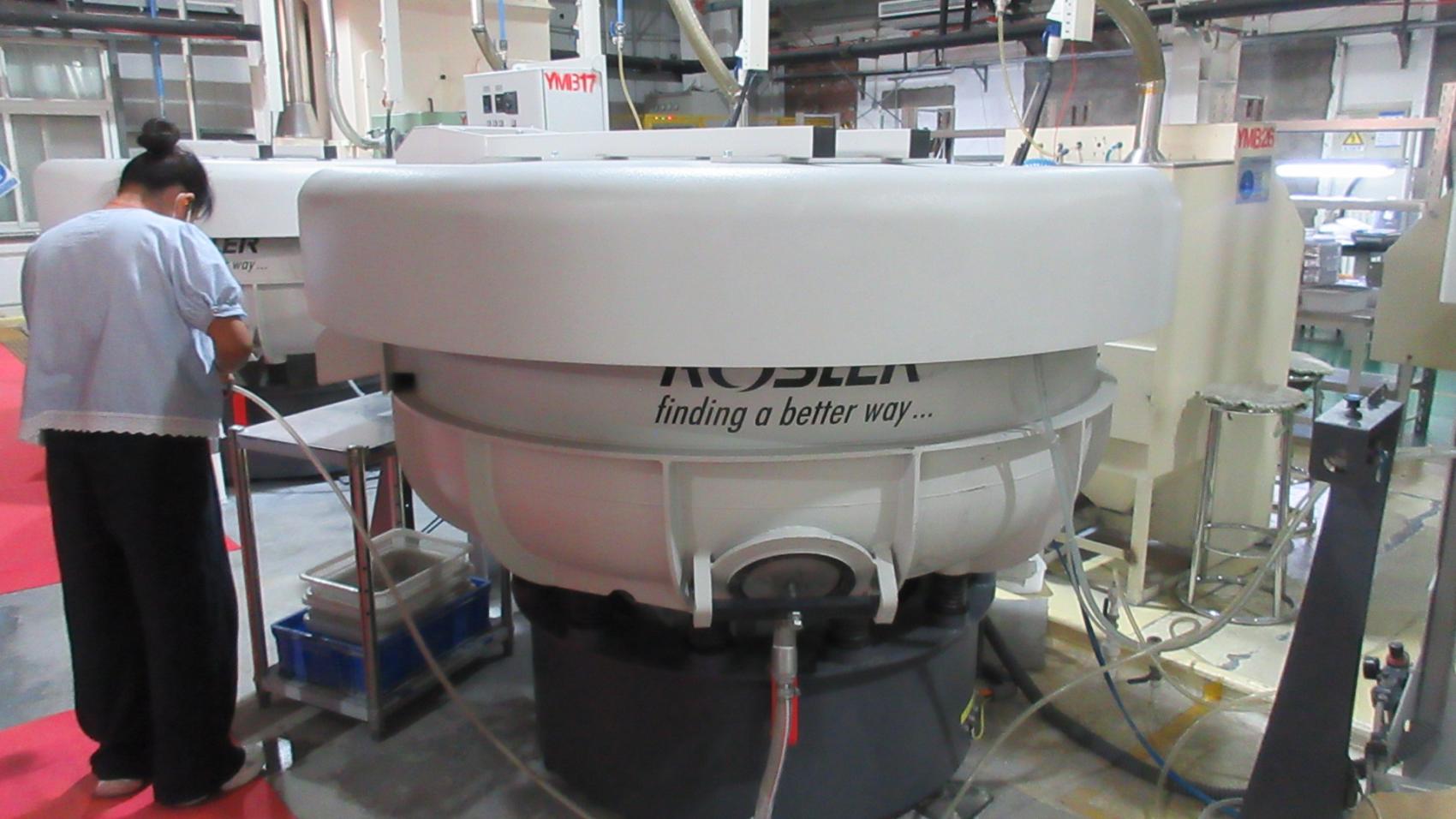
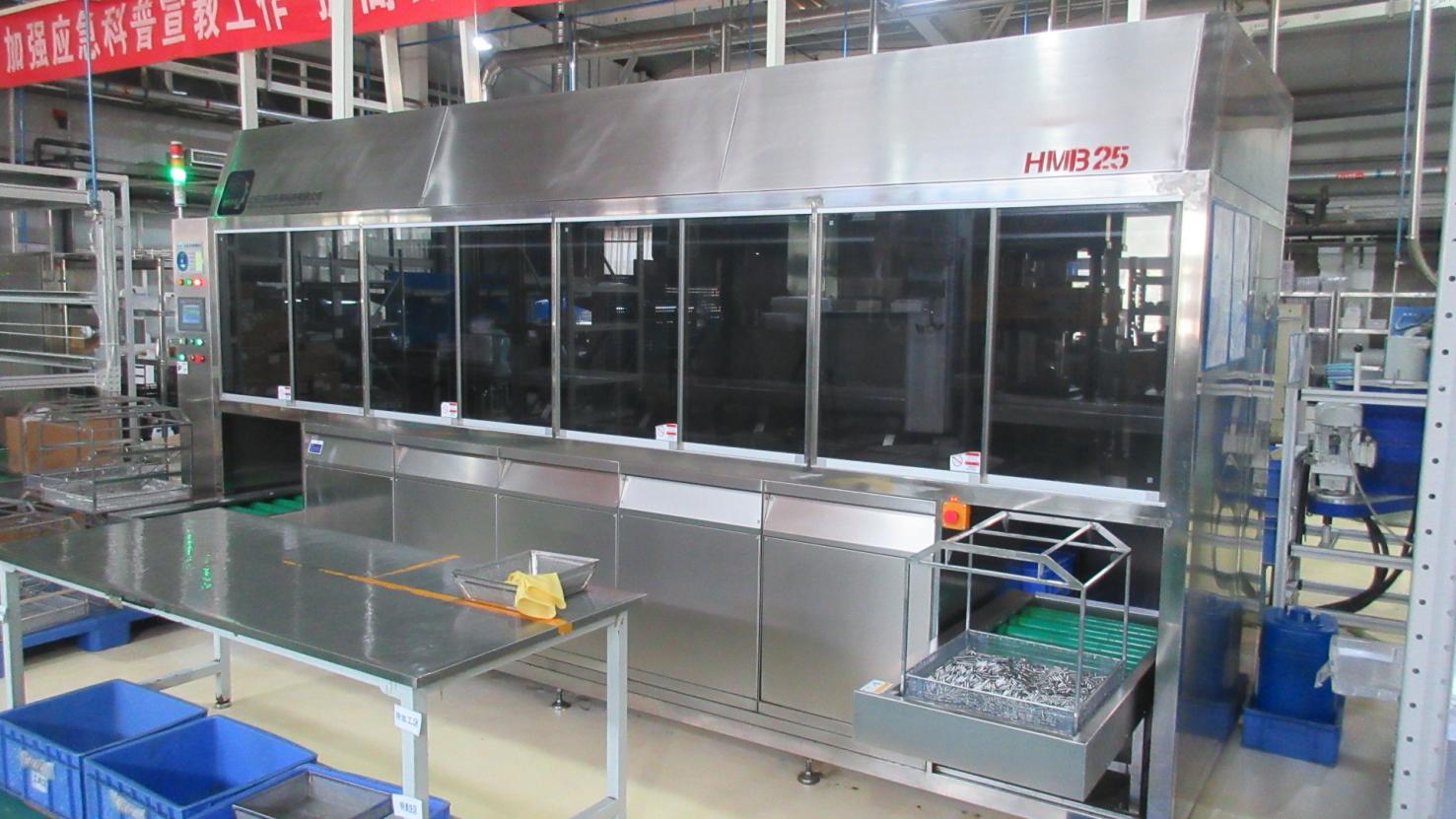
With a state-of-the-art 10,000 m² factory floor, our production facility in China leverages advanced Swiss-type longitudinal CNC lathes and computerized quality-checking systems. These systems ensure that every cannulated screw, dynamic compression plate, and intramedullary nail satisfies exact mechanical parameters.
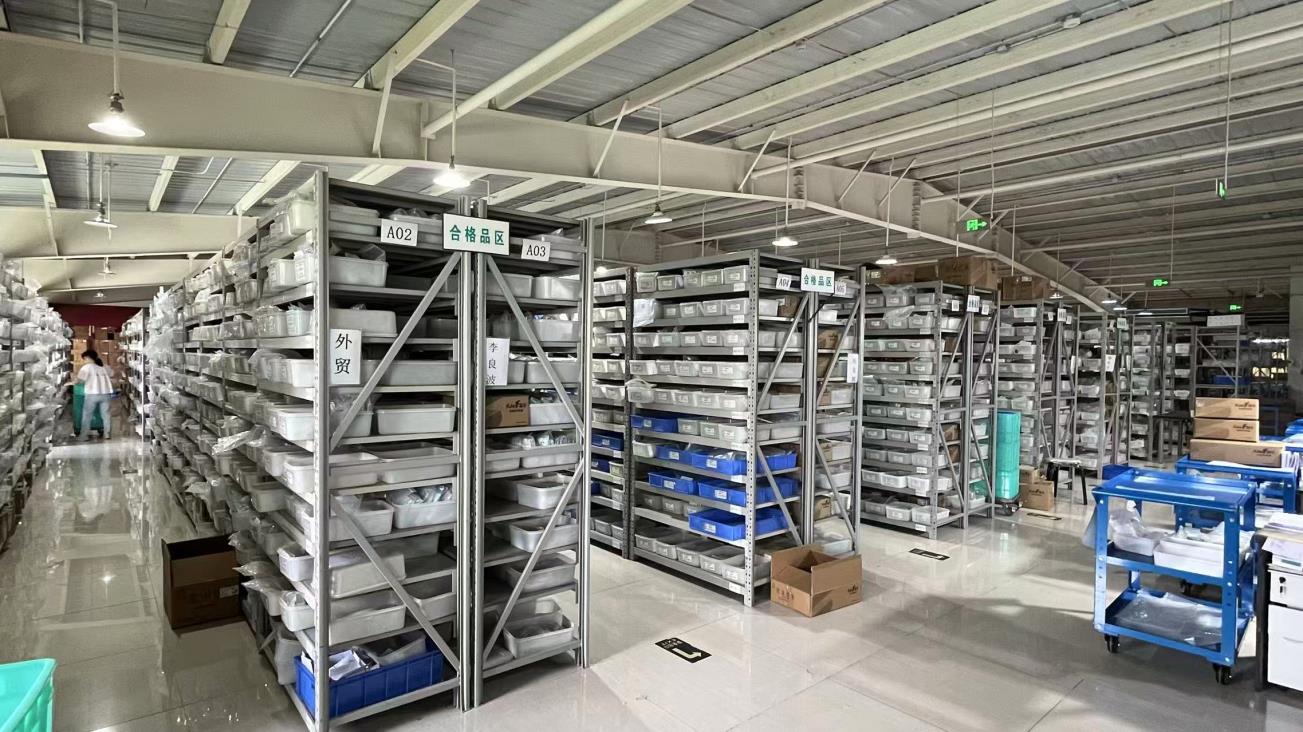
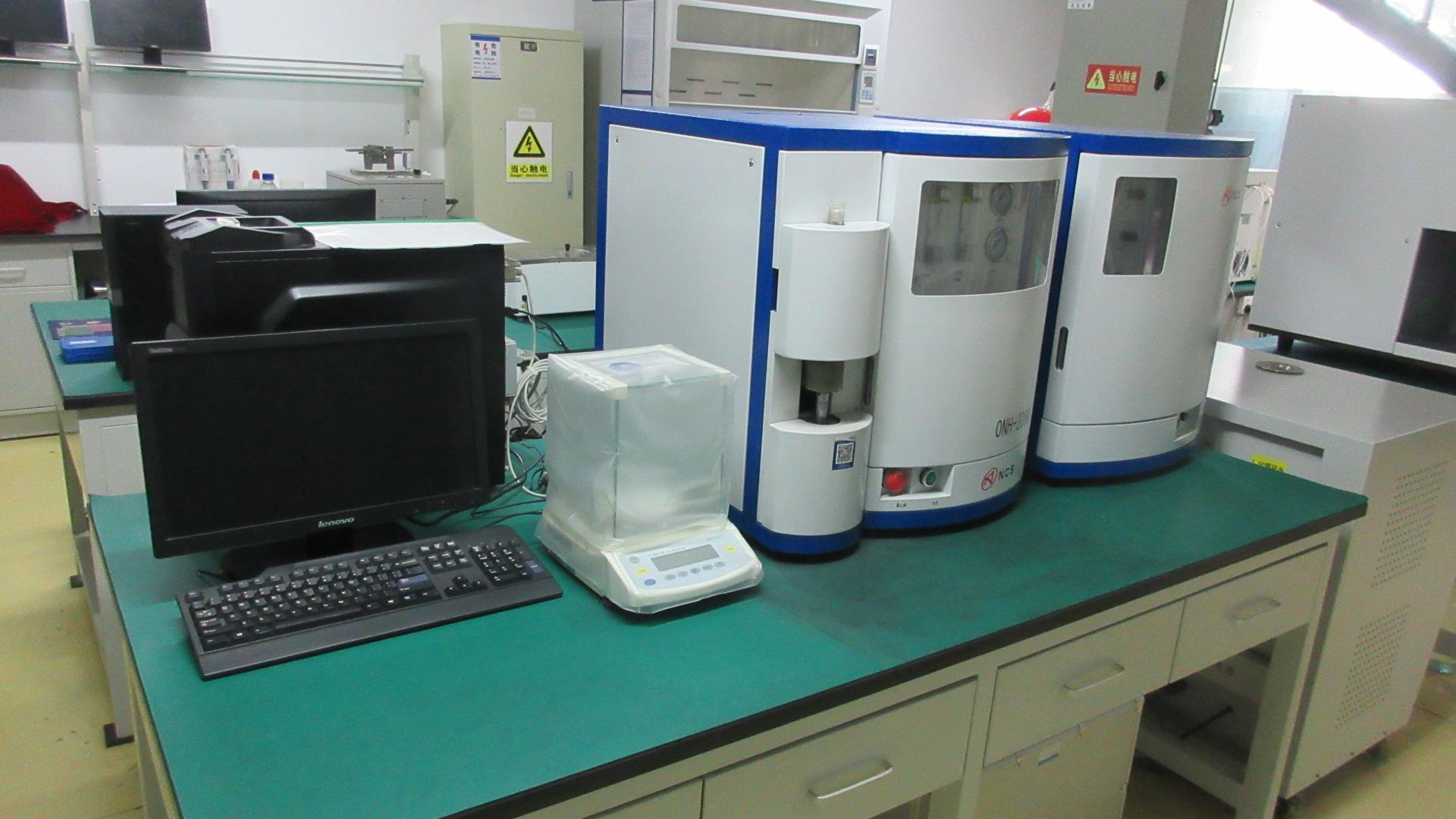
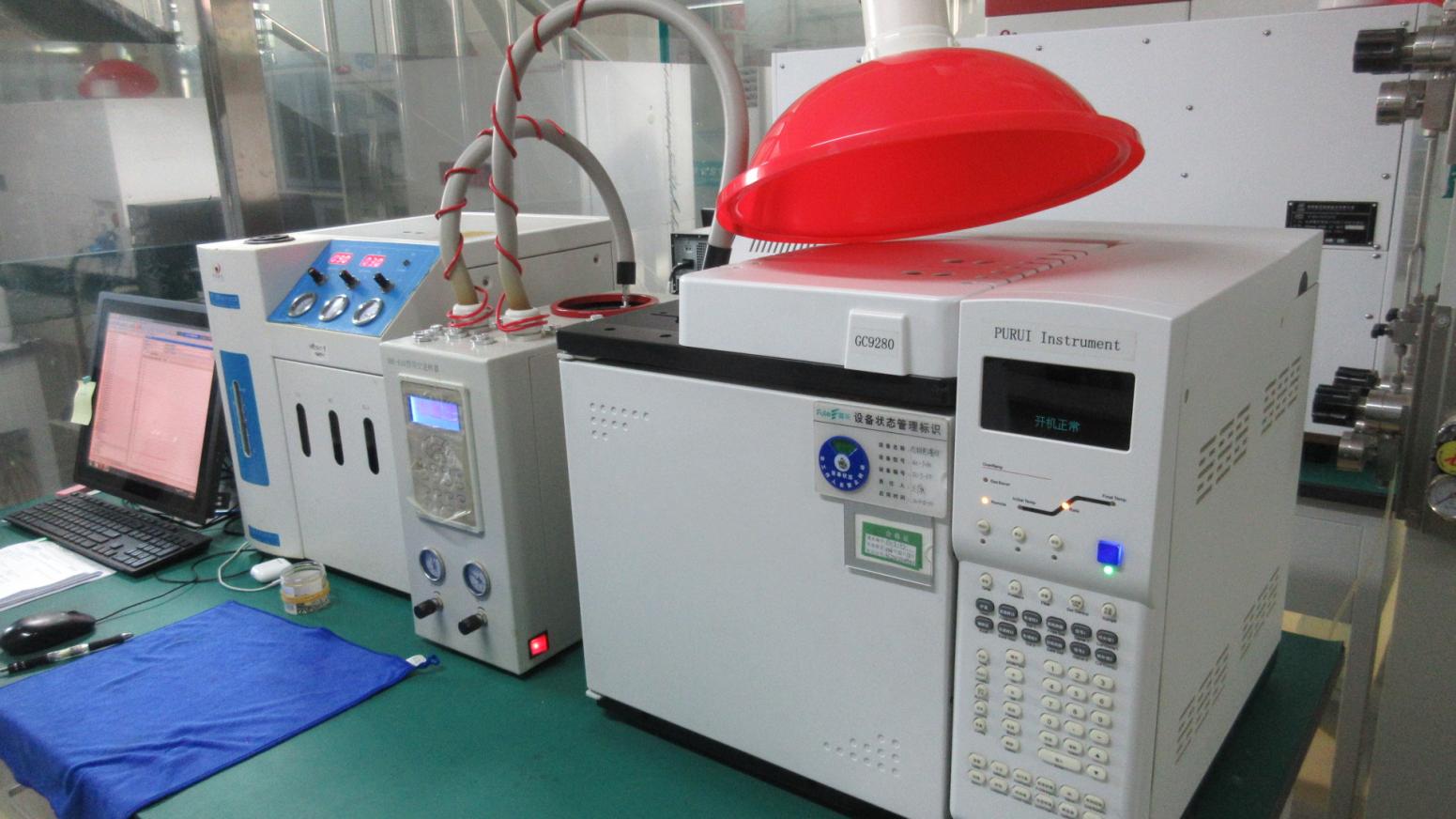
Our facility features a single specialized, high-volume production line supported by 102 automated production machines. This layout allows for continuous manufacturing cycles, reducing the typical lead times of European suppliers by up to 45%. From raw material verification via spectral analysis to final post-sterilization audits managed by our 15 in-house QA/QC inspectors, traceability is maintained across all manufacturing phases.
Solving biomechanical challenges in high-demand hospital emergency departments and specialized surgery clinics.
High shear resistance design. Often utilized in triangular clusters of three screws to provide maximum structural support and compression in osteoporotic hip joints.
Lower profile screw head variants to minimize soft-tissue irritation around the medial malleolus, calcaneus, and distal tibia fixation sites.
Micro-cannulated designs (2.4mm / 3.0mm) designed for fine hand reconstruction, preserving vital local circulation and joint mobility.
Partial-threaded configurations providing stable fixation across epiphysial growth plates without compromising long-term bone growth.
A complete surgical catalog designed to address complex orthopaedic, reconstructive, and emergency traumas.
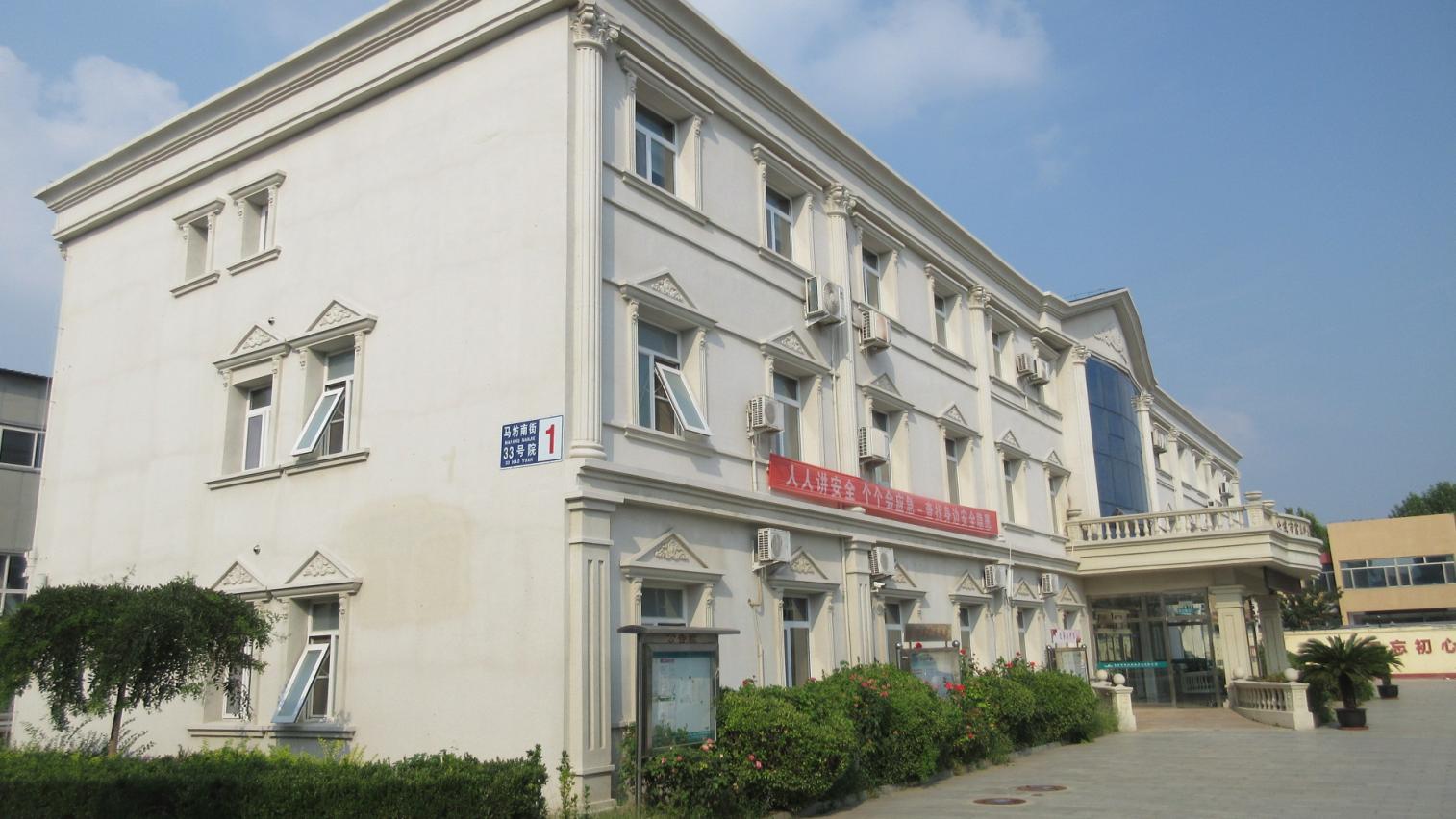
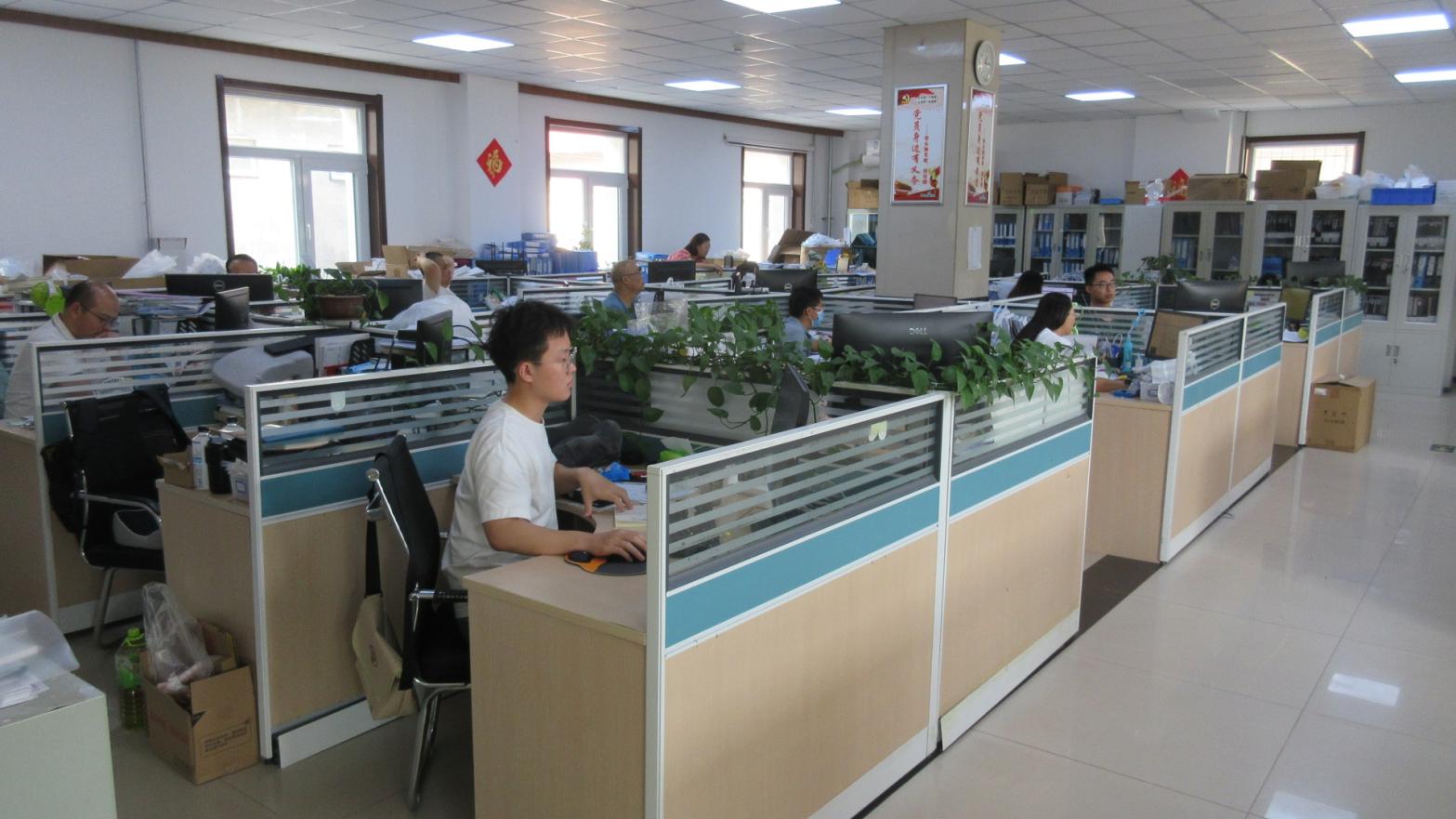
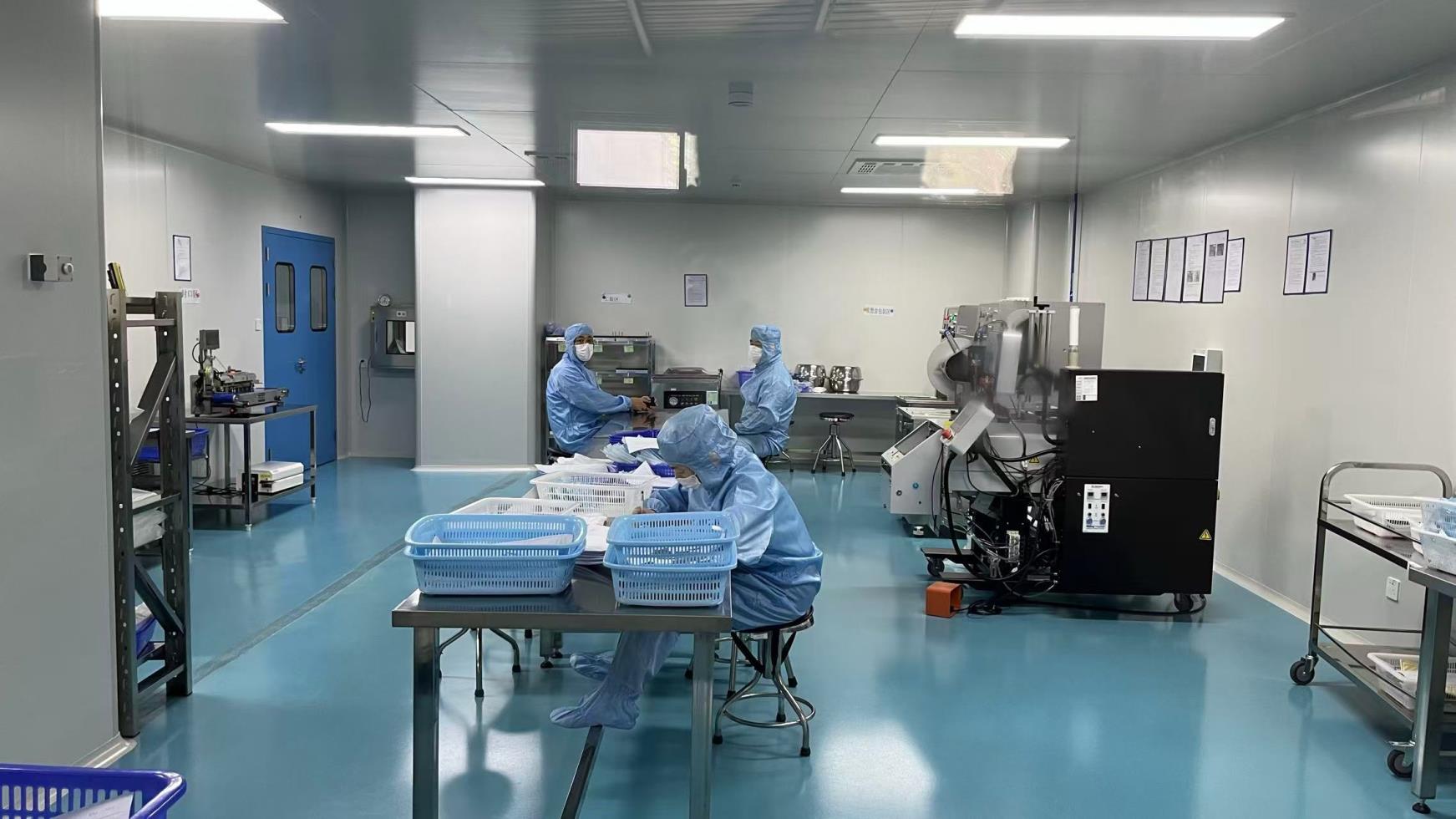
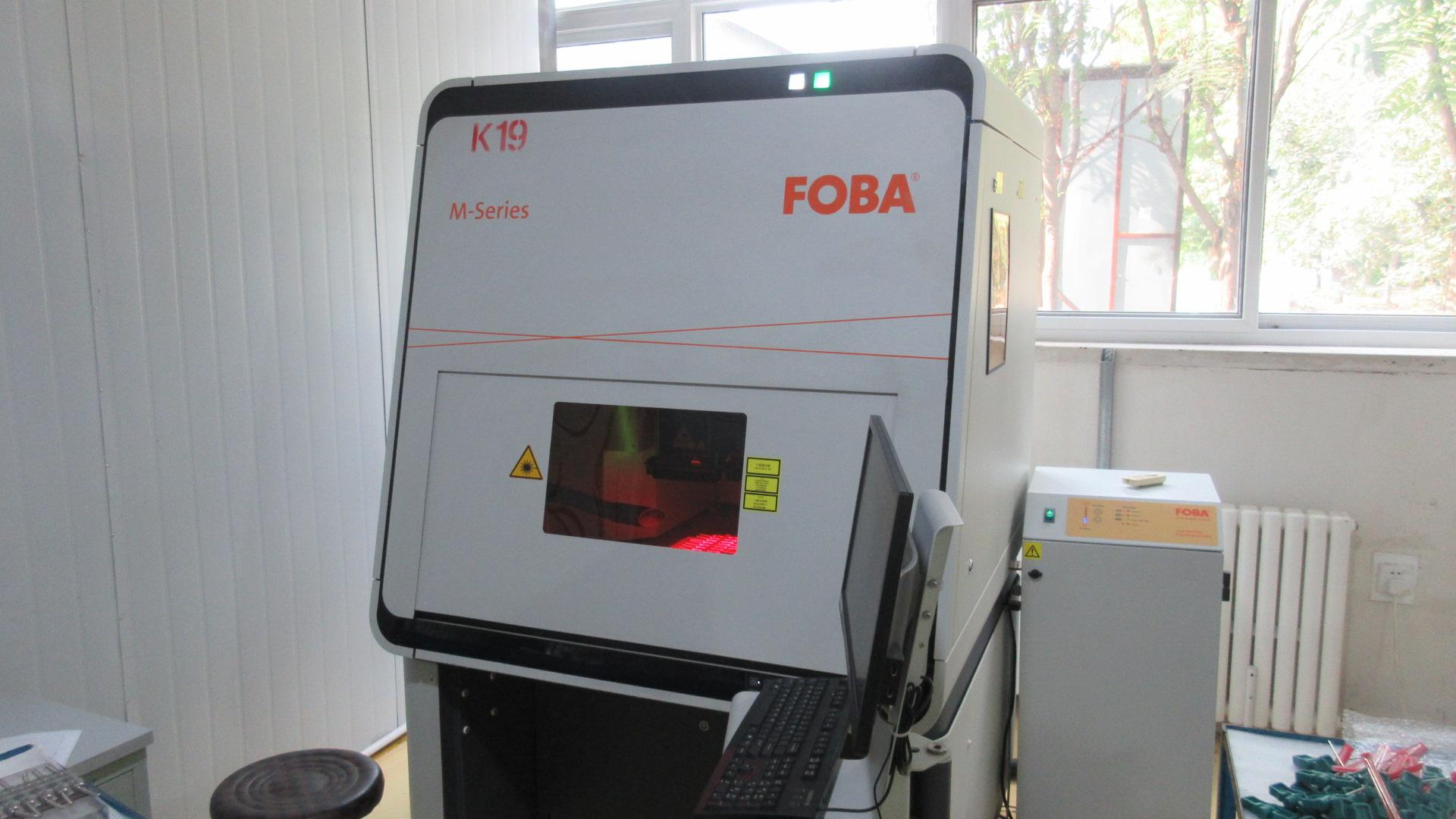
Take an inside look at our clinical manufacturing facilities, mechanical testing labs, and sterile packaging divisions.
Key questions and answers regarding import processes, certification registration, and customization options for Sri Lanka.
A: We provide a complete registration dossier for our Sri Lankan distribution partners. This dossier includes certified copies of our ISO 13485 certification, CE Class III certificates, detailed material analysis reports (confirming ASTM F136 titanium grade), bio-compatibility validation documentation, and clinical trial summary reports. This documentation satisfies standard NMRA import requirements.
A: Grade 5 Titanium Alloy (Extra Low Interstitial) offers a superior strength-to-weight ratio, improved biocompatibility, and lower elastic modulus compared to stainless steel. This closer modulus matching to human cortical bone reduces stress shielding, promotes stable callus formation, and is highly visible under MRI/CT scanning.
A: We offer comprehensive OEM/ODM solutions, including custom graphic styling, surgical tray layouts, and laser-marking directly on the screw head or plate. Additionally, products can be packaged sterile (Gamma radiation sterilized) or non-sterile according to the specific inventory systems used by your hospital network.
A: Standard items held in inventory are dispatched within 5-7 working days. For bulk OEM production or customized implant dimensions, our typical lead time is 30 to 45 days. We offer sea freight services directly to Colombo Port and air cargo options to Bandaranaike International Airport (BIA) for time-critical clinical supplies.
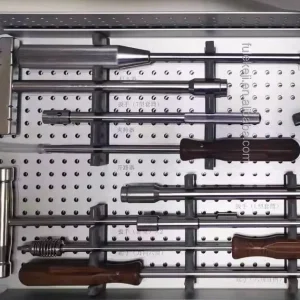
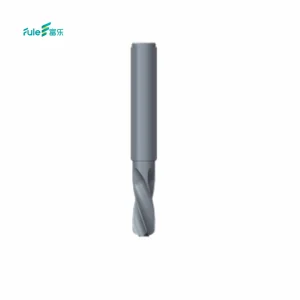
A: Yes, we design and manufacture matching surgical instrument trays, including calibrated drill bits, guide wires, parallel wire guides, counter-sinks, and ergonomic screw-drivers. These instrument kits are constructed from high-durability surgical-grade stainless steel to ensure reliability across multiple sterilization cycles.
Discuss your clinical specifications, request mechanical stress test data, or obtain wholesale pricing with our international medical procurement specialists today.
Send Inquiry Now Beren Science & Technology