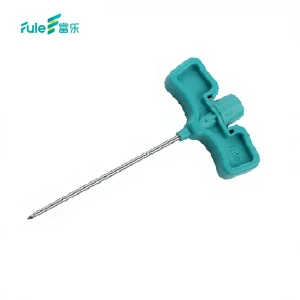
High-performance implants designed for complex fracture stabilization and spinal reconstruction in trauma clinical facilities.
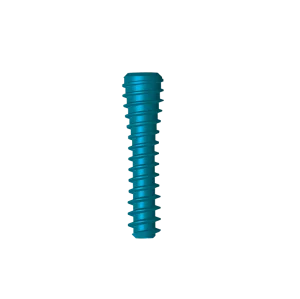
Vietnam’s healthcare system is undergoing a massive transformation. Driven by rapid industrialization, demographic changes, and a national commitment to modernize clinical facilities, the demand for high-quality orthopedic implants has risen exponentially. Large public trauma centers in Hanoi (such as Viet Duc Hospital and 108 Military Central Hospital) and Ho Chi Minh City (such as Cho Ray Hospital and the Hospital for Traumatology and Orthopedics) handle hundreds of complex long-bone fracture operations daily.
Humeral fractures, resulting frequently from traffic-related incidents (primarily motorcycle transportation accidents) and an increasingly active geriatric population prone to osteoporotic falls, account for a substantial percentage of total extremity trauma operations. In this context, local surgical providers require medical-grade humeral locking plates and retrograde intramedullary nails that balance cost-efficiency with uncompromising biomechanical reliability. Our Chinese manufacturing facilities have emerged as vital strategic suppliers to Vietnamese distributors, bridging the gap by delivering CE-certified Class III orthopedic devices at competitive price points suited for municipal and national hospital bidding processes.
Undergoing continuous clinical testing, our humeral and spinal solutions are built for predictable, long-term osteointegration.
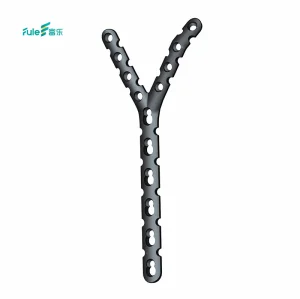
Modern humeral osteosynthesis demands a precise understanding of biomechanical forces. The proximal humerus is subjected to multidirectional pull from the rotator cuff muscles, making anatomical alignment and stable fixation crucial. Our Titanium Humeral Locking Plates utilize a low-profile design to minimize soft-tissue irritation, featuring variable-angle locking holes that allow surgeons to customize screw placement based on the specific fracture pattern.
For humeral shaft fractures, our Spiral Blade Intramedullary Nails introduce a biomechanical advantage. The spiral blade increases the surface contact area within the cancellous bone, significantly enhancing torsional stability and resistance to pull-out. This is especially critical for osteoporotic patients across Vietnamese clinics, where conventional screw threading might struggle to achieve adequate purchase.
We utilize medical-grade Extra Low Interstitial (ELI) Titanium Alloy (Ti-6Al-4V), ensuring maximum fatigue strength and ultimate biocompatibility. This grade provides a lower modulus of elasticity compared to stainless steel, minimizing stress-shielding effects.
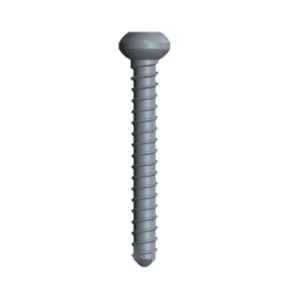
Through electrochemical anodizing, we generate a highly stable, uniform titanium oxide passivation layer. This reduces cold-welding tendencies between the screw head and the locking plate holes, allowing for smoother postoperative extraction.
Backed by 30 years of export expertise, our manufacturing capabilities guarantee volume consistency and strict compliance.
Visual confirmation of our cleanroom packaging, precision CNC machining, and mechanical laboratory testing protocols.
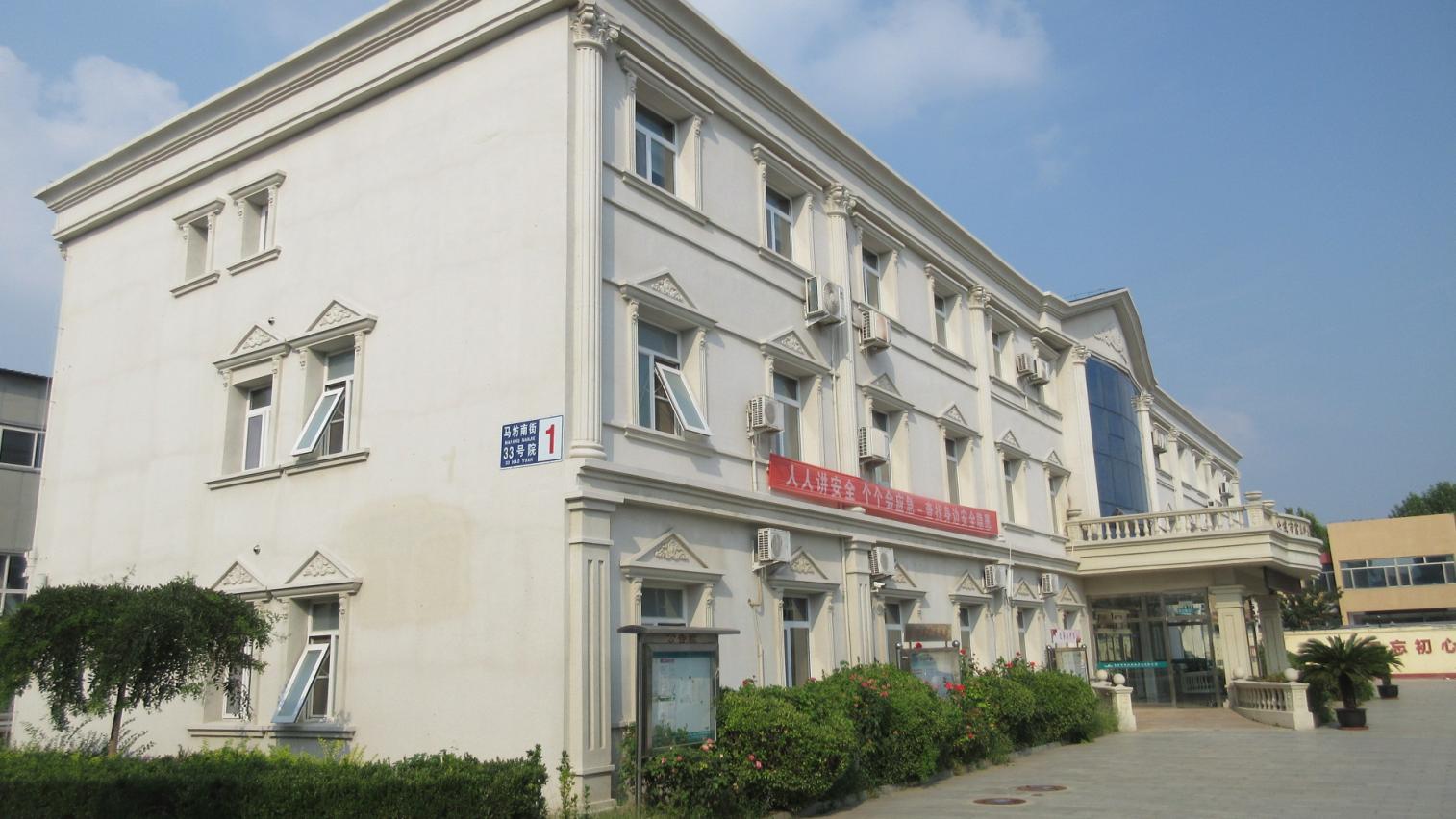
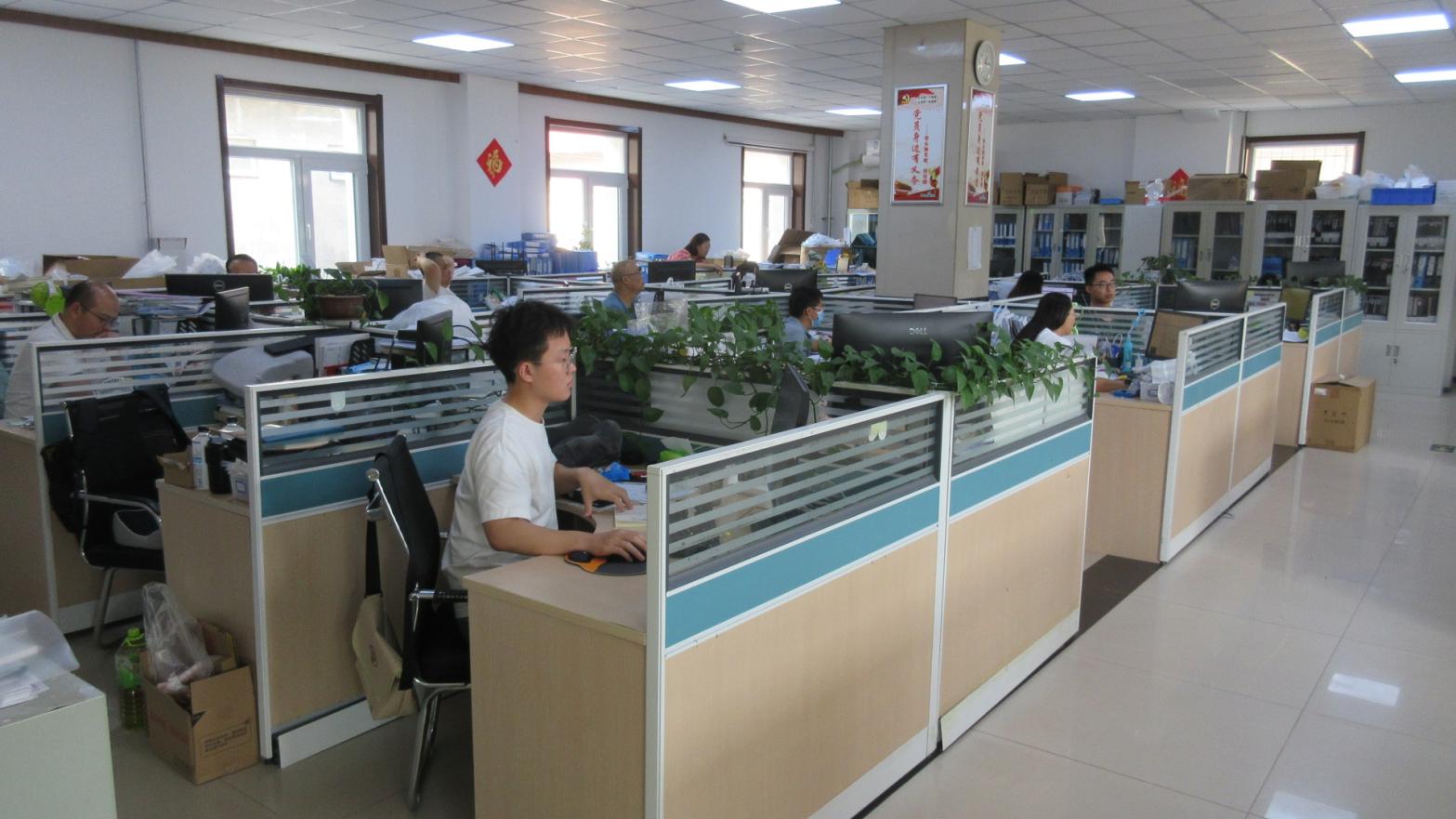
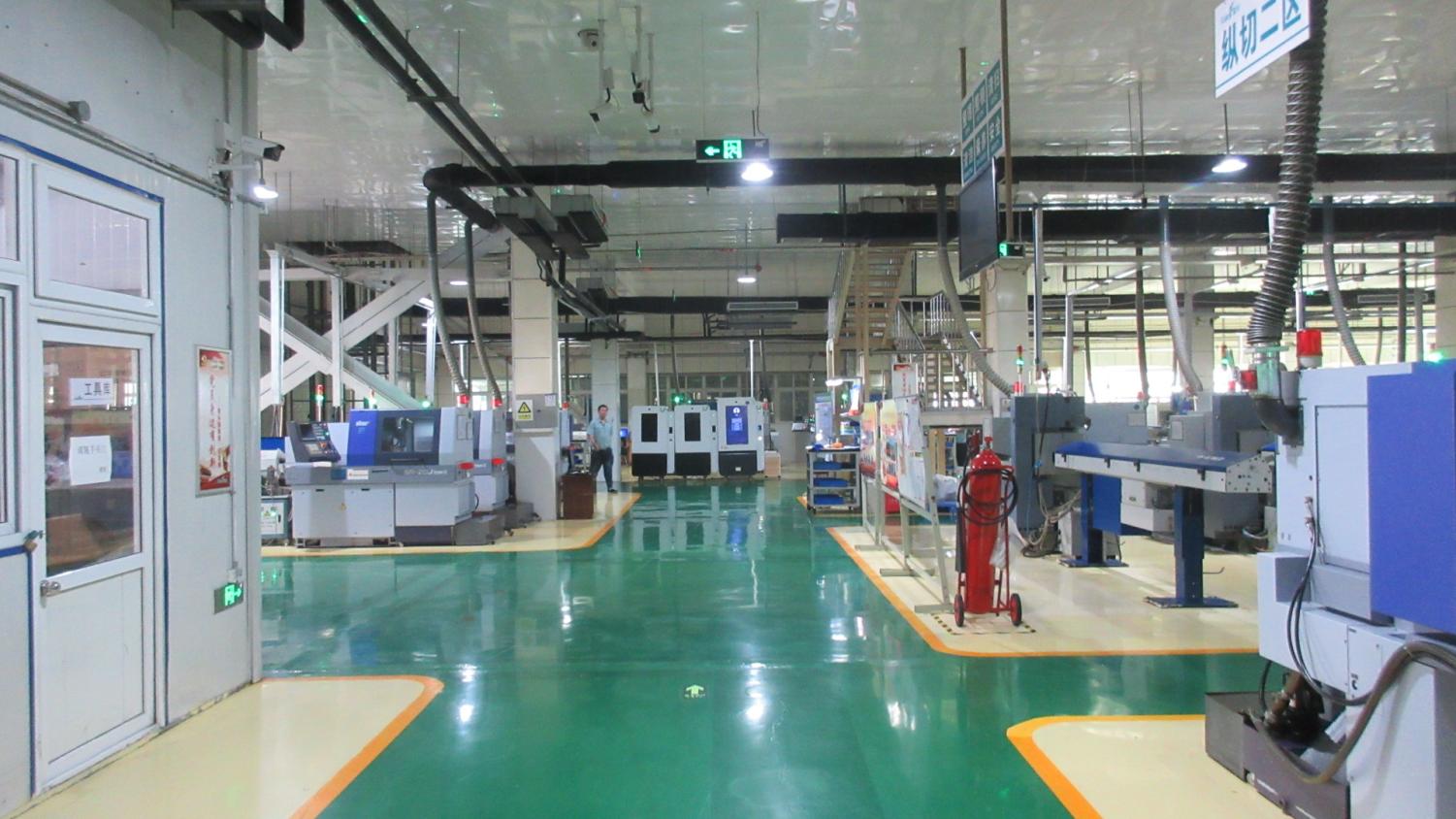
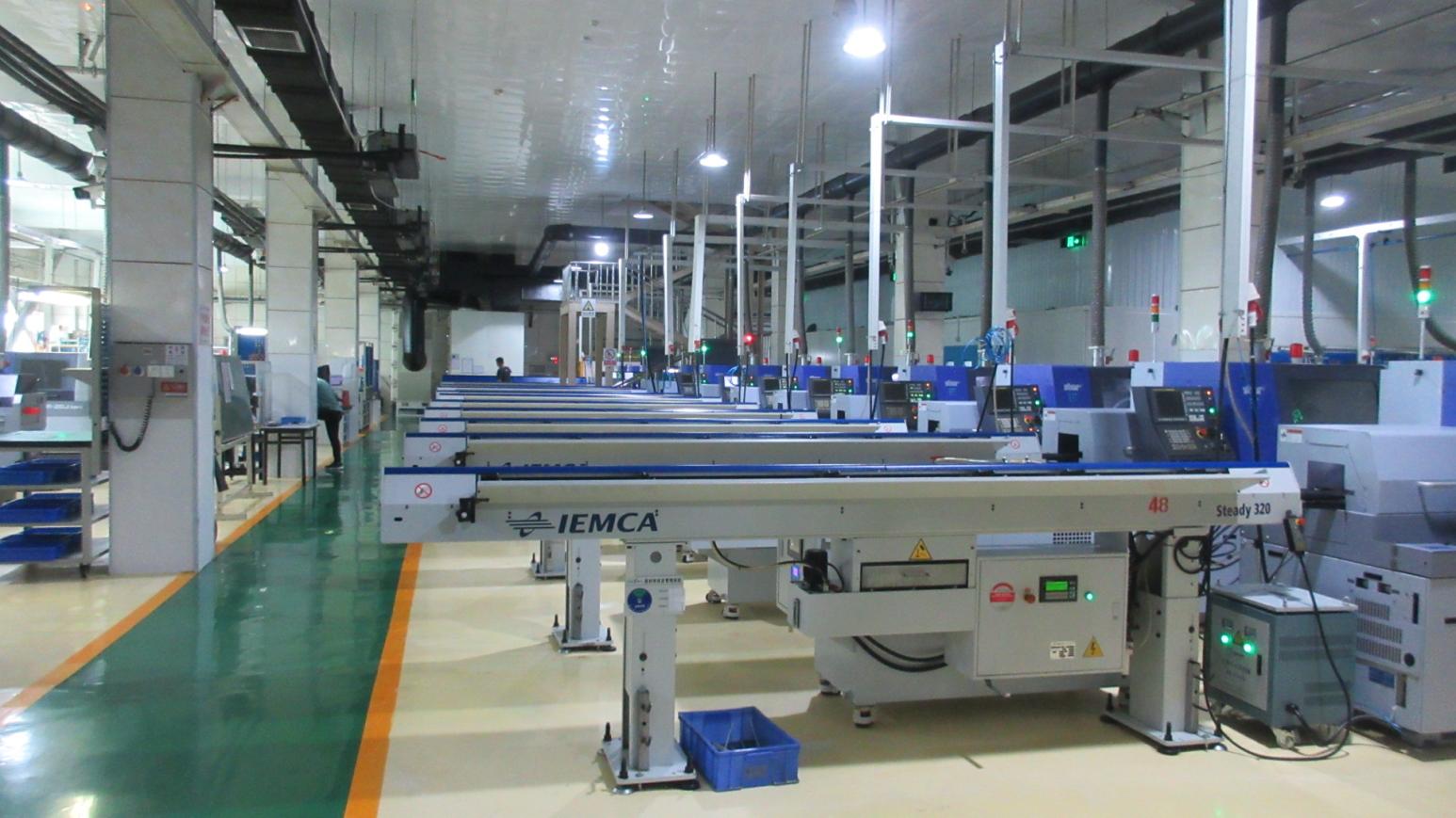
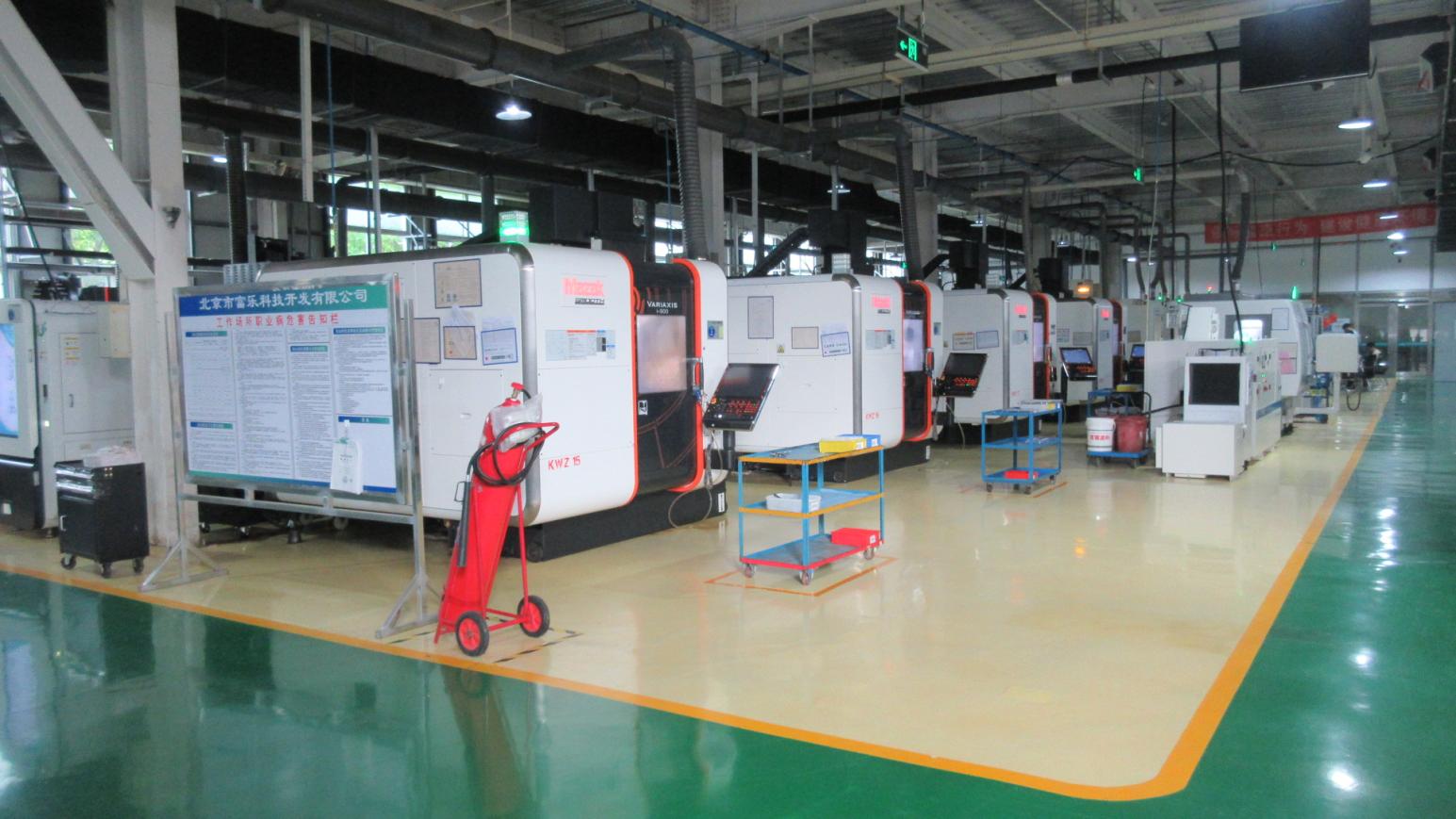
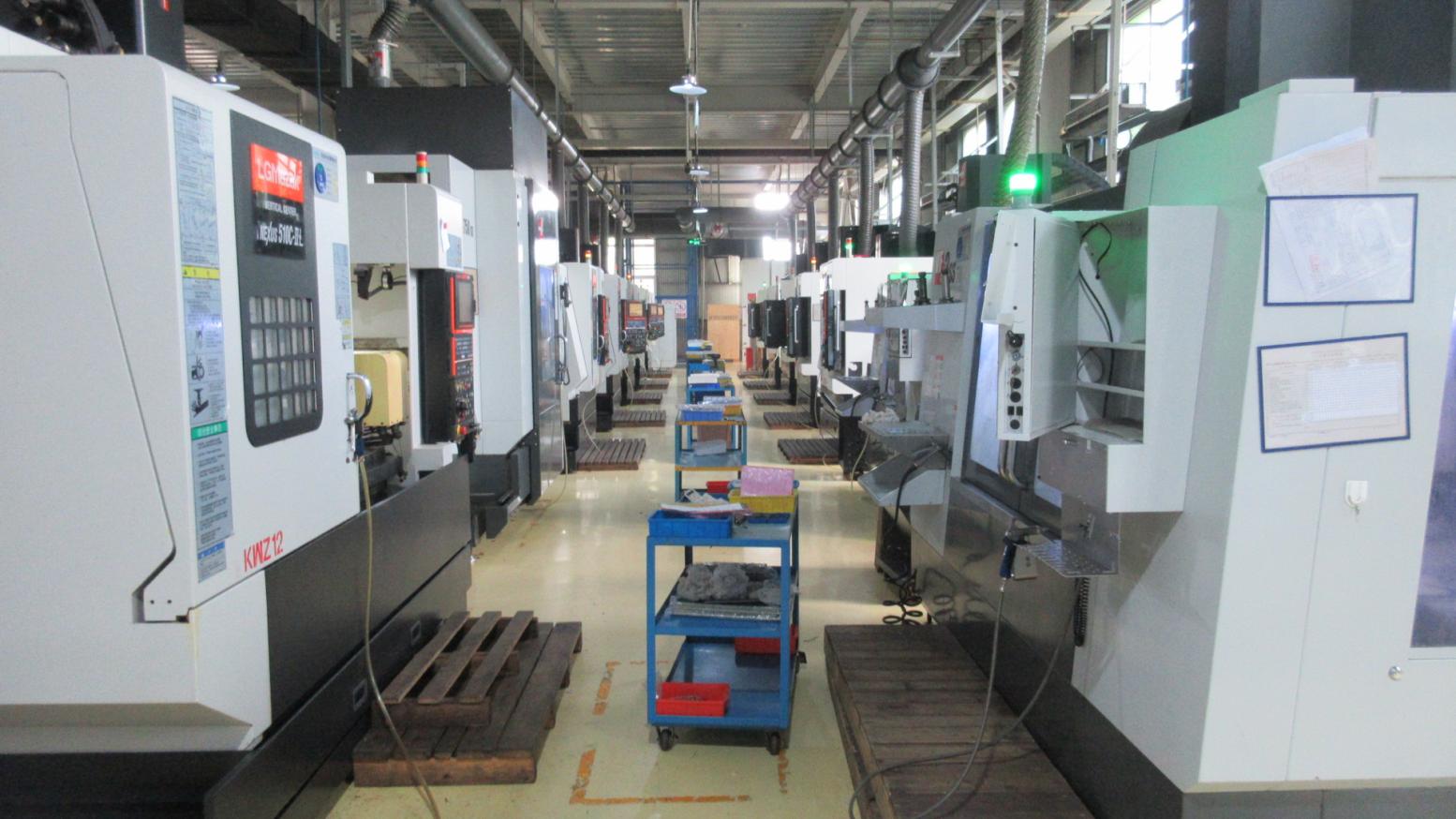
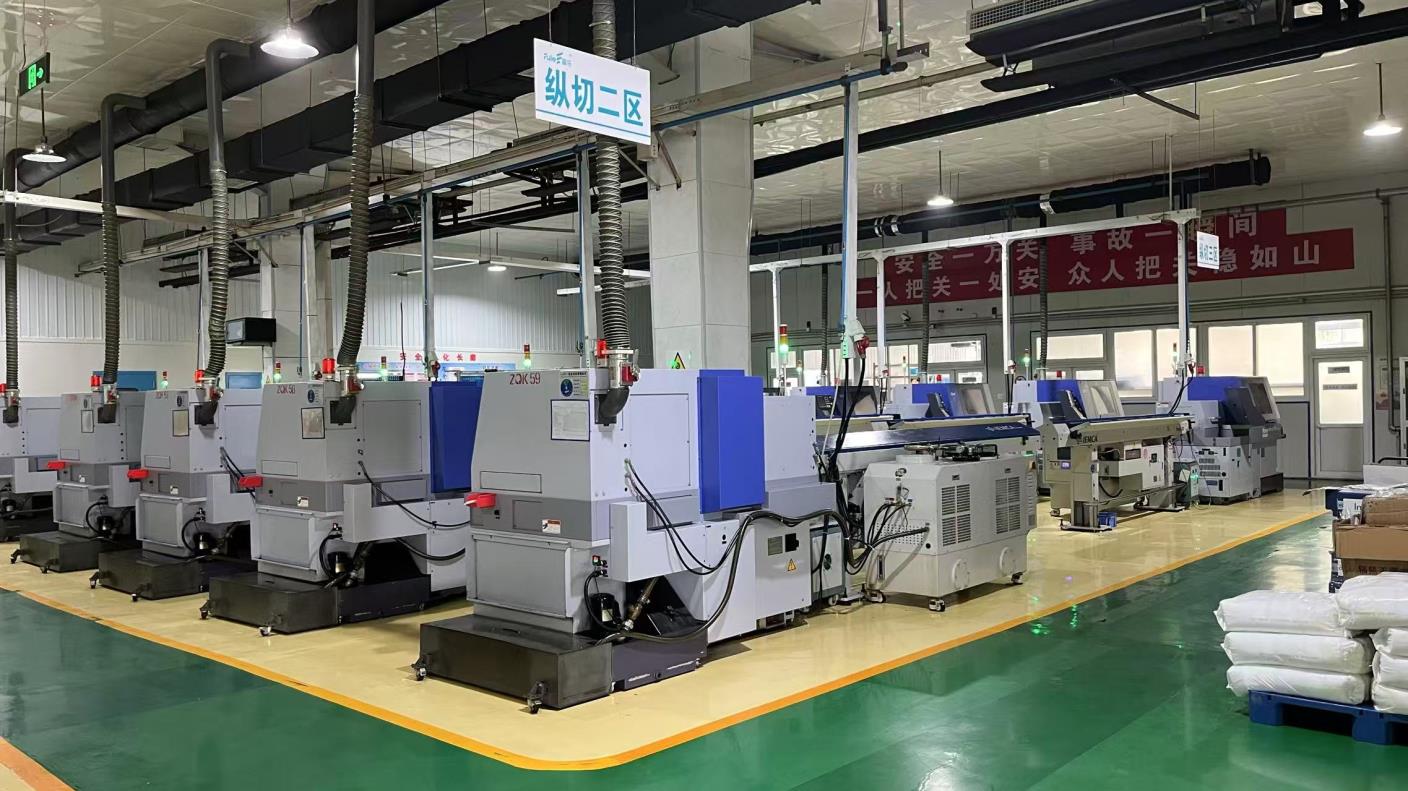
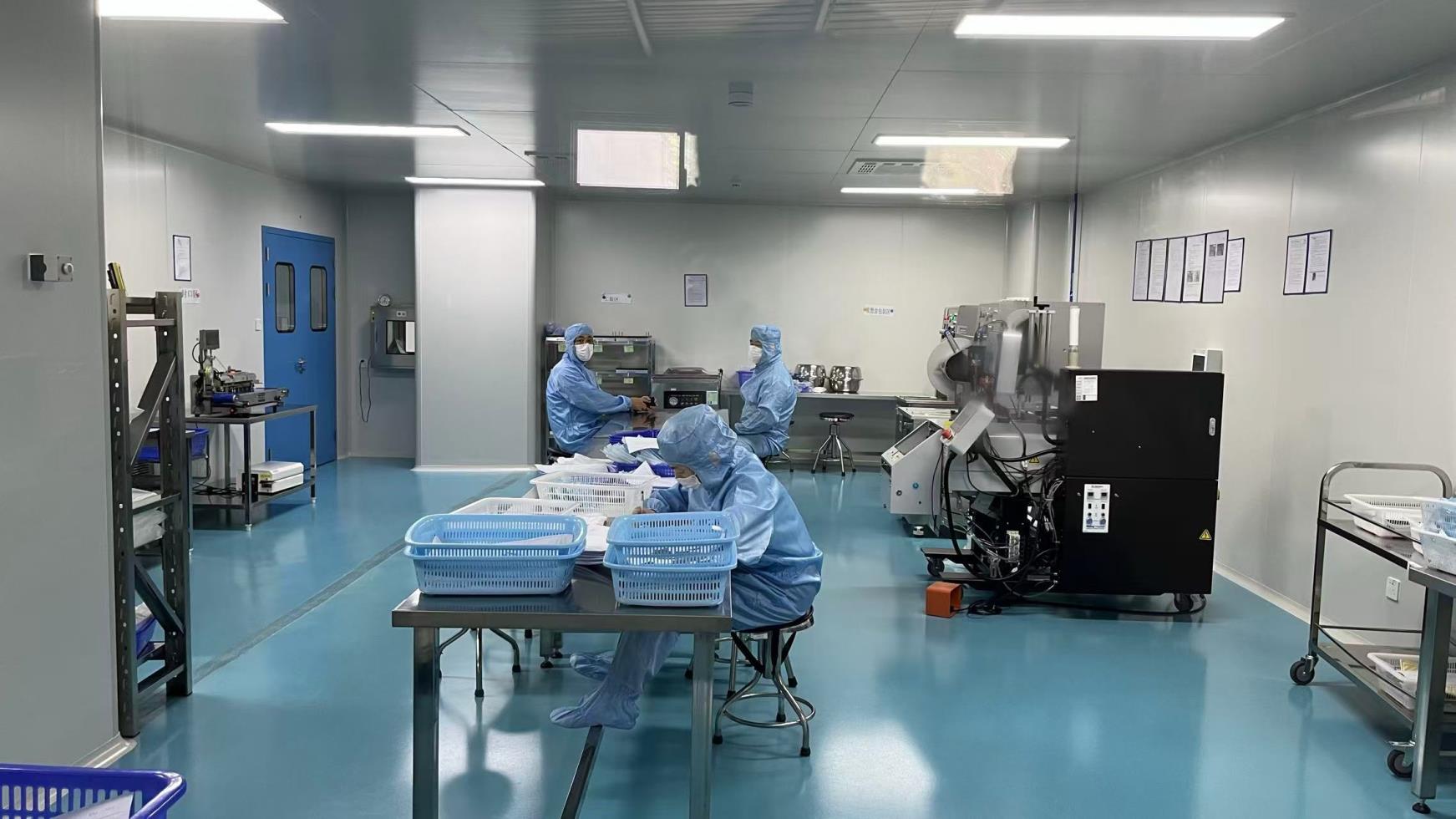
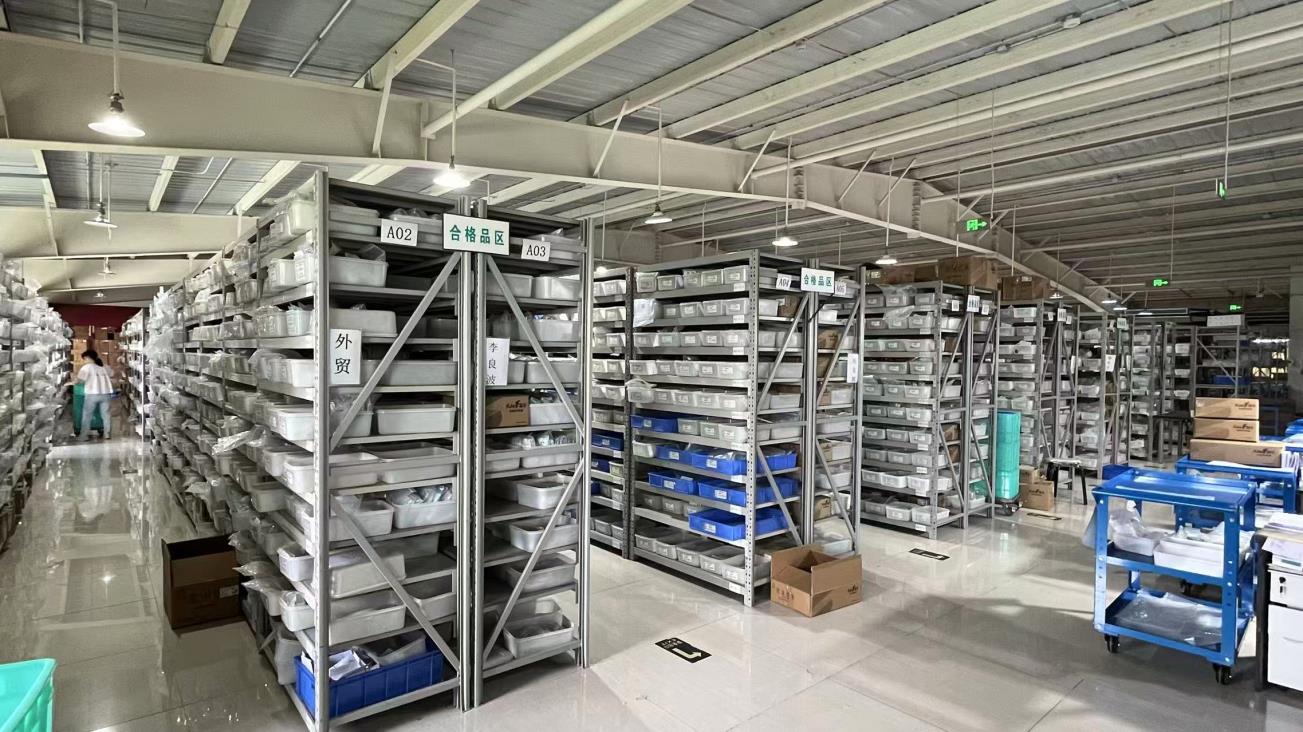
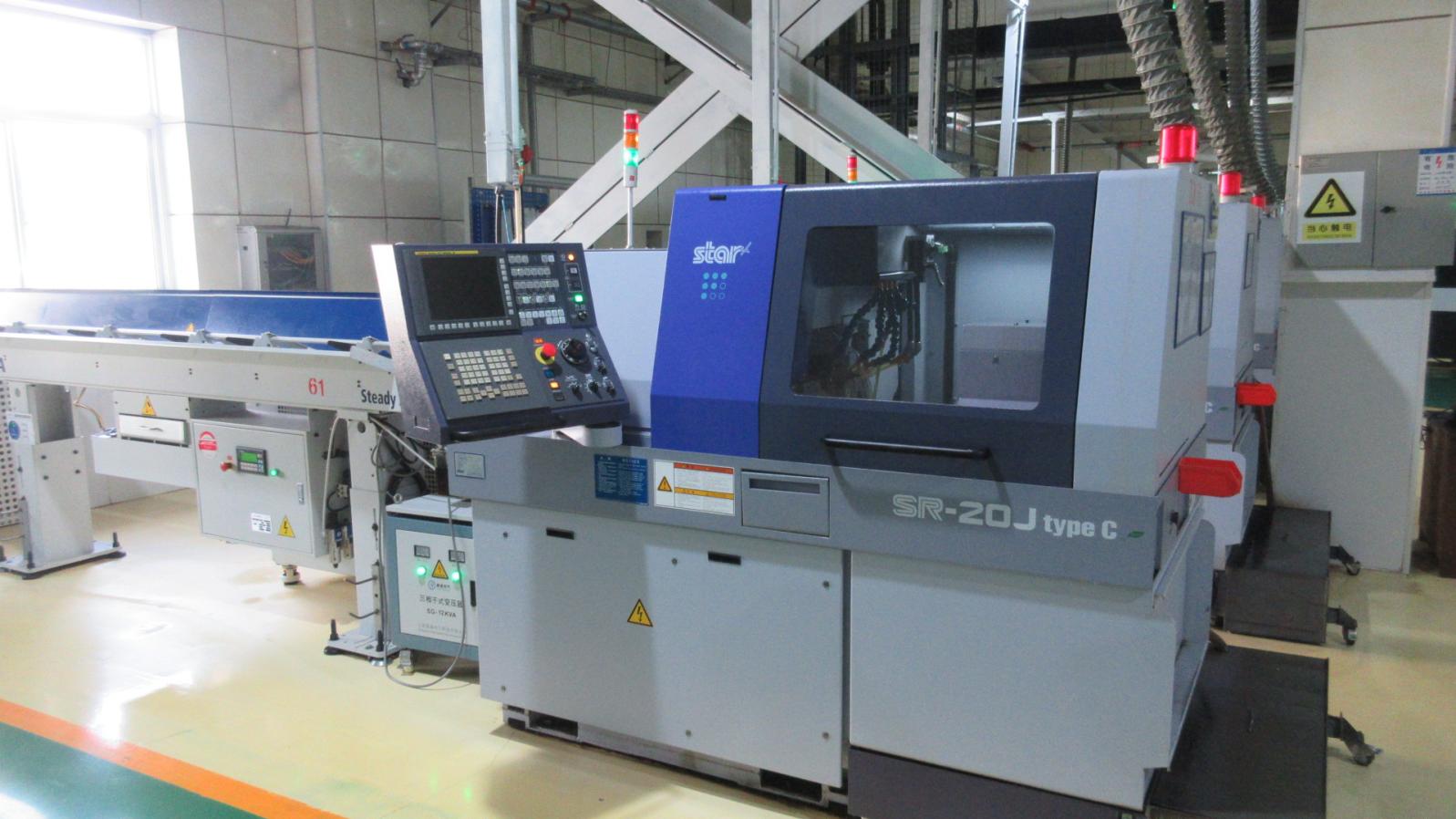
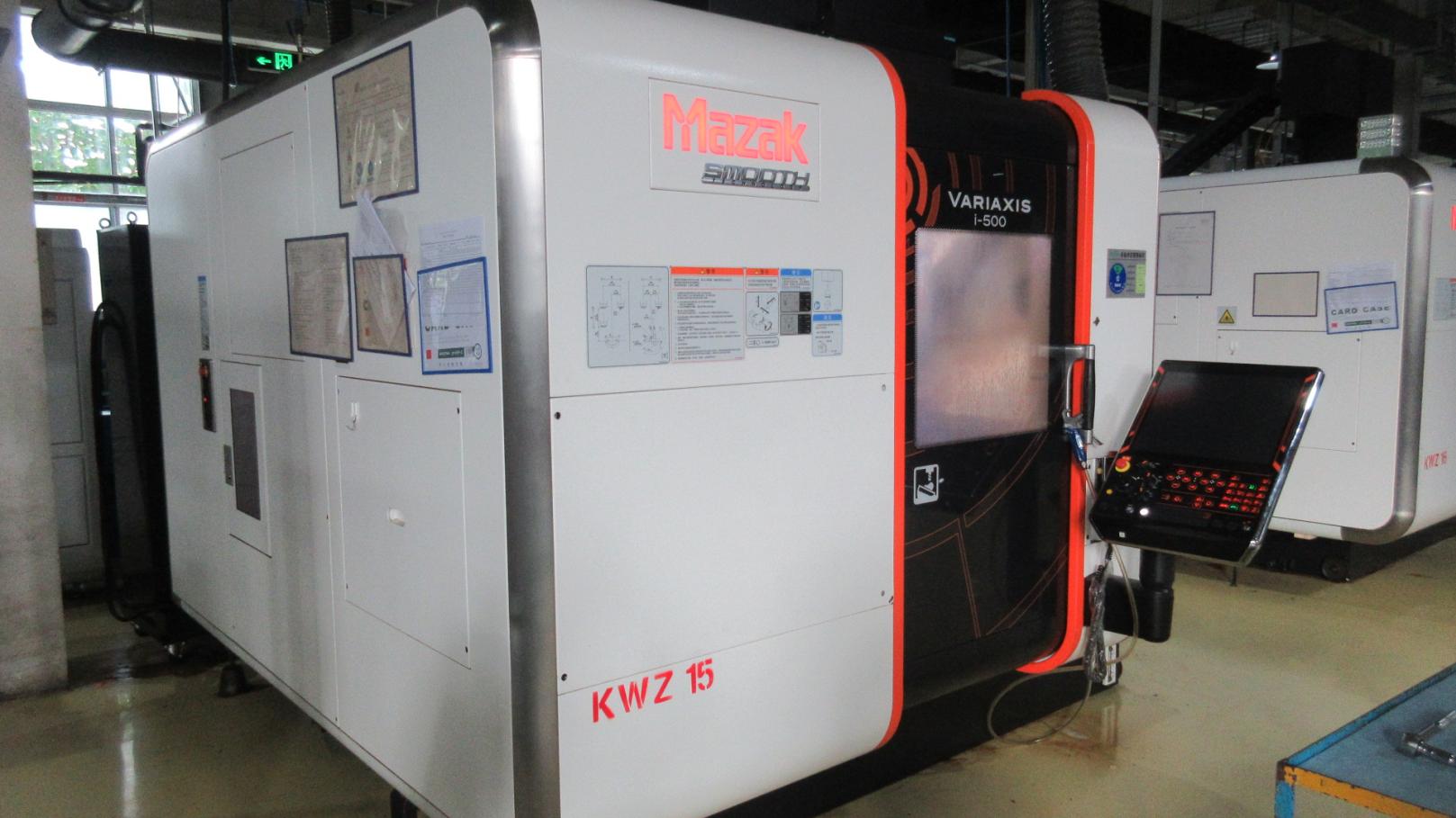
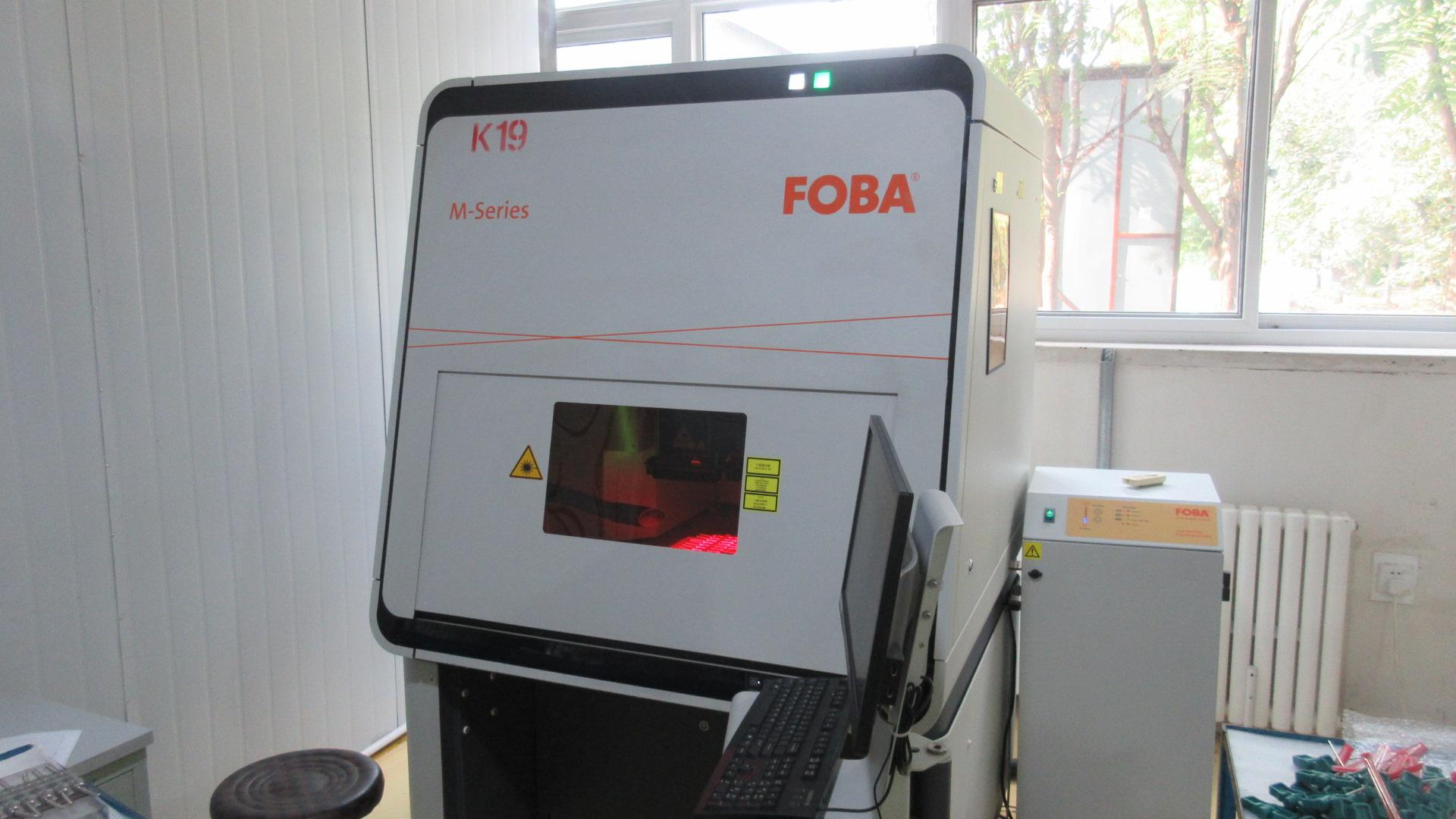
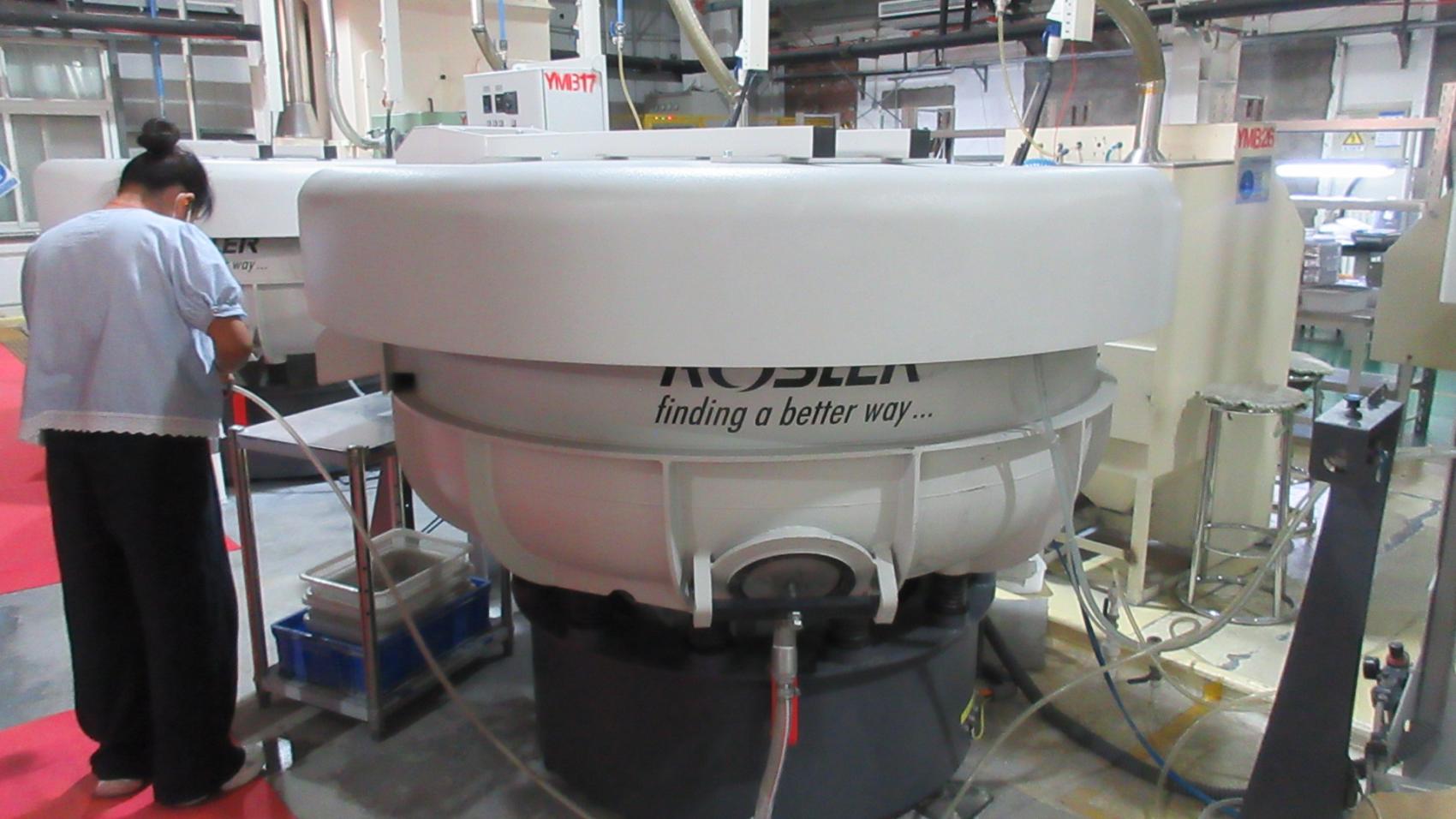
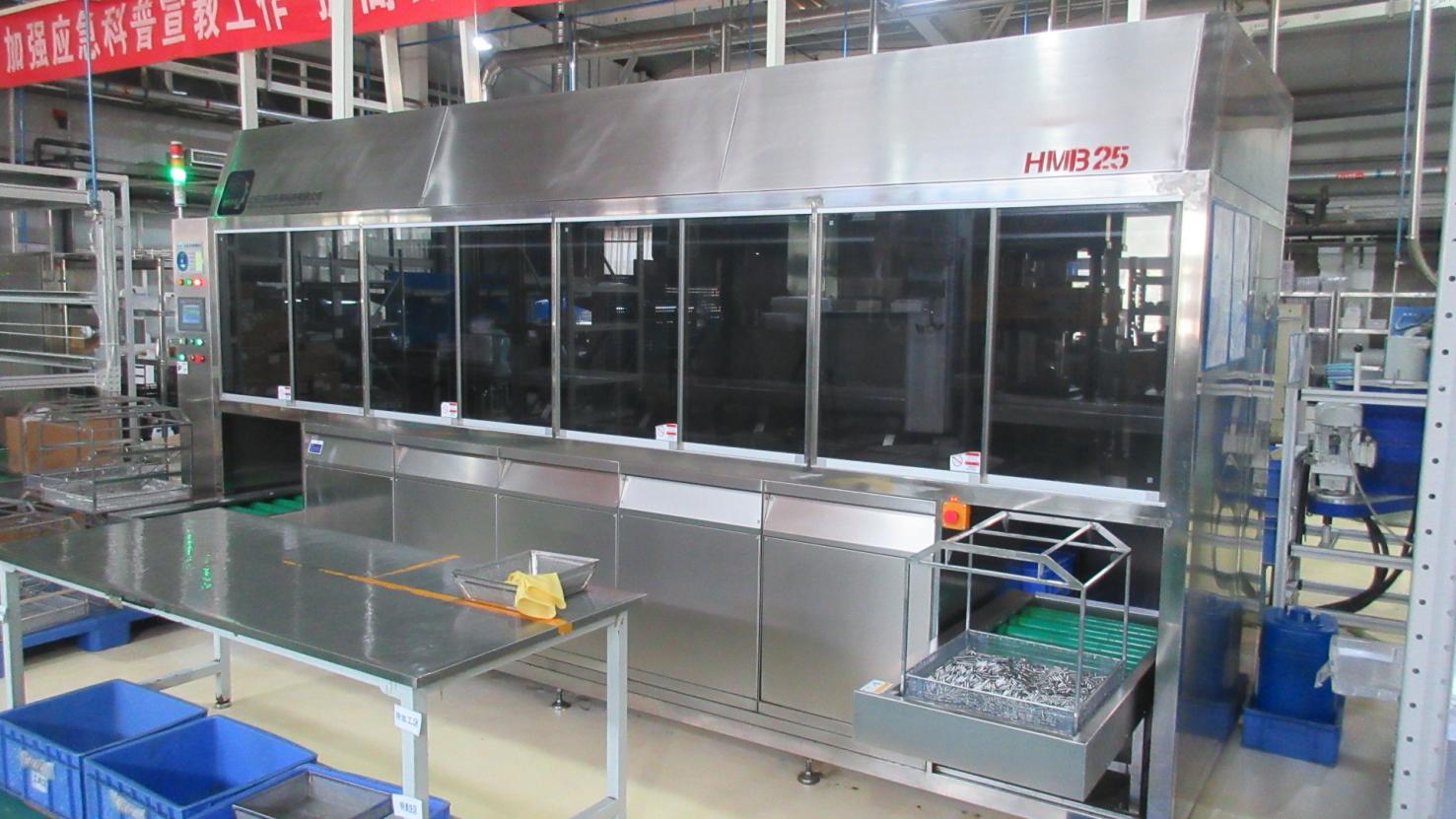
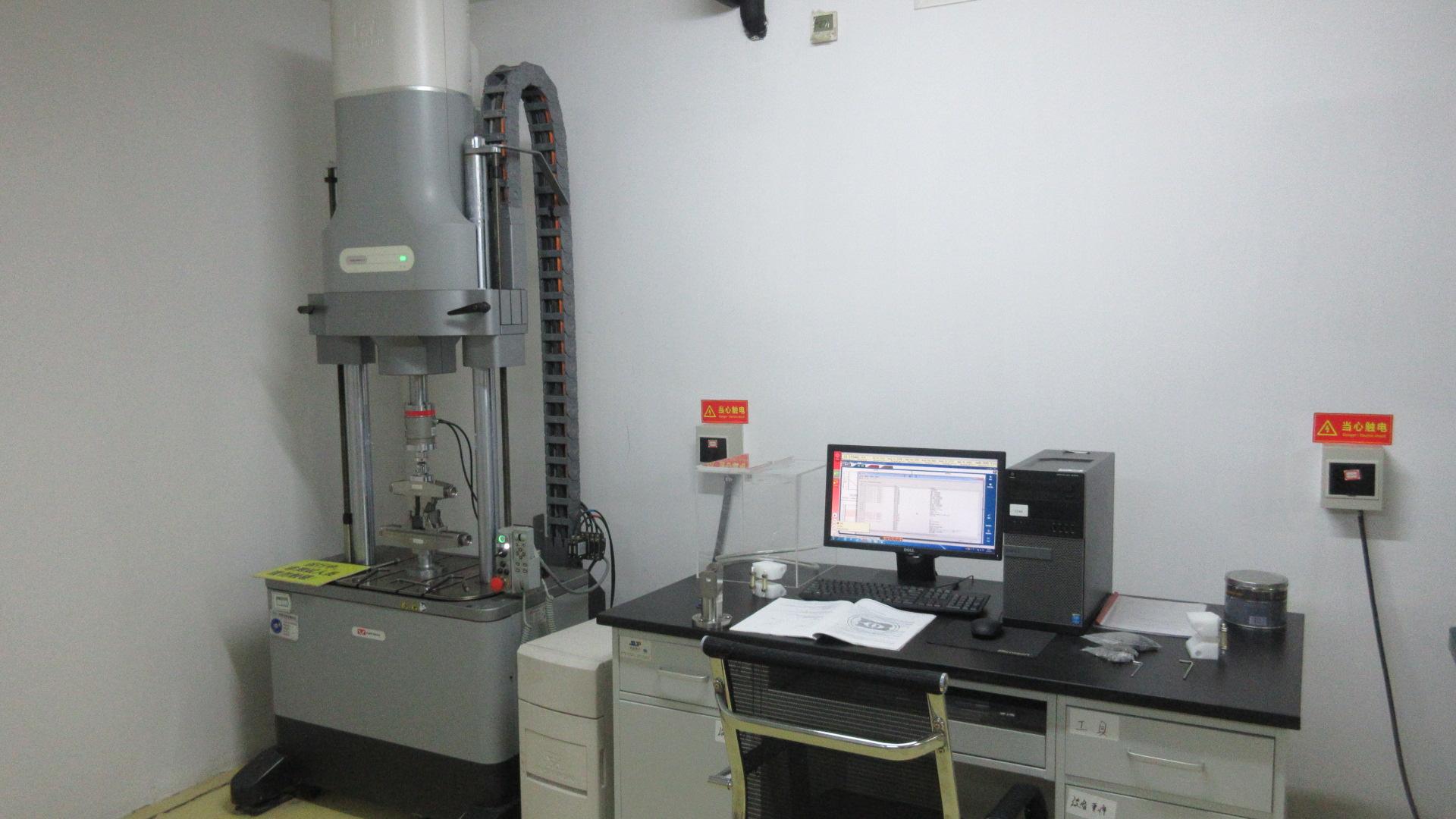
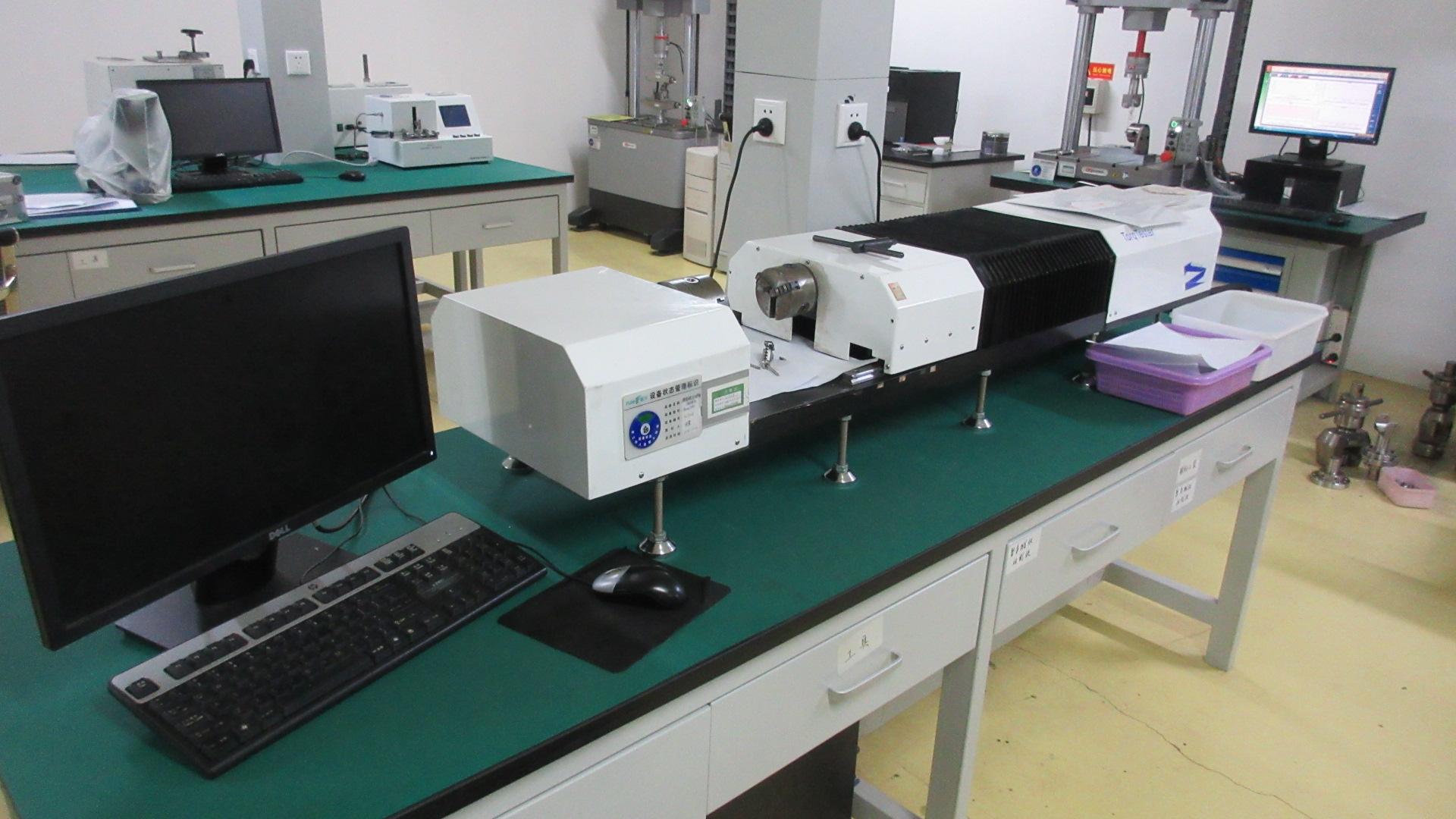
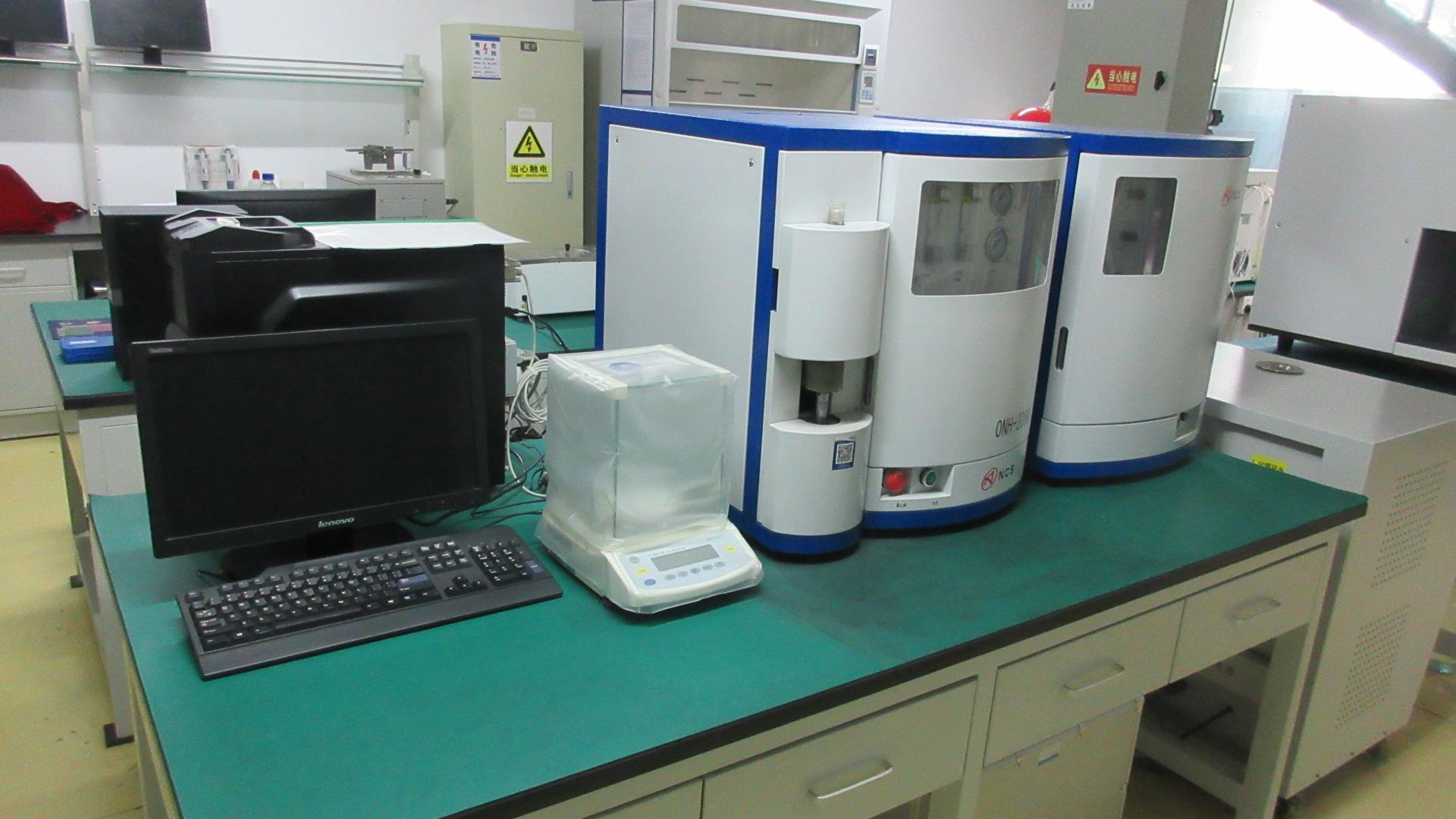
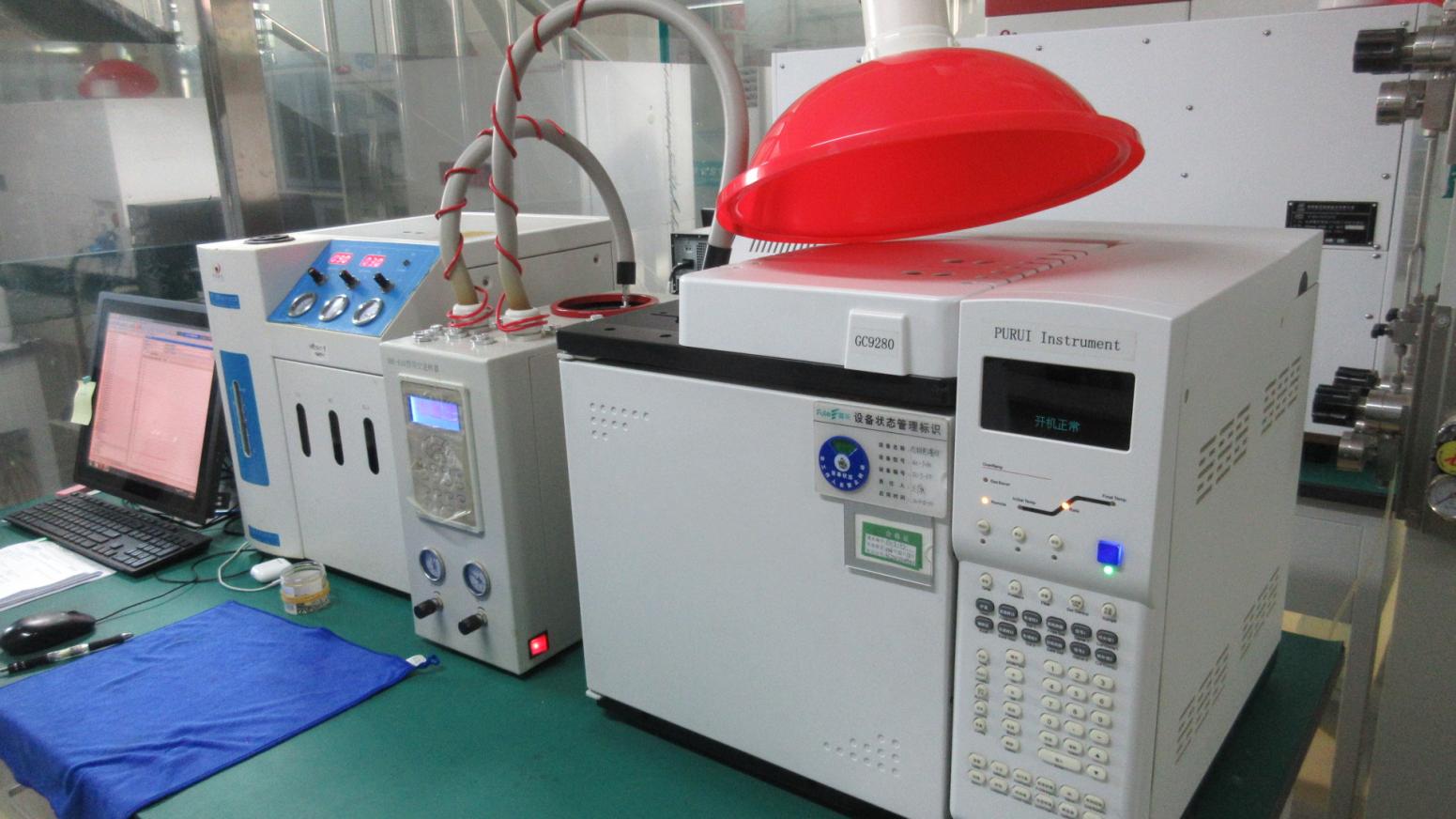
Maintaining a constant supply of implants is critical for trauma hospitals. Unlike elective surgeries, trauma interventions cannot be postponed. Our factory leverages China’s highly integrated medical-device manufacturing clusters, securing priority access to raw medical titanium, specialized heat-treating services, and certified sterilization facilities. This integration reduces production cycle times by up to 35% compared to European competitors.
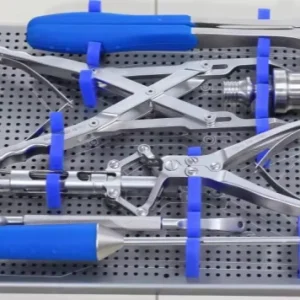
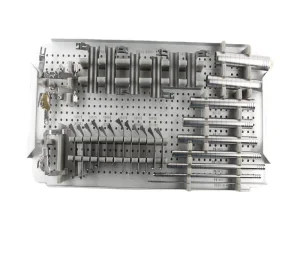
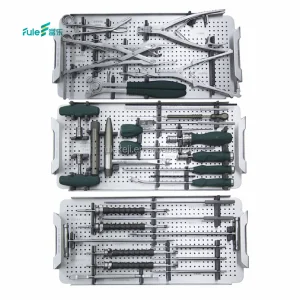
For our Vietnamese partners, this means a reliable supply chain. We provide robust support for Ministry of Health (MOH) registration, offering comprehensive dossier packages including CE Certificates, ISO 13485 declarations, and detailed test reports. By partnering with local distributors in Hanoi, Da Nang, and Ho Chi Minh City, we ensure that specialized surgical kits, trial implants, and matching instrument sets are consistently available.
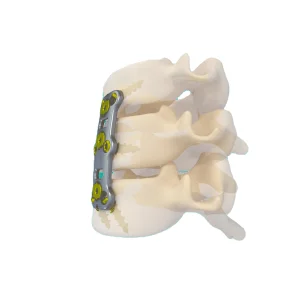
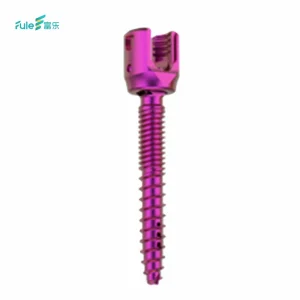
High-precision spinal fixation systems and cervical cages designed for restorative neurosurgery and orthopedic fusion.
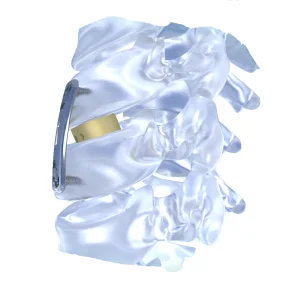
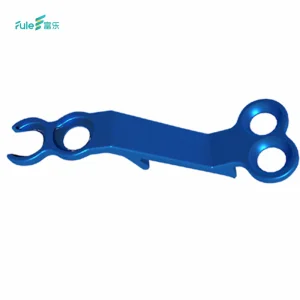
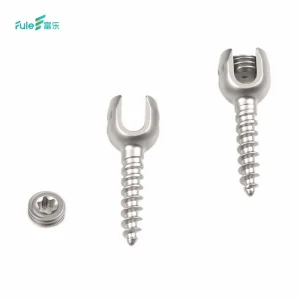
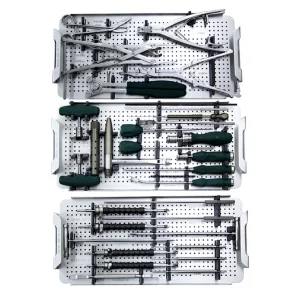
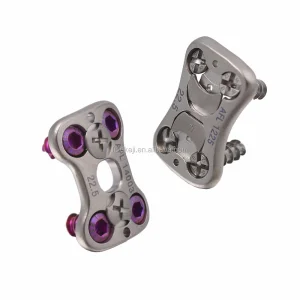
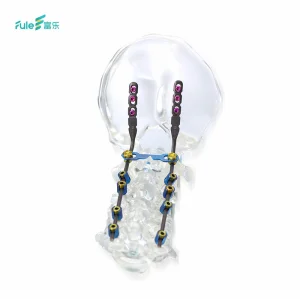
Technical and regulatory insights for importing humeral and spinal implants into Vietnam.
 Beren Science & Technology