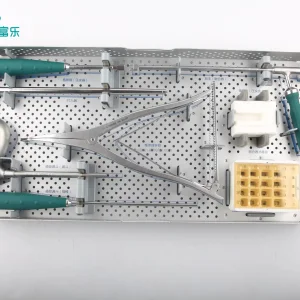
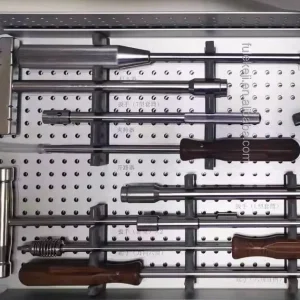
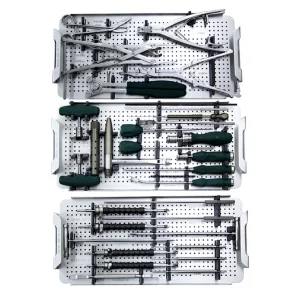
Engineered for minimal invasiveness and rapid patient mobilization. Trusted by leading surgeons across the UAE, including Abu Dhabi and Dubai.
The healthcare architecture of the United Arab Emirates (UAE) is undergoing a structural paradigm shift driven by demographic changes, a high incidence of metabolic bone diseases, and aggressive government investments aligned with the "We the UAE 2031" vision. As orthopedic surgeries scale, the reliance on high-caliber, CE-certified, and ISO 13485-compliant orthopedic instrument factories and suppliers has reached critical importance.
Our entire orthopedic instrumentation and implant portfolio complies with strict UAE Ministry of Health and Prevention (MOHAP) regulations and European Medical Devices Regulation (MDR) standards.
Utilizing biocompatible titanium alloys (Ti-6Al-4V ELI) and implantable-grade PEEK polymers to ensure optimal osteointegration and reduce post-operative complication rates.
Supporting orthopedic trauma centers, spine specialists, and general hospitals across Dubai, Abu Dhabi, Sharjah, and the Northern Emirates with sterile supply chains.
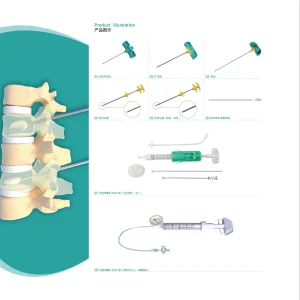
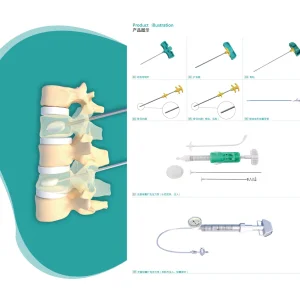
Globally, the spinal implant industry is transitioning rapidly toward minimally invasive spinal surgery (MISS). The adoption of technologies like Percutaneous Vertebroplasty (PVP), Percutaneous Kyphoplasty (PKP), and Oblique Lumbar Interbody Fusion (OLIF) is accelerating. In the GCC region, specifically in the UAE, this shift is further propelled by:
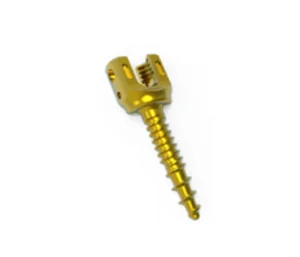
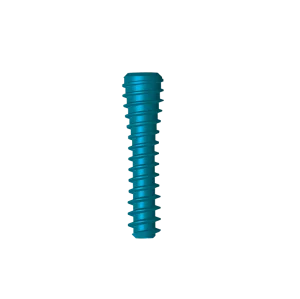
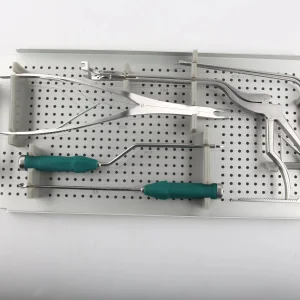
Modern clinical data suggests that using specialized spinal instrument kits (such as OLIF and ALIF systems) reduces patient stay by 40% compared to traditional open surgeries. The application of titanium alloy pedicle screws with low-profile configurations ensures minimal soft-tissue disruption and prevents hardware protrusion issues post-surgery.
The future of orthopedic instrumentation lies in smart materials and manufacturing methods. We are actively developing the integration of 3D-printed porous titanium cages that mimic trabecular bone structure, promoting rapid bony fusion. Additionally, our R&D roadmap focuses on antimicrobial surface modifications, such as silver-ion or polymer coatings, to reduce the risk of implant-associated infections in high-acuity surgical environments.
Engineered to exact clinical dimensions, our products provide surgeons with reliable, long-lasting performance.
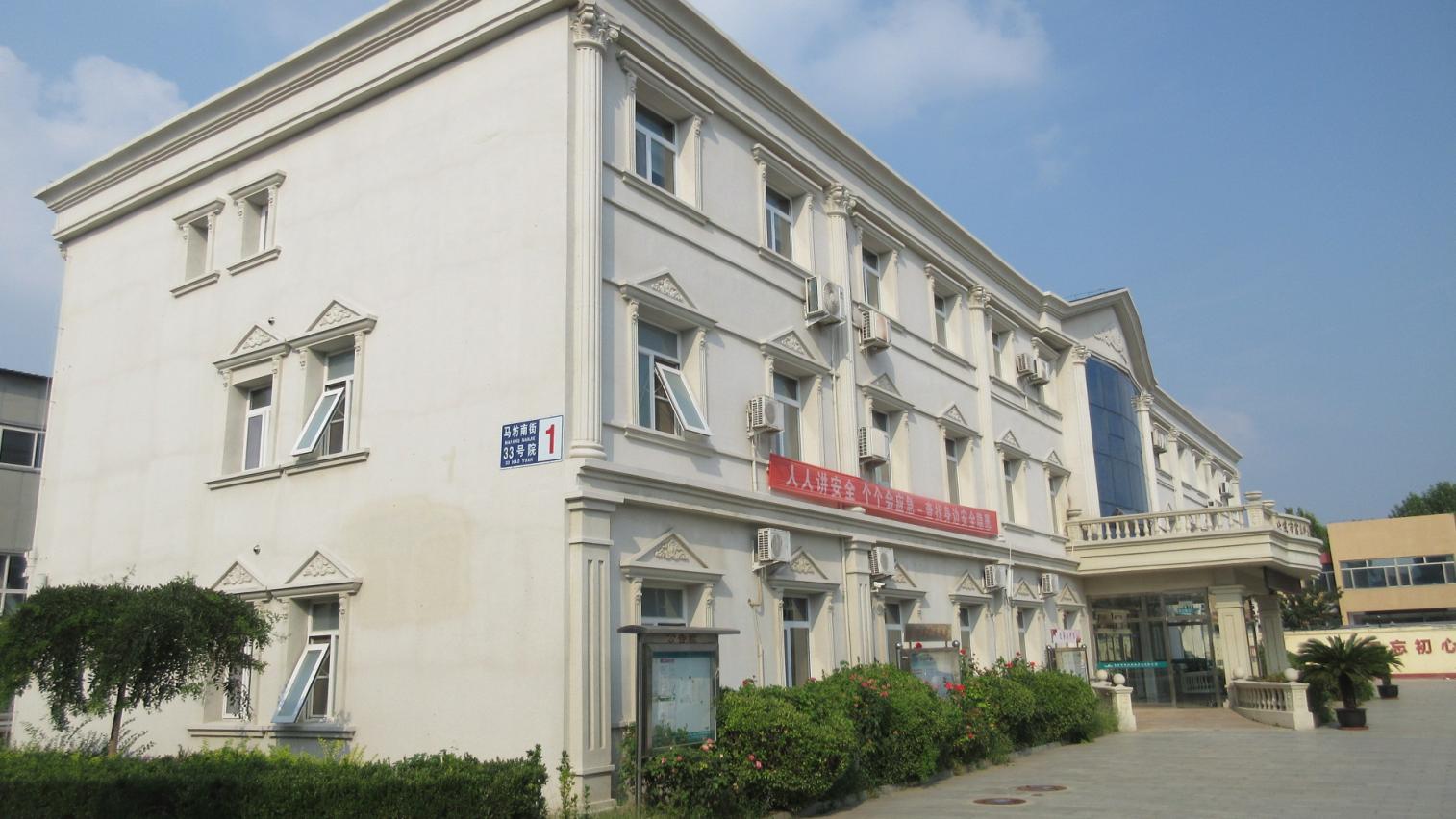
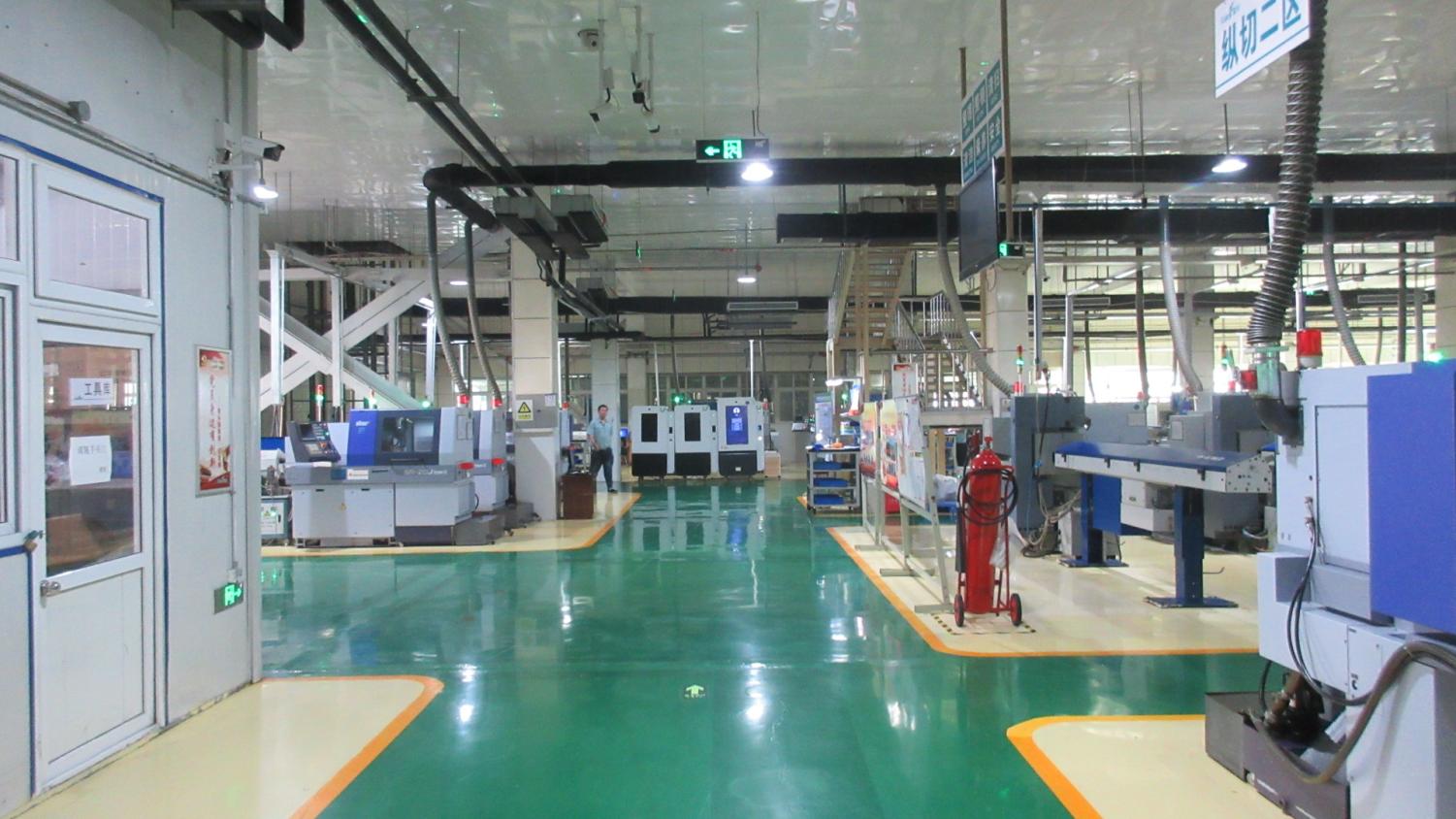
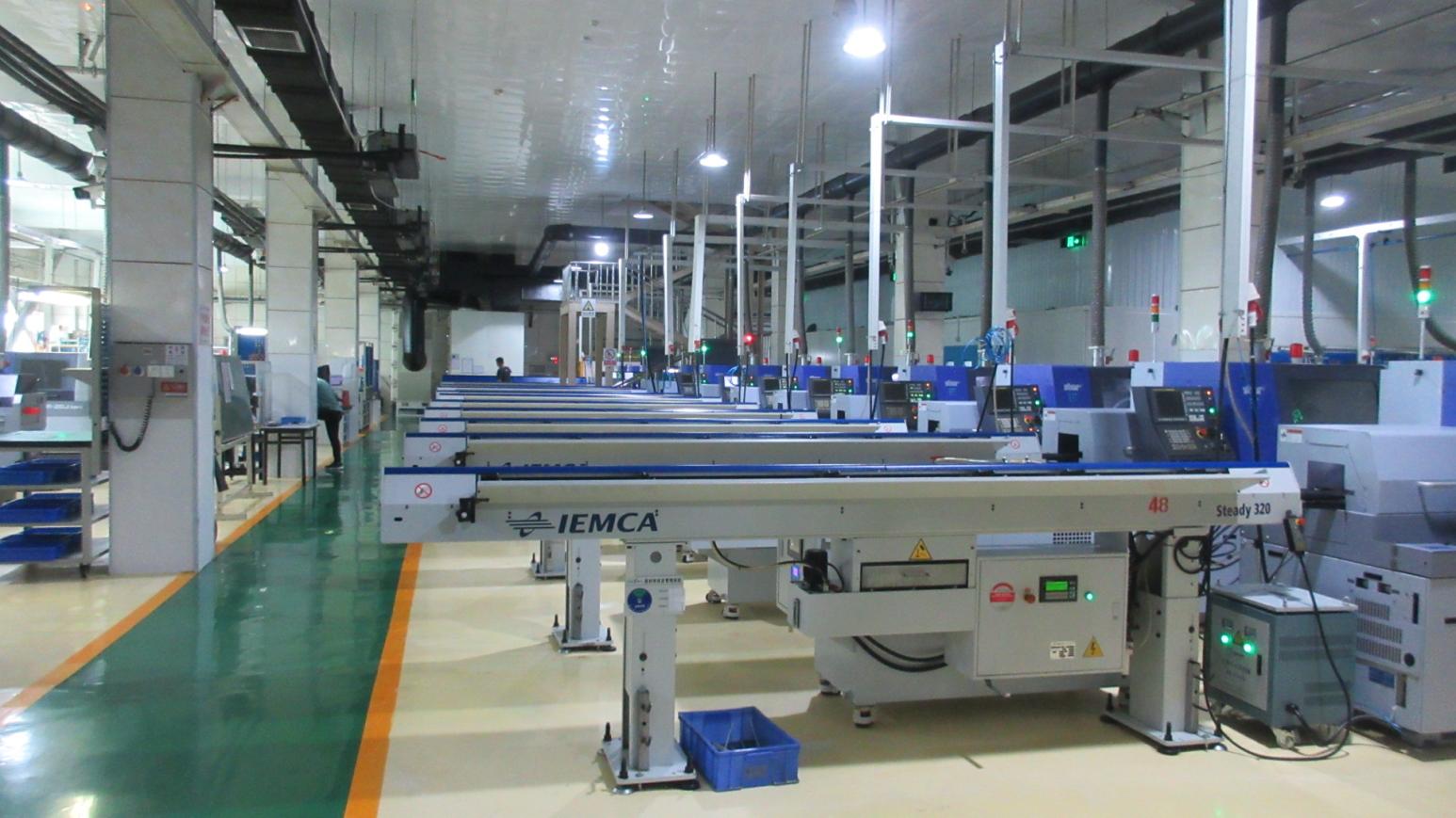
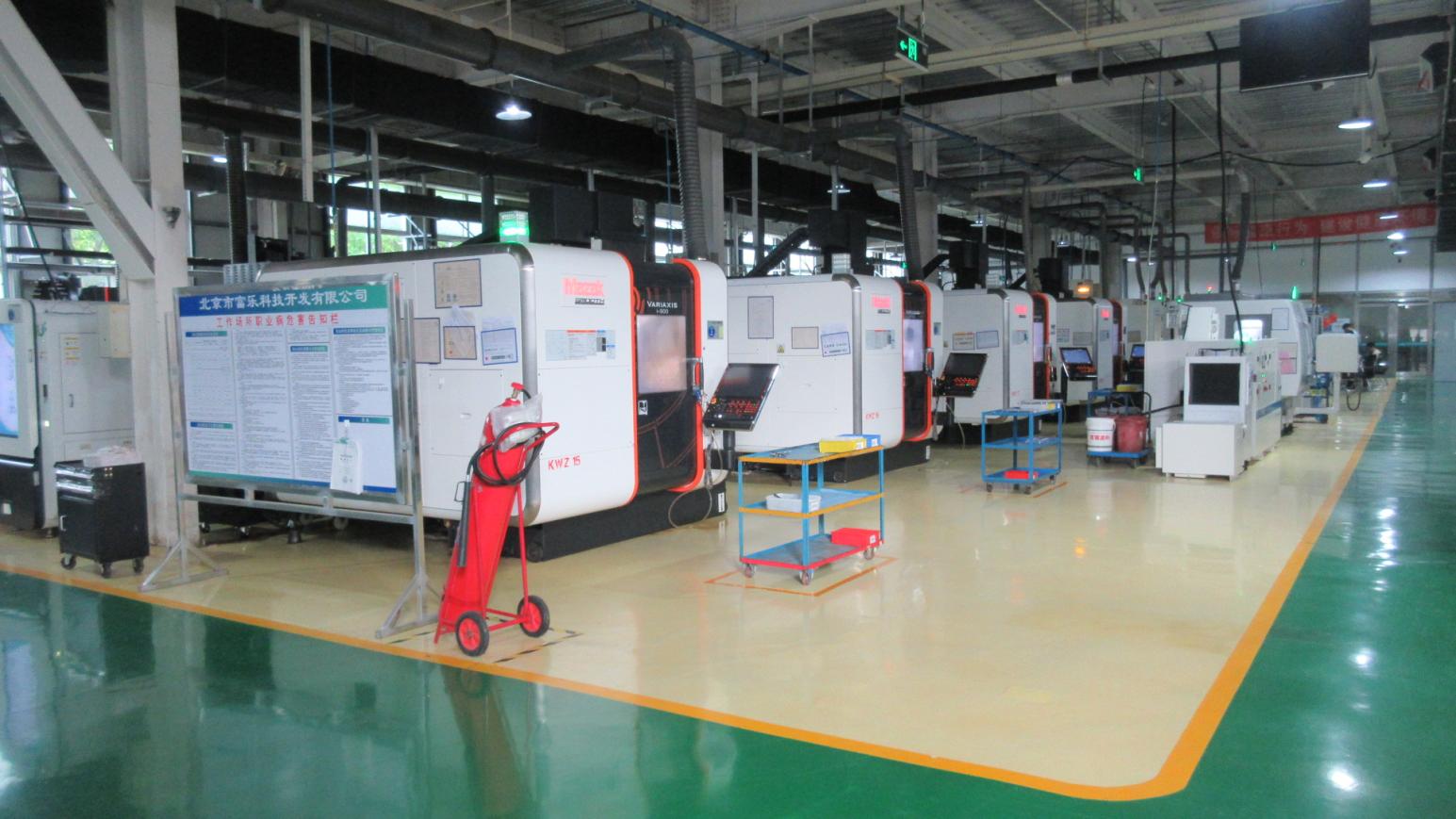
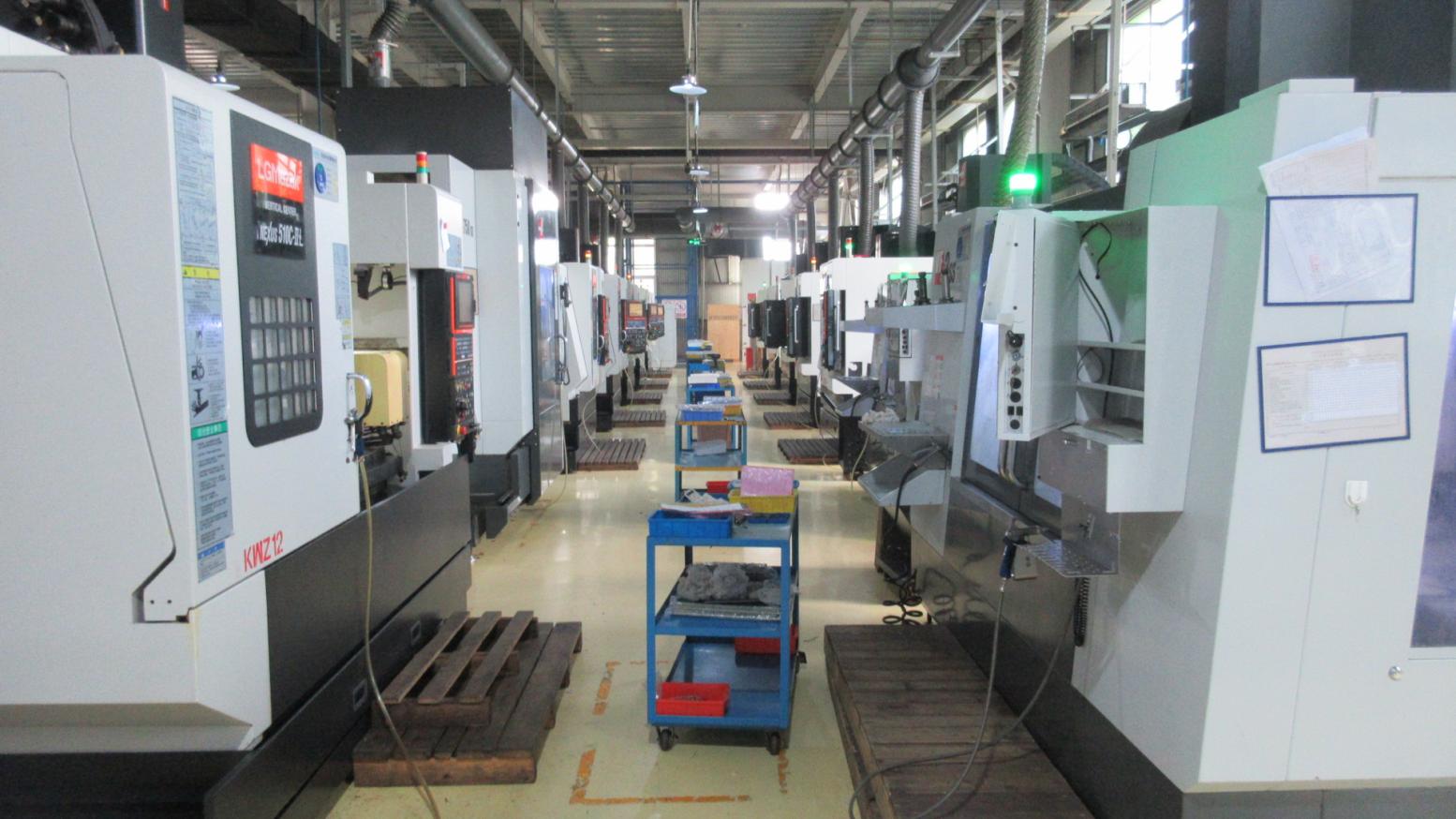
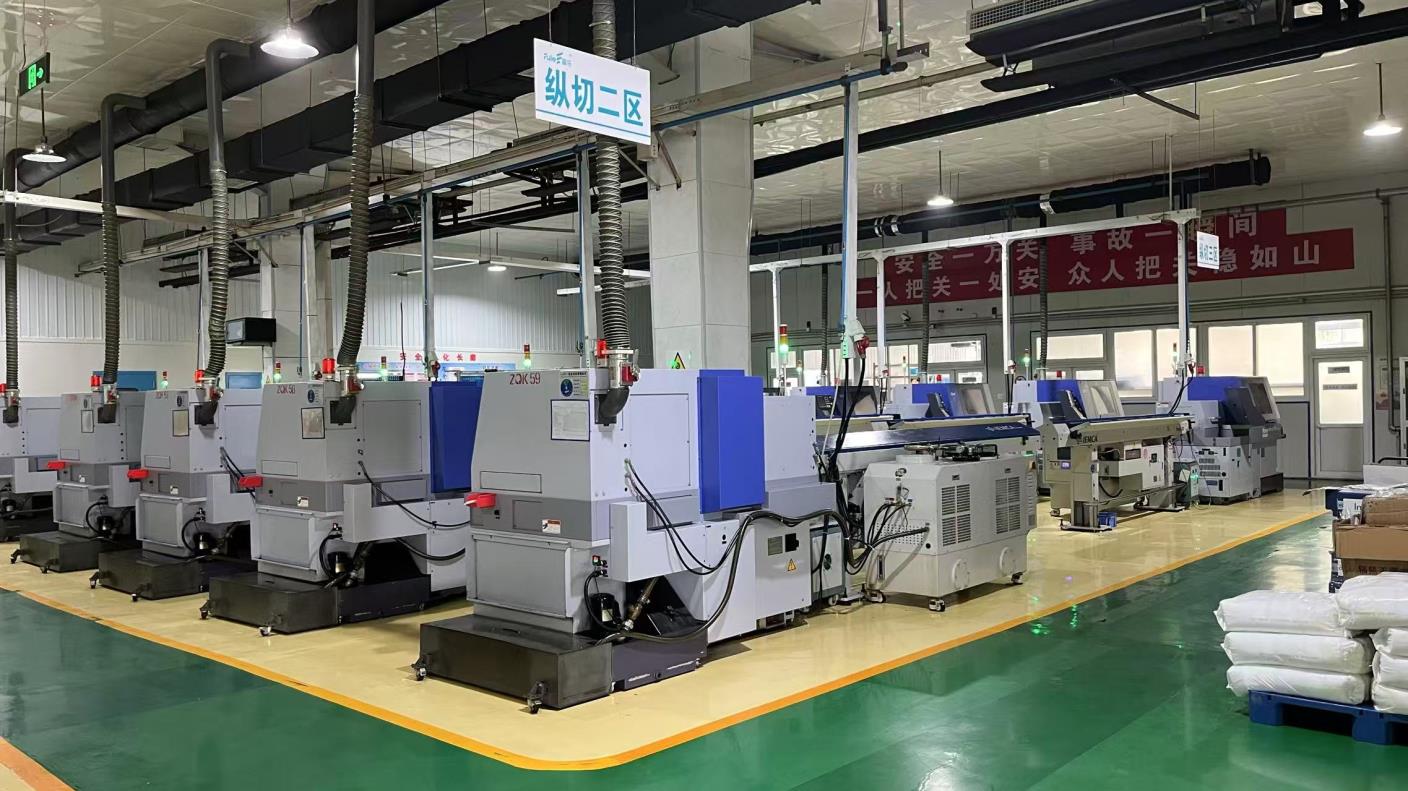
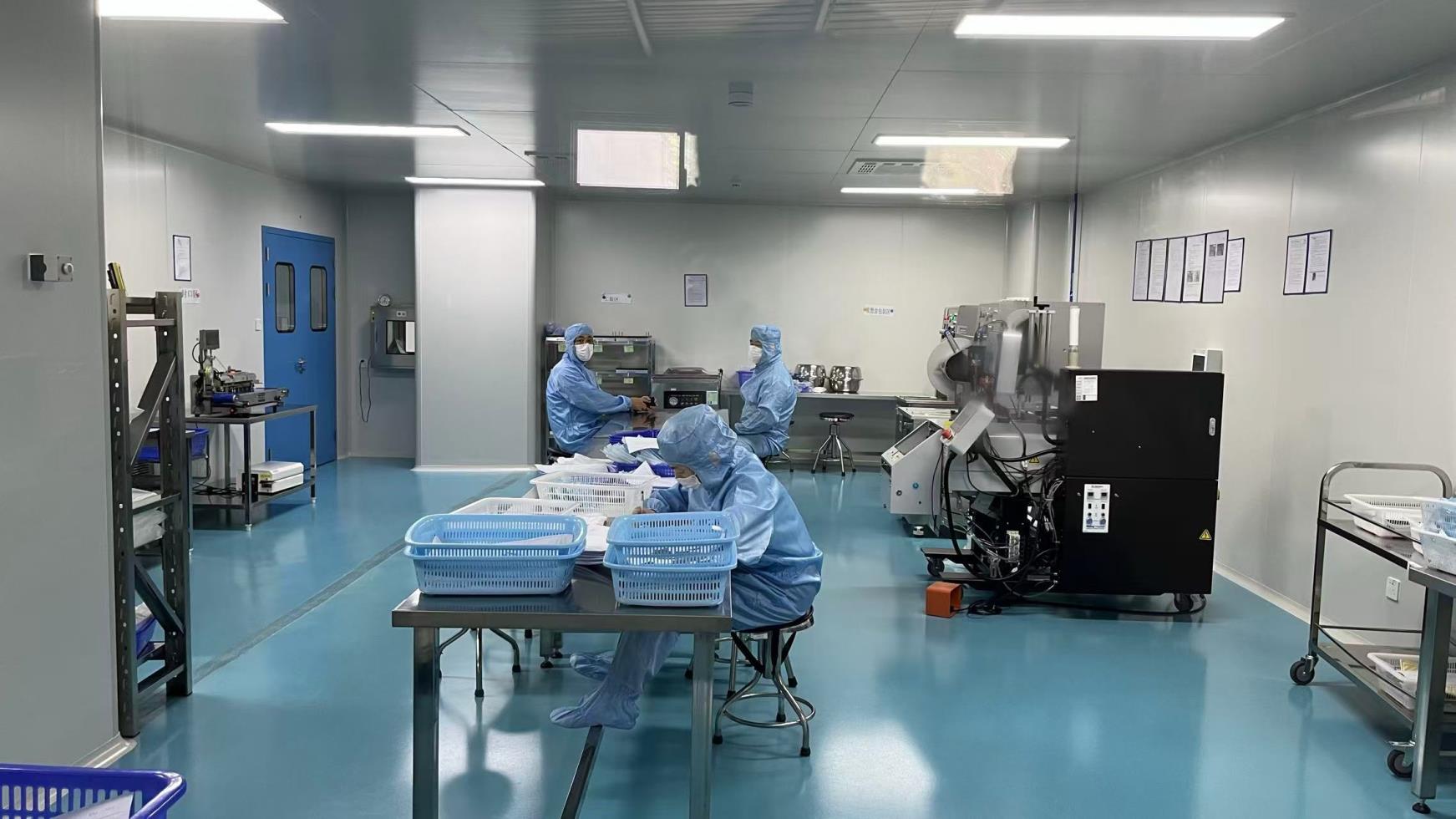
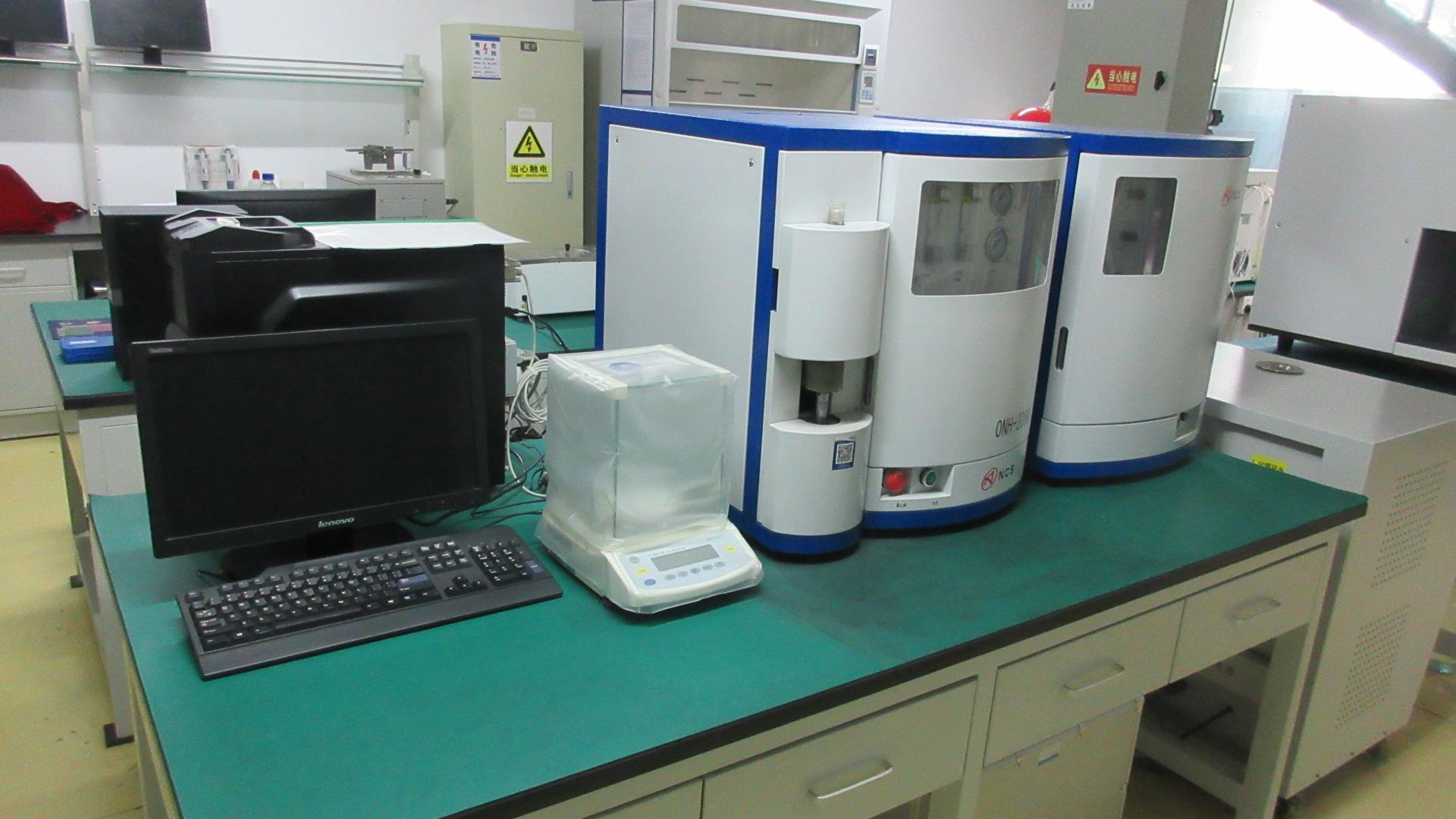
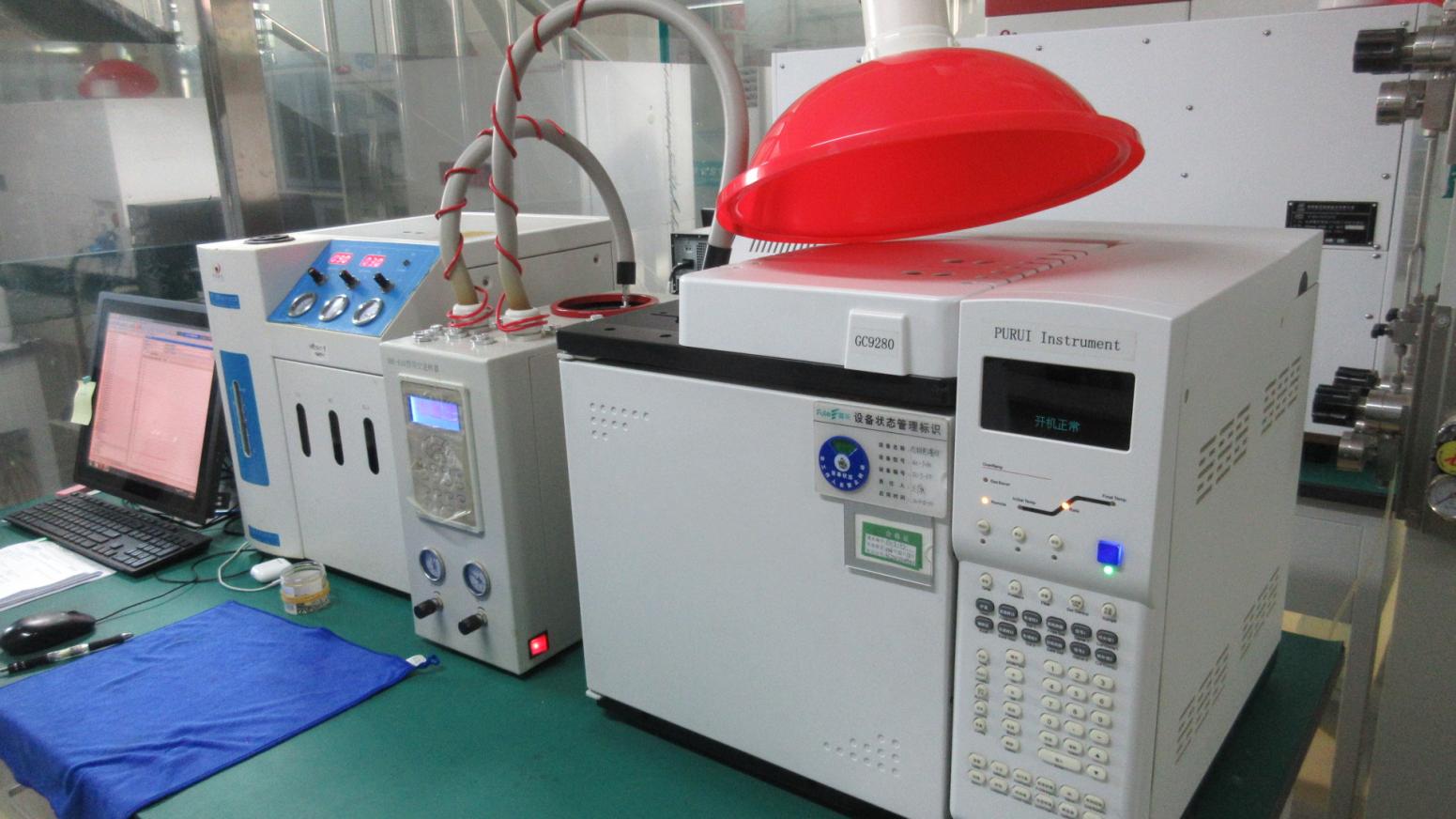
Our ISO 13485-certified facility spans 10,000 square meters, featuring dynamic temperature control and state-of-the-art testing systems.
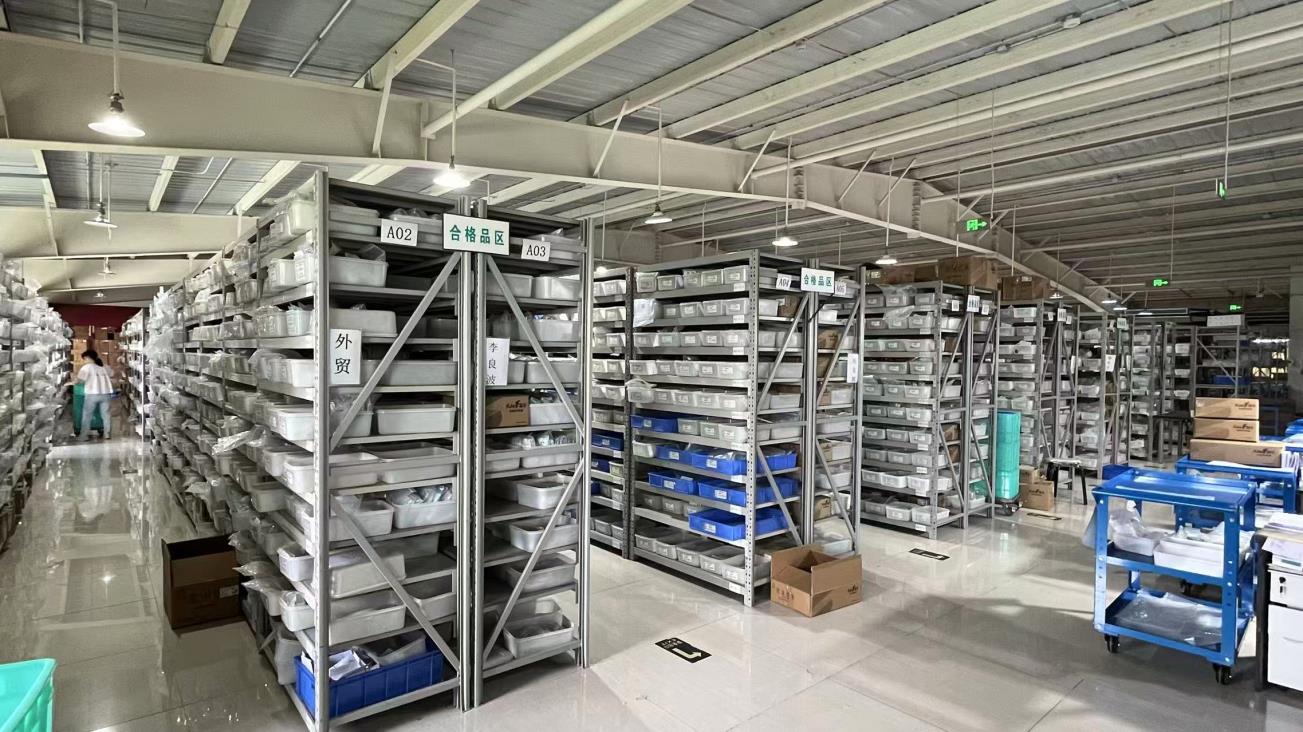
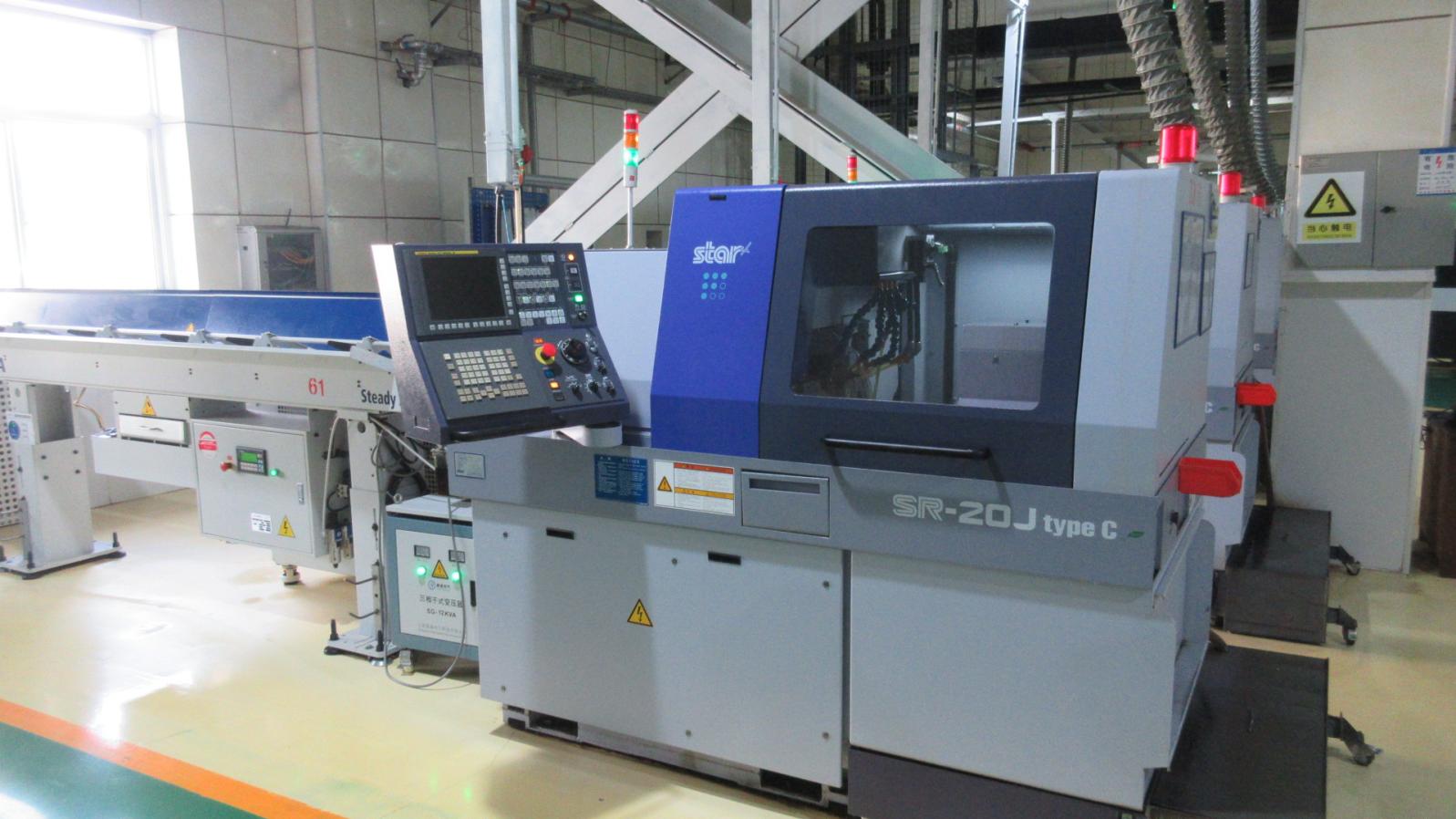
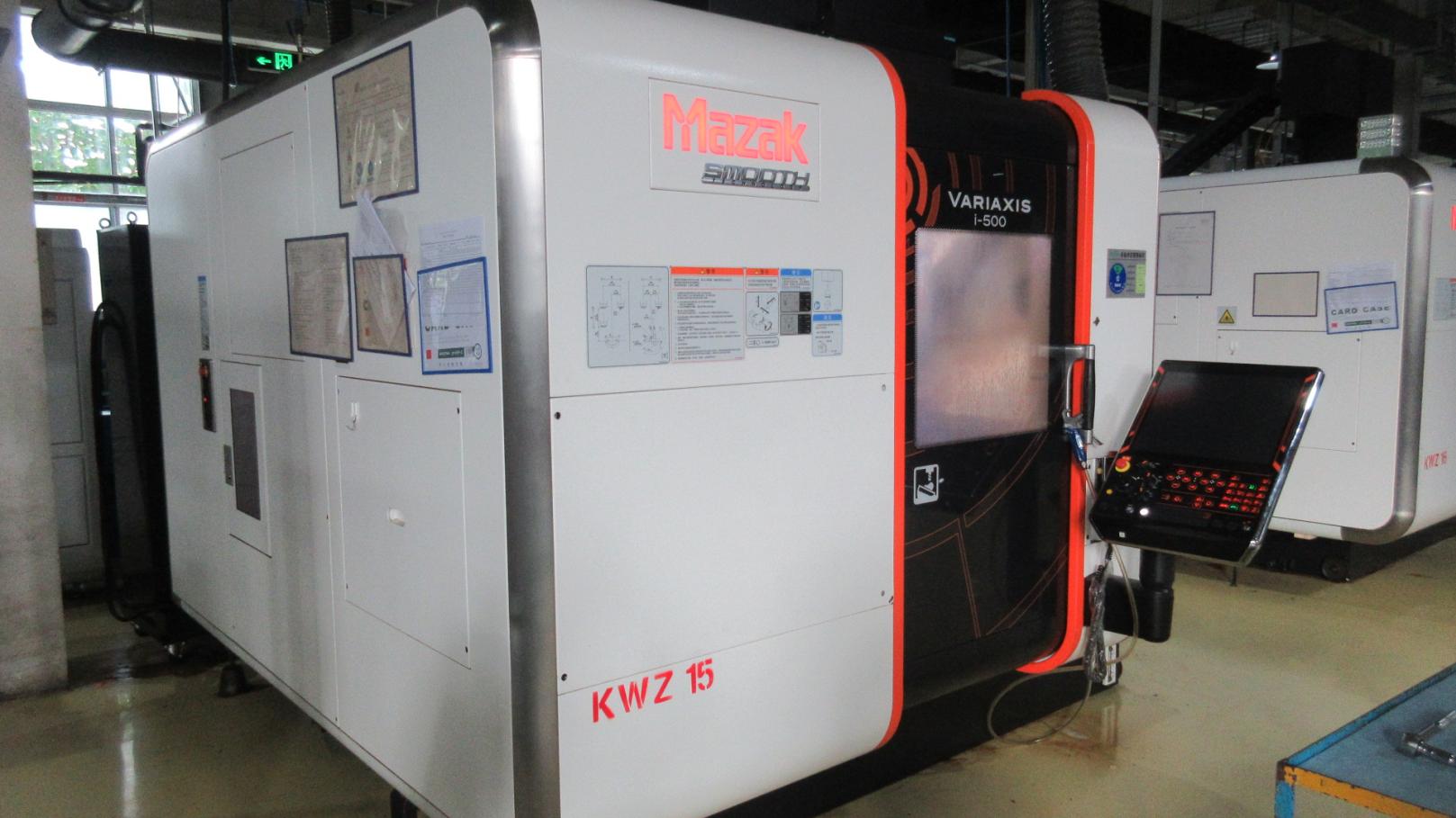
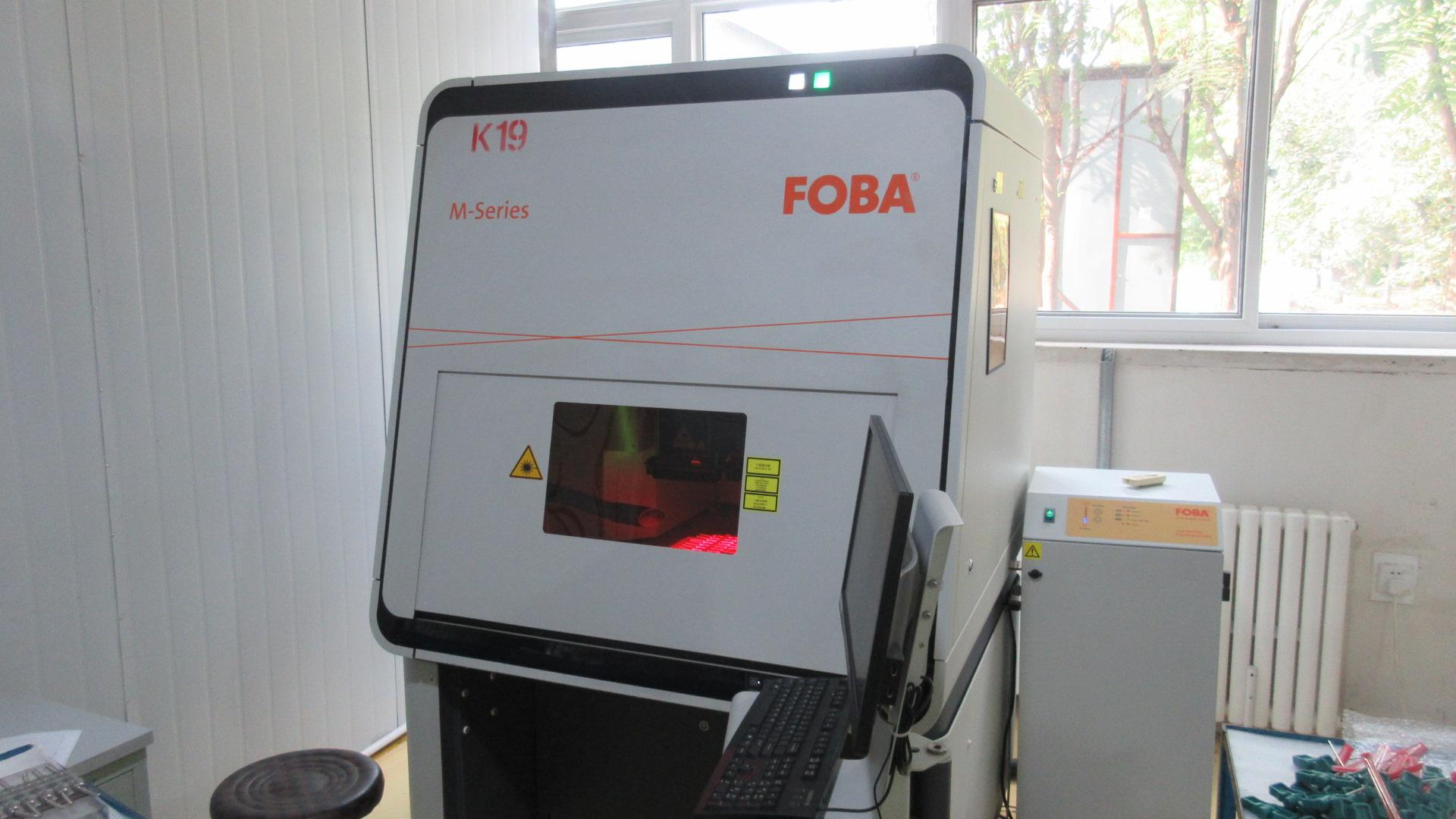
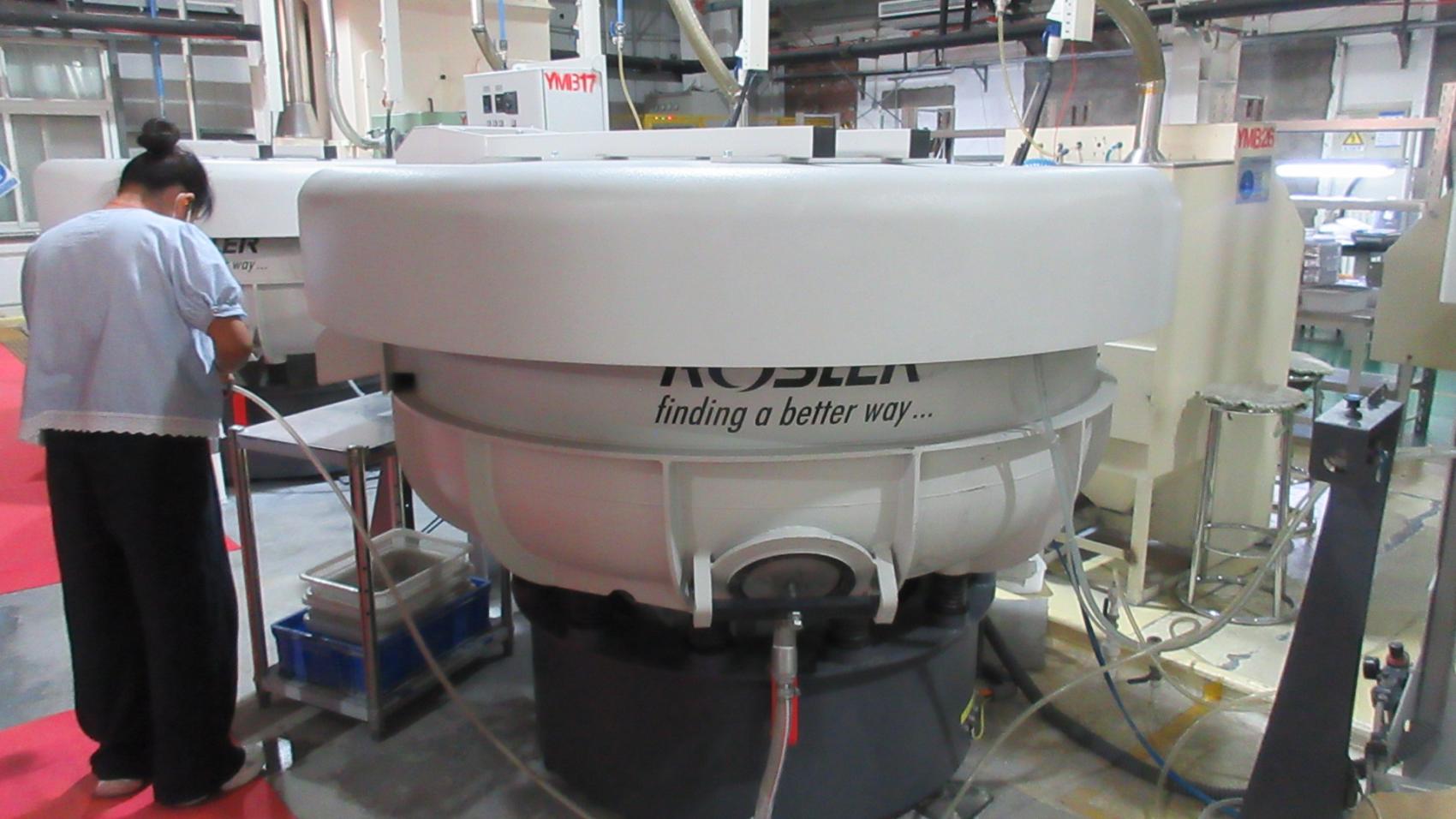
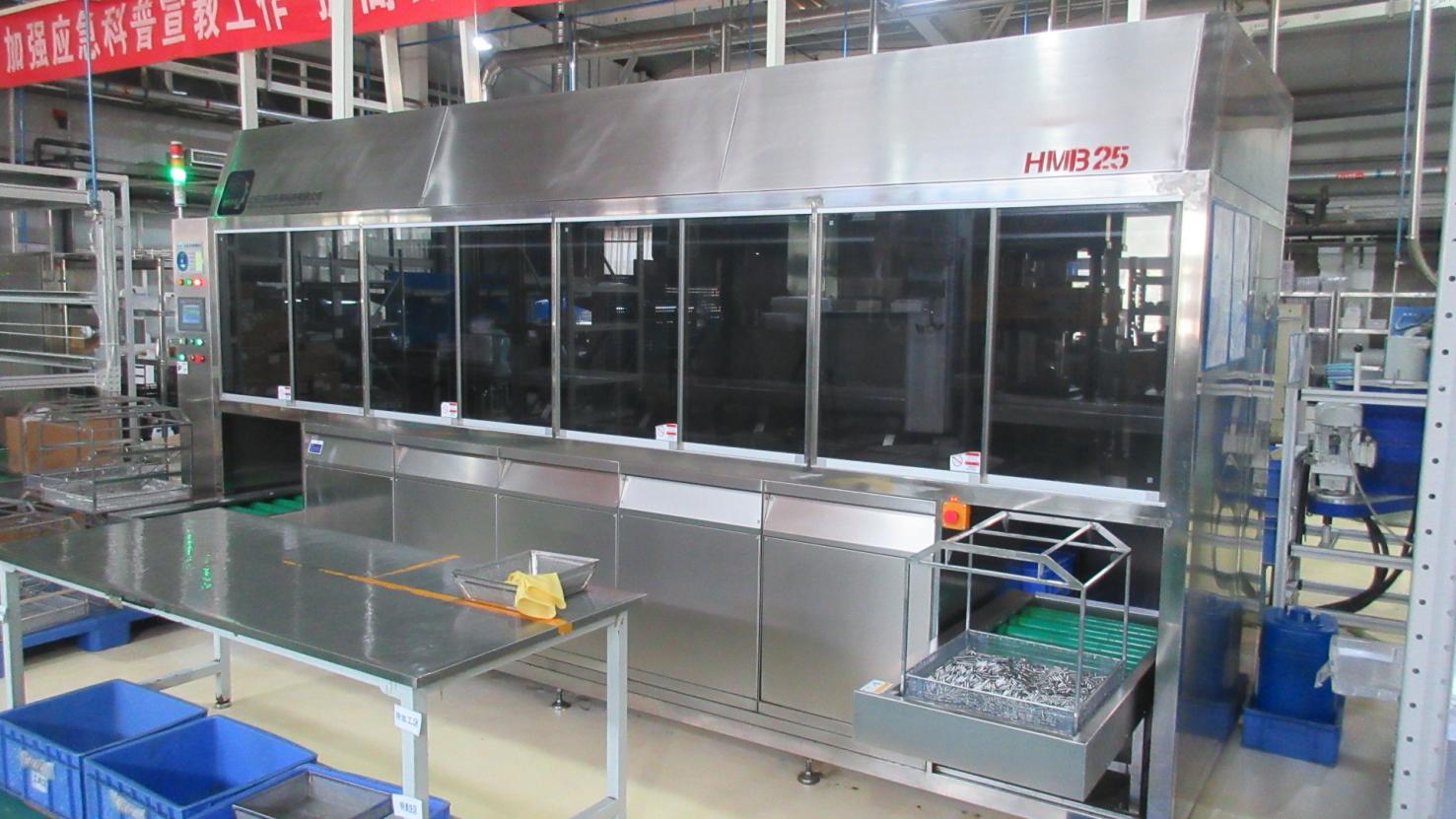
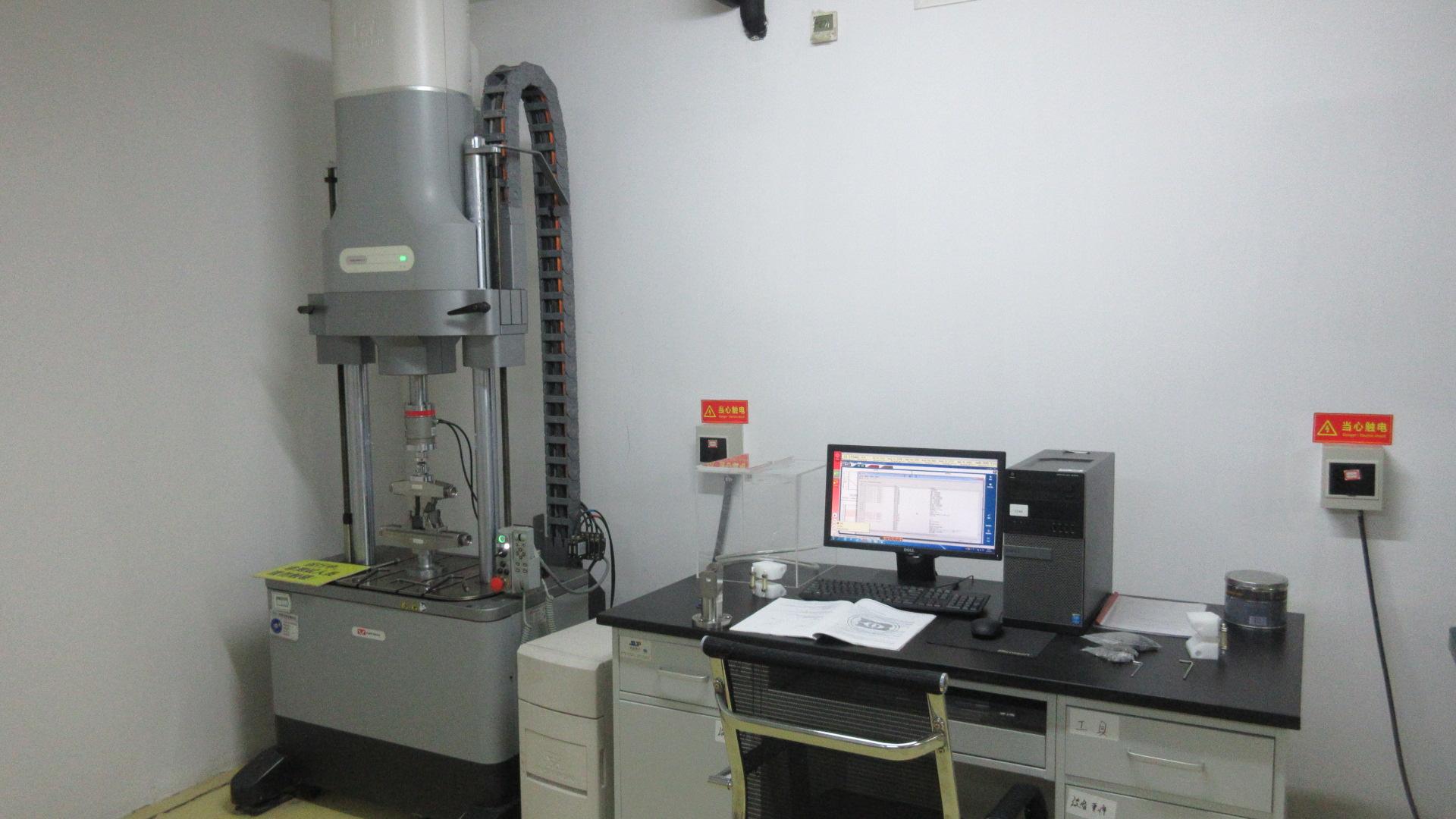
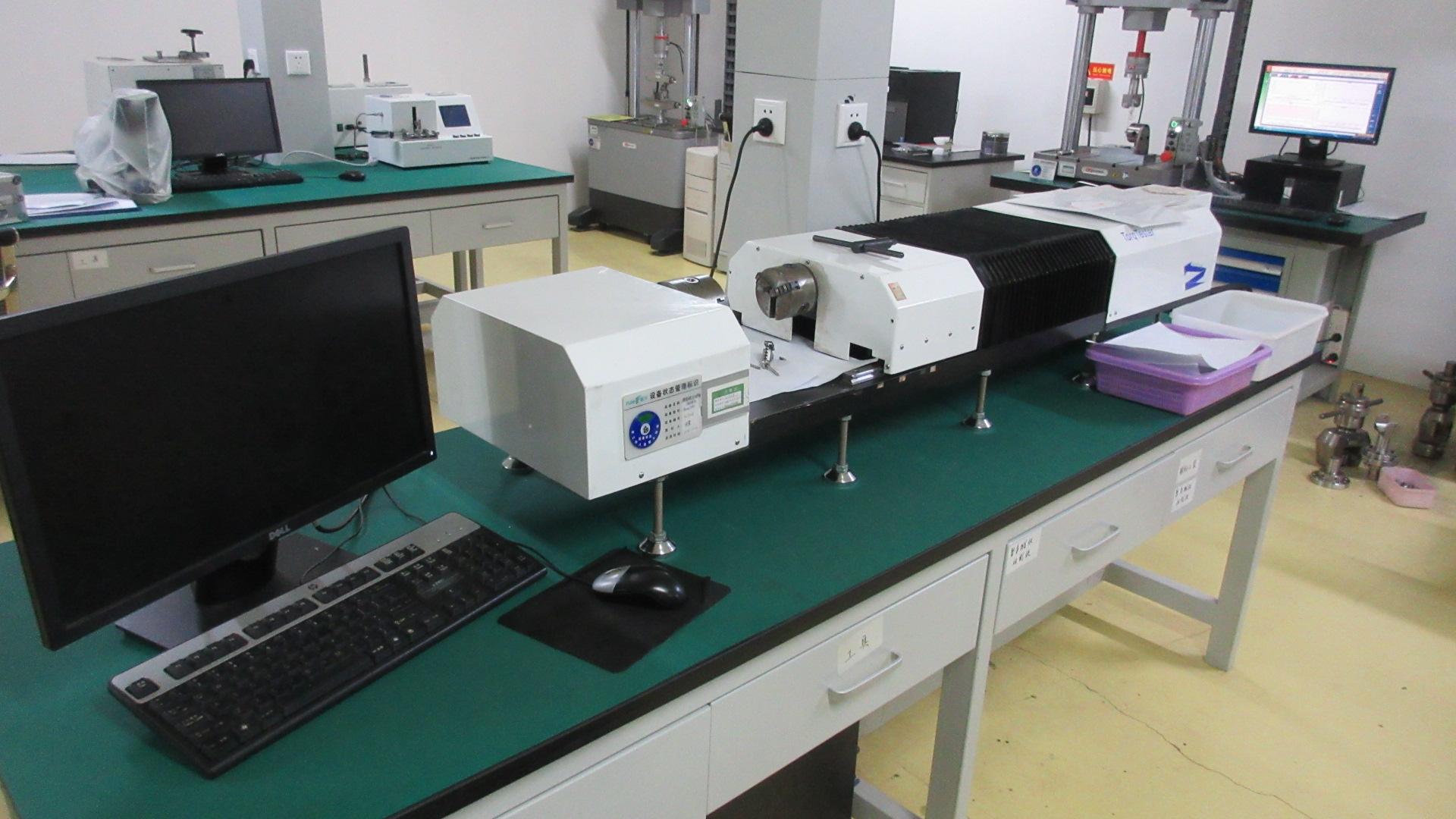
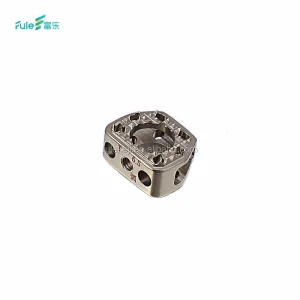
In designing posterior orthopedic lumbar interbody fusion cages (PLIF Instruments Model 305) and ALIF systems, our engineering team uses Finite Element Analysis (FEA) to simulate physiological loads under flexion, extension, and lateral bending. This simulation ensures that our titanium and titanium alloy cages provide mechanical stability similar to natural bone, avoiding stress shielding and facilitating faster bony union. Standard configurations include:
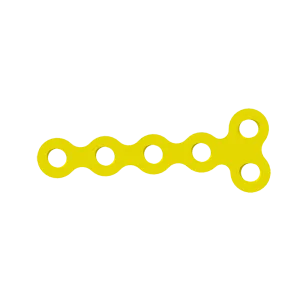
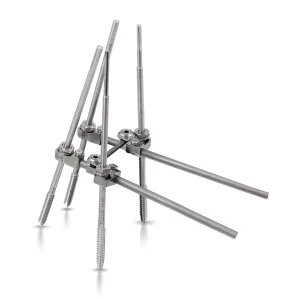
Most of our implantable devices, including the *COXII Pedicle Screw-rod 6.0 System* and *2.0 Y-Shaped Plates*, are manufactured using Ti-6Al-4V ELI (Extra Low Interstitials). This alloy provides superior tensile strength, fatigue resistance, and excellent biocompatibility compared to traditional stainless steel. For transient or specialized instrumentation like the OLIF system, high-grade surgical stainless steel is selected to ensure structural integrity and rust resistance through multiple autoclaving cycles.
Recognizing the diversity in anatomical requirements across patient cohorts in the GCC, our R&D center provides customized manufacturing services based on regional surgical feedback. This includes custom sizing, instrument adjustments, and bespoke surgical kits designed for local regulatory compliance.
Addressing key queries related to regulatory compliance, supply chain logistics, and material standards for the United Arab Emirates.
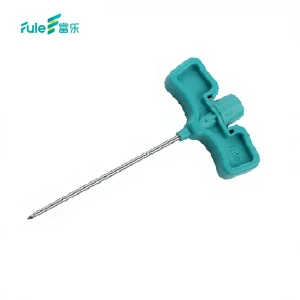
Our orthopedic implants and instrumentation systems are manufactured under strict ISO 13485 quality management guidelines. The majority of our spinal systems, screws, and needles hold European CE mark certifications, making them compliant for import registration through MOHAP (Ministry of Health and Prevention) in the UAE.
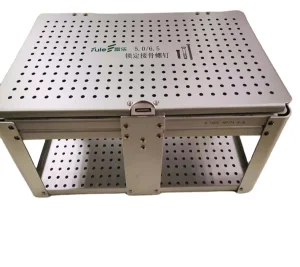
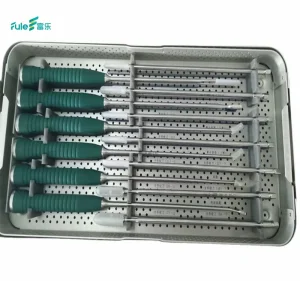
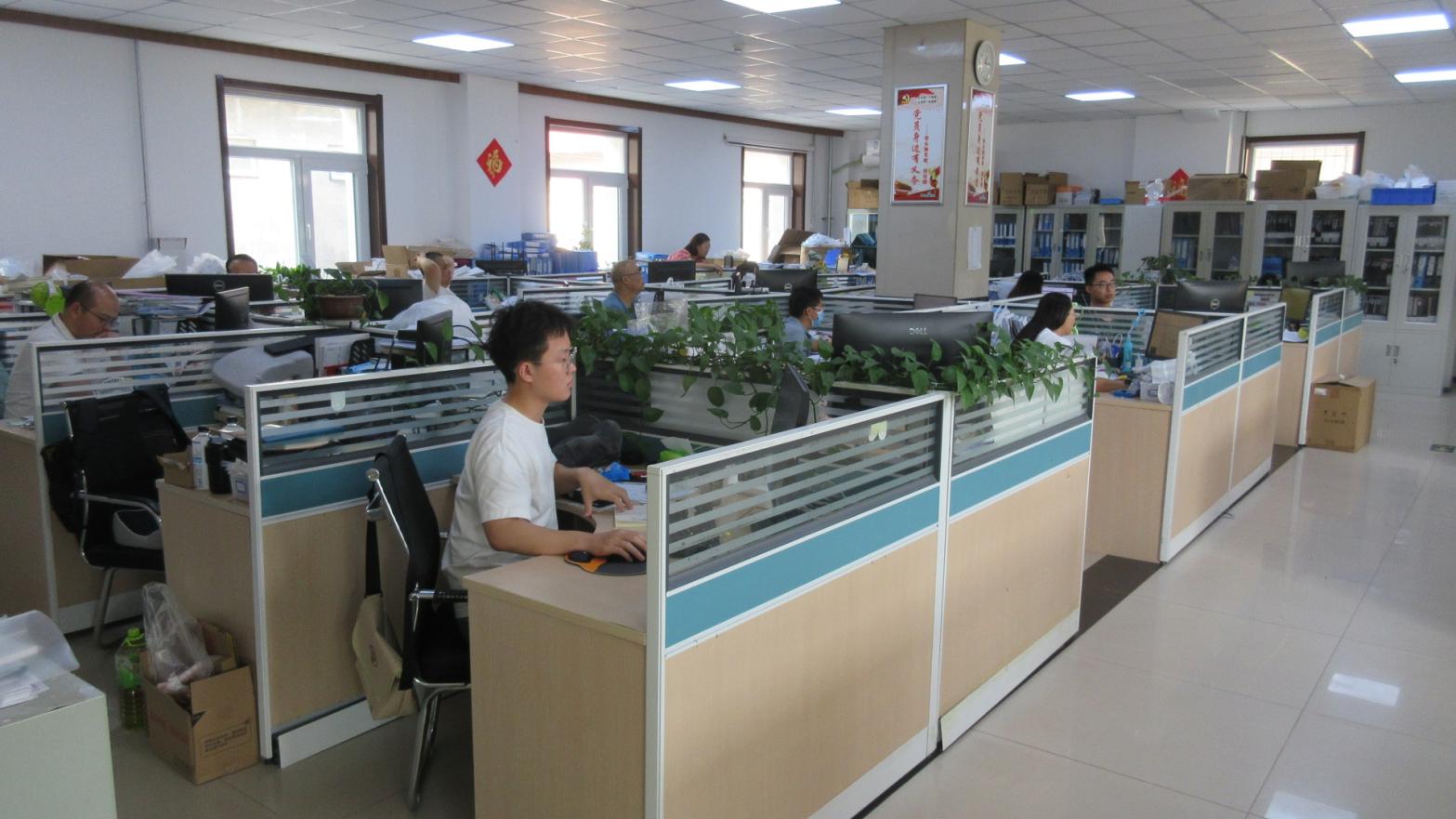
Yes, our R&D capabilities include customizable options such as sample processing, graphic processing, and design-on-demand. With 20 dedicated R&D engineers, we can adapt instrument dimensions, tray layouts, and implant sizing to meet specific hospital procurement requirements.
We conduct 100% inspection on all products. Our QA/QC department consists of 15 inspectors operating across all stages of production, from raw material traceability checks to final dimensional, cleanliness, and sterile packaging validation.
We maintain established logistics partnerships with DHL, FedEx, and major ocean freight operators. Air freight shipments for instrument sets and sterile implants typically arrive at Dubai International (DXB) or Abu Dhabi International (AUH) within 5 to 7 business days, depending on regulatory import clearing times.
 Beren Science & Technology