Premium OEM/ODM Spine Solutions & Orthopedic Implants: Bridging High-Efficiency Precision Manufacturing with Strict European Regulatory Standards.
Engineered for precise biomechanical alignment, rapid osseointegration, and low-profile fixation. Fully certifiable for Northern German clinical markets.
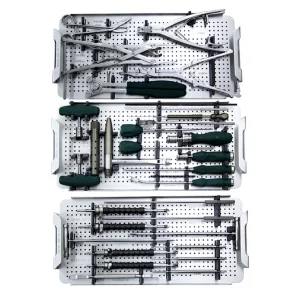
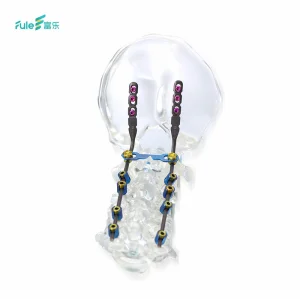
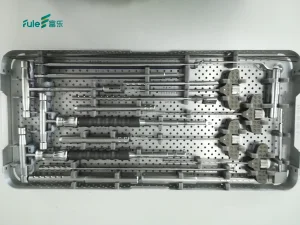
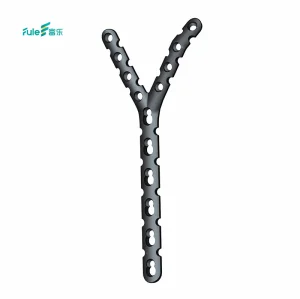
The Metropolitan Region of Hamburg is one of Europe's premier healthcare and life sciences hubs, anchored by globally renowned institutions such as the University Medical Center Hamburg-Eppendorf (UKE) and the Asklepios Kliniken. As the German spinal surgery landscape evolves under the pressure of demographic shifts, orthopedic clinics in Northern Germany are demanding advanced interbody fusion options (PLIF, TLIF, ALIF, LLIF) that minimize subsidence rates and optimize fusion times.
"European procurement structures are shifting from local-only sourcing to global high-efficiency supply networks capable of managing MDR certification while guaranteeing continuous batch-level predictability."
For distributors and hospitals in Hamburg, sourcing interbody cages is no longer just a question of unit price. It is an evaluation of biomechanical engineering compatibility (modulus of elasticity matching trabecular bone), micro-surface roughness that fosters rapid osseointegration, and supply chain stability. As German hospitals operate under tight DRG (Diagnosis Related Groups) budgets, Chinese manufacturing centers with established CE marks represent a crucial commercial alternative.
Audited plant performance, structural quality control benchmarks, and raw material traceability systems compliant with ISO13485.
China's spine implant manufacturing infrastructure has transformed. By implementing ISO 13485 quality protocols along with state-of-the-art multi-axis CNC machining centers and additive manufacturing (3D printing with Ti6Al4V alloy), factories like ours deliver implants with micrometer-level tolerance control. Our 10,000㎡ facility integrates raw material sourcing directly from certified medical titanium and PEEK (Polyetheretherketone) providers.
By producing over 511,000 units annually across a highly consolidated assembly process, we drastically lower the unit production cost compared to domestic European manufacturers. This structural cost advantage enables German distributors to preserve margins under strict regional healthcare pricing structures without sacrificing mechanical safety or regulatory integrity.
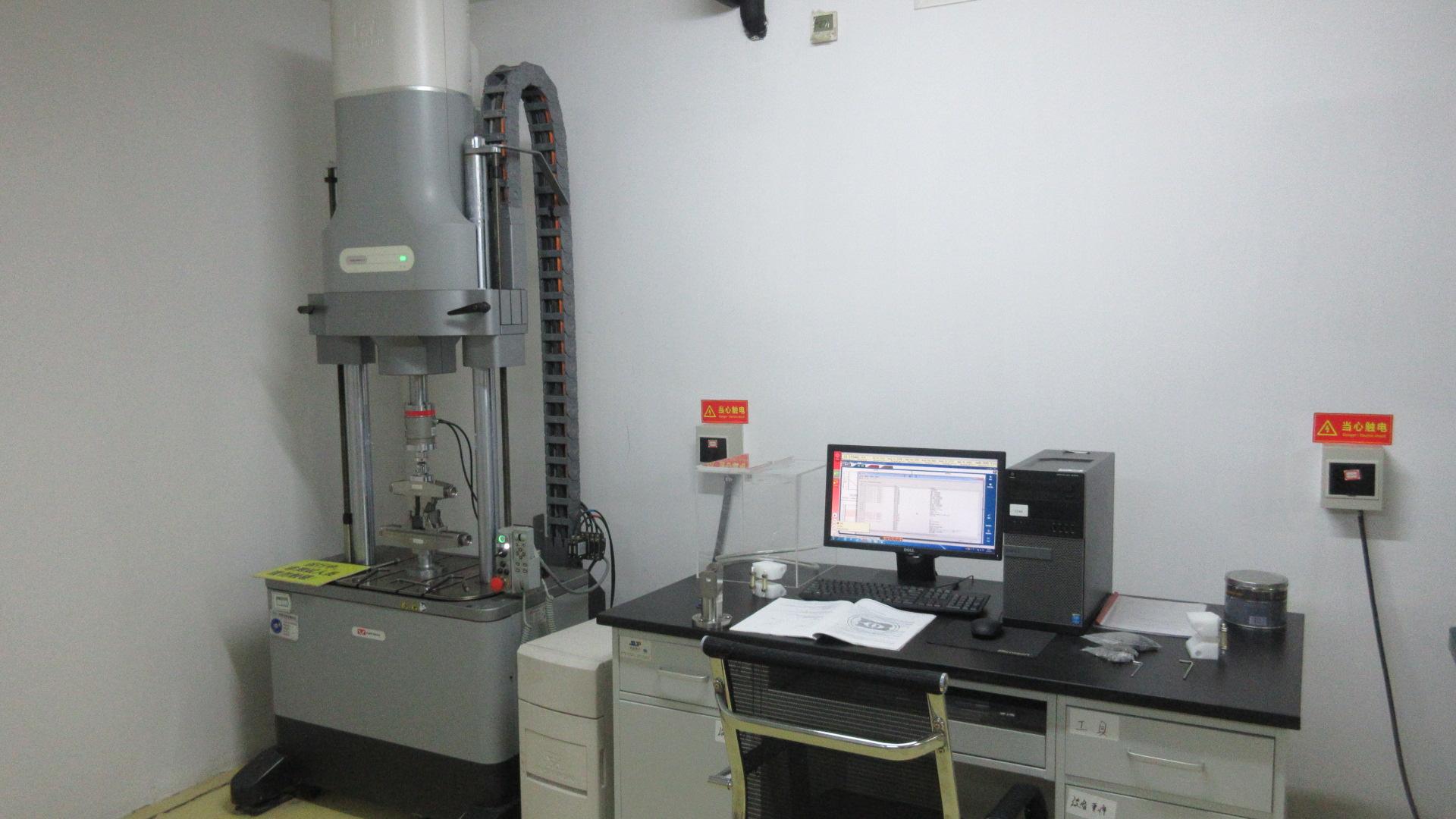
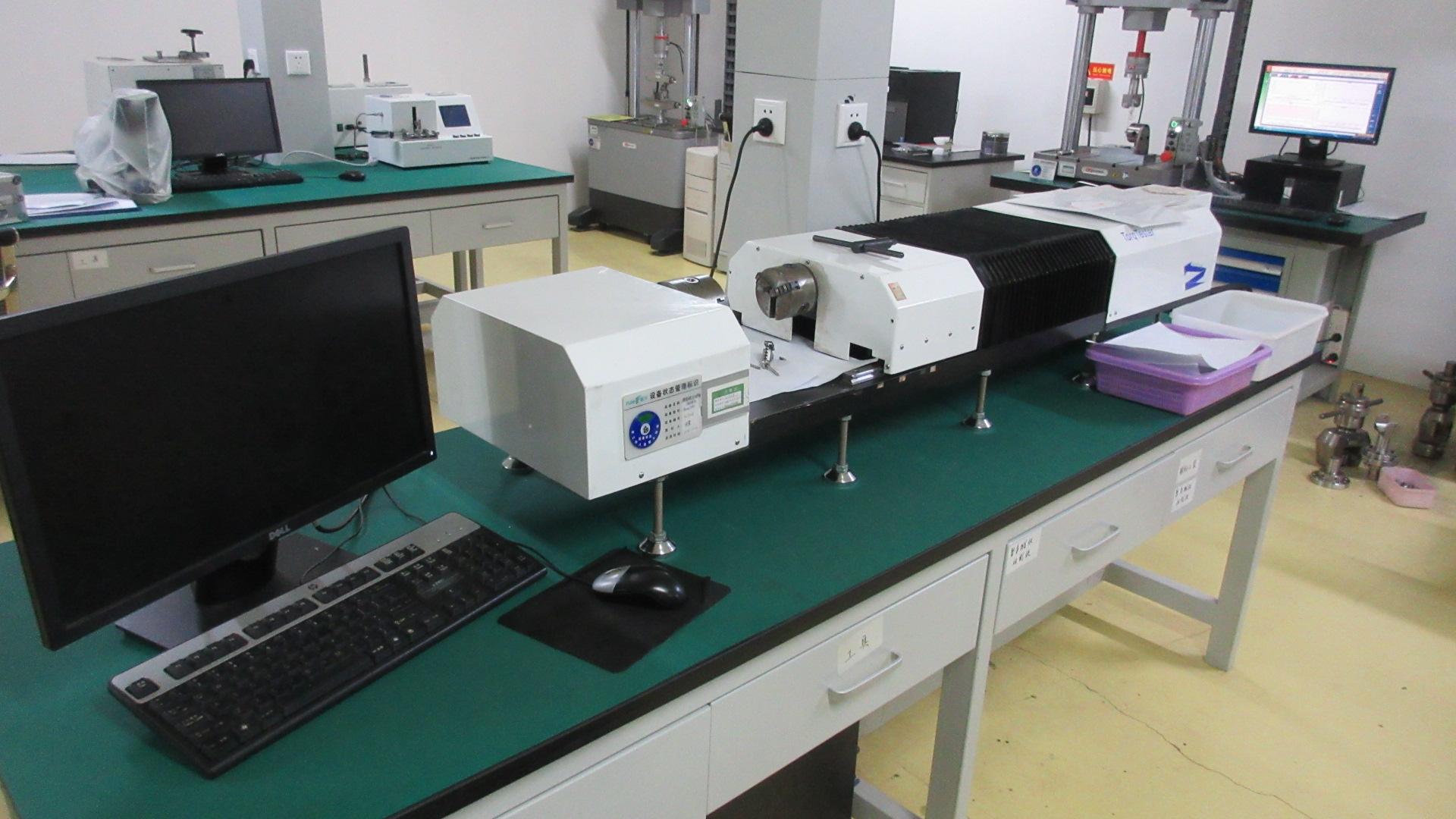
Quality assurance is centralized in our inspection framework. Every batch of interbody fusion devices undergoes a rigorous testing protocol including fatigue testing under dynamic load conditions (ISO 12189 / ASTM F2077) and micro-CT surface analysis.
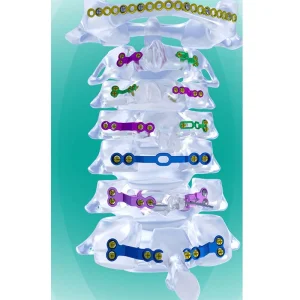
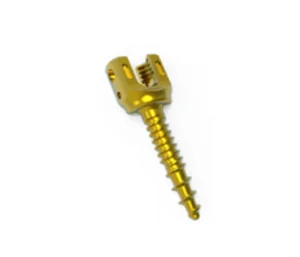
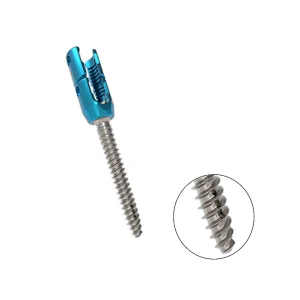
Optimized systems for cervical laminoplasty, polyaxial spine stabilization, and osteoporotic treatment. Engineered for German regulatory standards.
Sourcing interbody fusion cages for the Hamburg healthcare market requires deep attention to material sciences and structural geometry. Clinicians expect implants that balance load-bearing capabilities with diagnostic imaging clarity (minimal MRI/CT distortion). The table below lists standard comparisons between our raw material profiles and typical clinical performance metrics.
| Material Class | Elastic Modulus (GPa) | Radiolucency Level | Osseointegration Capacity | Common Applications |
|---|---|---|---|---|
| Medical Grade PEEK (ASTM F2026) | 3.6 - 4.0 | Excellent (Fully Radiolucent) | Moderate (requires porous coating/grafts) | PLIF / TLIF Cages, Cervical Spacers |
| Porous Titanium Alloy (Ti6Al4V ELI) | 10 - 20 (Structured) | Radiopaque (with scattering) | Superior (Trabecular growth) | 3D Printed Endplates, Interbody Cages |
| PEEK-Titanium Composite (Hybrid) | 4.5 - 6.0 | High (Clear markers) | Excellent (Coated surface) | Advanced ALIF / LLIF Cages |
Our manufacturing complex represents 30 years of specialized metallurgical and polymer processing experience. Under ISO 13485 quality protocols, our system manages everything from raw material verification to cleanroom packaging.
| Registration Date | 1996-06-28 |
| Floor Space | 10,000 ㎡ (Advanced Class 10,000 Cleanrooms) |
| R&D Engineering Capacity | 20 Engineers (15 Graduate level, 5 Technical specialist) |
| Traceability | Full batch-level tracking of raw material certificates |
| QC Protocols | 100% optical and dimensional verification of all batches |
| Customization Options | OEM/ODM sample processing, graphic design, customized sizes |
Our trade network serves major medical hubs globally. By collaborating with established logistics providers, we ensure that shipments to Europe, and Hamburg specifically, are cleared quickly through the Port of Hamburg or Hamburg Airport (HAM).
Our export portfolio covers three main areas:
Through partnerships with leading logistics companies, our OEM systems reach Central European distribution warehouses within 5-7 business days from dispatch.
Engineered for spinal decompression and fusion. Verified Class I & Class III implants ready for bulk order and OEM integration.
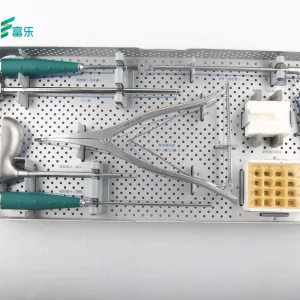
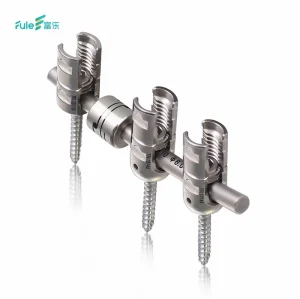
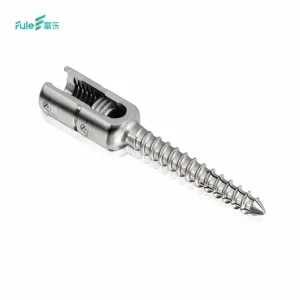
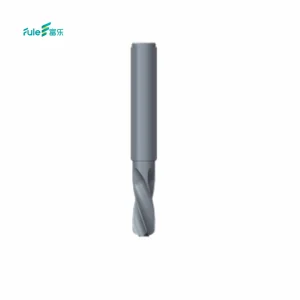
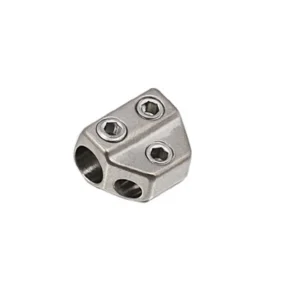
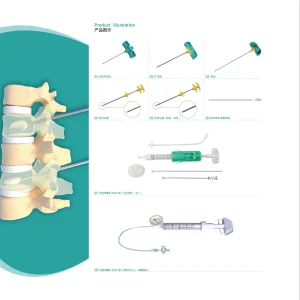
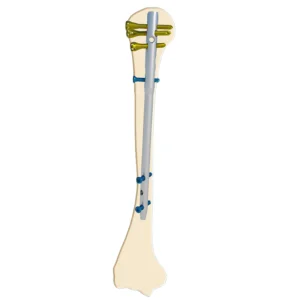
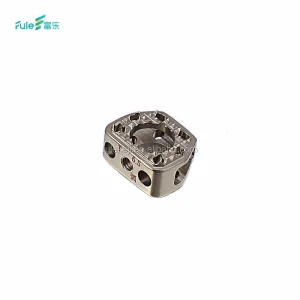
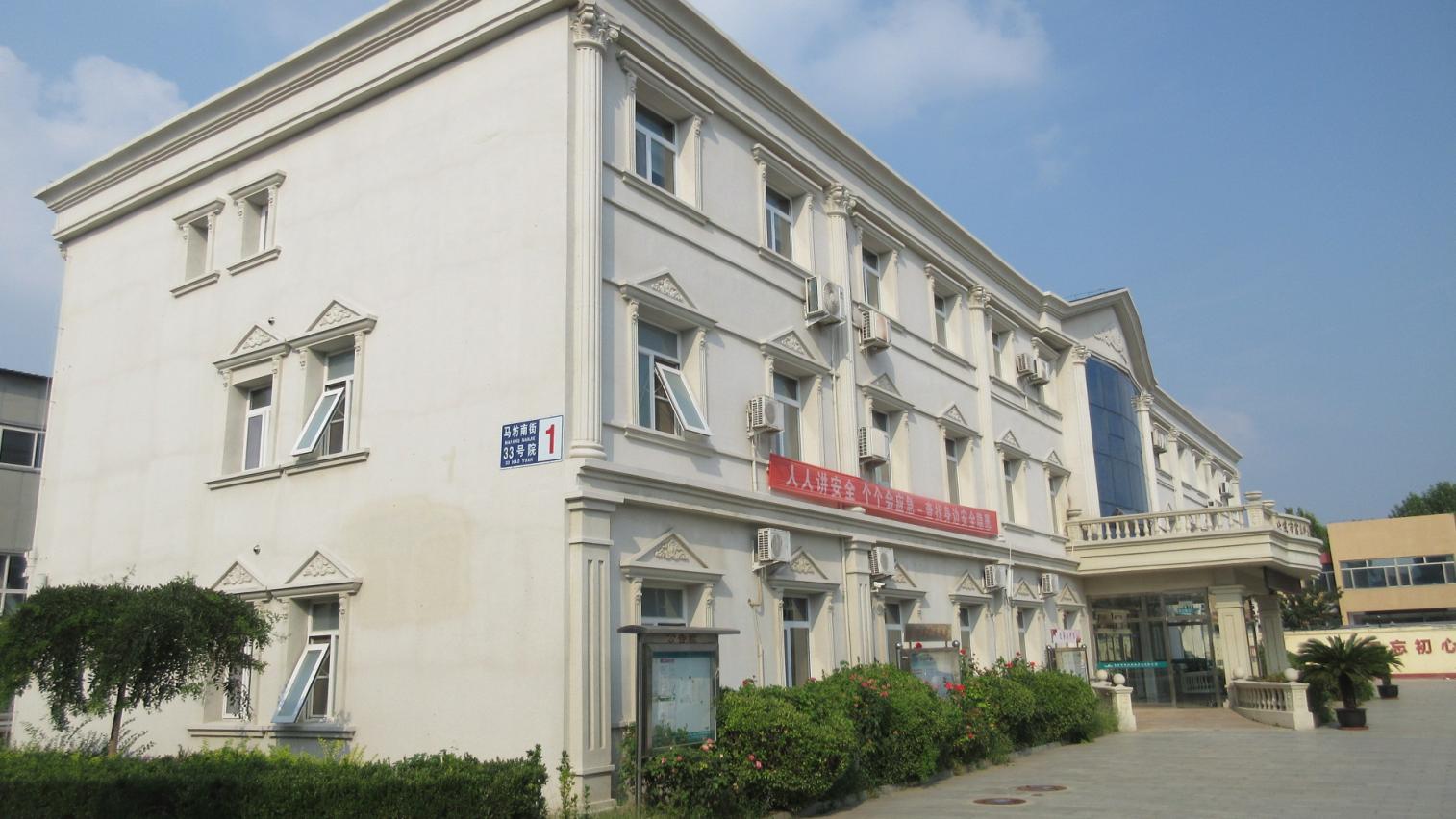
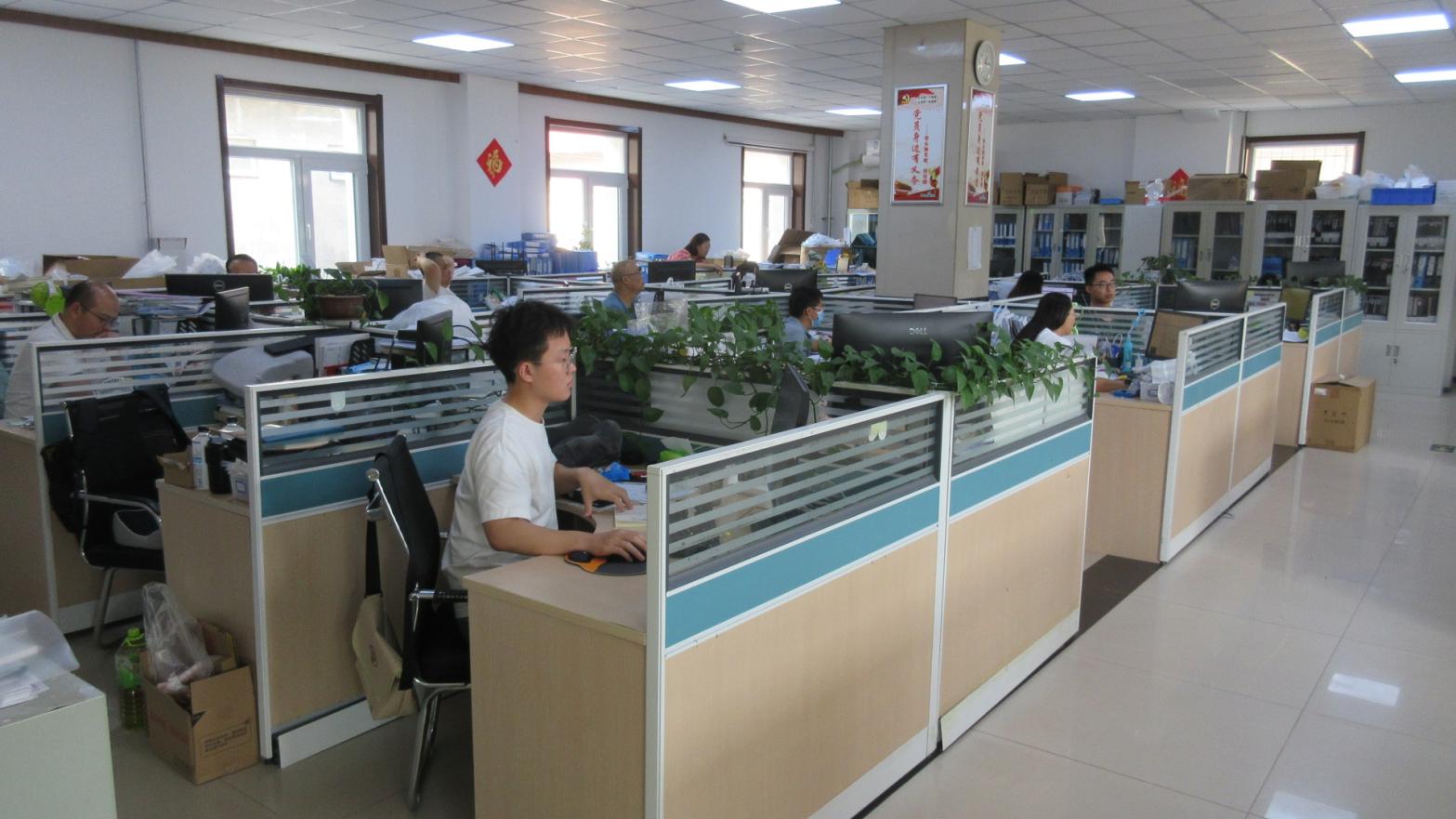
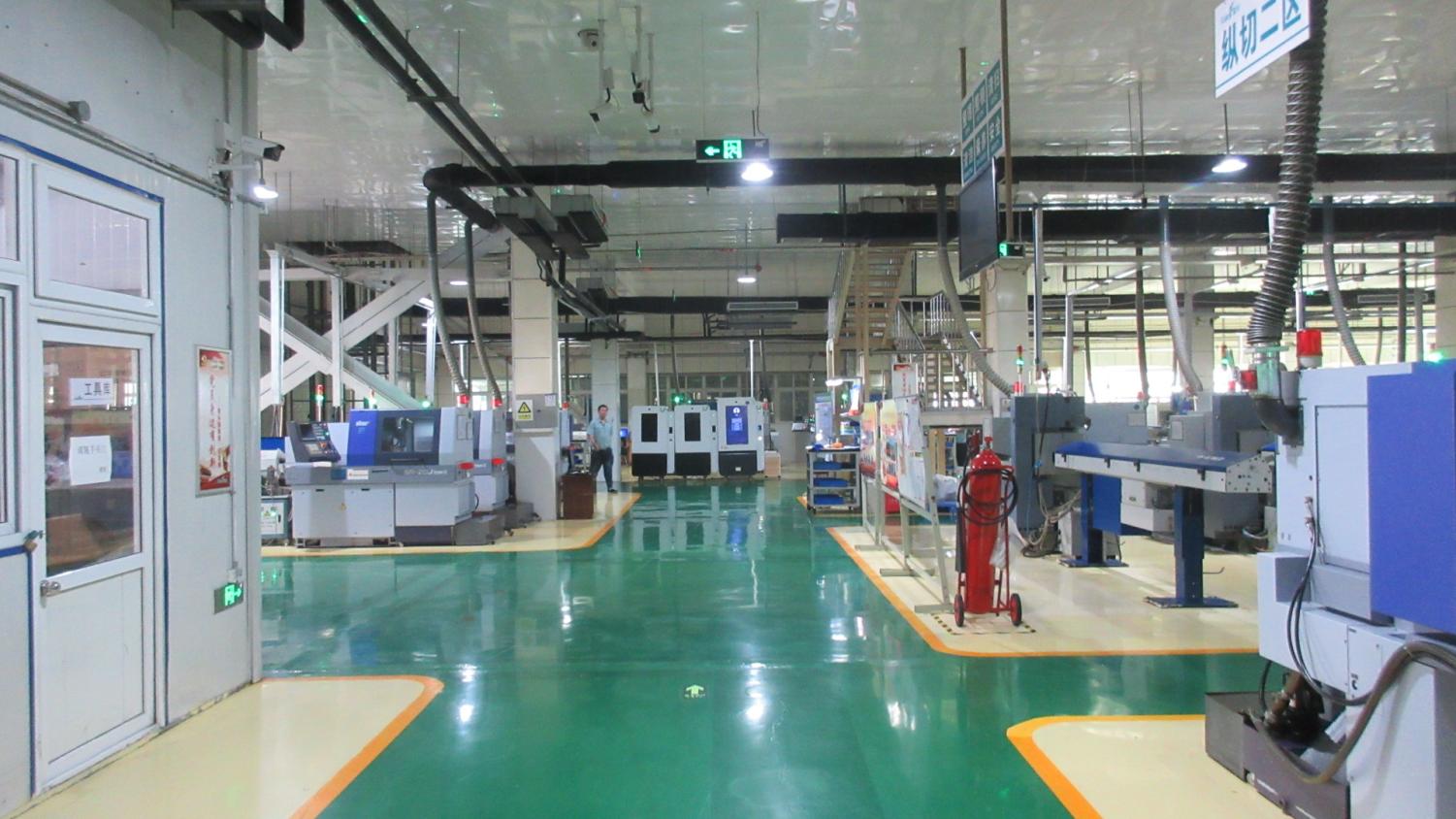
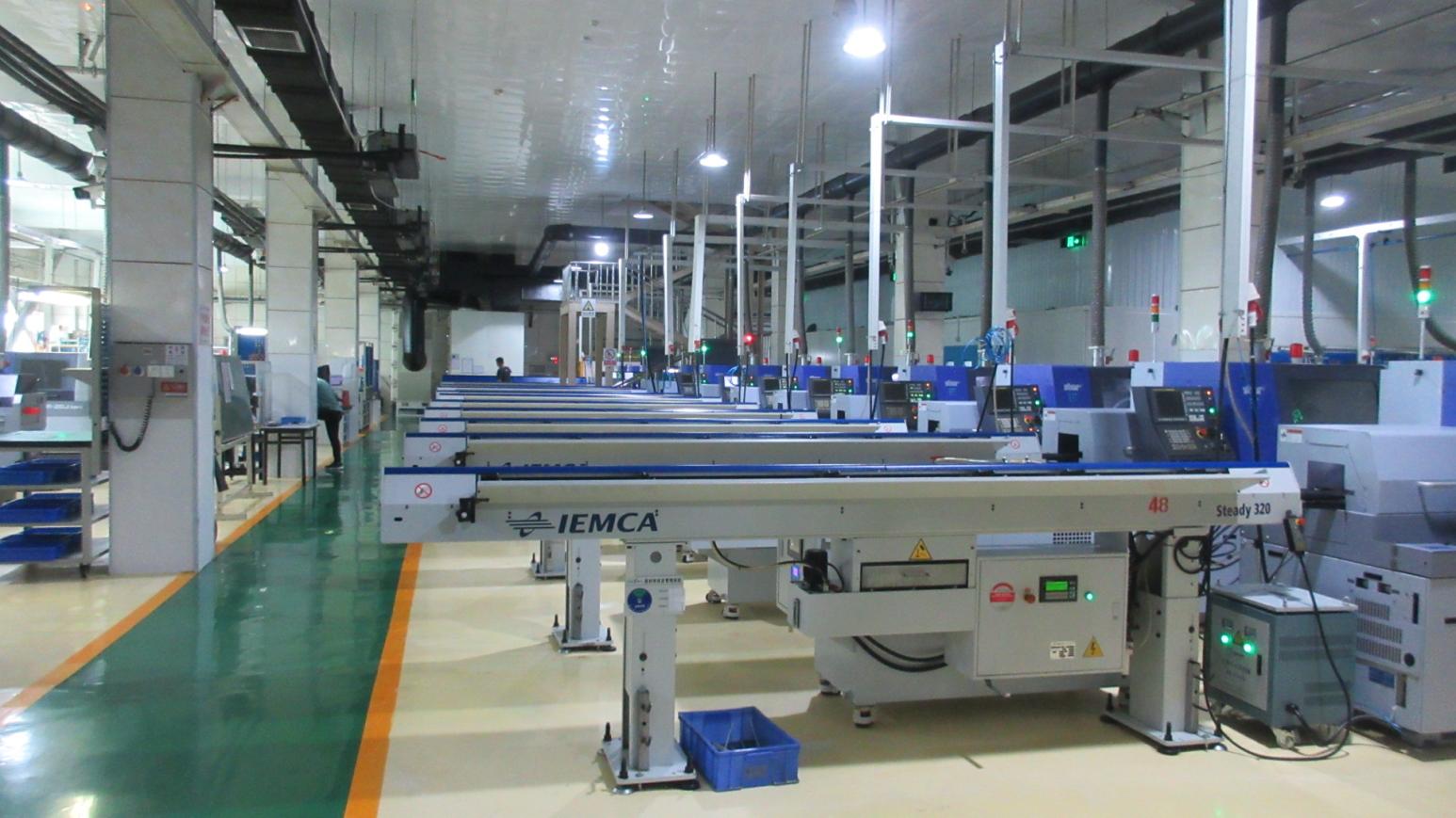
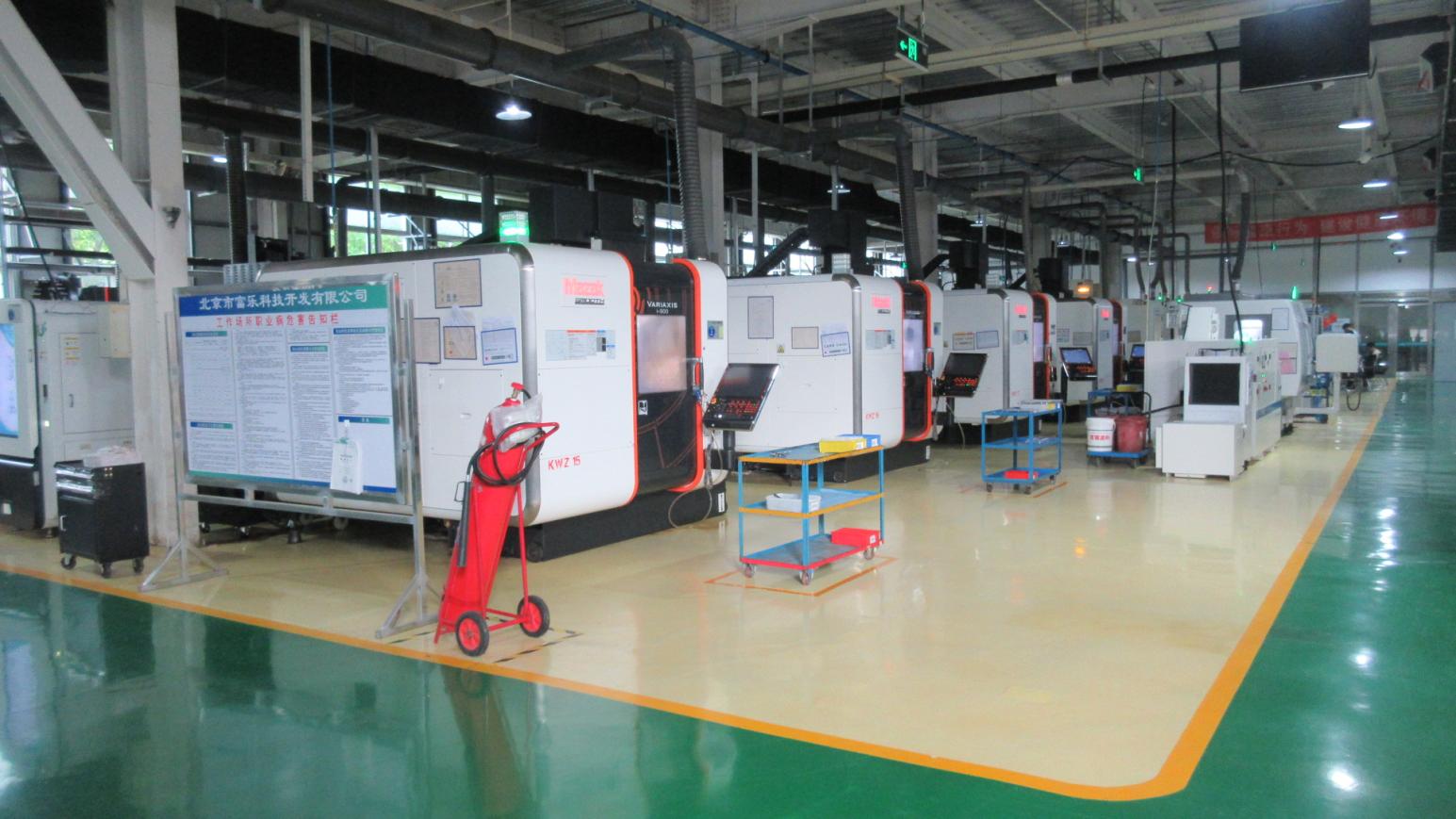
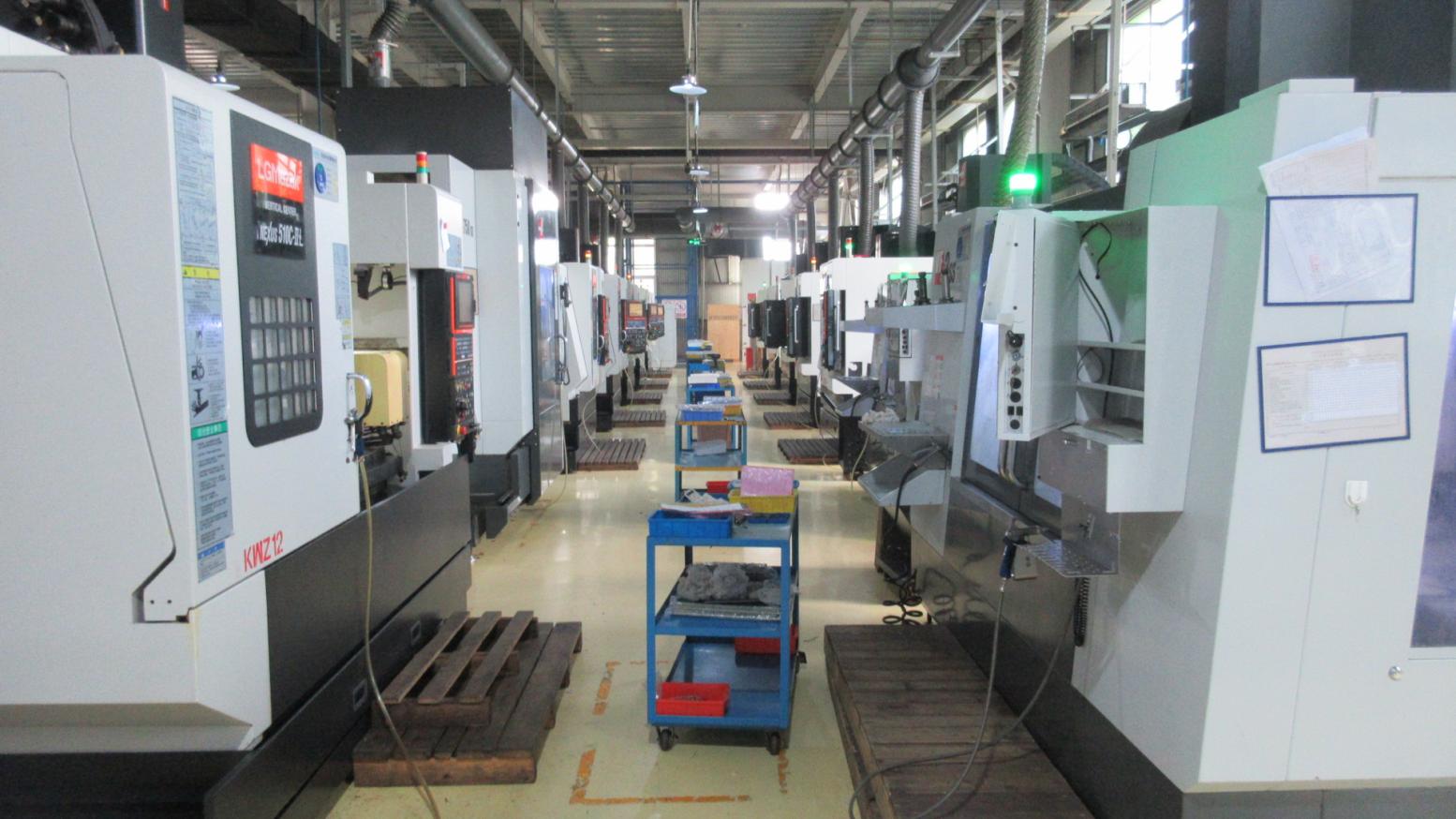
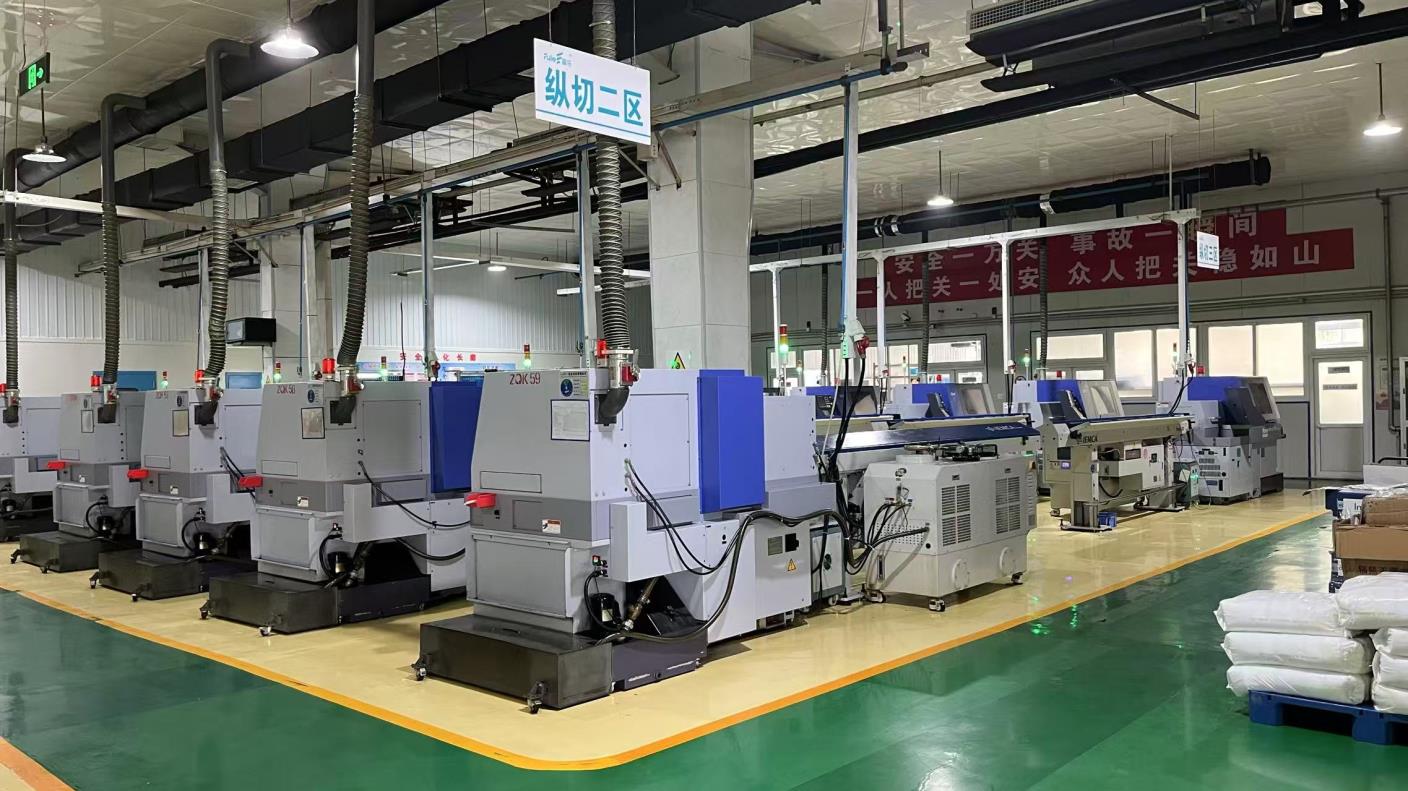
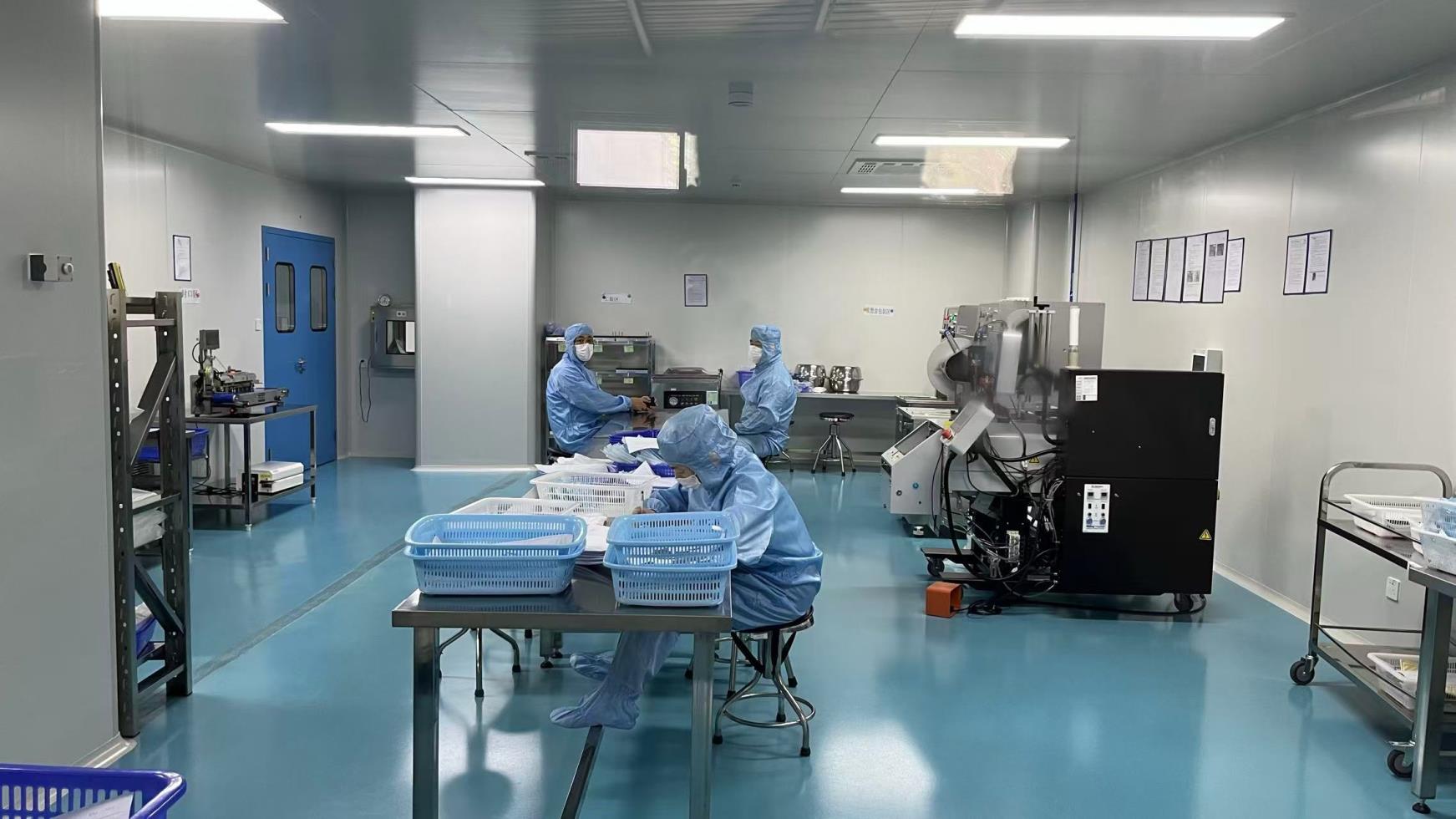
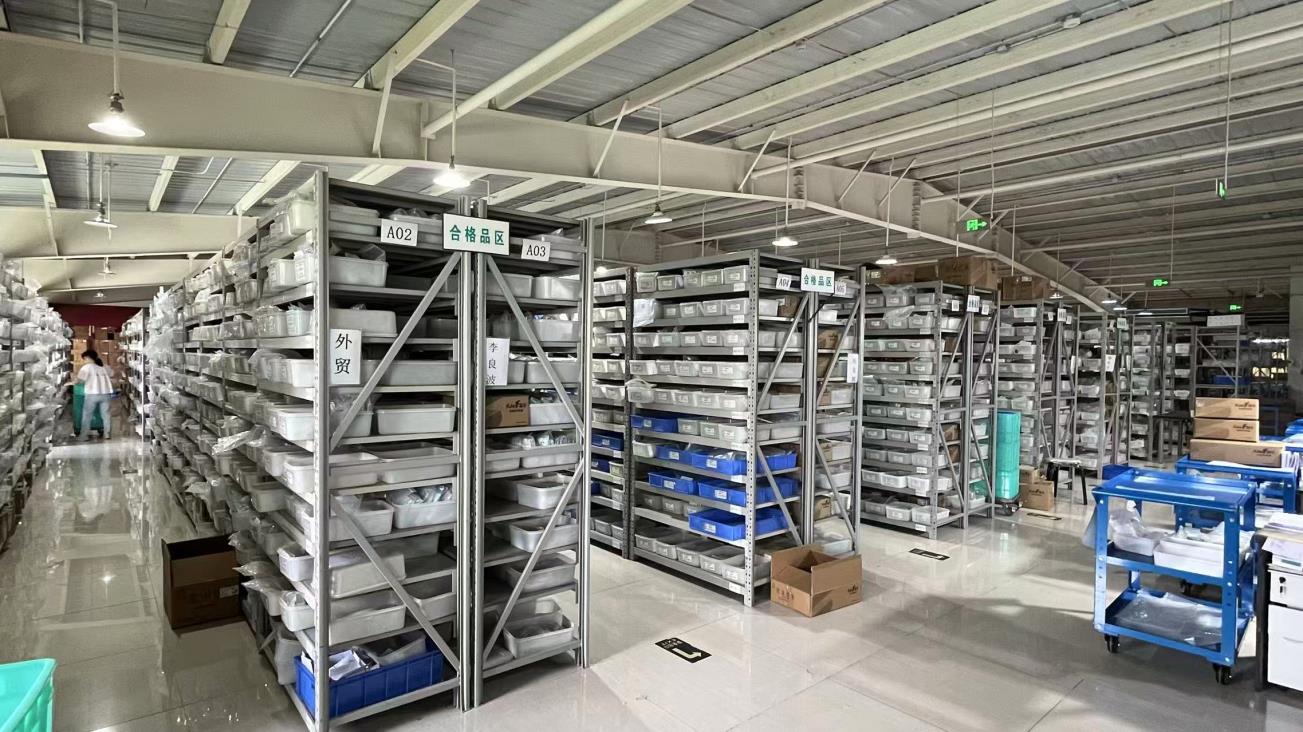
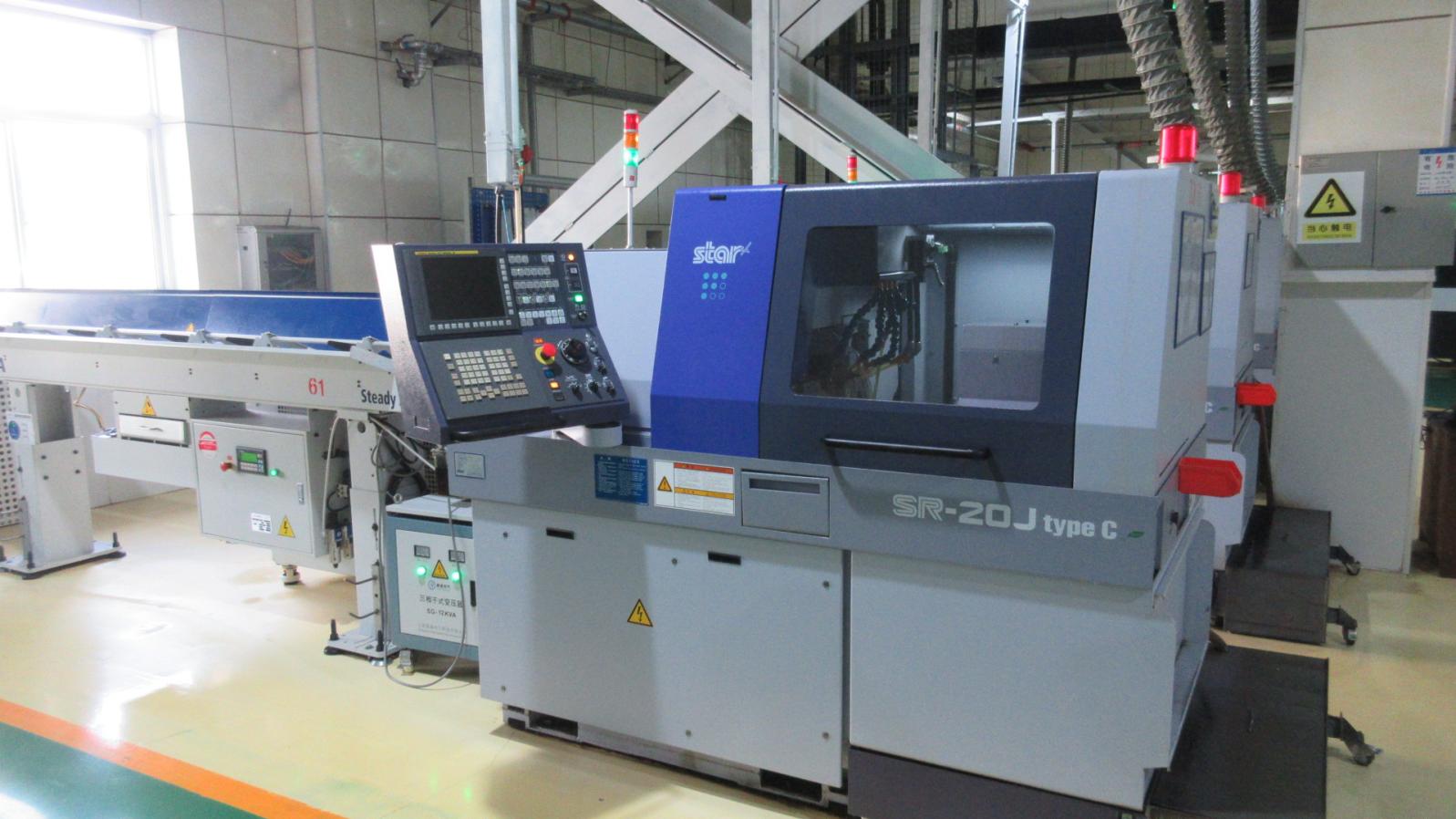
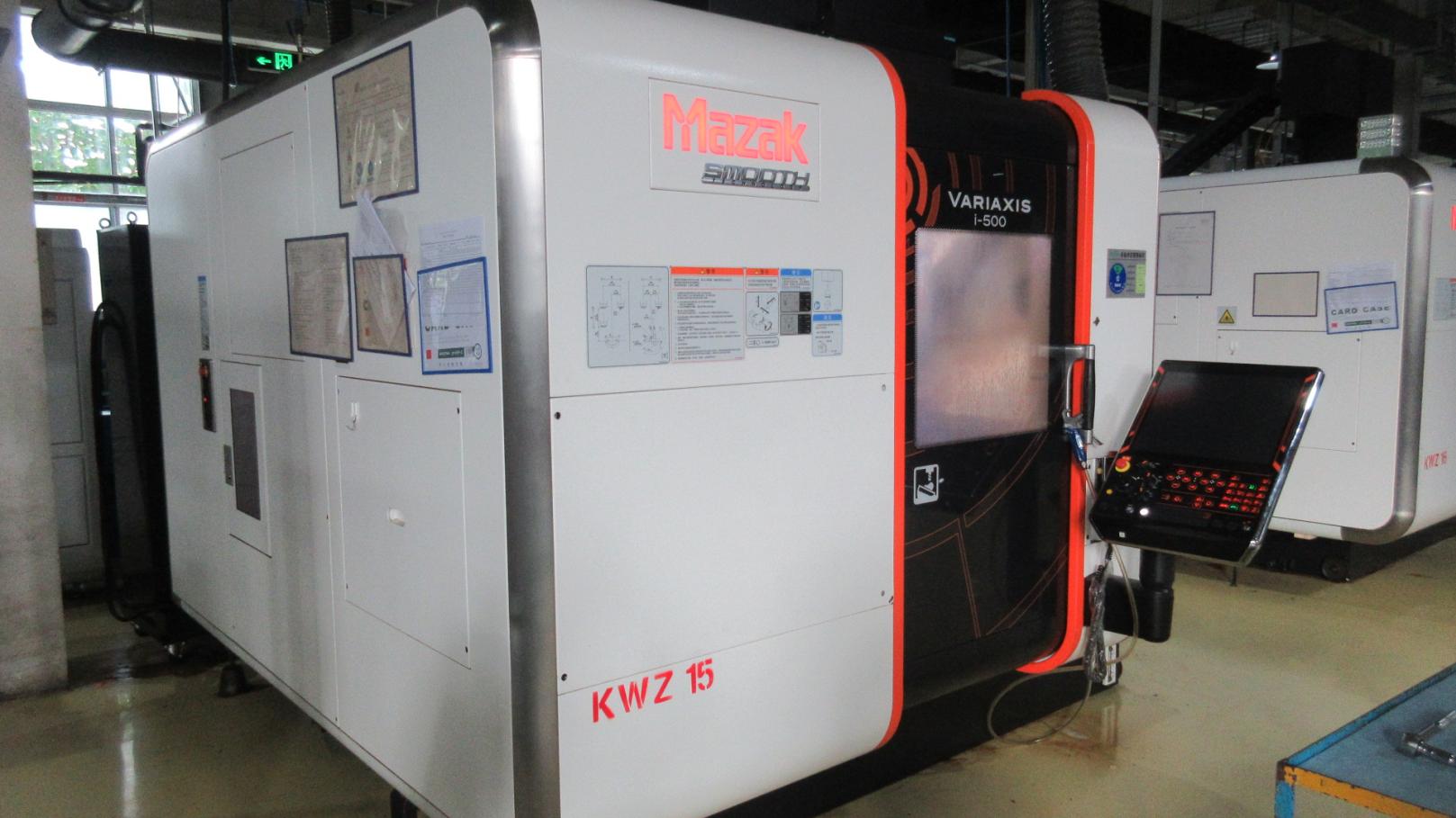
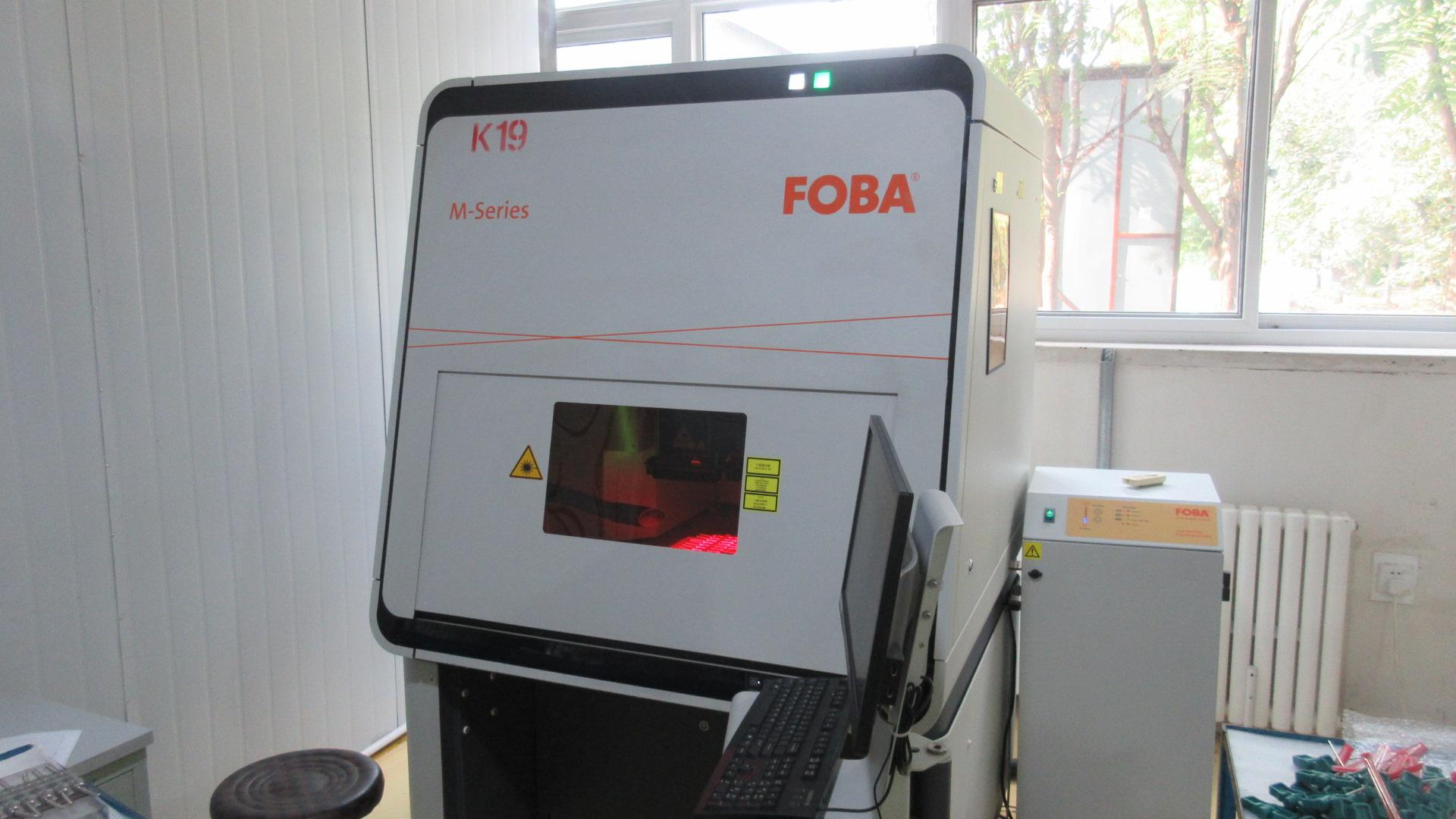
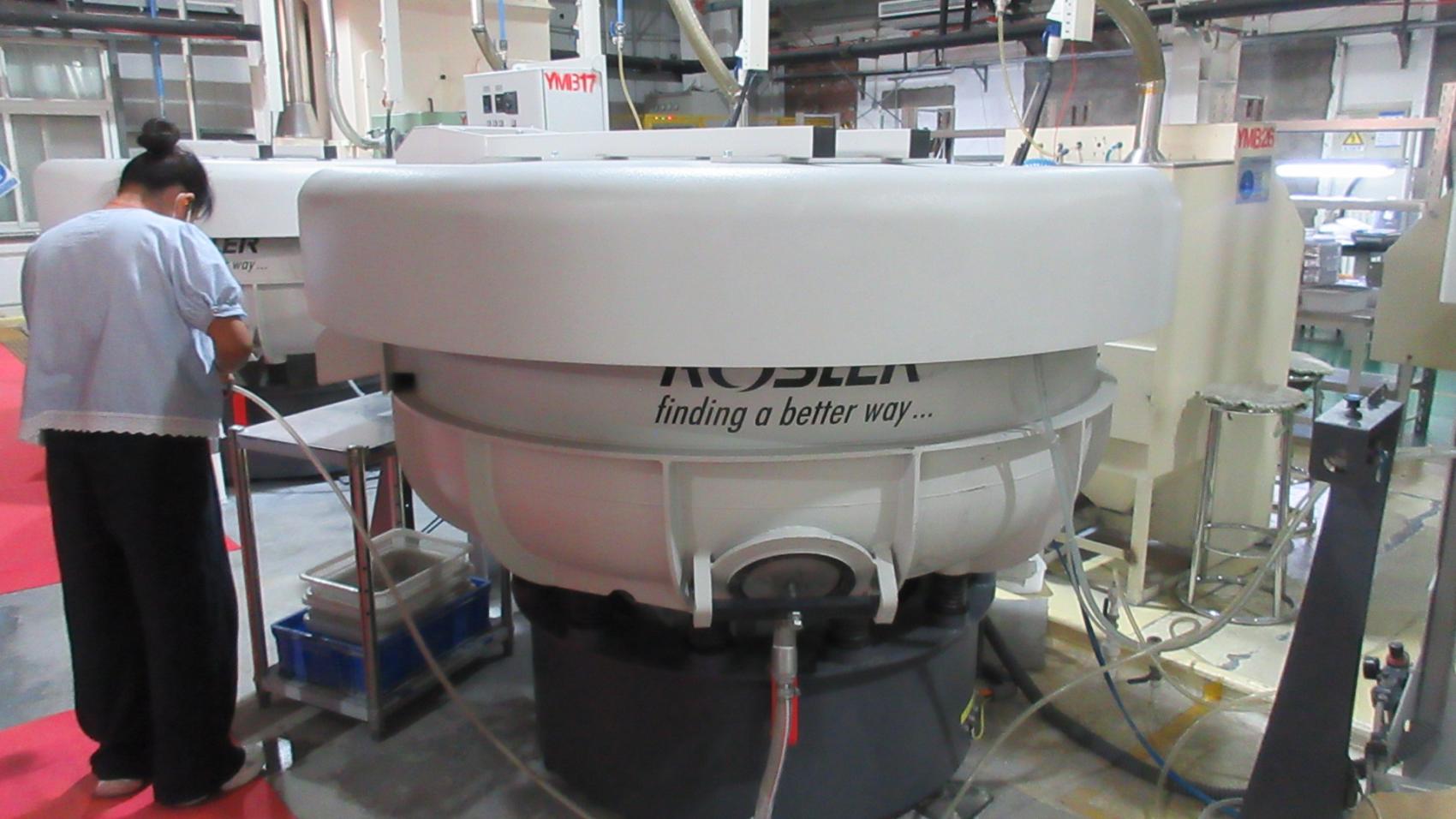
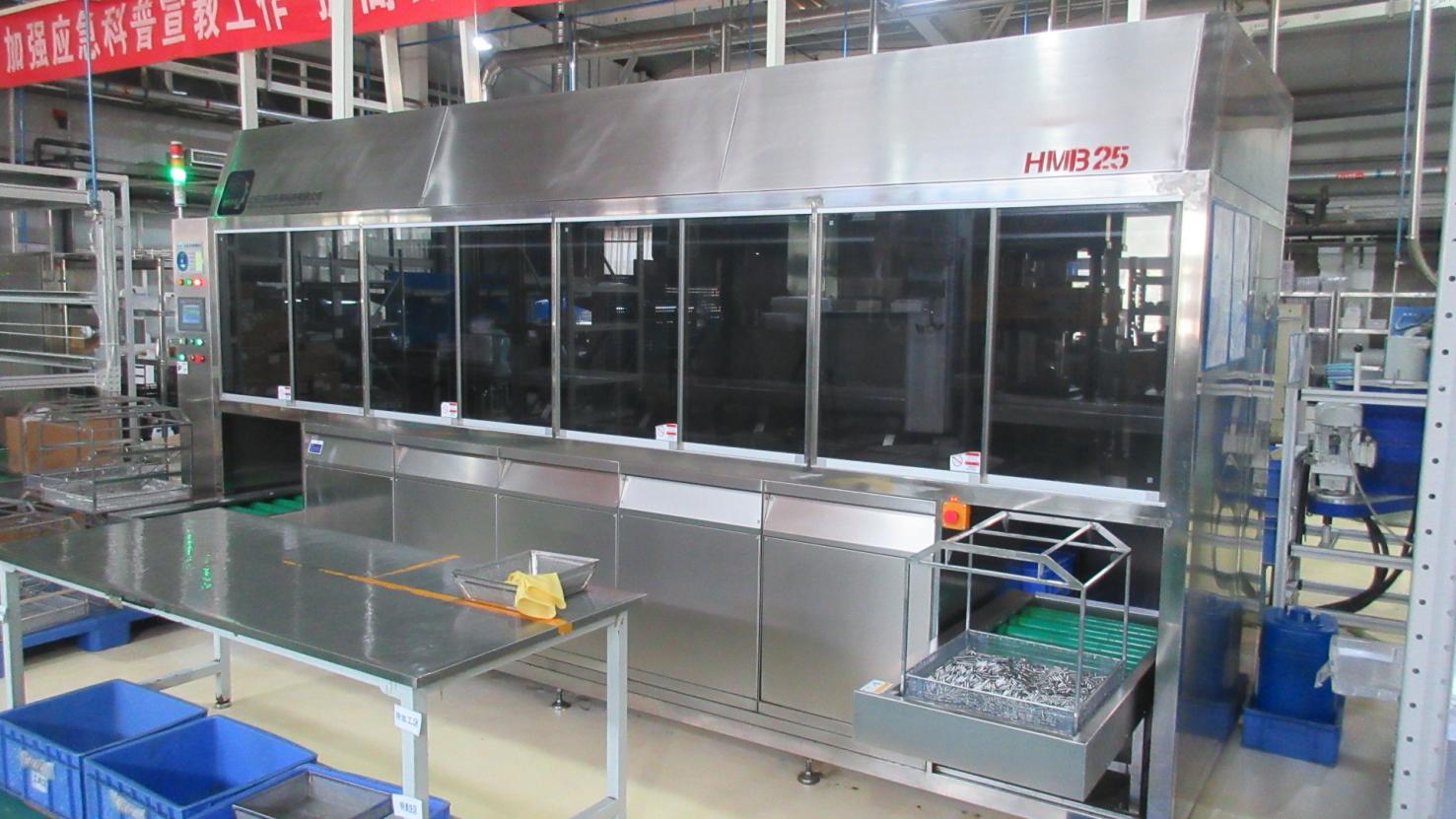
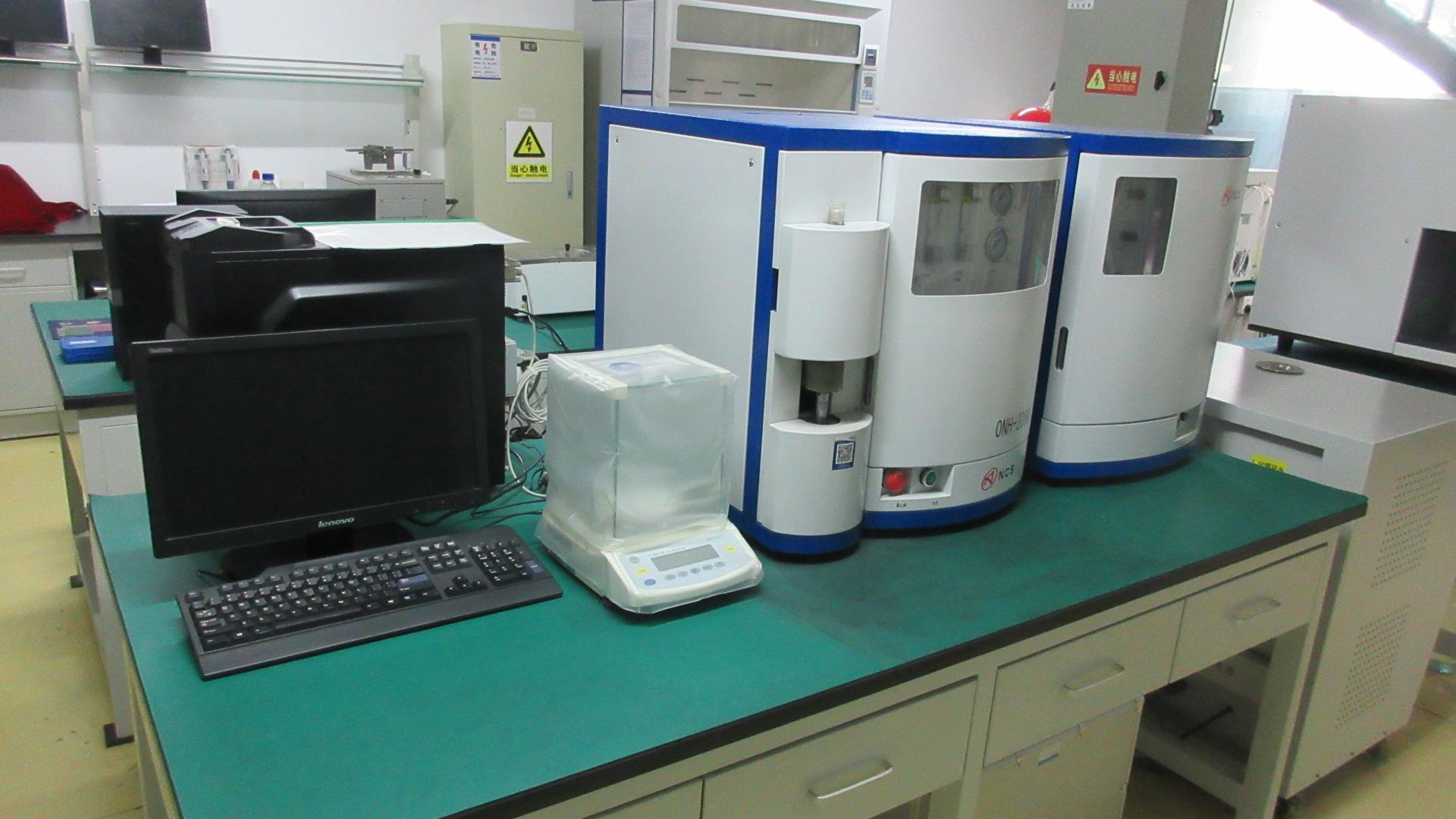
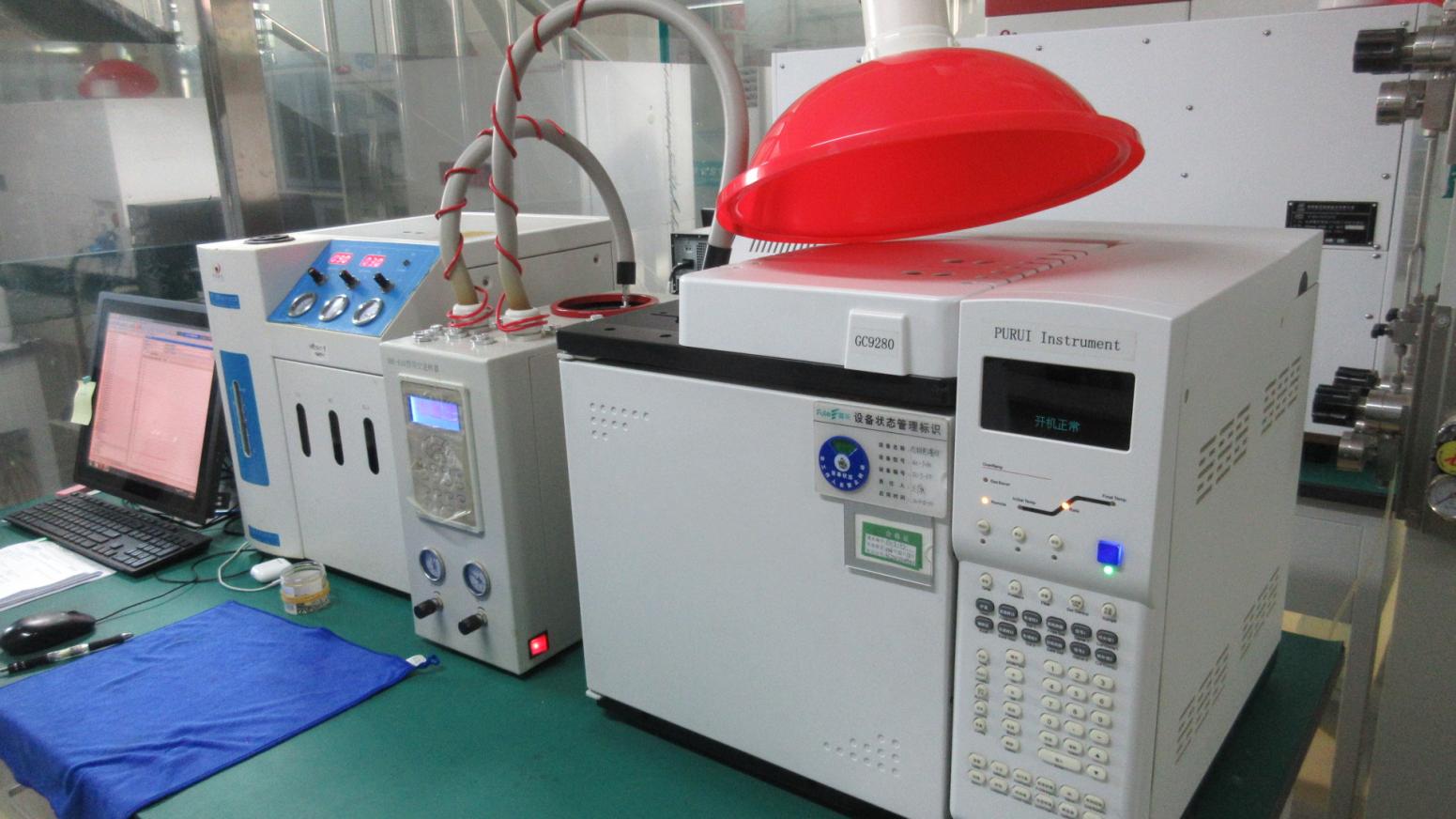
Get an inside look at our 10,000 square meter factory, highlighting our CNC operations, cleaning rooms, quality control steps, and mechanical testing labs.
Frequently asked questions by orthopedic distributors, clinical buyers, and OEM scouts in Germany and globally.
Partner with an audited medical device manufacturer to secure CE-certified interbody fusion systems. Reduce procurement overhead while maintaining clinical and mechanical performance.
Send Inquiry Now Beren Science & Technology