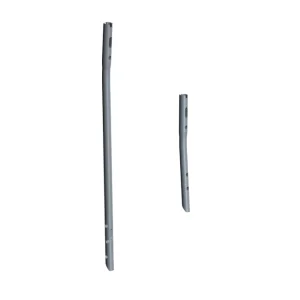
Optimized titanium alloy fixation devices matching clinical specifications required by Ireland's Health Service Executive (HSE).
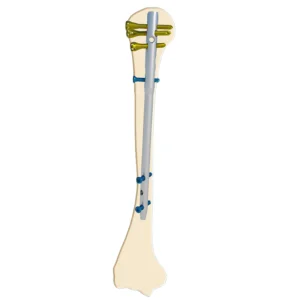
Ireland has established itself as a global medical technology powerhouse, centered in hubs like Galway, Dublin, and Cork. However, while the domestic industry is dominated by major multinational manufacturing entities exporting globally, the Irish domestic healthcare sector—directed by the Health Service Executive (HSE)—relies heavily on the importing of cost-effective, high-performance trauma reconstruction hardware. Regional surgical centers require a consistent, reliable supply of metallic intramedullary fixation systems to manage fracture care in aging demographics and trauma cases.
For procurement managers in Irish teaching hospitals, such as St. James's Hospital (Dublin), Beaumont Hospital, and Galway University Hospital, balancing budget allocations while maintaining strict clinical compliance is paramount. The HSE demands intramedullary nail solutions that achieve surgical performance parity with established European tier-one brands, while offering structured economic feasibility.
Under the Health Products Regulatory Authority (HPRA) in Ireland, all orthopedic implants must be compliant with the European Medical Devices Regulation (EU 2017/745 - MDR). Our intramedullary nails are registered class III medical devices, designed to ensure patients in Irish hospitals undergo procedures with maximum mechanical stability, bio-inertness, and minimal threat of aseptic loosening.
Our trace-monitored manufacturing process utilizes raw materials that are fully batch-traceable back to the smelt supplier, establishing an unbroken chain of clinical reliability necessary for Irish regulatory audits.
Trauma services across the HSE network demand nail systems that satisfy three primary mechanical parameters:
Our PFNA (Proximal Femoral Nail Antirotation) and specialized Humeral locking sets meet these criteria perfectly, utilizing highly polished surfaces and anatomical designs that respect complex medullary geometries.
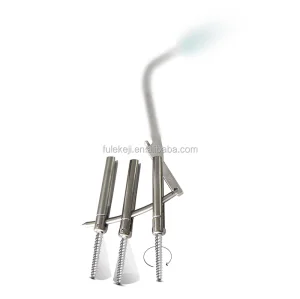
From complex subtrochanteric fractures to proximal humerus fractures resulting from high-impact sports or geriatric falls, surgeons across Ireland need versatility in the operating theater. The Multi-Dimensional Locking Intramedullary Nail Combination Set for Humeral Fixation allows precise placement even in poor bone stock or osteoporotic patients, which is increasingly prevalent in the aging Irish population.
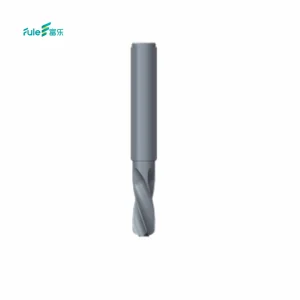
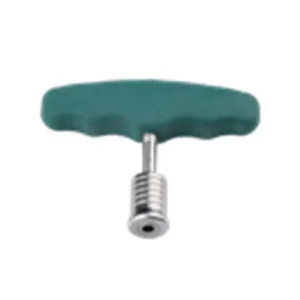
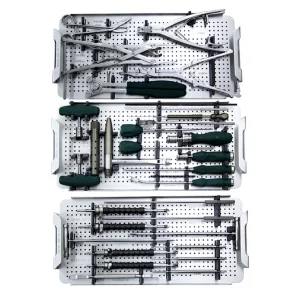
Additionally, surgical workflows in Irish public hospitals are highly standardized. The instrumentation trays we supply along with our implant packs feature intuitive color coding, reducing instrument count and facilitating rapid sterilization turnaround times in Central Sterile Services Departments (CSSD).
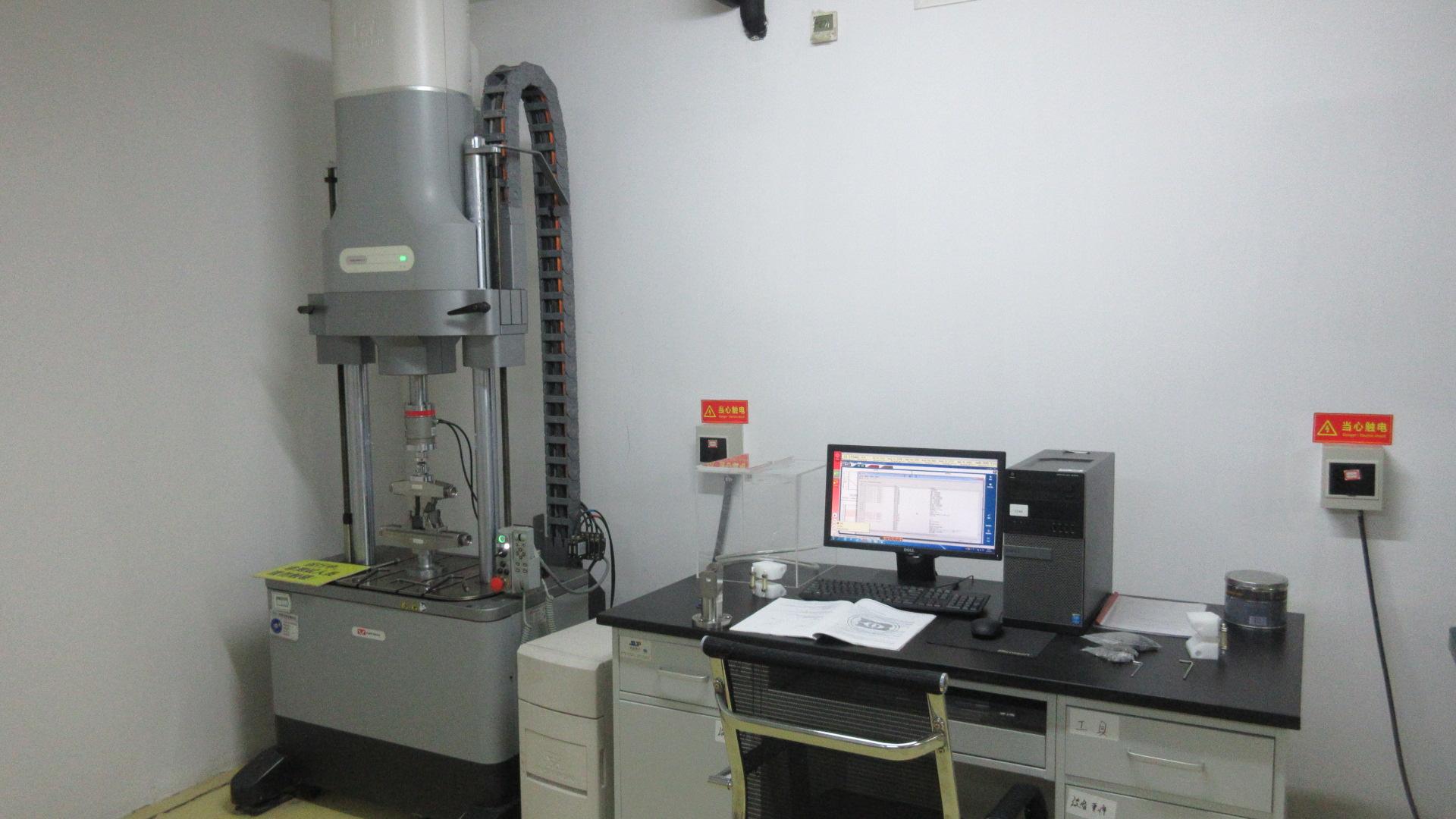
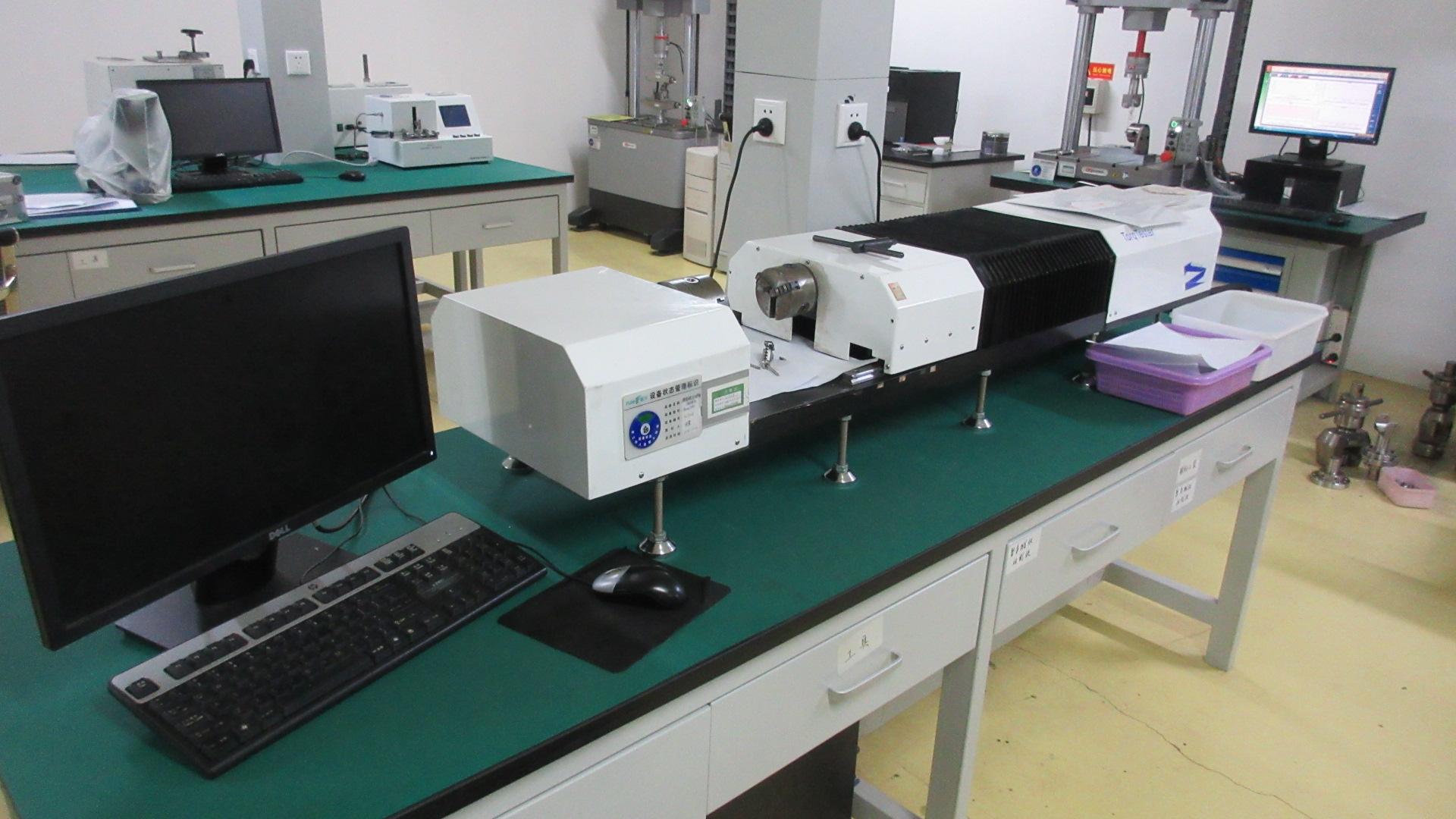
Tested mechanical stress loads matching ISO 5832 specifications for surgical implant structural integrity.
Navigating the rigorous regulatory environment of the Irish market requires world-class manufacturing, verified certifications, and complete material traceability.
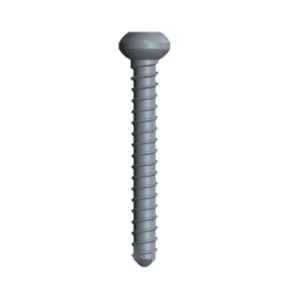
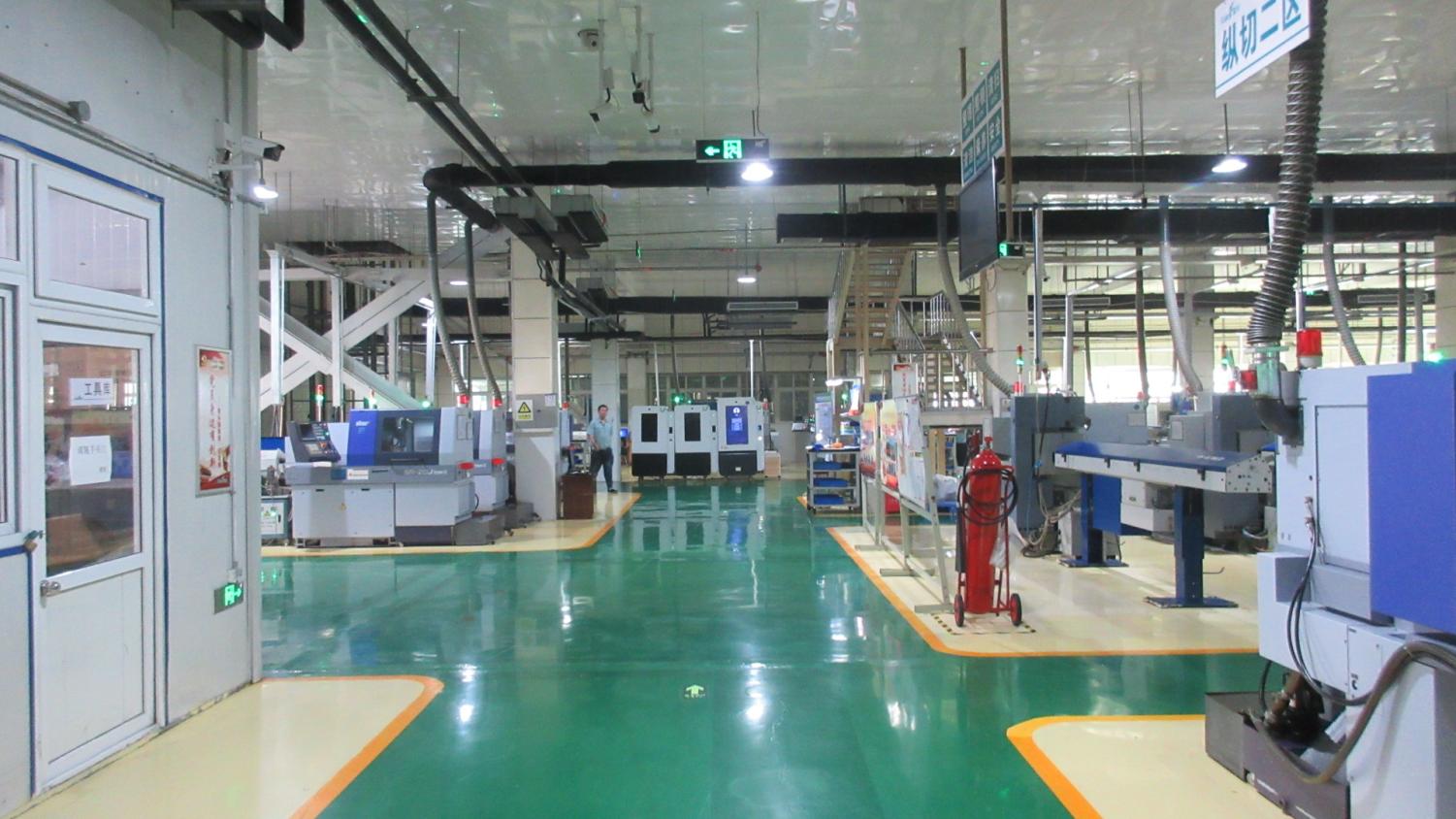
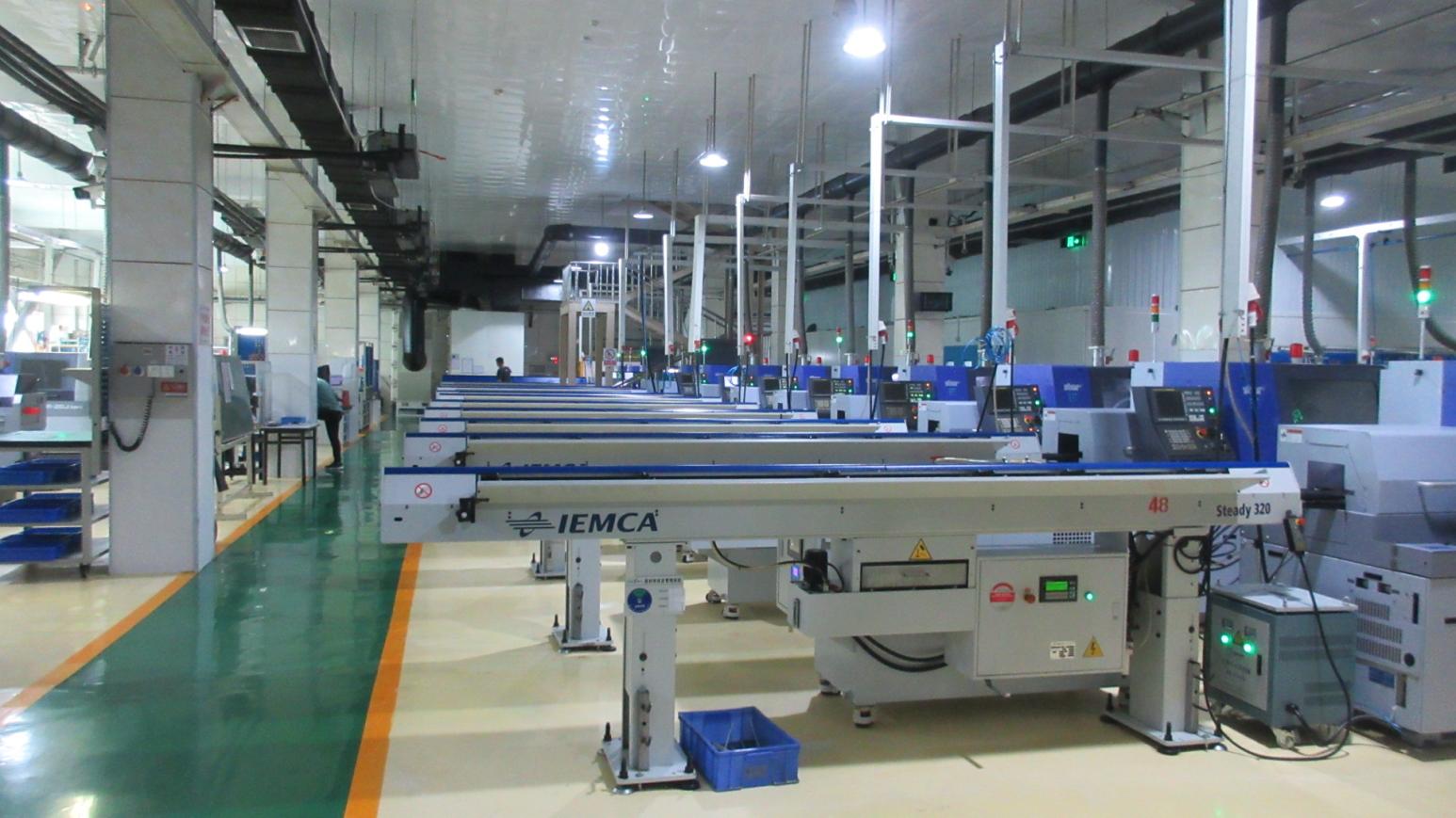
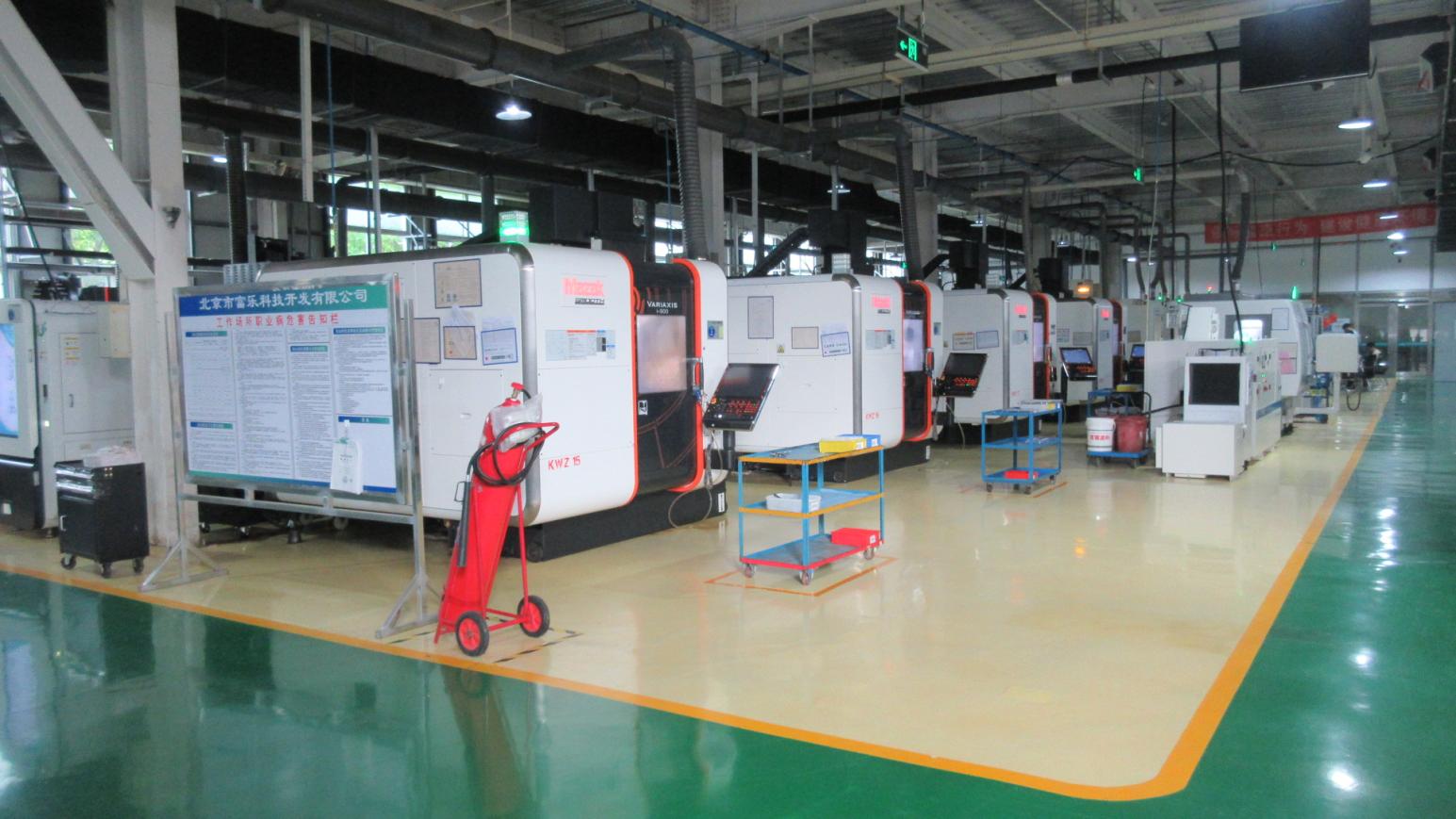
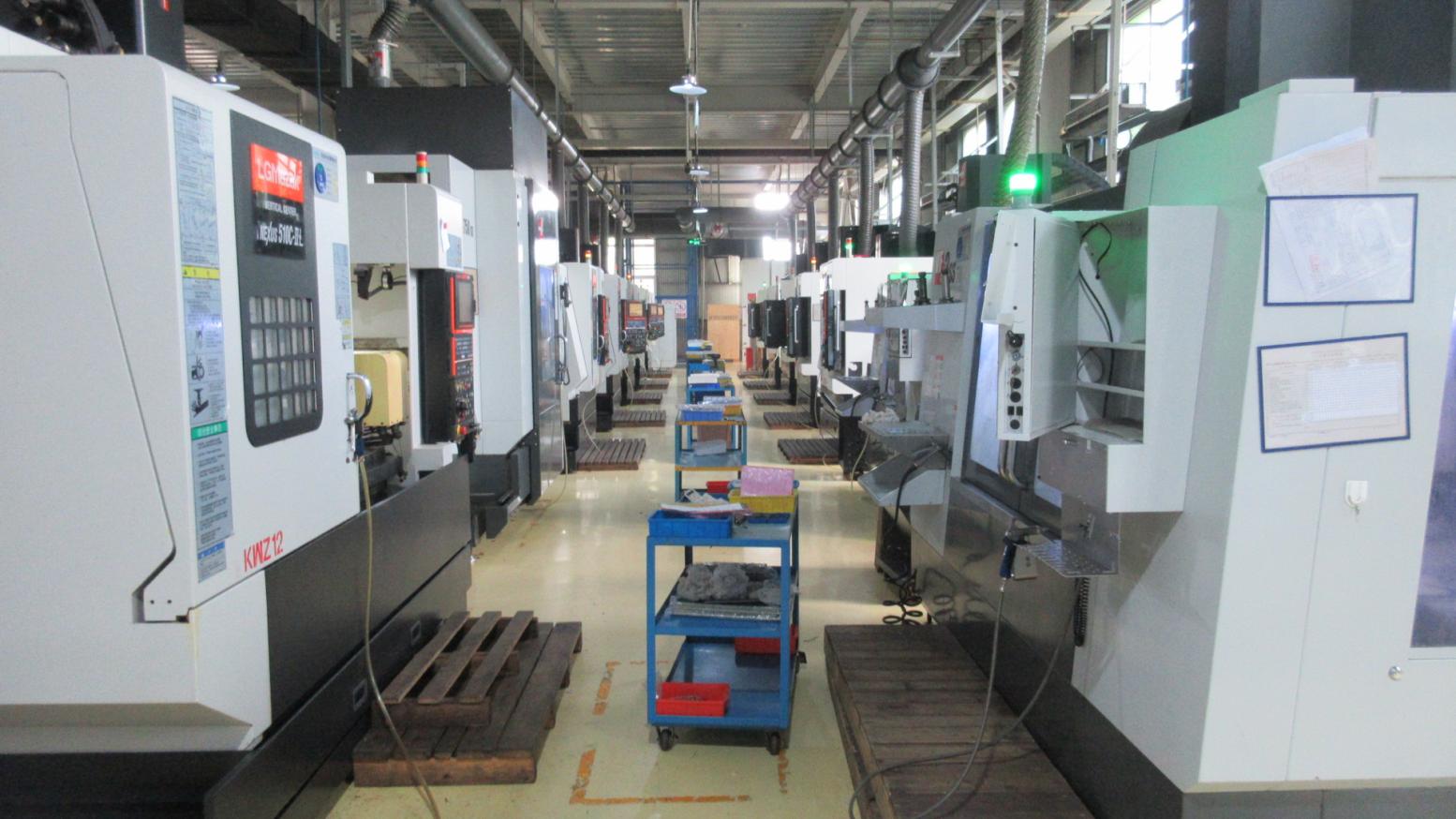
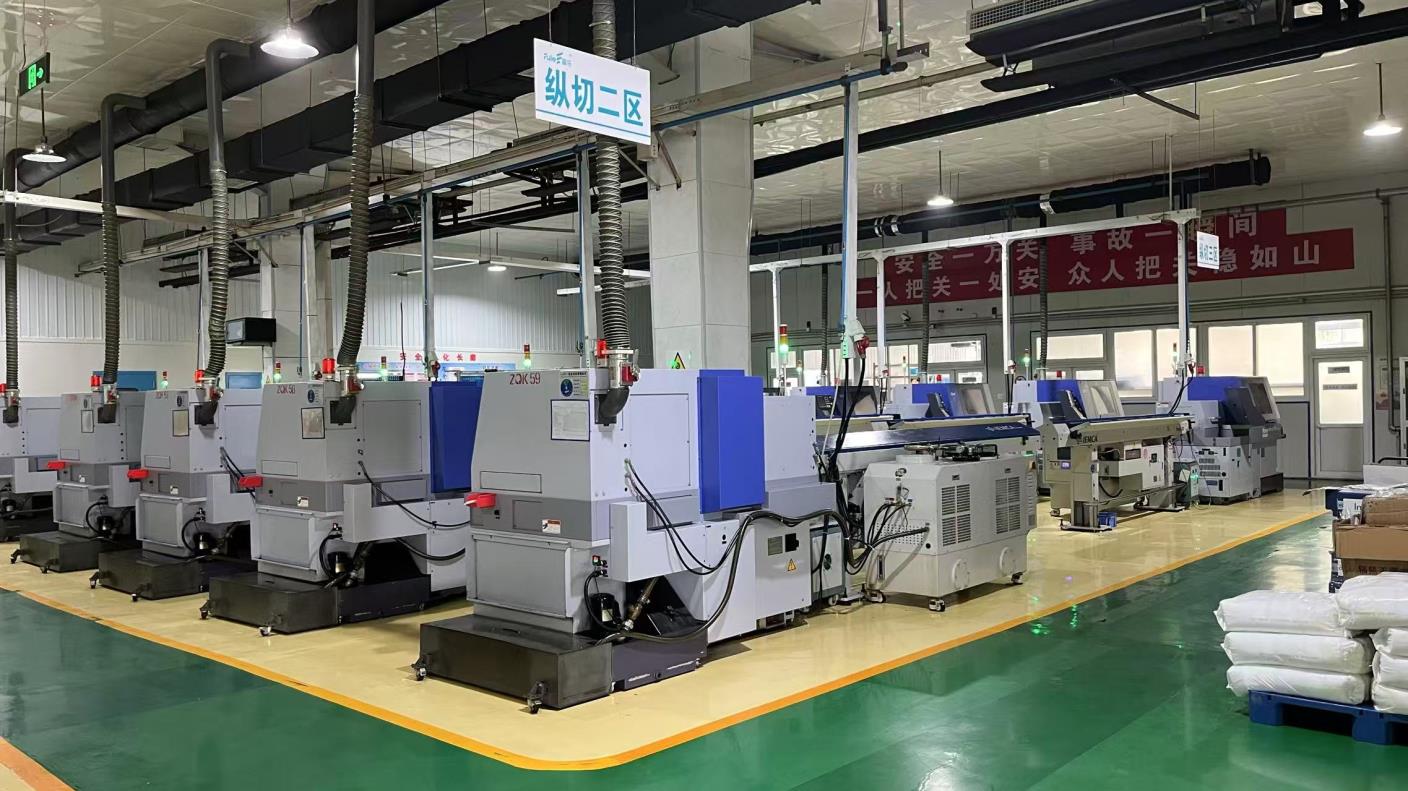
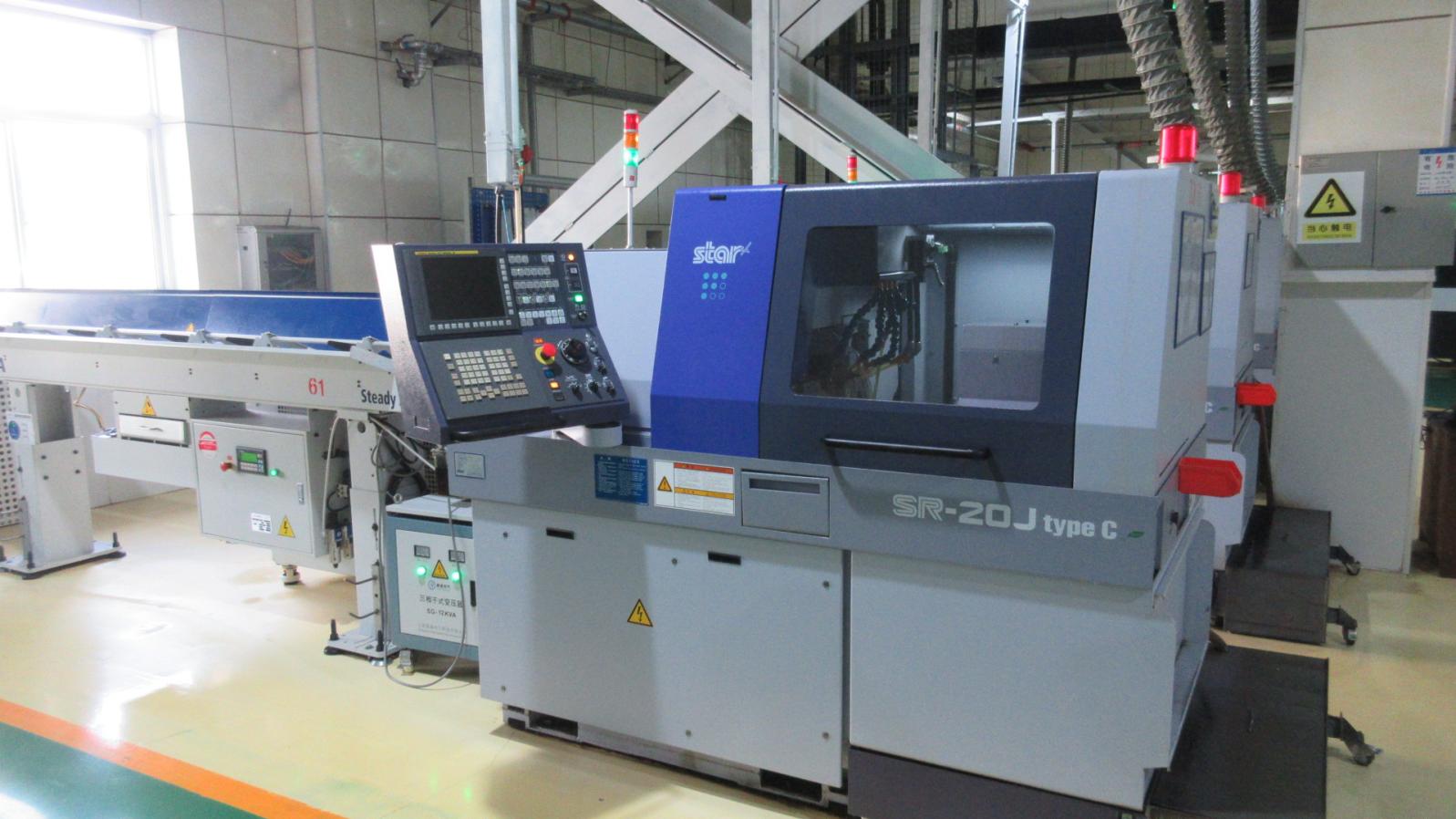
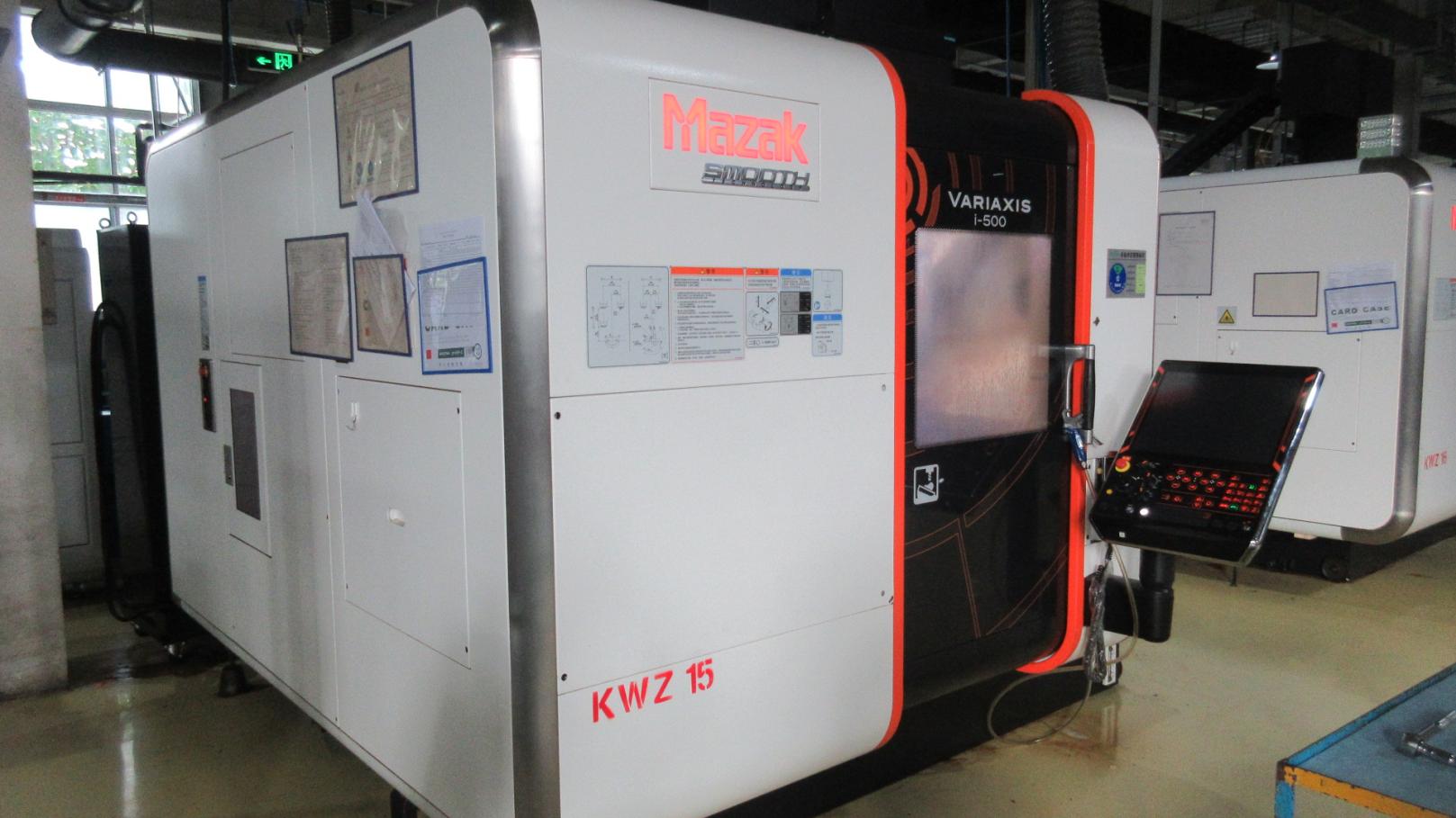
Our production facilities utilize high-precision Swiss Citizen CNC machines and multi-axis lathe centers to guarantee tolerances within ±0.01mm. This eliminates mismatch variations in surgical tools, ensuring locking screws mesh correctly with nails under stress.
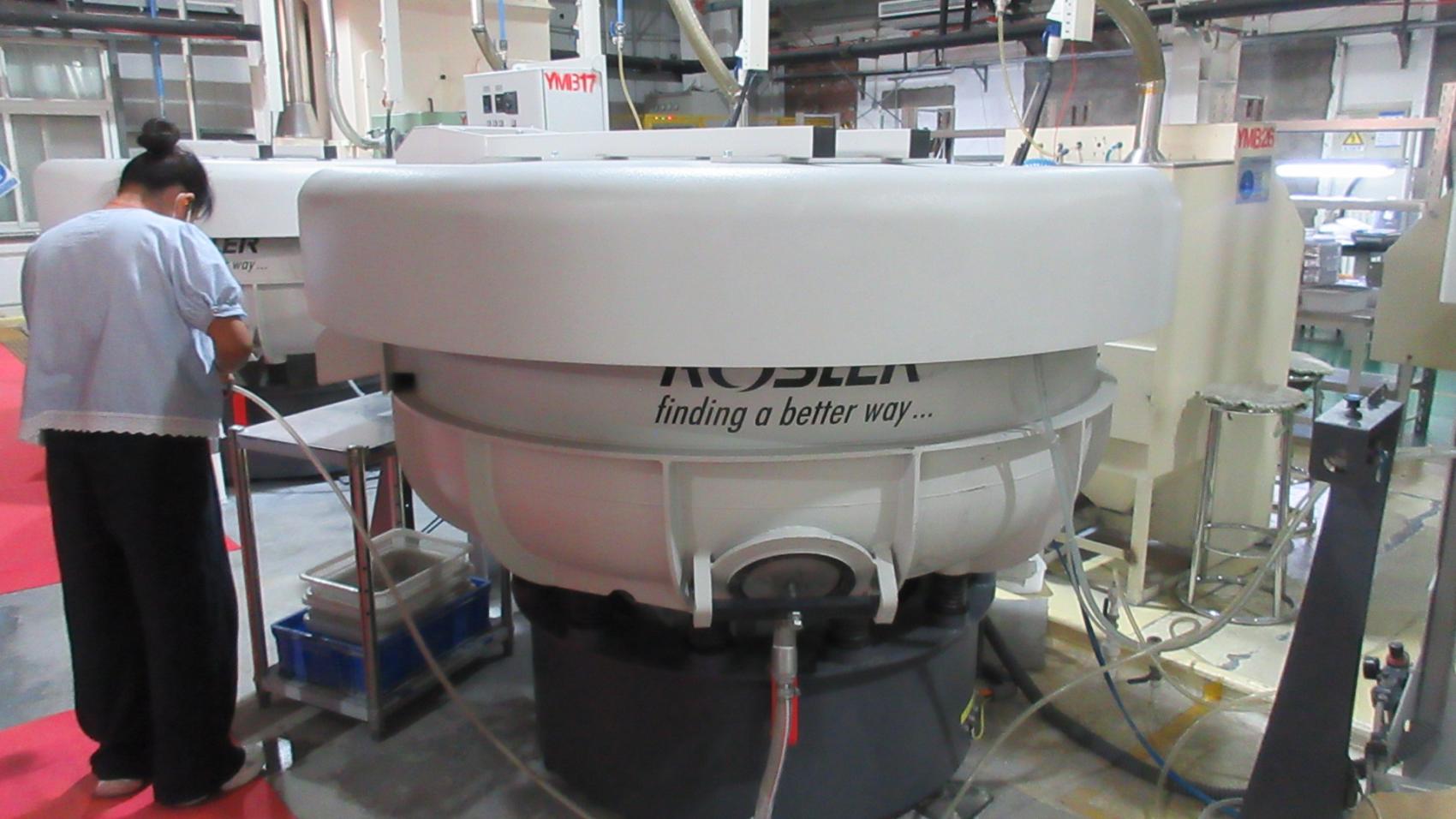
Our surface finish optimization utilizes electrochemical anodizing and specialized micro-abrasion treatments, forming a titanium oxide passivation layer that enhances corrosion resistance and osseointegration.
With three decades of medical manufacturing expertise, our facility serves as a dependable OEM partner for leading global trauma distributors.

Our facility supports customized design modifications for intramedullary nails, accommodating variations in anatomical angle preferences according to regional surgical boards across Europe.
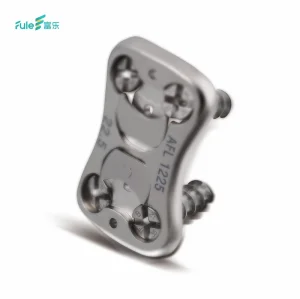
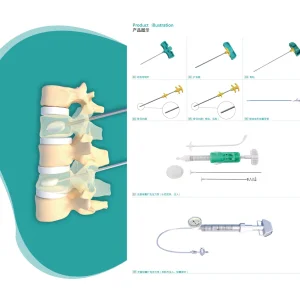
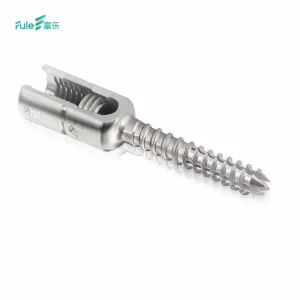
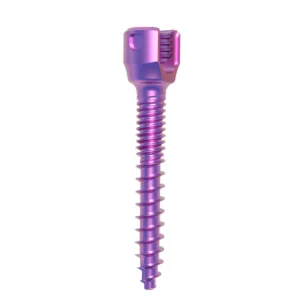
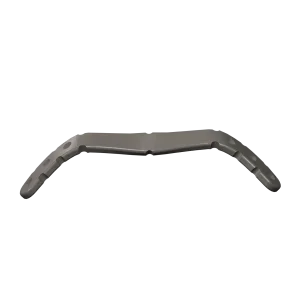
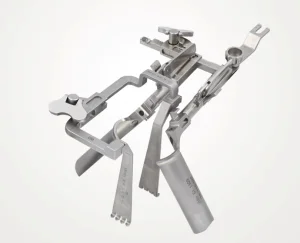
Request OEM Capabilities PresentationExpanding beyond extremity nails to deliver high-performance spinal rods, cervical plates, and pelvic locking devices for comprehensive skeletal reconstruction.
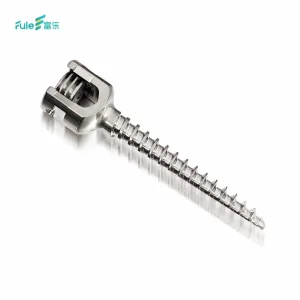
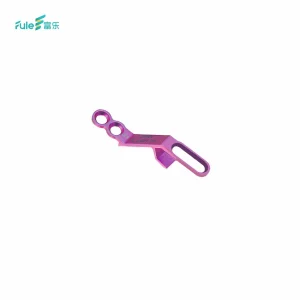
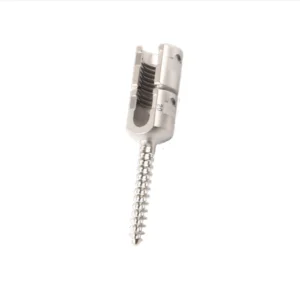
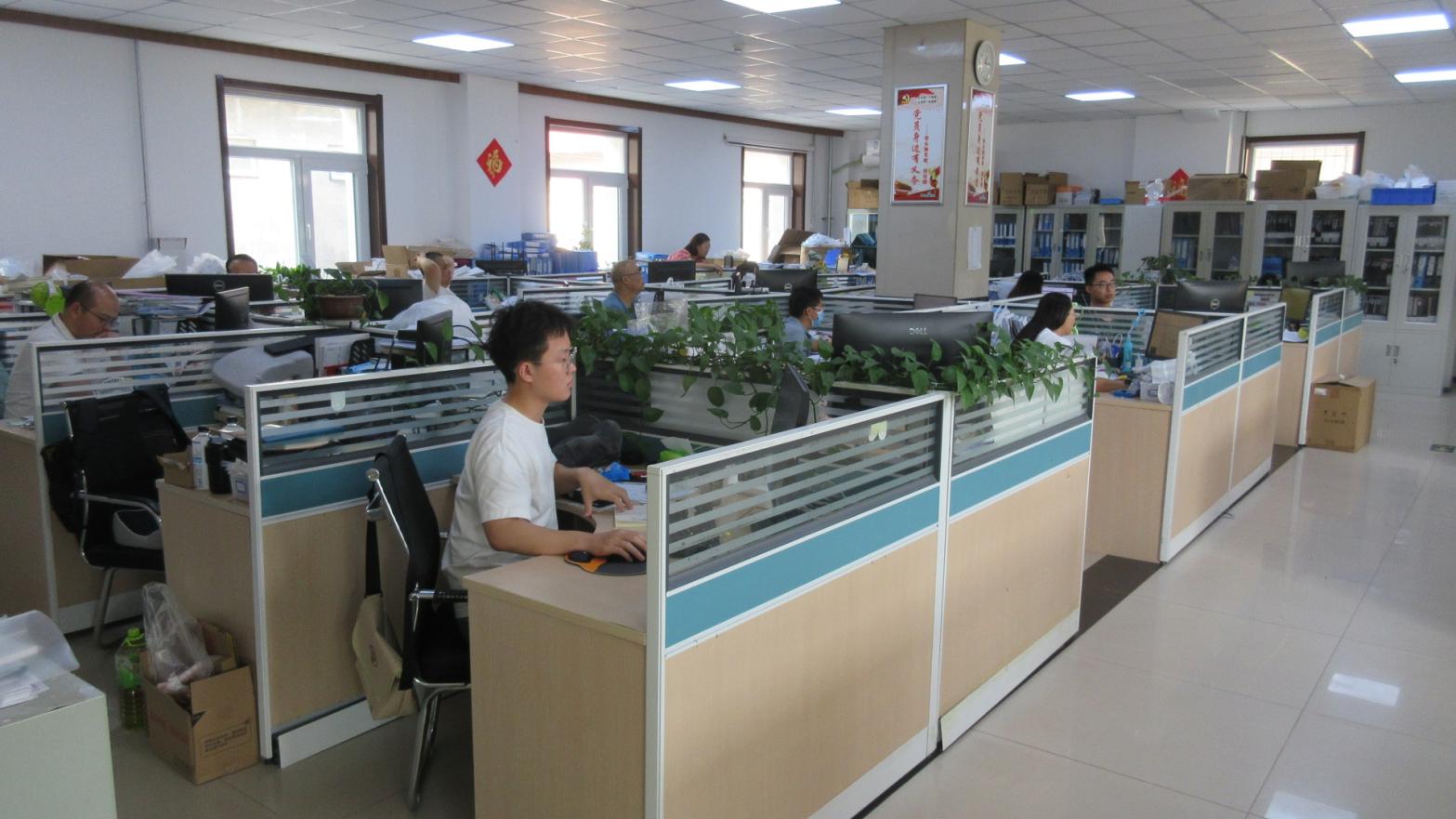
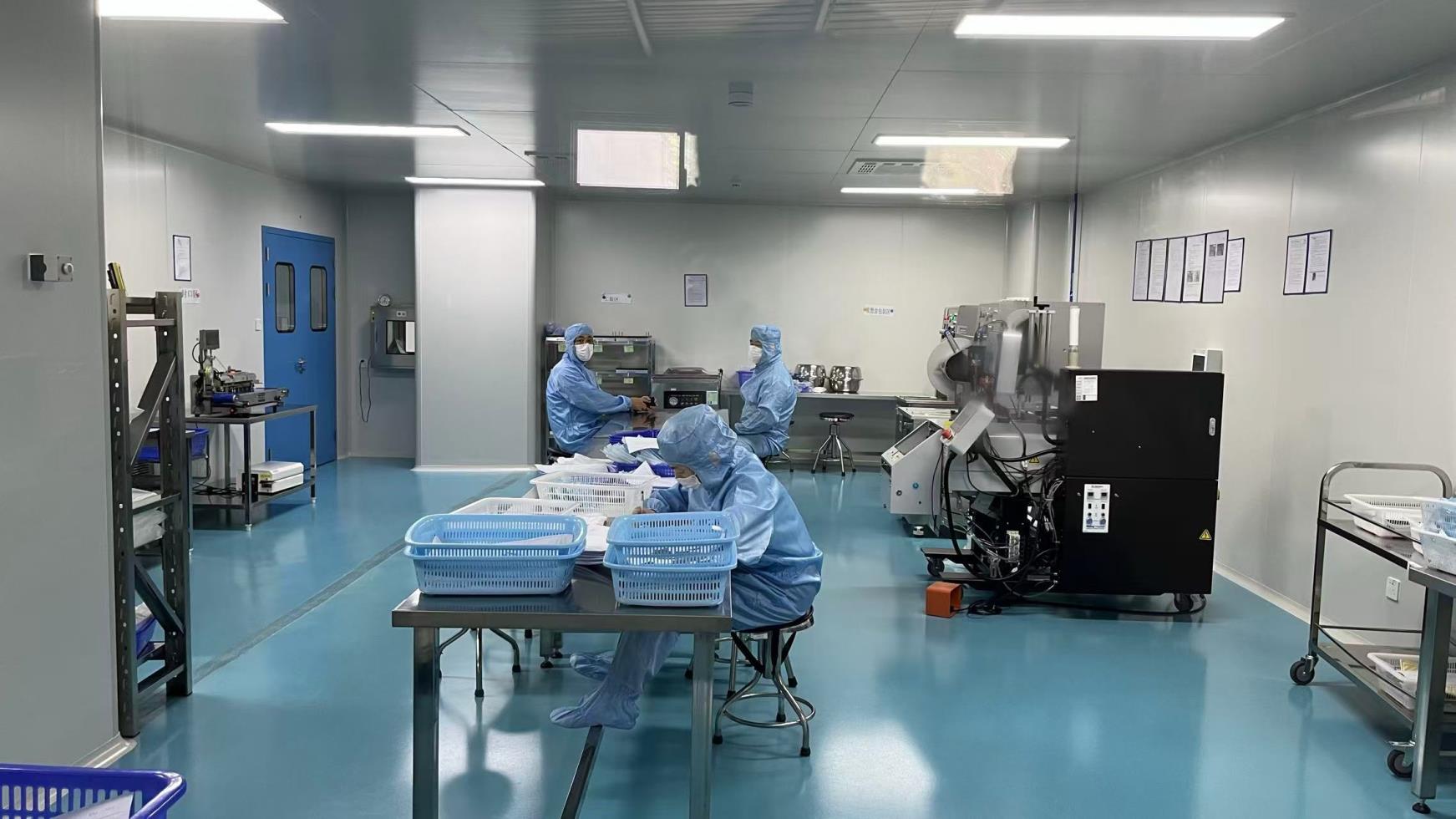
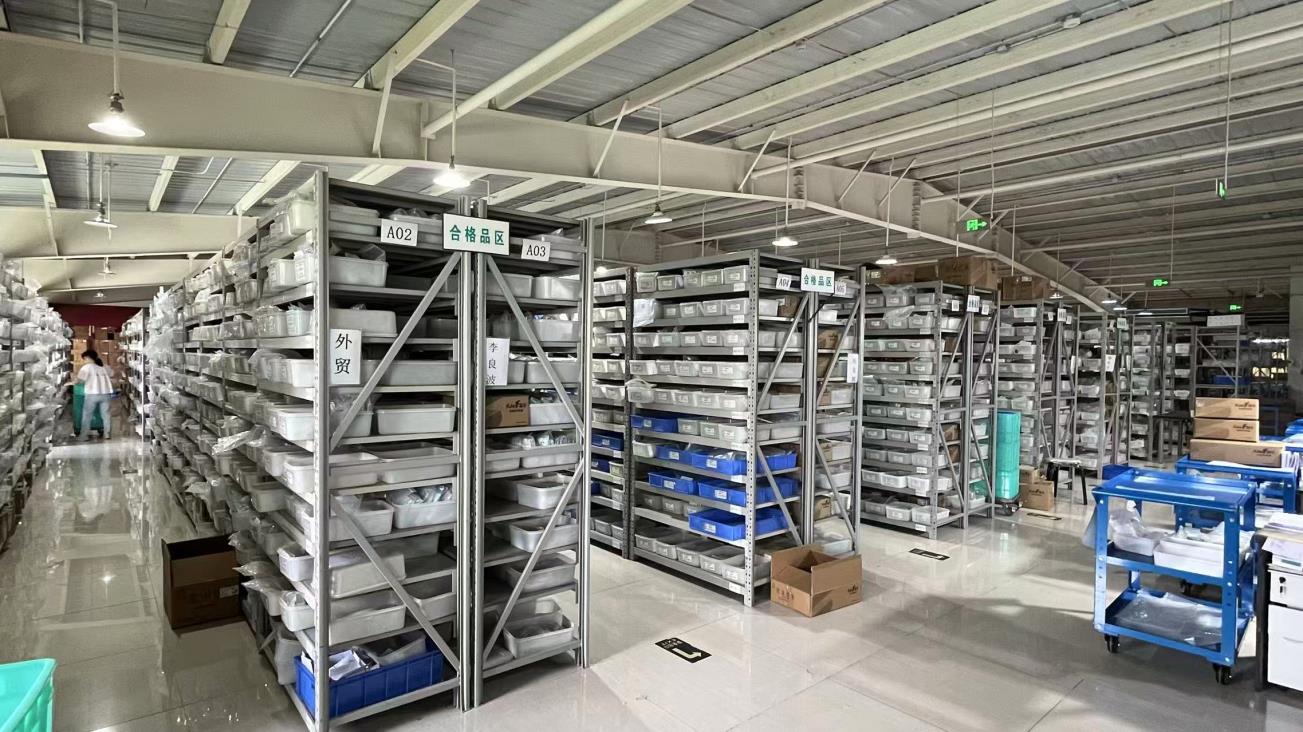
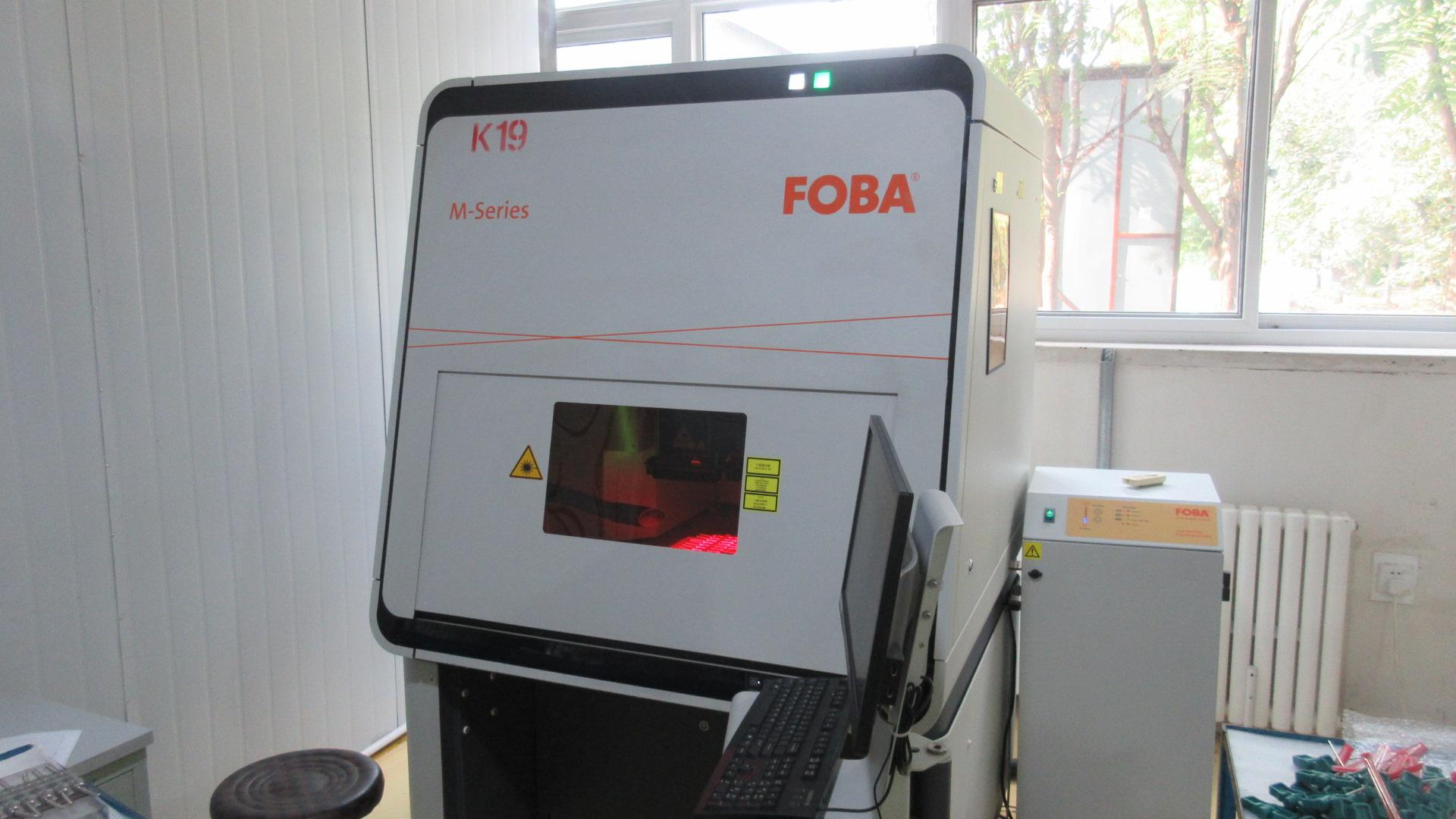
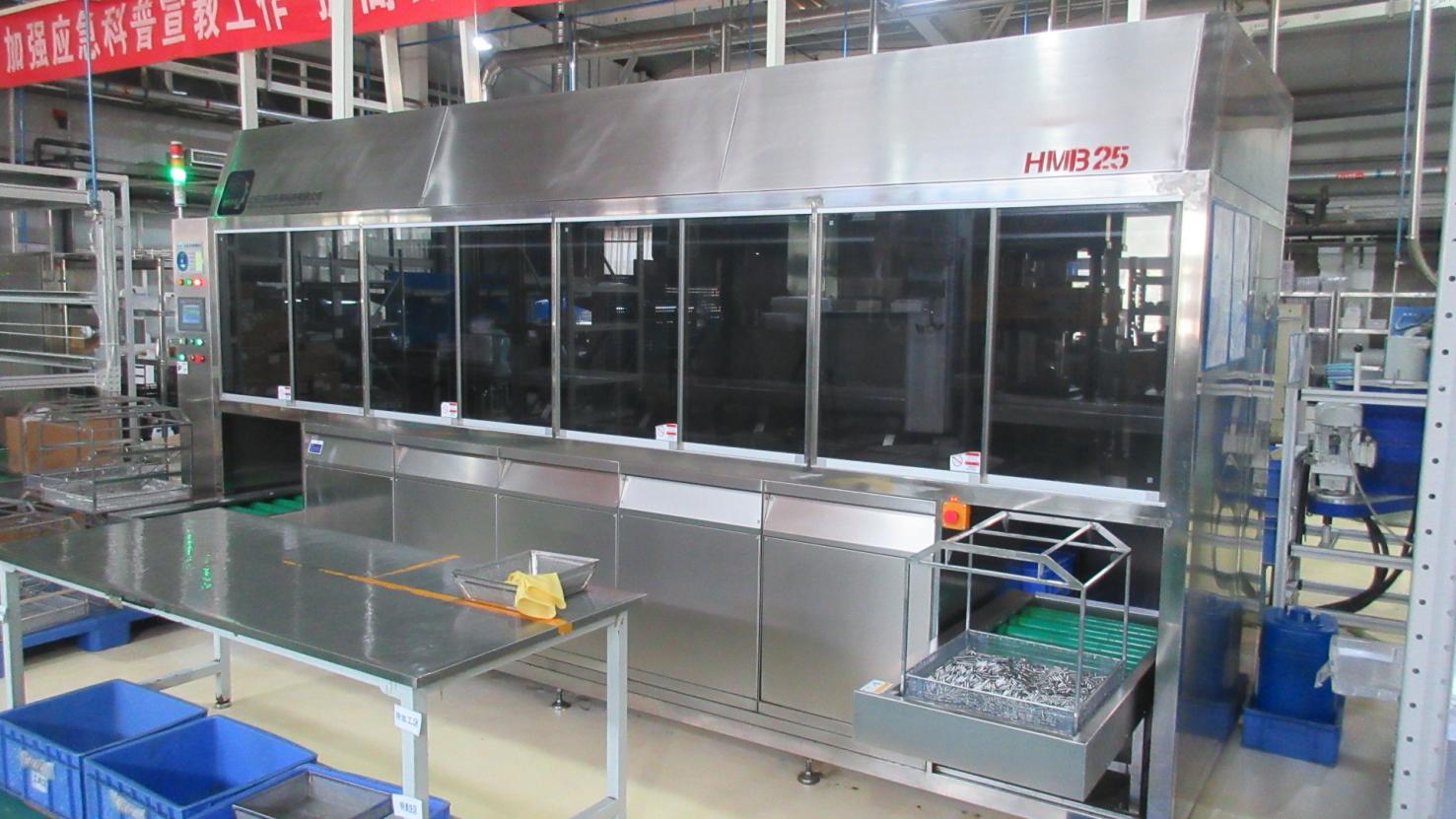
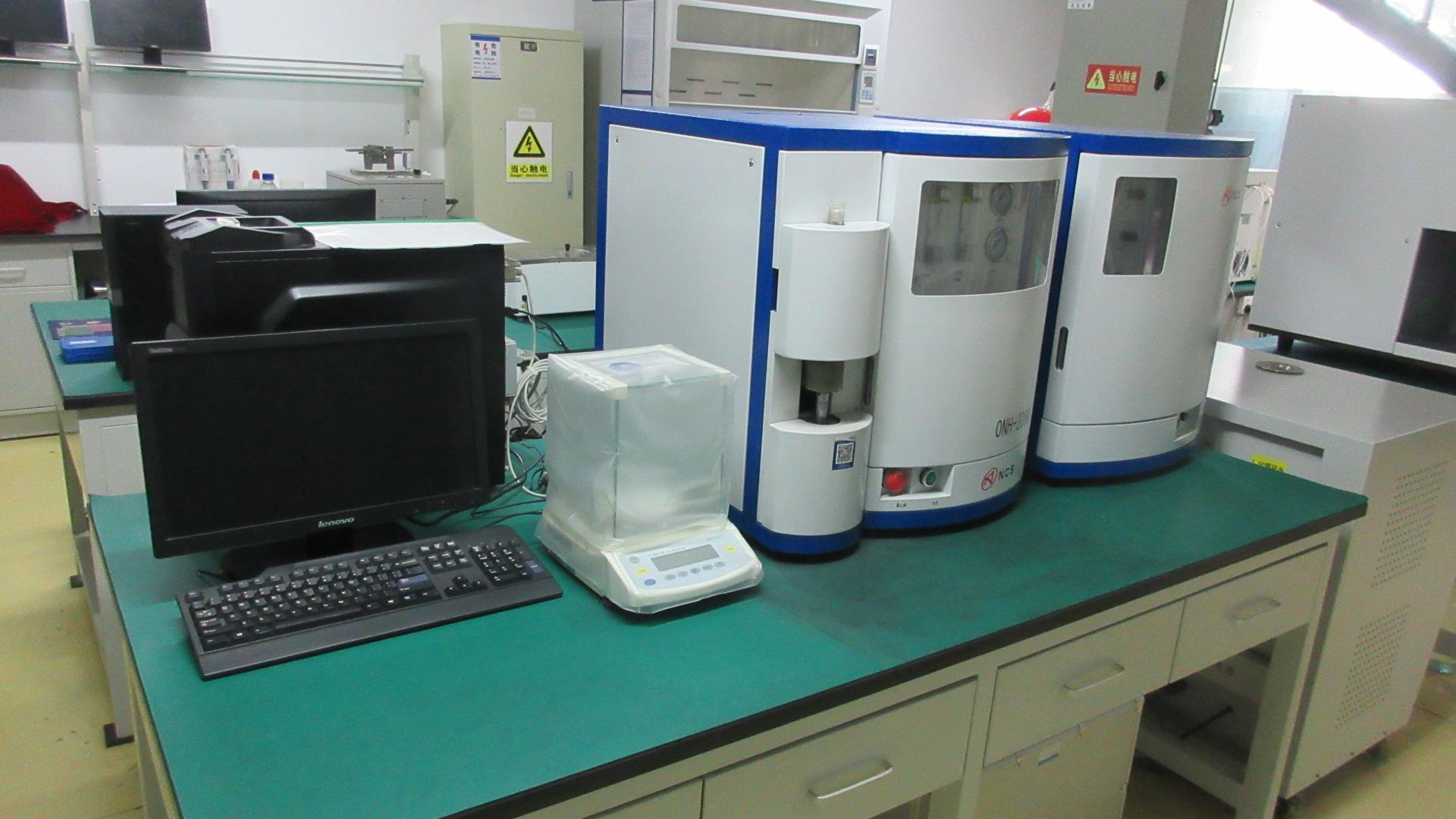
Deep inside our ISO-certified cleanrooms and fabrication plants. View our digital inspection flow and industrial processes.

Answering crucial queries for healthcare buyers, surgical team leaders, and medical importers in Ireland.
Yes. All of our implantable devices—including the PFNA femoral systems and humeral locking plates—are undergoing and matching EU MDR transition audits. We offer full Technical Documentation folders, biocompatibility screening reports (ISO 10993), and clinical assessment records required for HPRA registration and HSE tenders in Ireland.
We strictly manufacture using Titanium Grade 5 (Ti-6Al-4V ELI) according to ASTM F136 and ISO 5832-3 standards. Every shipment is accompanied by a material certificate and mill test report (MTR) detailing chemical purity, grain configuration, and tensile testing, ensuring full compliance for Irish QA requirements.
Our intramedullary nails are developed in coordination with anatomical research databases, utilizing a pre-curved design (e.g., 1.5m curvature radius for femoral systems) that aligns seamlessly with the femur and tibia curvatures of European populations. This structural calculation reduces intraoperative stress on distal cortices.
Yes, we provide extensive custom manufacturing solutions (OEM/ODM). Operating 102 advanced milling and processing units, we modify parameters such as locking angles, nail diameters, and custom engraving, and we customize instrumentation trays tailored to specific orthopedic clinical preferences.
Standard export orders are processed and shipped within 30 to 45 days. To support key partners and avoid clinical deficits, we maintain a reserve of raw materials and standard size nails, offering continuity of supply during logistics constraints.
Partner with an established Class III medical device manufacturer offering ISO 13485 quality control, 30 years of global logistics experience, and competitive OEM/ODM terms.
 Beren Science & Technology